
Many people carefully watch the obvious offenders on their plates, yet cholesterol levels continue to creep upward without a clear explanation. The culprit is often hiding in plain sight, tucked inside everyday pantry staples and seemingly innocent meals. Certain foods carry a reputation for being healthy or neutral while quietly delivering a significant cholesterol load with every serving. Understanding which foods fall into this category allows for smarter choices without overhauling an entire diet. The following list reveals the surprising everyday foods that nutrition research has consistently linked to elevated cholesterol levels.
Butter Croissants

Croissants are made through a lamination process that folds large quantities of butter into the dough dozens of times, creating their signature flaky layers. Each pastry can contain a substantial amount of saturated fat, which the liver converts into additional LDL cholesterol. Many people treat croissants as a light breakfast option compared to heavier morning meals, yet the fat content tells a different story. Bakery versions are often larger than standard portions and may include additional butter or fillings that compound the effect. Eating them regularly without accounting for their saturated fat contribution can quietly push cholesterol numbers upward over time.
Coconut Oil
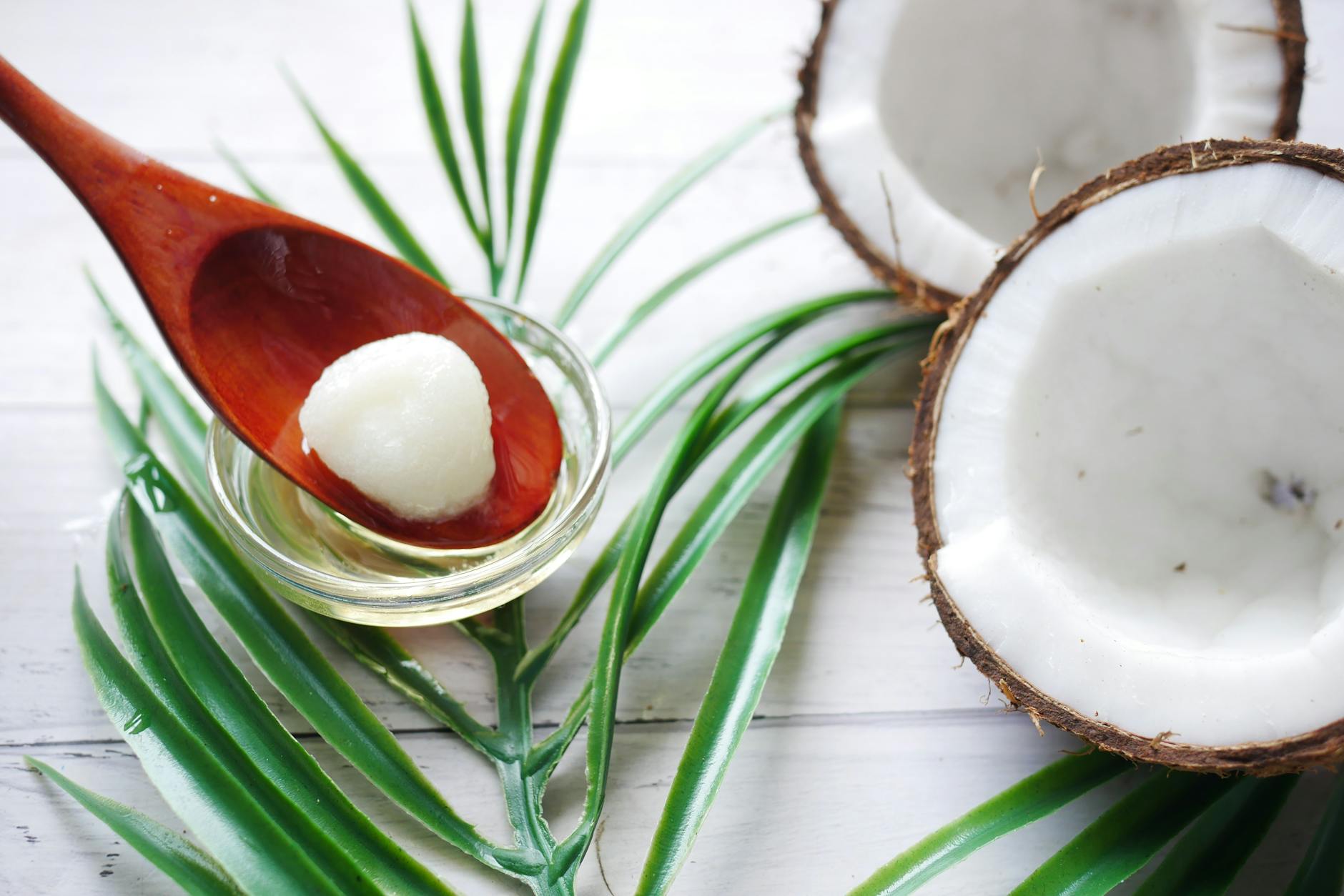
Coconut oil experienced a major resurgence in popularity driven by wellness culture, leading millions of households to swap it in for other cooking fats. Despite its plant-based origin, it contains one of the highest concentrations of saturated fat found in any commonly used oil. Research has consistently shown that diets high in saturated fat raise LDL cholesterol levels in most people. Because coconut oil is marketed alongside health-forward messaging, consumers often use it more liberally than they would a fat with a less favorable reputation. The cumulative effect of regular use in cooking, baking, and beverages like bulletproof coffee can be a measurable rise in cholesterol.
Cheese
Cheese is one of the most widely consumed dairy products in the world and appears in everything from salads to sandwiches to cooked dishes. The saturated fat content varies by variety, but most full-fat cheeses contribute meaningfully to daily saturated fat intake even in modest portions. Hard cheeses like cheddar and gouda tend to be particularly dense in both fat and dietary cholesterol. Because cheese is often used as a topping or ingredient rather than a main component, its contribution to overall fat intake is easy to overlook. Frequent consumption across multiple meals throughout the day adds up in ways that routine diet tracking often misses.
Whole Milk
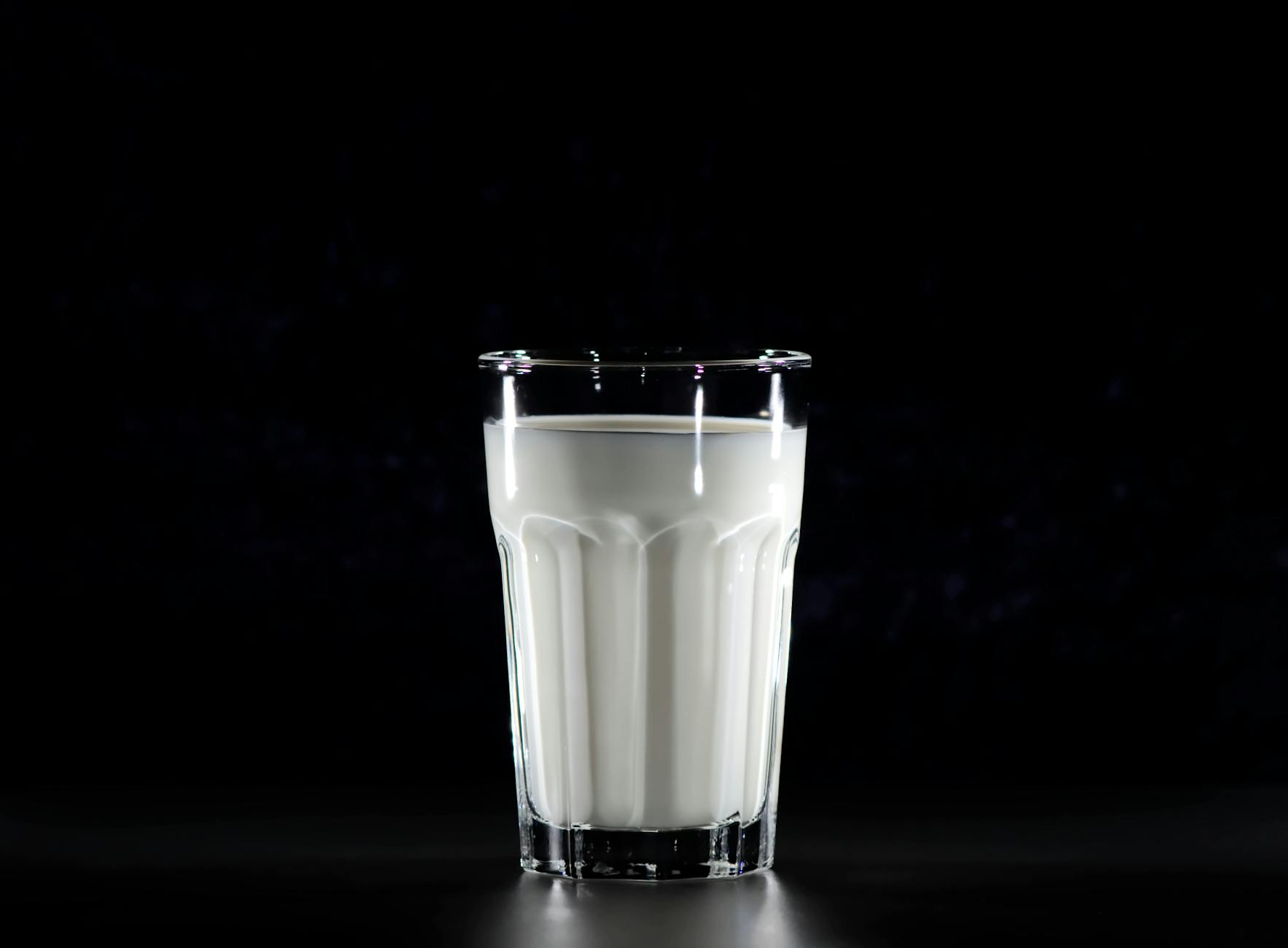
Whole milk retains all of its natural fat content, which sets it apart from the reduced-fat versions that have become more common in recent decades. A single glass provides a notable quantity of saturated fat that contributes to LDL cholesterol levels when consumed regularly. Many people who switched back to whole milk for its taste or perceived nutritional completeness may not account for the cholesterol implications of daily use. It also appears in coffee, cereal, cooking, and baking, making the cumulative intake across a single day higher than any one use might suggest. Nutrition guidelines for individuals monitoring cholesterol levels typically recommend limiting whole-fat dairy products.
Margarine
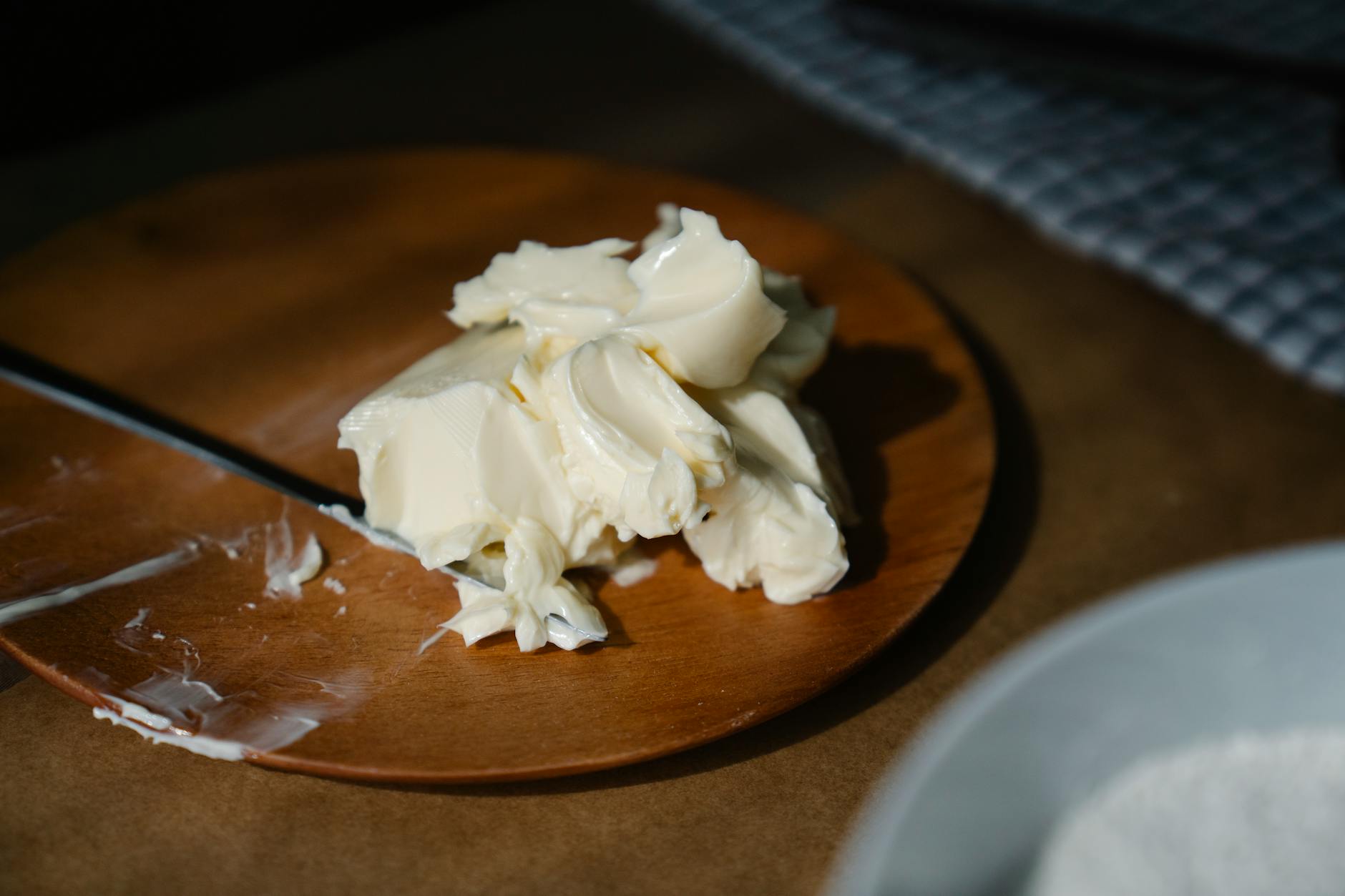
Older formulations of margarine were among the first widely consumed sources of industrially produced trans fats, which are among the most damaging dietary contributors to elevated LDL cholesterol. Many stick margarines still contain partially hydrogenated oils that produce trans fat as a byproduct of the hardening process. Consumers who associate margarine with heart health due to its historical positioning as a butter alternative may not realize that certain varieties carry significant cardiovascular risk. Checking ingredient labels carefully is essential, as trans fat content can appear even when the nutrition panel rounds the amount down to zero per serving. Regular use in cooking and spreading adds up across daily meals in ways that affect long-term cholesterol profiles.
Shrimp

Shrimp is frequently celebrated as a lean, low-calorie protein source and appears prominently in health-conscious meal plans. However, it contains a surprisingly high level of dietary cholesterol relative to its size, with a standard serving delivering a significant portion of the recommended daily limit. While dietary cholesterol from shellfish affects individuals differently based on genetics and overall diet composition, those already managing elevated levels are often advised to moderate their intake. Shrimp is commonly prepared with butter, cream sauces, or frying methods that add saturated and trans fats on top of its existing cholesterol content. The combination of inherent cholesterol and preparation habits makes it a frequent hidden contributor.
Egg Yolks
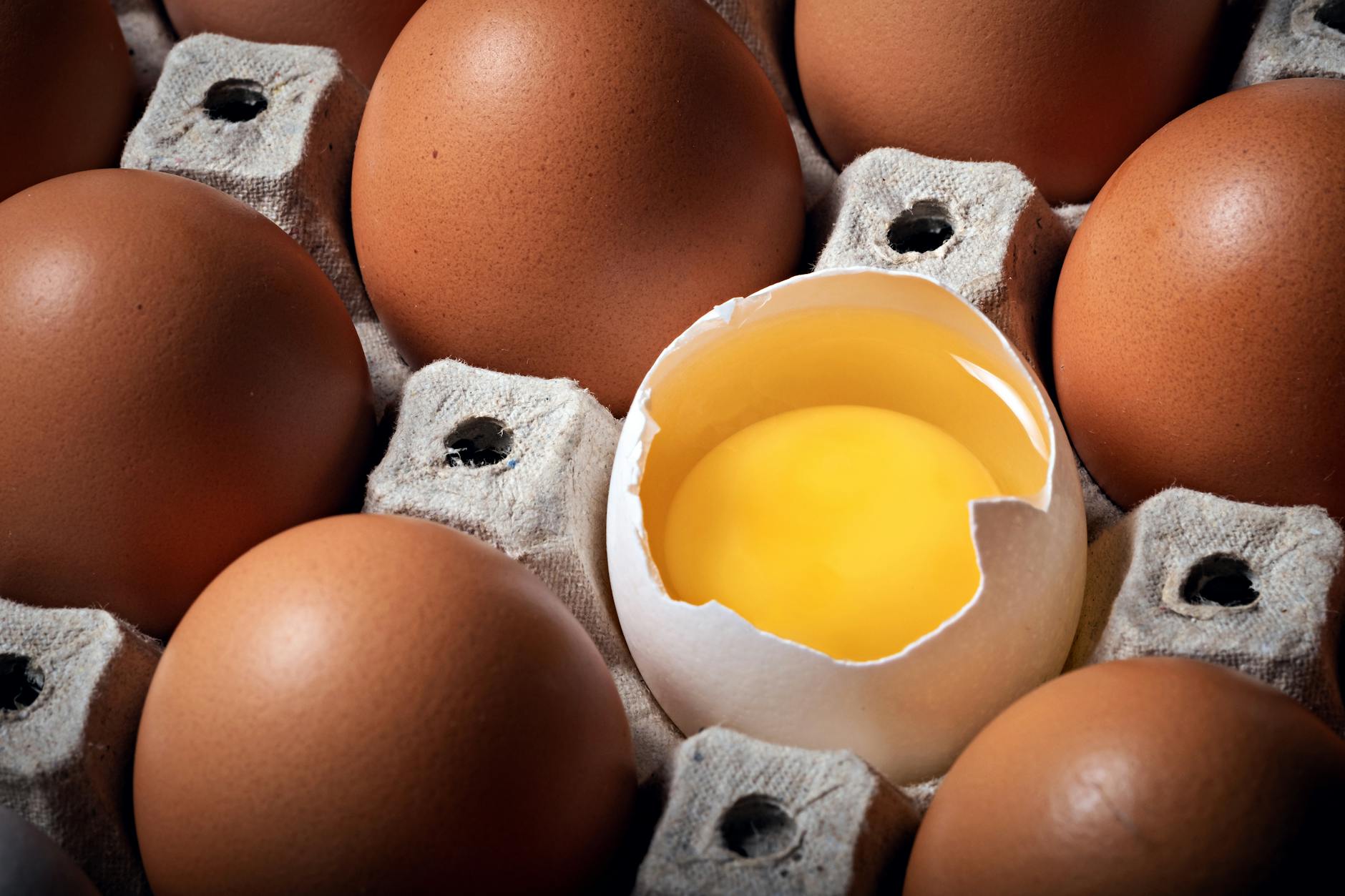
Egg yolks are among the most concentrated sources of dietary cholesterol in the food supply, with a single large yolk containing a substantial amount of the daily recommended limit. Whole eggs appear in breakfasts, baked goods, sauces, pasta, and dozens of other dishes, making daily yolk consumption easy to underestimate. For individuals who are considered cholesterol-sensitive, sometimes called hyper-responders, dietary cholesterol from eggs has a measurable impact on blood cholesterol levels. The prevalence of eggs across multiple meals and snack foods means the cumulative exposure can be significant without any single serving seeming excessive. Nutrition professionals often recommend moderation for those already dealing with elevated LDL readings.
Processed Meats
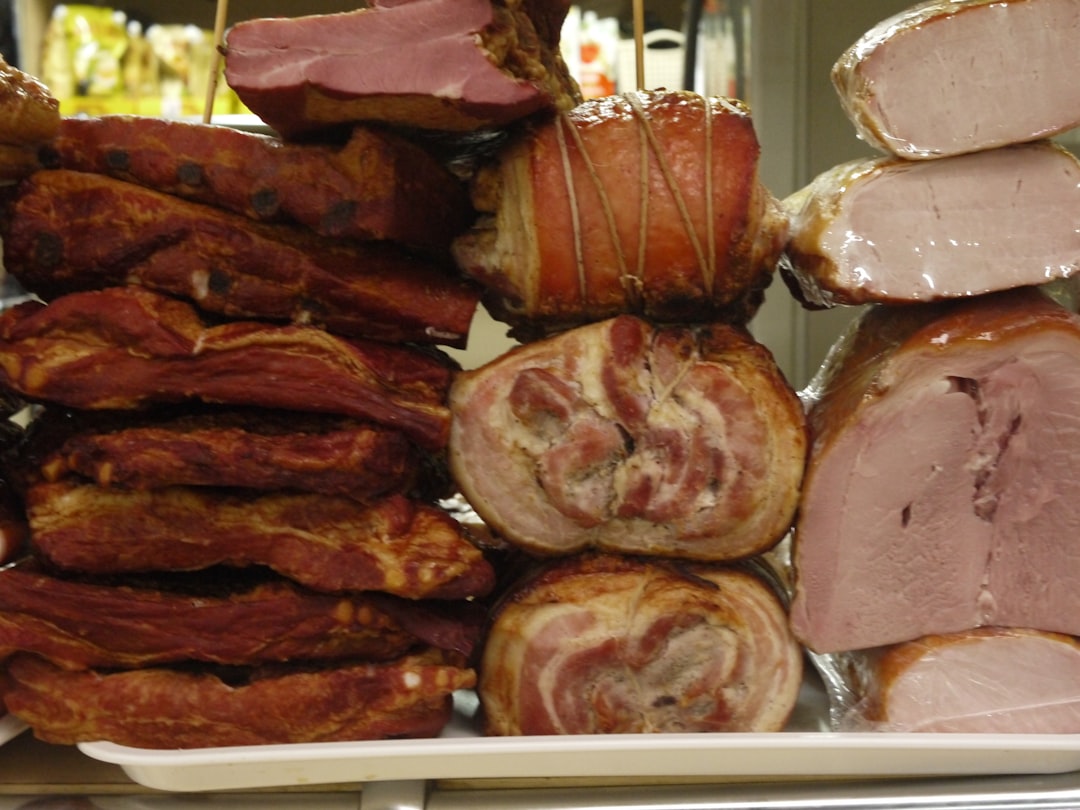
Processed meats including sausages, hot dogs, bacon, and deli slices are prepared through methods that concentrate both saturated fat and sodium into each serving. The fat profiles of these products are dominated by the types of fatty acids most associated with raising LDL cholesterol in clinical studies. Many processed meats are eaten casually as quick lunches or breakfast additions without being counted as a significant dietary contributor. Their widespread availability and convenience make them a daily fixture in many households, which means regular small servings accumulate into substantial intake over a week. Major health organizations consistently list processed meat consumption as a factor in adverse cholesterol outcomes.
Fast Food Burgers
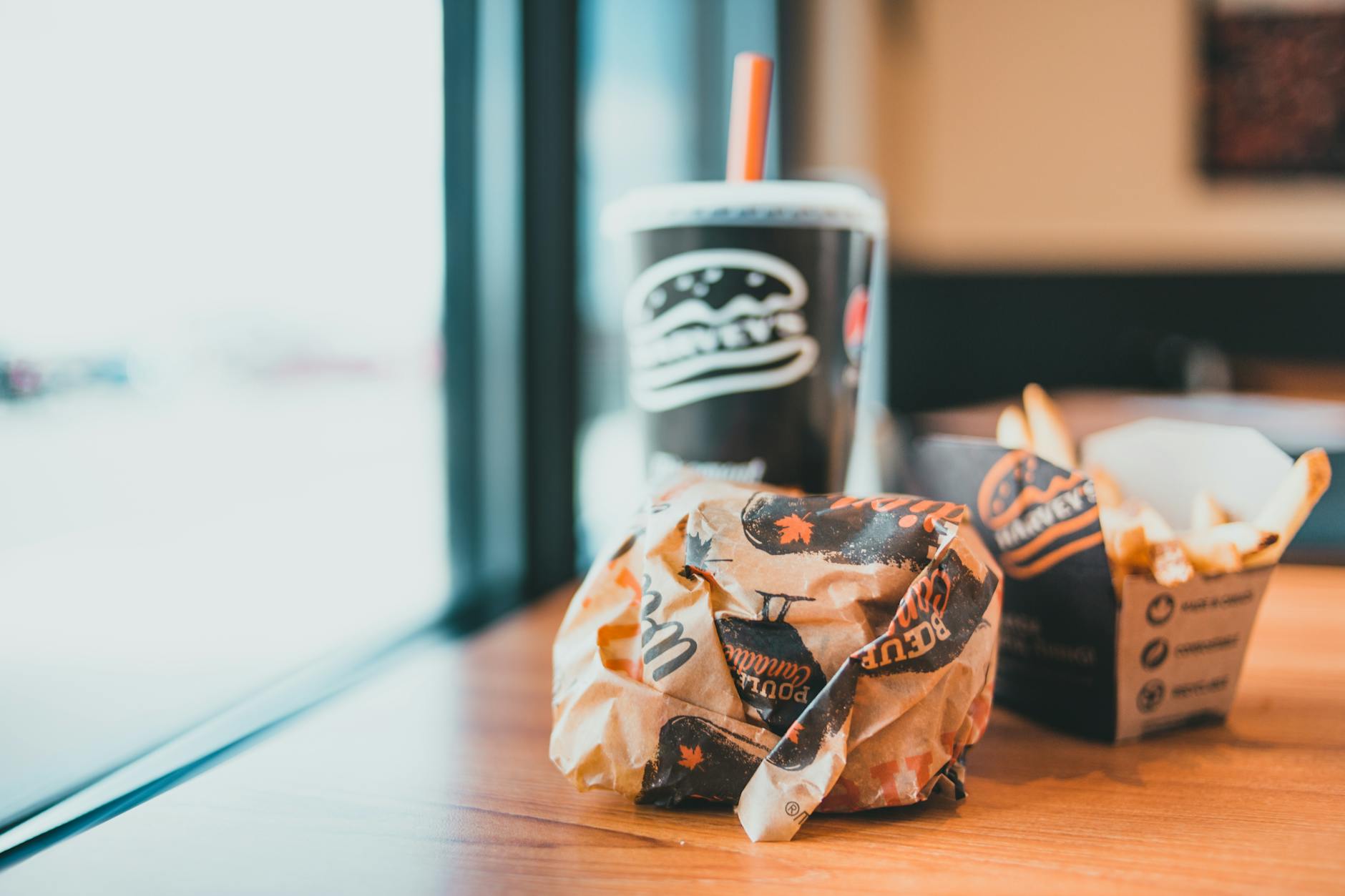
Fast food burgers combine multiple cholesterol-raising ingredients into a single item, including fatty ground beef, processed cheese, mayonnaise-based sauces, and refined white bread. The beef used in large commercial quantities is typically higher in fat than leaner cuts available at grocery stores. Cheese and condiments each contribute additional saturated fat that compounds the effect of the meat patty itself. Portion sizes have grown considerably over the decades, meaning a single meal can deliver an outsized share of the daily saturated fat recommendation. Regular consumption, even once or twice per week, has been linked in nutritional research to progressively worsening lipid panels.
Fried Chicken
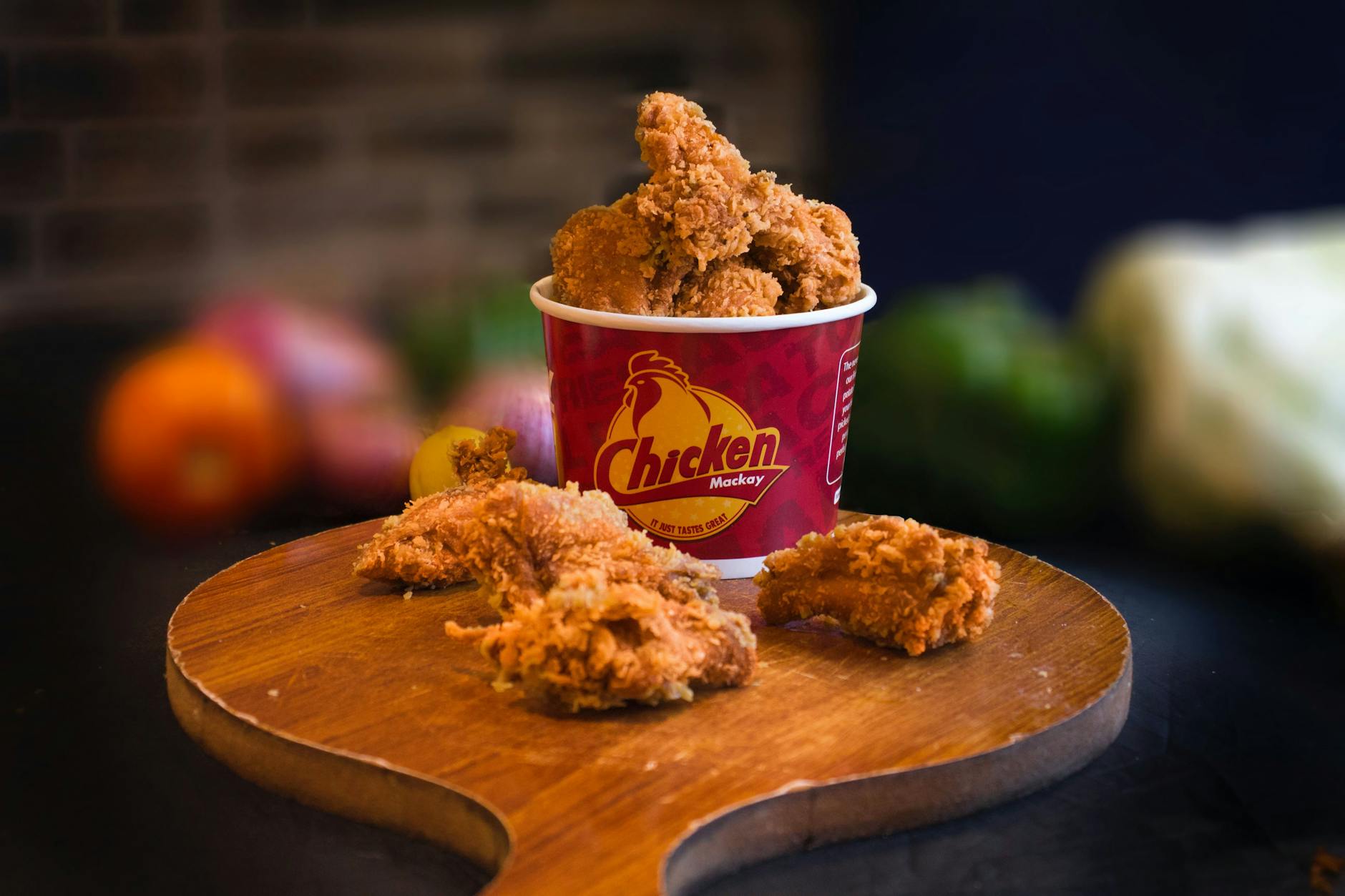
Fried chicken derives much of its appeal from the crispy coating that forms when breaded poultry meets hot oil, but that process introduces a substantial quantity of fat into the final product. The skin of the chicken is rich in saturated fat and retains even more fat when fried, making skin-on preparations especially impactful on cholesterol levels. Commercial frying operations often use oils that contain trans fats or high levels of saturated fat depending on the establishment. The breading itself absorbs oil during the frying process, further increasing the total fat load beyond what the chicken alone would provide. Frequent consumption has a well-documented association with elevated LDL cholesterol in population-level dietary studies.
Palm Oil
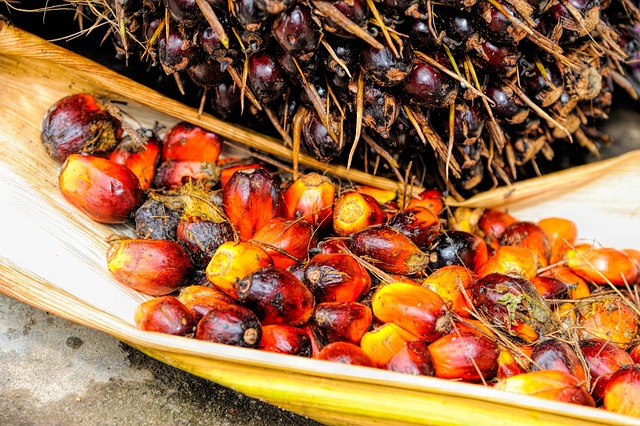
Palm oil is one of the most widely used vegetable oils in the global food industry, appearing in packaged snacks, crackers, chocolates, instant noodles, and dozens of other processed products. Unlike most plant oils, it has a high saturated fat content that more closely resembles animal fats than typical vegetable sources. Because it appears under multiple names on ingredient labels and is embedded in processed foods rather than used visibly in cooking, consumers are often unaware of how much they are consuming. Its low cost makes it a default ingredient in mass-market food production, meaning it reaches consumers through a wide range of everyday products. Habitual consumption of palm oil-containing processed foods contributes meaningfully to elevated LDL cholesterol levels over time.
Ice Cream

Ice cream is made from a base of whole milk, heavy cream, and egg yolks, combining three of the most cholesterol-relevant dairy and animal ingredients into a single dessert. Premium and artisan varieties tend to have even higher fat content than standard commercial products due to their increased cream ratios. Many people treat ice cream as an occasional indulgence, but portion sizes tend to expand over repeated servings and the frequency of consumption is often higher than estimated. Add-ons like hot fudge, caramel sauce, and whipped cream compound the saturated fat content of each bowl significantly. Regular dessert habits built around high-fat frozen dairy contribute persistently to total dietary saturated fat intake.
Biscuits and Gravy

Biscuits prepared with lard or shortening carry a heavy saturated fat load from both the fat used in the dough and the layering process that creates their texture. Sausage-based gravy adds another tier of saturated fat from the meat fat and whole milk used in preparation. The combination of two high-fat components in a single dish makes biscuits and gravy one of the more concentrated cholesterol-raising meals commonly eaten at breakfast. It is a staple in many regional American diets where it may be consumed multiple times per week without being flagged as a dietary concern. The habitual nature of traditional breakfast foods means their cholesterol impact is frequently underestimated relative to other meals.
Beef Tallow
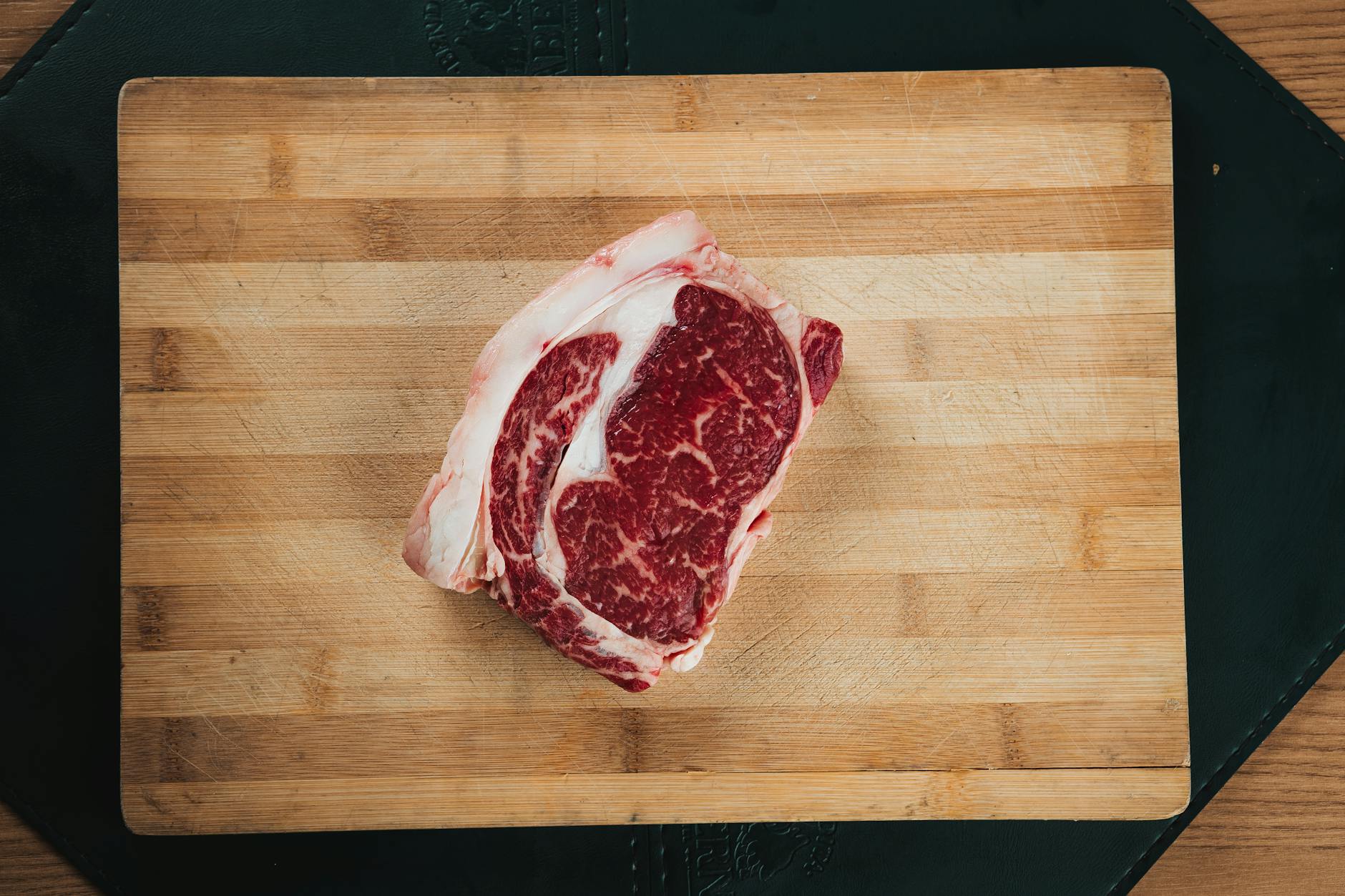
Beef tallow was a standard cooking fat for much of culinary history before vegetable oils became dominant, and it has regained interest in some dietary communities as a traditional whole food option. It is almost entirely composed of saturated and monounsaturated fat with a saturated fat concentration that is among the highest of any cooking medium. Foods fried or roasted in beef tallow absorb these fats during cooking, which the body processes in ways that raise LDL cholesterol in most people. Its growing presence in specialty cooking oils and some restaurant kitchens means consumers may encounter it without being aware of its fat composition. Regular use as a primary cooking fat has a meaningful and measurable impact on cholesterol levels.
Lard
Lard is rendered pig fat that was widely used in traditional cooking across many cultures and continues to appear in pastries, tamales, refried beans, and certain baked goods. Its saturated fat content is substantial, and its use in foods that are otherwise perceived as simple or traditional can cause consumers to overlook its contribution to overall fat intake. Commercially prepared versions may contain partially hydrogenated lard, adding trans fats to an already cholesterol-relevant ingredient. Many restaurant kitchens and home cooks continue to use lard for flavor and texture without disclosing its presence on menus or in recipes. Consistent dietary exposure through culturally familiar dishes makes lard a hidden but significant cholesterol contributor for many people.
Whipped Cream
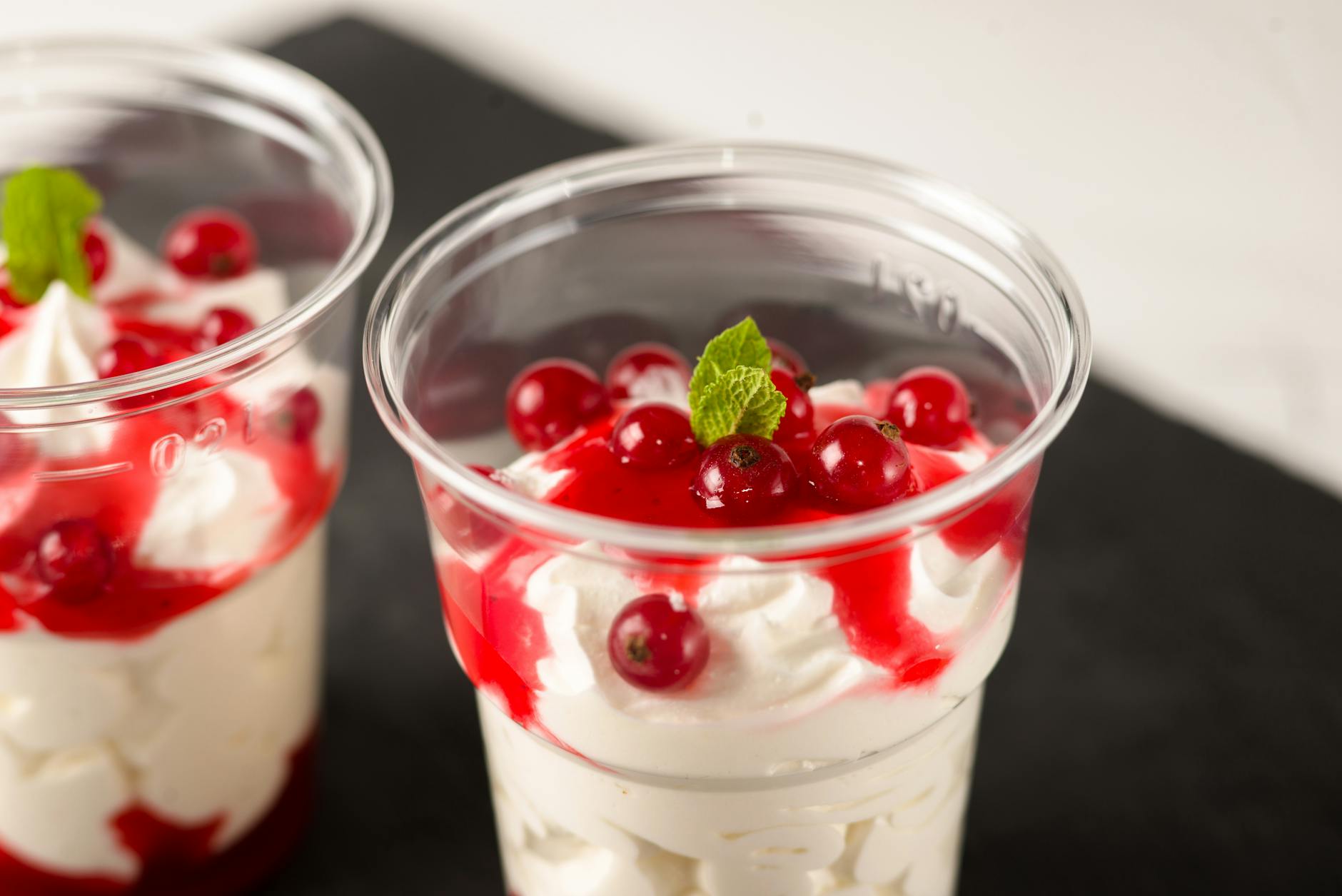
Whipped cream is made almost entirely from heavy cream, which has one of the highest fat concentrations of any dairy product. A standard dollop may seem small, but the habit of adding it to coffee drinks, hot chocolate, desserts, and seasonal beverages throughout the day results in cumulative saturated fat intake that goes untracked. Canned commercial versions typically contain additional stabilizers and may use partially hydrogenated oils depending on the formulation, adding potential trans fat to the saturated fat content. The treat-like nature of whipped cream means it is rarely counted as a meaningful dietary contributor in casual self-assessment. Its frequent appearance in specialty coffee culture has normalized daily consumption in ways that affect long-term lipid profiles.
Lobster
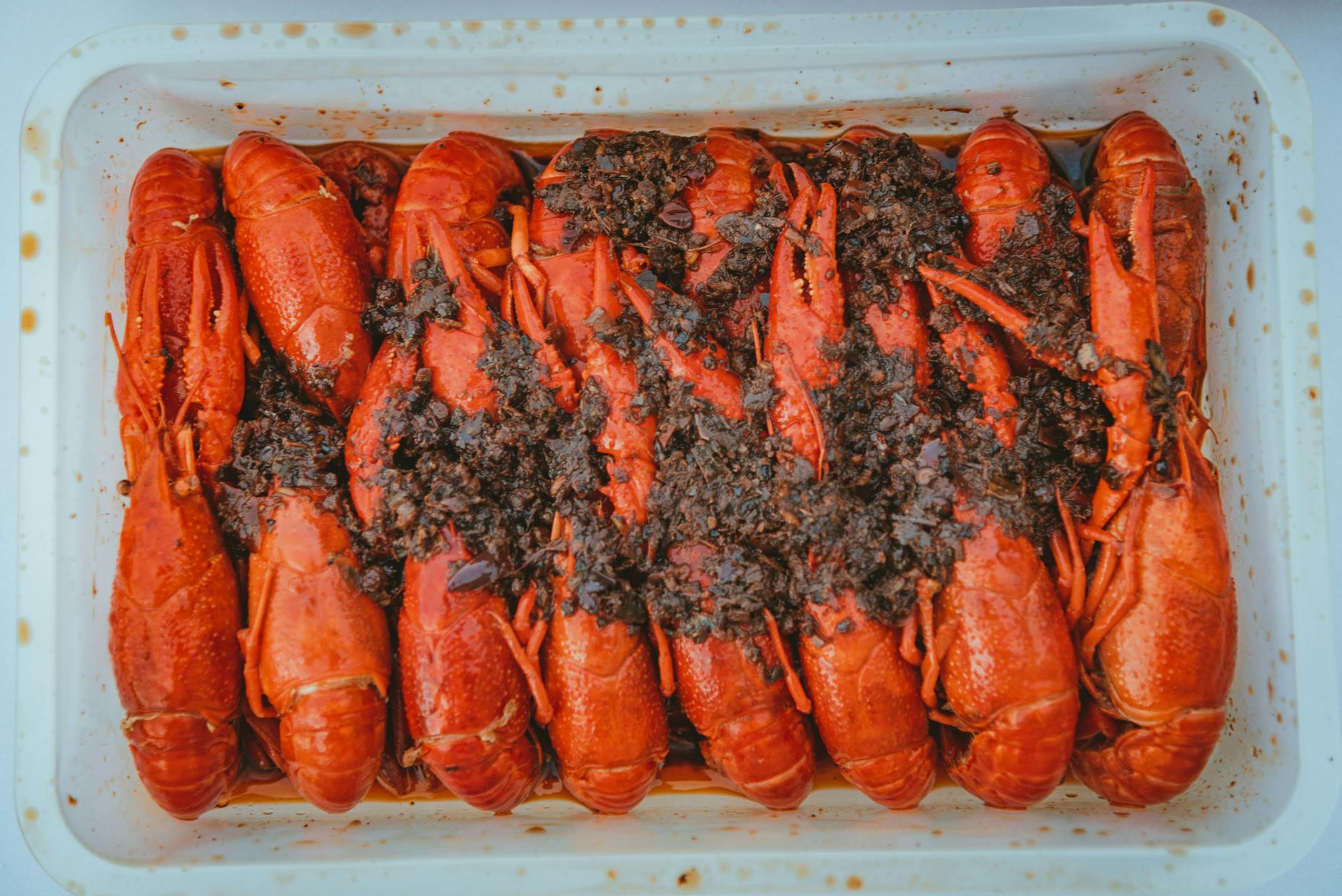
Lobster is positioned as a luxury dining experience and is often considered a lean protein because of its low overall calorie count compared to red meat. However, it contains a notable amount of dietary cholesterol, with a standard serving delivering a significant portion of the daily recommended limit for those managing elevated levels. Traditional preparations involve generous quantities of drawn butter, which adds substantial saturated fat on top of the shellfish’s inherent cholesterol content. The celebratory context in which lobster is eaten can lead to larger portions and more indulgent accompaniments than a routine meal might include. For individuals with familial hypercholesterolemia or other cholesterol-related concerns, frequent lobster consumption warrants consideration.
Cheddar Crackers
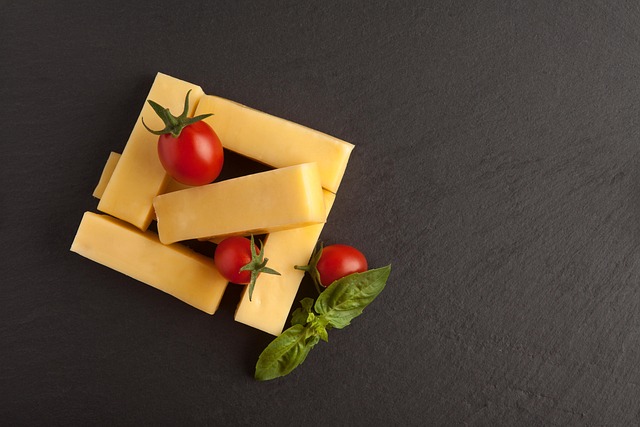
Packaged cheddar crackers are a ubiquitous snack food that combines refined white flour, cheese powder, and vegetable shortening into a product with a deceptively high fat content per serving. The serving sizes listed on packaging tend to be small relative to how many crackers most people actually eat in a single sitting. Many varieties use palm oil or partially hydrogenated oils as their fat source, introducing both saturated and trans fats into what appears to be a minor snack. The addictive saltiness of cheese crackers makes portion control particularly difficult, allowing total fat intake to escalate well beyond the listed nutritional information. Daily snacking habits built around these products add meaningful quantities of cholesterol-raising fats to the overall diet.
Butter
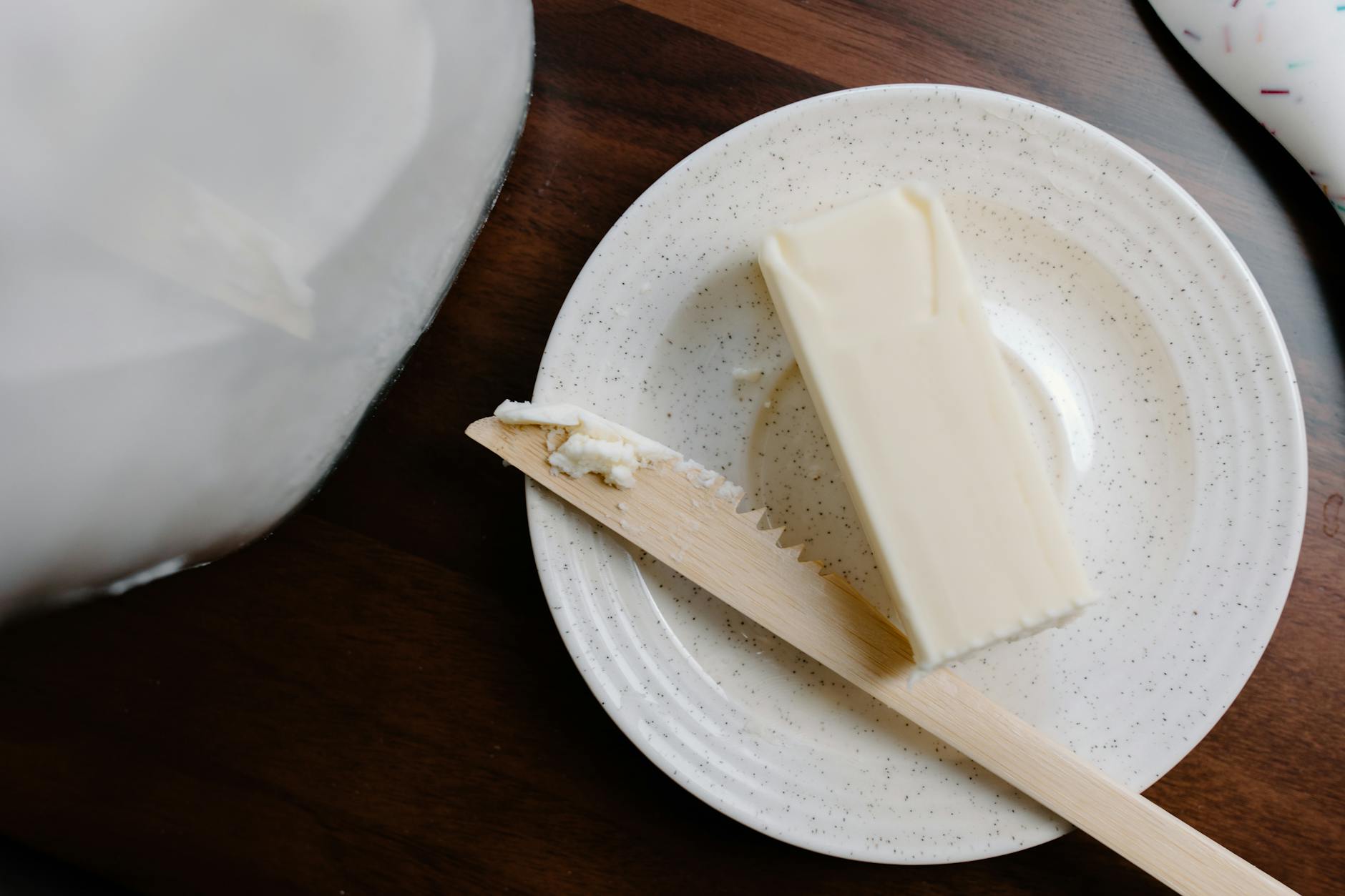
Butter is one of the most naturally high-saturated-fat ingredients in common daily use, with the majority of its fat content coming from the type most directly associated with raising LDL cholesterol. Its presence spans breakfast toast, cooking oils, sauces, baked goods, and restaurant preparations, meaning it reaches the diet through a wide range of sources simultaneously. Many people significantly underestimate their actual butter consumption because much of it occurs invisibly within restaurant meals and packaged products. The trend toward premium and artisan butters has led to increased use in home cooking among consumers who associate quality with quantity. Cumulative butter intake across all dietary channels is a primary driver of elevated LDL cholesterol in many otherwise health-conscious individuals.
Pie Crust

Traditional pie crust is made with either butter, lard, or shortening in quantities large enough to create a flaky, layered texture throughout the pastry shell. The fat content per slice of a double-crust pie is often higher than people expect, especially when compared to the filling, which tends to attract more nutritional scrutiny. Commercial pies frequently use partially hydrogenated shortening for shelf stability, adding trans fats to an already saturated-fat-heavy base. Pies are present at holidays, celebrations, and casual dessert occasions throughout the year, meaning seasonal dietary exposures add up into meaningful cumulative fat intake. People who bake or consume pies regularly without modifying the traditional fat-heavy crust recipe are consistently introducing cholesterol-raising ingredients into their diet.
Canned Soups

Many canned and packaged soups contain hidden quantities of saturated fat from added cream, animal fat-based broths, and meat ingredients that do not immediately register as high-fat items. Cream-based varieties like clam chowder, broccoli cheddar, and potato soup are particularly high in dairy fat, with a single can sometimes delivering more than half the recommended daily saturated fat intake. Even broth-based soups can contain rendered animal fats that elevate the overall fat profile beyond what the ingredient list suggests to a casual reader. Canned soups are perceived as a convenient, moderate meal option, which leads many consumers to eat them frequently without tracking their fat content. The combination of sodium, saturated fat, and serving size issues makes canned soups a consistently underestimated cholesterol contributor.
Chicken Skin

Chicken skin is significantly higher in fat than the lean meat beneath it, with a large proportion of that fat being saturated and directly relevant to LDL cholesterol levels. Roasted and fried preparations crisp the skin in ways that concentrate its fat content and make it a particularly appealing part of the dish. Many people who choose chicken as a supposedly lean protein consume it with the skin on without adjusting their expectations of its overall fat impact. The skin of a single chicken thigh or drumstick can contribute more saturated fat per gram than the same weight of the underlying meat. Habitual skin-on chicken consumption several times per week creates a persistent saturated fat intake that quietly influences cholesterol readings over time.
Full-Fat Yogurt
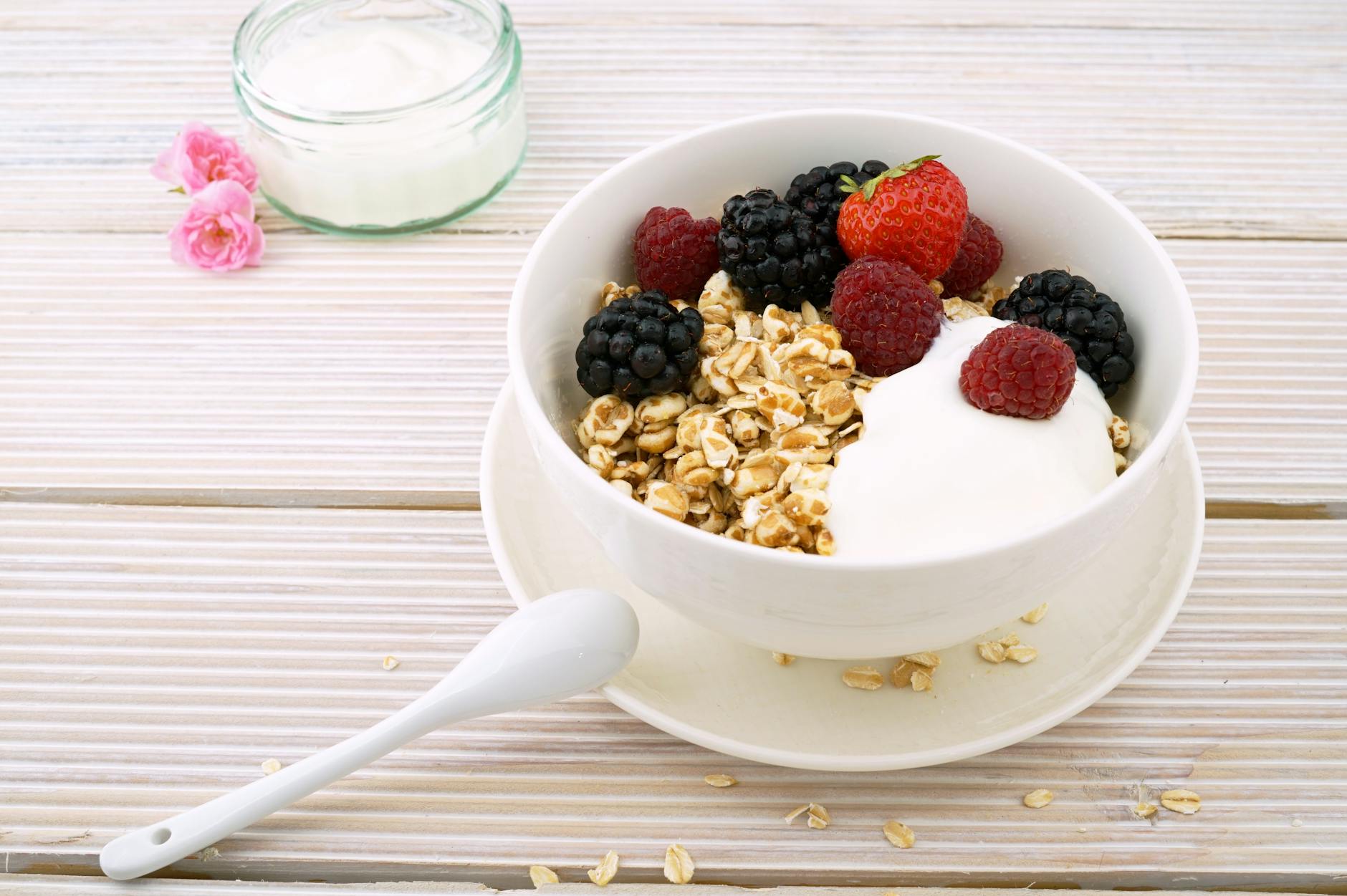
Full-fat yogurt retains all of the cream that is removed from its reduced-fat counterparts, making it considerably higher in saturated fat per serving than standard nutrition perception suggests. It has benefited from a health-food reputation built around its probiotic content, calcium levels, and protein profile, which has led many people to consume it in large portions or multiple times daily. Greek-style full-fat yogurt is especially dense in fat due to the straining process, which concentrates the cream along with the protein. Used in dips, sauces, breakfast bowls, and smoothies, full-fat yogurt enters the diet through multiple channels that are easy to overlook individually. For those managing cholesterol, the cumulative saturated fat intake from full-fat yogurt across a week of regular use can be a significant contributing factor.
Mac and Cheese
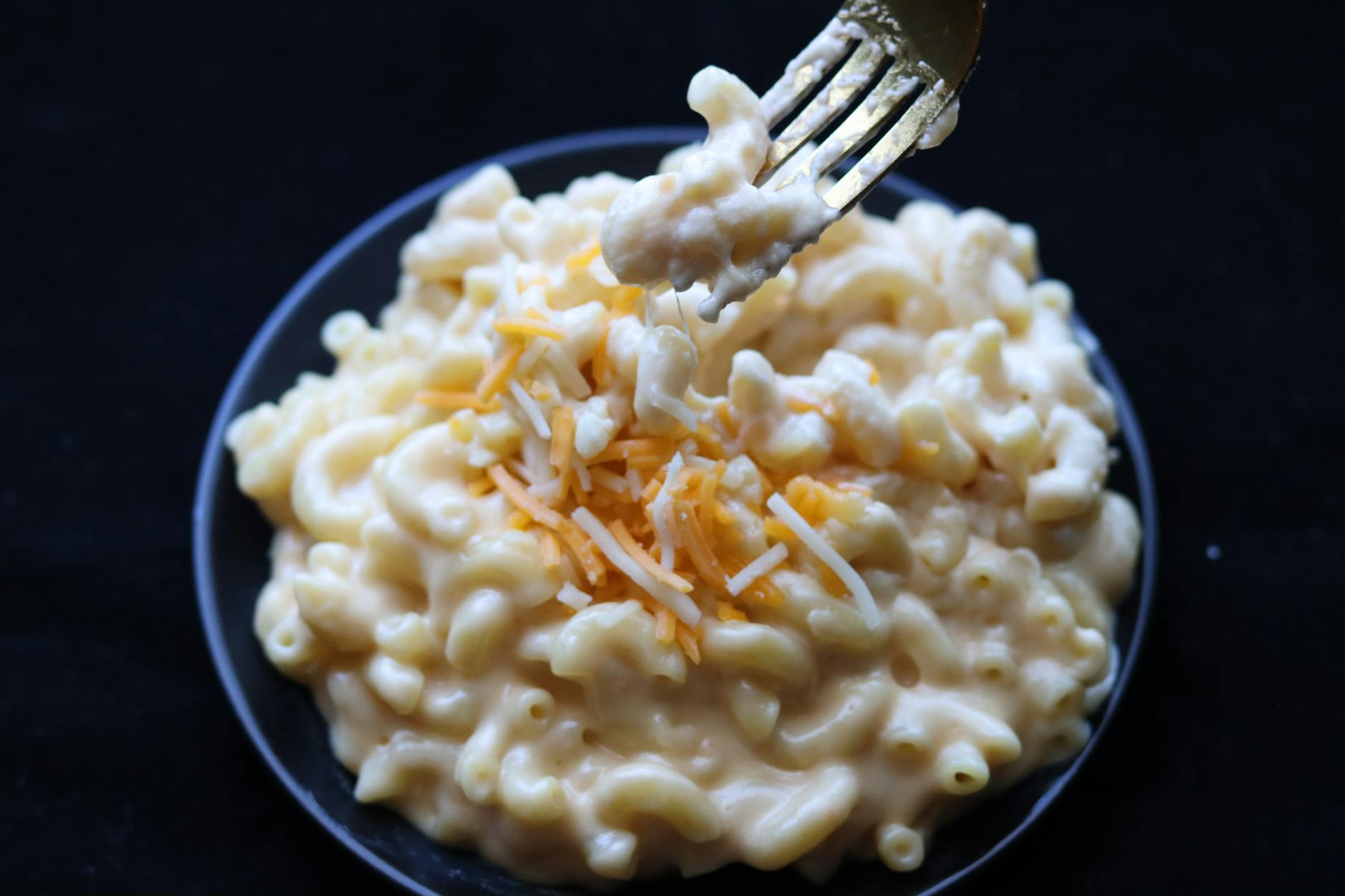
Packaged and restaurant macaroni and cheese is built on a base of cheese sauce that typically contains processed cheese, butter, and whole milk or cream in proportions designed to maximize richness and flavor. A standard boxed serving contains multiple grams of saturated fat primarily from the cheese powder and the added butter recommended in preparation instructions. Restaurant versions are generally far higher in fat than home preparations, often including multiple types of cheese melted into a heavy cream sauce with additional butter incorporated for texture. The perceived comfort and familiarity of mac and cheese makes it a recurring dish in many households, where it appears as both a main course and a side. Its consistent presence in American diets across age groups makes it one of the more statistically significant hidden cholesterol contributors.
Cream Cheese

Cream cheese is a soft, high-fat dairy product that appears across breakfast, snacking, baking, and meal preparation in quantities that add up quickly. A single bagel spread can contain a tablespoon or more of cream cheese, and standard serving sizes from commercial packaging often reflect more restrained use than real-world consumption. Its fat content is primarily saturated, putting it in the same category as butter and full-fat dairy in terms of its effect on LDL cholesterol. Flavored varieties often contain additional cream or oil to achieve spreadable consistency, compounding the saturated fat content of the base product. Regular use of cream cheese across multiple meals each week without accounting for its fat contribution is a common pattern among people surprised by their cholesterol results.
Store-Bought Cookies

Commercial cookies are engineered for shelf stability and palatability using combinations of butter, shortening, palm oil, and refined sugars that create a nutritionally dense product in a very small package. Many mass-market cookies contain partially hydrogenated oils even when the nutrition label rounds trans fat down to zero, allowing it to appear absent while still being present in meaningful quantities per regular serving. The casual snacking context in which cookies are consumed means portions are rarely measured against the serving size printed on the label. Seasonal and holiday varieties often have higher fat content than everyday versions due to additional butter, cream fillings, or chocolate coatings. Daily cookie consumption, even in modest amounts, delivers a consistent load of cholesterol-raising fats that accumulates significantly over time.
Granola
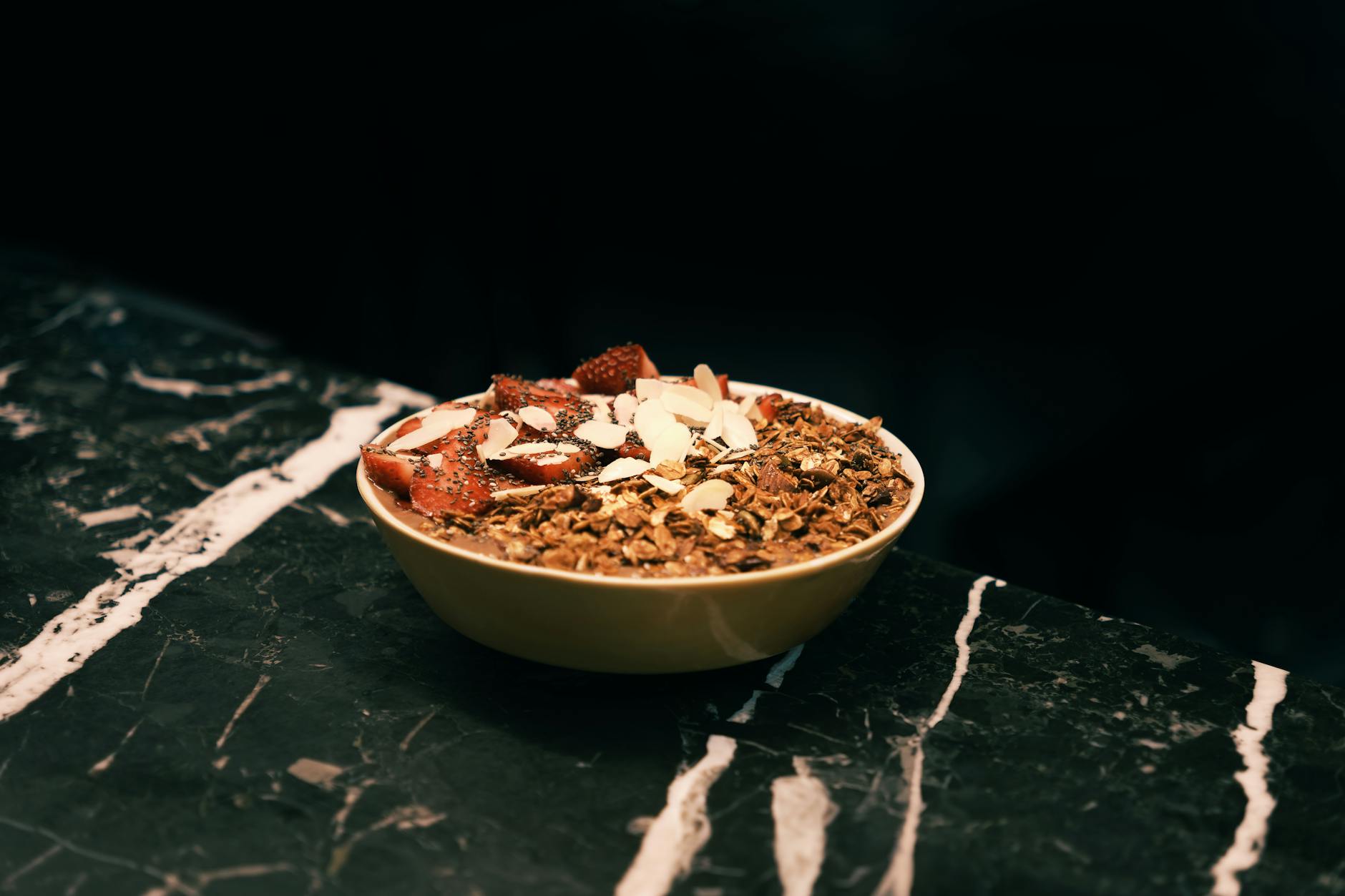
Granola is widely associated with health, fitness, and clean eating, making it one of the most surprising items on any list of cholesterol-relevant foods. Many commercial granola recipes use coconut oil as their primary fat source, introducing significant saturated fat into what appears to be a wholesome whole-grain product. High sugar content in most commercial varieties often travels alongside the fat, creating a product that influences both cholesterol and blood glucose in ways consumers do not typically anticipate. Granola is frequently poured in portions far larger than the serving size on the label, especially when used as a topping for yogurt or acai bowls. The health halo surrounding granola makes it one of the most effective at quietly accumulating saturated fat intake without triggering dietary concern.
Hollandaise Sauce

Hollandaise is a classic French sauce made by emulsifying egg yolks and clarified butter, combining two of the highest-cholesterol ingredients in common culinary use into a rich finishing sauce. A standard restaurant serving of hollandaise over eggs benedict or vegetables delivers a meaningful quantity of both dietary cholesterol and saturated fat in a relatively small volume. Because it is a condiment or finishing element rather than a main ingredient, its nutritional contribution is rarely calculated into the total meal assessment. Home preparation often results in richer, more generously portioned sauces than the controlled amounts used in professional kitchens. For individuals eating eggs benedict or similar dishes with any regularity, the cumulative cholesterol load from hollandaise is an underappreciated factor in their lipid panels.
Beef Liver
Organ meats like beef liver have experienced renewed interest in certain nutritional communities due to their exceptional density of vitamins and minerals, particularly iron and vitamin B12. However, liver is also among the single highest dietary sources of cholesterol in the entire food supply, with a standard serving containing many times the amount found in a whole egg. The nutrients it provides do not offset its cholesterol content for individuals who are already managing elevated LDL levels or have been advised to limit dietary cholesterol intake. Its preparation typically involves butter or oil-based cooking methods that add additional saturated fat to an already high-cholesterol food. Health-forward narratives around organ meats have led some consumers to eat liver multiple times per week without understanding the cholesterol implications.
Sour Cream

Sour cream is a fermented full-fat dairy product that is used in quantities that quietly accumulate across Mexican-inspired dishes, baked potatoes, dips, soups, and salad dressings. Its saturated fat content per tablespoon is similar to that of butter, making it a more significant cholesterol contributor than its creamy, condiment-like role suggests. Restaurant servings of sour cream tend to be larger than the measured portions most people use at home, increasing the per-meal fat contribution without the diner tracking it carefully. Full-fat sour cream is the default variety in most commercial and restaurant settings, meaning reduced-fat alternatives are not being consumed unless specifically sought out. Regular use across several meals each week places sour cream among the more consistent hidden contributors to elevated LDL cholesterol.
Pâté
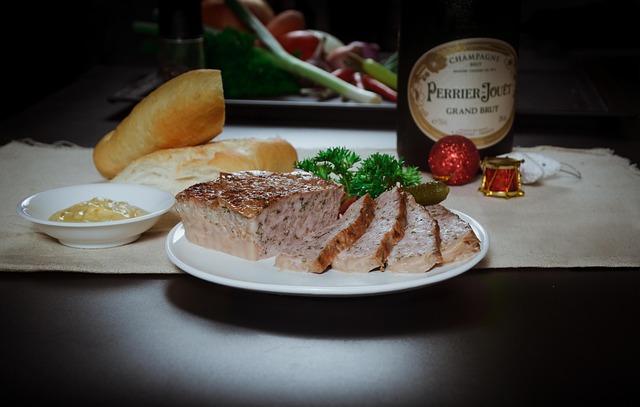
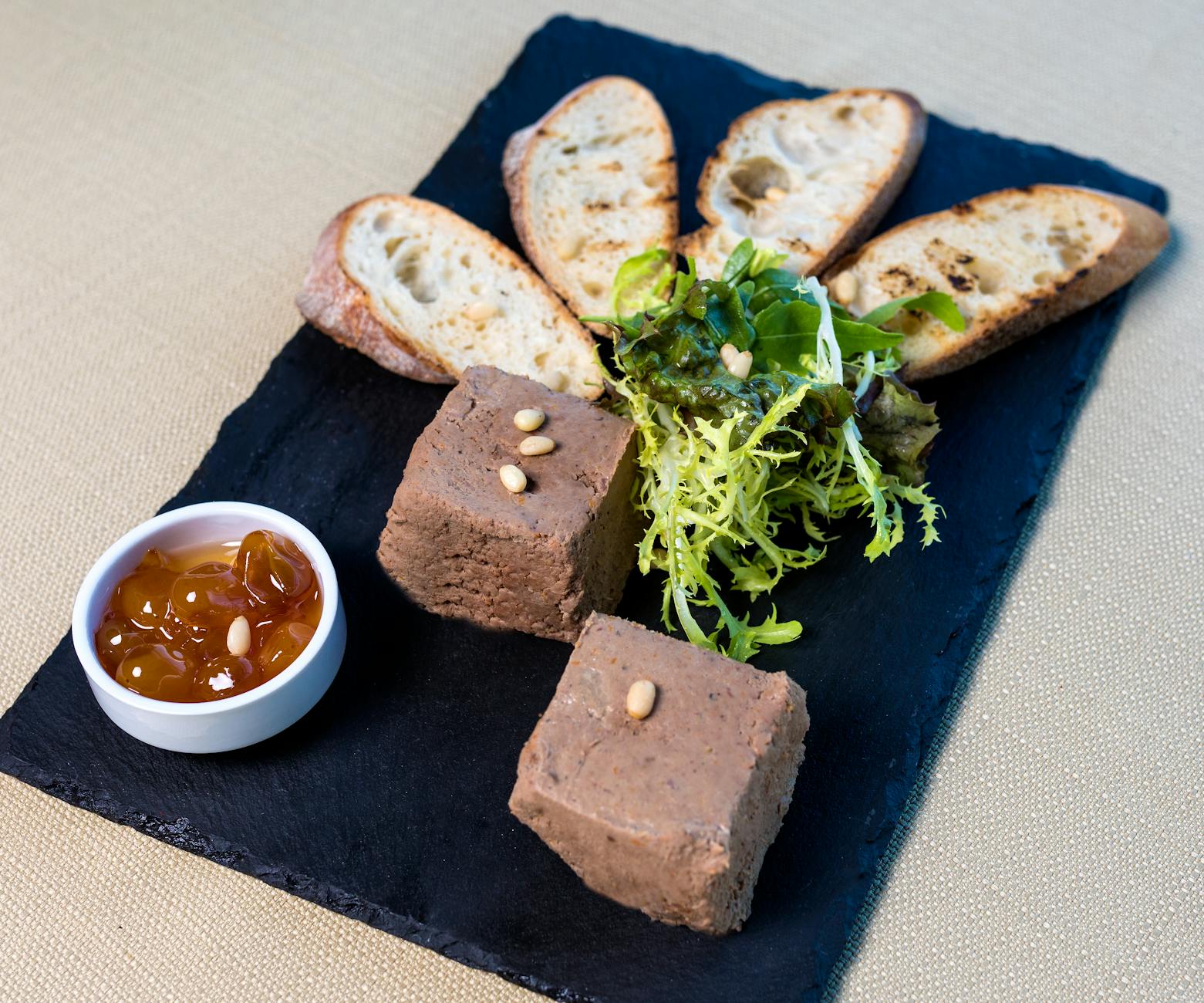
Pâté is a rich preparation made from finely ground or pureed organ meats, typically liver, combined with fat, cream, and butter to achieve its smooth, spreadable texture. Its cholesterol content is exceptionally high due to the combination of organ meat and the dairy or animal fat used to enrich it, often placing it among the most concentrated dietary sources of both dietary cholesterol and saturated fat. It is often served in small portions at gatherings or as an appetizer, which creates the impression that the serving size is inconsequential from a nutritional standpoint. High-quality artisan and imported varieties are increasingly available in specialty and grocery stores, normalizing more frequent consumption among food-interested consumers. Even small regular servings of pâté provide a meaningful cholesterol and saturated fat load that many diners do not factor into their overall dietary assessment.
Lamb
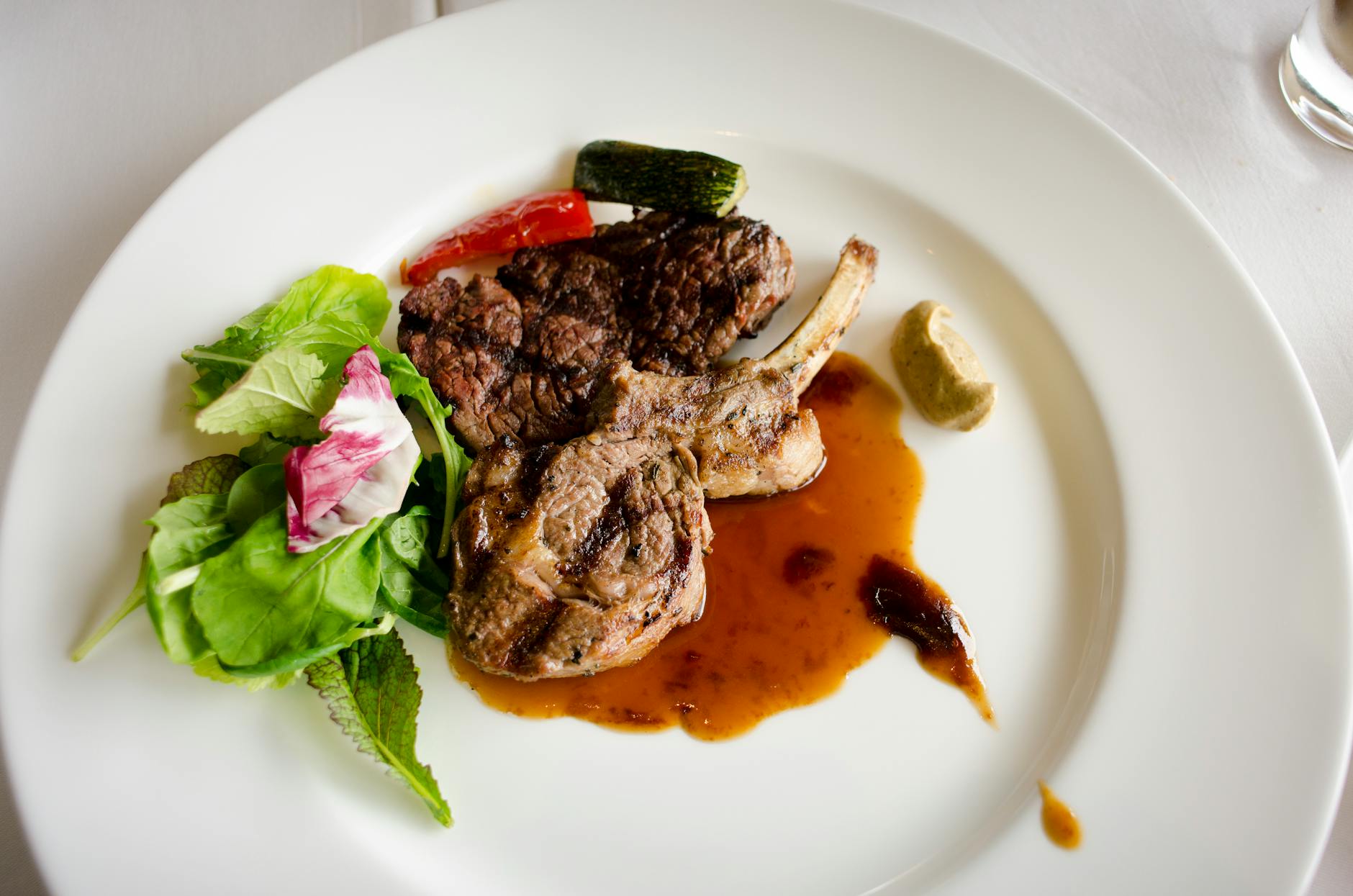
Lamb is less commonly discussed than beef in the context of dietary cholesterol, allowing it to occupy a middle ground in public perception that does not accurately reflect its fat profile. Cuts like lamb shoulder, rack of lamb, and lamb chops are marbled with fat that has a high saturated fatty acid content comparable to the fattier cuts of beef. Traditional preparations in many cuisines involve additional fat through roasting or braising with oil, butter, or fat rendered from the lamb itself. The cultural significance of lamb in Mediterranean, Middle Eastern, and South Asian cuisines means it appears as a centerpiece protein at frequent gatherings and family meals. Regular consumption of fatty lamb cuts contributes meaningfully to saturated fat intake in ways that are often not accounted for in general dietary cholesterol guidance.
Cream of Mushroom Soup
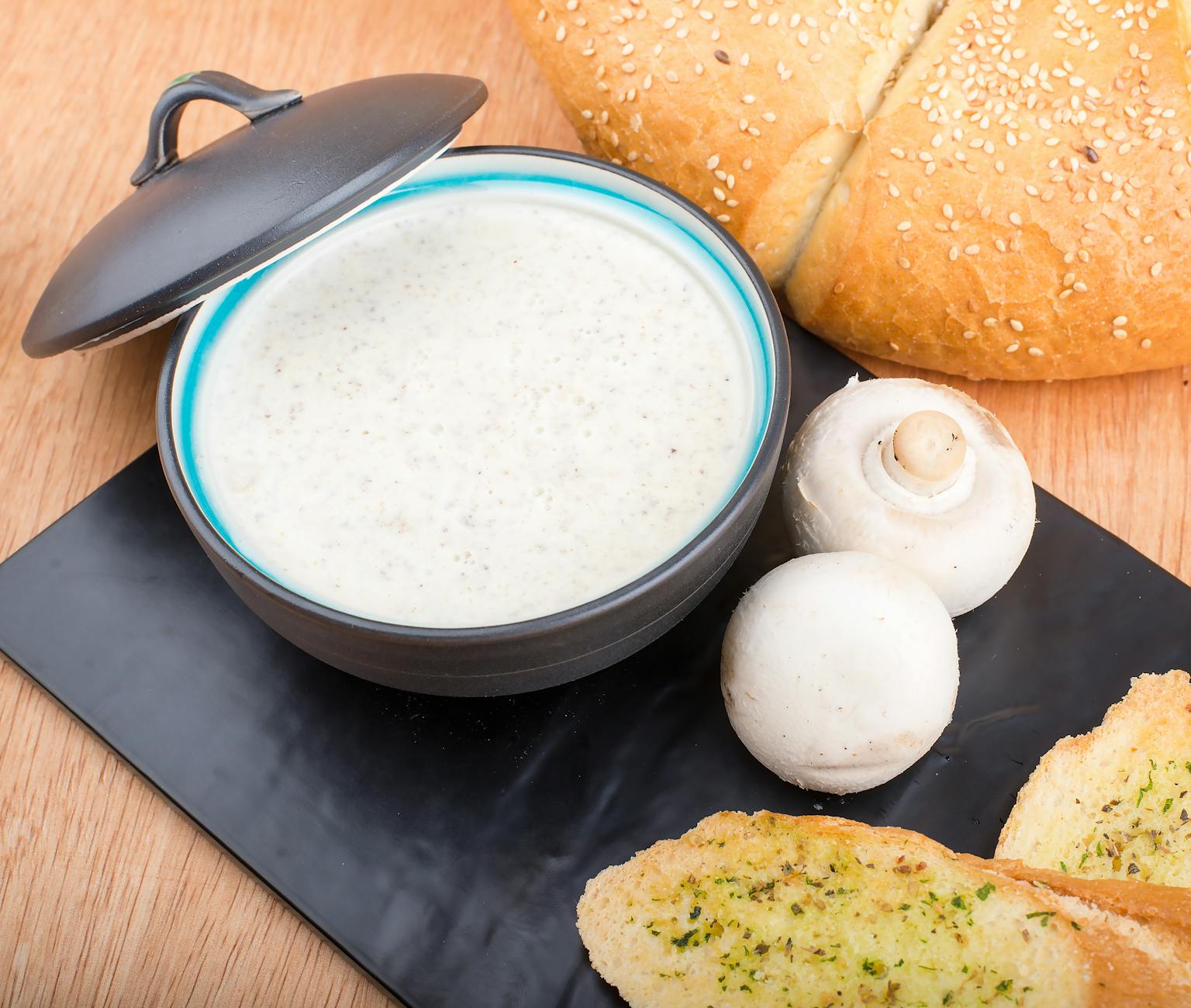
Cream of mushroom soup is one of the most commonly used ingredients in home cooking, appearing not only as a standalone dish but as a base for casseroles, sauces, and slow cooker meals across American home kitchens. Canned versions contain whole cream and fat-based thickeners that deliver a concentrated saturated fat load per serving even before additional dairy is incorporated in a recipe. When used as a cooking base, a single can may be distributed across a dish serving multiple people, but households where it is used frequently still accumulate significant fat exposure over time. Homemade versions prepared with heavy cream and butter have an even higher fat content that reflects more directly in cholesterol readings. Its neutral culinary role as a background ingredient rather than a visible component makes its cholesterol contribution consistently underestimated.
Croissant Sandwiches

Croissant sandwiches stack the baseline saturated fat load of a buttery pastry shell with additional cholesterol-raising fillings including cheese, processed deli meats, fried eggs, and mayonnaise. Each individual component of a croissant sandwich represents a meaningful saturated fat source in its own right, and their combination into a single meal creates a compounded cholesterol load. They are commonly sold at fast food chains, bakery cafes, and airport food courts as a convenient breakfast or lunch option, normalizing frequent consumption outside the home. The premium presentation of croissants in café settings creates a perception of quality that does not translate to a favorable fat profile. People who rely on croissant sandwiches as a default on-the-go meal several times per week are consistently exposing themselves to one of the higher per-meal cholesterol loads available in casual dining.
Alfredo Sauce
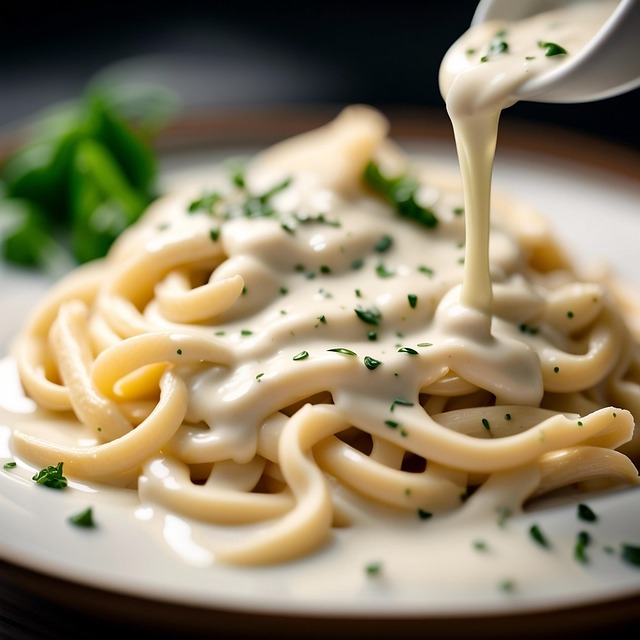
Alfredo sauce is made from butter and heavy cream reduced together and finished with generous quantities of parmesan cheese, making it one of the highest saturated-fat sauces in the pasta category. A single restaurant serving of fettuccine alfredo can contain more saturated fat than most nutrition guidelines recommend for an entire day. Home versions prepared from traditional recipes do not typically reduce the fat content compared to restaurant preparations, meaning there is no inherent nutritional advantage to making it from scratch. The richness that makes alfredo sauce appealing is inseparable from the heavy cream and butter that make it a cholesterol concern. For individuals eating pasta dishes multiple times per week, the specific choice of sauce plays an outsized role in total saturated fat and cholesterol intake.
What foods on this list surprised you the most, and which ones have you already cut back on? Share your thoughts in the comments.