Finding adequate calcium sources without relying on milk or cheese is completely possible with the right dietary choices. Many plants and seeds naturally contain significant amounts of this essential mineral required for strong bones and proper muscle function. Incorporating a variety of these ingredients into daily meals ensures nutritional needs are met through diverse flavors and textures. The following list explores excellent non dairy options that provide impressive amounts of calcium.
Chia Seeds
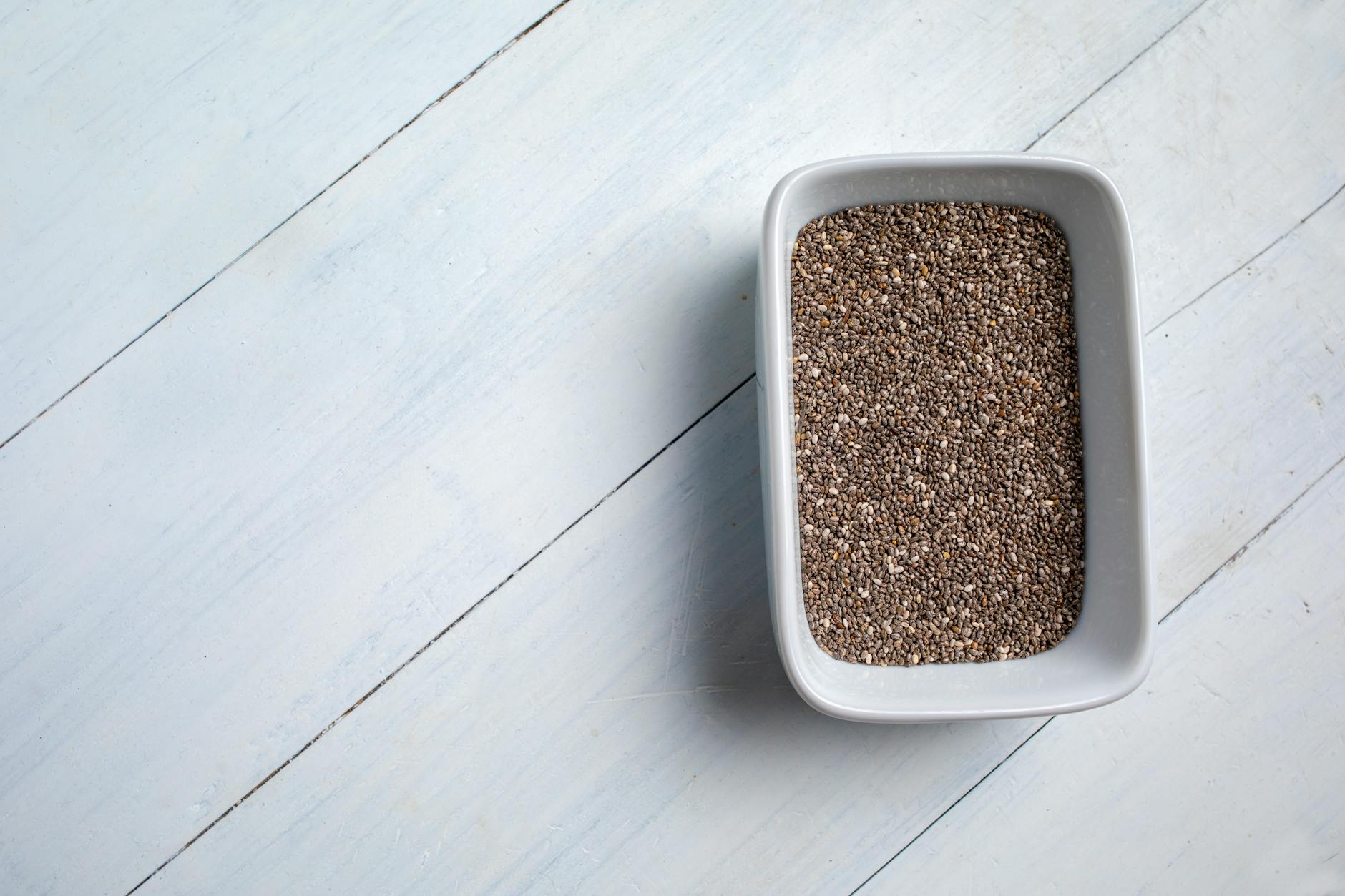
These tiny black seeds deliver an impressive amount of calcium in a very small serving size. Two tablespoons provide a substantial portion of the daily recommended intake along with valuable fiber and protein. They expand when mixed with liquid to create thick puddings or act as a binding agent in baked goods. Adding a sprinkle of these seeds over oatmeal or smoothies is an effortless way to boost mineral consumption.
Sesame Seeds
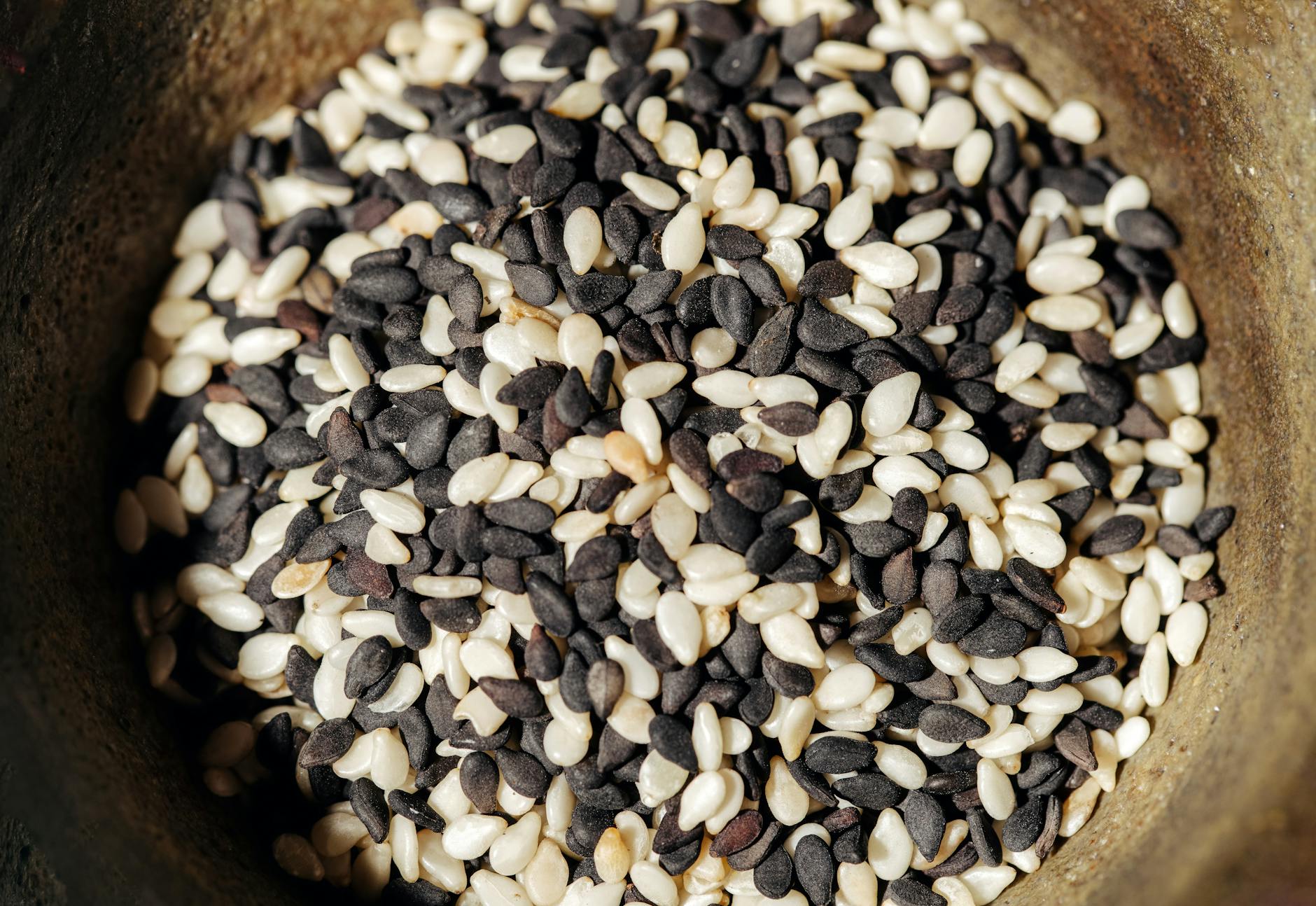
A single tablespoon of these unhulled seeds offers an excellent nutritional profile including a high calcium concentration. They are frequently ground into a rich paste called tahini which serves as a primary ingredient in traditional hummus. Toasting the seeds enhances their nutty flavor before they are sprinkled over salads or mixed into warm rice dishes. Buying them in bulk at the grocery store usually costs only a few dollars per pound.
Almonds
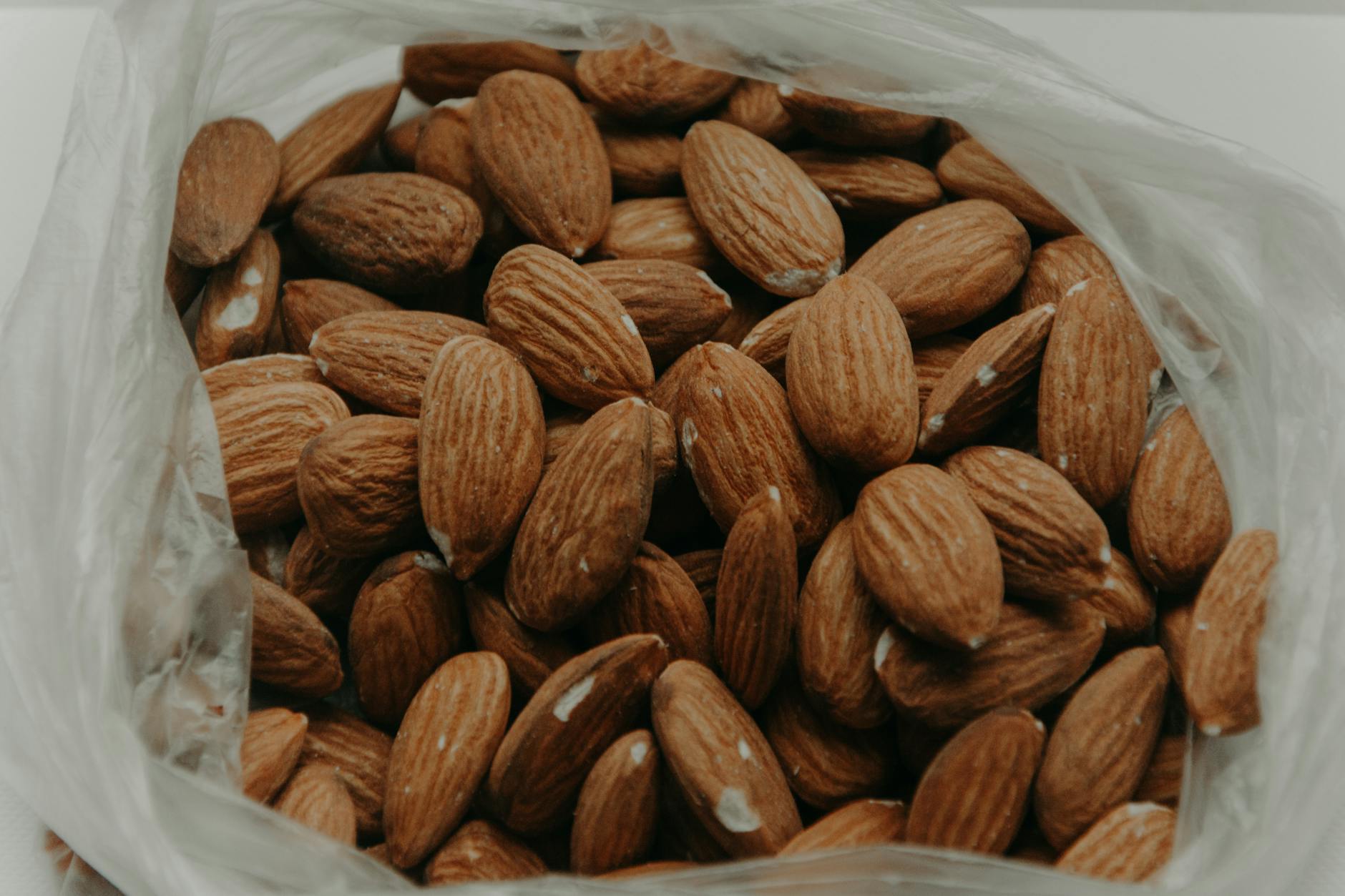
Among all common nuts this variety boasts the highest calcium content per ounce. Snacking on a small handful provides essential minerals while delivering healthy fats and vitamin E. Sliced versions add a pleasant crunch to morning oatmeal and savory vegetable stir fries. They remain an easily accessible ingredient found in almost any American supermarket.
Amaranth
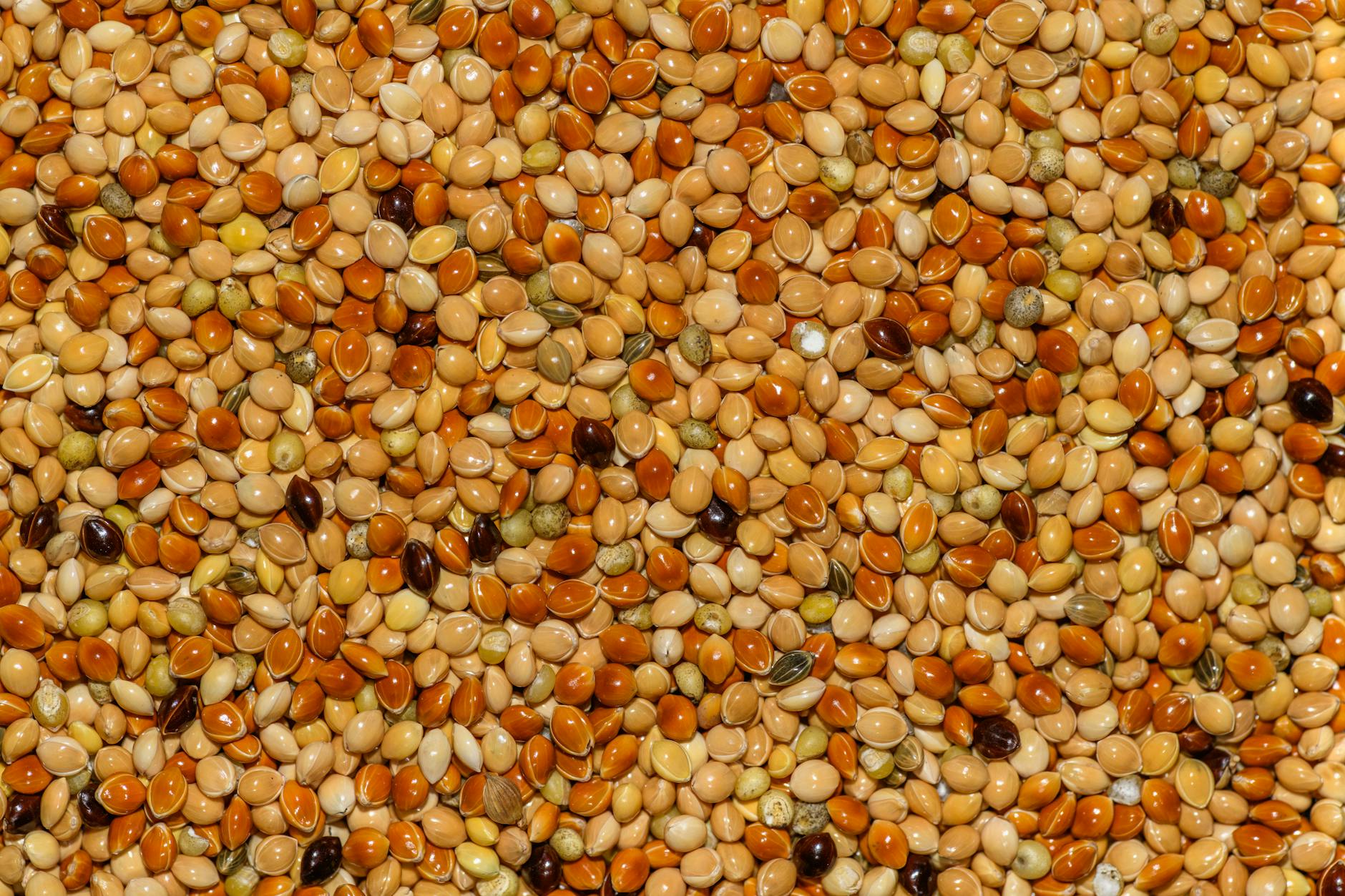
This ancient grain serves as a nutritional powerhouse with highly concentrated mineral levels. One cup of the cooked grain delivers a substantial amount of calcium alongside complete proteins. The seeds can be boiled into a hearty porridge or popped in a hot skillet like miniature popcorn. Cooking this grain requires about three cups of water for every cup of dry seeds.
Teff

This tiny grain originates from Ethiopia and contains remarkable amounts of essential nutrients. A single cooked cup provides more calcium than almost any other whole grain available at the market. Bakers frequently mill it into a fine flour to create traditional fermented flatbreads or gluten free baked goods. A standard bag typically costs around $7 and yields multiple nutritious meals.
White Beans
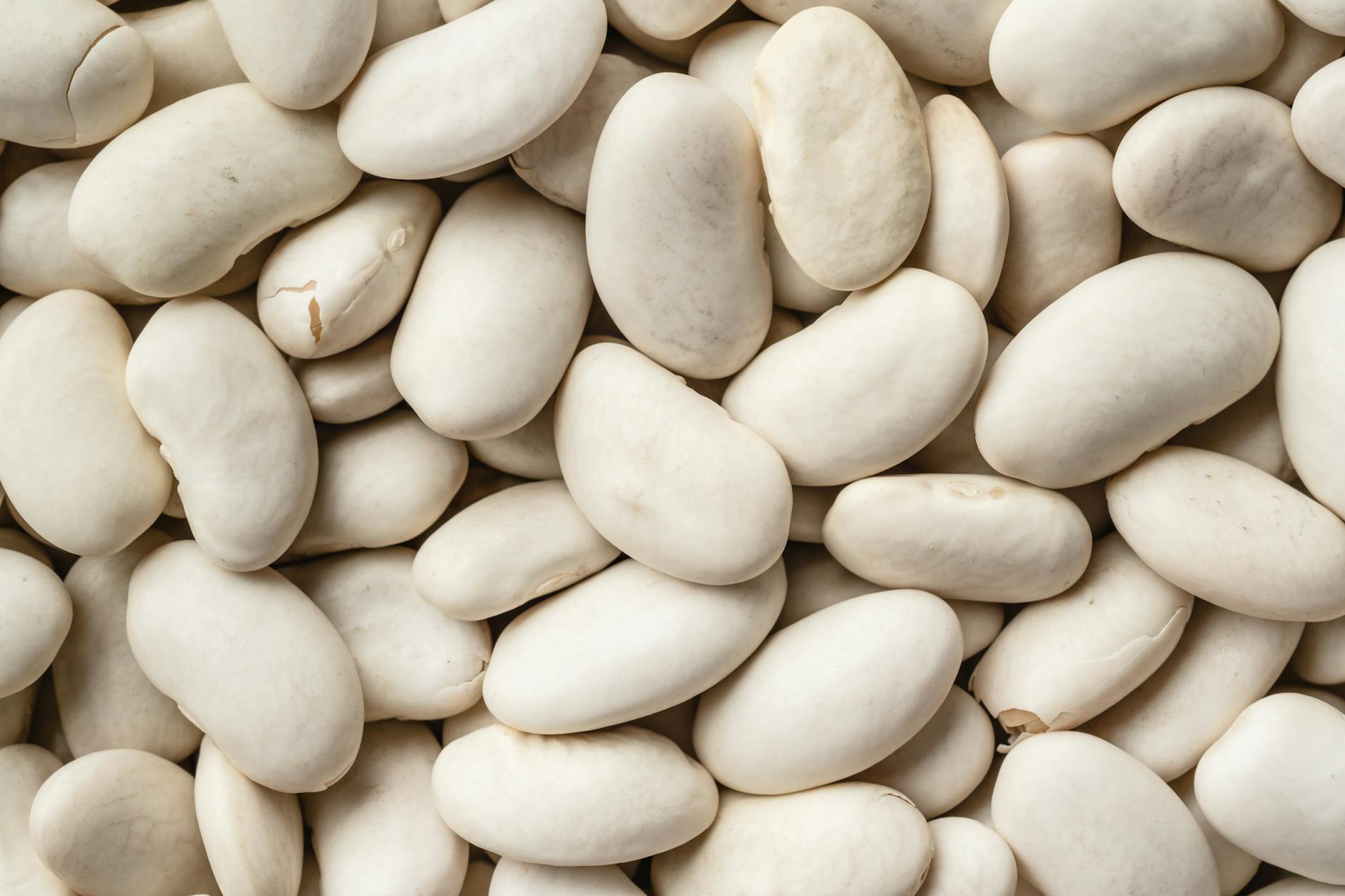
These creamy legumes are exceptionally rich in calcium and dietary fiber. One cup of the cooked beans contributes significantly to daily nutritional requirements while keeping you full. They blend smoothly into creamy soups and serve as a hearty base for seasoned vegetable stews. A simple can costs around $2 making them an incredibly affordable pantry staple.
Edamame

Young soybeans harvested before they ripen fully offer an excellent source of plant based calcium. One cup of the prepared pods provides a satisfying snack packed with complete protein and minerals. They are commonly boiled or steamed and finished with a light sprinkle of coarse sea salt. Frozen bags are widely available in grocery stores for roughly $3 each.
Tofu

This versatile soy product becomes an incredible calcium source when prepared with specific mineral salts. A half cup serving can deliver over half of the daily recommended amount depending on the manufacturing process. The firm varieties hold their shape perfectly during pan frying and absorb marinades beautifully. A standard block costs roughly $3 and provides multiple servings of essential nutrients.
Kale

This robust leafy green is widely recognized for its exceptional nutrient density and high mineral availability. The human body absorbs the calcium from this vegetable very efficiently compared to other dark greens. Two cups of the raw leaves can be massaged with olive oil to create a tender and nutritious salad base. It grows easily in backyard gardens and withstands cold weather quite well.
Collard Greens
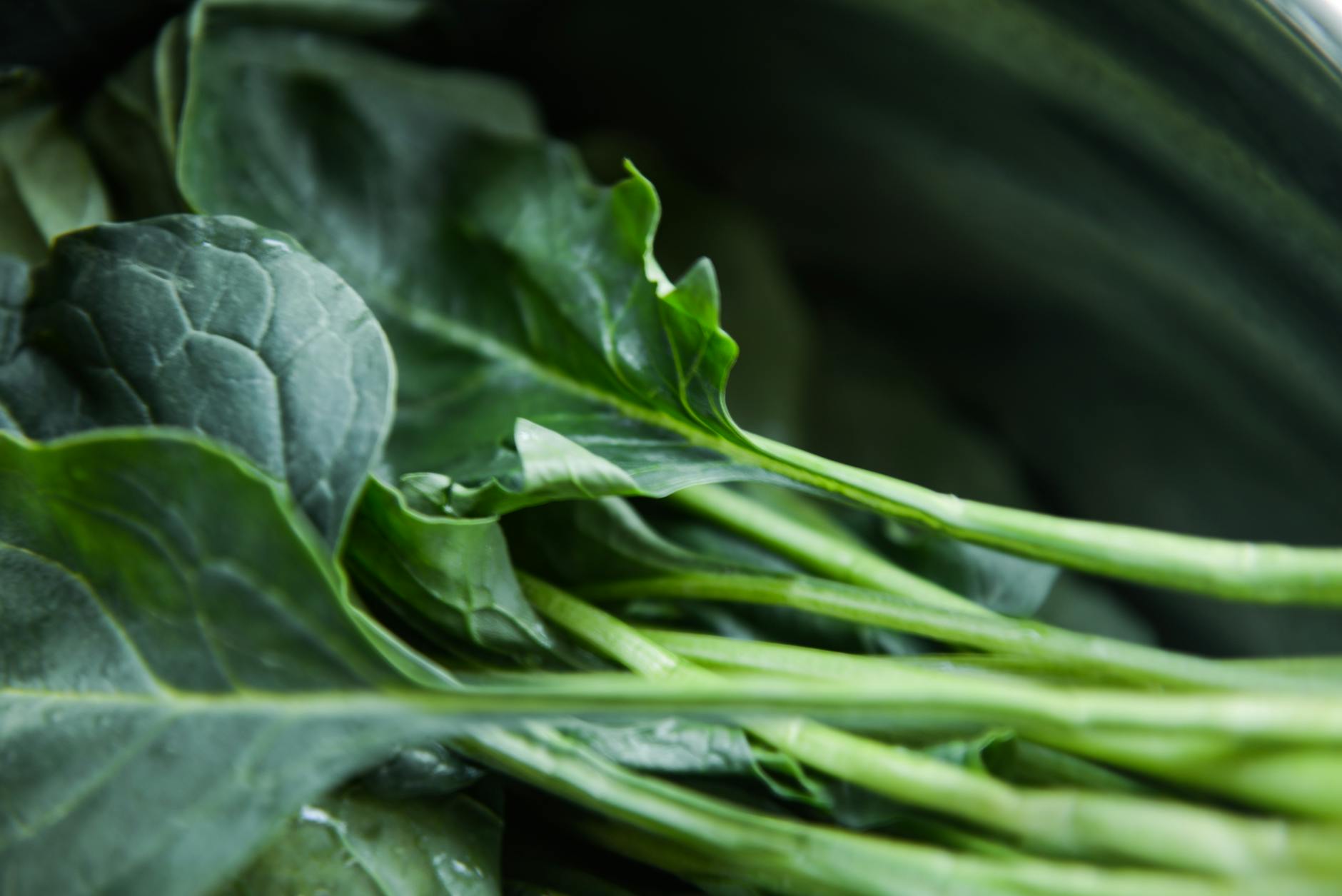
These large flat leaves are a staple in traditional Southern cooking and contain massive amounts of calcium. Boiling a single cup of these greens unlocks a highly absorbable form of the essential mineral. They pair wonderfully with minced garlic and diced onions for a deeply flavorful side dish. A fresh bunch typically costs less than $2 at local farmers markets.
Spinach

While containing compounds that slightly reduce mineral absorption this leafy green still offers valuable nutrients. A cooked cup provides a concentrated dose of vitamins alongside a respectable calcium content. It wilts down significantly during cooking meaning a large fresh bunch yields just a few concentrated portions. The mild flavor blends invisibly into fruit smoothies and rich pasta sauces.
Bok Choy
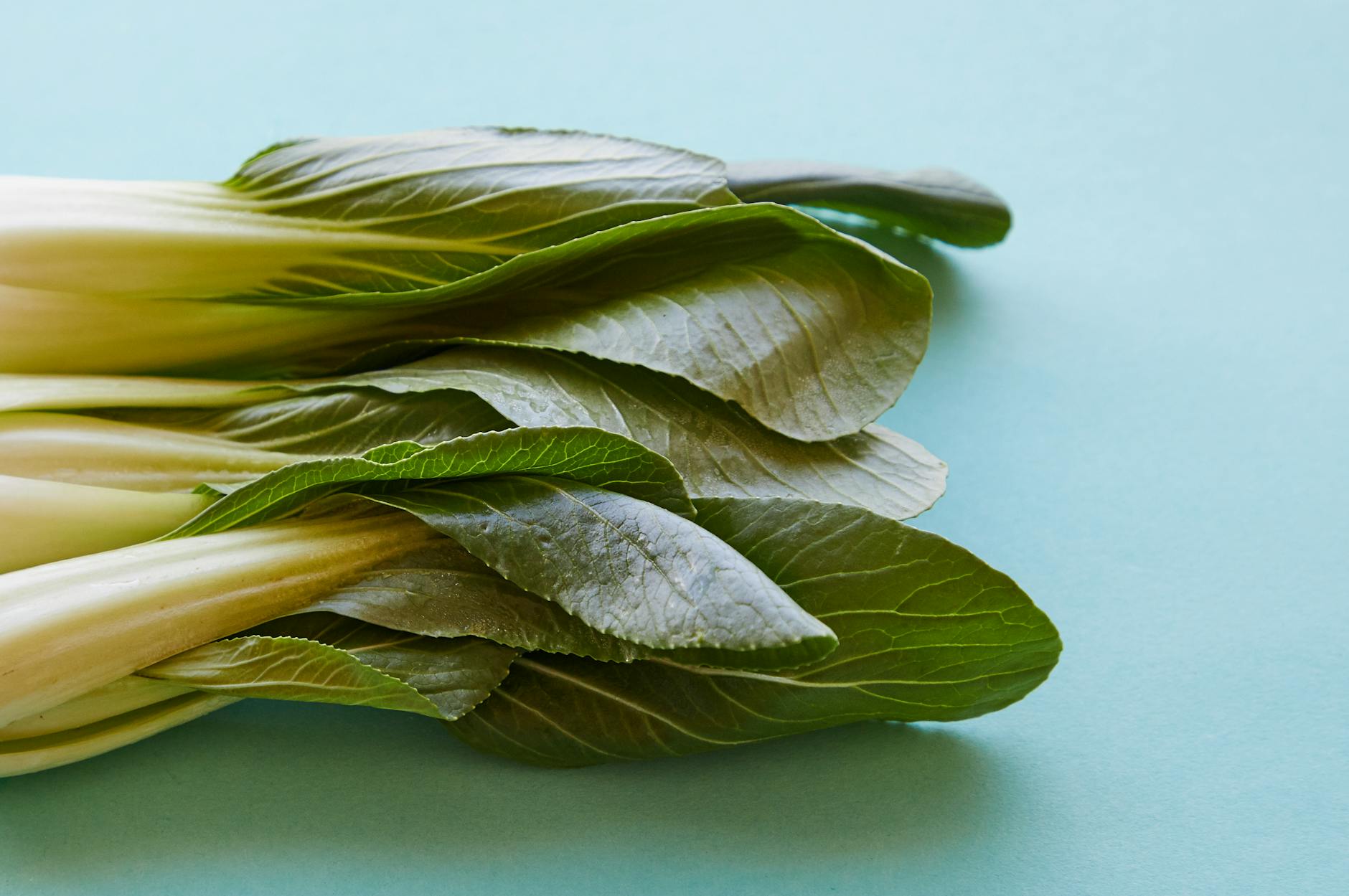
This crisp Chinese cabbage features dark green leaves and thick white stalks packed with valuable minerals. A cup of the cooked vegetable delivers highly bioavailable calcium that the body processes with ease. It cooks incredibly fast in a hot wok making it perfect for quick weeknight stir fries. The tender stalks retain a pleasant crunch even after brief steaming or sautéing.
Turnip Greens
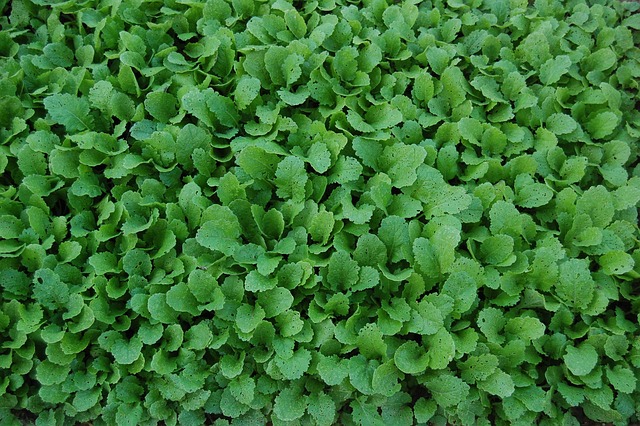
The leafy tops of root vegetables are frequently discarded despite their incredible nutritional value. Cooking a cup of these peppery greens provides a massive boost of dietary calcium and antioxidants. They require gentle simmering to tenderize the tough fibers and mellow their naturally bitter flavor profile. Purchasing the whole vegetable provides two entirely distinct ingredients for the price of one.
Mustard Greens

These sharp and spicy leaves deliver a pungent flavor along with an impressive mineral profile. A single cooked cup supplies a substantial fraction of the daily calcium requirement for healthy adults. The strong peppery taste mellows significantly when the greens are braised slowly in vegetable broth. They cost about $3 a bunch and provide vibrant flavor to any meal.
Broccoli
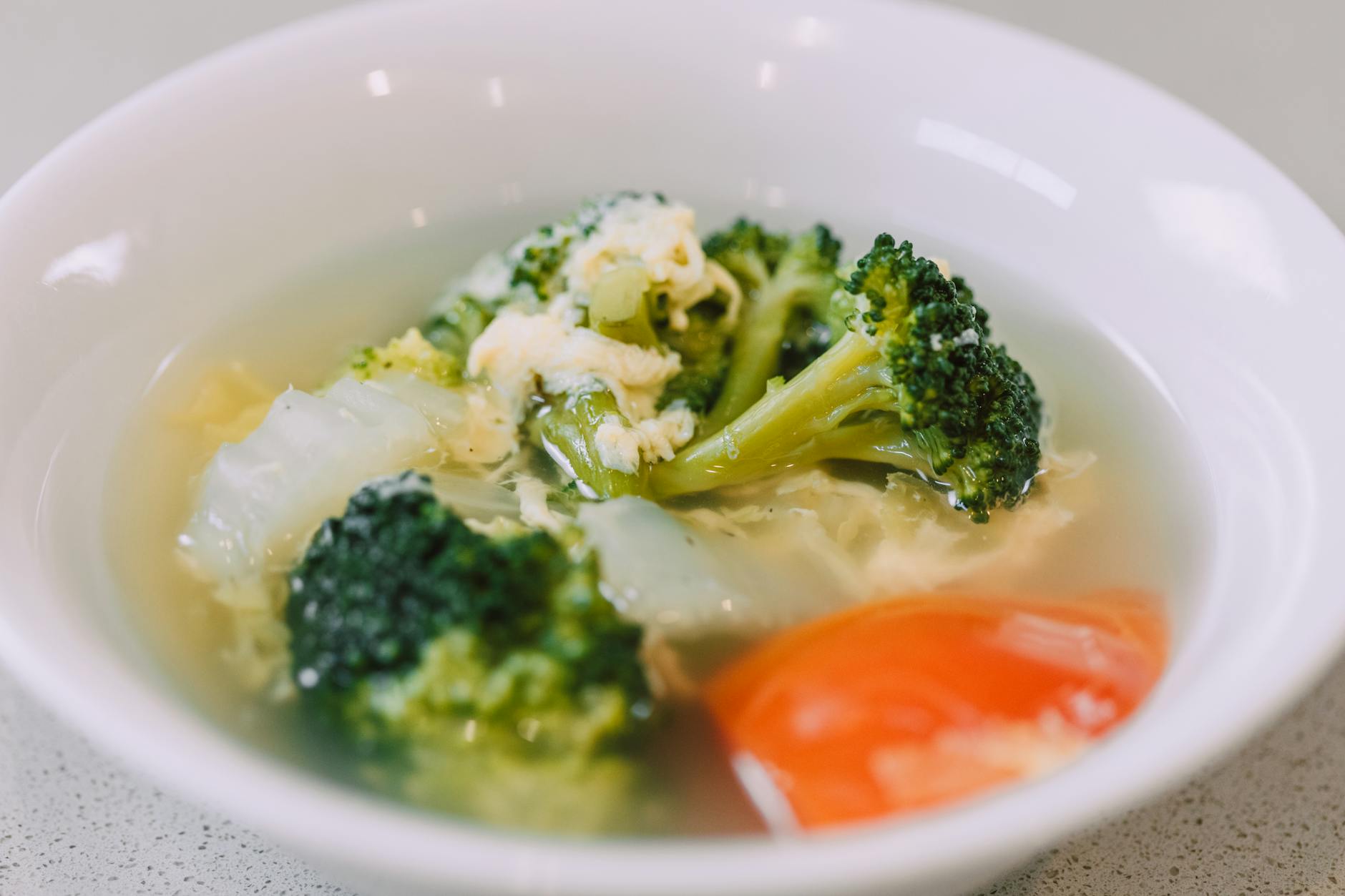
This popular cruciferous vegetable contains highly absorbable calcium that supports overall skeletal health. Two cups of the cooked florets provide a meaningful contribution to your daily mineral goals. Roasting the pieces on a flat baking sheet brings out a deep savory sweetness. It remains one of the most widely consumed green vegetables in American households.
Okra

These green ridged pods contain a surprising amount of calcium along with beneficial dietary fiber. Roasting a cup of the sliced vegetable reduces its natural viscosity while preserving the essential nutrients. The mild flavor acts as a perfect thickening agent for deeply spiced stews and traditional gumbos. Fresh pods are typically available during the warm summer months at local grocery stores.
Oranges

Most people associate this bright citrus fruit exclusively with vitamin C rather than bone building minerals. Eating one large fresh fruit provides a noticeable bump in your daily calcium intake. The sweet and tangy segments make a refreshing addition to savory salads and morning fruit bowls. Buying them by the bag usually drops the price to less than $1 per pound.
Dried Figs

These naturally sweet treats pack more calcium per serving than any other common dried fruit. Eating just five of them provides an excellent mineral boost alongside plenty of digestive fiber. Their dense and chewy texture makes them an ideal ingredient for homemade energy bars or sweet baked goods. A small eight ounce bag typically retails for around $5.
Blackberries

These dark juicy berries offer a unique combination of rich antioxidants and structural minerals. A single cup provides a moderate but meaningful amount of calcium to support daily dietary needs. They add vibrant color and bright tartness when baked into warm breakfast muffins. Fresh containers are widely available during the summer while frozen versions work perfectly year round.
Black Beans
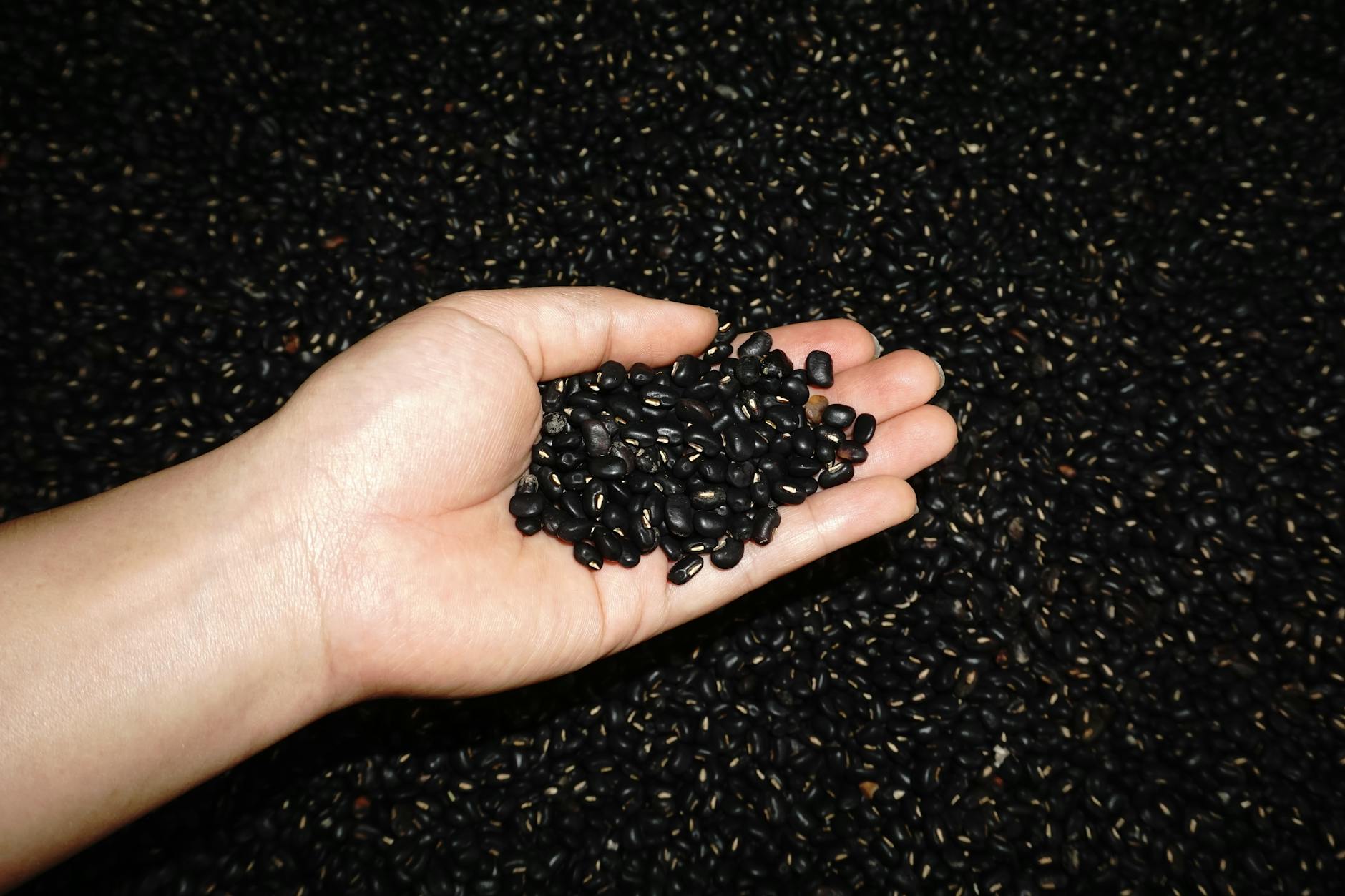
This deeply colored legume serves as a fantastic source of plant based protein and essential minerals. One cup of the cooked beans offers a respectable amount of calcium for maintaining strong bones. They combine perfectly with sweet corn and diced tomatoes for a vibrant Southwestern inspired salad. A dry one pound bag yields multiple family meals for just a few dollars.
Chickpeas
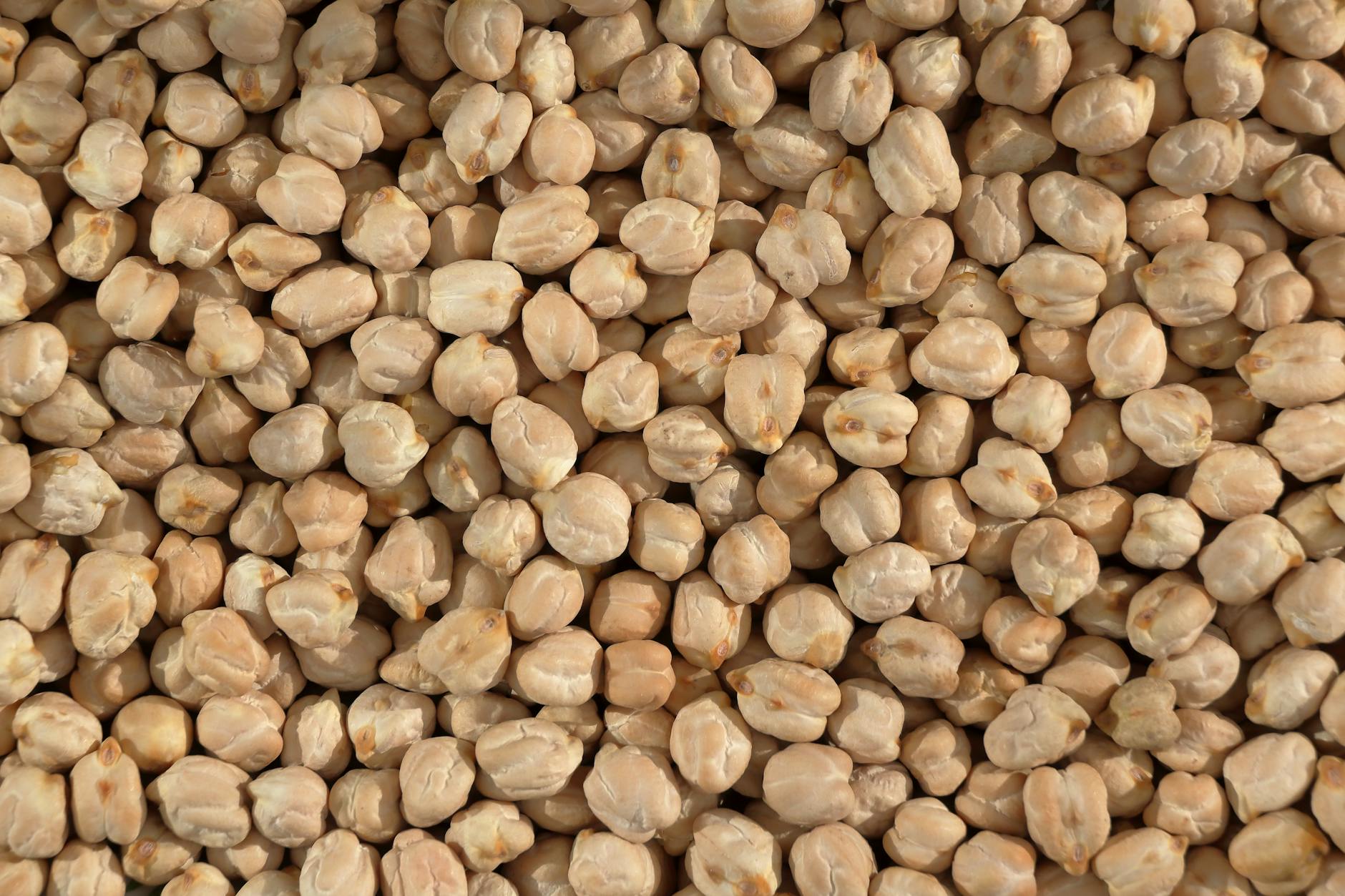
These round golden legumes provide a highly versatile way to increase daily mineral consumption. A cup of the cooked beans adds a dense source of calcium and protein to any meal. Roasting them with savory spices creates a crunchy snack that easily replaces standard potato chips. They serve as the primary foundational ingredient in falafel and creamy spreads.
Lentils
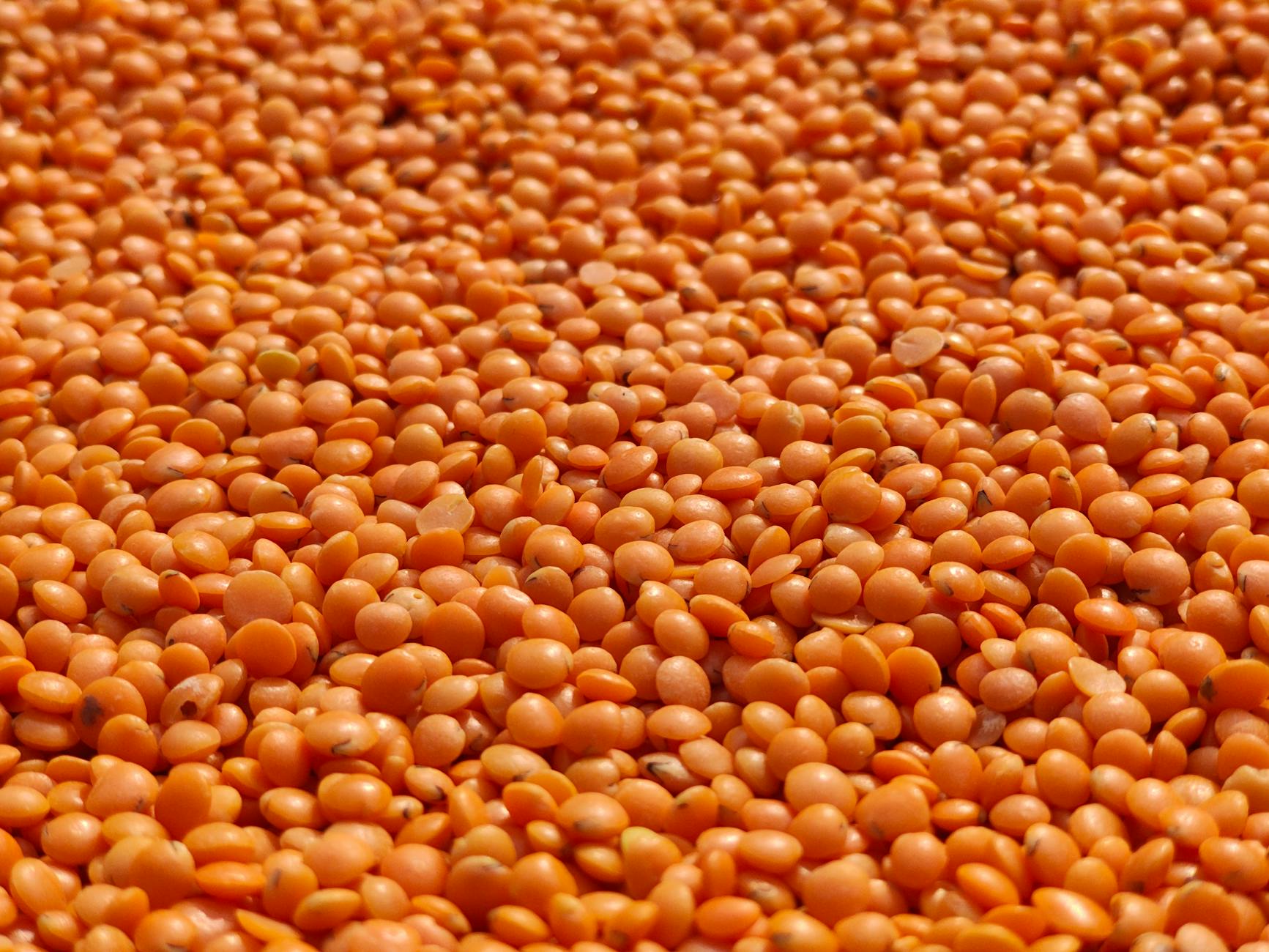
These small disc shaped legumes cook quickly and deliver a broad spectrum of vital nutrients. Boiling a cup of the dry seeds produces a calcium rich base for hearty winter soups. They require absolutely no soaking beforehand making them incredibly convenient for last minute dinner preparations. An entire pound of this nutritious ingredient costs under $2 at most stores.
Seaweed

Various forms of edible marine plants absorb massive amounts of minerals directly from the ocean water. A small serving of dried kelp or wakame provides an exceptionally concentrated dose of calcium. These salty ingredients add deep umami flavor to clear broths and traditional rice dishes. Packages of the dried sheets are easily found in the international aisle of large supermarkets.
Sunflower Seeds
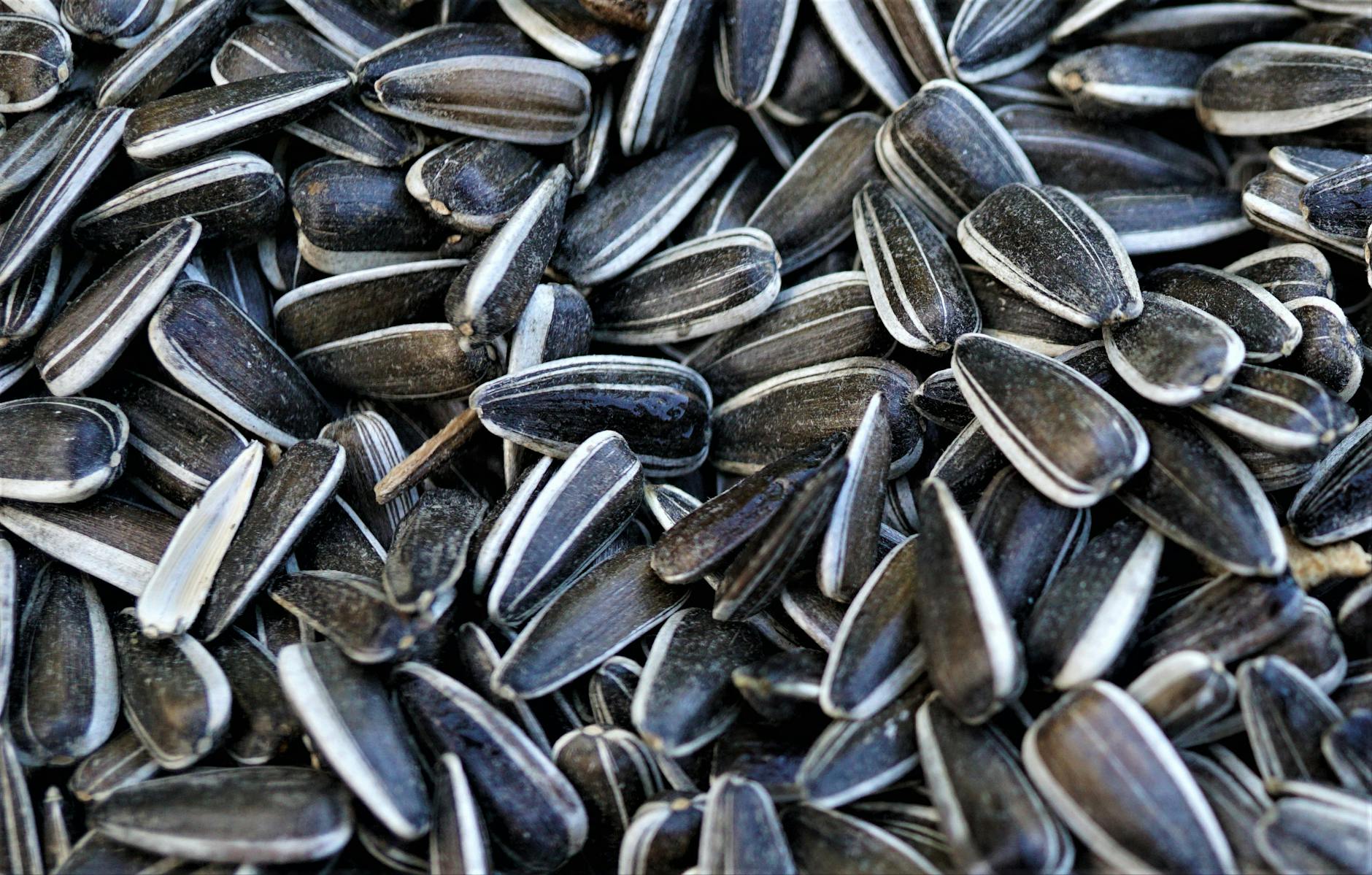
The kernels extracted from these massive yellow flowers offer notable amounts of structural minerals. Snacking on a quarter cup provides a dense source of calcium and healthy fats. They bring a delightful crunchy texture when sprinkled over fresh green salads or mixed into bread dough. Buying the shelled versions saves significant time when cooking or baking.
Poppy Seeds

These microscopic blue black seeds contain astonishingly high levels of calcium for their tiny size. Just one tablespoon delivers a highly concentrated dose of the essential mineral. Bakers frequently incorporate them into bright lemon muffins and sweet salad dressings. A small jar costs around $4 and lasts for numerous culinary applications.
Sweet Potatoes

These vibrantly colored root vegetables offer much more than just complex carbohydrates and standard vitamins. Baking one large potato provides a helpful serving of calcium wrapped in a naturally sweet package. The soft flesh mashes beautifully with a pinch of salt and a splash of olive oil. They thrive in warm climates and remain extremely affordable throughout the entire year.
Butternut Squash

This dense winter vegetable features sweet orange flesh naturally endowed with valuable trace minerals. Cubing and roasting a cup of the squash delivers a comforting and calcium rich side dish. The smooth texture blends flawlessly into creamy autumn soups without needing any heavy cream. A whole squash typically weighs around three pounds and costs very little per serving.
Acorn Squash
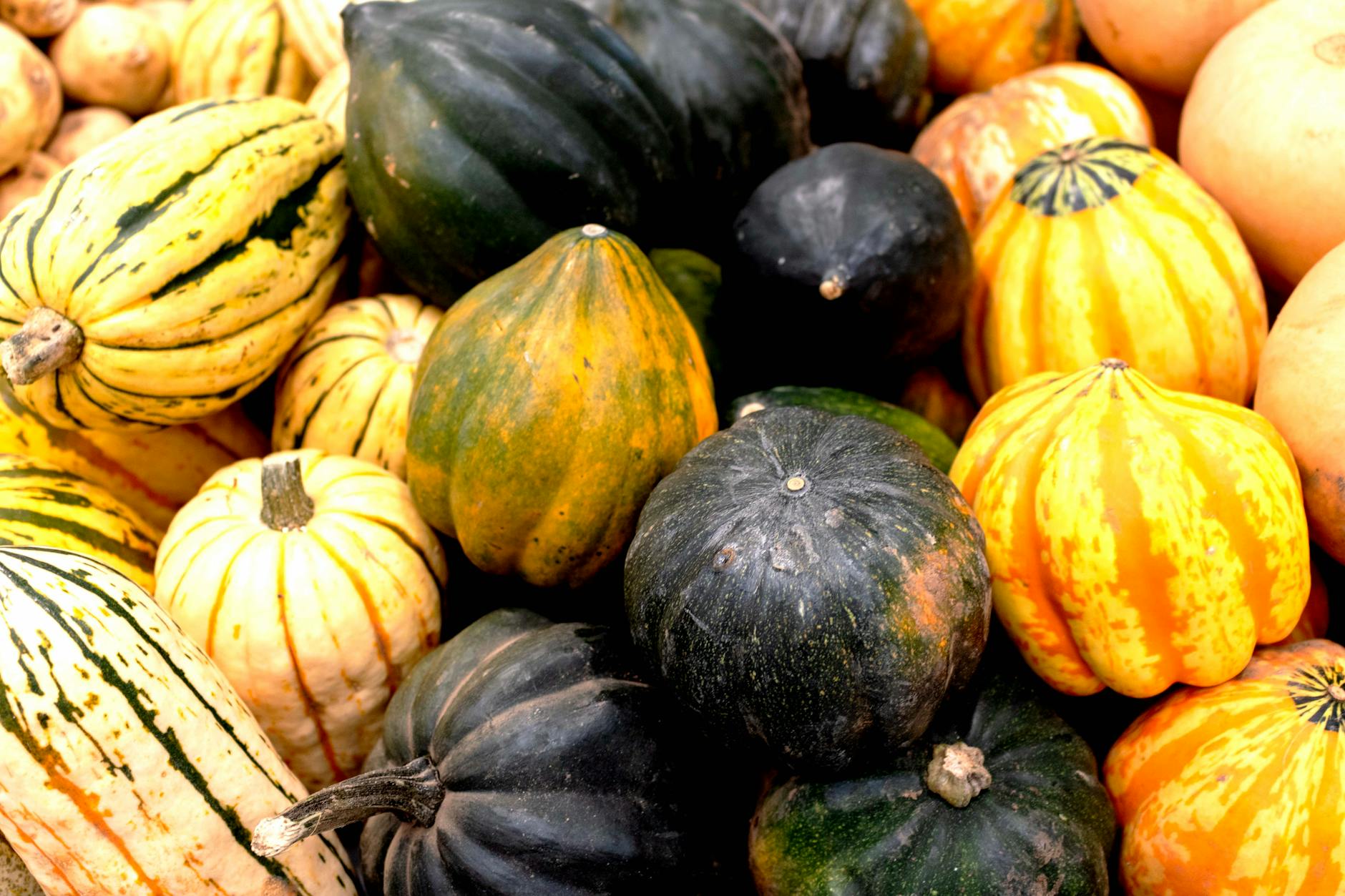
The deeply ridged exterior of this winter squash protects a highly nutritious and sweet interior. Eating a baked half provides an excellent source of dietary calcium and beneficial fiber. The hollow center creates a natural bowl perfectly suited for holding savory grain stuffings. They store exceptionally well in cool dark pantries for several months without spoiling.
Celery
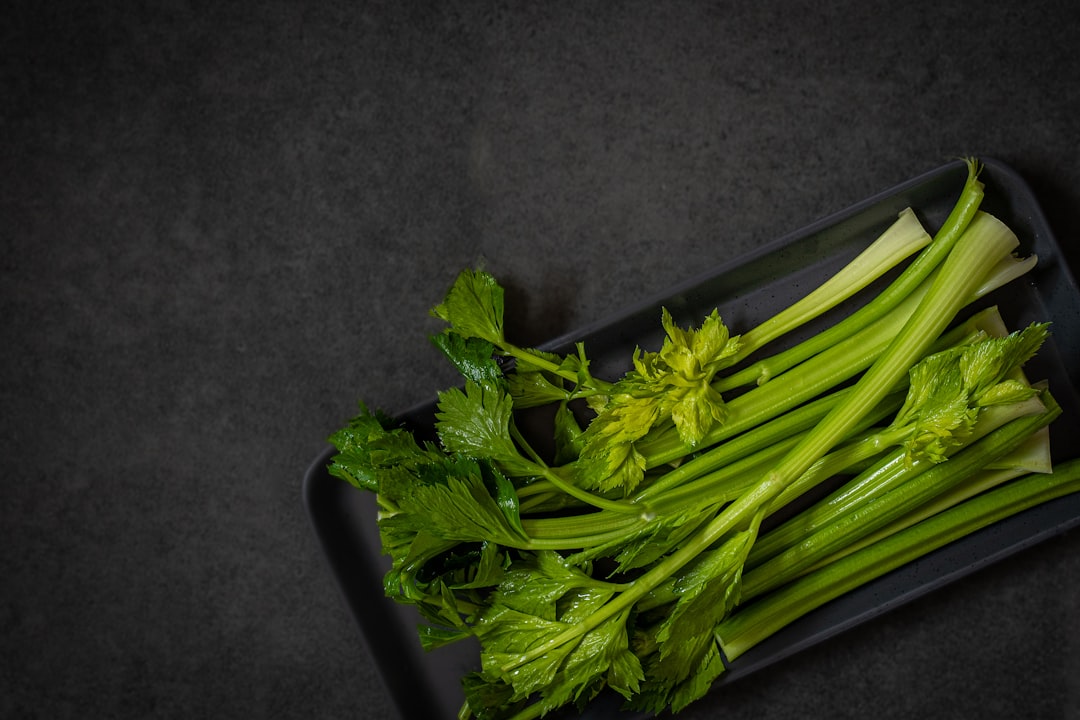
These crisp green stalks contain surprising amounts of calcium despite their exceptionally high water content. Chopping two cups of the raw vegetable adds a hydrating mineral boost to fresh salads. The mild flavor acts as a crucial aromatic foundation for classic soups and rich pan sauces. A full bunch is incredibly budget friendly and lasts for weeks in the crisper drawer.
Leeks

This milder relative of the standard onion offers a sweet flavor and a solid mineral profile. Sautéing a cup of the chopped stalks contributes a subtle calcium source to savory recipes. They require thorough washing to remove the fine sand trapped between their tight internal layers. The tender green portions melt down beautifully into butter to create rich savory bases.
Artichokes

The edible portion of this large thistle plant contains a wide array of protective nutrients. Steaming a medium globe yields tender leaves that provide a steady source of dietary calcium. Preparing them requires trimming the sharp tips and removing the fuzzy choke hidden inside. The prized inner heart possesses a dense meaty texture and a uniquely earthy flavor.
Papaya

This large tropical fruit features bright orange flesh packed with digestive enzymes and essential minerals. Eating one cup of the diced fruit delivers a refreshing and sweet dose of natural calcium. The soft texture and vibrant flavor make it an excellent standalone breakfast or smoothie ingredient. Finding ripe versions at the store ensures the sweetest and most enjoyable eating experience.
Guava

These small tropical fruits boast an incredibly unique nutritional profile among fresh produce options. A single cup of the raw fruit provides an impressive calcium boost alongside immense antioxidant properties. The entirely edible skin and seeds contribute heavily to the overall fiber and mineral content. They emit a deeply fragrant floral aroma when perfectly ripe and ready to eat.
Flaxseeds

These smooth brown seeds are widely celebrated for their omega fats but also contain structural minerals. Two tablespoons of the ground powder offer a simple way to increase your daily calcium intake. The human body absorbs their nutrients much better when the hard outer shells are completely milled. They form a thick gel when mixed with water to replace eggs in vegan baking recipes.
Brazil Nuts

These exceptionally large tree nuts are famous for selenium but also provide great amounts of calcium. Eating just four large kernels delivers a dense package of essential minerals and healthy fats. Their rich creamy texture makes them a fantastic addition to homemade trail mixes and granola blends. A one pound bag costs around $15 and provides extremely nutrient dense servings.
Please share your thoughts on these dairy free calcium sources with us in the comments.