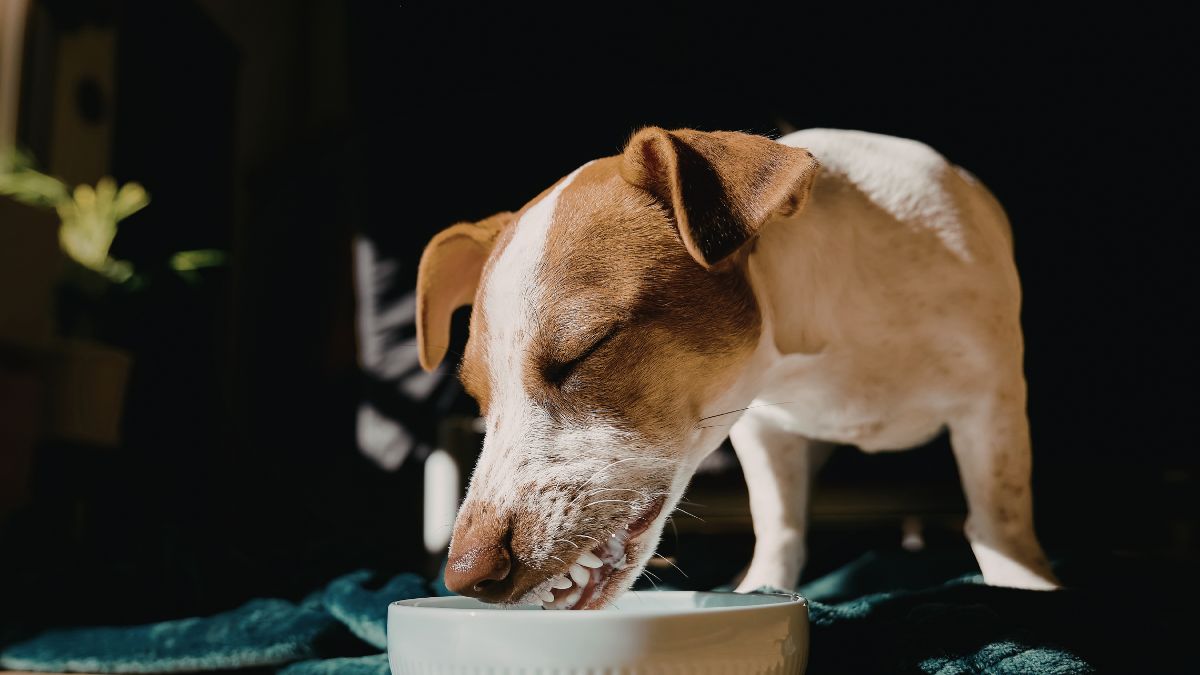
Every dog owner wants to keep their pet safe and healthy, yet many common household foods pose serious risks to canine health. Some of the most dangerous items are found in everyday kitchens and pantries, often without owners realizing the harm they can cause. Understanding which foods are off-limits for dogs can prevent emergency vet visits and potentially save a life. This guide covers 35 foods that should never be shared with a dog under any circumstances.
Chocolate

Chocolate contains two toxic compounds called theobromine and caffeine that dogs metabolize far more slowly than humans do. Even small amounts can cause vomiting, diarrhea, rapid breathing, and seizures in dogs. Dark chocolate and baking chocolate are the most dangerous forms due to their higher concentration of theobromine. White chocolate contains lower levels but is still considered unsafe for dogs. Any suspected chocolate ingestion warrants an immediate call to a veterinarian.
Grapes

Grapes are among the most acutely toxic foods for dogs and the exact compound responsible has not yet been fully identified by researchers. Ingestion can lead to sudden kidney failure even in small quantities relative to a dog’s body weight. Symptoms typically appear within 24 hours and include vomiting, lethargy, and a significant decrease in urination. Some dogs have shown severe reactions after eating only a handful of grapes. No amount of grapes is considered safe for any breed or size of dog.
Raisins
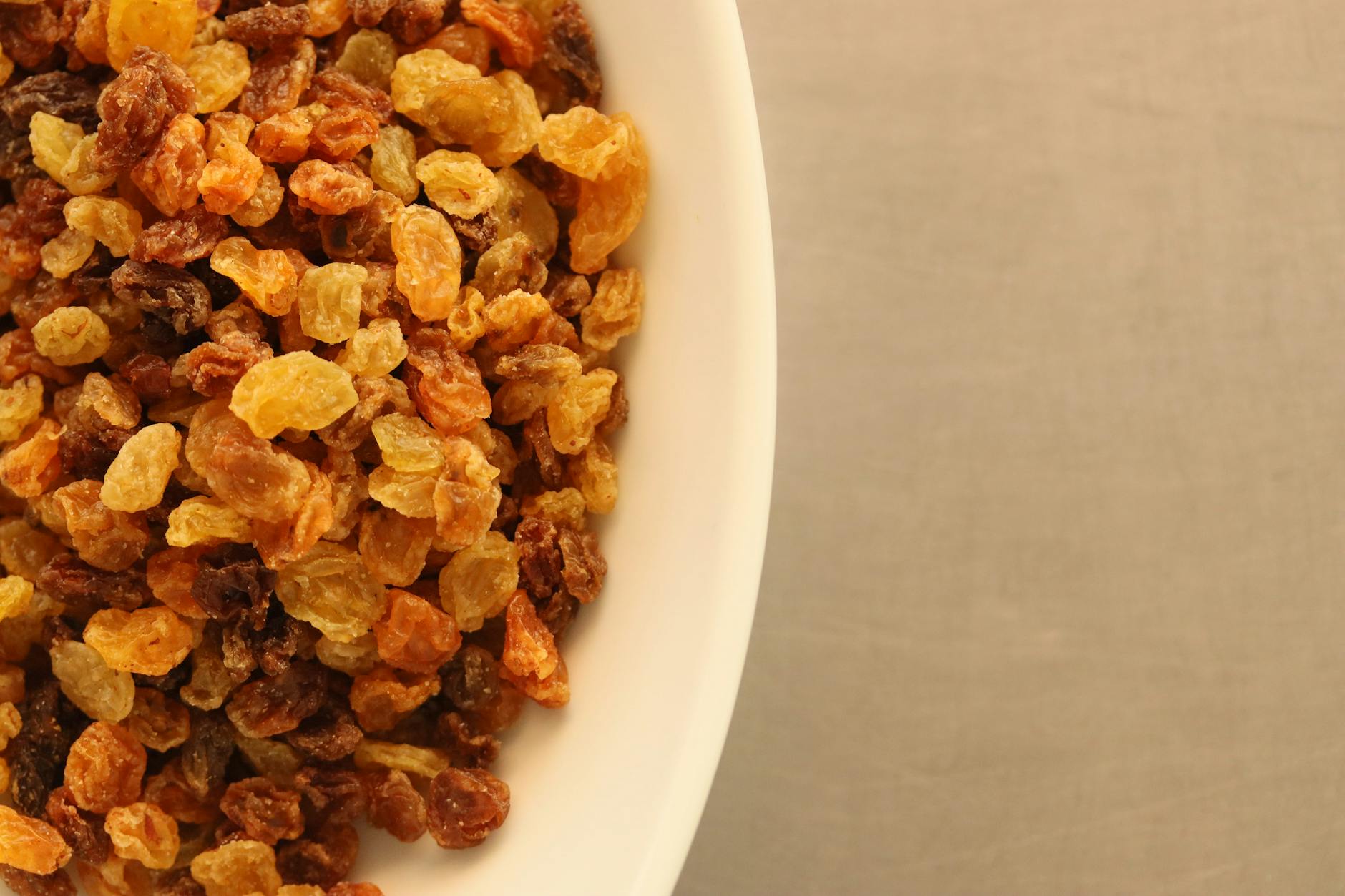
Raisins are simply dried grapes and carry the same life-threatening kidney toxicity as their fresh counterparts. Because they are dehydrated and therefore more concentrated, raisins can be even more dangerous in smaller quantities. They are commonly found in trail mix, baked goods, and cereals that might be left within a dog’s reach. Signs of poisoning include vomiting, abdominal pain, and eventual loss of kidney function. Raisin-containing foods should always be stored securely away from pets.
Xylitol
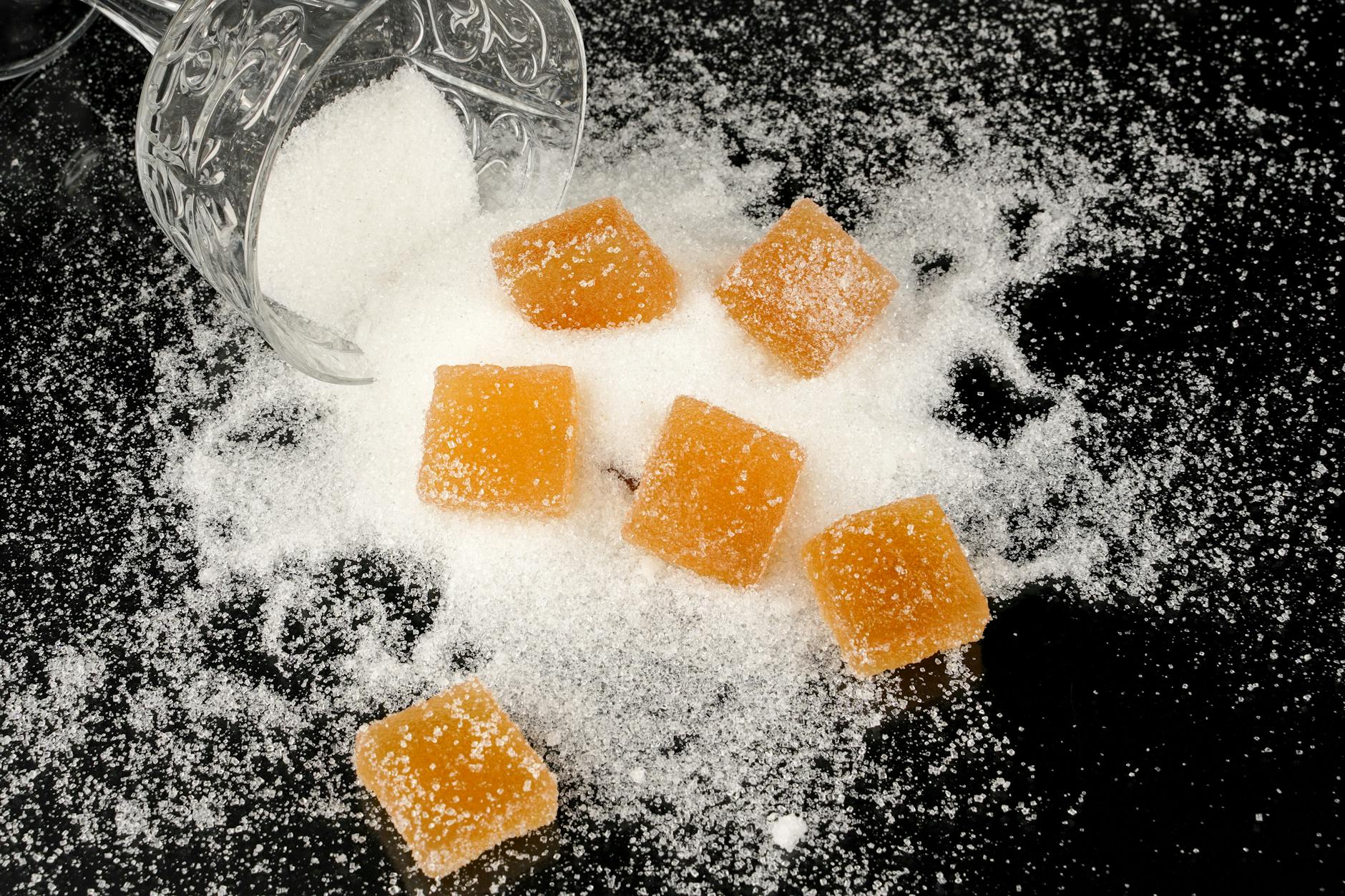
Xylitol is an artificial sweetener found in sugar-free gum, candies, peanut butter, and a growing range of baked goods. In dogs it triggers a rapid and dangerous release of insulin from the pancreas, causing blood sugar to plummet to life-threatening levels. This condition known as hypoglycemia can cause weakness, seizures, and loss of coordination within 30 minutes of ingestion. Larger doses have also been linked to acute liver failure in dogs. Pet owners should carefully read ingredient labels on any low-sugar or sugar-free product in the home.
Onions
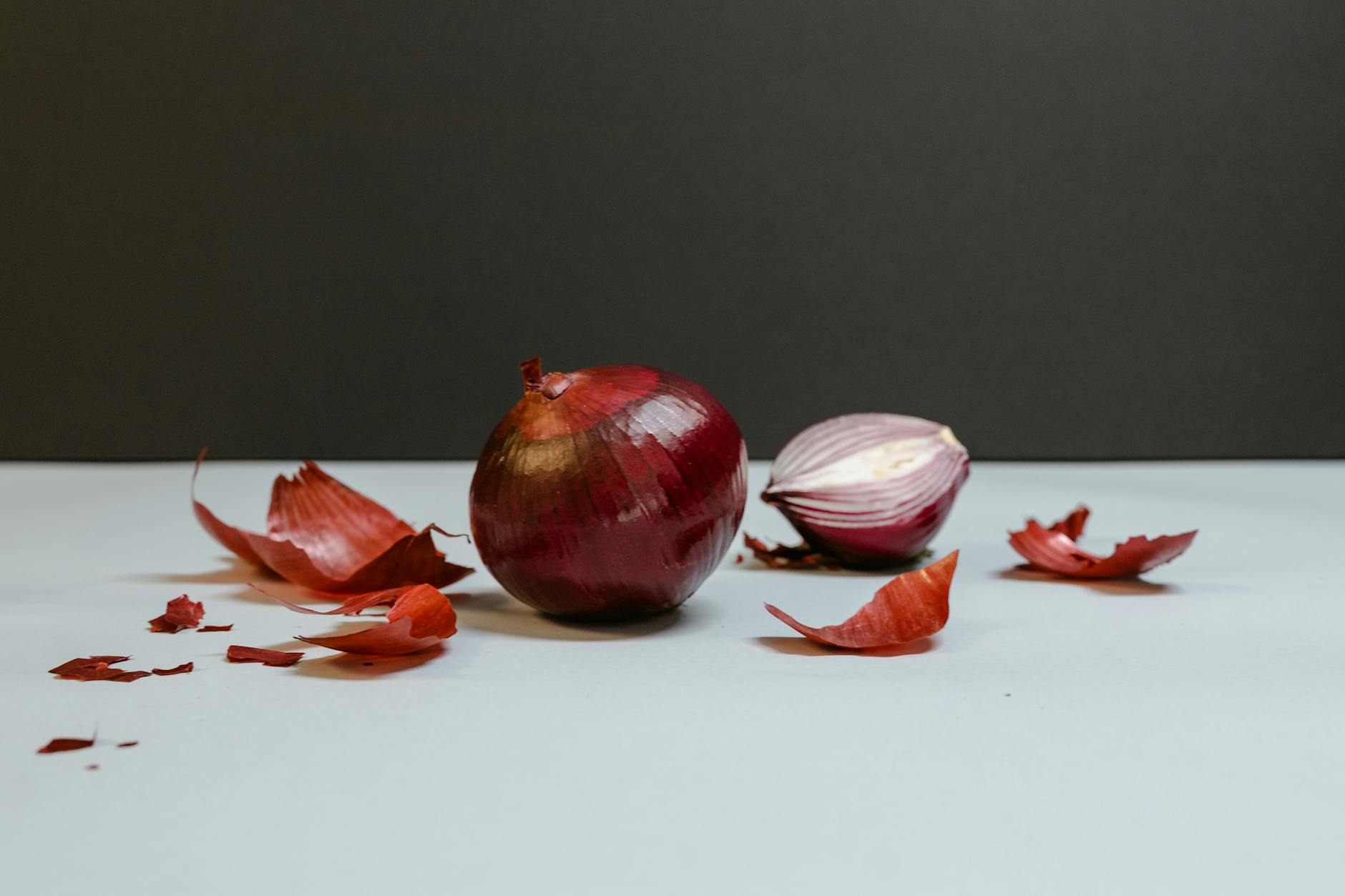
Onions contain compounds called N-propyl disulfide and thiosulfates that damage the red blood cells of dogs over time. This damage leads to a form of anemia called hemolytic anemia, in which the red blood cells burst faster than the body can replace them. All forms of onion are dangerous including raw, cooked, powdered, and dehydrated varieties. Onion powder is particularly potent and is found in many seasoned meats, soups, and baby foods. Symptoms may be delayed for several days after ingestion, making it easy to overlook the connection.
Garlic
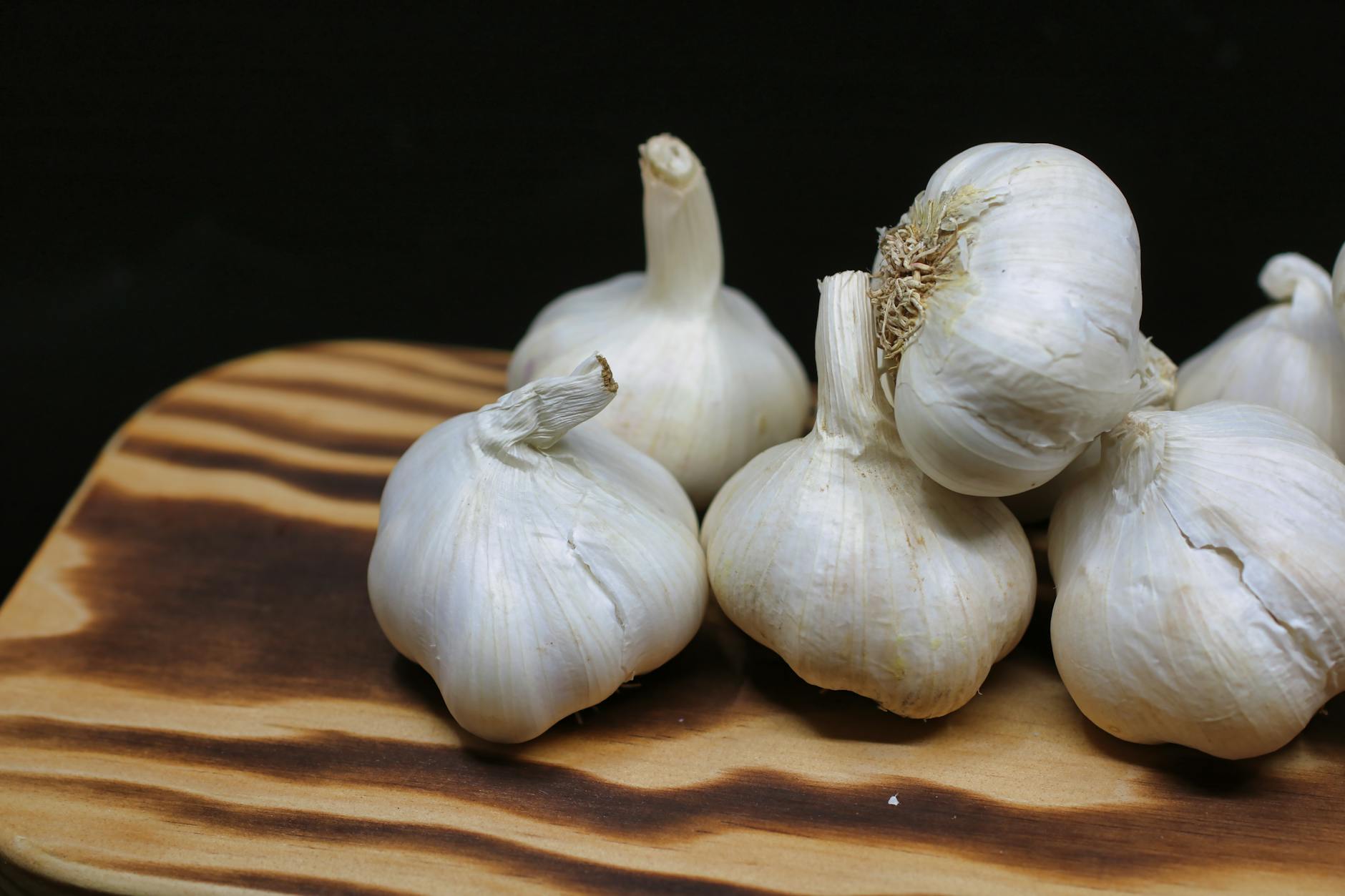
Garlic belongs to the allium family alongside onions and shares similar toxic properties for dogs. It is considered to be approximately five times more toxic than onions on a per-weight basis. The toxic compounds cause oxidative damage to red blood cells, leading to weakness, pale gums, and difficulty breathing. Garlic powder is especially concentrated and can be hidden in many processed human foods and broths. Even small amounts fed regularly over time can accumulate and cause serious harm.
Macadamia Nuts
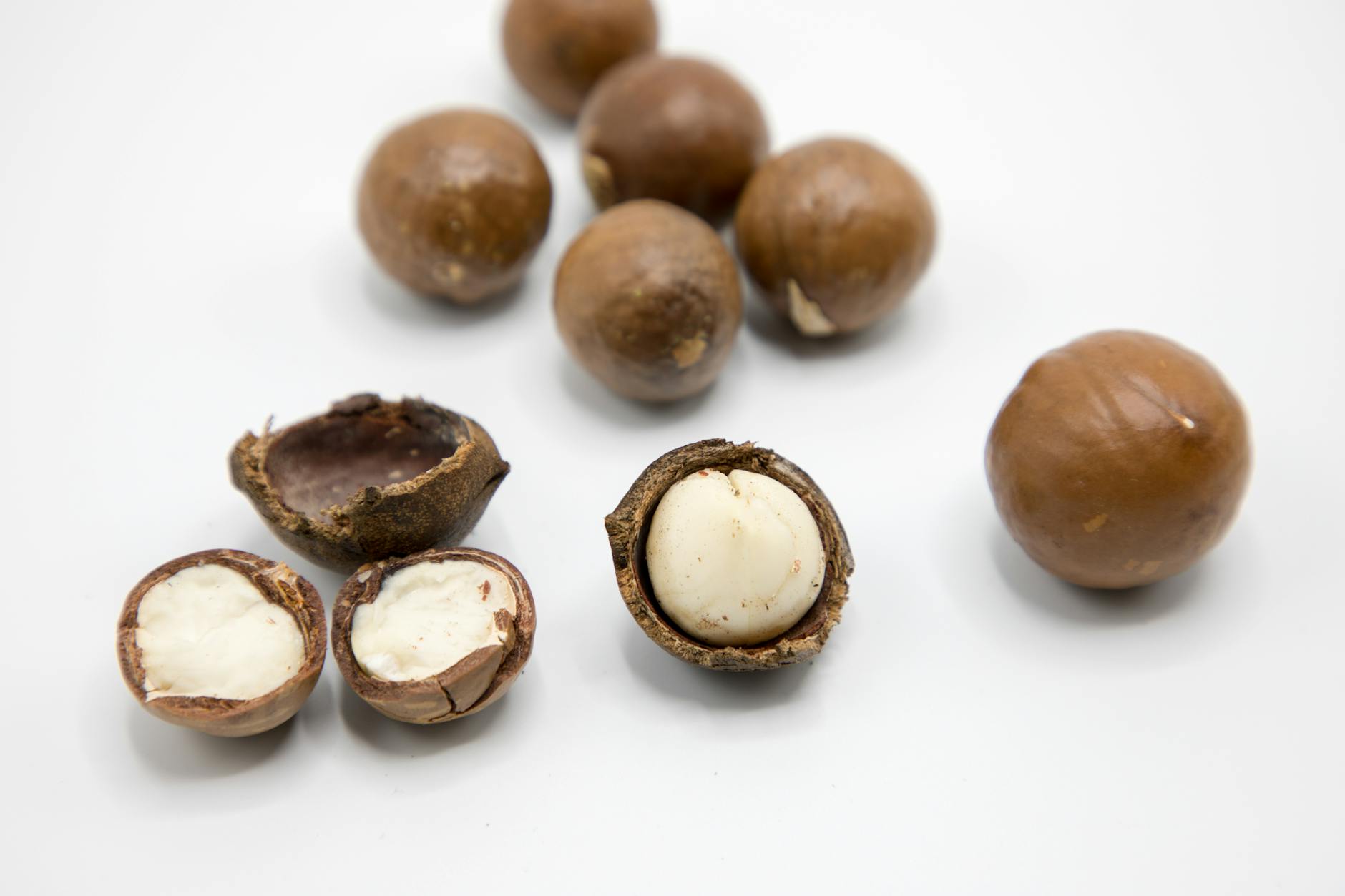
Macadamia nuts are uniquely toxic to dogs despite being harmless to most other animals. The exact mechanism of toxicity is not yet fully understood by veterinary scientists. Ingestion typically causes weakness in the hind legs, vomiting, tremors, and a noticeably elevated body temperature. Symptoms usually appear within 12 hours and can last up to 48 hours. Macadamia nuts are commonly used in cookies and confections, making vigilance around baked treats especially important.
Avocado
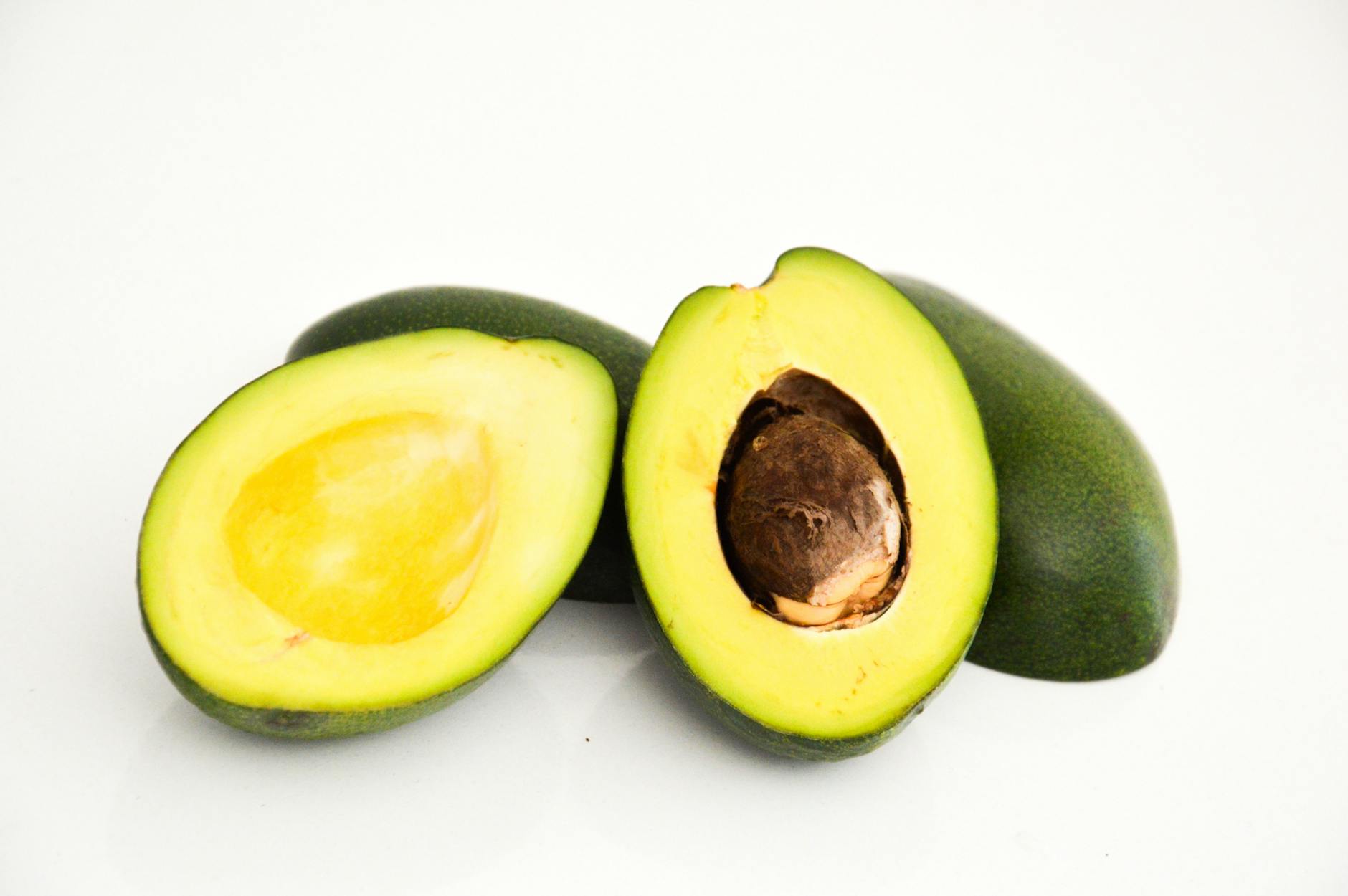
Avocado contains a fungicidal toxin called persin that is present in the fruit, skin, leaves, and pit. Dogs are sensitive to persin and can experience vomiting, diarrhea, and fluid accumulation around the heart and lungs after ingestion. The large pit also poses a significant choking and intestinal obstruction risk on its own. While some sources debate the level of risk from avocado flesh alone, the safest approach is to keep all parts of the avocado away from dogs entirely. The persin concentration is highest in the leaves and skin but the flesh is not considered safe either.
Alcohol
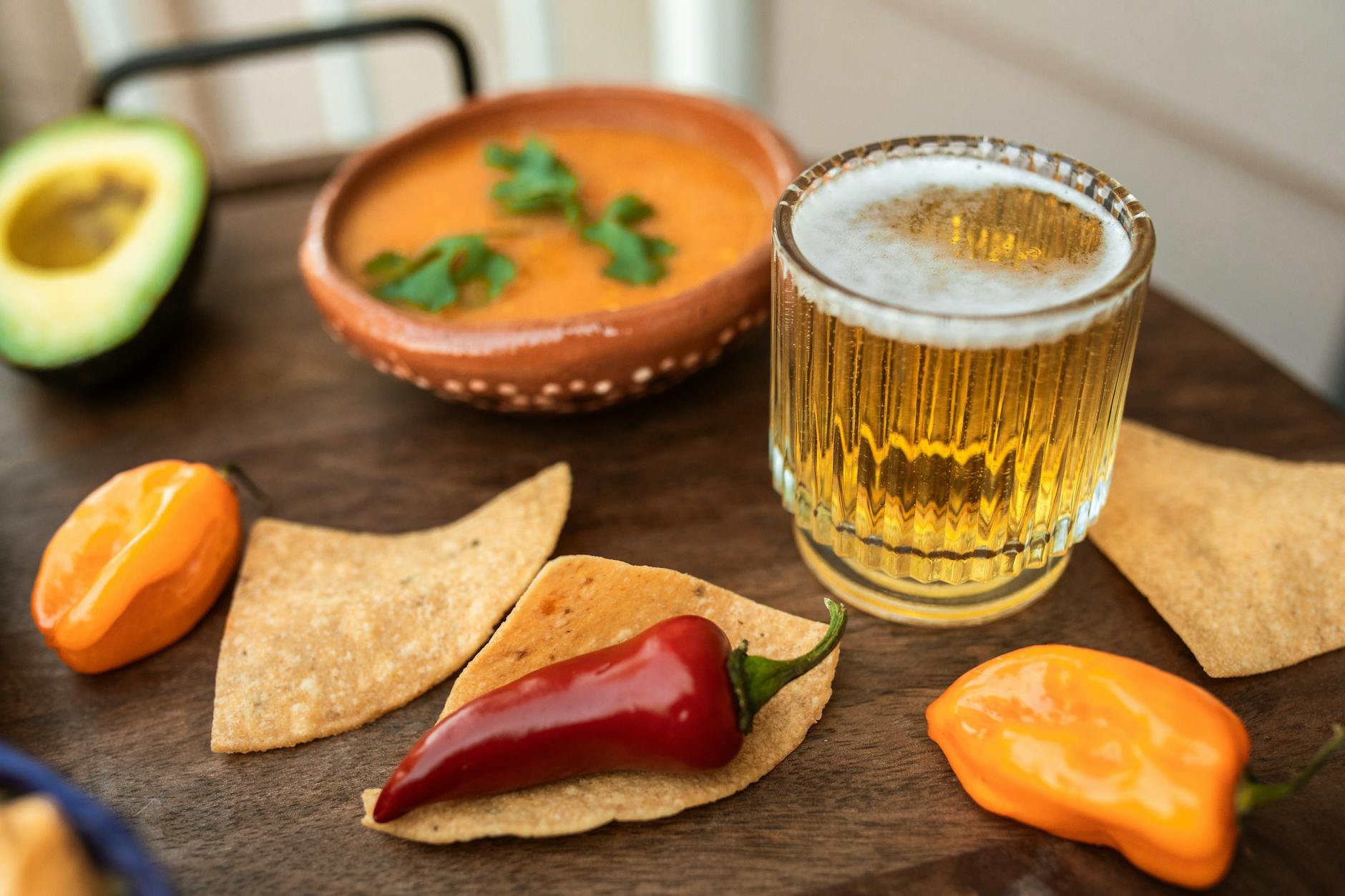
Alcohol affects dogs in the same way it affects humans but with dramatically greater severity due to their smaller body size and different metabolism. Even a small amount of beer, wine, or spirits can cause dangerous drops in blood sugar, blood pressure, and body temperature. Dogs that ingest alcohol may experience vomiting, disorientation, difficulty breathing, and tremors. In severe cases alcohol poisoning in dogs can result in coma and death. This includes not only beverages but also alcohol found in certain mouthwashes, fermented foods, and raw bread dough.
Caffeine
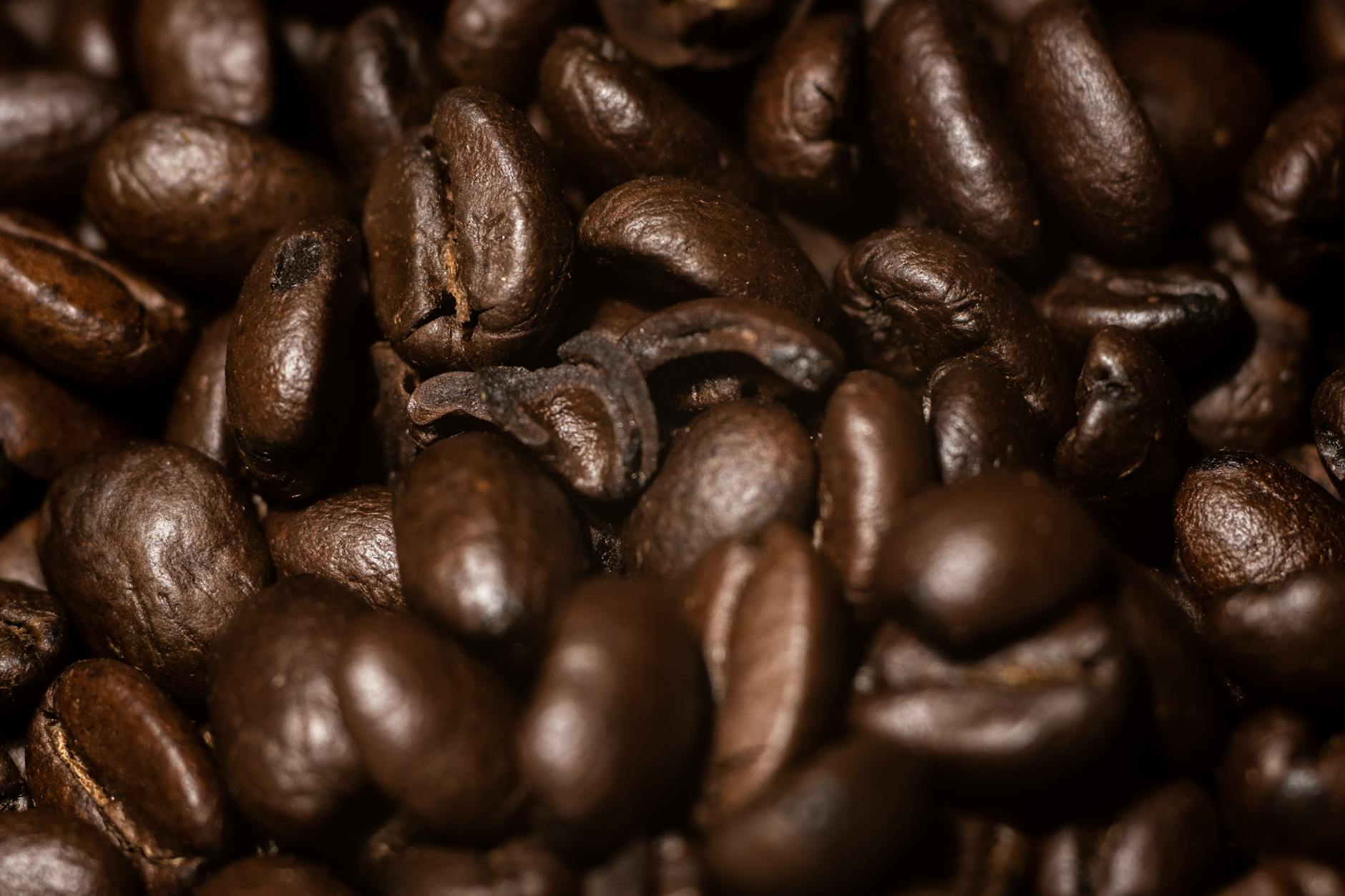
Caffeine is a stimulant that dogs process much more slowly than humans, allowing it to reach toxic concentrations in their system quickly. Sources of caffeine include coffee, tea, energy drinks, certain sodas, some medications, and dark chocolate. The compound causes abnormal heart rhythms, elevated blood pressure, tremors, and seizures. Even coffee grounds or used tea bags left in a bin can be attractive to curious dogs and contain enough caffeine to cause harm. There is no established safe level of caffeine intake for dogs.
Raw Yeast Dough
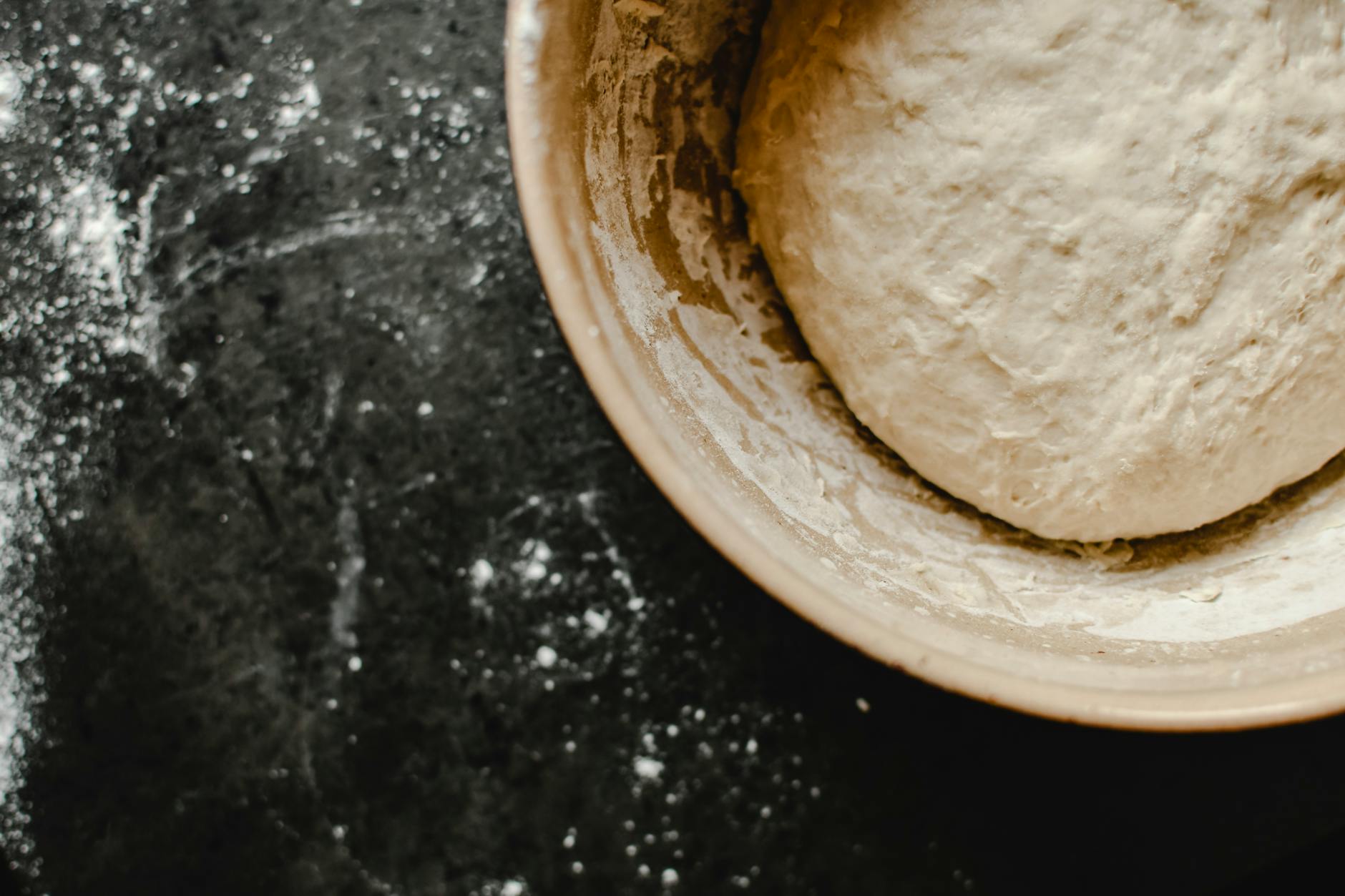
Raw yeast dough is dangerous to dogs for two distinct reasons that compound each other in a warm stomach environment. The yeast continues to ferment inside the digestive tract, producing carbon dioxide gas that causes painful and potentially dangerous bloating. The fermentation process also produces ethanol as a byproduct, meaning the dog can effectively experience alcohol poisoning from the inside. A dog that eats raw dough may show signs of bloating, discomfort, staggering, and disorientation within a short period. Fully cooked bread does not carry the same risks but the raw dough stage is a serious hazard.
Nutmeg
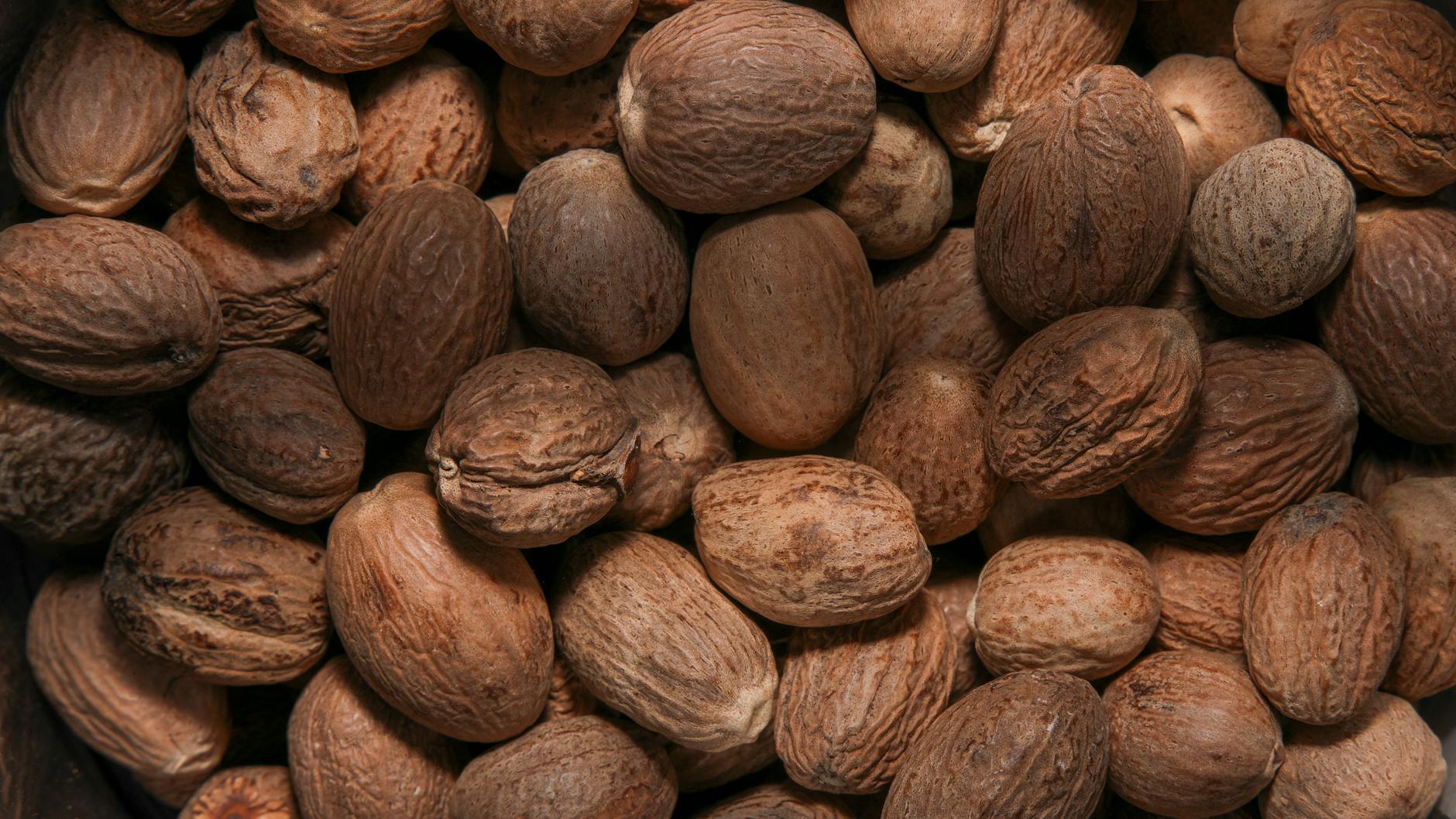
Nutmeg contains a compound called myristicin that causes toxic effects in dogs even in relatively small quantities. Symptoms of nutmeg poisoning include disorientation, increased heart rate, dry mouth, abdominal pain, and seizures. Large doses can cause hallucinations and a state of severe neurological distress. Nutmeg is commonly used in holiday baking and drinks like eggnog, making the festive season a period of elevated risk for dogs. Even a small sprinkle of nutmeg on food shared with a dog can produce noticeable toxic effects.
Chives

Chives belong to the allium family and contain the same thiosulfate compounds responsible for the toxicity of garlic and onions. They are particularly dangerous because they are used as a garnish or flavor enhancer in many dishes and may go unnoticed. In dogs they cause the breakdown of red blood cells and lead to hemolytic anemia over time. Fresh, dried, and freeze-dried forms are all considered equally harmful. Chives are also commonly grown in home herb gardens, creating an additional risk for dogs with outdoor access.
Leeks
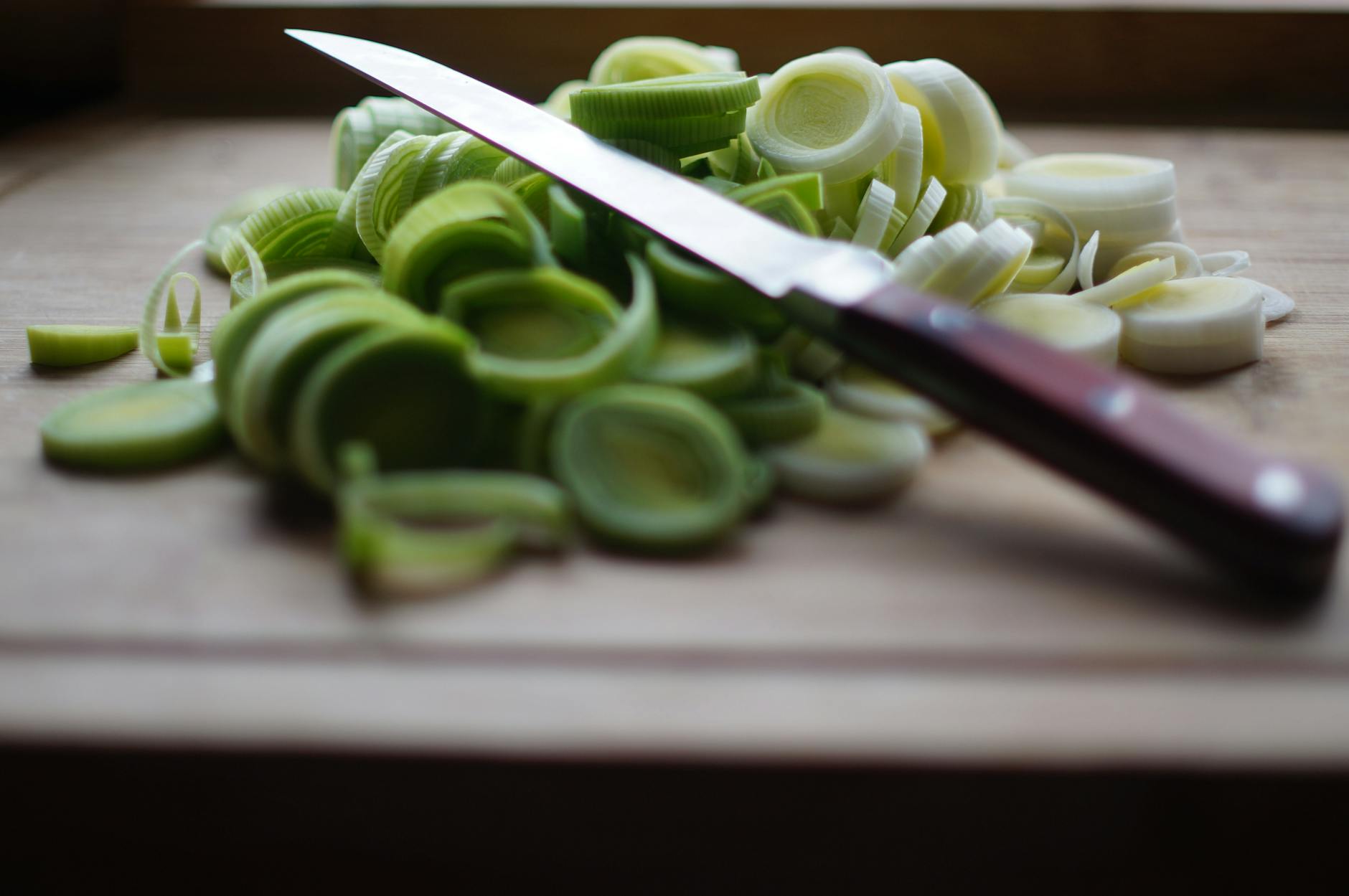
Leeks are another member of the allium family that carry toxicity risks comparable to onions and garlic for dogs. They contain organosulfur compounds that break down into toxic substances in a dog’s digestive system. Regular exposure or a single large ingestion can cause red blood cell damage, weakness, and labored breathing. Leeks are found in soups, quiches, and many savory dishes that might be left within reach of a curious dog. All parts of the leek including the bulb and green tops are considered toxic.
Salt
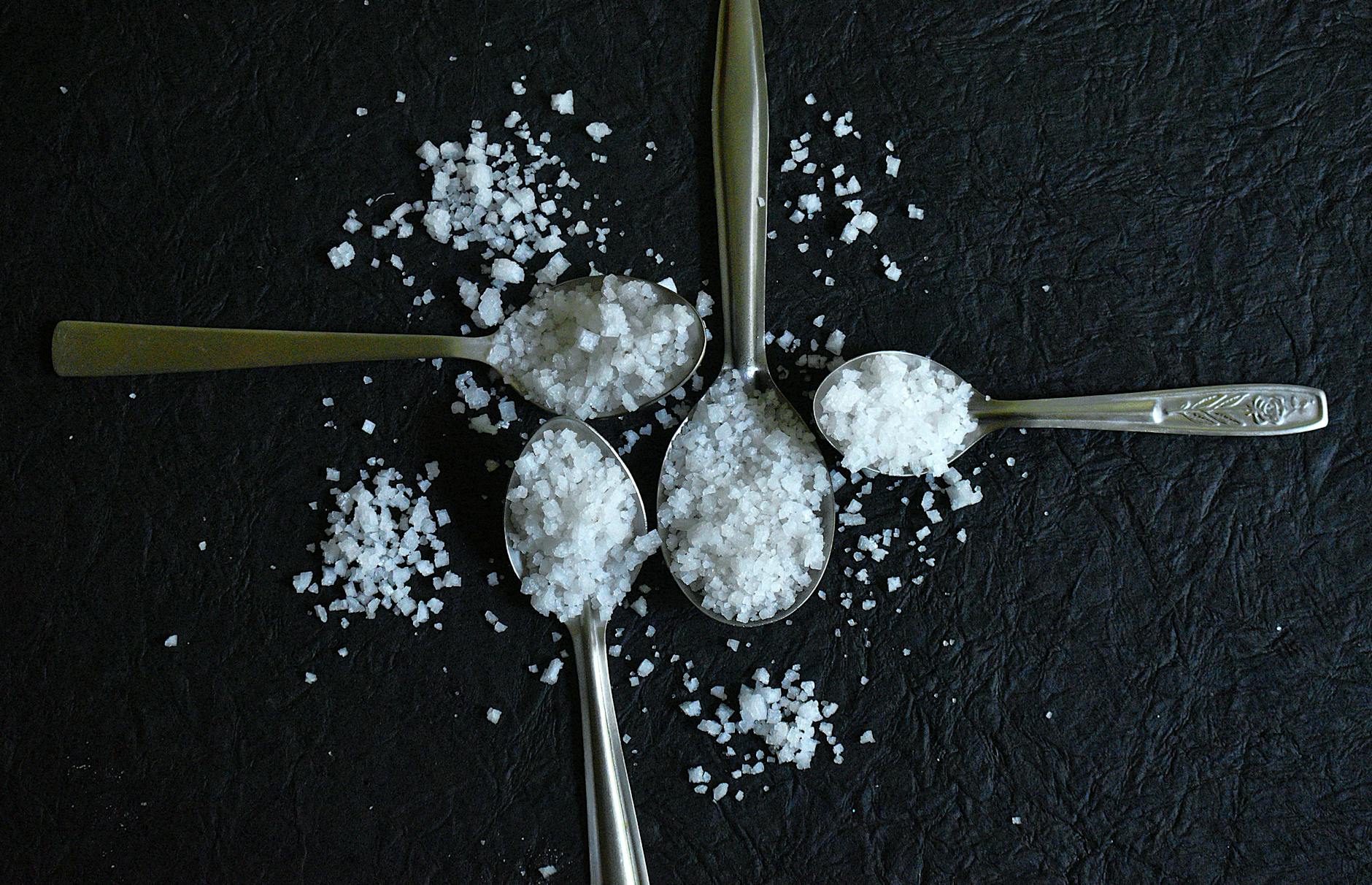
Excessive salt intake is toxic to dogs and can result in a condition called sodium ion poisoning. A dog that consumes large amounts of salt will experience extreme thirst, frequent urination, and potentially dangerous fluid shifts in the body. In severe cases high sodium ingestion can cause tremors, seizures, elevated body temperature, and even death. Salty snacks like pretzels, chips, popcorn, and cured meats are common culprits of accidental overconsumption. Dogs should always have access to fresh water and salty human snacks should not be shared with them.
Tomatoes
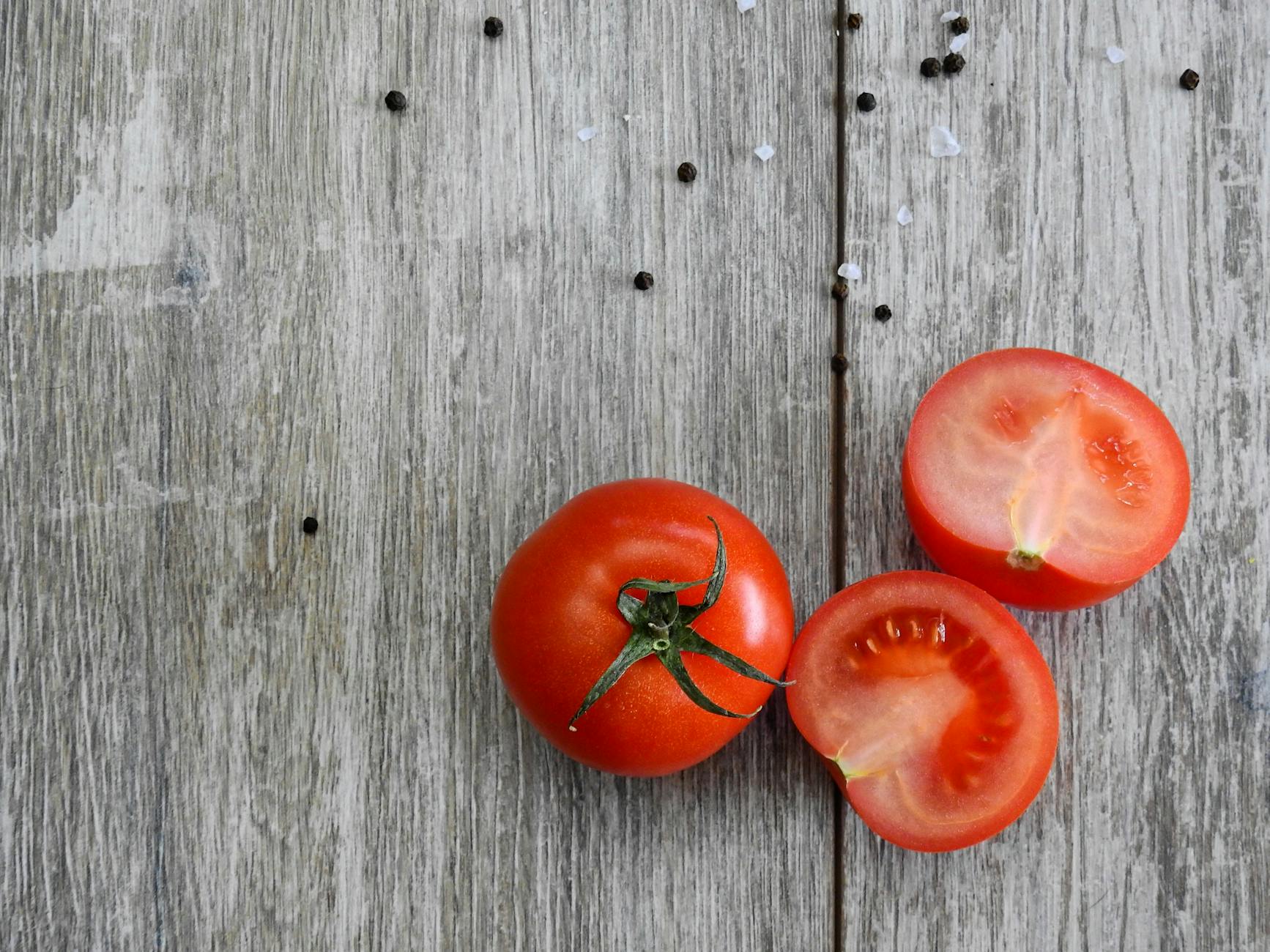
While ripe red tomatoes are considered low-risk in small amounts, unripe green tomatoes and all parts of the tomato plant contain a toxic substance called solanine. The leaves, stems, and unripe fruit contain the highest concentrations of this compound. Solanine ingestion in dogs can cause gastrointestinal distress, weakness, confusion, and in larger amounts can affect the heart rate and nervous system. Dogs that have access to vegetable gardens with tomato plants are at particular risk of nibbling on the leaves or stems. Ripe tomatoes are not recommended as a regular treat, and all green portions of the plant must be kept out of reach.
Cherries
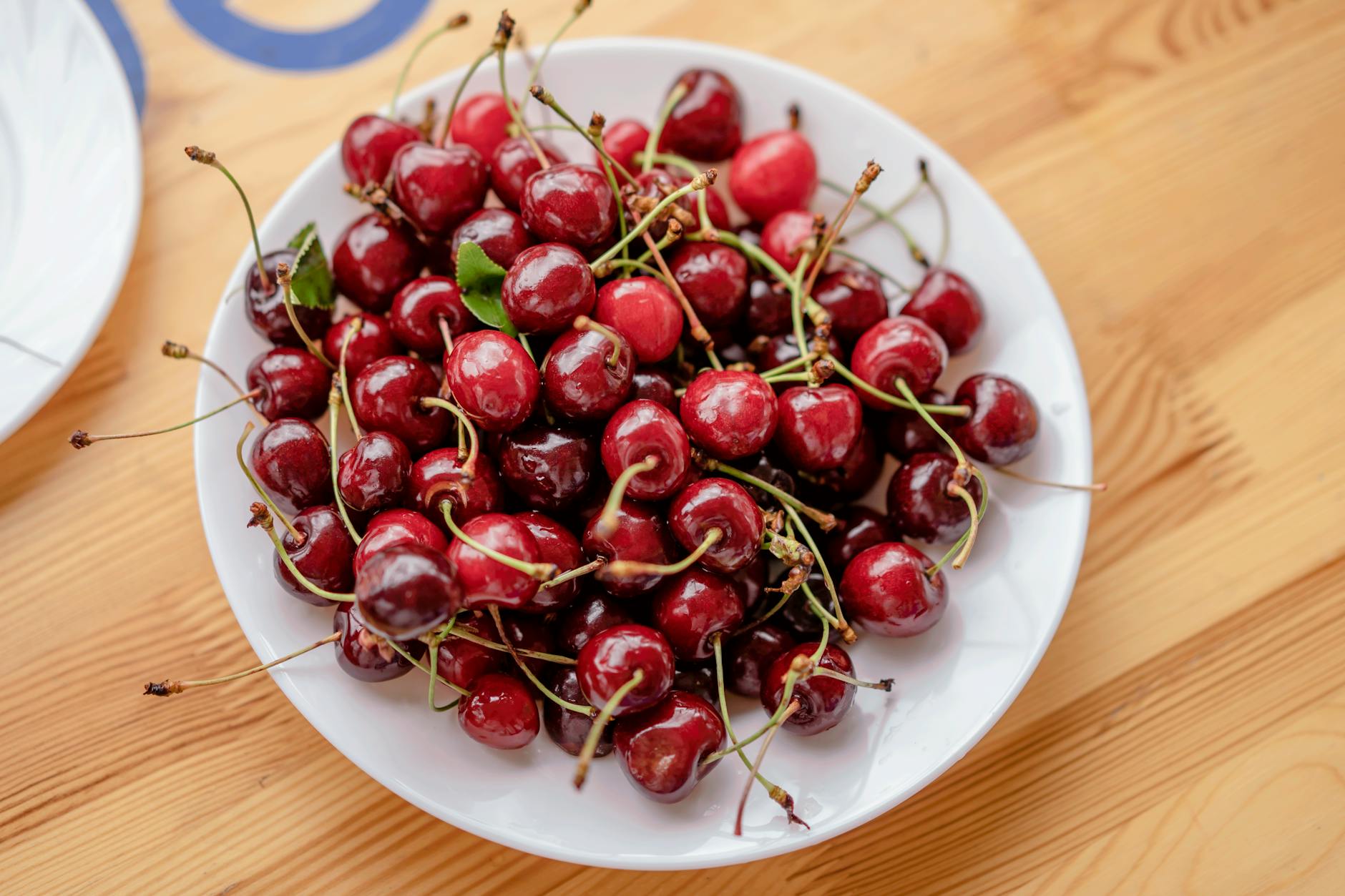
The pits, stems, and leaves of cherries contain cyanogenic compounds that release cyanide when metabolized by a dog’s digestive system. Cyanide prevents the body’s cells from absorbing oxygen, which can cause rapid and severe distress. Even the flesh of a cherry can cause digestive upset in dogs due to its sugar content and fibrous texture. A dog that chews and swallows cherry pits is at particular risk of cyanide toxicity alongside potential intestinal obstruction. Cherry-flavored products may also contain xylitol or other artificial sweeteners, adding another layer of risk.
Apricots
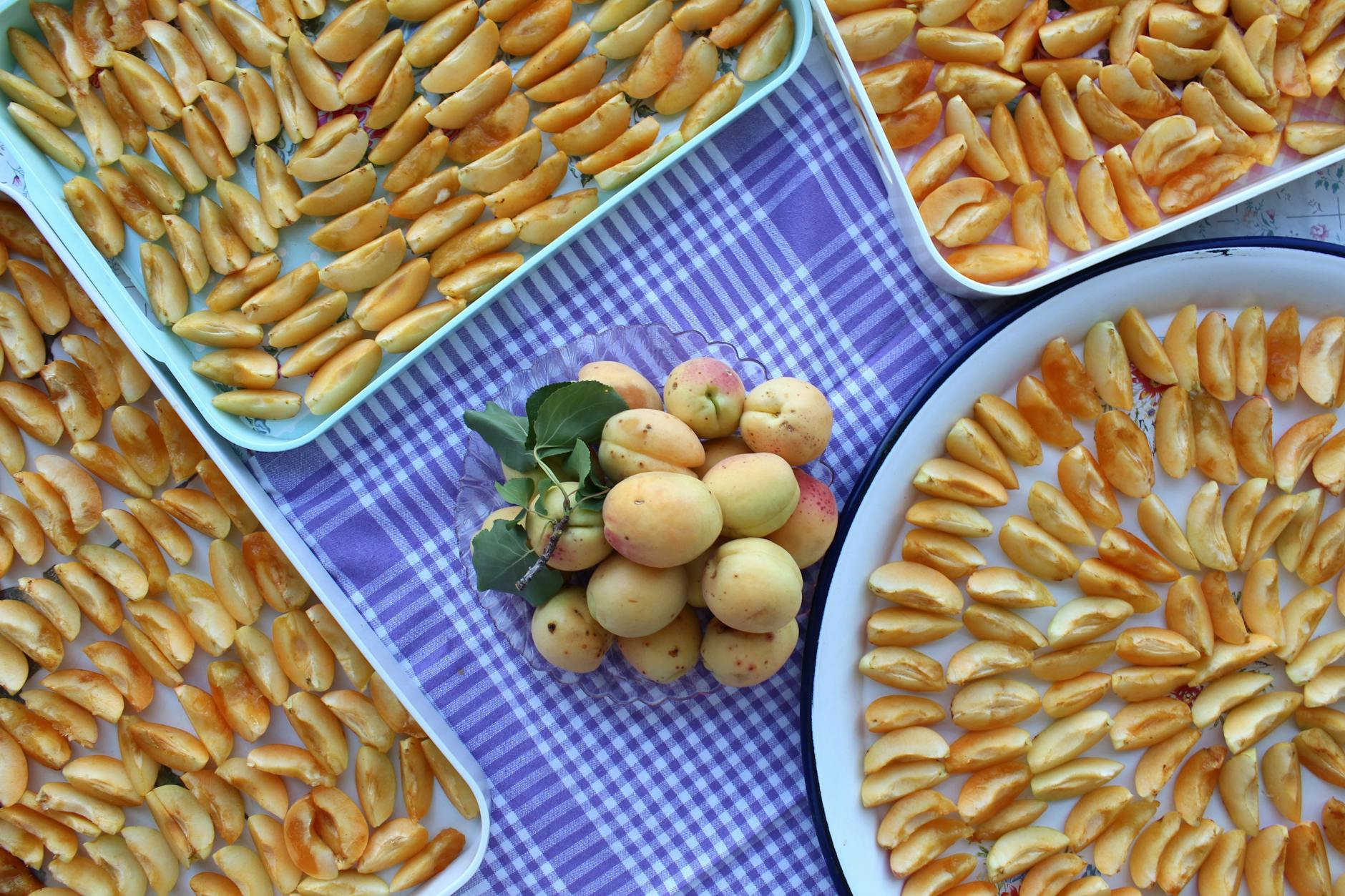
Apricots pose a significant risk to dogs primarily through the cyanide-containing compounds found in the pit, skin, and leaves. The flesh of the apricot in small amounts may not cause severe harm but the rest of the fruit is highly dangerous. Cyanide toxicity in dogs presents as dilated pupils, difficulty breathing, bright red gums, and shock. Dried apricots, while lacking the pit, are very high in sugar and can cause digestive disruption in dogs. The safest approach is to keep all parts of the apricot plant and fruit away from dogs entirely.
Plums
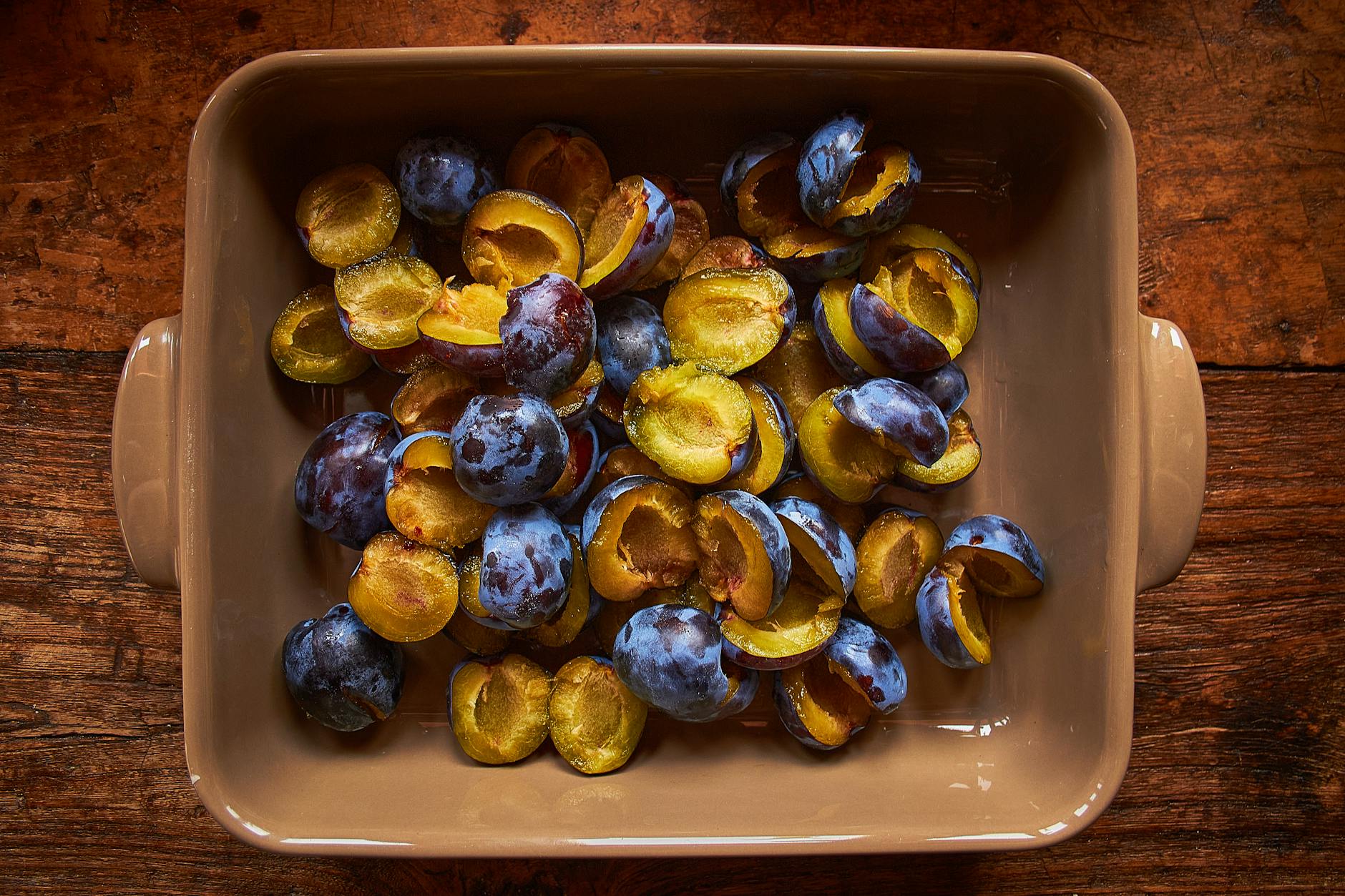
Plums contain the same cyanogenic glycosides found in apricots and cherries, concentrated mainly in the pit and surrounding plant material. A dog that chews through a plum pit can release these compounds directly into the digestive system. The pit itself also presents a serious choking hazard and risk of gastrointestinal obstruction. Even the flesh of the plum can cause vomiting and diarrhea in dogs due to its high sugar and fiber content. All parts of the plum tree including leaves and bark should also be kept away from dogs.
Raw Potatoes
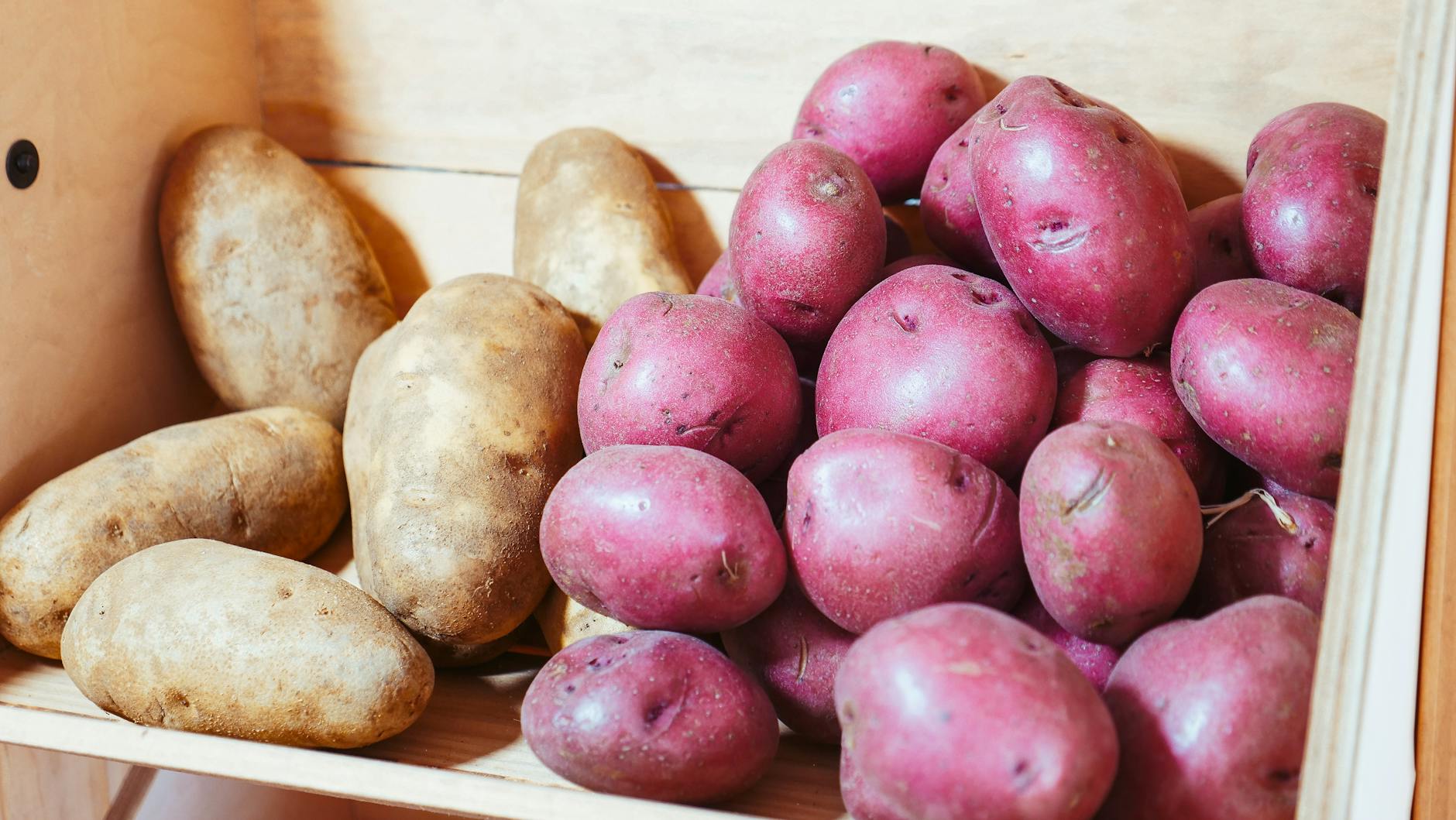
Raw potatoes contain solanine, the same toxic compound found in unripe tomatoes, as both belong to the nightshade family. Green potatoes or potatoes with green patches carry even higher concentrations of solanine and should never be given to dogs. Ingestion can cause nausea, vomiting, seizures, and in large amounts can be fatal. Potato plants including the leaves and stems also contain dangerous levels of solanine. Cooked potatoes without added seasonings or butter are generally considered safe in small amounts, but raw potatoes in any form are not.
Rhubarb
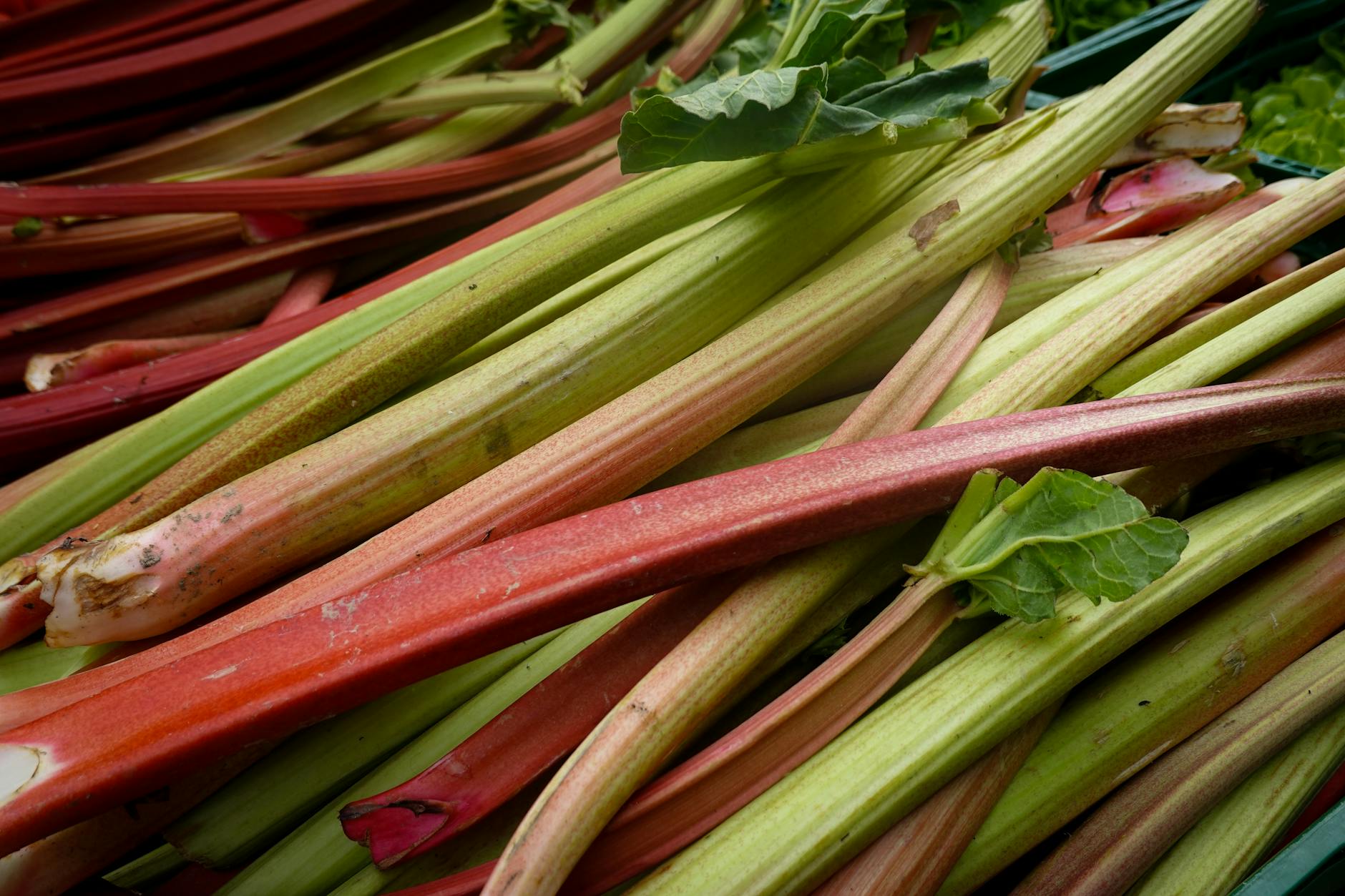
Rhubarb leaves contain oxalic acid and soluble oxalate salts that are toxic to dogs and can cause serious kidney damage. Even the stalks contain smaller amounts of these compounds, though the leaves are the primary danger. A dog that ingests rhubarb may show drooling, vomiting, weakness, and tremors followed by potential kidney failure. Rhubarb is commonly grown in home gardens and used in desserts like pies and crumbles that might be left accessible to dogs. All parts of the rhubarb plant should be treated as hazardous to dogs.
Wild Mushrooms
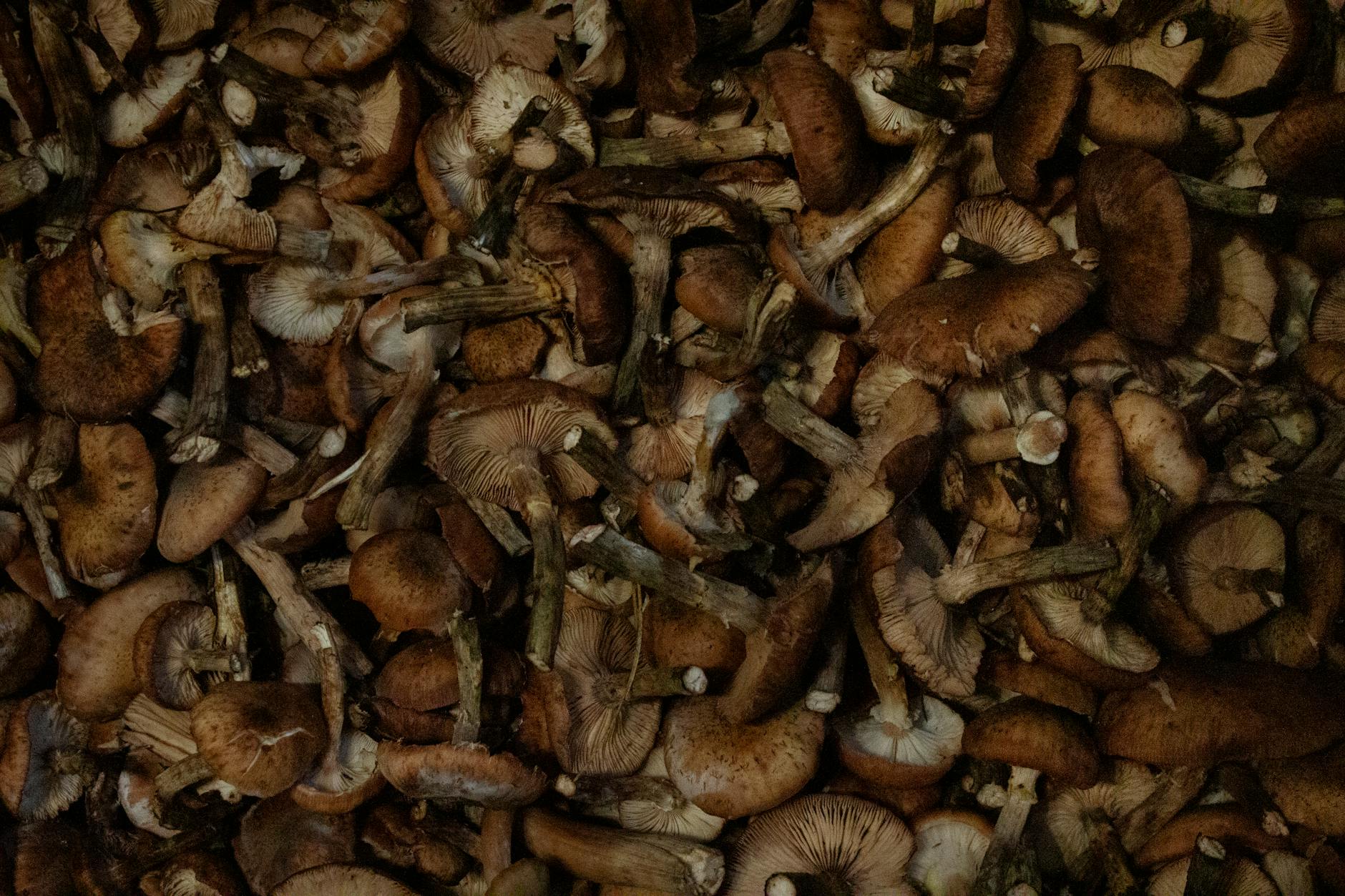
While the majority of mushroom species are not toxic, certain wild varieties are extraordinarily dangerous to dogs and can cause fatal liver and kidney failure. Species such as Amanita phalloides contain amatoxins that cause irreversible organ damage even when consumed in tiny amounts. Dogs may be attracted to wild mushrooms during outdoor walks or in the garden where they can appear without warning. Because identifying toxic mushrooms requires expert knowledge, all wild mushrooms should be treated as potentially lethal. Prompt veterinary treatment is critical if a dog is suspected of consuming any wild mushroom.
Blue Cheese
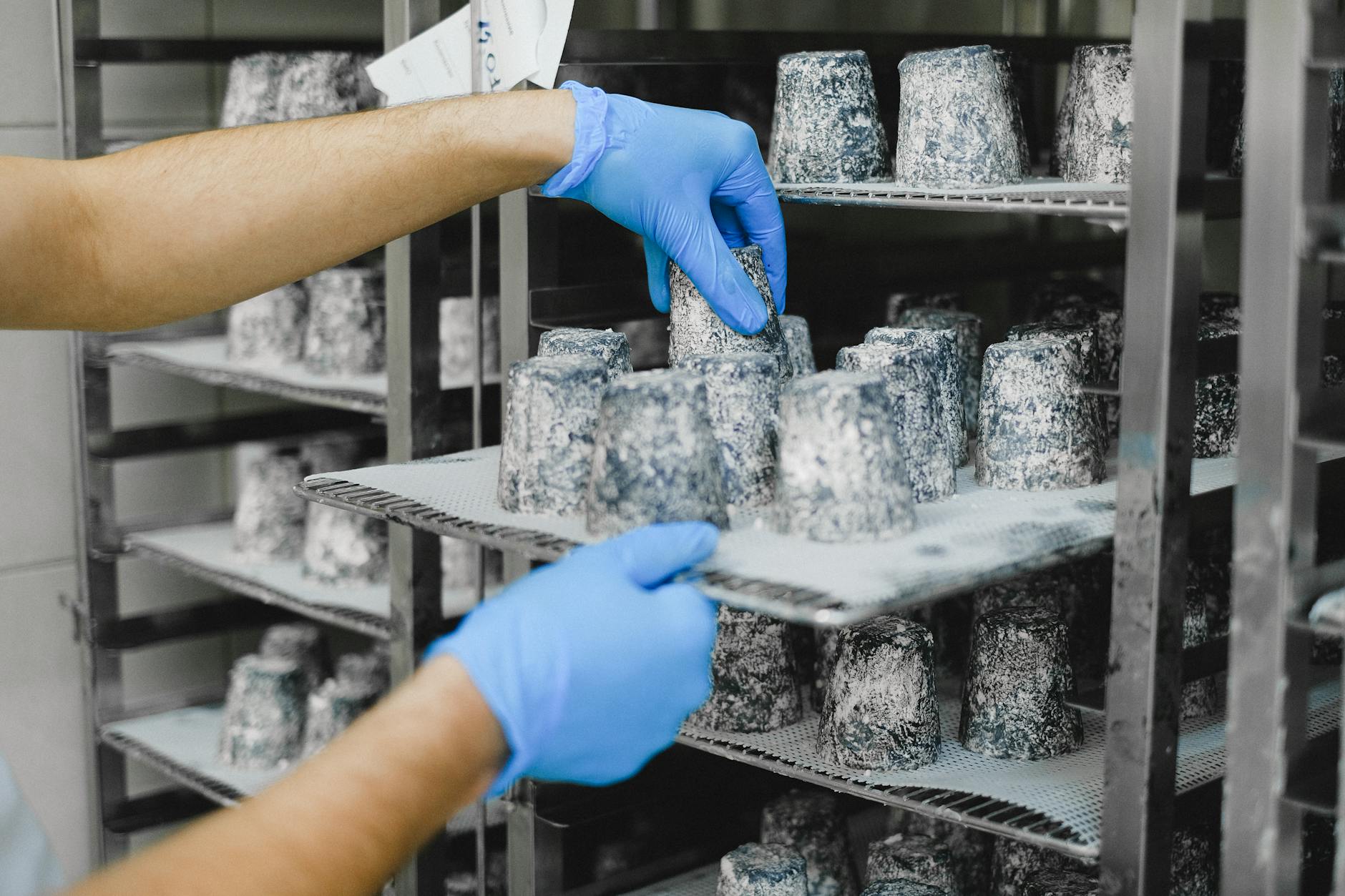
Blue cheese and other high-fat, aged cheeses contain a substance called roquefortine C, which is produced by the mold used in the fermentation process. This compound can trigger muscle tremors, seizures, and elevated body temperature in dogs. Even a small amount of blue cheese can produce a noticeable and distressing reaction in sensitive animals. Beyond the roquefortine C risk, the high fat content of blue cheese can trigger pancreatitis, a painful and potentially life-threatening inflammation of the pancreas. Dogs should not be given any blue-veined or heavily aged cheese regardless of quantity.
Walnuts
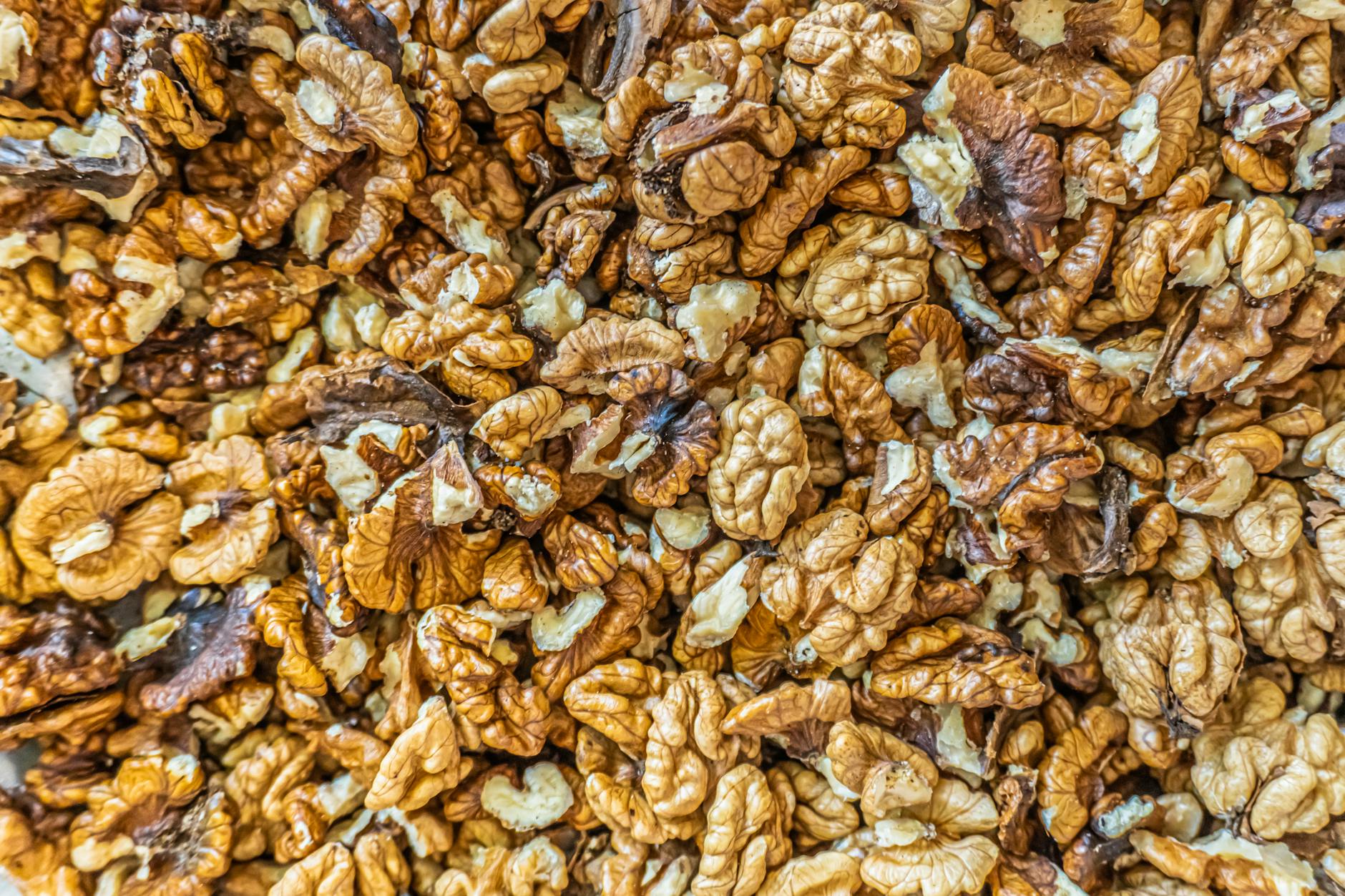
Walnuts, particularly black walnuts, are toxic to dogs and should be kept out of their reach at all times. They contain a compound called juglone that can cause seizures and neurological disturbances in dogs. Walnuts that have fallen on the ground outdoors may also develop mold that produces toxic tremorgenic mycotoxins, adding another layer of danger. Ingestion can cause vomiting, tremors, weakness, and in serious cases permanent neurological damage. Dogs that spend time in areas with walnut trees should be monitored closely during seasons when nuts fall to the ground.
Pecans
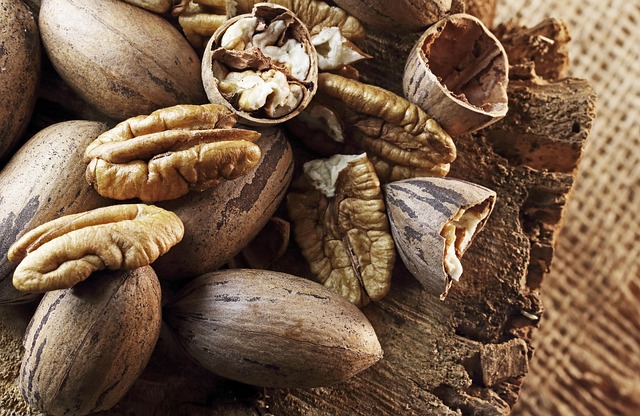
Pecans share some of the same toxic compounds found in walnuts including juglone and are also prone to developing dangerous molds when stored improperly or found outdoors. Ingestion can cause gastrointestinal upset, tremors, and in cases involving moldy nuts, potentially life-threatening seizures. The high fat content of pecans also makes them a trigger for pancreatitis in dogs. Because they are frequently used in baked goods and trail mixes, they may be unknowingly offered to dogs as a snack. Even a small number of pecans can cause significant discomfort and health complications in dogs.
Almonds
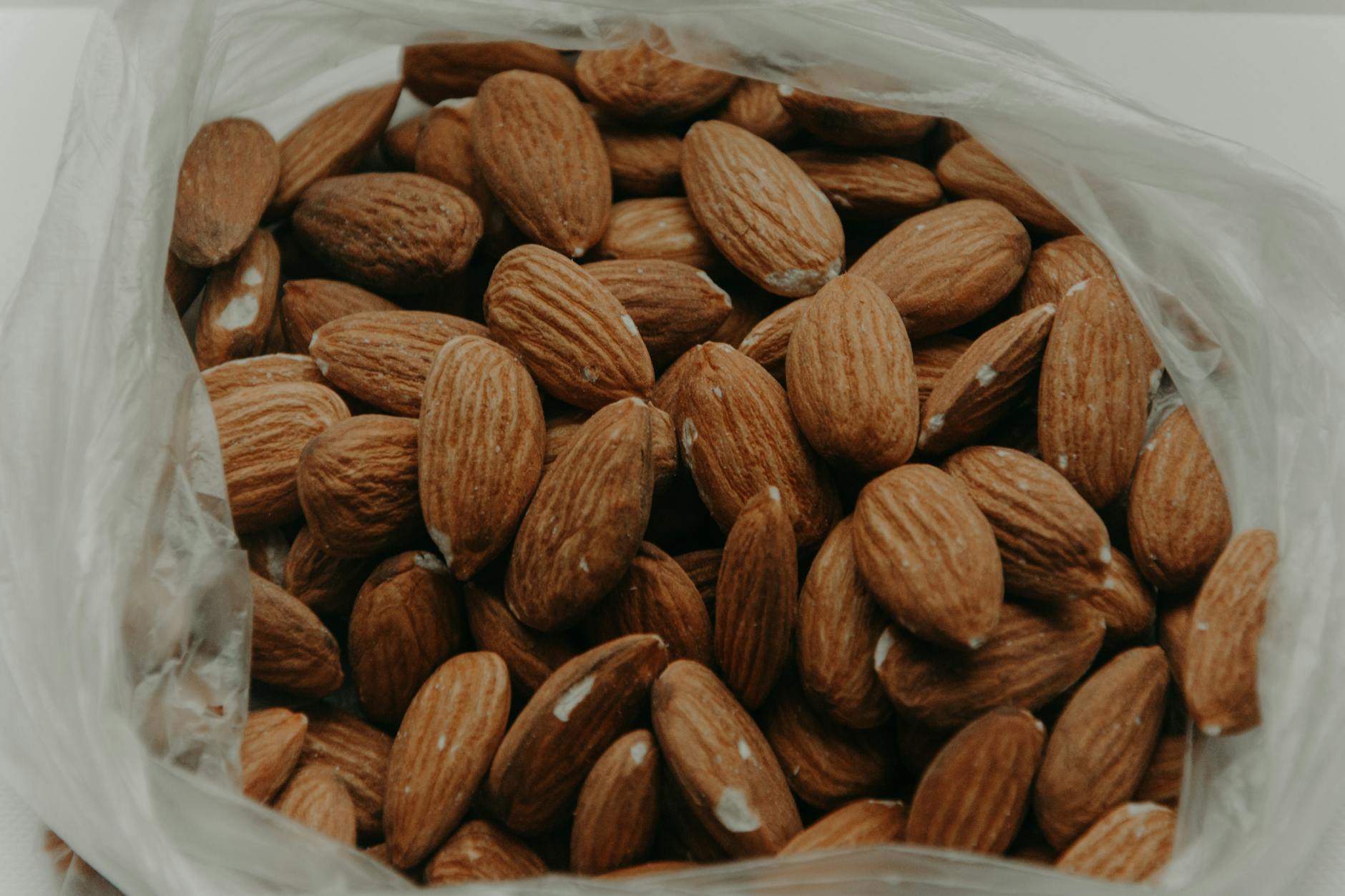
While almonds are not as acutely toxic to dogs as some other nuts, they present multiple health risks that make them unsuitable as a snack. Their shape and hard texture make them a choking hazard and a cause of intestinal obstruction, particularly in small breeds. Almonds are high in fat and can contribute to both obesity and pancreatitis with regular exposure. Flavored almonds often contain salt, spices, or artificial sweeteners that introduce additional layers of toxicity. Dogs should not be given almonds in any form, including almond butter or almond flour products.
Apple Seeds
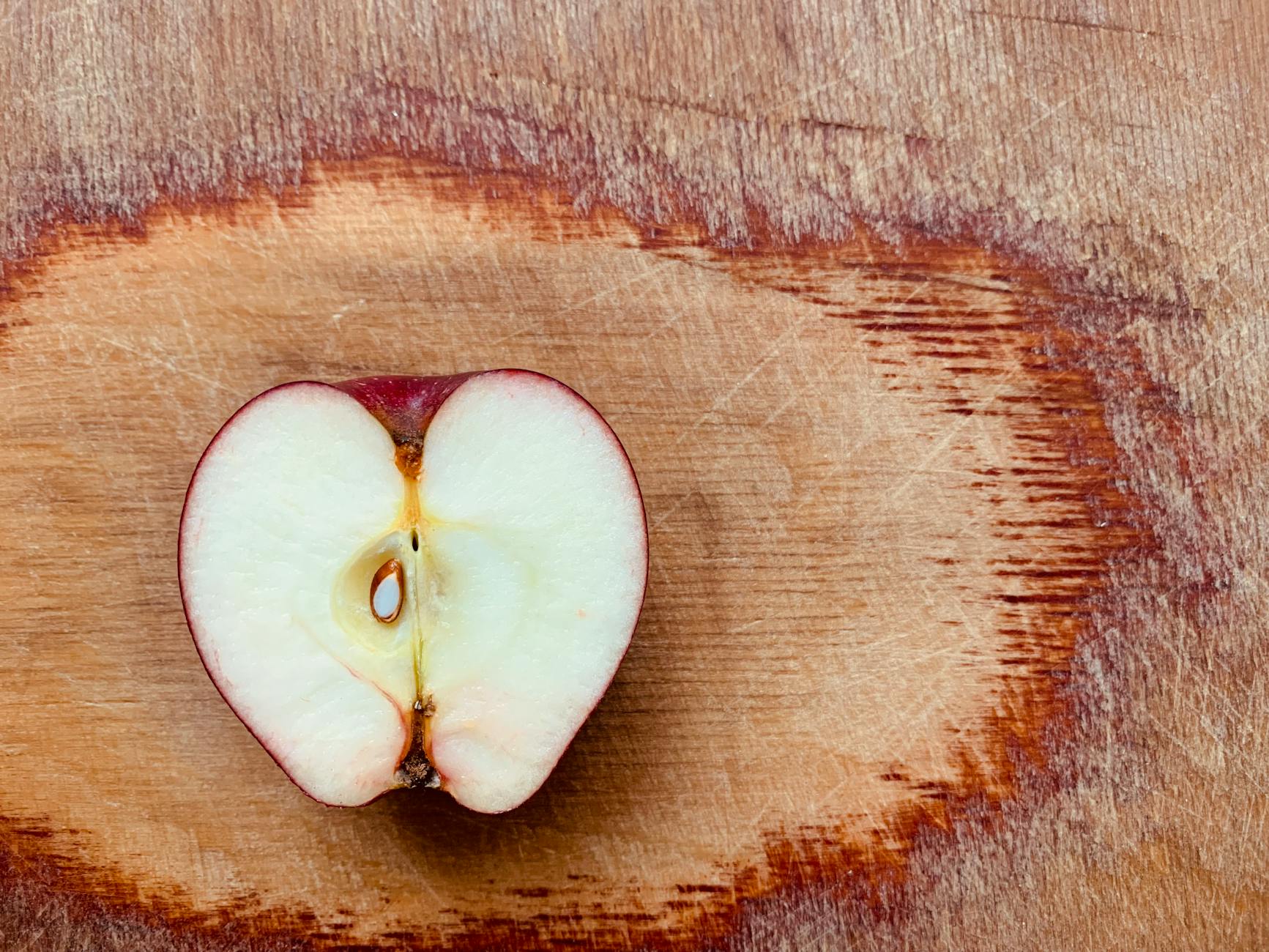
Apple flesh is generally safe for dogs in moderate amounts but the seeds contain amygdalin, a cyanogenic compound that releases cyanide during digestion. A dog would need to consume a significant quantity of seeds to experience acute poisoning but repeated small exposures can build up over time. The concern is greatest when dogs are given whole apples or apple cores that include the seed cavity. Symptoms of cyanide exposure include rapid breathing, red mucous membranes, shock, and in severe cases death. Apples given to dogs should always be cored and seeded before offering.
Citrus Fruits
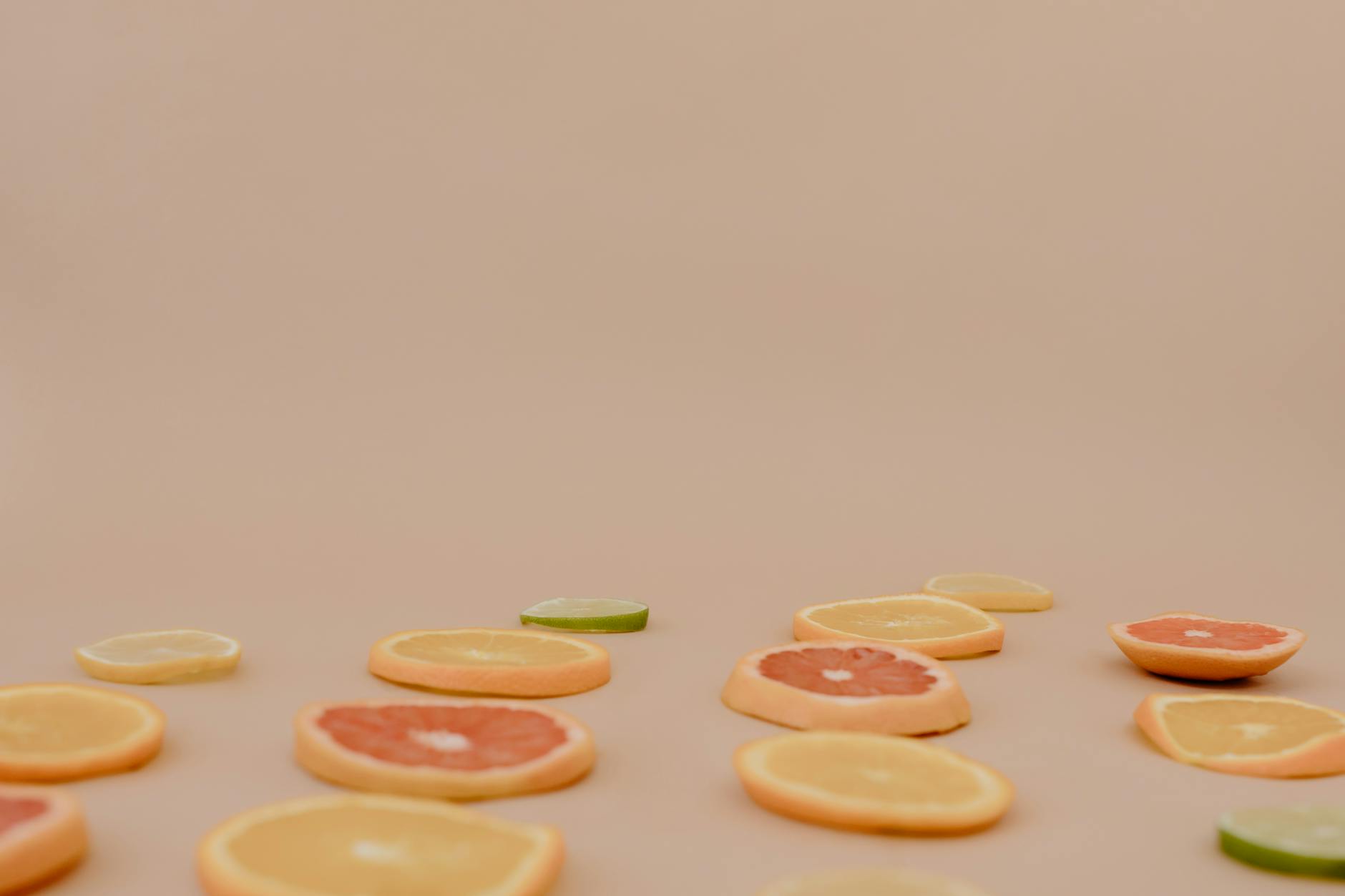
Citrus fruits including oranges, lemons, limes, and grapefruits contain citric acid and essential oils that can cause central nervous system depression in dogs when consumed in significant quantities. The seeds, peel, and pith contain the highest concentrations of these compounds. Small amounts of citrus flesh may cause mild digestive upset while larger amounts can lead to vomiting, diarrhea, and lethargy. Lemon and lime essential oils used in aromatherapy or cleaning products are particularly concentrated and hazardous to dogs even through skin contact. Most dogs will naturally avoid citrus due to its strong scent but the risk remains if access is not managed.
Corn on the Cob
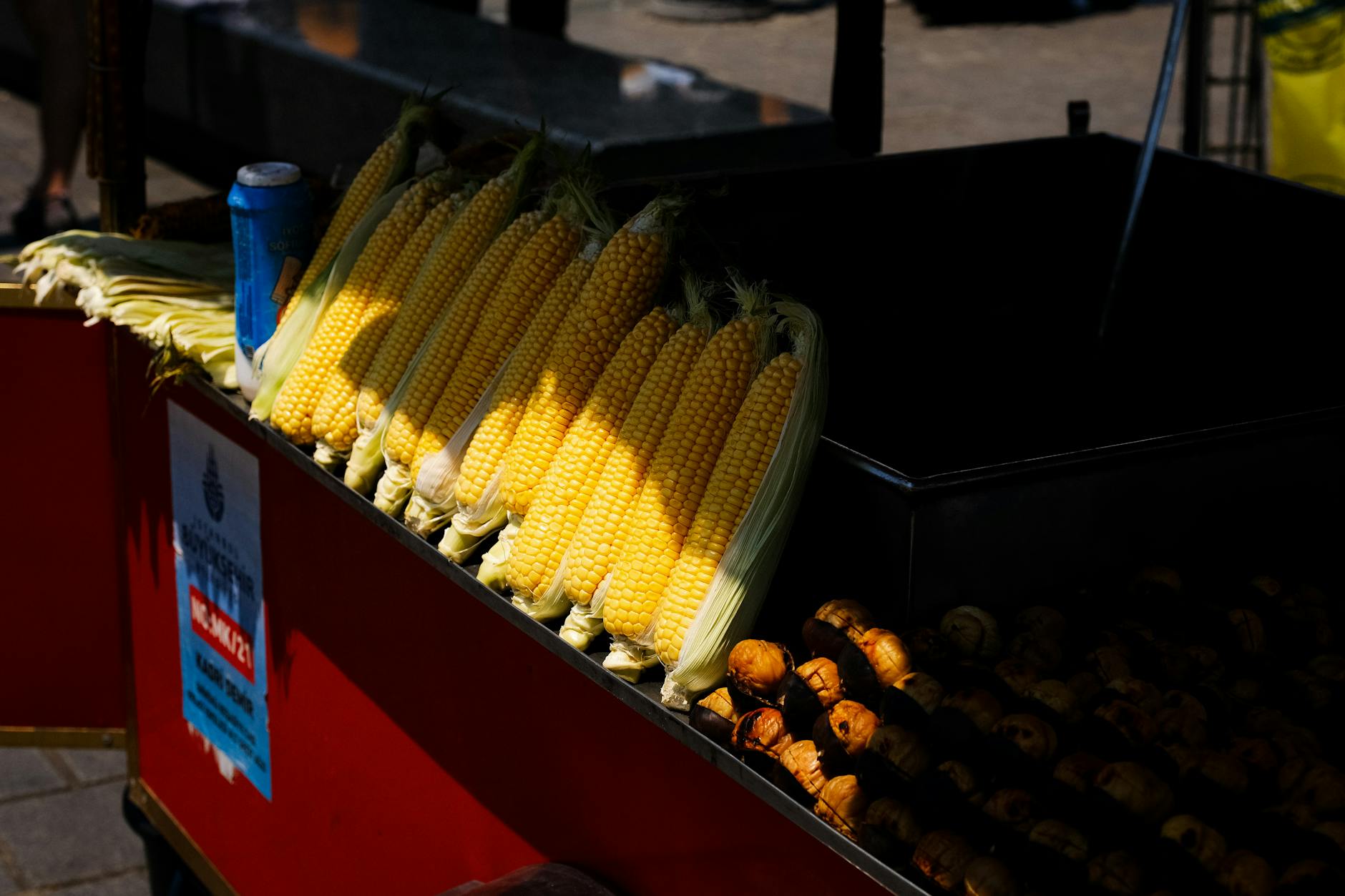
While corn kernels themselves are not inherently toxic to dogs, the cob poses an extreme risk of intestinal obstruction that can be fatal without surgical intervention. The fibrous cob does not break down in a dog’s digestive tract and can become lodged at any point from the stomach to the intestines. Signs of a blockage include vomiting, loss of appetite, abdominal pain, and inability to defecate. This is one of the most common causes of emergency abdominal surgery in dogs during summer barbecue season. Corn should only ever be offered to dogs off the cob and without butter or seasoning.
Hops

Hops are the flowering plant used to flavor beer and are becoming a greater household hazard as home brewing grows in popularity. Both fresh and dried hops are toxic to dogs and can cause a rapid and severe rise in body temperature called malignant hyperthermia. This condition can escalate quickly and become fatal, particularly in breeds already prone to overheating. Dogs may be attracted to the smell of hops in brewing equipment or spent hop pellets discarded after use. All hop-related materials should be stored completely out of reach and spent hops disposed of securely.
Star Fruit

Star fruit contains a neurotoxin that the kidneys of healthy humans can filter out but which proves harmful to dogs whose systems cannot process it efficiently. Even small amounts have been reported to cause acute kidney injury in dogs with little warning. Symptoms include vomiting, hiccups, weakness, and a rapid deterioration in kidney function. Star fruit is increasingly available in supermarkets and is sometimes used in tropical fruit salads or juices that might be shared with pets. Because the toxic threshold for dogs is not well established, no amount of star fruit is considered safe to offer.
Raw Salmon and Trout
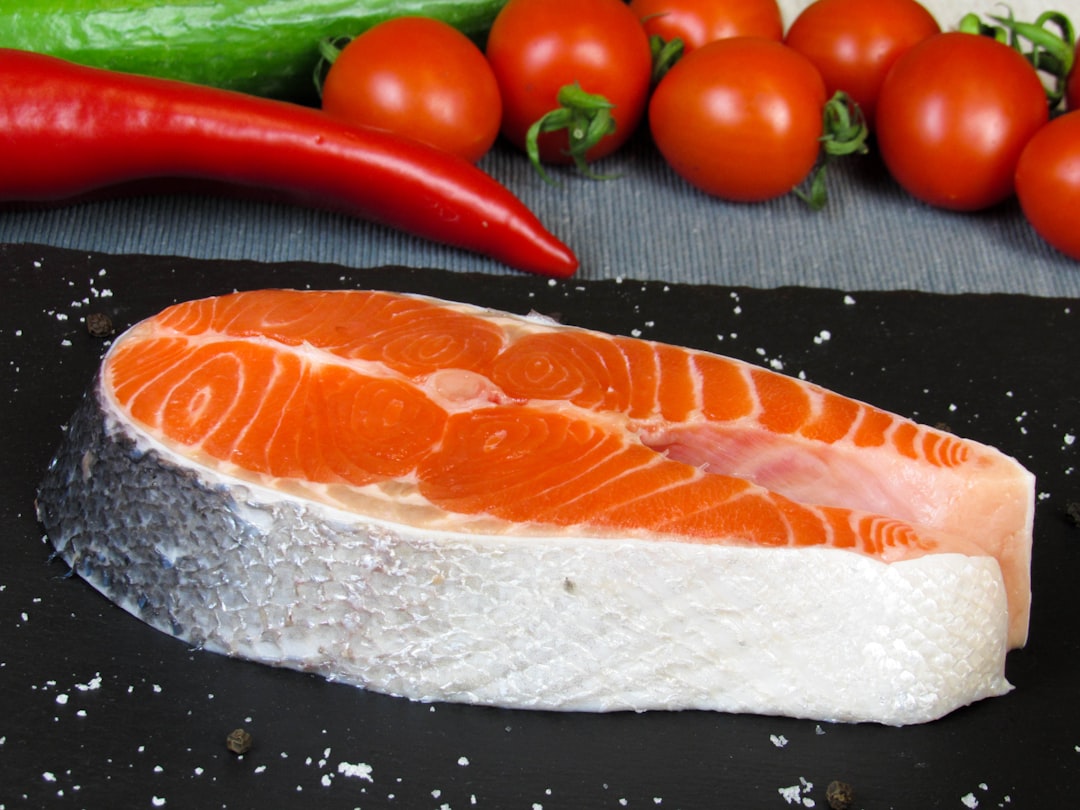
Raw salmon and raw trout can harbor a parasite called Neorickettsia helminthoeca, which causes a potentially fatal condition in dogs known as salmon poisoning disease. This disease is not caused by the fish itself but by the parasite that infects certain fluke worms living inside freshwater fish along the Pacific Northwest coast of North America. Symptoms appear within six days of ingestion and include fever, vomiting, diarrhea, swollen lymph nodes, and rapid weight loss. If untreated the condition has a fatality rate of up to 90 percent in dogs. Fully cooked salmon is safe for dogs but raw or undercooked fish from at-risk regions should never be offered.
Liver in Large Quantities
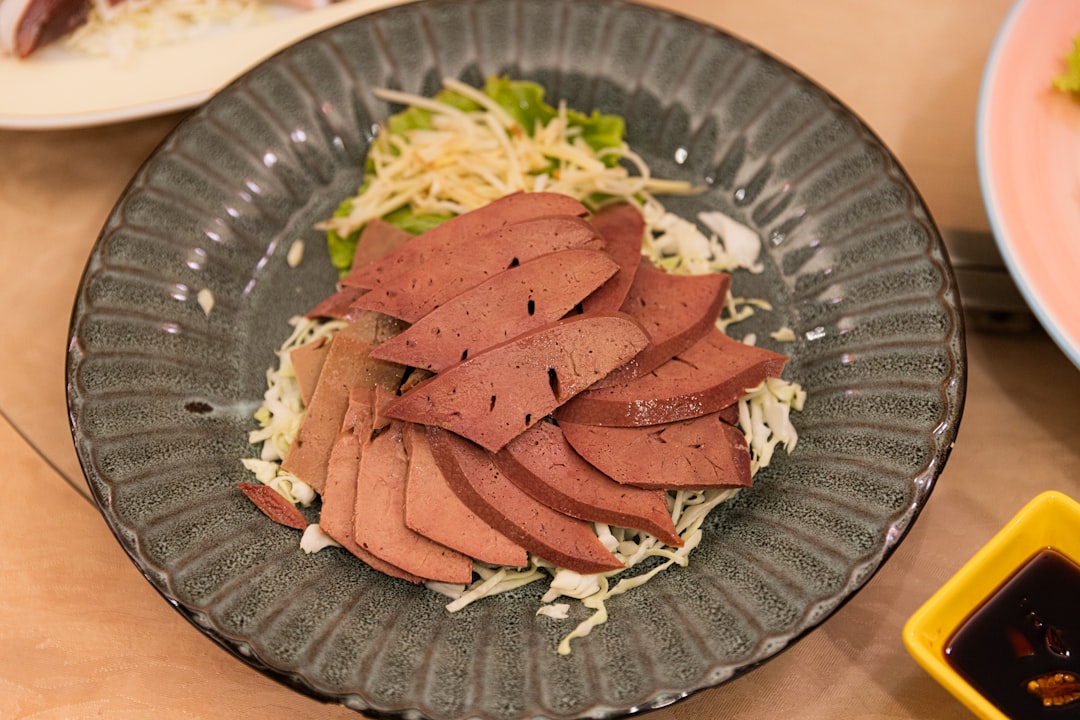
Liver in small amounts is nutritionally beneficial for dogs but when fed in excess it becomes toxic due to its extremely high concentration of vitamin A. Chronic overconsumption of liver leads to a condition called hypervitaminosis A, which causes bone deformities, muscle weakness, and damage to the spine over time. This is particularly relevant for dogs fed raw food diets that include large or frequent portions of liver. Even cooked liver from chicken, beef, or pork can cause harm if it makes up a significant portion of the diet over weeks or months. Liver should be treated as an occasional treat rather than a dietary staple.
Persimmons
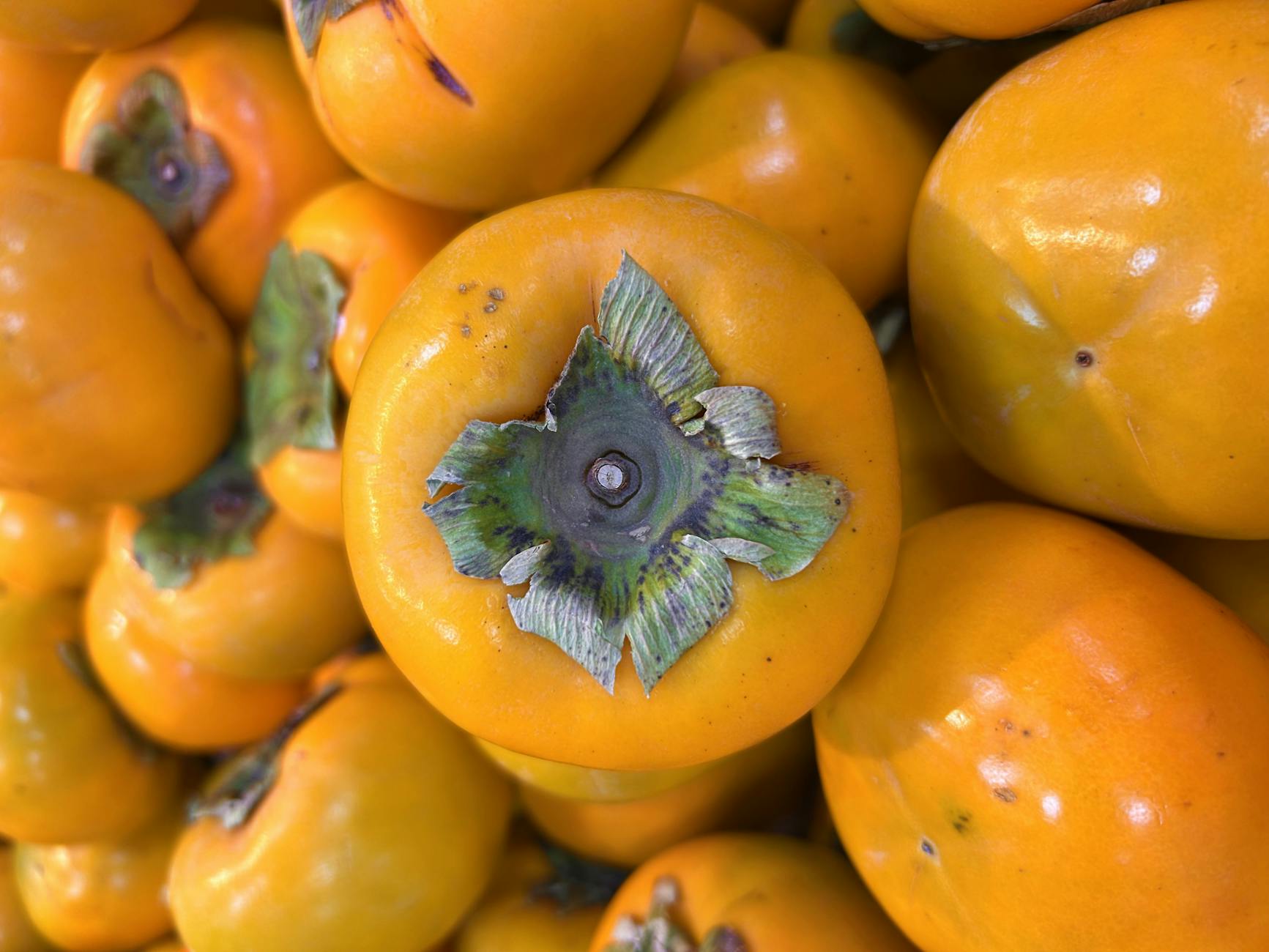
Persimmons contain seeds and a compound in the fruit itself that can cause intestinal inflammation and blockages in dogs. The seeds are particularly problematic and can create a physical obstruction in the small intestine that requires veterinary intervention. The flesh of the fruit can also cause digestive upset including diarrhea and stomach discomfort even without seed ingestion. Persimmons are often found in autumn fruit bowls and holiday dishes, creating seasonal risks for households with dogs. The fruit in its entirety including skin, flesh, and seeds is best kept away from dogs.
Peaches
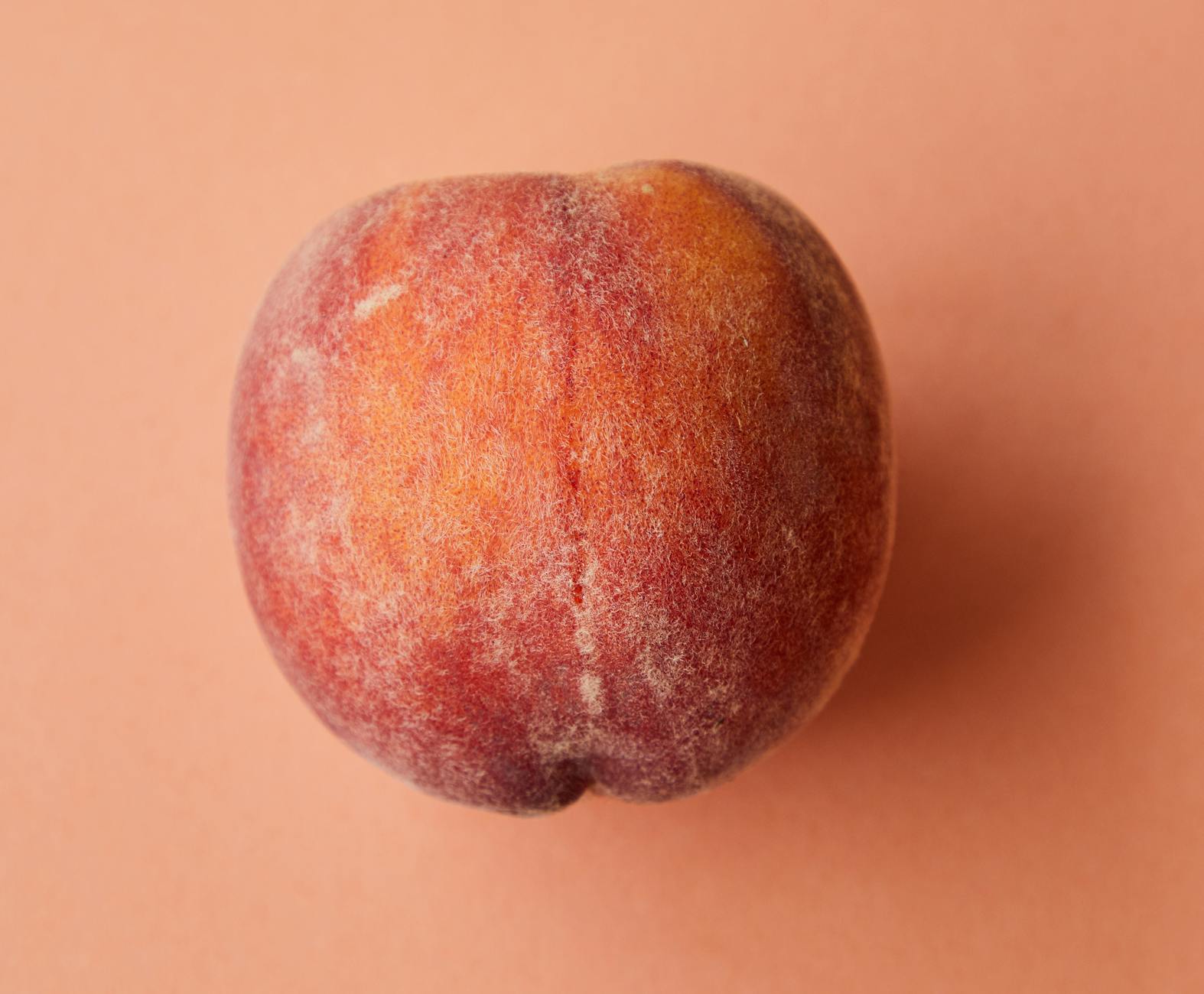
The pits of peaches contain amygdalin, the same cyanogenic compound found in apple seeds and cherry stones, which releases cyanide when broken down in the body. Dogs attracted to the sweet smell of peaches may chew through the flesh to reach the pit, unknowingly exposing themselves to cyanide. The pit also presents a choking hazard and can cause intestinal blockages due to its size and irregular shape. Canned peaches present an additional risk because they are stored in syrup with a sugar concentration far too high for dogs. Fresh peach flesh without the pit is not acutely toxic but the safest approach is to avoid offering it given the associated risks.
Artificial Sweeteners in Processed Foods
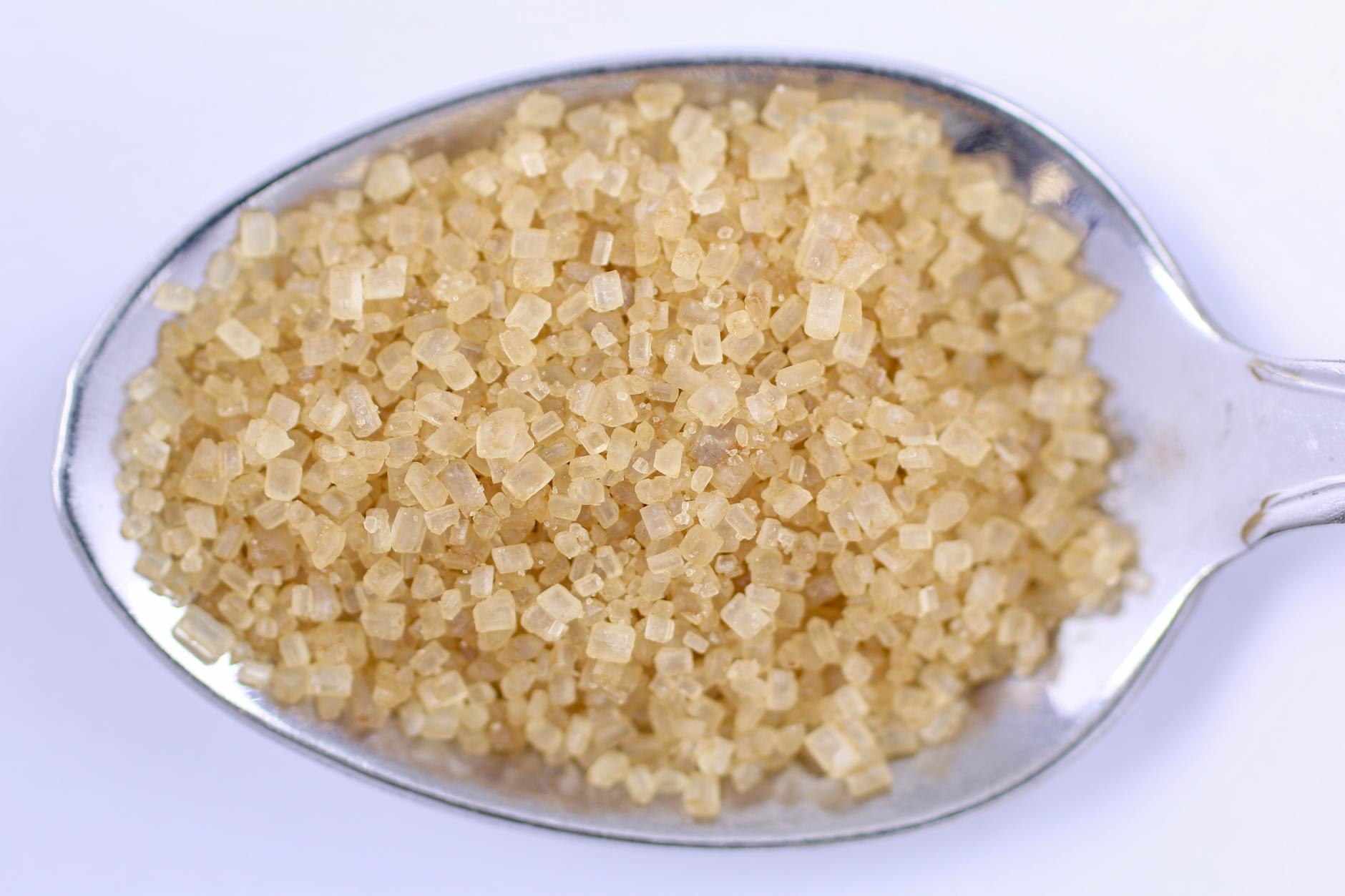
Beyond xylitol, a range of other artificial sweeteners used in processed human foods can cause unpredictable digestive and metabolic reactions in dogs. Erythritol, sorbitol, and maltitol have all been associated with gastrointestinal distress in dogs including bloating, gas, and diarrhea. Some of these sweeteners are found in protein bars, diet beverages, sugar-free yogurts, and flavored medications. Because labeling requirements vary by country, it is not always easy to determine which sweetener is present in a given product. The safest practice is to avoid giving dogs any food that is labeled as sugar-free, low-sugar, or artificially sweetened.
If you have a story about a time your dog got into something they should not have or tips you use to keep your pets safe in the kitchen, share your thoughts in the comments.