
Collagen is the most abundant protein in the human body, responsible for keeping skin firm, joints flexible, and connective tissue strong. While the body produces it naturally, production slows significantly with age, making dietary support increasingly important. Certain foods provide the raw materials the body needs to synthesize collagen more efficiently, from amino acids to essential vitamins and minerals. Loading your plate with these nutrient-rich options is one of the most effective long-term strategies for supporting skin health and overall structural resilience.
Bone Broth

Bone broth is made by simmering animal bones and connective tissue for an extended period, releasing collagen directly into the liquid. It is one of the few dietary sources that contains collagen peptides in a form the body can readily absorb and utilize. The long cooking process also draws out glycine and proline, two amino acids that are essential building blocks for collagen synthesis. Regular consumption has been linked to improvements in skin elasticity and joint comfort over time.
Chicken

Chicken is one of the richest animal-based sources of dietary collagen, particularly concentrated in the cartilage, skin, and connective tissue. The neck and skin portions contain especially high amounts of type II collagen, which supports joint health and cartilage integrity. Chicken also provides a substantial amount of glycine and proline, making it a complete collagen-supporting protein source. Adding it regularly to meals is a straightforward and accessible way to support the body’s natural collagen production.
Egg Whites
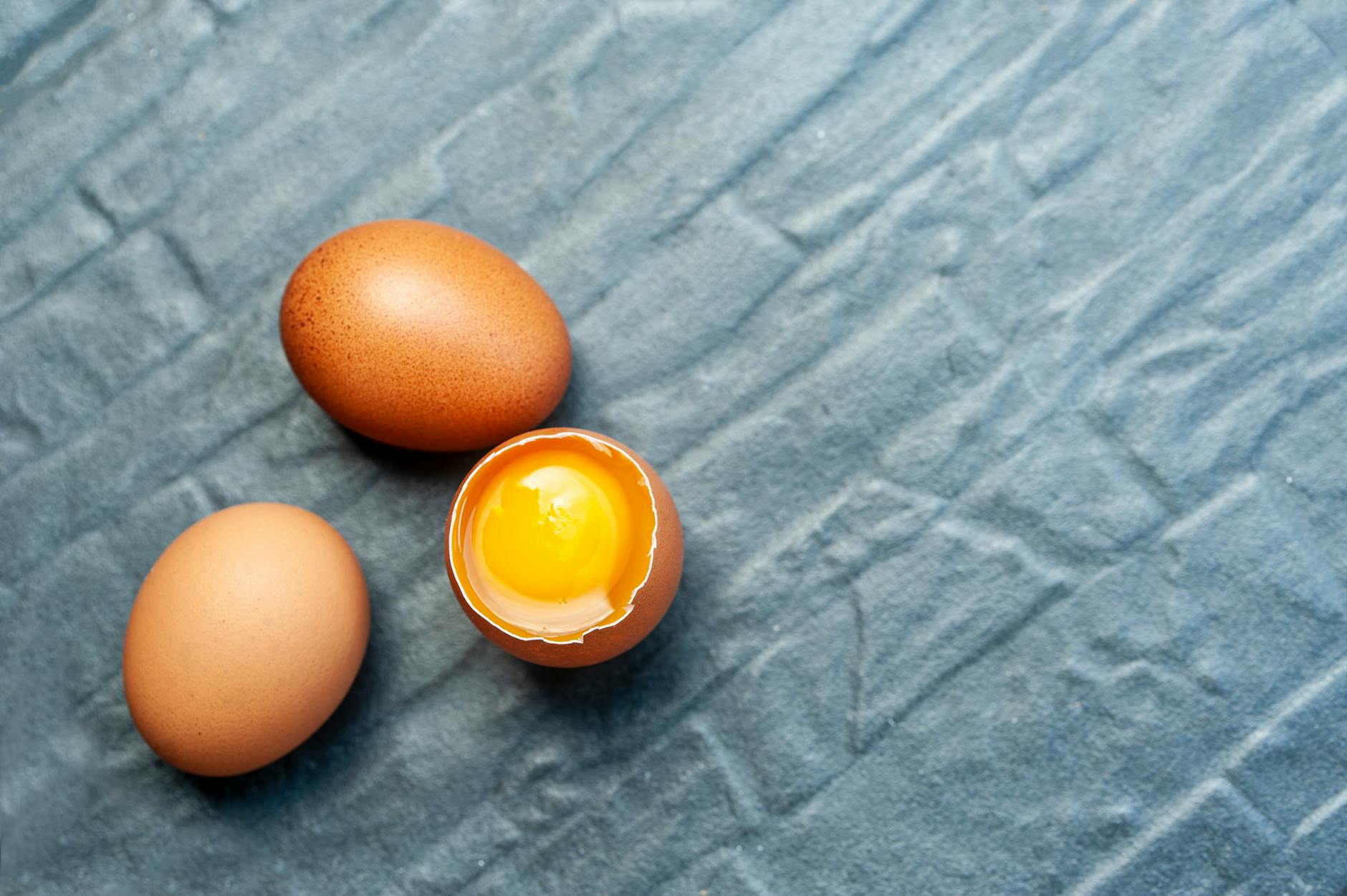
Egg whites are an excellent source of proline, one of the key amino acids required for collagen synthesis in the body. They contain no fat while delivering a concentrated dose of protein that the body can convert into structural compounds. The glycine content in egg whites further supports the collagen production process at a cellular level. Consuming them regularly as part of a balanced diet contributes meaningfully to the amino acid pool needed for maintaining skin and tissue integrity.
Fish and Shellfish

Fish and shellfish contain collagen concentrated primarily in the skin, scales, and bones, making them a highly bioavailable dietary source. Marine collagen is widely considered one of the most efficiently absorbed forms due to its smaller peptide size compared to bovine or porcine sources. Fatty fish like salmon also provide omega-3 fatty acids, which help protect existing collagen from inflammatory damage. Including a variety of seafood throughout the week supports both collagen production and overall skin health.
Citrus Fruits

Citrus fruits are among the most well-known sources of vitamin C, a nutrient that plays a critical role in collagen synthesis. Without adequate vitamin C, the body cannot properly convert proline and lysine into stable collagen structures, making this vitamin nutritionally indispensable. Oranges, grapefruits, lemons, and limes all deliver high concentrations of this water-soluble antioxidant in every serving. Regular consumption also helps neutralize free radicals that can break down existing collagen in skin cells.
Berries
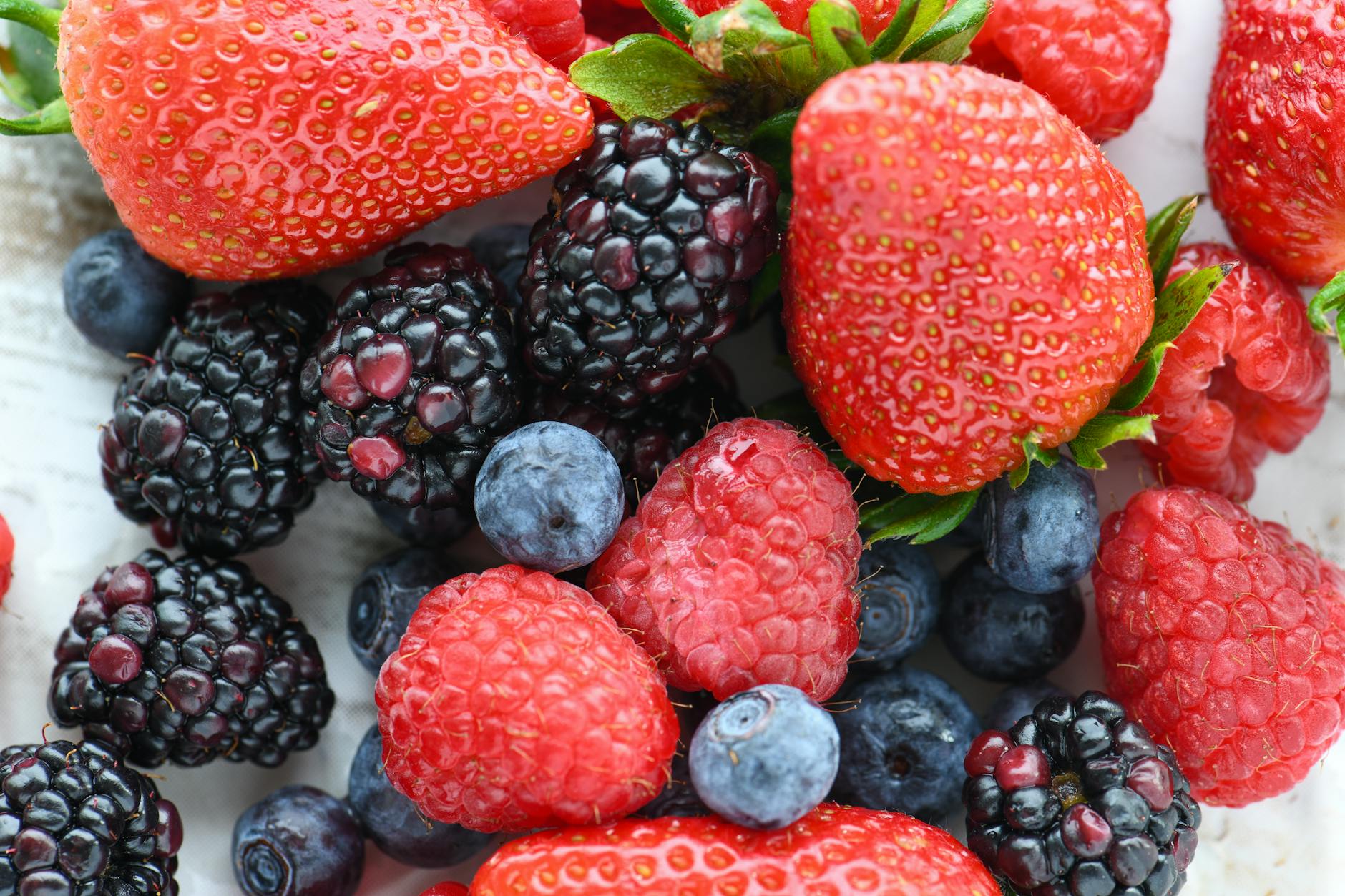
Strawberries, blueberries, raspberries, and blackberries are all packed with vitamin C and a range of antioxidants that protect collagen from oxidative stress. Strawberries in particular offer an impressive vitamin C concentration, sometimes surpassing that of citrus fruits per gram. The ellagic acid found in many berries has been shown to prevent collagen breakdown caused by UV exposure. Their anti-inflammatory properties further create a skin environment that is conducive to ongoing collagen production and maintenance.
Kiwi

Kiwi delivers one of the highest concentrations of vitamin C found in any fruit, making it a particularly potent collagen-supporting food. A single kiwi can provide more than the recommended daily intake of vitamin C, which directly fuels the enzymatic reactions needed for collagen formation. It also contains vitamin E, which works synergistically with vitamin C to protect skin cells from damage. The combination of antioxidants in kiwi makes it a highly efficient addition to a collagen-focused diet.
Bell Peppers
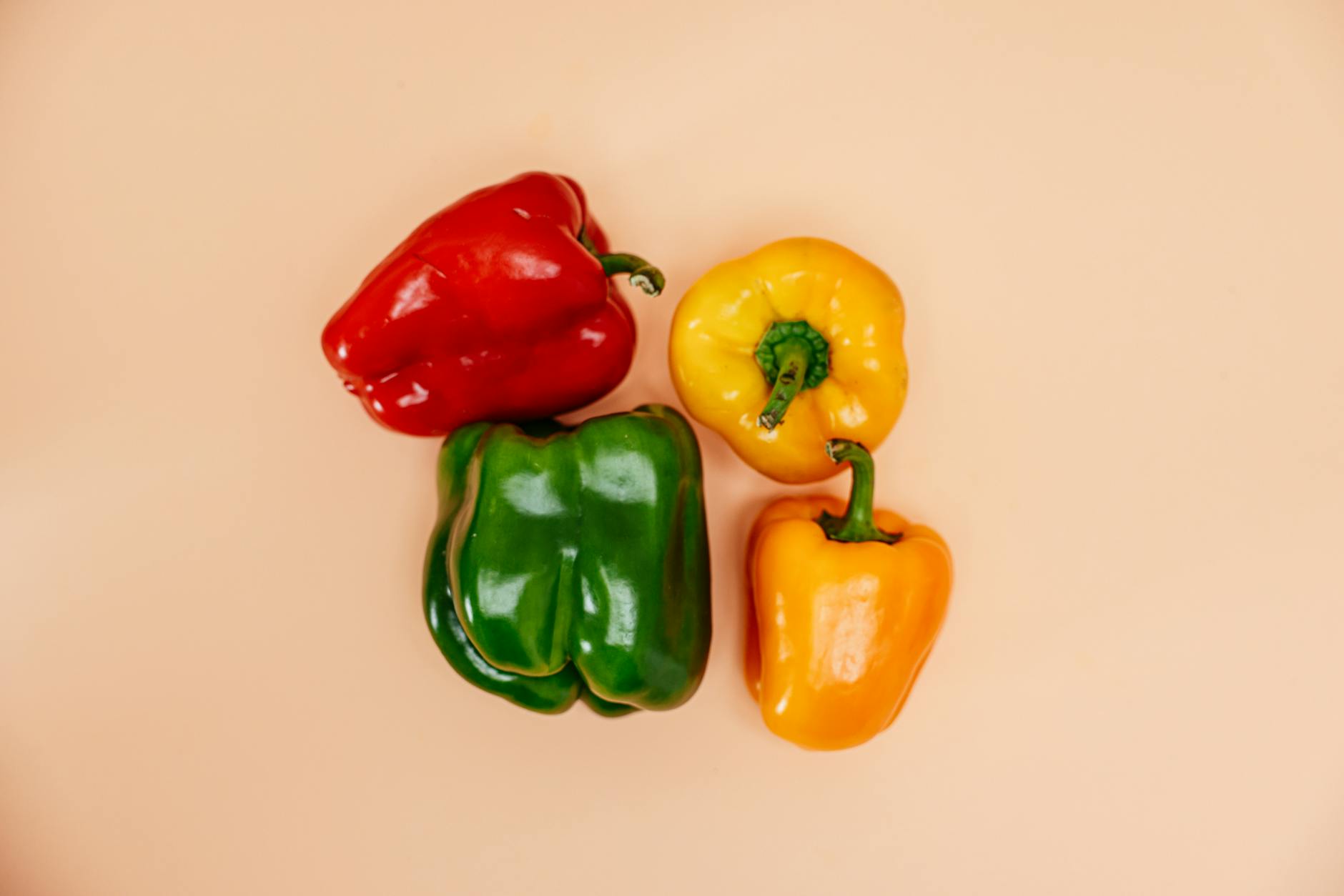
Red, yellow, and orange bell peppers are exceptional sources of vitamin C, containing significantly more than green varieties. The capsicum content in bell peppers contributes antioxidant activity that helps shield collagen fibers from degradation. They also provide quercetin and other plant compounds that reduce inflammation, creating a more supportive cellular environment for collagen synthesis. Eating bell peppers raw preserves the highest concentration of heat-sensitive vitamin C and other nutrients.
Broccoli
Broccoli is a dense source of vitamin C and also provides vitamin K, both of which contribute to collagen production and bone matrix formation. Its sulfur compounds support the liver’s ability to process and utilize collagen-building nutrients more efficiently. Broccoli also contains zinc, a trace mineral that activates the enzymes responsible for collagen synthesis at a molecular level. Lightly steaming it preserves more of its bioavailable nutrients compared to boiling or high-heat cooking.
Garlic
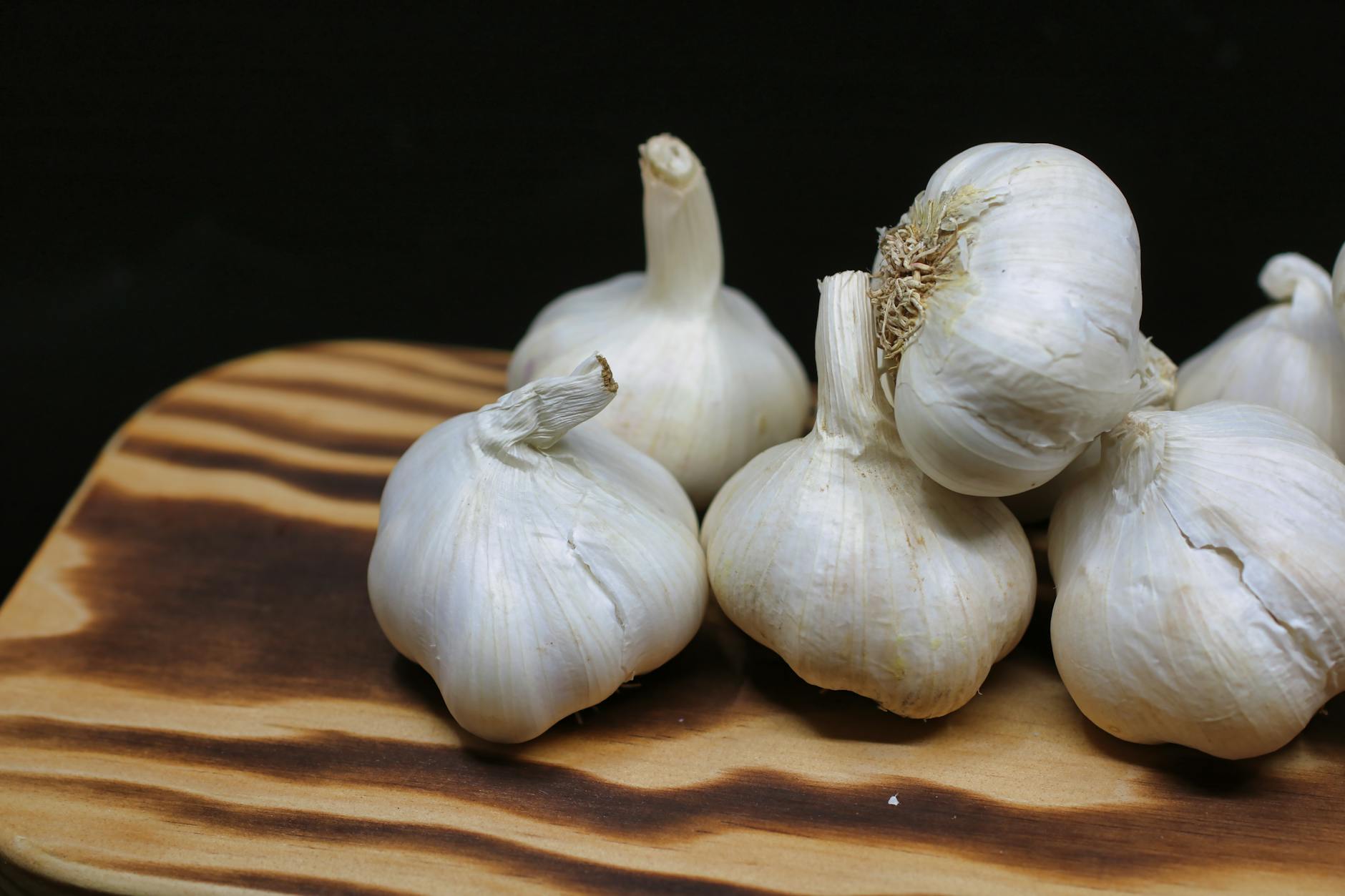
Garlic is rich in sulfur, a compound that plays a foundational role in synthesizing and preventing the breakdown of collagen. It contains taurine and lipoic acid, both of which support the rebuilding of damaged collagen fibers in connective tissue. Garlic also delivers trace amounts of zinc and copper, two minerals that activate collagen-producing enzymes in the body. Its anti-inflammatory properties further protect the integrity of collagen structures throughout the skin and joints.
Leafy Greens
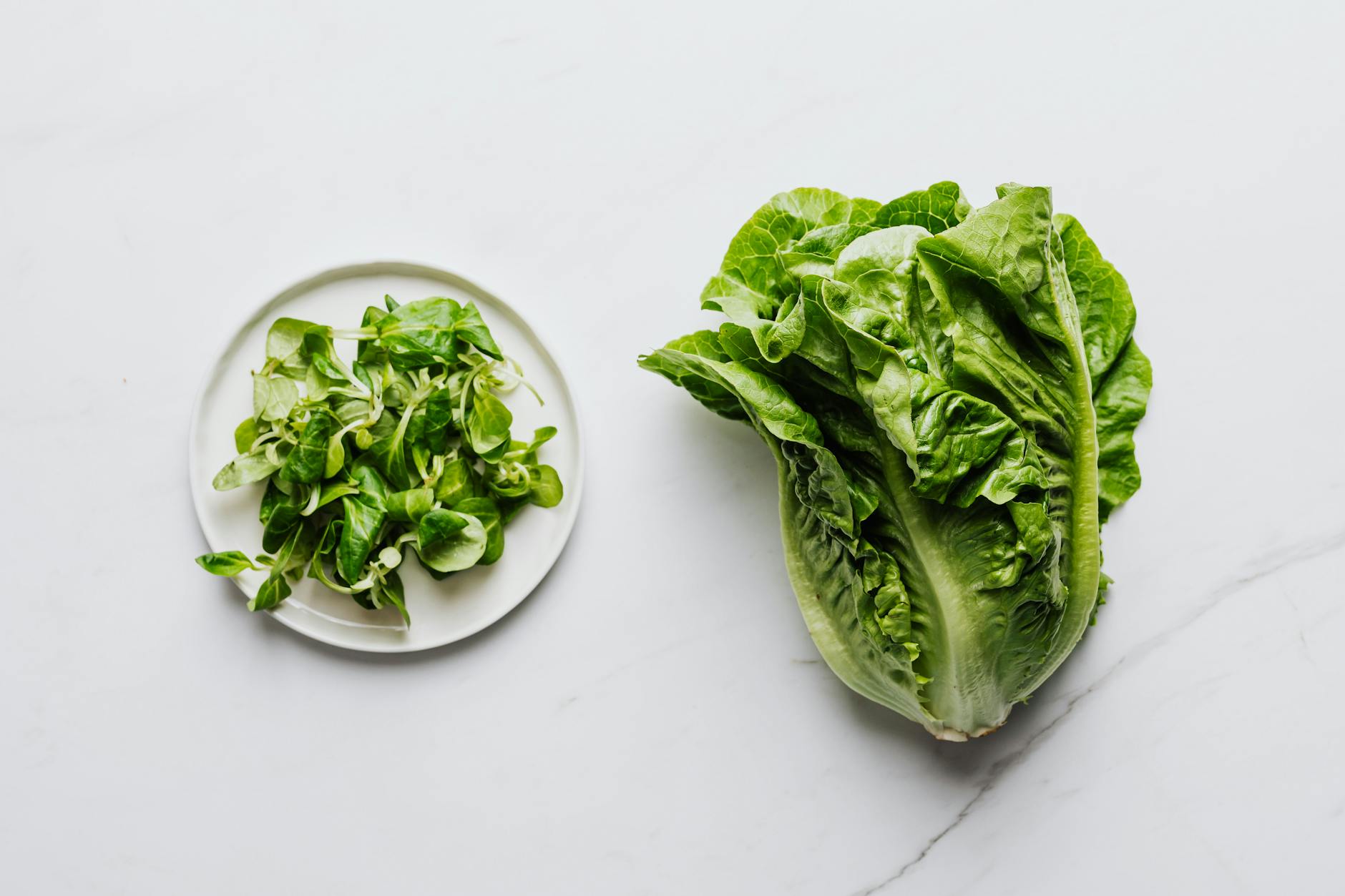
Spinach, kale, Swiss chard, and other dark leafy greens are rich in chlorophyll, which has been shown to increase the precursor to procollagen in the skin. They also deliver vitamin C, vitamin A, and folate, all of which play supportive roles in collagen metabolism. The antioxidant content in leafy greens helps combat the free radical activity that accelerates collagen degradation. Consuming a generous variety of these vegetables daily provides the micronutrient foundation that collagen synthesis depends on.
Pumpkin Seeds
Pumpkin seeds are one of the most concentrated plant-based sources of zinc, a mineral that directly activates the enzymes responsible for producing collagen. They also contain copper, another trace element that strengthens the cross-links between collagen fibers, improving their structural stability. The protein content in pumpkin seeds contributes to the amino acid availability needed for collagen peptide formation. A small daily handful provides a meaningful dose of multiple collagen-supporting nutrients in a convenient form.
Cashews
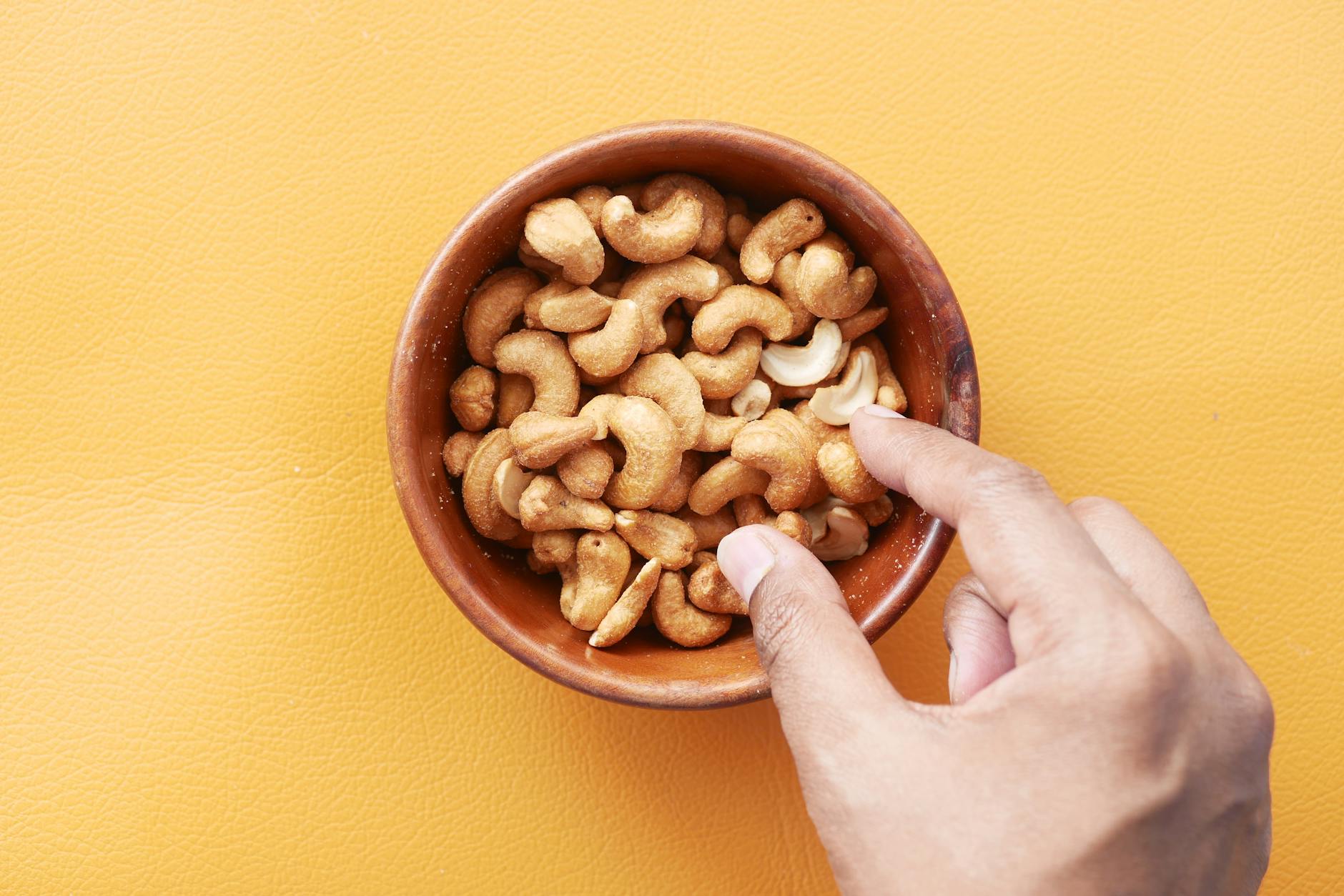
Cashews are particularly rich in copper and zinc, two minerals that work together to catalyze collagen production at a biochemical level. They provide a plant-based source of the amino acids lysine and proline, which are directly incorporated into collagen molecules. The healthy fats in cashews also support the absorption of fat-soluble vitamins that assist in collagen metabolism. Including them as a regular snack or ingredient is an effective and enjoyable way to support collagen from within.
Sunflower Seeds
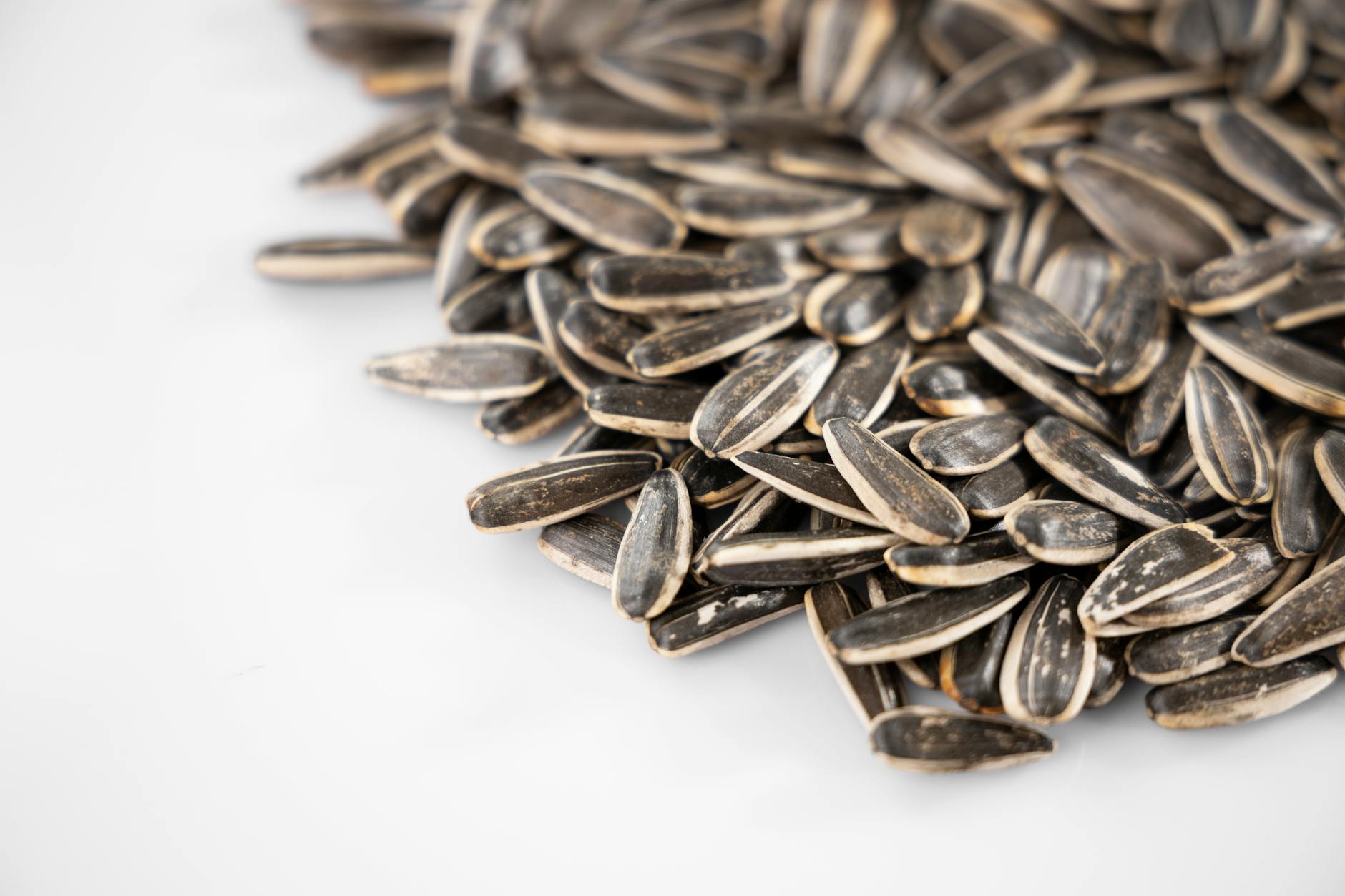
Sunflower seeds provide an impressive concentration of vitamin E, a fat-soluble antioxidant that protects collagen from oxidative damage caused by environmental stressors. They also contain zinc and selenium, both of which play roles in maintaining skin integrity and supporting collagen renewal. The linoleic acid found in sunflower seeds helps strengthen the skin barrier, which works alongside collagen to maintain firmness and moisture retention. Sprinkling them onto salads or yogurt is an easy way to integrate their collagen-supporting benefits into daily meals.
Avocado
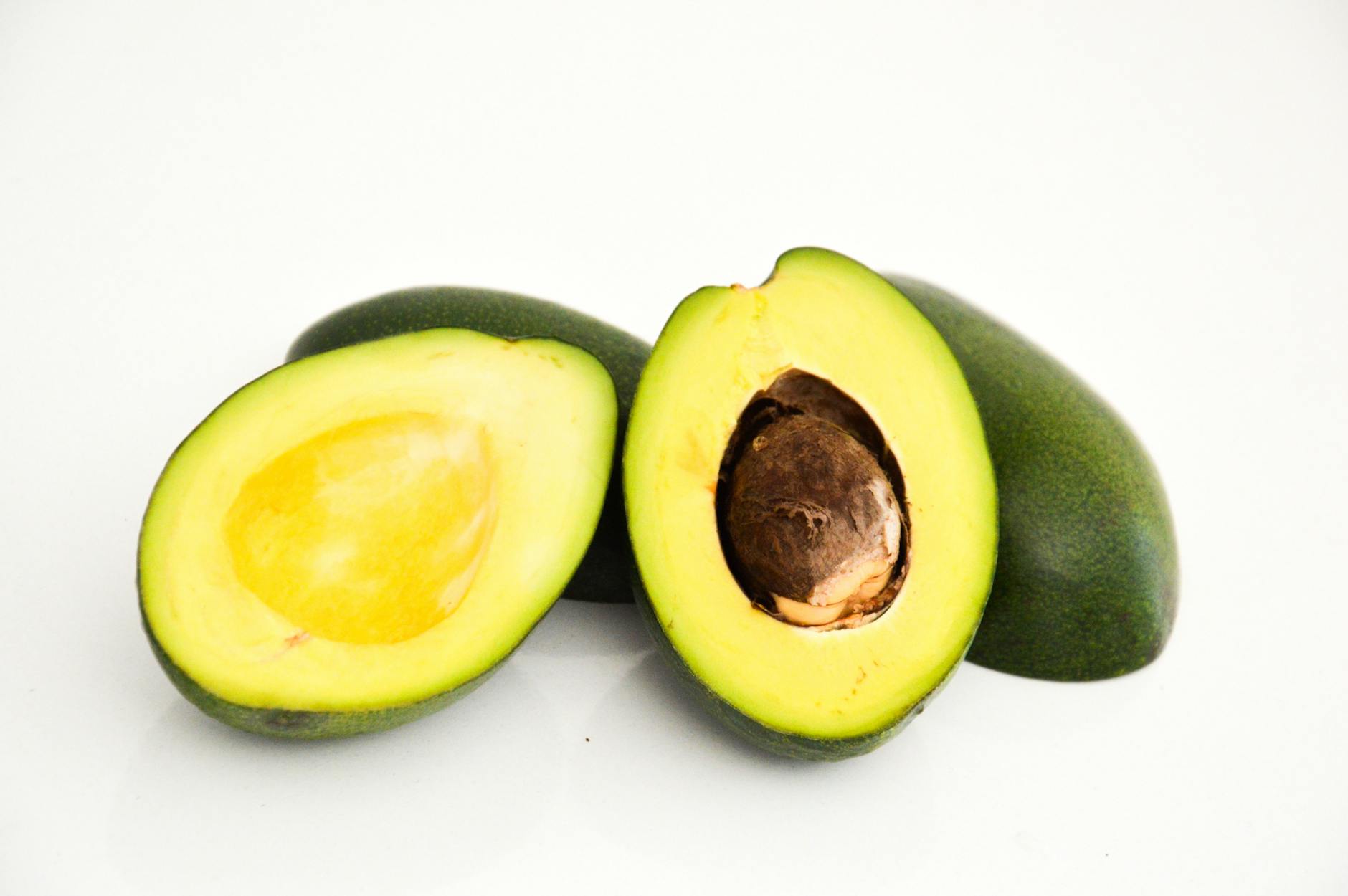
Avocado is rich in vitamin E and healthy monounsaturated fats that protect collagen fibers from free radical damage and inflammation. It also provides vitamin C, which directly participates in the hydroxylation process essential for stable collagen molecule formation. The high potassium content in avocado supports overall cellular hydration, keeping skin tissue plump and resilient alongside structural collagen. Its nutrient density makes it one of the most comprehensive whole foods for supporting collagen health from multiple angles.
Mango
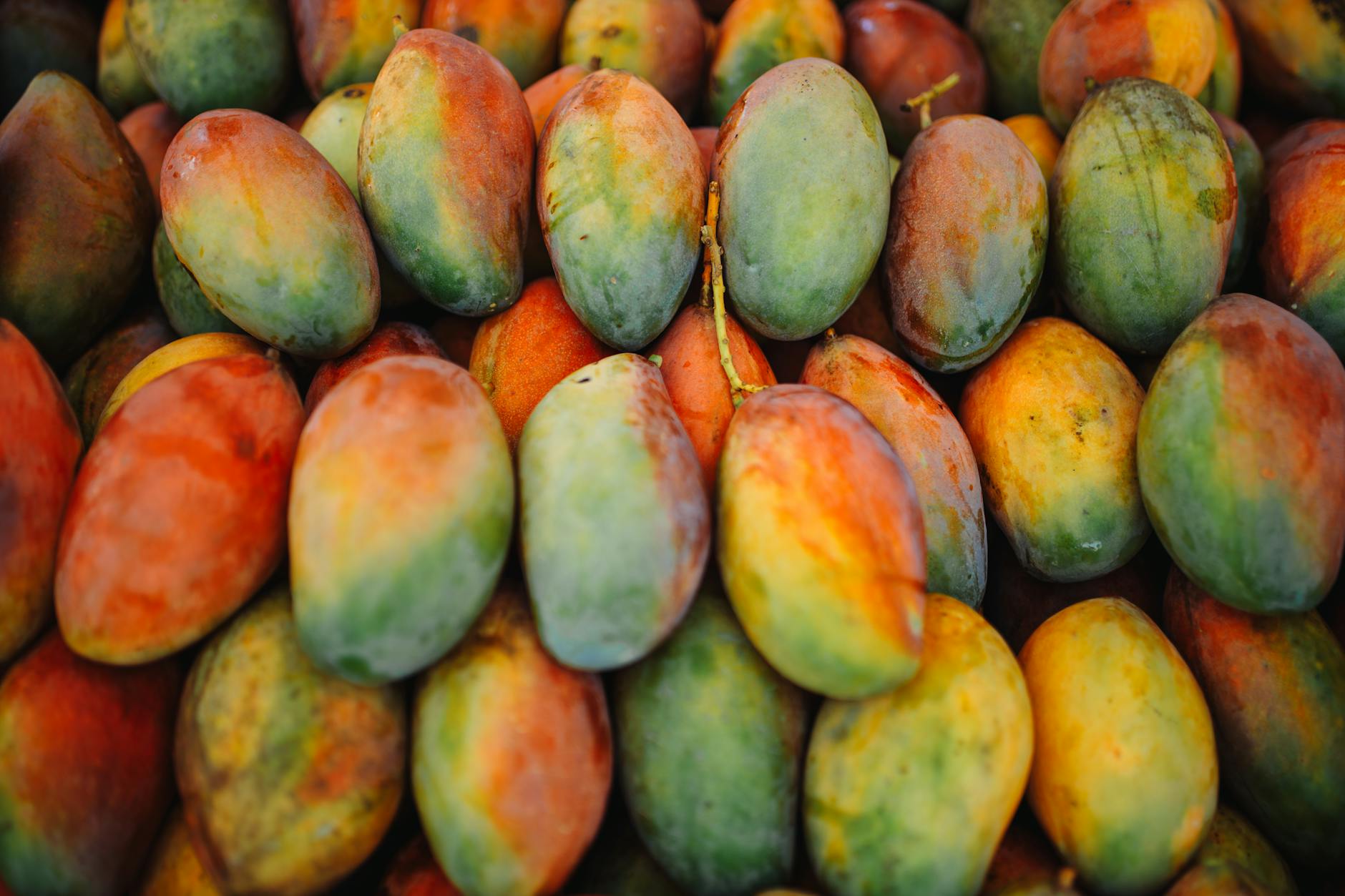
Mango is a tropical powerhouse loaded with vitamin C and vitamin A, both of which are directly involved in the biosynthesis and maintenance of collagen. Vitamin A in particular promotes skin cell turnover and supports the fibroblast cells that produce collagen in the dermis. The antioxidant beta-carotene found abundantly in mango helps neutralize environmental damage that would otherwise accelerate collagen loss. Its naturally sweet profile makes it an easy and appealing addition to smoothies, salads, and snacks.
Pineapple
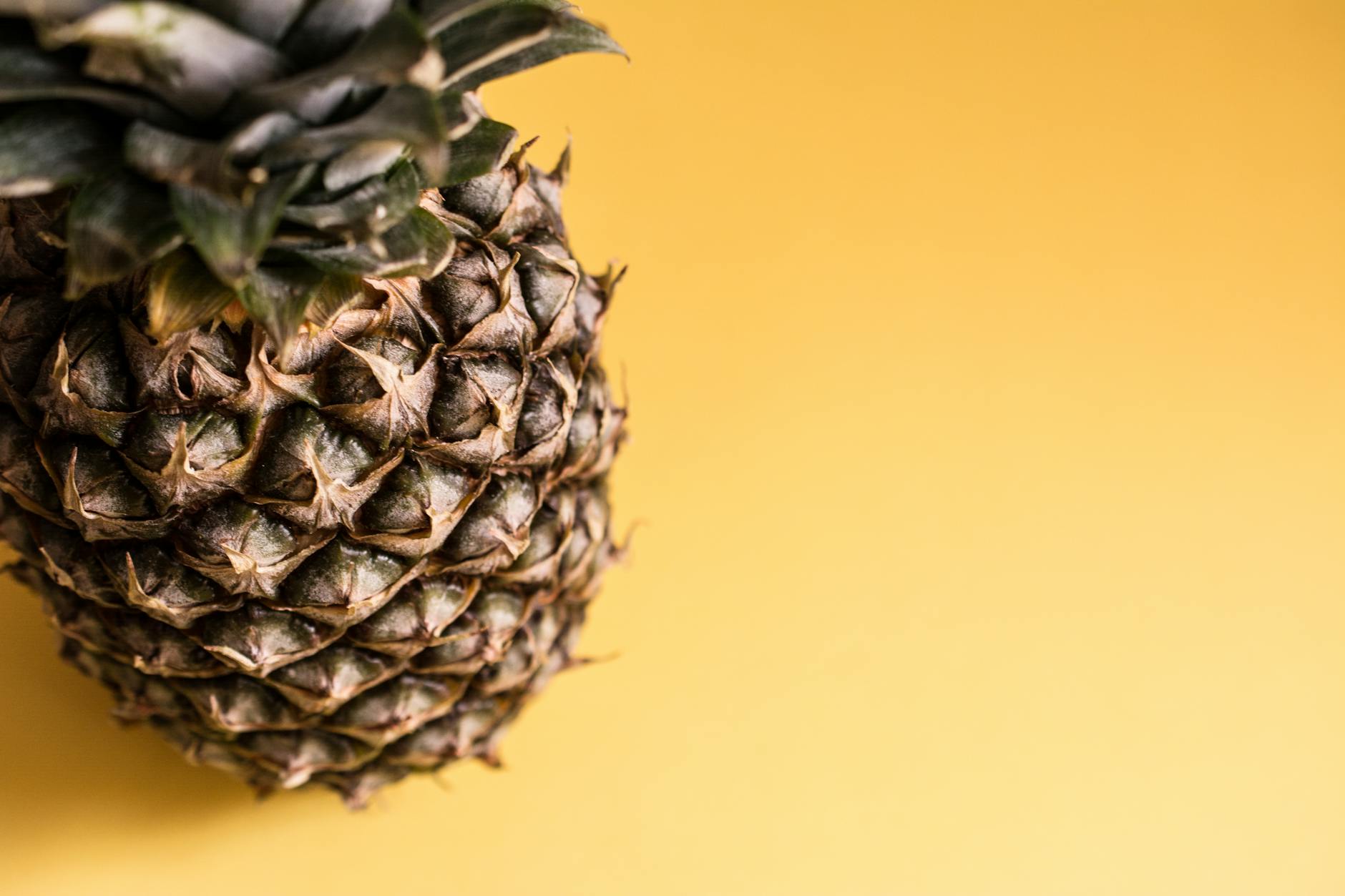
Pineapple is one of the only dietary sources of bromelain, a powerful enzyme that aids in the synthesis of collagen and supports the repair of connective tissue. It also delivers a substantial amount of vitamin C, providing the antioxidant protection and enzymatic support that collagen production requires. The manganese content in pineapple activates prolidase, an enzyme that helps produce proline specifically for collagen formation. Eating it fresh rather than canned preserves the highest concentrations of these active compounds.
Papaya
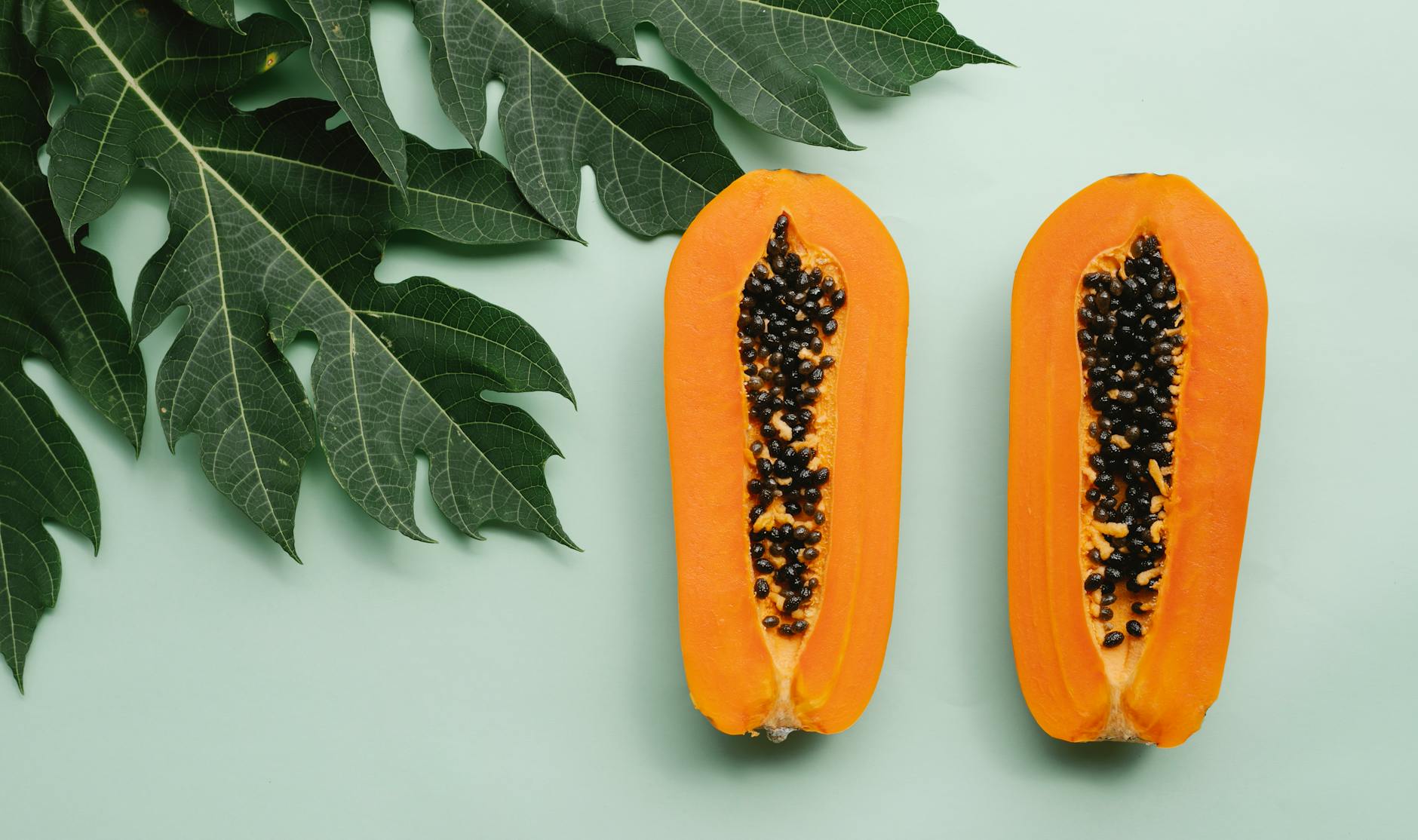
Papaya contains papain, a digestive enzyme that helps break down protein into the amino acids that serve as collagen building blocks. It is also extremely rich in vitamin C and beta-carotene, both of which fuel and protect the collagen synthesis process. The lycopene content in papaya provides additional protection against UV-induced collagen degradation in skin tissue. Its soft texture and natural sweetness make it a versatile ingredient in both sweet and savory collagen-supporting meals.
Tomatoes
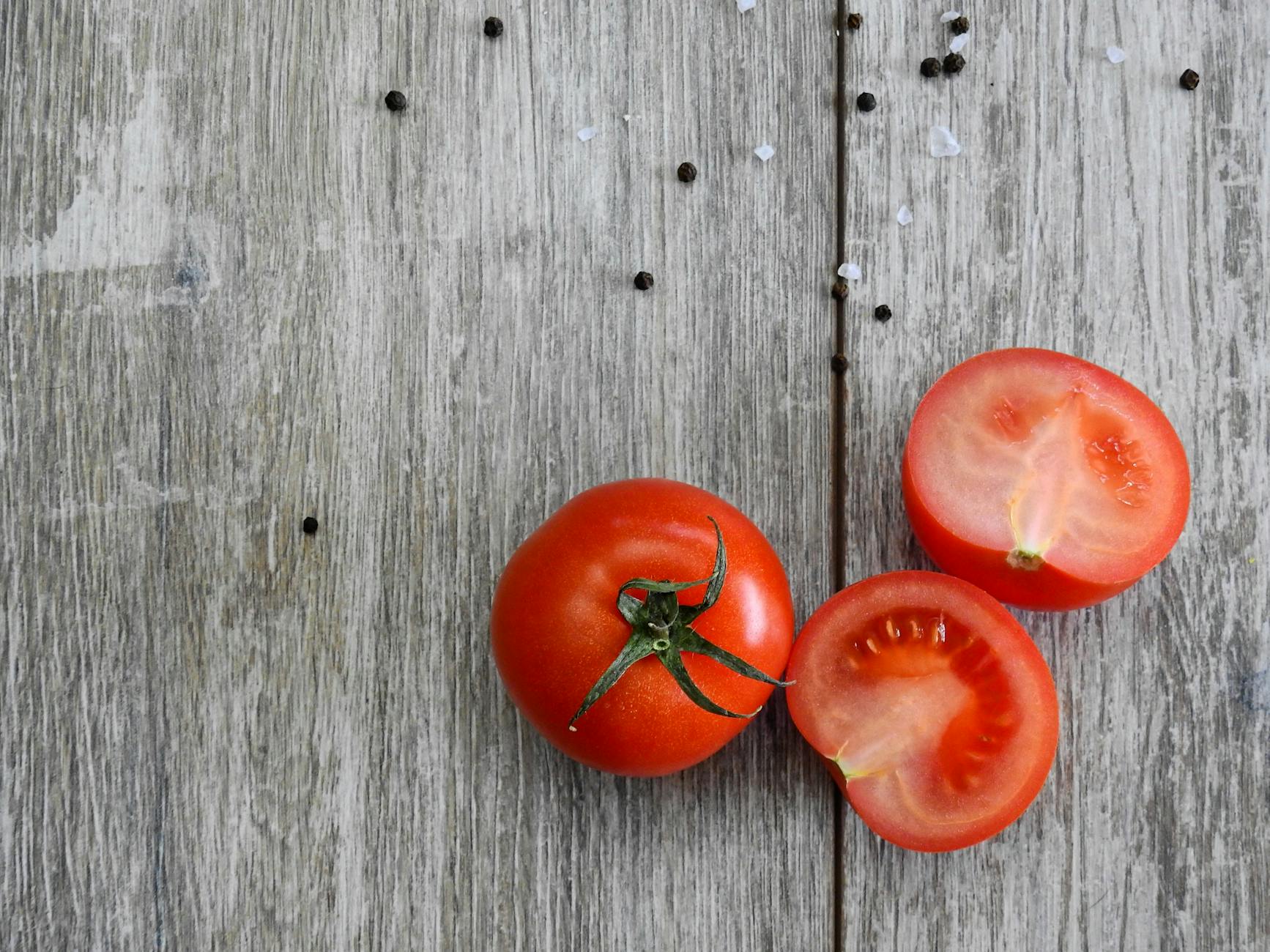
Tomatoes are an excellent source of lycopene, a carotenoid antioxidant that protects collagen fibers from the UV radiation that causes photoaging. They also provide a meaningful amount of vitamin C, contributing to the enzymatic reactions needed for collagen molecule assembly. Cooked tomatoes and tomato-based products actually deliver more bioavailable lycopene than raw tomatoes due to the heat-driven breakdown of cell walls. Including tomatoes in sauces, soups, and roasted dishes is a simple and effective strategy for collagen protection.
Sweet Potatoes

Sweet potatoes are one of the most abundant sources of beta-carotene, which the body converts into vitamin A to support the fibroblast cells responsible for collagen production. They also contain vitamin C and manganese, both of which directly participate in the biochemical pathways of collagen synthesis. The anti-inflammatory compounds in sweet potatoes help reduce the cellular stress that accelerates collagen breakdown over time. Their versatility in cooking makes them an effortless and nutrient-dense addition to a collagen-supportive diet.
Carrots
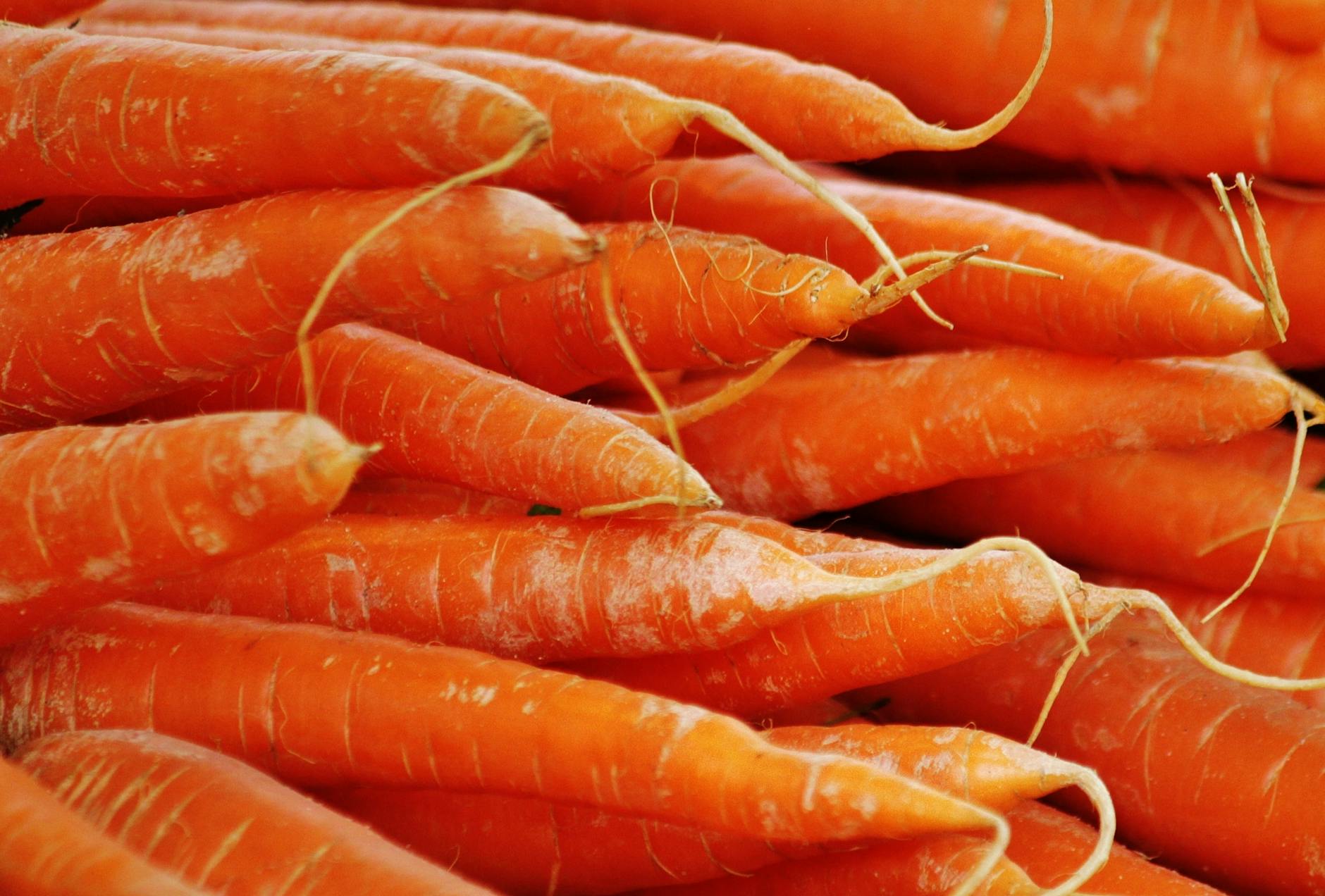
Carrots deliver a high concentration of beta-carotene, which converts to vitamin A in the body and plays an important role in regulating skin cell production and collagen synthesis. The vitamin C content in carrots, while more modest than in other vegetables, contributes cumulatively to overall antioxidant protection. Carrots also contain biotin, a B vitamin that supports keratin infrastructure alongside the connective tissue proteins that include collagen. Eating them alongside a fat source improves the absorption of their fat-soluble carotenoids.
Red Cabbage
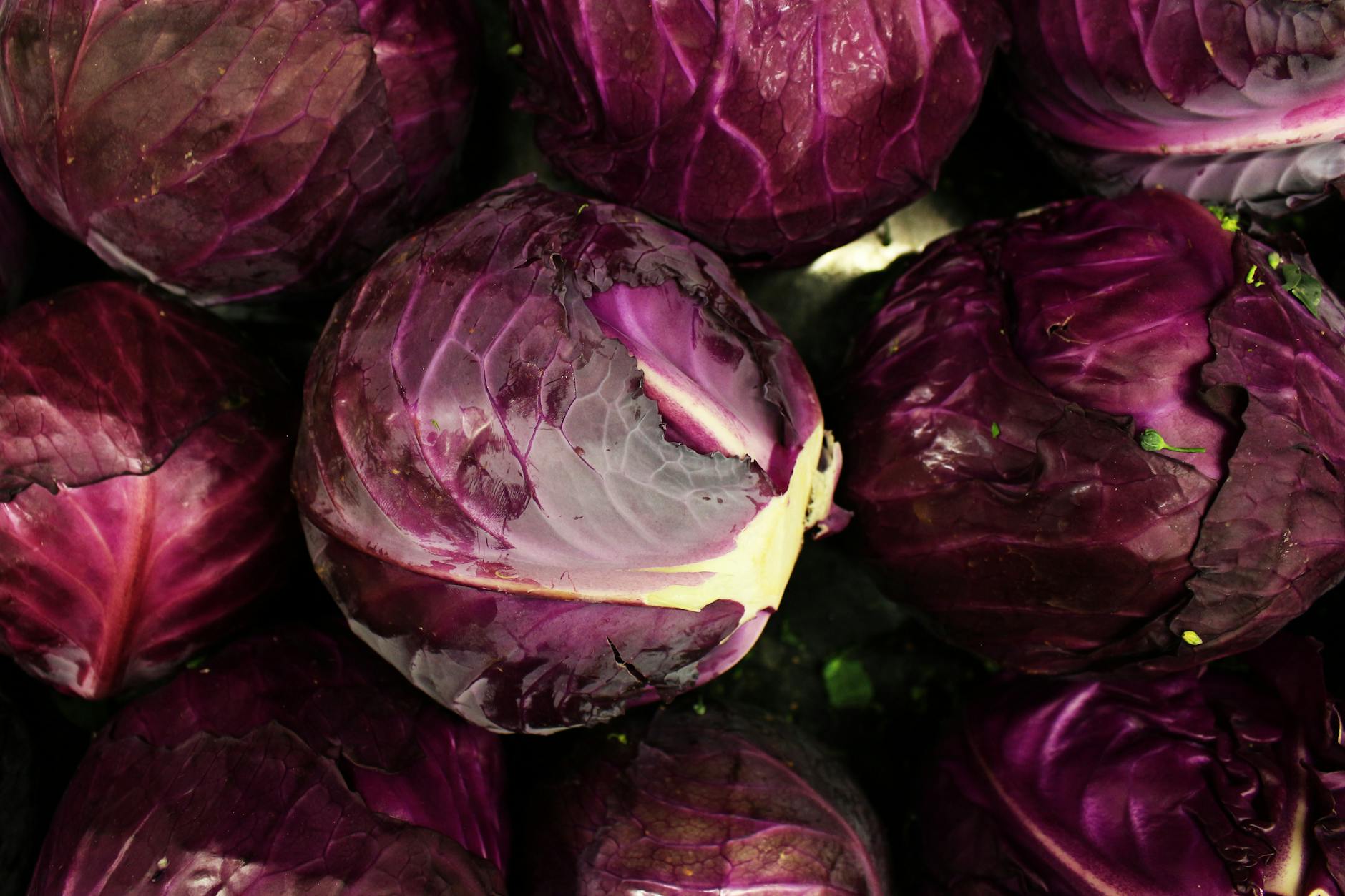
Red cabbage contains anthocyanins, powerful plant pigments that protect collagen from damage caused by free radicals and environmental pollutants. It is also a good source of vitamin C, sulfur compounds, and vitamin K, all of which contribute to collagen production and skin health. The polyphenol content in red cabbage has been shown to reduce inflammation that would otherwise interfere with normal collagen synthesis. Fermenting it into sauerkraut further enhances nutrient bioavailability and adds gut health benefits that support nutrient absorption.
Soy Foods
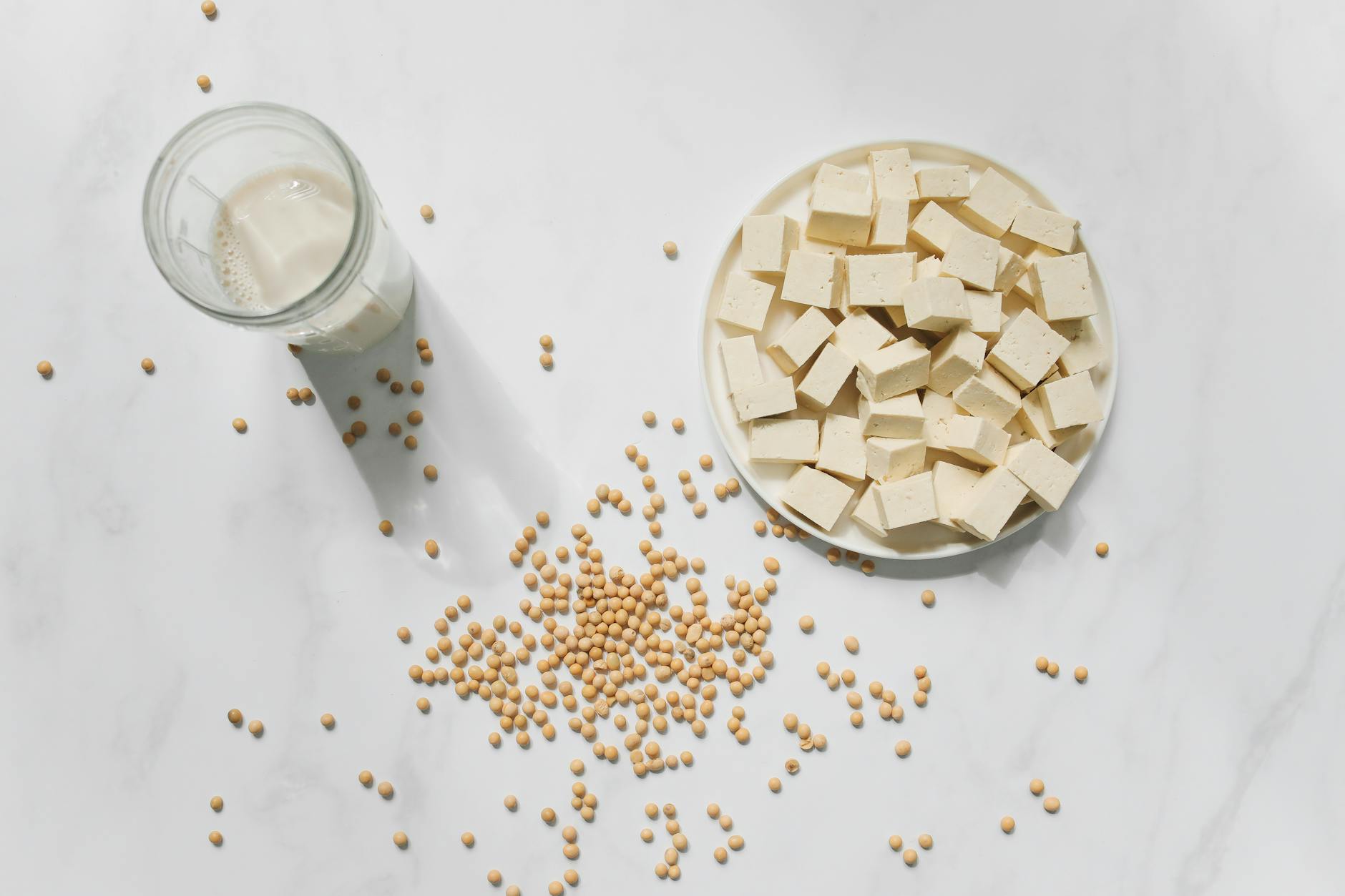
Tofu, tempeh, edamame, and other soy-based foods contain genistein, an isoflavone that stimulates collagen production and inhibits the enzymes that break it down. Soy also provides a complete protein profile, delivering all essential amino acids including lysine and glycine that are directly used in collagen construction. The phytoestrogens in soy may additionally support skin thickness and elasticity, particularly in postmenopausal women who experience accelerated collagen loss. Including soy foods several times per week contributes both structural amino acids and protective plant compounds to collagen health.
Lentils
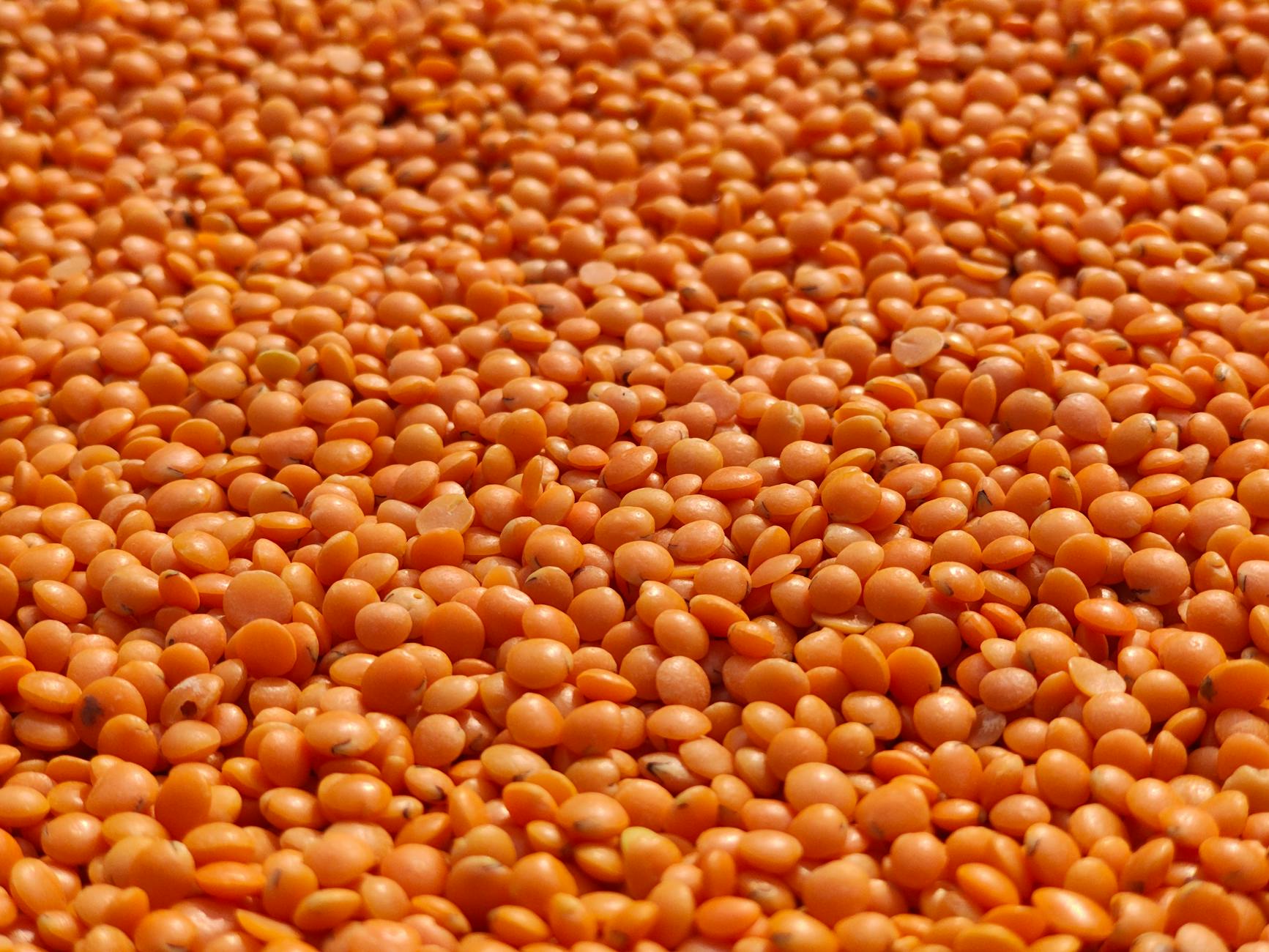
Lentils are a rich plant-based source of lysine, one of the two main amino acids that the body requires to synthesize collagen chains. They also provide zinc, copper, and manganese, the three trace minerals most directly involved in activating collagen-producing enzymes. The high protein content in lentils ensures a steady supply of nitrogen-containing amino acids that support ongoing tissue repair and collagen renewal. Their affordability and versatility make them one of the most accessible collagen-supporting foods available.
Chickpeas
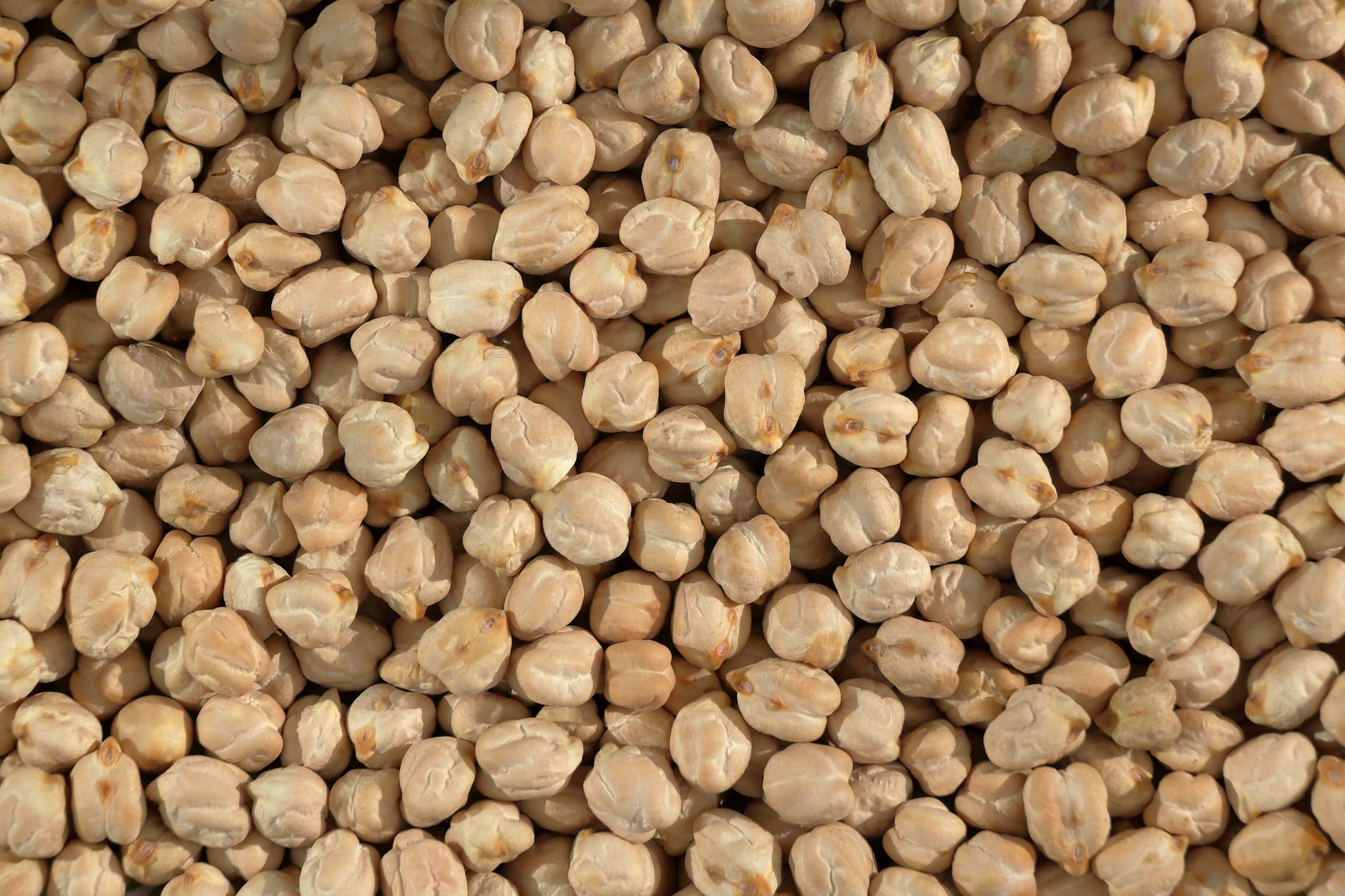
Chickpeas are high in lysine and provide a strong amino acid foundation that the body uses to form collagen peptides. They also contain manganese and folate, nutrients that assist in the cellular processes involved in collagen maturation. The fiber in chickpeas supports gut health, which in turn improves the absorption of collagen-building micronutrients from the wider diet. Whether eaten as hummus, roasted for snacking, or added to stews, chickpeas offer consistent collagen-supportive nutrition in every serving.
Kidney Beans
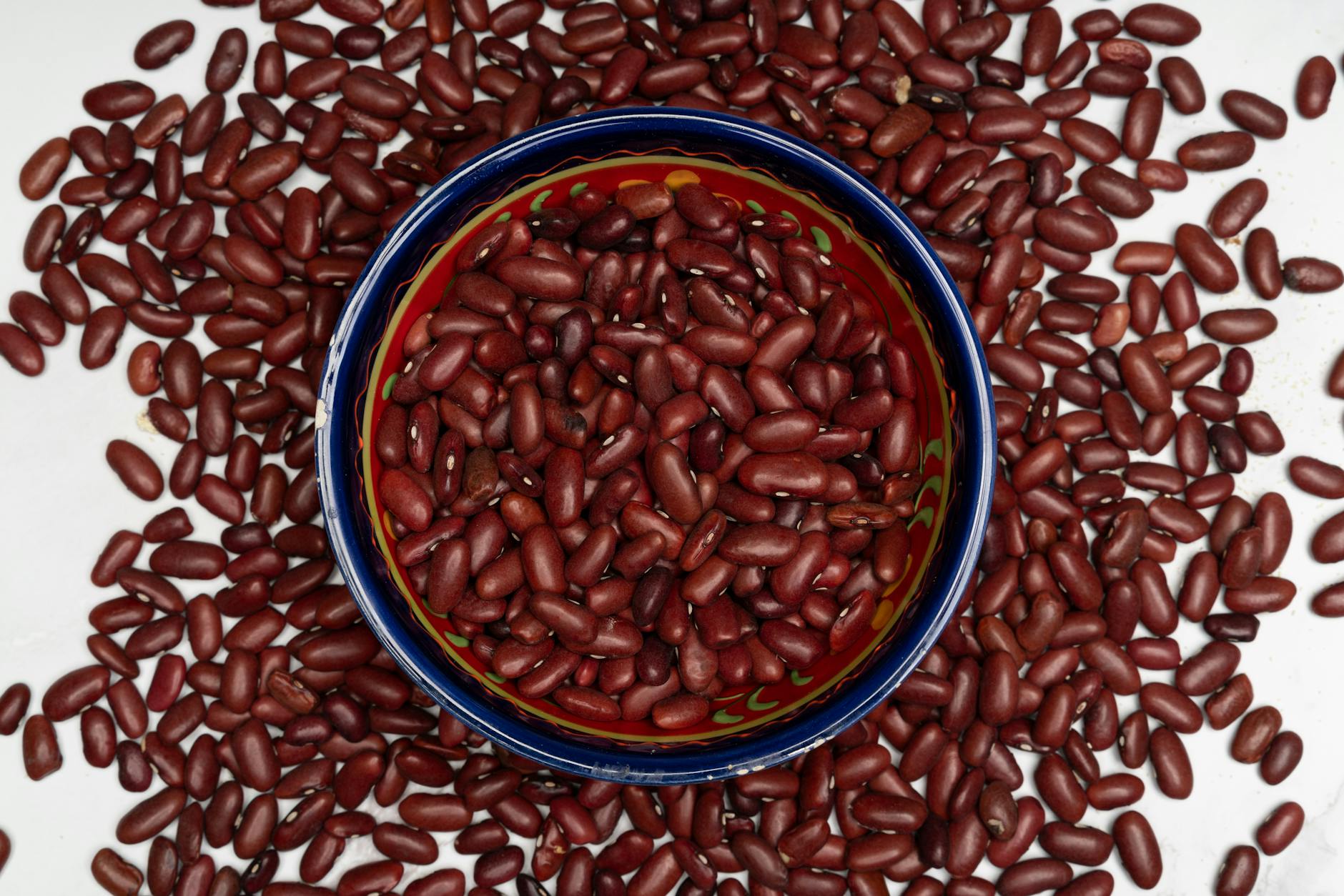
Kidney beans are an excellent plant-based source of lysine, hyaluronic acid precursors, and essential amino acids that form the scaffolding of collagen molecules. Their high zinc content supports the activity of metalloproteinase enzymes that regulate collagen turnover in skin and connective tissue. Kidney beans also provide a notable amount of copper, which strengthens the cross-links between collagen fibers and improves their mechanical resilience. Regular inclusion in soups, salads, and grain bowls makes them a practical everyday source of collagen nutrition.
Oysters
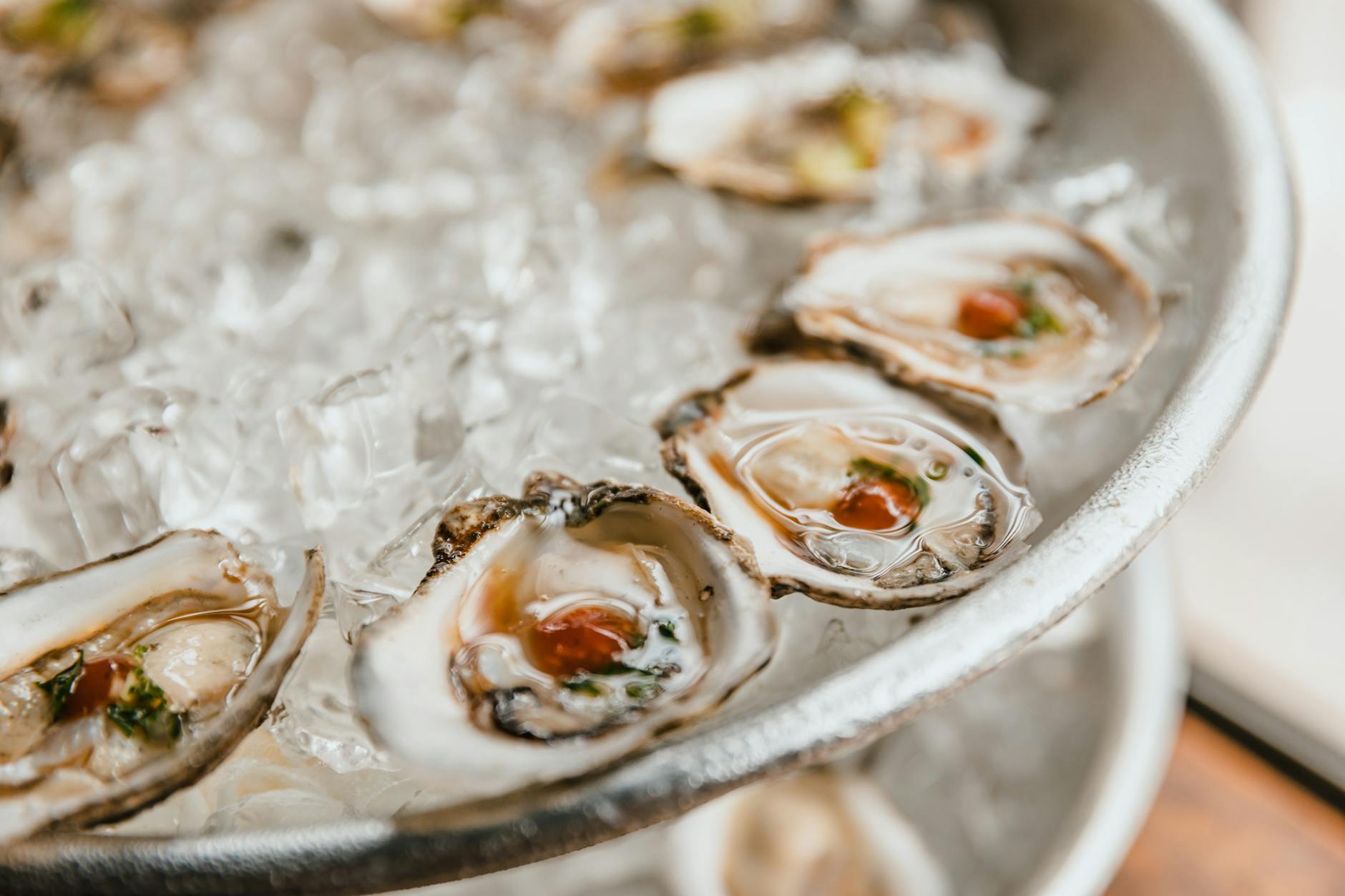
Oysters are among the most concentrated dietary sources of zinc available, providing more of this mineral per serving than almost any other food. Zinc is essential for activating the enzymes that both produce and regulate collagen, making oysters one of the most potent collagen-supporting foods in existence. They also supply copper, selenium, and complete protein, all of which contribute to the broader nutritional environment needed for healthy collagen synthesis. Even a small serving delivers a substantial dose of multiple micronutrients that support skin, joint, and connective tissue health.
Sardines
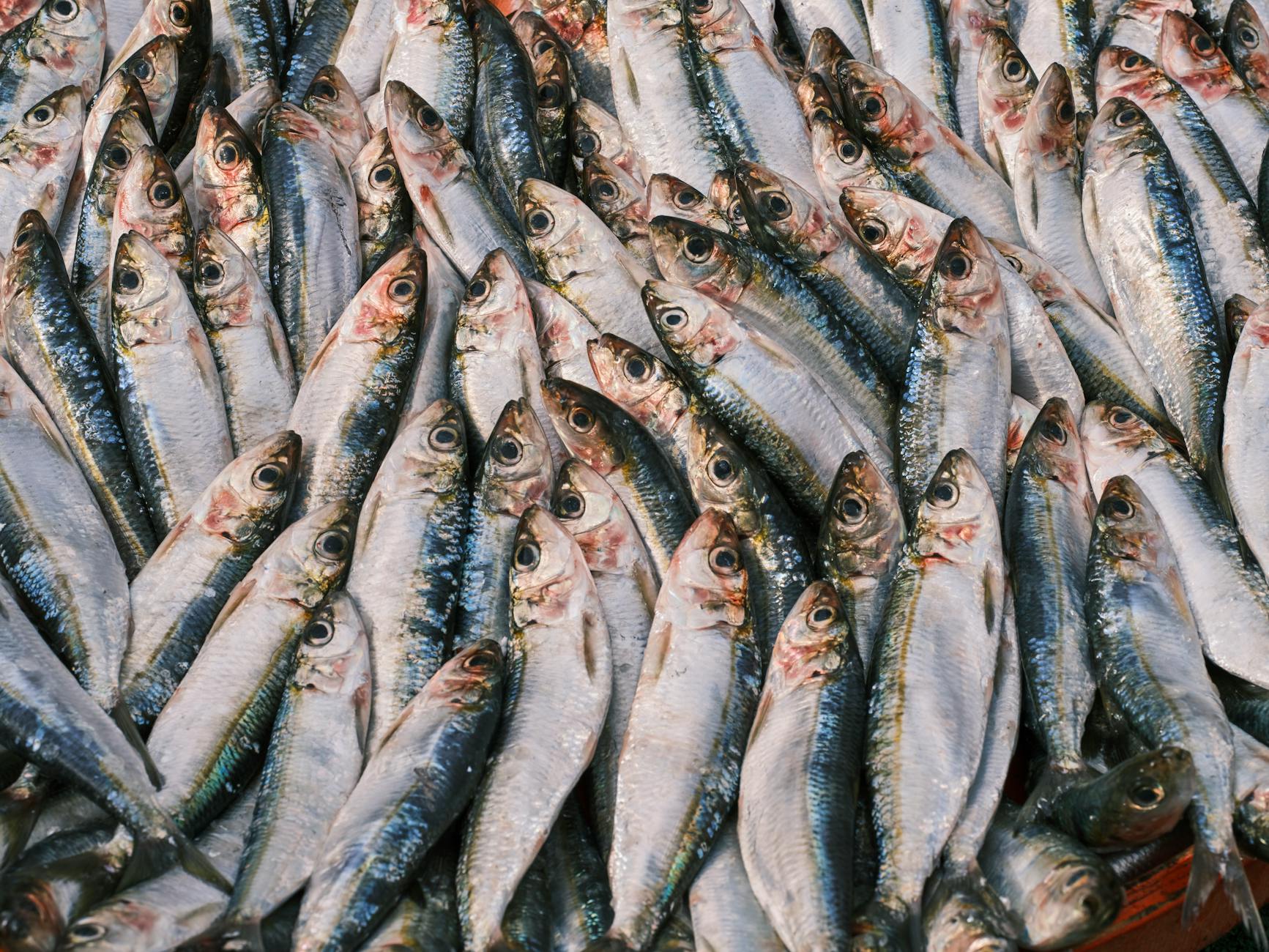
Sardines are typically consumed with their small bones intact, making them a meaningful source of collagen-adjacent structural proteins alongside calcium and phosphorus. Their high omega-3 fatty acid content reduces systemic inflammation that would otherwise accelerate collagen degradation in skin and joints. Sardines also provide a concentrated dose of complete protein, supplying the amino acids proline, glycine, and hydroxyproline that are foundational to collagen molecule formation. Their affordability and long shelf life make them one of the most practical collagen-supporting foods for regular use.
Salmon

Salmon provides marine collagen precursors along with an exceptional concentration of omega-3 fatty acids that protect existing collagen from inflammatory and oxidative damage. The astaxanthin in salmon, a carotenoid antioxidant responsible for its pink color, has been shown to significantly reduce UV-induced collagen breakdown in skin tissue. Salmon also delivers zinc, selenium, and complete protein, creating a comprehensive nutritional profile that supports collagen from multiple biological angles. Consuming it two to three times per week is widely considered an effective dietary strategy for long-term skin and joint health.
Tuna
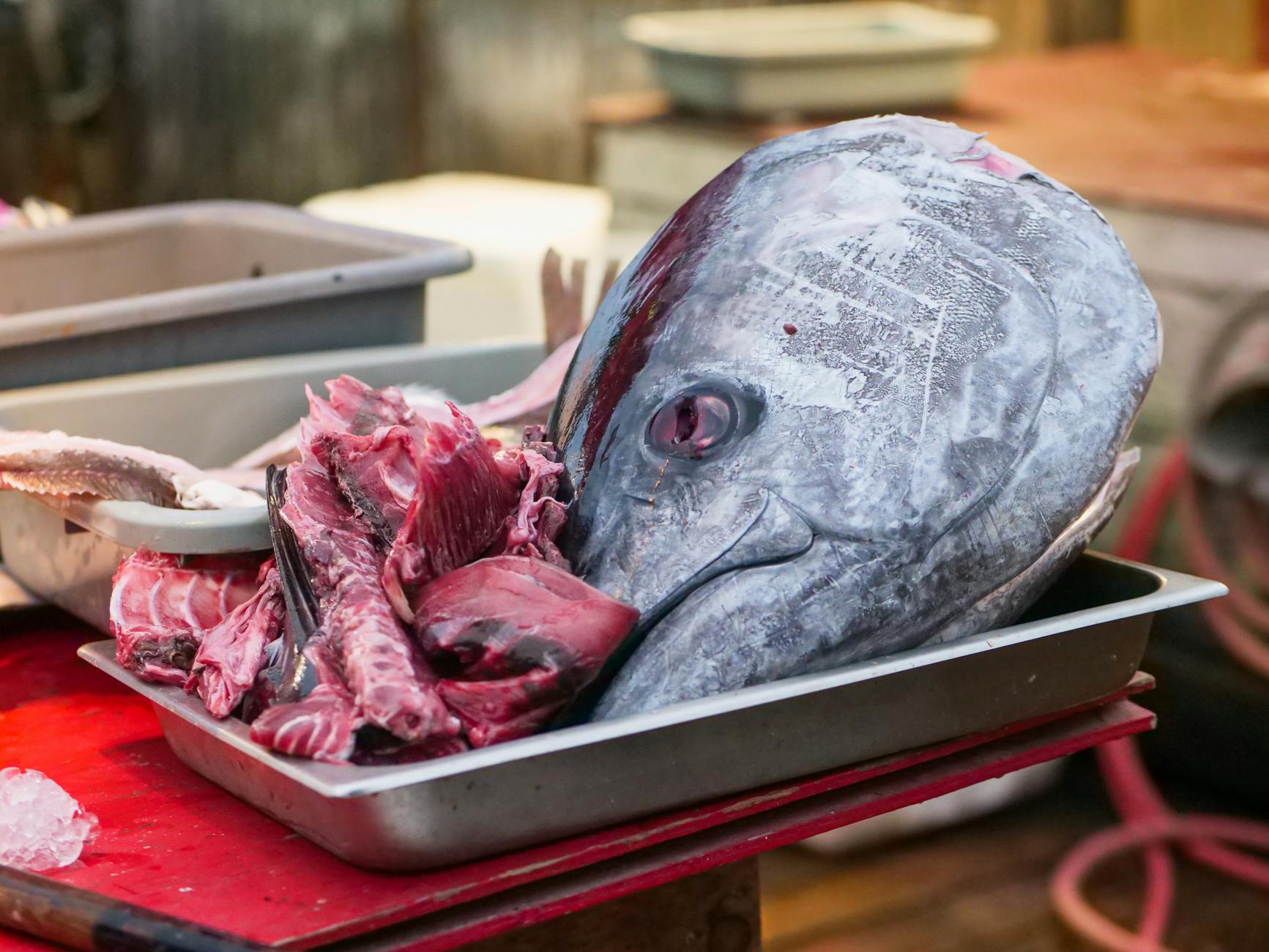
Tuna is a high-protein fish that delivers glycine, proline, and hydroxyproline in meaningful concentrations, directly supplying the amino acids needed for collagen molecule construction. It also provides zinc and selenium, trace minerals that activate the enzymatic processes central to collagen synthesis and skin repair. The omega-3 content in tuna supports an anti-inflammatory environment that preserves collagen integrity over time. Its convenience as both a fresh and canned option makes it one of the most accessible marine sources of collagen-supporting nutrition.
Beef
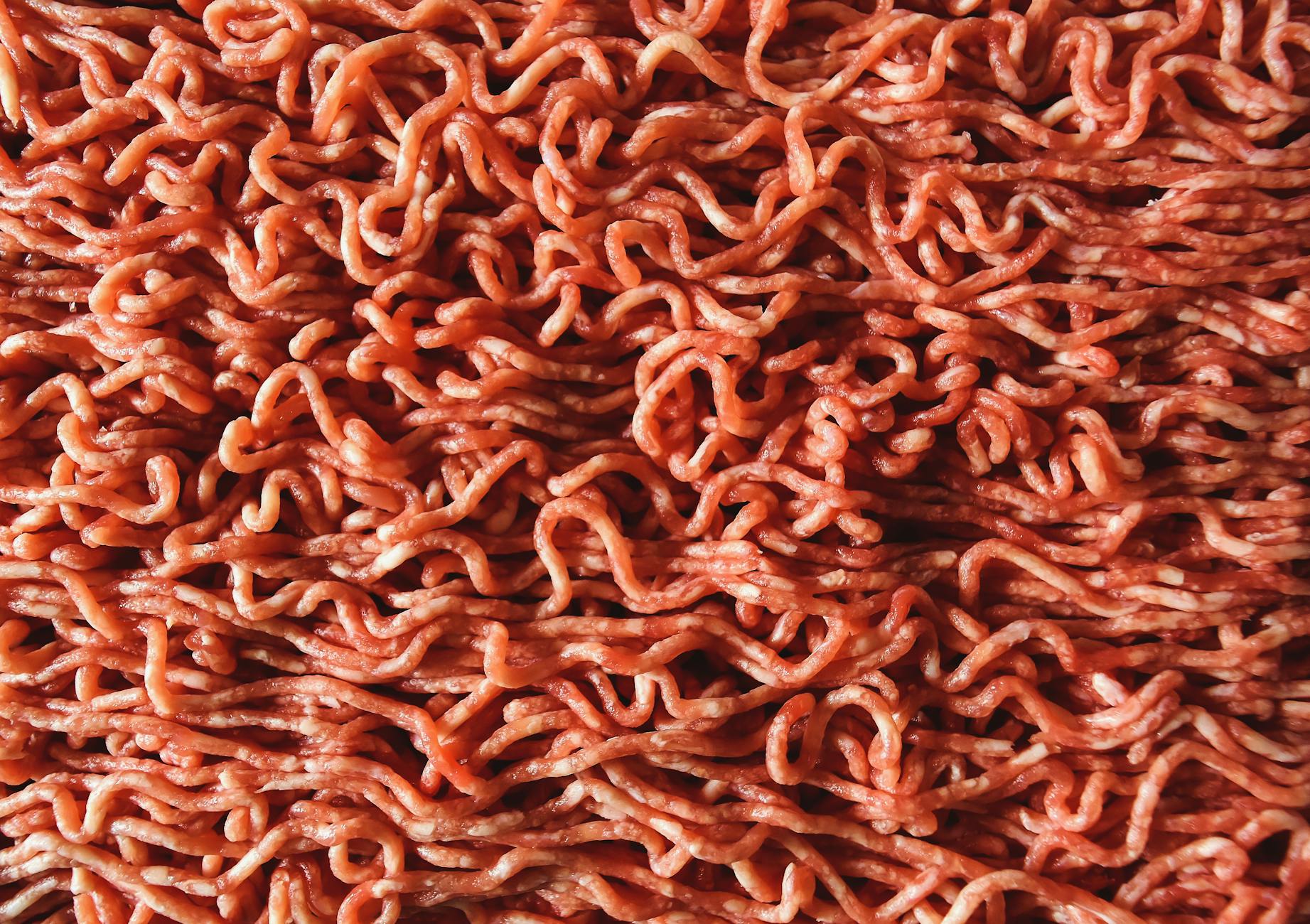
Beef contains significant concentrations of glycine and proline, the two amino acids most abundantly present in collagen molecules themselves. Tougher cuts such as chuck, brisket, and short ribs contain particularly high levels of connective tissue, which breaks down into collagen-rich gelatin during slow cooking. Beef also provides heme iron, zinc, and B vitamins that support the enzymatic reactions involved in collagen biosynthesis. Incorporating slow-cooked beef dishes into the diet is one of the most nutrient-dense approaches to supporting collagen production from a whole-food source.
Gelatin

Gelatin is derived from collagen and is essentially cooked collagen that has been broken down into a more digestible form. When consumed, it provides the body with concentrated glycine, proline, and hydroxyproline, which are directly reused in the construction of new collagen fibers. Studies have shown that consuming gelatin before physical activity may support collagen synthesis in tendons and ligaments during the subsequent recovery window. Adding it to homemade broths, desserts, or functional beverages is a straightforward way to deliver collagen-building peptides in bioavailable form.
Dark Chocolate

Dark chocolate with a high cacao content provides a notable concentration of copper, a trace mineral that activates lysyl oxidase, the enzyme responsible for cross-linking collagen fibers. The flavonoids in dark chocolate protect collagen from oxidative damage and improve blood flow to the skin, supporting nutrient delivery to fibroblast cells. Its antioxidant profile is among the highest of any whole food, offering broad protection against the environmental stressors that degrade collagen over time. Consuming a small amount of high-quality dark chocolate daily delivers meaningful collagen-protective benefits alongside its well-documented cardiovascular advantages.
Green Tea
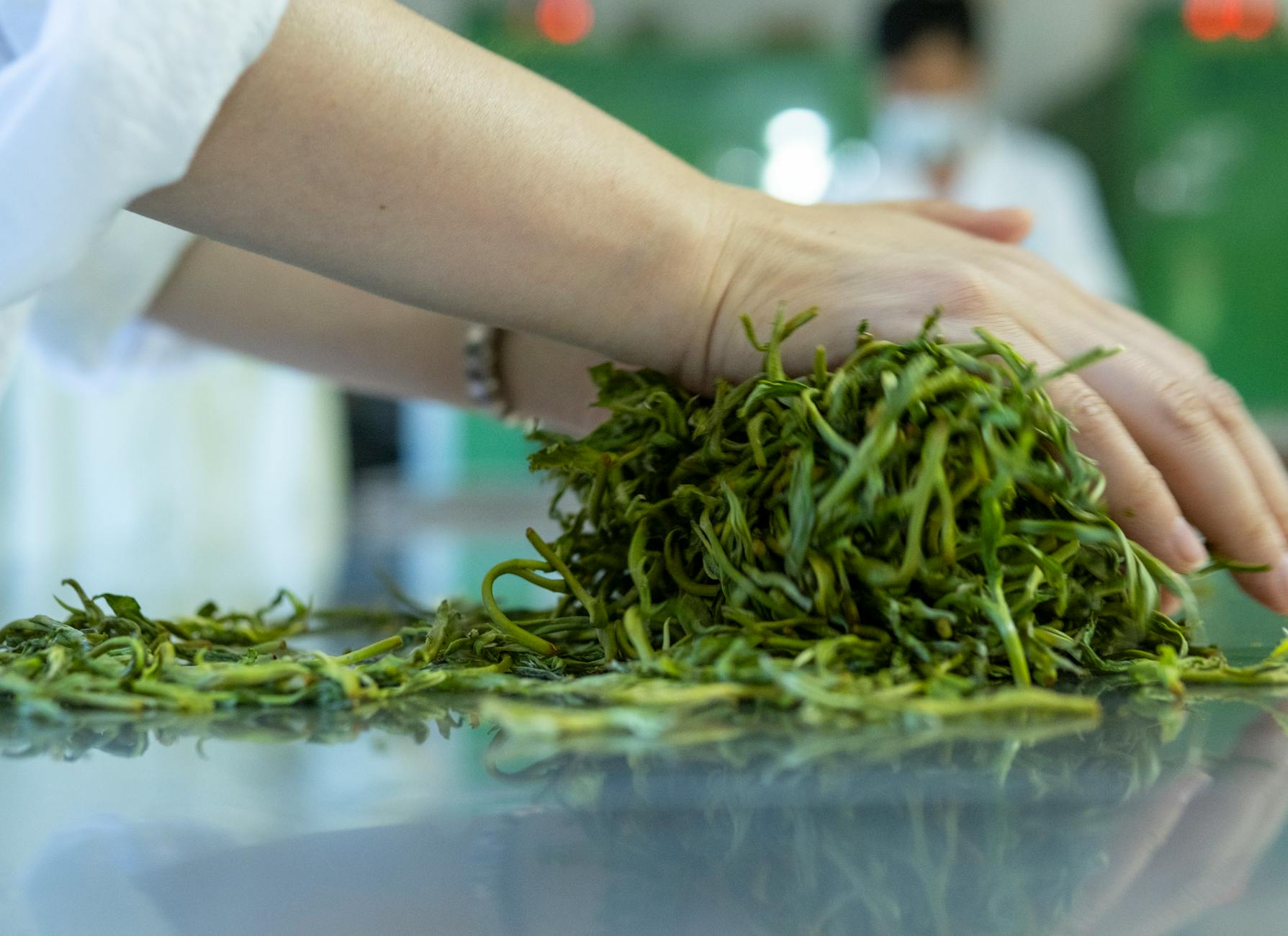
Green tea is rich in epigallocatechin gallate, a polyphenol that has been shown to protect collagen fibers from breakdown by inhibiting the enzymes that degrade them. It also provides vitamin C and a range of catechins that stimulate collagen synthesis and improve overall skin density. The anti-inflammatory properties of green tea create a systemic environment that supports the longevity and structural integrity of existing collagen. Drinking two to three cups daily is one of the simplest and most evidence-supported beverage strategies for maintaining collagen levels from within.
Herbs and Spices

Parsley, cilantro, thyme, and rosemary all contain significant concentrations of vitamin C and plant-based antioxidants that actively support collagen production. Parsley is particularly notable for its exceptionally high vitamin C content relative to its small serving size, making it one of the most collagen-dense herbs per gram. Thyme and rosemary contain rosmarinic acid and other polyphenols that protect collagen from oxidative and UV-induced degradation. Using fresh herbs generously in everyday cooking is one of the simplest and most overlooked strategies for consistently boosting collagen-supporting nutrients in the diet.
Which of these collagen-boosting foods do you already eat regularly, and which are you planning to add to your plate? Share your thoughts in the comments.