
Getting a full night of uninterrupted sleep is deeply connected to what you eat throughout the day and in the hours before bed. Certain foods contain natural compounds like melatonin, magnesium, tryptophan, and antioxidants that support the body’s sleep-wake cycle and promote deeper, more restorative rest. Research continues to highlight the powerful relationship between diet and sleep quality, making food choices one of the most accessible tools for improving nightly rest. The following 35 foods have been studied and recognized for their ability to help the body wind down, stay asleep, and wake feeling refreshed.
Tart Cherries

Tart cherries are one of the few whole foods that naturally contain melatonin, the hormone responsible for regulating the sleep-wake cycle. Studies have found that consuming tart cherry juice can increase sleep duration and improve overall sleep efficiency in adults. The fruit also contains anthocyanins and other anti-inflammatory compounds that support nervous system calm. Drinking tart cherry juice in the evening or snacking on dried tart cherries has become a popular natural sleep strategy. Their melatonin content makes them one of the most well-researched sleep-supportive foods available.
Almonds
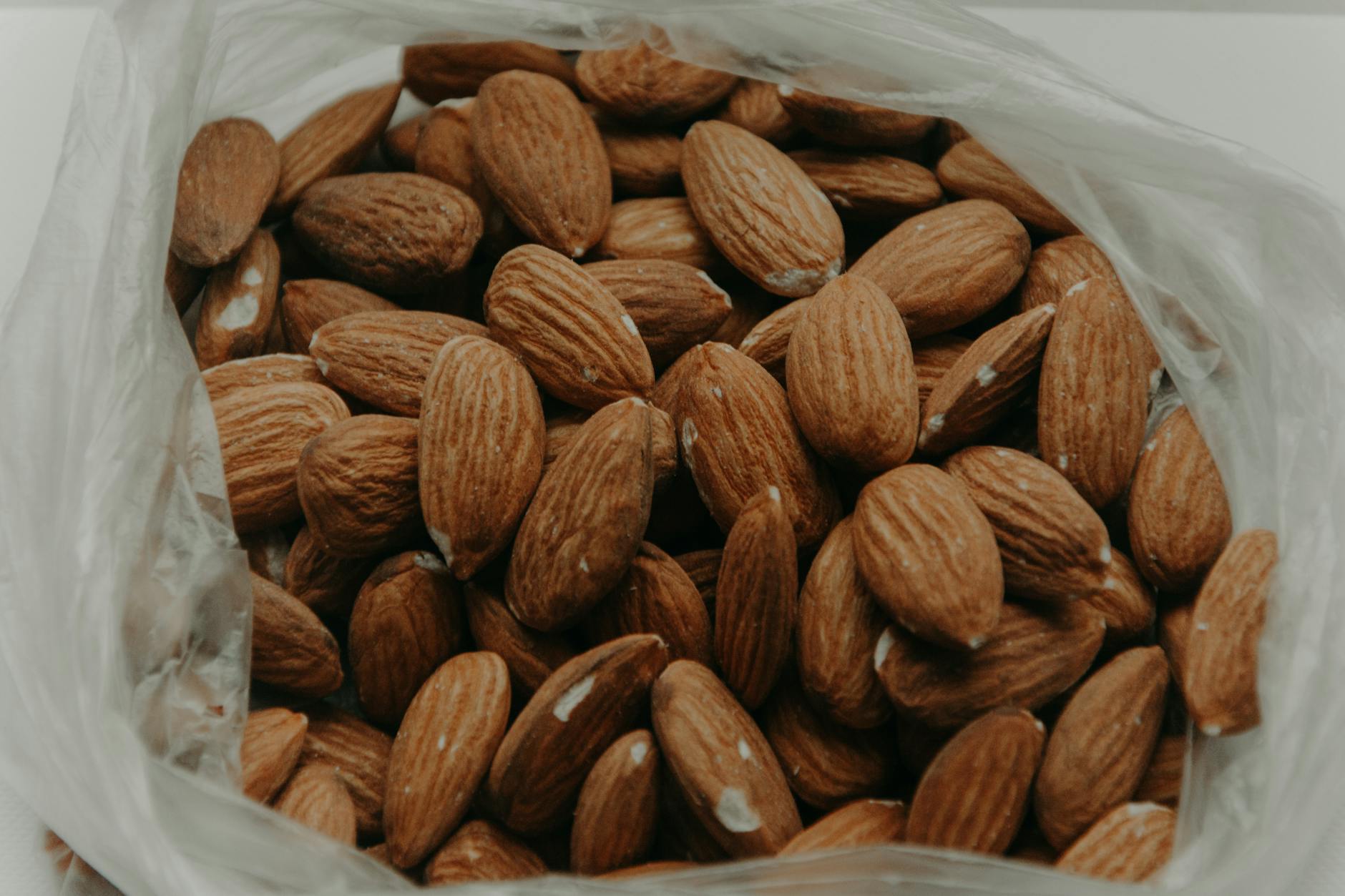
Almonds are a rich source of magnesium, a mineral that plays a key role in regulating sleep by reducing cortisol levels and relaxing muscle tissue. They also provide a modest amount of melatonin, which helps signal to the body that it is time to rest. A small handful of almonds before bed delivers a combination of healthy fats and protein that helps maintain stable blood sugar levels overnight. Stable blood sugar prevents nighttime waking caused by glucose dips. Regular almond consumption has been associated with improved sleep quality in several nutritional studies.
Kiwi

Kiwi is a nutrient-dense fruit that has drawn significant scientific interest for its connection to improved sleep. A study published in a sleep research journal found that eating two kiwis one hour before bed for four weeks significantly increased sleep onset, duration, and efficiency. The fruit is rich in serotonin, which is a precursor to melatonin and supports healthy circadian rhythm regulation. Kiwis also contain high levels of vitamin C and antioxidants that reduce oxidative stress linked to sleep disruption. Their natural folate content further supports neurological calm essential for restful sleep.
Warm Milk

Warm milk has long been associated with sleep promotion and the science behind this connection is well established. Milk contains tryptophan, an amino acid the body converts into serotonin and then into melatonin to support the sleep cycle. The calcium in milk helps the brain use tryptophan more effectively, enhancing its sleep-supporting benefits. Warming the milk may also have a psychological soothing effect that prepares the body for rest. Whole milk provides a small amount of fat that helps slow digestion and keeps the body comfortable through the night.
Chamomile Tea

Chamomile tea contains apigenin, a plant-based antioxidant that binds to receptors in the brain and promotes drowsiness and reduced anxiety. It has been used as a natural sleep aid across many cultures for centuries. Several studies have found that chamomile extract improves sleep quality in older adults and postpartum women experiencing sleep disturbances. The act of drinking a warm beverage before bed also contributes to the body’s natural temperature drop that precedes sleep onset. Chamomile is naturally caffeine-free, making it a safe and gentle nightly ritual for most people.
Walnuts
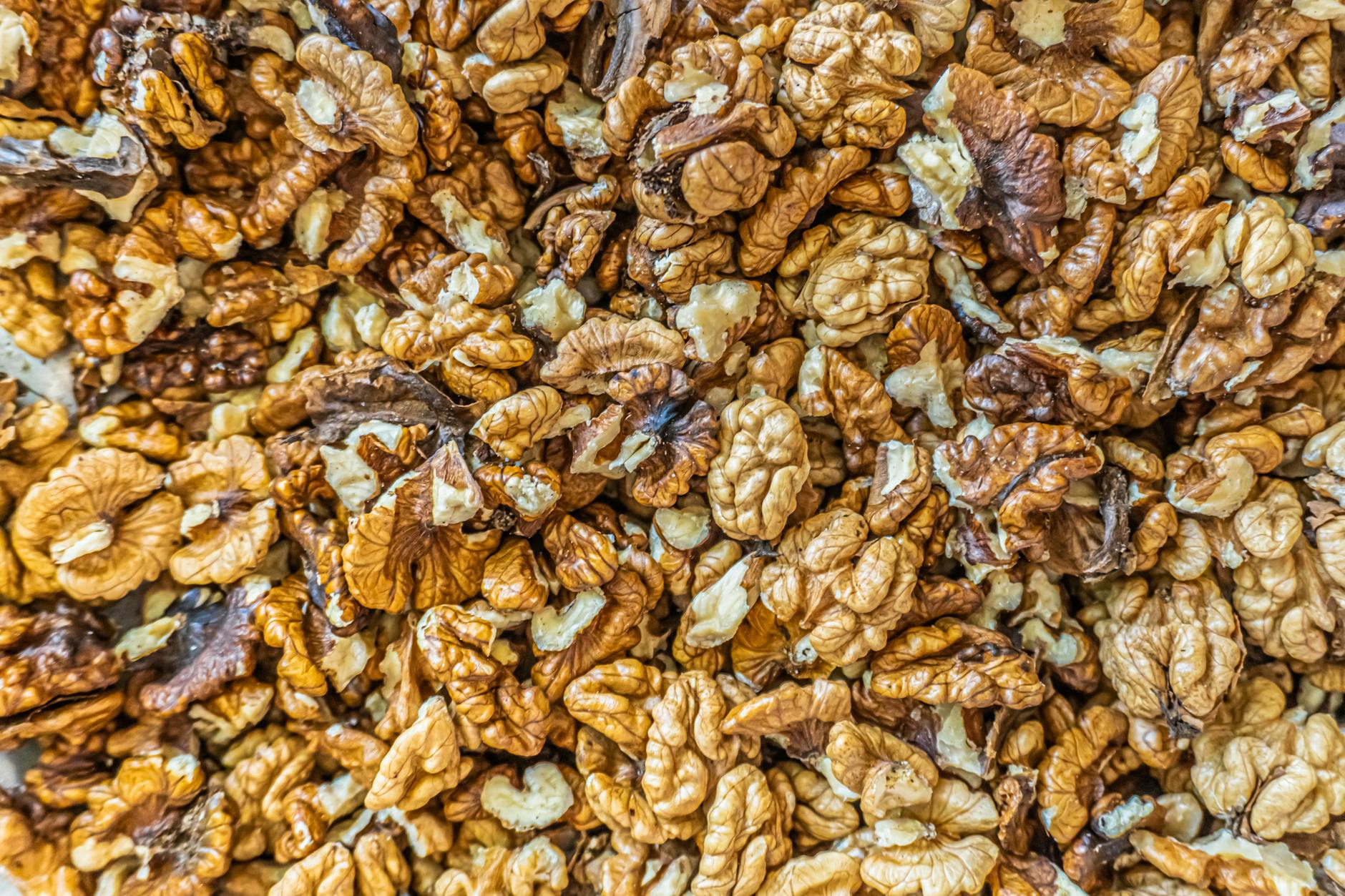
Walnuts are one of the best plant-based sources of melatonin and also supply tryptophan and magnesium to support multiple stages of the sleep process. They contain alpha-linolenic acid, an omega-3 fatty acid that the body converts to DHA, which has been linked to increased serotonin production. Eating walnuts regularly may help regulate the body’s internal clock more effectively over time. Their combination of healthy fats and protein makes them a satisfying and sleep-friendly evening snack. Research suggests that the melatonin found in walnuts is bioavailable and can raise melatonin levels in the blood after consumption.
Oatmeal
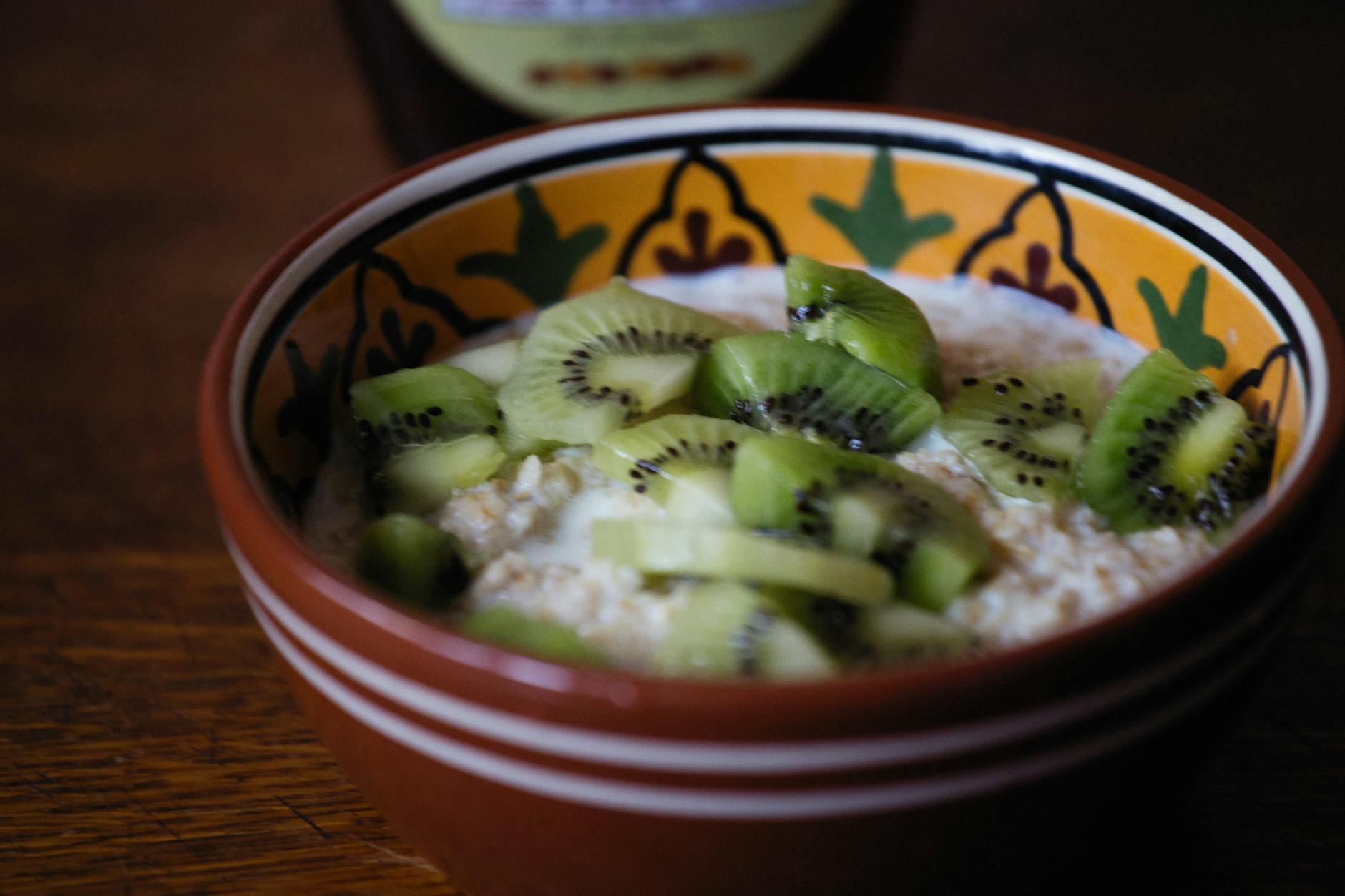
Oatmeal is a complex carbohydrate that triggers a release of serotonin in the brain, helping to promote a calm and sleepy state. It also contains small amounts of melatonin and magnesium, two compounds directly connected to sleep regulation. The fiber in oats slows digestion and helps maintain steady blood sugar throughout the night, reducing the likelihood of waking due to hunger. Oatmeal prepared with milk further amplifies its tryptophan content. Eating a small bowl of oatmeal a couple of hours before bed is a practical and nutrient-rich sleep-supportive habit.
Bananas

Bananas are rich in potassium and magnesium, two minerals that act as natural muscle relaxants and support the nervous system’s ability to wind down. They also contain tryptophan, which the body uses to produce serotonin and melatonin. The natural sugars in bananas provide a gentle energy release that can stabilize blood sugar without causing spikes. Vitamin B6 found in bananas is essential for converting tryptophan into serotonin, making this fruit especially supportive of the biochemical sleep process. A banana eaten in the evening is one of the most accessible and convenient sleep-friendly snack options.
Fatty Fish

Fatty fish such as salmon, mackerel, and trout are high in omega-3 fatty acids and vitamin D, both of which have been linked to increased serotonin production and improved sleep quality. A study found that men who ate Atlantic salmon three times per week over several months fell asleep faster and reported better daytime function than those eating other proteins. Vitamin D deficiency has been consistently associated with poor sleep, making fatty fish an important dietary source for those who lack sun exposure. The protein in fatty fish also supports muscle recovery during sleep. Its combination of nutrients makes it one of the most comprehensively sleep-supportive animal proteins available.
Turkey

Turkey is widely recognized for its high tryptophan content, the amino acid that serves as the building block for serotonin and melatonin production. Consuming tryptophan-rich foods alongside carbohydrates increases its absorption across the blood-brain barrier, making turkey a particularly effective sleep food when eaten with a small amount of whole grains. It is also a lean protein source that supports muscle repair during sleep without burdening digestion. The B vitamins in turkey, including B6 and niacin, further support neurological functions linked to sleep regulation. Including turkey in an evening meal is a practical and filling way to prepare the body for rest.
Passionflower Tea
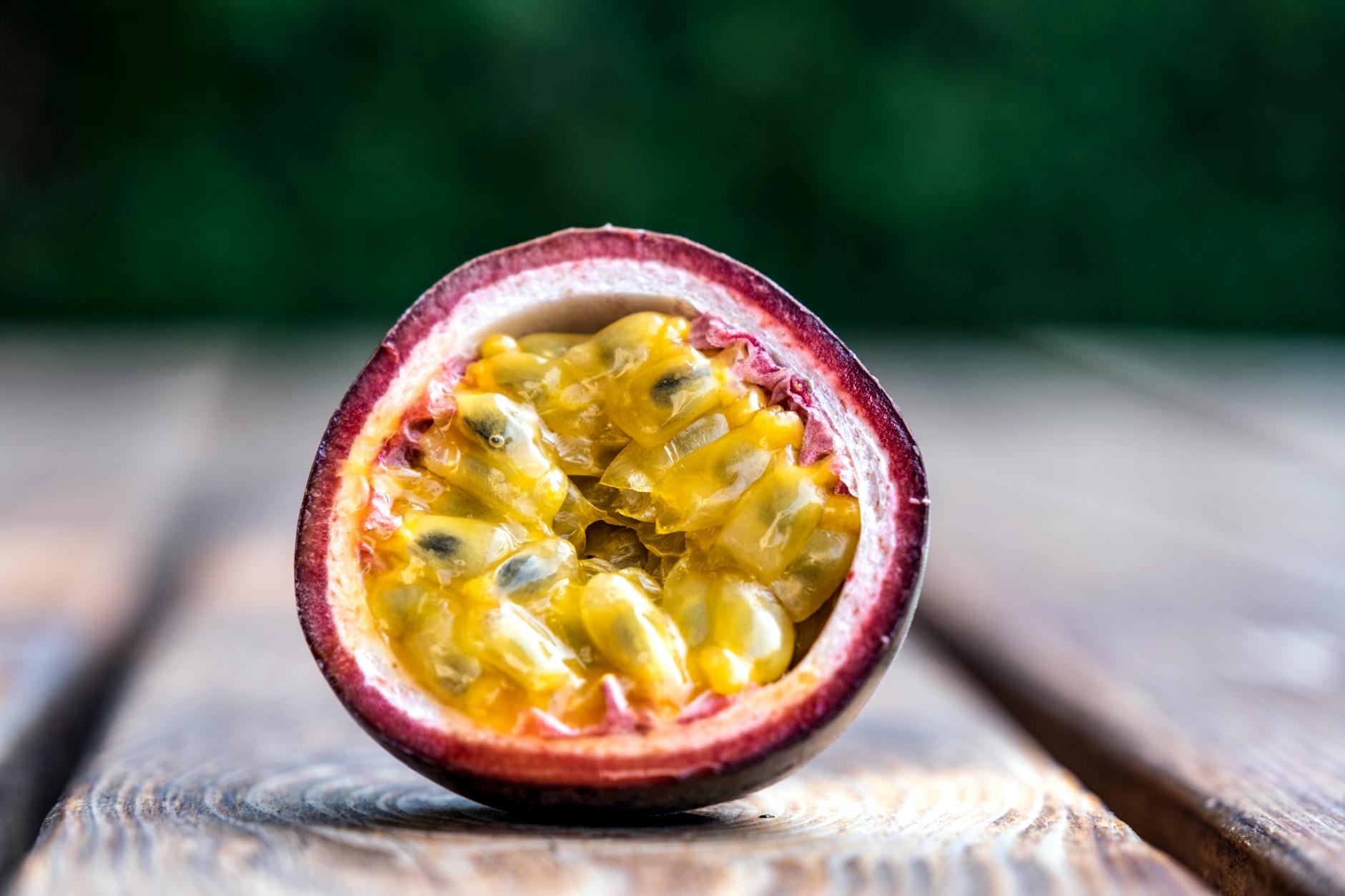
Passionflower tea is an herbal infusion traditionally used to treat insomnia and anxiety, and modern research supports many of these historical uses. It contains flavonoids including chrysin, which interacts with GABA receptors in the brain to produce a calming, sedative effect. Studies have found that drinking passionflower tea in the evenings improved subjective sleep quality in adults compared to placebo. It is naturally free of caffeine and has a mild, floral flavor that pairs well with an evening wind-down routine. Passionflower is often recommended as an alternative to pharmaceutical sleep aids for those seeking natural support.
Pumpkin Seeds
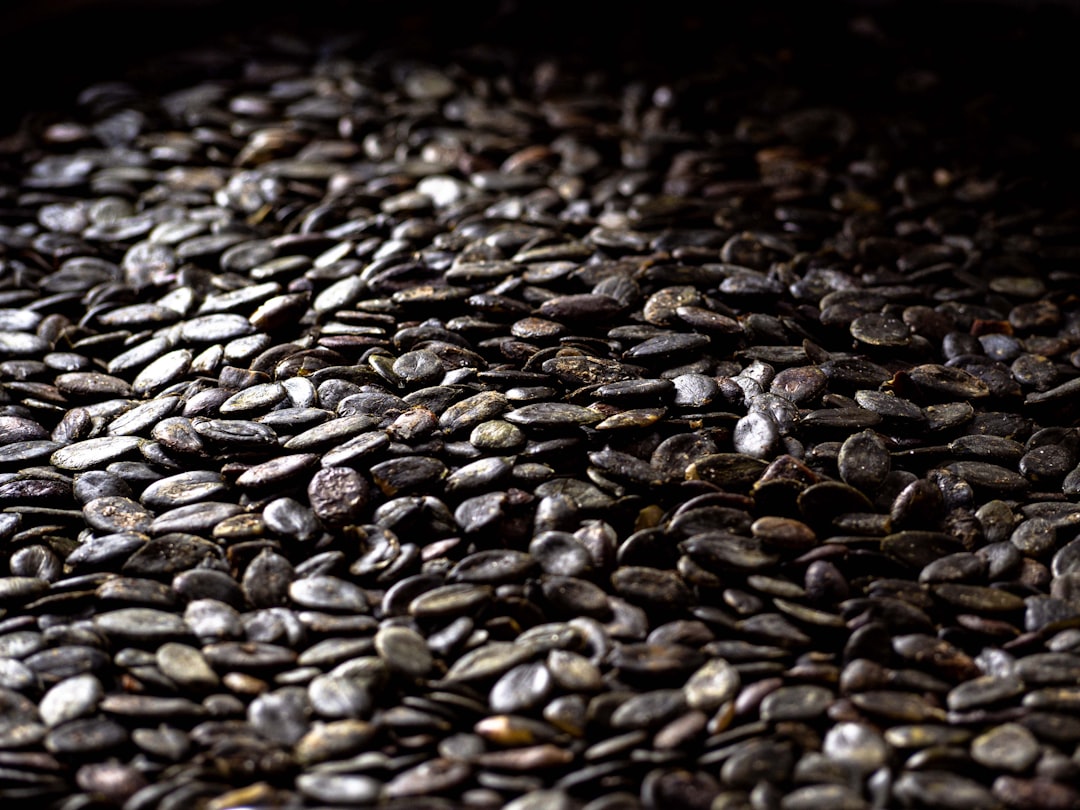
Pumpkin seeds are an exceptionally rich plant-based source of tryptophan and magnesium, making them a highly effective sleep-supportive snack. Just a small serving delivers a significant percentage of the daily recommended intake of magnesium, which supports muscle relaxation and a calmer nervous system. They also supply zinc, which works alongside magnesium to regulate melatonin production. Pumpkin seeds are easy to incorporate into evening snacks, salads, or trail mixes. Their dense nutrient profile makes them one of the most efficiently sleep-promoting seeds available.
Whole Grain Bread

Whole grain bread promotes sleep by stimulating insulin production, which in turn helps tryptophan travel more readily to the brain. When consumed in the evening, it creates a gentle blood sugar rise followed by a gradual decline that supports drowsiness without causing overnight disruptions. The fiber in whole grain bread slows digestion and keeps energy levels stable throughout the night. Pairing a small slice with a protein source such as turkey or almond butter amplifies its tryptophan-delivery effect. It is a simple and accessible option for those looking to build a sleep-friendly evening snack.
Grapes
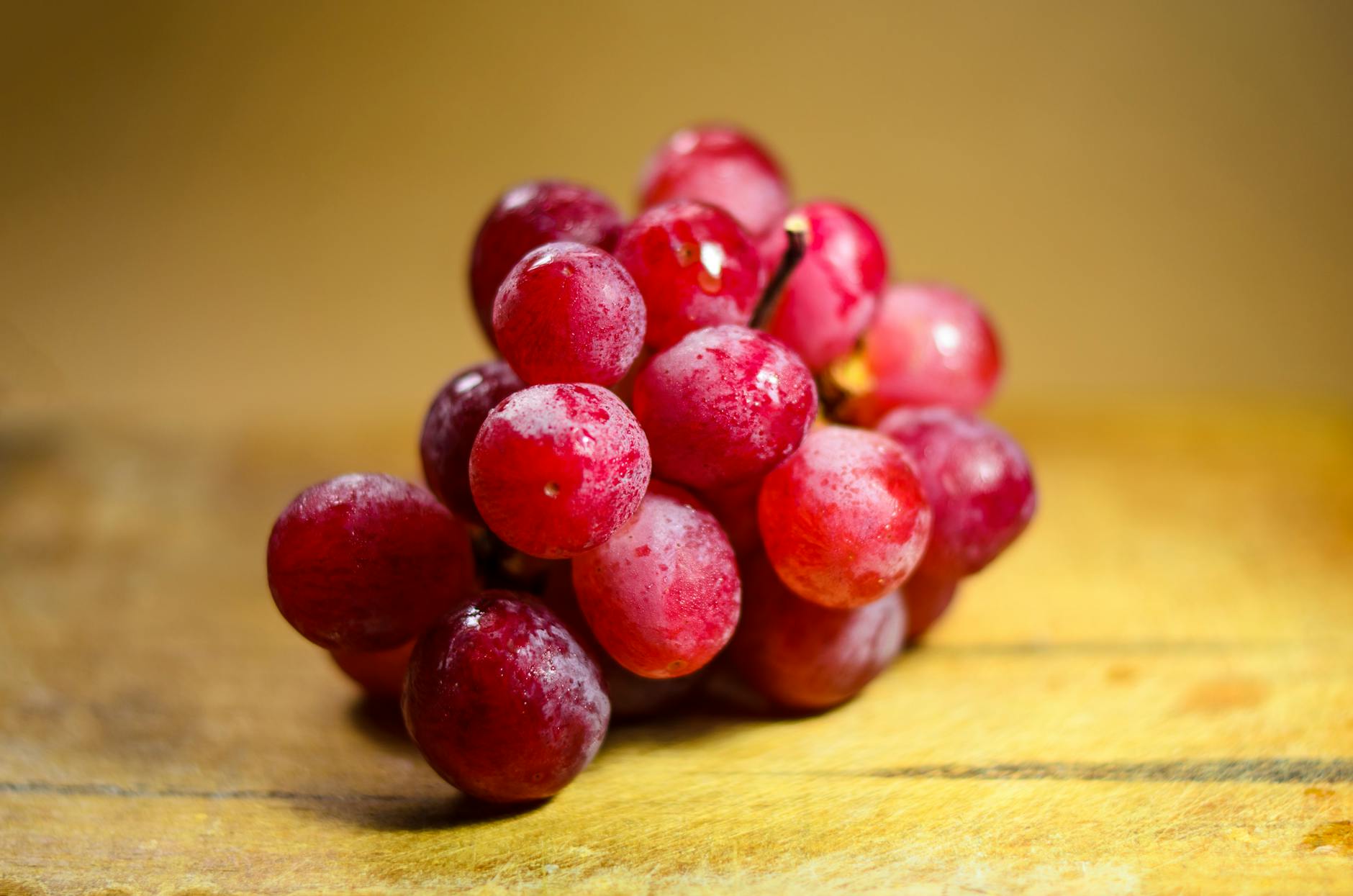
Grapes are one of the few fruits confirmed to contain naturally occurring melatonin in measurable amounts. Both red and green grapes carry sleep-supportive antioxidants including resveratrol, which has been studied for its role in regulating circadian rhythms. The natural sugars in grapes provide a mild glucose response that can ease the transition into sleep. Eating a small serving of grapes in the evening offers a light and hydrating snack that does not overburden digestion before bed. Their melatonin content makes them a scientifically backed choice for those trying to align their diet with their sleep schedule.
Lettuce

Lettuce contains lactucarium, a naturally occurring compound with mild sedative properties that has been used in folk medicine to promote sleep and relaxation. Romaine and wild lettuce varieties are particularly high in this compound. Lettuce also provides small amounts of magnesium and calcium, both of which support muscle relaxation and nervous system calm. Drinking lettuce water, made by steeping leaves in hot water, has gained popularity as a sleep remedy and has received some support in recent studies. Including lettuce in an evening salad or as part of a light dinner is an easy way to incorporate its sleep-promoting properties.
Edamame

Edamame is a complete plant protein that delivers a meaningful dose of tryptophan alongside isoflavones, plant compounds that can interact with serotonin receptors in the brain. Research suggests that isoflavone-rich foods may improve sleep quality, particularly in women experiencing hormonal fluctuations. The magnesium and folate in edamame further support the nervous system’s ability to transition into restful states. A lightly salted bowl of edamame makes a satisfying evening snack that is both nutritious and sleep-supportive. Its high protein content also contributes to overnight muscle recovery and metabolic stability.
Herbal Valerian Root Tea
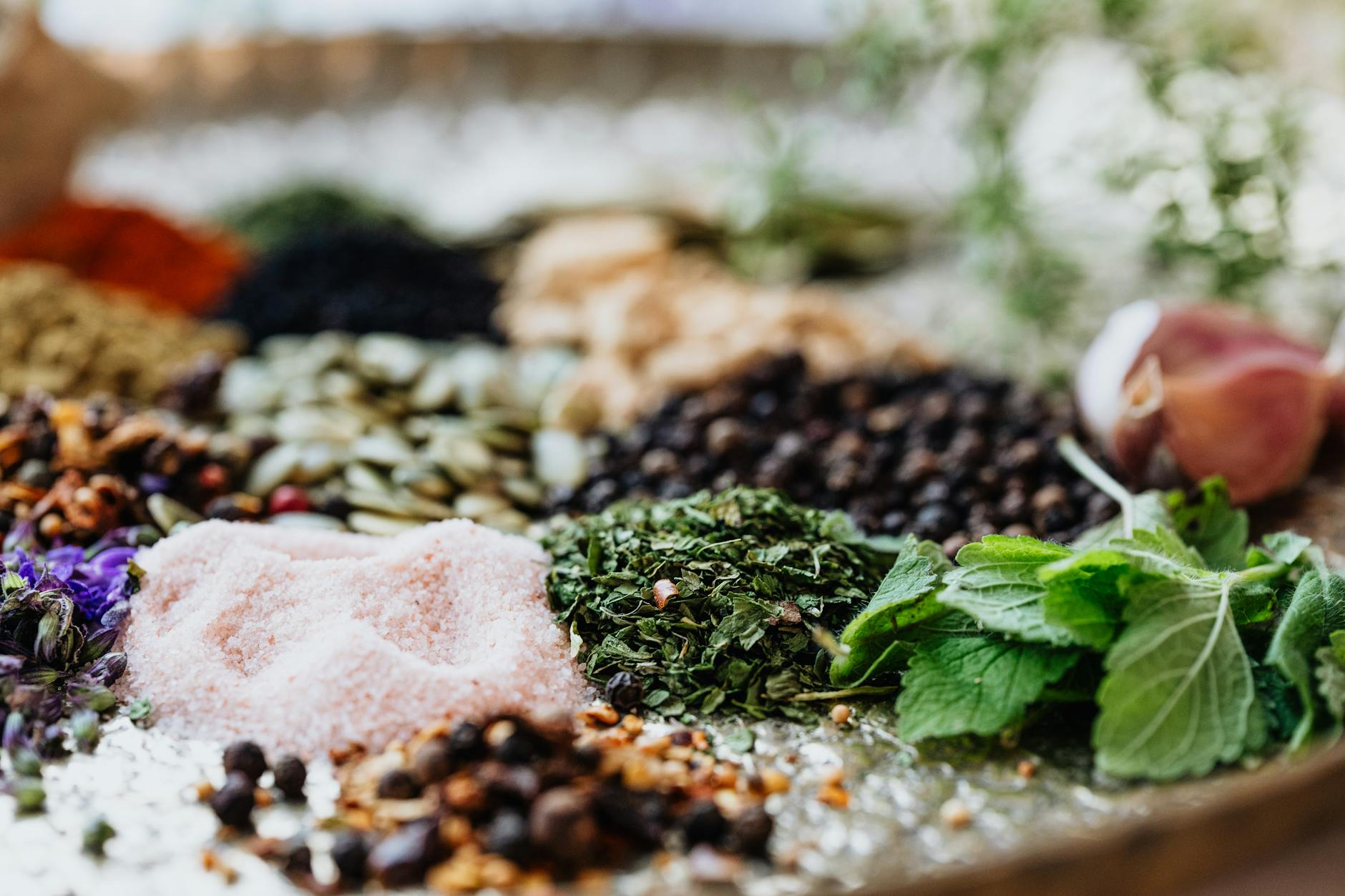
Valerian root has been studied extensively as a natural sleep aid and is one of the most commonly used herbal supplements for insomnia in Europe and North America. When consumed as a tea, it may help reduce the time it takes to fall asleep and improve overall sleep quality without causing grogginess the following morning. It works by increasing levels of GABA in the brain, an inhibitory neurotransmitter that promotes relaxation and reduces nervous system activity. Its effects are generally most noticeable after consistent use over one to two weeks. Valerian root tea is widely available and is often blended with complementary herbs such as lemon balm for enhanced effect.
Cottage Cheese
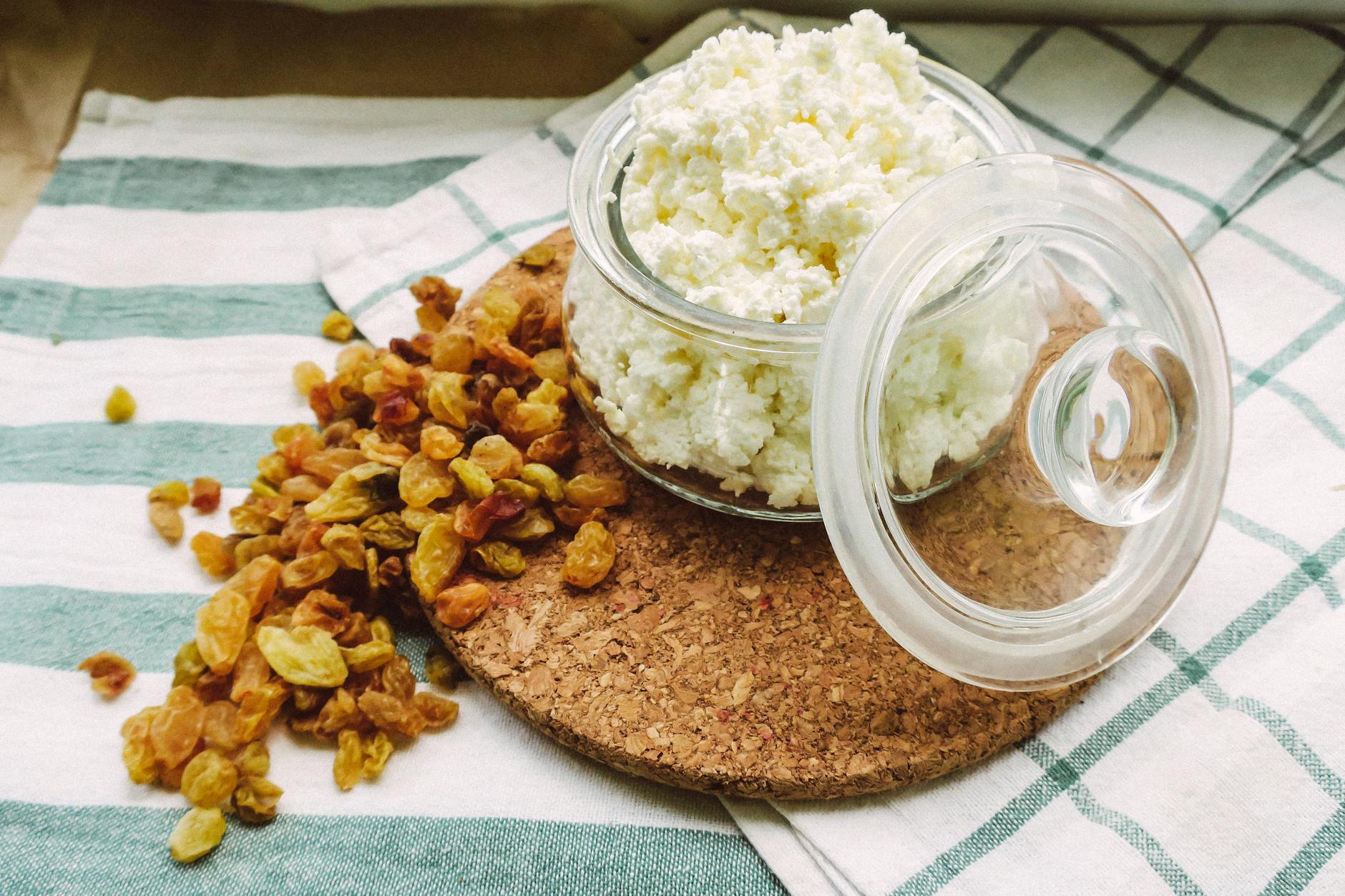
Cottage cheese is high in casein protein, a slow-digesting dairy protein that supplies a steady stream of amino acids including tryptophan to the body throughout the night. Unlike whey protein, casein breaks down gradually, which helps sustain muscle repair and blood sugar stability during sleep. Its high protein-to-calorie ratio makes it a filling yet light option for an evening snack. Cottage cheese is also a natural source of calcium, which helps the brain convert tryptophan into melatonin. A small bowl before bed is a practical choice for those who need a substantial but easily digested nighttime food.
Jasmine Rice
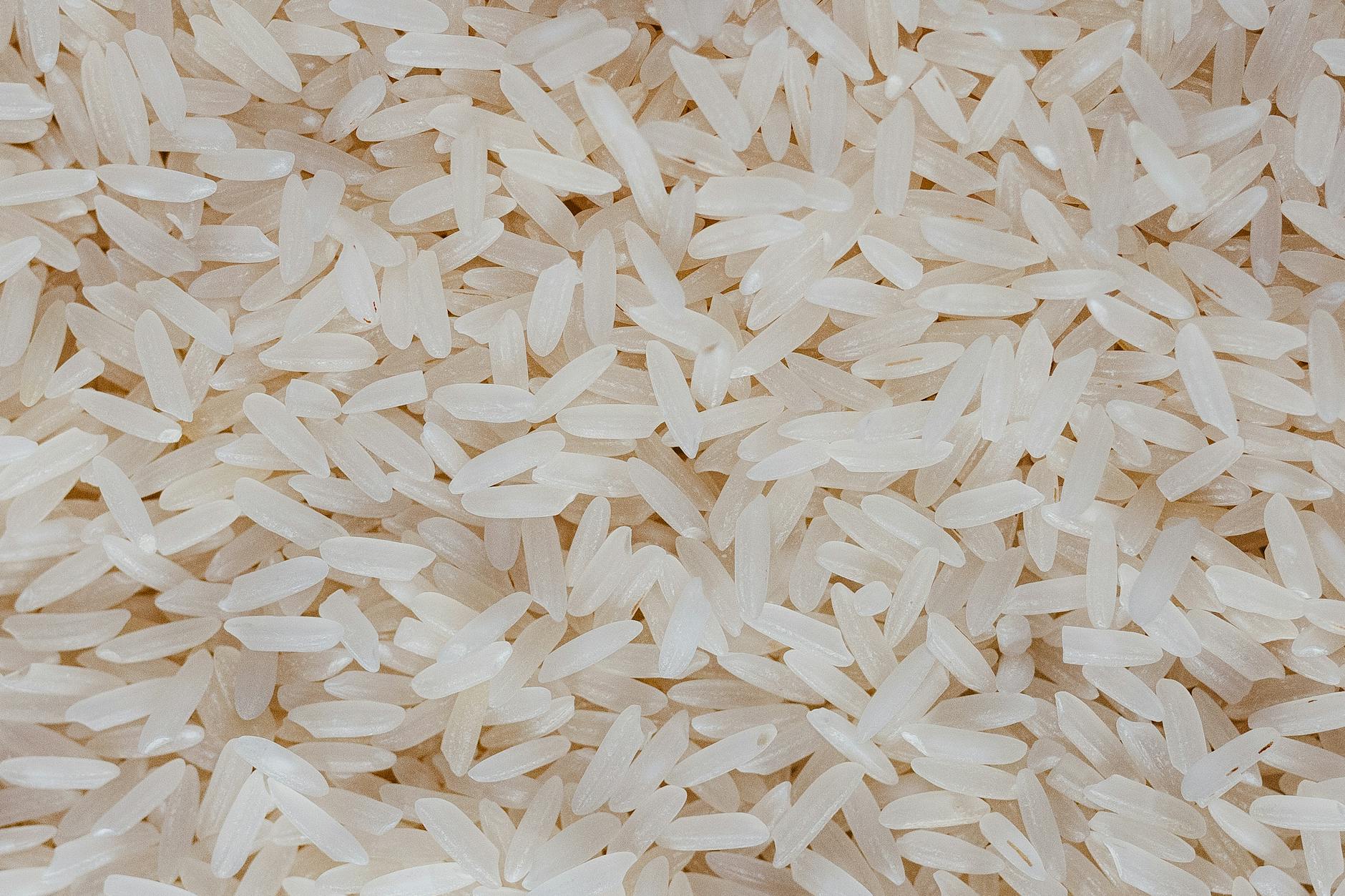
Jasmine rice has a high glycemic index, meaning it produces a notable spike in blood sugar that triggers an increase in tryptophan and serotonin in the brain. A study published in the American Journal of Clinical Nutrition found that eating high-glycemic-index rice four hours before bed significantly reduced the time it took participants to fall asleep. While high-GI foods are often discouraged for general health purposes, consuming them in moderation in the early evening may help speed sleep onset. Jasmine rice provides a gentle and accessible way to leverage carbohydrate chemistry for better sleep. Pairing it with a protein and vegetable-based dinner balances its glycemic impact while preserving its sleep benefits.
Spinach

Spinach is one of the most magnesium-dense leafy greens available and also contains significant amounts of calcium and tryptophan. Magnesium deficiency is one of the most commonly linked nutritional factors in sleep difficulty, making spinach a strategically valuable food for those experiencing restless nights. The nitrates in spinach support cardiovascular health, which in turn improves the quality of deep sleep stages. It is also rich in vitamin B6, which is essential for converting tryptophan into serotonin. Incorporating spinach into evening meals through salads, soups, or cooked dishes provides broad nutritional support for the sleep process.
Pineapple
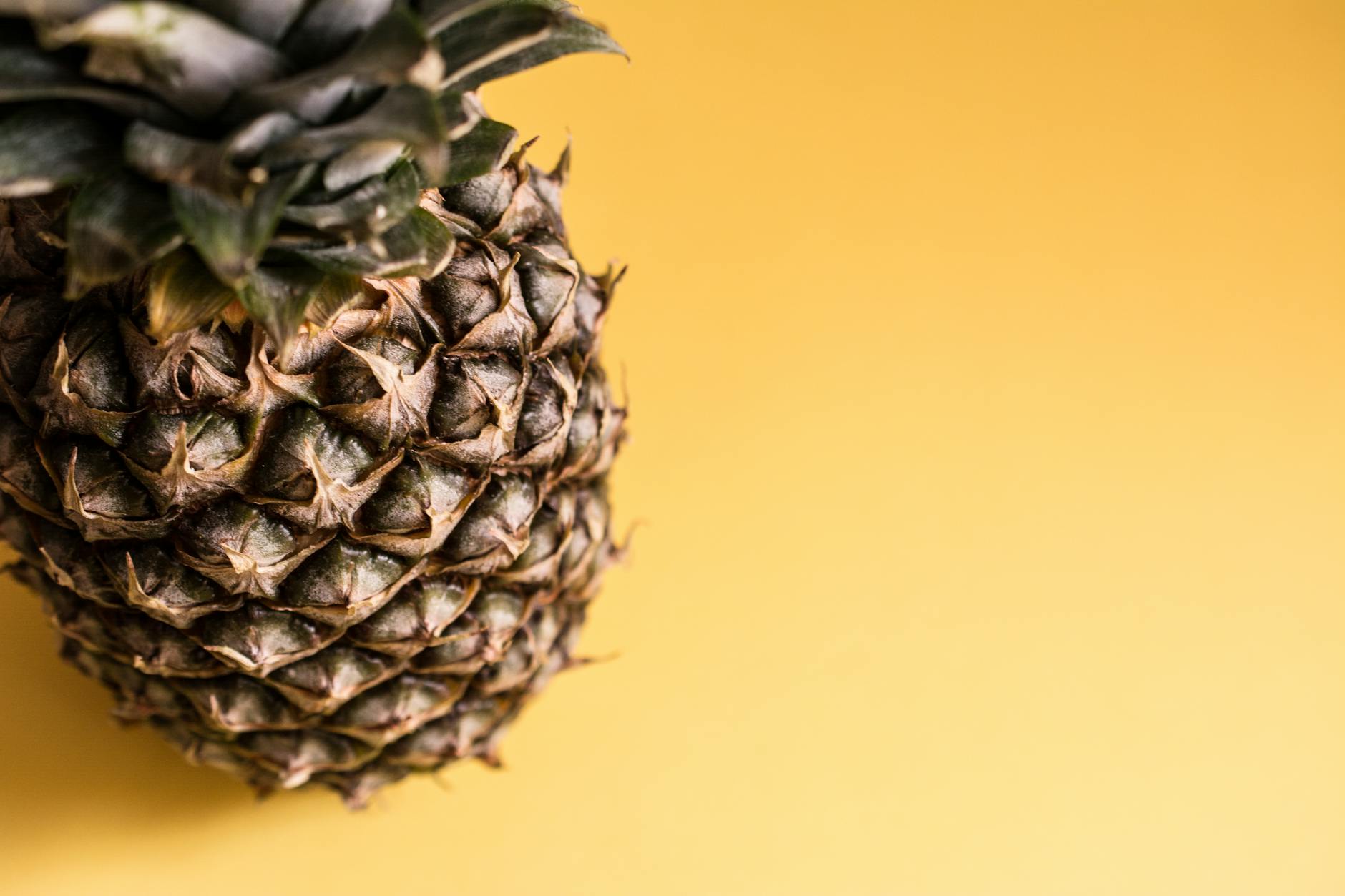
Pineapple has been shown in research to significantly raise melatonin levels in the body after consumption, with some studies reporting increases of over 200 percent in urinary melatonin markers. This makes it one of the more potent fruit-based sources of melatonin relative to serving size. It also contains manganese and vitamin C, which support antioxidant activity and reduce inflammation that can interfere with sleep. The natural enzymes in pineapple support digestion, which can prevent the discomfort that disrupts sleep for some individuals. Eating pineapple earlier in the evening allows its melatonin-boosting effects to align with the body’s natural nighttime cycle.
Dark Chocolate

Dark chocolate with a high cocoa content contains small amounts of serotonin and serotonin precursors, as well as magnesium that supports muscle relaxation. The flavonoids in dark chocolate have been shown to reduce cortisol and lower stress responses that can delay sleep onset. It also contains theobromine, which in small amounts has a mild mood-calming effect without the stimulating intensity of caffeine. A small square of dark chocolate consumed a few hours before bed provides these benefits without introducing enough caffeine to interfere with sleep. Choosing dark chocolate with at least 70 percent cocoa maximizes the magnesium and flavonoid content while minimizing added sugars.
Pistachios
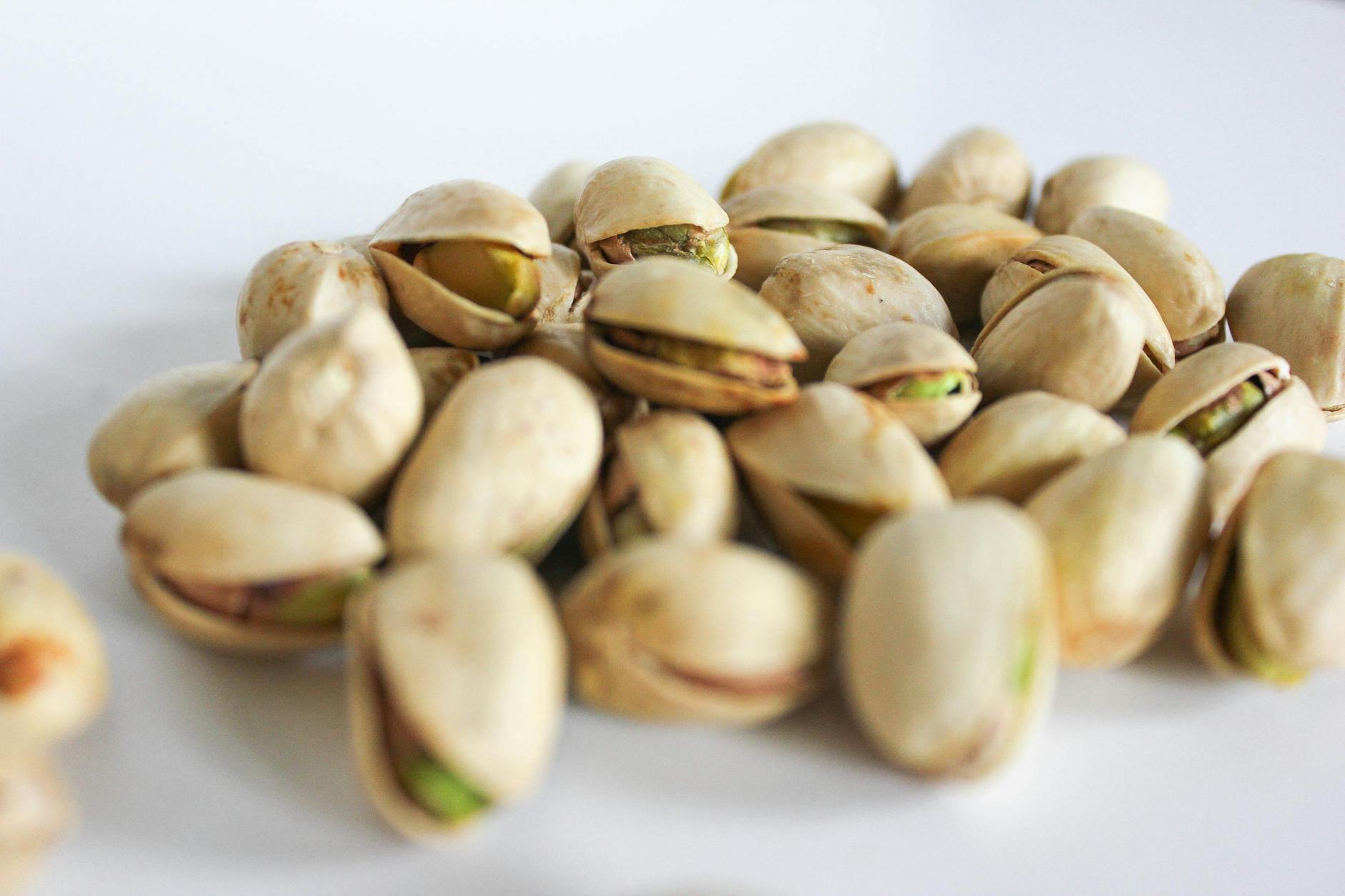
Pistachios contain the highest melatonin content of any nut, making them a particularly potent plant-based sleep food. A small one-ounce serving provides a significant amount of melatonin alongside magnesium, vitamin B6, and protein. The combination of these nutrients supports multiple stages of the sleep process, from relaxation to melatonin secretion to overnight muscle repair. Pistachios are also rich in antioxidants that reduce inflammation and oxidative stress, both of which can compromise sleep quality. Eating a modest portion of unsalted pistachios in the evening is a well-rounded and convenient sleep-supportive habit.
Honey

Raw honey contains a small amount of tryptophan and has been used in folk remedies for sleep across many cultures for generations. When consumed before bed, the natural sugars in honey cause a slight rise in insulin that allows tryptophan to enter the brain more easily. Honey also reduces levels of orexin, a neurotransmitter that promotes wakefulness, helping the body shift more readily into sleepiness. A teaspoon of honey stirred into chamomile or valerian tea enhances both the flavor and the sleep-promoting potential of the beverage. It is important to use it in small amounts, as excessive sugar intake before bed can have the opposite effect.
Figs
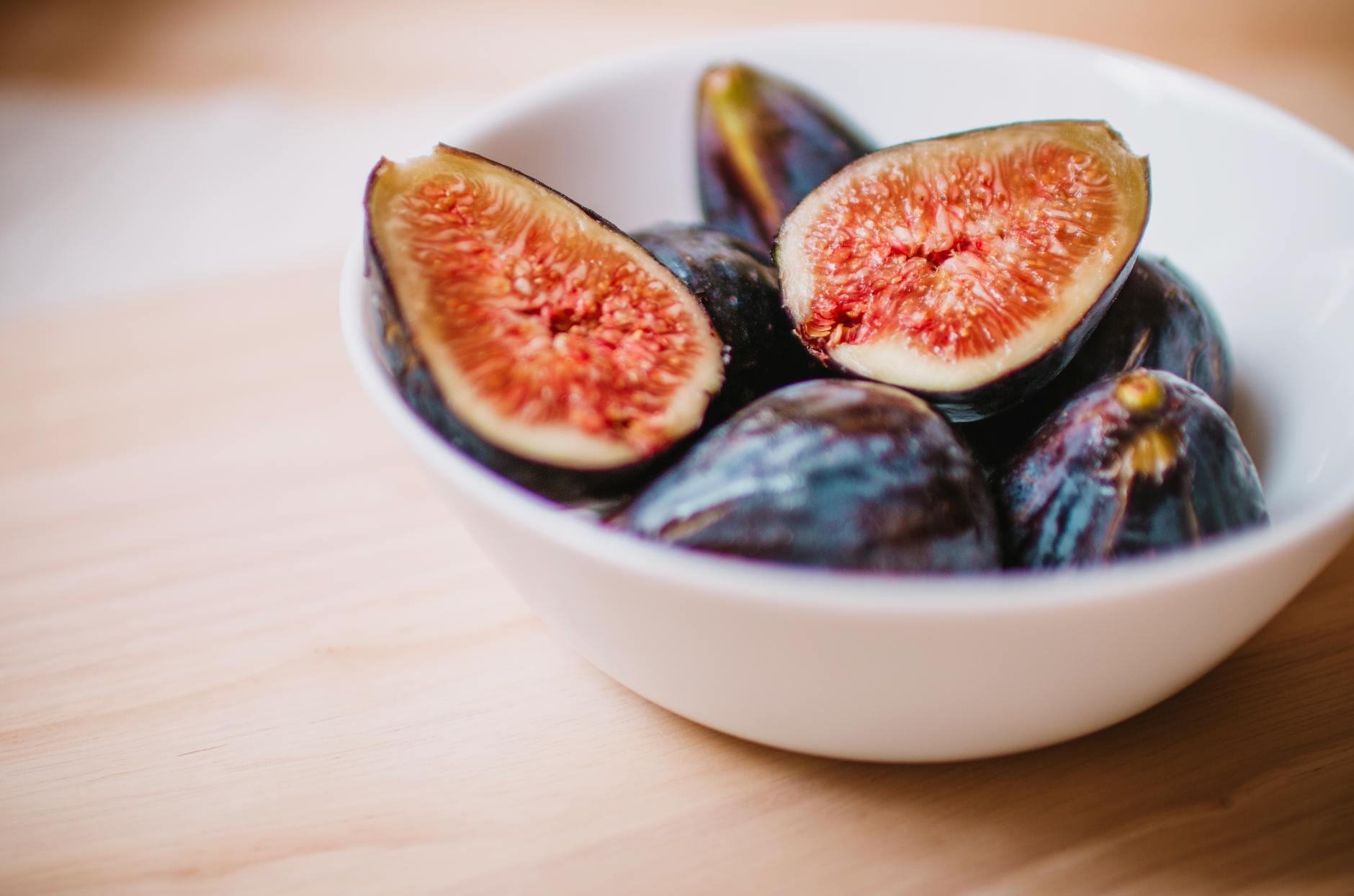
Figs are a natural source of magnesium, potassium, and calcium, all three of which are minerals associated with improved sleep quality and muscle relaxation. They also contain tryptophan, supporting the body’s melatonin production pathway. The natural sugars in figs provide a gentle glycemic response that can ease the pre-sleep transition without causing disruptive blood sugar fluctuations. Dried figs are a convenient and shelf-stable option that can be enjoyed as a light evening snack year-round. Their fiber content also supports digestive comfort, which contributes to an uninterrupted night of sleep.
Avocado
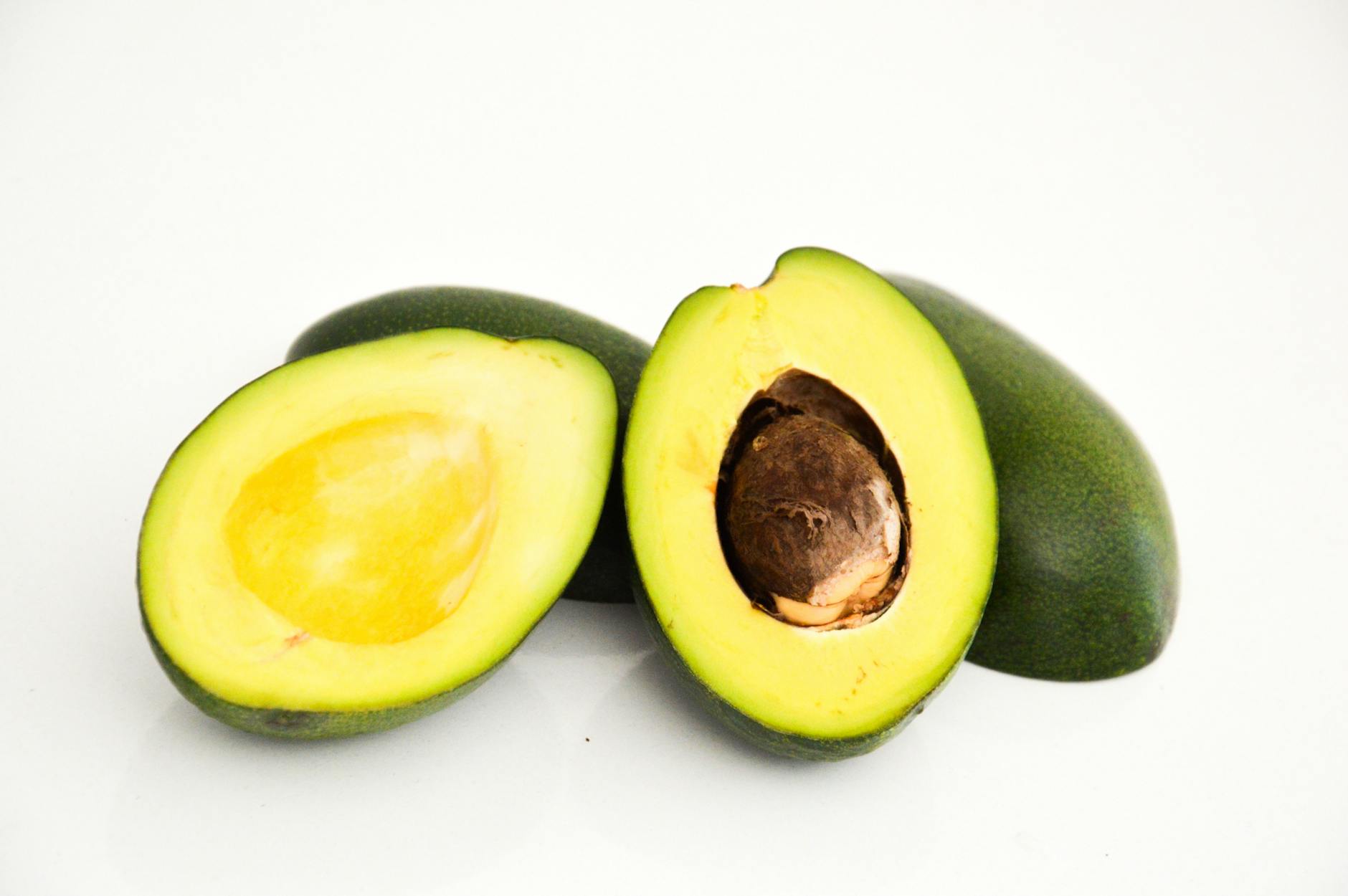
Avocado is a rich source of magnesium and potassium, two minerals that help regulate the nervous system and reduce nighttime muscle cramping that can disrupt sleep. It also contains vitamin B6, which supports serotonin synthesis. The healthy monounsaturated fats in avocado slow digestion and provide lasting satiety, preventing the hunger-related waking that can occur later in the night. Some research has connected magnesium-rich diets with longer and more efficient sleep cycles. Including half an avocado in an evening meal or as part of a light snack is a practical way to tap into its nutritional sleep benefits.
Chickpeas
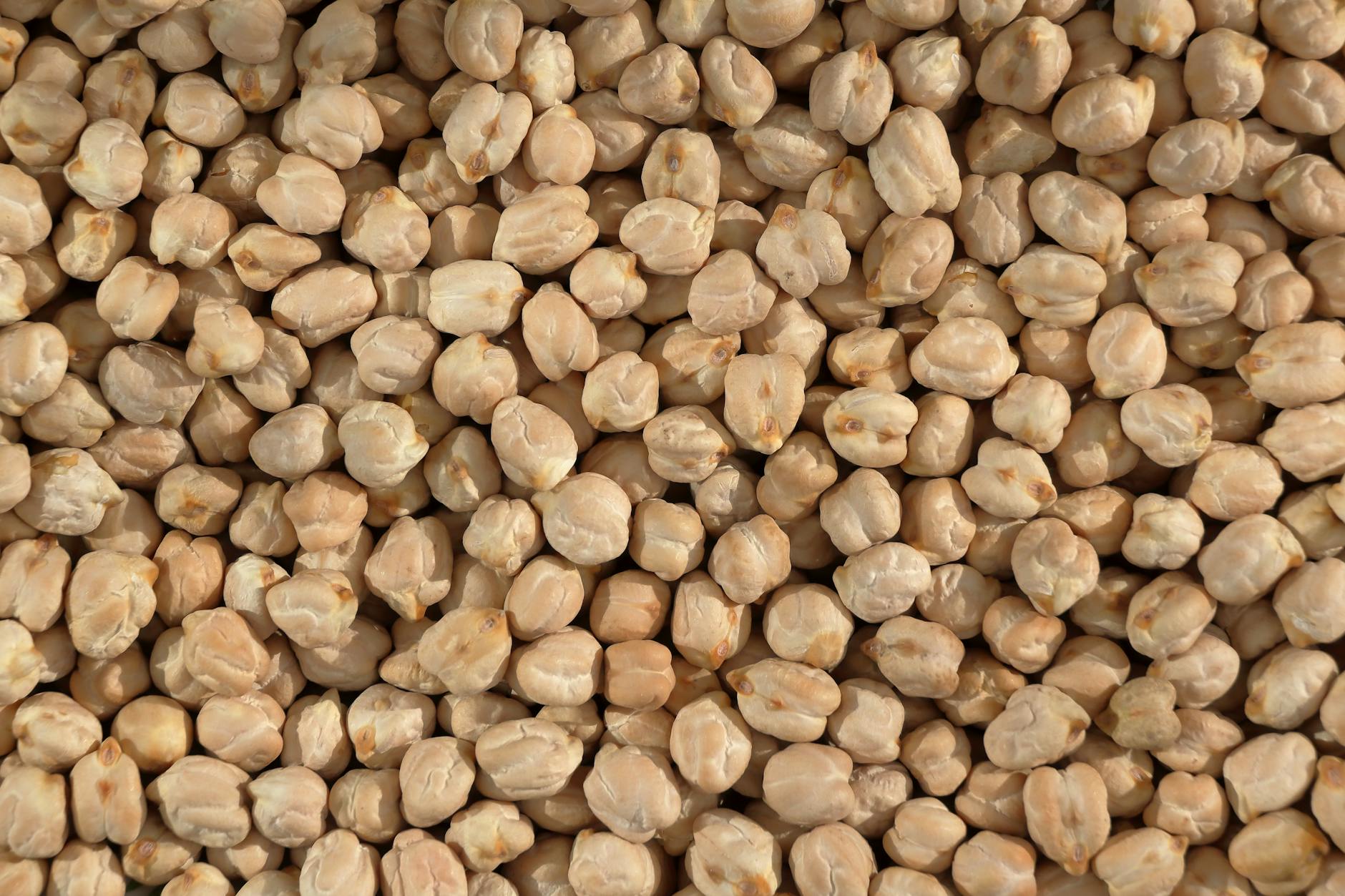
Chickpeas are a plant-based protein powerhouse that delivers meaningful amounts of tryptophan, vitamin B6, and magnesium in a single serving. The combination of tryptophan and vitamin B6 in the same food is particularly useful, as B6 is necessary for converting tryptophan into serotonin. Their complex carbohydrates digest slowly, providing stable energy and blood sugar throughout the night. Chickpeas can be incorporated into an evening meal in many forms, from hummus to roasted snacks to stews and salads. Their versatility and high nutrient density make them an easy sleep-supportive addition to a regular dinner rotation.
Barley Grass

Barley grass is a nutrient-rich green powder or supplement that contains GABA, the primary inhibitory neurotransmitter responsible for calming neural activity and promoting sleep. It also provides calcium, tryptophan, and B vitamins that collectively support the sleep process. Studies have found that GABA-containing foods can shorten the time it takes to fall asleep and improve non-REM sleep duration. Barley grass powder can be blended into smoothies or warm drinks as part of an evening routine. Its concentrated nutritional profile makes it a particularly efficient sleep-supportive food for those who prefer supplements over whole food snacking.
Tomatoes
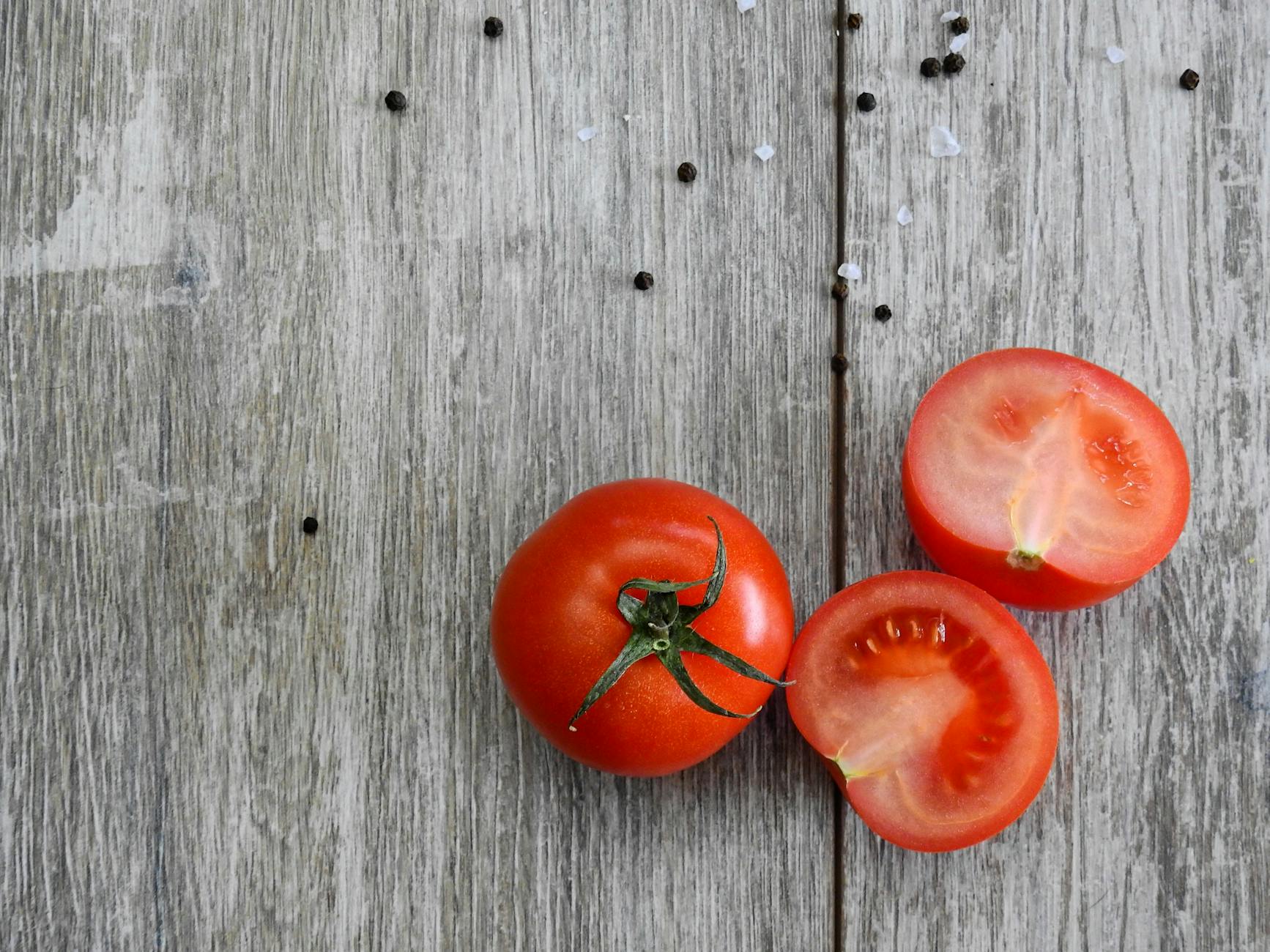
Tomatoes contain naturally occurring melatonin and are also one of the richest dietary sources of lycopene, a powerful antioxidant that supports brain health and has been linked to better sleep outcomes. The vitamin C and potassium in tomatoes contribute to reducing stress hormones and supporting vascular relaxation. Cooked tomatoes, such as those in soups, sauces, or roasted preparations, have increased lycopene bioavailability compared to raw ones. Including tomatoes in an evening meal provides a nutrient-dense foundation that supports both sleep quality and overall health. Their mild flavor and culinary versatility make them one of the easiest sleep-supportive foods to incorporate into any diet.
Miso Soup

Miso soup is a traditional Japanese food that contains tryptophan and has been associated with improved sleep quality in cultural and nutritional research. The fermented soybeans in miso provide isoflavones that interact with serotonin receptors and support hormonal balance conducive to rest. Its warm temperature mimics the body’s pre-sleep thermal shift and promotes physical relaxation. Miso also contains probiotics that support gut health, which is increasingly recognized as an important factor in sleep regulation through the gut-brain axis. A small bowl of miso soup in the evening is a low-calorie and soothing way to prepare the body for sleep.
Sunflower Seeds
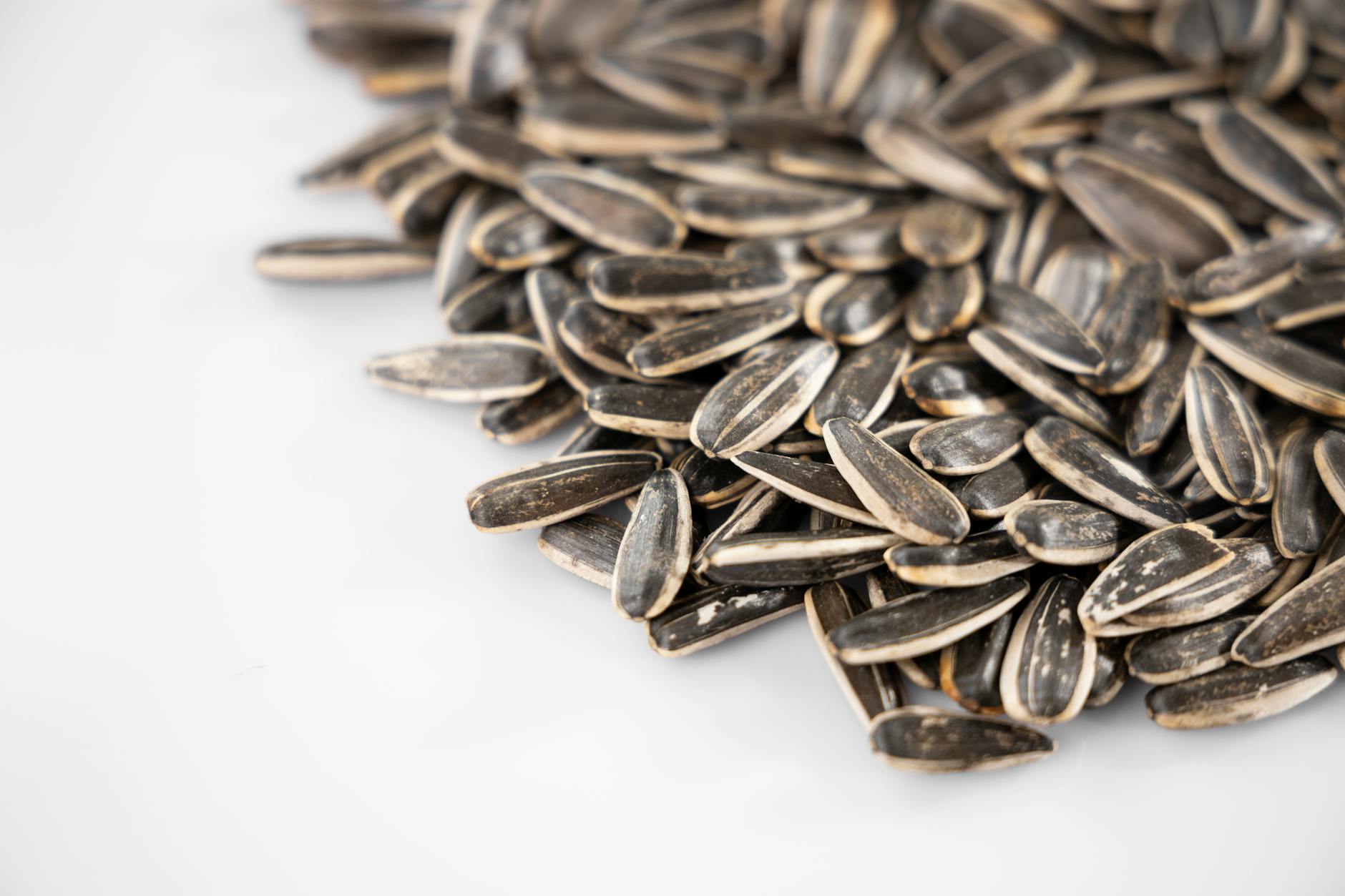
Sunflower seeds are among the highest plant-based sources of tryptophan and also deliver significant amounts of magnesium and vitamin B6 per serving. These three nutrients work synergistically to support serotonin and melatonin production, making sunflower seeds a well-rounded sleep food. They are also rich in zinc, which has been positively associated with sleep duration and efficiency in research. A small handful of unsalted sunflower seeds makes an easy and portable evening snack. Their mild flavor allows them to be added easily to salads, yogurt, or eaten plain as part of a sleep-friendly nighttime routine.
Sweet Potatoes

Sweet potatoes are a complex carbohydrate source that provides potassium, magnesium, and vitamin B6 alongside a low-to-moderate glycemic response when prepared without added sugars. The potassium in sweet potatoes acts as a natural muscle relaxant and supports cardiovascular relaxation that precedes restful sleep. Their vitamin B6 content supports tryptophan metabolism and serotonin synthesis. The fiber in sweet potatoes slows digestion, maintaining comfortable blood sugar levels through the night. A baked or roasted sweet potato incorporated into an evening meal is a filling and nutritionally complete sleep-supportive choice.
Lemon Balm Tea

Lemon balm is an herb from the mint family that has been used for centuries to reduce anxiety and promote sleep. It works primarily by inhibiting an enzyme that breaks down GABA, effectively increasing calming neurotransmitter activity in the brain. Clinical studies have found that lemon balm extract reduces stress and improves sleep quality in individuals with mild sleep disorders. When consumed as a tea in the evening, it offers a gentle and pleasant way to transition into rest. Lemon balm is often combined with valerian or passionflower for a compounded calming effect, and it is widely considered safe for regular use.
Eggs

Eggs are a complete protein source that provides tryptophan, vitamin D, and B vitamins in a highly bioavailable form. The tryptophan in eggs contributes directly to melatonin synthesis, while vitamin D supports sleep-regulating hormone activity. Research has found that vitamin D deficiency is independently associated with shorter sleep duration and poorer sleep quality, making eggs a practical dietary correction for those who are deficient. A small egg-based meal in the evening, such as a vegetable scramble or soft-boiled eggs with a whole grain, provides balanced macronutrients that sustain the body overnight. Their affordability and culinary flexibility make eggs one of the most accessible sleep-supportive proteins.
Greek Yogurt
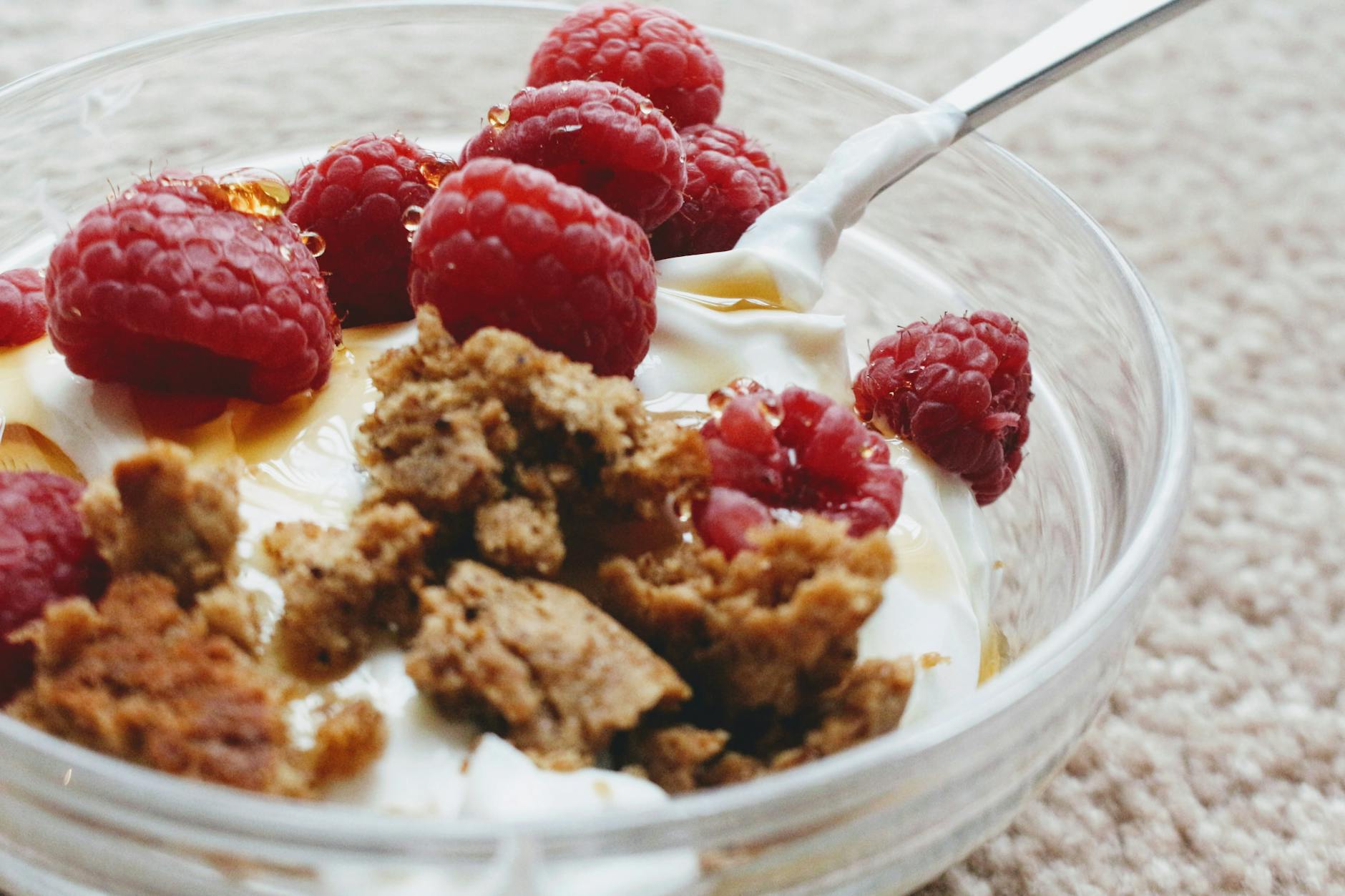
Greek yogurt is high in protein, including tryptophan and casein, which supports the overnight delivery of amino acids to the brain and muscles. Its calcium content helps the brain convert tryptophan into melatonin more efficiently. The probiotics in Greek yogurt contribute to a healthy gut microbiome, which communicates with the brain through the gut-brain axis and has been linked to mood stability and sleep regulation. Choosing plain, unsweetened Greek yogurt avoids the blood sugar disruption that added sugars can cause before bed. A small bowl topped with kiwi slices or a drizzle of honey combines several sleep-promoting foods into one effective evening snack.
Whether you are struggling to fall asleep, waking up during the night, or simply want to optimize your rest through nutrition, share which of these sleep-supporting foods you already eat in the comments.