Walking into a grocery store feels like a routine errand but the environment around you has been carefully engineered by behavioral scientists and retail strategists. Every color, smell, sound, and shelf placement is a deliberate decision designed to keep you browsing longer and spending more. These tactics are subtle enough that most shoppers never notice them working in real time. Understanding how these strategies operate is the first step toward becoming a more intentional and budget-conscious consumer. Here are 35 of the most powerful secrets grocery stores use to influence your spending habits.
The Entrance Flower and Produce Display
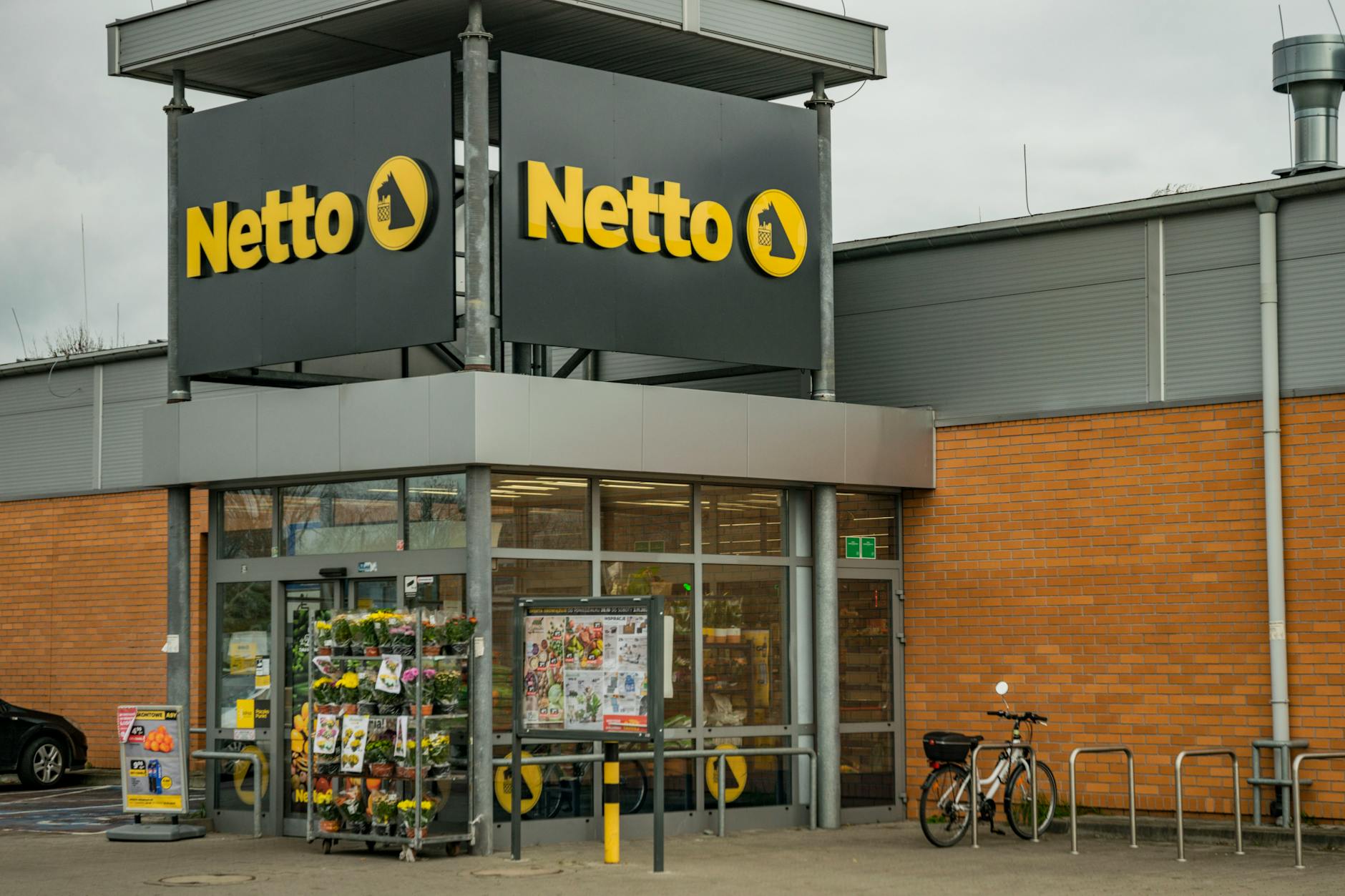
Fresh flowers and colorful produce are almost always placed right at the entrance of a grocery store. The vibrant colors and natural freshness trigger positive emotions and prime shoppers to feel good about spending money. Research in retail psychology shows that a positive mood at the start of a shopping trip consistently leads to higher overall spending. The abundance of fresh items also signals quality and prosperity throughout the entire store before you have even reached the main aisles.
The Bakery Ventilation System
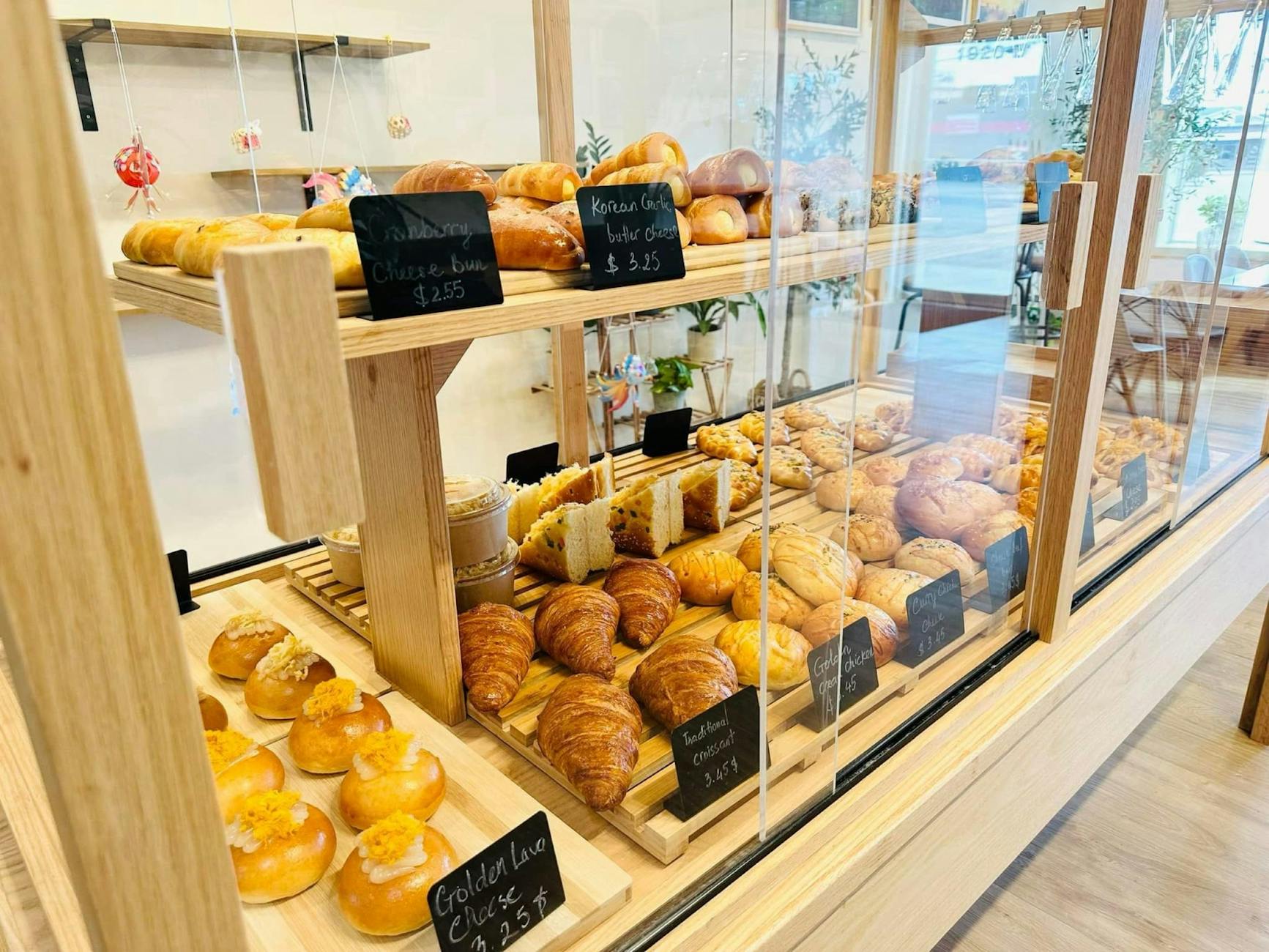
Grocery stores intentionally pump the smell of fresh bread and pastries into the air throughout the store. Scent is one of the most powerful triggers of hunger and emotional comfort known to retail science. When shoppers feel hungry they are far more likely to make unplanned purchases across every department. Some stores even install ventilation systems specifically designed to carry bakery aromas toward the entrance and main shopping corridors.
The Deliberately Slow Music
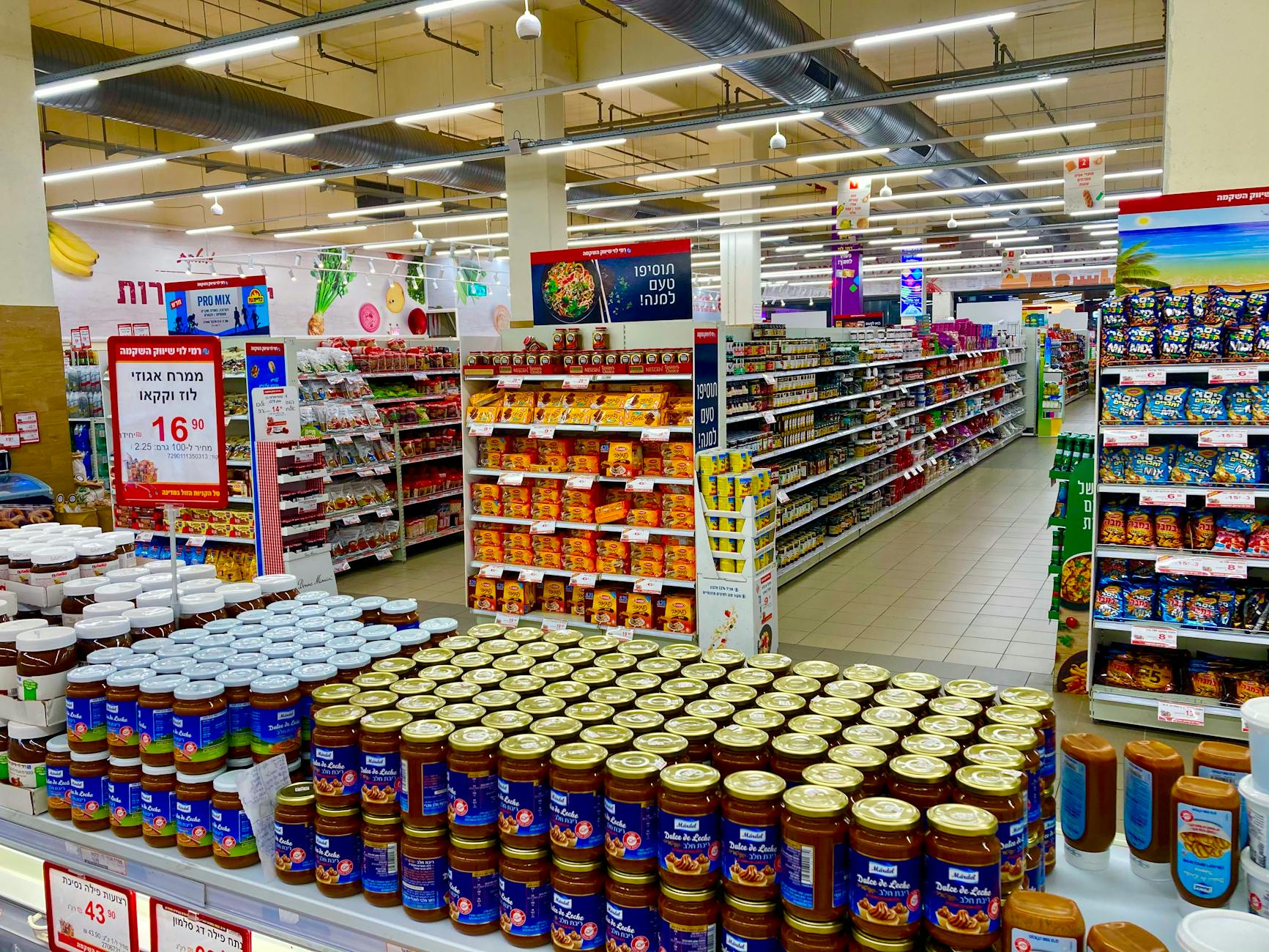
Background music in grocery stores is carefully selected to play at a slower tempo than the average walking pace. Studies have consistently shown that slower music causes shoppers to move through aisles at a reduced speed. The more time a shopper spends in the store the more products they are exposed to and the more money they tend to spend. This effect is especially pronounced in the late afternoon and evening when shoppers are tired and less resistant to impulse purchases.
The Missing Clock Strategy
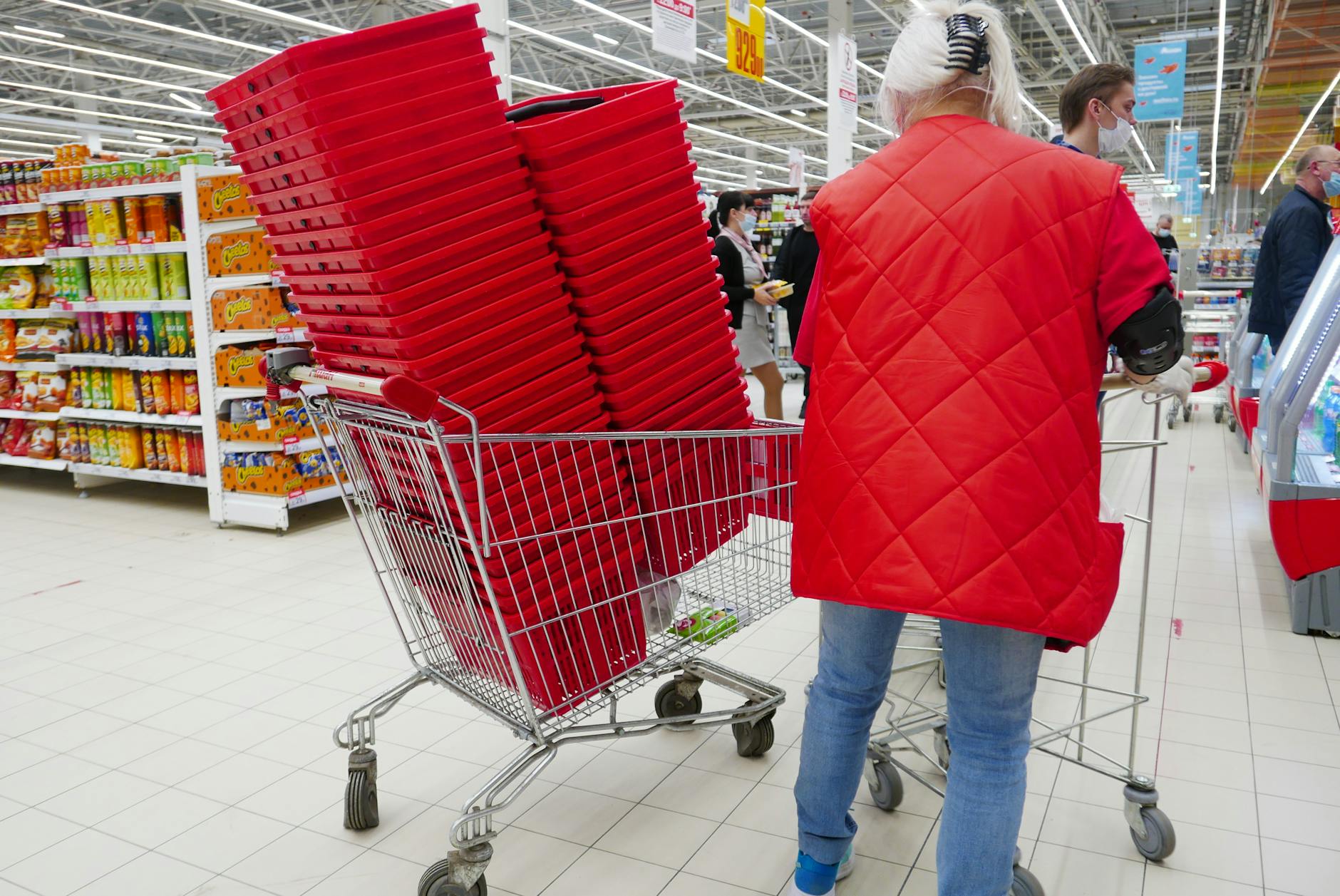
You will almost never find a clock displayed anywhere inside a grocery store. The removal of clocks is a deliberate design choice borrowed from casino architecture. Without visible time cues shoppers lose track of how long they have been browsing and are less likely to rush toward the exit. This extended dwell time directly correlates with increased basket sizes across every store format studied.
The Cart Size Expansion
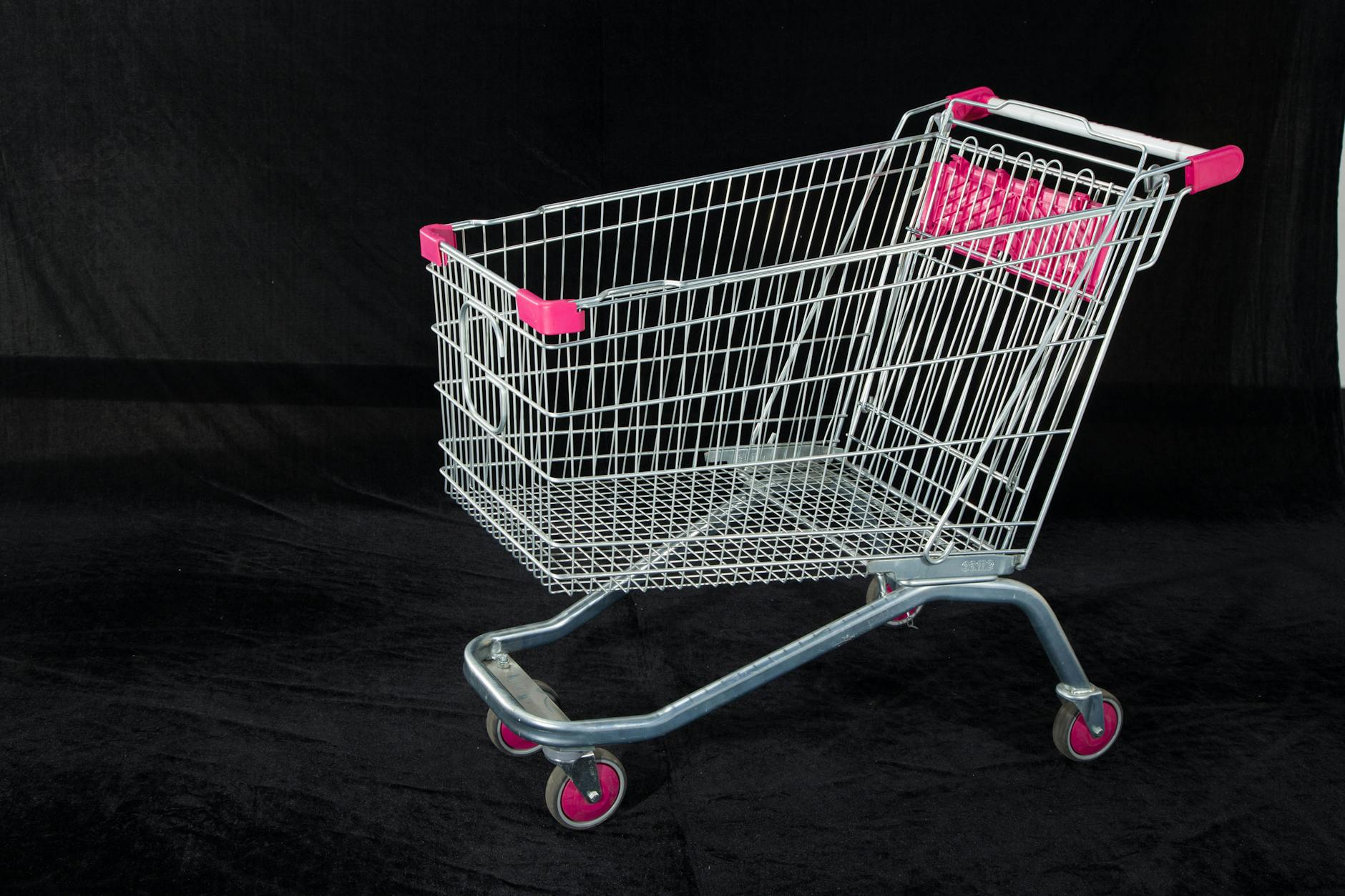
Grocery store carts have grown significantly larger over the past several decades. Retail research has shown that shoppers unconsciously try to fill whatever size cart they are using. A larger cart creates a psychological sense that the basket is not yet full enough and encourages additional product selection. Many stores now offer oversized carts as the default option while keeping smaller baskets less conveniently located near the entrance.
The Bright Lighting Over Premium Products
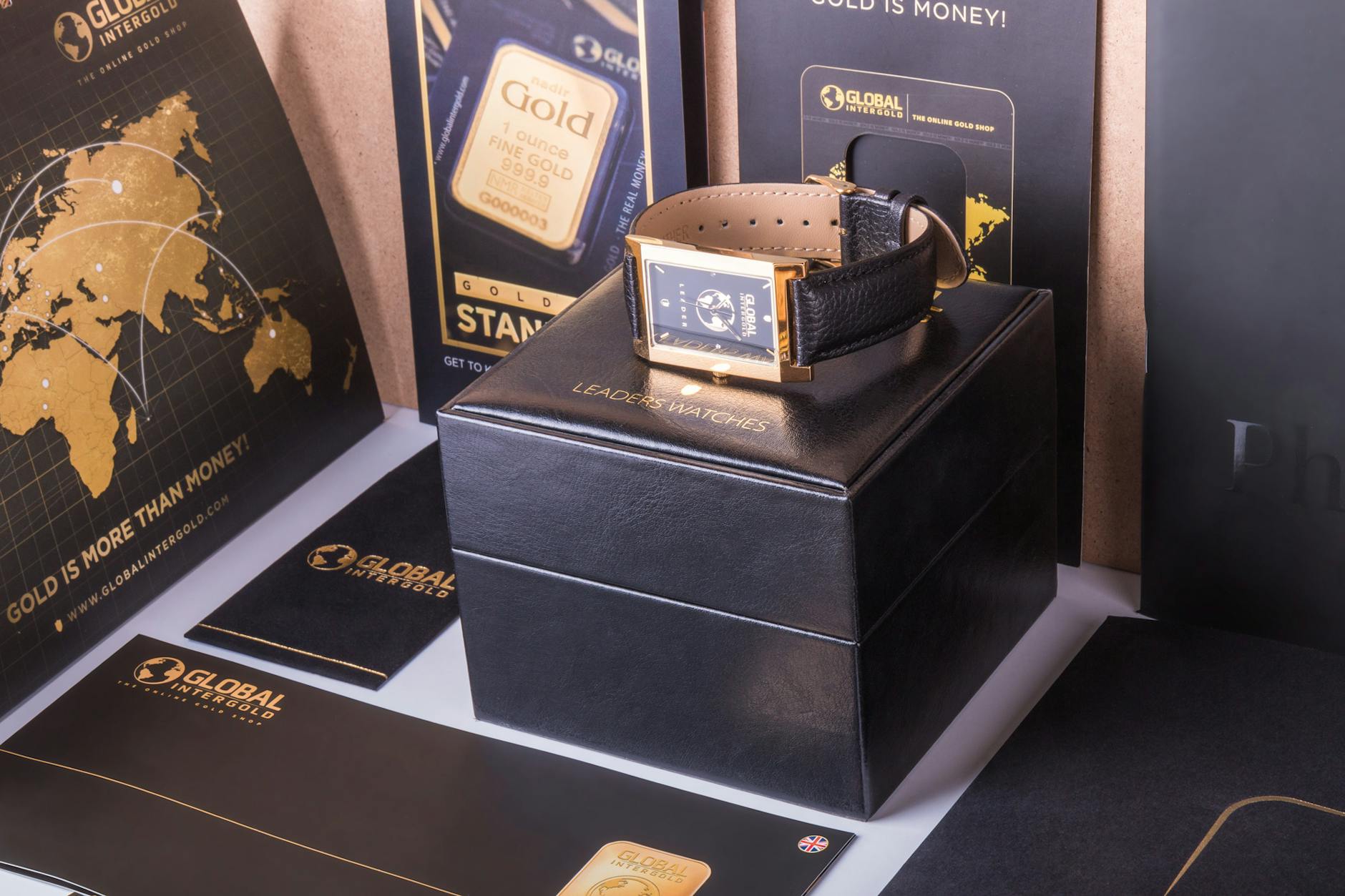
Lighting levels inside grocery stores are not uniform and the variation is entirely intentional. Premium and high-margin products are typically placed under brighter or warmer lighting to make them appear more appealing and fresh. Wine sections often feature softer amber lighting designed to evoke the ambiance of an upscale restaurant. The contrast between standard aisle lighting and spotlight-style premium displays significantly increases the perceived value of featured items.
The Eye-Level Shelf Premium
Manufacturers pay significant slotting fees to have their products placed at direct eye level on grocery store shelves. Eye-level placement is consistently the highest-converting position in any retail shelf set. Items placed here receive dramatically more attention and are selected more frequently than identical products placed on lower or higher shelves. Store-brand and lower-margin products are typically placed on the bottom shelves where they require deliberate effort to find.
The End Cap Illusion

Products displayed on the end caps at the head of each aisle enjoy dramatically higher sales regardless of whether they are actually discounted. Shoppers have been conditioned to associate end cap placement with promotional pricing. A product can be placed on an end cap at full retail price and still see a significant sales lift simply due to its positioning. Many stores charge brands a premium rate to secure these high-visibility display locations.
The Loss Leader Staples Placement
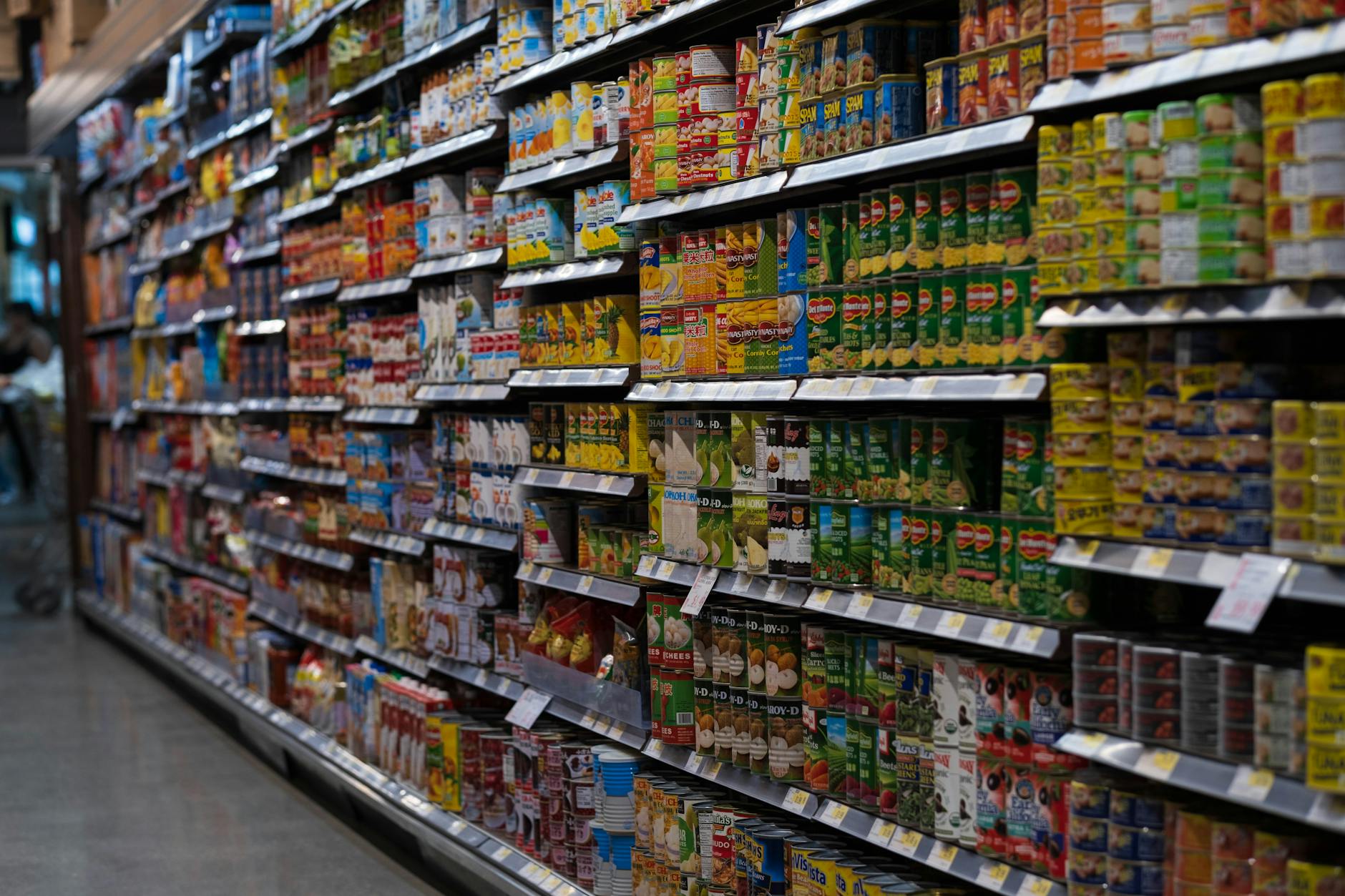
Essential staples like milk, eggs, and bread are almost universally placed at the back or far corners of the grocery store. This forces shoppers to walk through as many aisles as possible before reaching the items they came in specifically to buy. During that journey through the store shoppers are exposed to thousands of additional products and are statistically likely to add unplanned items to their cart. The longer the path to a necessity the higher the average transaction value at checkout.
The Bundling Signage Trick
Signs that advertise products in bundled quantities such as “4 for $5” drive significantly higher purchase volumes even when buying a single item at the individual price is equally permitted. The majority of shoppers read bundled pricing signs and automatically purchase the full suggested quantity. Retailers use this tactic deliberately on items with high inventory levels or approaching expiration dates. The implied scarcity and perceived savings created by bundle messaging consistently outperforms standard single-unit pricing displays.
The Free Sample Reciprocity Effect
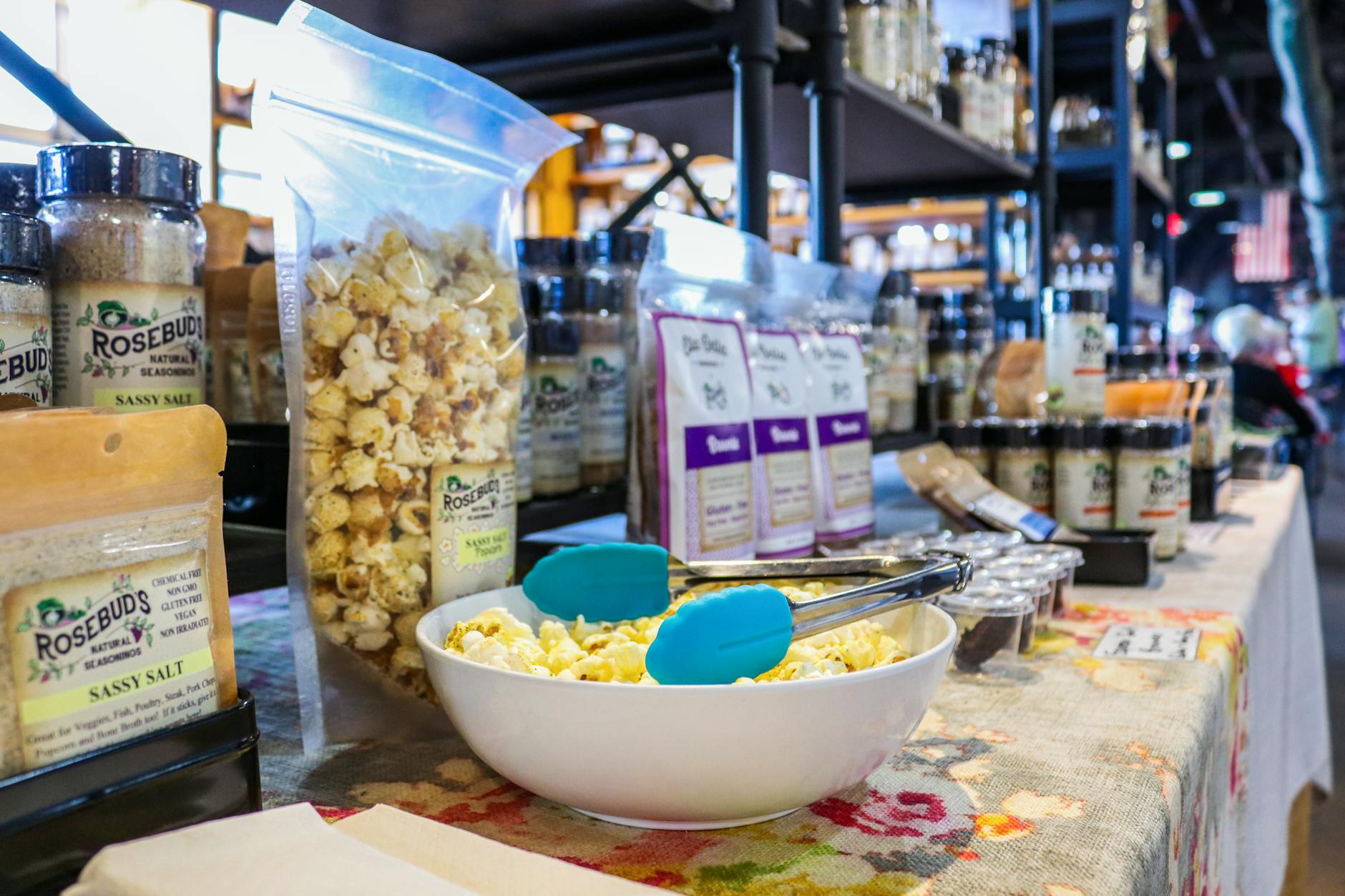
Free food samples distributed throughout the store trigger a well-documented psychological principle known as reciprocity. When someone receives something for free they experience a subconscious obligation to give something in return. In a grocery context this translates directly into purchasing the sampled product even when the shopper had no prior intention of buying it. Stores and brands that invest in sampling programs consistently see conversion rates that far exceed those of traditional shelf promotions.
The Color Psychology of Sale Tags
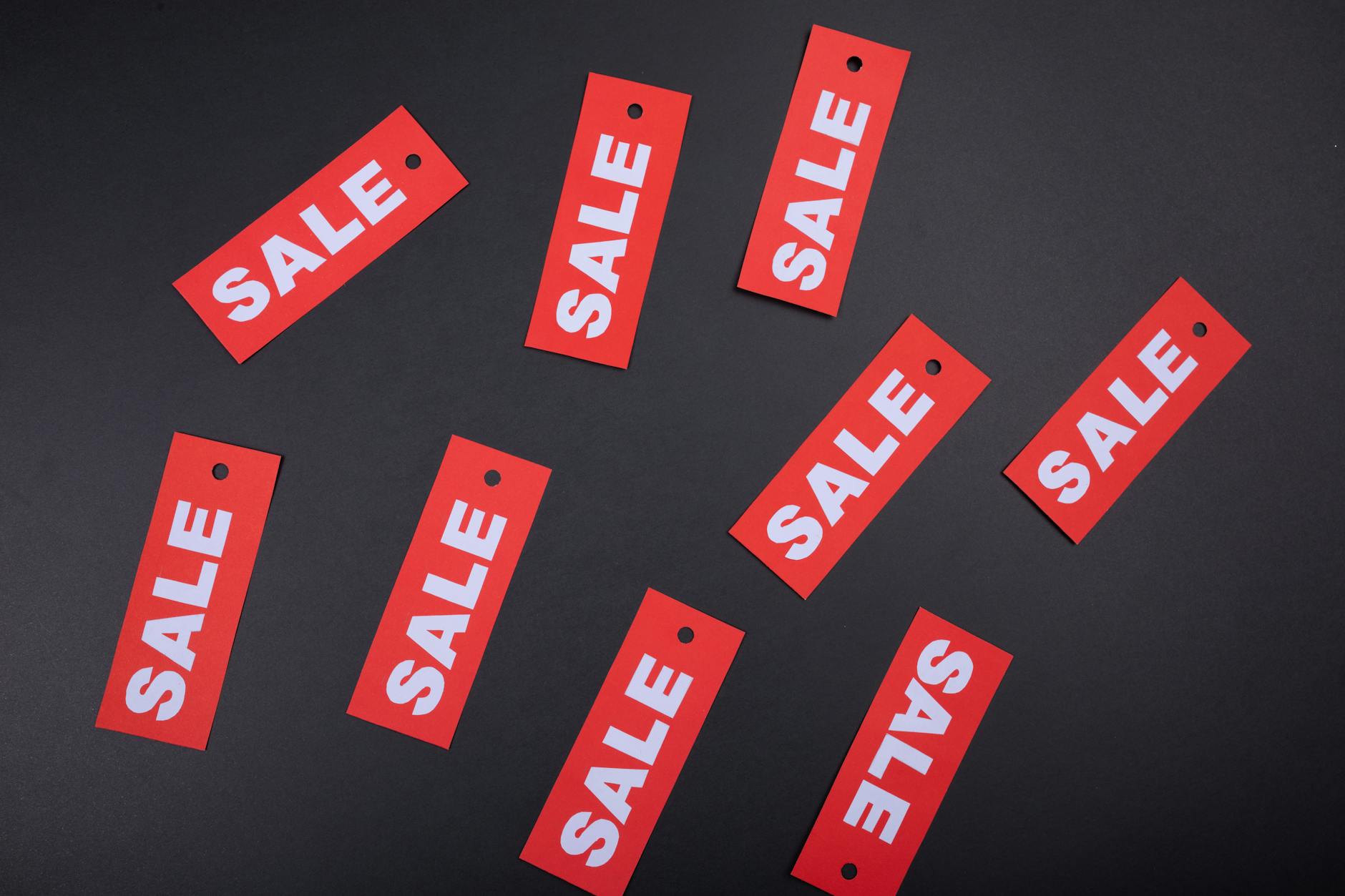
Sale tags and promotional shelf labels are almost always printed in red and yellow for deeply researched psychological reasons. Red creates a sense of urgency and stimulates the impulse to act quickly. Yellow attracts visual attention faster than almost any other color in a retail environment. Together these colors train shoppers to stop and evaluate products they would otherwise pass without a second glance.
The Checkout Aisle Gauntlet
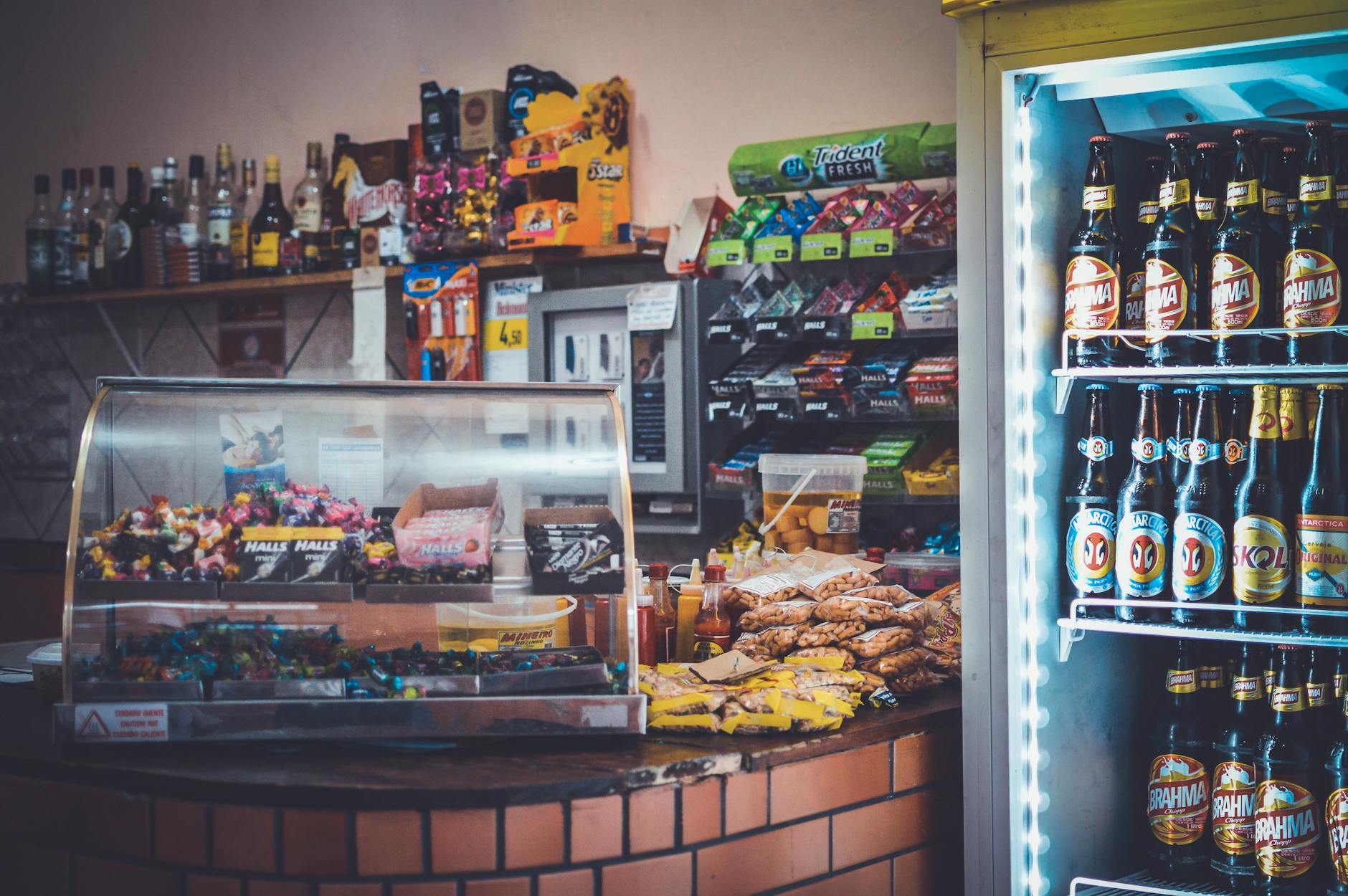
The checkout lane is one of the most profitable spaces in the entire store per square foot. It is stocked entirely with high-margin impulse items including candy, batteries, magazines, and travel-size products. Shoppers waiting in line are a captive audience with idle hands and reduced mental resistance after the effort of completing their shopping. The average shopper adds at least one unplanned checkout lane item to their purchase during a typical grocery visit.
The Loyalty Card Data Harvest
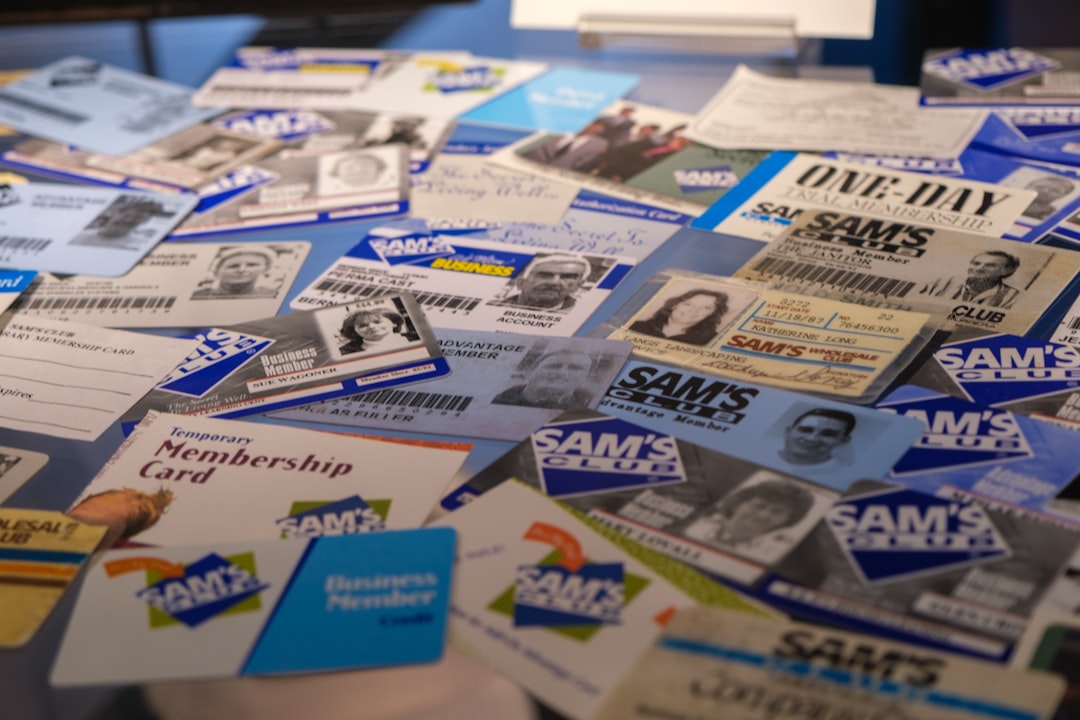
Grocery store loyalty programs are presented as a benefit to the shopper but they also serve as a sophisticated data collection mechanism. Every purchase made with a loyalty card is tracked and analyzed to build a detailed behavioral profile of that individual shopper. This data is used to send highly personalized promotions that are statistically likely to drive incremental spending based on past behavior. The discounts offered through loyalty programs are carefully calculated to cost less than the additional revenue they reliably generate.
The Seasonal Display Urgency

Seasonal and holiday-themed displays create a powerful sense of time-limited availability that accelerates purchasing decisions. Products that appear as part of a seasonal setup sell at significantly higher rates than the same products on standard shelves. Shoppers associate seasonal displays with scarcity and the fear of missing out on a limited-time offering. Retailers rotate these displays frequently throughout the year to maintain a constant cycle of urgency-driven purchases.
The Store Layout Maze Design
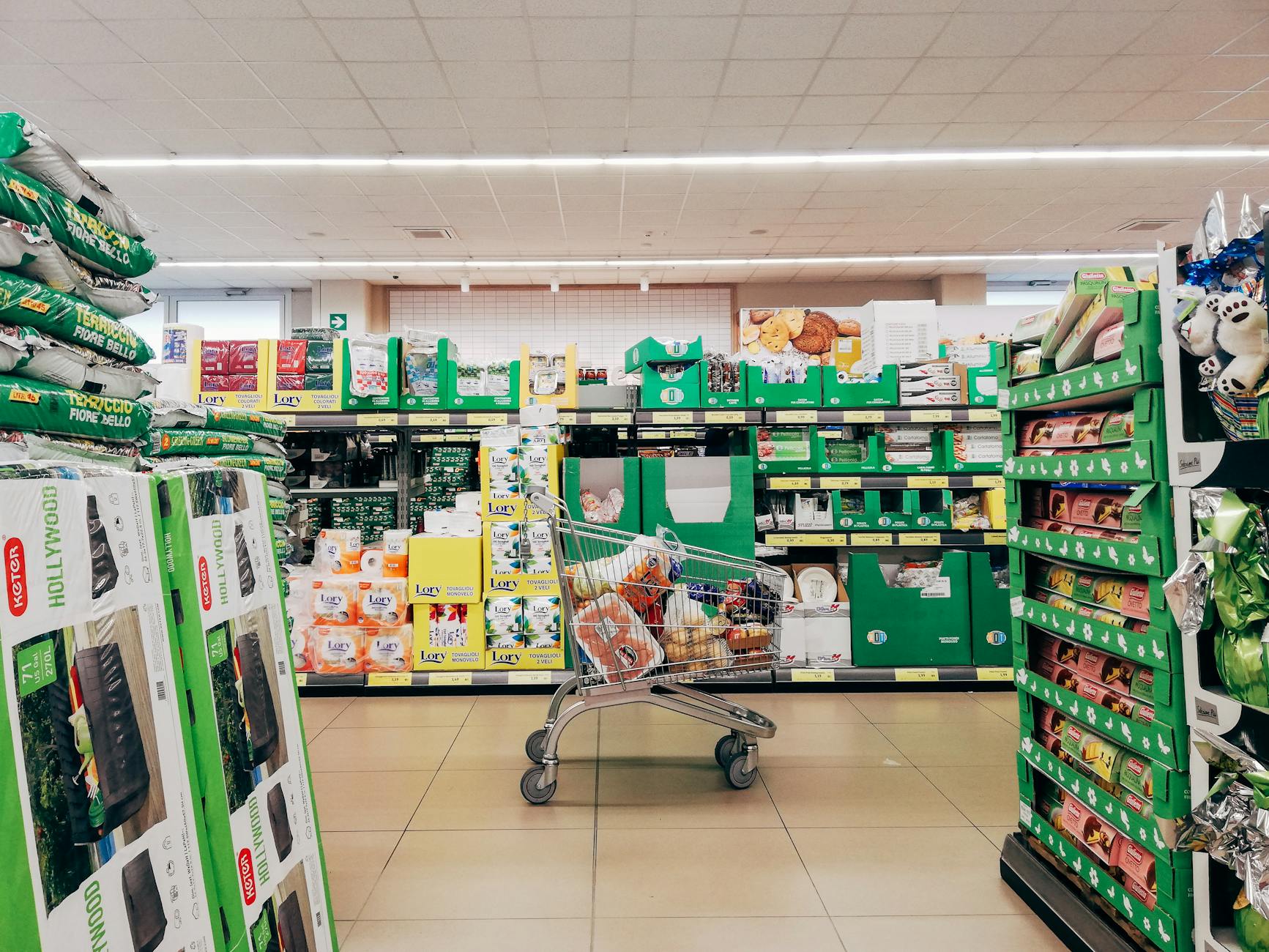
Grocery store floor plans are deliberately designed to be non-linear and somewhat difficult to navigate quickly. Wide aisles intentionally lead into adjacent sections with complementary products to encourage cross-category browsing. The absence of straight sightlines from entrance to exit means shoppers must engage more deeply with the store environment. This architectural complexity directly increases the number of product interactions a shopper has during a single visit.
The Organic Halo Placement
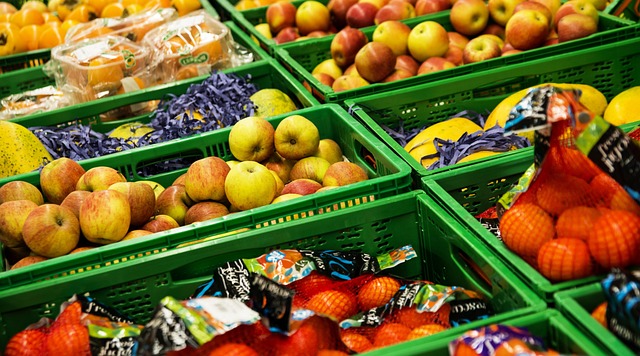
Organic and natural product sections are often positioned next to conventional versions of the same product to create a direct quality comparison. When shoppers see an organic option next to a standard one they frequently upgrade to the premium version even when the price difference is substantial. The visual proximity triggers a health-related judgment that makes the conventional option seem like a compromise. This placement strategy is especially effective in the produce and dairy sections of the store.
The Warm Deli and Hot Food Section
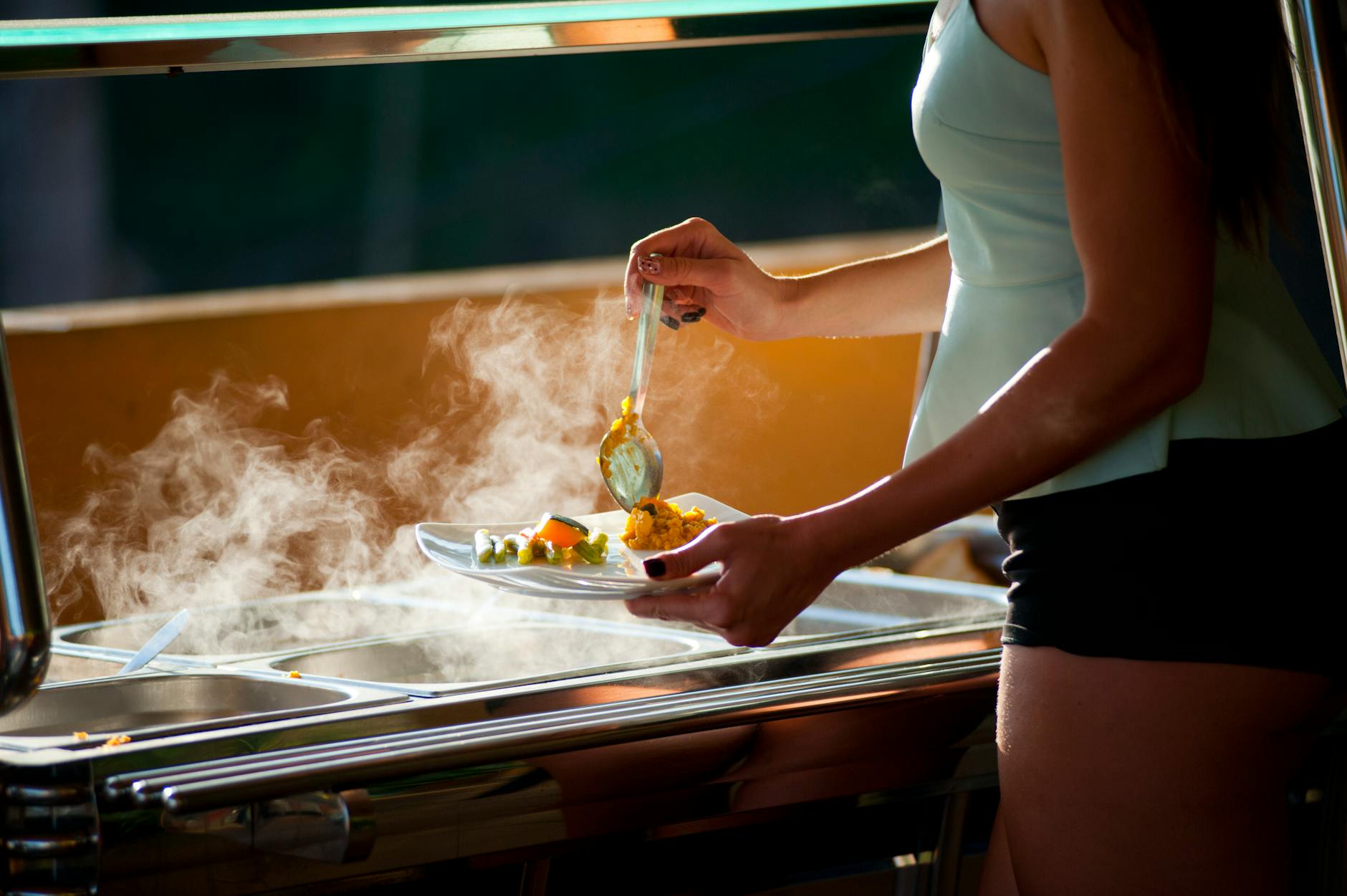
Hot prepared food stations near the deli or kitchen sections target shoppers who arrive during lunch or dinner hours. The visual appeal and aroma of ready-to-eat food bypasses meal-planning intentions and triggers immediate hunger-driven purchasing. Prepared food carries some of the highest profit margins in the entire grocery store. The convenience factor also removes one of the key barriers to purchase by eliminating the need for the shopper to cook at home.
The “Reduced for Quick Sale” Sticker Effect
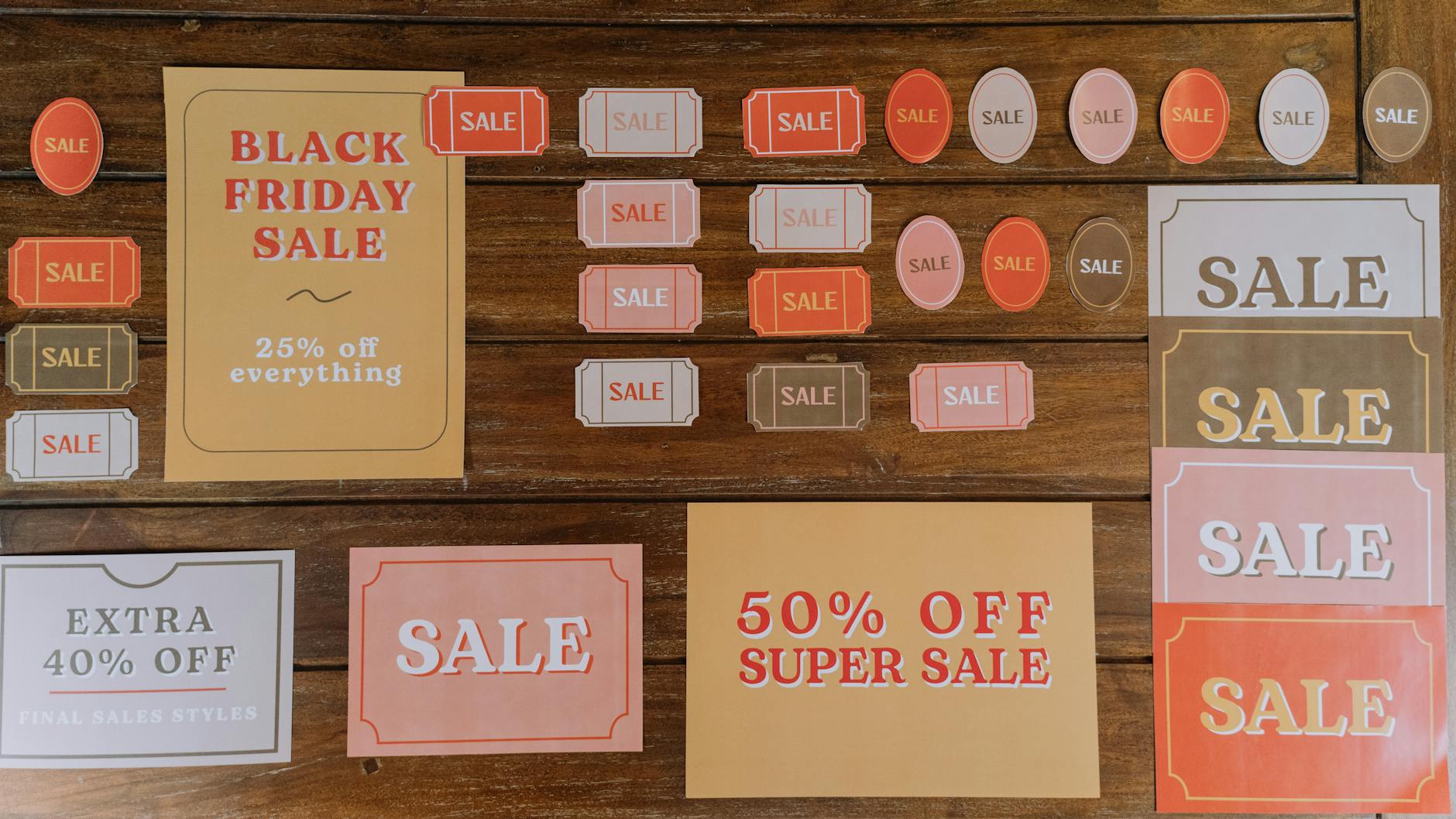
Yellow markdown stickers indicating reduced pricing for near-expiry products create an urgent sense of deal-finding satisfaction. Shoppers who discover these items feel rewarded for their attentiveness and are more likely to buy quantities they had not planned to purchase. The framing of the discount as a time-sensitive opportunity heightens the emotional reward associated with the purchase. Stores use this tactic strategically to move inventory while maintaining the shopper’s perception of getting exceptional value.
The Premium Store Brand Packaging Strategy
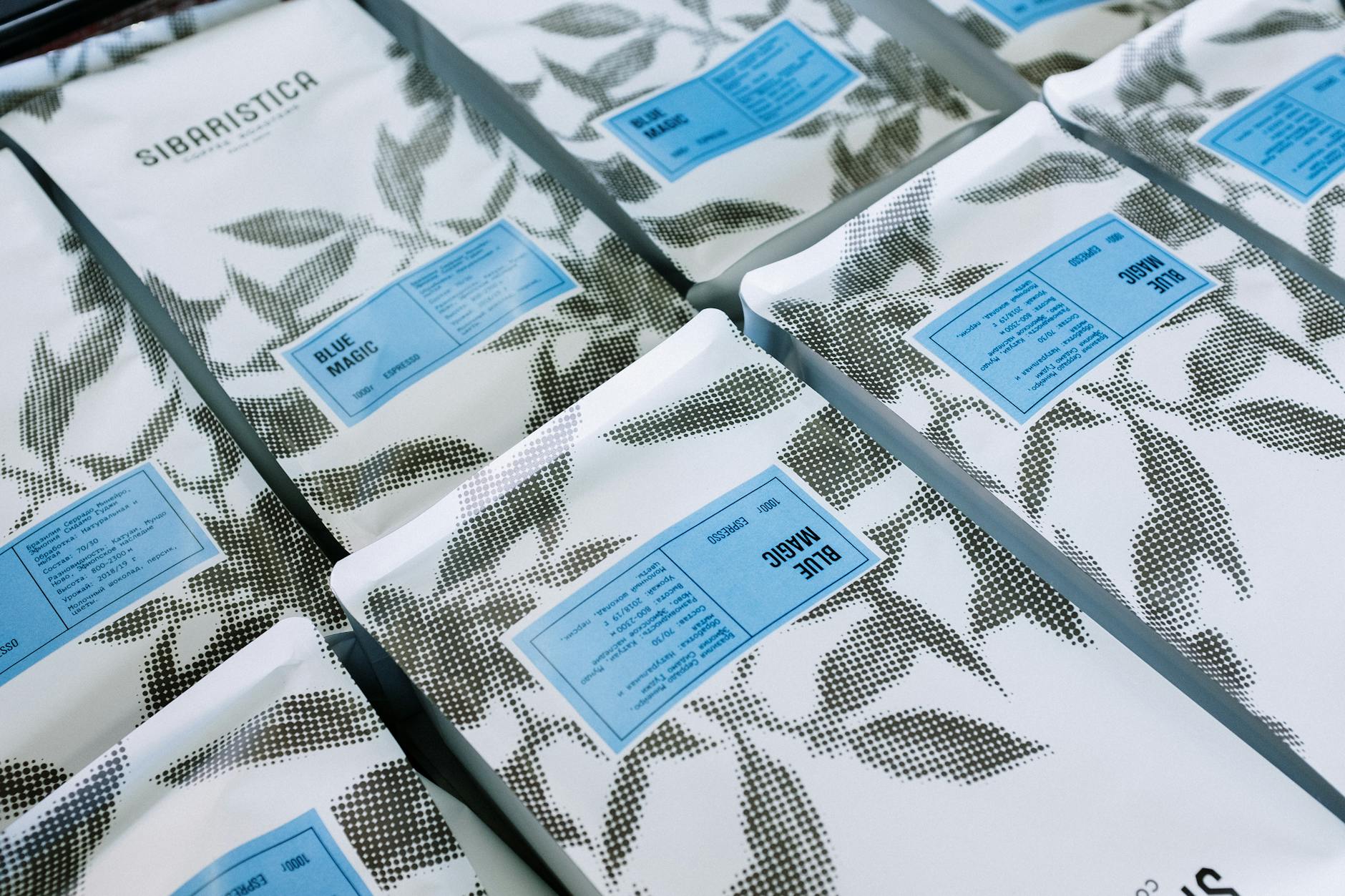
Many grocery store private-label brands now invest heavily in premium packaging designed to closely resemble national brand aesthetics. This strategy blurs the perceived quality gap between store brands and name brands in the mind of the shopper. When packaging looks sophisticated and premium shoppers assign higher quality ratings to the product before ever tasting or using it. Store brands carry significantly higher profit margins for the retailer making their conversion a key financial priority.
The Oversized Produce Portion Bags
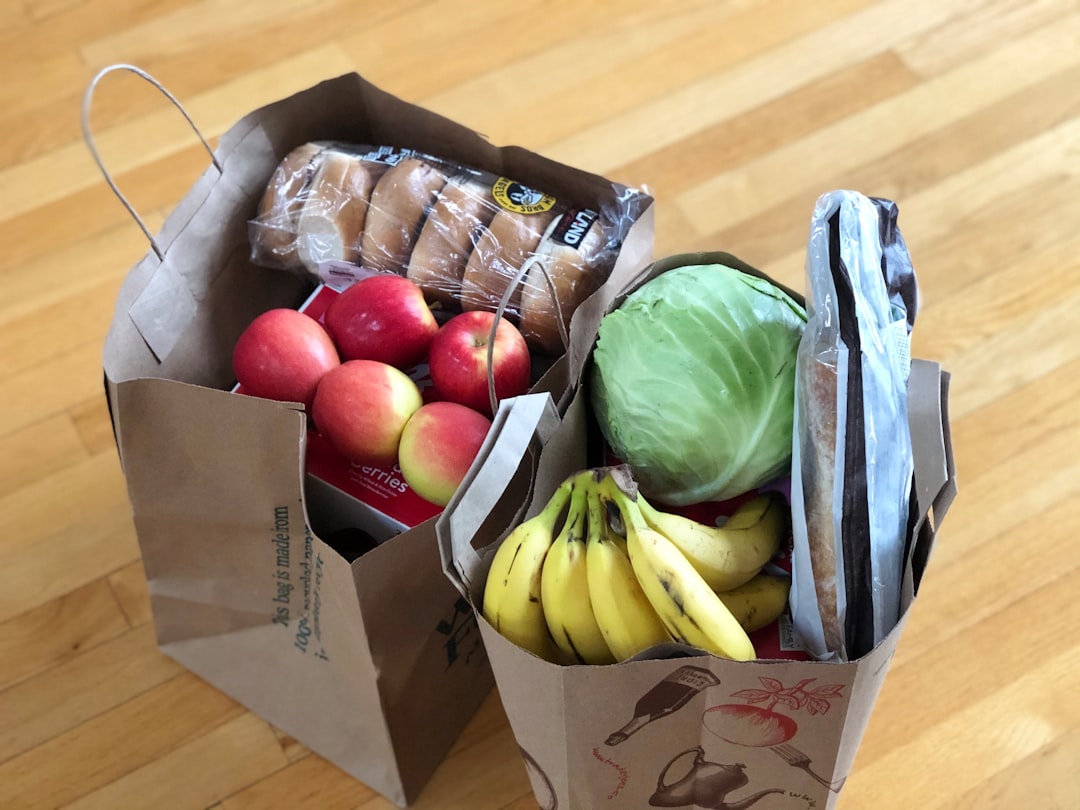
Pre-packaged produce bags are deliberately sized to contain more product than most households need before the food begins to spoil. The fixed-quantity packaging removes the option to purchase only what is needed and inflates the total transaction amount. Shoppers who waste produce are also conditioned to return to the store more frequently to restock fresh items. This combination of overpurchase and increased visit frequency significantly boosts annual spending per household.
The Strategic Beer and Wine Placement
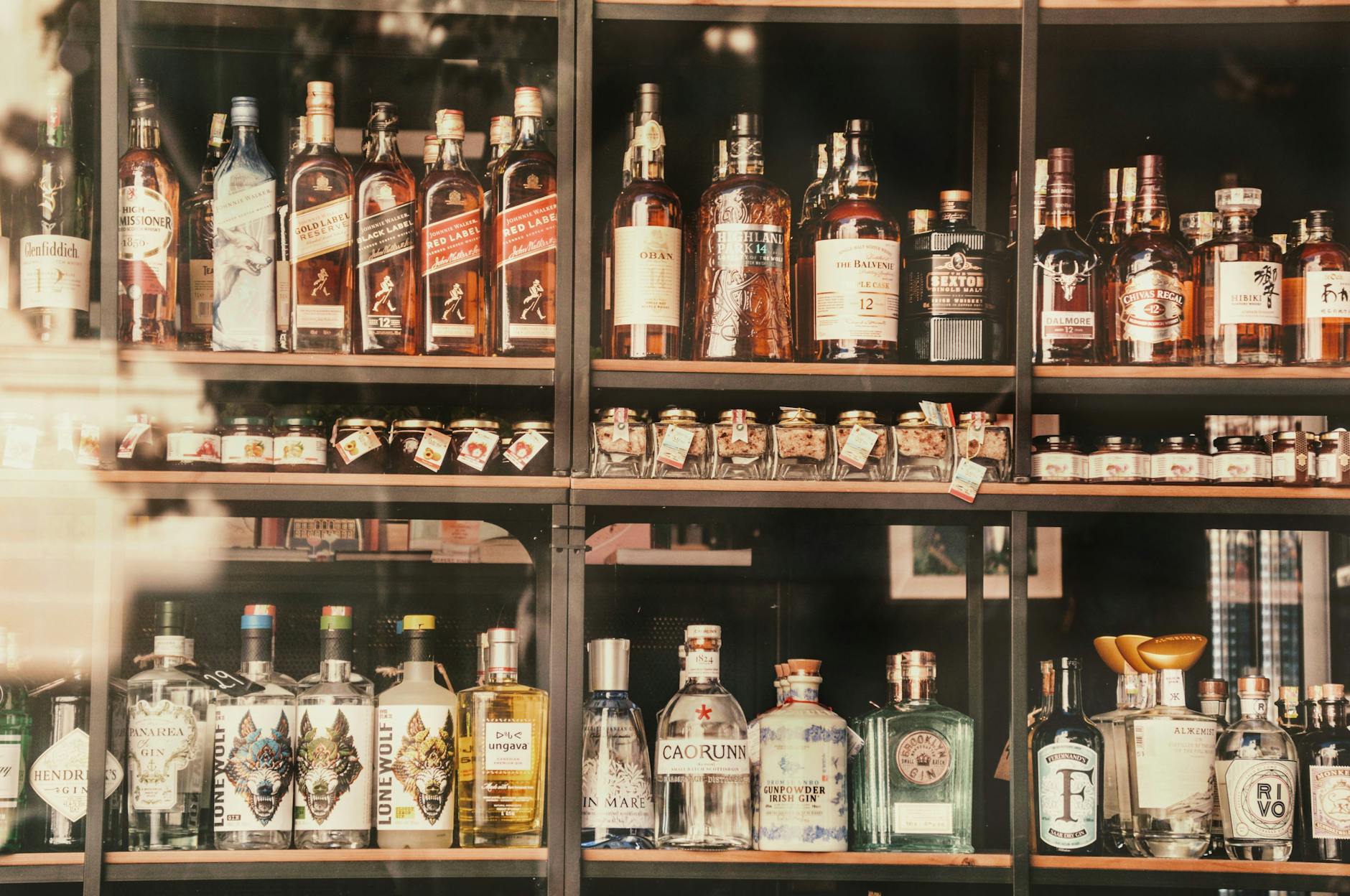
Alcohol sections are typically positioned to intercept shoppers moving through high-traffic departments like the deli or prepared foods section. The proximity to meal-ready or snack-oriented products encourages pairing decisions that add alcohol to carts that would not have included it otherwise. Premium and craft selections are placed at eye level while budget options occupy lower shelves to subtly guide shoppers toward higher-priced bottles. Alcohol carries strong margin profiles and its placement is given careful strategic consideration in every store format.
The Coupon Anchor Effect
Digital and paper coupons use an anchoring effect by displaying the original full price alongside the discounted coupon price. The original price functions as an anchor that makes the discounted amount feel more significant than it may actually be. Shoppers who use coupons regularly spend more per trip on average than non-coupon users because coupons drive them to buy products outside their normal shopping list. The act of redeeming a coupon also creates a feeling of financial savviness that lowers psychological resistance to other purchases made during the same trip.
The Wider Center Aisle Design
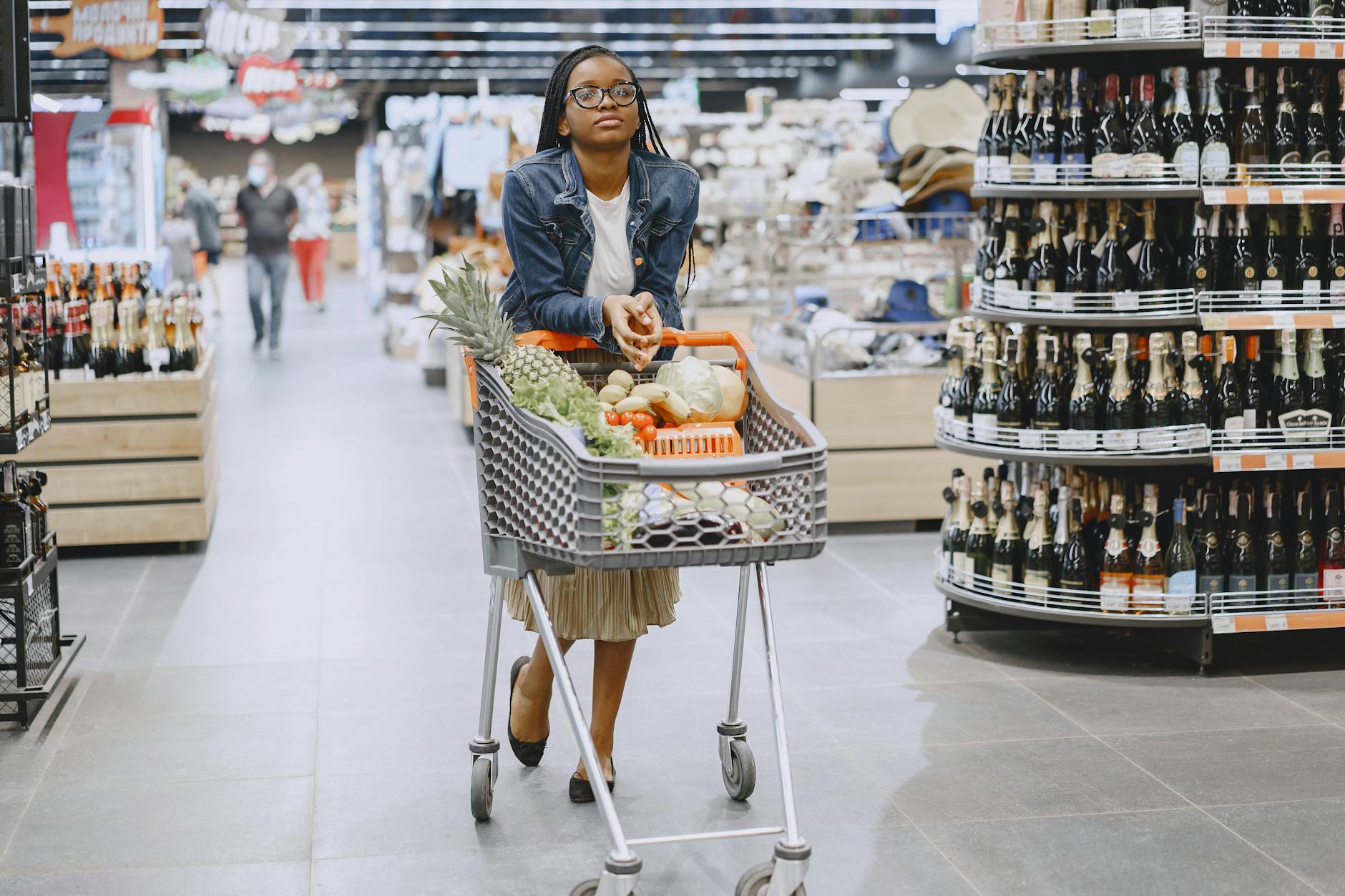
The central aisles of most grocery stores are noticeably wider than the outer perimeter lanes and secondary aisles. This extra width allows stores to install double-sided display units that expose shoppers to products from both directions of travel. The spacious feel of the central aisle also encourages slower movement and a more relaxed browsing posture. Slower movement through high-density product zones consistently increases the number of items considered and ultimately purchased.
The “Just Enough Stock” Shelf Technique
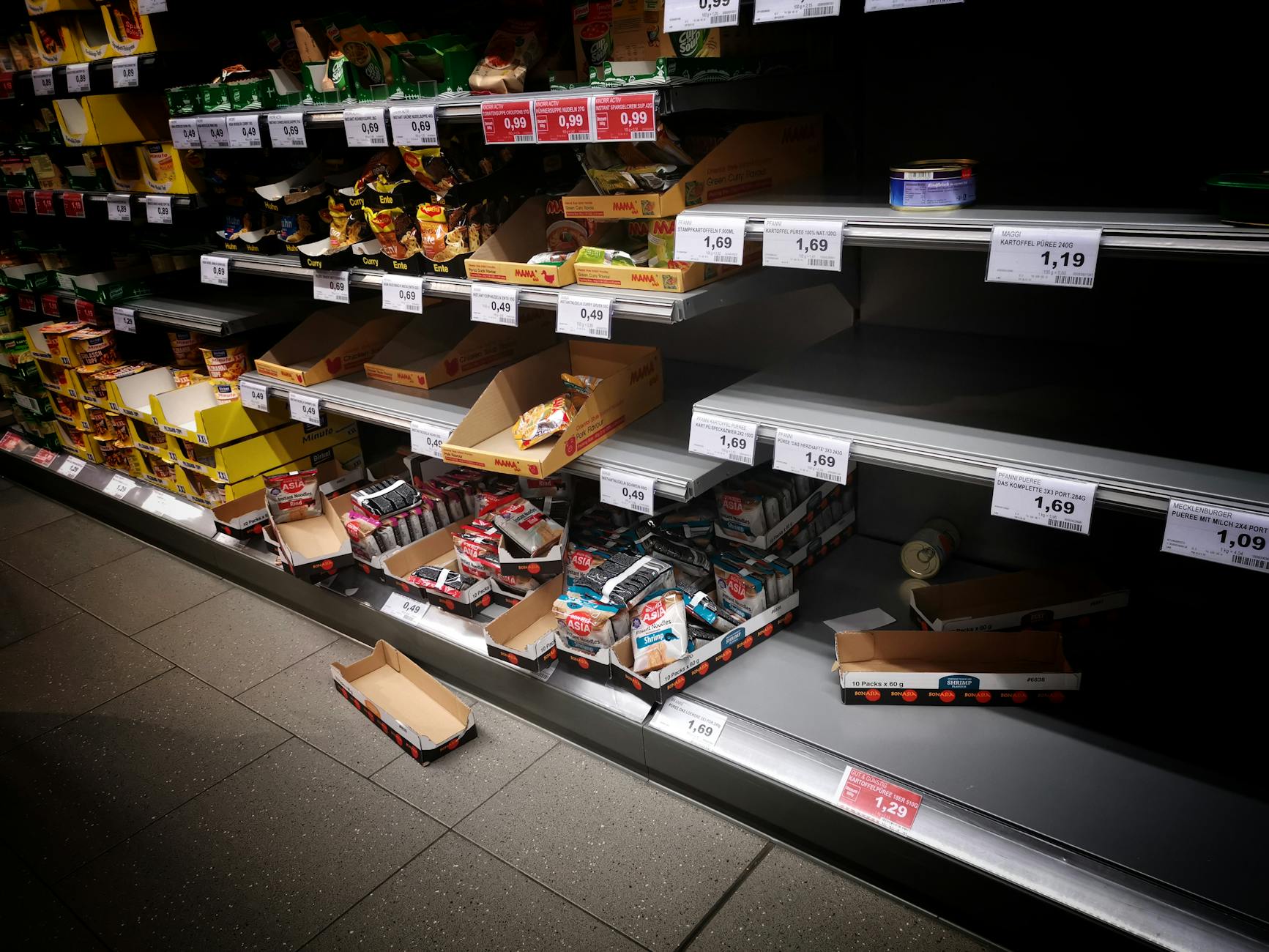
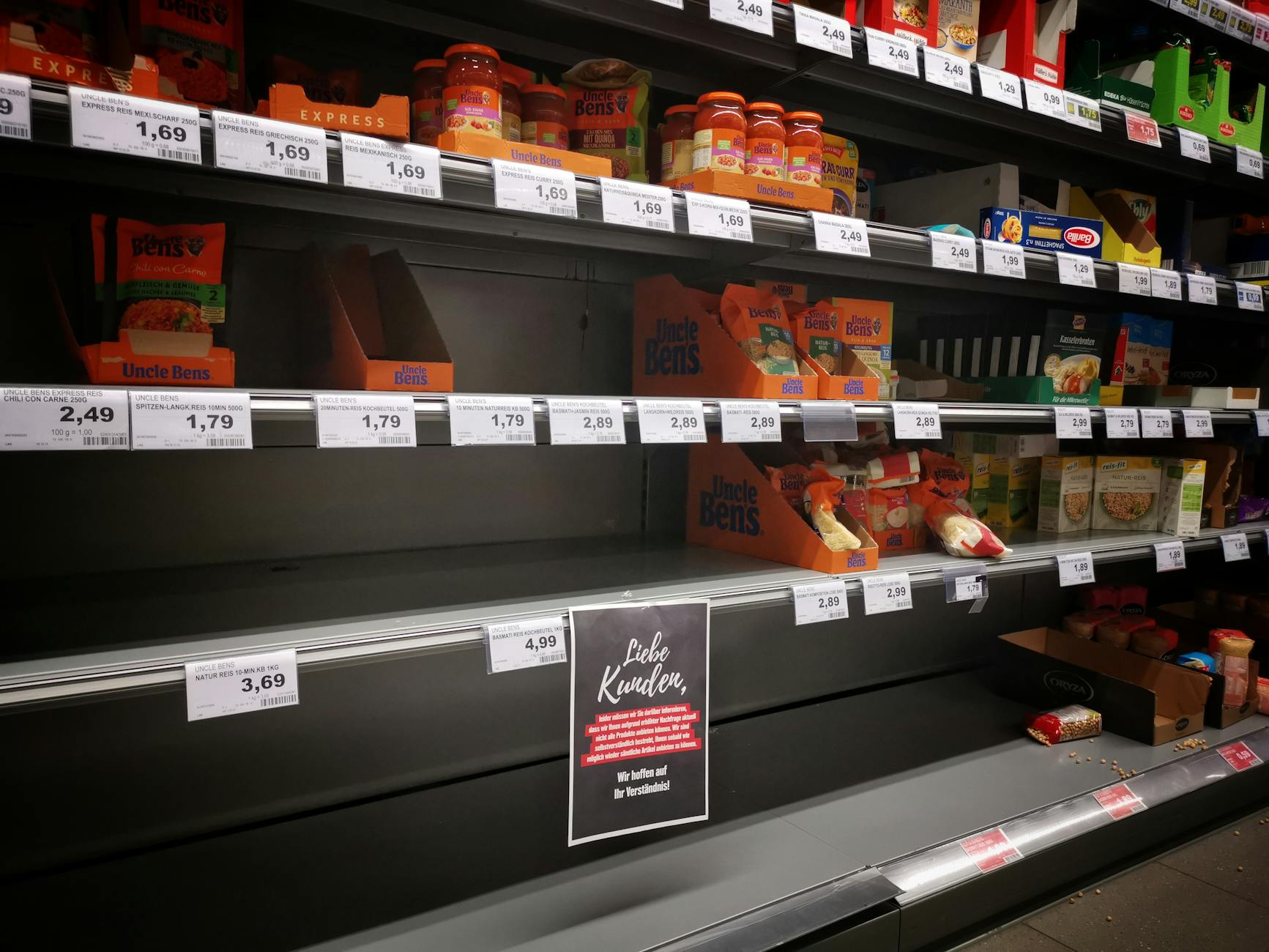
Grocery stores intentionally keep shelves slightly less than fully stocked in key categories to create a visual impression of high demand. A shelf that looks like it has been partially bought out signals popularity and scarcity to passing shoppers. This effect is particularly powerful in the wine and specialty cheese sections where perceived demand carries strong social proof value. Retailers refer to this technique as managed scarcity and it is a recognized driver of impulse purchase behavior.
The Upscale Store Entrance Redesign
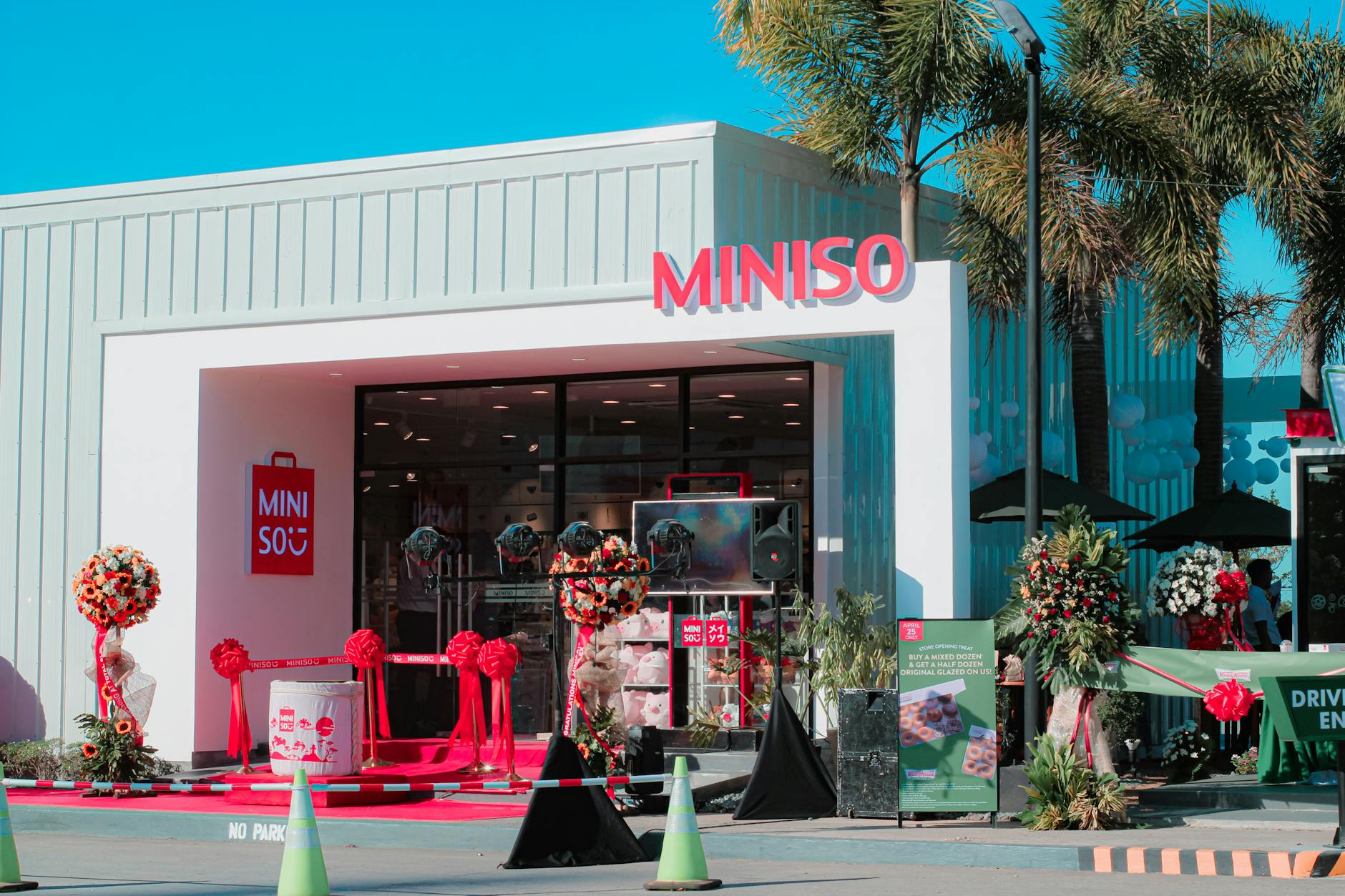
Many major grocery chains have invested heavily in redesigning their entrances to resemble the lobbies of upscale hotels or boutique food markets. The use of natural materials like wood and stone signals quality and positions the entire store as a premium experience before a single product has been selected. Shoppers in a premium-feeling environment have consistently been shown to spend more and trade up to higher-priced product options throughout their visit. Ambient design cues communicate a brand promise that influences spending behavior from the first moment of entry.
The Digital Price Tag Flexibility
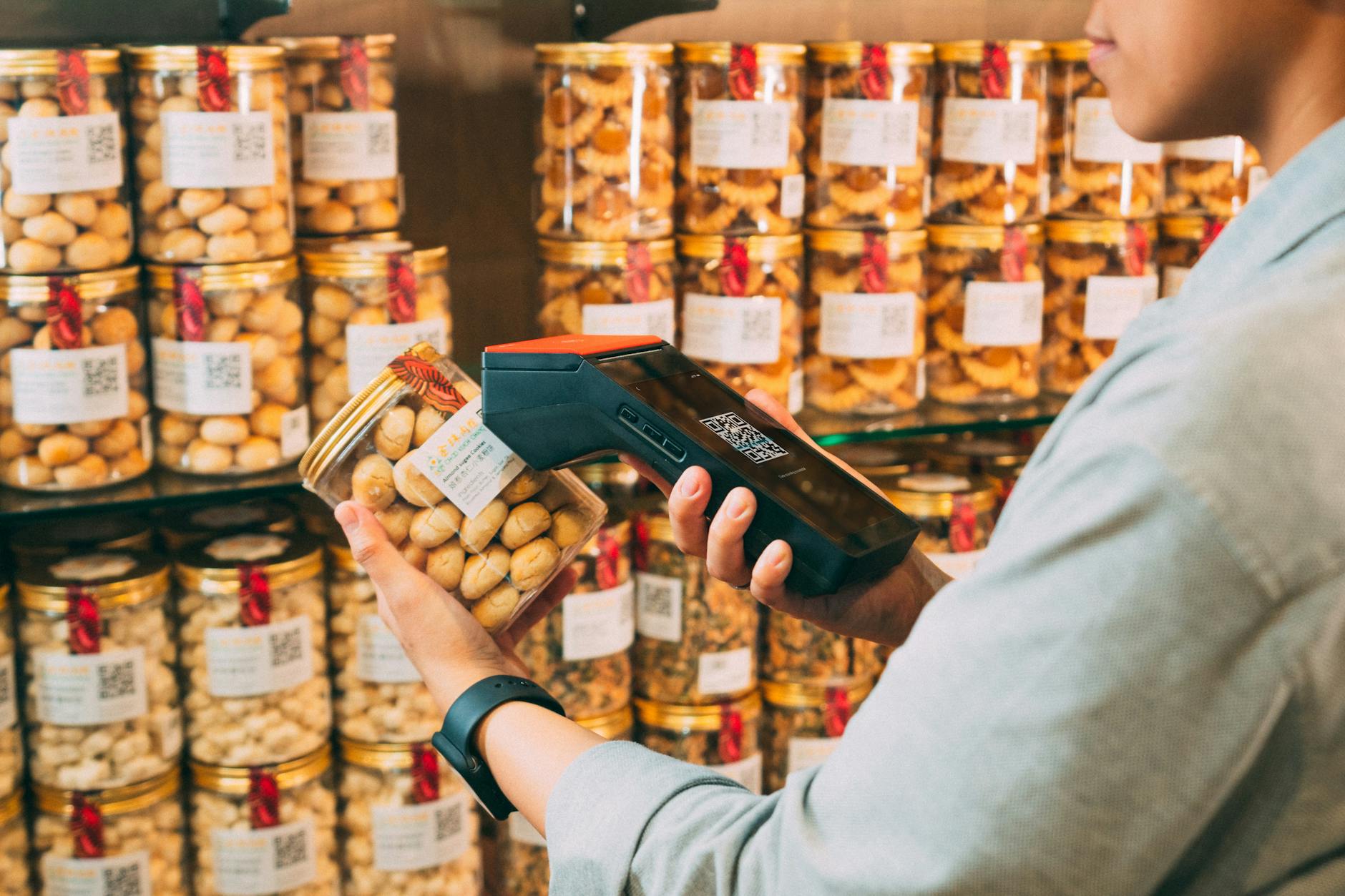
Electronic shelf labels allow grocery stores to update pricing across the entire store within minutes. This technology enables dynamic pricing strategies that can respond to time of day, inventory levels, or competitive intelligence in real time. While this flexibility can sometimes benefit shoppers through targeted discounts it more frequently allows stores to maximize margins during peak shopping hours. The speed and invisibility of digital price changes make them nearly impossible for shoppers to track or compare against historical pricing.
The Kid-Targeted Shelf Zones
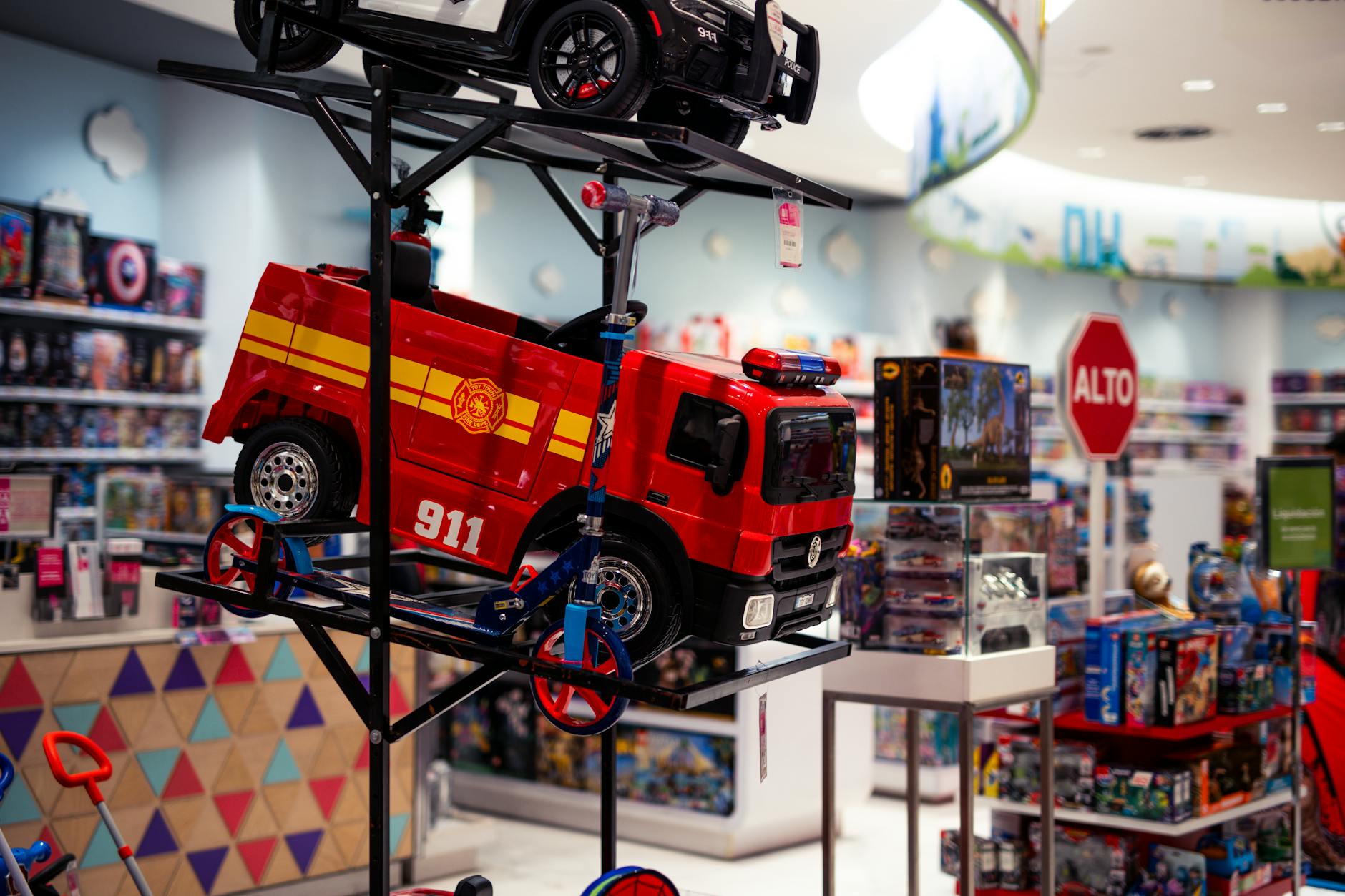
Products marketed to children are consistently placed on lower shelves within direct sightline and reach of young shoppers. Bright packaging, cartoon characters, and familiar brand mascots are positioned precisely where a child walking alongside a parent will naturally look. This creates in-store pressure dynamics that influence parental purchasing decisions regardless of prior shopping intentions. The placement of children’s cereal, snacks, and beverages at child height is one of the most studied and documented tactics in grocery retail design.
The Complementary Product Cross-Merchandising
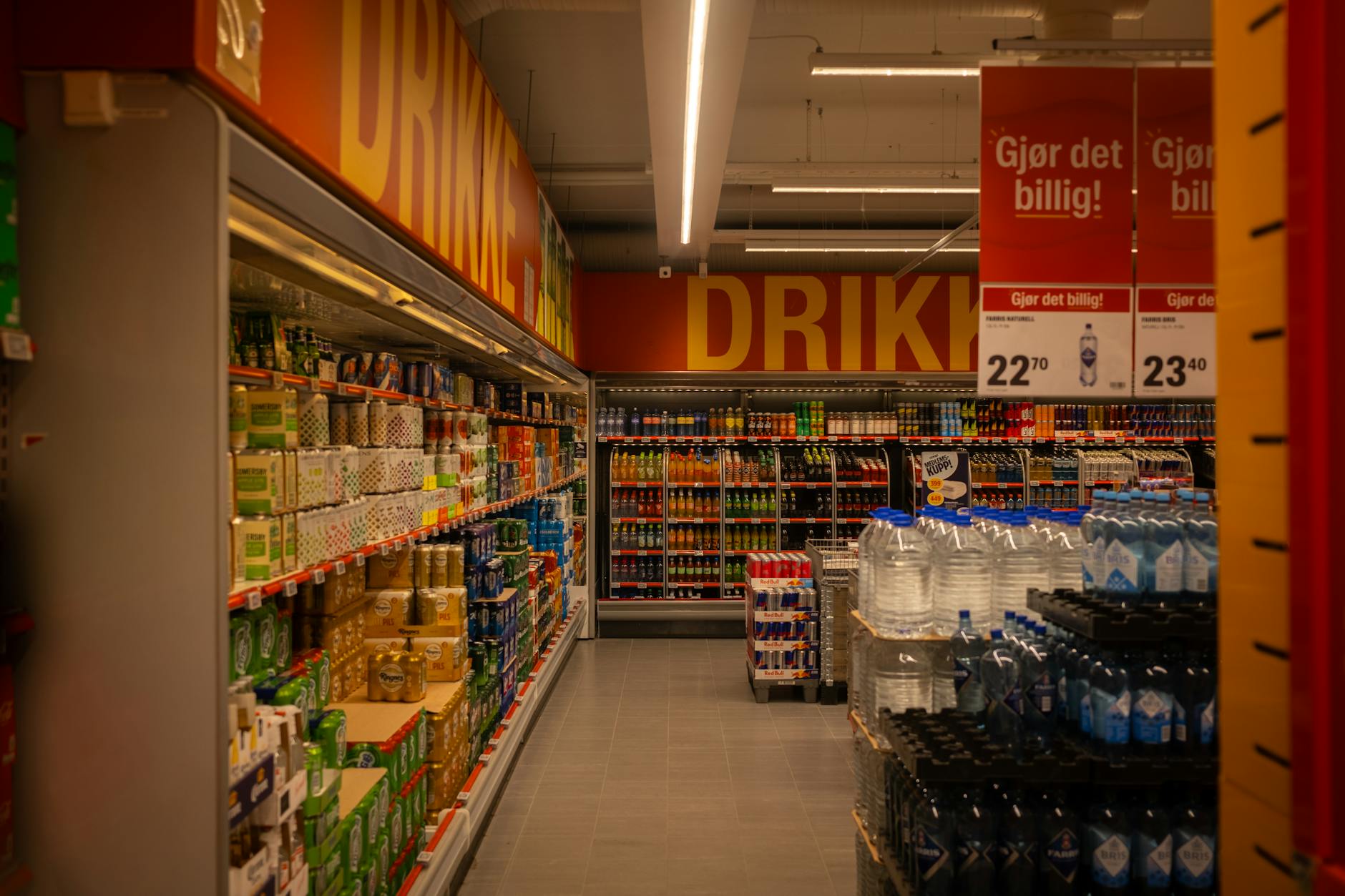
Grocery stores deliberately place complementary products in close proximity to drive multi-item purchases. Pasta is shelved near jarred sauces. Crackers appear beside premium cheese displays. Grilling tools and condiments occupy the same section as fresh meat. Each pairing is calculated to increase the average number of items per transaction through logical meal or occasion-based associations.
The Points and Rewards Acceleration Trap
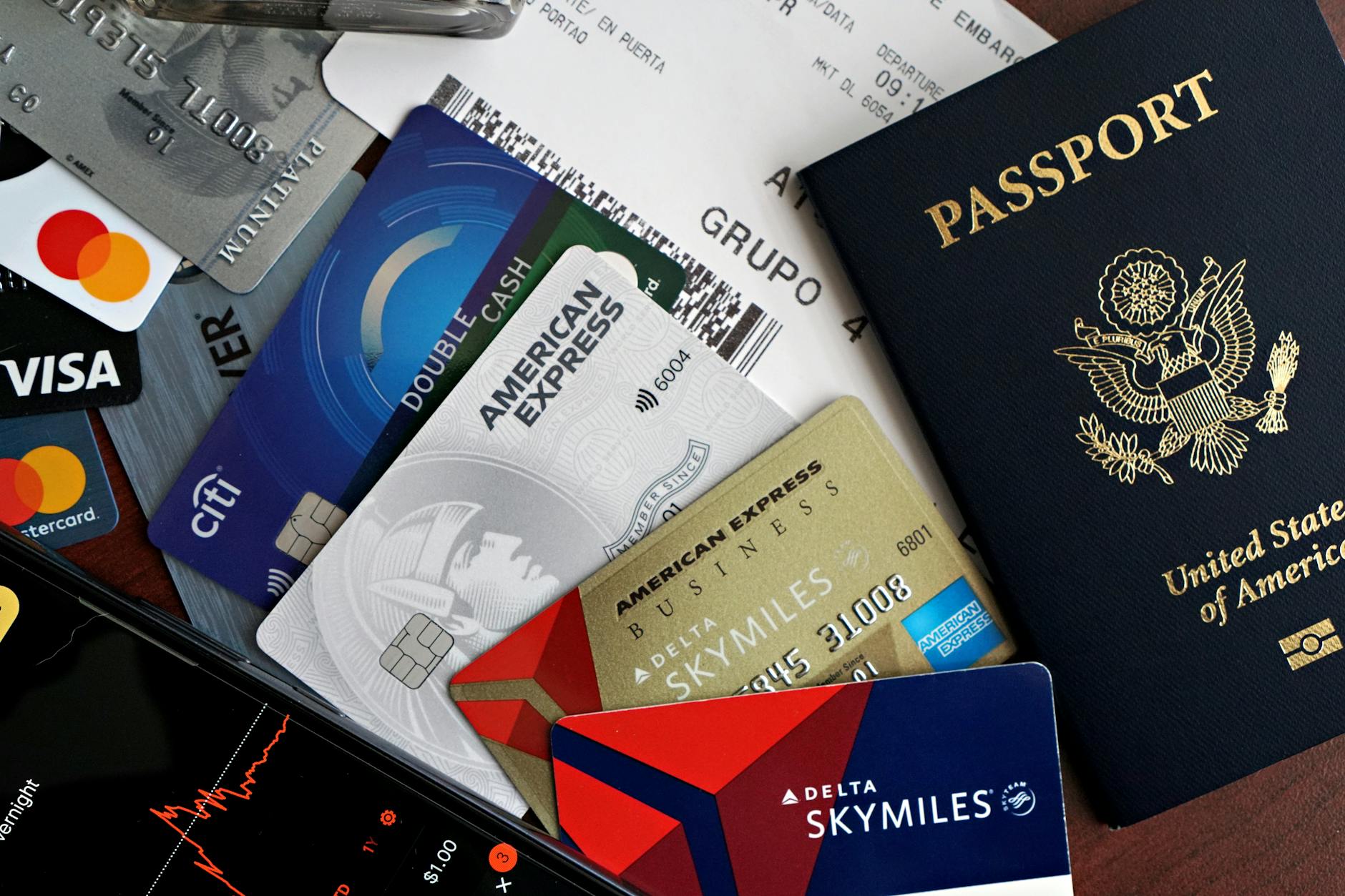
Many grocery loyalty programs feature accelerated points offers on specific products during defined promotional windows. These offers create urgency around purchasing products that the shopper may not have needed by attaching a deadline to the earning opportunity. The psychological reward of accumulating points activates the same dopamine-driven response as a financial discount even when the redemption value of the points is significantly lower than perceived. Points programs are structured to ensure that the retailer always earns more from the program than the shopper ever redeems.
The Premium Parking and Convenience Fee Effect
Grocery stores in urban markets increasingly offer premium parking, valet services, or reserved spots as part of a paid loyalty tier. Shoppers who pay for premium access or convenience features feel psychologically compelled to justify that cost through higher in-store spending. The sunk cost of a membership or convenience fee creates a loyalty dynamic that reduces price sensitivity during each visit. Retailers leverage this commitment effect to capture a disproportionately high share of the household grocery budget.
The Limited-Time Price Match Guarantee
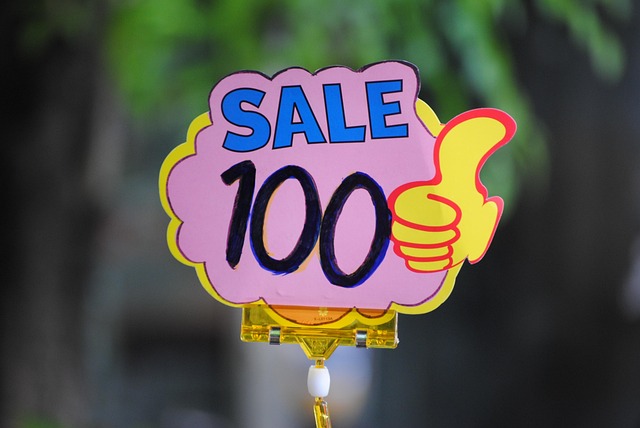
Price match guarantees are advertised prominently by grocery chains to neutralize competitive shopping behavior. When shoppers believe they are already receiving the best available price they stop comparing options and commit more readily to full-basket purchases. In practice the administrative effort required to redeem a price match causes the vast majority of shoppers to never actually use the guarantee. The policy functions more effectively as a marketing message than as a genuine savings tool for the average consumer.
The Sensory-Loaded Cheese and Charcuterie Counter
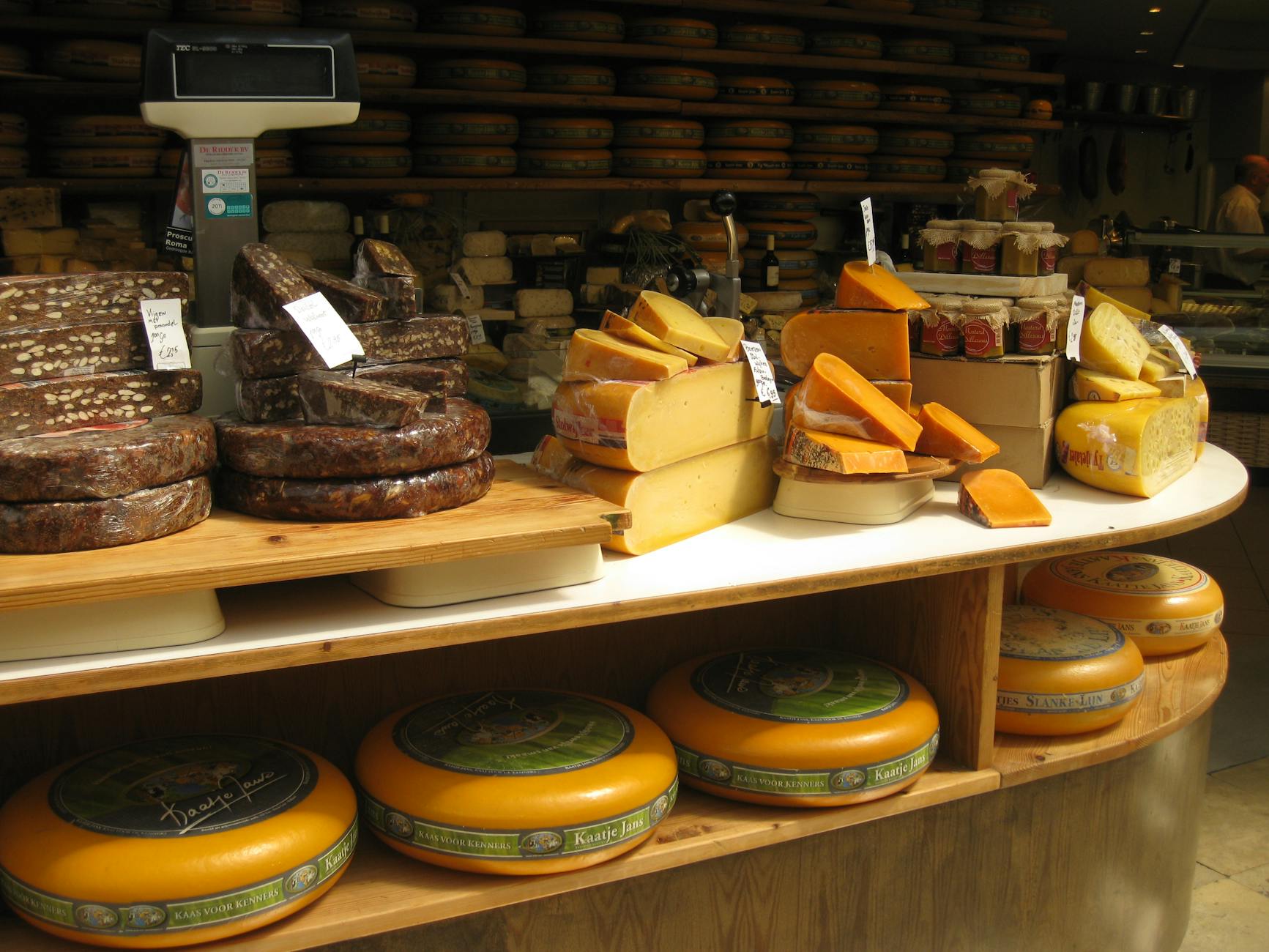
Specialty cheese and charcuterie counters are designed as immersive sensory experiences with rustic displays, knowledgeable staff, and free tastings. The artisanal aesthetic communicates premium value and positions the products as worthy of a special occasion even on a routine shopping day. Staff interaction at these counters increases purchase likelihood and average spend per item significantly compared to pre-packaged alternatives. The theater of the specialty counter transforms a commodity purchase into an experiential one and shoppers consistently pay more for that experience.
The Receipt Coupon Conversion Loop
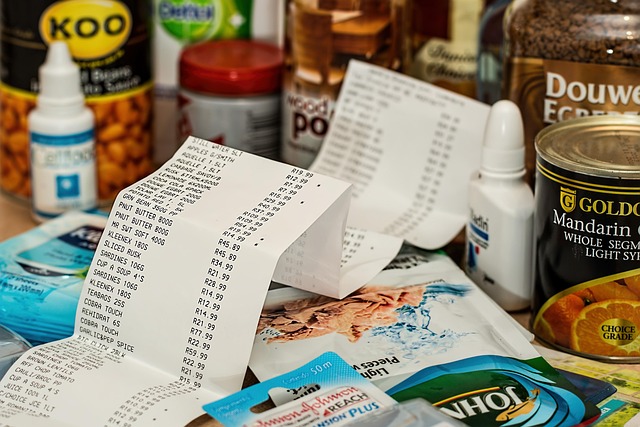
Printed receipts from grocery stores frequently include coupons for the exact categories of products just purchased by that shopper. These coupons are generated using loyalty data to ensure maximum relevance and redemption likelihood. By targeting products the shopper already buys the store guarantees a future visit while creating the impression of personalized savings. The loop of purchasing, receiving a coupon, returning for redemption, and receiving a new coupon is a deliberately engineered cycle of repeated engagement.
The “Natural” and “Artisan” Label Premium
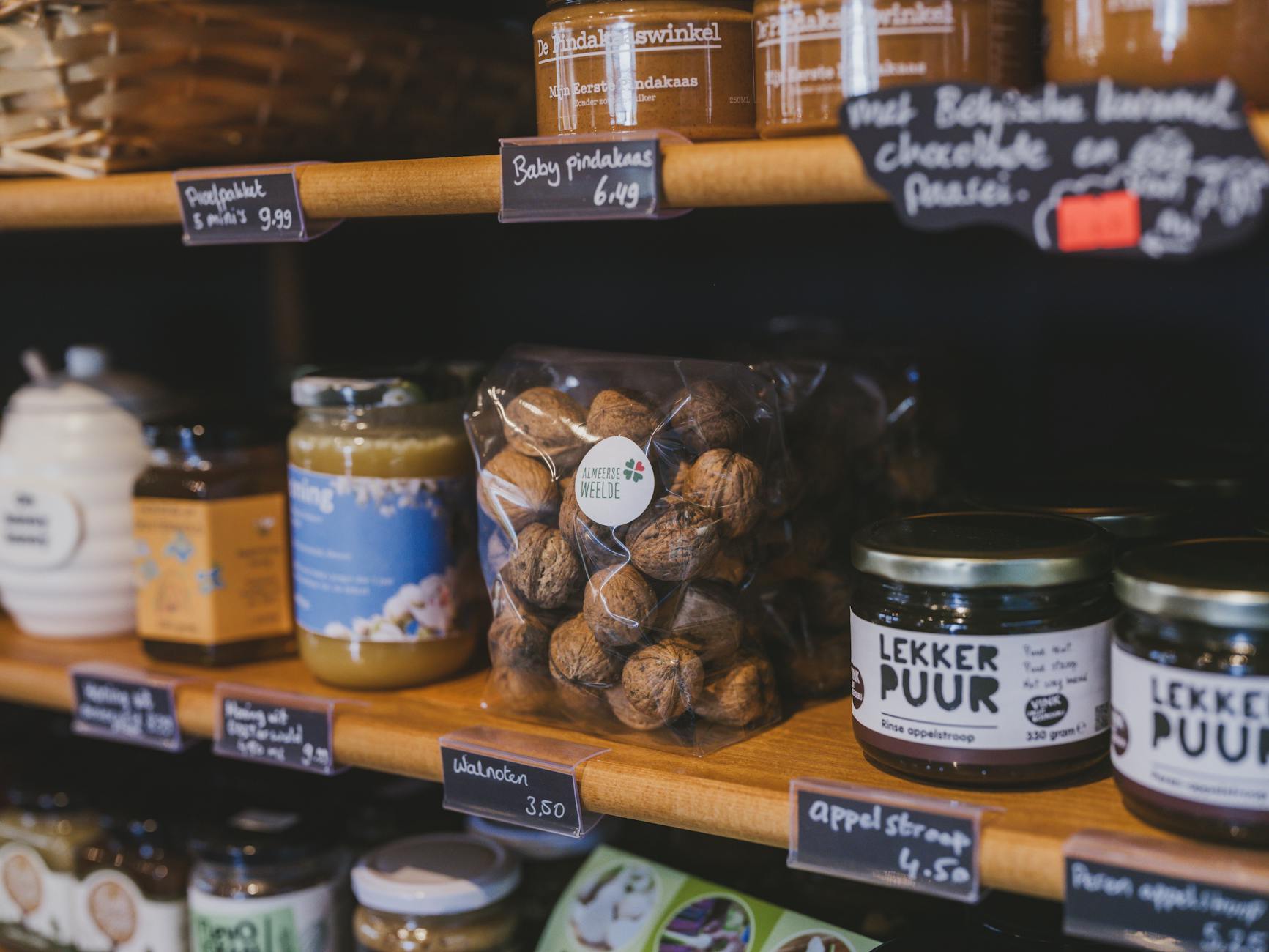
Words like natural, artisan, handcrafted, and small-batch carry no standardized legal definition in most grocery product categories yet command measurable price premiums. Research consistently shows that shoppers assign higher quality ratings and greater willingness to pay to products bearing these descriptors regardless of any verifiable difference in ingredients or production methods. Packaging that incorporates earthy textures, hand-drawn fonts, and muted color palettes reinforces these perceived quality signals visually. The combination of label language and premium packaging design allows standard products to be repositioned and priced in an entirely different competitive tier.
Now that you know how these tactics work share your own grocery store experiences and observations in the comments.