Some homes feel lived-in, layered, and full of personality in a way that tidy, minimalist spaces simply cannot replicate. The people who inhabit these homes are not careless or disorganized by nature. They tend to be deeply creative, socially generous, and mentally active individuals whose surroundings reflect the fullness of their daily lives. Understanding the specific habits behind a perpetually “messy” home reveals a fascinating lifestyle portrait that goes far beyond a pile of laundry or a cluttered countertop.
Open Books Left Face-Down

People in this category read multiple books at the same time and leave each one open wherever they stopped. A book might be face-down on the coffee table, another on the nightstand, and a third on the kitchen counter near the stove. The habit reflects an intensely curious mind that moves fluidly between topics and moods throughout the day. These readers rarely use bookmarks because the physical placement of the open book is itself the marker. Their homes carry the quiet energy of someone always in the middle of learning something new.
Active Craft Projects on Every Surface
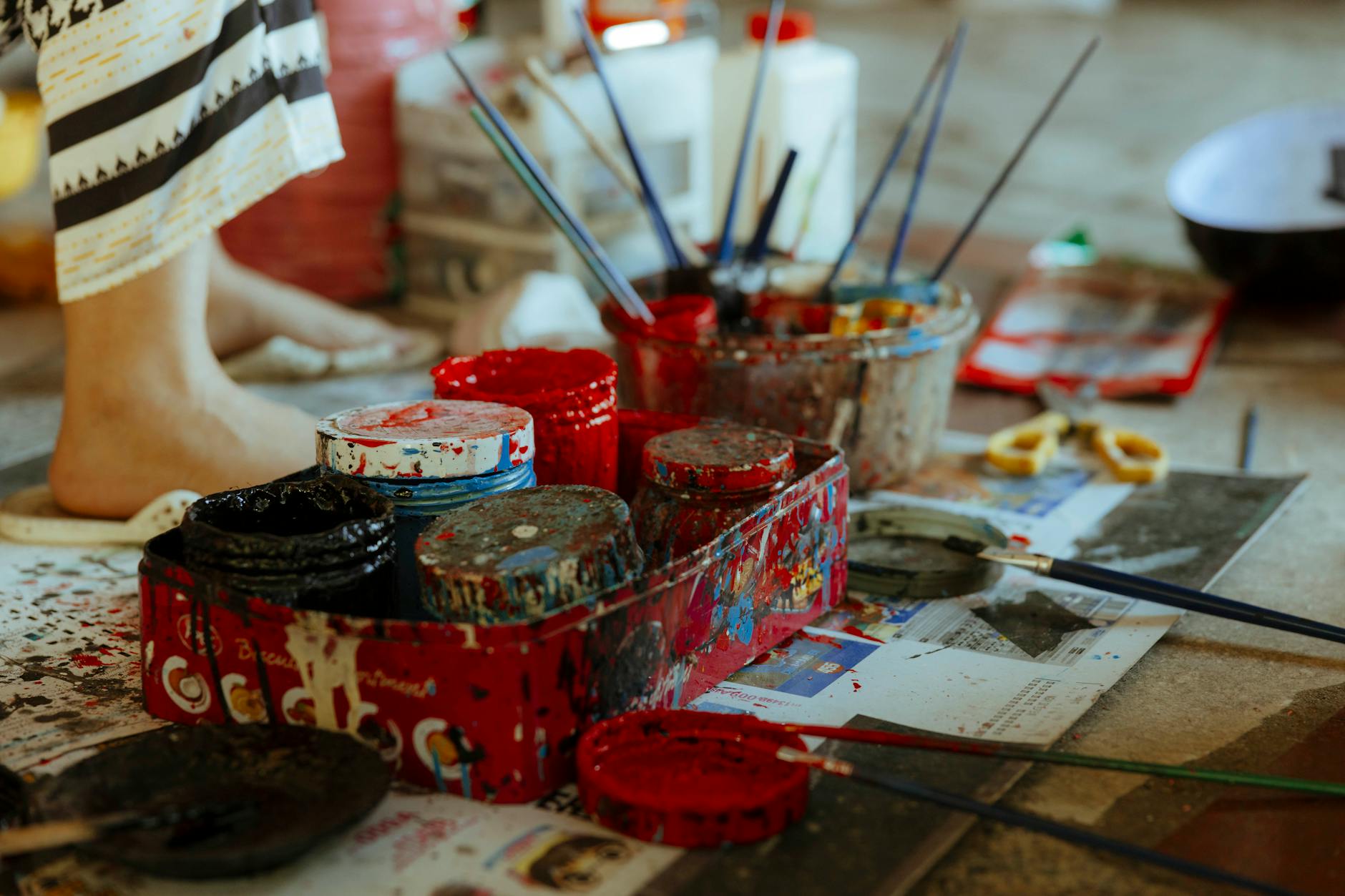
Crafters and makers tend to keep their current projects spread across available surfaces rather than packing everything away between sessions. A half-finished knitting project sits on the armchair, a watercolor set remains open on the dining table, and fabric scraps gather near the sewing machine. Packing up completely after each creative session would disrupt the flow and momentum that keeps the project moving forward. These individuals treat their home as a working studio where inspiration can be picked up at any moment. The visual complexity of their space is a direct reflection of ongoing creative energy.
The Permanent “Chair-Drobe”
A designated chair in the bedroom quietly accumulates clothing that is not quite dirty enough for the wash but not pristine enough to return to the closet. This habit is extremely common among people who have busy schedules and change outfits frequently throughout the week. The chair functions as an informal middle ground between the closet and the laundry hamper. Over time it develops a reliable organizational logic that only its owner fully understands. Guests may see chaos but the inhabitant knows exactly what is on which layer.
Shoes Scattered Near the Entrance
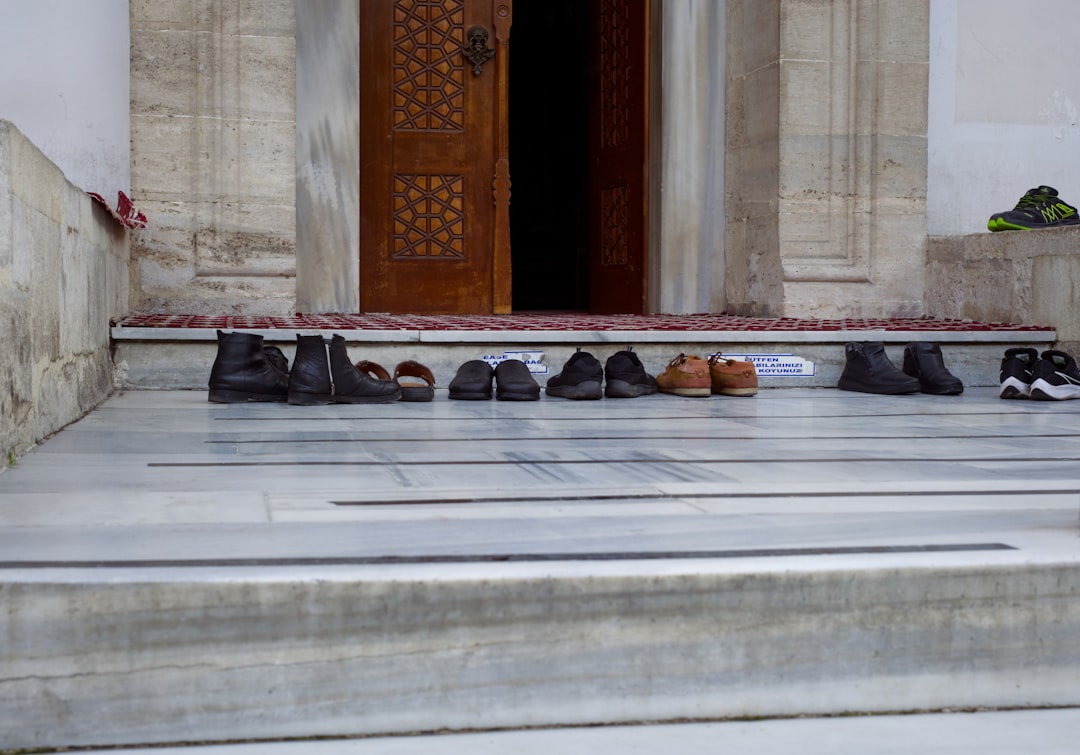
Footwear tends to fan out near the front door in a casual arrangement that grows throughout the week. Different pairs are pulled forward depending on the day’s plans and then nudged aside rather than returned to a rack or cabinet. The habit often begins as practicality and evolves into a permanent feature of the entryway landscape. Families with children are especially prone to this pattern since multiple schedules produce multiple shoe rotations daily. The pile is a functional archive of recent comings and goings rather than simple neglect.
Dishes Left to Soak Indefinitely
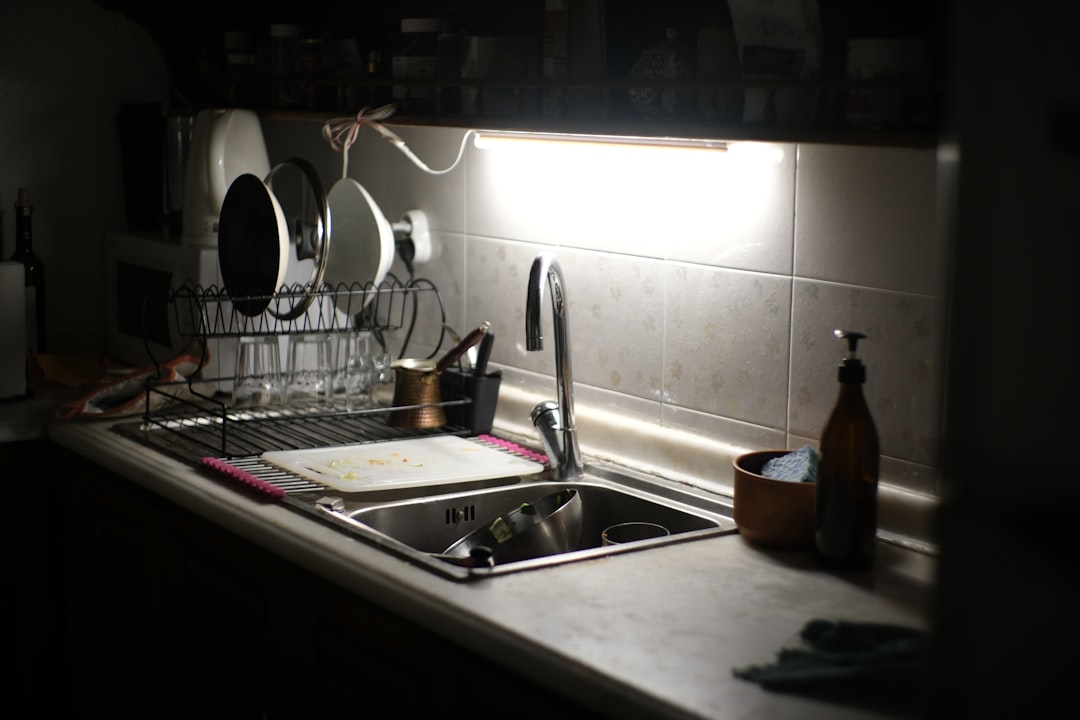
Soaking dishes is a universally accepted kitchen practice but some people extend the soak far beyond culinary necessity. A pot left in the sink overnight becomes a fixture of the morning kitchen view, joined gradually by a mug or a cutting board. The habit tends to belong to people who cook frequently and enthusiastically but find the cleanup portion of the process less engaging than the cooking itself. They prioritize the act of creating a meal over the administrative task of restoring order afterward. The kitchen in these homes tells the story of recent meals in vivid detail.
Overflowing Bookshelves With No System
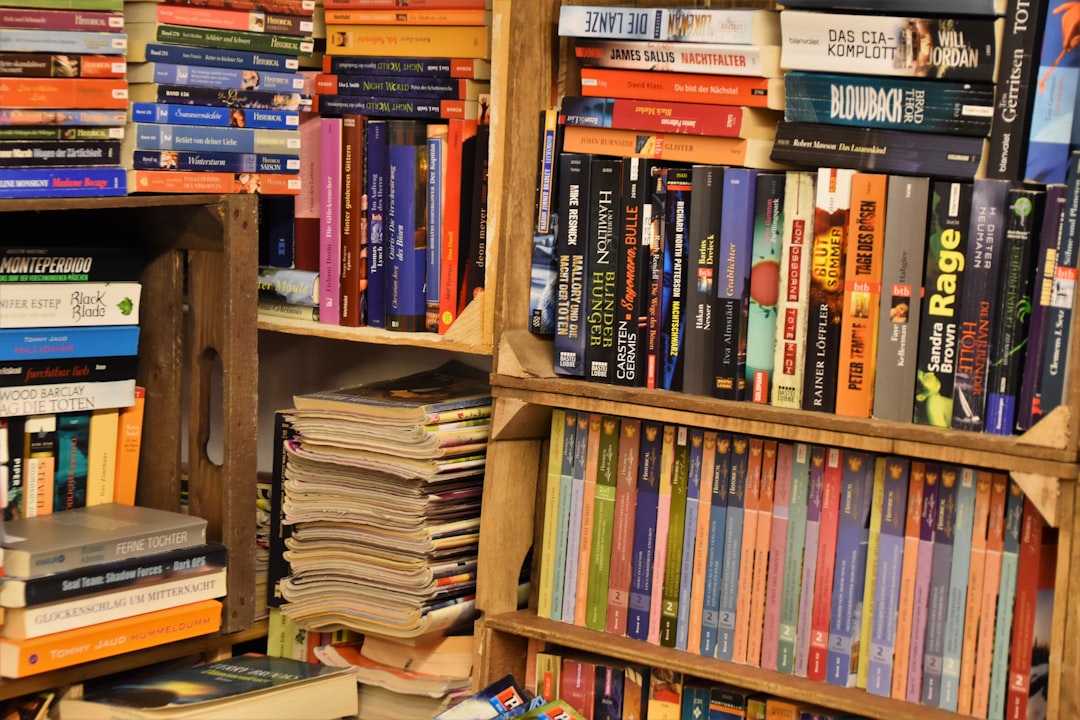
Bookshelves in these homes operate on a logic of accumulation rather than curation. Books are added as they arrive and shelved wherever space allows, often double-stacked or placed horizontally on top of upright rows. The collection grows to include objects that are not books at all such as candles, small plants, and framed photographs tucked between spines. There is rarely an alphabetical or genre-based system because the emotional relationship with each book matters more than its retrieval speed. The resulting shelf is a dense, layered record of intellectual and personal history.
Notes and Reminders Stuck Everywhere

Sticky notes, paper scraps, and handwritten lists appear on mirrors, cabinet doors, the refrigerator, and the edges of laptop screens. People who rely heavily on external memory aids tend to create these constellations of reminders throughout their home. Each note represents an active thought or task that felt too important to trust to memory alone. The habit produces a home that looks chaotic to visitors but functions as a highly personalized external brain for its owner. Removing the notes would feel like erasing an entire operating system.
Multiple Hobbies Running Simultaneously
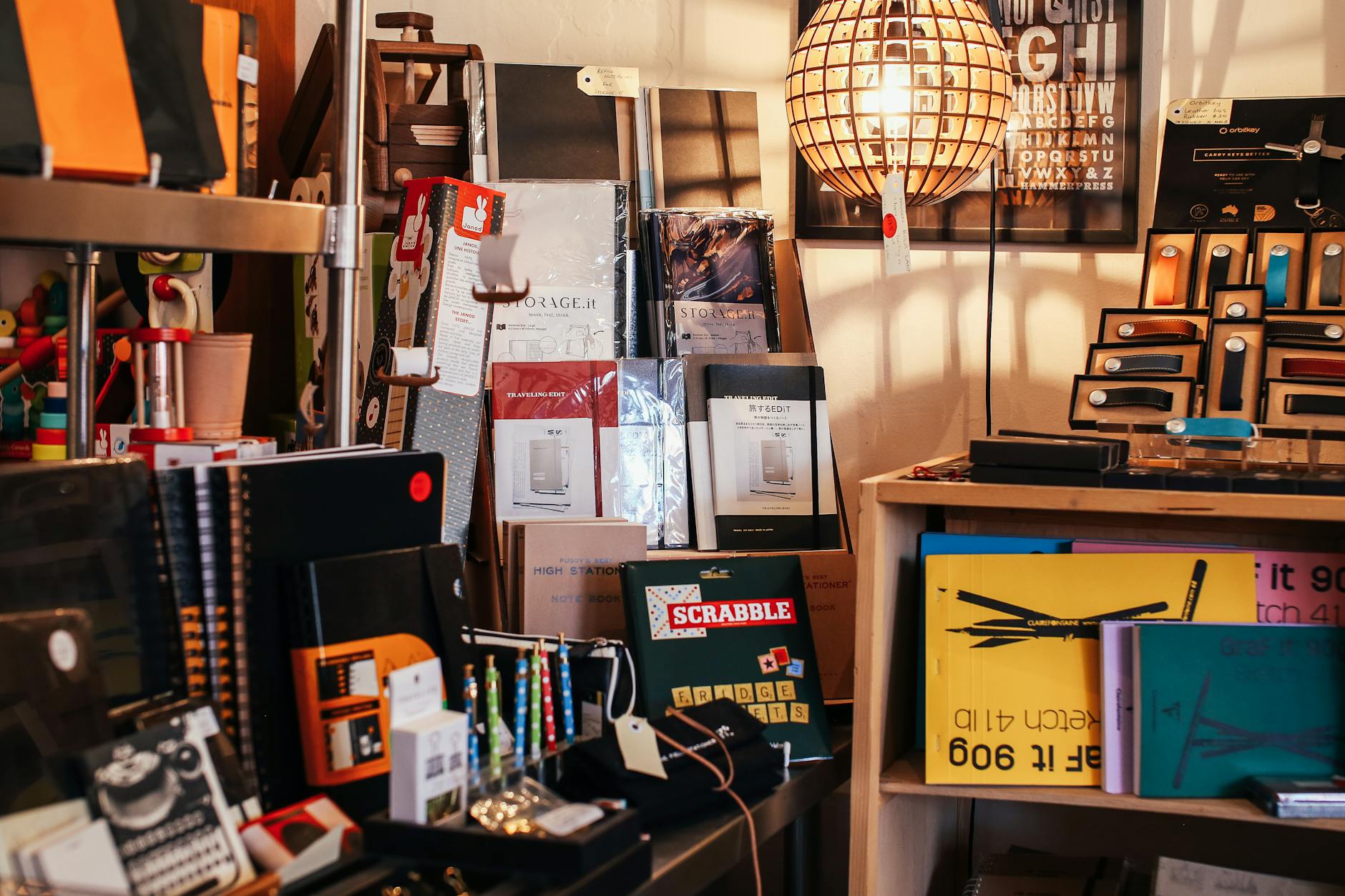
When a person pursues several hobbies actively at the same time, the evidence of each one occupies a different corner of the home. A guitar leans against the living room wall, a half-assembled puzzle claims the coffee table, and a collection of reference photos for a painting project fills the windowsill. These individuals resist the idea of completing one interest before beginning another because their curiosity does not operate sequentially. The home reflects a rich inner life that finds expression through many different creative channels. Each hobby zone is a small world unto itself.
A Junk Drawer That Keeps Expanding
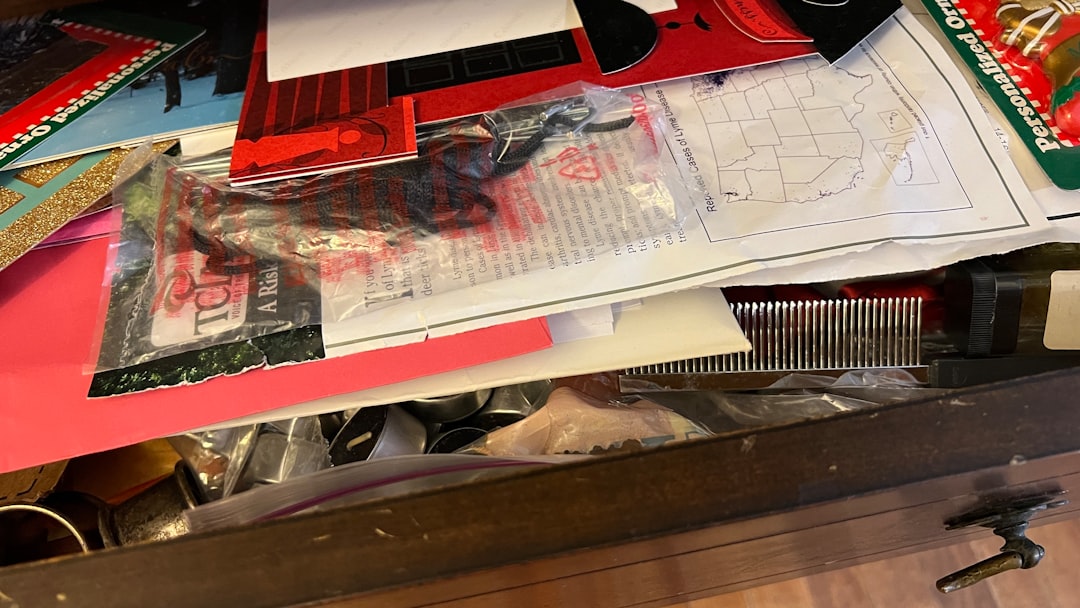
The junk drawer is a near-universal household feature but in some homes it has escaped its original container and begun colonizing nearby space. Rubber bands, dead batteries, takeout menus, and mystery cables overflow onto the counter or into a second drawer entirely. The keeper of this drawer has an intimate knowledge of its contents and can locate a specific item with surprising speed despite the apparent disorder. Clearing it out feels counterproductive because a percentage of its contents will inevitably prove useful. It represents a philosophical commitment to keeping things that might one day matter.
Laundry in Perpetual Transit
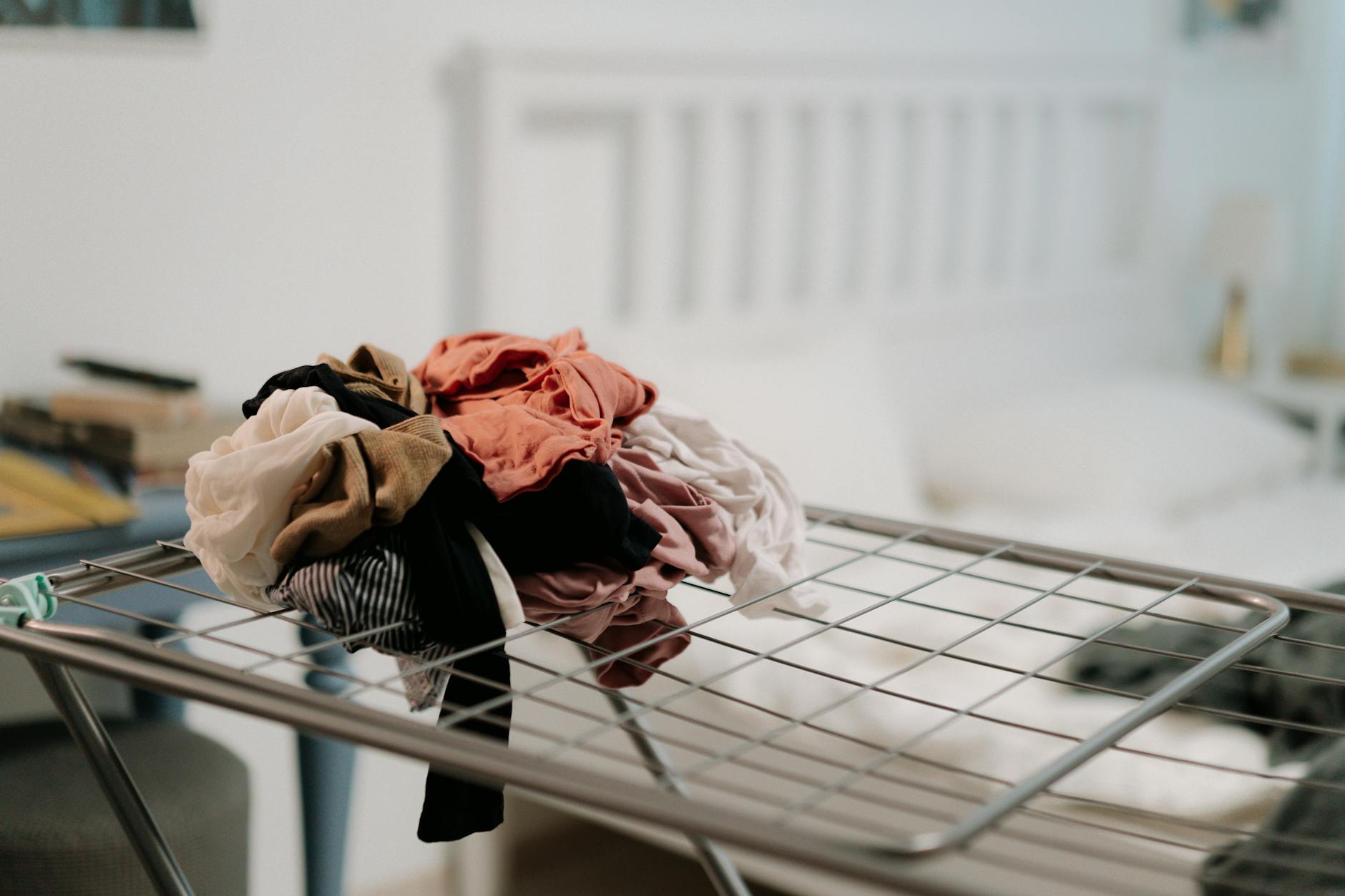
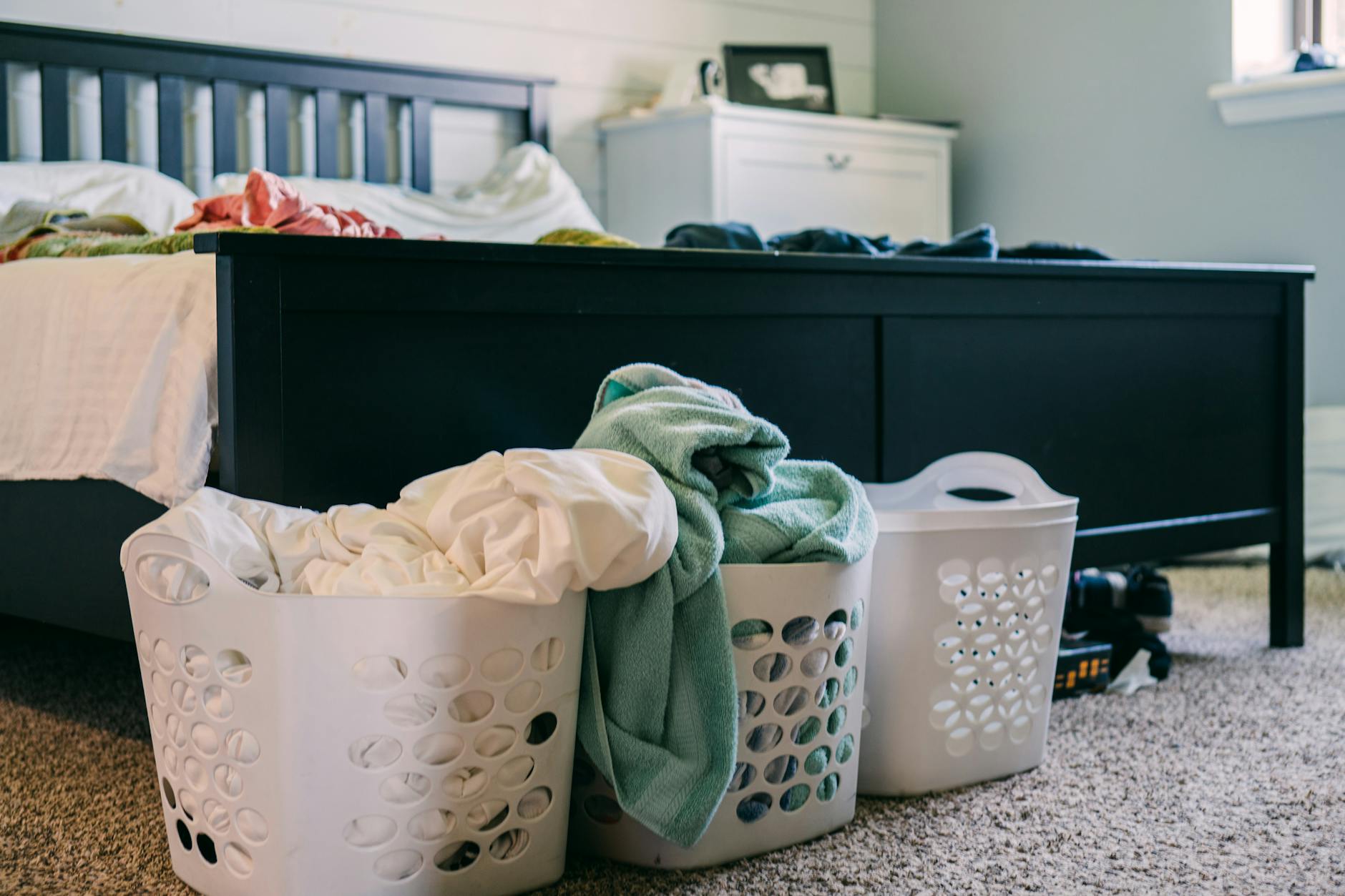
Clean laundry that has been washed and dried but not yet put away is a defining feature of these households. Folded items rest on a chair or the edge of the bed for days before migrating to the closet or drawers. Some items skip the folding stage entirely and move directly from the dryer to being worn again. The laundry cycle is completed in functional terms even if it does not conform to a tidy endpoint. People with demanding schedules or active social lives often deprioritize this final domestic step in favor of time spent on more meaningful activities.
Throw Blankets Claimed by the Furniture
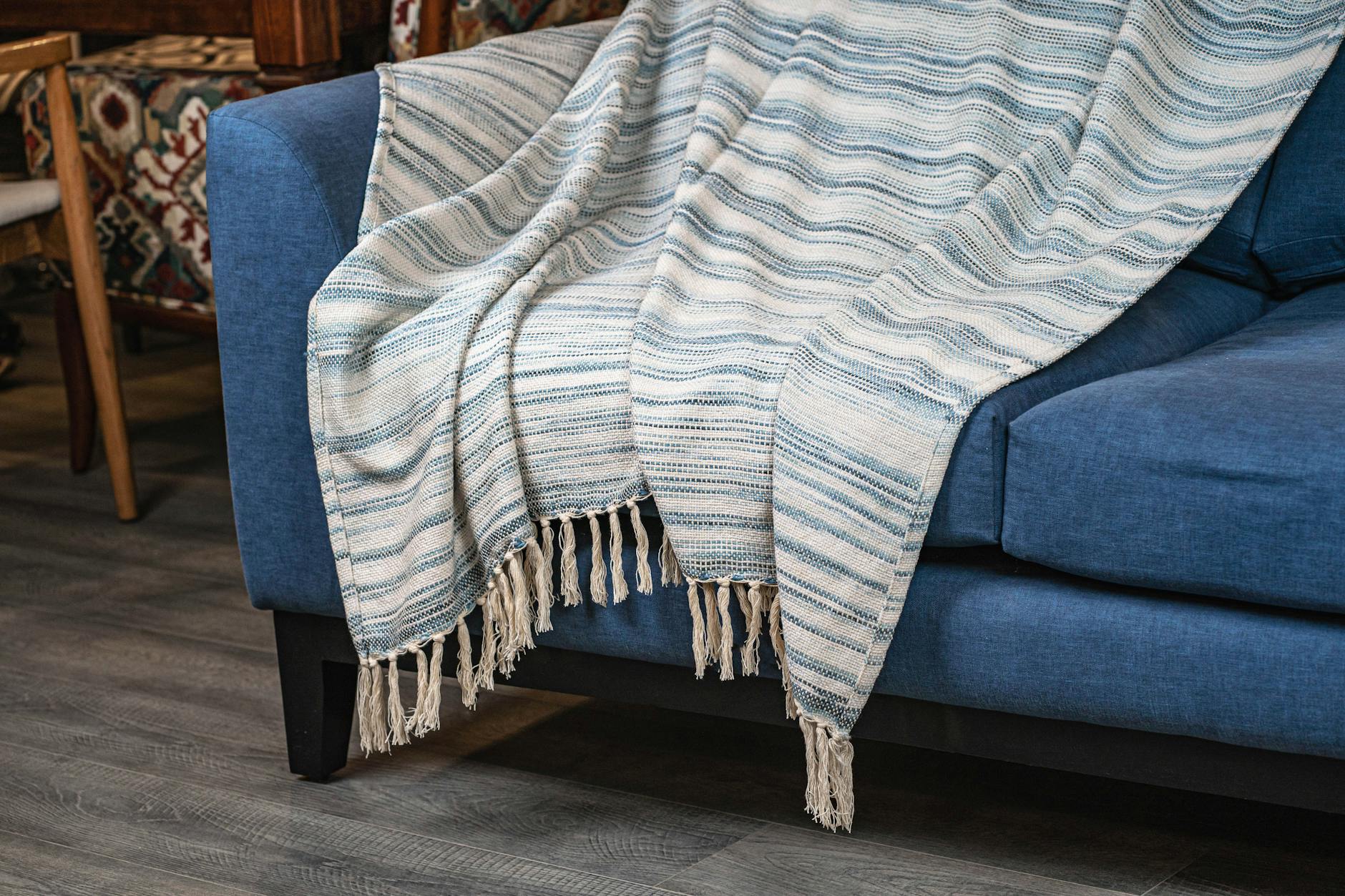
Throw blankets in these homes have stopped being decorative and become structural. They drape over sofas, chairs, and the foot of beds in configurations that reflect habitual use rather than interior styling. Each blanket has an implicit owner and a preferred location that shifts slightly depending on the season and the person’s recent reading or watching habits. Refolding and arranging them in neat stacks would be a temporary gesture because they return to their natural state within hours. They are comfort objects that the home has absorbed into its daily landscape.
Refrigerator Covered in Layers of Life
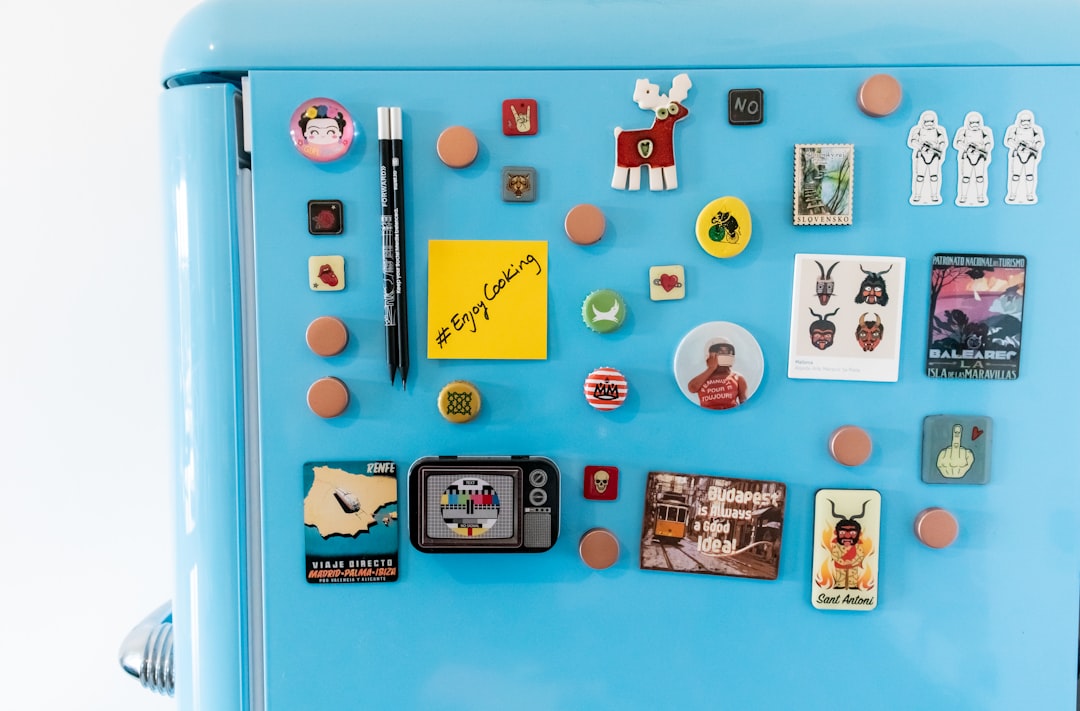
The exterior of the refrigerator functions as a household bulletin board layered with children’s drawings, takeout menus held by novelty magnets, appointment reminders, and photographs. Over time the layers build on each other and older items get partially obscured by newer ones. The arrangement is never curated in the traditional sense because additions happen organically as life produces new things worth keeping visible. Families and social households are especially likely to develop this habit because the refrigerator sits at the center of the home’s daily movement. It becomes a timeline of family culture and shared memory.
A Permanent Project Table
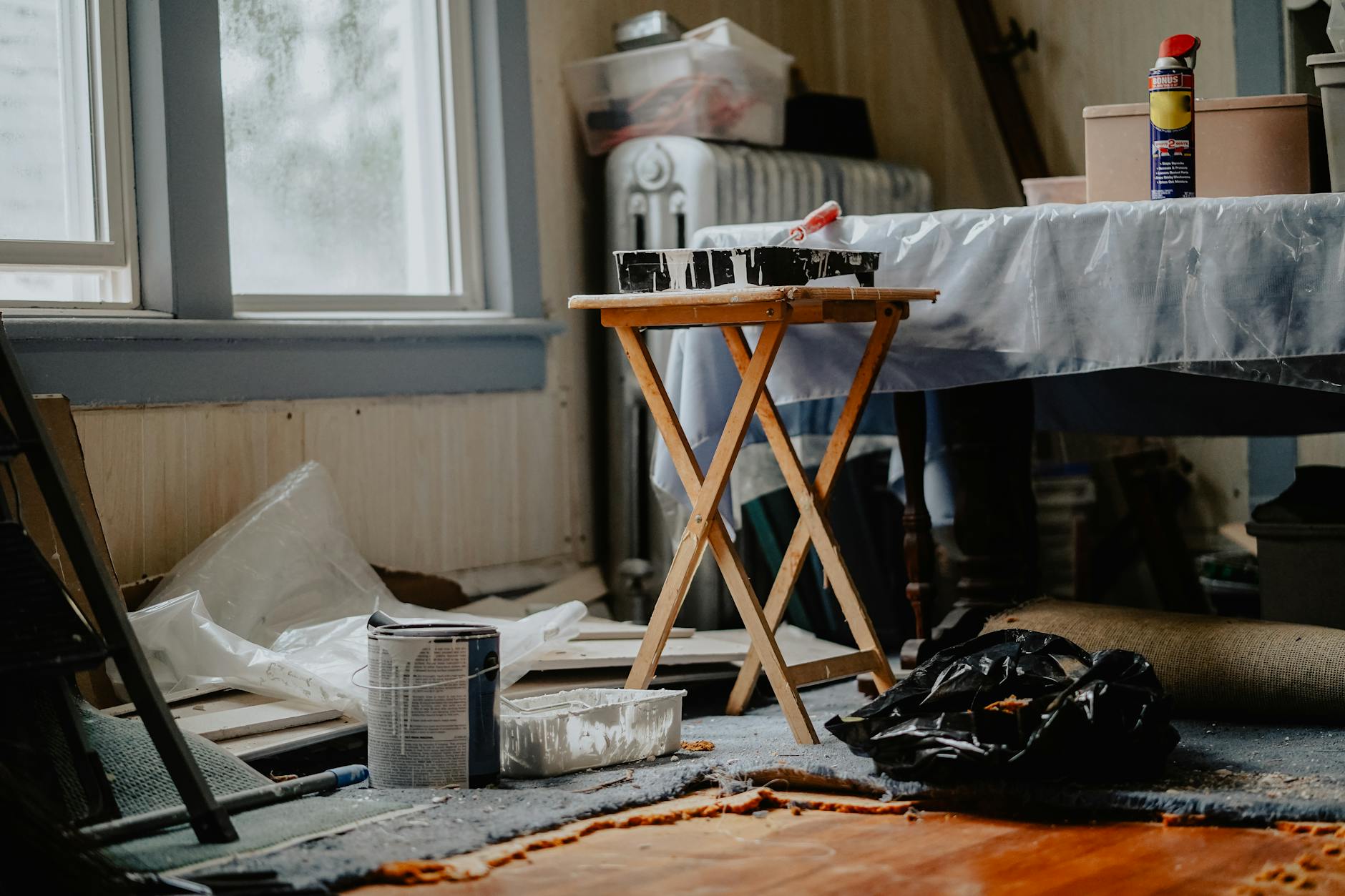
One surface in the home has been unofficially designated as the project table and it is never fully clear. It might be a corner of the dining table, a folding table in a spare room, or a wide windowsill. Whatever is being worked on at any given time lives there alongside the tools and materials needed to complete it. When one project concludes another begins before the surface is properly cleared, meaning layers of past projects often survive beneath the current one. The project table is sacred in its own way and family members know not to move things on it without asking.
Plants With Inevitable Leaf Litter
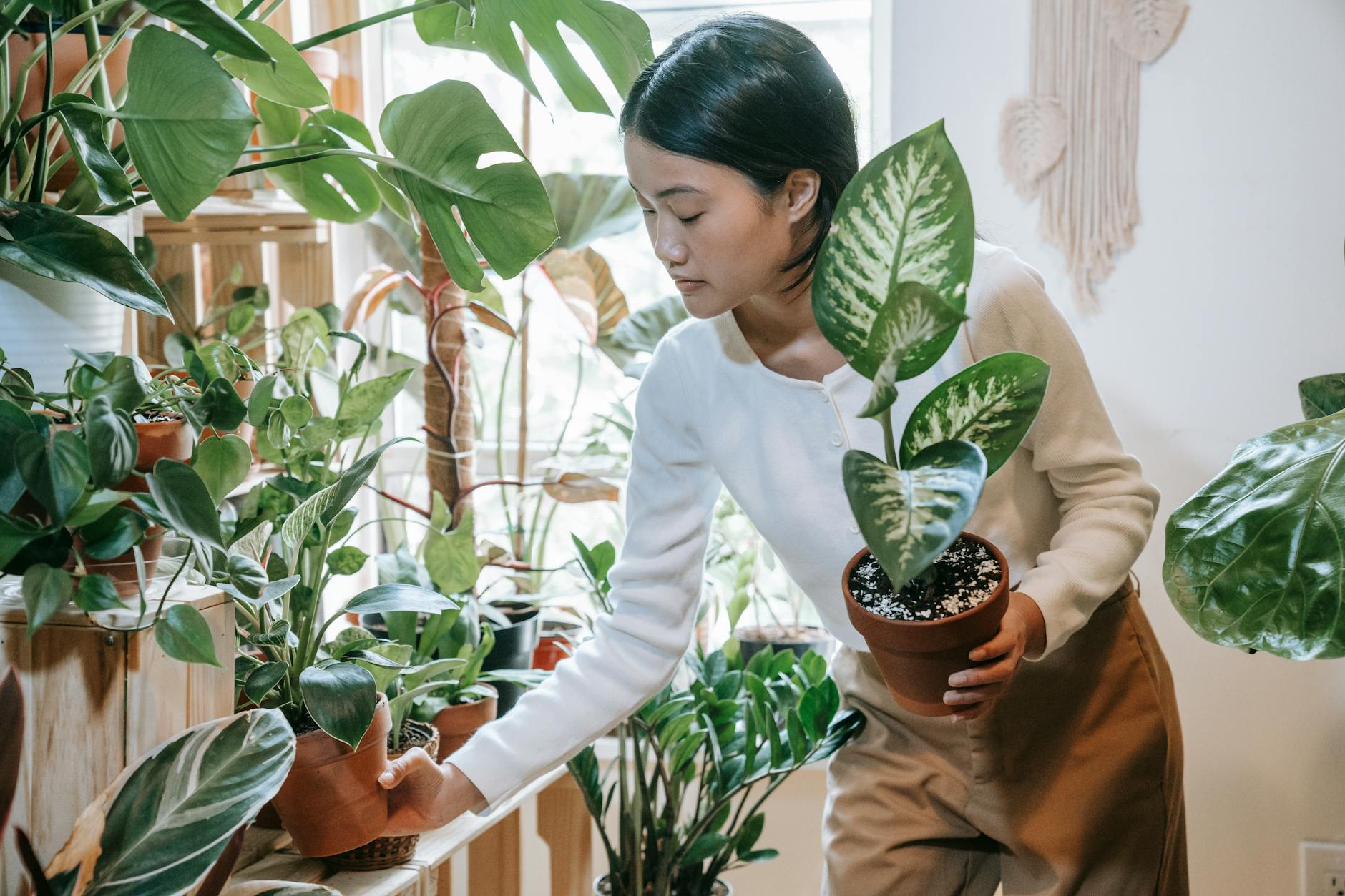
Avid indoor gardeners accept that living plants produce ongoing mess as a fair trade for the beauty and air quality they provide. Fallen leaves gather near the base of pots, soil spills slightly onto surfaces during watering, and occasional overwatering leaves a ring on the shelf below. The plants themselves are healthy and well-tended but the area around them carries the organic evidence of their presence. Households with many plants distributed throughout multiple rooms accumulate this gentle, recurring disorder across several surfaces. The mess is botanical rather than behavioral.
A Revolving Pile of Bags and Totes

Reusable grocery bags, gym bags, work totes, and weekend bags tend to accumulate near the front door or in a hallway corner. These individuals use different bags for different purposes throughout the week and rarely return each one to a designated storage space between uses. The collection grows as new totes are acquired through shopping or events and the pile becomes a topographical record of recent outings. Occasional purges happen when the pile reaches an inconvenient size but it begins rebuilding almost immediately. The bags represent an active lifestyle that simply moves faster than its own tidying impulse.
Charging Cables Across Every Surface
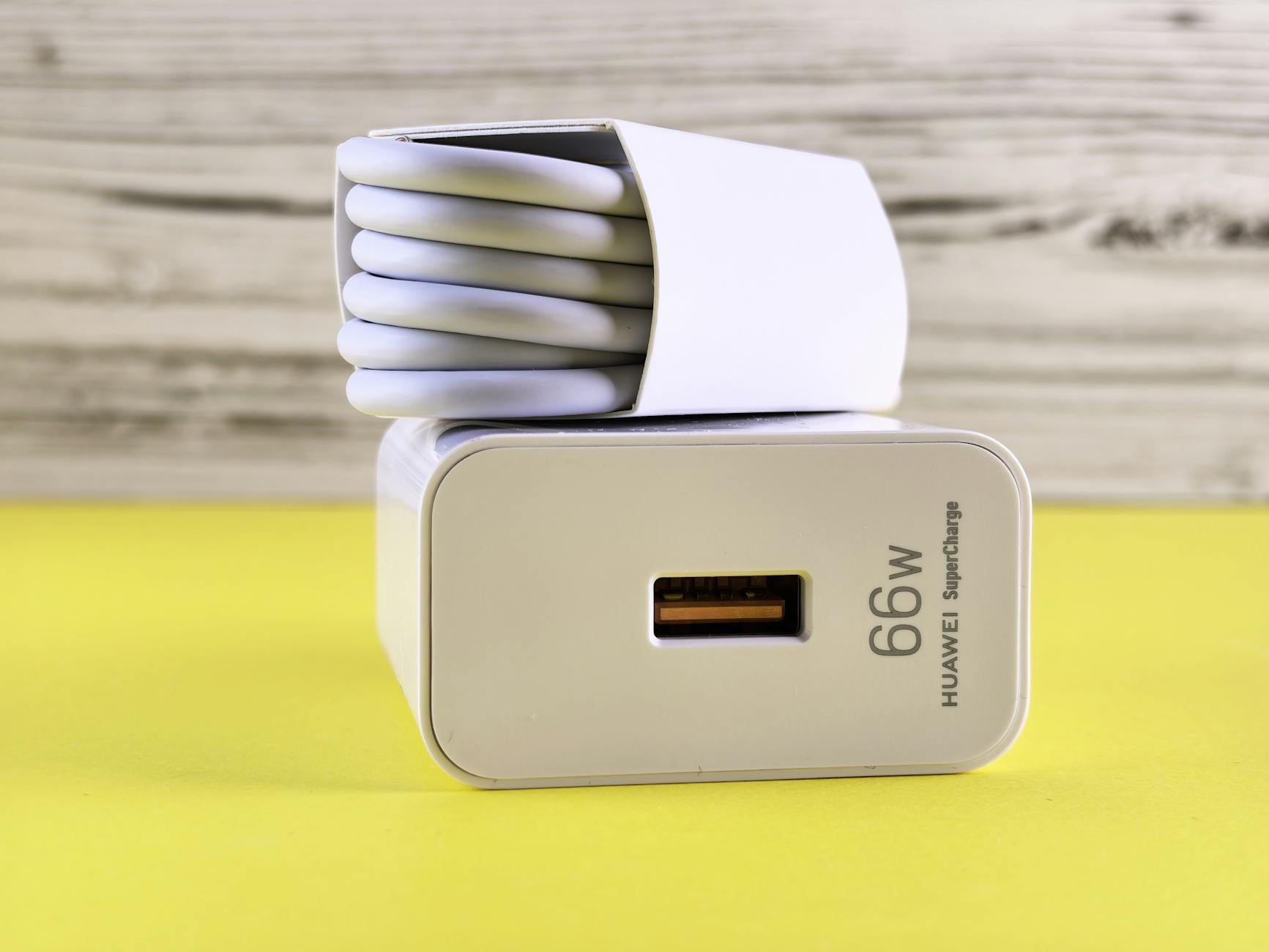
People who use multiple devices throughout the day tend to establish informal charging stations across several rooms. A cable on the nightstand serves the phone during sleep, another drapes across the kitchen counter for morning top-ups, and a third lives beside the sofa for evening use. The cables are rarely coiled or stored because the next charging session is always imminent. Over time they become fixtures of the surfaces they occupy, joined by the devices they serve and the occasional forgotten adapter. The wiring across the home is essentially the nervous system of a digitally active household.
A Kitchen Counter That Never Fully Clears
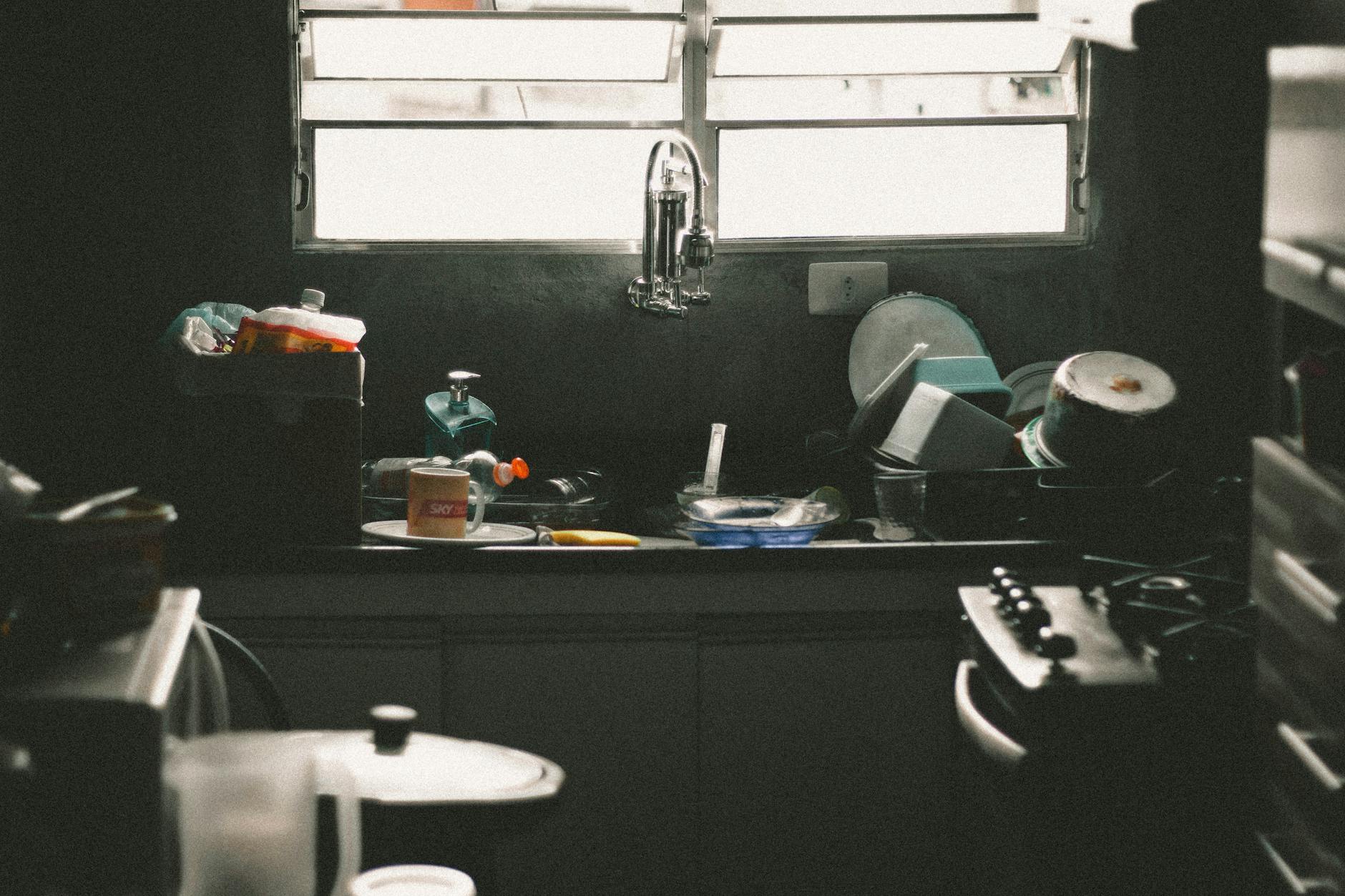
The kitchen counter in these homes supports a permanent population of items that do not have a dedicated storage home. A fruit bowl that has grown beyond its borders, an olive oil bottle that never returns to the pantry, a stack of cookbooks opened for recent reference, and a growing collection of seeds, vitamins, and herbal teas all claim permanent counter residency. Cooking in this kitchen requires working around and with these items rather than starting from a clear surface. The counter reflects a household that cooks often and with great variety. Its visual density is the direct result of genuine culinary engagement.
Art Supplies Within Constant Reach

Households with artists or regularly creative individuals keep supplies accessible rather than stored. Pencils, markers, watercolors, or oil pastels occupy cups, trays, and open boxes on desks, shelves, or tables. The philosophy is that creativity is more likely to happen when the barrier to beginning is low, meaning everything must be immediately to hand. Putting supplies fully away after every use would introduce a friction that slows the creative impulse. The visible presence of art materials is both an invitation and a record of how the household spends its time.
Pet Toys Distributed Across the Floor

Homes with animals, particularly dogs, tend to develop a consistent scatter of toys, chew items, and plush objects across walkable areas. Pets redistribute their toys throughout the day as they play and these items come to rest wherever the play ended. Owners who engage regularly with their animals cycle through toys during play sessions and then leave them where they fall. The pattern intensifies in homes with more than one pet or with particularly active animals. The scattered toys are a sign of a well-loved, well-entertained animal rather than an inattentive owner.
A Home Office That Operates in Controlled Chaos

People who work from home frequently develop a desk environment that looks disordered to outside eyes but functions smoothly for them. Papers are stacked in personal systems of priority, reference materials spread across available surface area, and multiple monitors or devices create a layered workstation. The organization is cognitive rather than visual, meaning the person knows exactly where every item is without needing it to look organized. Visiting the workspace can feel disorienting to anyone unfamiliar with the system. Productivity in these spaces is often very high precisely because everything needed is always close and visible.
Bathroom Counter as a Beauty Archive

In households where grooming and self-care are prioritized, the bathroom counter fills with an evolving collection of products. Moisturizers, serums, styling tools, and wellness products accumulate because each one serves a specific purpose in a layered routine. Products are not returned to drawers or cabinets after each use because they will be needed again the next morning or evening. The counter develops a personal organization that the owner navigates easily even if it appears chaotic to a guest. The array of products is a visible expression of a committed self-care practice.
Gaming Equipment as Living Room Architecture

In homes where gaming is a primary hobby or social activity, consoles, controllers, headsets, and cables become part of the living room’s permanent furniture arrangement. The television stand and surrounding area develop a dense ecosystem of technology that is never fully tidied because it is in near-constant use. Game cases, charging docks, and peripheral devices claim shelves and floor space with the same authority as a sofa or coffee table. Social gamers who host friends regularly amplify this effect with additional controllers and accessories. The setup is a dedicated entertainment infrastructure rather than clutter.
Collections Displayed Without Formal Curation
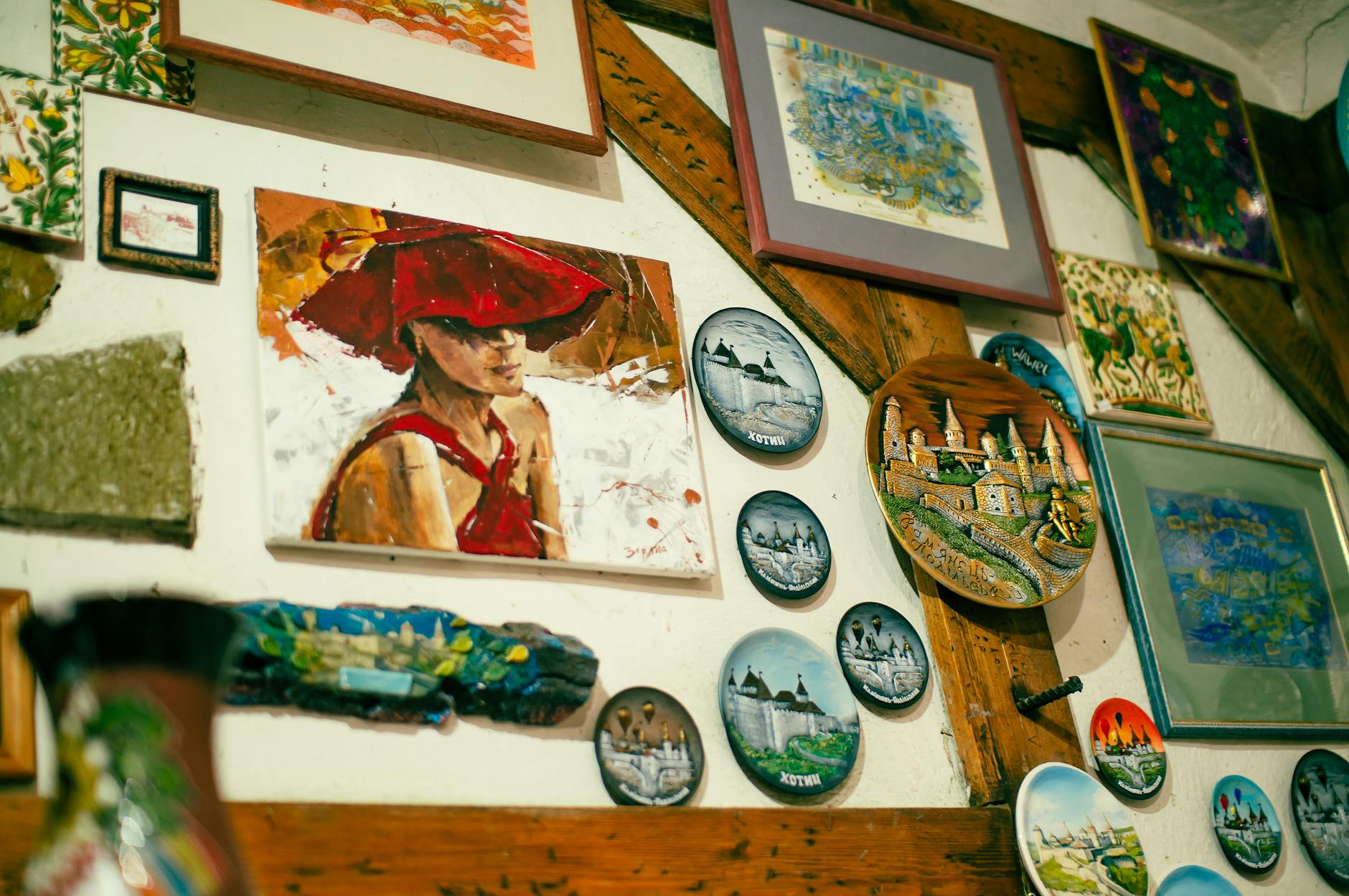
People who collect things, whether vinyl records, vintage ceramics, action figures, or pressed botanicals, display their collections in ways that prioritize completeness over visual restraint. New acquisitions join the display immediately without triggering a reorganization of the whole. The collection grows across shelves and surfaces as it expands, sometimes occupying territory that was originally intended for something else. The collector finds deep satisfaction in seeing the full breadth of what they have gathered. To an outsider it may look overwhelming but to the collector every item is meaningful and deliberately present.
A Front Hallway That Catches Everything
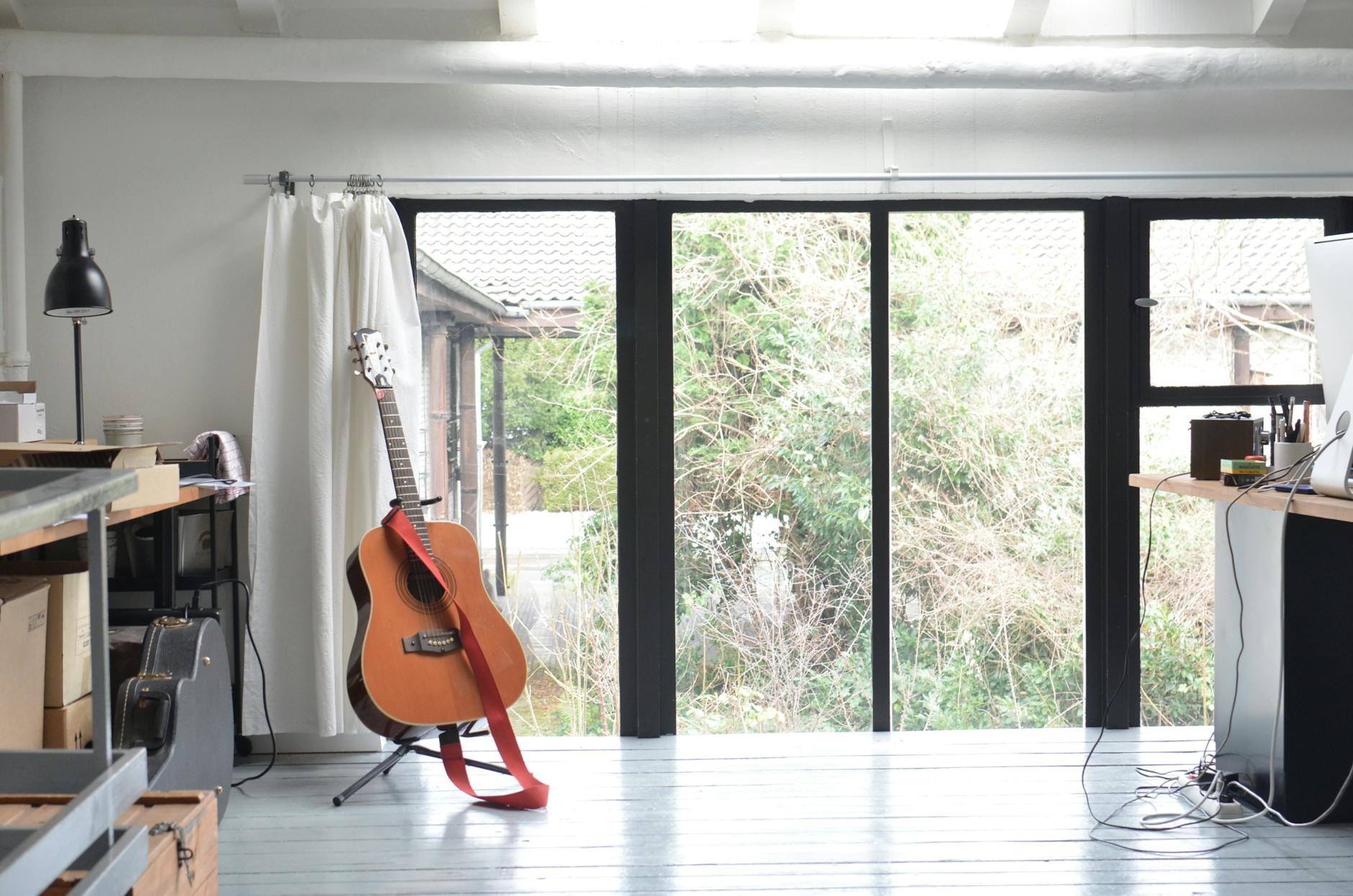
The entryway of these homes functions as the first resting place for everything that enters the house. Bags, coats, hats, umbrellas, mail, and grocery items all make contact with this zone and some of them never advance further. Hooks overflow, the floor hosts shoes beyond their designated area, and a small table or bench supports a rotating stack of items in temporary residence. The hallway tells the story of every trip taken and every errand run in the past several days. It is the most honest room in the home.
Seasonal Decor That Lingers Past Its Season

People who love decorating for holidays and seasons often find that taking decorations down feels less rewarding than putting them up. A wreath remains on the door weeks past its occasion, a string of lights stays on the mantle through the following month, and a table centerpiece outlasts the event it was designed for. The lingering decor creates a kind of domestic time overlap where two seasons briefly coexist in the same space. The motivation to decorate is far stronger than the motivation to undo it, which produces a home that always carries traces of recent celebrations. It reflects a warm, festive domestic culture.
A Sofa That Functions as a Dumping Ground
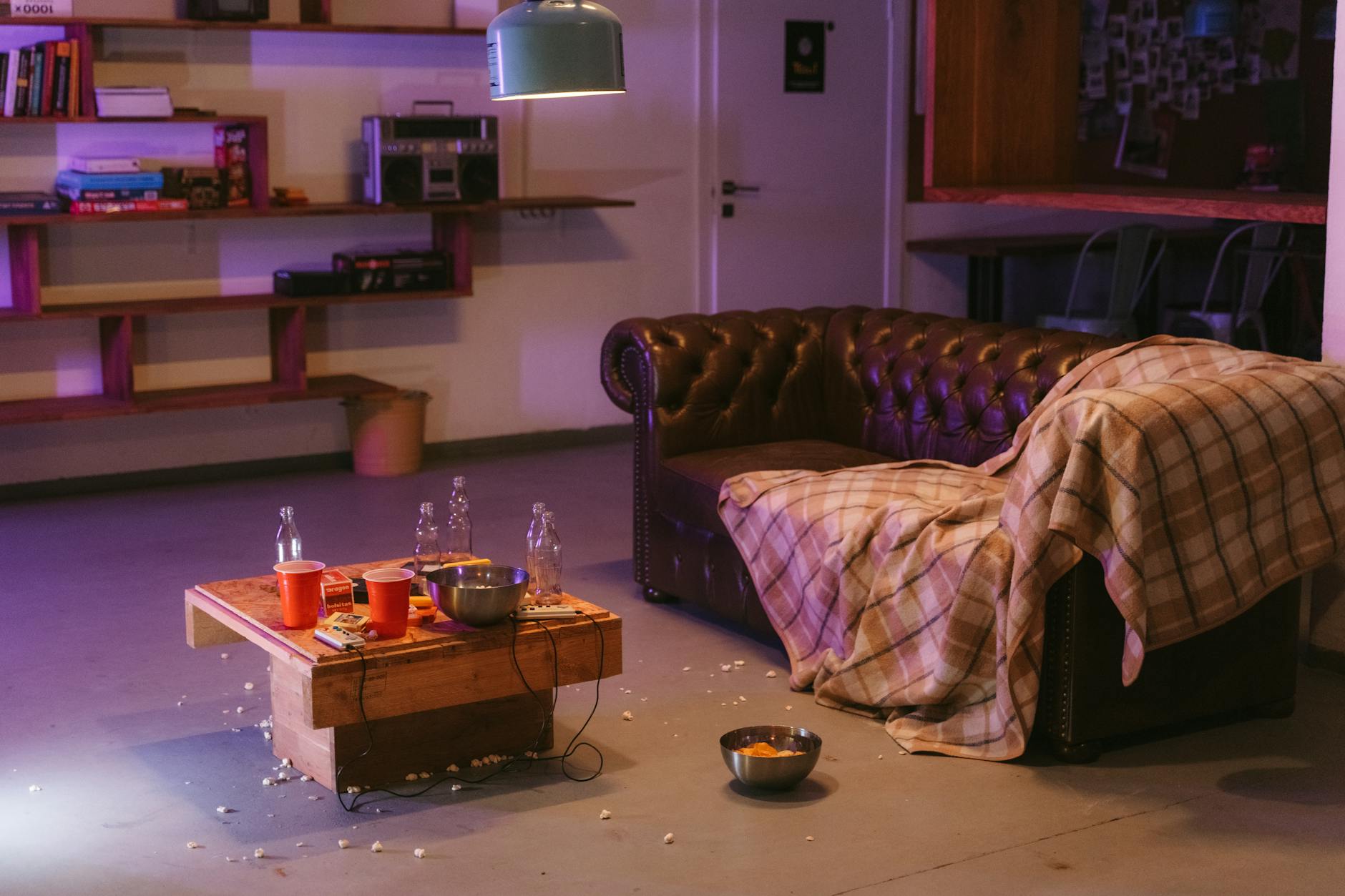
The sofa in these homes serves many purposes beyond seating. It becomes a place to deposit bags, jackets, clean laundry awaiting folding, children’s school items, and library books checked out earlier in the week. Guests are invited to move items aside and sit, which happens without ceremony or apology. The sofa is at the center of the home’s activity and naturally accumulates the evidence of that activity throughout the day. Clearing it completely before bed is something that happens occasionally but never becomes a fixed habit.
Recycling That Overflows Its Container

Environmentally conscious households tend to generate substantial recycling volume and their bins fill quickly between collection days. Cardboard boxes, glass jars, plastic packaging, and paper bags begin to stack beside the bin when it reaches capacity. Some items are broken down and others are left whole depending on the pace of the household’s day. The recycling area becomes a minor landscape of domestic consumption that grows until the next pickup. The overflow is a byproduct of both high consumption and genuine commitment to environmental responsibility.
Workout Equipment as Permanent Furniture
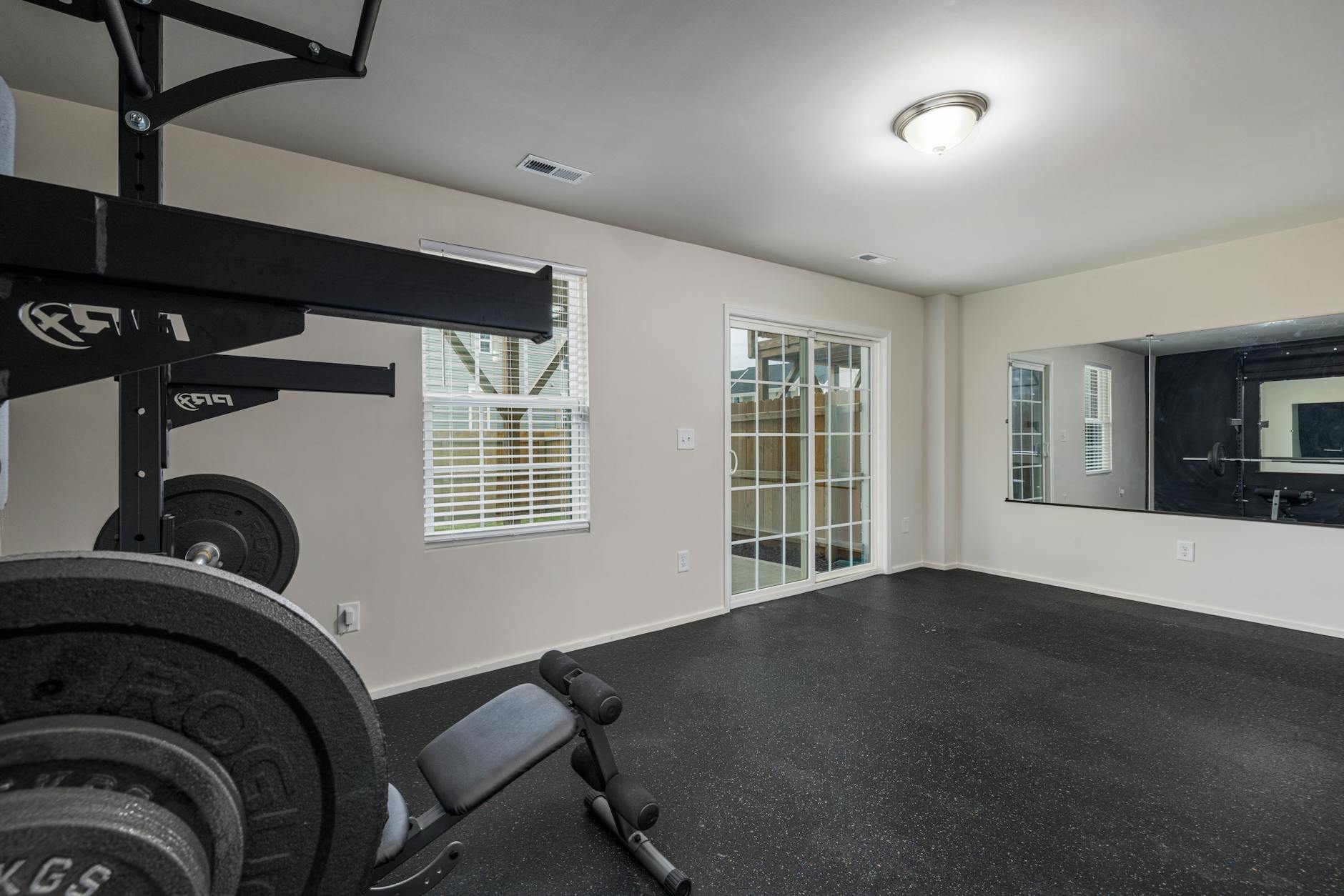
People who exercise at home regularly begin to treat their equipment as permanent features of the living space. A yoga mat rolled out in the corner of the living room stays there between sessions, resistance bands hang from a doorknob, and a set of weights occupies a visible corner of the bedroom. Putting everything away after each workout would add time to a routine that is already being squeezed into a busy day. The visible equipment also serves as a motivational cue, making it more likely that the next workout will actually happen. The home communicates an active lifestyle through its physical landscape.
Mail and Paper Piling Beside the Door
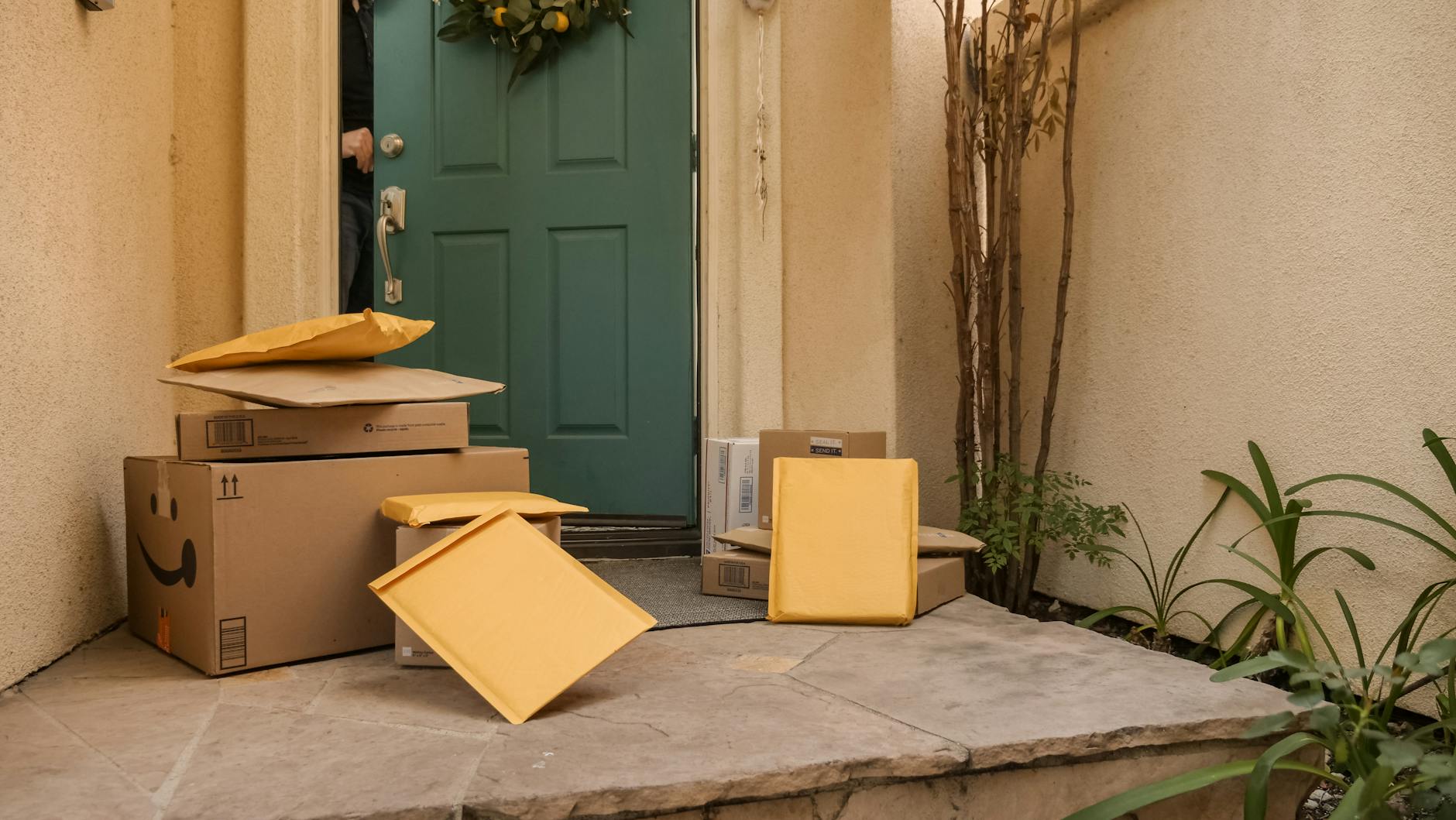
Paper that enters the home, including bills, catalogs, event flyers, and packages, tends to land in one spot near the entrance and stay there as the pile grows. People with this habit are not ignoring the mail but processing it on a schedule that allows accumulation between sessions. Important items are identified and separated without dismantling the broader pile. The stack becomes a physical inbox that the household checks periodically rather than daily. It is a paper management system that prioritizes flexibility over immediate action.
A Pantry in Productive Disarray

People who cook frequently from a wide repertoire maintain pantries that are full and complex rather than streamlined and minimal. Spices crowd their shelf, specialty ingredients occupy unexpected spaces, and bulk items purchased at different times create layered stacking. A new item rarely triggers a full pantry reorganization because cooking is the priority rather than the maintenance of pantry aesthetics. The person who lives with this pantry knows where to find what they need through memory and habit. Its apparent disorder is the evidence of serious, enthusiastic cooking.
Jewelry Left Out Across Surfaces

People who wear jewelry daily often find that storing it properly after each use creates an unnecessary extra step in a busy routine. Rings rest beside the bathroom sink, necklaces drape across the edge of a mirror, and earrings collect in small dishes or on the surface of a nightstand. Each piece comes to rest wherever it was removed, creating a scattered but personally logical geography of accessories. The arrangement is recalled easily by its owner because removal and placement are habits tied to specific moments of the day. The visible jewelry adds warmth and personal character to the surfaces it occupies.
A Car That Mirrors the Home
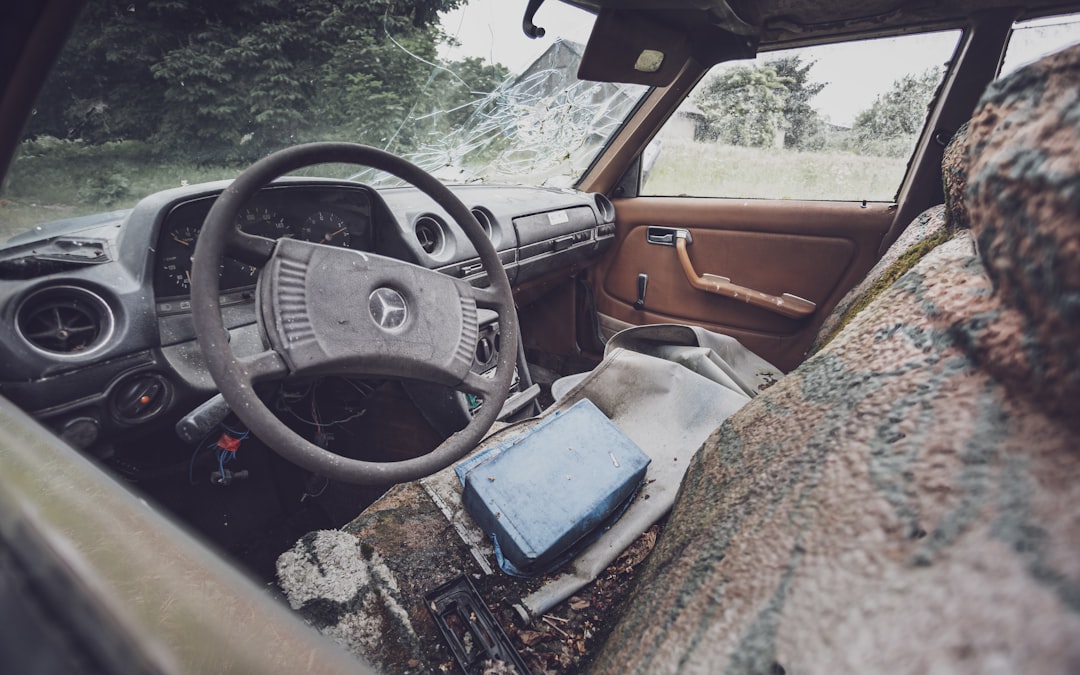
People whose homes carry a permanently lived-in quality tend to extend the same aesthetic to their vehicles. The back seat hosts reusable bags, gym equipment, children’s items, and the occasional forgotten umbrella. The center console accumulates lip balm, hair ties, parking receipts, and cables. The car is used as actively as the home and its contents reflect the same full, busy lifestyle without apology. Regular deep cleans happen occasionally but the car returns to its natural state within a few weeks.
A Bedroom That Doubles as a Multipurpose Room
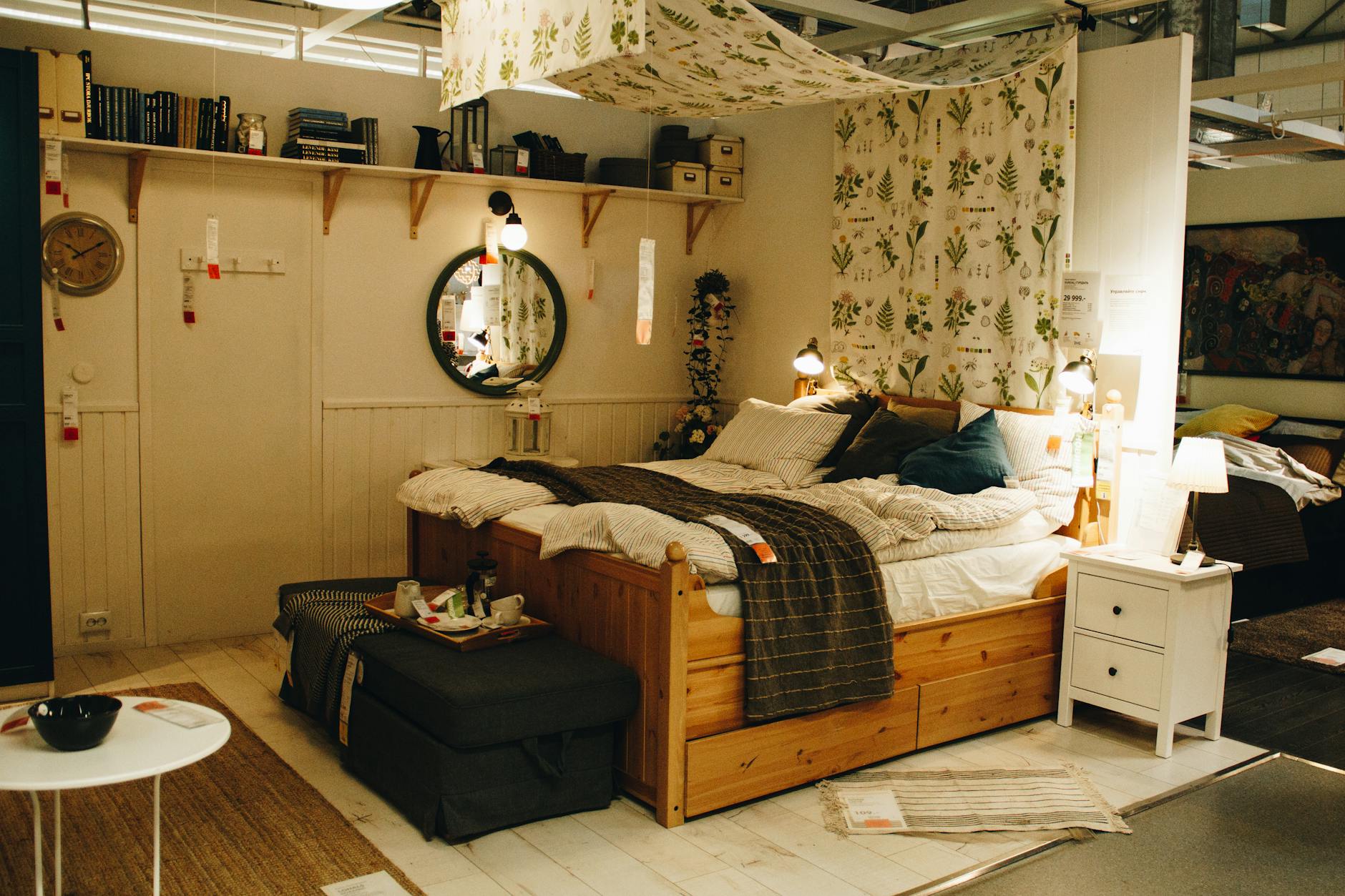
When a home lacks dedicated space for every activity, the bedroom absorbs the overflow. Work materials appear on the nightstand, a small desk in the corner supports a secondary office setup, and hobby supplies make their way past the threshold. The bedroom becomes a place for sleeping, working, reading, watching, and sometimes crafting, all of which leave their marks on the space. Sleep hygiene advocates would note the downsides of this arrangement but for many people it is a practical response to real space constraints. The bedroom reflects the full complexity of the life being lived inside it.
A Guest Room That Has Become Storage
The guest room in these homes receives guests periodically but maintains a secondary identity as overflow storage between visits. Boxes of seasonal items, extra furniture, seldom-used sporting equipment, and things awaiting donation find their way into this room and settle in. A flurry of reorganization happens before guests arrive and then the room gradually returns to its interim state in the weeks that follow. The room is put to good use year-round even if that use does not match its official designation. It represents a pragmatic approach to living space that prioritizes function over categorical tidiness.
The Philosophy of “I Know Where Everything Is”

People who live in consistently “messy” homes often possess a precise spatial memory that allows them to locate any object within their environment despite what appears to be disorder. The system is personal, informal, and entirely functional within the context of the person who created it. Items are placed based on where they were last used rather than where convention suggests they should live. When someone else tidies these spaces with good intentions the owner is often genuinely disoriented rather than grateful. The apparent chaos is, for its creator, a deeply coherent and navigable personal world.
What habits do you recognize in your own home, and what do they say about the life you are living? Share your thoughts in the comments.