From the outside, their lives appear picture-perfect. The promotions keep coming, the social media feeds look curated and enviable, and the people around them seem to believe everything is going exactly as planned. Yet beneath that polished exterior, a set of deeply ingrained habits quietly erodes genuine happiness and fulfillment. These patterns are far more common than most people admit and understanding them is the first step toward recognizing them in yourself or someone you care about.
Obsessive Overworking

Many outwardly successful people fill every waking hour with work-related tasks far beyond what their roles require. This compulsive productivity is often mistaken for ambition by colleagues and admirers. The habit creates a temporary sense of purpose that masks deeper emotional emptiness. Over time it leads to burnout, deteriorating relationships, and a growing disconnection from personal values. Work becomes a place to hide rather than a place to thrive.
Chronic People-Pleasing

People who appear successful often get there partly by agreeing with everyone around them to avoid conflict. They consistently prioritize the needs and opinions of others over their own genuine preferences. This pattern generates resentment that quietly accumulates beneath a pleasant and cooperative exterior. The energy required to constantly manage other people’s perceptions is exhausting and unsustainable. Eventually this habit strips away any authentic sense of identity.
Performative Happiness on Social Media

A significant amount of time each day goes into crafting a version of life that looks aspirational online. Every post is carefully selected to show achievement, joy, and enviable experiences. The gap between that curated image and real daily life becomes a source of persistent inner conflict. Validation is sought through likes and comments as a substitute for genuine human connection. The more polished the feed becomes, the lonelier the person behind it often feels.
Avoiding Silence and Stillness

The habit of constantly filling quiet moments with noise, content, or stimulation is a reliable indicator of inner discomfort. Podcasts, television, and phone scrolling are used to crowd out unwanted thoughts. Silence feels threatening because it creates space for emotions that have been deliberately suppressed. This avoidance prevents any meaningful self-reflection or emotional processing from taking place. The relentless distraction keeps deeper issues invisible but never actually resolves them.
Defining Worth Through Achievements

Success becomes a trap when every sense of personal value is tied entirely to external accomplishments. Once a goal is reached it brings only momentary relief before anxiety about the next milestone sets in. The goalposts keep moving because no achievement ever feels like enough on its own. This pattern is reinforced by praise from others who only acknowledge results rather than the person behind them. A deep belief that rest or enjoyment must be earned keeps this cycle firmly in place.
Neglecting Close Friendships

Outwardly successful people often allow genuine friendships to quietly fade as professional demands take priority. Relationships become transactional and centered around networking rather than authentic connection. Old friends who knew them before success feel increasingly distant and difficult to relate to. The time invested in maintaining a strong public image far outweighs the time given to real personal bonds. Loneliness grows steadily even as the social calendar remains full.
Numbing with Alcohol or Substances

A glass of wine to unwind after a long day is a widely normalized ritual among high achievers. When unwinding requires increasing amounts or happens with greater frequency, it signals something more concerning. Substances are used to quiet the gap between how life looks and how it actually feels. This habit is easy to conceal behind dinner parties, industry events, and celebrations of professional wins. The underlying emotional distress continues to build unaddressed beneath the social veneer.
Comparing Constantly to Others

A relentless internal scorecard tracks how peers are doing in terms of salary, status, titles, and possessions. Every success story encountered triggers a fresh wave of anxiety rather than inspiration. This comparison habit is privately exhausting and breeds a chronic sense of inadequacy no matter what personal milestones are reached. It shifts focus away from individual values and toward metrics defined entirely by others. The result is a perpetual feeling of falling behind even when objectively ahead.
Difficulty Accepting Compliments

When praise is received, it is quickly deflected, minimized, or dismissed rather than accepted graciously. This habit reflects a deeply held belief that the positive perception others have is not entirely deserved. A persistent fear of being exposed as less capable than people assume sits just below the surface. Compliments become uncomfortable reminders of a performance that must be constantly maintained. Rather than building confidence, external recognition deepens the anxiety around keeping up appearances.
Staying in the Wrong Relationships

Many secretly miserable high achievers remain in romantic or social relationships that stopped serving them long ago. Leaving feels risky because these partnerships often form a visible part of their successful public identity. The effort required to maintain an unhappy relationship is normalized as simply part of adult responsibility. Deep loneliness within a committed relationship is one of the most quietly devastating experiences a person can endure. The image of stability is prioritized over the reality of emotional fulfillment.
Suppressing Anger

Anger is carefully hidden behind a calm and composed professional exterior in almost every situation. It is considered unprofessional or weak to express frustration openly, so it gets pushed down and stored. Suppressed anger tends to resurface through passive aggression, irritability at home, or physical tension in the body. This habit prevents honest communication from ever resolving the situations that cause the emotion in the first place. The build-up eventually affects mental and physical health in measurable ways.
Chasing Milestones Without Reflecting on Them

The transition from one goal to the next happens so quickly that no time is given to genuinely appreciate what has been accomplished. Checking a box is immediately followed by creating a new, more demanding one. This relentless forward motion prevents any lasting sense of satisfaction from taking root. Many people living this way are unable to identify what they actually want because they have never paused long enough to ask the question. The achievements accumulate while the emptiness remains.
Struggling to Ask for Help

Admitting uncertainty or needing support feels deeply threatening to someone whose identity rests on appearing capable. Even when overwhelmed, they will work through problems alone rather than risk appearing vulnerable. This habit creates immense unnecessary stress and prevents the kind of collaboration that could genuinely ease the burden. Others are often unaware of how much that person is quietly struggling because the mask never slips in public. The belief that needing help equals failure runs very deep.
Perfectionism in Everything

Standards are set so impossibly high that nearly every outcome still feels like a partial failure. Hours or days are spent reworking things that are already more than adequate by any reasonable measure. The fear of criticism from others is so powerful that it drives an exhausting level of self-scrutiny. Perfectionism is frequently celebrated as dedication by those looking in from the outside. Internally it functions as a form of self-punishment disguised as high standards.
Neglecting Physical Health

Despite projecting an image of having it all together, basic physical health habits are quietly abandoned. Sleep is sacrificed for productivity, meals are skipped or eaten on the go, and exercise becomes inconsistent or extreme. The body becomes something to push through rather than something to take care of. Physical symptoms of stress are ignored or treated as badges of honor indicating how hard someone is working. This disconnection from the body accelerates emotional and mental deterioration over time.
Living Entirely in the Future

Every present moment is treated as a temporary inconvenience on the way to some future state where life will finally be good. Vacations are mentally ruined by thoughts of what needs to be handled upon returning. Achievements are immediately overshadowed by whatever comes next on the roadmap. This forward-focused orientation makes genuine contentment structurally impossible. The present never arrives as the satisfying destination it was always imagined to be.
Keeping Emotions Strictly Private

Opening up emotionally feels dangerous and the vulnerability required for genuine intimacy is avoided. A highly controlled version of the self is presented in almost every social interaction. Therapy, journaling, or even casual conversations about inner experience are rejected as unnecessary or self-indulgent. This emotional guardedness protects against being hurt but also prevents being truly known by anyone. The isolation that results is profound even within a full and busy life.
Saying Yes When They Mean No

Requests from colleagues, family, and acquaintances are agreed to automatically even when they conflict with genuine needs or priorities. The word no feels like a rejection of the person asking rather than simply a boundary around personal time or energy. This pattern results in a schedule filled entirely with obligations that belong to others. Resentment builds toward the very people whose approval is most sought. Personal time erodes until the only version of rest available is collapse.
Dismissing Therapy or Mental Health Support
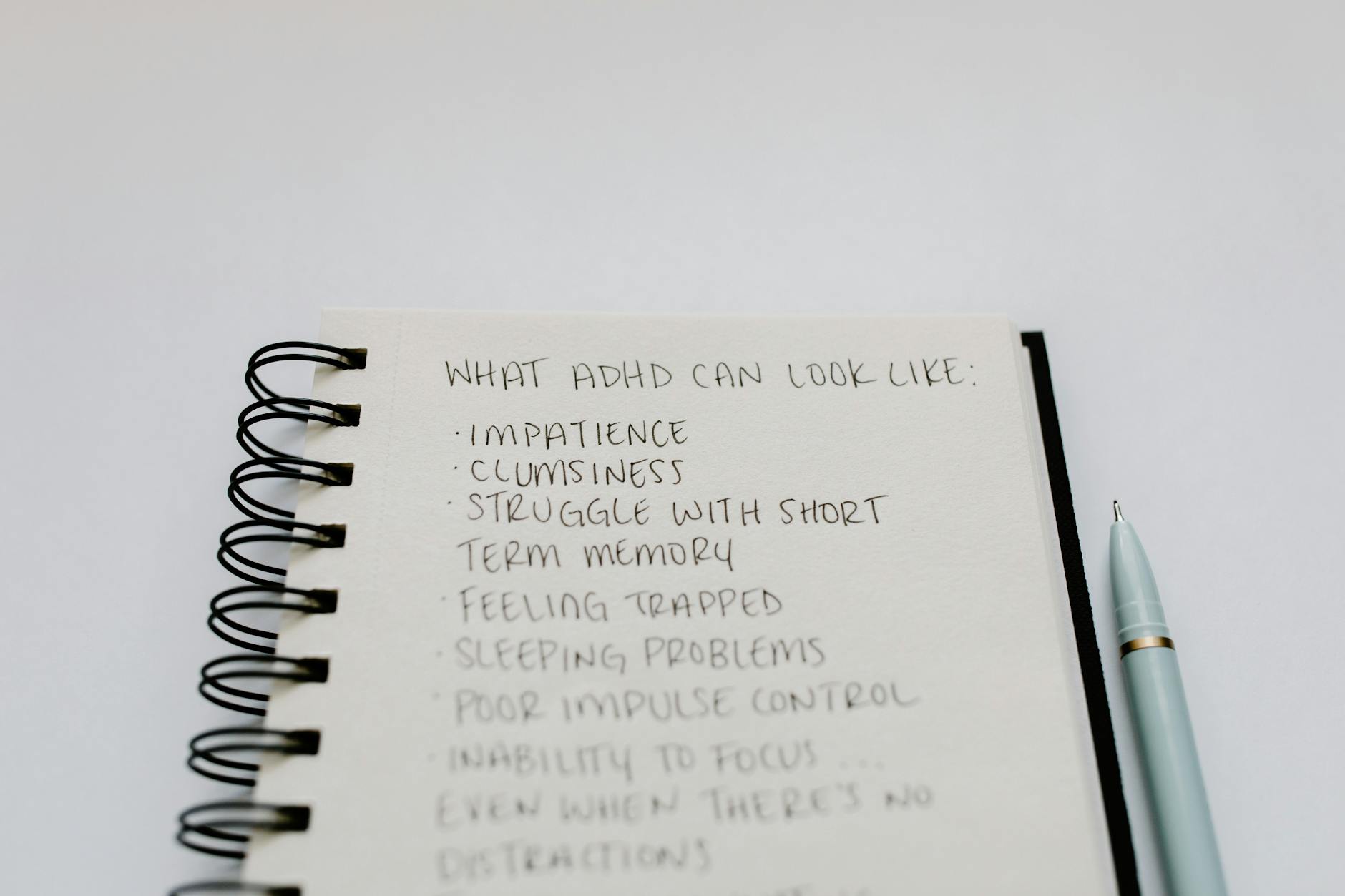
Mental health challenges are viewed as weaknesses that contradict the narrative of being a high-functioning and capable person. Suggestions to speak with a therapist are brushed aside with references to being too busy or not needing it. Emotional struggles are managed through surface-level habits rather than genuine reflection or professional support. This avoidance allows serious issues like anxiety or depression to quietly worsen over time. The stigma around seeking help is actively reinforced by the pressure to appear fully in control.
Measuring Success by Other People’s Standards

The career path, lifestyle, and goals being pursued were largely defined by parents, culture, or societal expectations rather than personal desires. A nagging sense that none of it was ever actually chosen exists quietly beneath every achievement. The accomplishments feel hollow precisely because they belong to someone else’s vision of an ideal life. Changing direction seems impossible because too much has already been invested in the current trajectory. Success arrives wearing someone else’s definition and never quite fits.
Avoiding Rest Without Guilt

Taking a day off or sitting still immediately triggers a wave of guilt and anxiety about falling behind. Rest is never experienced as genuinely restorative because the mind continues working through tasks and responsibilities. Leisure activities are chosen for their productive or impressive qualities rather than for genuine enjoyment. The inability to rest without guilt is a significant marker of an unhealthy relationship with personal value and productivity. True restoration becomes inaccessible even when the schedule technically allows for it.
Prioritizing Status Over Meaning

Career decisions are consistently made based on titles, salaries, and industry prestige rather than alignment with personal values. Work that looks impressive on paper may feel deeply unfulfilling in daily practice. The disconnect between what the role signals to others and what it actually feels like to do creates ongoing internal tension. Meaning and purpose are often sacrificed for the security of external validation from peers and family. Over time this trade feels increasingly costly.
Fear of Being Found Out

A persistent low-level fear exists that other people will eventually discover that the success achieved is somehow undeserved. This phenomenon is widely known as impostor syndrome and it affects people across nearly every industry and achievement level. It drives compulsive overpreparation, excessive qualification-seeking, and an inability to ever feel truly confident. The success that others celebrate feels accidental rather than earned. Each new opportunity brings fresh anxiety rather than genuine excitement.
Using Busyness as a Shield

A packed schedule is worn as a badge of importance and used to avoid uncomfortable conversations, emotions, or decisions. Busyness becomes the accepted social excuse for never engaging with anything deeply or vulnerably. When the calendar finally clears, panic or disorientation sets in because stillness has become unfamiliar. This constant motion prevents the kind of honest self-assessment that growth genuinely requires. The schedule fills back up before any real reckoning can occur.
Keeping Finances Chaotic Despite High Income

High earners frequently live in financial chaos characterized by overspending, avoidance of budgets, and anxiety about money despite significant income. Purchases are made to signal status or provide brief emotional relief from the pressure of maintaining appearances. The gap between income and the spending required to sustain a certain lifestyle creates quiet but persistent stress. Financial insecurity at high income levels is a common but rarely discussed symptom of deeper emotional discomfort. Money management gets deferred indefinitely because addressing it requires confronting uncomfortable realities.
Avoiding Deep Conversations

Social interactions are kept deliberately light, fun, and surface-level as a matter of habit. Questions about feelings, purpose, or dissatisfaction are deflected with humor or redirected to topics about work and plans. This conversational pattern means that even frequent social contact provides very little genuine emotional nourishment. The people around them often feel they do not truly know them despite spending significant time together. Depth in relationships requires a kind of exposure that feels too risky to attempt.
Difficulty Experiencing Joy

Even when objectively positive things happen, the ability to fully experience and sustain joy has been dulled by persistent stress and suppressed emotion. Celebrations are attended and milestones are marked but the felt sense of happiness is fleeting and shallow. This emotional blunting is often a consequence of years of pushing feelings down in favor of performance and productivity. The absence of genuine joy becomes normalized as simply the way adult life feels. Joy begins to seem like something that belongs to a simpler or more naive version of themselves.
Romanticizing the Past or Future

Happiness is chronologically displaced onto either a golden version of the past or an idealized vision of the future. The present moment is consistently framed as something to be endured rather than experienced. This displacement provides a mental escape from current dissatisfaction without requiring any actual change. Nostalgia and daydreaming become emotional habits that subtly reinforce passivity. The life being lived right now rarely receives the attention or appreciation it deserves.
Sabotaging Opportunities for Genuine Rest

Vacations are booked but filled immediately with activities, excursions, and digital check-ins. The concept of doing nothing at all produces visible restlessness and discomfort. Any environment that removes the usual markers of productivity feels disorienting and uncomfortable. This inability to genuinely decompress means stress accumulates without any adequate release valve. The body may physically be on holiday while the nervous system remains in a state of constant activation.
Surrounding Themselves Only With Admirers

The inner circle is carefully populated with people who offer consistent praise and reinforcement rather than honest perspective. Genuine friends who offer constructive challenge or who knew them before success are gradually phased out. This curated social environment becomes an echo chamber that confirms the narrative being performed rather than the reality being lived. Feedback that could prompt meaningful growth never arrives. The loneliness of being seen but never truly known deepens over time.
Ignoring Intuition and Gut Feelings

A persistent inner voice signals discomfort with certain relationships, career directions, or lifestyle choices and is routinely overridden. Logic, ambition, and external expectations are used to rationalize staying in situations that feel fundamentally wrong. Intuition is treated as irrational sentiment rather than meaningful personal data. Over years of overriding internal signals the connection to genuine inner knowing weakens significantly. Decisions that look correct on paper continue to produce outcomes that feel empty.
Taking on Other People’s Emotional Labor

The problems of friends, colleagues, and family members are absorbed and managed as personal responsibility. Being needed and relied upon provides a sense of value that compensates for a lack of internal self-worth. This pattern is frequently described by others as being incredibly giving and supportive. The actual cost is a steady depletion of emotional energy that is never adequately replenished. There is rarely equivalent support available when their own struggles need attention.
Never Allowing Themselves to Be Bored

Boredom has been completely eliminated from daily life through constant stimulation, task completion, and content consumption. The discomfort of having nothing scheduled or nothing to consume is intolerable and immediately addressed. Boredom is actually a psychologically important state that allows the mind to wander, reset, and generate creativity. Its absence removes an important mental processing mechanism. People who cannot be bored often cannot access their own inner lives in any meaningful way.
Treating Self-Care as Another Task to Optimize

Wellness routines, exercise regimens, and mindfulness practices are adopted but immediately gamified and turned into performance metrics. Meditation is timed and tracked, sleep is quantified, and gym sessions are logged and compared. The practices that are meant to restore genuine wellbeing become sources of additional pressure and self-assessment. Self-care done this way provides little of the genuine restoration it is designed to offer. The form of wellness is present but the essence of it has been entirely consumed by the optimization mindset.
Confusing External Validation for Self-Esteem

Praise from employers, followers, partners, and peers feels genuinely good but only for a very short time before the anxiety returns. Self-worth is perpetually outsourced to other people’s reactions and assessments. This means that self-esteem fluctuates wildly based on circumstances entirely outside of personal control. A strong performance review or viral post provides relief but never actually builds a durable inner sense of value. The hunger for external validation grows rather than diminishes with each dose received.
If any of these habits feel uncomfortably familiar, share your thoughts in the comments.