Centenarians around the world share a remarkable set of daily practices that researchers and longevity experts have studied for decades. From the blue zones of Sardinia and Okinawa to the highlands of Costa Rica, patterns emerge that go far beyond genetics. These 35 habits reveal the lifestyle choices that appear most consistently among the world’s longest-lived people.
Walking Every Day
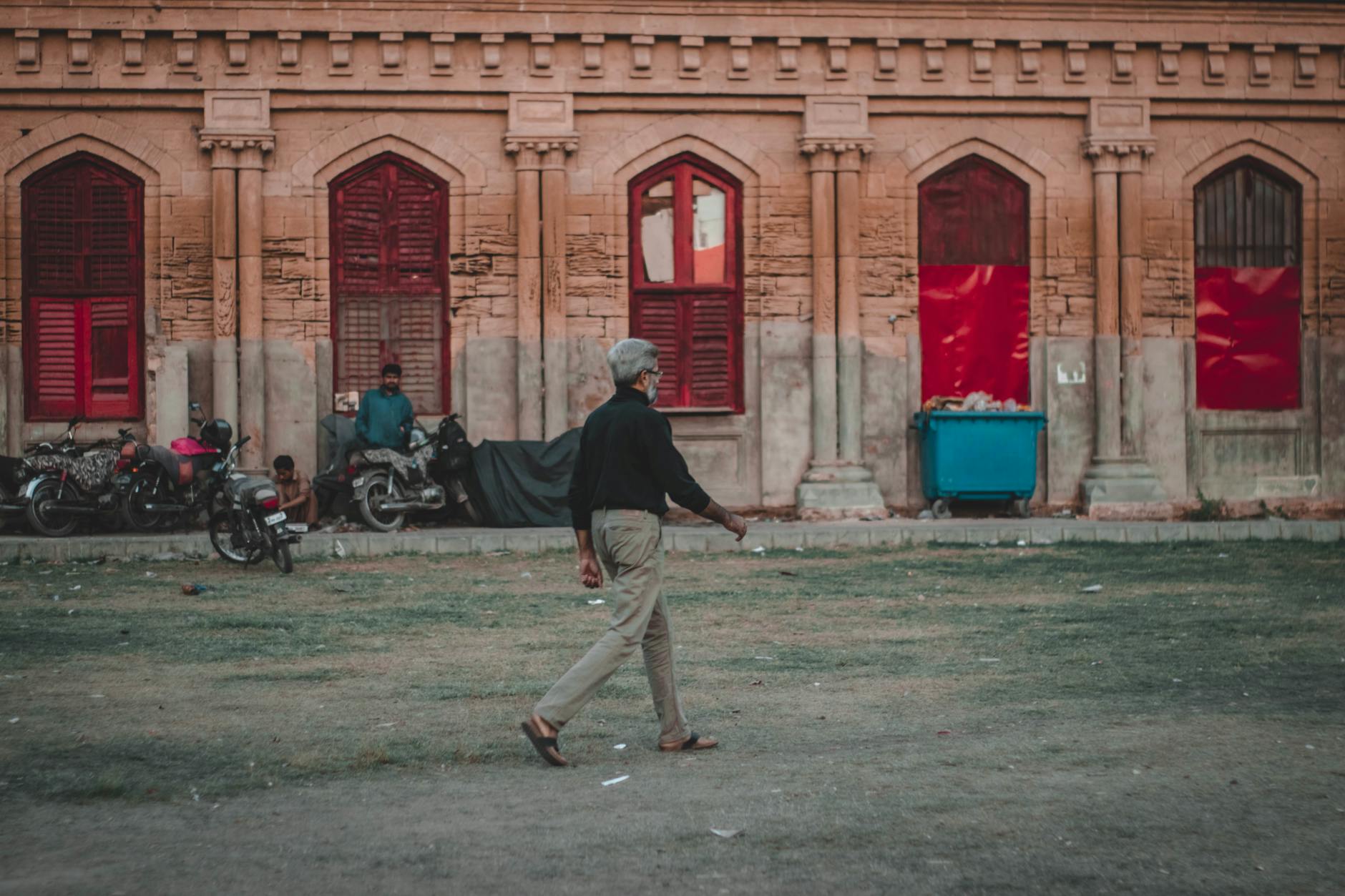
People who reach their hundredth year rarely engage in intense gym workouts but instead walk consistently as a natural part of their daily lives. This low-impact movement keeps joints flexible, supports cardiovascular health, and maintains a healthy body weight over time. Studies of blue zone populations show that walking is woven into everyday routines rather than treated as structured exercise. A daily walk of even thirty minutes delivers measurable benefits to the heart, lungs, and brain. Communities where people walk to markets, churches, and neighbors’ homes tend to produce higher rates of centenarians than car-dependent ones.
Eating Until 80 Percent Full

Okinawan centenarians follow an ancient cultural principle of stopping eating before the sensation of fullness is complete. This practice naturally reduces caloric intake without the stress of dieting or calorie counting. The stomach takes roughly twenty minutes to signal the brain that it is satisfied meaning slowing down during meals gives the body time to register what it has consumed. Eating modest portions over a lifetime significantly reduces the risk of obesity, diabetes, and cardiovascular disease. This mindful relationship with food is one of the most studied habits among the world’s oldest populations.
Maintaining a Sense of Purpose

Having a clear reason to get out of bed each morning is a trait found across nearly every long-lived population studied by researchers. In Japan this concept is known as ikigai and it translates roughly to the reason for being. Centenarians in Sardinia often describe their purpose through their roles as grandparents, farmers, or community elders. A strong sense of purpose has been linked to lower rates of depression, reduced inflammation, and a more resilient immune system. People who feel their life carries meaning tend to make better health decisions and recover more quickly from illness.
Building Strong Social Bonds

Longevity researchers consistently find that the quality of a person’s relationships is one of the strongest predictors of a long life. Centenarians tend to belong to tight-knit communities where social interaction happens daily and naturally. Isolation, by contrast, has been identified as a health risk comparable to smoking fifteen cigarettes a day. Strong friendships and family bonds lower cortisol levels, improve mood, and encourage healthier behaviors through social accountability. People who invest in their relationships throughout life appear to enjoy not just longer years but also higher quality ones.
Eating a Predominantly Plant-Based Diet

The diets of centenarians across the globe lean heavily toward vegetables, fruits, legumes, and whole grains rather than animal products. Meat is consumed occasionally in most blue zones rather than at every meal and is treated more as a condiment than a centerpiece. Plant foods deliver fiber, antioxidants, and phytonutrients that protect cells from damage over decades. This way of eating supports healthy gut bacteria which in turn influences immunity, mood, and inflammation throughout the body. Consistent plant-forward eating habits begun early in life compound into significant protective effects by the time old age arrives.
Getting Restorative Sleep

Centenarians across different cultures prioritize sleep and rarely sacrifice rest for productivity or entertainment. The body repairs tissue, consolidates memory, and regulates hormones during deep sleep cycles making this time essential for cellular longevity. Most long-lived individuals go to bed and wake up at consistent times aligning their bodies with natural circadian rhythms. Insufficient sleep has been linked to accelerated aging at the cellular level as well as increased risk of heart disease and cognitive decline. Treating sleep as a non-negotiable pillar of health rather than a luxury appears to be a defining habit of those who live the longest.
Drinking Plenty of Water

Consistent hydration is a quiet but powerful habit shared by centenarians across different cultures and climates. Water supports kidney function, keeps joints lubricated, aids digestion, and helps the body flush out waste products efficiently. Many long-lived individuals develop a lifelong habit of drinking water throughout the day rather than waiting until thirst sets in. Proper hydration also supports cognitive function and helps maintain energy levels without relying on stimulants. The simplicity of this habit belies its enormous cumulative impact on overall organ health over a lifetime.
Practicing a Faith or Spiritual Tradition

Belonging to a religious or spiritual community appears in the habits of centenarians with striking consistency across cultures and continents. Attending regular services provides social connection, a sense of belonging, and structured moments of reflection throughout the week. Spiritual practices often include elements of stress reduction such as prayer, meditation, singing, or communal ritual. Research into blue zone populations found that attending faith-based services even a few times per month was associated with significantly longer life expectancy. The combination of community, meaning, and stress relief that spiritual traditions provide seems to produce measurable health benefits over time.
Tending a Garden

Gardening appears repeatedly as a defining habit among centenarians in regions as diverse as Sardinia, Okinawa, and Loma Linda California. The practice combines gentle physical activity with time outdoors, exposure to sunlight, and a sense of daily purpose. Growing food provides a direct and satisfying connection to nutrition and the natural world. The bending, lifting, and walking involved in garden maintenance keeps the body moving without placing excessive strain on aging joints. Nurturing living things also offers psychological rewards including reduced stress and a continued sense of responsibility and contribution.
Consuming Legumes Regularly

Beans, lentils, chickpeas, and soybeans form a dietary cornerstone in nearly every blue zone community that researchers have documented. Legumes are dense in protein, fiber, and complex carbohydrates making them extraordinarily efficient sources of long-lasting energy. They feed beneficial gut bacteria which supports the immune system and reduces systemic inflammation over time. Populations in Costa Rica, Sardinia, and Okinawa each have culturally specific legume-based dishes that appear at the table almost daily. The affordability and versatility of legumes may help explain why they have anchored the diets of healthy populations across generations.
Maintaining Close Family Ties

Centenarians consistently place a high value on family and frequently live near or with relatives across multiple generations. The presence of family provides emotional security, practical support, and a network of care that protects against the loneliness and neglect that can accelerate physical decline in old age. Multigenerational households common in Sardinia and parts of Asia create environments where older individuals remain engaged, valued, and mentally stimulated. Family bonds also tend to reinforce healthy behaviors including regular meals, shared physical activity, and reduced substance use. The sense of being needed and loved within a family unit appears to be profoundly protective for longevity.
Taking Afternoon Naps
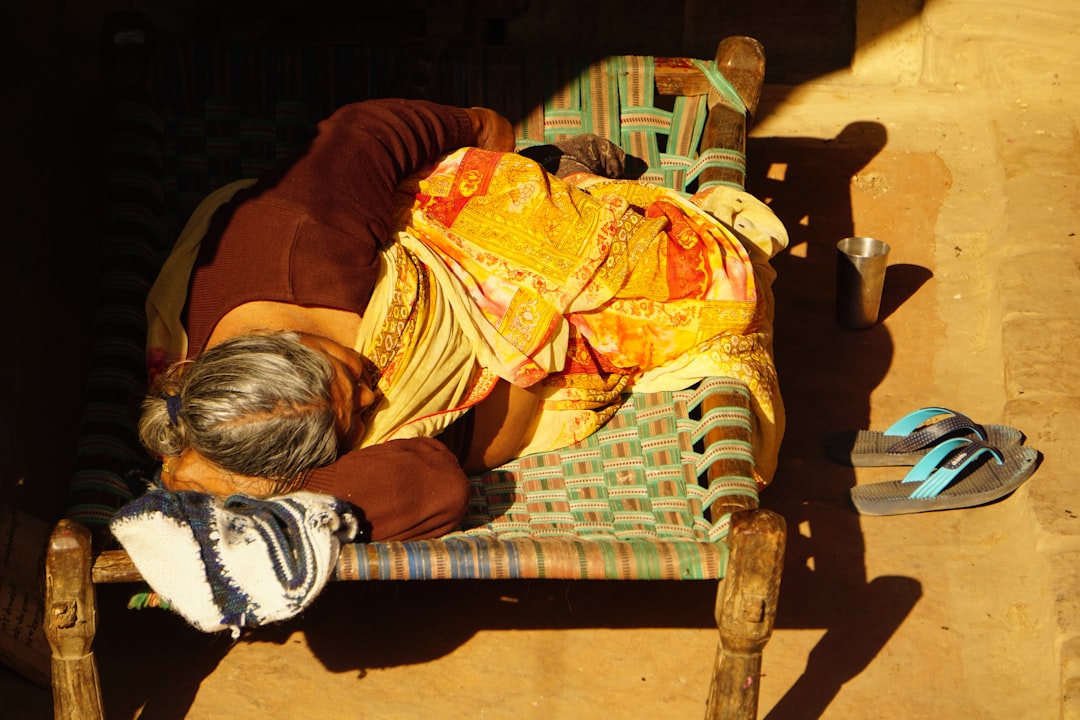
Short midday rest periods are a documented habit among centenarians in several blue zone regions including Sardinia, Ikaria in Greece, and parts of the Mediterranean. A brief nap of twenty to thirty minutes allows the body and mind to recover from the morning’s activity without disrupting nighttime sleep. Napping reduces stress hormones, lowers blood pressure, and gives the cardiovascular system a measurable period of rest. Cultures that normalize the midday rest often show lower rates of heart disease compared to those that pressure workers to remain active without pause. The ability to listen to the body’s natural rhythms and rest when needed reflects a relationship with time that supports long-term health.
Avoiding Smoking

The absence of tobacco use is one of the most consistent characteristics found among populations with high concentrations of centenarians. Smoking accelerates cellular aging, damages blood vessels, reduces lung capacity, and increases the risk of dozens of chronic diseases. People who have never smoked or who quit early in life preserve a significant biological advantage that accumulates across decades. In blue zone communities tobacco use is rare and often culturally discouraged. The decision to avoid smoking stands as one of the single most impactful lifestyle choices available for extending both the length and quality of life.
Eating Fermented Foods
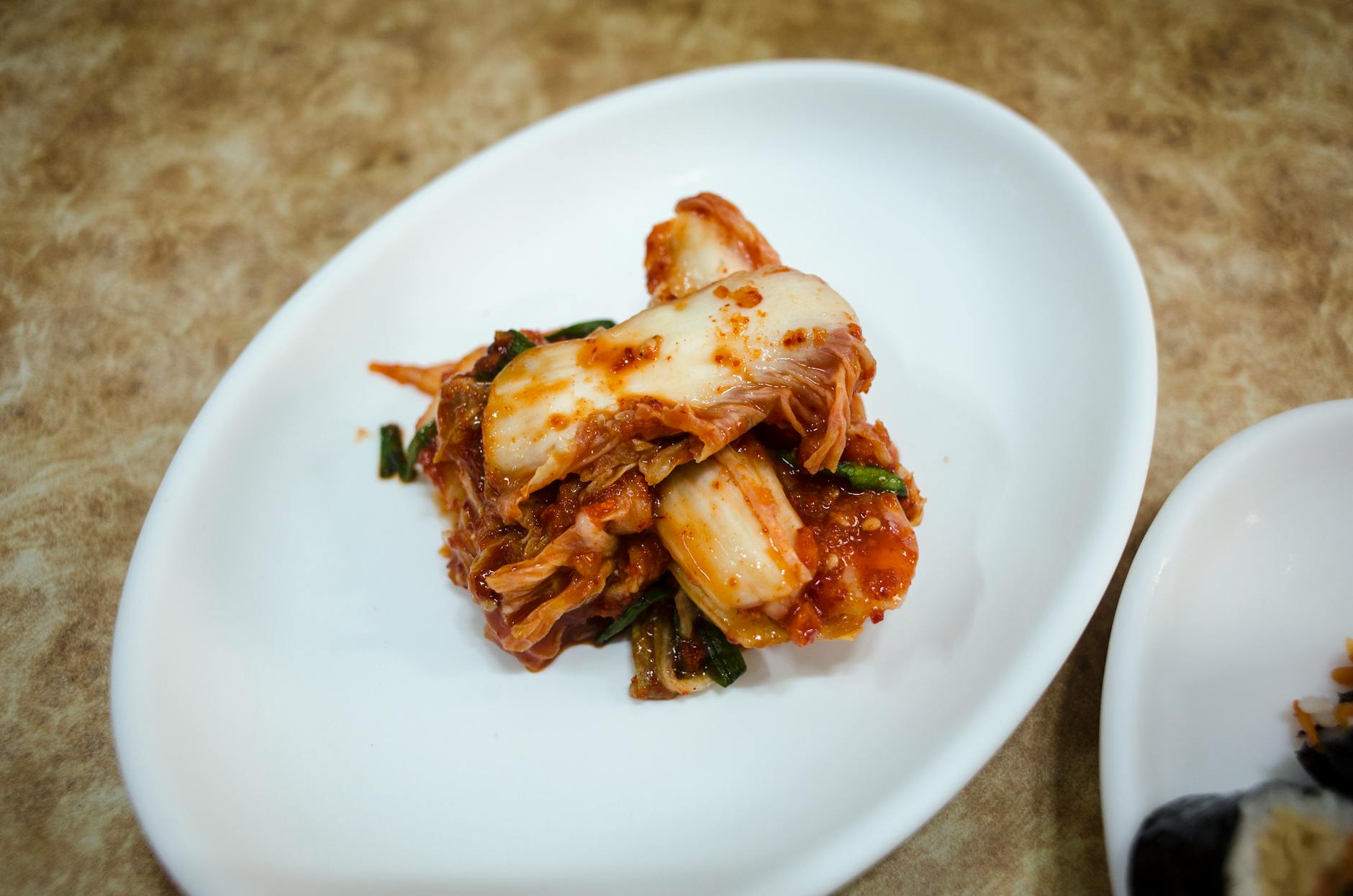
Traditional fermented foods feature prominently in the diets of many long-lived populations around the world. Miso, natto, and pickled vegetables are dietary staples in Okinawa while fermented dairy products like sheep’s milk cheese appear regularly in Sardinian diets. These foods introduce beneficial bacteria into the digestive system supporting a diverse and resilient gut microbiome. A healthy gut microbiome has been linked to stronger immunity, better mental health, and reduced inflammation throughout the body. Centenarians often consume these foods not as supplements but as ordinary parts of culturally inherited meals eaten throughout their entire lives.
Staying Mentally Active

Centenarians tend to keep their minds engaged through activities that require thought, memory, and creativity well into old age. Card games, chess, reading, storytelling, and learning new skills all stimulate neural pathways and may help delay or prevent cognitive decline. Mental engagement appears to be as important as physical activity in maintaining the brain’s health over a lifetime. Many long-lived individuals remain active participants in their communities taking on roles that demand problem-solving and social navigation. The brain’s plasticity means it responds positively to challenge at any age making lifelong intellectual curiosity a powerful longevity tool.
Limiting Processed and Packaged Foods

Centenarians across blue zones share a remarkable consistency in eating foods that are whole, seasonal, and minimally altered from their natural state. Processed foods tend to be high in refined sugars, industrial seed oils, artificial additives, and sodium that accelerate inflammation and metabolic disease. Long-lived populations typically eat foods that would be recognizable to their great-grandparents rather than products created in industrial facilities. Cooking from scratch using traditional recipes also means greater awareness of and control over what enters the body. Keeping the diet close to natural whole ingredients over an entire lifetime reduces the cumulative burden on the body’s detoxification and regulatory systems.
Laughing and Finding Humor

A well-documented trait among the world’s oldest people is the ability to laugh easily and find lightness in everyday life. Humor and laughter reduce cortisol levels, lower blood pressure, and trigger the release of endorphins that support mood and immune function. Centenarians interviewed in Sardinia and Okinawa frequently display sharp wit and a playful attitude toward the challenges and absurdities of aging. Laughter also serves as social glue strengthening bonds with family and community members and creating a positive atmosphere that others are drawn to. The capacity to find joy in small moments appears to be both a cause and a result of the emotional resilience that long-lived people exhibit.
Spending Time Outdoors in Nature
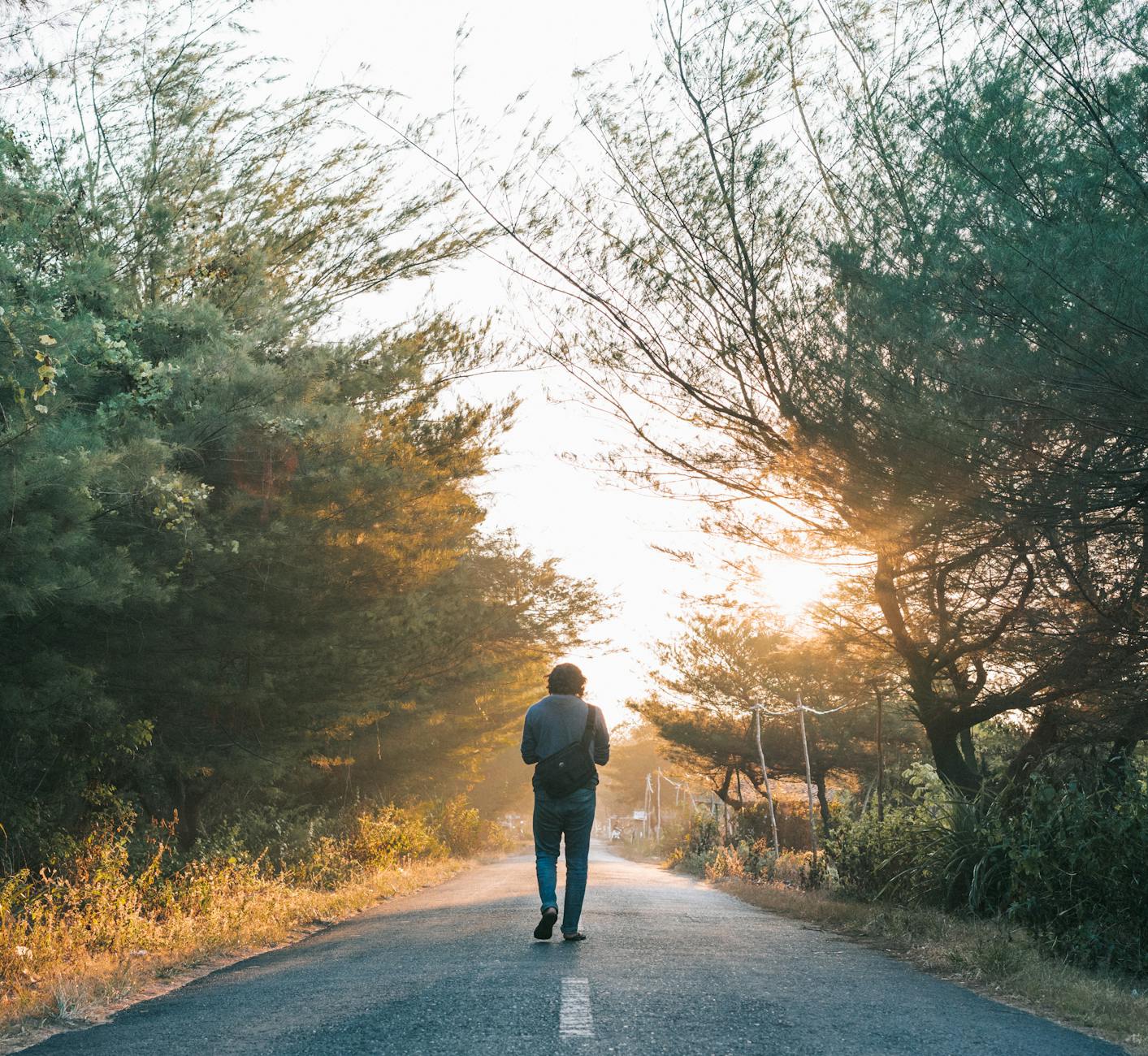
Regular exposure to natural environments is a common feature of life in communities where centenarians thrive. Time outdoors supports vitamin D synthesis through sunlight exposure which is essential for bone health, immune function, and mood regulation. Natural settings have been shown to lower heart rate, reduce stress hormones, and encourage a state of calm that benefits the nervous system. Many centenarians spend time daily in gardens, on farms, or in local green spaces as a natural extension of their working and social lives. The sensory richness of natural environments appears to provide both physical and psychological benefits that enclosed urban settings often cannot replicate.
Eating Whole Grains
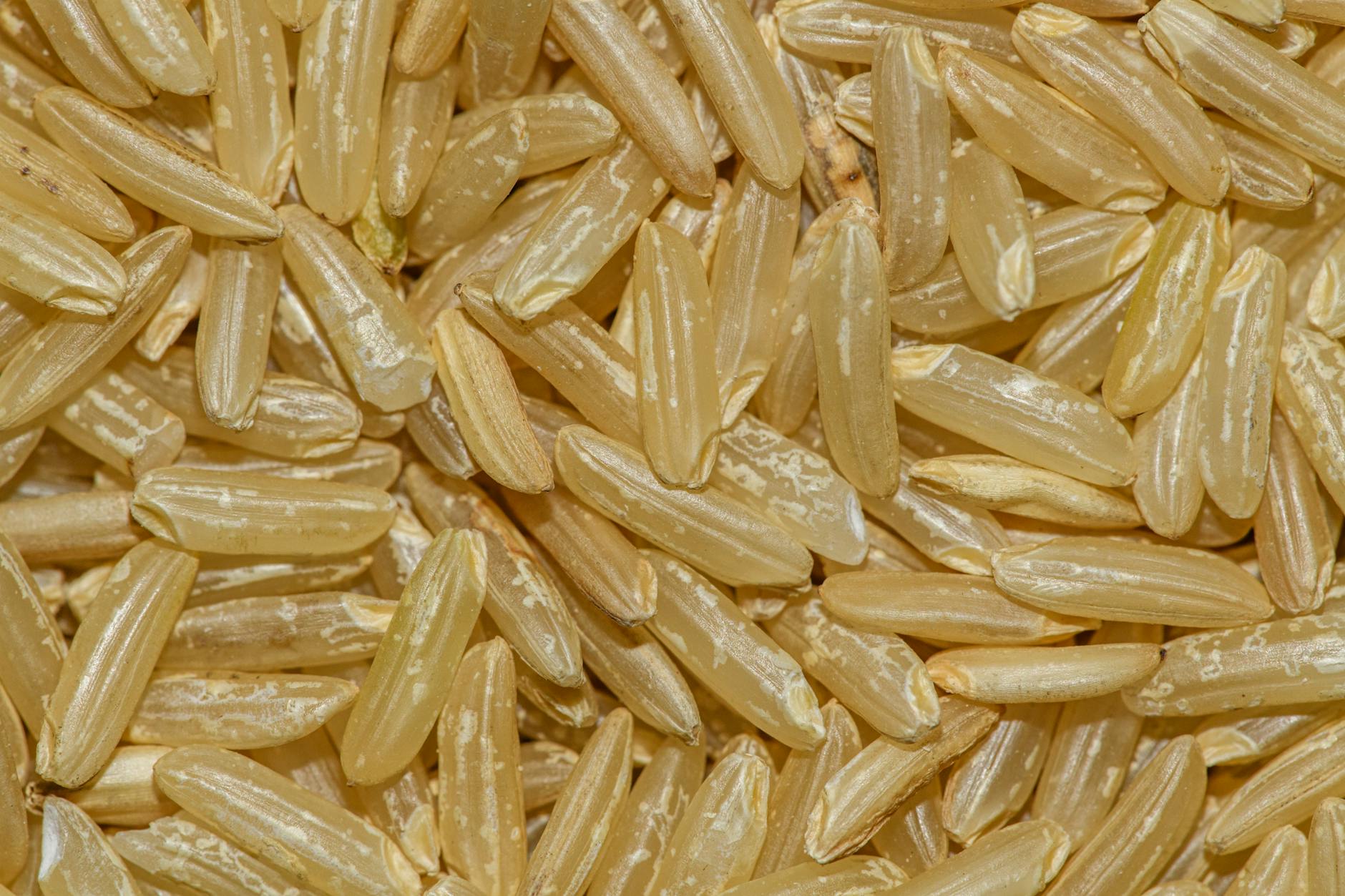
Whole grains such as oats, barley, farro, and brown rice are dietary staples in many of the communities producing the highest rates of centenarians. Unlike refined grains, whole grains retain their fiber, vitamins, and minerals which slow digestion, stabilize blood sugar, and support long-term cardiovascular health. The fiber in whole grains also feeds beneficial gut bacteria which play a wide-ranging role in immune defense and inflammation control. Traditional grain-based dishes eaten daily over a lifetime provide a steady and sustainable energy source that reduces reliance on sugar and processed carbohydrates. Communities that have maintained these grain traditions across generations consistently show lower rates of metabolic disease.
Keeping a Consistent Daily Routine

Centenarians around the world tend to structure their days with a predictable rhythm of meals, movement, rest, and social interaction. A consistent routine reduces the mental load of daily decision-making and creates an environment where healthy habits become automatic rather than effortful. Regular mealtimes support healthy digestion and hormone regulation while consistent sleep and wake times reinforce strong circadian rhythms. The stability of a well-organized day also reduces anxiety and supports mental health by providing a sense of control and predictability. Many centenarians describe their routines with pride and attribute much of their wellbeing to the dependable structure they have maintained across their lifetimes.
Volunteering and Contributing to the Community
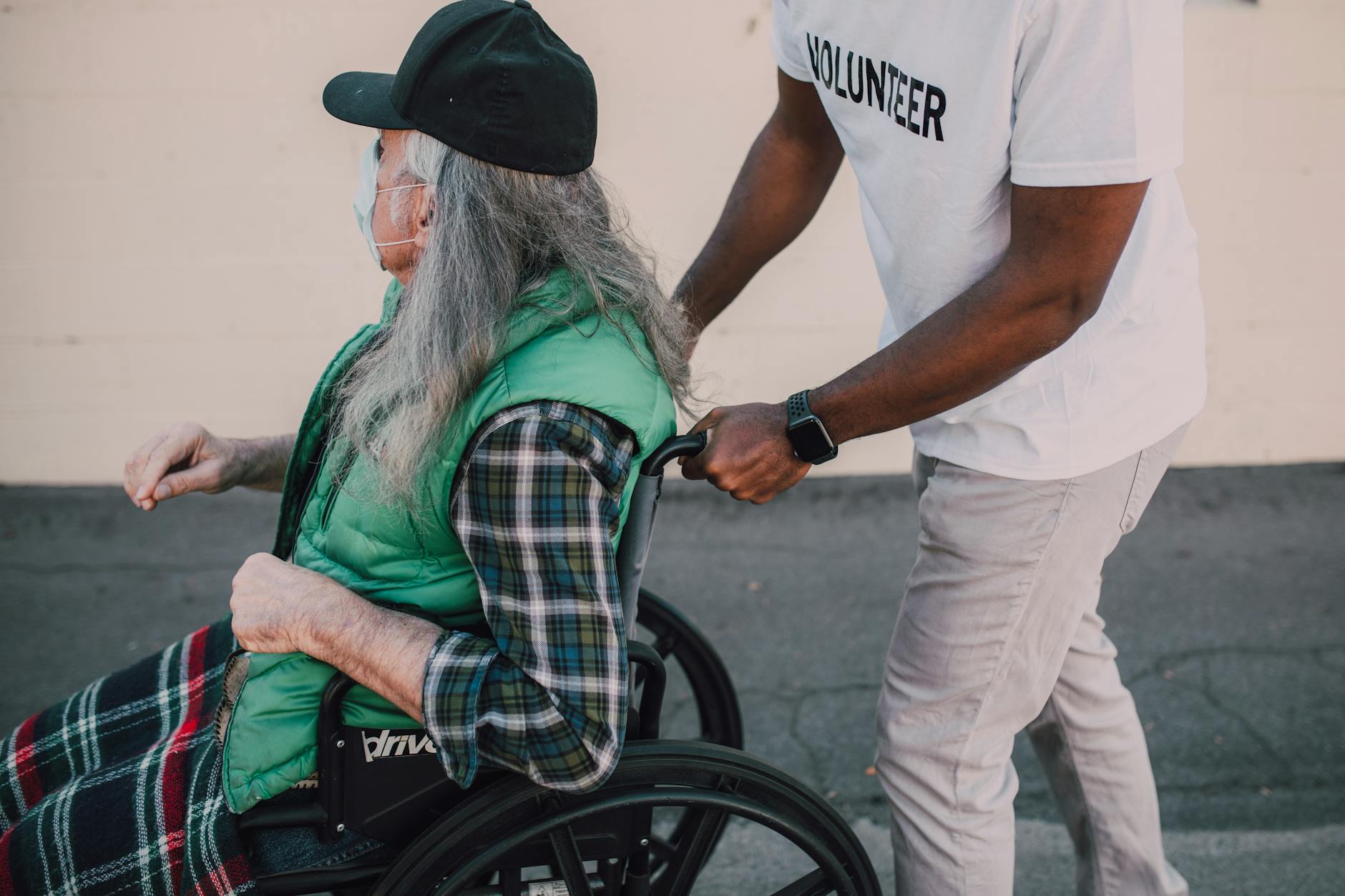
Long-lived individuals frequently remain engaged in acts of service and contribution to the people around them well into very old age. Volunteering provides a sense of purpose, keeps the mind engaged, and creates regular social contact that combats isolation. Contributing to the wellbeing of others has been linked to lower rates of depression, better immune function, and a longer lifespan in population studies. Centenarians who volunteer or take on community roles often describe feeling needed and useful which reinforces their sense of identity and self-worth. The outward orientation of service appears to protect against the inward spiral of decline that can accompany social withdrawal in later life.
Practicing Stress Reduction Rituals
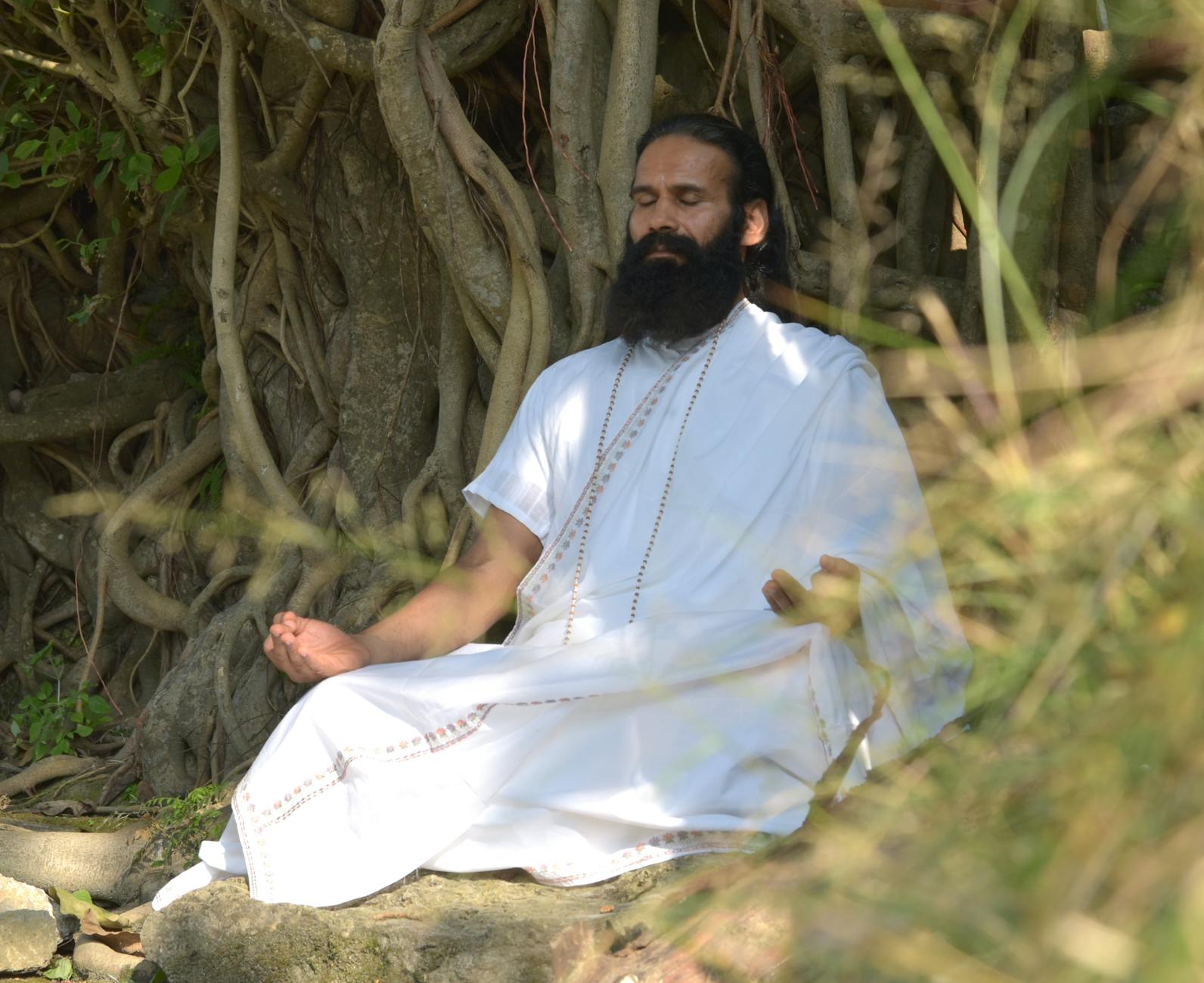
While stress is unavoidable in any human life centenarians tend to have deeply embedded rituals that help them release it before it accumulates into chronic damage. Prayer, meditation, breathing exercises, long walks, and storytelling all appear in the daily habits of long-lived populations as tools for emotional regulation. Chronic stress accelerates cellular aging by shortening telomeres and promoting systemic inflammation over time. Blue zone communities often build stress relief into the cultural fabric of daily life through naps, communal meals, and celebrations rather than treating it as an individual problem. The consistent practice of downshifting, as researchers call it, appears to protect the cardiovascular and immune systems across decades.
Drinking Herbal Teas
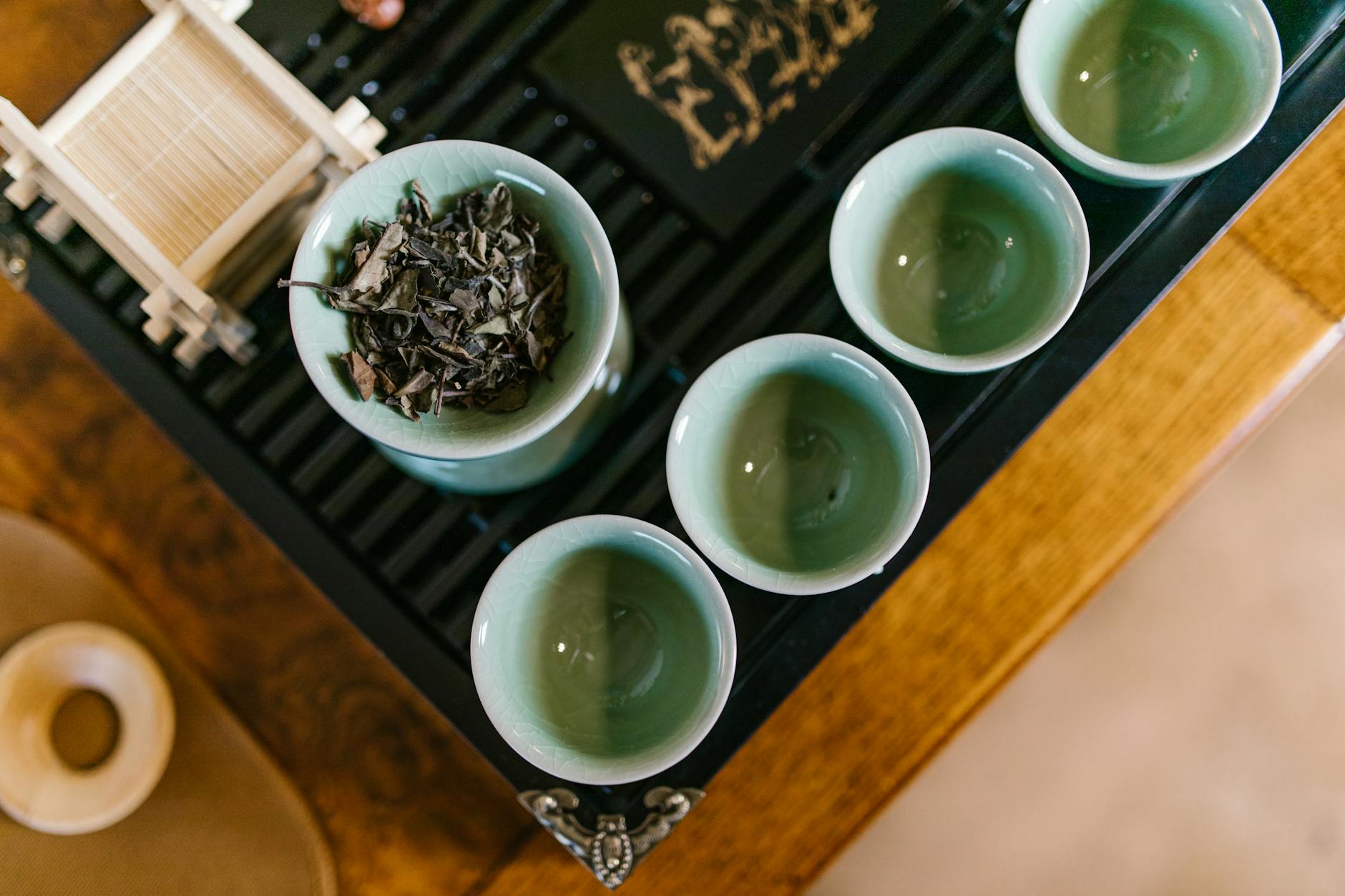
Herbal teas consumed daily are a consistent feature of the dietary habits of centenarians in several blue zones. In Ikaria Greece a tradition of drinking teas made from local herbs such as rosemary, sage, and oregano has been linked to remarkably low rates of cardiovascular disease and cognitive decline. These herbs contain antioxidant and anti-inflammatory compounds that appear to accumulate protective effects when consumed consistently over many years. Herbal teas also provide a daily ritual that supports hydration, rest, and social interaction when shared with others. The combination of bioactive plant compounds and the calming ritual surrounding their preparation makes herbal teas a meaningful longevity habit.
Maintaining a Healthy Body Weight

Centenarians rarely carry significant excess body fat, a pattern that reflects a lifetime of moderate eating and consistent movement rather than deliberate dieting. Excess weight places sustained pressure on the cardiovascular system, joints, and metabolic organs accelerating their aging and dysfunction. Long-lived populations typically maintain a healthy weight through cultural and environmental factors such as walkable communities and traditions of modest eating rather than through willpower or clinical intervention. The absence of chronic obesity allows the body’s organs to function efficiently and reduces the risk of type 2 diabetes, hypertension, and inflammation-related disease. A naturally sustained healthy weight across a lifetime is one of the clearest biological markers of longevity in population research.
Eating Fish Regularly

Populations in coastal blue zones such as Sardinia and Ikaria include moderate amounts of fish in their traditional diets. Fish rich in omega-3 fatty acids such as sardines, anchovies, and mackerel support heart health, reduce inflammation, and provide essential nutrients for brain function. Omega-3 fatty acids have been shown to protect the cardiovascular system, lower triglyceride levels, and support cognitive health across a lifespan. Many centenarians in these regions have eaten small, locally sourced fish as a regular part of their diet since childhood. The anti-inflammatory properties of omega-3-rich fish consumed consistently over a lifetime appear to contribute significantly to the health of the heart and brain in old age.
Living With a Positive Outlook

A consistently optimistic orientation toward life is one of the most frequently noted psychological traits of centenarians studied around the world. This does not mean the absence of hardship but rather a habitual tendency to focus on what is good, possible, and meaningful rather than on what is lost or feared. Positive emotions have measurable physiological effects including lower cortisol levels, reduced blood pressure, and stronger immune responses. Long-lived individuals often describe a deep acceptance of aging and death that paradoxically frees them to live more fully in the present. The emotional tone that a person carries through daily life appears to have a direct and cumulative impact on the biology of aging.
Limiting Red Meat Consumption

Blue zone populations consume red meat only occasionally and in small quantities rather than as a daily dietary staple. Excessive red meat consumption has been associated with elevated levels of inflammation, increased cancer risk, and higher rates of cardiovascular disease in large population studies. When centenarians do eat meat it tends to be in small portions as part of a festive or social meal rather than as a habitual everyday food. This naturally low intake of saturated fat from animal sources contributes to healthier cholesterol levels and arterial function over time. Replacing red meat with plant proteins, fish, and legumes as the primary protein sources is a pattern that reliably emerges in the diets of the world’s oldest people.
Staying Curious and Open to Learning

A lifelong appetite for new knowledge and experiences is a psychological trait that appears consistently among people who live into their hundreds. Curiosity keeps the brain forming new neural connections and adapting to changing circumstances which supports cognitive resilience in old age. Centenarians often describe themselves as still having things they want to learn, understand, or accomplish at extraordinarily advanced ages. Learning new skills, engaging with younger generations, and remaining interested in the world around them all reflect this enduring mental vitality. The willingness to remain a student of life regardless of age appears to protect both psychological wellbeing and brain health over the long term.
Avoiding Excessive Alcohol

While moderate wine consumption is associated with longevity in some Mediterranean blue zones the key word is moderation and overdrinking is rare among centenarians. In Sardinia a single glass of locally produced Cannonau wine rich in antioxidants is a traditional accompaniment to the evening meal within a social context. Excess alcohol damages the liver, disrupts sleep, impairs cognitive function, and increases the risk of several cancers over time. Long-lived individuals in alcohol-tolerant cultures tend to drink small amounts consistently within social settings rather than in binge patterns. The relationship between alcohol and longevity is highly context-dependent and most centenarians who drink do so minimally and as part of a broader tradition of moderation.
Prioritizing Preventive Healthcare

Centenarians who have had access to healthcare tend to engage with it proactively rather than waiting for illness to demand attention. Regular health screenings, dental care, vision checks, and open communication with medical professionals help catch potential issues before they become serious. Preventive health engagement reflects a broader attitude of self-stewardship and investment in one’s own continued functioning. Long-lived individuals often demonstrate a practical and unsentimental relationship with their bodies treating them as systems that require maintenance and attention. The cumulative effect of catching small problems early over many decades is a significant factor in arriving at old age with major systems intact and functioning.
Connecting Across Generations
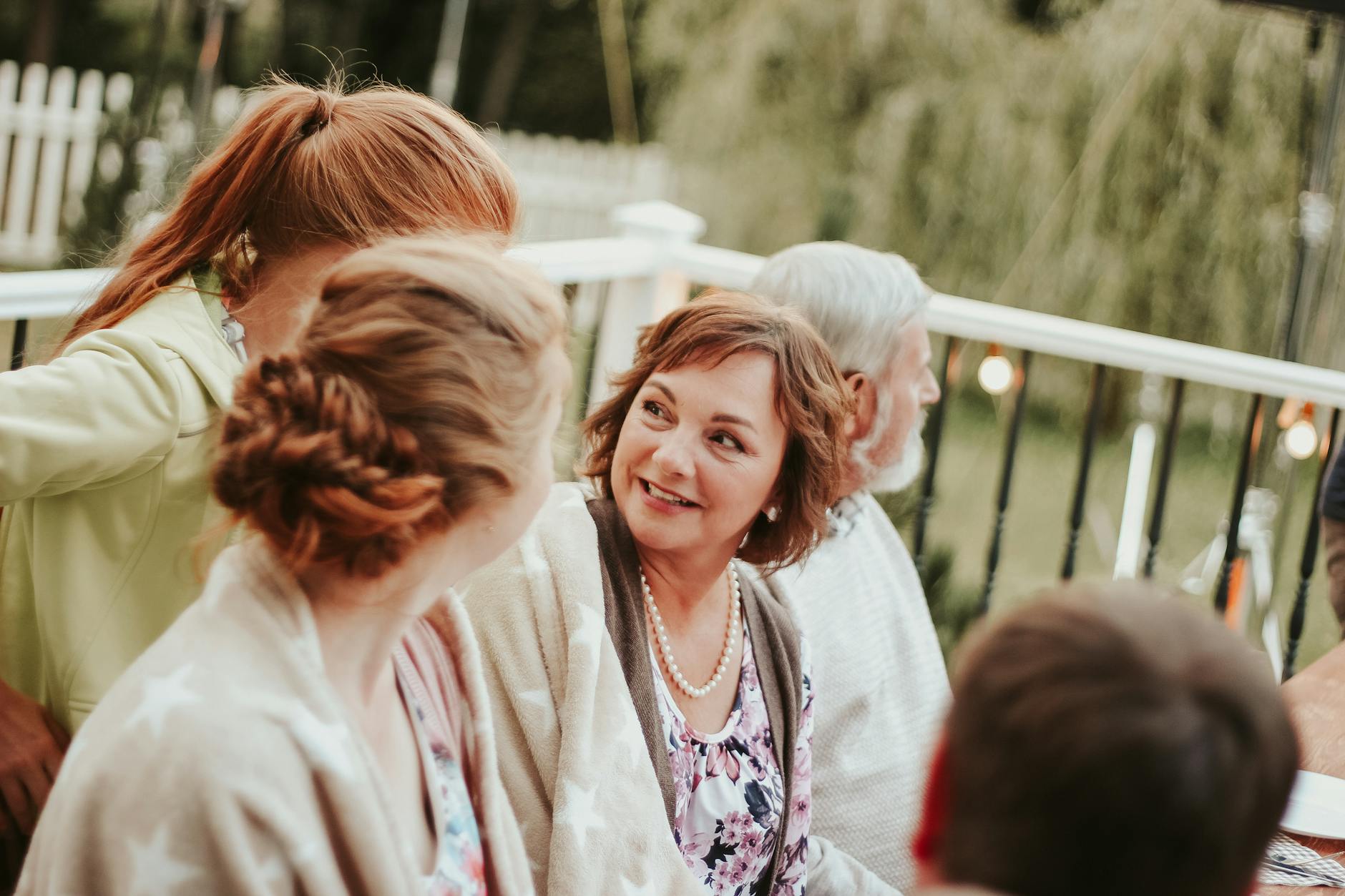
Centenarians frequently maintain active and meaningful relationships with people much younger than themselves including grandchildren, great-grandchildren, and younger community members. These intergenerational connections provide stimulation, joy, and a sense of relevance that keeps older individuals engaged with the evolving world around them. Younger generations benefit from the wisdom and perspective of the very old while centenarians benefit from the energy, novelty, and purpose that these relationships provide. Many long-lived individuals describe teaching younger people as one of the activities that gives them the greatest sense of meaning. The bridge between generations appears to be a powerful force for emotional vitality and continued engagement with life.
Eating Nuts as a Regular Snack
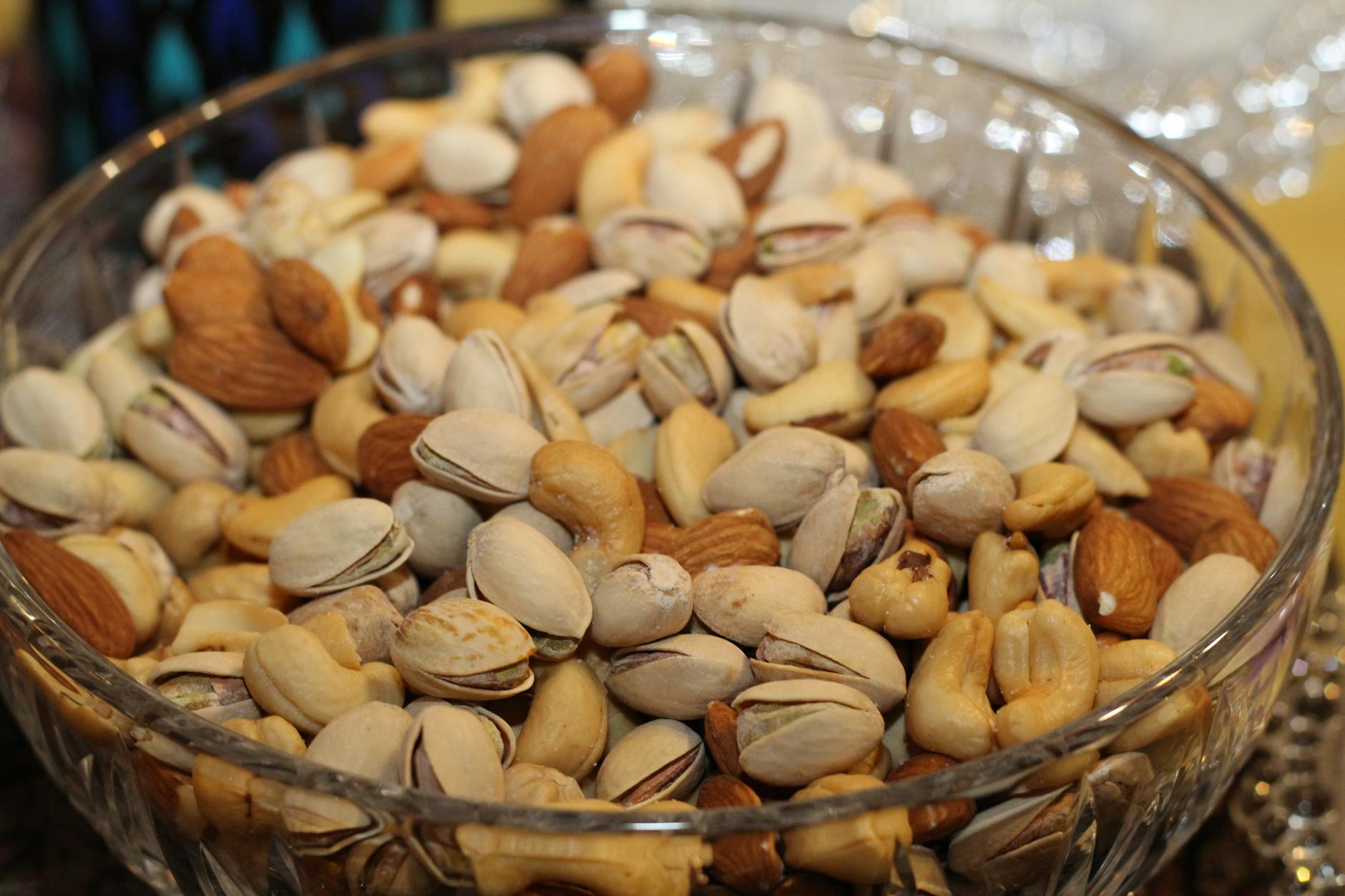
Regular nut consumption is one of the most consistently supported dietary habits for long-term health in both population studies and experimental research. Walnuts, almonds, and pistachios appear frequently in the diets of centenarians in blue zone regions and have been linked to lower rates of heart disease and longer life expectancy. Nuts provide healthy fats, protein, fiber, vitamins, and minerals in a compact form that satisfies hunger and supports cardiovascular and brain health. Even a small handful consumed daily as a snack has been associated with measurable reductions in mortality risk across large study populations. The ease and versatility of nuts make them one of the most accessible longevity foods available.
Embracing Simple Living

Centenarians across cultures tend to live without accumulating excessive material possessions, financial stress, or the pressure to perform social status through consumption. Simple living reduces financial anxiety, declutters the environment, and focuses attention on relationships, experiences, and purpose rather than acquisition. Many long-lived individuals describe deep contentment with modest homes, uncomplicated wardrobes, and reliable daily rituals rather than novelty and abundance. The reduced cognitive and emotional load of a simple life may protect against the chronic stress that accelerates aging in more pressurized environments. Across blue zones the physical simplicity of life appears to create space for the social, spiritual, and physical habits that consistently support extraordinary longevity.
Adapting to Change With Resilience

The ability to absorb loss, adapt to new circumstances, and recover from adversity without becoming permanently diminished is a psychological trait that appears strongly in centenarians’ life stories. People who live past one hundred have inevitably experienced war, poverty, illness, bereavement, and displacement across their long lives. What distinguishes them is not the absence of hardship but an emotional flexibility and forward orientation that allows them to integrate difficulty and continue living fully. This resilience is often rooted in the other habits on this list including community, purpose, faith, and humor. The capacity to bend without breaking under the weight of a long life may be the most essential and least easily quantifiable ingredient in the recipe for extraordinary longevity.
Share the centenarian habits that resonate most with you and the ones you already practice in the comments.