Modern life exposes people to constant loud noise that slowly degrades the delicate structures inside the ear. Often people remain entirely unaware of the damage until irreversible hearing loss begins to manifest. Recognizing these subtle dangers provides the first step toward preserving long term auditory wellness. Implementing small changes today prevents significant medical issues tomorrow.
Using Cotton Swabs

Many people incorrectly use cotton swabs to clean their ear canals after a shower. This practice pushes wax deeper into the ear and creates dangerous impactions. The delicate eardrum can easily suffer irreversible puncture wounds from aggressive swabbing. Medical professionals advise allowing the ears to naturally clean themselves through regular jaw movements.
Blasting Car Stereos
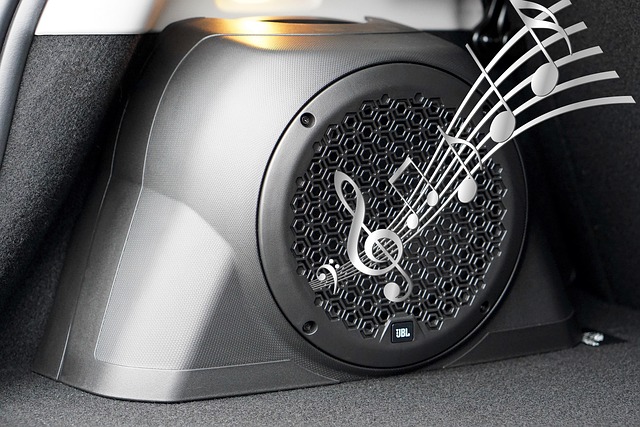
Commuters frequently turn up their vehicle audio systems to drown out traffic noise. The enclosed space of a car cabin significantly amplifies the sound pressure hitting the eardrums. Extended exposure to these loud environments causes gradual degradation of the tiny sensory hairs inside the inner ear. Drivers should maintain stereo volumes at a level where regular conversation remains easily audible.
Sleeping With Earbuds
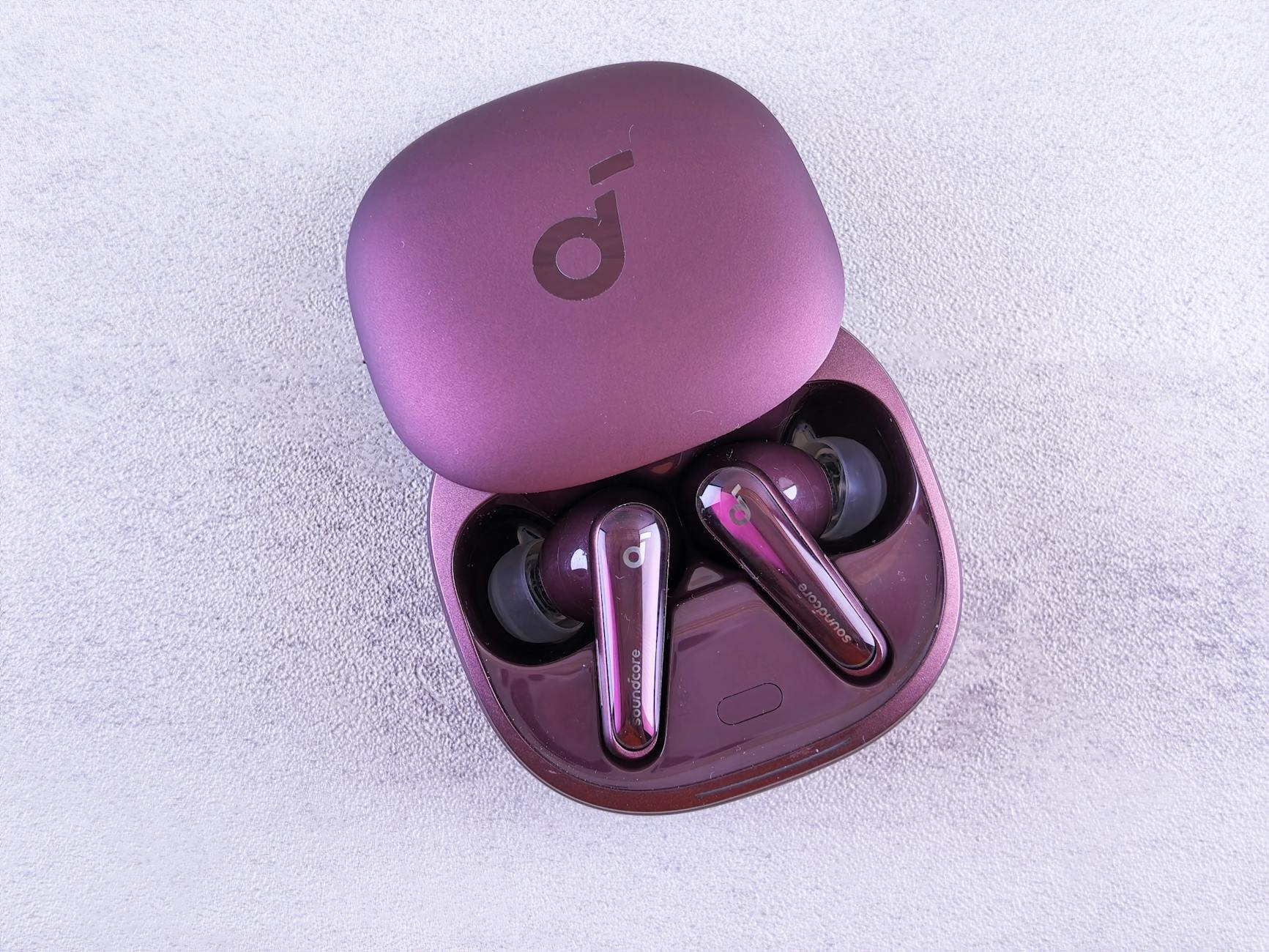
Falling asleep to music or white noise places constant auditory stress on the ear throughout the night. The continuous sound prevents the auditory system from resting and repairing itself during sleep. Earbuds also block airflow and trap moisture within the ear canal. This moist environment promotes bacterial growth and increases the risk of painful ear infections.
Ignoring Wind Noise
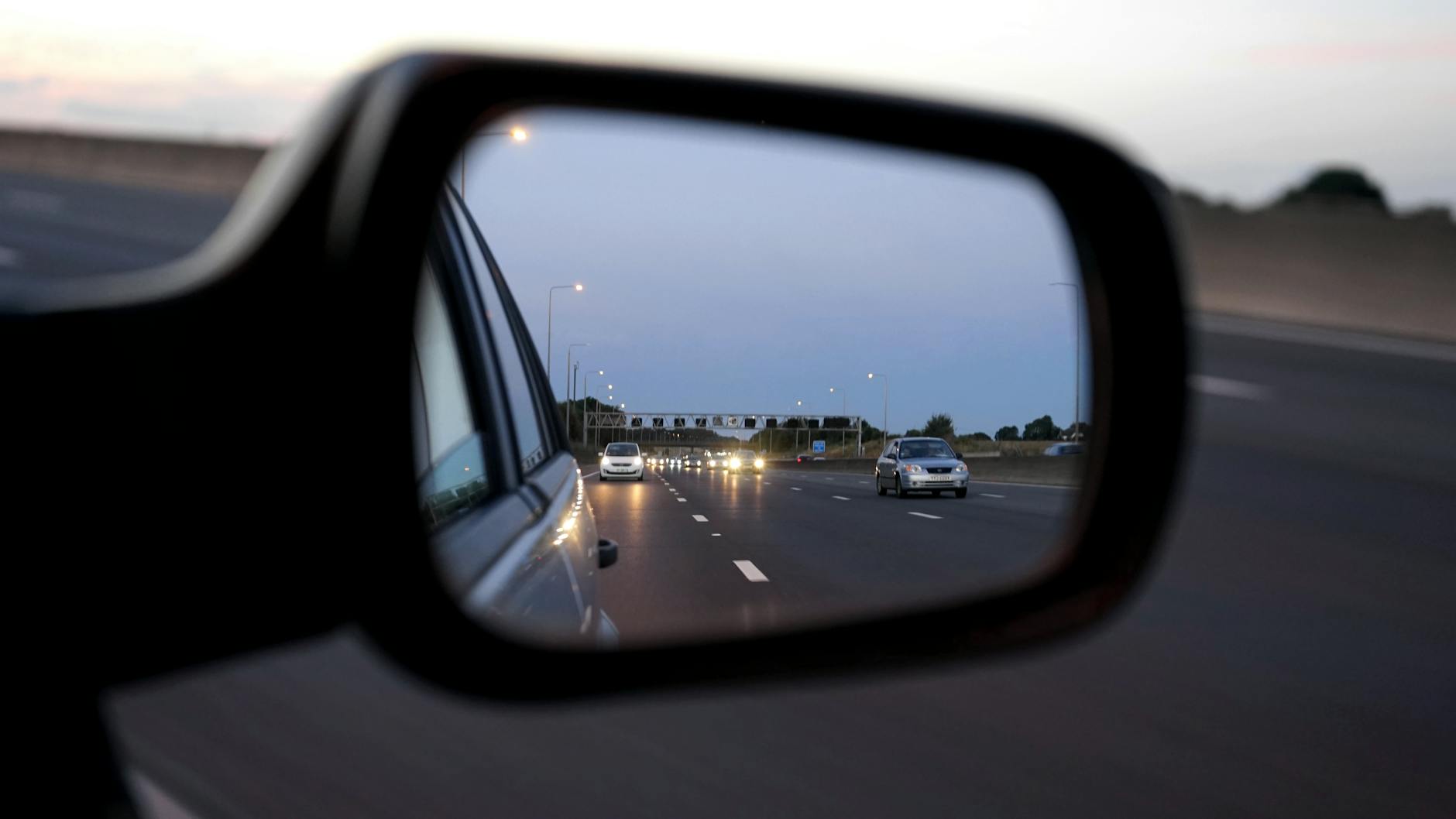
Driving with open windows at highway speeds generates intense rushing sounds that batter the eardrum. Cyclists and runners also face similar atmospheric pressures during their outdoor workouts. The prolonged exposure to forceful air currents damages the microscopic structures responsible for processing sound waves. Wearing appropriate protective headgear or keeping car windows closed mitigates this silent acoustic threat.
Attending Fitness Classes

Modern workout studios often pump energetic music at high levels to motivate participants. Instructors shout over the heavy bass to deliver directions and keep the energy high. This acoustic assault easily exceeds safe decibel limits and causes temporary threshold shifts in hearing. Wearing specialized acoustic filters during workouts protects the inner ear while allowing spoken instructions to pass through clearly.
Using Hair Dryers

Daily grooming routines expose the ears to the loud mechanical whir of heated air blowers. Holding the appliance near the head directs the noise straight into the ear canal. The accumulated minutes of daily exposure add up to significant acoustic trauma over a lifetime. Opting for quieter models or allowing hair to dry naturally preserves essential auditory functions.
Operating Lawn Mowers
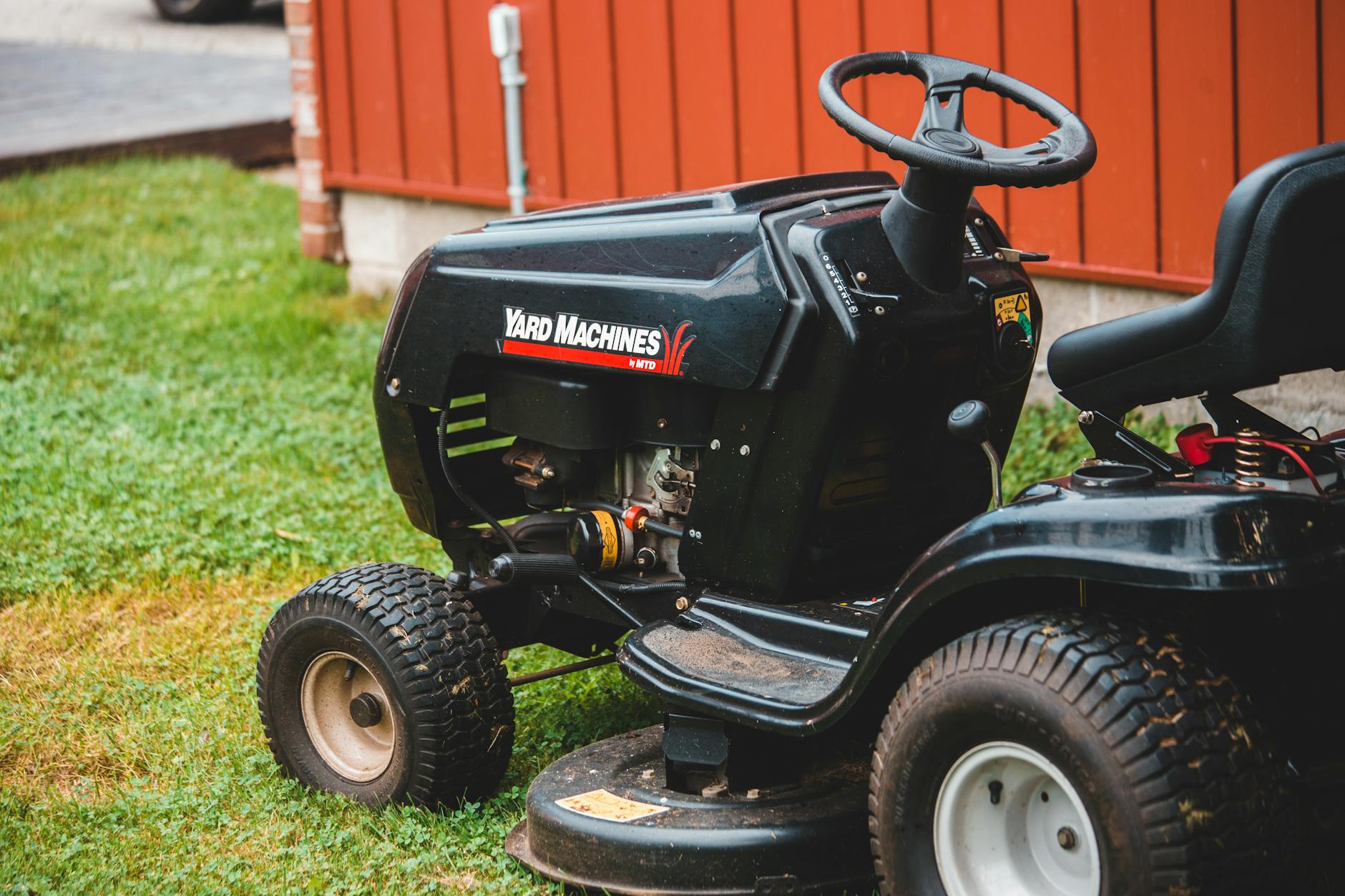
Yard maintenance requires loud machinery that operates at dangerous decibel levels for extended periods. Most homeowners push gas powered mowers for over an hour without considering the acoustic impact. The constant rumble destroys sensory cells that cannot regenerate once damaged. Donning simple foam earplugs before starting any landscaping equipment prevents permanent auditory decline.
Riding Motorcycles

Motorcyclists endure a combination of loud engine rumble and severe atmospheric rushing around their helmets. Even premium enclosed helmets fail to block out all the damaging frequencies generated at highway speeds. The sustained acoustic pressure causes severe ringing and eventual high frequency hearing loss. Custom molded earplugs offer the best defense against the relentless roar of the open road.
Using Power Tools
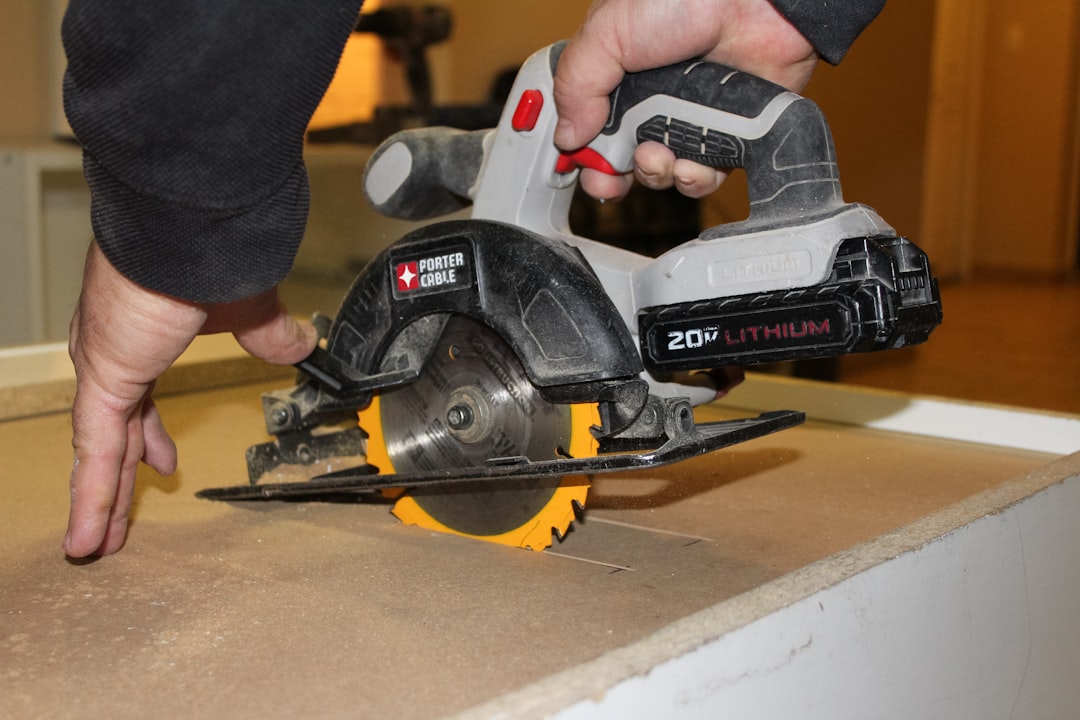
Home improvement projects involve drills and saws that generate sudden spikes of intense noise. People often skip protective gear for quick tasks because they underestimate the immediate danger. A single second of exposure to a powerful circular saw can cause immediate and permanent acoustic trauma. Keeping safety earmuffs near the workbench ensures they are always worn during noisy DIY projects.
Blending Morning Smoothies

Kitchen appliances operate at surprisingly high decibel levels during the breakfast rush. The violent crushing of ice and frozen fruit echoes loudly off hard countertops and cabinets. Standing directly over the machine forces the ears to absorb the brunt of the mechanical screeching. Stepping into another room or placing a thick towel under the appliance reduces the acoustic impact.
Standing Near Sirens

Urban environments frequently subject pedestrians to the piercing wail of emergency vehicles passing by. The sudden onset of extremely loud frequencies shocks the delicate auditory system. Most people simply endure the noise instead of actively protecting their ears from the acoustic assault. Plugging your ears with your fingers when an ambulance approaches provides immediate and effective protection.
Chewing Ice

The habit of crunching on solid ice cubes sends loud vibrations directly through the skull. This bone conduction bypasses the outer ear and delivers the acoustic shock straight to the inner ear structures. The repetitive cracking sounds create internal noise pollution that stresses the auditory nerves. Switching to crushed ice or simply letting the cubes melt prevents this unusual form of acoustic damage.
Using Electric Toothbrushes
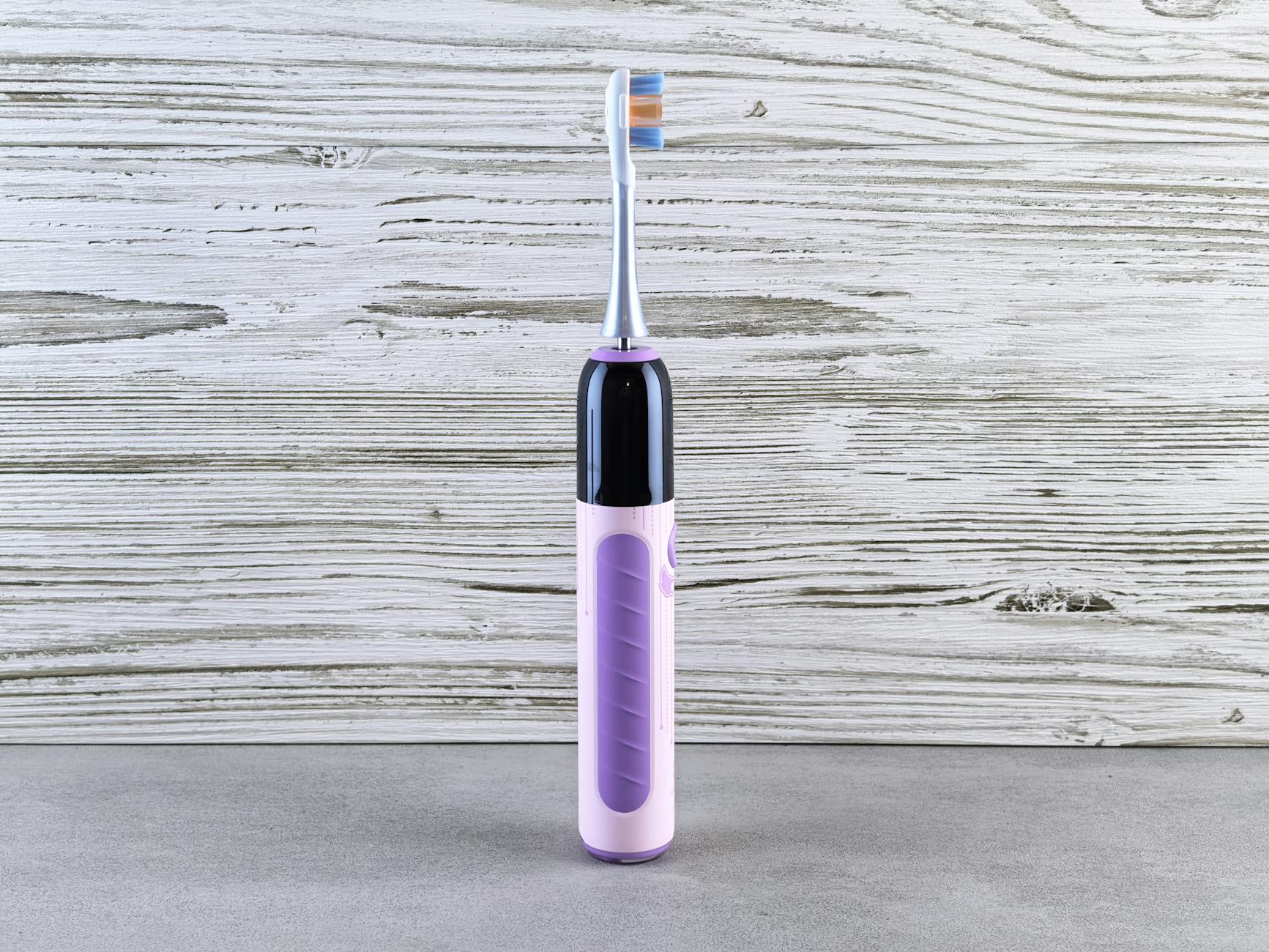
Electric dental tools generate high frequency vibrations that travel through the jawbone to the inner ear. The prolonged daily exposure to this internal hum causes microscopic wear and tear on auditory sensors. Many users press too hard against their teeth and inadvertently amplify the internal acoustic resonance. Selecting brushes with softer vibration settings minimizes the internal noise while maintaining dental hygiene.
Attending Sporting Events
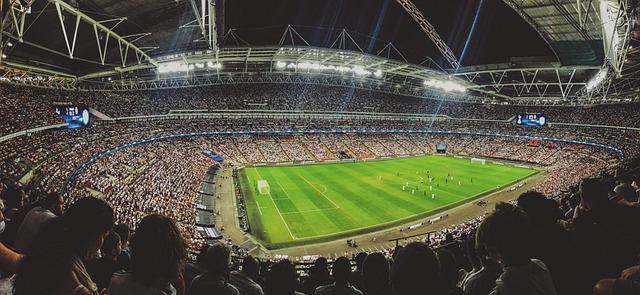
Stadiums are intentionally designed to amplify the roaring sounds of thousands of cheering fans. The collective screaming combined with public address systems creates an environment of extreme acoustic pressure. Regular attendance at these massive venues guarantees cumulative damage to the auditory nerve over time. Bringing discreet ear protection allows fans to enjoy the game without sacrificing their long term hearing health.
Walking By Construction Sites

City dwellers constantly navigate past active building zones filled with jackhammers and heavy machinery. The sudden explosive sounds of construction equipment bounce off nearby buildings and intensify the acoustic force. People rarely alter their walking routes to avoid these temporary pockets of extreme urban noise. Crossing the street or briefly covering your ears minimizes exposure to these dangerous mechanical sounds.
Vacuuming The House
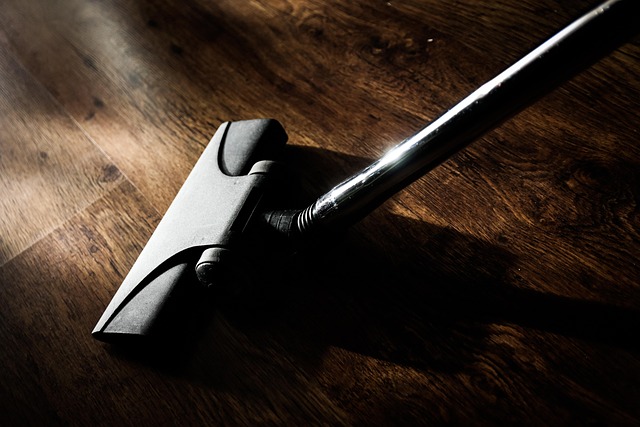
Keeping floors clean requires dragging a loud motor through enclosed residential spaces. The acoustic energy bounces off bare walls and floors to create a sustained echo chamber. Cleaning an entire house exposes the operator to over an hour of continuous mechanical roaring. Upgrading to a modern vacuum engineered for quiet operation significantly reduces household noise pollution.
Grinding Coffee Beans

Freshly brewed morning beverages require shattering hard beans with fast spinning metal blades. The sharp cracking noises reverberate loudly in quiet morning kitchens. This daily burst of acoustic harshness shocks ears that have just spent the night resting in silence. Covering the machine with a heavy cloth dampens the aggressive sound waves before they reach the eardrums.
Using Hand Dryers

Public restrooms feature powerful air blowers designed to dry hands in a matter of seconds. The narrow nozzles force air out at extreme velocities that generate deafening acoustic screams. The tiled walls of the restroom amplify the intense noise through multiple hard reflections. Reaching for paper towels instead of activating the loud machines saves the ears from unnecessary trauma.
Playing Video Games

Immersive gaming experiences rely heavily on explosive sound effects and loud background music. Players wearing headsets often crank up the volume to gain a competitive advantage by hearing subtle audio cues. This constant barrage of digital explosions and gunfire delivers sustained acoustic stress directly into the ear canal. Utilizing the audio normalization features found in most modern gaming consoles prevents sudden dangerous spikes in volume.
Watching Action Movies

Home theater setups feature powerful subwoofers and surround speakers that replicate cinema level volumes. Viewers frequently blast the audio to feel the physical impact of onscreen explosions and car chases. The sudden transitions from quiet dialogue to massive action scenes shock the unprepared auditory system. Activating the night mode setting on a soundbar compresses the audio dynamic range to protect hearing.
Going To Nightclubs

Entertainment venues rely on massive speaker arrays to pump physical bass frequencies onto the dance floor. Patrons literally feel the music vibrating through their bodies while their ears endure extreme decibel levels. Prolonged exposure in these environments guarantees temporary ringing and eventual permanent threshold shifts. Stepping outside for frequent quiet breaks allows the auditory system a brief chance to recover.
Riding The Subway
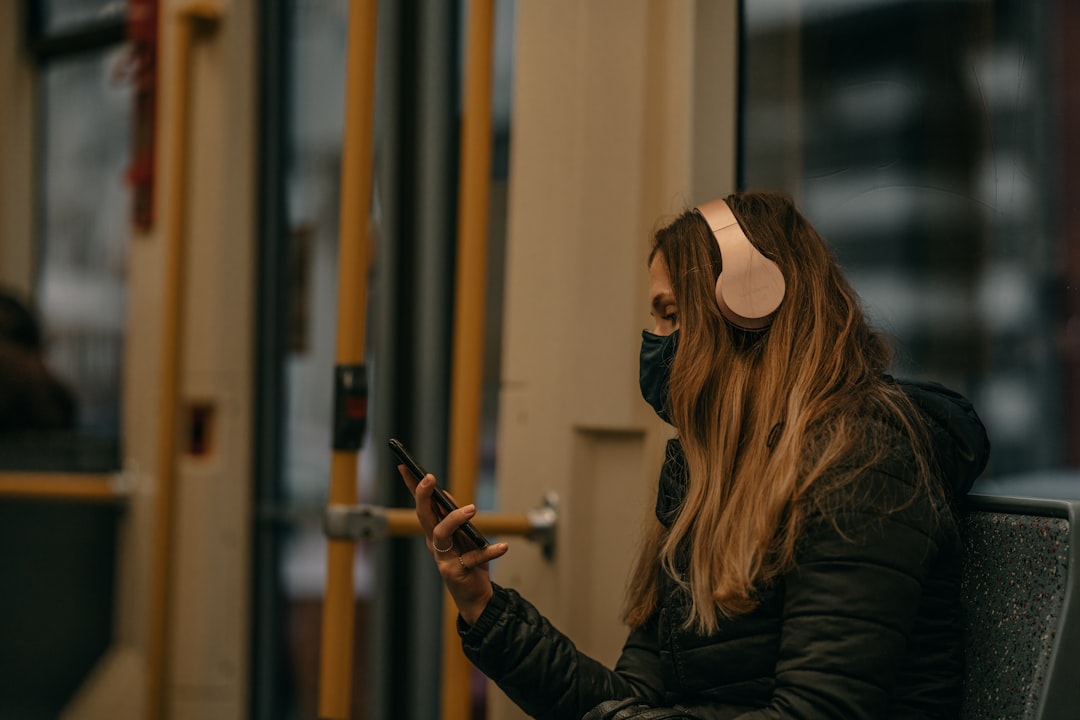
Underground transit systems generate intense squealing sounds as metal wheels grind against metal tracks. The confined tunnels trap the acoustic energy and force it directly into the train cars. Regular commuters absorb this deafening mechanical screeching twice a day for years on end. Wearing noise canceling headphones during the commute effectively neutralizes these harmful transportation sounds.
Using Leaf Blowers

Autumn yard cleanup involves strapping a loud gasoline engine directly to the body. The combination of the screaming motor and the rushing air creates a dangerously loud localized environment. Neighbors and operators alike suffer from the piercing frequencies produced by these common gardening tools. Switching to battery operated electric models dramatically lowers the decibel output and preserves neighborhood tranquility.
Popping Balloons

Party decorations pose a hidden acoustic threat when they suddenly burst. The violent expansion of air creates a sharp impulse noise that is louder than a gunshot. The rapid compression wave hits the eardrum with enough force to cause immediate mechanical damage. Handling inflated decorations carefully prevents unexpected explosions that threaten auditory wellness.
Attending Fireworks Displays
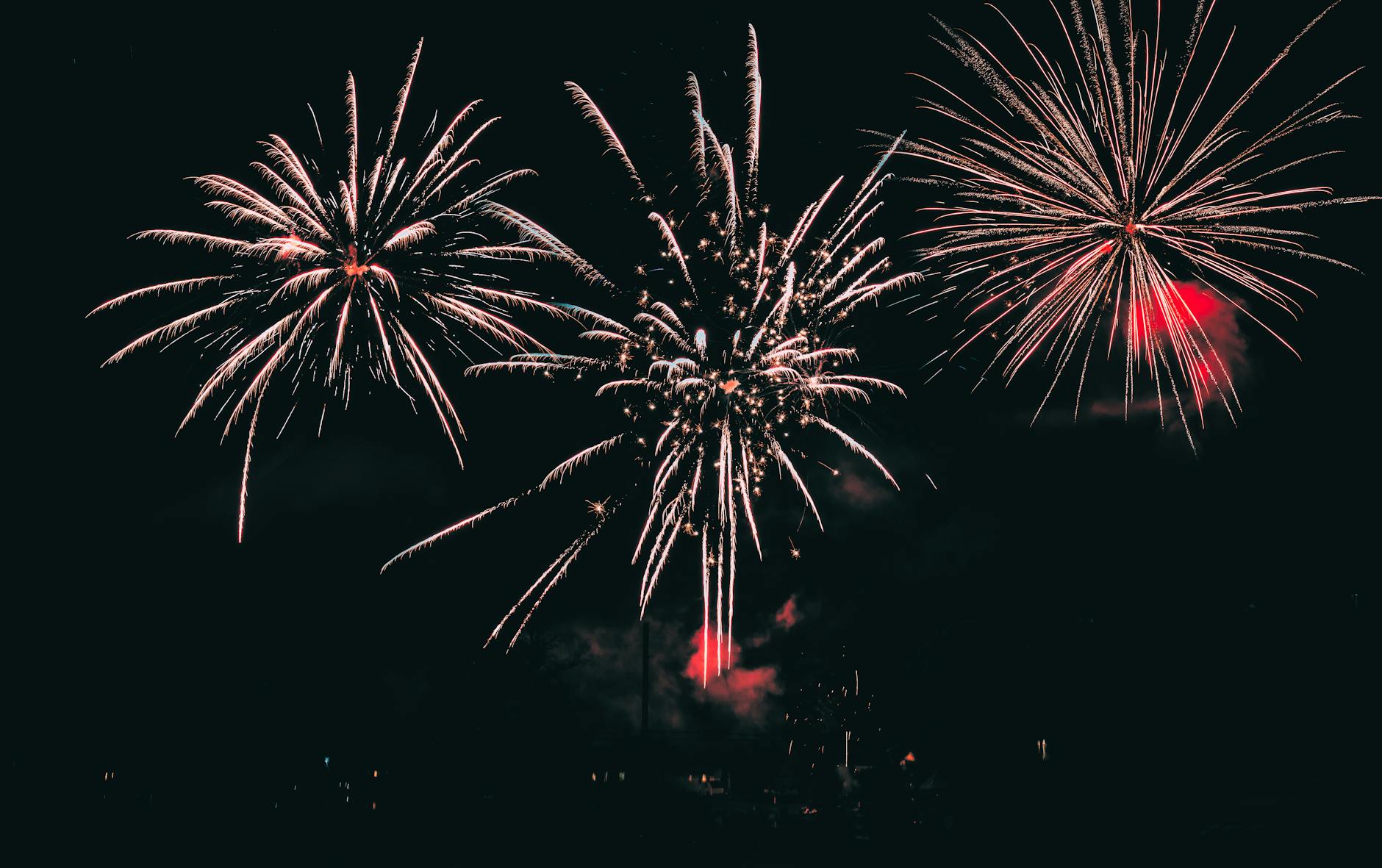
Holiday celebrations feature massive chemical explosions that entertain crowds with colorful lights and booming sounds. The concussive shockwaves travel for miles and hit spectators with tremendous acoustic force. Children are especially vulnerable to the sharp cracking noises echoing across open fields. Watching from a safe distance behind closed windows offers the best view without the auditory risks.
Shooting Firearms

Target practice at the range involves regular exposure to the loudest impulse noises a person can experience. The explosive discharge occurs mere inches from the head and generates deafening acoustic energy. Failing to wear double protection compromises the delicate sensory hairs permanently after just a few shots. Combining foam plugs with heavy duty earmuffs is mandatory for preserving hearing around firearms.
Using Espresso Machines

Gourmet coffee preparation involves loud steam wands that screech violently when frothing milk. Baristas and home enthusiasts subject themselves to these piercing high frequency sounds multiple times a day. The steam pressure creates a harsh acoustic environment that bounces off hard kitchen surfaces. Submerging the steam wand deeper into the milk pitcher softens the screaming noise significantly.
Flying On Airplanes
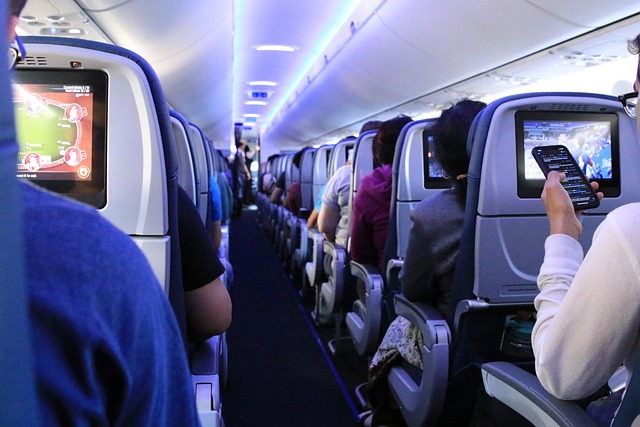
Commercial aviation traps passengers in a pressurized metal tube surrounded by massive jet engines. The constant low frequency roar penetrates the cabin and causes significant auditory fatigue over long flights. The changes in cabin pressure also stress the eardrum and prevent normal acoustic function. Wearing active noise reduction devices makes air travel drastically more comfortable and acoustically safe.
Ignoring Ear Fatigue
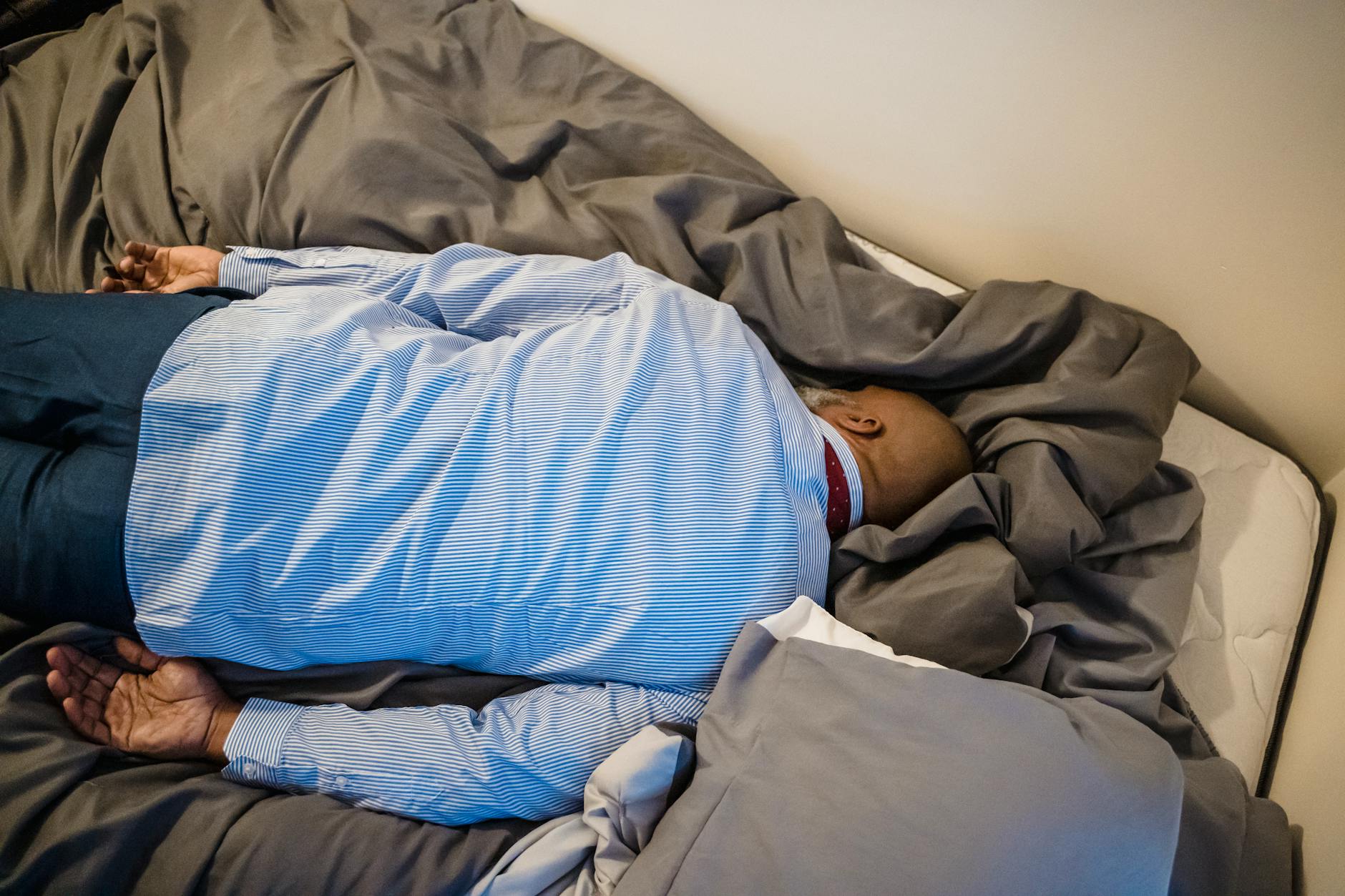
Many individuals continuously expose themselves to moderate noise without giving their ears adequate rest periods. The auditory system requires total silence to recover from the daily barrage of modern environmental sounds. Constant stimulation depletes the metabolic resources of the sensory cells inside the cochlea. Implementing a dedicated hour of complete silence every evening prevents cumulative damage from acoustic exhaustion.
Taking Pain Relievers

Frequent consumption of over the counter analgesics secretly damages the delicate structures of the inner ear. High doses of common medications alter the blood flow and chemical balance required for healthy hearing. Users often remain unaware that their daily headache remedy causes progressive ototoxic damage. Consulting a physician about alternative treatments prevents unnecessary chemical harm to the auditory nerves.
Smoking Cigarettes
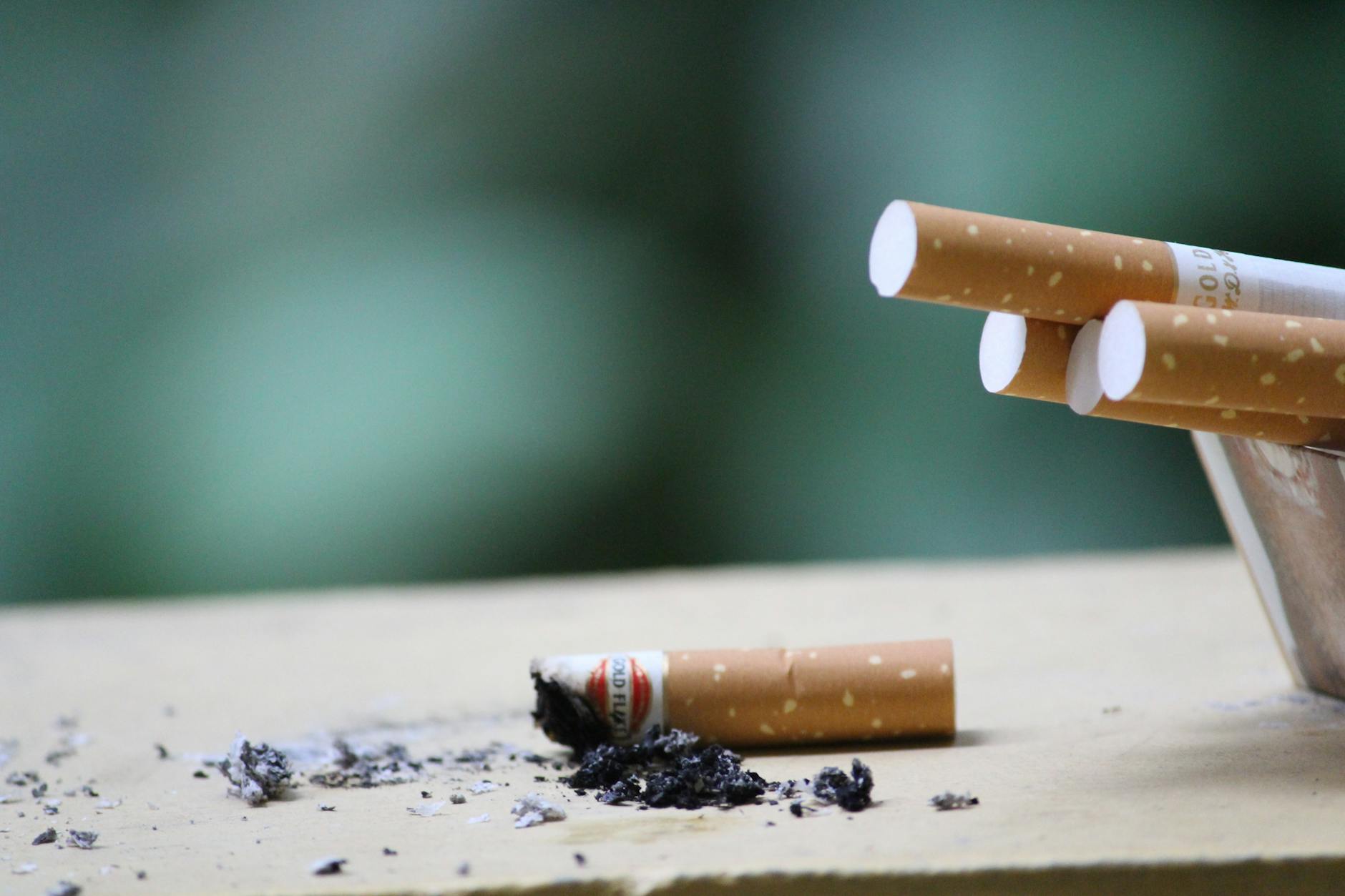
Tobacco use restricts blood vessels throughout the entire body including the tiny capillaries feeding the inner ear. The sensory cells require a constant supply of rich oxygen to translate sound waves into neural signals. Starving these cells of essential nutrients causes them to wither and die prematurely. Quitting smoking immediately improves circulation and halts this chemical assault on auditory health.
Drinking Alcohol Excessively

Heavy drinking creates toxic environments in the bloodstream that negatively impact the central auditory cortex. The brain loses its ability to effectively process the sound signals sent by the inner ear. Alcohol also shrinks the auditory cortex resulting in a condition known as central hearing loss. Maintaining moderate consumption habits protects both the liver and the vital neural pathways responsible for hearing.
Eating High Sodium Foods

Diets packed with excess salt cause the body to retain fluid and elevate overall blood pressure. This vascular stress affects the delicate fluid balance inside the inner ear canals. Imbalances in this crucial fluid disrupt the mechanical translation of sound vibrations into electrical signals. Choosing fresh ingredients over processed meals maintains the proper osmotic pressure required for perfect hearing.
Ignoring Dental Health
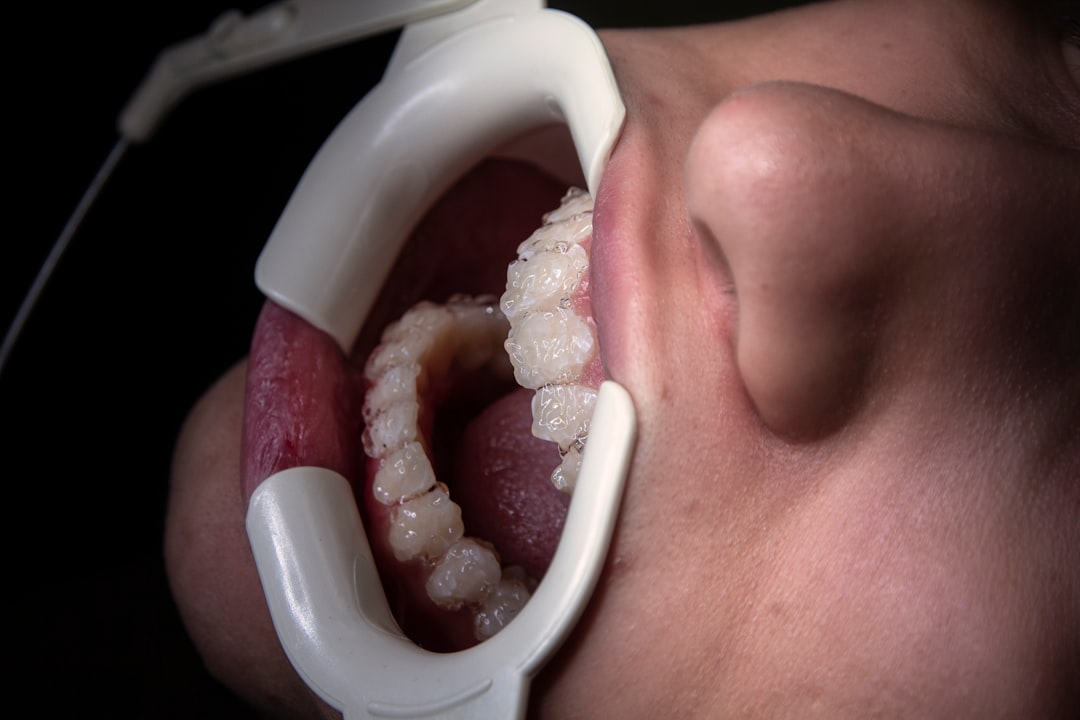
Poor oral hygiene leads to severe gum infections that can easily spread throughout the head. The proximity of the jaw to the ear canal allows dangerous bacteria to migrate and cause severe otitis media. Chronic inflammation damages the tiny bones responsible for amplifying sound within the middle ear. Regular dental checkups stop localized infections from becoming major auditory emergencies.
Skipping Ear Exams
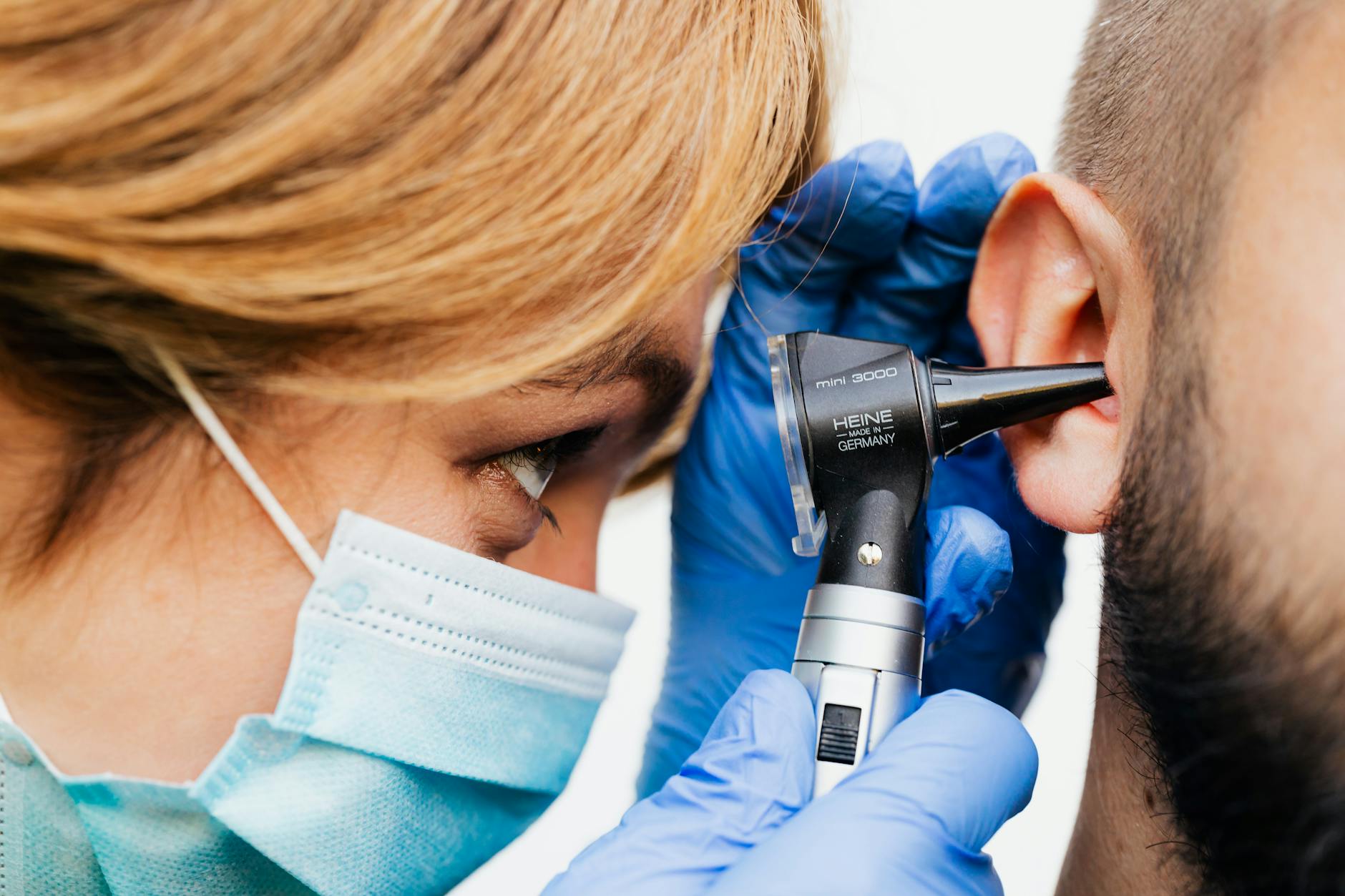
Most adults completely neglect routine auditory testing until they notice a severe decline in their hearing capabilities. Early stage damage remains entirely unnoticeable without specialized audiometric equipment. Catching minor threshold shifts allows medical professionals to implement corrective strategies before the loss becomes profound. Scheduling a baseline audiogram provides a crucial reference point for maintaining lifelong acoustic wellness.
Please let us know which of these surprising daily habits you plan to change to protect your hearing in the comments.