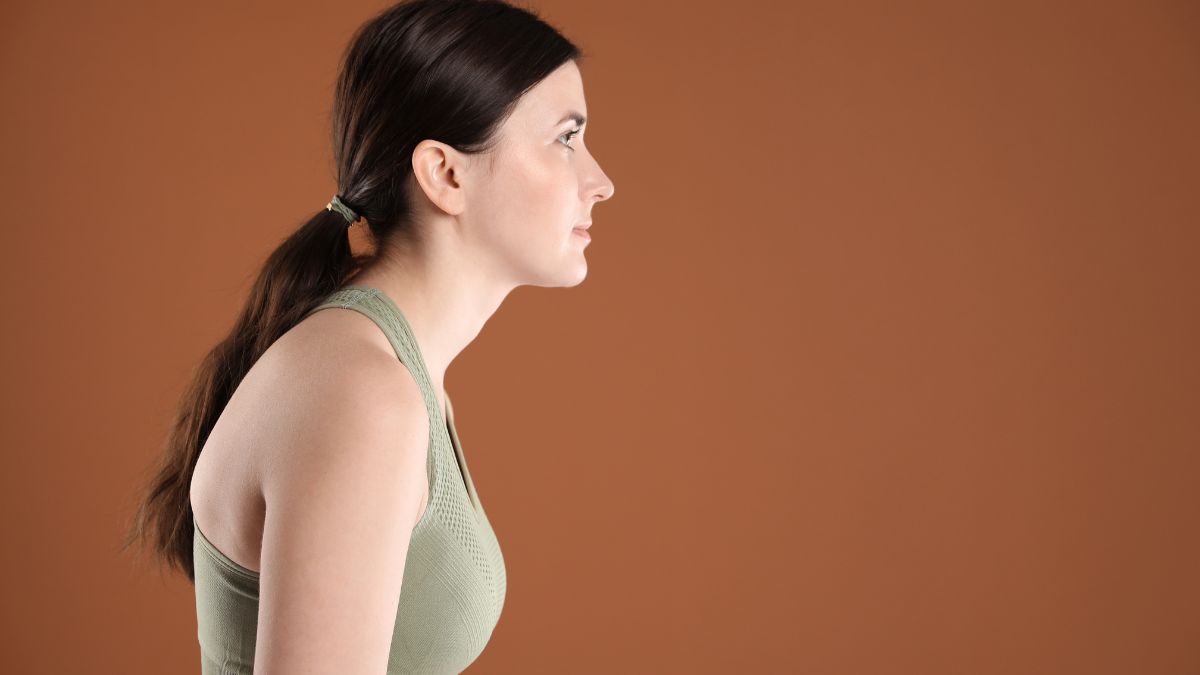
Poor posture is often the result of repeated daily habits that gradually tighten some muscles while weakening others. Over time, these seemingly small behaviors compound, creating misalignment that can lead to chronic pain and reduced mobility. Understanding which everyday practices are undermining your spinal health is the first step toward reclaiming better alignment and comfort throughout your day.
Hunching Over Your Phone

Constantly tilting your head downward to view your smartphone creates what experts call “tech neck,” where excessive forward flexion strains the cervical spine. The human head weighs approximately ten to twelve pounds, but this weight can feel like twenty or thirty pounds when bent forward at a severe angle. This habit gradually tightens the neck and upper back muscles while weakening the postural muscles that should support upright alignment. Most people spend several hours daily in this posture without realizing the cumulative damage. Breaking this habit requires conscious awareness and frequent breaks throughout the day.
Slouching at Your Desk

Settling into a slouched position while working rounds the shoulders forward and compresses the spine. This posture reduces lung capacity and restricts breathing, which also decreases oxygen flow to the brain and muscles. Over months and years of slouching, the anterior chest muscles shorten while the posterior chain weakens significantly. Your body begins to adopt this rounded position as its new neutral, making upright posture feel unfamiliar and uncomfortable. Regular postural resets and ergonomic adjustments can help counteract this deeply ingrained habit.
Sitting With Your Legs Crossed
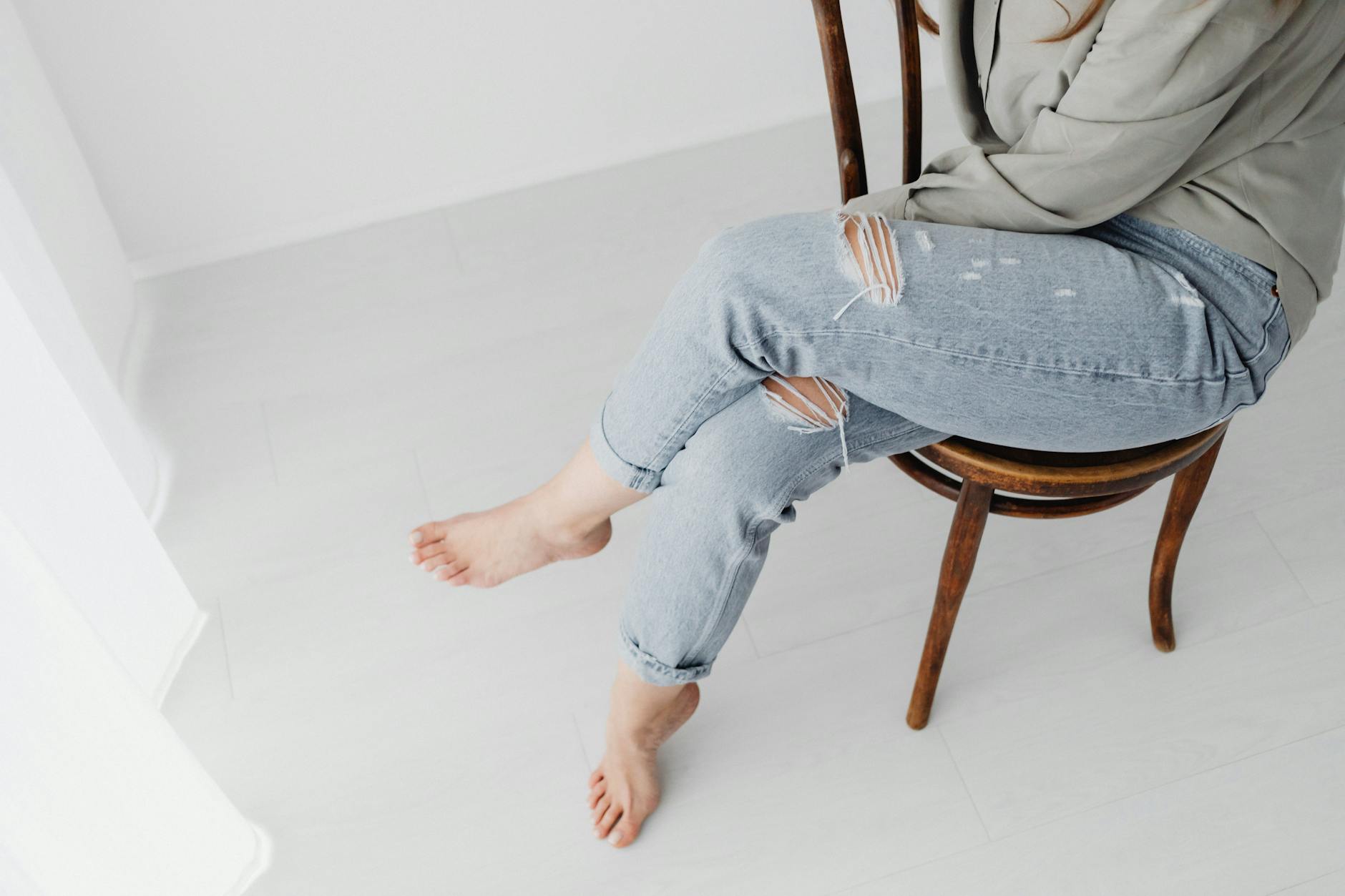
Crossing your legs while seated creates an uneven distribution of weight across your pelvis and lower spine. This asymmetrical posture tilts the hips and causes the spine to curve sideways in a compensatory manner. Over time, crossing the same leg repeatedly can lead to muscle imbalances and hip misalignment that affects your entire kinetic chain. The position also restricts blood flow to the legs and can contribute to varicose veins and circulation problems. Keeping both feet flat on the floor promotes neutral pelvic alignment and balanced spinal positioning.
Carrying a Heavy Bag on One Shoulder

Repeatedly loading weight onto a single shoulder forces that side of the body to compensate by elevating and tightening. The muscles on the weighted side work overtime while the opposite side stretches and weakens, creating significant postural imbalance. This asymmetrical loading gradually tilts the spine and can trigger pain in the neck, shoulders, and lower back. The uneven distribution of weight also affects hip alignment and can eventually compromise knee and ankle function. Distributing weight evenly across both shoulders or using a backpack prevents this harmful pattern.
Sleeping on Your Stomach
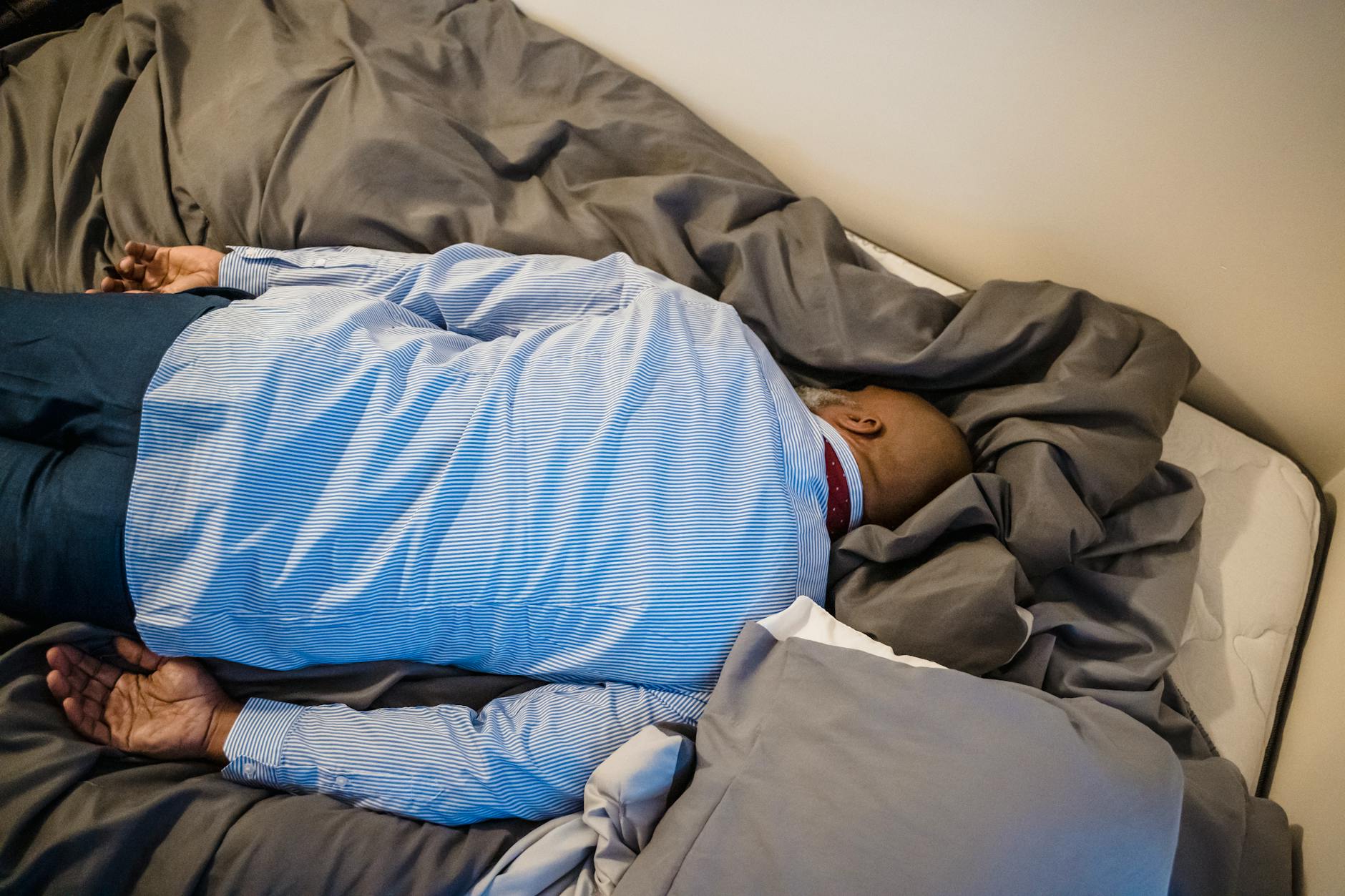
Stomach sleeping requires you to rotate your head sharply to one side to breathe, creating extreme rotation and strain on the cervical spine. This position also causes your lower back to arch excessively since your abdomen sags toward the mattress without support. The repeated twisting of your neck night after night gradually damages cervical joints and can pinch nerves. This habit is particularly problematic since you spend six to eight hours in this position and cannot consciously correct it. Transitioning to side or back sleeping with proper pillow support protects your spine during the long hours you spend in bed.
Staying Sedentary for Long Periods
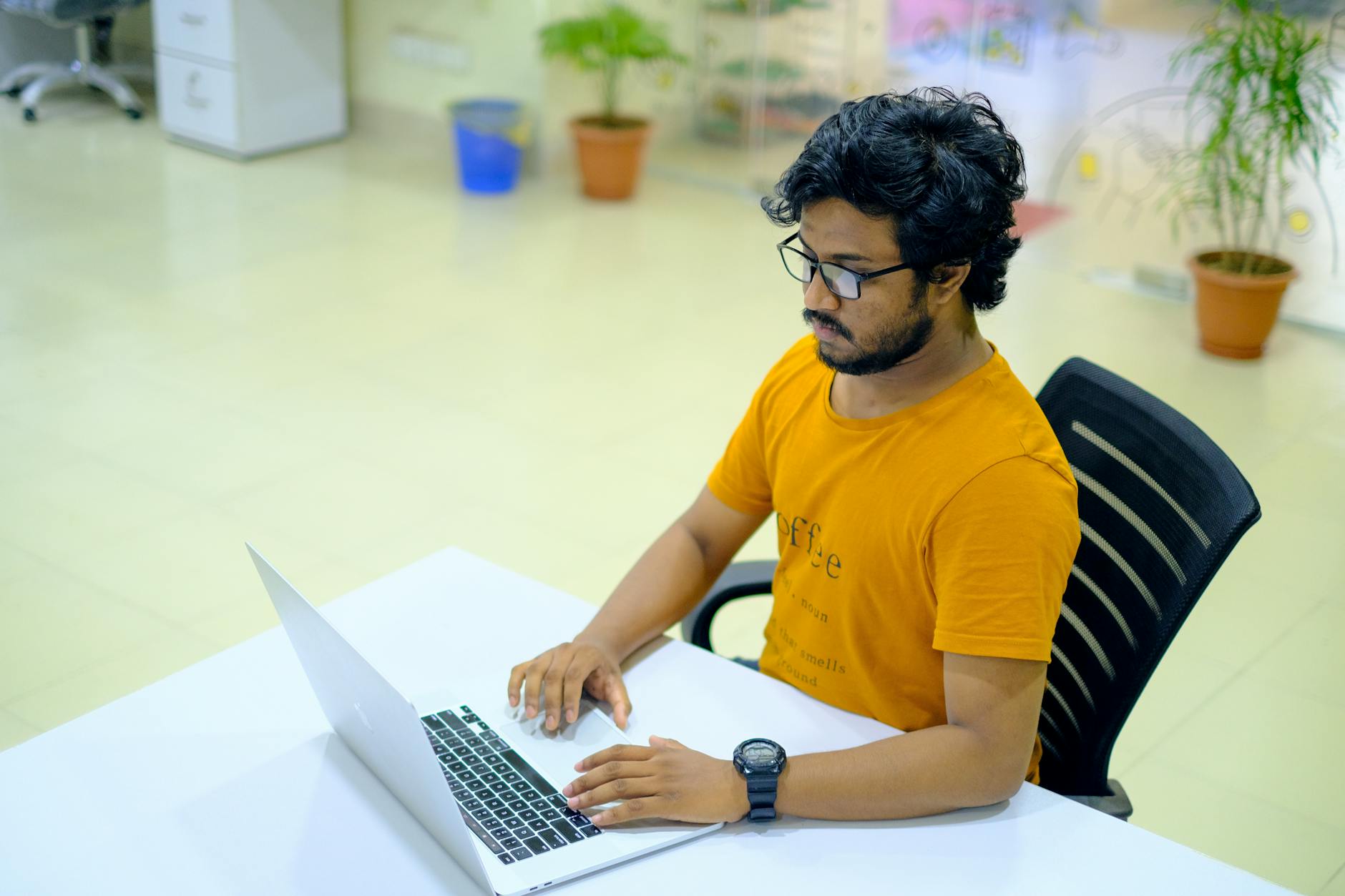
Remaining in any single position for extended hours without movement allows muscles to tighten and postural muscles to fatigue and weaken. Blood circulation slows in stationary postures, reducing nutrient delivery to spinal discs and supporting muscles. The longer you remain still, the more difficult it becomes to shift positions, so your body accommodates by slumping further. Sedentary behavior also tightens hip flexors and weakens the glutes, which are critical for maintaining upright posture. Taking movement breaks every thirty minutes significantly improves both your posture and overall spinal health.
Texting With Your Thumbs

The repetitive downward gaze required for texting with thumbs maintains the same problematic head position as phone scrolling. Your hands remain in a cramped position near your body, which rounds your shoulders forward and tightens your chest. This posture also engages your forearms and wrists in a way that promotes repetitive strain injuries. The combination of head flexion and shoulder rounding trains your nervous system to adopt a compromised postural pattern. Using a phone stand or bringing your device to eye level reduces the strain on your neck and shoulders.
Working at an Improperly Positioned Desk
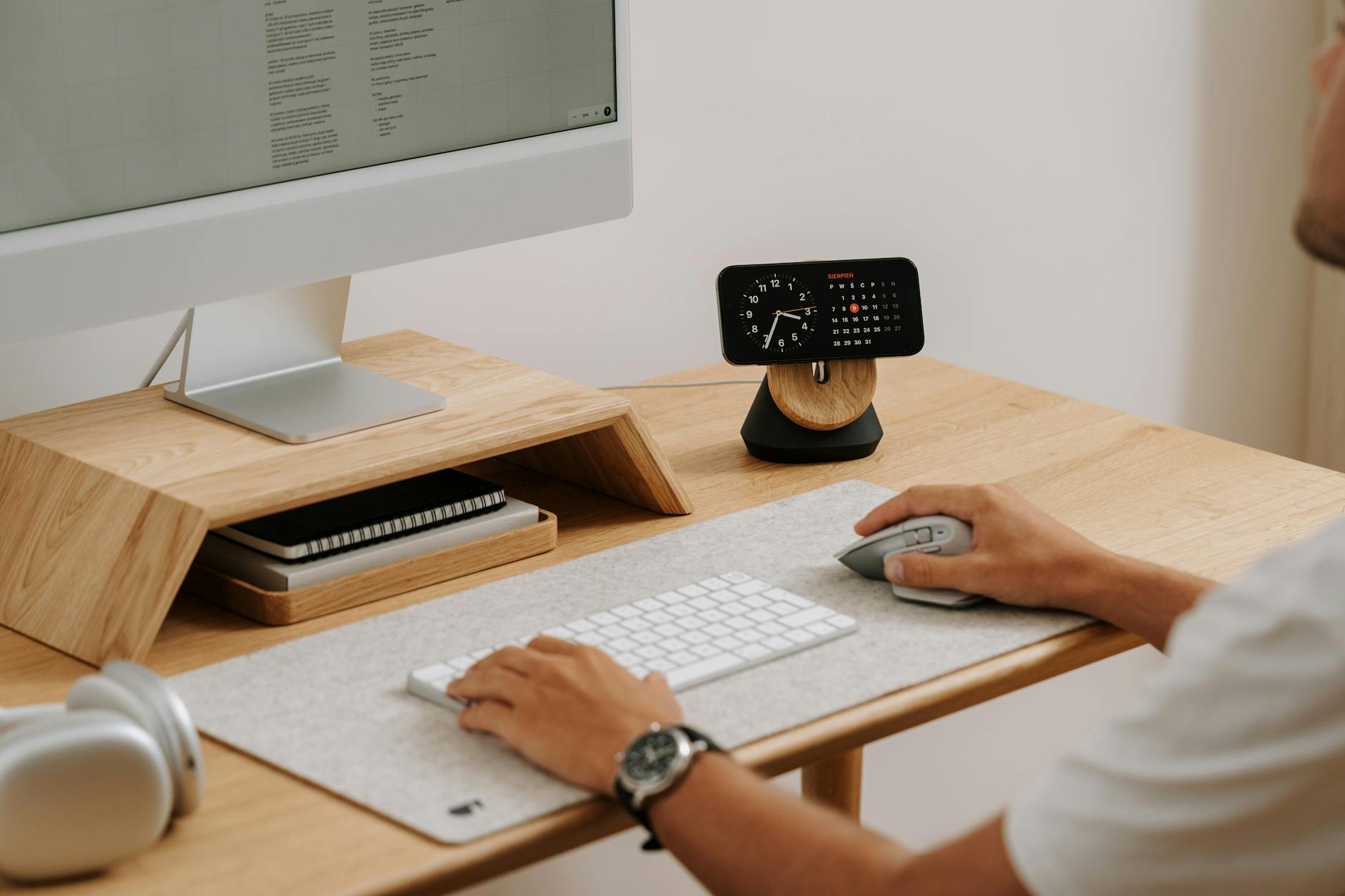
A desk that is too high or too low forces your shoulders and neck into uncomfortable compensatory positions throughout the workday. When your monitor sits below eye level, you habitually flex your neck downward, creating repetitive strain on cervical structures. A desk that is too high causes your shoulders to elevate toward your ears, triggering tension and tightness in the upper trapezius muscles. Proper desk ergonomics place your elbows at ninety degrees with your monitor at eye level and arms relaxed. Investing in adjustable furniture and ergonomic accessories prevents hours of daily postural compensation.
Bending at the Waist Instead of the Hips
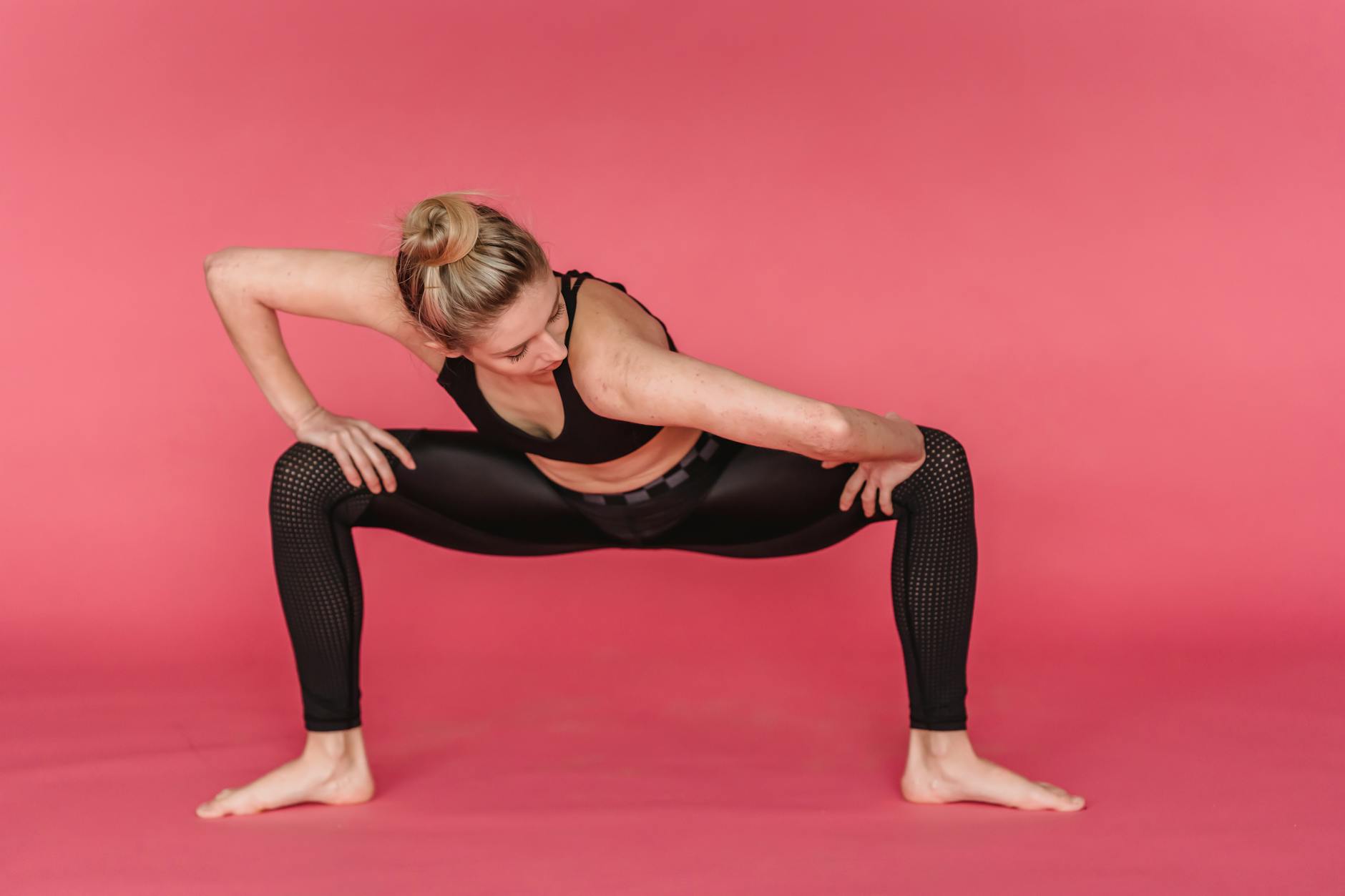
Bending forward from your lower back instead of hinging at your hips places excessive compressive force on the lumbar discs. This movement pattern trains your nervous system to use your spine for bending rather than the larger hip muscles that are designed for this task. Repeatedly bending incorrectly from the waist weakens your glutes and hamstrings while overworking your erector spinae muscles. Over time, this dysfunctional pattern becomes automatic and contributes to lower back pain and disc problems. Learning to hip hinge properly redistributes bending forces to your strongest muscles and protects your spinal discs.
Wearing High Heels Regularly

High heels shift your center of gravity forward, forcing your entire body to compensate by arching your lower back excessively. Your calf muscles shorten significantly and tighten, which affects ankle mobility and can influence your gait for years afterward. The anterior tilt of your pelvis required to balance in heels creates excessive lumbar curvature and hip flexor tightness. Your postural muscles work overtime to maintain balance, leading to fatigue and muscle soreness even when you are not wearing heels. Limiting heel height and duration reduces the cumulative effect of this compensatory postural pattern.
Cradling Your Phone Between Your Ear and Shoulder

Holding a phone between your ear and shoulder maintains an extreme lateral flexion and rotation of your cervical spine. This posture compresses one side of your cervical discs while stretching the other side, creating significant strain on the neck structures. The shoulder of the loaded side elevates and tightens while the opposite shoulder drops, creating asymmetrical upper body alignment. Muscles on both sides of your neck fatigue and develop trigger points from this sustained awkward position. Using a headset or speaker phone keeps your head in neutral alignment while freeing your hands for work.
Driving With Poor Seat Position

Leaning back in your car seat places your head in a forward-compromised position relative to your spine’s natural neutral curve. A seat that is too far from the pedals forces you to reach and round your shoulders forward while steering. Poor lumbar support in most vehicle seats causes your lower back to round and flatten its natural curve. The hours spent in this compromised position daily significantly impacts your posture when you exit the vehicle. Adjusting your seat height and angle to support a neutral spine reduces strain and prevents driving-related postural damage.
Carrying Children Consistently on One Hip

Balancing a child repeatedly on one hip creates the same asymmetrical weight distribution problem as carrying a heavy bag on one shoulder. Your spine curves sideways to compensate for the uneven load, and your hip on that side elevates higher than the other. This pattern trains your postural muscles to accommodate this unbalanced position as if it were normal. Over time, this habit can contribute to scoliosis and significant postural imbalances that extend beyond just your torso. Alternating sides or using a supportive carrier distributes weight more evenly across your body.
Not Engaging Your Core Muscles
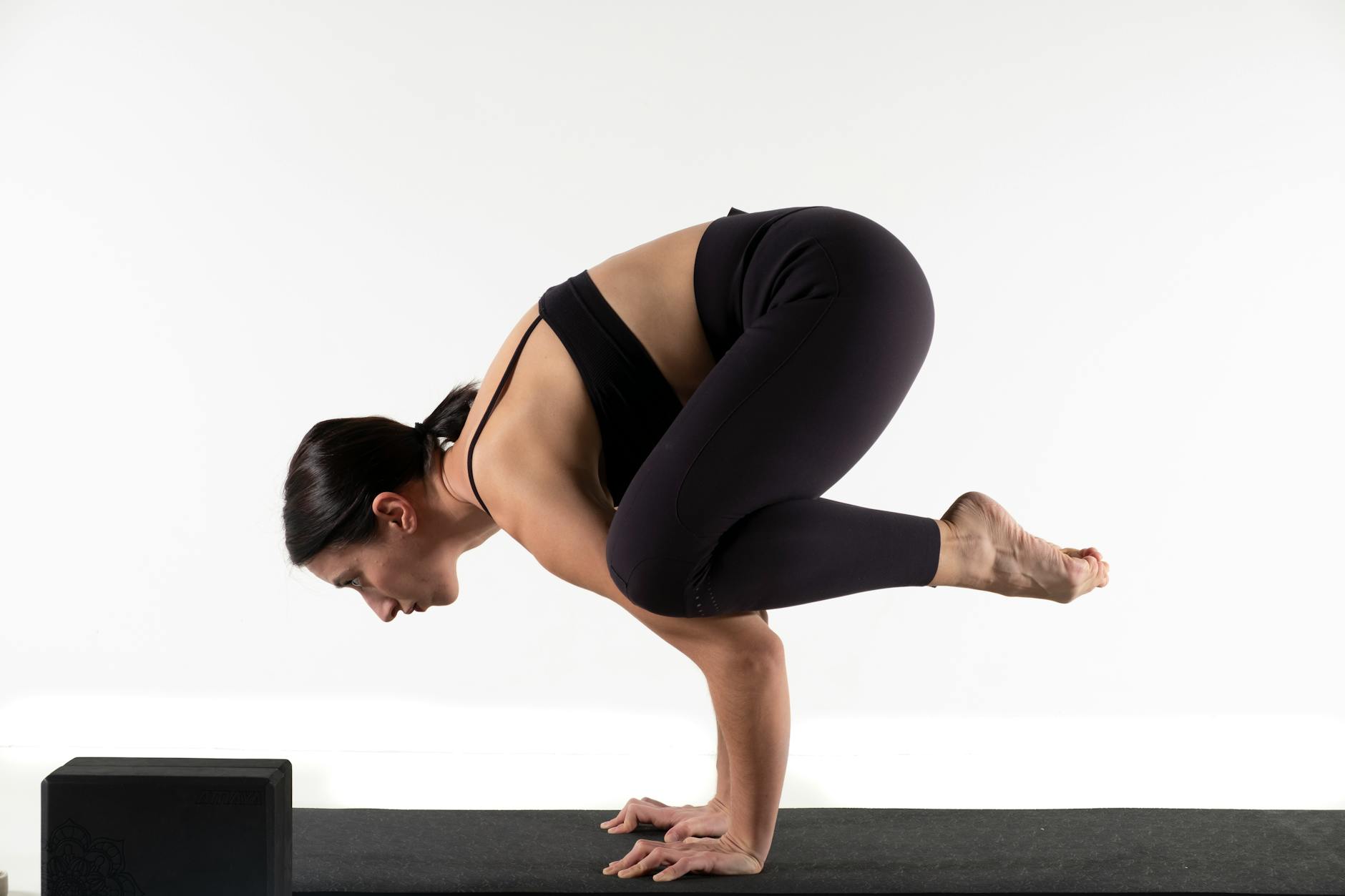
Allowing your core muscles to remain weak and inactive means your spine lacks the muscular support system designed to maintain proper alignment. Without core activation, your lower back takes on the burden of stabilizing your torso, leading to excessive stress on spinal structures. A weak core also allows your pelvis to tilt anteriorly, increasing lumbar curve and creating lower back pain. Your postural muscles cannot compensate indefinitely for weak stabilizing muscles without developing pain and dysfunction. Building core strength through targeted exercises provides the foundational support your spine needs for proper alignment.
Leaning on One Leg While Standing

Shifting all your weight onto a single leg while standing forces your hip to drop on the unloaded side and creates a lateral spinal curve. Your spine tilts sideways to compensate for the uneven hip positioning, and muscles on one side tighten while the other side stretches. This standing posture becomes habitual and trains your nervous system to accept this unbalanced positioning as normal. The asymmetrical loading also contributes to knee and hip problems over time as joints compensate for misalignment. Standing with weight distributed evenly across both legs maintains neutral hip and spinal alignment.
Using a Pillow That Is Too Thick

An excessively thick pillow forces your neck into flexion even while lying down, perpetuating the strain you may have created during the day. Your cervical spine spends eight hours being pushed into an unnatural angle, which prevents nighttime recovery. The constant forward neck flexion from an oversized pillow can actually worsen the “tech neck” you develop from daily phone use. Over months and years, sleeping on an improper pillow solidifies poor postural habits that persist when you are awake. Using a pillow that supports your neck’s natural curve allows your spine to recover during sleep.
Rounding Your Shoulders While Walking

Walking with shoulders rounded forward and slightly collapsed inward reduces the engagement of your postural muscles. This gait pattern is often a result of excessive time spent in flexed positions like sitting at a desk or hunching over a phone. Walking with rounded shoulders trains your nervous system to maintain this compromised posture even when you are not seated. The anterior chest muscles shorten and tighten while posterior chain muscles weaken from underuse and poor engagement. Consciously pulling your shoulders back and down while walking activates your postural muscles and reinforces proper alignment.
Lifting Heavy Objects With a Rounded Spine

Bending over with a rounded spine to lift anything from the ground places maximal stress on lumbar discs and supporting ligaments. This movement pattern is one of the most common causes of acute lower back injuries and chronic disc problems. Your entire posterior chain from your calves to your upper back should work together to lift safely, but rounding your spine bypasses this system. Repeated lifting with a rounded spine gradually damages disc integrity and weakens the ligaments that support your lower back. Learning proper lifting mechanics with a neutral spine protects your discs and prevents both acute and chronic injuries.
Maintaining Constant Forward Head Posture
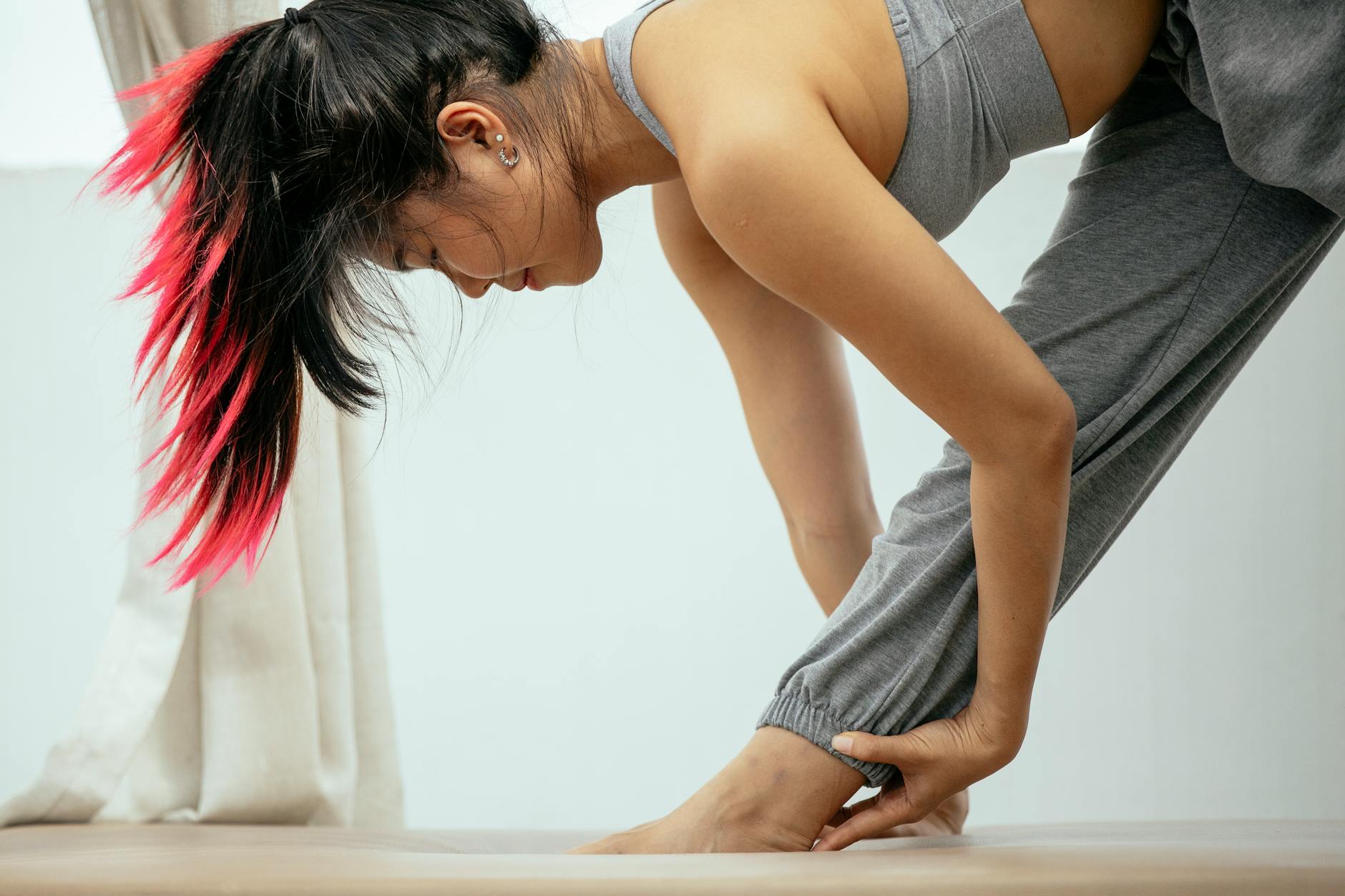
Allowing your head to drift forward of your shoulders creates a forward head posture that increases strain on every cervical structure. The muscles at the base of your skull must contract continuously to support the forward weight of your head. Over time, these muscles fatigue and develop trigger points that can refer pain throughout your head and neck. This posture also restricts blood flow to your brain and can contribute to tension headaches and migraines. Retracting your chin and maintaining your head directly over your shoulders reduces cervical strain significantly.
Using a Mouse That Is Too Far Away
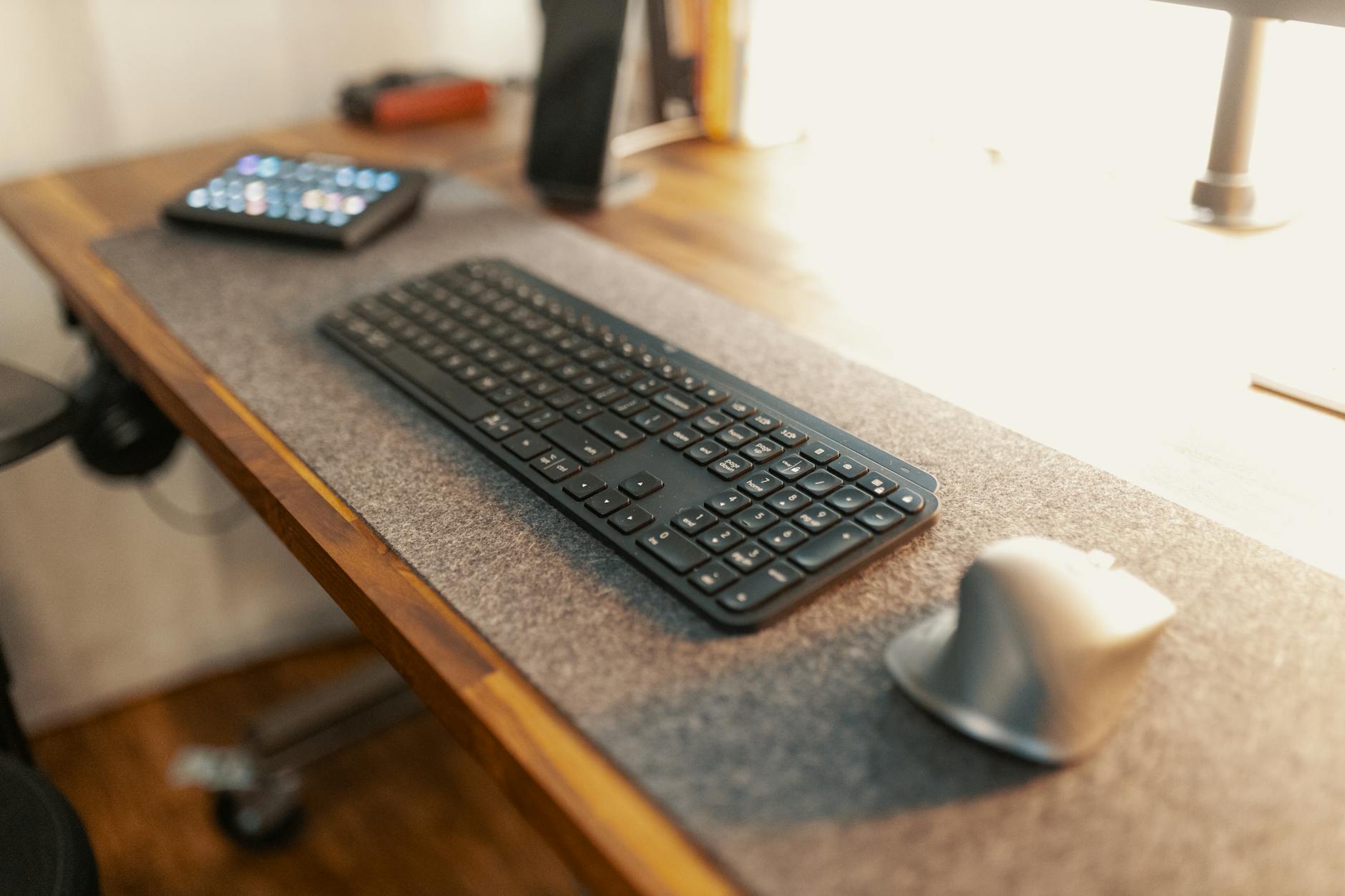
Reaching toward a mouse that sits too far from your body forces your shoulder forward and requires your arm to extend excessively. This position tightens your chest muscles and weakens your upper back muscles that support proper shoulder alignment. The repetitive reaching motion combined with poor shoulder positioning can trigger shoulder impingement and rotator cuff problems. Your entire upper body compensates for this awkward arm position, creating a cascade of postural compromises. Positioning your mouse close to your body keeps your shoulder relaxed and your arm in a neutral alignment.
Sitting on a Soft or Sagging Couch
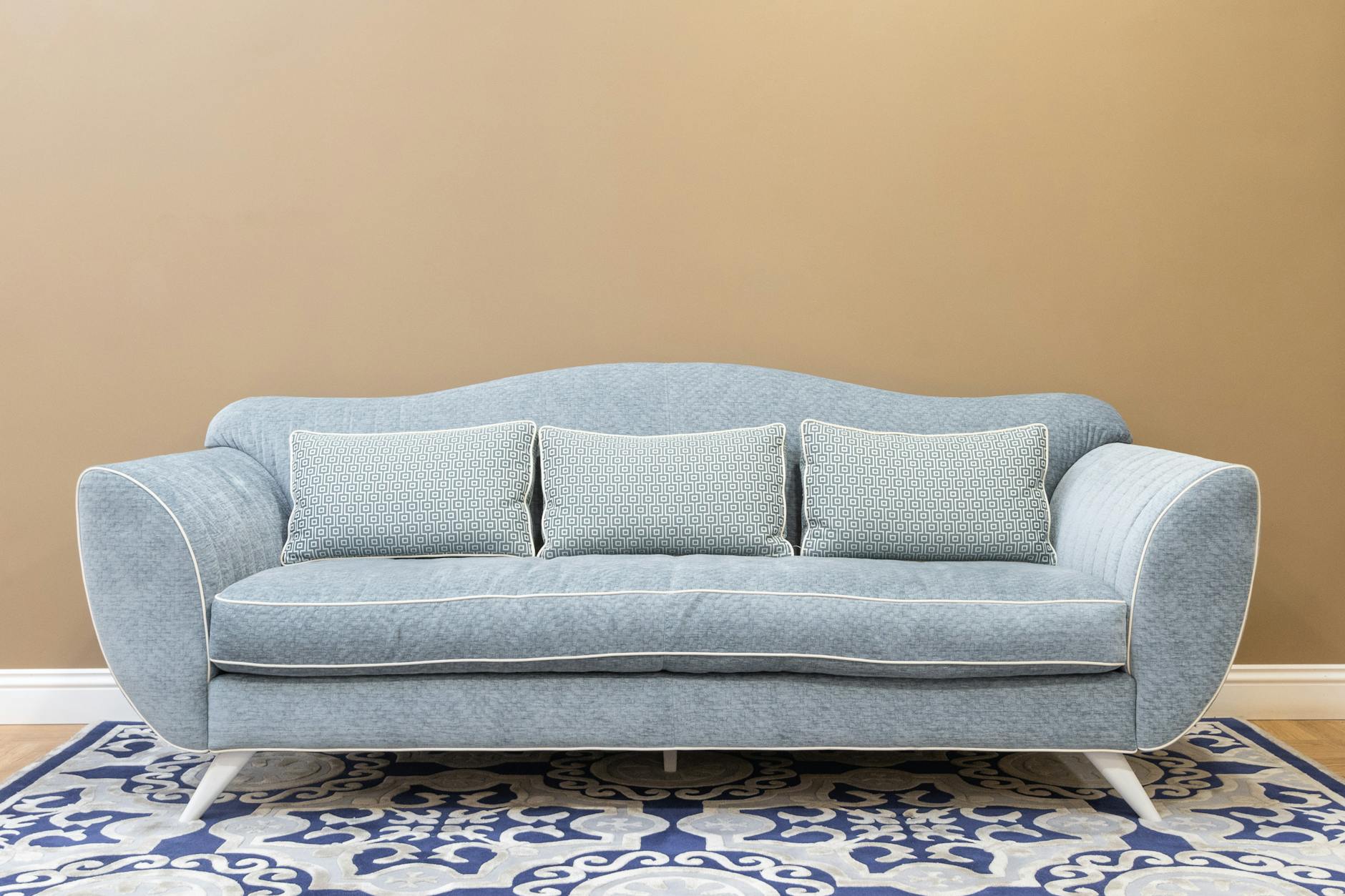
A couch that sags in the middle offers no lumbar support and forces your spine to flex and round while you sit. Your pelvis tilts backward and your lower back flattens, eliminating the natural lumbar curve that protects your discs. Slouching deeper into a soft surface becomes increasingly comfortable in the moment but reinforces poor postural habits. Hours spent on an unsupportive couch can cause acute pain and contributes to chronic postural dysfunction. Sitting on a firm surface with lumbar support maintains your spine’s natural alignment even during relaxation.
Clenching Your Jaw Habitually

Tension in your jaw muscles creates a cascade of postural problems that affect your entire cervical spine and upper body. Jaw clenching pulls your head slightly forward and upward, creating tension in your neck muscles and upper trapezius. This habit often develops in response to stress and creates muscle tension that locks into your posture even when you are not actively clenching. The tension in your jaw and neck muscles can trigger headaches and limit your cervical range of motion. Practicing conscious relaxation of your jaw muscles releases tension throughout your entire upper body and neck region.
Reaching Overhead Repeatedly With Poor Mechanics

Reaching overhead without proper scapular stability forces your lower back to arch excessively as compensation. Your shoulders may shrug up toward your ears rather than maintaining their natural position when reaching above your head. Repetitive overhead reaching with poor mechanics can impinge structures in your shoulder and create painful conditions. The excessive lumbar arch combined with poor shoulder mechanics trains your body to move dysfunctionally. Learning to reach overhead while maintaining a neutral spine and stable scapula protects both your shoulders and lower back.
Twisting Your Spine While Bending Forward
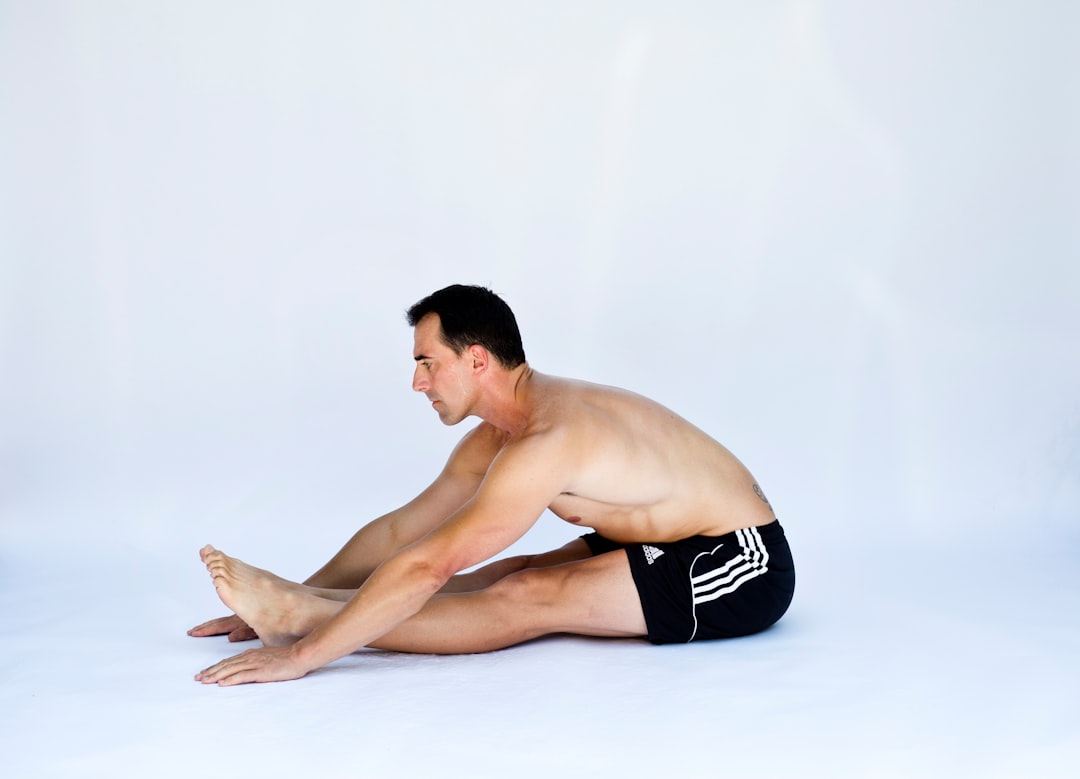
Combining spinal flexion with rotation creates the worst possible loading scenario for your intervertebral discs and supporting ligaments. This movement pattern is a common cause of disc herniations and can damage disc integrity in a single instance or through repeated microtrauma. Your spine is weakest when it is flexed forward because the posterior ligament fibers are stretched and the nucleus pulposus is pushed backward. Adding rotation to this already compromised position exponentially increases the strain on your discs. Moving with a neutral spine and rotating from your hips rather than your waist prevents this dangerous combination.
Sitting in a Bucket Seat While Driving

Bucket seats in many vehicles place your hips lower than your knees, which tilts your pelvis backward and rounds your lower back. This position flattens your lumbar curve and places your discs in a compromised position for hours during commuting. Your hip flexors tighten significantly in this position, which affects your posture even after you exit the vehicle. The combination of bucket seat positioning and forward head positioning to see the road creates significant cervical and lumbar strain. Using lumbar support rolls and adjusting your seat to a higher position helps maintain a more neutral spinal alignment.
Constantly Shrugging Your Shoulders
Habitually elevating your shoulders toward your ears creates chronic tension in your upper trapezius muscles. This muscle tightness limits your cervical range of motion and can trigger tension headaches and neck pain. Shoulder shrugging often develops in response to stress and becomes such an ingrained habit that you remain unaware you are doing it. The chronic tension in your upper trapezius also pulls your shoulders upward and forward, contributing to rounded shoulders. Practicing body awareness and consciously relaxing your shoulders away from your ears throughout the day reduces this harmful habit.
Pushing Your Hips Forward While Standing
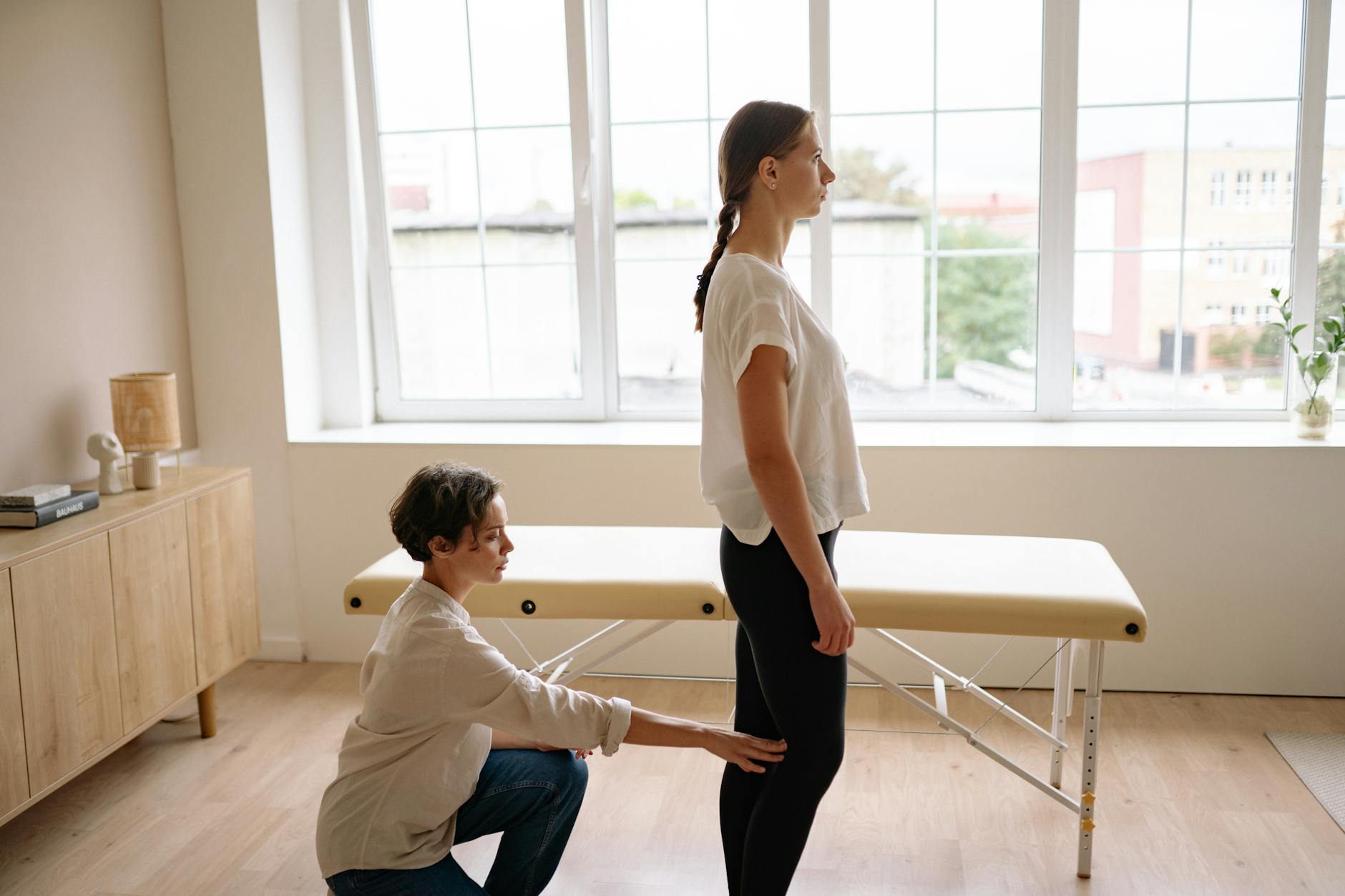
An excessive anterior pelvic tilt combined with a pronounced lumbar arch places your lower back in a hyperextended position. This posture tightens your hip flexors and lower back muscles while weakening your abdominal muscles and glutes. The excessive lumbar curve places compression on the facet joints in your lower back, which can become painful. Women often adopt this posture as a result of wearing heels or believing it enhances their appearance. Maintaining a neutral pelvic position with your core engaged protects your lower back and prevents lumbar pain.
Keeping Your Wallet in Your Back Pocket

A thick wallet in your back pocket creates uneven pressure on your lower back when you sit, tilting your pelvis and creating an asymmetrical spinal curve. This chronic pressure can contribute to sciatica and persistent lower back pain on the affected side. The uneven pressure also reinforces poor sitting posture by making one hip higher than the other. Hours spent sitting on an asymmetrically loaded wallet accumulates significant strain on your lumbar spine and supporting structures. Moving your wallet to a front pocket or keeping it elsewhere during sitting eliminates this postural stress.
Staring at a Fixed Point Without Eye Movements

Maintaining a fixed forward gaze without moving your eyes encourages your head to shift forward into a forward head posture. Your neck muscles tighten as your head drifts forward to maintain visual focus, and your upper back rounds to accommodate this position. This habit is common among people who work on computers or concentrate intensely on tasks. Without natural eye movement and head repositioning, your postural muscles fatigue and your alignment progressively worsens. Practicing frequent eye movements and blinking prevents your head from drifting forward and reduces postural strain.
Wearing a Backpack With Only One Shoulder Strap

Using only one strap of a backpack creates the same asymmetrical loading problem as carrying a heavy bag on one shoulder. Your spine curves sideways to accommodate the uneven weight distribution, and your hip drops on the loaded side. One shoulder elevates higher than the other, creating a lateral spinal curve that persists even after you remove the backpack. This unbalanced loading pattern trains your nervous system to accept postural asymmetry as normal. Using both shoulder straps and adjusting them to sit comfortably distributes weight evenly across your body.
Hyperextending Your Knees While Standing
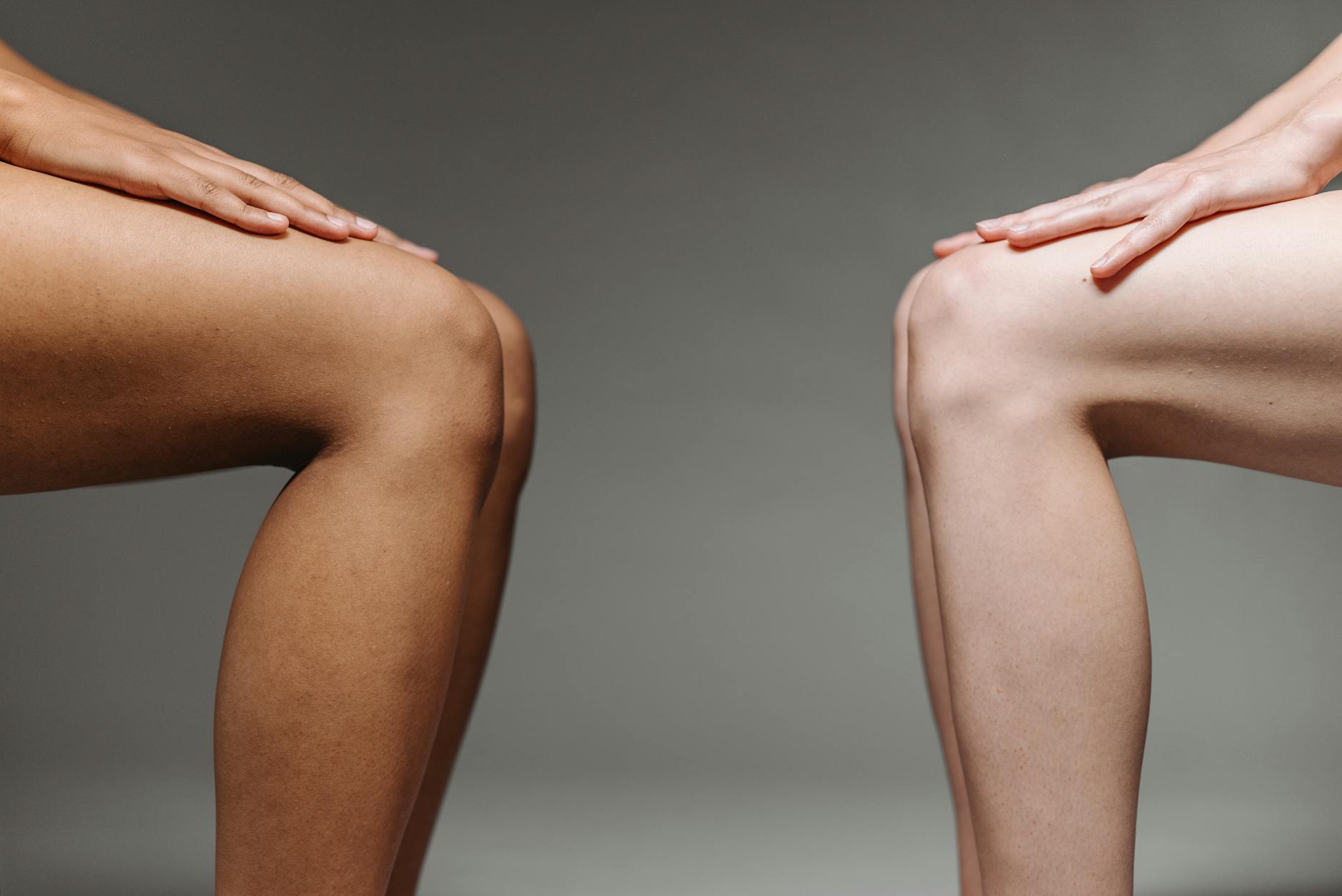
Locking your knees into a hyperextended position while standing shifts your weight backward and forces your hips and lower back to compensate. This posture tightens your calf muscles and hamstrings while placing excessive pressure on the back of your knees. Your lower back arches to maintain balance when your knees are hyperextended, increasing lumbar compression. Standing in this locked position for extended periods is particularly common among people required to stand for work. Maintaining a slight bend in your knees distributes your weight more evenly through your legs and protects your joints.
Pushing Your Chest Forward Excessively

Overcompensating by pushing your chest forward and creating an extreme thoracic extension is as problematic as rounding your shoulders forward. This posture tightens your lower back muscles and creates excessive lumbar extension and compression. Exaggerated chest posture often develops as an overcorrection when someone first learns about good posture. This position restricts your breathing and prevents your diaphragm from functioning optimally. Maintaining a neutral spine with your chest neither collapsed nor exaggerated finds the optimal postural position.
Sleeping on a Mattress That Is Too Soft
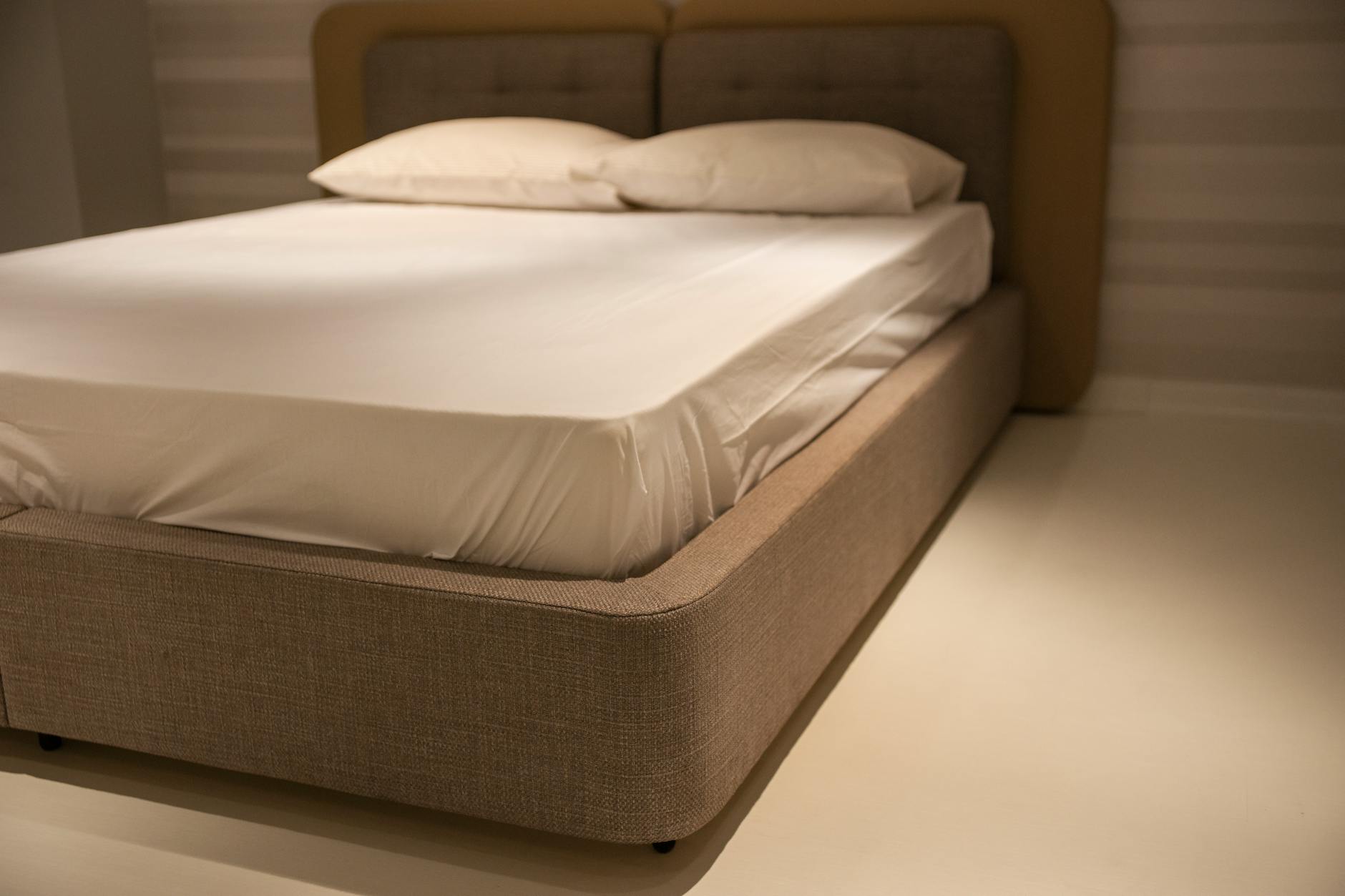
A mattress that sags excessively allows your spine to sag into an S-curve throughout the night instead of maintaining its natural curves. Your heavier midsection sinks deeper than your shoulders and hips, creating an uneven spinal alignment for eight hours. Without proper support, your muscles work overtime during sleep to stabilize your spine rather than allowing true recovery. A saggy mattress prevents your discs from fully rehydrating and recovering from daytime compression. Sleeping on a firm, supportive mattress maintains your spine’s natural alignment and promotes nighttime recovery.
Tilting Your Head to One Side Repeatedly

Consistently tilting your head toward one side while talking on the phone or working tightens the muscles on that side of your neck. The opposite side stretches chronically, creating muscle imbalances that persist even when you are not tilting. This asymmetrical neck posture gradually trains your cervical spine to accept a tilted position as neutral. The imbalance in neck muscles can limit your range of motion and trigger headaches or neck pain. Maintaining a centered head position with balanced muscle tension throughout your neck prevents this asymmetrical pattern.
Leaning Forward While Sitting

Any forward lean from your thoracic spine while seated places excessive stress on your lumbar discs and supporting ligaments. Leaning forward also tightens your hip flexors and anterior muscles while weakening your posterior chain. This posture is common among people who are focused on their work or fatigued during long sitting sessions. The farther you lean forward, the greater the compressive load on your discs and the more demand you place on your muscles. Maintaining an upright seated posture with your back against a supportive chair reduces spinal strain significantly.
What habit are you most surprised is affecting your posture, and which one will you work on breaking first?