These everyday foods sit in refrigerators and pantries around the world, trusted and familiar in every sense. Yet behind their ordinary appearances, many carry hidden risks that only emerge when they are prepared, stored, or consumed in the wrong way. Understanding these nuances is not about fear but about informed, confident eating. A little knowledge goes a long way toward keeping the dinner table safe for everyone.
Cherry Pits
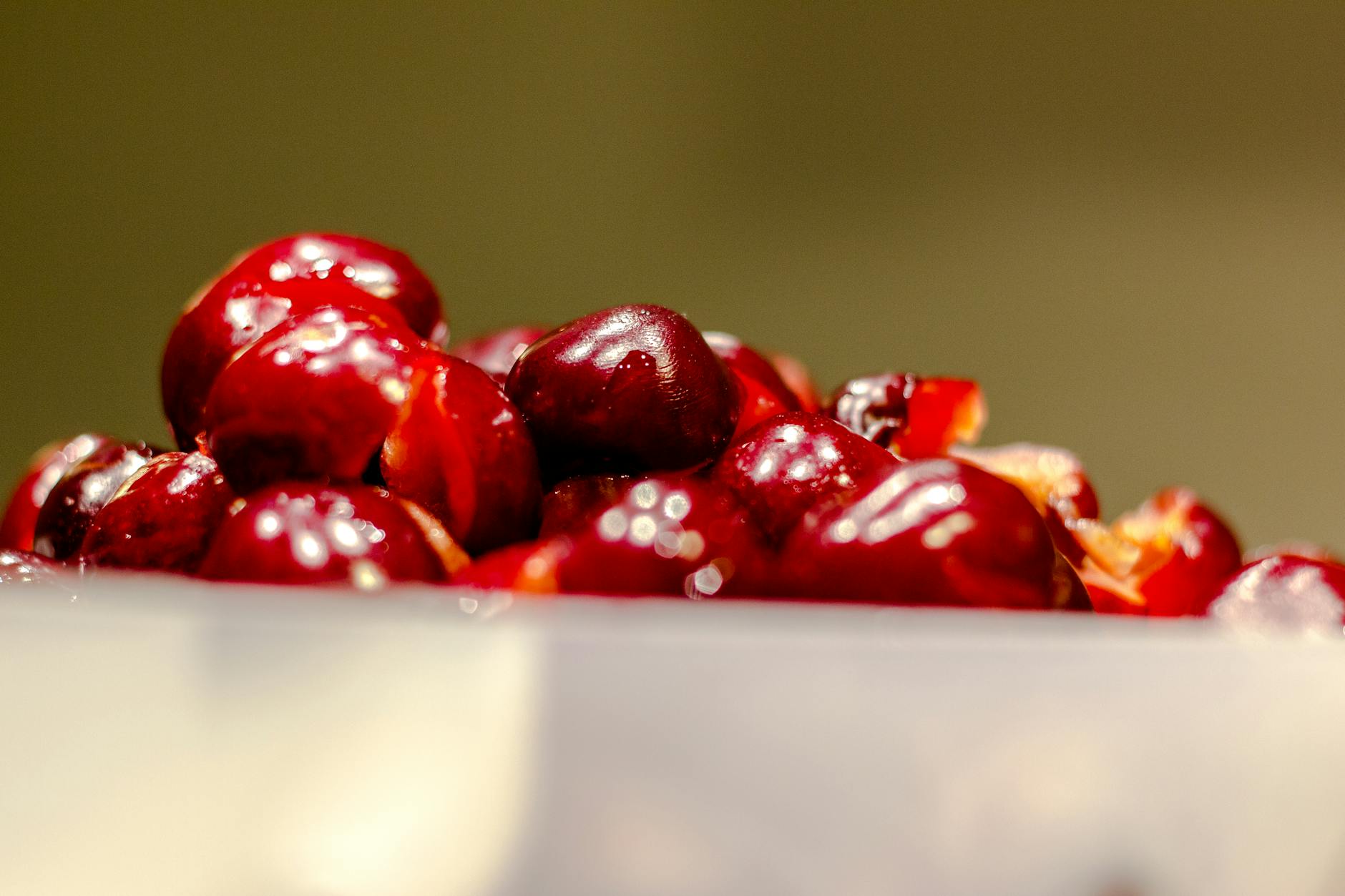
Cherries are a beloved summer fruit enjoyed in everything from pies to fresh snack bowls. The fleshy part is completely safe, but the hard pit inside contains amygdalin, a compound that the body can convert into hydrogen cyanide when chewed or crushed. Accidentally swallowing a whole pit is generally not cause for concern since the hard shell prevents the compound from being released. However, cracking or grinding the pits, whether intentionally or through heavy chewing, can introduce a measurable toxic dose. The safest approach is to always remove pits before eating and never use them in homemade infusions or cooking experiments.
Apple Seeds
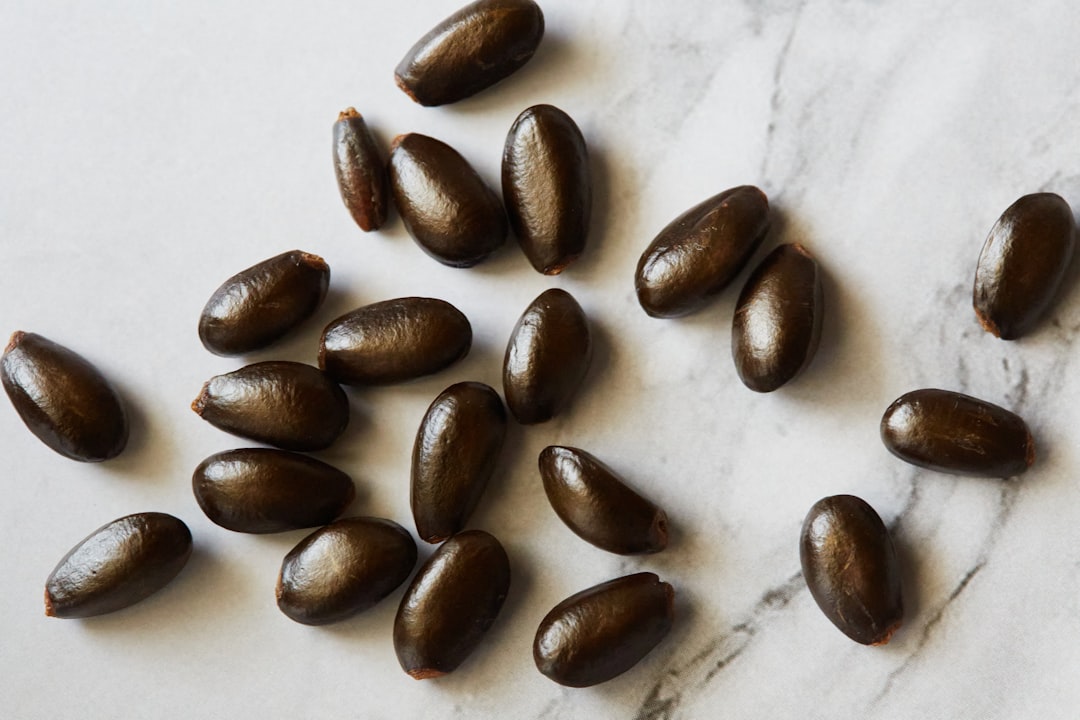
Apples are one of the most universally consumed fruits and are associated with good health for very good reason. The crisp white flesh and skin are entirely safe, but the small brown seeds nestled in the core contain the same amygdalin compound found in cherry pits. Eating one or two seeds accidentally is unlikely to cause harm, as the toxic release requires the seed coat to be broken and the body to process a significant quantity. Regular apple eaters who habitually chew seeds over a long period may accumulate more exposure than is ideal. Coring apples before blending them into smoothies or juicing is a simple and sensible precaution.
Raw Kidney Beans
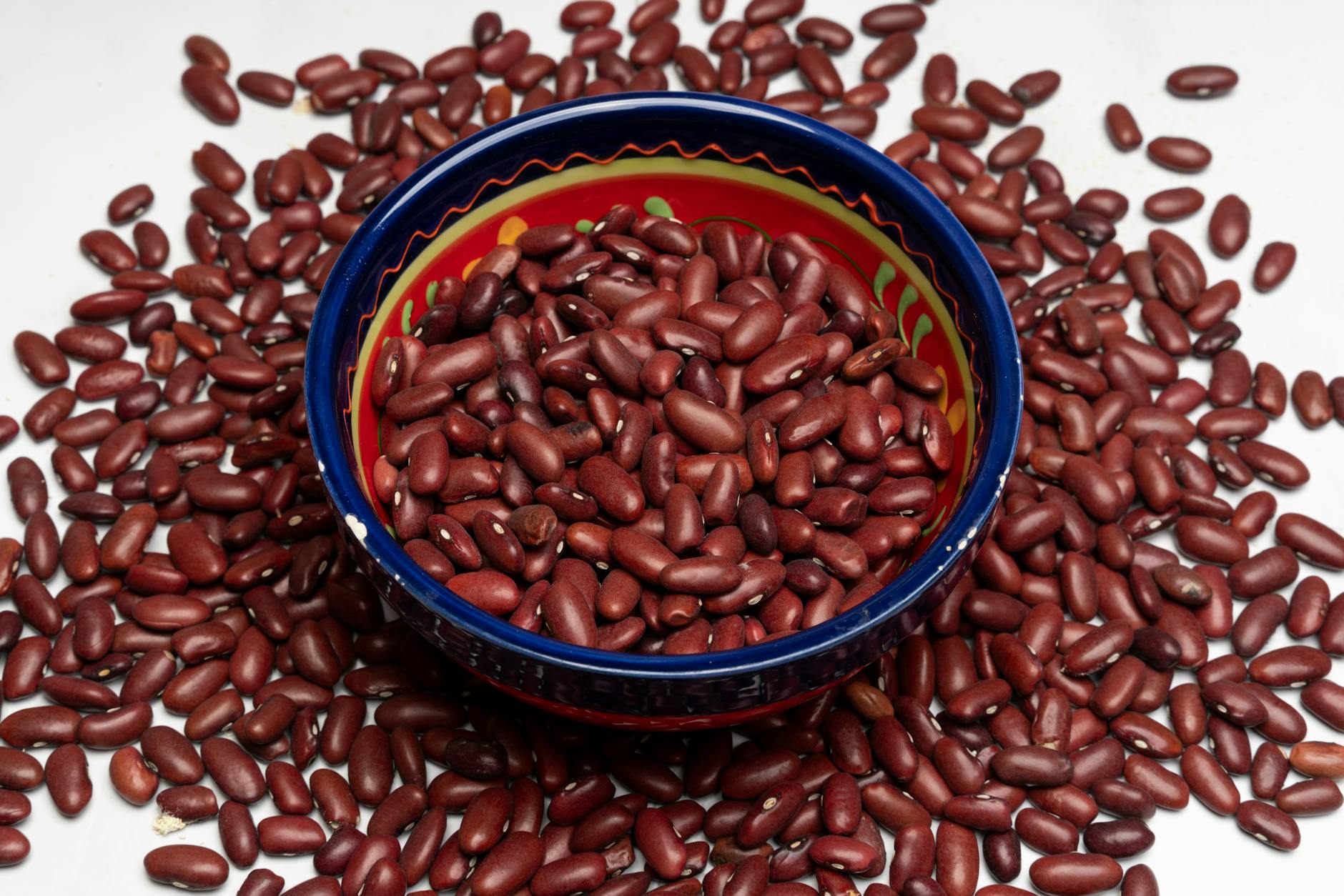
Kidney beans are a staple in countless cuisines and an excellent source of plant-based protein and fiber. When raw or undercooked, they contain very high concentrations of phytohaemagglutinin, a naturally occurring lectin that is toxic to humans. Even eating just a few raw kidney beans can cause intense nausea, vomiting, and diarrhea within hours. Slow cookers that do not reach a full boiling temperature are a particularly risky preparation method, as the lower heat can actually increase lectin activity rather than destroy it. Boiling kidney beans vigorously for at least ten minutes before simmering is the correct and essential step in preparing them safely.
Rhubarb Leaves
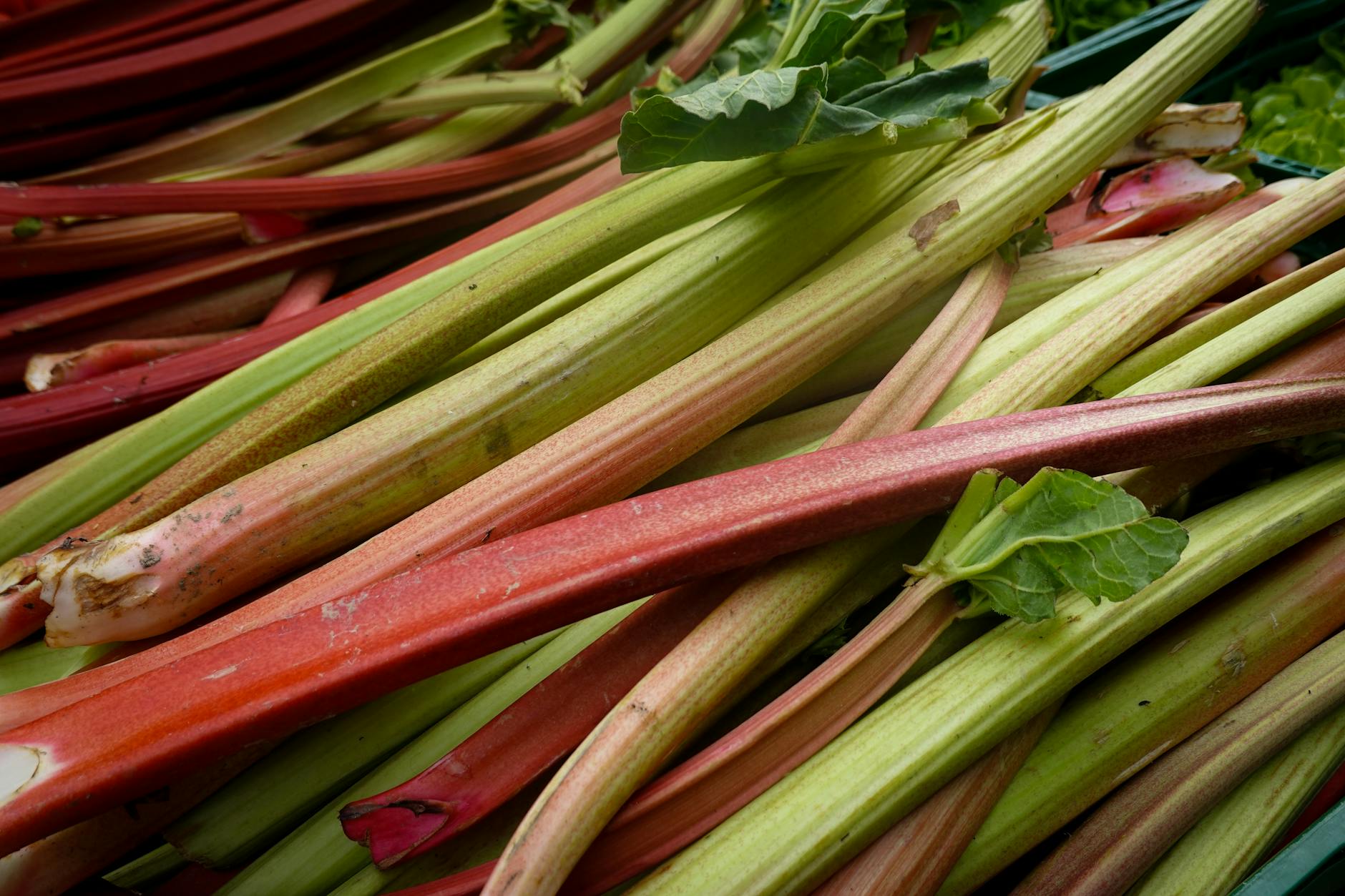
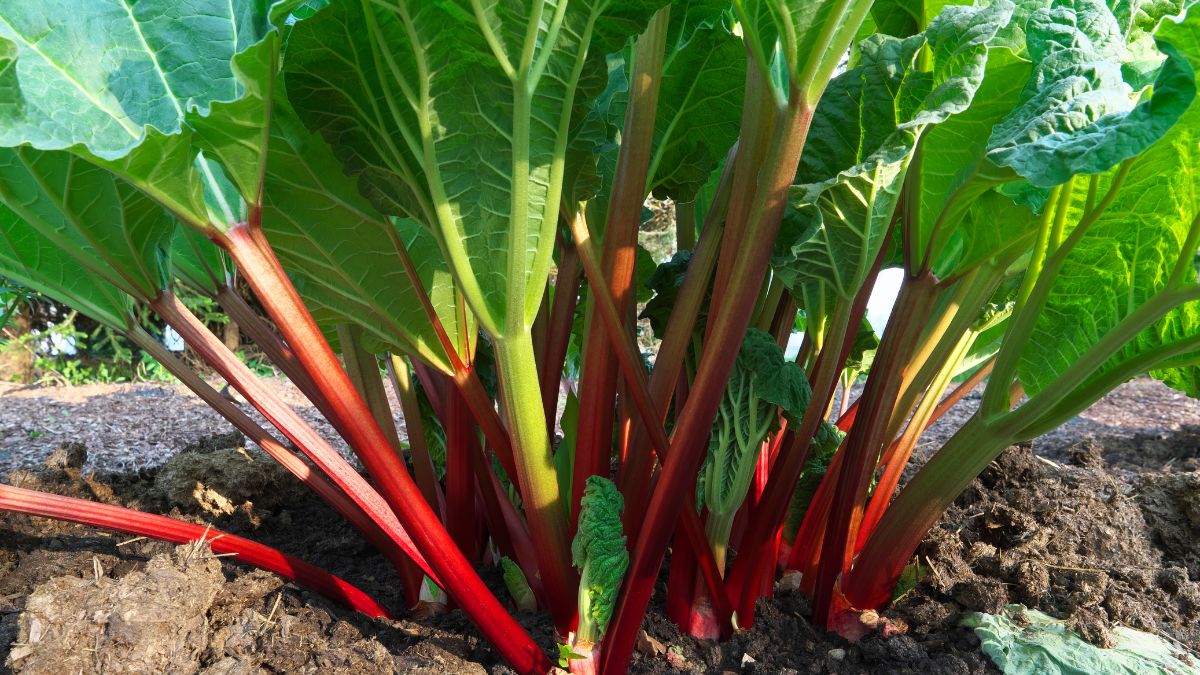
Rhubarb stalks are a familiar ingredient in jams, crumbles, and pies, beloved for their tart flavor and vibrant color. The leafy green tops that grow from the same plant are a different matter entirely, containing dangerously high levels of oxalic acid. Ingesting rhubarb leaves can cause burning in the mouth and throat, nausea, difficulty breathing, and in large quantities, kidney failure. Despite their culinary-looking appearance, these leaves have no safe preparation method and should be discarded immediately when trimming the stalks. Home gardeners in particular should be aware of this distinction and keep the leaves well out of reach of children and pets.
Nutmeg
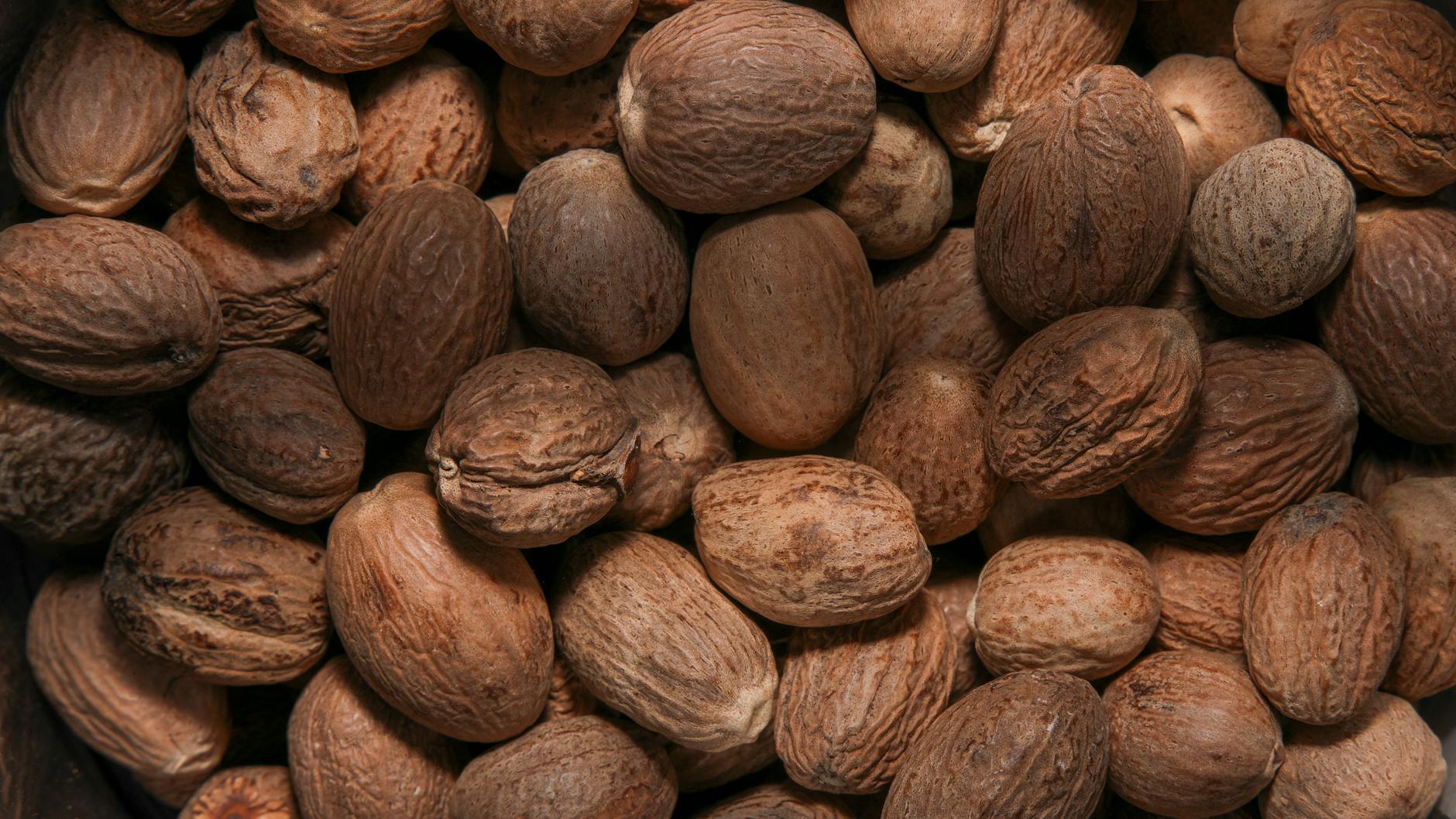
Nutmeg is a warm, aromatic spice used in modest amounts across baked goods, holiday drinks, and savory dishes. In the small quantities called for in most recipes, it is completely harmless and adds genuine depth of flavor. Consuming nutmeg in large amounts, typically more than two teaspoons at once, can trigger a condition known as nutmeg intoxication, which produces hallucinations, rapid heart rate, nausea, and extreme disorientation. The active compound responsible is myristicin, which acts on the central nervous system in a way similar to certain psychoactive substances. Nutmeg should always be treated as a spice to be measured carefully, not a supplement or ingredient to be used liberally.
Raw Honey
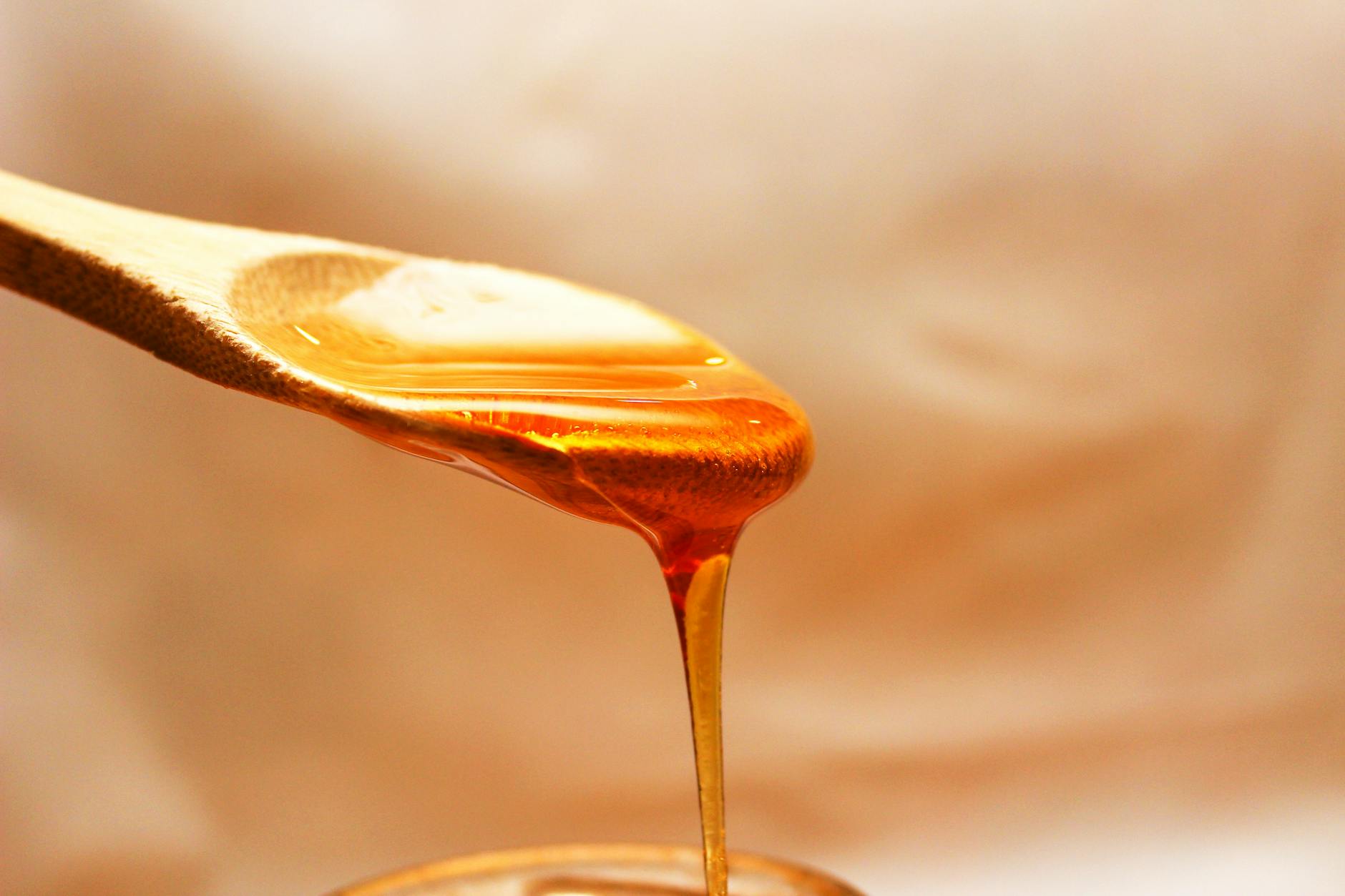
Raw honey is widely praised for its rich flavor and reported health properties, making it a popular alternative to processed sweeteners. For most adults, it is a natural and perfectly safe food enjoyed daily without issue. The concern arises specifically with infants under twelve months of age, as raw honey can contain spores of Clostridium botulinum, the bacterium responsible for botulism. A baby’s developing digestive system is unable to prevent these spores from germinating and producing the botulinum toxin, which can lead to serious neurological harm. Pediatric health guidance is consistent and clear on this point, and no form of honey should ever be given to children under one year old.
Green Potatoes
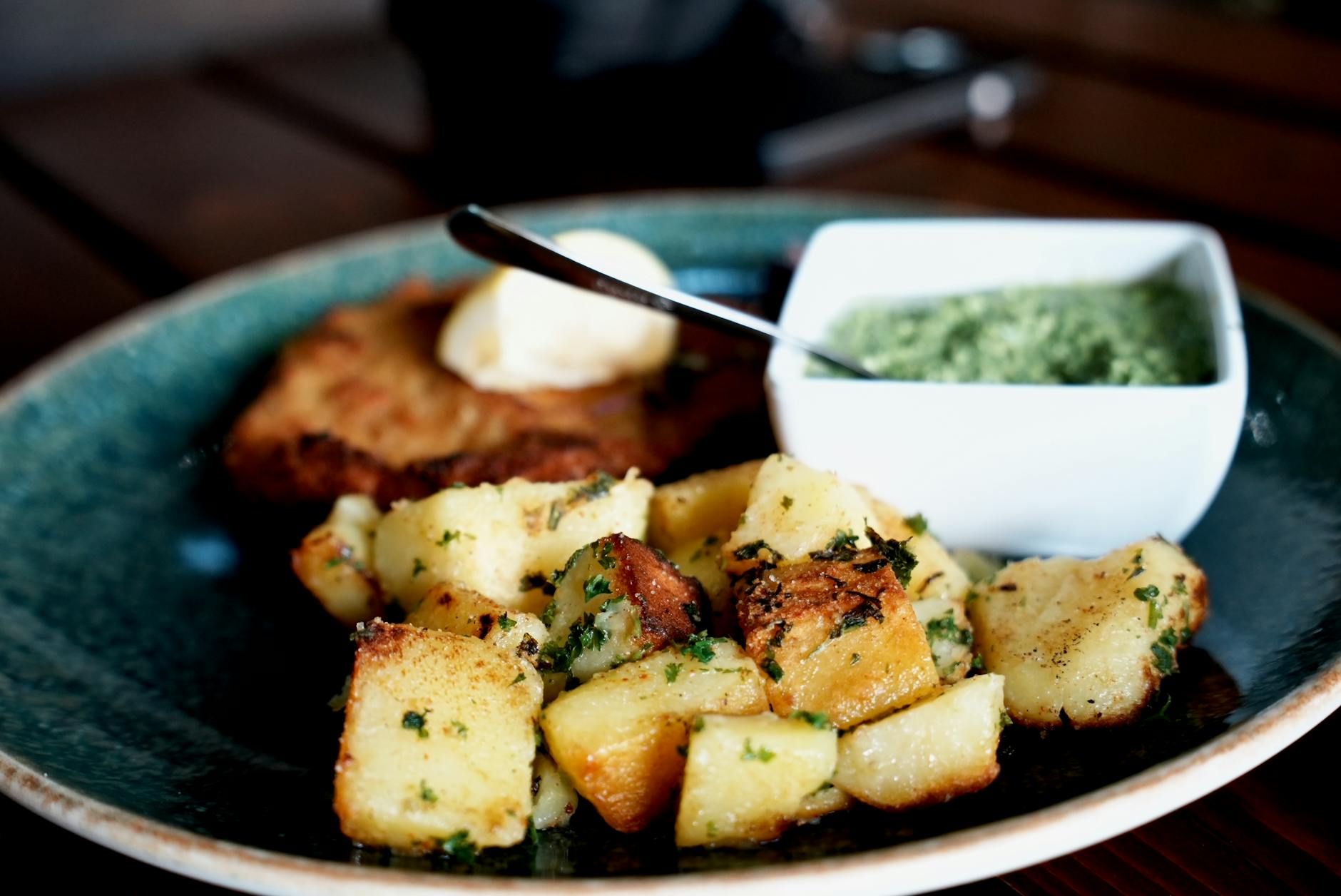
Potatoes are one of the world’s most widely eaten vegetables and a reliable, affordable staple across countless cuisines. When a potato is exposed to light, it turns green and begins producing solanine, a glycoalkaloid compound that acts as a natural defense mechanism against insects and disease. Consuming large amounts of solanine can cause symptoms including nausea, headaches, diarrhea, and in extreme cases, neurological effects. The green color, sprouting, and a bitter taste are the three main signals that a potato’s solanine content has become elevated. Storing potatoes in a cool, dark place and cutting away any green portions before cooking significantly reduces the risk.
Elderberries
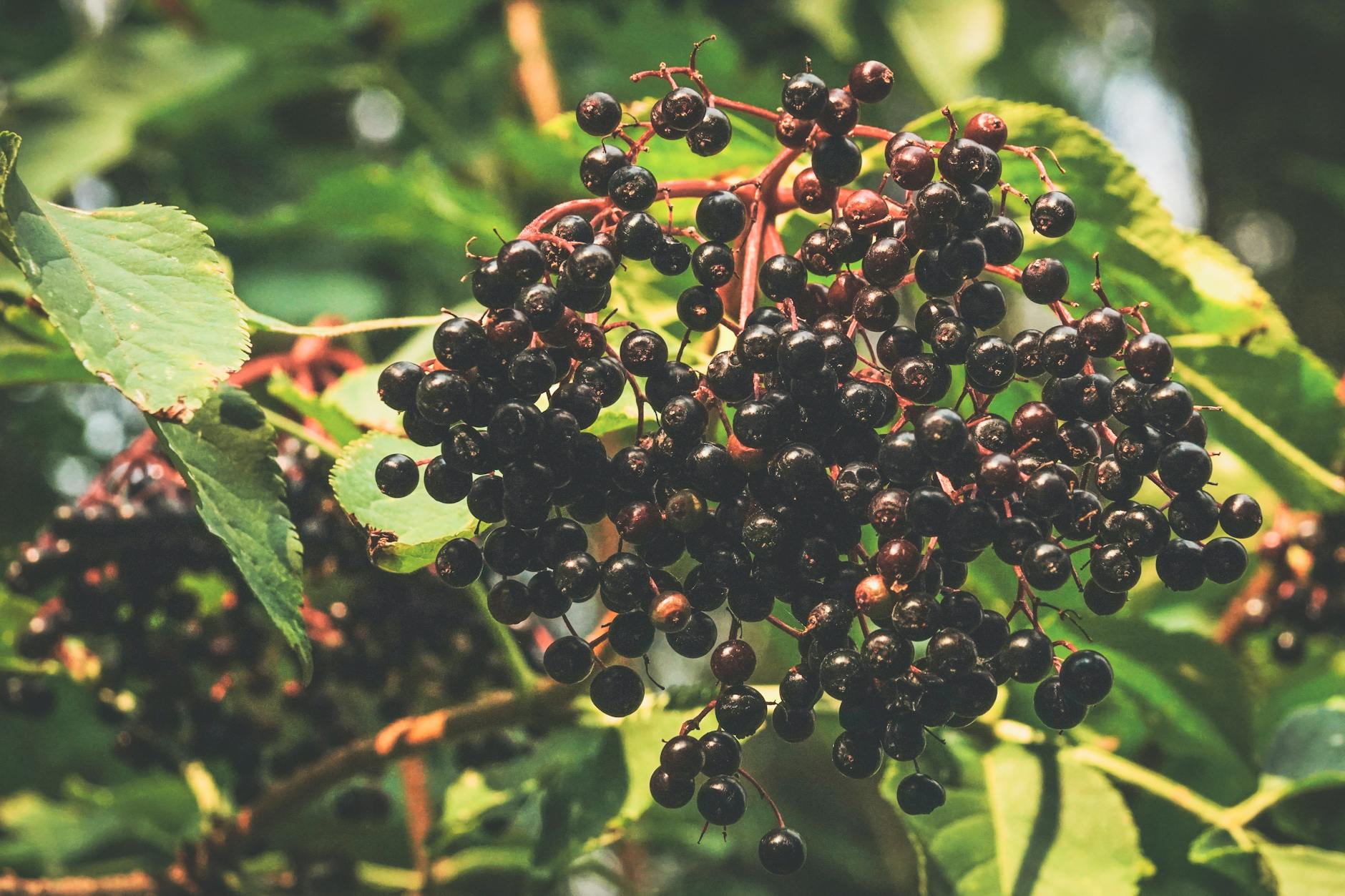
Elderberries are small, deep purple berries widely associated with immune-supporting syrups, teas, and supplements. Raw elderberries, along with the plant’s stems, leaves, and roots, contain a cyanogenic glycoside called sambunigrin that can cause nausea and vomiting. Commercial elderberry products are processed in ways that eliminate this compound, but people who forage or grow their own elderberries should never consume them raw. Cooking the berries thoroughly neutralizes the harmful compounds and makes the fruit safe for consumption. Any elderberry preparation made at home should always involve proper heating before the final product is consumed.
Star Fruit
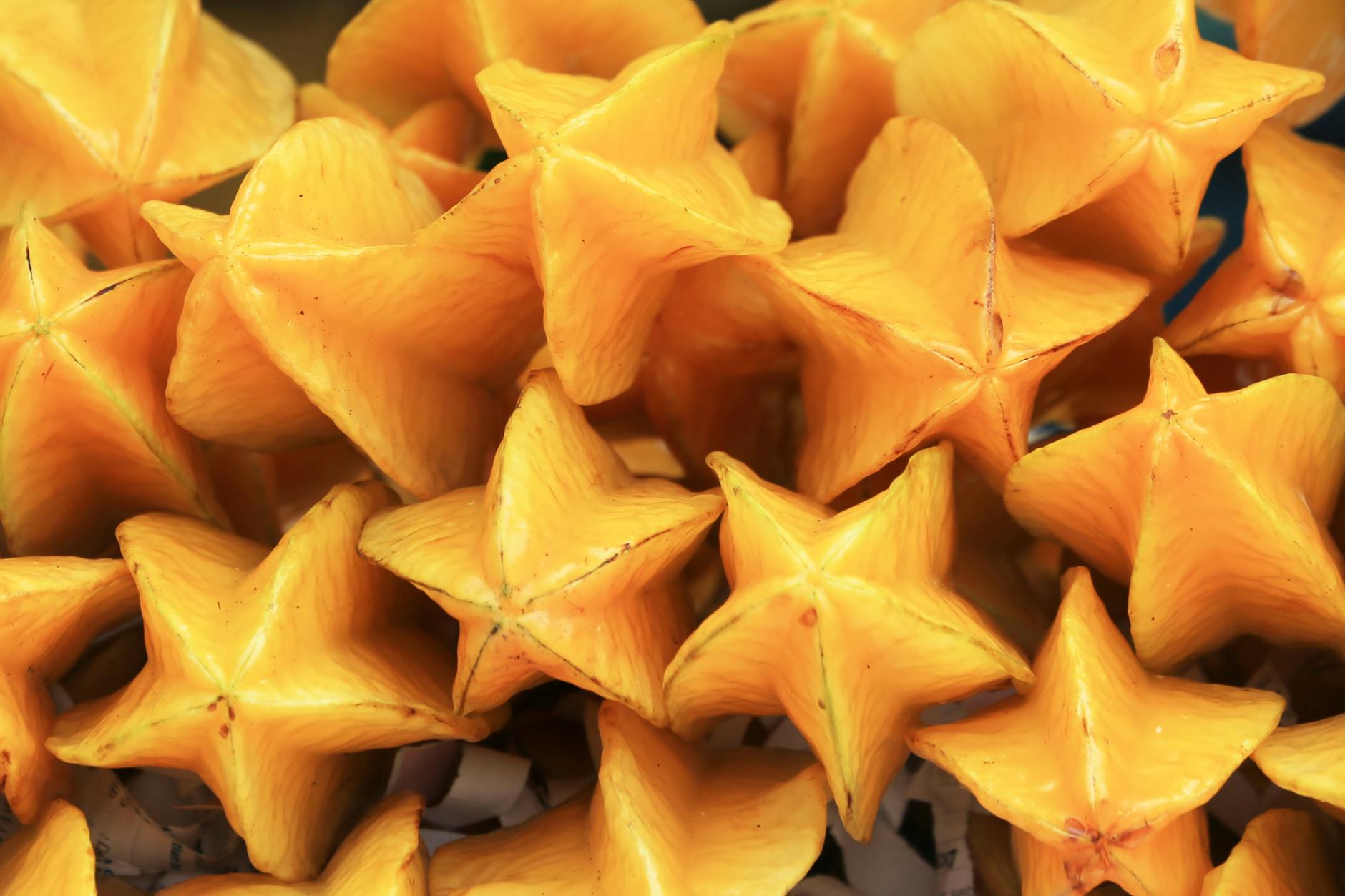
Star fruit, also called carambola, is a tropical fruit prized for its distinctive shape, sweet flavor, and high vitamin C content. For most healthy individuals, it is a safe and refreshing food that poses no particular concern. People with chronic kidney disease, however, face a serious risk from eating star fruit because their kidneys cannot filter out a neurotoxin naturally present in the fruit called caramboxin. Even small amounts can trigger hiccups, confusion, seizures, and in severe cases, fatal outcomes in those with impaired kidney function. Anyone with a history of kidney problems or who is on dialysis should completely avoid star fruit and consult a physician before consuming any tropical fruits with similar properties.
Cassava
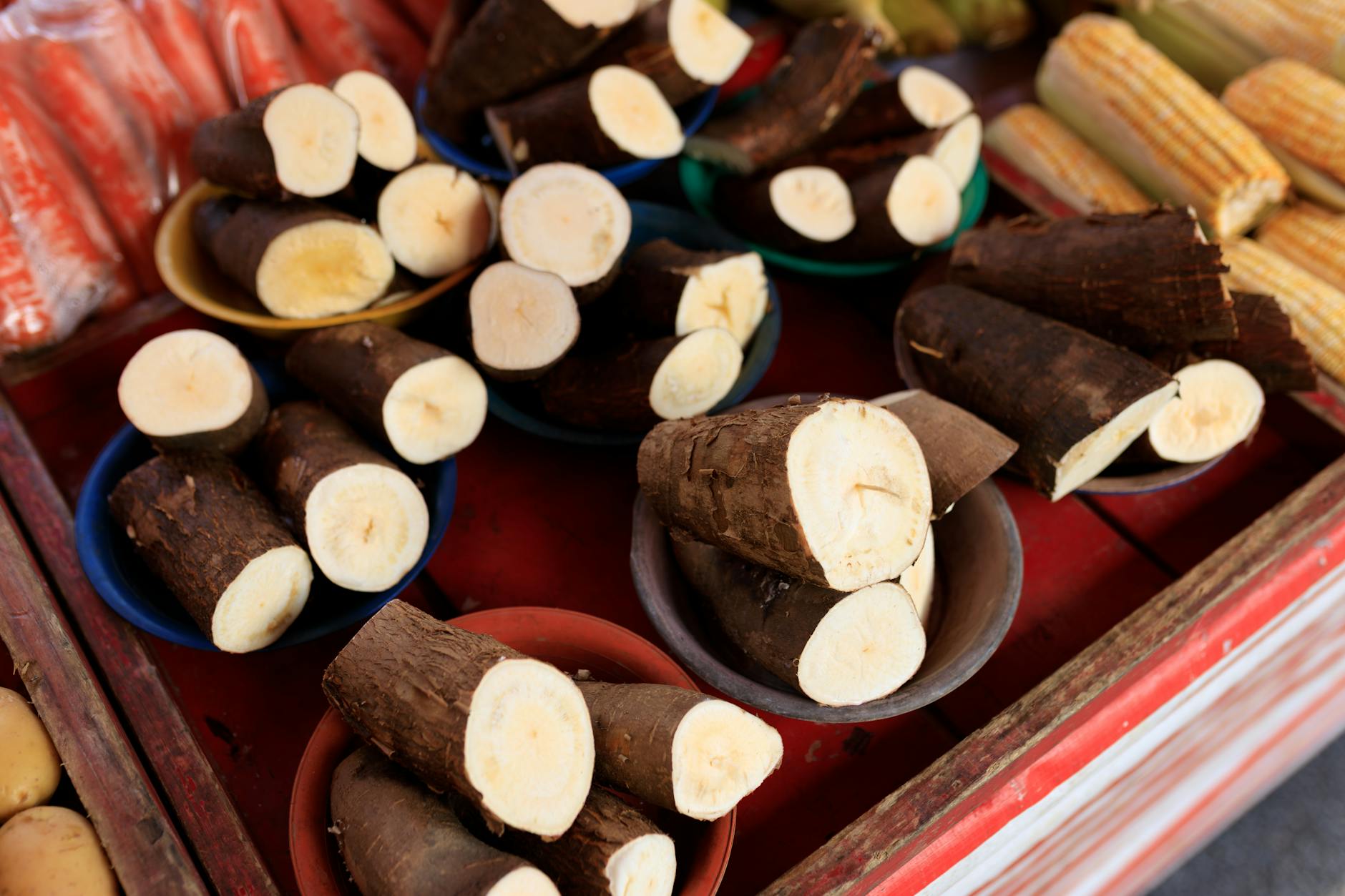
Cassava, also known as yuca, is a root vegetable that serves as a dietary staple for hundreds of millions of people across Africa, Asia, and Latin America. Bitter varieties of cassava contain significant levels of linamarin, a cyanogenic compound that breaks down into hydrogen cyanide when the plant is damaged or improperly processed. Traditional preparation methods including peeling, soaking, drying, and thorough cooking are specifically designed to remove this toxin and have been refined over generations. Eating raw or insufficiently processed cassava can cause acute cyanide poisoning, with symptoms ranging from dizziness and headaches to far more serious outcomes. The cassava-derived products widely sold in grocery stores, including tapioca and cassava flour, are safe because they have already been properly processed.
Tomato Leaves and Stems
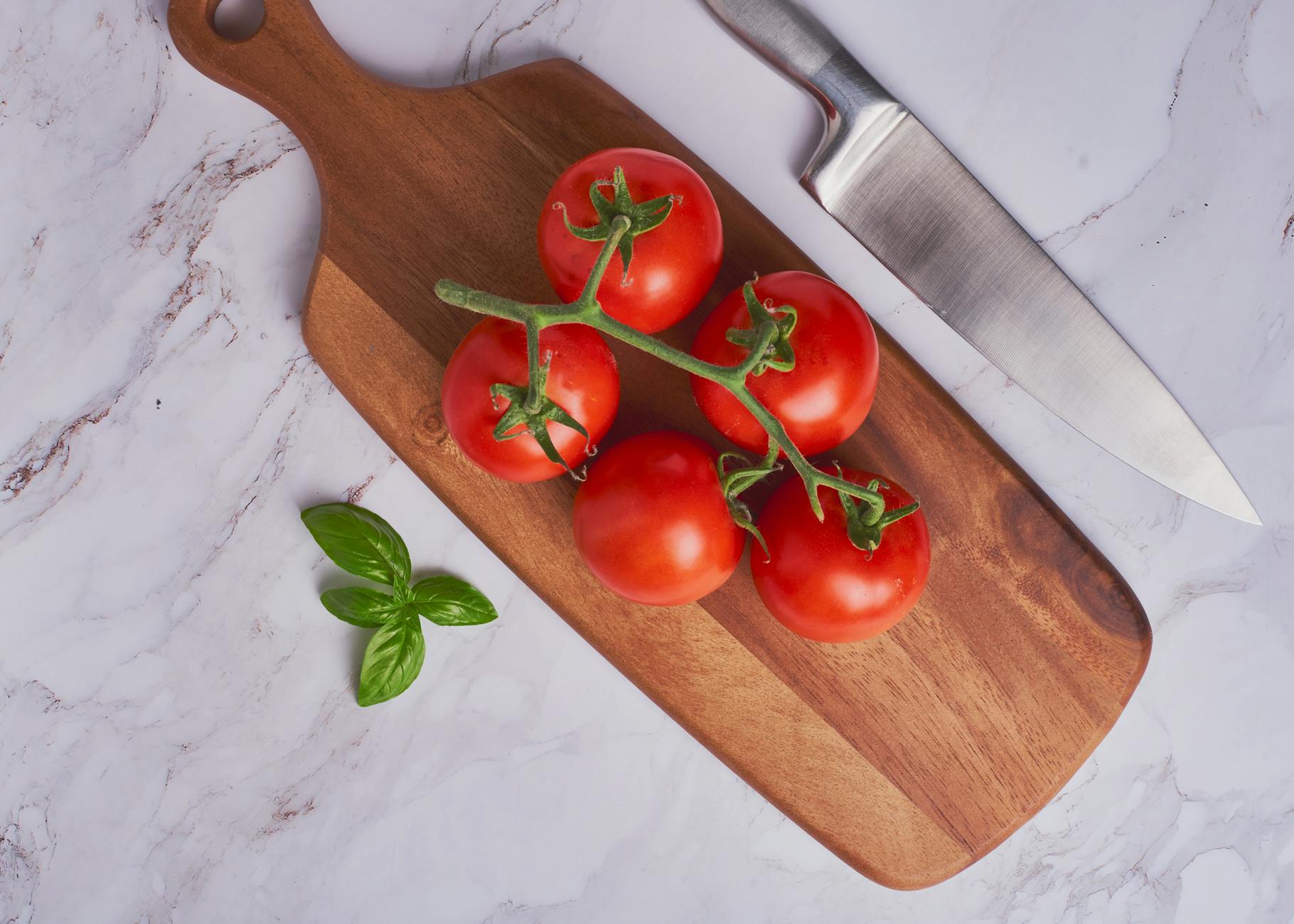
Tomatoes are a cornerstone of global cooking, used in sauces, salads, soups, and an enormous range of dishes across every cuisine. The ripe red fruit itself is safe and nutritious, but the leaves, stems, and unripe green parts of the tomato plant belong to the nightshade family and contain tomatine and solanine. Ingesting a large quantity of tomato leaves can cause gastrointestinal distress, drowsiness, and in significant amounts, more serious toxicity. Home gardeners who grow their own tomatoes should be mindful when handling the plants and ensure that leaves do not accidentally end up in cooking pots or juicing equipment. Small incidental contact during gardening is not a cause for alarm, but deliberate consumption of tomato plant material should always be avoided.
Raw Eggs

Eggs are a nutritional powerhouse consumed at breakfast tables around the world in dozens of preparations. Raw eggs carry a risk of Salmonella contamination, a bacterium that can cause severe gastrointestinal illness characterized by fever, cramps, and prolonged diarrhea. This risk is particularly significant for young children, elderly individuals, pregnant women, and anyone with a compromised immune system. Recipes that traditionally call for raw eggs, such as homemade mayonnaise, certain salad dressings, and some desserts, can be made with pasteurized eggs to eliminate the bacterial risk without changing the end result. Cooking eggs to the point where both the white and yolk are fully set is the simplest way to ensure they are safe for all members of the household.
Tuna

Tuna is one of the most popular fish in the world, widely valued for its high protein content, omega-3 fatty acids, and versatility in the kitchen. The concern with tuna is not how it is cooked but how frequently and in what quantity it is consumed, as larger species like bluefin and albacore accumulate significant levels of mercury in their flesh. Mercury exposure over time can affect the nervous system, with particular risks for pregnant women, nursing mothers, and young children whose neurological development is still ongoing. Health authorities in many countries recommend limiting tuna consumption to a few servings per week and choosing smaller, lower-mercury species when possible. Light canned tuna generally contains less mercury than albacore and is considered a safer option for regular consumption.
Raw Sprouts
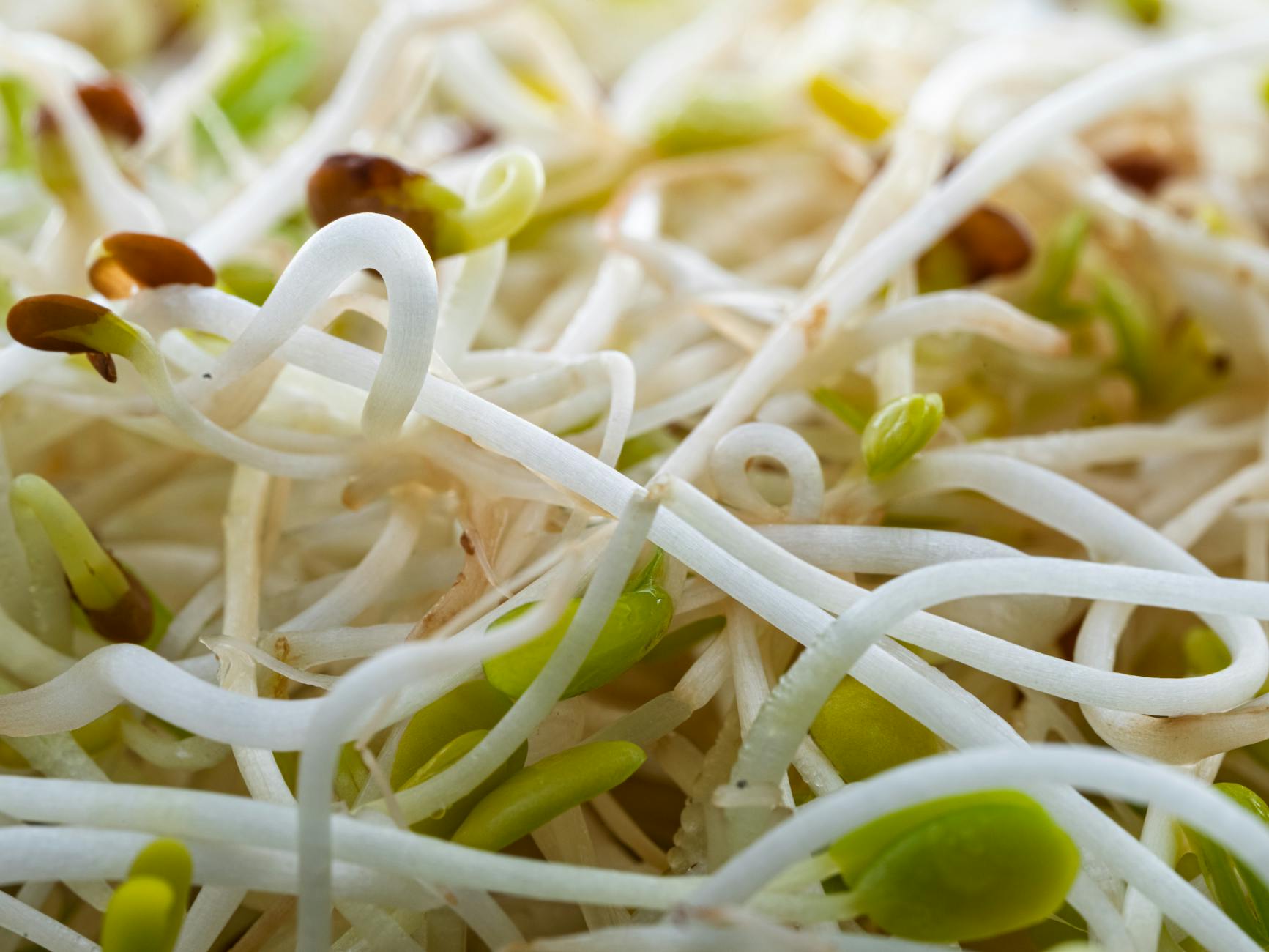
Bean sprouts, alfalfa sprouts, and similar germinated seeds are frequently featured in salads, sandwiches, and Asian-inspired dishes for their fresh crunch and mild flavor. The warm, moist conditions required for sprout cultivation are also ideal for the rapid growth of harmful bacteria including Salmonella, E. coli, and Listeria. Outbreaks linked to raw sprouts have been documented repeatedly by food safety agencies around the world, affecting otherwise healthy adults and causing serious illness. People with weakened immune systems, older adults, and pregnant women are advised to avoid raw sprouts entirely or to consume them only when cooked through. Thorough cooking destroys harmful bacteria and allows sprouts to be enjoyed more safely as part of stir-fries and warm dishes.
Liver

Liver is one of the most nutrient-dense foods available, delivering exceptional concentrations of iron, B vitamins, and zinc in a single serving. Because the liver is the organ responsible for processing and storing nutrients in an animal’s body, it also contains extremely high levels of preformed vitamin A, also known as retinol. Eating liver occasionally as part of a balanced diet is considered beneficial, but consuming it in very large amounts or very frequently can lead to vitamin A toxicity, a condition known as hypervitaminosis A. Symptoms of excess vitamin A include headaches, dizziness, nausea, bone pain, and in chronic cases, liver damage in the person consuming it. Pregnant women are specifically advised to limit liver consumption because excessive vitamin A intake is associated with birth defects.
Unpasteurized Milk

Raw milk, meaning milk that has not been pasteurized, carries a devoted following among those who believe it offers superior nutritional and probiotic benefits over commercially processed dairy. The pasteurization process was developed specifically to kill harmful pathogens including Salmonella, E. coli, Listeria, and Campylobacter that can naturally be present in milk from healthy-appearing animals. Outbreaks of serious illness tied to raw milk consumption occur with regularity and disproportionately affect children, elderly individuals, and immunocompromised people. The perceived health advantages of raw milk over pasteurized milk are not supported by a strong scientific consensus, while the microbial risks are well documented. In many countries and regions, the sale of raw milk is either restricted or prohibited due to these established public health concerns.
Ackee Fruit

Ackee is the national fruit of Jamaica and a cornerstone ingredient in traditional Caribbean cooking, most famously in the national dish ackee and saltfish. The fruit is perfectly safe to eat when it has ripened naturally and opened on its own, revealing the pale yellow arils inside. Unripe ackee, or ackee that has been forced open before it is ready, contains a toxin called hypoglycin A that causes a condition known as Jamaican vomiting sickness. This condition produces severe vomiting, hypoglycemia, and in serious cases, seizures and death. Canned ackee imported and sold in many countries has been prepared from fully ripened fruit and is considered safe, making it the recommended choice for those who are not familiar with selecting and preparing the fresh version.
Lychee
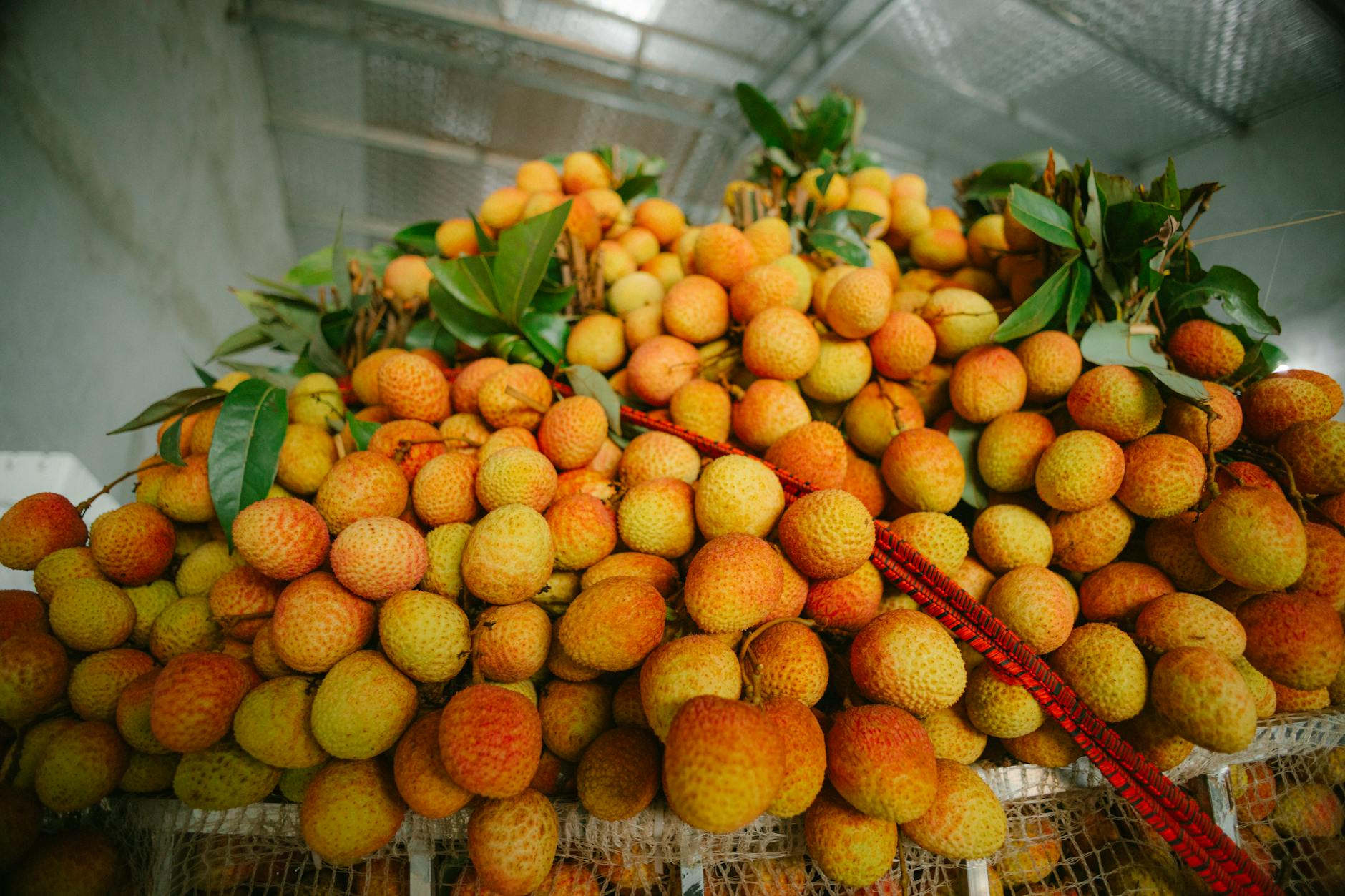
Lychee is a fragrant tropical fruit treasured across South and Southeast Asia for its sweet floral flavor and translucent white flesh. In most circumstances and for most people, eating lychee is a completely safe and enjoyable experience. Research published following outbreaks of unexplained illness among children in lychee-growing regions of India and Bangladesh identified a link between eating large quantities of unripe lychee on an empty stomach and a potentially fatal drop in blood sugar. The fruit contains methylene cyclopropyl glycine, a compound that can interfere with the body’s glucose regulation, particularly in malnourished children who have not eaten other food. Eating lychee as part of a full meal rather than as a standalone snack on an empty stomach, and avoiding unripe fruit, significantly reduces any associated risk.
Grapefruit
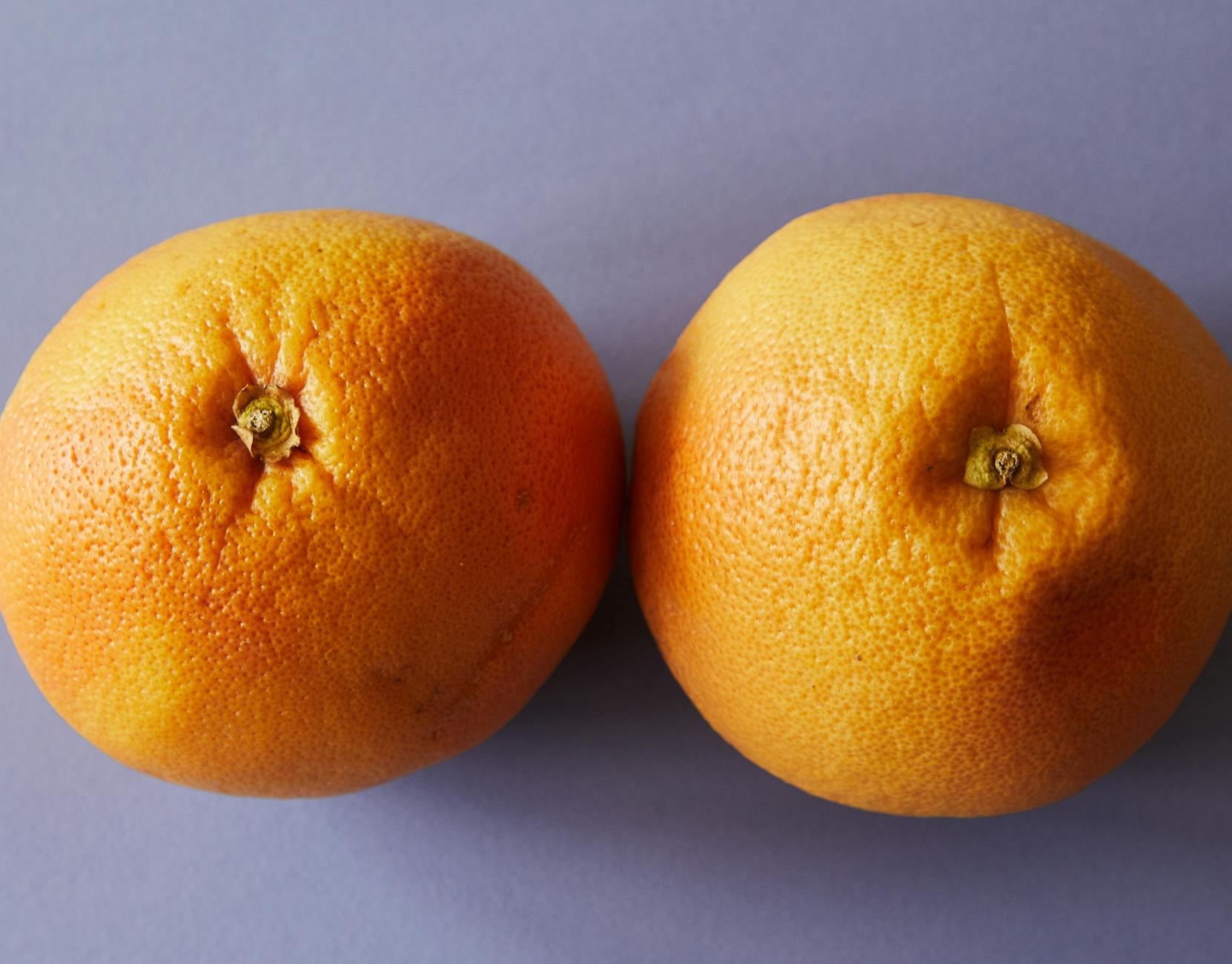
Grapefruit is a nutrient-rich citrus fruit associated with heart health, hydration, and digestive support, regularly included in wellness-oriented diets. What makes grapefruit uniquely risky for certain individuals is not its nutritional content but its interaction with a wide range of prescription medications. The fruit contains furanocoumarins, compounds that block an enzyme in the intestines responsible for metabolizing many common drugs, effectively causing the medication to build up to much higher levels in the bloodstream than intended. This interaction can affect statins, blood pressure medications, immunosuppressants, certain antihistamines, and many other pharmaceutical categories. Anyone who takes regular prescription medication should consult their doctor or pharmacist about whether grapefruit consumption is safe given their specific treatment plan.
Raw Flour

Flour is one of the most fundamental pantry ingredients in home cooking and baking, seemingly inert and safe in its dry, uncooked state. In reality, raw flour can harbor dangerous bacteria including E. coli, which is introduced during the grain harvesting process and is not eliminated until the flour is baked or cooked at high temperatures. This risk is most commonly encountered when tasting raw cookie dough or cake batter, a practice that many people engage in without being aware of the potential danger. Outbreaks traced to contaminated raw flour have resulted in serious illness and product recalls in multiple countries. Keeping raw flour away from ready-to-eat foods, washing hands after handling it, and resisting the temptation to taste unbaked dough are the key safety habits to adopt.
Raw Cashews
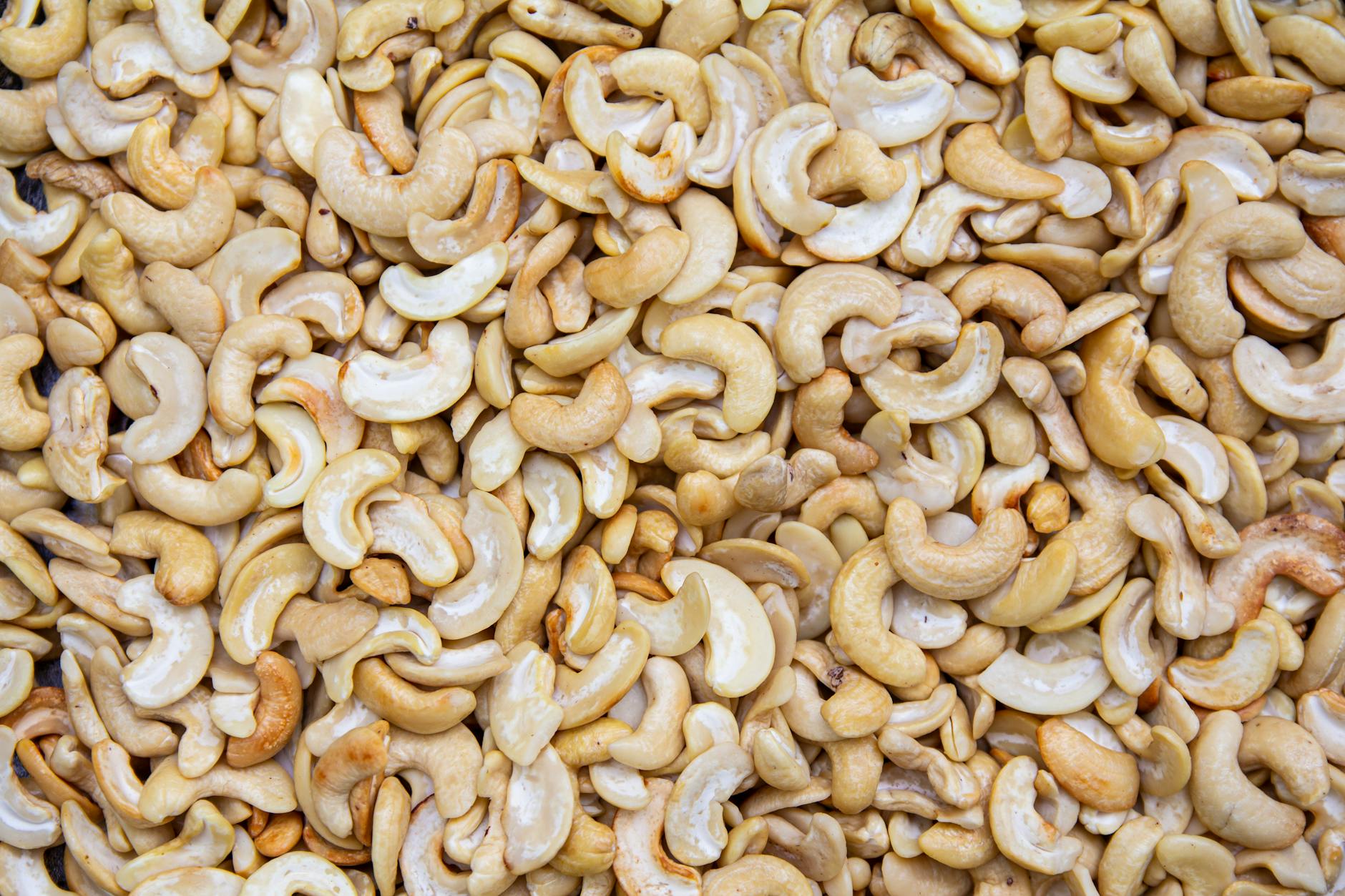
Cashews sold in stores and labeled as raw are, somewhat surprisingly, not truly raw in the strictest sense and have typically been steamed to make them safe for consumption. The cashew shell contains urushiol, the same compound responsible for the allergic skin reaction caused by poison ivy and poison oak. Truly unprocessed cashews in their shells can cause contact dermatitis and, if ingested in significant quantities, serious internal reactions. The steaming process used commercially removes the shells and neutralizes urushiol before the cashews reach the consumer. Purchasing cashews from reputable sources and avoiding unprocessed cashews sold at farm-level markets without certification is the safest approach for regular consumers.
Cinnamon
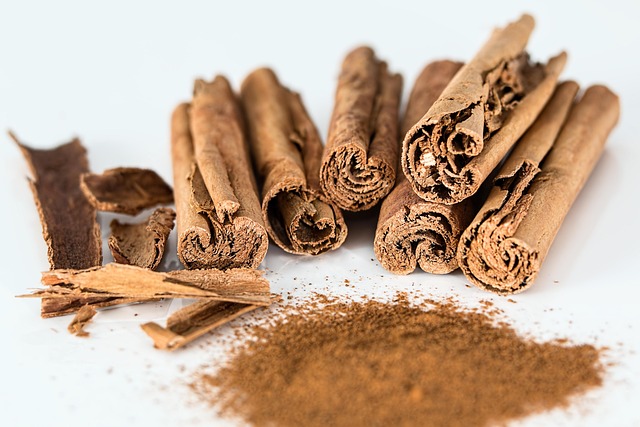
Cinnamon is a beloved spice used in baking, beverages, and savory cooking across a remarkable range of culinary traditions. In normal culinary quantities, cinnamon is not only safe but has been studied for potential benefits related to blood sugar regulation and inflammation. The concern arises primarily with cassia cinnamon, the most widely sold variety, which contains coumarin, a naturally occurring compound that can cause liver damage when consumed in consistently large amounts. People who take cinnamon supplements, add heaping spoonfuls to smoothies daily, or follow protocols calling for very high doses are most at risk from cumulative coumarin exposure. Ceylon cinnamon, sometimes called true cinnamon, contains significantly lower levels of coumarin and is a safer choice for those who consume the spice in higher-than-culinary quantities.
Fiddlehead Ferns
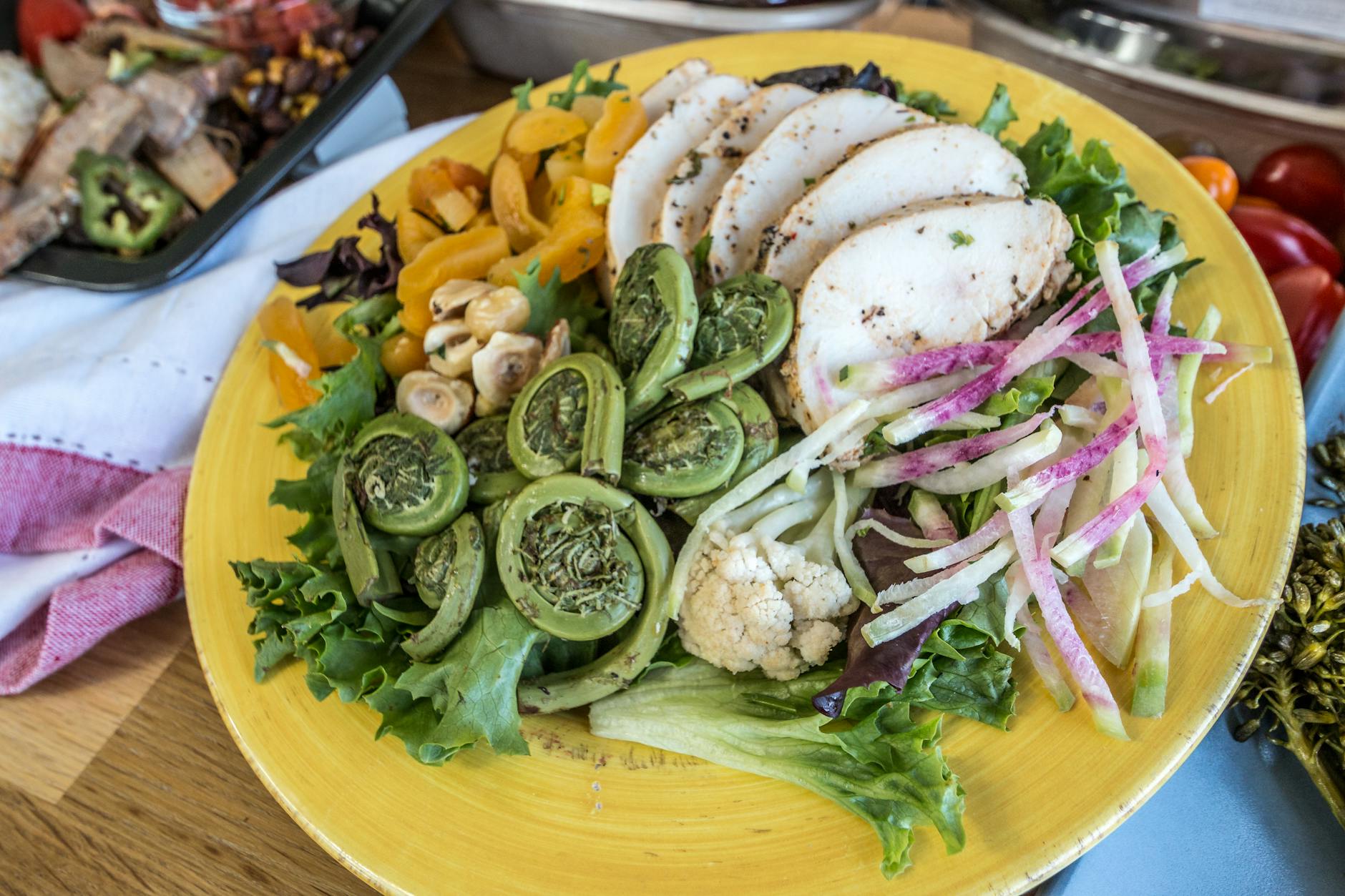
Fiddlehead ferns are a seasonal foraged delicacy popular in parts of North America, Europe, and Asia, prized for their earthy flavor and their association with spring foraging traditions. When raw or insufficiently cooked, fiddleheads have been linked to outbreaks of food poisoning with symptoms including nausea, vomiting, and diarrhea, though the exact toxin responsible has not been definitively identified. Health agencies including the Canadian government and the US FDA have issued guidelines recommending that fiddleheads be boiled or steamed for a minimum of ten to fifteen minutes before eating. Eating raw fiddleheads at farmers markets, in salads, or straight from the forest floor carries a real and documented risk. Thorough cooking not only makes them safe but also improves their flavor and digestibility.
Parsnips
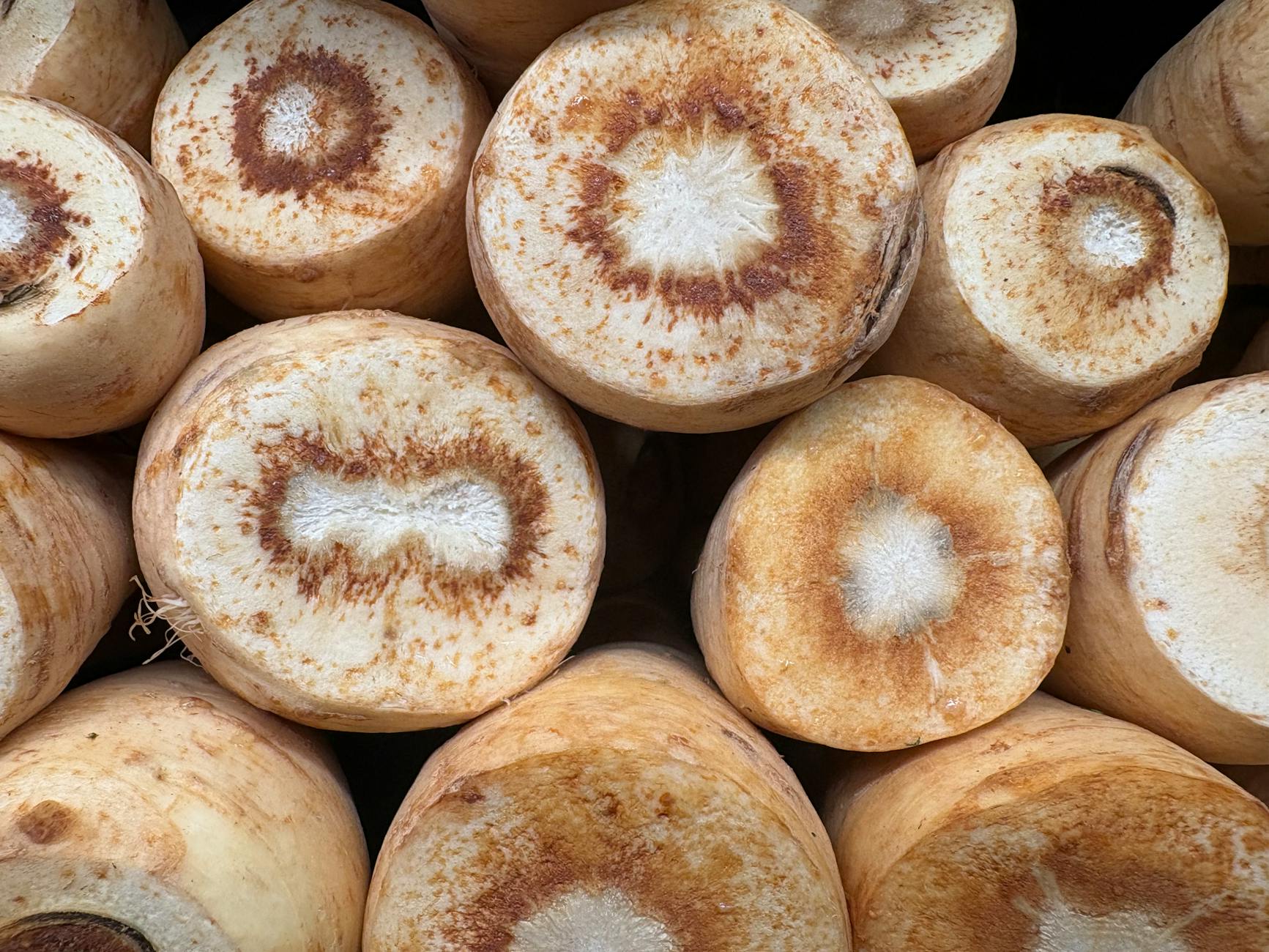
Parsnips are a root vegetable closely related to carrots and a familiar ingredient in soups, stews, and roasted side dishes. The skin and outer layer of parsnips, particularly those that have been stressed by sunlight or damaged, contain furanocoumarins, the same class of compounds found in grapefruit. These compounds can cause phototoxicity when present on the skin during sun exposure, leading to blistering and burns in a reaction known as phytophotodermatitis. Farm workers and gardeners who handle large quantities of parsnip tops in sunny conditions are most at risk for skin reactions. Peeling parsnips before cooking removes the majority of the furanocoumarin concentration and significantly reduces any risk associated with consumption.
Lima Beans
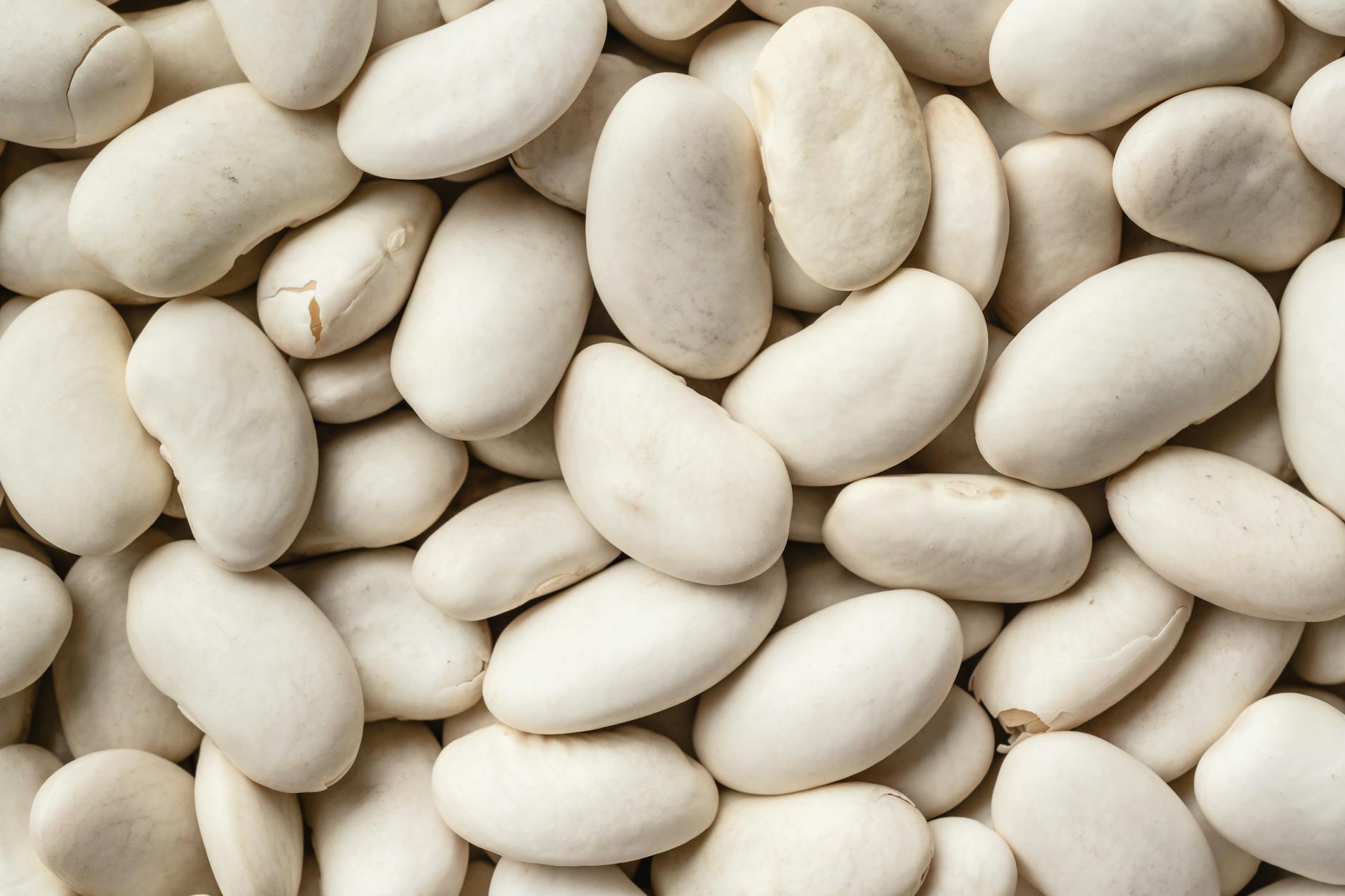
Lima beans are a mild, buttery legume used in soups, succotash, and various side dishes across many cuisines. Like cassava, certain varieties of lima beans contain linamarin, a cyanogenic compound that can release hydrogen cyanide when the bean is crushed or improperly cooked. Commercial lima beans sold in the United States and Europe are cultivated from varieties that have been bred to contain very low levels of this compound, making them safe for normal cooking. Wild or heritage varieties grown in other parts of the world can contain considerably higher concentrations and require thorough preparation including soaking and boiling with the lid off to allow gases to escape. Draining the soaking water and cooking lima beans in fresh water for an adequate amount of time is the standard practice for ensuring their safety.
Raw Oysters

Raw oysters are a celebrated culinary delicacy, featured on menus in fine dining establishments and seafood shacks alike, enjoyed for their briny, oceanic flavor. Oysters are filter feeders that can accumulate bacteria and viruses from the water in which they grow, most notably Vibrio vulnificus and norovirus. For healthy adults, the risk of serious illness from eating raw oysters is relatively low, but it rises considerably for individuals with liver disease, diabetes, compromised immune systems, or iron overload conditions. Vibrio vulnificus infections can be severe and even fatal in vulnerable individuals, progressing rapidly and requiring urgent medical attention. Cooking oysters thoroughly to an internal temperature of 145 degrees Fahrenheit eliminates the bacterial risk, though it also changes the texture and flavor that raw oyster enthusiasts seek.
Shark Meat

Shark meat is consumed in various parts of the world and takes a range of forms in different culinary traditions. As apex predators with long lifespans, sharks accumulate very high concentrations of mercury through a process called biomagnification, whereby toxins become more concentrated as they move up the food chain. Eating shark regularly, particularly shark fin soup or dried shark products, can result in mercury exposure levels significantly above recommended safety thresholds. High mercury intake is associated with neurological damage, affecting memory, coordination, and in developing fetuses and young children, long-term cognitive development. Regulatory bodies in multiple countries advise pregnant women, nursing mothers, and children to avoid shark entirely and limit all high-mercury seafood.
Mango Skin
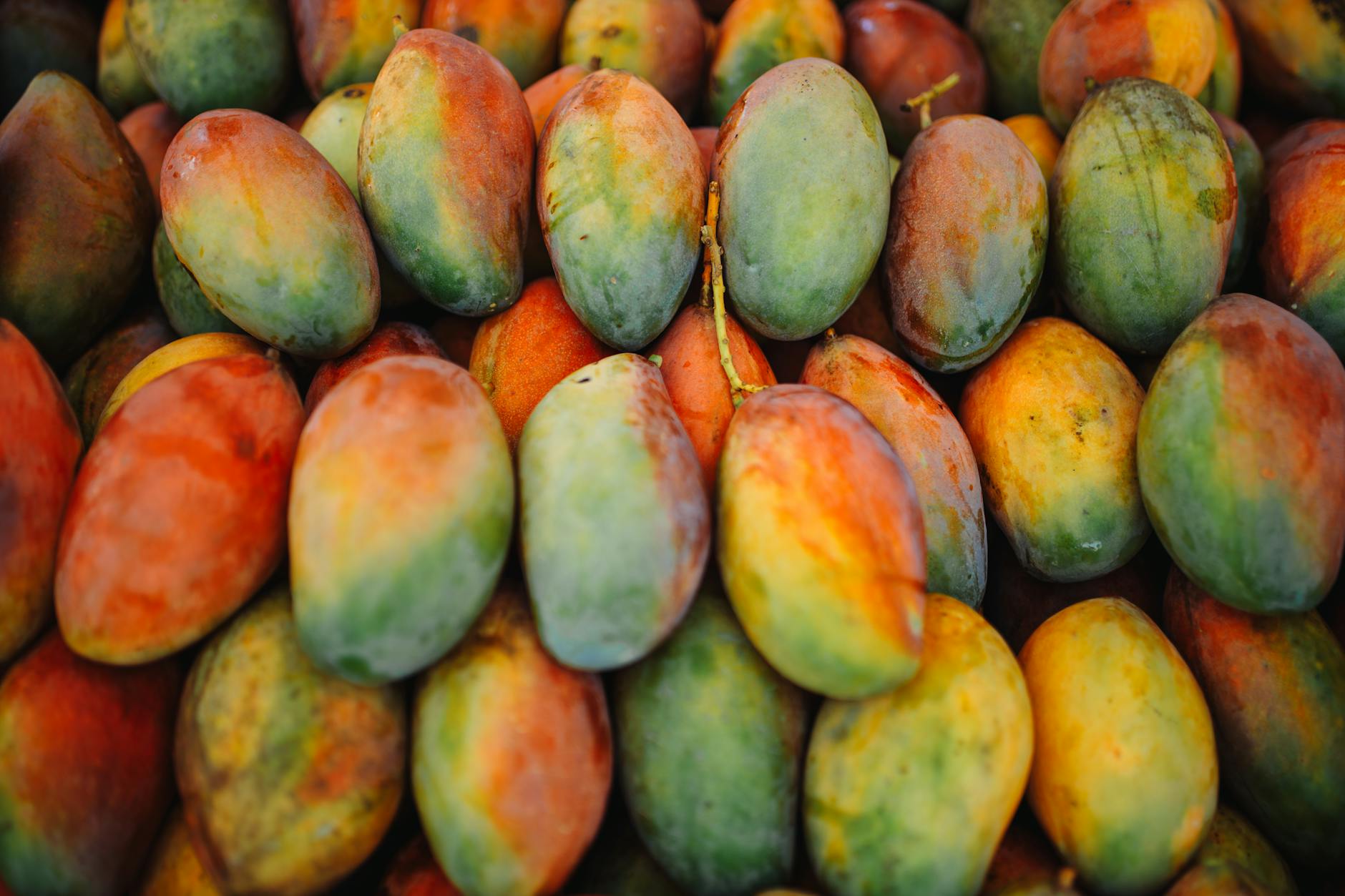
Mango flesh is one of the most widely enjoyed tropical fruits in the world, rich in vitamins, antioxidants, and natural sugars. The skin of the mango, however, contains urushiol, the same allergenic compound present in poison ivy and raw cashew shells. People with sensitivities to poison ivy or with known tree nut allergies may experience contact dermatitis or oral allergy syndrome when consuming or even handling mango skin. For most people, the reaction is mild and localized, but for highly sensitive individuals, the response can be more significant. Peeling mangoes thoroughly before eating and washing hands after handling the unpeeled fruit are practical habits that reduce any risk of an unwanted reaction.
Bitter Almonds
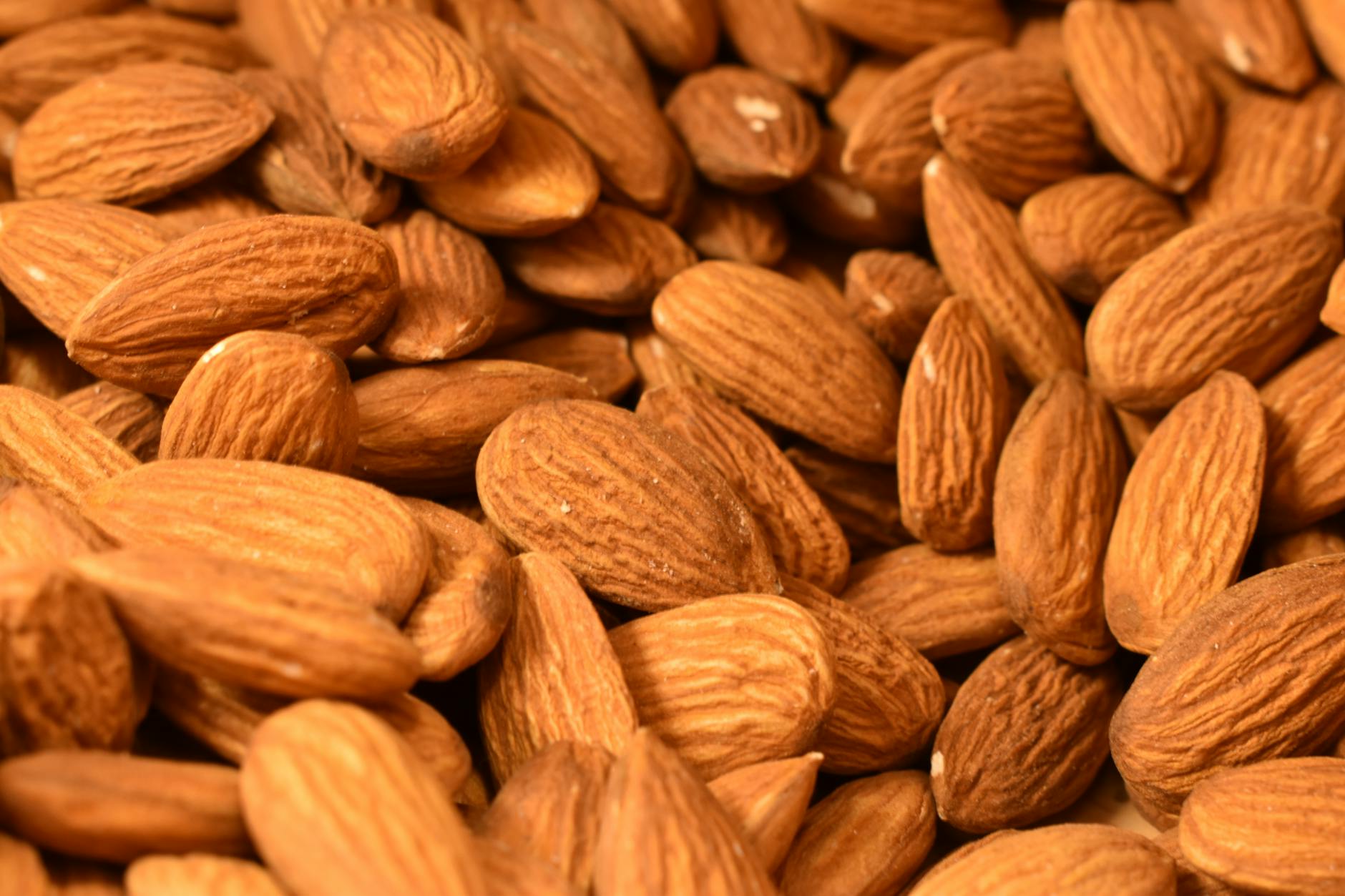
Sweet almonds, the variety sold in virtually every grocery store, are safe and nutritious when consumed raw or roasted. Bitter almonds, a distinct variety not commercially sold in most Western markets but occasionally encountered through specialty sources or travel, contain significant concentrations of amygdalin that convert to cyanide during digestion. A small number of bitter almonds can contain enough toxic potential to cause serious symptoms in an adult, with the risk being proportionally higher and more acute for children. In some countries, bitter almonds are sold for flavoring purposes after having been heat-treated to reduce their toxin content. Consuming any almond product that is not clearly labeled as the sweet commercial variety without knowing its origin carries an unnecessary and avoidable risk.
Soy in Excess
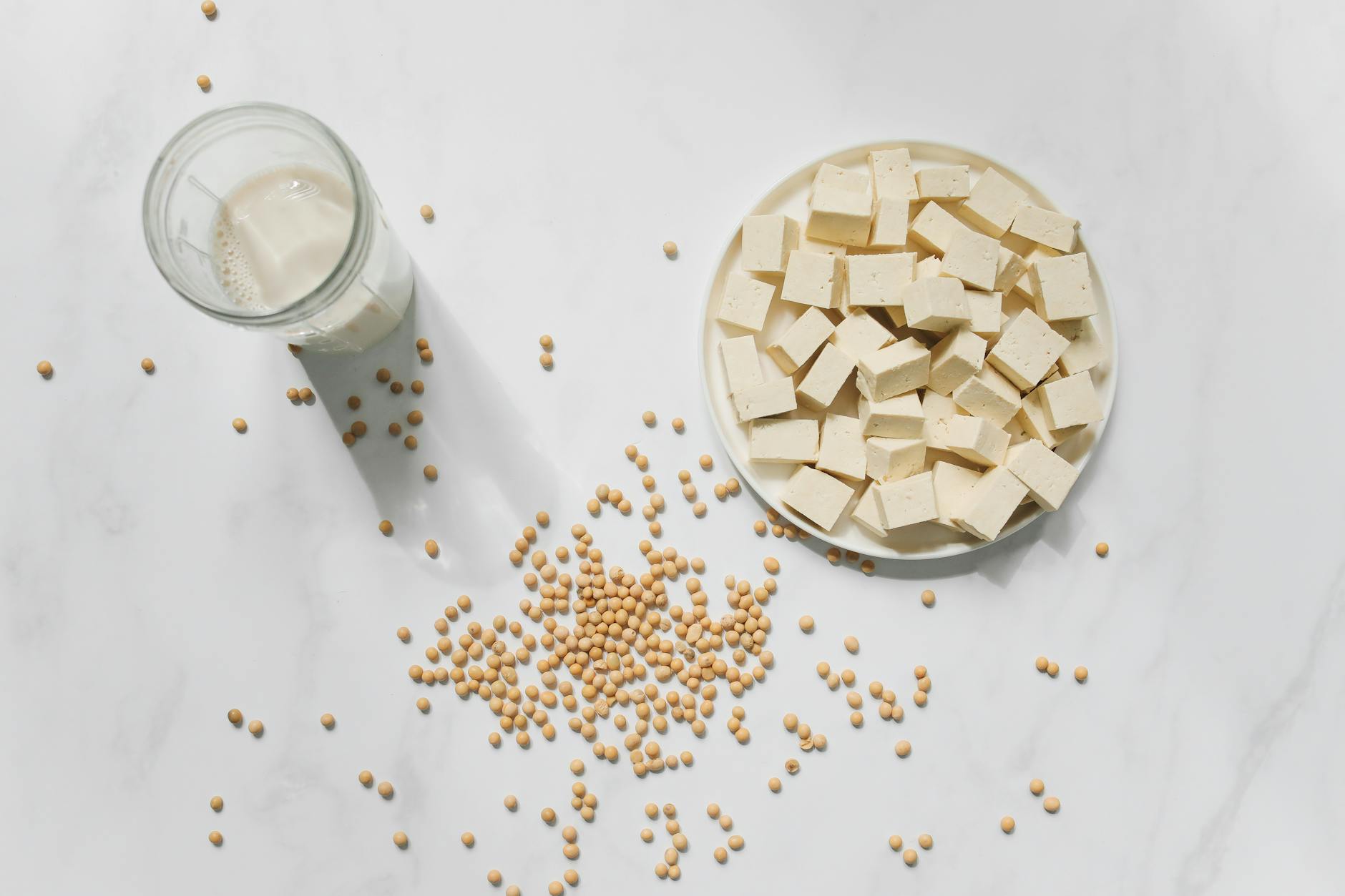
Soy is a widely consumed and highly regarded source of plant-based protein, forming the basis of tofu, edamame, soy milk, tempeh, and countless processed food products. In moderate amounts, soy is considered safe for the vast majority of people and is associated with a range of health benefits. Consuming very large quantities of soy over time introduces concerns related to phytoestrogens, plant-based compounds that mimic estrogen in the body and can potentially disrupt hormonal balance in sensitive individuals. Excessive soy intake has been linked in some studies to effects on thyroid function, particularly in people with pre-existing thyroid conditions or iodine deficiency. Varying protein sources and keeping soy consumption within moderate dietary ranges allows most people to enjoy its benefits without exposing themselves to these potential downsides.
Jackfruit Seeds
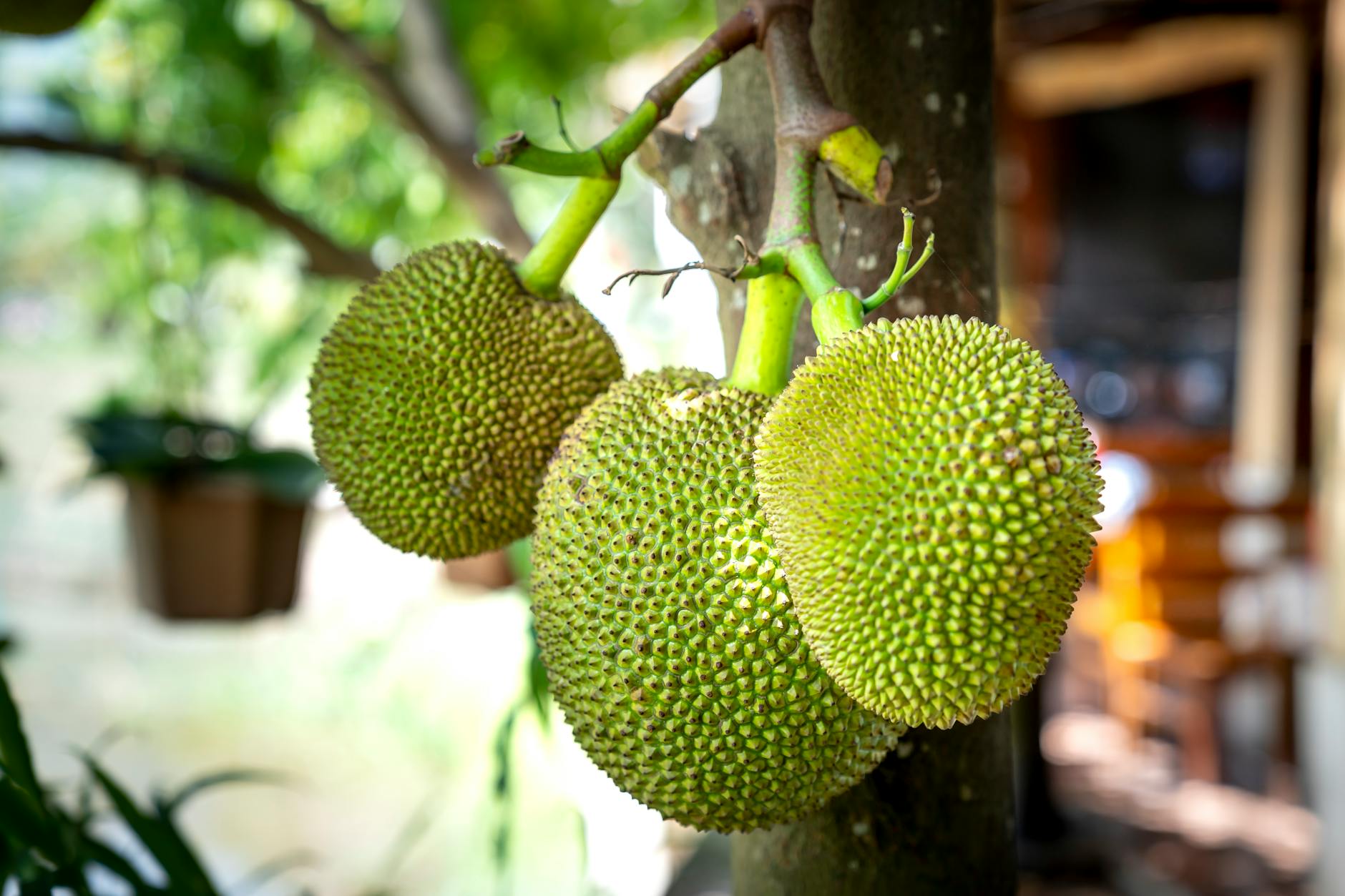
Ripe jackfruit flesh is a sweet and fibrous tropical fruit increasingly popular as a plant-based meat alternative in Western markets. The large seeds found inside the fruit are edible when properly prepared and are a traditional food in many parts of South and Southeast Asia. Raw jackfruit seeds contain trypsin inhibitors and other antinutrients that interfere with protein digestion and can cause gastrointestinal discomfort when consumed without cooking. Boiling or roasting the seeds deactivates these compounds and transforms them into a nutritious, starchy food comparable in character to chestnuts or potatoes. Treating jackfruit seeds the same way one would treat any dried legume, with thorough cooking before consumption, is the straightforward approach to enjoying this often-overlooked part of the fruit safely.
Spinach in Excess
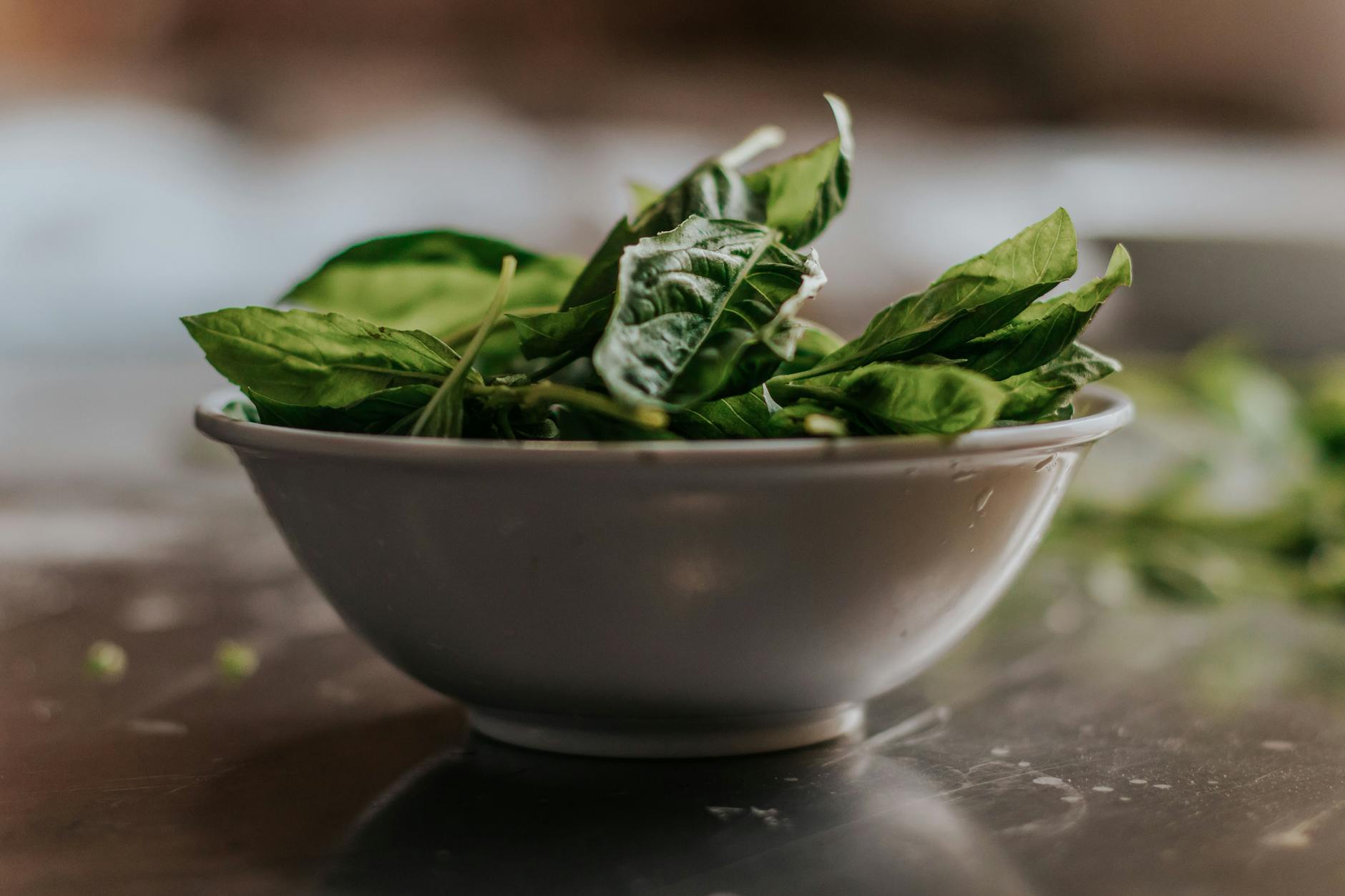
Spinach is celebrated as one of the most nutrient-dense leafy greens available, packed with iron, magnesium, folate, and vitamins A and C. Eating spinach regularly as part of a balanced diet is strongly supported by nutritional science and associated with numerous health benefits. The concern with spinach arises from its high oxalate content, which can bind to calcium and other minerals in the digestive tract and reduce their absorption. In individuals who are prone to calcium oxalate kidney stones, eating very large amounts of raw spinach consistently can increase the risk of stone formation. Cooking spinach reduces its oxalate content, and balancing it with calcium-rich foods helps mitigate the binding effect for those who are particularly susceptible.
Raw Sprouts
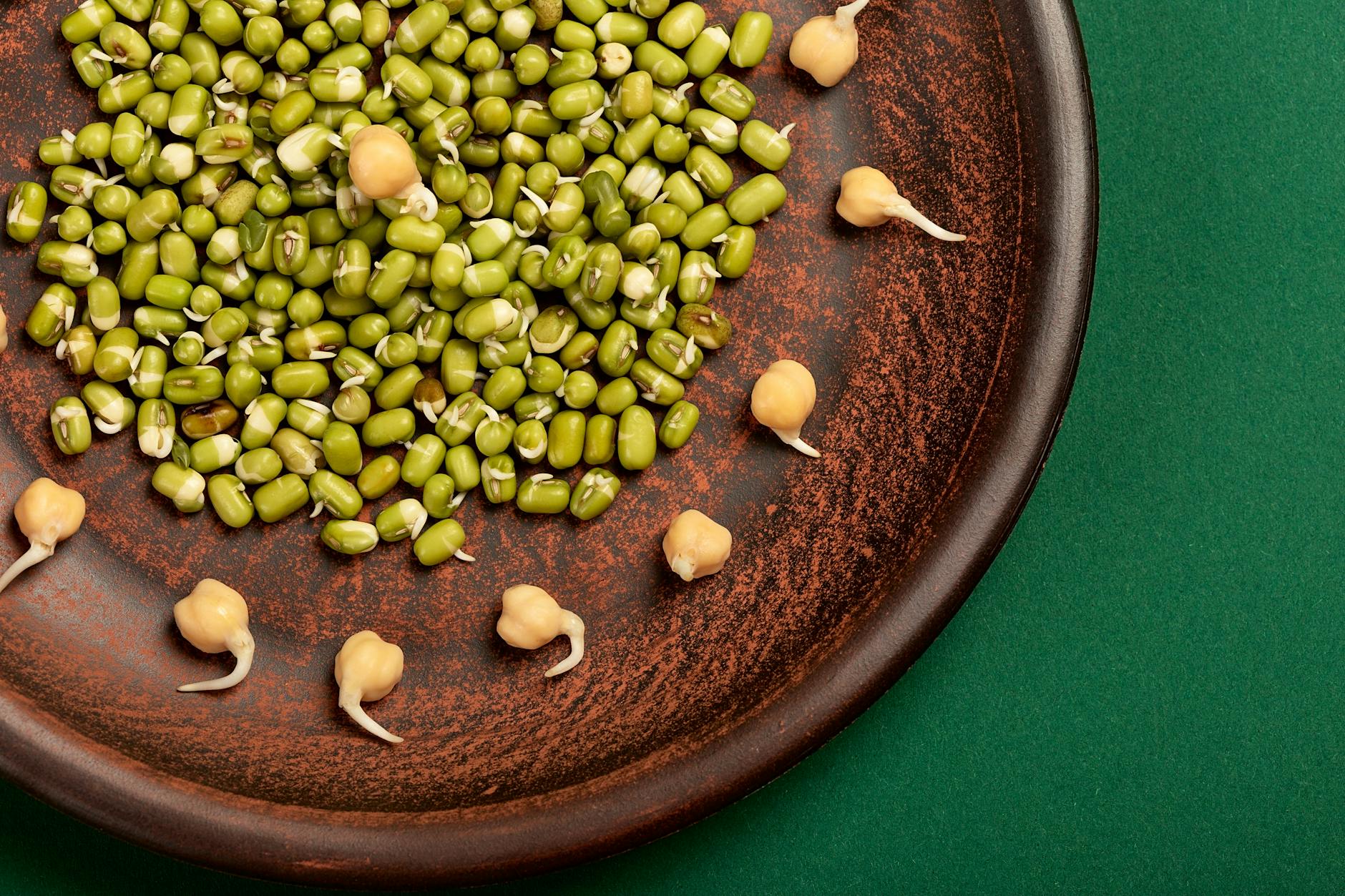
Sprouts produced from seeds such as alfalfa, clover, radish, and mung beans are popular additions to salads, wraps, and grain bowls for their crisp texture and concentrated nutrients. The growing environment for sprouts involves warm temperatures, high humidity, and extended moisture, conditions that are equally favorable for the rapid proliferation of bacteria like Salmonella, Listeria, and E. coli. Contamination can occur at the seed level before sprouting even begins, meaning that washing sprouts before eating does not adequately remove the risk. Repeated food safety advisories and multi-country outbreak investigations have consistently identified raw sprouts as a high-risk food category. Light cooking, including stir-frying or steaming, is the most effective way to reduce bacterial risk while preserving most of the nutritional value.
Potatoes Left at Room Temperature Too Long
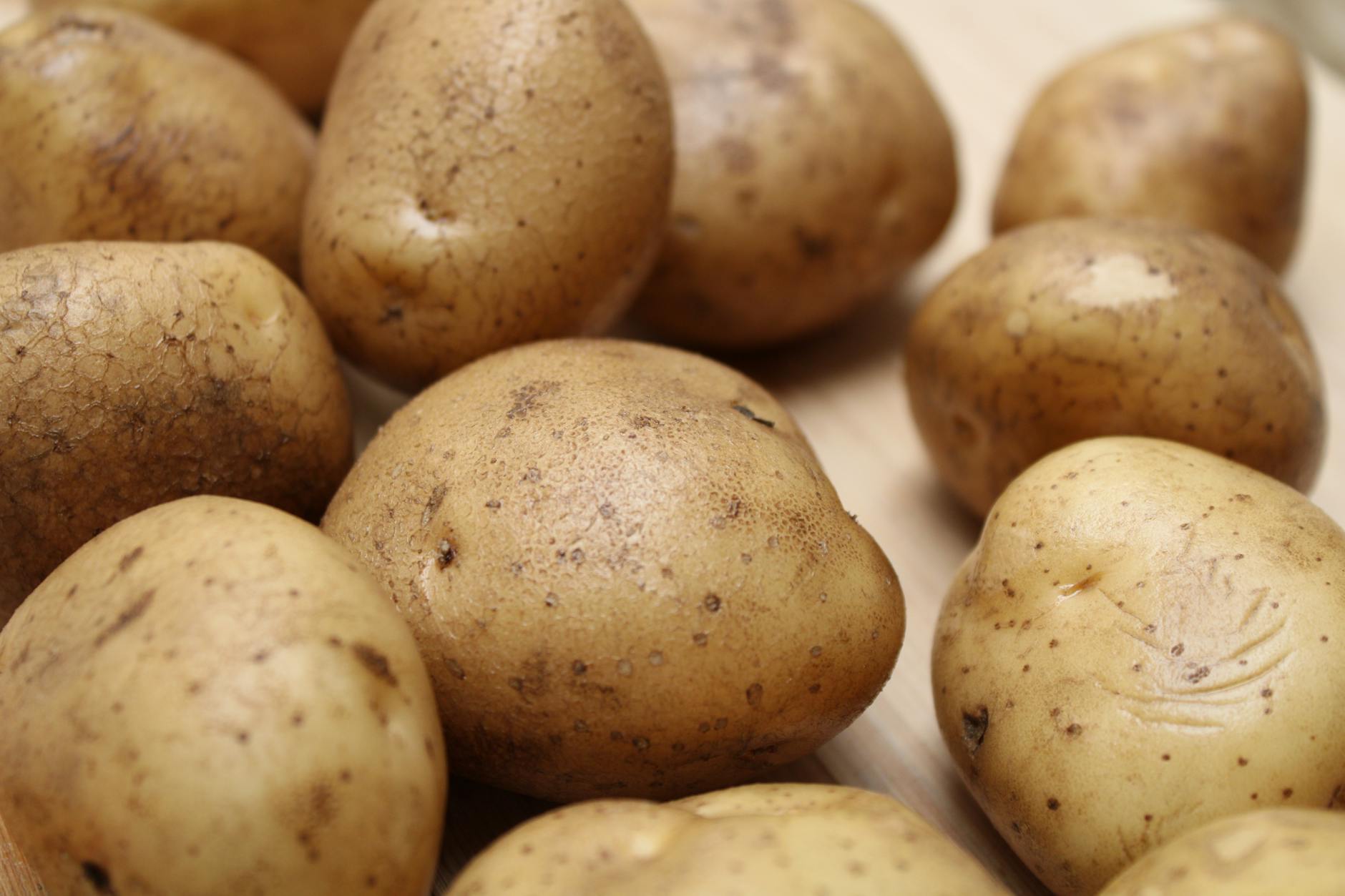
Potatoes that have been cooked and then left out at room temperature for extended periods enter a well-documented food safety danger zone. Cooked starchy foods provide an excellent growth medium for Clostridium botulinum under certain conditions, particularly when they are wrapped in foil and left in a warm environment without refrigeration. This is most commonly associated with baked potatoes that are foil-wrapped after cooking and left out for hours at buffets, parties, or during meal preparation. Potato salad left unrefrigerated for more than two hours, especially in warm weather, also carries a significant risk of bacterial growth that can cause food poisoning. Storing cooked potato dishes promptly in the refrigerator and discarding anything that has been at room temperature for more than the recommended window is the correct food safety practice.
Pufferfish

Pufferfish, known in Japanese cuisine as fugu, is one of the most notorious high-risk delicacies in the world, sought out precisely because of the skill required to prepare it safely. The fish contains tetrodotoxin, an extremely potent neurotoxin concentrated primarily in the liver, ovaries, and skin. Tetrodotoxin has no antidote and can cause paralysis and death within hours if the fish is incorrectly prepared and the toxin enters the edible flesh. In Japan, chefs who prepare fugu are required to undergo years of training and pass rigorous licensing examinations before they are permitted to serve it to the public. Outside of licensed establishments, consuming pufferfish or attempting to prepare it without professional training is an extraordinarily dangerous undertaking with potentially fatal consequences.
Tapioca Pearls Improperly Consumed

Tapioca pearls, the chewy spheres at the heart of bubble tea and boba drinks, have become a global phenomenon enjoyed by millions. For the vast majority of consumers, they present no health concern when eaten in the normal way as part of a beverage or dessert. However, tapioca pearls pose a documented choking hazard, particularly for young children, older adults, and anyone who consumes them too quickly or in excessive quantities at once. Several incidents involving aspiration and choking, particularly in young children drinking bubble tea through wide straws, have been reported in medical literature and news outlets. Supervising children carefully when they consume bubble tea, ensuring the pearls are fully chewed, and using appropriate portion sizes significantly reduces any risk associated with this popular food trend.
Which of these surprised you the most? Share your thoughts in the comments.