Europe offers an array of tucked-away treasures that provide authentic cultural experiences far from the typical tourist trails. These destinations range from sun-drenched coastal villages to mist-covered mountain peaks and historic medieval towns. Travelers seeking tranquility will find that these locations maintain a slower pace of life and preserved traditions. Exploring these sites allows for a deeper connection with local heritage and natural beauty without the interference of heavy crowds.
Kotor
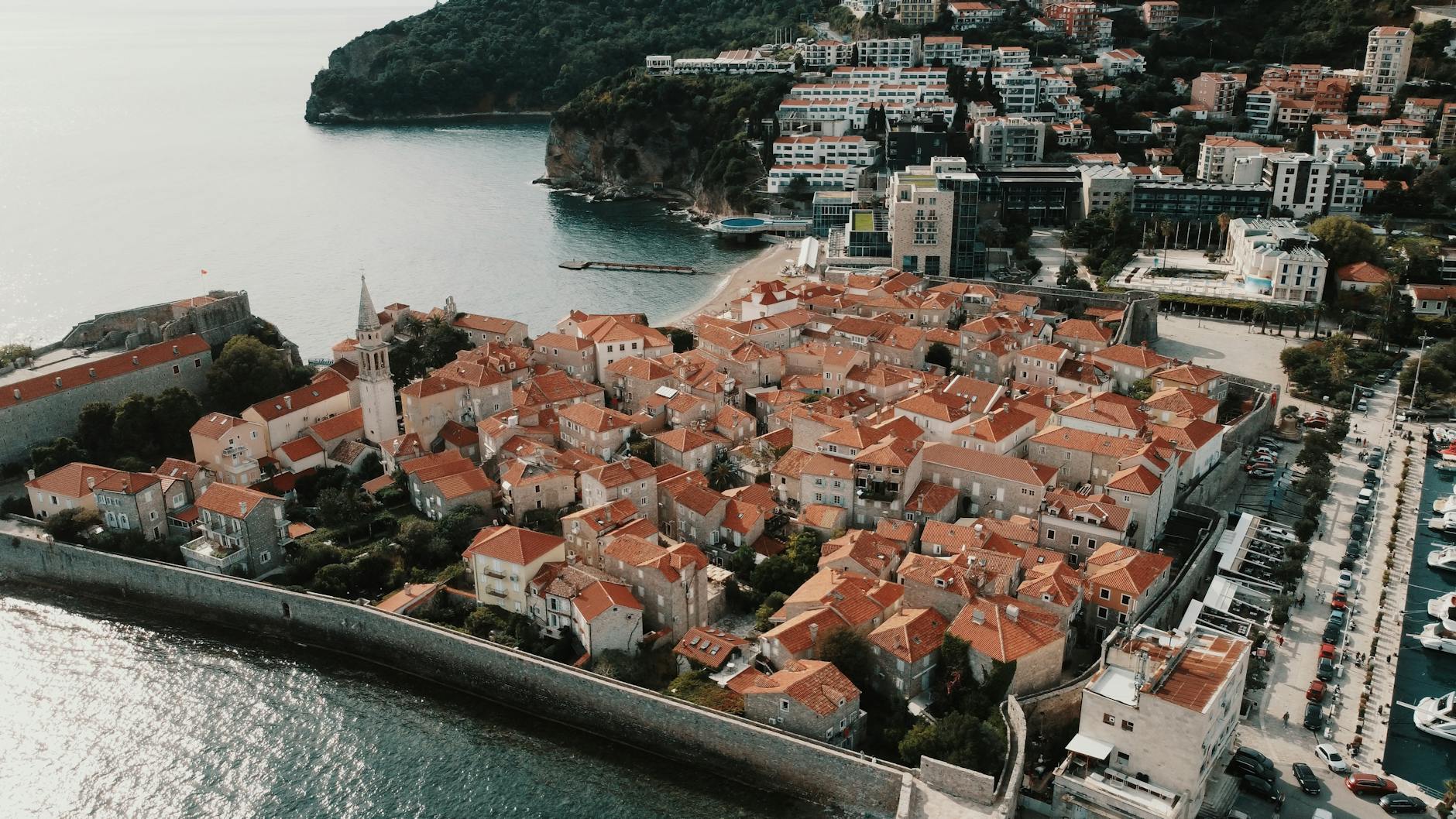
This fortified town on Montenegro’s coast sits at the base of dramatic limestone cliffs overlooking a secluded bay. The medieval old town is a maze of narrow cobblestone streets and hidden squares filled with historic churches and local boutiques. Visitors can hike the steep ancient fortifications for a breathtaking view of the fjord-like waters below. The local maritime history is preserved in various museums and through the architecture of the stone palaces lining the waterfront.
Dinant
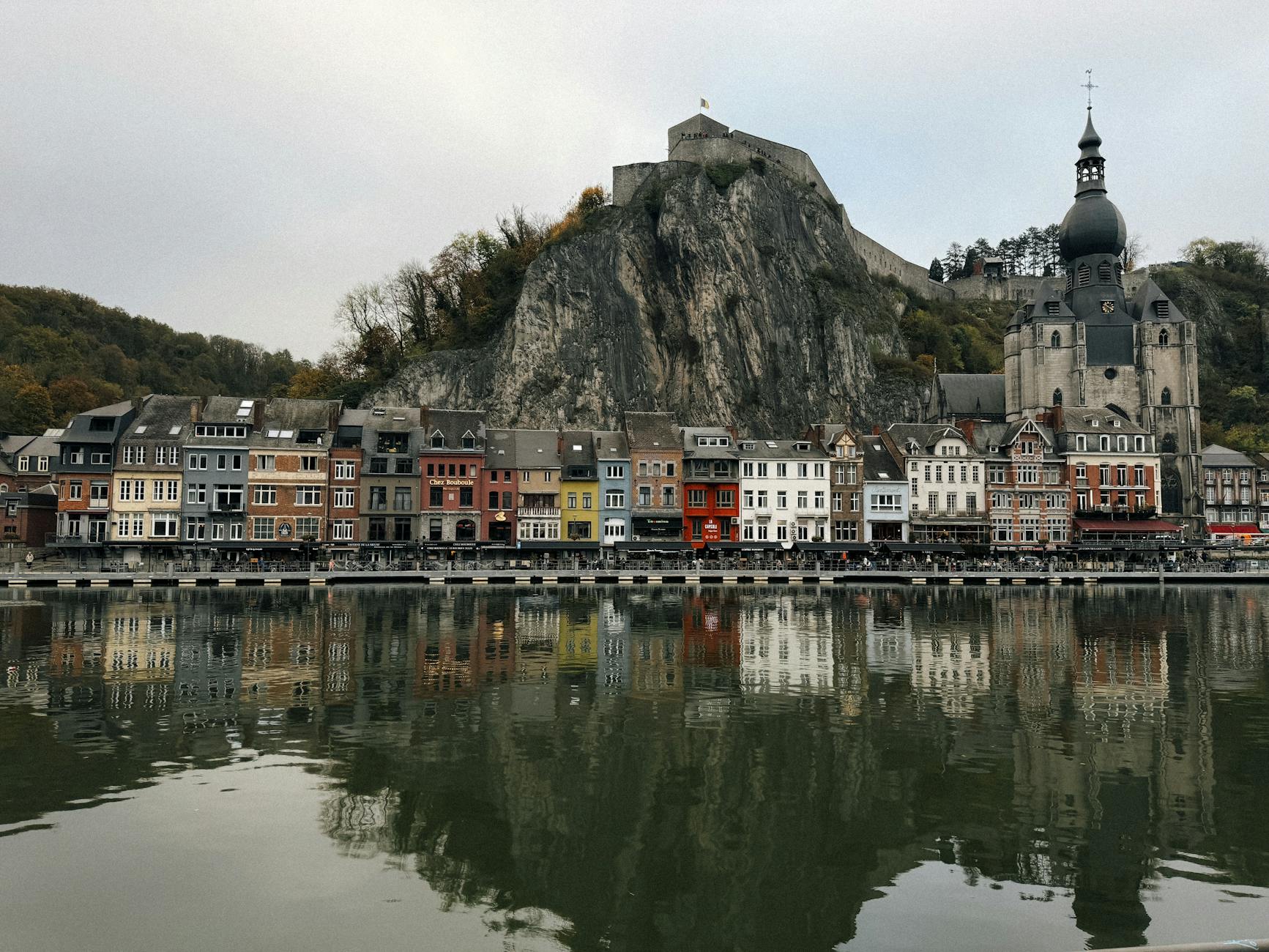
Nestled between a steep rock face and the Meuse River in Belgium, this town is remarkably picturesque and compact. It is best known as the birthplace of Adolphe Sax, the inventor of the saxophone, with colorful tributes scattered throughout the streets. The imposing Gothic cathedral and the hilltop citadel offer a glimpse into the region’s strategic military past. Scenic boat tours provide a unique perspective of the vertical cliffs and the elegant bridge that spans the river.
Berat
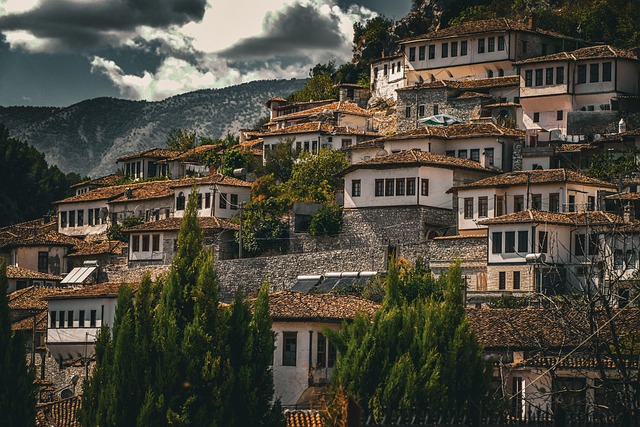
Known as the city of a thousand windows, this Albanian destination is famous for its well-preserved Ottoman architecture. The white houses climb up the hillside toward a massive thirteenth-century fortress that still houses a small community. Within the castle walls, visitors can find ancient Byzantine churches and a museum dedicated to the famous icon painter Onufri. The city is a testament to religious harmony with historic mosques and churches standing in close proximity within the old quarters.
Matera
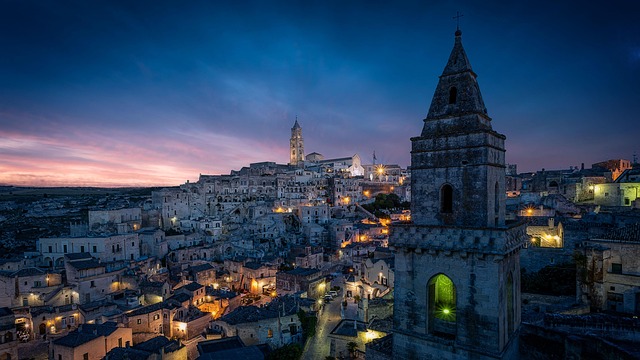
This ancient city in southern Italy is carved directly into the limestone hills and is one of the oldest continuously inhabited settlements in the world. The complex of cave dwellings known as the Sassi has been transformed into unique hotels, restaurants, and art galleries. Walking through the winding stone alleys feels like stepping back thousands of years into a prehistoric landscape. The surrounding plateau offers rugged hiking trails and views of the deep ravine that defines the local geography.
Loket
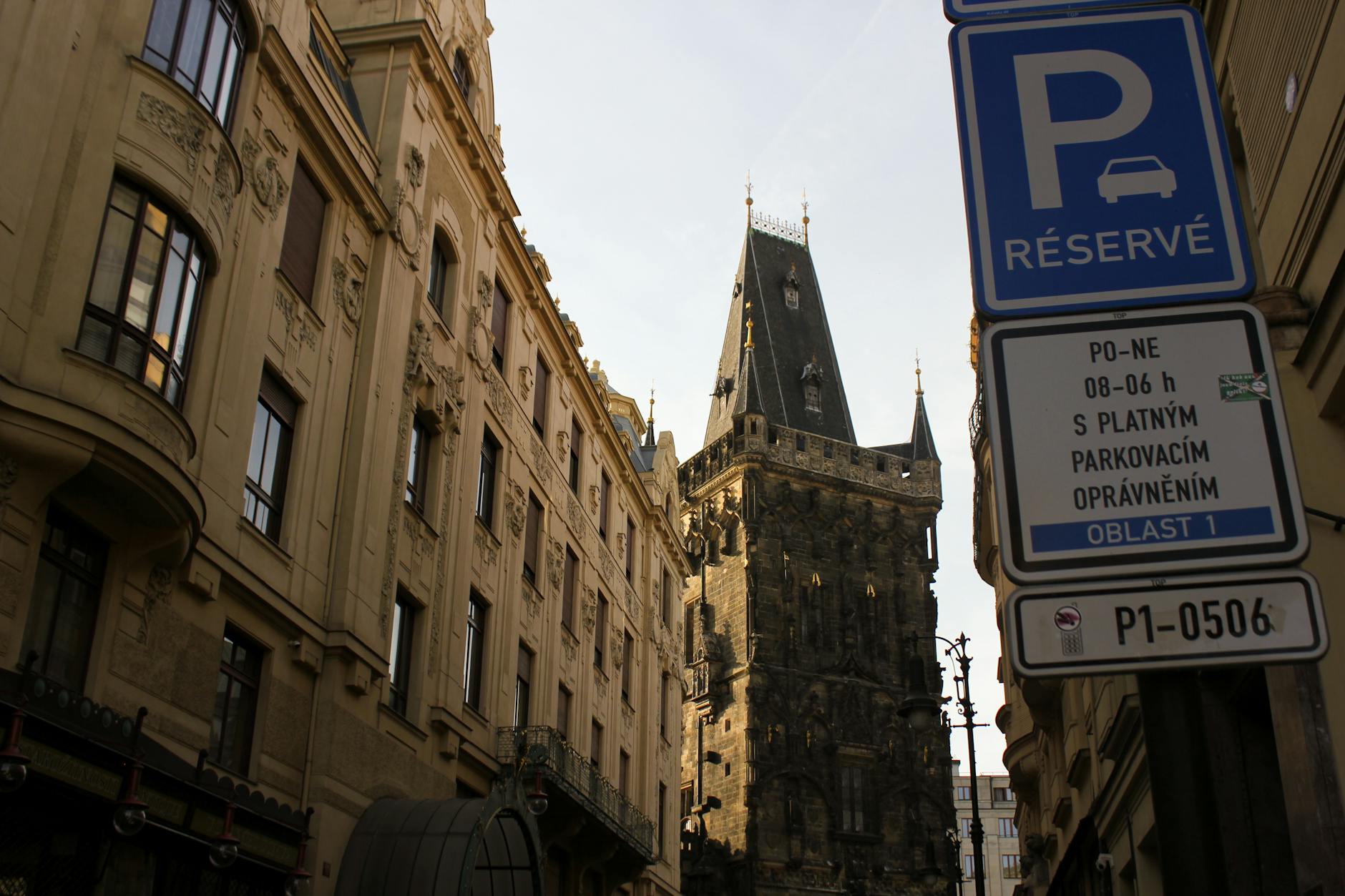
Surrounded on three sides by the Ohře River, this Czech town features a stunning twelfth-century Gothic castle. The colorful town square is lined with traditional houses and small cafes that serve local delicacies and regional beer. It is often used as a filming location for period dramas due to its impeccably preserved medieval appearance. The surrounding Slavkov Forest provides ample opportunities for walking and exploring the natural springs of the nearby region.
Amarante
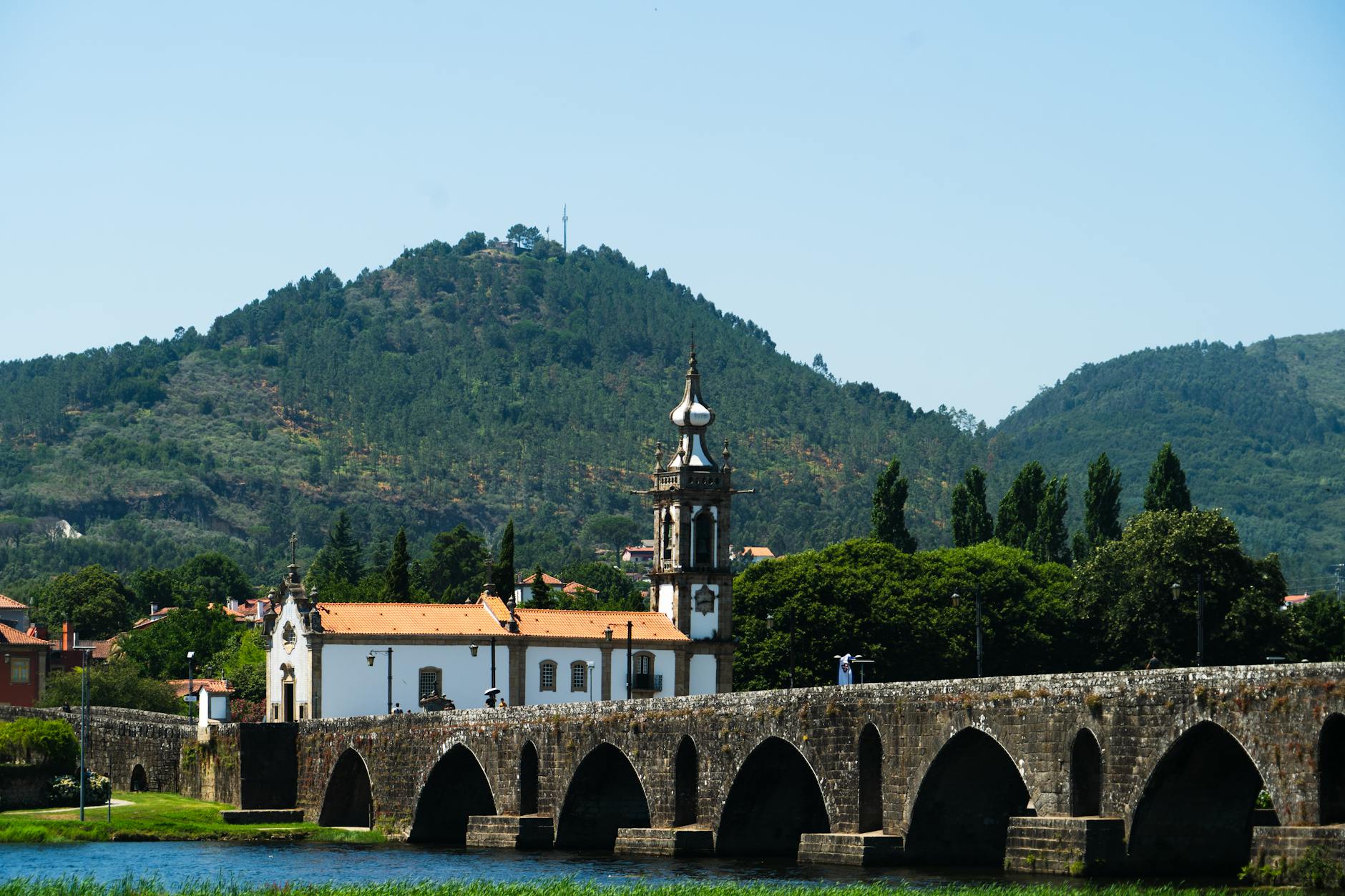
Located in northern Portugal along the banks of the Tâmega River, this town is characterized by its romantic atmosphere and arched stone bridge. The historic center is dominated by the Saint Gonçalo monastery which features a blend of Renaissance and Baroque styles. Local bakeries are famous for traditional sweets that have been produced using the same recipes for centuries. The nearby Douro Valley offers easy access to world-class vineyards and lush green landscapes.
Tejeda
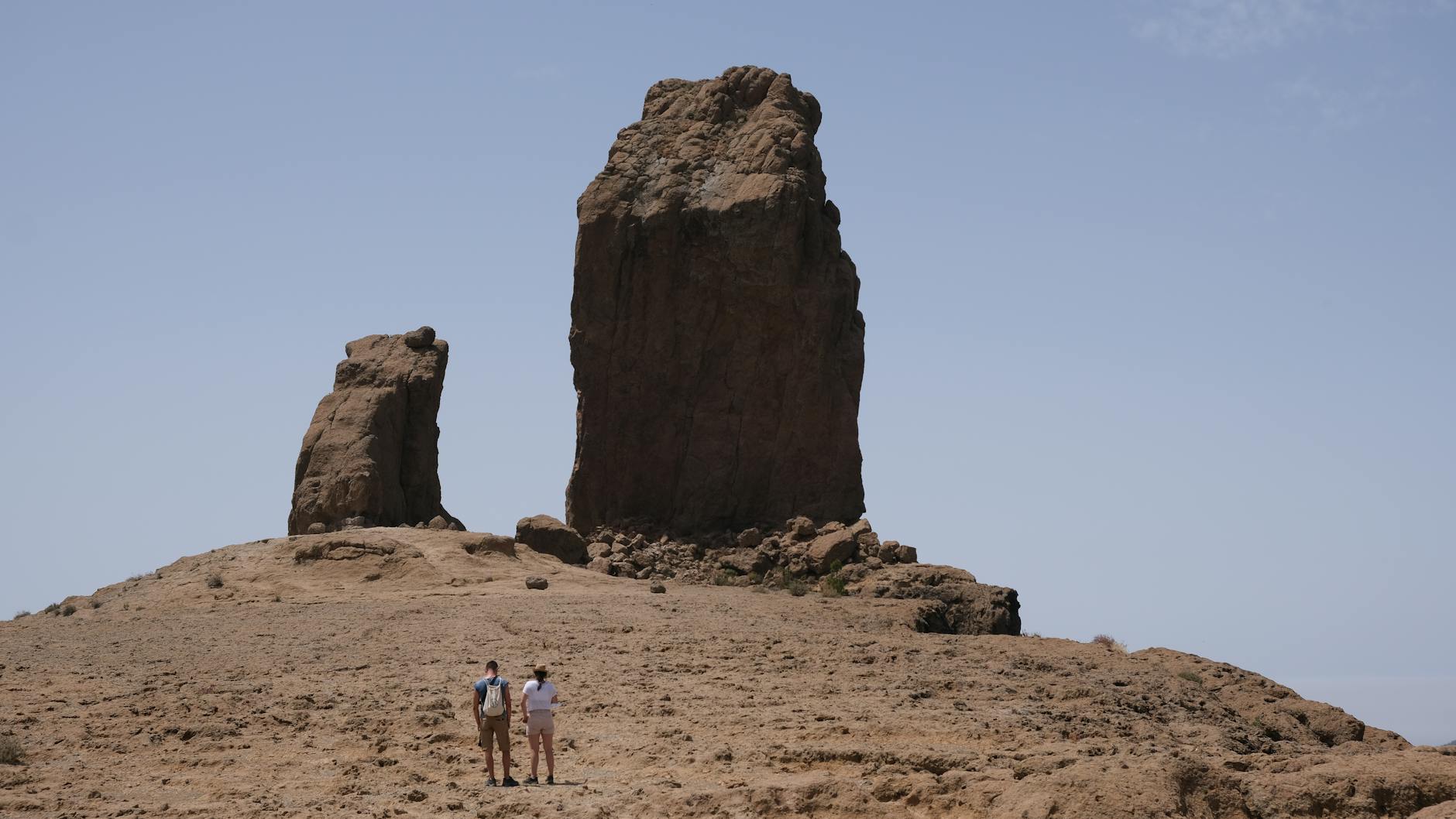
Perched high in the mountains of Gran Canaria, this village offers some of the most dramatic views in the Canary Islands. The white-washed houses contrast sharply with the dark volcanic rock and the towering Roque Nublo monolith nearby. It is an ideal base for hikers who wish to explore the ancient trails used by the island’s original inhabitants. The town is also famous for its almond-based desserts which are a staple of the local culinary identity.
Assos
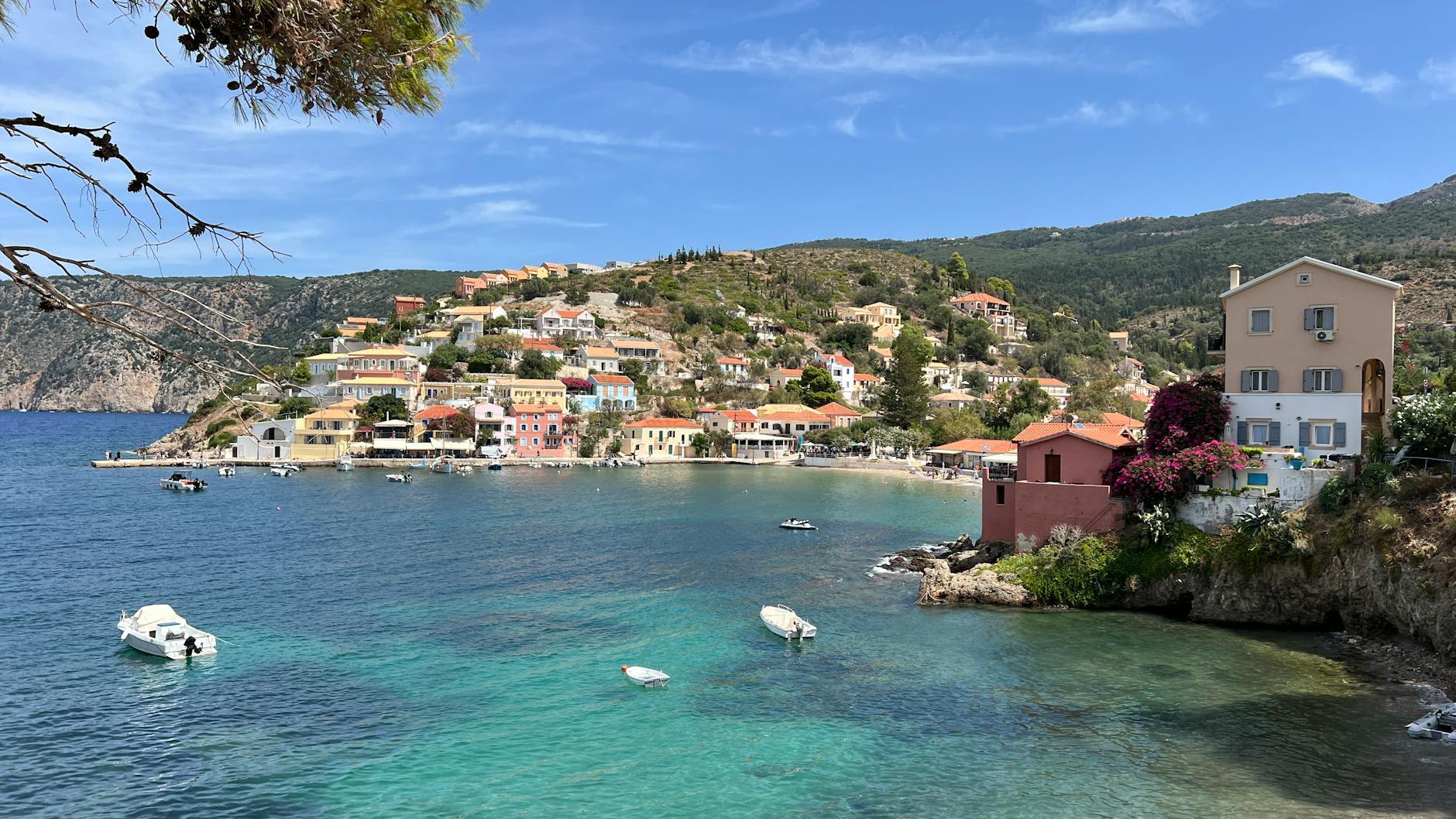
This quiet fishing village on the island of Kefalonia is tucked away in a small cove surrounded by pine and cypress trees. The ruins of a sixteenth-century Venetian castle sit atop the peninsula offering panoramic views of the Ionian Sea. The harbor is lined with pastel-colored houses and small tavernas serving fresh seafood caught by local fishermen. Its secluded location makes it a perfect retreat for those looking to escape the busier beach resorts on the island.
Llanes
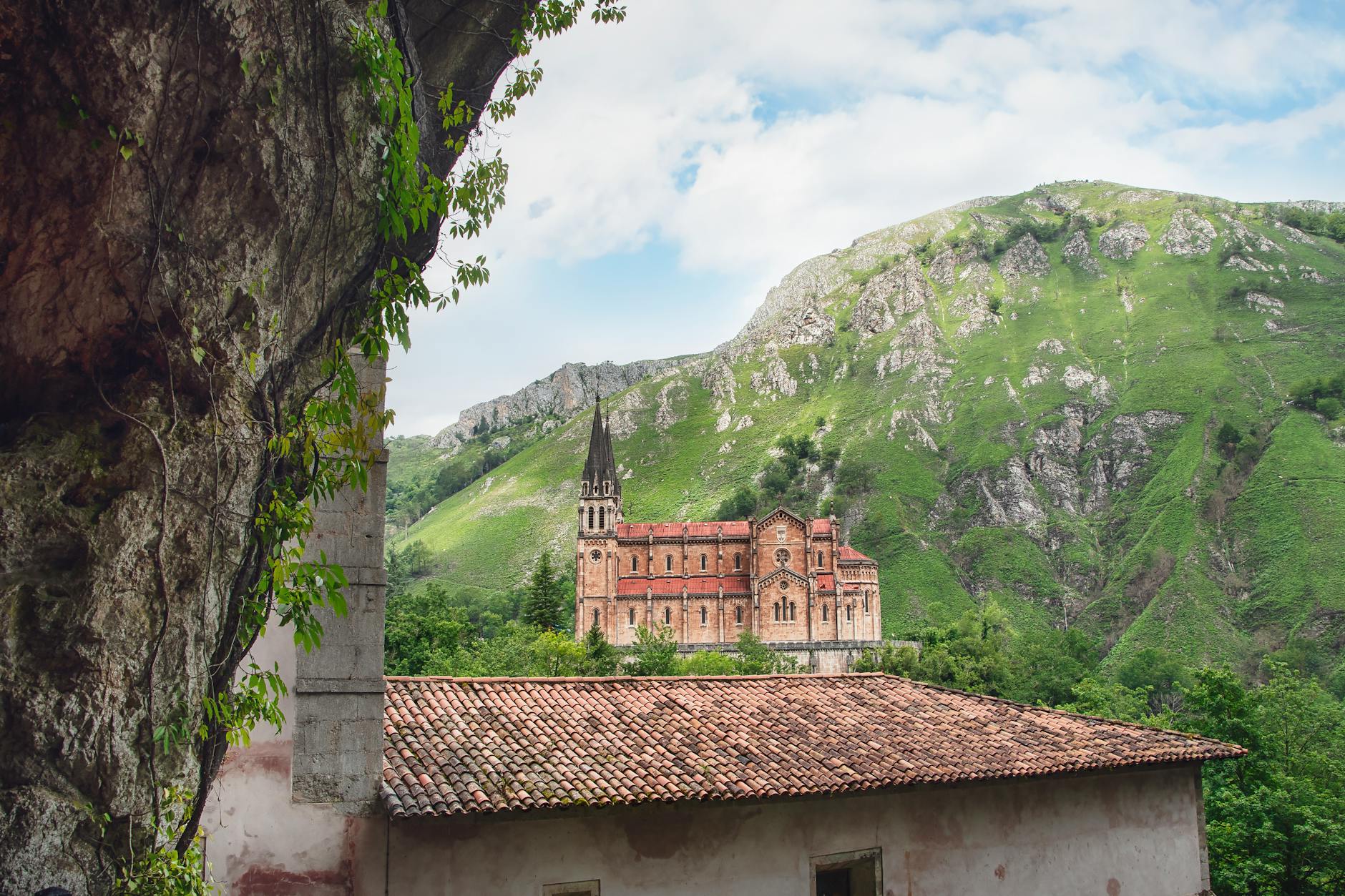
Situated on the coast of Asturias in northern Spain, this town combines a traditional fishing port with stunning sandy beaches. The historic center features medieval walls and impressive mansions built by returning emigrants known as Indianos. The harbor is protected by the Cubes of Memory, a colorful large-scale art installation painted directly onto the sea defenses. The surrounding Picos de Europa mountains provide a dramatic backdrop for coastal walks and outdoor adventures.
Brixham
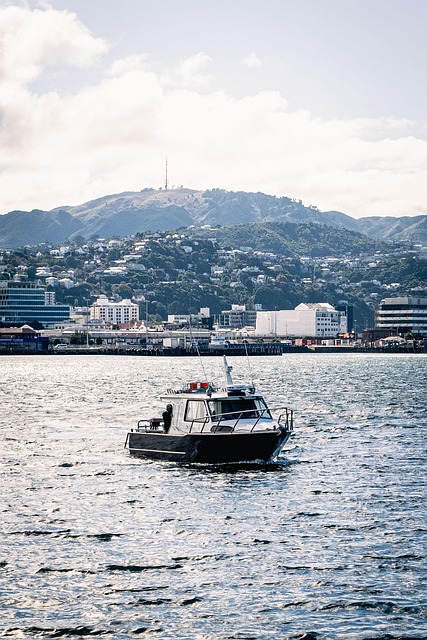
This bustling harbor town in Devon remains one of the most active fishing ports in England and retains a strong maritime character. The streets are a steep jumble of colorful cottages that lead down to a waterfront filled with historic sailing vessels. Visitors can explore a full-scale replica of the Golden Hind, the ship used by Sir Francis Drake to circumnavigate the globe. The local fish market provides fresh ingredients for the many award-winning restaurants located along the quay.
Bamberg
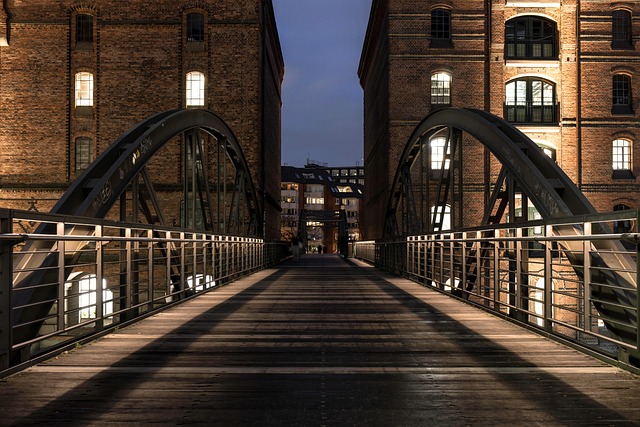
Built on seven hills in Bavaria, this German city is a UNESCO World Heritage site known for its unique Old Town Hall situated in the middle of a river. The historic center escaped the destruction of world wars, leaving its medieval and baroque architecture completely intact. The city is famous for its distinctive smoked beer which can be sampled in traditional brewery taverns. Its winding canals and narrow bridges have earned the riverside district the nickname of Little Venice.
Óbidos
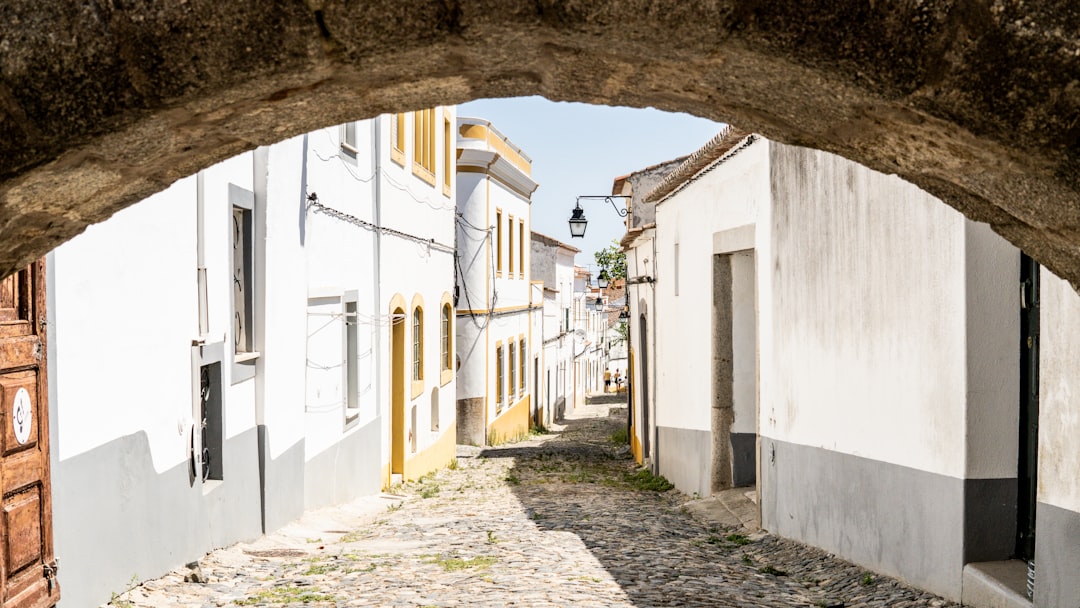
This hilltop town in Portugal is completely enclosed by well-preserved medieval walls that visitors can walk along for views of the surrounding countryside. The narrow streets are lined with white-washed houses decorated with vibrant blue and yellow borders and flowering bougainvillea. It is known as the town of books due to the numerous creative literary spaces found in converted churches and markets. A taste of the local cherry liqueur served in a chocolate cup is a mandatory part of the experience.
Sighișoara
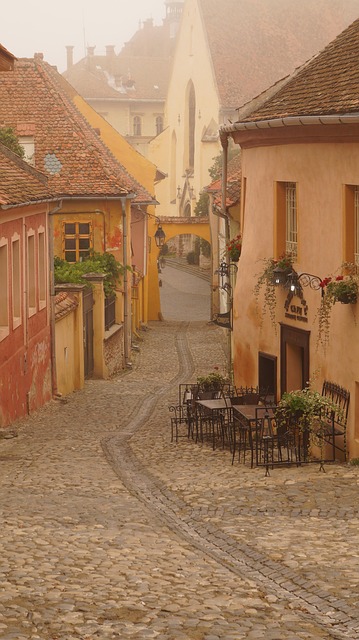
Located in the Transylvania region of Romania, this is one of the few fully inhabited medieval citadels remaining in Europe. The colorful cobbled streets and nine remaining towers create an atmosphere that feels unchanged since the fourteenth century. The ornate Clock Tower serves as the gateway to the upper town and houses a museum dedicated to the city’s history. It is also the birthplace of Vlad the Impaler, and the historic house where he lived still stands today.
Lucca
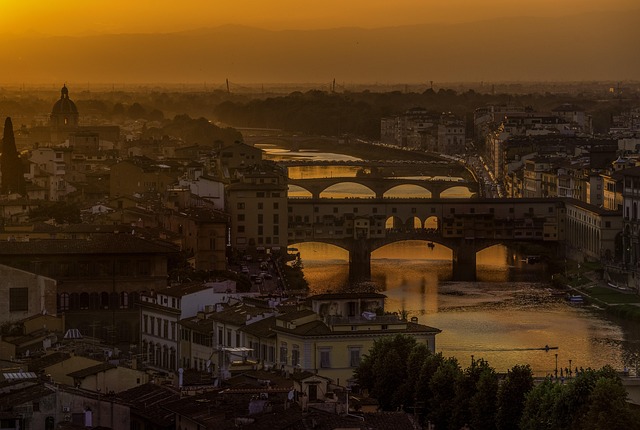
The historic center of this Tuscan city is surrounded by thick Renaissance walls that have been converted into a circular park for walking and cycling. The city is famous for its unique oval-shaped piazza which was built on the ruins of an ancient Roman amphitheater. Numerous medieval towers dot the skyline, including one with oak trees growing from its summit. The quiet, pedestrian-friendly streets are filled with elegant boutiques, traditional bakeries, and historic churches.
Rovinj
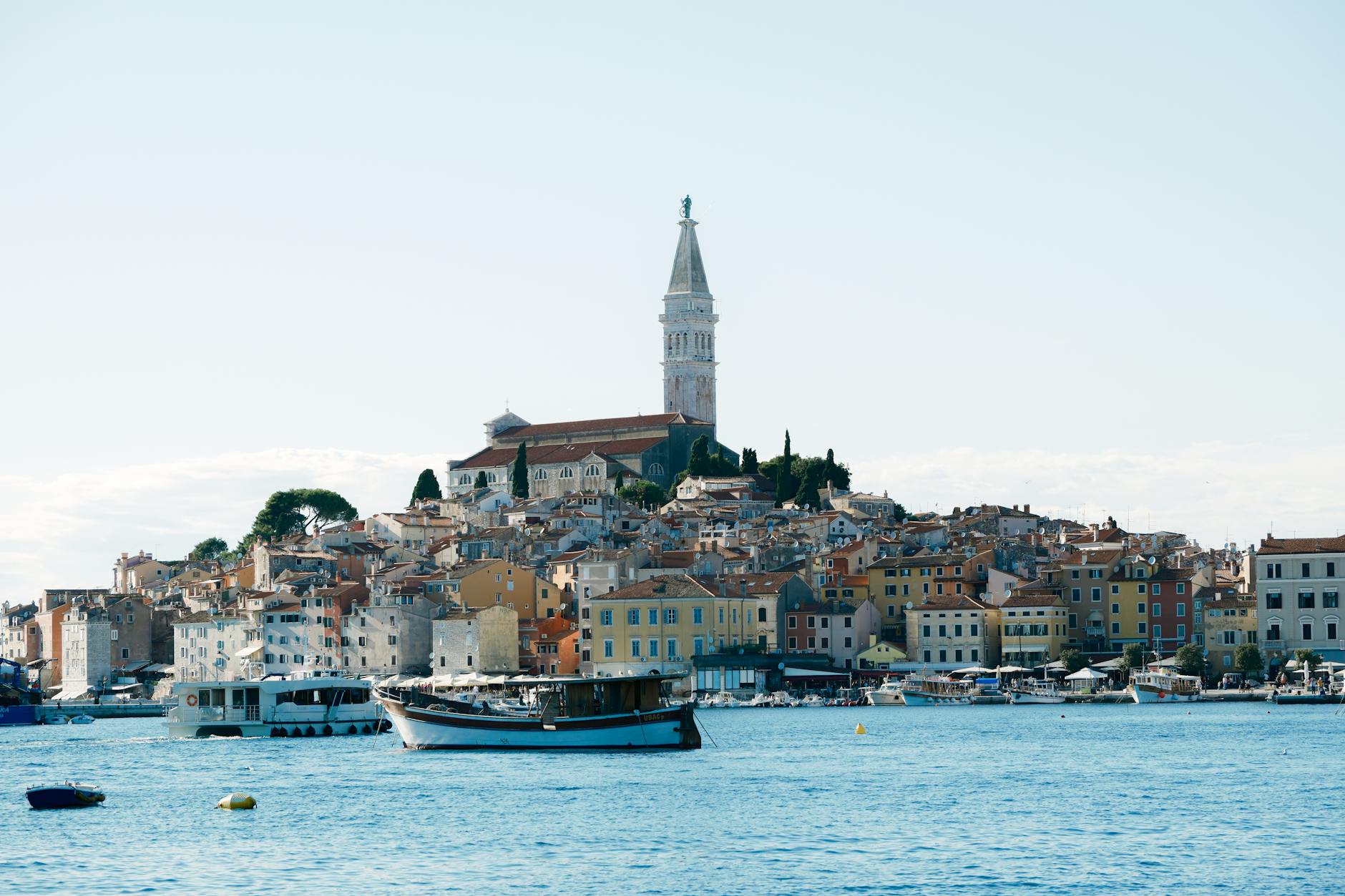
This Croatian port city on the Istrian peninsula is characterized by its Italian heritage and brightly colored houses that rise directly from the sea. The old town is situated on a headland with narrow, winding streets that lead up to the hilltop church of Saint Euphemia. The local harbor is still active with traditional wooden fishing boats that supply the town’s many seafood restaurants. The nearby Golden Cape Forest Park offers shaded trails and rocky beaches for a relaxing afternoon in nature.
Koprivshtitsa
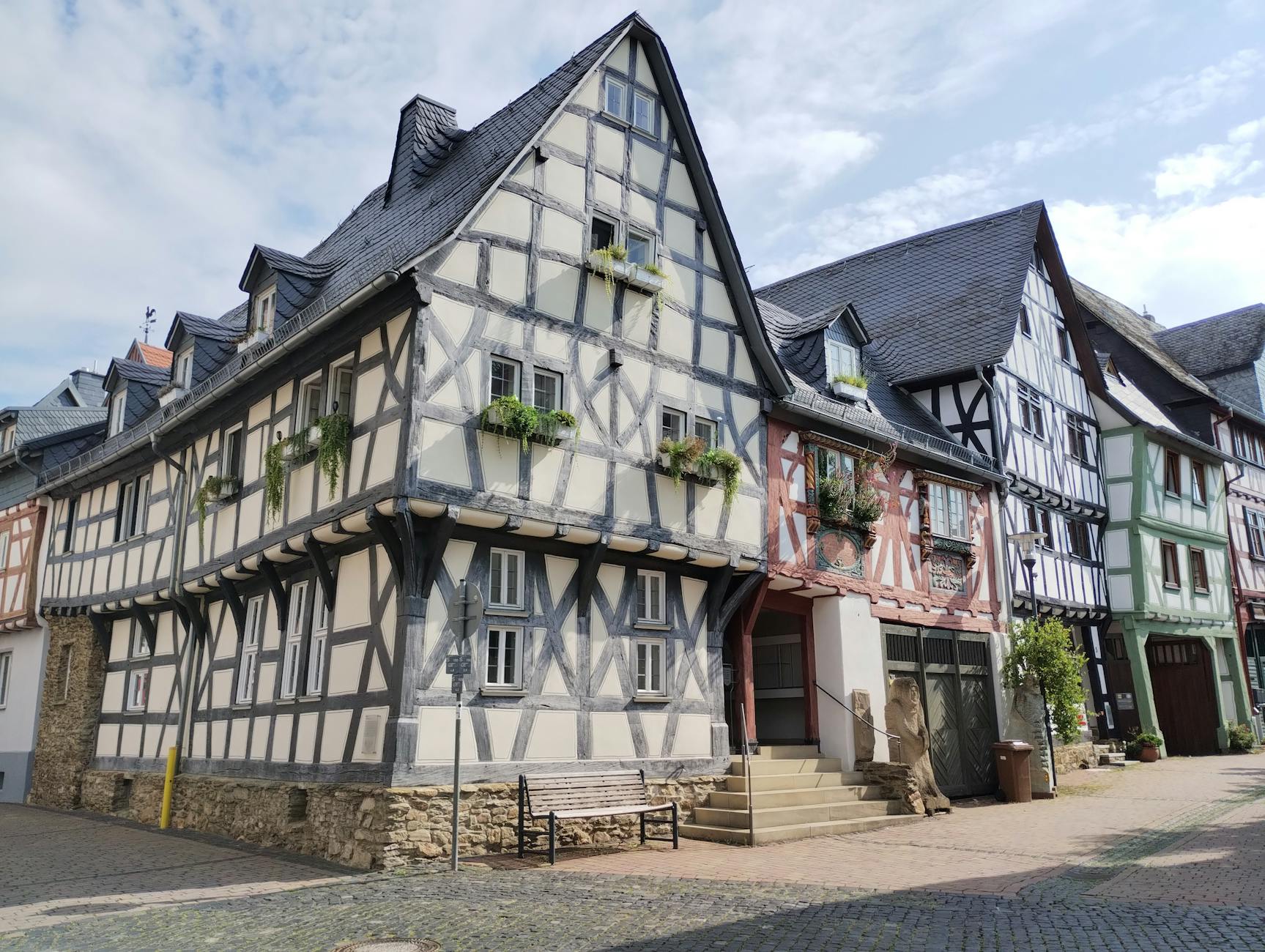
This Bulgarian town is a living museum of the National Revival period with its characteristic timber-framed houses painted in bold colors. Many of these historic homes have been converted into museums that showcase traditional crafts and the history of the local revolutionary movement. The town is nestled in a scenic valley and maintains a peaceful, rural atmosphere that feels worlds away from the capital. It is an essential stop for those interested in Balkan folk architecture and history.
Jajce
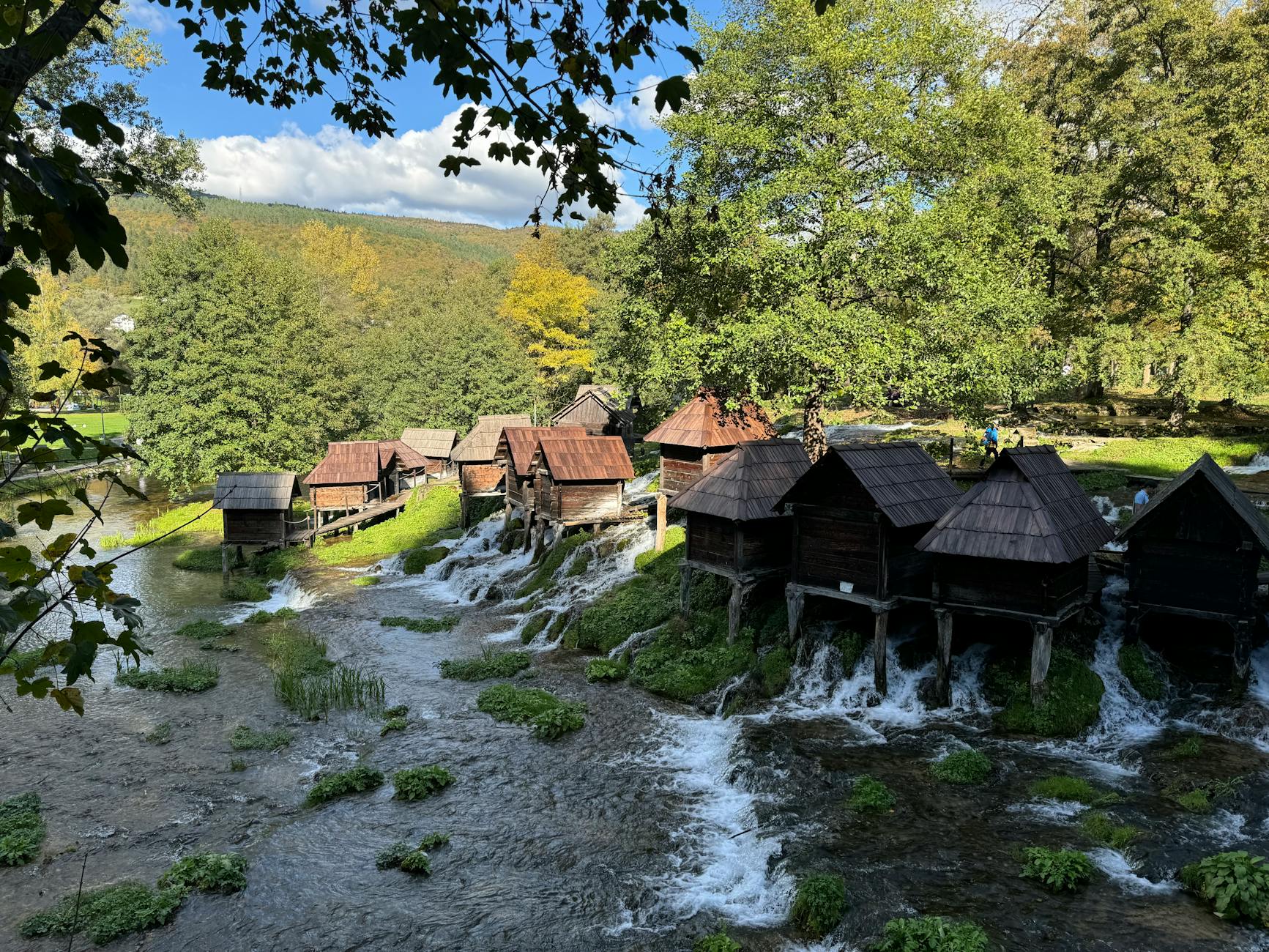
Located in the heart of Bosnia and Herzegovina, this town is famous for the stunning Pliva Waterfall situated right in its center. The historic fortress at the top of the hill offers views of the surrounding mountains and the confluence of two rivers. Ancient stone watermills nearby provide a unique glimpse into the traditional agricultural practices of the region. The town serves as a cultural crossroads with a diverse heritage reflected in its architecture and local landmarks.
Mostar
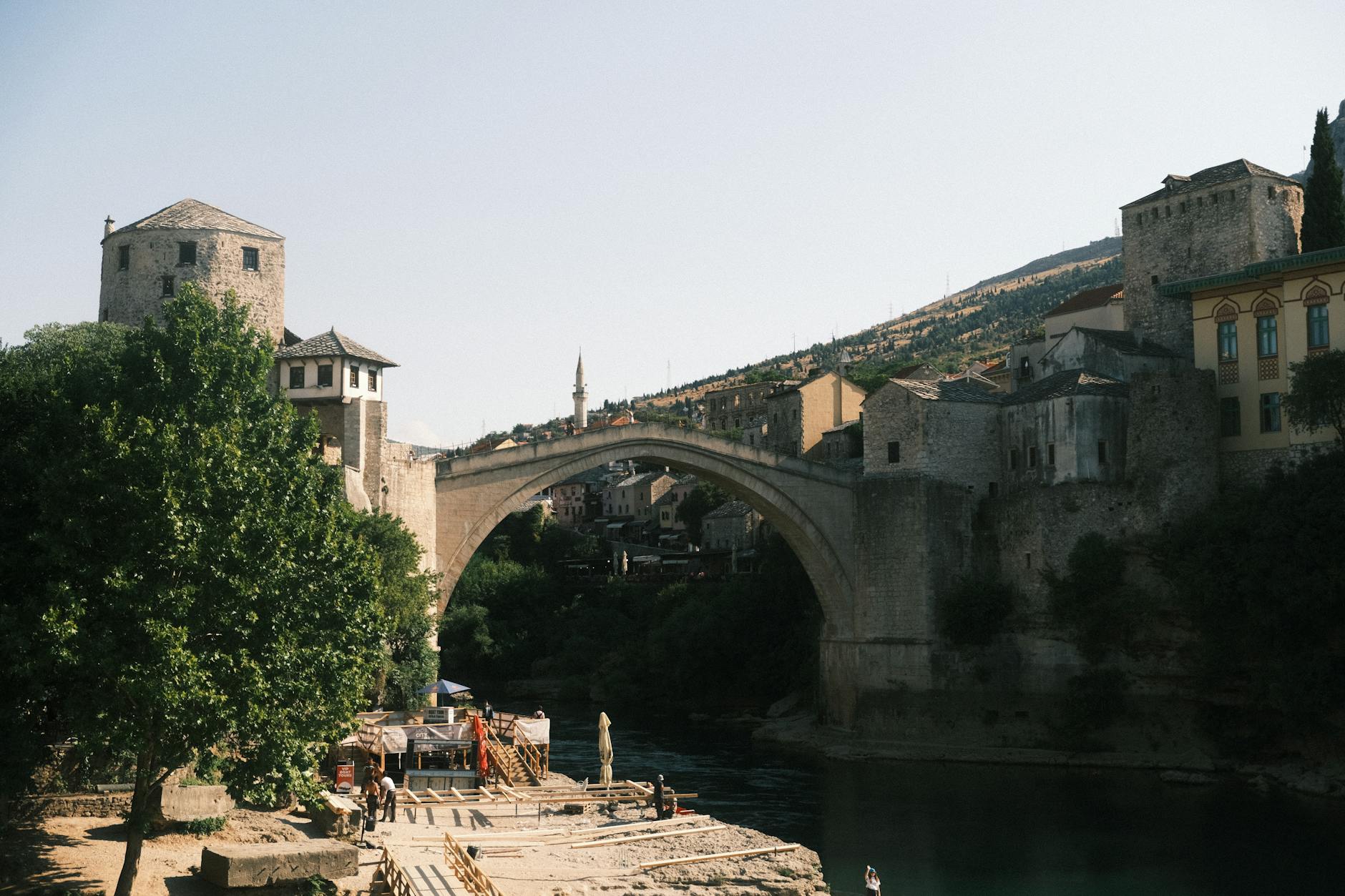
This city is iconic for its restored Ottoman bridge which spans the emerald waters of the Neretva River. The surrounding old bazaar is filled with traditional metalwork shops and cafes serving strong Bosnian coffee and local pastries. The architecture in the historic center reflects centuries of diverse cultural influences from the East and the West. Visitors can watch local divers continue the centuries-old tradition of leaping from the bridge into the cold river below.
Colmar
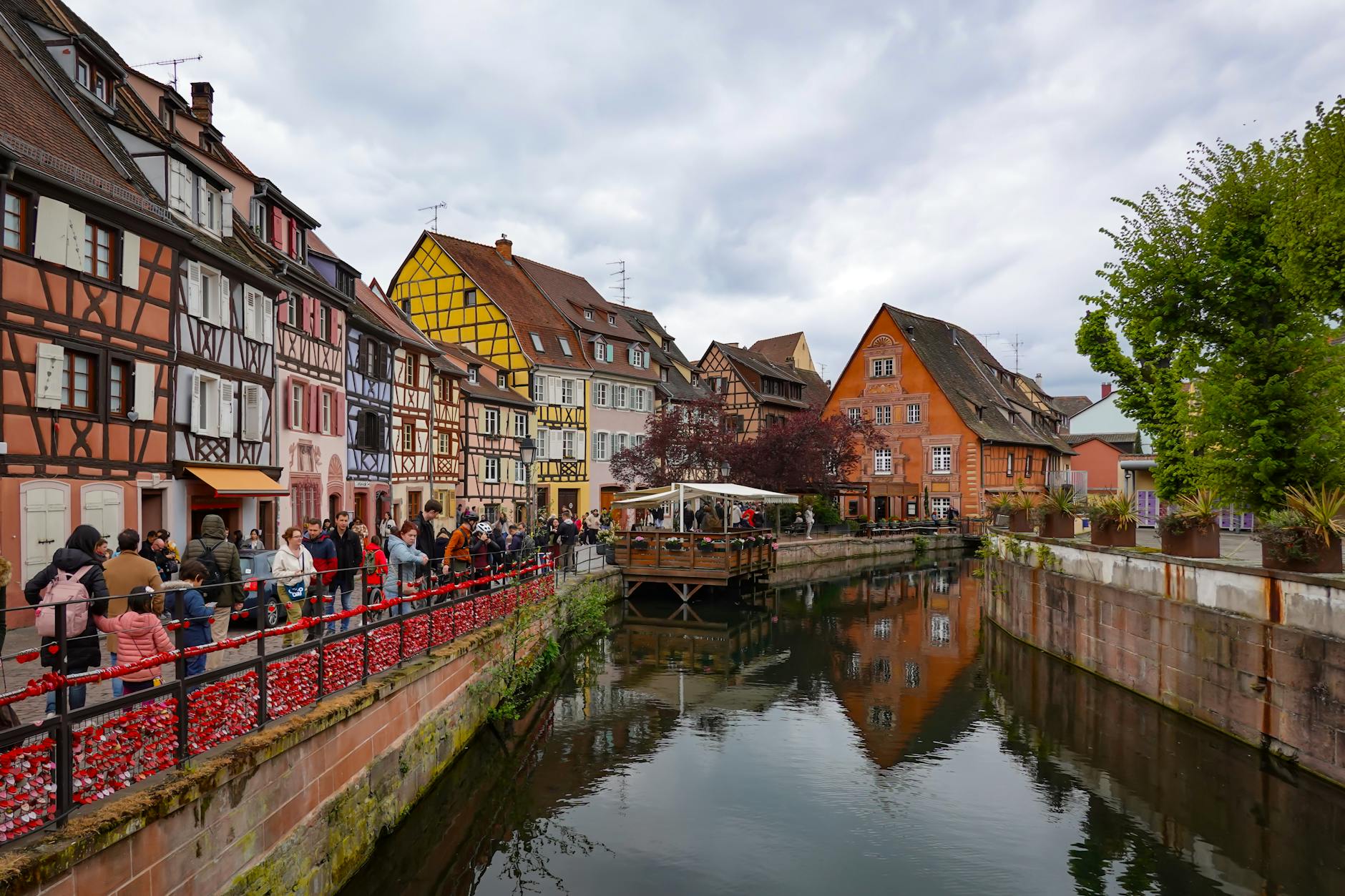
Located in the Alsace region of France, this town is famous for its timber-framed houses and flower-lined canals. The district known as Little Venice features narrow waterways that can be explored by flat-bottomed boat tours. It is a center for the regional wine trade and serves as an ideal starting point for exploring the nearby vineyards. The Unterlinden Museum houses significant medieval art and provides insight into the local cultural history.
Bratislava
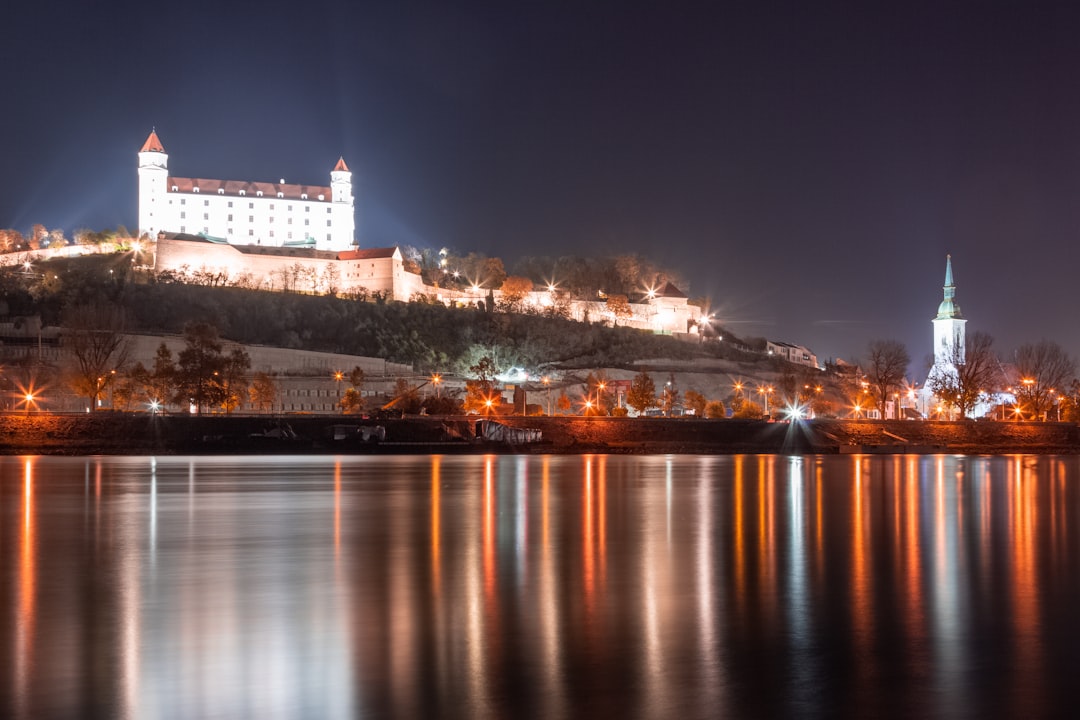
The capital of Slovakia is a compact and charming alternative to its busier neighbors with a pedestrianized old town full of whimsical statues. The four-towered castle sits on a hill overlooking the Danube River and provides views that extend into Austria and Hungary. The city features a mix of medieval history and striking twentieth-century socialist architecture. Its vibrant cafe culture and affordable dining make it a popular choice for those looking for an authentic central European city break.
Ghent
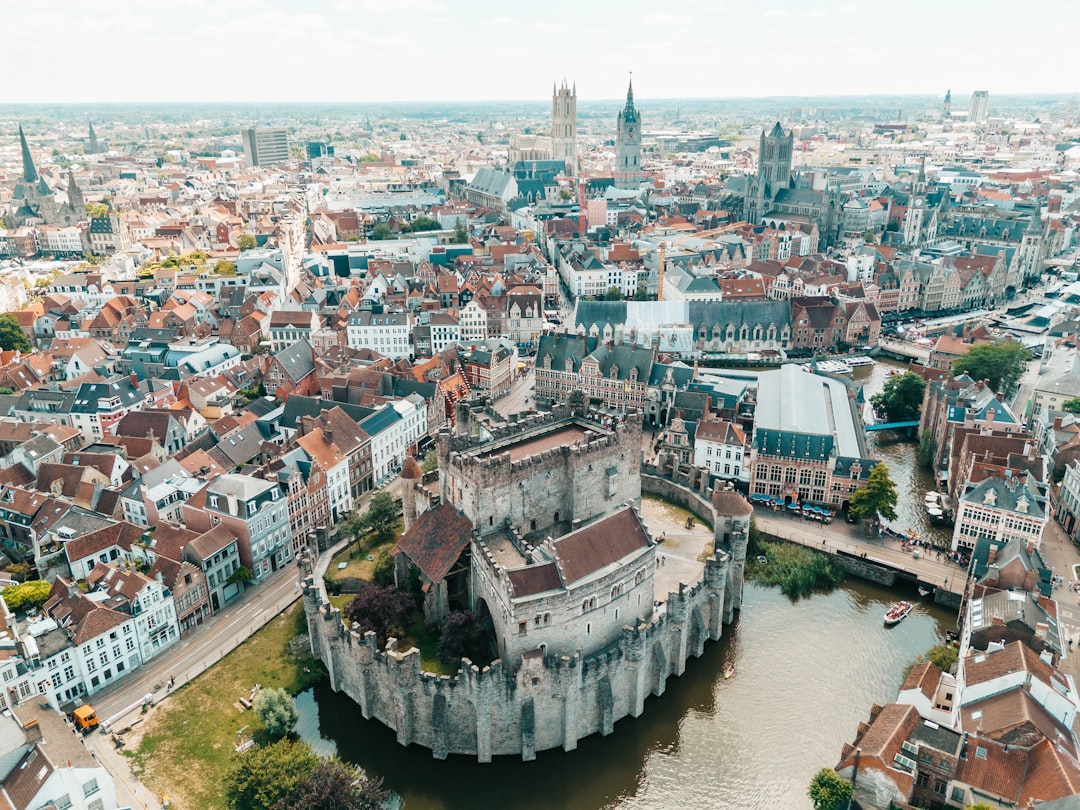
This Belgian city offers a stunning collection of medieval architecture concentrated along the scenic Lys River. The central square is dominated by three historic towers including a massive belfry and a grand cathedral housing world-famous altarpieces. The Gravensteen castle is a well-preserved fortress located in the heart of the city that features a moat and impressive ramparts. The local atmosphere is lively and creative thanks to its large student population and numerous art galleries.
Ljubljana
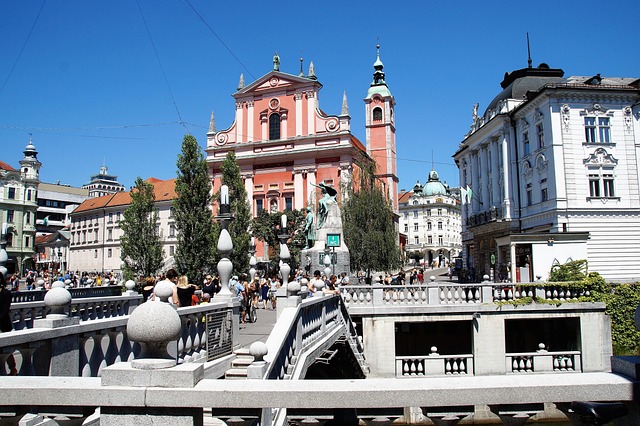
The capital of Slovenia is one of the greenest cities in Europe and features a completely car-free historic center. The Ljubljanica River is lined with willow trees and outdoor cafes that stay busy from spring through autumn. The city’s unique bridges and architectural details were largely designed by the famous architect Jože Plečnik. A funicular ride to the hilltop castle provides a panoramic view of the Julian Alps in the distance.
Tallinn
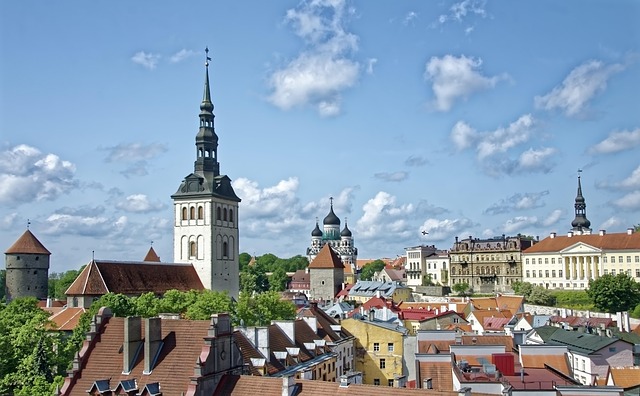
The capital of Estonia boasts one of the best-preserved Hanseatic town centers in the world with ancient walls and watchtowers still intact. The upper town of Toompea offers sweeping views of the red-tiled roofs and the modern city beyond. The lower town is filled with medieval-themed restaurants and artisan workshops that demonstrate traditional glassblowing and weaving. Its blend of historic charm and high-tech modern lifestyle makes it a unique destination in Northern Europe.
Riga
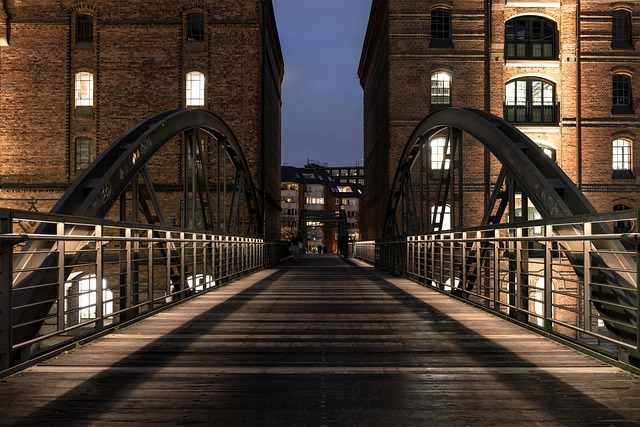
The capital of Latvia is renowned for having the highest concentration of Art Nouveau architecture in the world. The historic center is a UNESCO World Heritage site with a mix of medieval buildings and grand nineteenth-century boulevards. The central market is one of the largest in Europe and is housed in massive converted zeppelin hangars. The city’s proximity to the Baltic coast allows for easy day trips to scenic seaside resorts and forests.
Wrocław
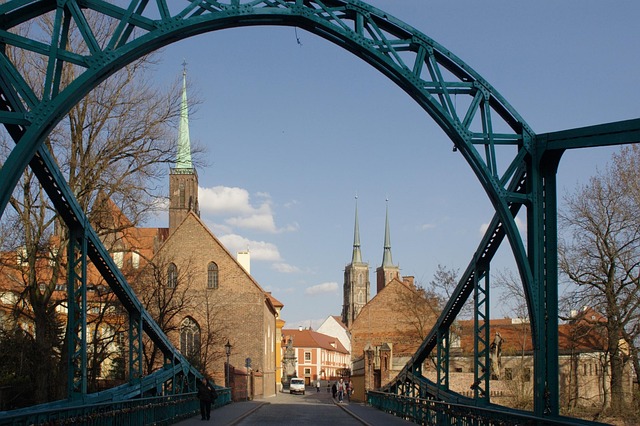
This Polish city is built across a series of islands on the Oder River and is connected by over one hundred bridges. The market square is one of the largest and most beautiful in Poland with colorful guild houses and a Gothic town hall. The city is famous for its hundreds of small bronze gnome statues hidden throughout the streets for visitors to find. The Ostrów Tumski district is the oldest part of the city and is still lit by traditional gas lamps every evening.
Reykjavik
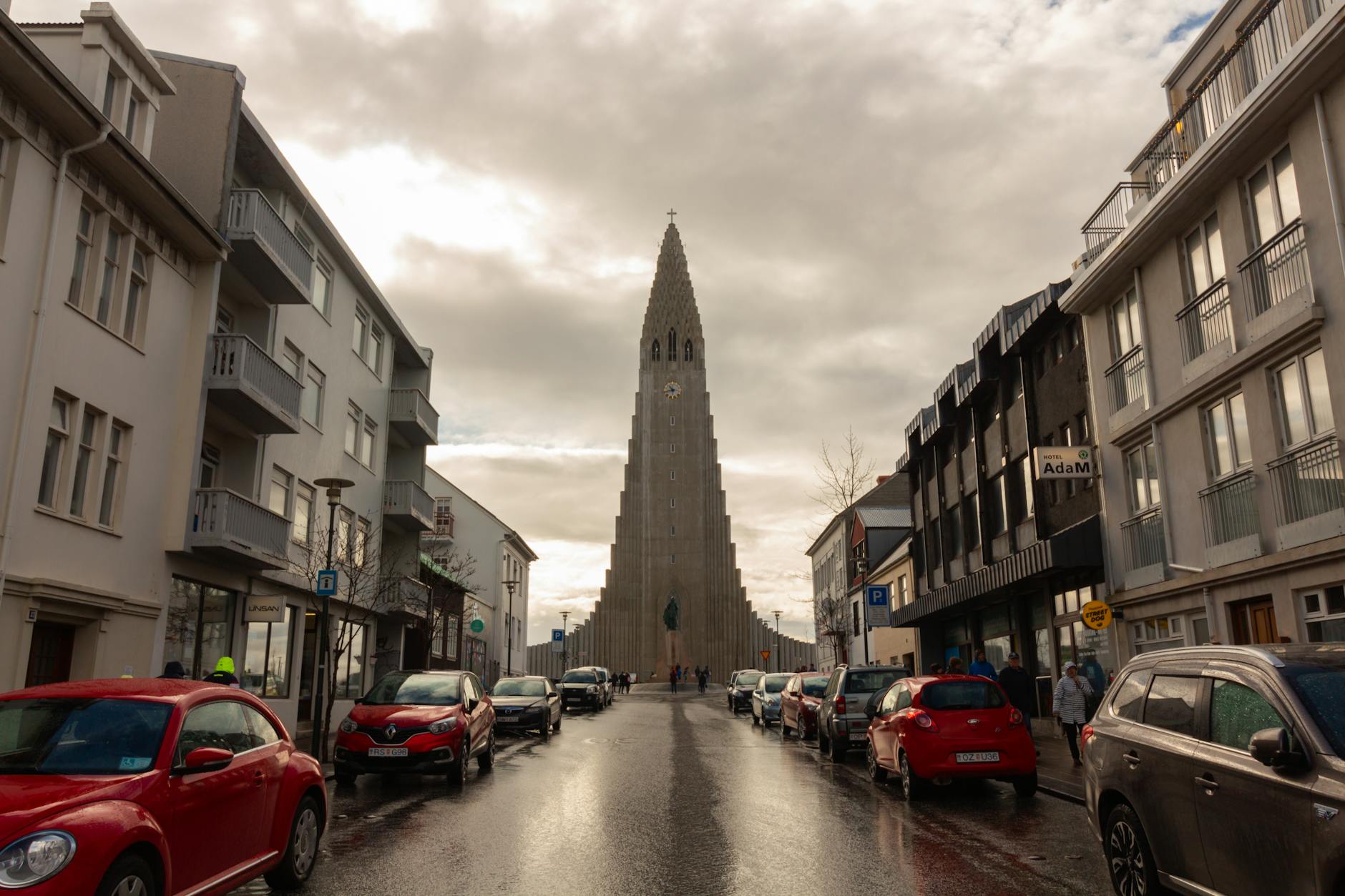
The northernmost capital in the world serves as a vibrant gateway to Iceland’s otherworldly natural landscapes. The city is known for its brightly painted corrugated iron houses and the striking modern architecture of the Hallgrímskirkja church. The harbor area has been transformed into a hub for design shops, galleries, and restaurants focusing on local ingredients. Geothermal pools are a central part of the local lifestyle and offer a place for social gathering in any weather.
Oradea
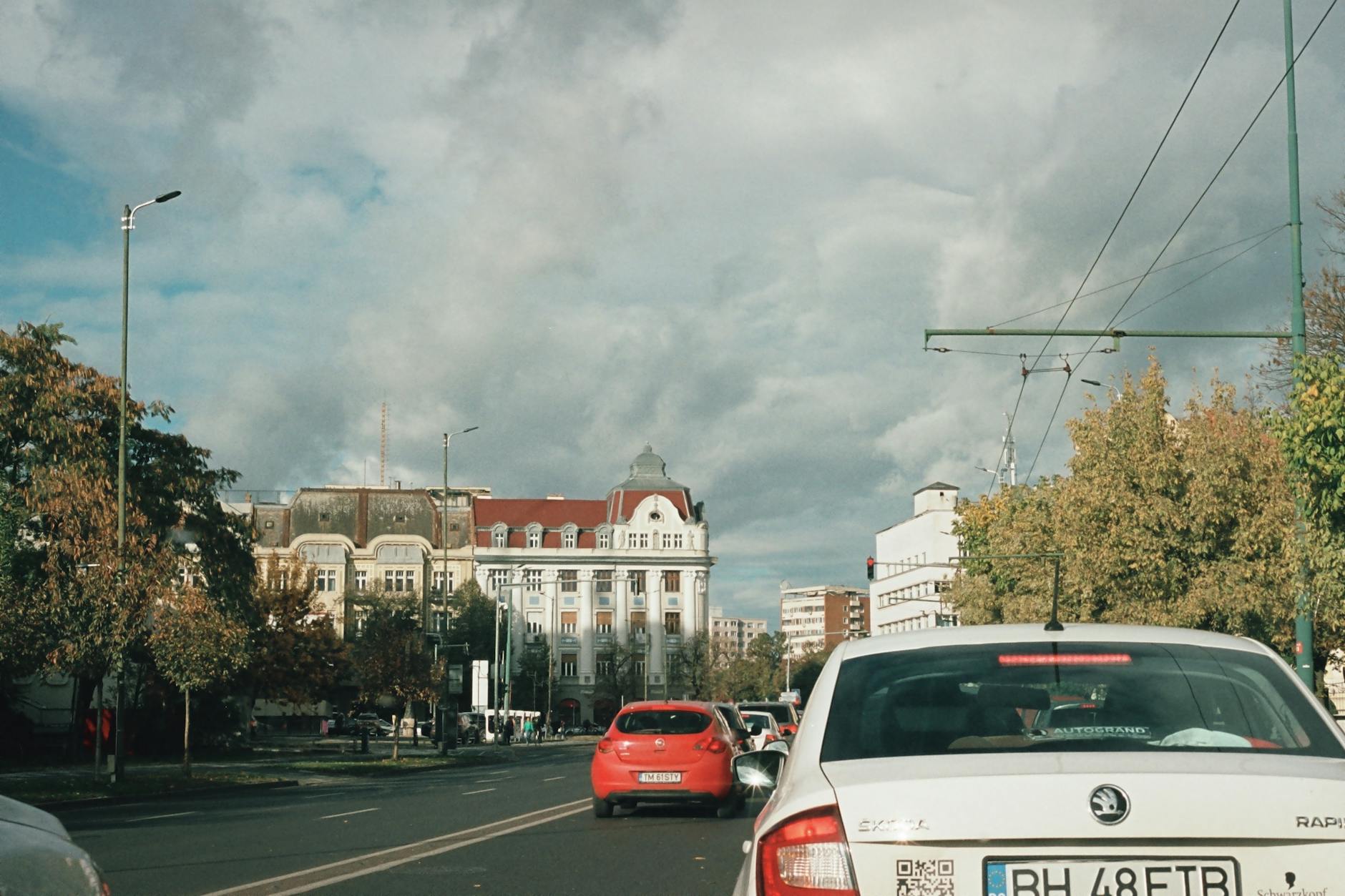
Located near the border of Romania and Hungary, this city is a showcase of Secessionist and Baroque architecture. The recently restored central square features elegant palaces with ornate facades and intricate ironwork. The massive fortress in the city center has been converted into a cultural hub with museums and workshop spaces. The nearby thermal springs provide a natural wellness experience that has been popular for centuries.
Poznań
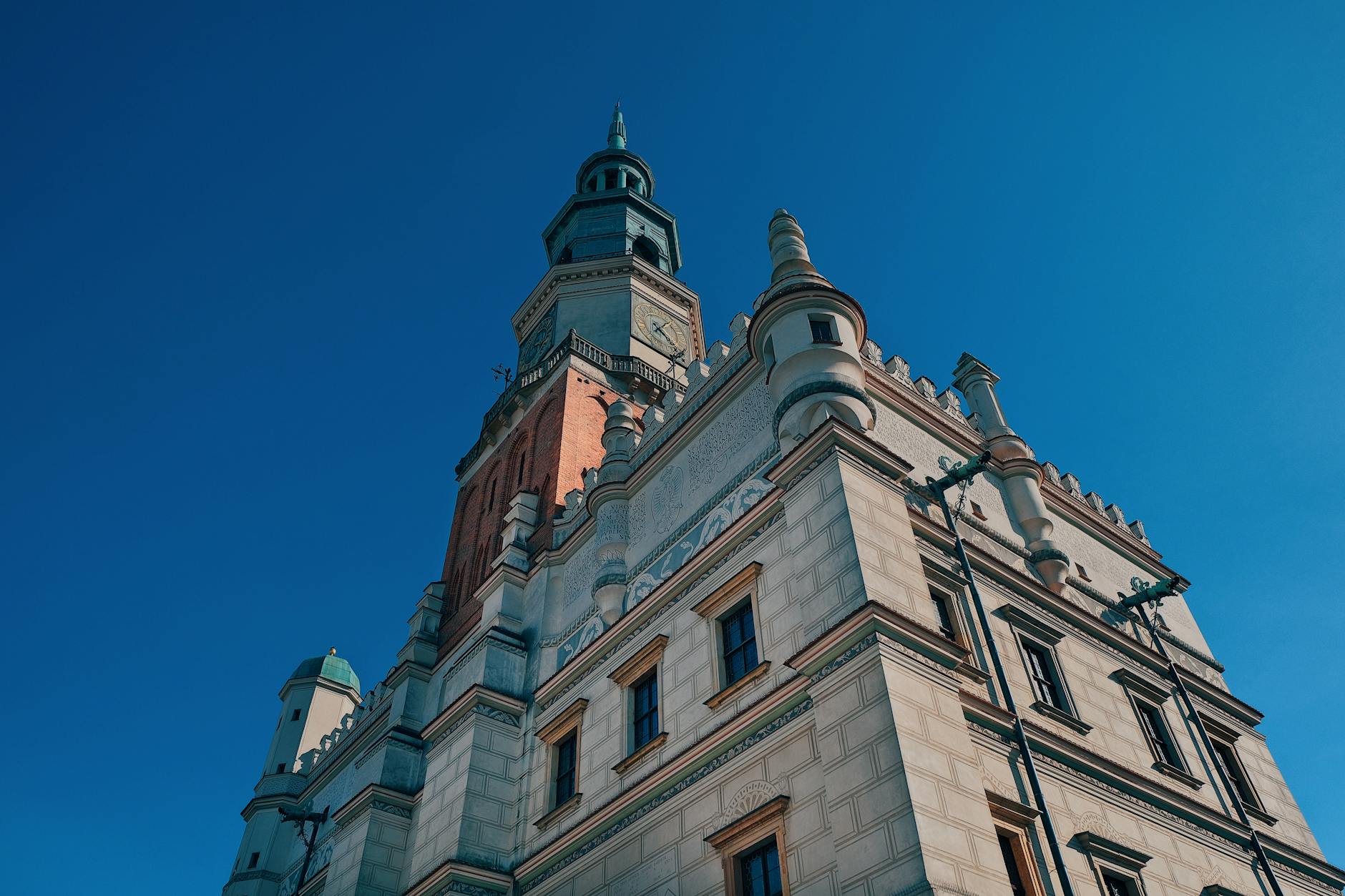
This vibrant Polish city is centered around an old market square featuring a Renaissance town hall with a famous clock. Every day at noon, two mechanical goats emerge from the clock to butt heads for the gathered crowds. The city is a hub for trade fairs and has a modern energy balanced by historic districts like Cathedral Island. The local pastry known as the Saint Martin’s croissant is a protected regional delicacy that visitors must try.
La Coruña
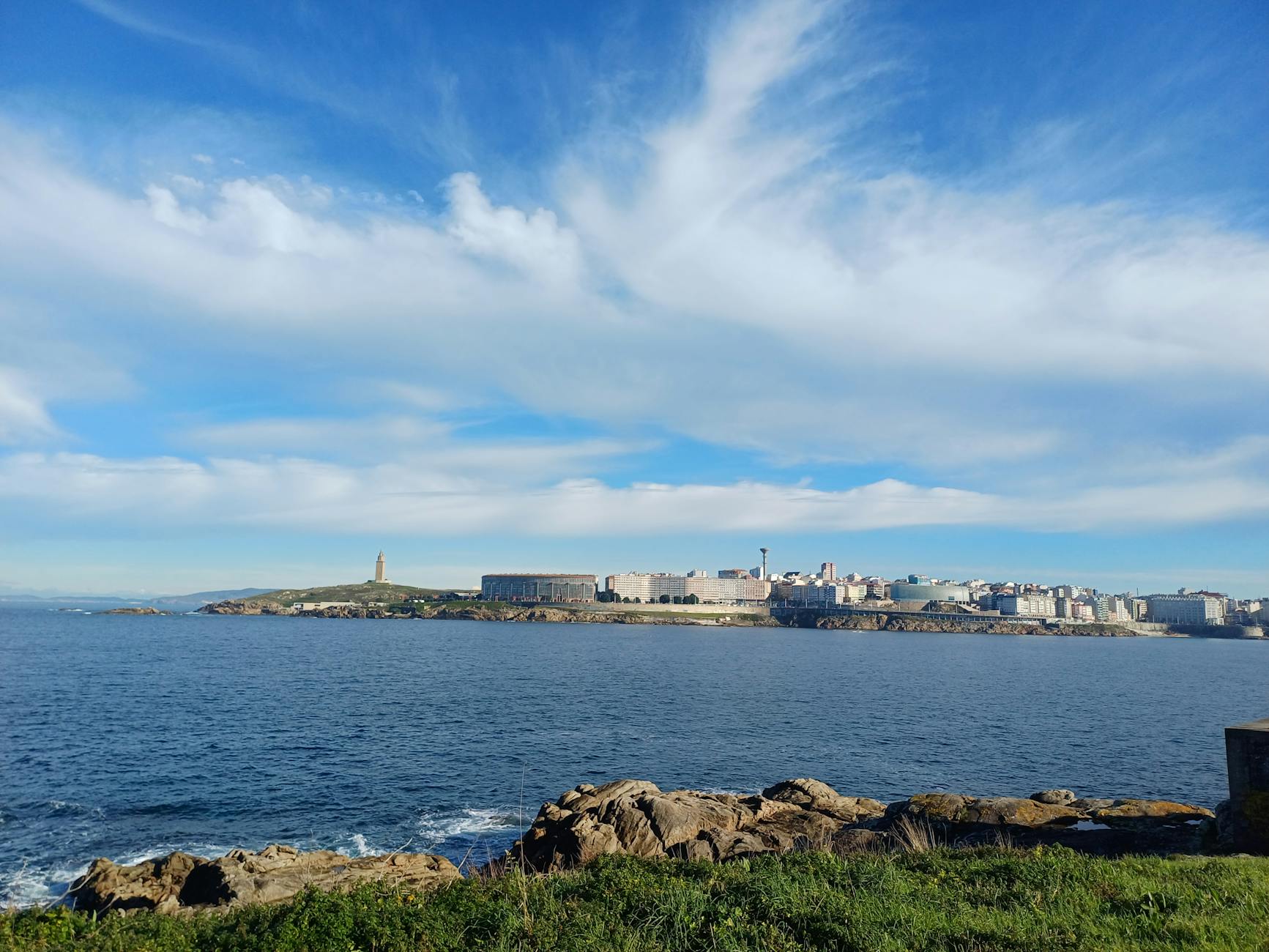
Situated on a peninsula in northwestern Spain, this city is known for its characteristic glass-enclosed balconies that face the Atlantic Ocean. The Tower of Hercules is an ancient Roman lighthouse that has been in continuous use for nearly two thousand years. The city features a long seaside promenade that connects sandy beaches with historic ports and parks. The local cuisine is dominated by fresh seafood from the surrounding cold Atlantic waters.
Folegandros
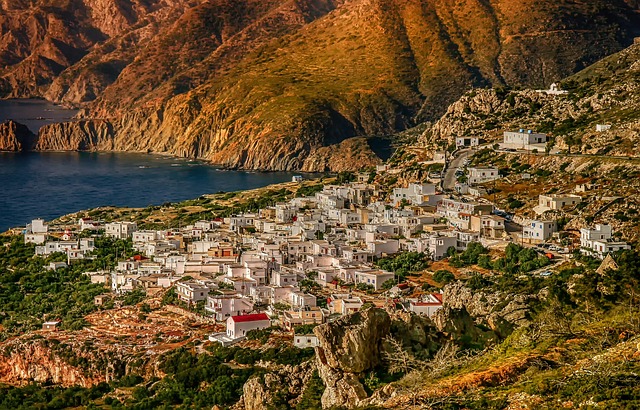
This small Greek island offers a more peaceful and authentic alternative to the crowded neighboring islands. The main village of Chora is perched on the edge of a high cliff with traditional blue and white houses and quiet squares. A winding stone path leads up to the church of Panagia which offers spectacular views of the Aegean Sea at sunset. The beaches are often secluded and reached only by foot or by boat, ensuring a quiet day by the water.
Kortrijk
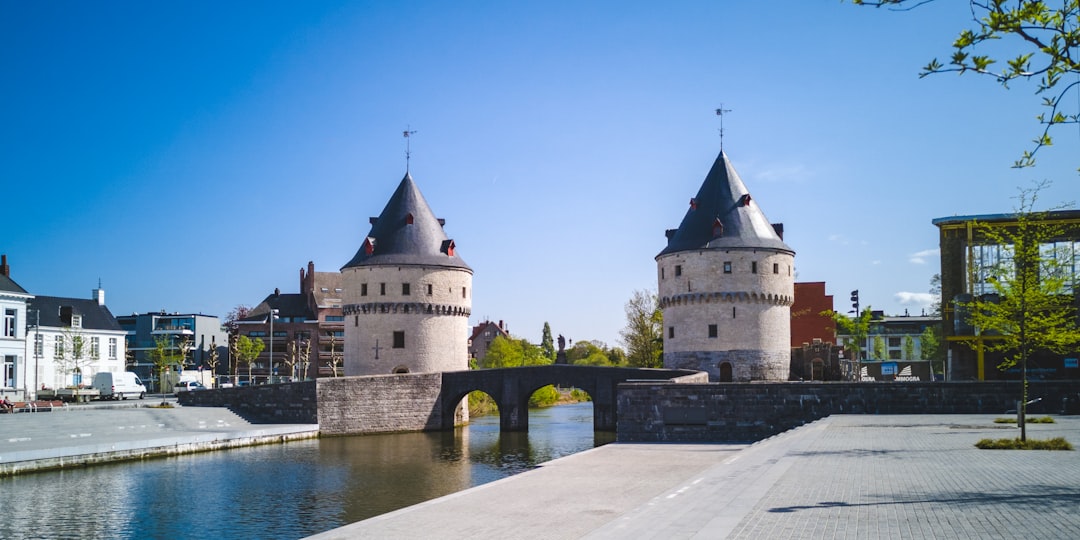
This Flemish city in Belgium is recognized as a UNESCO City of Design and features a blend of historic and modern aesthetics. The medieval Broel Towers stand as the last remaining parts of the city’s ancient fortifications along the river. The central square is dominated by a belfry and a historic town hall with intricate stone carvings. Its compact size and creative energy make it an excellent choice for a weekend city break focusing on art and architecture.
Granada
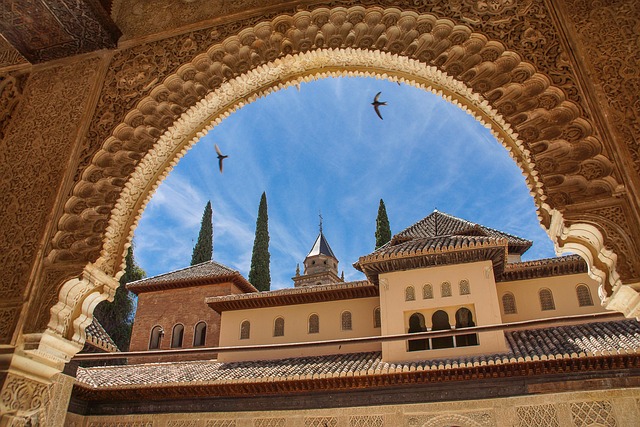
Located at the foot of the Sierra Nevada mountains in Spain, this city is home to the world-famous Alhambra palace complex. The historic Albaicín district features narrow winding streets that maintain the layout of the medieval Moorish period. The city is one of the few places in Spain where the tradition of providing free tapas with every drink order is still widely practiced. Traditional flamenco performances can be found in the cave dwellings of the Sacromonte neighborhood.
Strasbourg
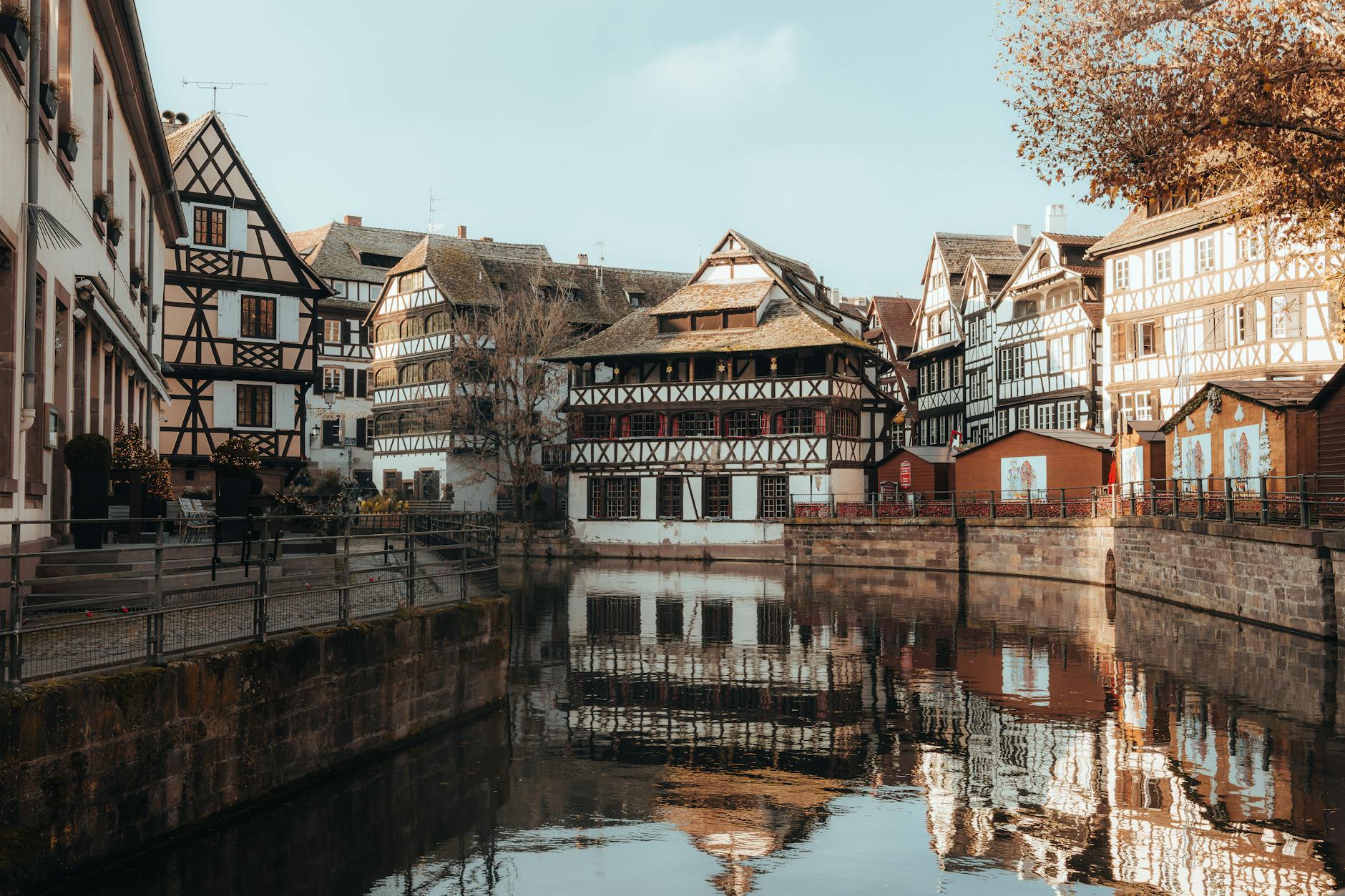
This French city on the German border is the seat of several European institutions and features a unique mix of both cultures. The historic district of Grande Île is a UNESCO site centered around a magnificent pink sandstone Gothic cathedral. The area known as Petite France is filled with half-timbered houses and canals that were once home to tanners and millers. The local cuisine combines French refinement with hearty German influences like sauerkraut and sausages.
Edinburgh
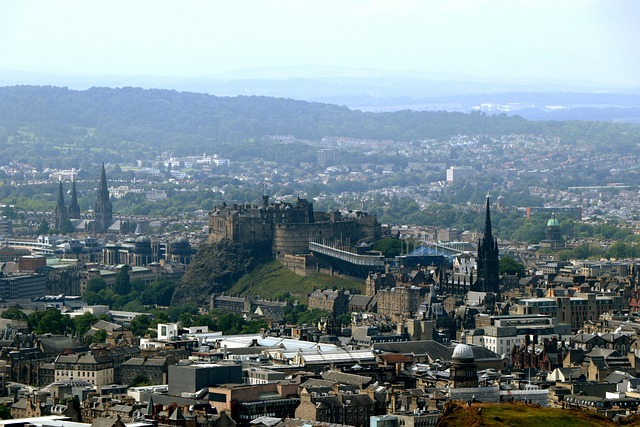
The capital of Scotland is divided between a medieval Old Town and a neoclassical New Town with elegant gardens. The historic Royal Mile connects Edinburgh Castle with the Palace of Holyroodhouse through a series of narrow closes and courtyards. The city is famous for its annual festivals which bring a surge of creative energy and performance to the streets. A climb to the top of Arthur’s Seat provides a panoramic view of the city and the sea beyond.
Palermo
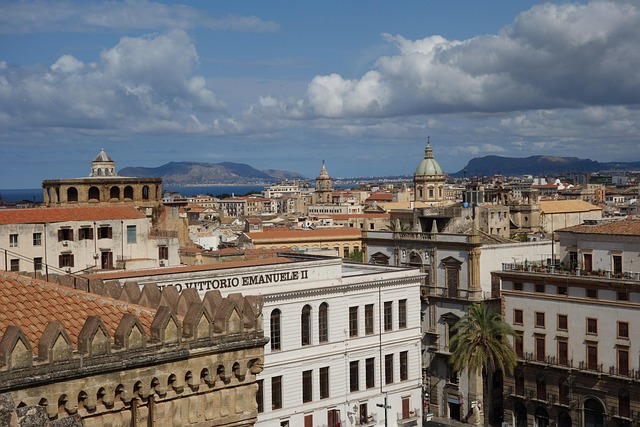
The capital of Sicily is a vibrant and chaotic mix of architectural styles reflecting its history of Greek, Roman, and Arab rule. The historic markets of Ballarò and Vucciria offer a sensory experience filled with local street food and fresh produce. The city’s cathedral and the Palatine Chapel feature some of the most impressive gold mosaics in the Mediterranean region. The nearby coastal town of Mondello provides a white sandy beach and turquoise waters for a break from the city heat.
Please share your favorite European travel stories in the comments.