Modern tutorial culture has made it tempting to believe that every household problem is just one video away from a DIY solution. The truth is that certain repairs carry serious risks to your health, your home, and the safety of everyone in it. Permits, professional licensing, and specialized equipment exist for very good reasons. These are the repairs that genuinely belong in the hands of trained professionals every single time.
Electrical Panel Upgrades
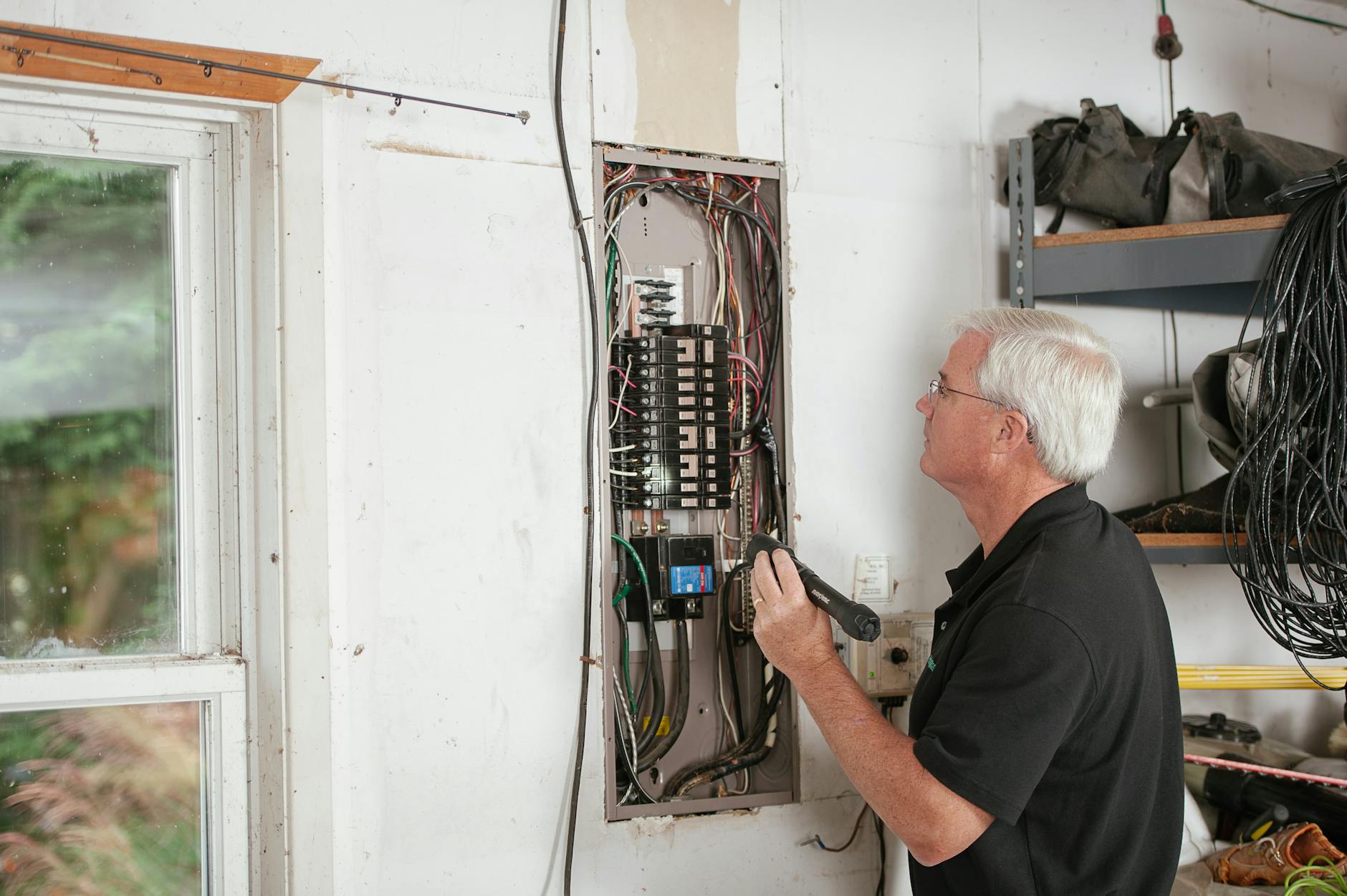
The main electrical panel is one of the most dangerous components in any home and requires a licensed electrician without exception. Working near live circuits can cause electrocution, arc flash, or fire with very little warning. Improper panel work is one of the leading causes of house fires across the country. Most jurisdictions legally require a permit and professional certification for this type of work. An error here can also void your homeowner’s insurance if damage occurs later.
Gas Line Repairs
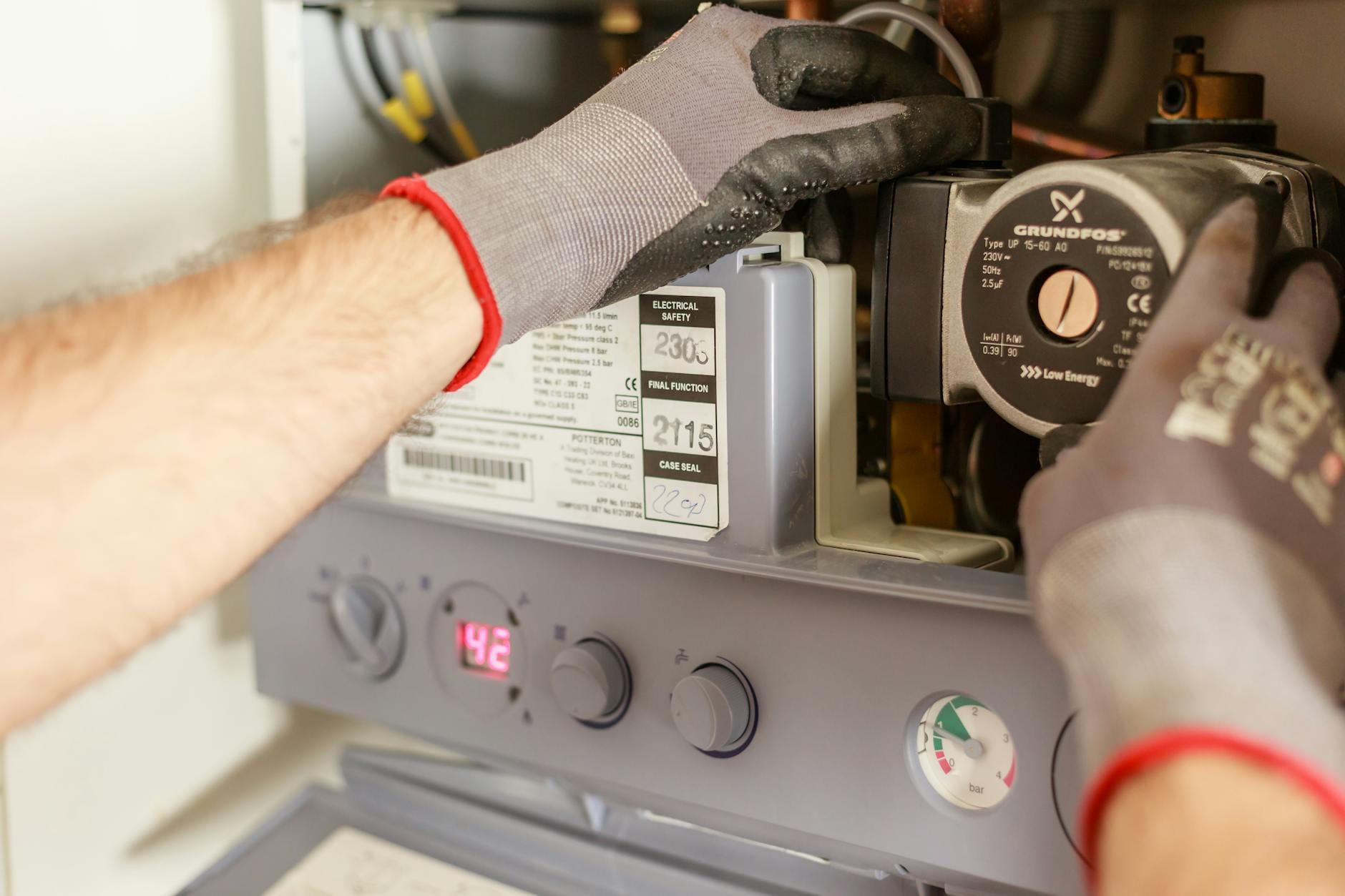
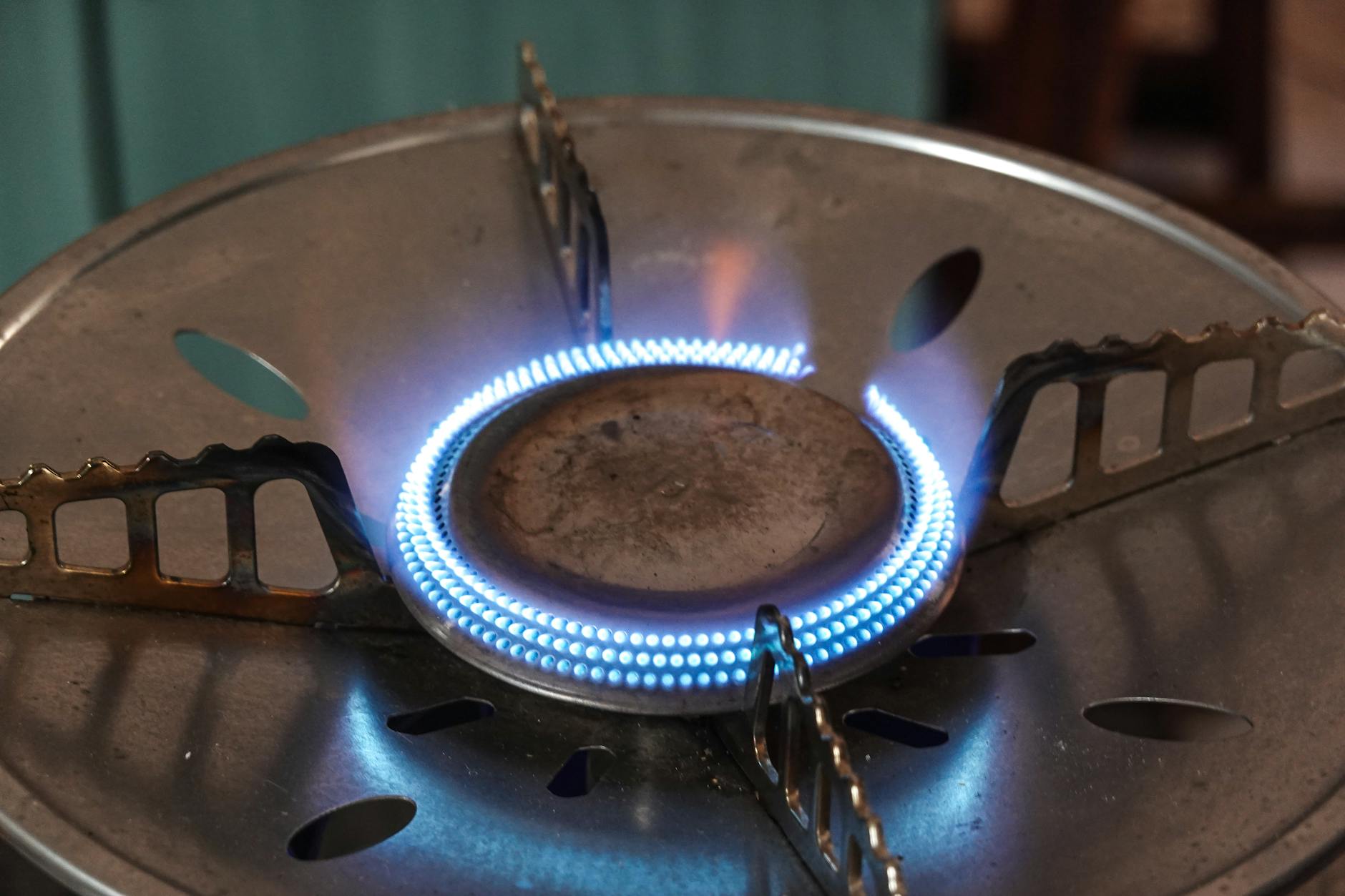
Natural gas and propane systems demand the expertise of a licensed gas fitter or plumber who specializes in fuel lines. Even a minor leak from a poorly fitted connection can lead to an explosion or slow carbon monoxide buildup in the home. The fittings, thread sealants, and pressure testing involved are highly specific to the task. Professionals use calibrated equipment to detect leaks that are completely invisible and odorless in certain forms. This is one area where the consequences of a mistake are simply too severe to risk.
Load-Bearing Wall Removal
Removing a wall that carries the structural weight of your home requires a structural engineer and a licensed contractor working together. Without proper assessment, taking down the wrong wall can cause ceilings to sag, floors to buckle, or in extreme cases the structure to partially collapse. Even identifying which walls are load-bearing is not always straightforward and can vary by build type. Temporary support structures must be installed during the process to maintain stability. Permits are almost always required and inspections are mandatory in most regions.
Asbestos Removal
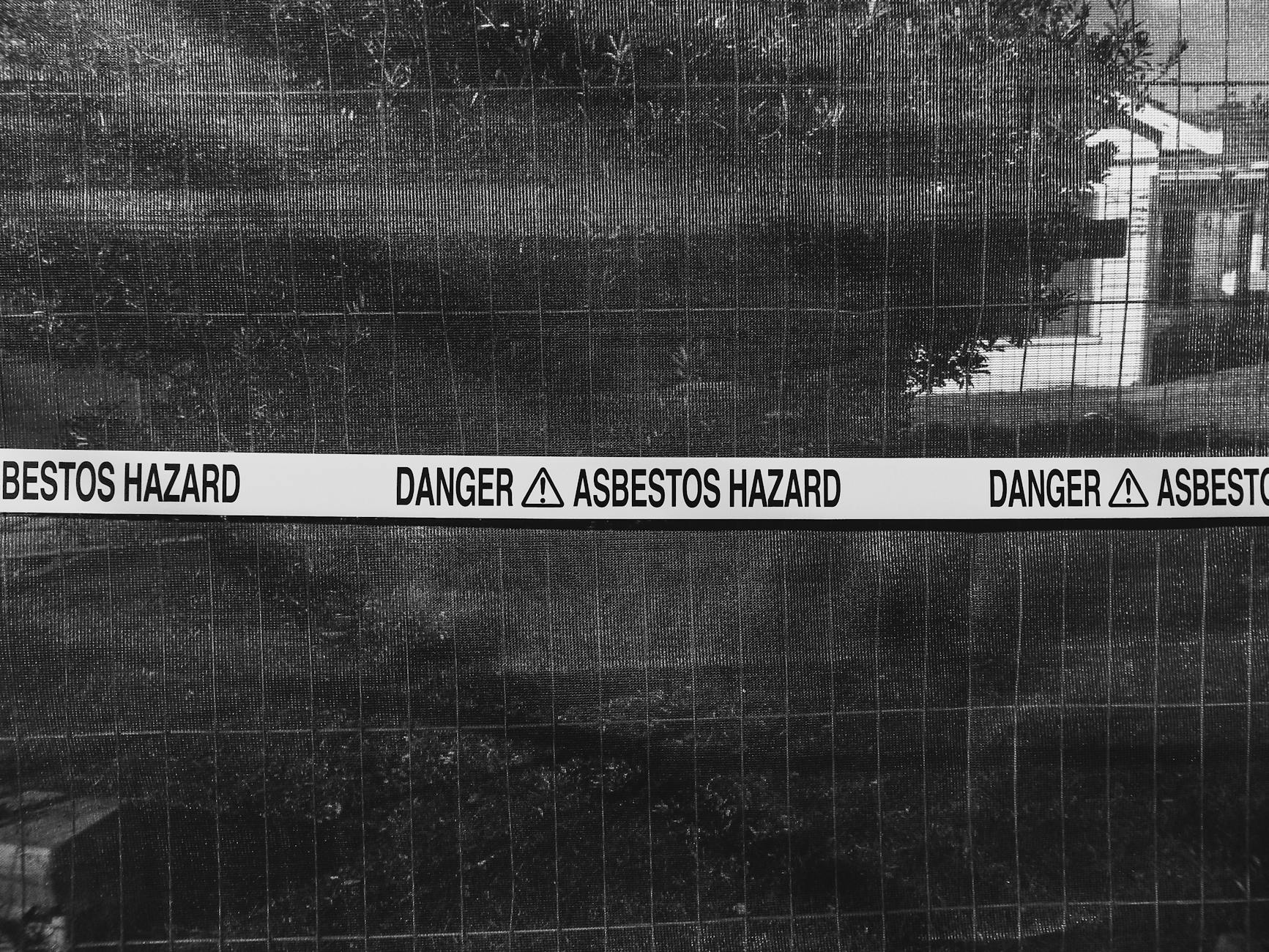
Asbestos was used extensively in home construction before the 1980s and can be found in insulation, floor tiles, ceiling textures, and pipe coverings. Disturbing it releases microscopic fibers into the air that cause serious lung diseases including mesothelioma when inhaled. Certified asbestos abatement professionals follow strict containment and disposal protocols that protect both workers and occupants. Testing must be done before any renovation work begins in older homes. Improper removal is also illegal in many places and can result in significant fines.
Foundation Repair
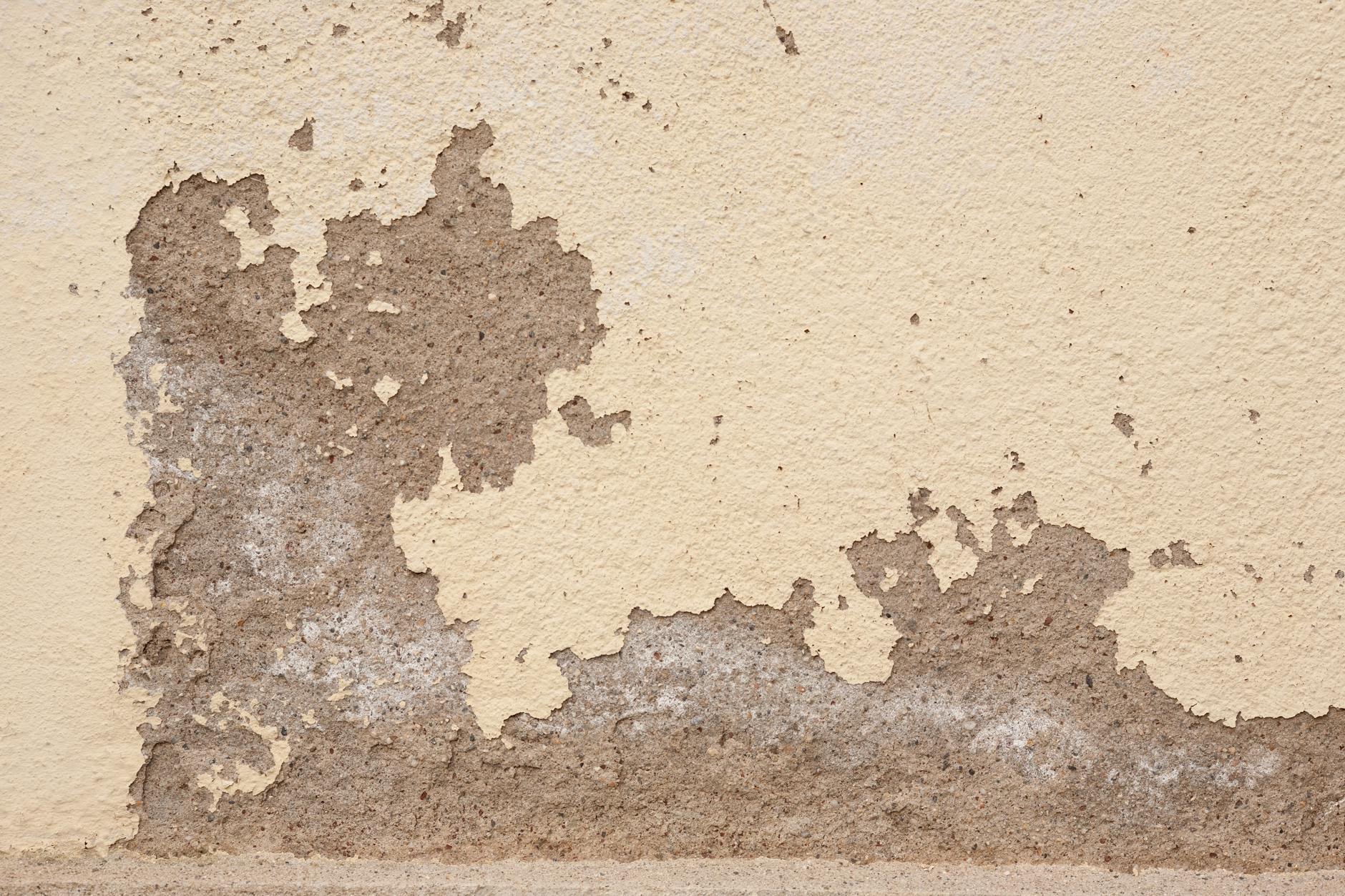
Foundation issues affect the entire structural integrity of a home and require assessment by a licensed foundation specialist or geotechnical engineer. The causes of foundation movement vary widely and include soil settlement, water intrusion, tree root activity, and seismic activity. Applying the wrong repair method can accelerate damage rather than halt it. Professional solutions such as piering, underpinning, and wall anchoring require heavy equipment and precise execution. Attempting this work without expertise often leads to far more expensive problems down the line.
Roof Replacement
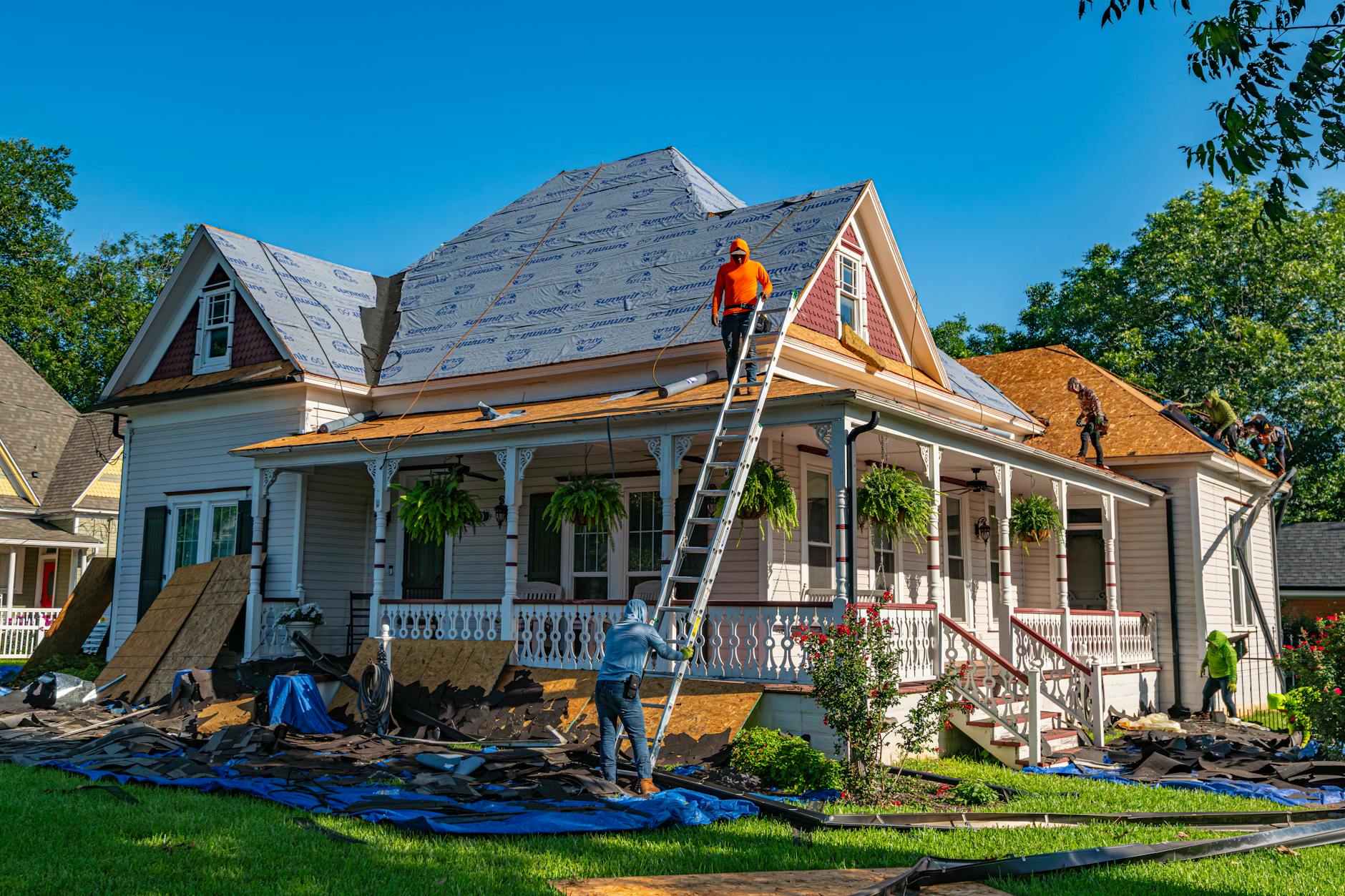
A full roof replacement involves much more than laying new shingles and requires knowledge of flashing, underlayment, ventilation, and structural load. Working at height without proper safety equipment creates a significant risk of fatal falls even for experienced workers. Improper installation leads to leaks, mold growth, and insulation damage that may not surface for months or years. Most roofing warranties are voided if the work is not completed by a certified contractor. Local building codes often require permits and inspections for roof replacements as well.
Chimney Rebuilding
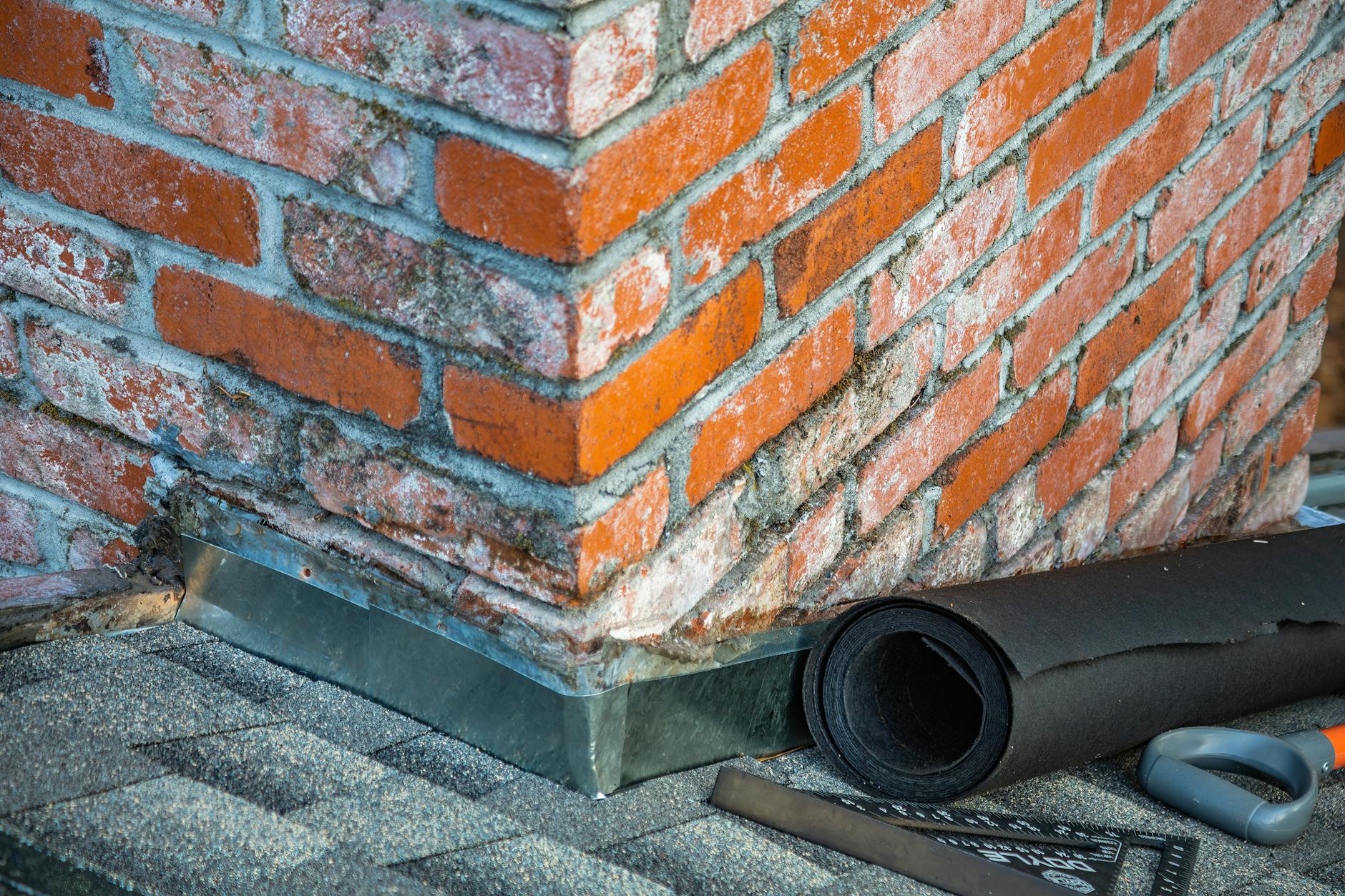
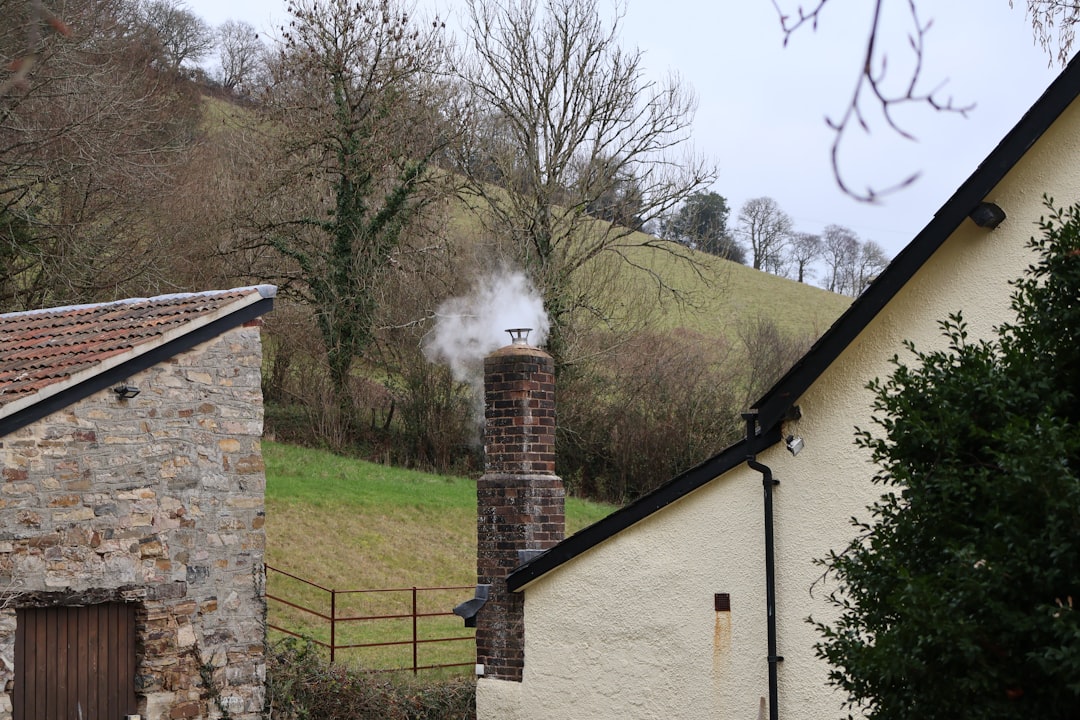
A deteriorating chimney is a structural and fire hazard that demands the attention of a certified masonry professional or chimney specialist. Crumbling mortar, displaced bricks, and damaged crowns compromise the entire flue system and can allow heat or sparks to reach combustible materials in your walls. The weight distribution of a chimney stack also affects the roof and surrounding framing. Tuck-pointing small joints is manageable for experienced DIYers but full rebuilds involve engineering considerations that go well beyond basic masonry. Annual inspections by a certified chimney sweep are the best way to catch problems before they become emergencies.
Sewer Line Replacement
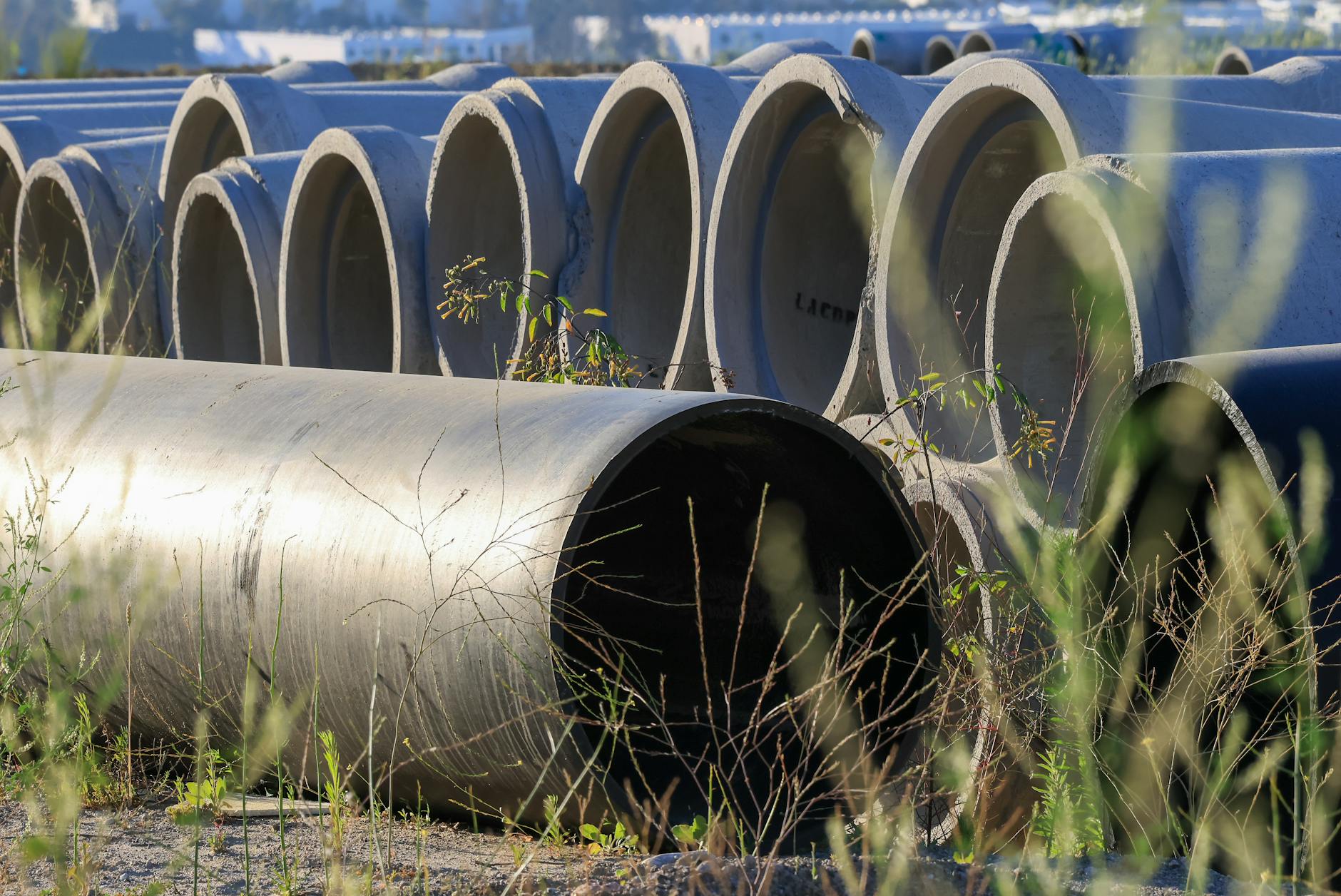
Underground sewer line work involves excavation, specialized pipe materials, and strict compliance with local plumbing codes. A broken or collapsed sewer line can cause sewage to back up into the home or contaminate surrounding soil and groundwater. Identifying the exact location and extent of damage requires camera inspection equipment that professionals use routinely. The trenching process alone can disturb utility lines, irrigation systems, and landscaping in ways that create additional hazards. Licensed plumbers pull permits for this work and ensure inspections are completed before backfilling.
Swimming Pool Electrical Work
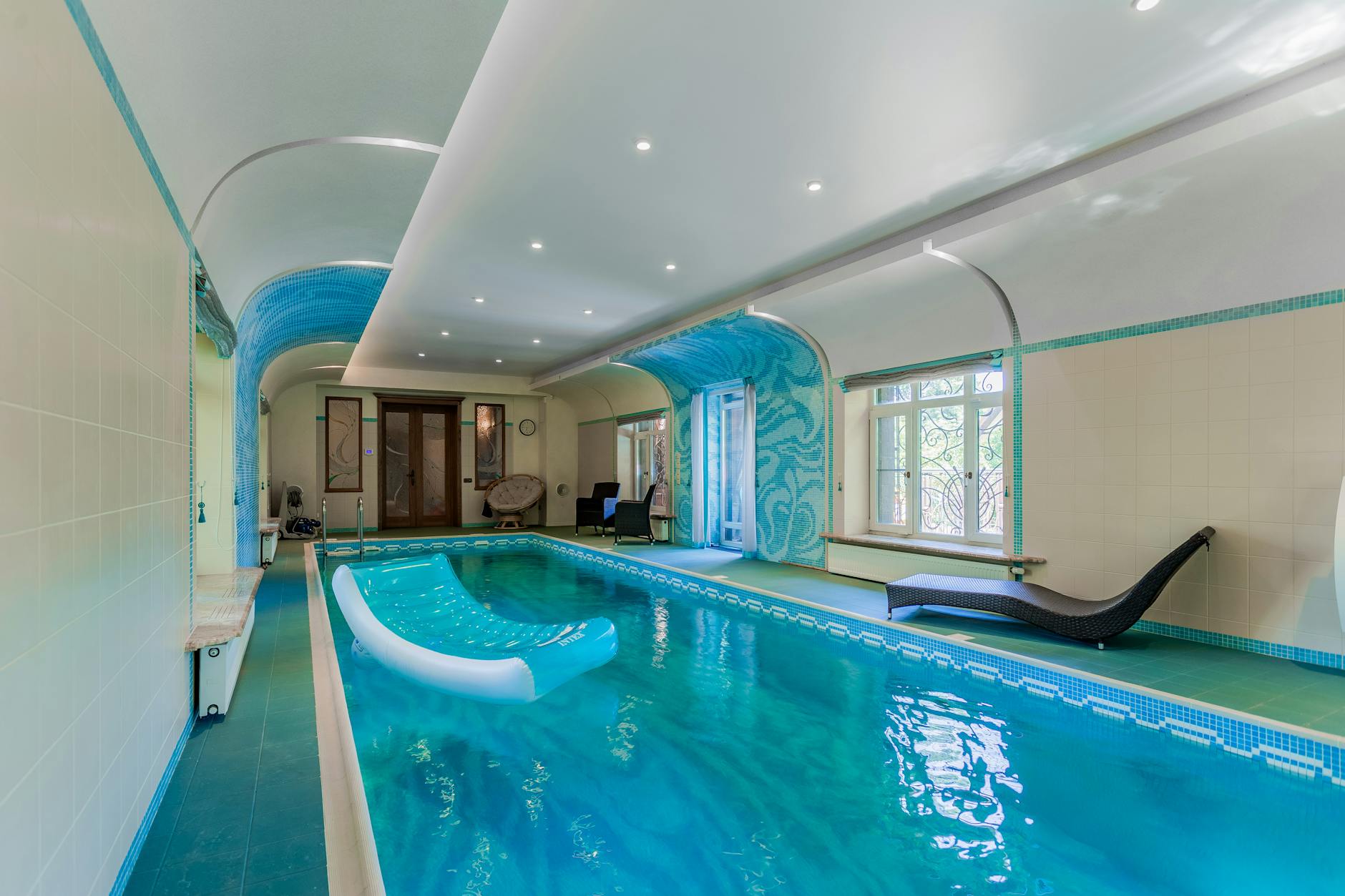
Electricity and water create an exceptionally dangerous combination and pool wiring regulations are among the most stringent in residential construction. Incorrect bonding and grounding in pool systems can lead to electric shock drowning, a hazard that is invisible and often fatal. All electrical components in and around pools must meet specific code requirements that differ from standard household wiring. Licensed electricians who specialize in aquatic installations understand these requirements in depth. Cutting corners here carries life-threatening consequences for swimmers of all ages.
HVAC System Installation
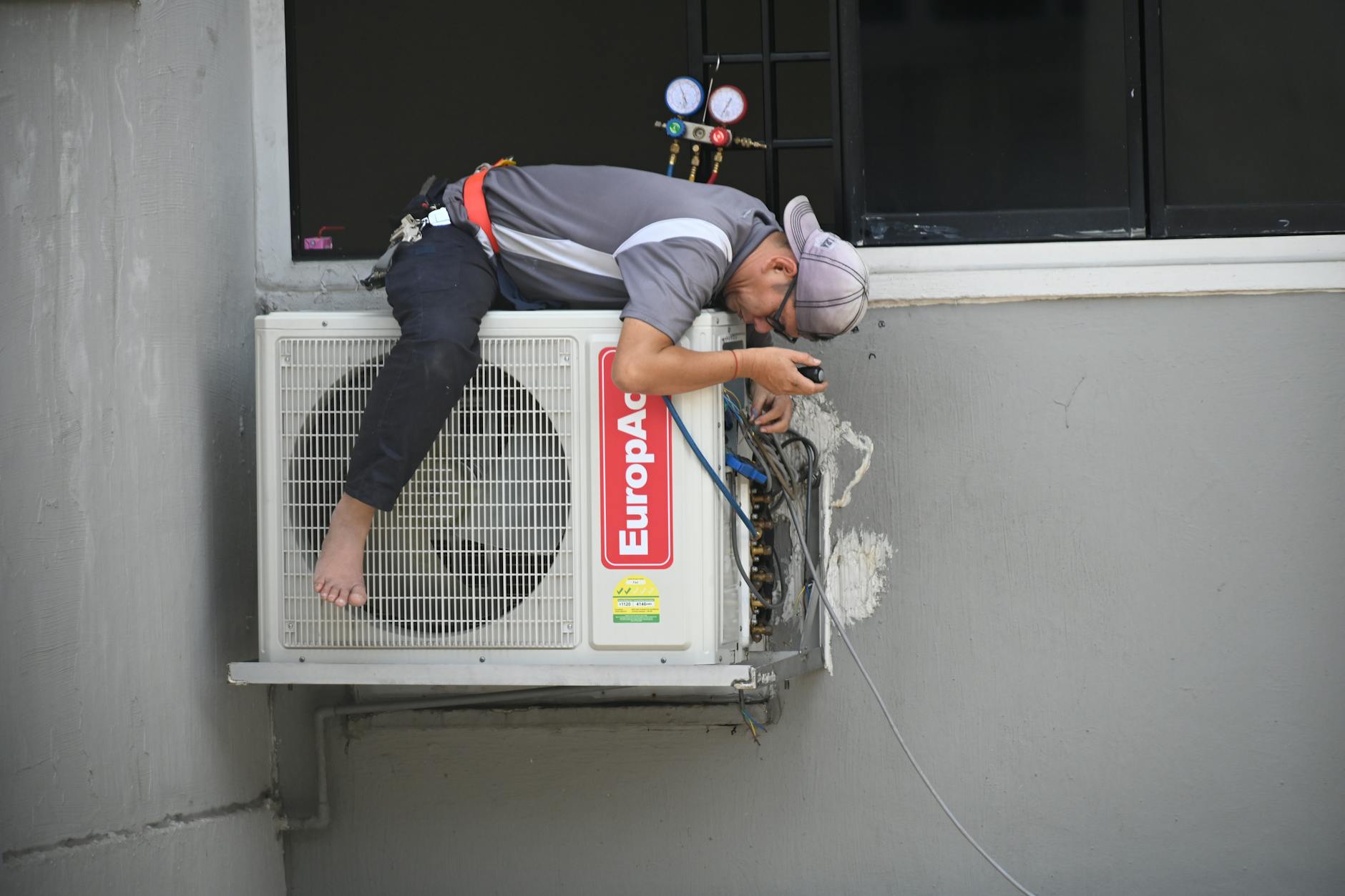
Heating, ventilation, and air conditioning systems are complex mechanical and electrical systems that require certified technicians for installation. Improper refrigerant handling is regulated by federal law in many countries and requires specific licensing to perform legally. Incorrect ductwork design leads to inefficient heating and cooling, elevated energy bills, and poor indoor air quality. Gas furnace and boiler installations also involve combustion venting that must be done precisely to prevent carbon monoxide buildup. Professional installation also protects the manufacturer warranty on expensive equipment.
Lead Paint Removal
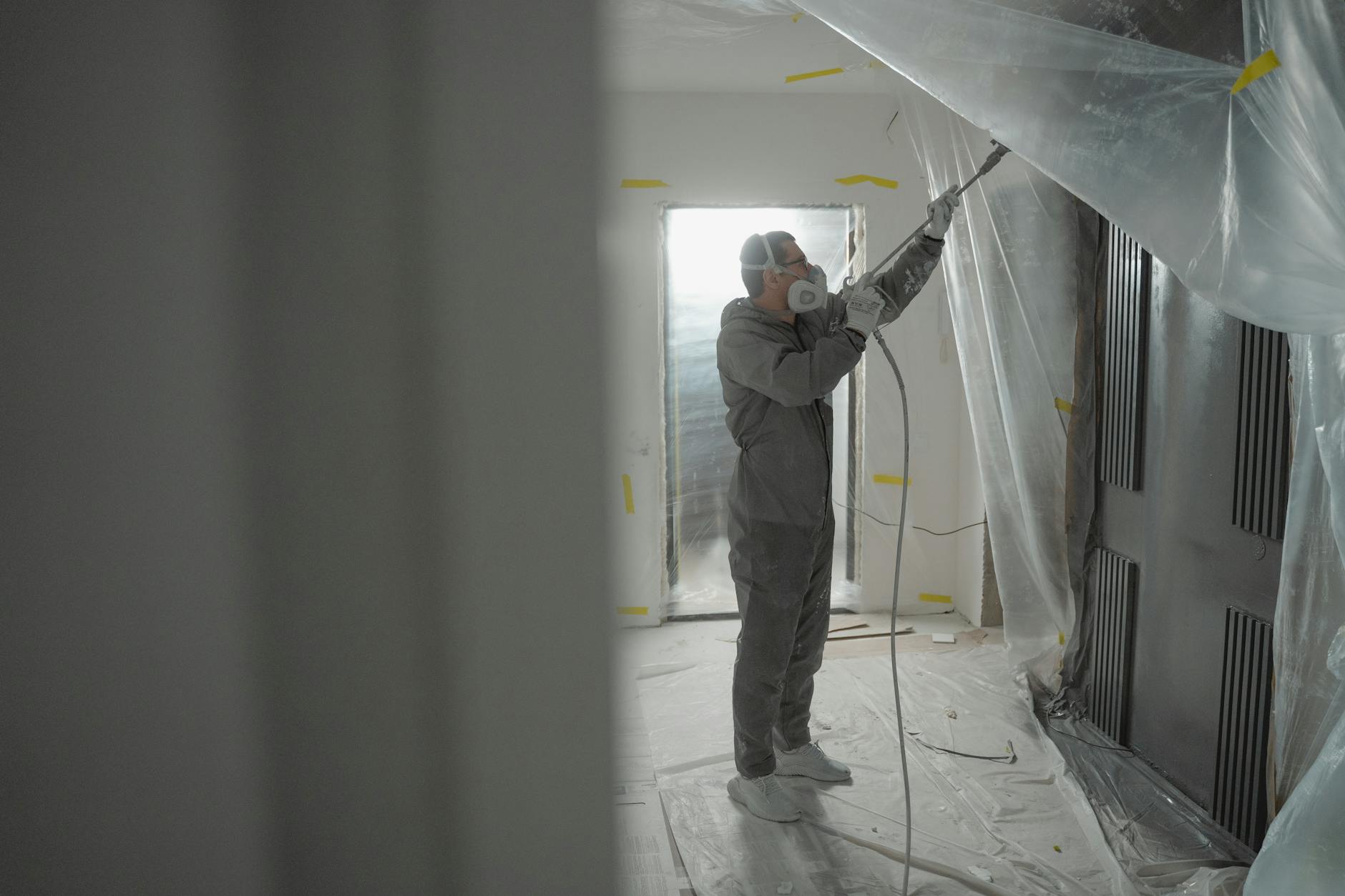
Homes built before 1978 commonly contain lead-based paint that poses serious neurological risks especially to children and pregnant women. Sanding, scraping, or disturbing lead paint without proper containment releases fine particles that settle throughout the home and are extremely difficult to fully remove. Certified renovation contractors follow the EPA’s Renovation Repair and Painting rule which mandates containment, protective equipment, and specific cleanup procedures. Improper removal can increase lead exposure rather than reduce it. Professional testing and remediation is the only responsible path forward in affected homes.
Structural Beam Replacement
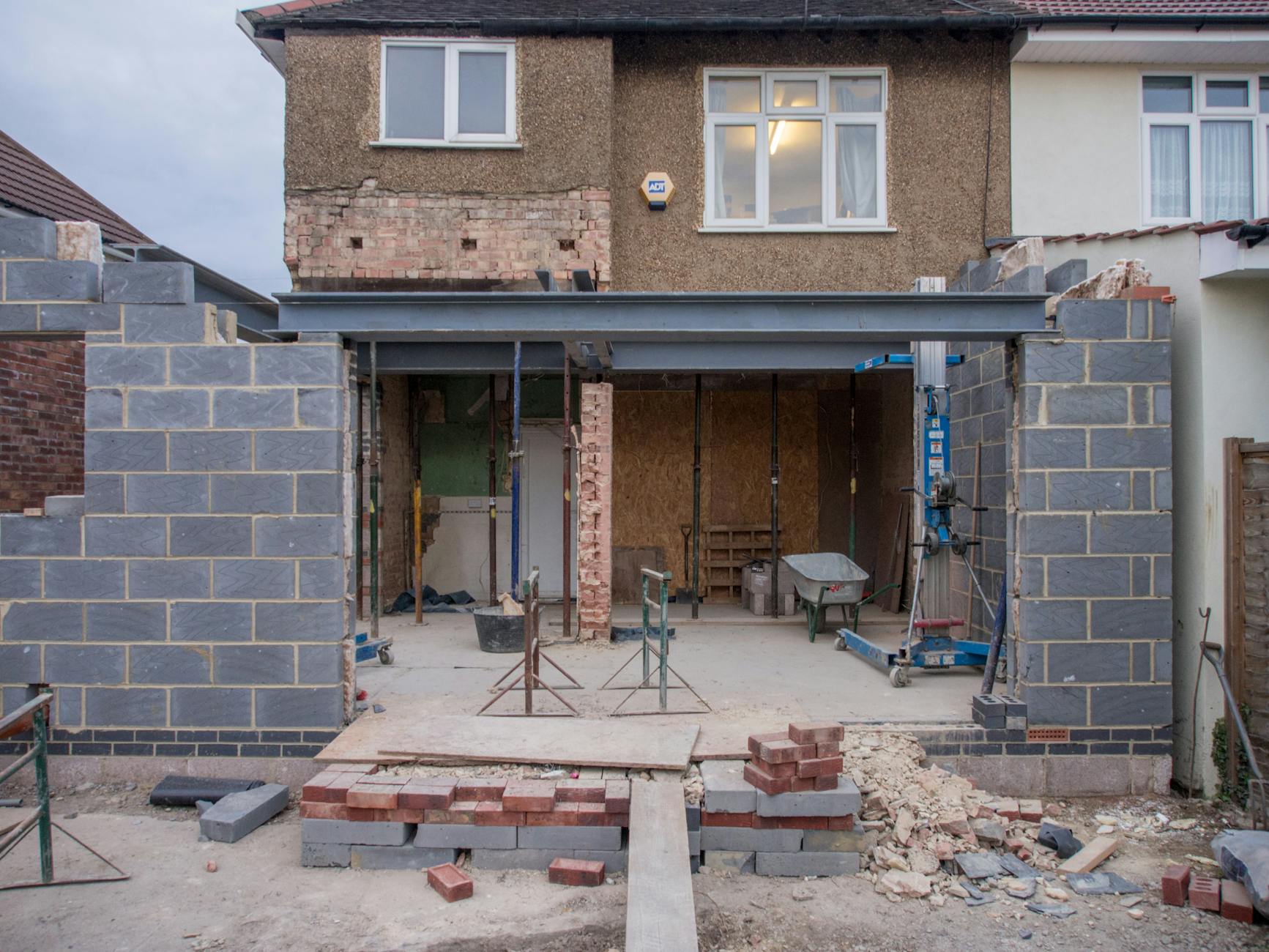
Replacing a compromised structural beam requires engineering calculations to determine the correct size, material, and load capacity needed. Temporary shoring must be installed to support the weight of the structure above during the swap and this process alone requires experience to execute safely. Undersized or improperly installed beams can fail gradually or suddenly under load. Permits and inspections are standard requirements for this type of structural work. Only licensed contractors with structural experience should take on beam replacements in residential buildings.
Whole-House Rewiring
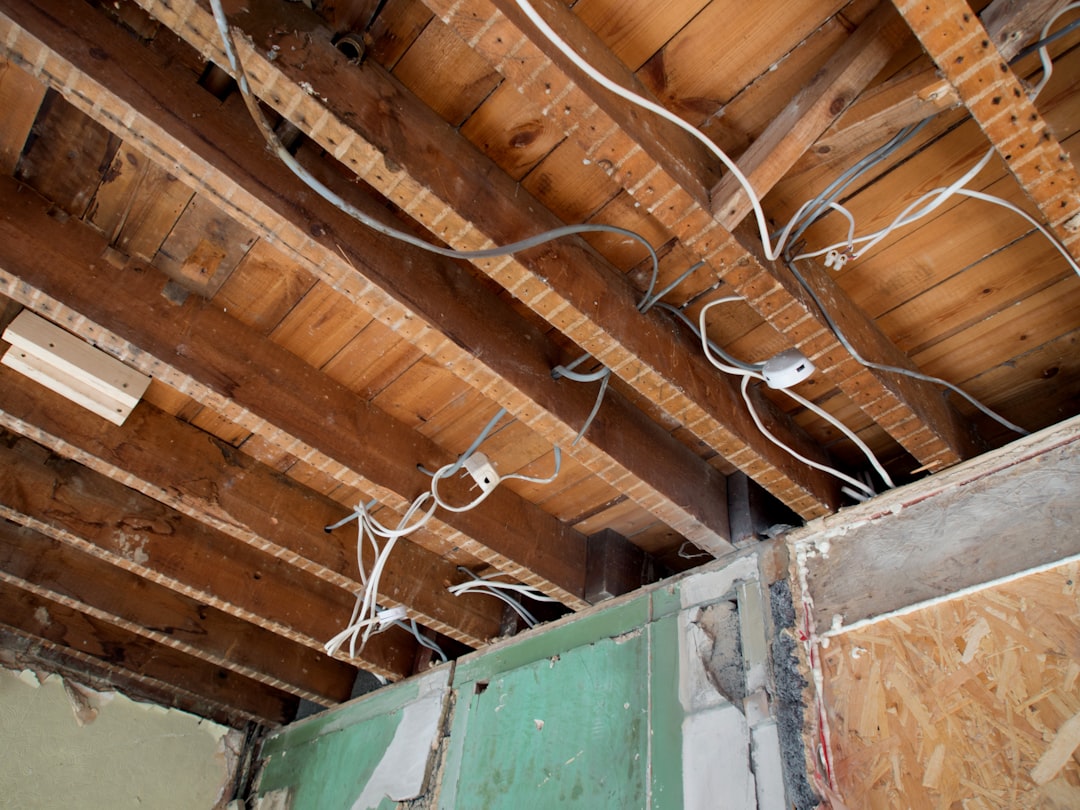
Rewiring an entire home is a major electrical undertaking that requires a master electrician and usually takes multiple days with the power partially or fully disconnected. Older wiring systems such as knob-and-tube or aluminum wiring present specific hazards that require specialized knowledge to address safely. Improper splices, incorrect gauge wires, and missing ground connections create fire risks that may not be apparent until years later. All new wiring must comply with the current version of the National Electrical Code or your country’s equivalent standard. Inspections are required at multiple stages of the project and cannot be bypassed legally.
Septic System Repairs
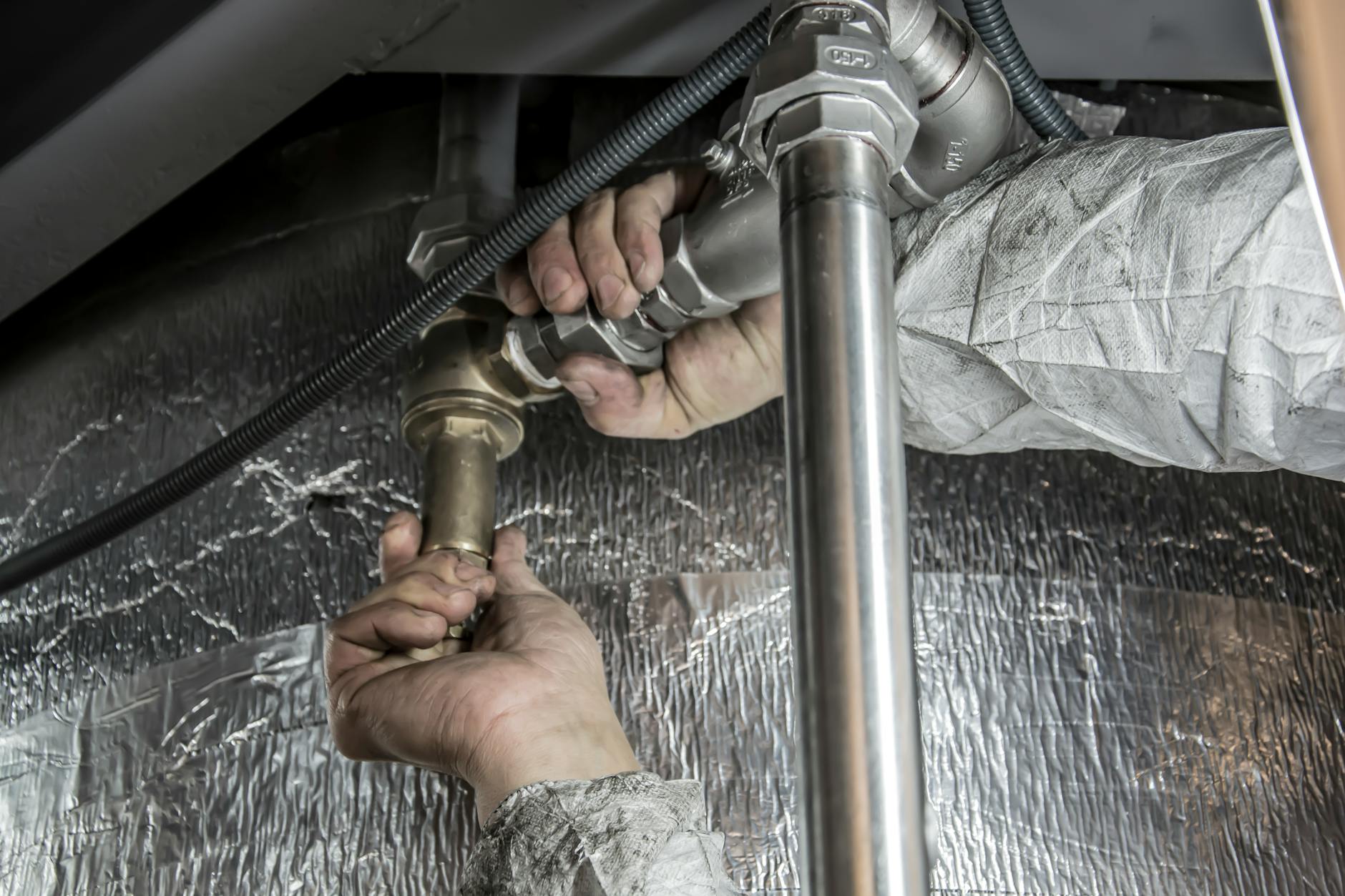
Septic systems handle raw sewage and require licensed septic contractors who understand both the mechanical and biological processes involved. A failing system can contaminate groundwater, create health hazards on your property, and expose you to significant legal liability. Digging around septic tanks and drain fields without knowing the exact layout can rupture components and spread contamination. Pumping, inspecting, and repairing septic systems involves exposure to toxic gases including hydrogen sulfide which can be fatal in enclosed spaces. Local health departments regulate septic work closely and require permits and professional certification in most jurisdictions.
Garage Door Spring Replacement
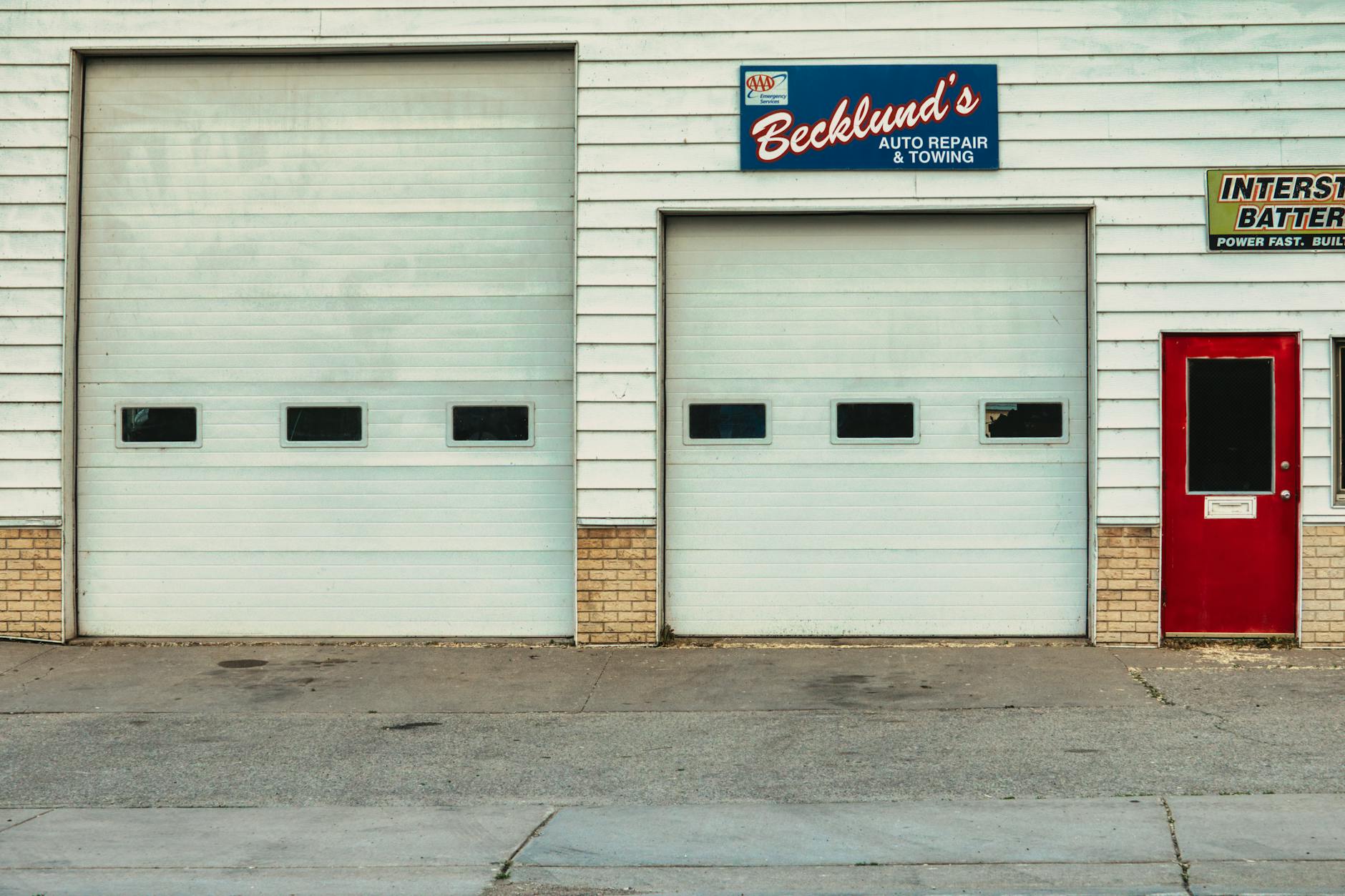
Garage door torsion springs are under extreme tension and can cause severe injury or death if they snap unexpectedly during handling. The energy stored in a wound spring is comparable to a powerful mechanical trap and requires specific tools and training to safely release. Cables and drums connected to the spring system are equally hazardous when mishandled. Many emergency room visits each year are attributed to amateur garage door spring repairs. Professional garage door technicians complete this task quickly and with the right equipment because they do it regularly under controlled conditions.
Balcony and Deck Structural Repair

A structurally compromised deck or balcony can collapse under the weight of occupants without warning and has caused multiple fatalities in residential settings. Ledger board connections to the house framing, post bases, and beam-to-joist connections all require proper hardware and load calculations. Rot and corrosion are often more extensive than surface damage suggests and full assessment requires opening up the structure. Building codes have specific requirements for guardrail heights, joist spans, and fastener types that are not intuitive to untrained builders. A licensed contractor or structural engineer should evaluate any deck that shows signs of deterioration before it is used again.
Skylight Installation
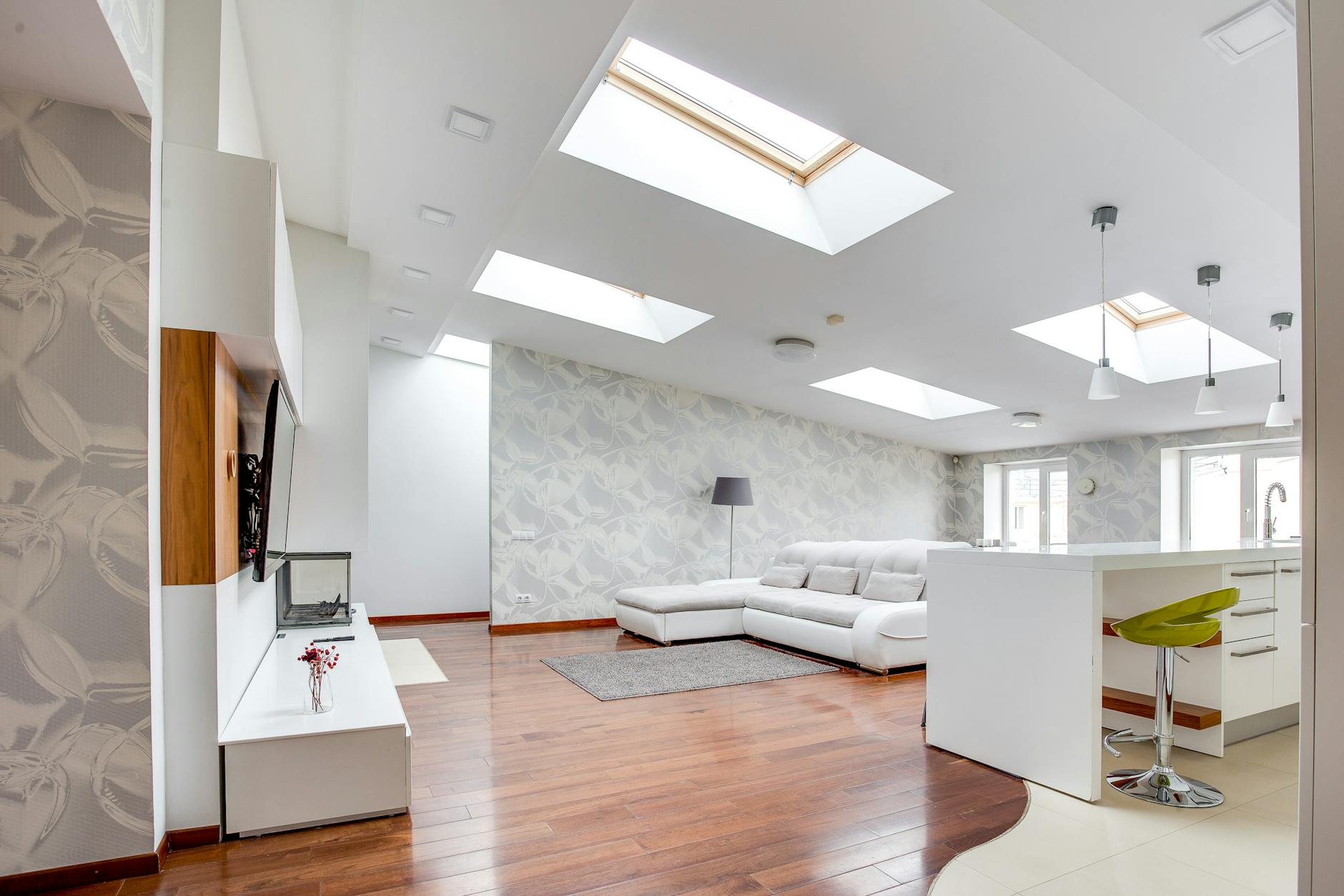
Installing a skylight involves cutting through the roof deck, rafters, and ceiling structure in a way that must be precisely coordinated to avoid water infiltration and structural compromise. Flashing a skylight correctly is a highly skilled roofing task and improper installation is one of the most common sources of chronic roof leaks. The framing around the opening must be reinforced with headers to redistribute the load from the interrupted rafters. Thermal performance and condensation management are also engineering considerations that affect the long-term performance of the installation. Professional roofers and carpenters who specialize in skylight work carry the experience needed to do this correctly the first time.
Radon Mitigation System Installation
Radon is a naturally occurring radioactive gas that is the second leading cause of lung cancer and requires a certified mitigation specialist to address properly. Testing must be interpreted correctly before any system is designed and mitigation strategies vary based on the foundation type and radon entry points. Incorrectly installed sub-slab depressurization systems can actually increase radon levels or create negative pressure problems in the home. System design also needs to account for HVAC interactions and building envelope characteristics. Post-mitigation testing must confirm that levels have dropped to acceptable thresholds before the work is considered complete.
Oil Tank Decommissioning
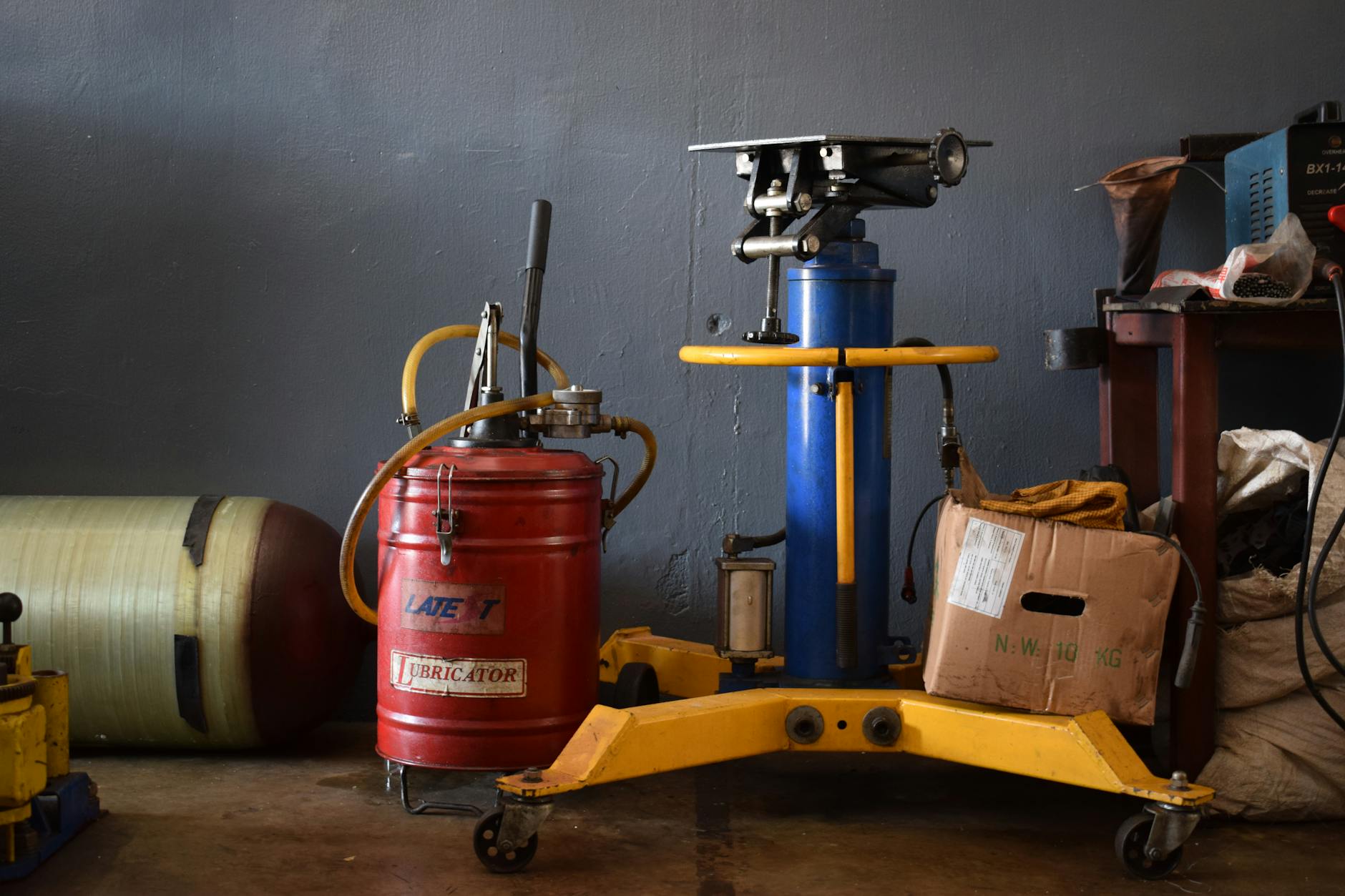
Underground and above-ground oil storage tanks must be decommissioned by licensed environmental contractors who follow strict protocols for draining, cleaning, and disposal. A leaking tank can cause soil and groundwater contamination that results in remediation costs running into the tens of thousands of dollars. Environmental regulations govern every step of tank removal and soil testing is typically required afterward. Abandoning a tank in place without proper filling and documentation creates disclosure issues when selling the property. Certified contractors also provide the documentation needed for insurance and real estate purposes.
Chimney Breast Removal
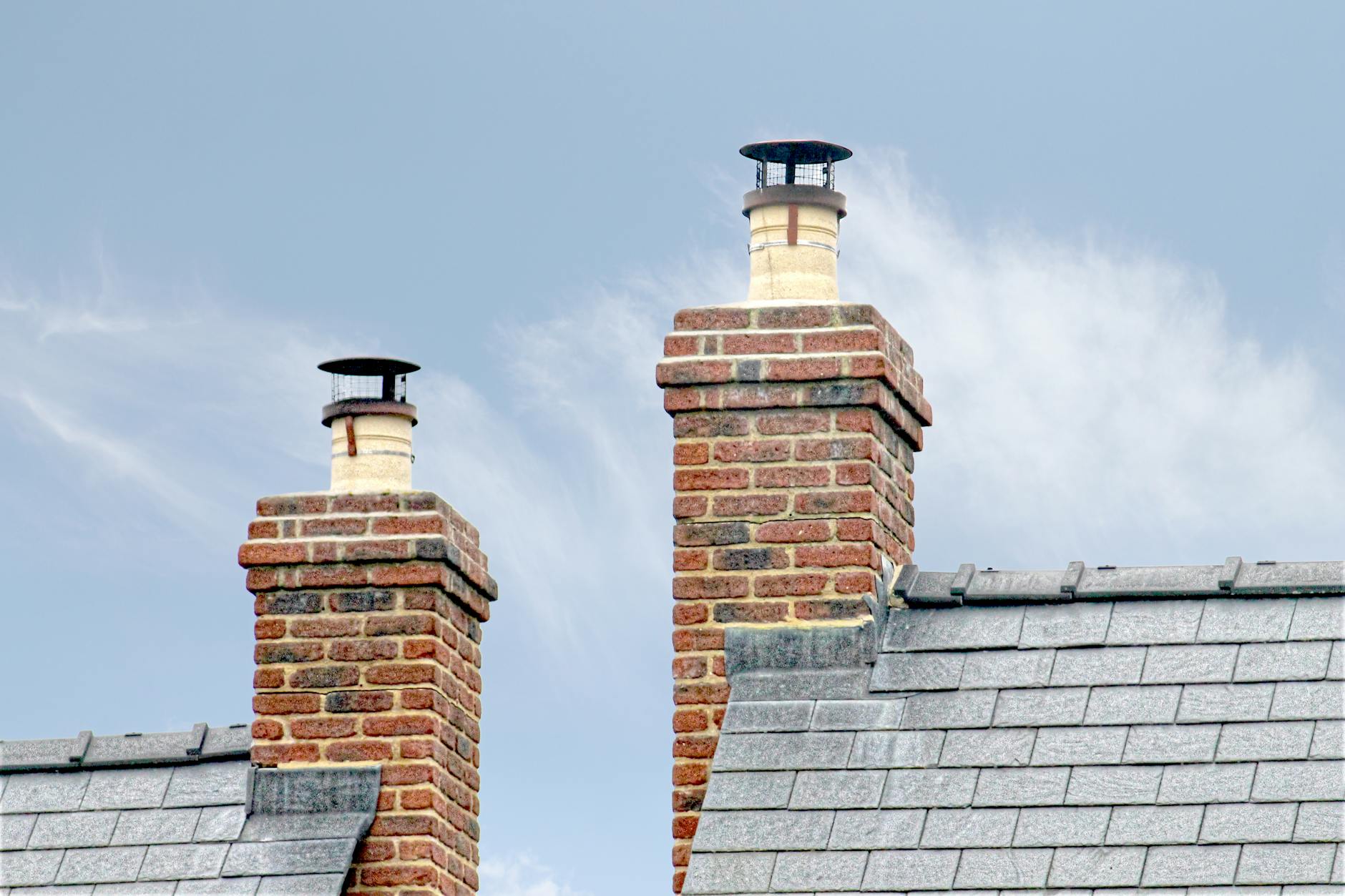
Removing a chimney breast from inside a room requires the entire chimney stack above to be supported and either rebuilt or fully removed. The weight involved is substantial and the structural implications extend through multiple floors in multi-story homes. This work requires both a structural engineer’s assessment and a licensed contractor to execute the support and removal sequence. Building regulations in most regions require formal approval before this type of work begins. Improper chimney breast removal has led to partial collapses in residential properties and is not a project to approach without full professional oversight.
Steam Boiler Repair
Steam boilers operate at high pressure and temperature levels that make unauthorized repairs extremely hazardous. A boiler that fails catastrophically can cause an explosion powerful enough to cause significant structural damage. Repairs must be carried out by licensed heating engineers who understand pressure vessel regulations and safety relief valve requirements. Boiler systems also require annual safety inspections to remain compliant with insurance and building codes in most areas. Even seemingly minor adjustments to pressure settings or controls should be handled by a qualified professional.
Fire Damage Restoration
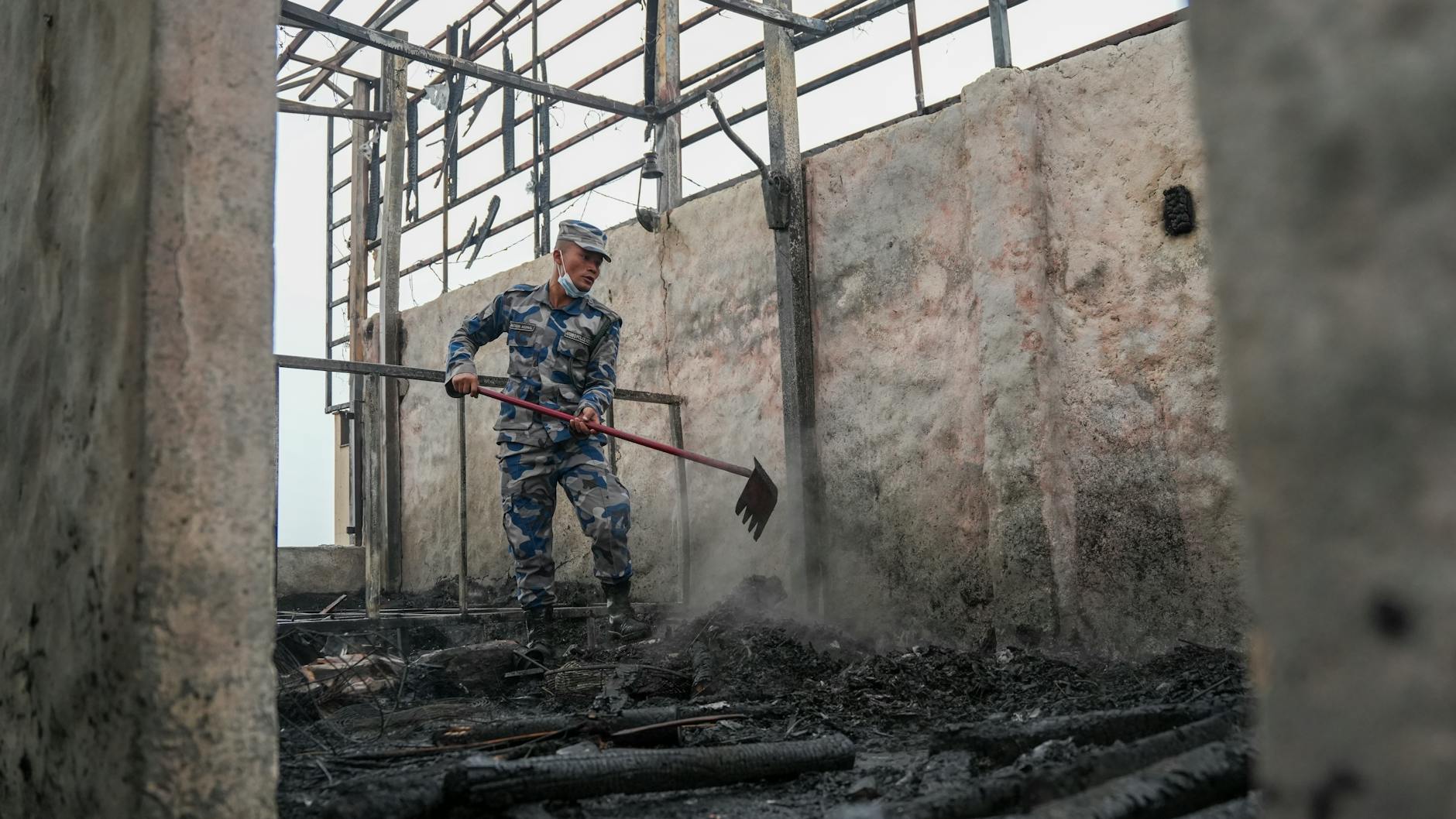
Restoring a home after fire damage goes far beyond replacing charred materials and requires assessment by a fire damage restoration specialist. Smoke and soot penetrate deeply into walls, insulation, and HVAC ducts and cause ongoing respiratory and chemical hazards if not fully remediated. Structural members compromised by fire may appear intact while being significantly weakened internally. Water damage from firefighting efforts also creates mold risk that must be addressed simultaneously. Restoration work typically involves coordination between contractors, industrial hygienists, and insurance adjusters in a way that requires professional project management.
Mold Remediation (Large-Scale)
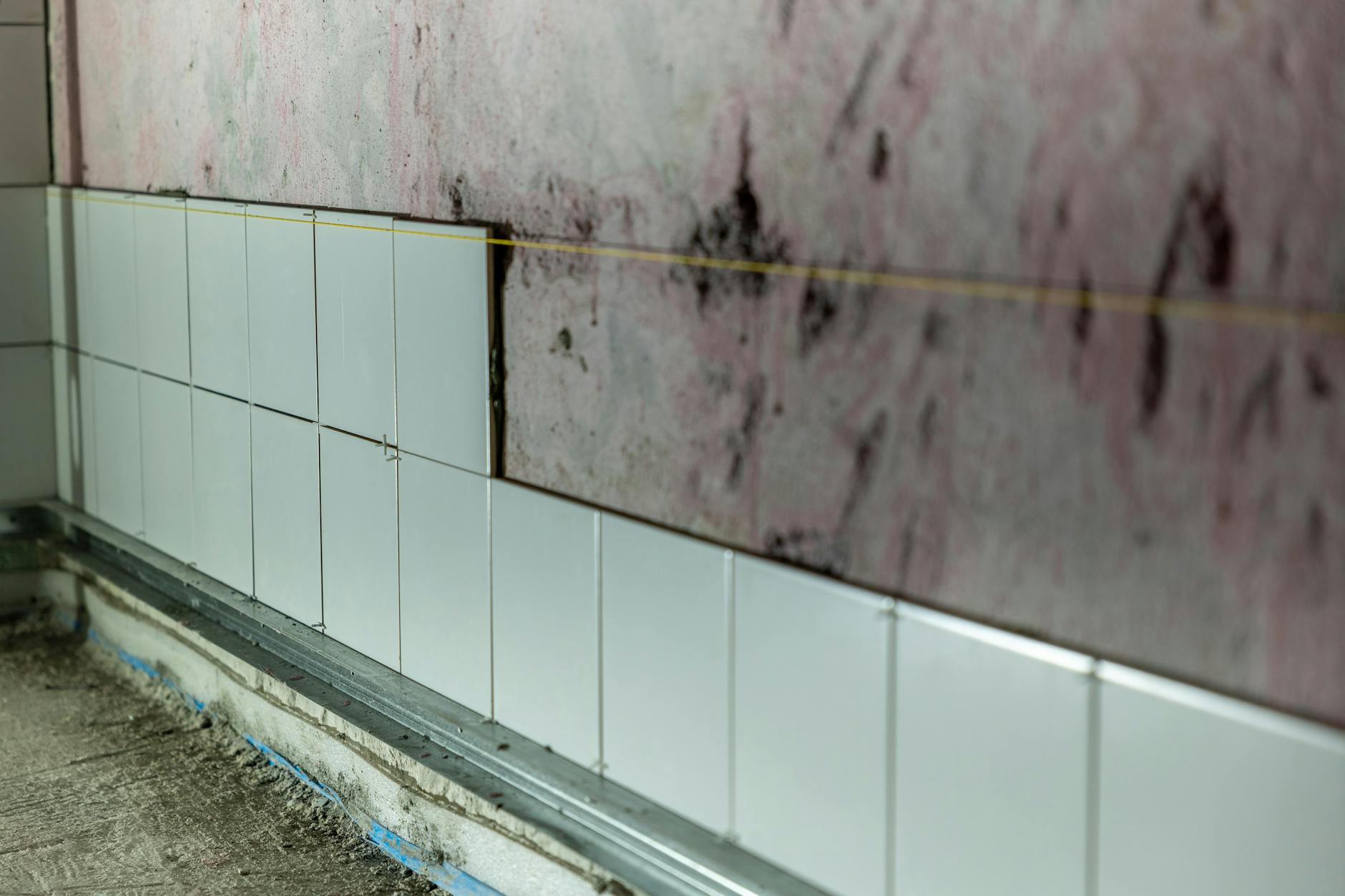
Small patches of surface mold in low-risk areas can sometimes be handled with proper protective equipment and cleaning agents but widespread mold colonization requires certified remediation contractors. Mold that has penetrated drywall, insulation, or structural wood requires controlled removal with containment barriers to prevent spore dispersal throughout the home. Certain mold species produce mycotoxins that are hazardous to health even in small concentrations. Air quality testing before and after remediation is the only reliable way to confirm that the problem has been fully resolved. Improper remediation frequently results in regrowth because the underlying moisture source was not identified and eliminated.
Solar Panel Installation
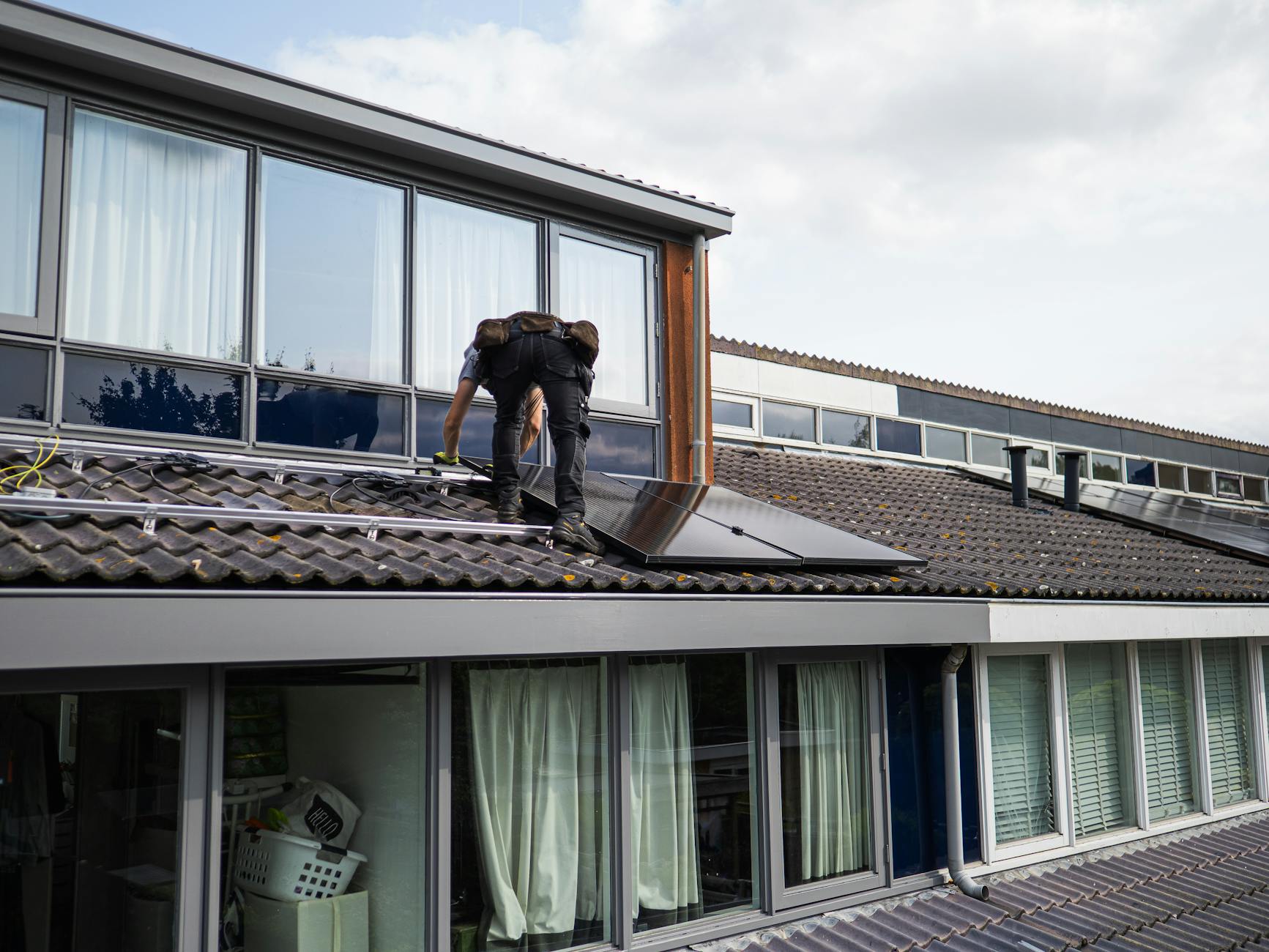
Rooftop solar installation combines electrical work, roofing penetrations, and structural loading considerations that each require specialized expertise. Utility interconnection involves working with the grid in ways that are regulated and require permits and utility approval in virtually every jurisdiction. Improper roof attachments compromise the waterproofing of the structure and can void both the roofing warranty and the solar panel warranty. Electrical connections between panels, inverters, and the main panel must meet specific code requirements for safety and performance. Licensed solar installers carry the certifications needed to handle every stage of the process legally and correctly.
Plumbing Rerouting
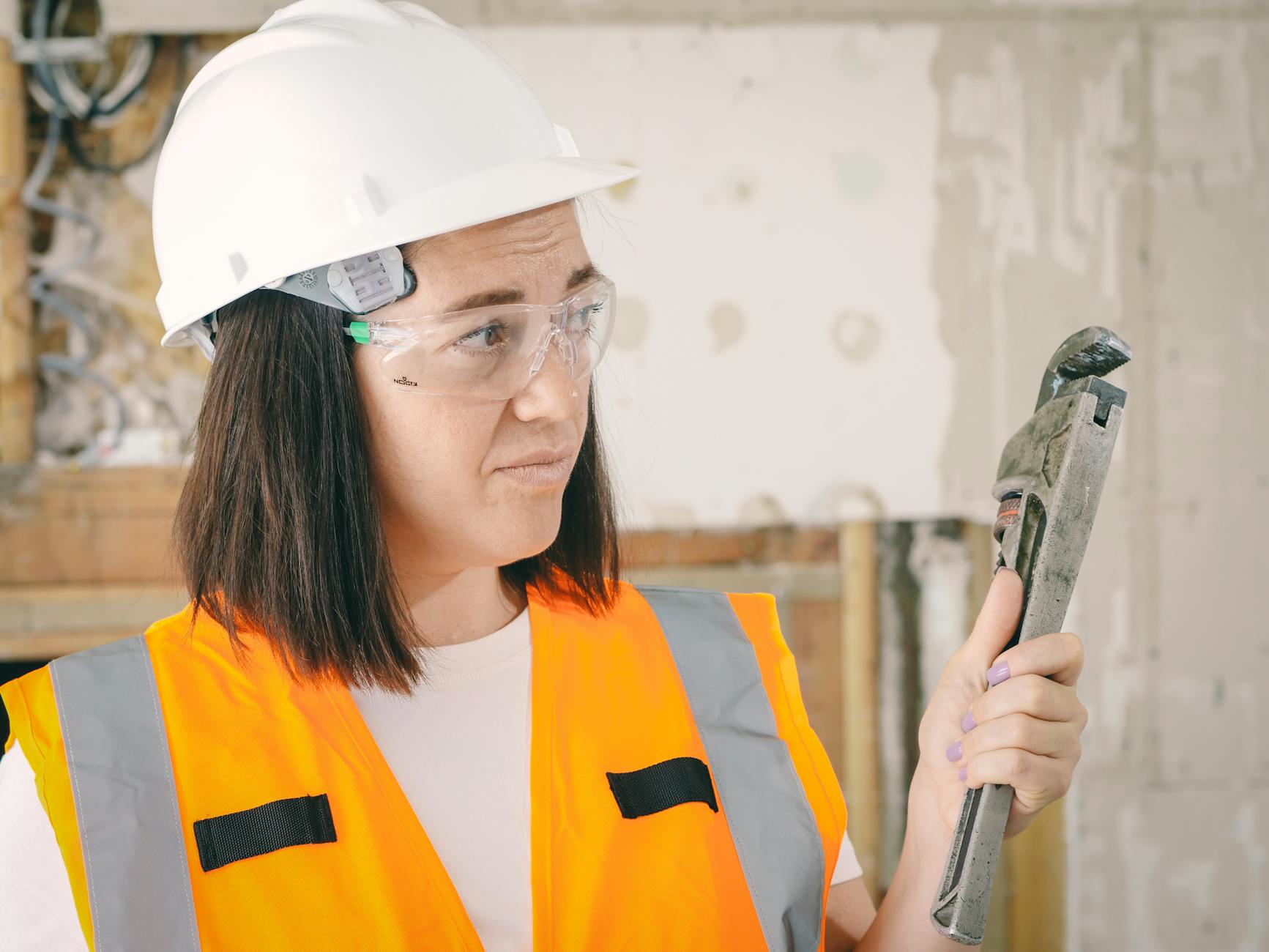
Rerouting plumbing lines in walls or under slabs involves cutting into finished surfaces, working with pressurized systems, and ensuring correct slope and venting for drain lines. Improper venting creates sewer gas problems and slow drains that are expensive to diagnose and fix after the fact. In slab foundations, cutting concrete incorrectly can affect the structural integrity of the floor. Permits are required for plumbing alterations in most regions and inspections must happen before walls are closed up. Licensed plumbers understand local code requirements for pipe materials, support spacing, and fitting types that vary by municipality.
High-Voltage Appliance Wiring
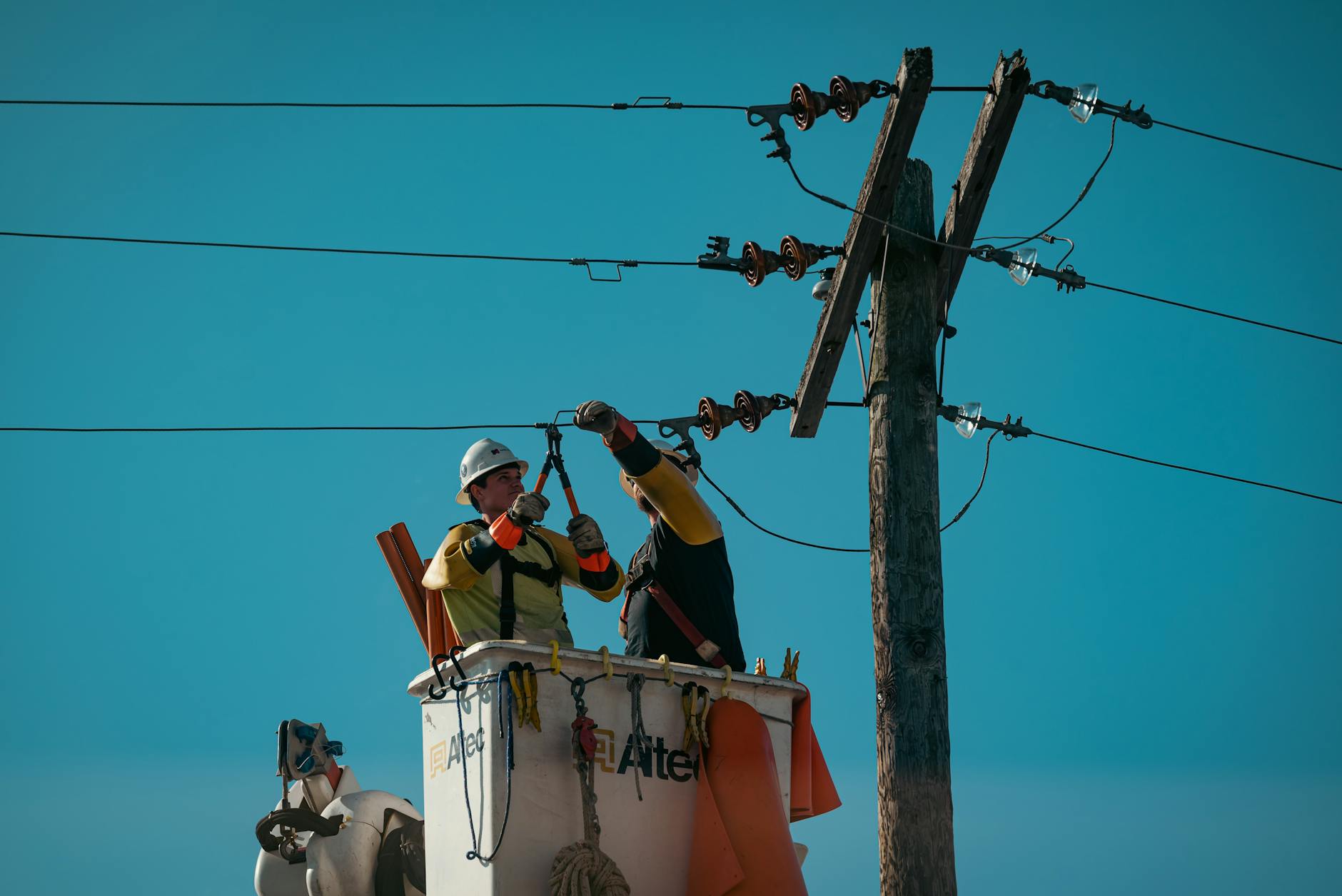
Connecting high-voltage appliances such as electric ranges, dryers, hot tubs, and EV chargers requires dedicated circuits installed to specific amperage and breaker requirements. Undersized wiring for high-draw appliances creates a significant fire hazard from heat buildup in the wires inside your walls. Improper grounding and bonding of large appliances also creates shock hazards that can affect anyone in contact with the appliance or nearby plumbing. These installations require permits and inspections in virtually all jurisdictions. A licensed electrician ensures that the circuit is properly sized, protected, and connected according to current electrical codes.
Underpinning and Foundation Lifting
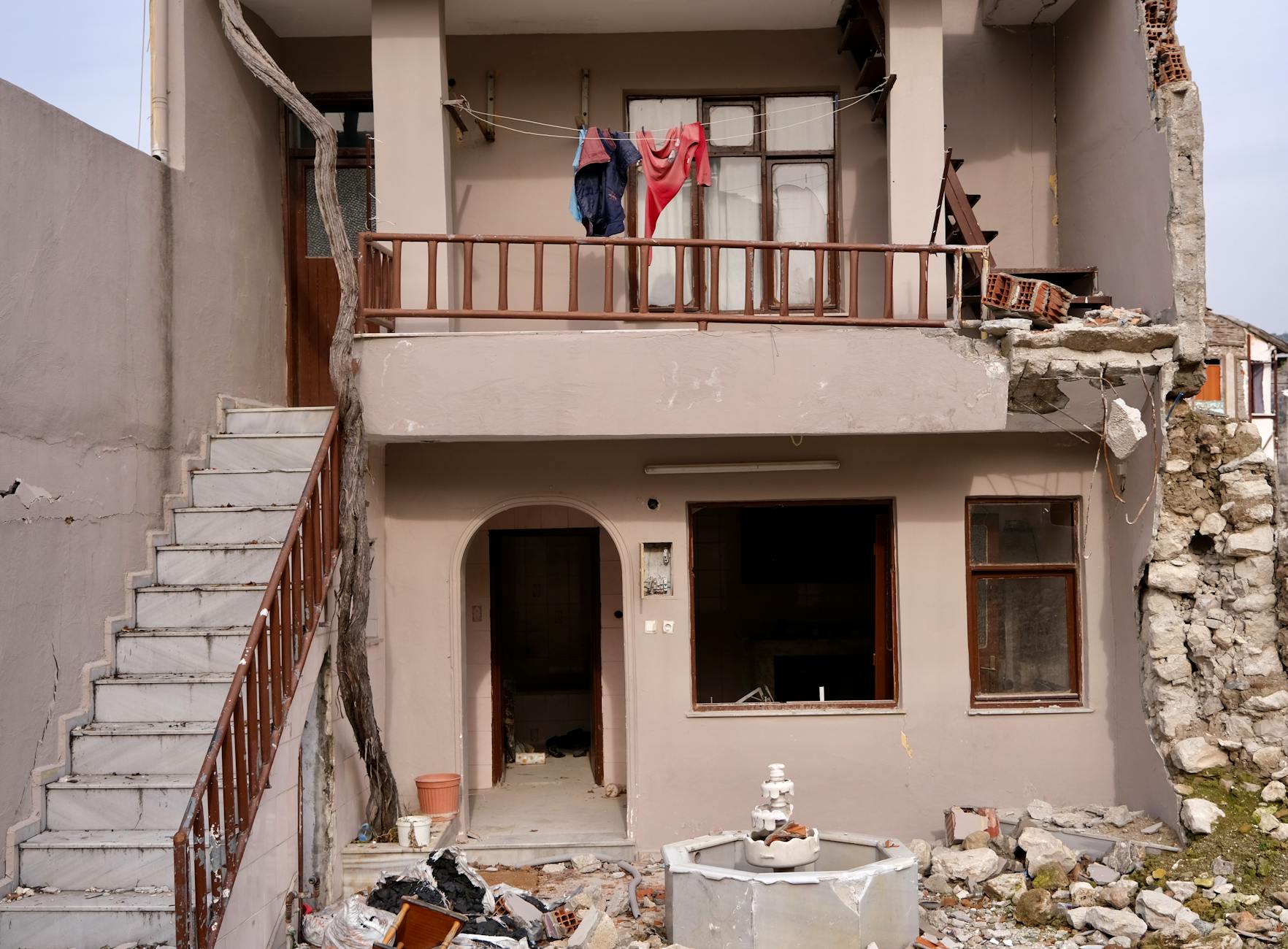
Underpinning involves excavating beneath existing footings to extend them deeper or installing piers to stabilize and lift a settling foundation. This work disturbs the soil that currently supports your home and must be carried out in a precise sequence to avoid causing the movement it is intended to prevent. Geotechnical reports are often required to understand soil conditions before a repair method is selected. Licensed foundation contractors use hydraulic equipment and monitoring instruments throughout the process. This is one of the most technically complex repairs a home can require and the cost of an error is enormous.
Staircase Structural Repair
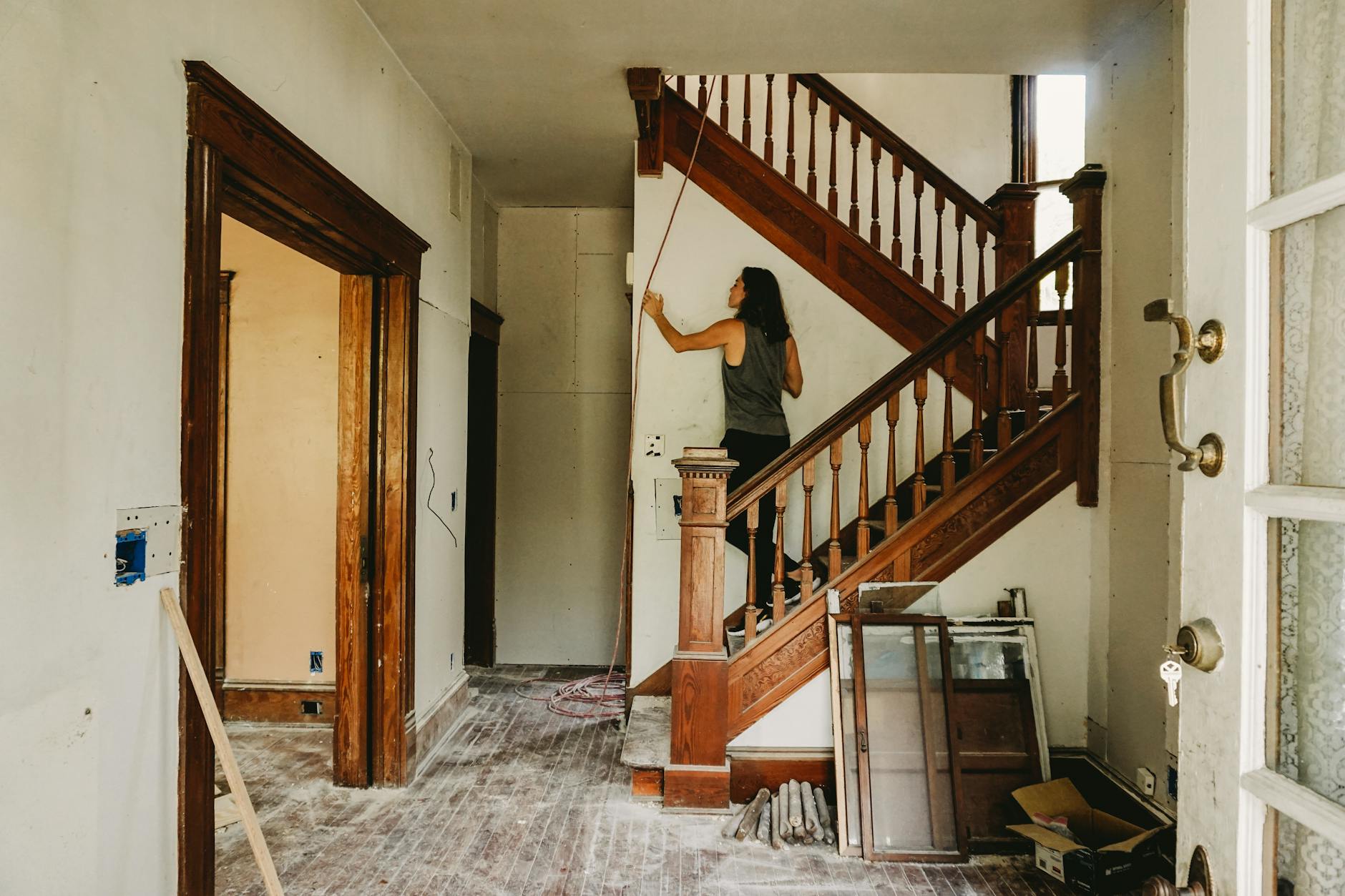
A structurally compromised staircase presents a serious fall hazard and requires a licensed carpenter or structural contractor to assess and repair correctly. The stringers that support stair treads carry significant dynamic load from regular use and must be properly sized and connected. Building codes specify exact requirements for riser height, tread depth, and guardrail dimensions that affect both safety and legal compliance. Rot, insect damage, or poor original construction can compromise the entire staircase in ways that are not obvious from a visual inspection alone. Repairs to primary staircases typically require permits and inspection in most jurisdictions.
Exterior Waterproofing
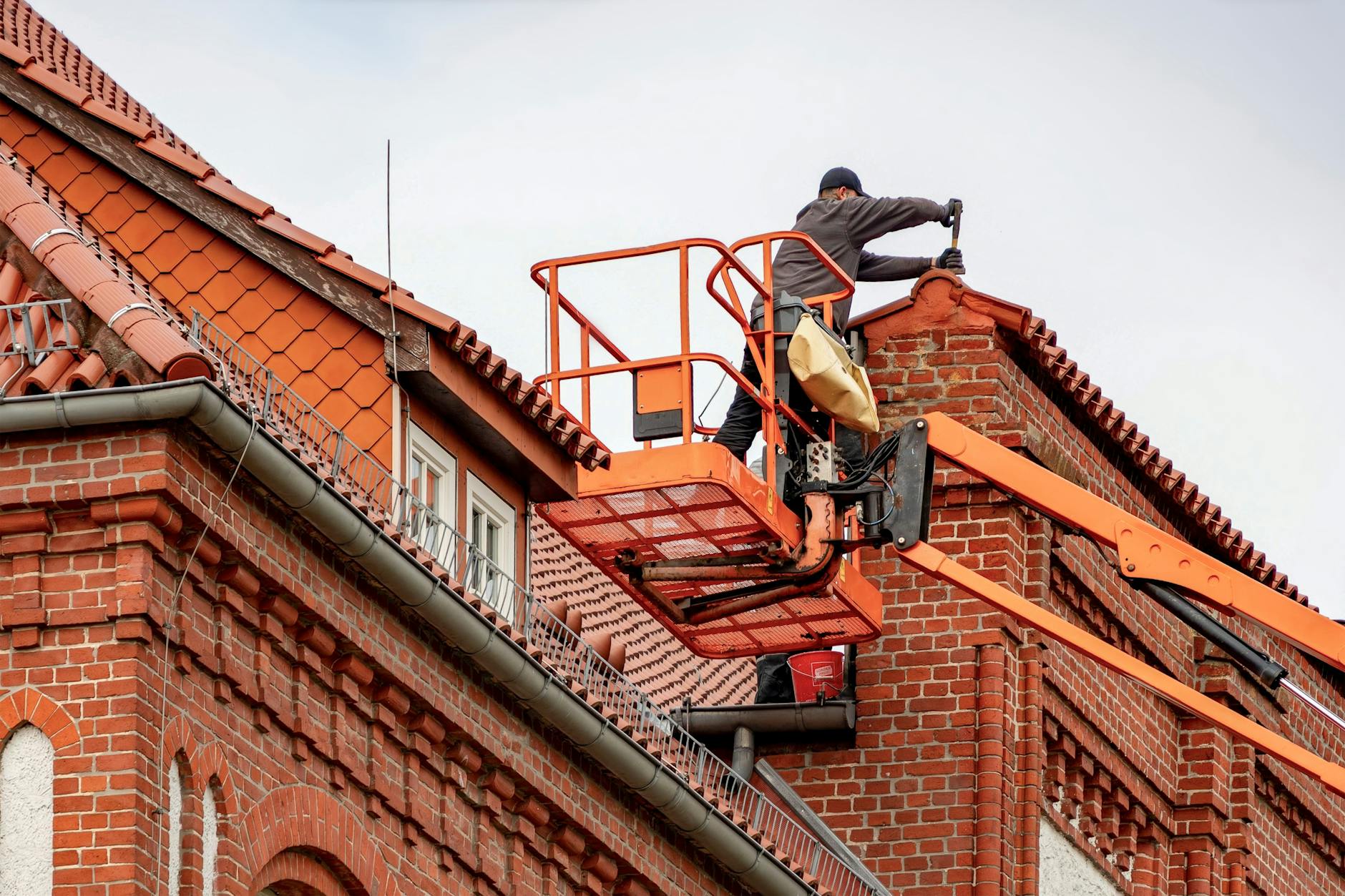
Waterproofing a basement from the exterior requires excavating the entire perimeter of the foundation down to the footings, a process that involves heavy equipment and significant site management. Improper backfill and drainage layer installation negates the entire investment and can direct water toward the foundation rather than away from it. Drain tile systems and waterproofing membranes must be installed with precise attention to slope and continuity. This work also involves managing large volumes of excavated soil and ensuring that utility lines are located and protected throughout. Certified waterproofing contractors bring the equipment, materials, and guarantees that this complex job requires.
Tree Removal Near Power Lines
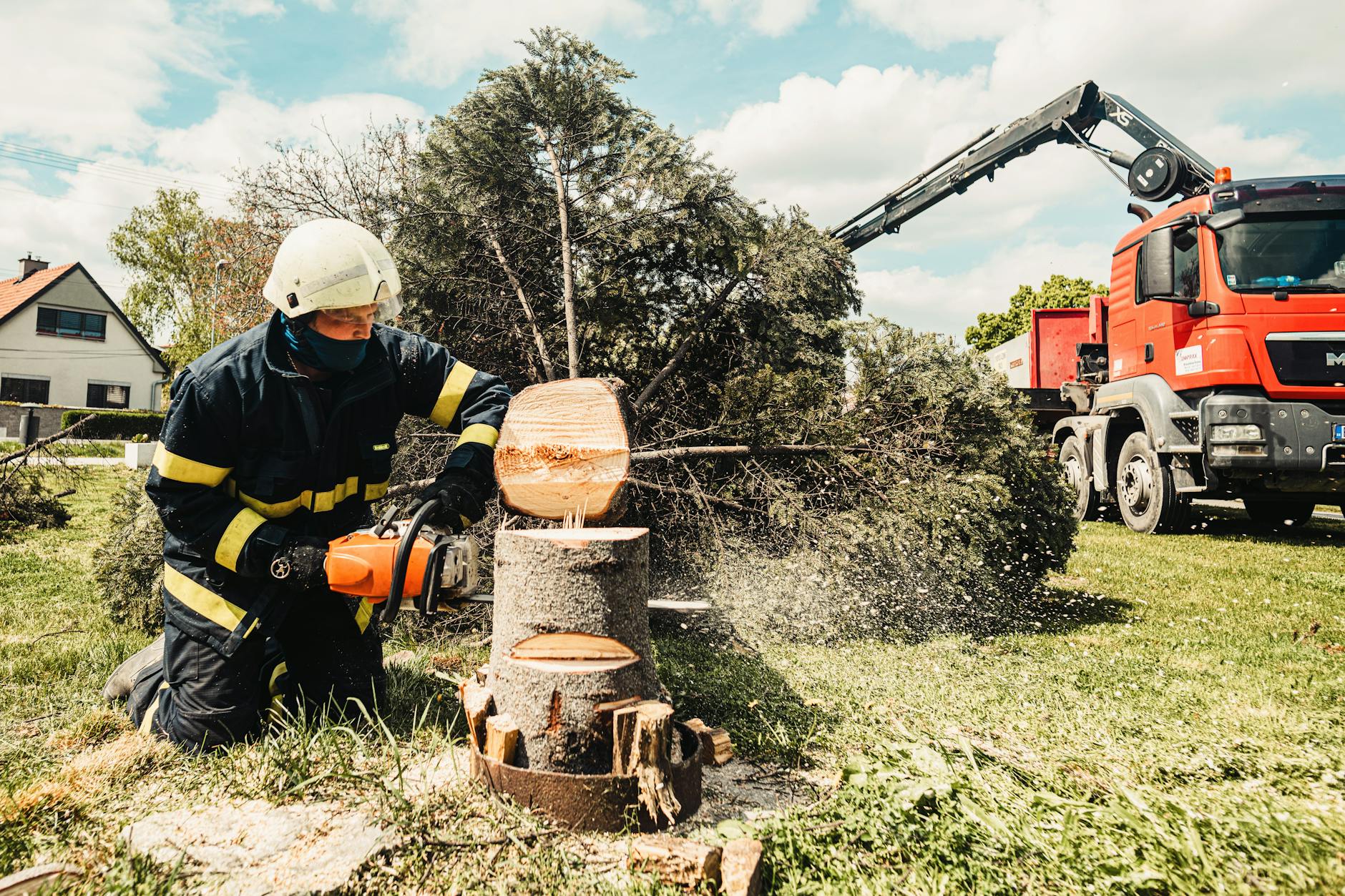
Tree work that involves branches or trunks within falling distance of power lines must be handled by utility arborists or contractors pre-approved by the utility company. Contact with a live power line during tree removal can cause electrocution of the worker and everyone nearby as well as a widespread power outage. Even seemingly dead or dormant lines can carry lethal current. Utility companies often provide this service at no cost or can refer approved contractors who carry the proper insurance and training for line-adjacent work. General tree services and certainly homeowners should not attempt this work under any circumstances.
Radiant Floor Heating Installation
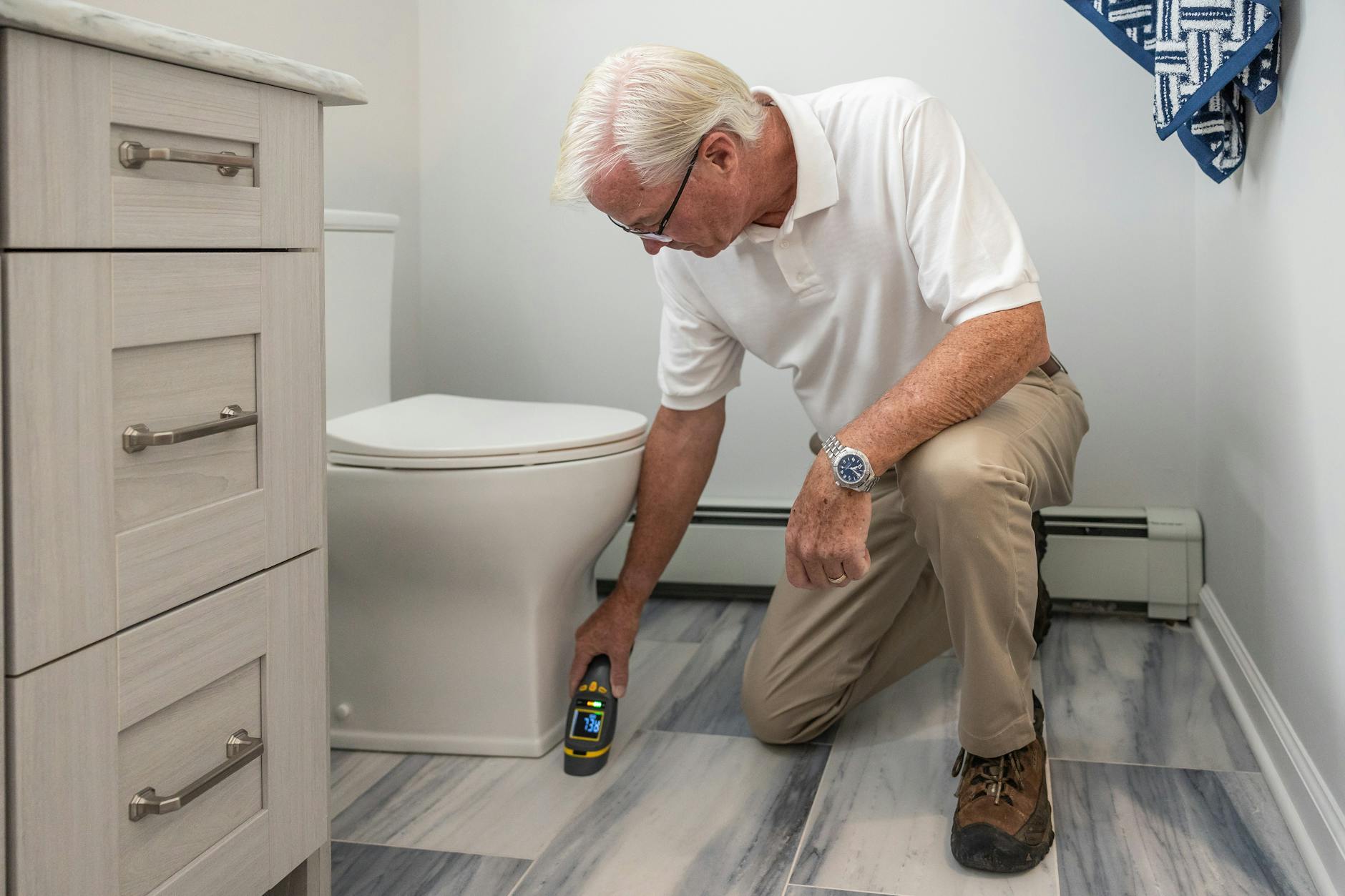
Installing an in-floor radiant heating system requires cutting into or pouring over finished floor substrates and integrating the system with your existing boiler or water heater. Improperly embedded tubing that develops a leak is catastrophically difficult and expensive to access and repair after floors are completed. Electrical radiant mat systems must be installed by a licensed electrician and require specific circuit protection. Hydraulic systems also require proper pressure testing, air purging, and zone valve installation that demands plumbing knowledge. Professional installation ensures that the system operates efficiently and that the warranty on expensive equipment remains intact.
Flat Roof Replacement

Flat and low-slope roofs require specialized membrane systems such as EPDM, TPO, or modified bitumen that require specific installation techniques and tools to perform correctly. Seams and penetrations are the most common points of failure and their quality entirely depends on the skill of the installer. Many flat roof systems are installed with heat welding or torches that create fire risk when used by untrained individuals. Proper drainage design is also critical on flat roofs and requires knowledge of slope-to-drain requirements. Professional roofing contractors who specialize in low-slope systems carry the material warranties and workmanship guarantees that protect your investment.
Fire Sprinkler System Work
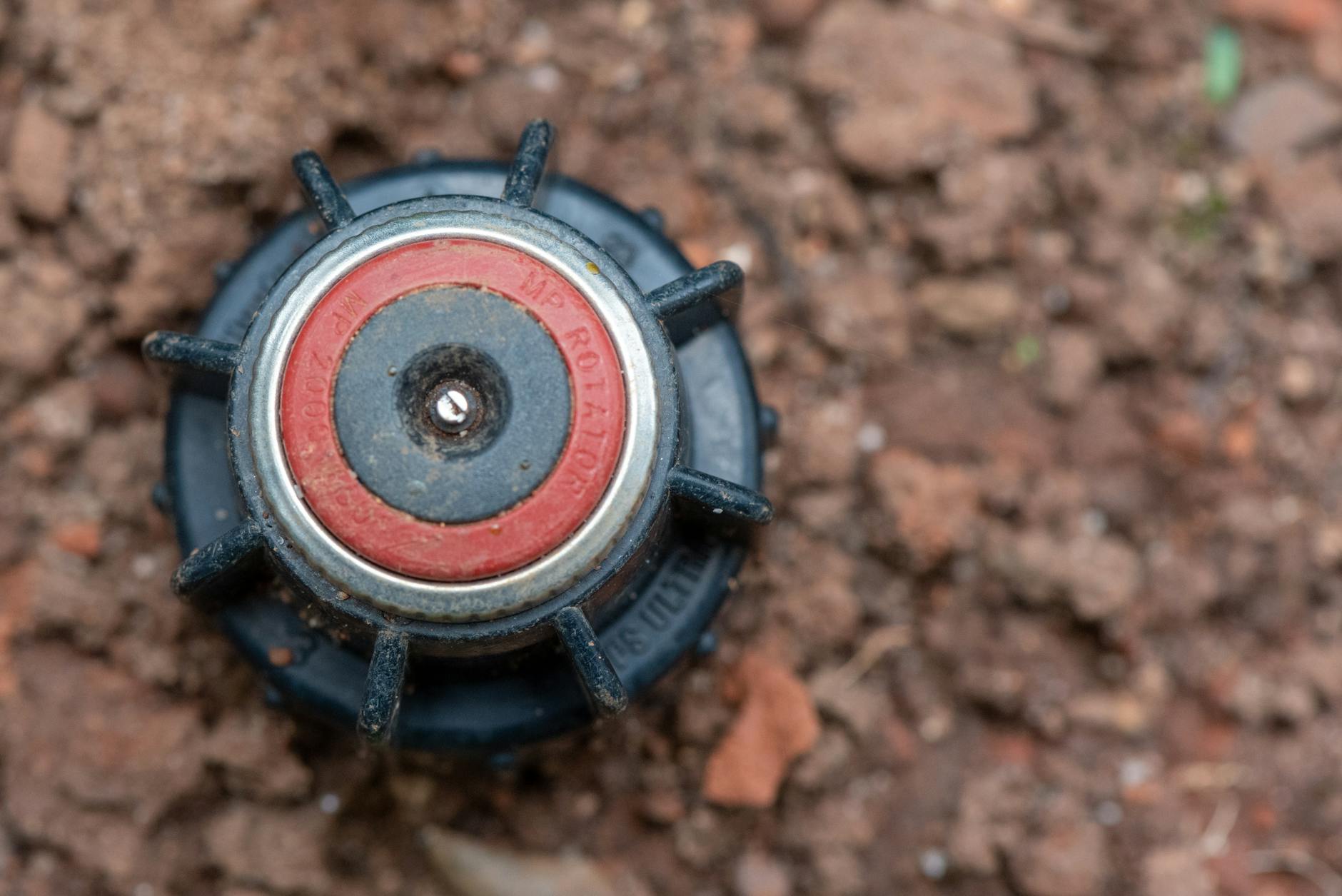
Fire sprinkler systems are life-safety devices regulated under strict building and fire codes that require licensed fire protection contractors for any installation or modification. Altering a sprinkler system without proper engineering can create areas with inadequate coverage that defeat the entire safety purpose of the system. The water supply connections, pipe sizing, and sprinkler head placement must all meet the specifications of NFPA 13 or equivalent standards. Unauthorized modifications can also trigger liability issues with your insurer and local fire marshal. Any work on these systems must be followed by a full inspection and flow test to confirm correct function.
Window Installation in Structural Openings
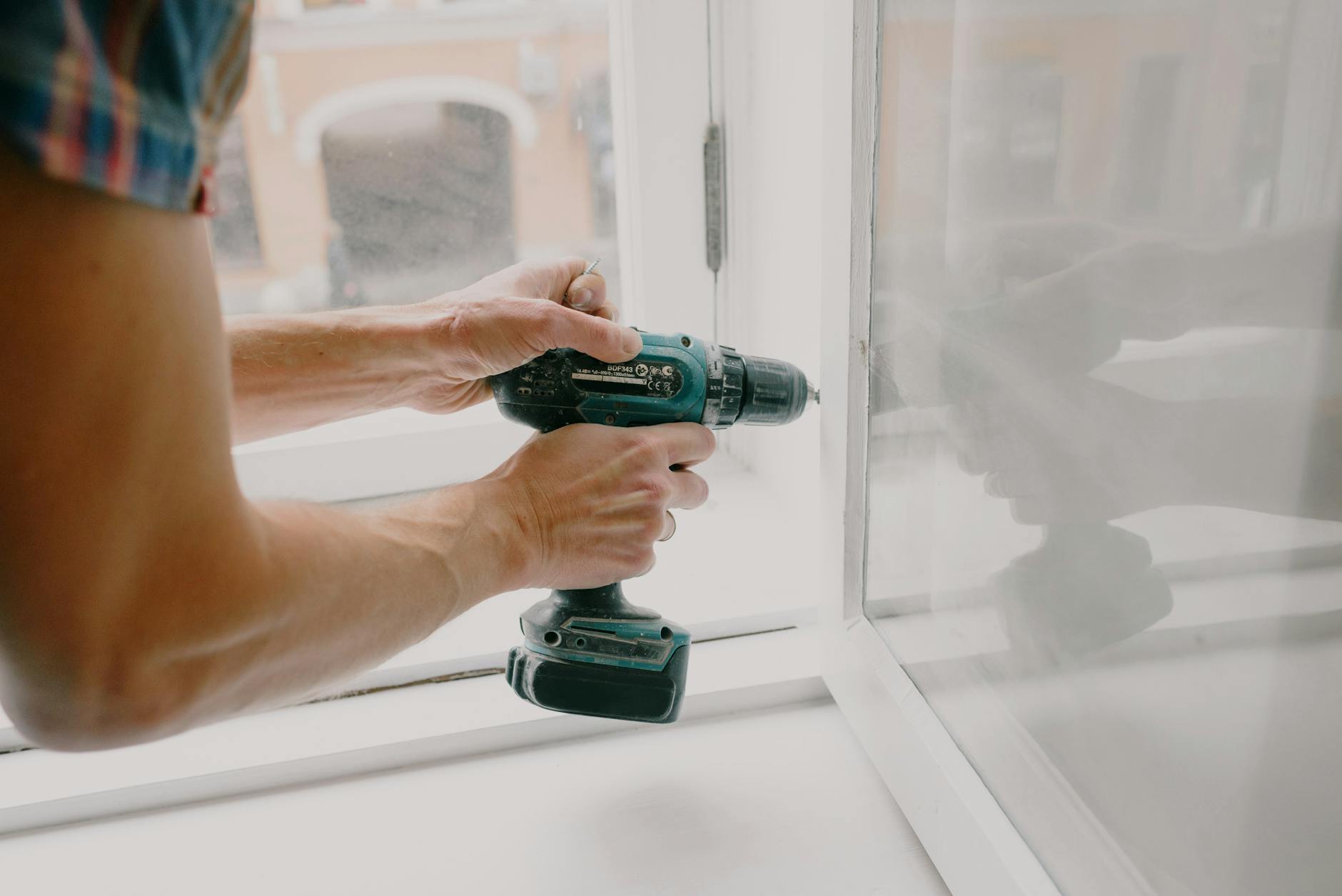
Enlarging a window opening or installing new windows in structural walls requires header installation to carry the load previously handled by the framed wall section. Undersized or improperly supported headers cause wall racking, door misalignment, and in serious cases partial wall failure. Flashing and weather sealing around window frames must be done correctly to prevent water infiltration that leads to rot and mold in the wall cavity. Many window manufacturers require professional installation as a condition of their product warranty. Permits are required for structural window modifications in most residential building codes.
Elevator and Home Lift Installation
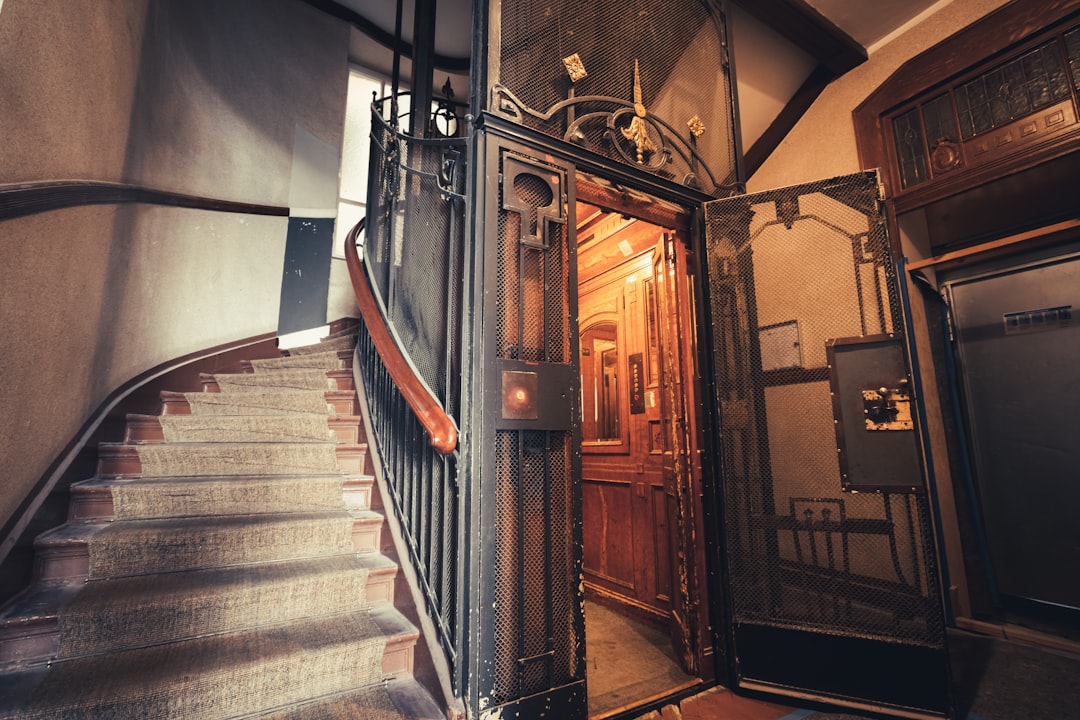
Residential elevators and vertical platform lifts are complex electromechanical systems that must be installed by certified lift technicians following strict safety standards. Pit construction, overhead clearances, and shaft framing all have specific engineering requirements that vary by lift type and local code. Electrical connections involve both standard voltage and control wiring that must be precisely executed. Annual safety inspections are legally required in most jurisdictions after installation. Improper installation creates serious entrapment and crush hazards that make this one of the least appropriate projects for self-installation in any home.
If you have survived a DIY disaster or successfully talked a neighbor out of one, share your experience in the comments.