Social media feeds are often filled with viral cleaning tricks that promise sparkling results with minimal effort or cost. Many of these suggestions ignore the chemical properties of common household surfaces and can lead to costly repairs over time. Homeowners frequently discover the damage only after protective sealants or delicate finishes have been permanently compromised by harsh ingredients. It is crucial to verify the safety of any cleaning method before applying it to expensive materials like natural stone or hardwood flooring.
Vinegar on Natural Stone Countertops

Vinegar is frequently touted as a universal eco-friendly cleaner for every room in the house. This acidic liquid reacts poorly with natural stone surfaces like granite or marble countertops. The acid eats away at the sealant and dulls the stone surface through a process called etching. Continued use will leave the stone looking permanently cloudy and susceptible to further staining.
Magic Erasers on Wood Paneling
Melamine foam sponges act like extremely fine sandpaper to strip away dirt and grime. Using these abrasive blocks on wood paneling or furniture removes the protective finish along with the stain. You may notice lighter patches or a loss of sheen where the sponge was applied. It is safer to use a soft microfiber cloth and a wood-specific cleaner to preserve the integrity of the grain.
Bleach on Tile Grout
Many people reach for chlorine bleach to whiten dingy tile grout lines in bathrooms and kitchens. This harsh chemical actually degrades the integrity of the grout over time and causes it to crumble. The porous nature of grout absorbs the bleach which then breaks down the cementitious material from the inside out. It is safer to use oxygenated bleach or a dedicated pH-neutral grout cleaner to preserve the stability of the installation.
Lemon Juice on Hardwood Floors

Lemon juice is often suggested as a natural scent booster or polishing agent for wood floors. The high acidity in the fruit breaks down the polyurethane or wax finish that protects the wood. This leaves the raw wood vulnerable to moisture damage and graying over time. Manufacturers generally recommend using only pH-neutral cleaners specifically formulated for hardwood surfaces.
Newspaper on Windows

Old-school cleaning advice often recommends using newspaper to achieve streak-free glass. Modern inks differ from those used in the past and can transfer dark smudges onto window frames or sills. The coarse texture of the paper can also leave microscopic scratches on glass that accumulate over the years. Microfiber cloths are a superior alternative that cleans effectively without risking ink transfer or surface abrasion.
Coffee Grounds in the Garbage Disposal
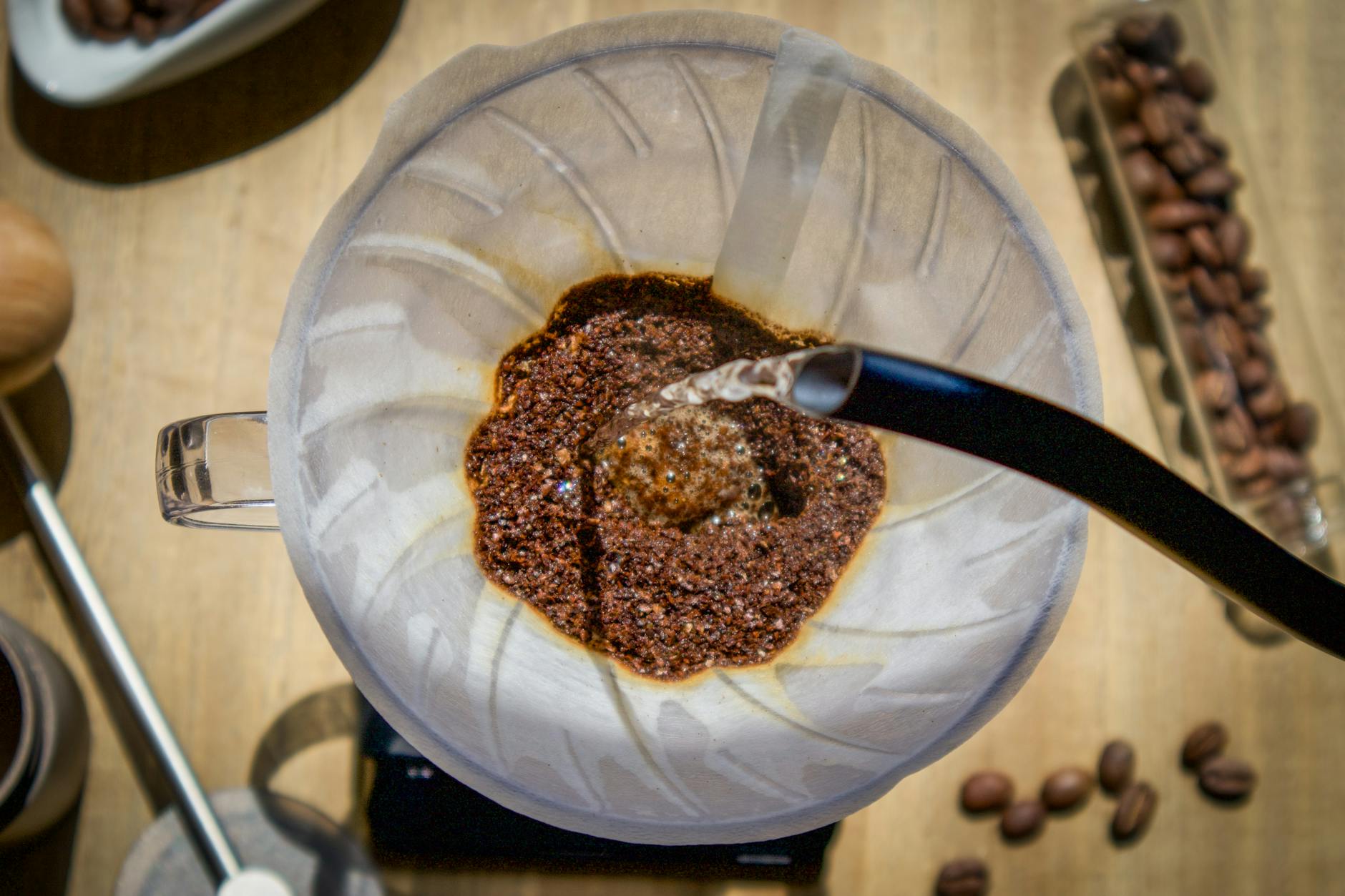
Putting coffee grounds down the sink is a common myth believed to sharpen disposal blades. The grounds actually accumulate in the drain trap and create a thick sludge that causes stubborn clogs. This sediment can also damage the disposal motor by forcing it to work harder to push the density through the pipes. It is much better for your plumbing system to compost coffee grounds or throw them in the trash.
Toilet Bowl Cleaner on Bathtubs
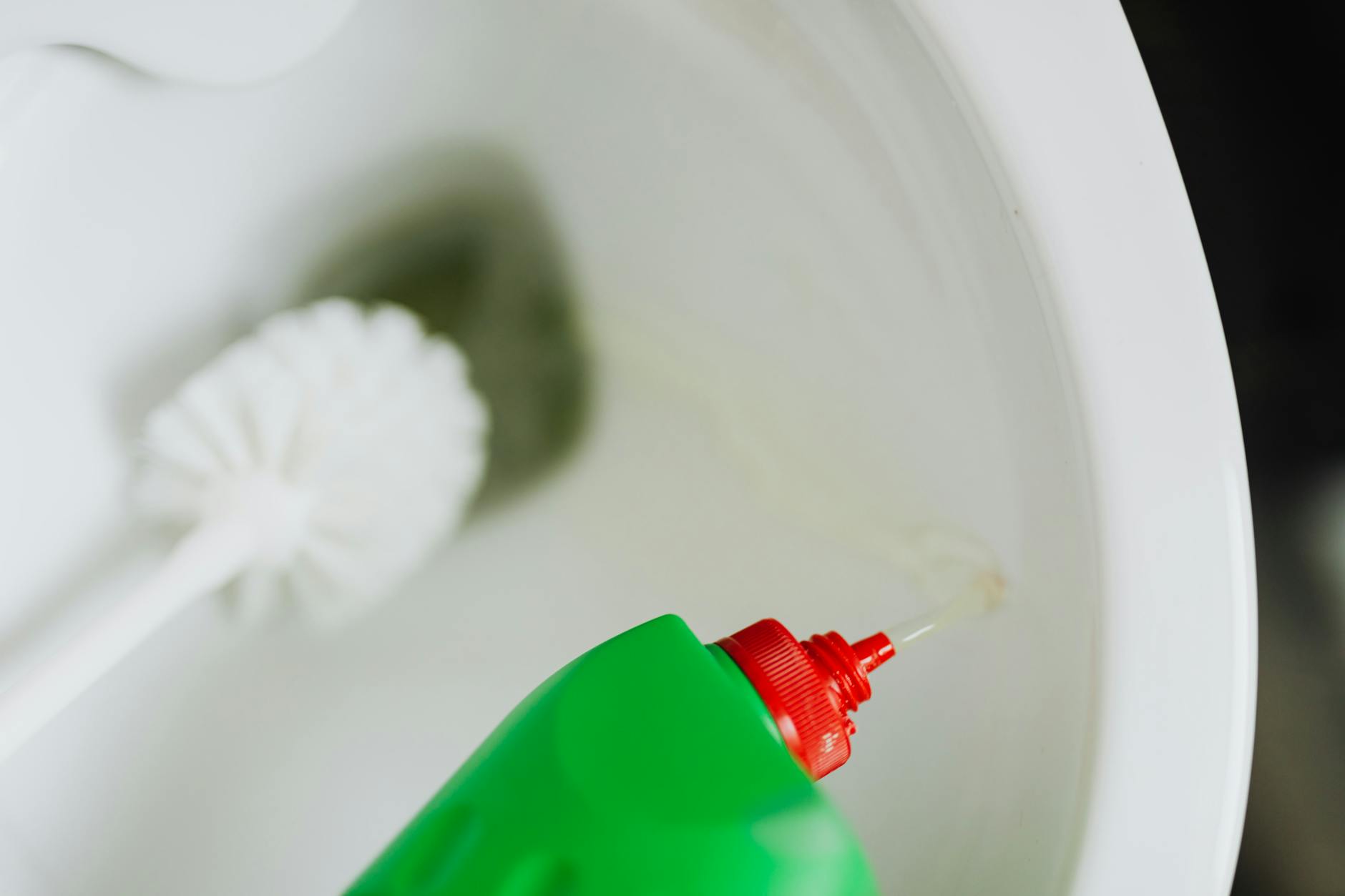
Homeowners sometimes use thick toilet bowl cleaners on tubs to tackle tough rust or soap scum stains. These cleaners contain aggressive acids meant for porcelain toilets and are too harsh for the enamel or acrylic finish of a bathtub. The acid can etch the tub surface and create a rough texture that traps dirt more easily. Permanent pitting and discoloration are common results of using these strong chemicals on incompatible fixtures.
Furniture Polish on Waxed Wood
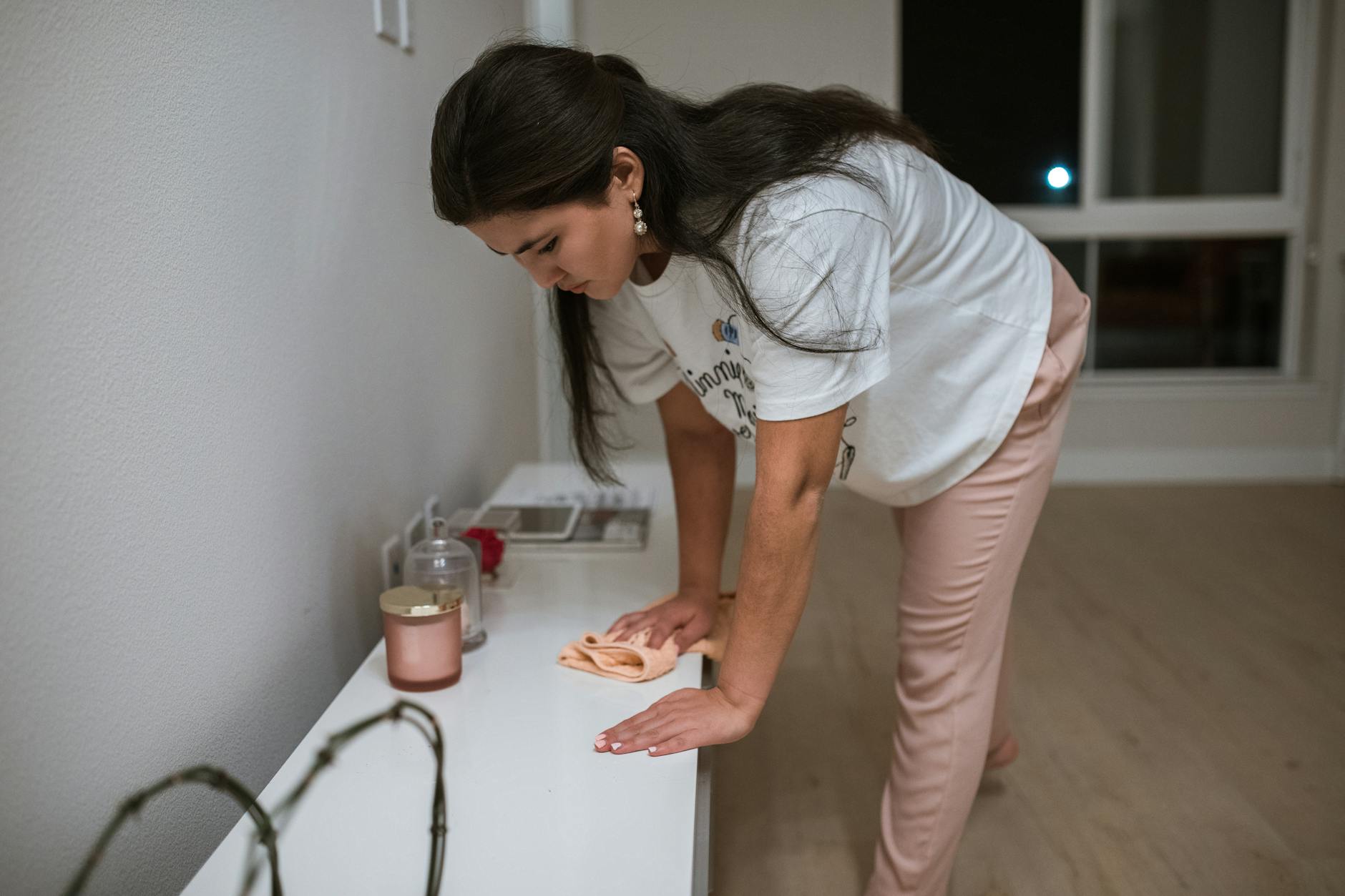
Applying modern aerosol furniture polish to antique waxed furniture can ruin the original finish. The solvents in the spray dissolve the wax and leave a sticky residue that attracts dust. Silicone contained in many polishes creates a barrier that makes future refinishing or waxing nearly impossible. Professional restoration is often required to remove the gummy buildup and restore the natural luster.
Steam Mops on Laminate Flooring
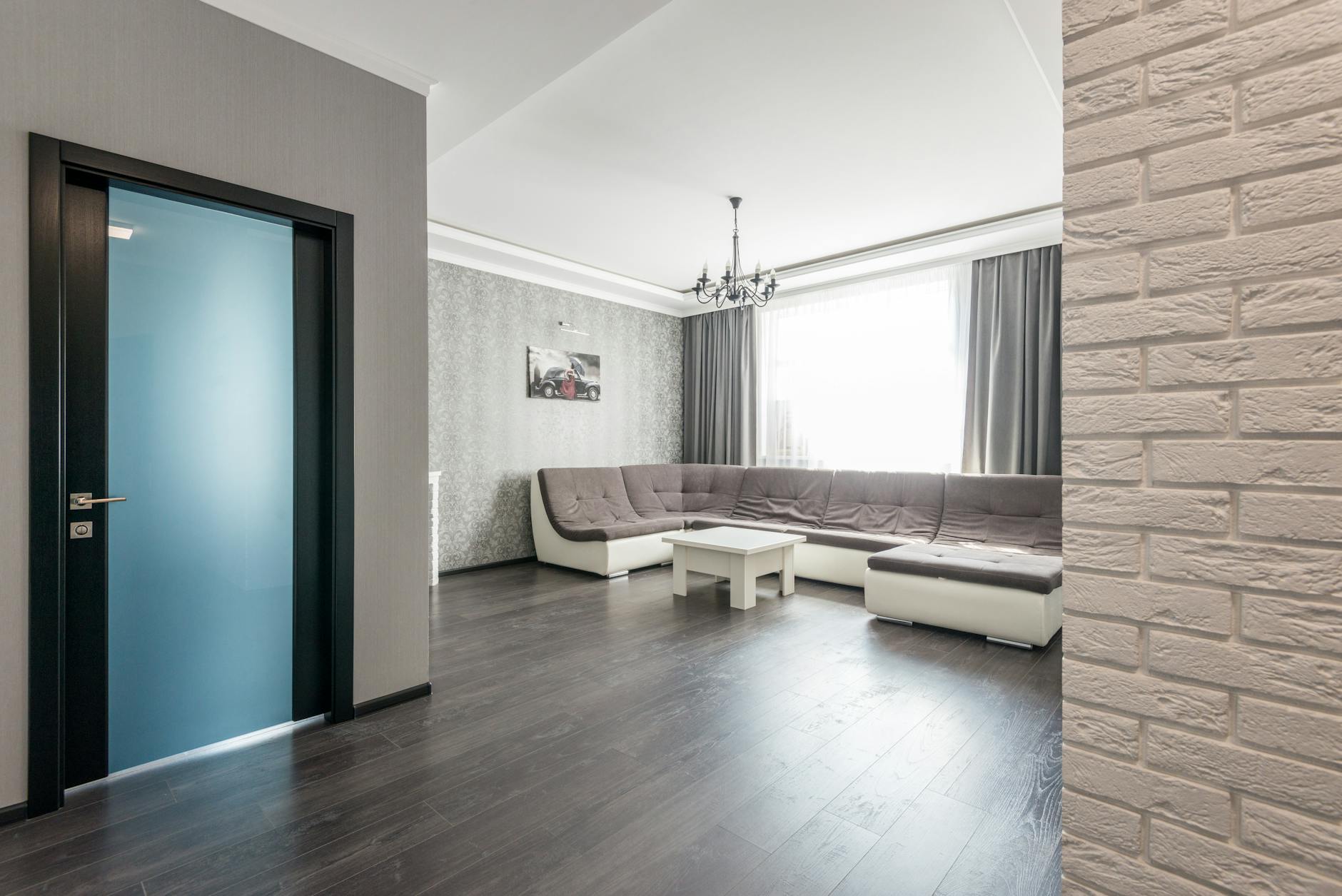
Steam mops use high heat and moisture to sanitize floors without chemicals. This method forces pressurized water vapor into the seams of laminate flooring where it causes the core to swell. The resulting damage often includes warping and peeling edges that cannot be repaired without replacing the planks. A damp mop with a gentle cleaner is the appropriate way to maintain laminate without risking water damage.
Dish Soap on Car Paint
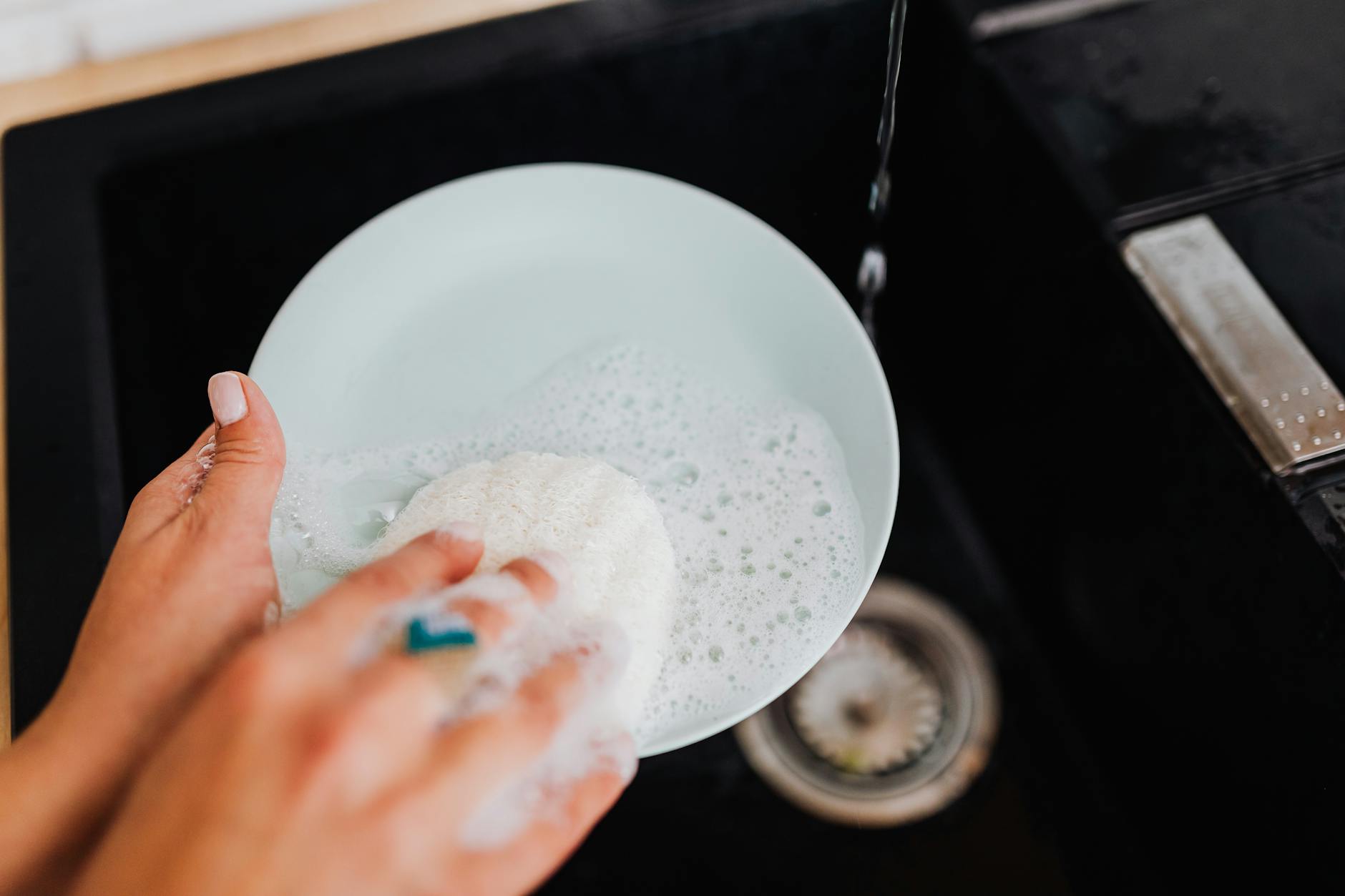
Using ordinary dish soap to wash a vehicle strips away the protective wax coating. This leaves the clear coat exposed to harmful UV rays and road debris. Over time the paint will oxidize and fade much faster than if a dedicated car wash soap had been used. Automotive soaps are formulated to lift dirt while leaving the necessary protective wax layer intact.
Bleach on Stainless Steel Appliances
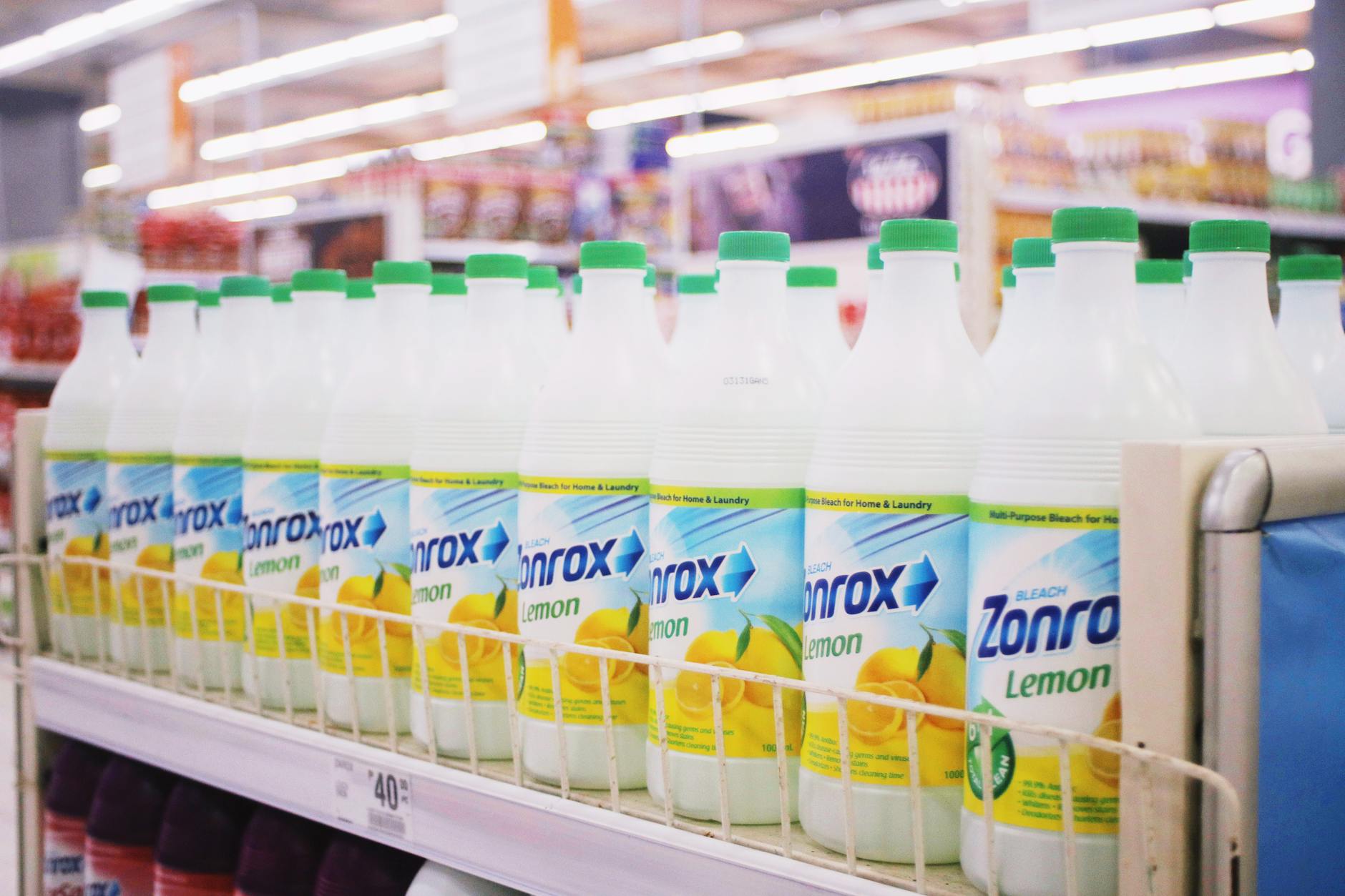
Stainless steel is durable but reacts negatively to the oxidizing properties of chlorine bleach. Applying bleach can cause surface pitting and discoloration that ruins the sleek appearance of the metal. The chemical reaction compromises the protective chromium oxide layer that prevents rust. It is best to use a specialized stainless steel cleaner or mild soapy water to maintain the shine.
Laundry Detergent on Carpets
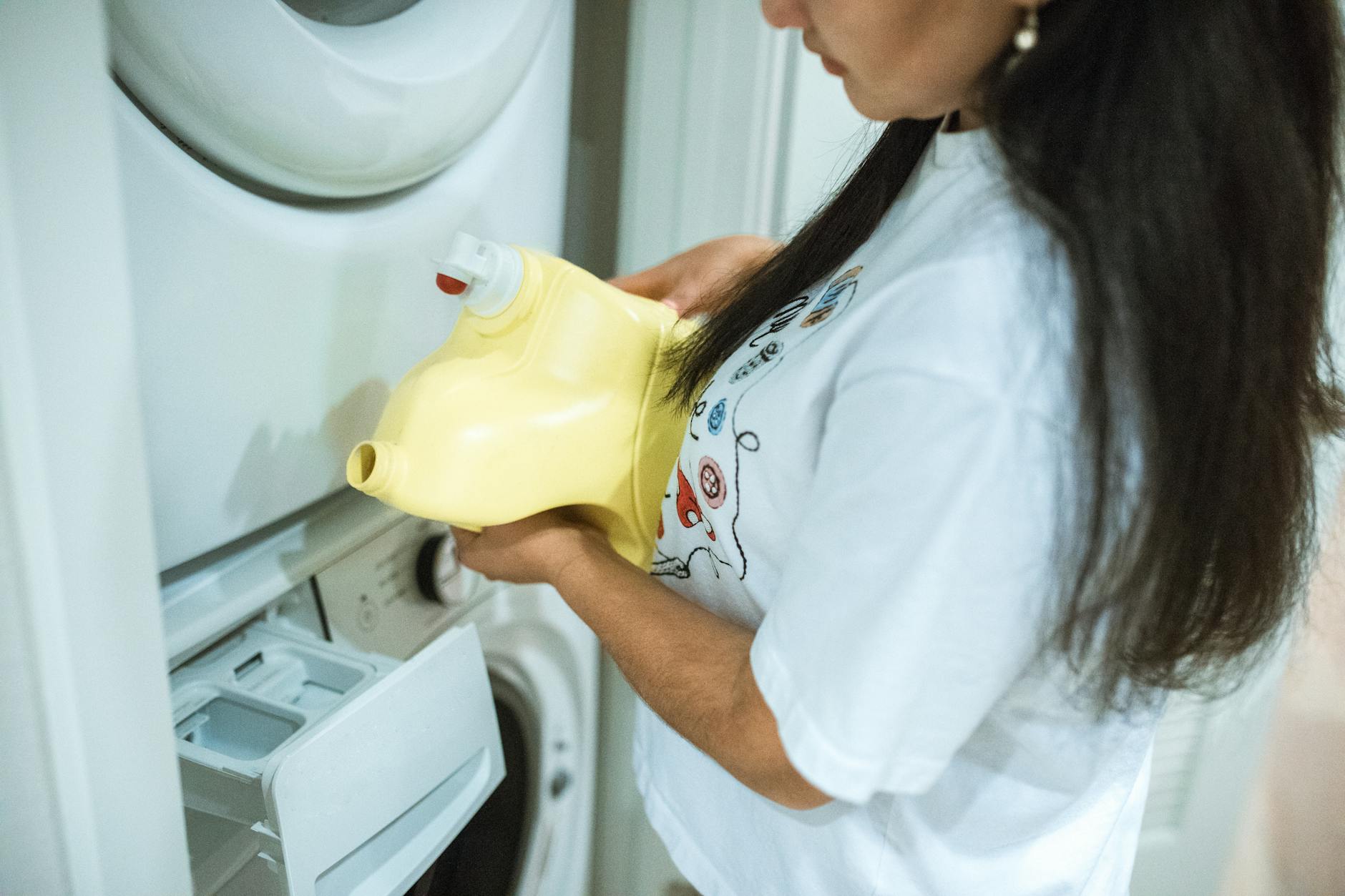
Using laundry detergent as a spot cleaner on carpets often leaves behind a sticky soap residue. This residue acts like a magnet for dirt and causes the treated area to look soiled again very quickly. The high pH of many detergents can also discolor delicate carpet fibers or degrade the backing. A vinegar solution or a specific carpet cleaning enzyme is much more effective and rinses away cleanly.
Vinegar on Electronic Screens
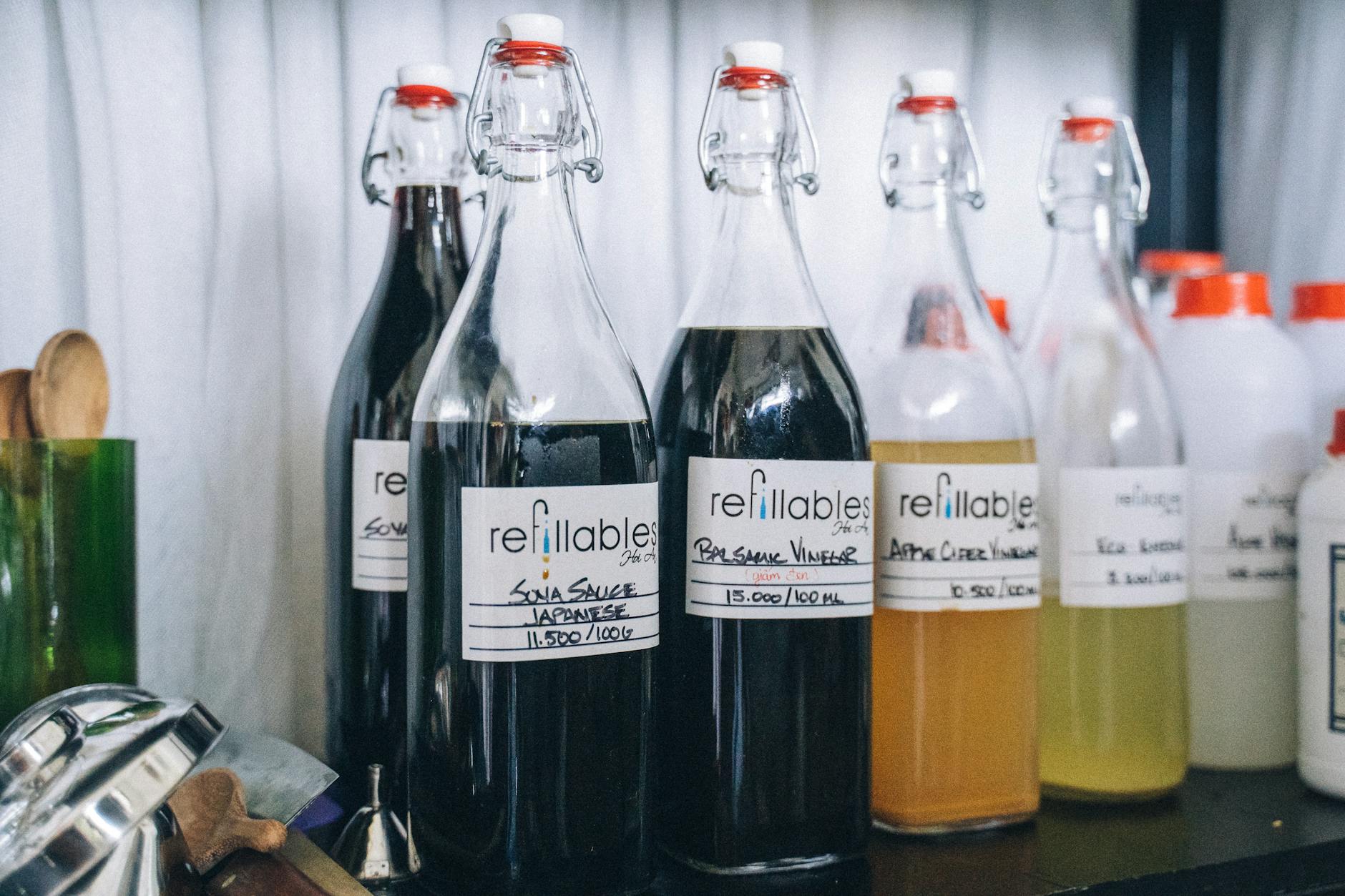
Using vinegar to cut through grease on a laptop or television screen is a dangerous practice. The acid attacks the anti-glare coating on modern displays and causes permanent clouding or peeling. Most manufacturers explicitly warn against using anything other than a microfiber cloth and a small amount of distilled water. Once the protective coating is stripped there is no way to repair the screen.
Baking Soda on Aluminum Cookware
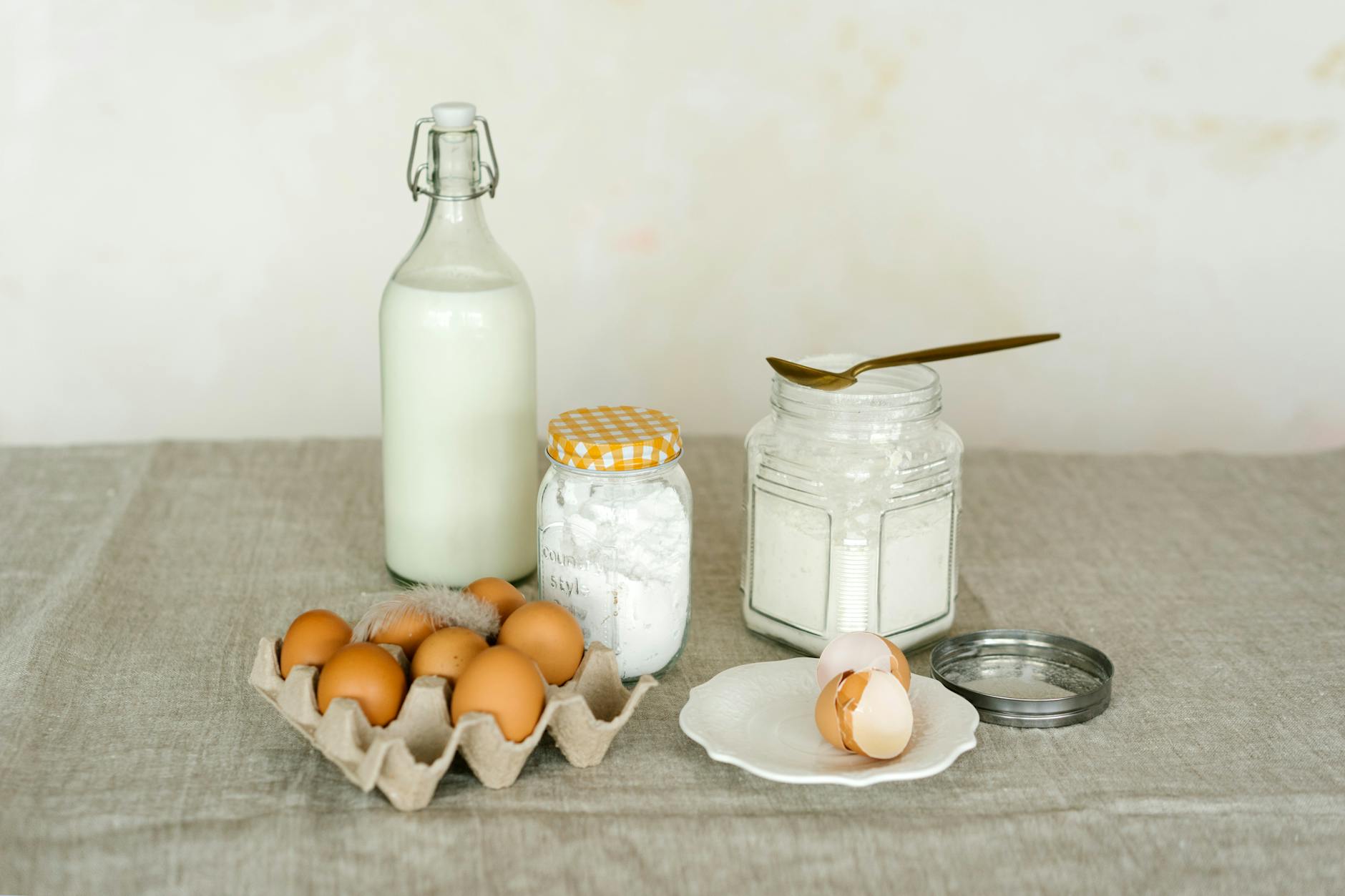
Baking soda is an excellent abrasive for many tasks but can cause oxidation on aluminum pots and pans. Prolonged exposure or scrubbing can darken the metal and alter its finish permanently. The alkaline nature of baking soda reacts with the aluminum to create unsightly discoloration. Simple dish soap and a non-scratch pad are safer options for preserving the look of aluminum cookware.
Mixing Bleach and Ammonia
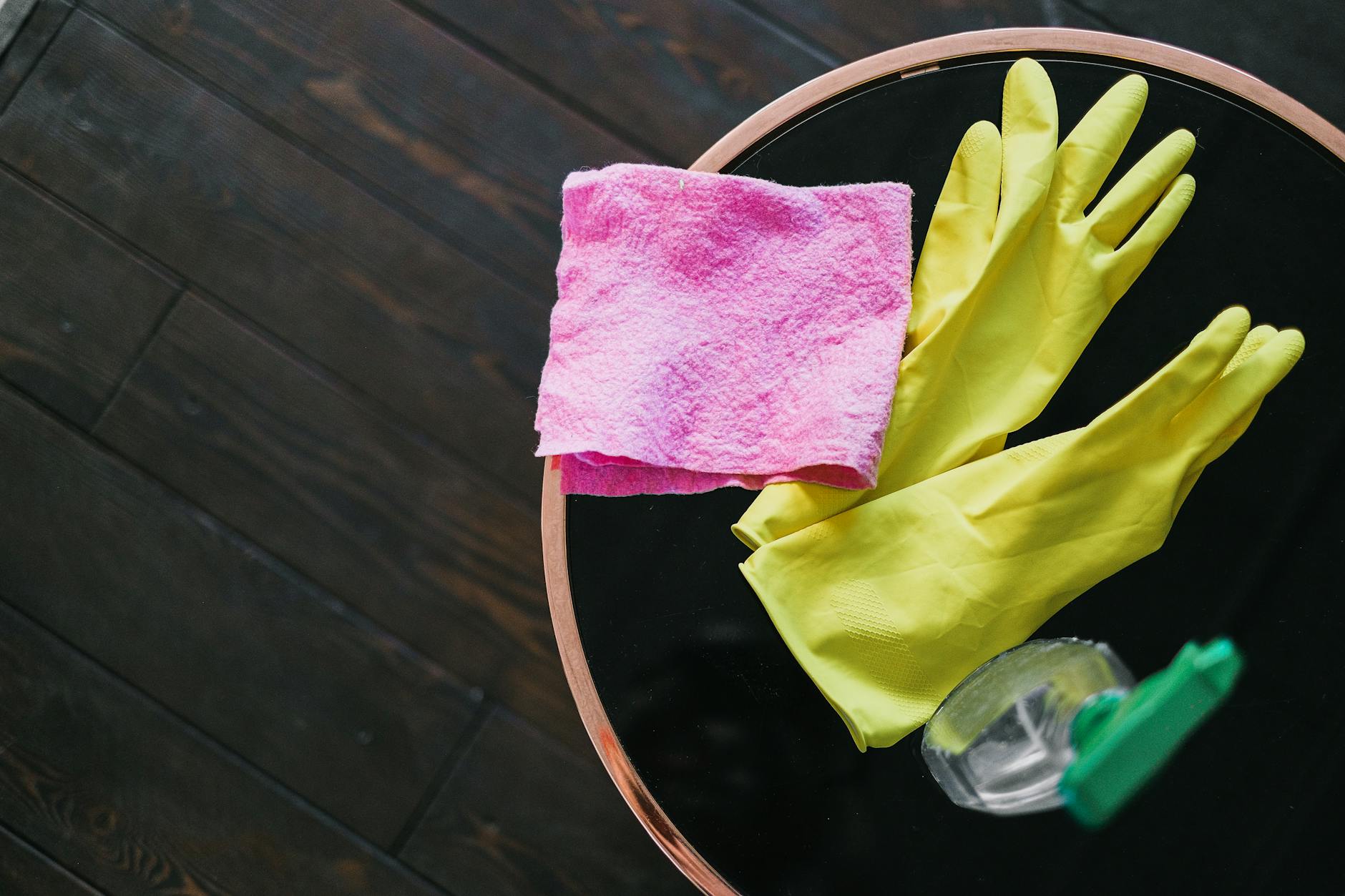
Mixing these two common cleaning agents creates chloramine gas which can cause serious respiratory damage. While not a structural damage hack it renders the home environment toxic and unusable for hours. The corrosive gas can also damage sensitive electronics or fabrics present in the room during the reaction. Always read labels carefully to ensure you never combine these incompatible chemicals.
Hydrogen Peroxide on Colored Upholstery
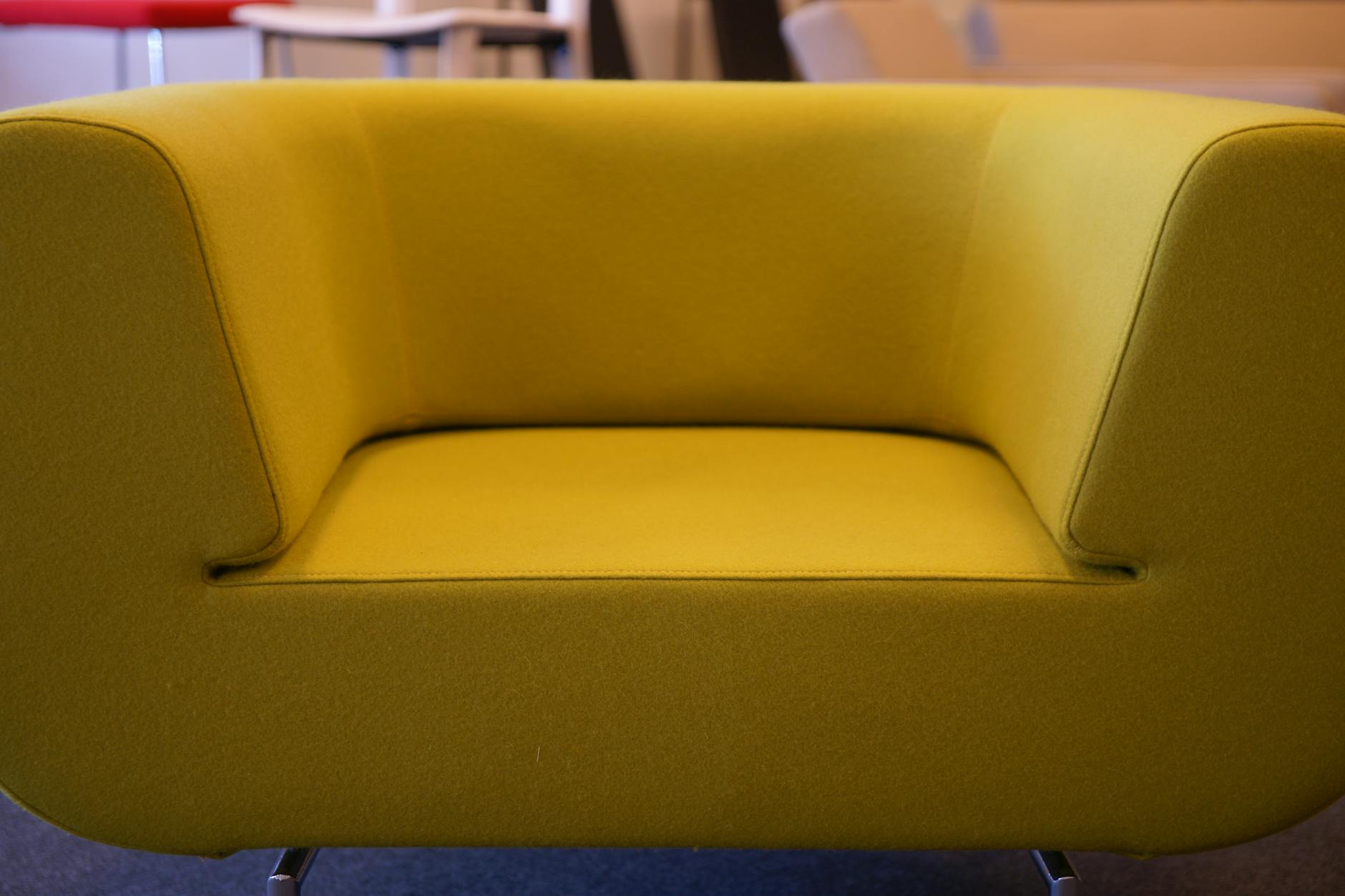
Hydrogen peroxide is an effective stain remover but acts as a mild bleaching agent. Using it on colored fabrics or upholstery can result in permanent light spots or color shifting. The chemical breaks down the dye molecules in the fabric fibers irreversibly. Always test a small inconspicuous area before applying it to visible stains on furniture or rugs.
Steel Wool on Stainless Steel Sinks
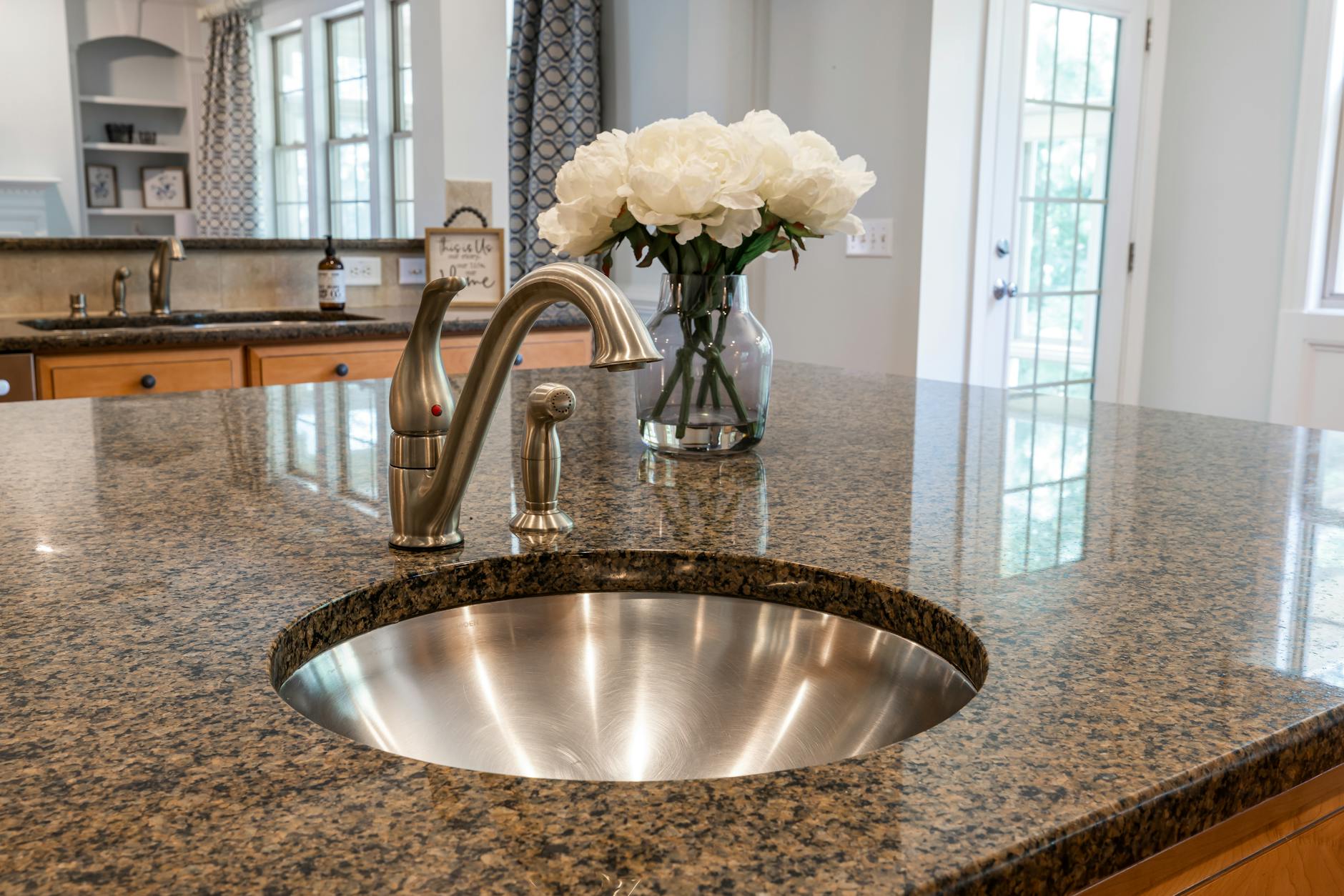
Scrubbing a stainless steel sink with steel wool leaves behind tiny iron particles. These particles eventually rust and create the illusion that the stainless steel itself is corroding. The abrasive wool also creates deep scratches that harbor bacteria and dull the finish. A nylon scrub brush provides enough agitation to clean without leaving behind rust-prone debris.
Essential Oils on Rubber Seals
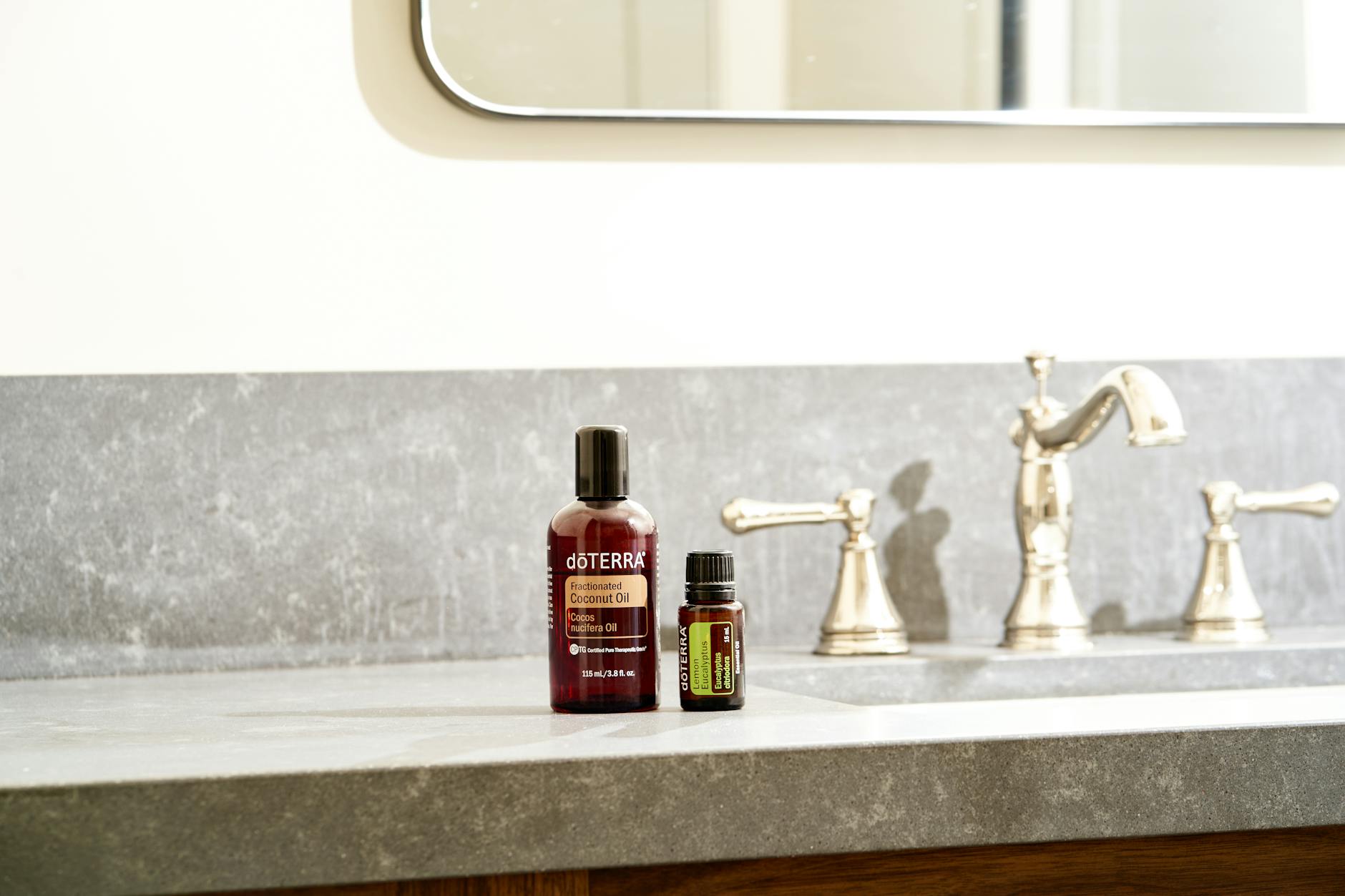
Adding essential oils to cleaning solutions adds a pleasant scent but can degrade rubber parts. The concentrated oils break down rubber gaskets in washing machines and refrigerator doors. This degradation leads to leaks and expensive repairs when seals fail prematurely. It is safer to use scent-free cleaners or those specifically designed for appliance maintenance.
Abrasive Cleaners on Gold Plated Fixtures
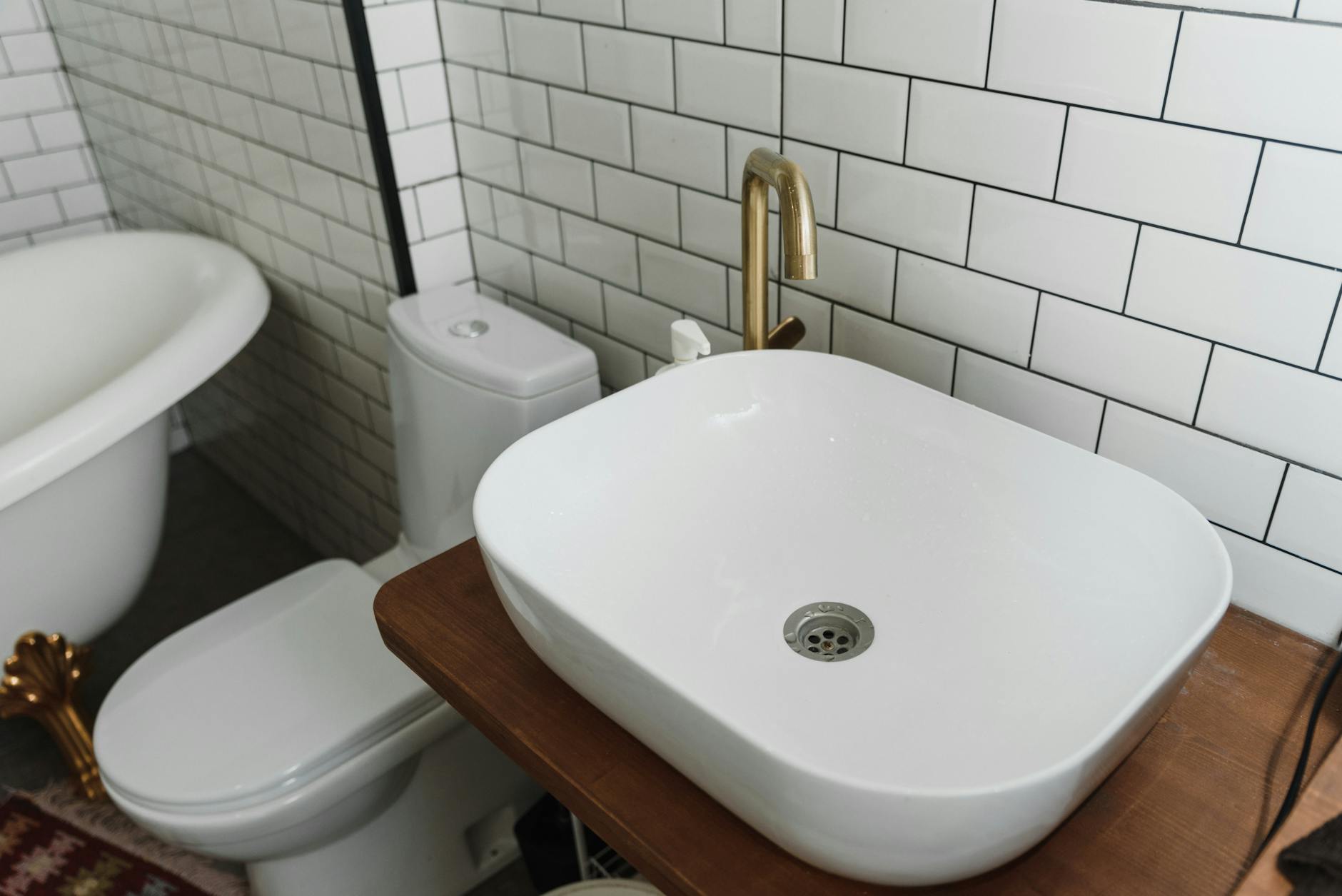
Gold plating is typically very thin and soft compared to other metal finishes. Using abrasive powders or stiff brushes will scrub the gold layer right off the base metal. Once the plating is removed the underlying metal will tarnish or corrode quickly. Gentle soap and a soft cloth are the only safe tools for maintaining gold fixtures.
Dishwasher for Cast Iron Skillets
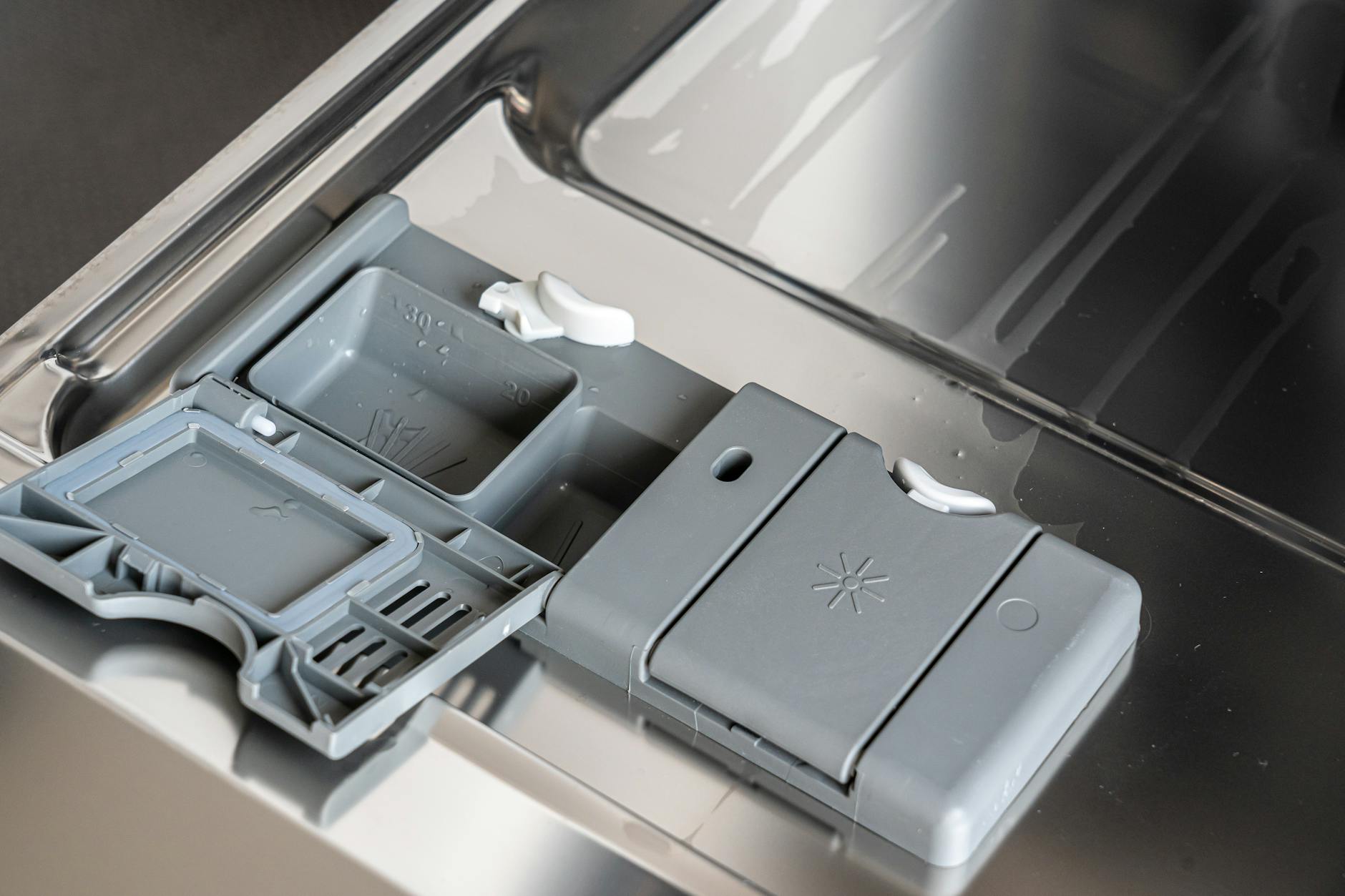
Putting a cast iron skillet in the dishwasher strips away the seasoned layer of oil that provides its non-stick surface. The harsh detergents and prolonged exposure to water encourage immediate rusting of the raw iron. Re-seasoning a rusted pan is a labor-intensive process that can be easily avoided. Hand washing with hot water and immediate drying is the only approved method for cast iron care.
Washing Machine for Running Shoes
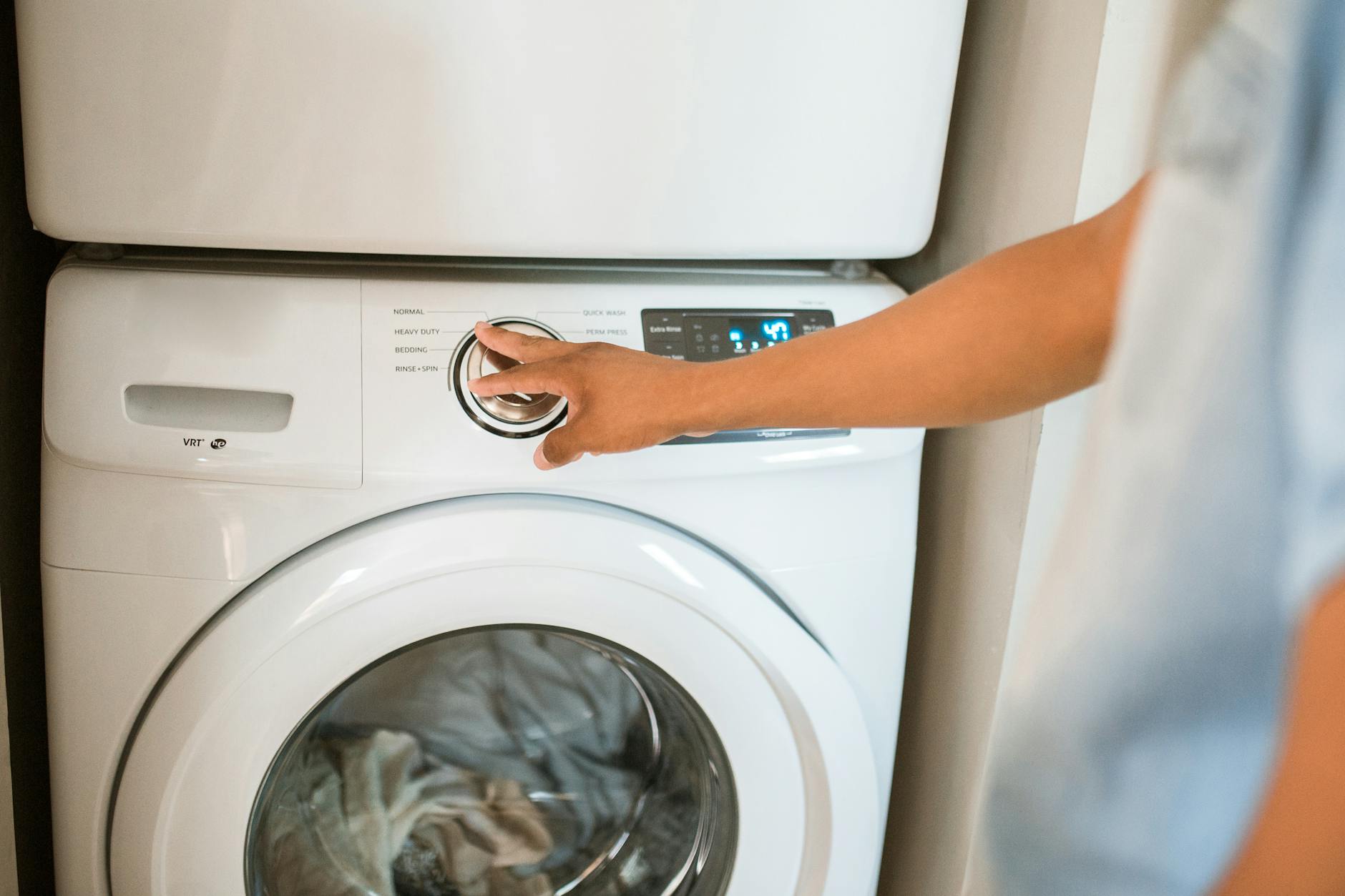
Tossing running shoes in the washing machine can break down the specialized glues and foam cushioning. The agitation cycle often distorts the shape of the shoe and compromises its structural support. High heat from the dryer further damages the rubber soles and technical fabrics. Spot cleaning by hand extends the life of expensive athletic footwear significantly.
Vinegar on Rubber Gaskets
Vinegar is often used to deodorize dishwashers and washing machines. Frequent use allows the acid to eat away at the rubber hoses and door seals. This leads to dry rot and eventual cracking that causes significant water leaks. Commercial machine cleaners are formulated to be safe for all internal components including rubber seals.
Toothpaste on Silver Jewelry
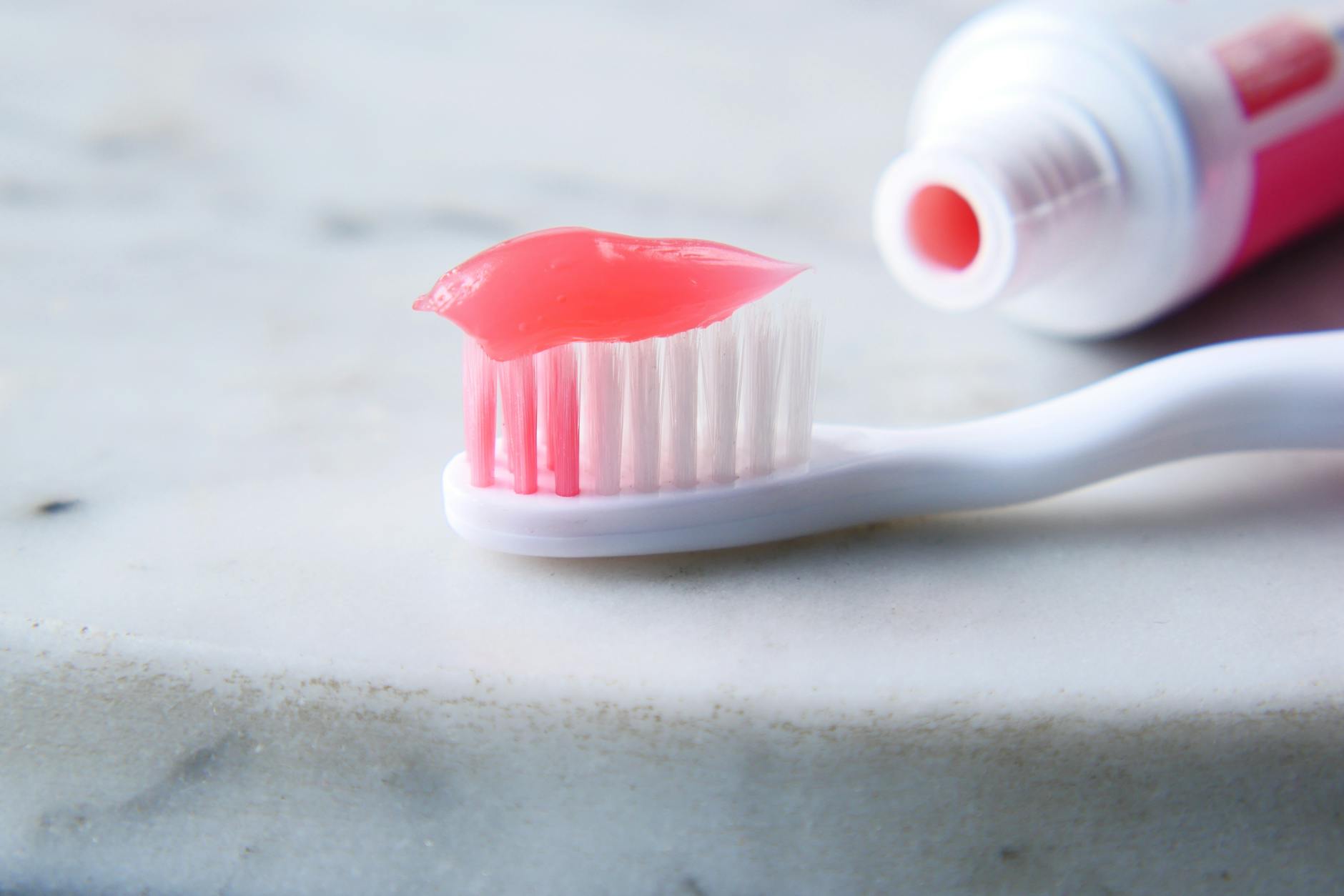
Toothpaste is a classic hack for shining silver but most modern formulas contain abrasive silica. These particles are too harsh for soft silver and create microscopic scratches that dull the shine over time. The paste can also harden in intricate settings and become difficult to remove without professional ultrasonic cleaning. A silver polishing cloth is a gentle and effective investment for protecting jewelry.
Glass Cleaner on Computer Monitors
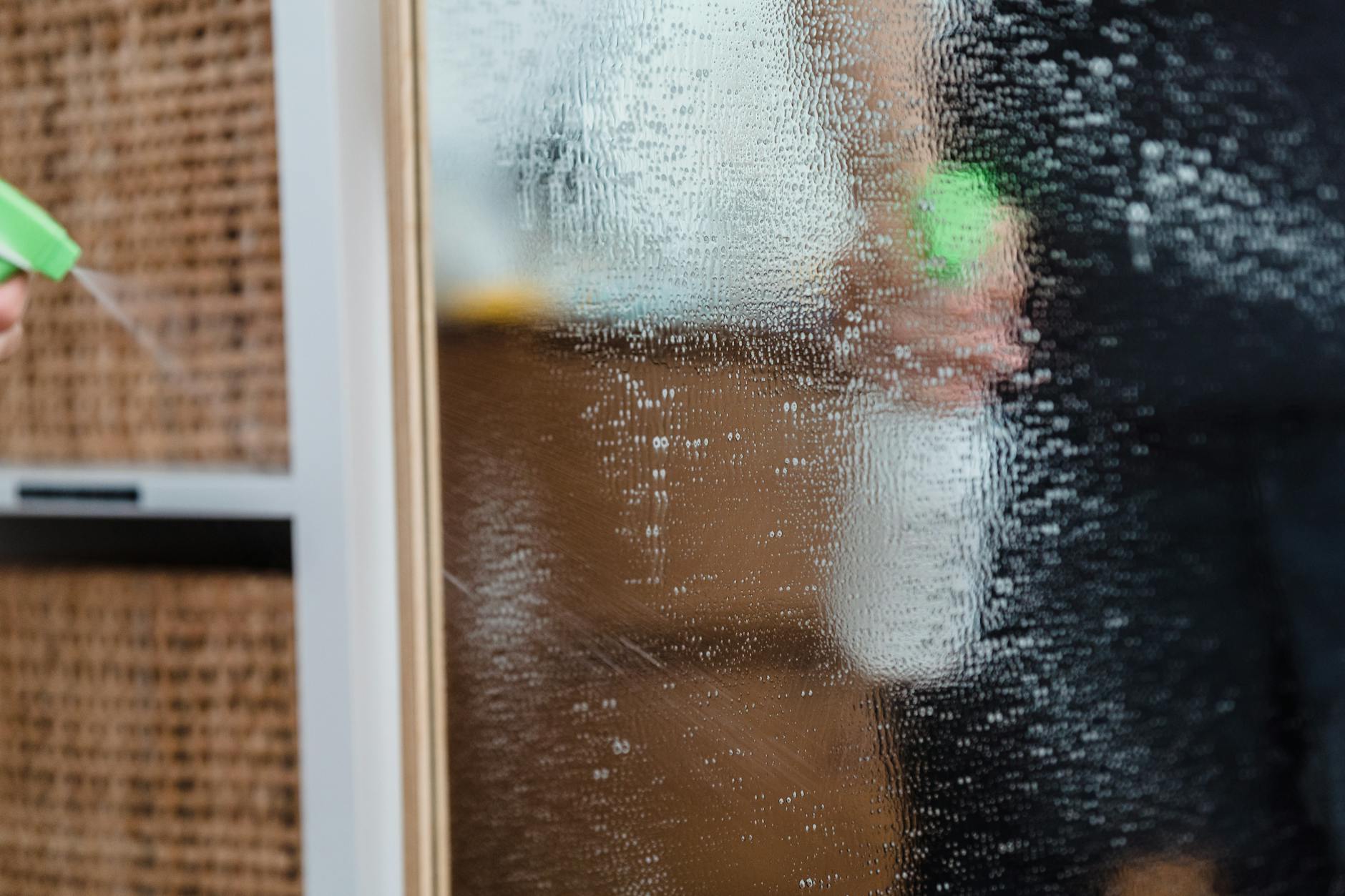
Ammonia-based glass cleaners are too harsh for the delicate plastics used in computer monitors and LCD screens. The chemical can cause the screen surface to yellow or become brittle over time. Spraying liquid directly onto the screen also risks fluid running into the bezel and damaging internal electronics. Specialized screen wipes are inexpensive and prevent permanent damage to expensive hardware.
Dirty Rags on Surfaces
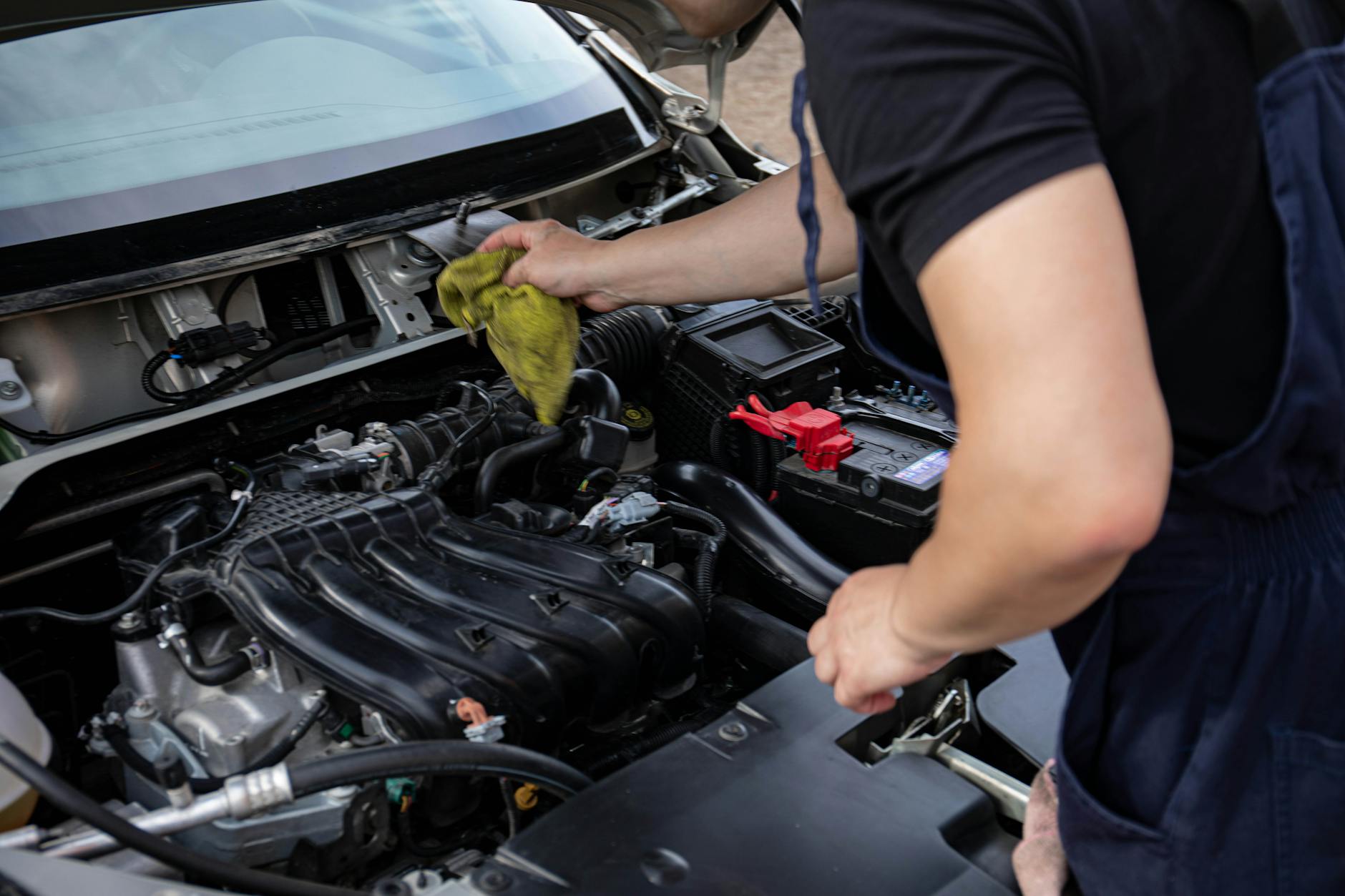
Reusing a cleaning rag without washing it first spreads abrasive grit across delicate surfaces. Small particles of sand or dirt trapped in the fibers can scratch finishes on wood, glass, and stainless steel. This turns the act of dusting into a damaging process that mars furniture. Always use a fresh or thoroughly washed microfiber cloth for each cleaning session.
Hairspray for Ink Stains on Leather
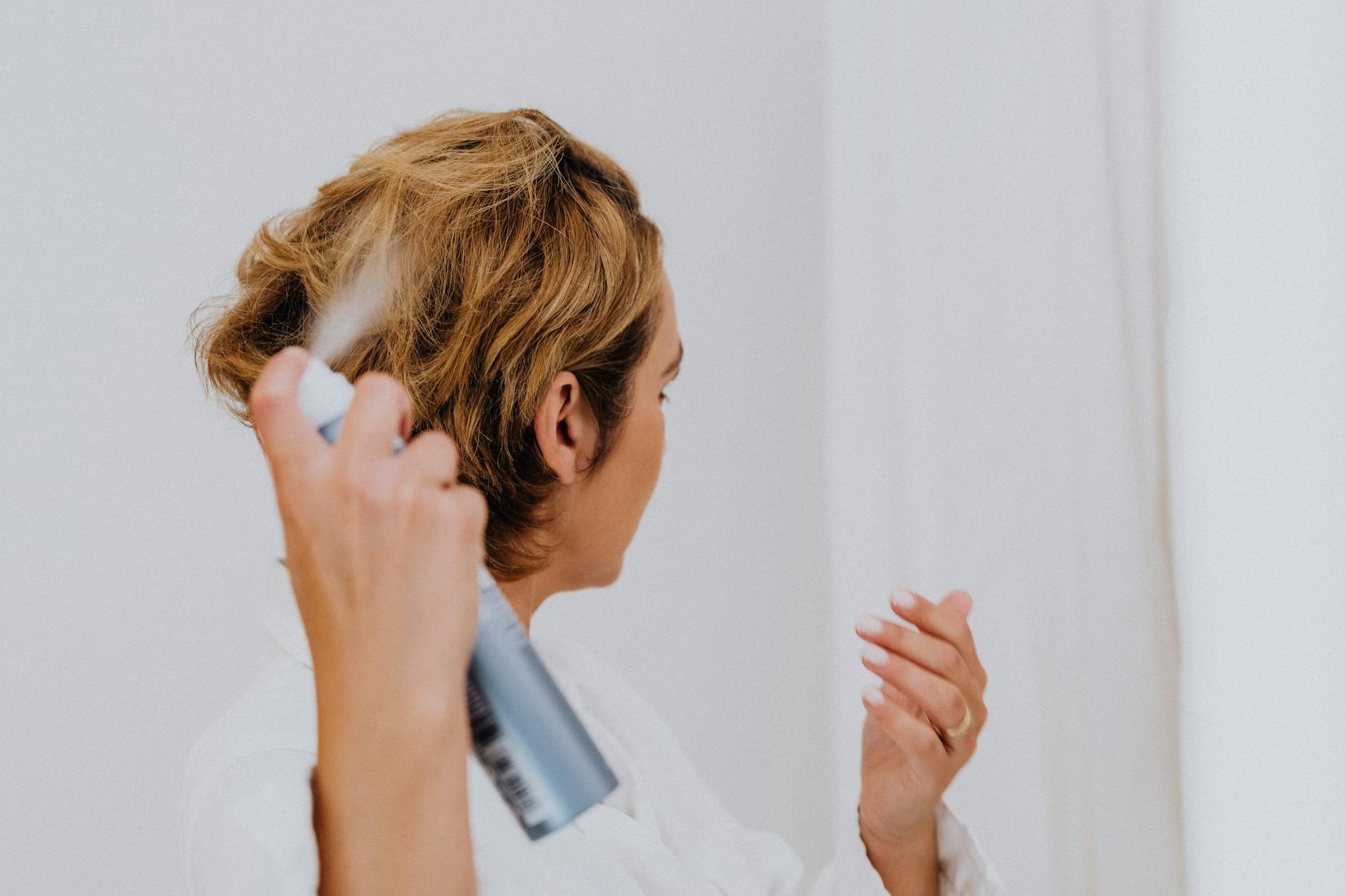
Hairspray was once a go-to remedy for ink because of its high alcohol content. Modern hairspray formulations have less alcohol and contain stiffening agents that leave sticky residues on leather. The solvents can also dry out the leather and cause the dye to fade or crack. A dedicated leather cleaner or conditioner is safer and more effective for removing stains.
Baking Soda on Marble Surfaces
Baking soda is alkaline and abrasive which makes it dangerous for soft stones like marble. Scrubbing with this powder can scratch the sealant and expose the porous stone to stains. Repeated use will wear down the polish and leave the surface looking dull and matte. Neutral stone cleaners are required to maintain the high gloss finish of marble.
Rubbing Alcohol on Leather Furniture
Using rubbing alcohol to sanitize or clean leather strips away natural oils that keep the material supple. This causes the leather to stiffen and eventually crack or peel. The harsh solvent can also remove the top coat of dye and create uneven color patches. Leather requires pH-balanced conditioners to maintain its texture and appearance.
Acetone on Plastic Surfaces
Acetone is excellent for removing nail polish but dissolves many types of household plastics. Using it to clean plastic furniture or appliances can cause immediate melting or permanent clouding. The chemical reaction fuses the plastic surface and ruins the smooth finish instantly. Mild soap and water are usually sufficient for cleaning plastic items safely.
Bleach on Wood Floors
Bleach should never be used to clean or disinfect wood flooring. The liquid penetrates the wood fibers and breaks down the cellular structure which leads to splintering. It also strips away the stain and finish creating unsightly light patches. Wood-specific cleaners effectively sanitize without destroying the material.
Hot Water on Wood Floors
Mopping wood floors with very hot water can damage the finish and the wood itself. The heat opens the pores of the wood and allows moisture to penetrate deeper than cool water would. This can cause planks to cup or warp as they absorb the excess liquid. Using a damp mop with lukewarm or cool water prevents thermal shock to the flooring.
Microfiber on Oiled Wood
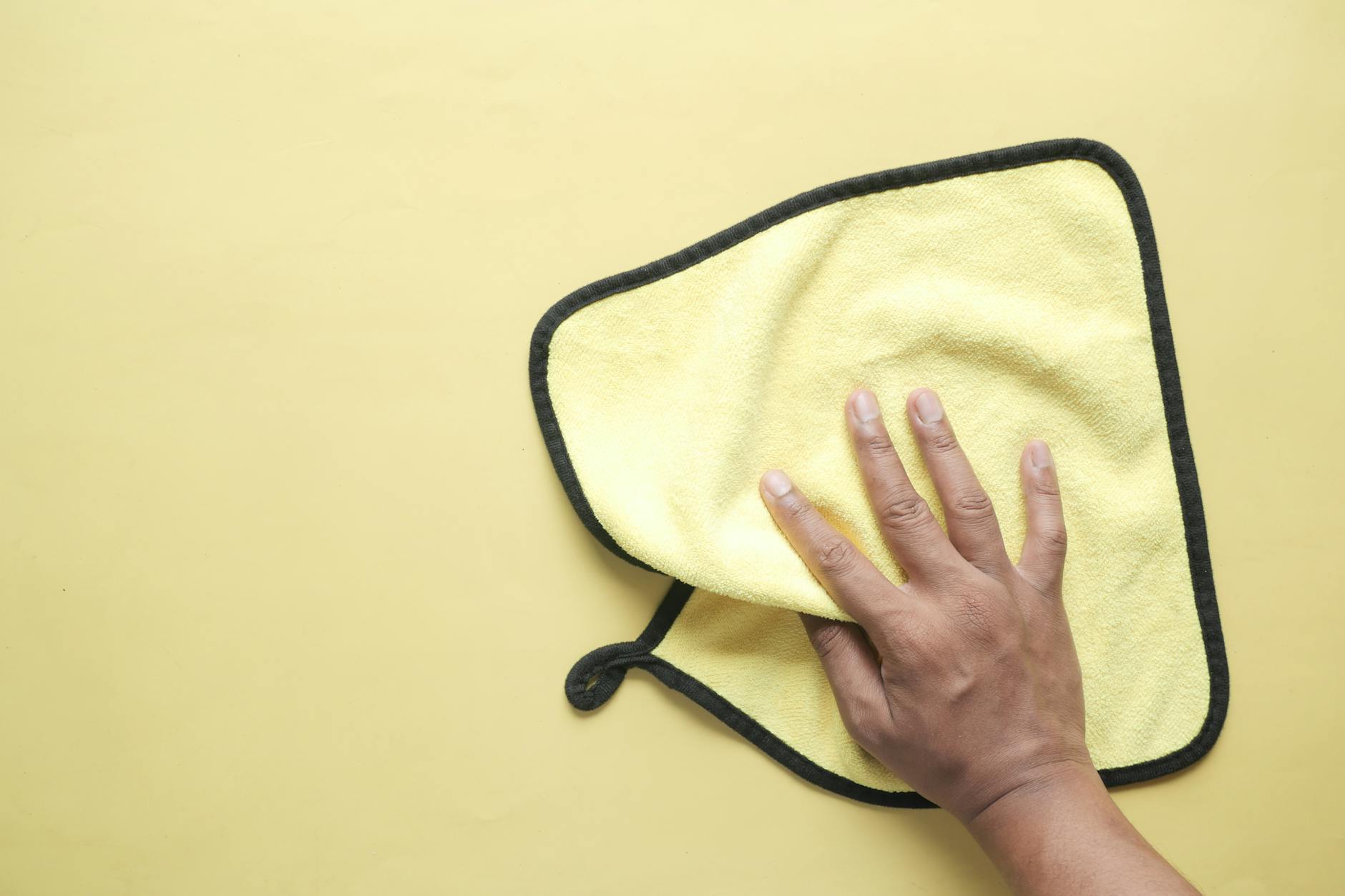
Microfiber cloths are designed to grab and hold particles and oils. Using them on oiled wood furniture or floors can gradually strip the protective oil finish away. This leaves the wood dry and thirsty which requires more frequent maintenance. Cotton cloths are a better choice for applying oil or dusting oiled wood surfaces.
Carpet Deodorizing Powders
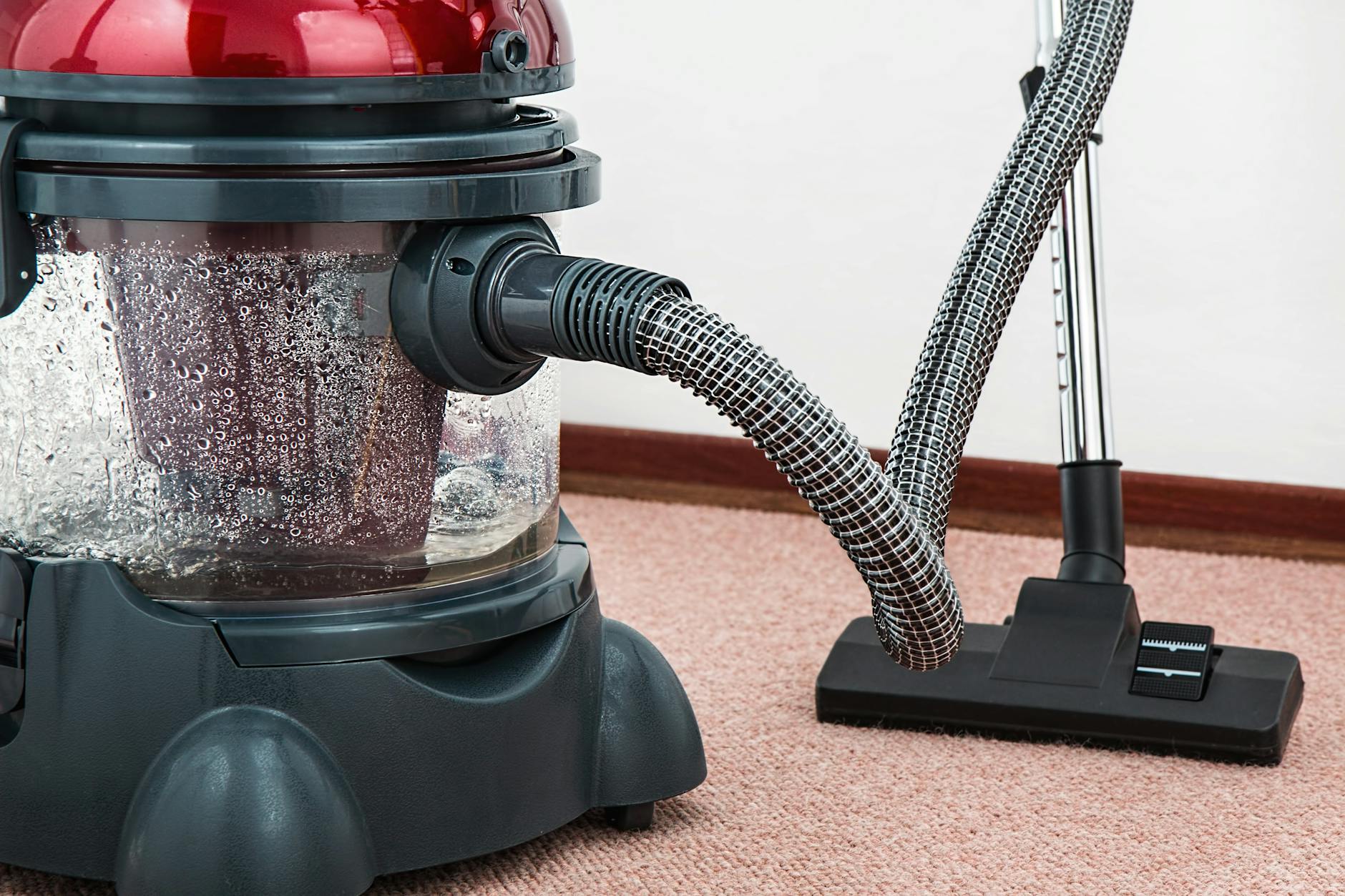
Sprinkling scented powder on carpets seems like a quick way to freshen up a room. The fine particles often settle deep into the carpet fibers and are difficult for vacuums to extract completely. Over time this build-up can damage the carpet backing and clog the vacuum motor. The trapped powder may also attract moisture and lead to mold growth under the surface.
Fabric Softener on Towels
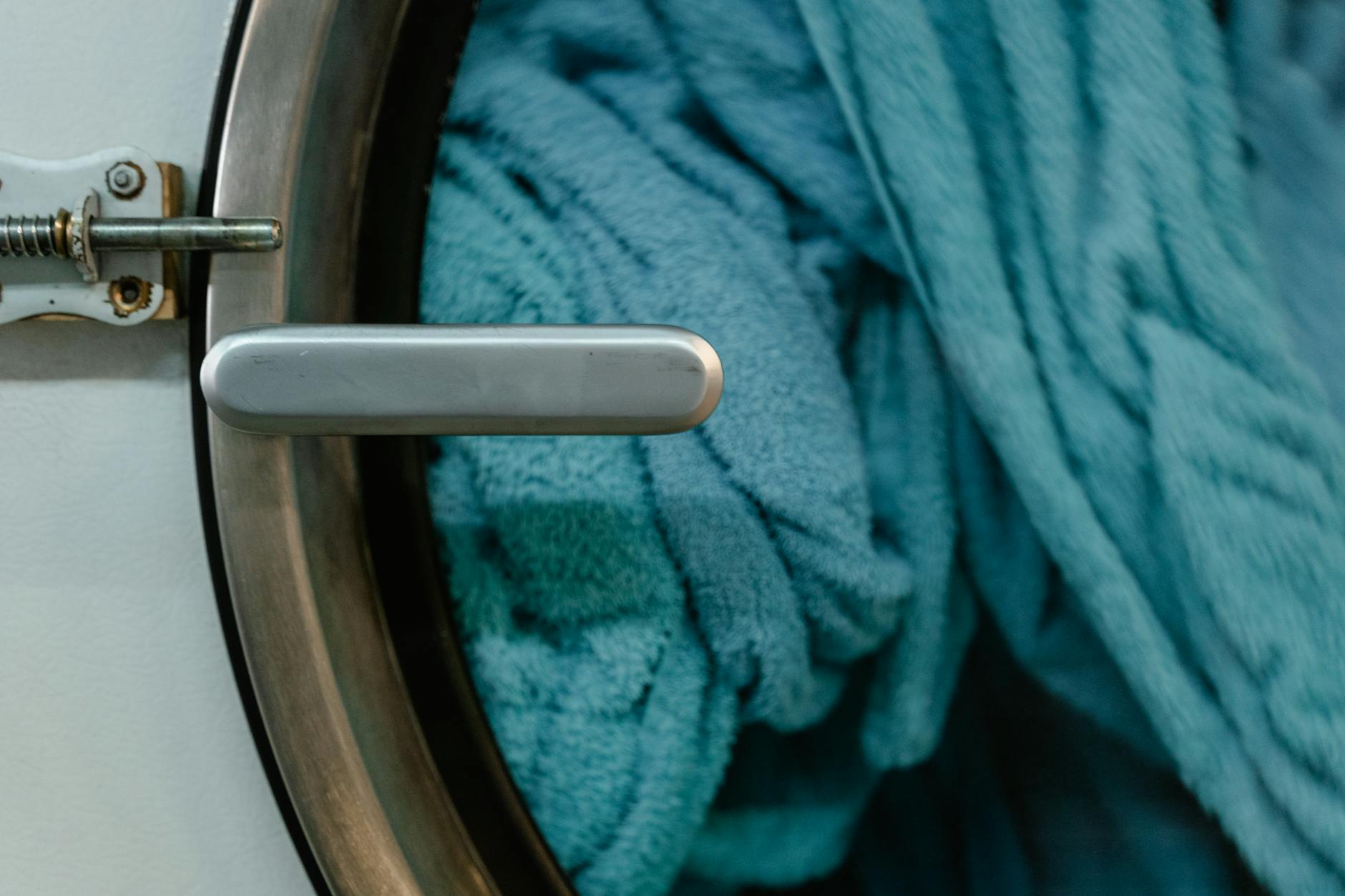
Fabric softener coats fibers with a wax-like substance to make them feel smooth. This coating significantly reduces the absorbency of bath towels and kitchen cloths. Over time the towels become ineffective at drying and may develop a musty smell as water gets trapped in the fibers. Vinegar is a natural alternative that softens fabrics without blocking their ability to absorb water.
Dryer Sheets on Athletic Wear
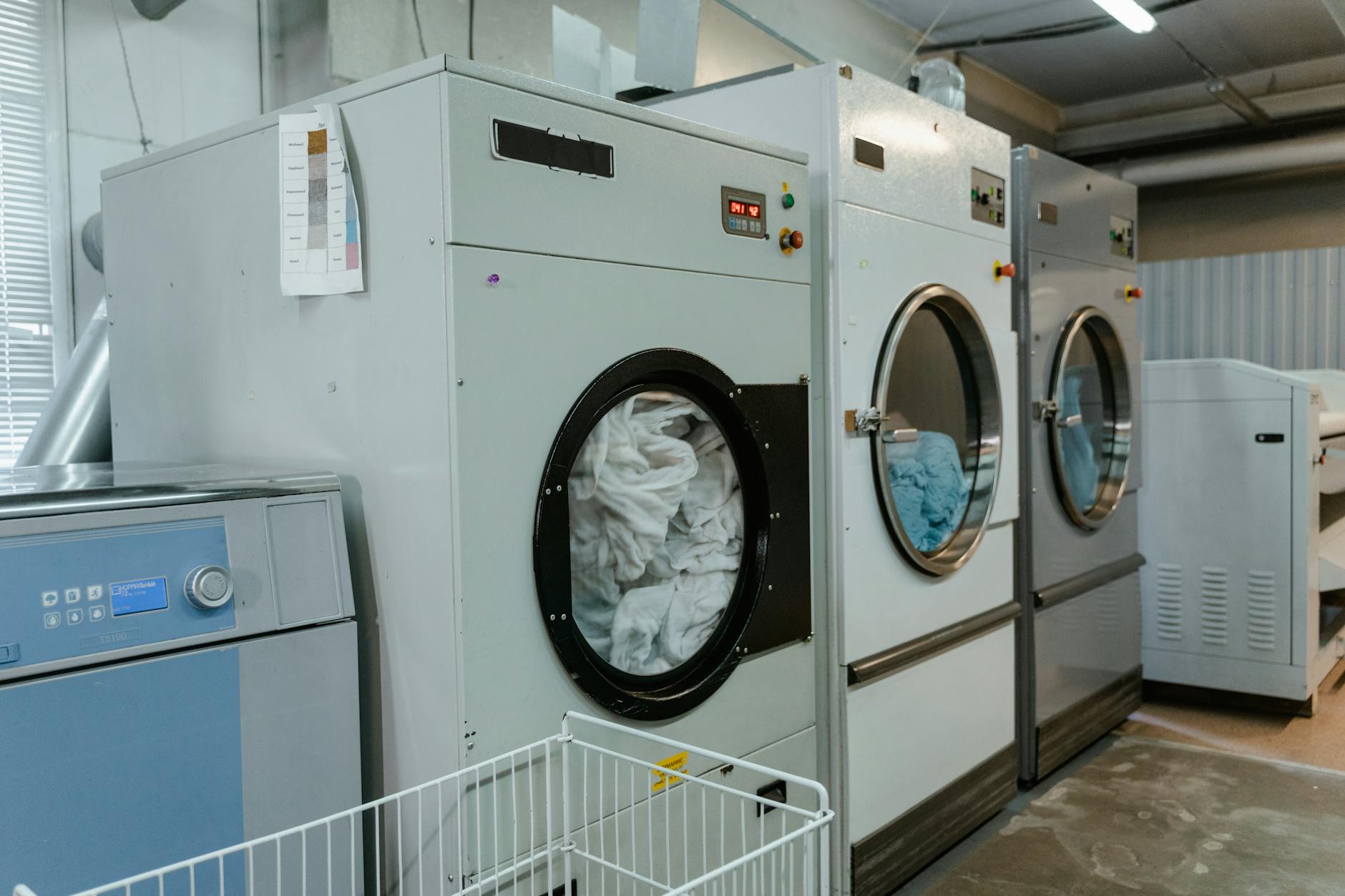
Dryer sheets coat fabrics with a film that blocks the wicking capabilities of technical sportswear. This prevents the fabric from pulling sweat away from the body and trapping odors instead. The coating creates a barrier that stops the specialized detergent from cleaning the fibers effectively in the next wash. Air drying or using wool dryer balls is the best way to care for performance gear.
Tell us which cleaning habits you plan to change in the comments.