Most people diligently check expiration dates on milk and eggs while overlooking the shelf life of everyday objects filling their cabinets and drawers. Many common household goods degrade in quality or safety effectiveness long before they physically break or run out. Using items past their prime can lead to reduced hygiene and compromised performance or even potential health risks. Awareness of these hidden expiration timelines helps maintain a cleaner and more efficient home environment. Regular audits of these possessions ensure that everything from bathroom staples to safety gear functions exactly as intended.
Kitchen Sponges
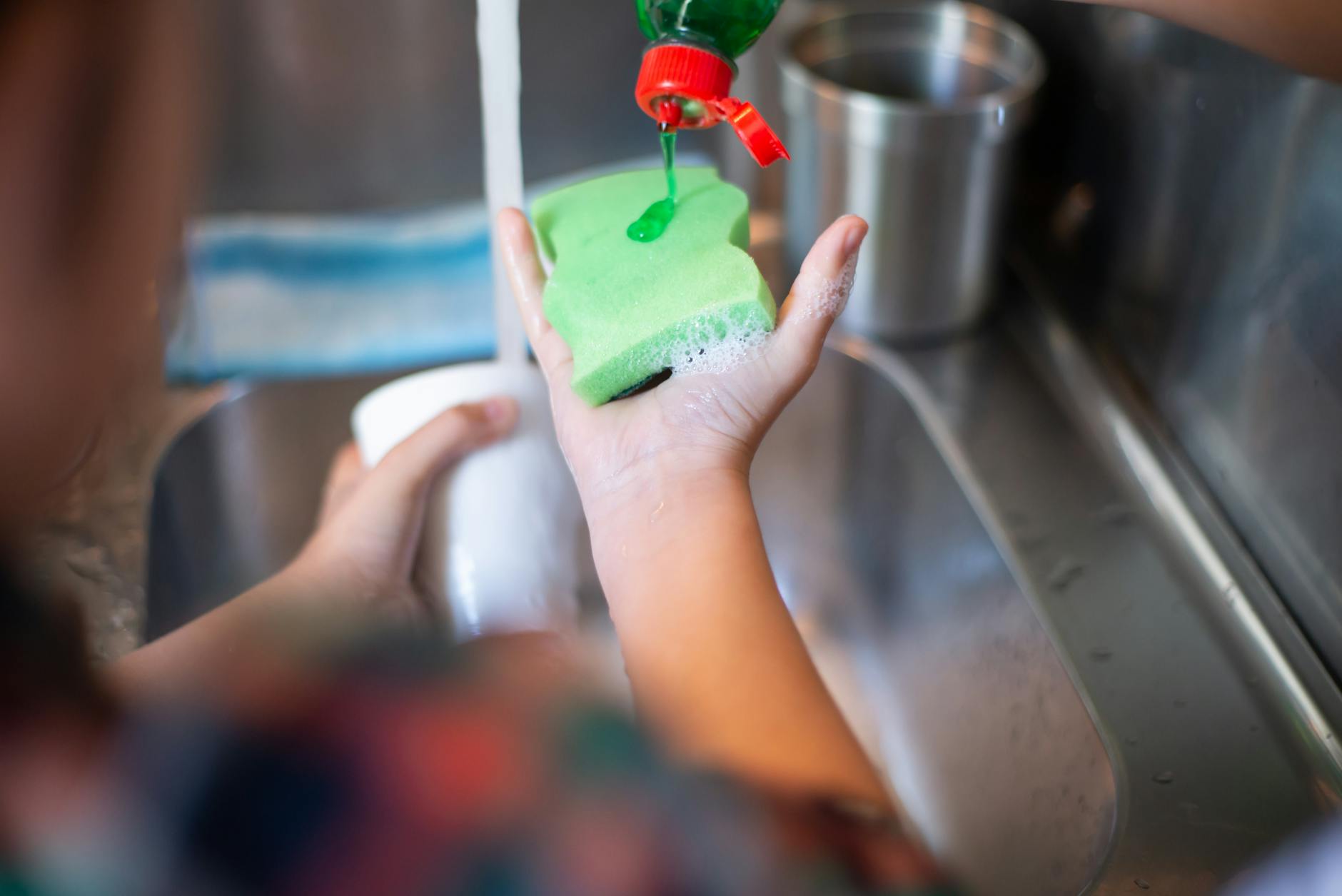
These porous cleaning tools become breeding grounds for bacteria within just two weeks of regular use. Sanitizing them in the microwave offers only a temporary solution to the accumulation of germs. Frequent replacement is the only way to ensure dishes are actually being cleaned rather than contaminated. Using old sponges spreads pathogens across countertops and dining surfaces instead of removing them.
Pillows

Pillows lose their structural integrity and ability to support the neck after about one to two years. Dust mites and dead skin cells accumulate inside the filling over time which can trigger allergies or asthma. Even with regular washing of pillowcases the inner material eventually harbors significant weight in microscopic debris. Replacing them periodically ensures better sleep hygiene and proper spinal alignment during rest.
Loofahs
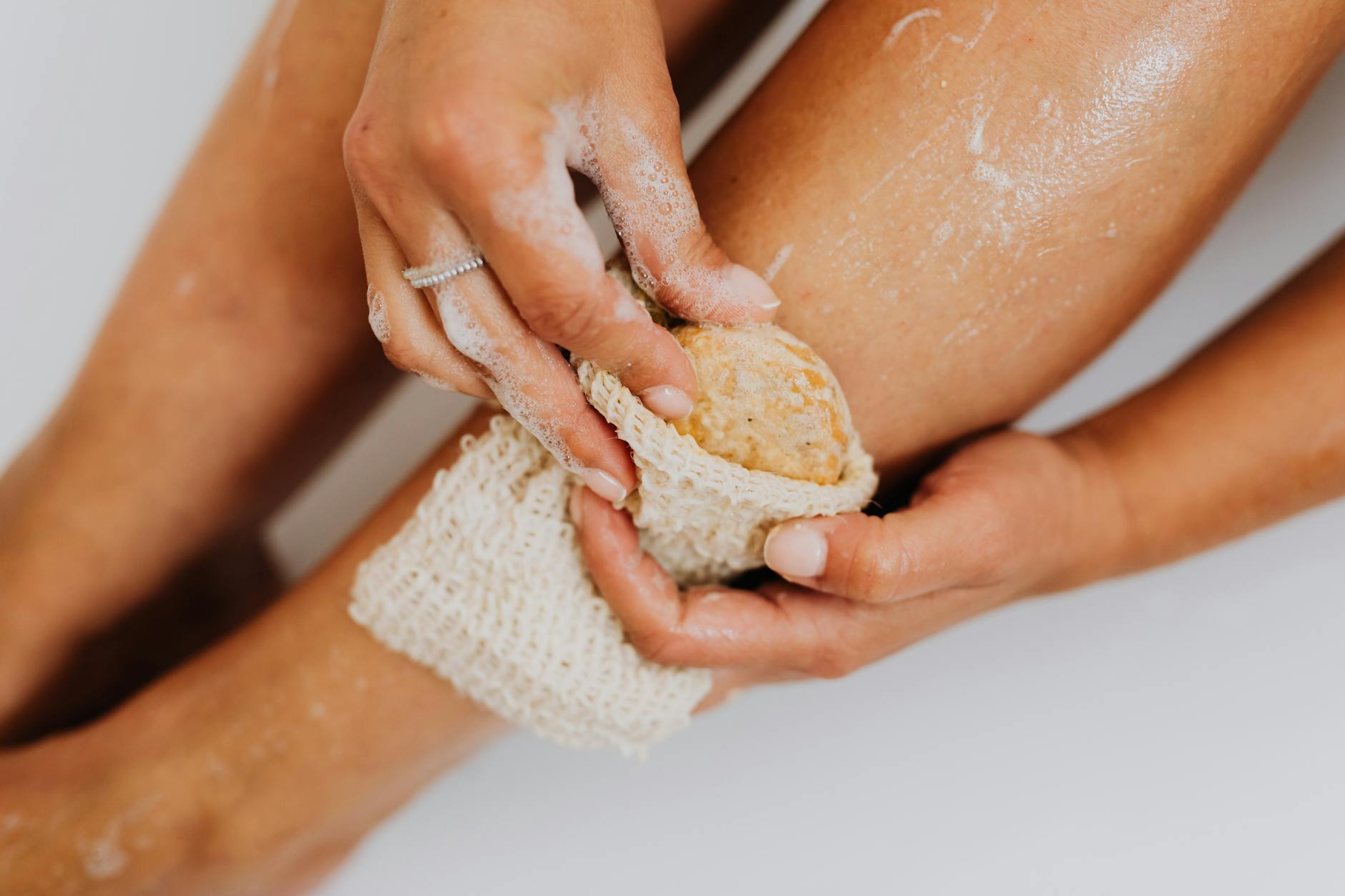
Natural loofahs are susceptible to mold growth because they often remain damp in humid shower environments. Bacteria thrive in the woven fibers after just three to four weeks of daily use. Plastic mesh poufs last slightly longer but still require replacement every two months to prevent skin infections. Regular replacement prevents the scrubbing of mold spores back onto freshly washed skin.
Toothbrushes
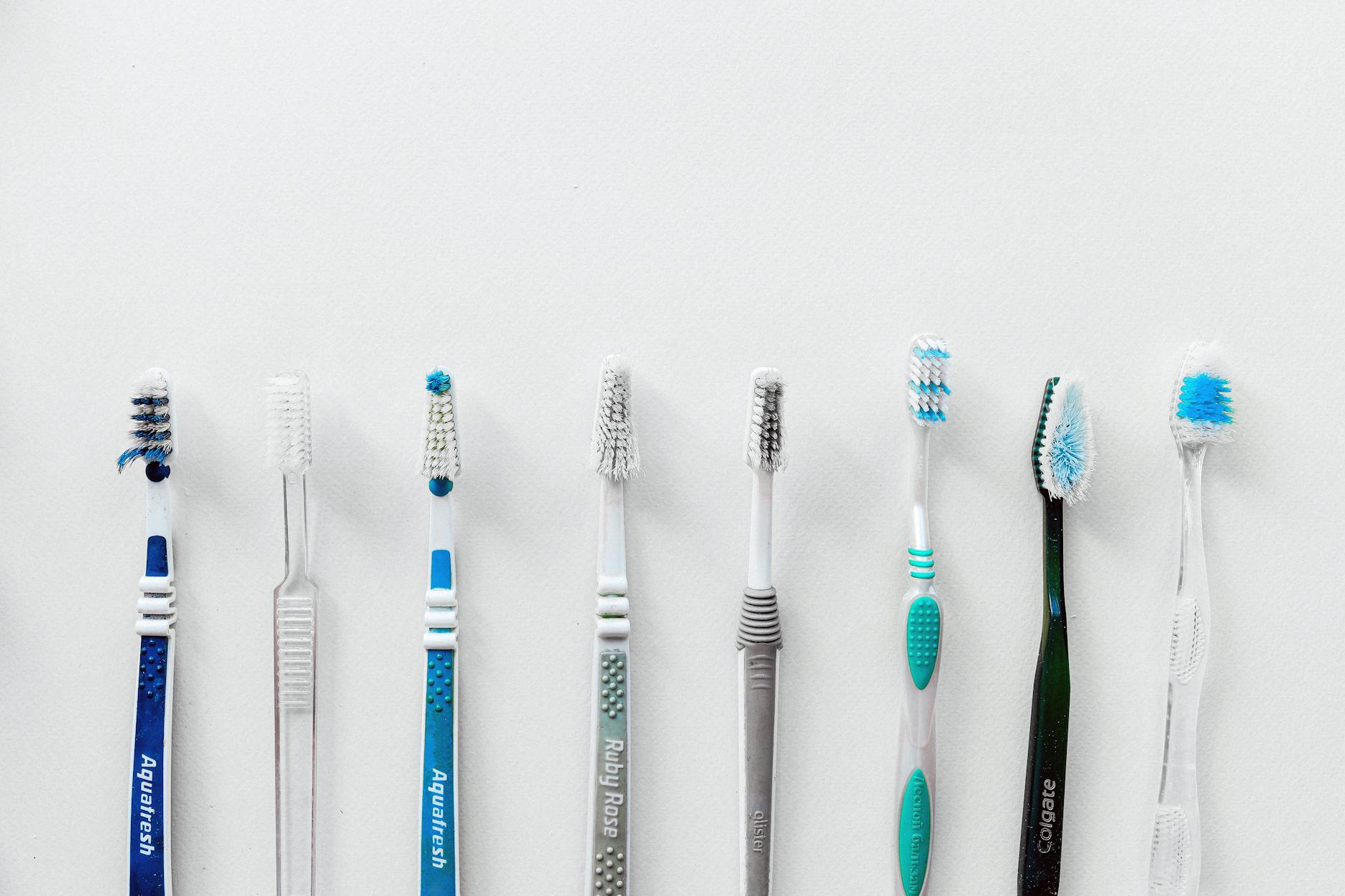
Bristles begin to fray and lose their effectiveness at removing plaque after three months of twice-daily brushing. Worn bristles can damage delicate gum tissue and fail to clean between teeth adequately. Germs from the mouth and bathroom environment also build up on the brush head over time. Dentists recommend swapping out this essential tool immediately after recovering from a cold or flu.
Ground Spices
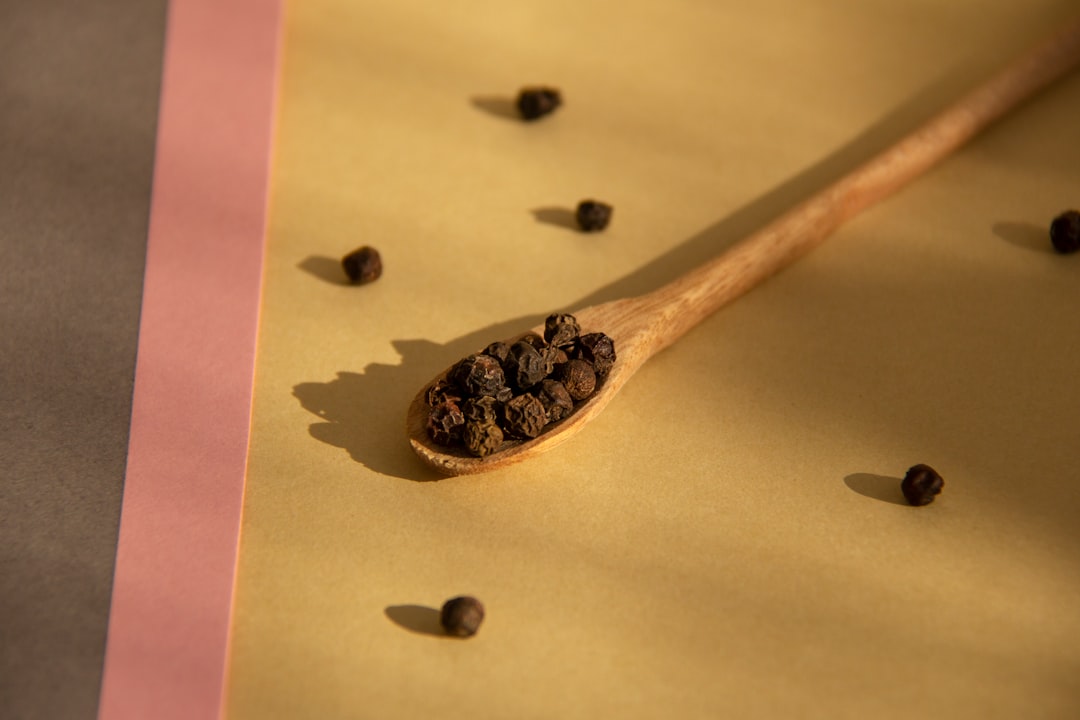
Dried herbs and ground spices lose their potency and flavor profile significantly after six months to a year. While they may not spoil in a way that causes illness the culinary result becomes bland and lackluster. Heat and light exposure in the kitchen accelerate the degradation of essential oils within the seasonings. Regularly refreshing the spice rack ensures meals remain vibrant and aromatic.
Sunscreen
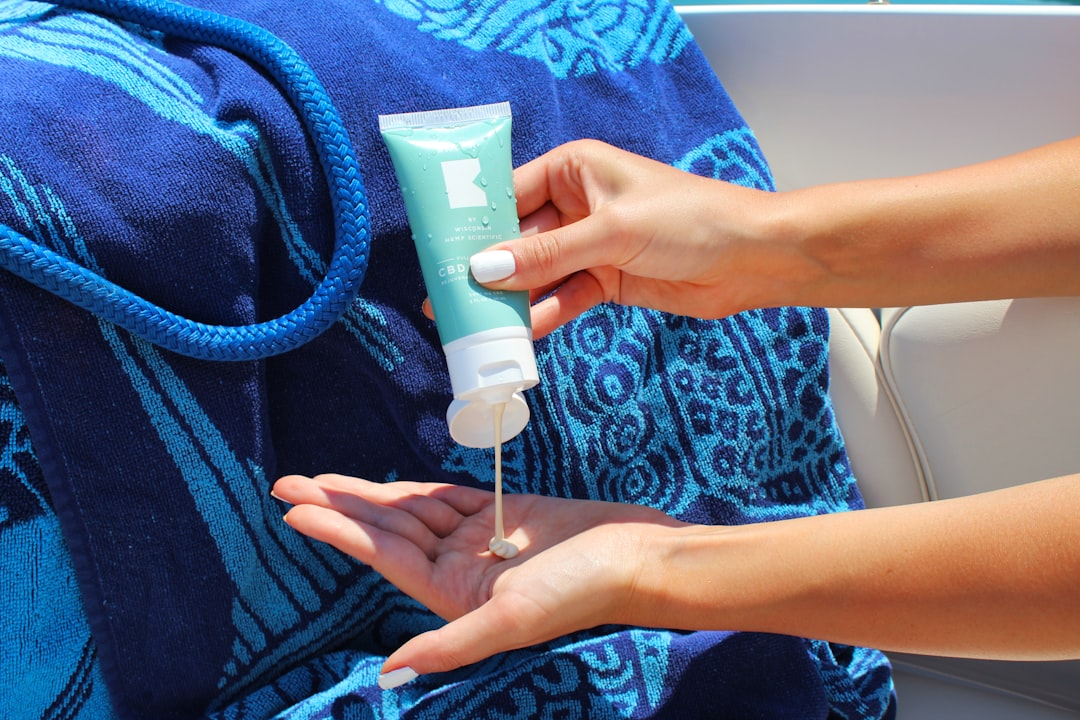
Active ingredients in sun protection products degrade over time and lose their ability to block harmful UV rays. Most bottles remain effective for up to three years unless exposed to extreme heat or direct sunlight. Using expired lotion creates a false sense of security and leaves skin vulnerable to burns and long-term damage. Checking the date before heading to the beach prevents painful and dangerous sun exposure.
Mascara
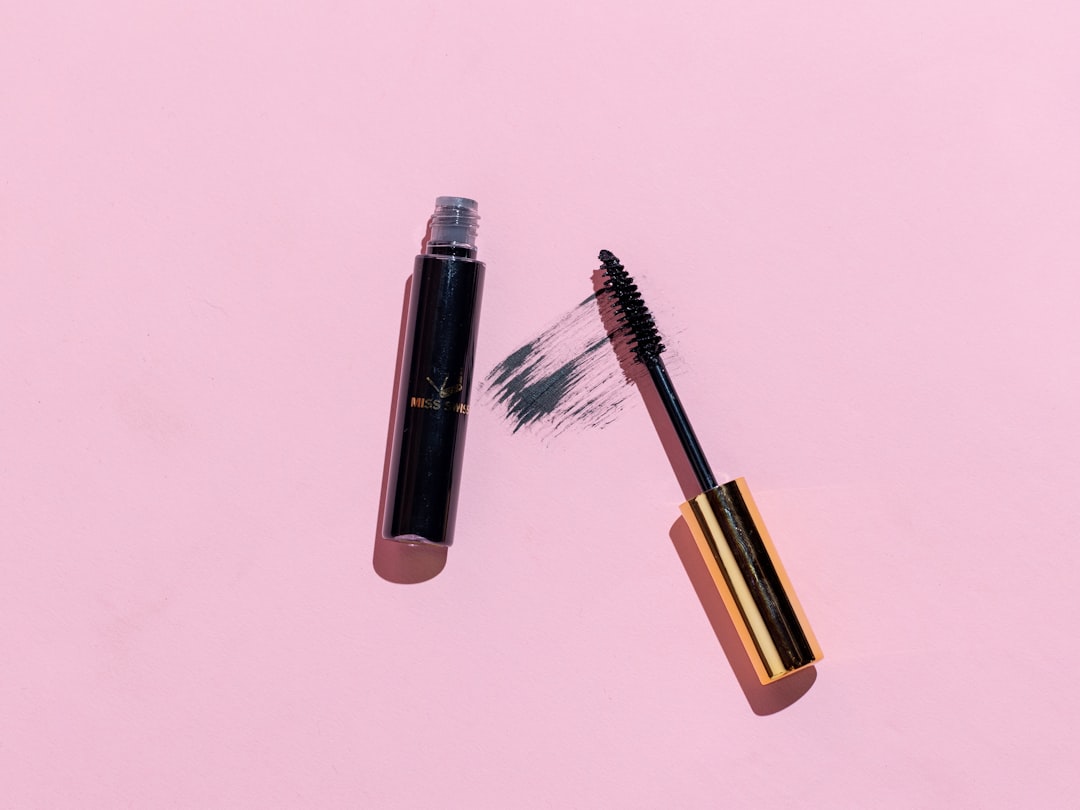
Liquid eye makeup creates a dark and moist environment where bacteria can multiply rapidly after the tube is opened. pumping the wand pushes air inside and dries out the formula while introducing airborne contaminants. Ophthalmologists suggest discarding mascara every three months to prevent eye infections like pink eye. A change in smell or texture indicates the product has turned and should be tossed immediately.
Bleach
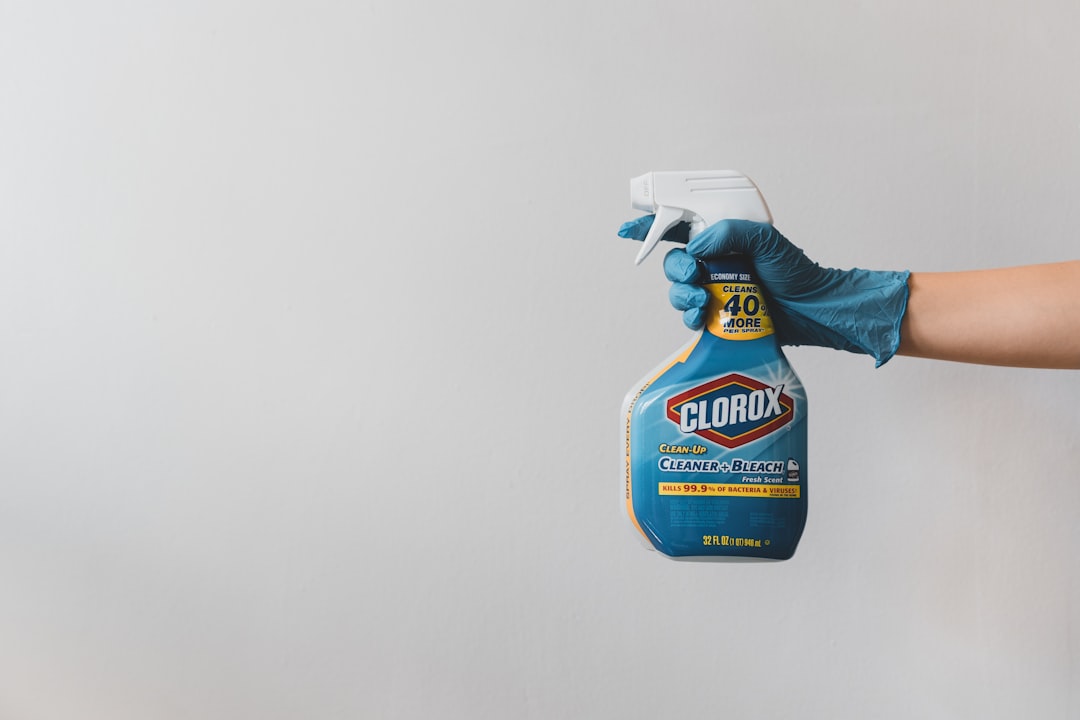
Liquid bleach begins to break down and lose its disinfecting power six months after the manufacturing date. The chemical composition destabilizes over time and turns the solution into essentially ineffective salt water. Proper storage in a cool place helps maintain stability but cannot stop the degradation process indefinitely. Checking the production code on the bottle ensures cleaning efforts actually kill viruses and bacteria.
Latex Paint
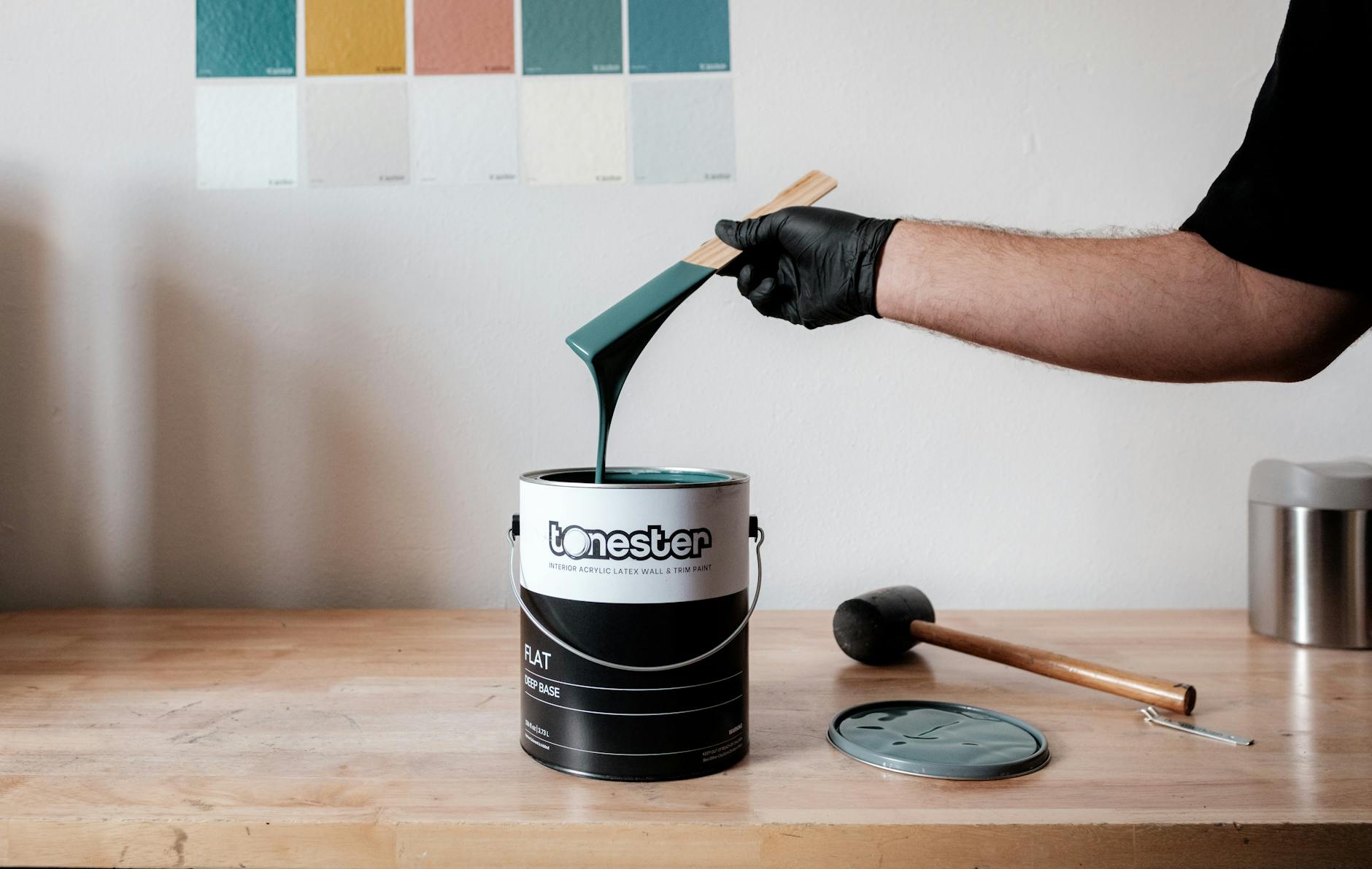
Opened cans of paint can separate and develop a foul odor if stored for more than two years. Unopened cans may last up to a decade if kept in a temperature-controlled environment away from freezing cold. Lumps or a film on top that refuses to mix back in signal the product is no longer usable. Using expired paint often results in poor coverage and peeling or cracking on the wall.
Batteries
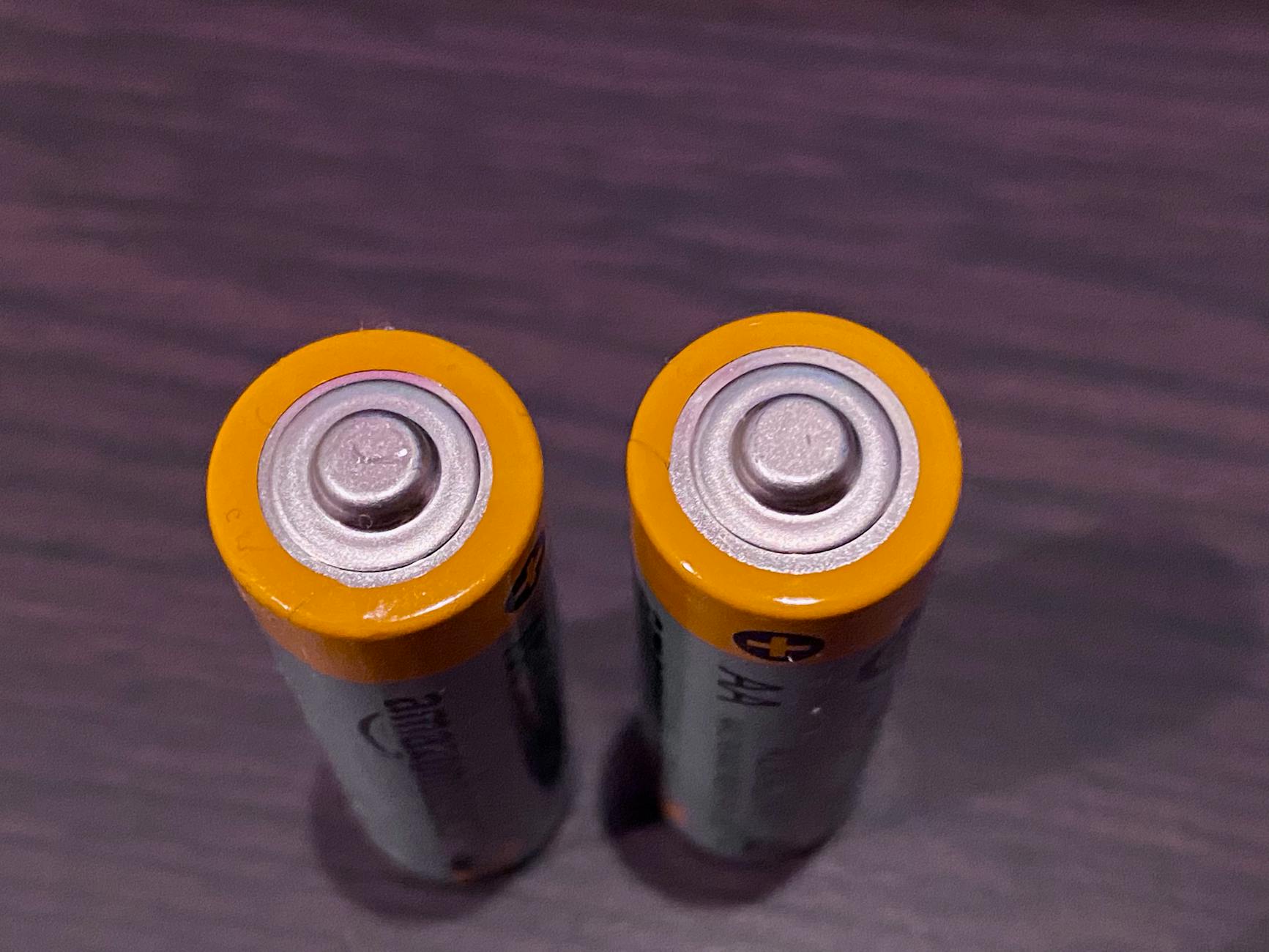
Alkaline batteries slowly discharge energy even when they are sitting unused in the original packaging. Most manufacturers print a shelf life date that typically spans five to ten years depending on the brand. Old batteries are prone to leaking corrosive acid that can permanently damage expensive electronic devices. Testing spares regularly prevents frustration during power outages or emergency situations.
All Purpose Flour
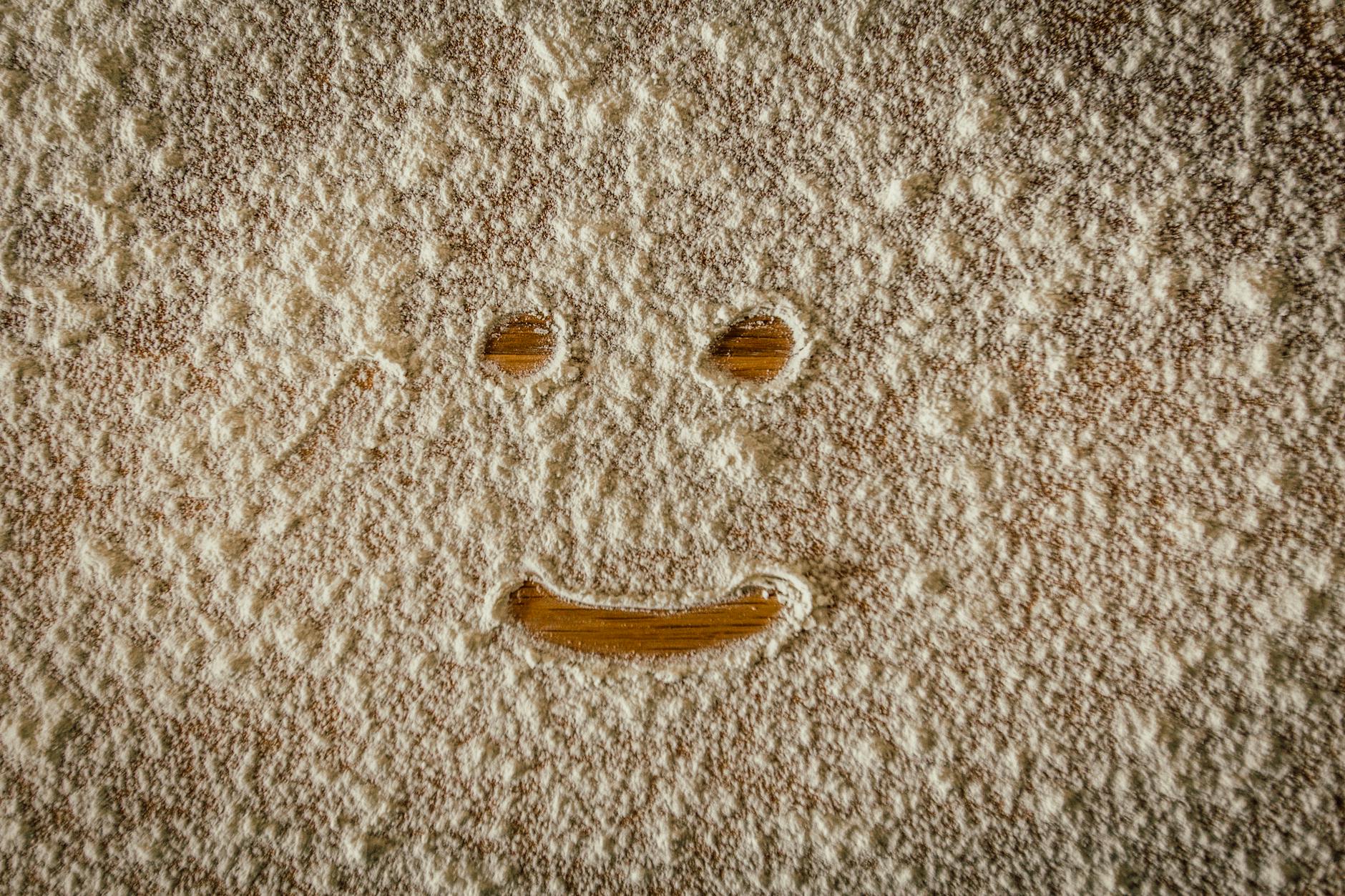
Refined white flour stays fresh for about one year before the texture changes and it develops a stale taste. Whole wheat flour spoils much faster due to the natural oils in the grain and lasts only a few months. Storing flour in airtight containers extends shelf life but cannot prevent eventual oxidation or pest infestation. A sour smell is a clear indicator that the flour has gone rancid and ruins baked goods.
Running Shoes
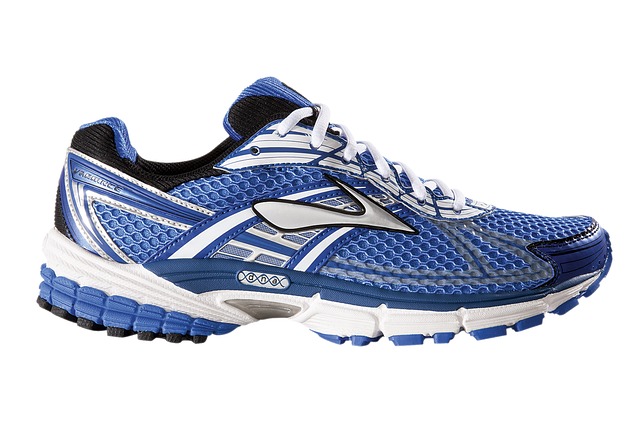
The shock-absorbing cushioning in athletic footwear breaks down after approximately three hundred to five hundred miles of use. Visual wear on the tread is not always a reliable indicator of the internal support status. Running in worn-out shoes increases the risk of shin splints and joint pain due to compromised impact protection. Tracking mileage helps runners know exactly when to invest in a new pair for safety.
Bras
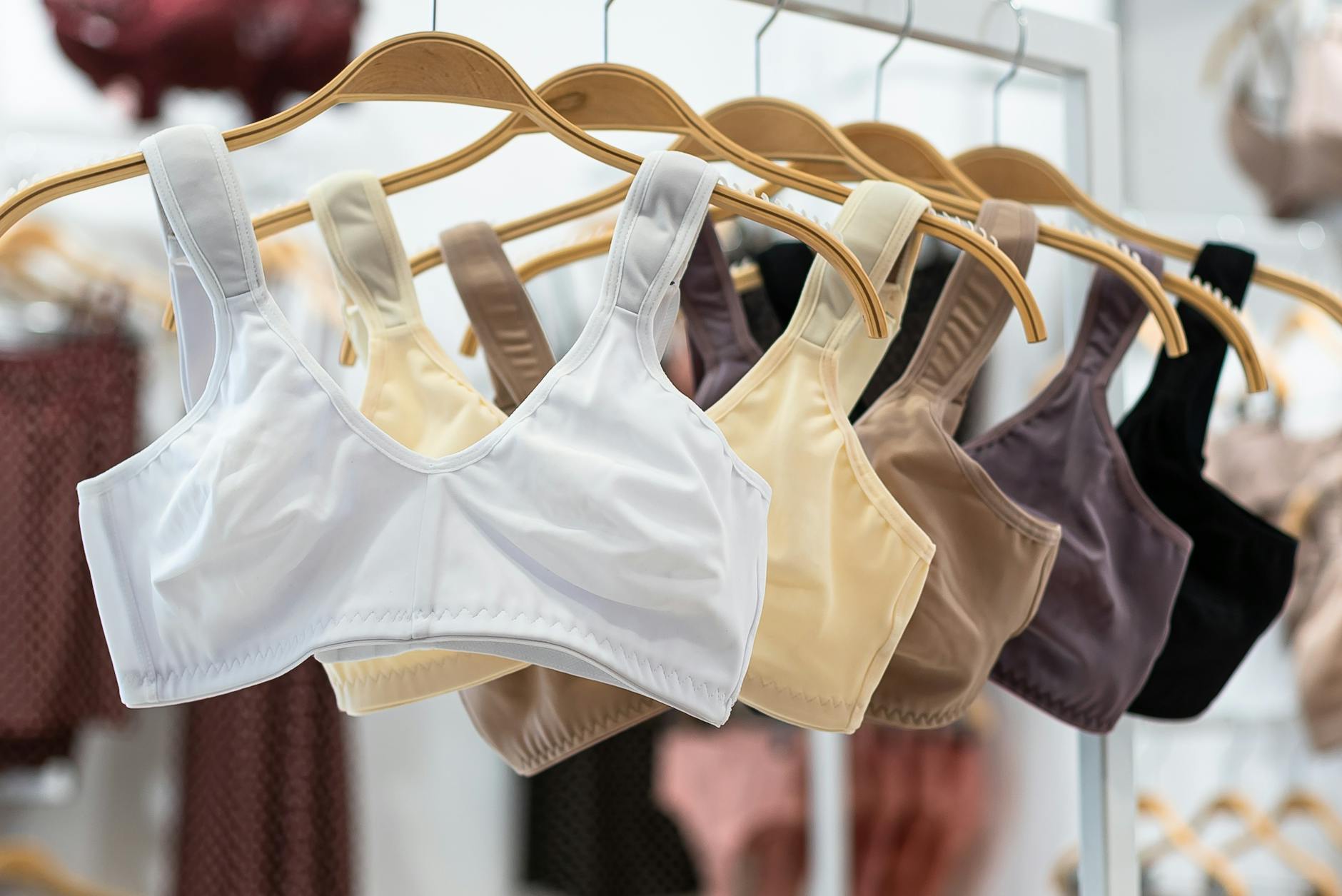
Elastic bands stretch out and cups lose their shape after six to eight months of regular wear. Washing machines and dryers accelerate the breakdown of delicate fabrics and supportive underwires. A bra that rides up in the back or has slipping straps no longer provides the necessary support. Rotating between several pairs can help extend the lifespan of each individual garment.
Hydrogen Peroxide
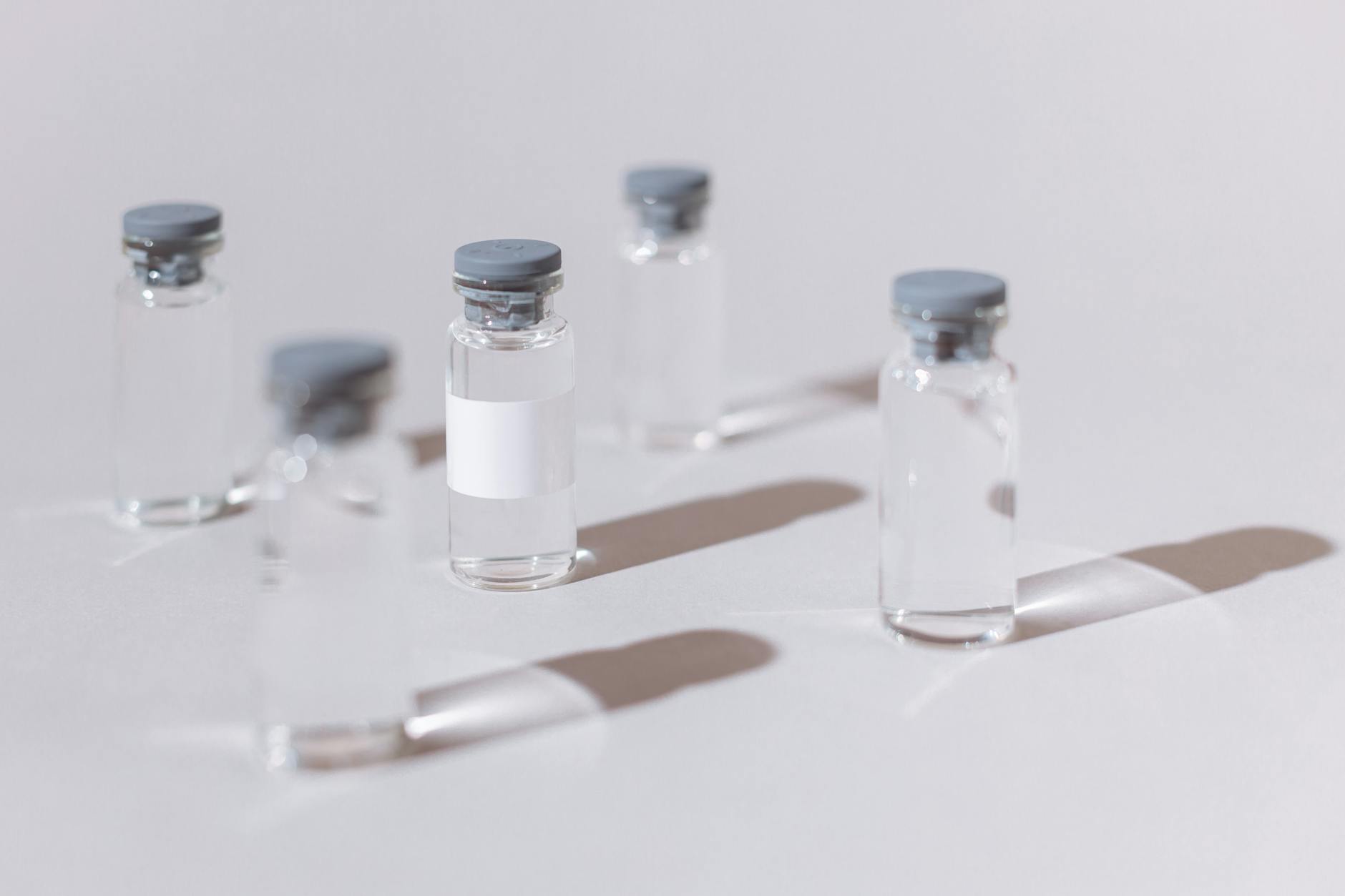
This common antiseptic loses its effectiveness rapidly once the seal is broken and air enters the bottle. An opened bottle remains active for about six months before becoming merely plain water. The “fizz” upon contact with a surface is the visual proof that the solution is still working to kill bacteria. Keeping the bottle in a dark and cool cabinet helps preserve the chemical bond slightly longer.
Insect Repellent

Bug sprays typically maintain their potency for about three years from the date of manufacture. The chemical compounds that deter mosquitoes and ticks break down and become less effective over time. Using an old bottle might leave outdoor enthusiasts unprotected against insect-borne illnesses. A lack of a strong scent often indicates the active ingredients have dissipated.
Extension Cords
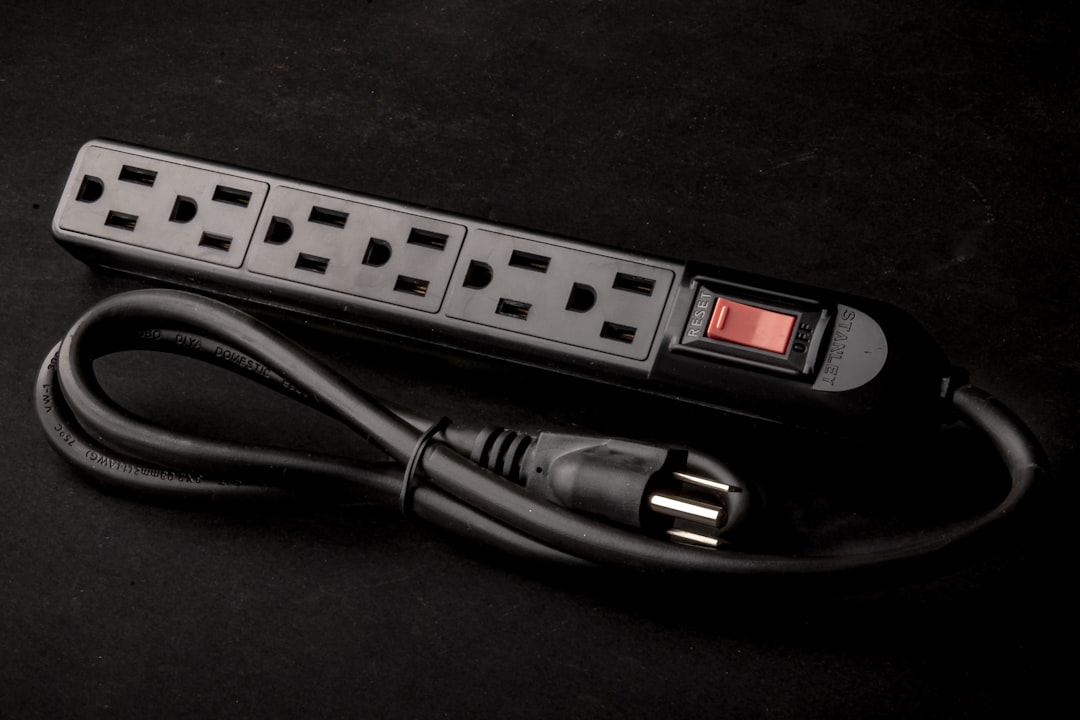
Electrical cords degrade internally over time due to bending and fluctuations in electrical current. Cracking insulation or loose plug prongs create significant fire hazards that are often overlooked. Experts recommend replacing these cords every few years or immediately if any damage is visible. Using modern cords with built-in surge protection adds a layer of safety for expensive electronics.
Fire Extinguishers
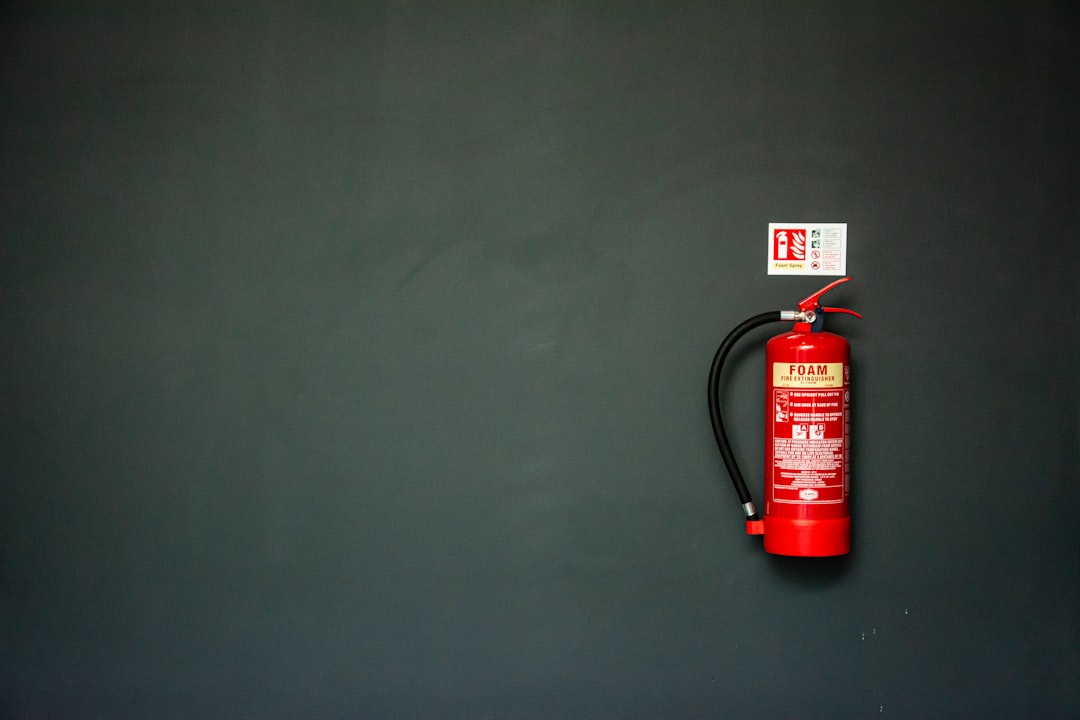
Portable fire extinguishers generally have a life expectancy of ten to twelve years before the pressure is lost. Rechargeable models need professional servicing every six years to ensure they function in an emergency. Disposable units have pressure gauges that must be checked monthly to verify they are still in the green zone. Relying on an expired device during a kitchen fire can have devastating consequences.
Smoke Detectors
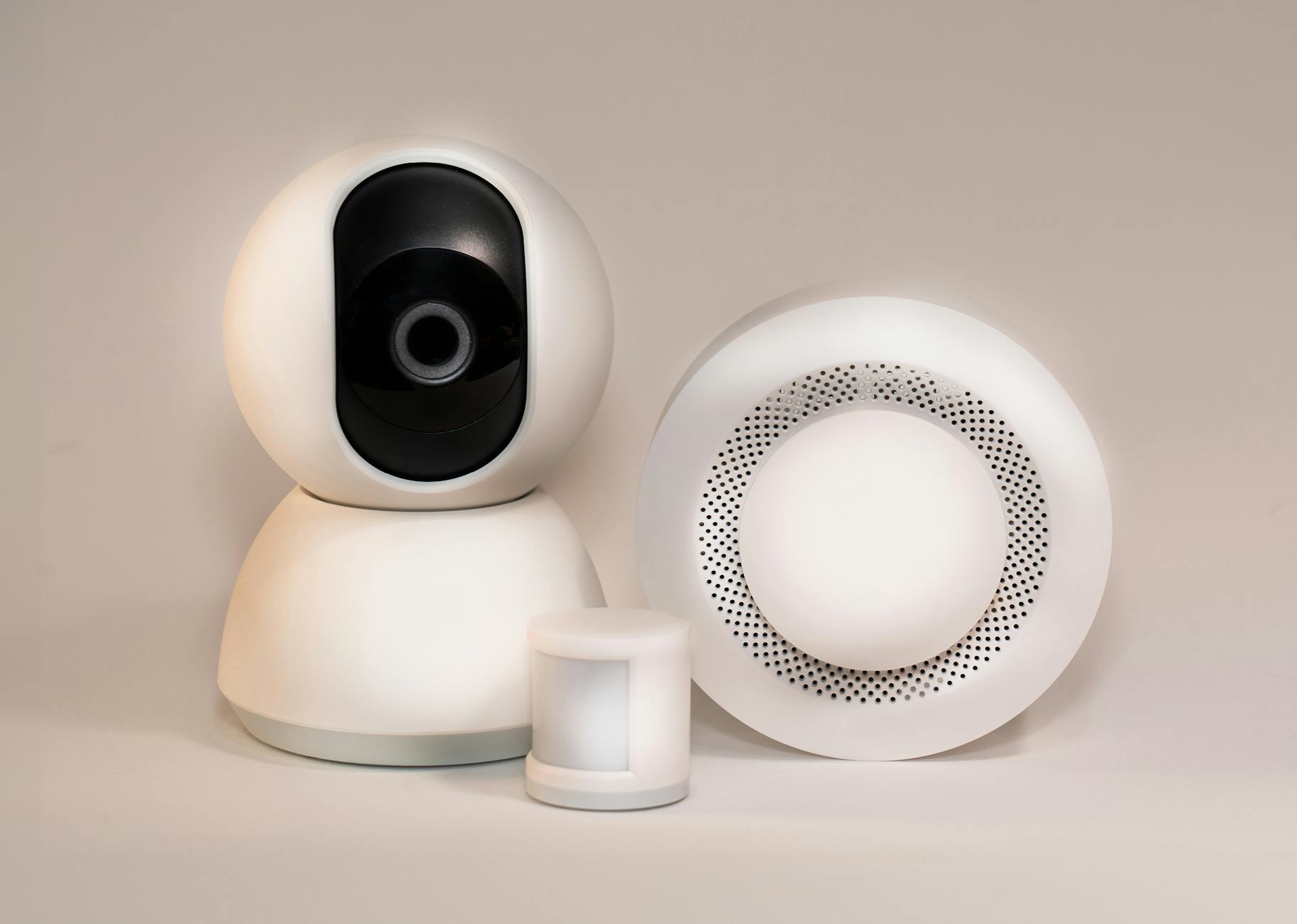
Sensors inside smoke alarms become less sensitive to smoke particles after ten years of continuous operation. Dust and other airborne contaminants can coat the internal mechanism and cause failure or false alarms. The manufacturing date is usually printed on the back of the unit for easy reference. Replacing the entire unit rather than just the batteries is necessary to ensure household safety.
Car Seats
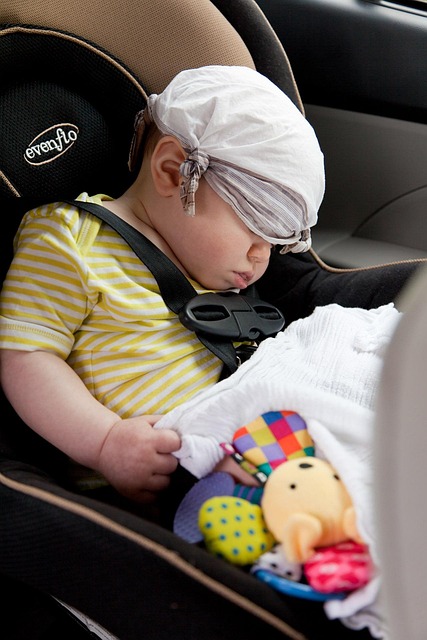
Materials used in child safety seats break down over time due to temperature fluctuations inside vehicles. Most manufacturers set an expiration date of six to ten years to guarantee structural integrity during a crash. Regulations and safety standards also evolve constantly making older seats obsolete and potentially illegal. Checking the label on the side or bottom of the seat confirms its validity.
Bike Helmets

The foam lining in helmets dries out and becomes brittle effectively reducing impact absorption capabilities. Manufacturers recommend replacement every three to five years even if the helmet has never sustained a crash. UV exposure and sweat degrade the materials significantly with regular outdoor use. A helmet that has been involved in any impact must be replaced immediately regardless of age.
Bedroom Slippers

Slippers accumulate dirt and sweat which fosters fungal growth inside the lining. The soft soles wear down quickly and lose their grip which creates a slipping hazard on smooth floors. Washing them can help but the structural support usually fails after six months of daily wear. Replacing them regularly keeps feet cleaner and provides better support for walking around the house.
Bath Towels

Frequent washing and drying break down the absorbent fibers of towels over one to three years. They eventually lose their fluffiness and become scratchy or develop a persistent mildew smell. Bacteria can remain deep within the fabric weave even after a hot laundry cycle. New towels dry the body more efficiently and harbor fewer microscopic germs.
Bath Mats
The rubber backing on bath mats disintegrates from constant exposure to moisture and machine washing. This deterioration causes the mat to slide around on wet tile floors and increases the risk of falls. Mold and mildew thrive in the dense fibers despite regular cleaning efforts. Replacing mats every two years ensures bathroom safety and hygiene standards remain high.
Contact Lens Cases
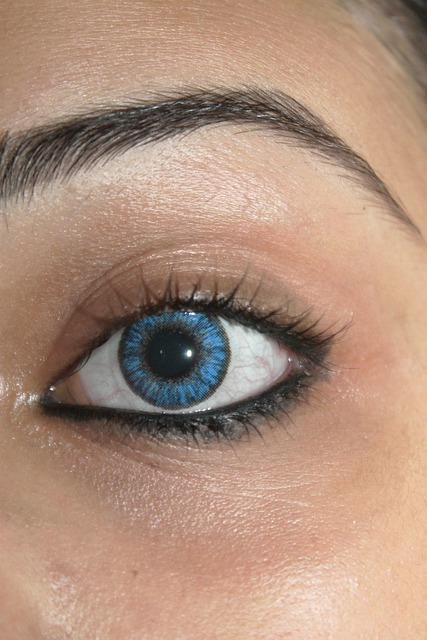
Bacteria form a biofilm on the plastic surface of the case that cleaning solution cannot penetrate. Eye doctors advise replacing the storage case every three months to protect vision health. Using an old case reintroduces germs to clean lenses and increases the risk of severe eye infections. Many saline solutions come with a new case included to encourage frequent swapping.
Razor Blades
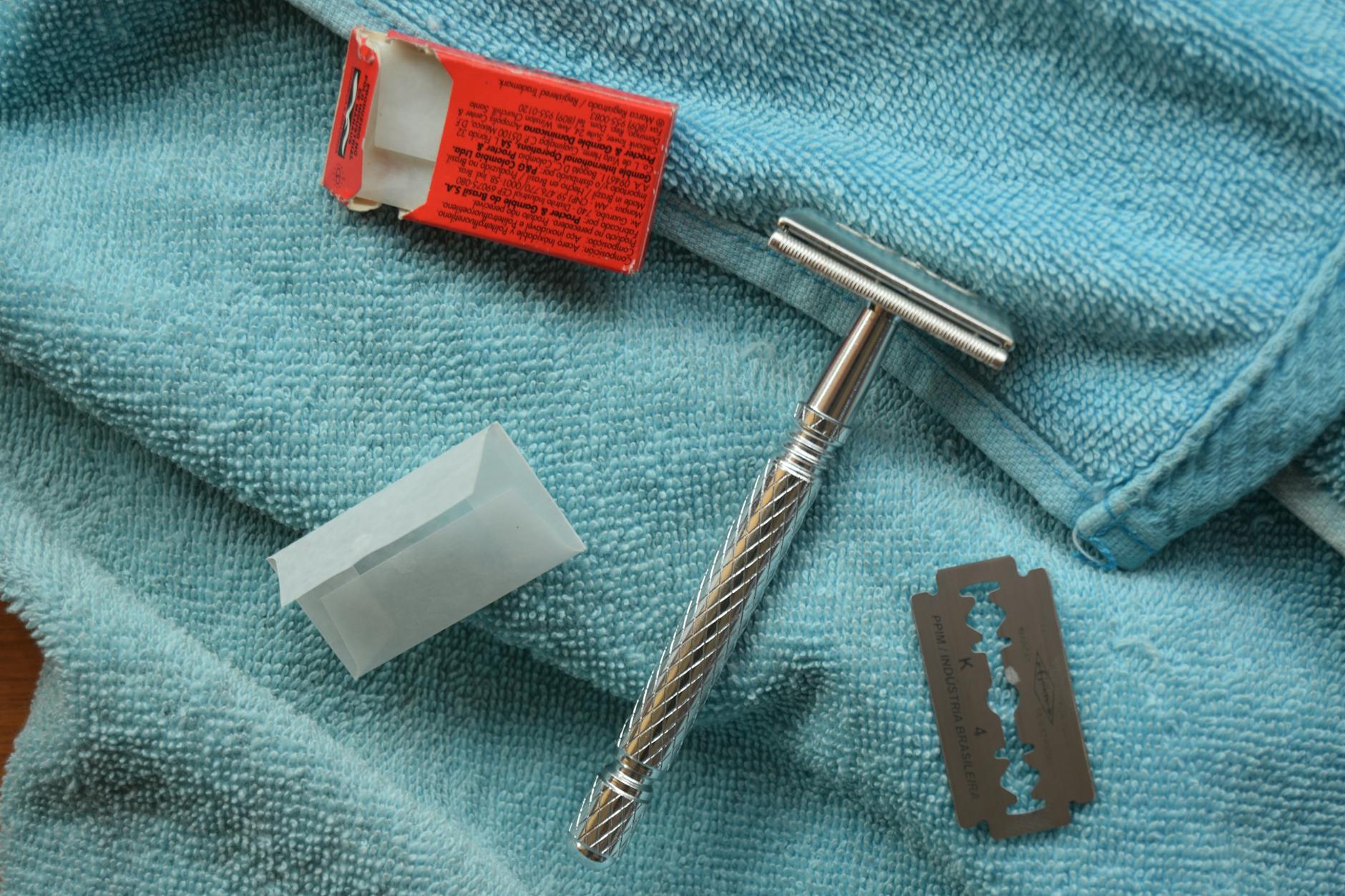
Blades become dull and collect skin cells and bacteria after five to seven shaves. Using a dull razor causes skin irritation and razor burn or ingrown hairs. Rust can form on the microscopic edge long before it becomes visible to the naked eye. Swapping blades weekly ensures a close shave and minimizes the risk of infection from nicks.
Hairbrushes
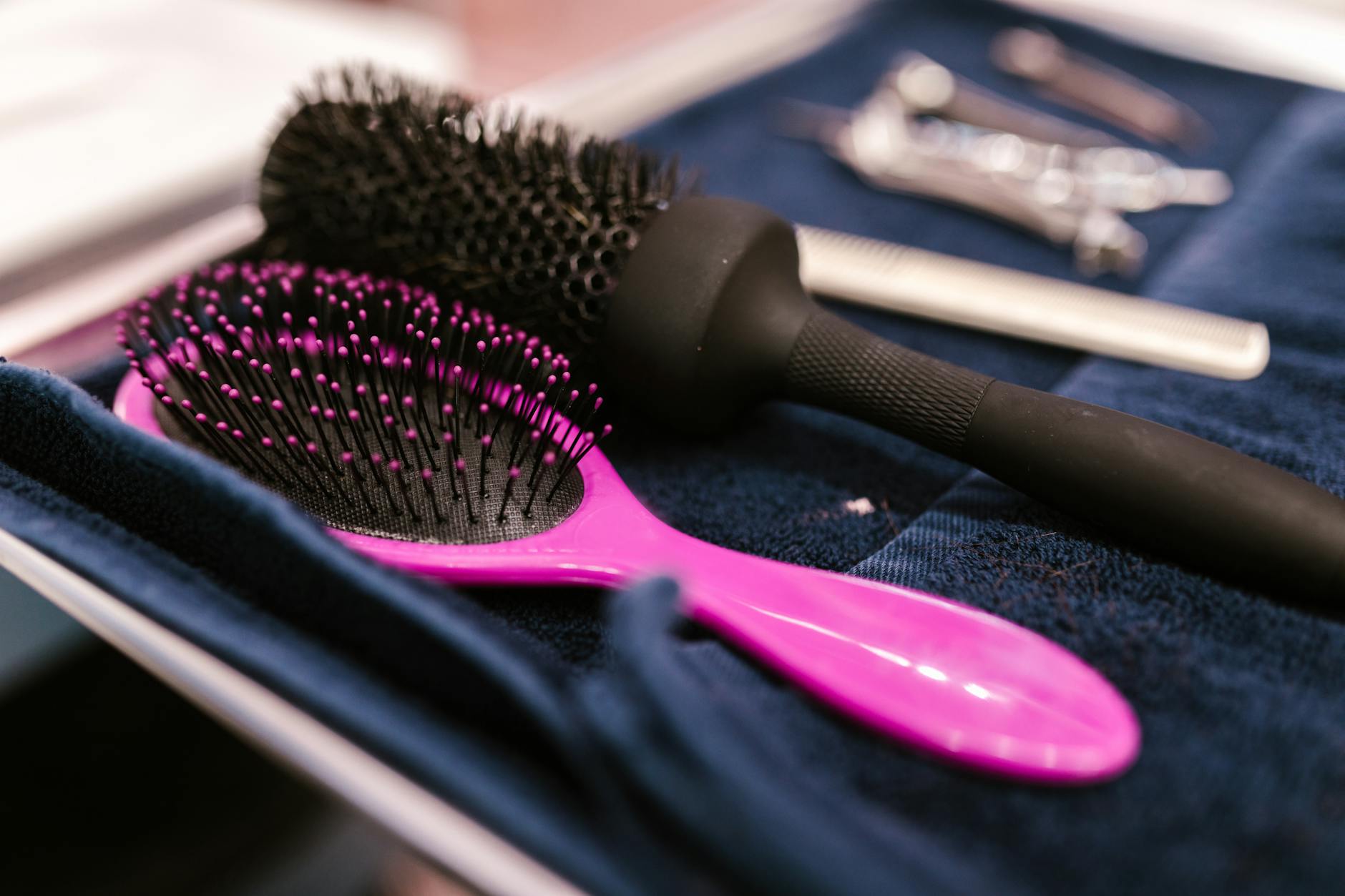
Brushes collect hair and dust along with product buildup that is difficult to remove completely. Bristles can break or bend and damage hair cuticles during styling. Dermatologists recommend replacing hairbrushes every six months to a year to maintain scalp health. A new brush distributes natural oils better and detangles hair with less breakage.
Vitamins
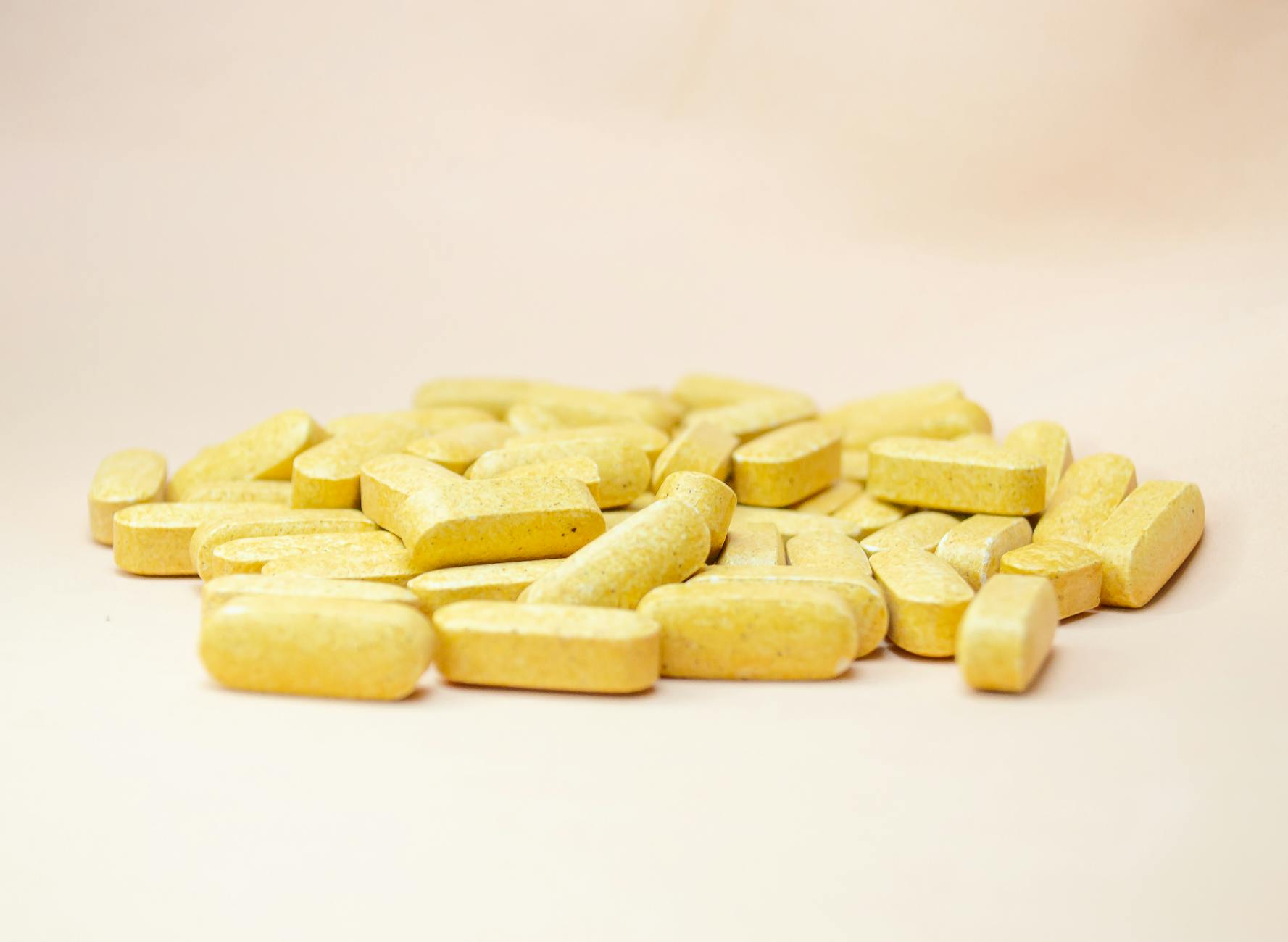
Supplements lose their potency over time and may not deliver the nutritional dosage listed on the label. While expired vitamins are rarely toxic they become a waste of money and effort. Humidity in bathrooms or kitchens accelerates the degradation of tablets and capsules. Checking expiration dates ensures the body actually receives the intended health benefits.
Perfume
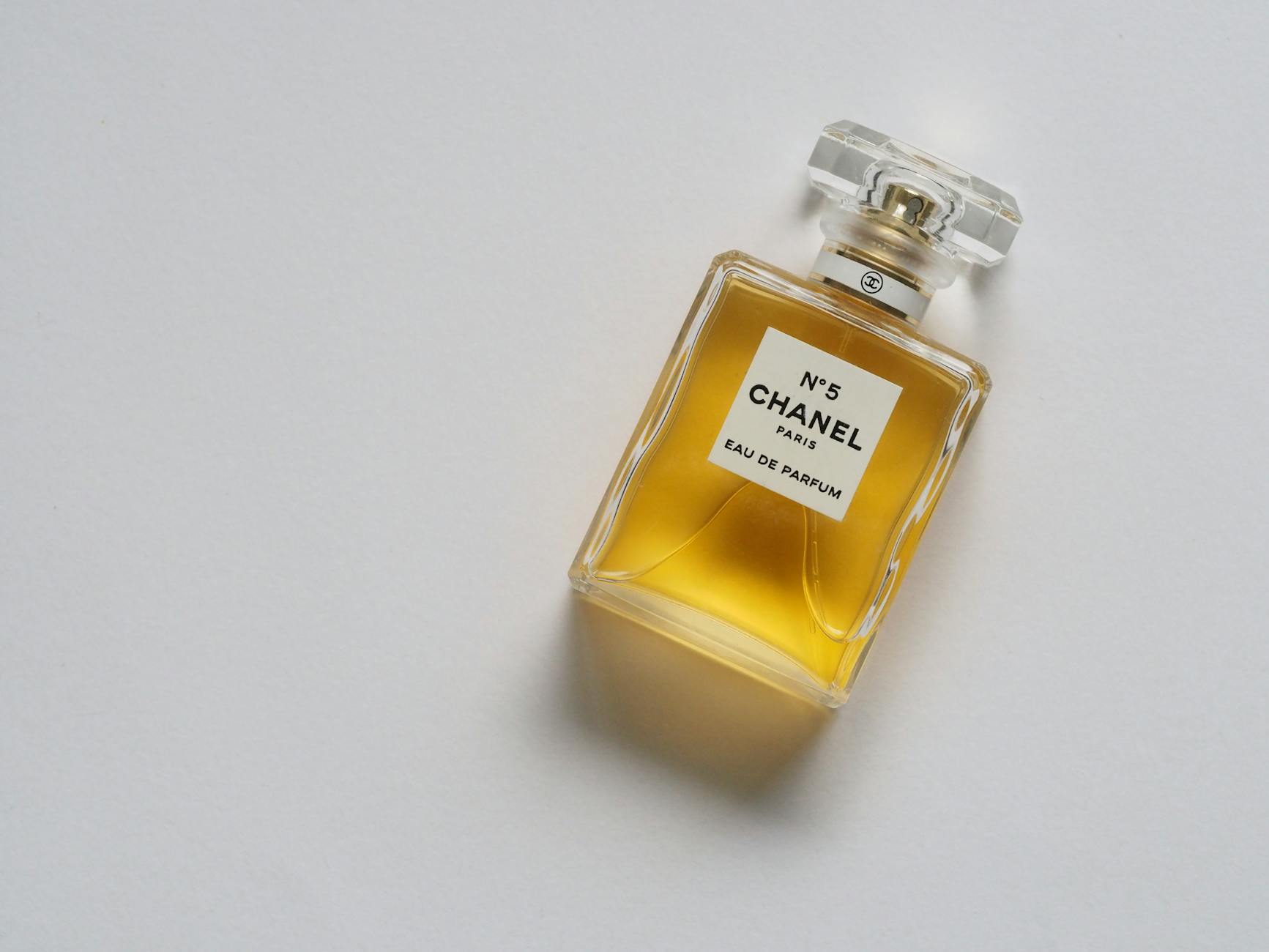
The chemical composition of fragrances changes after exposure to light and air and heat. Most perfumes last about three to five years before the scent profile alters or becomes sour. A change in color or a cloudy appearance in the liquid signals the perfume has spoiled. Storing bottles in a cool and dark place can help prolong the original scent.
Nail Polish
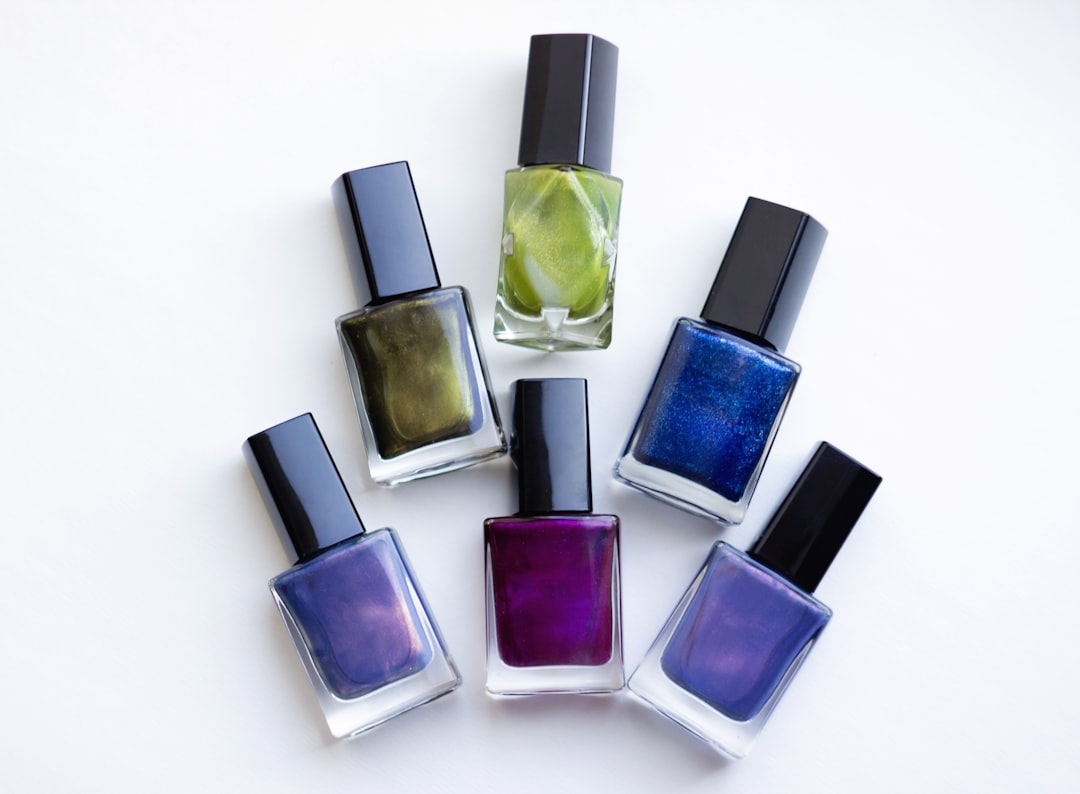
Solvents in nail polish evaporate over time causing the formula to become thick and stringy. Once the polish separates and refuses to mix back together it will not dry properly on the nail. Most bottles are viable for about two years after opening. Using old polish results in a clumpy application that chips or peels almost immediately.
Yoga Mats
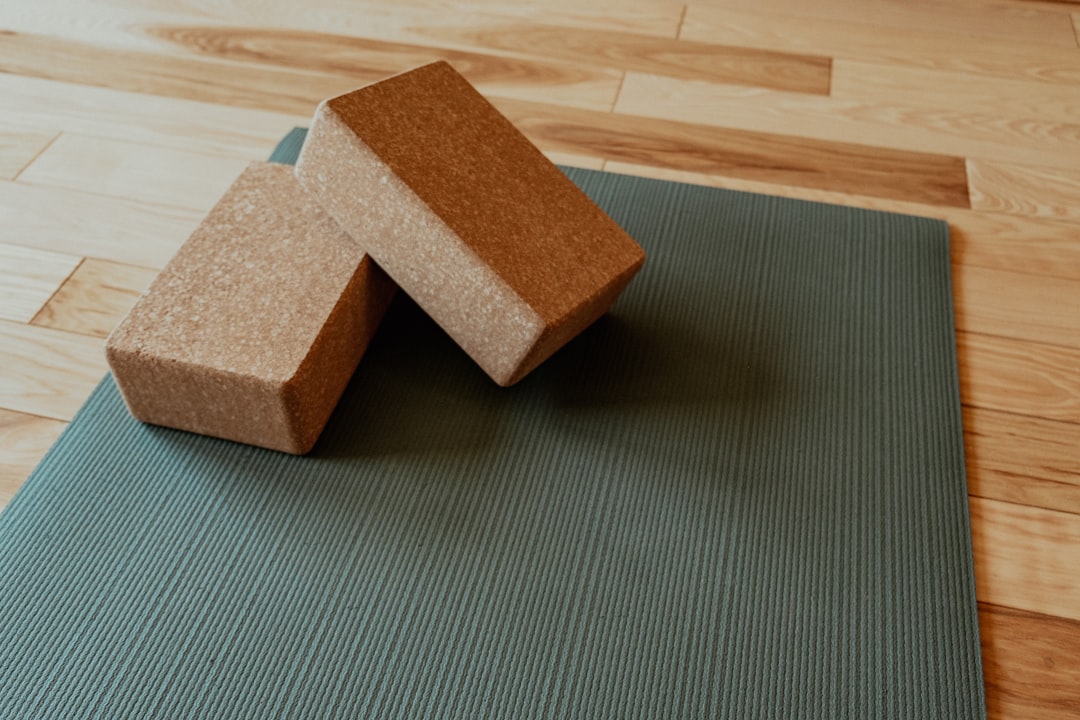
The surface of a yoga mat wears down and loses its non-slip grip after a year of regular practice. Sweat and body oils degrade the material and create a breeding ground for bacteria and fungi. Thinning spots appear where hands and feet are placed most frequently. A worn mat can lead to injuries due to lack of cushioning and stability during poses.
Plastic Food Containers

Plastic containers can leach chemicals into food as they scratch and stain and warp over time. Those containing BPA should be discarded immediately in favor of safer alternatives. High temperatures in dishwashers and microwaves accelerate the breakdown of the plastic material. Replacing them when they show signs of wear prevents chemical contamination of leftovers.
Disinfectants
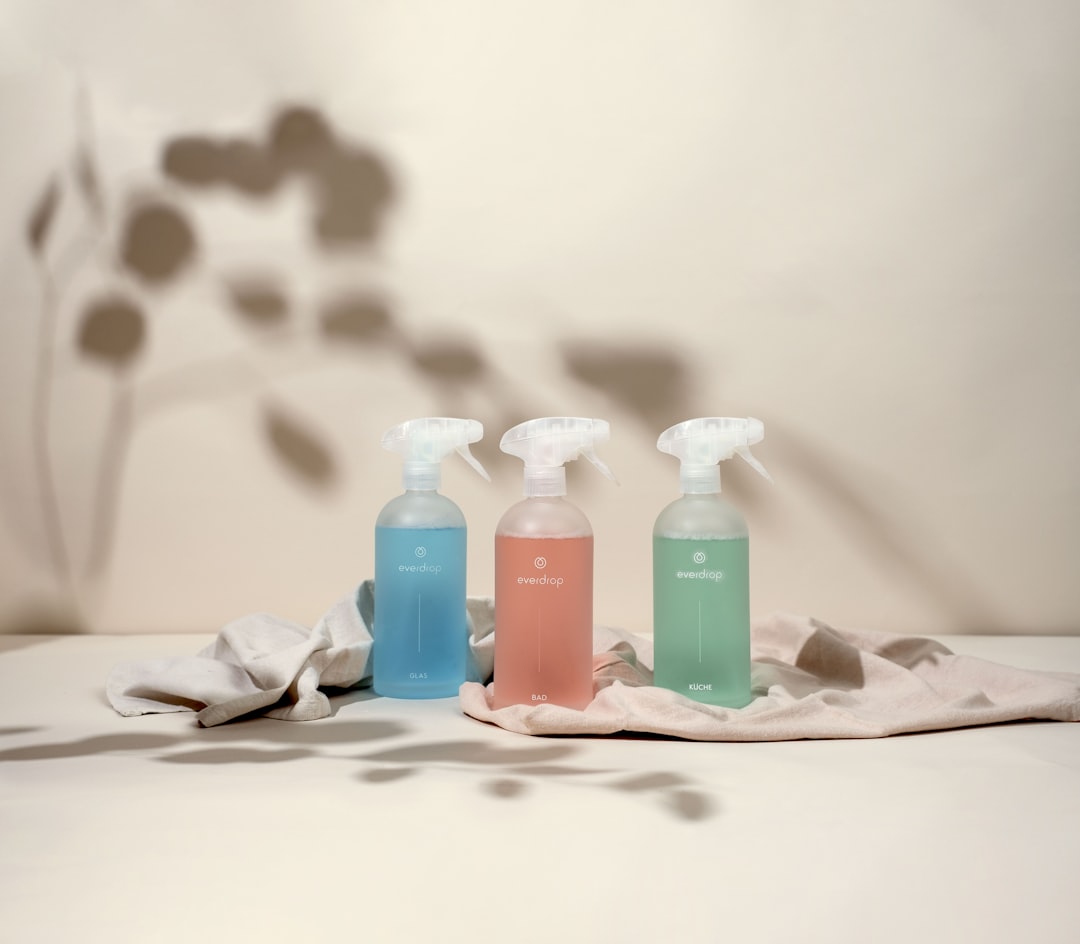
Cleaning sprays and wipes lose their ability to kill bacteria and viruses effectively after two years. The active ingredients degrade and leave surfaces wet but not sanitized. Using expired products provides a false sense of cleanliness during flu season. Checking the bottle ensures that cleaning routines are actually protecting the household.
Pacifiers
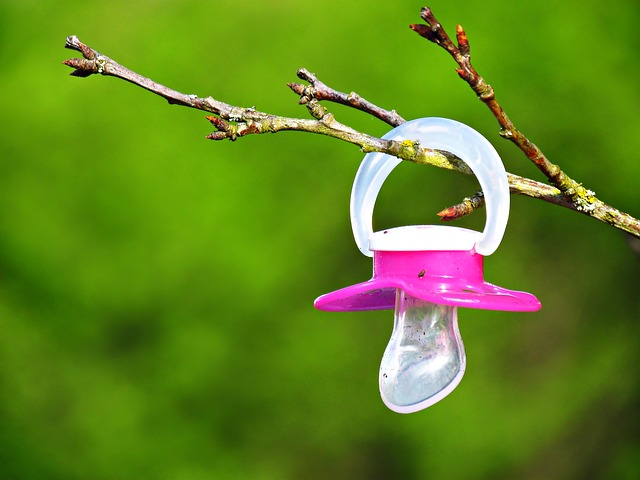
The rubber or silicone nipple breaks down and can crack or become sticky with frequent use. These cracks harbor germs and can pose a choking hazard if pieces break off in a baby’s mouth. Manufacturers recommend replacing pacifiers every two to five weeks for safety and hygiene. Any sign of wear or discoloration means the item should be thrown away instantly.
Motor Oil
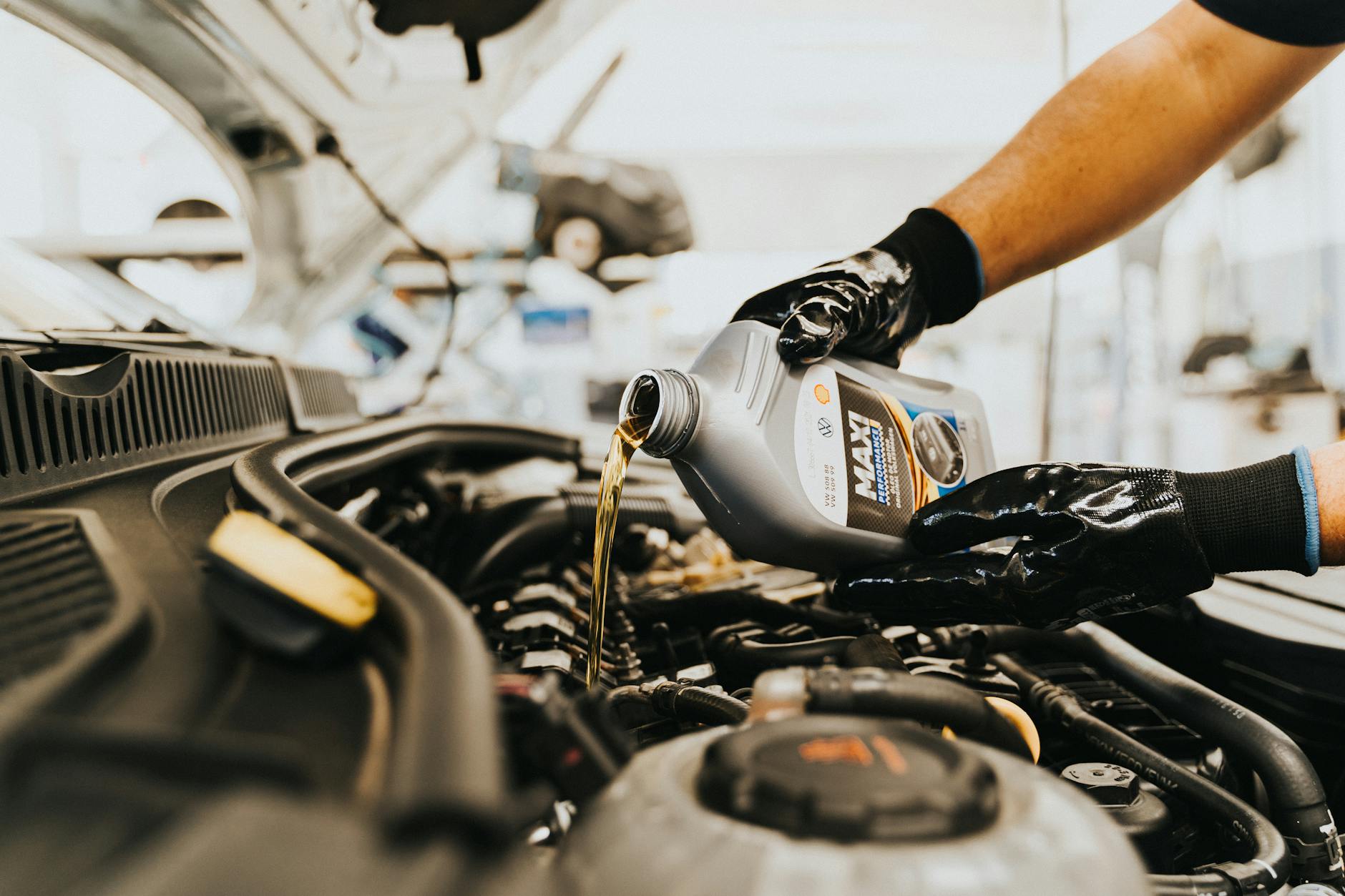
Unopened motor oil has a shelf life of about five years before the additives begin to separate. Once opened the oil absorbs moisture from the air and degrades much faster. Using old oil can cause sludge buildup and damage the engine components. Checking the manufacturing date prevents costly mechanical repairs down the road.
Vegetable Oil
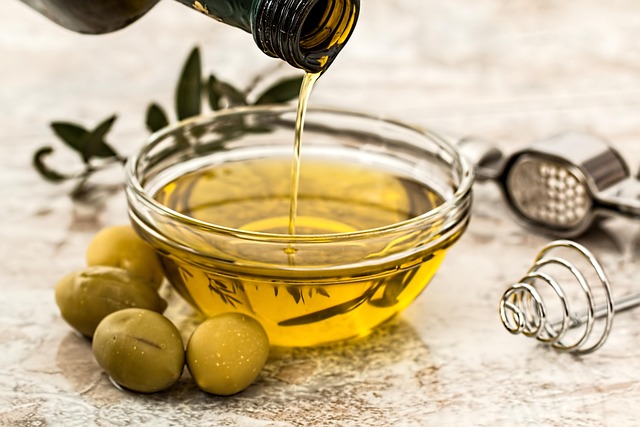
Cooking oils go rancid after about six months once the seal is broken and air is introduced. Rancid oil develops a sharp and unpleasant smell that ruins the flavor of food. Light and heat exposure near the stove speed up the oxidation process significantly. Keeping oil in a cool pantry protects the flavor and quality for a longer period.
We would love to hear which of these items surprised you the most so please share your thoughts in the comments.