Bringing greenery into a home shared with pets requires more than just good taste in décor. Many popular houseplants are toxic to cats and dogs, making plant selection a genuinely important decision for pet owners. The good news is that a wide and beautiful range of pet-friendly options exists, from lush ferns to sculptural succulents. This guide covers 35 stunning indoor plants that can thrive in your home without posing a threat to your four-legged companions.
Spider Plant
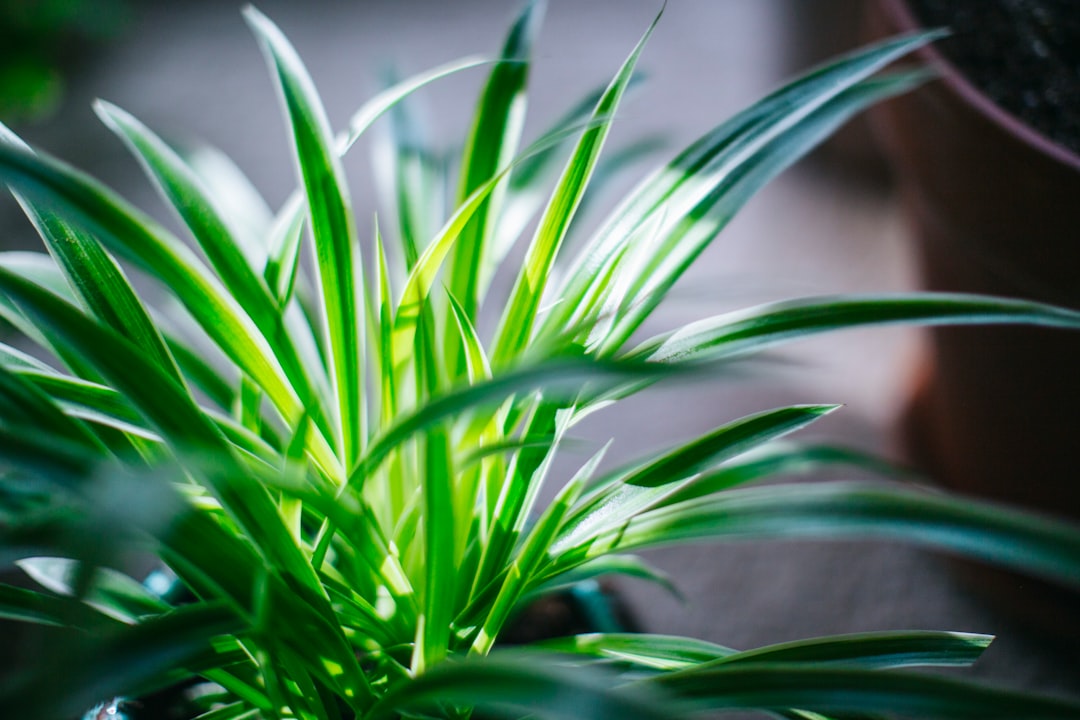
The spider plant is one of the most widely recognized pet-safe houseplants available and has earned its reputation through decades of dependable indoor growing. Its arching green and white striped leaves produce cascading offshoots that give it a lively, sculptural appearance. It tolerates low light and irregular watering with remarkable resilience, making it ideal for beginners. Spider plants also contribute to cleaner indoor air by absorbing common household pollutants. They thrive in hanging baskets where curious pets are less likely to disturb the delicate trailing shoots.
Boston Fern
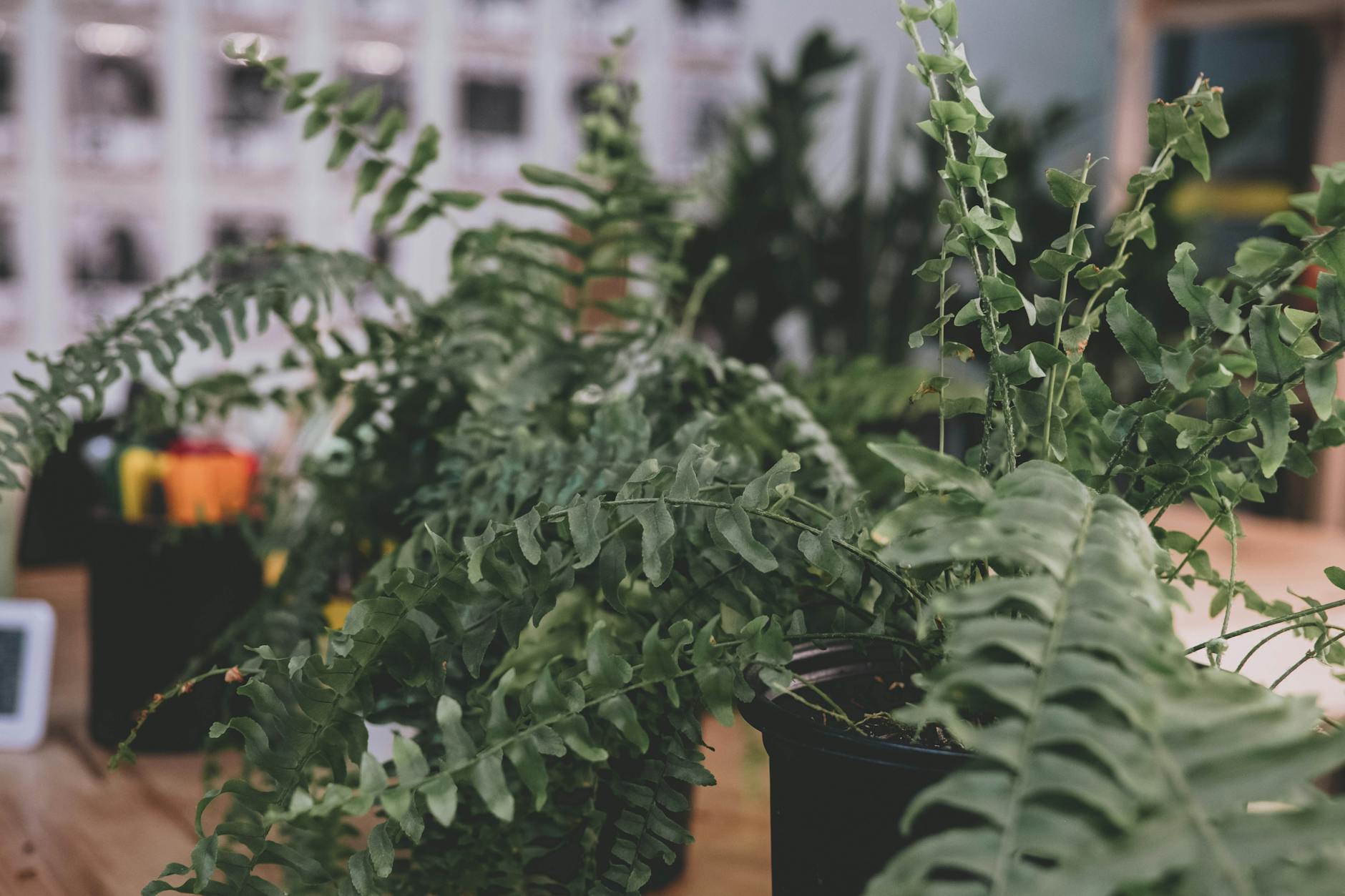
Boston ferns bring a lush and full texture to any interior space and remain completely non-toxic to both cats and dogs. Their feathery fronds arch outward in dense layers, creating a dramatically full silhouette that suits both modern and traditional interiors. They prefer indirect light and consistently moist soil, along with higher humidity levels than many other houseplants. Placing them in a bathroom or near a humidifier helps replicate their natural tropical growing conditions. Their graceful appearance makes them one of the most popular pet-safe choices among plant enthusiasts.
Areca Palm
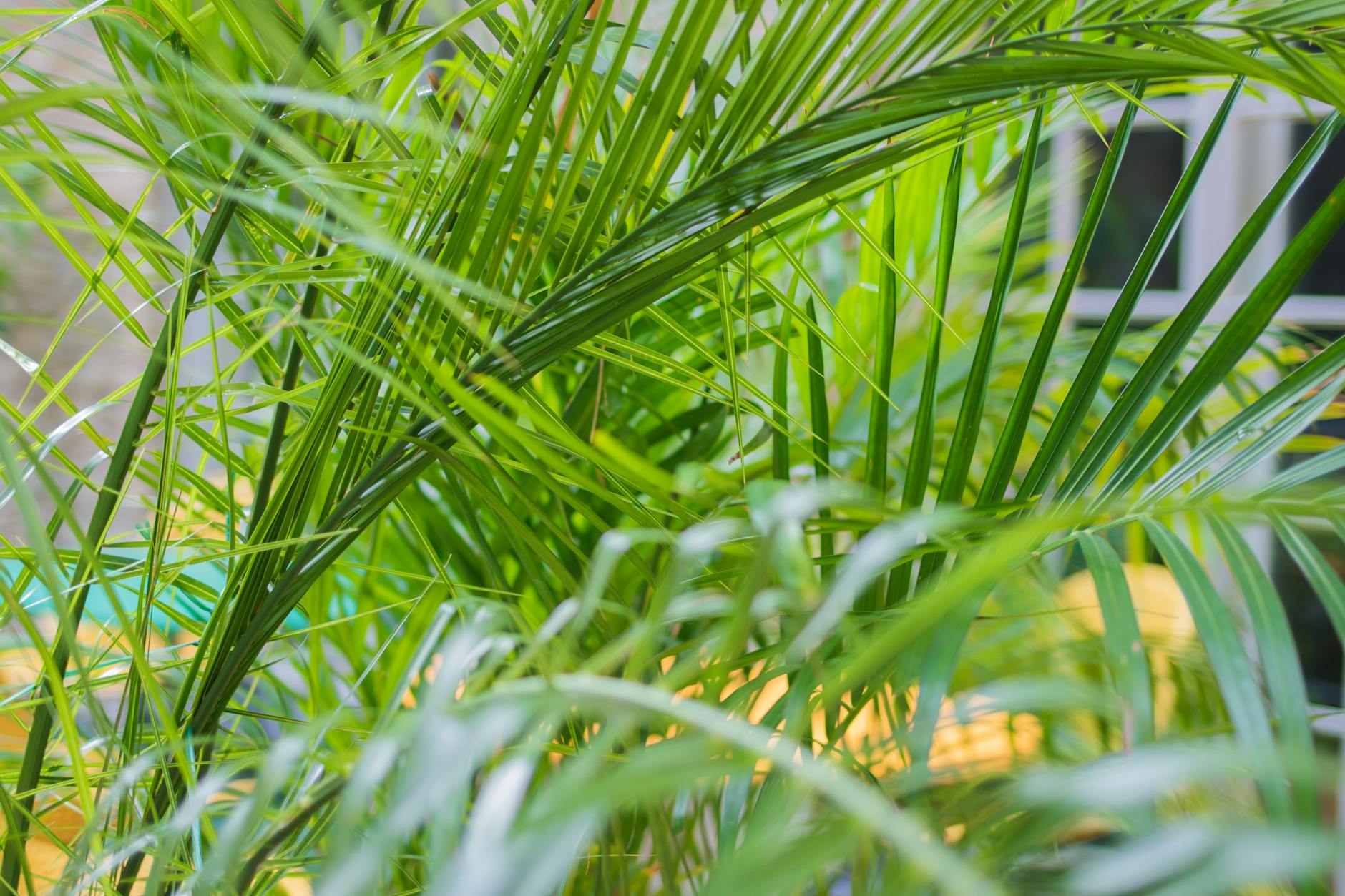
The areca palm is a statement plant that can grow several feet tall indoors while remaining completely safe for household pets. Its feathery golden-green fronds fan outward elegantly, adding a tropical atmosphere to living rooms and entryways. It thrives in bright indirect light and benefits from regular watering during the warmer months. The areca palm also releases a notable amount of moisture into the air, contributing to better indoor humidity levels. Its dramatic scale makes it a natural focal point in large, open spaces.
Calathea
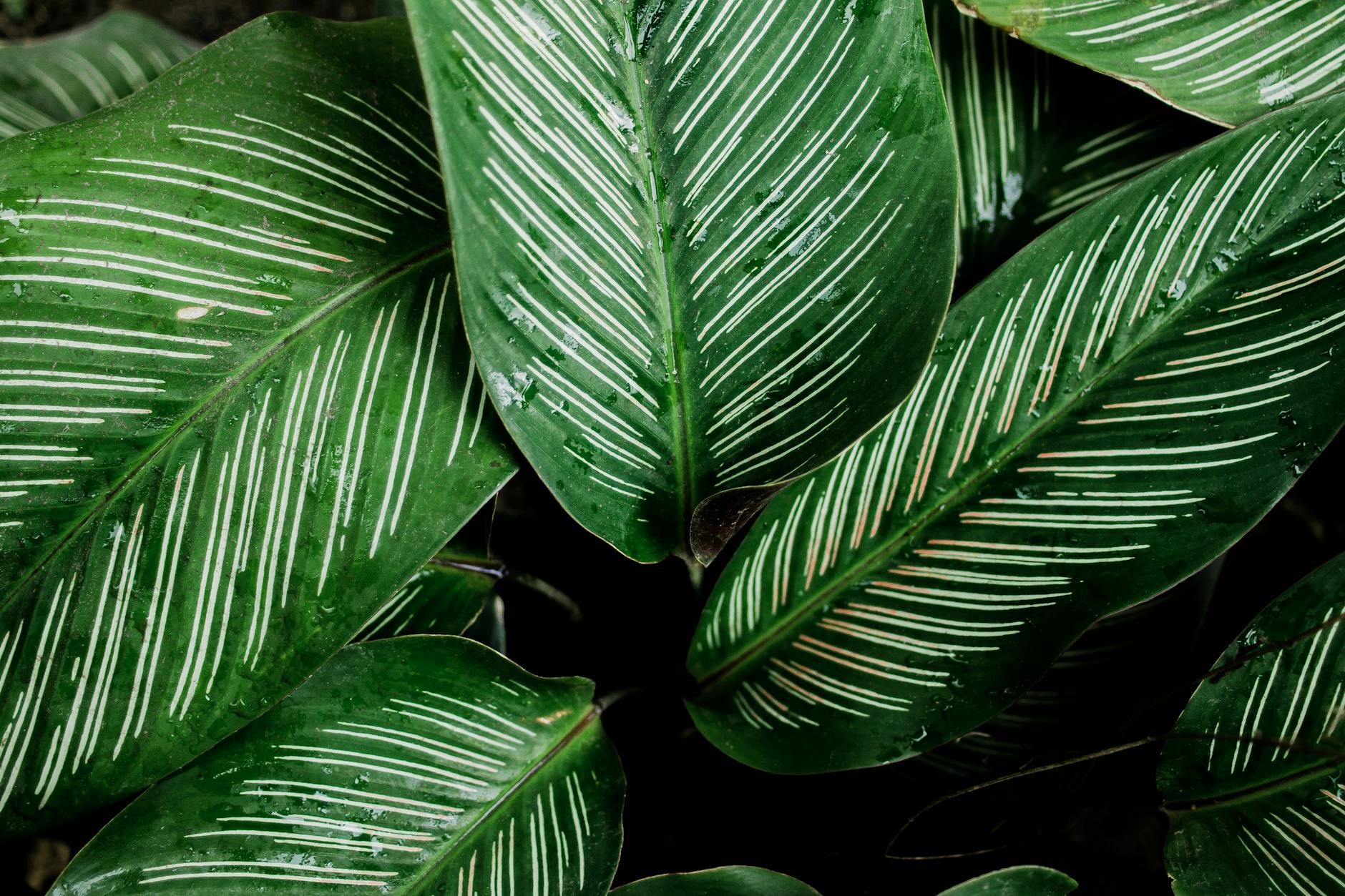
Calathea plants are celebrated for their strikingly ornate foliage, which features bold patterns in shades of green, purple and cream. Each variety within the calathea family offers a different leaf design, from feathered brushstrokes to geometric medallion shapes. They prefer indirect light and thrive with consistent moisture and warm temperatures. One of their most charming characteristics is the way their leaves fold upward in the evening and reopen in the morning. Calatheas are a visually rich and completely pet-safe addition to any indoor plant collection.
Parlor Palm
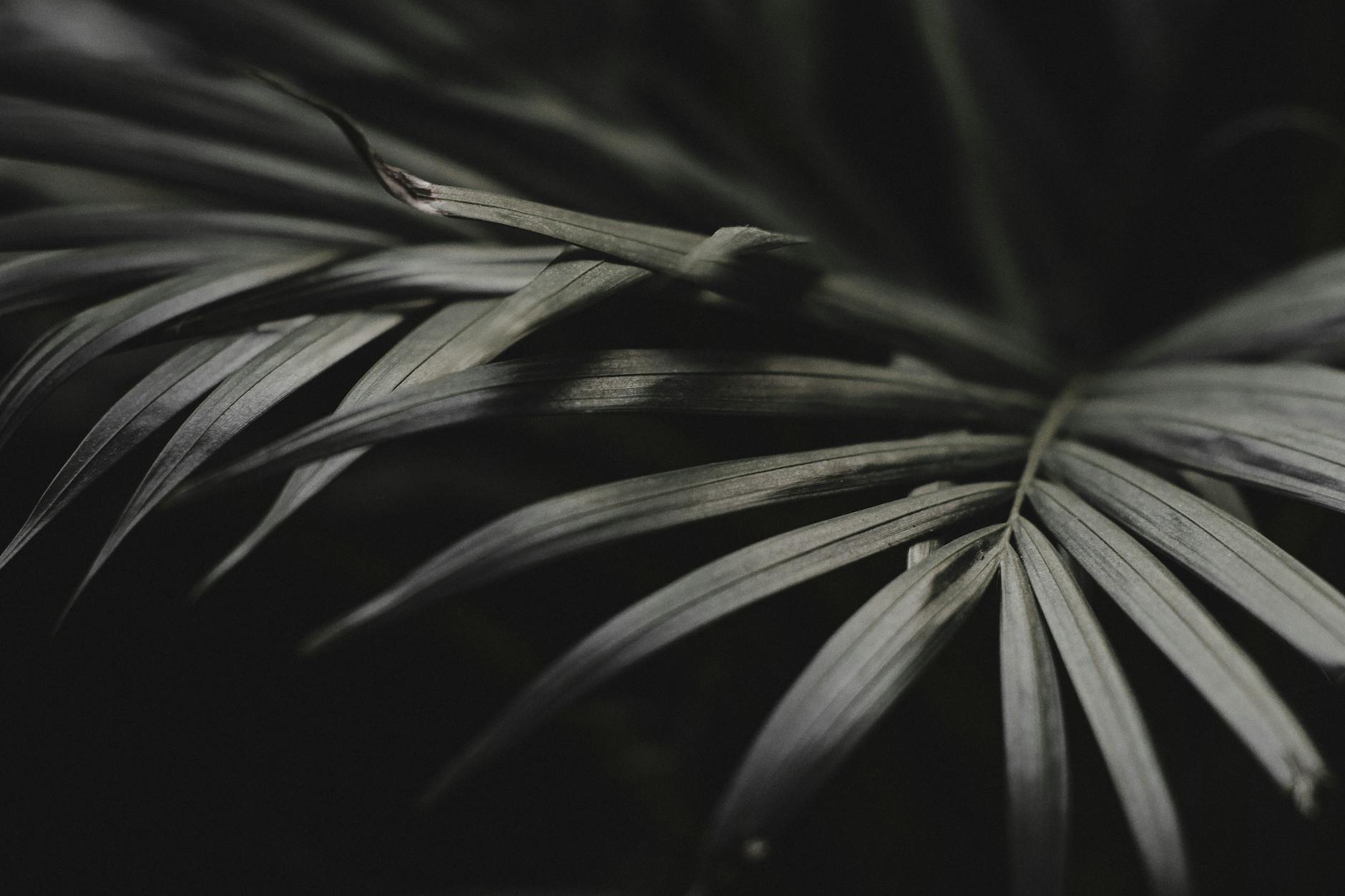
The parlor palm is a classic indoor plant that has been used to decorate interior spaces for well over a century. Its slender cane-like stems support elegant dark green fronds that sway gently in air-conditioned environments. It adapts well to low light conditions, making it one of the most versatile palms for indoor use. Parlor palms grow slowly and require minimal maintenance beyond occasional watering and light fertilization. Their non-toxic profile and graceful form make them a consistently popular option for pet-owning households.
Bamboo Palm
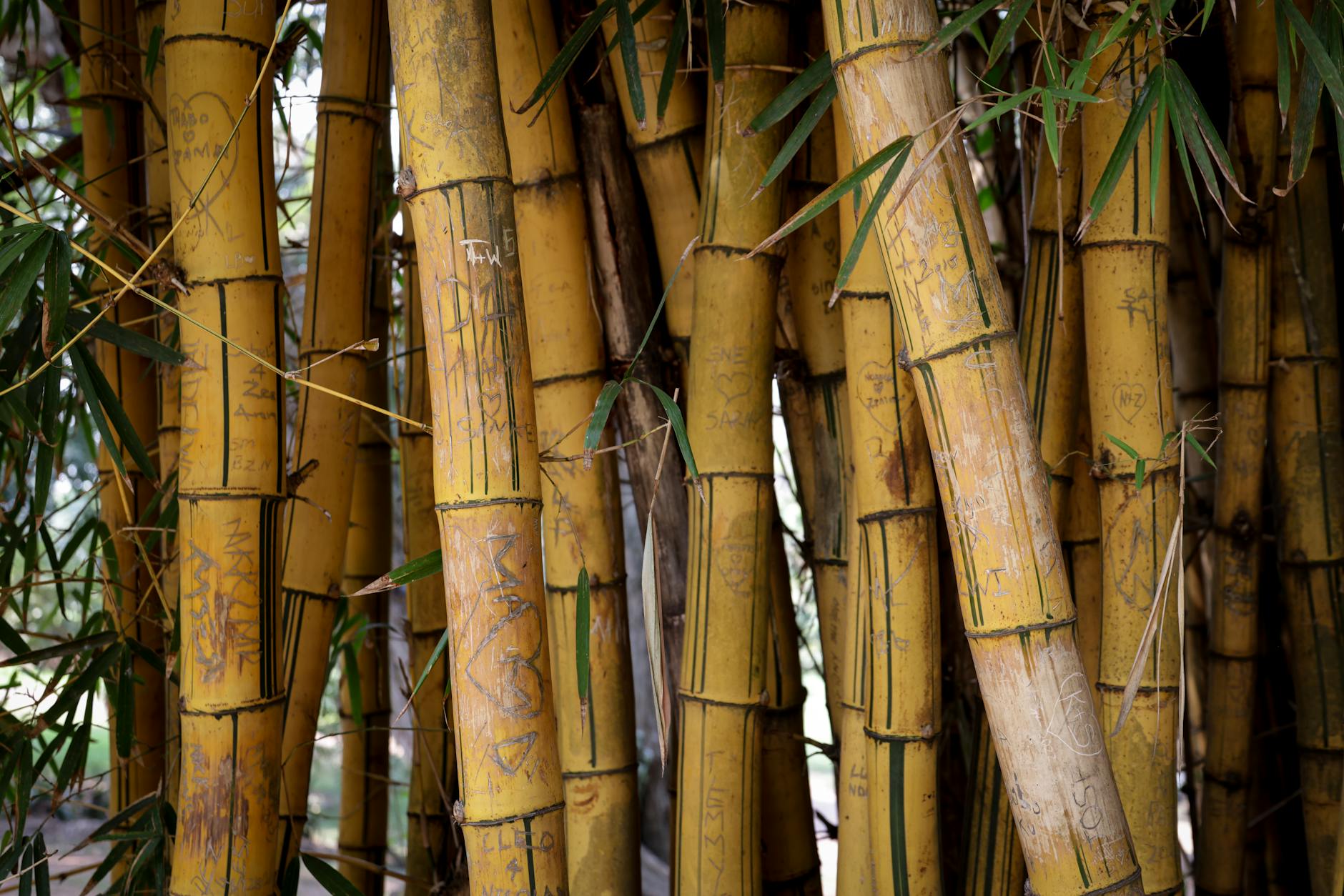
The bamboo palm produces clustered cane stems topped with full, arching fronds that create a dense and tropical visual effect. It is one of the taller pet-safe indoor palms, capable of reaching impressive heights when given the right conditions. Bright indirect light and regular watering encourage healthy growth and vibrant foliage color. Like the areca palm, it also acts as a natural humidifier, releasing moisture into the surrounding air. Its lush presence makes it an excellent choice for filling empty corners in spacious rooms.
African Violet
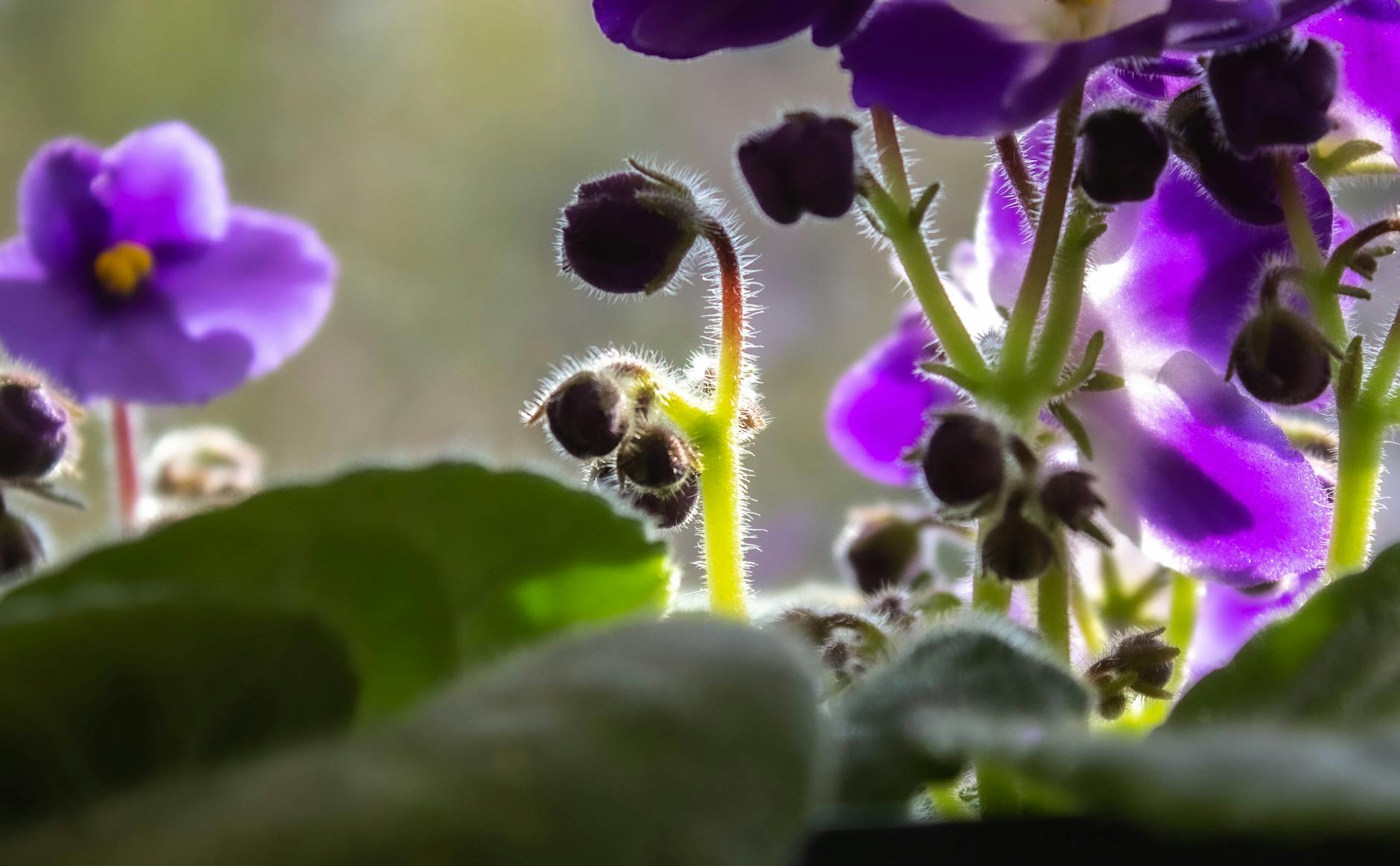
African violets are compact flowering plants that produce clusters of velvety blooms in shades of purple, pink and white throughout much of the year. Their fuzzy rounded leaves and low-growing habit make them charming additions to windowsills and tabletops. They prefer bright indirect light and bottom watering to prevent water from spotting or damaging their delicate leaves. Regular deadheading of spent blooms encourages continuous flowering and keeps the plant looking tidy. They are completely safe for pets and bring reliable color to indoor spaces without requiring significant effort.
Peperomia
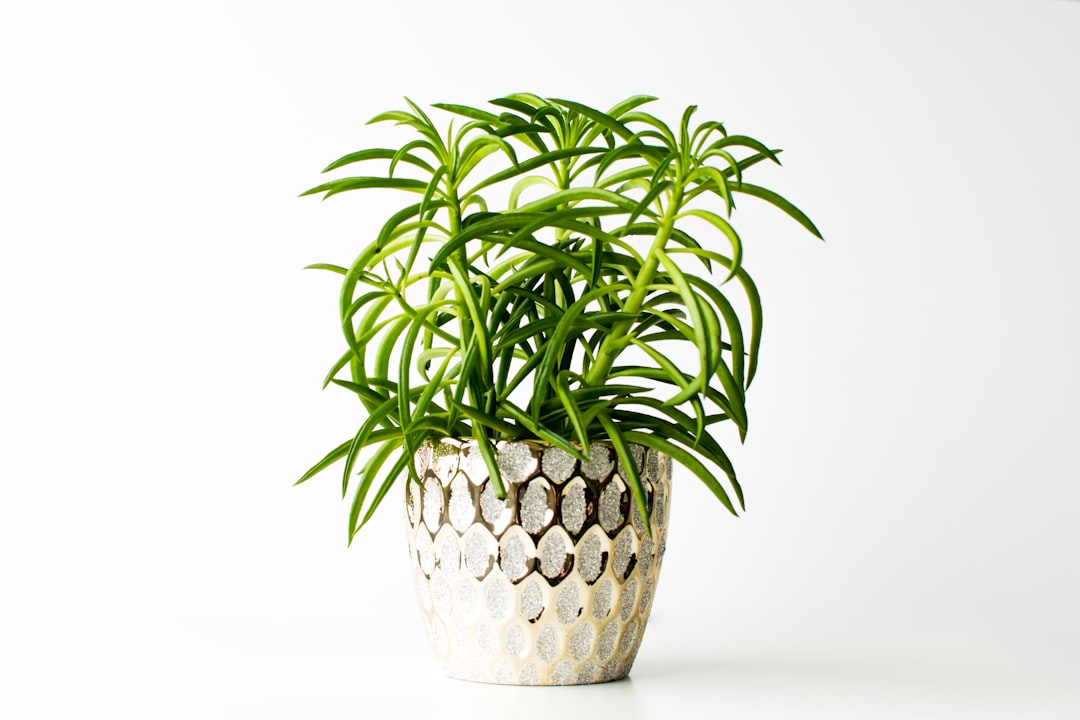
The peperomia family includes hundreds of species, each offering a different leaf shape, texture and color combination. Their thick, waxy foliage ranges from deep emerald green to variegated cream and red, giving collectors a wide variety to explore. Most peperomias are compact growers that fit comfortably on shelves, desks and windowsills. They prefer moderate indirect light and infrequent watering, as their succulent-like leaves store moisture efficiently. Their small size and diverse appearance make them endlessly collectible for pet owners who love variety.
Haworthia
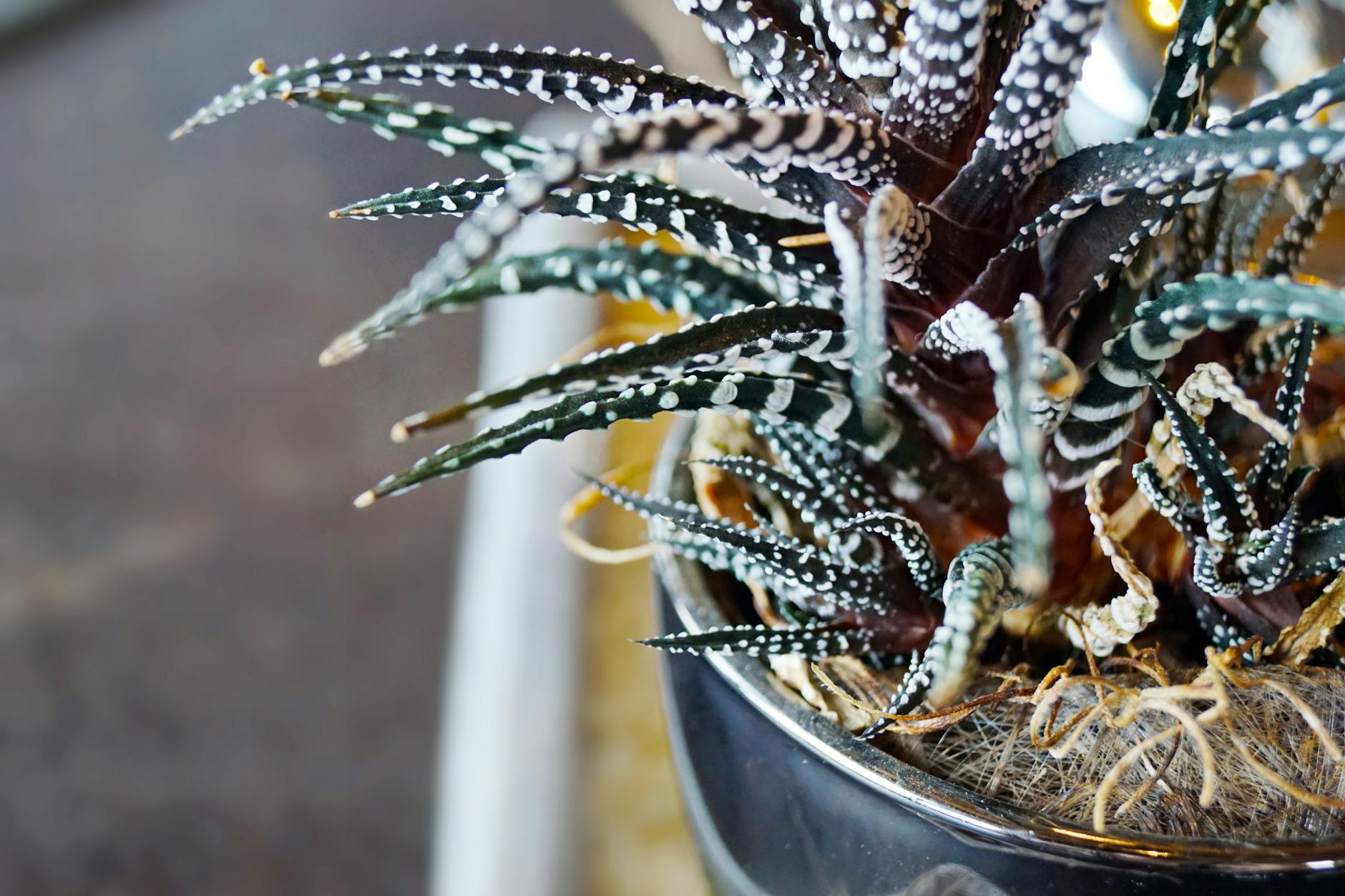
Haworthia is a small succulent genus native to southern Africa, prized for its architectural rosette form and distinctive translucent leaf tips. Unlike many succulents, haworthias actually prefer indirect light and can tolerate lower light conditions than most of their desert-dwelling relatives. They require very infrequent watering and well-draining soil to prevent root rot. Their compact size makes them ideal for terrariums, small pots and tight shelf spaces. Haworthias are among the most effortless and pet-safe succulents available for indoor growing.
Christmas Cactus
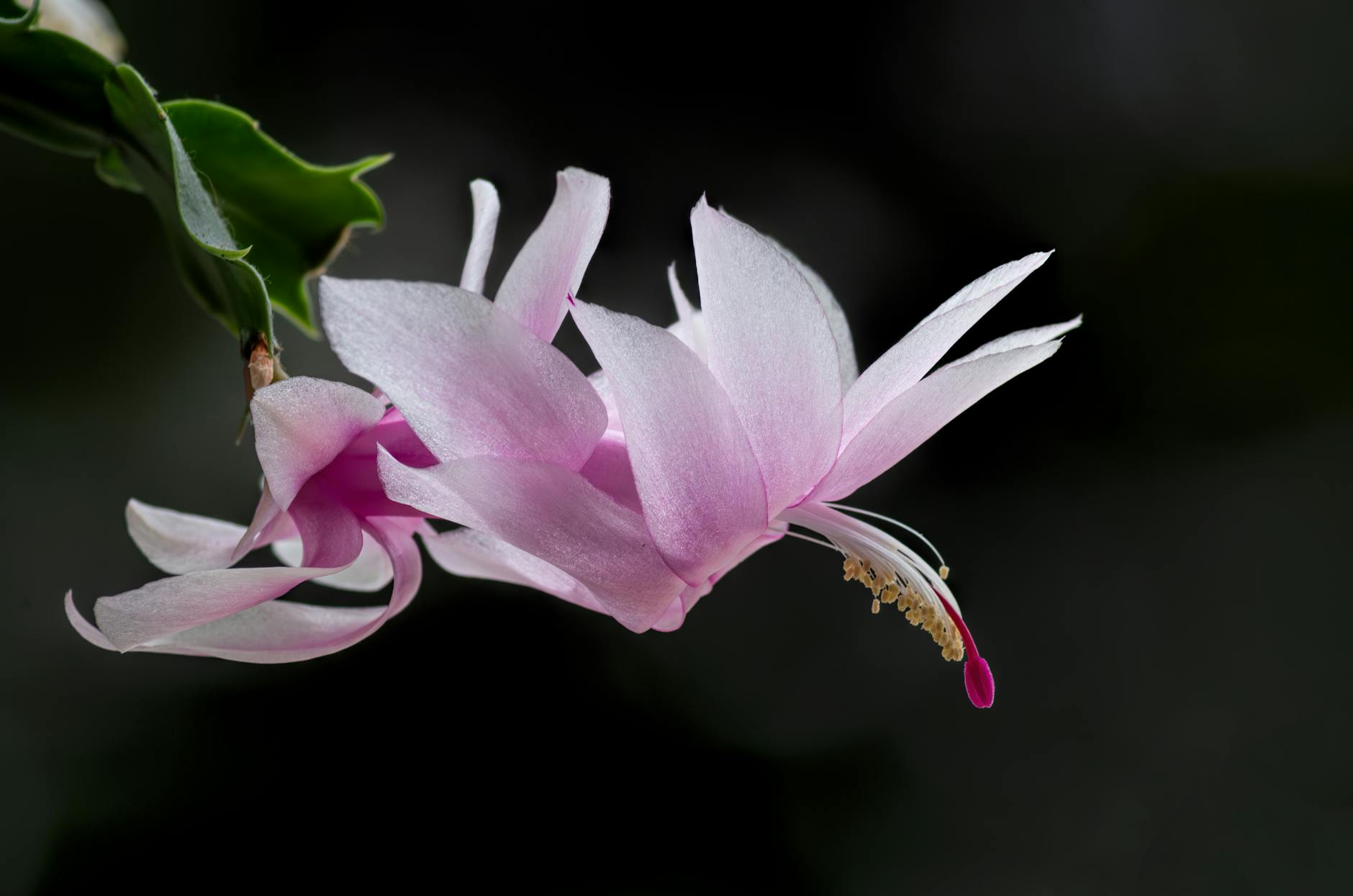
The Christmas cactus is a popular flowering succulent that blooms reliably during the winter holiday season, producing tubular flowers in shades of pink, red, white and orange. Unlike desert cacti, it originates from the tropical rainforests of Brazil and prefers indirect light and consistent humidity. Its segmented, flat stems trail attractively over the edges of pots and hanging baskets. Cooler nighttime temperatures and reduced watering in autumn help trigger its impressive seasonal blooms. It poses no toxic risk to cats or dogs and adds festive color to homes during the colder months.
Ponytail Palm
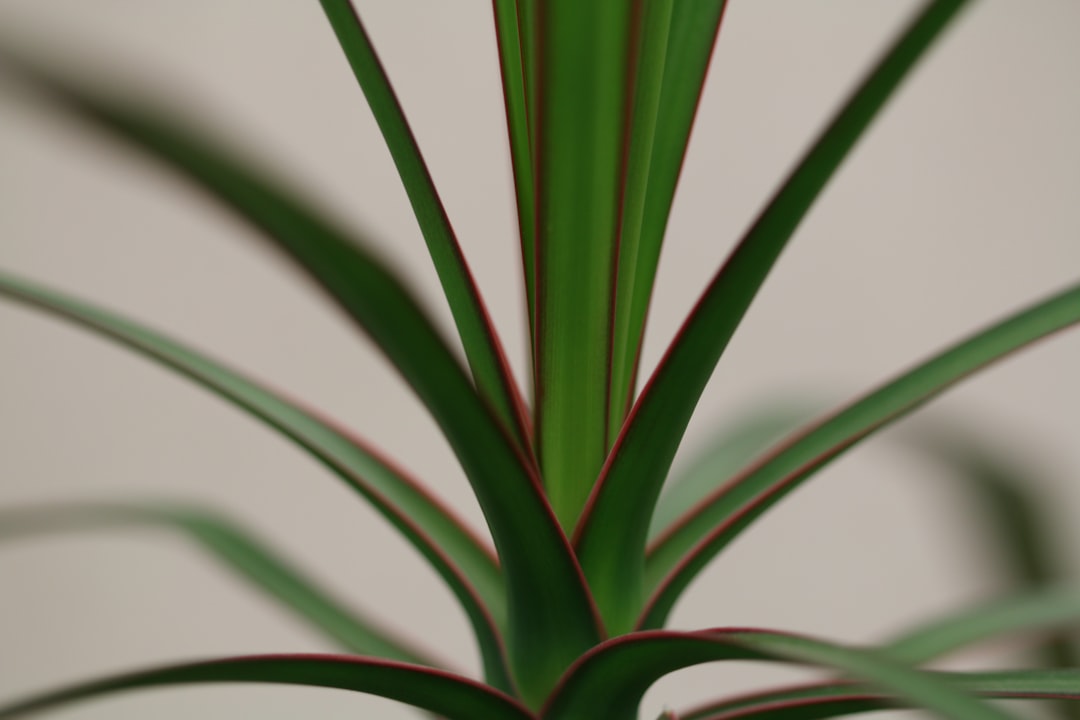
The ponytail palm is not a true palm but rather a succulent tree known for its swollen base, slender trunk and long, cascading leaves that resemble a flowing ponytail. It stores water in its bulbous base, making it highly drought-tolerant and forgiving for owners who occasionally forget to water. It thrives in bright light and requires minimal intervention to maintain its striking form. Despite its tree-like appearance, it grows slowly and remains manageable indoors for many years. Its sculptural silhouette and pet-safe status make it a conversation-starting addition to modern interiors.
Swedish Ivy
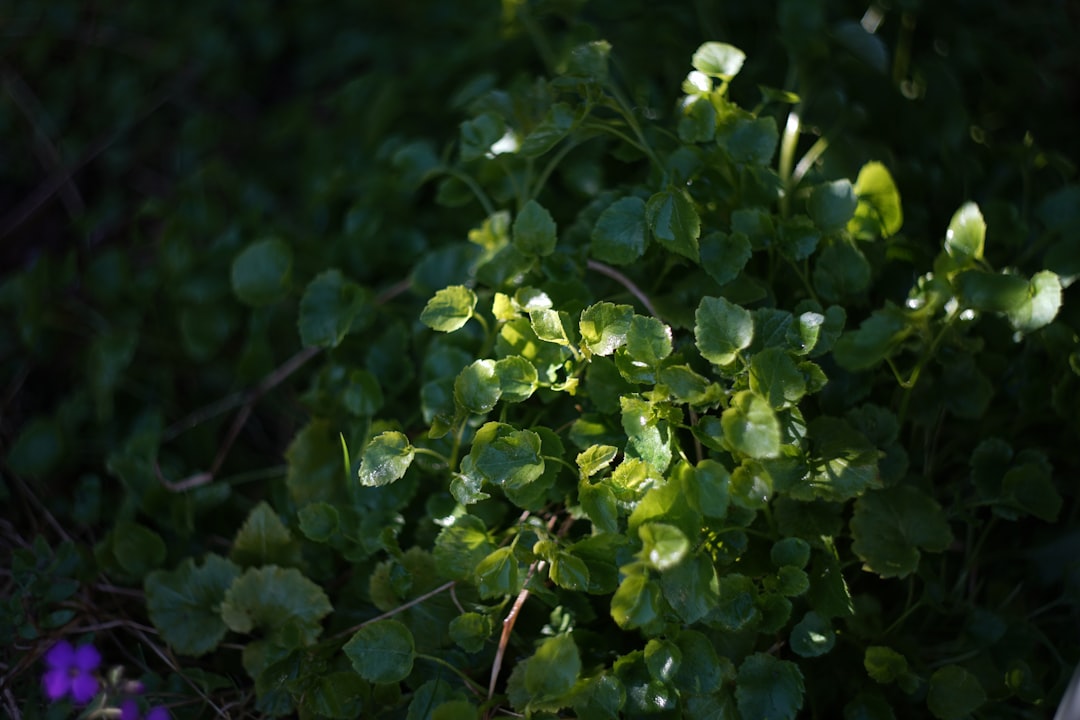
Swedish ivy is a fast-growing trailing plant with rounded, scalloped leaves that cascade beautifully from hanging baskets and elevated shelves. Its glossy foliage has a fresh, bright appearance and occasionally produces small tubular flowers in white or pale lavender. It prefers bright indirect light and regular watering to maintain its vigorous trailing growth. Pruning the tips regularly encourages bushier, fuller growth and prevents the stems from becoming too leggy. Swedish ivy is a reliable, fast-rewarding and completely pet-safe choice for those who enjoy trailing houseplants.
Polka Dot Plant
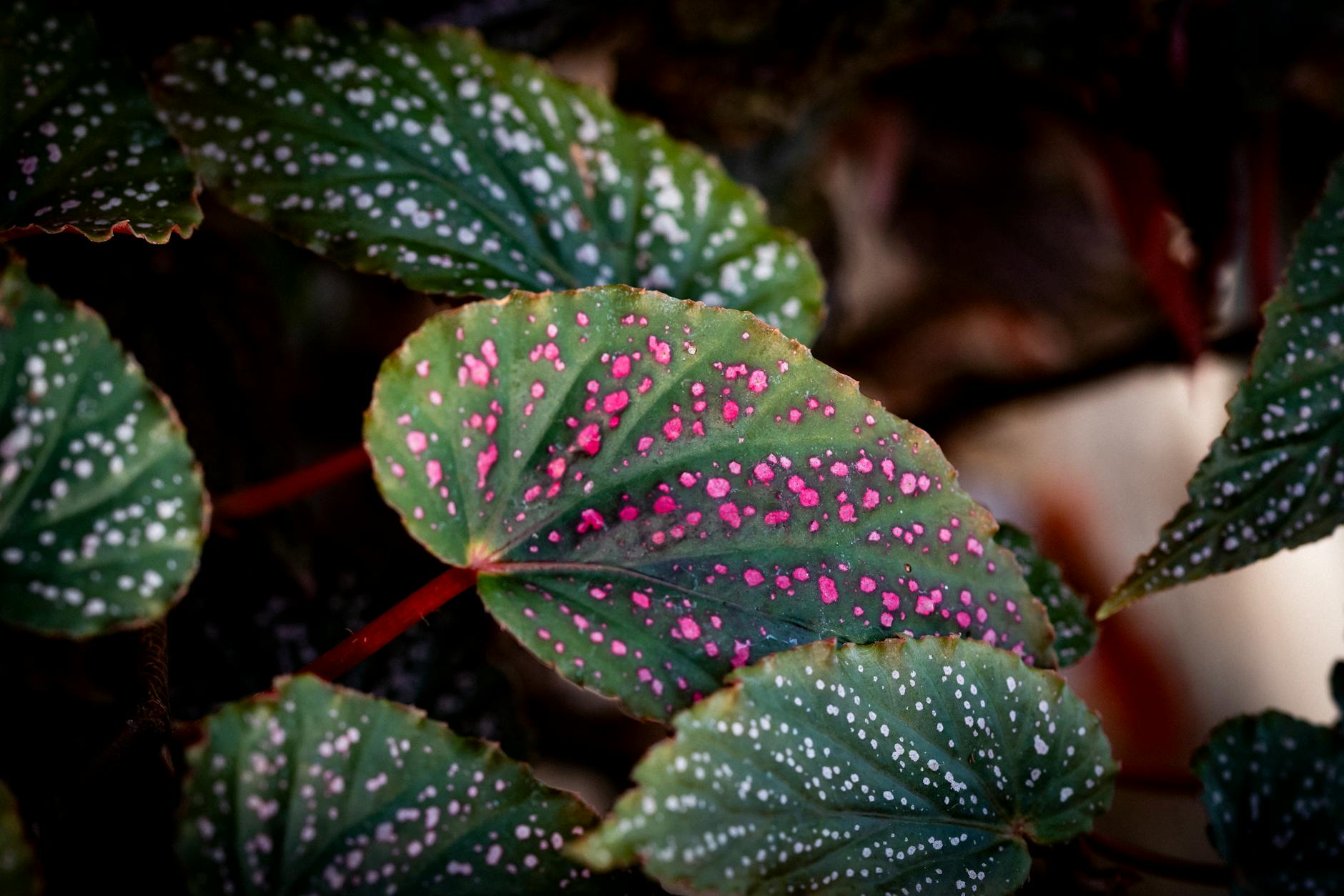
The polka dot plant earns its name from the vivid splashes of pink, red, white or lavender that dot its green leaves in an almost painterly pattern. It is a relatively small plant that suits tabletop displays and terrariums particularly well. Bright indirect light intensifies the vibrancy of its foliar markings, while low light causes the colors to fade. It prefers consistently moist soil and warm temperatures to thrive indoors. Its bold and cheerful appearance brings a playful visual energy to any pet-friendly plant arrangement.
Money Tree
The money tree is a braided trunk houseplant that has become strongly associated with good fortune and positive energy in many cultures. Its thick, intertwined stems support palmate leaves that fan outward in clusters of five to seven leaflets. It thrives in bright indirect light and prefers to dry out slightly between waterings to prevent overwatering issues. The braided trunk is typically created by weaving together several young stems as the plant grows, giving it its distinctive appearance. It is safe for pets and widely available at plant shops and garden centers around the world.
Orchid
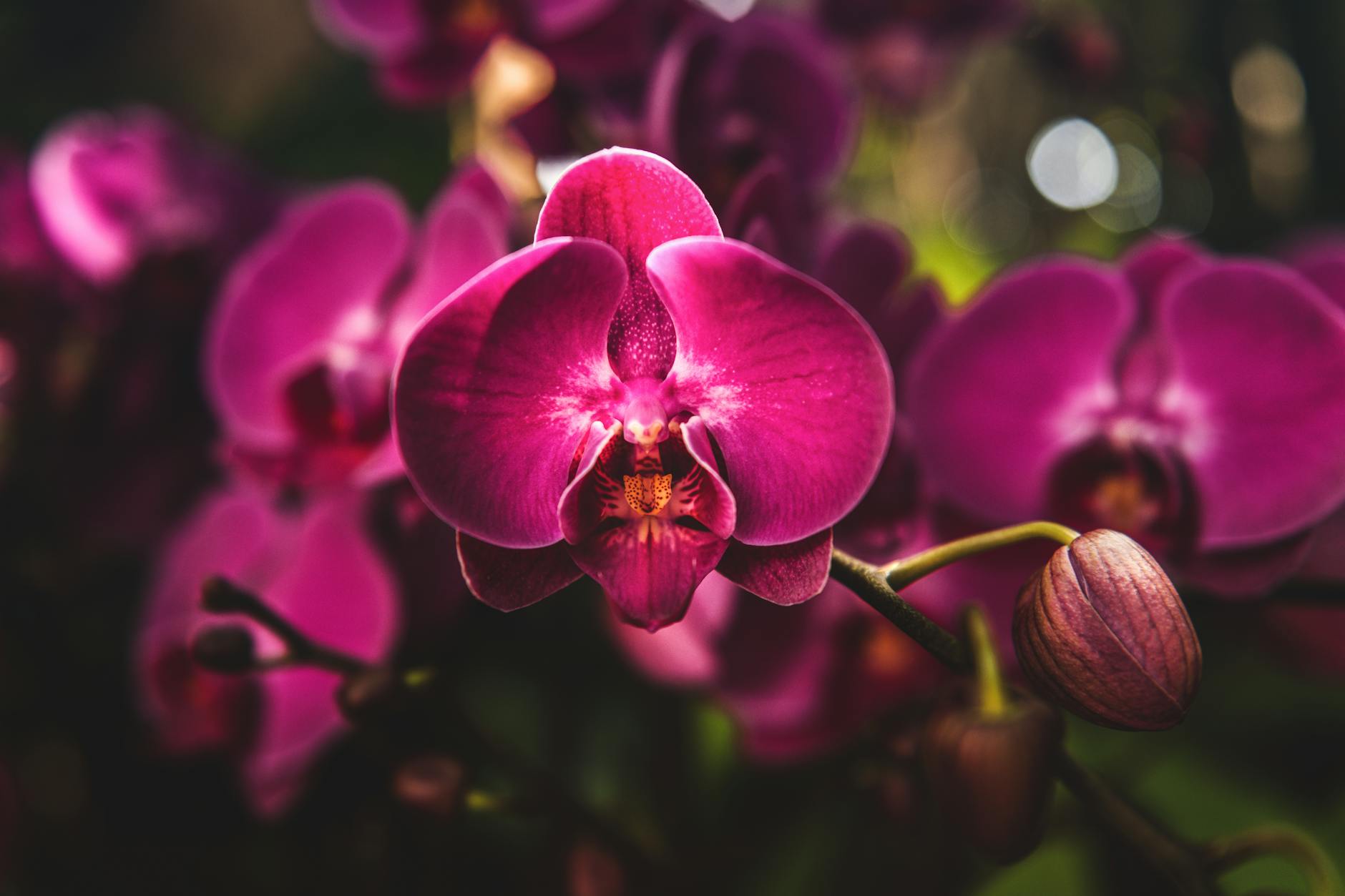
Phalaenopsis orchids are among the most elegant and commonly available flowering houseplants, prized for their long-lasting arching blooms in shades of white, pink, purple and yellow. They prefer indirect light and require watering just once per week, making them more manageable than their exotic appearance suggests. After blooming, cutting the flower spike encourages a second flush of flowers from the same stem. Orchids thrive in environments with good air circulation and moderate humidity, such as bright bathrooms or kitchen windowsills. They pose no risk to cats or dogs and bring refined beauty to any indoor setting.
Bromeliad
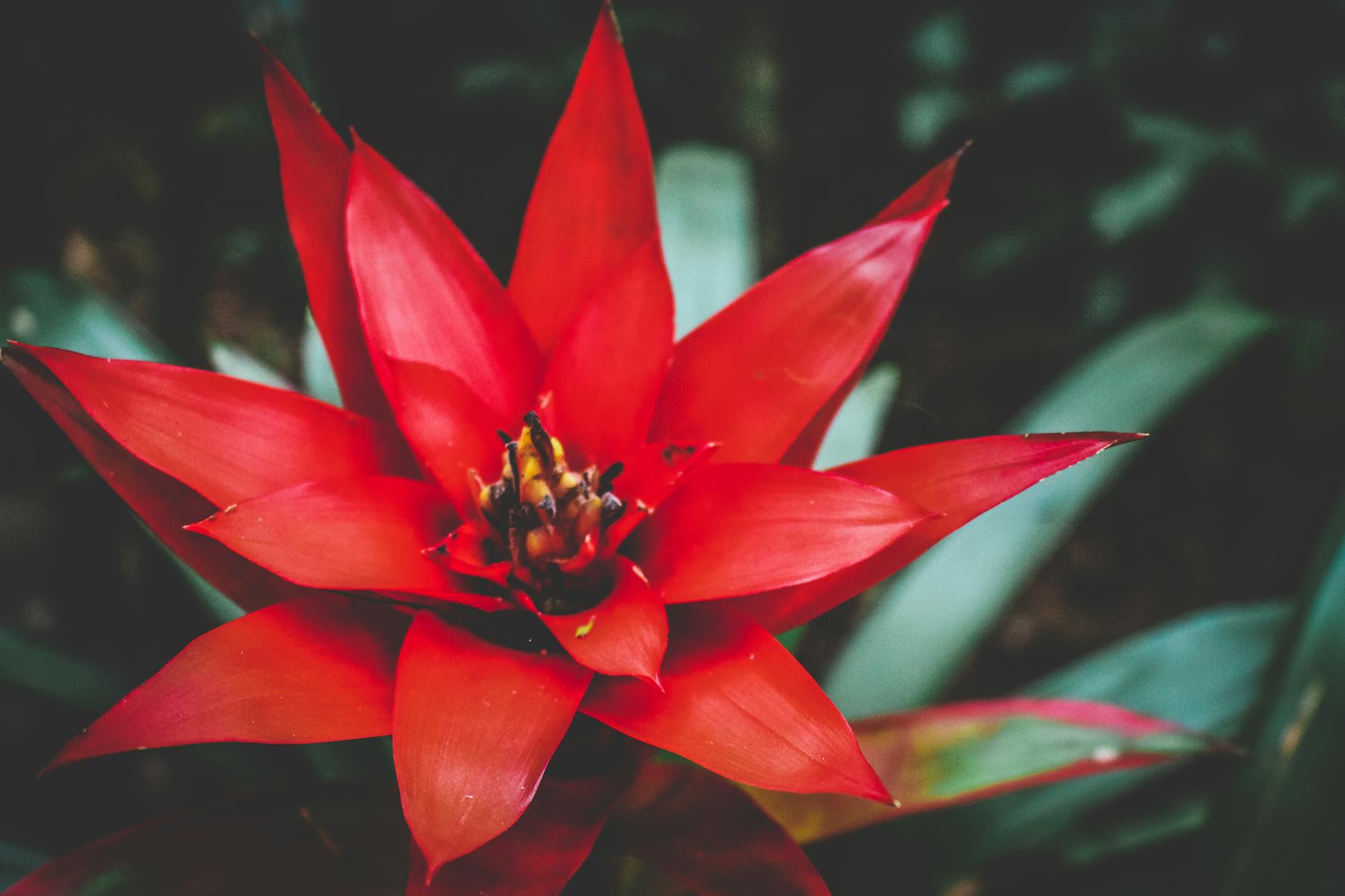
Bromeliads are tropical plants known for their striking rosette form and colorful central cup, which in many species holds water naturally. Their foliage ranges from glossy and strap-like to deeply ridged and silvery, depending on the variety. The central flower spike, often a brilliant shade of red, orange, pink or yellow, can last for several months before the plant begins to offset. They prefer bright indirect light and appreciate having their central cup topped up with fresh water regularly. Their vivid color and architectural form make them a bold and pet-safe decorative choice.
Air Plant
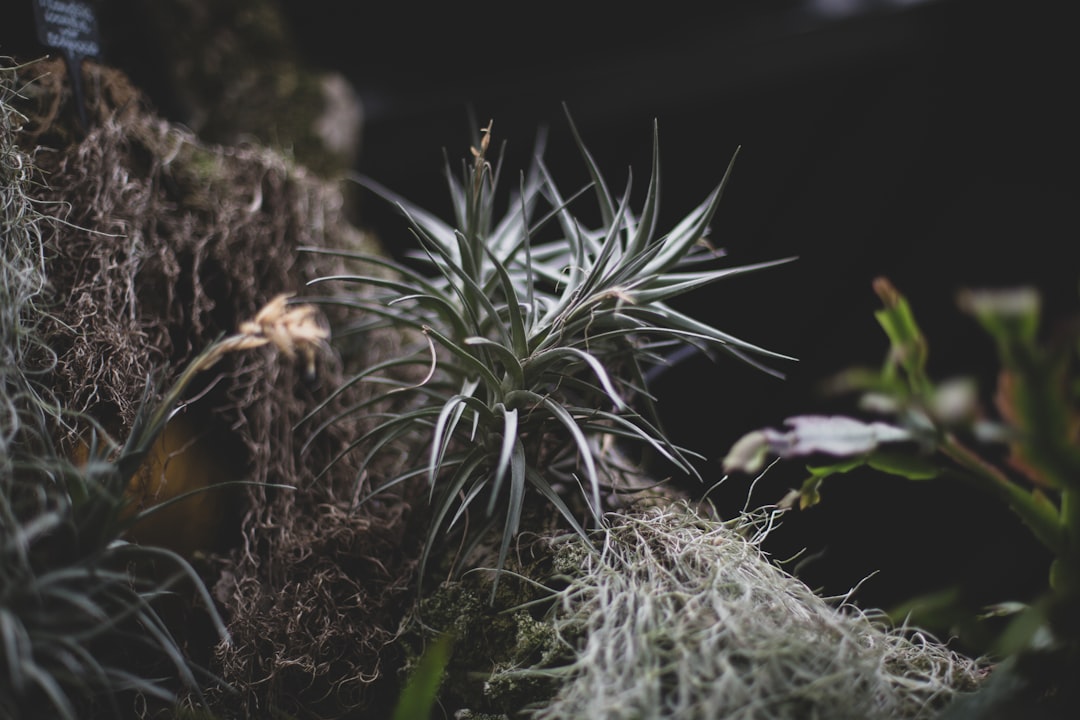
Air plants belong to the tillandsia genus and are unique in that they require no soil to grow, absorbing water and nutrients entirely through their leaves. They can be displayed in glass terrariums, mounted on driftwood, or placed in decorative holders for a minimalist and modern aesthetic. Regular misting or weekly soaking in water for about thirty minutes keeps them adequately hydrated. They prefer bright indirect light and good air circulation to prevent moisture from accumulating at their base. Their soil-free nature makes them particularly interesting for creative display arrangements in pet-friendly homes.
Staghorn Fern
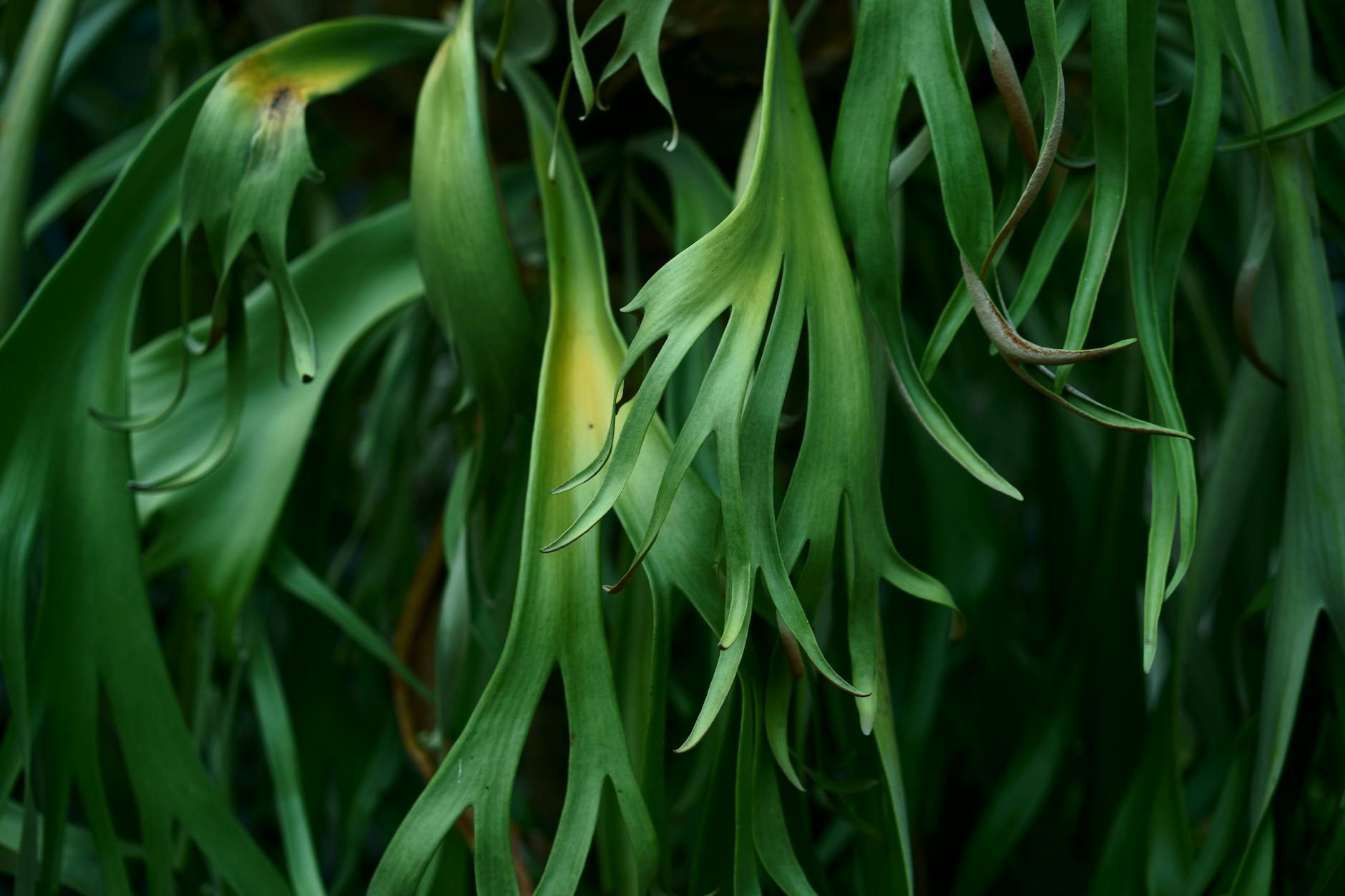
The staghorn fern is a distinctive epiphytic plant that grows naturally on tree trunks in tropical regions and is often mounted on wooden boards for indoor display. Its uniquely shaped fronds resemble the antlers of a stag, giving it an unmistakably dramatic visual presence. It prefers bright indirect light and can be watered by soaking the entire mount in water every one to two weeks. Mounting it high on a wall keeps it safely out of reach of curious pets while also showcasing its sculptural form. It is completely non-toxic and adds genuine artisanal character to interior spaces.
Bird’s Nest Fern
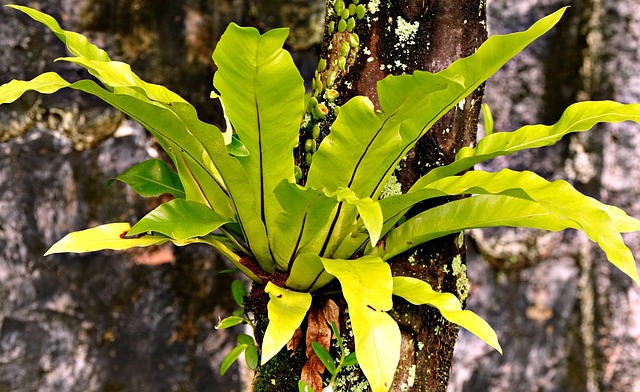
The bird’s nest fern produces broad, glossy, undulating fronds that emerge from a central rosette resembling a nest, giving the plant its common name. Unlike many ferns, its fronds are smooth rather than feathery, creating a more modern and architectural look. It thrives in low to medium indirect light and prefers consistently moist soil and humid conditions. Bathrooms and kitchens with good natural light are ideal environments for this tropical plant. Its lush and unfussy nature makes it a dependable pet-safe option for shaded corners of the home.
Rattlesnake Plant
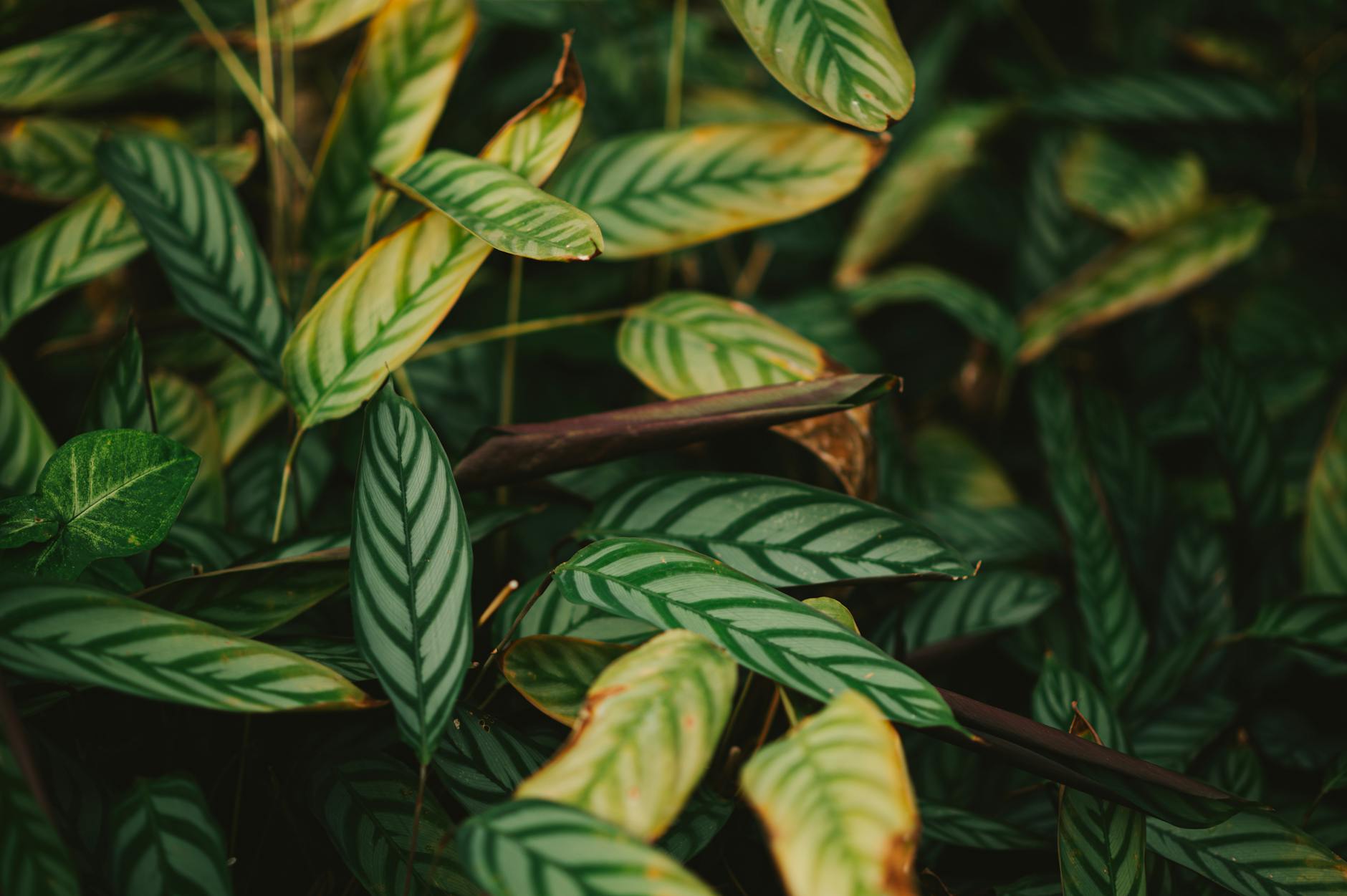
The rattlesnake plant is a striking member of the calathea family, featuring long wavy leaves decorated with irregular dark green spots on a lighter green background and deep purple undersides. Its patterned foliage has an almost hand-painted quality that makes it one of the more visually captivating options in the calathea range. It prefers indirect light and consistently moist but not waterlogged soil in a warm and humid environment. Like other calatheas, its leaves move throughout the day in response to light, adding a dynamic quality to its display. It is entirely safe for cats and dogs and thrives well in indoor conditions.
Prayer Plant
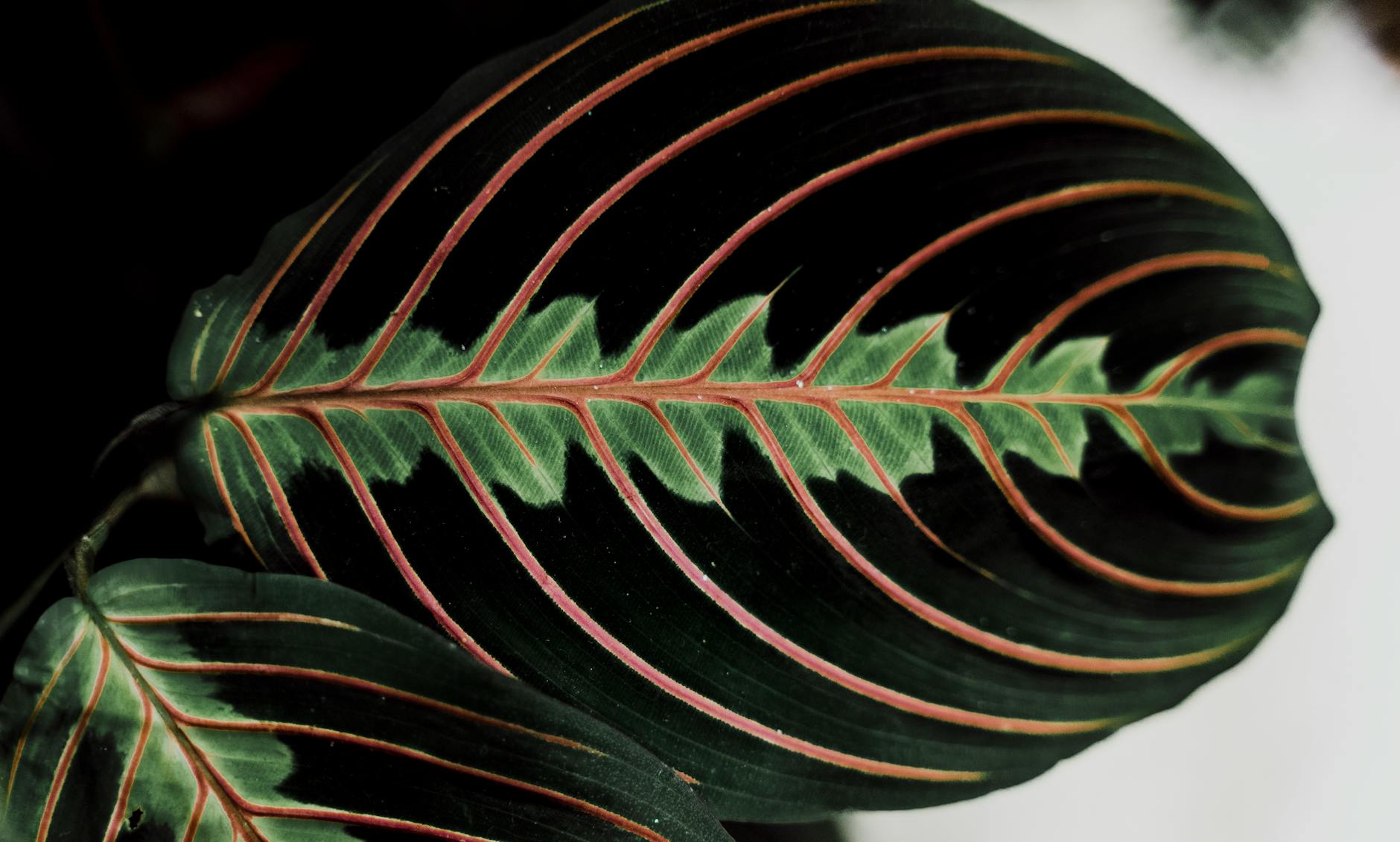
The prayer plant gets its name from the way its leaves fold upward at night, mimicking the gesture of hands folded in prayer. During the day its striking tricolor foliage unfolds to reveal vivid patterns of green, yellow and red that make it one of the most visually dynamic houseplants available. It prefers indirect light and regular watering with room-temperature water to prevent cold shock. High humidity helps it maintain the lush appearance of its leaves and prevents browning at the edges. Its daily movement and bold patterning make it a fascinating and completely pet-safe addition to any indoor collection.
Friendship Plant
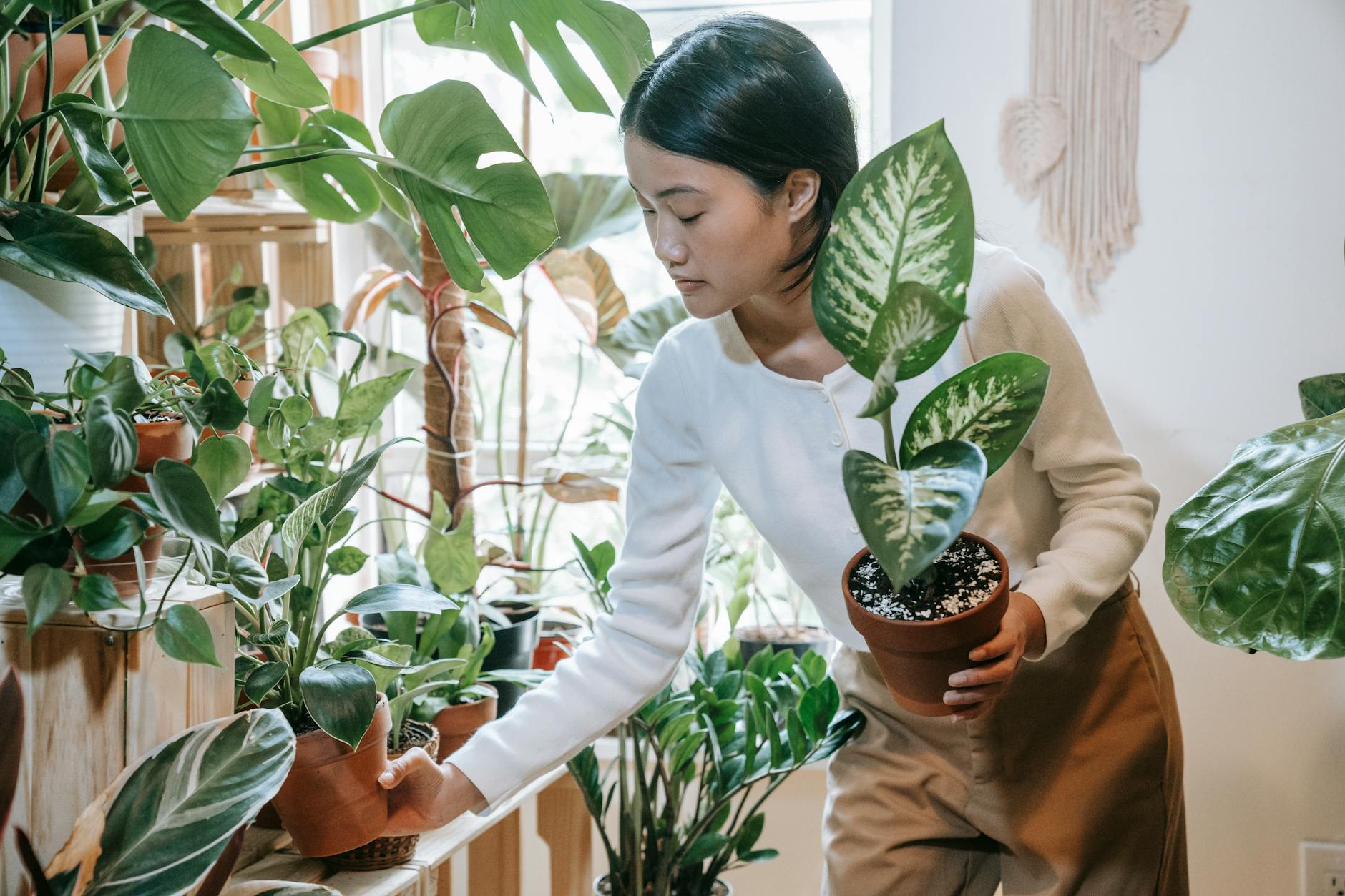
The friendship plant is a compact and low-growing plant with deeply textured, quilted leaves that feel soft to the touch and come in green with brown or burgundy markings. It is named for the tradition of sharing cuttings between friends, as it roots easily in water and propagates with minimal effort. It prefers indirect light and moderate watering, thriving in humid conditions that mimic its natural tropical habitat. Its small scale makes it well-suited for terrariums and grouped plant arrangements on shelves and tabletops. It is non-toxic to pets and rewards its owner with charming foliage and effortless growth.
Cast Iron Plant
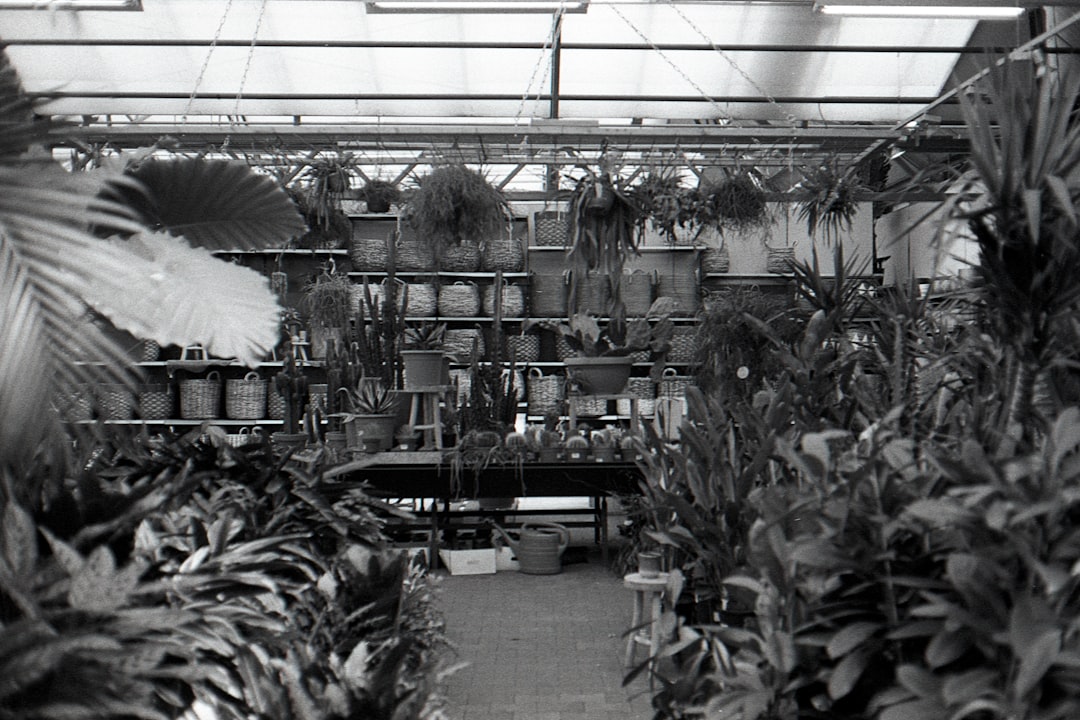
The cast iron plant lives up to its name by tolerating low light, irregular watering, temperature fluctuations and general neglect with remarkable resilience. Its dark, glossy strap-like leaves grow in upright clumps and maintain their deep green color even in dimly lit rooms. It is one of the few houseplants that genuinely thrives in very low-light conditions, making it ideal for hallways, offices and north-facing rooms. Growth is slow but steady, and the plant rarely requires repotting or significant maintenance. Its durability and pet-safe nature make it one of the most practical and reliable houseplants for busy households.
Hoya
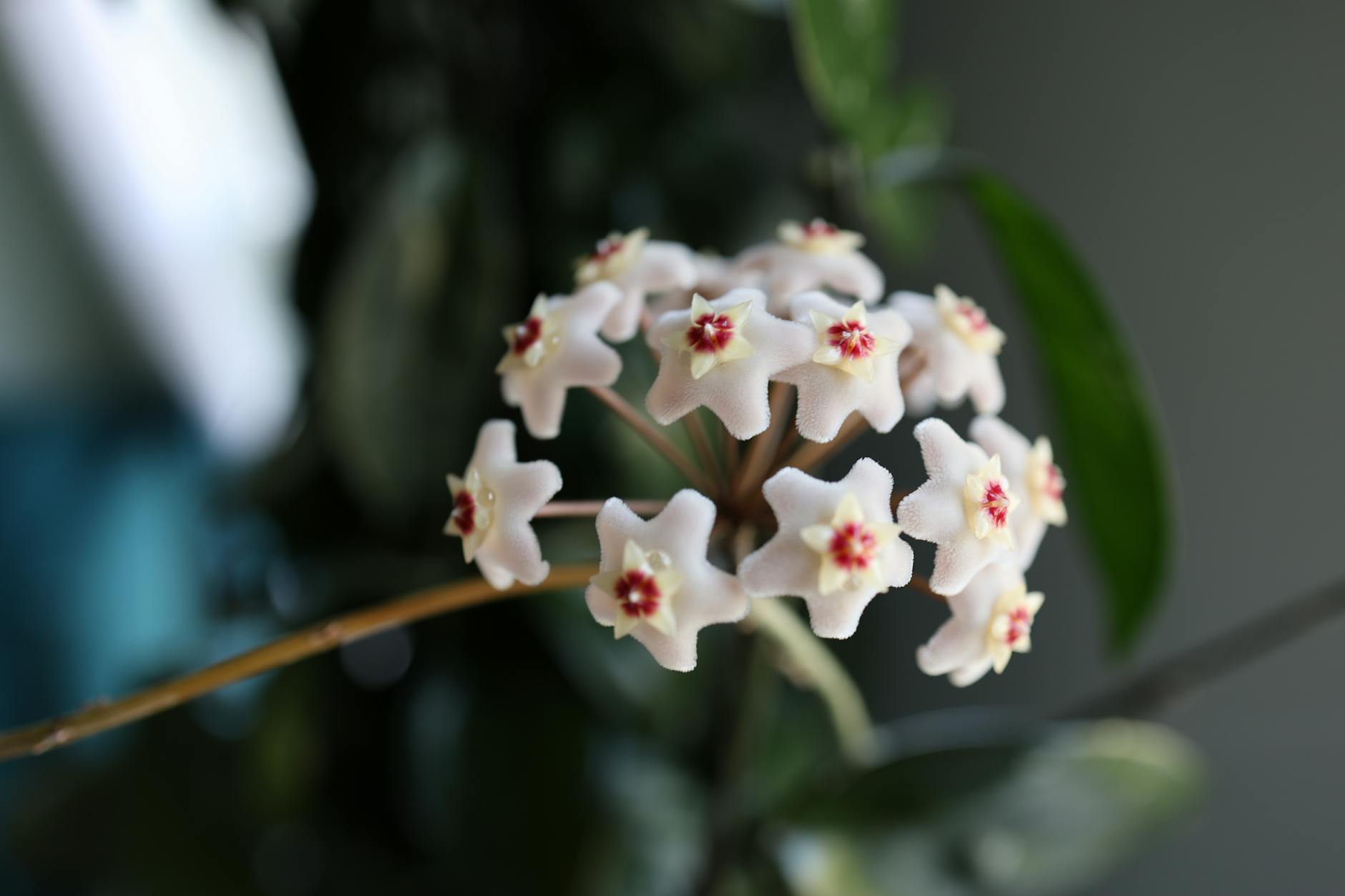
Hoya plants are popular trailing and climbing houseplants known for their thick, waxy leaves and clusters of star-shaped fragrant flowers. There are hundreds of species and cultivars within the hoya family, offering a wide range of leaf shapes, sizes and variegation patterns. They prefer bright indirect light and infrequent watering, as their semi-succulent leaves are well-adapted to periods of dryness. Flowering typically occurs in mature plants that have been root-bound for a season or two, rewarding patience with clusters of intricately detailed blooms. Hoyas are completely non-toxic to pets and bring a trailing elegance to shelves and hanging planters.
Blue Echeveria
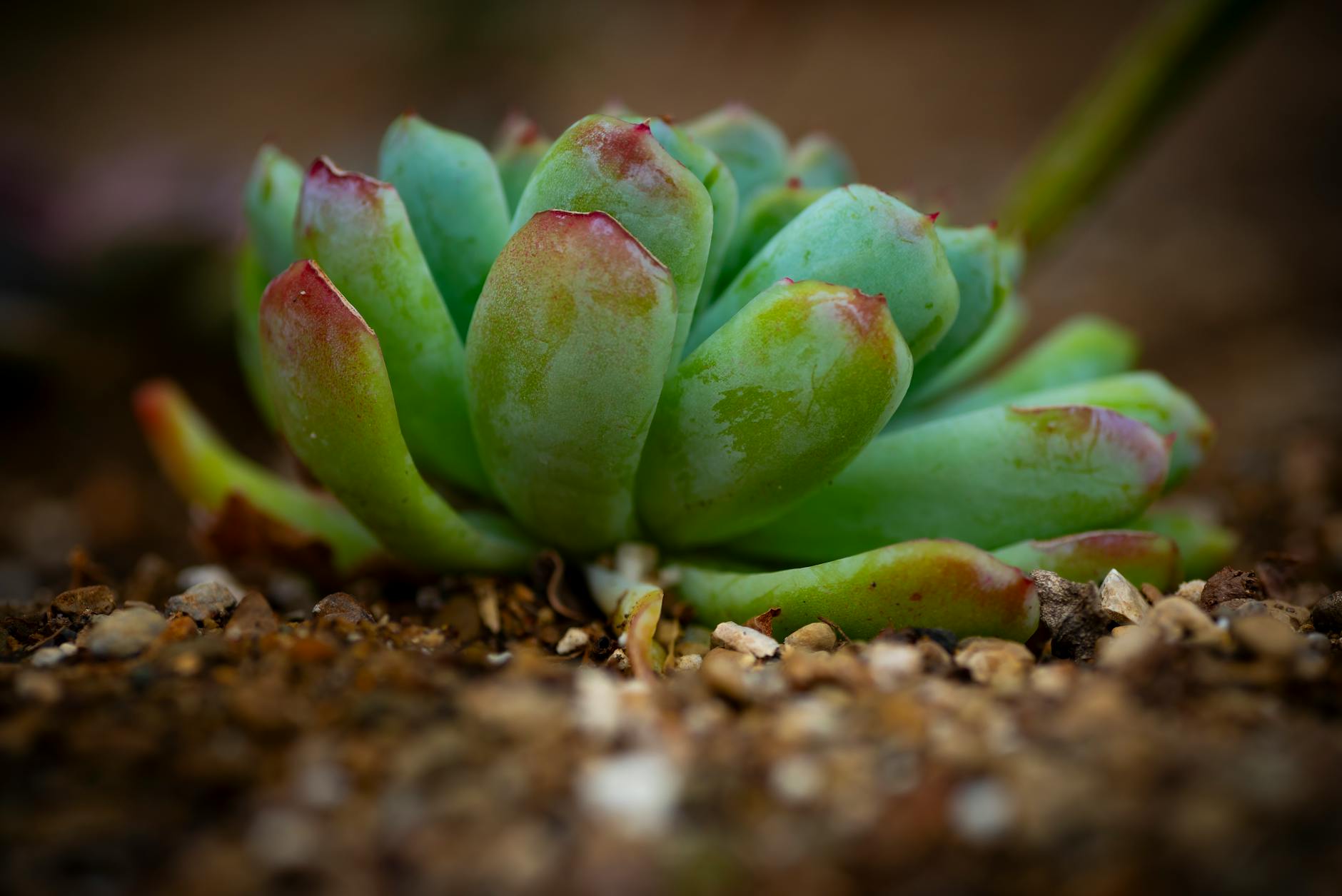
Blue echeveria is a rosette-forming succulent with silvery blue-green leaves that have a powdery coating giving them a soft and pastel appearance. It produces compact, symmetrical rosettes that look almost architectural in their precision and are popular in succulent arrangements and terrariums. It requires bright light and very infrequent watering, thriving with the kind of minimal attention that suits low-maintenance plant owners. In summer it may produce slender stems topped with coral and yellow bell-shaped flowers that add a delicate contrast to its cool foliage. It is safe for cats and dogs and brings a sculptural, geometric quality to sunny windowsills.
Nerve Plant
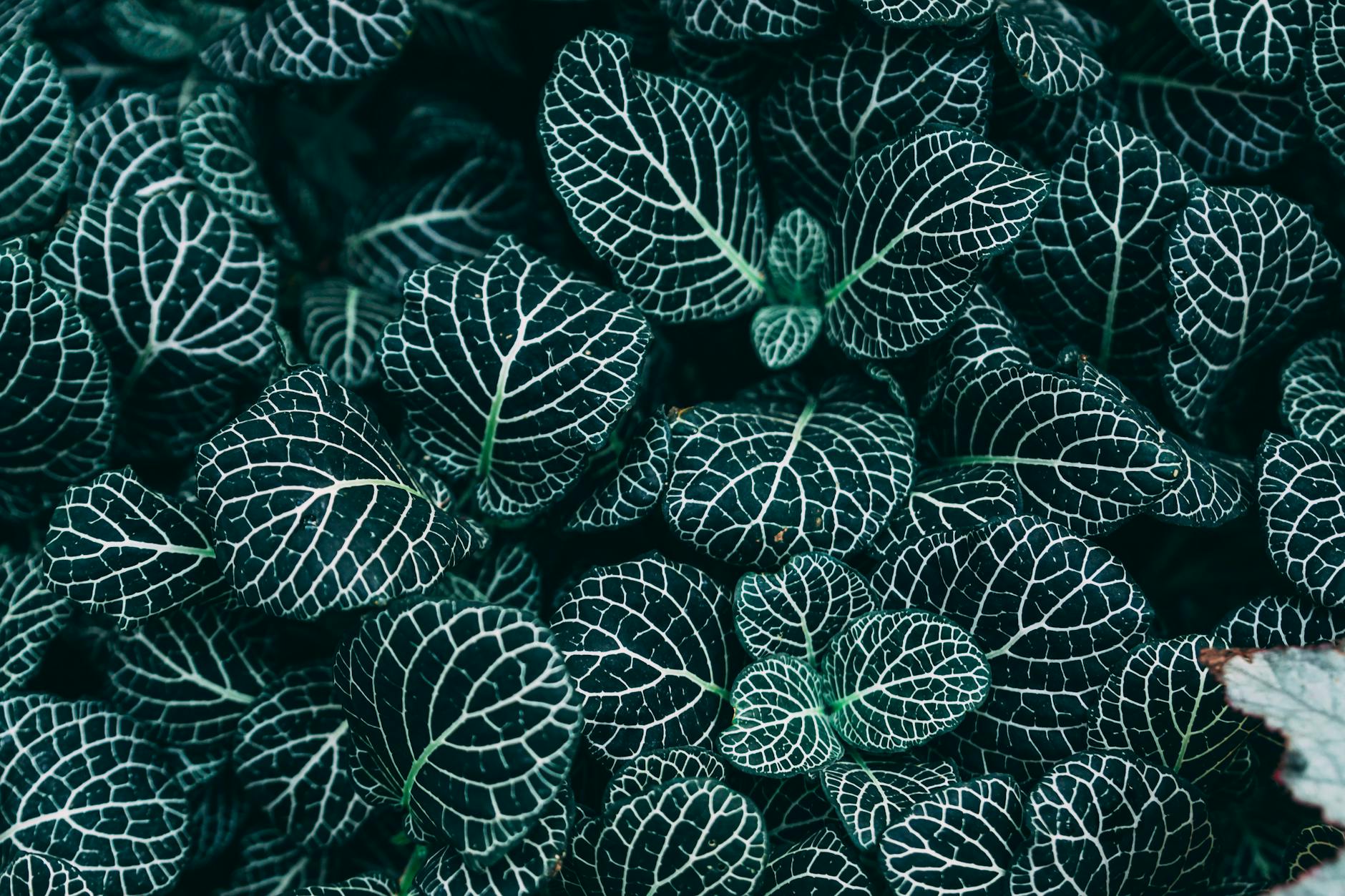
The nerve plant is a small, low-growing tropical plant prized for its dramatically veined foliage in combinations of green with white, pink or red. The intricate network of colored veins that runs through its leaves gives it an almost stained-glass quality under good light. It prefers indirect light, high humidity and consistently moist soil, making terrariums an ideal home for it. Its compact size means it fits well into small spaces, dish gardens and grouped arrangements with other humidity-loving plants. Despite its delicate appearance, it is completely non-toxic to cats and dogs and grows reliably in the right conditions.
Hen and Chicks
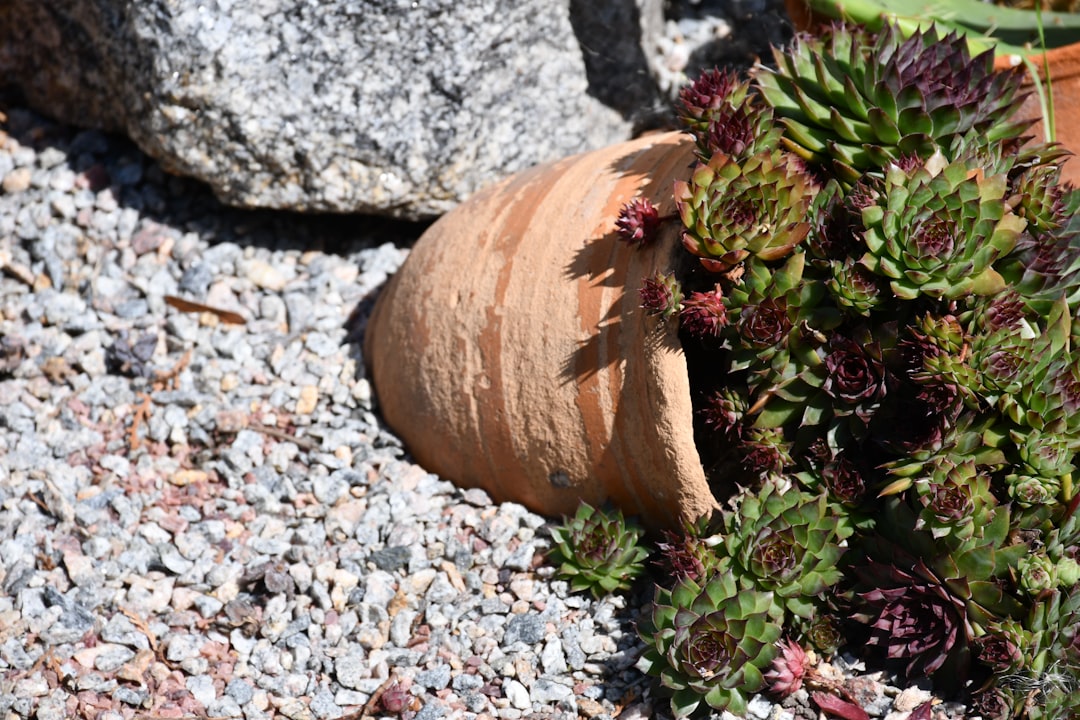
Hen and chicks plants produce tight, geometric rosettes that multiply by sending out small offsets, or chicks, from the base of the main rosette. Echeveria varieties within this group offer a particularly wide range of colors, from pale lilac and dusty rose to rich burgundy and mint green. They require bright light and very little water, making them ideal for sunny windowsills and low-water gardening situations. As offsets accumulate, they can be gently separated and potted individually, providing a continuous supply of new plants for gifting or expanding a collection. They are safe for pets and bring a satisfying geometric beauty to succulent arrangements.
Gloxinia
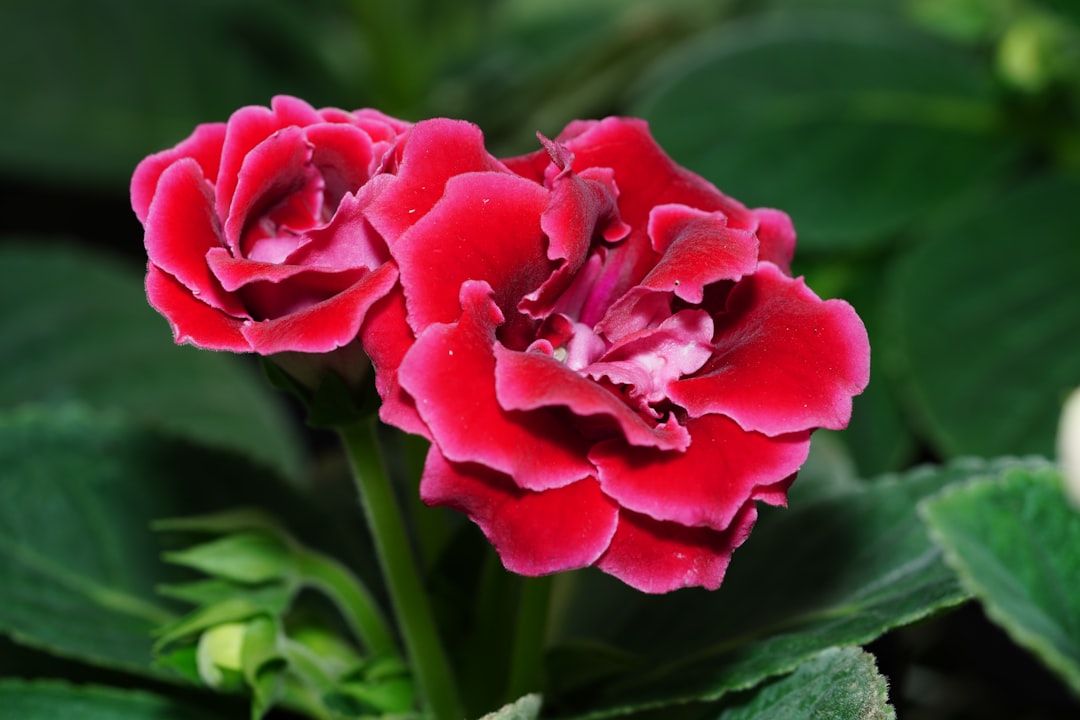
Gloxinia is a velvety flowering plant that produces large, bell-shaped blooms in shades of deep purple, red, pink and white, often with contrasting markings at the throat. Its soft, textured leaves and bold flowers give it an old-fashioned parlor plant aesthetic that suits both classic and eclectic interiors. It prefers bright indirect light and careful bottom watering to avoid wetting its fuzzy foliage. After its blooming cycle it can go dormant, during which minimal watering allows the tuber to rest before re-sprouting in the following season. It is non-toxic to household pets and rewards attentive care with genuinely spectacular floral displays.
Lipstick Plant
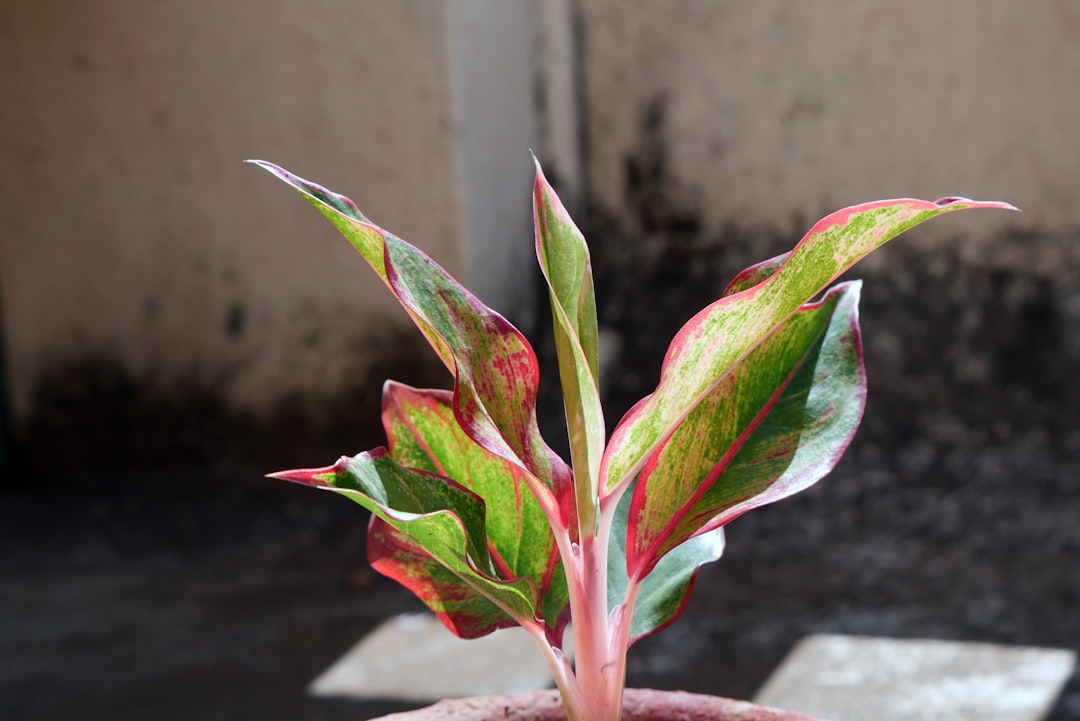
The lipstick plant is a trailing tropical plant that produces tubular red or orange flowers that emerge from dark burgundy buds, resembling a tube of lipstick being extended. Its glossy, oval leaves are attractive even when the plant is not in bloom, making it a year-round asset in hanging baskets and elevated positions. It thrives in bright indirect light and prefers to dry out slightly between waterings to avoid root issues. High humidity and warm temperatures encourage the most prolific flowering. It is completely safe for cats and dogs and adds a bold and exotic visual element to any plant collection.
Baby Tears
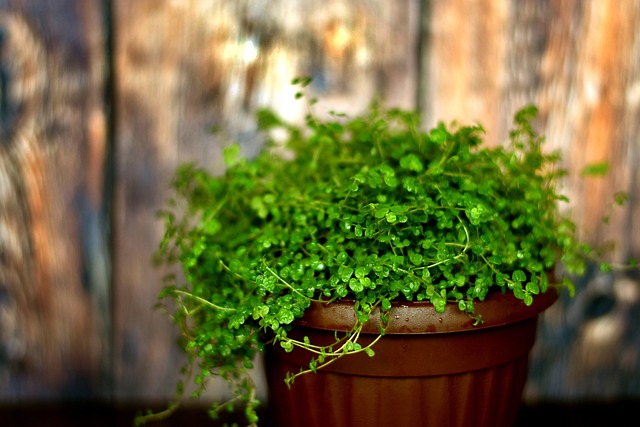
Baby tears is a delicate creeping plant with tiny, rounded leaves that form a dense, moss-like mat over the surface of its container and surrounding soil. It creates a lush, miniature landscape effect that looks particularly beautiful in terrariums and shallow dish plantings. It prefers indirect light and consistently moist soil, wilting quickly if allowed to dry out for too long. Regular misting or placement in a humid environment keeps its fragile foliage in the best condition. It is non-toxic to pets and brings a soft, verdant ground-cover quality to indoor arrangements and miniature garden displays.
Watermelon Peperomia
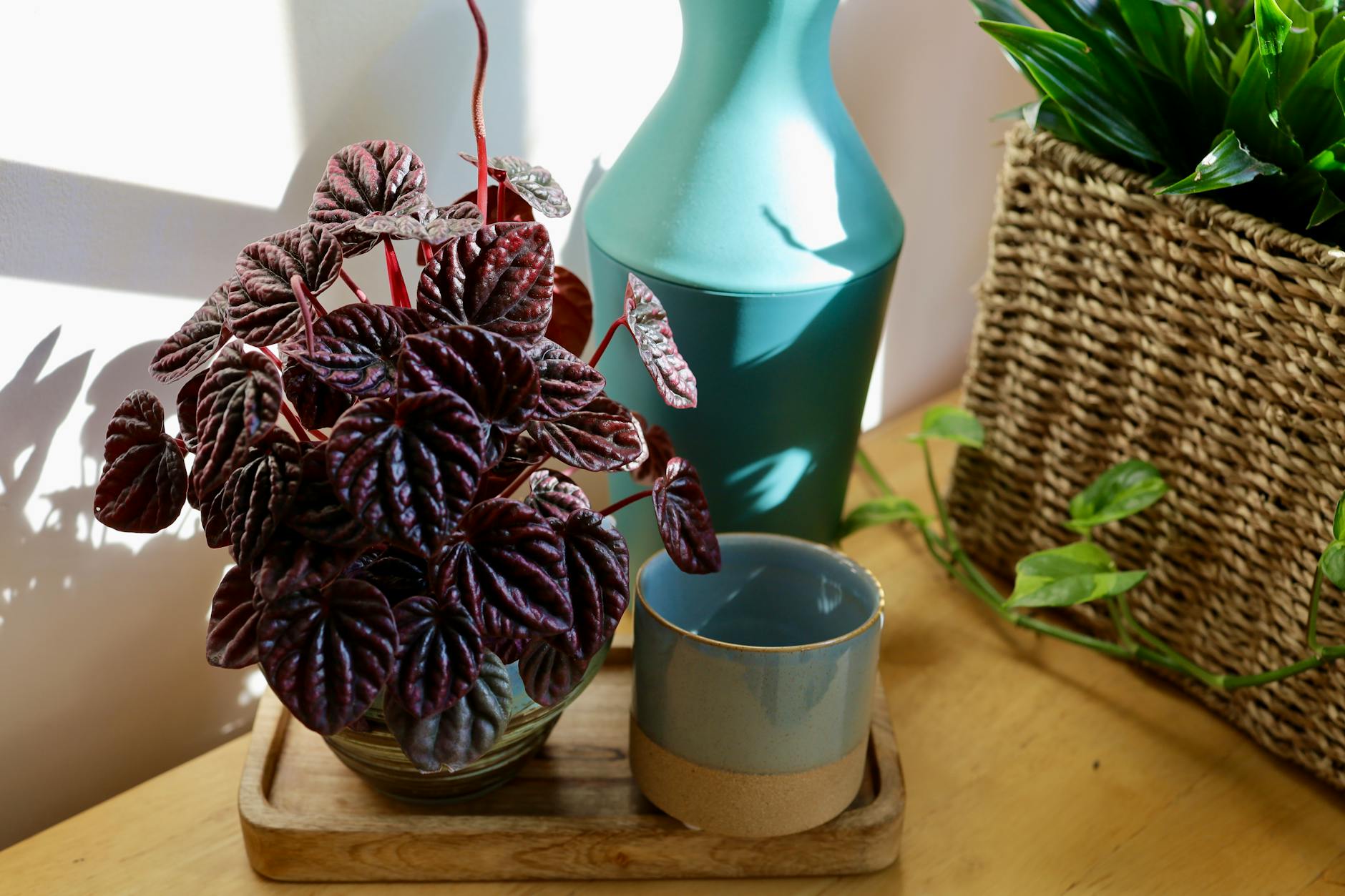
Watermelon peperomia is a beloved variety within the peperomia family, named for the striped green and silver pattern on its rounded leaves that closely resembles the skin of a watermelon. Its striking foliage sits on slender reddish stems, adding a further layer of visual interest to its compact form. It prefers medium indirect light and moderate watering, tolerating dryness better than overwatering due to its semi-succulent leaf structure. Its small stature makes it an excellent choice for desks, bookshelves and indoor plant arrangements. It is completely safe for cats and dogs and consistently ranks among the most popular peperomia varieties for indoor growing.
Pilea Peperomioides
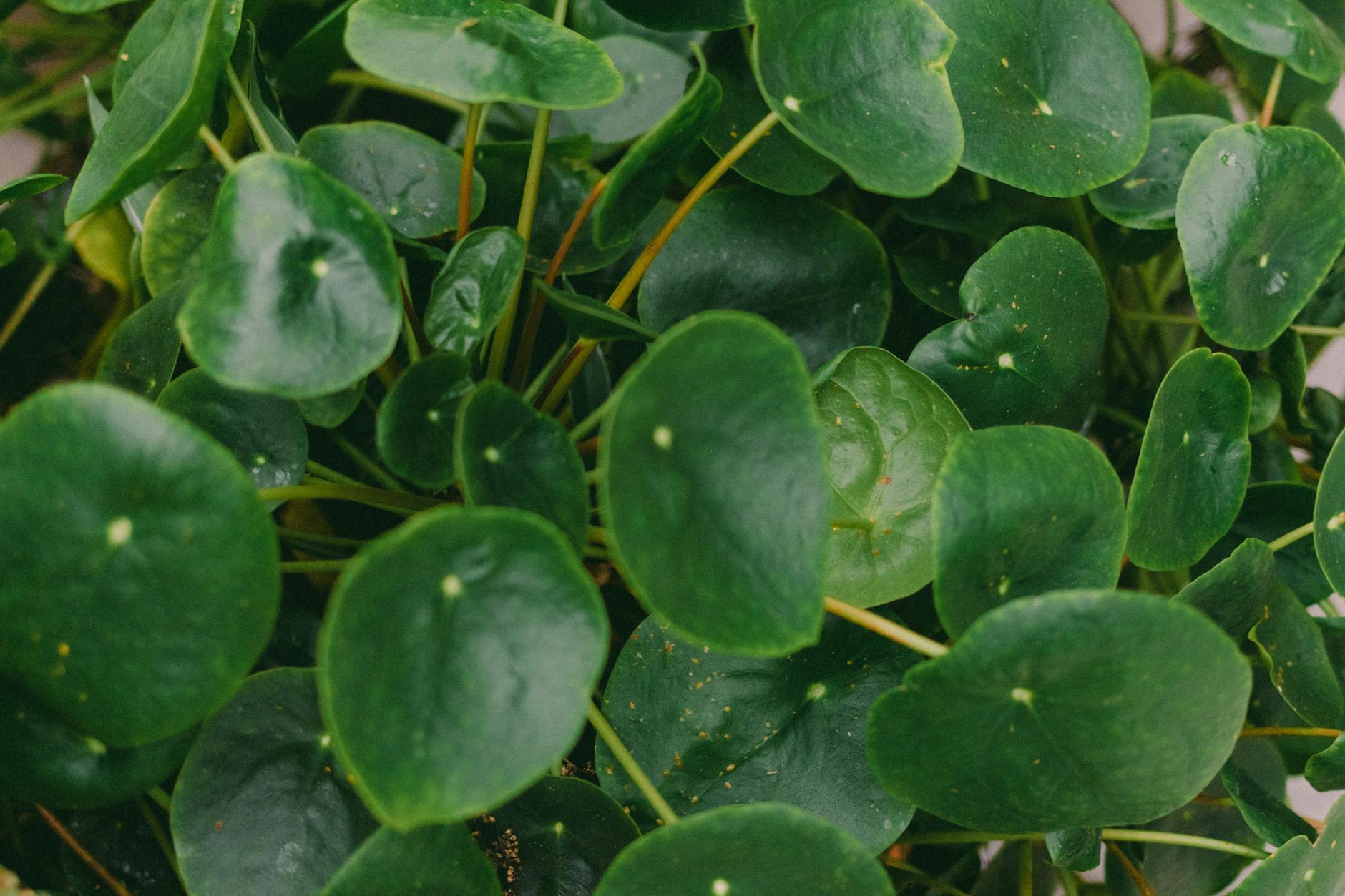
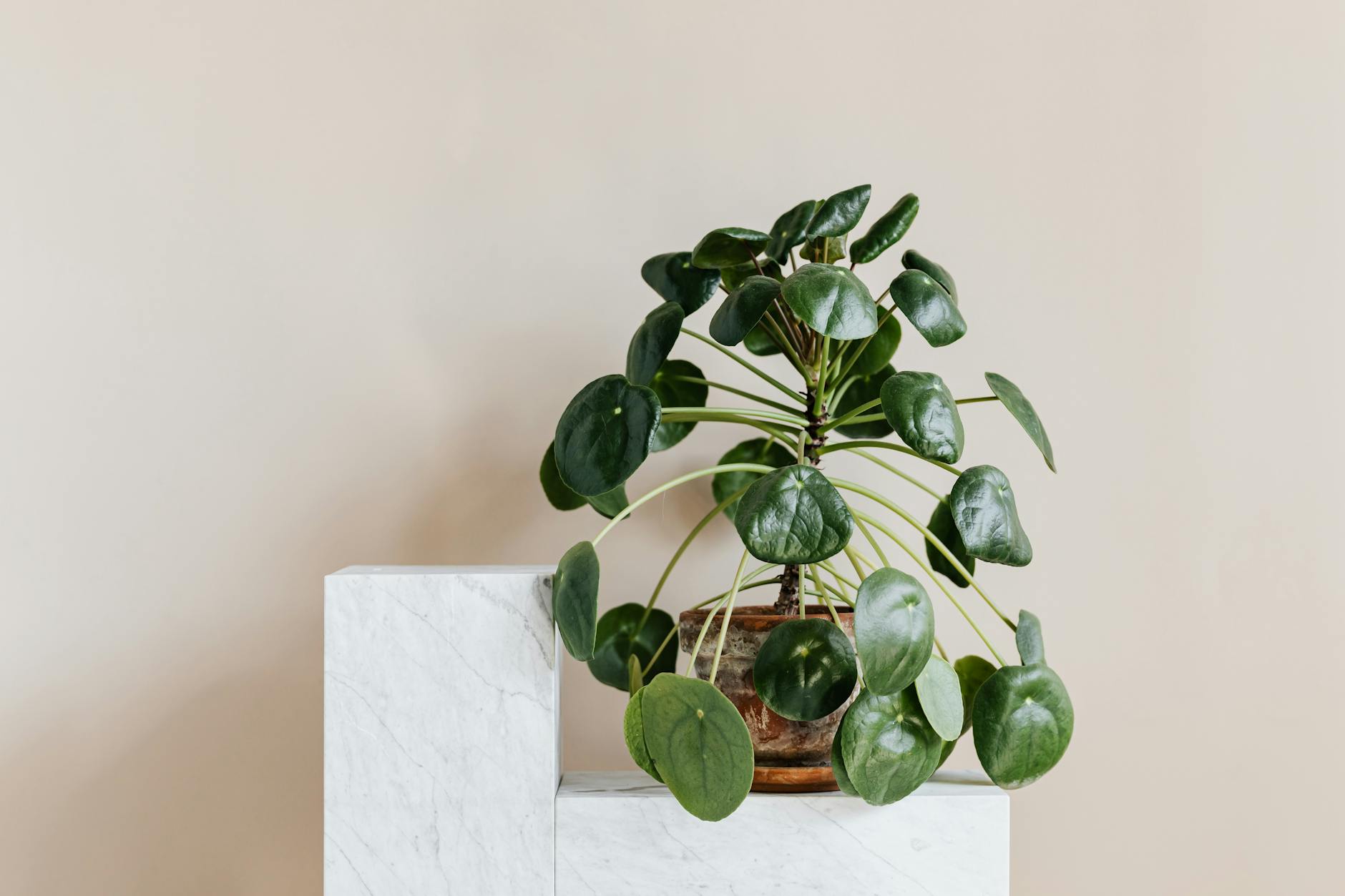
Pilea peperomioides is commonly called the Chinese money plant or pancake plant due to its perfectly round, coin-shaped leaves that sit on long slender petioles. It became an internet sensation in the plant community due to its distinctive geometry and the ease with which it produces offshoots that can be gifted to others. It prefers bright indirect light and moderate watering, benefiting from a quarter turn each week to ensure even growth on all sides. Regular removal of offsets encourages the mother plant to maintain a clean and attractive shape. It is non-toxic to household pets and has become one of the most widely recognized and sought-after houseplants of the past decade.
Catnip
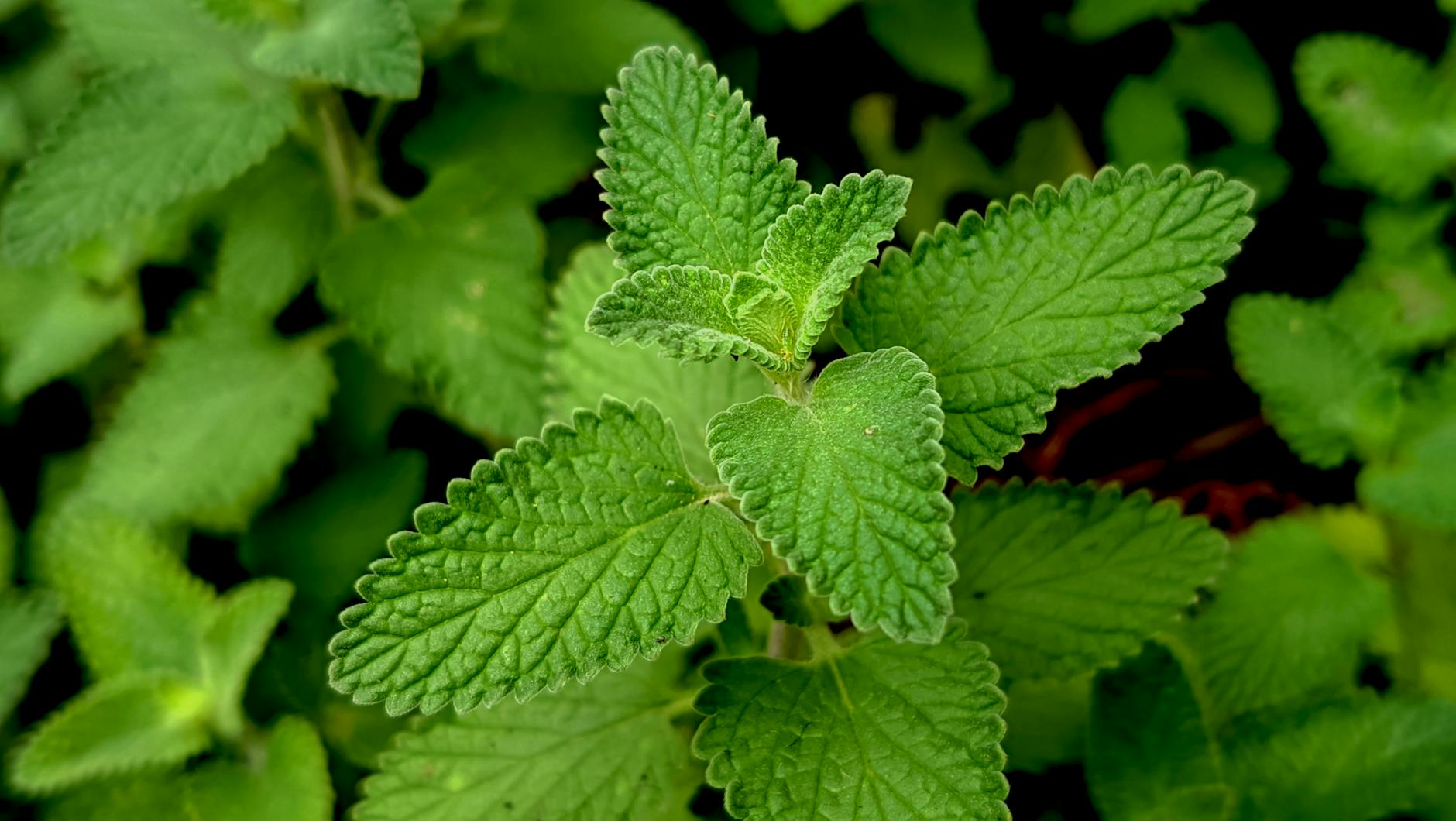
Catnip is perhaps the most famously pet-associated plant of all, known for its euphoric effect on cats while remaining completely harmless to both cats and dogs. Its textured, heart-shaped leaves release a fragrant oil called nepetalactone when bruised, which triggers a well-documented behavioral response in most domestic cats. It grows vigorously in bright light with moderate watering and can be kept as a container plant indoors throughout the year. Fresh leaves can be occasionally offered to cats as an enrichment treat or dried and used in homemade toys. Growing catnip indoors brings a practical and playful dimension to a pet-friendly plant collection.
Lemon Button Fern
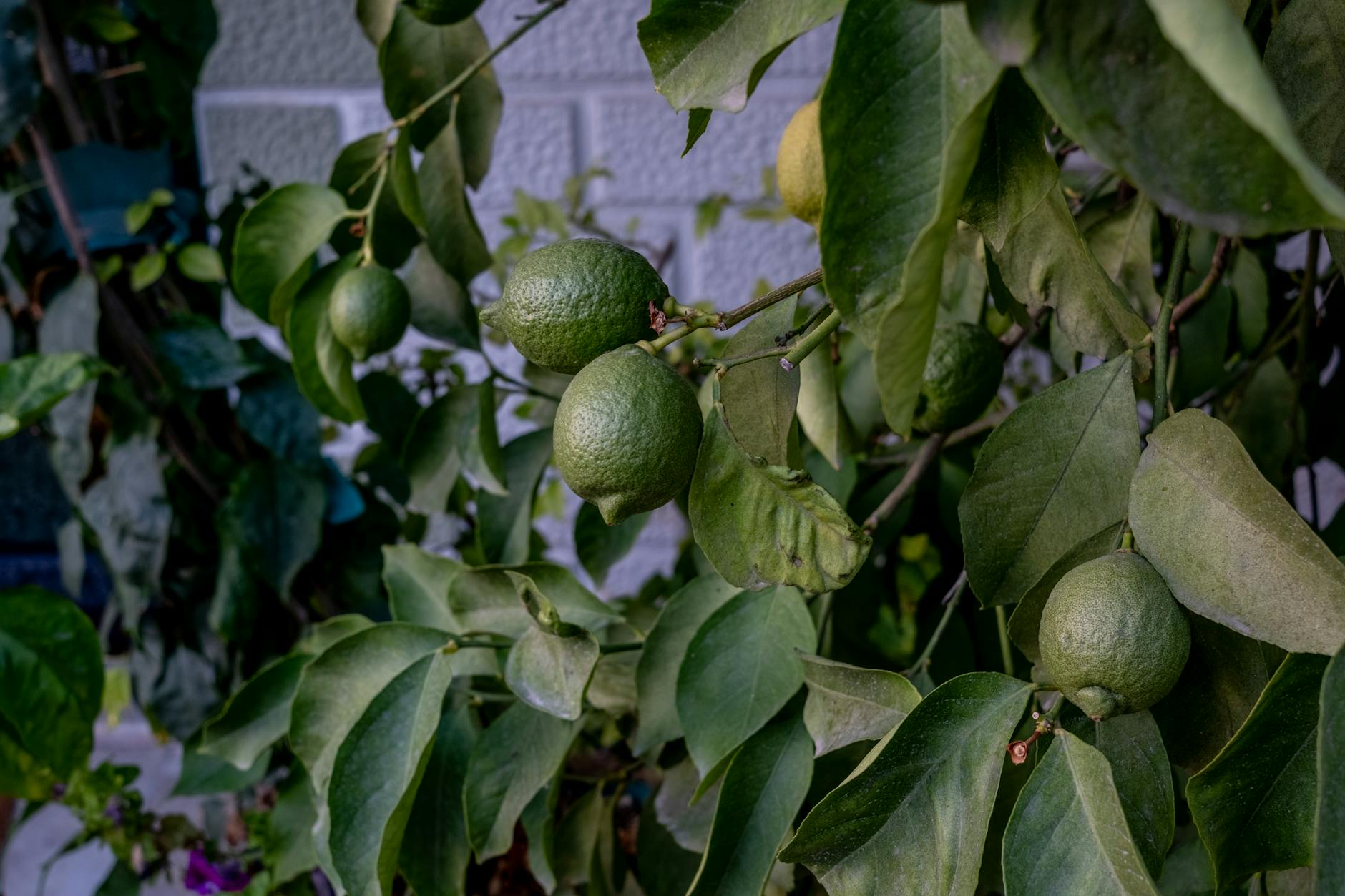
The lemon button fern is a compact variety of the nephrolepis fern family, producing arching fronds lined with small, rounded leaflets that have a faint citrus scent when gently handled. Its petite size makes it suitable for terrariums, small pots and shelving displays where larger ferns would be impractical. It prefers indirect light and consistent moisture, along with a humid environment that prevents its delicate fronds from drying out. Its fine texture and soft appearance give it a gentle, naturalistic quality that complements both modern and botanical interior styles. It is entirely safe for cats and dogs and one of the more manageable fern varieties available for indoor growing.
Snap Dragon
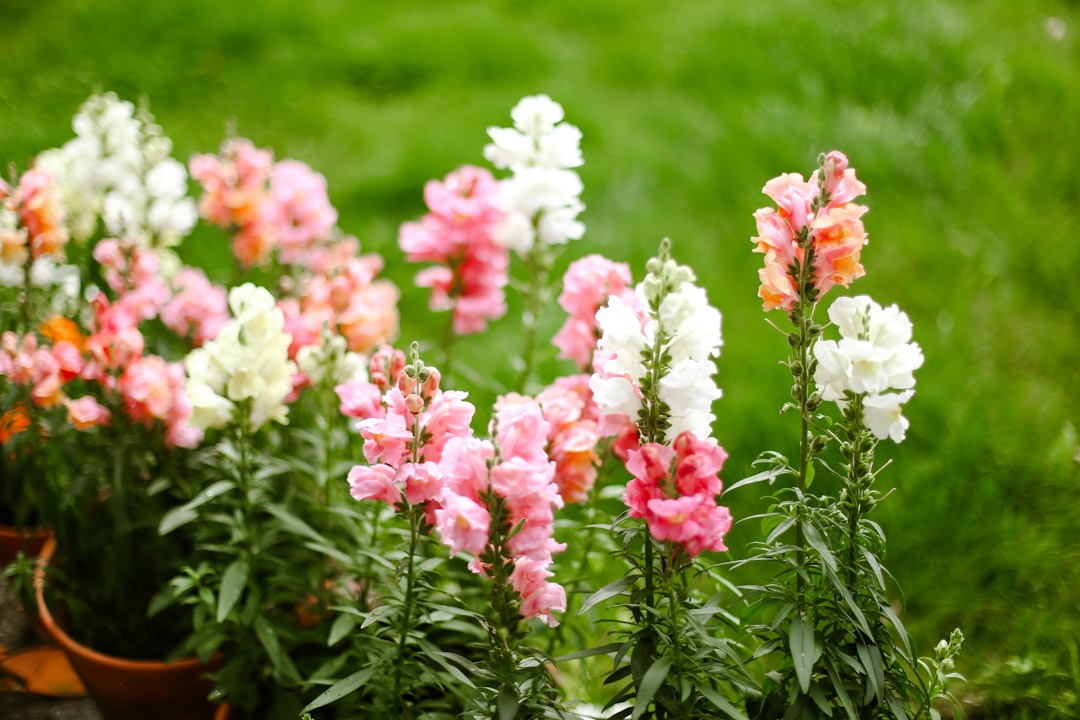
Snapdragons bring vertical structure and vivid multicolored blooms to indoor plant collections and are confirmed non-toxic to cats and dogs. Their tall flower spikes produce tightly packed tubular blossoms in a wide spectrum of colors ranging from pale yellow and cream through to deep crimson and bicolor combinations. They prefer bright direct or indirect light and cooler indoor temperatures to prolong their blooming period. Regular deadheading of spent blooms encourages continued flower production and keeps the plant looking its best throughout the season. Their cottage garden charm translates well to bright windowsills and adds cheerful seasonal color to pet-friendly homes.
If you share your home with pets and have a favorite plant from this list or one you think deserves a spot, share your thoughts in the comments.