International travel requires careful consideration of safety metrics and local crime statistics to ensure a secure journey. This list identifies locations with the highest recorded homicide rates and significant occurrences of violent crime as of early 2026. Travelers are advised to monitor government advisories and stay informed about shifting security dynamics in these urban centers. The following cities are categorized based on their risk levels for residents and visitors alike.
Colima
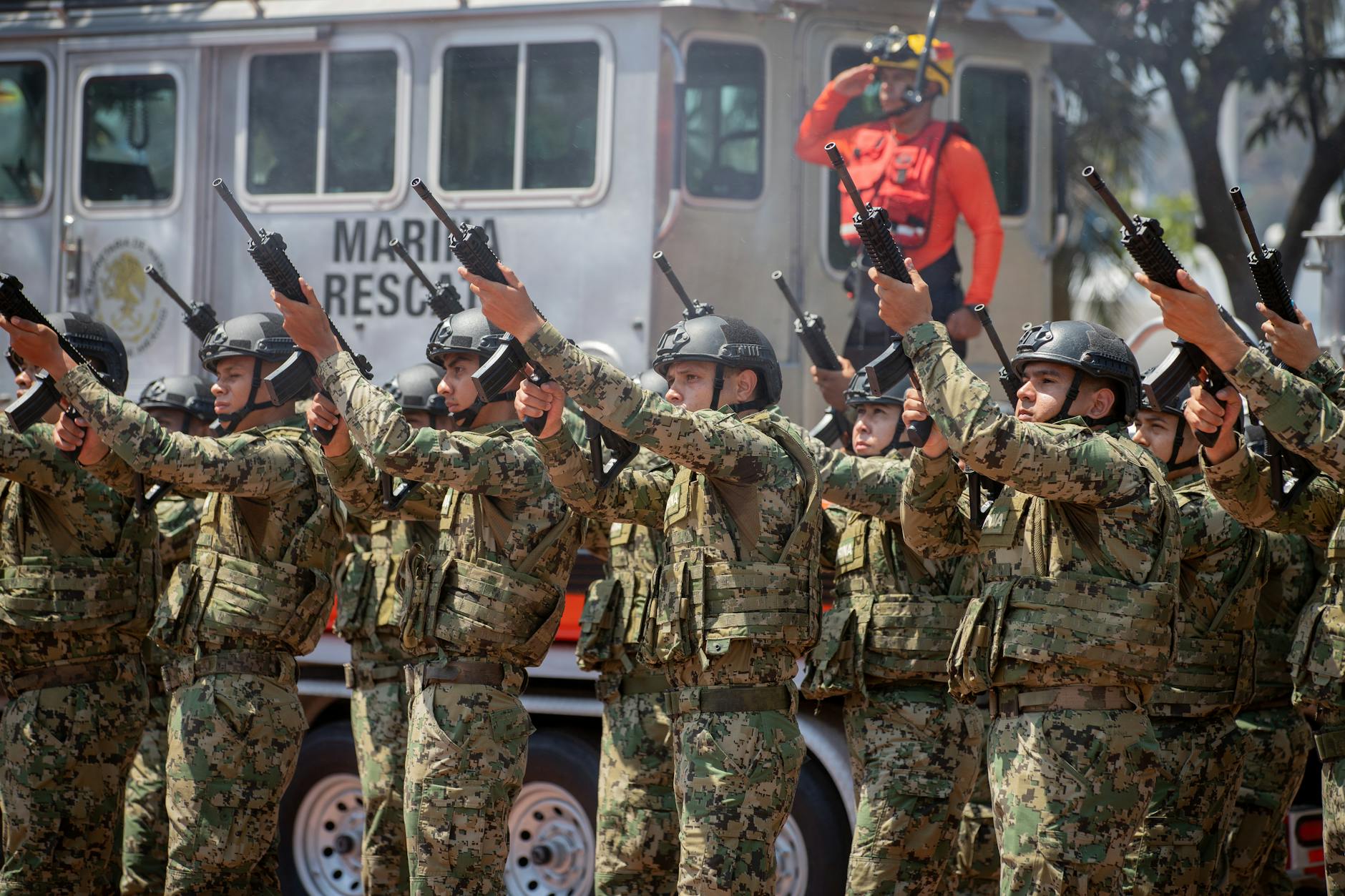
This Mexican city currently reports one of the highest homicide rates in the world with figures exceeding one hundred eighty deaths per one hundred thousand inhabitants. Organized crime groups frequently contest this territory which leads to significant levels of public violence and instability. Residents report high levels of fear regarding home security and vehicle theft within the municipal limits. Visitors often face extreme risks when navigating areas outside the primary government and business districts.
Zamora de Hidalgo
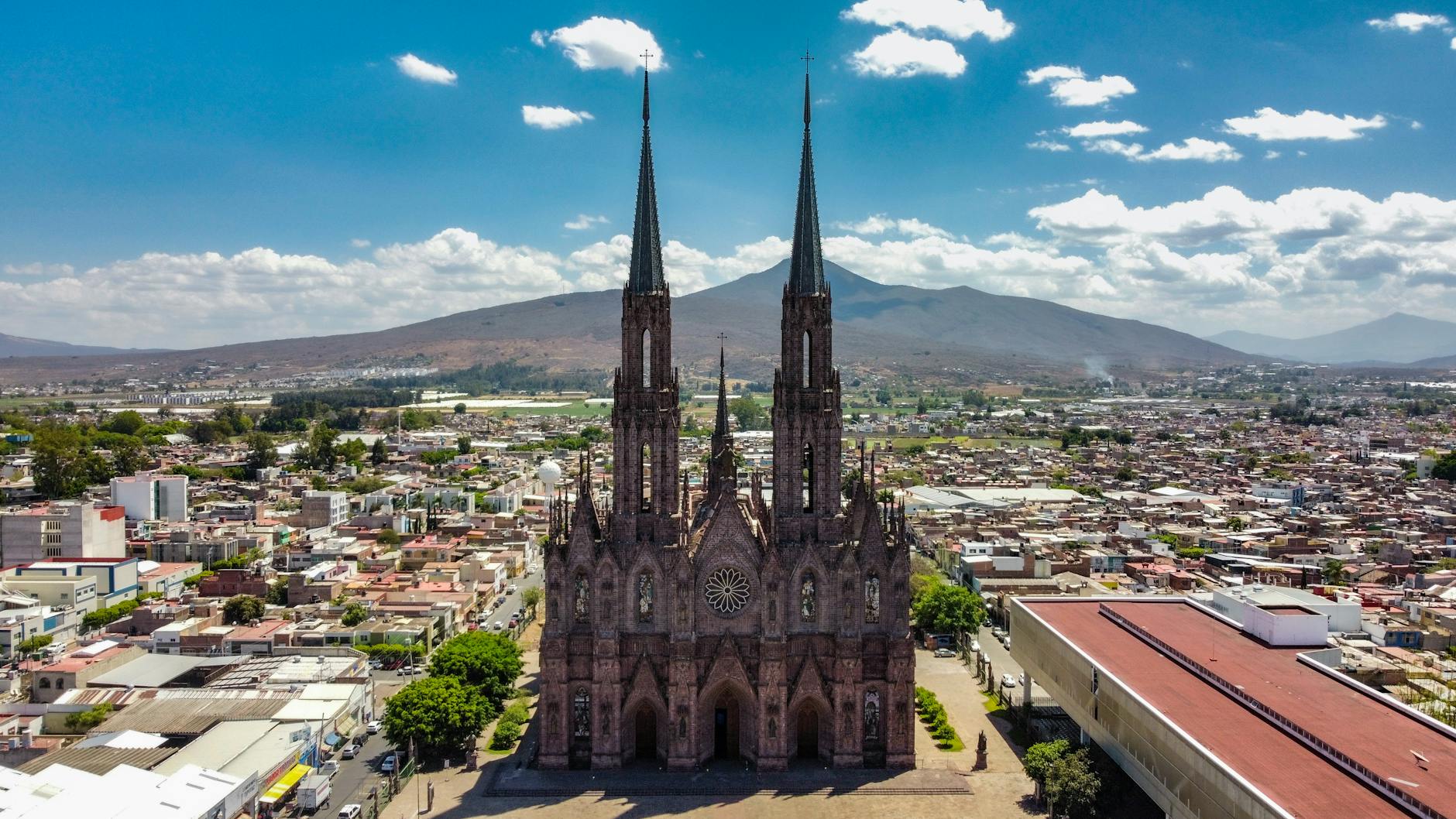
Located in the state of Michoacán this city experiences intense competition between rival cartels seeking control over lucrative smuggling routes. The local safety index is notably low due to the prevalence of armed encounters and targeted assassinations in public spaces. Authorities have struggled to contain the spillover of violence into residential neighborhoods and commercial centers. Both locals and travelers are cautioned about the high probability of encountering roadblocks or extortion attempts.
Durán
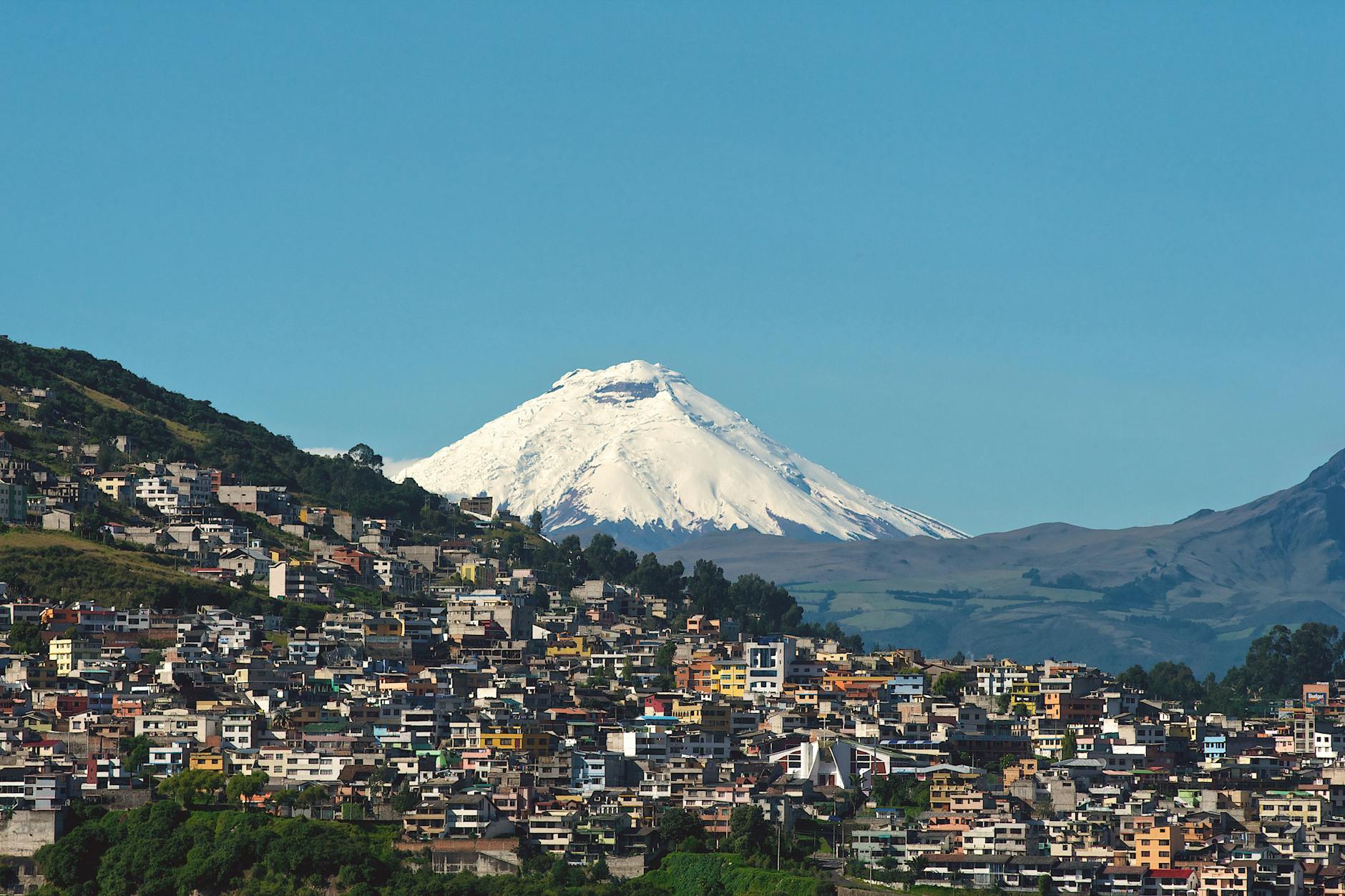
This Ecuadorian city has seen a dramatic rise in violent incidents as it becomes a strategic point for international drug trafficking networks. The homicide rate has spiked recently making it one of the most volatile areas in the South American region. Local law enforcement efforts are often stretched thin by the sheer volume of gang-related activities and street-level crime. Travel to this area is considered high risk due to the frequency of armed robberies and shootings.
Ciudad Obregón
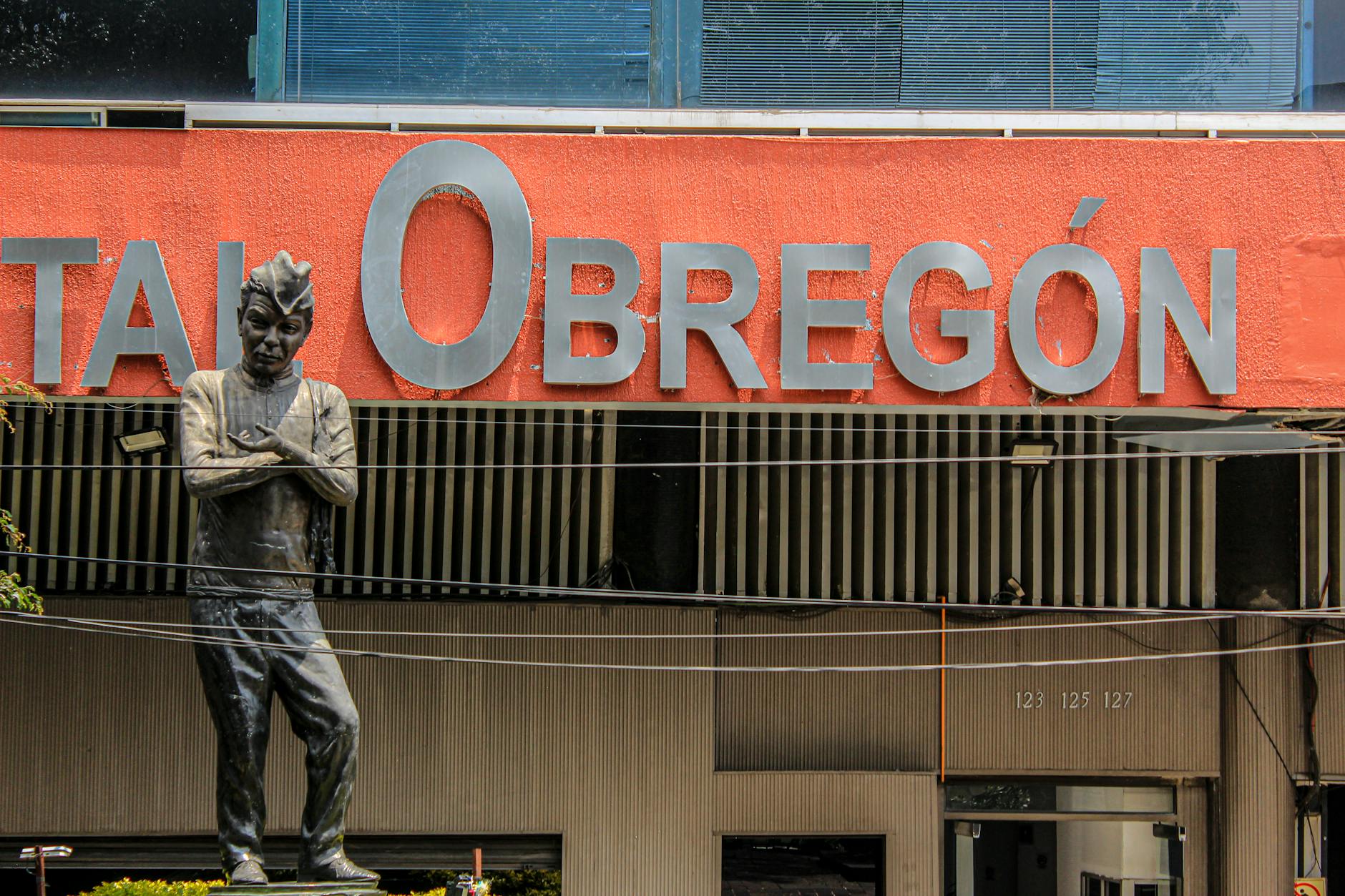
The high concentration of cartel activity in this region contributes to a persistent atmosphere of danger for the general population. Violent crimes often occur in broad daylight within busy urban areas as different factions vie for local dominance. Property crimes like residential burglaries and carjackings are also reported at significant rates by the local community. Travel within the city requires heightened awareness and strict adherence to secure transportation protocols.
Zacatecas

Heavy involvement in the illicit trade of minerals and narcotics has turned this historic city into a focal point for regional conflict. Gun battles between opposing groups are common and frequently impact the safety of innocent bystanders in transit. State and federal security forces maintain a visible presence but the underlying volatility remains a major concern for visitors. The surrounding highways are particularly notorious for illegal checkpoints and vehicle seizures by armed gangs.
Nelson Mandela Bay
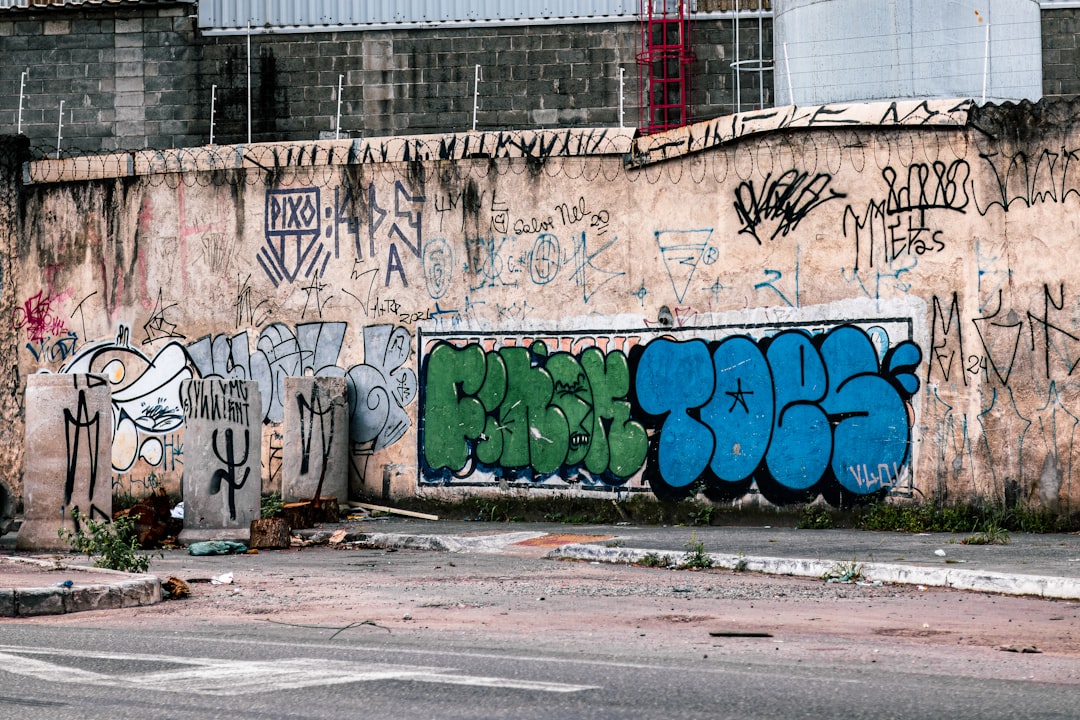
This South African metropolitan area faces severe challenges related to gang violence and high unemployment rates which drive up the crime index. Violent incidents including armed muggings and residential invasions are frequently documented by local police services. The city serves as a major industrial hub but security concerns often overshadow its commercial and tourism potential. Visitors are encouraged to utilize private security services and avoid walking in isolated areas after dark.
Tijuana

As a primary border crossing this city serves as a critical transit point for various illegal commodities moving north. The sheer volume of residents and tourists creates a complex security environment where opportunistic crime thrives alongside organized violence. Efforts to revitalize the downtown and tourist zones have met with mixed results due to the persistent influence of local cartels. Travelers should remain within well-patrolled corridors and avoid any activities that could lead into less secure neighborhoods.
Cajeme

The agricultural and industrial importance of this municipality is often eclipsed by the extreme levels of violence recorded in its urban core. Criminal organizations target local businesses for extortion which creates a climate of fear and economic instability. Homicide rates remain consistently high as law enforcement works to dismantle deeply embedded criminal networks. Most security experts recommend avoiding non-essential travel to the area until the situation stabilizes.
Guayaquil
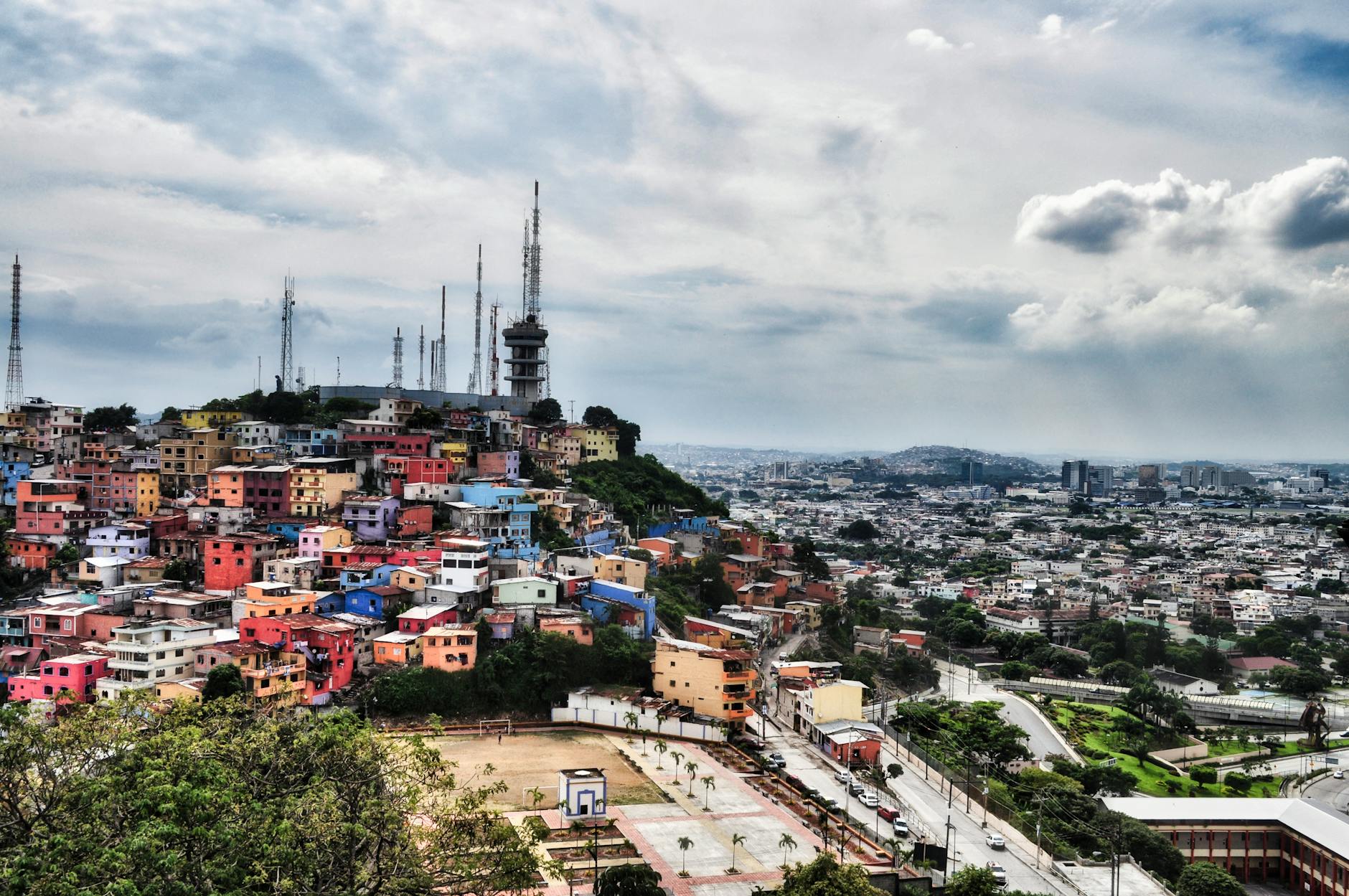
Ecuador’s largest port city serves as a major gateway for global trade but also functions as a primary exit point for illicit cargo. This duality has led to a surge in violent deaths and kidnappings as local gangs fight for control of the docks. The government has periodically declared states of emergency to address the rising tide of insecurity in the most affected districts. Tourists are warned to exercise extreme caution when moving between the airport and major hotel zones.
Uruapan

This city is situated in a major avocado-producing region where the high value of the crop attracts significant criminal interest. Extortion of landowners and business operators is a common occurrence that often leads to violent confrontations. The surrounding forests and rural roads are frequently used by armed groups for the movement of contraband. Travelers visiting for business or leisure are advised to stick to official transport and avoid nighttime travel.
Machala
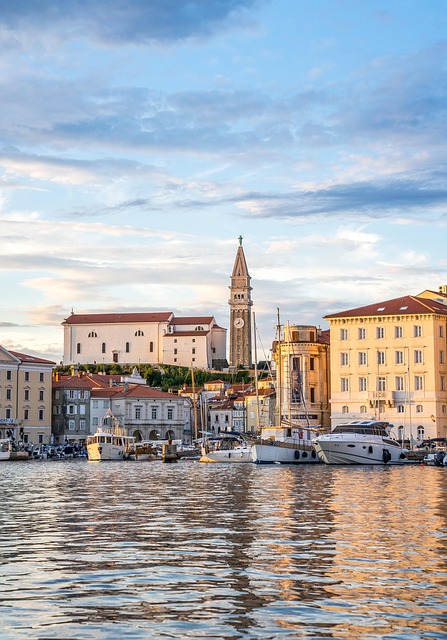
Known for its massive banana exports this coastal city has recently become a hotspot for maritime smuggling and gang warfare. The increase in homicide rates is directly linked to the expansion of transnational criminal organizations into the southern provinces. Local residents express significant concern over the rising frequency of street robberies and armed assaults. Visitors should be wary of the port areas and stay informed about local security lockdowns.
Durban

The busy port environment of this coastal city provides numerous opportunities for criminal activity ranging from petty theft to organized smuggling. High levels of inequality and social tension contribute to a volatile atmosphere in many urban neighborhoods. Armed robbery and carjacking are among the most prevalent violent crimes reported to the local authorities. Most visitors are advised to stay within the more secure beachfront and suburban areas while avoiding the city center.
Portoviejo
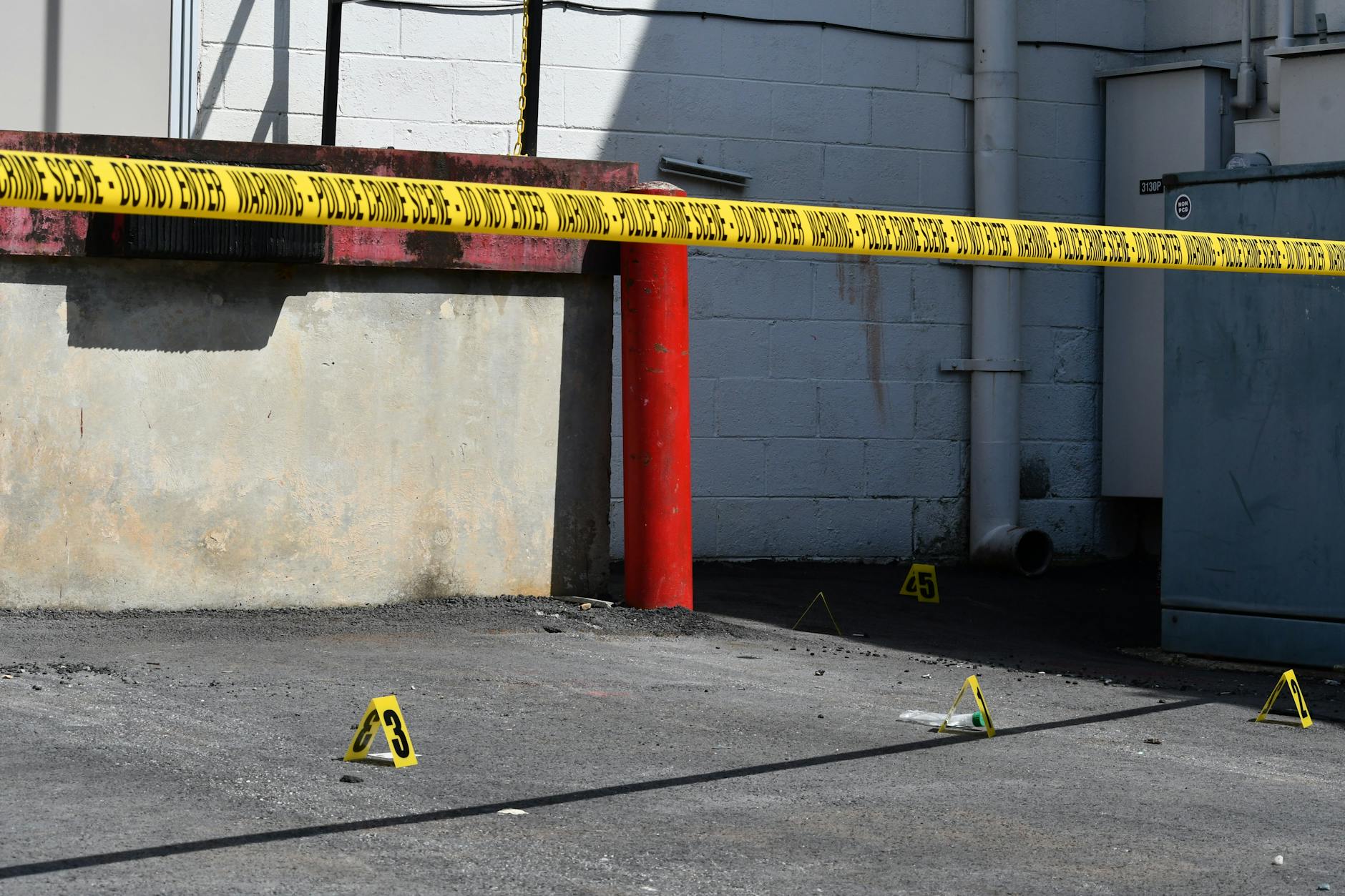
As a provincial capital this city has seen a notable increase in violent crime as criminal factions expand their operations across the coast. The local homicide rate reflects a broader trend of escalating insecurity within the nation’s urban centers. Security forces have intensified patrols but the persistence of gang-related activity remains a primary threat. It is recommended that visitors maintain a low profile and utilize only reputable lodging and transport providers.
Feira de Santana

This Brazilian transit hub experiences high rates of violent crime due to its location at the intersection of several major highways. The movement of goods through the city makes it a frequent target for cargo theft and armed highway robberies. Local gangs also compete for territory in the residential outskirts which drives up the annual murder statistics. Travelers passing through should avoid stopping in unlit or isolated areas along the main transit routes.
Kingston
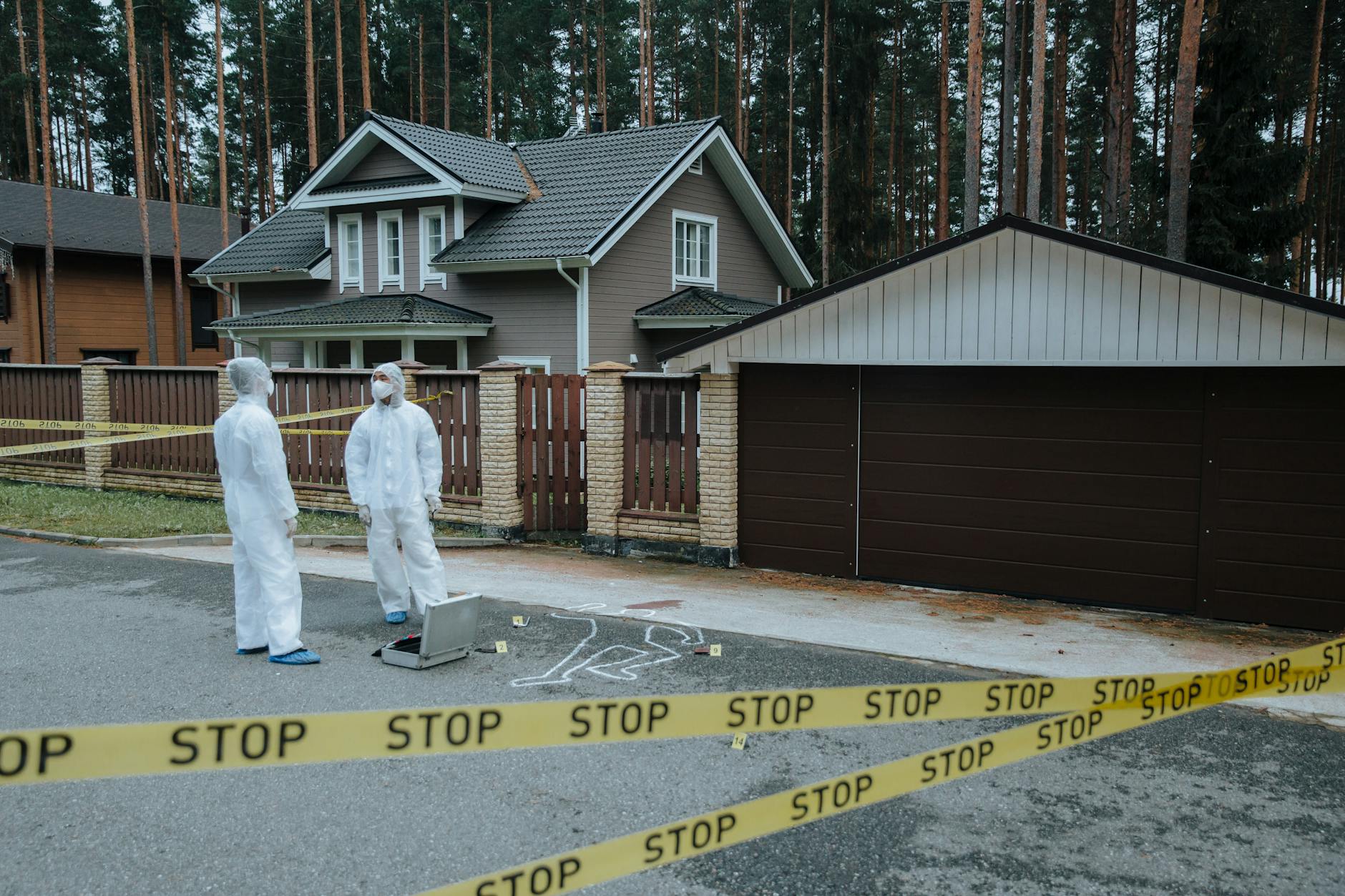
The capital of Jamaica has long struggled with high levels of violent crime rooted in community-based gang rivalries and political tensions. While certain areas are highly secure and cater to international tourism others remain strictly off-limits to outsiders. Armed assault and homicide are disproportionately concentrated in specific neighborhoods often referred to as garrisons. Visitors are strongly encouraged to use official tour operators and stay within recommended safety zones.
Celaya
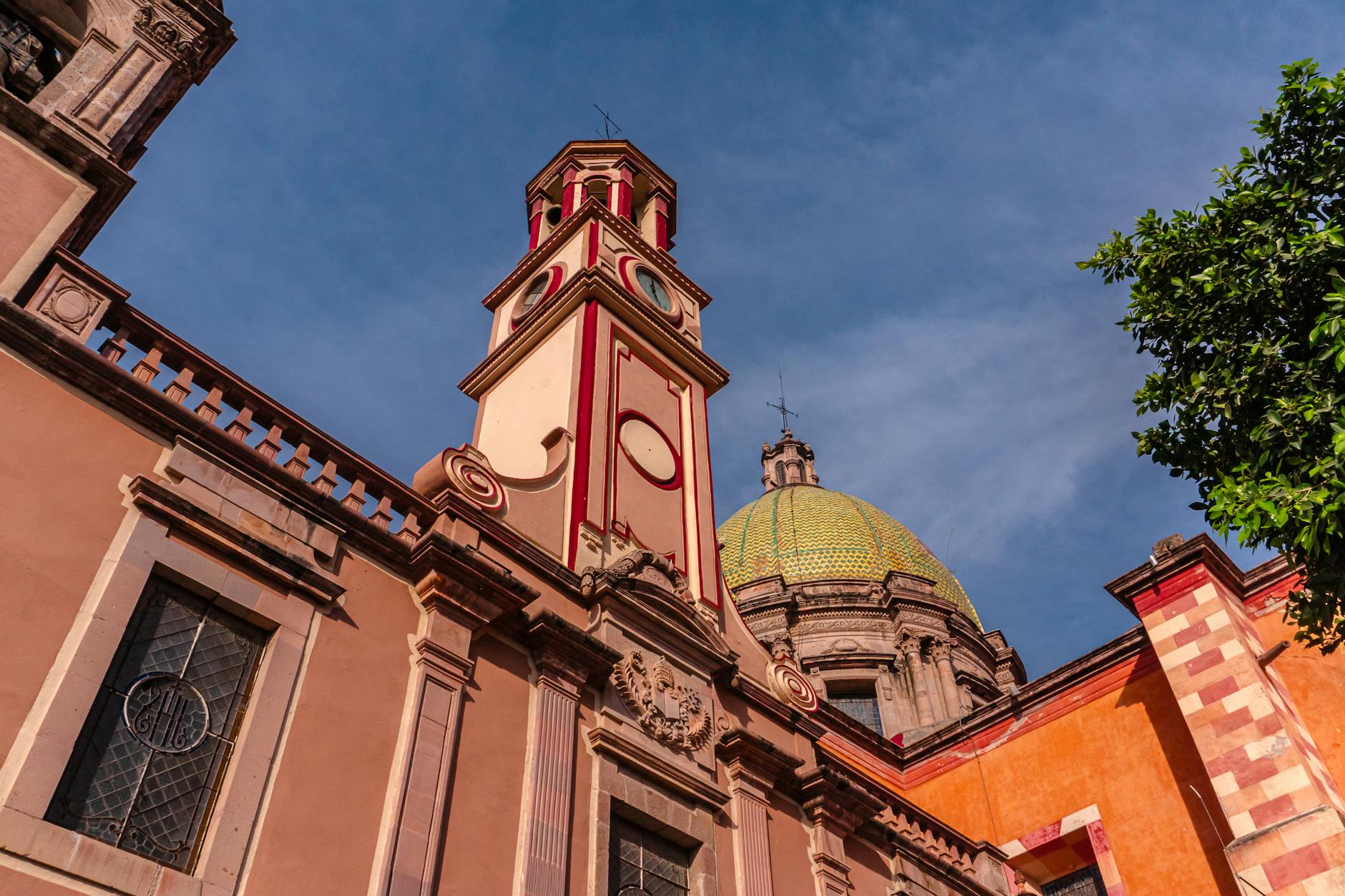
This industrial city in the state of Guanajuato has become a central battleground for control over fuel theft and drug distribution networks. The frequency of high-profile shootings and explosive attacks has led to a significant decline in local business confidence. Public spaces are often the site of violent clashes between security forces and well-armed criminal groups. Essential travel to the region should be conducted with professional security arrangements and constant situational awareness.
Macapá

Located near the mouth of the Amazon River this city faces unique security challenges related to river piracy and drug trafficking. The isolated nature of the region makes it difficult for federal authorities to maintain a consistent law enforcement presence. High homicide rates are often the result of disputes between local factions over the control of illegal trade routes. Visitors should be particularly careful when utilizing water-based transportation or visiting the riverfront districts.
Port-au-Prince
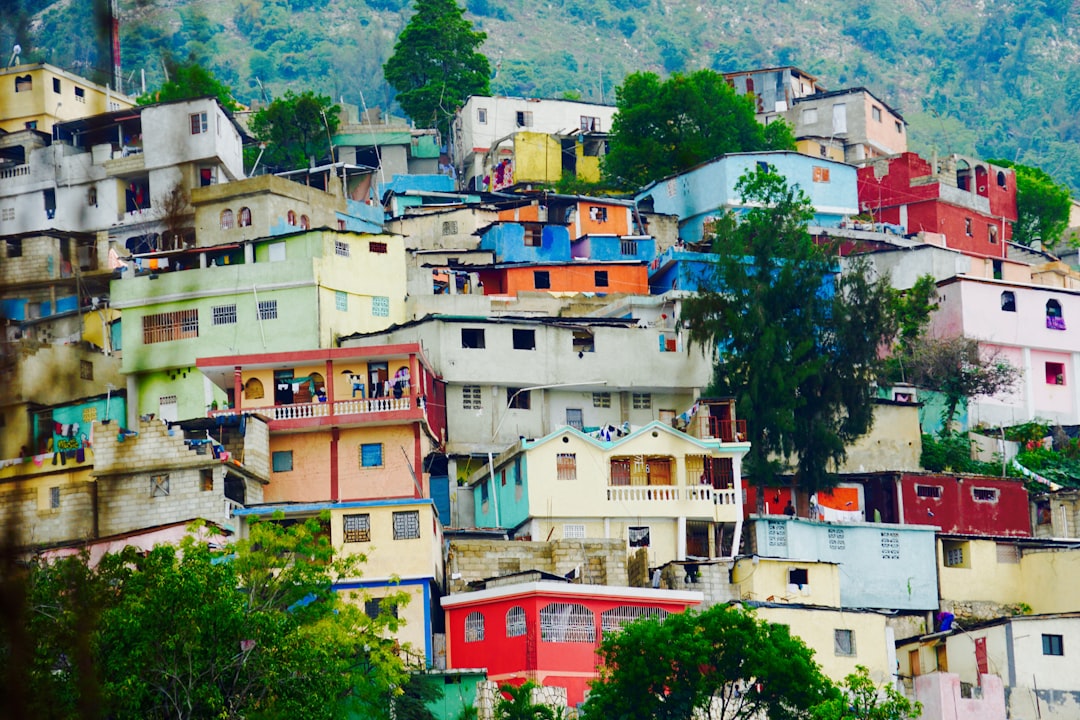
The capital of Haiti is currently navigating a period of extreme instability characterized by widespread gang control of urban territory. Kidnapping for ransom has become a pervasive threat affecting people from all socio-economic backgrounds. Basic infrastructure and government services are often non-functional in the face of ongoing civil unrest and violence. Most international agencies advise against all travel to the city due to the lack of security and medical facilities.
Cape Town
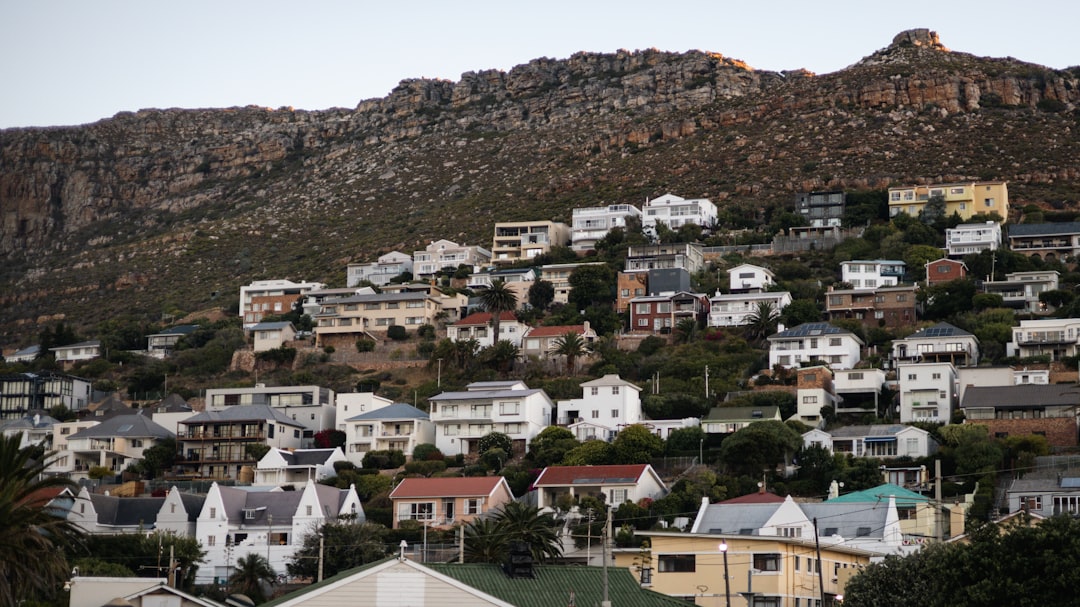
Despite its global reputation as a premier tourist destination this city possesses some of the most dangerous residential areas in the world. Violent crime is largely concentrated in the Cape Flats where gang warfare leads to frequent shootings and homicides. While the central business district and major attractions are heavily policed opportunistic crime remains a concern for all. Travelers should research specific neighborhoods before visiting and avoid any areas known for gang activity.
uMgungundlovu
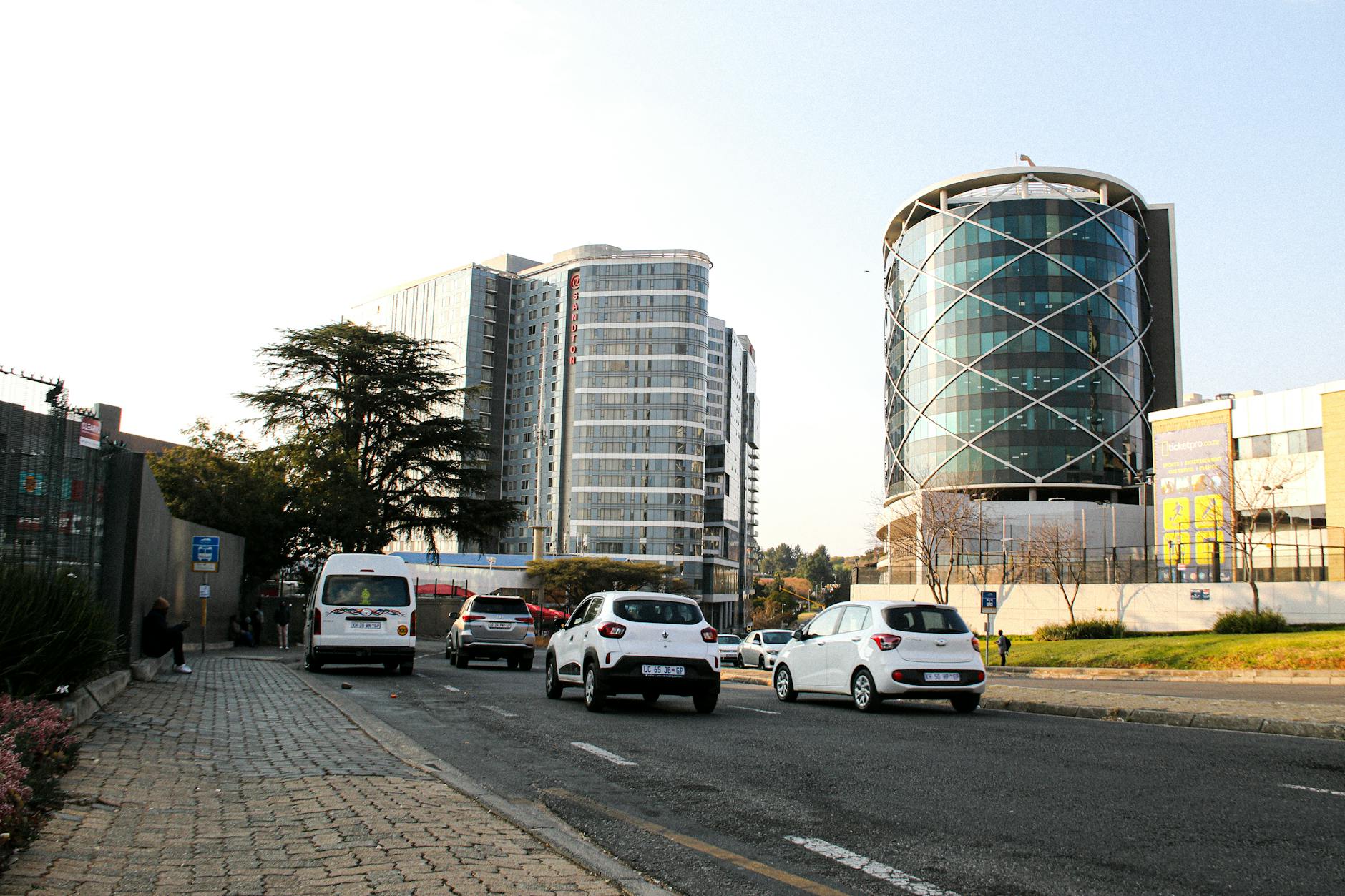
This South African district includes major urban centers that struggle with high rates of assault and domestic violence. Local crime statistics indicate a persistent problem with armed robbery and home invasions in both urban and peri-urban areas. Public safety is often compromised by the presence of organized criminal elements involved in various illegal trades. Visitors are advised to stay in secure gated accommodations and avoid walking in the streets at night.
Ciudad Juárez

Bordering the United States this city remains a pivotal location for the manufacturing and transit of illicit substances. While security conditions have improved periodically the underlying threat of cartel violence remains a constant factor. Street-level crime including robbery and extortion continues to impact both residents and those visiting for business. It is essential to utilize only authorized taxis and stay within the primary commercial and hotel corridors.
Acapulco
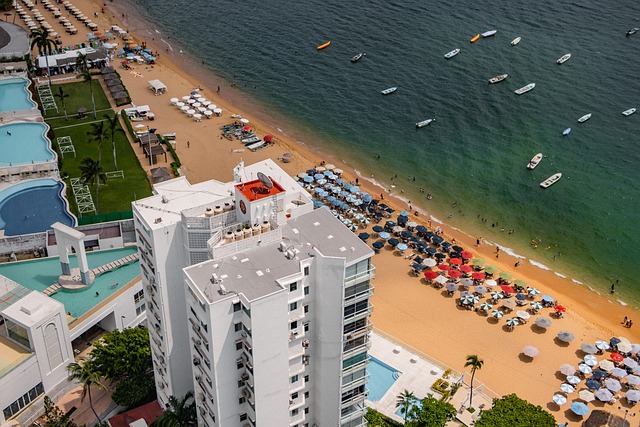
Once a world-renowned resort destination this city now ranks among the most violent municipalities in Mexico due to relentless cartel conflict. The violence often spills out of the residential hills and into the scenic coastal areas frequented by visitors. Armed robbery and kidnapping are significant concerns for those venturing outside the main hotel zones. Most foreign governments have issued strict travel advisories for the city and the surrounding state of Guerrero.
Buffalo City
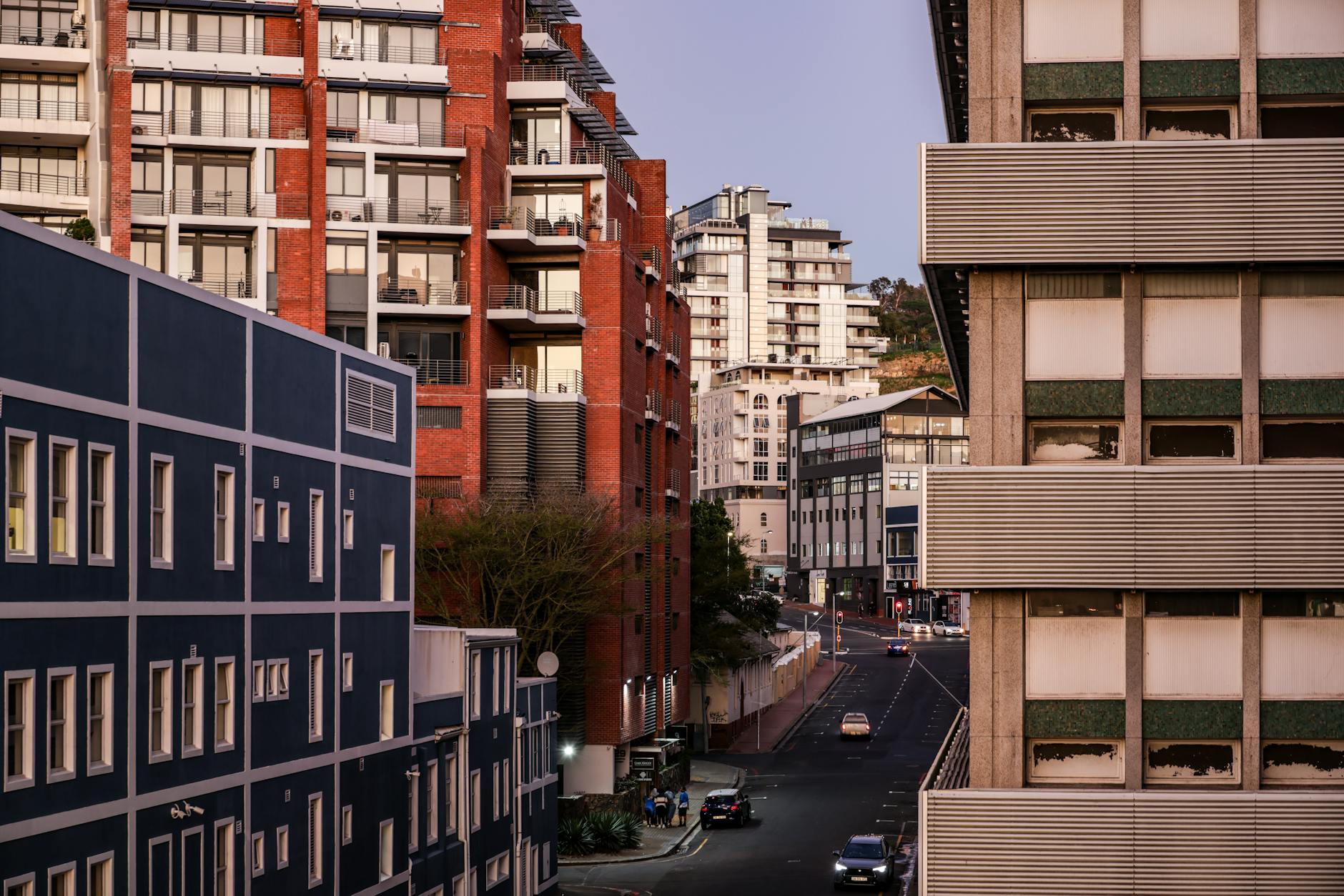
The urban centers within this South African municipality face challenges from high levels of poverty and property-related crimes. Violent incidents often stem from social unrest and the activities of local criminal syndicates. Public transport and central business districts are areas where muggings and thefts are most commonly reported. Visitors should exercise caution in crowded public spaces and avoid carrying large amounts of cash or expensive electronics.
Caucaia

This Brazilian municipality has experienced a sharp increase in violent deaths as criminal factions fight for control of the local territory. The presence of powerful gangs has led to a climate of insecurity that affects daily life for many residents. Law enforcement operations are frequent but have yet to significantly lower the overall crime rate in the region. Tourists are advised to avoid the outlying residential areas and stay informed about current safety trends.
Irapuato
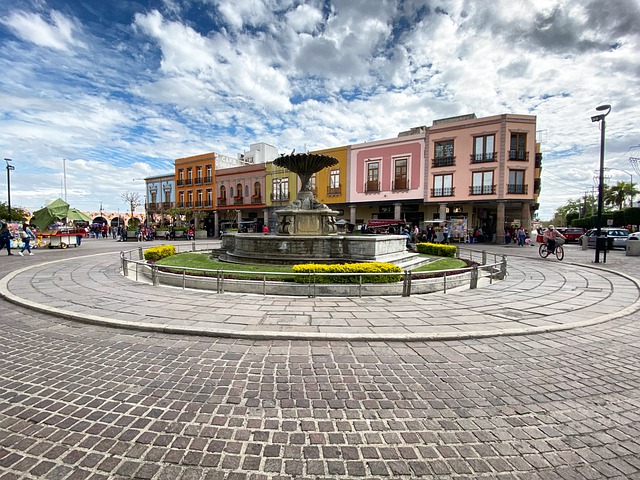
The high homicide rate in this city is driven by the presence of competing cartels involved in the illegal siphoning of fuel from government pipelines. Attacks on bars and public venues have become a tragic and recurring feature of the local security landscape. Many businesses have been forced to close or pay protection money to criminal organizations. Non-essential travel is discouraged and those who must visit should stay in high-security hotels.
Salvador

As a major cultural hub in Brazil this city experiences high levels of street crime including pickpocketing and armed muggings. Violent incidents are often linked to drug trafficking operations in the city’s extensive favelas. During major festivals and holidays the risk of opportunistic crime increases significantly due to the large crowds. Visitors are encouraged to remain in well-lit areas and avoid displaying signs of wealth in public.
Manaus
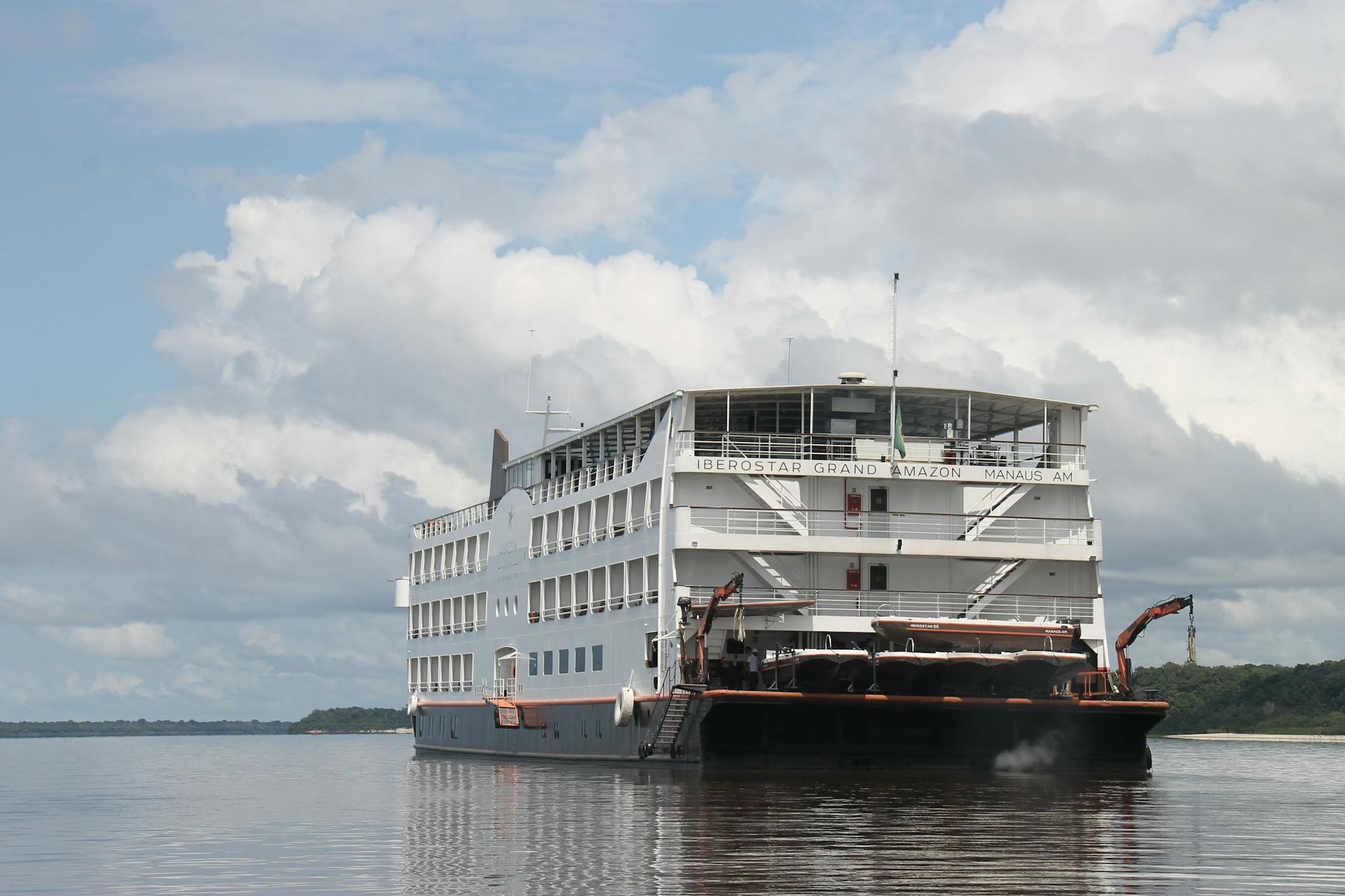
The geographical location of this city deep within the Amazon makes it a strategic point for the transit of illegal goods across national borders. Violent clashes between rival criminal organizations often take place in the suburbs and near the river terminals. High homicide rates reflect the intense competition for dominance within the local drug trade. Travelers visiting the rainforest should ensure they are with certified guides and avoid the city’s high-risk zones.
Memphis

This American city consistently ranks high for violent crime including aggravated assault and homicide relative to its population size. Crime is often concentrated in specific neighborhoods characterized by high levels of poverty and systemic social issues. While the downtown and tourist areas like Beale Street are heavily patrolled visitors should still remain vigilant. It is advised to park in secure lots and be aware of surroundings when walking in the city center.
Vitória da Conquista
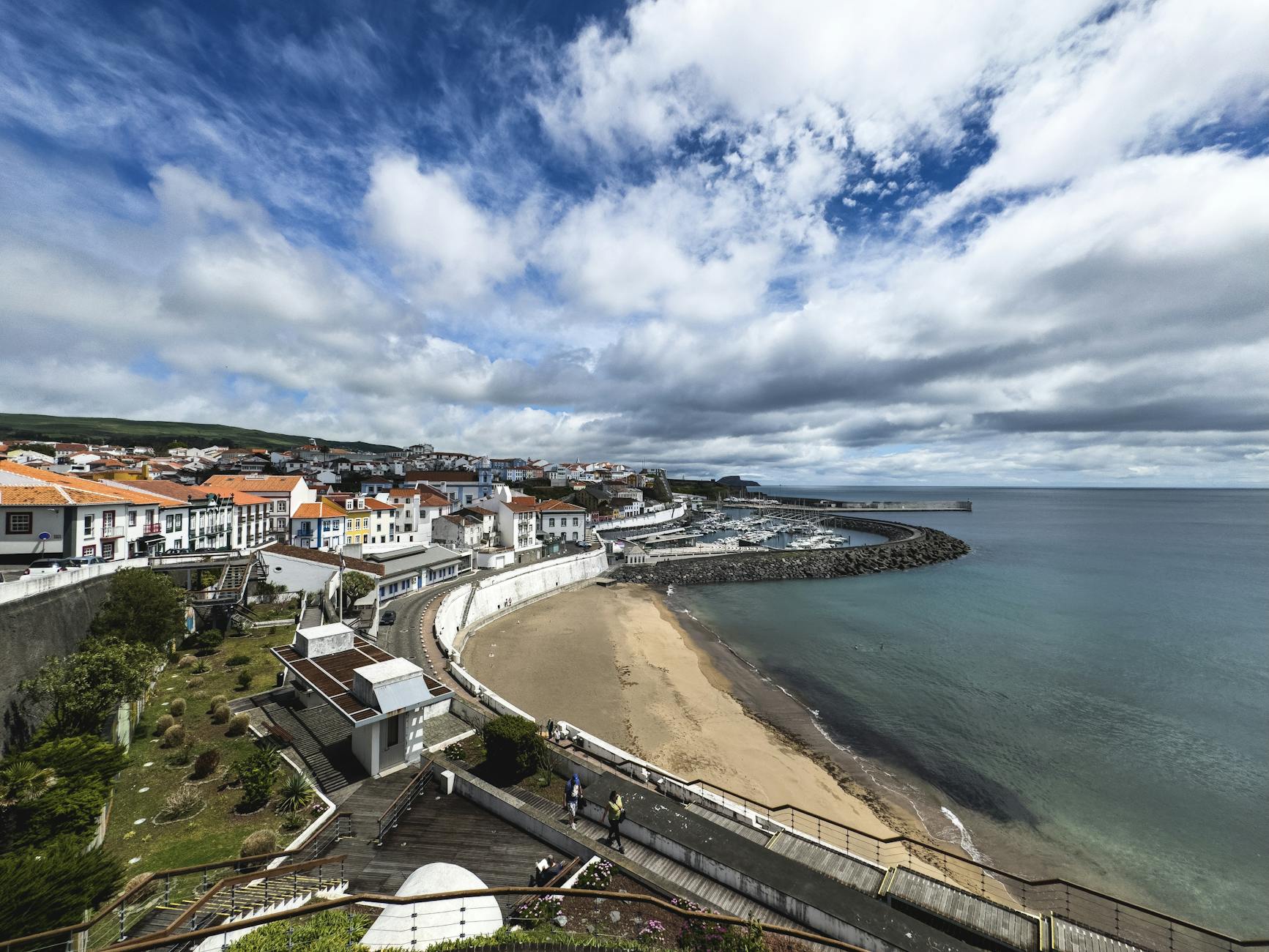
The rapid growth of this Brazilian city has been accompanied by a rise in organized crime and violent incidents. Much of the violence is attributed to the drug trade and the proliferation of firearms among local gangs. Authorities have implemented various social and security programs to address the root causes of the crime wave. Visitors should stick to the main commercial districts and avoid exploring unfamiliar residential areas.
Natal
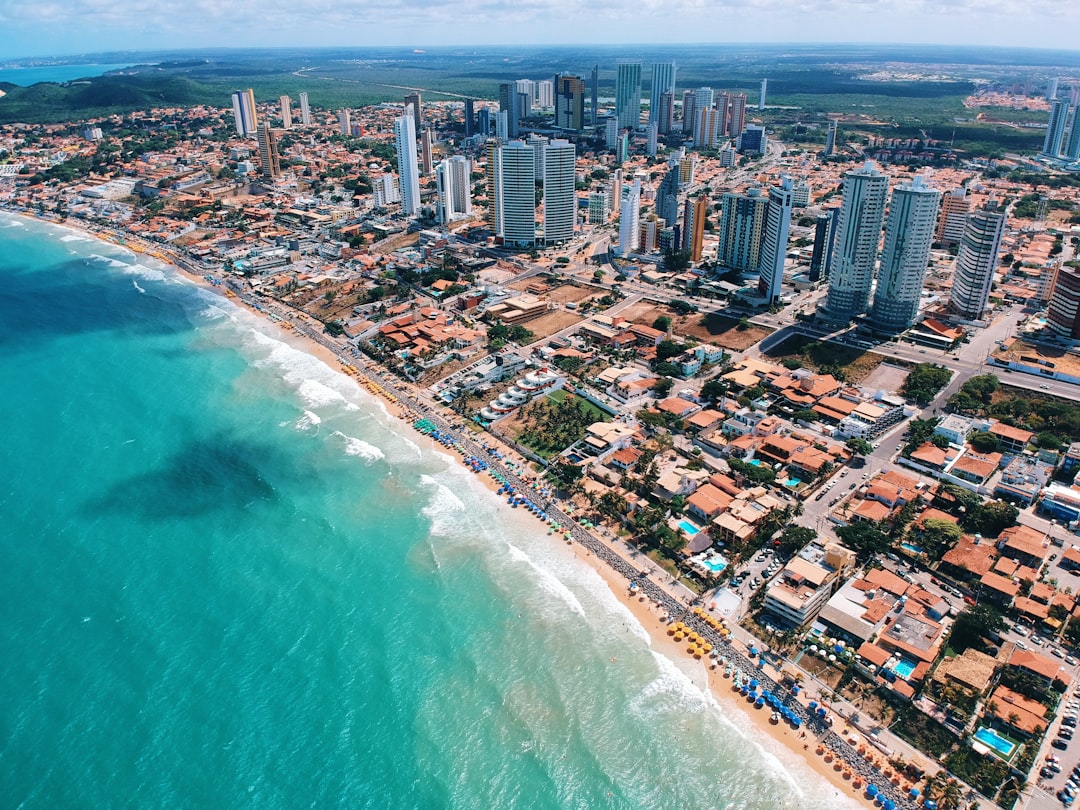
This coastal city was once a quiet destination but has seen its homicide rate climb as it becomes a transit point for narcotics. The local security situation is often influenced by the activities of gangs operating from within the regional prison system. Street-level violence and armed robberies are significant concerns for both the local population and tourists. It is recommended to stay in the more developed tourist areas and utilize private transport services.
Cancún
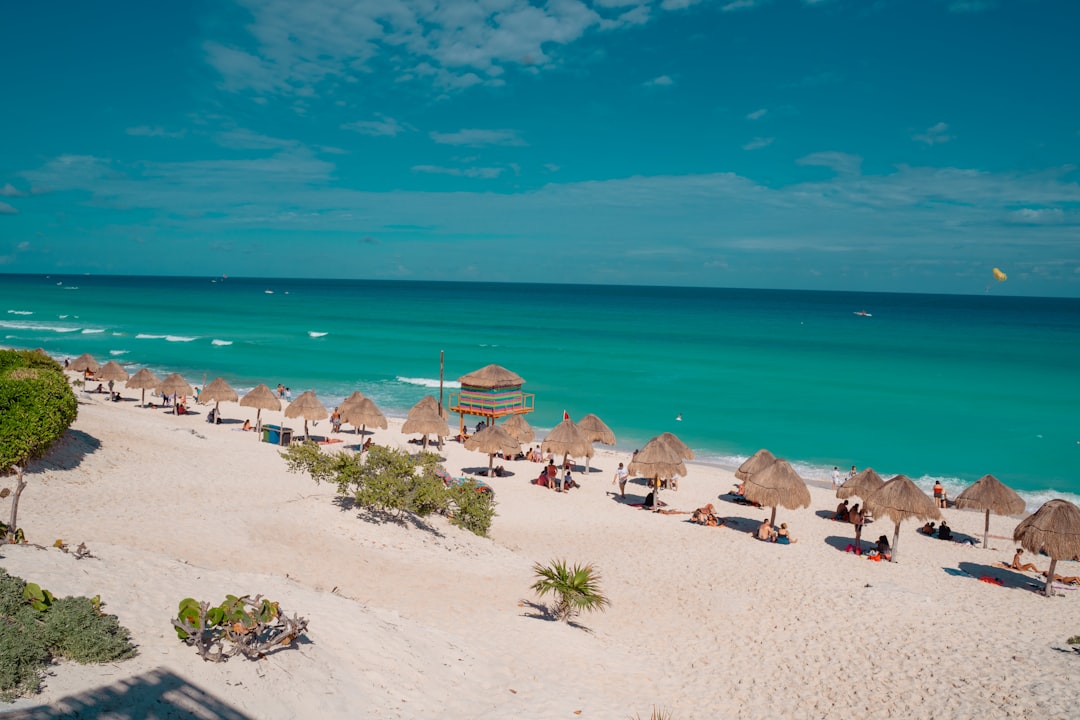
The high volume of international tourists in this city makes it a lucrative target for both petty criminals and organized crime groups. While the Hotel Zone is generally very safe recent incidents of violence in the downtown area and on public beaches have raised concerns. The government maintains a high military and police presence to protect the vital tourism industry. Travelers should remain within the resort areas and exercise caution when visiting nightclubs or bars.
Chihuahua

The state capital serves as a major economic center but is also impacted by its proximity to northern smuggling routes. Violent encounters between security forces and criminal elements occur periodically in and around the city limits. Local residents report high levels of concern regarding extortion and the kidnapping of business owners. Visitors should avoid traveling on rural highways at night and stay within the city’s secure business districts.
Fortaleza
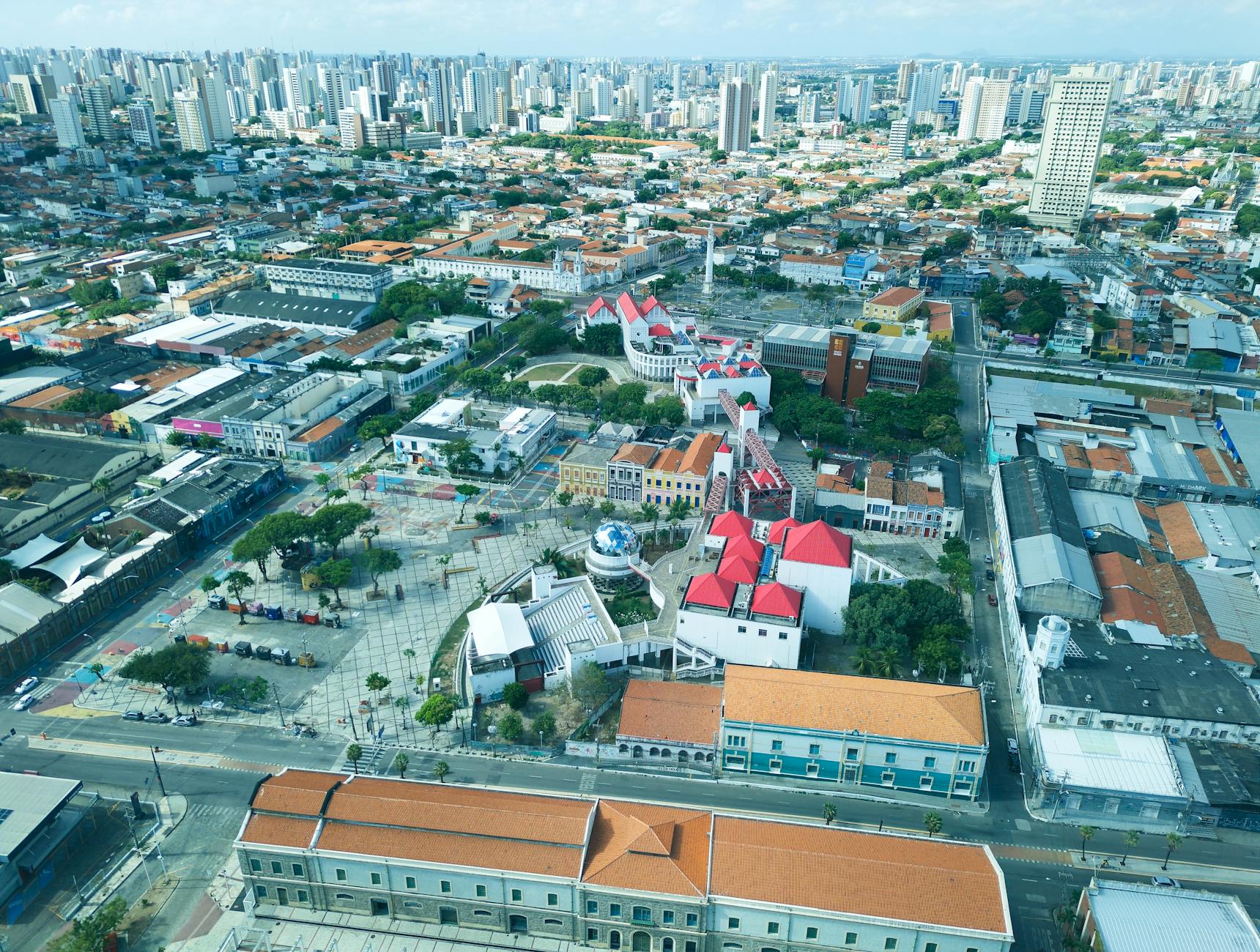
This major Brazilian city struggles with a high crime index driven by gang rivalries and significant social inequality. Violent muggings and carjackings are common in both residential neighborhoods and popular tourist beach areas. The safety of public spaces often depends on the level of police presence which can vary between districts. Travelers are advised to avoid the beaches after sunset and use only verified transportation apps.
Cali
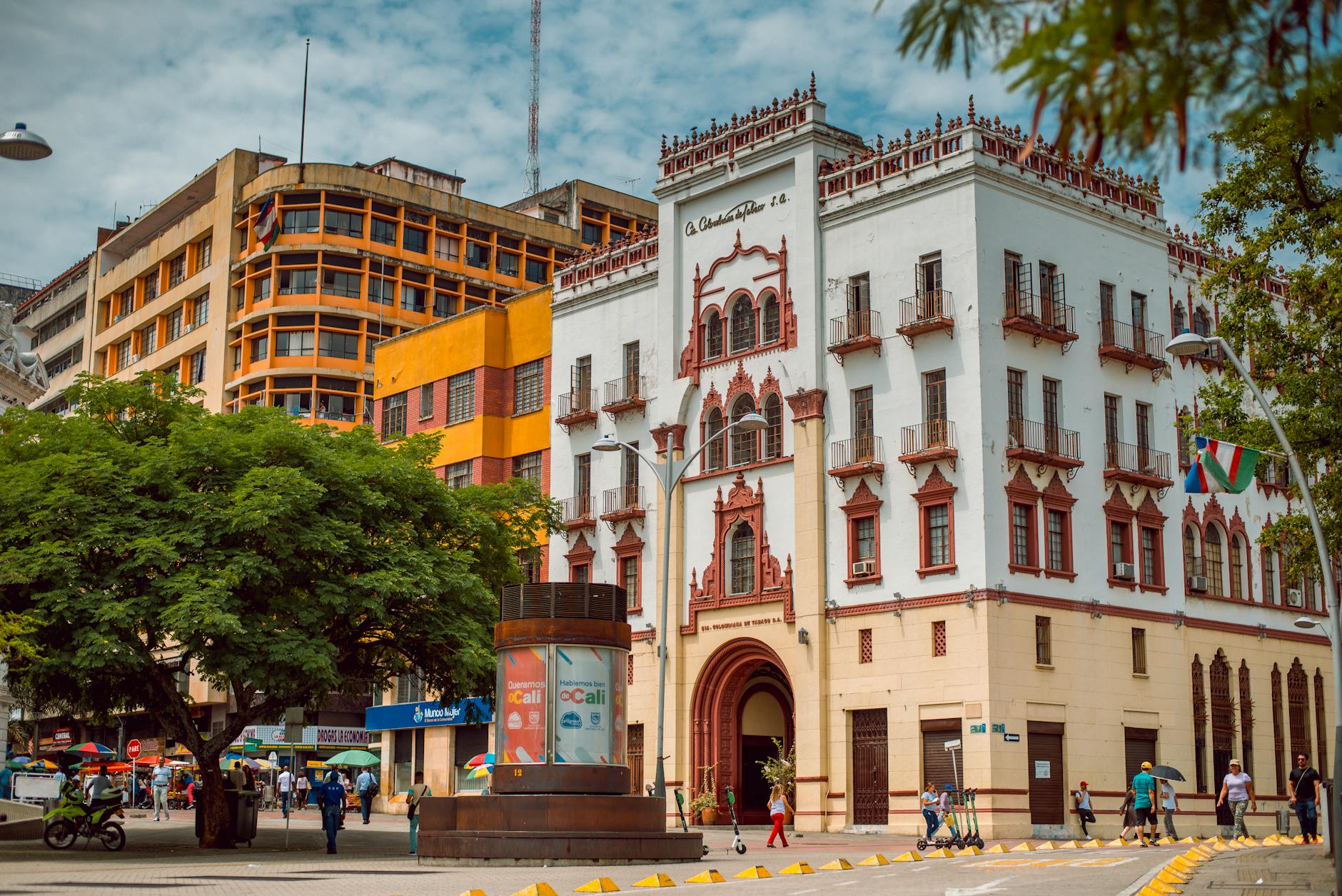
As a major urban center in Colombia this city has long faced challenges from organized crime and local gang activity. While the national security situation has improved in many regions this city continues to report high levels of homicide and assault. Social unrest can also lead to sudden disruptions and protests that impact public safety and transport. Visitors should stay in the more affluent northern and western sectors and avoid the eastern districts.
Morelia
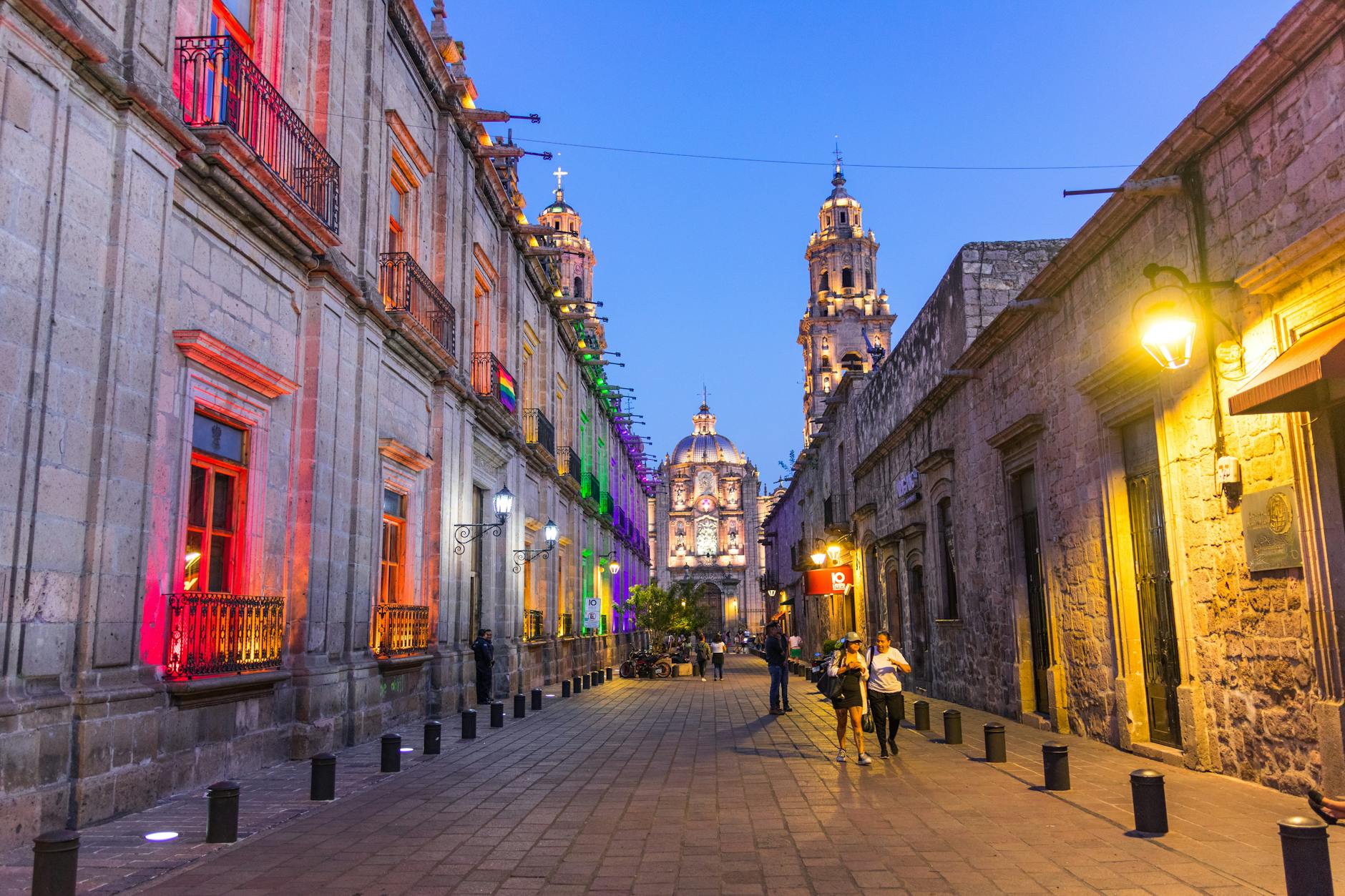
The capital of Michoacán is a cultural treasure but suffers from the broader instability affecting the state. Violent crime is often linked to the presence of self-defense groups and cartels competing for regional influence. While the historic center is generally well-policed the outskirts of the city are considered much more dangerous. Travelers are advised to stick to the main tourist sites and avoid exploring the surrounding rural areas.
Would you like me to research specific safety tips or current travel advisories for any of these locations? Please share your thoughts in the comments.