Exploring the vast wilderness of the United States offers a diverse range of landscapes from rugged coastlines to arid deserts. These protected areas provide sanctuary for countless species and endless opportunities for outdoor recreation and education. Each destination features unique geological formations and historic landmarks that tell the story of the natural world. This comprehensive collection highlights the most iconic and breathtaking environments across the country for every type of traveler.
Great Smoky Mountains National Park
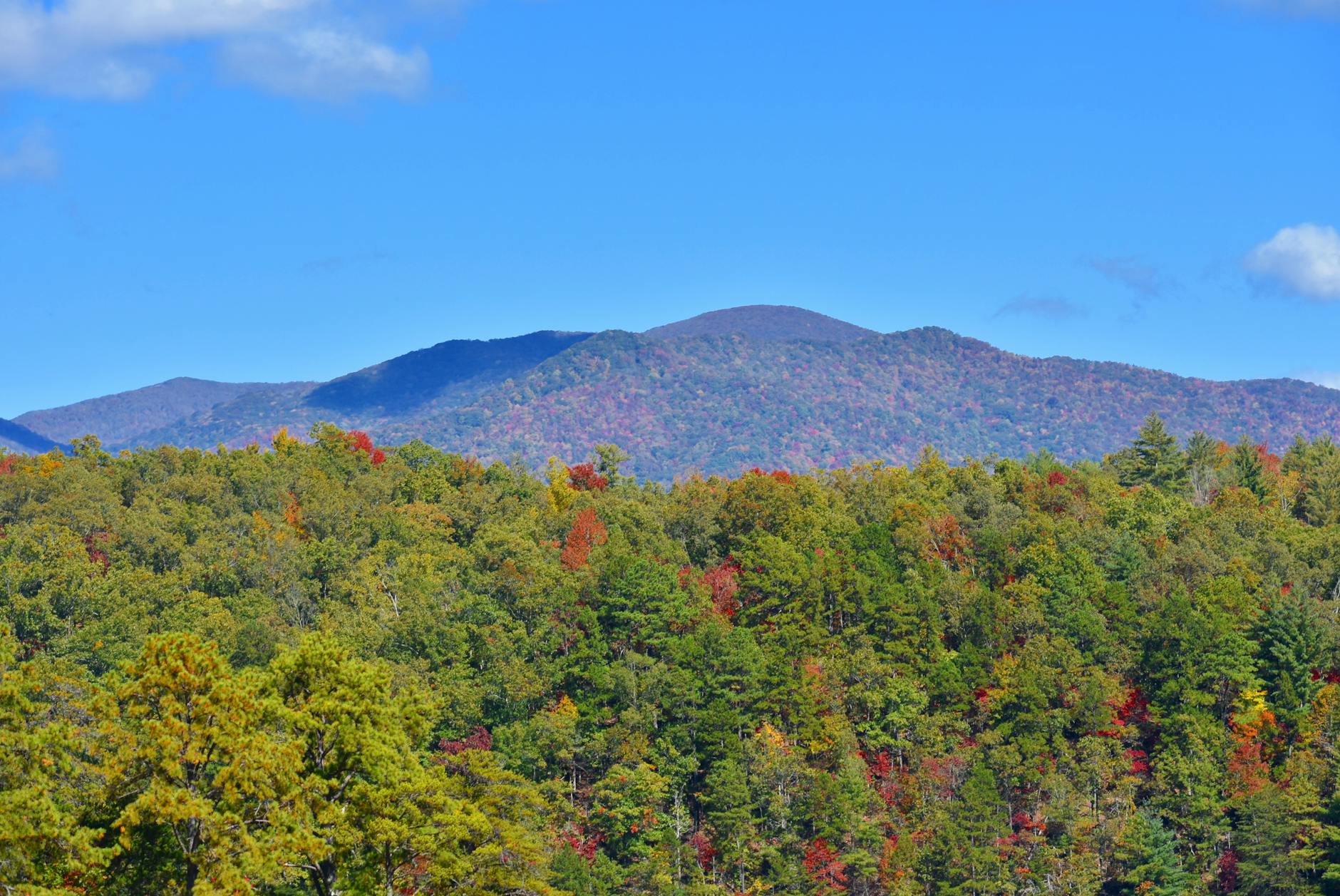
Straddling the border of North Carolina and Tennessee this park is renowned for its mist-covered peaks and lush forests. Over 800 miles of hiking trails offer access to ancient mountains and diverse wildlife like black bears and elk. Historic structures including log cabins and grist mills provide a glimpse into the Appalachian past. The vibrant wildflowers and brilliant autumn foliage make this a year-round destination for nature enthusiasts.
Grand Canyon National Park
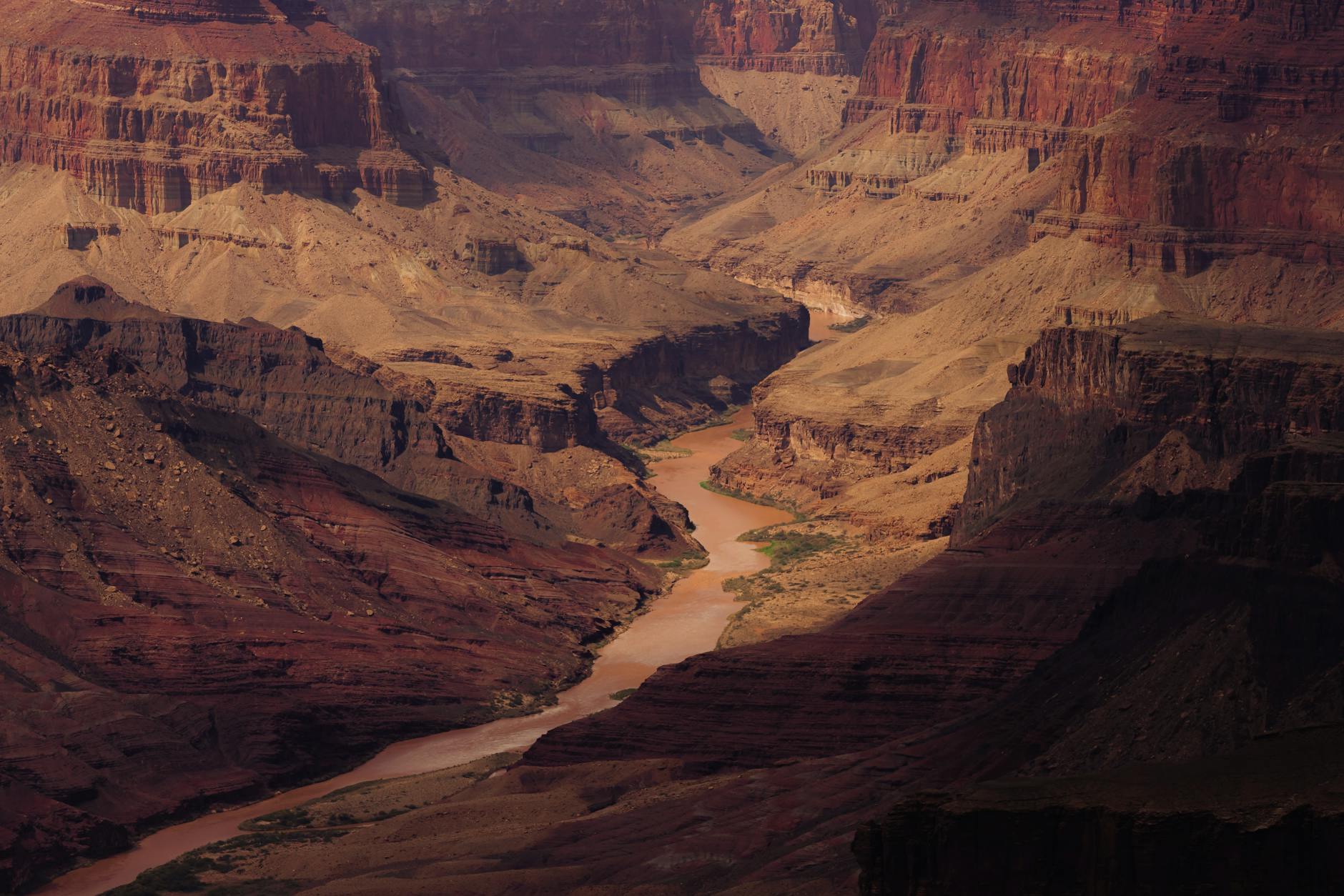
The immense scale of this Arizona landmark showcases millions of years of geological history through its layered red rock formations. Rafting the Colorado River provides a unique perspective of the canyon walls from the very bottom of the gorge. Multiple viewpoints along the South Rim offer panoramic vistas that change color with the moving sun. Diverse hiking trails descend into the heart of the canyon for those seeking a more rigorous adventure.
Zion National Park
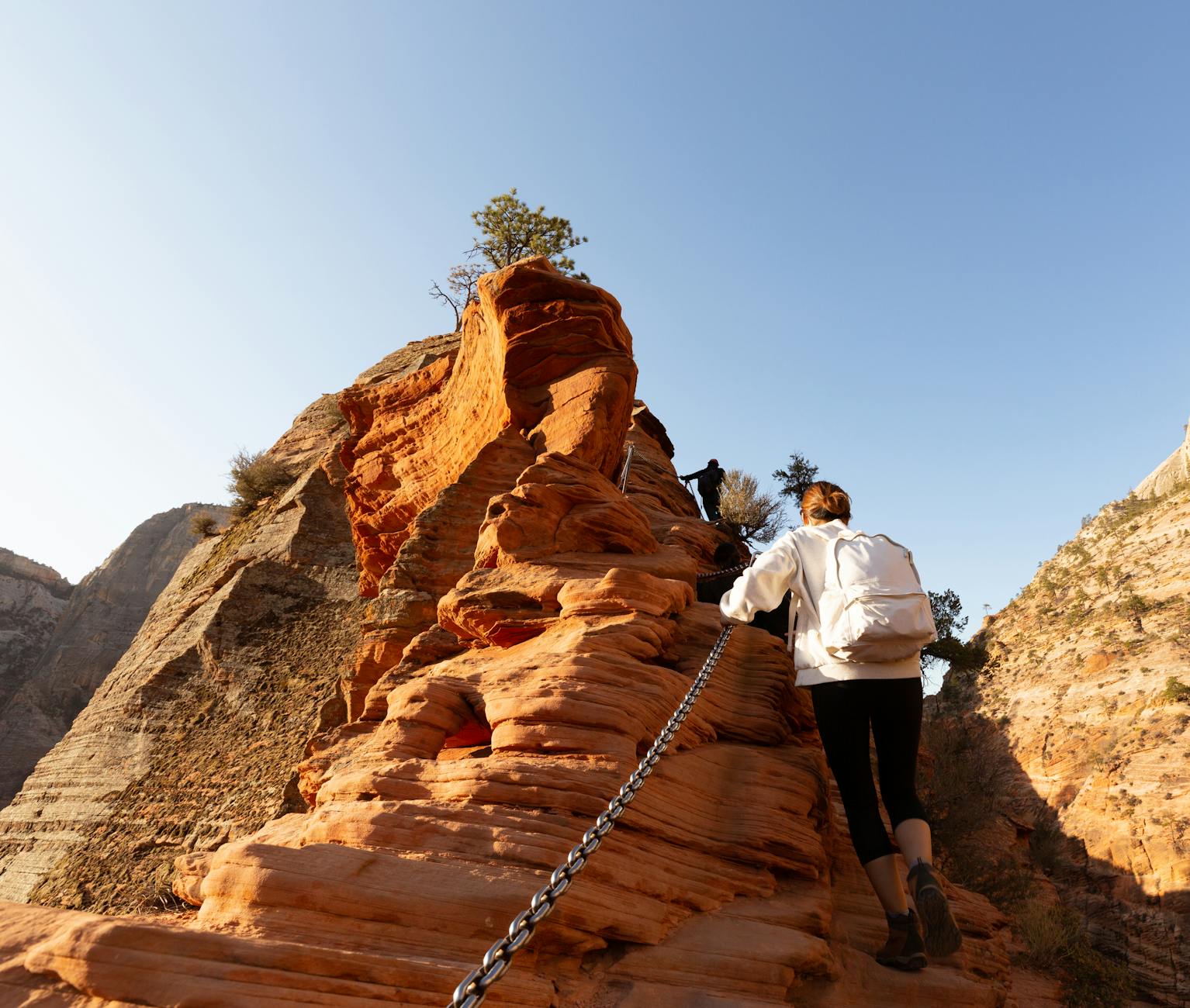
Massive sandstone cliffs in shades of cream pink and red dominate the skyline of this Utah destination. The Virgin River carves through the landscape creating the famous narrow slot canyons known as The Narrows. Adventurous hikers often seek out the steep climb to Angels Landing for a bird’s eye view of the canyon floor. Scenic drives and shuttle buses allow for easy exploration of the park’s most iconic rock monuments and hanging gardens.
Yellowstone National Park
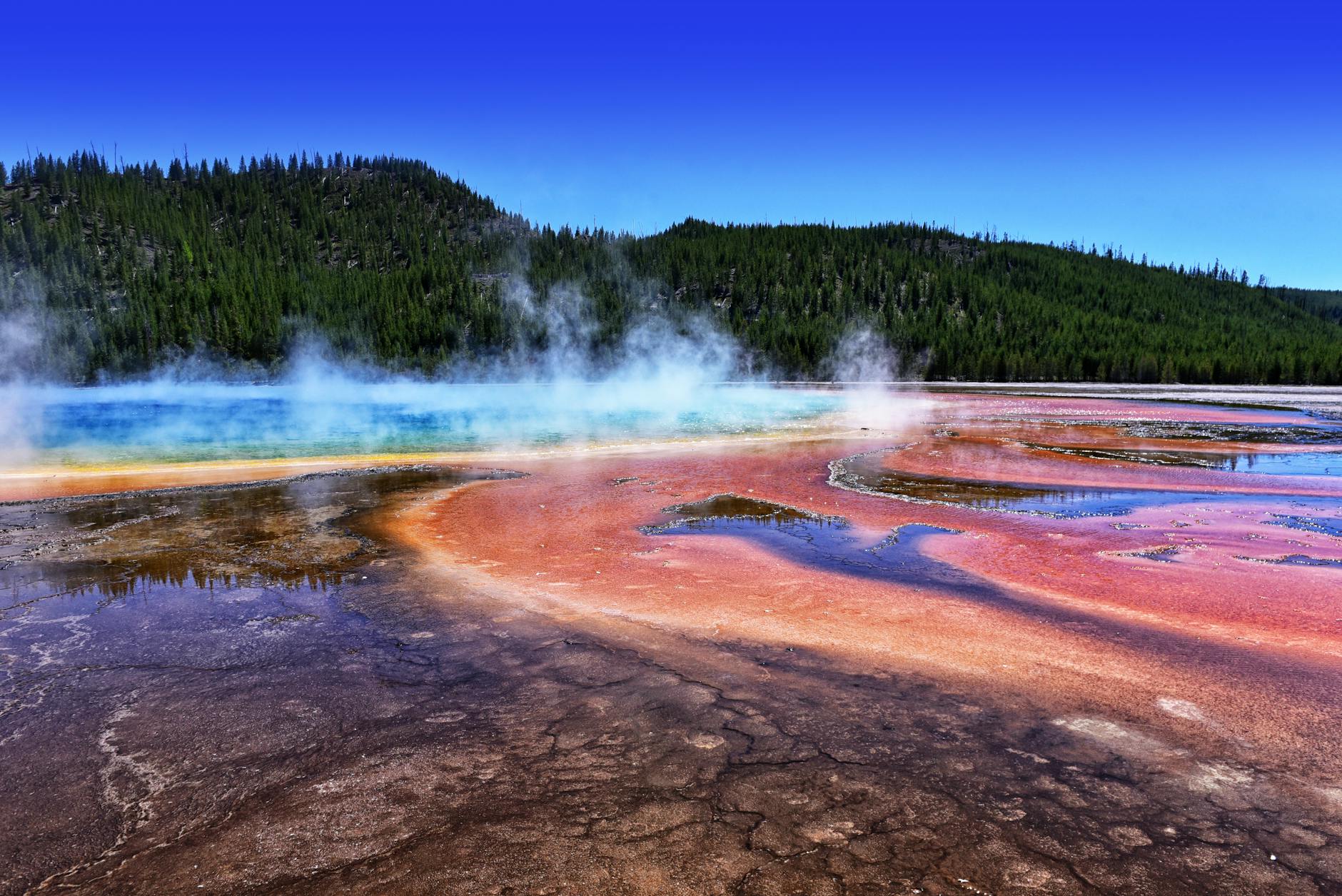
As the first national park in the world this region is a geothermal wonderland spanning three different states. Iconic features such as Old Faithful and the Grand Prismatic Spring highlight the intense volcanic activity beneath the surface. Vast grasslands like the Lamar Valley serve as a premier location for spotting bison wolves and grizzly bears. The park also contains impressive waterfalls and the deep colorful canyon of the Yellowstone River.
Rocky Mountain National Park

This high-altitude paradise in Colorado features over 300 miles of trails winding through alpine tundra and evergreen forests. Trail Ridge Road reaches elevations over 12,000 feet providing spectacular views of the surrounding jagged peaks. Glacial lakes and rushing streams offer serene spots for reflection and photography throughout the seasons. Wildlife sightings of bighorn sheep and elk are common in the meadows during the early morning hours.
Yosemite National Park
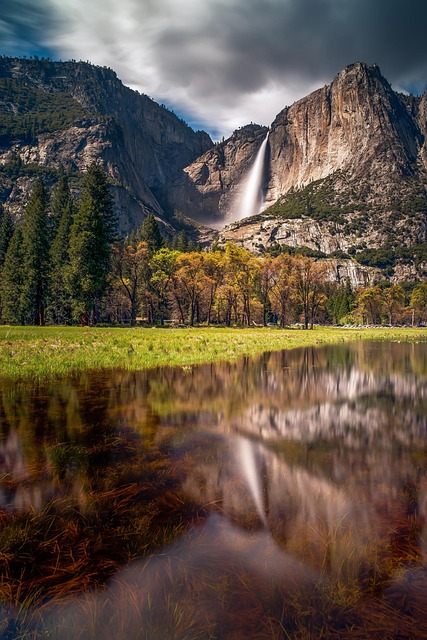
California’s Sierra Nevada mountains house this iconic valley famous for its towering granite monoliths like El Capitan and Half Dome. Thundering waterfalls including the massive Yosemite Falls cascade over steep cliffs into the valley below. Ancient giant sequoia trees stand as living monuments in groves located in the southern portion of the park. Pristine wilderness areas and high alpine meadows provide a rugged backdrop for climbers and hikers alike.
Acadia National Park
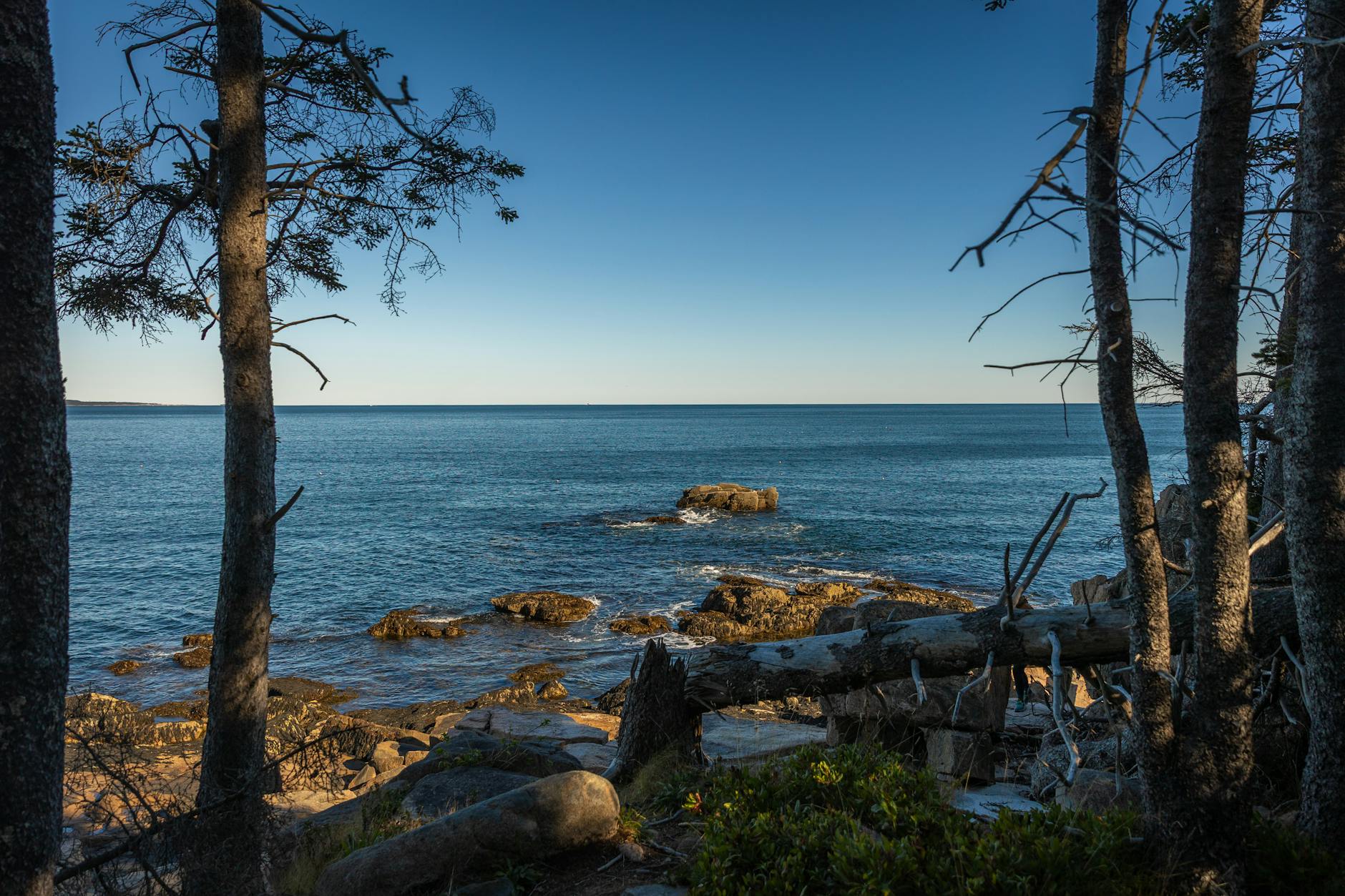
Located on the rugged coast of Maine this park offers a unique blend of ocean views and granite mountains. Cadillac Mountain provides the opportunity to be among the first in the country to see the sunrise during certain months. Historic carriage roads wind through the forest offering a peaceful way to explore by foot or bicycle. The rocky shoreline features tide pools and dramatic cliffs that overlook the crashing waves of the Atlantic.
Grand Teton National Park
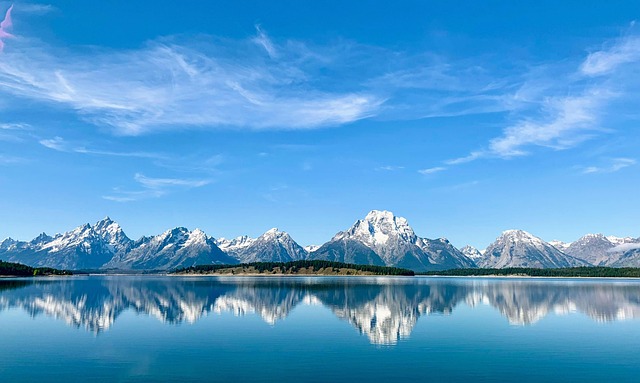
The sharp peaks of the Teton Range rise abruptly from the valley floor without any foothills to obscure the view. Pristine alpine lakes like Jenny Lake reflect the mountain silhouettes and provide tranquil waters for boating. This Wyoming landscape is a haven for mountaineers seeking to summit some of the most iconic peaks in North America. Dense forests and open sagebrush flats support a healthy population of moose and pronghorn.
Olympic National Park
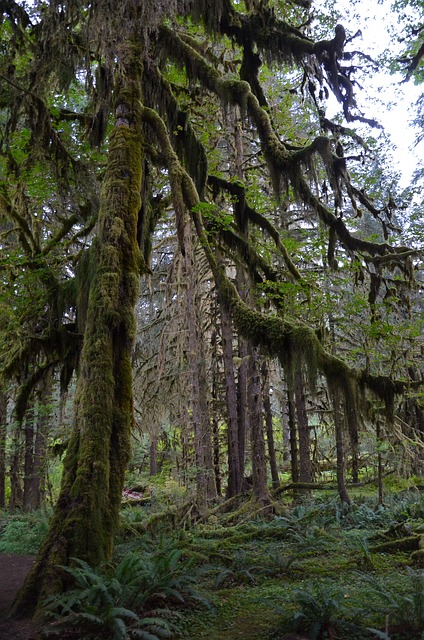
This Washington destination protects three distinct ecosystems ranging from glaciated mountains to temperate rainforests. The Hoh Rain Forest receives massive amounts of annual rainfall resulting in a lush canopy of moss-covered trees. Rugged Pacific coastlines feature dramatic sea stacks and tide pools filled with diverse marine life. Visitors can transition from the snowy heights of Hurricane Ridge to the sandy shores of Ruby Beach in a single afternoon.
Glacier National Park
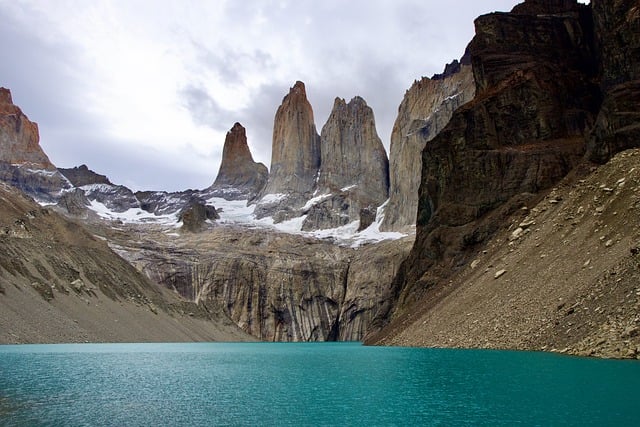
Known as the Crown of the Continent this Montana park is home to spectacular carved valleys and turquoise lakes. The Going-to-the-Sun Road is a legendary engineering feat that offers narrow passage through the heart of the mountains. Numerous glaciers still cling to the high ridges providing a stark reminder of the area’s geological past. Remote backcountry trails lead to hidden waterfalls and quiet meadows where mountain goats often roam.
Joshua Tree National Park
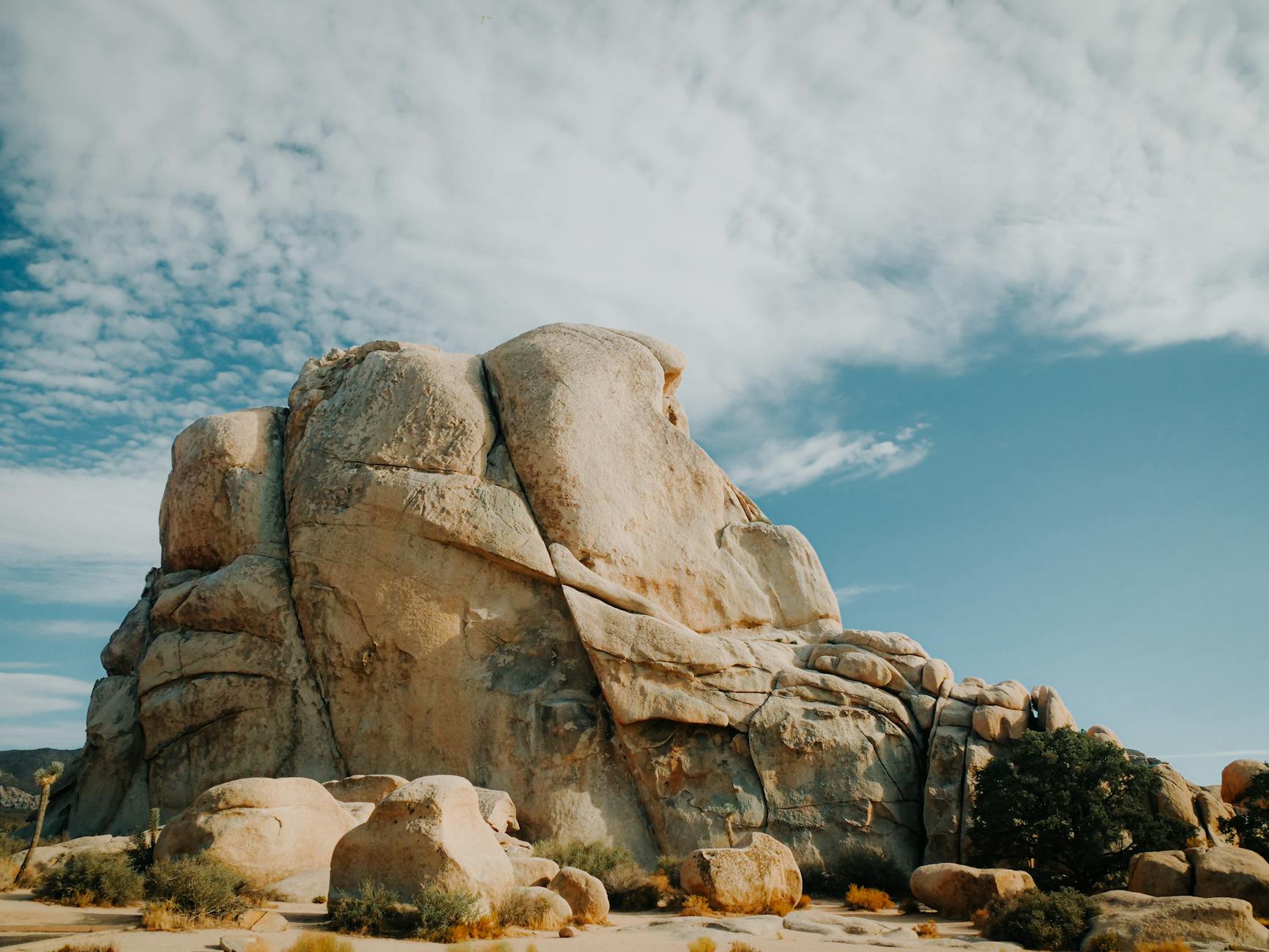
The intersection of the Mojave and Colorado deserts creates a surreal landscape of twisted trees and massive boulder piles. Unique rock formations like Skull Rock and Arch Rock attract photographers and rock climbers from around the globe. Clear night skies make this an exceptional location for stargazing far from the lights of major cities. The desert flora including the park’s namesake yucca trees provides a hardy beauty that thrives in the arid climate.
Cuyahoga Valley National Park
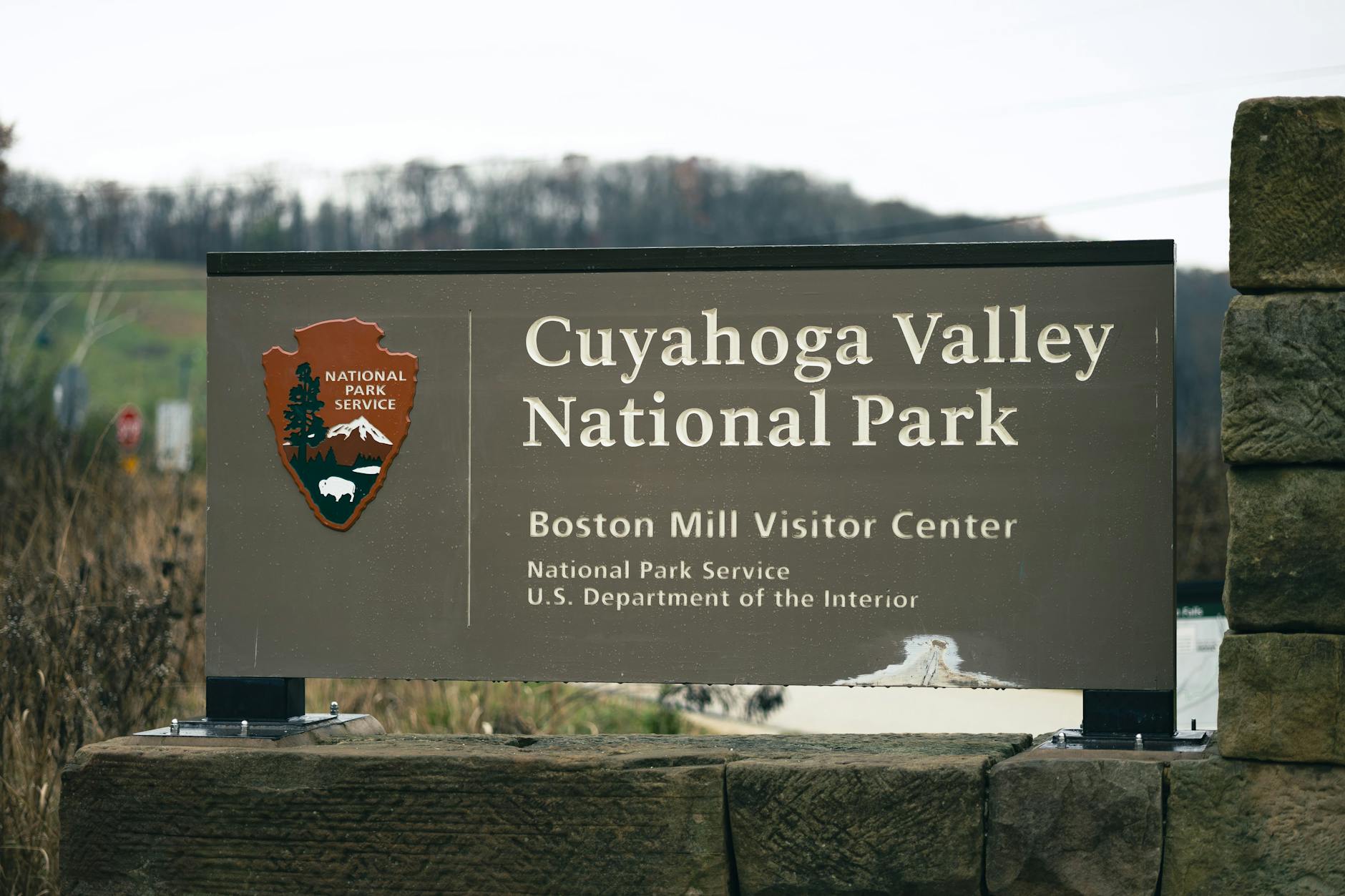
Situated between the urban centers of Cleveland and Akron this Ohio park preserves a rural landscape along the Cuyahoga River. The historic Ohio and Erie Canal Towpath Trail offers a level path for walking and cycling through wetlands and forests. Brandywine Falls serves as a central attraction with its 65-foot drop over layered sandstone and shale. This park emphasizes the recovery of local waterways and the preservation of historic farming communities.
Indiana Dunes National Park
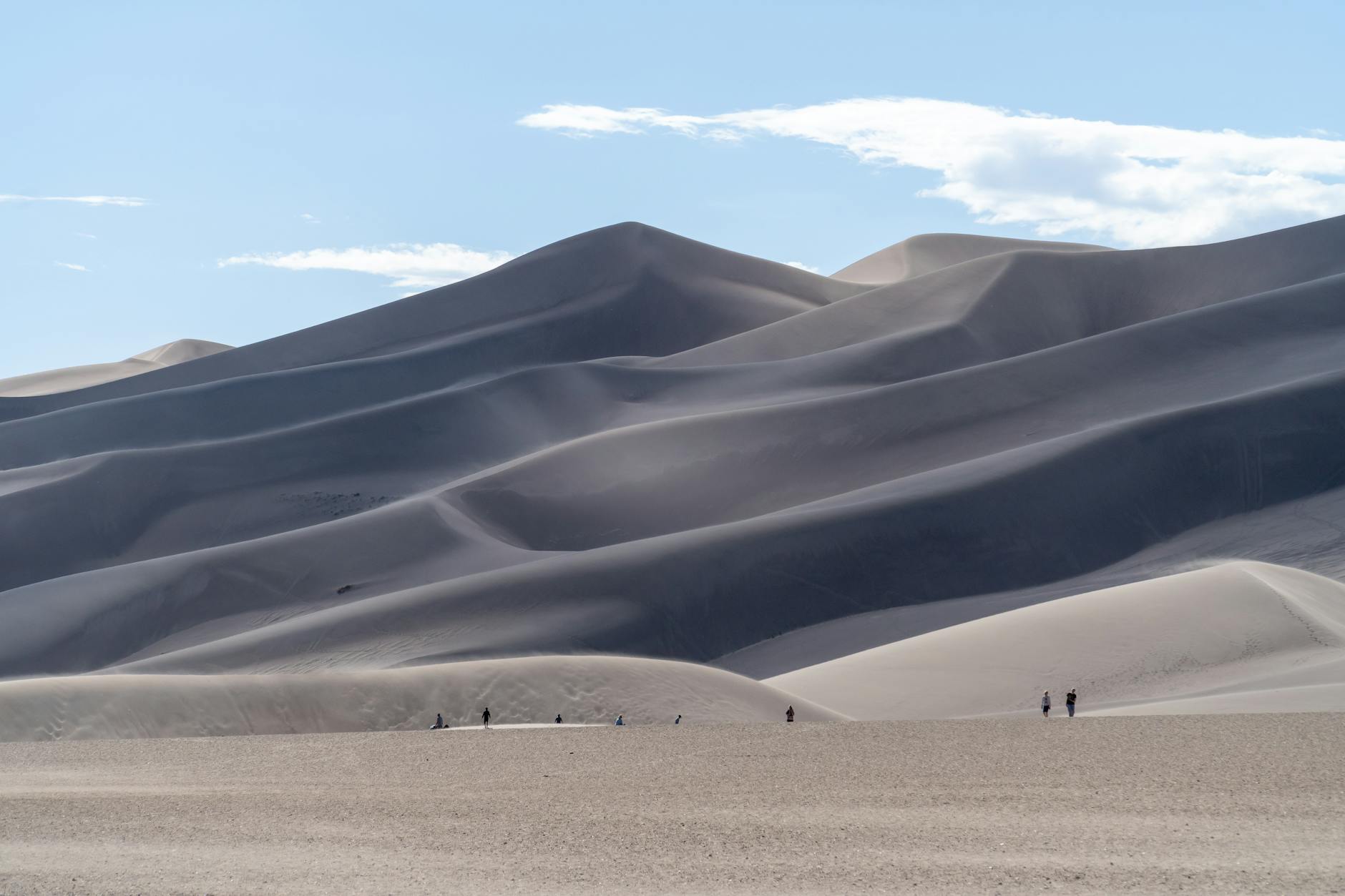
The southern shore of Lake Michigan features towering sand dunes and diverse wetlands within this relatively small park. Sandy beaches provide a popular summer escape for swimming and sunbathing along the freshwater coast. Over 50 miles of trails lead visitors through prairies and savannas that support a surprising variety of bird species. The contrast between the industrial skyline and the natural dunes creates a unique environmental narrative.
Gateway Arch National Park

This urban park in St. Louis commemorates the westward expansion of the United States with its iconic steel monument. A tram system carries visitors to the top of the 630-foot arch for views spanning the Mississippi River and the city skyline. The museum beneath the arch details the history of explorers and pioneers who shaped the nation. Manicured grounds and reflective ponds offer a peaceful space for recreation in the heart of the downtown area.
Bryce Canyon National Park
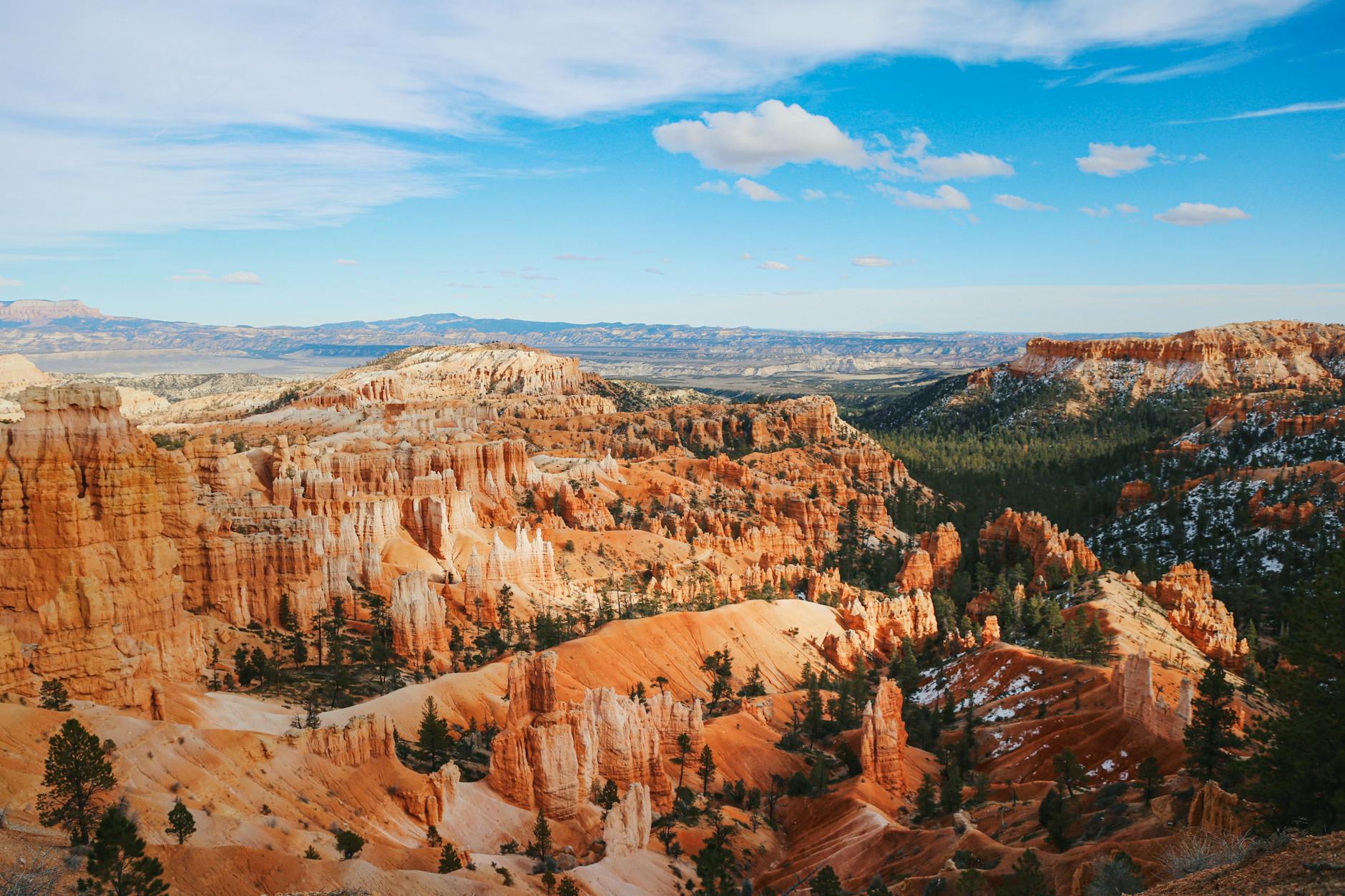
This geological amphitheater in southern Utah is filled with thousands of thin rock spires known as hoodoos. The vibrant orange and red hues of the limestone create a dramatic contrast against the green of the ponderosa pines. Scenic overlooks like Inspiration Point provide a comprehensive view of the intricate formations stretching across the plateau. Hiking trails descend into the canyon allowing for a closer look at the delicate shapes carved by ice and water.
Hot Springs National Park
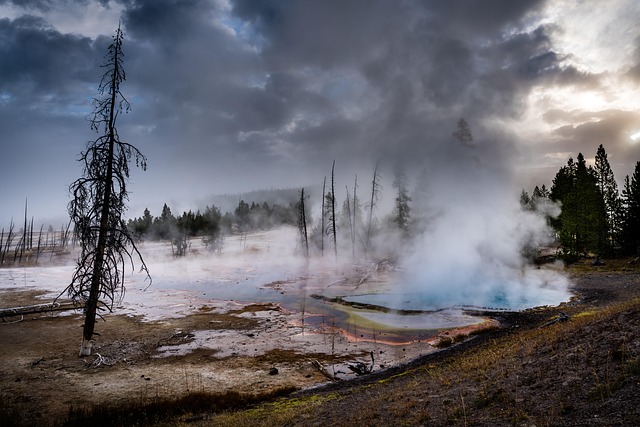
Known for its naturally heated springs this Arkansas destination has been managed as a protected area for nearly two centuries. Bathhouse Row features elegant historic architecture where visitors can still experience traditional spa treatments. Surrounding forested hills offer miles of hiking trails that overlook the urban center and the Ouachita Mountains. This unique park combines cultural history with natural thermal features in a way that is rare in the national system.
New River Gorge National Park and Preserve
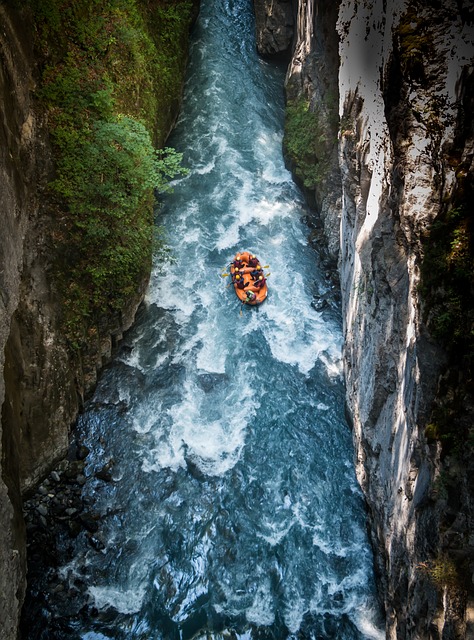
One of the oldest rivers on the continent flows through this deep canyon in the heart of West Virginia. The park is a premier destination for whitewater rafting with rapids ranging from technical to world-class. A massive steel arch bridge spans the gorge providing one of the most photographed views in the Appalachian region. Towering sandstone cliffs offer hundreds of climbing routes for those looking to experience the heights of the canyon.
Shenandoah National Park
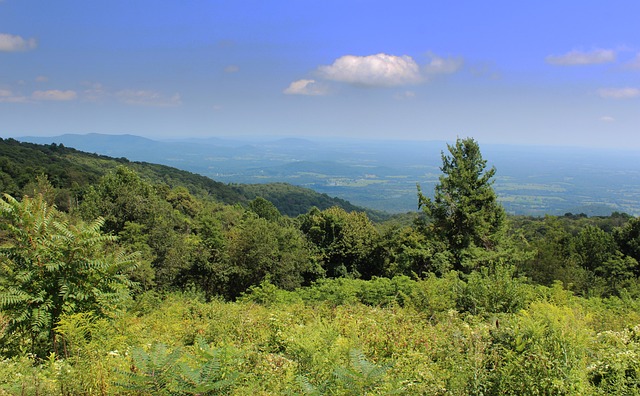
Skyline Drive runs the entire length of this Virginia park offering dozens of overlooks into the Shenandoah Valley. The Blue Ridge Mountains are home to a section of the Appalachian Trail and numerous waterfalls hidden in deep hollows. Dense forests provide a sanctuary for white-tailed deer and a wide variety of migratory birds. Autumn brings a spectacular display of color that attracts visitors from all over the mid-Atlantic region.
Mount Rainier National Park
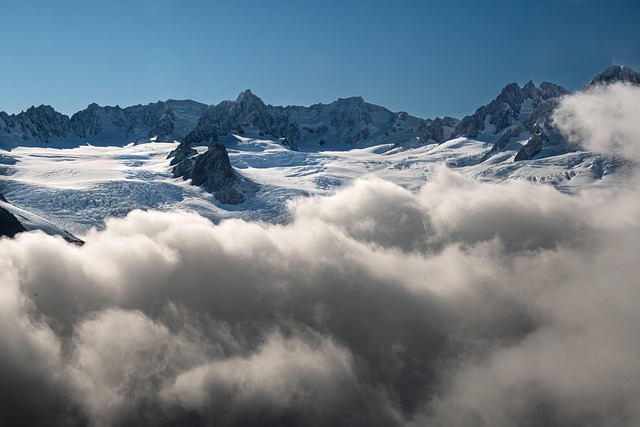
An active volcano encased in over 25 glaciers dominates the skyline of the Pacific Northwest. Subalpine wildflower meadows bloom in a riot of color during the short summer months surrounding the mountain base. Ancient forests of Douglas fir and hemlock provide a quiet environment for hikers exploring the lower elevations. The park offers a dramatic vertical landscape that challenges climbers and inspires artists alike.
Arches National Park
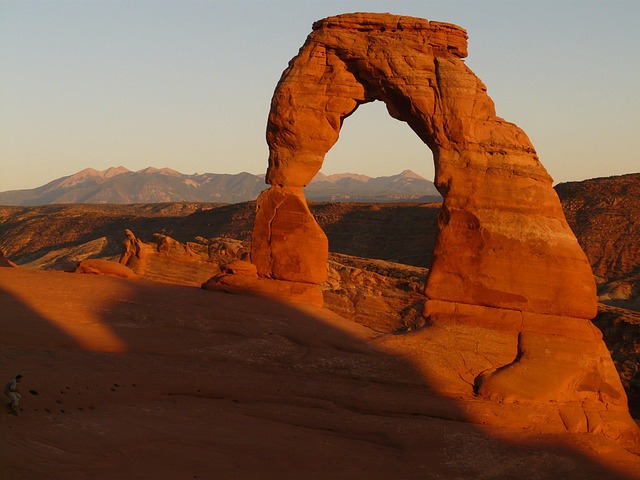
This Utah desert landscape contains the highest concentration of natural stone arches in the world. Delicate Arch stands as a solitary icon while others like Landscape Arch stretch nearly the length of a football field. Eroded fins and giant balanced rocks create a maze-like environment perfect for exploration and photography. Short walking paths lead to many of the most famous formations making the park highly accessible for quick visits.
Death Valley National Park
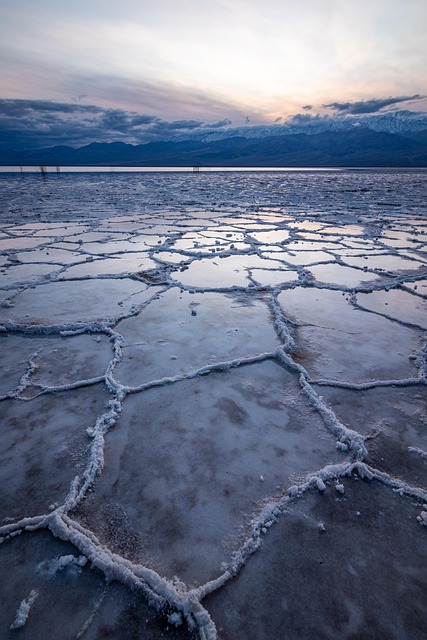
The hottest and driest of the national parks features a landscape of extremes from salt flats to sand dunes. Badwater Basin sits at the lowest point in North America at 282 feet below sea level. Rugged mountain ranges surround the valley floor offering colorful canyons and historic mining sites. Winter and spring are the most popular times to visit when temperatures are mild and desert flowers may bloom.
Hawaii Volcanoes National Park
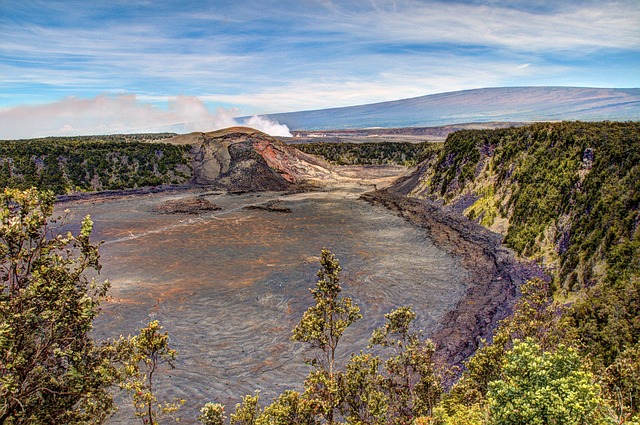
Two of the world’s most active volcanoes Mauna Loa and Kilauea are protected within this coastal Hawaiian landscape. Visitors can walk through ancient lava tubes and view vast fields of hardened basalt from recent eruptions. The park preserves a wide range of environments from lush tropical rainforests to scorched desert plains. Cultural sites throughout the area highlight the deep connection between the native people and the volcanic land.
Capitol Reef National Park
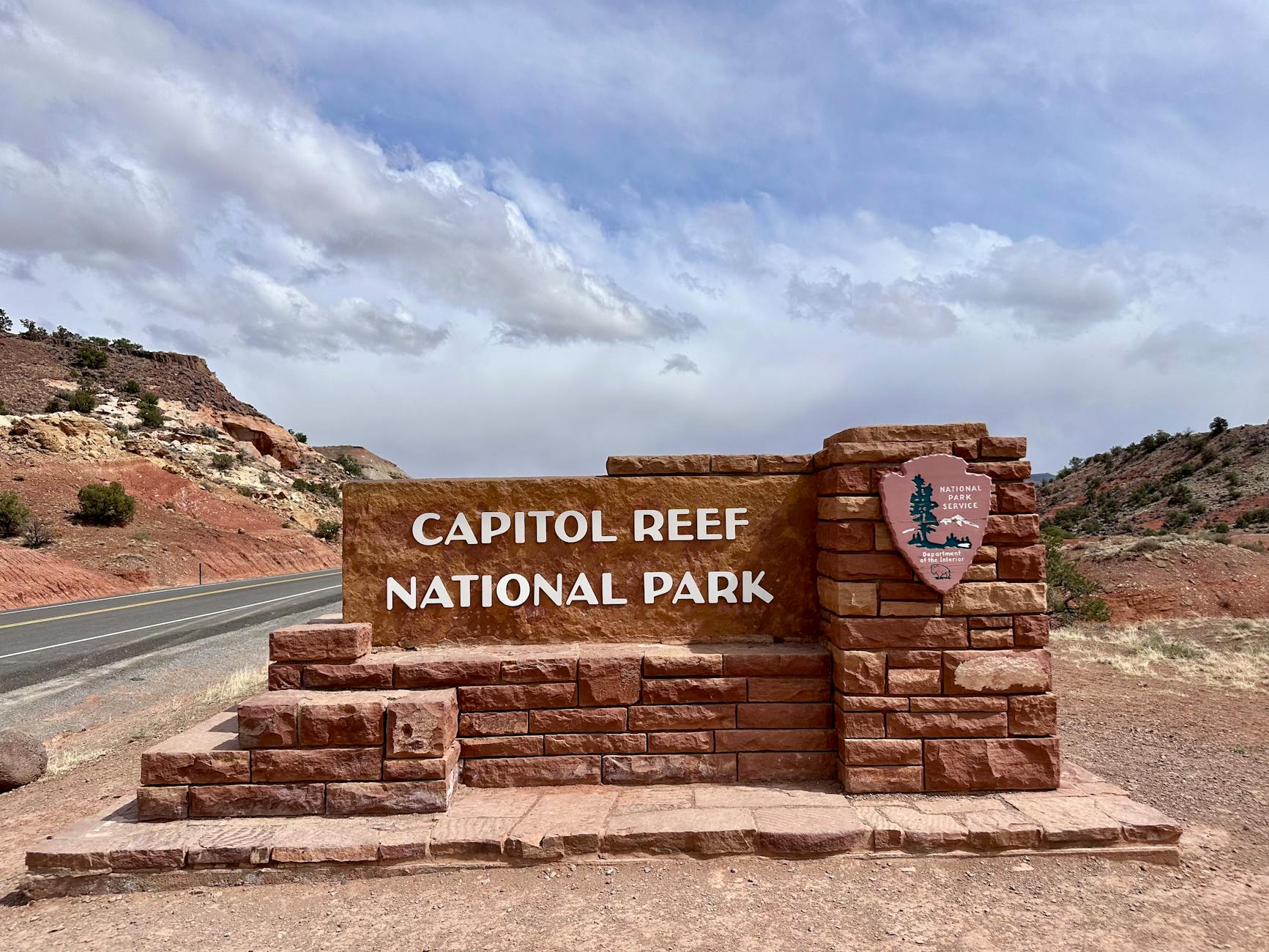
A massive wrinkle in the earth’s crust known as the Waterpocket Fold defines this rugged Utah park. Towering domes of white Navajo sandstone resemble the architecture of the United States Capitol. Historic orchards in the Fruita district allow visitors to pick fruit during the harvest season in a desert oasis. Scenic drives and backcountry roads provide access to remote canyons and colorful rock layers.
Sequoia National Park
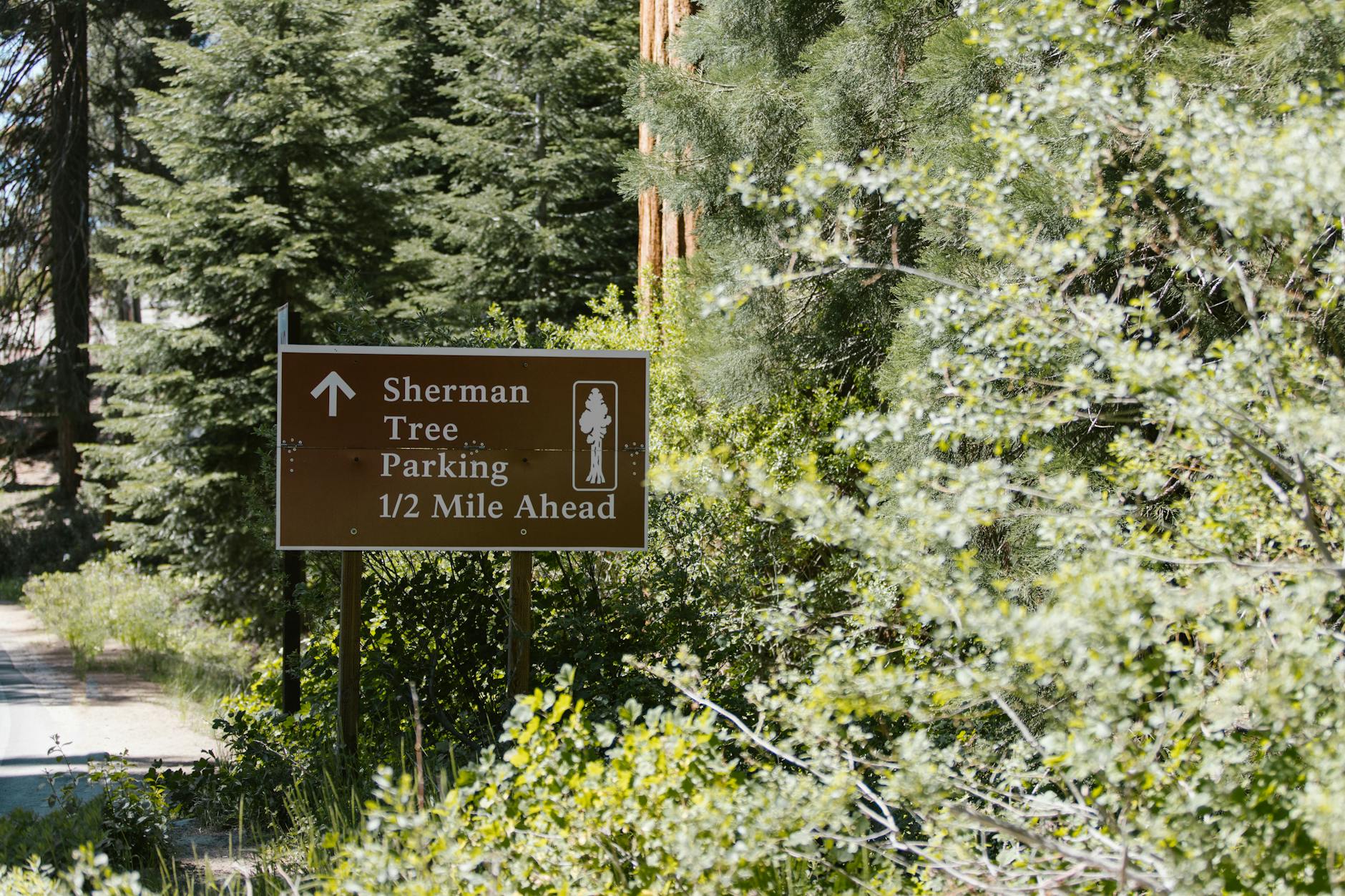
Massive trees including the General Sherman which is the largest living thing on earth are the highlight of this California forest. The park spans a huge range of elevations from the low foothills to the high peaks of the Great Western Divide. Crystal Cave offers a subterranean look at marble caverns filled with delicate formations. Moro Rock provides a steep granite stairway to a summit with panoramic views of the entire park.
Badlands National Park
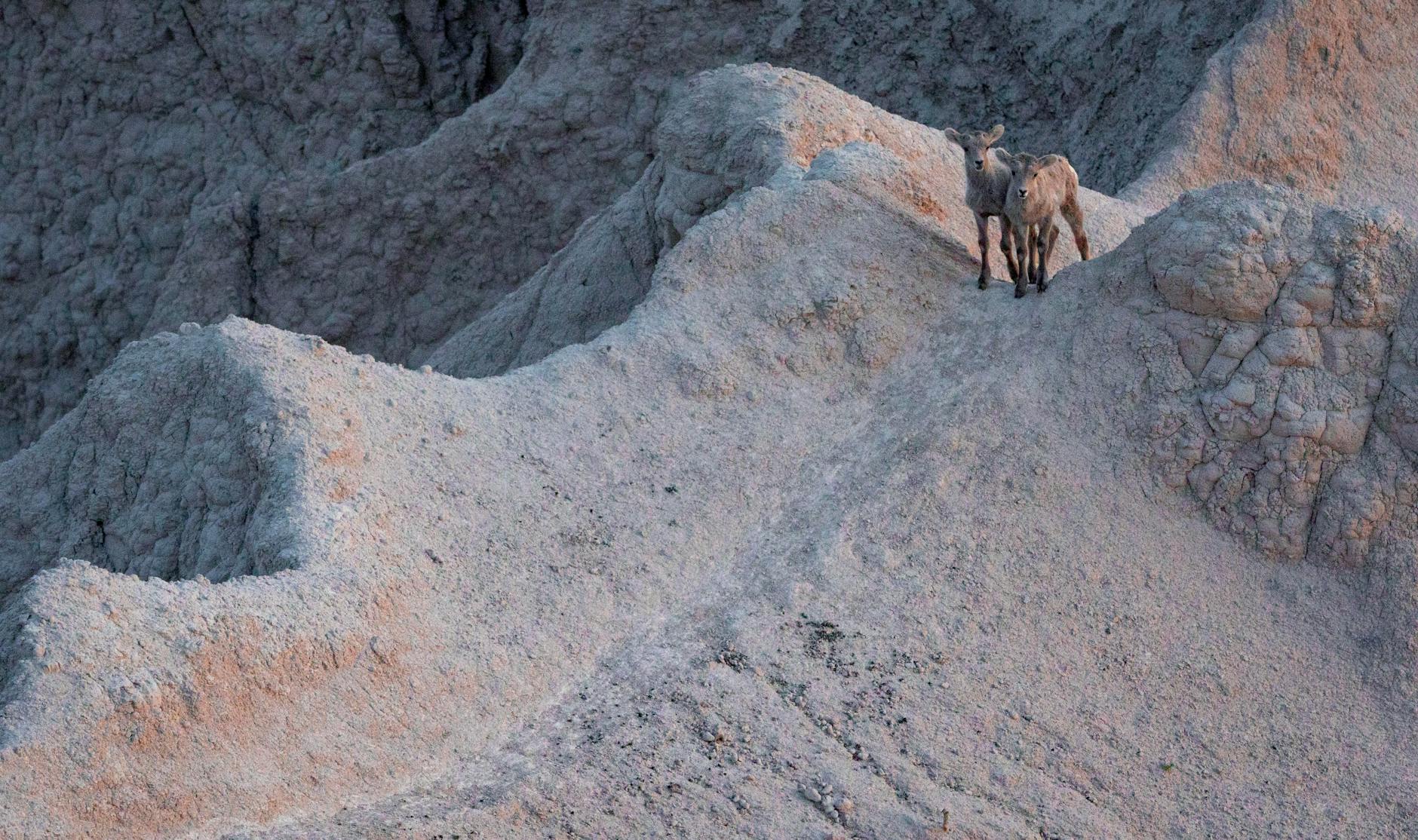
The striking geologic deposits in South Dakota contain some of the richest fossil beds in the world. Sharply eroded buttes and pinnacles rise from the largest protected mixed-grass prairie in the United States. Bison and bighorn sheep are frequently seen wandering through the rugged terrain and open grasslands. The park’s landscape is constantly changing as wind and water wear away the soft sedimentary layers.
Saguaro National Park
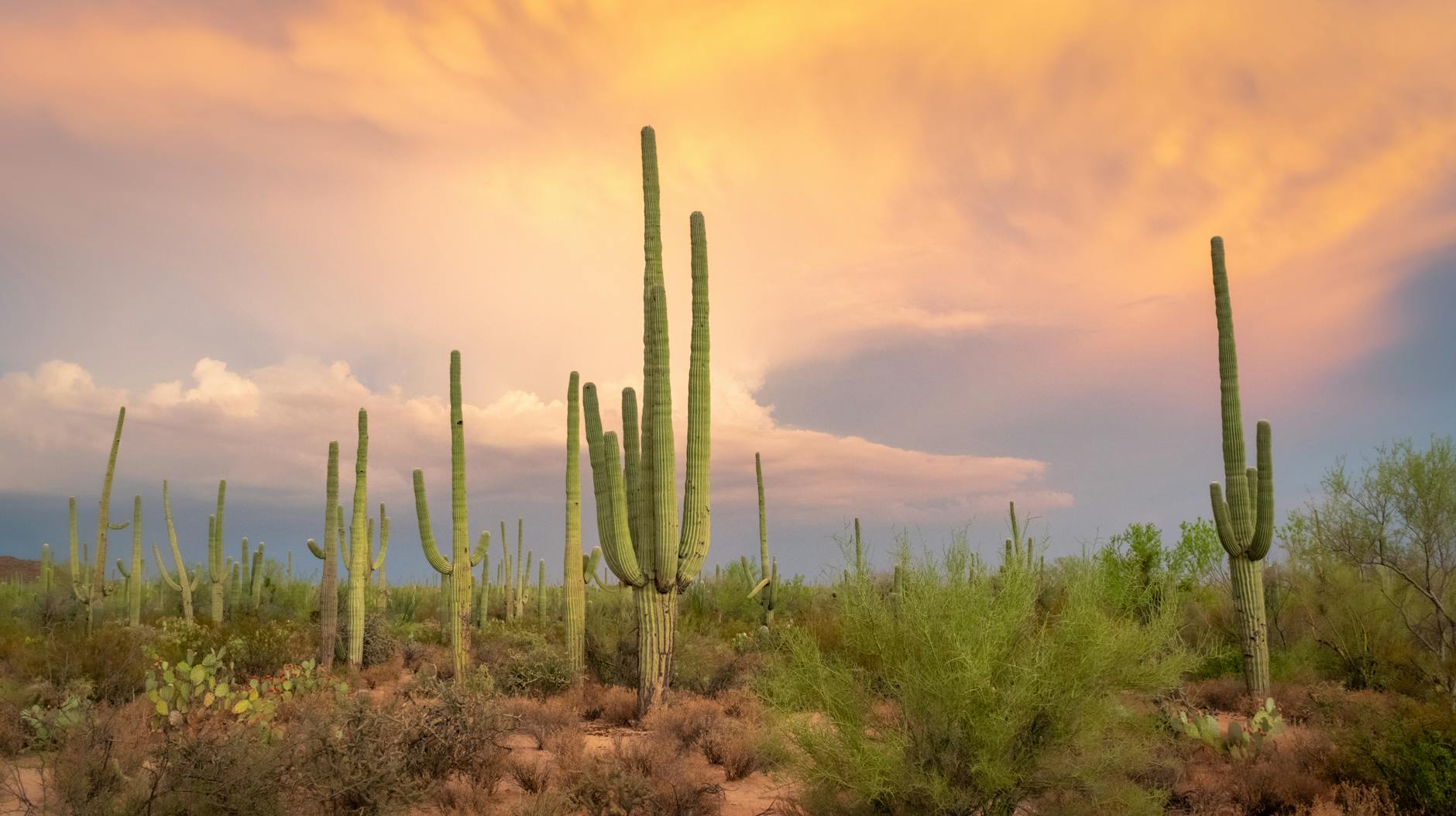
The giant saguaro cactus is the universal symbol of the American West and thrives in this Arizona desert. Two distinct districts flank the city of Tucson offering dense forests of these majestic plants against a mountain backdrop. Sunset views at the park are particularly famous as the silhouettes of the cacti stand out against the desert sky. Seasonal rains bring out a variety of desert blooms and active wildlife like desert tortoises and javelinas.
Canyonlands National Park
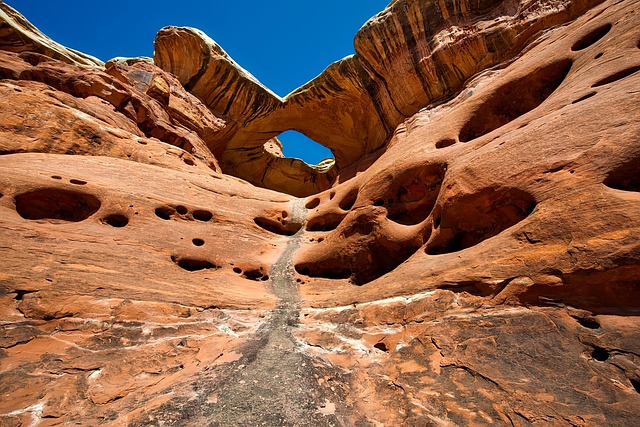
The Green and Colorado rivers have carved this vast Utah landscape into four distinct districts. The Island in the Sky offers expansive views from a high plateau overlooking the deep river canyons. Remote areas like The Needles feature colorful spires of cedar mesa sandstone and challenging hiking trails. The park remains one of the best locations for experiencing the true solitude of the desert wilderness.
Mammoth Cave National Park
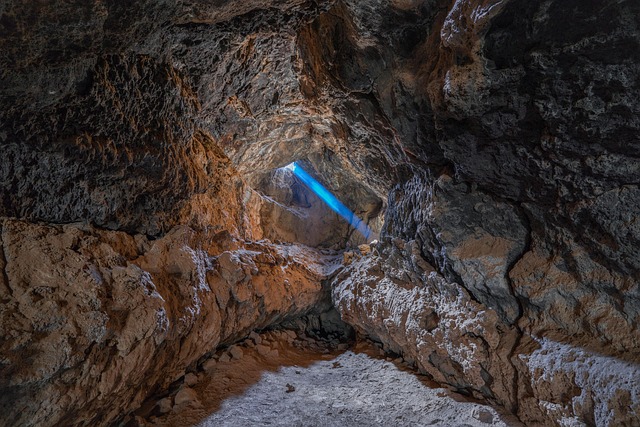
The longest known cave system in the world features over 400 miles of mapped underground passages in Kentucky. Guided tours lead visitors through massive chambers and narrow crawlways decorated with limestone formations. Above ground the park protects the Green River valley and thousands of acres of hardwood forest. This site is also a rich archaeological resource containing artifacts from ancient peoples who explored the caves thousands of years ago.
Everglades National Park

This expansive wetland at the southern tip of Florida is a delicate ecosystem of sawgrass prairies and mangrove forests. It provides a vital habitat for rare and endangered species like the Florida panther and the American crocodile. Airboat tours and kayaking allow for close encounters with the diverse birdlife and reptiles that inhabit the shallow waters. The park is a unique subtropical wilderness that depends on the slow flow of fresh water across the land.
Big Bend National Park
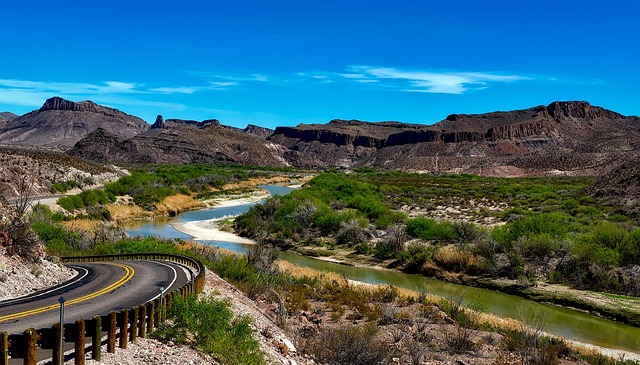
A massive bend in the Rio Grande creates this remote Texas park where the Chisos Mountains meet the Chihuahuan Desert. Dramatic river canyons like Santa Elena offer sheer limestone walls that rise directly from the water’s edge. The park is a premier destination for bird watching with over 450 species recorded within its borders. Dark sky certification ensures that the stargazing here is among the best in the lower 48 states.
Petrified Forest National Park
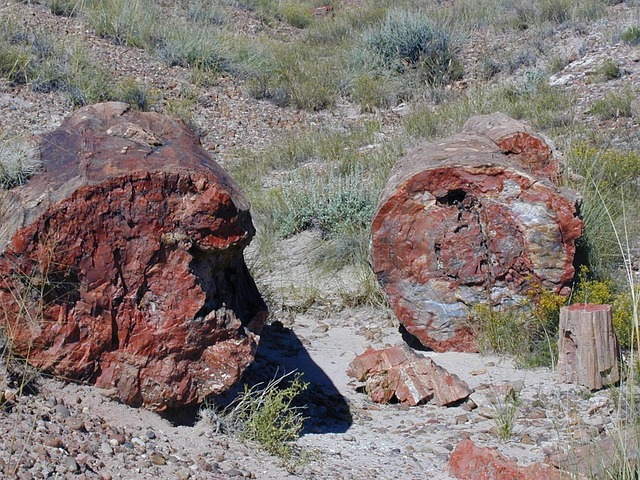
Vibrant logs of crystallized wood are scattered across this high desert landscape in northeastern Arizona. The Painted Desert section of the park features colorful badlands in shades of lavender red and orange. Ancient petroglyphs and the ruins of pueblo homes provide evidence of human history dating back over a thousand years. This destination offers a unique look at a prehistoric environment preserved in stone.
Biscayne National Park

Located within sight of the Miami skyline this park is almost entirely underwater and protects four distinct marine ecosystems. Coral reefs and seagrass beds provide a home for hundreds of species of fish and sea turtles. Visitors can explore the park by boat or through snorkeling and diving in the clear turquoise waters. Shipwrecks along the Maritime Heritage Trail offer a glimpse into the history of navigation in the Florida Keys.
Crater Lake National Park
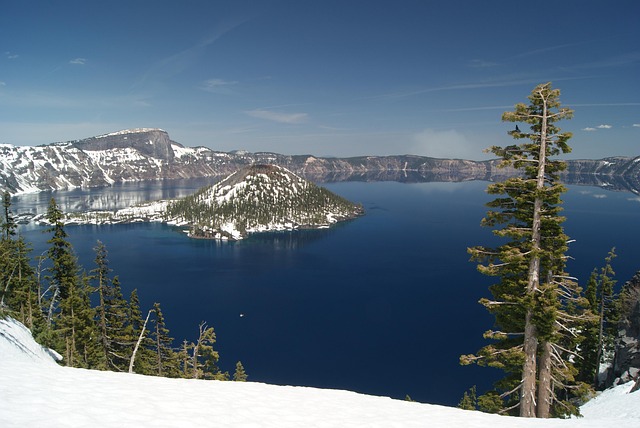
The deepest lake in the United States sits inside the caldera of an ancient volcano that collapsed thousands of years ago. Its intense blue color and incredible water clarity are the result of its isolation from inlets and outlets. Rim Drive encircles the water offering multiple viewpoints of Wizard Island and the Phantom Ship rock formation. Winter brings heavy snowfall that transforms the park into a silent white landscape perfect for snowshoeing.
Carlsbad Caverns National Park
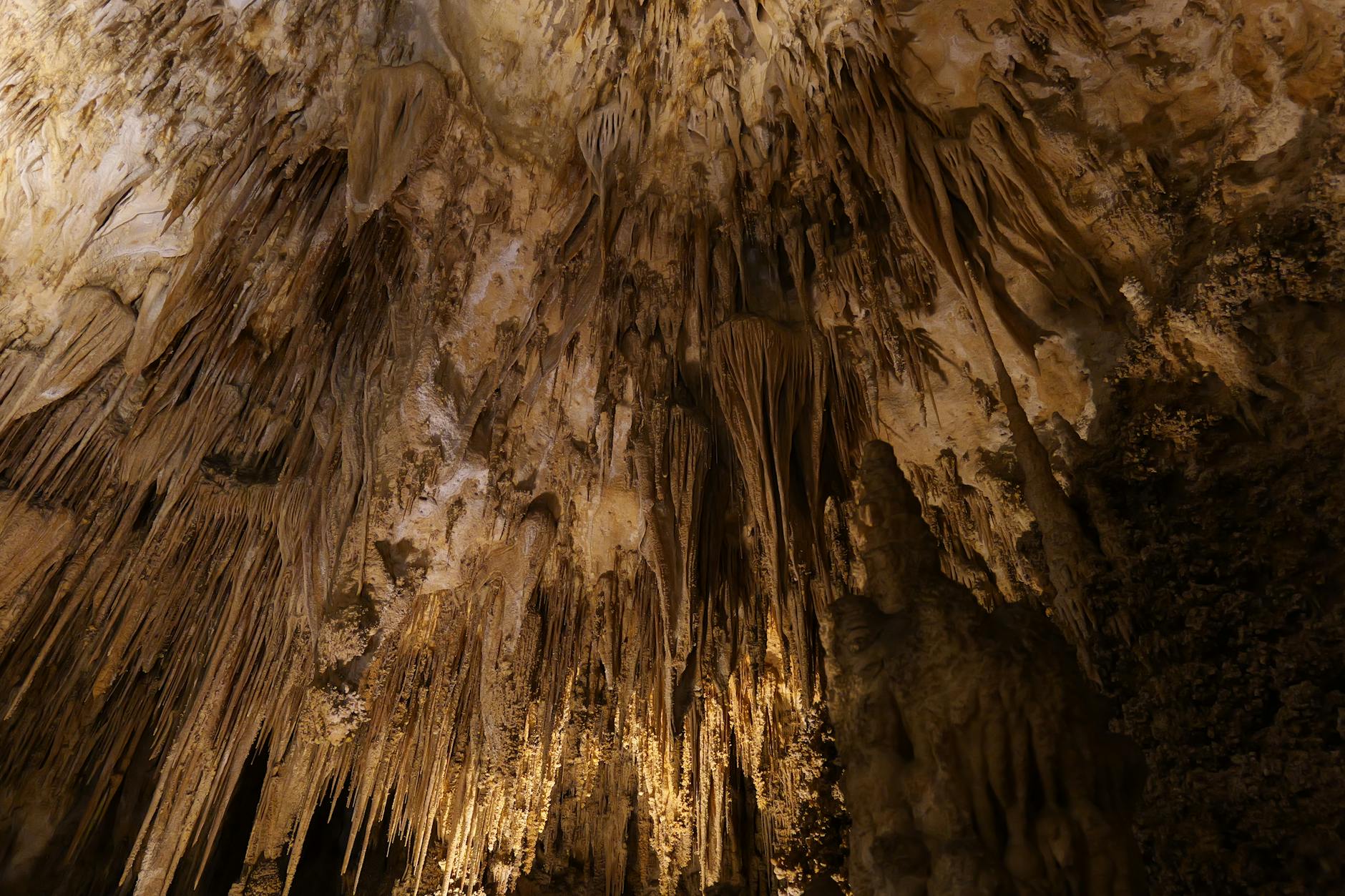
High in the Guadalupe Mountains of New Mexico lies a subterranean world of more than 100 limestone caves. The Big Room is one of the largest cave chambers in North America and is filled with intricate stalactites and stalagmites. Every evening in the summer thousands of Brazilian free-tailed bats emerge from the cave entrance in a spectacular spiral. Above ground the park preserves the rugged desert peaks and deep canyons of the surrounding region.
Great Sand Dunes National Park and Preserve
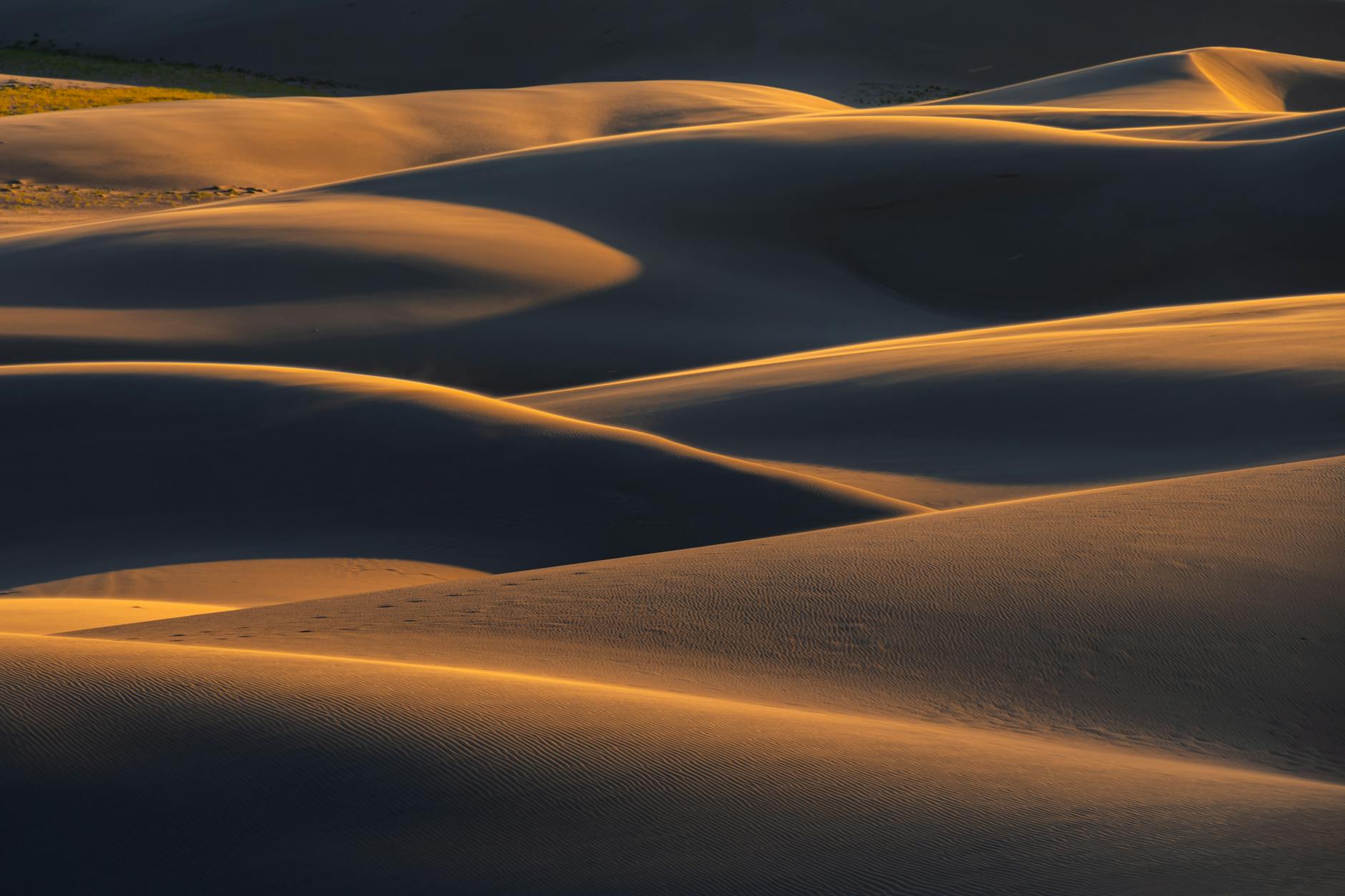
The tallest sand dunes in North America are nestled against the base of the Sangre de Cristo Mountains in Colorado. Medano Creek flows across the sand in the spring creating a popular beach-like environment in the middle of the desert. Visitors can hike to the top of High Dune for expansive views of the surrounding valley and alpine peaks. The diverse landscape also includes mountain tundra and ancient forests within the protected preserve area.
Please share your favorite national park memories or upcoming travel plans in the comments.