
Moving in with a partner is one of the most exciting and significant steps a relationship can take. It signals a new level of commitment and opens the door to building a shared life under one roof. But before the boxes are packed and the keys are exchanged, there are important conversations worth having to ensure both people are entering this chapter with clarity and confidence. These questions are designed to spark honest dialogue and help couples align on the things that matter most.
How Do You Feel About Personal Space at Home?

Understanding how each person recharges is essential before sharing a living space. Some people need quiet time alone after work while others feel energized by constant togetherness. Knowing whether your partner is introverted or extroverted in a home setting helps you plan the layout and rhythms of your shared space. Discussing this early prevents one partner from feeling smothered or neglected once the novelty of cohabitation settles.
What Does a Clean Home Mean to You?
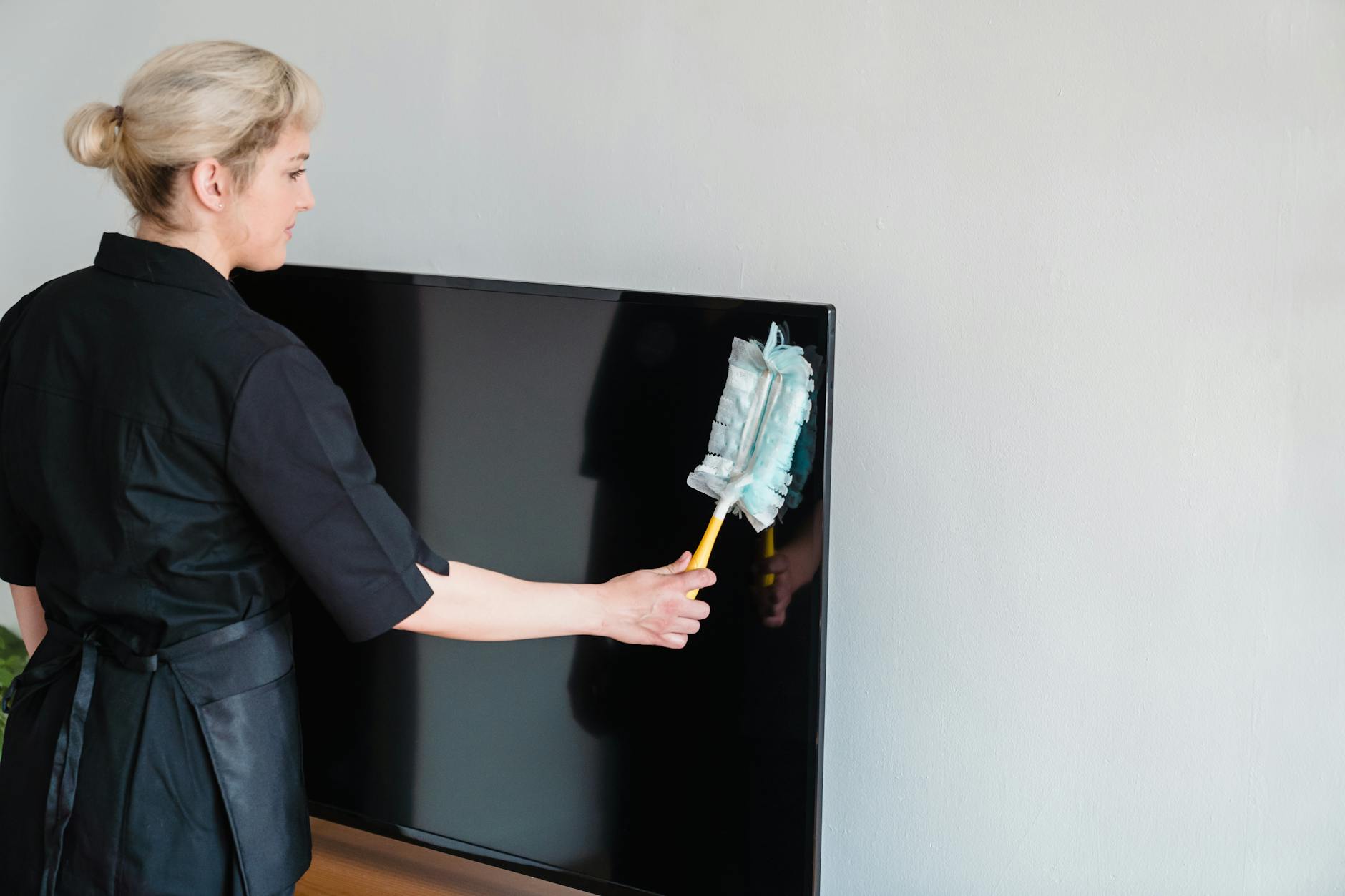
Cleanliness standards vary widely from person to person and can become a significant source of tension in shared households. One partner may consider a home clean when surfaces are wiped down while the other may need floors mopped and clutter completely eliminated. Talking through your individual definitions of tidy helps set realistic and fair expectations for both people. Agreeing on a baseline standard before moving in removes a common source of daily frustration.
How Will We Split Household Chores?

Dividing domestic responsibilities fairly is one of the most practical conversations a couple can have before cohabiting. Whether tasks are split based on preference, schedule, or equal rotation matters less than having a clear agreement both people feel good about. Leaving chore division to chance almost always leads to resentment when one partner ends up carrying a heavier load. A simple plan discussed in advance creates a smoother day to day dynamic.
How Do You Handle Finances and Shared Expenses?

Money conversations are among the most important a couple can have before sharing a home. Questions around how rent and utilities will be divided whether proportionally or equally should be settled early. Discussing whether to open a joint account for household costs or keep finances separate helps avoid confusion down the road. Transparency around income differences and financial habits builds trust and prevents conflict before it starts.
What Are Your Non-Negotiables When It Comes to Guests?

Some people love hosting friends and family frequently while others prefer their home to be a private sanctuary. Knowing how your partner feels about overnight guests, drop-in visitors, and extended family stays helps you set comfortable boundaries together. Agreeing on guest policies before moving in means neither person feels blindsided or uncomfortable in their own home. This conversation also reveals deeper values around privacy and hospitality.
How Do You Feel About Pets in the Home?
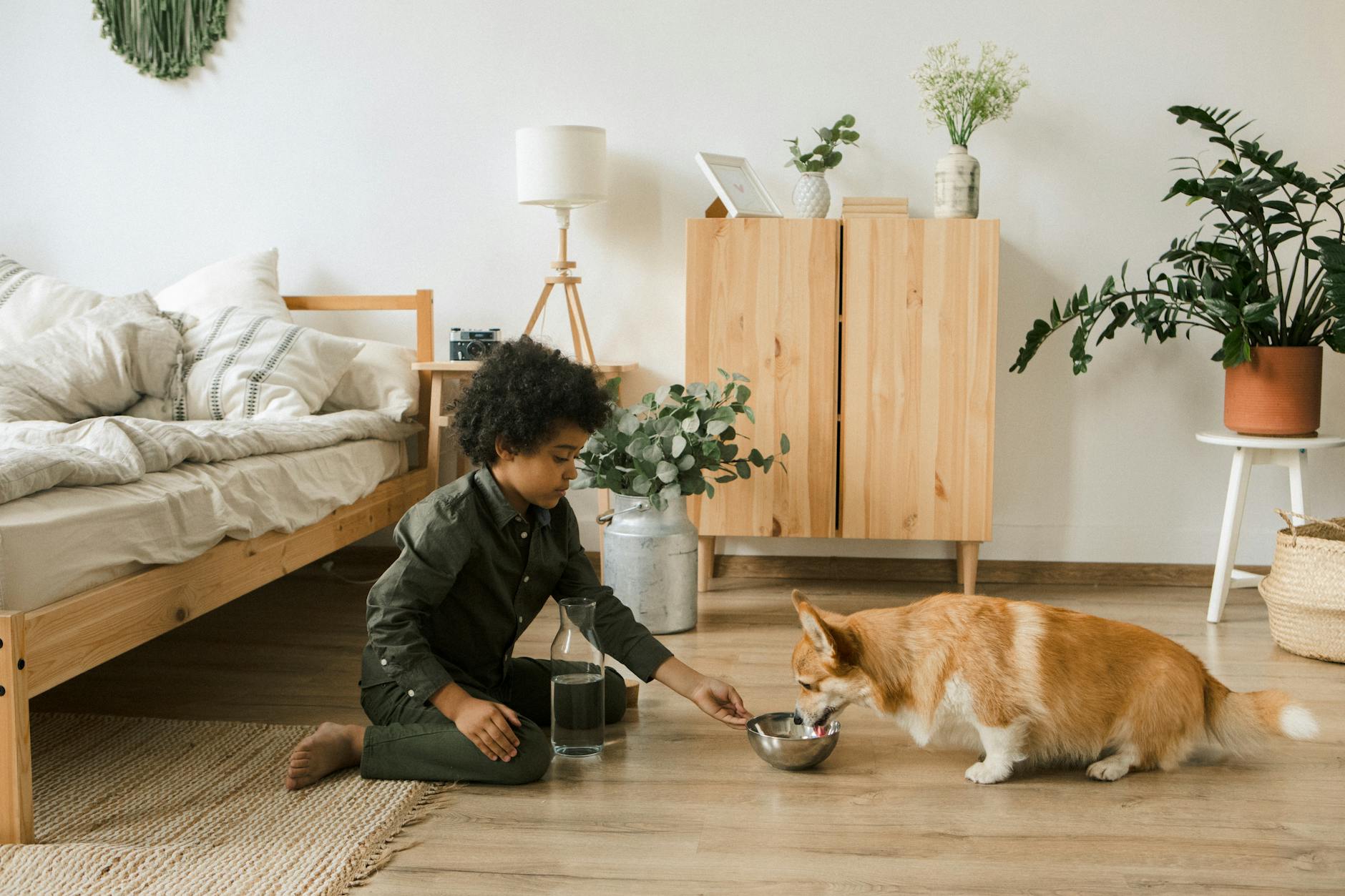
Pets are a deeply personal topic that can make or break a living arrangement if not discussed thoroughly. Allergies, noise sensitivities, and differing attitudes toward animals all play a role in whether a pet is a welcome or unwelcome addition to the household. If one partner has a pet or wants one in the future, the other needs to feel genuinely on board rather than pressured. Establishing clear expectations around pet care responsibilities also prevents imbalance from developing.
What Are Your Morning Routines Like?

Morning habits can be surprisingly revealing about compatibility in a shared home. One partner may need total silence and a slow start while the other bounces out of bed with energy and noise. Knowing when each person typically wakes, how long bathroom time takes, and whether mornings are social or solitary helps you map out a functional shared schedule. Small adjustments made early can prevent daily friction during the most foundational part of the day.
How Do You Wind Down at Night?

Evening routines carry just as much weight as morning ones when it comes to household harmony. If one partner likes to stay up late with the television on while the other needs total darkness and quiet by nine, tension is almost inevitable without a plan. Discussing sleep schedules, nighttime rituals, and bedroom preferences before moving in allows both people to make thoughtful accommodations. Feeling rested and comfortable at home directly impacts mood, patience, and the health of the relationship.
How Do You Prefer to Handle Conflict?

Every couple disagrees and the real question is how each person processes and resolves conflict. Some people need space to decompress before talking through an issue while others feel more secure addressing things immediately. Understanding your partner’s conflict style before sharing a home means you can create the conditions for healthier disagreements in close quarters. Knowing this in advance reduces the chance of small tensions escalating into larger ones.
What Role Does Alone Time Play in Your Wellbeing?

Even the most devoted partners need time to themselves and that need does not diminish once you share a home. Identifying how much solitude each person requires and what that looks like practically helps prevent either partner from feeling guilty for needing space. Whether alone time means reading in a separate room, taking solo walks, or having occasional evenings apart, naming it clearly creates room for individual restoration. Respecting this need is one of the strongest signs of a mature and secure relationship.
How Do You Feel About Shared Versus Separate Bedrooms?

While sharing a bed is the norm for most cohabiting couples, it is worth having an honest conversation about sleep preferences and what genuinely serves both people best. Different sleep schedules, snoring, temperature preferences, and rest needs sometimes make separate sleeping arrangements the more practical and loving choice. Approaching this without shame or insecurity and purely as a practical discussion of wellbeing leads to better outcomes. There is no single right answer and the most important thing is finding what works for the relationship.
How Much Do You Expect Us to Spend Time Together at Home?

Sharing a home does not mean every moment at home must be spent together. Some couples enjoy parallel time doing separate activities in the same space while others expect more intentional togetherness during evenings and weekends. Clarifying what quality time at home means to each person prevents one partner from feeling neglected and the other from feeling suffocated. This conversation shapes the entire emotional tone of your shared living environment.
What Is Your Relationship With Work and Home Boundaries?

Remote work has made the boundary between professional and personal life increasingly difficult to maintain at home. Discussing whether one or both partners work from home and what that means for noise levels, shared spaces, and interruptions is now more relevant than ever. Agreeing on boundaries around work hours and designated workspaces prevents the home from feeling like an office for both people. Creating a clear separation between work mode and home mode protects the relationship from professional stress bleeding into personal time.
How Do You Feel About Decorating and Personalizing the Space?

Interior style is a surprisingly contentious topic for many couples moving in together for the first time. One partner may have strong aesthetic opinions while the other is more flexible or conversely feels their personal taste is being overlooked. Having an open conversation about how decisions around furniture, decor, and color will be made sets a collaborative tone. The goal is a shared home that reflects both people rather than one person’s vision imposed on the other.
What Is Your Approach to Grocery Shopping and Meal Planning?

Food habits and kitchen routines are central to daily life in a shared home. Whether you plan to cook together, take turns making meals, or operate largely independently in the kitchen all requires some degree of coordination. Discussing food preferences, dietary restrictions, and how grocery costs will be handled prevents confusion and waste. Even small alignments around meal culture can make the home feel more thoughtful and connected.
How Do You Handle Visitors Who Stay for Extended Periods?

Having a friend stay for a weekend is very different from hosting a family member for two weeks and both situations deserve a conversation beforehand. Understanding how each partner feels about hosting extended guests and what limits feel comfortable protects the home as a shared sanctuary. Agreeing on a reasonable notice period and a maximum stay duration gives both partners agency in how their space is used. This topic often touches on family dynamics and setting these boundaries early is an act of mutual respect.
What Are Your Expectations Around Shared Meals?

Sharing meals together is one of the small but meaningful rituals that strengthens a relationship and a household. Discussing whether you expect to eat together every evening or whether independent meal schedules are perfectly acceptable sets the right tone early. Understanding this expectation prevents one partner from feeling unappreciated for cooking or the other from feeling obligated to be home at a specific time. Food and connection are deeply intertwined and this conversation is worth having sincerely.
How Do You Manage Stress and What Does That Look Like at Home?

Stress affects everyone differently and a shared home is where those responses play out most visibly. Some people withdraw, others become irritable, and still others seek comfort and closeness during difficult periods. Knowing your partner’s stress behaviors and communicating your own helps both people respond with empathy rather than defensiveness. Establishing a language around stress early creates a safer emotional environment in the home.
What Is Your Stance on Having a Joint Budget for the Home?

Beyond simply splitting bills, some couples find that creating a joint household budget for groceries, maintenance, and shared activities brings clarity and reduces financial friction. Others strongly prefer to maintain fully separate finances with a simple agreement on shared costs. Neither approach is superior but aligning on which model fits your relationship prevents ongoing negotiation and mild resentment. Financial harmony at home is one of the most reliable predictors of relationship satisfaction.
How Important Is It to You That the Home Is Always Guest-Ready?

Some people feel deep pride in having an immaculate home ready for impromptu visitors at any time while others are entirely unbothered by visible clutter or dishes in the sink. Knowing where your partner stands on this helps calibrate shared expectations around tidiness and hospitality standards. If one person is anxious about others seeing the home in a relaxed state, that anxiety should be acknowledged and worked through together. A shared approach to this topic prevents one partner from feeling judged or the other from feeling chronically on edge.
How Do You Feel About Socializing Together Versus Separately?

Moving in together does not mean all social activity must be joint and this is worth making explicit. Discussing how often you each want to see your respective friends, whether partner attendance at social events is expected, and how much time is set aside for couple socializing shapes your social life as a household. Maintaining individual friendships and social identities is healthy and sustainable in long term partnerships. Agreeing on this early prevents social isolation or mismatched expectations from becoming points of conflict.
What Are Your Long-Term Goals for This Living Arrangement?

Is this a stepping stone toward engagement and marriage or simply the natural next chapter of a committed partnership? Knowing whether both people share the same vision for what cohabiting represents in the arc of the relationship prevents misaligned assumptions from building silently. This conversation does not need to be a formal declaration but both people should feel confident they are moving in with shared intentions. Clarity here protects both partners from investing in a future that only one of them is envisioning.
How Do You Want to Handle Disagreements About the Home Itself?

Disagreements about the home whether about how to organize the kitchen or what furniture to buy are inevitable. Establishing a process for making joint decisions, including how to handle stalemates, is a surprisingly useful thing to discuss in advance. Some couples assign specific domains of decision-making to each person while others make all home-related choices collaboratively. Having a method prevents small domestic decisions from becoming disproportionately emotional.
What Is Your Policy on Smoking, Drinking, or Other Habits at Home?

Personal habits become shared concerns once two people occupy the same space. Whether it is smoking indoors, alcohol in the home, recreational substances, or even strong food smells, knowing where each person stands prevents unpleasant surprises. Discussing what is acceptable in the shared living space and what might need to happen outside of it is a matter of mutual comfort and health. This conversation is not about judgment but about defining a home environment where both people feel genuinely comfortable.
How Do You Feel About Keeping the Bedroom as a Tech-Free Space?

Screens in the bedroom are a genuinely divisive topic for many couples and one that directly affects sleep quality and intimacy. Some partners see the bedroom as a place exclusively for rest and connection while others use it routinely for scrolling, watching, or working. Discussing screen habits in shared sleeping spaces early helps both people protect their rest and their relationship. Small agreements here can have an outsized positive effect on the overall quality of life in the home.
What Does Fair Look Like to You When One Partner Earns More?

Income disparities are common in couples and how those disparities translate into household contributions is something worth addressing openly. Whether the higher earner covers a larger share of rent or whether both contribute equally regardless of income involves values around fairness, pride, and partnership. There is no universally correct approach but having the conversation transparently prevents ongoing tension or silent scorekeeping. Treating this as a practical logistics question rather than a sensitive personal one makes it far easier to navigate.
How Do You Approach Home Maintenance and Repairs?

Broken appliances, leaking faucets, and routine maintenance tasks are a consistent part of home life and handling them requires a shared plan. Discussing whether tasks like calling a plumber, assembling furniture, or painting a wall are shared responsibilities or individually assigned prevents delays and frustration. Understanding each partner’s skill set, willingness, and tolerance for home maintenance projects helps set realistic expectations. Agreeing in advance on how maintenance issues will be handled removes a common source of low-grade domestic stress.
What Happens to the Lease or Mortgage If We Break Up?

This is a difficult conversation but one of the most important a couple can have before signing a lease or purchasing a home together. Discussing exit plans, whose name is on the agreement, and what a separation would look like practically protects both people legally and emotionally. Approaching this conversation maturely signals mutual respect and a commitment to fairness regardless of what the future holds. Couples who plan for uncertainty are better equipped to handle it if it ever arrives.
How Do You Feel About Keeping Separate Financial Accounts?

Sharing a home does not automatically mean merging all finances and many couples find that maintaining individual accounts alongside a shared household account works best. This approach preserves financial autonomy while still creating a functional system for shared costs. Discussing your comfort level with financial independence and transparency prevents assumptions from forming on either side. Whatever system you land on should feel equitable and agreed upon by both partners equally.
What Boundaries Do You Want to Maintain With Your Families?

Family relationships can be a significant factor in how a shared home functions especially when parents or siblings feel entitled to drop by unannounced or expect frequent hosting. Discussing how involved both families will be in your shared space and life is a necessary conversation for many couples. Establishing that the home is first and foremost the couple’s private space sets a healthy precedent for family boundaries. This is especially important if either partner comes from a culture where family involvement in daily life is expected and normalized.
How Do You Think About the Division of Mental Load?

The mental load of running a household extends far beyond physical chores and includes remembering appointments, tracking supplies, managing bills, and anticipating household needs. If one partner carries the majority of this cognitive labor invisibly, resentment builds even when physical tasks appear equally divided. Discussing the mental load explicitly and identifying ways to share it more evenly creates a more balanced partnership. Acknowledging that invisible labor is still labor is one of the most important steps a couple can take before moving in together.
How Do You Handle Nights When You Are Not on the Same Page Emotionally?

There will inevitably be evenings when one partner wants closeness and the other needs distance and navigating those moments with grace requires a plan. Talking about how to communicate these needs without it feeling like rejection creates a much healthier emotional dynamic at home. Establishing simple signals or phrases that indicate the need for space allows both partners to feel safe expressing their emotional state. Emotional communication in close quarters is a skill and discussing it in advance accelerates the learning curve significantly.
What Role Does Routine Play in Your Sense of Comfort at Home?

Some people thrive on consistent daily rhythms while others prefer spontaneity and flexibility in how they spend their time at home. Understanding whether your partner is heavily routine-oriented or more adaptable helps you build a shared household culture that accommodates both styles. Conflicts often arise not from incompatibility but from one partner disrupting the other’s sense of order without realizing it. Talking through daily structure and what feels stabilizing versus constraining leads to a much smoother shared experience.
How Do You Envision This Home Evolving Over Time?

A home is not static and the way you use and relate to your shared space will shift as your relationship and lives develop. Whether that means adding a pet, converting a room, eventually buying property together, or planning for children, knowing how your partner imagines the future of the home adds important context to the decision. Aligning on the long-term vision ensures you are not just compatible today but building toward the same tomorrow. Moving in together is not just a practical arrangement but a declaration of the kind of life you are choosing to build side by side.
What Makes You Feel Most at Home and Most Yourself?

Perhaps the most important question of all is the simplest one. Knowing what your partner needs to feel genuinely at ease and authentically themselves in a shared space guides every other decision about how to build your home together. Whether it is a certain level of order, the freedom to be messy sometimes, music playing in the background, or complete silence, these preferences shape the daily texture of shared life. Understanding what home means to each person at a soul level is the foundation for building one that truly belongs to both of you.
If you are preparing to take this step with your partner, share the questions that resonated most with you in the comments.