Weddings are one of the most anticipated celebrations in a person’s life, but the experience for guests can be vastly different from what the couple imagines. While couples spend months perfecting every detail for their ideal day, those sitting in the pews and at the reception tables often endure a series of well-meaning but exhausting choices. A truly memorable wedding considers not just the vision of the couple but the comfort and enjoyment of every person who travels, dresses up, and shows up to celebrate. The following list unpacks the most common ways a dream wedding quietly becomes an ordeal for the people you love most.
Outdoor Ceremonies With No Shade
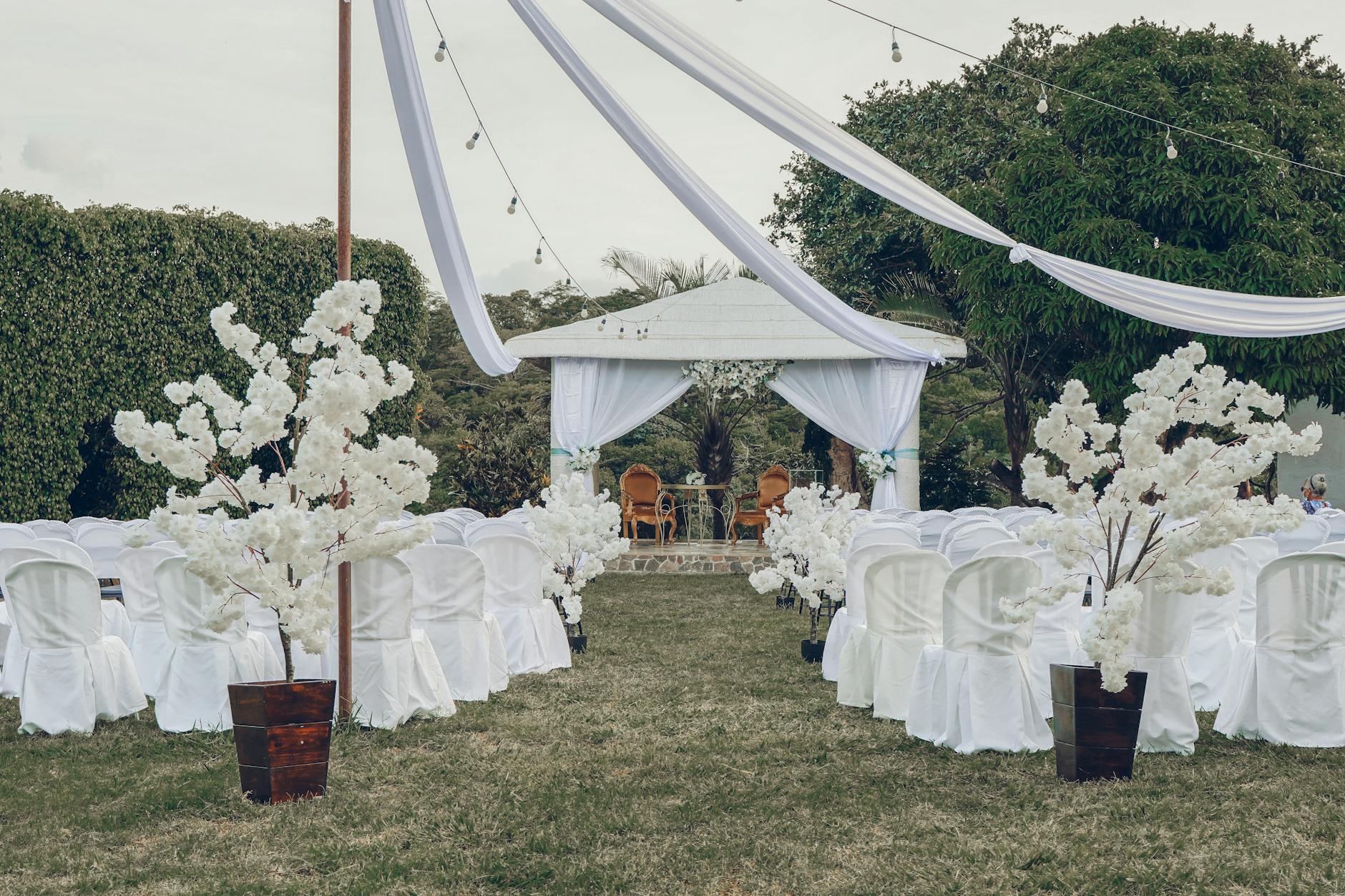
Outdoor venues photograph beautifully but can turn into a physical endurance test for guests dressed in formal attire. Temperatures in open fields or exposed garden settings can climb significantly during afternoon hours, leaving elderly guests and young children particularly vulnerable. Most guests will not feel comfortable leaving their seats to find shade during the ceremony itself. The combination of heat, formal clothing, and long vows creates genuine discomfort that lingers well into the reception.
Ceremony Start Times That Run Late
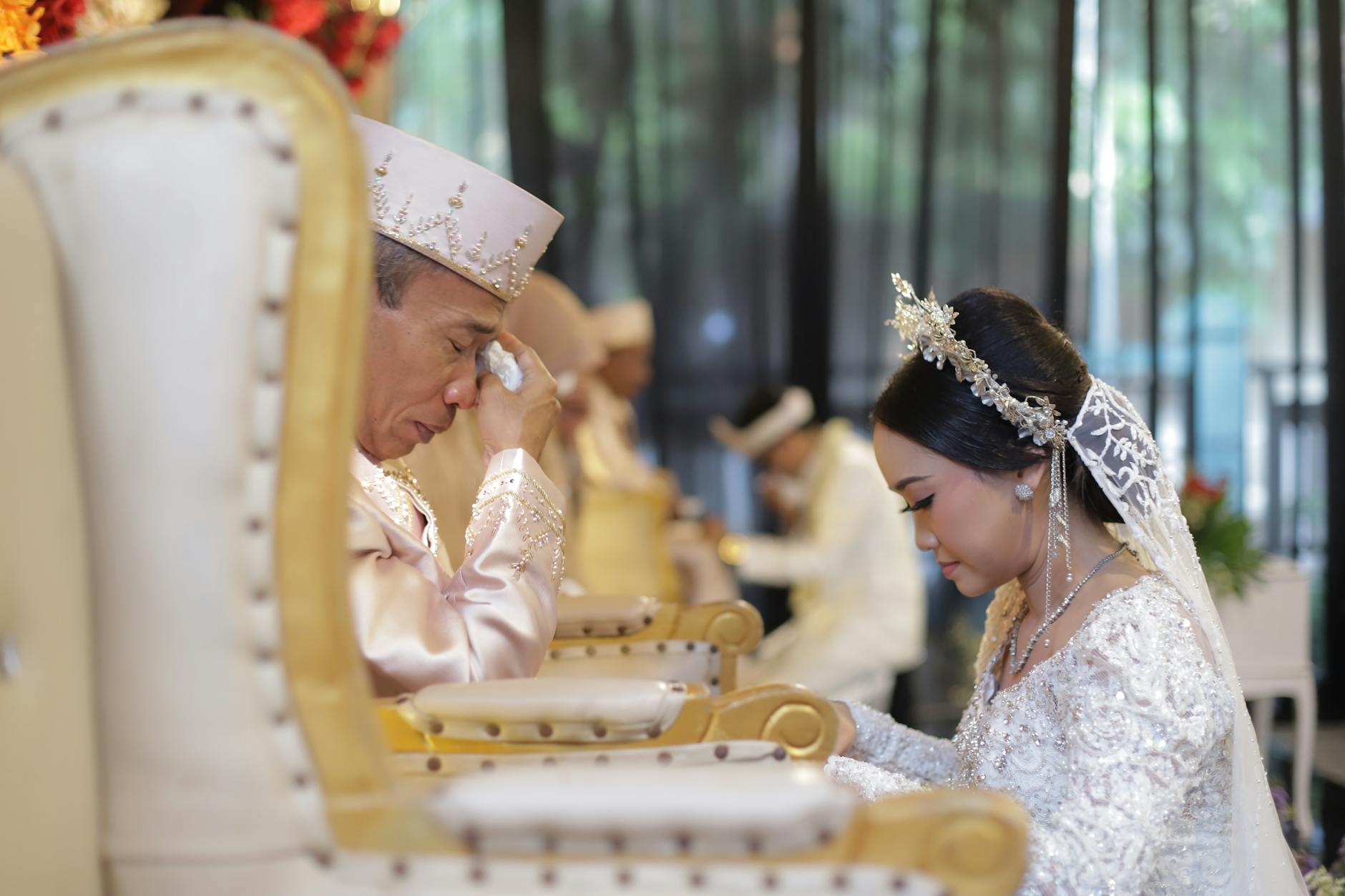
A delayed start might feel minor from the couple’s perspective but guests who arrived punctually are left standing or sitting without explanation. Many attendees will have arranged childcare, transportation, or travel connections around the stated start time. Prolonged uncertainty about when the ceremony will begin creates anxiety rather than anticipation. Even a fifteen-minute delay ripples through the entire day and throws off reception timings for everyone present.
Assigned Seating That Ignores Social Dynamics
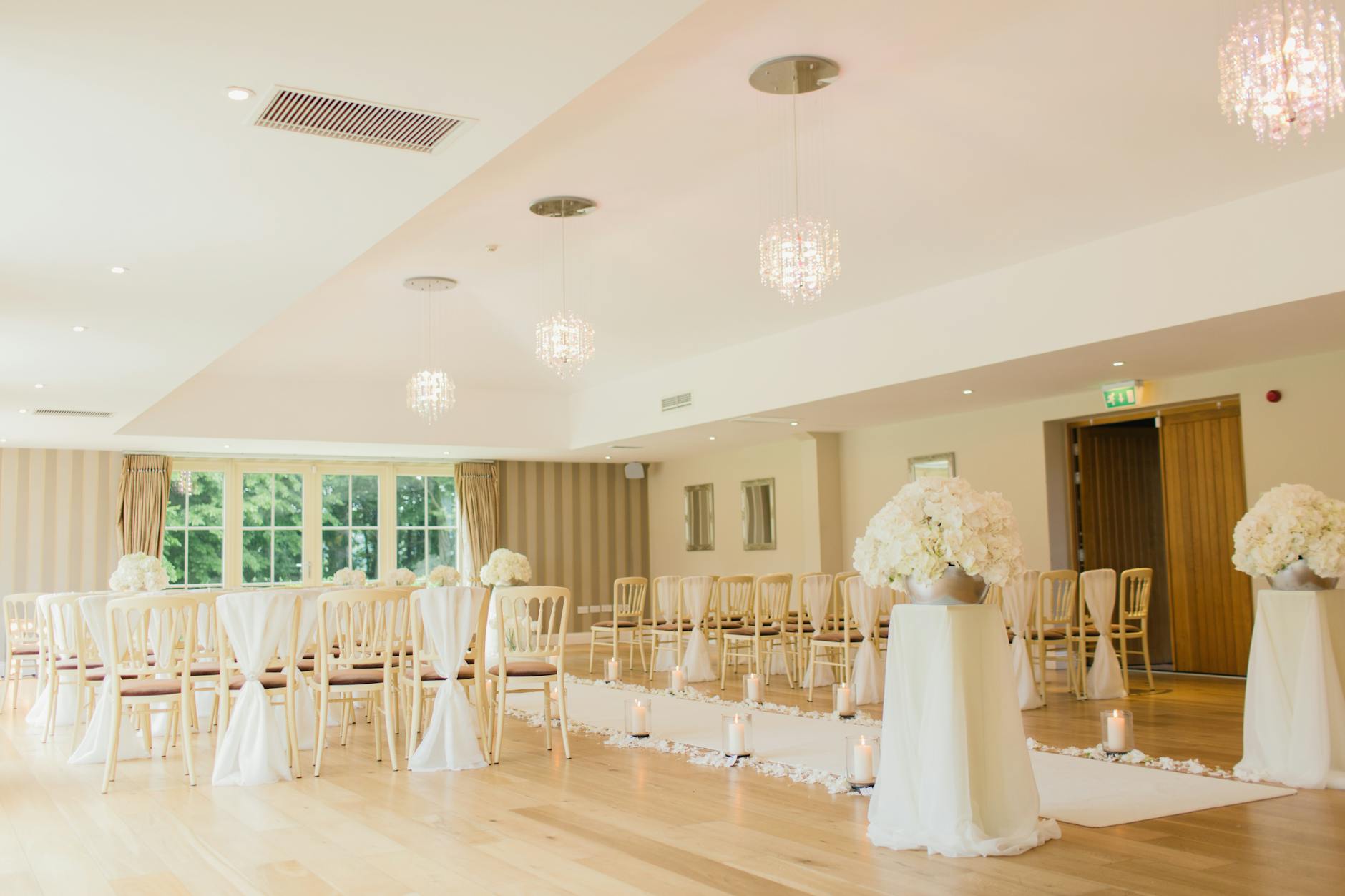
Placing strangers together at a table for several hours without any shared connection makes for a long and awkward dining experience. Guests who do not know anyone at their assigned table often spend the evening feeling isolated rather than celebratory. Seating arrangements that separate couples or place feuding family members nearby add unnecessary tension to the atmosphere. Thoughtful table planning takes into account relationships, ages, and social comfort rather than simply filling seats.
Cash Bars at the Reception
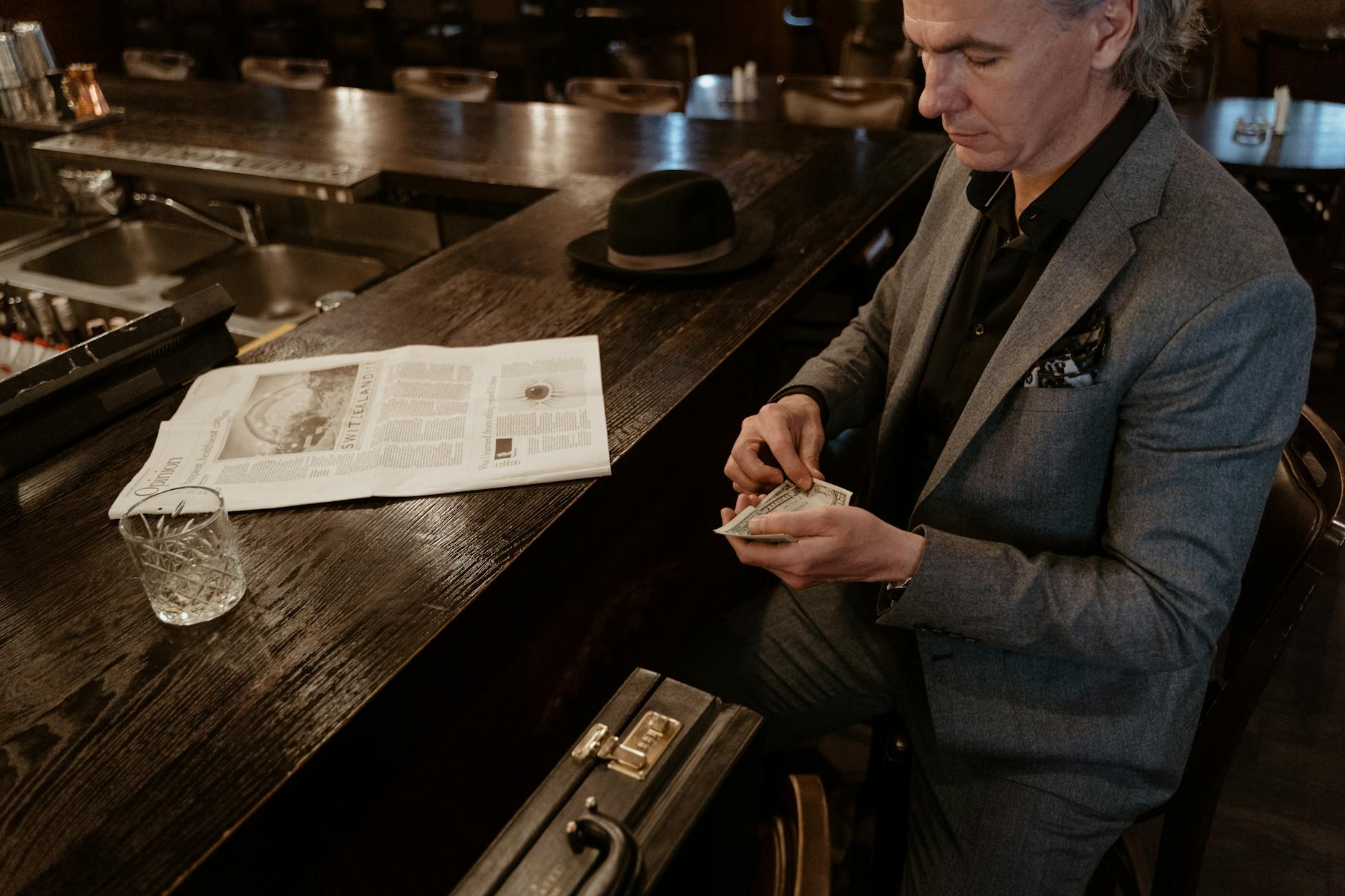
Guests who have purchased gifts, traveled, and paid for accommodation are often surprised to find that drinks at the reception require additional payment. A cash bar creates a transactional atmosphere in what is meant to be a generous and festive setting. Budget-conscious guests may drink less than they would like and feel quietly uncomfortable navigating drink orders at a celebration. Even a limited complimentary drinks window signals hospitality and generosity to those who have made an effort to attend.
Ceremony Venues With Poor Acoustics
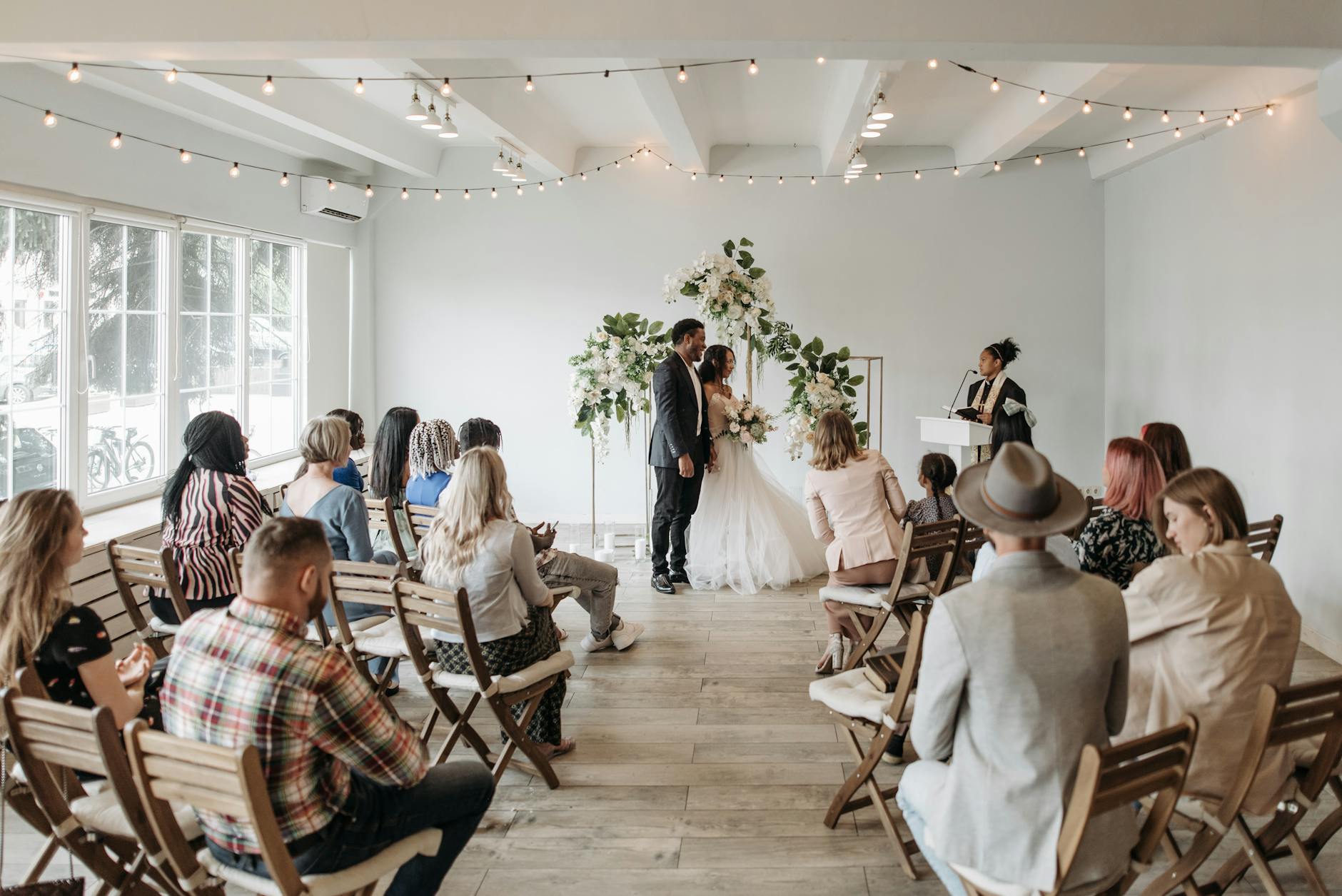
Beautiful old churches, barn venues, and outdoor amphitheatres often look stunning in photographs but carry sound poorly. Guests seated beyond the first few rows frequently cannot hear the vows, readings, or officiant clearly. Missing the actual words exchanged during the ceremony leaves attendees feeling disconnected from the most meaningful part of the day. A small investment in a quality sound system ensures that everyone present can share in the emotional core of the celebration.
Receiving Lines That Last Over an Hour
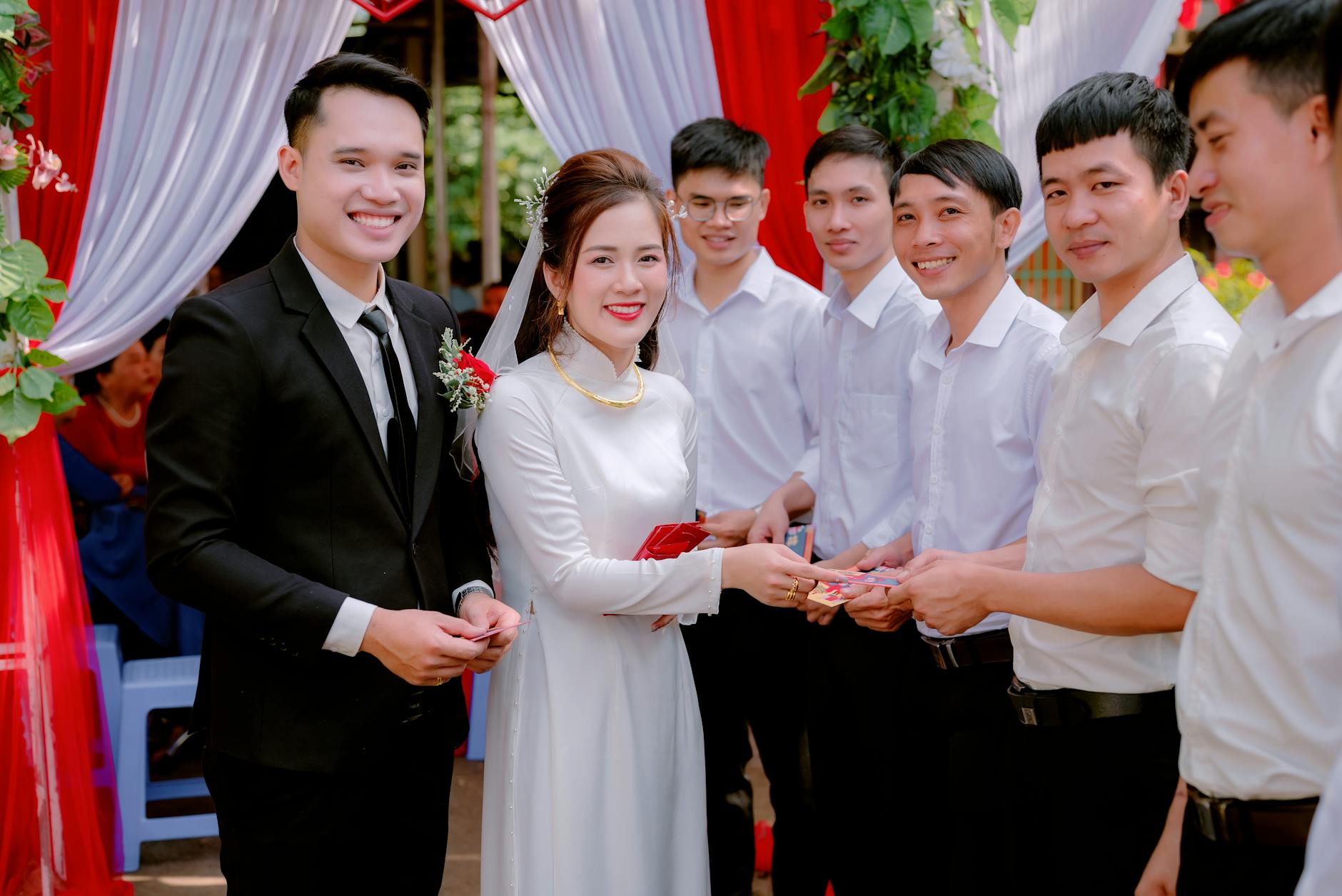
A receiving line is a lovely tradition in concept but when there are hundreds of guests it quickly becomes a slow-moving queue in formal shoes. Guests who have already spent hours in ceremony seating are then expected to stand and wait for extended periods before reaching food or drinks. The pressure to say something meaningful in a brief exchange while a long line forms behind you creates stress rather than warmth. Shorter guest lists or a walk-around approach during the reception can achieve the same personal connection more comfortably.
No Cocktail Hour Food

The gap between ceremony and reception is already a logistical challenge for guests who may not know the venue well. Arriving at a cocktail hour with only drinks and no substantial food leaves guests who skipped lunch feeling lightheaded before dinner is served. Alcohol consumed without food leads to guests becoming visibly uncomfortable before the formal reception even begins. Simple passed appetizers or a small grazing station prevents this entirely and keeps energy levels stable throughout the evening.
Speeches That Exceed Fifteen Minutes Each
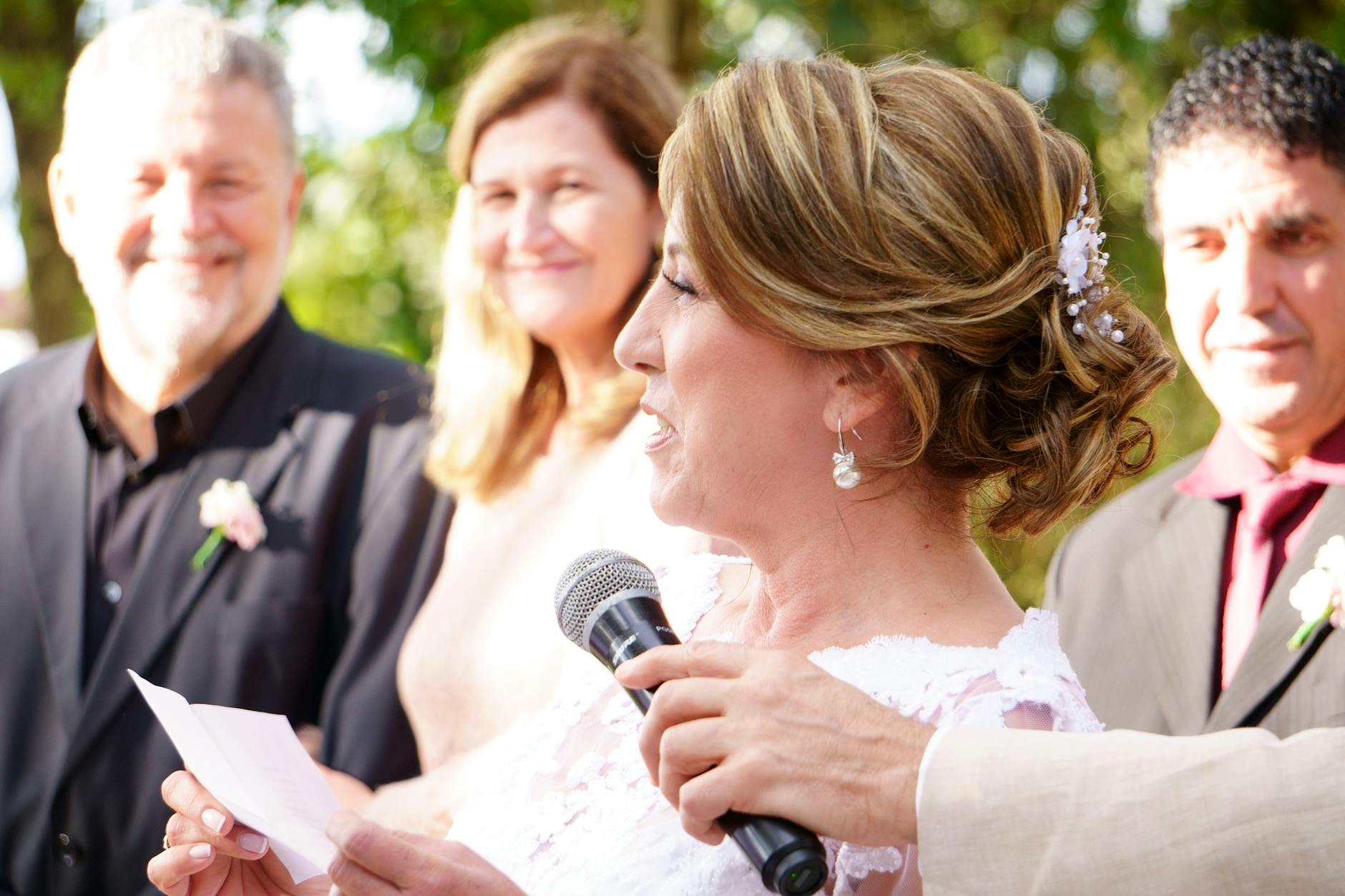
Heartfelt speeches are a cherished part of any wedding reception but extended, unprepared monologues test the patience of even the most devoted guests. Stories that require extensive backstory, inside jokes understood by only a handful of people, or emotional tangents can disengage the majority of the room. Guests sitting through multiple long speeches are not focused on celebrating the couple but on the discomfort of a hard chair and an empty glass. A firm three to five minute guideline per speaker respects everyone’s time and keeps the energy of the room intact.
Dress Codes That Are Expensive or Unclear

Requesting black tie, festive attire, or garden party dress from guests places a real financial and logistical burden on those with limited wardrobes or budgets. Vague dress codes like “elevated casual” or “creative formal” create genuine anxiety for guests who want to respect the couple’s wishes but cannot interpret the instruction. Many guests will spend money on outfits they would not otherwise purchase, particularly if the wedding requires travel as well. Clear and considerate dress code guidance that acknowledges the venue and weather helps guests prepare without stress.
Destination Weddings With Minimal Lead Time
Asking guests to travel internationally or across the country is a significant request that requires extensive planning and financial commitment. Invitations sent less than six months in advance leave guests scrambling to book flights and accommodation at premium prices. Not every cherished friend or family member has the financial flexibility or annual leave to make a destination wedding work on a tight timeline. Early save-the-dates with clear cost expectations allow guests to plan genuinely rather than decline reluctantly.
Venues With Limited Parking or Transport Options
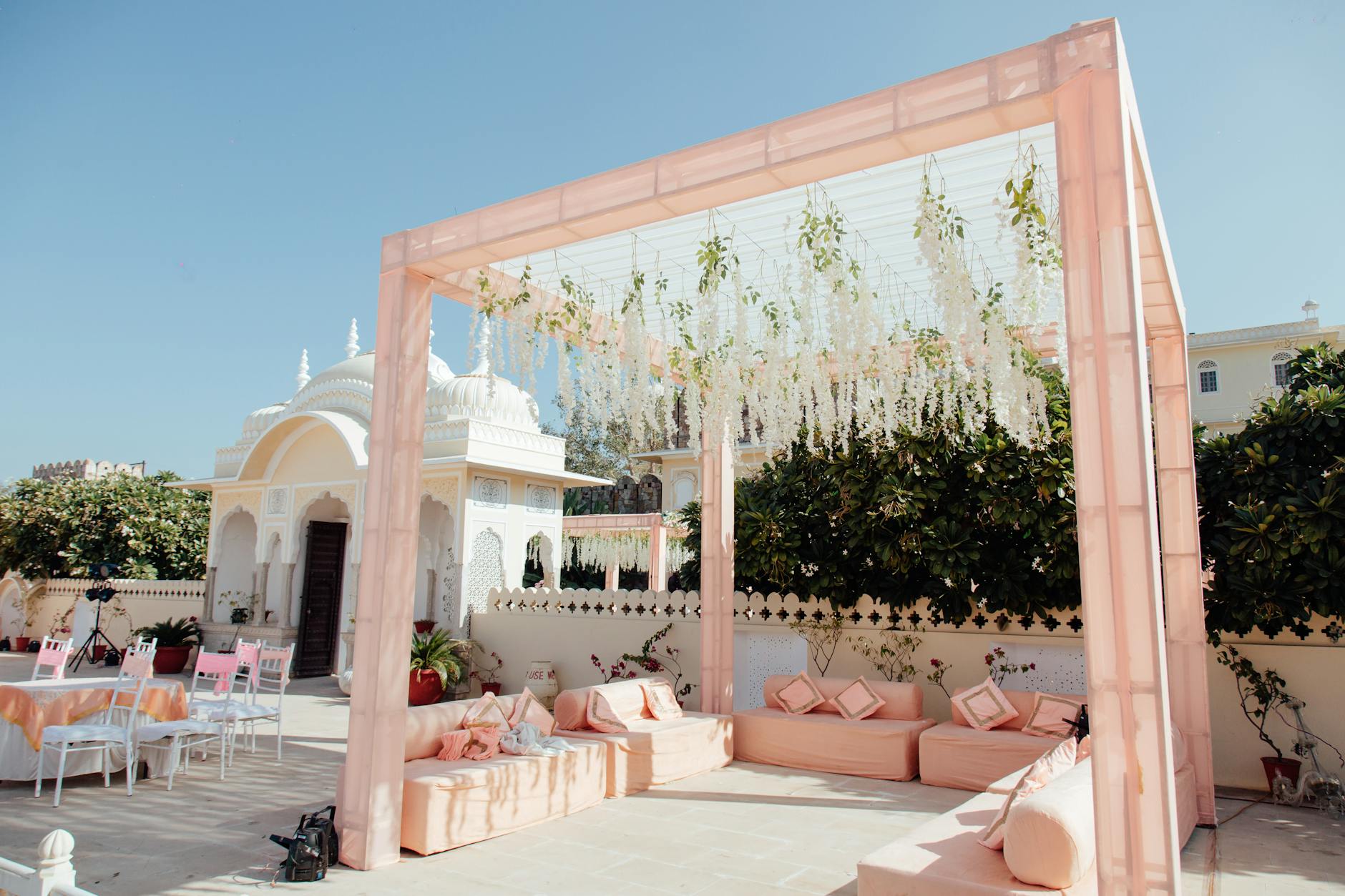
A stunning remote venue becomes a logistical puzzle when guests have no clear guidance on how to get there or where to leave their vehicles. Guests who drive face the additional complication of managing alcohol intake if no shuttle service is arranged. Families with young children or guests with mobility challenges are disproportionately affected by poor transport planning. A single clear communication about parking, shuttles, and nearby accommodation eliminates a significant source of pre-wedding stress for attendees.
Receptions That Start Late After a Long Ceremony Gap
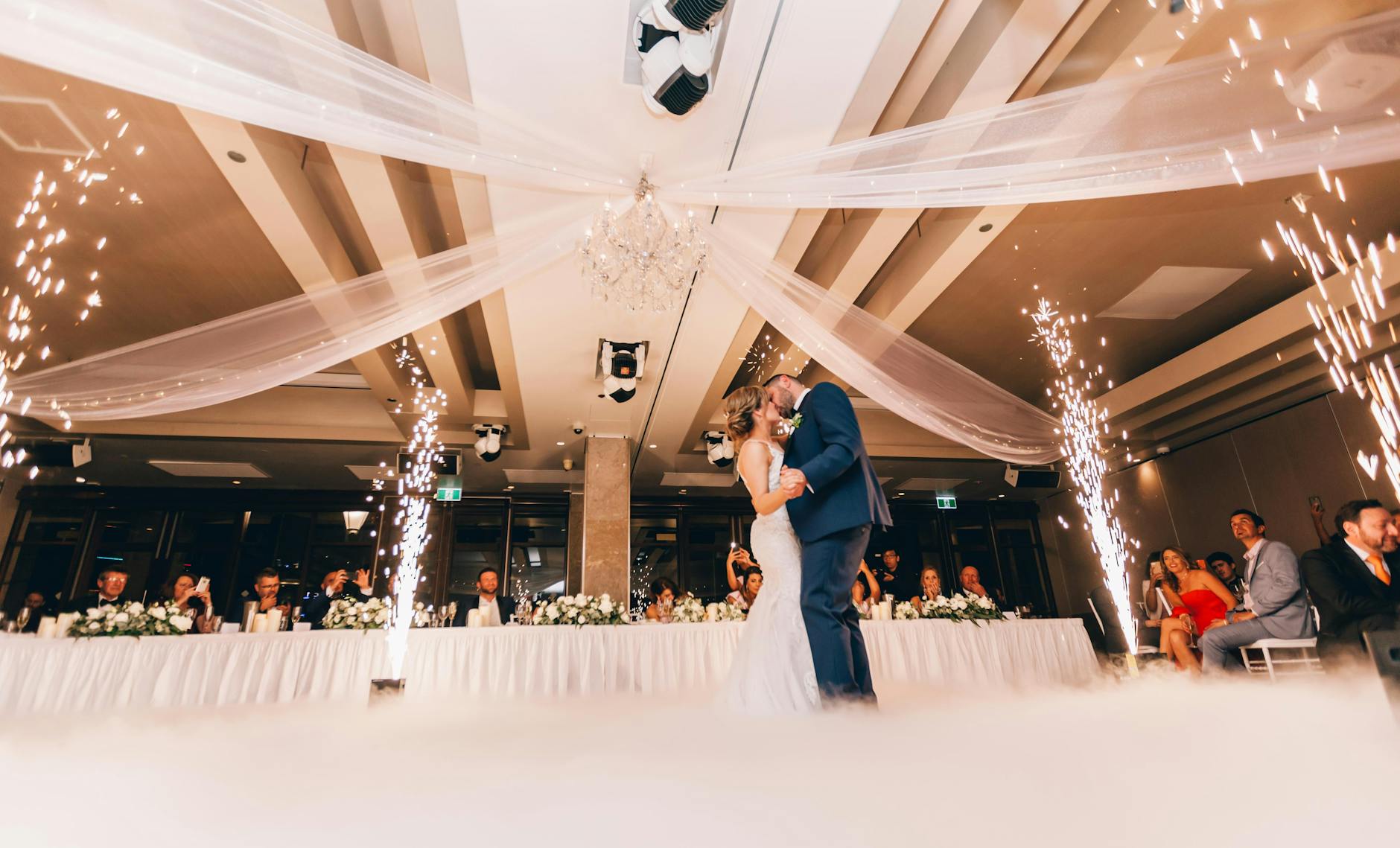
A two or three hour gap between ceremony and reception works well for the wedding party but leaves out-of-town guests with nowhere comfortable to go. Local guests may be able to return home but visitors are often left wandering unfamiliar areas in formal wear. Without a clear recommendation for how to spend the interlude, the gap creates confusion and fatigue before the evening even begins. Providing a list of nearby options or extending the cocktail hour to bridge the gap makes the timeline far more manageable.
Room Temperature Extremes at the Venue
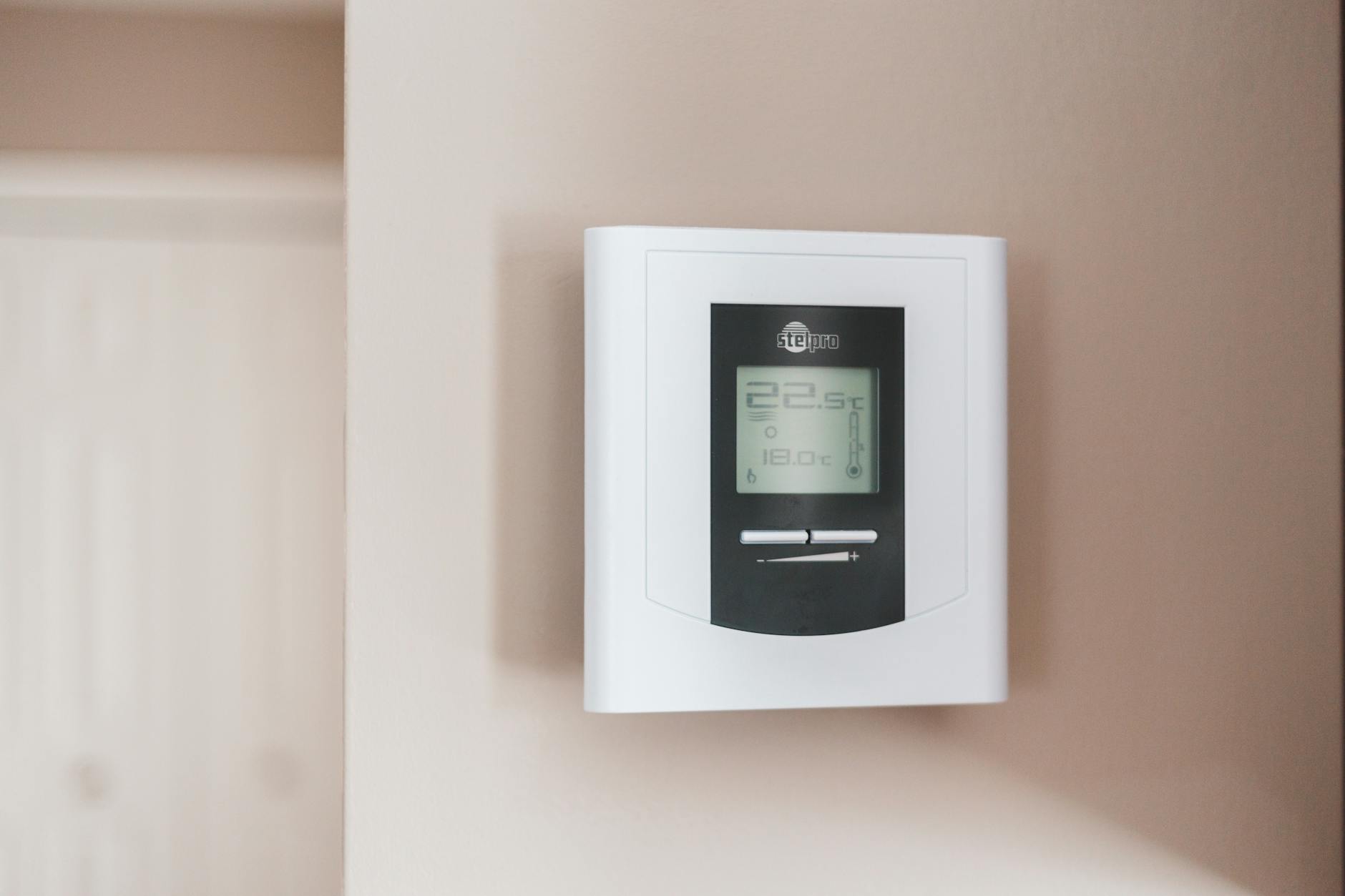
A beautifully decorated barn in winter or a glass conservatory in summer can create genuinely uncomfortable temperature conditions for guests dressed appropriately for the occasion. Venues that cannot regulate their climate reliably should be accompanied by a note in the invitation advising guests on what to expect. Elderly guests and infants are especially susceptible to extreme temperatures during long events. Portable heaters, fans, or a clear communication about conditions allows guests to prepare without being unpleasantly surprised.
Overly Long Photo Sessions That Delay Dinner
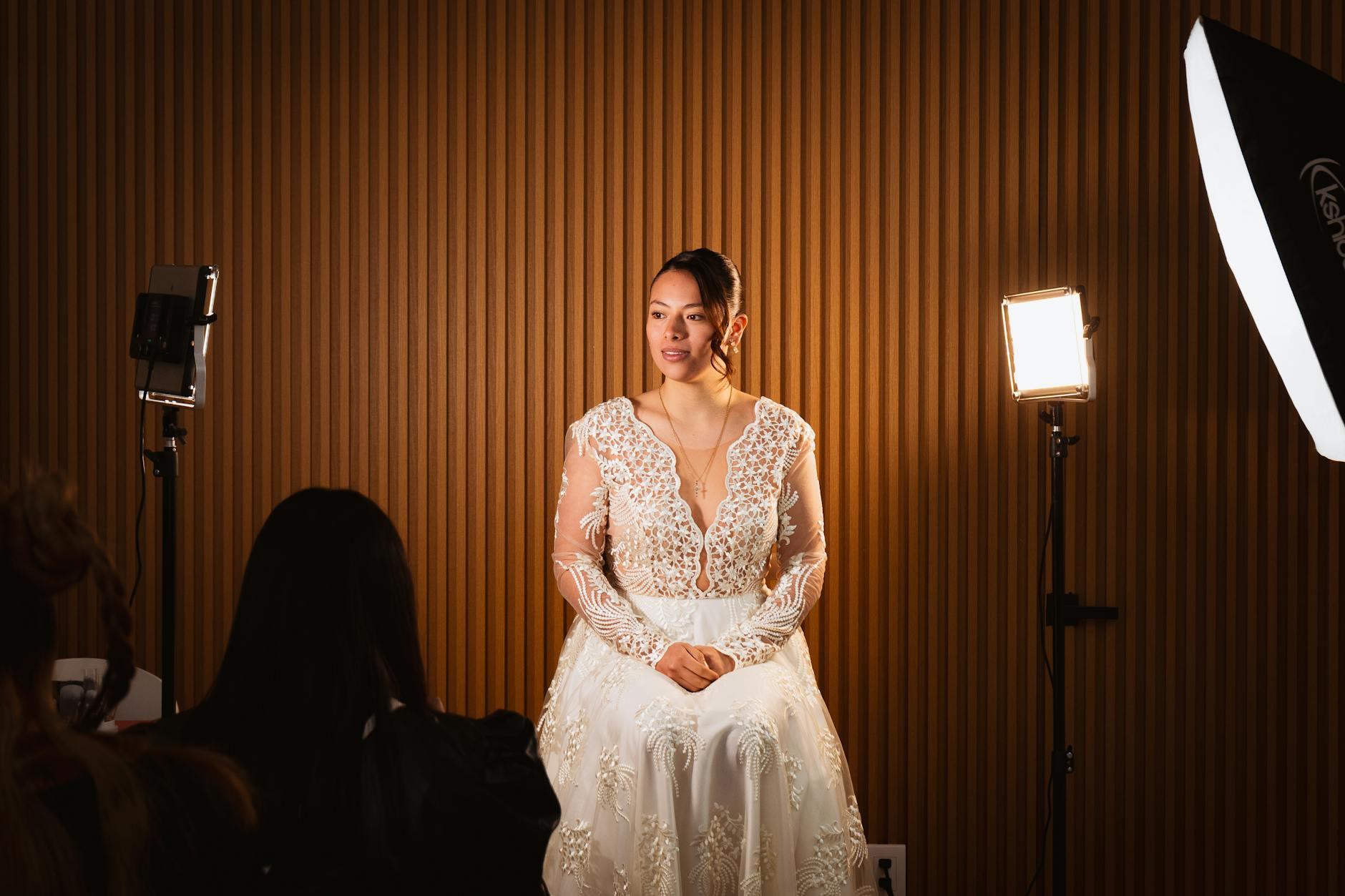
Guests who arrive at a reception only to wait ninety minutes for the wedding party to finish photos face a long hungry evening. The delay is particularly noticeable when drinks have been circulating without food and speeches are still to come before dinner service. Many guests are reluctant to eat appetizers at the rate needed to sustain them through an unexpectedly extended wait. Scheduling the majority of formal photographs before the ceremony or immediately after keeps the reception timeline running smoothly.
Background Music Set at Conversation-Killing Volume
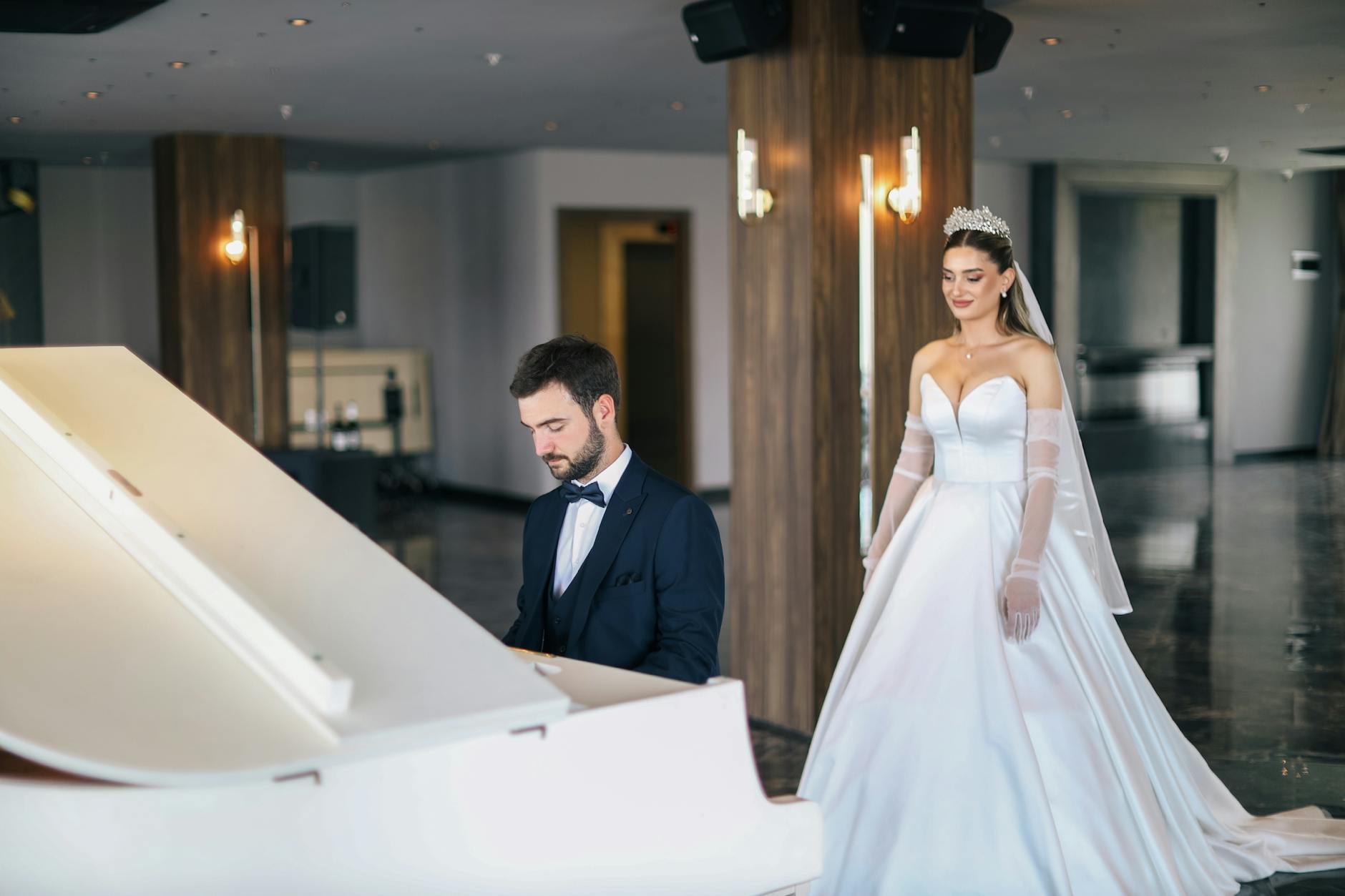
Ambient music during the cocktail hour or dinner that plays at nightclub levels forces guests to shout across the table to communicate. Weddings are fundamentally social events and meaningful conversation is one of the central pleasures for attendees who may not have seen one another in years. Persistent loud music during seated portions of the event leaves guests exhausted and hoarse before the dancing begins. A volume that allows comfortable conversation acknowledges that music should complement the gathering rather than dominate it.
Buffets With Insufficient Catering Staff

A buffet line that moves slowly through inadequate portioning, inexperienced staff, or insufficient quantities creates visible tension during what should be a relaxed dining experience. Guests seated far from the buffet often arrive to find popular dishes depleted, particularly proteins and vegetarian options. A poorly managed buffet extends dinner by well over an hour and pushes the rest of the evening’s program uncomfortably late. Adequate staffing, clearly labelled dishes, and a staggered release by table prevents the buffet from becoming a bottleneck.
No Dietary Accommodation for Common Restrictions

Guests with allergies, dietary restrictions, or religious food requirements should not have to go hungry at a wedding reception dinner. A single vegetarian or vegan option hidden at the end of a buffet or served as an afterthought signals a lack of consideration for a significant portion of modern guests. Collecting dietary requirements with the RSVP is a standard practice that caterers are fully equipped to accommodate. Clearly labelled food with allergen information removes anxiety and allows all guests to enjoy the meal without concern.
Confetti or Throwing Materials That Get in Everything
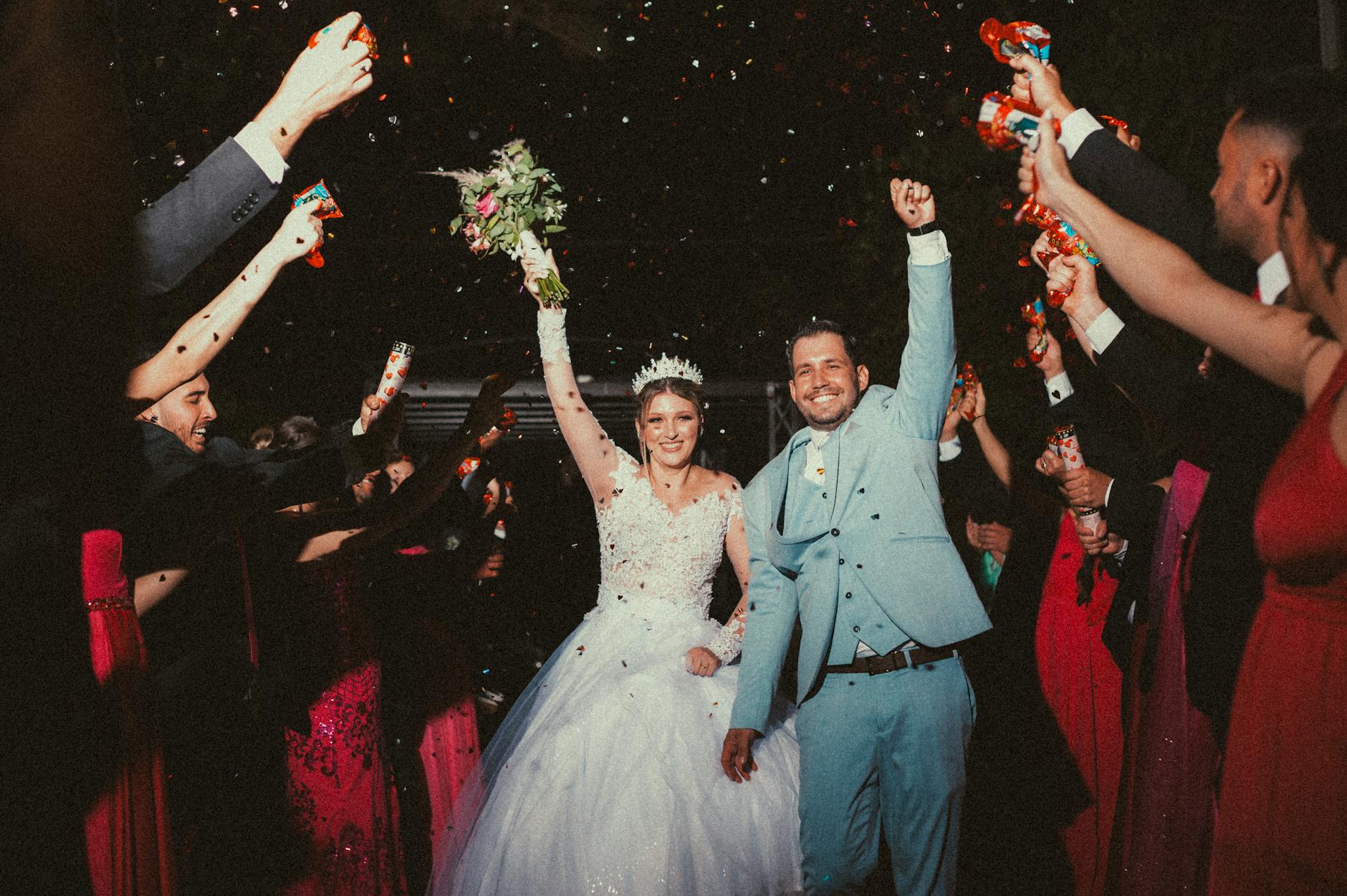
Lavender, biodegradable confetti, and flower petals photograph beautifully but create slipping hazards and end up inside guest clothing, shoes, and bags for days afterward. Confetti cannons near the entrance or ceremony aisle are particularly disruptive for guests with respiratory sensitivities or young children. What registers as a magical moment for the couple can feel chaotic and messy for attendees who then spend the remainder of the event picking petals from their hair. Venue restrictions on confetti types also mean that guests may inadvertently contribute to a fine or cleaning charge if not properly informed.
Entertainment That Excludes Most of the Room
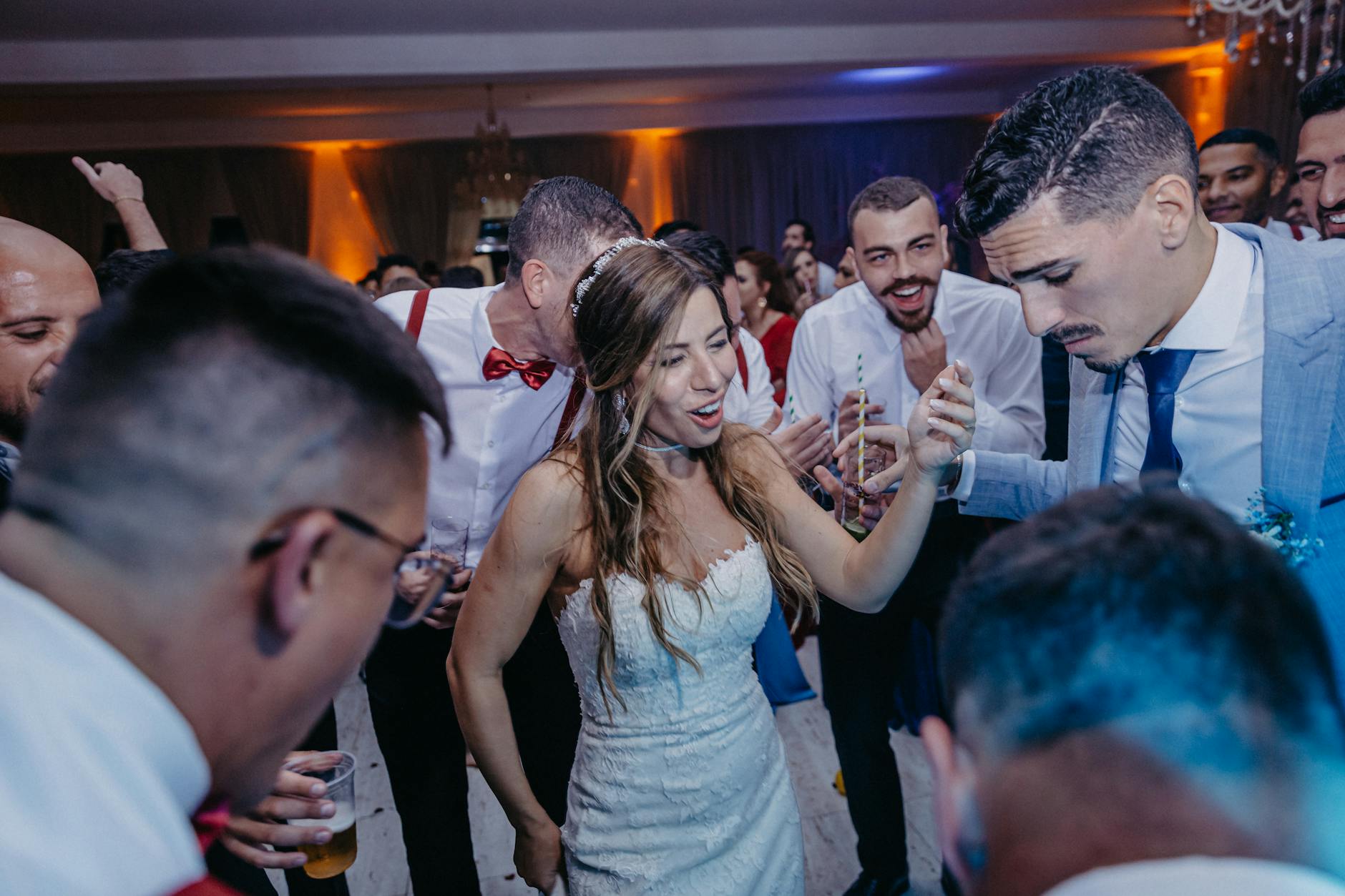
Photo booths, lawn games, or novelty entertainment stations that cater exclusively to younger guests leave older relatives and quieter attendees without engagement during long reception gaps. A magician or caricature artist that draws a crowd in one corner leaves those who are not interested with nothing to do and nowhere natural to be. Entertainment choices that have broad generational appeal keep the energy of the whole room rather than fragmenting it into cliques. Thoughtful programming considers the full demographic of the guest list rather than just the preferences of the couple.
Unpredictable or Chaotic Evening Programs
A wedding reception without a clearly communicated timeline leaves guests unsure of when to expect dinner, speeches, the first dance, and the cake cutting. Guests with early morning flights, hired babysitters, or elderly relatives who need to leave at a reasonable hour cannot plan their departure without a general sense of the schedule. Constantly shifting timelines driven by delays, extended speeches, or spontaneous additions keep guests in a state of suspended obligation rather than relaxed celebration. A simple printed or digital order of events shared with guests before the day removes the uncertainty entirely.
Ceremonies Held in Acoustically Challenging Outdoor Spaces Without Microphones
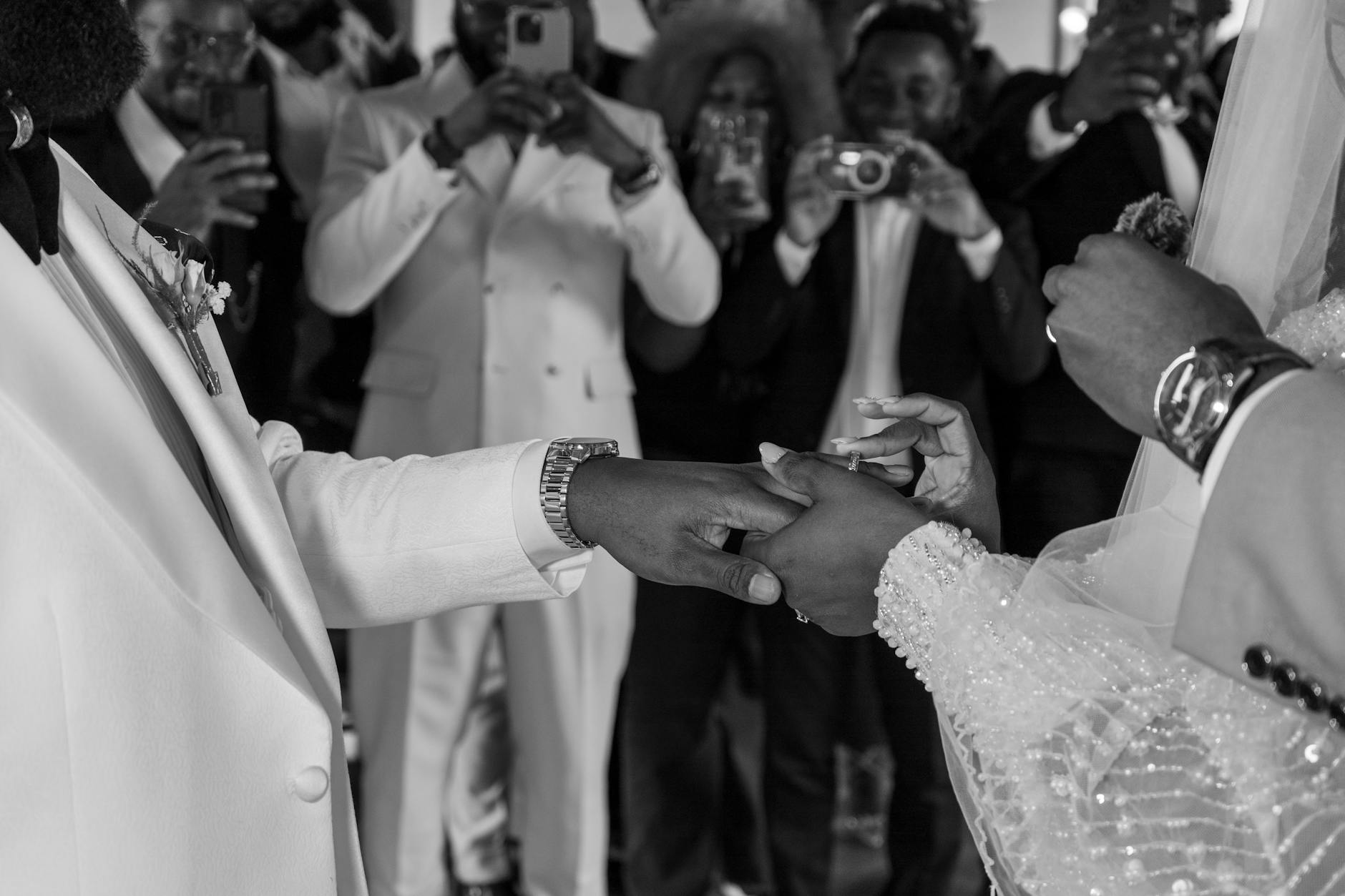
Wind, ambient noise, and open air conditions make it nearly impossible to hear an officiant or couple speaking without amplification. Guests who strain to hear the ceremony from their seats become focused on the effort of listening rather than the emotional content of the words. Missing key moments such as the exchange of vows or a personalised reading leaves attendees feeling disconnected from the central purpose of the day. A wireless lapel microphone for the officiant and a handheld option for readers is a minimal investment that makes a significant difference.
Insufficient Seating During the Cocktail Hour
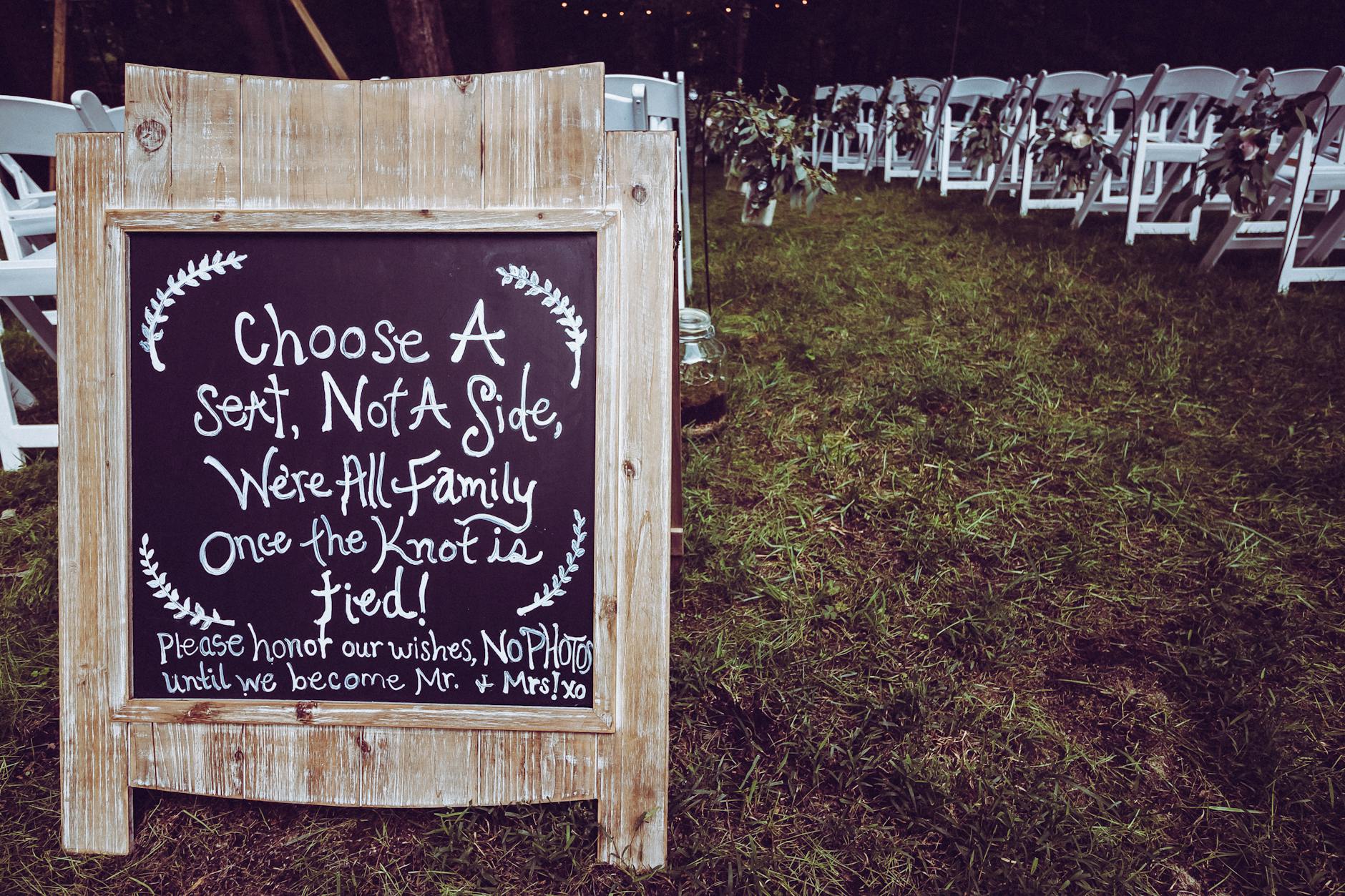
A standing-only cocktail hour works for a short and energetic gathering but becomes genuinely painful for guests who have already spent hours in ceremony seating. Older guests, pregnant attendees, and those with mobility concerns have no comfortable option when chairs are not provided. A cocktail hour that extends beyond forty-five minutes without seating options becomes an exercise in endurance for a notable portion of the room. Scattered high tables paired with a selection of chairs along the perimeter strikes a balance between social flow and physical comfort.
Limited or Non-Existent Bathroom Facilities
Outdoor venues, marquees, and remote locations often have inadequate bathroom facilities for the number of guests expected. Long queues for a single toilet block during a multi-hour event create real discomfort and cut into time guests could be spending celebrating. Portable luxury restroom trailers are a standard hire option for outdoor events and make a substantial difference to guest experience. Clearly signposting bathroom locations and ensuring facilities are checked and restocked throughout the event prevents an avoidable source of frustration.
No Clear Communication About Children’s Attendance
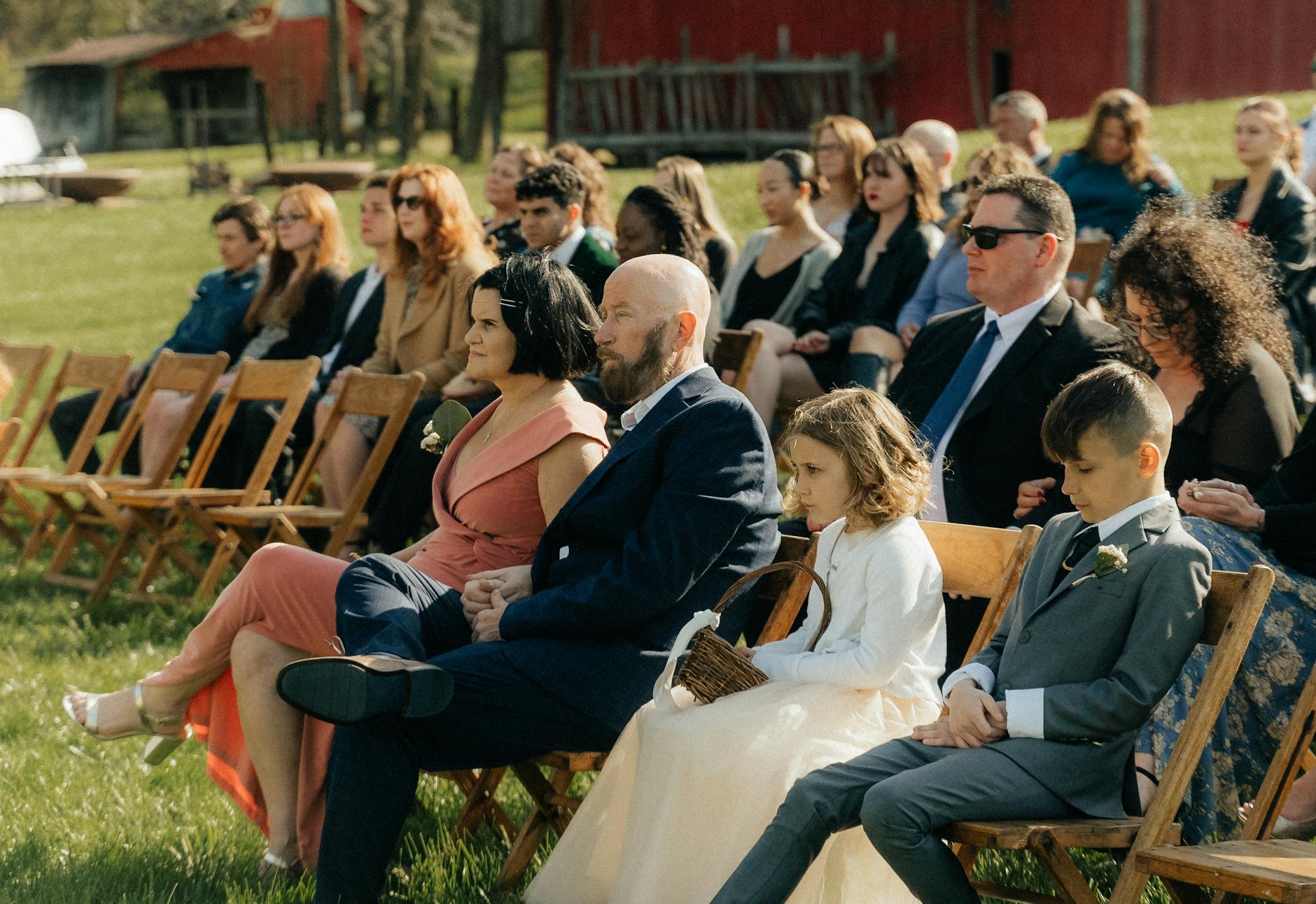
Ambiguous guidance about whether children are welcome at a wedding creates stress for parents who must arrange childcare or assume incorrectly. Parents who bring children to a child-free event create an awkward situation for themselves, the couple, and surrounding guests. Equally, parents who arrange childcare only to find other children present may feel their effort was unnecessary. A clear and kind note on the invitation that addresses children directly removes any ambiguity and allows parents to plan with confidence.
Wedding Favours That Guests Do Not Want
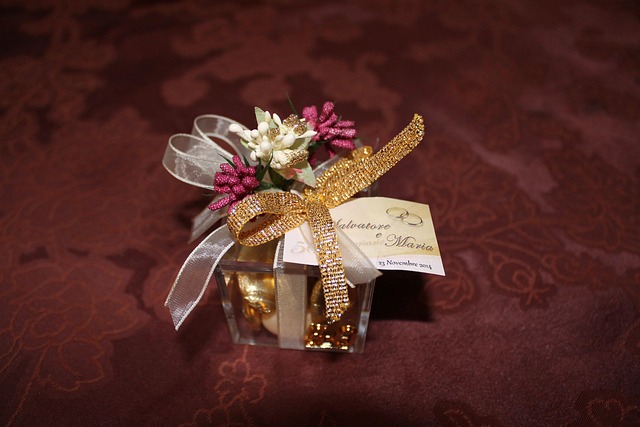
Personalised keychains, miniature photo frames, and novelty items frequently remain on tables at the end of the evening because guests do not wish to carry them home. The cost of producing and transporting favours that go uncollected represents a significant allocation of the wedding budget that could be directed elsewhere. Edible favours, charitable donations made in guests’ names, or simply no favour at all are increasingly popular choices that avoid the issue. A favour that serves no practical function after the event often becomes a polite burden rather than a treasured memento.
Insufficient Lighting in the Venue After Dark

Dimly lit venues create ambience for photographs but leave guests struggling to read menus, navigate the room safely, or interact comfortably at dinner. Table lighting that is purely decorative rather than functional means guests at dinner cannot see their food clearly or the expressions of those they are speaking with. Pathways to bathrooms and exits that are poorly lit after dark pose a genuine safety concern, particularly for elderly guests. Venue lighting should balance atmosphere with practicality so that guests feel comfortable throughout the full duration of the evening.
Open-Ended Invitations Without RSVP Deadlines

Invitations that do not specify a firm RSVP deadline make it difficult for couples to confirm numbers but also create social awkwardness for guests who are uncertain whether to attend. Late planning decisions mean guests may book travel and accommodation at significantly higher last-minute prices. The absence of a deadline also signals to some invitees that their attendance is optional or low priority, which can affect how valued they feel as guests. A clear RSVP deadline communicated warmly but firmly allows everyone to plan with greater certainty.
Receptions Held in Rooms With Poor Ventilation
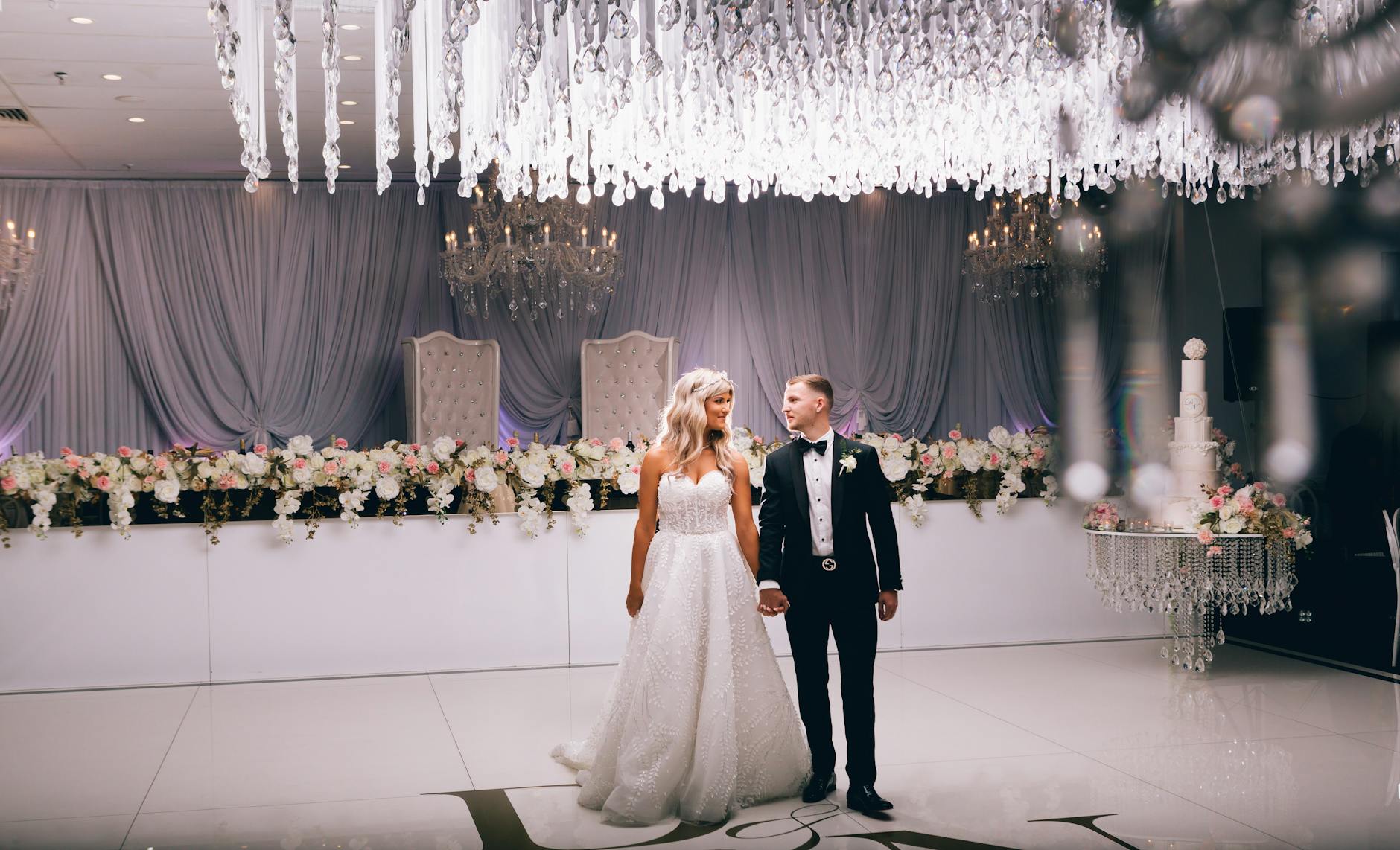
A large number of formally dressed guests in a room with limited airflow creates uncomfortable heat and stuffiness within the first hour of the reception. Poor ventilation is particularly problematic during dinner service when additional heat from food and increased activity raises the ambient temperature further. Guests who feel physically uncomfortable are less engaged, less likely to dance, and more likely to leave earlier than planned. Venue walkthroughs in warm weather should include an assessment of air circulation and cooling capacity relative to the expected headcount.
Ceremony Readings That Go Unexplained
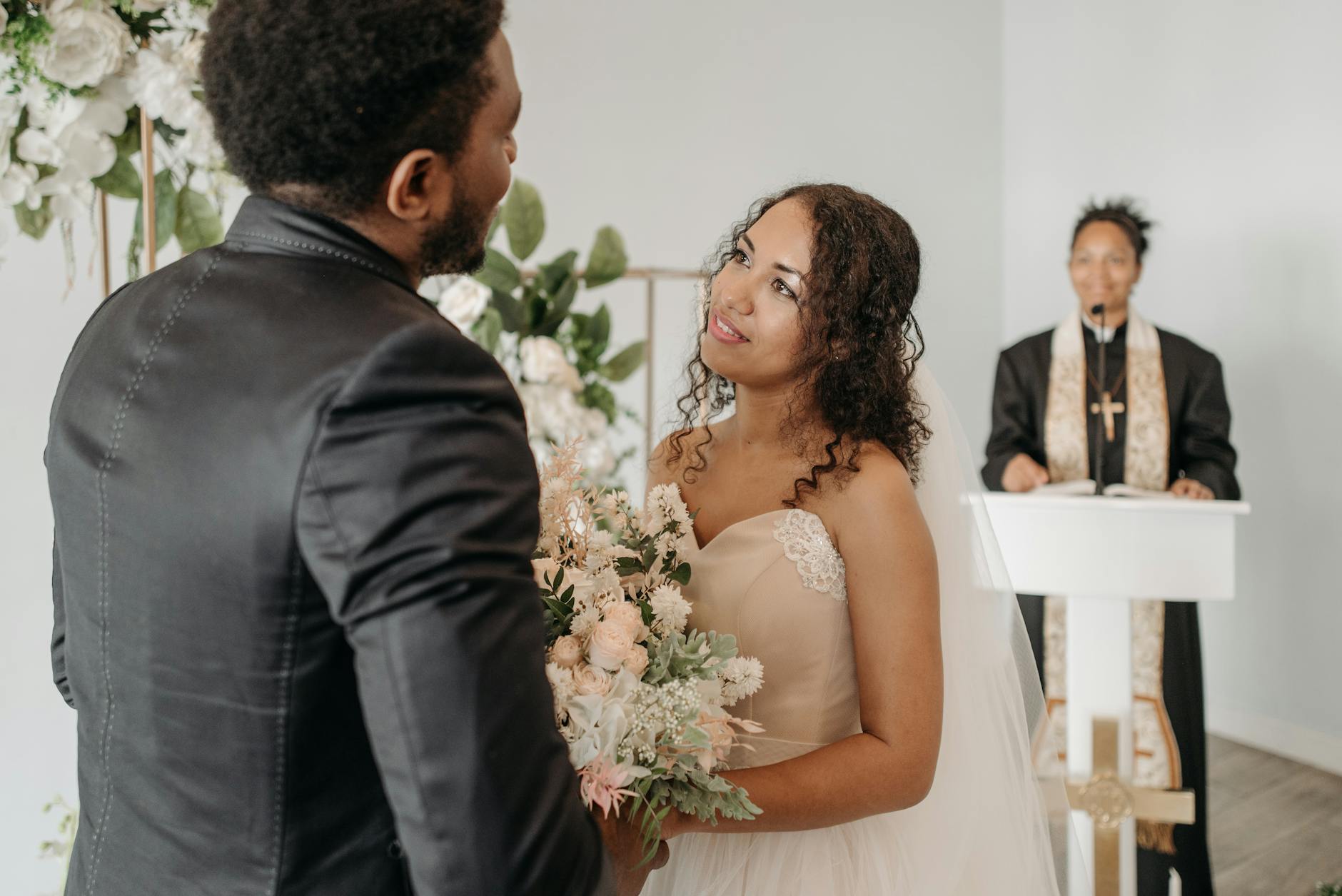
Readings chosen for their personal meaning to the couple are often delivered without any introduction explaining their significance to the broader audience. Guests who are unfamiliar with a poem, scripture, or literary passage have no context for why it was selected or how it connects to the couple. A brief single-sentence introduction from the reader or the officiant provides the frame that allows a reading to land with its intended emotional weight. Without that context, even a beautifully chosen piece can feel arbitrary or abstract to most of the room.
Overscheduled Days With No Breathing Room

A minute-by-minute wedding day itinerary that leaves no buffer between events creates a tense atmosphere for guests who feel rushed from one moment to the next. Announcements, transitions, and the social moments that guests value most require unstructured time to develop naturally. When every element of the day is tightly scripted, a single delay cascades into stress for guests, staff, and the couple alike. The most memorable weddings tend to have a clear structure with generous pauses that allow genuine connection and enjoyment to occur.
Guest Accommodations That Are Too Far From the Venue
Recommending a hotel that requires a forty-five minute drive from the reception venue creates end-of-night complications, particularly for guests who plan to drink. Transportation between remote venues and distant accommodation is rarely arranged sufficiently to cover all guests reliably. Late-night journeys on unfamiliar roads in formal wear after a long day are an unnecessary burden that can be avoided with better accommodation planning. Suggesting a range of lodging options at varying price points within close proximity to the venue demonstrates genuine consideration for guests’ needs.
No Kid-Friendly Provisions When Children Are Invited
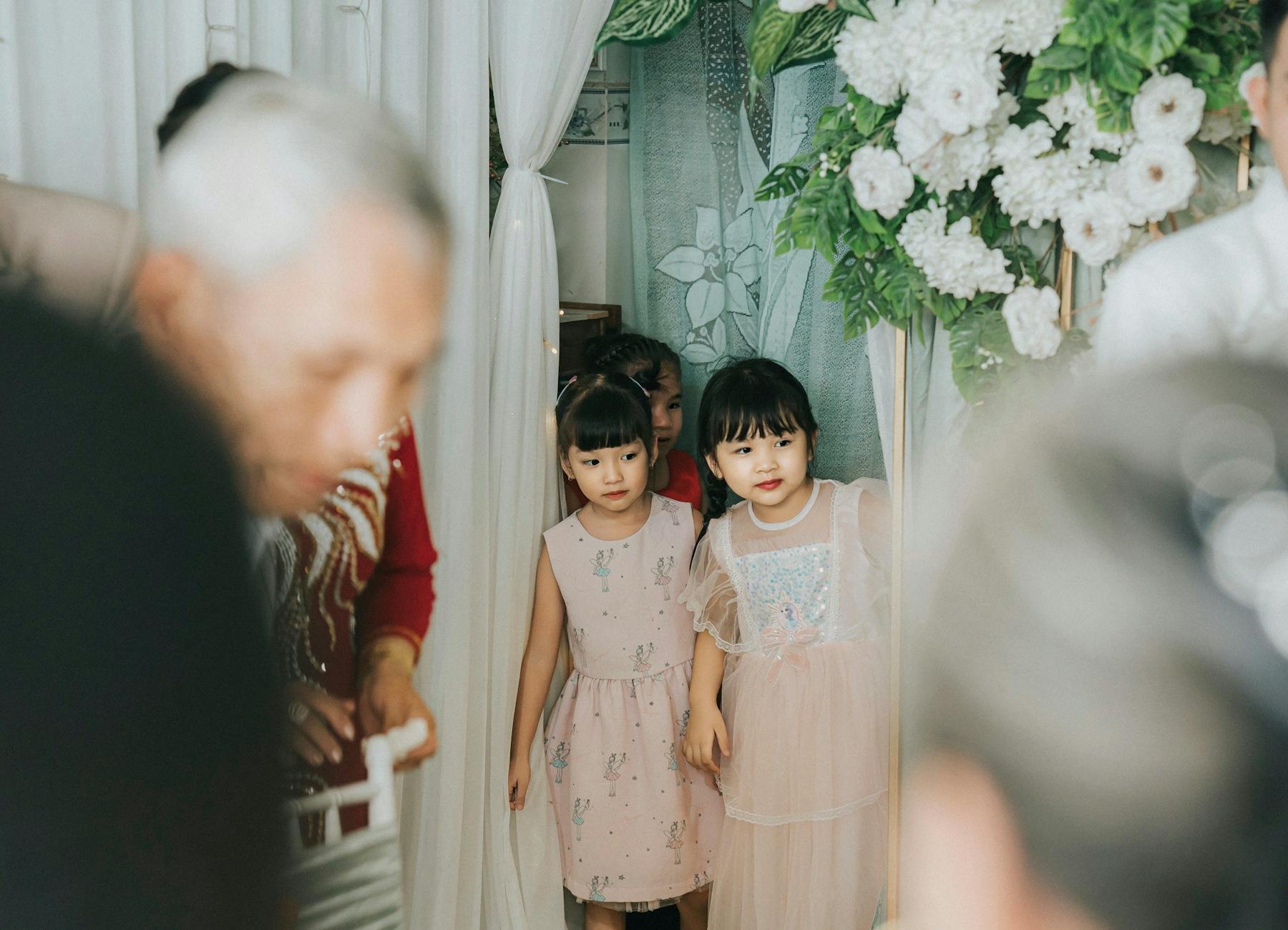
If children are explicitly welcomed at a wedding, their needs during a multi-hour formal event should be anticipated rather than ignored. Long ceremonies, adult-only menus, and no quiet space for overtired toddlers create stress for parents who cannot give their full attention to celebrating. A designated children’s corner with simple activities, a kids’ meal option, and a space to manage naps or meltdowns makes a meaningful difference for families. Acknowledging children as legitimate guests rather than tolerated additions results in a more relaxed experience for their parents and the broader room.
Photography That Interrupts the Meal
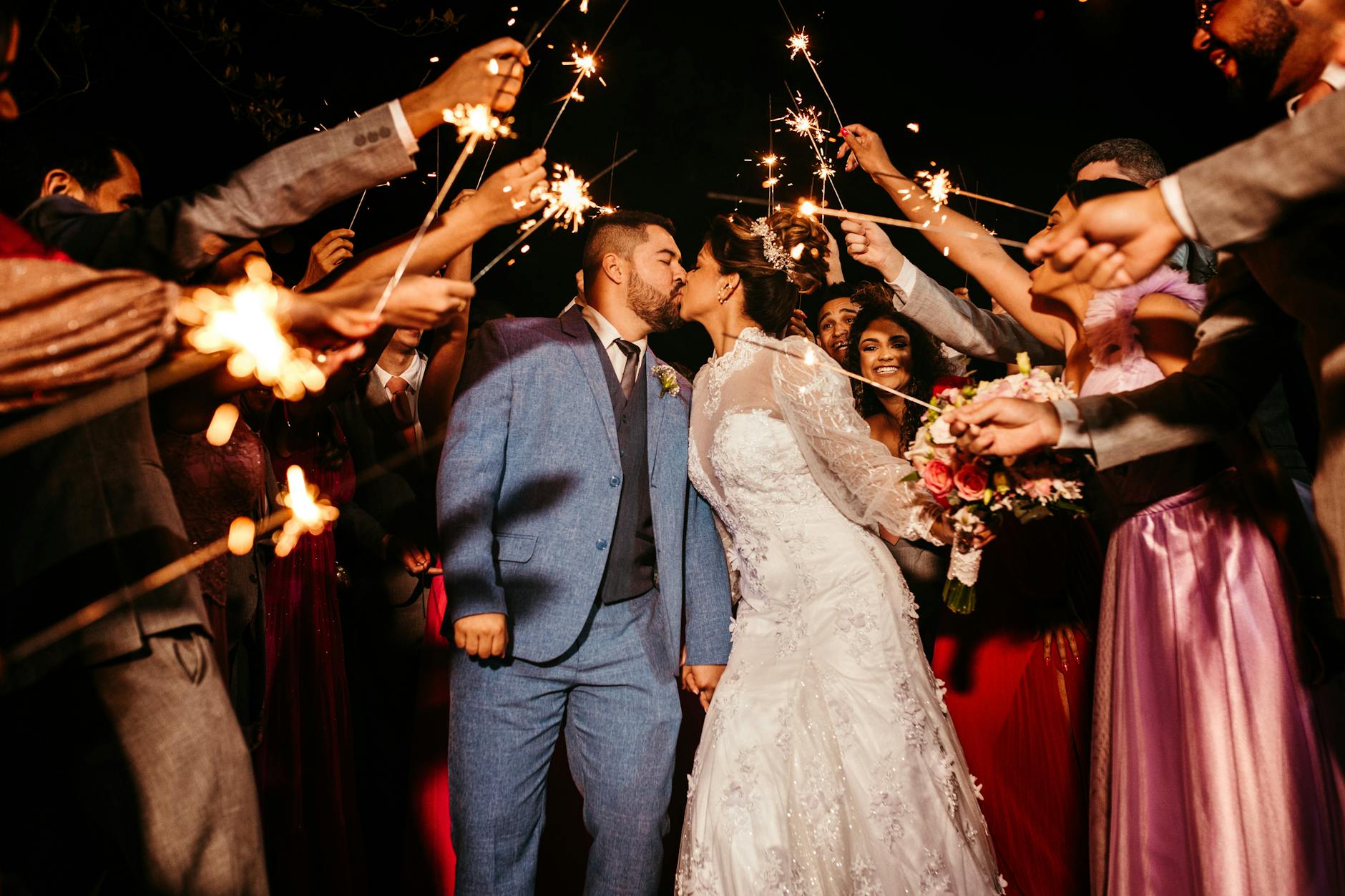
Photographers who circulate during the seated dinner service and repeatedly interrupt table conversations in pursuit of candid shots disrupt the natural social rhythm of the reception. Guests who are repeatedly asked to pause mid-conversation or shift positions for a photograph can feel like props rather than participants. The most skilled photographers are able to capture authentic moments at a dinner table without making their presence intrusive or disruptive. A clear briefing with the photography team about unintrusive approaches during food service protects the guest experience without sacrificing the photo record.
Last-Minute Venue or Timing Changes

Informing guests of significant changes to the venue, start time, or logistics within a week of the wedding creates genuine logistical problems for those who have made travel arrangements. Changes that affect accommodation, car hire, or public transport bookings may result in financial penalties for guests who booked early. Even well-intentioned last-minute updates can create confusion when they arrive through multiple channels with inconsistent details. A single point of communication for all logistics changes, distributed as early as possible, minimises disruption and protects guest confidence in the event.
No Plan for Rain at an Outdoor Wedding

An outdoor ceremony or reception without a contingency plan for wet weather leaves guests exposed to the elements with no clear guidance on what will happen. Guests who have invested in formal attire and travel are left anxious when skies darken and no announcement is made about alternative arrangements. A well-communicated wet weather plan that guests receive in advance removes the uncertainty and allows everyone to come prepared. Marquees, indoor backup venues, or even a simple covered area can transform a potential disaster into a minor inconvenience when planned for in advance.
Your dream wedding should ultimately feel like a gift to the people who love you enough to show up, so share your own guest experience stories in the comments.