Scrolling has become so deeply embedded in daily life that most people no longer notice how much it shapes their mood, focus, and sense of self. What begins as a few minutes of casual browsing can quietly expand into hours of passive consumption that leaves the mind foggy and restless. Recognizing the warning signs early is the first step toward reclaiming your time, attention, and mental clarity. These 35 signals are worth taking seriously.
You Check Your Phone Before Getting Out of Bed
Reaching for your phone within the first few minutes of waking has become a reflexive habit rather than a conscious choice. The brain is at its most impressionable in those early moments, and flooding it immediately with notifications sets a reactive tone for the entire day. Studies in behavioral psychology link morning phone use to elevated cortisol levels and reduced feelings of control. Starting the day this way makes it harder to focus on personal priorities before the outside world demands attention.
Your Mood Depends on How a Post Performed
Tying emotional wellbeing to likes, comments, or shares creates an unstable foundation for self-worth. When a post underperforms, it can trigger feelings of rejection or inadequacy that linger long after the phone is put down. This pattern trains the brain to seek external validation as a primary source of confidence. Healthy self-esteem comes from within and is not something an algorithm can reliably provide.
You Feel Anxious When You Cannot Check Your Phone

A persistent low-level anxiety in the absence of your phone is a textbook sign of compulsive digital behavior. This feeling, sometimes called nomophobia, is increasingly common among heavy social media users across all age groups. The brain has learned to associate checking notifications with a small dopamine reward, making the absence of that behavior feel uncomfortable. Recognizing this restlessness as withdrawal rather than genuine need is an important first step.
You Compare Yourself to Others Constantly
Social media feeds are carefully curated highlights that rarely reflect the full picture of someone’s life. Frequent and involuntary comparison to the appearance, achievements, or lifestyles of others is a major driver of dissatisfaction and low self-esteem. Research consistently links heavy social media use to increased upward social comparison and decreased life satisfaction. Taking a break allows the mind to return to its own frame of reference.
You Struggle to Be Present in Real-Life Moments

If your first instinct at a beautiful dinner, a concert, or a family gathering is to document it rather than experience it, that is worth examining. The habit of mentally framing moments as content pulls attention away from genuine connection and sensory experience. Over time, this creates a subtle distance between yourself and the people and places around you. Life begins to feel like a series of potential posts rather than a collection of real memories.
You Feel Worse After Using It

One of the clearest signs of problematic social media use is consistently feeling more drained, irritable, or down after a session than before it. This emotional hangover effect is well documented in psychological research and tends to worsen with longer usage sessions. The content algorithm is designed to provoke strong emotional reactions, not to leave you feeling calm or fulfilled. If the platform reliably lowers your mood, it is no longer serving you.
You Lose Track of Time Every Time You Open the App
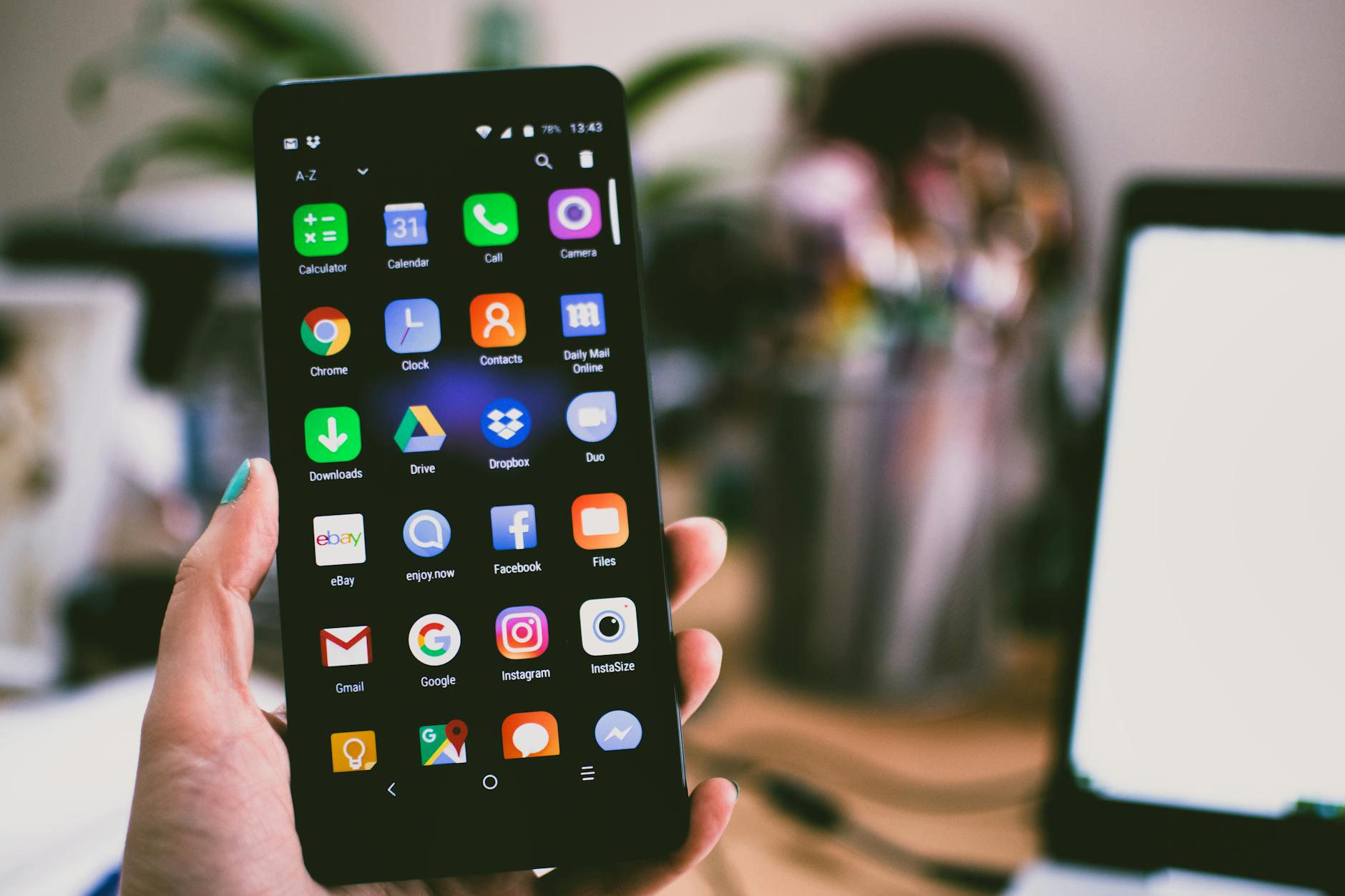
Opening an app with the intention of spending five minutes and emerging thirty or sixty minutes later is a sign that the platform has successfully captured your attention loop. App designers deliberately engineer features like infinite scroll and autoplay to eliminate natural stopping points. This time distortion is not accidental and reflects how deeply optimized these tools are for extended engagement. Awareness of the pattern is the beginning of breaking it.
You Feel Left Out When You Are Not Online
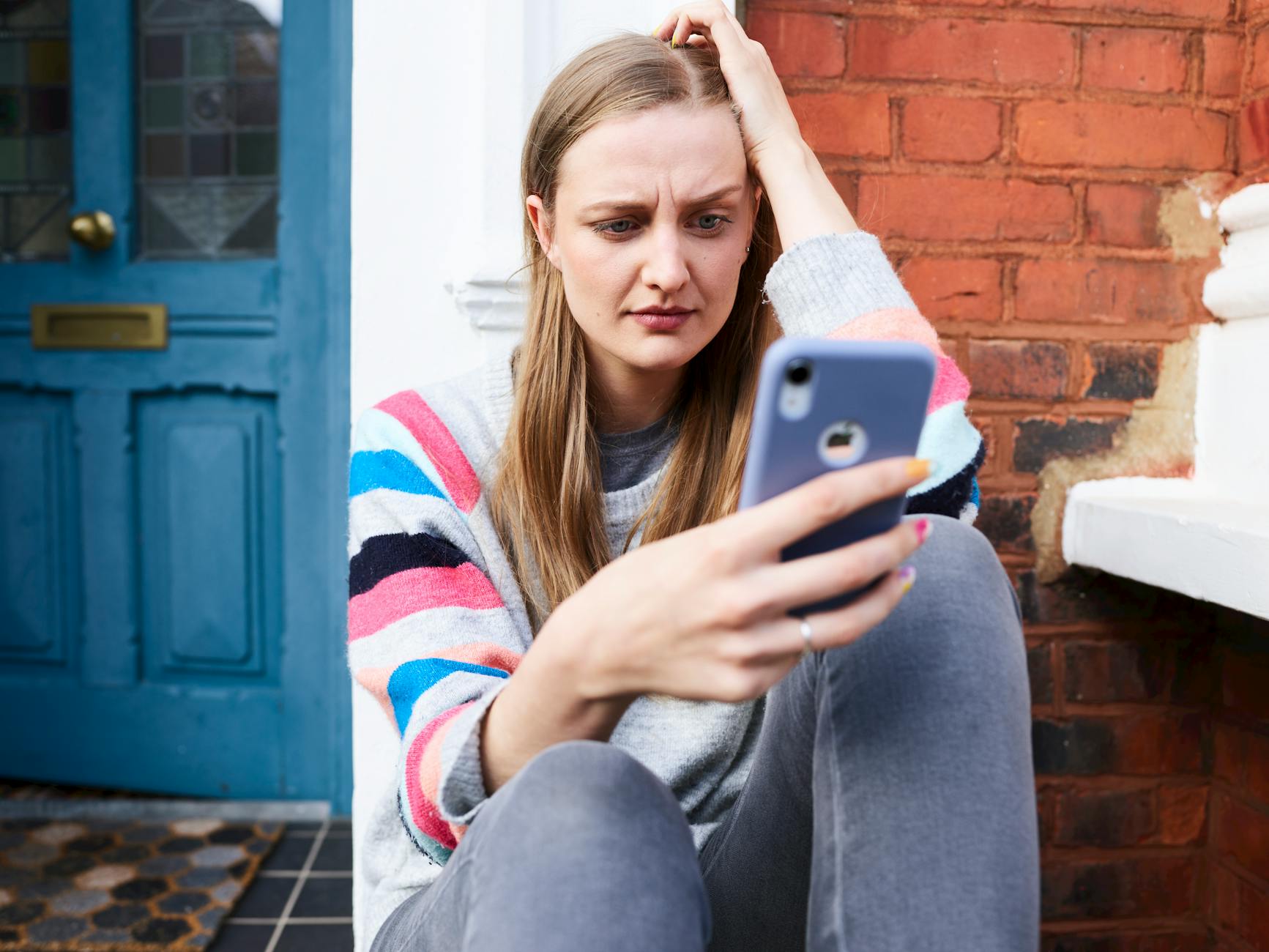
A persistent fear of missing out on conversations, trends, or events while offline keeps many people tethered to their feeds even when they would rather step away. This anxiety is reinforced by the real-time nature of social media, which creates the impression that everything important is happening right now. In reality, most content is neither urgent nor irreplaceable. Deliberately testing the experience of being offline helps recalibrate this distorted sense of urgency.
You Doomscroll Without Realizing It

Doomscrolling refers to the unconscious consumption of a continuous stream of negative or distressing content, often late at night. The behavior is self-perpetuating because alarming content triggers the brain’s threat-detection systems, making it harder to look away. Over time, this habit contributes to elevated anxiety, pessimism, and disrupted sleep. Noticing that you have been scrolling through upsetting content for an extended period without meaning to is a clear signal to log off.
Your Sleep Is Suffering
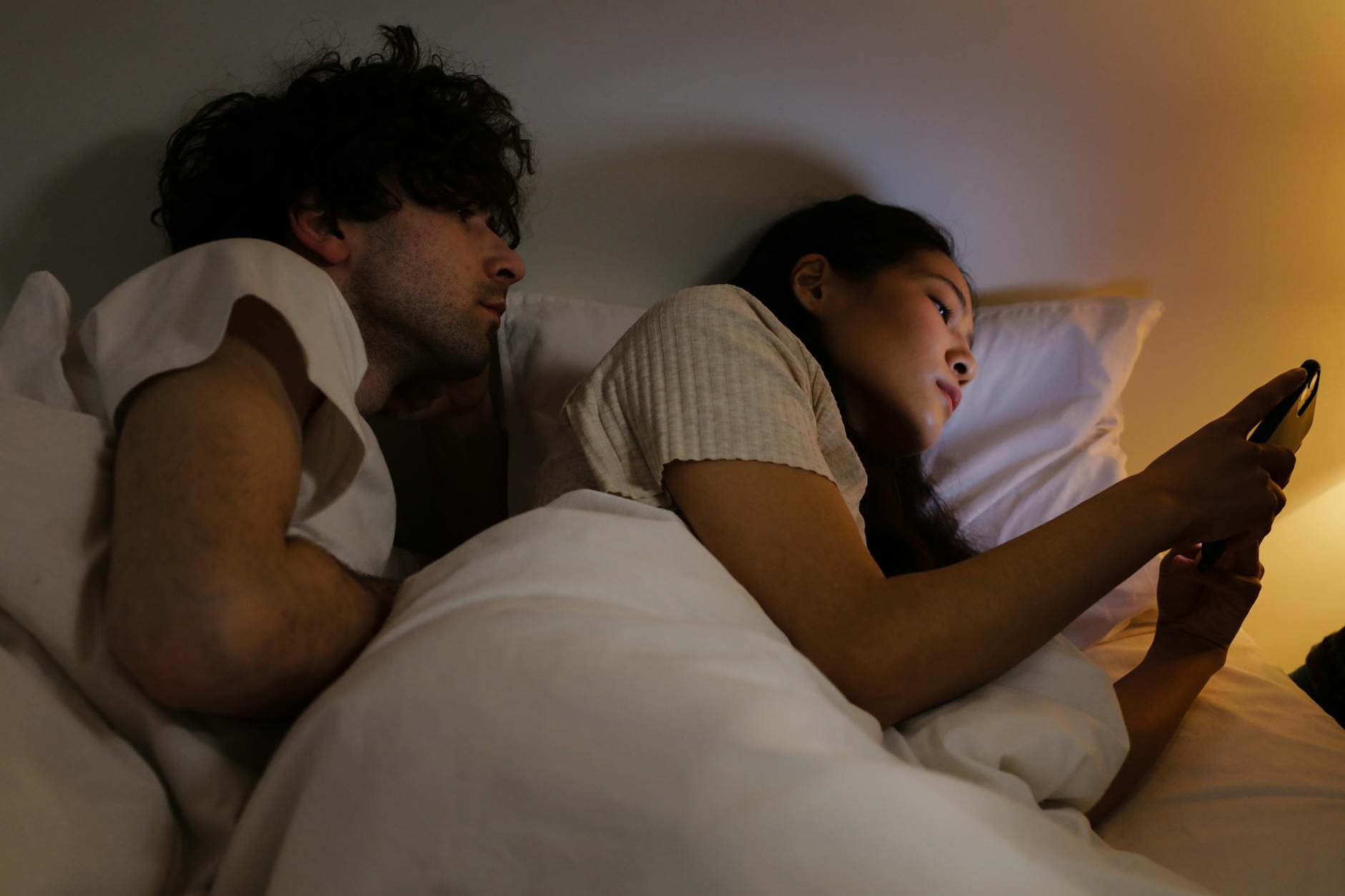
Blue light from screens suppresses melatonin production and delays the onset of sleep when phones are used in the hour before bed. Beyond the physical effects, emotionally activating content keeps the mind engaged and alert at a time when it needs to wind down. Poor sleep quality compounds over time, affecting mood, cognitive function, immune health, and emotional resilience. A social media break often produces noticeable improvements in sleep within just a few days.
You Post Things Primarily for Validation
Sharing moments of genuine connection or creativity is healthy and natural. However, when the primary motivation behind posting shifts to seeking reassurance, approval, or proof of worth, the relationship with the platform has become unhealthy. This validation-seeking cycle keeps emotional needs perpetually unmet because external approval is inconsistent and conditional. Deeper sources of self-worth are built through reflection, relationships, and personal achievement rather than engagement metrics.
You Feel Guilty About How Much Time You Spend Online
Guilt is the mind’s way of signaling a misalignment between behavior and values. If you regularly feel a twinge of regret after extended social media use, that discomfort is meaningful information rather than something to push past. Many people find that their actual usage far exceeds what they believe it to be when they review screen time data. Guilt about time spent online is one of the most honest early warnings that a reset is overdue.
You Avoid Difficult Emotions by Scrolling
Using social media as a distraction from boredom, sadness, loneliness, or stress is a common but counterproductive coping mechanism. The scroll provides brief relief but does nothing to address the underlying feeling, which often intensifies over time when consistently avoided. Emotional avoidance through digital distraction is linked to higher rates of anxiety and reduced emotional intelligence. Sitting with discomfort, even briefly, builds greater resilience than numbing it with content.
You Have Difficulty Focusing for Extended Periods
Habitual social media use restructures the brain’s attention systems by rewarding rapid switching between micro-stimuli. Over time, this makes sustained concentration on a single task feel unusually effortful or boring. Many heavy users report difficulty reading long articles, watching films without checking their phone, or working through complex problems without interruption. A digital break allows attention spans to gradually recover and lengthen.
You Feel Pressure to Always Be Available Online
The social expectation of immediate responsiveness creates a form of invisible obligation that never fully switches off. Always being available online blurs the boundary between personal time and social performance, leaving little room for genuine rest. This pressure is particularly acute for people who use social media professionally, but it affects casual users as well. Stepping back reestablishes the understanding that your time and attention are yours to allocate.
You Curate Your Life Rather Than Living It

When the desire to present a polished version of your life online begins to influence real-world decisions, such as where you eat, what you wear, or where you travel, the tail has begun wagging the dog. Living for the feed rather than for yourself quietly erodes authenticity and spontaneity. Experiences chosen for their aesthetic or shareable quality often deliver less genuine satisfaction than those chosen purely for personal meaning. A break reconnects you with your own preferences rather than your audience’s.
You Feel Envious of People You Have Never Met
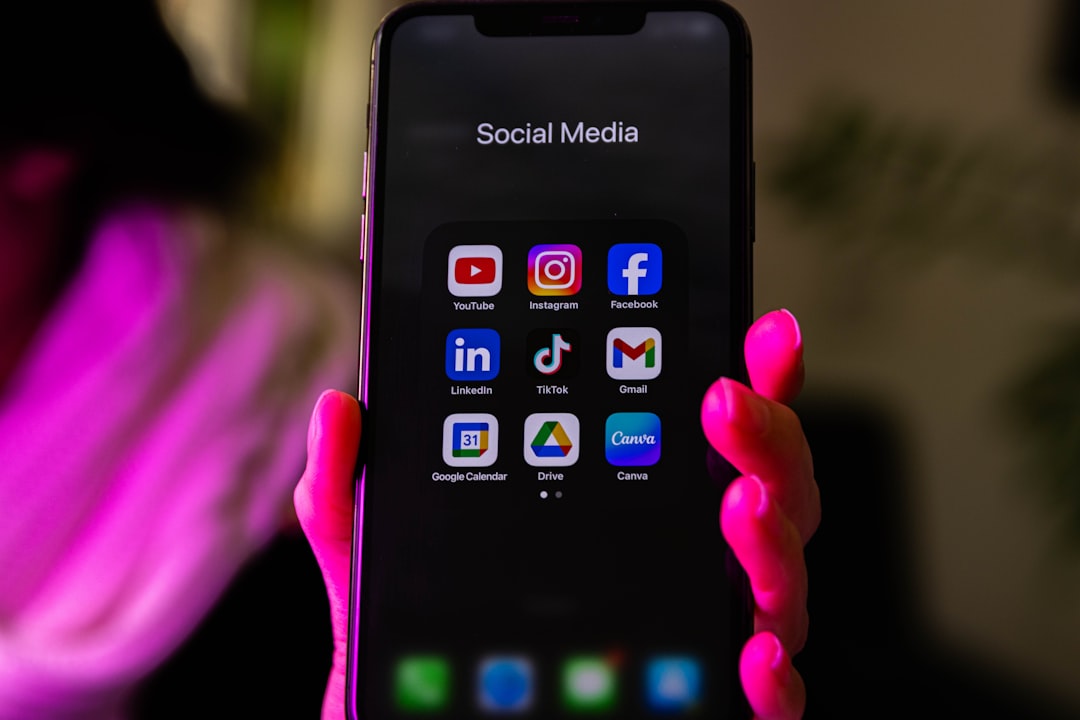
Experiencing envy toward influencers, strangers, or even distant acquaintances whose lives appear more exciting, beautiful, or successful is a common byproduct of curated social feeds. This form of social comparison is particularly corrosive because it is both constant and one-sided. The people being observed are presenting carefully selected moments, not full and complex lives. Stepping away allows the mind to return its focus to the richness of one’s own experience.
Your Real Relationships Feel Less Satisfying

When the stimulation and novelty of online interaction begins to make real-world conversation feel slow or unrewarding, something important has shifted. Deep human connection requires patience, presence, and a tolerance for imperfection that social media interaction rarely demands. People who spend excessive time online sometimes report a growing preference for digital socializing over in-person connection. This trend, if left unchecked, can quietly erode the quality of the relationships that matter most.
You Reach for Your Phone During Every Quiet Moment

Any pause in activity, whether waiting for coffee, sitting in a waiting room, or riding public transport, has become an automatic trigger to open an app. This reflexive phone use eliminates the mental downtime that the brain needs for creativity, memory consolidation, and emotional processing. Boredom, far from being unpleasant, is a productive state that generates ideas and strengthens self-awareness. Reclaiming quiet moments is one of the most underrated gifts of a social media break.
You Feel Numb or Emotionally Flat
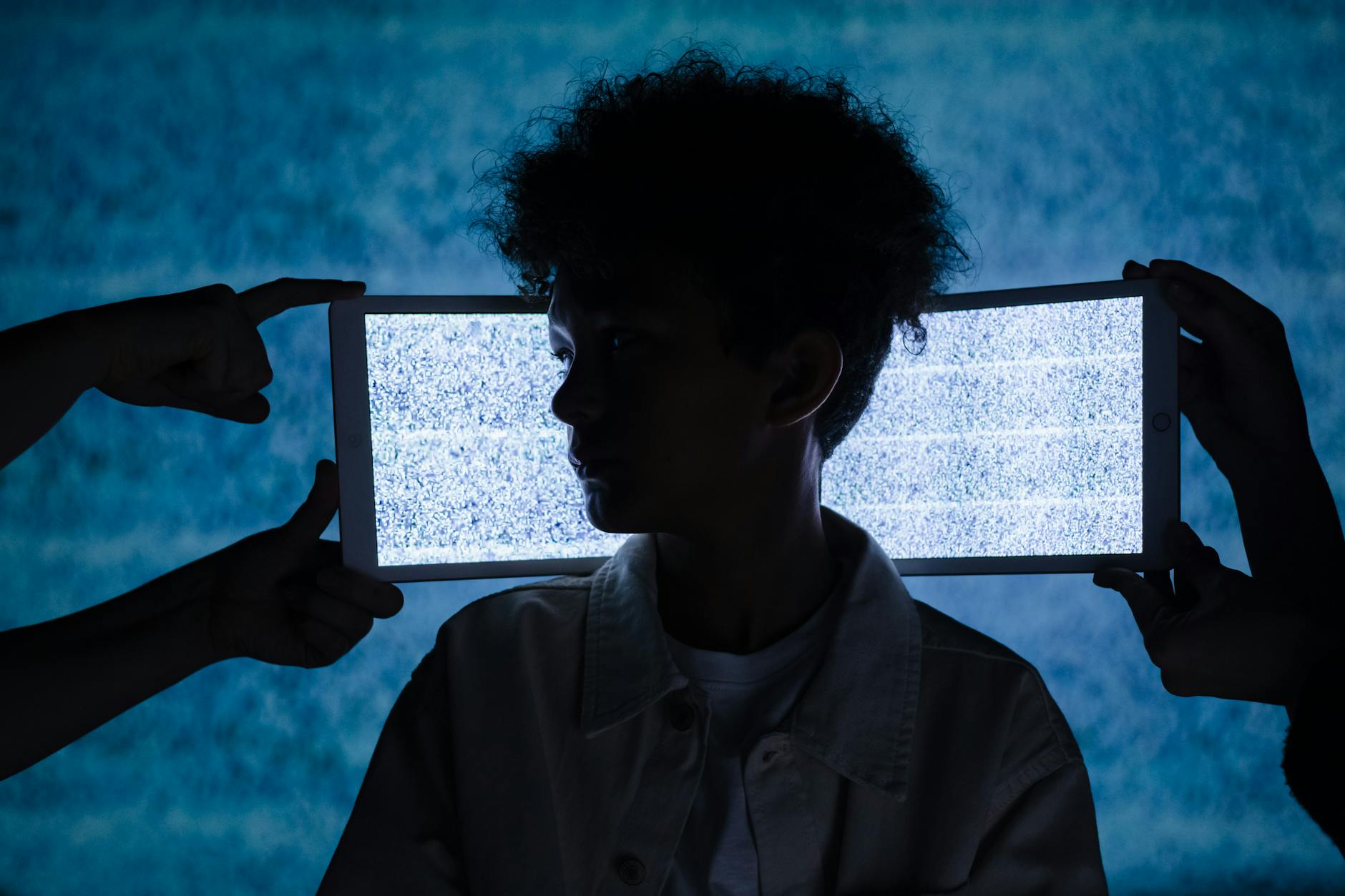
Chronic overstimulation from social media can paradoxically produce emotional numbness, a condition sometimes described as digital anhedonia. When the brain is flooded with constant stimulation, it gradually reduces its sensitivity to pleasurable experiences as a protective measure. Activities that once brought genuine enjoyment can begin to feel dull or unstimulating in comparison to the endless novelty of the feed. A period offline allows the brain’s reward systems to recalibrate and recover their responsiveness.
You Use It to Avoid Being Alone With Your Thoughts
Solitude and quiet reflection are essential for self-knowledge, emotional processing, and creative thought. Using social media as a way to fill every unstructured moment means consistently avoiding the inner life, which over time leads to a shallow or disconnected sense of self. Many people who take extended breaks from social media report feeling initially uncomfortable with silence but ultimately discovering a renewed sense of clarity and inner calm. That discomfort at the outset is a reliable indicator of how much the break is needed.
You Feel Competitive About Follower Counts

Monitoring follower counts, tracking who unfollowed you, or feeling deflated when numbers stagnate are signs that your sense of worth has become entangled with metrics. Follower counts measure algorithmic performance, not personal value, professional competence, or genuine influence. The competitive anxiety generated by these numbers distracts from the original purpose of sharing, which is connection and expression. When the numbers begin to matter more than the content or community, the relationship with the platform needs reexamination.
You Struggle to Enjoy Things Without Documenting Them
The impulse to photograph, caption, and share every pleasurable experience before fully experiencing it has become normalized across many demographics. This behavior fragments attention at precisely the moments when full presence would be most rewarding. Neuroscience research suggests that the act of photographing an experience can actually impair memory formation for that experience. Allowing moments to exist without documentation gives them space to become genuinely meaningful.
You Feel Overwhelmed by Other People’s Opinions

Social media places an enormous volume of unsolicited opinions, reactions, and hot takes in front of users every day. Sustained exposure to this noise makes it increasingly difficult to form and trust your own views without external influence. Many people find that their thinking becomes more reactive and less original during periods of heavy consumption. Time away from the feed restores the ability to think independently and form considered judgments at a sustainable pace.
You Have Argued With Strangers Online
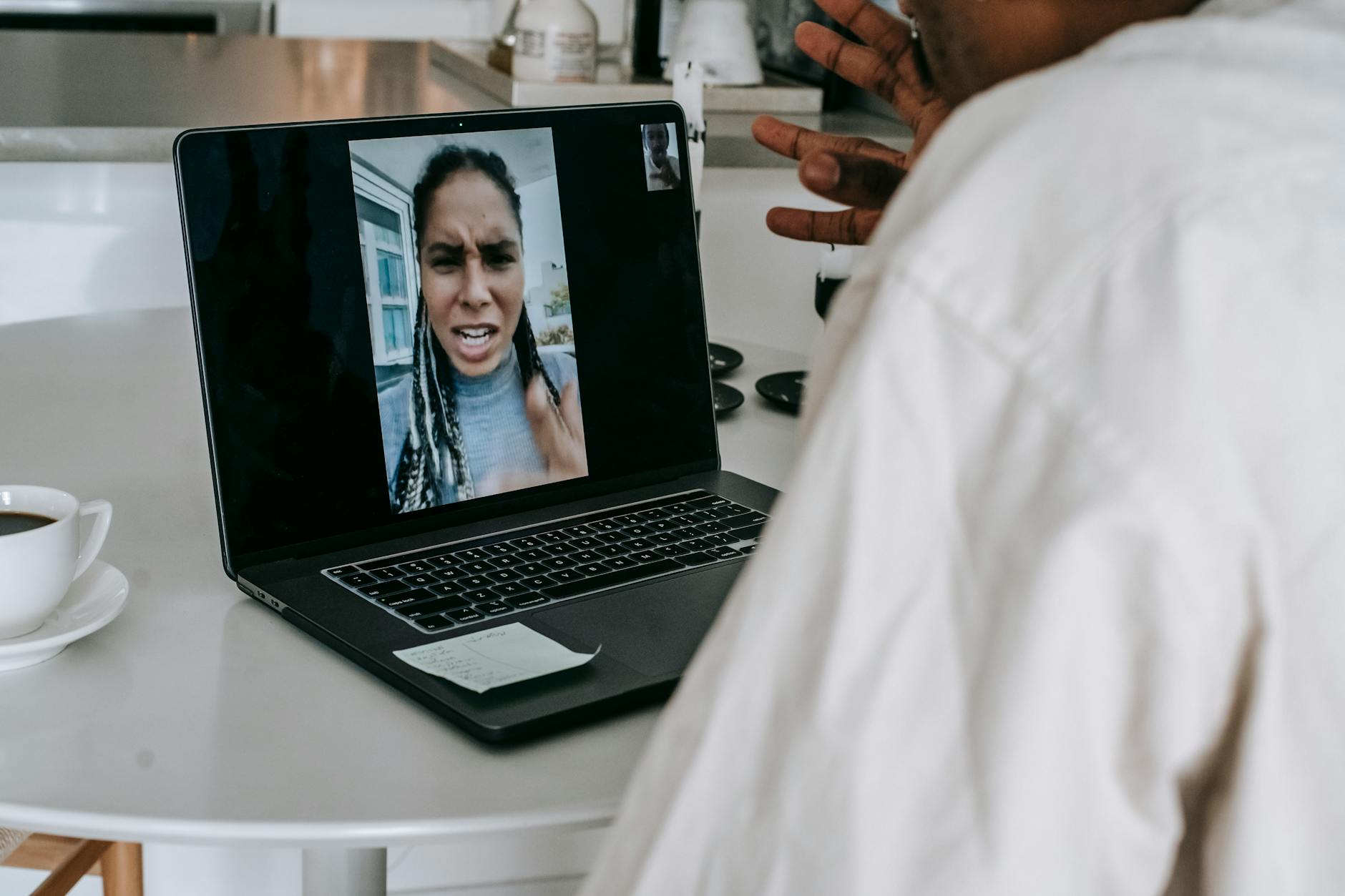
Comment sections and reply threads are designed to provoke engagement, and conflict is one of the most effective engagement drivers available to platform algorithms. If you regularly find yourself drawn into arguments with people you have never met, the platform is working exactly as intended, though at your expense. These exchanges are rarely productive and almost never lead to genuine understanding or changed minds. Recognizing the emotional cost of this pattern is often enough to make the habit lose its appeal.
You Feel Like You Are Always Behind

The relentless pace of trending content creates the impression that there is always more to see, more to know, and more to respond to than time allows. This perpetual feeling of being behind on the internet is a manufactured anxiety with no logical endpoint. There will always be more content than any human could consume, and the feed will continue whether you are watching or not. Stepping away reveals that almost nothing urgent was being missed.
You Have Trouble Remembering What You Just Scrolled Through
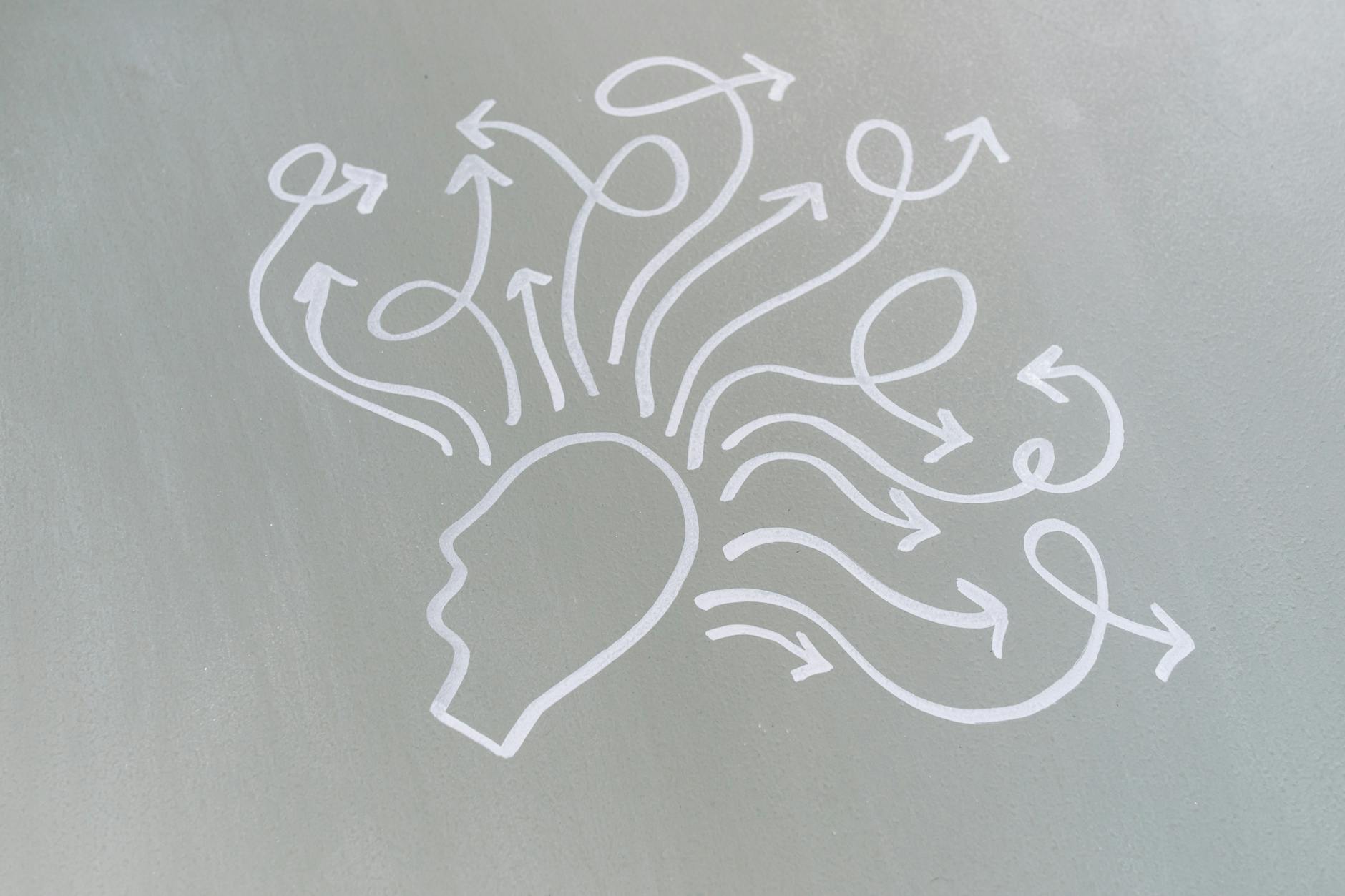
Passive scrolling often produces very little meaningful retention because content is encountered so rapidly and with so little context that memory encoding is minimal. If you finish a long scroll session and struggle to recall anything specific you saw, the time spent produced almost no cognitive value. This kind of consumption is the mental equivalent of eating constantly without ever feeling full. A break invites a return to intentional, meaningful information intake.
You Perform Emotions for an Audience

Crafting posts about grief, joy, or personal struggles with one eye on how they will be received begins to blur the line between genuine expression and performance. When emotional processing happens primarily in public, the private interior experience can become underdeveloped or distorted. Authentic emotional life requires privacy, reflection, and the freedom to feel things without an audience. A period offline creates the space for experiences to be felt rather than staged.
You Feel Relieved When Plans Are Cancelled So You Can Scroll
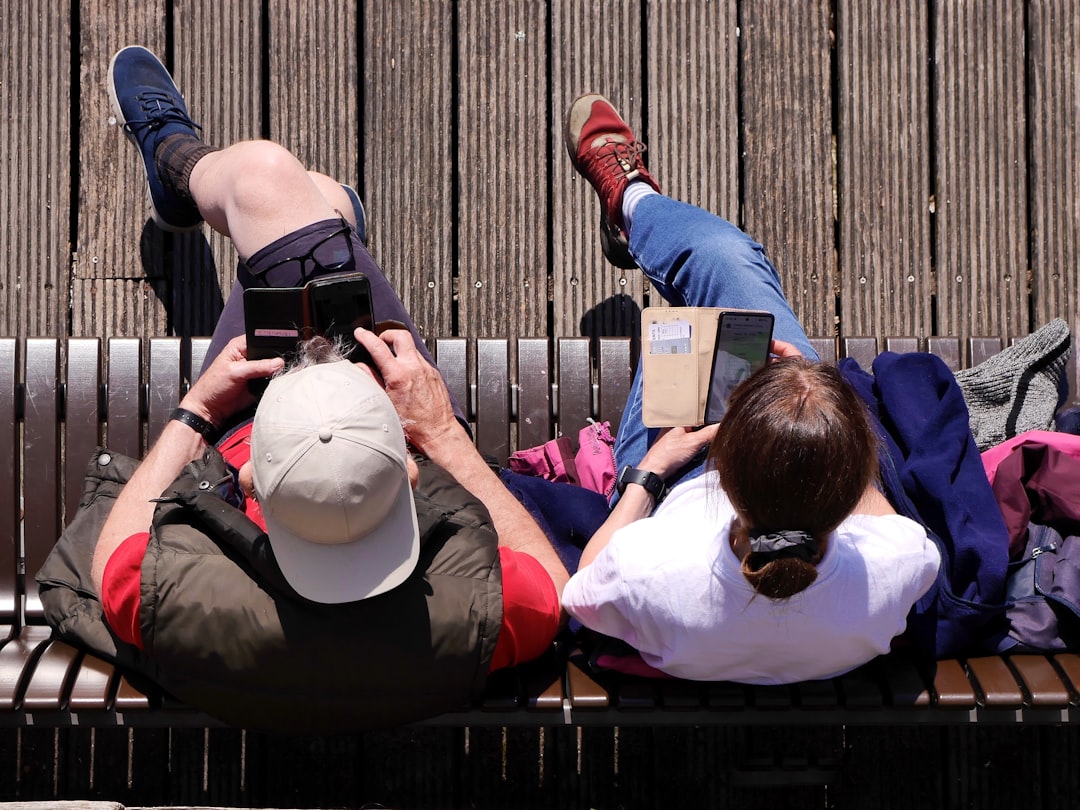
Preferring the passive comfort of a scroll session to actual social engagement or fulfilling activities is one of the more telling signs that screen time has crowded out genuine living. This withdrawal from real experience in favor of digital consumption is associated with lower life satisfaction and reduced motivation over time. The relief felt at the prospect of staying home and scrolling is worth examining honestly. It often signals that real-world engagement feels like effort in a way it did not before heavy social media use began.
You Have Neglected Hobbies or Interests

Many people who examine their social media habits honestly find that activities they once loved, such as reading, cooking, exercising, or making music, have gradually disappeared from their routines. The time and mental energy required for those pursuits has been quietly consumed by the feed. Hobbies build skills, provide genuine satisfaction, and create a stronger and more grounded sense of identity than passive consumption. Reclaiming them is one of the most reliable benefits reported by people who take a meaningful digital break.
You Feel Disconnected From Your Own Life
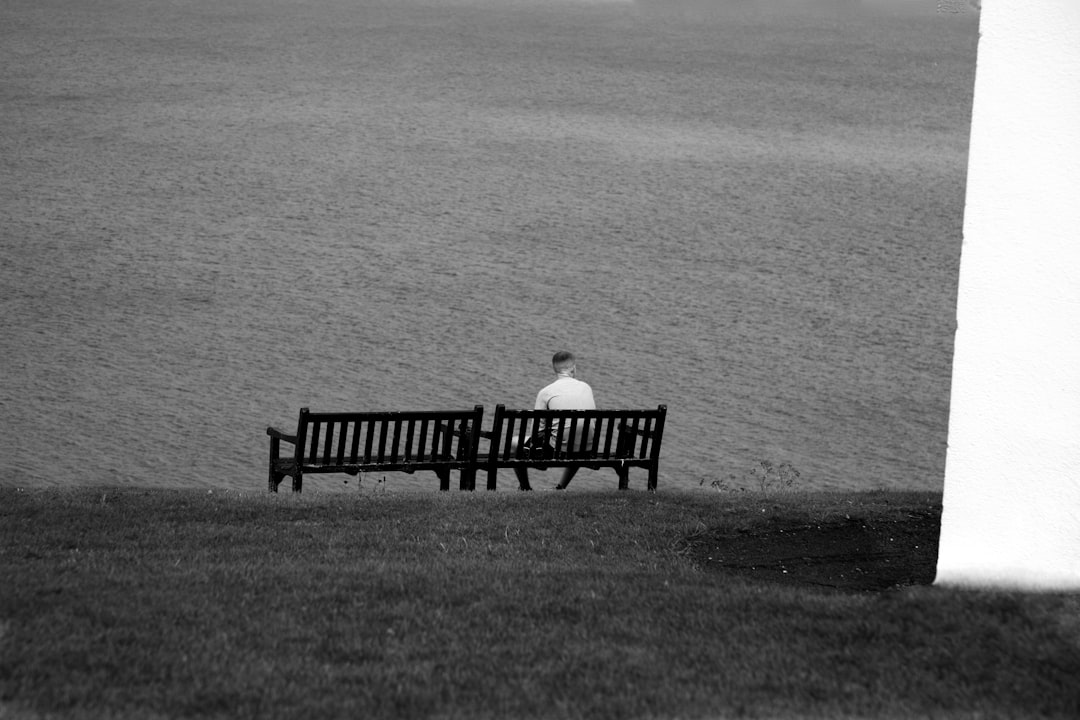
A sense that life is passing by while you observe other people’s lives from behind a screen is a profound signal that something needs to change. This disconnection, sometimes described as dissociation or unreality, can develop slowly enough that many people do not notice it until a break makes the contrast clear. Social media is a simulation of participation, not actual engagement with one’s own experience. Returning to offline life, even briefly, often produces a striking and immediate sense of renewed vitality.
You Seek News Exclusively Through Social Media

Relying on social media feeds as a primary source of news means consuming information that has been sorted, amplified, and distorted by engagement algorithms rather than editorial judgment. Content that provokes outrage and fear consistently outperforms content that is accurate or nuanced. Over time, this shapes a worldview that is more extreme, more pessimistic, and less accurate than the one that balanced news consumption would produce. Diversifying information sources is one of the most practical reasons to reduce social media dependence.
Your Creativity Has Stalled
Constant consumption crowds out the mental spaciousness that creative thought requires. Many writers, artists, and makers report that their best ideas come during walks, long showers, or other low-stimulation activities that social media increasingly displaces. The feed fills the mind with other people’s creative output, which can subtly suppress the confidence and silence needed to produce original work. Reducing input often dramatically increases creative output.
You Feel Like You Need Permission to Log Off
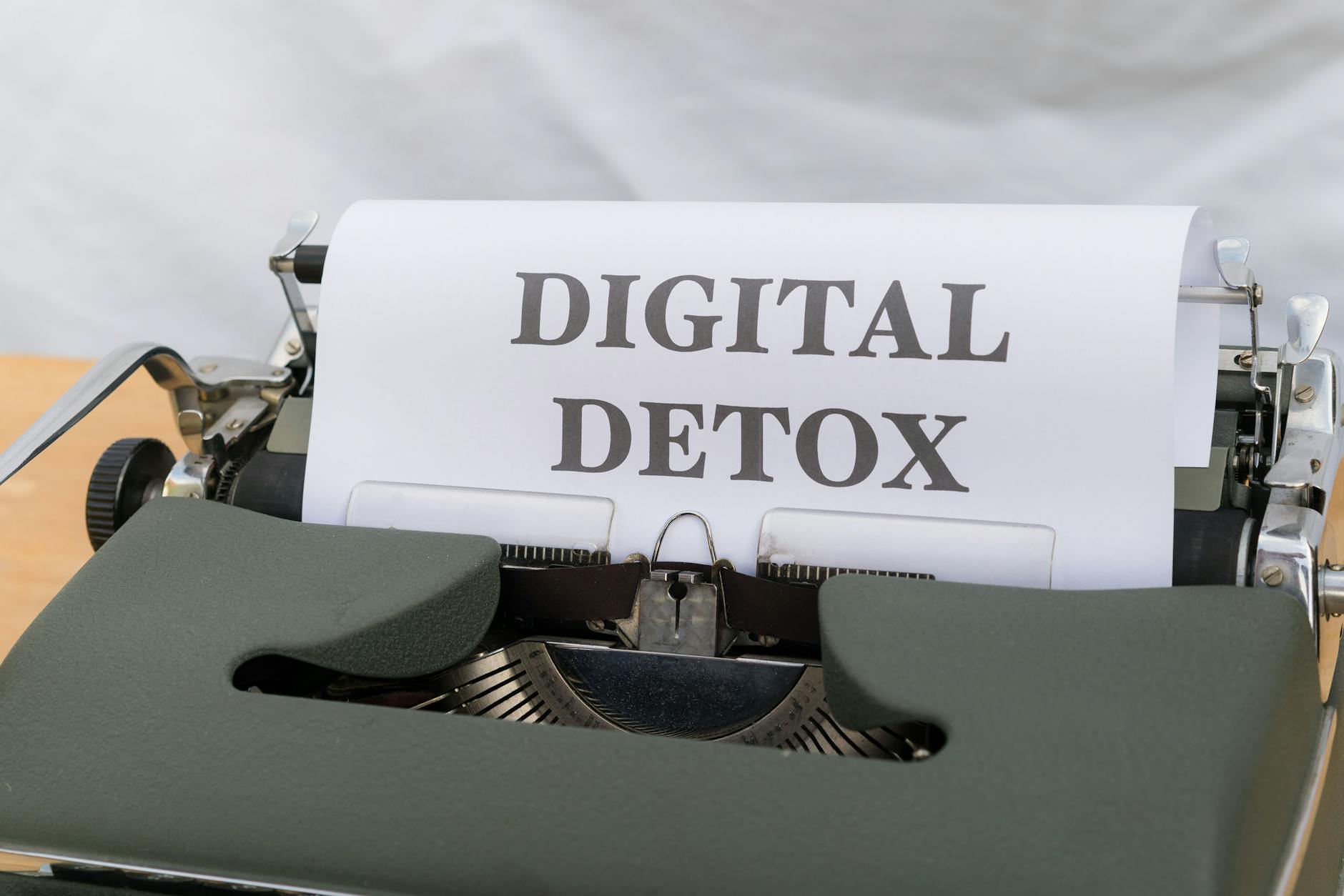
The feeling that taking a break from social media requires justification, announcement, or permission is itself a sign of how tightly it has woven itself into daily identity. You do not owe anyone a farewell post, an explanation, or a return date. Time offline is a basic component of a balanced life, not a radical act. Recognizing that the door is always open to simply walk away is one of the most empowering realizations a heavy user can have.
You Have Been Thinking About Taking a Break for a While

Perhaps the most telling sign of all is a persistent, recurring thought that you would benefit from stepping back. The fact that this idea keeps returning suggests that some part of you already knows the answer. Intention without action rarely produces change, and the longer the break is delayed, the more entrenched the habit becomes. Listening to that quiet internal voice is often the most important step toward a healthier and more intentional relationship with technology.
If any of these signs felt uncomfortably familiar, share your thoughts in the comments.