The assessment of animal intelligence involves observing complex behaviors such as tool use and social cooperation across diverse species. Researchers look for markers like self-awareness and the ability to solve multi-step puzzles to determine cognitive depth. From deep-sea cephalopods to primates in the canopy, these creatures demonstrate that high-level thinking is not limited to humans. Understanding these traits helps in appreciating the vast mental capabilities present within the natural world.
Chimpanzee
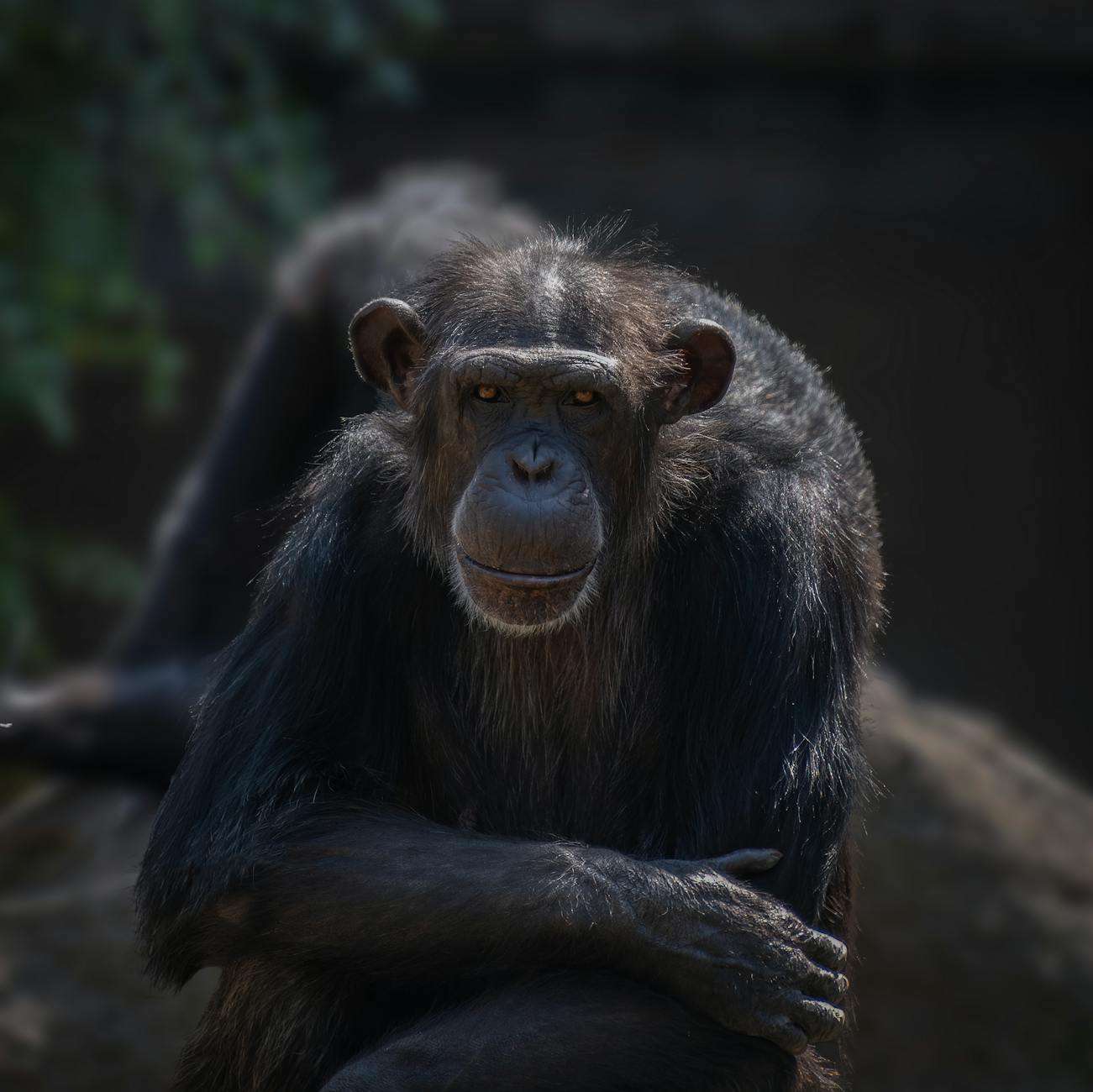
These primates share a significant portion of their genetic makeup with humans and demonstrate highly advanced cognitive abilities in the wild. They are known for creating and using various tools such as sticks to extract insects or stones to crack open nuts. Socially they maintain complex hierarchies and show deep emotional bonds through grooming and cooperative hunting strategies. Their ability to learn sign language and recognize themselves in mirrors highlights a profound level of self-awareness.
Bottlenose Dolphin
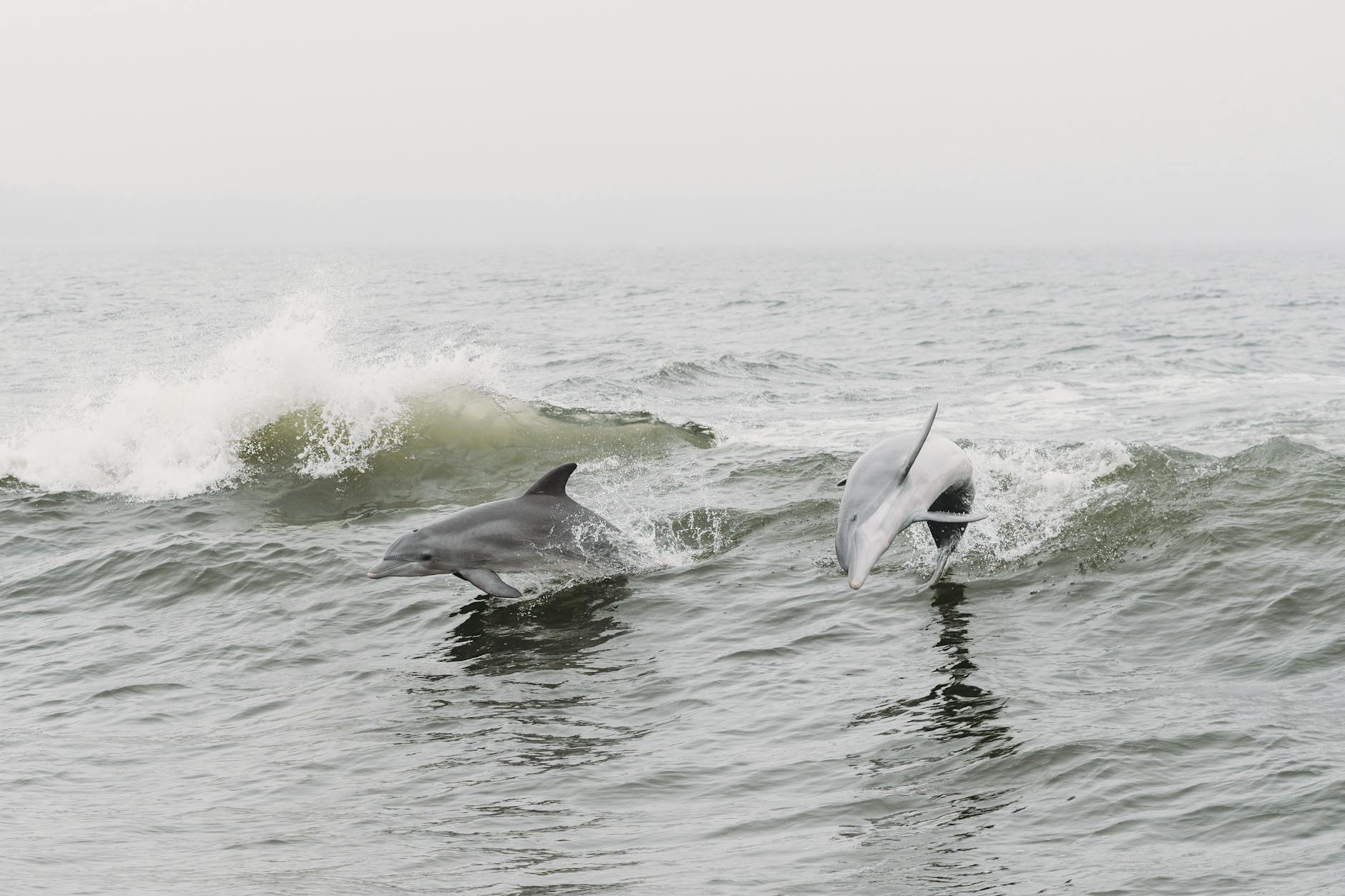
The large brain-to-body ratio of these marine mammals supports incredible communication skills and complex social structures. They use unique signature whistles to identify one another and engage in coordinated hunting tactics that require precision timing. In many documented cases they have been seen using sea sponges as protective gear while foraging on the seaflooer. Their playful nature is backed by a capacity for abstract reasoning and the ability to follow intricate human commands.
African Elephant
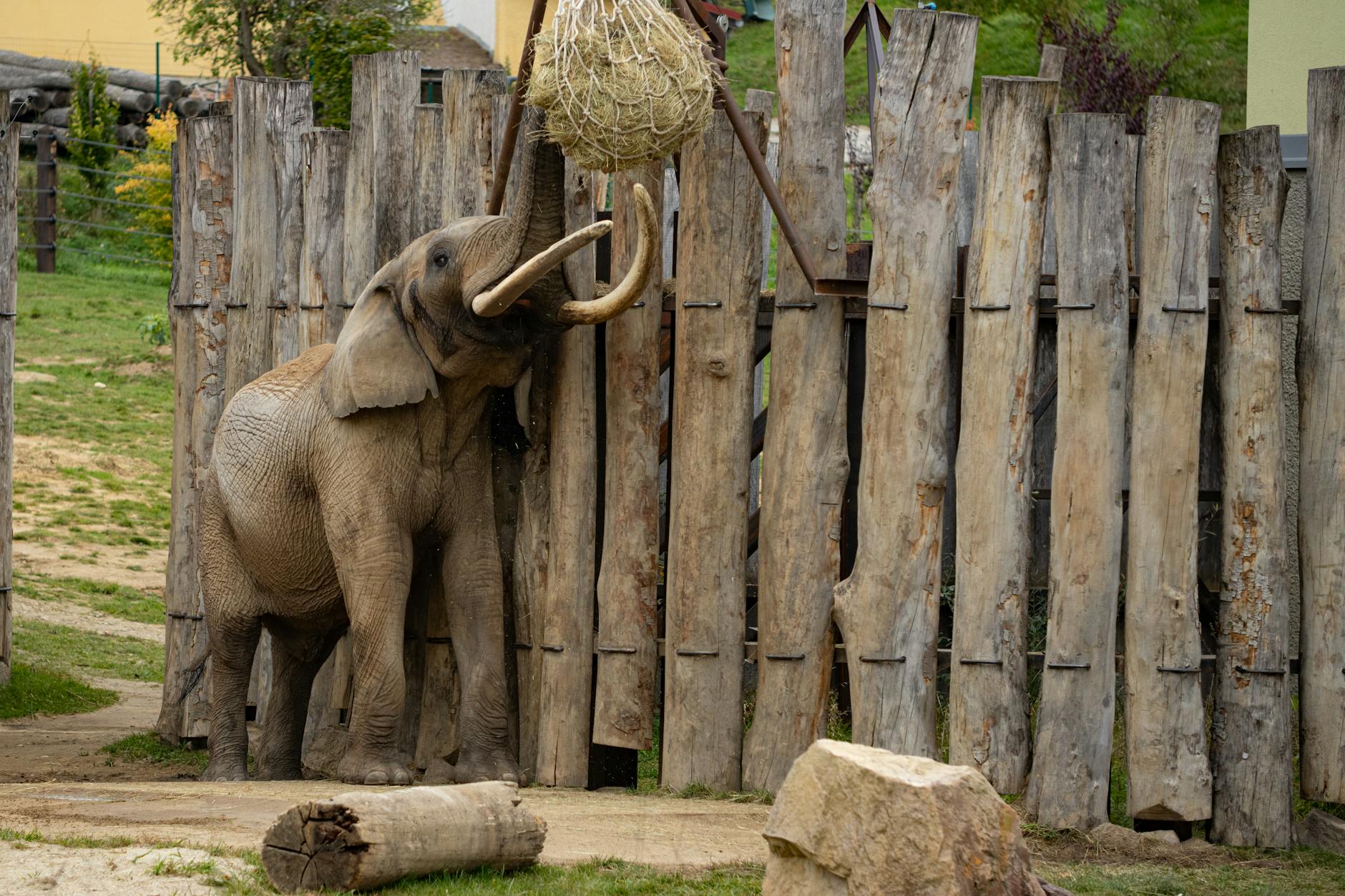
Known for having the largest brain of any land animal, these giants possess an extraordinary memory that spans decades. They can navigate long distances to find water sources and recognize individual companions after years of separation. Their intelligence is also evident in their emotional depth as they are observed mourning their dead and showing empathy toward others. They use branches as fly swatters or tools to reach food and can even distinguish between different human languages.
African Grey Parrot
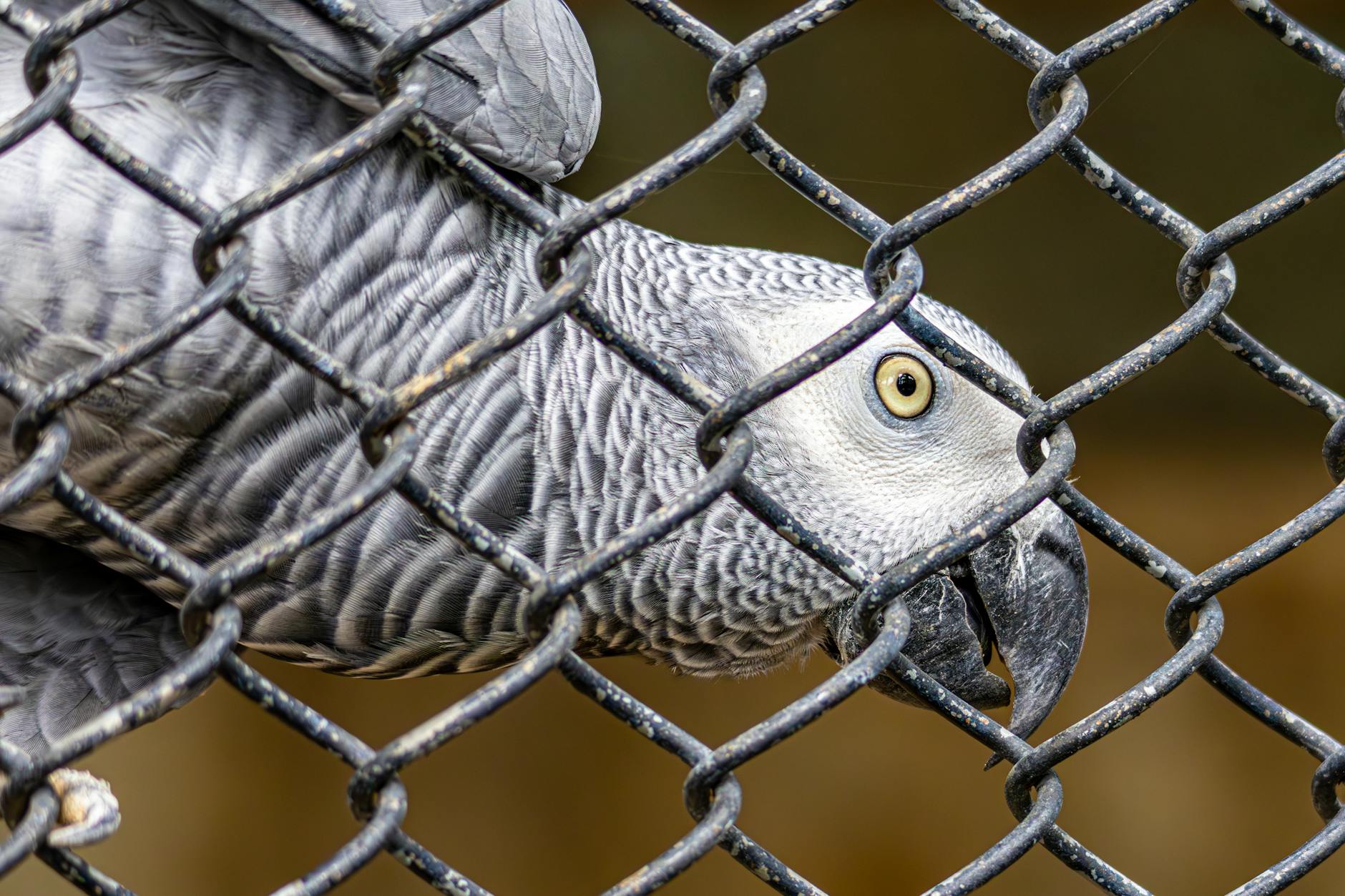
This bird species is renowned for its ability to not only mimic human speech but to understand the meaning behind the words. Studies show they can grasp abstract concepts like shape and color and can even perform simple mathematical additions. They exhibit the emotional and cognitive complexity of a young human child in many problem-solving tasks. Their social intelligence is high as they rely on vocal communication to maintain bonds within their flocks.
Orangutan
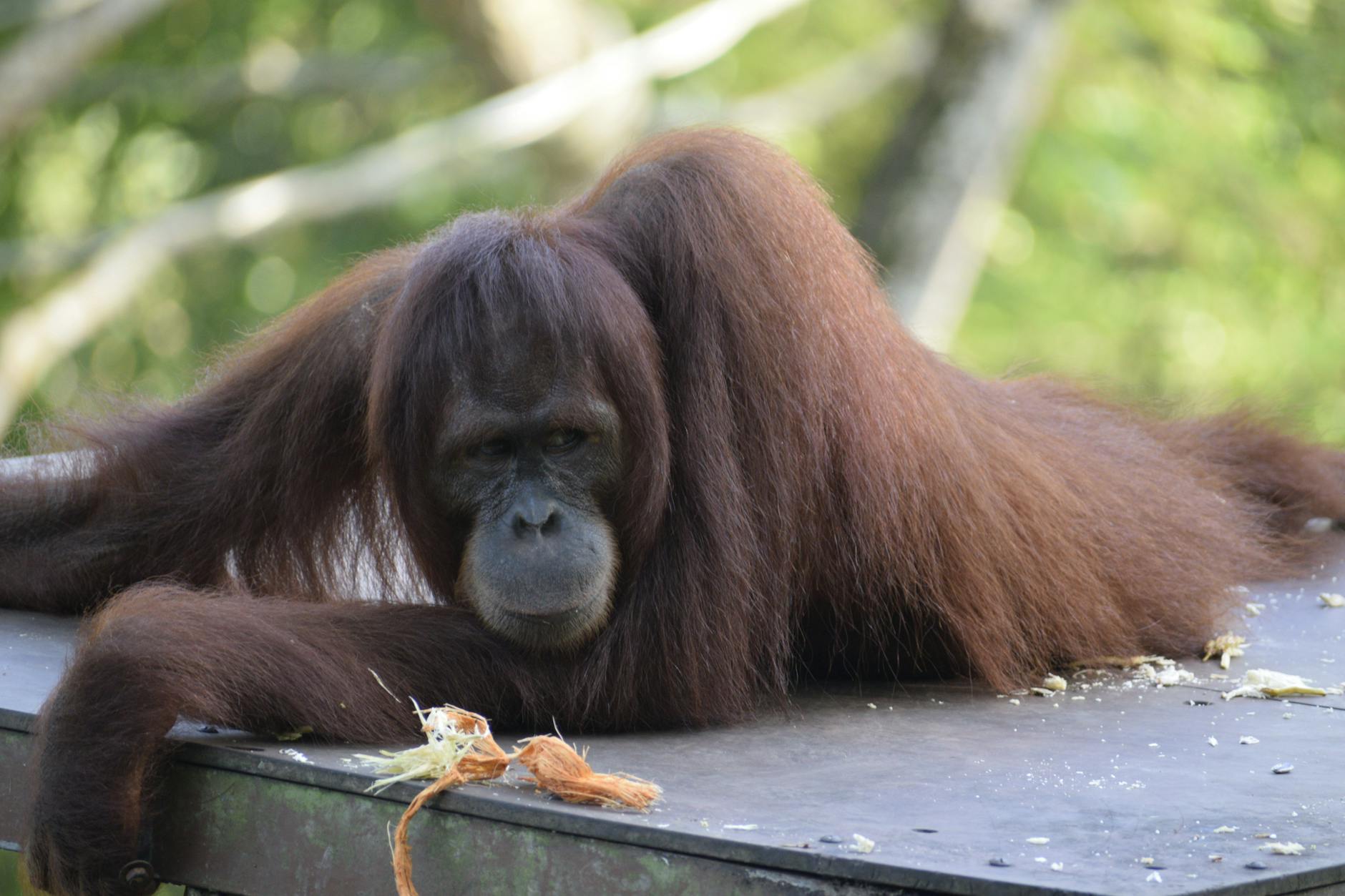
These great apes are master problem solvers that spend most of their lives in the trees of Southeast Asia. They have been observed using leaves as umbrellas and making tools to extract seeds from fruit with sharp husks. In captivity they often learn to use various objects provided by humans with very little instruction. Their solitary nature hides a deep capacity for cognitive learning and long-term planning for future needs.
Raven
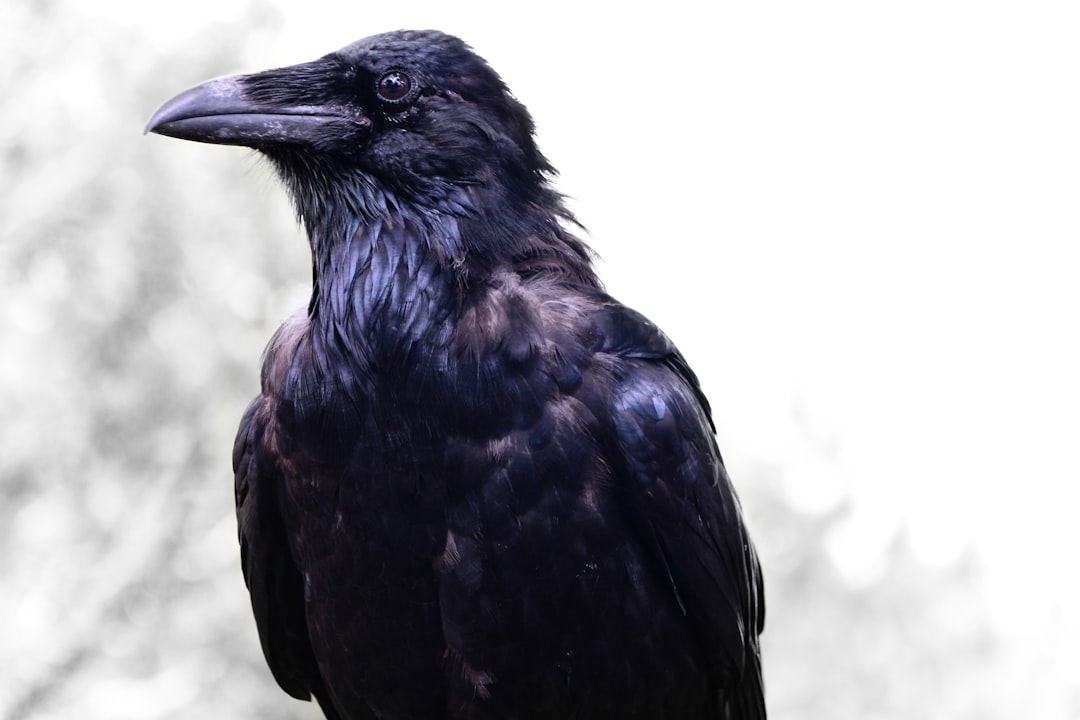
Members of the corvid family are often considered the most intelligent birds due to their ability to plan for the future. They can solve complex puzzles involving multiple steps and use tools to reach rewards that are otherwise inaccessible. These birds also demonstrate a form of social deception by pretending to hide food in one spot to trick onlookers. Their memory allows them to recognize individual human faces and remember who has treated them well or poorly.
New Caledonian Crow
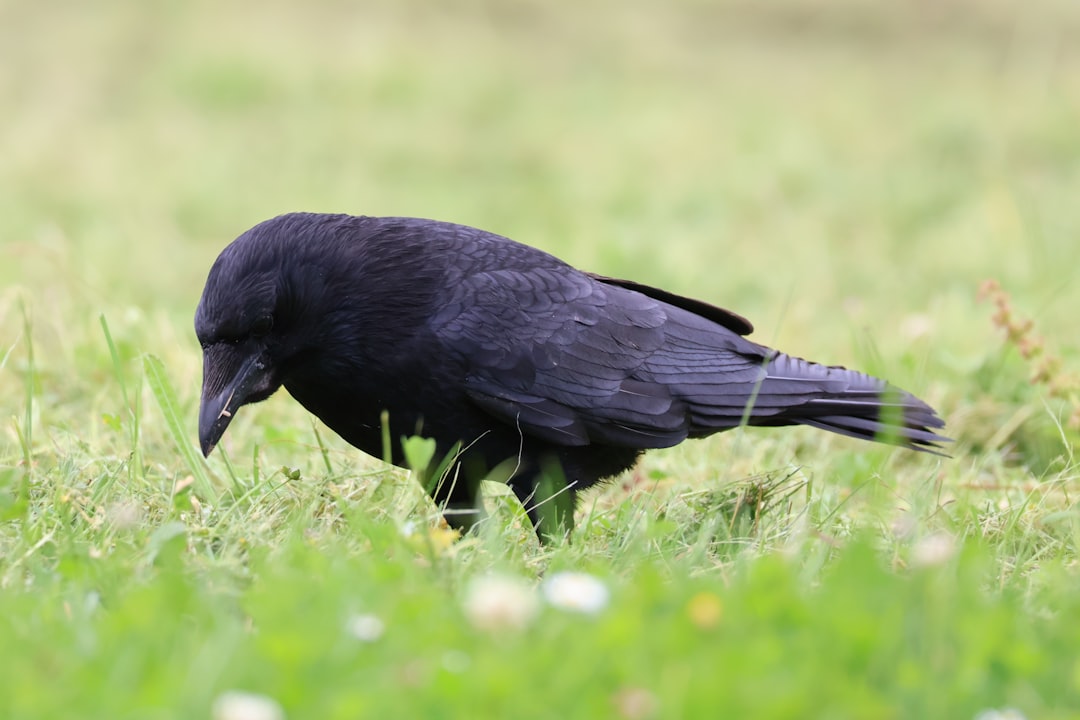
This specific species of crow is famous for its innate ability to manufacture sophisticated tools from twigs and leaves. They can craft hooks to pull larvae out of small crevices which is a skill rarely seen outside of primates. Laboratory experiments have shown they can understand the displacement of water and use stones to raise levels to reach a floating snack. This indicates a grasp of cause and effect that rivals many other highly intelligent mammals.
Border Collie
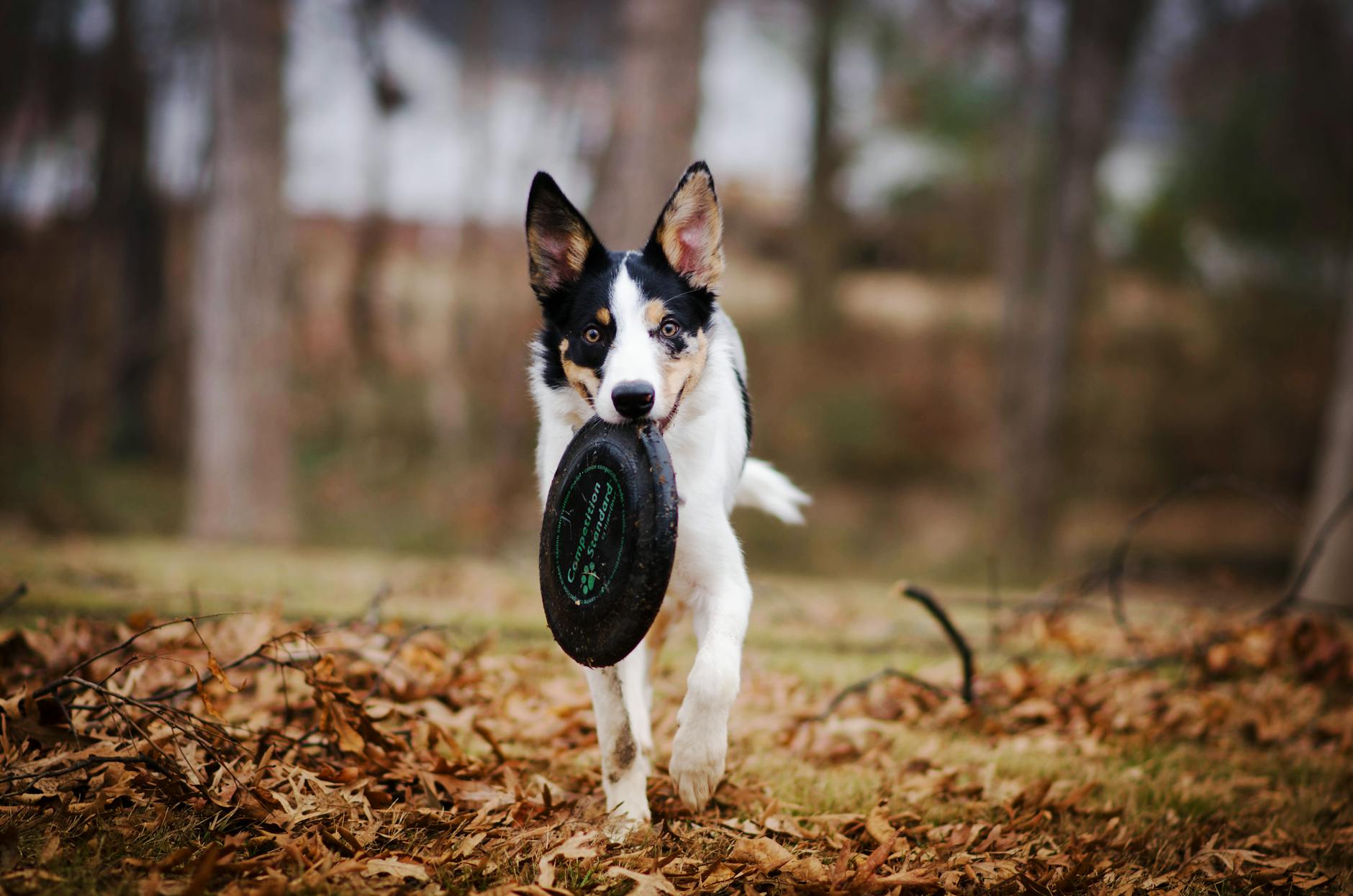
Widely regarded as the smartest of all domestic dog breeds, these animals excel in tasks requiring intense focus and instruction. They can learn hundreds of distinct words and associate them with specific objects or actions. Their history as herding dogs has developed a high level of independent problem-solving and the ability to anticipate movement. They thrive on mental stimulation and can complete complex agility courses with remarkable speed and accuracy.
Pig
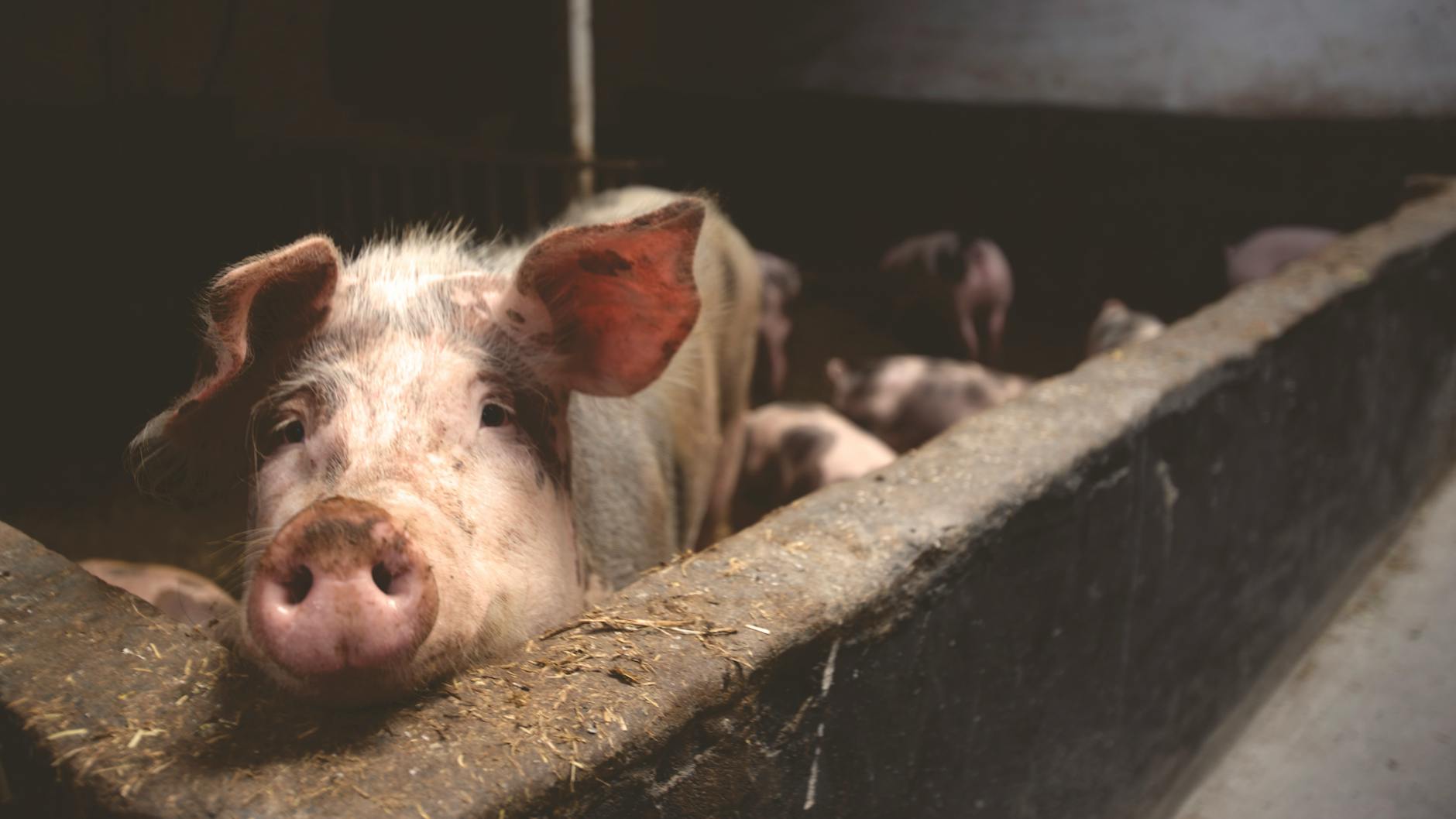
Domesticated swine often outperform dogs in certain cognitive tests and display a high level of emotional intelligence. They can learn to navigate mazes and use mirrors to find hidden food sources within their environment. Socially they form tight-knit groups and can even learn to manipulate joysticks to play simple video games. Their ability to respond to their names and understand social cues makes them highly adaptable and clever companions.
Common Octopus
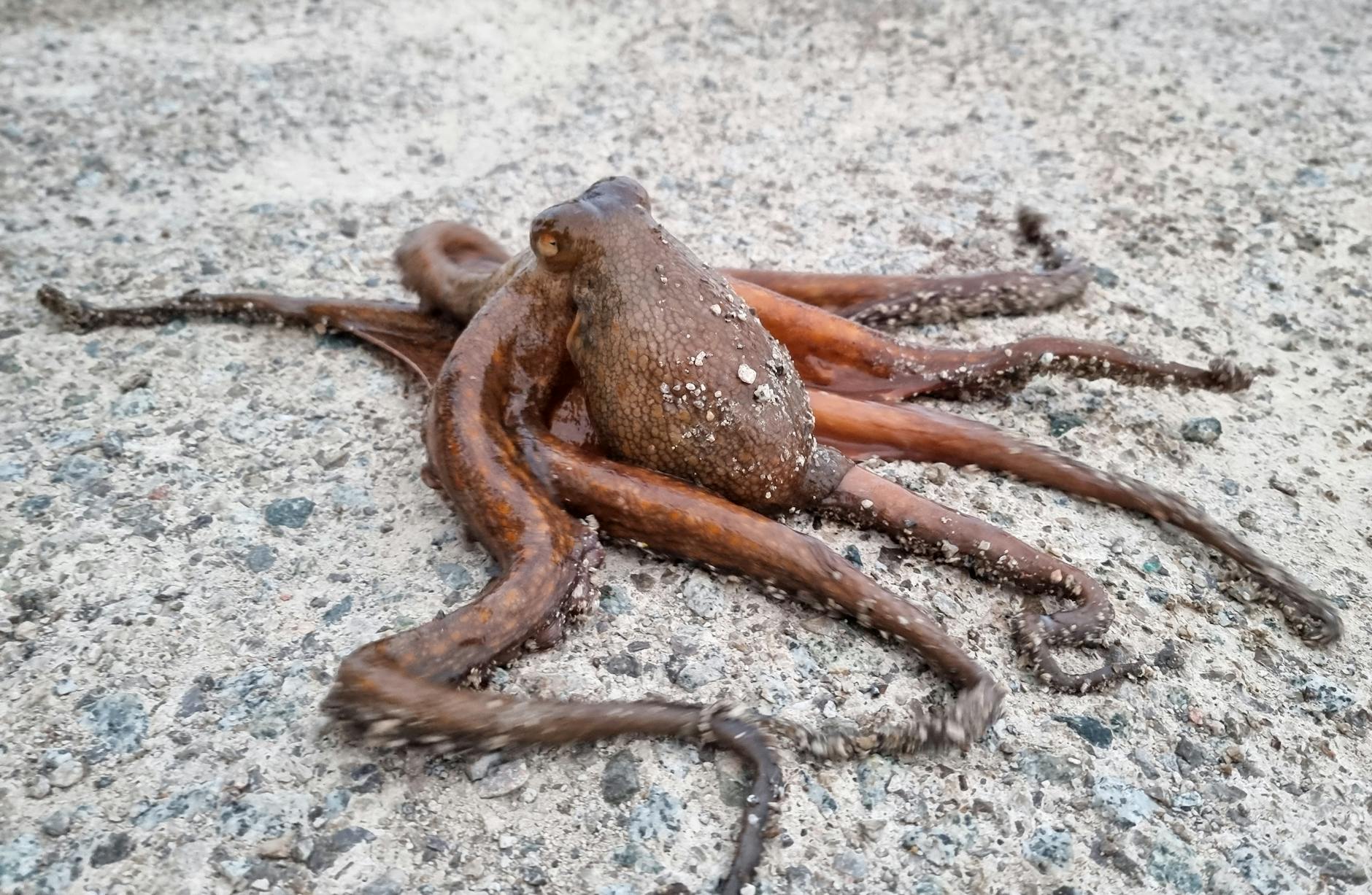
This invertebrate is a master of camouflage and a legendary escape artist in both the wild and aquarium settings. They have a distributed nervous system that allows their arms to act somewhat independently while solving physical puzzles. They can open jars with screw-top lids and use coconut shells as portable shelters for protection. Their curiosity and ability to learn through observation set them apart from almost all other sea creatures.
Bonobo
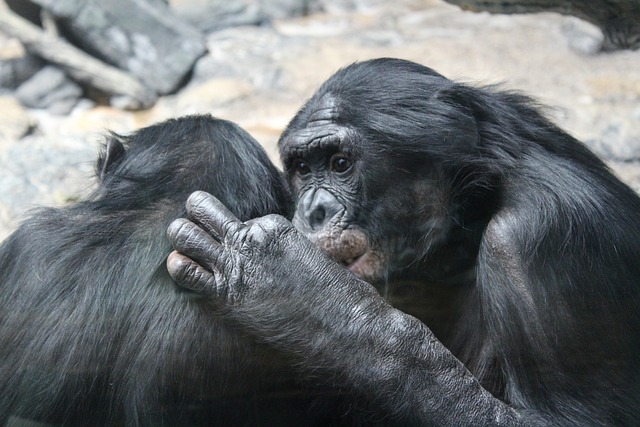
Closely related to chimpanzees, these apes are known for their peaceful social structures and high levels of empathy. They use tools for grooming and foraging and communicate through a wide range of vocalizations and gestures. Their society is matriarchal and relies on social bonding and conflict resolution rather than physical aggression. They have demonstrated the ability to understand human language and perform tasks that require significant cooperation.
Raccoon
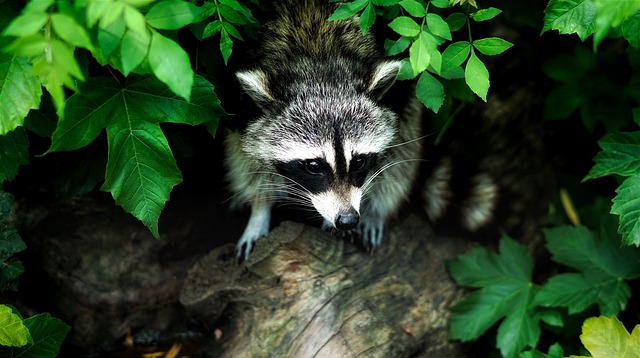
These nocturnal mammals are highly skilled at manual manipulation and can pick locks or open complex latches with ease. They possess a keen spatial memory that allows them to remember the location of food sources for several years. Their sensitive paws provide them with a wealth of tactile information that helps them navigate urban environments. Their ability to adapt to human-dominated landscapes is a direct result of their cleverness and curiosity.
Rat
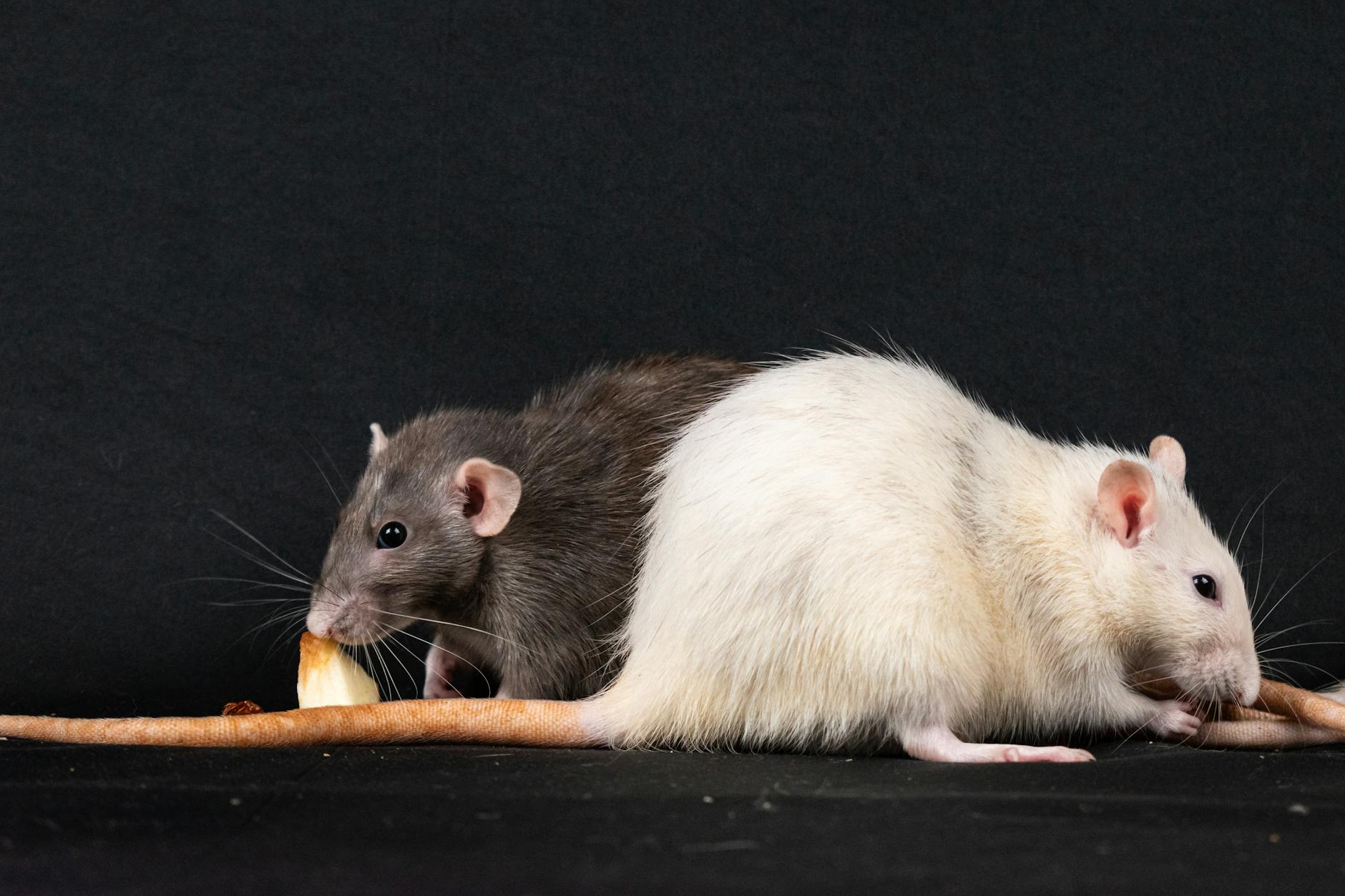
Despite their reputation, these rodents are exceptionally smart and show signs of metacognition or thinking about their own thoughts. They are highly social and have been observed helping other rats in distress even when there is no immediate reward. They can learn to navigate complex mazes and are often used in scientific research because of their quick learning abilities. Their empathy and cooperative nature make them far more intelligent than many people realize.
Pigeon
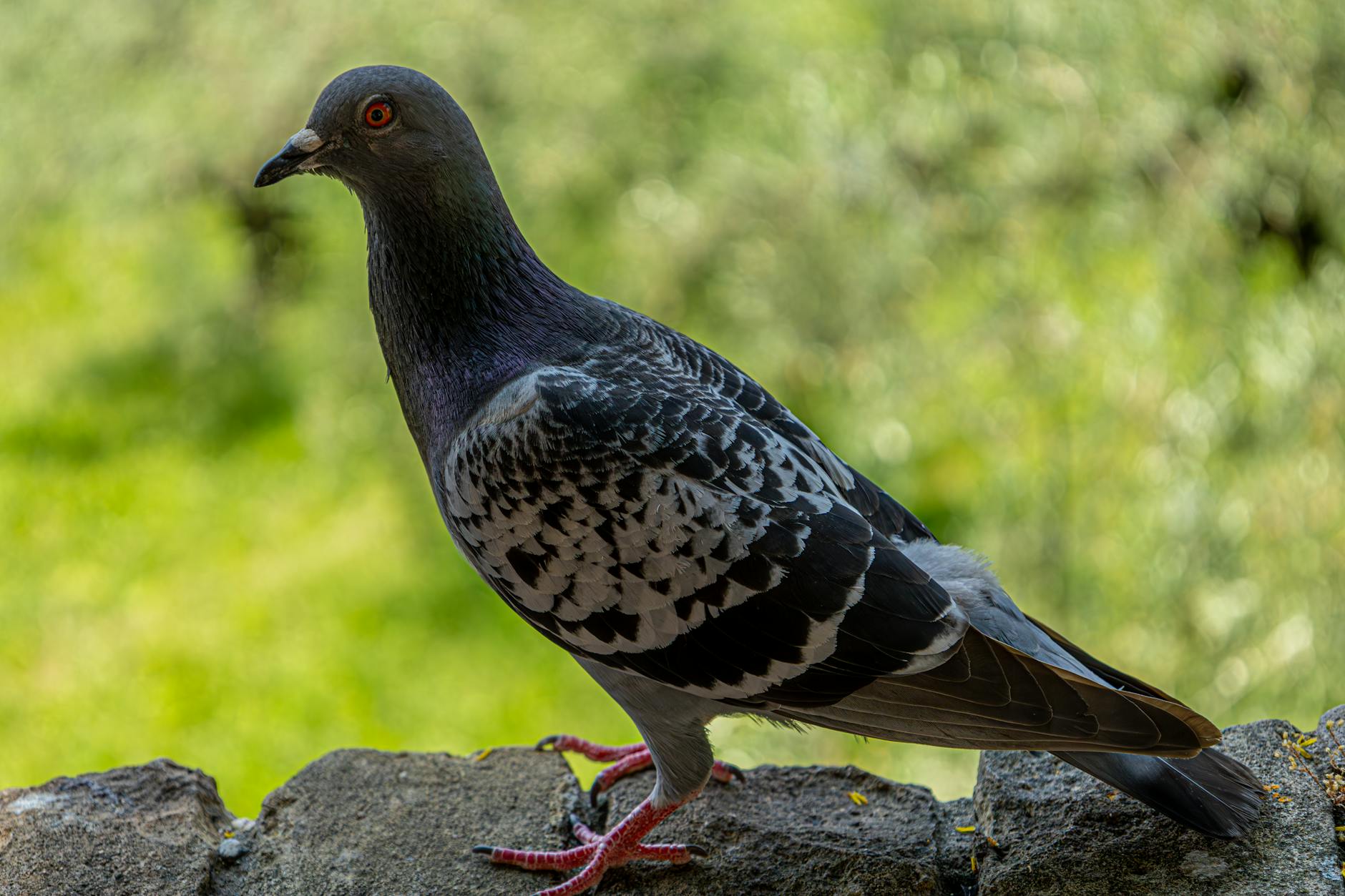
These birds possess an incredible sense of direction and can navigate back to their homes from thousands of miles away. Research has shown they can recognize all twenty-six letters of the alphabet and distinguish between different human faces. They can even be trained to identify subtle differences in medical images such as those used in cancer screenings. Their visual memory is vast and allows them to categorize hundreds of images with high accuracy.
Squirrel
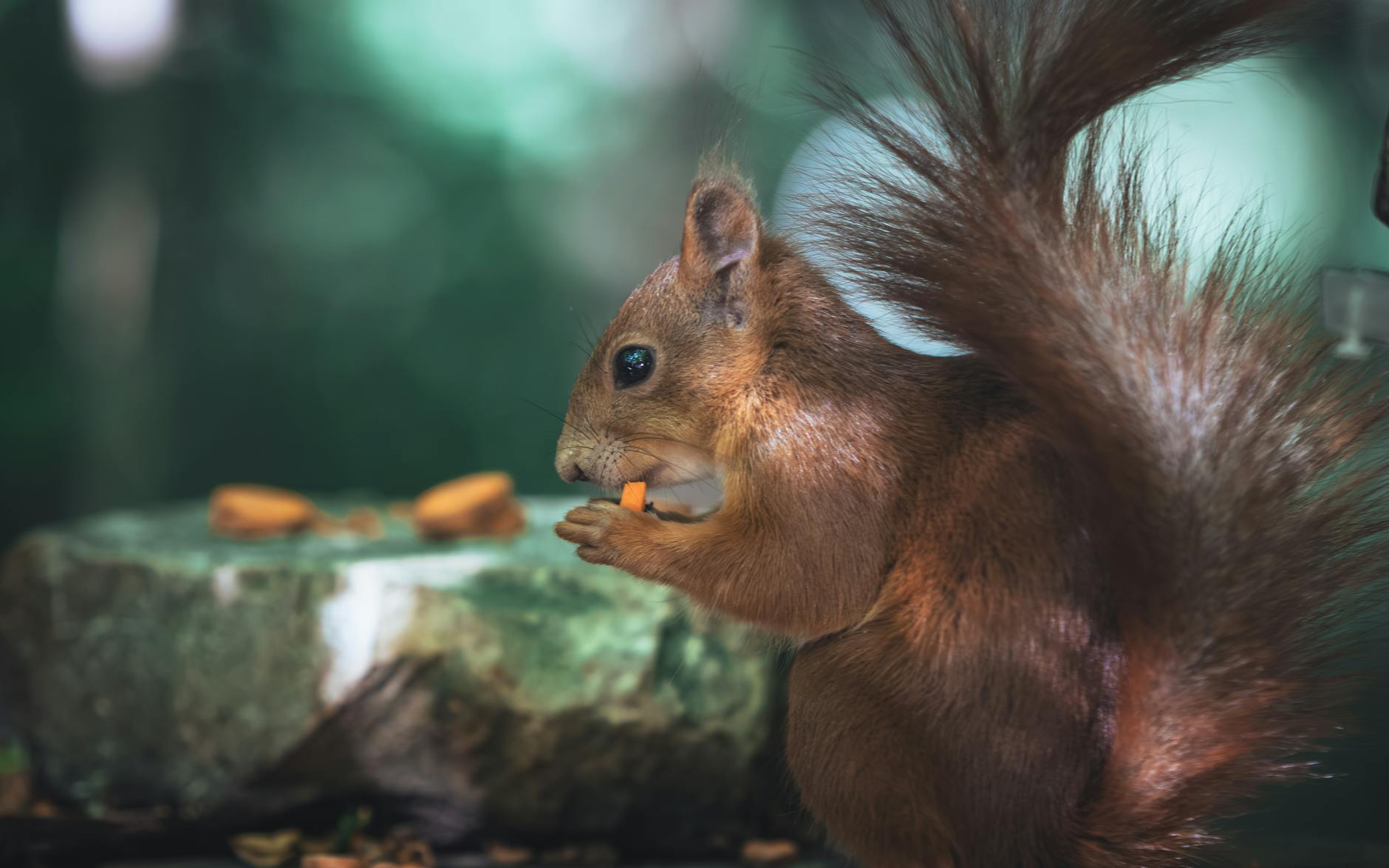
The survival of these small mammals depends on their ability to remember the locations of thousands of hidden nut caches. They use deceptive behavior by digging fake holes to distract potential thieves from their actual food stores. Their spatial memory is highly developed and allows them to thrive in both forests and busy city parks. They are also adept at solving physical obstacles to reach bird feeders or other food sources.
Honeybee
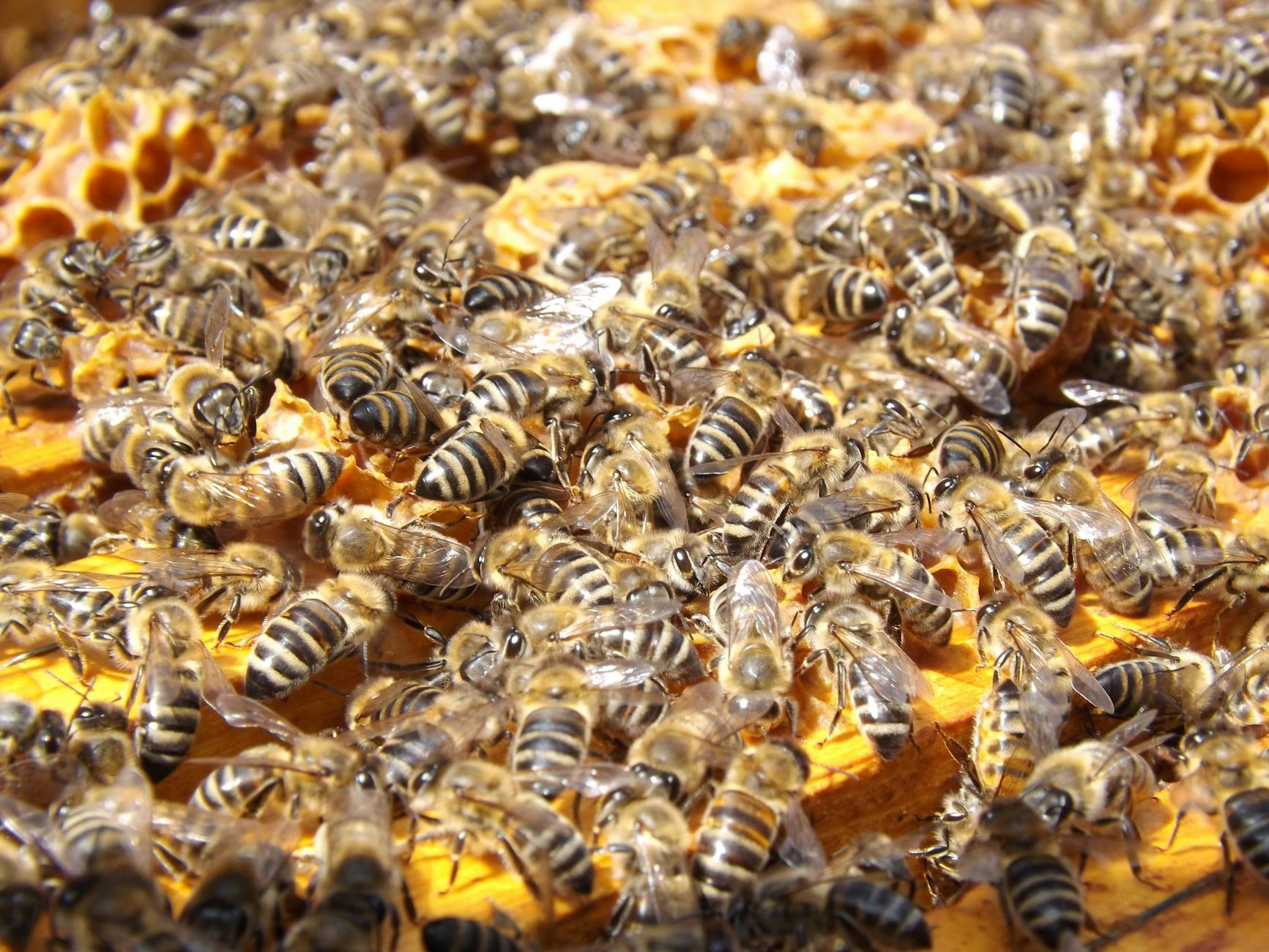
While small, these insects exhibit a form of swarm intelligence that allows a colony to make democratic decisions. They communicate the location of food sources through a complex sequence known as the waggle dance. Recent studies have shown they can understand the concept of zero and perform basic mathematical tasks. Their ability to recognize human faces and navigate over long distances is remarkably efficient for their brain size.
Gray Wolf
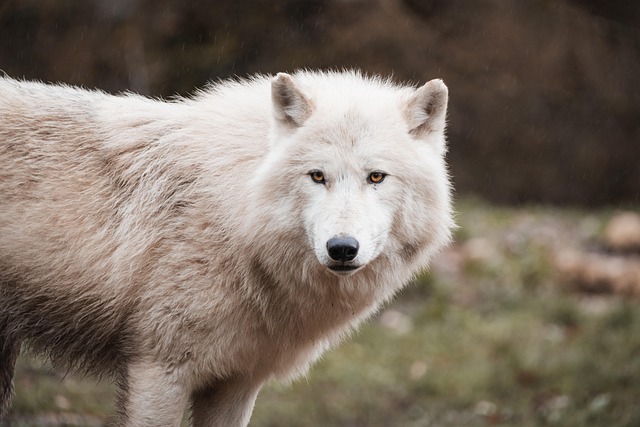
As social predators, these animals rely on high levels of cooperation and communication to hunt large prey successfully. They maintain strict social hierarchies and use a variety of vocalizations and body language to maintain order. Their problem-solving skills are evident in the way they adapt their hunting strategies to different terrains and conditions. They show deep loyalty to their pack members and participate in communal care for their young.
California Sea Lion
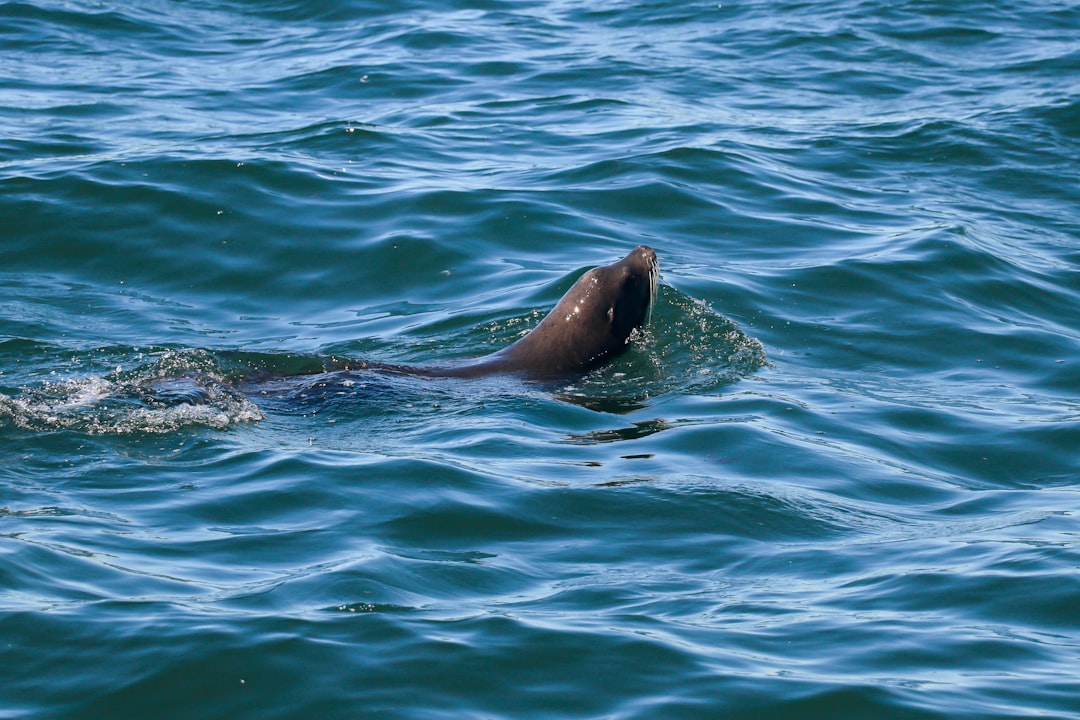
These marine mammals are highly trainable and have been used by the military for underwater search and recovery missions. They can follow complex visual and verbal commands and solve logical puzzles involving symbols. Their social nature involves living in large colonies where they communicate through barks and other vocalizations. They demonstrate a high degree of curiosity and can learn new behaviors through observation of their peers.
Spotted Hyena
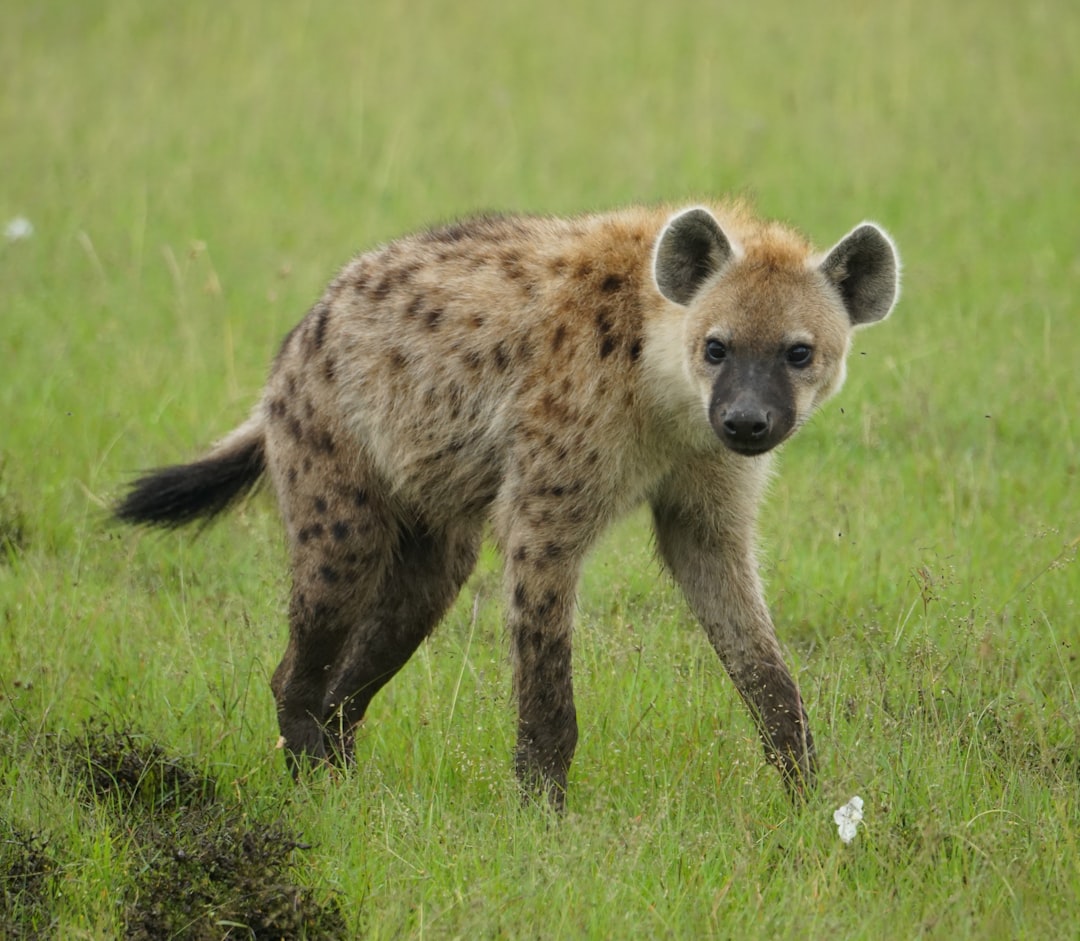
Often misunderstood, these carnivores have a frontal cortex that rivals that of some primates in its complexity. They live in large clans with intricate social rules and show advanced cooperative behavior when hunting or defending territory. Research indicates they can solve social puzzles and recognize the status of every individual within their group. Their ability to innovate new solutions to problems shows a high level of cognitive flexibility.
Kea
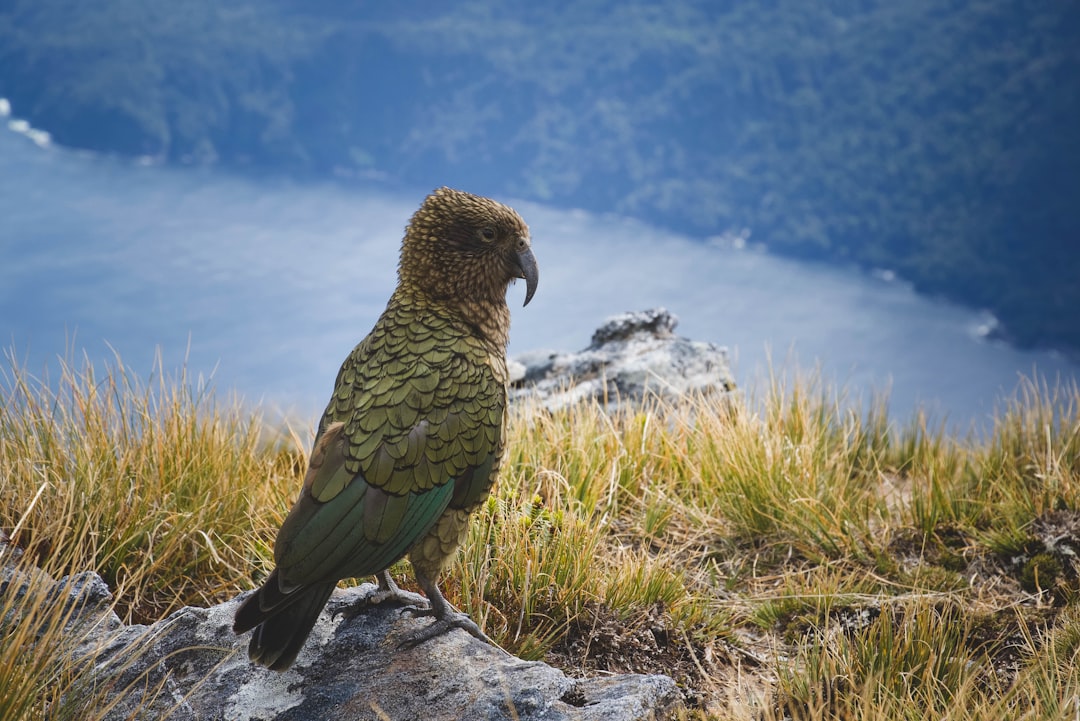
This mountain parrot from New Zealand is famous for its curiosity and its habit of investigating human property. They are highly skilled at cooperative problem-solving and can work together to pull levers or open containers. They have been observed using sticks as tools to trigger traps or extract food from tight spots. Their playfulness is a sign of high intelligence as they constantly explore and test their environment.
Cuttlefish
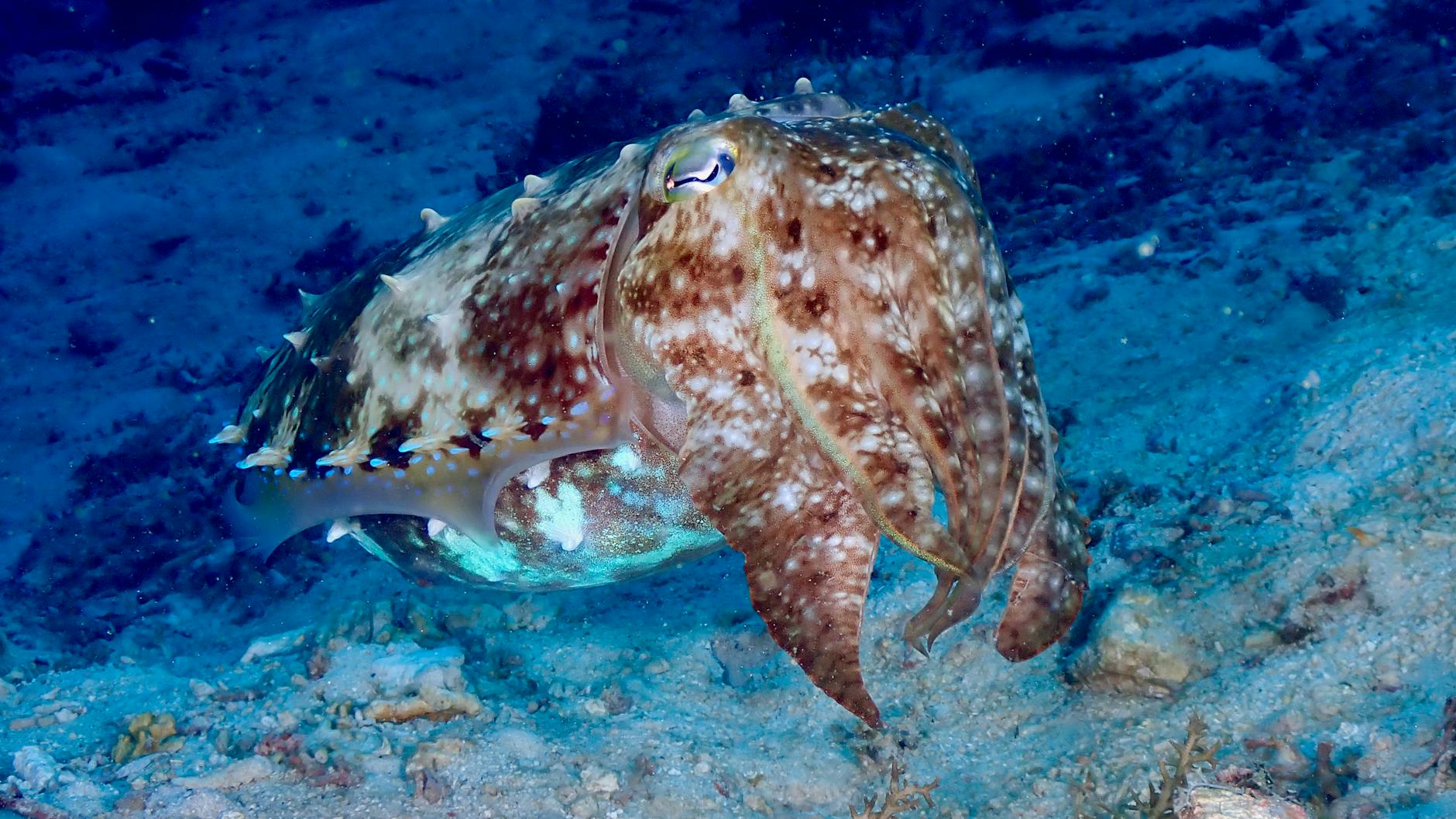
Like their octopus cousins, these cephalopods are masters of disguise and use rapid color changes to communicate. They have been shown to pass the marshmallow test which is a classic psychological assessment for self-control. This ability to delay gratification indicates a level of future planning and executive function. Their hunting strategies involve sophisticated mimicry and the ability to outsmart both prey and predators.
Horse
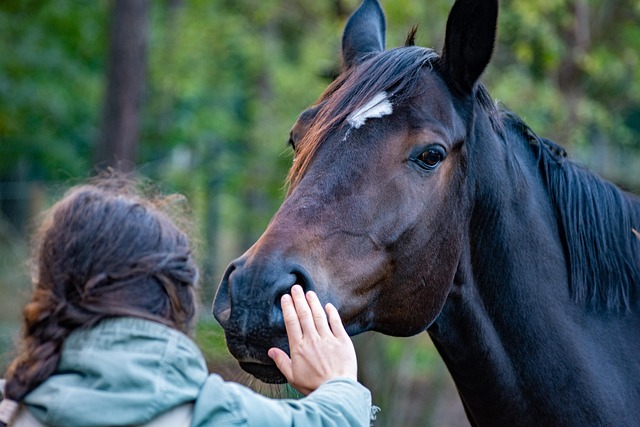
These animals are highly sensitive to human emotions and can read subtle body language and facial expressions. They communicate with people differently depending on the information they believe the person possesses. This suggests a theory of mind where the horse understands that others have different perspectives. Their long-term memory allows them to remember people and specific training routines for many years.
Capuchin Monkey
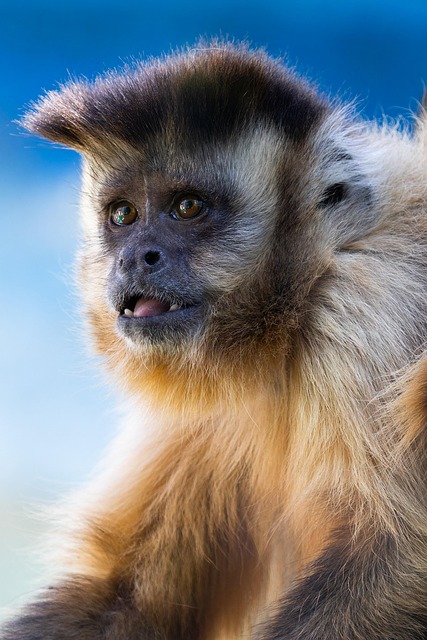
These small primates are famous for their extensive use of stone tools to crack open tough seeds and nuts. They have a keen sense of fairness and will show frustration if they see a peer receiving a better reward for the same task. Their social groups are dynamic and require constant navigation of relationships and alliances. They are highly observant and can learn new skills by watching others in their group.
Gorilla
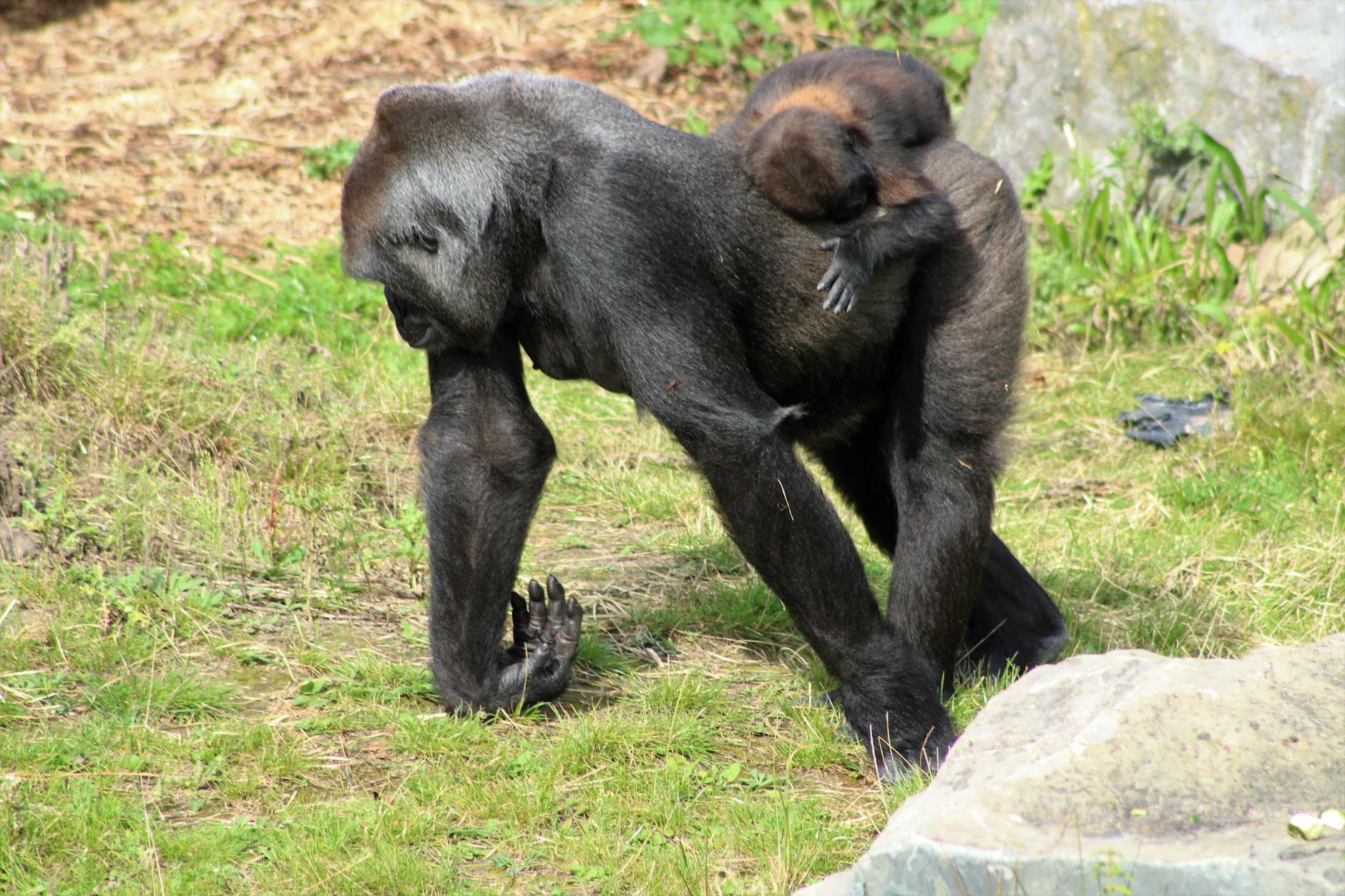
The largest of the great apes demonstrates intelligence through the use of sign language and the creation of tools. They have been seen using sticks to test the depth of water before crossing or to build bridges for their young. Their social structures are based on strong family bonds led by a dominant silverback. They express a wide range of emotions and show a deep understanding of their social environment.
Magpie
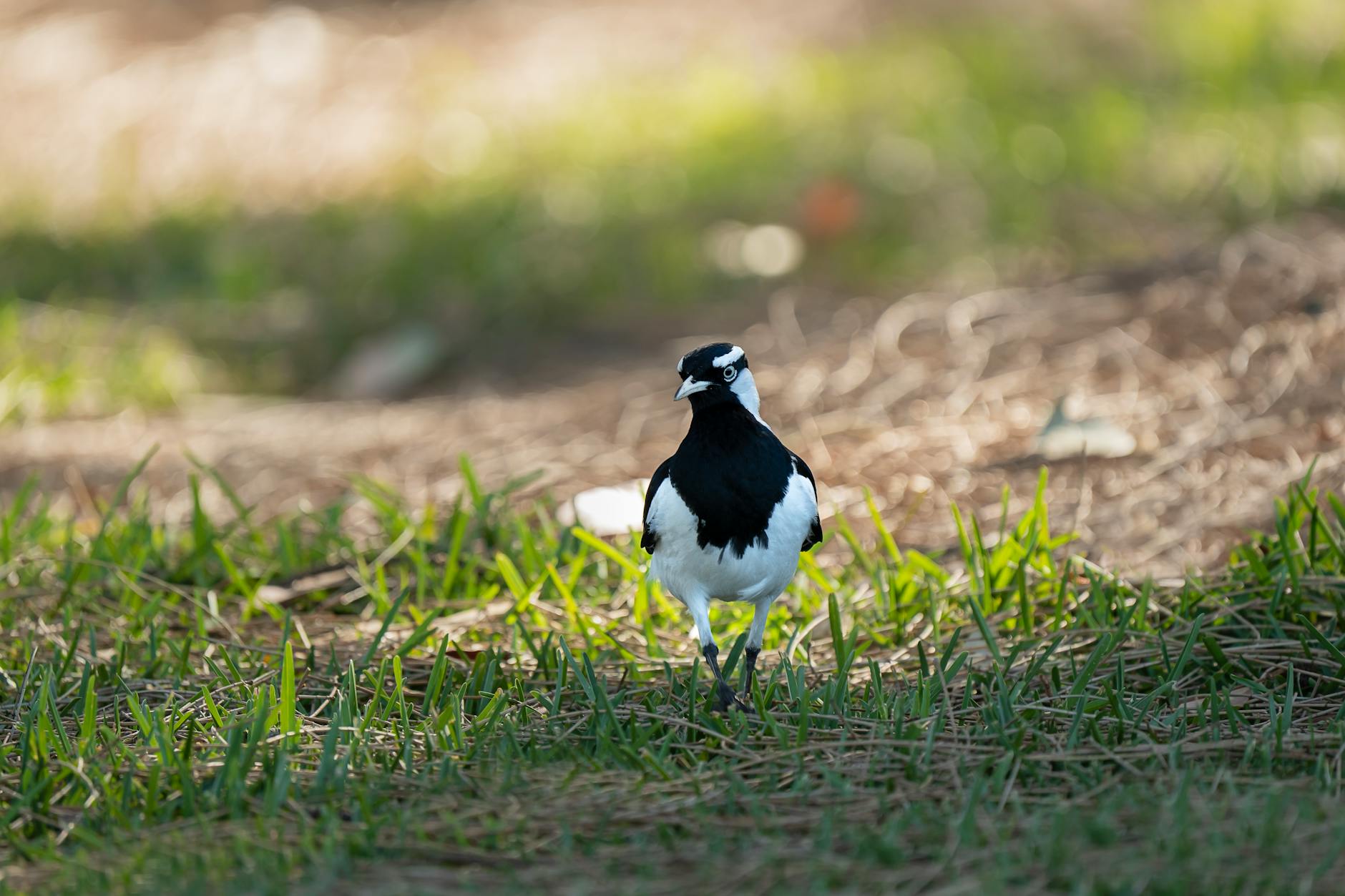
These birds are among the few non-mammals that have passed the mirror self-recognition test. They are known for their habit of caching food and their ability to remember exactly where it is hidden. Socially they are very active and have been observed holding communal gatherings that resemble social rituals. Their problem-solving skills allow them to adapt to a variety of habitats and food sources.
Baboon
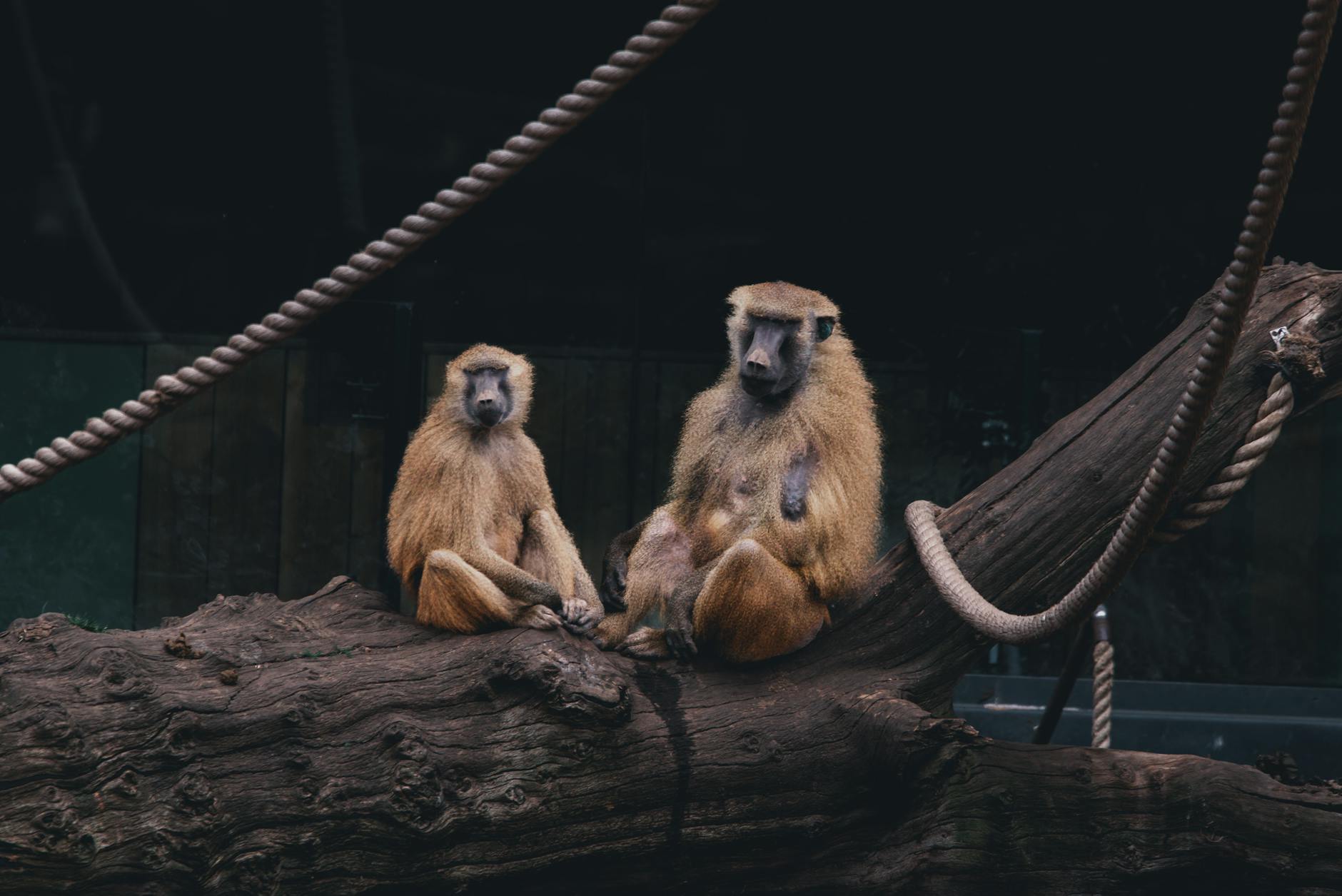
Living in large and complex troops requires these primates to have a high level of social intelligence. They can recognize hundreds of individual vocalizations and understand the social rank of every member in their group. Their ability to navigate social politics and form strategic alliances is key to their survival. They are also skilled foragers who can adapt their diet based on seasonal availability.
Llama
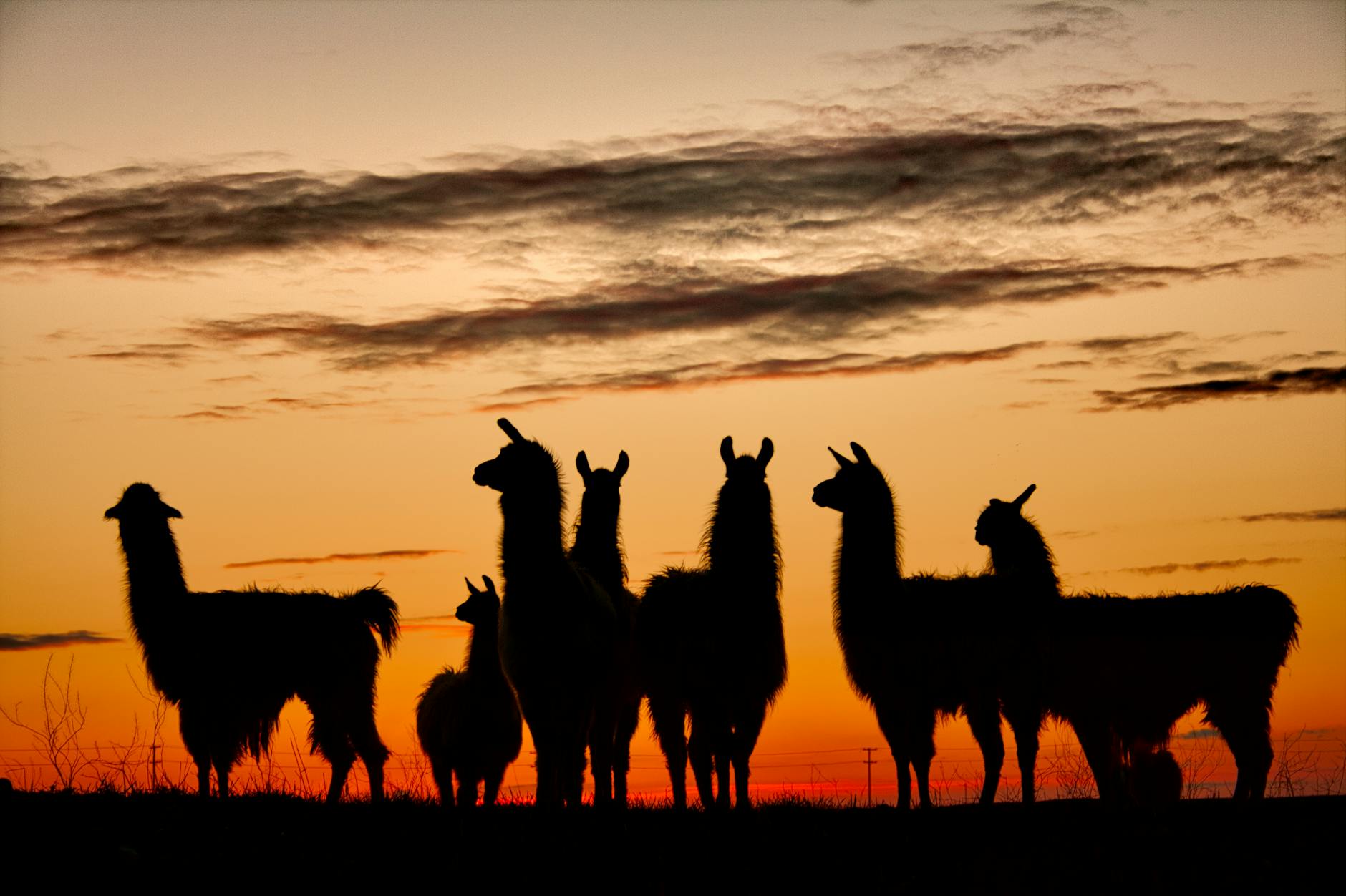
These animals are surprisingly clever and have been observed using mirrors to locate food that is out of their direct line of sight. They are very observant of their surroundings and can learn to follow complex paths through difficult terrain. In a social context they use a variety of ear positions and vocalizations to communicate with the rest of the herd. Their ability to learn and retain new tasks makes them effective guard animals for livestock.
Deer
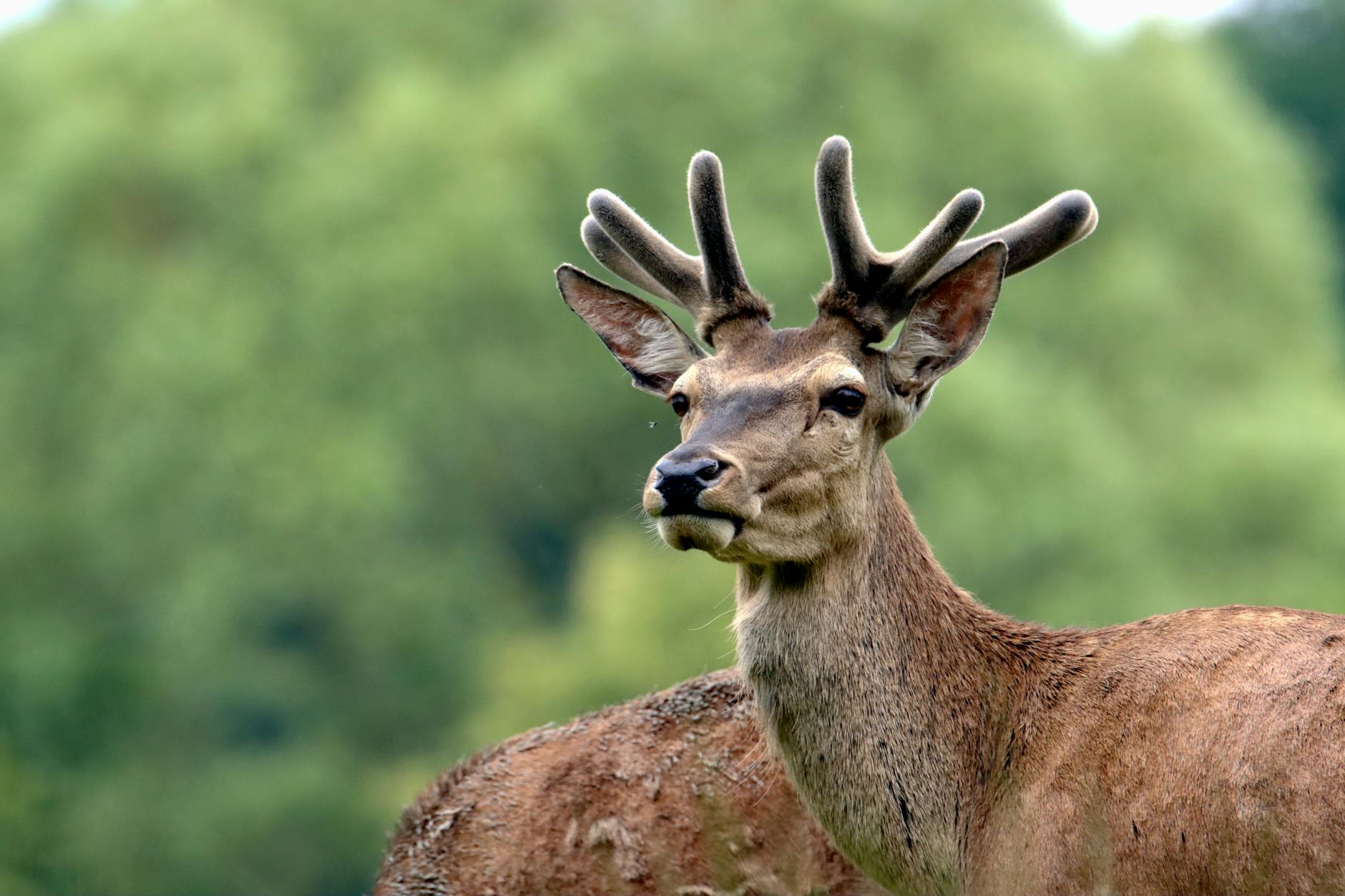
While often seen as skittish, these animals show a high level of environmental awareness and memory. They can remember safe paths and seasonal food sources across large territories. Some studies suggest they have the ability to solve simple puzzles and learn through experience. Their social structures involve complex communication during mating seasons and when alerting the herd to danger.
American Alligator
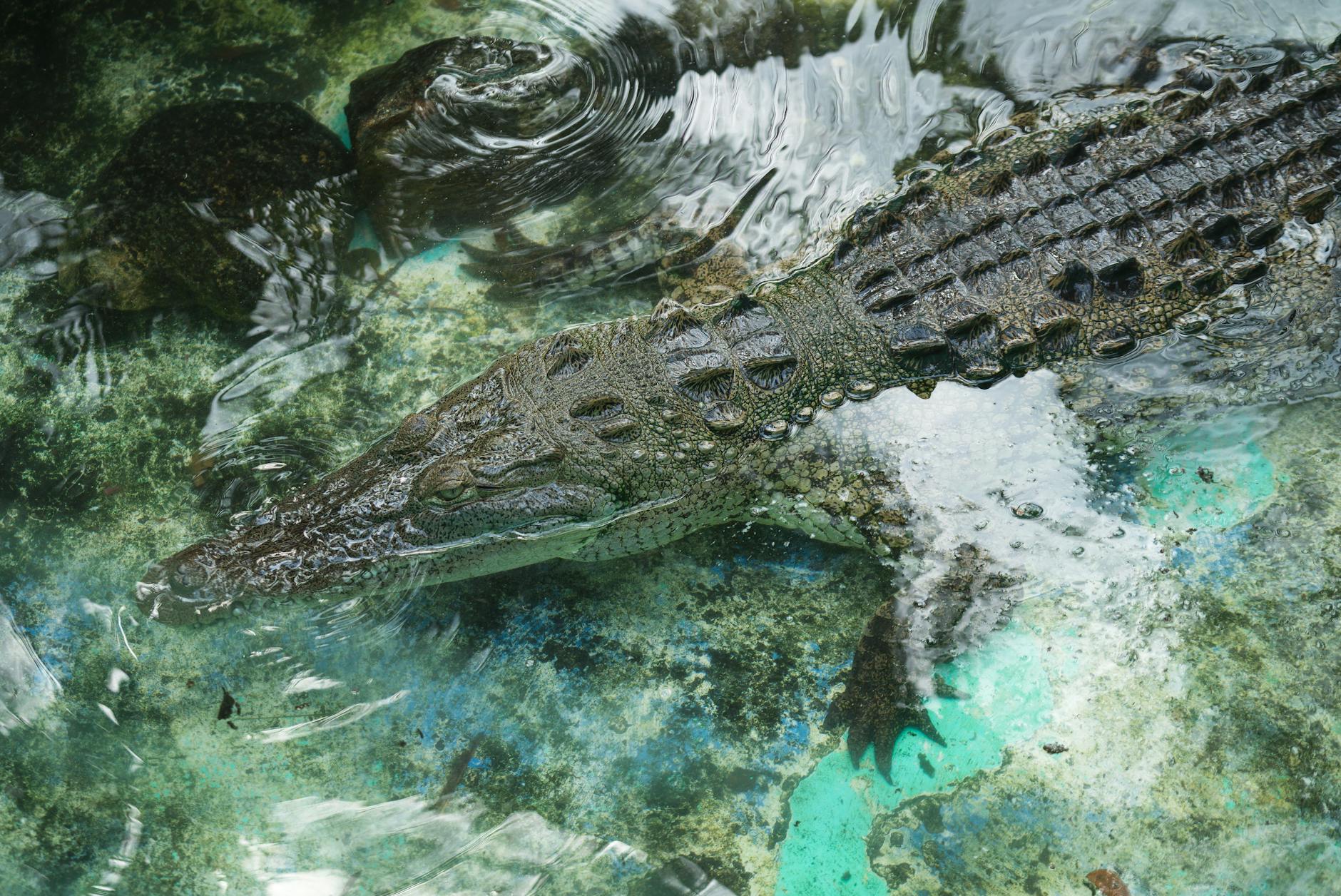
Recent research has shown that these reptiles are far more intelligent than previously thought and can use tools to hunt. They have been observed placing sticks on their snouts to lure birds looking for nesting material. This level of planning and deception is a sign of high-level cognitive function. They also show parental care which is relatively rare among reptiles and requires social communication.
Cat

Domestic cats are highly independent and possess a refined ability to learn through observation and trial. They have nearly double the number of brain neurons compared to dogs and excel in sensory processing. They can recognize their owners’ voices and adapt their routines to fit the habits of the household. Their problem-solving skills are often displayed when they figure out how to open doors or reach hidden treats.
Sheep
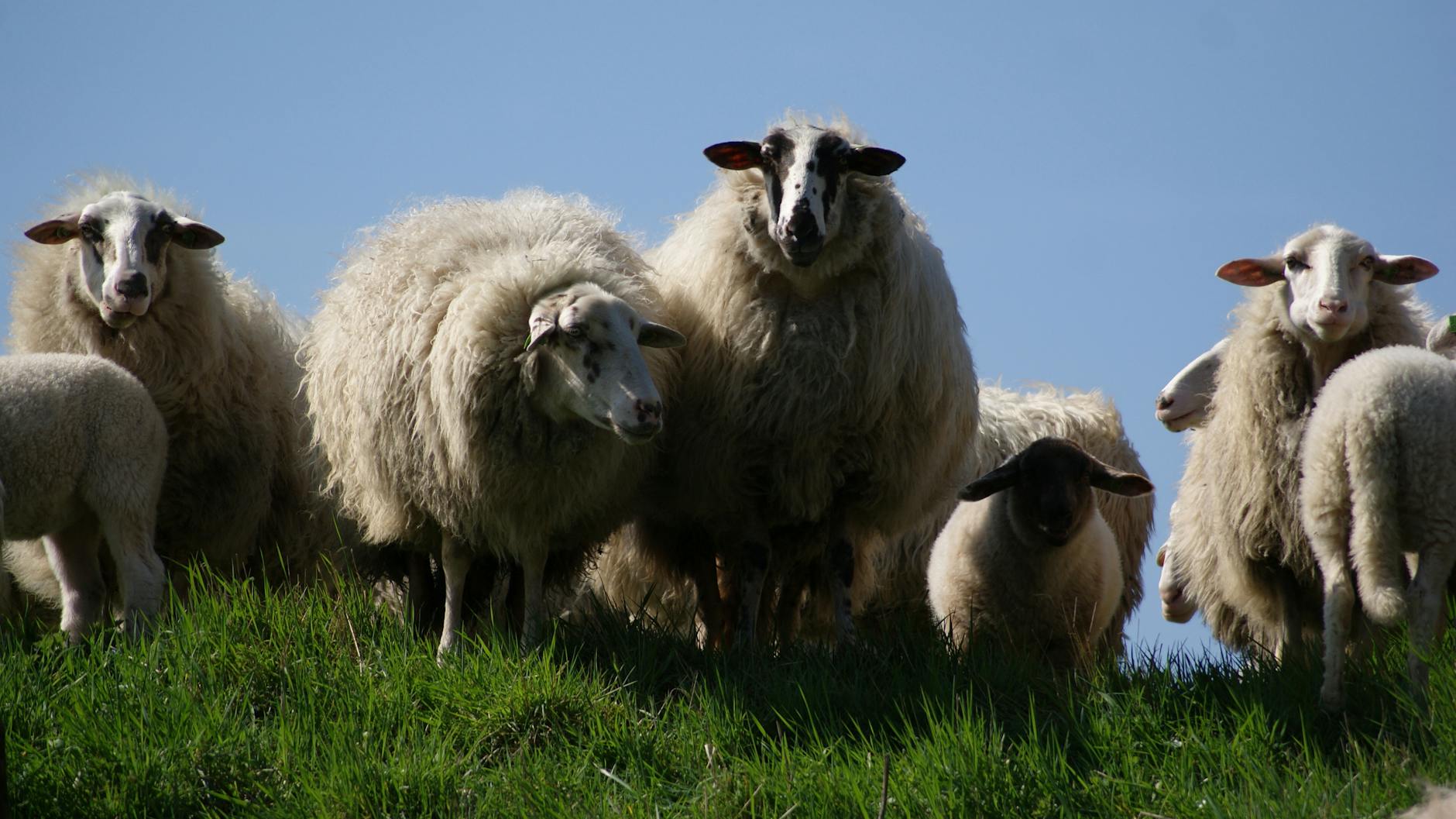
Contrary to popular belief these animals have excellent facial recognition skills and can remember individual humans and sheep for years. They can distinguish between different emotional expressions and prefer to look at calm or happy faces. Their social intelligence allows them to form complex flock dynamics and cooperate for protection. They can also navigate mazes and remember the correct path to find a reward.
Spider Monkey
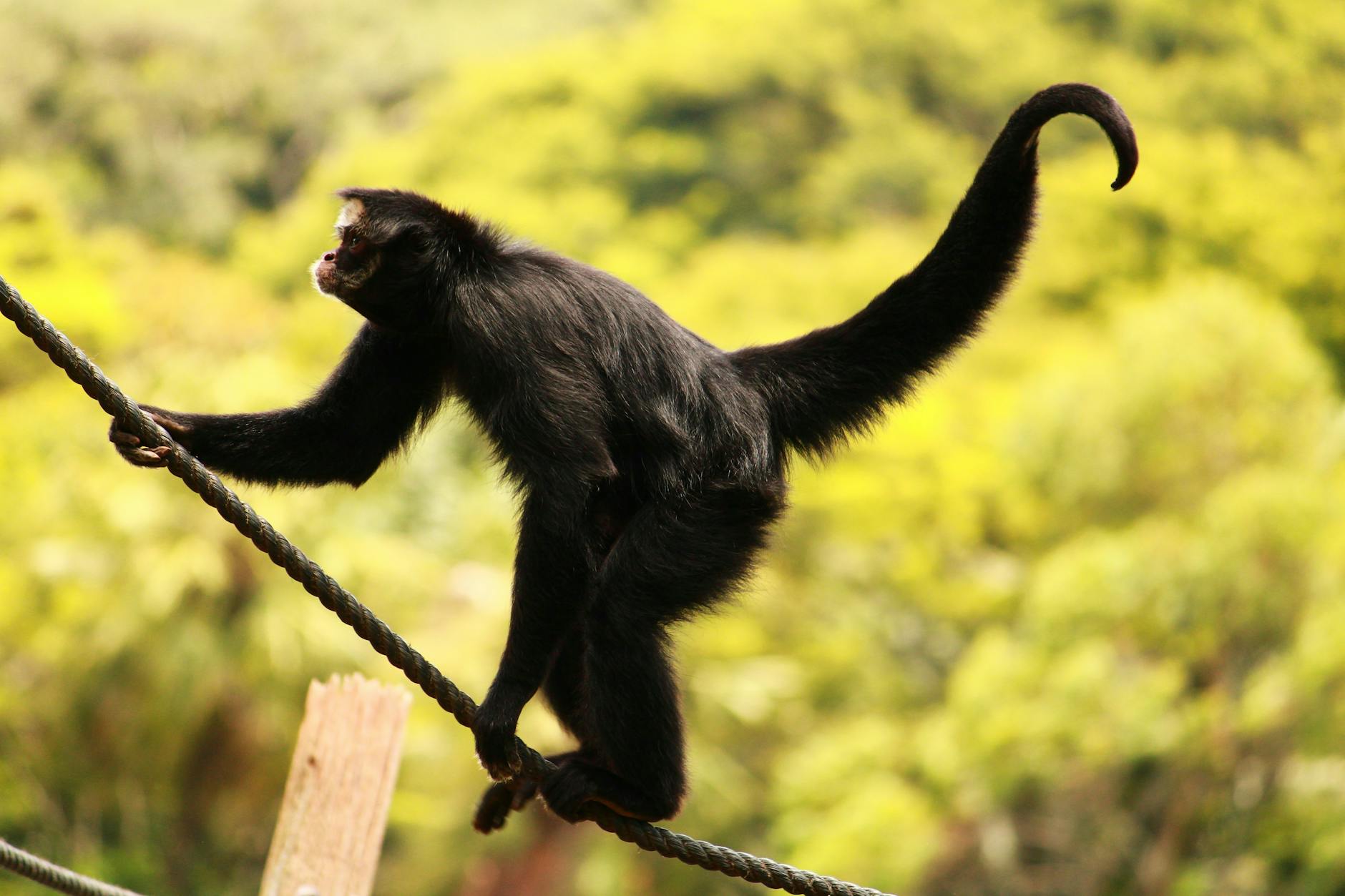
These primates use their high intelligence to navigate the complex social and physical environment of the rainforest canopy. They have a fission-fusion social structure where the group splits and reunites based on food availability. This requires them to remember various social connections and food locations over a large area. They use a wide variety of vocalizations to communicate with group members who are out of sight.
Blue Jay
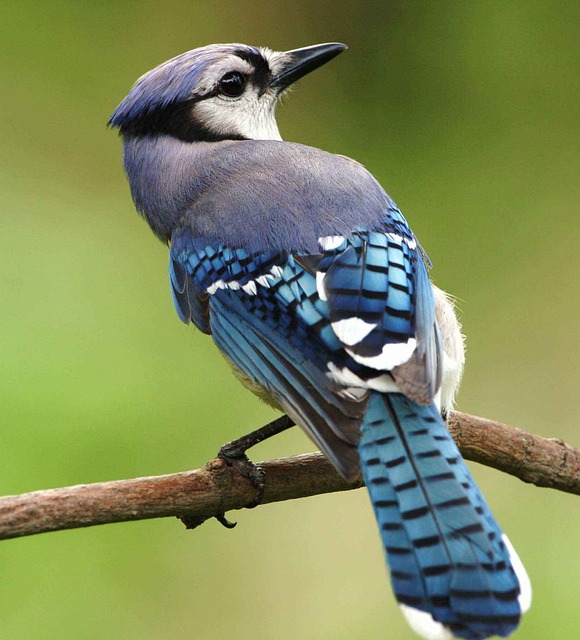
Like other members of the crow family these birds are highly intelligent and have an excellent spatial memory. They are known for caching thousands of acorns and remembering their locations months later. They can mimic the calls of hawks to scare other birds away from food sources. Their social interactions are complex and they often work together to defend their nests from predators.
Goat
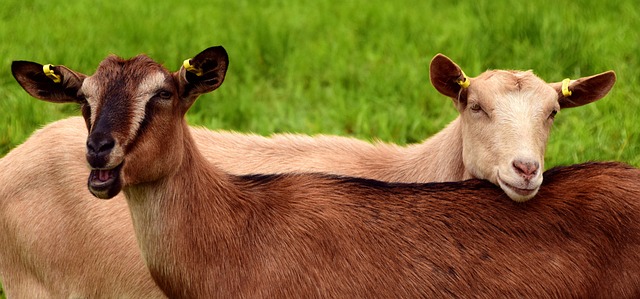
These animals are known for their curiosity and their ability to solve physical puzzles to reach food. They have a high level of social intelligence and can understand human gestures like pointing. In the wild they navigate incredibly difficult terrain which requires constant problem-solving and spatial awareness. Their ability to learn new tasks and remember them for long periods makes them much smarter than many people assume.
Ant
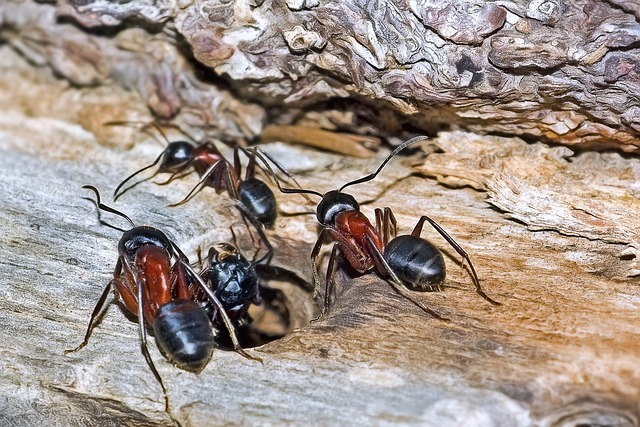
Individual ants may have small brains but the colony as a whole exhibits a high level of collective intelligence. They organize complex farming systems and build intricate structures with remarkable precision. They use chemical signals to communicate and coordinate tasks like food gathering and territory defense. Their ability to adapt to changes in their environment shows a sophisticated level of group problem-solving.
Share your favorite story of animal intelligence in the comments.