Walking into a hair salon prepared can make the difference between a transformative experience and a costly mistake. Professional stylists train for years to master their craft and certain requests can put both your hair health and their expertise in an impossible position. Understanding what not to ask for protects your hair, respects the professional relationship, and ensures you always leave the chair happy.
A Same-Day Appointment for a Complex Color Service
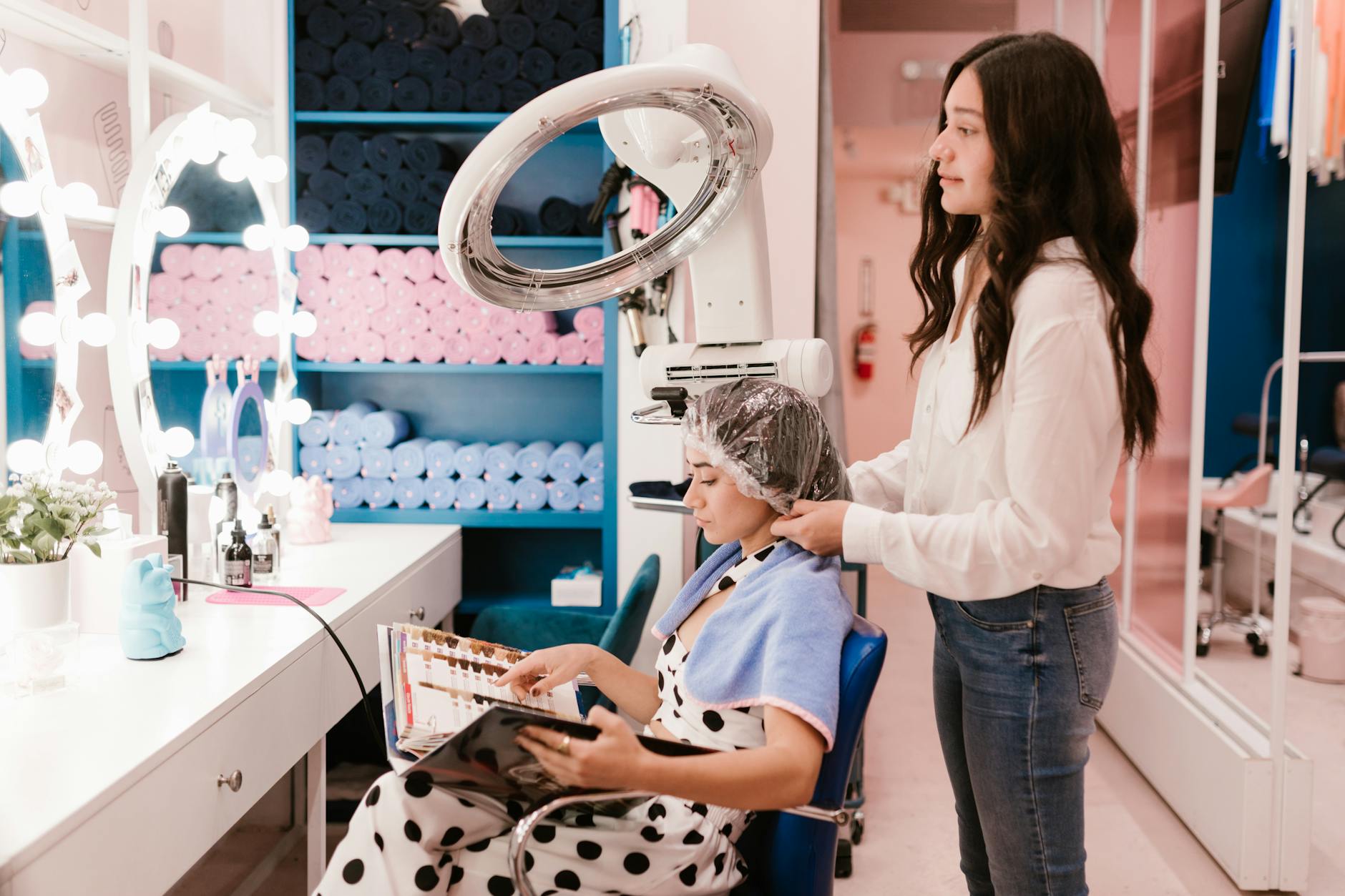
Color corrections, full balayage sets, and multi-process treatments require advanced booking because they can take four to eight hours to complete properly. Stylists need time to prepare the correct formulas and allocate the appropriate chair time for technical work. Arriving without an appointment and expecting a complex service the same day places enormous pressure on the salon’s schedule. Most reputable salons will decline rather than rush a service that could damage your hair if done incorrectly.
Going From Black to Platinum in One Session
Lifting very dark hair to a true platinum shade is a multi-stage process that cannot safely be completed in a single appointment. The hair must be gradually lightened over several sessions to avoid severe breakage and irreparable damage to the hair shaft. Rushing this process often results in uneven, brassy tones or hair that snaps off at the roots. Professional colorists will always recommend a staged approach spanning weeks or even months to achieve a healthy result.
A Cut Based Only on a Celebrity Photo
Bringing in a photo of a celebrity hairstyle without acknowledging differences in hair texture, density, or face shape sets unrealistic expectations. What looks effortless on a fine-haired actress may behave entirely differently on thick, coarse, or curly hair. Stylists can use photos as a reference point for direction but they cannot replicate another person’s natural hair characteristics. A good consultation involves discussing how a similar style can be adapted to suit your specific hair type.
Bleaching Already Chemically Damaged Hair
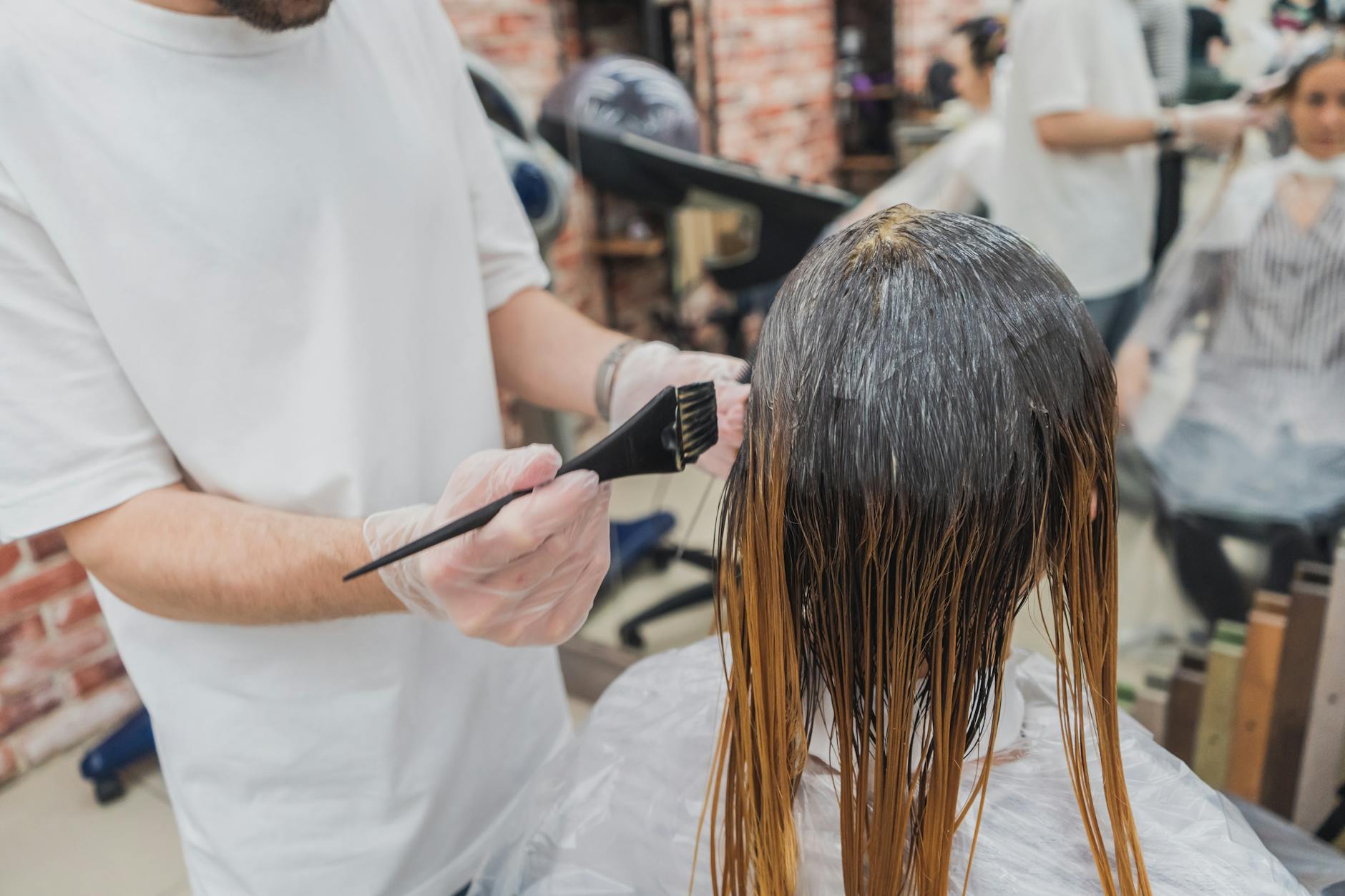
Hair that has undergone previous chemical relaxing, heavy coloring, or heat damage may not have the structural integrity to withstand a bleaching process. Applying bleach to compromised strands can cause them to dissolve, snap, or develop irreversible porosity issues. A professional stylist will typically perform a strand test and may advise a period of intensive conditioning before any lightening service is attempted. Pushing for bleach on visibly damaged hair dramatically increases the risk of significant hair loss.
Multiple Chemical Services in One Visit
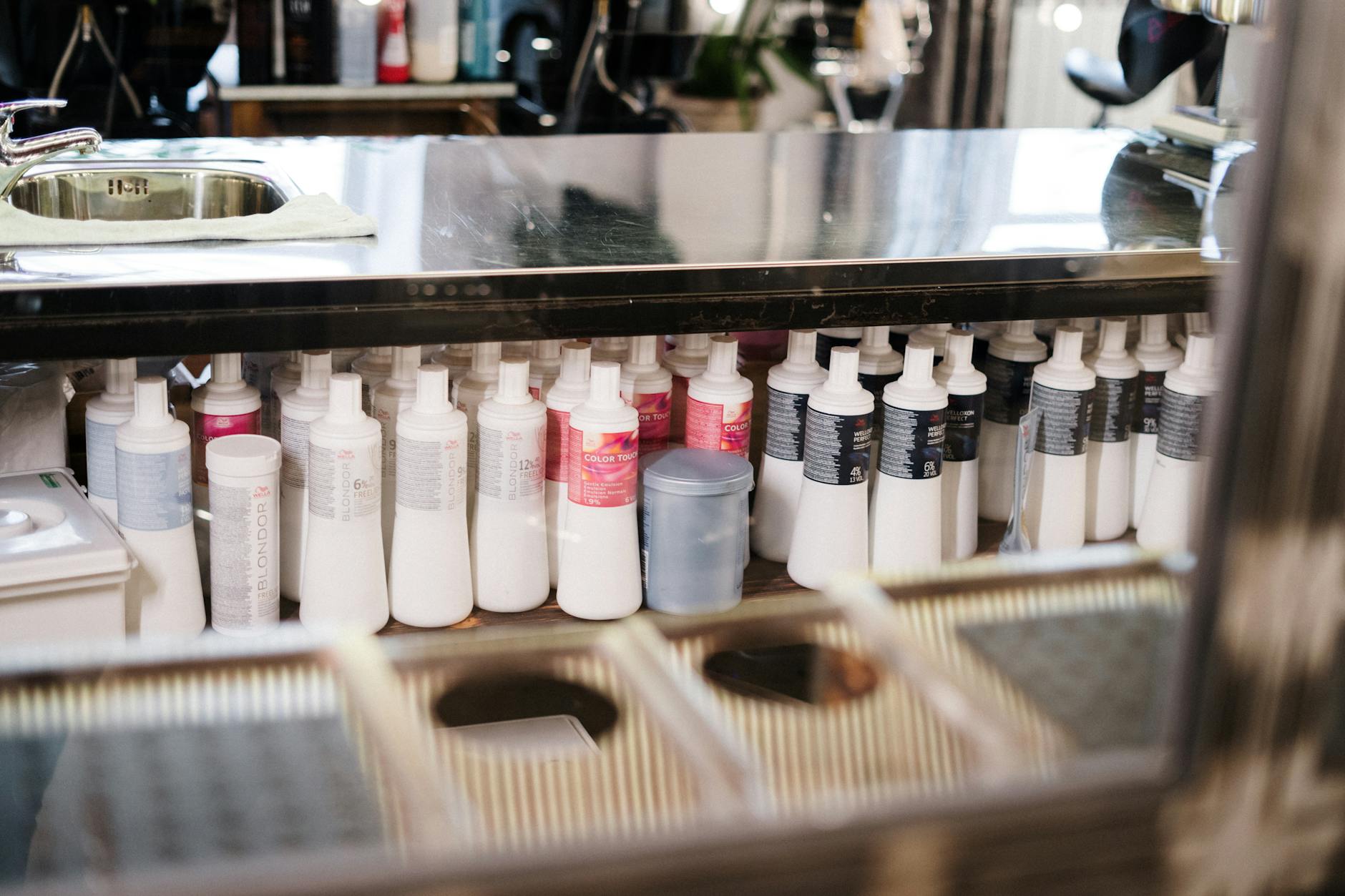
Combining a perm, a color treatment, and a relaxer in the same appointment creates a dangerously high chemical load on the hair. Each of these processes alters the internal structure of the hair strand and layering them simultaneously multiplies the potential for damage. Most trained stylists will refuse to perform more than one chemical service per visit as a standard safety practice. Spacing chemical treatments several weeks apart allows the hair time to recover and stabilize.
A Specific Haircut That Contradicts Your Natural Texture
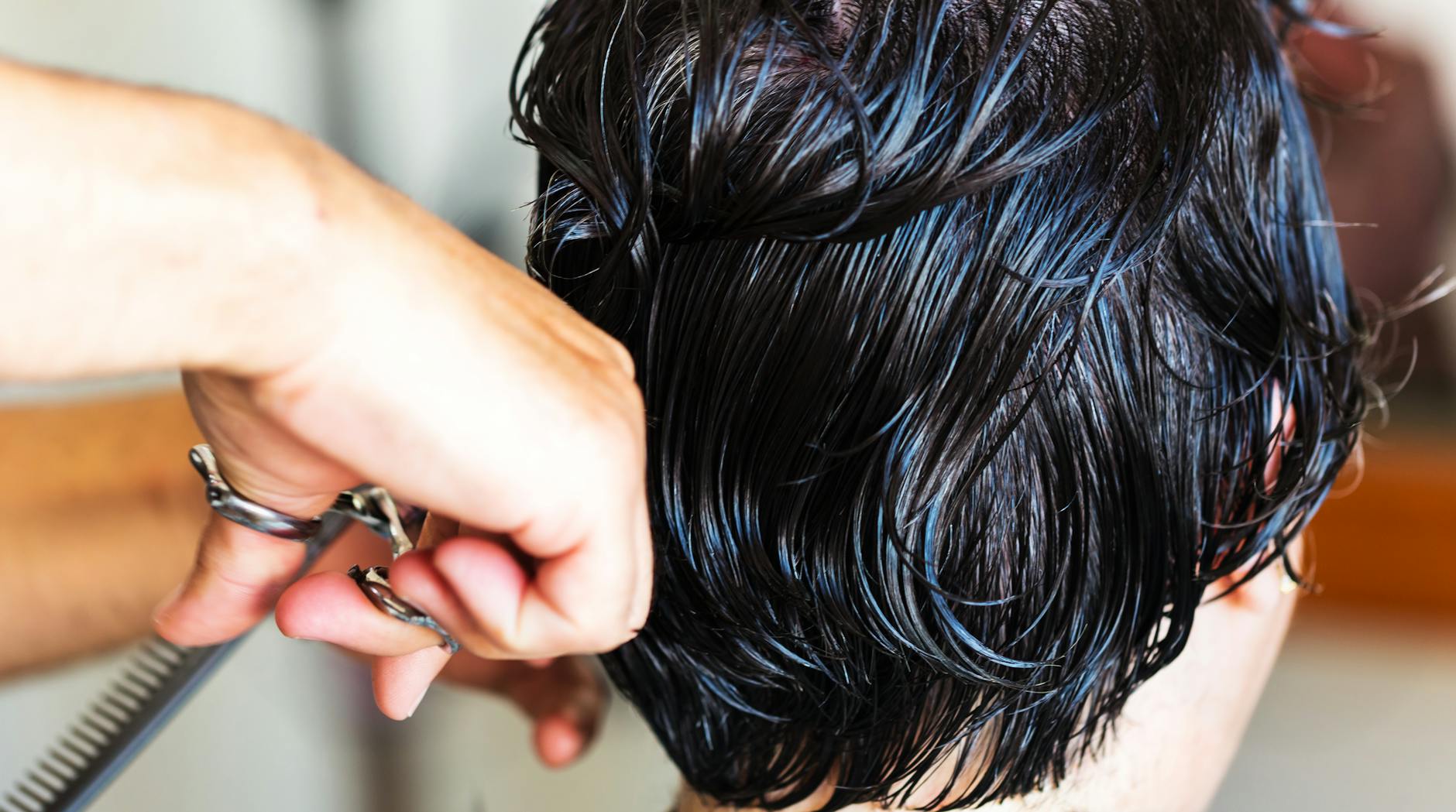
Requesting a sleek, straight, precision cut on naturally curly or coily hair without discussing texture management first can lead to disappointing results at home. Curly hair shrinks significantly when dry and a cut that looks perfect when blown out may appear uneven once it curls back up. Stylists who specialize in textured hair use different cutting techniques than those applied to straight hair. Communicating your styling habits and daily routine helps your stylist tailor the cut to how your hair naturally behaves.
Box Dye Application Before Your Salon Appointment
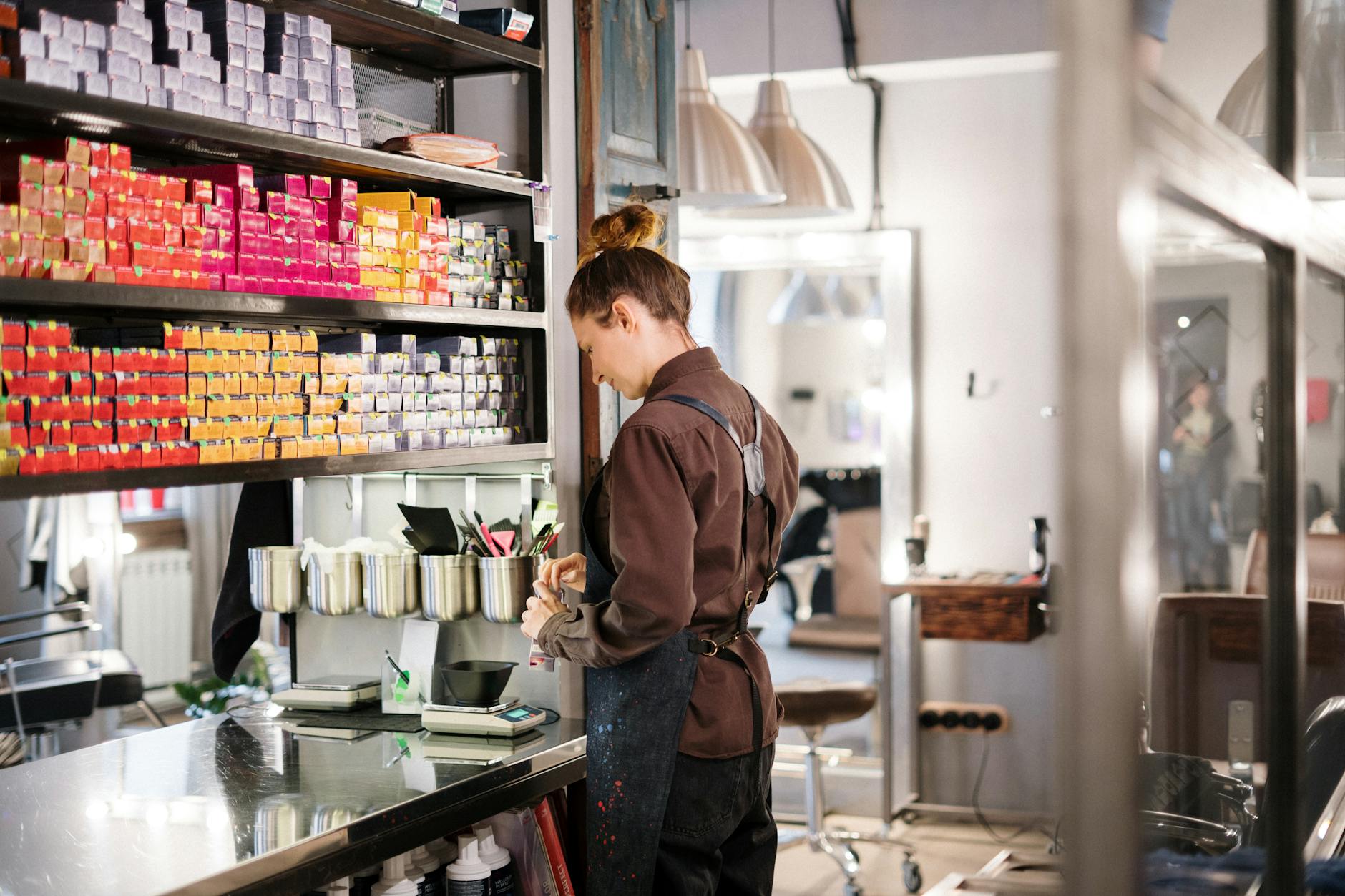
Applying drugstore box dye before a professional color appointment creates serious complications for the stylist. Box dyes contain metallic salts and unpredictable pigment concentrations that can react badly when professional color or bleach is applied on top. These reactions can cause uneven color results, excessive heat generation on the scalp, or severe breakage. Stylists may need to charge additional time and product costs to work around previous box dye applications.
Skipping the Patch Test for Coloring Services
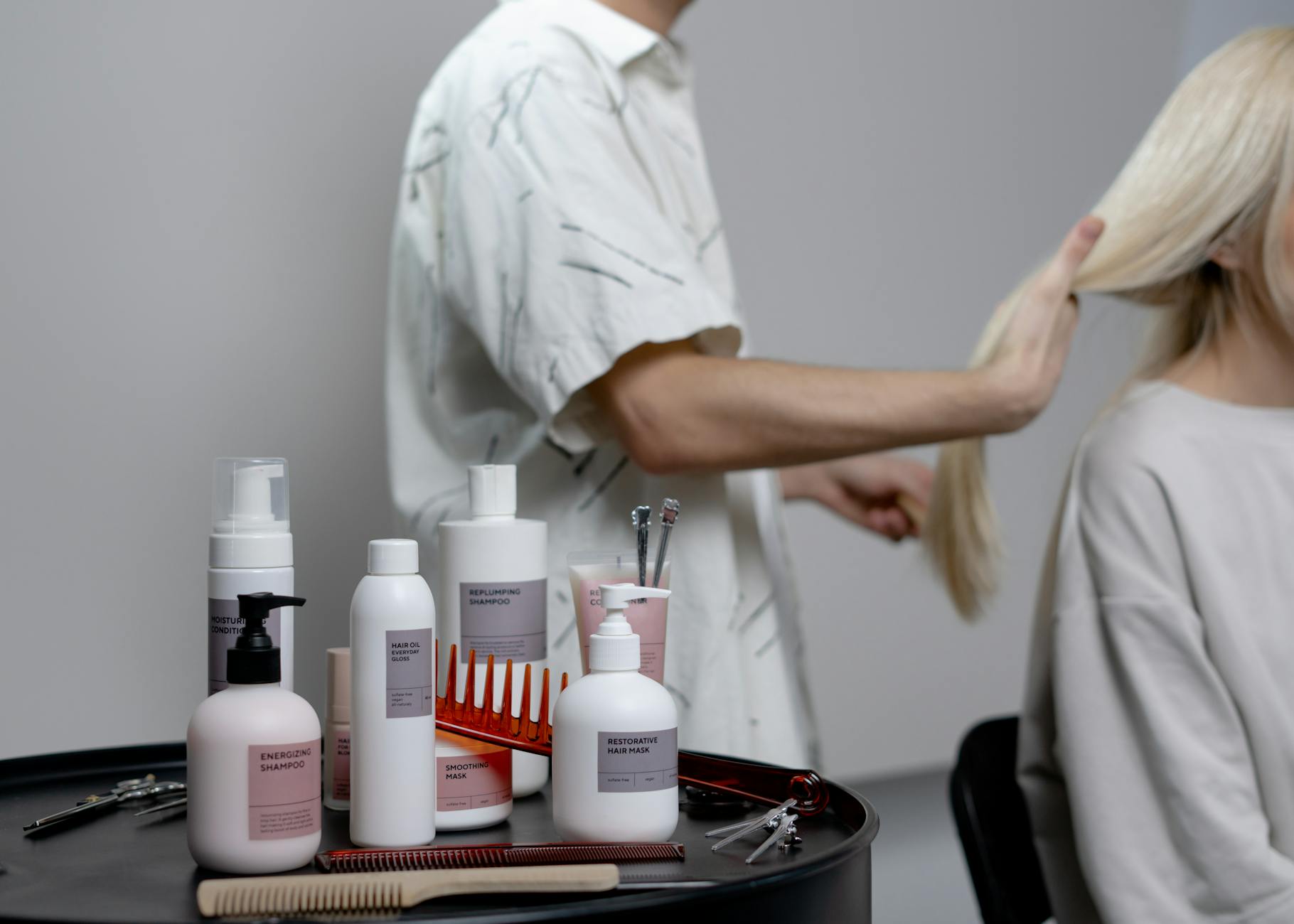
A patch test is a small allergy screening applied to the skin before any chemical color service is performed. Skipping this step when trying a new brand or formula can lead to allergic reactions ranging from mild irritation to severe anaphylactic responses. Reputable salons consider patch testing a non-negotiable part of their safety protocol, especially for new clients. Requesting that a stylist skip this step is not only inadvisable but may also cause the salon to decline the service entirely.
A Drastic Length Cut Without a Gradual Transition
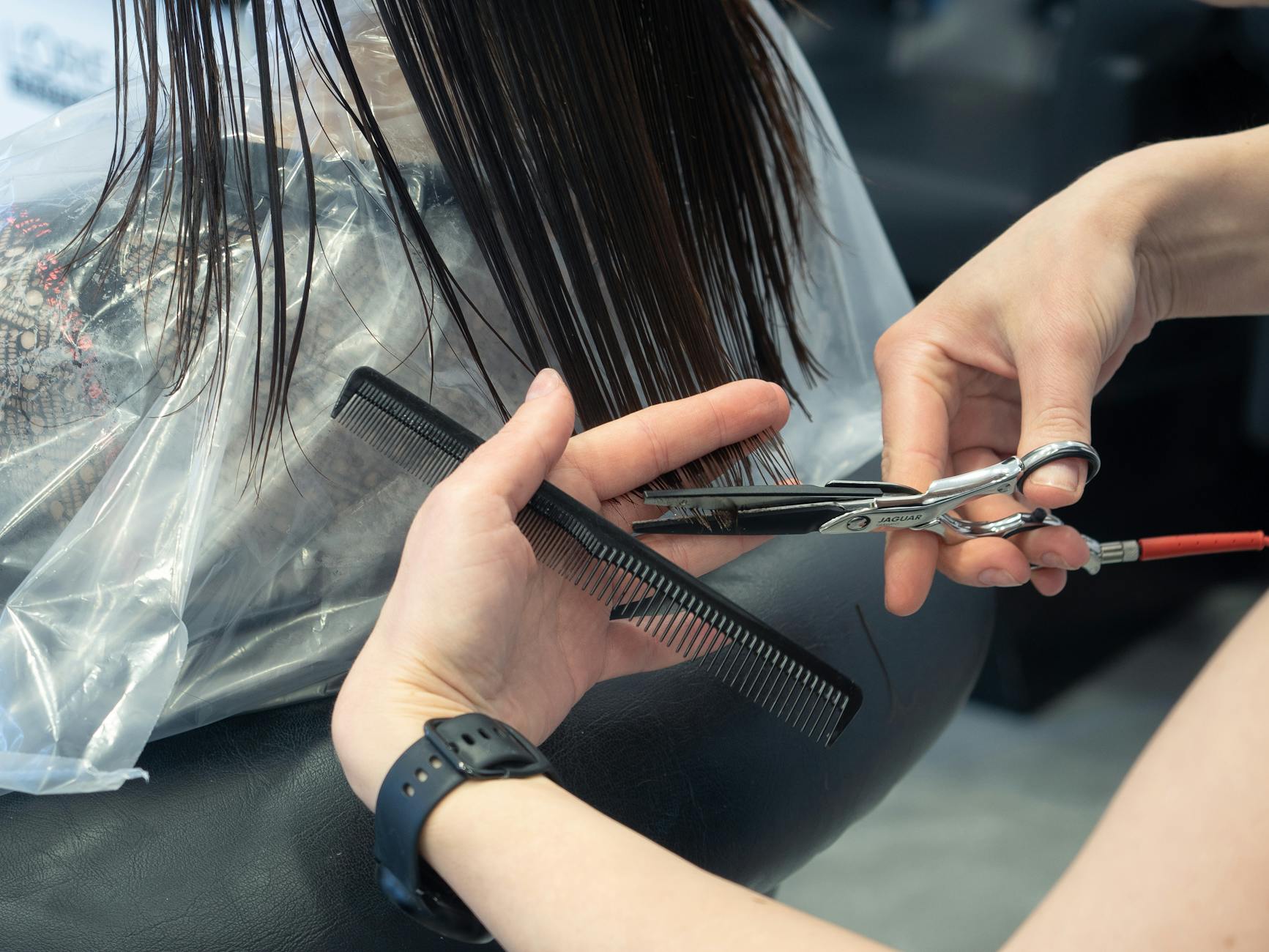
Removing more than six inches of hair in one appointment is a significant lifestyle change that stylists prefer clients to consider carefully before committing. Many professionals will ask clarifying questions and may suggest a less extreme first cut to allow clients to adjust to shorter lengths gradually. Hair that has been cut very short cannot be reversed quickly and growing it back can take years. Discussing your long-term hair goals during a thorough consultation helps prevent post-appointment regret.
Permanent Straightening on Bleached Hair
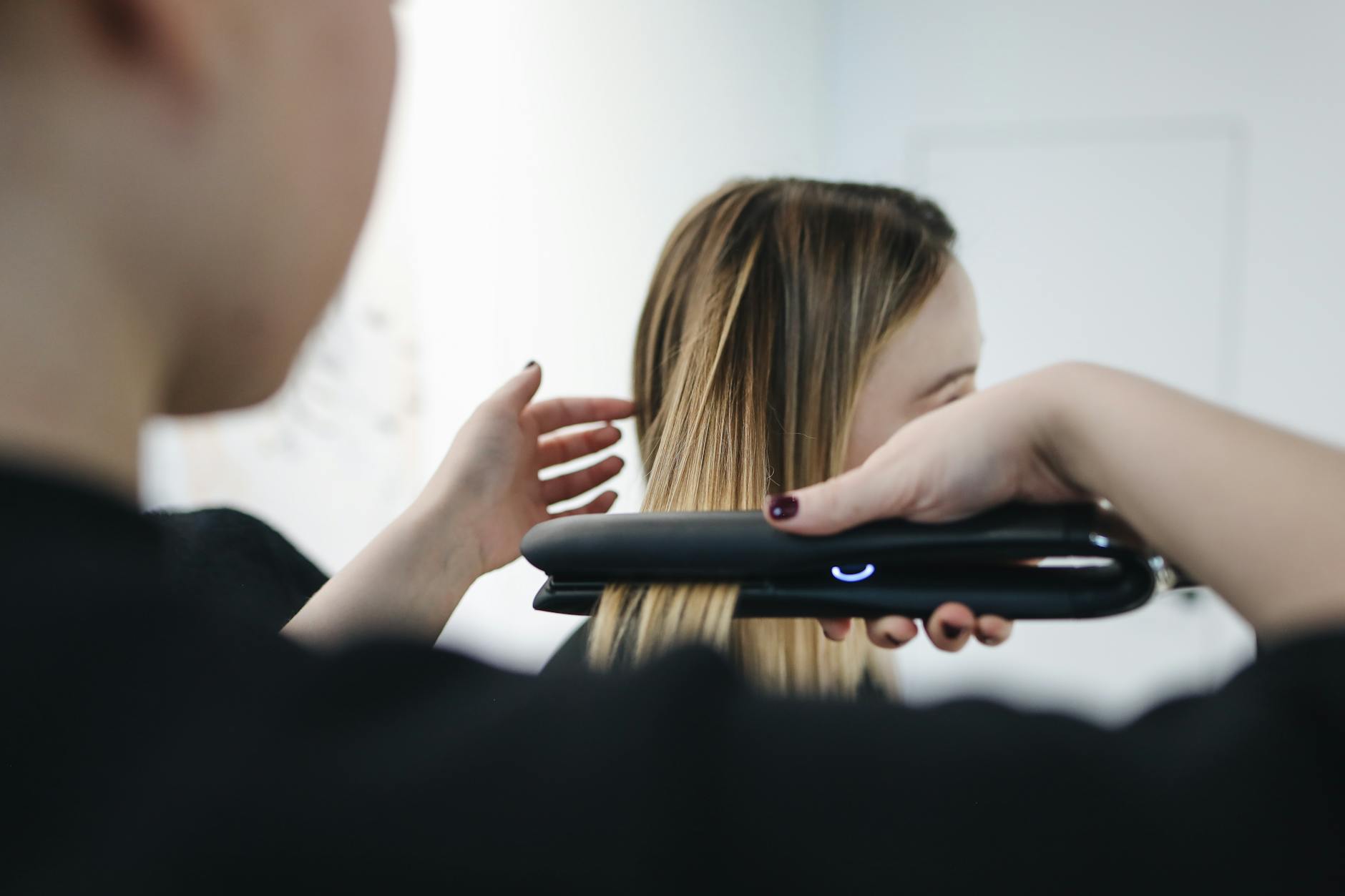
Chemical straightening processes such as relaxers and Japanese straightening treatments are extremely harsh and require hair to be in strong, healthy condition. Bleached hair has an already disrupted cuticle and weakened cortex that makes it particularly vulnerable to the high pH chemicals used in straightening treatments. The combination frequently results in hair that melts, breaks, or becomes completely unmanageable. Stylists will almost universally decline this combination until the hair has been significantly restored through conditioning treatments.
Requesting Free Touch-Ups Between Paid Appointments
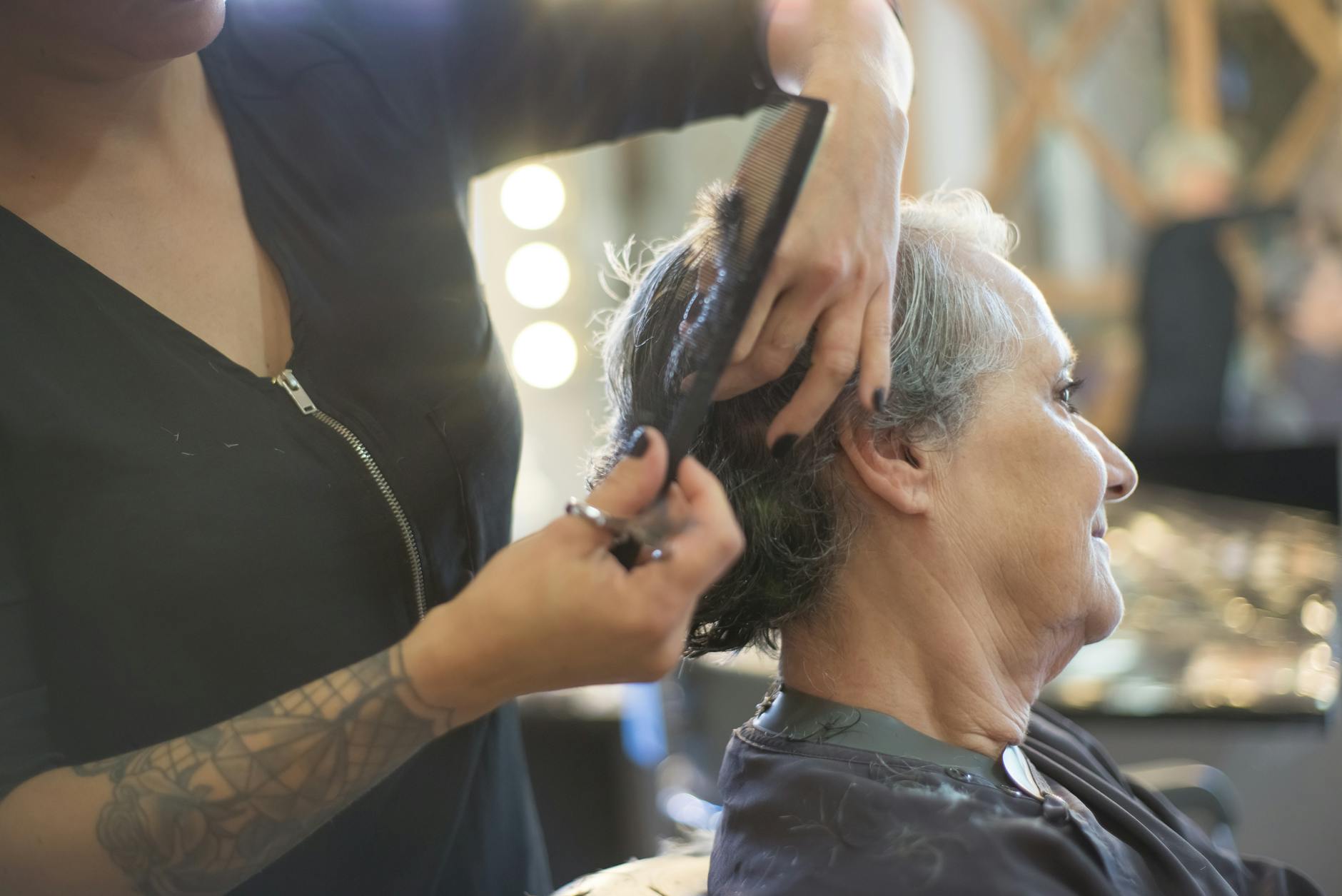
Color touch-ups and toning services between full appointments are professional services that require product, time, and skill. Expecting these as complimentary add-ons to a previous service is not standard industry practice and places an unfair burden on the stylist. Some salons offer loyalty programs or discounted maintenance packages but these should be arranged formally at the time of booking. Understanding the value of a stylist’s time and expertise helps maintain a respectful professional relationship.
A Keratin Treatment Immediately After Coloring
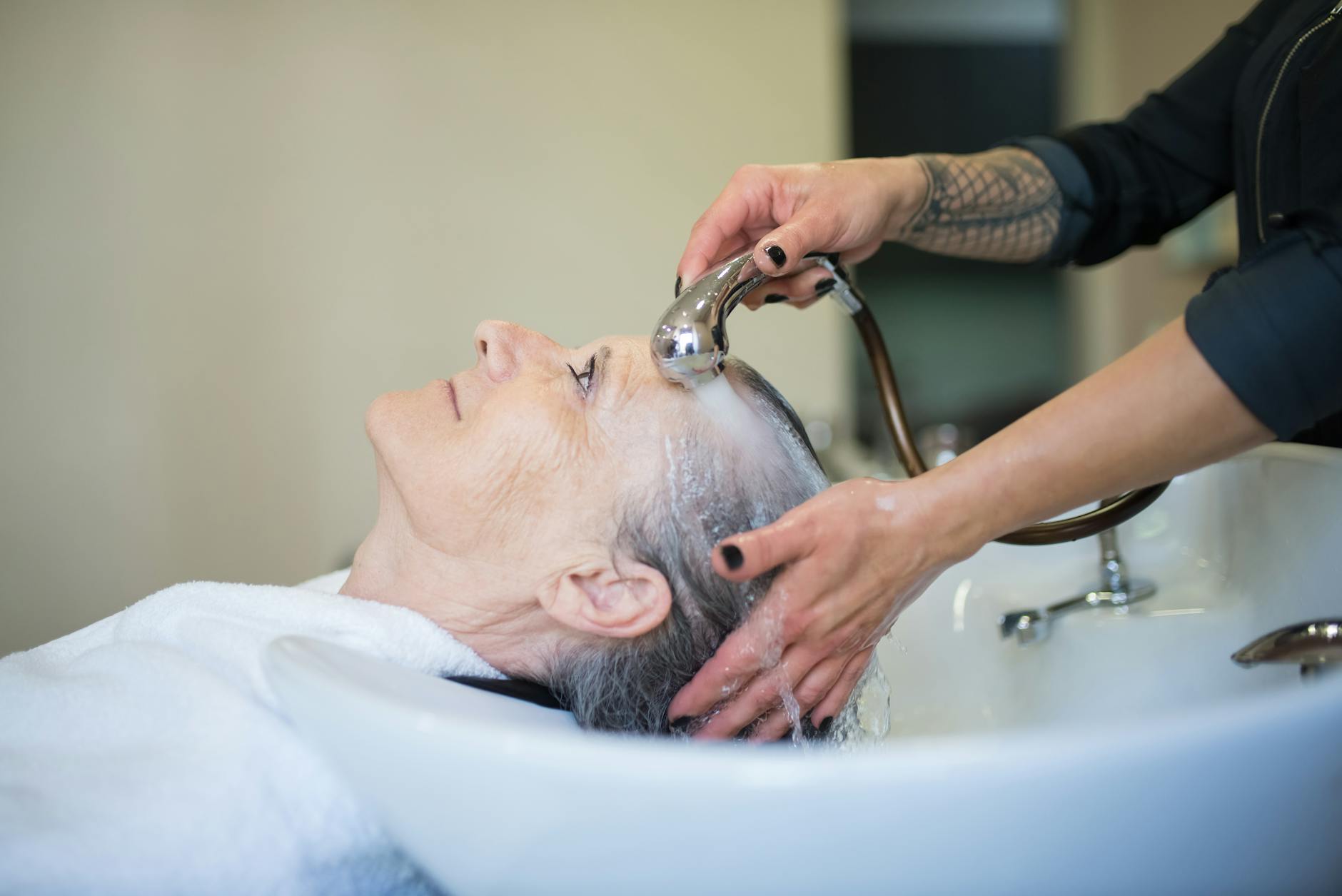
Keratin smoothing treatments involve applying heat at extremely high temperatures to seal a protein coating onto the hair shaft. When performed directly after coloring, the intense heat can strip fresh pigment molecules from the hair before they have had time to fully oxidize and settle. The combination can also cause the color to shift into unexpected tones or fade dramatically within days. Stylists typically recommend waiting at least two weeks between a color service and any keratin treatment.
Bringing Your Own Drugstore Products for the Stylist to Use
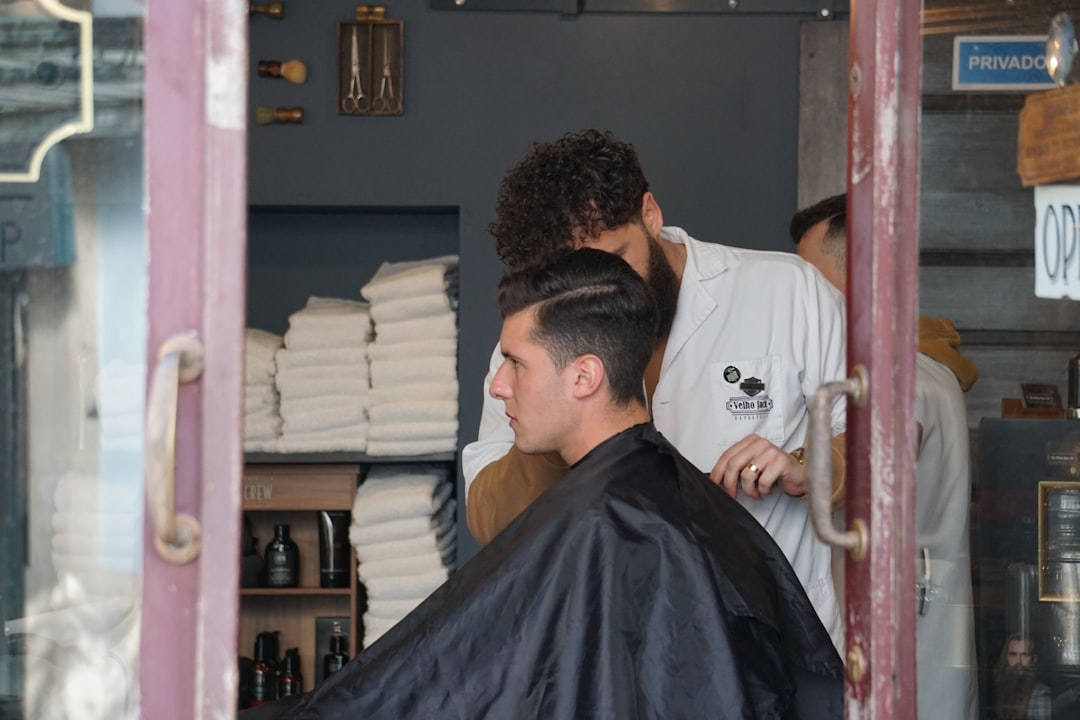
Professional stylists are trained on and held accountable for the products they use in their salon. Using products brought from outside the salon creates liability issues if a reaction or undesirable result occurs during the service. Drugstore formulations are often incompatible with the professional-grade chemicals and tools used in the salon environment. If you have concerns about specific ingredients, the right approach is to discuss them with your stylist who can recommend appropriate professional alternatives.
Demanding an Exact Replica of a Filtered Social Media Photo
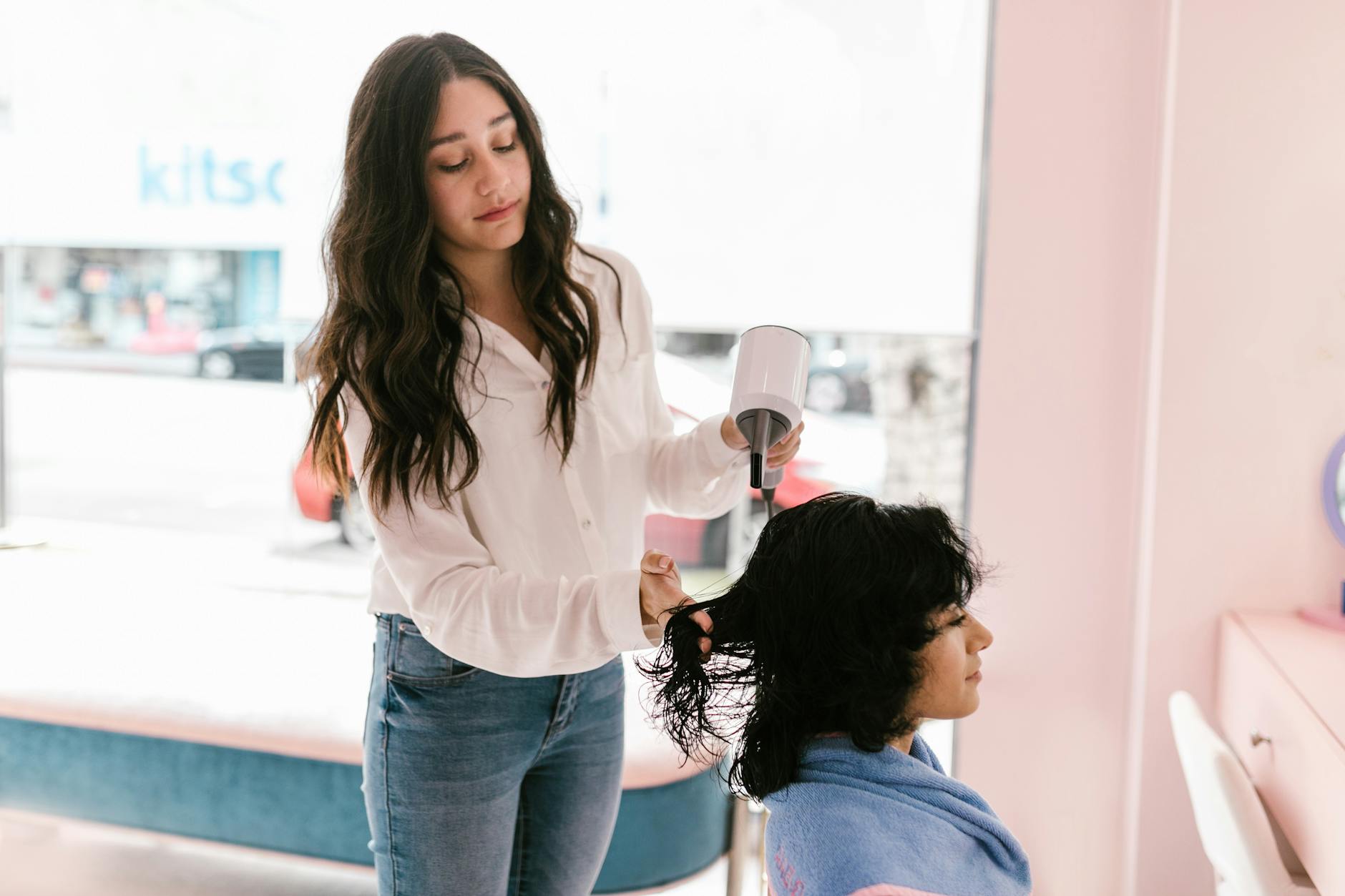
Images on social media are frequently enhanced with filters, lighting adjustments, and photo editing tools that make hair appear brighter, shinier, or more dimensional than it is in reality. No professional colorist can replicate a result that has been digitally altered after the fact. Using these images as the sole reference for a color appointment often leads to unrealistic expectations and client dissatisfaction. Stylists use such images as directional inspiration while factoring in your natural starting point and hair condition.
A Full Highlight Set and Full Color in the Same Appointment
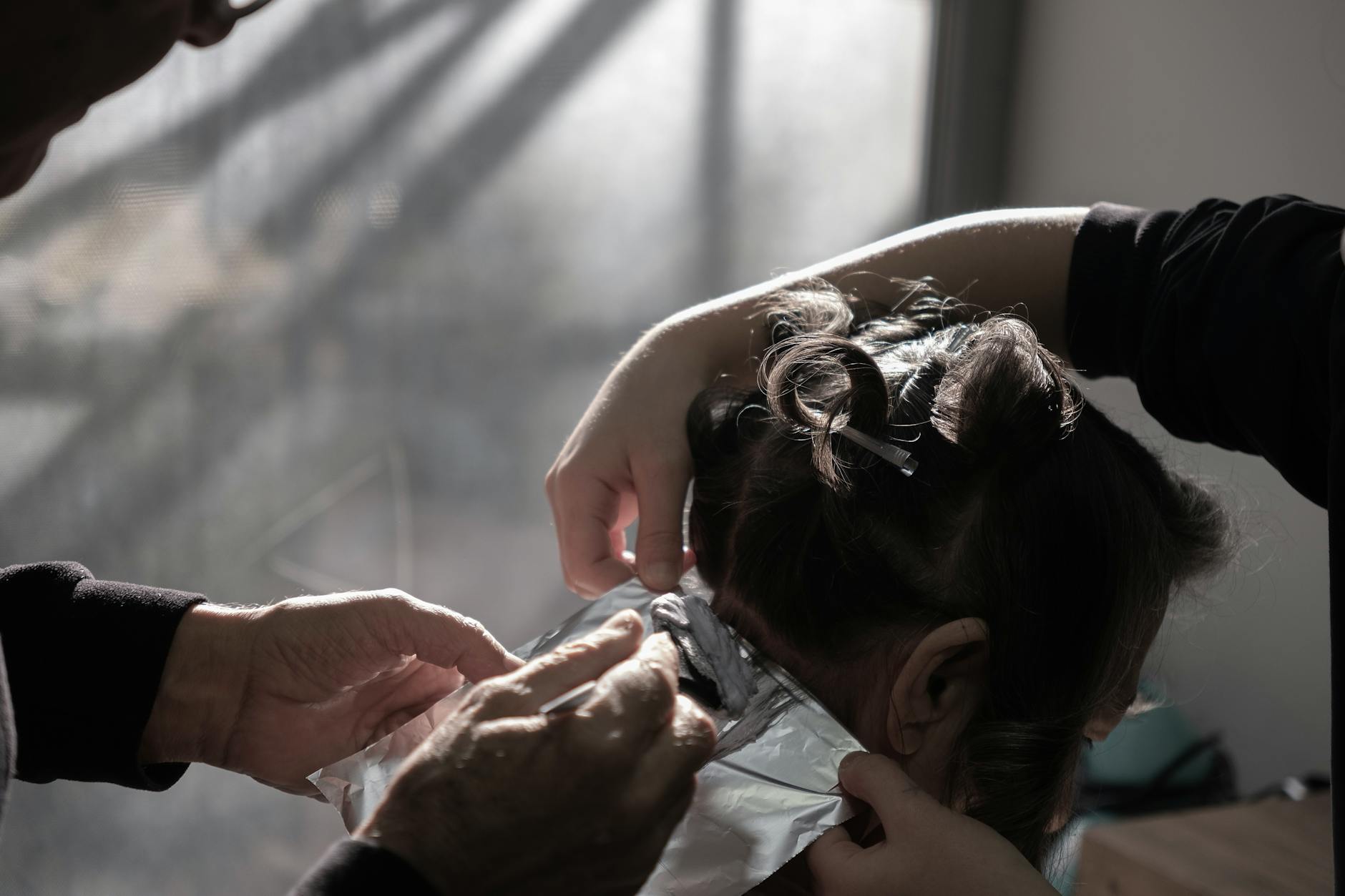
Combining a full set of foil highlights with an all-over color application in a single visit significantly extends the chemical exposure time on your hair. The overlapping of two different processes introduces the risk of uneven lift, muddy color results, or unintended tonal shifts throughout the hair. Salons that specialize in color will typically schedule these as separate appointments to ensure the integrity of each service. Proper timing between services allows for more precise and predictable color outcomes.
Extensions on Very Short or Heavily Layered Hair
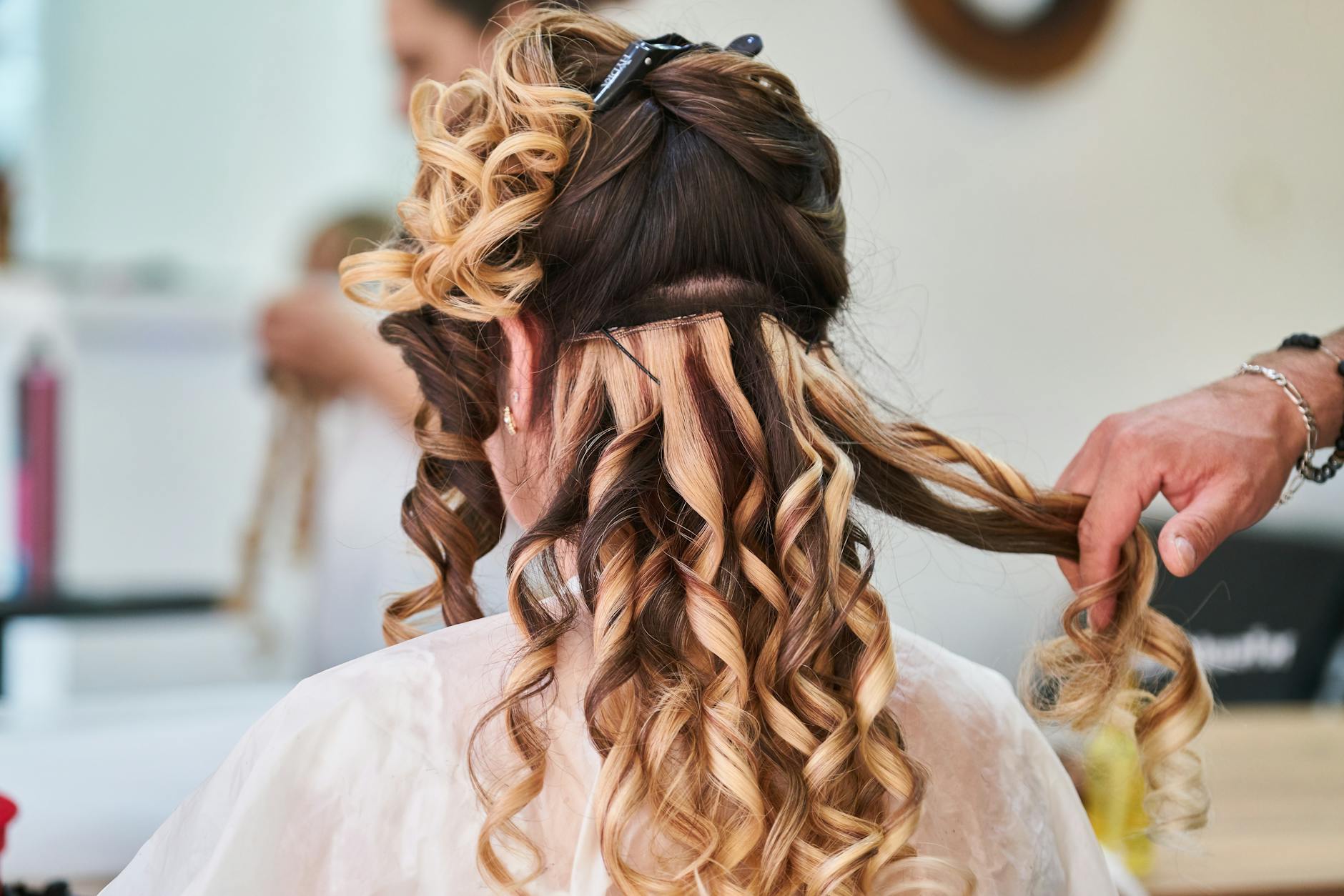
Hair extensions require a minimum length and density to attach safely and blend seamlessly with your natural hair. Very short hair does not provide enough foundation for extension bonds to grip without placing excessive tension on the existing strands. Heavily layered cuts make blending extensions difficult and can result in an unnatural appearance at the connection points. A thorough consultation with an extensions specialist will clarify whether your current length and condition make extensions a viable option.
Tight Braids on Fine or Thinning Hair
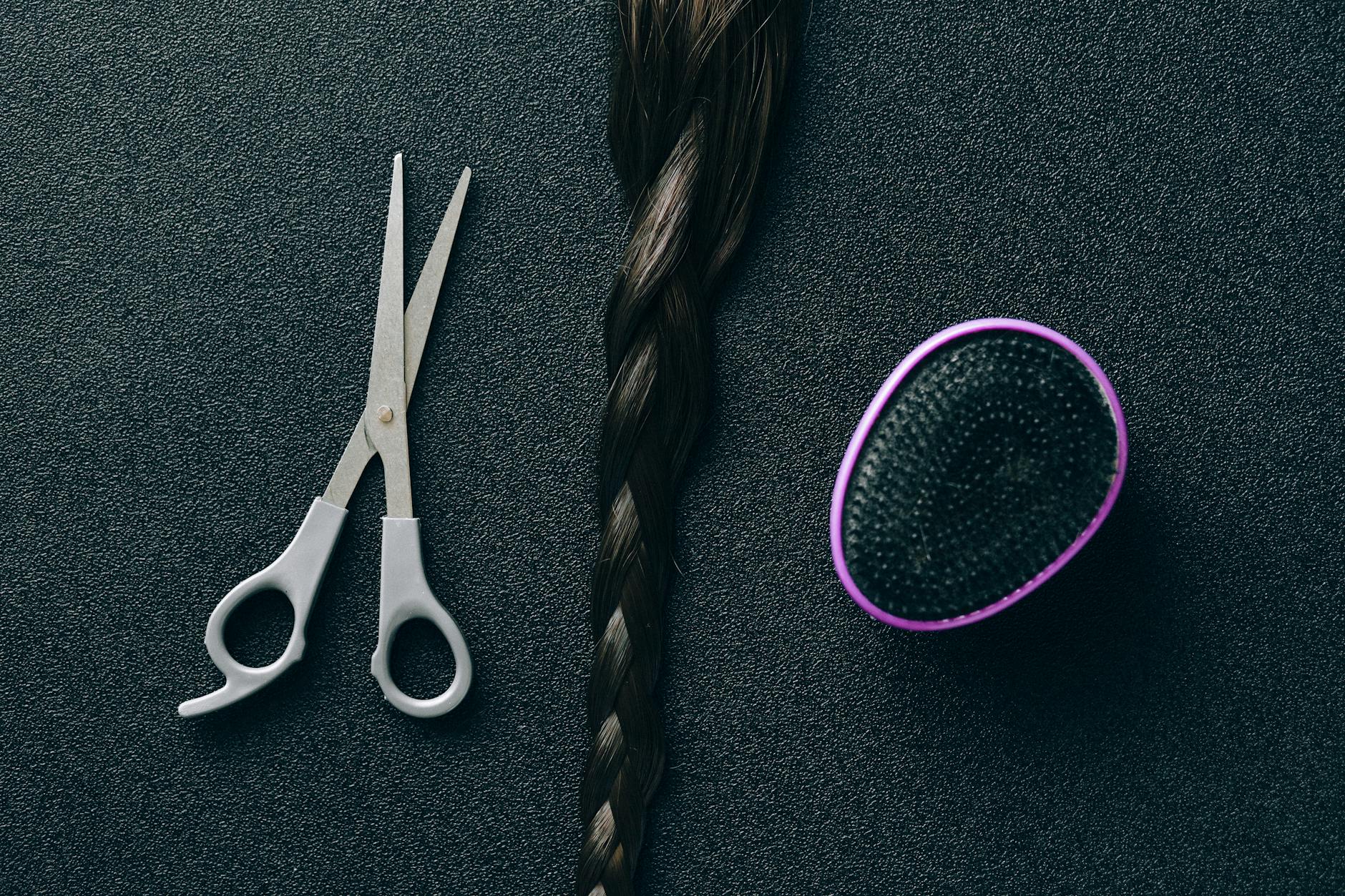
Traction from very tight braiding styles places mechanical stress on the hair follicle and can lead to a condition known as traction alopecia over time. Fine or thinning hair has naturally weaker follicular anchoring and is particularly susceptible to this type of damage. Experienced braiders will typically adjust their tension technique based on the client’s hair density but requesting extremely tight styles increases the risk of permanent follicle damage. Looser braiding patterns can achieve a similar aesthetic without compromising hair health.
A Perm on Recently Bleached Hair
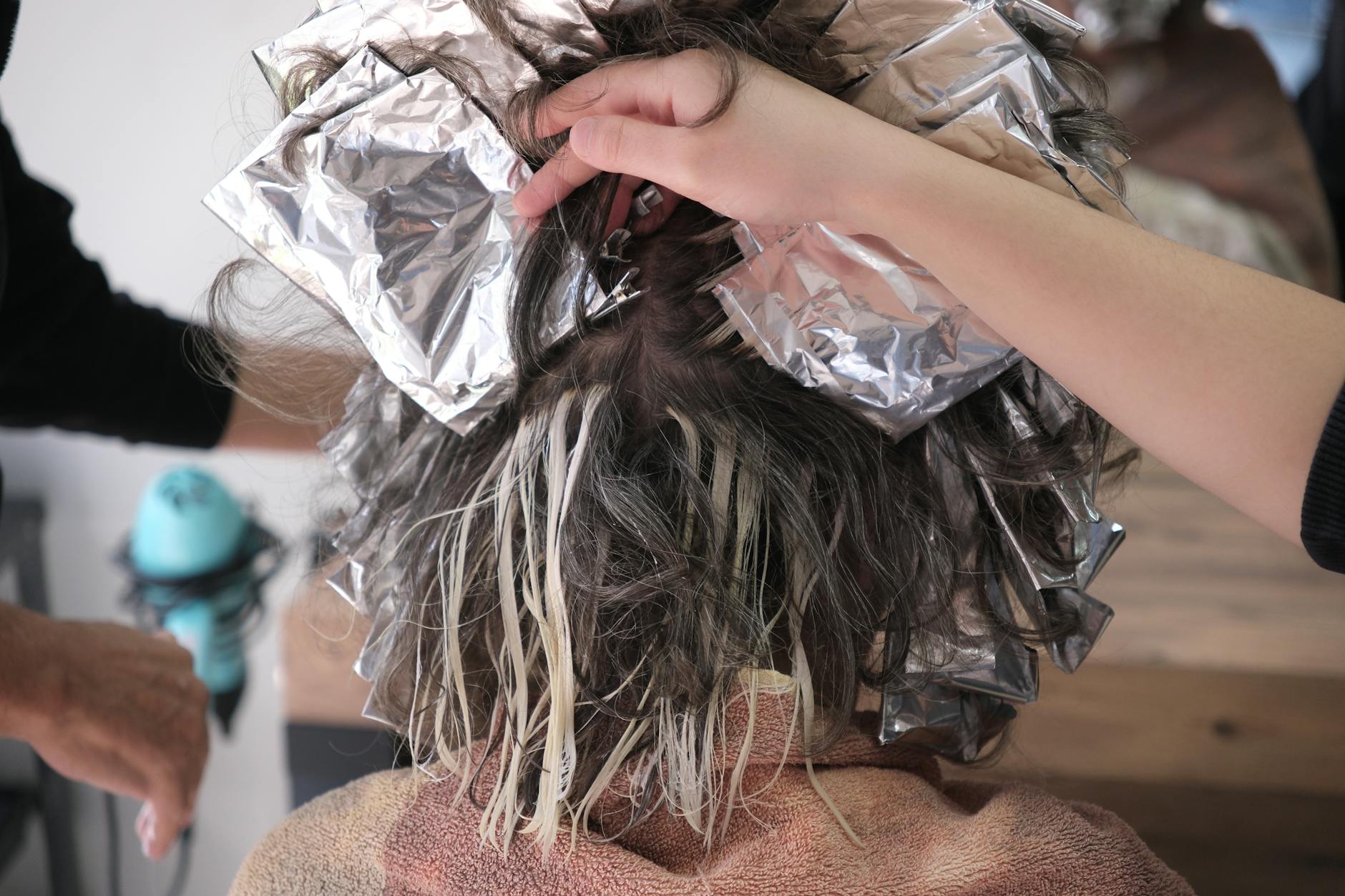
Bleached hair is chemically porous and structurally weakened in ways that make it incompatible with the waving solution used in perming. The alkaline perm solution can penetrate too deeply and unevenly into bleached strands, resulting in unpredictable wave patterns or severe breakage. Most professional stylists will require a period of intensive protein and moisture treatments before considering a perm on bleached hair. In many cases, they will advise waiting until new healthy hair growth has replaced the bleached sections entirely.
Bargaining on the Price of a Technical Service
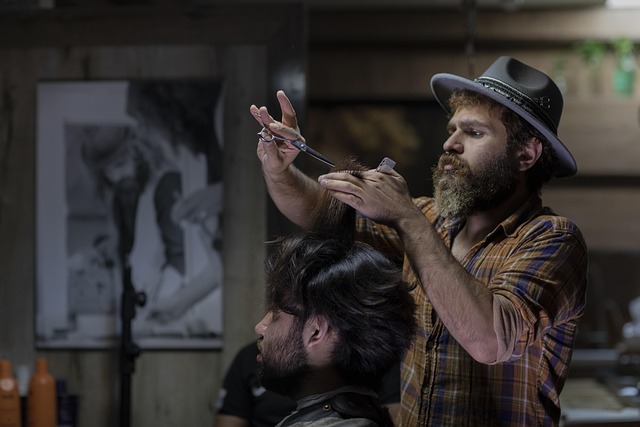
Color corrections, balayage placements, and chemical straightening are priced to reflect the product cost, time investment, and specialized skill required to complete them safely. Attempting to negotiate these prices down below the salon’s listed rate undermines the professional value of the service. Stylists who agree to heavy discounting on technical work may need to cut corners in ways that compromise your result. If budget is a concern, asking about payment plans or booking a less complex service is a more respectful and productive approach.
A Refund Days After Wearing Your Style
Requesting a refund after wearing a style for several days, exposing it to washing, heat, or environmental factors, is not a standard or reasonable expectation. Hair services are not physical products that can be returned and any post-service changes are affected by how the hair has been maintained at home. Most salons have policies that invite clients to return within 48 hours if they have concerns about the technical execution of a service. Raising concerns promptly and directly is the appropriate course of action rather than requesting monetary compensation after the fact.
Drastically Thinning Out Extremely Thick Hair in One Session
Overly aggressive thinning shear work on thick hair can remove too much volume in a single session and leave hair appearing wispy and unstructured. Hair removed by thinning scissors does not grow back at a uniform rate, which can lead to uneven texture for months as the hair regrows. Skilled stylists use thinning as a finishing technique rather than a primary method of bulk removal. Discussing your desired volume level and asking about alternative cutting techniques gives your stylist the ability to balance weight removal more thoughtfully.
Rushing Your Colorist During a Toning Service
Toner application is a time-sensitive and precise step in the coloring process that determines the final tone and finish of your hair. Asking a colorist to speed through toning to save time can result in under-processed or patchy results that require a corrective appointment. The processing time for toner varies based on the hair’s porosity and the desired level of neutralization or enhancement. Allowing the full recommended development time ensures a polished and even result that correctly reflects what was discussed during the consultation.
A Walk-In Brazilian Blowout
Brazilian blowout and similar smoothing treatments require significant preparation time, ventilated space, and specialized equipment that most salons cannot allocate without advance notice. These services often take two to four hours from start to finish and require the stylist’s undivided attention throughout the process. Walk-in requests for these treatments frequently result in being turned away or having the service rushed in a way that compromises its longevity. Booking in advance ensures the salon can prepare the correct products and schedule the appropriate time block.
Cutting Your Own Bangs Before Coming In

Trimming your own bangs at home before a salon appointment removes the stylist’s ability to work with the natural fall and growth pattern of your fringe. Home cuts are almost always uneven and correcting them often requires removing more length than the client originally intended. A professional can assess your hairline, cowlicks, and face shape to create a bang line that flatters your features and grows out gracefully. Arriving with untouched hair gives your stylist the full creative and technical foundation needed to deliver the best possible result.
A Color Correction on the Day of a Special Event
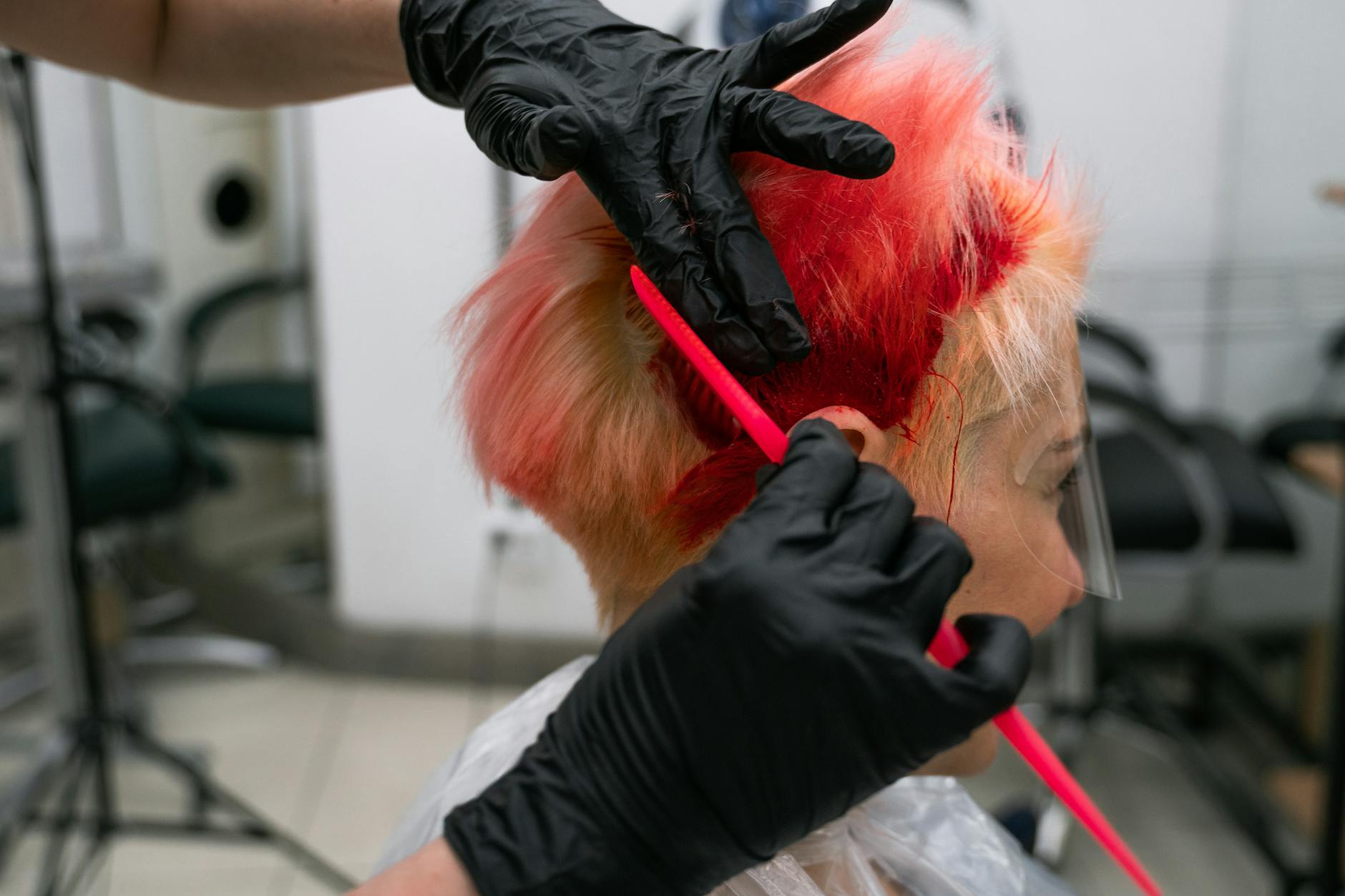
Color corrections are unpredictable in duration and outcome, sometimes requiring multiple rounds of lifting, toning, and conditioning that extend well beyond the original appointment slot. Scheduling a correction on the same day as a wedding, photoshoot, or important occasion creates enormous stress for both the client and the stylist. The result of a correction may also need time to settle and be toned again before it reaches its final desired shade. Planning a correction several weeks in advance gives enough time for adjustments and follow-up appointments if needed.
Coloring Your Hair Immediately After a Scalp Treatment
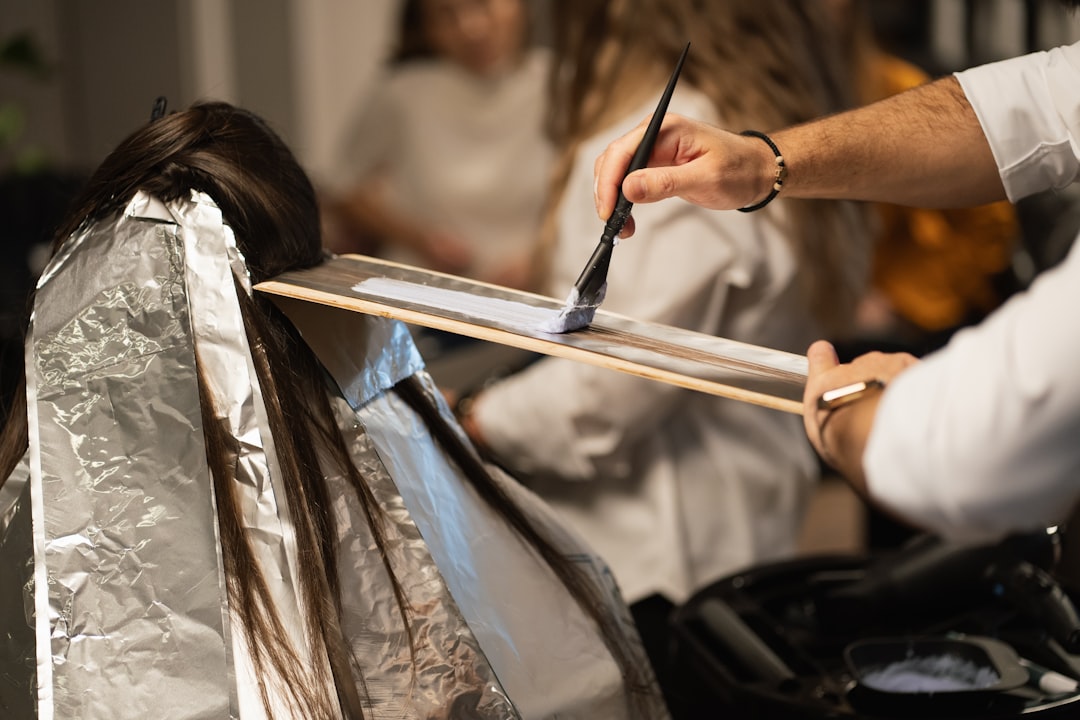
Many scalp treatments use clarifying or medicated formulas that alter the pH of the scalp and hair before a color service. Applying color directly after these treatments can result in unpredictable color uptake or scalp sensitivity during the coloring process. The residue from certain scalp treatment products can also act as a barrier to color molecules penetrating the hair shaft evenly. Stylists recommend spacing scalp treatments and color services by at least one week to ensure the best results from both.
Asking for a Style That Requires Daily Heat You Cannot Commit To
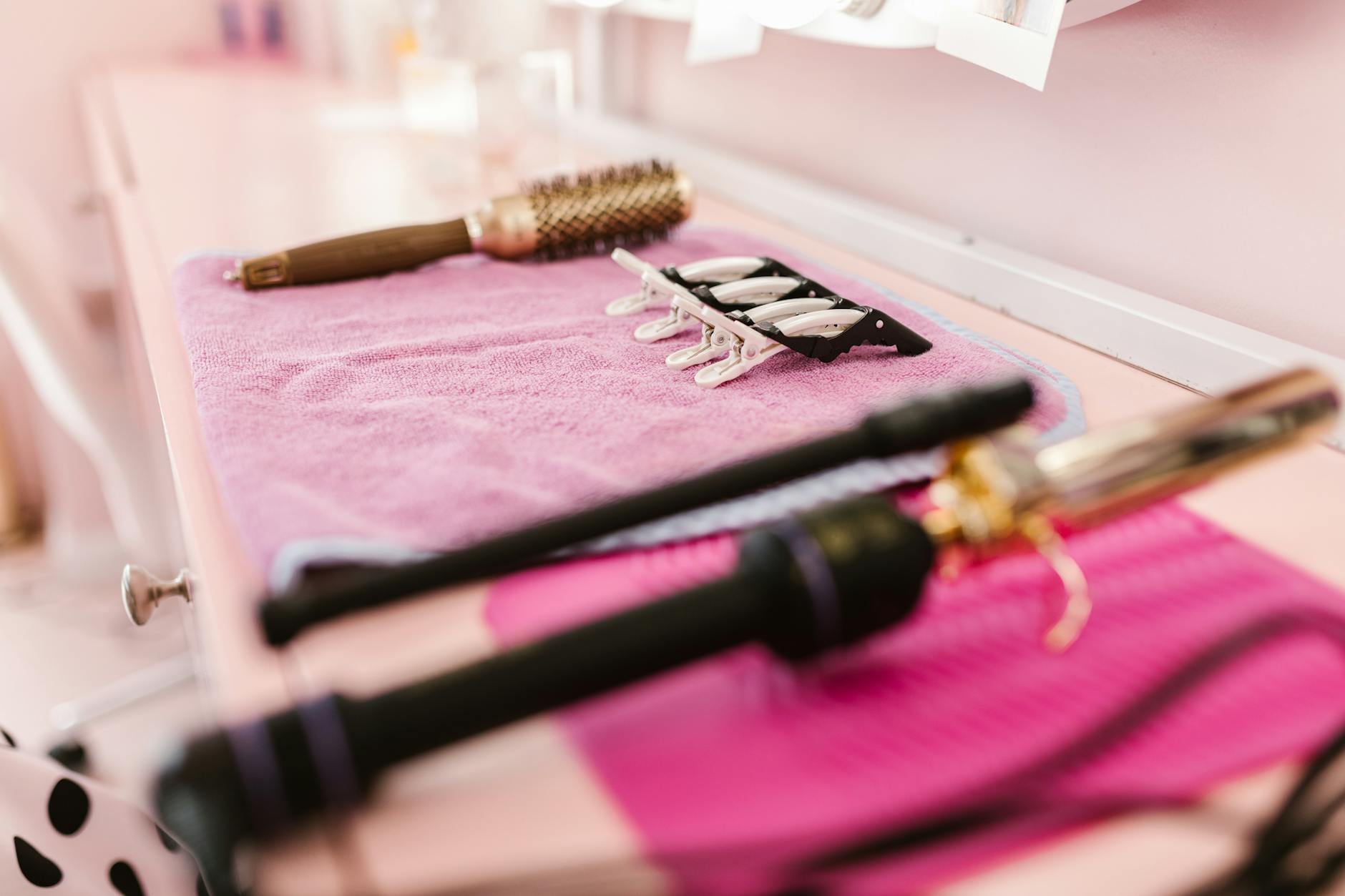
Certain haircuts and color services are designed around specific styling routines that require daily blowouts or regular heat tool use to look their best. Requesting a style that depends on high-maintenance upkeep without the time or tools to maintain it will result in disappointment between salon visits. During the consultation, honest communication about your daily styling habits allows the stylist to recommend cuts and colors that look great with your natural texture and real routine. A style that works with your lifestyle rather than against it will always deliver better long-term satisfaction.
Lightening Previously Relaxed Hair
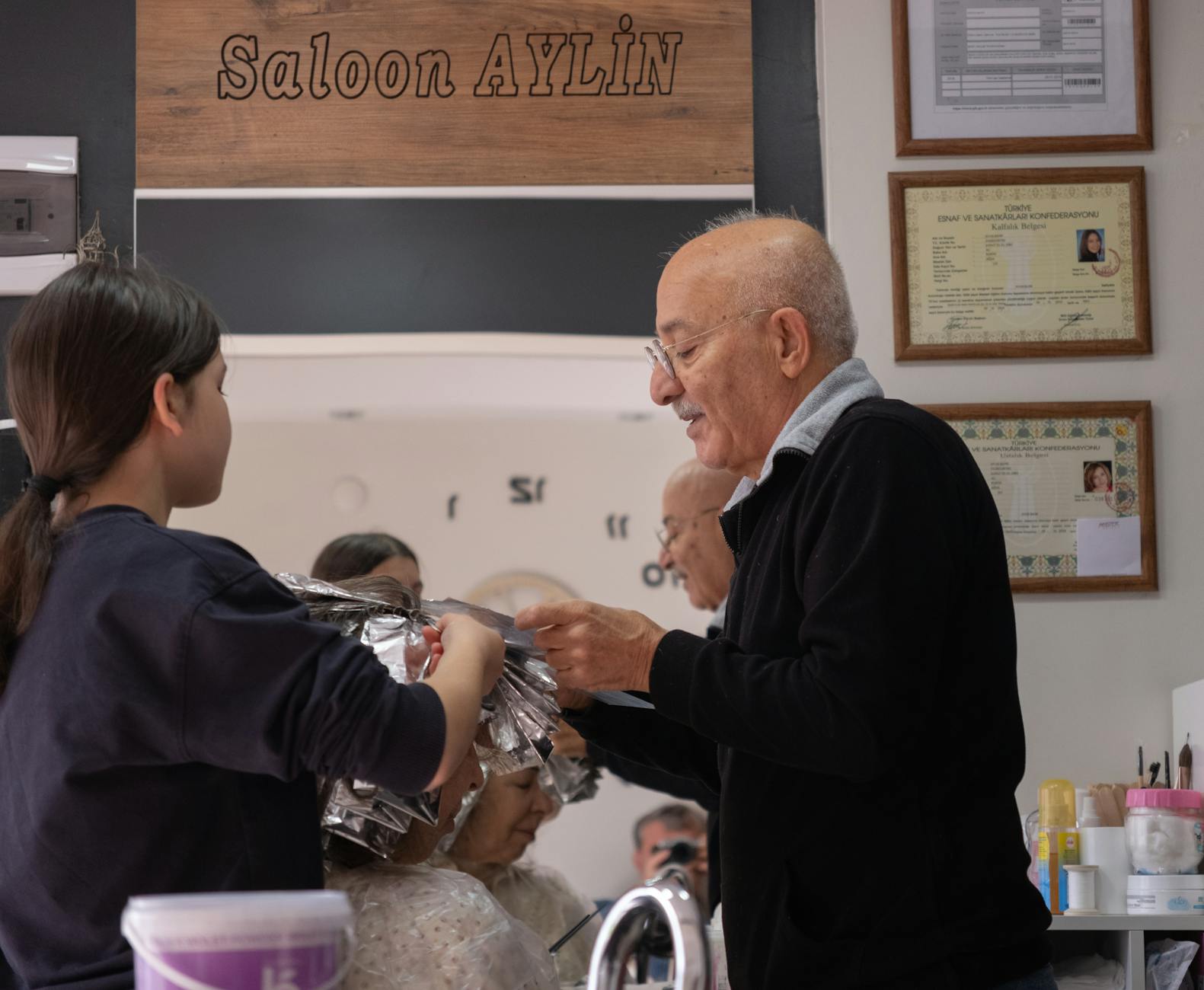
Relaxed hair has undergone a chemical process that permanently alters its protein bonds and leaves it in a structurally fragile state. Introducing bleach or high-lift color into already relaxed strands dramatically increases the risk of breakage, scalp burns, and irreversible damage. Many professional stylists will decline to perform lightening services on relaxed hair until a significant amount of new natural growth is present. A transitioning period combined with intensive strengthening treatments is typically recommended before any lightening is attempted.
Requesting a Specific Number of Highlights for a Flat Rate
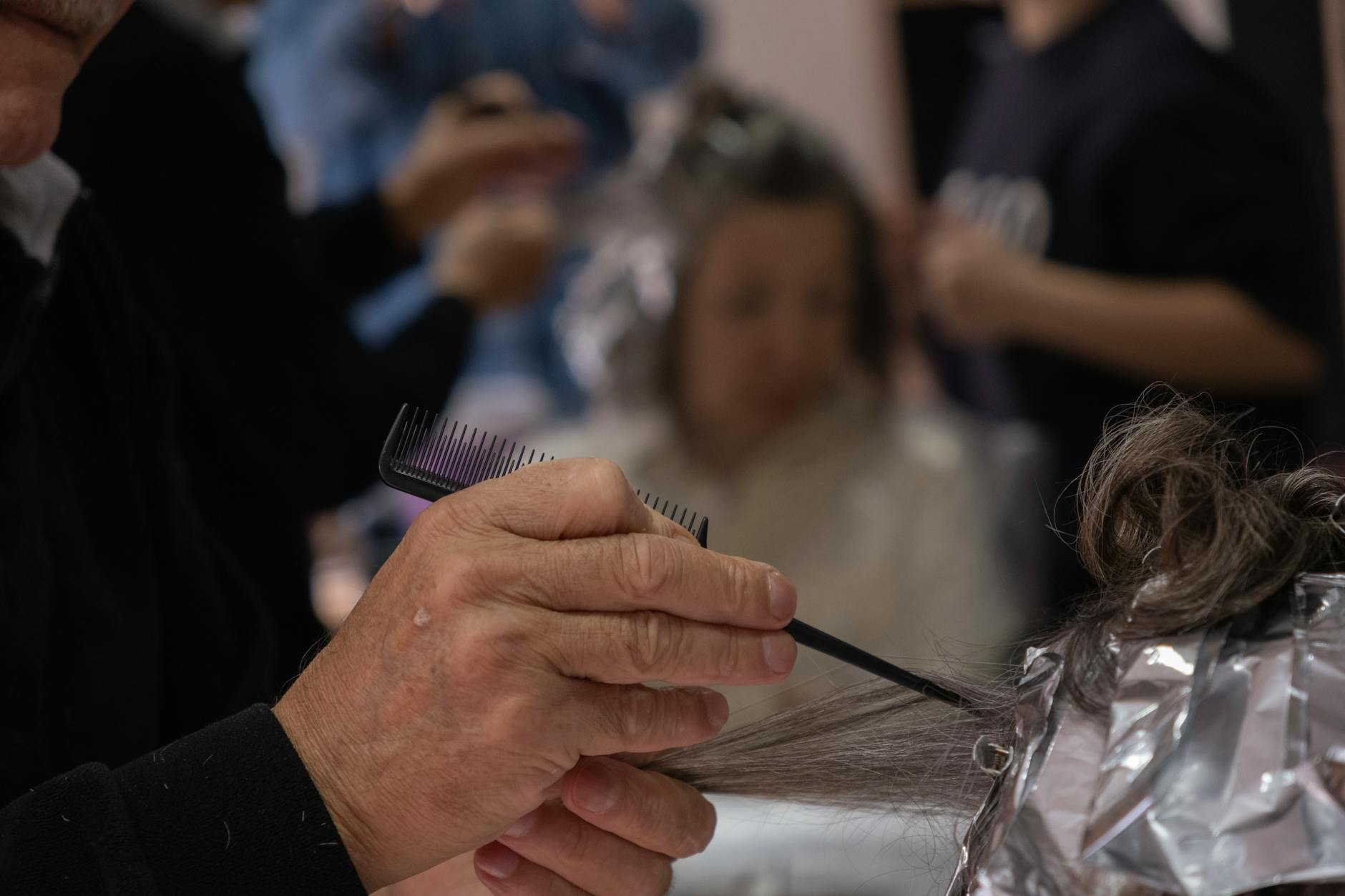
Highlights are priced based on the time, foil count, and product required to achieve the desired result rather than a fixed number of pieces. Asking a colorist to limit themselves to a set number of highlights to fit a specific budget removes their ability to blend and place the color naturally. The number of foils needed to create a seamless, dimensional look depends entirely on the hair’s length, density, and the desired coverage. Trusting your colorist’s professional judgment on placement and volume will always produce a more flattering and cohesive result.
Getting a Major Haircut Impulsively Without a Consultation
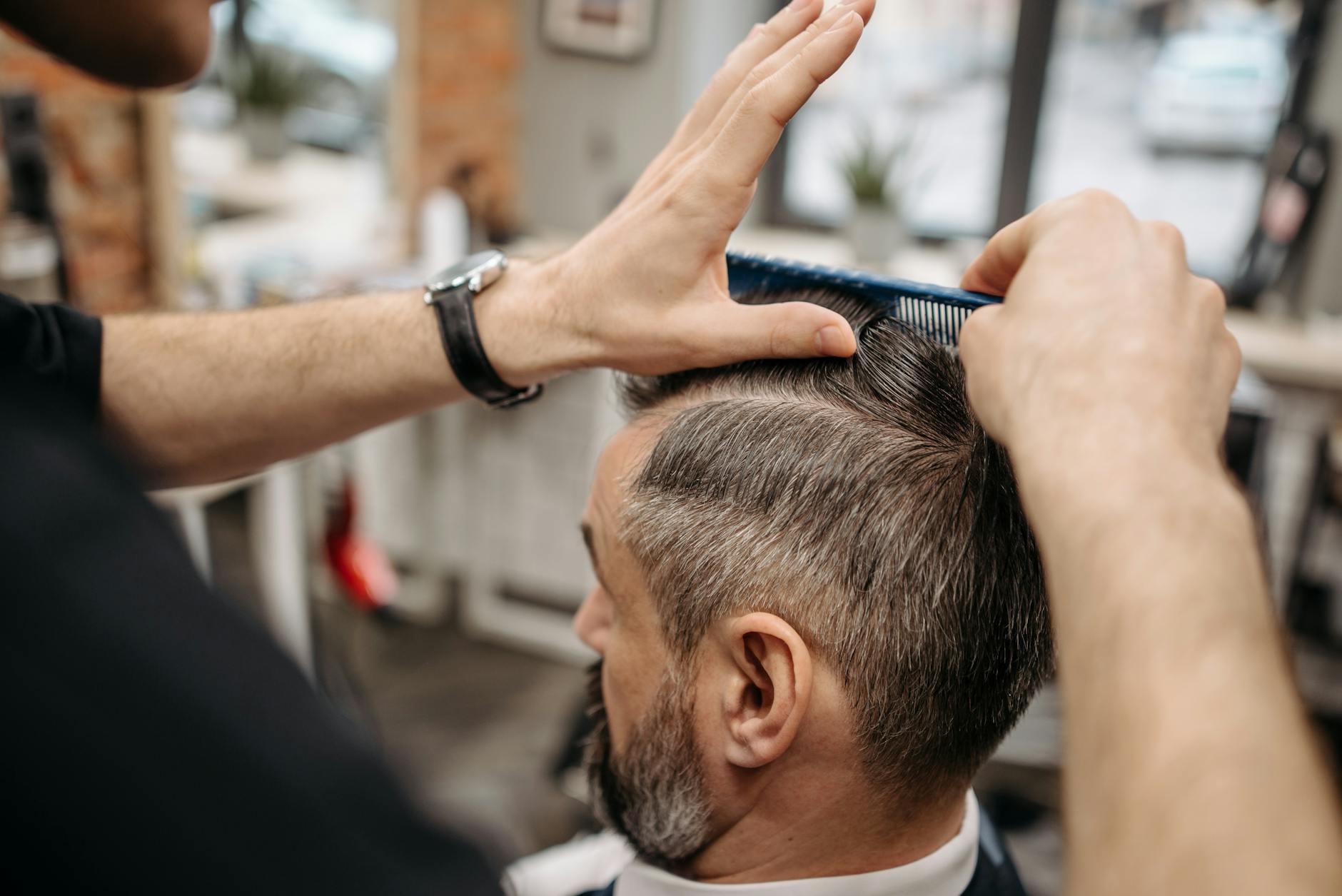
Impulsive decisions made in the salon chair without a proper consultation increase the likelihood of outcomes that do not align with the client’s actual lifestyle or preferences. A formal consultation allows the stylist to assess your hair’s condition, growth patterns, and compatibility with the intended style. It also creates an opportunity to discuss how a new cut will need to be maintained and how frequently it will need to be trimmed to retain its shape. Taking even ten minutes to discuss a major change thoroughly is always worth the investment.
Applying Hair Color Right Before a Pool Holiday
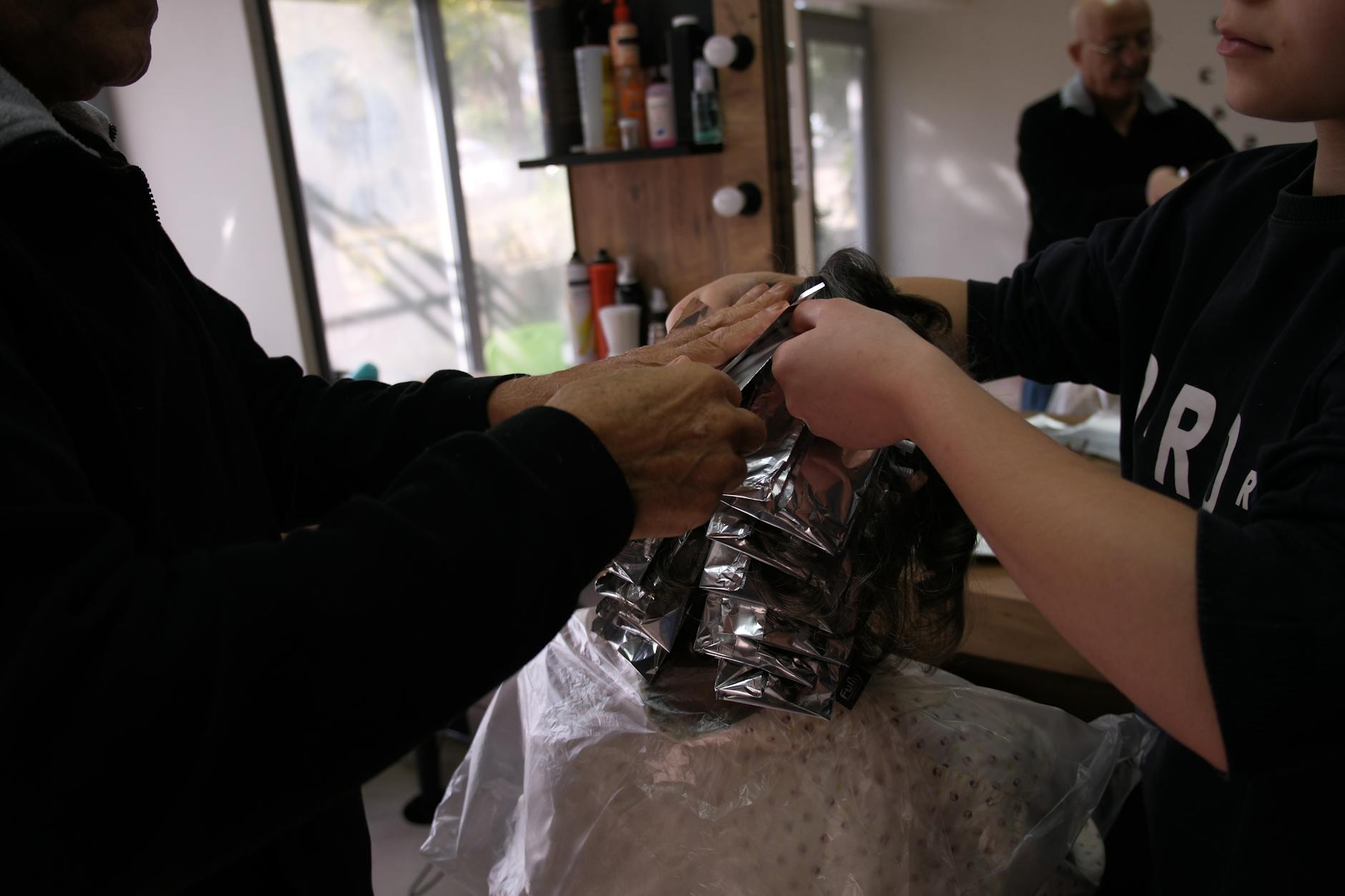
Chlorine and saltwater are highly damaging to color-treated hair and can dramatically alter freshly applied tones within a single swim. Blonde and pastel shades are particularly vulnerable to the green tint that chlorine deposits can create in the hair. Stylists recommend timing color appointments so that hair has at least two to three weeks to stabilize before significant water exposure. Protective products and color-safe conditioners can help minimize damage but they cannot fully counteract the effects of heavy pool or ocean exposure.
Requesting a Specific Formula You Saw Online
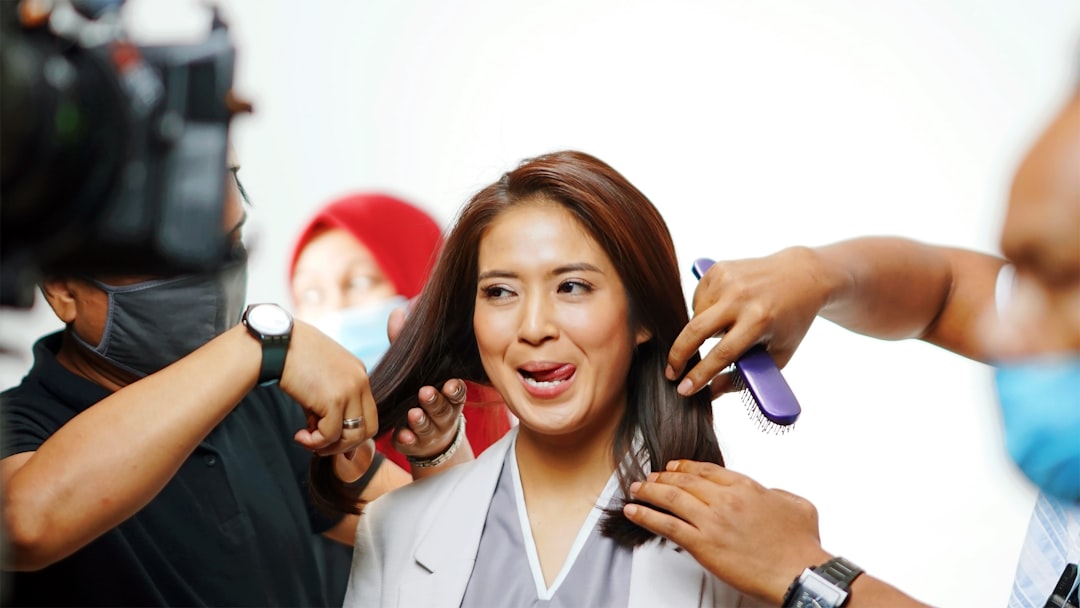
Sharing a professional color formula found on social media and requesting it be applied to your hair disregards the fundamental principle of customized color mixing. Formulas are designed for specific hair types, starting levels, and desired outcomes that may differ entirely from your own. A formula that produces a beautiful ash blonde on one client could turn green or pull orange on another due to differences in underlying pigment. Professional colorists mix and adjust formulas based on a precise assessment of your individual hair and should be trusted to make those technical decisions.
Deep Conditioning and Bleaching in the Same Session
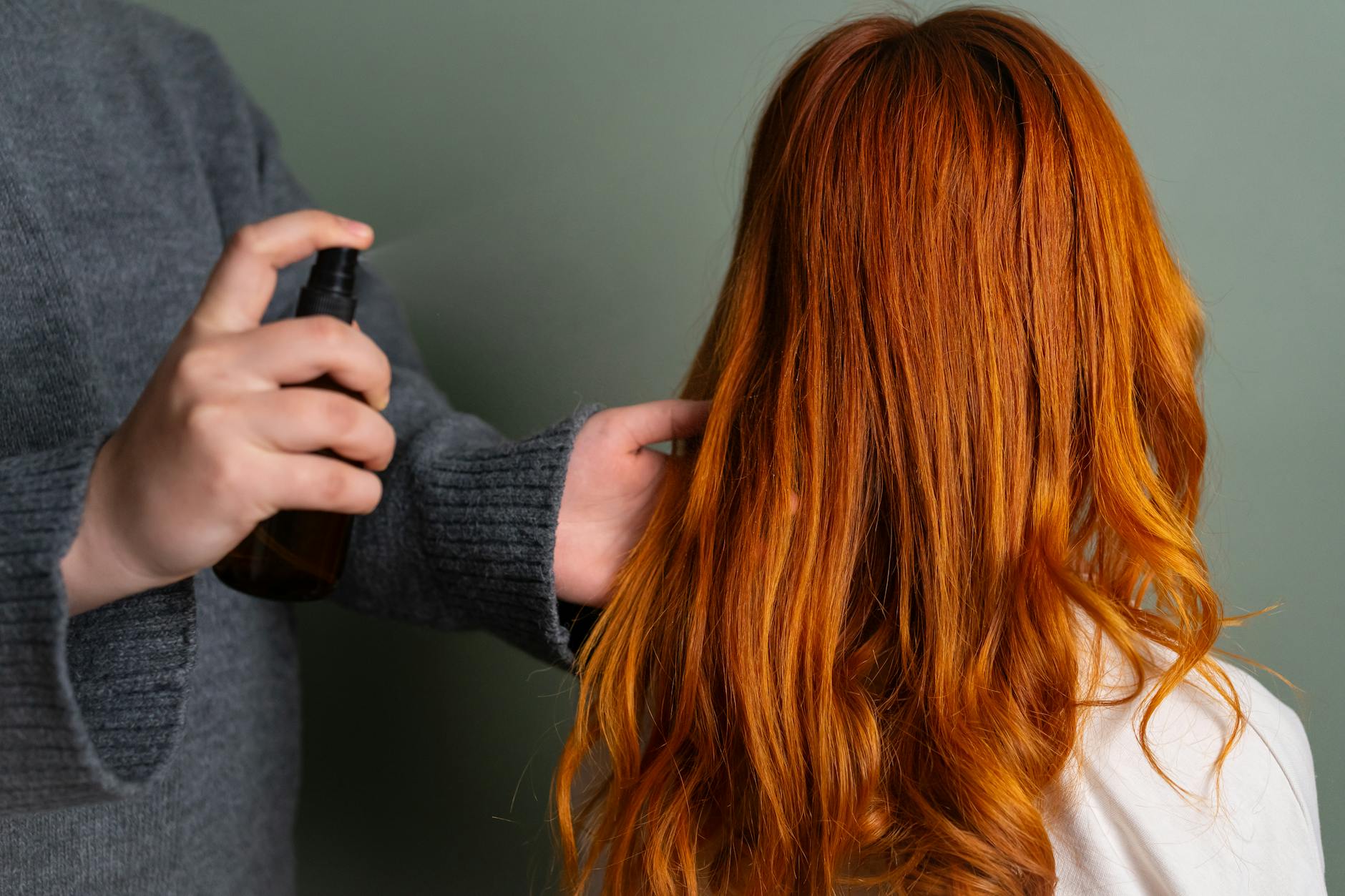
Deep conditioning treatments coat the hair cuticle with proteins and emollients that can block bleach from penetrating the hair shaft evenly. Performing both in the same session can result in patchy lift, uneven tones, and a color result that is impossible to predict or control. Stylists will typically request that clients avoid heavy conditioning masks in the days leading up to a bleaching appointment for this reason. Arriving with clean, product-free hair allows the bleach to work predictably and gives the colorist maximum control over the lifting process.
Skipping the Consultation for Extensions
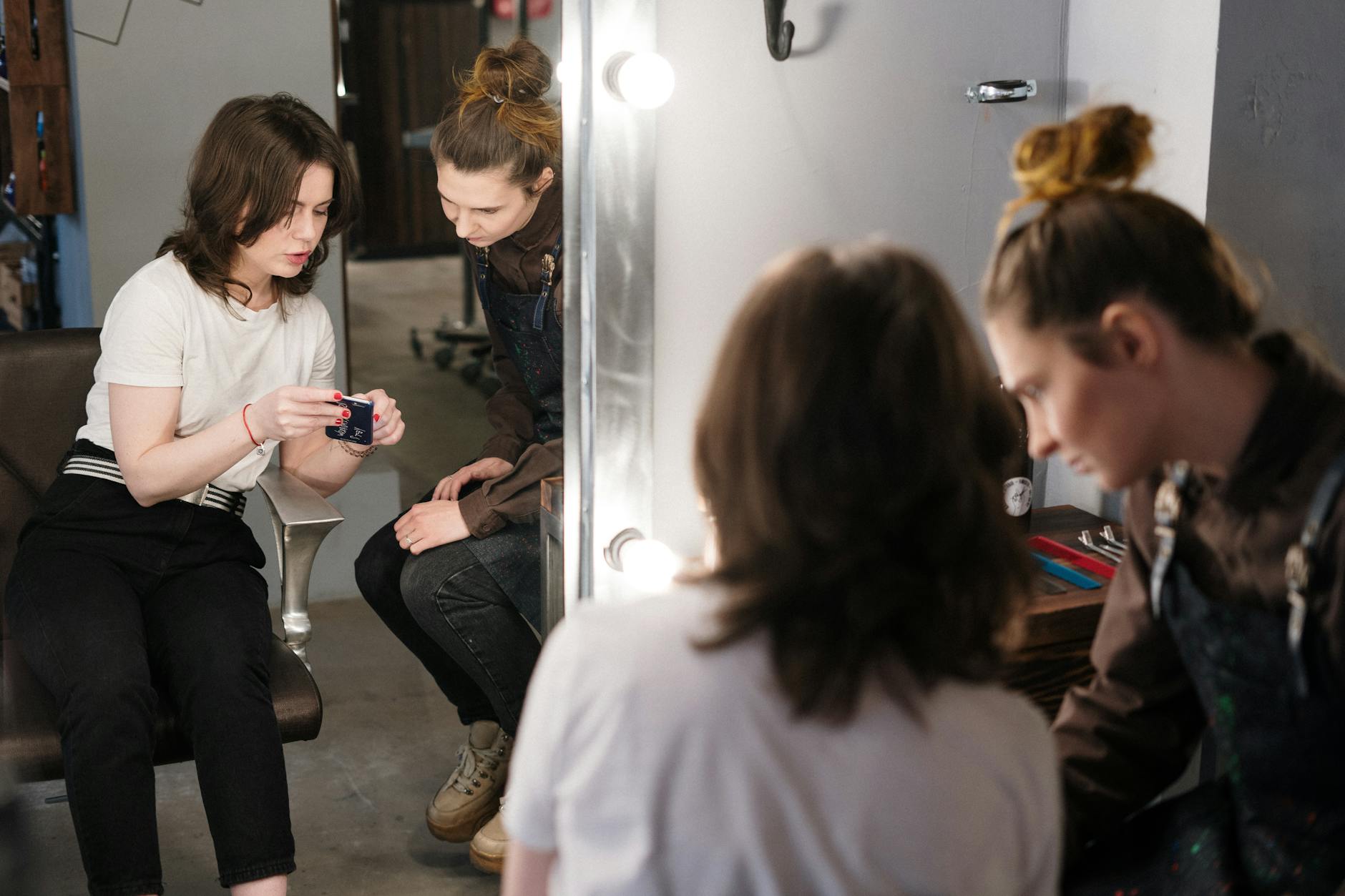
Extensions are one of the most complex and investment-heavy services a salon offers, involving careful consideration of hair type, lifestyle, and maintenance commitment. Skipping the consultation and requesting immediate installation means the stylist cannot properly assess whether your natural hair is strong enough to support the added weight. Different extension methods suit different hair types and application needs and the wrong choice can lead to damage or a result that looks unnatural. A thorough consultation protects both your hair and your financial investment in the service.
Asking Your Colorist to Match a Faded Version of Your Color
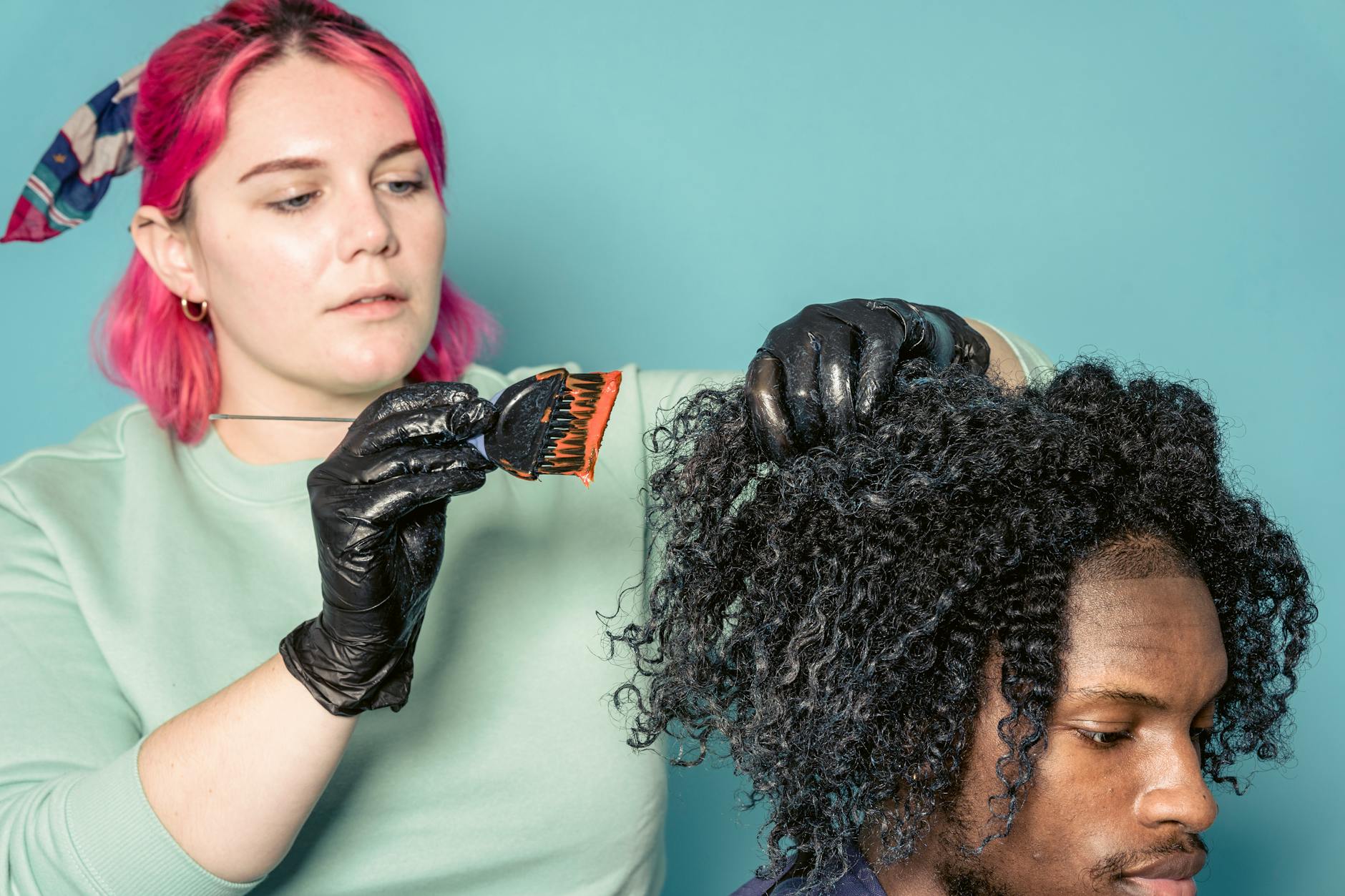
Hair color fades and shifts over time in ways that are affected by water quality, sun exposure, product use, and heat styling. Asking a colorist to replicate a six-month faded version of your previous color as the new starting target creates a moving and imprecise goal. The faded shade may contain tones that are difficult to reproduce intentionally and may not represent what your hair would look like freshly colored. Sharing a photo of the original color result at its freshest gives your colorist a much clearer and more accurate target to work toward.
Whether you are a first-time salon client or a seasoned regular, share your own salon experiences and tips in the comments.