Dining out is as much about how you communicate as it is about what you order. The words you choose when speaking to your server can shape the entire experience for both sides of the table. Certain phrases create tension, signal disrespect, or simply make a server’s job unnecessarily difficult. Understanding what not to say is one of the most underrated social skills a diner can develop.
“Waiter!”
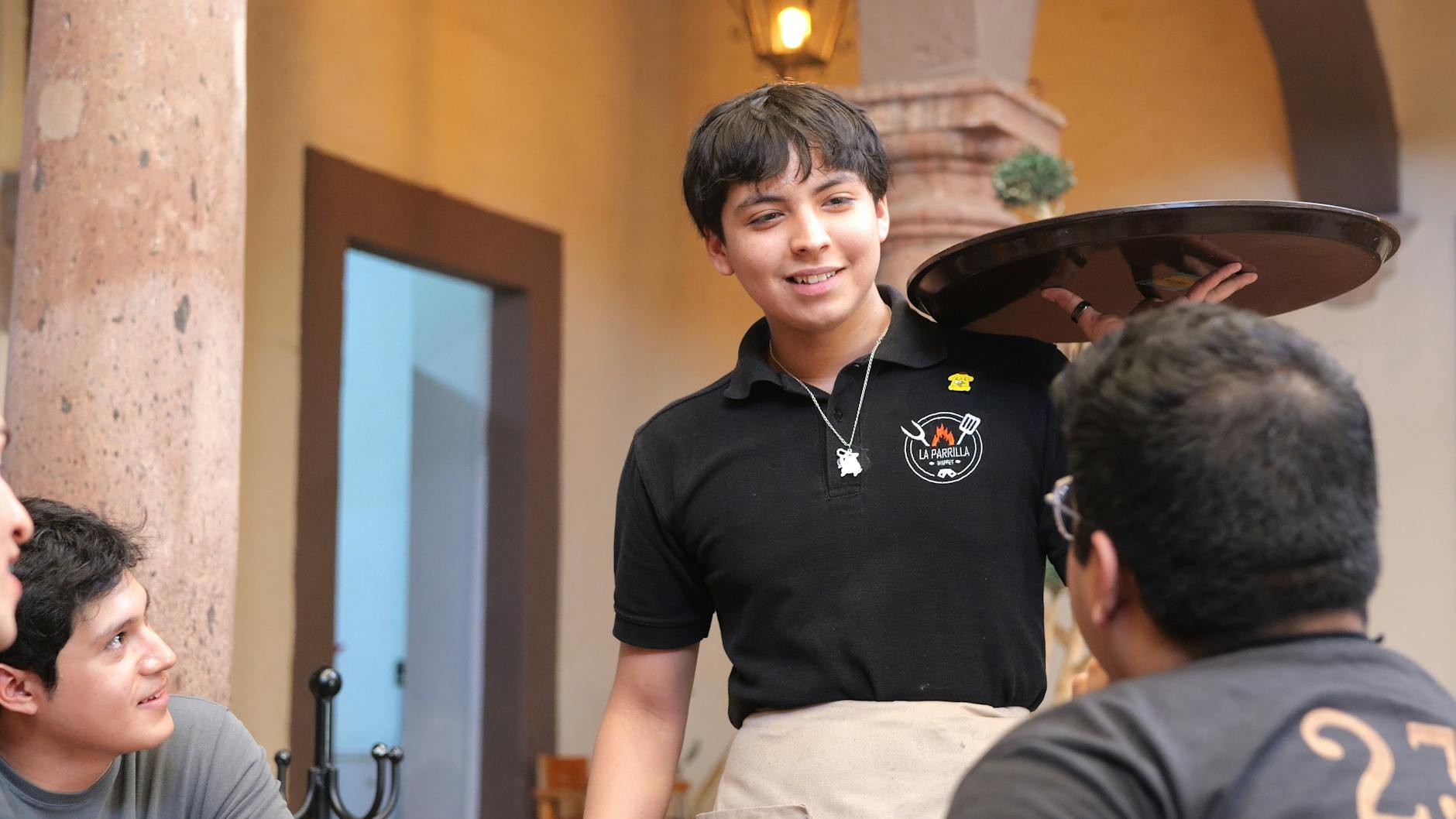
Snapping or calling out this word across a dining room is widely considered one of the most dismissive ways to get a server’s attention. Most hospitality professionals prefer to be addressed by name or simply caught with eye contact and a polite raised hand. This kind of abrupt summoning signals impatience and can immediately set a negative tone for the rest of the meal. Servers are typically managing multiple tables at once and appreciate being approached with patience. A little courtesy here goes a long way toward a smoother and more enjoyable dining experience.
“Is That Really How It’s Made?”

Questioning the kitchen’s preparation method in a confrontational tone puts your server in an uncomfortable position. They are rarely the chef and cannot personally vouch for every culinary decision made behind closed doors. This phrase often comes across as condescending and implies that the diner knows better than the establishment’s trained culinary team. If there is a genuine concern about an ingredient or preparation style it is always better to ask politely and openly. Framing the question with curiosity rather than skepticism keeps the conversation productive and respectful.
“I Know the Owner”
Dropping this phrase rarely produces the results diners expect and almost always creates awkwardness for the server. It places staff in a difficult position where they must either verify the claim or risk offending someone who may or may not have a real connection. In most cases it comes across as an attempt to gain preferential treatment or bypass standard procedures. Hospitality professionals are trained to treat every guest with the same level of care and attention regardless of status. Letting service speak for itself without invoking social leverage almost always leads to a better experience.
“Can You Just Hurry It Up?”

Pressuring a server to rush an order or deliver food faster than the kitchen can manage creates stress without solving anything. Food preparation follows a sequence that the front-of-house staff has limited control over once an order is placed. This phrase shifts frustration onto someone who is working hard but simply cannot accelerate a process that happens entirely in the back. If timing is a genuine concern it is far more effective to mention it politely at the time of ordering. Servers who feel respected are far more motivated to advocate on your behalf with the kitchen.
“This Isn’t What I Ordered”

Saying this without any additional context or politeness puts the server immediately on the defensive. Even if a mistake has genuinely been made the phrasing sets up an adversarial dynamic rather than a collaborative one. A more constructive approach is to calmly describe what you received versus what you expected and allow the server to find a solution. Most hospitality professionals genuinely want to correct errors and will go out of their way to do so when treated with basic respect. Turning a mistake into a calm conversation rather than an accusation almost always results in a faster and more satisfying resolution.
“We’re in a Bit of a Rush”
While communicating time constraints is reasonable the way this phrase is delivered often creates more problems than it solves. Telling a server mid-meal that you are pressed for time gives them very little room to actually help you. The most effective time to share time limitations is at the very beginning of the meal so the server can coordinate with the kitchen from the start. Bringing it up suddenly after ordering can cause confusion and disrupt the natural flow of service. A proactive and friendly heads-up at the outset is always the most practical and well-received approach.
“Can I Get a Discount?”

Asking for a reduction in price without a clear reason puts servers in an impossible position as pricing decisions are not within their authority. This phrase can come across as an attempt to exploit the server’s desire to please you at the expense of the establishment. If there is a legitimate complaint about food quality or service it is better to raise the concern directly and allow management to decide on any appropriate gesture. Servers are not empowered to alter bills on request and the ask itself can create palpable discomfort at the table. Addressing any real issues through the proper channels almost always leads to a fairer outcome for everyone involved.
“You Forgot About Us”
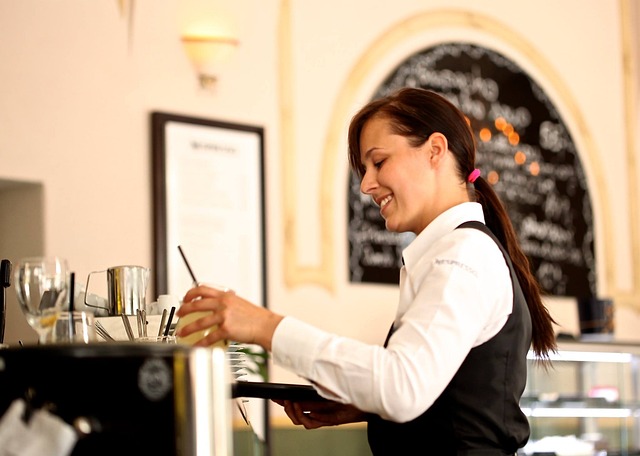
This accusatory phrase assumes negligence on the part of the server without knowing the full picture of what they are managing. A busy section with multiple tables can lead to brief delays that have nothing to do with how valued any particular guest feels. Expressing this sentiment makes the server feel blamed for circumstances that are often entirely outside their control. A far more effective approach is to make calm and friendly eye contact or raise a hand to signal that you need attention. Keeping the tone light and understanding encourages a faster and more willing response.
“I’ll Let You Know When I’m Ready” Followed by Ignoring Every Pass
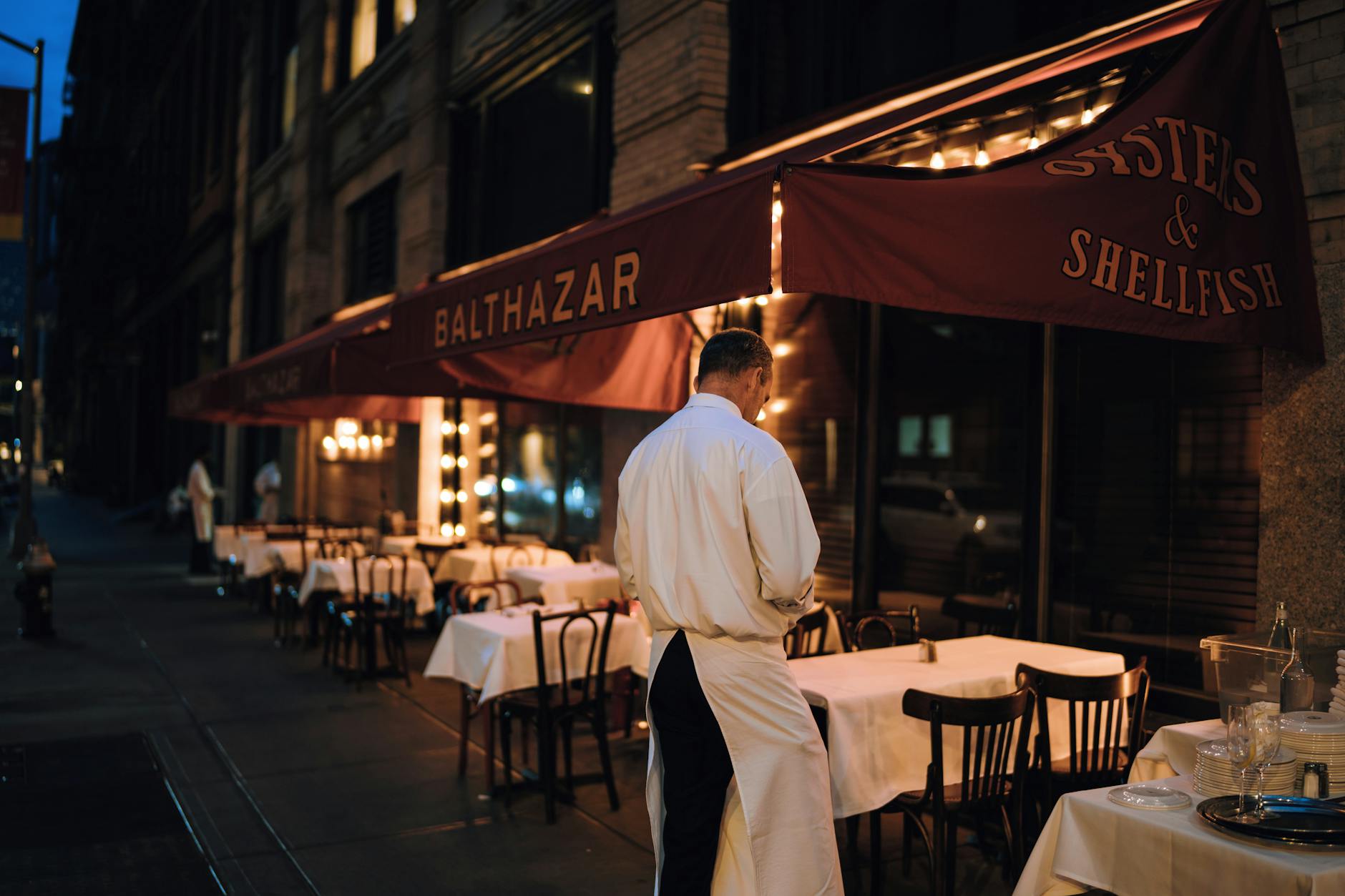
Sending a server away and then consistently failing to signal when you are ready wastes time and disrupts their ability to manage their section efficiently. Servers are responsible for multiple tables and cannot hover indefinitely waiting for one guest to make a decision. If you need more time that is completely acceptable but making a reasonable effort to signal readiness when the moment comes is a basic courtesy. Prolonged indecision without any acknowledgment of the server’s repeated passes can come across as dismissive. A simple nod or brief word when you are finally prepared makes the entire process smoother for everyone.
“Is the Chef Having a Bad Day?”
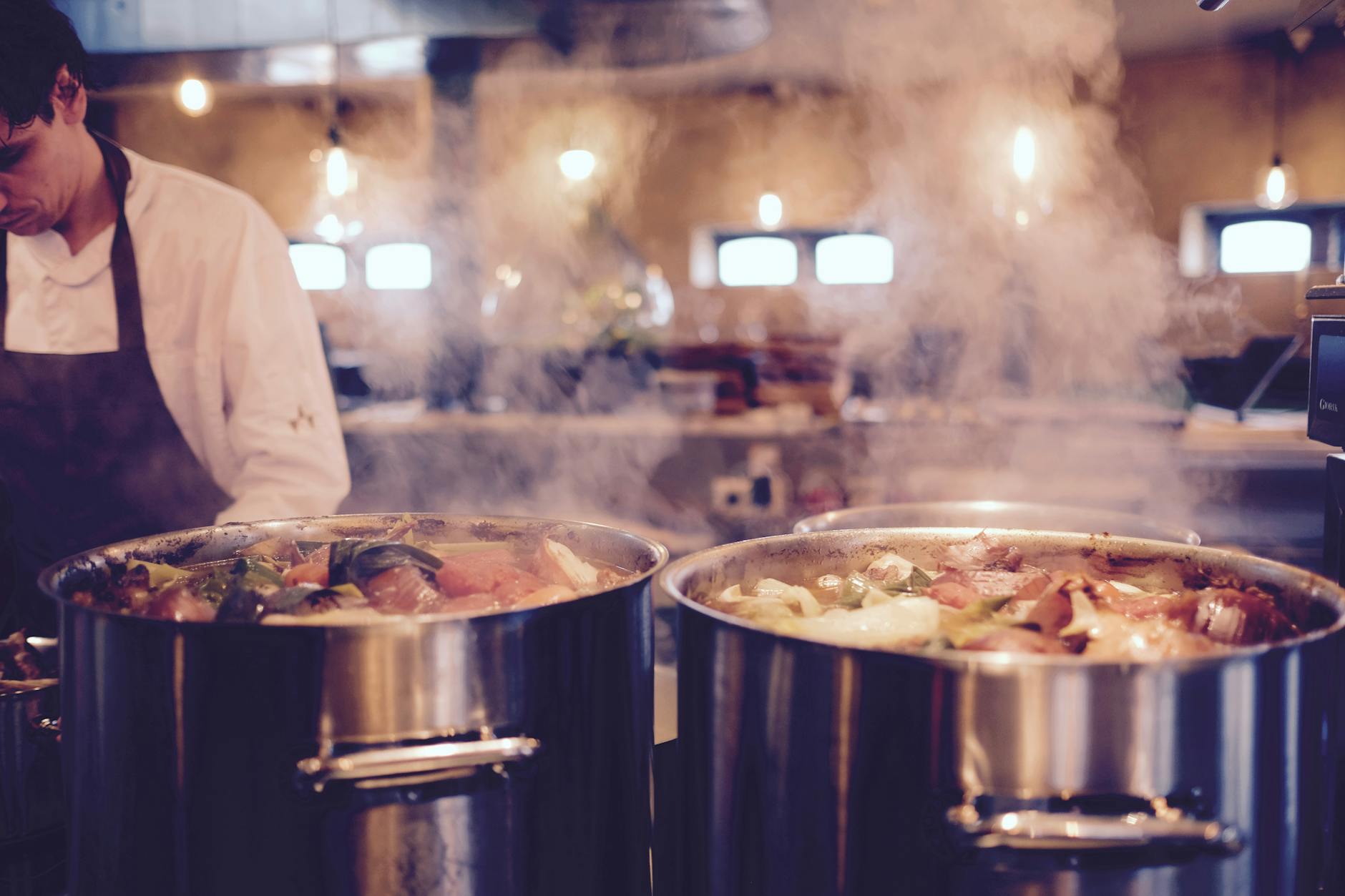
Making this kind of remark about food you are unhappy with puts the server in an incredibly awkward position. It implies a level of insider knowledge about kitchen dynamics that is both presumptuous and unkind. If a dish does not meet your expectations the appropriate response is to describe the specific issue clearly and allow the server to escalate it properly. Jokes or commentary about the chef’s state of mind rarely land well and can feel disrespectful to the entire team working behind the scenes. Constructive feedback is always more productive than veiled criticism.
“This Is Taking Forever”

Expressing frustration about wait times in this way achieves very little beyond making the server feel personally responsible for kitchen timelines. Food preparation is a complex process involving multiple staff members and timing that no single server controls entirely. If a wait genuinely feels excessive the most effective move is to politely ask for an update on the order and allow the server to check in with the kitchen. Framing the inquiry as a question rather than a complaint invites a more helpful and communicative response. Patience expressed with politeness is almost always rewarded with greater attentiveness.
“Can You Split the Bill Twenty Ways?”
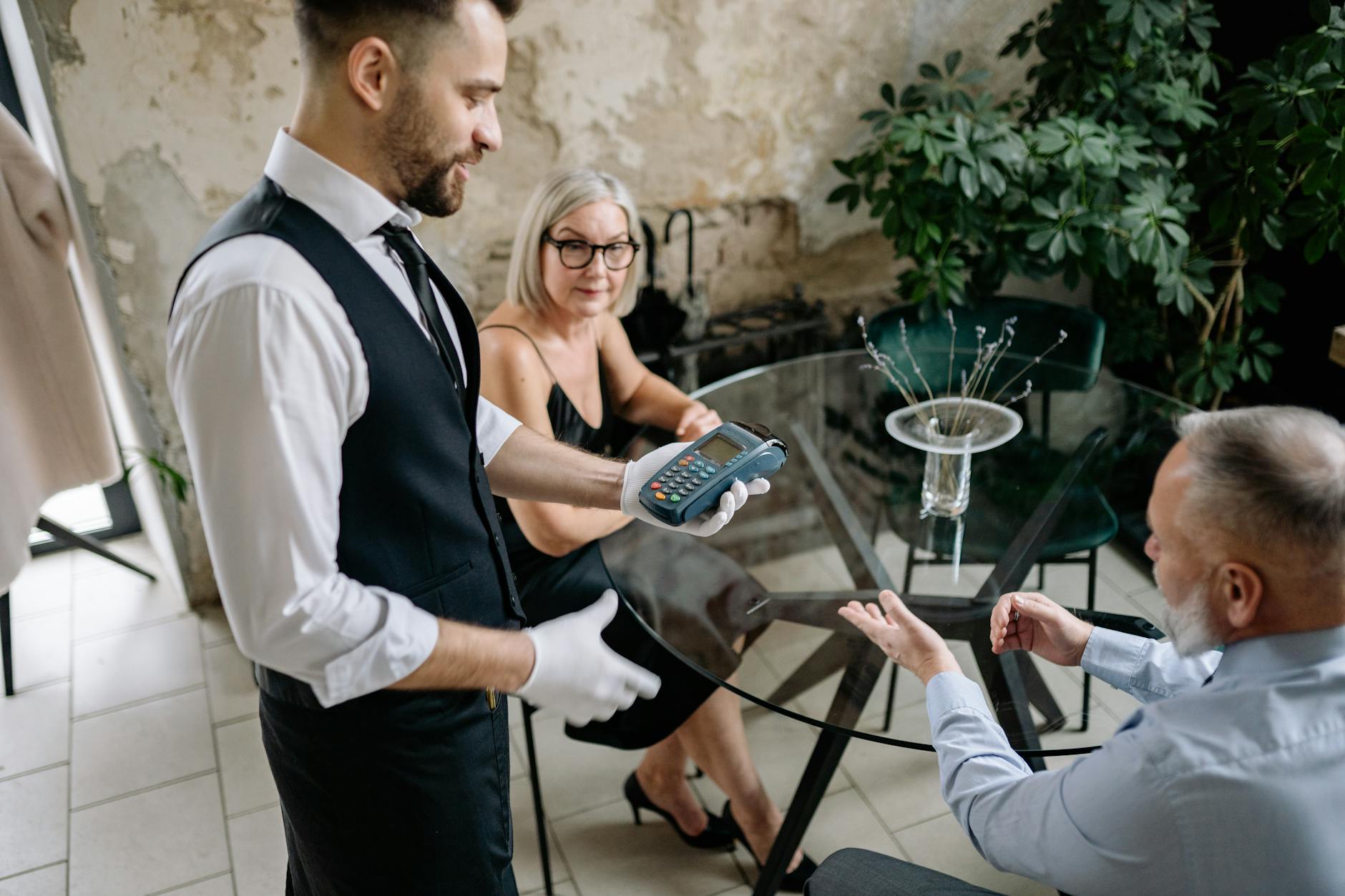
While splitting a bill between guests is a reasonable request making it overly complex creates significant logistical strain for the server. Requesting an equal split between two or three parties is generally manageable but asking for highly specific individual calculations across a large group is far more disruptive than most diners realize. The most considerate approach is to decide on a payment method before the meal begins and to communicate it clearly when ordering. Leaving the server to figure out an intricate breakdown at the end of a busy service is one of the more stressful situations they regularly face. Planning ahead benefits the whole table and keeps the end of the meal stress-free.
“That Other Restaurant Does It Better”
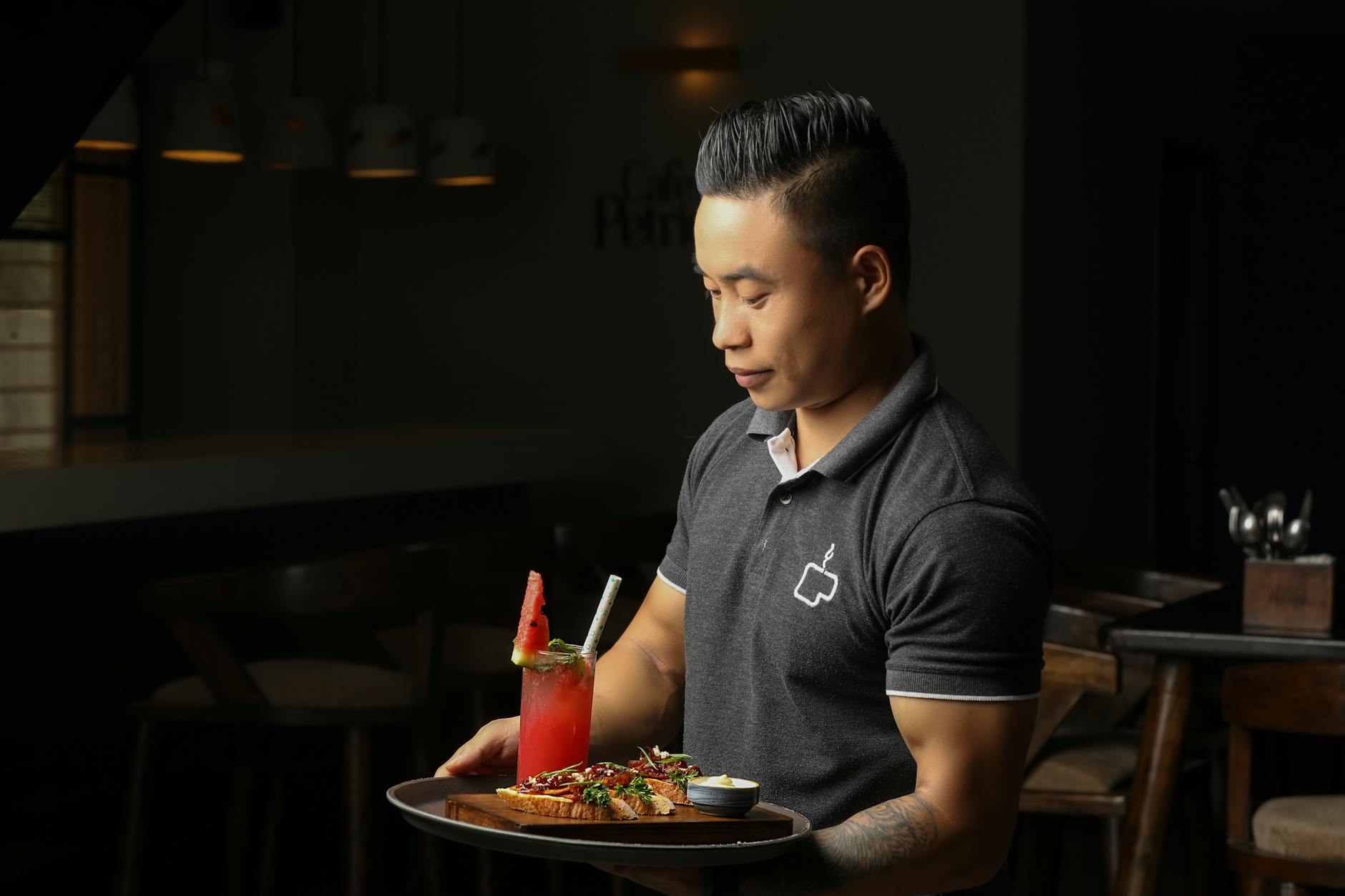
Comparing the establishment unfavorably to a competitor while seated at the table serves no constructive purpose and can feel deeply dismissive to the staff. Restaurant teams take genuine pride in their menus and kitchen style and unsolicited comparisons can feel deflating even to the most professional server. If there is something specific you would like adjusted about a dish or drink the most useful step is to make that request directly. Constructive and specific feedback gives the team something to work with while general comparisons simply lower the mood. Appreciating each dining experience on its own terms tends to make meals far more enjoyable.
“I’ve Been Waiting Longer Than Anyone Else Here”
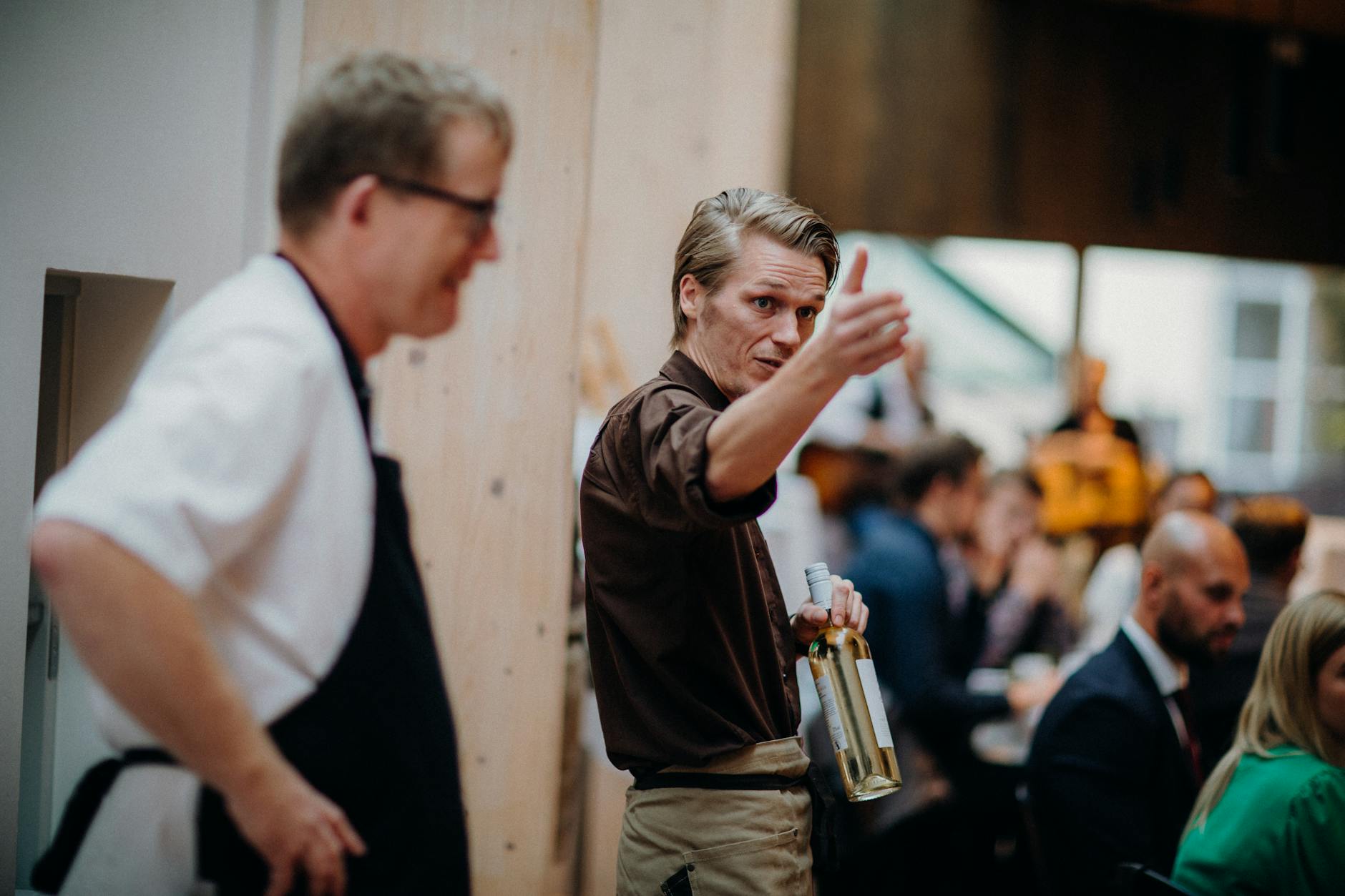
Making claims about comparative wait times is rarely accurate and places the server in the uncomfortable position of defending the kitchen’s workflow. Every table’s order is different in complexity and preparation time so visible wait discrepancies almost always have a legitimate explanation. This kind of remark can come across as entitled and may actually slow down the attentive service you are hoping to receive. A polite and specific inquiry about your order’s status is always more effective than a competitive complaint. Trusting the process while staying gently communicative tends to produce better results.
“Is There Anything Actually Good Here?”
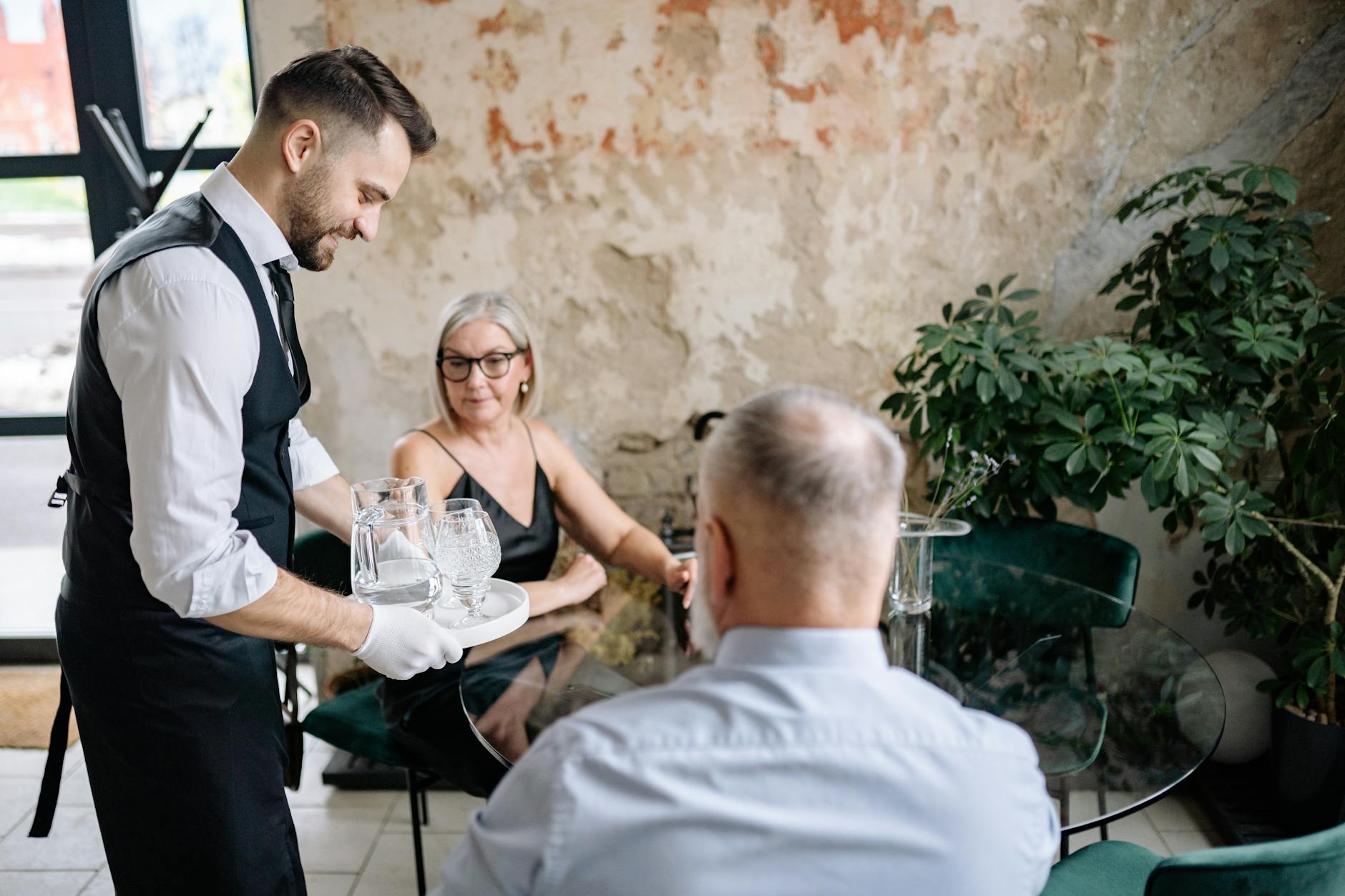
Asking a server to evaluate their own menu in this dismissive way puts them in a genuinely difficult position. They are there to guide your experience not to critique the food their kitchen works hard to prepare. If you are genuinely seeking a recommendation the far better approach is to describe what you are in the mood for and ask what the server would suggest. That framing invites an enthusiastic and personal response rather than an awkward one. Most servers have genuine favorites and are happy to share them when asked with openness and curiosity.
“We Don’t Really Need You Right Now”
Dismissing a server’s attentiveness in this way can unintentionally communicate that their presence at the table is an interruption rather than a service. Servers are trained to check in at specific moments and doing so is part of their professional responsibility. If you are mid-conversation and prefer a moment of privacy a simple and warm gesture is far more effective than a dismissive verbal cue. Most servers are skilled at reading the table’s energy and will naturally give space when they sense it is needed. A small smile and a nod can communicate everything without making anyone feel unwelcome.
“Can You Ask the Chef to Make It Completely Different?”
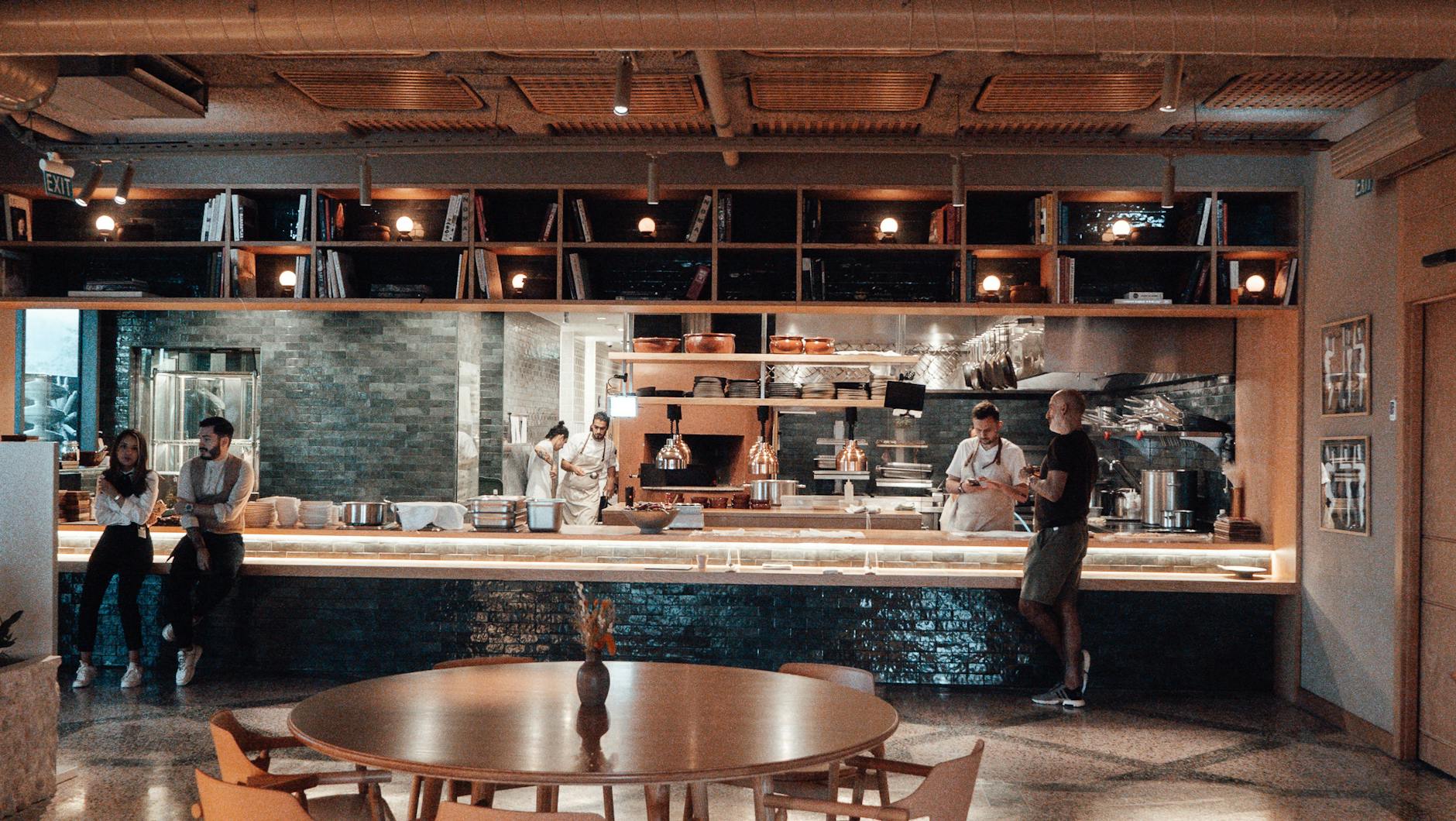
Requesting a dish to be fundamentally altered from its intended preparation places significant strain on the kitchen beyond what most diners realize. Restaurants are designed to produce specific dishes at volume and major deviations disrupt the flow of an entire service. Minor modifications such as leaving out an ingredient or serving a sauce on the side are generally well within what a kitchen can accommodate. Asking for something that essentially becomes an entirely new dish is a different request altogether and one that is rarely as feasible as it might seem. Being specific and reasonable with modifications leads to far better results.
“I Saw This Online for Cheaper”
Presenting online pricing comparisons at the point of ordering is rarely applicable and puts servers in a position they cannot respond to helpfully. Pricing structures vary between delivery platforms and in-house dining for many legitimate operational reasons. This comment is best addressed with management before or after the meal if it is a genuine concern rather than directed at a server mid-service. Front-of-house staff do not set prices and cannot honor outside comparisons without authorization. Raising pricing questions through the appropriate channels leads to a far more useful and honest conversation.
“You’re Going to Get a Bad Review”
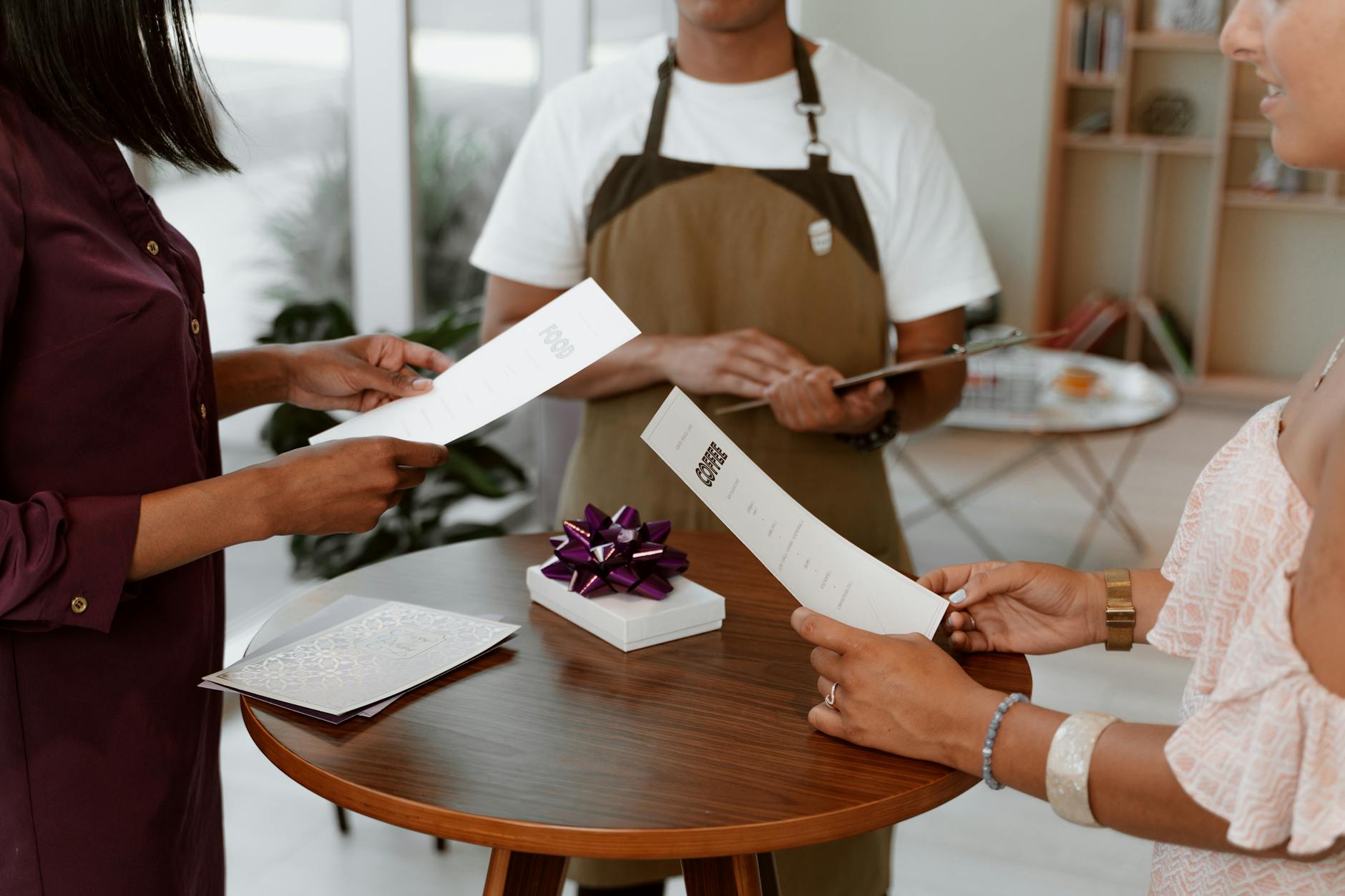
Using the threat of a negative online review as leverage during a meal is considered one of the more manipulative things a diner can do. It immediately shifts the dynamic from a service relationship to a coercive one and puts staff under undue pressure. Legitimate concerns about food or service are always better addressed calmly and directly with the server or manager during the visit. Most establishments genuinely want to resolve issues in the moment and are far better positioned to do so than any review platform. Giving the restaurant an honest opportunity to make things right is both fairer and more likely to result in a satisfying resolution.
“Can I Have Everything at Once”
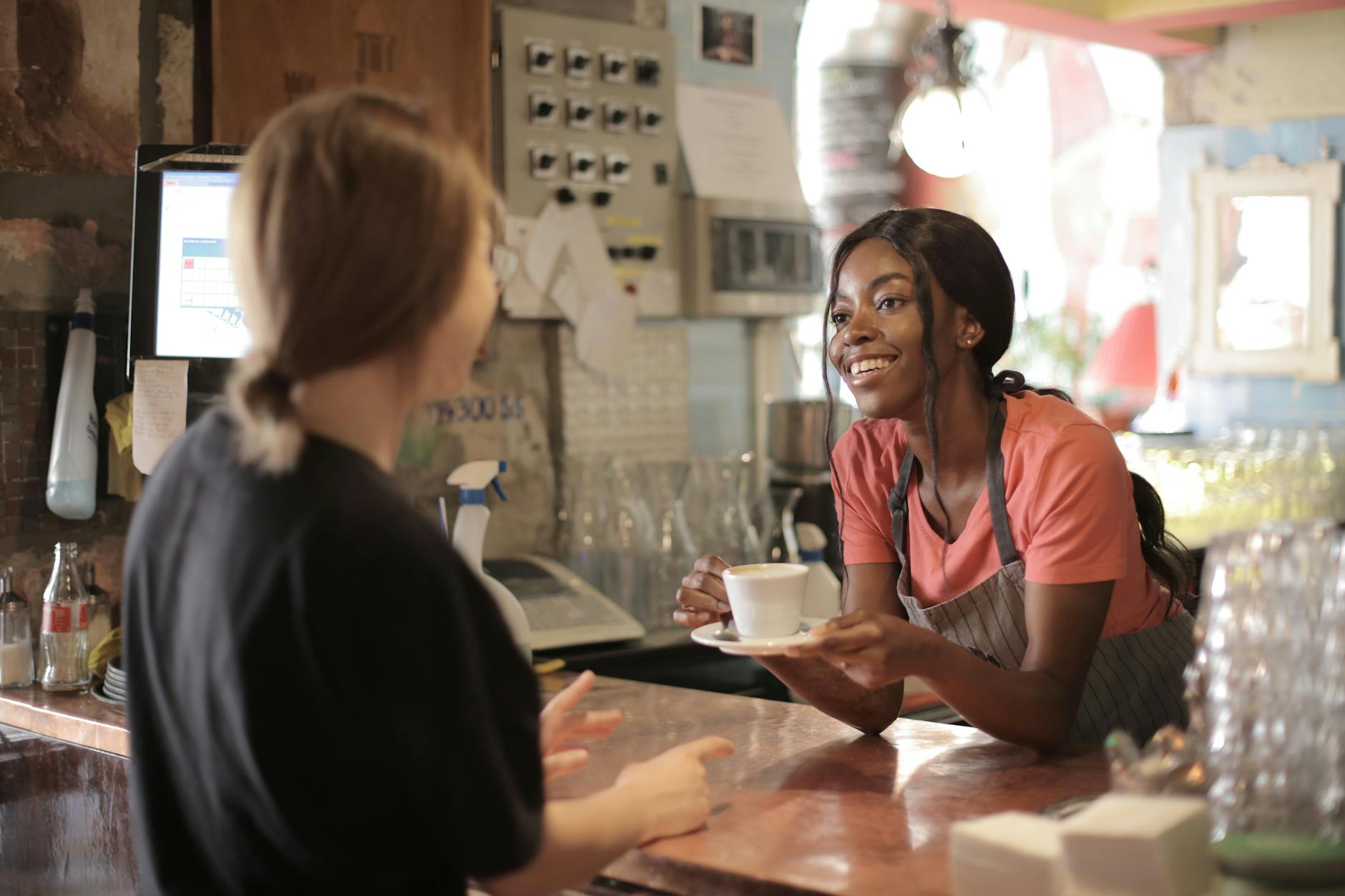
Requesting all courses to be delivered simultaneously goes against the fundamental structure of how most kitchens are designed to operate. Course sequencing is planned intentionally to ensure each dish is served at the right temperature and in the best possible condition. Making this request often means that some dishes will suffer in quality as they sit while others are consumed. If you are in a genuine time crunch the best approach is to explain the situation at the start and ask what the kitchen can reasonably accommodate. Working with the server’s guidance rather than against the kitchen’s natural rhythm leads to a much better meal.
“My Drink Is Empty and Nobody Cares”
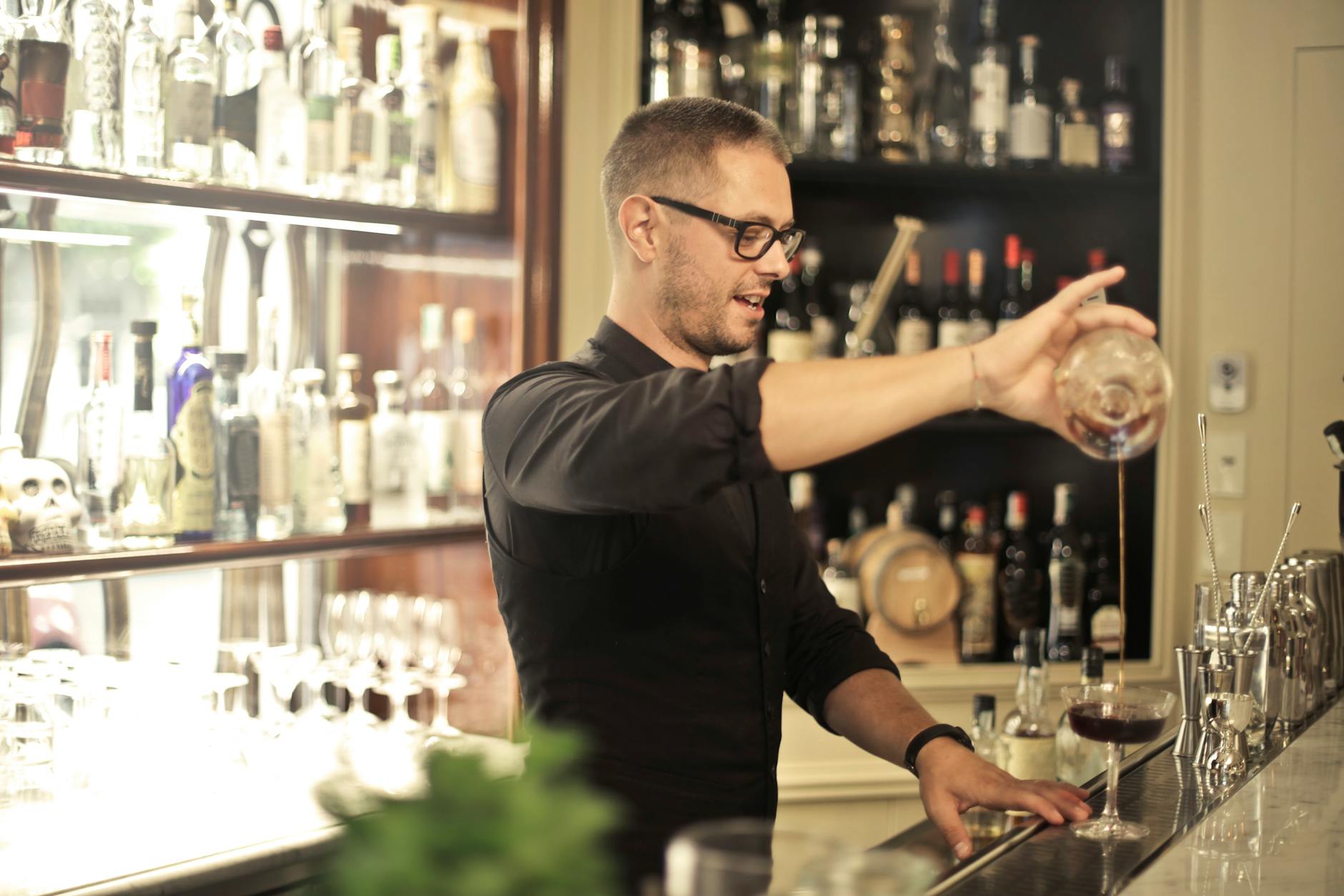
Making this comment loudly or pointedly is far less effective than a simple and direct request for a refill. Servers manage many moving parts during a service and a glass that runs low can occasionally go unnoticed in a busy period. A polite and cheerful request is all that is needed to resolve the situation immediately and without any tension. Framing the moment as an observation about neglect rather than a simple ask creates unnecessary awkwardness. Most servers are genuinely glad to refill a drink the moment they are made aware.
“This Is Wrong But I’ll Just Eat It”
Saying this out loud puts the server in an uncomfortable limbo where they are not sure whether to act or leave the situation alone. If something about the dish is genuinely incorrect it is far better to say so clearly and allow the kitchen to make it right. Choosing to eat something unsatisfactory while narrating your dissatisfaction serves no one at the table and leaves the server with no clear path to help. Most restaurants would far rather correct an error than have a guest leave unhappy. A clear and calm description of the issue is always the most useful course of action.
“We Might Not Leave a Tip Depending on the Service”
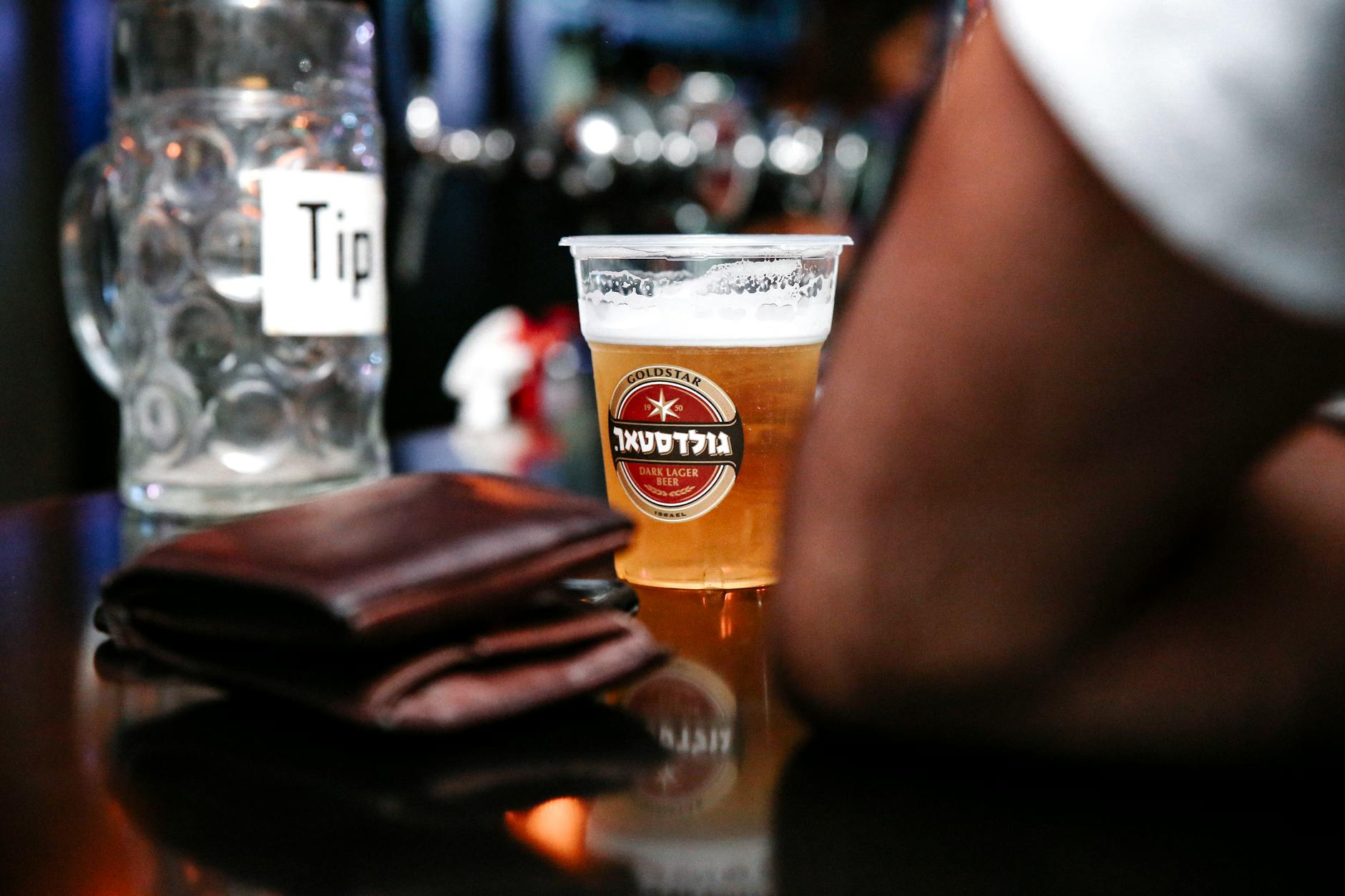
Announcing a conditional tip at the start of a meal is considered one of the more unwelcome things a diner can say in a tipping culture. It immediately introduces a transactional tension that undermines the natural dynamic of hospitality. Servers in many countries rely on gratuities as a significant part of their income and this kind of statement can feel both threatening and demoralizing. If you have concerns about service the appropriate moment to address them is either in the moment or through a calm conversation with management. Allowing the experience to unfold without pre-attached conditions leads to a far more relaxed and enjoyable meal for everyone.
“Can You Just Guess What I Want”
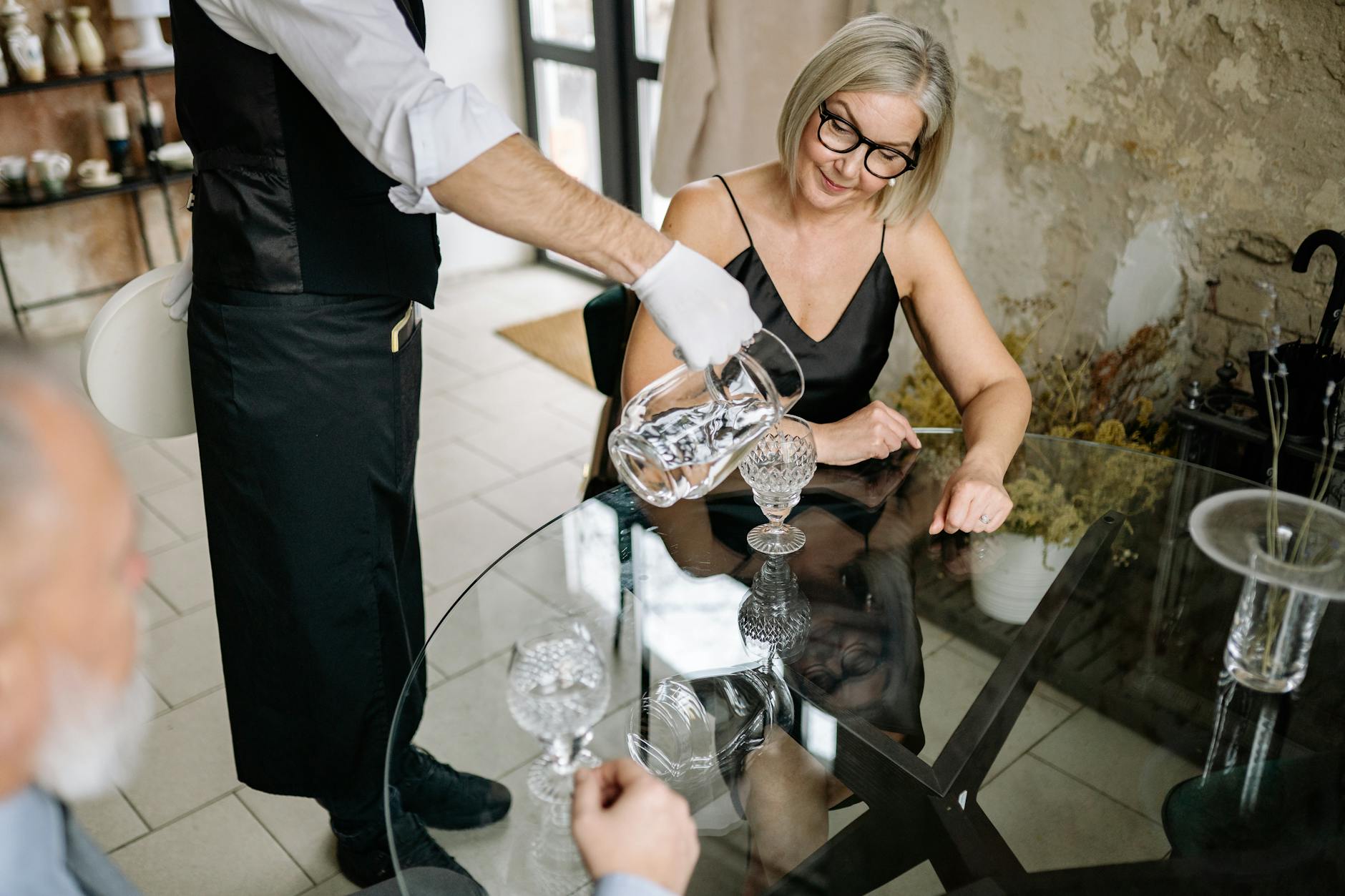
Asking a server to intuit your order without any input is an unfair and inefficient request that benefits nobody at the table. While servers are skilled at reading moods and making suggestions they are not mind readers and guessing incorrectly creates more work for both the kitchen and the guest. If you are genuinely undecided a much better approach is to ask for a recommendation based on the style of food you are in the mood for. Giving the server some basic parameters to work with allows them to make a thoughtful and accurate suggestion. Collaboration between guest and server almost always produces better outcomes than ambiguity.
“I Know You’re Busy But”
Beginning a request with this phrase might seem considerate but it often functions as a preemptive excuse for an unreasonable ask. It signals awareness of the server’s workload while simultaneously adding to it and can come across as passive rather than genuinely empathetic. If you have a request that feels time-sensitive or complex the most helpful thing you can do is state it clearly and directly. Servers appreciate clarity above all else during a busy service because it allows them to act quickly and efficiently. Straightforward requests delivered with a warm tone are always the most welcome.
“Are You Even Listening”
Questioning a server’s attentiveness mid-interaction is one of the more personally cutting things a diner can say during a meal. Most servers are holding multiple orders in their memory simultaneously while navigating a busy floor and the occasional need for clarification does not indicate inattention. If you feel a detail has been missed the most effective approach is simply to repeat it clearly and confirm that it has been noted. Treating a moment of clarification as an opportunity to criticize creates discomfort and rarely improves the outcome. Extending reasonable patience during a busy service is one of the most valued qualities in a dining guest.
“I’m a Food Critic You Know”

Announcing yourself as a food critic whether genuinely or as a joke puts the entire staff on edge in a way that rarely benefits the dining experience. It introduces self-consciousness into the meal and can change the natural behavior of the team in ways that actually undermine authentic service. Professional food critics are well known for their preference for anonymity precisely because it allows them to experience a restaurant as any other guest would. Even as a casual remark this kind of statement creates unnecessary pressure. The best dining experiences happen when everyone at the table simply lets the restaurant do what it does.
“This Is Way Too Expensive for What It Is”
Voicing a price-to-value complaint directly to a server accomplishes very little as they play no role in setting menu prices. This comment places them in the awkward position of having to either defend the establishment or remain silent while you express dissatisfaction. If pricing is a genuine concern the appropriate person to address it with is a manager either during or after the meal. Servers are there to facilitate your experience not to justify the business decisions of the ownership. Keeping financial frustrations directed at the right level of the operation keeps the interaction productive and respectful.
“Do You Know Who I Am”
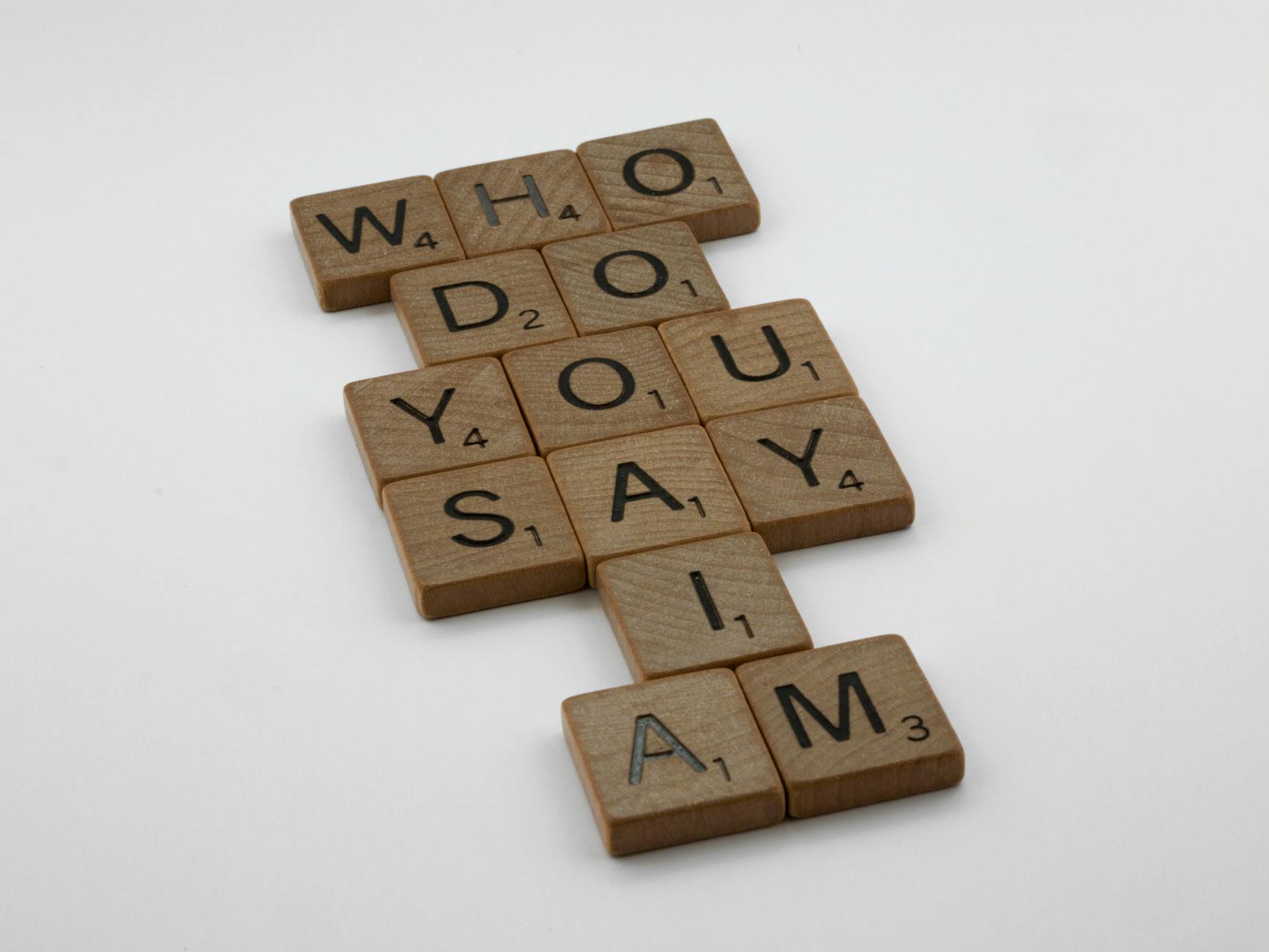
This phrase is widely regarded as one of the most off-putting things a diner can say in any hospitality setting regardless of culture or context. It implies that the speaker’s identity should entitle them to treatment beyond what the establishment offers to any other guest. Front-of-house staff are trained to provide consistent and attentive service to everyone and invoking personal status rarely achieves the elevated experience the speaker is hoping for. The most reliably excellent dining experiences come from engaging with staff warmly and allowing the hospitality to unfold naturally. Treating the team as professionals always produces better results than asserting social capital.
“Can I Have Extra Everything for Free”
Requesting additional items or larger portions without any intention to pay for them puts servers in the position of having to decline requests that should not need to be made. Restaurants operate on tight margins and free extras represent a real cost that affects the business. If you have strong feelings about portion sizes or want to supplement a dish the most honest and direct approach is simply to ask about the cost of an addition and order it properly. Servers genuinely appreciate guests who engage with the menu and the pricing structure honestly. Straightforward transactions built on mutual respect lead to far more satisfying and generous service overall.
“Why Is the Music So Loud”
Complaining to a server about the restaurant’s ambient environment places them in a position they have little authority to change. Music volume and overall atmosphere are decisions typically made by management and are often calibrated deliberately to match the establishment’s intended mood. If the noise level is genuinely causing a problem the most effective step is to ask politely whether a quieter table is available or to request that a manager be informed. Directing environmental complaints at a server without expecting them to escalate it formally rarely produces results. Framing it as a genuine request rather than a complaint makes it far easier for staff to act on your behalf.
“The Last Person Who Served Us Was Much Better”
Comparing your current server unfavorably to a previous one is deeply personal and rarely serves any constructive purpose. Every server has their own style and strengths and a single interaction gives very little basis for meaningful comparison. If there is something specific about the current service that you would like adjusted a direct and polite request is always more useful than a comparative critique. This kind of remark can visibly affect a server’s confidence in a way that ultimately harms rather than improves your experience. Specific feedback given constructively is always more actionable and more welcome than unfavorable comparisons.
“We’re Ready to Order” When You’re Not

Telling a server you are ready to order and then proceeding to spend several more minutes deliberating is one of the more quietly disruptive habits in dining etiquette. It pulls the server away from other tables under a false premise and then holds them at yours while you continue to decide. If you feel rushed by the server’s attention the most honest response is simply to ask for one more minute rather than claiming readiness you do not have. Servers genuinely appreciate accurate signals because their time is in constant demand across the entire floor. Small honesty in the ordering moment makes the whole rhythm of service run more smoothly.
“Can You Take a Photo of Us”
While many servers are happy to help with a table photo making this request repeatedly or at an inopportune moment creates real disruption to their workflow. During a busy service every minute away from the floor has consequences for the tables a server is responsible for. If you want a photo the most considerate approach is to ask once during a natural pause in service and to make the request as quick and simple as possible. Handing over a phone with clear framing instructions already set up is a small courtesy that speeds up the whole interaction. Being mindful of timing and efficiency makes the gesture feel like a brief pleasure rather than an interruption for both parties.
“Just Bring Us Whatever”

Leaving an order entirely open-ended might seem easygoing but it actually creates significant stress for both the server and the kitchen. Without any guidance about preferences dietary needs or budget a server has no reliable basis for making decisions on your behalf. What feels like spontaneity from the guest side translates into a logistical challenge behind the scenes. If you genuinely want to leave the selection in the server’s hands giving a few clear parameters such as dietary restrictions or preferred flavors makes the experience far more successful. Guided openness is far more workable and more enjoyable than total ambiguity.
What phrases have you heard or used at the table that changed the energy of the meal? Share your thoughts in the comments.