The relationship between a patient and their doctor depends entirely on honest, open communication. Certain phrases, often said with good intentions, can unintentionally filter the information a physician receives and compromise the quality of care provided. Research consistently shows that patients who communicate transparently receive more accurate diagnoses and better treatment outcomes. Understanding which common statements can derail that process is one of the most practical health decisions a person can make.
“I Already Googled It”

Arriving at an appointment with a self-diagnosis based on internet research can prompt a doctor to spend more time managing expectations than evaluating actual symptoms. Physicians may unconsciously anchor to the condition a patient mentions, narrowing the diagnostic process before a full assessment has taken place. Studies in clinical communication show that patients who lead with online findings are less likely to receive open-ended questioning from their provider. Sharing symptoms first and research second gives the doctor a cleaner picture of what is actually happening in the body.
“I’m Fine, It’s Nothing Serious”

Downplaying symptoms is one of the most common ways patients unintentionally mislead their physicians. When a patient minimizes discomfort, a doctor may document it as low-priority and move on without further investigation. Many serious conditions including cardiovascular disease and early-stage cancers are first flagged through symptoms a patient described as minor. Allowing the physician to determine the severity of a symptom rather than pre-judging it leads to more thorough and accurate evaluations.
“I Only Drink Socially”

The phrase “social drinking” is interpreted differently by nearly every person who uses it, making it clinically unreliable. A doctor asking about alcohol consumption needs specific quantities and frequencies to assess liver health, medication interactions, and mental health patterns. Patients who describe their intake vaguely often receive no follow-up questions, leaving a significant health variable unexamined. Giving an honest weekly estimate allows physicians to make better-informed decisions about bloodwork, prescriptions, and referrals.
“I Eat Pretty Healthy”

Nutritional self-assessment is one of the least accurate forms of patient reporting in clinical settings. People tend to recall their best eating days rather than their average ones, which skews the picture a doctor receives. Dietary patterns are directly linked to cholesterol levels, blood pressure, weight management, and inflammation markers, all of which affect diagnosis and treatment planning. Describing actual habits with specifics rather than general reassurances gives the physician far more useful data to work with.
“I Exercise All the Time”

Physical activity levels reported by patients are frequently overestimated, which affects how doctors evaluate cardiovascular risk, weight-related conditions, and metabolic health. A physician relying on a patient’s self-reported activity level may forgo tests that could reveal important underlying issues. The definition of “all the time” varies enormously between individuals, making the phrase nearly meaningless in a clinical context. Describing actual weekly activity in terms of type, duration, and frequency helps a doctor build a realistic picture of a patient’s baseline fitness.
“I Don’t Take Any Medications”

Many patients forget to include over-the-counter medications, herbal supplements, vitamins, or occasional sleep aids when answering this question. These substances can interact significantly with prescribed medications and affect liver enzymes, blood pressure, and test results. A doctor who believes a patient is medication-free may prescribe something that creates a dangerous or ineffective combination. Bringing a complete list of everything consumed regularly, including supplements, ensures the physician has the full pharmaceutical context needed to prescribe safely.
“I Stopped Taking That Medication”

Discontinuing a prescribed medication without informing a doctor changes the entire framework through which current symptoms should be interpreted. Physicians track patterns over time, and unexplained changes in health markers are often attributed to the wrong cause when medication history is incomplete. Some medications require gradual tapering, and stopping abruptly can produce withdrawal effects that appear to be new or unrelated conditions. Telling the doctor exactly when and why the medication was stopped allows them to adjust the treatment plan with accurate information.
“It Only Hurts Sometimes”

Intermittent pain is often more diagnostically significant than constant pain, yet patients frequently use its inconsistency as a reason to dismiss it. Episodic symptoms can point to conditions like arrhythmia, early-stage nerve damage, or gastrointestinal disorders that worsen significantly without intervention. Describing the pattern of intermittent symptoms including triggers, duration, and associated sensations gives a physician critical clues. Treating occasional symptoms as unworthy of a full report can delay the identification of conditions that are far easier to treat when caught early.
“I’m Sure It’s Just Stress”

Patients who arrive with a pre-formed explanation for their symptoms may inadvertently steer the clinical conversation away from a physical investigation. Stress is a genuine contributing factor to many conditions, but it is also one of the most overused explanations for symptoms that have entirely different causes. A doctor who accepts a patient’s stress explanation without further inquiry may miss signs of thyroid dysfunction, sleep apnea, or cardiac irregularities. Presenting symptoms without an attached explanation invites a broader and more thorough diagnostic approach.
“I Haven’t Had Time to Follow Up on That”

Deferring follow-up care and then not disclosing it during a subsequent appointment creates gaps in a doctor’s understanding of a patient’s health timeline. Physicians make treatment decisions based on the assumption that previously recommended steps were taken, which affects the logic of new recommendations. Disclosing what was not done and why allows the doctor to re-prioritize, re-order tests, or adjust the overall treatment trajectory accordingly. Transparency about missed follow-ups is always more useful to a physician than silence.
“My Last Doctor Said It Was Fine”

Referencing a previous physician’s conclusion as a reason to skip current investigation can prevent necessary reassessment. Medical conditions evolve, and a finding that was benign three years ago may be clinically relevant today. Different physicians also have different thresholds, tools, and areas of specialization, meaning a second look can genuinely add value. Sharing what a previous doctor said is useful context, but presenting it as a final verdict closes off diagnostic possibilities that deserve fresh consideration.
“I Read That This Medication Is Dangerous”

Expressing concern about a medication is entirely valid, but framing it as a declaration rather than a question changes how a physician responds. When a patient states that a drug is dangerous, a doctor may feel defensive and shift into a persuasive mode rather than a collaborative one. The result is often a conversation focused on reassurance rather than a genuine exploration of the patient’s specific risk profile. Asking open questions about side effects, alternatives, and individual risk factors leads to a far more informative and personalized discussion.
“Can You Just Give Me Antibiotics”

Requesting a specific treatment before a diagnosis has been made puts pressure on the clinical process in ways that compromise patient safety. Antibiotics are ineffective against viral infections, and overprescribing them contributes to antibiotic resistance while exposing patients to unnecessary side effects. Physicians who feel pressured by patient expectations are statistically more likely to prescribe unnecessarily, according to research in primary care settings. Allowing the doctor to determine whether antibiotics are appropriate based on examination and testing leads to safer and more effective outcomes.
“I Don’t Have Time for Tests”

Declining recommended diagnostic tests due to time constraints leaves a physician with an incomplete picture that affects every subsequent decision they make. Many conditions can only be confirmed or ruled out through bloodwork, imaging, or other objective assessments rather than symptom reporting alone. A doctor who documents a patient’s refusal of testing will often note it in the records, which can affect future insurance decisions and specialist referrals. Discussing timing and finding a workable schedule for recommended tests is a far more productive approach than a flat refusal.
“I Only Smoke Occasionally”

Occasional tobacco use is frequently underreported by patients who associate the health risks primarily with heavy, daily smoking. Even infrequent smoking carries measurable cardiovascular and respiratory risks that are relevant to a doctor’s assessment of several organ systems. Physicians who are told a patient does not smoke may not order certain screenings or ask follow-up questions that would otherwise be standard. Providing an accurate account of smoking frequency and quantity ensures that risk assessments and preventative recommendations are appropriately calibrated.
“I’ve Already Tried Everything”

This phrase signals to a physician that a patient may be frustrated, but it provides no actionable clinical information. Doctors need to know specifically what treatments were attempted, at what doses, for how long, and what the outcomes were. Without that detail, there is a real possibility that a previously tried approach is recommended again, wasting time and eroding trust. Presenting a clear history of what has been attempted and what the results were gives the physician a concrete foundation from which to build a more effective plan.
“I’m Not Really Sleeping That Badly”

Sleep quality and duration are foundational to nearly every system in the human body, and underreporting sleep problems removes a key diagnostic variable. Patients who minimize sleep complaints may not be referred for sleep studies that could identify conditions like sleep apnea, which is significantly underdiagnosed. Poor sleep affects hormone regulation, immune function, metabolic health, and cognitive performance, all of which are relevant to a wide range of medical concerns. Describing sleep patterns accurately, including how long it takes to fall asleep and how often waking occurs, provides important clinical data.
“I Don’t Think I Need a Specialist”

Patients are generally not in a position to determine whether specialist input is medically necessary, and expressing resistance to referrals can delay access to expert care. Specialists bring focused diagnostic tools, updated research knowledge, and procedural expertise that a general practitioner may not offer. Many conditions that appear straightforward in a general practice setting are significantly more complex when examined by a relevant specialist. Remaining open to a referral and asking the general practitioner to explain the reasoning behind it leads to better-informed decisions about next steps.
“Just Give Me Something to Make It Stop”

Requesting symptom suppression without diagnosis allows underlying conditions to remain active and potentially worsen beneath the surface. Pain, inflammation, and other uncomfortable symptoms are the body’s communication tools, and masking them without understanding their source can be medically counterproductive. A physician who prescribes symptom relief without investigation may document the case as resolved when the root cause is still present. Asking for both relief and investigation gives the doctor a clear mandate to address the immediate experience and the underlying cause simultaneously.
“I Think I Have [Specific Condition]”

Arriving at an appointment with a firm self-diagnosis can trigger a cognitive bias in physicians known as anchoring, where the named condition becomes the lens through which all information is filtered. This is particularly common when patients have researched their symptoms online and identified a condition that partially matches their experience. The diagnostic process is most accurate when it begins with an open assessment of all symptoms before any named condition is introduced. Describing physical experiences in detail and letting the physician apply diagnostic frameworks leads to more thorough and accurate conclusions.
“I Haven’t Been Taking the Full Dose”

Partial adherence to a medication regimen is one of the most important pieces of clinical information a doctor needs, yet it is one of the most commonly withheld. Physicians evaluate the effectiveness of a treatment based on the assumption that it was taken as prescribed, and sub-therapeutic doses can produce misleading results. A doctor who increases a dosage based on incomplete adherence information may inadvertently over-prescribe once the patient does take the full amount. Honest reporting about missed doses or reduced quantities allows the physician to accurately assess the medication’s impact and adjust accordingly.
“I Don’t Want to Waste Your Time”

This phrase frequently precedes the omission of symptoms or concerns that a patient has judged to be too minor to mention. Every piece of information a patient chooses not to share is a potential diagnostic gap that can affect the accuracy of the physician’s assessment. Physicians are trained to evaluate the clinical relevance of reported symptoms and are far better positioned than patients to determine what qualifies as significant. Sharing all concerns, regardless of perceived importance, allows the doctor to apply their expertise to the full picture rather than an edited version.
“It Comes and Goes So It’s Probably Nothing”

Intermittent symptoms that a patient has self-assessed as insignificant are frequently the early indicators of conditions that benefit greatly from early detection. The pattern of a symptom, including how it starts, how long it lasts, and what makes it better or worse, is often more diagnostically useful than its intensity. Patients who filter out recurring but irregular symptoms before the appointment remove information the physician would likely want to investigate. Reporting all recurring experiences, even those that seem minor or inconsistent, provides the physician with a richer and more complete clinical narrative.
“I Know My Body Better Than You Do”

While patients do have unique insight into their own physical experience, this phrase typically signals a resistance to clinical investigation that can limit diagnostic accuracy. Self-knowledge is valuable input in a medical consultation, but it is not a substitute for the objective assessment tools and trained pattern recognition that physicians bring to the process. Doctors and patients each hold different and complementary forms of knowledge, and the most effective consultations integrate both. Framing personal observations as contributions to the conversation rather than corrections to the physician’s process leads to more productive outcomes.
“I’ll Just Wait and See”

Deciding to delay investigation on a concerning symptom before speaking to a doctor about it is a separate and personal choice, but announcing this intention during an appointment reduces the physician’s ability to provide guidance on appropriate monitoring. Doctors can offer specific timelines, warning signs, and criteria that help a patient make an informed decision about watchful waiting. Without that clinical input, a patient who chooses to wait may not recognize the signs that indicate a symptom has progressed to a point requiring immediate attention. Asking the physician what to watch for and when to return transforms “wait and see” from a passive choice into a structured and safer approach.
“I’d Rather Not Know”

Expressing reluctance to receive diagnostic results prevents a physician from fulfilling one of their core functions, which is to provide information that allows for timely and informed treatment decisions. Many conditions are far more manageable when identified early, and delaying a diagnosis in favor of avoidance often results in more complex and less effective treatment options later. Physicians are also trained in how to communicate difficult findings and connect patients with support resources, making the disclosure process less isolating than many patients anticipate. Allowing the clinical process to proceed completely gives patients access to the full range of options available at the earliest possible stage.
“I Only Eat Fast Food Once in a While”

Frequency estimates around fast food and processed food consumption are consistently underreported in patient dietary histories, which affects how physicians assess cardiovascular and metabolic risk. Even moderate regular consumption of high-sodium and high-saturated-fat foods has measurable effects on blood pressure, cholesterol, and inflammatory markers. A doctor who receives inaccurate dietary information may not recommend lipid panels or dietary counseling that would otherwise be indicated. Providing a realistic account of eating patterns, including frequency of restaurant and takeaway meals, gives the physician the accurate nutritional context needed to inform preventative care.
“I’m Not Depressed, I’m Just Tired”

Fatigue and low mood are among the most frequently minimized mental health symptoms in primary care settings, often because patients interpret depression as requiring a more dramatic level of distress. Clinical depression presents across a wide spectrum of severity, and persistent tiredness, loss of motivation, and reduced enjoyment are recognized diagnostic indicators. Physicians who accept the “just tired” framing without probing further may miss the opportunity to assess mental health more thoroughly. Describing emotional and psychological experiences alongside physical ones gives the doctor a complete view of overall wellbeing.
“I Don’t Need a Blood Test”
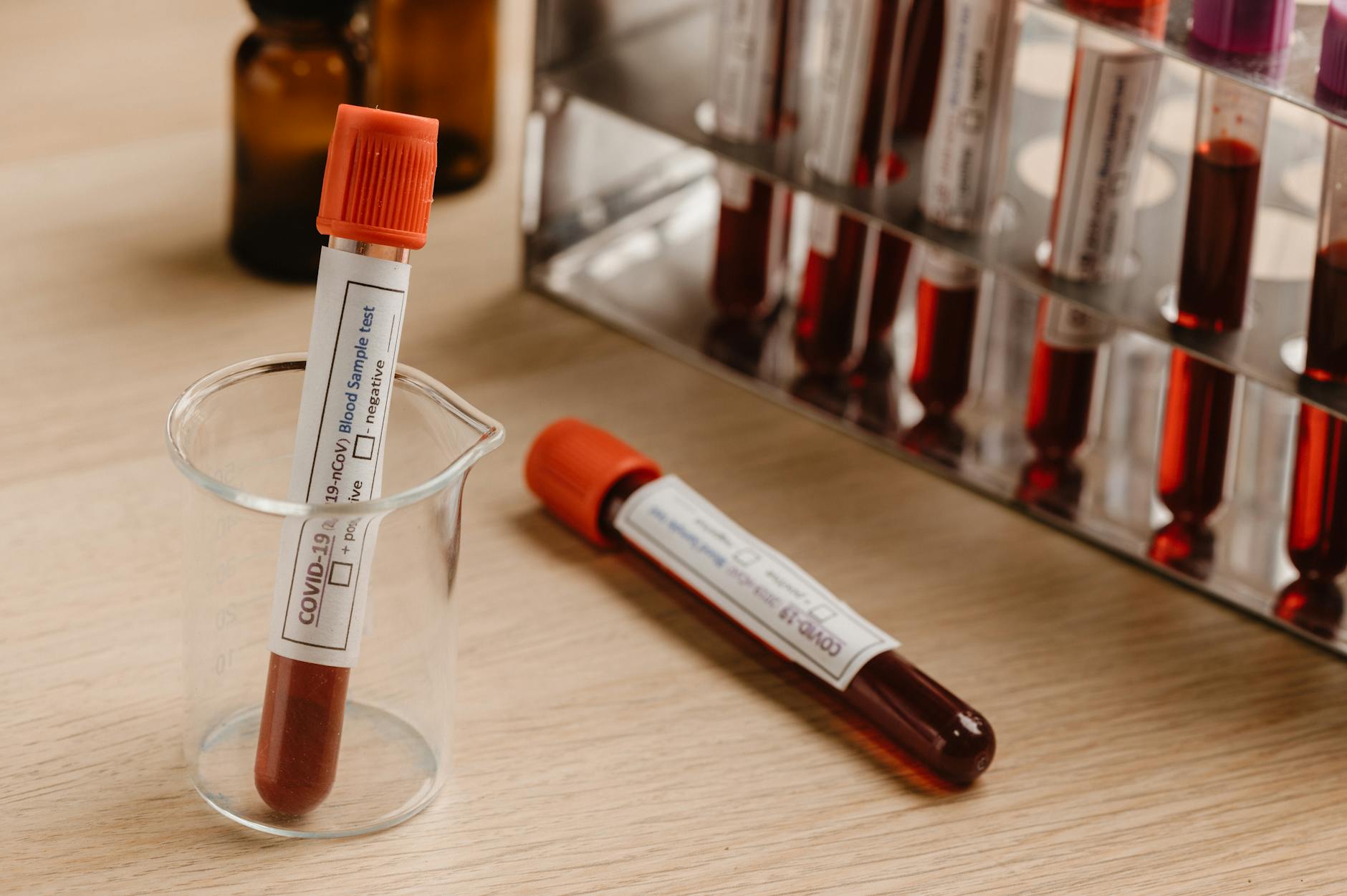
Routine bloodwork provides objective data about organ function, cholesterol levels, blood sugar, thyroid activity, and nutrient deficiencies that cannot be assessed through physical examination alone. Patients who decline blood tests based on the assumption that they feel well remove one of the most reliable tools a physician has for early detection of asymptomatic conditions. Many of the most significant chronic health conditions develop without noticeable symptoms until they have advanced considerably. Allowing recommended blood tests to proceed ensures that the physician has access to the full range of diagnostic information needed to assess long-term health accurately.
“I’ve Been Managing It on My Own”

Self-management of a condition without medical supervision is a clinical fact that significantly affects a physician’s interpretation of current health status. Patients who manage symptoms independently using over-the-counter medications, dietary changes, or behavioral strategies need to disclose those methods so the doctor can assess their effectiveness and safety. A physician who does not know about self-managed strategies may recommend treatments that duplicate or contradict them. Providing a clear account of what self-management has involved, including products used and any changes in symptoms observed, gives the doctor the context needed to build on or adjust that approach.
“That Medication Made Me Feel Weird So I Stopped”

Reporting an adverse reaction vaguely and then ceasing a medication without medical guidance creates two significant problems in a patient’s treatment record. The word “weird” conveys no clinical information, making it impossible for a physician to determine whether the sensation was a side effect, an interaction, a placebo response, or the early sign of a more serious reaction. Stopping a medication without professional guidance can also produce discontinuation effects that are then misattributed to other causes. Describing the specific sensations experienced, the timing of their onset, and how long they lasted allows the physician to make a properly informed decision about whether to adjust the dose, switch to an alternative, or continue the original prescription.
“I Don’t Want to Be Put on Medication”

While personal preferences around medication are valid and worth discussing, stating this as a condition at the beginning of an appointment can narrow the conversation before a full assessment has occurred. Physicians who sense strong medication resistance may soften their recommendations in ways that leave significant health risks under-addressed. There are many conditions for which lifestyle modifications alone are genuinely effective, but others where medication plays an irreplaceable role in preventing serious progression. Allowing the diagnosis to precede the treatment conversation ensures that any discussion of medication is grounded in clinical necessity rather than preemptive negotiation.
“My Friend Had the Same Thing and They Were Fine”

Comparative anecdotes from a patient’s social circle introduce irrelevant variables into a clinical consultation that can distort a physician’s communication of risk. Two people with superficially similar symptoms may have entirely different underlying conditions, risk profiles, and treatment responses. A physician who encounters this framing may feel compelled to spend time reframing the comparison rather than focusing on the patient’s specific findings. Keeping the consultation focused on personal medical history rather than comparisons to others allows for a more targeted and clinically relevant discussion.
“I Can’t Afford to Be Sick Right Now”

Expressing this concern during a medical appointment, while emotionally understandable, can unconsciously pressure a physician to deliver an overly optimistic assessment. Doctors are aware of the life disruption that illness causes, and research shows that patient stress about timing and logistics can influence how firmly a physician communicates the urgency of a finding. A diagnosis does not change based on a patient’s schedule, and receiving an accurate picture of health status is the first step in making informed decisions about timing and next steps. Allowing the physician to deliver findings without reference to external pressures ensures the most honest and useful clinical communication.
“Nothing Has Changed Since My Last Visit”

This statement, even when made sincerely, often reflects incomplete self-monitoring rather than an accurate account of health between appointments. Gradual changes in energy, sleep, digestion, mood, or pain threshold can go unnoticed by the patient experiencing them because they occur incrementally. Physicians rely on interval histories to track patterns over time, and a blanket statement of “no change” effectively erases that data. Taking a few minutes before an appointment to reflect honestly on any shifts in physical or emotional experience, no matter how subtle, gives the doctor the updated clinical picture they need to provide the most accurate care.
If any of these statements sound familiar, share your experience in the comments.