Picking up a call from an unknown number can feel like opening a door without knowing who is standing on the other side. The words you choose in those first few seconds can expose personal information, invite manipulation, or signal vulnerability to bad actors. Scammers and fraudsters rely on predictable responses to gather data and build false trust quickly. Knowing exactly what to avoid saying protects your identity, your finances, and your personal safety every time the phone rings.
“Yes”

This single word is one of the most dangerous things to say when an unknown caller asks any question. Scammers use voice recording technology to capture your verbal confirmation and later use it to authorize fraudulent charges or contracts. The moment you say yes to a question like “Can you hear me?” you may have handed over a usable audio clip. Always respond with neutral phrases or ask who is calling before answering anything directly.
Your Full Name

Volunteering your complete name immediately tells a stranger exactly who they have reached and confirms the number is active. Fraudsters use this information to cross-reference databases and build a more complete profile on you. A first name alone can already be one piece too many in the wrong hands. Let the caller identify themselves before you offer any identifying details.
Your Address
Sharing your home or work address with an unverified caller creates an immediate physical safety risk. Even a city or neighborhood can help criminals narrow down your location for targeted scams or worse. Legitimate organizations almost never need you to verbally confirm your address over an unsolicited call. Politely decline and suggest they send correspondence by mail if they claim to need it.
Your Date of Birth

Your birth date is a core component of identity verification used by banks, insurers, and government agencies. Giving it to an unknown caller hands them one of the most valuable pieces of your personal profile. Combined with other information gathered during the call it can enable identity theft almost immediately. No legitimate business will ask for this information during an unscheduled inbound call.
“I’m Home Alone”

Telling a stranger you are alone at home is a serious security mistake that goes beyond digital risk. This phrase signals physical vulnerability and can be passed along to others with harmful intentions. Even if the caller sounds friendly or official the information can be misused in ways that are difficult to predict. Avoid sharing anything about your current physical situation or who else is present with you.
Your Bank Name

Naming your financial institution gives a fraudster a crucial starting point for targeted phishing. They can follow up with spoofed calls or emails impersonating that specific bank and referencing your account. Many scammers fish for this information casually by asking about a recent transaction or a supposed security alert. Hang up and call your bank directly using the number on the back of your card if you have concerns.
“I Was Just About to Call You”

This phrase signals that you already have a relationship with whoever is calling and confirms their story before they have even told it. Scammers count on this kind of accidental validation to move the conversation forward quickly. It gives them a green light to proceed with a fabricated scenario that feels credible to you. Stay neutral and ask for the caller’s name and organization before reacting to anything they say.
Your Social Security Number
Your Social Security number is the master key to your financial and legal identity and should never be spoken aloud to an unverified caller. Legitimate agencies like the Social Security Administration do not call to ask for it out of the blue. Once a scammer has this number they can open credit accounts, file fraudulent tax returns, and cause years of damage. End the call and report it to the relevant authorities if someone requests this information unexpectedly.
“I Don’t Really Understand This Stuff”

Admitting confusion or a lack of technical knowledge to an unknown caller positions you as an easy target. Scammers specifically look for people who seem unfamiliar with financial, legal, or digital systems. This admission can lead them to push harder and use more complex manipulation tactics. Project confidence even if you are uncertain and tell them you will look into the matter independently.
“My Husband or Wife Isn’t Here”
Revealing the absence of a partner or family member confirms both that you are alone and that someone else normally handles certain decisions. This can make you appear more isolated and more susceptible to pressure tactics. It also tells the caller details about your household structure that they have no right to know. Keep your domestic arrangements completely private during any call with an unverified contact.
Your Email Address
Your email address is a gateway to password resets, account access, and targeted phishing campaigns. Sharing it with an unknown caller means you may start receiving sophisticated scam emails crafted specifically around what they already know about you. Spammers also sell and trade verified contact lists across criminal networks. Treat your email with the same caution you would any other piece of sensitive personal data.
“I’ve Been Waiting for This Call”

This response hands the caller enormous conversational power and confirms that you have some existing expectation they can now exploit. It tells them their timing was fortunate and that you are already mentally prepared to cooperate. Scammers use this kind of opener to immediately jump into a script designed to extract money or information. Always verify the caller’s identity independently before showing any eagerness or familiarity.
Your PIN or Password
No bank, utility company, or government office will ever ask you to read out a PIN or password over the phone. Sharing this information ends any security protection those credentials were designed to provide. Even a partial password or a hint can give a skilled fraudster enough to attempt access. Hang up immediately and change the relevant credentials if you feel there may be any genuine security concern.
“I Can Pay Right Now”
Expressing immediate willingness to pay tells an unknown caller that you are not planning to slow down and verify their claims. Fraudsters specifically create urgency to provoke this kind of reactive response before you have time to think clearly. Legitimate billers always allow time for you to review an invoice and confirm a payment through official channels. Always take a step back and verify through an independent source before agreeing to any payment.
Your Mother’s Maiden Name

This is one of the most commonly used security questions across banking, insurance, and online accounts. Giving it away during a single phone call can unlock access to multiple accounts across different platforms. Scammers often gather it through seemingly casual conversation framed around family or background questions. Treat it as sensitive as a password and never share it with anyone who contacts you without warning.
“Is This About My Account?”

Asking this question before the caller explains themselves confirms that you have an account somewhere and signals where they might focus their next line of questioning. It fills in a blank for them rather than requiring them to prove they already have that information. Make callers state their purpose clearly before you react or offer any context. Listening without prompting gives you far more control over the conversation.
“I Just Got a New Card”
Mentioning a recent financial event like receiving a new bank card gives unknown callers a natural thread to pull on. They can use it to construct a convincing story about fraud prevention or account verification that references real timing. Financial institutions already have your card details and will never ask you to confirm them over an unsolicited call. Keep recent account activity completely private regardless of how legitimate the caller sounds.
Your Car or Home Insurance Provider
Naming your insurer opens a door to targeted scams involving fake claims, policy upgrades, or coverage threats. Fraudsters use this information to craft scenarios that sound alarmingly specific and real. They may claim there is a problem with your policy that requires immediate action and payment. Contact your insurance provider directly using a known number if you ever have concerns about your coverage.
“I Thought That Was Handled Already”
This response reveals that a real transaction or process recently took place and gives the scammer a hook to build a follow-up story around. It suggests existing financial or administrative activity that they can now reference as if they were part of it. Avoid confirming any past actions or decisions until you are absolutely certain of who you are speaking with. Neutral responses buy you time to verify before committing to any information.
Your Children’s Names or School

Personal details about children are among the most sensitive information any parent can share. Scammers use family details to create emotional urgency in scenarios involving fake emergencies or threats. Knowing a child’s name and school gives bad actors an unsettling level of specificity when constructing manipulative stories. Protect your family’s personal details with the same vigilance you apply to financial information.
“I Was Scammed Before”
Disclosing that you have previously been a victim of fraud marks you as someone who may be targeted again through so-called recovery scams. Criminal networks sometimes specifically seek out previous victims and pose as investigators or refund services. This detail also gives callers insight into your vulnerabilities and decision-making patterns under pressure. Previous experiences with fraud should be shared only with law enforcement or trusted consumer protection organizations.
Your Utility Provider’s Name
Naming your electricity, gas, or water provider enables a very common type of scam in which fraudsters pose as that company’s representatives. They often claim there is an overdue balance that must be paid immediately or service will be cut off. Utility companies always send written notices before any action and never demand instant payment over an unscheduled call. Always hang up and call the number printed on your most recent bill if you suspect an issue.
“I’m Expecting a Package”
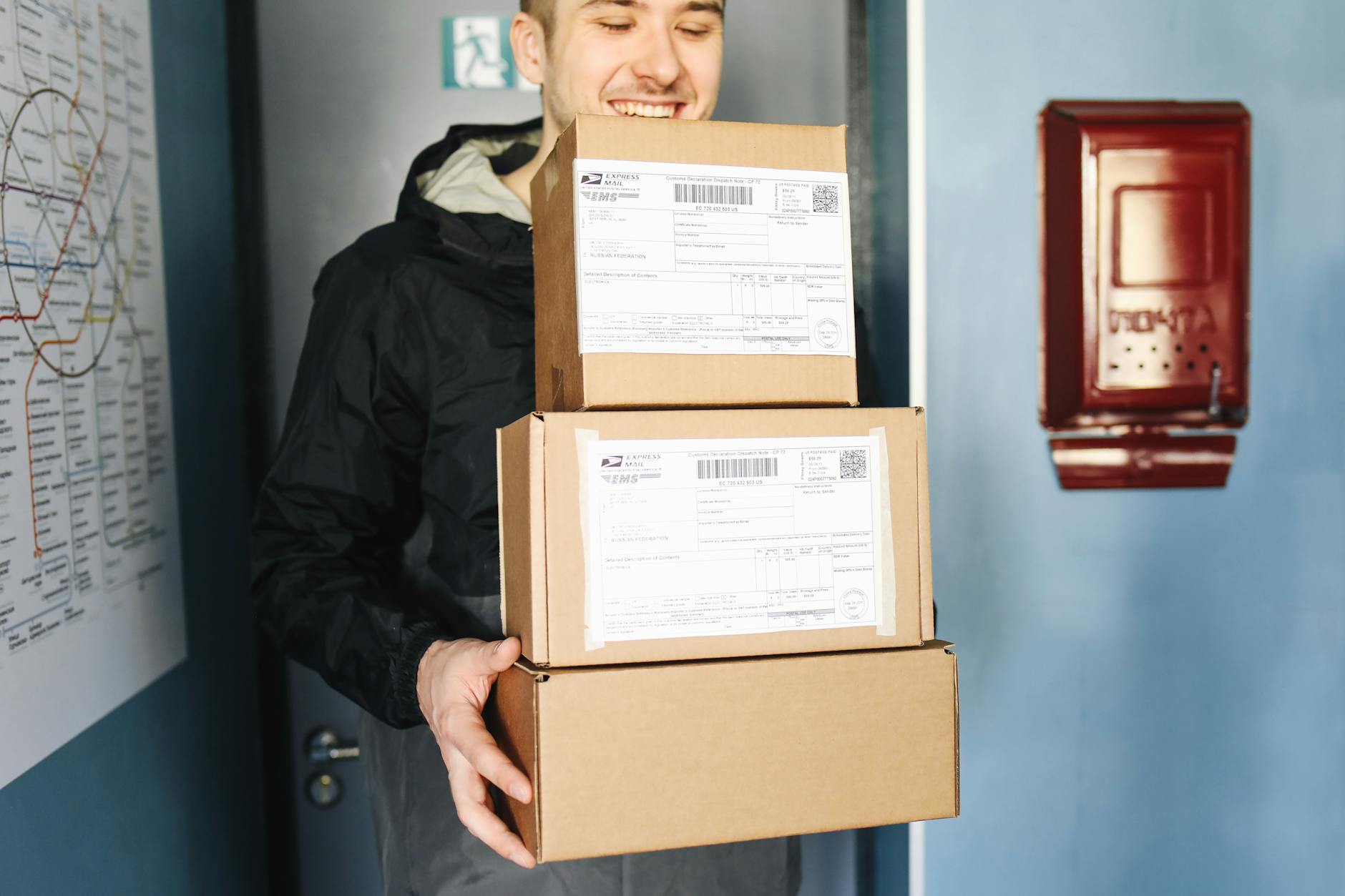
Mentioning a pending delivery gives scammers a ready-made scenario to exploit around fake tracking updates or customs fees. Parcel delivery fraud is one of the fastest growing categories of telephone and text-based scams globally. Fraudsters use this information to send convincing follow-up messages that prompt clicks on malicious links. Track your deliveries only through official retailer websites and never through links provided by unverified contacts.
Your Workplace or Employer

Sharing where you work gives an unknown caller professional context they can use to make follow-up scams seem more credible and targeted. Some fraudsters use employer names to impersonate HR departments, payroll systems, or professional bodies. Workplace identity details can also be used in social engineering attacks targeting your colleagues or organization. Keep your professional affiliations private until you have fully verified the identity and legitimacy of the caller.
“I Don’t Have Anyone to Ask About This”

Expressing social isolation to a stranger confirms that there is no one in your life who might caution you or slow down your response. Scammers actively look for people who feel they must make decisions alone and without support. This admission can lead to intensified pressure tactics and manipulative emotional appeals. Regardless of your circumstances always tell callers you need time to consult before making any decision.
Your Immigration or Visa Status
Immigration status is an area that scammers exploit with particular aggression through fake government authority calls. Fraudsters impersonating immigration officials threaten arrest, deportation, or fines to create panic and extract payments. Real government agencies communicate through official written correspondence and do not demand instant payment over the phone. Contact the relevant official agency directly using verified contact information if you have concerns about your status.
“That Sounds Like a Great Deal”

Expressing enthusiasm about an offer before verifying it gives a fraudulent caller exactly the momentum they need to close the scam. It tells them their pitch worked and that you are emotionally ready to move forward without due diligence. Legitimate deals can always withstand a waiting period and a round of independent research. Never let positive emotion override the basic verification steps that protect you from financial loss.
Your Medical Conditions
Health information is deeply personal and is also used to access insurance accounts, file fraudulent claims, and target vulnerable individuals. Some scammers pose as healthcare providers or insurance representatives to extract medical details under a guise of legitimacy. Your conditions, medications, and treatment history are protected information that no unscheduled caller has a right to request. If a caller claims to be from your healthcare provider hang up and call the clinic or hospital directly.
“I’m Not Very Tech Savvy”

This admission invites tech support scams which are among the most financially damaging types of telephone fraud. Callers will offer to help you with a fabricated problem and request remote access to your computer or payment for fake services. Projecting competence and self-sufficiency makes you a far less appealing target for this type of manipulation. If you have genuine technical concerns contact your device manufacturer or software provider through their official support channels.
Your Recent Travel Plans

Mentioning upcoming travel tells a stranger that your home may soon be unoccupied which creates a physical security risk alongside the digital one. Travel details also enable account takeover scams in which fraudsters contact your bank pretending to be you calling from abroad. Keep your itinerary details limited to trusted people in your personal life and never share them with unverified callers. Social media discretion around travel plans applies equally to telephone conversations.
“Go Ahead and Try It”

Giving any kind of verbal permission during a call with an unknown contact can be used as implied consent for charges, subscriptions, or account changes. This phrase in particular can be recorded and edited to sound like approval for something you never intended to authorize. Callers involved in billing scams rely on loose verbal agreements to defend fraudulent charges later. Be deliberate and specific with every word when speaking to anyone you cannot positively identify.
Your Recent Large Purchases
Mentioning a significant recent purchase like a car, appliance, or piece of technology creates an opening for extended warranty scams and fake recall notifications. These are among the most widely reported telephone scams targeting consumers of all ages. Fraudsters use the detail to sound knowledgeable and position themselves as a legitimate service provider or manufacturer. Report unexpected calls referencing your purchases to consumer protection agencies in your country.
“I’ve Been Having Trouble With My Account”

This statement confirms that an active account exists and that it has experienced some kind of difficulty that the caller can now claim to address. It gives fraudsters the emotional hook of offering help at a moment of frustration or vulnerability. Scammers who specialize in account takeover love nothing more than a customer who volunteers that something has already gone wrong. Always contact your service provider proactively through official channels rather than responding to unsolicited offers of assistance.
“I’ll Do Whatever You Need”
Expressing unconditional compliance to an unverified caller removes every safety barrier you have and gives them total control of the interaction. This kind of statement is often provoked through manufactured urgency around threats of arrest, service cutoff, or financial penalty. Legitimate organizations never require immediate unconditional cooperation and will always allow time for verification. Slow the conversation down and remember that a genuine caller will never penalize you for asking questions.
Anything That Confirms Your Number Is Active
Even small responses like “Hello?” repeated multiple times confirm to automated dialing systems that they have reached a live and responsive number. This can result in your number being added to call lists sold to multiple scam operations simultaneously. Answering and saying nothing for a moment before speaking can help you gauge whether the call is automated. Ending calls from unrecognized numbers quickly and reporting them reduces your overall exposure over time.
Have any of these phrases caught you off guard before? Share your experiences and tips in the comments.