Summer heat brings uncomfortable indoor temperatures when air conditioning is unavailable. Implementing strategic cooling methods transforms a sweltering home into a comfortable sanctuary. These practical techniques utilize basic thermodynamics and smart home management to lower ambient room temperatures. Creating a pleasant living environment requires combining several different approaches for maximum effectiveness.
Blackout Curtains
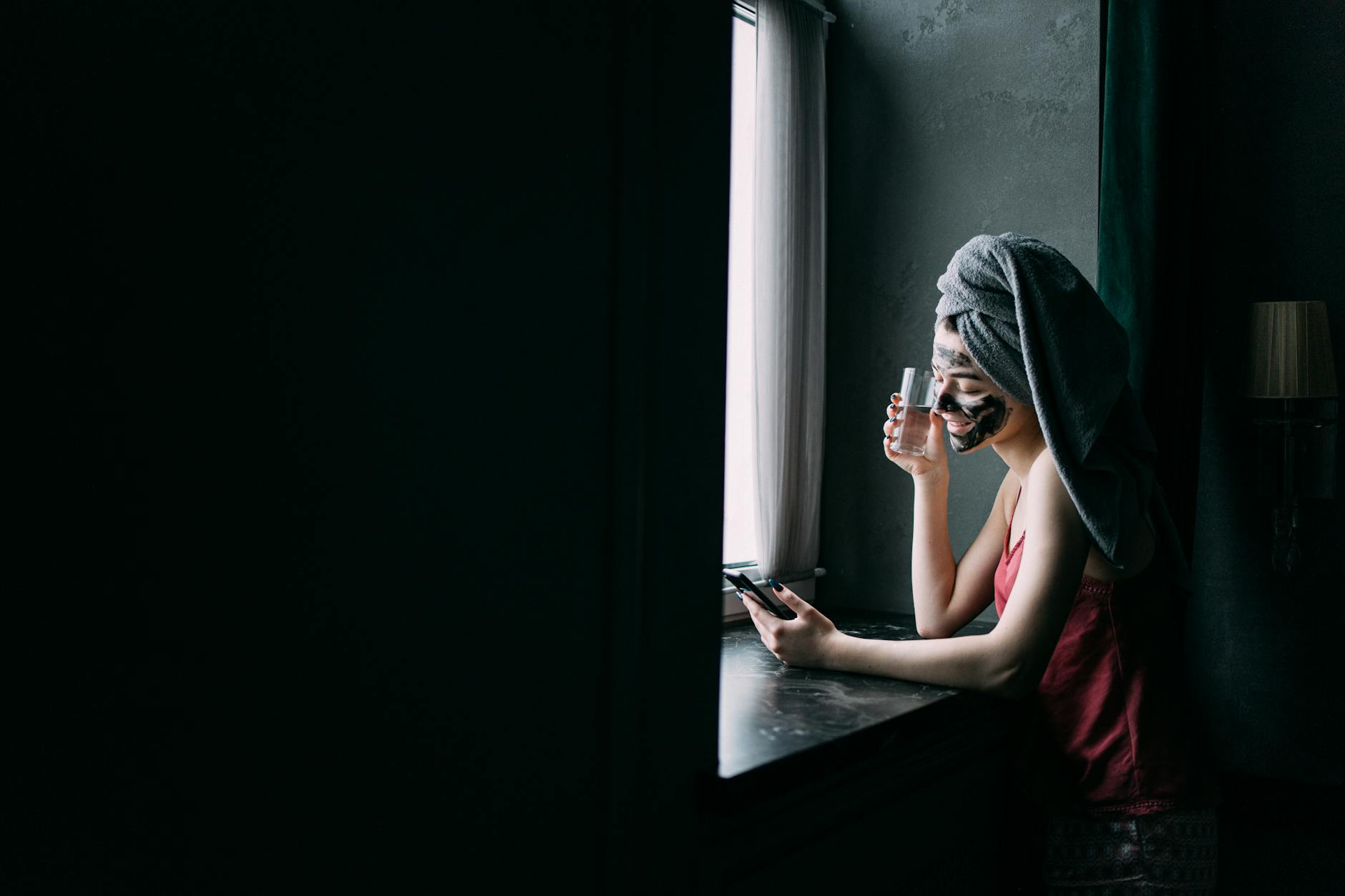
Heavy thermal window treatments block radiant solar energy from entering living spaces. These thick fabrics trap heat between the glass and the room interior. Keeping them drawn during peak sunlight hours significantly reduces the greenhouse effect. Light colors facing outward reflect sunlight away from the building exterior.
Window Film
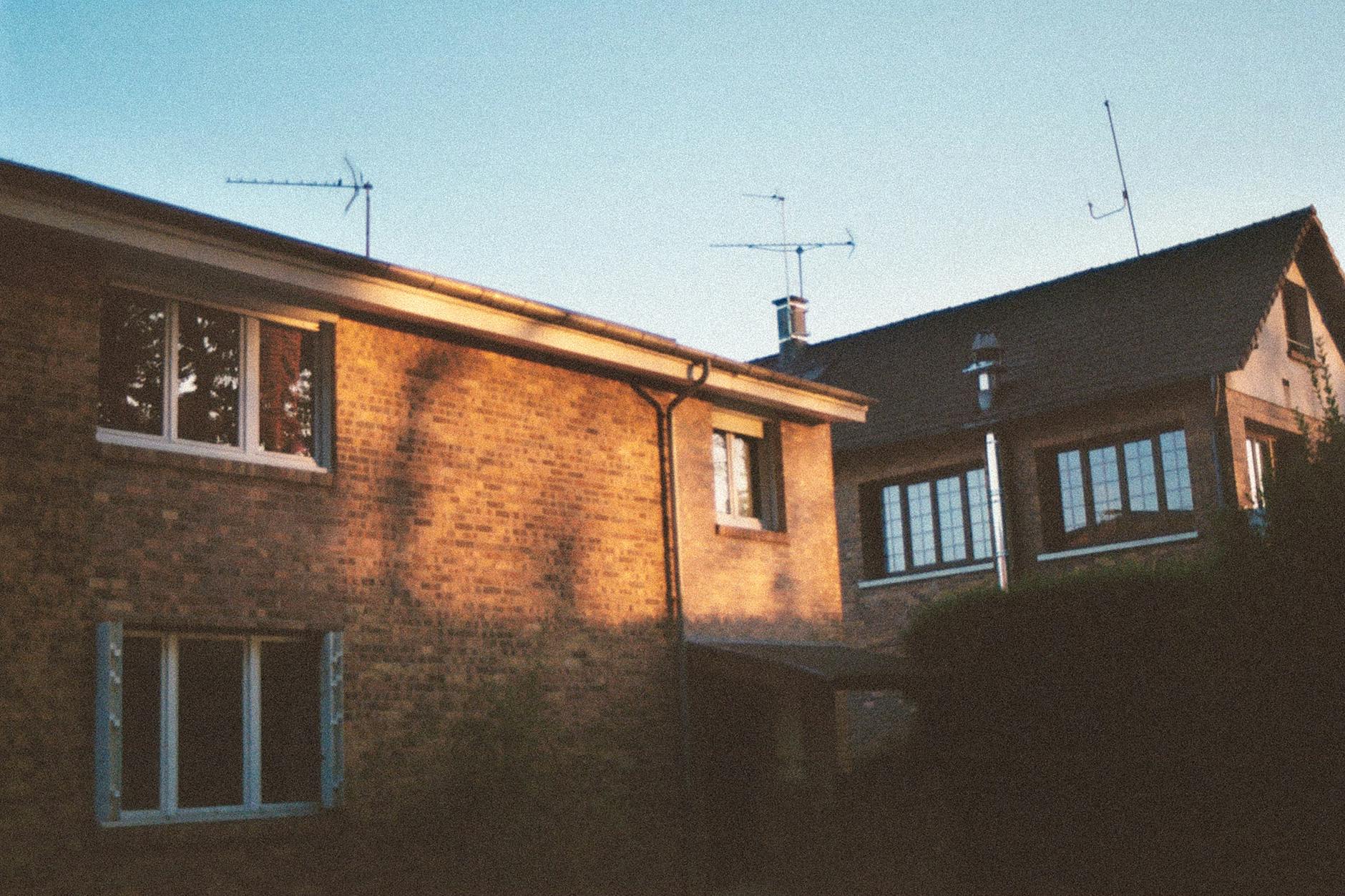
Reflective adhesives applied directly to glass panes bounce ultraviolet rays outward. This transparent layer prevents thermal gain while still allowing natural light into the home. Installation requires only water and a squeegee for a smooth finish. The barrier provides year round temperature regulation by retaining heat during winter months.
Strategic Cross Ventilation

Opening specific windows creates a pressure differential that forces hot air outside. Placing a fan facing outward in a warm room pulls heated air from the space. Opening a window on the cooler shaded side of the building draws fresh air inward. This technique works best during early morning and late evening hours.
Counterclockwise Ceiling Fans
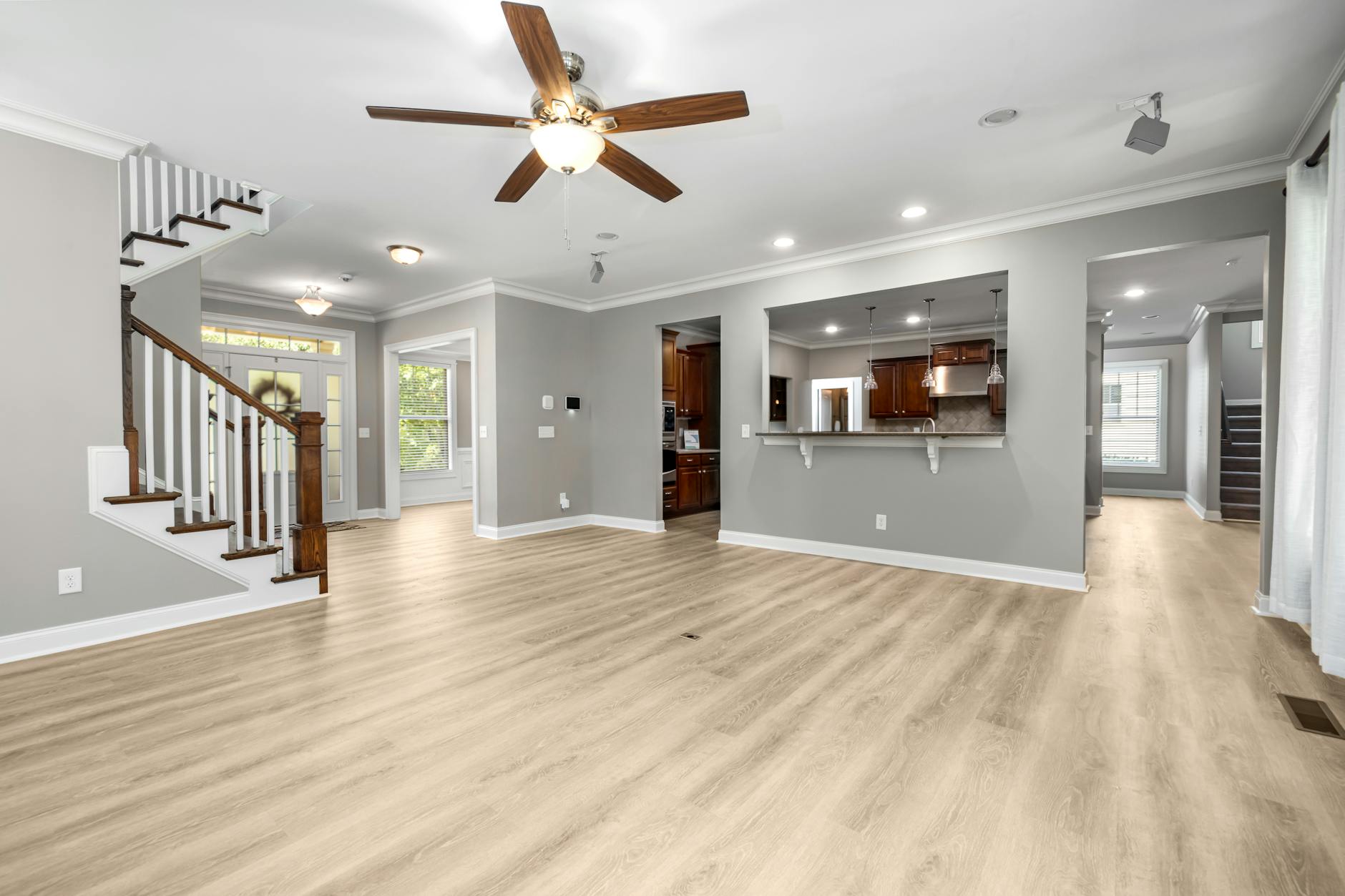
Adjusting the motor switch changes the blade rotation to push air downward. This creates a wind chill effect that evaporates moisture from human skin. The room temperature remains the same but occupants feel significantly cooler. Turning the appliance off when leaving the room saves electricity since fans cool people instead of spaces.
Ice Bowl Breeze
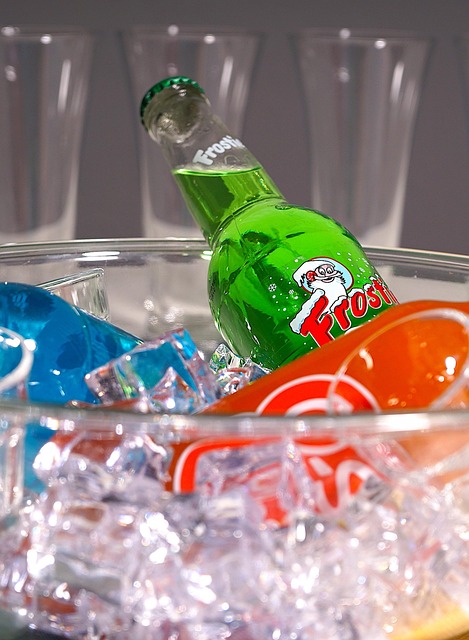
Placing a shallow container of frozen water directly in front of a floor fan creates a homemade chilling system. The blowing air picks up the melting frost and distributes a chilled mist throughout the room. Adding salt to the water before freezing makes the ice melt at a slower rate. Position the setup near a seating area for immediate personal relief.
Cotton Percale Sheets
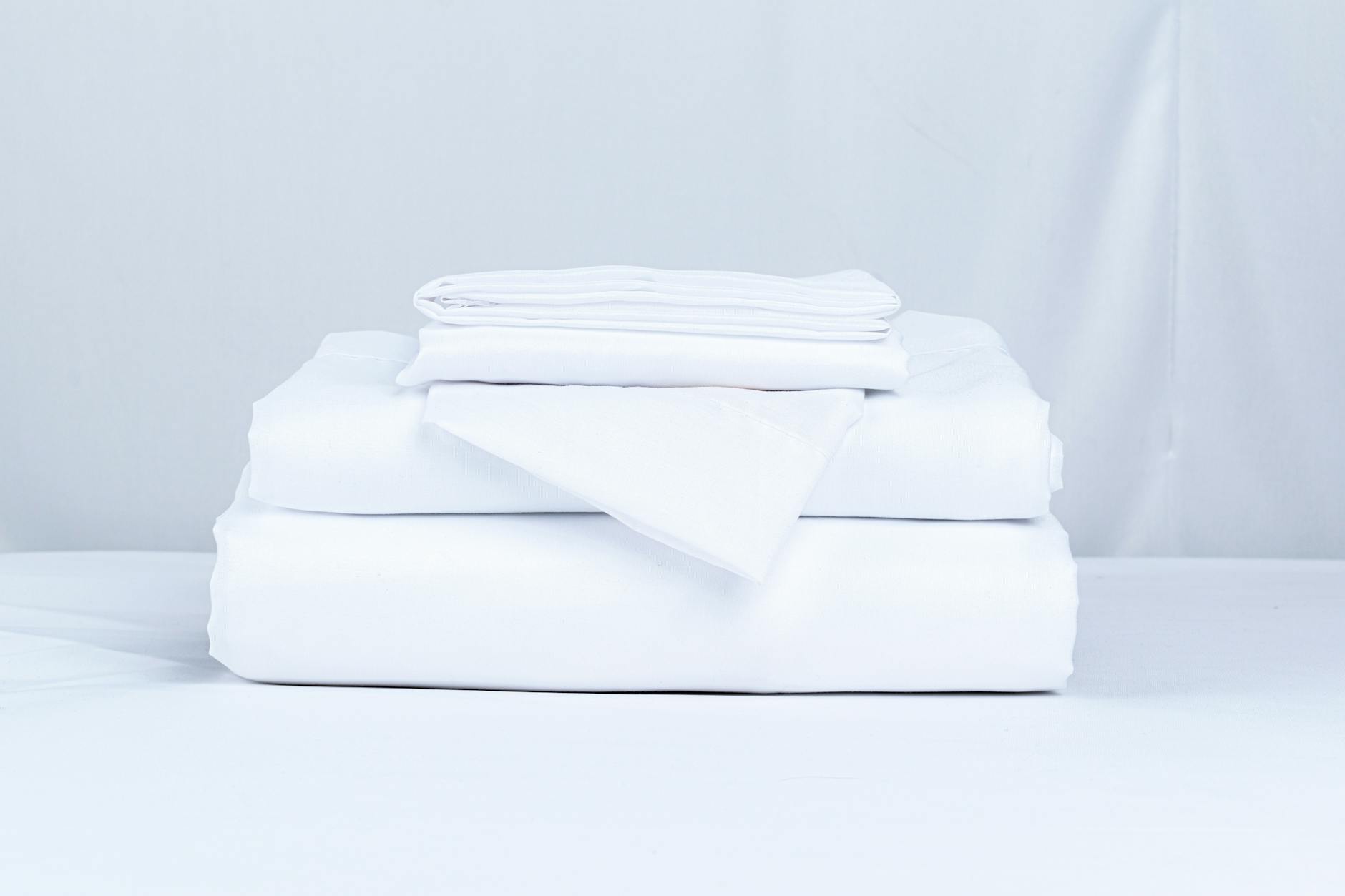
Natural fibers offer superior breathability compared to synthetic bedding materials. The crisp weave structure allows body heat to escape upward through the fabric. Moisture wicking properties keep sleep environments dry during humid summer nights. Lighter colors absorb less heat and maintain a crisp feeling against the skin.
Bamboo Bedding

Viscose derived from bamboo pulp provides excellent thermal regulation for hot sleepers. The micro gaps in the fabric structure facilitate rapid moisture evaporation. This material feels naturally cool to the touch upon entering the bed. These specialized sheets require gentle washing cycles to maintain their cooling properties.
Unplugged Electronics

Televisions and computers generate significant ambient heat even when switched off. Disconnecting power cords entirely prevents phantom energy from warming the surrounding air. Consolidating plugs into a smart power strip makes this daily routine much easier. Reducing electrical output naturally lowers the overall baseline temperature of the room.
LED Light Bulbs
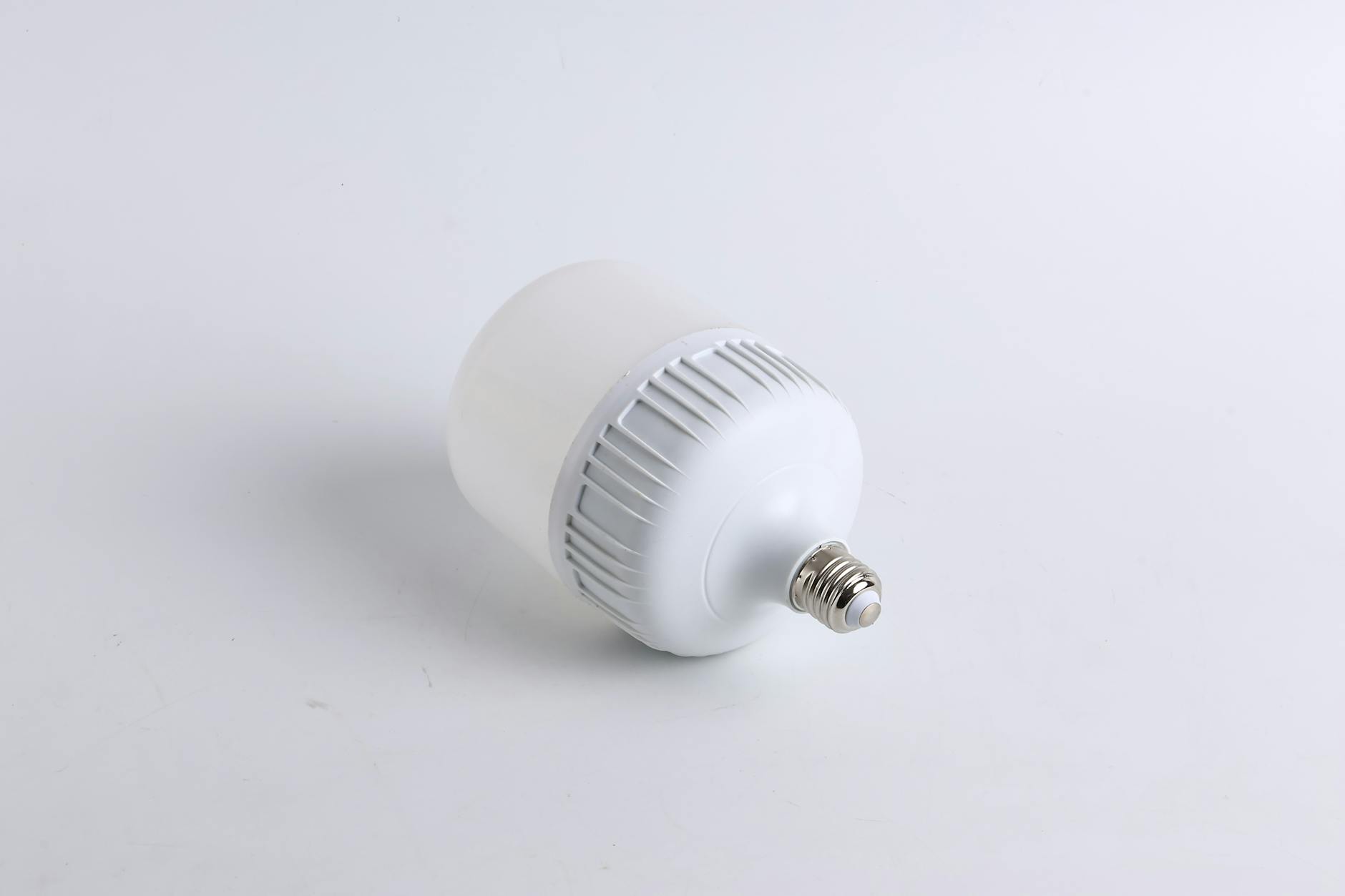
Traditional incandescent fixtures release ninety percent of their energy as radiant heat. Swapping older bulbs for modern alternatives eliminates a major source of indoor warmth. These energy efficient options produce bright illumination while remaining completely cool to the touch. This simple upgrade provides immediate environmental benefits alongside reduced utility costs.
Outdoor Grilling
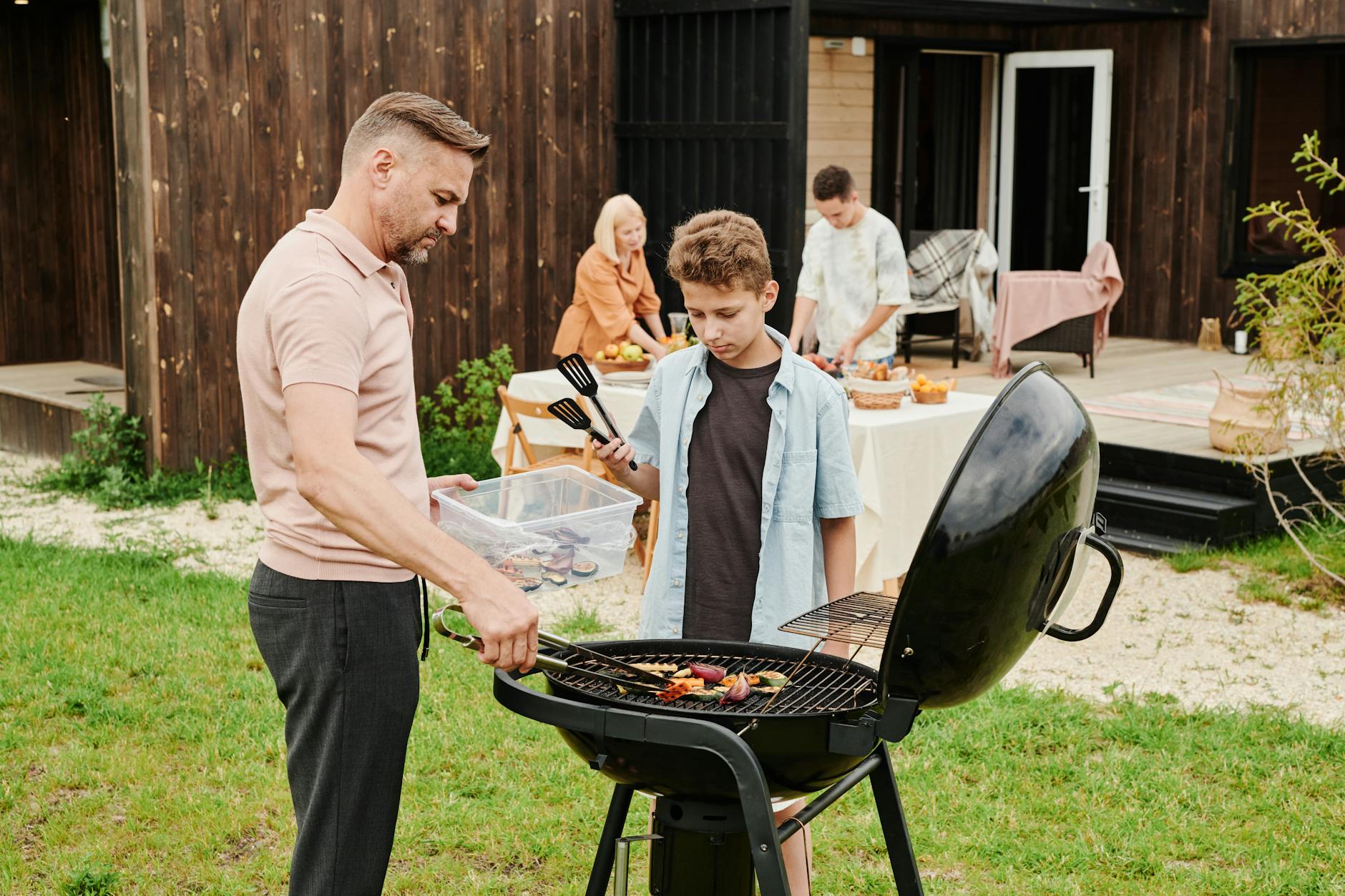
Using conventional ovens introduces massive amounts of trapped heat into the kitchen area. Moving meal preparation to the backyard patio keeps the central living space much cooler. Propane and charcoal grills offer versatile cooking options without impacting indoor climate control. Preparing multiple meals at once maximizes efficiency while avoiding indoor appliance usage.
Slow Cooker Meals
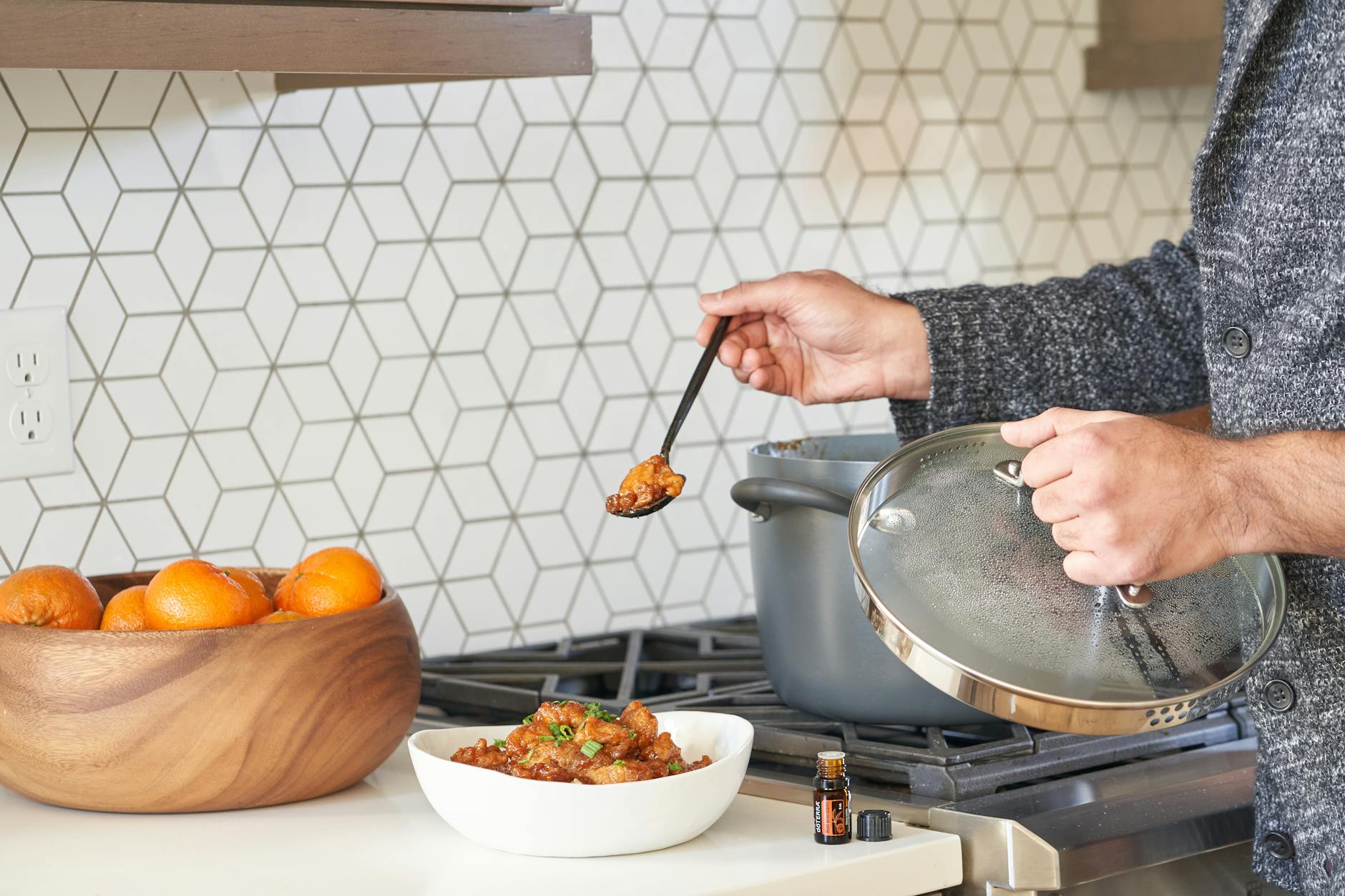
Countertop appliances concentrate their thermal output within a heavily insulated vessel. These devices use minimal electricity and release very little warmth into the surrounding kitchen. Preparing stews or shredded meats requires only a few minutes of active preparation time. The contained environment thoroughly cooks food without raising the ambient room temperature.
Microwave Cooking
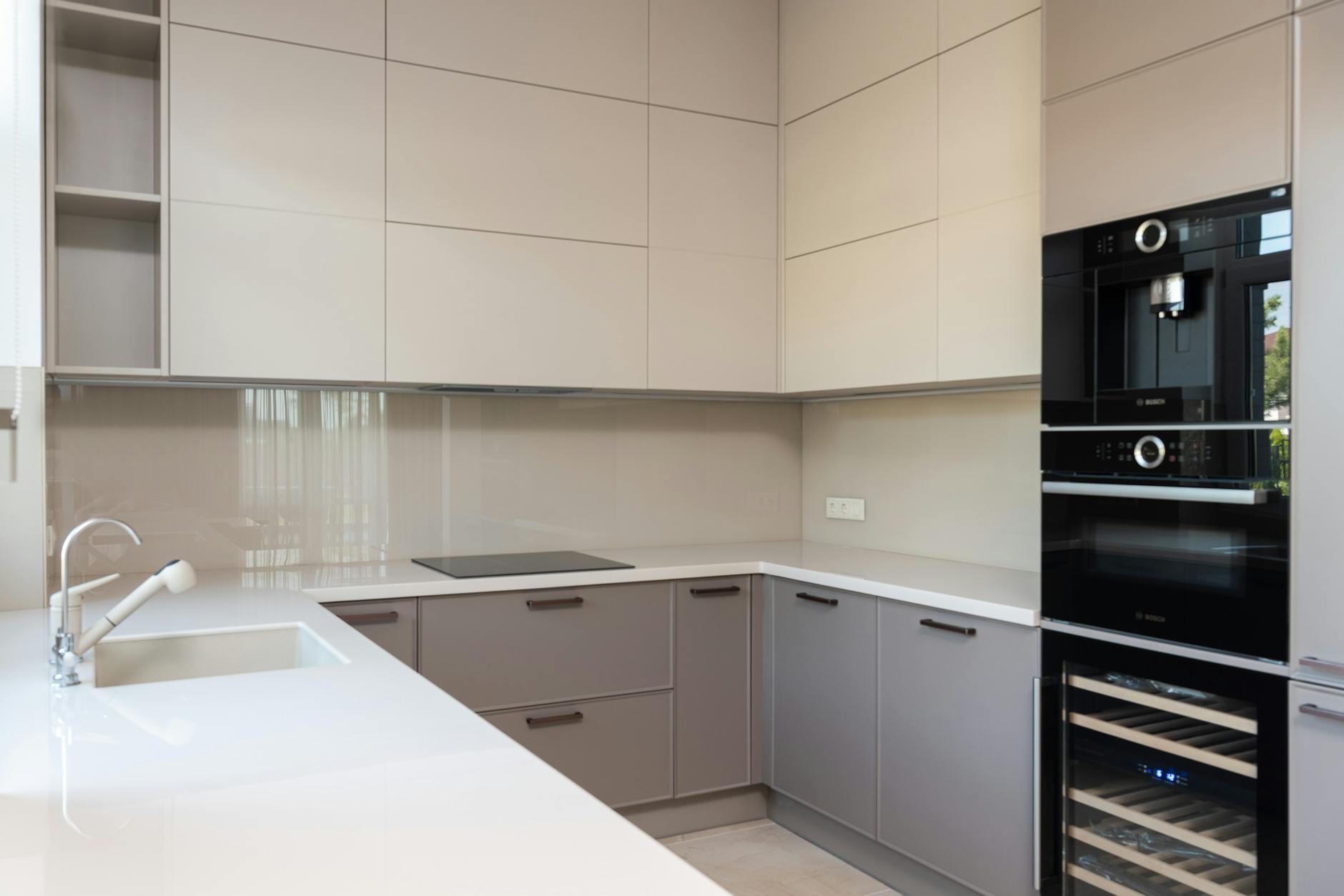
Rapid heating technology targets water molecules within food instead of warming the surrounding air. This focused energy transfer prevents excess thermal radiation from spreading throughout the house. Steaming vegetables or reheating leftovers takes only a fraction of traditional cooking time. The brief operational period ensures the kitchen remains comfortable during summer afternoons.
Bathroom Exhaust Fans
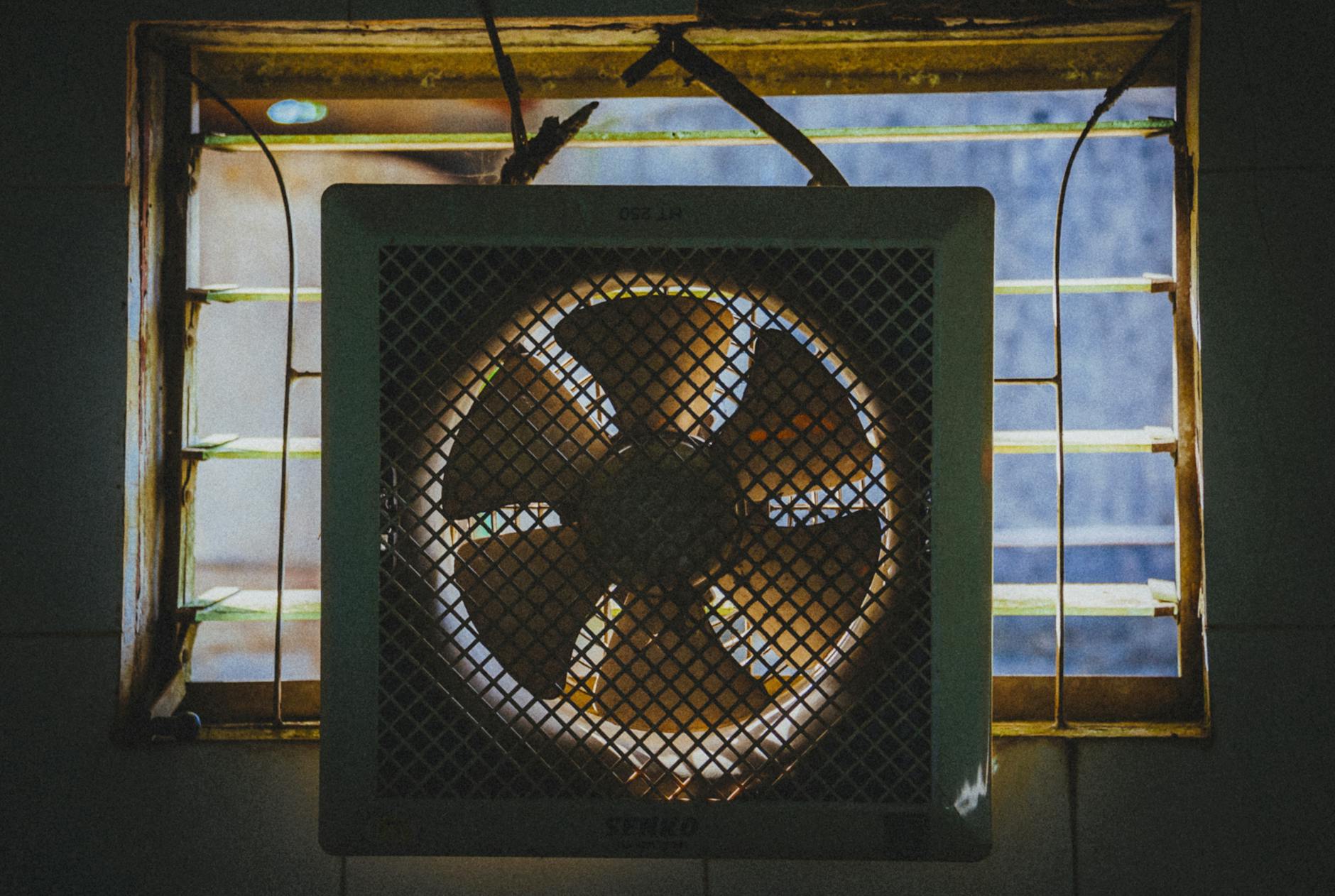
Hot showers create dense humidity that makes indoor air feel highly uncomfortable. Running the ventilation system pulls sticky moisture directly out of the living space. Leaving the fan active for twenty minutes after bathing completely clears the residual dampness. Lower indoor humidity allows human sweat to evaporate much more efficiently.
Range Hood Ventilation
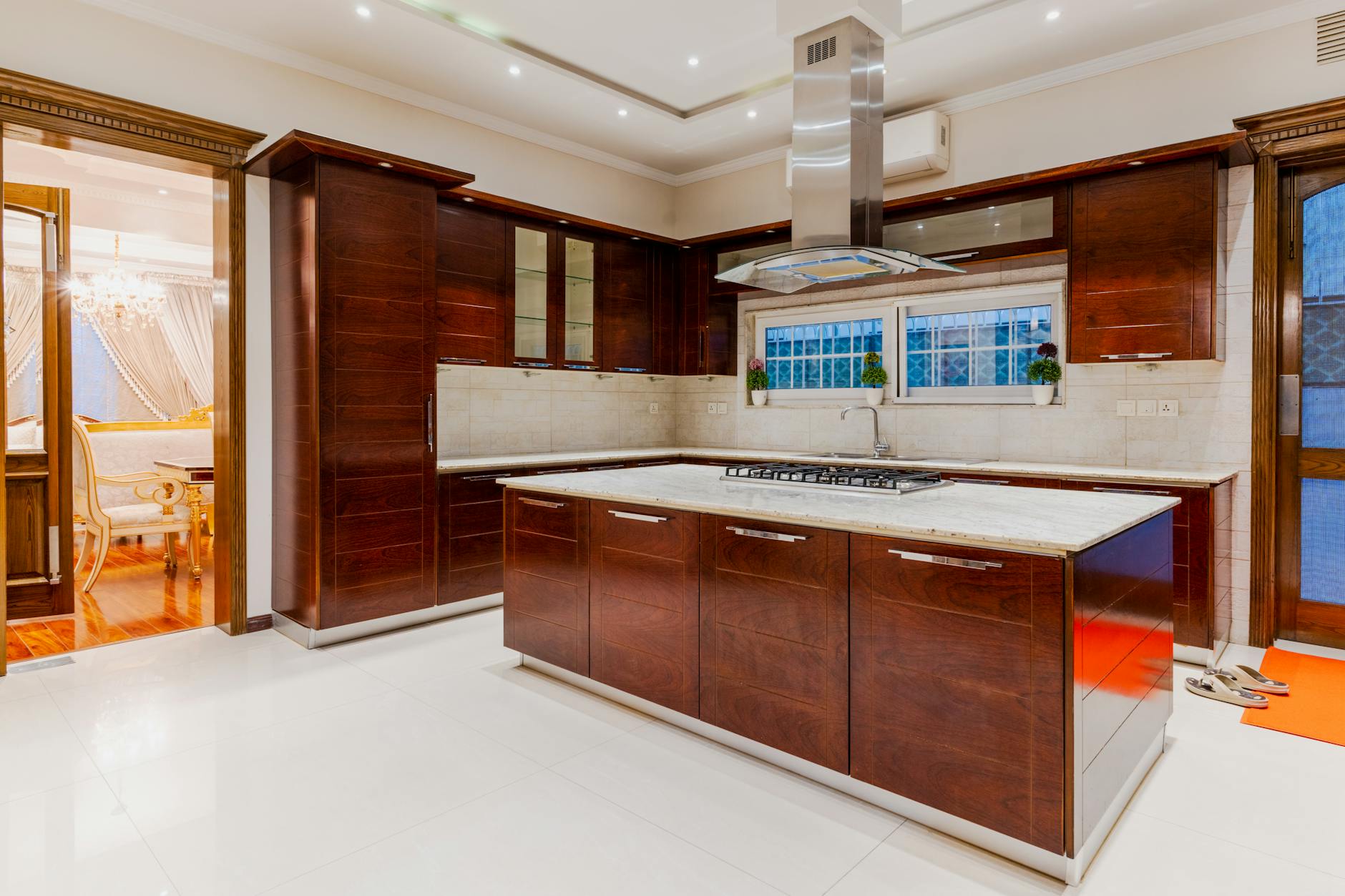
Boiling pasta or simmering soups releases heavy steam directly into the central home environment. Activating the overhead kitchen exhaust captures this moisture before it spreads to adjacent rooms. High speed settings quickly expel humid air through exterior ductwork. Removing this vapor prevents the house from feeling like a tropical greenhouse.
Wet Sheet Method
Hanging a damp piece of fabric over an open window acts as a basic air conditioner. Incoming breezes pass through the wet material and immediately drop in temperature. This evaporative cooling technique works exceptionally well in dry arid climates. Rewetting the fabric periodically maintains the refreshing flow of chilled air.
Shade Trees

Planting large deciduous saplings near south facing windows blocks intense midday solar radiation. Mature foliage acts as a large natural canopy over the roof and exterior walls. The leaves drop in autumn to allow beneficial winter sunlight to warm the house. Strategic landscaping permanently reduces indoor temperatures during the hottest summer months.
Exterior Awnings

Canvas extensions mounted above windows prevent direct sunlight from ever reaching the glass. These physical barriers shade the exterior walls and stop thermal absorption at the source. Retractable models offer flexible control over natural light levels throughout the changing seasons. The classic architectural addition drastically cuts down on interior solar heat gain.
Closed Blinds
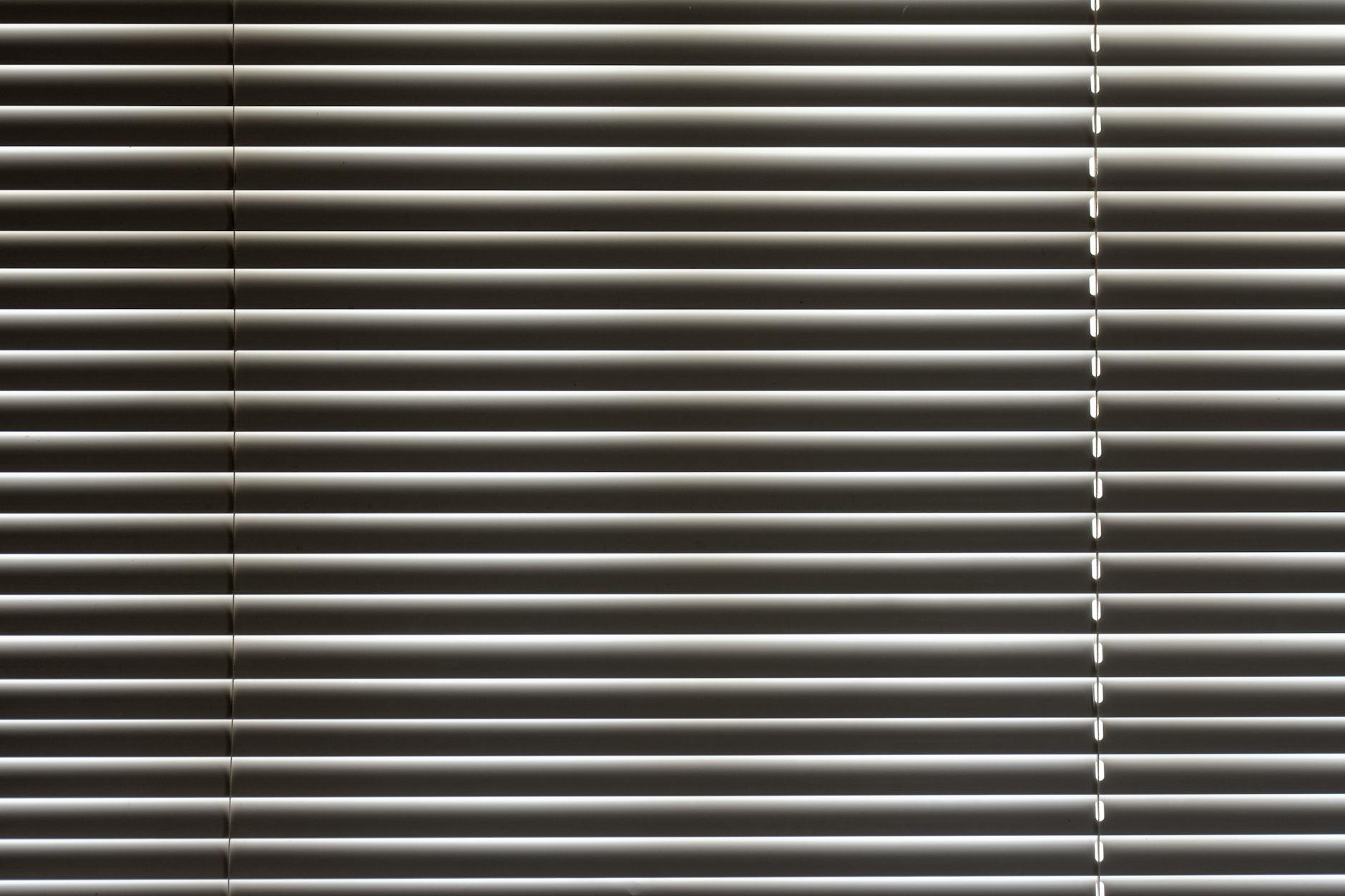
Adjusting horizontal slats upward directs incoming sunlight toward the ceiling instead of the floor. This simple angle change diffuses the radiant energy and minimizes direct warming. Keeping all window coverings completely shut during peak afternoon hours creates a shaded environment. The trapped layer of air between the blind and the window acts as extra insulation.
Night Ventilation
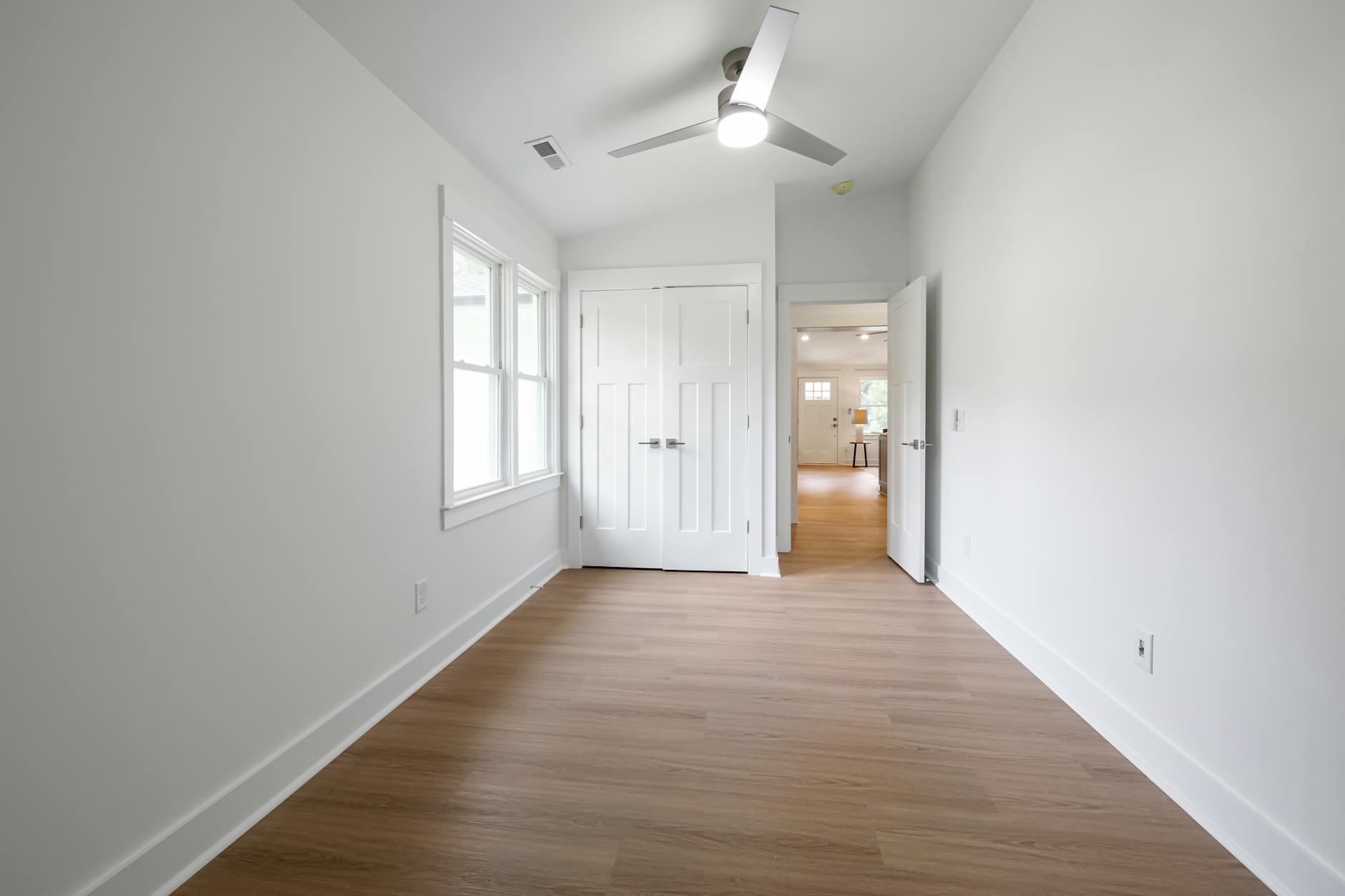
Opening every window after sunset welcomes dropping outdoor temperatures into the stuffy house. Creating an open airflow path flushes out the accumulated heat from the previous day. Closing all windows securely before sunrise traps this cool air inside for the next morning. This daily cycle relies on natural atmospheric changes to refresh the living space.
Cold Water Foot Bath
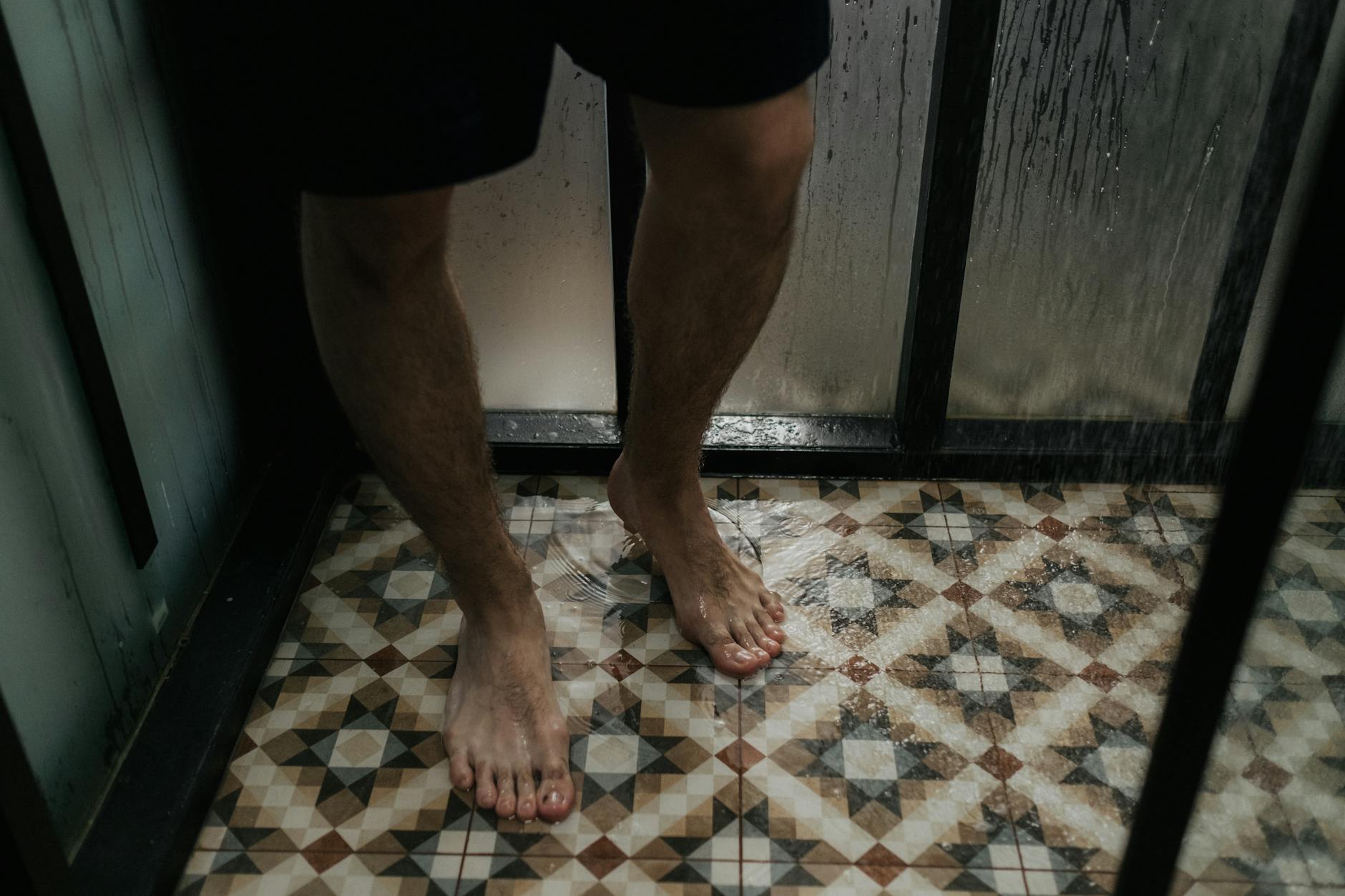
Soaking feet in a basin of chilled water rapidly lowers internal core body temperature. The feet contain numerous pulse points and blood vessels close to the skin surface. This localized cooling circulates chilled blood throughout the entire circulatory system. Adding epsom salts provides simultaneous relaxation while beating the afternoon heat.
Damp Washcloth
Placing a wet towel inside the freezer for ten minutes creates an instant cooling compress. Draping the chilled fabric over the back of the neck targets the brain stem temperature sensors. The body interprets this sensation as immediate relief and stops aggressive sweating. Rotating two washcloths ensures a constant supply of frosty comfort.
Peppermint Spray
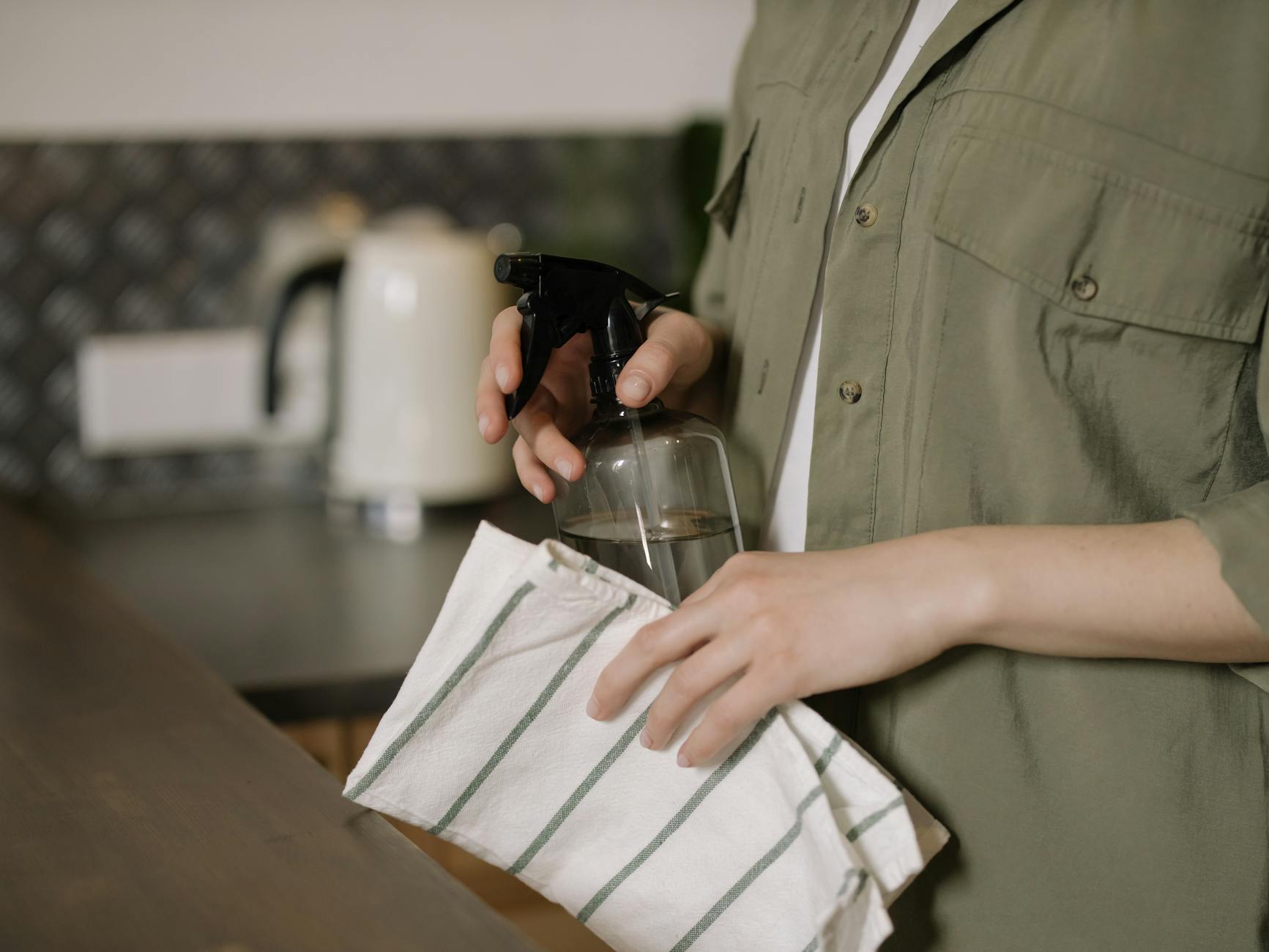
Mixing water with menthol essential oils creates a refreshing topical mist. Spraying this solution lightly over the arms and legs provides a tingling cooling sensation. The rapid evaporation of the mist pulls heat directly away from the epidermis. Storing the spray bottle in the refrigerator amplifies the chilling physiological effect.
Loose Linen Clothing
Wearing restrictive garments traps body heat and prevents sweat from escaping. Flowing fabrics made from flax fibers allow maximum air circulation across the skin. The lightweight material absorbs moisture quickly while drying at an accelerated rate. Lightly colored garments reflect ambient light and keep the wearer feeling entirely comfortable.
Hydration Focus

Drinking copious amounts of ice water replenishes fluids lost through natural perspiration. Consuming chilled beverages lowers internal temperatures from the inside out. Adding cucumber slices or citrus wedges encourages frequent sipping throughout the sweltering afternoon. Proper fluid intake ensures the body can successfully regulate its own thermal balance.
Attic Insulation
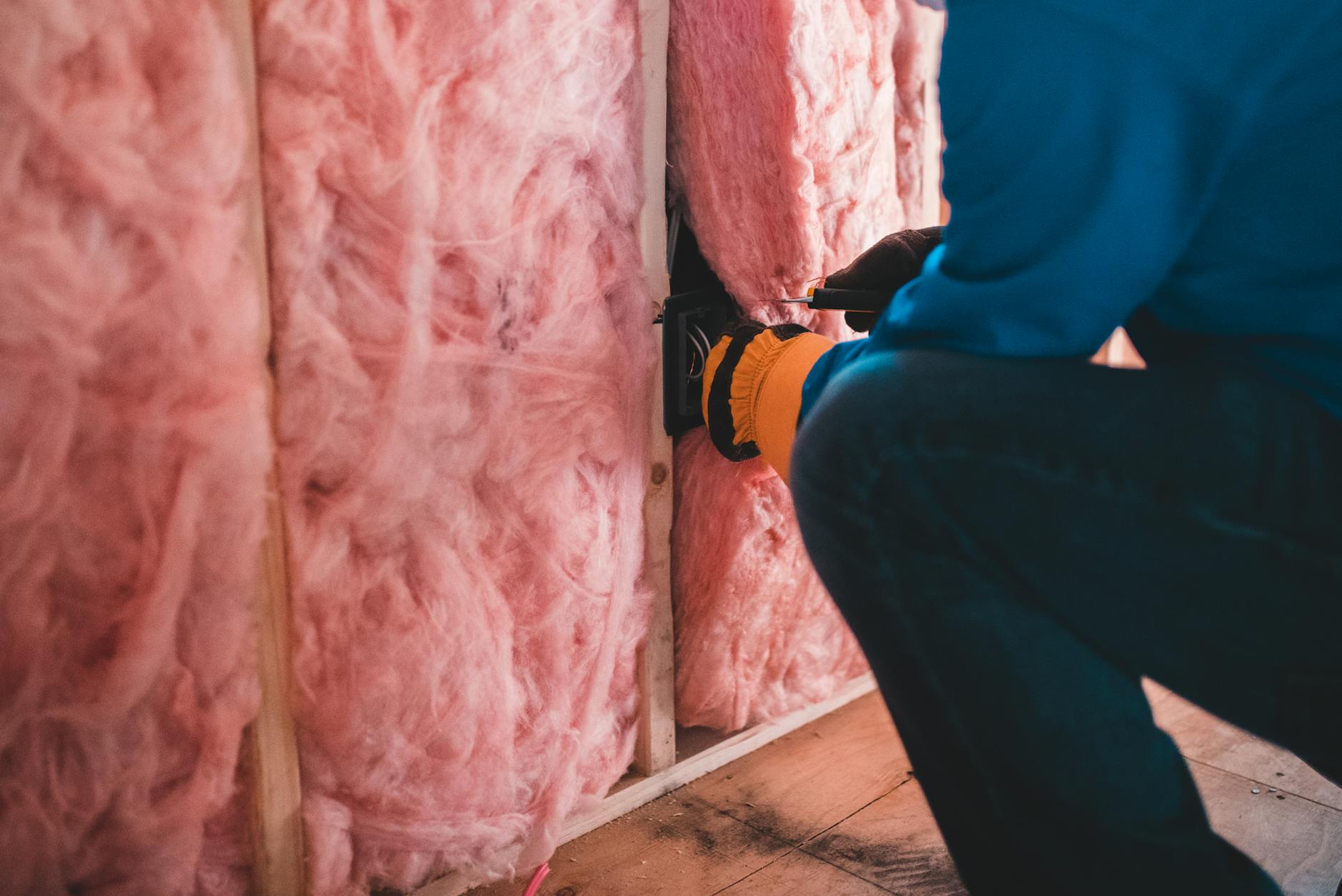
Thick layers of fiberglass material prevent roof heat from radiating down into the living quarters. Proper installation creates a heavy thermal barrier between the sun baked shingles and the ceiling. This crucial infrastructure upgrade keeps the house dramatically cooler during peak summer heatwaves. The same barrier also prevents valuable warmth from escaping during freezing winter nights.
Roof Ventilation
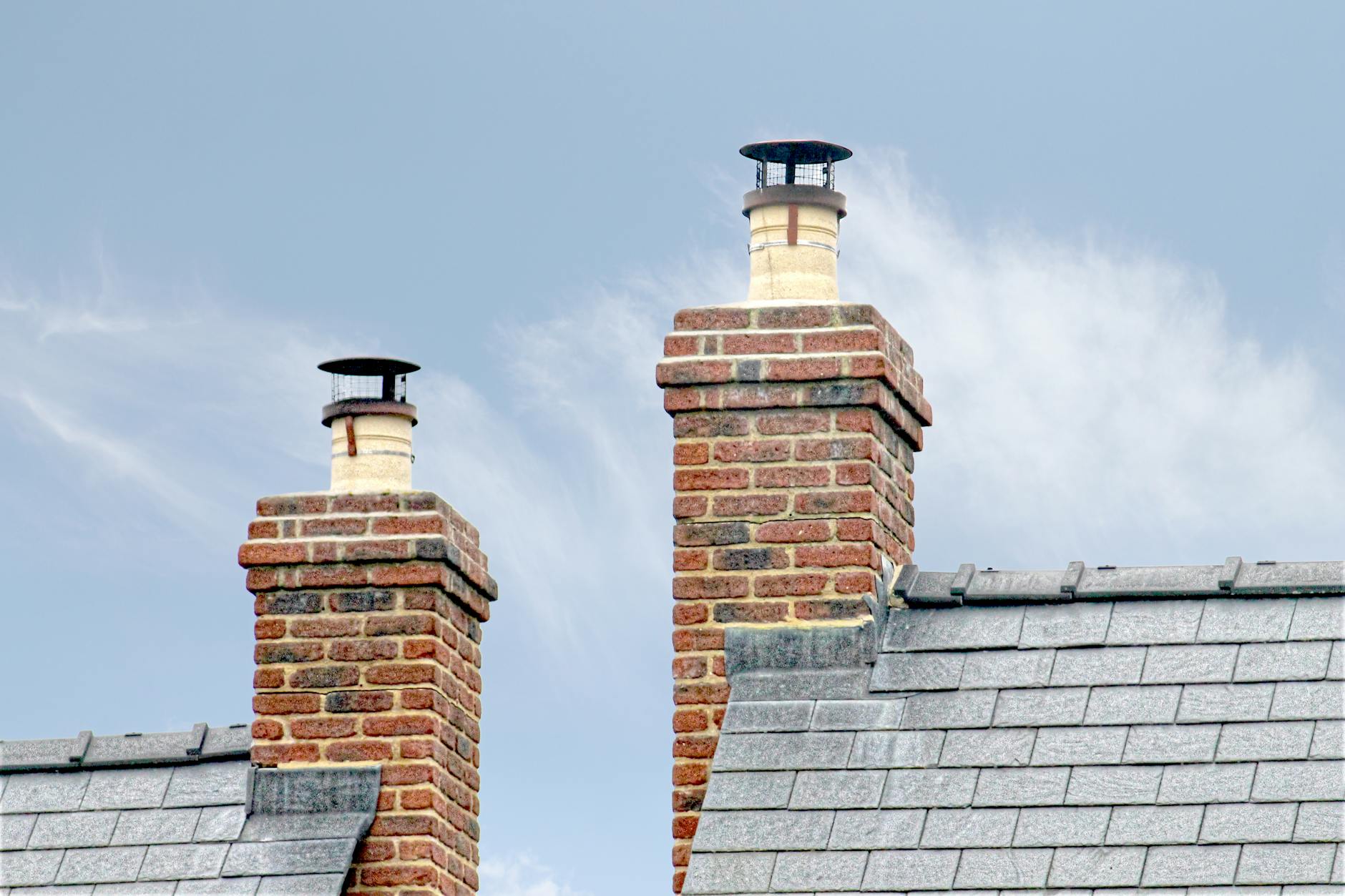
Installing soffit and ridge vents allows trapped hot air to escape the highest point of the house. Continuous airflow prevents the attic space from reaching dangerous oven like temperatures. This passive circulation system requires zero electricity to function effectively. Protecting the roof structure simultaneously protects the interior rooms from overwhelming thermal pressure.
Draft Blockers
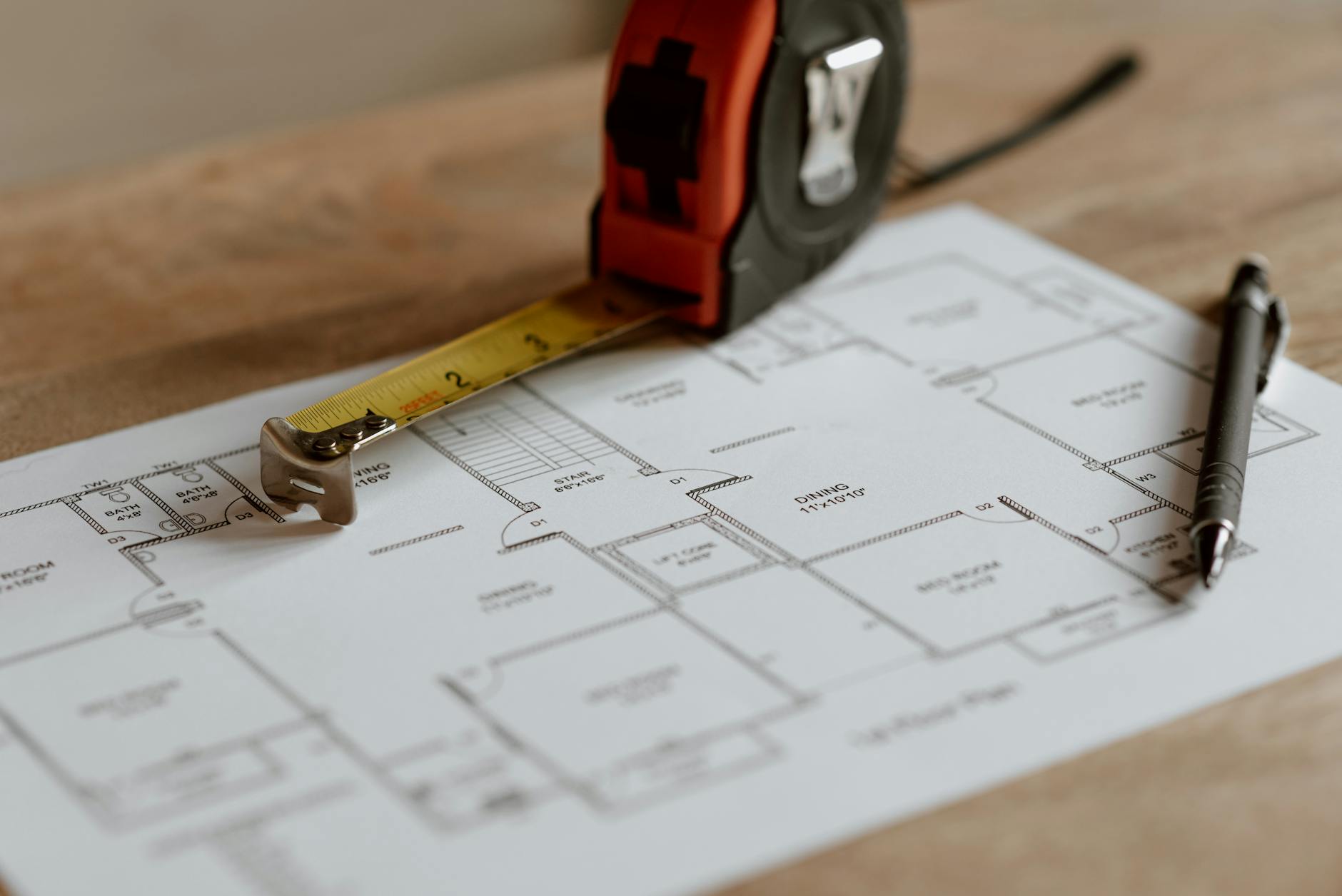
Sliding fabric tubes under exterior doors prevents precious cool air from leaking outside. These simple barriers also stop warm summer drafts from sneaking into the hallway. Sealing off unused rooms with closed doors and bottom blockers concentrates the cool air in active spaces. Weatherstripping all entry points maximizes the efficiency of passive cooling strategies.
Exterior Shutters
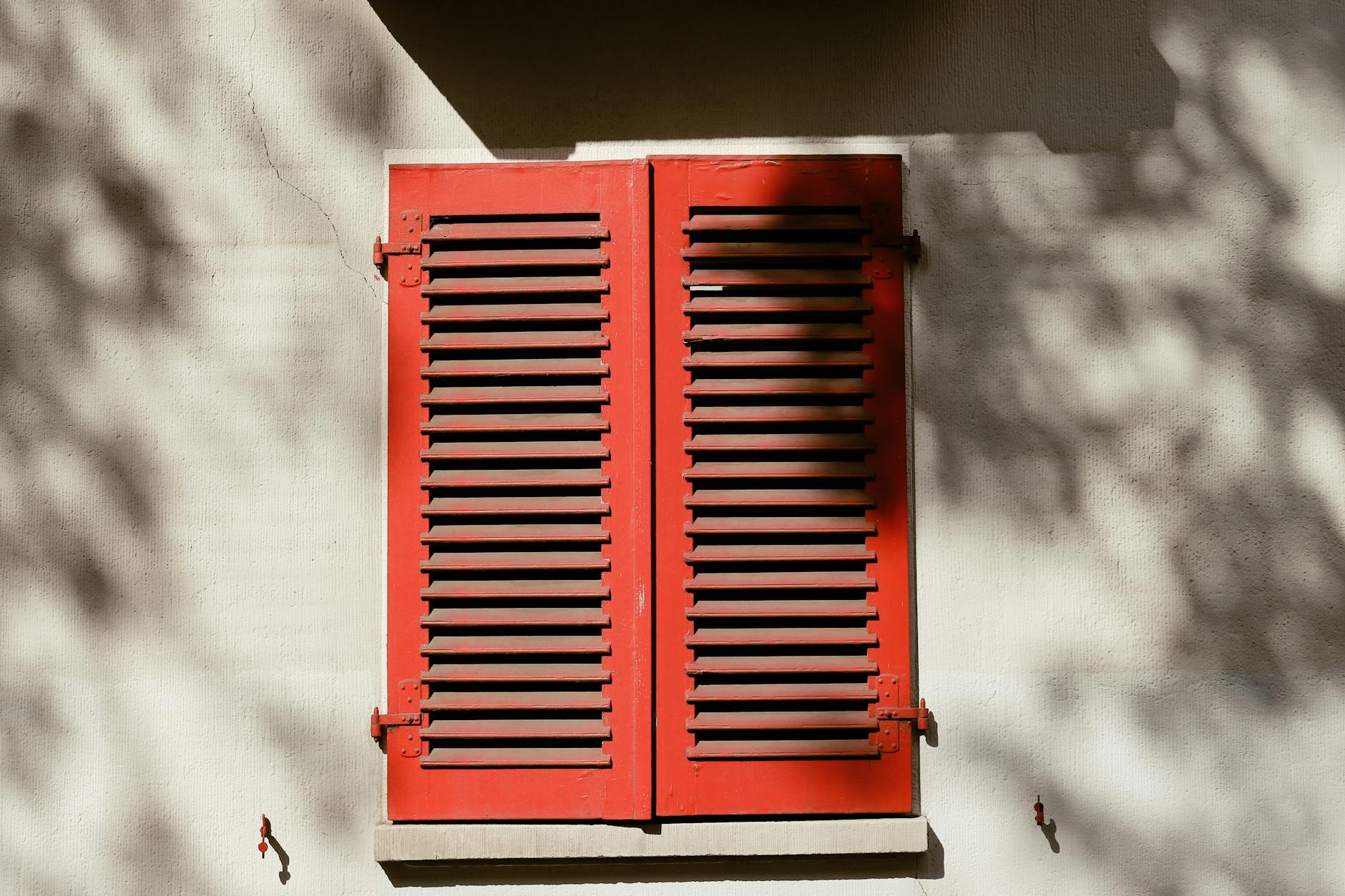
Solid wooden panels mounted on the outside of windows provide the ultimate barrier against solar gain. Closing them during the day stops sunlight completely before it touches the glass panes. Louvered designs allow fresh breezes to enter while still blocking direct radiation. This traditional architectural feature remains highly effective for climate management.
Reflective Roof Paint

Applying specialized bright white coatings to flat roofing surfaces bounces ultraviolet radiation back into the atmosphere. The chemical composition prevents the building structure from absorbing massive amounts of thermal energy. Buildings with treated tops stay significantly cooler than those with dark asphalt materials. This commercial technique easily translates to residential homes with appropriate roof angles.
Basement Retreat
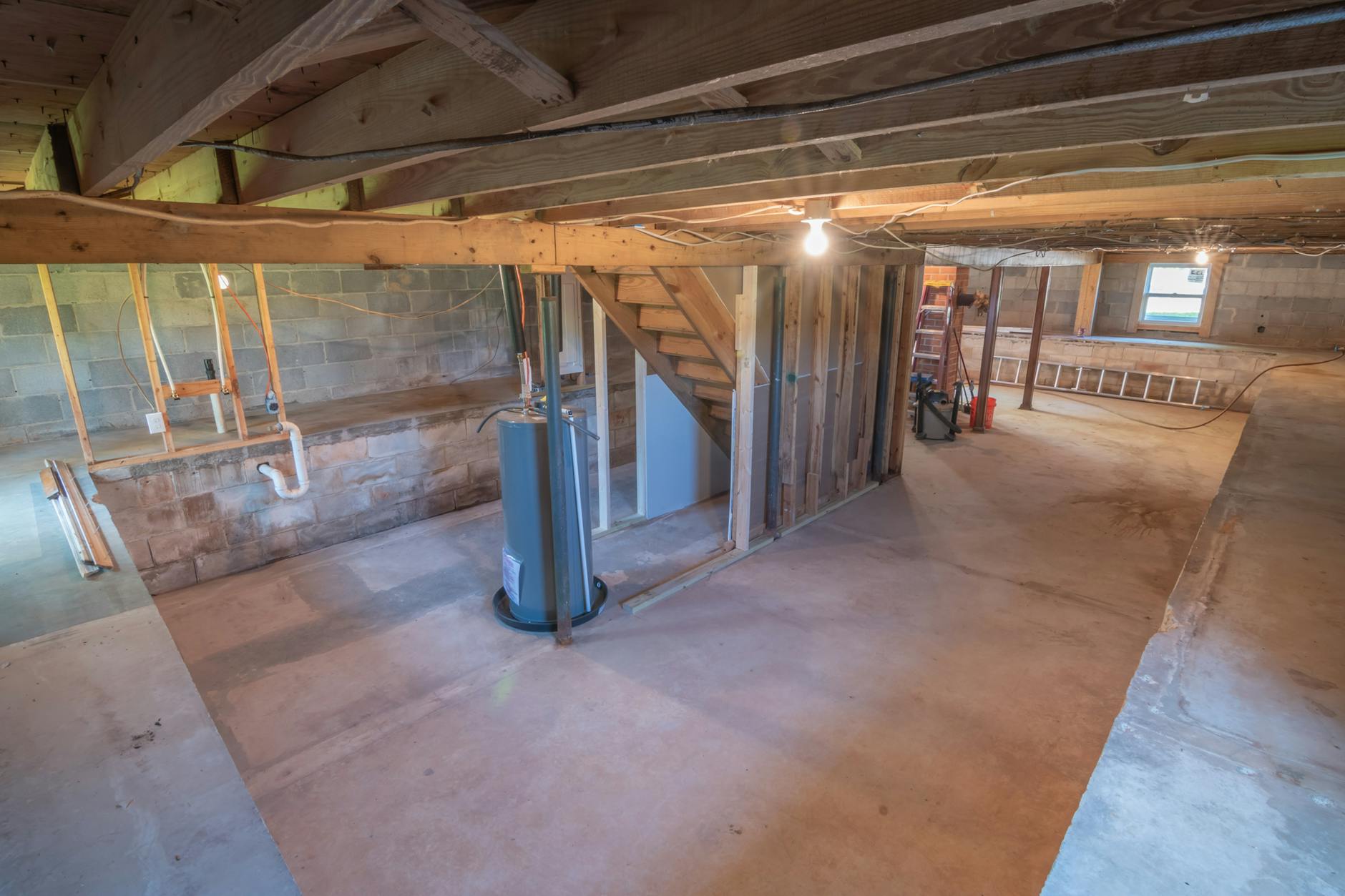
Subterranean rooms naturally maintain lower temperatures due to the insulating properties of surrounding soil. Moving daily activities to the lowest level of the home escapes the rising hot air above. Setting up a temporary summer sleeping quarters downstairs provides guaranteed relief during heatwaves. The naturally dark environment further enhances the chilling effect.
Pulse Point Cooling

Applying ice packs to the wrists and inner elbows rapidly chills the blood flowing through main arteries. Holding cold items against the backs of the knees achieves a similar physiological result. This targeted approach efficiently lowers the entire body temperature within minutes. Wrapping the ice in a thin towel prevents accidental skin damage from freezing temperatures.
Frozen Hot Water Bottle
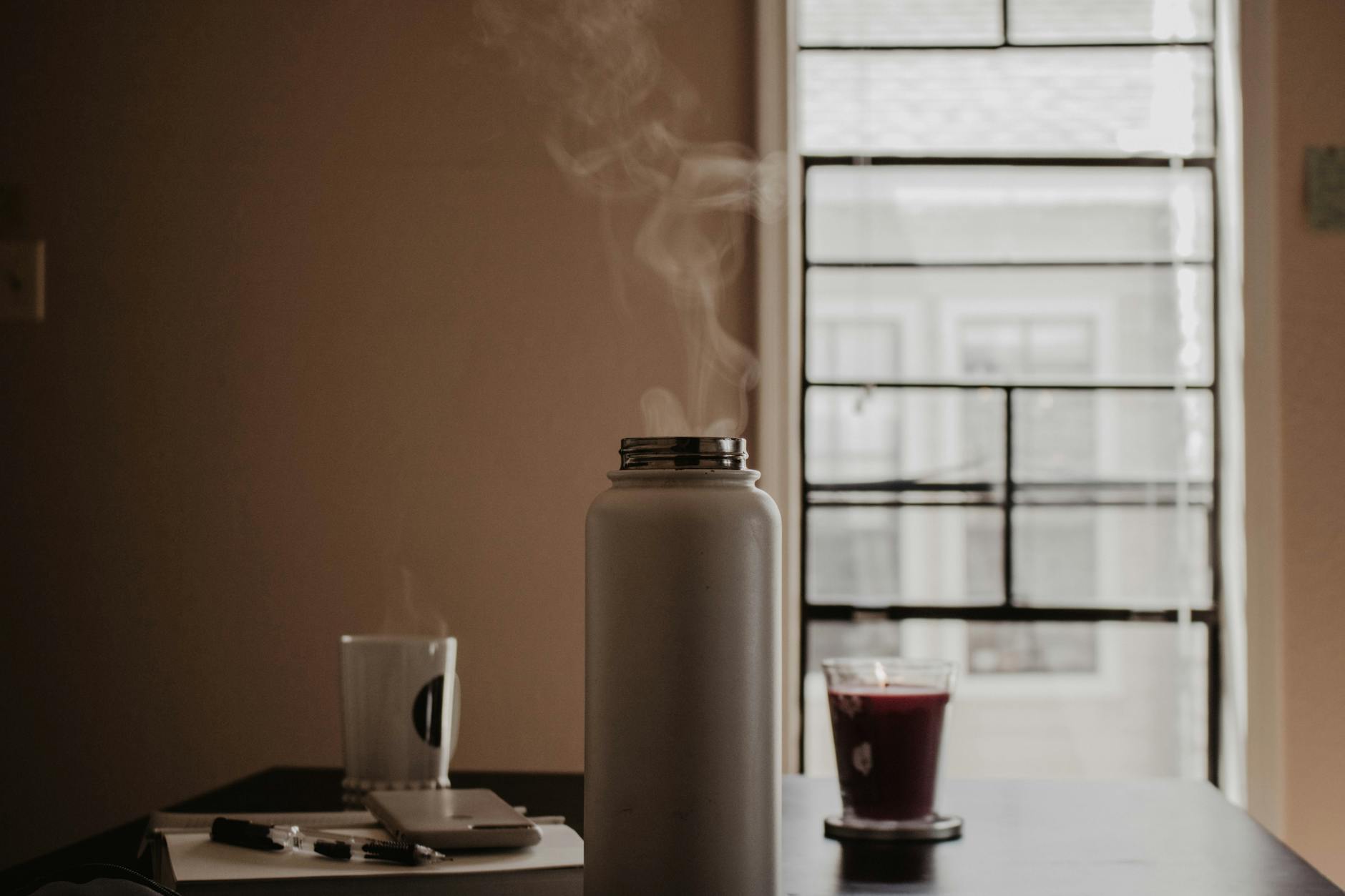
Filling a rubber bladder with cold tap water and freezing it creates a massive ice pack. Placing this solid block at the foot of the bed chills the sheets prior to sleep. The thick rubber exterior prevents condensation from soaking the mattress pad. The large volume of ice stays frozen throughout the entire night.
Dehumidifier Usage

Removing excess moisture from the indoor air makes high temperatures feel much more tolerable. Dry air allows human sweat to evaporate efficiently and cool the skin naturally. Running these appliances during the night minimizes their minor heat output during the hottest hours. Emptying the water tank regularly ensures the machine operates at peak moisture extraction capacity.
Cold Showers
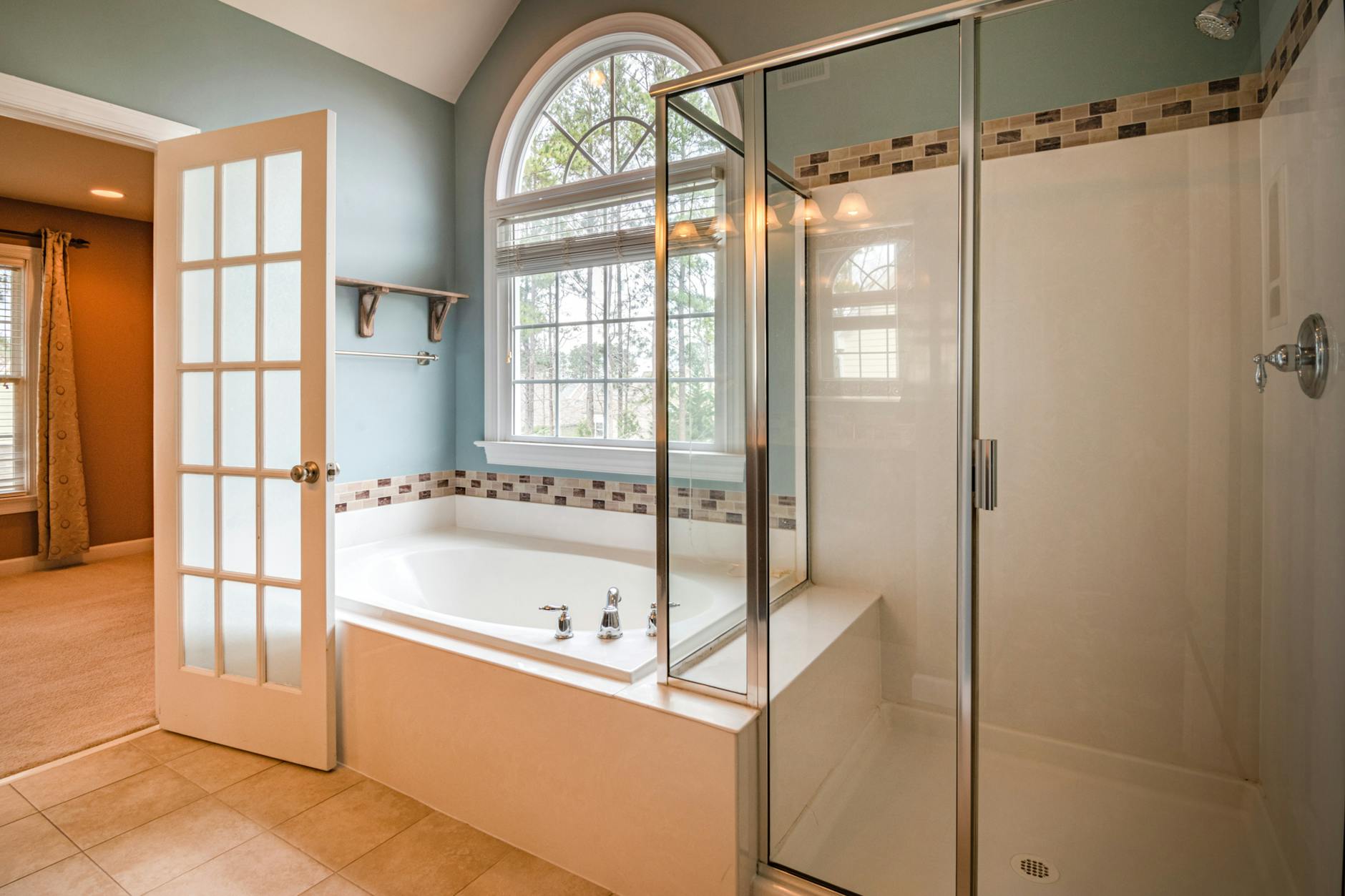
Standing under freezing water instantly drops surface body temperature and provides immediate physical relief. The chilling effect constricts blood vessels and stops aggressive natural perspiration. Leaving hair wet after washing creates an ongoing evaporative cooling effect around the head and neck. A quick rinse before bed guarantees a much more comfortable transition into sleep.
Box Fan Exhaust
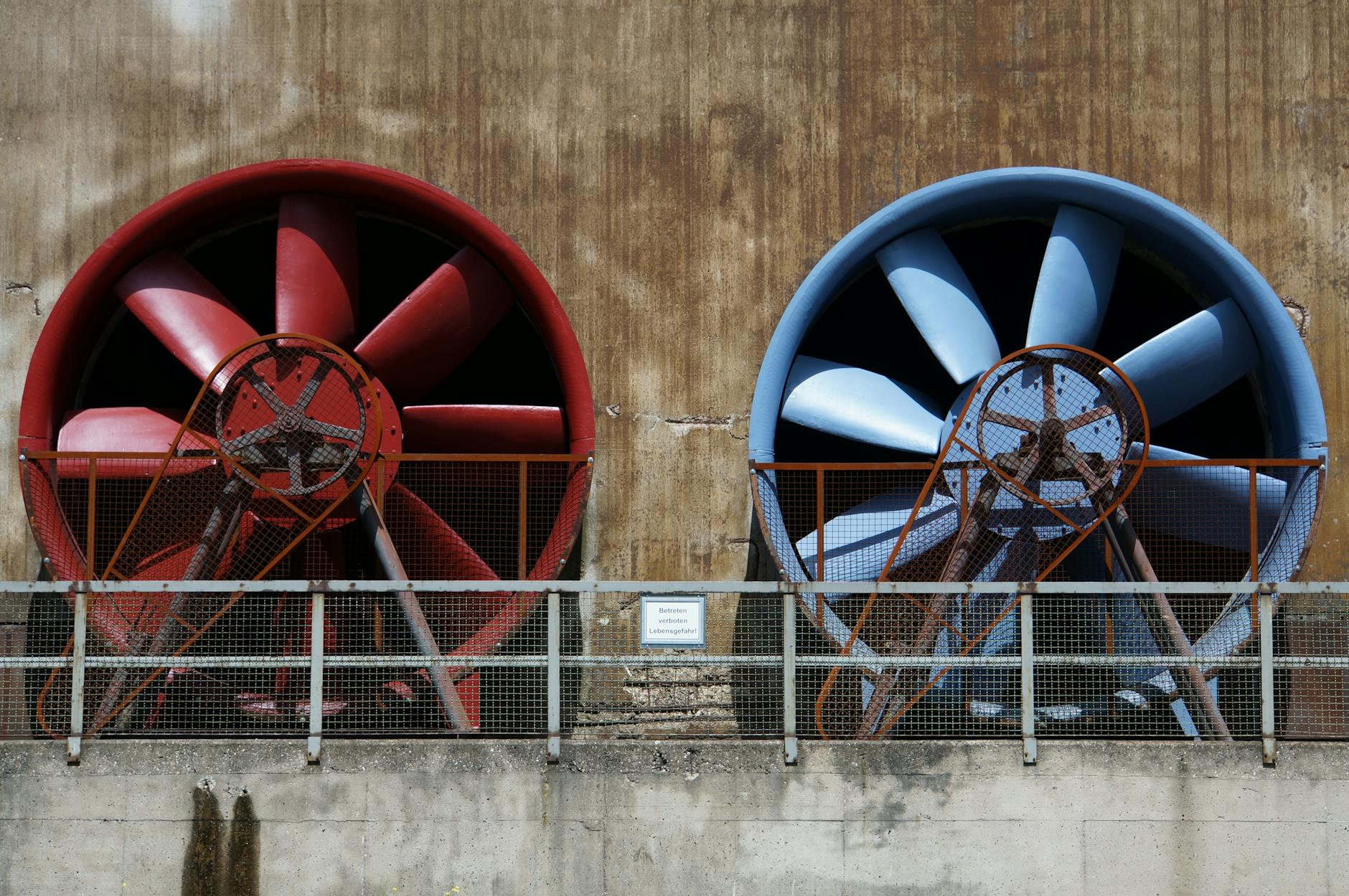
Placing a large square fan in a window facing outward blows stagnant hot air into the yard. This exhaust method works exceptionally well when placed on the warmest side of the house. Another open window on the opposite side will automatically draw in fresh outdoor air. This active push and pull system completely replaces indoor air within an hour.
Please share your favorite methods for beating the summer heat by leaving your thoughts in the comments.