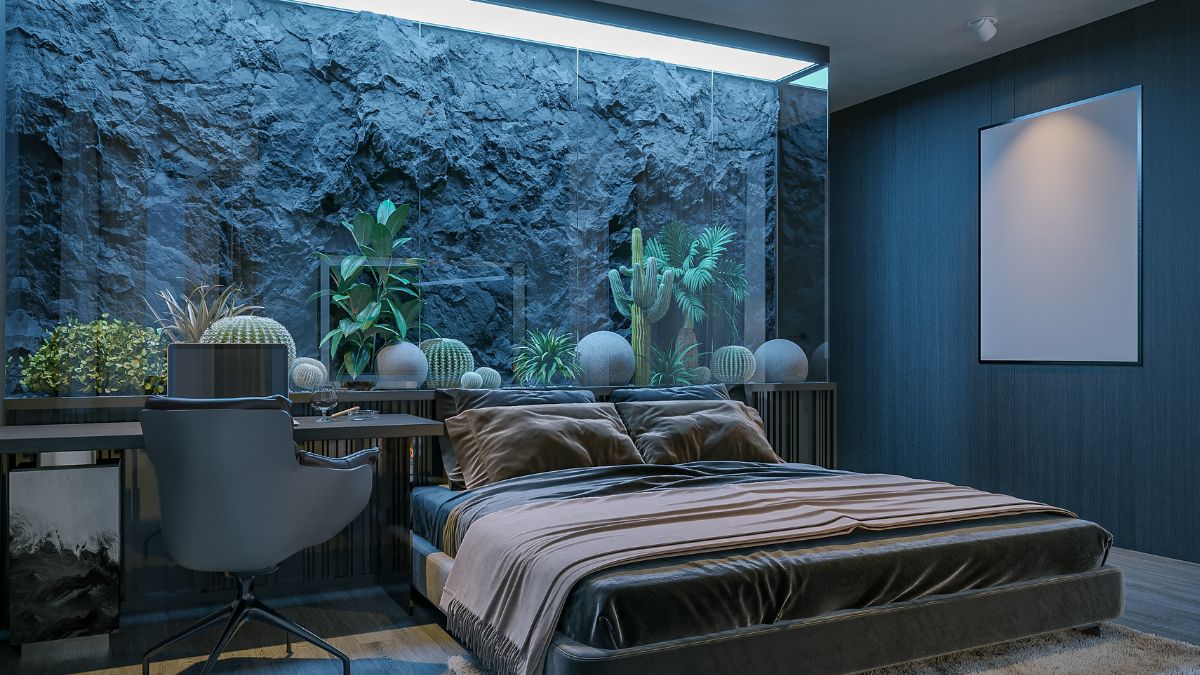
Transforming your bedroom into a true sleep sanctuary is one of the most powerful investments you can make in your overall health and well-being. The quality of your sleep environment directly influences how quickly you fall asleep, how deeply you rest, and how refreshed you feel each morning. Small intentional changes to your space can create a dramatic shift in the quality of your nights. Whether you are starting from scratch or refining what you already have, these 35 upgrades will guide you toward the restful retreat your body deserves.
Blackout Curtains

Light is one of the most disruptive forces working against quality sleep, and blackout curtains are a straightforward solution. These heavy-duty window treatments block out streetlights, early morning sunlight, and passing car headlights that can interrupt your sleep cycles. They are available in a wide range of colors and styles so they can complement virtually any bedroom aesthetic. Many blackout curtains also offer an added layer of insulation, helping to regulate room temperature throughout the night. Installing them is a simple upgrade that delivers immediate and noticeable results.
White Noise Machine

A white noise machine produces a consistent ambient sound that masks sudden noises from traffic, neighbors, or other household members. The steady audio signal prevents your brain from spiking into alertness in response to unexpected sounds. Most models offer a variety of soundscapes including fan noise, rain, and ocean waves so you can find what works best for your nervous system. Studies in sleep science consistently support the use of ambient sound as a tool for improving sleep onset and duration. Placing one on a nightstand or dresser makes it an easy and accessible addition to any bedroom setup.
Cooling Mattress Topper
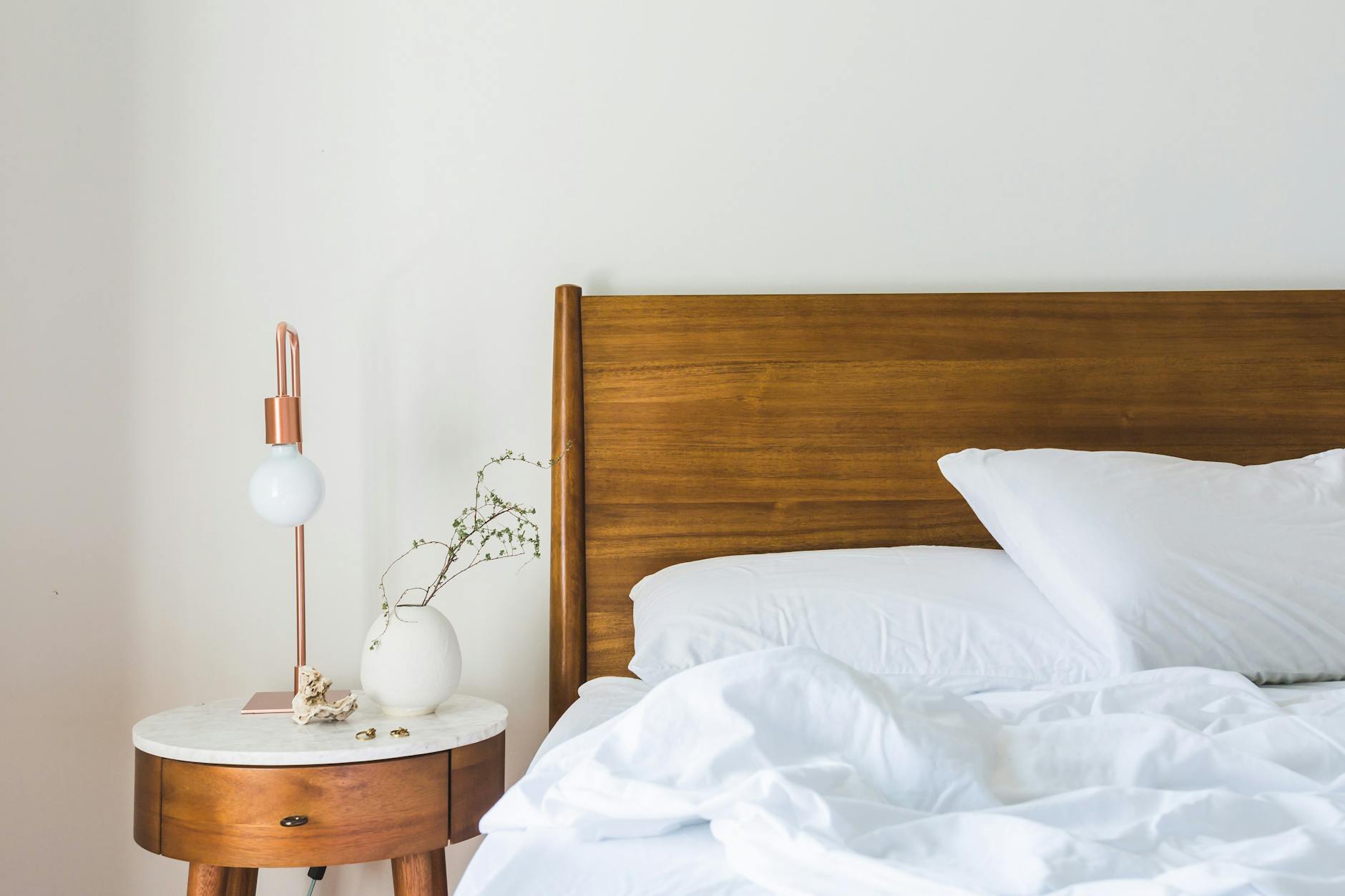
Body temperature plays a significant role in how well you sleep, and a cooling mattress topper helps regulate heat throughout the night. These toppers are typically made from gel-infused memory foam, latex, or breathable wool that draws warmth away from the body. They sit directly on top of your existing mattress, making them a cost-effective alternative to replacing the entire bed. A cooler sleep surface encourages your core body temperature to drop, which is a natural signal that triggers deeper sleep phases. They are particularly beneficial for those who tend to sleep hot or live in warmer climates.
Weighted Blanket
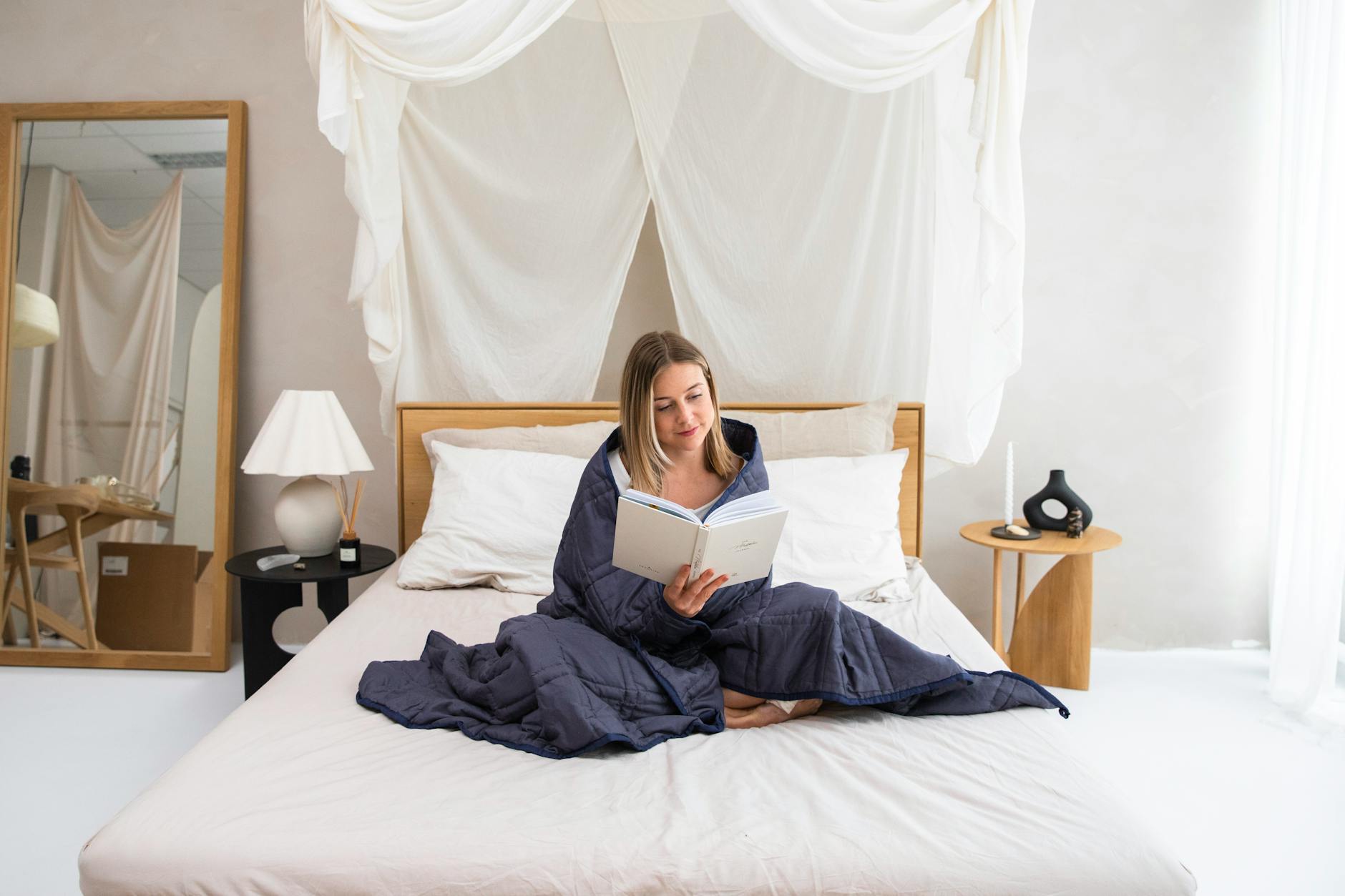
Weighted blankets use deep pressure stimulation to create a sensation similar to being held or hugged, which activates the parasympathetic nervous system. This calming effect reduces cortisol levels and increases the production of serotonin and melatonin, two hormones essential for restful sleep. They typically range from five to twenty-five pounds and the general recommendation is to choose one that is approximately ten percent of your body weight. Many users report falling asleep faster and waking less frequently throughout the night after switching to a weighted blanket. They come in a variety of materials including cotton, bamboo, and minky fabric to suit different temperature preferences.
Adjustable Lighting
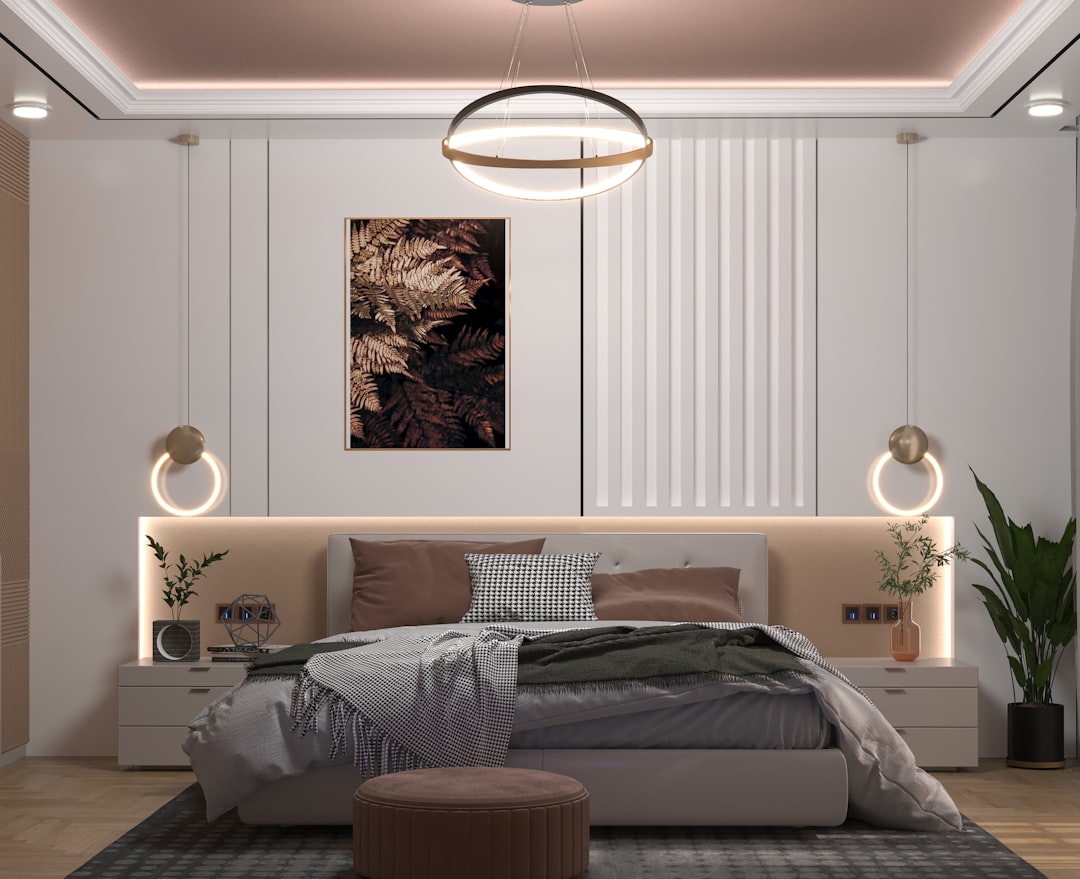
The type of lighting in your bedroom in the hours before sleep can significantly influence your melatonin production. Bright overhead lights and cool-toned bulbs signal to the brain that it is still daytime, suppressing the hormones that prepare your body for rest. Replacing these with warm-toned bulbs rated at 2700K or below creates a softer, more amber glow that supports your natural circadian rhythm. Dimmer switches or smart bulbs with adjustable settings allow you to gradually lower the light intensity as bedtime approaches. This simple swap creates a visual cue that consistently tells your brain it is time to wind down.
Essential Oil Diffuser

Aromatherapy has long been used as a natural tool for relaxation, and an essential oil diffuser brings that practice directly into the bedroom. Lavender is the most widely researched scent for sleep, with studies showing it can reduce anxiety and improve sleep quality. Cedarwood, chamomile, and bergamot are also popular choices for creating a calming nighttime atmosphere. Ultrasonic diffusers release a fine mist that also adds a small amount of humidity to the air, which can be beneficial in dry environments. Running a diffuser for thirty to sixty minutes before bed helps establish a consistent sensory cue that signals it is time for sleep.
Silk Pillowcases

Silk pillowcases offer a smoother surface than traditional cotton, which reduces friction against the skin and hair during the night. They are naturally temperature-regulating, feeling cool to the touch in warm weather and less cold than cotton in cooler months. The gentle texture is particularly beneficial for those with sensitive skin or hair prone to breakage and frizz. High-quality silk pillowcases are typically made from mulberry silk and rated by momme weight, with a higher number indicating a more durable and luxurious fabric. Beyond their aesthetic appeal, they contribute meaningfully to a more comfortable and restorative sleep experience.
Decluttered Space

A visually cluttered bedroom creates a sense of mental unfinished business that can make it harder for the brain to fully relax at night. Research in environmental psychology shows that disorganized spaces elevate cortisol levels and contribute to feelings of anxiety and overstimulation. Clearing surfaces, organizing nightstands, and minimizing visible items creates a calmer visual environment that supports a restful mindset. Dedicated storage solutions such as under-bed bins, baskets, and built-in wardrobes help maintain an orderly space without requiring a complete redesign. Even spending fifteen minutes tidying before bed can have a measurable effect on how quickly you fall asleep.
Supportive Pillow

The pillow you sleep on directly influences the alignment of your spine, neck, and shoulders throughout the night. A pillow that is too flat or too firm can create pressure points and muscle tension that disrupts sleep and causes morning stiffness. Side sleepers generally benefit from a firmer, higher-loft pillow, while back and stomach sleepers typically need something lower and softer. Memory foam, latex, and adjustable fill options allow you to customize the support level to your specific sleeping position and preferences. Replacing an old or unsupportive pillow is one of the most impactful and often overlooked changes you can make to your sleep setup.
Mattress Upgrade
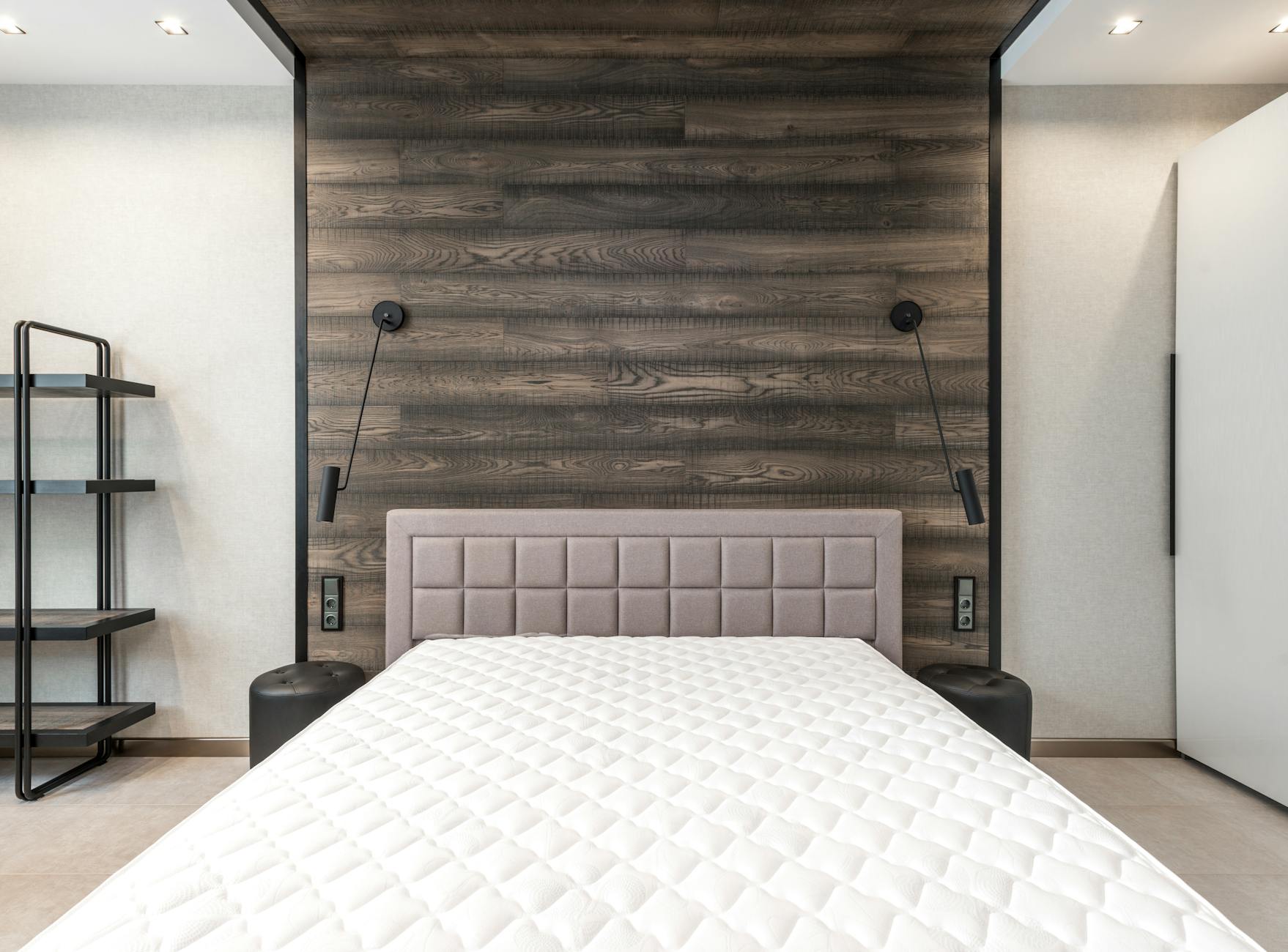
The mattress is the foundation of any sleep sanctuary, and sleeping on one that no longer provides adequate support significantly undermines rest quality. Most mattresses have a functional lifespan of seven to ten years, after which the materials begin to break down and lose their ability to properly cushion and align the body. Modern options span a wide range of constructions including innerspring, memory foam, hybrid, and latex, each offering different feels and support profiles. Many mattress companies now offer extended trial periods allowing sleepers to test a new mattress in their own home before committing. Investing in the right mattress is widely considered the single most impactful change you can make to your sleep environment.
Bedroom Temperature Control
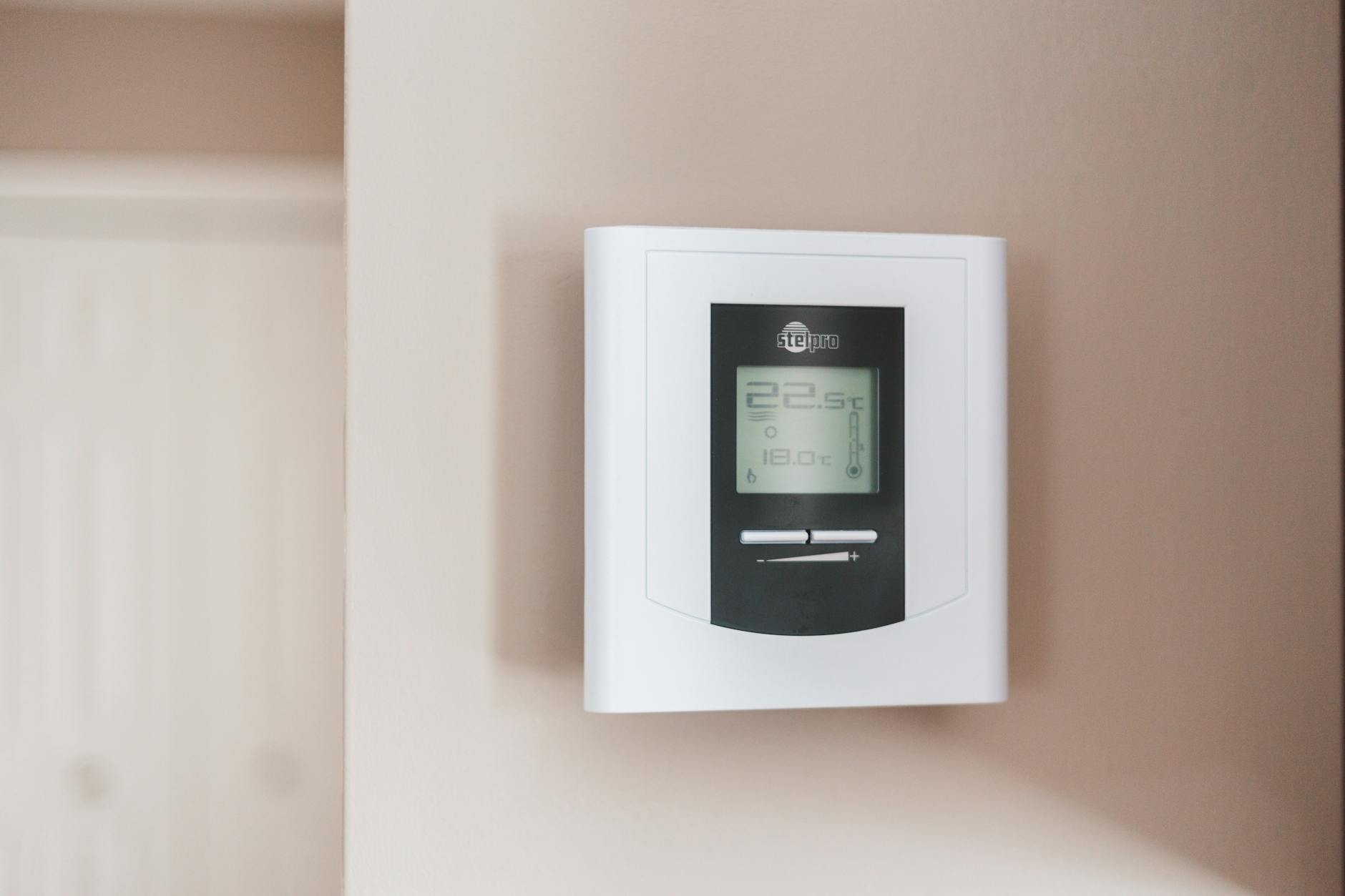
Sleep scientists consistently identify a cool room temperature as one of the most critical factors in achieving deep, restorative sleep. The optimal range for most adults falls between 60 and 67 degrees Fahrenheit, as a cooler environment helps facilitate the natural drop in core body temperature that initiates sleep. A programmable thermostat allows you to automate this cooling in the hours before and during sleep without manual adjustment. For those without climate control, a bedroom fan, cooling mattress pad, or breathable bedding can help approximate the same effect. Keeping the room consistently cool creates one of the most reliable conditions for uninterrupted sleep.
Linen Bedding

High-quality linen is one of the most breathable and moisture-wicking natural fabrics available for bedding. Its open-weave construction allows for excellent airflow, helping to keep the body at a stable temperature throughout the night. Linen becomes softer with each wash and is exceptionally durable, often lasting decades when cared for properly. It is naturally hypoallergenic and resistant to bacteria, making it a smart choice for those with allergies or sensitive skin. Switching to linen sheets and duvet covers is a long-term investment that pays dividends every night in comfort and sleep quality.
Himalayan Salt Lamp

Himalayan salt lamps emit a warm amber glow that produces a calming ambiance well suited to a pre-sleep environment. They have been traditionally associated with air purification, and while the scientific evidence on this particular claim is limited, their gentle lighting genuinely supports a relaxing bedroom atmosphere. The soft, low-intensity light they produce is far less stimulating to the brain than standard overhead lighting. Using one in the evening as part of a wind-down routine creates a consistent visual cue that bedtime is approaching. Their natural and organic appearance also adds a grounding, nature-inspired aesthetic to the bedroom.
Sound-Absorbing Rugs
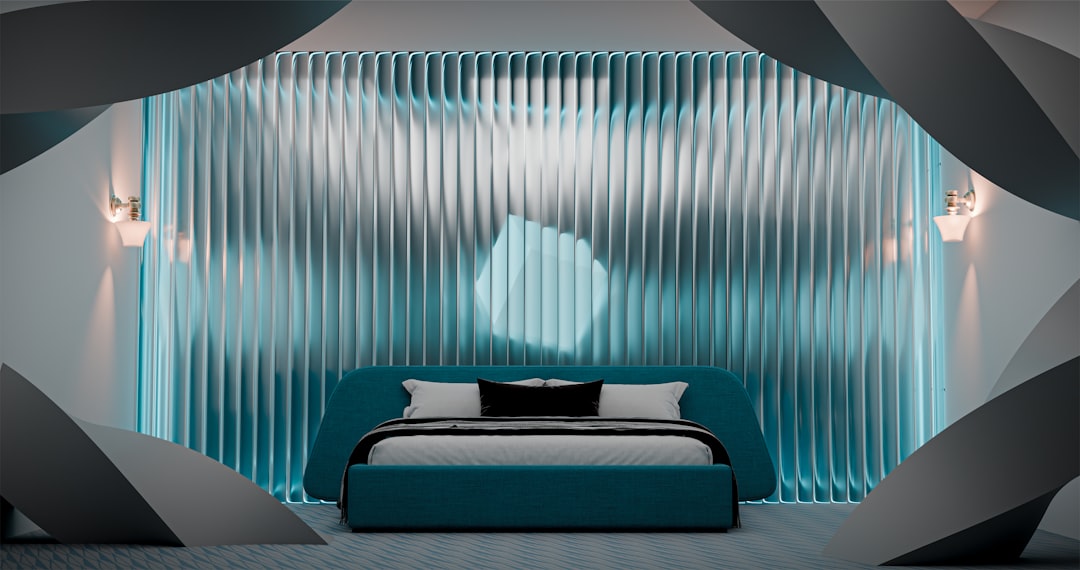
Hard flooring can allow sound to travel easily through a room, amplifying footsteps, vibrations, and other noise disruptions. A large, plush area rug absorbs these sounds and creates a quieter, more acoustically insulated environment. Thick wool or high-pile synthetic rugs offer the most sound-dampening effect and also add warmth underfoot for a more comfortable experience. Placing a rug under or around the bed creates a soft landing zone for the first steps of the morning, which contributes to a gentler, more pleasant start to the day. Beyond their functional benefits, rugs add texture, warmth, and a finished aesthetic to the overall bedroom design.
Plant Life
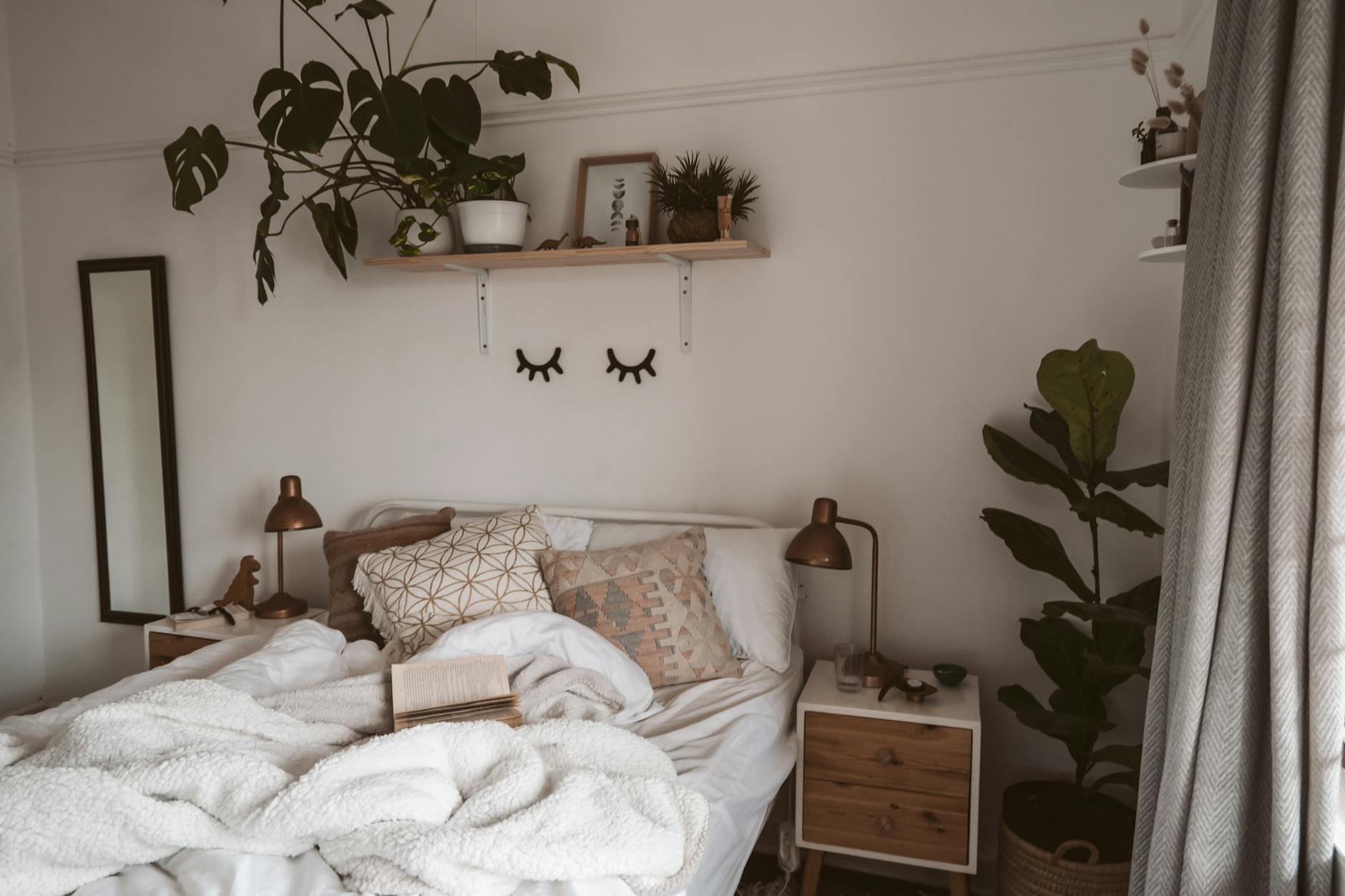
Introducing houseplants into the bedroom adds a natural, organic element that promotes a sense of calm and connection to the natural world. Certain plants such as snake plants, peace lilies, and pothos are known for their air-purifying properties, removing trace pollutants from the indoor environment. The presence of greenery has been shown in environmental psychology research to lower stress levels and create a more restorative atmosphere. Plants also add a living, dynamic quality to the room that no manufactured decor item can replicate. Choosing low-maintenance varieties ensures the benefits of having plants without creating additional stress around their care.
Phone-Free Zone Policy

Keeping your phone out of the bedroom eliminates one of the most significant modern barriers to quality sleep. The blue light emitted by screens suppresses melatonin production, and the constant availability of notifications keeps the brain in a low-level state of alert even during winding-down hours. Charging your phone in another room or in a designated spot away from the bed removes the temptation to scroll and creates a cleaner separation between digital engagement and rest. A traditional alarm clock can replace the phone’s wake-up function so that avoiding the device does not disrupt your morning routine. Establishing this boundary is a behavioral shift that many sleep experts consider the single most impactful habit change for better rest.
Blackout Sleep Mask

Even in a room equipped with blackout curtains, small sources of light such as indicator LEDs, streetlight bleed, or early sunrise can reach your eyes. A well-fitting sleep mask creates complete darkness regardless of the external environment, making it a versatile sleep tool at home or while traveling. Contoured sleep masks are designed to sit away from the eyes rather than pressing directly on the lids, allowing for REM movement during deep sleep phases. Silk and bamboo masks feel gentle against the delicate skin around the eyes and are easy to wash and maintain. For those highly sensitive to light, a sleep mask combined with blackout curtains provides the most comprehensive light-elimination solution.
Reading Light

A dedicated reading light with a warm, low-intensity bulb allows you to wind down with a book without exposing your eyes to the stimulating overhead light of the room. Clip-on and adjustable arm models attach directly to a headboard or nightstand, directing the light precisely where it is needed without illuminating the whole space. Choosing a bulb with a color temperature below 3000K ensures the light supports rather than disrupts melatonin production. Having a reading light as part of the bedside setup reinforces the bedroom as a space for calm, screen-free relaxation before sleep. This simple addition helps build a consistent pre-sleep ritual around reading, which research shows is one of the most effective ways to prepare the mind for rest.
Bedside Water Carafe

Keeping a water carafe on the nightstand eliminates the need to get up and leave the bedroom if you wake up thirsty during the night. Getting out of bed disrupts sleep continuity and can make it significantly harder to fall back asleep, particularly in lighter sleep cycles. A glass carafe with a matching cup has a clean, elegant look that suits the restful aesthetic of a sleep sanctuary. Staying hydrated through the night also supports overall health and reduces the likelihood of waking with a dry throat or headache. This small addition requires almost no effort to incorporate and contributes to a more uninterrupted sleep experience.
Calming Color Palette
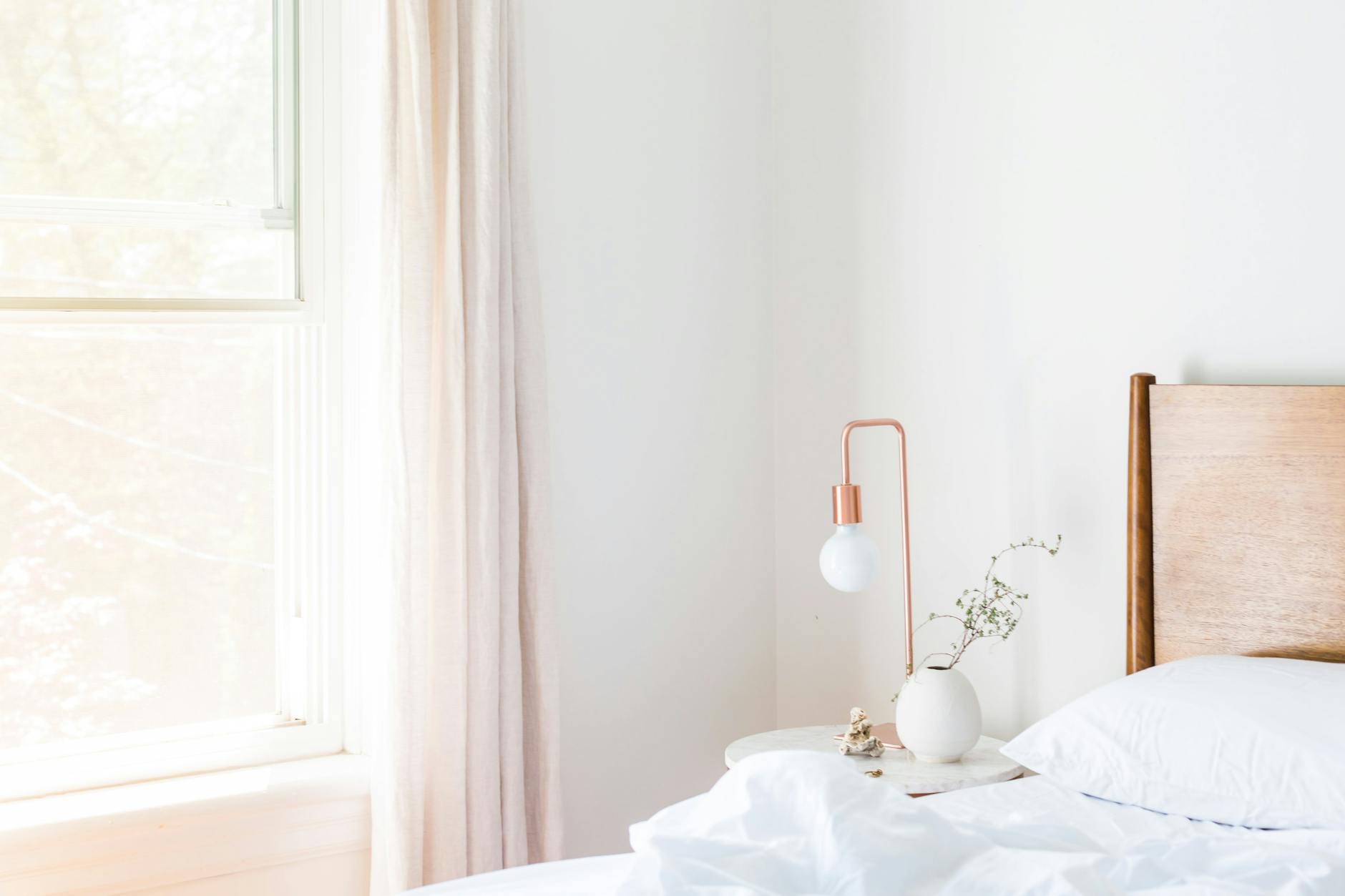
The colors that surround you in your bedroom have a direct psychological impact on how calm and relaxed you feel in the space. Muted, earthy tones such as warm whites, soft greens, dusty blues, and warm taupes are consistently associated with reduced stress and a restful atmosphere. Bold, saturated, or highly contrasting colors can be visually energizing, which is the opposite of what a sleep environment needs. Painting walls in a calming shade or incorporating these tones through bedding, curtains, and soft furnishings creates a cohesive and soothing visual experience. Even a single accent wall or a change of bedding in a calmer palette can meaningfully shift the mood of the room.
Air Purifier

Indoor air quality has a significant but often overlooked impact on sleep quality. Dust, pet dander, mold spores, and volatile organic compounds can all contribute to congestion, respiratory irritation, and disrupted breathing during the night. A HEPA-filter air purifier placed in the bedroom continuously removes these particles from the air, creating a cleaner breathing environment. Many models also produce a low, consistent fan noise that functions similarly to a white noise machine. Running an air purifier through the night is particularly beneficial for allergy sufferers and those who live in urban environments with higher levels of airborne pollution.
Blackout Roman Blinds
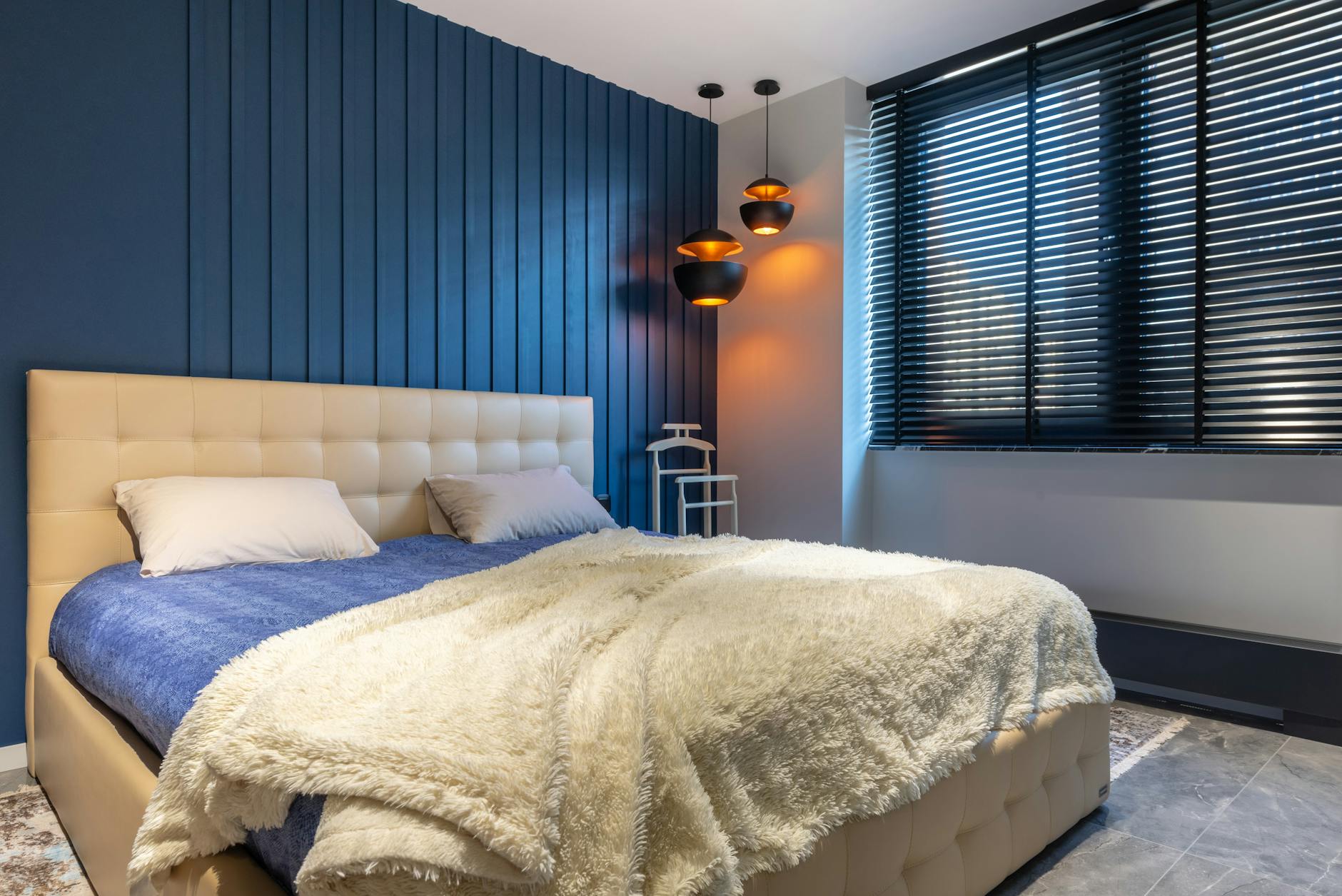
Roman blinds offer a more tailored and architectural look than standard curtains while still providing effective light control when made in blackout fabric. They fold neatly upward during the day, allowing full natural light into the space, and pull down cleanly at night to block external light completely. The structured, flat appearance of Roman blinds suits minimalist and contemporary bedroom aesthetics particularly well. They can be custom-made to fit any window size precisely, ensuring no light gaps at the edges that are common with off-the-shelf curtain panels. Pairing blackout Roman blinds with sheer underlays gives you flexible light management throughout the day and complete darkness for sleep.
Mattress Protector
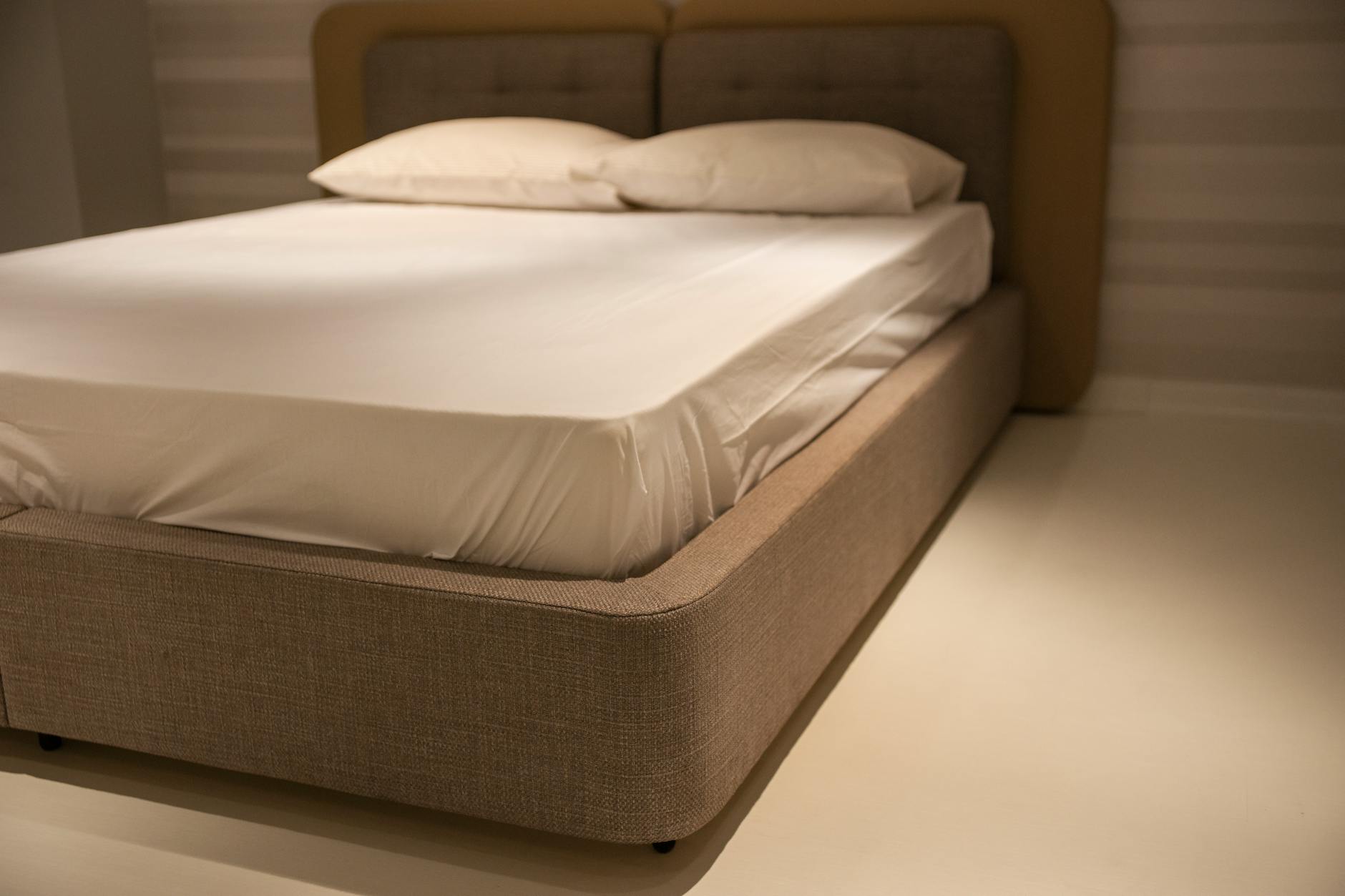
A high-quality mattress protector shields your mattress from moisture, allergens, dust mites, and general wear that accumulates over time. Encasement-style protectors fully surround the mattress, creating a barrier that is particularly effective for those with allergies or asthma. Many modern protectors are made from breathable materials that do not create the uncomfortable crinkling sound or heat retention associated with older waterproof designs. Washing the protector regularly is far easier than attempting to clean a mattress and helps maintain a hygienic sleep surface. Adding this layer also significantly extends the life of your mattress, protecting a substantial financial investment.
Scented Pillow Spray

A pillow spray infused with calming essential oils such as lavender or chamomile creates a gentle olfactory cue that helps signal to the body it is time for sleep. Spraying a light mist on your pillowcase and bedding a few minutes before getting into bed allows the scent to settle to a subtle background level. Unlike a diffuser, which requires setup and water refills, a pillow spray is quick, portable, and requires no electricity. When used consistently as part of a nightly routine, the association between the scent and sleep can build over time, strengthening the conditioned relaxation response. Many sleep-focused wellness brands offer formulations specifically designed with scent combinations backed by relaxation research.
Under-Bed Storage

Clutter stored openly in a bedroom creates visual noise that can prevent the space from feeling restful and intentional. Under-bed storage containers offer a practical way to store items such as seasonal bedding, clothing, and spare linens completely out of sight. Flat, lidded bins that roll out easily keep contents organized without contributing to the visual clutter of the room. By moving non-essential items out of view, you preserve the calm, minimal aesthetic that supports a truly restorative environment. This approach maximizes the often-underutilized space beneath the bed without compromising the serene quality of the bedroom.
Meditation Corner

Designating a small corner of the bedroom specifically for meditation or quiet reflection creates a physical anchor for wind-down rituals. Even a simple floor cushion, a small tray with a candle, and a plant can establish a dedicated space that the brain begins to associate with relaxation and stillness. Using this corner for even five to ten minutes of breathwork or mindfulness before bed helps lower cortisol and shift the nervous system into a rest-and-digest state. The spatial separation from the bed reinforces the idea that the bed itself is reserved for sleep, which strengthens the mental association between lying down and drifting off. Over time this ritual space becomes a powerful environmental cue that consistently prepares the mind for sleep.
Lux Duvets and Inserts

The weight and warmth of your duvet directly influence how comfortable and cozy your bed feels at the end of the day. Down and down-alternative inserts offer a light, lofty warmth that wraps around the body without the heavy, constricting feeling of traditional blankets. Choosing a fill power and warmth rating appropriate for your local climate ensures comfort across changing seasons. High-quality duvet inserts maintain their loft and insulating properties for many years when stored and cared for correctly. The ritual of climbing into a well-made bed with a beautiful, high-quality duvet is one of the simplest and most effective ways to reinforce a positive association with sleep.
Ambient Bookshelf Lighting

Soft, indirect lighting placed behind or beneath a bedroom bookshelf creates a warm glow that contributes to a relaxing evening atmosphere without overwhelming the senses. LED strip lights in a warm white tone can be installed easily along the back interior of a bookshelf and controlled with a remote or smart home system. This kind of ambient layering allows you to turn off harsh overhead lights while still maintaining enough illumination for comfortable movement around the room. Backlit bookshelves also function as a design feature, drawing attention to curated books and objects that reflect a calm and considered aesthetic. The combination of soft light and books creates a deeply restful visual environment that invites winding down.
Soundproof Curtains

Soundproof or acoustic curtains are made from dense, heavy materials that absorb external noise as well as blocking light. They are particularly beneficial for city dwellers or those who live near traffic, train lines, or busy neighborhoods where noise interruptions are frequent. While no curtain can achieve complete soundproofing, high-quality acoustic curtains can significantly reduce the decibel level of external sounds entering the room. They hang and operate identically to standard curtains and are available in a range of colors and lengths to suit different room styles. Pairing acoustic curtains with a white noise machine creates a highly effective dual-layer noise management strategy.
Candles

Candles bring a warm, flickering light to the bedroom that is uniquely conducive to relaxation and reflection. The act of lighting a candle serves as a deliberate ritual that marks the transition from active day energy to a quieter evening mode. Choosing candles scented with calming notes such as sandalwood, vanilla, or jasmine adds an aromatic dimension that layers with other sensory elements in the room. Soy and beeswax candles burn more cleanly than paraffin options, producing less soot and releasing fewer chemicals into the bedroom air. Blowing out the candle just before getting into bed can serve as a final, grounding signal that the day is complete and rest has begun.
Temperature-Smart Bedding

Temperature-regulating bedding uses advanced textiles such as phase-change materials and moisture-wicking fabrics to actively adapt to your body heat throughout the night. Unlike standard cotton which traps heat and creates uncomfortable warmth in deeper sleep phases, smart bedding responds to temperature fluctuations and helps maintain a stable microclimate. These products are available in sheets, mattress pads, pillow covers, and duvet inserts, allowing you to build a fully integrated temperature-controlled sleep system. They are particularly valuable for couples who have different temperature preferences and find it difficult to agree on a single room setting. The technology behind these products has advanced significantly in recent years and is now accessible across a wide range of price points.
Bedroom-Specific Playlist

Curating a dedicated playlist of calm, sleep-inducing music or soundscapes to play during your wind-down routine creates a consistent audio environment associated with rest. Slow-tempo music in the range of 60 to 80 beats per minute has been shown to synchronize with the resting heart rate and lower physiological arousal before sleep. Genres such as ambient, classical, and lo-fi instrumental are well-suited to this purpose and widely accessible through major streaming platforms. Setting the playlist to turn off automatically after thirty to sixty minutes ensures the sound does not continue into your deeper sleep phases. Hearing the same playlist each night builds a conditioned association that accelerates the transition into a restful state.
Analog Alarm Clock

Replacing your phone alarm with a traditional analog or digital clock removes the smartphone from the bedside entirely, eliminating the temptation to check notifications before sleep and first thing in the morning. Analog clocks with a quiet tick or silent sweep mechanism avoid the irritating ticking sound that can disturb light sleepers. Gentle sunrise alarm clocks gradually increase light intensity in the thirty minutes before the alarm sounds, simulating natural dawn and producing a more gradual, peaceful wake-up experience. Starting the day without immediately reaching for a screen supports a calmer mental state and makes it easier to maintain a phone-free bedroom policy. This small device swap carries a disproportionately large impact on both sleep quality and morning mood.
Window Insulation Film

Window insulation film is a clear or frosted adhesive layer applied directly to the glass that improves thermal efficiency and reduces noise transmission. It prevents drafts and cold spots near windows that can disrupt body temperature regulation during sleep, particularly in older homes with single-pane glass. Some variants also filter UV light, which reduces early morning brightness without eliminating the view or requiring additional window coverings. Installation requires minimal tools and no permanent alterations to the window frame, making it an accessible option for renters and homeowners alike. The result is a quieter, more thermally stable bedroom environment that supports uninterrupted sleep through the night.
Grounding Earthing Mat

An earthing mat replicates the effect of direct contact with the ground by connecting through a standard electrical outlet to transfer electrons from the earth into the body. Proponents of grounding research suggest that regular earthing practice can reduce inflammation, stabilize cortisol rhythms, and improve both sleep quality and morning energy levels. Placing a mat beneath the bedsheet or underfoot on the floor beside the bed allows for passive earthing throughout the night without any active effort. While mainstream research on earthing is still developing, early studies have shown promising results particularly in relation to sleep and stress hormone regulation. For those interested in biohacking and natural wellness approaches, an earthing mat is an intriguing and low-effort addition to the sleep sanctuary.
If you have tried any of these sleep sanctuary upgrades or have ideas of your own, share your experience in the comments.