Longevity in the animal kingdom is a fascinating subject that challenges our understanding of biological aging and survival. While humans strive to extend their years through medicine and lifestyle changes, many creatures naturally possess the ability to outlive us by decades or even centuries. These animals often share traits such as slow metabolisms, delayed reproduction, and highly efficient cellular repair mechanisms that protect them from the ravages of time. From the deep pressures of the ocean floor to remote islands untouched by predators, these species have evolved to endure in specific ecological niches. Exploring the lives of these enduring beings offers a glimpse into the diverse strategies nature employs to sustain life over extended periods.
Immortal Jellyfish
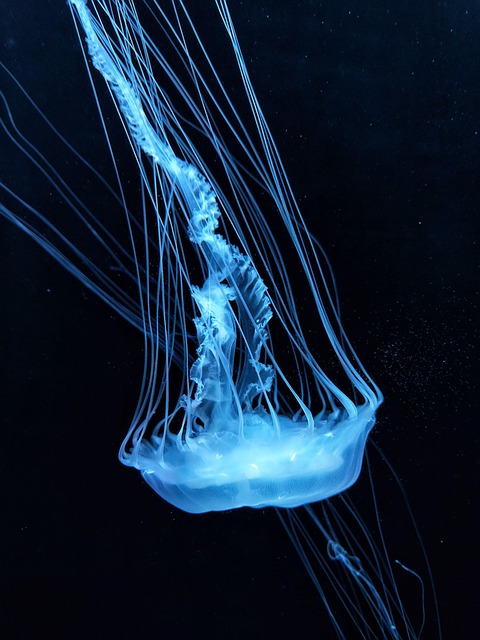
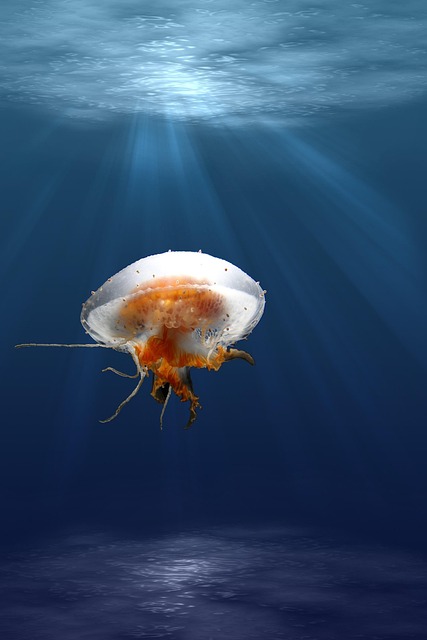
This tiny creature has the unique ability to revert to its polyp stage after reaching sexual maturity. Scientists study its biological process called transdifferentiation to understand how cells can transform into other types. It theoretically has no natural limit to its lifespan unless consumed by a predator or succumbing to disease. The species is found in temperate to tropical waters worldwide and remains a biological marvel. Its cycle of rejuvenation allows it to bypass the traditional aging process entirely.
Hydra
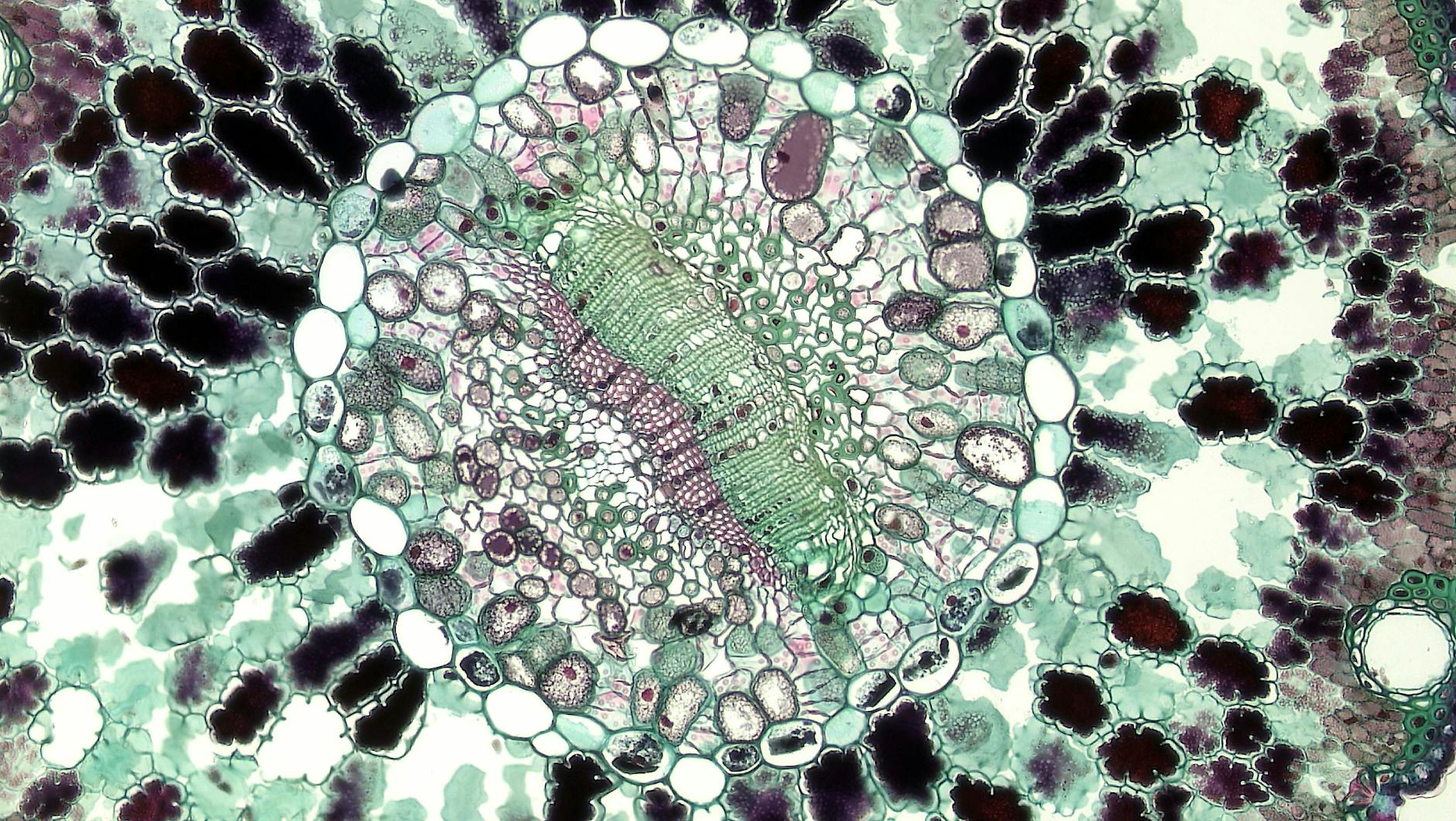
These small freshwater organisms are famous for their potential biological immortality. They are composed largely of stem cells that constantly divide and renew themselves to prevent aging. Researchers have observed them for years without detecting any signs of senescence or decline in fertility. Their simple body structure allows for rapid regeneration if they are injured or cut into pieces. This continuous renewal keeps them perpetually young in the right environmental conditions.
Glass Sponge
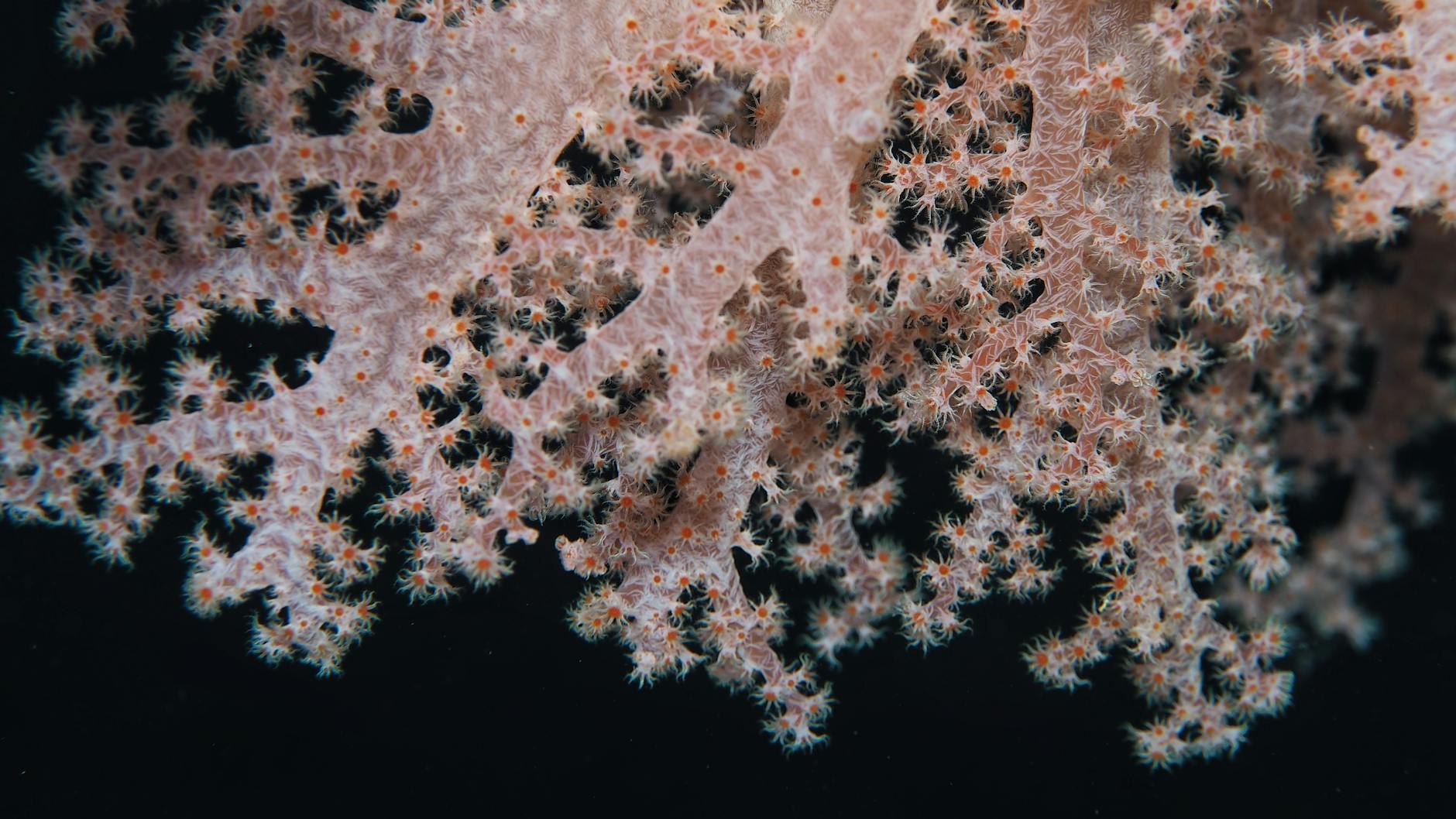
These deep-sea dwellers are among the oldest living organisms on the planet. Found in the freezing waters of the Antarctic, they grow at an incredibly slow rate due to low temperatures. Some specimens are estimated to be over ten thousand years old based on their size and growth patterns. Their silica skeletons provide a sturdy structure that can withstand the immense pressure of the ocean depths. They filter nutrients from the water and live a sedentary life that supports their extreme longevity.
Ocean Quahog
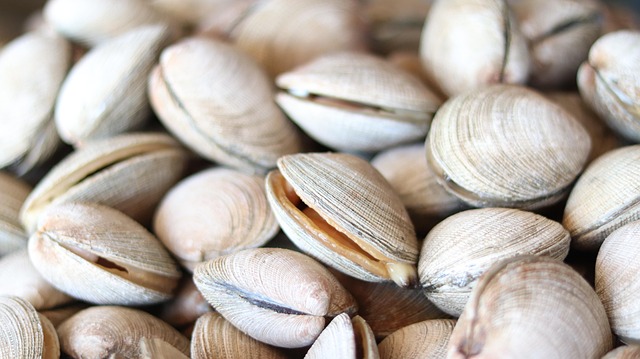
This edible clam species native to the North Atlantic is known for its exceptional lifespan. One famous individual named Ming was calculated to be over five hundred years old. Scientists determine their age by counting the growth rings on their shells much like tree rings. Their longevity is attributed to a very slow metabolism and the ability to withstand oxidative stress. They burrow into the ocean floor and can remain there for centuries while slowly growing.
Greenland Shark
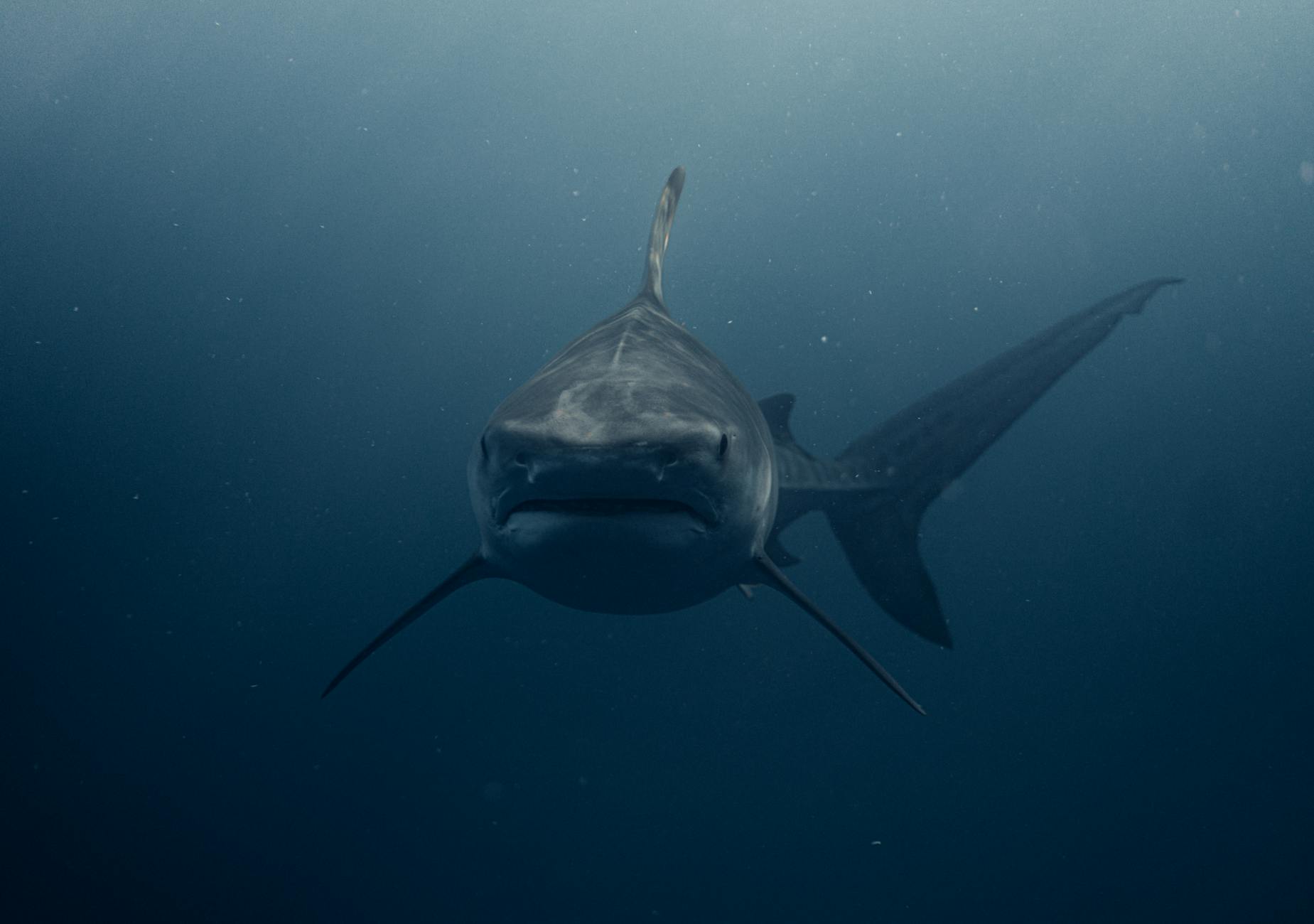
These mysterious predators inhabit the cold waters of the North Atlantic and Arctic oceans. They grow just a few centimeters per year and do not reach sexual maturity until they are around one hundred fifty years old. Radiocarbon dating of their eye lenses suggests they can live for nearly four or five hundred years. Their slow swimming speeds and low metabolic rates help them conserve energy in freezing environments. They are currently recognized as the longest-living vertebrates known to science.
Tube Worm
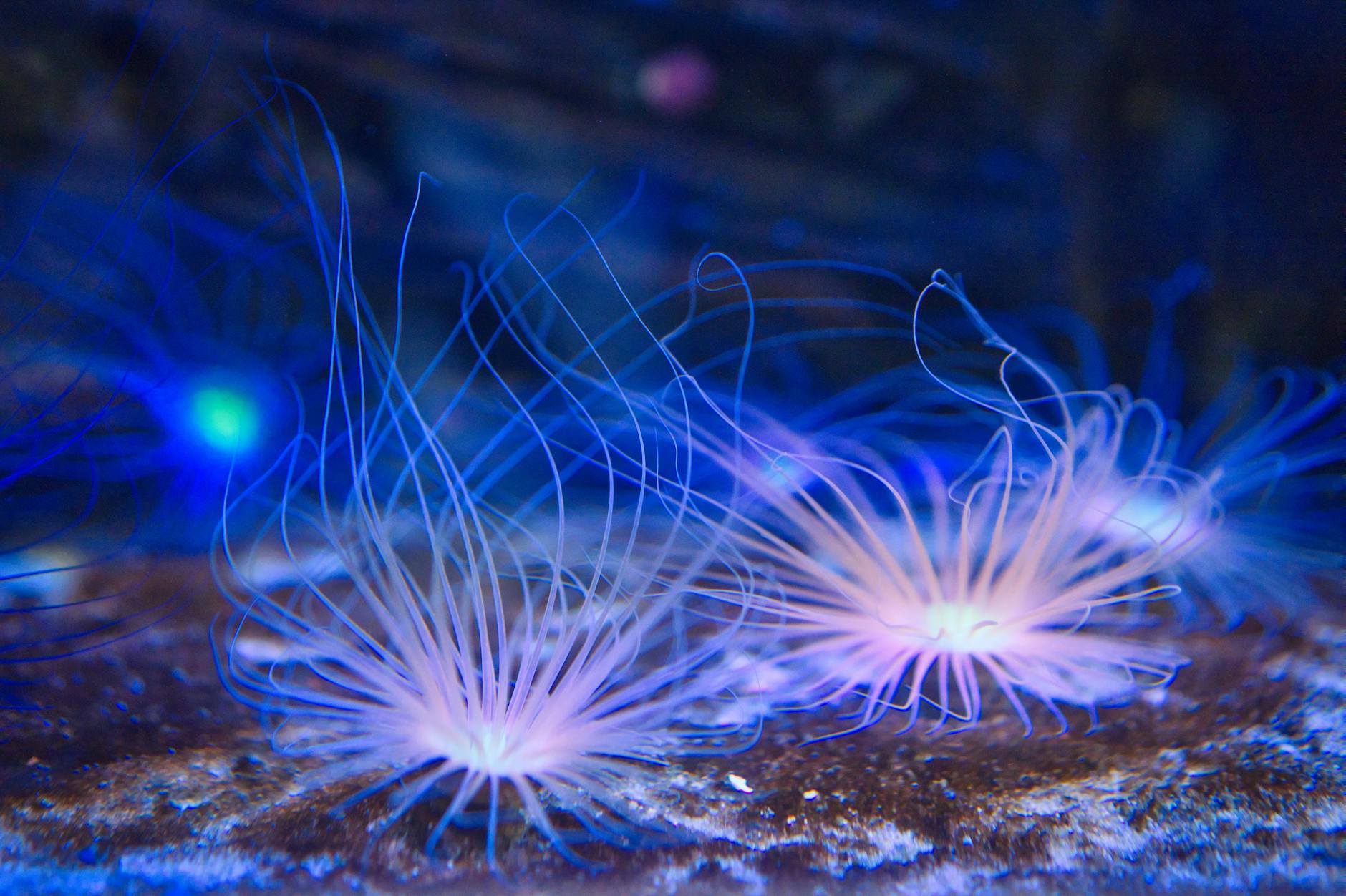
These marine invertebrates live on the floor of the Gulf of Mexico and thrive near cold seeps. They have very slow growth rates and can live for more than two hundred years. The supply of chemical energy from the seeps provides a steady food source that supports their long lives. They lack a digestive tract and rely on symbiotic bacteria to convert chemicals into nutrients. Their stable deep-sea environment protects them from many predators and environmental fluctuations.
Bowhead Whale
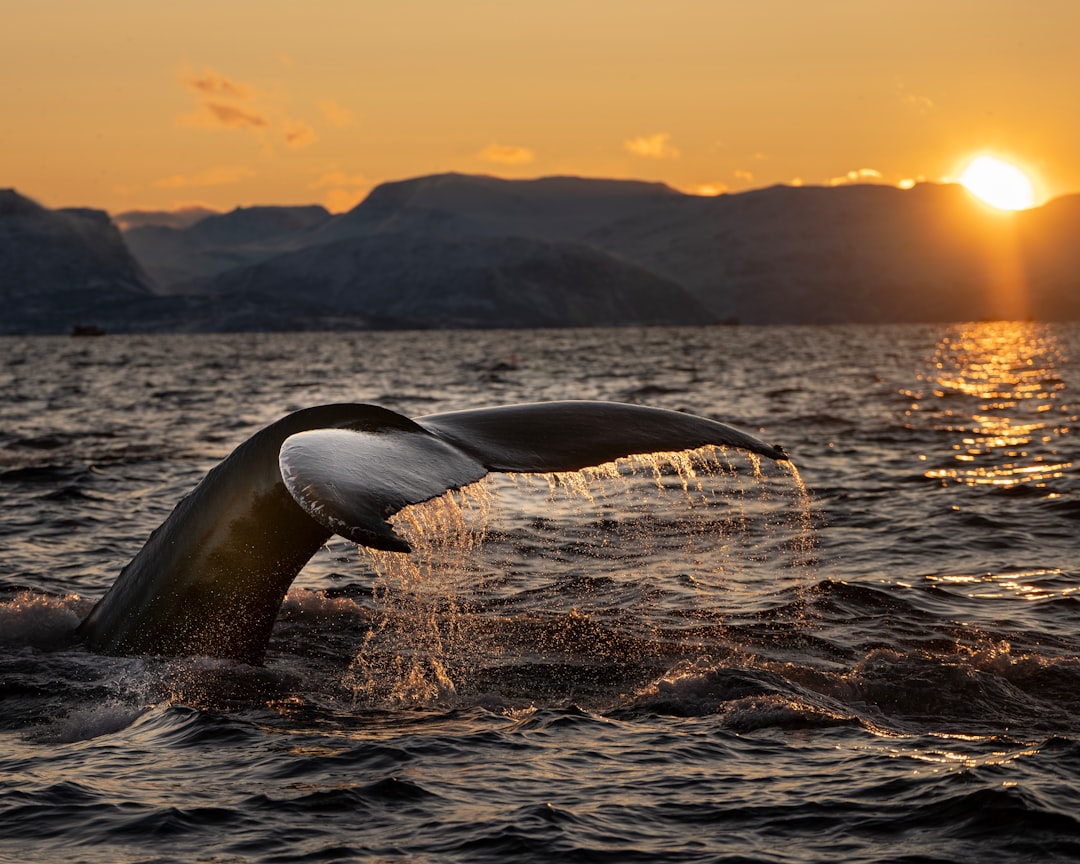
These massive marine mammals are built to survive the icy waters of the Arctic. They possess a thick layer of blubber that insulates them and stores energy for long periods. Genetic studies indicate they can live for over two hundred years and resist age-related diseases. They have a gene specifically involved in DNA repair that may contribute to their resistance to cancer. Indigenous hunters have found ancient harpoon tips embedded in whales that date back to the Victorian era.
Rougheye Rockfish
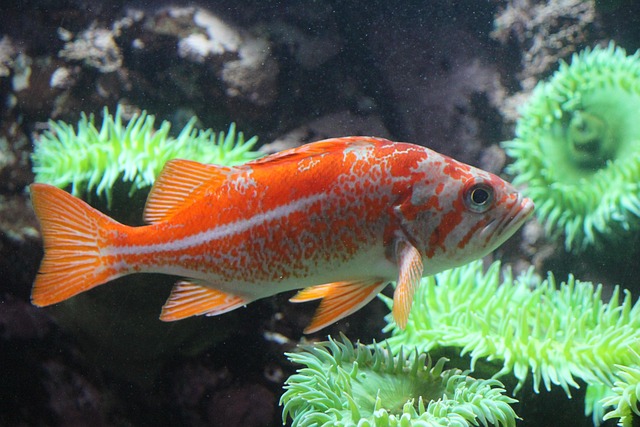
This fish is one of the longest-living biological species found in the North Pacific. They reside in deep waters and are known to live for at least two hundred years. Their bright orange or reddish coloration makes them distinct among other rockfish species. They grow slowly and mature late in life which is a common trait among long-lived fish. Conservationists monitor their populations closely because their slow reproduction makes them vulnerable to overfishing.
Red Sea Urchin
These spiny invertebrates are found along the Pacific coast of North America. They were once thought to live only a few decades but are now known to survive for over two hundred years. They show almost no signs of aging and maintain their reproductive capabilities regardless of age. Their spines provide protection while they graze on kelp and algae in rocky environments. They continue to grow very slowly throughout their entire lives.
Galapagos Giant Tortoise
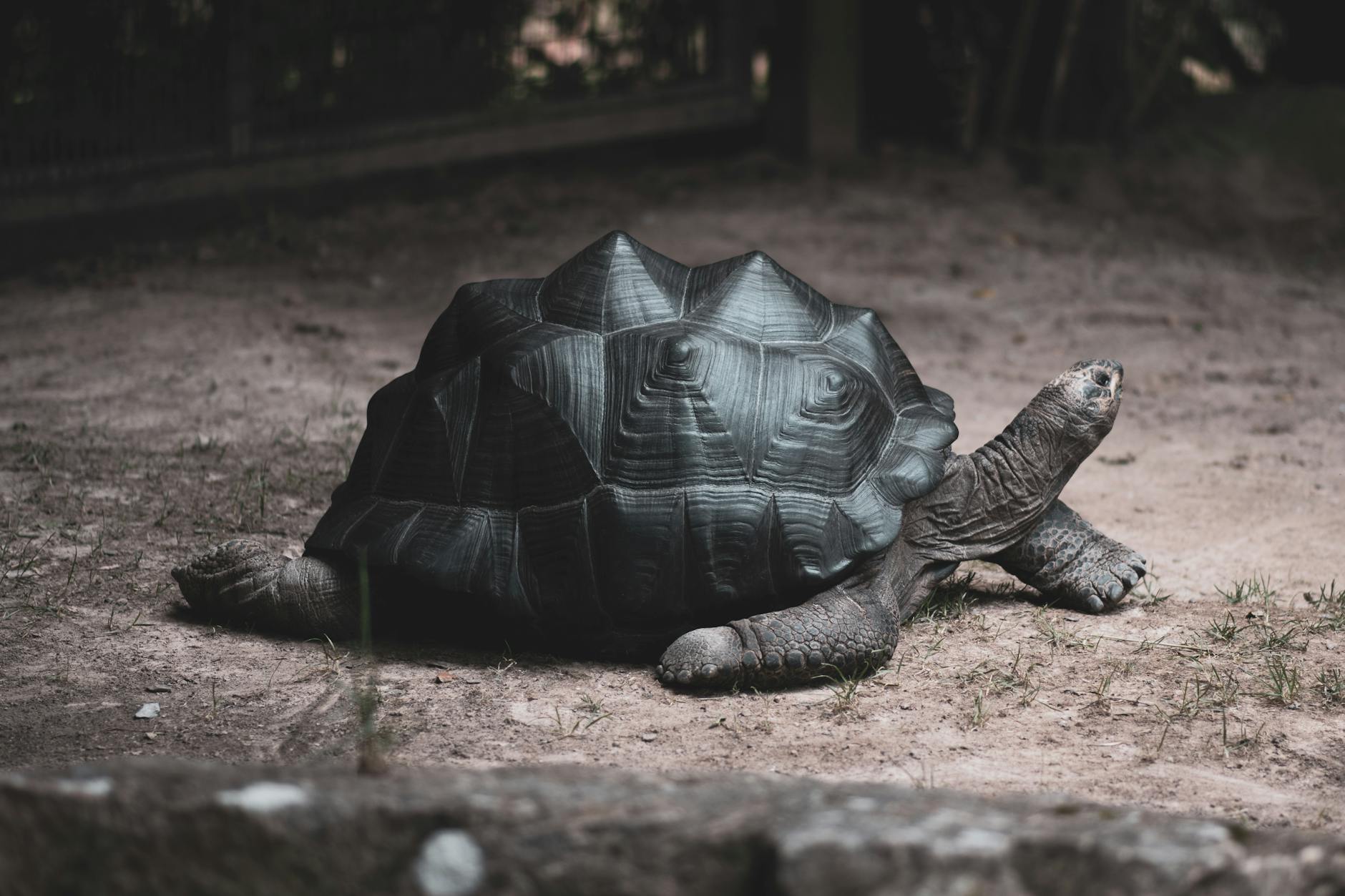
These iconic reptiles are famous for their massive size and slow pace of life. They can easily live for over one hundred years with some individuals reaching nearly two hundred. Their metabolism is extremely slow and allows them to survive for up to a year without food or water. They spend much of their day resting and grazing on vegetation like cactus pads and grasses. Their longevity and isolation played a key role in Charles Darwin’s theory of evolution.
Aldabra Giant Tortoise
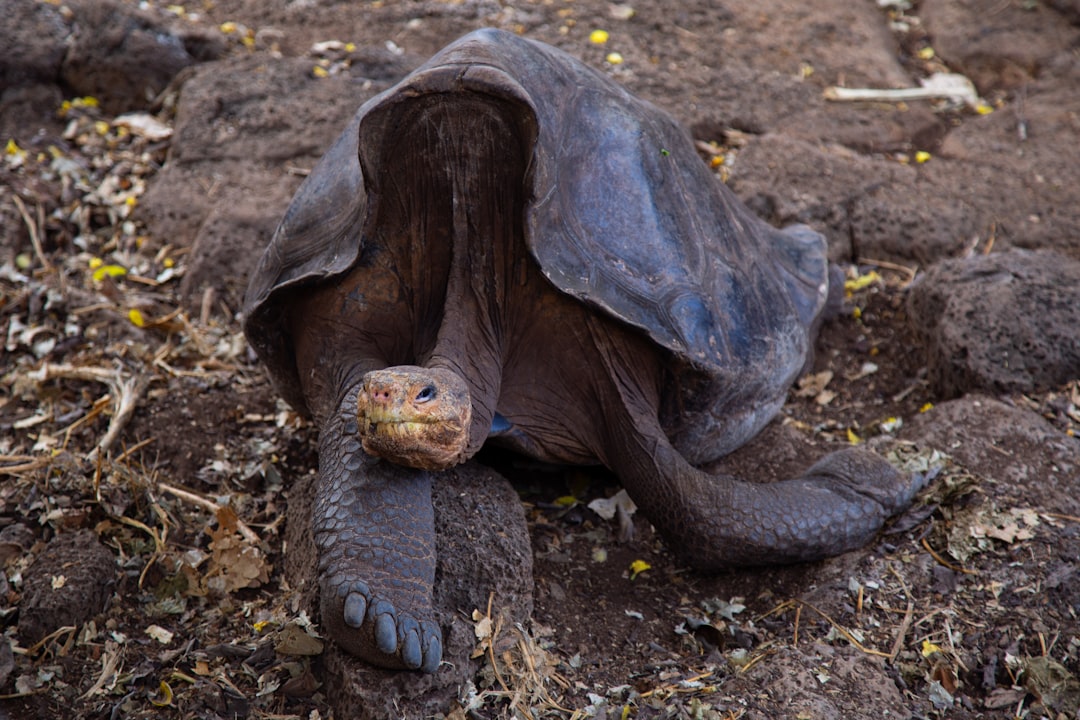
Native to the Aldabra Atoll in the Seychelles, these tortoises are among the largest in the world. They are known to live well beyond one hundred fifty years in captivity and the wild. One famous individual named Adwaita was estimated to be over two hundred fifty years old at the time of his death. They have heavy domed shells that protect them from predators and the harsh sun. Their diet consists mostly of mixed grasses and leafy plants available on their island home.
Shortraker Rockfish
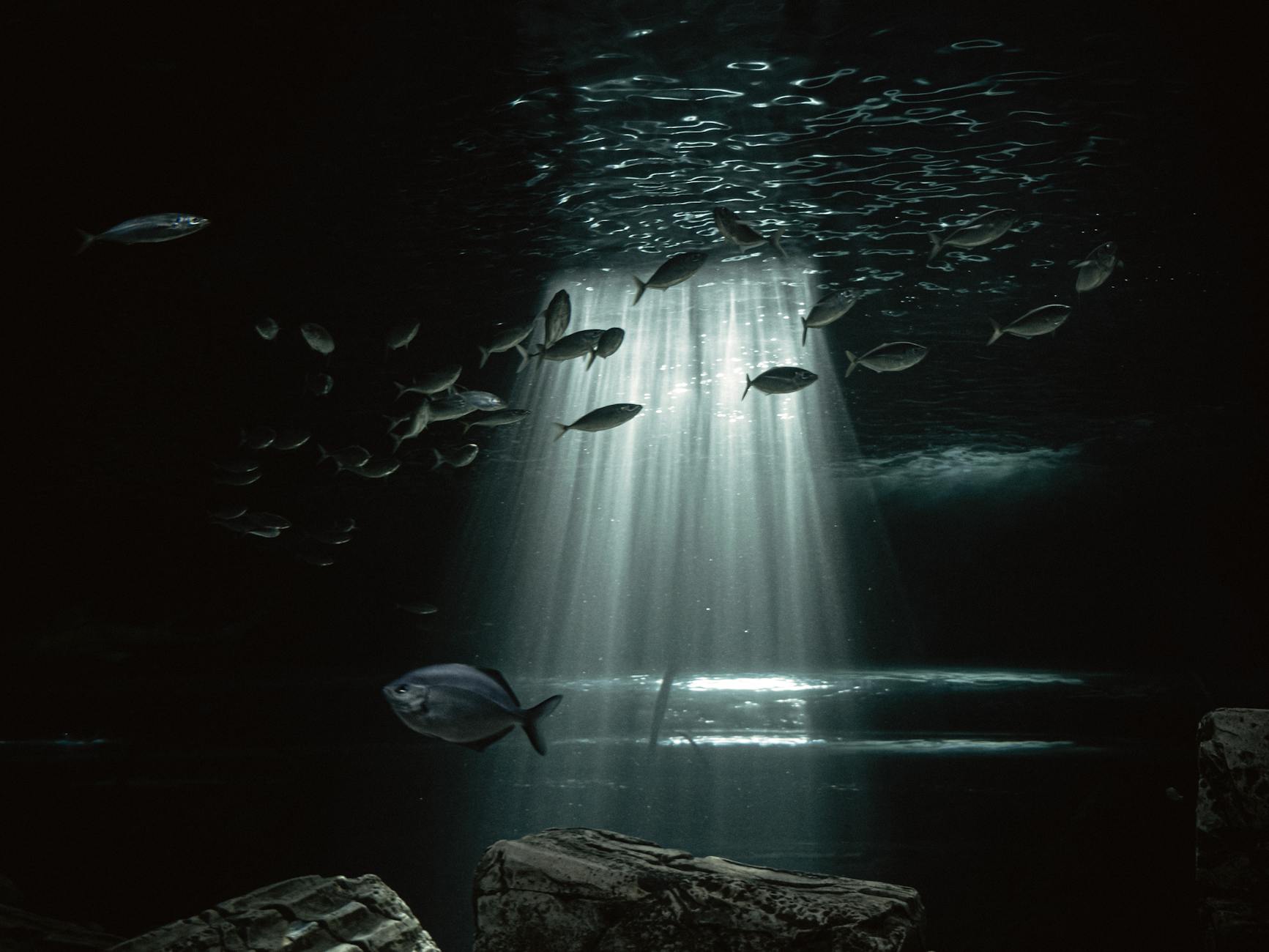
This species prefers the deep and cold waters of the northern Pacific Ocean. They have been documented to live for more than one hundred fifty years. They are often caught accidentally by commercial trawlers targeting other fish species. Their large heads and distinct gill rakers help identify them among other rockfish. Their slow life history makes it difficult for their populations to recover quickly from fishing pressure.
Lake Sturgeon
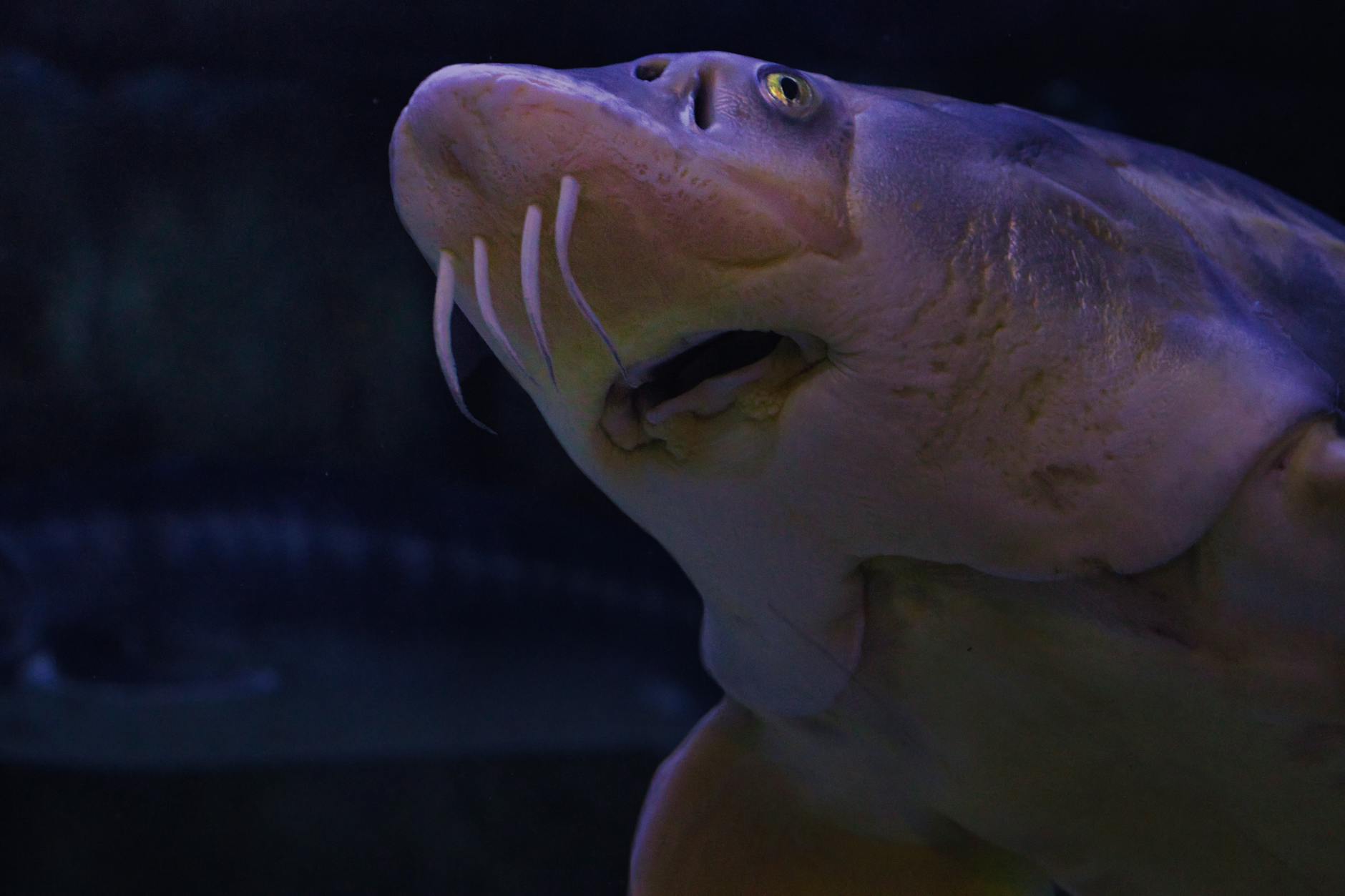
These freshwater giants are found in the drainage basins of North America. Females can live for one hundred fifty years and do not spawn every year. They have a prehistoric appearance with rows of bony plates instead of scales. Their populations were decimated in the past but conservation efforts are helping them recover. They spend their long lives foraging along river and lake bottoms for small invertebrates.
Freshwater Pearl Mussel
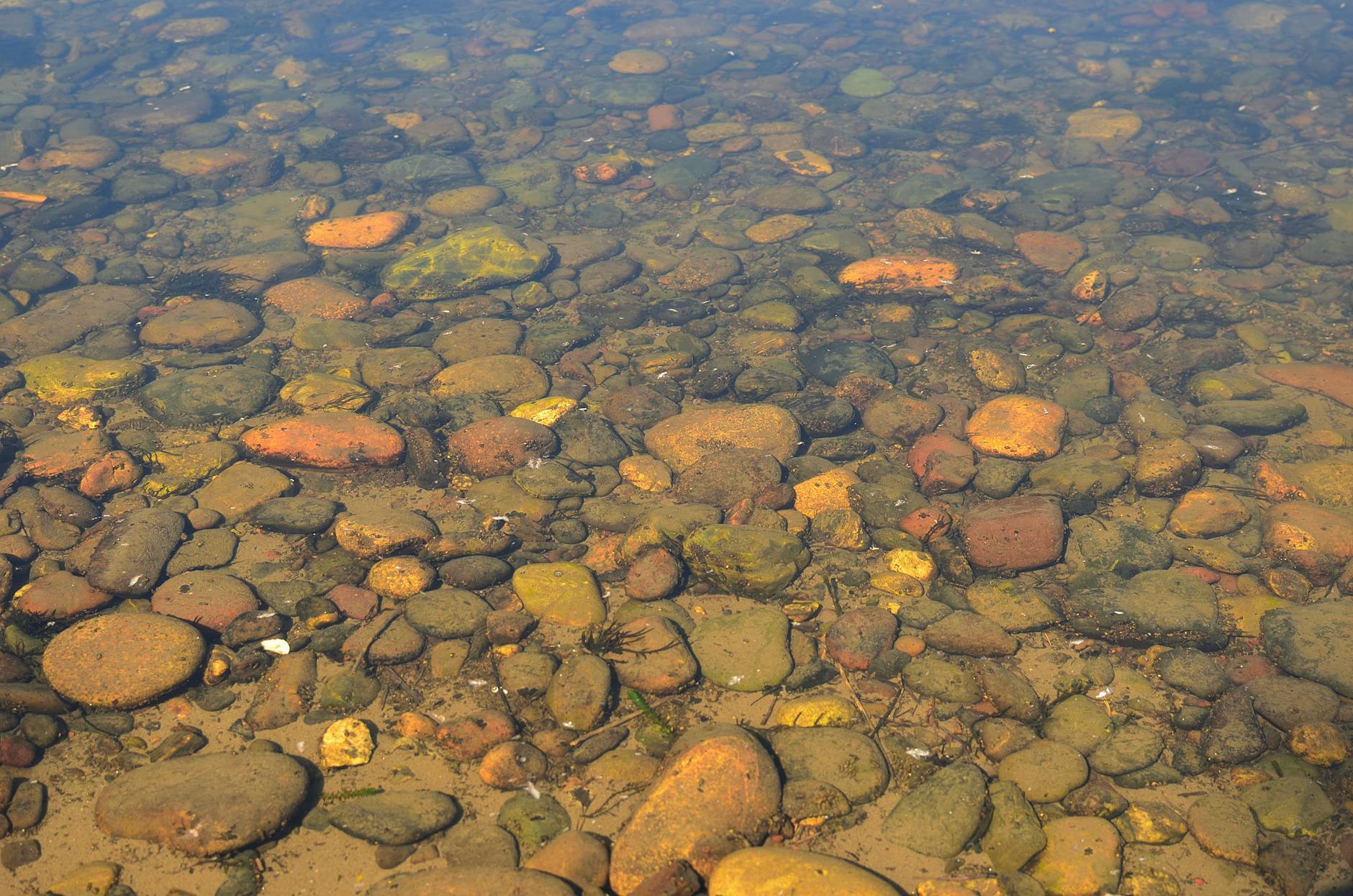
These bivalves are found in clean and fast-flowing rivers across the northern hemisphere. They can live for more than one hundred years and are indicators of high water quality. Their larvae must attach to the gills of fish like salmon or trout to develop. Pollution and habitat destruction have severely threatened their populations in recent decades. They grow extremely slowly and filter water to obtain their food.
Geoduck
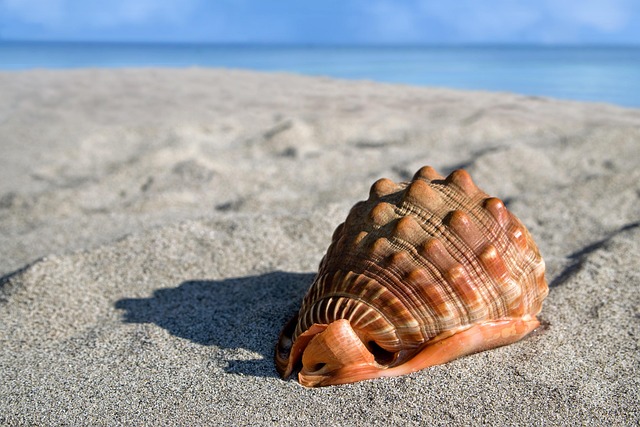
This large saltwater clam is native to the coastal waters of western North America. It has a long siphon that can extend several feet to filter plankton from the water. Individuals have been aged at over one hundred sixty years old. They burrow deep into the sand and remain in one spot for their entire adult lives. Their natural predators are few once they are buried and reach full size.
Tuatara
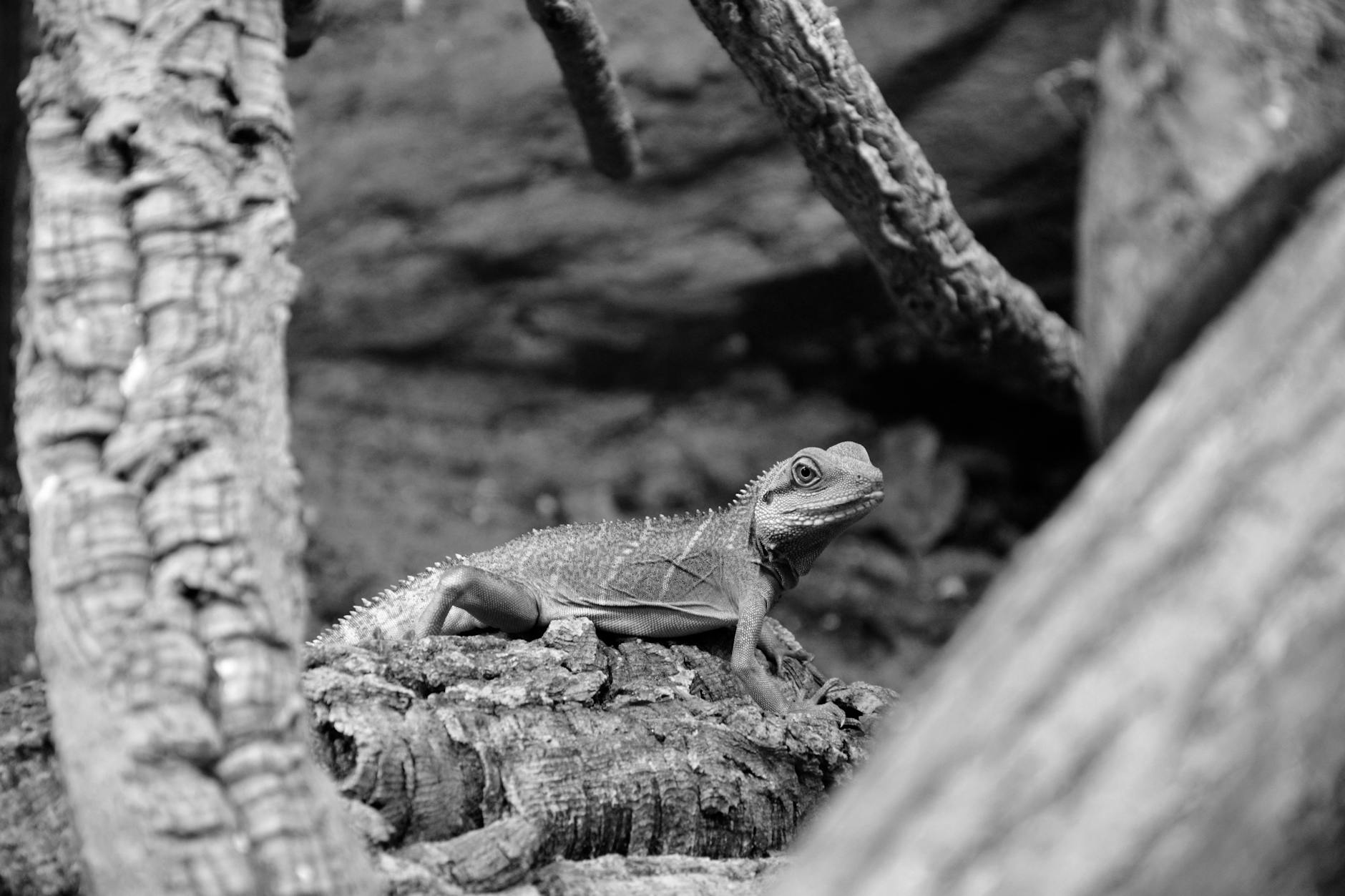
This reptile is endemic to New Zealand and is the only surviving member of its order. They resemble lizards but belong to a distinct lineage that flourished during the time of the dinosaurs. They mature slowly and can live for well over one hundred years. Their metabolism is very low and allows them to tolerate cooler temperatures than most reptiles. They have a unique third eye on the top of their head that is sensitive to light.
Orange Roughy
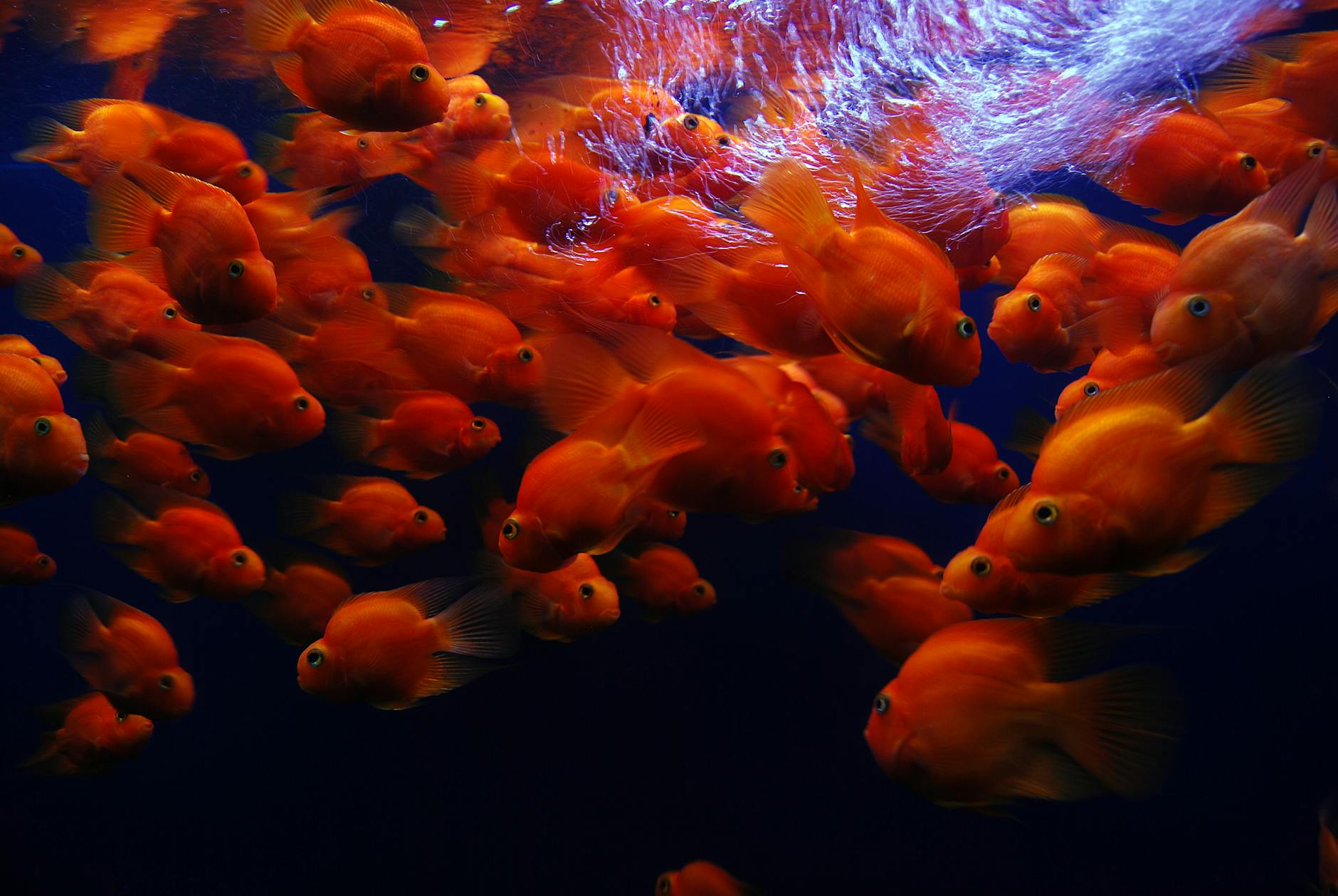
This deep-sea fish is known for its bright red-orange color after death. They live on seamounts and can survive for one hundred fifty years or more. Commercial fishing depleted their stocks before scientists realized how slowly they reproduce. They do not reach sexual maturity until they are at least twenty years old. Their late maturity makes sustainable harvesting very difficult to manage.
Deep-Sea Coral
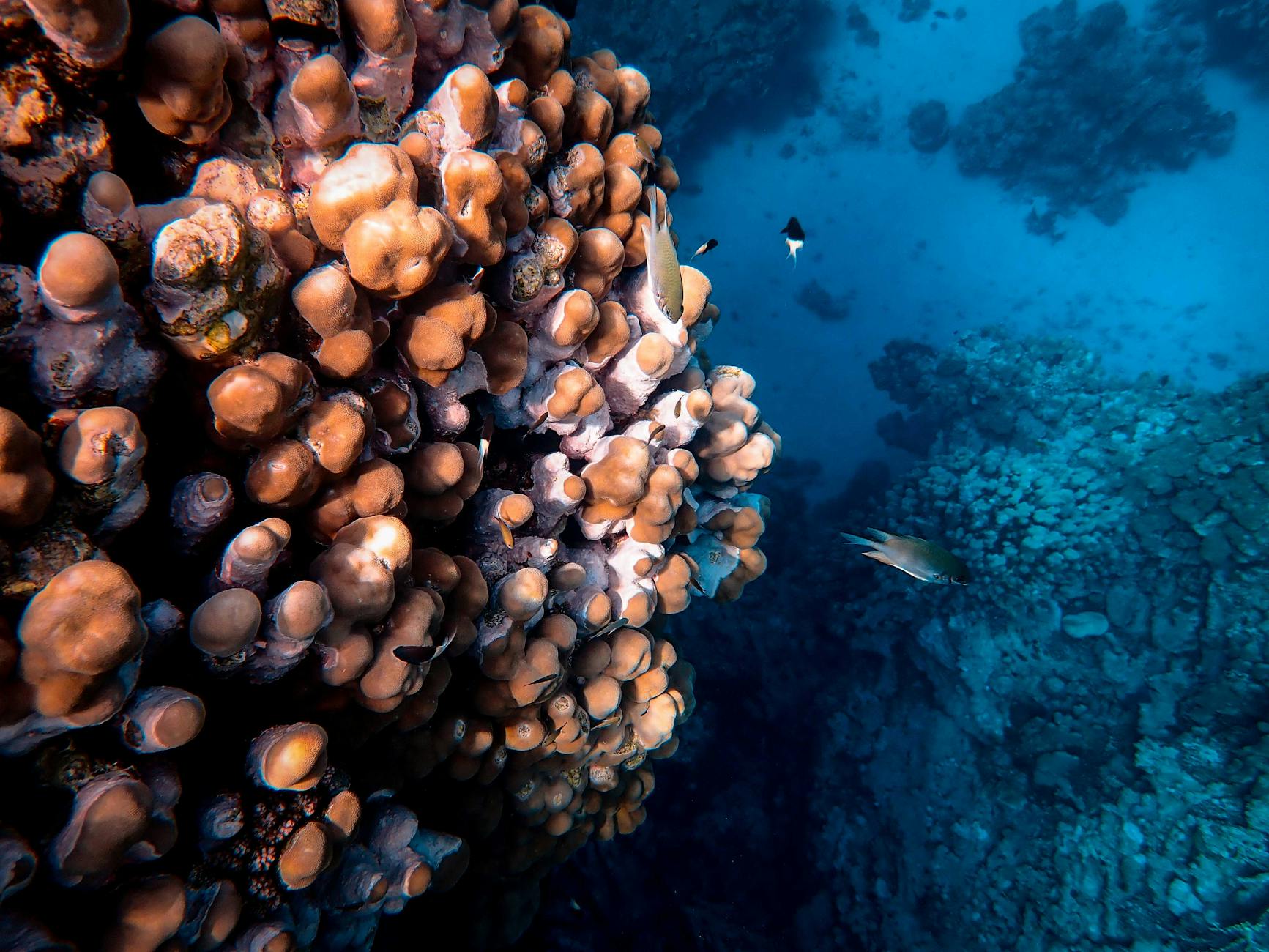
Black corals found in deep waters are among the longest-living colonial organisms. Some colonies in the Gulf of Mexico and off Hawaii have been dated to over four thousand years old. They grow extremely slowly in the dark and cold depths of the ocean. Their skeletons record the chemical history of the ocean over millennia. They provide vital habitat for many other deep-sea species.
Koi Fish
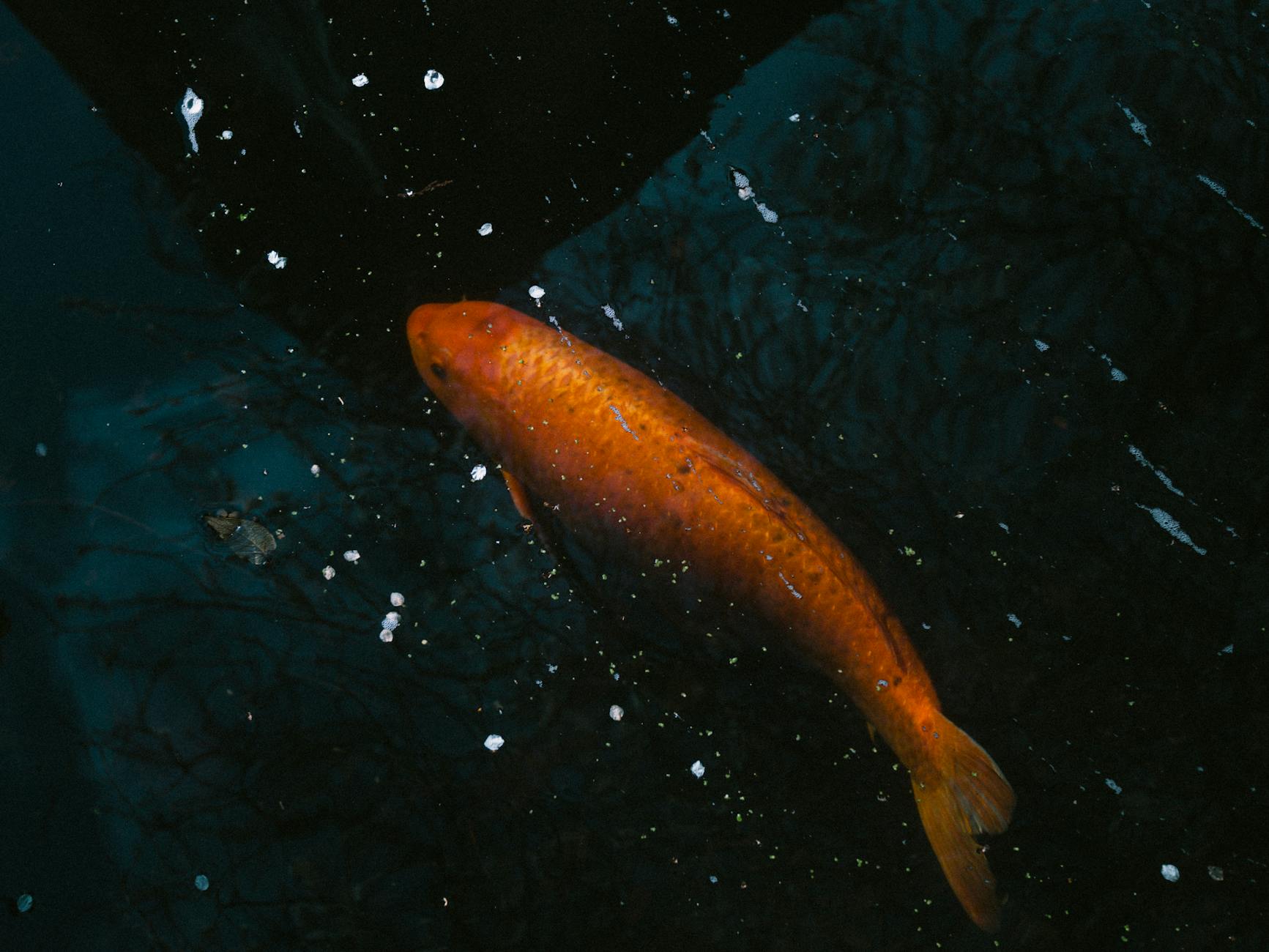
These ornamental carp are beloved pets in ponds and water gardens around the world. While most live for several decades, some individuals have reportedly lived over two hundred years. The most famous koi named Hanako was estimated to be two hundred twenty-six years old. They are hardy fish that can withstand cold winters by hibernating under the ice. Careful breeding and pristine water conditions contribute to their impressive lifespans.
Long-Finned Eel
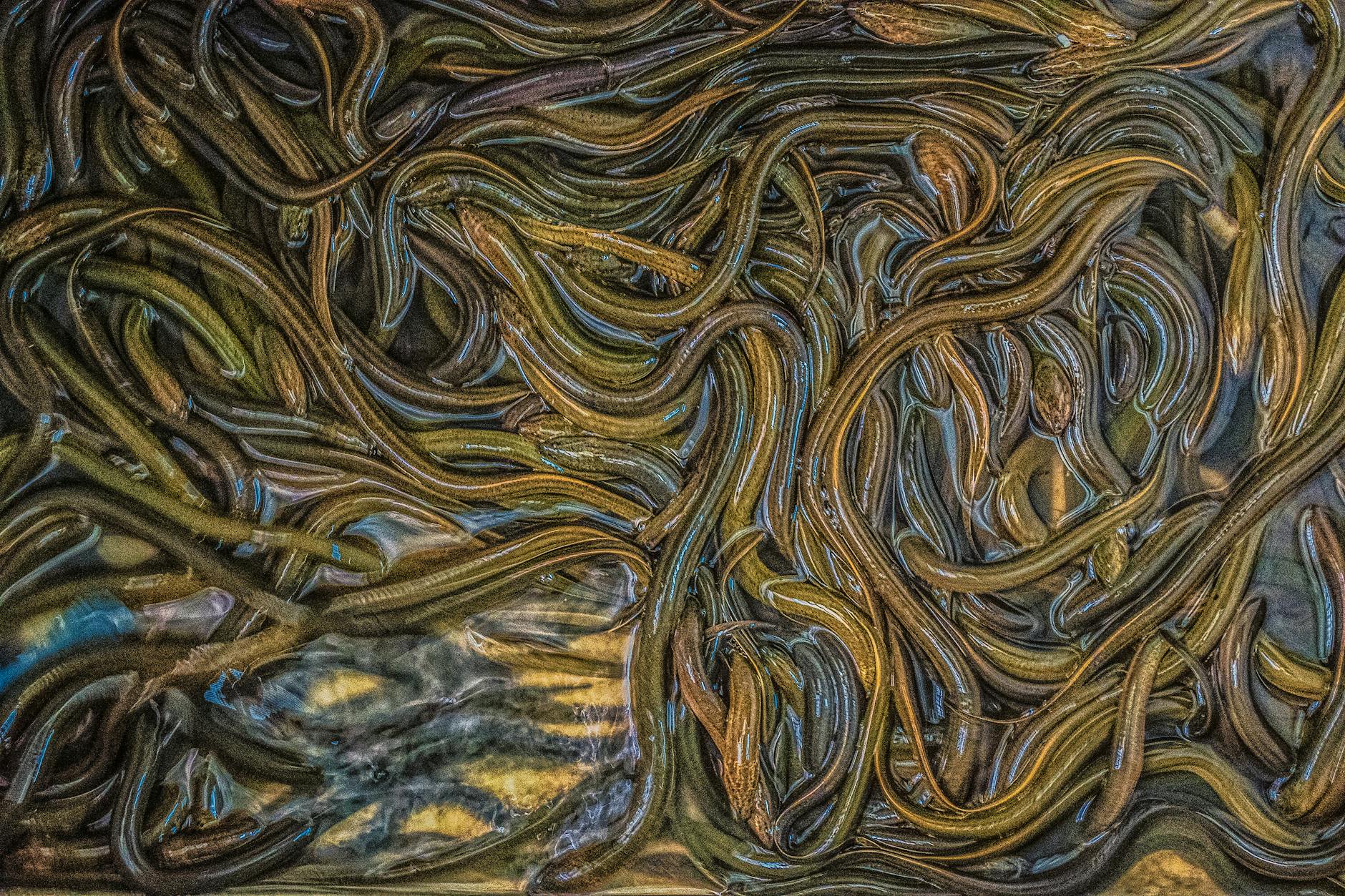
These eels are native to New Zealand and Australia and have a fascinating life cycle. They breed only once at the end of their lives after migrating thousands of miles to the ocean. Some females stay in fresh water for over one hundred years before making this journey. They grow slowly and become very large before finally leaving their home rivers. They are culturally significant to the indigenous Maori people.
Macaw
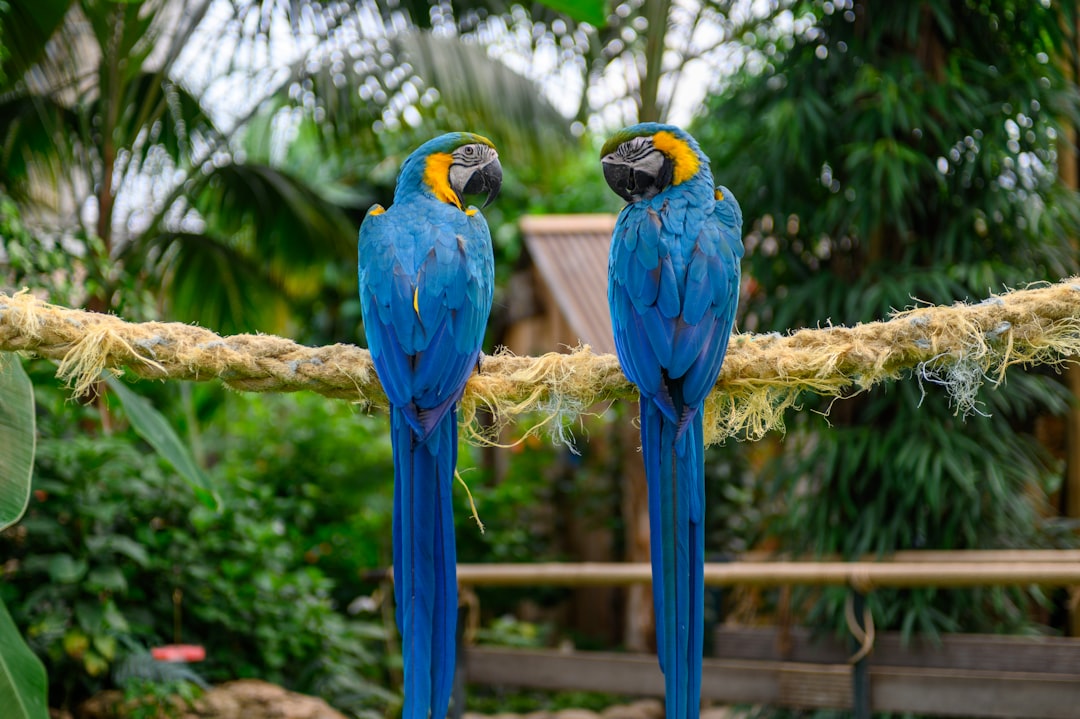
These colorful parrots are known for their intelligence and long lives in captivity. Blue and Gold Macaws can live for sixty to eighty years or even longer with proper care. They form strong bonds with their mates and human caretakers. Their longevity means they often outlive their original owners and require long-term planning. In the wild, they rely on social flocks to find food and avoid predators.
African Elephant
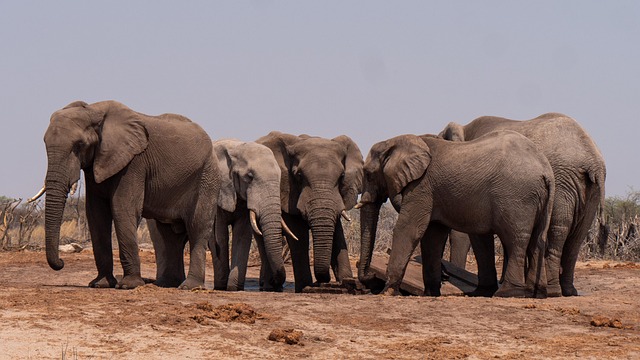
The largest land mammal is also one of the longest-lived. They can live up to seventy years in the wild and possess complex social structures. older females known as matriarchs lead herds and pass down crucial survival knowledge. Their large size protects adults from most predators except humans. They have six sets of molars that wear down and are replaced throughout their lives.
Cockatoo
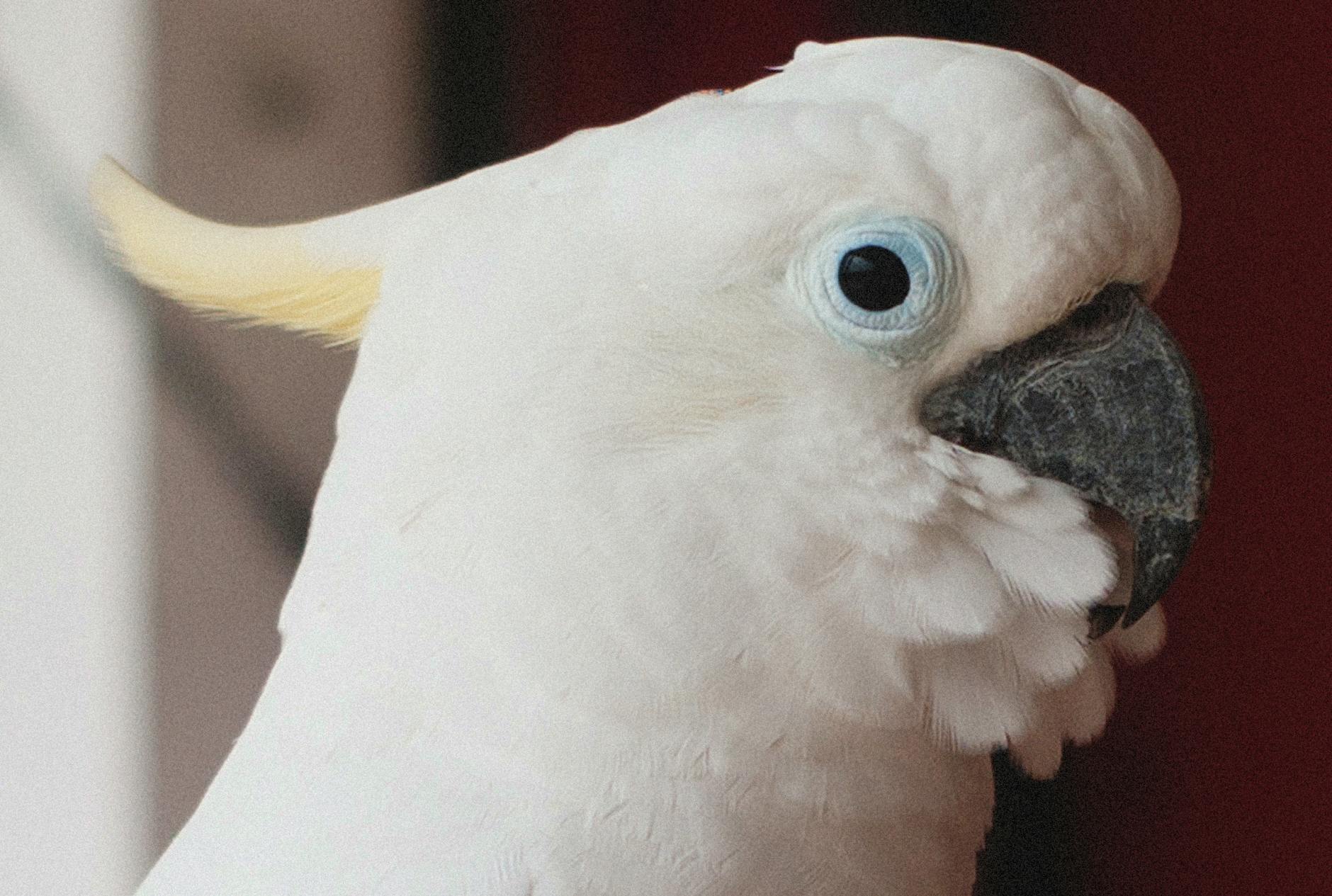
These intelligent birds are famous for their crests and ability to mimic sounds. Some species like the Sulphur-crested Cockatoo can live over eighty years in captivity. A famous cockatoo named Cookie lived to be eighty-three years old at the Brookfield Zoo. They require significant mental stimulation and social interaction to stay healthy. Their long lifespan makes them a serious commitment for any pet owner.
Olm
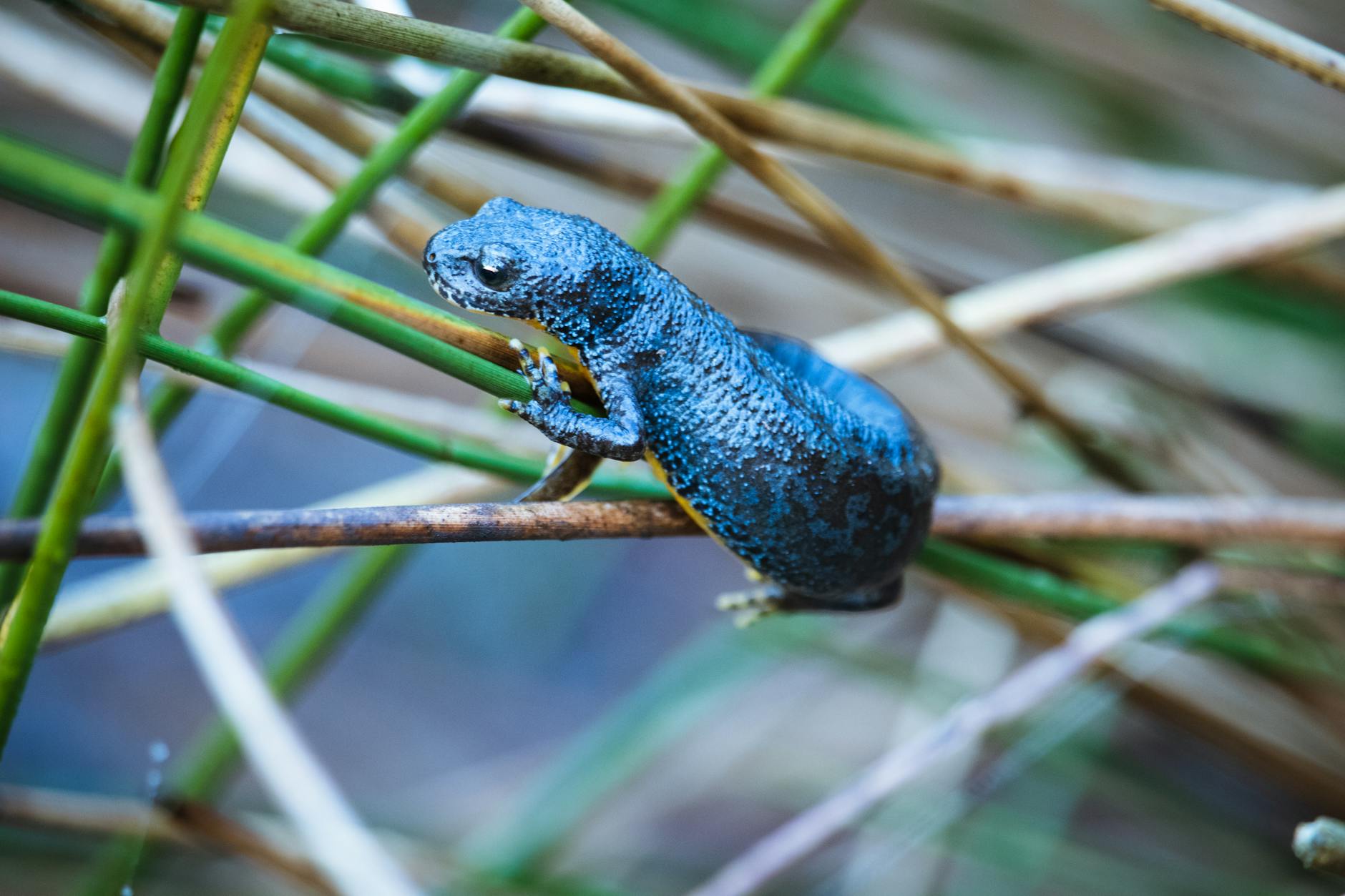
This aquatic salamander lives exclusively in the underwater caves of Southern Europe. They are blind and have pale skin adapted to total darkness. They can live for over one hundred years and survive without food for several years. Their metabolism is extremely slow and adapted to the energy-poor cave environment. They are sometimes called human fish due to the color of their skin.
Brandt’s Bat
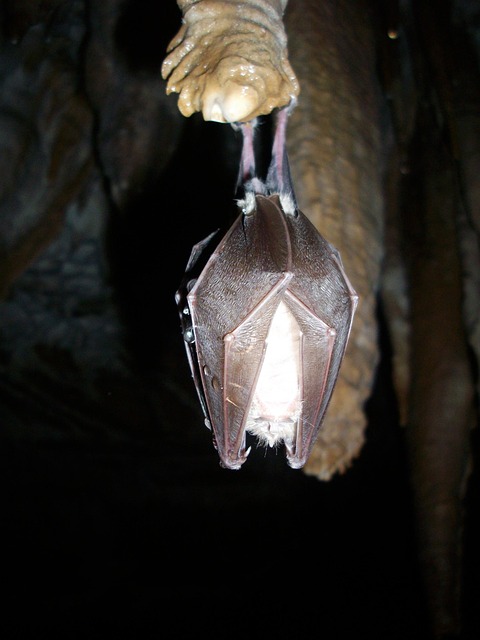
This small bat species native to Eurasia defies the rule that small mammals live short lives. They have been recorded living for over forty years in the wild. Scientists believe their longevity is linked to their ability to hibernate for long periods. They roost in caves and tunnels where they are protected from extreme weather. Their genetic adaptations prevent the typical wear and tear seen in other small animals.
Andean Condor
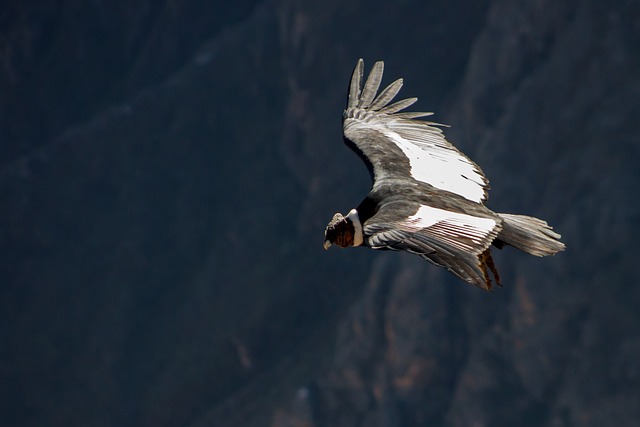
This massive bird is one of the largest flying birds in the world. They can live for seventy years or more in captivity and have few natural enemies. They spend most of their time gliding on thermal currents to search for carrion. Pairs mate for life and share the responsibilities of raising their young. Their slow reproductive rate means populations take a long time to recover from decline.
Albatross
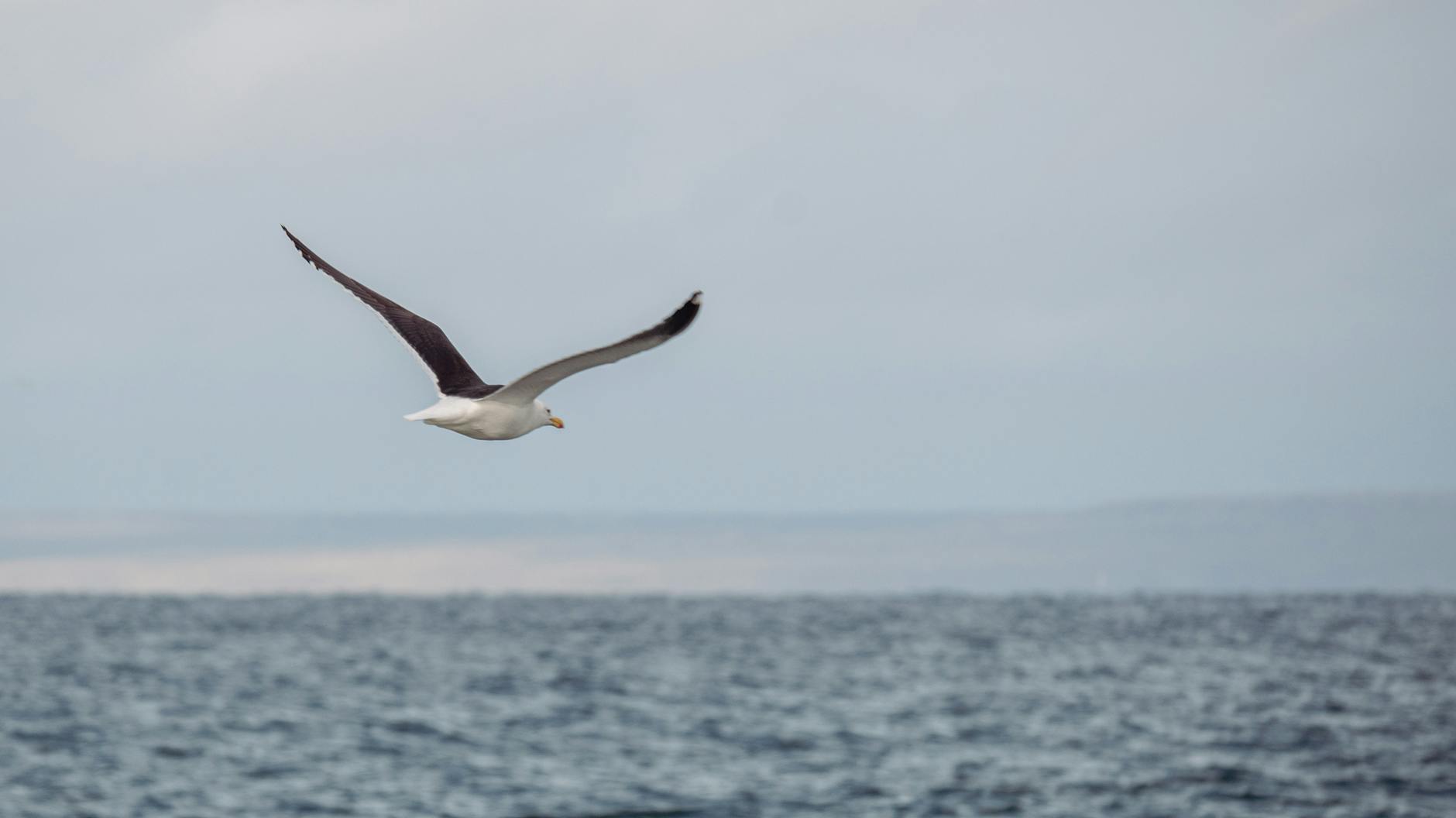
These seabirds are masters of long-distance flight and spend years at sea without touching land. The Laysan Albatross known as Wisdom is still breeding at over seventy years old. They mature late and invest heavily in raising a single chick every year or two. Their ability to dynamic soar allows them to travel thousands of miles with minimal energy. They return to the same islands to nest for decades.
Saltwater Crocodile
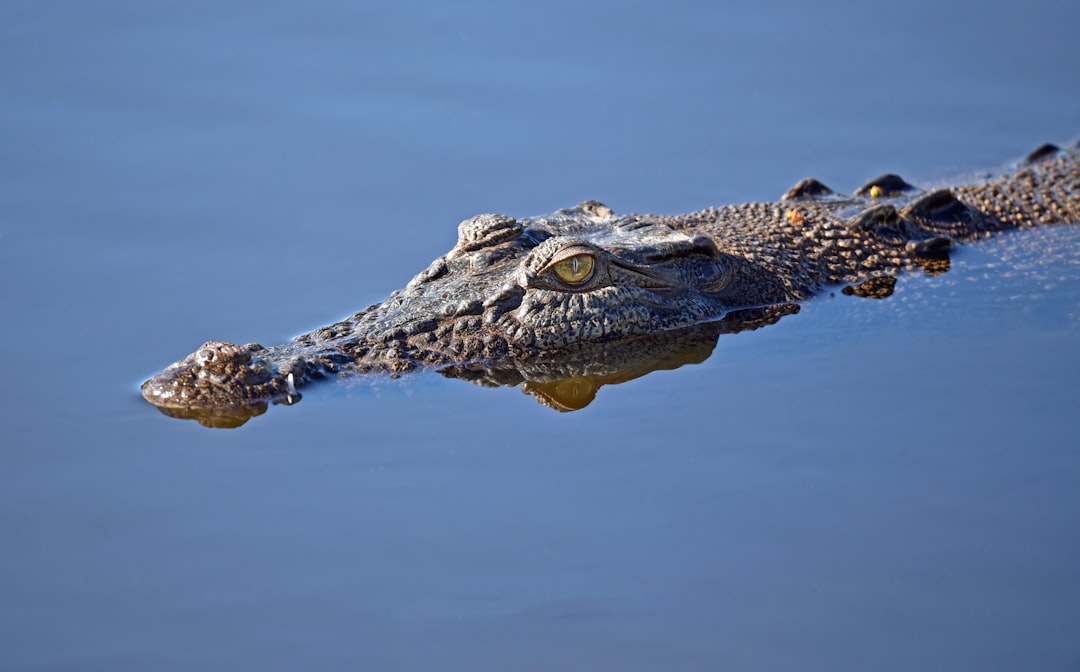
These apex predators are the largest living reptiles on Earth. They can live for more than seventy years and grow throughout their lives. They are highly efficient hunters that can wait patiently for prey to approach. Their strong immune system allows them to recover from severe injuries. Large males dominate territories and have no natural predators in their adult habitats.
Asian Elephant
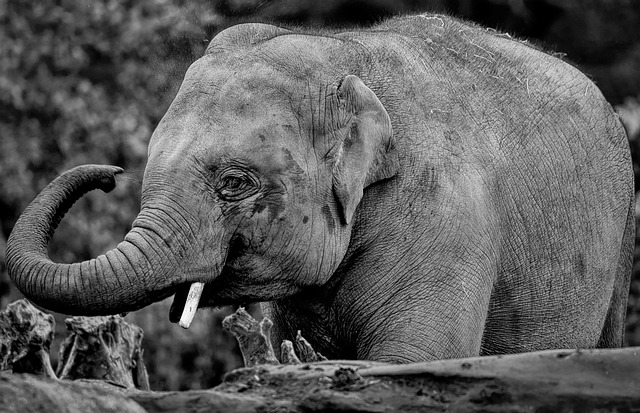
These intelligent mammals are slightly smaller than their African cousins but live similarly long lives. They can reach ages of sixty to seventy years in the wild and captivity. They have been domesticated for thousands of years and form deep bonds with humans. Old females play a vital role in the herd by remembering water sources during droughts. They face threats from habitat loss and conflict with human populations.
Gorilla
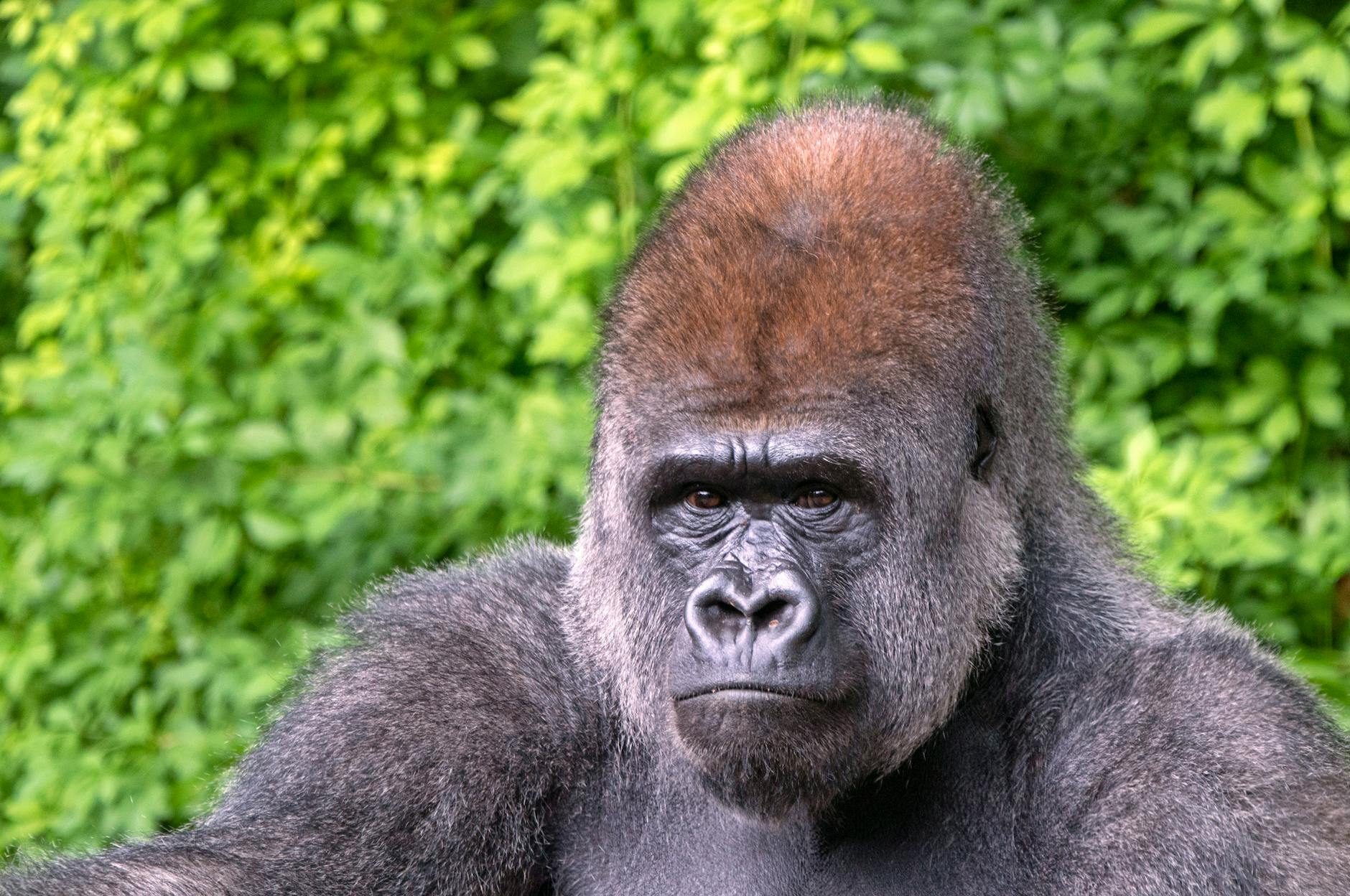
These great apes are our close relatives and can live up to fifty or sixty years in captivity. They live in social groups led by a dominant silverback male. Their diet consists mainly of plants and fruit which supports their massive size. Older individuals are respected and cared for within the troop structure. Advances in veterinary care have extended their lifespans significantly in zoos.
Flamingo
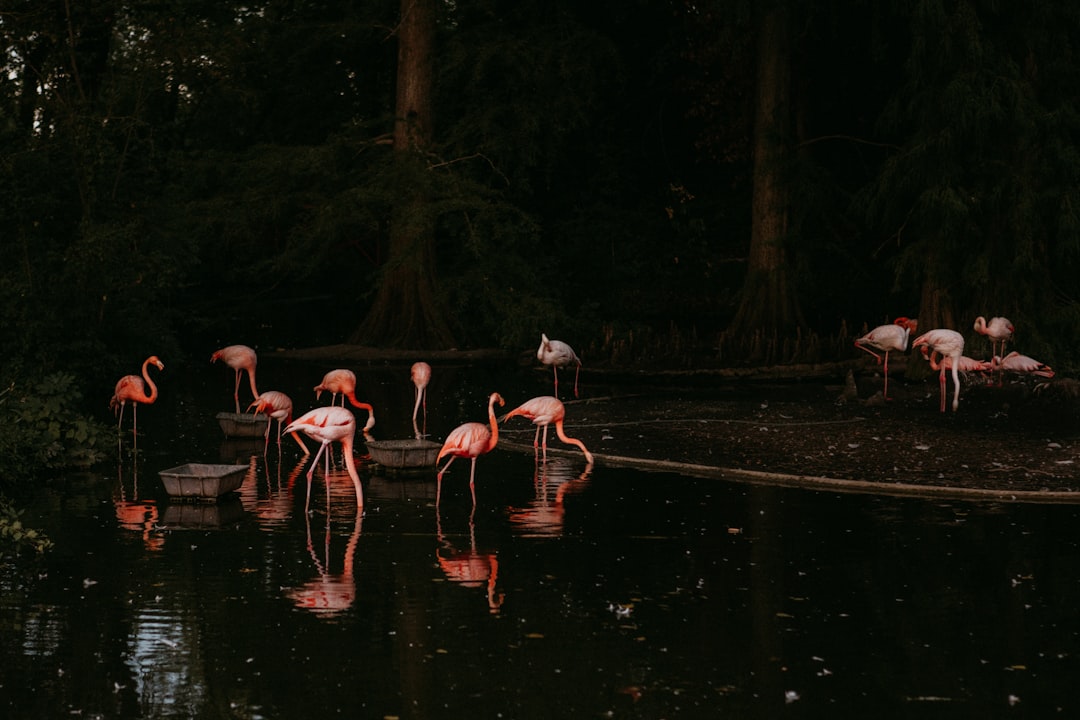
These iconic pink birds are surprisingly long-lived for their size. Wild flamingos can live for forty years while captive ones often exceed sixty. A Greater Flamingo at the Adelaide Zoo lived to be at least eighty-three years old. They live in large colonies that offer protection from predators. Their specialized beak allows them to filter feed on algae and small crustaceans.
Orangutan
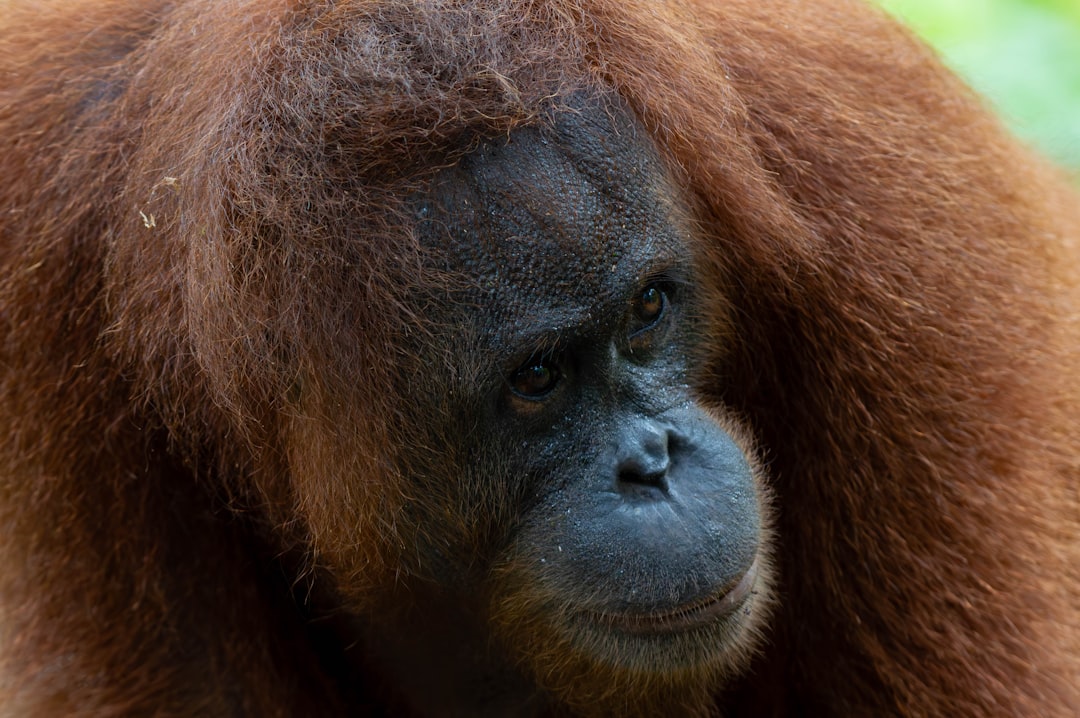
These red apes are native to the rainforests of Borneo and Sumatra. They can live for over fifty years in the wild and even longer in zoos. They reproduce very slowly with females giving birth only every eight years. This slow breeding rate makes them extremely vulnerable to extinction. They lead semi-solitary lives and have intimate knowledge of the forest canopy.
Golden Eagle
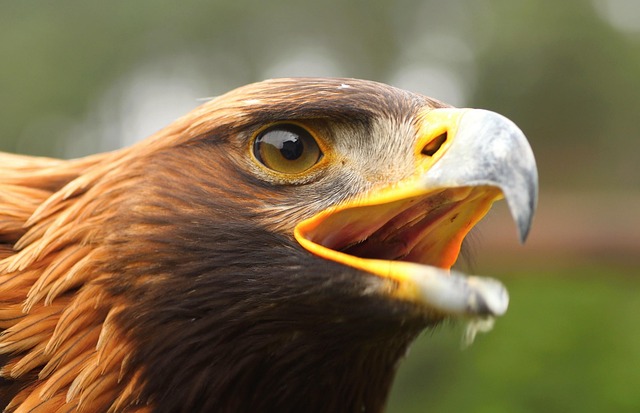
These powerful raptors are top predators in the Northern Hemisphere. They can live for over thirty years in the wild and up to fifty in captivity. They mate for life and maintain vast territories for hunting. Their diet is diverse and includes small mammals and birds. They are revered in many cultures for their strength and longevity.
Box Turtle
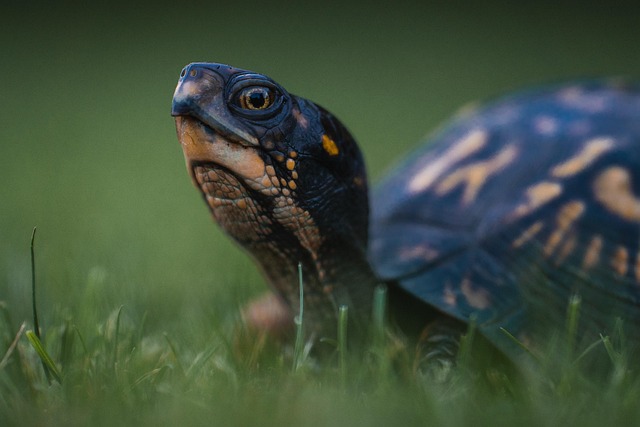
These small terrestrial turtles are common in North America and are known for their domed shells. They can live for more than fifty years and commonly reach one hundred. Their shell has a hinge that allows them to close up completely for protection. They have a small home range and often spend their entire lives in the same area. Habitat destruction is a major threat to their long-term survival.
Lobster
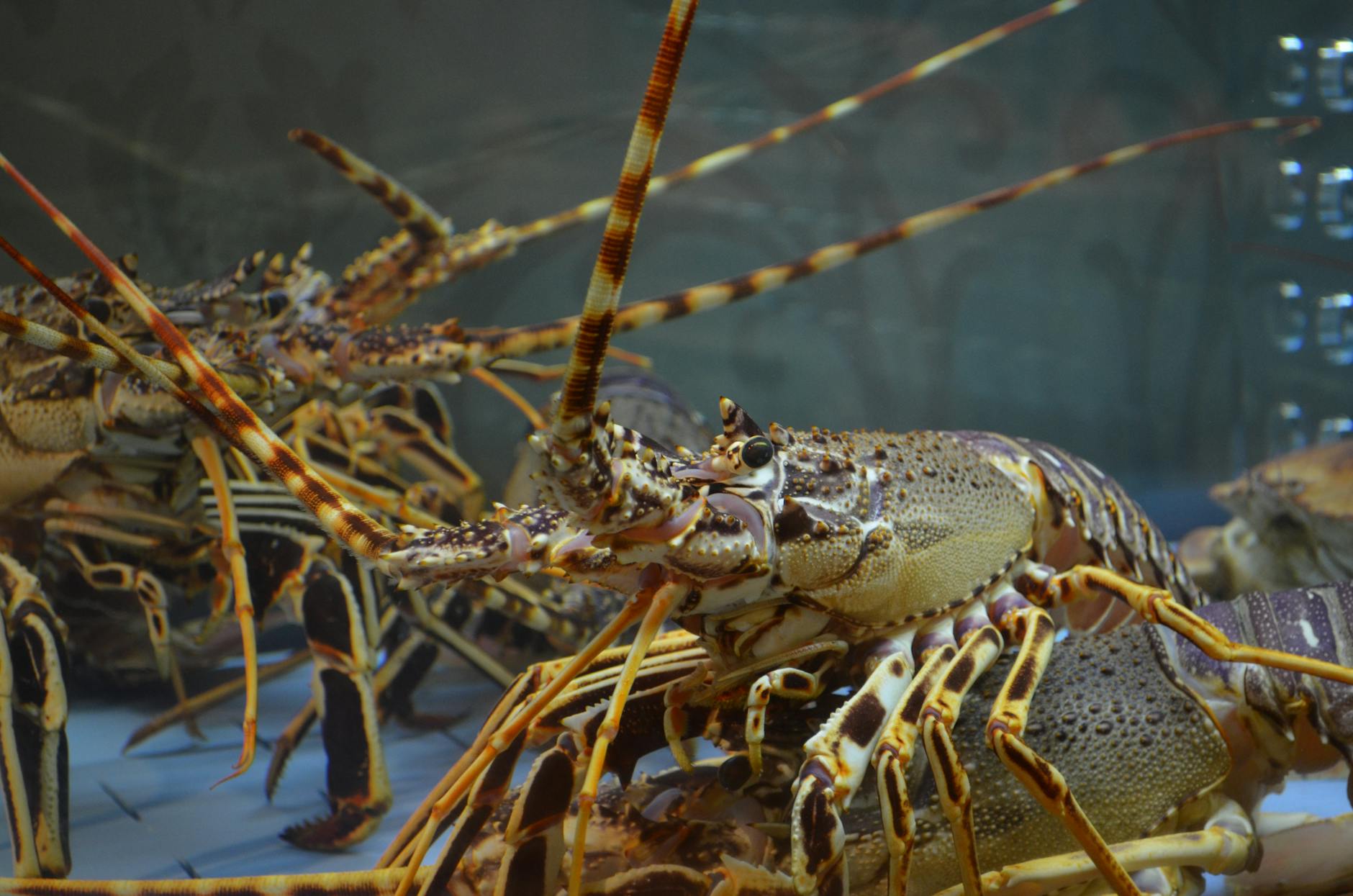
These marine crustaceans are known for their ability to repair their DNA indefinitely. Some American lobsters are estimated to be over one hundred years old. They continue to grow and molt throughout their lives without showing signs of aging. Larger individuals are more fertile and produce more eggs than younger ones. They are often caught for food before they can reach their maximum potential age.
Sea Anemone
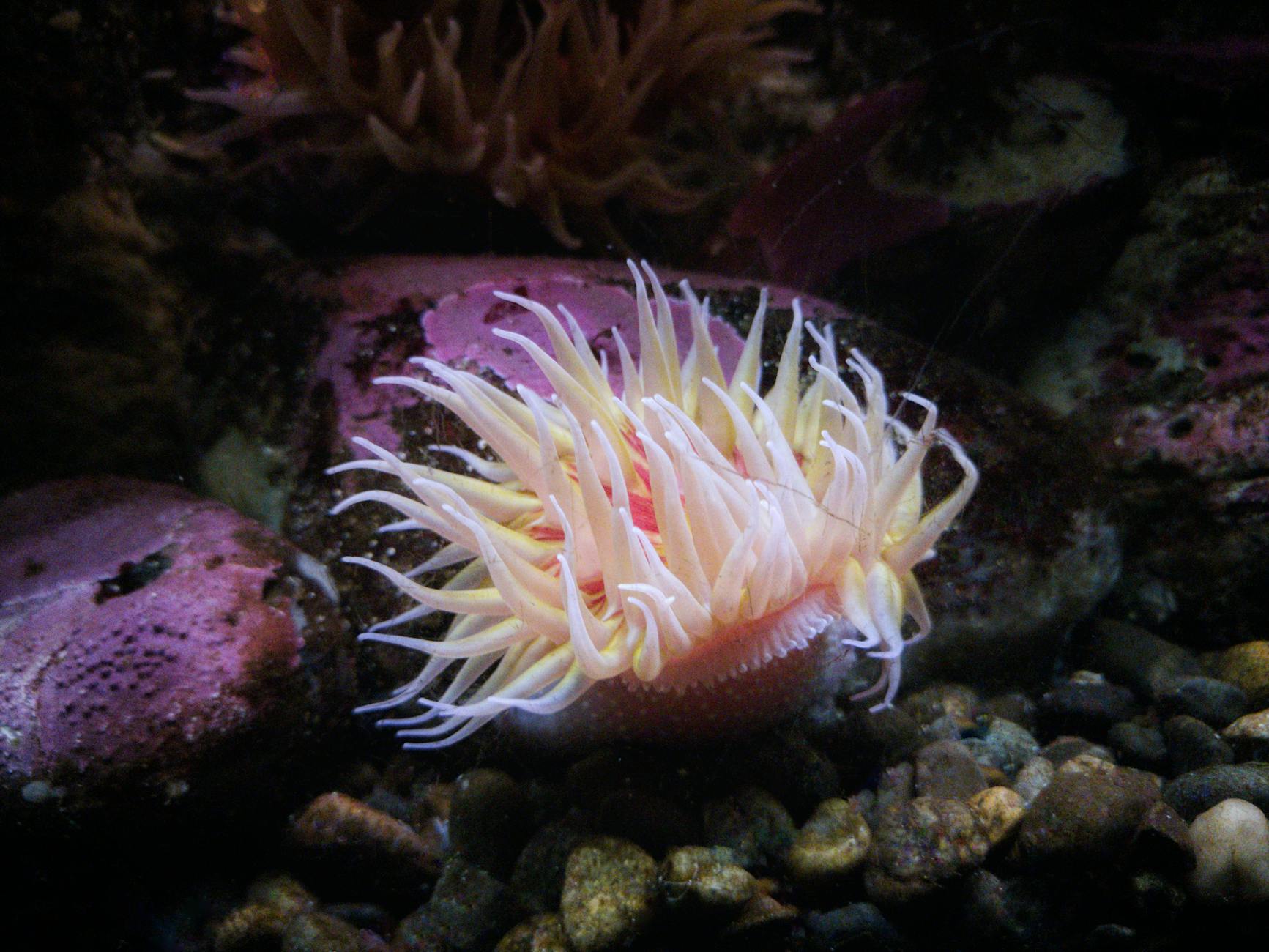
These marine animals look like plants but are actually predatory invertebrates. They can live for sixty to eighty years and potentially much longer. They attach themselves to rocks and use stinging tentacles to catch passing prey. Some species can reproduce by cloning themselves to create genetically identical colonies. They have few predators and a simple biology that supports extended survival.
Tell us which of these long-lived animals surprised you the most by sharing your thoughts in the comments.