
The word “balance” has become one of the most misused terms in modern wellness culture. Many people construct routines that look healthy on the surface while quietly depleting their energy, focus, and emotional reserves. The signs of burnout disguised as balance are easy to miss precisely because they feel productive or virtuous in the moment. Recognizing these patterns early is the first step toward building a lifestyle that genuinely restores rather than slowly drains you.
Snooze Button
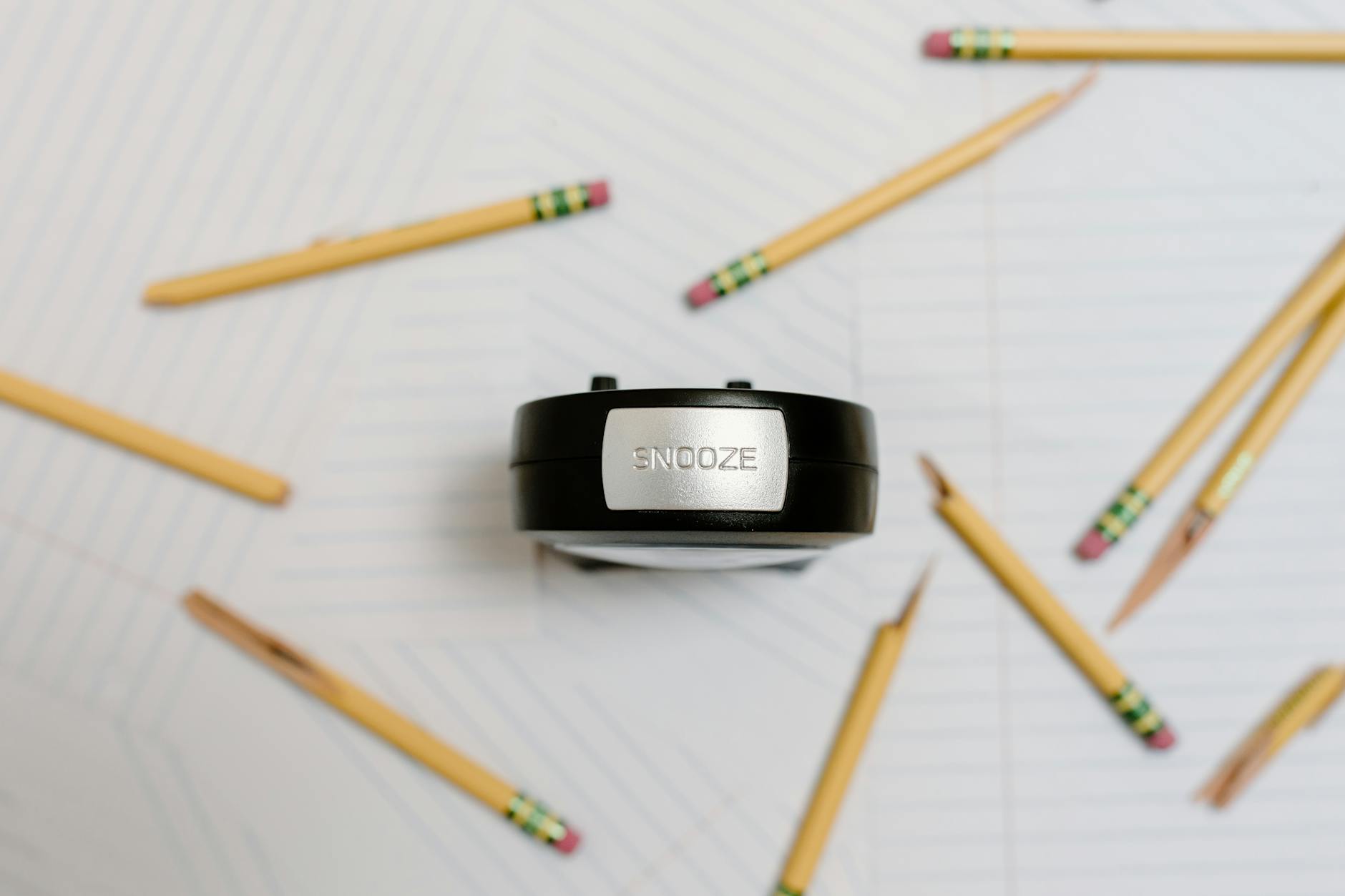
Hitting snooze repeatedly is often dismissed as laziness but it frequently signals that the body has not received restorative sleep. A truly balanced lifestyle includes sleep quality as a non-negotiable foundation rather than something squeezed in around a packed schedule. When mornings feel like a battle against the alarm, the daily load may already be exceeding the body’s recovery capacity. Chronic sleep resistance is one of the earliest physiological warnings that the nervous system is overwhelmed.
Sunday Dread

A persistent sense of unease as the weekend winds down is widely normalized but it is not a neutral emotional state. This feeling indicates that rest periods are not providing adequate psychological distance from stressors. When two days of free time fail to reset the mind, the underlying pressure is likely operating at a level that surface-level relaxation cannot address. The body is signaling that recovery time and stress load are seriously out of proportion.
Caffeine Dependence

Relying on caffeine not for enjoyment but for basic functional capacity is a meaningful distinction that often goes unexamined. When multiple cups become necessary just to reach a baseline of alertness, the adrenal system is likely under sustained strain. A well-rested person with a genuinely balanced routine can operate with moderate or no caffeine without a significant drop in performance. Escalating dependency is a measurable sign that rest is not actually happening even when sleep hours appear adequate.
Gym Guilt

Feeling intense guilt or anxiety when a workout is skipped points to a stress response rather than a healthy fitness habit. Exercise becomes a compulsion rather than a resource when missing a session triggers disproportionate distress. This pattern is especially common among high achievers who transfer performance pressure directly into their wellness routines. Movement chosen from obligation rather than genuine desire often accelerates emotional fatigue rather than relieving it.
Meal Prepping

Spending an entire weekend day on elaborate meal preparation while feeling resentful or exhausted during the process is worth examining. Food preparation designed to support health should not consistently consume the limited recovery hours of a weekend. When healthy eating habits begin generating stress rather than reducing it, the practice has shifted from nourishing to taxing. The energy cost of extreme food preparation can quietly exceed its nutritional benefit.
Clean Inbox
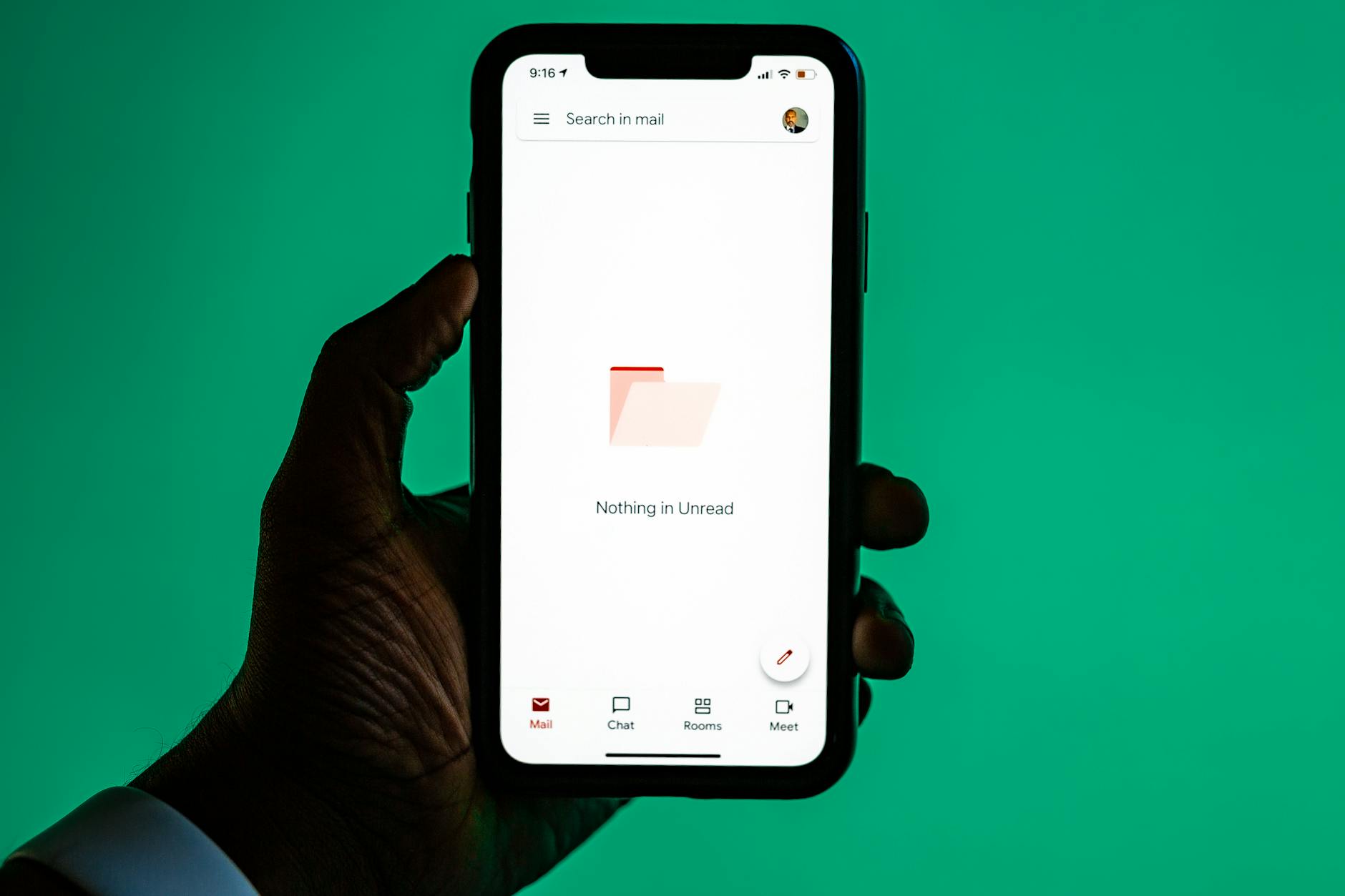
Compulsively maintaining an empty inbox outside of working hours under the belief that it reduces stress often has the opposite effect. The mental effort required to constantly process communications keeps the brain in an alert and reactive state. True psychological rest requires defined periods of complete disconnection from professional demands. Using organizational tasks as a way to feel in control can mask an underlying inability to fully disengage.
Green Juice

Replacing meals with nutrient-dense liquids as part of a health-conscious routine can sometimes reflect restriction rather than abundance. When food choices are driven primarily by anxiety about doing the wrong thing rather than genuine nourishment, the relationship with eating has become strained. Orthorexic tendencies frequently hide inside wellness frameworks and are socially reinforced as virtuous behavior. A sustainable approach to nutrition includes flexibility and pleasure without sustained guilt.
Productivity Apps

Using multiple systems to track habits, goals, sleep, hydration, and mood simultaneously can create a second layer of performance pressure. When the tools designed to support wellbeing become another set of metrics to optimize, the monitoring itself becomes a source of anxiety. Checking progress data multiple times a day keeps the mind in evaluation mode rather than present-moment experience. The quantified self can drift into self-surveillance without a clear sense of when enough data is enough.
Digital Detox

Scheduling formal digital detoxes as a recurring calendar event reflects a reliance on structure to achieve what should be a natural capacity for rest. If disconnecting from screens requires the same planning and willpower as a major project, the baseline relationship with technology has become dysregulated. Healthy digital habits feel relatively effortless rather than demanding sustained self-discipline. Repeated detox cycles without lasting behavioral change suggest the root pattern remains unaddressed.
Journaling

Daily journaling practiced as a genuine reflective tool is widely supported by psychological research as a stress management resource. However when journal entries consistently circle the same anxieties without resolution or insight, the practice may be reinforcing rumination rather than processing it. Expressive writing should ideally create some sense of emotional movement or release over time. A static pattern of recording worry without progress is worth discussing with a mental health professional.
Social Calendar
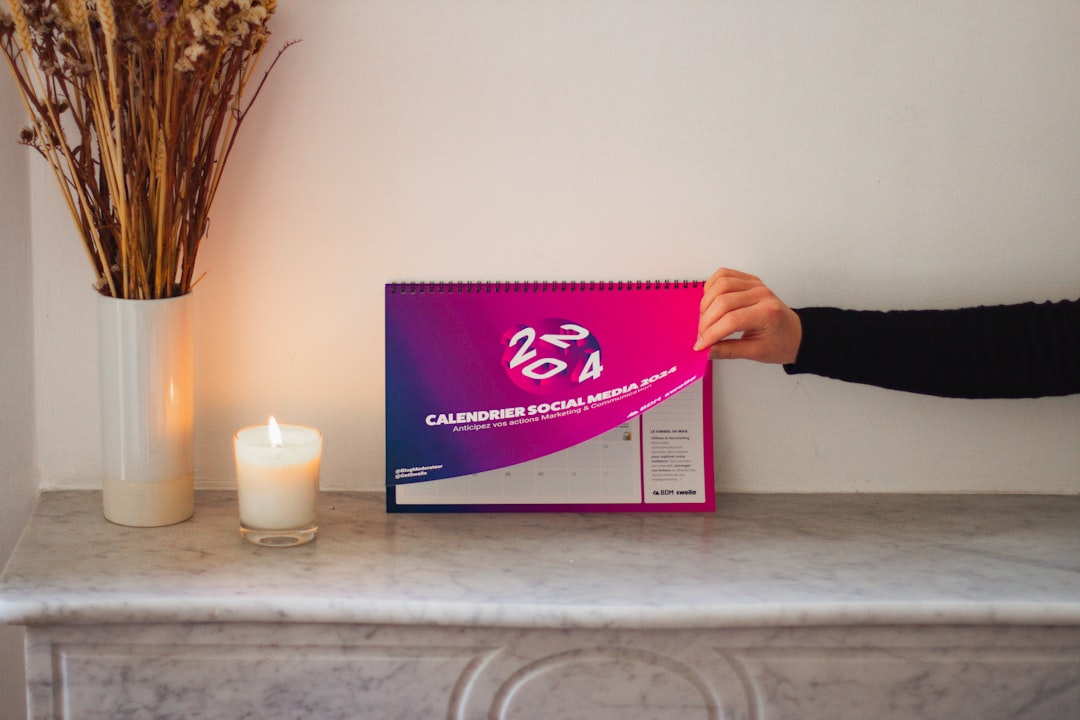
A fully scheduled social life that leaves no unplanned evenings throughout the week can be as depleting as isolation for many personality types. The pressure to maintain an active social presence because it looks like thriving often overrides the body’s genuine need for solitude and quiet. Extroverted behavior adopted as a wellness strategy rather than authentic desire draws from the same energy reserves as other performance demands. Unscheduled time is not wasted time but a neurological requirement for many people.
Yoga Retreat

Booking multiple wellness retreats or getaways throughout the year without experiencing lasting relief between them suggests the environment is not the primary source of the problem. Travel for restoration has genuine value but when the benefits evaporate within days of returning, the underlying conditions remain unchanged. Retreats used as escape valves rather than genuine reset opportunities can become an expensive avoidance mechanism. Sustained change typically requires addressing the daily architecture of life rather than periodically leaving it.
Hydration Tracking

Tracking water intake to the milliliter with associated anxiety about hitting exact targets every day introduces a low-grade monitoring stress into a basic biological function. Mild variations in daily hydration needs are normal and the body’s thirst signals are a reliable guide for most healthy adults. When wellness behaviors shift from supportive to obligatory, they have crossed into the territory of compulsion. Rigidity in health habits is often an attempt to establish control in an environment that feels unpredictable.
Lunch Walks

Taking a daily walk during lunch as a mindful break is a research-supported wellbeing habit with clear physiological benefits. The sign to watch for is when the walk is taken not for enjoyment or genuine decompression but to feel justified in taking a break at all. Needing to earn rest through movement reveals a belief system in which stillness without productivity is not acceptable. That belief is one of the most consistent psychological markers associated with chronic burnout.
Linen Wardrobe

Curating a wardrobe around calm neutral aesthetics as a conscious lifestyle choice can support a sense of order and intentionality in daily life. When the external environment is excessively controlled as a response to internal emotional chaos, the behavior reflects anxiety management rather than genuine preference. Aesthetic minimalism adopted as a coping mechanism rather than an authentic value system requires continuous maintenance energy. The desire for a perfectly controlled environment often intensifies as internal stress increases.
Meditation App

Using a guided meditation application daily is a widely accessible entry point into mindfulness practice with documented benefits for stress reduction. A pattern worth examining is when meditation is consistently rushed through in order to check it off a habit tracker rather than experienced with genuine presence. Mindfulness practiced as a performance metric defeats its core purpose of non-judgmental present-moment awareness. The length or streak count of a meditation practice is a far less meaningful measure than the quality of attention brought to it.
Wellness Podcasts

Consuming wellness content in large quantities across podcasts, newsletters, and video platforms can create a paradox of information overwhelm. The gap between knowing a great deal about optimal health and actually feeling well can itself become a source of frustration and inadequacy. Passive consumption of optimization content without meaningful behavioral integration produces cognitive clutter rather than clarity. At some point, learning more about balance becomes a substitute for actually practicing it.
Capsule Kitchen

Organizing the kitchen with labeled containers, color-coded systems, and curated pantry aesthetics is a popular expression of the controlled-living trend. When the maintenance of that system generates consistent stress or irritability when disrupted, the organizational structure has become a source of pressure rather than ease. A functional kitchen serves the people using it and bends without breaking when real life introduces disorder. Emotional investment in the perfect pantry often reflects displaced anxiety about other areas of life that feel less controllable.
Breathwork

Incorporating breathwork into a daily wellness routine is a legitimate and increasingly well-researched approach to nervous system regulation. The pattern that warrants attention is when breathwork sessions are consistently needed just to function at a basic emotional level rather than as an enriching practice. Requiring intensive regulation techniques simply to get through a typical day suggests the overall stress load exceeds what the routine can offset. Regulation tools are most effective when they support an already sustainable lifestyle rather than compensating for an unsustainable one.
Sleep Tracking
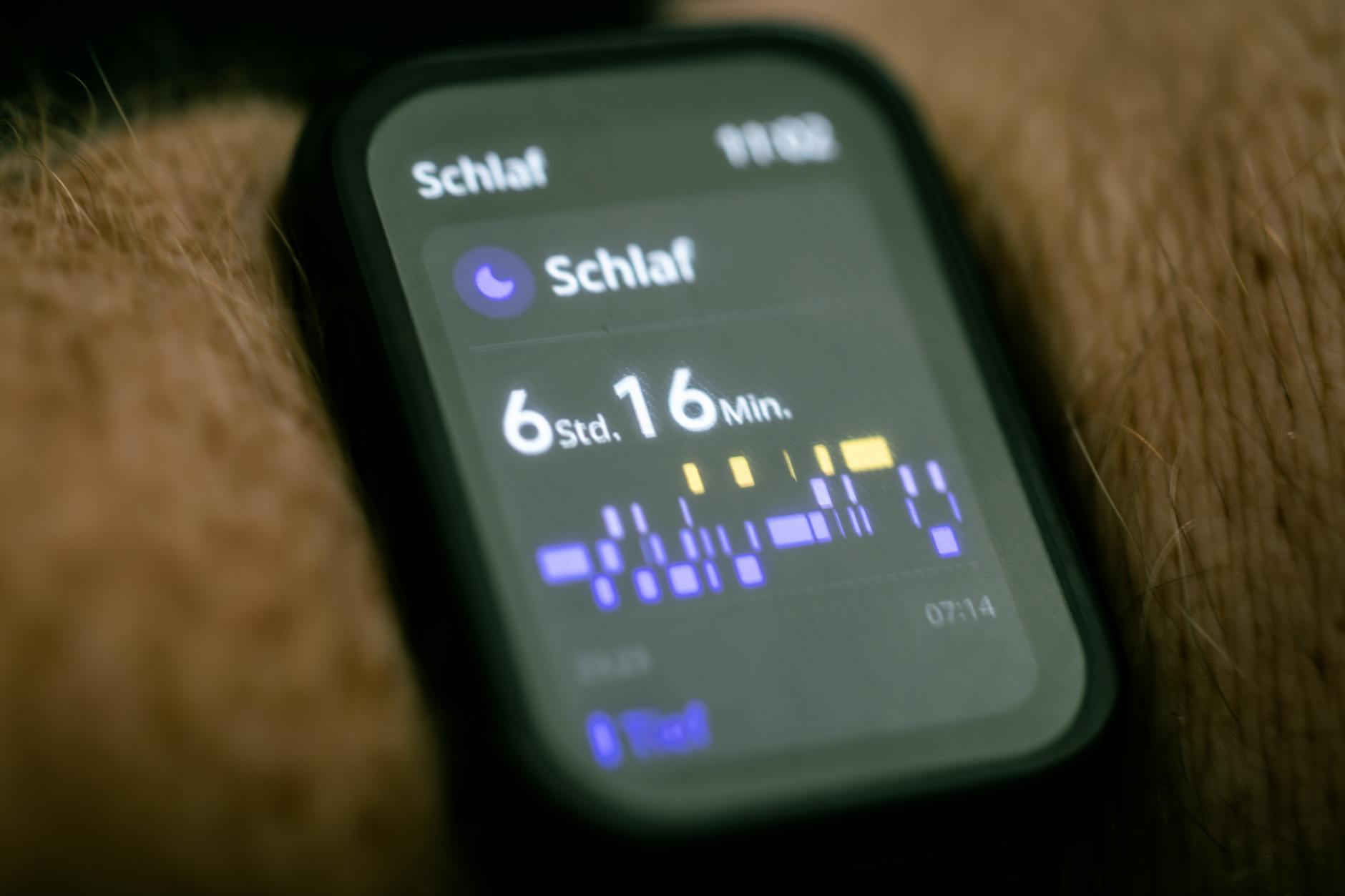
Monitoring sleep data through wearable devices or apps has introduced a phenomenon known as orthosomnia in which anxiety about sleep quality actively disrupts sleep itself. Checking a sleep score first thing in the morning and allowing it to determine the emotional tone of the day transfers control from internal experience to algorithmic output. Healthy sleepers generally know how rested they feel without needing external validation from a device. When data meant to support wellbeing becomes a source of morning dread, the tool is working against its intended purpose.
Cold Plunge

Regular cold water immersion has gained significant attention in wellness communities for its potential effects on mood, inflammation, and mental resilience. When participation in extreme wellness practices is driven more by the fear of falling behind peers or missing benefits than genuine interest, the motivation is anxiety-based. High-effort wellness rituals adopted primarily from social pressure carry the same psychological cost as any other performance standard. The effectiveness of any intervention is reduced when the primary emotion driving it is fear rather than curiosity.
Boundaries Language

Fluency in therapeutic language around personal limits and self-advocacy is a meaningful advance in popular psychological literacy. When the language of limits becomes a tool for avoiding discomfort rather than addressing genuine needs, it can function as a sophisticated avoidance strategy. True emotional regulation includes the capacity to tolerate some difficulty without labeling it as harmful or unsustainable. The distinction between protecting genuine needs and avoiding growth is one of the more nuanced challenges in contemporary wellness culture.
Sourdough Bread

Adopting slow food practices such as homemade bread or fermented foods as a way to reconnect with simple tactile pleasures has genuine psychological value. When these activities become part of a performance of domesticity or wellness identity rather than authentic enjoyment, they add to the production demands of personal life. The difference between a practice that restores and one that depletes often lies entirely in the emotional quality of the experience rather than the activity itself. Obligation disguised as hobby is one of the quieter forms of lifestyle burnout.
Running Log

Maintaining a detailed log of running mileage, pace, heart rate zones, and monthly totals serves legitimate training purposes for competitive athletes. For recreational runners, when missing a target distance or a weekly total generates significant distress, the sport has absorbed the same achievement pressure as professional life. Exercise functions as stress relief when it provides a break from evaluation and performance standards. Bringing the workplace scorecard into leisure activity eliminates the psychological recovery that physical movement is meant to provide.
Plant Collection

Caring for a collection of houseplants is frequently cited as a grounding and restorative practice connected to the biophilia hypothesis in environmental psychology. When the care routine expands to the point of generating genuine worry about plant health, scheduling conflicts around watering, or guilt during travel, the hobby has become a set of dependents rather than a source of calm. The scale and emotional weight of any lifestyle addition is worth evaluating against the energy it returns. A single thriving plant often delivers more genuine benefit than thirty plants maintained under duress.
Gratitude Practice

Gratitude journaling and daily appreciation practices have strong empirical support as tools for shifting attentional bias toward positive experience. When the practice is executed mechanically without any genuine emotional resonance or when it produces guilt for not feeling sufficiently grateful, it has become another performance standard. Authentic gratitude arises naturally from a life with adequate rest and meaning rather than being summoned through discipline alone. Forced positivity layered over genuine exhaustion does not resolve the exhaustion and can add a dimension of self-reproach to it.
Screen Time Reports

Reviewing weekly screen time reports and responding to the data with distress or shame is a pattern that has emerged from increased device self-monitoring culture. The reports themselves have become a source of guilt for many users who are already overwhelmed by the number of metrics they are trying to manage. A genuinely healthy relationship with technology is characterized by intentional use rather than perfect adherence to arbitrary hourly limits. Shame-based behavior change has a consistently poor long-term track record across health psychology research.
Weighted Blanket

Using a weighted blanket as a sensory tool for anxiety management reflects a growing awareness of proprioceptive comfort and nervous system support. When the blanket becomes a non-negotiable dependency for achieving any level of calm at all, the anxiety it is managing has likely grown beyond what environmental aids can adequately address. Tools and aids that support regulation are valuable but they work best alongside rather than instead of addressing root causes. The escalation of reliance on comfort objects in adults is often a measurable signal of increasing baseline stress levels.
Magnesium Supplements

Magnesium supplementation is widely recommended within wellness communities for its roles in sleep quality, muscle function, and stress response. Self-medicating with increasing numbers of supplements in response to persistent fatigue, poor sleep, and mood instability can delay recognition of what is actually a lifestyle or workload problem. No supplement protocol meaningfully compensates for chronic sleep deprivation, social isolation, or sustained psychological pressure. Reaching for a new supplement as the next solution is a recognizable pattern in people who have not yet identified burnout as the root cause of their symptoms.
Decluttering

Periodic home decluttering as practiced through popular minimalist frameworks carries documented benefits for cognitive clarity and reduced visual overstimulation. When the urge to declutter becomes compulsive and the temporary relief it provides lasts only hours before restlessness returns, the behavior is functioning as an anxiety response. The feeling of control produced by reorganizing physical spaces is real but brief when the source of dysregulation is internal rather than environmental. Repeated cycles of purging and reorganizing without lasting relief suggest the clutter being addressed is emotional rather than physical.
Forest Bathing

Spending time in natural environments for stress reduction has a substantial evidence base in environmental health research with documented effects on cortisol levels and attentional restoration. When even extended time outdoors in genuinely restorative settings fails to produce any sense of relief or presence, the nervous system may be in a state of sustained activation that simple exposure cannot reach. Nature works as a recovery tool most effectively when the baseline stress level allows the nervous system to actually shift into a parasympathetic state. Persistent inability to feel restored by nature is a significant clinical indicator worth discussing with a healthcare provider.
Dry January

Participating in periods of intentional alcohol abstinence is a widely practiced reset that can improve sleep quality, reduce inflammatory markers, and clarify the habitual role alcohol plays in a routine. When the end of an abstinence period is anticipated with urgency or the break itself produces significant social anxiety, the underlying relationship with alcohol deserves more sustained attention than a single month provides. Temporary challenges are valuable data points rather than complete solutions. Patterns that return in full immediately after a reset period have not actually been interrupted at the level where change occurs.
Lunchtime Nap

Short rest periods during the day have strong support in circadian biology research and are a standard practice in multiple cultures with notably low rates of stress-related illness. The sign worth noting is when napping shifts from an occasional restoration tool to a daily necessity for making it through the afternoon without cognitive impairment. Requiring sleep in the middle of every working day to sustain basic function suggests the overnight sleep architecture is not providing sufficient restoration. That gap between sleep hours and actual rest quality is one of the most common and overlooked features of high-functioning burnout.
Aromatherapy

Using essential oils and diffusers as part of a calming home environment is a widely practiced sensory wellness ritual with roots in multiple traditional medicine systems. When the scent of lavender or eucalyptus becomes the primary tool for managing a level of anxiety that interferes with daily functioning, the scale of the problem has likely exceeded what environmental cues can reliably address. Sensory anchors work effectively as part of a broader approach to regulation but are not a substitute for structural changes in workload or lifestyle. Consistently reaching for external sensory management tools is a sign that internal regulation capacity may need dedicated support.
Morning Pages

Writing three longhand pages each morning as described in popular creative recovery frameworks is a well-regarded practice for clearing mental static and reconnecting with authentic thought. When the pages are filled daily with variations of the same circular worry without any sense of movement or relief over weeks and months, the writing has become a container for rumination rather than a tool for processing it. The practice is most effective when it produces occasional surprise or insight rather than a predictable download of pre-formed anxiety. Stagnation in expressive practices is worth bringing to a therapist or counselor for professional guidance.
Evening Routine

A carefully constructed evening routine is one of the most recommended behavioral interventions in sleep hygiene literature and has meaningful effects on sleep onset and quality. When the routine becomes so elaborate or rigid that a single disruption causes significant stress or results in an inability to sleep, the routine has generated its own category of performance pressure. The goal of an evening routine is nervous system deceleration and any element that requires effort, willpower, or discipline is working against that goal. Simplicity and consistency matter far more than the specific content of what the routine includes.
If any of these signs feel uncomfortably familiar, share which ones resonated most with you in the comments.