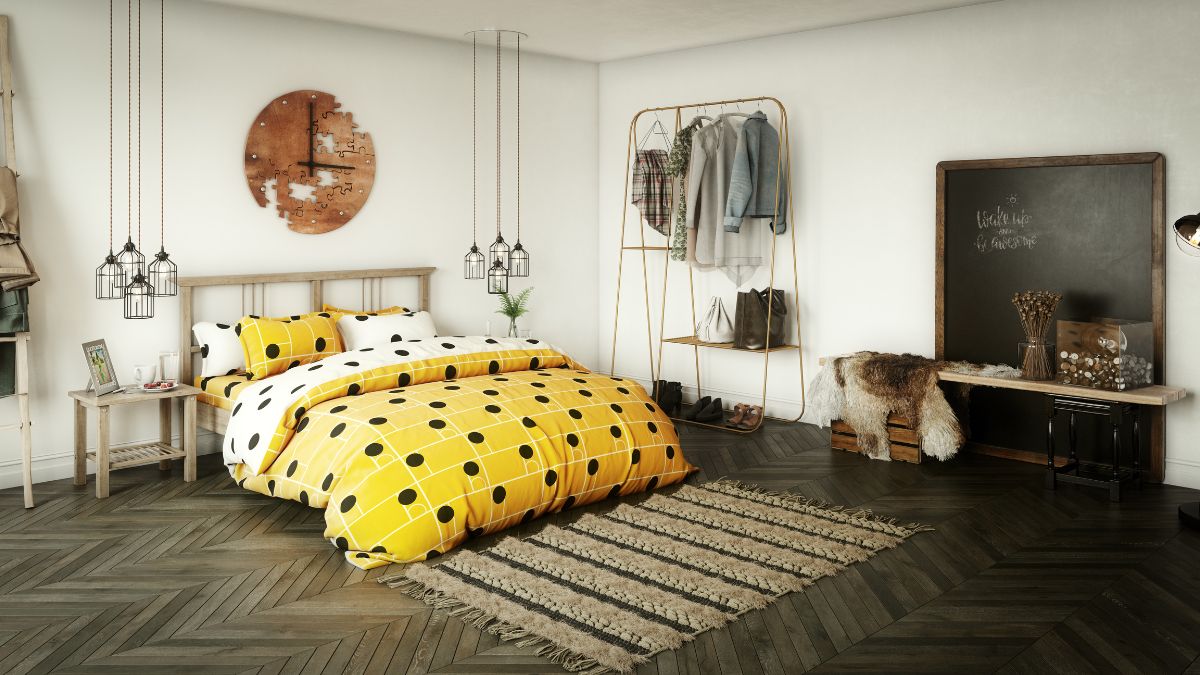
Your bedroom is supposed to be a sanctuary, a place your body and mind associate with rest, recovery and calm. Yet most people unknowingly fill this space with objects that disrupt sleep, attract stress or create invisible health hazards. Research consistently shows that the environment you sleep in has a direct impact on sleep quality, hormonal balance and even long-term wellbeing. Clearing out the wrong items is one of the most effective and underrated lifestyle upgrades a person can make. Here are 37 things that sleep experts, interior designers and health professionals agree have no place in your bedroom.
Work Laptop

A laptop used for work carries a psychological association with deadlines, emails and mental stimulation that makes it one of the most disruptive objects in a sleep space. The blue light emitted from the screen suppresses melatonin production and delays the body’s natural wind-down process. Keeping work devices in the bedroom also blurs the boundary between professional and personal life, which can contribute to chronic stress and burnout. Many sleep researchers point to the bedroom desk setup as a leading cause of insomnia among remote workers. Removing the laptop entirely from the room is one of the fastest ways to improve sleep onset.
Television
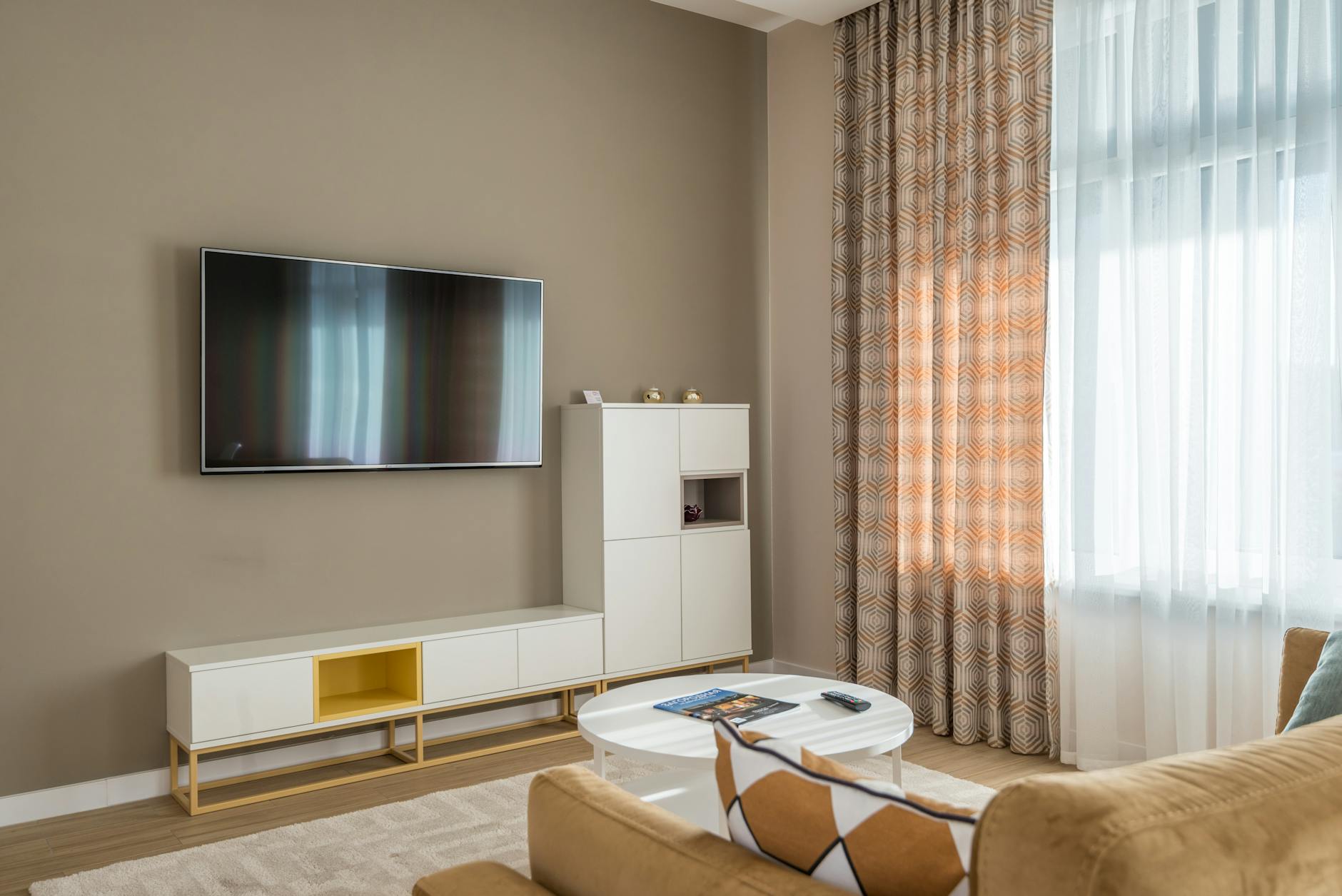
A television in the bedroom is one of the most normalized habits that sleep scientists consistently flag as harmful. The combination of light emission, audio stimulation and passive content consumption keeps the nervous system alert well past the point when it should be winding down. Couples who have televisions in their bedrooms report lower rates of meaningful conversation and intimacy compared to those who keep screens out. The habit of falling asleep to a running television also reduces the quality of deep sleep stages throughout the night. Replacing screen time with reading or light stretching produces measurable improvements in morning energy levels.
Exercise Equipment
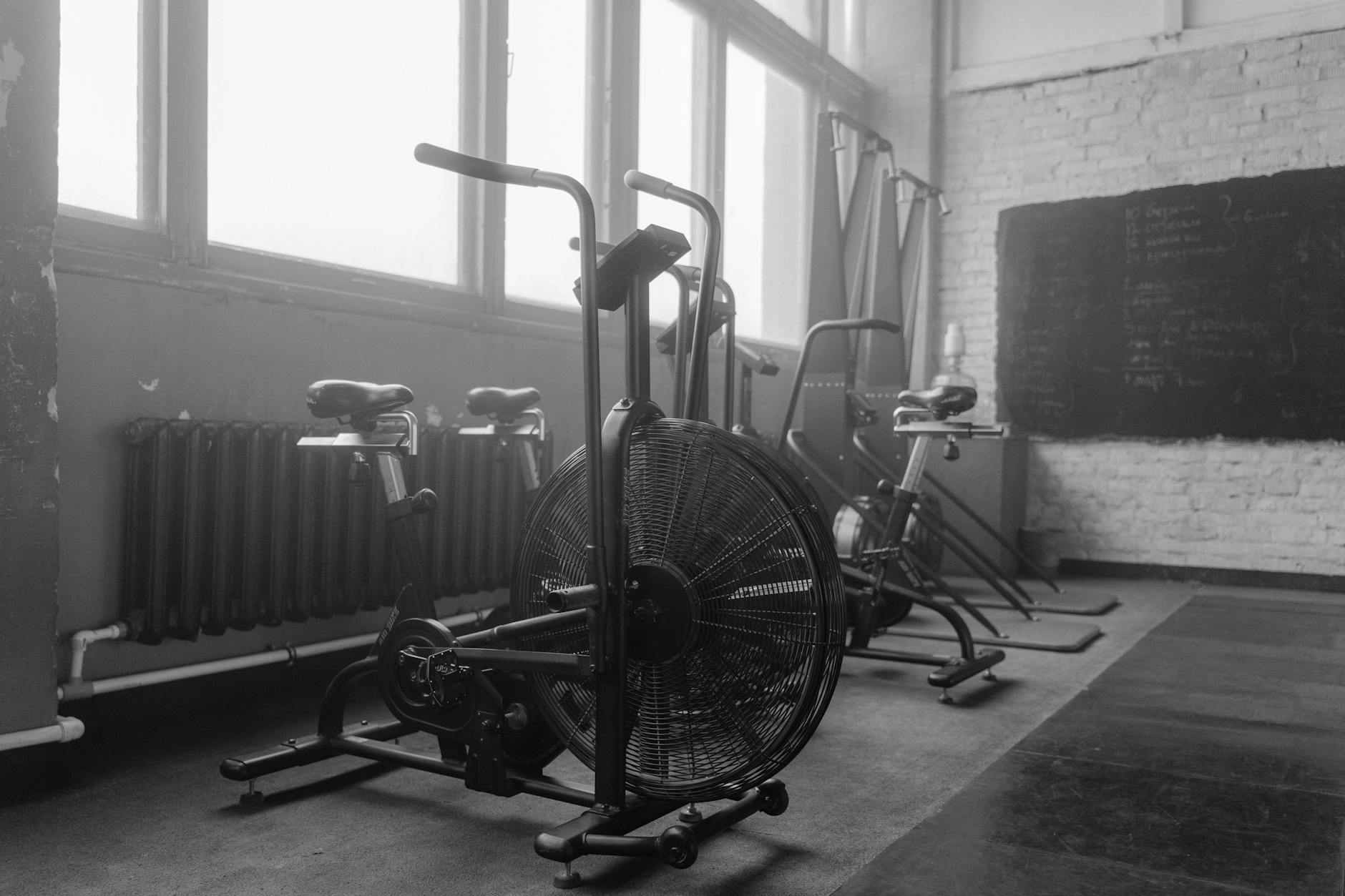
Large fitness equipment such as treadmills, weight benches or stationary bikes introduces both visual and psychological stimulation into a space meant for rest. The presence of exercise equipment can trigger feelings of guilt or obligation, particularly for people who struggle with consistency in their fitness routines. The machinery also tends to collect dust and take up significant floor space, contributing to a cluttered environment that raises cortisol levels. Gyms and dedicated workout areas exist precisely to separate physical exertion from recovery. Even compact resistance bands or yoga mats are better stored in a hallway closet or living area.
Indoor Plants
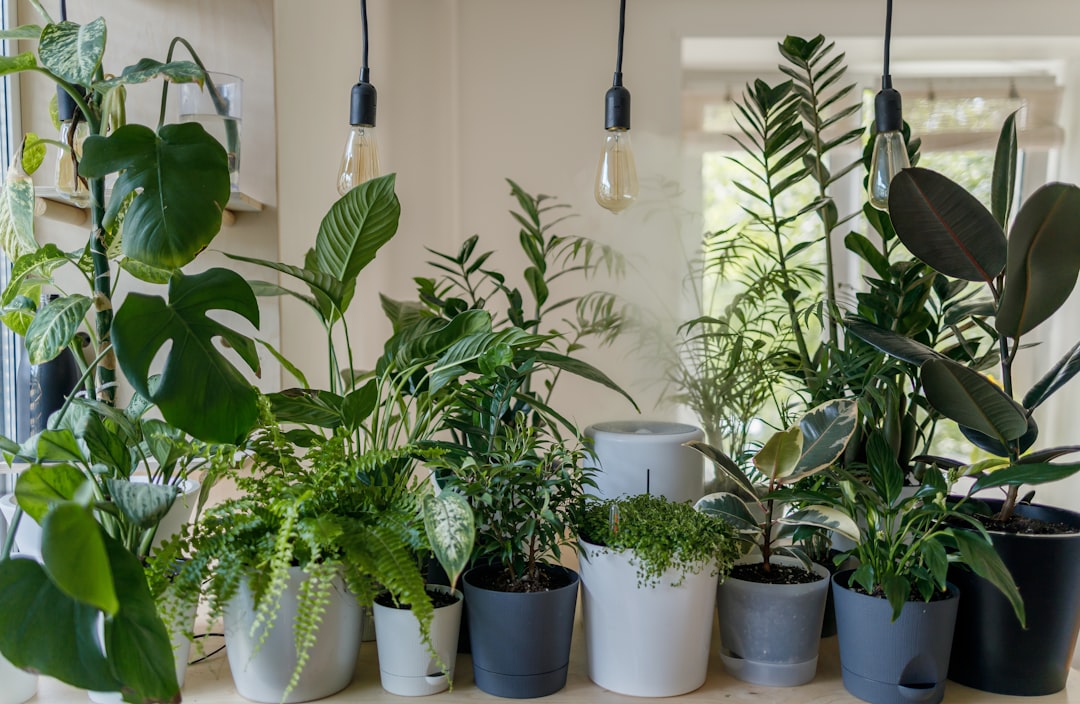
While indoor plants are celebrated for improving air quality and aesthetics throughout the home, the bedroom presents a specific set of concerns. At night, most plants reverse their photosynthesis process and release carbon dioxide rather than oxygen, which can subtly affect air composition in a sealed room. Soil moisture also creates conditions that encourage mold growth, which poses a genuine risk for allergy sufferers and those with respiratory sensitivities. Certain plants such as peace lilies and pothos are mildly toxic to pets who may access the bedroom during the night. Plants thrive better in well-lit living spaces where ventilation is more consistent.
Clutter and Paperwork
Stacks of paper, unopened mail and general clutter are strongly associated with elevated anxiety and reduced ability to mentally decompress at the end of the day. The visual noise created by disorganized surfaces keeps the brain in a low-level state of alertness as it unconsciously processes unfinished tasks. Studies on environmental psychology show a direct link between bedroom clutter and difficulty falling asleep, particularly in women. Paper piles also attract dust mites and allergens that compromise air quality over time. A clear surface policy in the bedroom creates a measurable sense of calm that supports faster and deeper sleep.
Pets

Allowing pets to sleep in the bedroom is one of the most affectionate habits that also happens to be one of the most sleep-disruptive. Dogs and cats are polyphasic sleepers, meaning they cycle through wakefulness multiple times throughout the night and can disturb their owners in the process. Pet dander is a known allergen that accumulates in bedding and upholstery, worsening symptoms for anyone prone to hay fever or asthma. The sounds of scratching, grooming and repositioning can fragment sleep cycles even when the pet owner does not fully wake. A comfortable pet bed placed just outside the bedroom door offers a workable middle ground.
Old Mattresses

A mattress that is more than seven to ten years old begins to lose its structural support, which directly affects spinal alignment during sleep. Degraded foam and spring systems create pressure points that trigger micro-awakenings throughout the night without the sleeper being consciously aware of the disruption. Old mattresses accumulate dead skin cells, dust mites and moisture over time, creating an environment that worsens allergies and respiratory conditions. Sagging in the center of a mattress is a reliable visual indicator that replacement is overdue. Investing in a quality replacement mattress is consistently ranked among the highest-impact changes a person can make to their overall health.
Excess Pillows
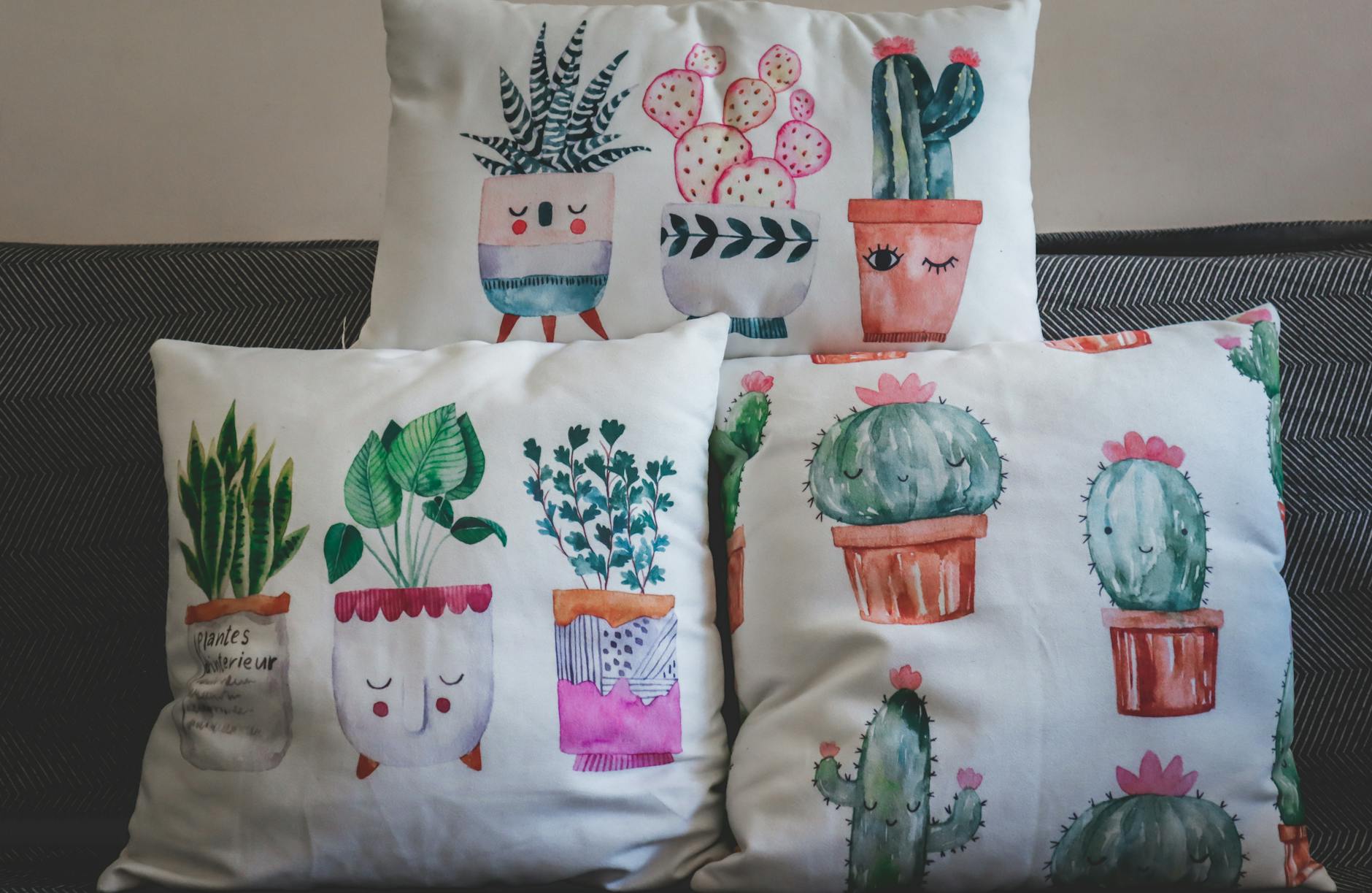
Decorative pillows stacked across the bed may photograph beautifully but they serve no functional purpose during sleep and introduce unnecessary clutter into the space. Many decorative cushions are made from materials that accumulate allergens and are rarely washed, making them a hygiene concern over time. The nightly ritual of removing and replacing large numbers of pillows before bed adds friction to the sleep routine and subtly disrupts the association between the bed and effortless rest. Sleeping with too many pillows can also compromise neck alignment depending on how they are arranged during the night. Two quality supportive pillows suited to a person’s preferred sleep position is the standard professional recommendation.
Mirrors Facing the Bed
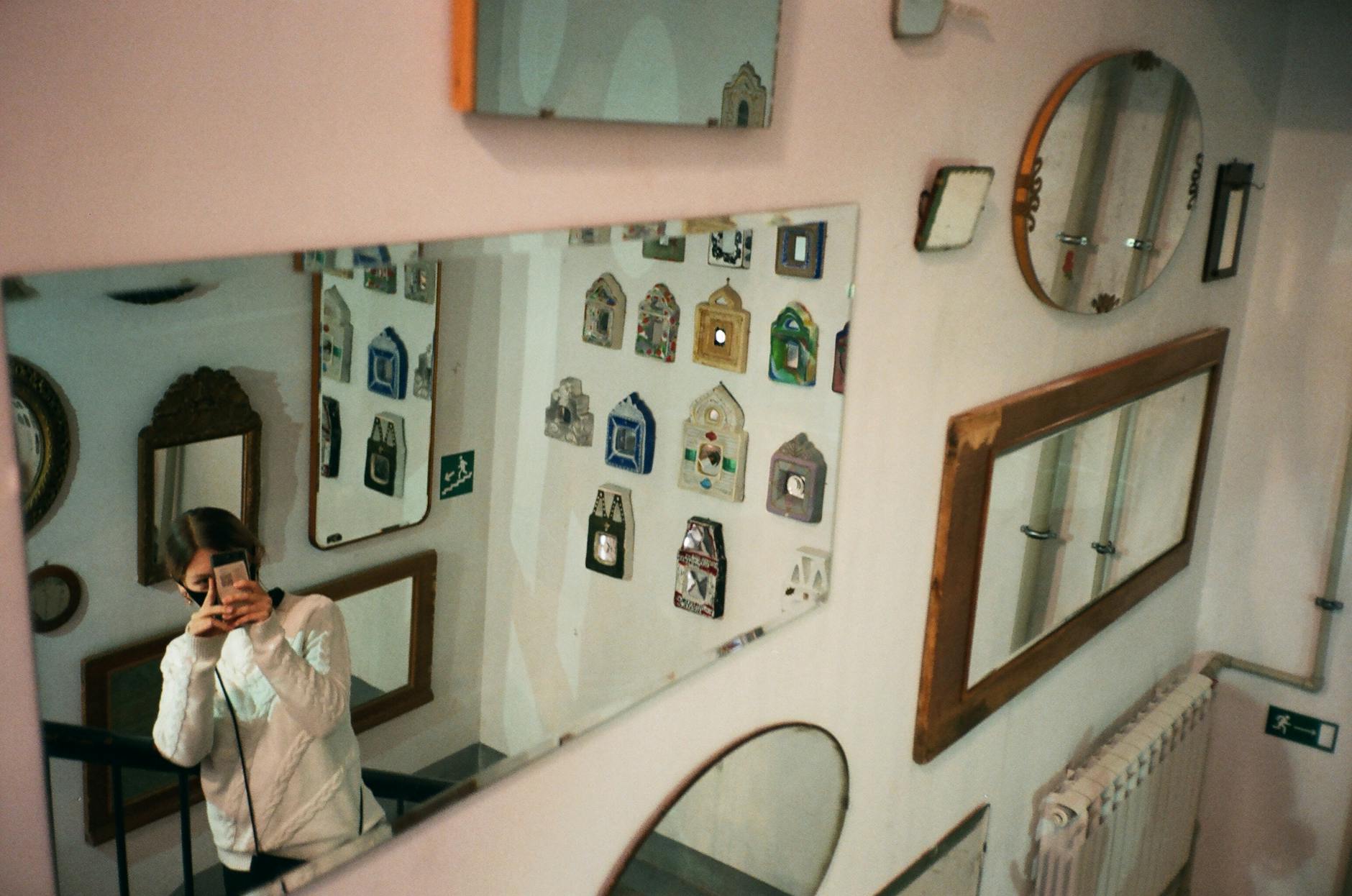
In both traditional feng shui philosophy and contemporary interior design, mirrors positioned to face the bed are considered disruptive to the quality of rest. Reflective surfaces in a dark room can catch ambient light from outside or from devices, creating visual disturbances that interfere with sleep. Some people report heightened alertness or discomfort when a large mirror reflects their sleeping form, which is thought to engage the brain’s threat-detection systems at a subconscious level. Mirrors in the bedroom are best positioned on the inside of wardrobe doors or on a wall perpendicular to the bed. Relocating bedroom mirrors is a low-cost adjustment with a surprising effect on room atmosphere.
Synthetic Air Fresheners
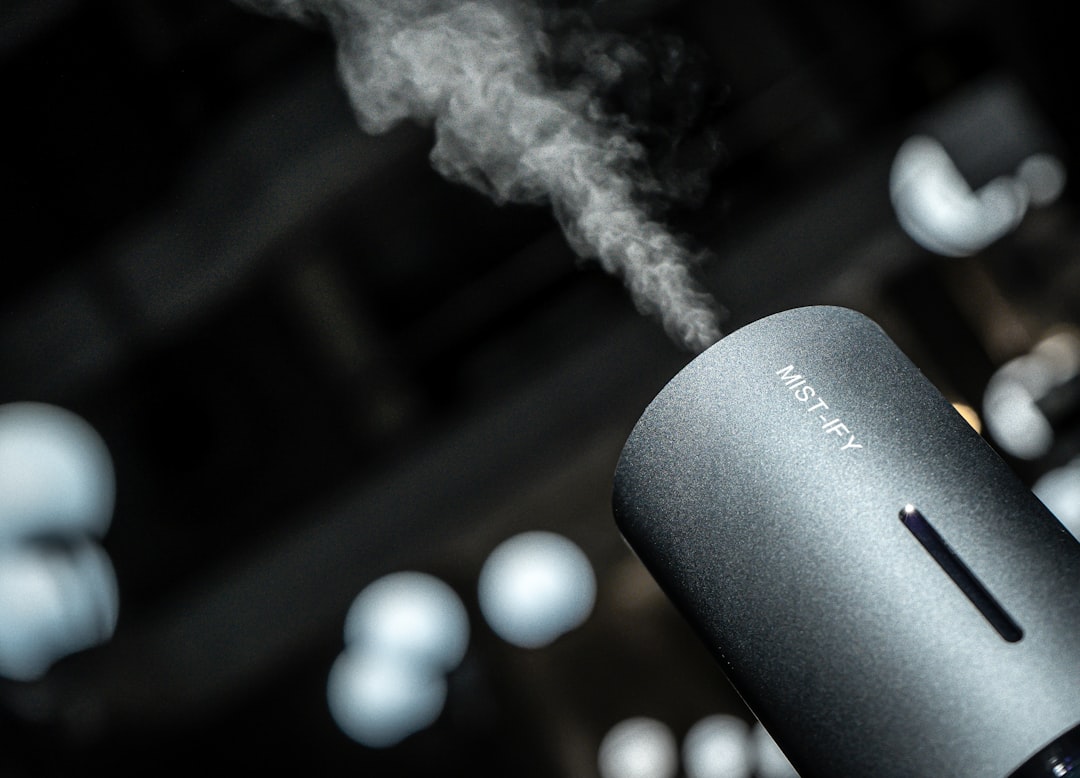
Plug-in air fresheners, synthetic candles and aerosol sprays release volatile organic compounds that accumulate in enclosed spaces and irritate the respiratory system during sleep. Many commercial fragrance products contain phthalates and formaldehyde-releasing agents that have been linked to hormone disruption with prolonged exposure. The bedroom, being a space where most people spend six to nine hours with windows closed, is particularly vulnerable to the buildup of these compounds. The illusion of cleanliness created by synthetic fragrance can also mask underlying issues such as mold or poor ventilation that warrant attention. Natural alternatives such as beeswax candles used before bedtime or a few drops of lavender on the pillow are considered safer options.
Cluttered Nightstands
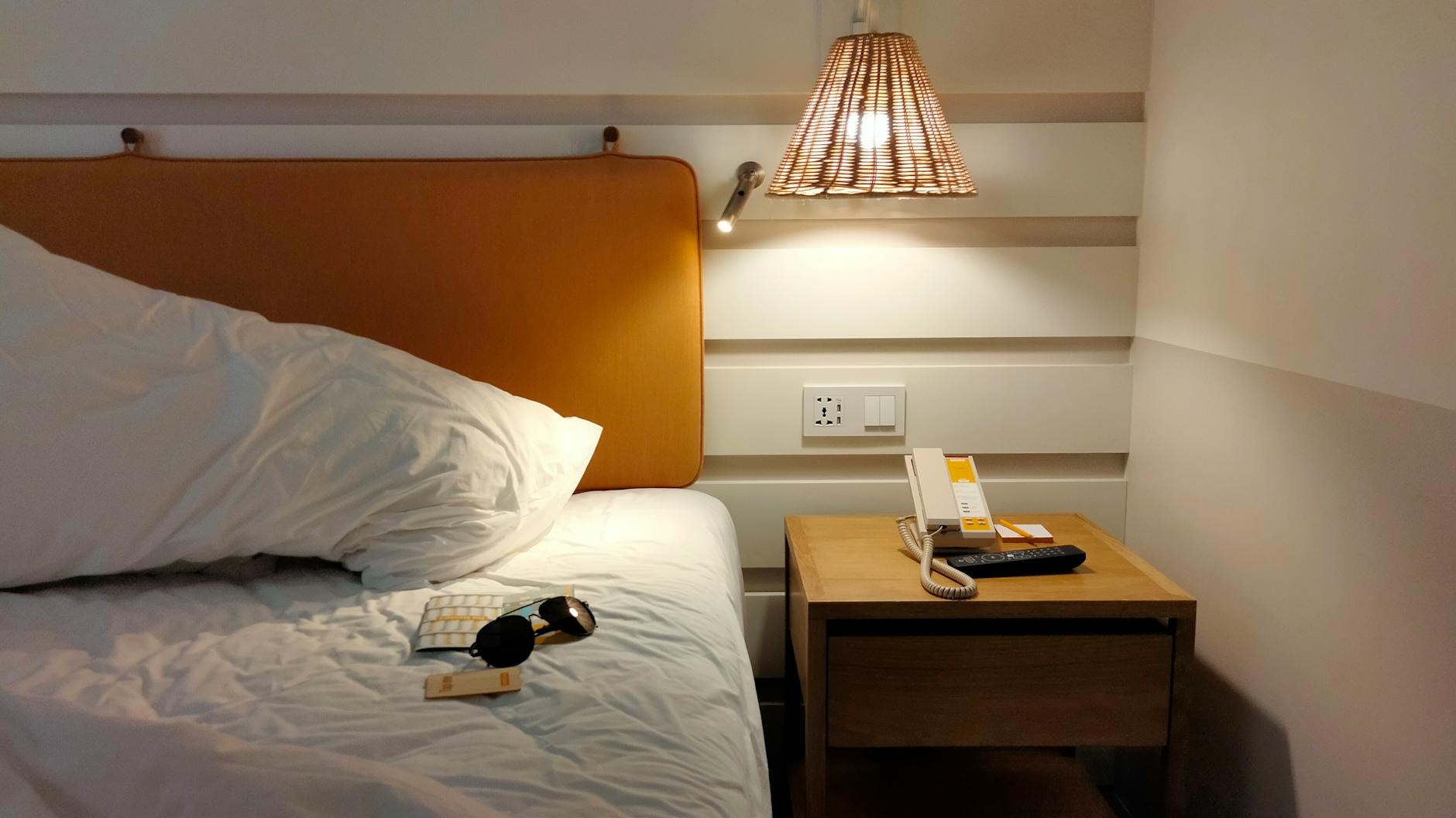
A nightstand overloaded with books, medications, chargers, glasses cases and random objects is a common sight in bedrooms but creates a chaotic visual field immediately beside the sleeping space. The surface directly adjacent to the bed is one of the most psychologically influential areas in the room because it is the last thing seen before sleeping and the first thing seen upon waking. Clutter in this zone is associated with racing thoughts at bedtime and a groggy, disoriented start to the morning. A functional nightstand should hold only what is genuinely needed overnight such as a glass of water, a book and a lamp. Reducing the nightstand to essential items alone creates an immediate and noticeable improvement in bedroom atmosphere.
Food and Snacks

Keeping snacks, open food packaging or even fruit bowls in the bedroom introduces smells, crumbs and organic material that attract insects and rodents over time. Eating in bed is also strongly discouraged by sleep specialists because it conditions the brain to associate the sleeping space with wakefulness and appetite rather than rest. Late-night eating in the bedroom is closely linked to poor digestion, acid reflux and disrupted sleep architecture. Food odors can linger in soft furnishings such as pillows and mattresses in ways that are difficult to eliminate without professional cleaning. The bedroom functions best as a space reserved exclusively for sleep and intimacy, with all food consumption moved to the kitchen or dining area.
Bright Lighting
Overhead lighting with high wattage or cool color temperatures actively suppresses melatonin production when used in the hours before bed. The bedroom’s lighting environment plays a foundational role in signaling to the body that the day is ending and that sleep preparation should begin. Harsh lighting also tends to flatten the atmosphere of a bedroom, making it feel more like a functional room than a restorative retreat. Lighting specialists recommend switching to warm-toned bulbs in the 2700 to 3000 Kelvin range for bedroom use and installing dimmer switches where possible. Bedside lamps with low-output amber bulbs are the preferred solution for evening reading and pre-sleep routines.
Unread Emails on Phone
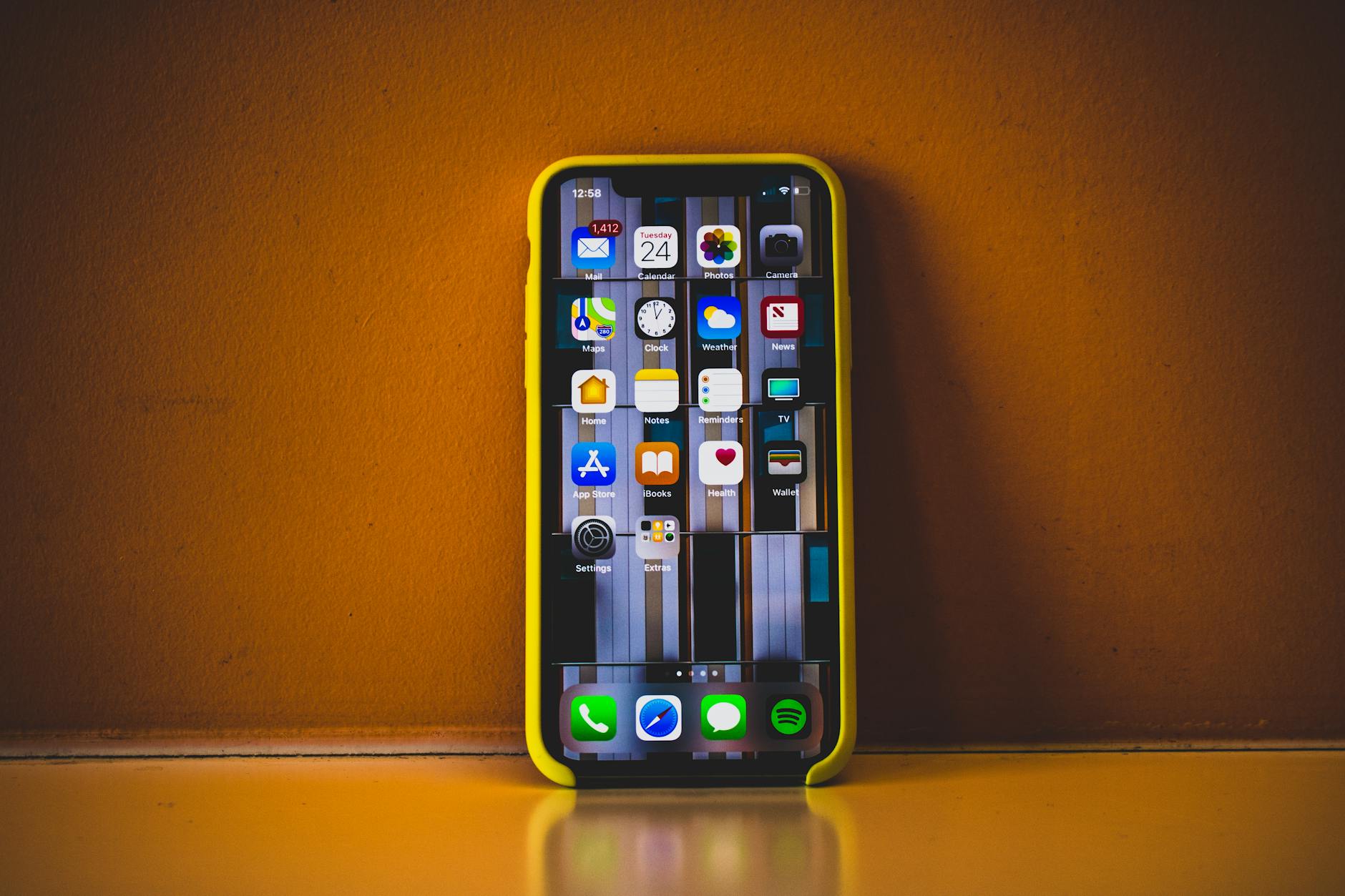
Keeping a phone on the nightstand with unread email notifications visible is a habit that significantly extends sleep latency, the time it takes to fall asleep. The anticipation of unread messages keeps the prefrontal cortex engaged when it should be progressively disengaging in preparation for sleep. Even notifications that are glanced at briefly can trigger an emotional or cognitive response that takes considerable time to dissipate. Workplace culture around after-hours digital availability has made this habit increasingly common and increasingly harmful. Setting a firm digital cutoff at least one hour before bed and charging the phone in another room are the two most evidence-based recommendations sleep researchers provide.
Gym Bag

A gym bag left in the corner of the bedroom carries damp clothing, worn footwear and accumulated bacteria that degrade air quality in a confined sleeping space. The presence of workout gear introduces odors from sweat and rubber soles that synthetic air fresheners are poorly equipped to address. Beyond hygiene, a gym bag functions as a visual reminder of tasks and schedules that belongs in the domain of active daily life rather than in a space designed for recovery. The bedroom floor is prime real estate in terms of psychological environment and objects placed there shape the room’s overall energy. Unpacking or storing the gym bag in a mudroom, hallway or bathroom creates a cleaner and more restful bedroom atmosphere.
Old Medications

Bedrooms frequently become default storage for expired or unused medications, a habit discouraged by both pharmacists and interior wellness experts. Temperature and humidity fluctuations in sleeping rooms can accelerate the chemical degradation of medications, reducing their efficacy or altering their composition. Keeping medications visible in the bedroom also reinforces a health-focused mental state in a space that benefits from being associated with rest rather than illness management. Controlled substances and prescription medications stored loosely in bedroom drawers pose an access risk in households with children or visitors. Medications are best stored in a cool dry bathroom cabinet or returned to a pharmacy for safe disposal when no longer needed.
Work Uniforms and Clothes

Hanging a work uniform, suit or professional clothing visibly in the bedroom keeps the psychological weight of professional identity present in a space that should feel entirely separate from career obligations. The visual presence of work attire has been shown to extend cognitive engagement with work-related thoughts during the pre-sleep period. Clothes left on chairs, door handles or the floor also contribute to the general clutter that research associates with poorer sleep outcomes. A dedicated wardrobe area or dressing room, even a partitioned corner of another room, is preferable for work clothing storage. Keeping only casual, comfortable clothing visible or immediately accessible in the bedroom reinforces a mindset of ease and recovery.
Noisy Clocks
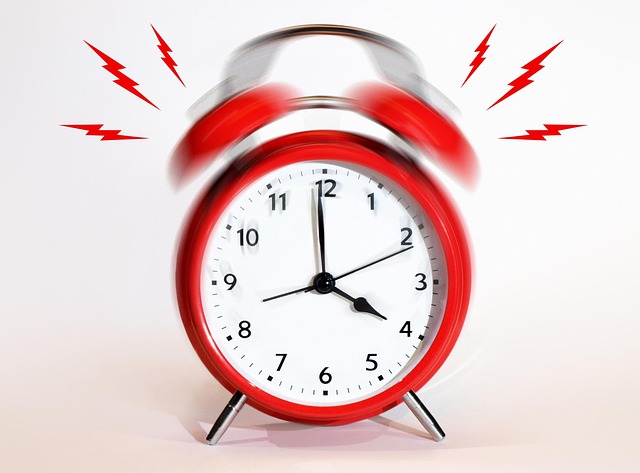
Traditional alarm clocks with audible ticking mechanisms introduce a repetitive low-level sound stimulus that is particularly disruptive for light sleepers and those sensitive to sensory input. The ticking sound becomes disproportionately noticeable during the quiet of night and during the lighter stages of sleep when the brain is most responsive to environmental cues. Digital alarm clocks with bright LED displays are a dual problem, combining light and potential noise in a single bedside device. Many sleep specialists recommend replacing these devices entirely with a simple phone alarm set face-down across the room to encourage rising rather than snoozing. A quieter room is one of the most accessible environmental changes available to anyone dealing with interrupted or shallow sleep.
Children’s Toys
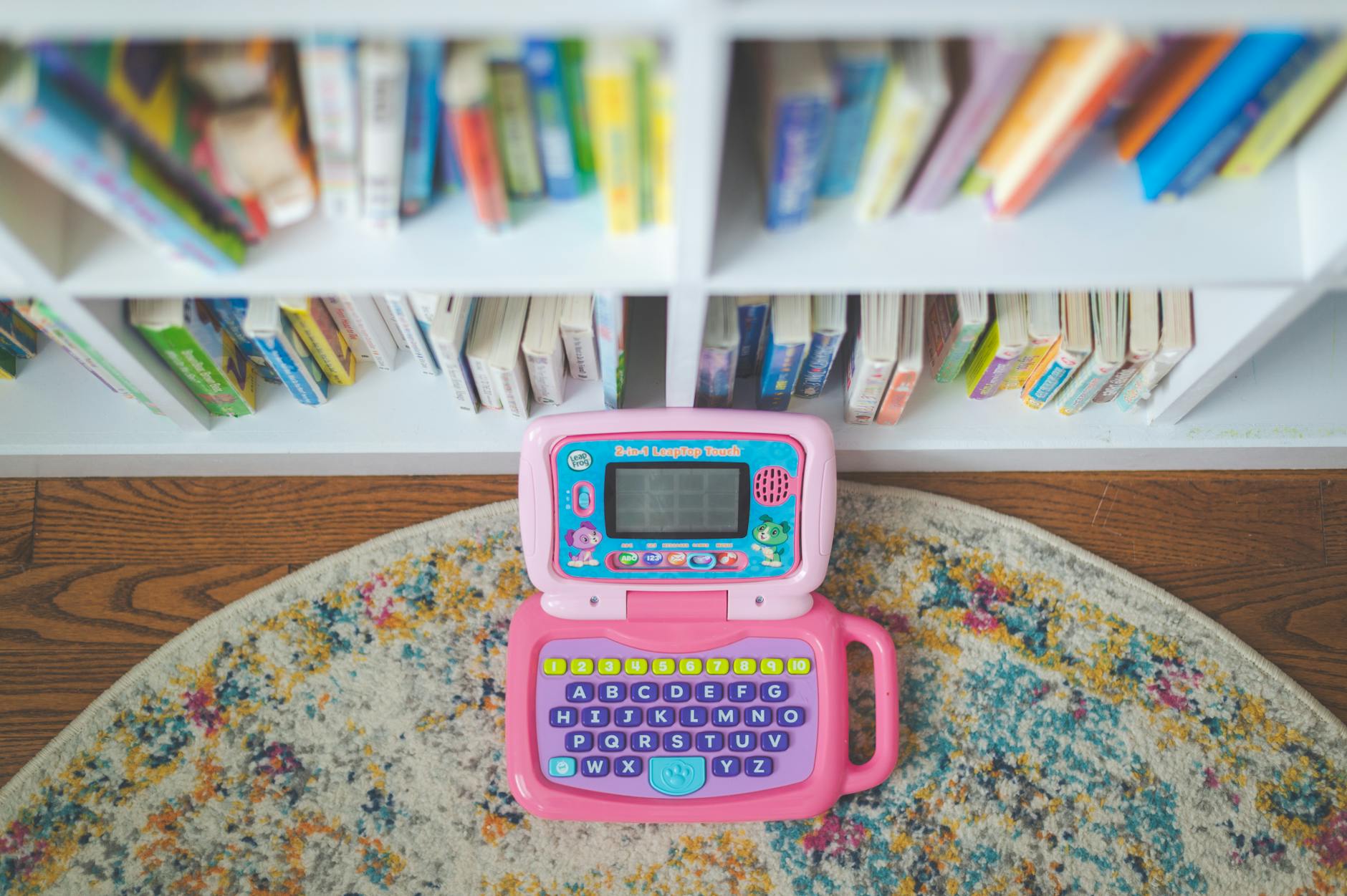
Bedrooms shared between adults and children often accumulate toys that belong in a playroom or living area, and their presence actively works against the sleeping environment. Toys engage children’s imagination and signal playtime, making it significantly harder to establish consistent bedtime routines and sleep associations. Bright colors, electronic sounds and flashing lights found in many modern toys are neurologically stimulating and counterproductive in a room designed for rest. The bedroom environment of a child should ideally contain only items that support calm, such as books, a comfort object and gentle lighting. Rotating toys in and out of a storage system kept outside the bedroom is a practical approach endorsed by child sleep specialists.
Scented Candles Left Burning
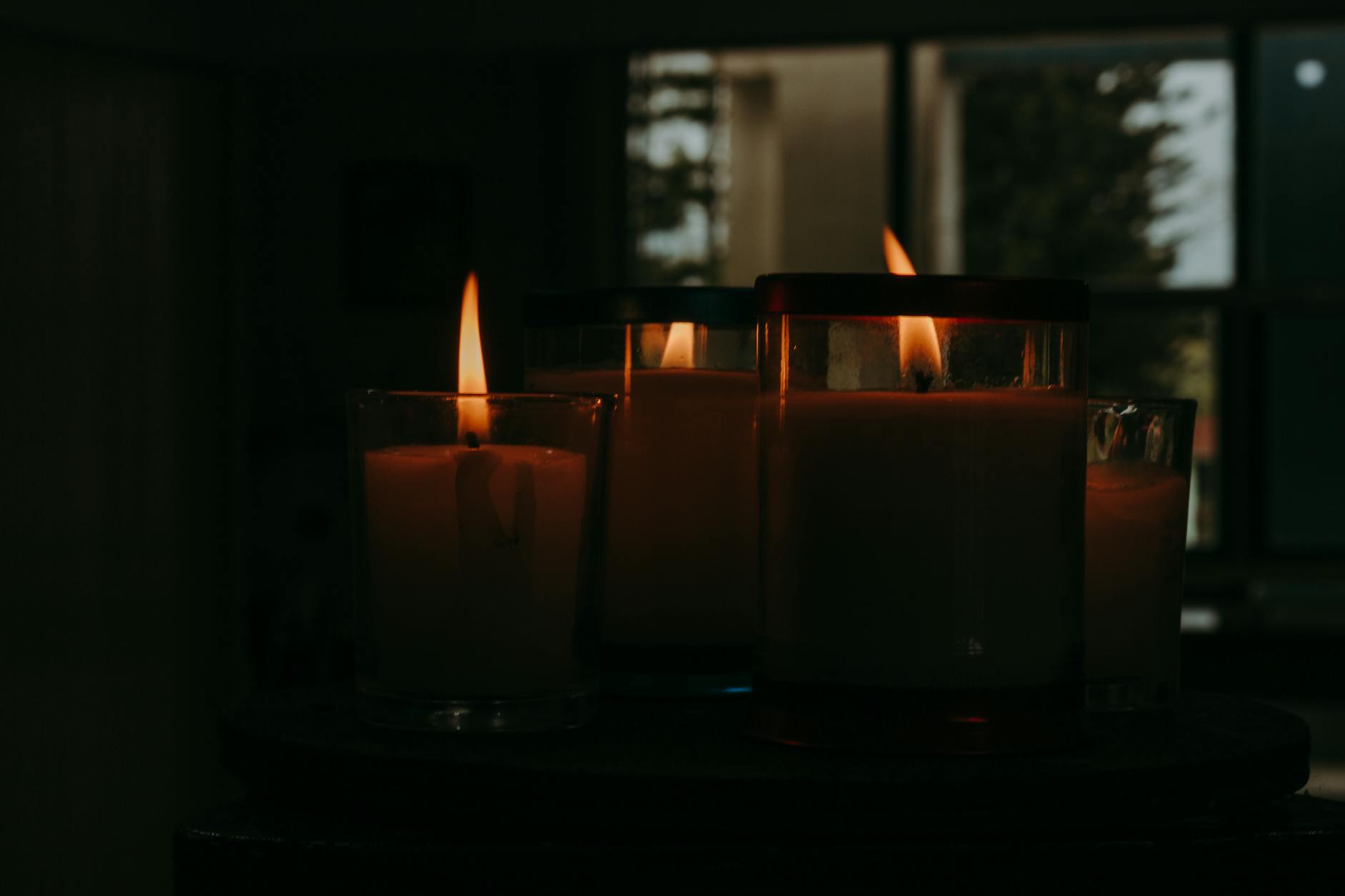
Candles left burning in the bedroom while falling asleep represent a documented fire hazard, with bedroom candle fires being among the most commonly reported causes of residential fires in national safety data. Even when extinguished before sleep, heavily scented candles release soot particles and combustion byproducts that settle into soft furnishings and degrade indoor air quality over time. Paraffin-based candles in particular produce compounds that are classified as indoor air pollutants by environmental health agencies. The romantic or calming associations of candlelight are well established, but safety guidelines consistently recommend extinguishing all candles at least thirty minutes before sleeping. Flameless LED candles with warm amber tones offer a visually similar effect with none of the associated risks.
Space Heaters

Portable electric space heaters placed in the bedroom combine several risk factors that make them a poor fit for the sleeping environment. They represent a fire hazard when placed near bedding, soft furnishings or clothing, and their safe operation requires active human supervision that is impossible during sleep. Space heaters also reduce humidity significantly, drying out nasal passages and throat tissue in ways that worsen snoring and contribute to morning respiratory discomfort. The optimal sleeping temperature recommended by sleep researchers is between 16 and 19 degrees Celsius, a range that most space heaters push well beyond. Central heating with thermostat control or an extra layer of breathable bedding is the safer and more effective alternative.
Old Books and Magazines

Large accumulations of books and magazines in the bedroom attract dust at a rate that standard cleaning routines struggle to keep pace with. Paper materials are particularly hospitable to dust mites, a microscopic organism whose presence is one of the leading environmental triggers for nighttime allergies and asthma symptoms. Piles of unread reading material also carry the psychological weight of deferred tasks, which can contribute to low-level anxiety during the pre-sleep period. A curated selection of two or three books on the nightstand is functionally and aesthetically preferable to overloaded shelving throughout the room. Donating, digitizing or relocating reading collections to a living room or dedicated study is a practical way to improve bedroom air quality and mental ease.
Gaming Consoles
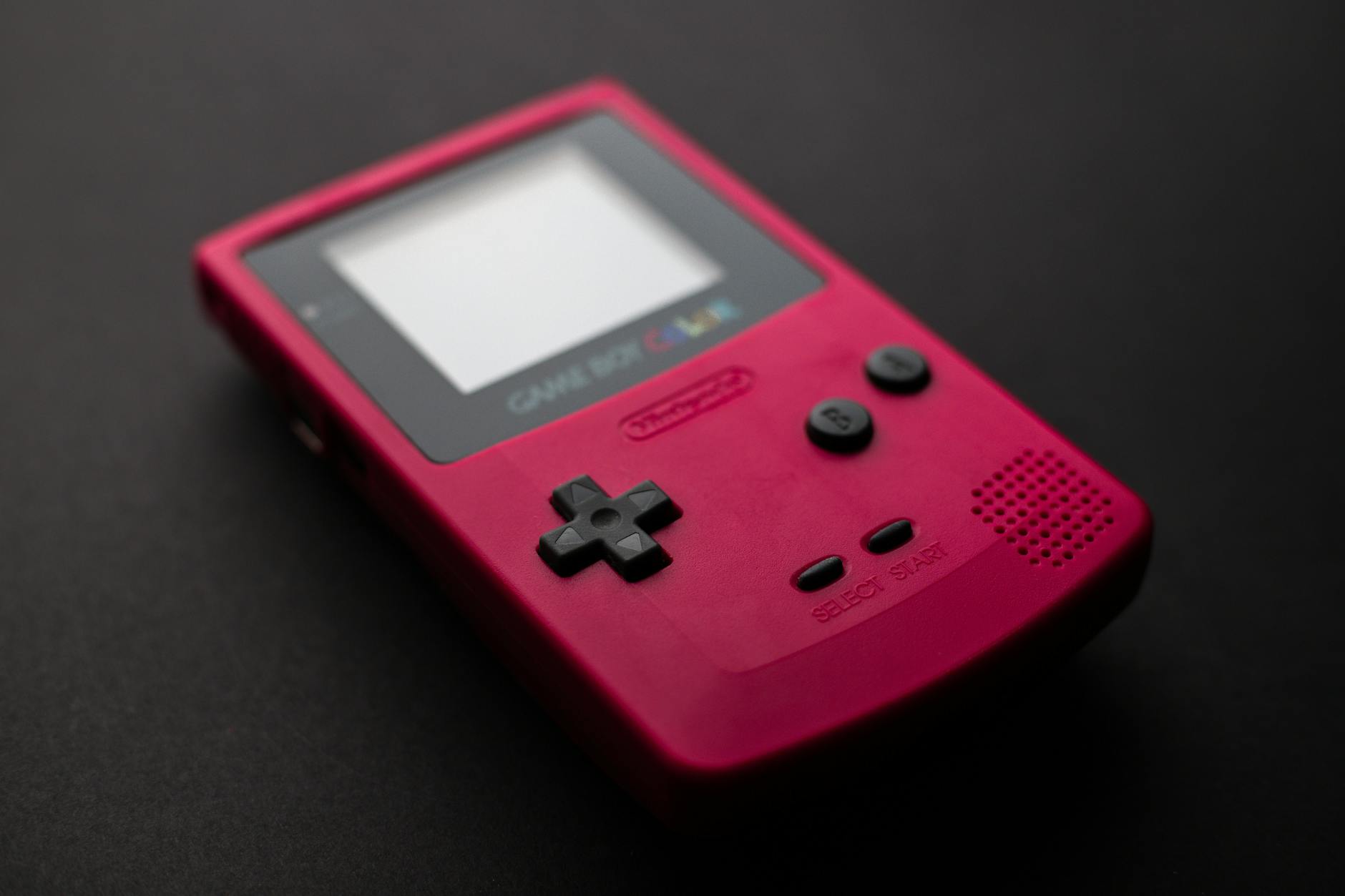
Video game consoles in the bedroom extend screen time deep into sleeping hours and expose the brain to sustained high-stimulation content immediately before the period of rest. Competitive gaming in particular activates stress hormones including cortisol and adrenaline in patterns that mirror genuine threat responses, making physiological wind-down significantly harder. The social and interactive dimensions of online gaming create a sense of obligation and engagement that is particularly difficult to disengage from without a distinct physical separation from the equipment. Gamers who relocate their consoles to a living room or dedicated gaming space consistently report improved sleep duration and reduced difficulty falling asleep. The bedroom’s psychological role as a rest space is better protected when high-stimulation entertainment is kept in a different room entirely.
Plastic Storage Bins
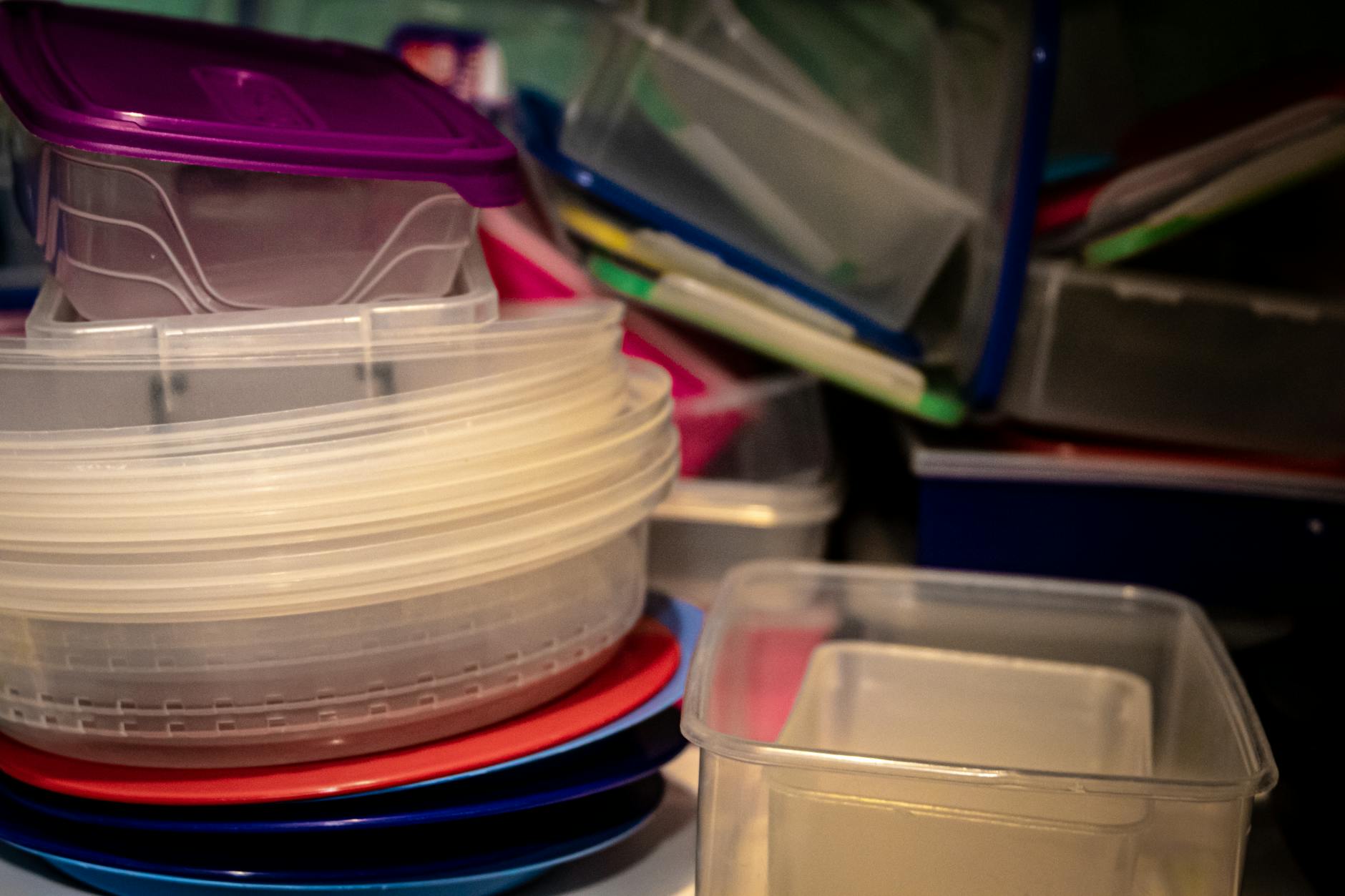
Large plastic storage bins pushed under the bed or stacked in corners are a common solution to storage problems that inadvertently creates environmental and psychological ones. Many plastic containers off-gas volatile organic compounds, particularly when new or when stored in warm environments, which reduces indoor air quality in a confined sleeping space. Under-bed storage specifically creates a reservoir for dust, which circulates through the room during the night and settles into bedding and pillows. From a psychological standpoint, visible storage bins filled with miscellaneous items reinforce a sense of incompleteness and disorder in the bedroom. Vacuum-sealed bags used sparingly for seasonal items are a lower-emission, dust-resistant alternative for essential bedroom storage.
Dirty Laundry
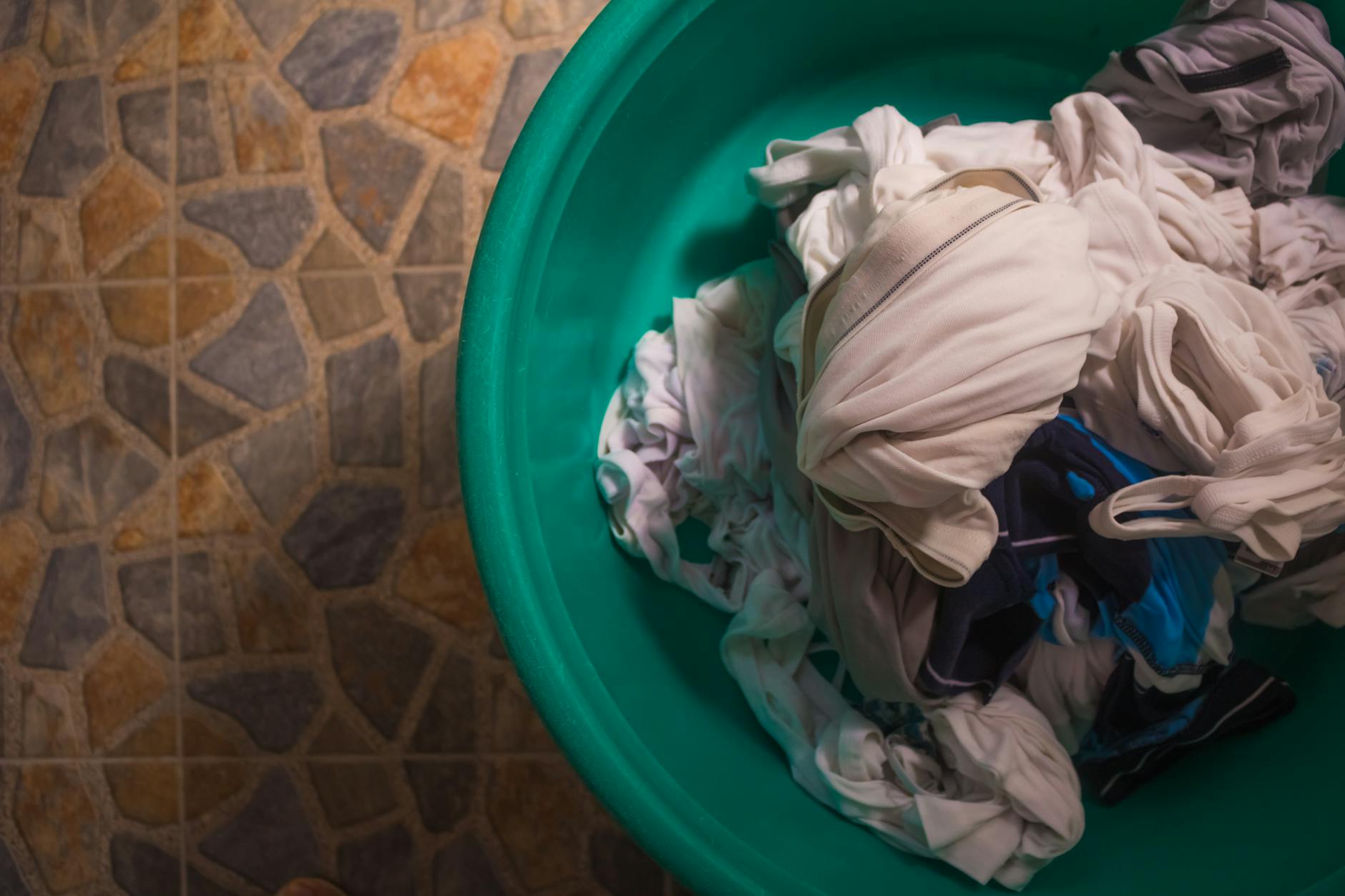
An open laundry basket or pile of worn clothing left on the floor is one of the most common sources of both odor and bacterial growth in the bedroom environment. Damp or sweaty clothing left in an enclosed space creates conditions favorable to mold spores, which can trigger respiratory irritation during sleep. The visual presence of dirty laundry is consistently cited in environmental psychology research as a contributor to feelings of domestic overwhelm and low-grade stress. Worn clothing that is not immediately placed in a covered laundry hamper or taken to a dedicated laundry area also tends to accumulate indefinitely, worsening the clutter problem over time. A lidded hamper kept in the bathroom or a utility room is the most effective and hygienic solution.
Excess Furniture

Bedrooms crowded with furniture have reduced airflow and navigational ease, both of which affect the overall quality of the sleeping environment. Dense furniture arrangements are harder to clean thoroughly, allowing dust and allergens to accumulate in hard-to-reach areas around and beneath pieces. From a psychological perspective, an overcrowded room feels smaller and more pressurized, which is the opposite of the spacious calm that supports high-quality sleep. Interior designers specializing in residential wellness consistently recommend limiting bedroom furniture to only what is directly functional for sleep and morning preparation. Removing even a single unnecessary piece of furniture can meaningfully change the perceived and actual atmosphere of the room.
Phone Chargers in Use
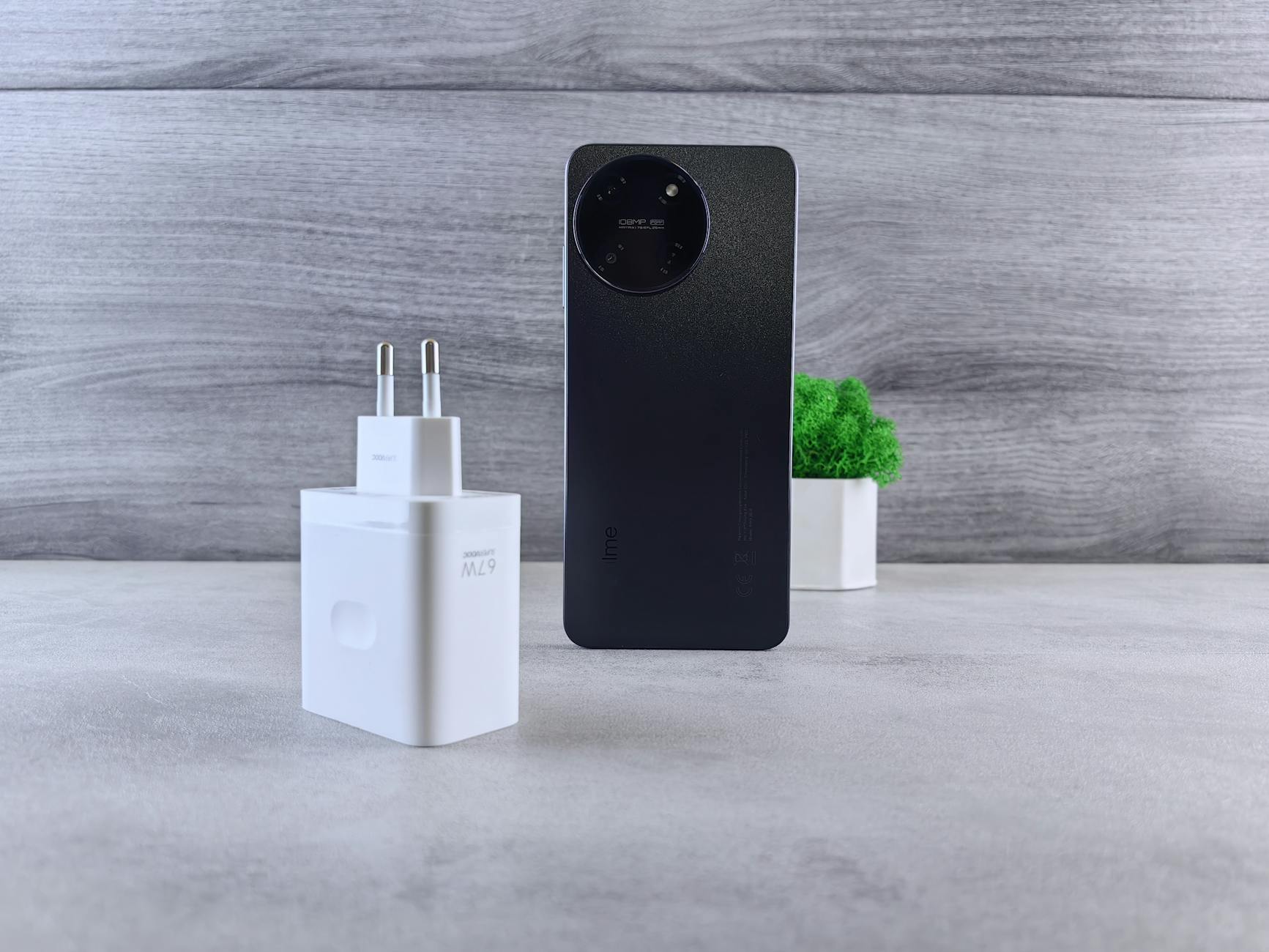
Charging a phone on the nightstand overnight keeps the device immediately accessible and creates a strong temptation for middle-of-the-night checking that fragments sleep architecture. The habit of reaching for the phone upon waking at 2am to check the time almost always leads to unintended engagement with notifications, social media or email. Phone chargers also emit a small but measurable amount of electromagnetic frequency radiation, and while the scientific debate on long-term health effects is ongoing, minimizing proximity during sleep is considered a reasonable precautionary measure. The light from a charging indicator or screen that activates with notifications can also disturb sleep in lighter sleepers. Charging devices in the hallway, kitchen or living room overnight is the simplest and most effective behavioral change in this category.
Water Damaged Items

Furniture, books, stored boxes or decorative items that have sustained water damage harbor mold colonies that may not be visible to the naked eye but release spores continuously into the bedroom air. Mold exposure during sleep is associated with a range of health consequences including chronic fatigue, sinus congestion, headaches and worsened asthma symptoms. The bedroom is a particularly high-risk location for mold-damaged items because the extended hours spent in the space during sleep maximize cumulative exposure. A musty or earthy smell in the bedroom that persists despite regular cleaning is one of the most reliable indicators that a mold source is present. Any item with confirmed or suspected water damage should be removed from the bedroom immediately and assessed by a professional if structural dampness is involved.
Allergen-Trapping Rugs
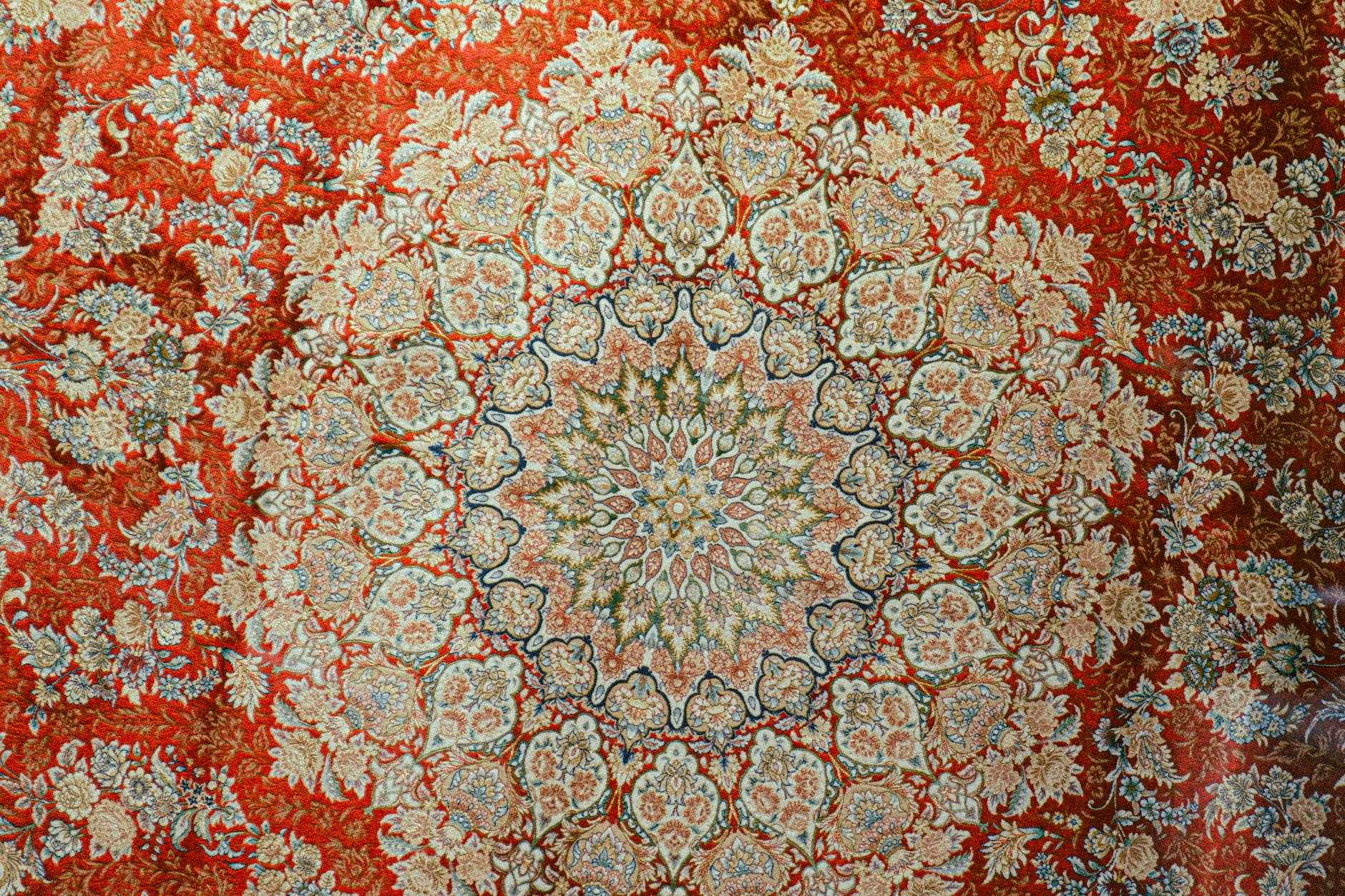
Thick pile rugs and carpeting in the bedroom are among the most efficient allergen traps in the domestic environment, collecting dust mites, pet dander, mold spores and pollen at concentrations that hard flooring does not allow. Vacuuming alone is insufficient to remove allergens embedded in deep carpet fibers, and the disturbance caused by vacuuming can temporarily increase airborne allergen levels. For the approximately 10 to 30 percent of adults who experience allergic rhinitis, sleeping in a heavily carpeted room significantly worsens nighttime symptoms and reduces sleep quality. Hard flooring with a washable flat-weave rug provides a compromise between comfort and allergen control. Replacing bedroom carpeting is one of the most impactful environmental interventions recommended by allergists for improving nighttime respiratory health.
Old Stuffed Animals
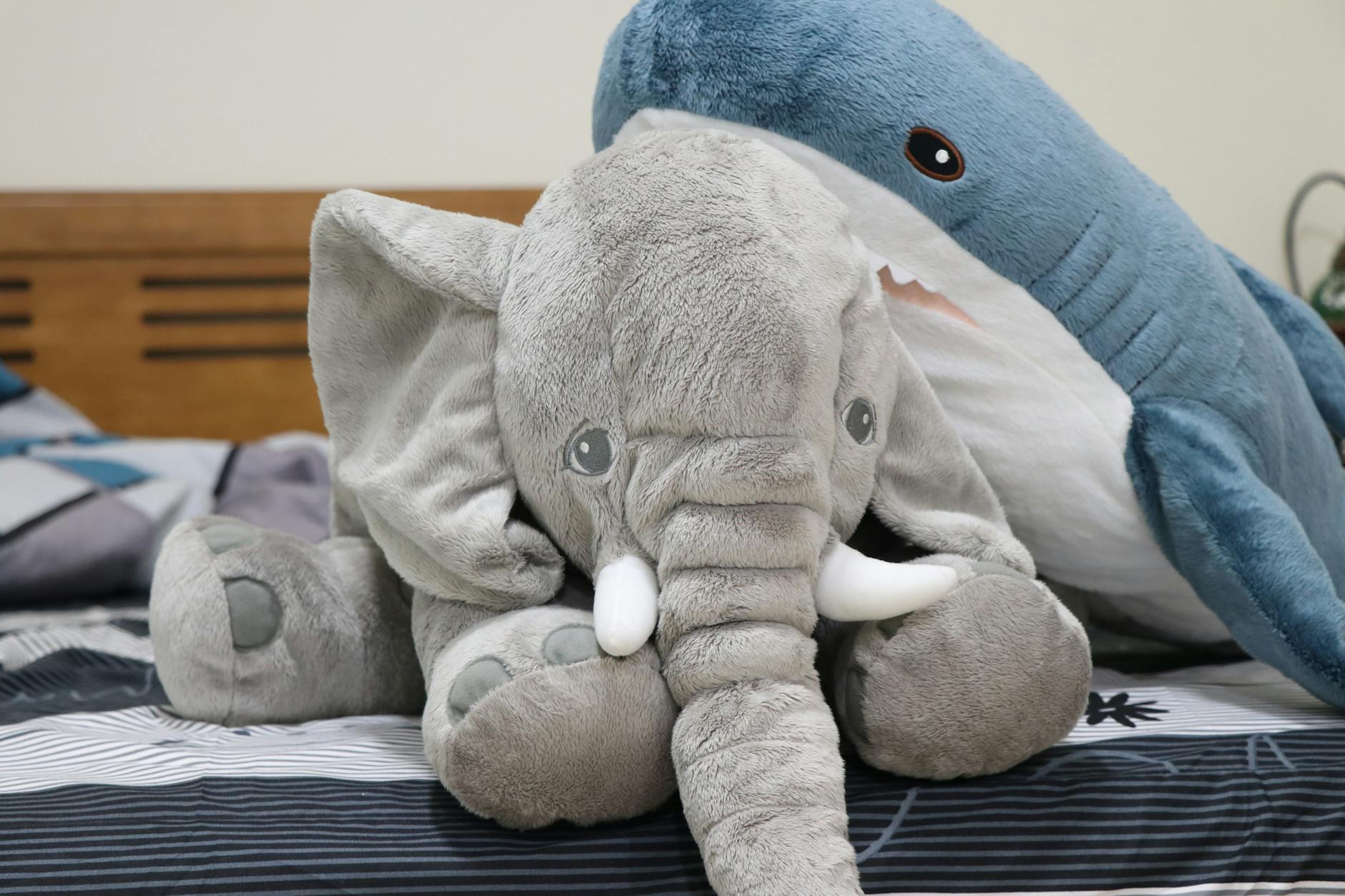
Collections of stuffed animals retained from childhood and displayed on bedroom shelving or stored on the bed are significant dust mite reservoirs due to their fabric construction and the difficulty of washing them regularly. Many older stuffed toys are filled with materials that compress and degrade over time, releasing particulate matter into the air. While the sentimental value of childhood objects is well understood, their storage in the sleeping space rather than in sealed display cases or closets poses a genuine allergen concern. Stuffed animals placed on the bed are particularly problematic as they share the breathing space of the sleeper for extended periods throughout the night. Washing stuffed toys monthly at high temperatures or storing them in sealed containers are the primary recommendations for households where these items are retained.
Candles with Lead Wicks

Older or imported candles manufactured before regulatory updates may still contain metal-core wicks including those made with lead, which release toxic particles into the air when burned. Lead from candle wicks has been measured at concentrations exceeding safe indoor air quality thresholds in enclosed rooms with limited ventilation. The bedroom, which is frequently sealed overnight to maintain temperature, is one of the most hazardous rooms for burning candles of uncertain origin. Identifying a metal-core wick is relatively straightforward as the wick retains its shape when bent, unlike pure cotton wicks which are flexible. Purchasing candles only from reputable suppliers who provide clear labeling of wick materials is the recommended consumer practice.
Office Chairs
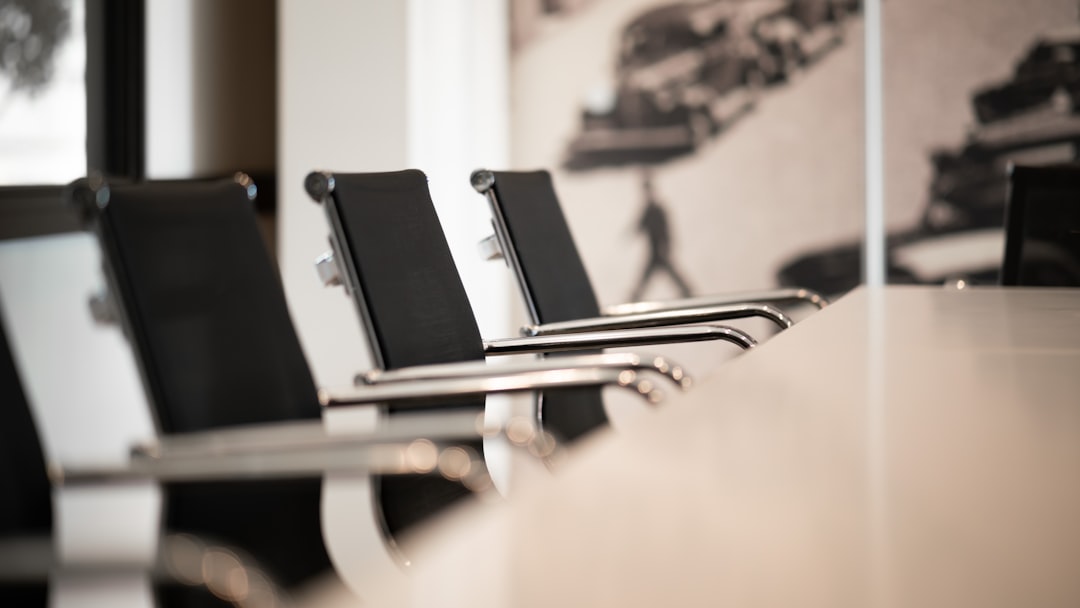
An office chair positioned in the bedroom, whether accompanying a desk setup or left as a free-standing piece, immediately introduces the visual grammar of a workspace into a room that benefits from spatial simplicity. The chair’s presence implies that sitting, working and screen use are activities that belong in the bedroom, undermining the rest association that sleep science recommends building and protecting. Office chairs also take up considerable floor space and rarely complement the aesthetic tone of a well-designed sleeping environment. In shared living situations where a separate home office is not available, a room divider or curtain can create a meaningful visual separation between work and sleeping zones. Relocating the office chair and desk to a hallway nook, living room corner or any space outside the bedroom is a worthwhile structural change.
Broken Items

Objects in disrepair kept in the bedroom, whether a cracked picture frame, a lamp with a frayed cord or a broken drawer, generate a persistent low-level psychological friction associated with unresolved tasks. Environmental psychologists refer to this as the “broken windows” effect on a domestic scale, where visible signs of neglect signal disorder and reduce an individual’s sense of agency and calm. Electrical items with damaged cords or casings present a genuine safety risk in the sleeping environment where they may be left unattended for extended periods. The bedroom is one of the spaces where the principle of “fix it, donate it or discard it” is most impactful when applied consistently. Regular reviews of all items in the bedroom with attention to their functional condition is a habit endorsed by professional organizers and interior design specialists alike.
Excessive Artwork
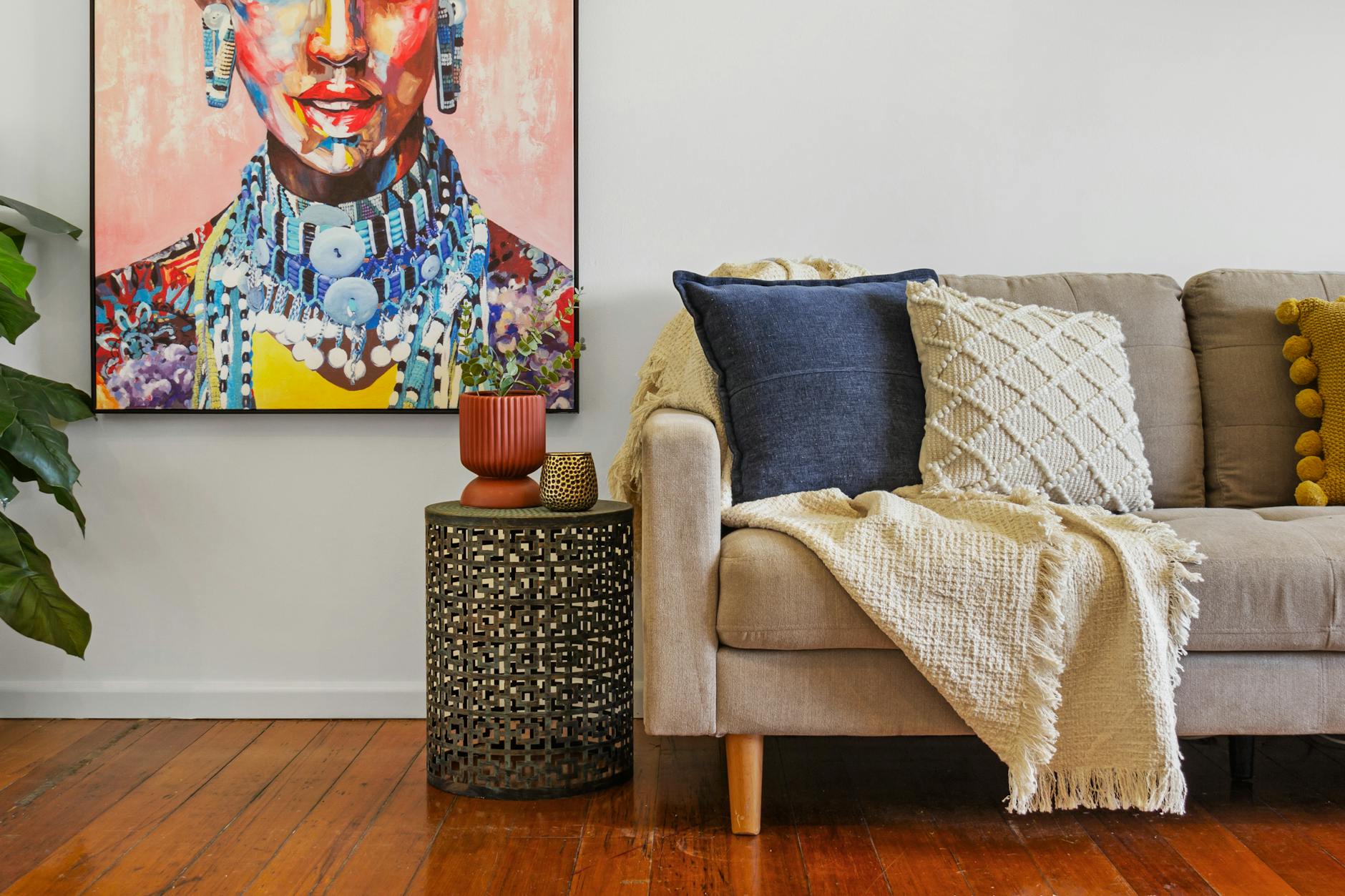
A bedroom covered in dense gallery walls, large dramatic prints or art pieces with high visual complexity can overstimulate the brain in ways that are counterproductive to rest. The bedroom benefits from a curated and minimal visual environment where the eye can soften and rest rather than actively engage with detail or narrative content. Art that depicts turbulent subjects including conflict, crowd scenes or intense color palettes has been flagged by interior design researchers as particularly unsuitable for sleeping spaces. Two or three carefully chosen pieces with calming tones or abstract forms are generally considered optimal for the bedroom environment. Rotating art seasonally and keeping walls partially clear is a practice associated with better perceived spaciousness and a more restorative bedroom atmosphere.
Aquariums

A fish tank in the bedroom introduces several disruptive elements including the continuous hum of a filtration system, the blue-spectrum light emitted by LED tank lighting and the ongoing maintenance demands that can generate stress. While aquariums are celebrated for their calming visual effect in waiting rooms and office environments, the ambient noise of water pumps and filters has been measured at levels sufficient to disrupt light sleep stages. The moisture released by an open aquarium also raises room humidity, which can encourage dust mite proliferation in bedding and soft furnishings. Maintenance tasks such as feeding, water testing and cleaning create behavioral associations between the bedroom and active task management that conflict with the rest-only principle. A small aquarium is better suited to a living room or study where its visual benefits can be enjoyed during waking hours.
Overloaded Wardrobes

A wardrobe so packed with clothing that it cannot close properly or requires force to navigate contributes to the overall sense of disorder that undermines bedroom calm. Dense clothing storage restricts airflow within the wardrobe, creating humid pockets where mold and mildew can develop on natural fiber garments over time. The psychological relationship between a cluttered wardrobe and morning decision fatigue is well documented, with research suggesting that excessive choice in clothing selection increases cortisol levels early in the day. Capsule wardrobe principles, including keeping only items that are worn regularly and fit well, are endorsed by both minimalist lifestyle researchers and professional stylists. Conducting a seasonal wardrobe edit and donating unused items is a practical habit that keeps bedroom storage functional, hygienic and mentally manageable.
Synthetic Bedding
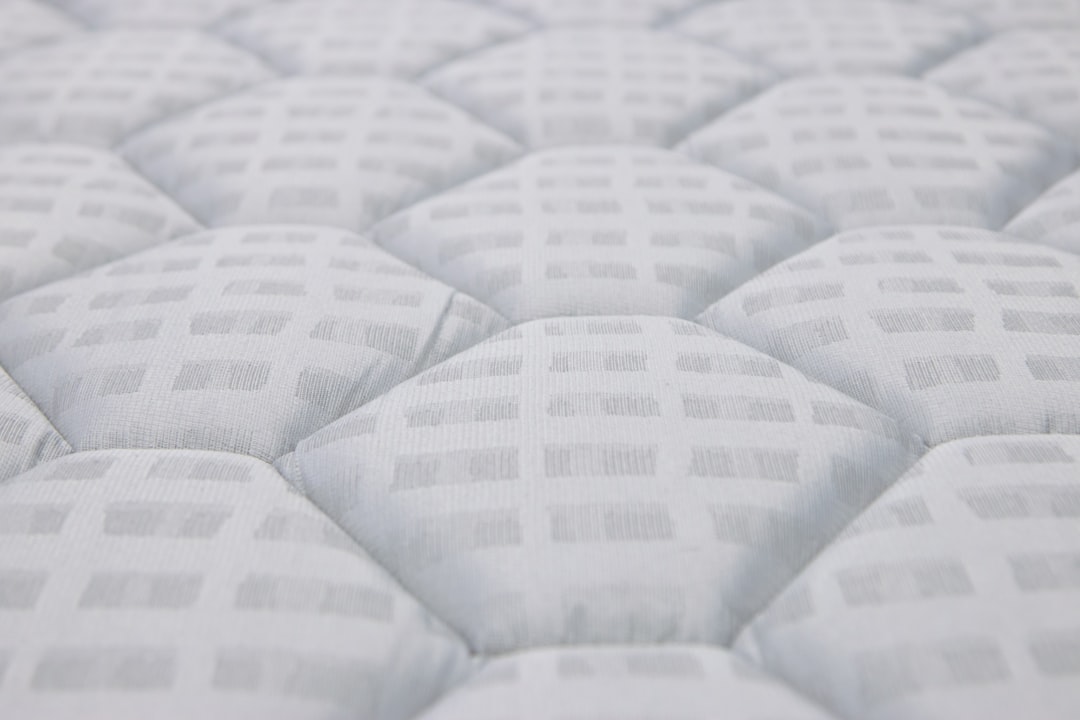
Bedding made from 100 percent synthetic materials such as polyester microfiber traps heat more efficiently than natural fiber alternatives, contributing to elevated body temperature during sleep that disrupts the body’s natural thermoregulation cycle. The optimal sleep environment involves a gradual cooling of core body temperature, a process that synthetic bedding actively works against in many people. Polyester and nylon fabrics also generate static electricity and create friction against skin that can be particularly irritating for people with sensitive skin conditions. Natural fiber bedding materials including cotton, linen, bamboo and wool offer superior breathability and moisture-wicking performance across a range of sleeping temperatures and preferences. Transitioning to natural fiber bedding is a relatively affordable change with a measurable impact on sleep temperature comfort and duration.
If your bedroom is quietly working against your sleep and wellbeing, share which of these items you are most surprised to find on the list in the comments.