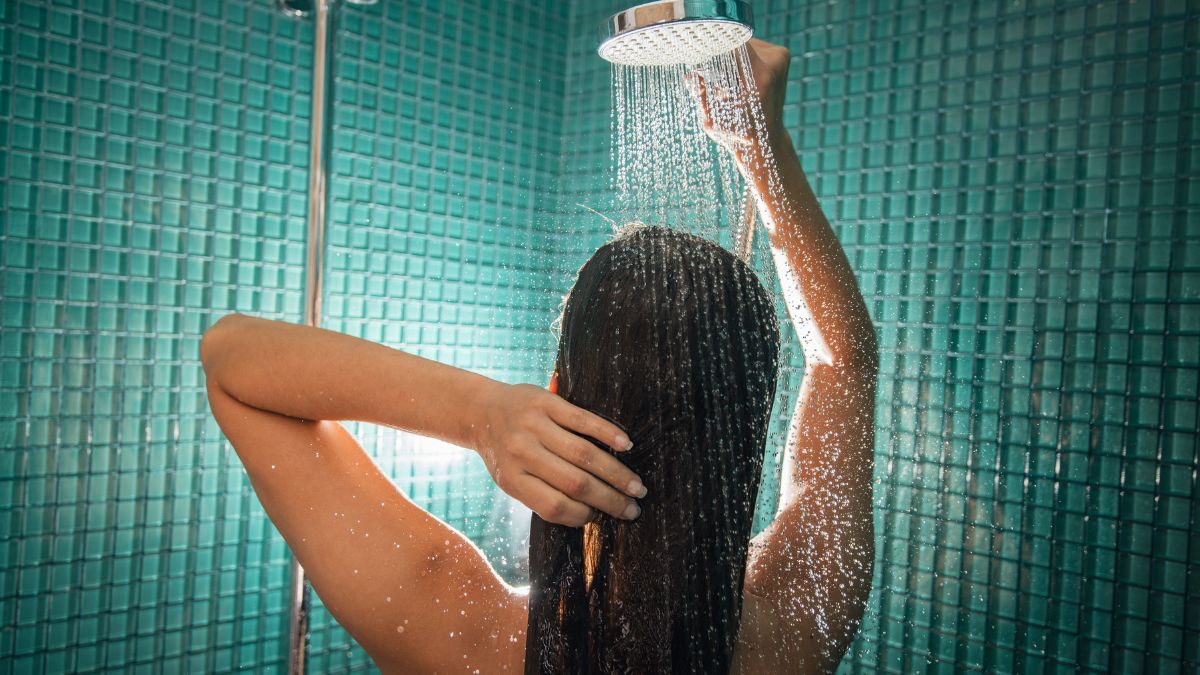
The shower is one of the few daily rituals that offers a genuine opportunity to influence both physical health and emotional state within a single uninterrupted window of time. Dermatologists, mood researchers and wellness practitioners have identified a remarkable number of small adjustments to this routine that compound meaningfully over weeks and months of consistent practice. Many of these changes require no new products, no additional time and no special equipment yet produce results that accumulate into visible and felt differences in skin quality and daily mood. The following collection draws from clinical skin research, behavioral psychology and professional wellness practice to present the most impactful micro-adjustments available within this one daily ritual.
Cool Final Rinse
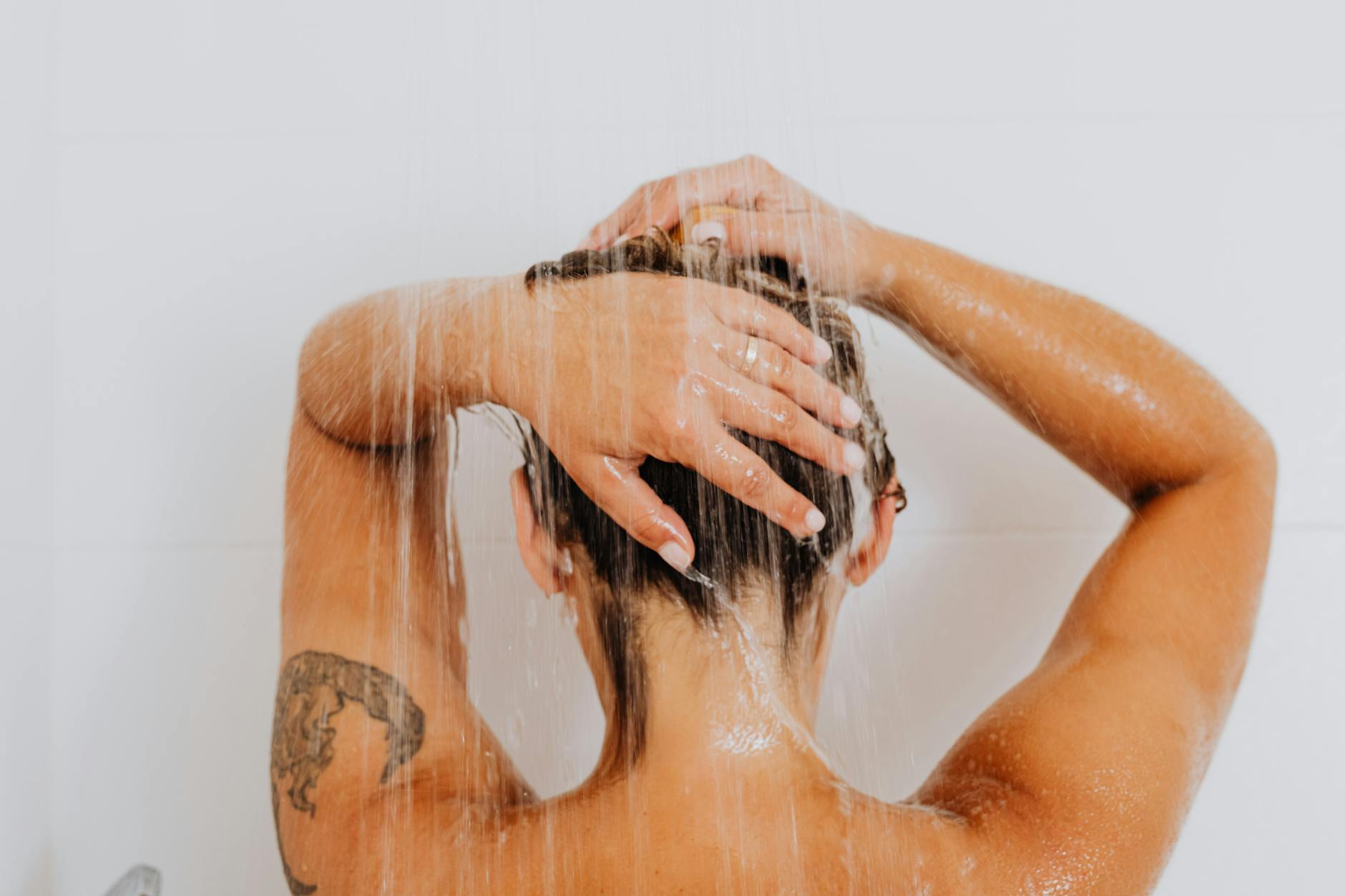
Ending every shower with thirty to sixty seconds of cool water causes the outermost layer of the skin to contract gently and temporarily seal the surface before exposure to air. This brief cold exposure activates the sympathetic nervous system in a mild and controlled way that generates a measurable lift in alertness and mood that persists for a significant portion of the morning. Dermatologists note that cool water closes the cuticle layer of hair strands in the same motion, producing noticeably more reflective and smoother hair texture over consistent use. The transition from warm to cool is the only change required and the barrier benefits begin accumulating from the very first application.
Dry Brush Entry
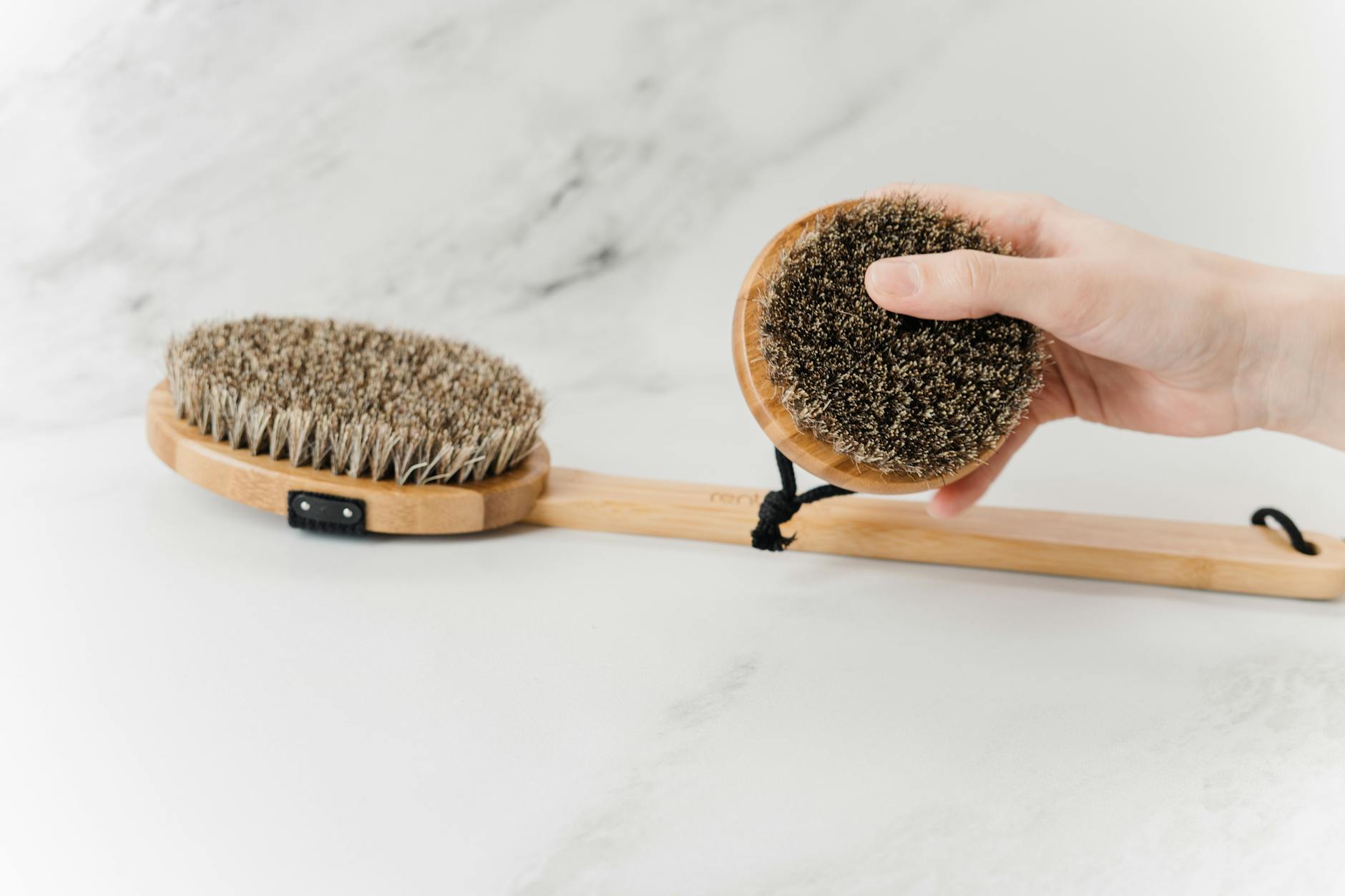
Performing one to two minutes of dry body brushing immediately before stepping into the shower removes the uppermost layer of dead skin cells before water and cleanser make contact with the skin surface. The mechanical exfoliation achieved through dry brushing is considered by many dermatologists to be more uniform and less abrasive than wet scrubbing because the bristles move across a taut dry surface rather than a softened wet one. Regular pre-shower dry brushing is associated with improved microcirculation in the upper dermis and a progressive reduction in the rough texture that accumulates on high-friction areas such as the upper arms and thighs. A natural bristle brush used with long upward strokes toward the heart is the only equipment the practice requires.
Scalp Massage
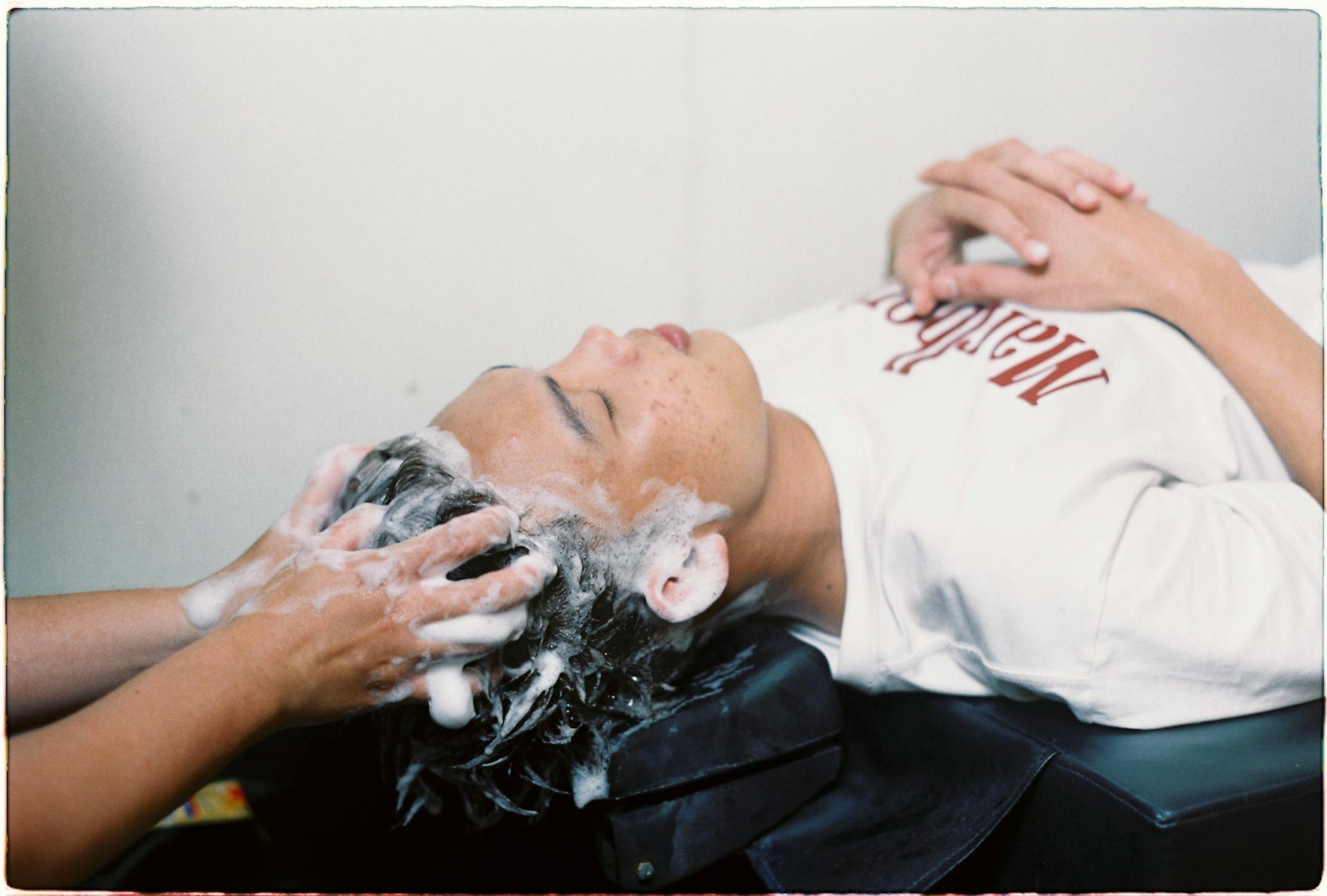
Spending ninety seconds massaging the scalp with fingertip pressure before applying shampoo loosens the sebum and product buildup that accumulates between washes and prepares the follicle environment for more effective cleansing. Research from dermatology journals links consistent scalp massage to measurable improvements in hair thickness over periods of several months, attributed to the mechanical stimulation of follicle circulation during the massage. The practice also activates the vagus nerve through gentle sustained pressure on the cranium, producing a parasympathetic response that reduces cortisol and creates a calming effect that carries forward into the post-shower period. No tool is required beyond the fingers and the motion itself takes less time than the average person spends adjusting the water temperature before entering.
Niacinamide Pre-Shower
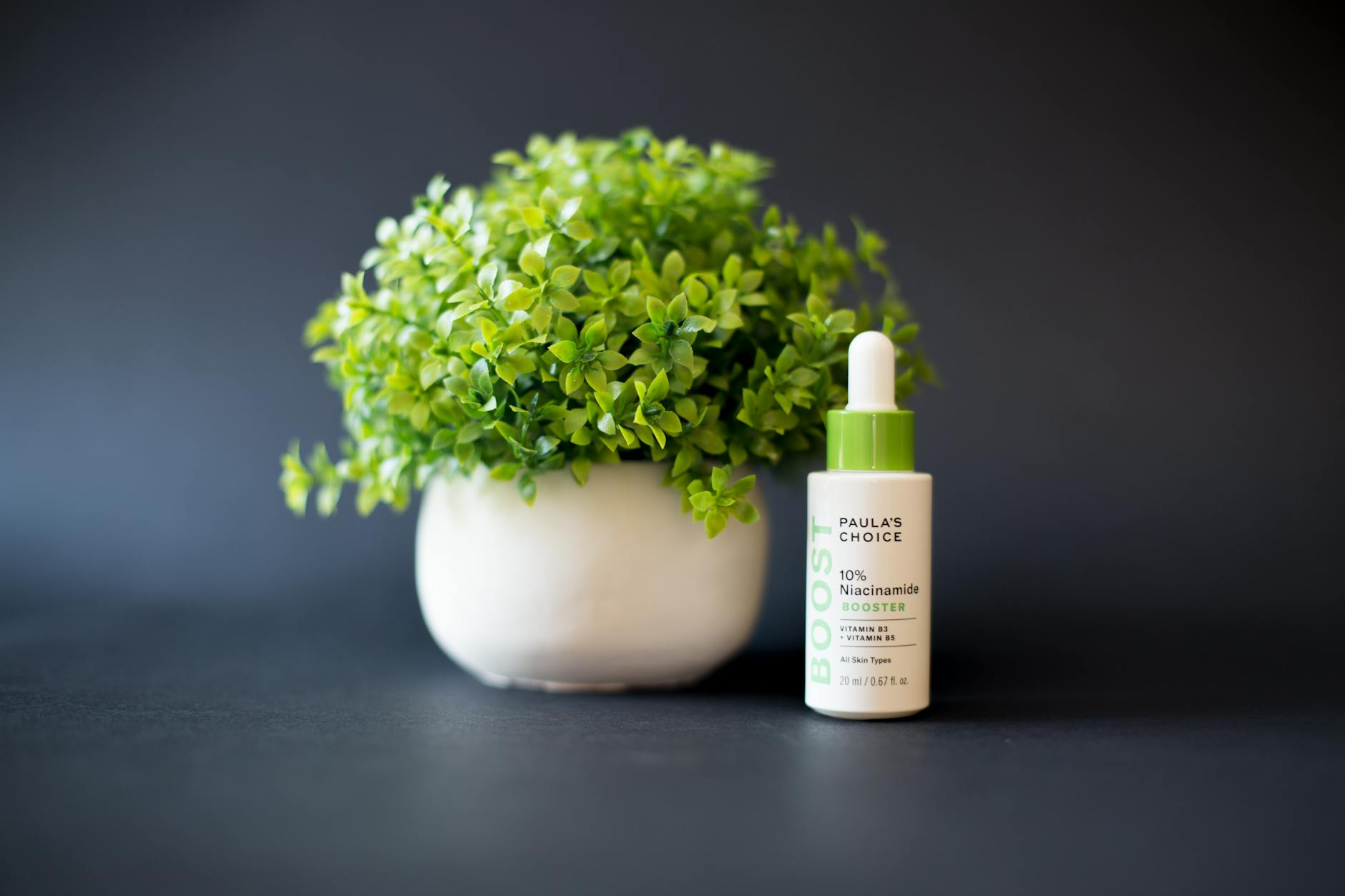
Applying a niacinamide serum to dry skin immediately before showering and leaving it in contact with the skin for the duration of the shower allows the steam environment to drive the active ingredient more deeply into the skin barrier than topical application to dry skin alone typically achieves. Niacinamide is one of the most extensively researched skincare actives for reducing redness, regulating sebum production and improving skin tone evenness across all skin types including sensitive and reactive complexions. The shower steam creates a mild occlusive environment that enhances penetration without the irritation risk associated with physical occlusion techniques such as overnight wrapping. Rinsing the residue at the end of the shower still leaves a meaningful quantity of the active absorbed into the barrier where it continues to function throughout the day.
Temperature Sequencing

Beginning the shower at a warm rather than hot temperature and gradually decreasing the heat in two or three incremental steps across the full duration of the shower produces skin outcomes that are substantially different from maintaining a constant temperature throughout. Consistent high heat throughout a shower is one of the most commonly cited dermatological contributors to transepidermal water loss and barrier disruption in otherwise healthy skin. The gradual reduction in temperature toward the end of the shower acclimates the barrier to closure rather than subjecting it to an abrupt thermal shock and produces a more sustained sealing effect than a sudden cold rinse applied to a fully heat-dilated skin surface. Dermatologists who recommend temperature sequencing describe it as one of the highest-return changes available to people who shower daily but are reluctant to give up warm water entirely.
Breath Focus

Dedicating the first sixty seconds of the shower exclusively to slow diaphragmatic breathing before engaging in any washing activity creates a brief but neurologically significant transition from the stress state that typically precedes the shower into a more regulated parasympathetic baseline. The combination of warm water, steam and controlled breathing activates multiple simultaneous relaxation pathways and produces a mood baseline at the end of the shower that is measurably more stable than the baseline produced by a shower conducted without intentional breath focus. The practice requires no additional time because it replaces the unfocused standing that most people perform anyway during the initial temperature adjustment period. Behavioral researchers studying morning routines cite the intentional breath window as one of the most accessible mood regulation interventions available within a pre-existing daily habit.
pH-Balanced Cleanser
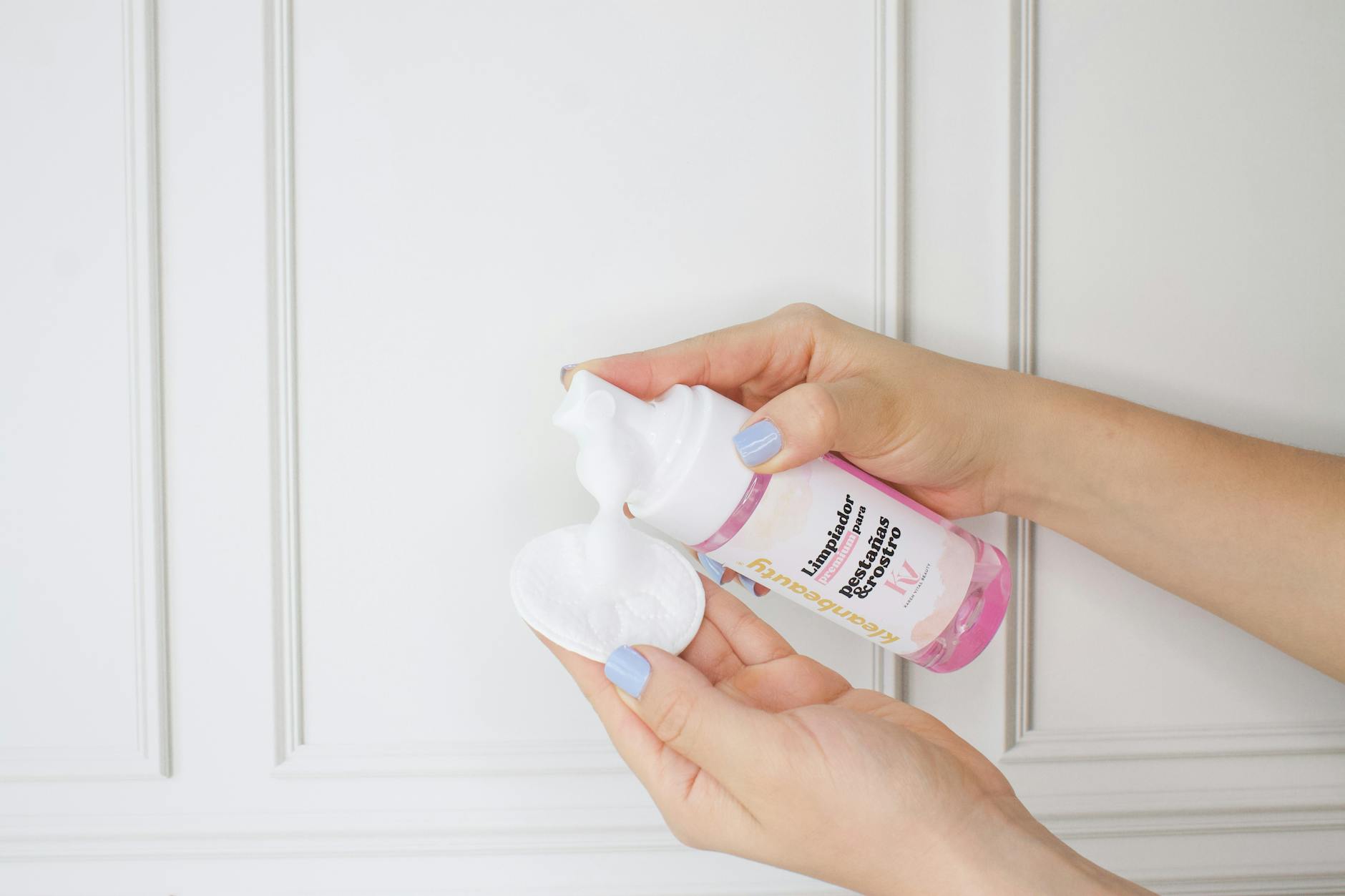
Switching from conventional soap to a pH-balanced body cleanser formulated between 4.5 and 5.5 aligns the cleansing step with the natural acid mantle of the skin rather than temporarily disrupting it with an alkaline product. Conventional bar soaps typically carry a pH between 9 and 11 which is sufficient to strip the skin’s protective acid layer and trigger a compensatory oil production response that manifests as either excessive dryness or unexpected oiliness in the hours following the shower. The skin requires between one and three hours to restore its acid mantle after alkaline soap exposure and during that window the barrier is more vulnerable to environmental irritants and moisture loss. Replacing a single product in an existing routine with a pH-appropriate alternative requires no behavioral change beyond the product swap itself.
Micellar Water Pre-Cleanse
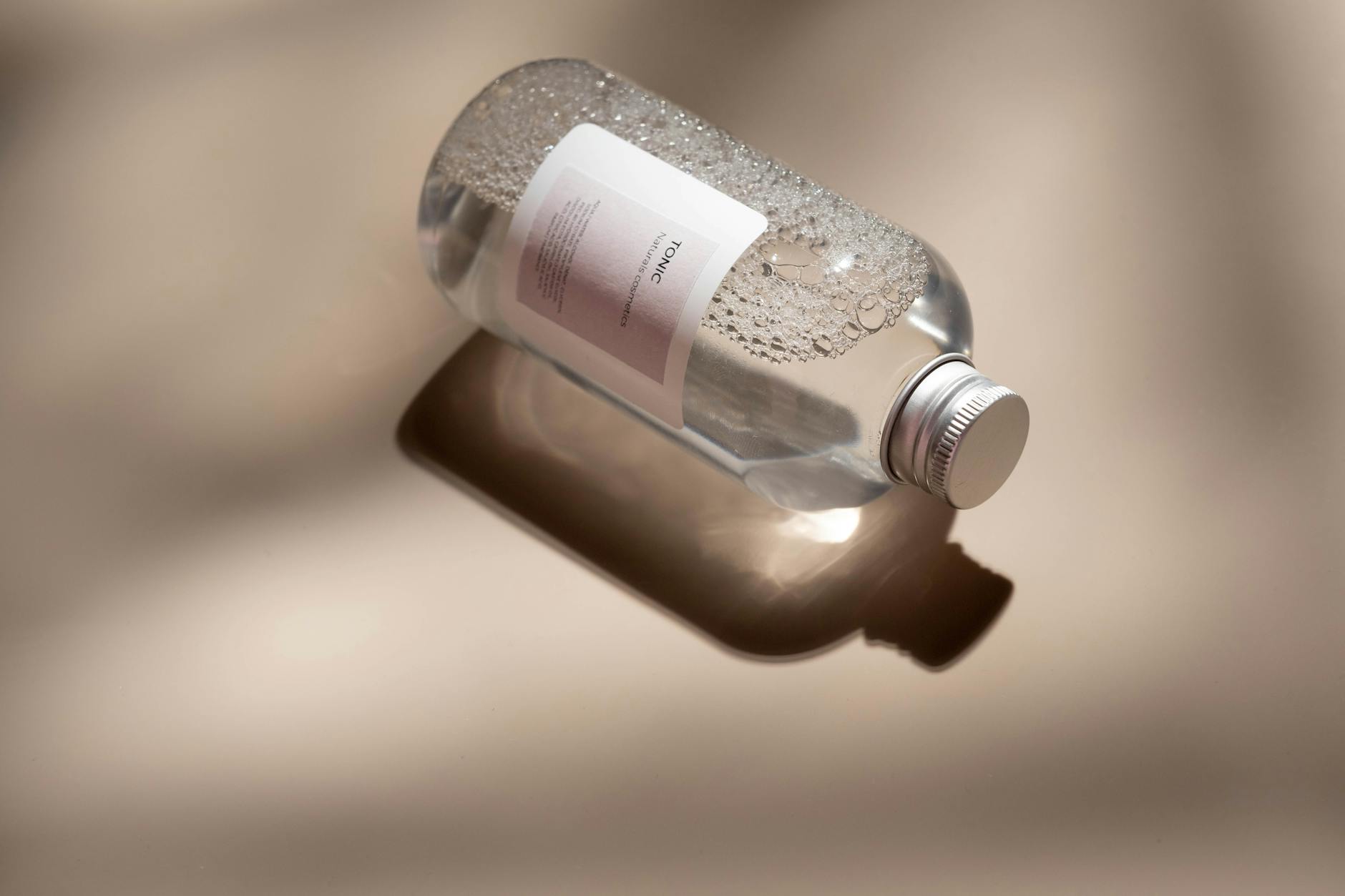
Applying micellar water to the face before stepping into the shower removes surface makeup, sunscreen and environmental particulates from the skin before steam and facial cleanser are applied, preventing the shower heat from driving these surface contaminants further into open pores during the warm water phase. The micellar step requires less than thirty seconds and eliminates the need for a separate makeup removal stage outside the shower in the evening routine. Dermatologists note that the combination of a thorough micellar pre-cleanse followed by a gentle in-shower cleanser produces a more complete and less strip-heavy cleanse than either step performed alone. The approach is particularly beneficial for people who wear SPF daily because modern sunscreen formulations are specifically designed to resist water and require a separate solvent-based removal step for complete clearance.
The Body Map

Developing and consistently following a fixed top-to-bottom sequence for cleansing the body rather than washing in an improvised order each shower ensures that rinse water carrying product residue from the hair and scalp travels downward over already-cleansed skin rather than depositing on areas that have not yet been washed. Many dermatologists identify hairline and back breakout as partially attributable to inadequate rinsing of shampoo and conditioner from the skin in these areas, a problem that a consistent top-to-bottom cleansing map addresses structurally. Following a fixed body map also shortens total shower duration over time because the sequence becomes automatic and eliminates the minor decision-making that extends unfocused showering. The map takes only one deliberate shower to establish and produces noticeable reduction in body breakout within a few weeks for those who are susceptible.
Silk Hair Tie

Switching from a conventional elastic hair tie to a silk or satin-covered tie for securing hair during a shower prevents the mechanical breakage and compression crease that elastics introduce to hair that is already at its most structurally vulnerable when wet. Wet hair is estimated by trichologists to stretch up to thirty percent further than dry hair before snapping, meaning that any point of compression applied during a shower carries a substantially higher breakage risk than the same compression applied to dry hair. The silk surface also reduces the friction generated by the removal of the tie after the shower, which is a secondary breakage point that accumulates invisibly over hundreds of repeated applications. The product swap requires no change in behavior and the difference in breakage accumulation becomes visible within several weeks of consistent use.
Facial Steam Window
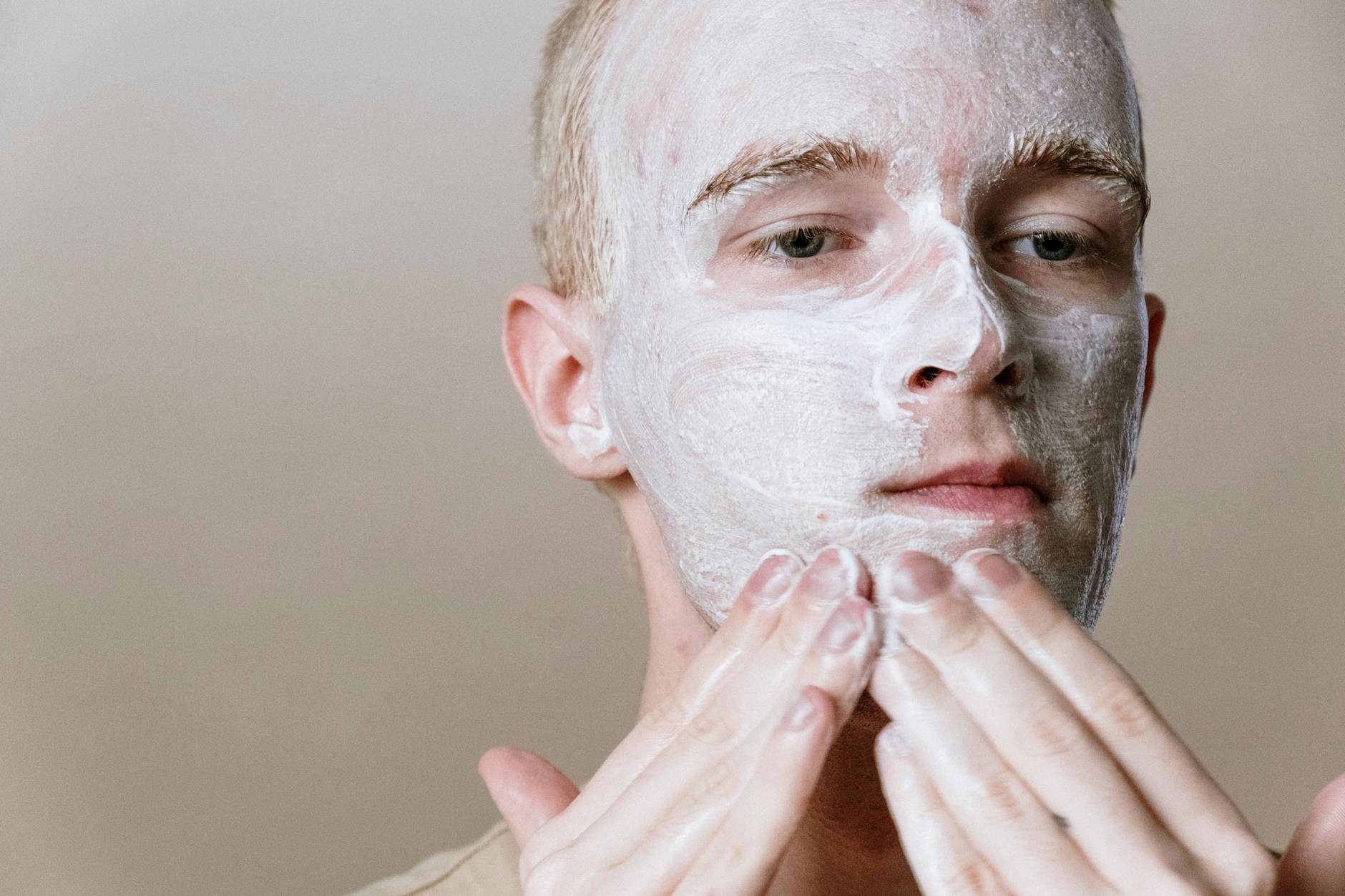
Rather than applying facial cleanser immediately upon entering a warm shower, waiting for two to three minutes of steam exposure before touching the face allows the pores to dilate naturally and softens the sebum and debris within them before any active cleansing begins. Dermatologists describe the pre-cleanse steam window as a passive preparation step that allows a gentler cleanser to achieve the thoroughness of a more aggressive product without the associated barrier disruption. The practice is particularly valuable for people with congestion-prone skin or those who use physical exfoliants, as the softened pore contents require significantly less mechanical friction to dislodge cleanly. No additional time is required because the steam window can coincide with the body cleansing sequence before the face is addressed.
Copper Infused Cloth
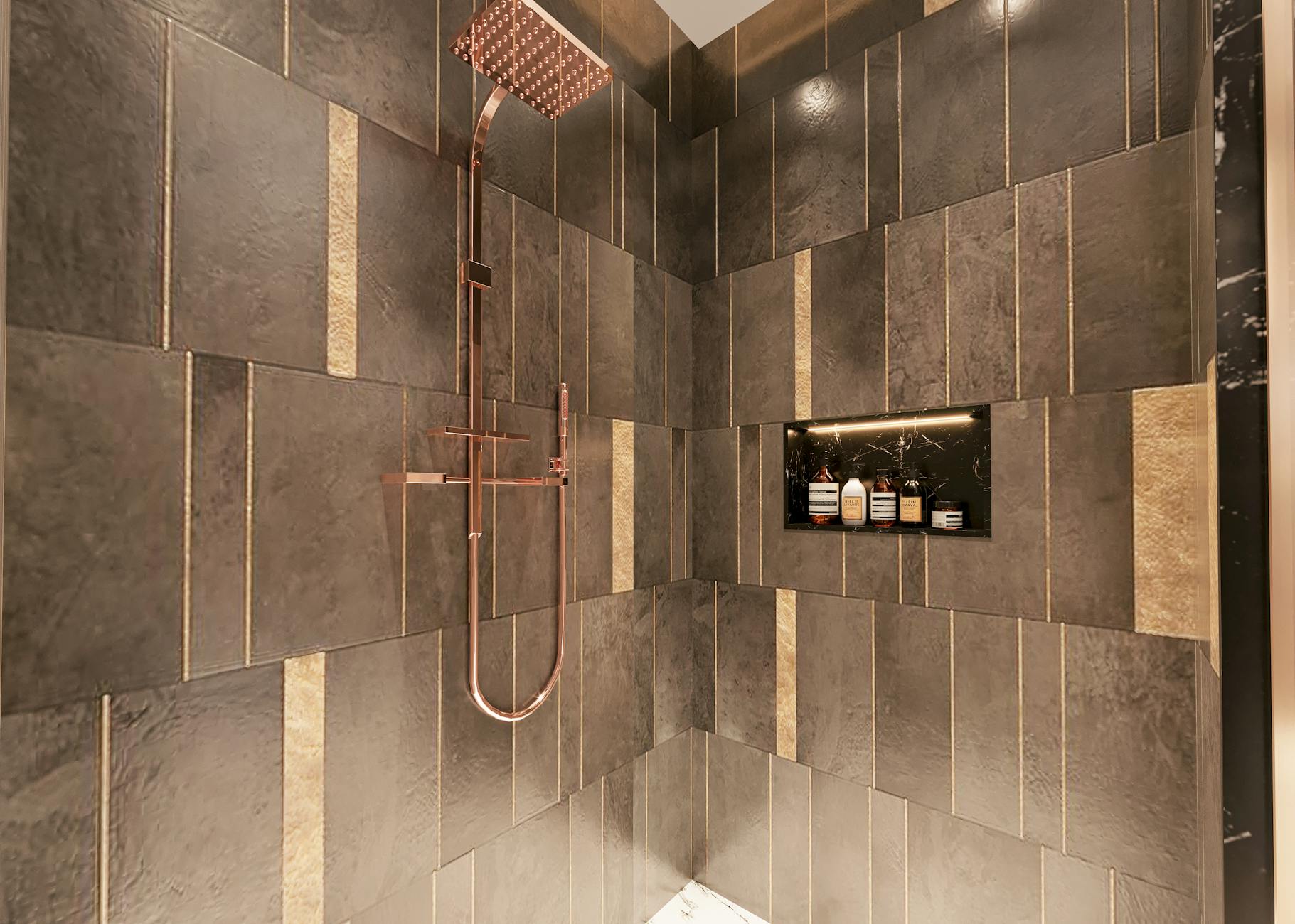
Replacing a conventional washcloth with a copper-infused or copper-threaded alternative introduces a passive antimicrobial environment to the cleansing step that reduces the bacterial transfer between uses that conventional cotton washcloths facilitate. Standard cotton washcloths stored in humid bathroom environments accumulate bacterial colonies between uses at a rate that makes them a net contributor of bacteria to the skin surface on every use after the first. Copper fiber cloths demonstrate clinically measured antimicrobial activity that persists through multiple wash cycles and does not require the daily laundering that conventional cloths technically require for hygiene safety. The product replacement is a single purchase that alters the bacterial profile of the cleansing routine without any change to behavior or shower timing.
Shampoo Dilution

Diluting shampoo with an equal volume of water before applying it to the scalp produces a lather that distributes more evenly across the entire scalp surface and reduces the concentration of surfactants in contact with the hairline skin, where product sensitivity reactions most commonly originate. Trichologists note that the scalp skin is thinner and more reactive than the skin elsewhere on the body and that full-strength shampoo applied directly and repeatedly to this area is a common unidentified contributor to scalp sensitivity, flaking and reactive redness. The diluted application also rinses more completely from the hair shaft and scalp in the same shower duration, reducing the residue that accumulates and dulls hair texture between washes. A small squeeze bottle kept in the shower for pre-dilution is the only equipment the practice requires.
Exfoliation Timing
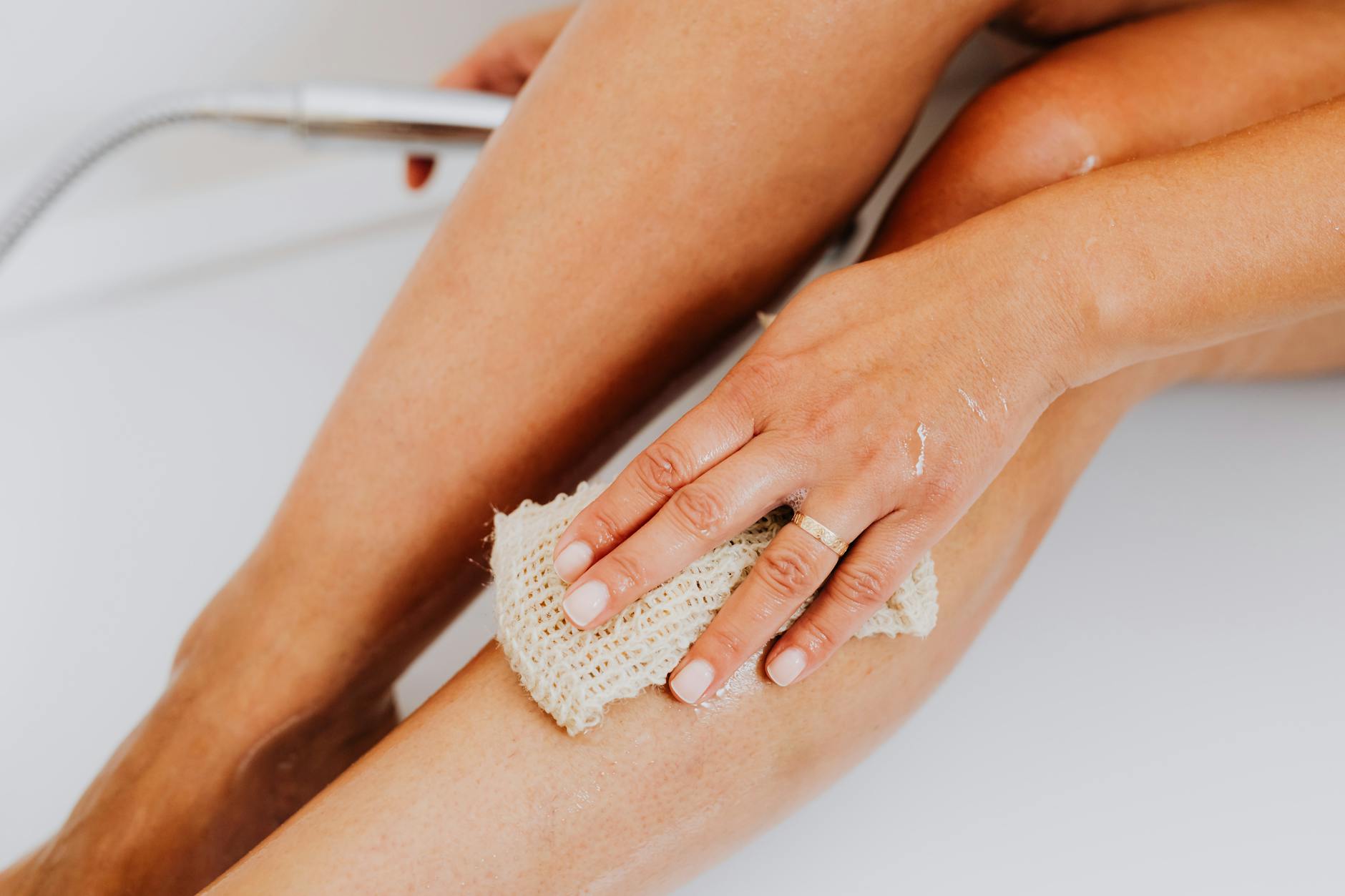
Scheduling physical or chemical body exfoliation on days when no shaving is planned rather than on the same day ensures that the exfoliation does not remove the lubrication layer that protects freshly shaved skin and does not apply abrasive material to newly exposed and sensitized follicle openings. Dermatologists consistently cite the combination of exfoliation and shaving in the same shower as a primary cause of the post-shave redness, folliculitis and ingrown hair formation that many people attribute to their razors or shaving products rather than to the sequence itself. Separating the two activities by even a single day allows the skin barrier to recover its surface integrity between the two mechanical interventions. This scheduling change costs nothing and requires no new products but produces an immediate visible reduction in post-shave reactivity for the majority of people who implement it.
Lukewarm Face Rule
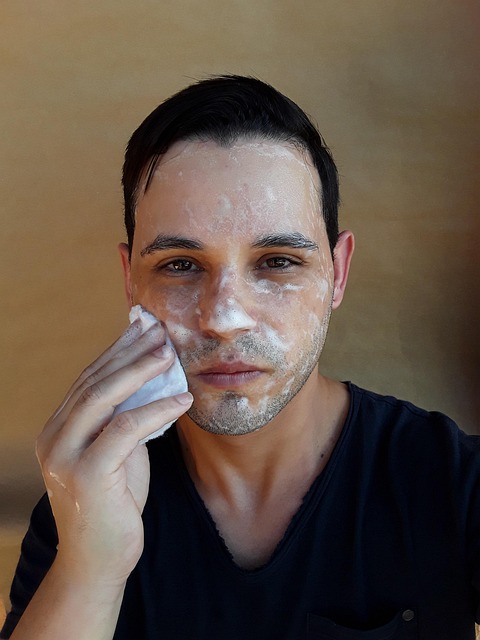
Washing the face exclusively with lukewarm water rather than matching the facial cleanse to the overall shower temperature prevents the chronic vasodilation and broken capillary development that repeated exposure to hot water produces in the thin skin of the face over months and years of daily showering. The skin on the face contains a higher density of superficial capillaries than the skin on the body and these vessels respond more dramatically and cumulatively to thermal stress than body skin. Dermatologists working with patients who present redness and visible capillary damage frequently identify daily hot water facial exposure as a primary contributing factor that can be modified without any product change. A simple conscious reduction in the water temperature used specifically for the face while the overall shower temperature remains unchanged is all the adjustment requires.
Sound Environment
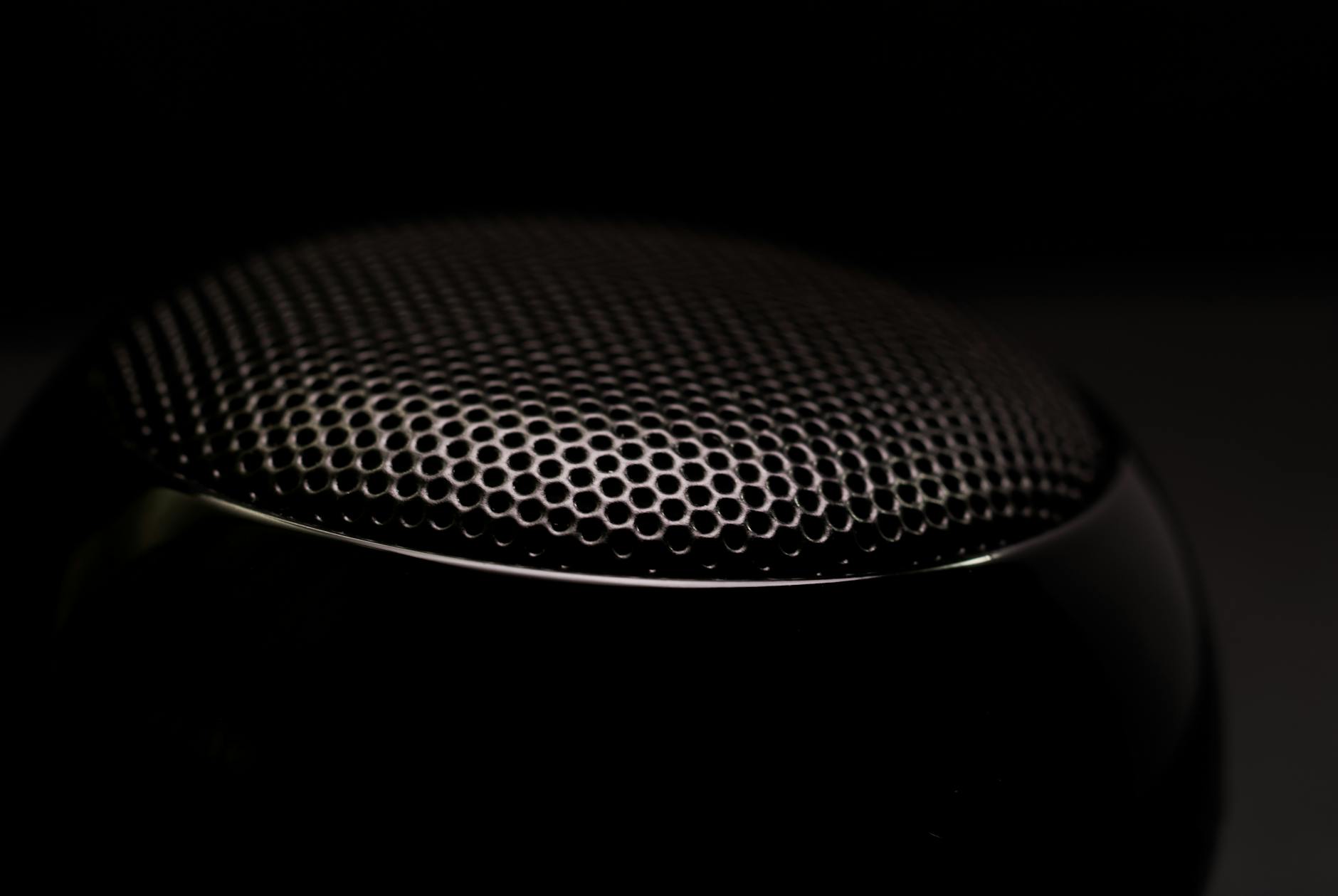
Playing specifically curated audio content during the shower rather than showering in silence or with incidental background noise is consistently associated in behavioral research with measurable improvements in mood, creativity and subjective sense of wellbeing at the start of the day. The shower environment amplifies sound in a way that enhances the emotional impact of music due to the reverberation effect of enclosed hard surfaces creating a perceptual richness that the same audio lacks in open room environments. Behavioral researchers studying morning routines identify intentional audio selection for the shower as a low-effort environmental design change with a disproportionately positive effect on mood state carried into the hours that follow. A waterproof speaker positioned outside direct water contact is the only equipment investment required.
Oil Cleanse Addition
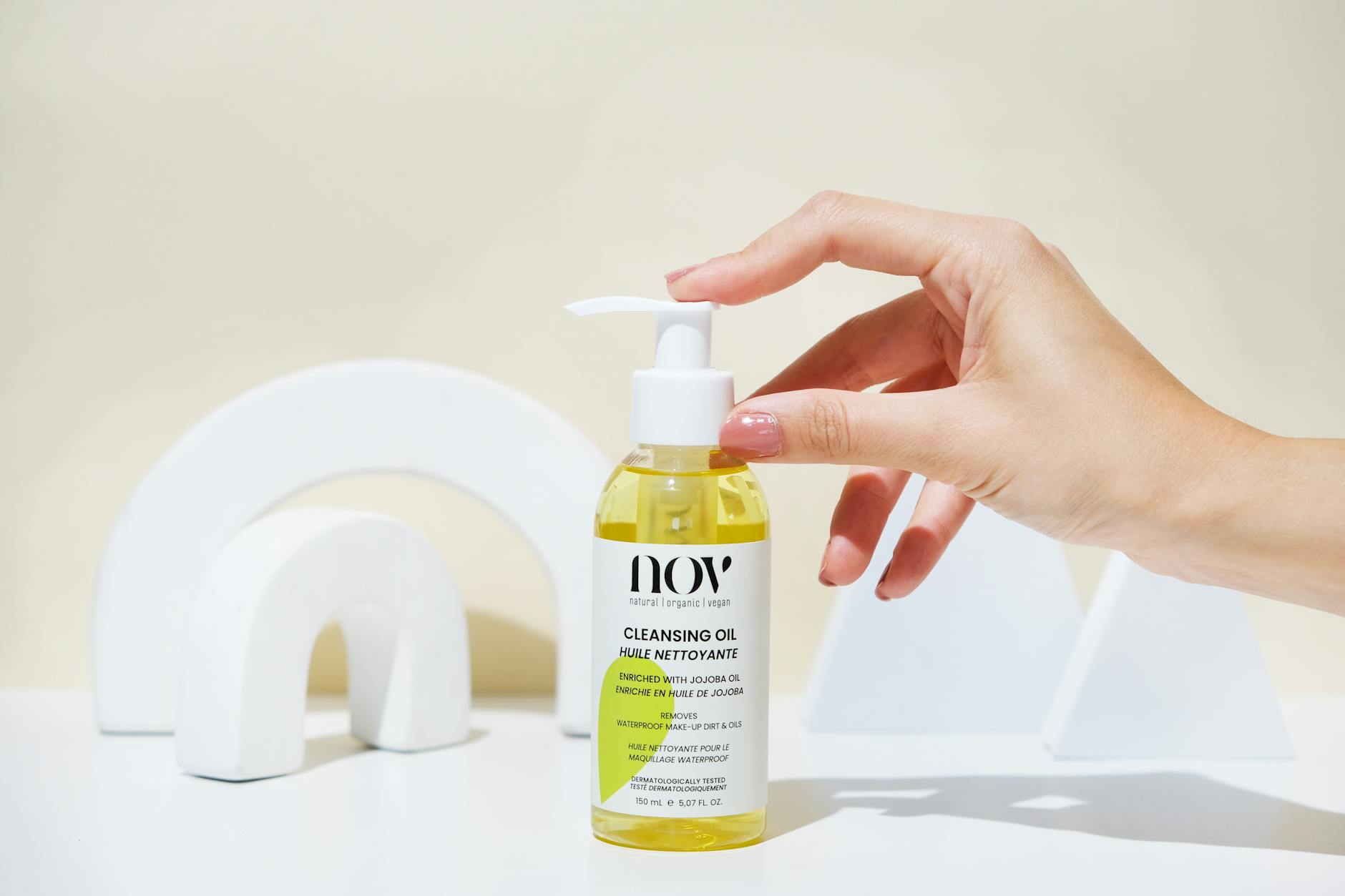
Incorporating a single pump of cleansing oil into the body wash routine by mixing it into the palm alongside the regular cleanser introduces a lipid replenishment step into the cleansing phase itself rather than relying entirely on post-shower moisturizer to restore barrier lipids removed during washing. Dermatologists who specialize in dry and eczema-prone skin frequently recommend oil-infused cleansing as a structural modification to the shower routine that reduces the net lipid deficit created by daily washing rather than simply attempting to compensate for it afterward. Jojoba, squalane and marula oil are among the most biocompatible additions for this purpose due to their molecular similarity to the natural lipids found in the human skin barrier. The change requires no additional shower time and produces a noticeably less tight post-shower skin sensation from the first use.
The No-Rub Dry

Replacing rubbing with patting during the post-shower drying process reduces the mechanical friction applied to skin that is at its most structurally vulnerable state immediately after prolonged water and heat exposure. Wet skin stretches under friction at a dramatically lower threshold than dry skin and the repeated microtrauma of vigorous towel rubbing is cumulative enough to contribute to chronic surface inflammation in sensitive skin types over months of daily practice. Dermatologists universally recommend patting as the appropriate drying technique yet the behavioral habit of rubbing is so deeply ingrained in most adults that it requires conscious active attention to override initially. The same towel, the same drying time and the same bathroom routine remain entirely unchanged and only the physical motion of the drying step itself is modified.
Vitamin C Serum Timing
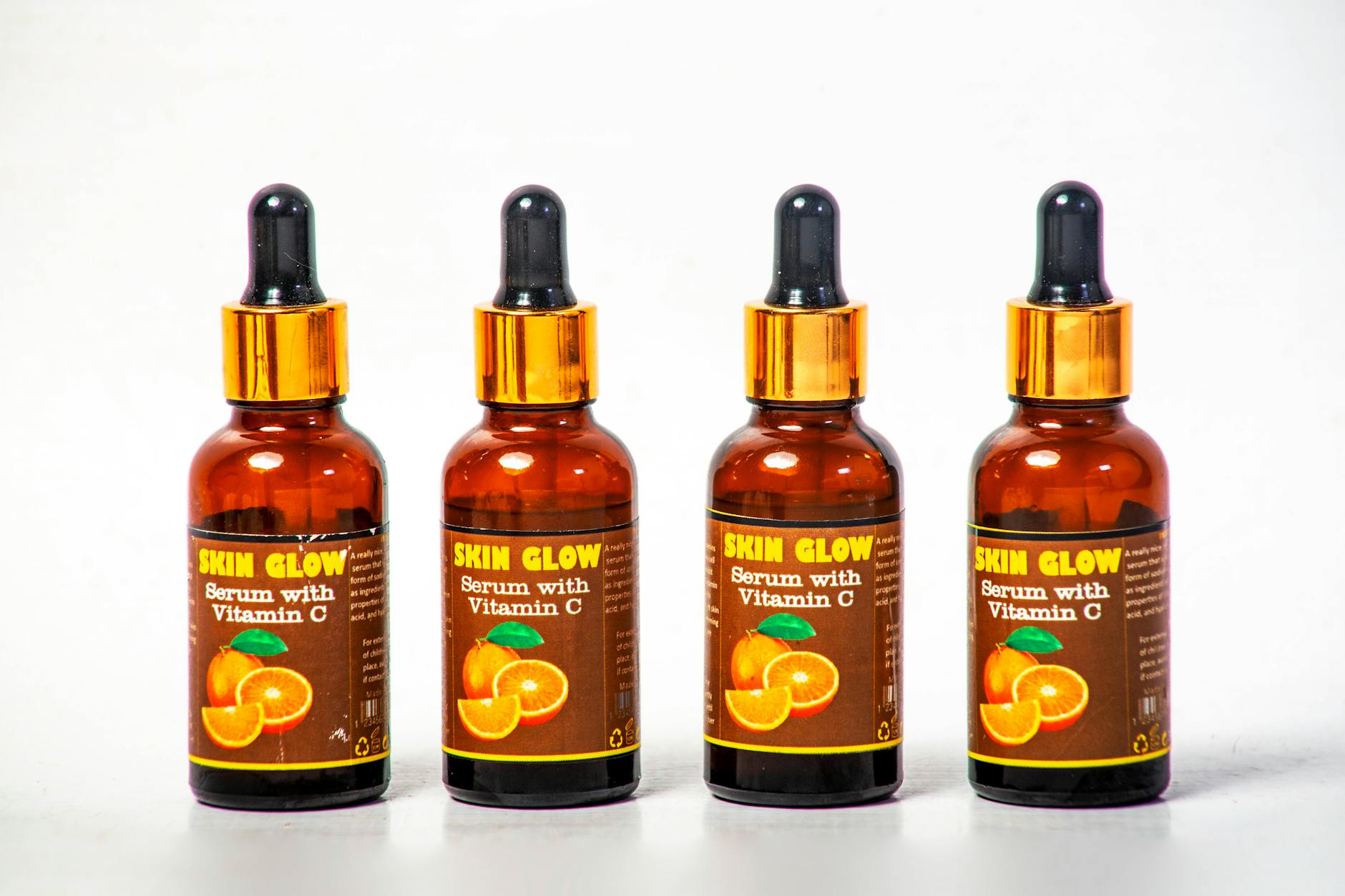
Applying a vitamin C serum to the face within sixty seconds of stepping out of the shower and while the skin is still slightly damp from residual steam allows the humectant properties of the product to bind surface moisture into the upper skin layers before evaporation removes it. Vitamin C applied immediately after shower steam exposure to skin that is already slightly flushed and open-pored penetrates more efficiently than the same product applied to fully dry and temperature-normalized skin later in the morning routine. The antioxidant activity of vitamin C is also most immediately relevant in the minutes after a hot shower when the skin’s surface has been mildly oxidatively stressed by the heat and steam exposure itself. Timing the serum application to the post-shower window rather than a later point in the morning routine requires no additional product and no extra time.
Condition Before Shampoo
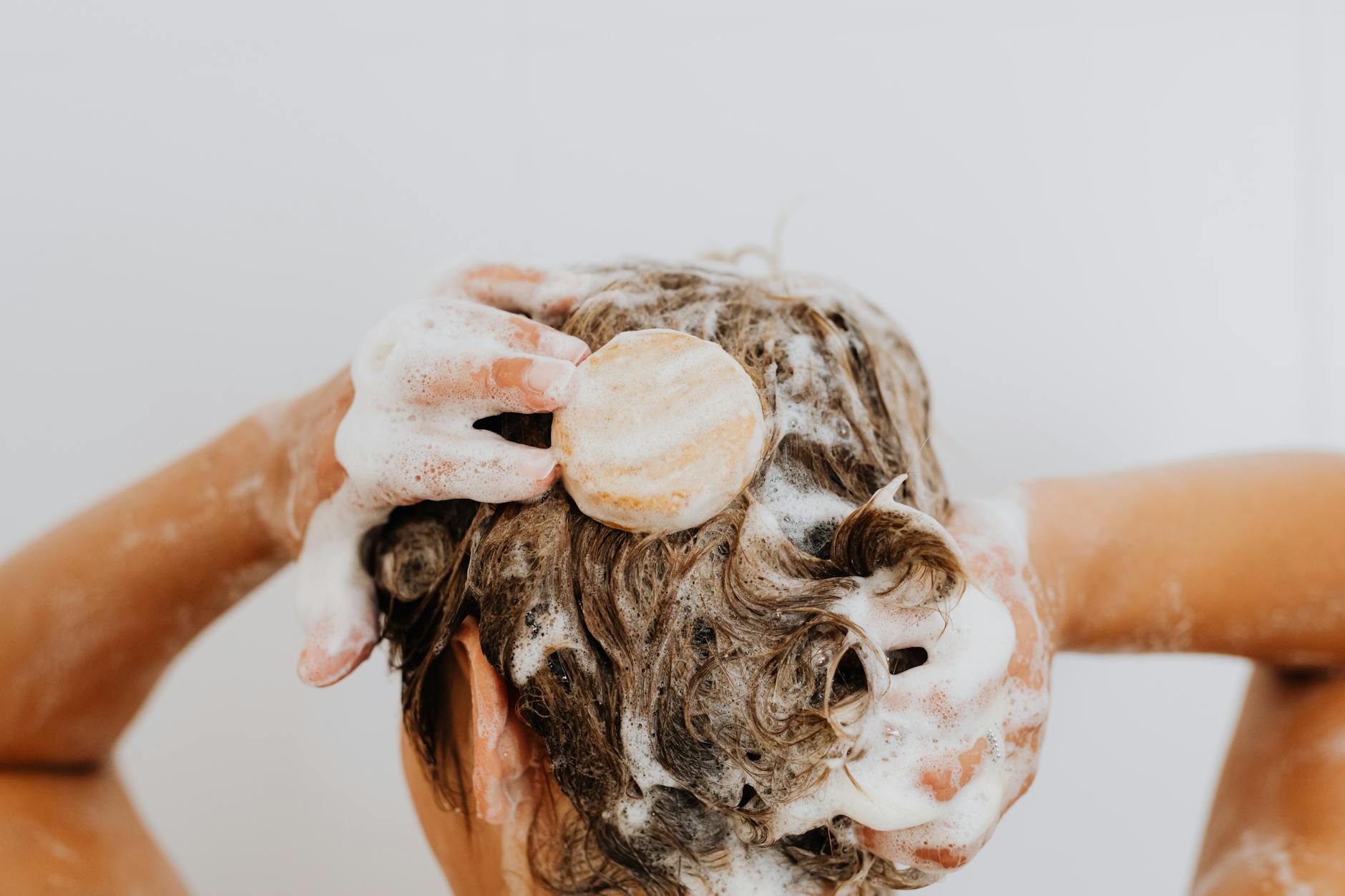
Reversing the conventional order by applying conditioner to the mid-lengths and ends of the hair before shampooing the roots and scalp creates a protective barrier of lipids and protein around the most fragile part of the hair shaft before it is exposed to the surfactants in shampoo. The oldest portions of the hair are found at the ends and these sections have accumulated the greatest number of wash cycles, heat exposures and mechanical stresses of any part of the strand. Conditioning the ends first effectively treats the area of highest need during the window of greatest steam-enhanced absorption while simultaneously creating a buffer that prevents the shampoo lather from stripping these sections as aggressively during the subsequent wash step. Trichologists who recommend reverse conditioning describe the results as particularly dramatic for people with long hair, color-treated hair or any history of heat tool use.
Mindful Temperature Noticing
Taking ten seconds at the beginning of the shower to consciously register the sensation of the water temperature on the skin without judgment or agenda engages the sensory cortex in a way that interrupts rumination and anxiety loops carried into the shower from pre-shower mental activity. Mindfulness researchers describe this brief sensory anchoring as a pattern interrupt that resets the attentional baseline from abstract mental content toward present physical experience, producing a neurological shift that persists beyond the shower into the early part of the morning. The practice requires no additional time, no change to the shower routine and no prior meditation experience to execute effectively. Studies on micro-mindfulness interventions in daily routine contexts consistently show that ten-second sensory attention practices produce mood outcomes disproportionate to their brevity when performed consistently within a habitual behavioral context.
Targeted Cold Exposure

Directing cool water specifically at the back of the neck and the base of the skull for fifteen to twenty seconds stimulates the vagus nerve and the carotid body in a way that produces a rapid and measurable reduction in heart rate variability and a concurrent improvement in subjective mood state. This targeted approach delivers many of the mood benefits associated with full cold immersion practices while requiring only a fraction of the physiological stress and none of the behavioral barrier that deters most people from cold shower routines. Sports medicine practitioners and mood researchers both cite the neck and skull base as uniquely productive sites for cold exposure due to the density of autonomic nervous system access points in this anatomical region. The fifteen-second targeted application can be incorporated into the final rinse phase without adding any time to the overall shower duration.
Probiotic Body Wash
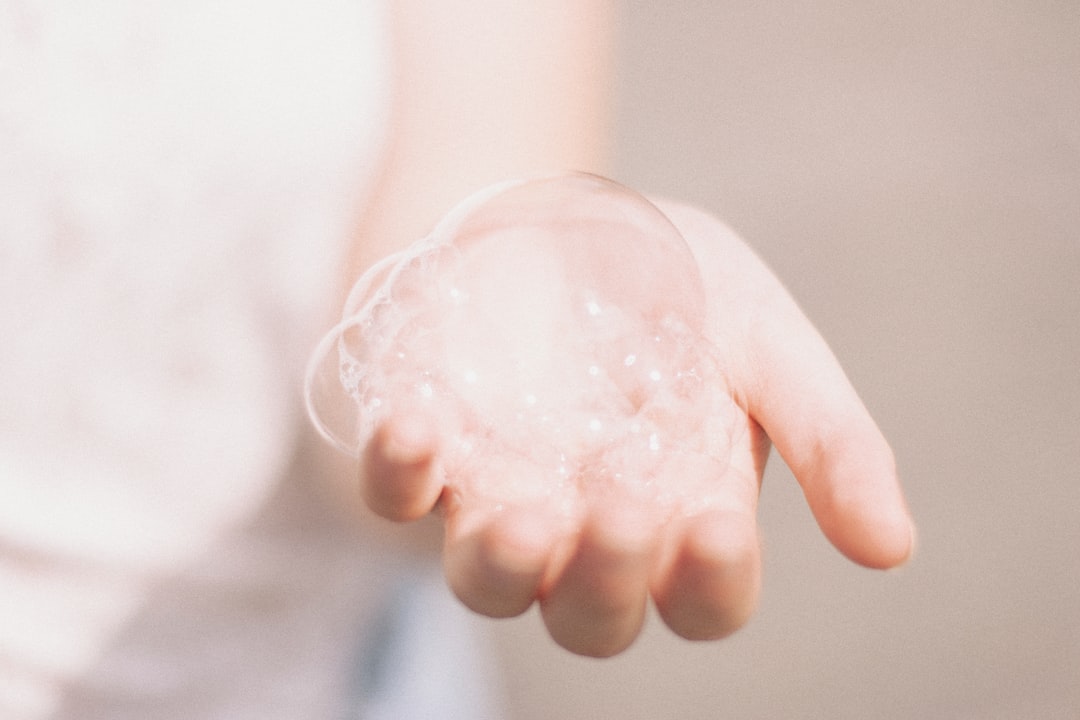
Replacing a conventional antibacterial body wash with a probiotic-infused or microbiome-supportive alternative reduces the disruption to the skin’s resident bacterial community that conventional cleansers produce with every use. The skin microbiome functions as a primary component of the immune barrier and its repeated disruption by broad-spectrum antibacterial formulations is linked in dermatological research to increased incidence of sensitivity, reactive skin and conditions such as eczema and rosacea in genetically predisposed individuals. Probiotic body washes are formulated to clean effectively while depositing beneficial bacterial strains that help restore and maintain microbiome balance across the full body surface. The product swap requires no behavioral change and the barrier benefits accumulate progressively over several weeks of consistent use.
Gratitude Window

Using the two to three minutes of the shower when both hands are occupied with hair washing as a dedicated mental window for consciously identifying one to three things anticipated positively about the day ahead shifts the default mental activity of the shower from passive rumination toward active positive anticipation. Positive psychology researchers identify anticipatory gratitude as one of the most reliable short-form mood elevation practices available, producing neurochemical changes through dopaminergic anticipation pathways that create a measurable improvement in subjective wellbeing lasting several hours. The shower provides a uniquely effective environment for this practice because the absence of screen access and the sensory engagement of the water reduce the mental competition from other stimuli that typically interrupts brief gratitude practices attempted elsewhere. No journaling, no verbal expression and no additional time are required.
Post-Shower Cold Towel

Using a towel that has been briefly chilled in the refrigerator for the final face pat-dry step after the shower applies a mild cold stimulus to facial skin that has been vasodilated by shower heat and contracts the surface capillaries in a way that reduces post-shower flushing and creates a more even and less red facial appearance within minutes. Aestheticians who work with reactive and rosacea-prone skin frequently recommend cold compress finishing as the final step of any skin routine that involves heat exposure, whether from a shower, steam treatment or warm cleanser. The brief cold contact also produces a mild adrenaline response that contributes to the alertness benefit of the cool final rinse without requiring a full body cold water exposure. The single additional step takes less than fifteen seconds and the towel requires only a few minutes of pre-cooling to reach an effective temperature.
The Two-Minute Rule
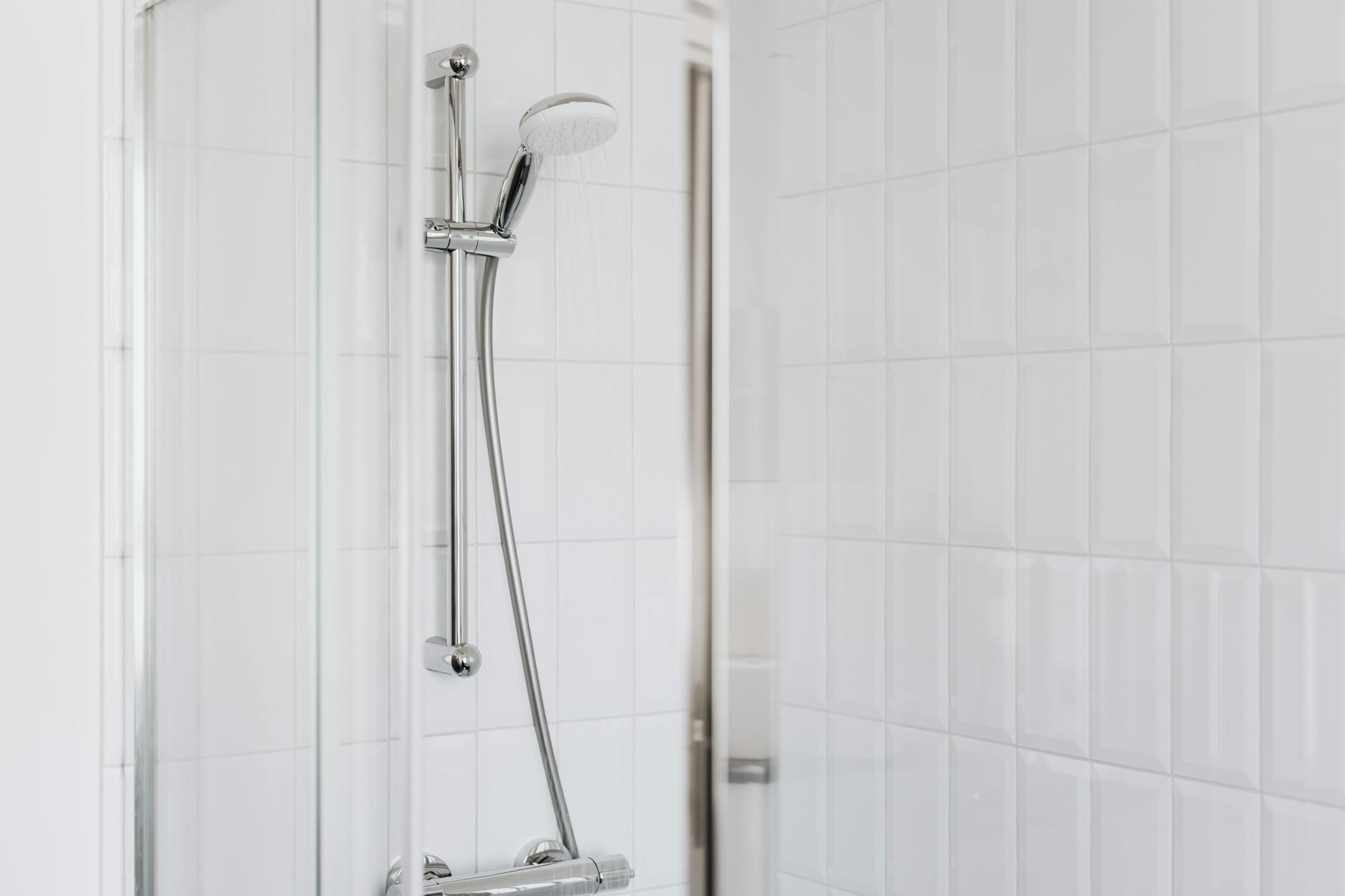
Limiting the time spent specifically on hair and body product application within the shower to a maximum of two minutes per category creates a behavioral constraint that reduces total shower duration and incidentally prevents the over-shampooing, over-conditioning and over-cleansing that extended product contact times encourage. Dermatologists note that most shower products require only the time needed to distribute them evenly across the target surface to perform their function and that extended leave-on times within the shower environment primarily increase irritant exposure without proportionally increasing benefit. The two-minute discipline also prevents the shower from expanding to fill available morning time, protecting the routine from gradual duration creep that accumulates invisibly over weeks. A simple mental timer rather than an audible alert is sufficient to maintain the constraint without interrupting the sensory environment of the shower.
Charcoal Scalp Mask
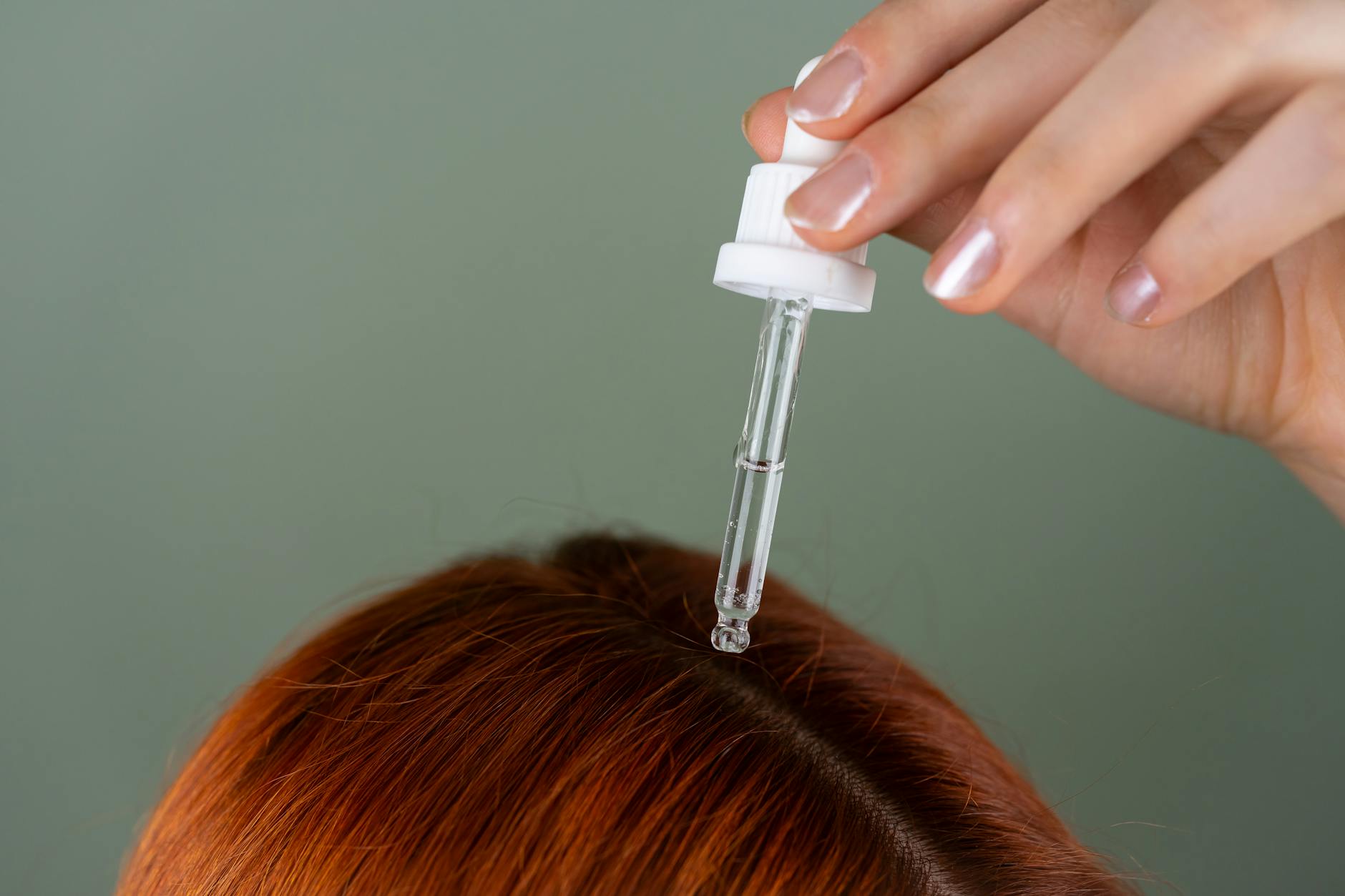
Applying a charcoal-based scalp mask once per week during the shower in place of the regular shampoo step performs a deeper drawing cleanse of the follicle environment that removes the mineral buildup, product residue and sebum oxidation that accumulate in the scalp below the surface level that regular shampoo reaches. Trichologists identify scalp buildup as one of the most common unrecognized contributors to reduced hair volume, slowed growth rate and persistent scalp odor in people who shampoo regularly with conventional products. The activated charcoal in these formulations functions through adsorption rather than surfactant chemistry, attracting and binding the specific molecular types that conventional shampoos are not formulated to address. A single weekly substitution requires no change to the other six days of the shower routine and produces visible improvements in hair volume and scalp clarity within three to four weeks of consistent use.
Natural Light Timing

Timing the shower to occur within the first thirty minutes after natural light begins entering the home aligns the cortisol awakening response, which peaks in the first twenty to thirty minutes after waking, with the stimulating sensory input of the shower to produce a more complete and sustained alertness response than the same shower taken at an arbitrary later point in the morning. Chronobiologists studying circadian health identify the cortisol awakening response as the body’s primary natural energizing mechanism and note that activities which support rather than suppress this response in the first thirty minutes of the day produce mood and energy benefits that extend well into the afternoon. The shower does not need to occur immediately upon waking but benefits from being positioned within rather than after this natural biological window. No behavioral change within the shower itself is required and only the scheduling of the routine within the morning timeline needs adjustment.
Magnesium Spray Timing
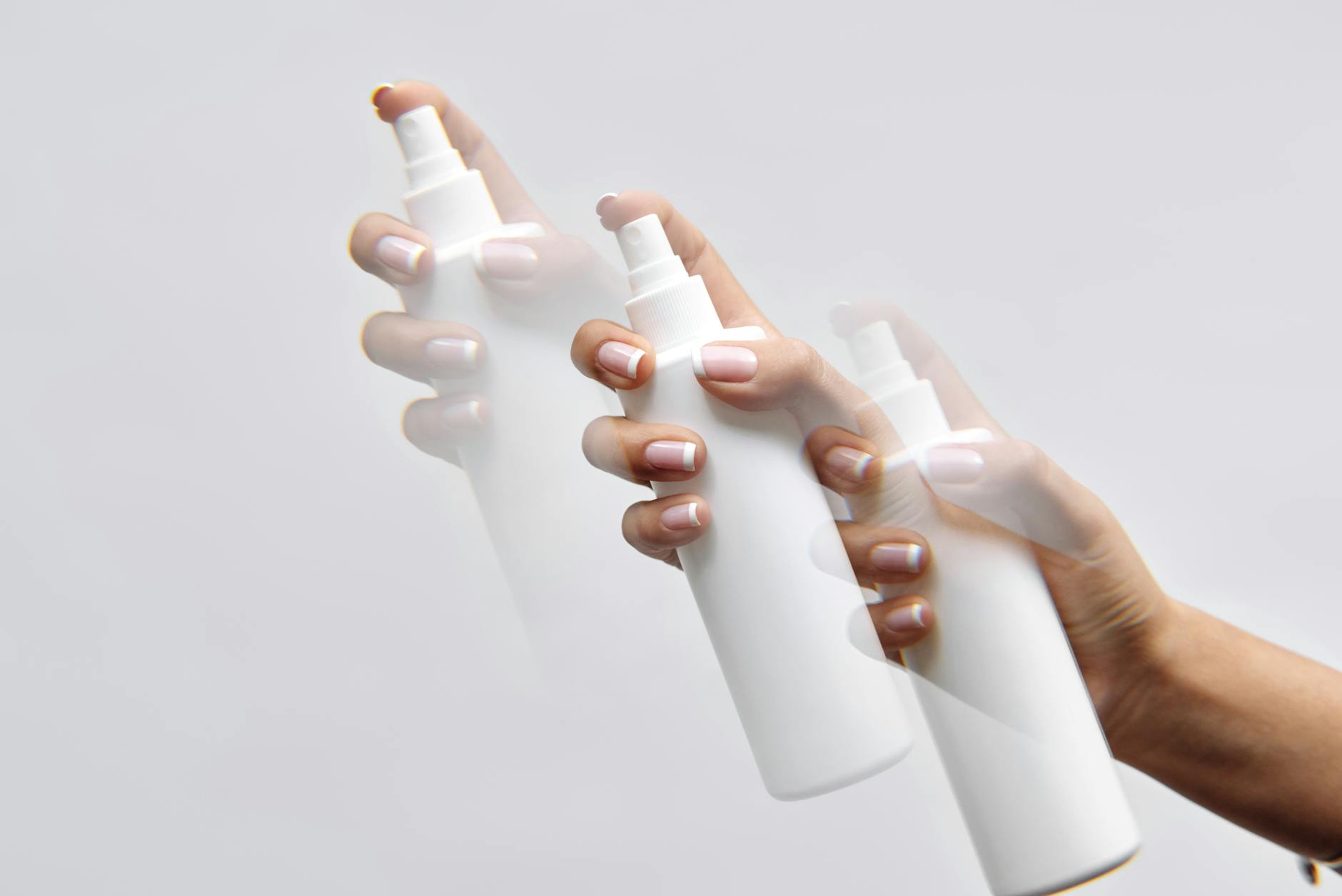
Applying a topical magnesium spray to the legs and arms in the final thirty seconds before stepping out of the shower allows the residual steam warmth on the skin surface to enhance transdermal absorption of the mineral during the brief window between shower exit and towel drying. Magnesium is one of the most commonly deficient minerals in modern populations and its topical application is considered by some nutritional researchers to offer an absorption pathway that bypasses the digestive limitations associated with oral supplementation. The warm and slightly dilated skin surface immediately post-shower represents an unusually receptive absorption environment that is difficult to replicate at any other point in the daily routine. The application takes under thirty seconds and the spray dries rapidly enough to allow normal toweling and moisturizing to follow without interference.
Eucalyptus Steam

Attaching a small bundle of fresh or dried eucalyptus to the showerhead or hanging it in the path of steam creates a passive aromatherapy environment within the shower that delivers the respiratory and mood benefits of eucalyptus without any active diffusing equipment. Eucalyptus contains 1,8-cineole, a compound with clinically measured properties that include bronchodilation, reduction of sinus congestion and stimulation of the autonomic nervous system in a way that produces increased mental alertness and a positive shift in subjective mood. The sensory richness of the steam-activated eucalyptus also enhances the experiential quality of the shower in a way that behavioral researchers associate with increased mindful presence during the routine. A bundle lasts approximately two to three weeks before requiring replacement and costs significantly less than any active diffusing system delivering comparable aromatic concentration.
Neck and Shoulder Roll

Performing a thirty-second sequence of gentle neck rolls and shoulder circles while standing under the warm water at the beginning of the shower uses the heat of the water as a passive muscle relaxant that allows a greater range of motion and a deeper tissue release than the same movements performed away from heat. The muscles of the neck and upper trapezius carry the majority of chronic stress-related tension in the body and benefit disproportionately from the combination of thermal exposure and gentle movement that a warm shower uniquely provides. Regular morning mobilization of these specific muscles is associated in physical therapy research with reduced headache frequency, improved posture awareness throughout the day and a reduction in the shoulder elevation pattern associated with chronic stress responses. The sequence requires no equipment and adds thirty seconds to a shower that would otherwise spend that time with the person standing passively under the water.
Body Oil Lock-In
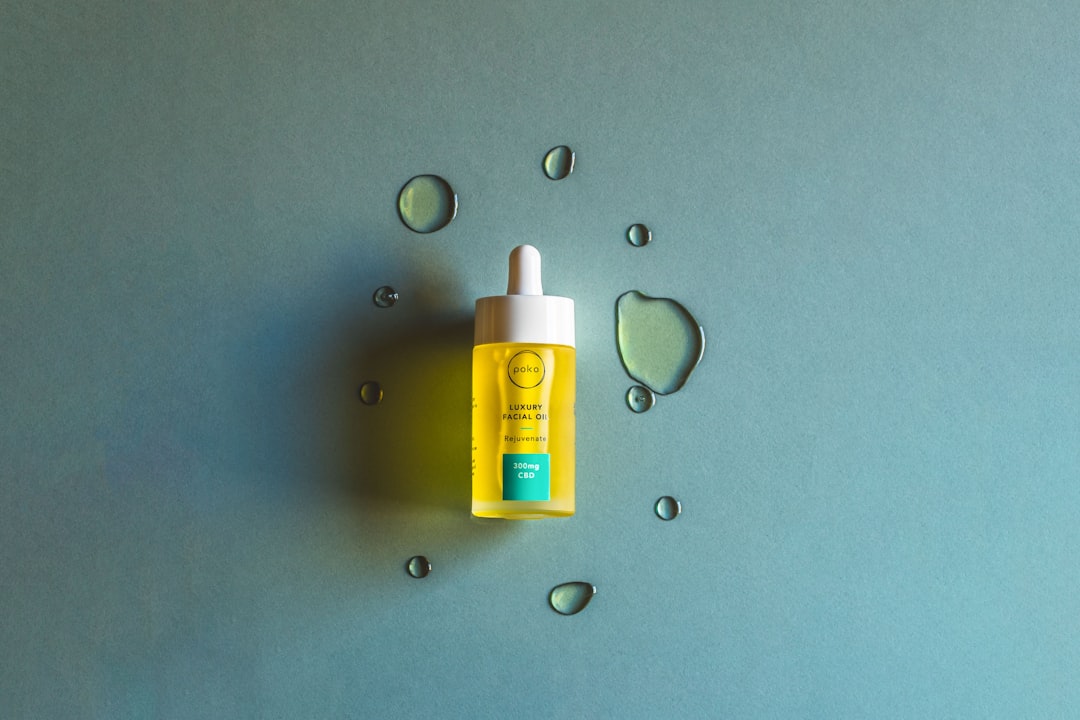
Applying a thin layer of body oil to damp skin within thirty seconds of exiting the shower and before any water has fully evaporated from the skin surface creates an occlusive seal over the hydration absorbed during the shower that dramatically outperforms moisturizer applied to fully dry skin in terms of moisture retention across the following hours. The mechanism is identical to the occlusion principle used in clinical wound care where a lipid barrier applied over a hydrated surface slows transepidermal water loss to a fraction of its unoccluded rate. Squalane, rosehip and sweet almond oil are among the most skin-compatible options due to their non-comedogenic profiles and their close molecular similarity to the skin’s natural sebum. The application takes under a minute and replaces rather than supplements the conventional post-shower moisturizer step in most routines.
Intention Setting

Using the final thirty seconds of the shower to set one clear and specific intention for the day ahead before turning off the water creates a behavioral transition ritual that converts the shower from a purely physical maintenance activity into a purposeful psychological preparation step. Behavioral design researchers describe brief pre-activity intention setting as one of the most consistently effective methods for increasing follow-through on planned behaviors because the intention is formed at a moment of relative neurological calm and physical readiness. The shower is particularly well-suited to this practice because the sensory containment of the space reduces competing cognitive inputs during the intention formation moment. People who practice consistent daily intention setting within the shower report an improved sense of agency and directedness in the first hours of the morning that is distinguishable from the more diffuse start experienced on days when the practice is skipped.
Filtered Water Use

Installing a simple shower filter that removes chlorine, chloramine and heavy metal residues from the water supply addresses one of the most commonly overlooked contributors to skin dryness, scalp irritation and hair texture degradation in households supplied with treated municipal water. Chlorine is added to municipal water supplies at concentrations sufficient to eliminate bacterial contamination but these concentrations are also sufficient to disrupt the skin microbiome and strip the hair’s natural lipid coating with every daily shower. Dermatologists and trichologists working in urban settings frequently identify water quality as a primary variable in cases of unexplained skin sensitivity and hair quality decline where products and techniques have already been optimized. A carbon block shower filter typically costs less than a month’s supply of a specialized skin treatment product and addresses the issue at its environmental source rather than attempting to manage it cosmetically after the fact.
Aromatherapy Washcloth

Adding two to three drops of a mood-targeted essential oil to a damp washcloth hung within the shower enclosure before entering creates a low-concentration aromatic environment that delivers measurable neurological effects throughout the shower without the safety concerns associated with applying undiluted essential oils directly to water-exposed skin. Lavender, bergamot and sweet orange are among the most extensively researched essential oils for acute mood improvement and their effects are detectable in cortisol and self-reported mood measures within minutes of inhalation at even low atmospheric concentrations. The steam of the shower gradually volatilizes the oil from the cloth and distributes it through the enclosed space in a concentration that is sufficient for neurological effect but too dilute for skin sensitization. The washcloth method requires no diffuser, no special equipment and no modification to the shower routine beyond the thirty-second preparation step before entering.
Consistent Duration

Establishing and maintaining a fixed shower duration rather than varying the length based on mood, available time or temperature preference creates a reliable physiological and behavioral anchor that the nervous system begins to associate with a specific downstream mood and readiness state over consistent repetitions. Behavioral scientists studying habit formation identify duration consistency as one of the most overlooked variables in optimizing the mood outcomes of daily rituals because the neurological association between the activity and its expected outcome strengthens proportionally with the predictability of the sensory experience. A shower that always lasts seven minutes at a consistent temperature and follows a consistent sequence produces a more reliable and predictable mood baseline at its conclusion than one that varies by several minutes and several degrees from day to day. The consistency itself rather than any specific duration is the variable that drives the conditioning effect.
Share your own tiny shower swaps and the changes you have noticed in your skin or mood in the comments.