Cultivating genuine happiness often involves small and consistent actions rather than grand gestures or expensive purchases. People who report high levels of satisfaction tend to weave specific positive behaviors into their daily routines to build resilience. These habits create a steady foundation for joy regardless of external circumstances or stressors. The following practices are commonly observed in those who maintain a consistently positive outlook on life.
Morning Hydration

Drinking water immediately upon waking replenishes fluids lost during sleep and kickstarts the metabolism. A standard glass of sixteen ounces helps wake up the brain and digest the previous night’s dinner. Many people add a slice of lemon for a refreshing taste and a small boost of vitamin C. This simple act signals the body that a new day has started with intention. Proper hydration supports energy levels and cognitive function from the very first hour.
Making The Bed

Smoothing out sheets and arranging pillows creates an immediate sense of accomplishment before leaving the bedroom. This two-minute task sets a structured tone for the rest of the day and discourages climbing back into bed. It transforms the bedroom into a tidy sanctuary that is welcoming at the end of the day. Military leaders often tout this small discipline as the first step to changing the world. A made bed serves as a visual reminder of order amidst a chaotic schedule.
Daily Meditation

Taking a few minutes to sit in silence helps regulate emotions and lowers stress levels significantly. This practice usually involves focusing on the breath or scanning the body for tension. Regular sessions can physically change the brain structure to improve focus and emotional stability. It provides a mental gap between a stimulus and a response. Even five minutes of stillness can enhance overall clarity throughout the workday.
Sunlight Exposure

Getting outside within the first hour of waking helps set the circadian rhythm for better sleep at night. Natural light triggers the release of serotonin which is known as the happiness hormone. A brief walk around the block or drinking coffee on the porch provides sufficient exposure. This habit is crucial for maintaining distinct sleep and wake cycles. It also helps the body produce vitamin D for immune health.
Reading Physical Books

Engaging with a printed book allows the mind to focus deeply without digital distractions or notifications. Fiction encourages empathy by allowing readers to step into different lives and perspectives. Non-fiction provides opportunities for growth and learning new concepts to apply in daily life. Reading before bed can also serve as a signal to the body that it is time to wind down. It replaces the stimulating blue light of screens with a calming activity.
Aerobic Exercise

Moving the body creates a rush of endorphins that naturally elevates mood and energy. A thirty-minute jog or brisk walk is often enough to feel the positive effects on mental health. Regular physical activity reduces anxiety and combats feelings of depression over time. It strengthens the heart and lungs while improving overall stamina for daily tasks. Happy people view movement as a celebration of what their bodies can do.
Gratitude Journaling

Writing down three things to be thankful for shifts focus from what is lacking to what is abundant. This practice rewires the brain to scan the environment for positive experiences throughout the day. It can be as simple as appreciating a warm cup of coffee or a call from a friend. Keeping a written record provides a helpful resource to look back on during difficult times. This habit fosters a mindset of appreciation and contentment.
Eating Breakfast

Starting the day with a nutritious meal stabilizes blood sugar and prevents irritability later in the morning. A balanced plate includes protein and fiber to sustain energy levels until lunch. Skipping this meal often leads to poor food choices and energy crashes in the afternoon. People who eat breakfast tend to have better concentration and memory retention. It is an act of self-care that prioritizes physical needs.
Prioritizing Sleep

Getting between seven and nine hours of rest allows the body and mind to fully repair. Consistent sleep schedules improve mood regulation and cognitive performance the next day. A dark and cool room creates the optimal environment for deep restorative rest. Happy individuals protect their sleep window by avoiding late-night commitments. Quality rest is viewed as a non-negotiable pillar of health.
Limiting Screen Time

Setting boundaries with devices prevents the comparison trap often triggered by social media. Turning off notifications allows for deep work and uninterrupted conversations with family. Many happy people designate specific phone-free zones in their homes or during meals. This practice reduces eye strain and mental fatigue associated with constant scrolling. Reclaiming time from screens opens up hours for hobbies and real-world connection.
Connecting With Nature

Spending time outdoors lowers cortisol levels and restores mental energy after focused work. A hike in the woods or a walk in a park provides a necessary break from artificial environments. The sights and sounds of nature have a soothing effect on the nervous system. Fresh air improves oxygen flow to the brain and revitalizes the spirit. This connection reminds individuals of the larger world outside their personal problems.
Acts Of Kindness

Doing something nice for another person triggers the release of oxytocin and strengthens social bonds. This could be paying for a stranger’s coffee or holding the door open for someone. These small gestures create a ripple effect of positivity in the community. The giver often experiences a helper’s high that lasts for hours after the event. Generosity connects people and fosters a sense of purpose.
Learning New Skills

Challenging the brain with new information prevents stagnation and builds confidence. This might involve picking up a musical instrument or studying a foreign language. The process of overcoming difficulties leads to a deep sense of satisfaction and achievement. lifelong learners stay curious and engaged with the world around them. Growth contributes to a feeling of progress and personal development.
Deep Breathing

Pausing to take full belly breaths activates the parasympathetic nervous system to calm the body. This technique is useful during high-pressure situations to regain composure and clarity. Shallow breathing often accompanies stress and limits oxygen intake to vital organs. Conscious breathing anchors the mind in the present moment. It is a portable tool for stress management available at any time.
Listening To Music

Playing uplifting songs can instantly change the atmosphere of a room and improve mood. Music has a direct link to the emotional centers of the brain and memory. Creating playlists for different activities helps set the right energy for work or relaxation. It can serve as a motivating background for chores or exercise routines. Happy people use music as a soundtrack to enhance their daily experiences.
Decluttering Spaces

Removing unnecessary items from the home reduces visual noise and decision fatigue. A tidy environment promotes mental clarity and reduces time spent looking for lost objects. Donating unused clothes or goods provides a secondary benefit of helping others. Regular editing of possessions ensures that the home remains a peaceful retreat. Living with less often creates a sense of freedom and lightness.
Socializing In Person

Face-to-face interaction releases neurotransmitters that digital communication cannot replicate. Meeting friends for dinner or a walk strengthens relationships and provides emotional support. Humans are social creatures who thrive on community and shared experiences. Prioritizing these meetups combats loneliness and isolation. Deep conversations nurture the soul and provide perspective.
Cooking Meals

Preparing food at home allows for total control over ingredients and portion sizes. The process of chopping and stirring can be a meditative transition from work to leisure. Sharing a home-cooked meal fosters connection with family members or roommates. It is generally healthier and more affordable than relying on takeout food. Cooking builds a valuable life skill that supports long-term health.
Goal Setting

Writing down specific objectives gives direction and purpose to daily actions. Breaking large ambitions into small steps makes them feel manageable and achievable. Happy people review their progress regularly to stay motivated and adjust their course. Achieving these milestones releases dopamine and builds self-efficacy. Having a clear vision for the future generates hope and excitement.
Smiling Often

The physical act of smiling can trick the brain into feeling happier through facial feedback. Smiling at others usually prompts a reciprocal smile and creates a friendly interaction. It relieves stress and lowers heart rate during tense situations. This habit makes a person appear more approachable and trustworthy to others. It is a free and easy way to boost mood instantly.
Practicing Forgiveness

Letting go of grudges frees mental energy that would otherwise be spent on resentment. Forgiveness is primarily a gift to oneself rather than the person who caused the offense. Holding onto anger increases stress hormones and can negatively impact physical health. Releasing past hurts allows for more room for positive emotions in the present. It promotes emotional healing and forward momentum.
Taking Naps

A short power nap of twenty minutes can restore alertness and improve cognitive performance. This rest period is effectively used to recharge without entering deep sleep cycles. Napping reduces fatigue and can improve mood for the second half of the day. It is a common habit in many cultures associated with longevity and low stress. Listen to the body when it signals a need for a quick reset.
Drinking Tea

The ritual of brewing and sipping tea encourages slowing down and mindfulness. Green tea contains L-theanine which promotes relaxation without drowsiness. Herbal blends can aid digestion or help prepare the body for sleep. holding a warm mug provides a comforting sensory experience. It serves as a gentle break in the middle of a busy schedule.
Visualizing Success

Spending moments imagining positive outcomes prepares the brain to recognize opportunities. Athletes often use this technique to improve performance and build confidence before an event. Visualization activates the same neural pathways as actually performing the action. It helps reduce anxiety about future challenges by creating a mental rehearsal. This habit aligns the subconscious mind with conscious goals.
Stretching Daily

Gentle stretching improves flexibility and releases tension stored in the muscles. It counters the negative effects of sitting at a desk for long periods. Improved blood flow reduces stiffness and enhances overall mobility. This practice connects the mind to the body and encourages body awareness. It is a low-impact way to care for physical health every day.
Digital Detox

Taking extended breaks from technology allows the brain to reset and recharge. This might involve leaving the phone at home during a walk or turning it off on Sundays. Disconnecting helps re-establish boundaries between work and personal life. It encourages engagement with the physical world and present company. Silence from notifications brings a sense of peace and autonomy.
Walking Dogs

Caring for a pet provides companionship and a consistent routine. The daily responsibility ensures regular exercise and fresh air for the owner. Interacting with animals lowers blood pressure and reduces feelings of loneliness. Dogs offer unconditional love and live entirely in the present moment. The bond between human and animal is a significant source of joy.
Saving Money

Setting aside a portion of income creates a financial safety net and reduces anxiety. Knowing there are funds for emergencies allows for greater peace of mind. Small daily choices like making coffee at home add up to significant savings over time. Financial security provides the freedom to make life choices based on values rather than necessity. It is a proactive way to care for the future self.
Creative Expression

engaging in hobbies like painting or writing allows for emotional release and flow. Creativity provides an outlet for feelings that might be difficult to express with words. The focus required for these activities acts as a form of meditation. Producing something tangible gives a sense of pride and accomplishment. It is a playful way to explore the inner world.
Eating Greens

Incorporating leafy vegetables into meals provides essential vitamins and minerals for brain health. Nutrients found in spinach and kale are linked to slower cognitive decline. A healthy diet supports stable energy and mood regulation throughout the day. People who eat well often report feeling more vibrant and alert. It is a foundational habit for long-term physical wellness.
Cold Showers

Ending a shower with cold water invigorates the nervous system and improves circulation. The shock of cold increases alertness and can boost the immune system. overcoming the initial discomfort builds mental resilience and willpower. It stimulates the release of mood-boosting neurotransmitters like norepinephrine. Many find it is the most effective way to wake up fully.
Positive Affirmations
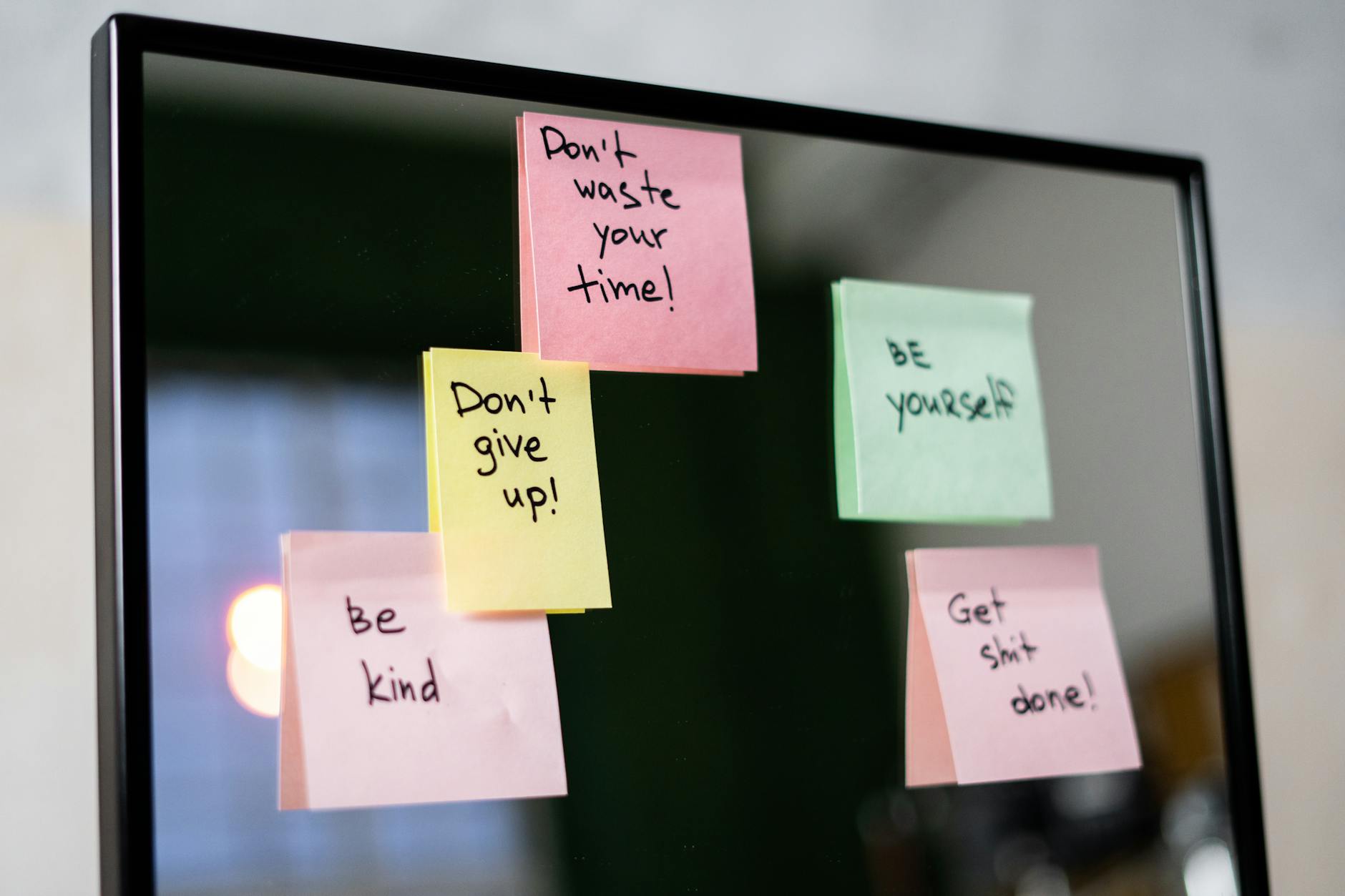
Repeating empowering statements helps reprogram negative self-talk patterns. Phrases about capability and worthiness can build self-esteem over time. This practice is most effective when done in front of a mirror in the morning. It serves as a reminder of personal strengths and values. Affirmations direct the mind toward constructive and supportive thoughts.
Helping Others

Volunteering time or resources provides a deep sense of purpose and community connection. Focusing on the needs of others puts personal problems into perspective. The social interaction involved in service combats isolation and builds networks. Contributors often feel a sense of belonging and increased life satisfaction. It is a meaningful way to leave a positive impact on the world.
Mindful Commuting

Using travel time for relaxation rather than frustration transforms a daily stressor. Listening to audiobooks or podcasts can turn a commute into an educational experience. Some prefer to drive in silence to decompress before arriving home to family. viewing this time as a transition period helps separate work life from home life. It creates a buffer that protects personal time.
Laughing Loudly

Seeking out humor and entertainment reduces stress hormones and boosts immune function. Laughter relaxes the whole body and relieves physical tension for nearly an hour. Sharing a joke creates intimacy and lightens the mood in social situations. It forces a shift in perspective away from seriousness and worry. A good laugh is physically and emotionally therapeutic.
Evening Reflection

Reviewing the events of the day helps process emotions and plan for tomorrow. This might involve journaling or simply thinking through what went well. Identifying wins and areas for improvement fosters a growth mindset. It allows the mind to close open loops before attempting to sleep. This habit brings closure to the day.
Hugging Loved Ones

Physical touch releases oxytocin and lowers levels of the stress hormone cortisol. A long hug of twenty seconds or more communicates safety and affection. It strengthens the immune system and alleviates fears or anxiety. touch is a fundamental human need that creates a sense of security. It creates a moment of connection without the need for words.
Planning Trips

Having a vacation or weekend getaway on the calendar provides something to look forward to. The anticipation of a trip often boosts happiness as much as the trip itself. Planning exposes the mind to new possibilities and cultures. It breaks up the monotony of the work year with promised rewards. These future experiences serve as motivation during mundane weeks.
Please share which of these habits you plan to incorporate into your routine in the comments.