Consistent sleep deprivation disrupts the brain’s ability to process emotions and increases vulnerability to stress throughout the day. Chronic fatigue often leads to irritability and a diminished capacity for logical decision making during challenging situations. The body relies on deep sleep cycles to regulate cortisol levels and maintain chemical balance within the nervous system. Missing these vital windows of rest can result in long term cognitive decline and heightened anxiety symptoms. Maintaining a strict sleep schedule remains a foundational pillar for preserving psychological well being and emotional resilience.
Constant Social Media Comparison
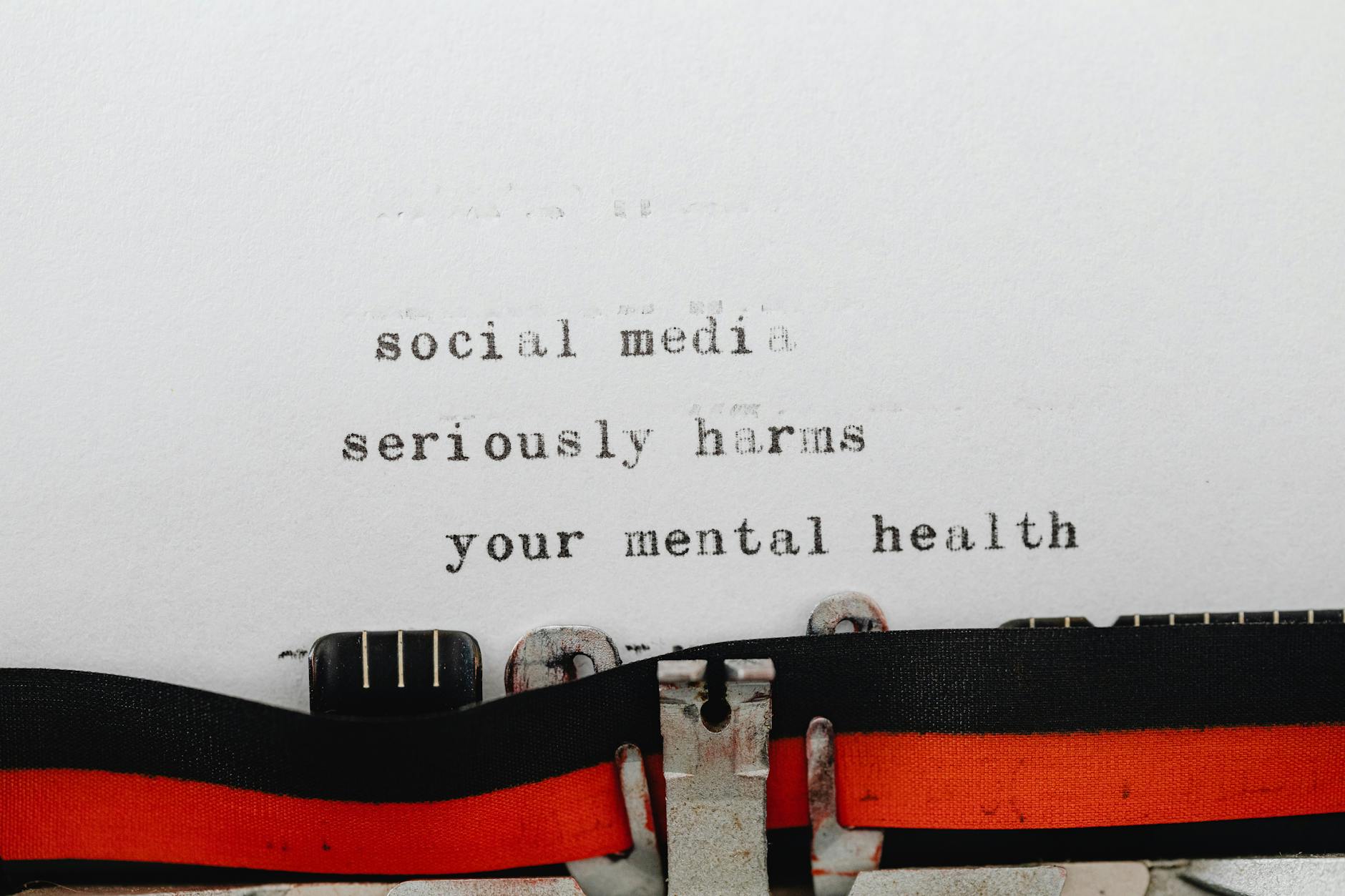
Scrolling through curated digital feeds often triggers feelings of inadequacy and distorted perceptions of reality. Users frequently compare their personal behind the scenes moments with the highlight reels of others in their social circles. This habit fosters a cycle of envy and dissatisfaction that erodes self esteem over time. Digital overconsumption limits face to face interactions and reduces the quality of real world social connections. Setting boundaries on screen time helps protect the mind from the negative impacts of social validation seeking.
Suppressing Difficult Emotions

Ignoring or pushing down uncomfortable feelings creates internal tension that eventually manifests as physical or psychological stress. Emotional avoidance prevents the natural processing of grief or anger and leads to a buildup of unresolved trauma. This habit often results in sudden emotional outbursts or a persistent sense of numbness toward daily experiences. Acknowledging and naming emotions allows the brain to move through them rather than staying trapped in a state of resistance. Vulnerability acts as a release valve that prevents the accumulation of long term mental fatigue.
Neglecting Physical Movement

Sedentary lifestyles contribute to lower levels of dopamine and serotonin which are essential for a stable mood. A lack of regular physical activity reduces the body’s natural ability to combat the physiological effects of stress. Exercise provides a necessary outlet for pent up energy and helps regulate the autonomic nervous system. Staying stationary for extended periods can lead to brain fog and a decrease in overall mental clarity. Integrating small amounts of movement throughout the day supports both physical health and psychological stability.
Perfectionism

The relentless pursuit of flawless results creates a constant state of high pressure and fear of failure. Perfectionists often tie their entire sense of self worth to external achievements and specific outcomes. This mindset leads to chronic procrastination because the fear of making a mistake becomes paralyzing. Constant self criticism replaces constructive self reflection and prevents the enjoyment of personal progress. Adopting a growth mindset allows for the acceptance of errors as a natural part of the learning process.
Overcommitting to Tasks

Saying yes to every request leads to a crowded schedule and a complete lack of personal downtime. This habit causes chronic overwhelm and significantly increases the risk of professional and personal burnout. Constant multitasking divides focus and prevents the satisfaction of completing a single task with full attention. Boundaries are essential for protecting the mental energy required to handle daily responsibilities effectively. Learning to prioritize essential commitments ensures that energy reserves are not depleted by low value activities.
Skipping Meals

Irregular eating patterns cause fluctuations in blood sugar levels that directly impact mood and concentration. The brain requires a steady supply of nutrients to function optimally and maintain emotional regulation. Dehydration and hunger often present as irritability or a lack of patience with others. Relying on caffeine or sugar as a substitute for balanced meals leads to energy crashes and increased anxiety. Consistent nourishment provides the chemical foundation needed for a calm and focused mind.
Isolation from Others
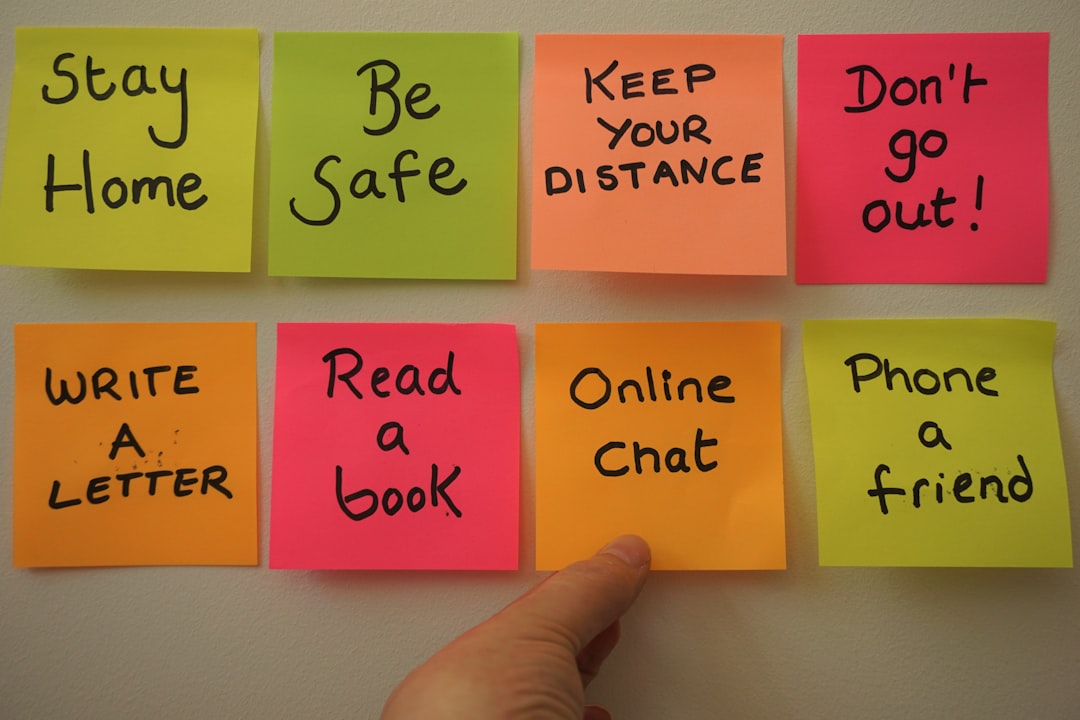
Withdrawing from social support networks removes a critical safety net for managing life’s challenges. Humans are biologically wired for connection and prolonged solitude can lead to feelings of loneliness and depression. Sharing experiences with trusted individuals helps gain perspective and reduces the weight of personal burdens. Even small social interactions provide a sense of belonging and improve overall life satisfaction. Making time for meaningful conversation remains a vital strategy for maintaining long term mental health.
Staying Indoors Without Sunlight

Lack of exposure to natural light disrupts the circadian rhythm and lowers the production of vitamin D. This deficiency is closely linked to seasonal affective disorder and general feelings of lethargy. Sunlight helps regulate the release of serotonin which is a hormone associated with boosting mood and helping a person feel calm. Spending the entire day under artificial lighting can lead to sleep disturbances and decreased cognitive function. Brief periods of outdoor exposure are necessary to maintain the biological clock and support mental clarity.
Rumination on Past Mistakes

Repeatedly thinking about past failures keeps the mind in a loop of regret and self blame. This habit prevents an individual from focusing on the present moment or planning for a constructive future. Chronic rumination is a known risk factor for the development of clinical depression and persistent anxiety. It transforms a single negative event into a long term source of psychological distress through constant mental replay. Shifting focus toward actionable solutions helps break the cycle of dwelling on unchangeable events.
People Pleasing

Prioritizing the needs and desires of others at the expense of one’s own well being leads to deep seated resentment. People pleasing behavior often stems from a fear of rejection or a need for external validation. This habit results in a loss of personal identity and the erosion of healthy boundaries in relationships. The constant effort to manage the emotions of others creates an unsustainable level of mental exhaustion. Developing the ability to say no is essential for preserving self respect and emotional energy.
Excessive Consumption of News

Constant exposure to negative headlines and global crises creates a state of perpetual hypervigilance. The brain perceives digital information about distant threats as immediate dangers to personal safety. This information overload can lead to compassion fatigue and a sense of hopelessness about the world. Limiting news intake to specific times of the day helps reduce the physiological symptoms of stress. Curating a balanced information diet protects the mind from the draining effects of sensationalized media.
Ignoring Personal Hygiene

Neglecting basic self care tasks often signals a decline in mental health and further exacerbates feelings of low self worth. The act of bathing and grooming provides a sense of routine and a small but significant personal victory. A cluttered or unclean physical environment often mirrors and contributes to a cluttered and stressed mind. Taking the time for personal maintenance reinforces the idea that one is worthy of care and attention. Cleanliness supports a more positive self image and a more organized mental state.
Clutter in Living Spaces

Living in a disorganized environment provides constant visual reminders of uncompleted tasks and chores. Physical clutter competes for your brain’s attention and increases the levels of the stress hormone cortisol. A messy space makes it difficult to relax or focus on creative and professional pursuits. Organizing your surroundings helps create a sense of control and reduces the mental load of daily life. A tidy home environment acts as a sanctuary that promotes internal peace and calmness.
Excessive Caffeine Intake

Consuming too much caffeine can mimic or worsen the symptoms of anxiety such as a racing heart and jitters. High doses of stimulants interfere with deep sleep patterns and lead to a cycle of dependency and fatigue. The temporary energy boost is often followed by a significant crash that negatively impacts mood and productivity. Caffeine can trigger the body’s fight or flight response even when there is no actual threat present. Moderating intake helps keep the nervous system balanced and reduces unnecessary physiological stress.
Comparing Your Success to Others

Measuring personal achievements against the milestones of peers creates a constant sense of being behind or failing. Every individual follows a unique timeline shaped by different circumstances and opportunities. This habit ignores personal growth and focuses entirely on external markers of status or wealth. Focusing on the progress of others distracts from the steps needed to reach one’s own goals. Celebrating personal victories regardless of how they compare to others fosters a healthier sense of accomplishment.
Poor Posture

Slumping or hunching over devices can lead to physical tension that the brain interprets as emotional stress. Research suggests that an upright posture can improve self confidence and increase energy levels throughout the day. Chronic poor posture leads to back and neck pain which serves as a persistent source of physical discomfort. The way a person carries their body influences their hormonal balance and psychological outlook. Mindful adjustment of body alignment helps project a sense of capability and reduces physical strain.
Overspending and Debt

Financial instability serves as a primary source of chronic stress and anxiety for many individuals. Relying on credit for non essential items creates a cycle of debt that limits future freedom and security. The temporary high of a new purchase is quickly replaced by the long term burden of repayment. Financial stress impacts sleep quality and can strain even the healthiest of personal relationships. Practicing mindful spending habits ensures that resources are used to support a stable and peaceful lifestyle.
Relying on Alcohol to Relax

Using alcohol as a coping mechanism for stress disrupts the brain’s natural ability to regulate mood. While it may provide temporary sedation it actually increases feelings of anxiety and depression the following day. Alcohol interferes with the restorative stages of sleep which are vital for emotional processing. Long term reliance on substances prevents the development of healthy and sustainable coping strategies. Finding non chemical ways to unwind protects the liver and the mind from toxic effects.
Lack of Hobbies

Focusing exclusively on work and responsibilities leaves no room for the joy of creative expression or play. Hobbies provide a necessary distraction from daily stressors and allow for the experience of flow states. Engaging in activities for pure enjoyment boosts self esteem and provides a sense of identity outside of a career. Without personal interests life can feel like a monotonous cycle of tasks and obligations. Dedicated time for leisure activities is essential for maintaining a well rounded and happy life.
Seeking Constant External Validation

Depending on the approval of others to feel good about yourself creates an unstable and fragile ego. When validation is withheld it can lead to a total collapse of self confidence and motivation. This habit gives others control over your emotional state and personal decision making processes. Internalizing your own values and goals provides a more consistent source of satisfaction. Learning to trust your own judgment builds the resilience needed to face criticism or indifference.
Multitasking

Attempting to perform multiple complex tasks at once reduces the quality of work and increases errors. The brain is not designed to focus on more than one high level activity at a time and suffers from switching costs. This habit leads to increased mental fatigue and a feeling of being constantly rushed but unproductive. Focusing on a single task at a time allows for deeper concentration and a greater sense of mastery. Single tasking improves efficiency and leaves the mind feeling more organized and less frazzled.
Neglecting Water Intake

Even mild dehydration can lead to headaches and significant drops in concentration and short term memory. The brain is highly sensitive to fluid balance and requires adequate water to function at its peak. Fatigue and irritability are often early signs that the body is craving hydration rather than more caffeine or food. Drinking enough water throughout the day helps maintain energy levels and supports physical health. Proper hydration is one of the simplest and most effective ways to support daily cognitive performance.
Perfectionism in Parenting or Relationships

Holding loved ones to impossible standards creates a tense environment filled with judgment and fear. This habit prevents the development of authentic connections which are based on the acceptance of flaws. Constant critique erodes the self esteem of others and creates distance between friends and family members. Expecting perfection from a partner or child leads to frequent disappointment and unnecessary conflict. Emphasizing effort and empathy over perfect results fosters a more supportive and loving atmosphere.
Procrastination

Delaying important tasks creates a lingering sense of guilt and increases the pressure as deadlines approach. The avoidance of a task often causes more mental distress than the actual performance of the work itself. Procrastination leads to a cycle of low productivity and high stress that damages self trust over time. Breaking large projects into smaller manageable steps helps overcome the initial resistance to starting. Tackling responsibilities promptly frees up mental space and allows for true relaxation afterward.
Negative Self Talk

The internal dialogue you use to describe yourself shapes your reality and influences your behavior. Consistently using harsh or derogatory language toward yourself reinforces a negative self image and lowers confidence. This habit creates an internal environment of hostility that makes it difficult to take risks or bounce back from failure. Treating yourself with the same kindness you would offer a friend improves emotional resilience. Replacing self criticism with constructive and encouraging thoughts supports a more balanced mental state.
Ignoring Physical Pain

Chronic pain that is left unaddressed can lead to irritability and a significant decrease in the quality of life. The mental effort required to mask or push through physical discomfort drains psychological energy. Ignoring symptoms can also lead to more serious health issues that are harder to treat later on. Seeking professional medical advice for persistent issues is a form of essential self care. Addressing physical ailments removes a major obstacle to achieving and maintaining mental well being.
Excessive Screen Time Before Bed

The blue light emitted by phones and tablets inhibits the production of melatonin which is necessary for sleep. Engaging with stimulating content late at night keeps the brain active when it should be winding down. This habit leads to difficulty falling asleep and a reduction in the quality of restorative rest. Poor sleep hygiene is directly linked to increased stress levels and emotional instability the next day. Creating a screen free wind down routine helps prepare the mind and body for deep and healing sleep.
Taking Things Personally

Viewing the actions or words of others as a direct reflection of your own worth leads to unnecessary hurt. Most people act based on their own internal struggles and perspectives rather than as a calculated attack on you. This habit gives away your power and makes your emotional state dependent on the behavior of others. Practicing emotional detachment allows you to maintain your peace regardless of the external environment. Realizing that the opinions of others are often projections helps protect your mental well being.
Living in the Future

Constant worrying about what might happen prevents you from enjoying the life you are living right now. Future oriented anxiety often focuses on scenarios that never actually occur but still cause real physiological stress. This habit makes it impossible to find contentment in current achievements or experiences. Grounding yourself in the present moment helps reduce the overwhelming feeling of uncertainty. Mindfulness practices train the brain to focus on the here and now rather than wandering into anxious predictions.
Failing to Set Boundaries

Allowing others to dictate your time and energy leads to burnout and a sense of being taken advantage of. Boundaries are necessary for healthy relationships and for maintaining personal integrity and self respect. Without clear limits you may find yourself involved in drama or tasks that do not align with your values. Communicating your needs clearly helps others understand how to interact with you in a respectful manner. Protecting your personal space and time is a vital act of self preservation in a demanding world.
Eating Highly Processed Foods

Diets high in refined sugars and unhealthy fats are linked to higher rates of mood disorders and cognitive decline. These foods cause rapid spikes and drops in energy that can leave you feeling anxious or depressed. Proper nutrition provides the building blocks for neurotransmitters that regulate your emotional state and focus. A diet rich in whole foods supports gut health which is increasingly recognized as a key factor in mental health. Making conscious choices about what fuels the body directly impacts long term psychological resilience.
Keeping Toxic Friendships

Spending time with individuals who are consistently negative or critical drains your emotional reserves and lowers your vibration. Toxic dynamics often involve a lack of support or manipulative behaviors that create constant internal conflict. This habit makes it difficult to feel safe and accepted in your social circles. Ending or distancing yourself from unhealthy relationships creates room for more positive and uplifting connections. Surrounding yourself with supportive people is essential for a stable and happy mindset.
Saying Yes When You Want to Say No

Ignoring your own desires to avoid conflict or disappointment leads to chronic self betrayal. This habit creates a sense of powerlessness and builds resentment toward the people you are trying to please. Over time the internal conflict between your actions and your true feelings causes significant mental strain. Honesty with yourself and others about your capacity is a sign of emotional maturity. Respecting your own limitations allows you to give more authentically when you actually choose to do so.
Neglecting Fresh Air

Spending all of your time in enclosed or poorly ventilated spaces can lead to a sense of stagnation and fatigue. Fresh air increases the amount of oxygen in the brain which improves concentration and sharpens the mind. A change in environment provides a necessary mental reset and helps break up the monotony of the day. Even a few minutes of breathing outdoor air can lower heart rate and reduce stress levels. Prioritizing time outdoors is a simple way to clear mental fog and improve mood.
Not Asking for Help

The belief that you must handle every challenge alone leads to unnecessary suffering and isolation. Refusing to seek support can turn manageable problems into overwhelming crises that damage your mental health. This habit often stems from a fear of being perceived as weak or burdensome to others. Vulnerability is actually a strength that allows for deeper connection and more effective problem solving. Reaching out for professional or personal support is a proactive way to manage stress.
Excessive Self Criticism

Focusing entirely on your flaws prevents you from recognizing your unique strengths and contributions. This habit creates a distorted self image that makes it difficult to pursue new opportunities or relationships. Constant internal judgment acts as a barrier to self improvement because it focuses on shame rather than growth. Practicing self compassion involves acknowledging your mistakes while still treating yourself with respect. A more balanced view of your character supports long term emotional stability and confidence.
Ignoring Joyful Moments

Failing to pause and appreciate small positive experiences makes life feel like a series of burdens. Gratitude is a skill that trains the brain to look for the good even in difficult circumstances. This habit involves rushing through achievements or pleasant events without fully absorbing the benefits. Cultivating a sense of awe or appreciation for the present improves overall life satisfaction. Intentionally focusing on joy helps build the emotional reserves needed to handle future stress.
Avoiding Professional Help

Refusing to see a therapist or counselor when struggling prevents you from accessing vital tools for emotional management. Mental health professionals provide objective perspectives and evidence based strategies for handling complex psychological issues. This habit often results in the worsening of symptoms that could have been managed with early intervention. Overcoming the stigma associated with therapy is a crucial step toward long term recovery and health. Investing in professional support is an investment in your overall quality of life and happiness.
Please share your thoughts on these mental health habits in the comments.