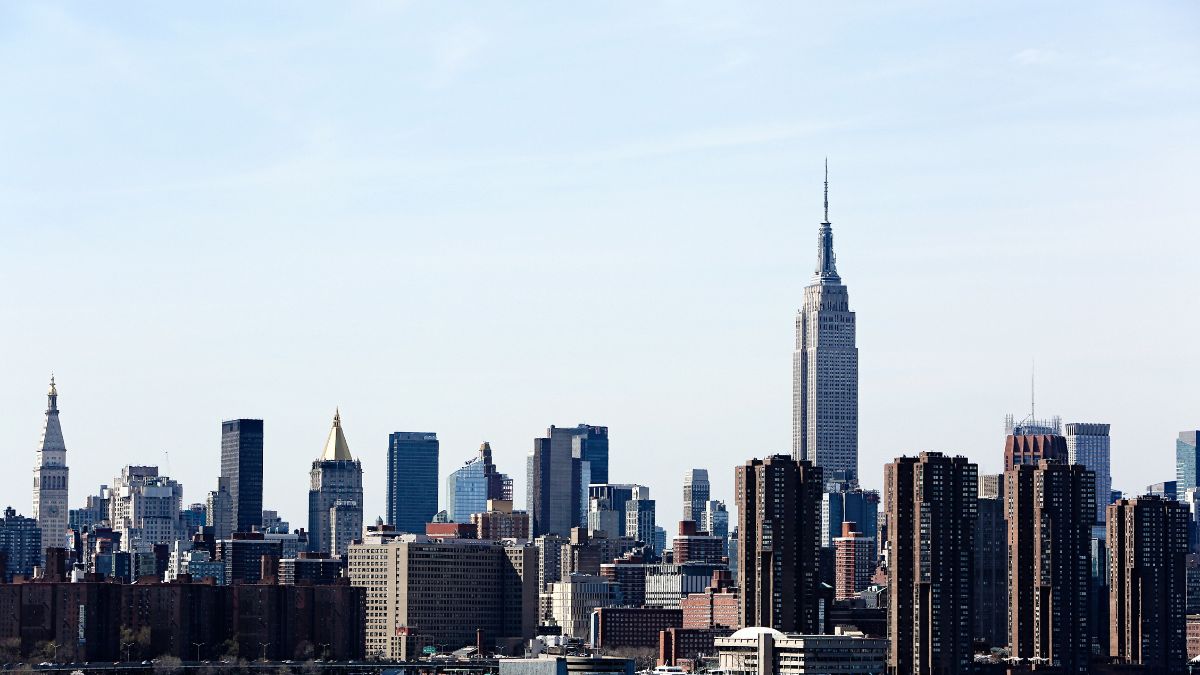
Plenty of everyday habits and household items fall into surprisingly murky legal territory across the United States. Laws vary dramatically from state to state and many of them date back decades without most residents ever learning they exist. Some of these rules target seemingly harmless behaviors while others reflect outdated social attitudes that simply never got scrubbed from the books. Understanding what is technically prohibited can save travelers and locals alike from accidental run-ins with local ordinances. Read on for a closer look at the surprisingly long list of ordinary things that carry legal consequences in most American states.
Radar Detectors

These small dashboard devices are banned for use in commercial vehicles across nearly all states and are outright illegal in Virginia and Washington D.C. for all drivers. The devices are designed to alert drivers to police speed monitoring equipment on the road ahead. Federal law already prohibits their use in vehicles over 10000 pounds regardless of state lines. Many drivers are unaware that possessing one in certain states can result in confiscation and a fine even without a speeding offense attached.
Jaywalking

Crossing a street outside of a designated crosswalk or against a pedestrian signal is a ticketable offense in the vast majority of American states. The law exists primarily to manage traffic flow and reduce pedestrian fatalities in busy urban environments. Fines vary widely with some cities issuing penalties as high as several hundred dollars for a single infraction. Enforcement tends to be inconsistent but crackdowns do occur in high-traffic areas particularly in larger cities. Several states have recently revisited these laws in response to public debate around their fairness and practical application.
Fake Names Online
Using a fictitious name or false identity on a social media platform or online service violates the terms of service of most major platforms and runs afoul of computer fraud statutes in many states. Some states have specific laws classifying online impersonation as a criminal misdemeanor or felony depending on intent. The law most commonly applies when the false identity is used to harass deceive or defraud another person. Prosecutors have increasingly pursued cases under these statutes as digital communication becomes central to everyday life. Even casual use of a pseudonym can technically trigger these provisions depending on the platform and jurisdiction.
Silly String

This aerosol party product is banned in several municipalities across the country most famously in Southington Connecticut and Hollywood California during public events and celebrations. The bans arose after large-scale street gatherings left significant cleanup costs for local governments. Violators can face fines and in some jurisdictions brief detention if caught using the product in restricted public areas. Many of the bans are specifically tied to holidays like Halloween when crowds gather in commercial districts. The product itself is legal to own and sell but its use in certain public spaces remains firmly off-limits.
Collecting Rainwater
Harvesting rainwater in personal barrels or tanks is regulated or outright restricted in a surprising number of states due to longstanding water rights laws. Western states in particular have historically enforced strict rules about water collection because of complex agreements governing river and groundwater usage. Colorado only loosened its restrictions on residential rainwater collection in 2016 after decades of near-total prohibition. Even in states where collection is allowed there are often strict limits on how many gallons can be stored at any one time. Property owners who exceed those limits can face fines or be required to dismantle collection systems entirely.
Fortune Telling

Charging money for psychic readings fortune telling or palm reading is classified as a form of fraud or unlicensed practice in multiple states and cities. Local ordinances in places like Baltimore Maryland and certain counties in New York have historically required fortune tellers to obtain special permits or face misdemeanor charges. The legal concern centers on the exchange of money for services that cannot be scientifically verified or substantiated. Enforcement has historically been uneven but prosecutions do occur when consumer complaints are filed. Some states treat the practice as a consumer protection issue rather than a religious or free speech matter.
Bingo Games

Hosting a bingo game for profit or even for charity without a proper gaming license is illegal in most states under gambling statutes. Many nonprofit organizations are surprised to discover that even low-stakes fundraising events require formal approval from a state gaming commission. The application process can involve background checks fees and restrictions on how frequently events can be held. Some states cap the total prize value allowed per session regardless of how the funds are raised or distributed. Operating an unlicensed bingo event can result in fines and the seizure of any money collected during the game.
Driving Barefoot

While no federal law prohibits barefoot driving a number of states have informal statutes or safety codes that traffic officers can use to cite drivers involved in accidents while not wearing footwear. The legal argument centers on a driver’s ability to operate pedals safely and maintain adequate vehicle control. Insurance companies in some states may also use barefoot driving as grounds to complicate a claim following a collision. Motorcycle riders face stricter rules with several states explicitly requiring protective footwear under vehicle operation codes. The lack of a clear universal law makes this one of the most commonly misunderstood driving regulations in the country.
Swearing in Public

Public profanity is still codified as a misdemeanor offense in several states under disorderly conduct or breach of peace statutes. Michigan for example has a law dating back to 1897 that technically prohibits cursing in front of women and children in public spaces. While First Amendment protections have led courts to strike down many of these laws in specific cases the statutes themselves often remain on the books. Enforcement typically happens when the language is used in a threatening or harassing manner rather than as casual expression. Travelers should be aware that what is considered acceptable speech in one city may result in a formal warning or citation in another.
Spitting
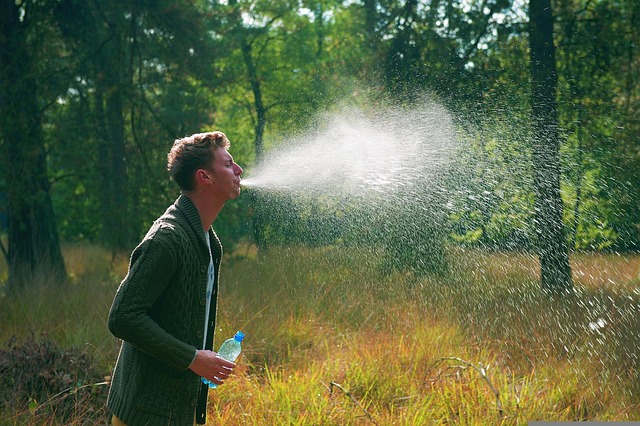
Expectorating on public sidewalks streets or in public buildings is prohibited by law in a significant number of states and municipalities. The origins of many of these laws trace back to public health campaigns in the early twentieth century aimed at reducing the spread of tuberculosis. Fines for spitting in restricted areas can range from minor fixed penalties to larger assessable fines in cities with strict sanitation codes. Some states include spitting in their broader public nuisance legislation rather than listing it as a standalone offense. The law is rarely enforced against individuals in casual settings but can be applied during public health emergencies or in transit stations.
Honking Horns

Using a car horn in a non-emergency situation is technically prohibited under noise ordinance and traffic codes in several states. New York City for example has long maintained restrictions on unnecessary horn use with fines issued to drivers who honk outside of genuine safety situations. The legal standard requires that horn use be tied to alerting other drivers or pedestrians to imminent danger rather than expressing frustration. Many drivers are unaware that celebratory honking outside wedding venues or sporting events can technically result in a citation. Enforcement is inconsistent but the laws exist as part of broader urban noise pollution frameworks.
Unmarked Containers

Transporting homemade food or beverages in unlabeled containers violates health and safety codes in most states particularly when those goods cross county or state lines. Commercial food producers are required to meet labeling standards that include ingredient lists allergen disclosures and producer identification. Even personal gifting of homemade goods can run into legal gray areas when those products resemble commercial food items or are sold informally. State agriculture departments often maintain specific rules about cottage food industries that home bakers and canners must follow. Violations are typically handled as civil infractions but repeat offenders or larger operations can face criminal charges under food safety law.
Old Furniture on Porches

Leaving upholstered indoor furniture such as sofas or mattresses on a front porch or in a yard is a code violation in numerous cities and counties across the country. These ordinances fall under property maintenance and zoning codes designed to preserve neighborhood aesthetics and prevent pest infestations. Landlords in college towns are especially subject to enforcement as outdoor furniture is common in high-density rental areas. Fines can accumulate on a daily basis if the violation is not corrected after an initial notice from local code enforcement. Some municipalities allow a grace period for removal while others issue citations immediately upon inspection.
Sharing Passwords

Sharing streaming service login credentials with people outside a household has moved from a terms of service issue into a legal gray area in several states following updated computer access laws. Tennessee was among the first states to pass legislation specifically targeting the sharing of entertainment service passwords without authorization. The law was initially aimed at large-scale commercial credential trafficking but its language is broad enough to apply to individuals. Most prosecutions have focused on people profiting from password resale rather than casual sharing between friends or family. Legal experts continue to debate how broadly these statutes can be applied as streaming services tighten their own enforcement policies.
Driving with Headphones

Wearing headphones or earbuds in both ears while operating a motor vehicle is explicitly prohibited in California Virginia New York Maryland and several other states. The restriction exists because bilateral hearing obstruction is considered a significant impairment to a driver’s situational awareness. Most states that regulate this issue allow the use of a single earpiece for phone calls or navigation assistance. Cyclists in some jurisdictions face identical restrictions when riding on public roads. Penalties typically fall in the range of minor traffic fines but the infraction can be used to establish negligence in accident litigation.
Aerosol Cheese

Selling or distributing aerosol-packaged cheese products does not meet the standards required for imported goods in the European Union and several individual countries but within the United States certain state-level food codes impose restrictions on artificial dairy product labeling and distribution. Some states require specific disclosures that technically prohibit the sale of certain aerosol cheese formulations without amended packaging. The product sits in a regulatory category that blends dairy law with processed food statutes creating compliance challenges for smaller retailers. While enforcement against individual consumers is essentially nonexistent manufacturers and distributors face genuine legal exposure. The legal complexity often surprises food industry professionals encountering state-level dairy regulations for the first time.
Junk Mail Disposal

Discarding or destroying mail addressed to a previous resident of your home is technically prohibited under federal postal law which applies uniformly across all states. The United States Postal Service classifies mail as the property of the intended recipient regardless of delivery address. Legal disposal options include writing return to sender on the envelope and placing it back in the mail. Destroying opening or discarding someone else’s mail even unintentionally can constitute a federal offense under Title 18 of the United States Code. Most prosecutions target large-scale mail theft but the law does cover individual instances of deliberate destruction.
Lemonade Stands

Operating a lemonade stand or any other informal food vending business without a permit is technically illegal in most states under cottage food and street vending laws. Several high-profile cases involving children having their stands shut down by local authorities drew national attention to how broadly these laws can be applied. The legal requirements typically include a food handler’s permit a temporary vendor’s license and in some cases a health inspection. Some states have passed specific exemptions for minors selling food in residential neighborhoods in response to public backlash. Even with those exemptions many municipalities still require parental registration or neighborhood association approval.
Wearing a Mask
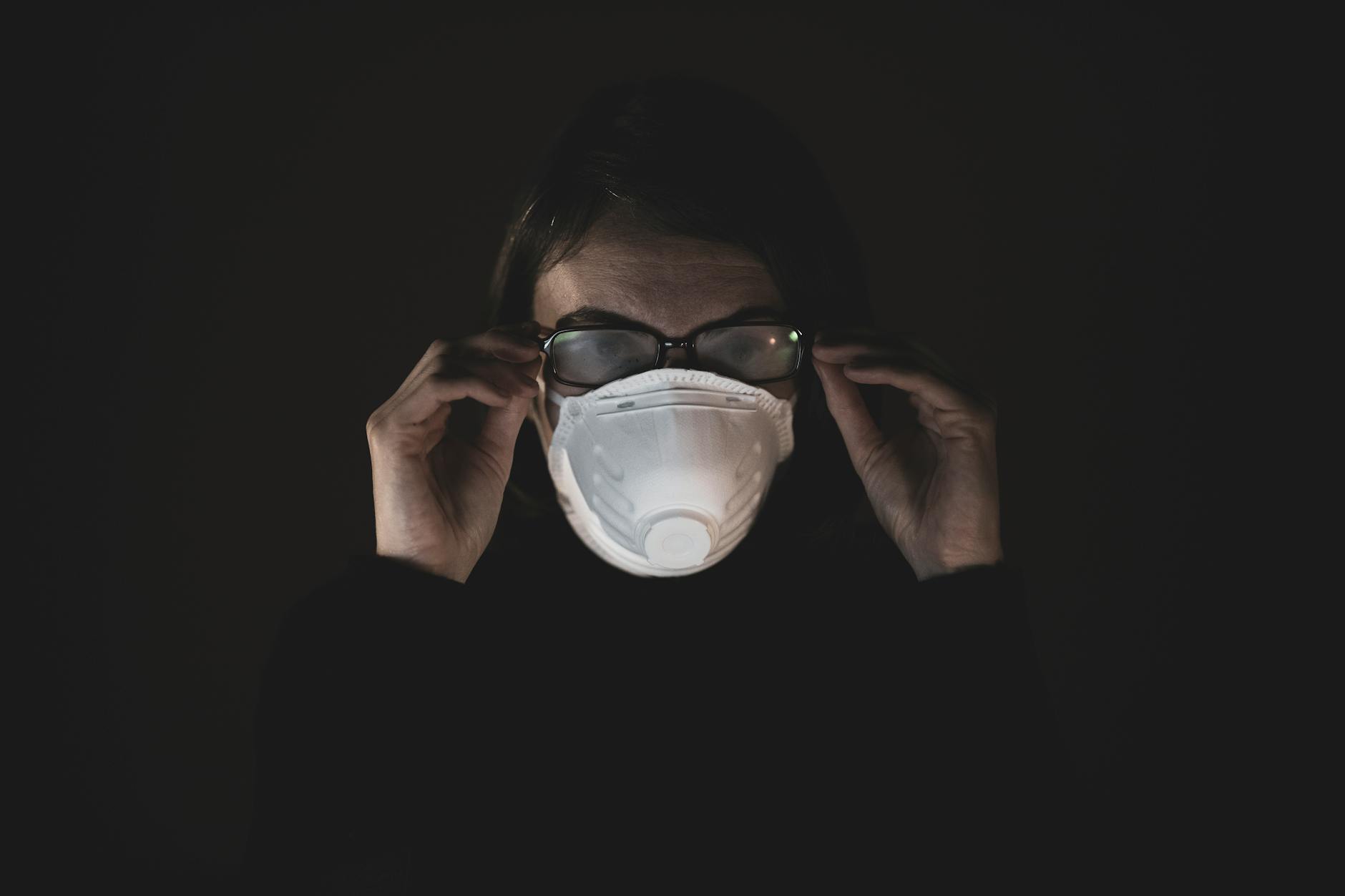
Outside of the specific public health context of the pandemic several states maintain longstanding anti-mask laws originally passed in response to Ku Klux Klan activity throughout the twentieth century. States like New York Georgia and Virginia have statutes that restrict the wearing of face coverings in public spaces under certain conditions. The laws typically include exemptions for costumes theatrical performances and medical necessity but the baseline prohibition remains enforceable. Some of these statutes were temporarily suspended during the COVID-19 pandemic and have since been reinstated with updated language. The legal status of face coverings in public continues to evolve as state legislatures revisit these older frameworks.
Tesla Direct Sales

Purchasing a Tesla or any vehicle directly from a manufacturer without going through a licensed dealership is prohibited in several states including Texas and Michigan under franchise protection laws. These laws were originally designed to protect independent car dealerships from being undercut by the manufacturers they represented. Tesla’s direct-to-consumer sales model has clashed with these regulations repeatedly since the company entered the mainstream market. In states where direct sales are banned buyers must technically register vehicles purchased online in a different state. The legal battle over these franchise laws has reached state supreme courts in multiple jurisdictions with mixed outcomes.
Killing Bigfoot
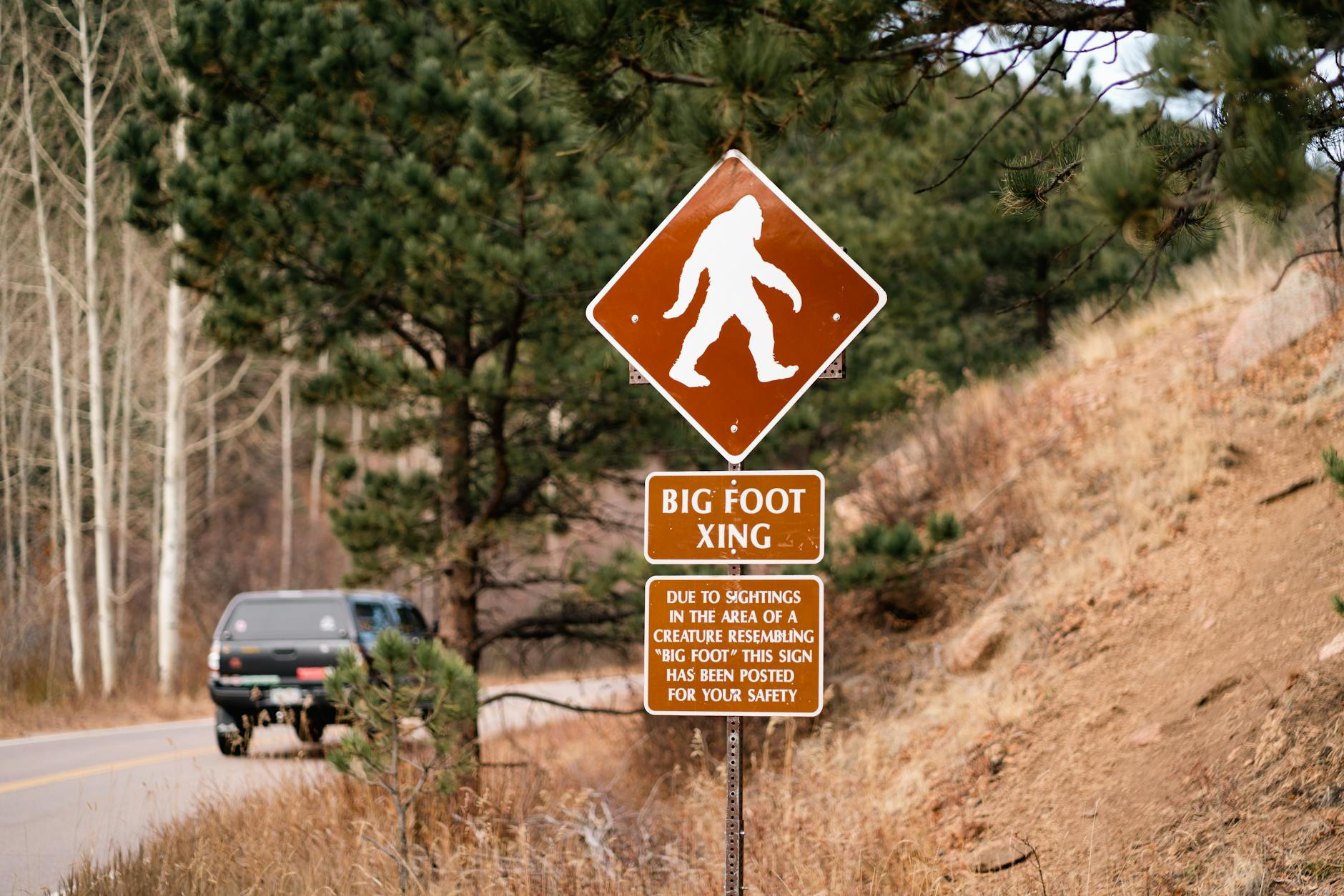
Washington State has an ordinance in Skamania County that makes it a felony to kill a Bigfoot or any undiscovered hominid creature within county boundaries. The law was passed in 1969 and updated in 1984 to reclassify the offense and adjust penalties. While the ordinance is widely regarded as whimsical it carries real legal language and is enforceable under county law. It is often cited as one of the most unusual wildlife protection statutes in the country. The law was passed partly in jest but also reflects a genuine effort to protect any potentially unknown species from trophy hunting.
Frowning at a Police Officer
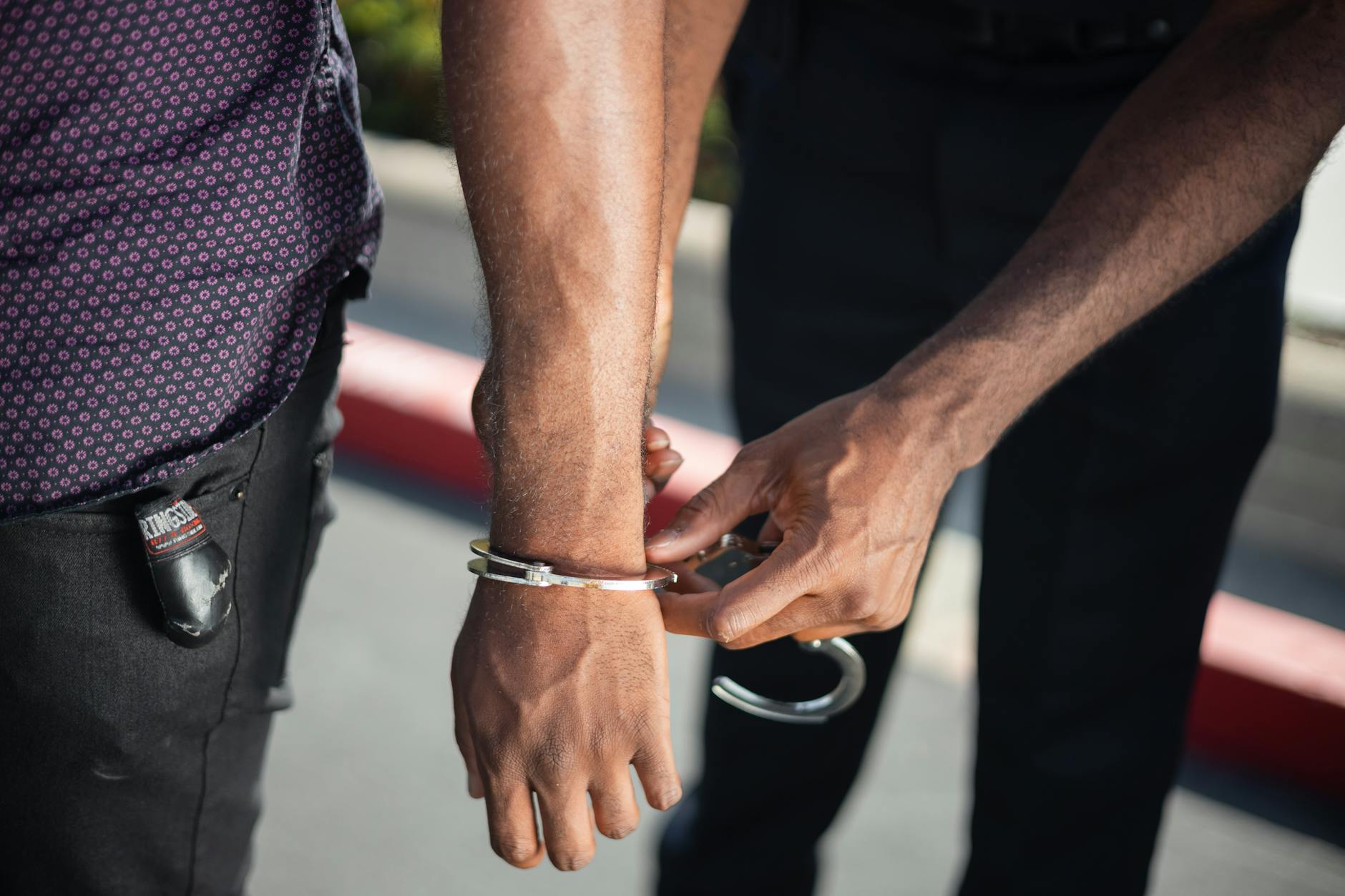
Certain older municipal codes in states like New Jersey contain provisions that were historically interpreted to prohibit making faces or displays of contempt toward law enforcement officers in public. While modern First Amendment jurisprudence has effectively rendered most of these codes unenforceable they remain part of the written legal record in several jurisdictions. Officers cannot legally arrest someone solely for facial expressions under current constitutional interpretation. However these statutes are occasionally cited alongside other charges in disorderly conduct cases. Legal scholars frequently reference them as examples of how outdated municipal codes persist without formal repeal.
Singing Off-Key
North Carolina has a rarely discussed statute on the books that technically prohibits singing off-key in public. The law is categorized under public nuisance provisions and has never been meaningfully enforced in the modern era. It reflects a broader category of outdated morality laws passed in the nineteenth and early twentieth centuries that targeted public behavior deemed disruptive or offensive. Similar provisions exist in various forms in other states targeting noise and public performance without permits. These laws are primarily of historical interest but technically remain part of state legal codes until formally repealed.
Bingo Prize Limits
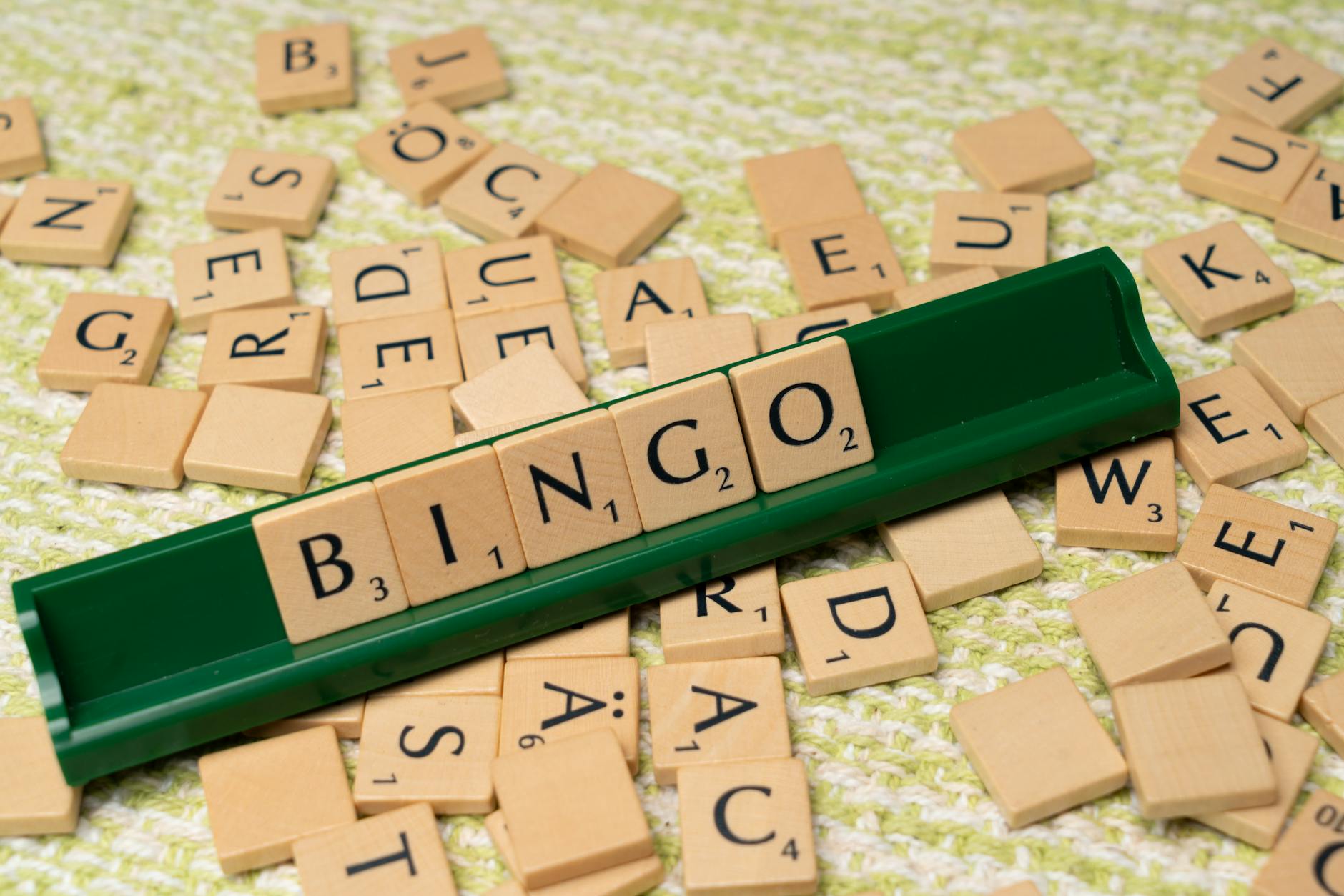
Beyond licensing requirements many states impose hard caps on the total cash or prize value that can be awarded at a single bingo session. In states like North Carolina total prizes at a single session cannot exceed a few thousand dollars regardless of how many players participate or how much is collected. These caps are enforced through the same gaming commissions that issue operating licenses for charitable gaming events. Organizations that exceed the cap even accidentally face fines and potential suspension of their gaming license. The rules are particularly consequential for large nonprofit fundraisers that rely on bingo nights as a primary revenue source.
Flirting

Several states and municipalities have archived statutes that technically classify aggressive or unwanted flirting in public spaces as a form of harassment or disorderly conduct. New York City had a rule in the early twentieth century that made it a finable offense for a man to ogle or flirt with a woman on the street. While the specific language of these older laws has largely been superseded by modern harassment statutes the underlying conduct they described is now addressed through civil and criminal harassment codes. Enforcement today happens through a different legal framework but the behavior originally targeted by these old ordinances remains regulated. Legal historians often use these examples to trace the evolution of public conduct law over the past century.
Toy Gun Colors

Selling or possessing a toy firearm that is not clearly marked with a blaze orange tip is a violation of federal regulations and in many states constitutes a specific state-level offense as well. The federal requirement was implemented to prevent law enforcement confusion between toy weapons and real firearms. Several states have gone further by restricting the sale of any toy gun that realistically resembles an actual weapon regardless of tip color. Retailers who sell non-compliant toy guns can face product liability claims in addition to regulatory fines. The issue has taken on increased significance following incidents in which realistic-looking toy weapons were involved in police confrontations.
Fortune Cookie Messages
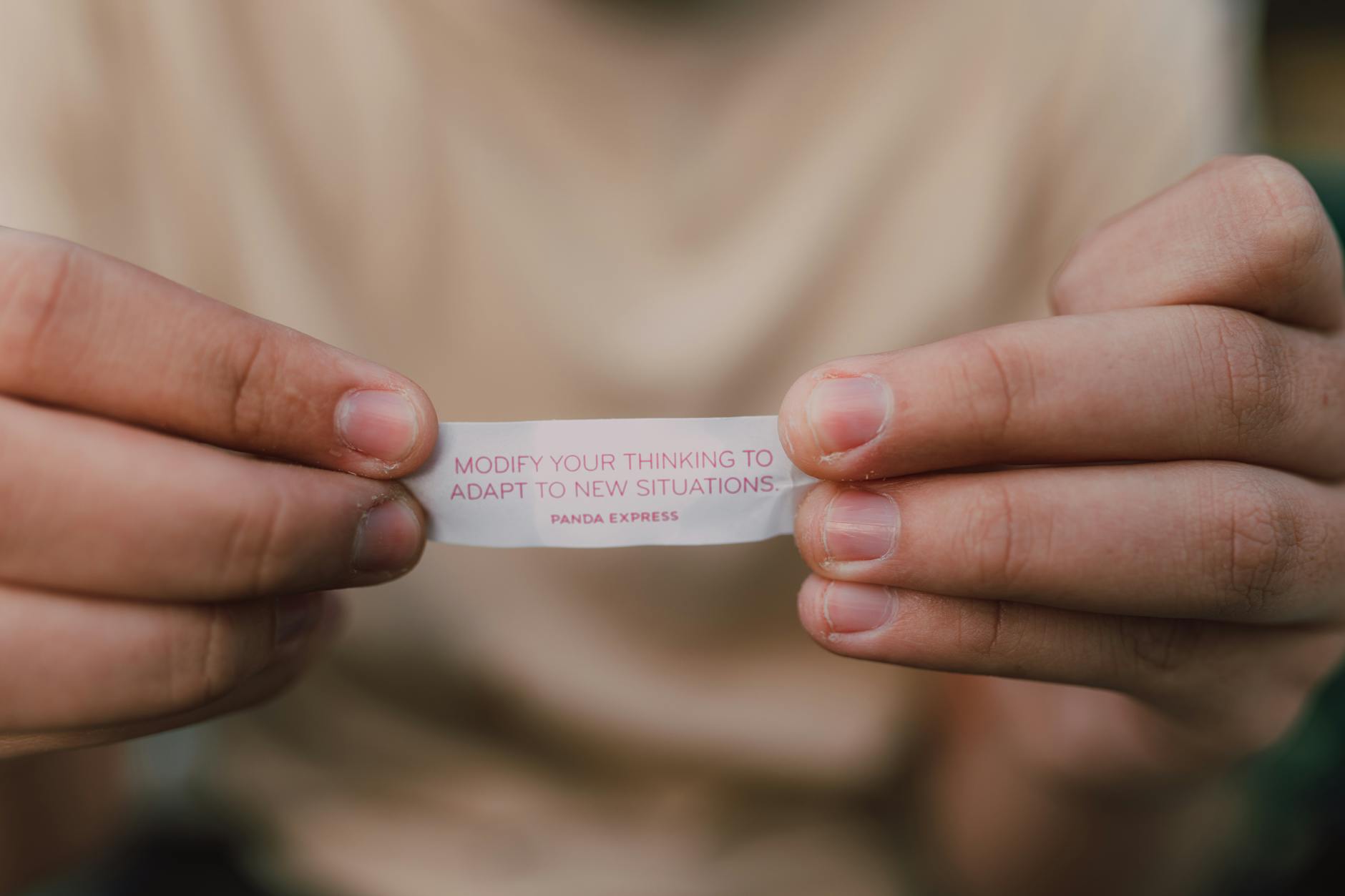
Printing and distributing fortune cookie messages that contain lottery numbers or gambling-adjacent content runs into legal complications in states with strict lottery and gambling statutes. While this sounds obscure a notable case in 2005 involved a Powerball drawing in which 110 players submitted identical winning second-place numbers all traced back to a fortune cookie manufacturer. The event prompted investigations into how fortune cookie producers generate their number sequences. States with tight gambling regulations require that any material resembling lottery play or promoting gambling be reviewed under gaming law. The incident led to a broader conversation about unintentional intersections between novelty products and gaming legislation.
Cursing on a Minigolf Course

Several municipalities in South Carolina as well as scattered jurisdictions in other southeastern states have specific codes prohibiting the use of profane language on recreational premises including miniature golf courses. These rules typically fall under the broader category of public recreation conduct codes maintained by local parks and recreation departments. Violations are treated as civil infractions with modest fines rather than criminal charges in most cases. The ordinances are often remnants of midcentury moral conduct frameworks applied to public leisure spaces. Staff at these facilities are sometimes authorized to ask violators to leave the premises in addition to any formal citation process.
Biting

Louisiana has a law that classifies a bite as a more serious criminal assault if the perpetrator has ever been convicted of a prior biting offense. The state maintains a formal registry-adjacent provision that allows prosecutors to charge repeat biters under enhanced assault statutes. While biting is already classified as a form of battery in most states Louisiana’s escalation clause is notably specific and unusual. The law was introduced in response to a series of violent incidents and reflects the state’s broader framework of enhanced penalties for repeat physical offenders. Legal commentators often point to it as one of the more distinctive assault-related statutes in the American legal system.
Hunting on Sundays

Several states in the American South and Mid-Atlantic region maintain blue laws that restrict or outright prohibit hunting on Sundays. Virginia only began a phased repeal of its Sunday hunting restrictions in 2017 after more than a century of prohibition. The original laws were tied to religious observance traditions that mandated a day of rest from activities including sport and commerce. Some states still maintain partial Sunday hunting bans that apply to specific animals or geographic regions. Landowners in states with Sunday restrictions can face fines and license suspension if they or their guests hunt in violation of the schedule.
Killing a Praying Mantis
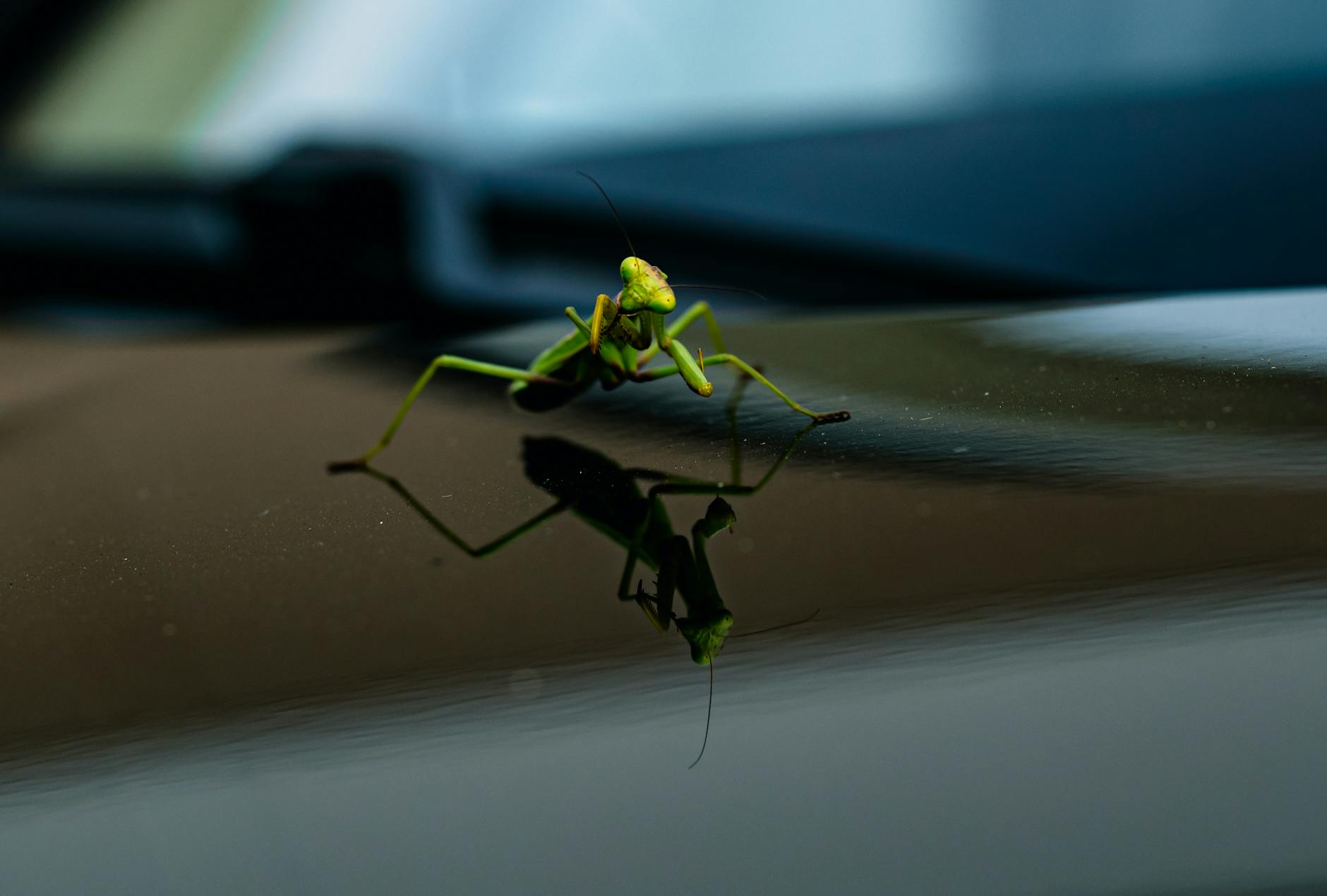
An enduring piece of American legal folklore holds that killing a praying mantis is illegal and results in a significant fine. While no statewide law actually codifies this prohibition the myth has persisted for generations and is taken seriously by many Americans. The origin of the story likely traces back to mid-century local school programs that encouraged children to protect beneficial insects in gardens. Some municipalities did have informal conservation ordinances that protected designated beneficial species including praying mantises. The widespread belief itself functions as a de facto cultural deterrent even in the absence of formal legal enforcement.
Eavesdropping
Recording a private conversation without the consent of all parties involved is illegal under two-party or all-party consent laws in states including California Illinois Massachusetts and Florida. These wiretapping and eavesdropping statutes apply to phone calls in-person conversations and digital communications depending on the specific law. Violations can result in both criminal prosecution and civil lawsuits for damages. The laws apply equally to private citizens and employers making secret workplace recordings a significant legal liability. The rise of smart home devices and always-on voice assistants has created new legal debates about how these consent requirements apply to ambient recording technology.
Keeping a Chicken

Urban chicken-keeping runs into zoning and animal control ordinances in a majority of American cities and counties. Many suburban municipalities prohibit the keeping of live poultry entirely regardless of lot size or fencing. Some cities allow hens but prohibit roosters due to noise complaints while others require minimum acreage before any poultry can be kept on a property. Violations are typically handled as code enforcement matters with daily fines until the animals are removed. The growth of urban farming movements has prompted many cities to revisit these restrictions but most jurisdictions still maintain significant limitations.
Driving Too Slowly
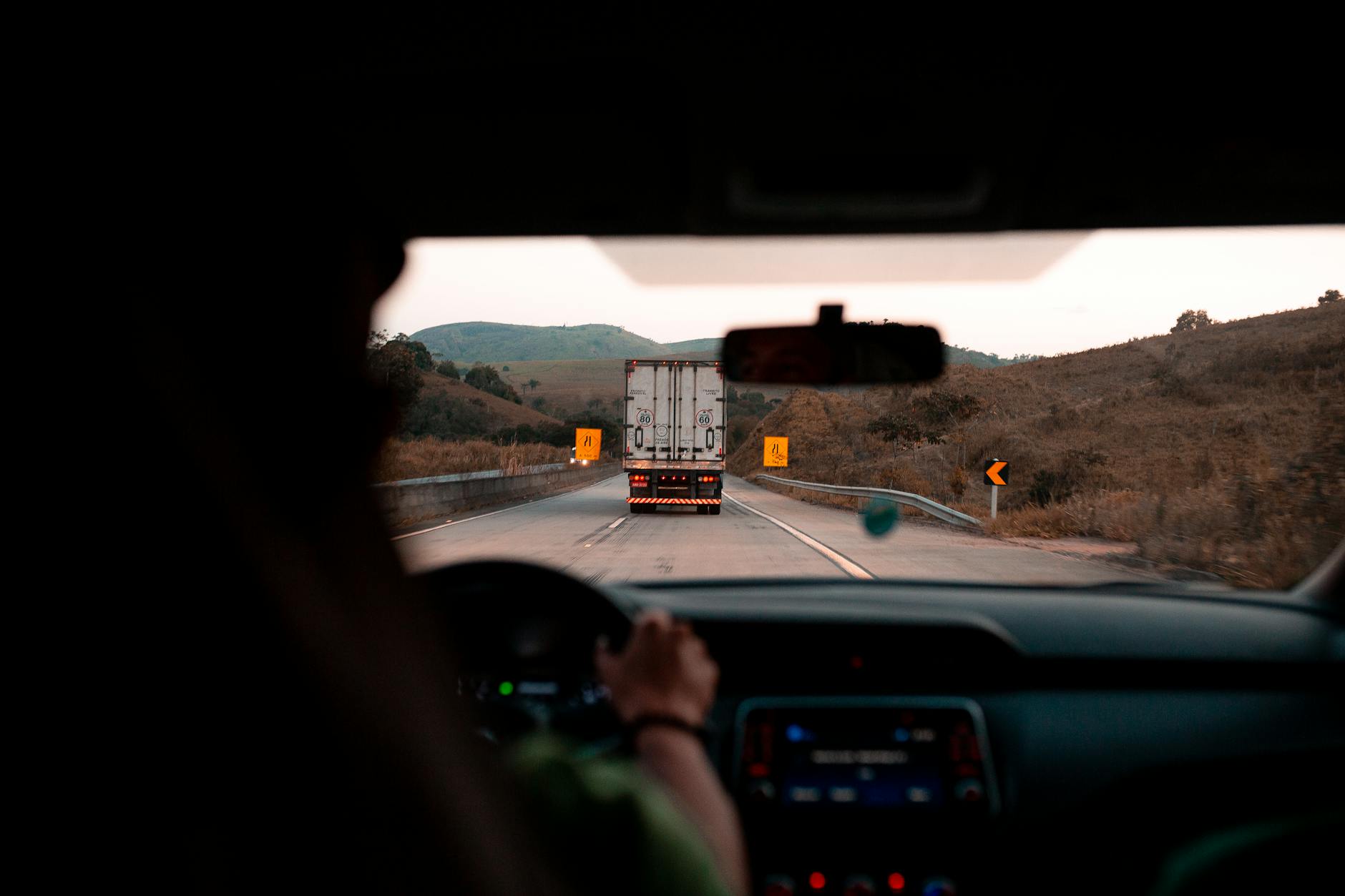
Most states have minimum speed laws on highways and freeways that make it illegal to drive significantly below the posted speed limit without a valid reason. Driving slowly in the left lane in particular is a ticketable offense in states including Georgia Florida and Indiana under keep-right statutes. The legal rationale is that unusually slow vehicles pose a genuine traffic hazard by disrupting the flow of surrounding vehicles. Officers can issue citations based on observed driving behavior even without a specific numeric minimum posted on signage. The offense is categorized differently across states ranging from a basic traffic infraction to a moving violation that affects insurance rates.
Picking Wildflowers

Collecting wildflowers plants or natural materials from public land including state parks and national forests is prohibited in most states under conservation and natural resource protection laws. The restrictions apply even to small quantities and are designed to protect native plant populations from depletion. Some states extend these protections to roadside wildflowers planted as part of state beautification programs. Fines vary by jurisdiction and by the quantity and protected status of the species involved. Private land carries its own set of rules and picking plants from someone else’s property without permission can also constitute a trespass or theft offense.
Stealing WiFi

Accessing a wireless internet network without the authorization of its owner is a criminal offense in most states under computer access and fraud statutes. Many people assume that connecting to an unsecured network is a minor or victimless act but state laws generally do not distinguish between secured and unsecured access without permission. Prosecution has occurred in documented cases where individuals parked near buildings to use networks they did not subscribe to. Penalties range from fines to jail time depending on the duration of access and whether the connection was used for further illegal activity. The law in this area continues to develop as courts grapple with what constitutes reasonable expectation of network security.
Dumpster Diving

Rummaging through trash containers is regulated under trespassing ordinances sanitation codes and in some cases theft statutes across most American states. While a 1988 Supreme Court ruling established that discarded trash has no reasonable expectation of privacy the decision did not preempt state and local laws restricting the physical act of dumpster diving. Many municipalities classify it as trespassing when the containers are located on private property. Some jurisdictions have specific anti-scavenging ordinances that apply even to materials placed in public collection areas. Enforcement varies widely but citations and arrests do occur particularly in commercial districts where businesses report repeated incidents.
Whistling Underwater

Florida has a statute frequently cited in lists of unusual American laws that technically prohibits whistling underwater. The law is believed to be a remnant of an obscure public nuisance code and has never been actively enforced in any documented legal proceeding. Like many laws of its type it reflects the tendency of nineteenth and early twentieth century legislatures to codify highly specific behavioral restrictions that were never repealed. The practical impossibility of the act has made it something of a legal curiosity rather than a genuine enforcement priority. It remains part of the broader category of obsolete laws that persist in state codes due to the difficulty and low priority of formal legislative repeal.
Share which of these surprising laws caught you most off guard in the comments.