Traditional professional environments often struggle with behaviors that prioritize dominance over collaborative success and team cohesion. These patterns frequently manifest through subtle social cues and overt displays of power that undermine psychological safety for all employees. Identifying these traits is the first step toward building a more inclusive and productive office culture. Organizations that address these issues tend to see higher retention rates and better overall mental health among staff members.
Interrupting Colleagues

Frequent interruptions during meetings prevent diverse perspectives from being heard and devalue the contributions of others. This behavior asserts dominance by controlling the flow of conversation and silencing alternative viewpoints. Team members may feel hesitant to speak up when they anticipate being cut off before finishing their thoughts. Leadership must actively manage turn-taking to ensure every voice receives equal respect and space.
Emotional Suppression

A rigid expectation for employees to remain stoic often creates a culture where vulnerability is viewed as a professional weakness. This suppression leads to increased stress levels and prevents the development of authentic workplace relationships. Colleagues who feel they cannot express genuine concerns may experience burnout or disengagement from their roles. Healthy environments encourage emotional intelligence and acknowledge the human element of professional life.
Competitive Overworking

Equating professional value with the sheer number of hours spent at a desk creates a toxic cycle of performative busyness. This mindset often ignores actual productivity in favor of appearing more dedicated than peers through physical presence. Employees may feel pressured to skip breaks or work while ill to maintain a specific image of toughness. True performance should be measured by results rather than the sacrifice of personal well-being.
Discouraging Collaboration

Viewing every task as a solo competition prevents the sharing of knowledge and resources across the organization. This individualistic approach often stems from a fear that helping others will diminish one’s own standing or perceived power. Teams thrive when information flows freely and successes are celebrated as collective achievements. Isolating oneself to maintain control ultimately hampers the growth of the entire company.
Use of Aggressive Language

Communication styles that rely on intimidation or forceful rhetoric create an atmosphere of fear rather than mutual respect. Phrases intended to belittle others or assert intellectual superiority stifle creative problem solving and honest feedback. When aggression is normalized it becomes difficult for marginalized voices to challenge poor decisions or propose innovations. Professional discourse should remain grounded in civility and the objective exchange of ideas.
Dismissing Work-Life Balance

Treating personal commitments or family responsibilities as distractions suggests that an employee’s life should revolve entirely around their job. This attitude often targets those with caregiving duties and creates an invisible barrier to career advancement. Promoting a culture that devalues rest leads to long-term exhaustion and decreased quality of work. Supporting boundaries allows employees to bring their best and most focused selves to their professional tasks.
Overvaluing Physical Stature

Subtle biases that equate physical presence or height with leadership capability can unfairly influence hiring and promotion decisions. This focus on traditional masculine traits ignores the essential cognitive and interpersonal skills required for modern management. Employees who do not fit a specific physical mold may find their expertise overlooked in favor of those who appear more imposing. Professional authority should be earned through competence and character rather than physical attributes.
Glorifying Risk-Taking

Rewarding reckless behavior without considering long-term consequences can lead to instability and financial loss for the firm. This penchant for high-stakes gambling often stems from a desire to appear bold or fearless regardless of the actual data. A more balanced approach involves calculated decision-making that accounts for potential downsides and the safety of the team. Sustainable growth requires a steady hand and a willingness to listen to cautious perspectives.
Gendered Task Allocation

Assigning administrative or supportive roles based on gender stereotypes reinforces outdated hierarchies and limits professional development. Expecting specific individuals to handle emotional labor or office housework takes time away from their primary responsibilities. This practice subtly suggests that some types of work are inherently less valuable or better suited to certain groups. Fair distribution of all tasks ensures that every employee has an equal opportunity to excel in their core role.
Resistance to Feedback

Viewing constructive criticism as a personal attack prevents professional growth and the correction of systemic errors. Leaders who refuse to acknowledge mistakes often do so to maintain an image of infallible strength and authority. This defensiveness creates a feedback vacuum where problems are ignored until they become major crises. Cultivating a growth mindset requires the humility to accept that there is always room for improvement.
Promoting a Boys Club

Informal networks that exclude certain demographics from social outings or important discussions create significant barriers to inclusion. When key decisions are made in exclusionary settings it erodes trust and transparency within the broader team. These groups often reinforce narrow social norms and punish those who do not conform to their specific culture. Inclusive professional environments ensure that mentorship and networking opportunities are accessible to everyone.
Shaming Paternity Leave

Men who face ridicule or career stagnation for taking parental leave are victims of a culture that devalues domestic participation. This pressure forces individuals to choose between their professional reputation and their responsibilities as a parent. Such attitudes also reinforce the idea that childcare is primarily a female burden which impacts workplace equity across the board. Celebrating family milestones for all employees fosters a more loyal and supported workforce.
Excessive Sarcasm

Using biting humor or sarcasm to deflect serious concerns can be a way of maintaining emotional distance and asserting power. This communication style often masks insecurity and makes it difficult for colleagues to engage in honest dialogue. While wit has its place a constant reliance on mockery creates a hostile environment where people fear being ridiculed. Direct and sincere communication is essential for building the trust necessary for high-functioning teams.
Credit Stealing

Claiming the ideas or hard work of subordinates as one’s own is a common way to bolster personal standing at the expense of others. This behavior discourages innovation because employees feel their contributions will not be recognized or rewarded. It creates a culture of resentment and high turnover as talented individuals seek appreciation elsewhere. Leadership must ensure that attribution is clear and that those who do the work receive the praise.
Hyper-Decisiveness

Making rapid decisions without consulting relevant stakeholders can lead to poorly informed outcomes and team alienation. This behavior is often driven by a need to appear decisive and in control at all times. Slowing down to gather input and consider different angles is a sign of confident and effective leadership. Rushing through complex problems solely to avoid appearing uncertain often results in costly mistakes that must be corrected later.
Meritocracy Myths

Ignoring systemic advantages and insisting that success is solely the result of individual effort can marginalize talented individuals from underrepresented backgrounds. This perspective often overlooks the mentorship and networking opportunities that are not equally distributed. Acknowledging that different people face different obstacles is necessary for creating a truly equitable workplace. Understanding these nuances allows for better talent management and a more diverse leadership pipeline.
Physical Space Dominance
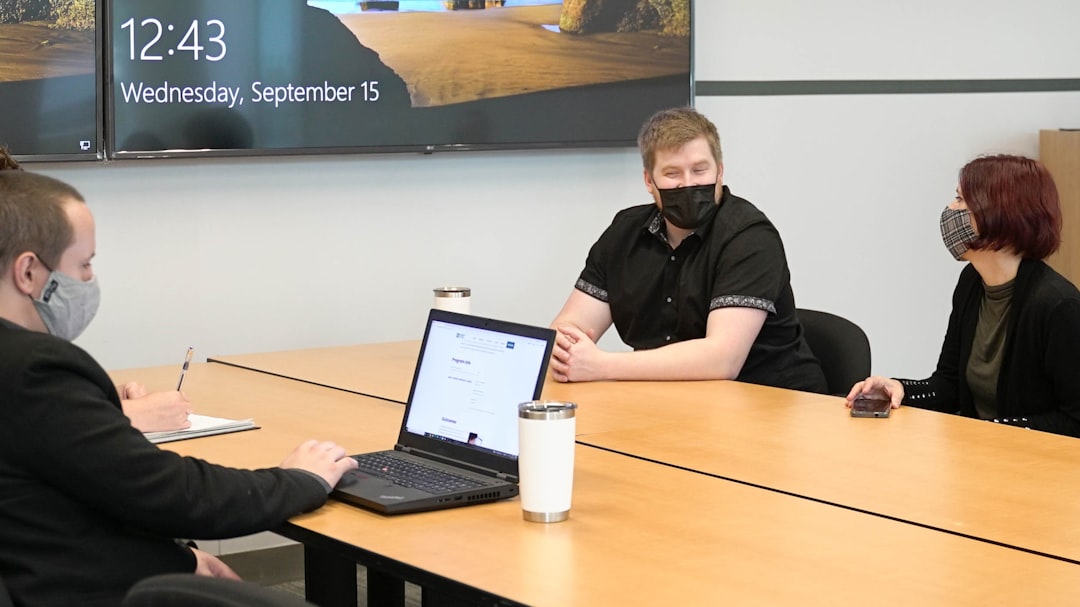
Taking up excessive physical space in meetings or common areas can be a non-verbal way of asserting dominance over colleagues. This includes spreading out materials or using body language that encroaches on the personal space of others. Such behaviors can make coworkers feel small or unwelcome in their own professional environment. Respecting shared spaces and being mindful of physical boundaries promotes a more comfortable atmosphere for everyone.
Mocking Soft Skills

Devaluing empathy and communication as unimportant compared to technical or hard skills ignores the foundations of effective leadership. Modern business success relies heavily on the ability to manage teams and navigate complex human dynamics. Dismissing these essential capabilities as secondary or feminine limits the potential of the entire organization. Integrating social awareness into professional standards leads to better collaboration and more resilient teams.
Constant Posturing

Feeling the need to always appear the smartest or most powerful person in the room creates a tiring and unproductive dynamic. This posturing often prevents the admission of ignorance which is a necessary step for learning and problem solving. When people are more concerned with their image than the task at hand the quality of work inevitably suffers. Authenticity allows for more genuine connections and a more focused approach to achieving business goals.
Fear of Femininity

Rejecting anything perceived as feminine in the workplace can lead to a narrow and exclusionary culture. This includes everything from communication styles to specific career paths or interests. When a workplace actively avoids traits associated with femininity it misses out on the benefits of diverse perspectives and approaches. Embracing a broad spectrum of human expression makes an organization more vibrant and adaptable.
Performance of Hardness

Adopting a persona of being tough or unyielding can intimidate colleagues and prevent them from sharing critical information. This performance often hides a fear of being perceived as weak or incapable. True strength in a professional setting involves the ability to be flexible and adapt to new information or changing circumstances. Rigidity in one’s demeanor often leads to missed opportunities for connection and growth.
Validating Bullying

Labeling aggressive or harmful behavior as just being part of a high-pressure environment excuses toxic conduct. When bullying is tolerated it creates a ripple effect of stress and low morale throughout the department. No amount of professional success justifies the mistreatment of colleagues or subordinates. Clear policies and consistent enforcement are necessary to maintain a standard of professional decency.
Knowledge Hoarding

Withholding information to maintain a position of power prevents the team from functioning at its full potential. This behavior creates dependencies that slow down projects and increase the risk of errors. Sharing expertise freely empowers others and builds a more robust and capable organization. A culture of transparency and teaching ensures that the company is not reliant on any single individual.
Ignoring Mental Health

Treating mental health struggles as a sign of weakness prevents employees from seeking the help they need to stay productive. This neglect leads to higher rates of absenteeism and a decrease in overall job satisfaction. Workplaces that prioritize mental wellness see improvements in creativity and employee engagement. Normalizing conversations about well-being helps remove the stigma and supports a healthier workforce.
Dominating Narratives

Controlling the story of a project or a team’s success to center oneself erodes the morale of other contributors. This ensures that only one perspective is validated while the efforts of others are pushed to the sidelines. Collaborative success should be documented in a way that reflects the diverse inputs that led to the final result. Honesty in reporting builds trust and encourages continued excellence from all team members.
Fear of Vulnerability

The belief that admitting a mistake or asking for help is a career-ending move stifles learning and innovation. When employees feel they must be perfect they are less likely to take the risks necessary for breakthrough ideas. Vulnerability allows for genuine connection and the creation of a supportive team culture. Leaders who model openness about their challenges set a positive example for their entire staff.
Toxic Mentorship

Senior leaders who encourage junior staff to adopt aggressive or exclusionary behaviors perpetuate cycles of toxicity. Mentorship should focus on developing professional skills and navigating the organization with integrity. When mentors prioritize dominance over development they harm the long-term prospects of their proteges. Positive guidance emphasizes ethical leadership and the importance of supporting one’s colleagues.
Policing Appearance

Strictly enforcing narrow standards of professional appearance can unfairly target those who do not conform to traditional gender norms. This focus on clothing or grooming often has little to do with actual job performance or competence. Allowing for a broader range of professional expression fosters a more inclusive and authentic environment. Employees perform better when they feel comfortable and respected for their skills rather than their wardrobe choices.
Excessive Jargon

Using overly technical or exclusive language can be a way to alienate others and assert intellectual superiority. While specialized terms are sometimes necessary they should not be used to intentionally confuse or exclude colleagues. Clear and accessible communication ensures that everyone is on the same page and can contribute effectively. Professionalism is often better reflected through clarity and the ability to explain complex ideas simply.
Rewarding Selfishness

Giving bonuses or promotions to individuals who achieve results at the expense of their team’s well-being sends a dangerous message. This encourages a culture where the ends justify the means and collaboration is seen as a hindrance. Organizations should reward those who achieve their goals while also uplifting their colleagues. Sustainable success is built on a foundation of mutual support and shared values.
Lack of Empathy

Failing to consider the perspectives and feelings of others leads to poor decision making and a disconnected workforce. Empathy is a critical component of effective management and conflict resolution in any professional setting. Without it leaders struggle to motivate their teams or understand the underlying causes of performance issues. Prioritizing emotional intelligence creates a more harmonious and effective working environment.
Silencing Dissent

Discouraging or punishing employees for questioning established norms prevents the organization from identifying and fixing systemic problems. A healthy workplace encourages critical thinking and the civil expression of differing opinions. When dissent is silenced the company becomes stagnant and prone to groupthink. Valuing diverse viewpoints leads to more robust strategies and a more resilient business model.
Misogynistic Humor

Casual jokes that devalue women or reinforce gender stereotypes have no place in a professional environment. This type of humor creates a hostile atmosphere and signals that certain people are not truly respected. Even if intended as a joke these comments contribute to a culture of exclusion and bias. Maintaining a professional standard means ensuring that all humor is inclusive and respectful.
Obsession with Status

Prioritizing job titles and symbols of authority over actual contribution creates a shallow and competitive culture. This focus on hierarchy often prevents good ideas from rising to the top if they come from junior staff. A more flat and collaborative structure allows for more fluid communication and faster innovation. True status should be derived from the value one brings to the team and the organization.
Dismissing Diversity Efforts

Treating inclusion initiatives as unnecessary or purely political ignores the proven benefits of a diverse workforce. This skepticism often stems from a desire to maintain the status quo and the power dynamics associated with it. Organizations that embrace diversity are more creative and better equipped to serve a global market. Actively supporting these efforts is essential for long-term growth and relevance.
Over-Reliance on Strength

Equating leadership with a show of force or unyielding resolve misses the nuances of modern organizational management. Effective leaders often rely on persuasion and consensus-building rather than simple commands. Strength in a professional context is better defined by resilience and the ability to navigate complex challenges with grace. Moving away from a command-and-control model leads to a more engaged and empowered team.
Validating Aggression

When assertive behavior is praised in some but labeled as aggressive in others it reveals a deep-seated bias in the workplace. This double standard often holds different groups to different behavioral expectations based on gender or identity. Fair evaluation processes should apply the same standards to all employees regardless of their background. Consistent expectations promote a sense of justice and equity within the firm.
Ignoring Microaggressions

Failing to address small but frequent acts of exclusion allows a toxic culture to take root over time. These subtle behaviors can have a cumulative negative impact on the mental health and productivity of employees. Leaders must be proactive in identifying and correcting these issues to ensure a safe and welcoming environment for everyone. A commitment to constant improvement helps build a workplace where everyone can thrive.
Please share your thoughts on improving workplace culture in the comments.