Building a sense of inner strength often starts with maintaining an upright posture that signals openness and authority to those around you. Rolling the shoulders back and keeping the chin level creates an immediate shift in how the body processes stress hormones. Taking up physical space in a room helps the brain register a feeling of belonging and control in social environments. Deep breathing from the diaphragm further stabilizes the nervous system and prevents the voice from cracking during important conversations. These physical adjustments serve as the foundational building blocks for a more self-assured presence.
Power Posing

Standing with hands on hips or stretching the arms wide for two minutes can significantly alter your internal chemistry. This practice increases testosterone levels which are associated with leadership while simultaneously lowering cortisol levels related to anxiety. Many professionals utilize this technique in private spaces before high-stakes meetings or public speaking engagements to ground themselves. The expansive nature of the pose tricks the mind into feeling more powerful than it might otherwise feel in a state of nervousness. It is a reliable biological hack that yields measurable changes in subjective feelings of competence.
Sustained Eye Contact

Holding a steady gaze during a conversation demonstrates that you are fully present and comfortable with the interaction. People who maintain eye contact are often perceived as more trustworthy and knowledgeable by their peers. It is helpful to focus on the color of someone’s eyes to ensure the connection feels natural rather than forced or aggressive. Breaking eye contact too early can inadvertently signal submissiveness or a lack of interest in the topic at hand. Mastering this social skill builds a bridge of mutual respect and reinforces your own status as an equal participant.
Controlled Speaking Pace

Talking slowly and deliberately ensures that your message is heard clearly and gives you time to choose the most effective words. Rapid speech often indicates a desire to finish quickly because of a perceived lack of value in what is being said. Pausing before answering a question shows that you are thoughtful and not easily rattled by pressure. A steady cadence allows the listener to process information and helps the speaker maintain a calm heart rate. This measured approach to communication command attention and conveys a high level of expertise.
Positive Visualization
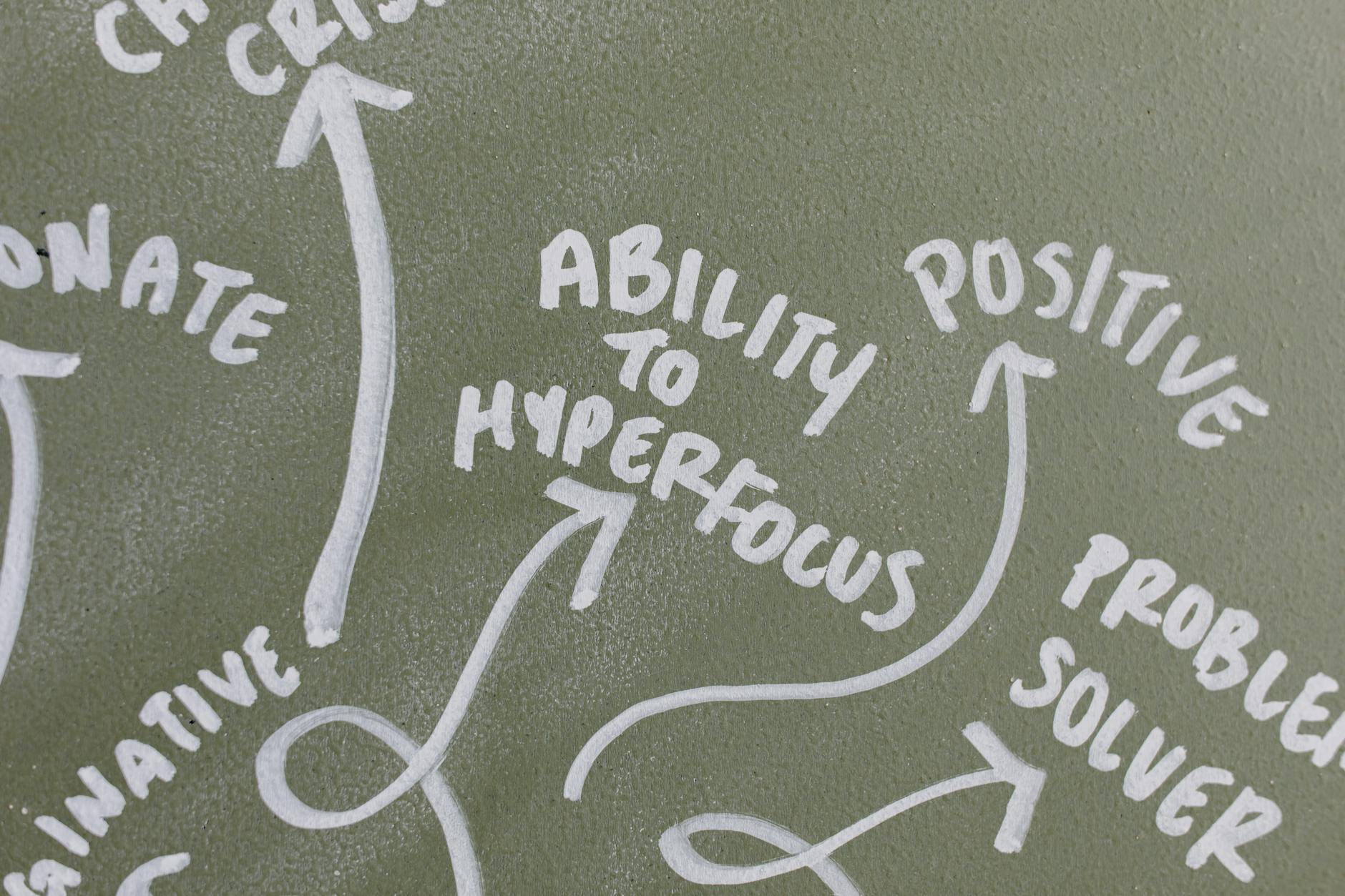
Imagining a successful outcome for a specific task prepares the neural pathways to execute that task with less hesitation. Closing the eyes and picturing the exact steps required for a win creates a mental blueprint for the actual event. This technique is frequently used by elite athletes to overcome performance anxiety and sharpen their focus under pressure. Visualizing the feeling of achievement provides a motivational boost that carries over into real-world actions. By focusing on the best-case scenario the mind becomes less preoccupied with the potential for failure.
Professional Grooming

Wearing clothes that fit well and feel comfortable can provide a significant psychological lift during the day. Taking the time to maintain a neat appearance reflects a level of self-respect that others will likely mirror back to you. When an individual feels they look their best they are more likely to engage in social risks and professional challenges. This does not require expensive luxury items but rather a clean and intentional presentation that aligns with the environment. Personal style acts as a visual shorthand for your identity and your readiness to handle responsibilities.
Skill Mastery

Devoting time to becoming proficient in a specific area provides a permanent reservoir of self-esteem that is not easily shaken. Knowing that you possess deep knowledge or a refined craft allows you to speak with genuine authority. Competence in one area often bleeds into other aspects of life by proving that you are capable of learning and growing. Continuous education ensures that your confidence is based on tangible evidence rather than fleeting emotions. This long-term investment in yourself pays dividends in every social or professional arena you enter.
Mindful Presence

Focusing entirely on the current moment prevents the brain from wandering into self-critical thoughts about the past or future. When you are fully engaged in a task or conversation there is no room for the internal monologue of doubt. Mindfulness training helps you observe nervous sensations without letting them dictate your outward behavior. This grounding effect makes it easier to respond to unexpected changes with grace and logic. Staying in the now allows you to perform at your peak level because your energy is not being drained by anxiety.
Affirming Successes

Keeping a mental or physical list of past achievements serves as a reminder of your capability during difficult times. Reviewing these milestones helps to silence the inner critic that focuses solely on mistakes or shortcomings. Recognizing that you have overcome previous obstacles builds a logical case for your ability to handle new ones. This practice shifts the internal focus from a deficit mindset to one of abundance and resourcefulness. Celebrating small wins provides the momentum needed to tackle larger and more complex goals.
Strategic Silence

Choosing not to fill every gap in a conversation can be a powerful display of self-possession. Comfortable silence shows that you do not feel the need to constantly seek validation or explain yourself to others. It allows for deeper reflection and gives more weight to the words you eventually choose to speak. People who are comfortable with quiet are often viewed as more confident and centered than those who rush to speak. This habit creates a calm atmosphere and encourages others to be more thoughtful in their responses as well.
Objective Self-Talk

Replacing harsh self-criticism with factual and objective observations helps maintain a balanced perspective. Instead of using judgmental language one can describe situations as they are without adding a layer of personal failure. This shift in internal dialogue reduces the emotional weight of setbacks and makes problem-solving more efficient. Treating yourself with the same professional courtesy you would offer a colleague builds a healthier psychological foundation. Consistent and fair self-talk prevents the erosion of confidence that comes from repetitive negative thinking.
Setting Boundaries

Clearly defining what you will and will not accept from others is a hallmark of a self-assured individual. Saying no to requests that do not align with your priorities protects your time and mental energy. People generally respect those who have firm boundaries because it indicates a clear sense of self-worth. This practice reduces the resentment that often comes from overextending yourself to please others. Enforcing your limits ensures that your “yes” carries more weight and that your contributions are truly valued.
Physical Exercise

Regular movement improves body image and releases endorphins that naturally enhance the mood. The discipline required to maintain a fitness routine builds a sense of personal agency and physical capability. Seeing progress in strength or endurance provides concrete proof of your ability to change and improve through effort. A healthy body supports a sharp mind and provides the energy necessary to face daily challenges with vigor. This physiological boost creates a resilient baseline for confidence that lasts long after the workout is finished.
Goal Segmentation
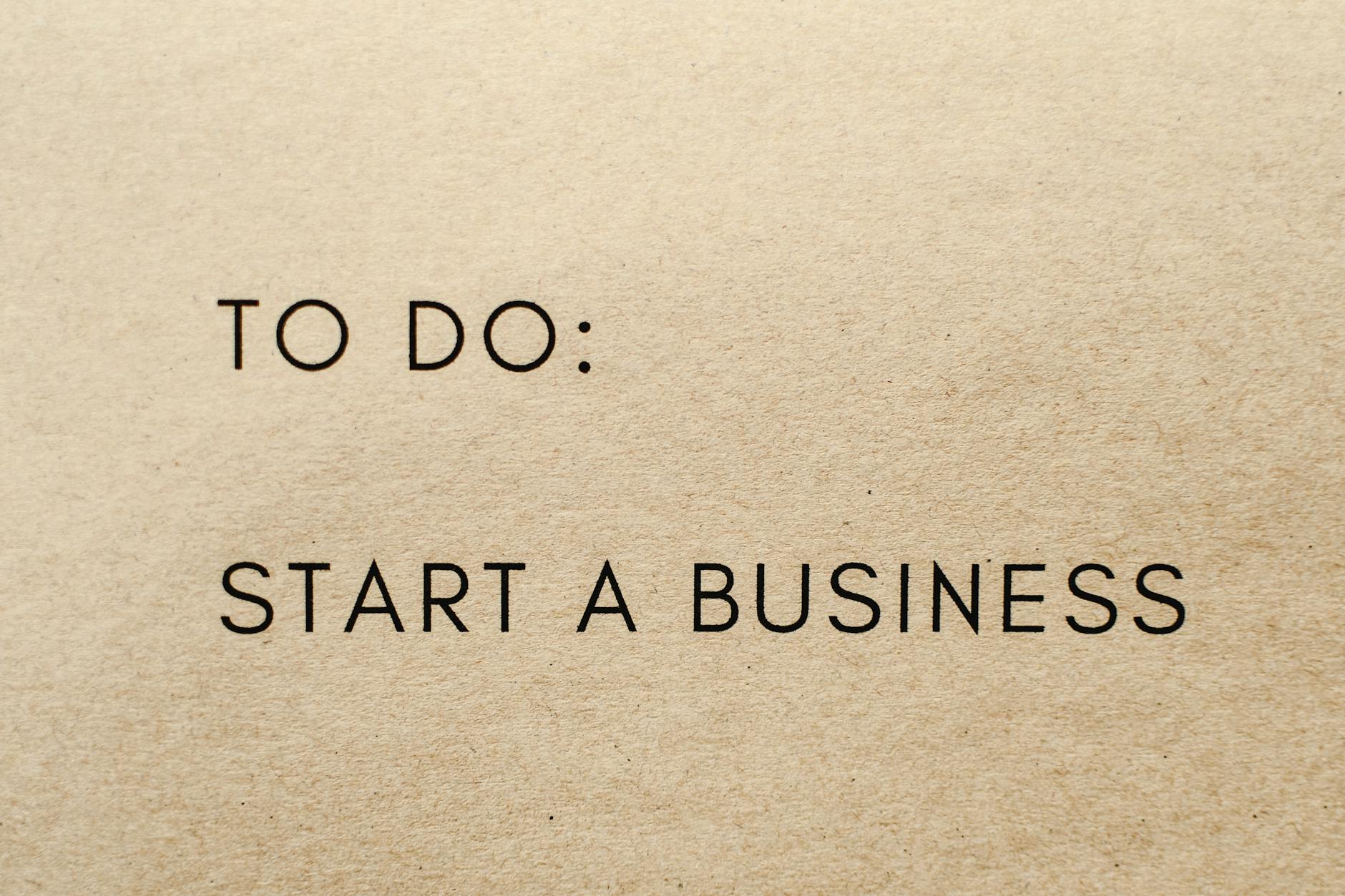
Breaking down large and intimidating projects into smaller and manageable steps makes success feel more attainable. Completing a minor task triggers a dopamine release that motivates you to move on to the next one. This method prevents the paralysis that often occurs when a goal seems too distant or difficult to reach. Each small victory builds the confidence necessary to take on more significant portions of the work. Over time these accumulated successes result in the completion of major objectives and a stronger belief in your own productivity.
Expressing Gratitude

Focusing on what is going well in your life shifts the attention away from perceived inadequacies. Gratitude fosters a positive outlook that makes you more attractive to others and more resilient to stress. This mental habit helps you realize that you already possess many of the tools needed for success. It reduces the urge to compare yourself to others by highlighting your own unique strengths and resources. A grateful mindset creates a stable internal environment where confidence can naturally flourish.
Helping Others

Using your skills to assist someone else provides an immediate sense of purpose and value. Teaching a colleague or volunteering for a project demonstrates your competence in a practical and meaningful way. This outward focus reduces self-consciousness by placing the emphasis on the needs of the community. Receiving appreciation for your contributions reinforces the idea that you are a helpful and capable person. The act of giving builds social capital and strengthens your connection to those around you.
Taking Calculated Risks

Stepping slightly outside of your comfort zone on a regular basis expands your sense of what is possible. Each time you face a fear and survive you prove to yourself that you are more resilient than you thought. These risks do not have to be massive to be effective at building a courageous mindset. Facing a small fear like speaking up in a meeting prepares you for larger challenges in the future. Over time the boundaries of your comfort zone will naturally grow to encompass more ambitious activities.
Curiosity Over Judgment

Approaching new situations with a sense of wonder rather than a fear of being judged reduces social anxiety. When you are genuinely curious about other people or topics you become less focused on your own performance. Asking insightful questions shows that you are engaged and confident enough to admit when you want to learn more. This mindset turns potentially stressful interactions into opportunities for growth and discovery. Curiosity signals an open and secure personality that is not threatened by the unknown.
Active Listening

Giving your full attention to the person speaking demonstrates a high level of social intelligence and security. You do not need to be the loudest person in the room to be the most confident one. Reflecting back what you have heard shows that you have understood the message and value the speaker’s perspective. This builds rapport and ensures that when you do speak your contribution is relevant and impactful. Active listening is a quiet power that earns the respect of peers and leaders alike.
Knowledge Preparation

Researching a topic thoroughly before a presentation or meeting provides a solid foundation for your arguments. When you are well-informed you are less likely to be caught off guard by difficult questions or opposing views. This preparation allows you to speak with a level of certainty that is grounded in facts. Knowing that you have done the work gives you the permission to feel confident in your delivery. Success in these moments is often the direct result of the effort put in behind the scenes.
Healthy Social Circle

Surrounding yourself with supportive and ambitious people reinforces your own positive self-image. Friends and mentors who encourage your growth help you stay focused on your potential rather than your flaws. It is important to minimize time spent with those who consistently drain your energy or criticize your ambitions. A strong social network provides a safety net that makes it easier to take risks and bounce back from failures. The collective confidence of your group can often elevate your own sense of what you can achieve.
Emotional Regulation

Learning to manage your reactions to stressful events prevents them from undermining your self-assurance. Recognizing the physical signs of frustration or fear allows you to take corrective action before those emotions dictate your behavior. Taking a few moments to center yourself ensures that your responses remain professional and logical. This self-control is a key component of leadership and earns the trust of those around you. Maintaining a steady demeanor in the face of adversity is a powerful sign of internal strength.
Personal Integrity

Aligning your actions with your core values creates a sense of internal harmony that is visible to others. When you do what you say you are going to do you build a reputation for reliability and honesty. This consistency between your words and deeds eliminates the stress of maintaining a false persona. Knowing that you are living authentically provides a deep-seated confidence that does not depend on external approval. Integrity is the bedrock upon which a lasting and genuine self-esteem is built.
Adaptive Learning
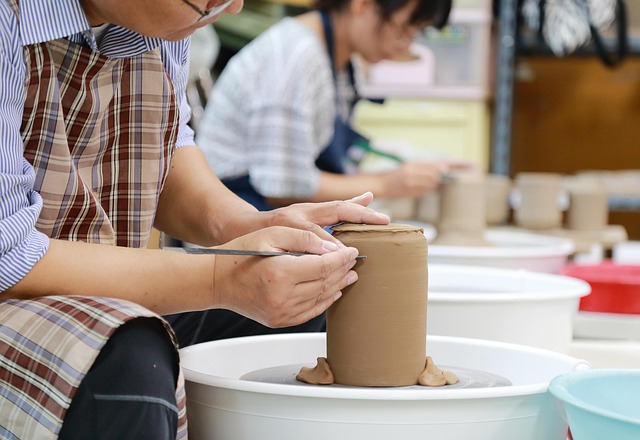
Treating mistakes as data points rather than personal failures allows for rapid growth and improvement. When a task does not go as planned you can objectively analyze the results to do better next time. This iterative process removes the sting of perfectionism and encourages a more adventurous spirit. The ability to pivot and learn from experience is a vital trait of successful and confident individuals. Viewing every challenge as a lesson ensures that you are constantly evolving and becoming more capable.
Clear Communication

Using direct and simple language makes your ideas more accessible and persuasive to others. Avoiding hedge words like “maybe” or “I think” when you are certain adds weight to your statements. Expressing your needs and opinions clearly reduces the likelihood of misunderstandings and frustration. This transparency shows that you trust your own judgment and are comfortable sharing it with the world. Effective communication is a skill that can be practiced and refined until it becomes a natural part of your identity.
Strategic Preparation

Organizing your environment and your schedule in advance reduces the chaotic feelings that can lead to self-doubt. Having a clear plan for the day allows you to move through tasks with a sense of purpose and efficiency. When your physical space is orderly your mind is often more focused and less prone to distraction. This level of organization gives you a sense of control over your life and your responsibilities. Being prepared for the day ahead allows you to approach every situation with a calm and ready mindset.
Resilience Training

Intentionally putting yourself in mildly uncomfortable situations helps to build your “courage muscle” over time. This could involve trying a new hobby where you are a beginner or speaking to someone new every day. These small acts of bravery prove that you can handle discomfort and still function effectively. As you become more familiar with the sensation of being challenged your overall confidence will naturally increase. Resilience is not the absence of fear but the ability to move forward in spite of it.
Authentic Expression

Allowing your true personality to show in your interactions makes you more relatable and trustworthy. Trying to mimic someone else’s version of confidence often feels brittle and inauthentic to those around you. When you embrace your unique quirks and perspectives you attract people who value you for who you really are. This self-acceptance is the ultimate form of confidence because it requires no external validation. Being your authentic self allows you to navigate the world with a sense of ease and freedom.
Daily Reflection

Taking a few minutes at the end of each day to acknowledge your progress helps to solidify your gains. Thinking about what went well and why reinforces the behaviors that lead to success. It also provides an opportunity to release any lingering stress from the day’s challenges. This consistent practice of self-awareness keeps you aligned with your goals and your values. Reflection turns your daily experiences into a source of wisdom and ongoing self-assurance.
Physical Presence

Developing a strong physical presence involves more than just posture; it includes how you move through the world. Walking with purpose and maintaining a steady pace suggests that you have a clear destination and a plan. Avoiding fidgeting or repetitive nervous movements helps you appear more composed and in control. Using purposeful gestures to emphasize your points can make your communication more engaging and authoritative. A calm and deliberate physical presence is often a direct reflection of a calm and deliberate mind.
Seeking Mentorship

Learning from those who have already achieved what you desire can provide a roadmap for your own success. A mentor can offer valuable feedback and perspective that you might not be able to see on your own. Knowing that you have an experienced guide in your corner can significantly boost your confidence in your career or personal life. It also reminds you that everyone starts as a beginner and that mastery is a process of time and effort. This relationship provides both practical advice and emotional support for your journey.
Financial Literacy

Understanding and managing your finances provides a sense of security that translates into overall confidence. Knowing exactly where you stand and having a plan for the future reduces a major source of life stress. This knowledge allows you to make decisions from a place of stability rather than desperation. Financial independence or even just a solid budget gives you the freedom to choose opportunities that truly align with your goals. Being in control of your resources is a vital part of being in control of your life.
Intellectual Humility

Being confident enough to admit when you do not know something is a sign of true security. It shows that your self-worth is not tied to being right all the time but rather to your willingness to learn. This openness to new information makes you a better collaborator and a more effective leader. People are often more willing to trust someone who is honest about their limitations. Intellectual humility allows you to continuously expand your knowledge and your capabilities.
Public Speaking Practice

Taking every opportunity to speak in front of a group helps to desensitize the fear of being the center of attention. Whether it is a small team meeting or a larger event the act of sharing your ideas builds your communication skills. Practice helps you find your voice and learn how to use tone and pacing to influence an audience. Over time the initial anxiety is replaced by a sense of excitement and a belief in your message. Being able to command a room is a powerful tool for any professional or social situation.
Optimistic Realism

Maintaining a positive outlook while acknowledging the facts of a situation creates a balanced and resilient mindset. You can believe in your ability to succeed while also preparing for potential obstacles that may arise. This approach prevents you from being blindsided by difficulties and allows you to stay focused on solutions. Optimism provides the energy to keep going while realism ensures that your actions are grounded in truth. This combination of traits makes you a reliable and steady presence in any environment.
Dressing the Part

Choosing clothing that is appropriate for the role you want to play helps you step into that identity more fully. When your outward appearance matches your internal goals you feel a greater sense of alignment and purpose. This is not about vanity but about using every tool at your disposal to support your self-image. Your choice of attire can influence how you are perceived by others and how you perceive yourself. Dressing with intention is a simple way to boost your confidence before you even say a word.
Creative Expression

Engaging in a creative hobby allows you to explore your ideas and express your unique perspective without judgment. Whether it is painting writing or playing music the act of creation builds your problem-solving skills and your self-trust. Seeing something you have made with your own hands provides a tangible sense of accomplishment. Creativity encourages you to think outside the box and find new ways to approach challenges in other areas of life. This outlet for self-expression is a vital component of a well-rounded and confident personality.
Decisive Action

Making a decision and sticking to it prevents the mental exhaustion that comes from chronic hesitation. Even if the choice is small practicing decisiveness builds your trust in your own judgment. It is often better to make a choice and learn from the outcome than to remain stuck in a state of analysis paralysis. Taking action provides the momentum needed to move forward and gain new experiences. Each decision you make reinforces the idea that you are the captain of your own life.
Shared Experiences

Connecting with others who are also working on their self-confidence can provide a sense of community and mutual support. Realizing that everyone faces doubts and challenges makes your own struggles feel less isolating. Sharing tips and encouragement helps everyone in the group grow stronger and more capable. This collective energy can be a powerful motivator to keep pushing toward your personal best. Please share your own favorite confidence-boosting tips in the comments.