Mindfulness transforms mundane moments into opportunities for grounding and clarity. It requires no special equipment or expensive retreats to begin this mental shift. Incorporating small pauses throughout the day builds a resilient and focused mind. These practices offer simple methods to reconnect with the present moment amidst modern chaos.
Conscious Morning Breathing

You can start the day by sitting on the edge of the bed for two minutes. Close your eyes and focus entirely on the sensation of air entering your nostrils. This simple act centers the mind before the rush of the day begins. It establishes a calm foundation that helps you handle stress later. The practice serves as a gentle anchor against morning anxiety.
Mindful Bed Making

Smoothing the sheets becomes a deliberate ritual rather than a chore. Notice the texture of the fabric against your skin as you tuck in the corners. Aligning the pillows with precision invites a sense of order to the room. This small accomplishment signals to the brain that the day has officially started. It creates an immediate visual reward for your effort.
Sensory Showering

Focus on the temperature of the water as it hits your skin. Pay attention to the scent of the soap and the sound of the spray. This practice turns a daily hygiene habit into a sensory experience. Thoughts of the day ahead may arise but you can gently guide your focus back to the water. It washes away mental clutter along with physical dirt.
Intentional Coffee Sipping

Hold the warm mug in both hands to feel the heat transfer to your palms. Inhale the aroma deeply before taking the first sip. Notice the flavor profile and how the liquid feels as you swallow. Keeping distractions like phones away allows for full appreciation of the beverage. This ritual creates a peaceful pocket of time in the morning.
Toothbrushing Focus

Feel the bristles moving against your teeth and gums. Notice the minty taste of the toothpaste and the temperature of the water. Many people zone out during this task but staying present makes it a meditation. It brings awareness to a repetitive action that usually happens on autopilot. You engage with your body care in a respectful way.
Doorway Triggers
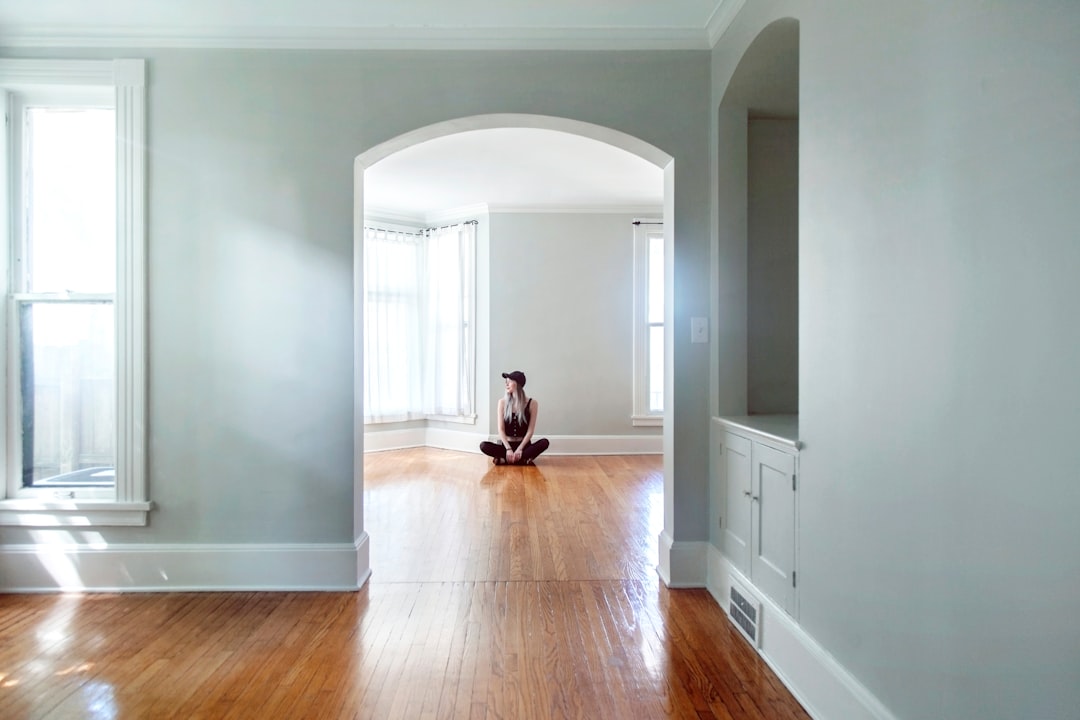
Use every doorway you walk through as a cue to take a deep breath. This physical transition becomes a mental reset button. It helps you leave the stress of one room behind before entering another. The practice builds a habit of frequent check-ins throughout the day. It prevents tension from accumulating unnoticed as you move through spaces.
Red Light Pauses

Traffic stops offer a perfect opportunity to drop your shoulders and unclench your jaw. Instead of feeling impatient you can observe your surroundings or your breath. This turns a source of frustration into a moment of rest. You arrive at your destination feeling calmer rather than agitated. It reclaims lost time during a commute.
Walking Meditation

Feel the ground beneath your feet with every step you take. Notice the rhythm of your gait and the movement of your arms. You do not need to walk slowly or look different to practice this technique. It connects you to the physical reality of moving through space. This grounds you when your mind tries to race ahead.
Single Tasking

Focus entirely on one activity at a time without multitasking. If you are typing an email then you only type the email. This reduces the cognitive load on your brain and improves the quality of work. It prevents the frantic feeling of trying to do too much at once. You finish tasks with more energy and less mental fatigue.
Active Listening

Give your full attention to the person speaking without planning your response. Watch their body language and listen to the tone of their voice. This deepens connections and ensures you truly understand the message. It quiets your own internal monologue during conversations. Relationships improve when others feel truly heard and seen.
Digital Disconnection

Designate specific times to turn off all electronic devices. This silence creates space for your mind to rest from constant input. You may notice an initial urge to check for updates but it passes. The break allows your nervous system to downregulate from digital stimulation. It fosters a deeper connection with your immediate physical environment.
Mindful Eating

Chew your food slowly and pay attention to the textures and flavors. Put your fork down between bites to pace yourself. This aids digestion and helps you recognize when you are full. It turns a quick meal into a nourishing experience. You gain more satisfaction from smaller amounts of food.
The Body Scan

Start at your toes and mentally check in with every part of your body. Notice areas of tension and consciously try to relax them. This can be done sitting at a desk or lying down. It reconnects your mind with physical sensations often ignored during busy periods. You learn to identify stress signals before they become painful.
Gratitude Spotting

Look for three small things that bring you joy during the day. It could be sunlight on a wall or a friendly interaction. This trains your brain to scan the environment for positives. Writing these down reinforces the neural pathways associated with happiness. It shifts the focus from lack to abundance.
Hand Washing Awareness

Feel the slippery texture of the soap and the friction between your hands. Watch the bubbles form and rinse away under the stream. This frequent daily action serves as a mini meditation. It provides a brief respite from work or household demands. You return to your tasks with cleaner hands and a clearer head.
Nature Observation

Spend a few minutes watching a tree or the clouds. Observe the subtle movements caused by the wind. This practice reminds you of the larger world outside your personal bubble. It reduces the perceived magnitude of immediate problems. Nature offers a calming rhythm that steadies the human mind.
Deep Listening to Music

Put on a piece of music and try to hear every individual instrument. Follow the bass line or the melody exclusively for a few bars. This immersive listening blocks out external distractions effectively. It turns entertainment into an exercise in concentration. You appreciate the complexity of the art form more deeply.
Posture Checks
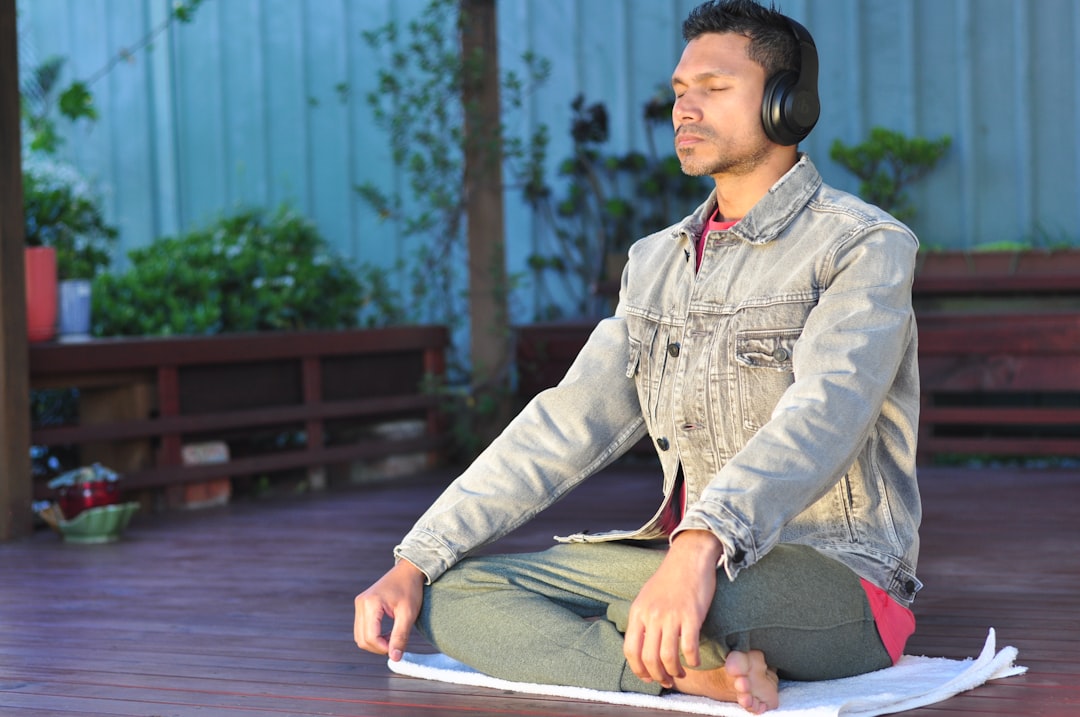
Notice how you are sitting or standing right now. Straighten your spine and relax your shoulders away from your ears. This adjustment improves physical health and mental alertness. It brings your attention back to the physical vessel you inhabit. Regular checks prevent chronic pain from poor ergonomics.
Mindful Cleaning

Wipe a surface with deliberate and circular motions. Focus on the transformation of the area from dirty to clean. This turns a chore into an act of care for your environment. It provides a tangible result that can lift your mood. The repetitive motion can be incredibly soothing for an anxious mind.
Waiting in Line
Use the time spent in a queue to observe the people and environment around you. Resist the urge to pull out your phone immediately. Stand firmly on both feet and breathe deeply. This transforms “wasted” time into a practice of patience. You maintain your calm while others around you might be stressing.
Object Contemplation

Pick up a small object like a pen or a stone. Examine its weight and texture and temperature. Look closely at the colors and any scratches or imperfections. This intense focus creates a state of flow for a short period. It trains the mind to find interest in ordinary things.
Textural Touching

Run your hand over different surfaces like wood or fabric or metal. Notice the differences in temperature and roughness. This tactile engagement grounds you in the physical present. It bypasses the analytical mind and connects directly to sensory experience. You become more attuned to your immediate surroundings.
Mindful Stretching

Reach your arms overhead and feel the pull in your muscles. Move slowly and respect the limits of your body today. This releases physical tension stored from sitting still. It coordinates breath with movement in a rhythmic way. You increase blood flow and mental energy simultaneously.
Sky Gazing

Take a moment to look up at the vastness of the sky. Notice the color gradients and the speed of the clouds. This perspective shift can make personal worries feel smaller. It connects you to the natural cycle of day and night. The visual expanse relaxes the eyes after screen time.
Candle Meditation

Light a candle and focus your gaze softly on the flame. Watch how it flickers and dances with air currents. This visual anchor keeps the mind from wandering. It creates a cozy atmosphere that encourages relaxation. The practice is excellent for winding down before sleep.
Intentional Hydration

Drink a glass of water while doing nothing else. Feel the cool liquid travel down your throat. This hydrates the body and refreshes the mind. It serves as a distinct break in the workflow. You nourish your cells with conscious awareness.
Plant Care

Check the soil moisture of a houseplant with your finger. Wipe dust off the leaves gently. This connection with a living thing fosters empathy. It requires you to slow down and be gentle. Watching a plant grow over time rewards patience.
Barefoot Walking

Walk on grass or a rug without shoes. Feel the texture and temperature of the surface. This sensory input is often blocked by footwear. It improves balance and foot strength. The direct contact with the ground feels freeing.
Mindful Typing
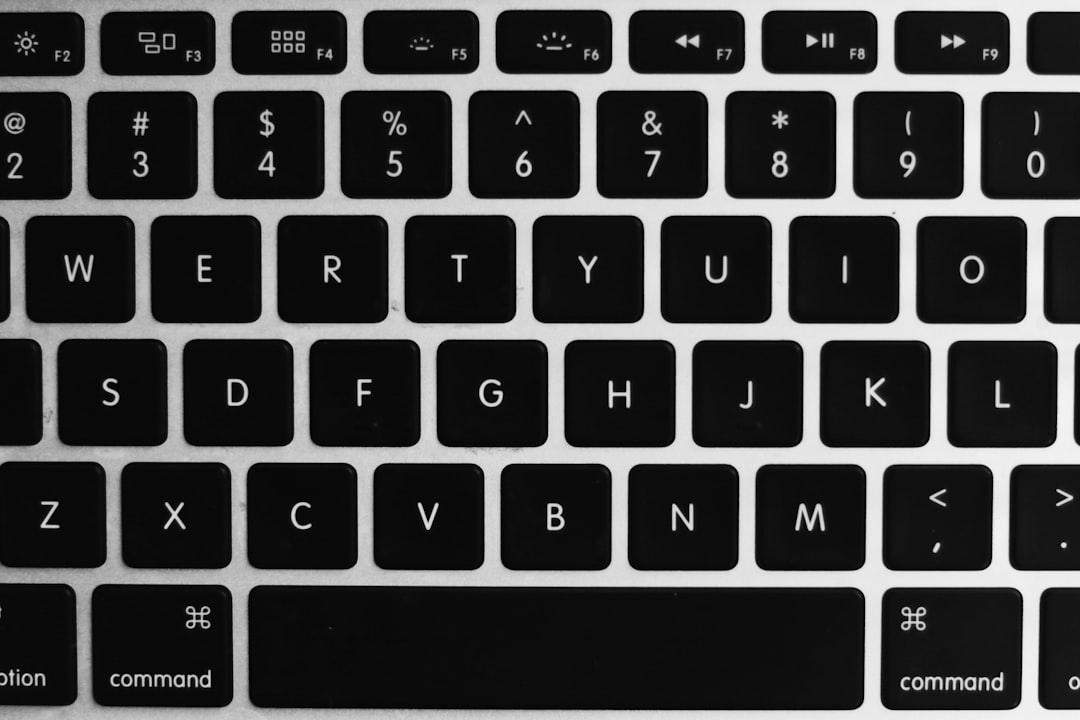
Notice the sound of the keys clacking. Feel the resistance of the keys under your fingertips. This brings awareness to a common work activity. It can help regulate the speed and force of your typing. You stay present with the content you are creating.
Loving-Kindness Pause

Think of a person you love and silently wish them happiness. Expand this wish to yourself and then to a stranger. This cultivates a feeling of warmth and connection. It combats feelings of isolation or anger. The mental shift softens your attitude toward the world.
Sound Bathing

Close your eyes and identify the furthest sound you can hear. Then identify the closest sound to your body. Do not judge the sounds as good or bad. Simply acknowledge their existence in the soundscape. This expands your awareness beyond your immediate visual field.
Mindful Commuting by Car

Turn off the radio and drive in silence for ten minutes. Listen to the engine and the sound of tires on the road. This silence allows the mind to process the day. It prevents sensory overload before you arrive home. You become a more attentive and safer driver.
The Five Senses Check
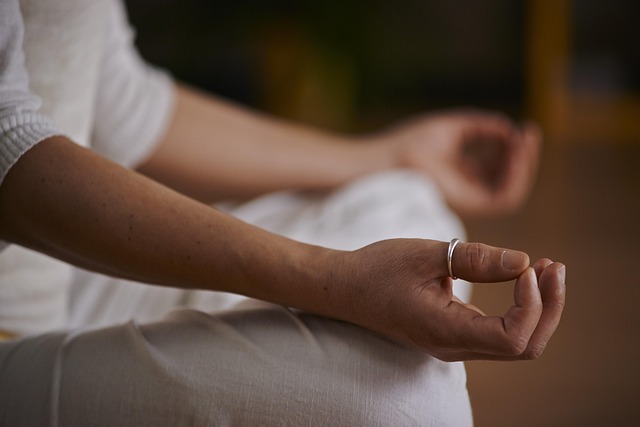
Identify one thing you can see and touch and hear and smell and taste. This technique halts anxiety spirals immediately. It forces the brain to process sensory data. You return to the present moment instantly. It is a discreet tool you can use anywhere.
Evening Reflection

Review the events of the day without judgment. Acknowledge what went well and what was challenging. This processes emotions so they do not linger. It allows you to let go of the day mentally. You prepare your mind for a restful sleep.
Pajama Ritual

Change into sleepwear with the intention of shedding the day. Fold your day clothes neatly and put them away. Feel the softness of the pajamas against your skin. This signals a clear boundary between productivity and rest. It helps the body prepare for sleep physically.
Temperature Awareness
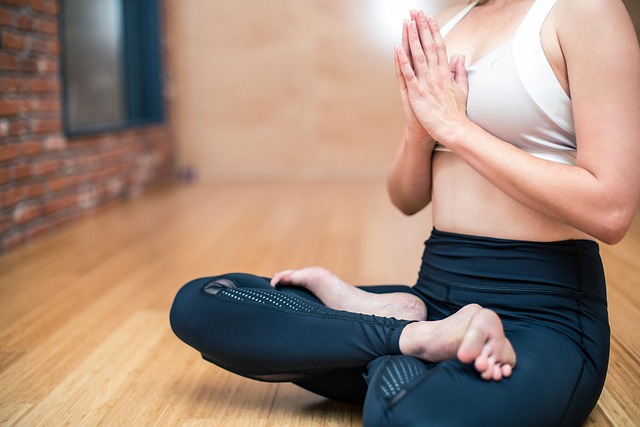
Notice if you feel warm or cool right now. Pay attention to how the air feels on your exposed skin. This simple check-in brings you back to your body. It might prompt you to put on a sweater or open a window. You care for your physical needs more promptly.
Phone Notification Breath
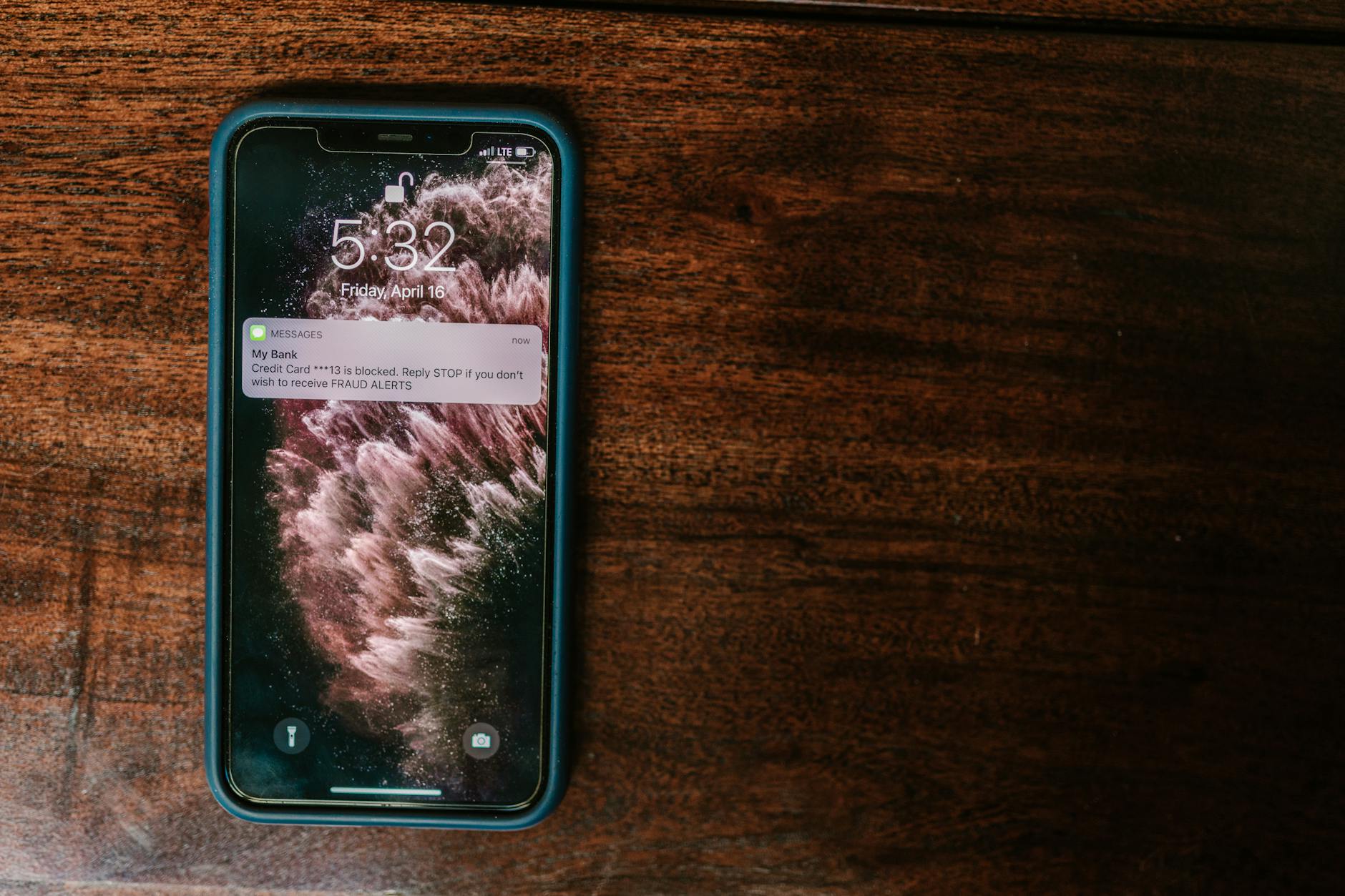
Wait for two seconds before picking up your phone when it pings. Take one breath in that short gap. This breaks the compulsive loop of stimulus and response. It gives you a moment to decide if you want to answer now. You regain control over your technology usage.
Sleep Intention

Lie in bed and visualize a peaceful night of rest. Release the tension in your jaw and forehead one last time. Set an intention to wake up refreshed. This positive framing calms the nervous system. You drift off with a constructive thought.
Which of these practices will you try first? Tell us in the comments.