Navigating the adoption process as a same-sex couple requires careful planning and a deep understanding of the legal landscape. Many prospective parents find that preparation is the key to managing the emotional and logistical hurdles of building a family. This comprehensive guide outlines essential steps and considerations to ensure a smoother journey toward parenthood. By focusing on these practical tips you can move forward with confidence and clarity.
Research Adoption Laws

State laws vary significantly regarding adoption by same-sex couples. You must verify if your state allows joint adoption or if second-parent adoption is required later. Some states may permit agencies to refuse services based on religious objections. Understanding these legal nuances early helps you choose the safest path for your family.
Agency Selection

Choosing the right agency is arguably the most critical decision in your journey. You should look for organizations with a proven track record of placing children with LGBTQ+ families. Ask specific questions about their non-discrimination policies during your initial consultation. Speaking with other same-sex couples who have used their services can provide invaluable insight.
Financial Planning

Adoption can be an expensive endeavor involving agency fees and legal costs. Creating a dedicated savings plan or budget early on reduces future stress. Many employers offer adoption assistance benefits that can offset some of these expenses. You should also explore grants and loans specifically designed to help prospective adoptive parents.
Home Study Preparation

The home study is a comprehensive assessment of your life and readiness to parent. Social workers will visit your home to ensure it is a safe and suitable environment. You need to gather detailed documentation including medical records and financial statements. Being organized and transparent facilitates a faster approval process.
Background Checks

Every adult living in your household must undergo a criminal background check. This standard procedure ensures the safety of the child placed in your care. You should address any past legal issues proactively with your caseworker. Clearing this hurdle early prevents delays during the home study phase.
Personal References

Agencies typically require letters of recommendation from friends and family. Select individuals who can speak to your character and parenting potential. Your references should support your relationship and your decision to adopt. Provide them with guidance on what points to emphasize in their letters.
Profile Book Creation

Your profile book is the primary tool used to introduce yourselves to expectant parents. It should authentically showcase your personalities and your home life. High-quality photos are essential for making a strong first impression. Keep the text simple and focused on your love for each other and your future child.
Professional Photography

Investing in professional photos can significantly enhance your profile book. Clear and warm images help expectant parents visualize their child in your family. You want to capture candid moments that reflect your genuine dynamic. Avoid overly staged shots that might feel impersonal or stiff.
Openness Levels

Decide early on what level of contact you are comfortable with regarding the birth family. Open adoption allows for ongoing relationships and communication. Closed adoption maintains privacy but limits access to medical and personal history. Discussing these boundaries ensures you and the agency are on the same page.
Legal Representation

Hiring an attorney who specializes in LGBTQ+ adoption is highly recommended. They will navigate the complex legal requirements specific to your jurisdiction. Your lawyer ensures that all parental rights are securely established. This legal protection is vital for the long-term security of your family unit.
Foster Care Adoption

Adopting through the foster care system is a viable pathway for many couples. There are thousands of children currently waiting for permanent homes. This route often involves lower costs compared to private adoption. You must be prepared for the specific emotional needs of older children or sibling groups.
International Adoption

International adoption presents unique challenges and opportunities for same-sex couples. Many countries have strict restrictions regarding adoption by gay and lesbian parents. You must thoroughly research which nations are currently open to LGBTQ+ applicants. partnering with an experienced international agency is essential for navigating these regulations.
Emotional Support

The adoption process involves significant emotional highs and lows. joining a support group for waiting parents can provide a safe space to share feelings. Connecting with other same-sex couples helps normalize your specific experiences. having a strong support network prevents isolation during the waiting period.
Parenting Classes

Many agencies require prospective parents to complete parenting education courses. These classes cover topics such as infant care and attachment styles. You will learn strategies for handling potential behavioral challenges. Completing these requirements demonstrates your commitment to being a prepared parent.
Pediatrician Interviews

finding a pediatrician who is supportive of same-sex families is important. You want a doctor who respects your family structure and makes you feel welcome. Schedule meet-and-greet appointments to assess their communication style. A supportive healthcare provider becomes a key partner in your child’s well-being.
Nursery Preparation

Setting up the nursery is a tangible way to prepare for your child’s arrival. Keep the design flexible if you do not know the gender or age of the child. Ensure all furniture meets current safety standards and regulations. This process helps make the idea of the child feel more real.
Family Communication

Discuss your adoption plans openly with your extended family members. You may need to educate them on appropriate terminology and boundaries. Their support is crucial but they may need time to adjust to the process. Clear communication prevents misunderstandings and fosters a welcoming environment.
Handling Questions

intrusive questions from strangers or acquaintances are common for adoptive families. You should develop a standard response that protects your child’s privacy. decide beforehand how much of your child’s story you wish to share. Establishing these boundaries early protects your family’s emotional space.
Employer Benefits

Review your workplace policies regarding parental leave and adoption assistance. Some companies offer paid leave specifically for adoptive parents. You should file any necessary paperwork well in advance of a potential placement. knowing your rights helps you maximize your time off with your new child.
Adoption Grants

Numerous organizations offer financial grants to help cover adoption costs. Research the eligibility criteria and application deadlines for each fund. Some grants are specifically designated for LGBTQ+ families or hard-to-place children. Applying to multiple sources increases your chances of receiving aid.
Tax Credits

The federal adoption tax credit can provide significant financial relief. You should consult with a tax professional to understand how to claim this credit. keep detailed records of all adoption-related expenses throughout the process. utilizing this benefit can offset a large portion of your initial investment.
Waiting Period

The time spent waiting for a match can be unpredictable and stressful. You should focus on your relationship and personal hobbies during this interim. Avoid putting your life on hold while waiting for the call. maintaining a routine helps manage anxiety and keeps you grounded.
Interstate Compact
Adopting a child from another state triggers the Interstate Compact on the Placement of Children. You must receive legal clearance before leaving the birth state with the child. This process can take several days or even weeks. You need to plan for an extended stay away from home.
Travel Planning

prepare a “go bag” so you are ready to travel at a moment’s notice. This bag should include essentials for both you and the baby. Research accommodation options near the potential birth location. flexibility is key when travel dates depend on the baby’s arrival.
Birth Mother Gifts

Some agencies suggest bringing a small gift for the birth mother. This gesture expresses gratitude and respect for her role. select something thoughtful but not overly extravagant. ask your caseworker for guidance on what is appropriate.
Hospital Plan
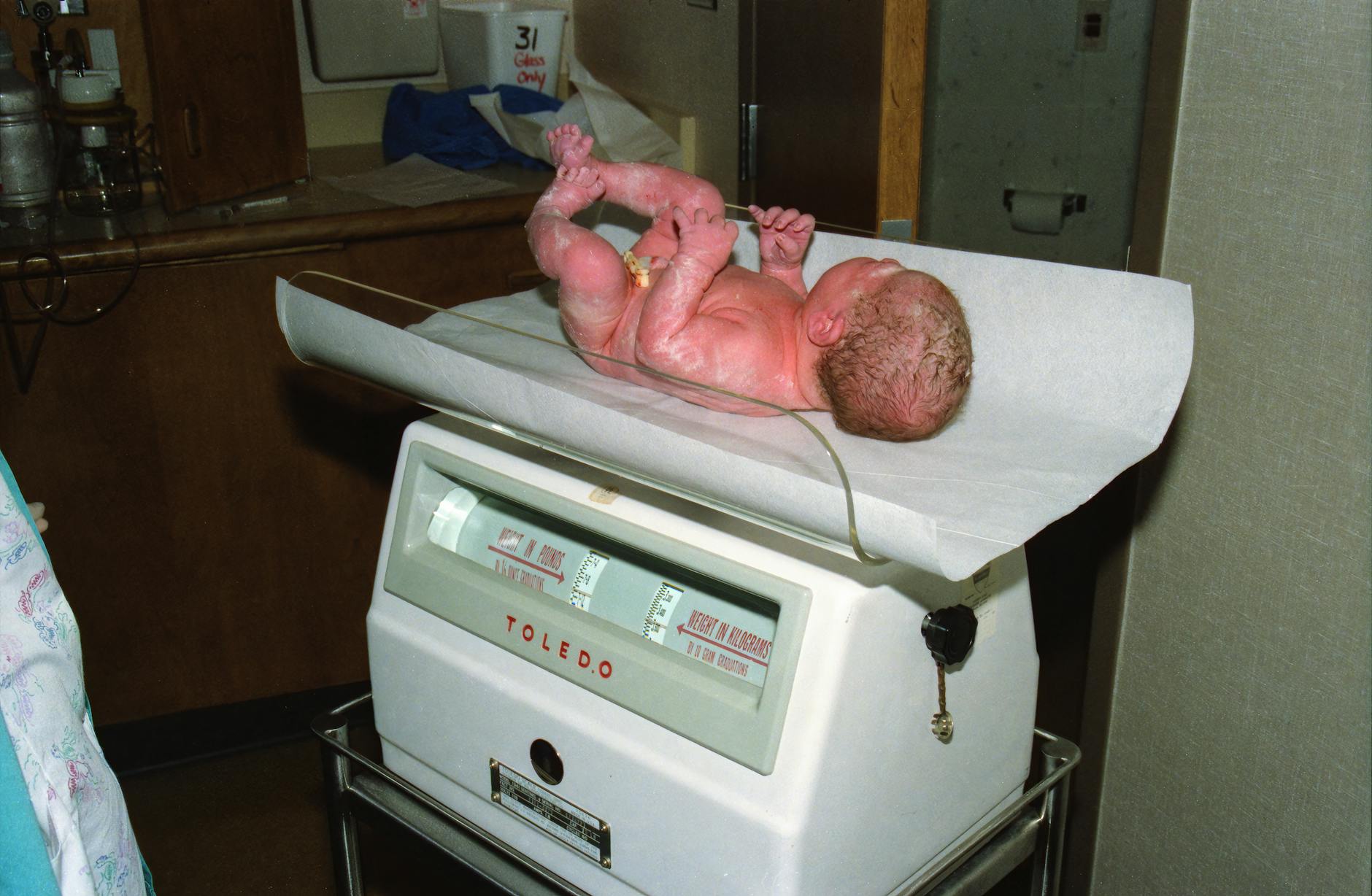
Create a clear plan for the hospital stay in consultation with your agency. You need to know if you will be present in the delivery room. understanding hospital policies regarding same-sex parents prevents confusion. clarifying these details ensures a smoother experience for everyone involved.
Post-Placement Visits

Social workers will visit your home after the child is placed with you. These visits monitor the child’s adjustment and safety. You should view these appointments as a resource rather than an inspection. completing this supervision period is a requirement for finalization.
Finalization Hearing

The finalization hearing is the legal proceeding that makes the adoption permanent. A judge will review the case and issue a final decree of adoption. This event is typically a celebration for the family. You will receive the legal authority of a parent at this time.
Birth Certificate

After finalization you will receive an amended birth certificate. This document lists you and your partner as the legal parents. Ensure that the names are spelled correctly and the information is accurate. This document is essential for future legal identification.
Social Security Card

You must apply for a new social security card for your child after finalization. This process involves submitting the adoption decree and the new birth certificate. The new card will reflect the child’s new legal name. obtaining this card is necessary for tax purposes and benefits.
Life Insurance

Update your life insurance policies to include your new child as a beneficiary. This step ensures their financial security in the event of your death. You may need to increase your coverage amount to account for childcare costs. consulting a financial advisor helps determine the appropriate level of protection.
Estate Planning

Revise your will and estate plan to reflect your new family structure. You need to appoint a guardian for your child in case something happens to both parents. specific language ensures your assets are distributed according to your wishes. Legal documentation protects your child’s future.
Bonding Time

Prioritize skin-to-skin contact and uninterrupted time with your new child. Bonding is a gradual process that establishes trust and security. Limit visitors in the first few weeks to focus on your new family unit. This intense focus helps the child attach to their new parents.
Feeding Decisions
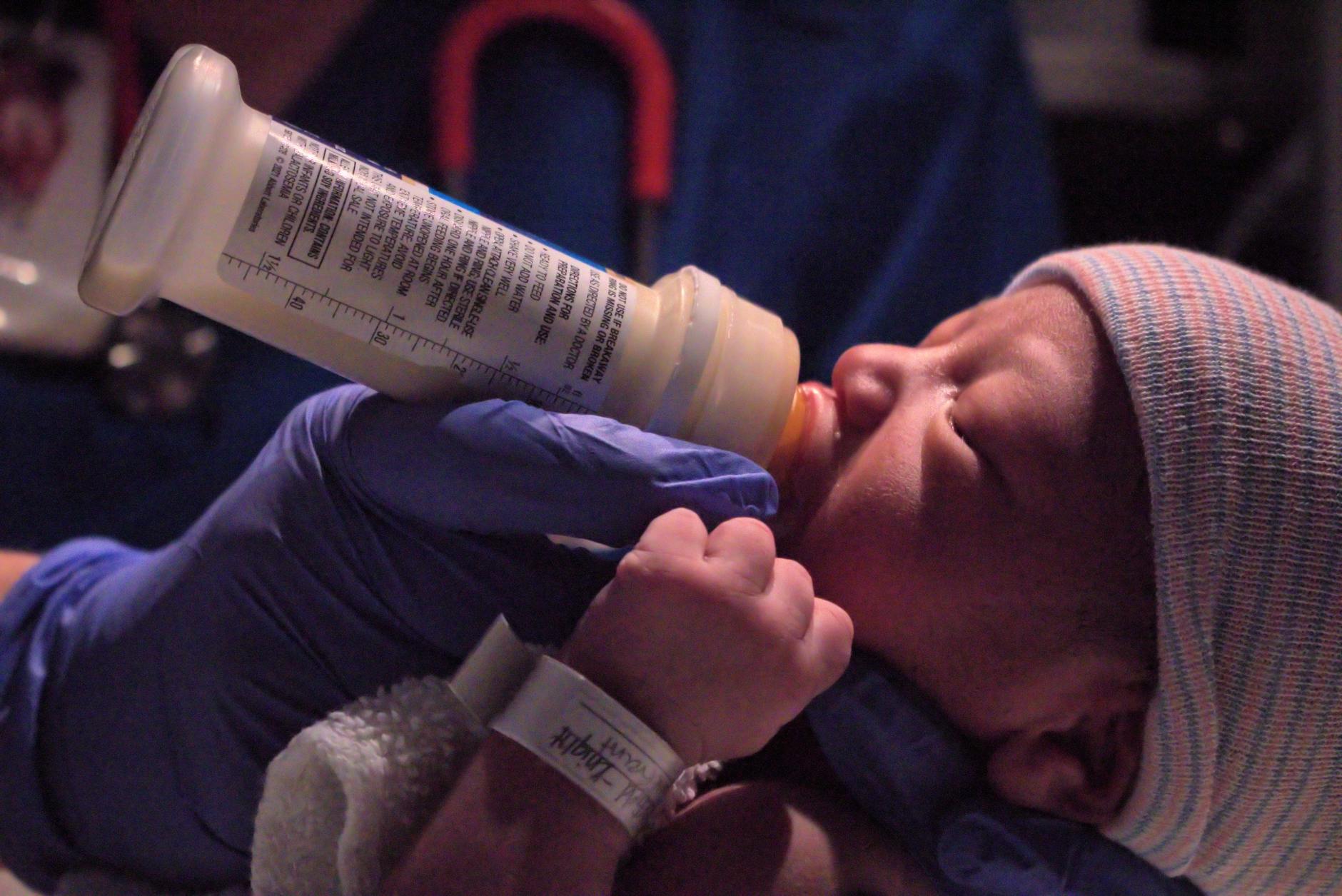
Decide on your feeding method whether it is formula or donor milk. You should research the best bottles and equipment for your needs. discuss nutrition plans with your pediatrician. being prepared with supplies reduces stress during the first few days.
Child Care

Research local daycares or nanny options well before you return to work. Good childcare facilities often have long waiting lists. You should visit potential providers to check their inclusivity and safety. securing reliable care is essential for working parents.
School Districts

Consider the quality and inclusivity of local schools if you plan to move. You want a district that has policies protecting LGBTQ+ students and families. speaking to other parents can give you a sense of the school culture. A supportive educational environment is vital for your child’s development.
Cultural Connections

If you adopt transracially you must honor your child’s cultural heritage. You should incorporate books and toys that reflect their background. seeking out diverse communities ensures your child sees people who look like them. This effort builds a strong sense of identity.
Medical History

Gather as much family medical history as possible from the birth parents. This information is crucial for your child’s future healthcare. keep this information in a secure and accessible location. sharing this with your pediatrician helps monitor for potential health issues.
Sibling Preparation

If you already have children you must prepare them for the new arrival. Explain the adoption process in age-appropriate terms. involve them in preparations to help them feel included. managing their expectations helps reduce jealousy and confusion.
Self Care

Parenting is demanding and you must take care of your own well-being. Schedule time for rest and activities that recharge you. A healthy parent is better equipped to care for a child. ignoring your own needs can lead to burnout.
Please share your own adoption experiences or questions in the comments to help others on this journey.