Hoarding disorder presents a complex challenge that goes beyond simple messiness and often requires a compassionate and strategic approach to resolve. The process of reclaiming a living space involves emotional processing as much as physical labor and organization. Implementing small and consistent changes helps reduce the anxiety often associated with discarding possessions. A structured plan prevents the overwhelming feeling that often causes people to abandon their cleanup efforts before they make significant progress. These forty actionable tips provide a roadmap for creating a safer and more functional home environment.
The Timer Method

Setting a timer for a short duration creates a manageable window for cleaning without causing exhaustion. Fifteen minutes of focused activity allows for progress without the pressure of finishing an entire room at once. This technique helps build momentum and establishes a sustainable habit of daily maintenance. Working in short bursts proves effective for individuals who struggle with attention or physical stamina during cleanup sessions.
The Four Box Strategy
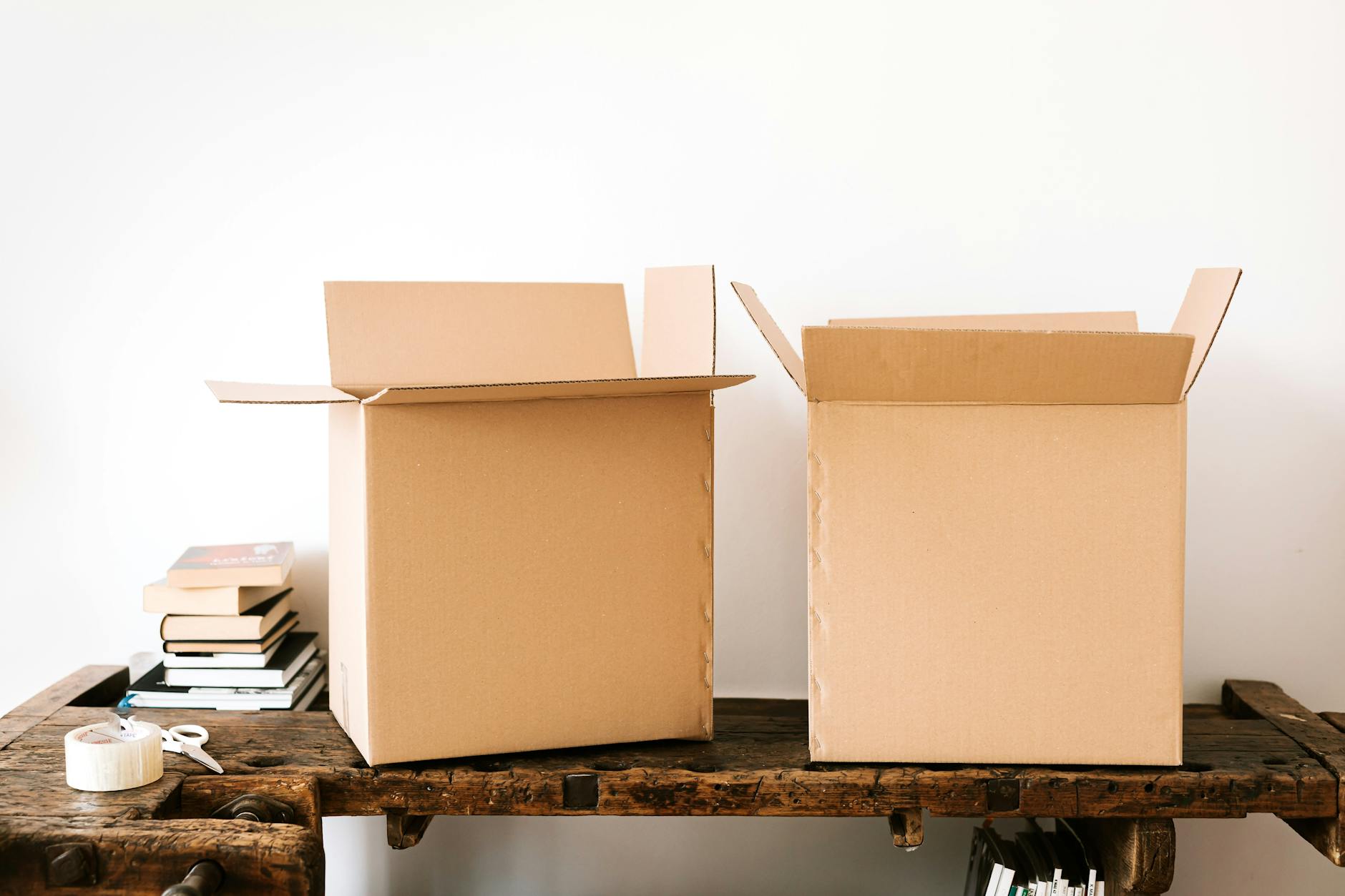
Labeling four boxes as keep, donate, trash, and relocate provides a clear decision-making framework for every item handled. This system forces immediate categorization and prevents the formation of vague piles that simply move clutter from one spot to another. Items placed in the trash box must leave the home immediately after the session ends to prevent retrieval. The relocate box is strictly for items that belong in a different room and should be emptied at the end of the day.
One Surface at a Time
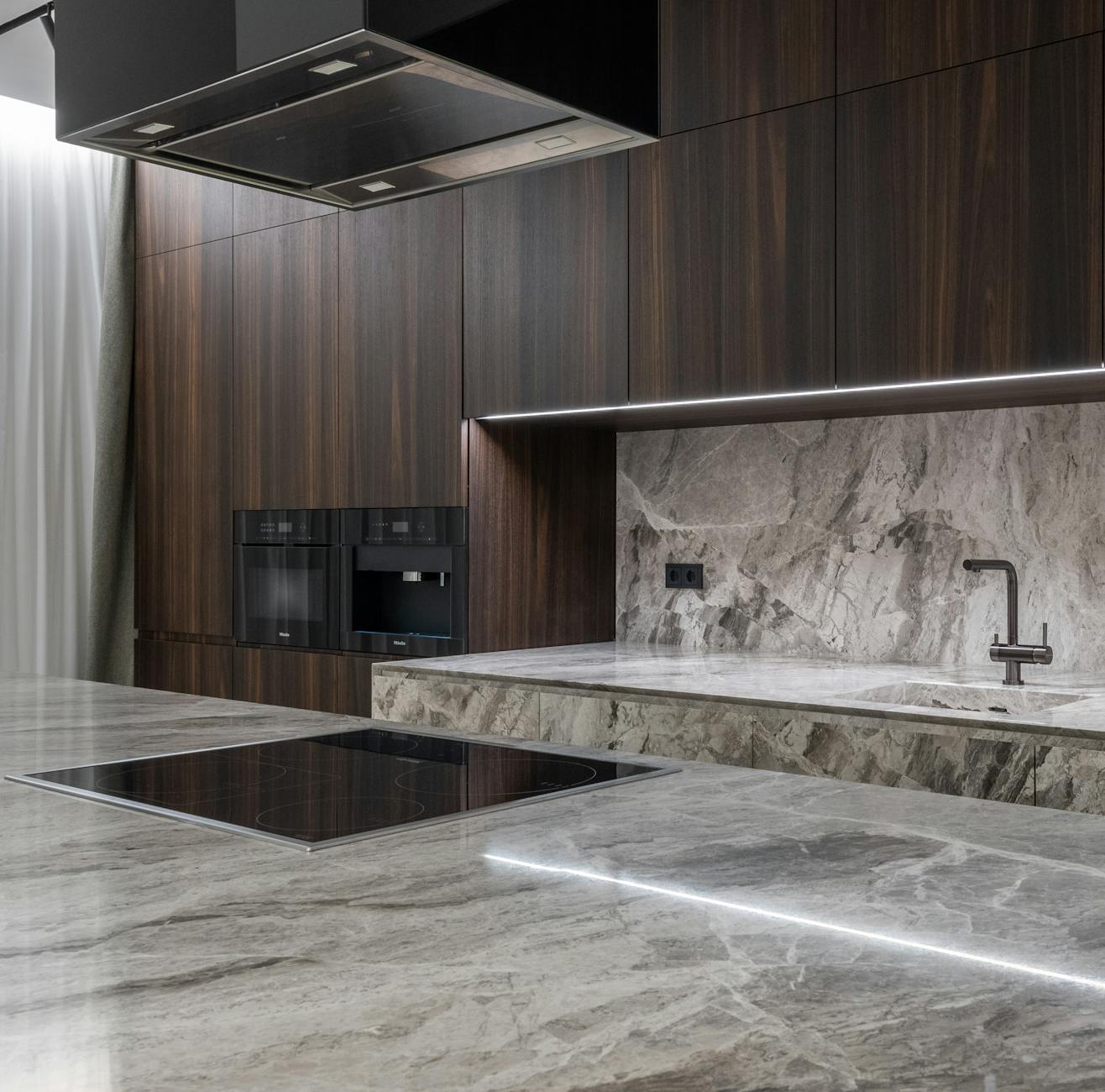
Clearing a single flat surface completely offers a visible victory that encourages further action. A clear table or countertop serves as a sanctuary and a visual reminder of the goal during the decluttering process. Focusing on just a coffee table or a nightstand reduces the visual noise in a specific area immediately. Maintaining this one clear zone becomes a priority that eventually expands to other surfaces in the room.
Handle Mail Immediately
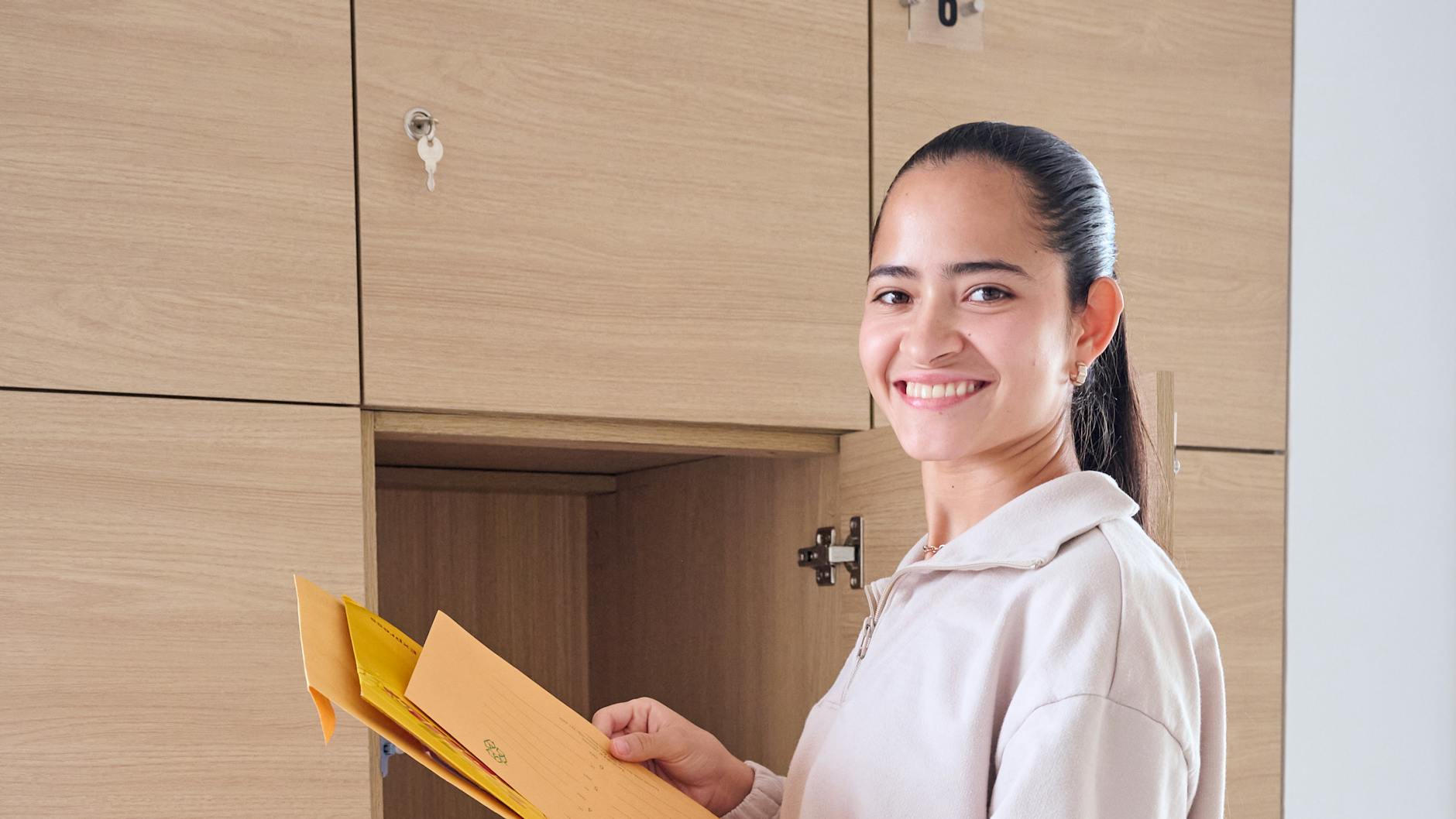
Sorting mail directly over a recycling bin prevents paper clutter from accumulating on dining tables and counters. Bills and important documents go into a designated folder while junk mail and envelopes are discarded instantly. This daily habit takes less than two minutes but stops piles of paper from becoming a significant fire hazard. Shredding sensitive documents right away also protects personal identity while reducing physical bulk.
The Hanger Experiment
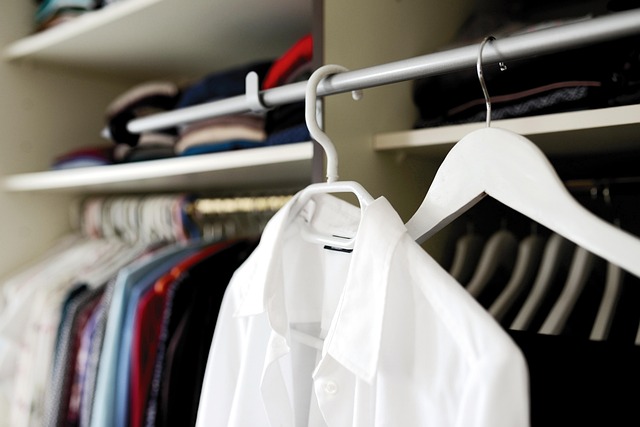
Turning all clothes hangers backward at the start of the season identifies which garments are actually worn. After wearing an item and washing it the hanger is returned to the closet facing the correct way. After six months the backward hangers reveal clothes that have not been touched and are candidates for donation. This objective visual aid removes the guesswork and emotional rationalization often involved in clearing out wardrobes.
Digital Documentation

Taking photographs of sentimental items allows the owner to keep the memory without storing the physical object. This approach works particularly well for children’s artwork or bulky souvenirs that take up excessive space. The digital file preserves the visual history while freeing up tangible room on shelves and in storage bins. Creating a digital photo frame slideshow turns these memories into a rotating display rather than a dusty box in the attic.
Expiration Date Sweep

Checking the expiration dates on pantry goods and bathroom products provides an objective reason to discard items. Food or medication that has passed its safety date must be thrown away for health reasons. This factual criteria removes the emotional difficulty of deciding whether an item is still useful or valuable. Regular sweeps of the medicine cabinet and spice rack keep these storage areas functional and safe.
The One In One Out Rule

Bringing a new item into the home requires the removal of a similar existing item to maintain balance. This boundary prevents the gradual accumulation of possessions that leads to renewed clutter. It forces a deliberate choice about whether the new item is truly worth the effort of removing an old one. Adhering to this policy ensures that shopping habits do not undo the hard work of decluttering.
Donation Pickup Scheduling

Booking a charitable donation pickup in advance creates a firm deadline for filling boxes. Knowing a truck is coming on a specific date motivates faster decision-making and box packing. This commitment removes the hurdle of transporting goods to a center which often stalls the removal process. Many organizations offer this service for free and provide tax receipts for the donated goods.
The Matching Limit
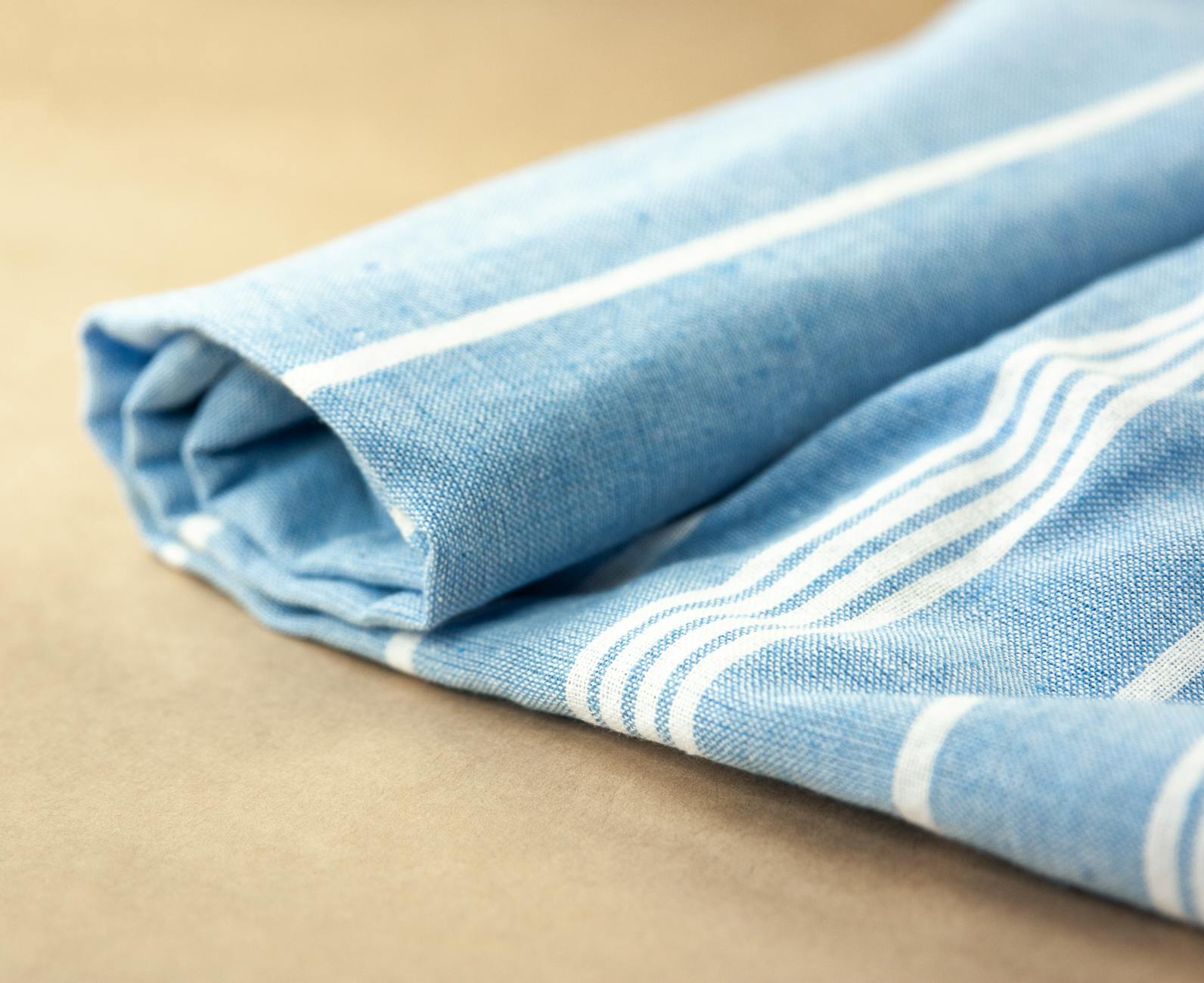
Reducing linen and towel collections to two sets per person or bed frees up significant space in closets. Keeping only the best condition items ensures that every available towel or sheet is comfortable and usable. Excess bedding often serves as nesting material for pests and gathers dust in crowded cupboards. Animal shelters frequently accept old towels and blankets which gives the discarded items a new purpose.
Broken Item Assessment

Items waiting for repair often sit for years and contribute to the clutter without adding value. If an object has been broken for more than six months it should be discarded or repaired immediately. Honest assessment of the likelihood of repair helps in letting go of aspirational projects that never happen. Letting go of broken items releases the mental burden of uncompleted tasks.
The Maybe Box
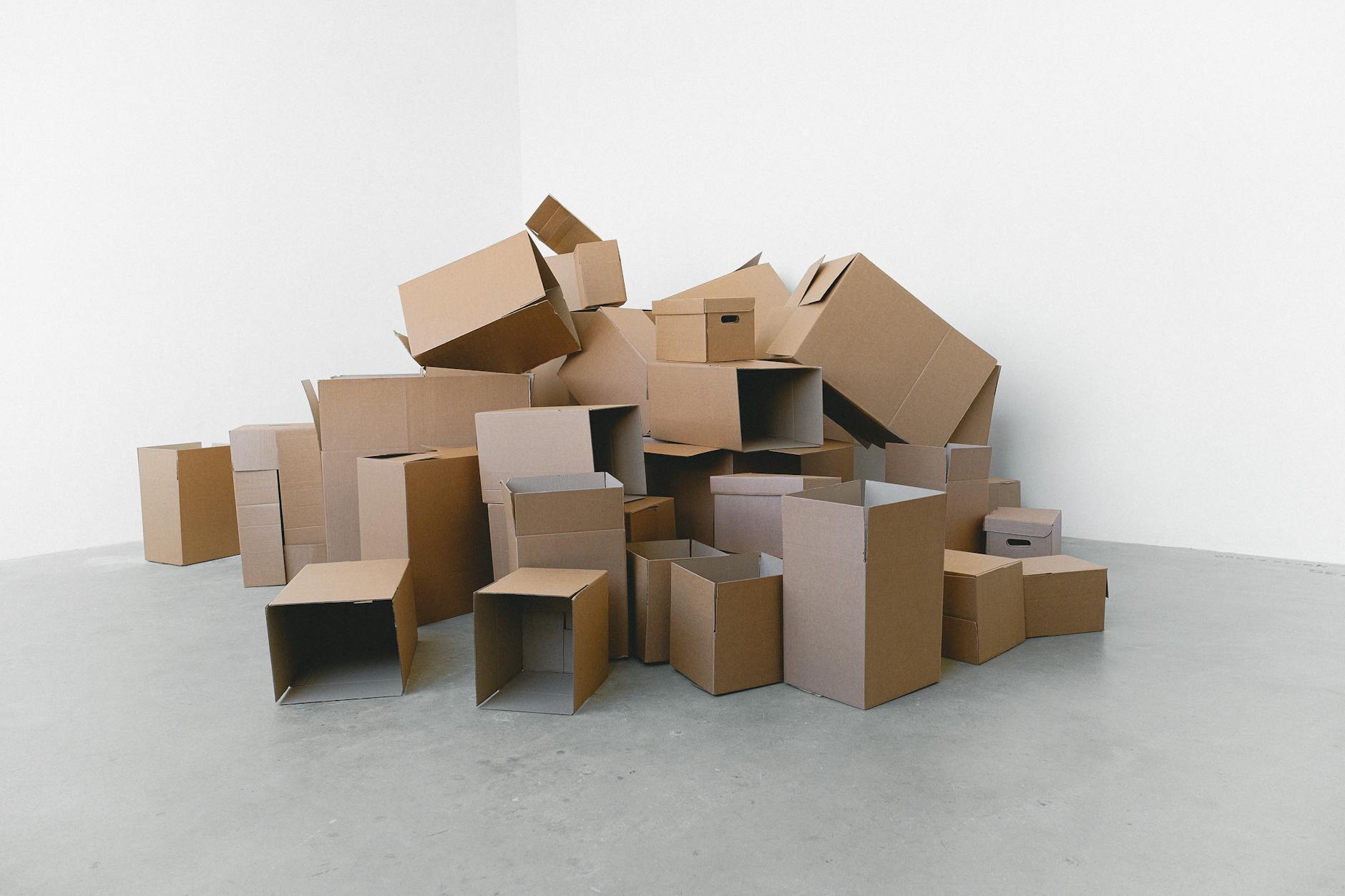
Placing items with uncertain status into a sealed box helps test their necessity in daily life. Writing a date six months in the future on the box sets a deadline for reevaluation. If the box remains unopened by that date the contents are donated without being reopened. This method provides a safety net for those who fear regretting their decision to discard something.
Vertical Storage Utilization
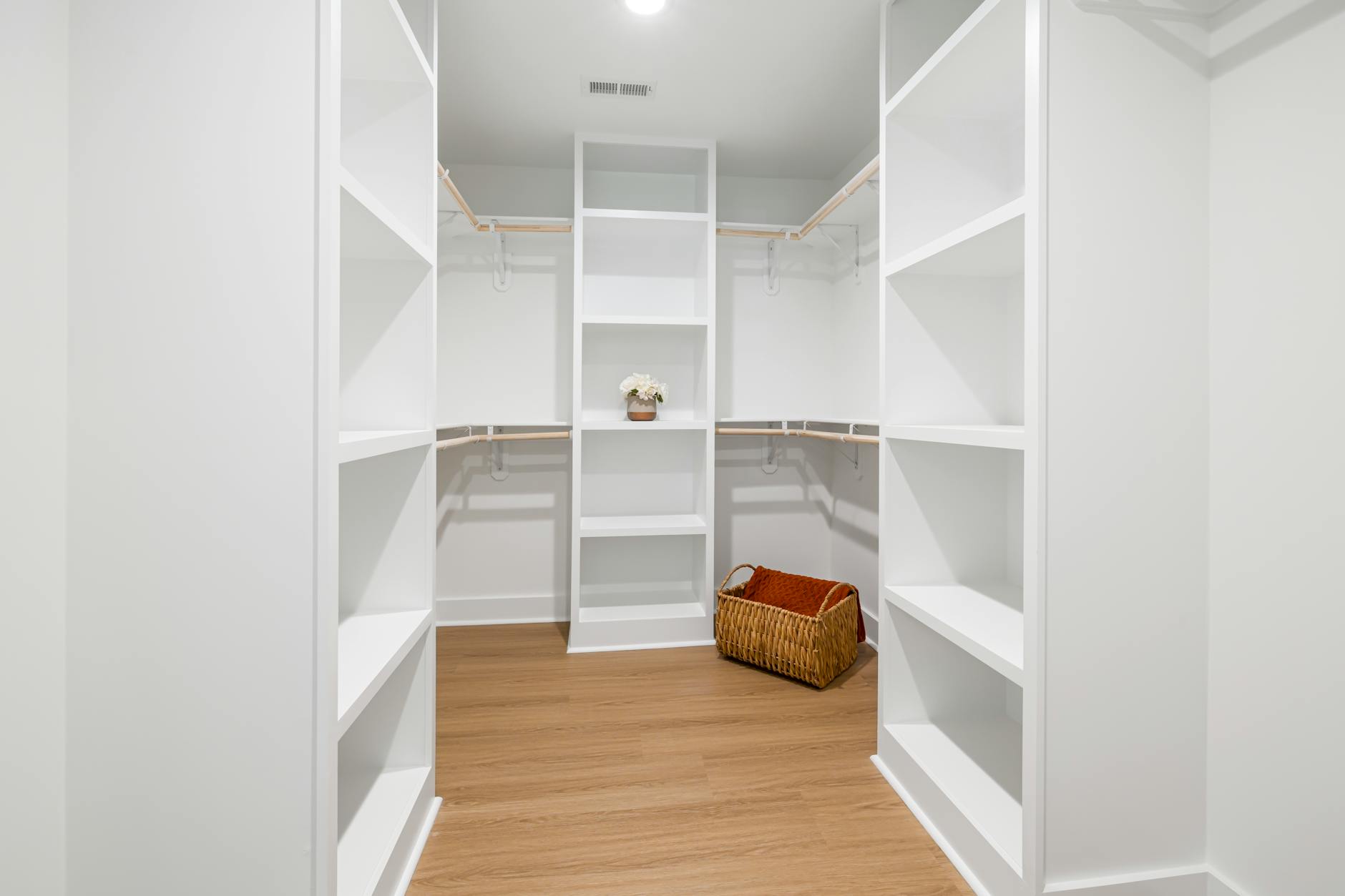
Installing shelving units maximizes wall space and clears the floor for safe walking paths. Getting items off the ground reduces tripping hazards and makes cleaning floors much easier. High shelves provide storage for items that are rarely used but must be kept. Utilizing the full height of a room often doubles the available storage capacity in small living areas.
Magazine and Newspaper Recycling

Reading materials often accumulate quickly and lose their relevance within weeks or months. Recycling issues that are more than two months old keeps the piles manageable and current. Important articles can be scanned or clipped rather than keeping the entire bulky publication. Libraries or schools may accept recent issues while older paper should go straight to the recycling bin.
The Cardboard Ban
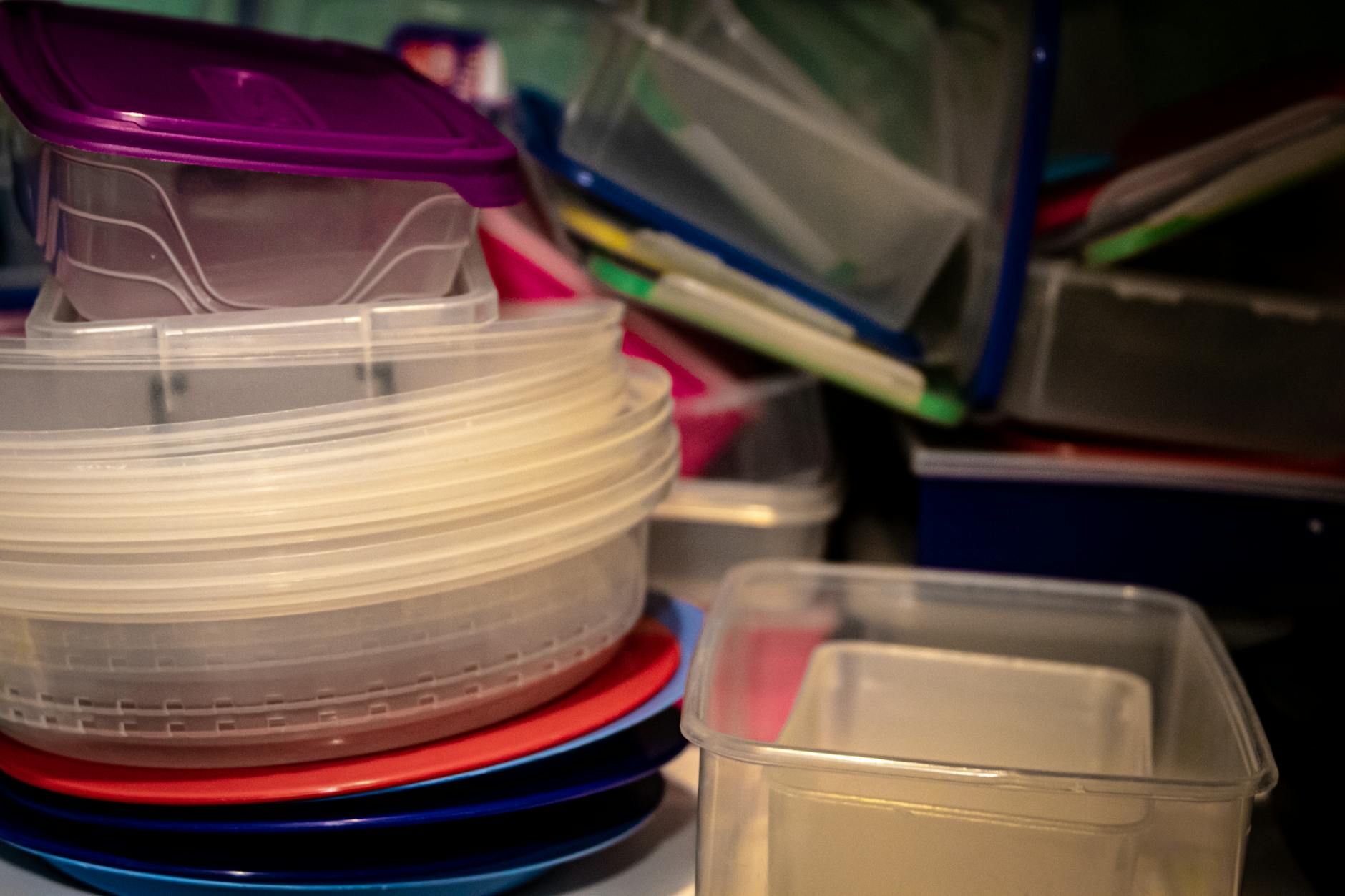
Replacing cardboard boxes with clear plastic bins prevents pest infestations and protects contents from water damage. Cardboard degrades over time and attracts insects like cockroaches and silverfish. Clear bins allow for easy identification of contents without the need to unpack them. Uniform plastic containers stack securely and reduce the risk of toppling piles.
Designated Donation Station

Keeping a permanent bag or box in a closet for ongoing donations simplifies the exit strategy for unwanted goods. Family members can drop items into the station the moment they decide they no longer need them. When the container fills up it is taken to the car and dropped off at a charity shop. This system integrates decluttering into the daily routine rather than making it a special event.
Kitchen Gadget Audit
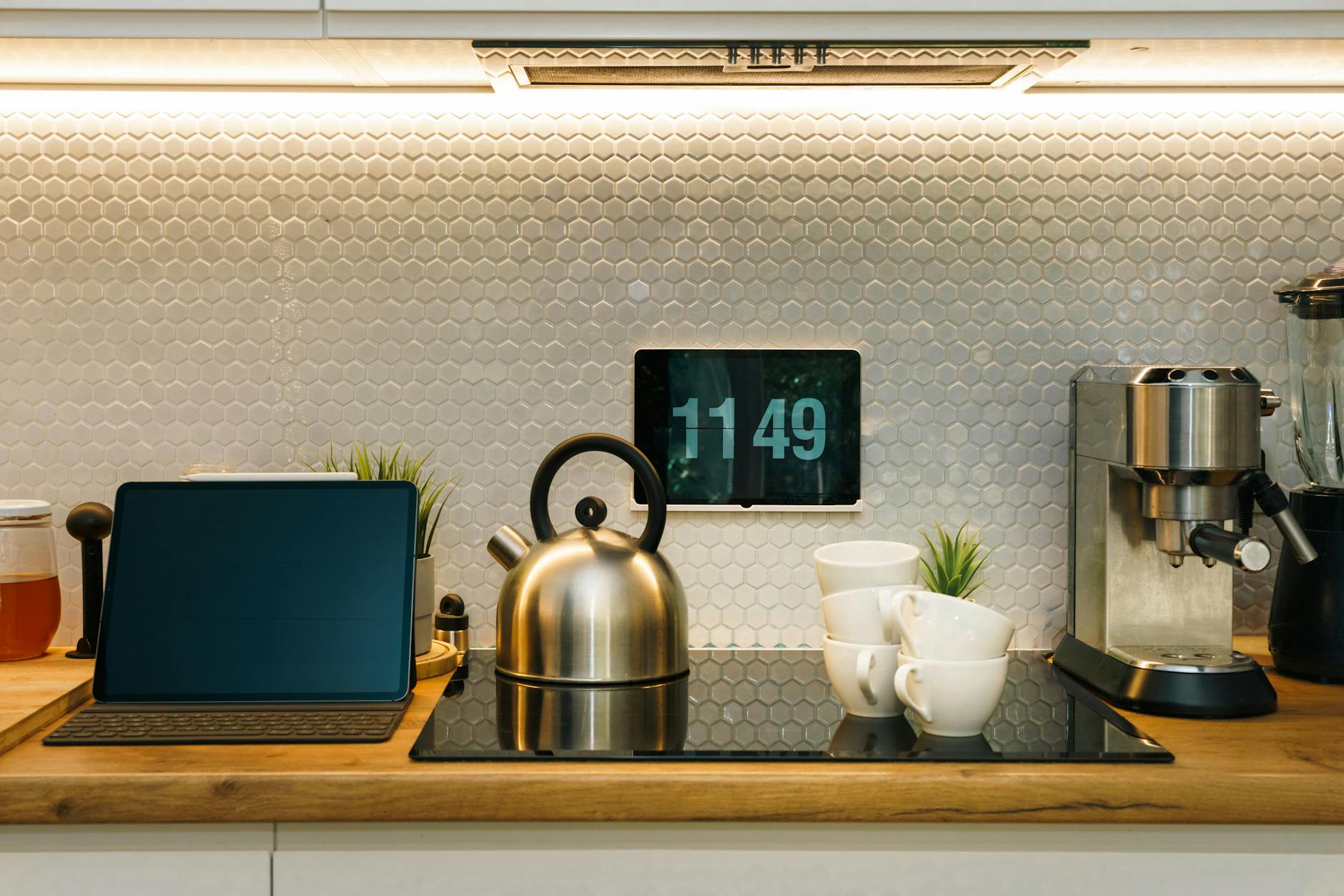
removing duplicate kitchen tools and appliances frees up valuable counter and drawer space. Keeping only the best version of a can opener or blender is sufficient for a functional kitchen. Gadgets that have not been used in the past year are prime candidates for removal. A streamlined kitchen makes cooking easier and reduces the chaos during meal preparation.
Wardrobe Capsule Creation
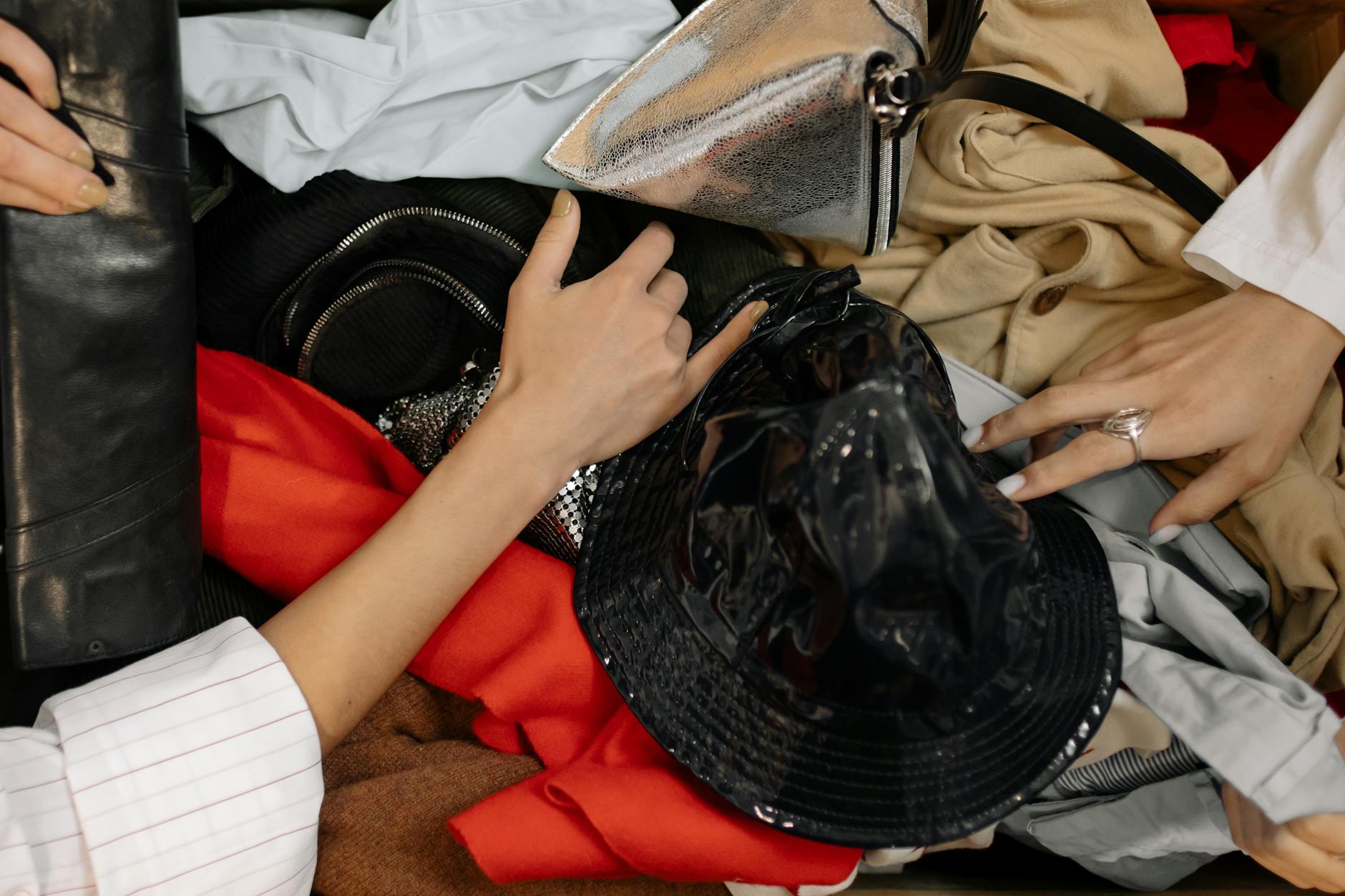
Selecting a core collection of versatile clothing items simplifies dressing and reduces closet overcrowding. Identifying thirty essential pieces that mix and match well creates a functional wardrobe for the season. Storing off-season clothes in vacuum-sealed bags creates more visual space for daily choices. This focus on utility over quantity helps in identifying garments that do not fit the current lifestyle.
The Sleep Sanctuary Rule

Removing all non-sleeping related items from the bedroom promotes better rest and hygiene. Stacks of books or boxes of papers in the sleeping area accumulate dust and allergens that affect health. A clear bedroom provides a mental retreat from the chaos of the rest of the house. Prioritizing this room gives the resident a clean place to recharge every night.
Bathroom Counter Clearance

storing only daily essentials like toothbrushes and soap on the bathroom sink reduces visual clutter. Makeup and grooming products belong in drawers or cabinets when not in active use. Clear counters make wiping down surfaces quicker and improve overall bathroom sanitation. Organizing under-sink storage with small bins maximizes the utility of hidden spaces.
Duplicate Consumables Check
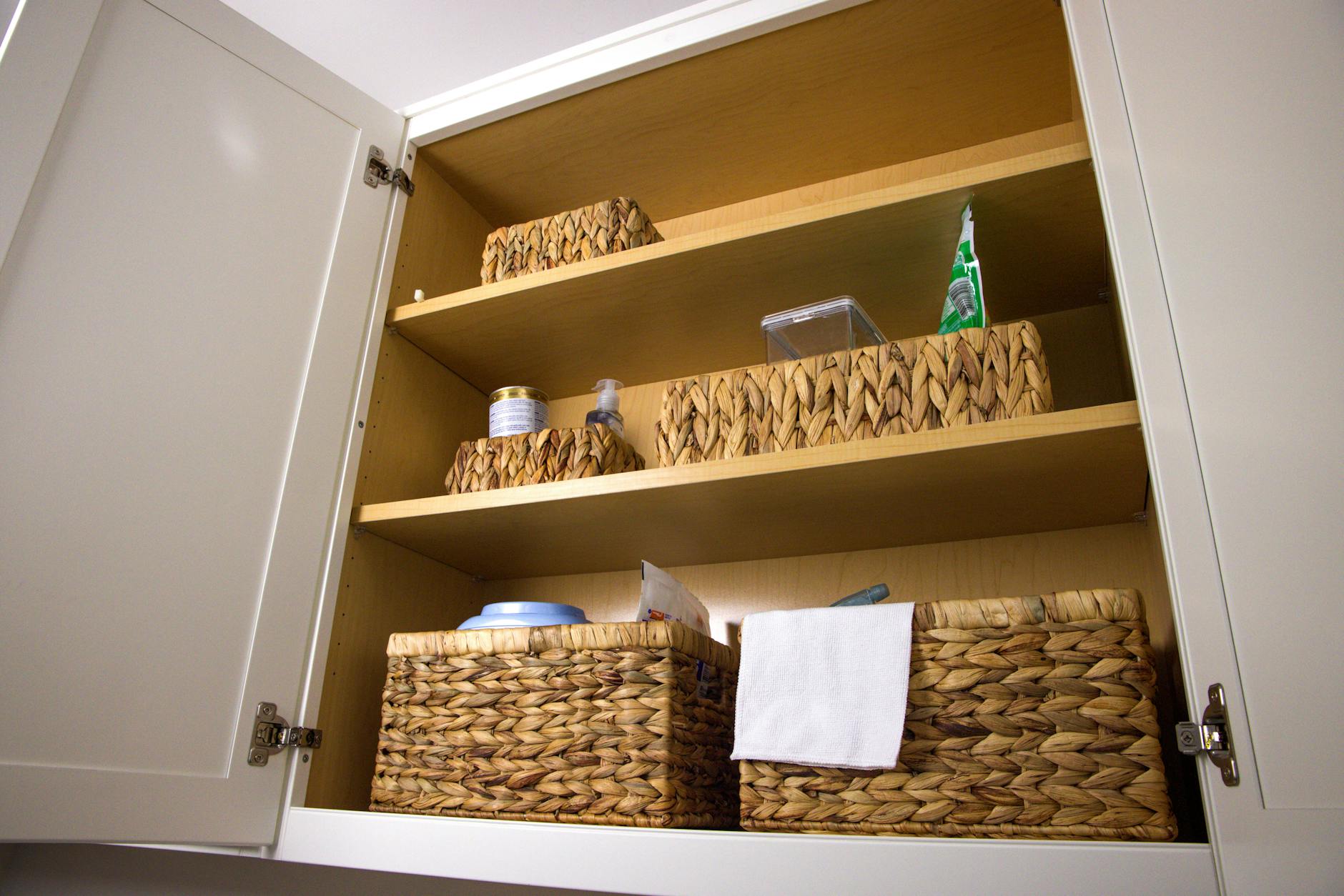
Grouping all cleaning supplies and toiletries together reveals how many duplicates exist. Using up half-empty bottles before opening new ones saves money and storage space. Consolidating identical products into one container reduces the number of bottles cluttering the shelves. Knowing the inventory prevents accidental overbuying during grocery shopping trips.
The Hanger Spacing Guide
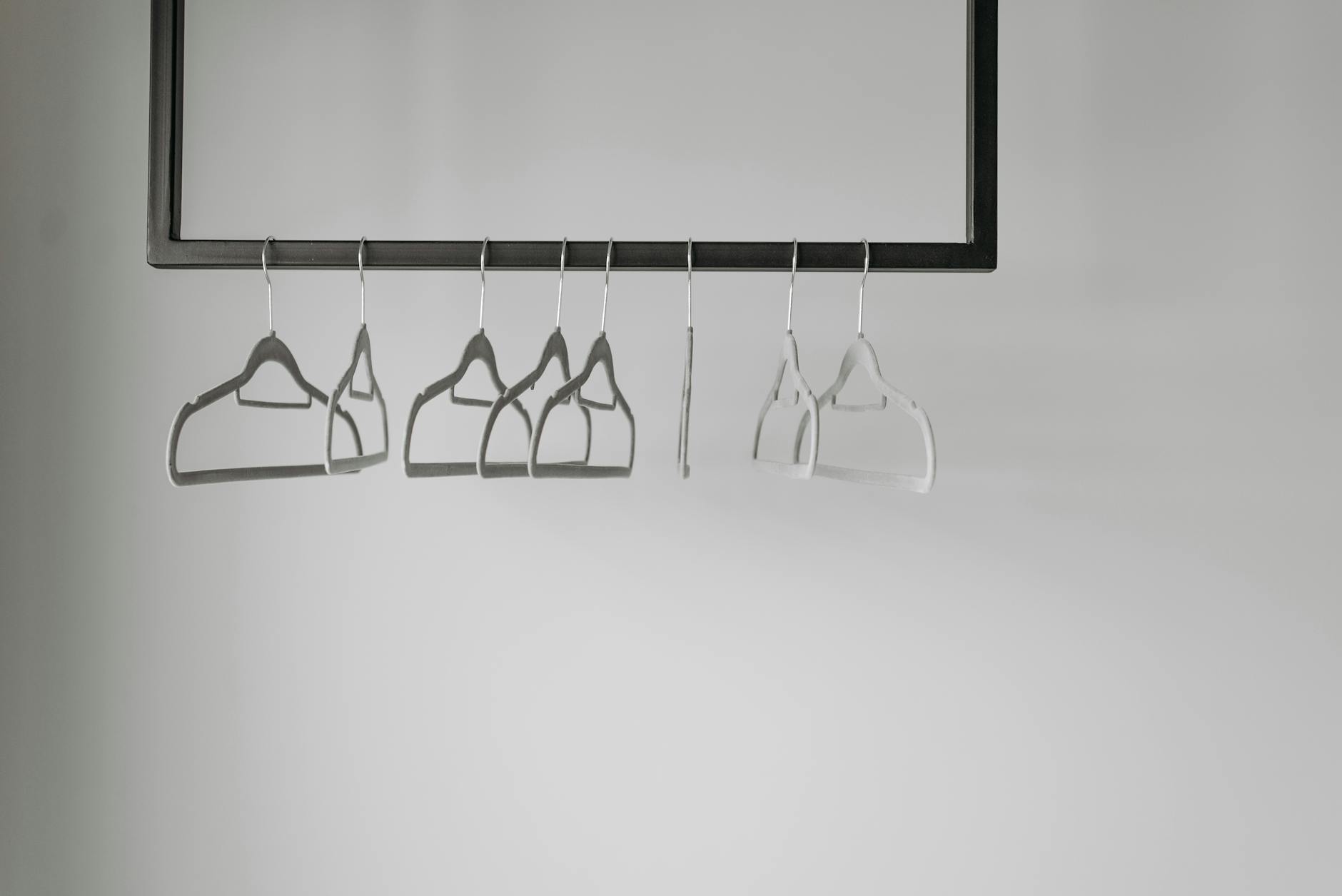
Leaving empty space between hangers in the closet prevents wrinkles and makes clothes easier to access. A packed closet often leads to damaged clothing and frustration when trying to get dressed. Aiming for a finger-width of space between garments is a good visual standard to maintain. Culling the wardrobe until this spacing is possible ensures the collection is manageable.
Entryway Landing Strip
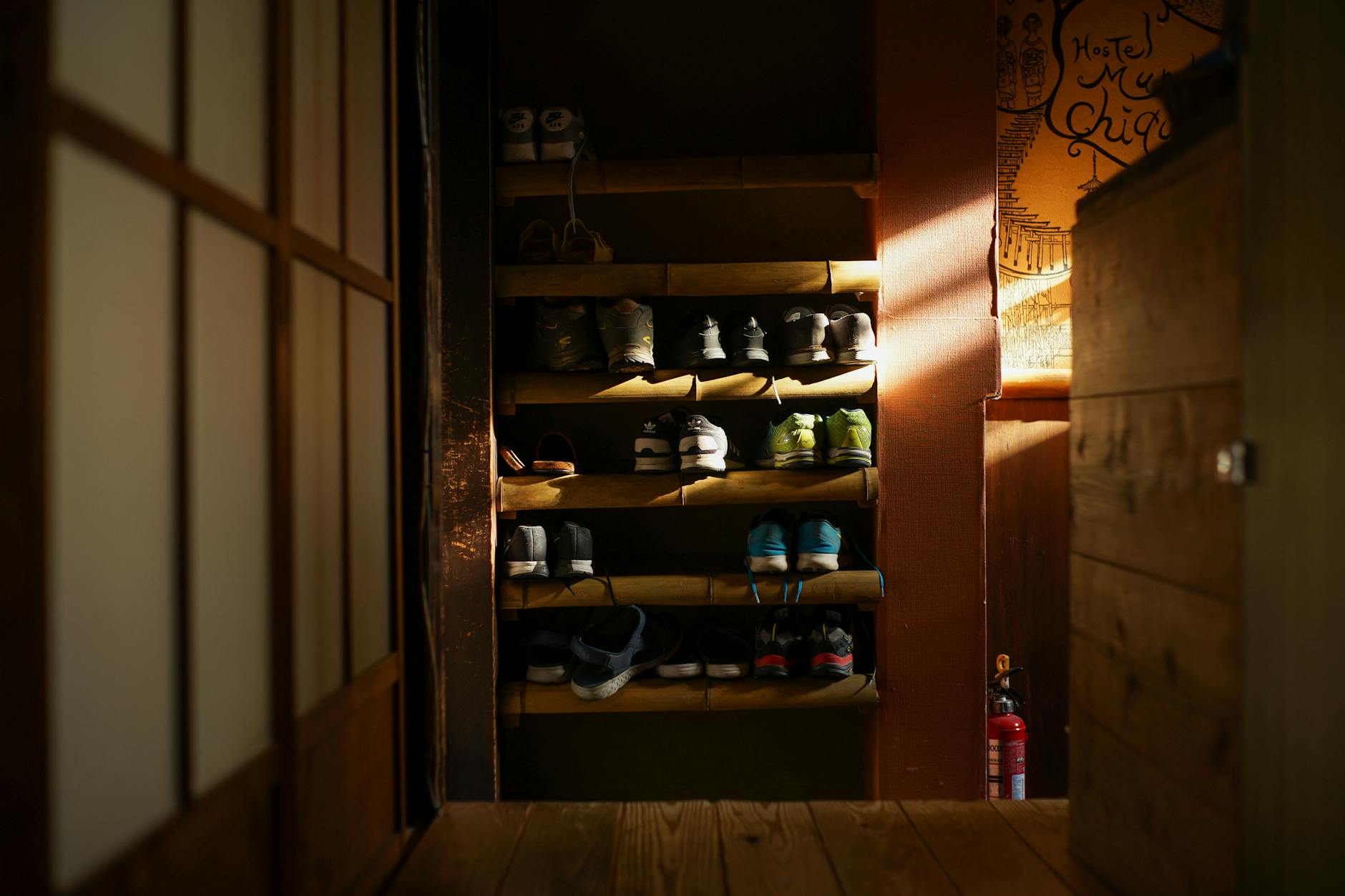
Establishing a specific zone for keys and wallets prevents these items from migrating into the main living areas. A small tray or hook system keeps daily essentials organized and prevents panic during departures. Shoes should have a designated rack to stop them from piling up at the door. Keeping the entryway clear ensures a safe exit route in case of emergencies.
Refrigerator Triage

Cleaning the refrigerator weekly prevents the buildup of spoiled food and mysterious odors. Checking specifically for old condiments and leftovers clears shelf space for fresh groceries. Wiping down shelves before restocking creates a hygienic environment for food storage. A clean fridge reduces food waste and makes meal planning more efficient.
Emotional Detachment Exercises
Practicing saying goodbye to objects helps in breaking the emotional bond that leads to hoarding. Holding an item and thanking it for its service before discarding it is a technique used by many organizers. Acknowledging that the memory resides in the person and not the object alleviates guilt. Small daily steps in this practice build the emotional resilience needed for larger cleanouts.
The Laundry Hamper Rule
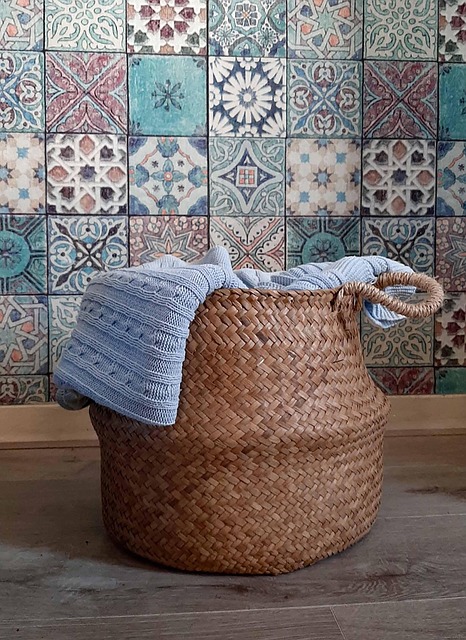
Placing laundry hampers in areas where clothes naturally pile up keeps the floor clear. Dirty clothes are immediately sorted into the appropriate basket rather than thrown on a chair or bed. This habit simplifies laundry day and prevents clean clothes from getting mixed with dirty ones. Using hampers without lids encourages use by removing the barrier of opening a top.
Cable and Cord Management
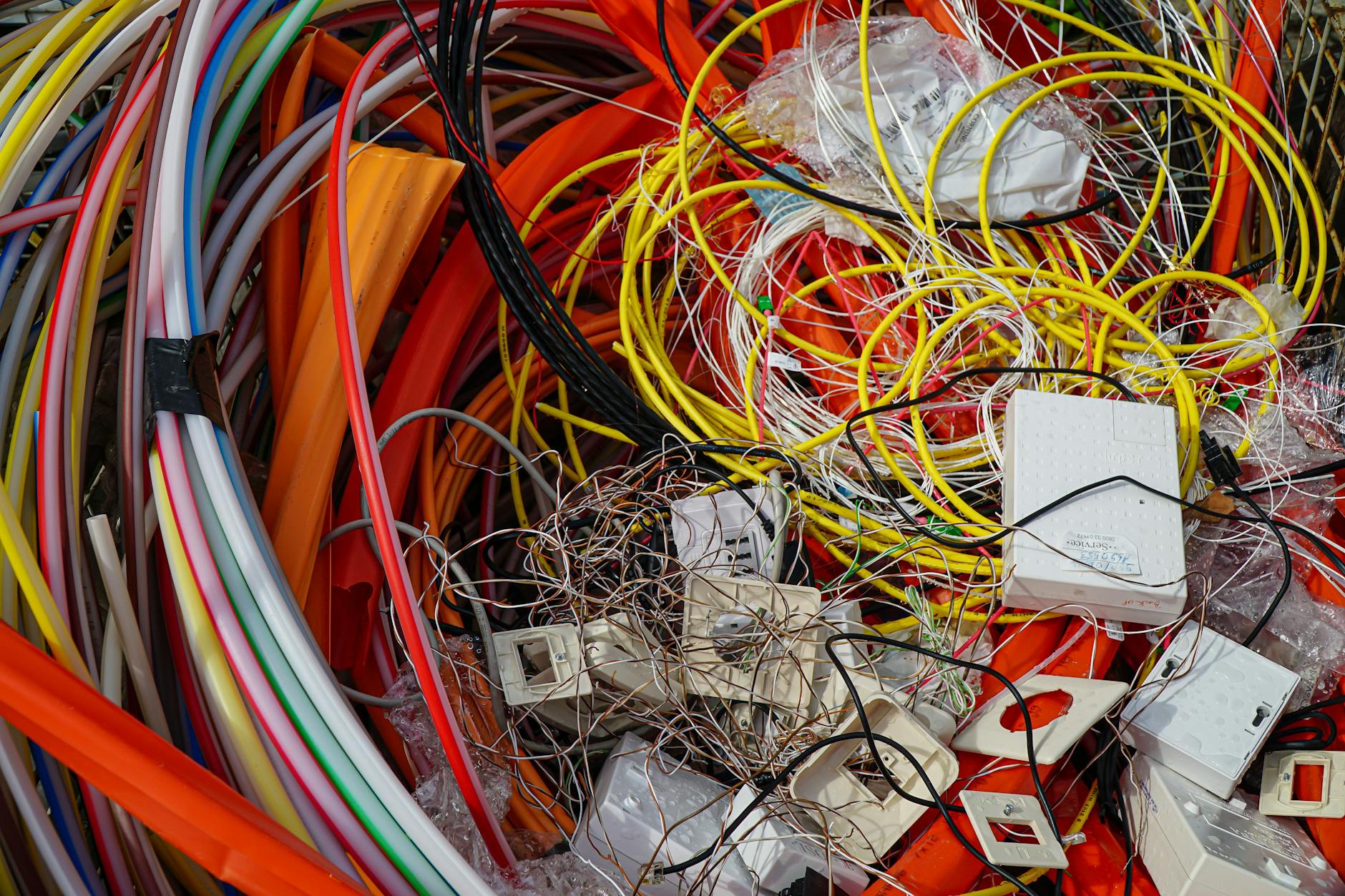
Gathering all loose electronic cables and matching them to their devices identifies useless wires. Cords that do not belong to any current device are e-waste and should be recycled properly. Tying active cables with velcro straps keeps them from tangling and collecting dust bunnies. Labeling plugs at the power strip prevents confusion when unplugging devices.
The Ten Percent Goal

Aiming to reduce the volume of possessions in a room by ten percent is a realistic and achievable target. This moderate goal feels less threatening than a demand to empty a room completely. Visualizing slightly more space on the floor or shelves provides motivation to reach the target. Success with the first ten percent often encourages a second round of reduction.
Sock Drawer Matching

Discarding socks that have holes or are missing a mate instantly tidies up a messy drawer. Rolling pairs together keeps them organized and makes it easy to see how many are owned. Excess socks can be used for dusting rags before being thrown away. A neat sock drawer is a small luxury that starts the day on a positive note.
Medicine Cabinet Safety

Disposing of old prescription bottles safely protects both the household and the environment. Many pharmacies accept expired medications for proper disposal to keep them out of the water supply. Removing these bottles clears space for current necessities and first aid supplies. A streamlined medicine cabinet makes it easier to find relief during an illness.
The Bag Within a Bag
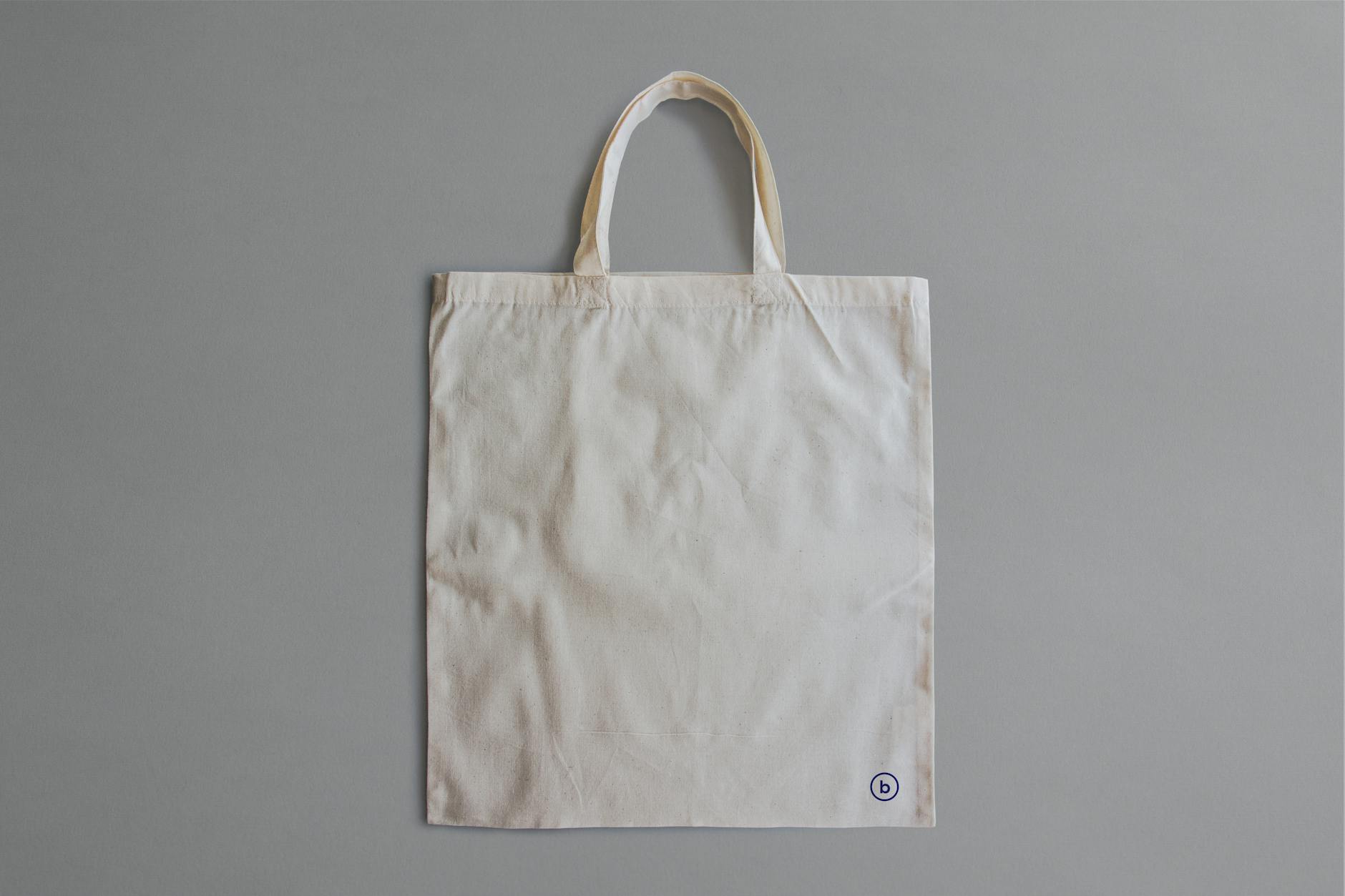
Consolidating reusable shopping bags and tote bags into one large container creates order. Keeping only enough bags for a typical grocery trip reduces the bulk significantly. Excess bags can often be donated to food pantries or thrift stores that need them. This simple task clears up a common problem area in pantries and car trunks.
Coin Jar Consolidation
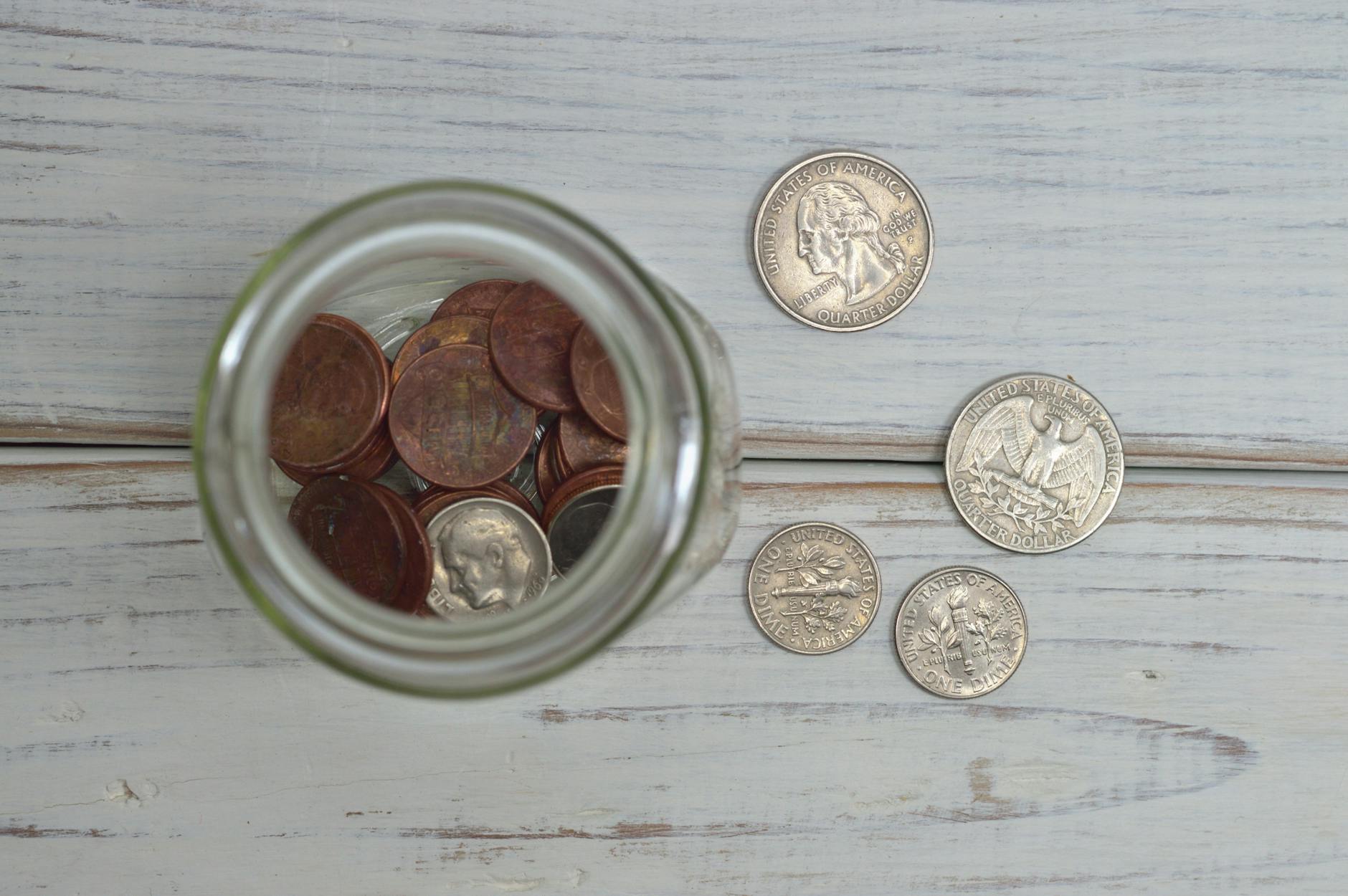
Collecting loose change from around the house into a single jar clears flat surfaces and pockets. When the jar is full it can be taken to a bank or a coin counting machine. This turns scattered metal clutter into usable cash that can reward the decluttering effort. It stops coins from ending up in the vacuum cleaner or between sofa cushions.
Toy Rotation System

storing a portion of toys in bins and swapping them out monthly keeps children interested without the mess. This system reduces the number of items on the floor and makes cleanup time faster. Children appreciate their toys more when they are not overwhelmed by too many choices. Broken toys or those with missing pieces are discarded during the rotation process.
Junk Drawer Triage
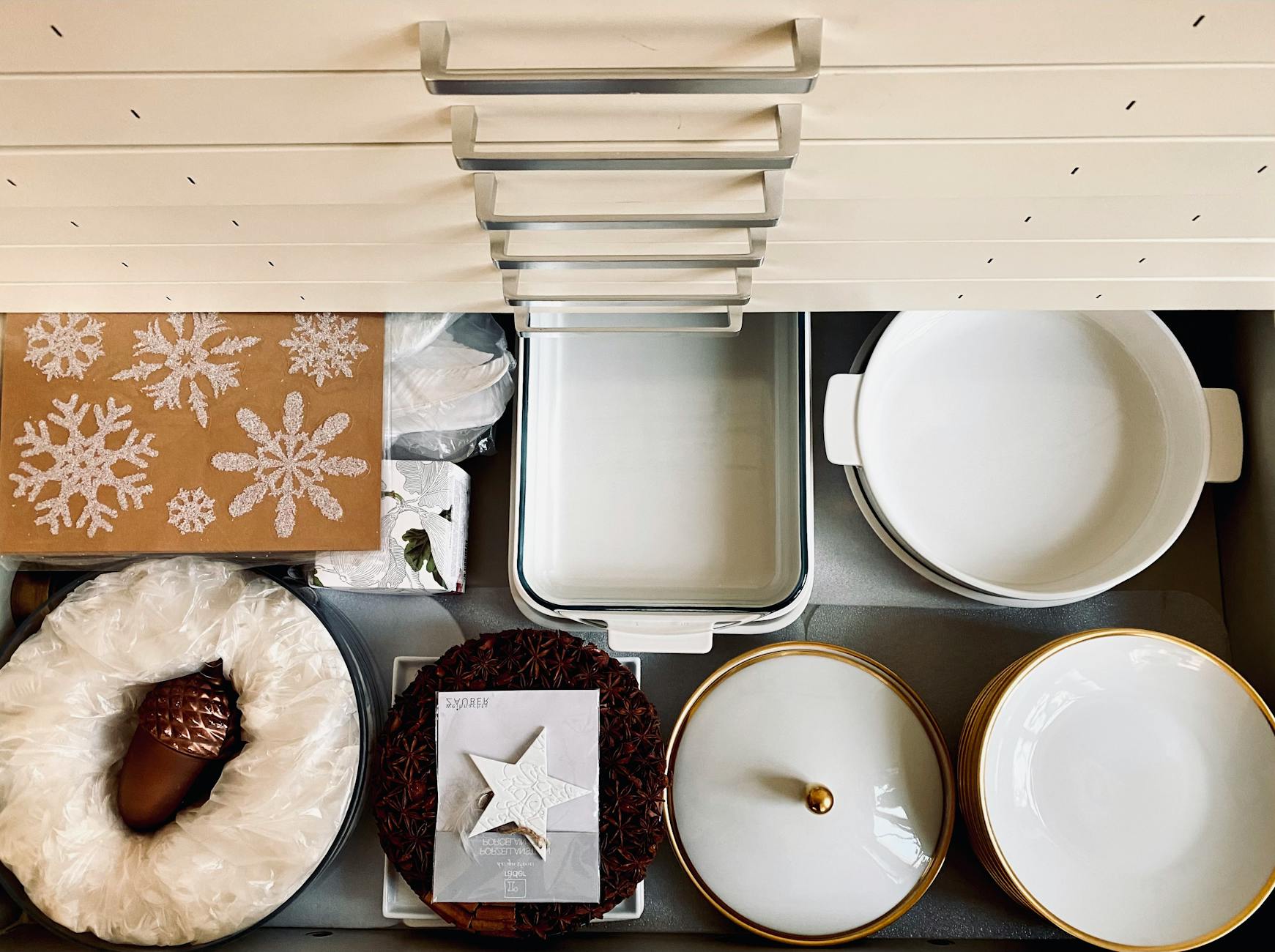
Emptying the junk drawer completely helps in sorting trash from useful tools. Only items that are actually used and have no other home should return to the drawer. Drawer dividers keep small items like batteries and tape separated and visible. This prevents the drawer from becoming a catch-all for items that should be discarded.
Hobby Supply Realism

Evaluating craft and hobby supplies based on current activity levels helps reduce stash size. Materials for hobbies that have been abandoned for years should be donated to schools or art centers. Keeping only the supplies for current projects ensures that the workspace remains functional. Creative energy flows better in a space that is not choked by old materials.
Seasonal Decor Limits

Restricting holiday decorations to a specific number of bins prevents seasonal storage creep. If the decorations do not fit in the assigned bins then something must be donated to make room. This ensures that the attic or garage does not become filled with items used only once a year. Rotating decor keeps the collection fresh without requiring more storage space.
Professional Assistance

Hiring a professional organizer or therapist who specializes in hoarding provides necessary support. These experts offer non-judgmental guidance and proven strategies for severe clutter issues. They assist in keeping the process on track when emotional stamina begins to fade. Professional help ensures that safety standards are met during the cleanup.
The Buddy System

Inviting a trusted and patient friend to assist helps maintain focus and provides moral support. The friend can handle the physical moving of boxes while the resident makes the decisions. Verbalizing the reasons for keeping or tossing an item often clarifies the decision process. Working with a partner makes the time pass faster and reduces feelings of isolation.
Accountability Photos

Taking before and after photos of a specific area provides concrete proof of progress. The camera reveals clutter that the eye has become desensitized to over time. Reviewing the photos helps in celebrating the improvement and staying motivated for the next session. Sharing these photos with a support group can yield encouragement and validation.
Maintenance Schedules

Creating a weekly schedule for chores prevents the home from sliding back into a cluttered state. Assigning specific days for trash, laundry, and mail sorting establishes a protective routine. Consistency is the key to maintaining the results of a major decluttering effort. A visible calendar with tasks checked off provides a sense of accomplishment and control.
We invite you to share your own experiences with these decluttering methods in the comments.