Effective discipline relies on clear communication and consistent boundaries rather than elevated volume. Establishing a quiet environment encourages children to listen more intently to the words being spoken. This method fosters a sense of mutual respect and helps maintain a calm emotional climate within the household. Parents find that a steady tone of voice often carries more authority than a shout.
Positive Reinforcement

Focusing on desirable actions encourages a child to repeat those behaviors in the future. Specific praise highlights exactly what the child did well such as sharing a toy or finishing a chore. This approach builds self-esteem and creates a roadmap for successful social interactions. Consistent recognition of good choices reduces the need for corrective measures over time.
Natural Consequences

Allowing a child to experience the logical results of their actions teaches valuable life lessons without parental intervention. If a child refuses to wear a coat they will feel cold during their walk outside. This direct link between choice and outcome helps develop critical thinking and personal responsibility. It removes the parent from the role of the antagonist and places the focus on reality.
Time In

A time in involves sitting with a child during an emotional outburst to provide comfort and guidance. This technique prioritizes connection and co-regulation while the child learns to manage big feelings. It offers a safe space for the child to settle down before discussing the behavior that occurred. Strengthening the bond during difficult moments often leads to better cooperation later.
Selective Ignoring

Choosing to ignore minor attention-seeking behaviors can prevent them from escalating into larger conflicts. This strategy requires the parent to remain calm and wait for the undesirable action to stop naturally. Once the child engages in a positive behavior the parent immediately returns their full attention. It effectively teaches that disruptive antics do not result in the desired social engagement.
The Choice of Two

Offering two acceptable options gives a child a sense of autonomy and control over their environment. A parent might ask if the child wants to wear the red shirt or the blue shirt today. This method bypasses power struggles by empowering the child to make a final decision. It simplifies the transition between activities and reduces resistance to daily routines.
Kinetic Redirection
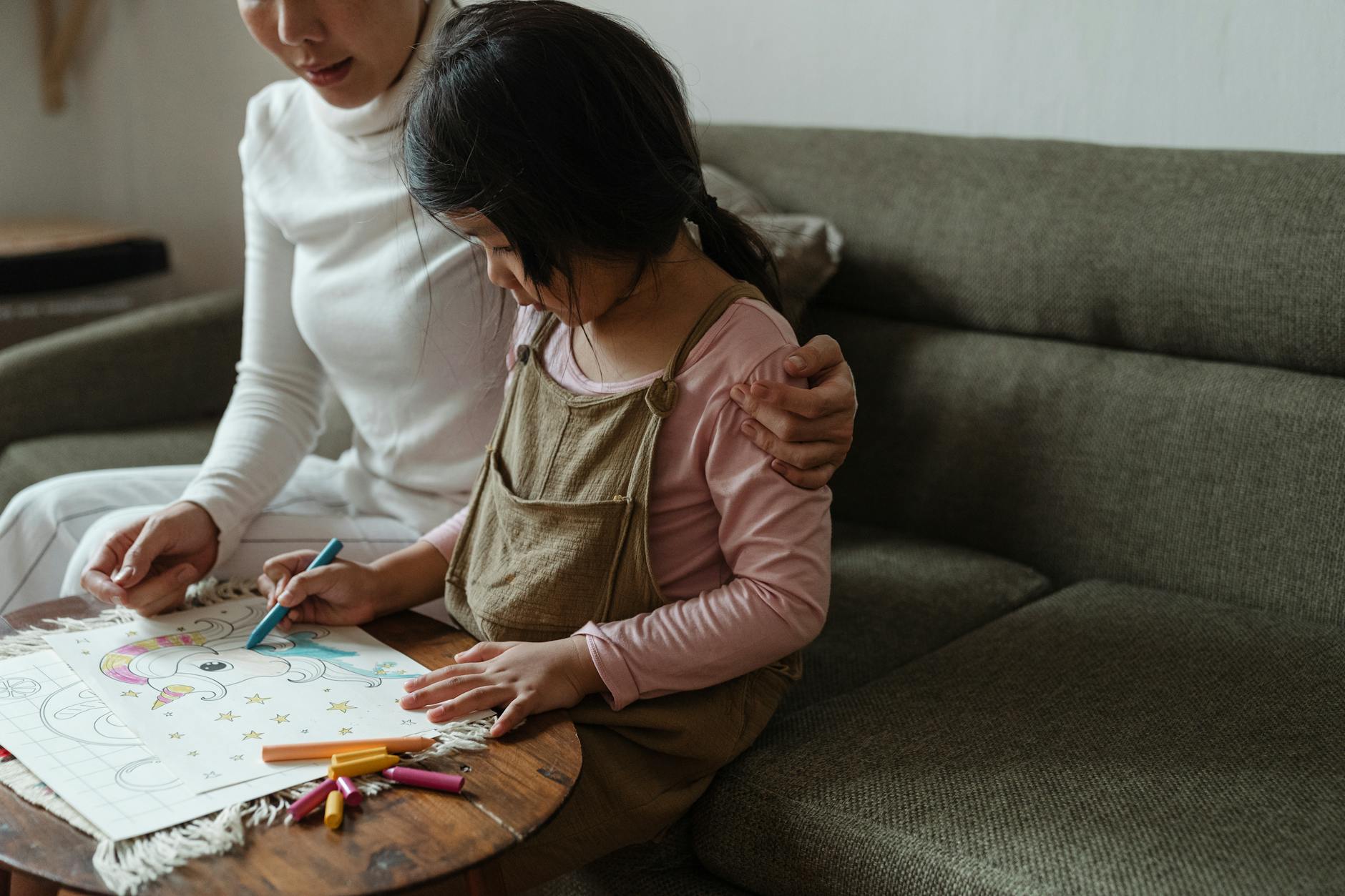
Physically guiding a child toward a new activity helps break a cycle of negative behavior. A parent might gently lead a child away from a restricted area and toward a favorite puzzle. This non-verbal approach avoids a verbal confrontation while keeping the child engaged in a safe task. It works particularly well for younger children who may have shorter attention spans.
Logical Consequences

Logical consequences are structured outcomes that are directly related to a specific misbehavior. If a child draws on the wall they must spend time helping to clean the marks away. This method ensures the discipline is fair and helps the child understand how to make amends. It focuses on restitution and learning rather than punishment or shame.
Visual Schedules

Using pictures or charts to outline the day provides a clear structure that reduces anxiety and confusion. Children can see exactly what is expected of them and what activities are coming up next. This visual aid minimizes the need for verbal reminders and helps transitions go more smoothly. It fosters independence as children learn to follow the routine on their own.
Active Listening

Repeating a child’s feelings back to them shows that their perspective is understood and valued. This technique validates emotions and often de-escalates a tense situation before it worsens. When a child feels heard they are more likely to listen to the parent’s instructions. It builds a foundation of trust that makes future discipline more effective.
Role Playing
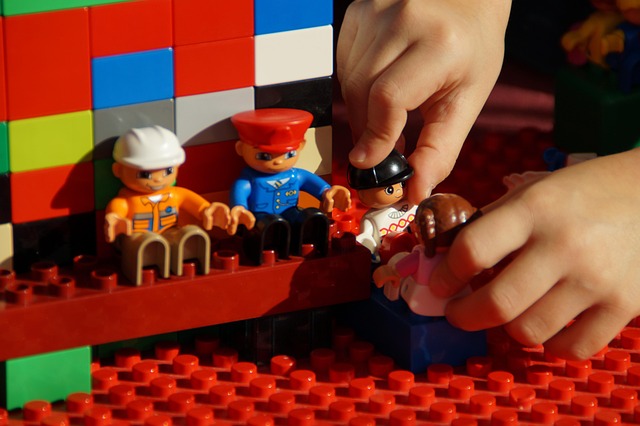
Practicing difficult social situations through play allows children to develop better problem-solving skills. Parents and children can act out how to share toys or how to ask for help politely. This proactive approach builds muscle memory for positive behaviors in a low-stress environment. It prepares the child to handle real-life challenges with confidence and grace.
Family Meetings

Regularly scheduled discussions provide a platform for every family member to voice concerns and suggestions. This collaborative environment encourages children to participate in creating household rules and solutions. It builds a sense of community and shared responsibility for the harmony of the home. Problems are addressed collectively before they become recurring points of conflict.
Non-Verbal Cues

Using hand signals or facial expressions can communicate expectations without the need for spoken words. A simple finger to the lips or a pointed look toward the shoes reminds the child of the current task. These subtle reminders reduce the noise level in the house and keep the atmosphere peaceful. Children often respond well to these quiet prompts as they feel less like a lecture.
Environmental Changes

Modifying the physical space can prevent many common behavioral issues before they even start. Moving fragile items out of reach or creating a dedicated play zone reduces the number of times a parent must say no. This proactive strategy sets the child up for success by removing temptations and obstacles. An organized environment naturally encourages more orderly behavior from everyone.
Restorative Justice

Focusing on repairing relationships after a conflict helps children understand the impact of their actions on others. This might involve writing a letter of apology or performing a kind gesture for a sibling. The goal is to heal the social connection rather than simply serving a sentence. It teaches empathy and the importance of maintaining positive bonds with family and friends.
Whisper Technique

Lowering the voice to a whisper when a child is loud or upset forces them to quiet down to hear what is being said. This unexpected change in volume grabs the child’s attention more effectively than shouting. It models emotional regulation and keeps the parent in control of their own reactions. The quietness of the interaction naturally brings down the energy of the entire room.
The When-Then Rule
Linking a desired activity to a required task creates a clear incentive for cooperation. A parent might state that when the toys are put away then the family can go to the park. This phrasing focuses on the positive outcome rather than the demand itself. It helps children understand the sequence of responsibilities and rewards in a simple way.
Emotion Coaching

Helping a child identify and name their feelings is the first step toward managing them appropriately. A parent might observe that the child looks frustrated because the blocks fell down. This labels the experience and provides a starting point for finding a solution together. Developing emotional intelligence reduces the frequency of outbursts driven by misunderstood feelings.
Proximity Control

Simply moving closer to a child who is starting to misbehave can often stop the behavior without a word. The physical presence of the parent provides a silent reminder of expectations and boundaries. This subtle intervention allows the child to correct themselves before a formal disciplinary action is needed. It is a gentle way to maintain order while staying connected.
Behavioral Contracts

Writing down specific goals and the rewards for meeting them creates a clear agreement between parent and child. This formal document outlines exactly what is expected and what the benefits of cooperation will be. It is particularly effective for older children who appreciate having a clear and fair system in place. Both parties sign the contract to show their commitment to the agreed-upon terms.
Reflective Questioning

Asking questions like what could you do differently next time encourages the child to think critically about their behavior. This method shifts the focus from the mistake to the future solution and personal growth. It empowers the child to take ownership of their actions and brainstorm better choices. Engaging the child’s mind helps them internalize the lessons being taught.
Take a Break

Suggesting a brief pause in activity allows both the parent and the child to regain emotional composure. This is not a punishment but a tool for self-regulation when feelings become too intense. During the break individuals can use breathing exercises or quiet reading to settle their nervous systems. Resuming the conversation after a cooling-off period leads to more productive outcomes.
Direct Instruction

Giving clear and concise commands tells the child exactly what they need to do in that moment. Instead of asking a question the parent uses a firm but kind statement like please put your shoes in the closet. This removes ambiguity and makes it easier for the child to comply. Short instructions are often more effective than long explanations during busy times.
Praise Efforts Not Results

Focusing on the hard work a child puts into a task builds resilience and a growth mindset. Recognizing the persistence required to finish a difficult puzzle is more impactful than just praising the completed picture. This approach encourages children to take on challenges without the fear of failure. It reinforces the value of the process and the learning that occurs along the way.
Collaborative Problem Solving

Working together to find a solution to a recurring issue makes the child feel like a partner in the process. The parent and child brainstorm ideas and then decide on one to try for a week. This method teaches negotiation skills and ensures that the child’s needs are being considered. It creates buy-in from the child which lead to better long-term compliance.
Transitional Warnings

Giving a five-minute notice before changing activities helps children prepare for the shift. This simple step reduces the frustration that often comes with being told to stop playing immediately. It allows the child to find a natural stopping point in their current task. Transitions become much smoother when the child knows exactly when the change is coming.
Redirection to Art

Providing a creative outlet like drawing or molding clay can help a child process intense emotions safely. This method redirects nervous energy into a productive and expressive activity. It allows the child to communicate things they might not have the words for yet. Art serves as a calming tool that helps restore emotional balance.
Modeling Behavior

Children often imitate the actions and reactions of the adults in their lives. Demonstrating calm problem-solving and respectful communication sets a powerful example for them to follow. If a parent handles their own frustration quietly the child learns that this is the standard for the home. Consistent modeling is one of the most effective long-term discipline tools available.
Goal Setting

Breaking down large behavioral expectations into small and manageable goals makes success more likely. A child might focus on using a quiet voice inside for just one afternoon. Celebrating these small victories builds momentum and encourages the child to keep trying. It prevents the child from feeling overwhelmed by high standards.
Consistent Routine

A predictable daily schedule provides a sense of security and reduces the likelihood of behavioral issues. When children know what to expect they feel more in control and less prone to anxiety. Routine habits like meal times and bedtimes create a natural flow to the day. This structure minimizes the number of conflicts that arise from uncertainty.
Empathy Statements

Starting a conversation with a statement like I can see you are really sad right now helps lower defenses. This shows the child that the parent is on their side even when a boundary must be held. Acknowledging the child’s experience makes them more receptive to the correction that follows. It keeps the relationship strong even during moments of disagreement.
Eye Level Communication

Crouching down to a child’s height makes the interaction feel less threatening and more personal. This physical adjustment shows the child that they have the parent’s full and focused attention. It encourages better eye contact and more effective listening from both parties. This simple change in posture can transform the tone of an entire conversation.
Satiation Technique

Allowing a child to perform a harmless but annoying behavior until they are tired of it can end the habit. If a child wants to jump they might be encouraged to jump for five full minutes. This turns a forbidden fruit into a chore and reduces the appeal of the behavior. It is a playful way to handle minor disruptions without a confrontation.
Use of Timers

A kitchen timer can act as a neutral third party that signals when an activity is over. Children often find it easier to accept the beep of a timer than the voice of a parent. It removes the personal element from the transition and makes the limit feel more objective. This tool is especially helpful for sharing turns or ending screen time.
Check-In Rituals

Brief moments of connection throughout the day can prevent many attention-seeking behaviors. A quick hug or a focused minute of conversation keeps the child’s emotional tank full. These small check-ins remind the child that they are loved and noticed. Regular connection reduces the need for the child to act out to get noticed.
Weighted Blankets or Vests

For some children sensory tools can provide the physical grounding needed to stay calm. A weighted blanket offers deep pressure that can soothe a frantic nervous system. This method is especially helpful for children who struggle with sensory processing or high levels of anxiety. It provides a non-verbal way to help the child regain their internal balance.
Breathing Exercises

Teaching children simple techniques like blowing out imaginary candles helps them manage physical stress responses. These exercises can be used anywhere and at any time the child feels overwhelmed. Deep breathing slows the heart rate and clears the mind for better decision-making. It is a portable skill that serves them well throughout their entire lives.
Positive Narrating

Describing the positive things a child is doing in real-time reinforces those specific behaviors. A parent might say I see you are putting the blocks in the bin so carefully. This constant stream of positive feedback keeps the focus on what is going right. It creates a supportive atmosphere where the child feels encouraged to continue being helpful.
Humor and Playfulness

Injecting a bit of fun into a mundane task can instantly dissolve tension and resistance. Making a game out of cleaning up or using a funny voice to give instructions engages the child’s sense of play. This approach turns a potential conflict into a moment of shared laughter. It lightens the mood and makes cooperation feel like a choice rather than a chore.
Quiet Corner
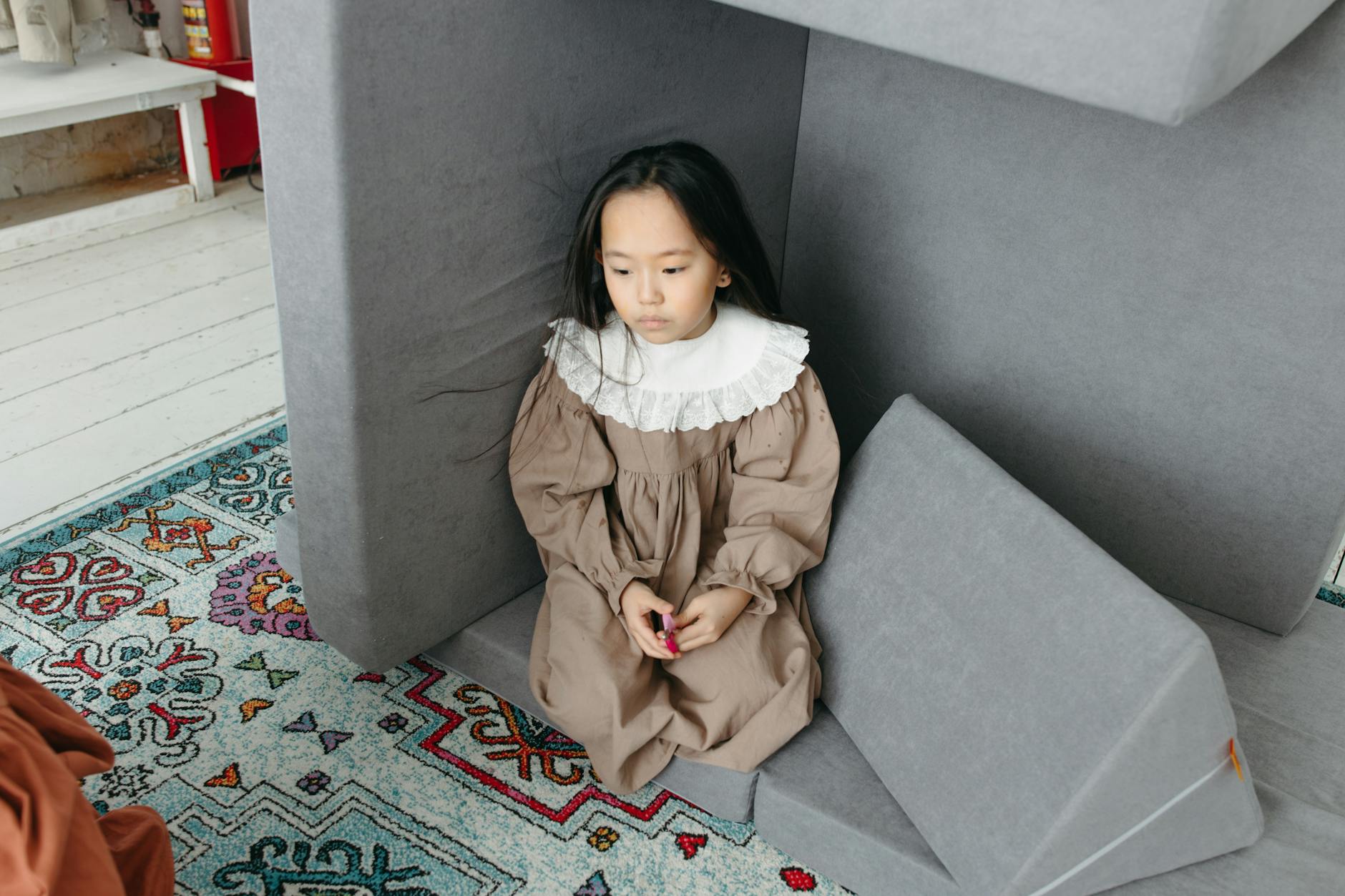
Creating a cozy and inviting space for reflection allows a child to self-soothe when they feel out of control. This area might have soft pillows and books but it is never used as a place of punishment. It serves as a retreat where the child can go voluntarily to find peace. Having a designated spot for calm helps children learn to manage their own environment.
Please share your thoughts on these discipline strategies in the comments.