Many grocery store aisles are filled with products that claim to be beneficial for your health while hiding massive amounts of sugar and processed ingredients. Consumers often rely on deceptive marketing terms like natural or low-fat without examining the nutritional labels closely. Understanding the difference between whole foods and ultra-processed imitations is crucial for maintaining a balanced diet. This guide examines popular items that frequently mislead shoppers into thinking they are making smart dietary choices.
Granola
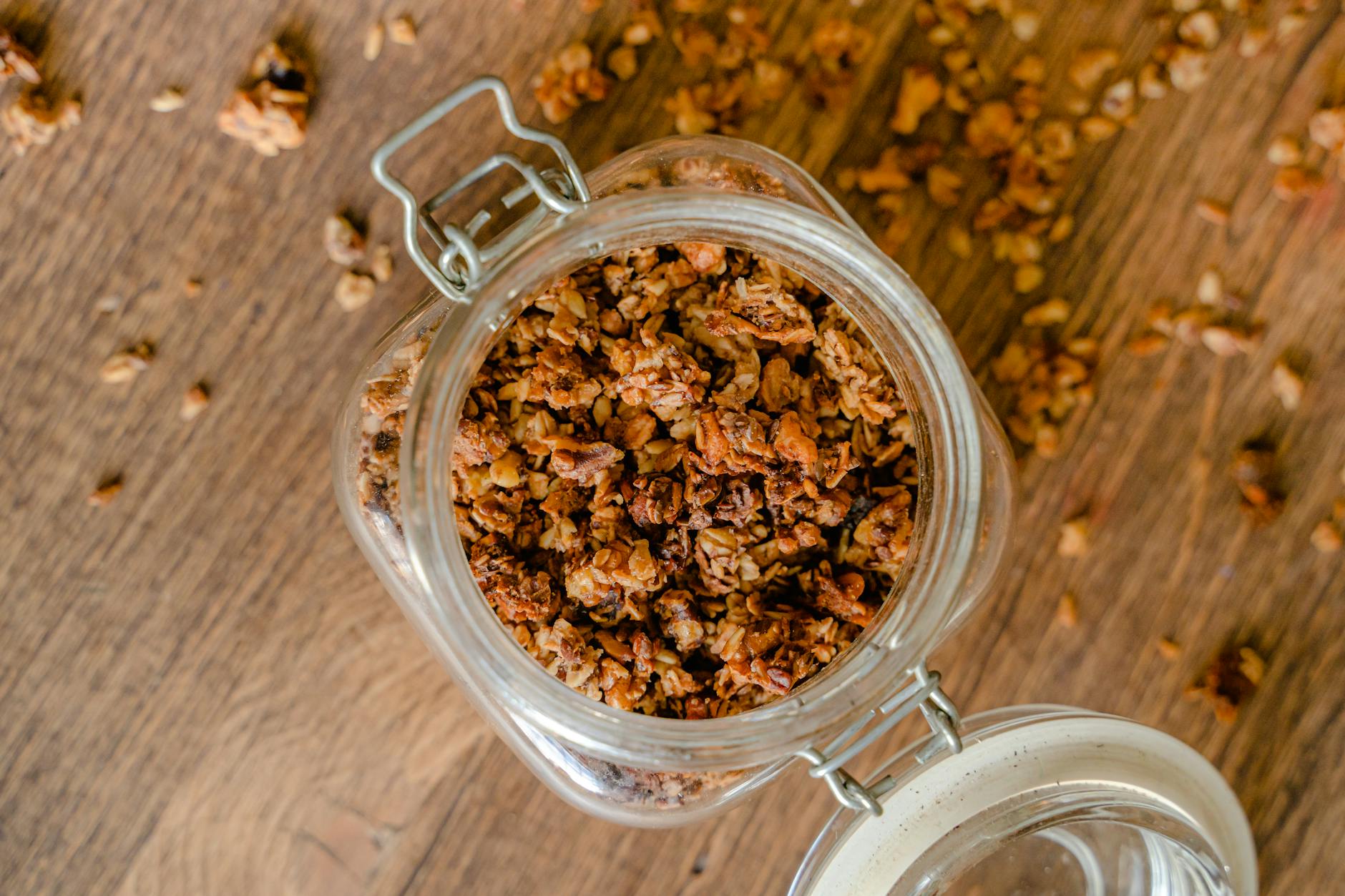
This popular breakfast staple often contains a significant amount of added sugar and calorie-dense oils to enhance flavor and texture. Many commercial varieties use syrups or honey that drastically increase the glycemic load of the meal. A small serving size frequently provides far more calories than the average consumer realizes or intends to consume. Even brands labeled as natural can pack as much sugar per serving as a standard chocolate bar.
Flavored Yogurt
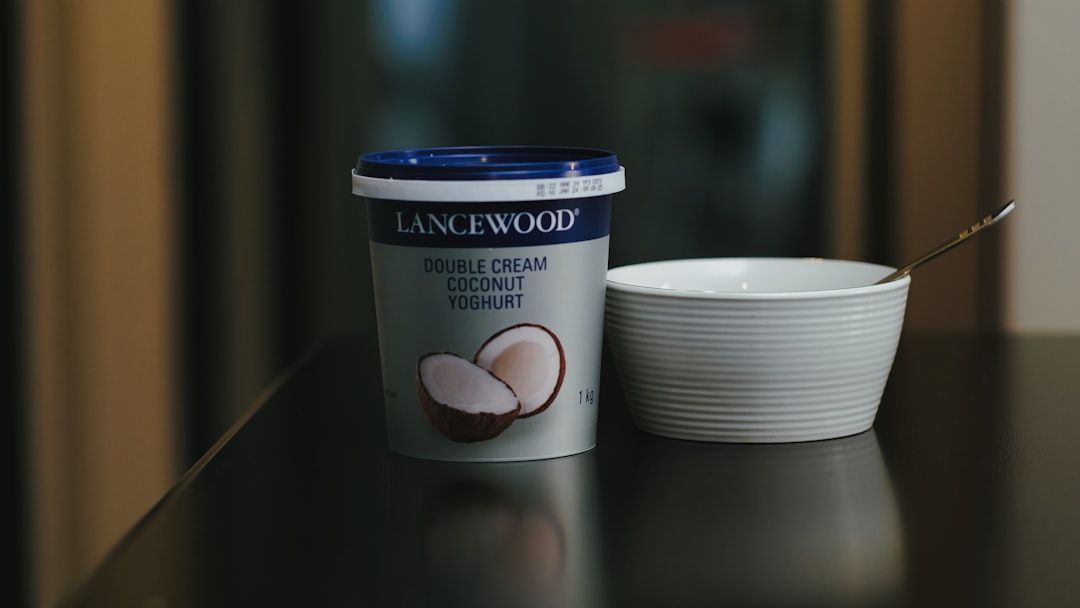
Yogurt is naturally rich in probiotics and calcium but flavored versions often negate these benefits with excessive sweeteners. Manufacturers frequently add fruit purees that are actually sugary jams rather than fresh fruit. Some low-fat options compensate for the lack of fat by adding thickeners and even more sugar to maintain palatability. Opting for plain Greek yogurt and adding fresh fruit is the only way to ensure a truly nutritious snack.
Agave Nectar
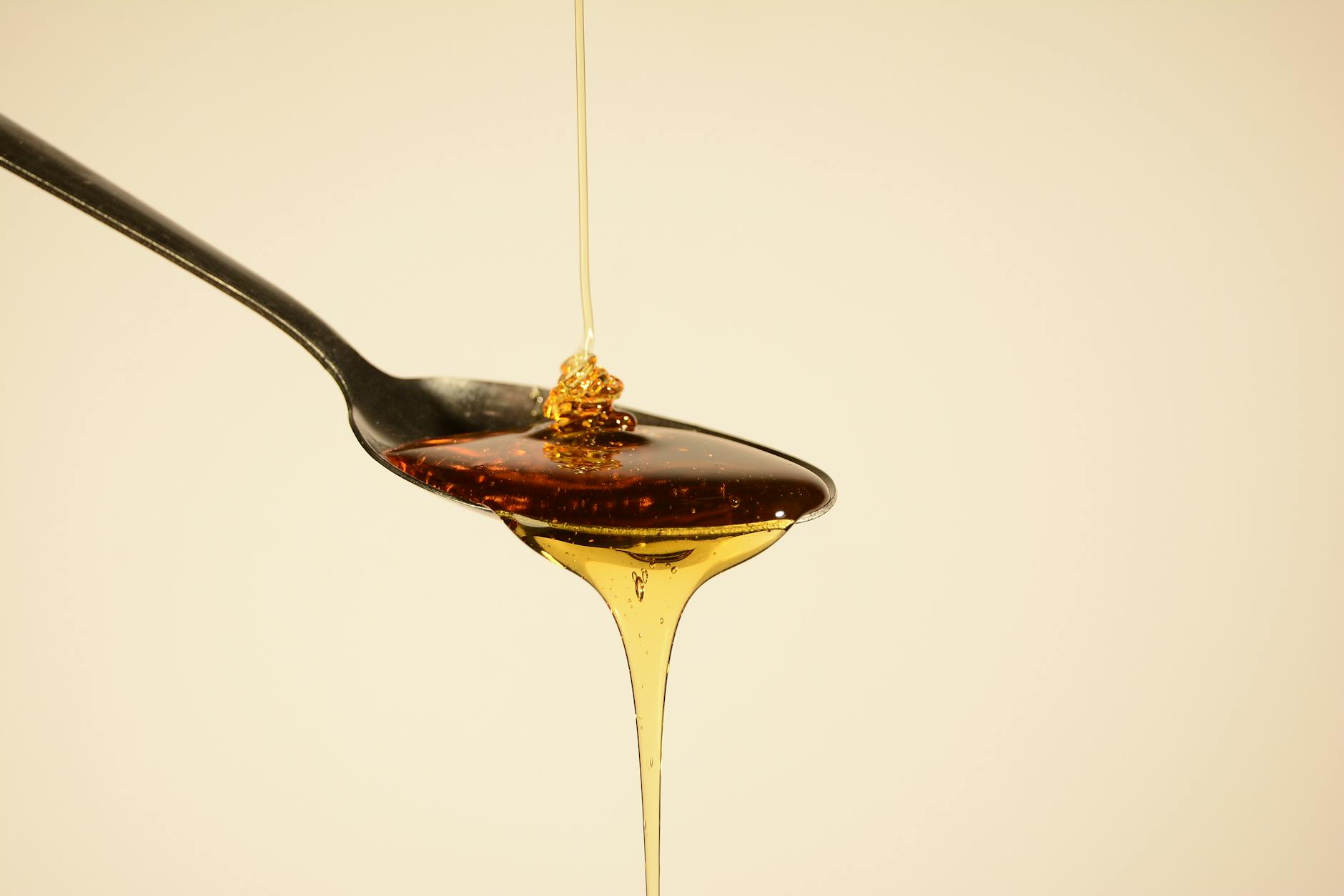
Health enthusiasts often praise agave nectar as a superior alternative to white sugar because of its lower glycemic index. The product is extremely high in fructose which can strain the liver and contribute to insulin resistance over time. It undergoes significant processing that strips away the beneficial enzymes found in the agave plant. The high fructose content makes it metabolically similar to high-fructose corn syrup despite its healthy reputation.
Protein Bars
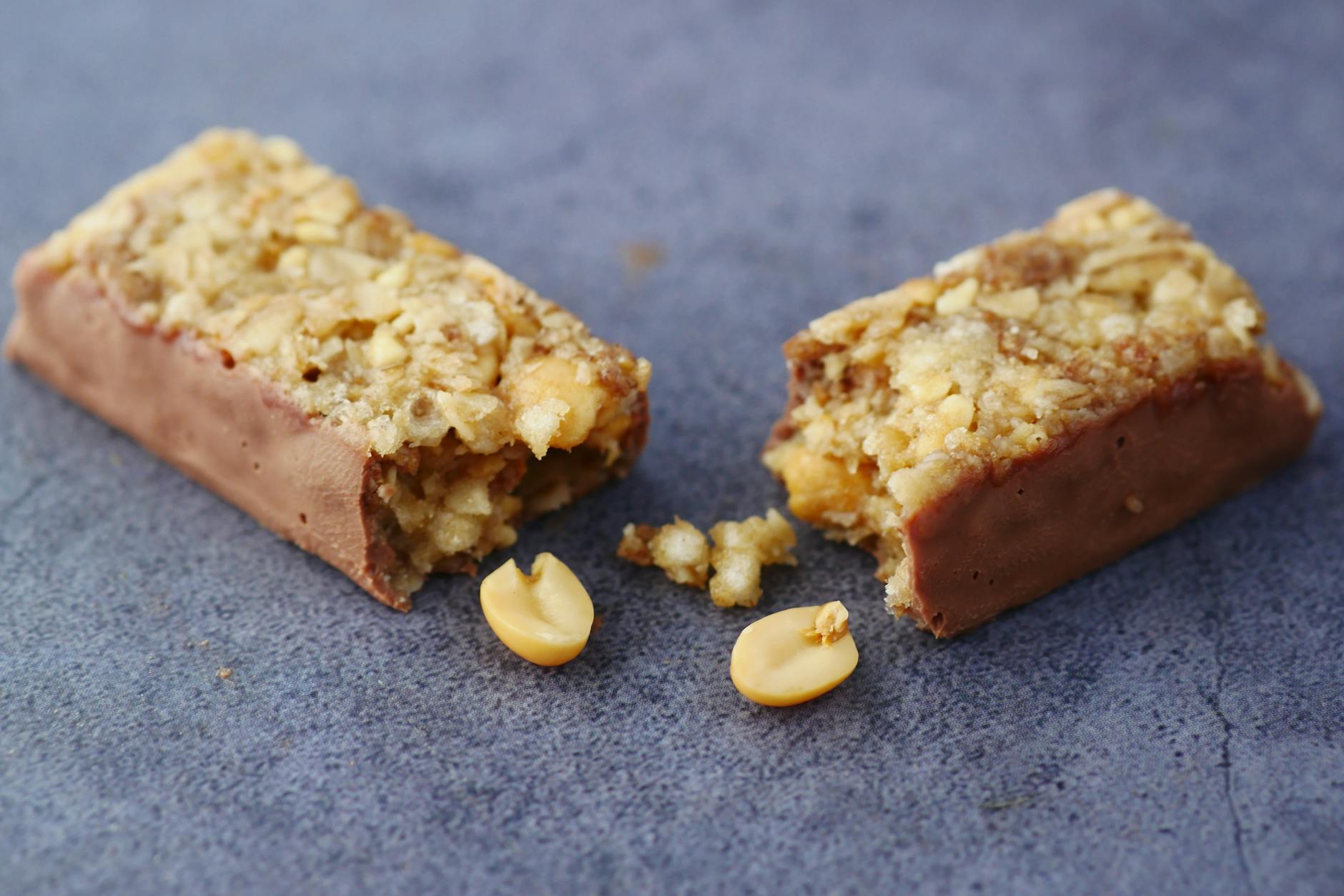
Most protein bars are essentially candy bars disguised with added whey or soy protein isolate. They often rely on sugar alcohols or artificial sweeteners that can cause digestive distress in sensitive individuals. The ingredient lists are typically long and filled with preservatives to extend shelf life. Checking the sugar and saturated fat content reveals that many of these bars offer poor nutritional value.
Dried Fruit

Fruit loses water volume during the drying process which concentrates the sugar and calories into a much smaller package. It becomes very easy to consume large quantities of sugar without feeling the satiety that fresh fruit provides. Many commercially available dried fruits also contain added sulfites to preserve color and prevent spoilage. Some varieties like cranberries or pineapple are even coated in additional granulated sugar to counteract tartness.
Gluten-Free Snacks
Products labeled gluten-free are designed for those with celiac disease rather than for general weight loss or health. Manufacturers often replace wheat flour with refined starches like tapioca or potato flour that lack fiber and nutrients. These snacks frequently contain more sugar and fat than their gluten-containing counterparts to improve texture and taste. A gluten-free label does not automatically equate to a nutrient-dense or healthy food choice.
Pre-Made Smoothies
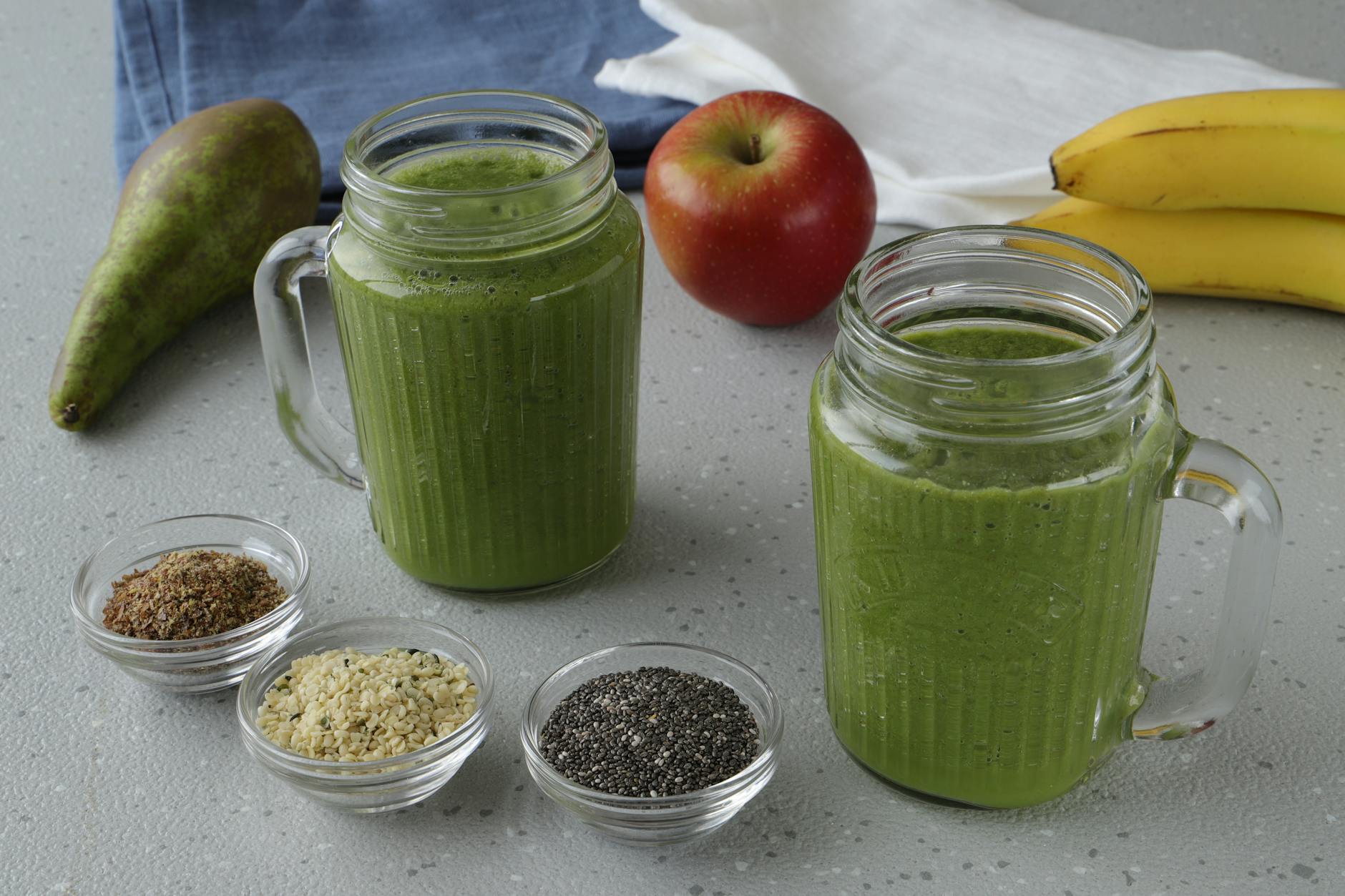
Bottled smoothies found in convenience stores are usually pasteurized which destroys many heat-sensitive vitamins and enzymes. They often contain apple or grape juice bases that load the drink with fructose while offering little fiber. One bottle can contain more sugar than a can of soda and creates a rapid spike in blood glucose levels. Making a smoothie at home with whole vegetables and fruits is the only way to control the ingredients.
Veggie Chips
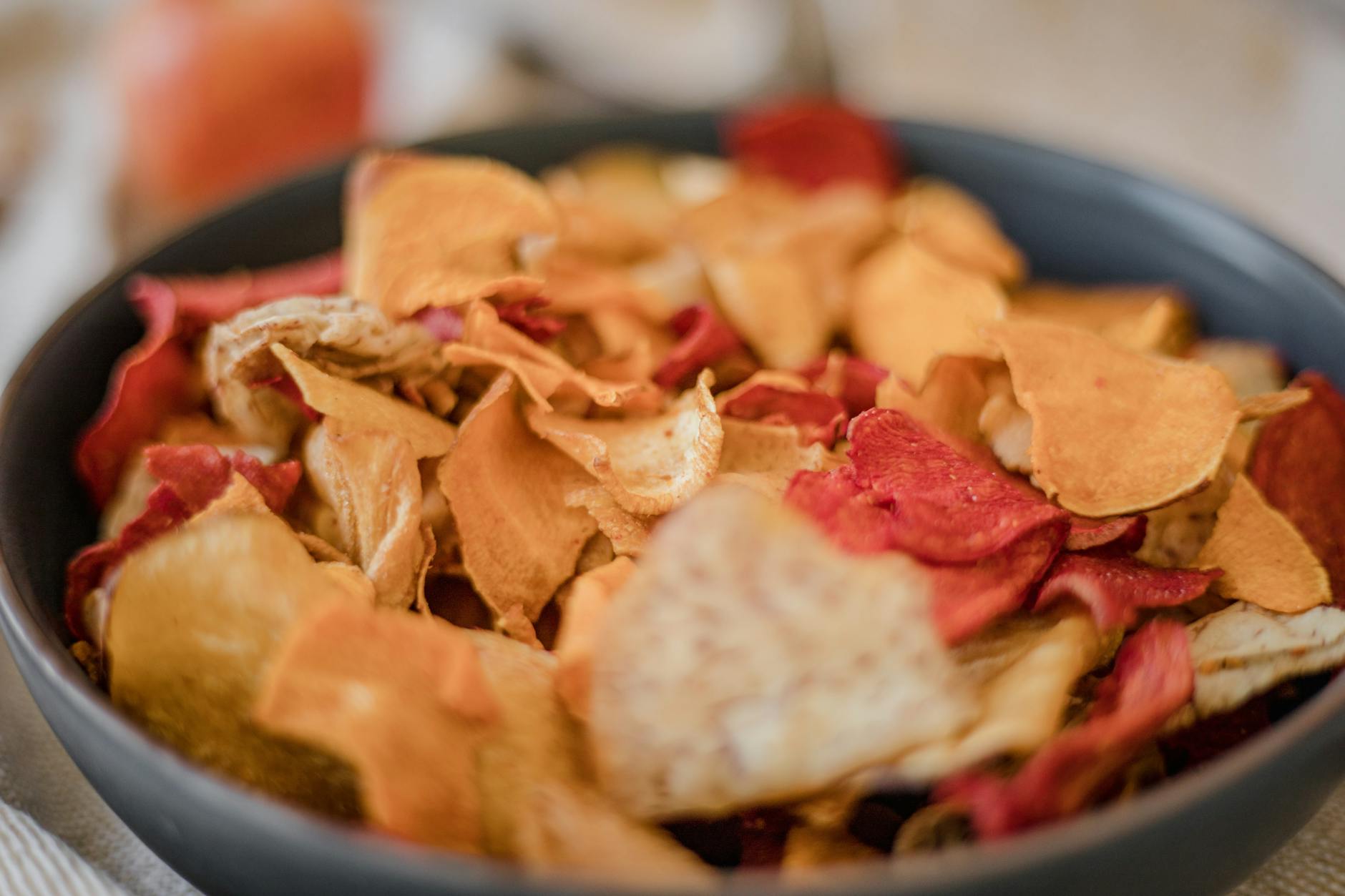
These colorful snacks are often primarily made of potato starch or corn flour with only a dusting of vegetable powder for color. The actual vegetable content is negligible and offers very few of the vitamins found in whole produce. They are typically deep-fried in inflammatory vegetable oils and heavily salted just like standard potato chips. Consumers gain a false sense of security thinking they are eating a serving of vegetables.
Sports Drinks

Marketing campaigns position these beverages as essential for hydration but they are unnecessary for the average person. They contain high levels of sugar and artificial dyes that are not required for moderate exercise or daily activity. The electrolytes provided are often accompanied by calories that exceed what was burned during a standard workout. Water remains the superior choice for hydration unless one is an endurance athlete.
Low-Fat Salad Dressing

When manufacturers remove fat from salad dressing they almost always add sugar and salt to compensate for the lost flavor. The lack of healthy fats also prevents the body from absorbing fat-soluble vitamins from the salad greens. Many of these dressings rely on chemical emulsifiers and thickeners to mimic the texture of oil. A simple dressing of olive oil and vinegar provides better nutrient absorption and cleaner ingredients.
Diet Soda
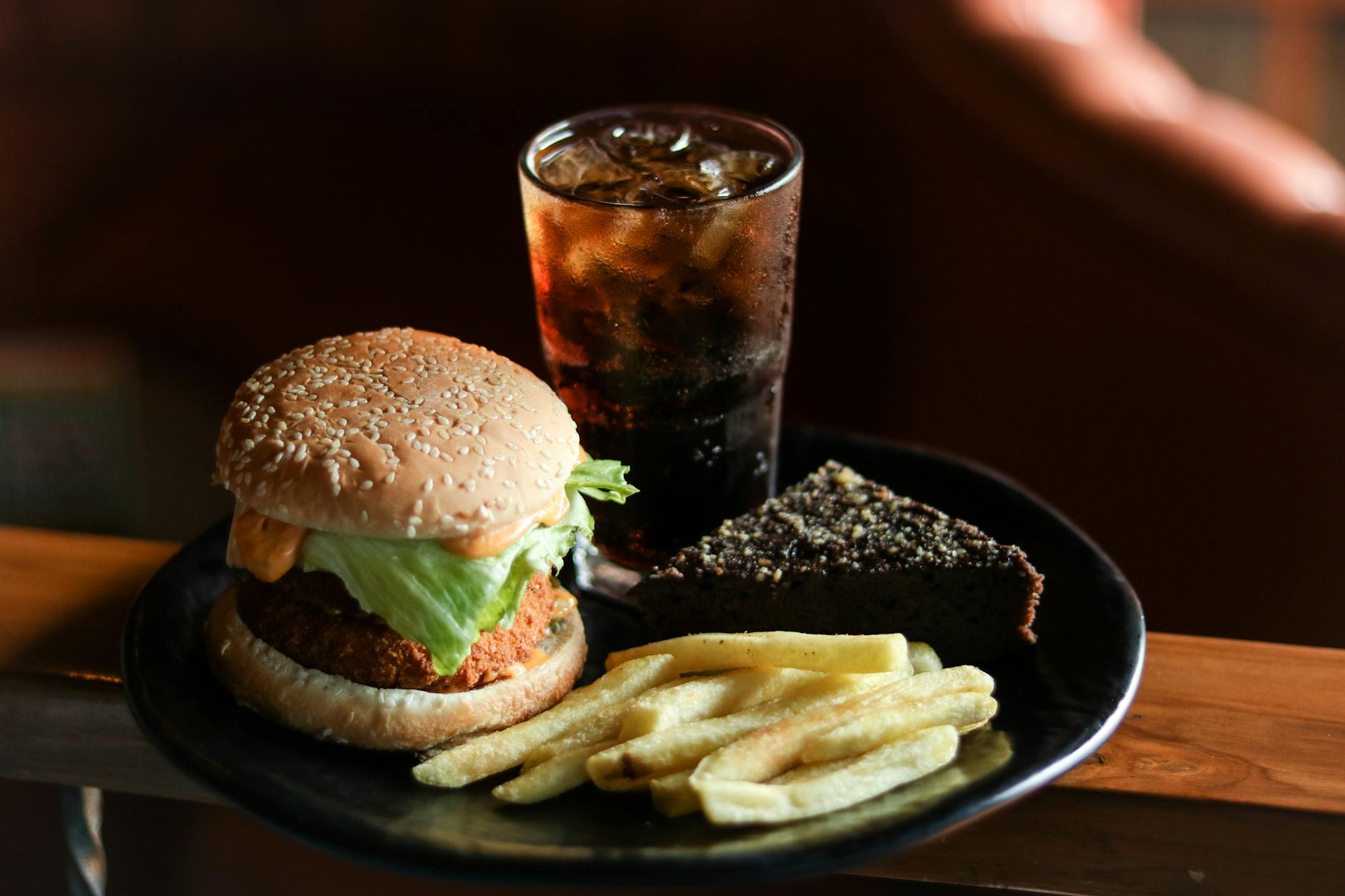
Artificial sweeteners used in diet sodas may disrupt the gut microbiome and potentially increase cravings for sweet foods. Some studies suggest that the body prepares for calorie intake upon tasting sweetness and gets confused when none arrive. Drinking diet soda maintains a dependence on hyper-sweet flavors rather than allowing the palate to adjust to natural foods. It offers zero nutritional value and replaces water that the body actually needs.
Fruit Juice
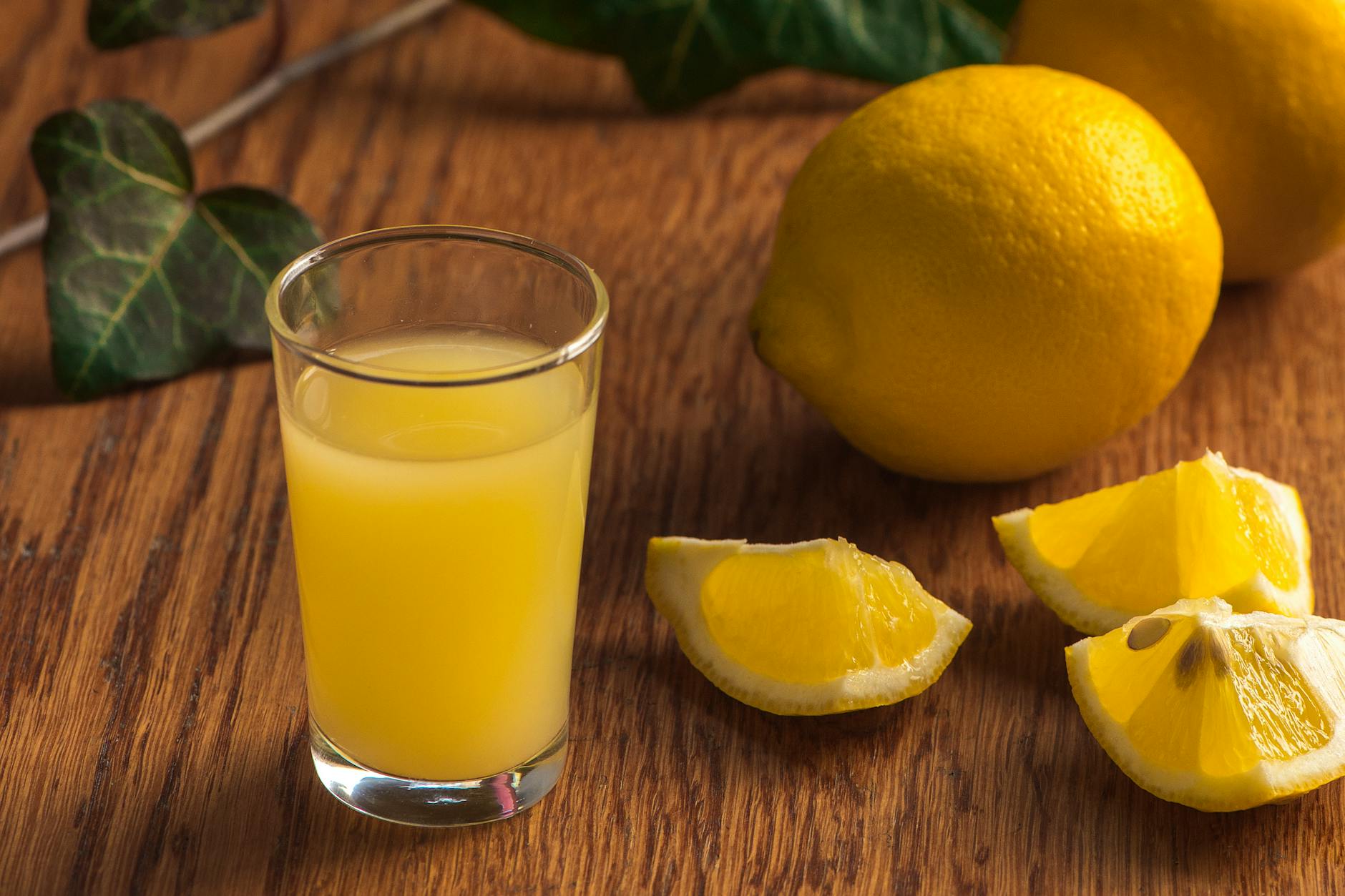
Juicing removes the fiber from fruit and leaves behind a concentrated liquid sugar solution that digests very rapidly. Without the fiber matrix to slow absorption the sugar hits the bloodstream almost instantly. Many commercial juices also sit in storage tanks for months and require flavor packs to taste fresh again. Eating the whole fruit is always superior because the fiber promotes fullness and regulates digestion.
Instant Oatmeal

packets of instant oatmeal are often loaded with sodium and sugar to provide flavor and quick cooking times. The oats are processed and rolled thinner which increases their glycemic index compared to steel-cut or rolled oats. Artificial flavors and coloring agents are frequently used to mimic fruits like strawberries or peaches. Plain oats prepared with cinnamon and fresh fruit offer a much better nutritional profile.
Acai Bowls
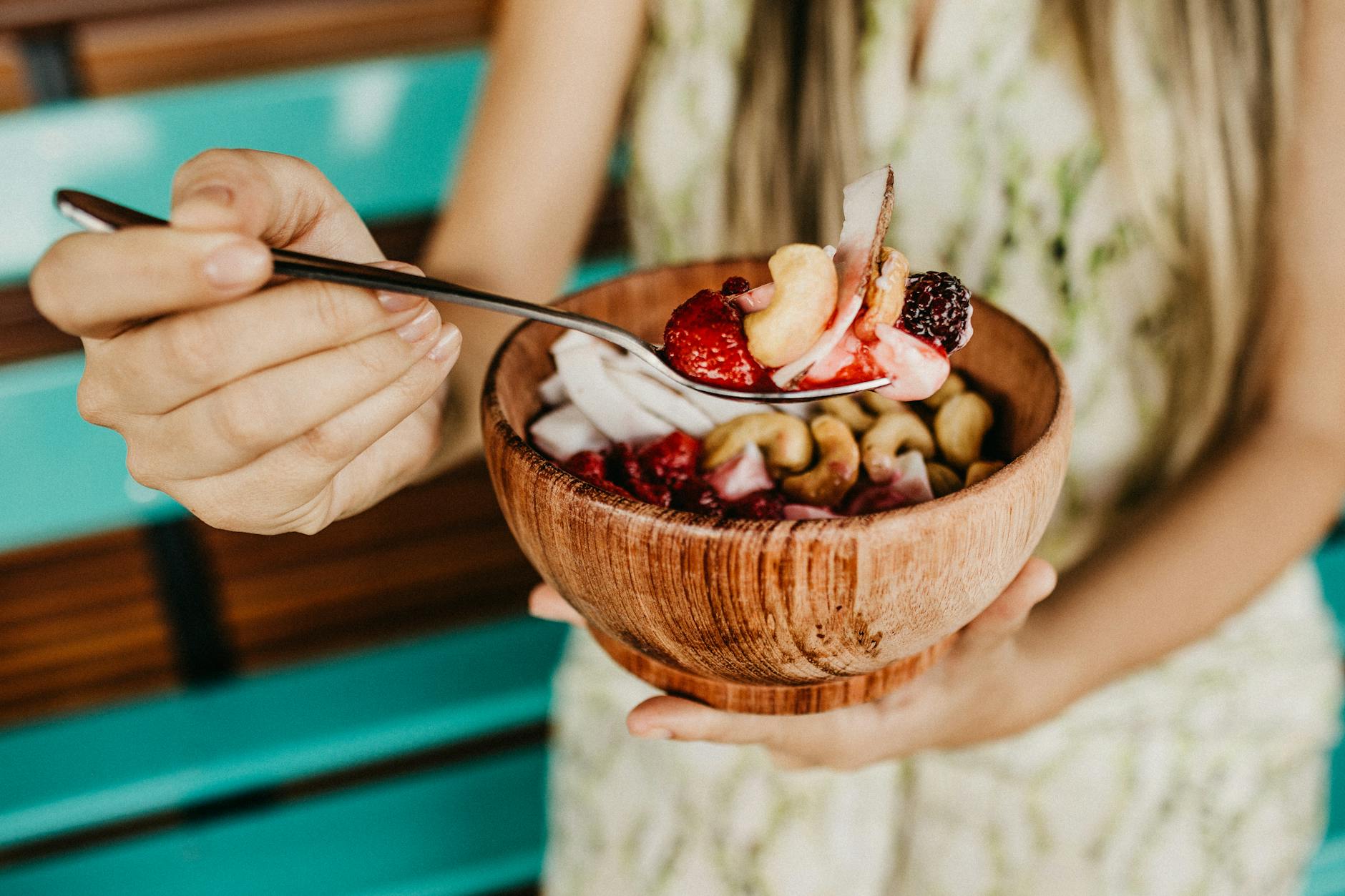
The acai berry itself is low in sugar and high in antioxidants but the bowls sold in cafes are massive sugar bombs. Shops blend the berries with sweetened juice or banana and top the bowl with honey and granola. The portion sizes are typically far larger than a standard serving and can contain upwards of fifty grams of sugar. This turns a potentially healthy breakfast into a dessert that rivals ice cream in calorie count.
Microwave Popcorn

The lining of microwave popcorn bags often contains chemicals known as PFAs that can leach into the snack during heating. Many brands use artificial butter flavoring which has been linked to respiratory issues in manufacturing contexts. The product is also typically high in sodium and uses low-quality hydrogenated oils for popping. Air-popped corn with real butter and sea salt is a much safer and cleaner alternative.
Plant-Based Meat Alternatives
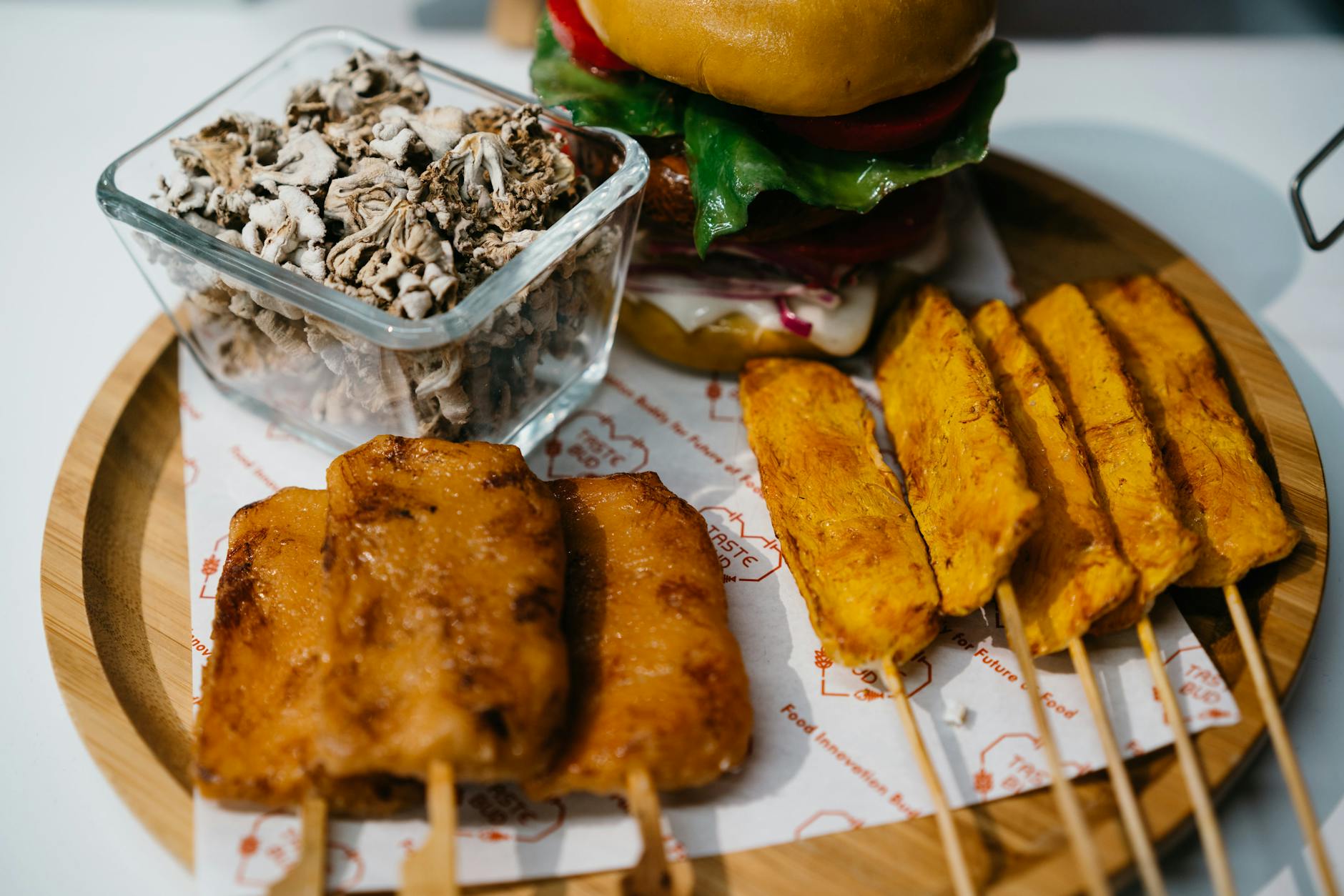
These products are ultra-processed engineering marvels rather than whole vegetables or legumes. They often rely on excessive amounts of sodium and saturated fat from coconut oil to mimic the juiciness of beef. The ingredient lists include protein isolates and methylcellulose binders rather than recognizable foods. While they avoid animal products they do not necessarily offer a healthier nutritional profile than lean meat.
Frozen Yogurt

Frozen yogurt is frequently marketed as a guilt-free treat but it contains significant amounts of sugar to prevent it from freezing into a solid block. The beneficial bacteria found in regular yogurt often do not survive the freezing process in meaningful numbers. Customers typically add sugary toppings that further increase the calorie count beyond that of a small ice cream. It is a dessert rather than a health food and should be treated as such.
Energy Drinks
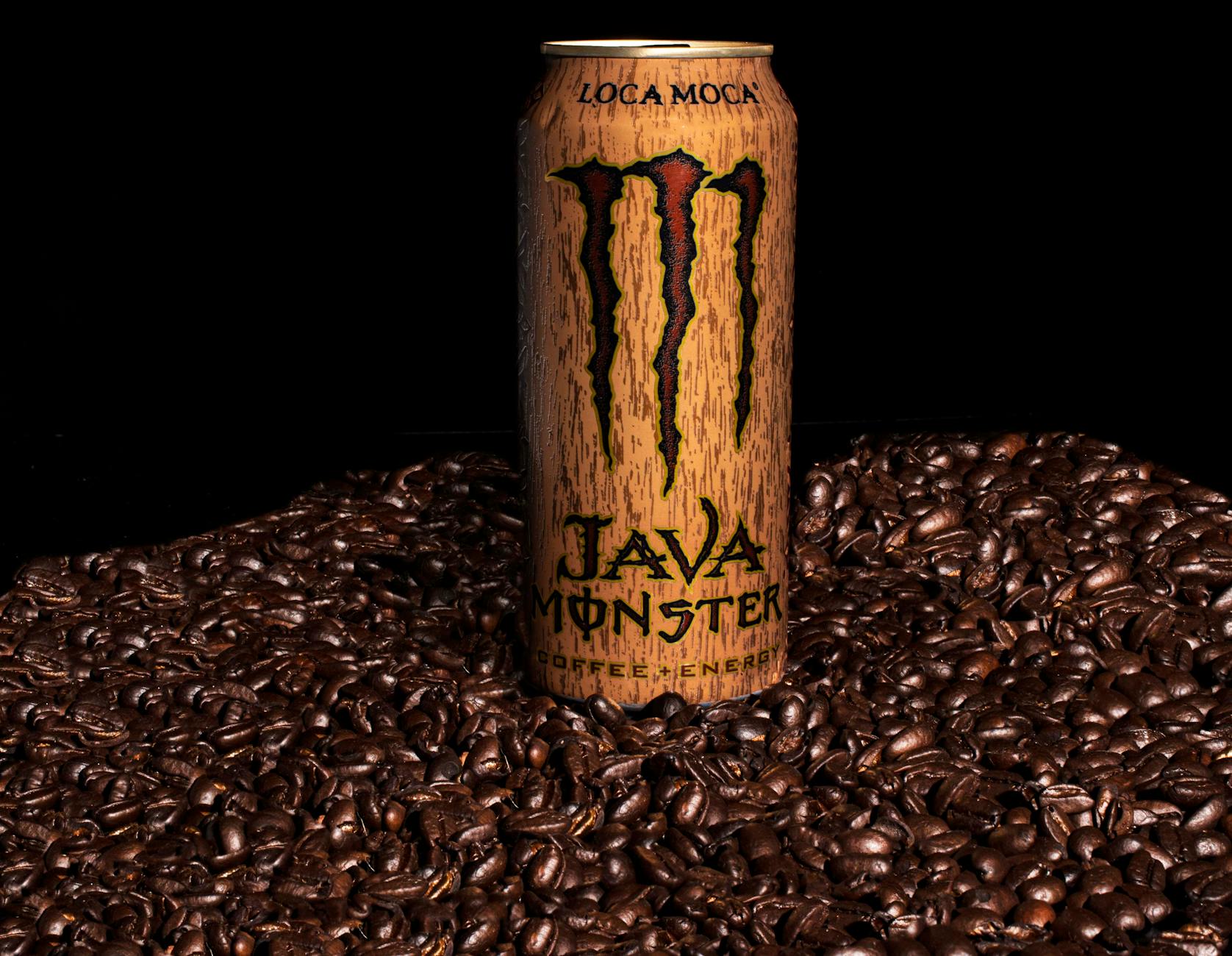
These beverages deliver massive doses of caffeine and sugar that can cause heart palpitations and anxiety. They frequently contain herbal stimulants like guarana which stack with caffeine to create an intense effect on the nervous system. The crash that follows the initial energy spike often leads to fatigue and the desire for more sugar. Regular consumption can lead to sleep disturbances and increased tolerance to caffeine.
Organic Processed Snacks
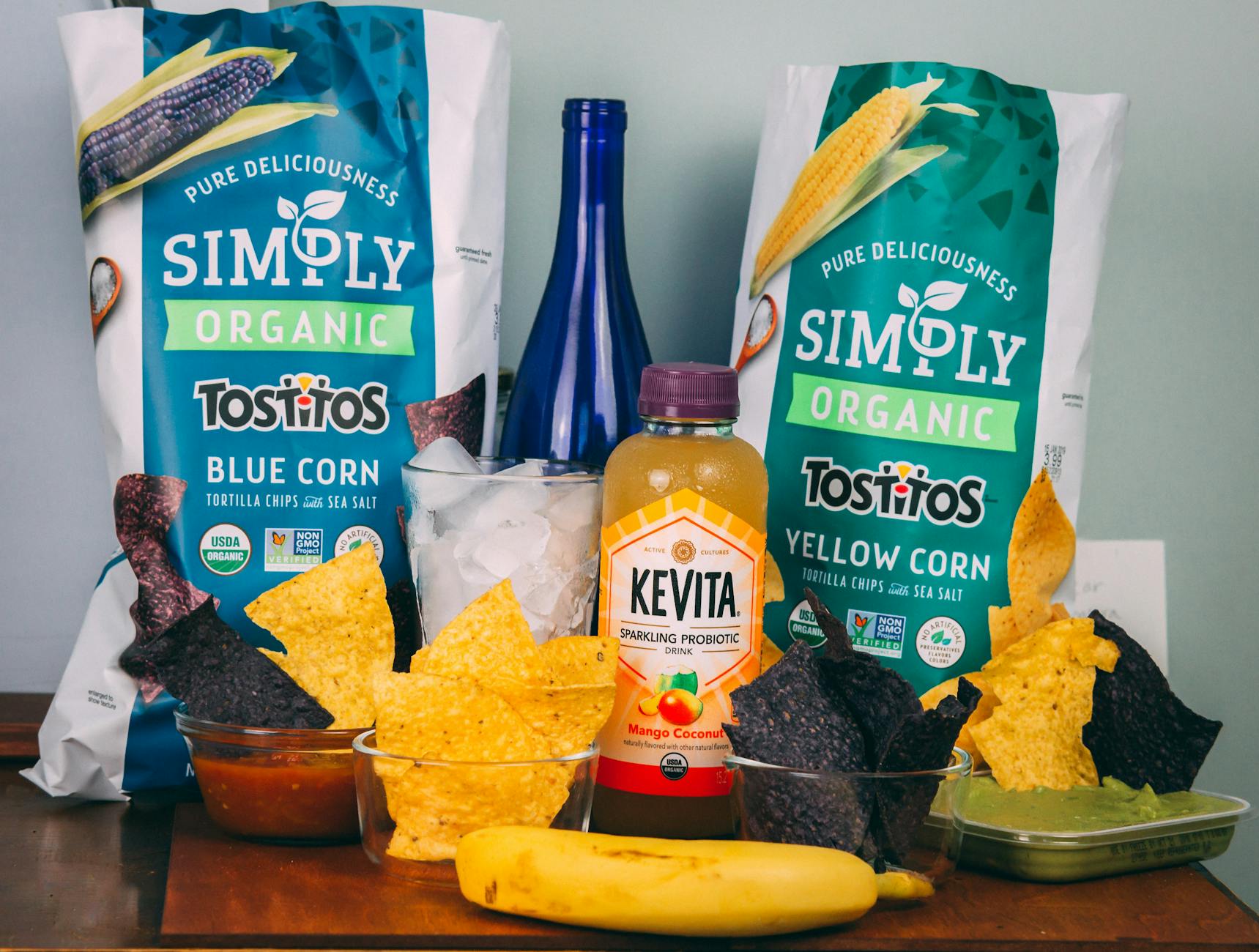
The organic label simply refers to the agricultural methods used for the ingredients and not the nutritional quality of the final product. Organic cane sugar affects the body in the exact same way as conventional white sugar does. Organic cookies and chips are still processed foods high in empty calories and refined fats. A certified organic junk food item remains a junk food item despite the premium price tag.
Vitamin Water

Most vitamin-enhanced waters are essentially sugar water with a dusting of synthetic vitamins added for marketing appeal. The amount of sugar in a single bottle can rival that of a soft drink and negate any potential benefit from the added nutrients. Most people get sufficient vitamins from a varied diet and do not need fortified beverages. Plain water or herbal tea are far better choices for daily hydration needs.
Rice Cakes

Rice cakes have long been a diet staple but they are comprised of refined carbohydrates with a very high glycemic index. They digest rapidly and can cause blood sugar spikes that lead to hunger shortly after eating. The lack of fiber and protein means they provide very little satiety or nutritional value on their own. Eating them requires adding healthy fats or proteins to make them a functional snack.
Chocolate Milk
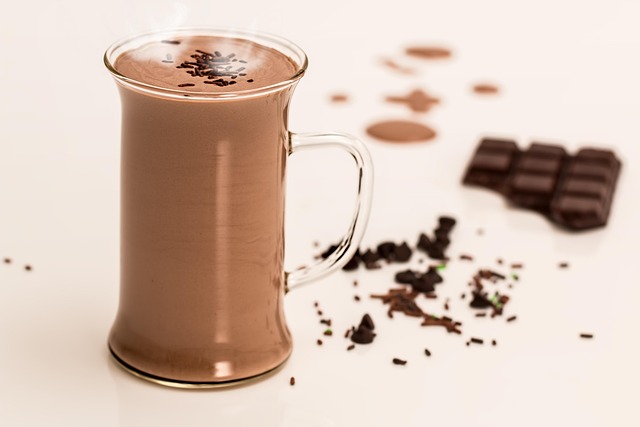
Marketing campaigns often promote chocolate milk as a post-workout recovery drink due to its protein and carbohydrate ratio. The product contains substantial amounts of added sugar to mask the bitterness of cocoa and appeal to children. The high sugar content can contribute to inflammation and is unnecessary for anyone other than elite athletes. Plain milk or water with a balanced meal is a better strategy for recovery.
Processed Peanut Butter
Many commercial peanut butters remove the natural peanut oil and replace it with hydrogenated vegetable oils to prevent separation. Sugar is frequently added to improve the flavor and appeal to a wider consumer base. Reduced-fat versions are particularly notorious for increasing sugar content to maintain texture. Natural peanut butter containing only peanuts and salt is the only option that provides healthy fats without additives.
Canned Soup
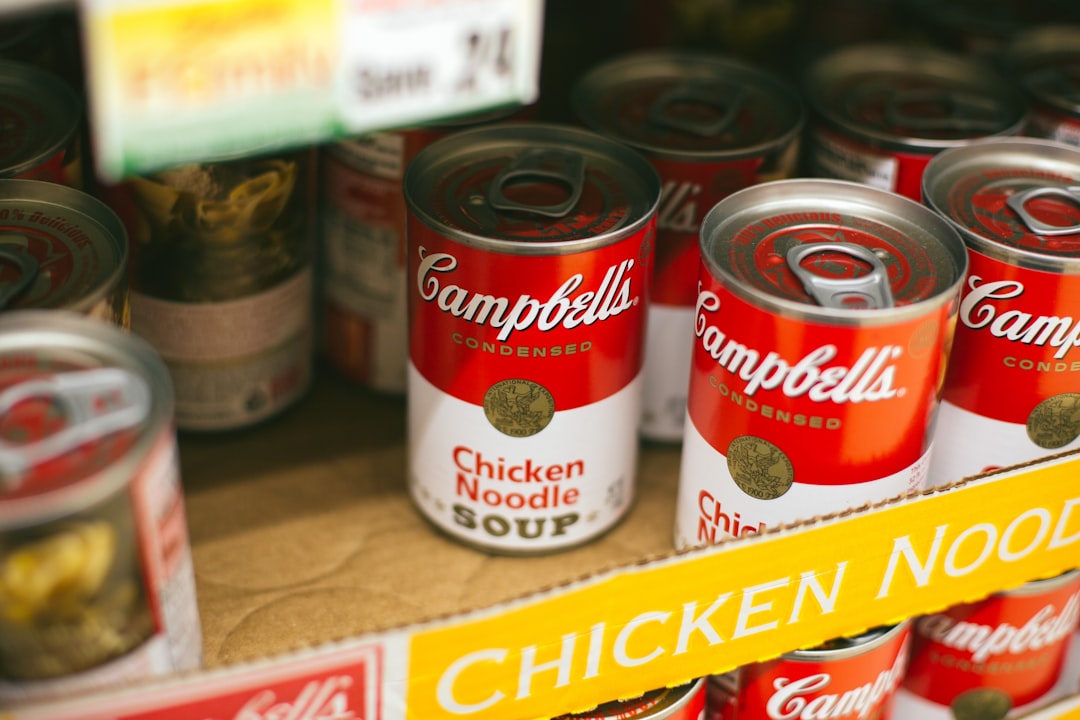
Canned soups are notorious for their extremely high sodium content which is used as a preservative and flavor enhancer. The vegetables used are often overcooked during the canning process and lose much of their nutritional integrity. Many cream-based soups also contain thickeners and hidden fats that increase the calorie density. Homemade soup allows for control over salt levels and ensures nutrient retention in vegetables.
Pre-Made Protein Shakes
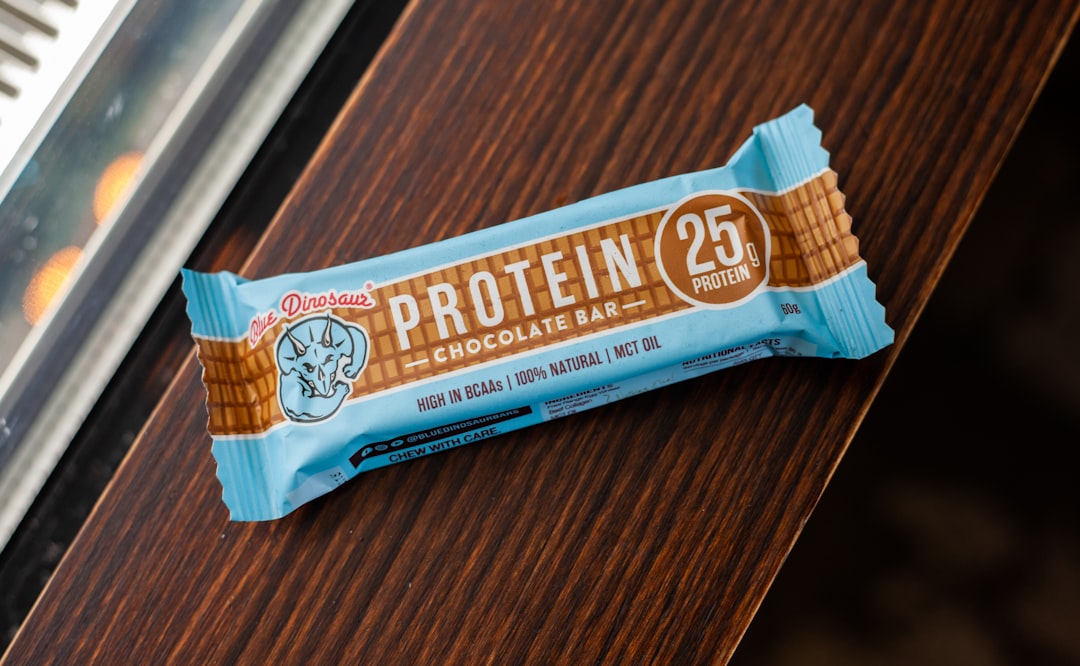
Ready-to-drink protein shakes often contain poor quality protein sources and a laundry list of artificial ingredients. They frequently rely on thickeners like carrageenan which can cause digestive inflammation in some people. Artificial sweeteners are used heavily to mask the chalky taste of the protein powder. Whole food protein sources like eggs or chicken are always preferable to heavily processed liquids.
Sushi Rolls
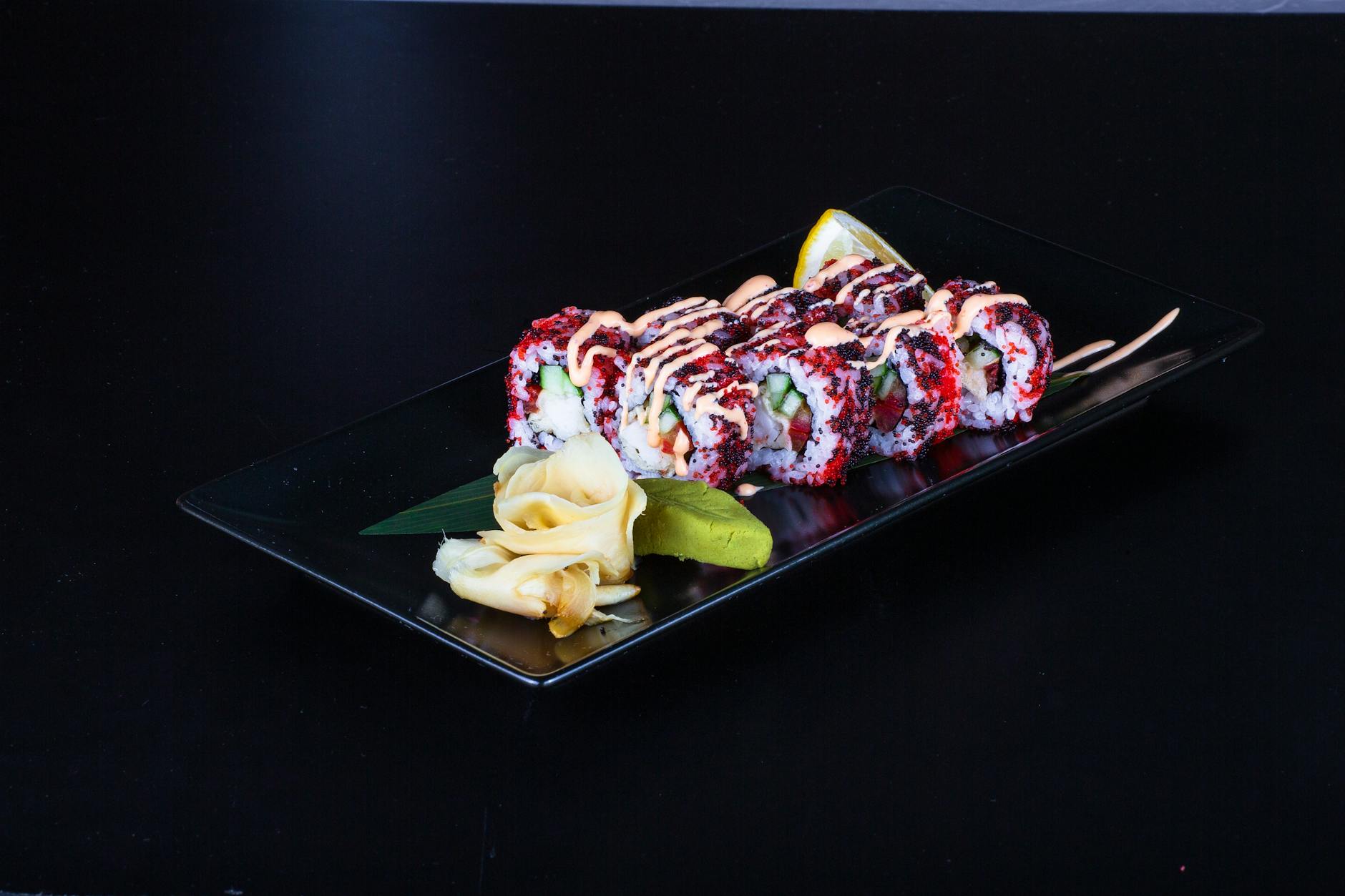
Westernized sushi rolls are often filled with cream cheese or tempura-fried ingredients and covered in mayonnaise-based sauces. The rice is seasoned with a mixture of vinegar and sugar which adds hidden calories to every bite. A single roll can contain as many calories as a burger depending on the fillings and toppings used. Sashimi or simple rolls with fresh fish and vegetables are the healthier authentic choices.
Bran Muffins
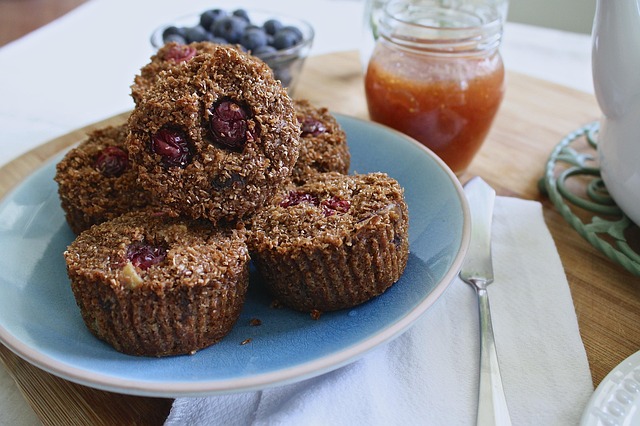
Bran muffins are often perceived as a high-fiber breakfast but they are usually giant cakes filled with sugar and oil. The amount of bran used is often minimal compared to the refined white flour that makes up the bulk of the muffin. Coffee shop muffins are typically oversized and can contain more calories than a meal. They create a blood sugar spike followed by a crash rather than providing sustained energy.
Flavored Nut Milk
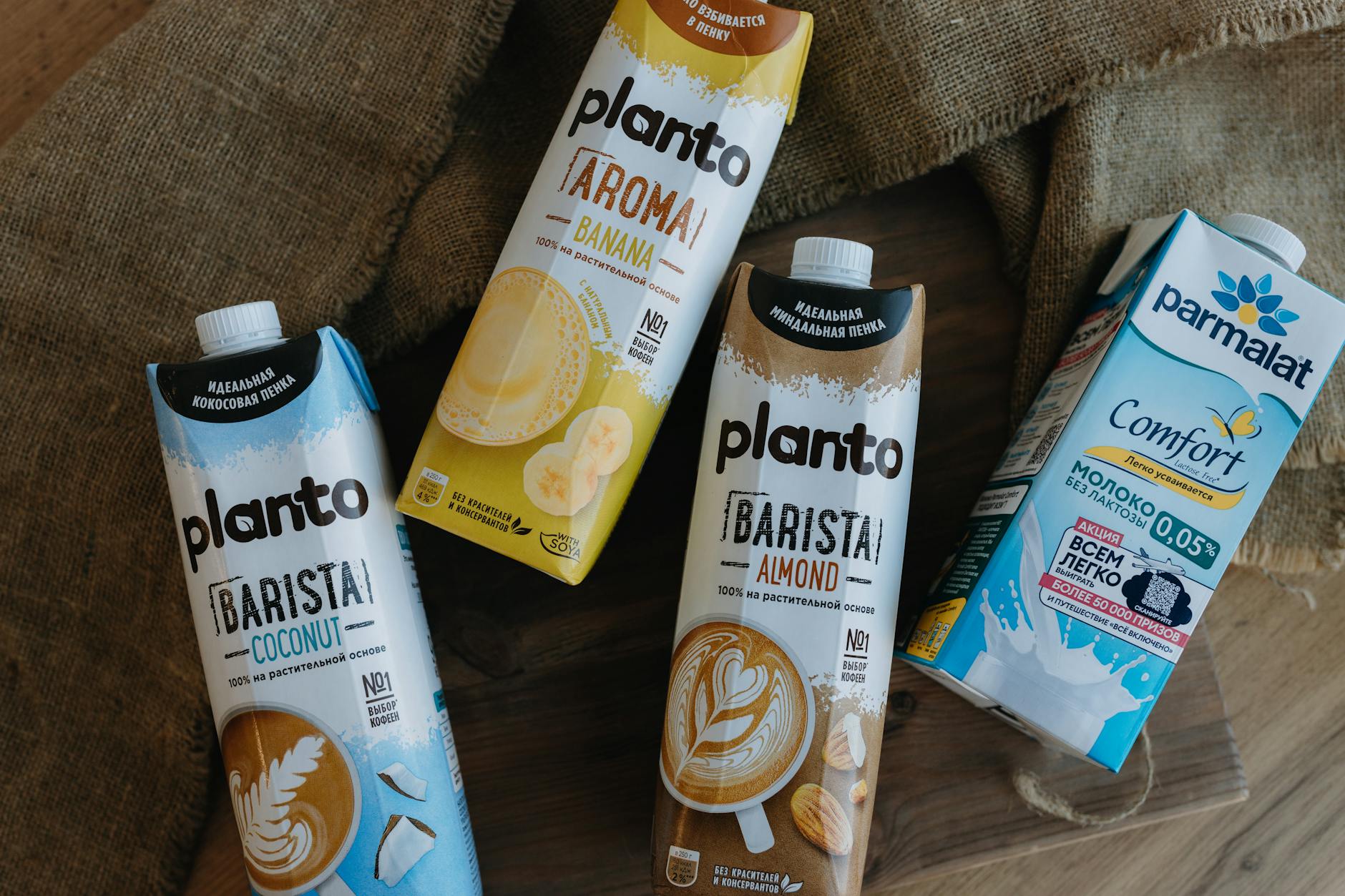
Almond and oat milks are popular dairy alternatives but the sweetened versions are laden with added cane sugar. Many brands use gums and emulsifiers to create a creamy texture that mimics cow’s milk. The protein content in almond milk is negligible unless the brand specifically fortifies the product. Unsweetened varieties are the only way to avoid the hidden sugar intake associated with these beverages.
Trail Mix
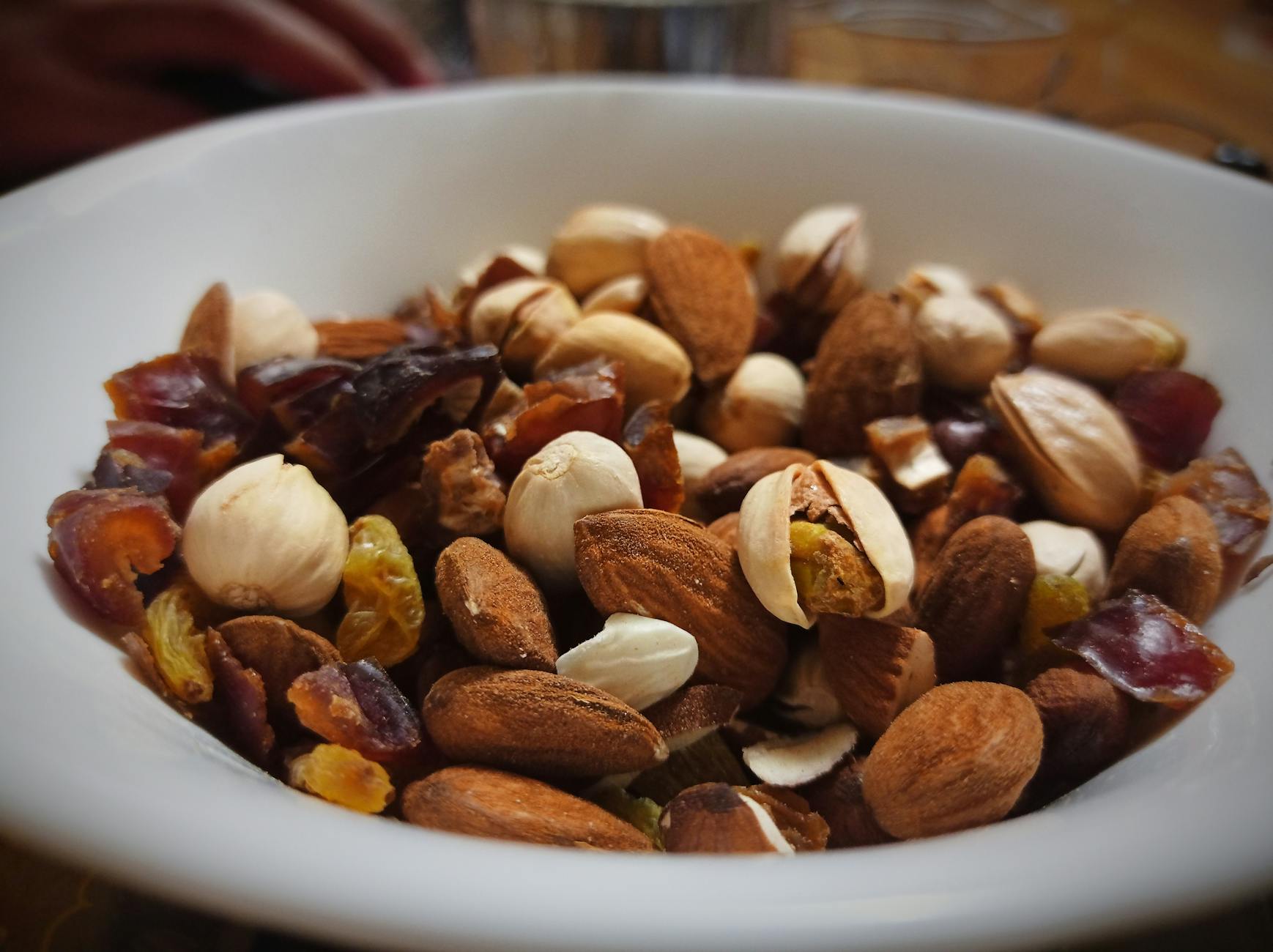
Commercial trail mix often includes chocolate pieces and yogurt-covered raisins that turn a healthy snack into candy. The dried fruit included is frequently sweetened and the nuts may be roasted in low-quality oils and heavily salted. It is very calorie-dense and easy to overeat because it is designed to be highly palatable. Making a custom mix with raw nuts and unsweetened dried fruit is a safer option.
Vegan Desserts

Vegan cakes and cookies use plant-based ingredients but still rely on sugar and refined flour as their primary components. Coconut oil and margarine are often used as fat sources and are just as calorie-dense as butter. The absence of animal products does not reduce the sugar load or the caloric impact of the treat. These items should be viewed as indulgences rather than health foods.
Couscous
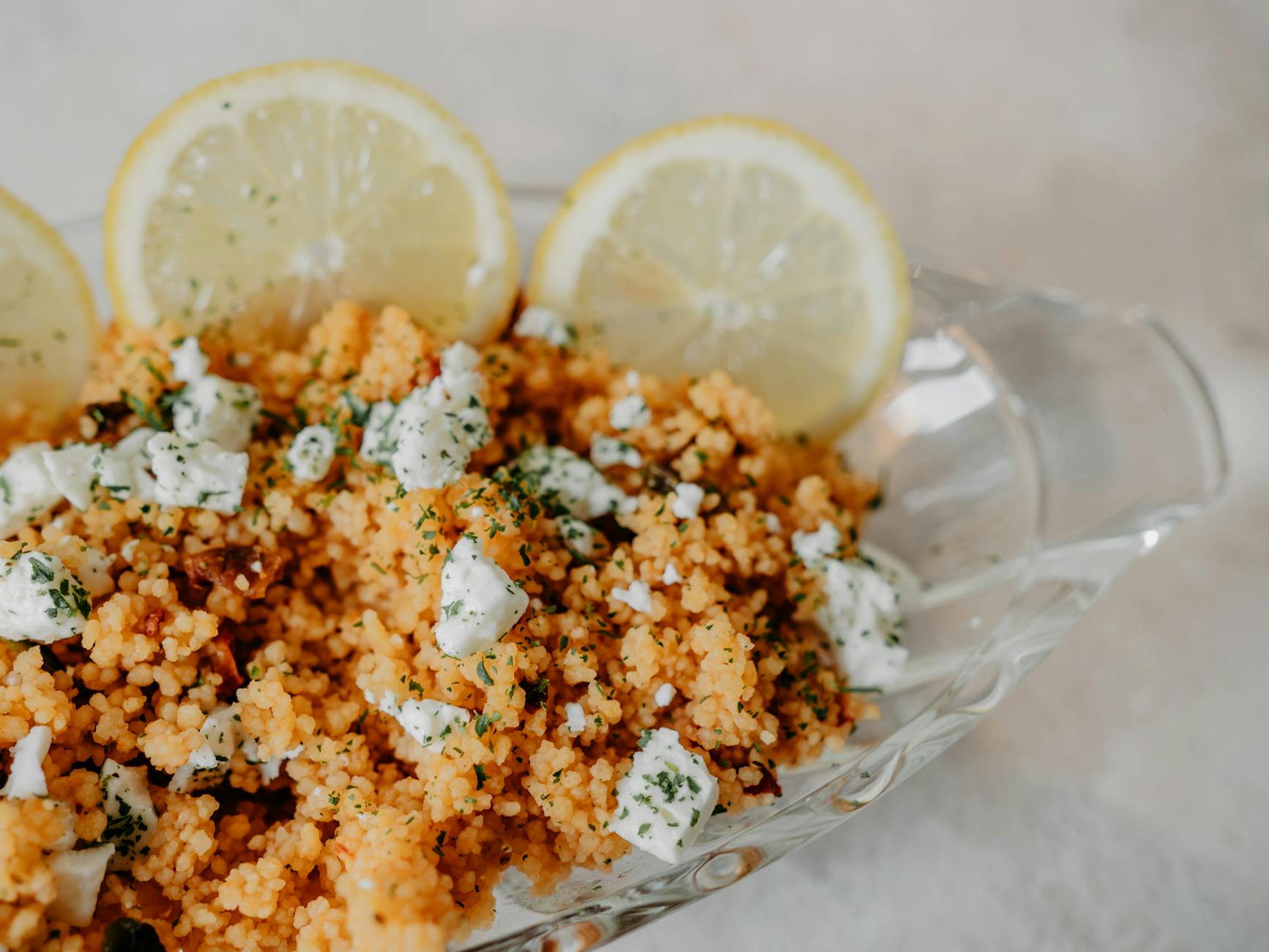
Many people mistake couscous for a whole grain like quinoa but it is actually tiny balls of semolina wheat pasta. It lacks the fiber and complete protein profile that makes quinoa or brown rice a nutritious staple. It digests quickly like white pasta and offers limited nutritional benefits beyond basic carbohydrates. Whole wheat couscous is a slightly better option but still inferior to intact grains.
Banana Chips
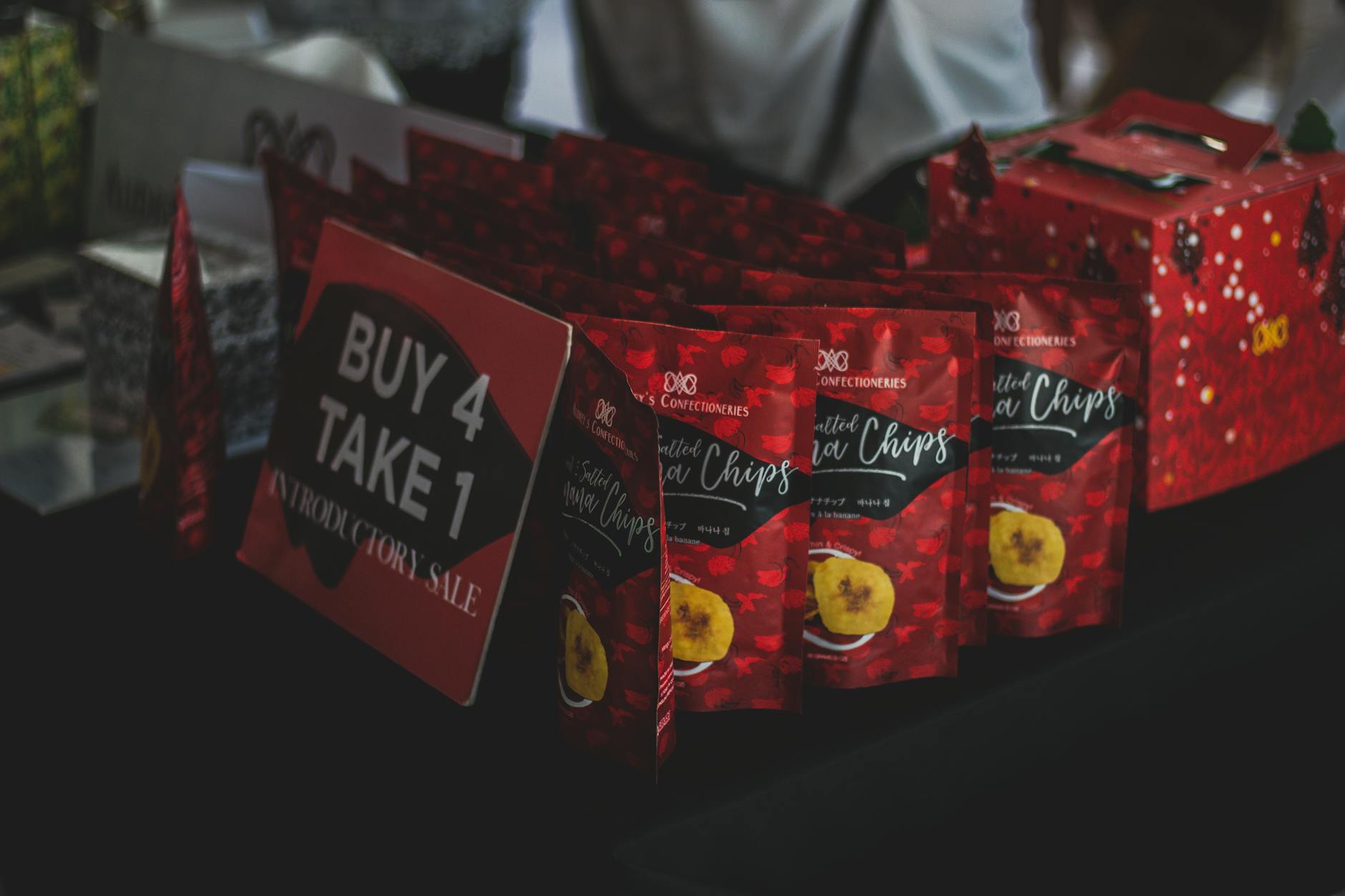
Banana chips are usually fried in coconut oil or palm oil to achieve their signature crunch. They are often dipped in honey or sugar which adds to the natural sugar already present in the banana. The result is a snack that is high in saturated fat and sugar while lacking the water content of the fresh fruit. A fresh banana is portable and comes in its own natural wrapper without the added processing.
Bagels

Bagels are extremely dense servings of refined white flour that can equal four or five slices of bread in calorie count. They cause a rapid rise in insulin levels and are rarely eaten without high-calorie toppings like cream cheese. The portion sizes have grown significantly over the years and far exceed a standard grain serving. Whole grain options exist but portion control remains a critical issue with this food.
Margarine

Margarine was once promoted as a heart-healthy alternative to butter but it is a highly processed industrial product. Older versions contained high levels of trans fats and modern versions still rely on refined vegetable oils. It lacks the natural vitamins like Vitamin K2 that are present in grass-fed butter. Real butter or olive oil are more natural choices that the body can process more efficiently.
Flavored Instant Coffee
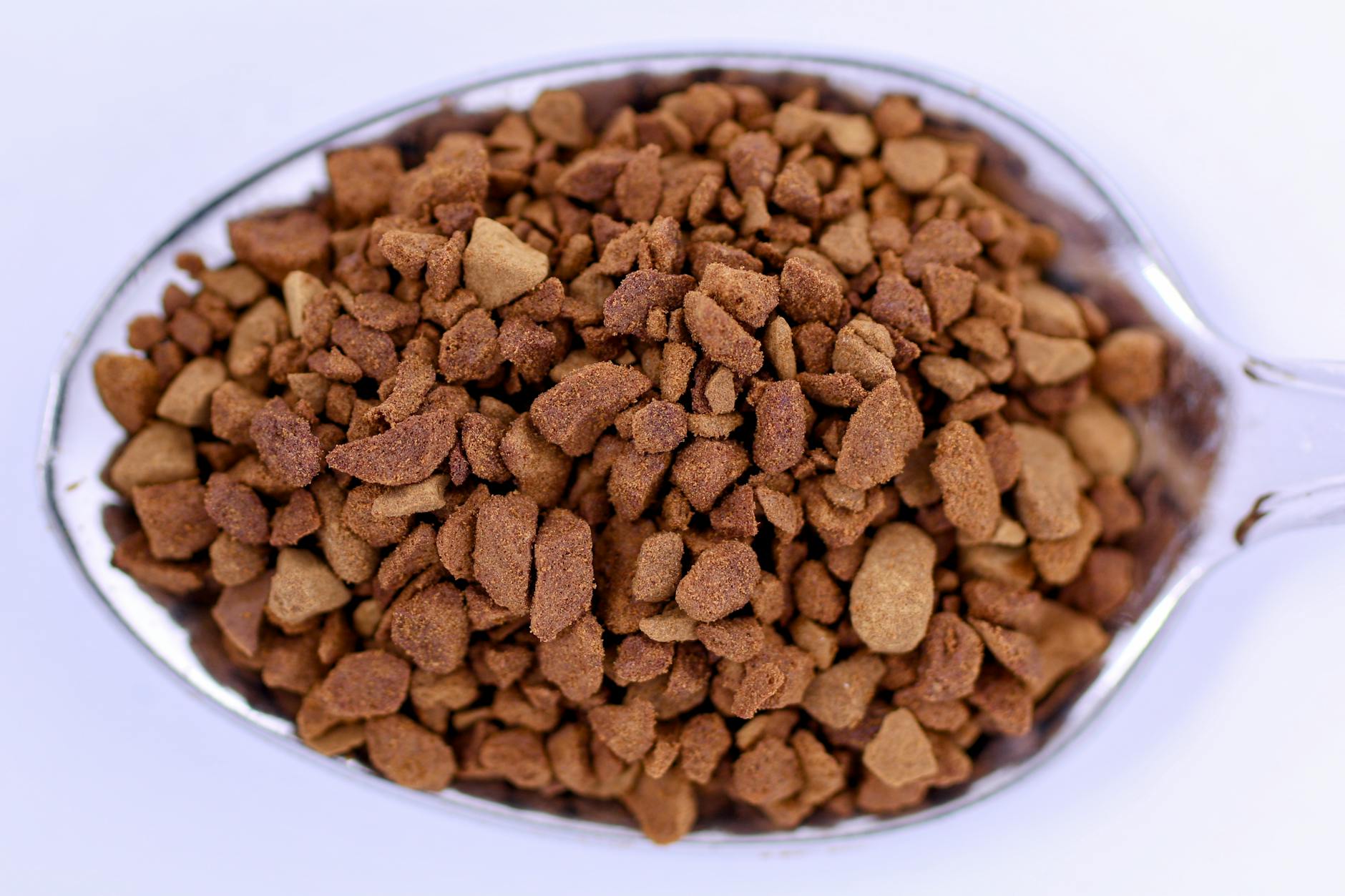
Instant coffee mixes are often comprised of sugar and non-dairy creamer with very little actual coffee content. They contain hydrogenated oils and corn syrup solids to create a creamy mouthfeel when mixed with water. The caloric impact is more similar to a dessert than a cup of black coffee. Brewing fresh coffee and adding a splash of real milk or cream is far superior.
Pretzels

Pretzels are made from refined white flour and salt and offer virtually no nutritional value or satiety. They are rapidly digested and convert to glucose quickly which leaves the eater feeling hungry again soon after. The lack of fiber and protein makes them an empty calorie snack that is easy to overconsume. They are a prime example of a fat-free food that is not a healthy food.
Croutons
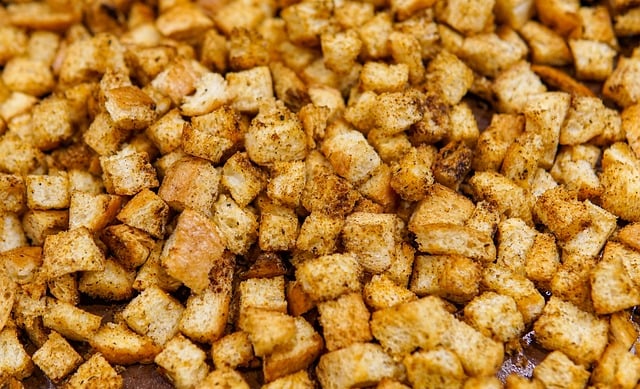
These salad toppings are essentially stale white bread cubes that have been fried in oil and covered in salt. They add processed carbohydrates and unhealthy fats to a dish that is supposed to be nutritious. Commercial varieties often contain preservatives and artificial flavor enhancers to maintain crunch and taste. Toasted nuts or seeds add texture to a salad without the refined flour and inflammatory oils.
Fat-Free Cheese
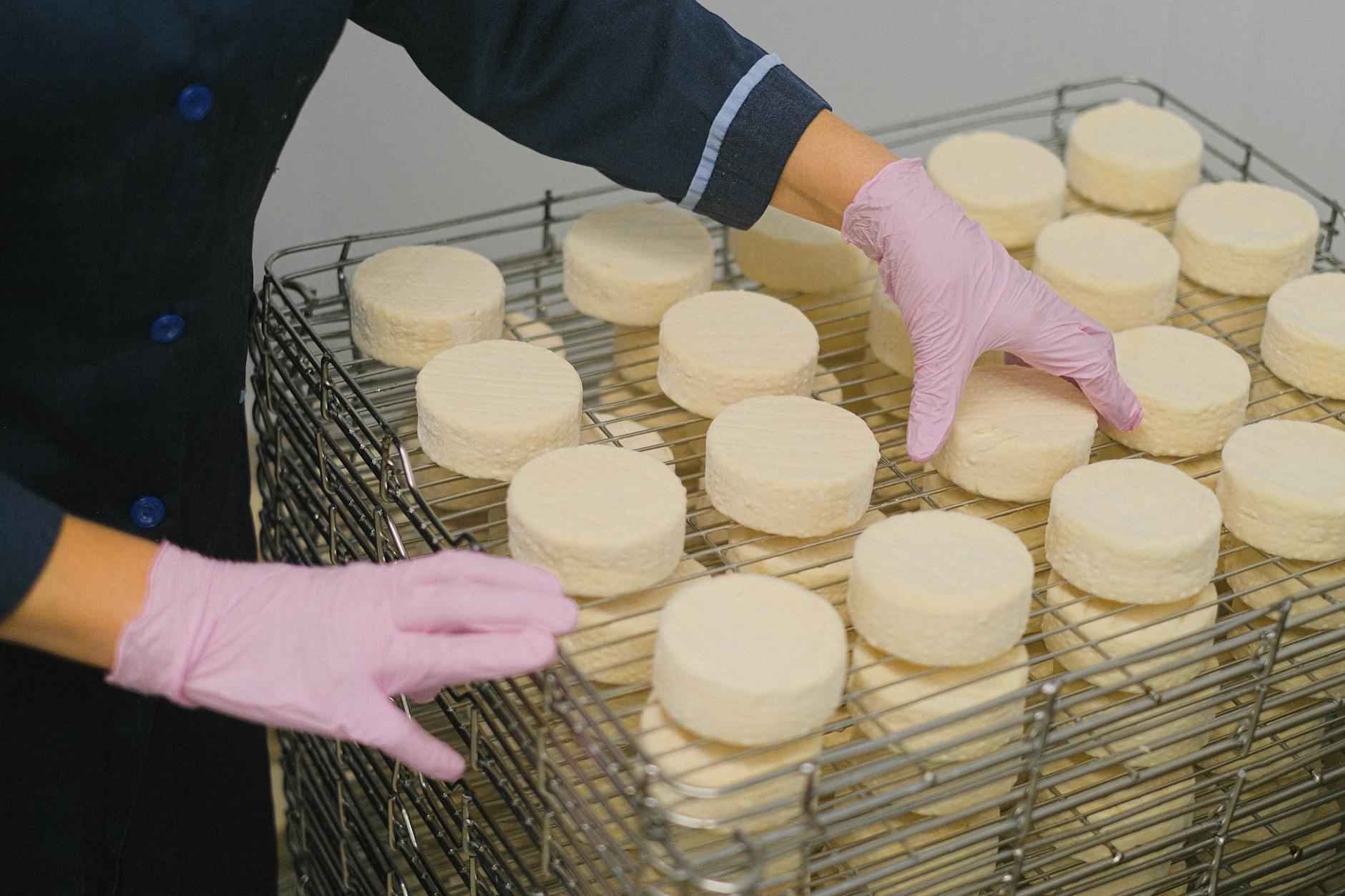
Fat-free cheese has a rubbery texture because the natural fat has been removed and replaced with fillers and gums. It often contains artificial colors and flavorings to mimic the taste of real cheese. The body requires dietary fat to absorb the fat-soluble vitamins found in dairy products. Eating moderate amounts of real cheese is more satisfying and provides better nutritional absorption.
Corn Flakes
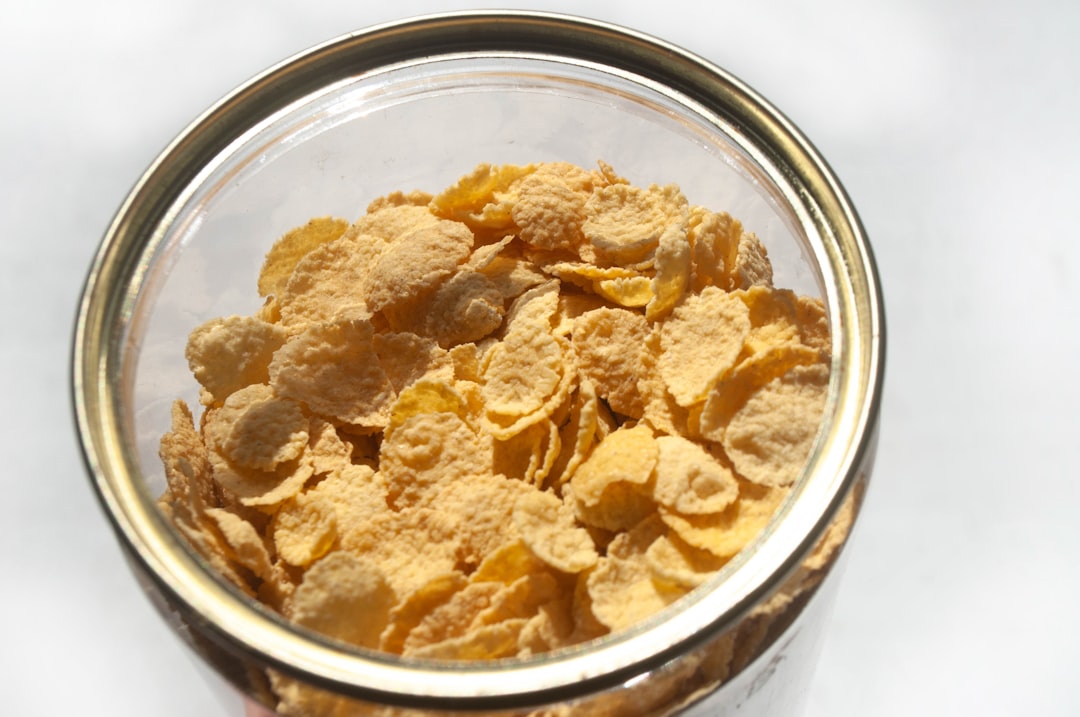
Corn flakes are a highly processed cereal grain that has been stripped of its germ and bran layers. They have a very high glycemic index which causes rapid spikes in blood sugar levels after consumption. Manufacturers often add sodium and sugar to the flakes to improve the otherwise bland taste. They provide a poor start to the day compared to protein-rich or fiber-rich breakfast options.
Wraps

Many people choose wraps over bread thinking they are saving calories but the tortillas are often larger and denser. A large flour tortilla can contain more calories and sodium than two slices of standard bread. Wraps often contain hydrogenated oils to maintain flexibility and prevent cracking on the shelf. Using lettuce leaves or collard greens as a wrap is a truly low-calorie alternative.
Tell us which of these foods surprised you the most by leaving a comment.