Maintaining a healthy cardiovascular system often begins with the choices made in the kitchen and the ingredients used in daily meals. A diet rich in nutrient-dense foods can significantly lower blood pressure and reduce cholesterol levels naturally. Incorporating a variety of fruits and vegetables alongside healthy fats and whole grains provides the vitamins and minerals necessary for optimal heart function. The following list highlights essential foods that support heart health and offer versatile culinary possibilities for any lifestyle.
Salmon
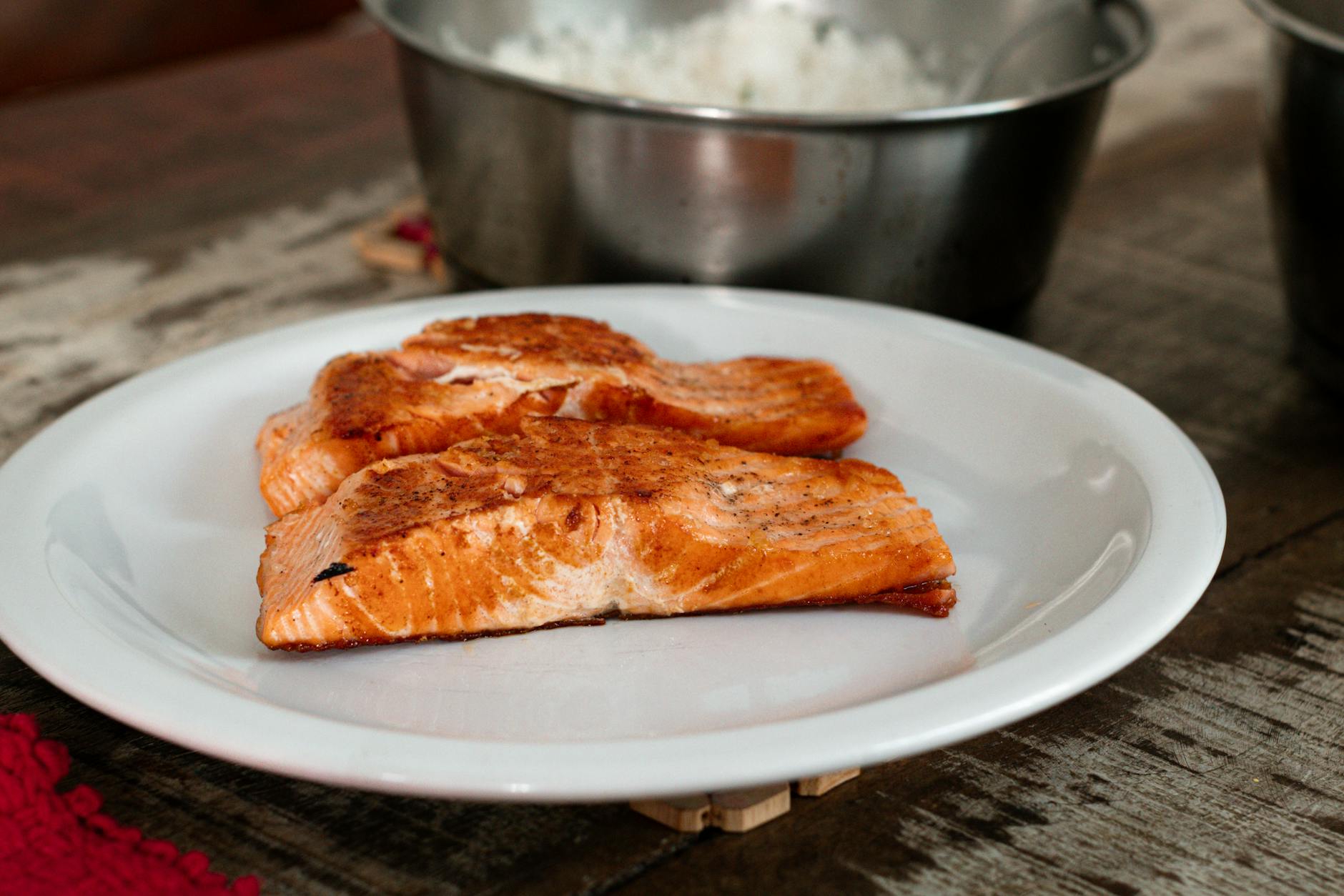
This fatty fish is widely recognized for its high levels of omega-3 fatty acids that contribute to cardiovascular wellness. These essential fats help reduce inflammation throughout the body and lower blood pressure effectively. Regular consumption of salmon can decrease the risk of irregular heartbeats known as arrhythmias. It also helps reduce triglycerides which are a type of fat found in the blood. Incorporating this fish into your diet twice a week provides significant protective benefits for the heart.
Oats
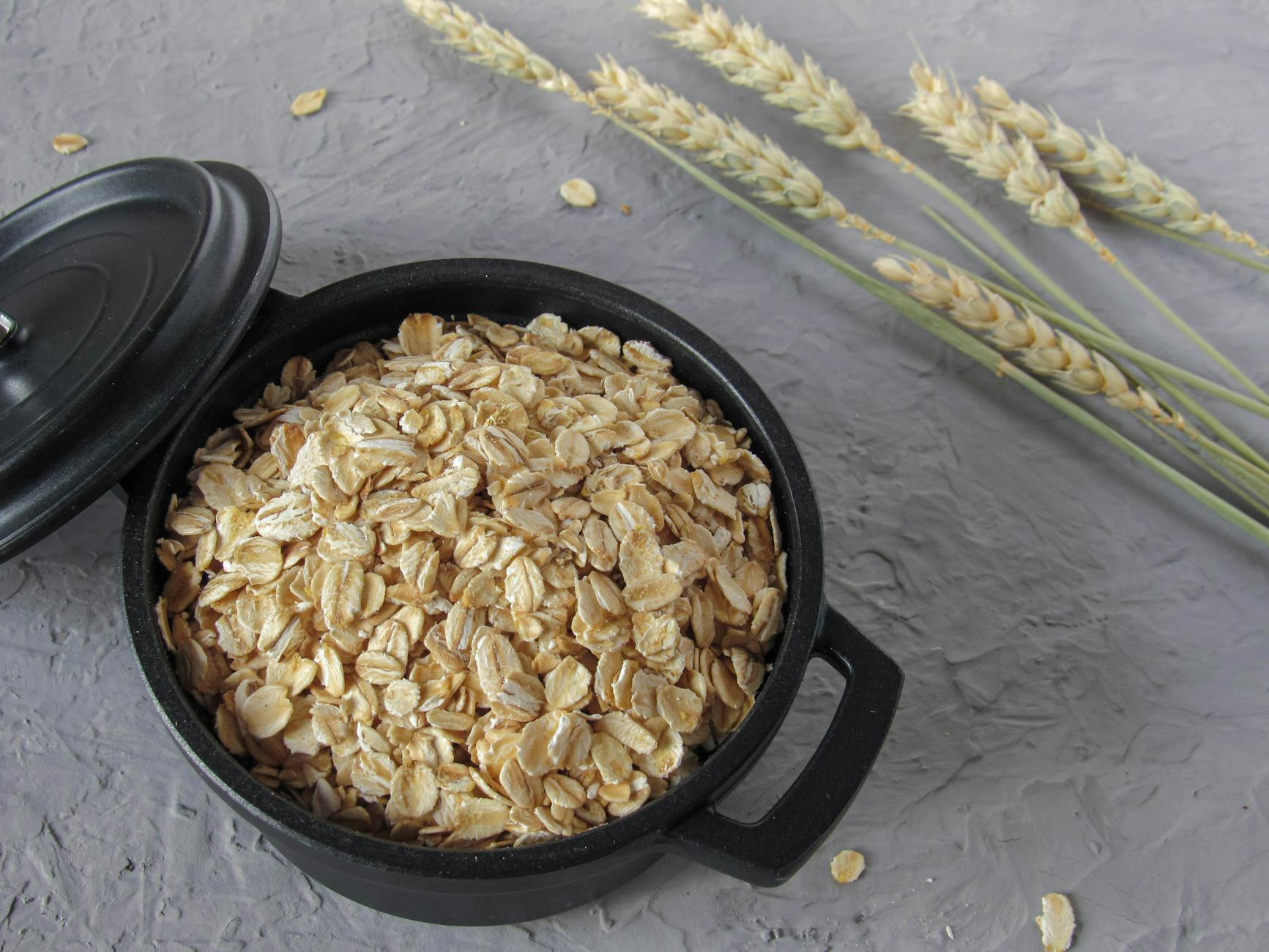
Oats serve as a powerful source of soluble fiber which is instrumental in lowering cholesterol levels. This fiber acts like a sponge in the digestive tract and soaks up cholesterol to remove it from the body. Starting the day with a bowl of oatmeal keeps blood sugar levels stable over several hours. The presence of antioxidants in oats also protects blood vessels from the damaging effects of LDL cholesterol. This whole grain is a staple for anyone looking to improve their heart health through diet.
Blueberries

These small berries are packed with antioxidants called anthocyanins that protect against oxidative stress and inflammation. Studies suggest that eating blueberries regularly can improve the function of blood vessels and help control blood pressure. They add natural sweetness to meals without the spike in blood sugar associated with processed sweets. The fiber content in blueberries further supports cholesterol management and overall digestive health. Adding them to cereals or yogurt is an easy way to boost daily nutrient intake.
Dark Chocolate
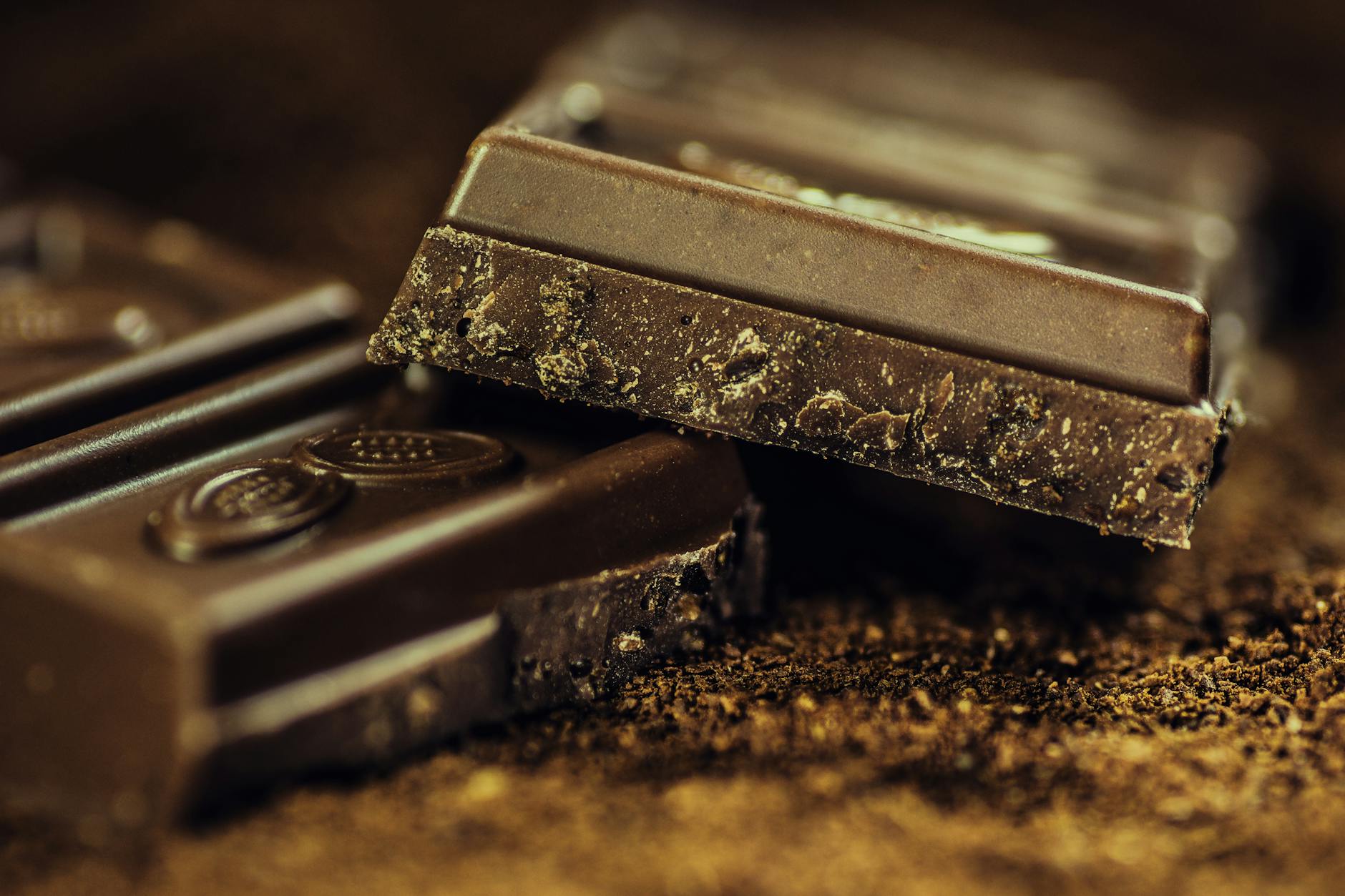
Dark chocolate contains flavonoids known as polyphenols that help lower blood pressure and improve blood flow to the heart. Selecting chocolate with a high cocoa content ensures the maximum benefit from these protective compounds. Moderate consumption can reduce inflammation and the risk of clotting by keeping platelets less sticky. It is important to choose varieties with minimal added sugar to avoid negating the cardiovascular advantages. A small square of dark chocolate can be a heart-healthy treat when enjoyed in moderation.
Citrus Fruits

Oranges and grapefruits offer high amounts of flavonoids that are linked to a reduced risk of ischemic stroke. These fruits are rich in vitamin C which has been associated with a lower risk of heart disease. The potassium found in citrus helps counteract the effects of sodium and aids in blood pressure regulation. Fiber in the whole fruit works to lower cholesterol levels better than drinking juice alone. Including various citrus fruits in your diet supports immune function and heart health simultaneously.
Tomatoes
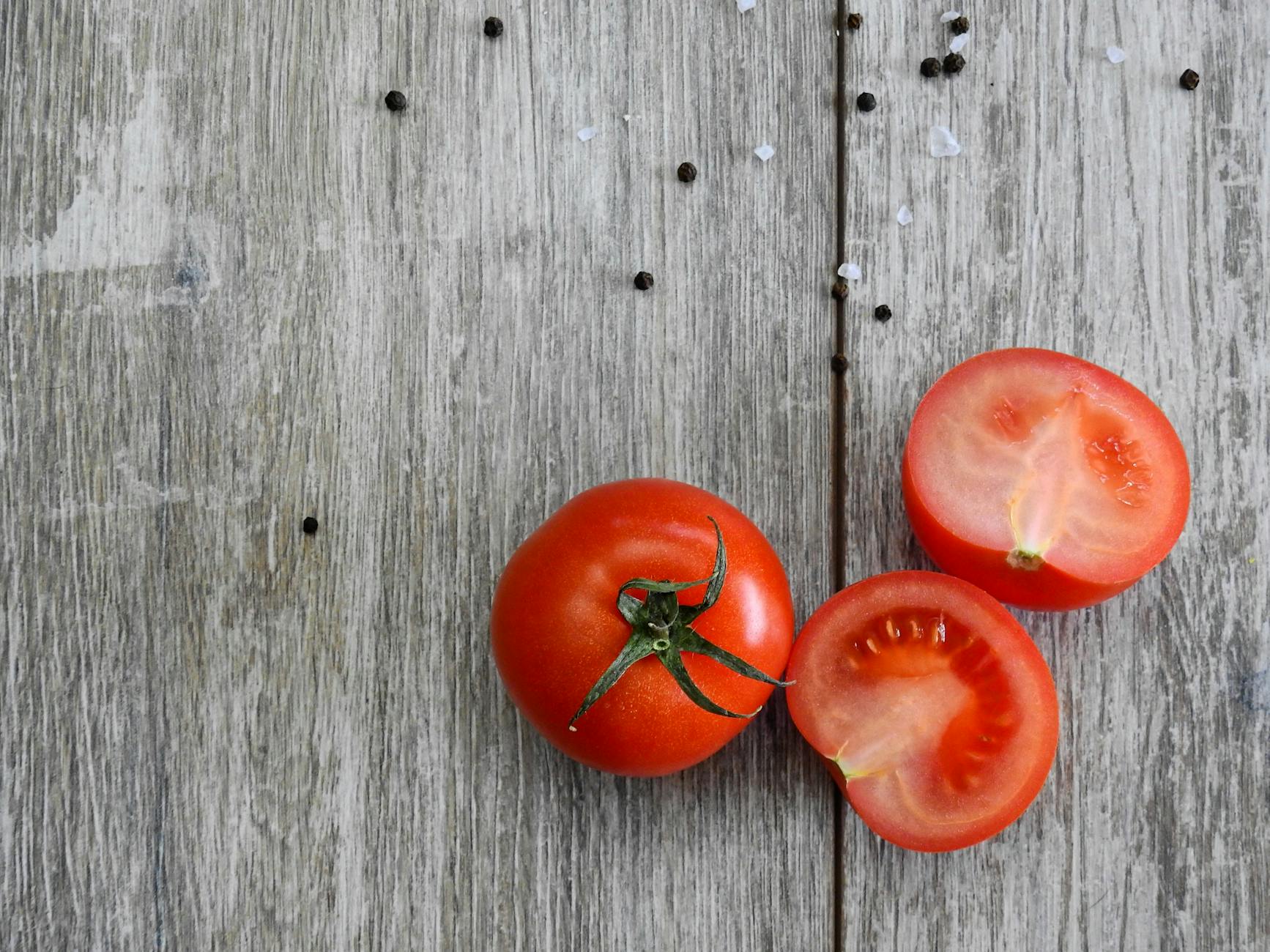
Tomatoes are an excellent source of lycopene which is a natural plant pigment with powerful antioxidant properties. Lycopene has been linked to lower levels of bad cholesterol and a reduced risk of heart disease. Cooking tomatoes increases the availability of lycopene and makes it easier for the body to absorb. They are also rich in potassium and nutrients that support proper heart function and blood pressure control. Adding tomatoes to sauces or salads is a simple way to enhance dietary heart protection.
Walnuts
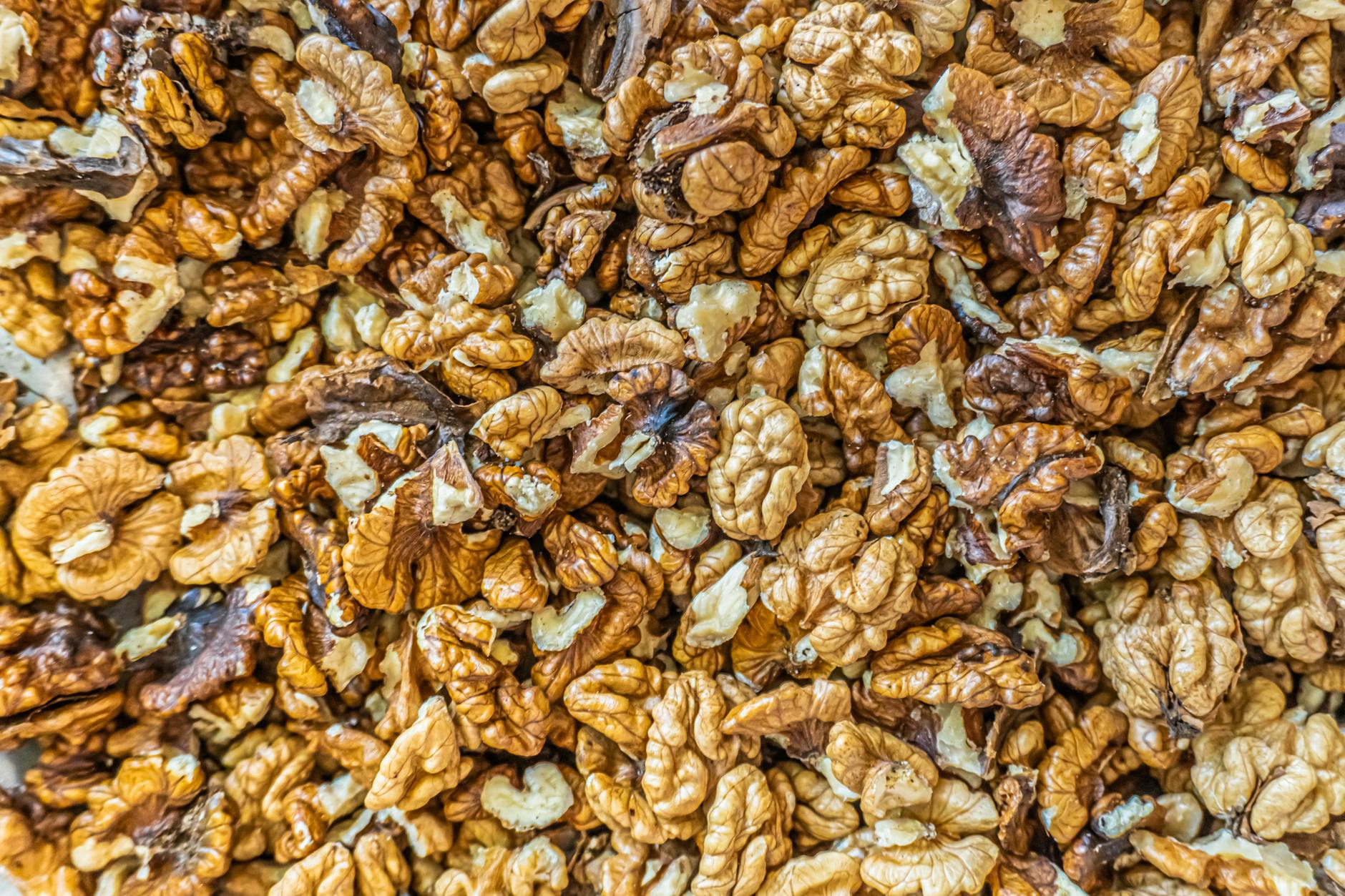
Walnuts distinguish themselves from other nuts with their high content of plant-based omega-3 fatty acids. Eating a small handful of walnuts each day can lower cholesterol and protect against inflammation in the heart’s arteries. They contain fiber and micronutrients like copper and manganese that support overall cardiovascular health. The healthy fats in walnuts help maintain the flexibility of blood vessels and promote good circulation. These nuts make a convenient snack or a crunchy addition to salads and baked goods.
Spinach
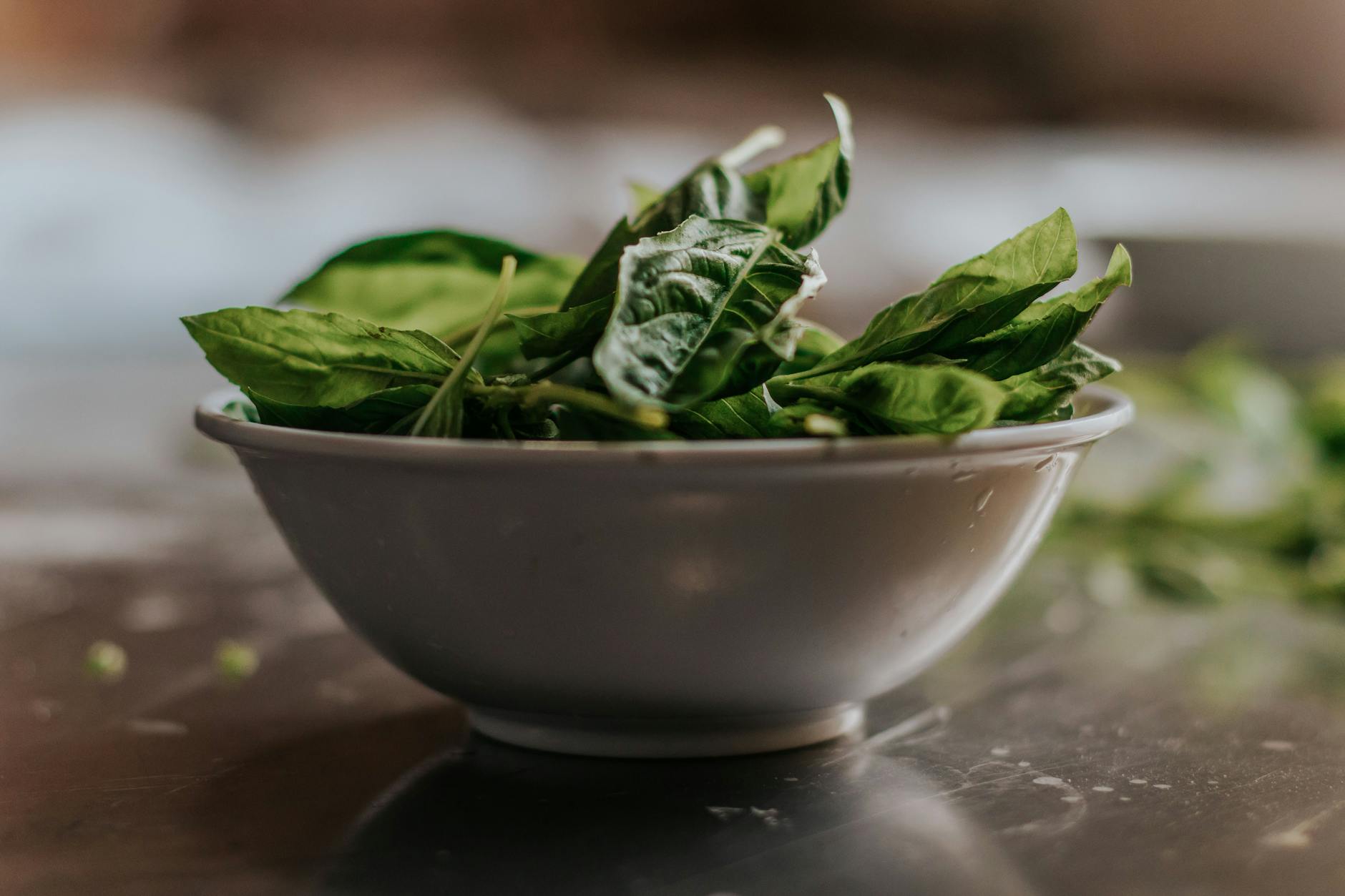
This leafy green is loaded with vitamins and minerals that promote a healthy heart and efficient blood circulation. Spinach provides a rich supply of nitrates which have been shown to improve blood pressure and arterial stiffness. The high potassium content helps neutralize the negative effects of sodium in the body. It is also packed with fiber and antioxidants that work together to prevent the oxidation of cholesterol. Incorporating spinach into smoothies or omelets is an effective way to boost nutrient intake.
Avocado
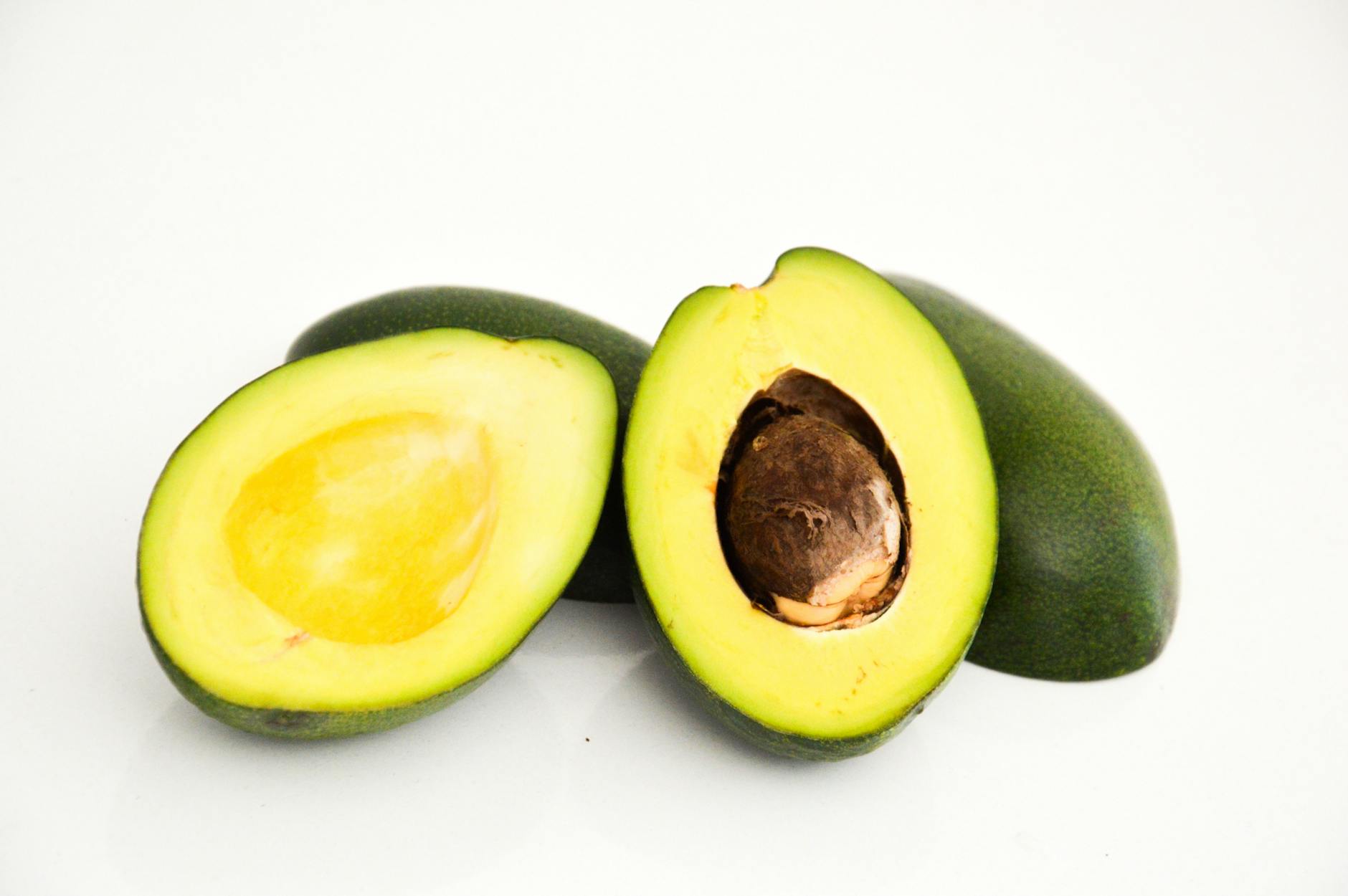
Avocados are a premier source of monounsaturated fats that are linked to reduced levels of LDL cholesterol. They are also rich in potassium which is a vital nutrient for heart health and blood pressure regulation. The creamy texture makes them a perfect substitute for butter or mayonnaise to reduce saturated fat intake. High fiber content in avocados aids in maintaining healthy blood sugar levels and digestive health. Eating avocados regularly can improve lipid profiles and offer protection against heart disease.
Olive Oil
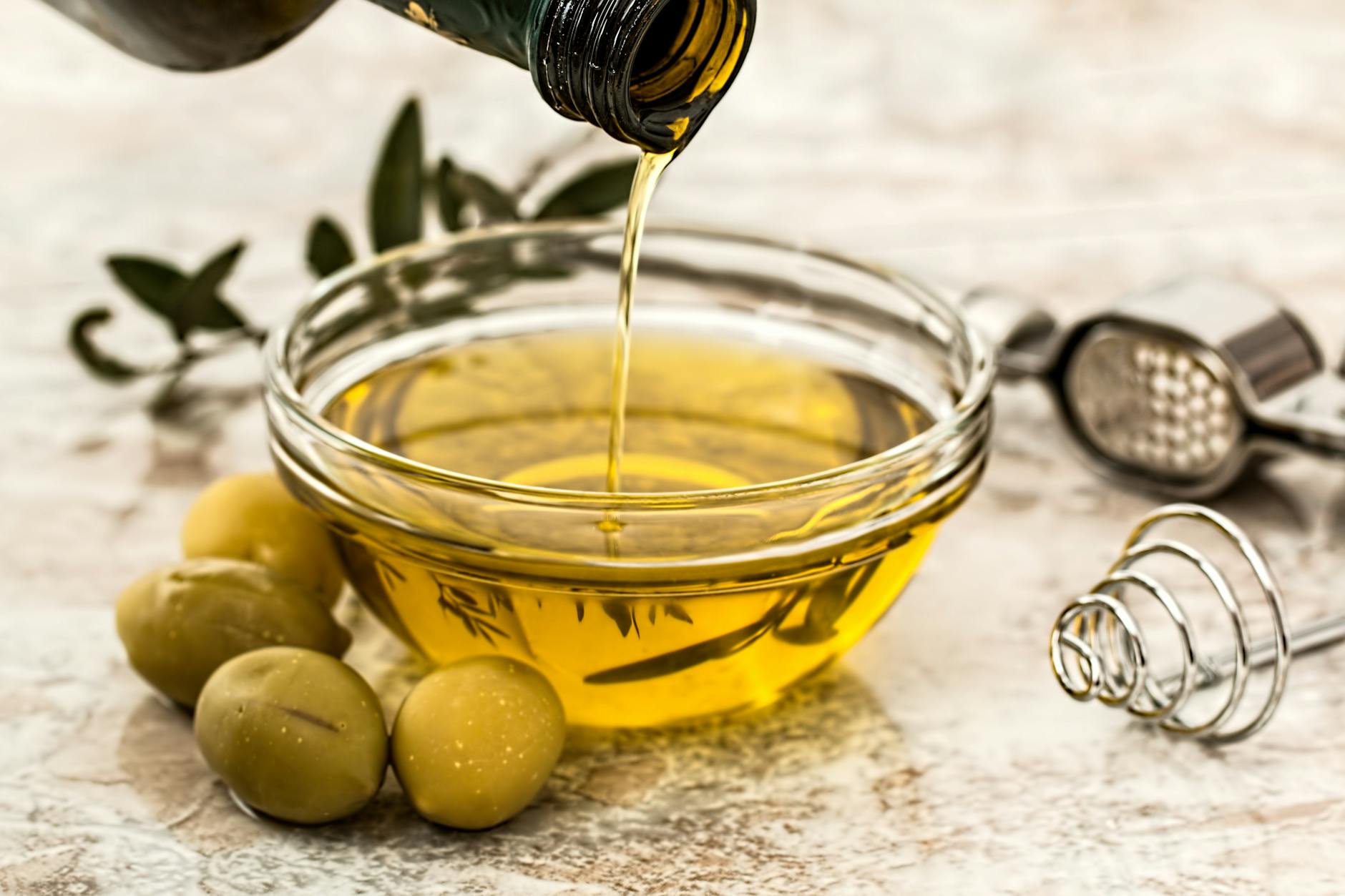
Extra virgin olive oil is a staple of the heart-healthy Mediterranean diet due to its high monounsaturated fat content. It contains antioxidants that protect red blood cells from damage and reduce inflammation in blood vessels. Replacing saturated fats like butter with olive oil can significantly lower bad cholesterol levels. The polyphenols in olive oil also help lower blood pressure and prevent unwanted blood clotting. Drizzling it over vegetables or using it in dressings maximizes its cardiovascular benefits.
Almonds
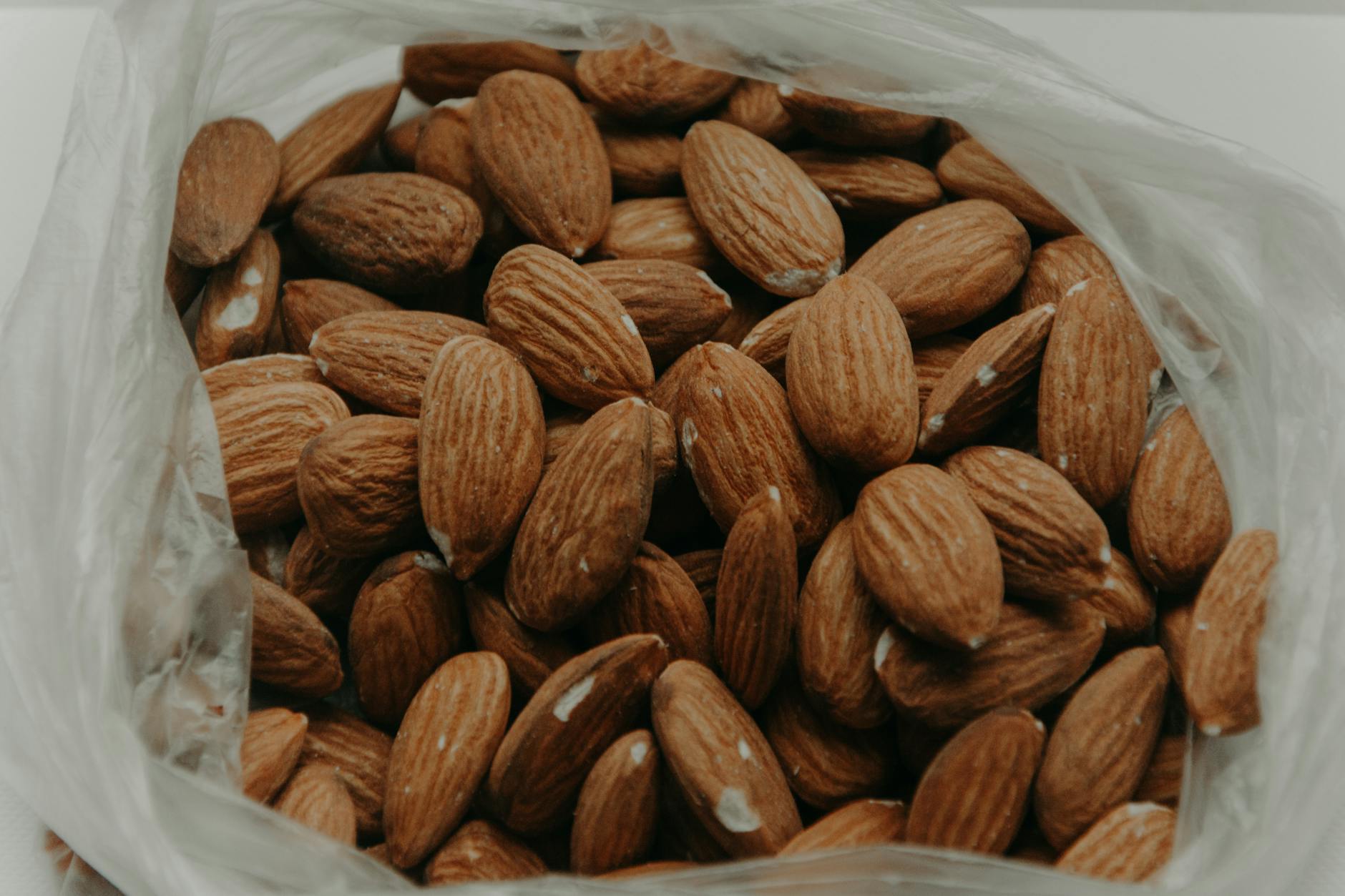
Almonds are nutrient-dense nuts that provide a strong dose of monounsaturated fats and fiber to support heart health. They are particularly high in vitamin E which functions as an antioxidant to stop plaque buildup in arteries. Regular consumption of almonds has been shown to reduce belly fat and improve cholesterol levels. The magnesium found in almonds aids in blood pressure control and proper muscle function. A handful of almonds serves as a filling snack that benefits the entire cardiovascular system.
Chia Seeds
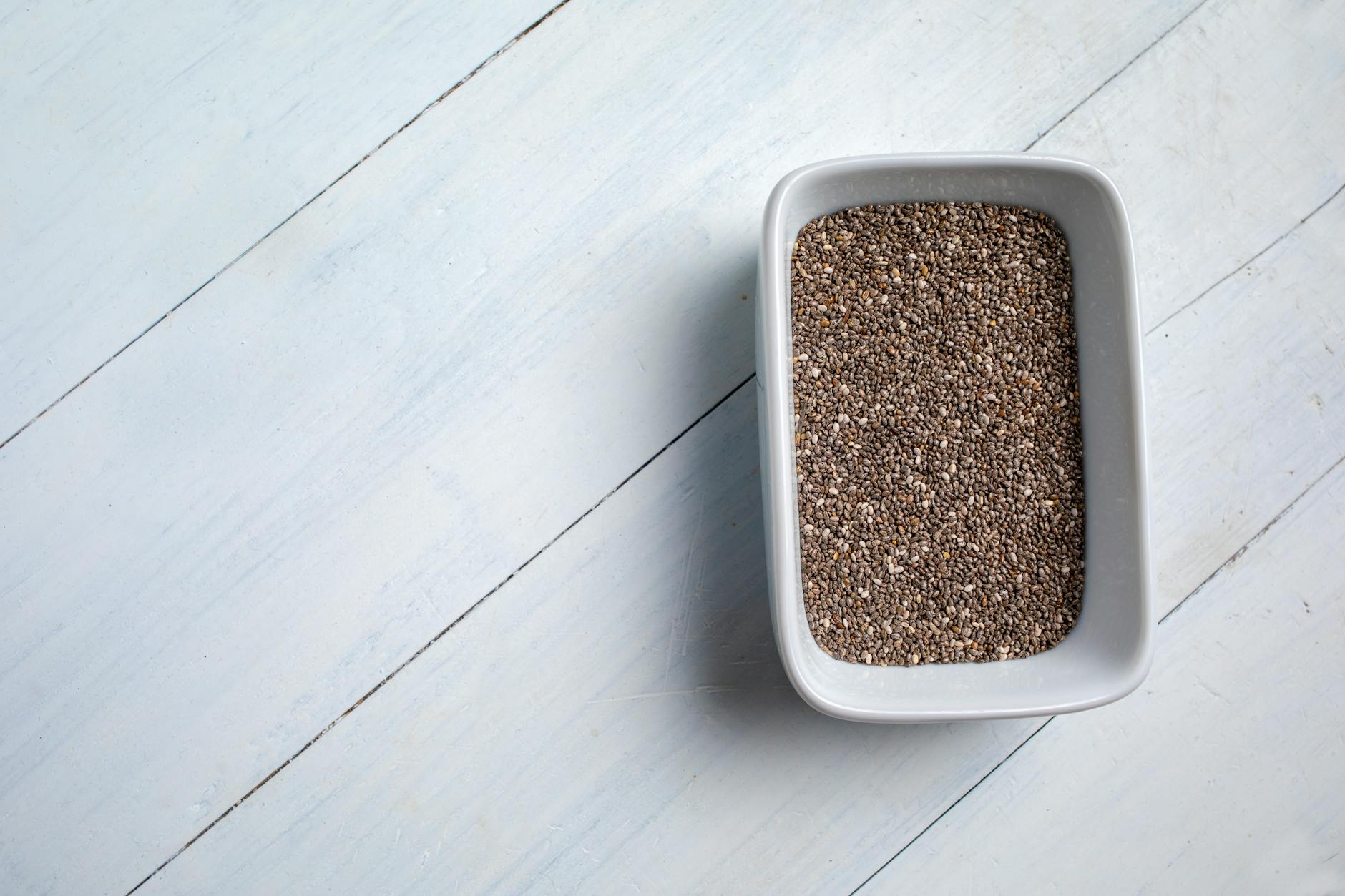
These tiny seeds are a powerhouse of omega-3 fatty acids and soluble fiber which help lower cholesterol and blood pressure. Chia seeds absorb liquid and form a gel that can slow digestion and prevent blood sugar spikes. They contain an impressive amount of antioxidants known as quercetin that can reduce the risk of developing heart conditions. Sprinkling them on yogurt or oatmeal adds a nutritional boost without altering the flavor profile. Their ability to reduce inflammation makes them a valuable addition to a heart-conscious diet.
Garlic
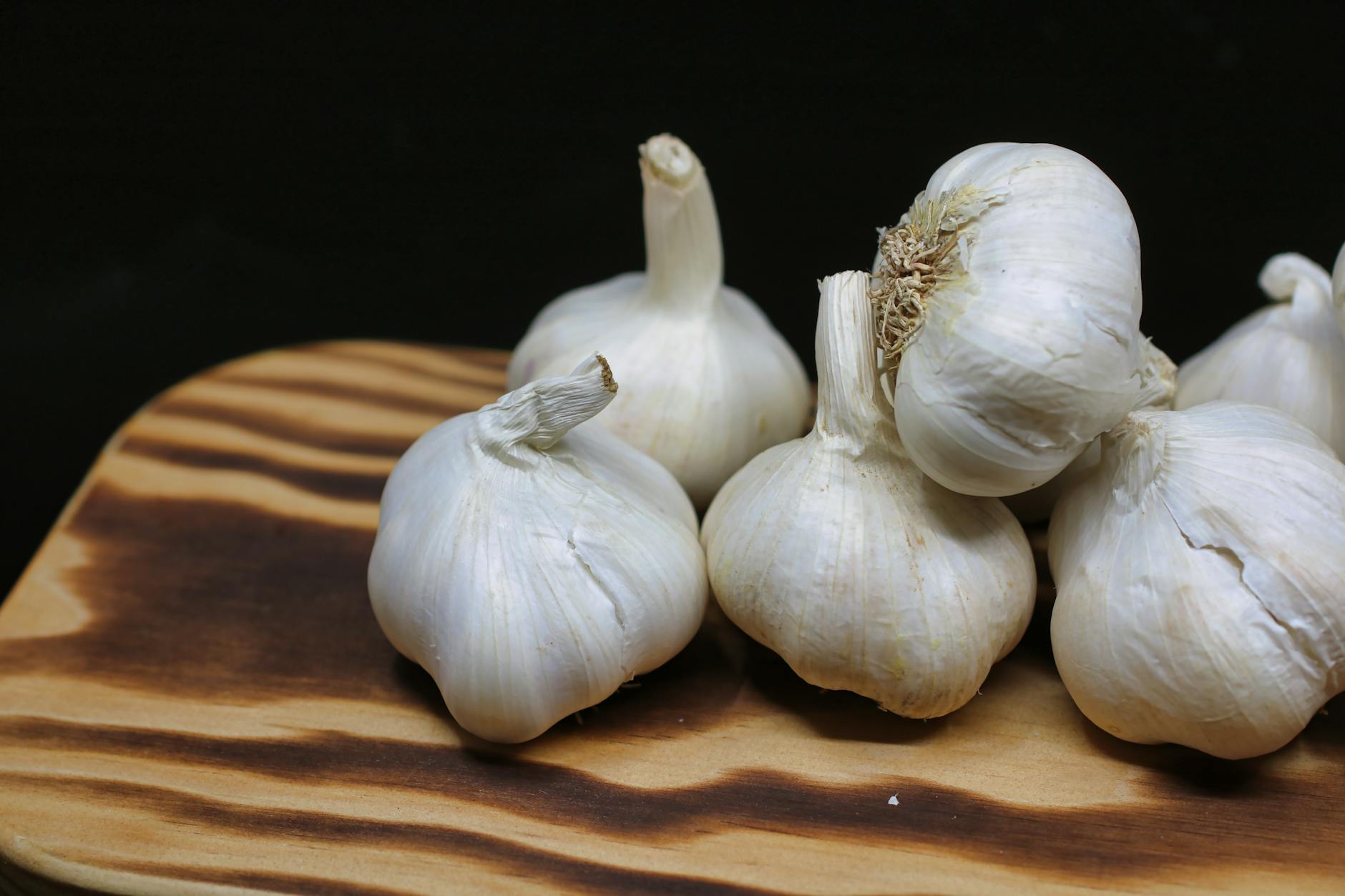
Garlic has been used for centuries to treat various ailments and is highly regarded for its heart-protective properties. Compounds in garlic like allicin can help reduce blood pressure and prevent platelet aggregation. Regular intake of garlic may lower total cholesterol and reduce the buildup of plaque in the arteries. It adds robust flavor to dishes which can help reduce the need for excess salt in cooking. Crushing garlic before cooking activates its beneficial enzymes for maximum health impact.
Green Tea

Green tea is rich in catechins which are antioxidants that prevent cell damage and reduce inflammation. Drinking green tea regularly has been associated with lower levels of both total and LDL cholesterol. It also improves the function of the lining of the blood vessels and helps regulate blood pressure. The beverage promotes better blood flow and may reduce the risk of clot formation. Enjoying a cup of green tea daily is a soothing habit that supports long-term heart health.
Broccoli
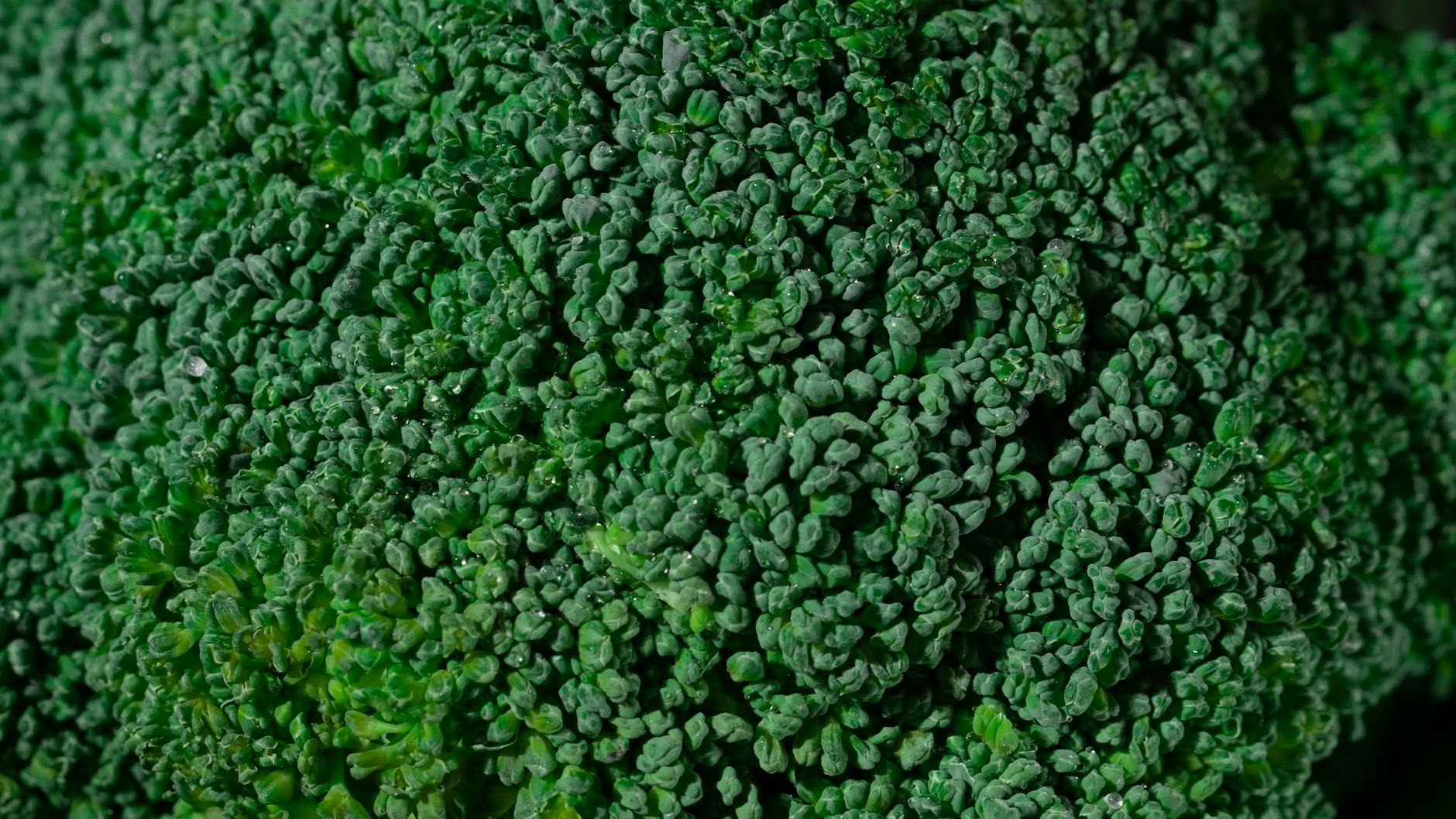
Broccoli is a cruciferous vegetable packed with fiber and antioxidants that support detoxification and heart health. It contains sulforaphane which is a compound that may help prevent damage to blood vessel linings. The high vitamin K content in broccoli is essential for bone health and preventing the calcification of arteries. Steaming broccoli preserves the most nutrients and maximizes its cholesterol-lowering potential. Adding this vegetable to your weekly rotation ensures a steady supply of heart-protective nutrients.
Brussels Sprouts
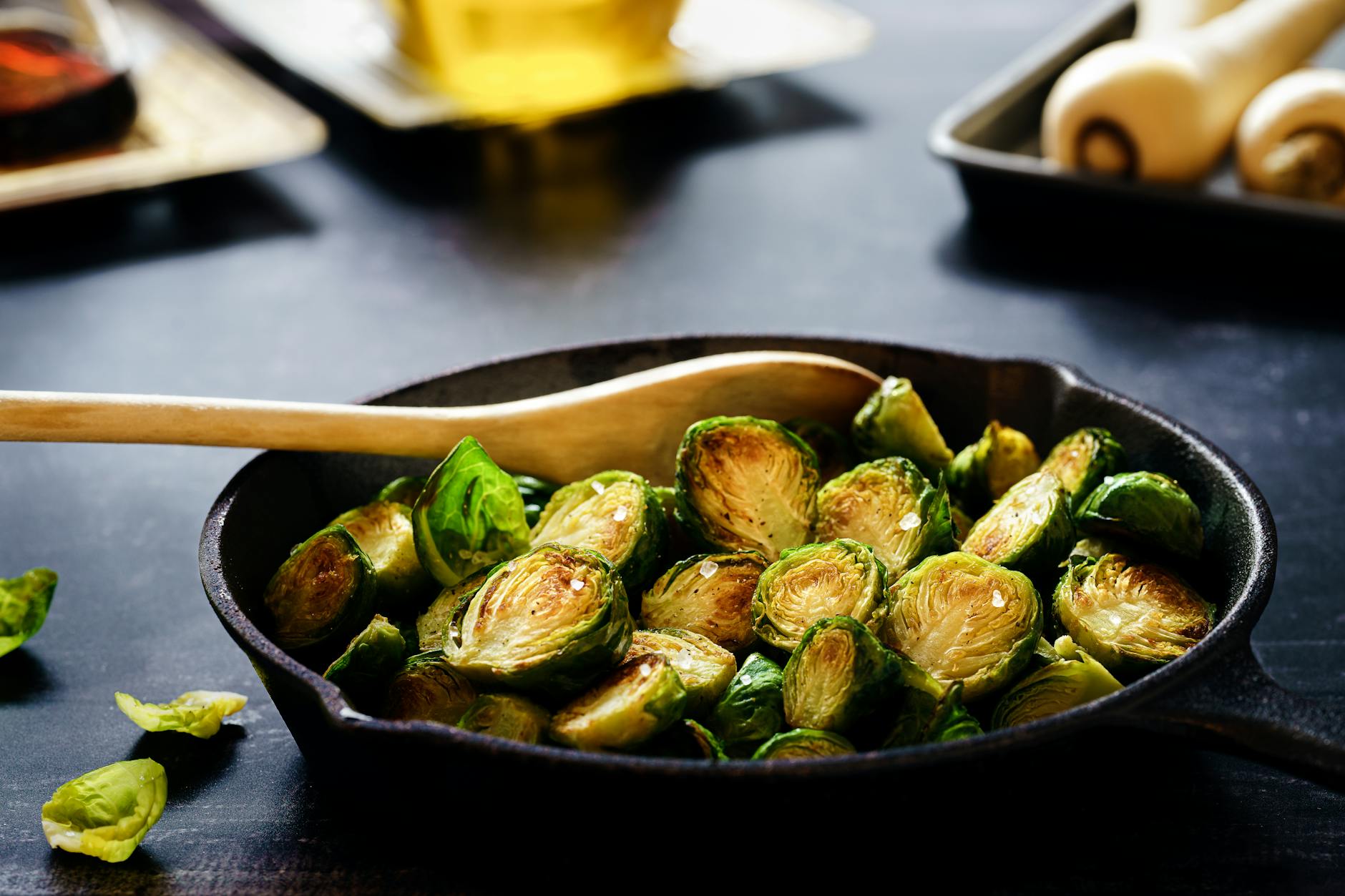
These miniature cabbages are rich in fiber and help lower cholesterol by binding to bile acids in the digestive system. Brussels sprouts contain kaempferol which is an antioxidant that reduces oxidative stress and inflammation. They provide a significant amount of vitamin C and omega-3 fatty acids to support overall cardiovascular function. Roasting them brings out their natural sweetness and makes them a delicious side dish. Regular consumption supports healthy blood vessels and reduces the risk of heart disease.
Kale
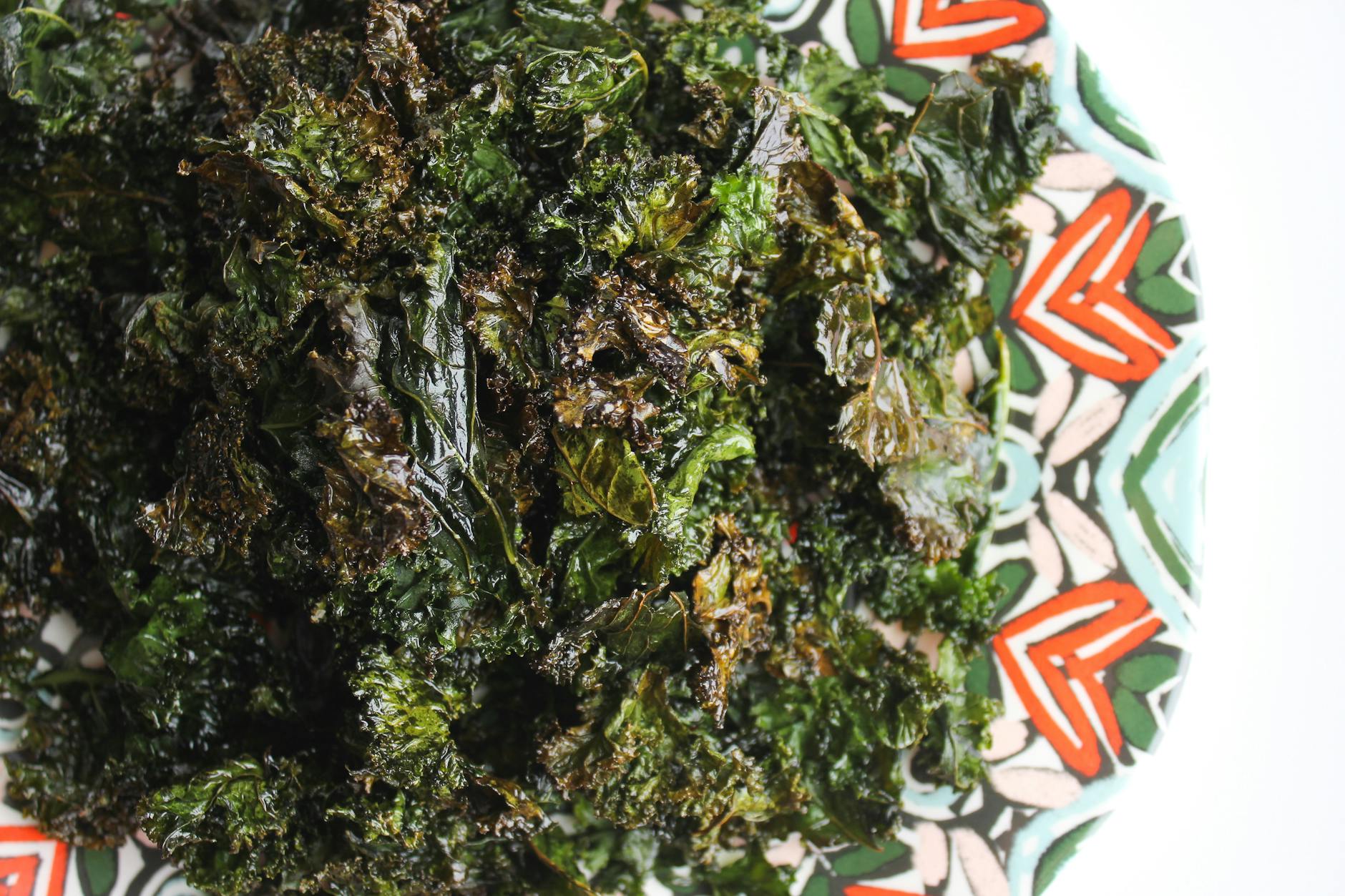
Kale is a nutrient powerhouse that offers high levels of vitamins A and C as well as heart-healthy potassium. The antioxidants in kale work to prevent damage to artery walls and reduce cholesterol oxidation. It contains bile acid sequestrants which can lower cholesterol levels and reduce the risk of heart disease. This leafy green is versatile enough to be eaten raw in salads or baked into crispy chips. Including kale in your diet provides essential minerals that help regulate blood pressure.
Lentils
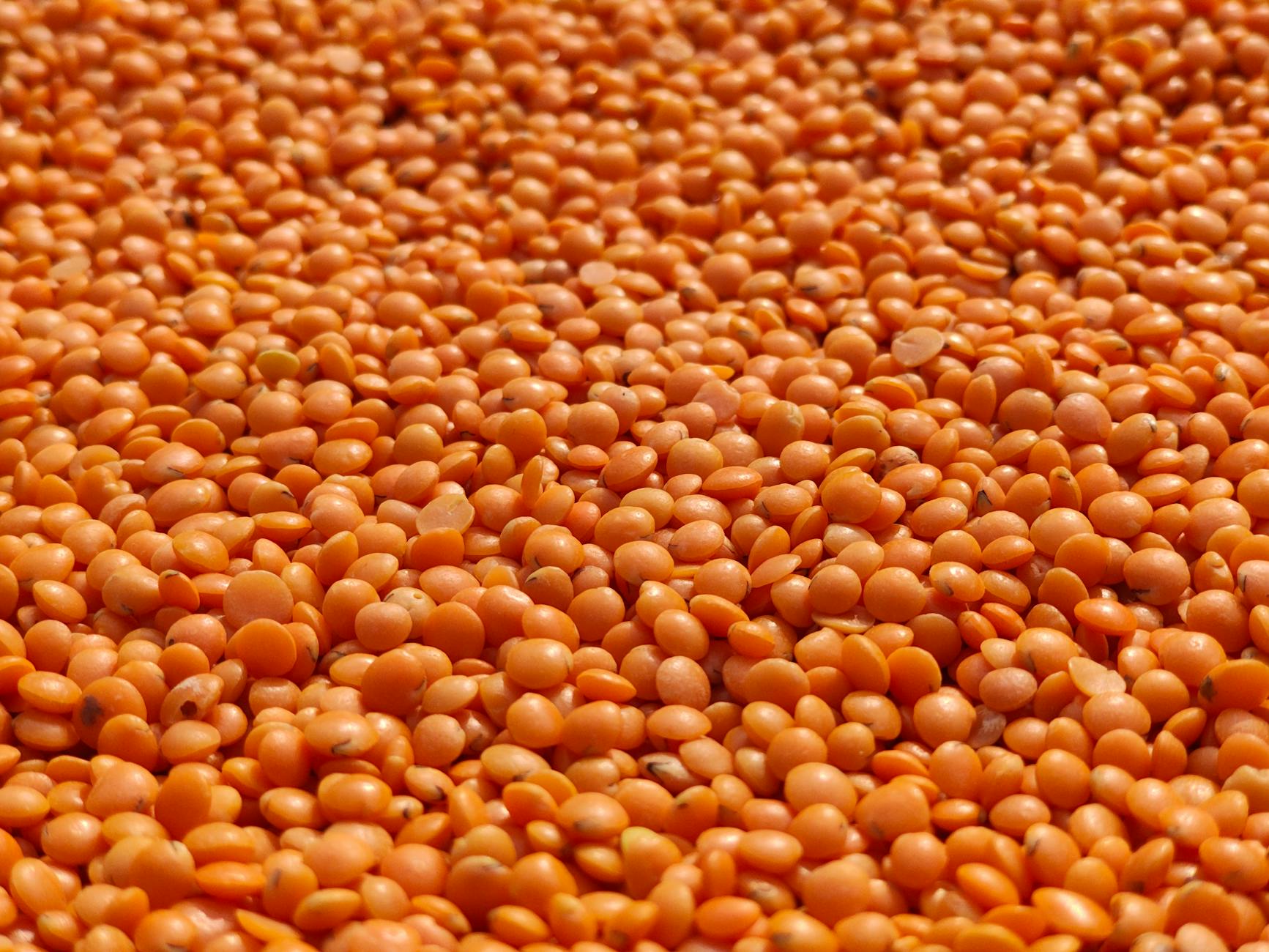
Lentils are an excellent source of plant-based protein and fiber that help lower LDL cholesterol and blood pressure. The folate found in lentils helps lower homocysteine levels which is a risk factor for artery damage. They are rich in potassium and magnesium which are two minerals crucial for maintaining a steady heartbeat. Lentils have a low glycemic index and help stabilize blood sugar levels after meals. Adding lentils to soups or stews creates a hearty meal that supports cardiovascular wellness.
Black Beans
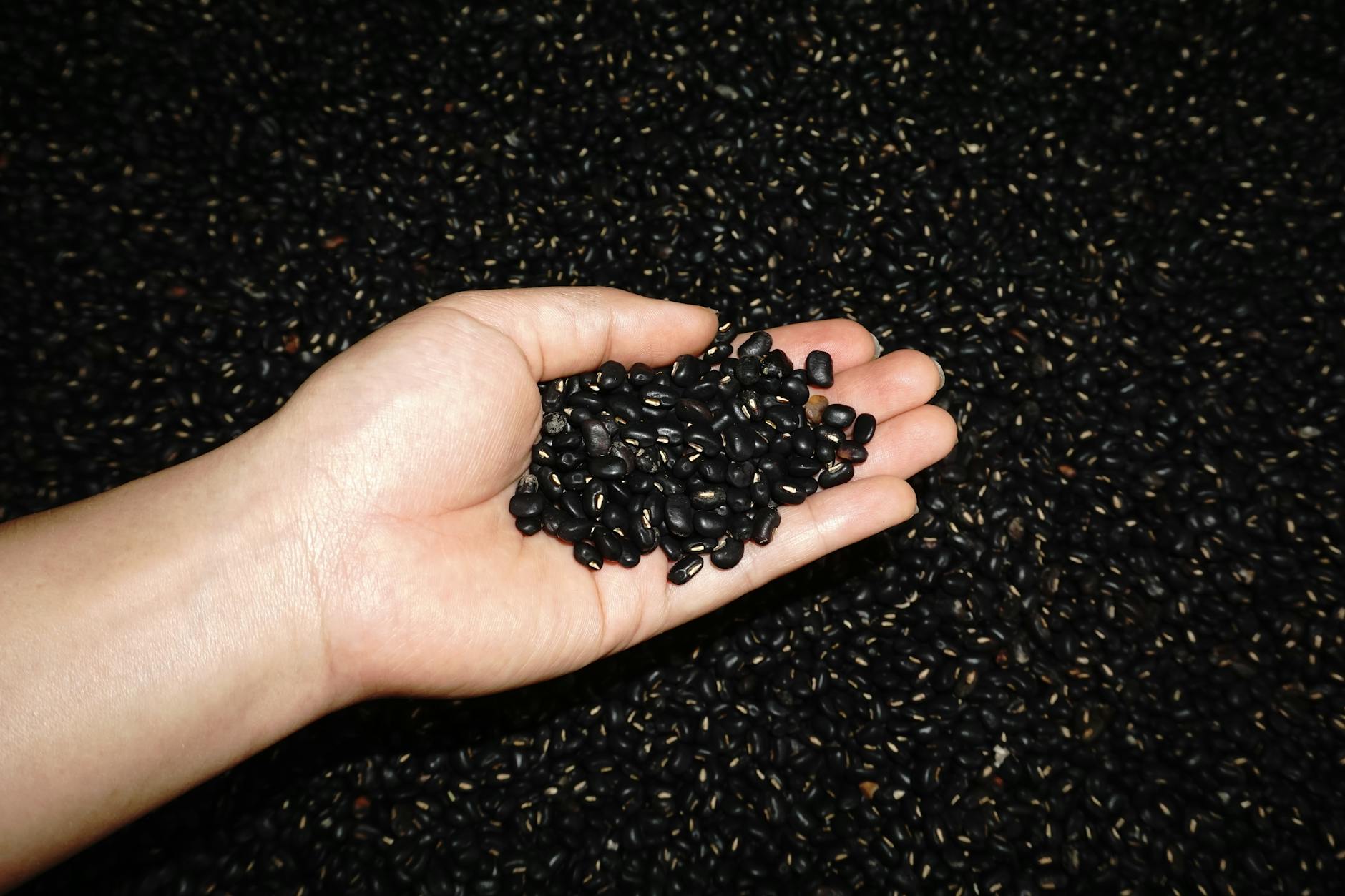
Black beans are loaded with fiber and folate which are nutrients known to support heart health and lower cholesterol. They contain phytonutrients like quercetin and saponins that protect the heart from oxidative damage. The high magnesium content helps relax blood vessels and improve blood flow throughout the body. Eating black beans regularly can help control blood sugar levels and reduce the risk of diabetes. They are a versatile ingredient that works well in burritos or salads and soups.
Quinoa
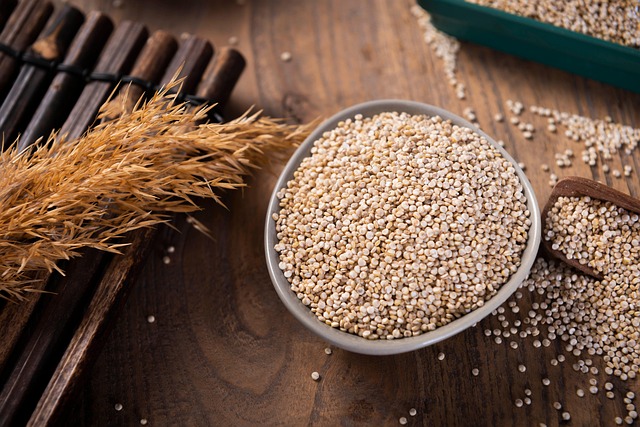
Quinoa is a whole grain that offers a complete protein profile and a significant amount of heart-healthy fiber. It contains antioxidants and anti-inflammatory compounds that may reduce the risk of heart disease. The magnesium in quinoa helps relax blood vessels and can aid in lowering high blood pressure. Replacing refined grains with quinoa can improve cholesterol levels and metabolic health. Its nutty flavor and fluffy texture make it an excellent base for healthy bowls and salads.
Pomegranate
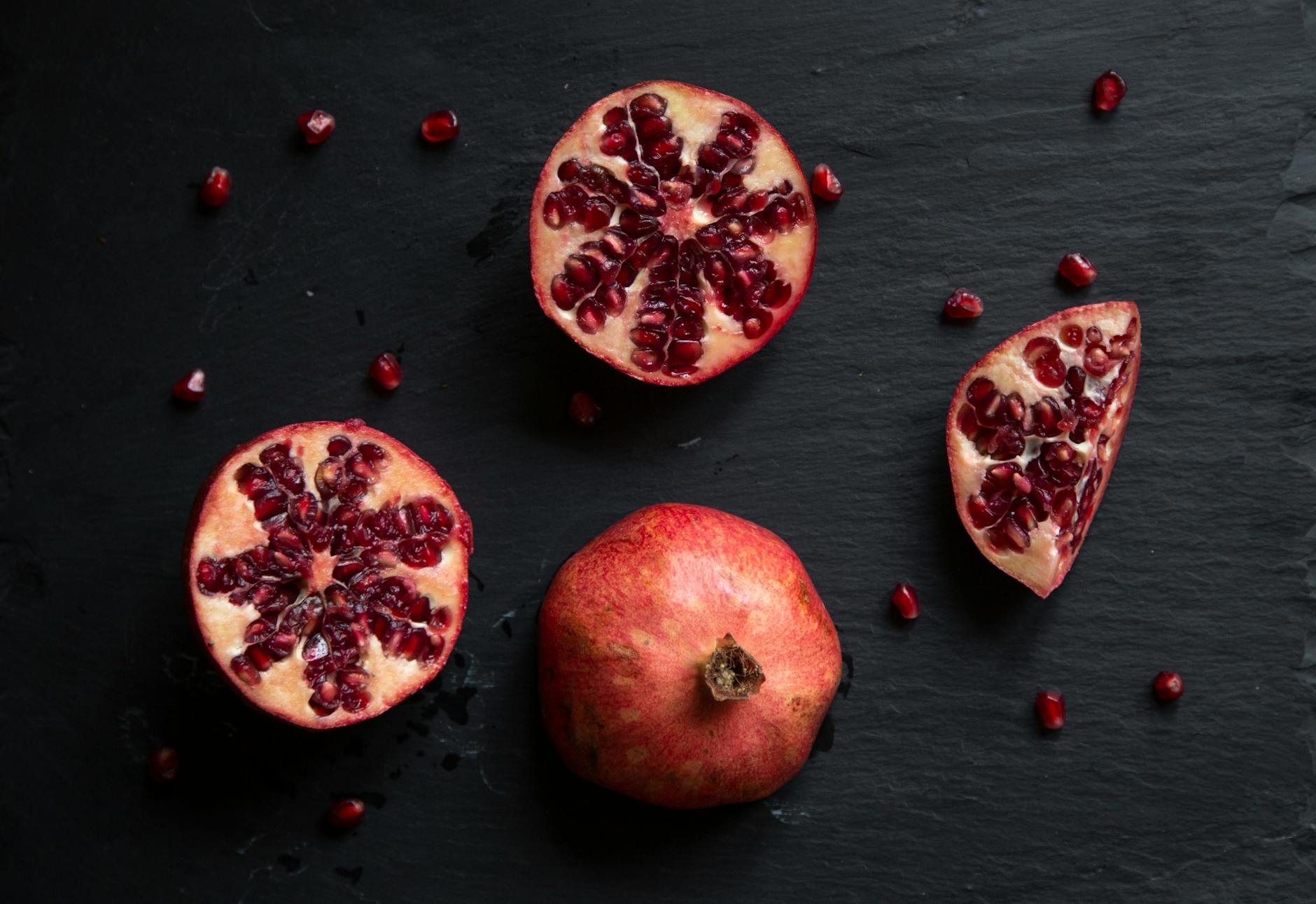
Pomegranates contain potent antioxidants including polyphenols and anthocyanins that protect the heart from arterial hardening. Drinking pomegranate juice has been shown to improve blood flow and keep the arteries from becoming stiff and thick. The fruit helps prevent the oxidation of LDL cholesterol which is a key step in the development of heart disease. It may also help lower systolic blood pressure when consumed regularly as part of a balanced diet. The seeds add a burst of flavor and crunch to salads or yogurt parfaits.
Apples
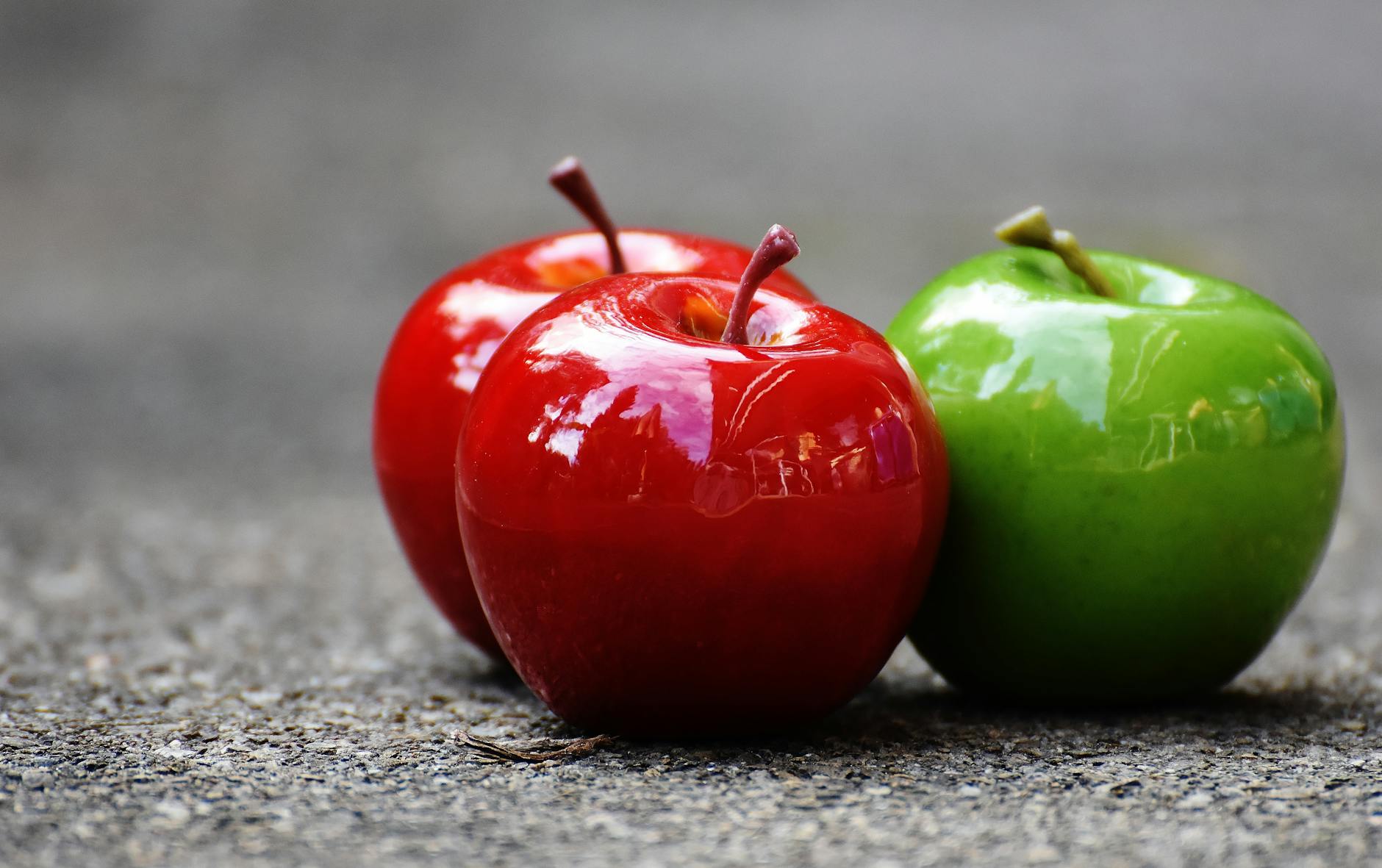
Apples are rich in pectin which is a soluble fiber that blocks the absorption of cholesterol in the gut. They contain flavonoids that are linked to a reduced risk of stroke and heart disease. The peel of the apple is particularly rich in antioxidants and should be eaten to maximize benefits. Regular apple consumption has been associated with lower blood pressure and improved vascular function. Eating a whole apple provides a satisfying crunch and supports long-term cardiovascular health.
Flaxseeds

Flaxseeds are one of the richest plant sources of omega-3 fatty acids and provide significant anti-inflammatory benefits. They contain lignans which are plant compounds that have antioxidant properties and may help lower blood pressure. The high fiber content aids in cholesterol reduction and promotes healthy digestion. Ground flaxseeds are easier for the body to absorb than whole seeds and can be added to smoothies or baked goods. Incorporating them into your daily routine is a simple way to boost heart protection.
Sweet Potatoes

Sweet potatoes are packed with potassium and help the body excrete excess sodium to lower blood pressure. They are a great source of beta-carotene which is an antioxidant that prevents LDL cholesterol from oxidizing. The high fiber content helps regulate blood sugar and keeps you feeling full longer. Sweet potatoes have a lower glycemic index than regular potatoes and offer a steady source of energy. Baking or boiling them preserves their nutrients and makes for a heart-smart side dish.
Red Bell Peppers
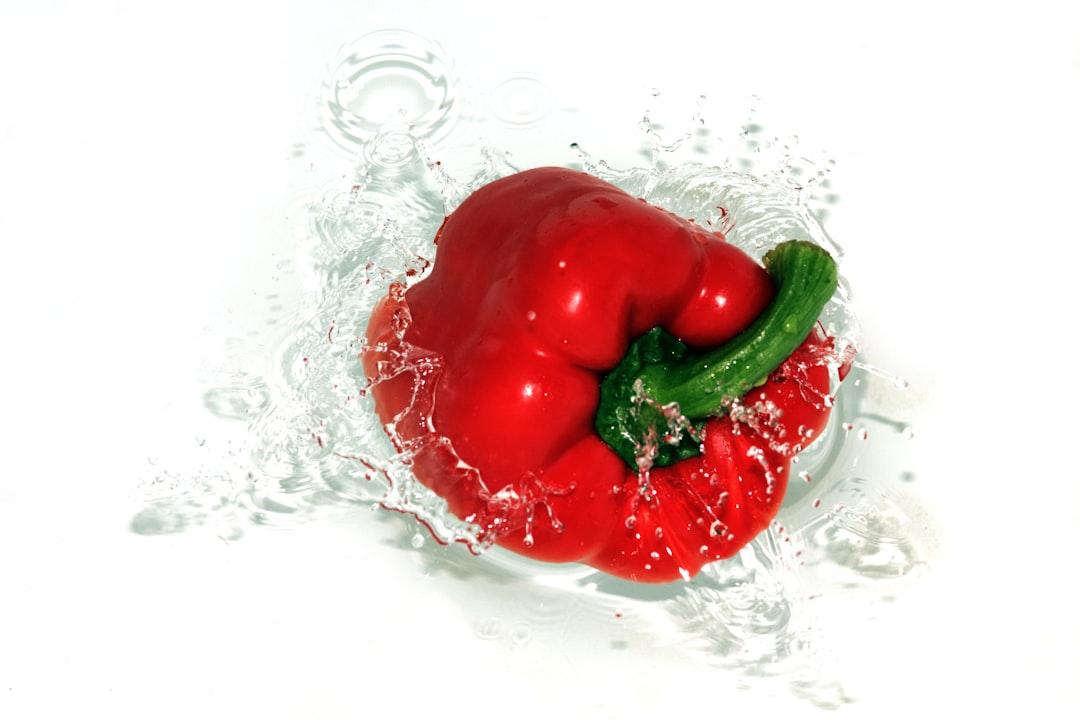
Red bell peppers are loaded with vitamin C and antioxidants that help reduce inflammation and support heart health. They contain capsaicin which is a compound that may improve blood vessel function and metabolism. The high potassium content helps regulate blood pressure and counteracts the effects of sodium. They are also a good source of fiber and vitamin B6 which helps lower homocysteine levels. Adding raw slices to a snack plate or roasting them enhances any meal.
Tofu
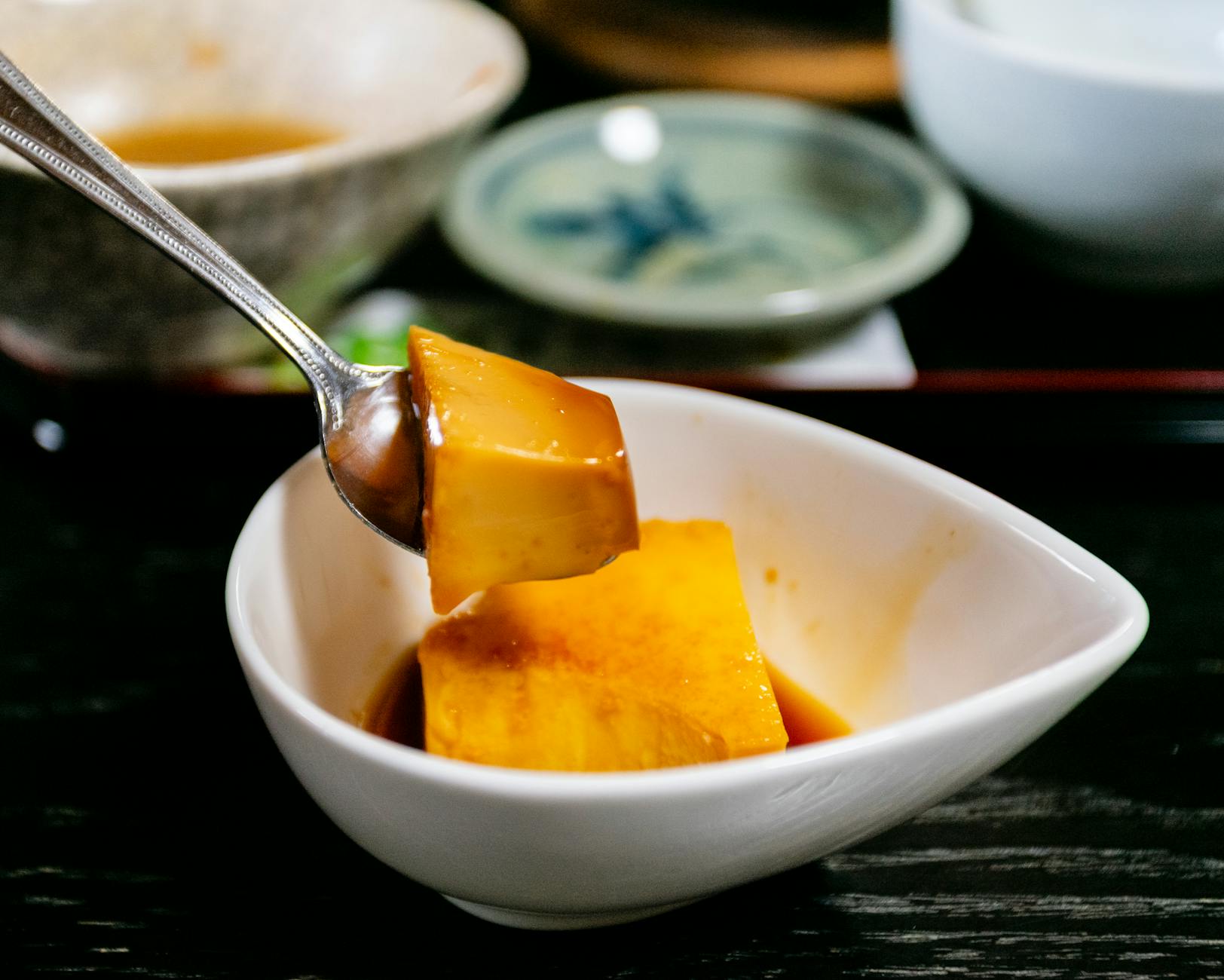
Tofu is a soy-based protein that serves as an excellent alternative to red meat and helps lower saturated fat intake. It contains isoflavones which are compounds linked to reduced cholesterol levels and improved heart health. The protein in tofu helps lower LDL cholesterol without affecting the beneficial HDL cholesterol. It is a versatile ingredient that absorbs the flavors of the dish and works well in stir-fries or soups. Including soy products like tofu in your diet can offer long-term cardiovascular protection.
Sardines
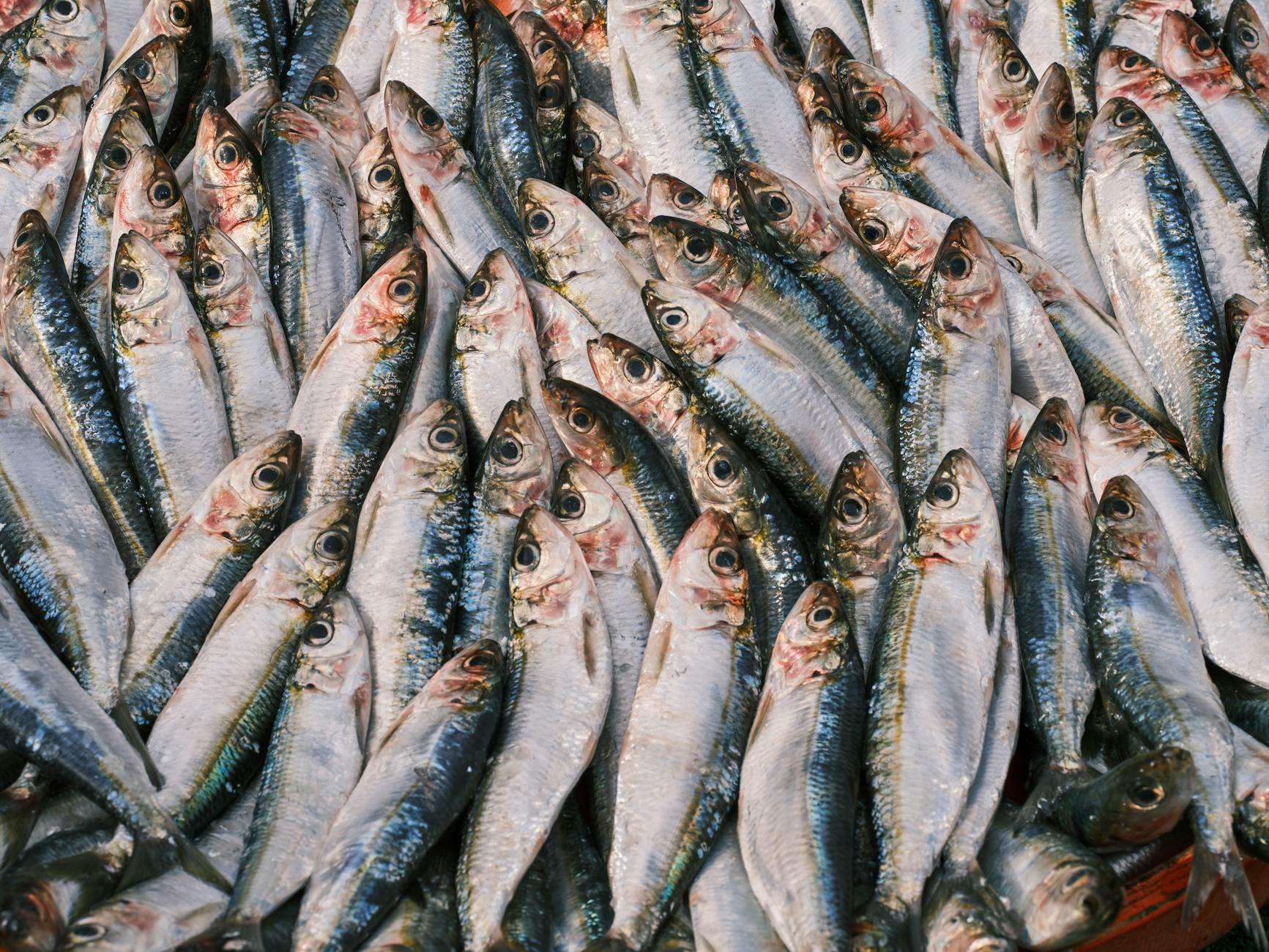
Sardines are a small but mighty source of omega-3 fatty acids that drastically reduce triglyceride levels. They provide high-quality protein and essential minerals like calcium and vitamin D for overall health. The healthy fats in sardines help prevent blood clots and reduce inflammation in the arteries. Because they are low on the food chain they contain fewer toxins like mercury compared to larger fish. Eating sardines on whole-grain toast or in salads is a nutritious habit for the heart.
Mackerel

Mackerel is an oily fish that is incredibly rich in omega-3s and helps improve blood vessel elasticity. Regular consumption can lower blood pressure and reduce the accumulation of plaque in the arteries. It is also a great source of selenium which is an antioxidant that protects cells from damage. The fish provides ample vitamin B12 which is necessary for lowering homocysteine levels in the blood. Grilled or baked mackerel is a flavorful way to support a healthy cardiovascular system.
Carrots
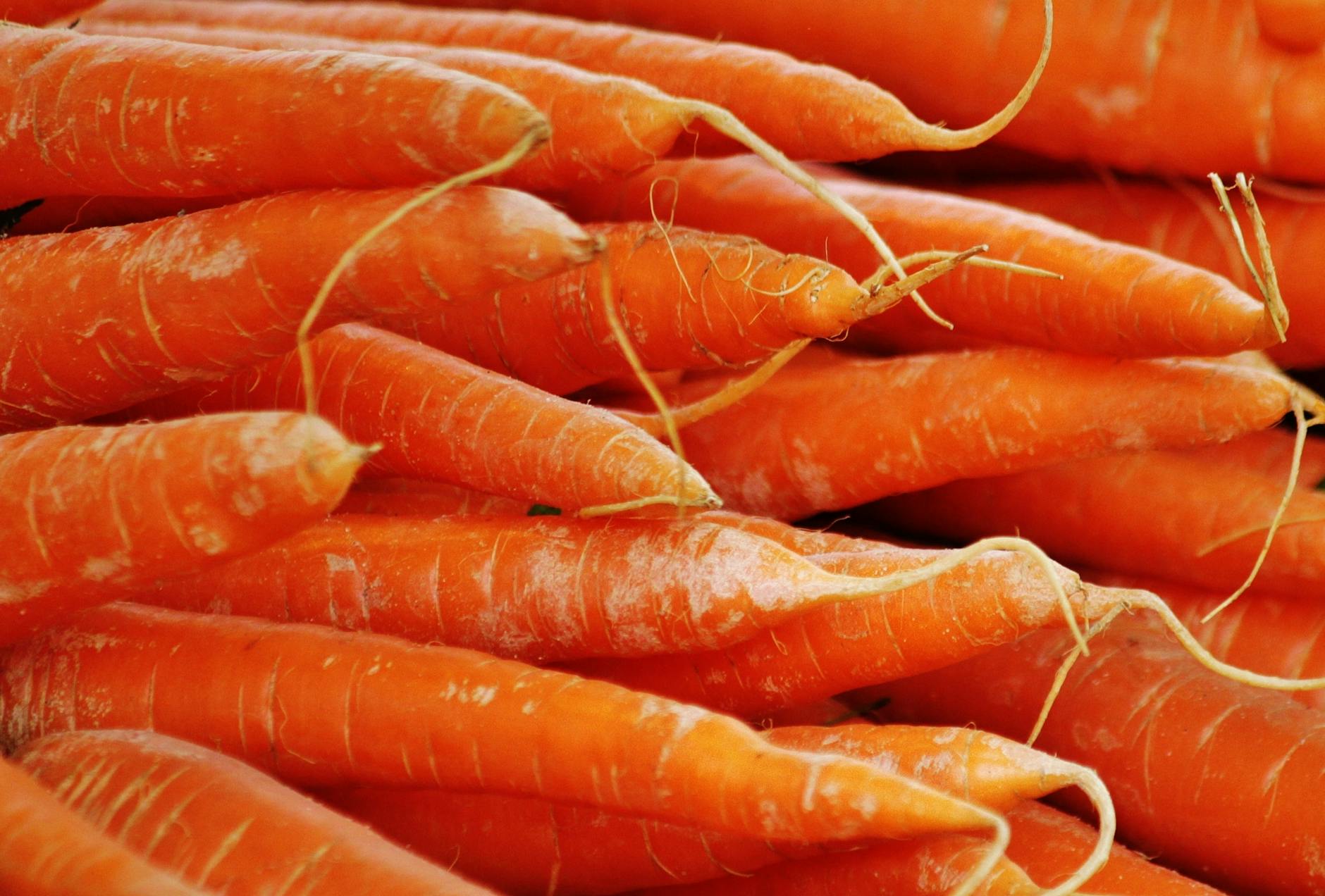
Carrots are famous for their beta-carotene content which helps fight inflammation and oxidative stress in the body. They also provide a good amount of potassium to help maintain healthy blood pressure levels. The soluble fiber in carrots aids in lowering cholesterol levels by binding to it in the digestive tract. Snacking on raw carrots creates a satisfying crunch that replaces less healthy processed snacks. Their natural sweetness makes them a palatable vegetable for people of all ages.
Papaya
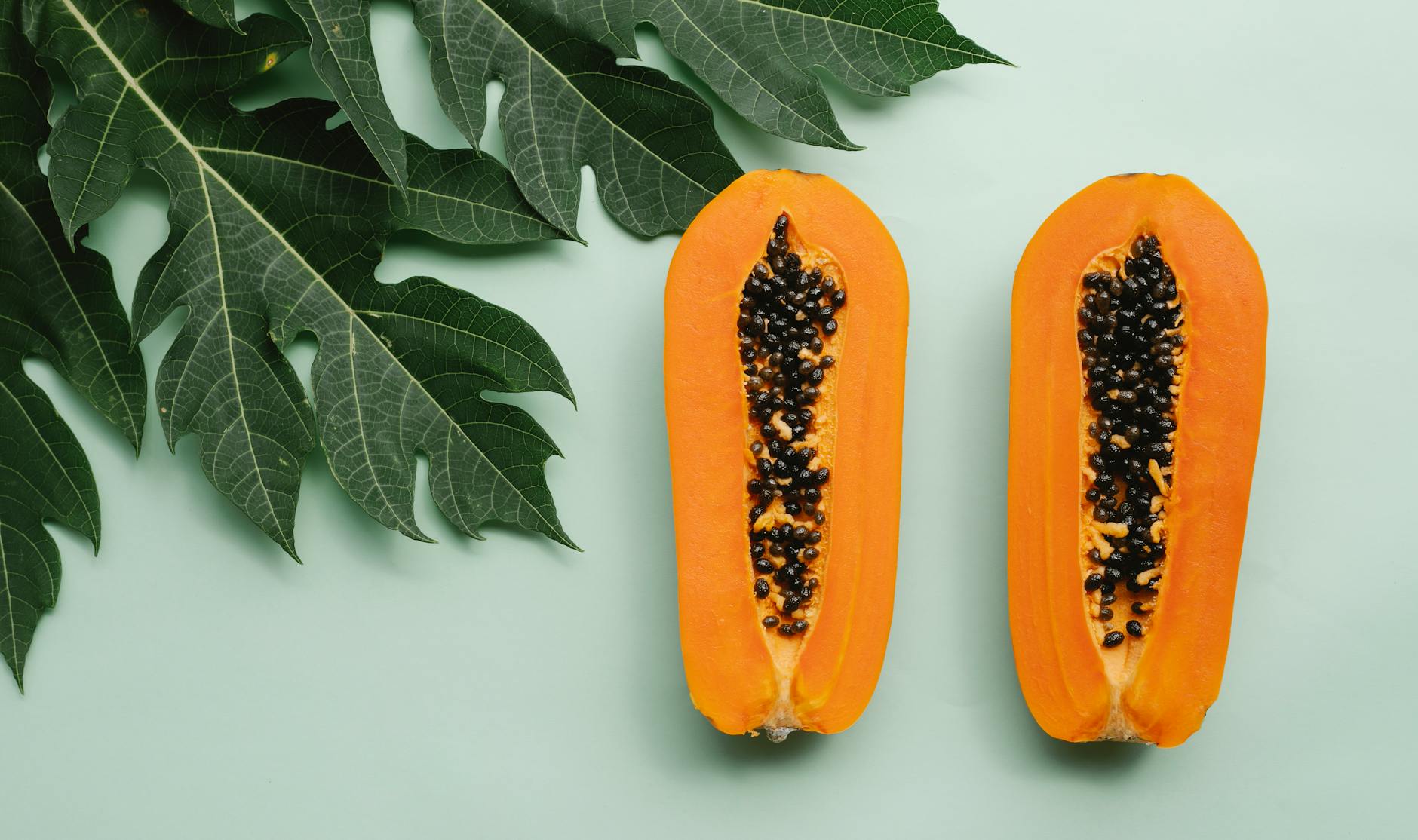
Papaya contains an enzyme called papain and is rich in antioxidants like lycopene that support heart health. The high levels of vitamin C and vitamin E in papaya prevent the oxidation of cholesterol. The fiber in the fruit helps reduce LDL cholesterol levels and promotes smooth digestion. Potassium found in papaya aids in regulating heart rate and blood pressure. Adding fresh papaya to breakfast or fruit salads offers a tropical boost to your diet.
Asparagus
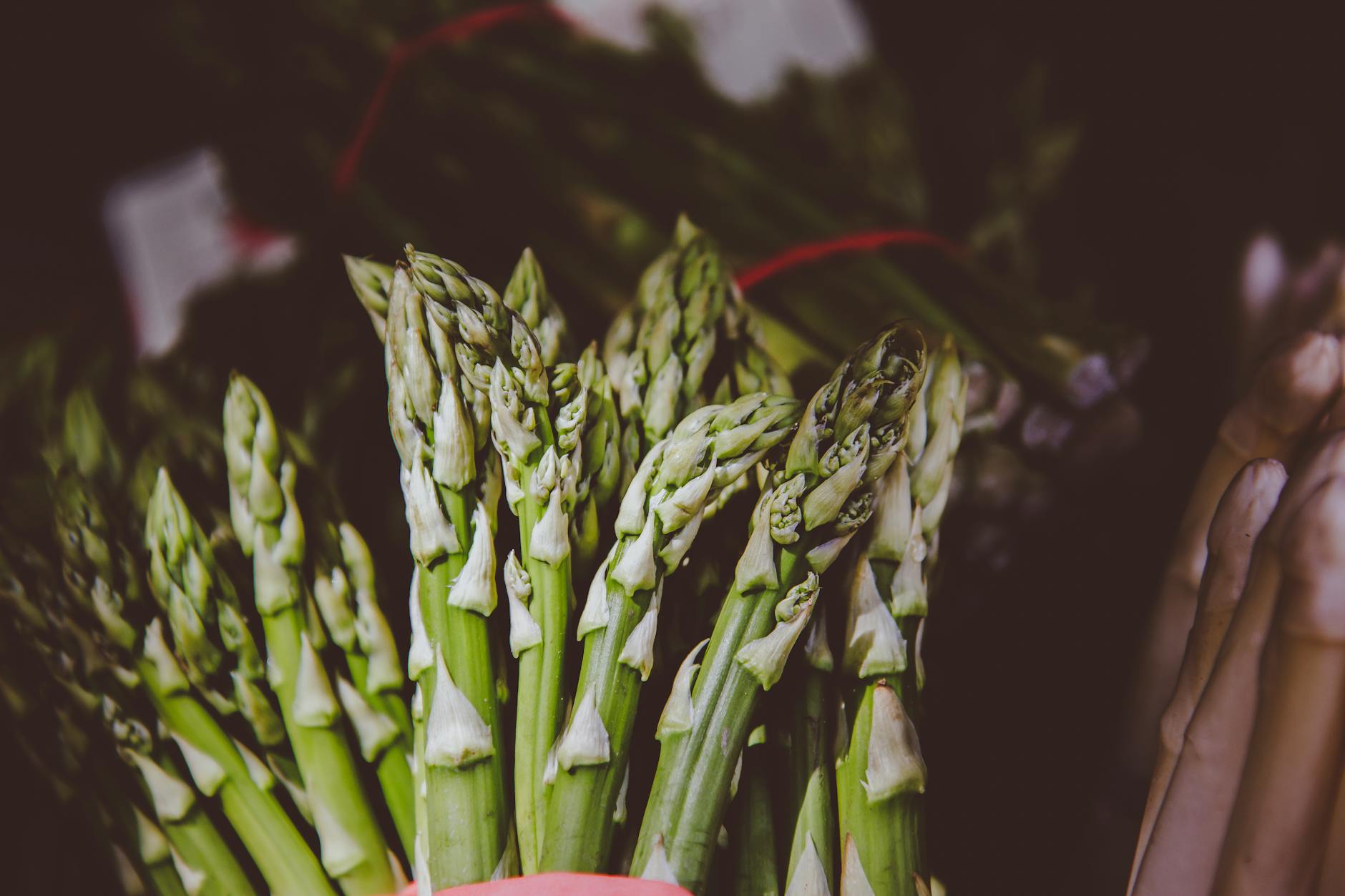
Asparagus is a natural source of folate which helps prevent the buildup of homocysteine in the blood. It contains saponins that possess anti-inflammatory properties and may help lower blood pressure. The vegetable is also rich in fiber and vitamins A and C for overall cardiovascular support. Vitamin K in asparagus aids in blood clotting and prevents calcium deposits in the arteries. Steamed or grilled asparagus makes for a light and nutrient-dense accompaniment to dinner.
Cauliflower

Cauliflower is a low-calorie vegetable that is high in fiber and contains allicin to help lower cholesterol. It provides antioxidants that reduce inflammation and protect the cells of the cardiovascular system. The vegetable can be used as a substitute for rice or mashed potatoes to reduce carbohydrate intake. Its versatility allows it to be roasted or steamed or pureed into soups for added nutrition. Regular consumption supports a healthy heart and weight management.
Brown Rice
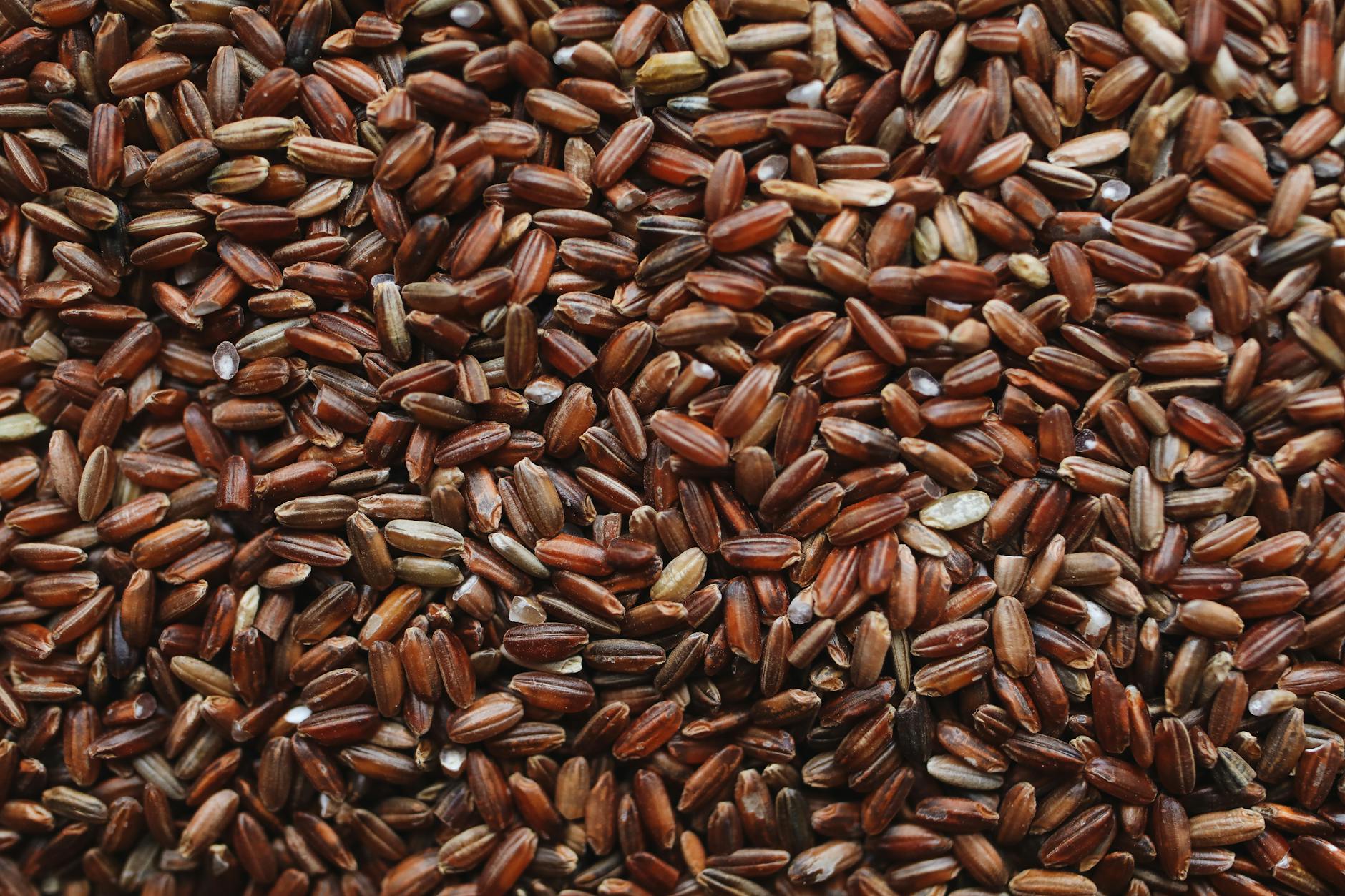
Brown rice is a whole grain that retains its nutrient-rich bran and germ layers unlike white rice. It provides magnesium which helps the heart muscles relax and maintains a steady rhythm. The fiber in brown rice helps lower cholesterol and keeps blood sugar levels stable. It is also a source of lignans which are plant compounds that protect against heart disease. Switching to brown rice is an easy dietary change with lasting benefits for heart health.
Edamame

Edamame beans are young soybeans that offer a rich source of soy protein and soluble fiber. They contain isoflavones that act as antioxidants and help lower bad cholesterol levels. The beans are also packed with potassium and magnesium to support healthy blood pressure. Edamame makes for a convenient and filling snack that requires minimal preparation. Including them in your diet provides a plant-based protein boost that benefits the heart.
Cantaloupe
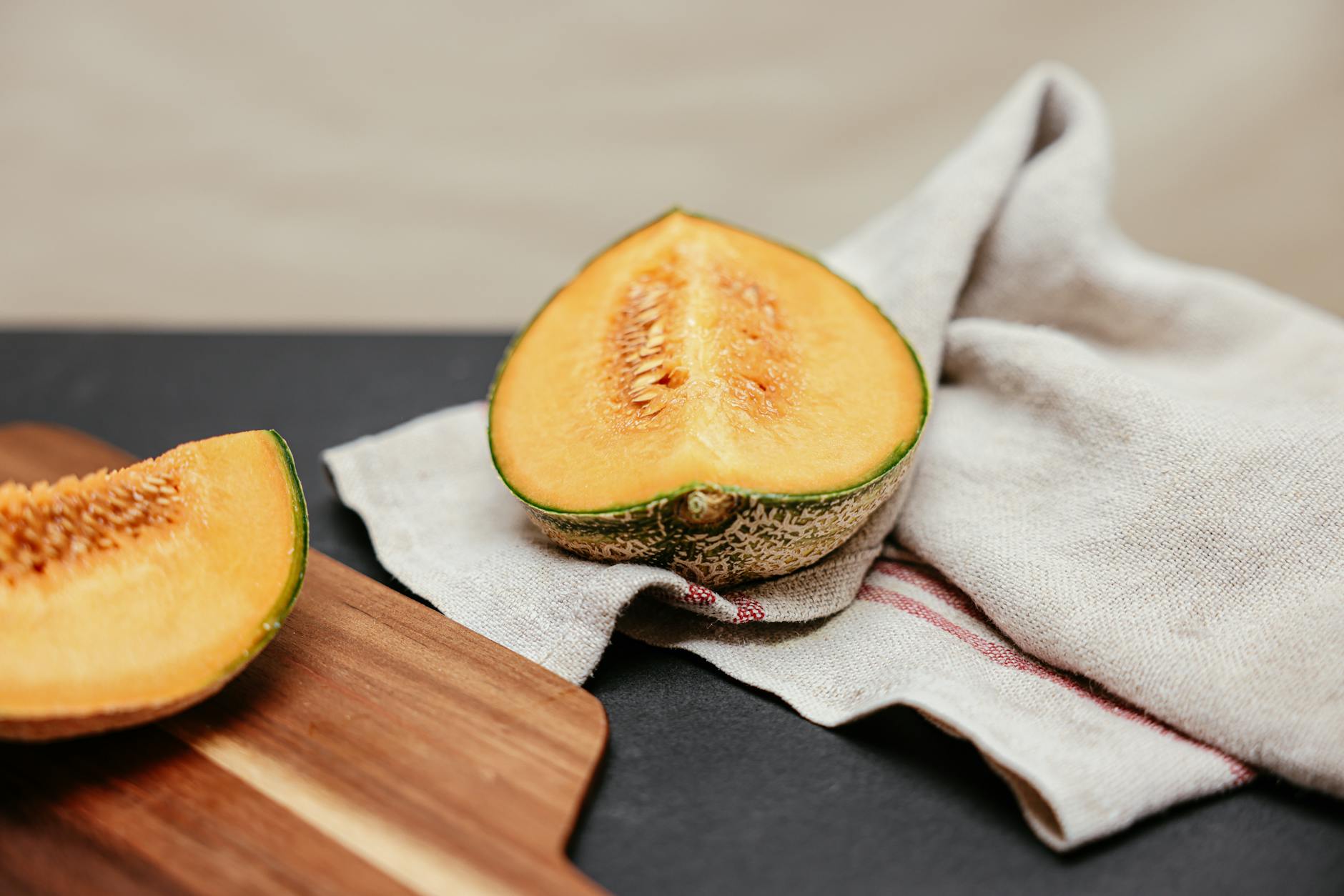
Cantaloupe is packed with potassium and water which helps hydrate the body and regulate blood pressure. The orange flesh is rich in beta-carotene and vitamin C to protect arteries from damage. It contains adenosine which is a compound that acts as a blood thinner to prevent clots. The fiber content supports healthy cholesterol levels and digestion. Enjoying melon slices in the morning provides a refreshing start that supports cardiovascular function.
Pumpkin Seeds
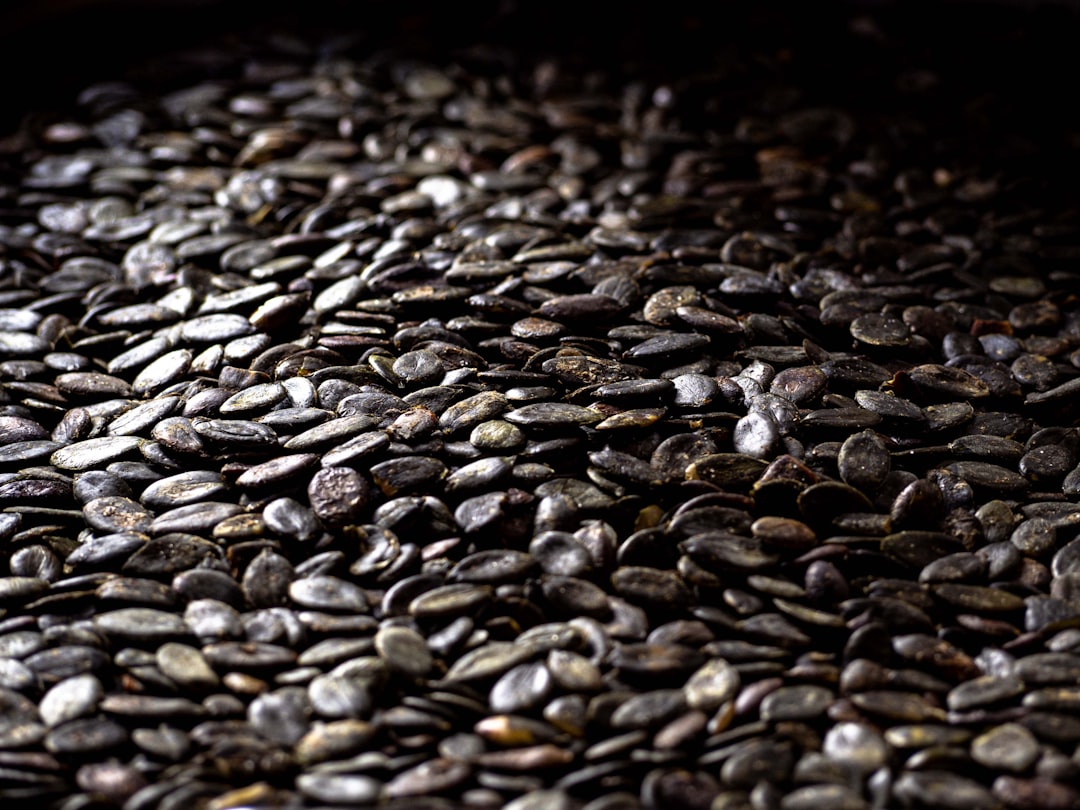
Pumpkin seeds are an excellent source of magnesium which is vital for controlling blood pressure and preventing sudden cardiac arrest. They contain antioxidants and fiber that help lower cholesterol and reduce inflammation. The healthy fats in pumpkin seeds support heart health and improve the lipid profile. They are also rich in zinc and arginine which helps the body produce nitric oxide to relax blood vessels. Sprinkling them over salads or soups adds texture and heart-protective nutrients.
Kidney Beans
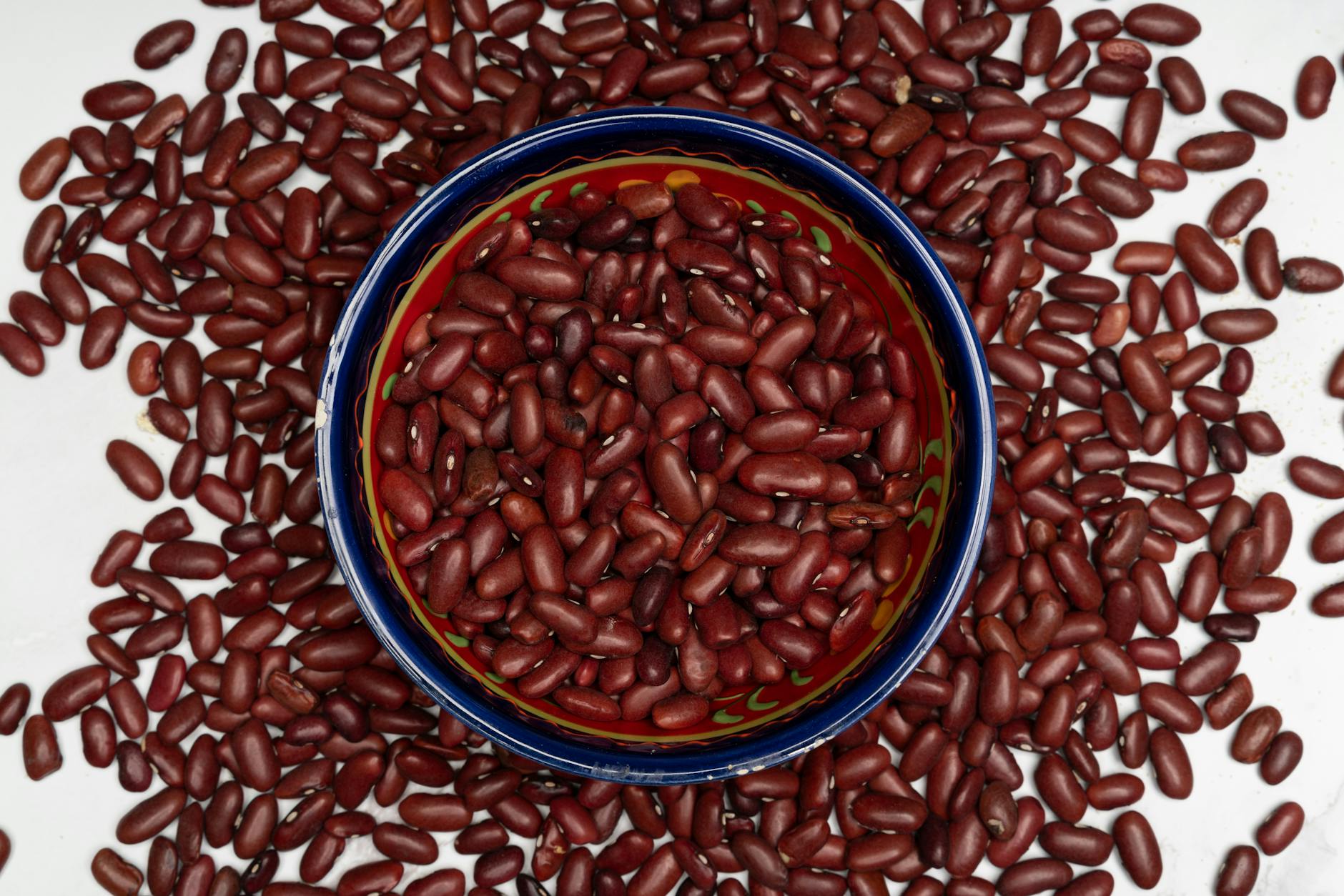
Kidney beans are a robust source of protein and fiber that effectively lower cholesterol levels. They have a low glycemic index which helps prevent spikes in blood sugar that can damage blood vessels. The beans are rich in magnesium and potassium to support healthy blood flow and pressure. Their firm texture holds up well in chilies and hearty stews. Regular intake of kidney beans is linked to a lower risk of heart disease and improved metabolic health.
Barley
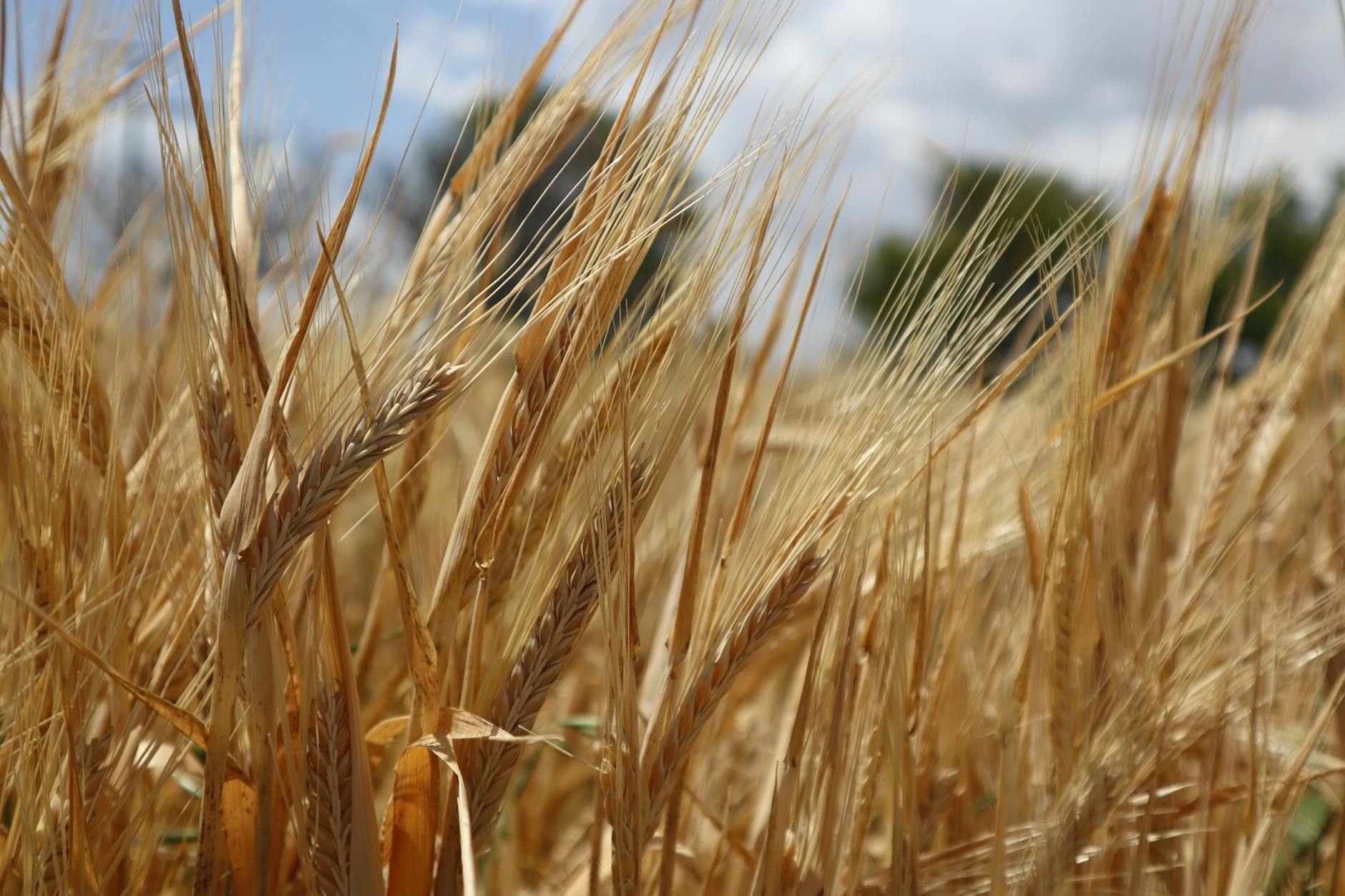
Barley is a chewy whole grain that is particularly high in beta-glucan fiber which lowers cholesterol. It helps control blood sugar levels and improves insulin sensitivity in the body. The grain provides essential vitamins and minerals like selenium and niacin for heart protection. Barley can be used in soups or as a risotto base to increase fiber intake. Its ability to lower lipid levels makes it a valuable addition to a heart-healthy pantry.
Raspberries
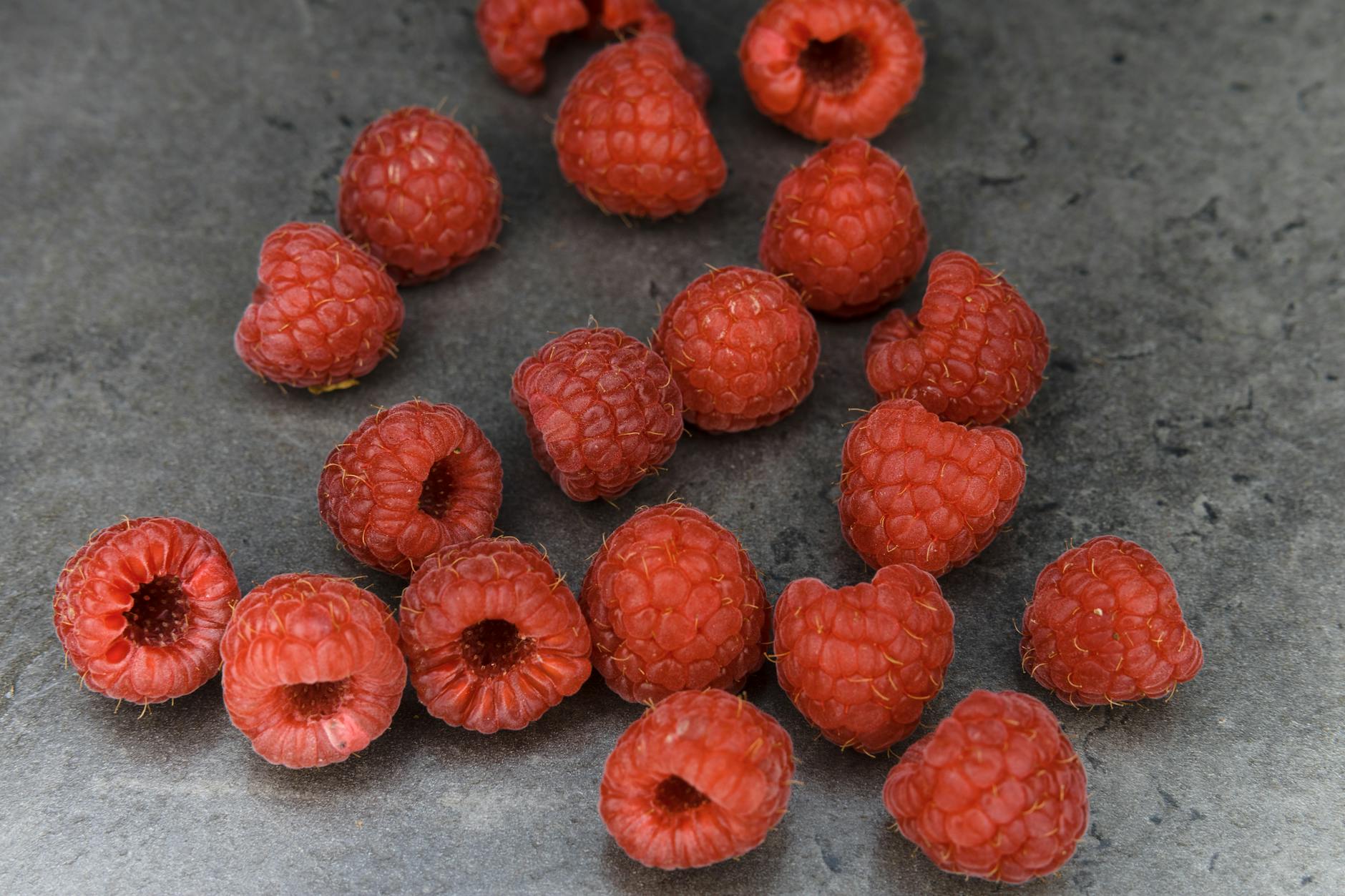
Raspberries are incredibly high in fiber and provide a significant amount of heart-healthy polyphenols. The antioxidants in raspberries help reduce oxidative stress and inflammation in the cardiovascular system. They contain ketones which may prevent an increase in body fat and support metabolic health. The vitamin C content strengthens the immune system and protects blood vessel walls. Fresh or frozen raspberries are a delicious way to add nutrients to oatmeal or smoothies.
Blackberries
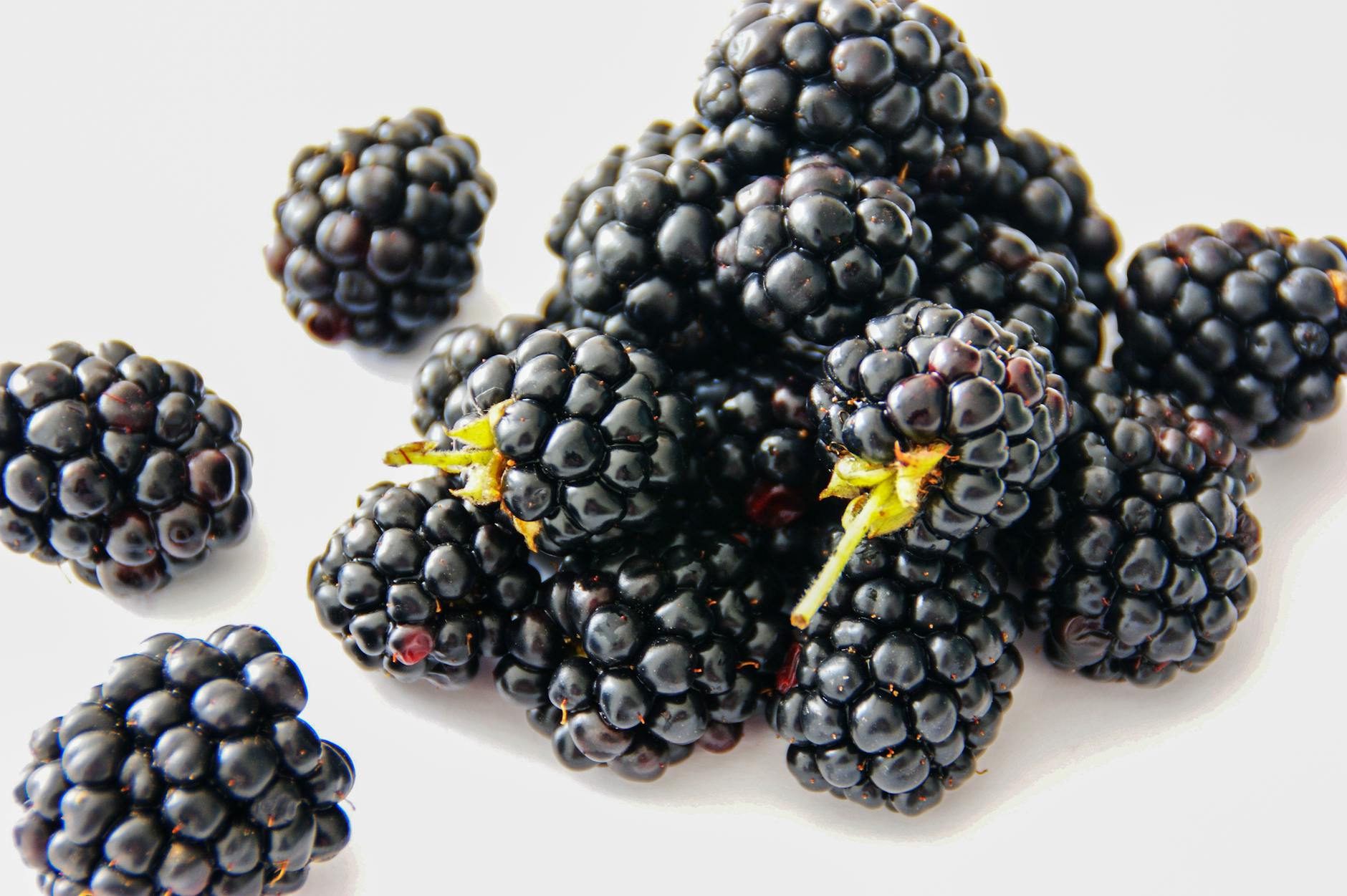
Blackberries are dark-hued fruits that are loaded with anthocyanins to protect the heart from disease. They are a great source of vitamin K which is essential for arterial health and proper blood clotting. The high fiber content in blackberries helps trap cholesterol and remove it from the system. They also provide magnesium and potassium to support a steady heart rhythm. Eating a cup of blackberries provides a sweet and tart way to improve your cardiovascular profile.
We would love to hear which of these heart-healthy foods you plan to add to your grocery list so please tell us in the comments.