Dietary choices play a significant role in the biological rate at which skin ages. Certain compounds found in everyday foods can damage collagen and elastin which are essential for keeping skin firm. Inflammation caused by diet often manifests physically through premature wrinkles and loss of radiance. Understanding which ingredients contribute to these processes allows for better decision making regarding long-term skin health. This list explores the specific foods that experts suggest minimizing to maintain a youthful complexion.
White Sugar
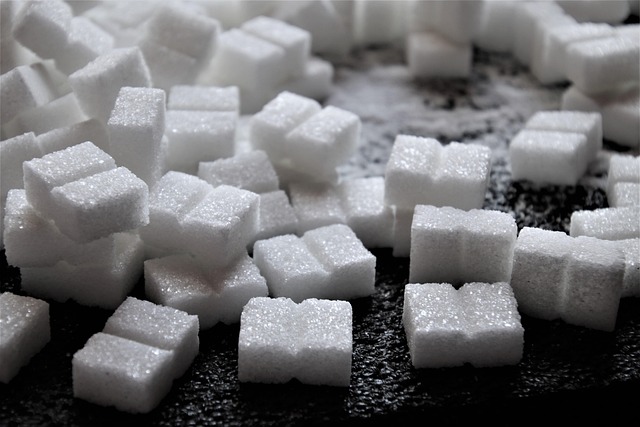
Excessive consumption of white sugar leads to a process known as glycation in the bloodstream. This chemical reaction causes sugar molecules to attach to proteins and form harmful new molecules called advanced glycation end products. These molecules damage nearby proteins like collagen and elastin which keep skin firm and youthful. The result is often stiff and malformed fibers that lead to sagging skin and wrinkles. Reducing sugar intake is one of the most effective ways to slow this specific aging mechanism.
High Fructose Corn Syrup
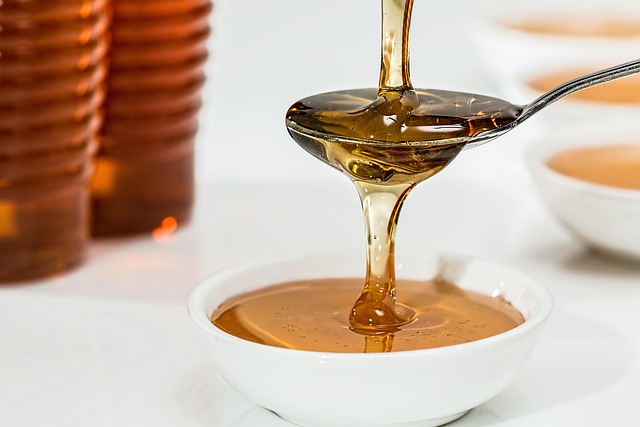
This common sweetener is found in many processed foods and acts similarly to regular sugar in the body. It spikes insulin levels rapidly and contributes to systemic inflammation that affects skin health. High intake forces the liver to work harder and creates oxidative stress throughout the body. This oxidative stress damages cells and accelerates the visible signs of aging over time. Checking labels for this ingredient helps avoid unnecessary exposure to collagen-damaging spikes.
Agave Nectar

Many people view agave as a healthy alternative to sugar but it contains extremely high levels of fructose. The liver must process this fructose and converts much of it directly into fat globules. These fat deposits can lead to fatty liver disease and increased inflammation which degrades skin quality. The high fructose content also drives the glycation process more efficiently than regular glucose. Dermatologists often warn that this “natural” sweetener is just as damaging to collagen as white sugar.
Margarine
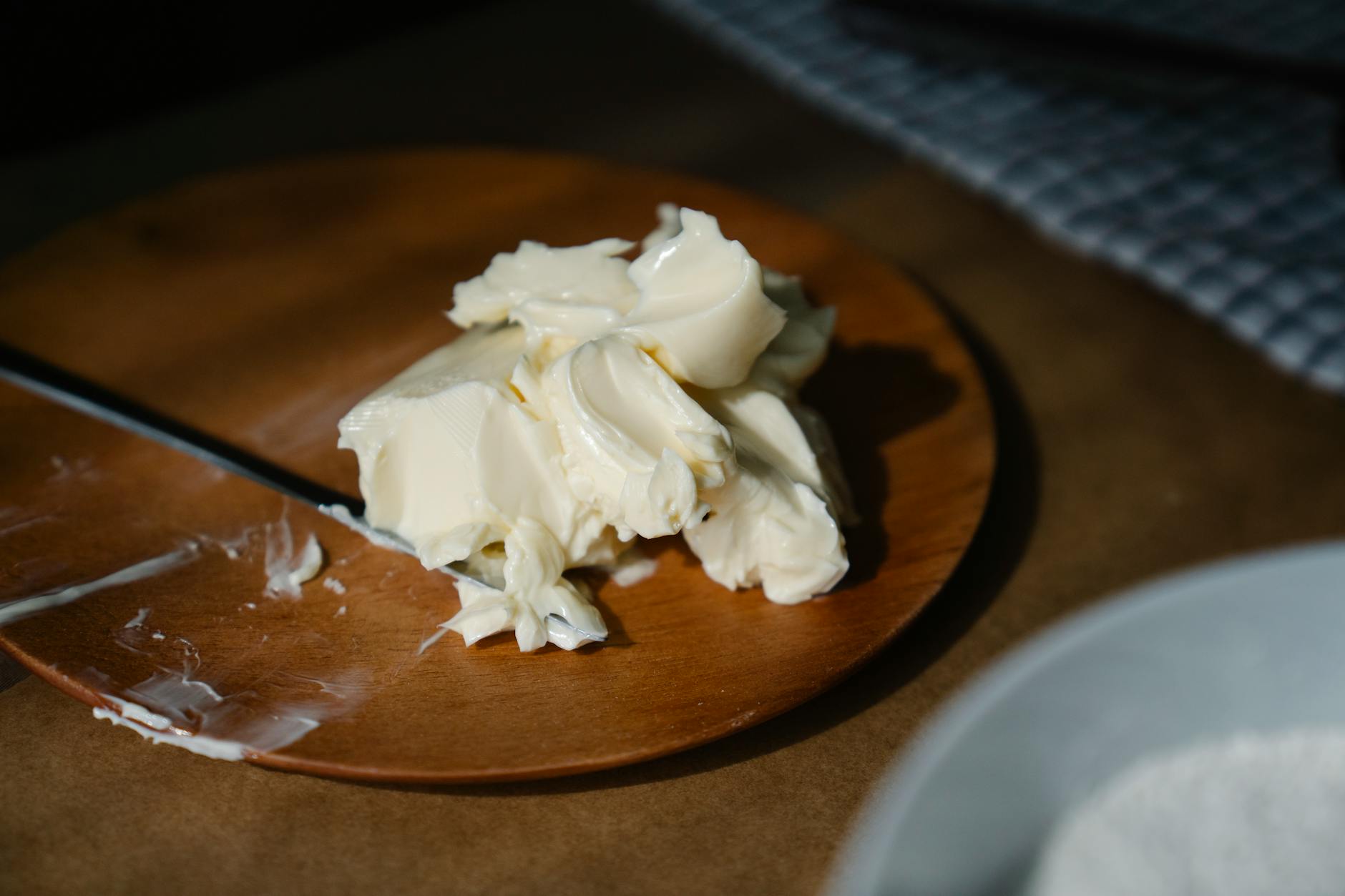
This butter substitute is often high in trans fats which are notoriously bad for heart and skin health. Trans fats harden the arteries and constrict blood vessels which reduces blood flow to the skin. Reduced circulation means the skin receives less oxygen and fewer nutrients needed for repair. These fats also make the skin more susceptible to ultraviolet radiation damage. Avoiding hydrogenated oils is crucial for maintaining skin elasticity and hydration.
Deep Fried Foods

Foods fried in unstable oils release free radicals that damage skin cells upon ingestion. These free radicals attack the cellular membranes and DNA within the skin layers. The high temperatures used in frying also promote the formation of inflammatory compounds. Chronic inflammation creates a puffier appearance and accelerates the breakdown of collagen. Replacing fried items with baked or roasted alternatives significantly lowers this oxidative burden.
Processed Meats

Bacon and sausages often contain sulfites and other preservatives to extend their shelf life. These chemicals can trigger inflammation in the skin and accelerate the appearance of aging. The high sodium content in these meats also causes water retention and puffiness around the eyes. Nitrates found in processed meats have been linked to oxidative stress which damages cellular structures. Limiting these foods helps maintain a clearer and less puffy complexion.
Potato Chips
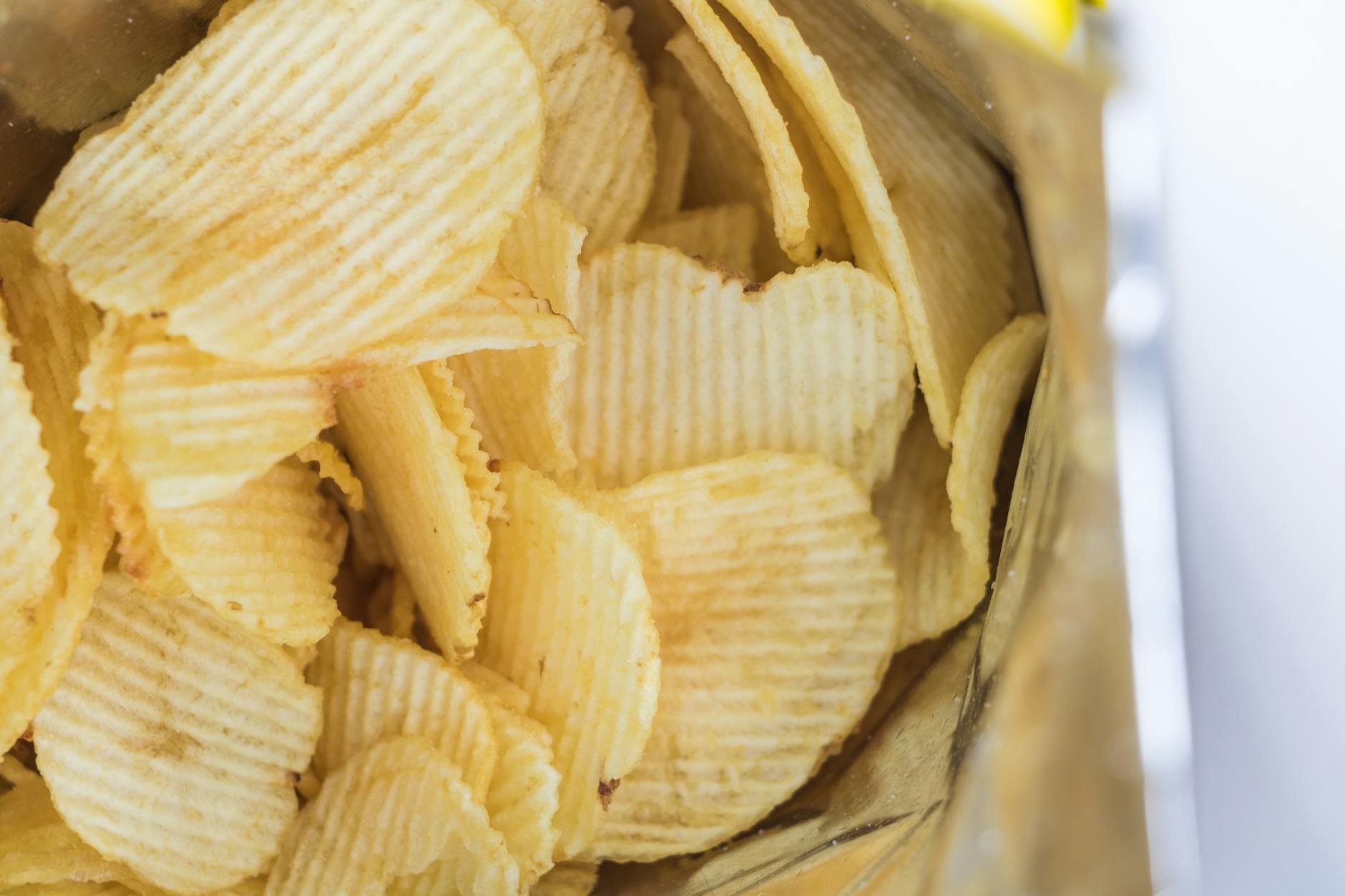
Salty snacks like potato chips contribute to dehydration and water retention in the body. High sodium intake draws water out of cells and leaves the skin looking dry and dull. The refined carbohydrates in chips also cause rapid blood sugar spikes that trigger inflammation. Most chips are fried in inflammatory oils that add to the free radical load. Choosing whole grain or vegetable-based snacks provides a better profile for skin health.
White Bread
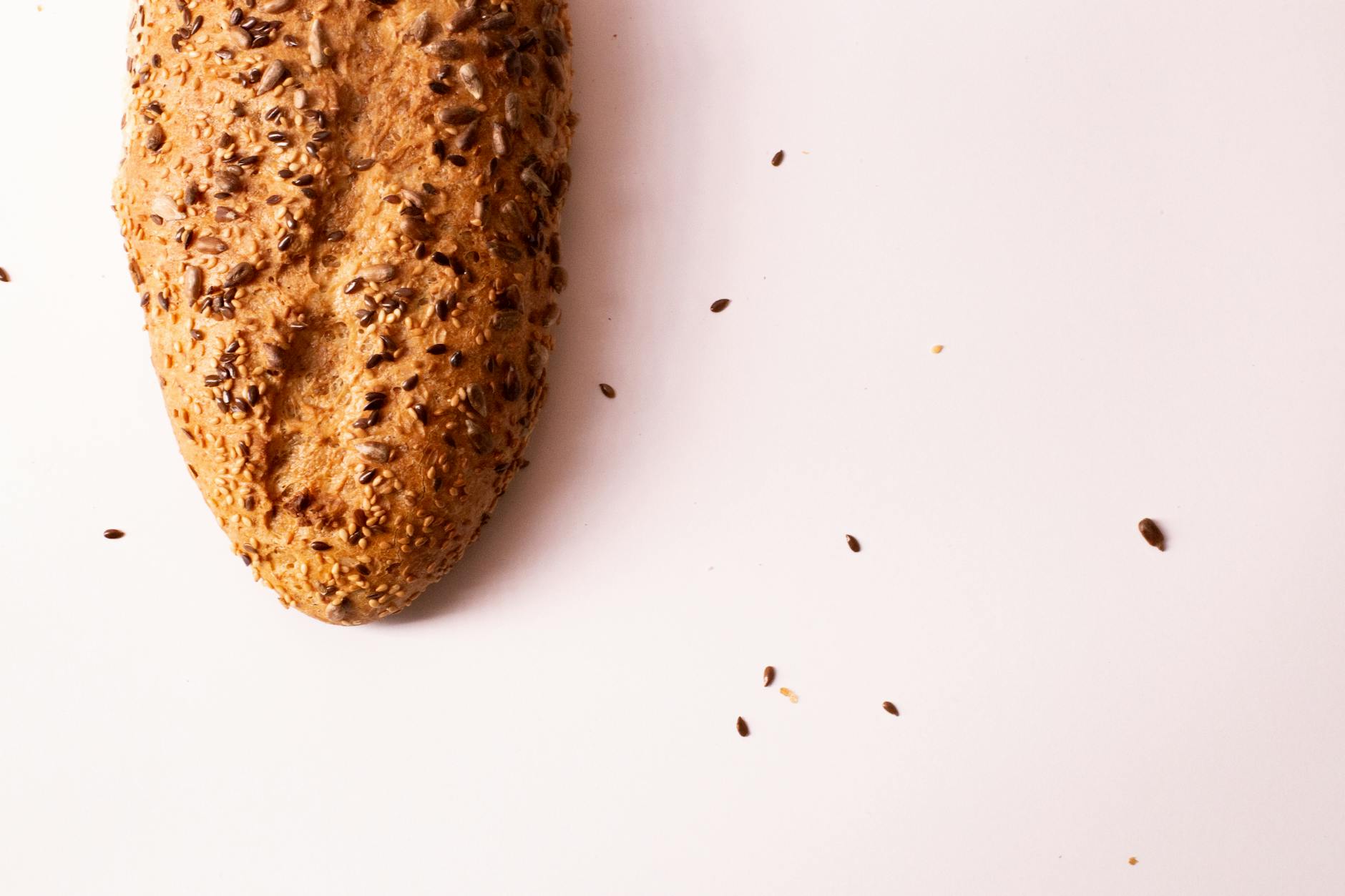
Refined carbohydrates such as white bread have a high glycemic index that affects blood sugar levels. Rapid spikes in glucose lead to increased insulin production and subsequent inflammation. This inflammatory response produces enzymes that break down collagen and elastin fibers. The lack of fiber in white bread means the sugar is absorbed quickly into the bloodstream. Opting for whole grain alternatives slows digestion and reduces the impact on skin proteins.
Alcohol

Alcohol acts as a diuretic and causes significant dehydration throughout the body including the skin. Dehydrated skin appears less plump and makes fine lines more visible to the naked eye. Regular consumption impairs the liver’s ability to flush toxins which can result in a sallow complexion. Alcohol also dilates blood vessels and can lead to permanent redness or broken capillaries over time. Moderation is key to preventing these cumulative drying effects.
Charred Meat

Cooking meat at very high temperatures creates inflammatory hydrocarbons that are harmful to the body. The black char on grilled burgers or steaks contains pro-inflammatory compounds that damage collagen. These compounds promote oxidative stress and force the skin to use up its antioxidant reserves. Eating charred meat frequently depletes the nutrients needed to protect the skin from environmental damage. Removing the burnt portions before eating can mitigate this specific risk.
Energy Drinks

These beverages typically contain very high levels of sugar and caffeine which dehydrate the skin. The acidity in energy drinks can also erode tooth enamel and affect the overall structure of the lower face. High caffeine intake interferes with sleep quality which is the prime time for cellular repair. Poor sleep results in dark circles and a lackluster complexion the following day. Water remains the superior choice for hydration and energy maintenance.
Soda
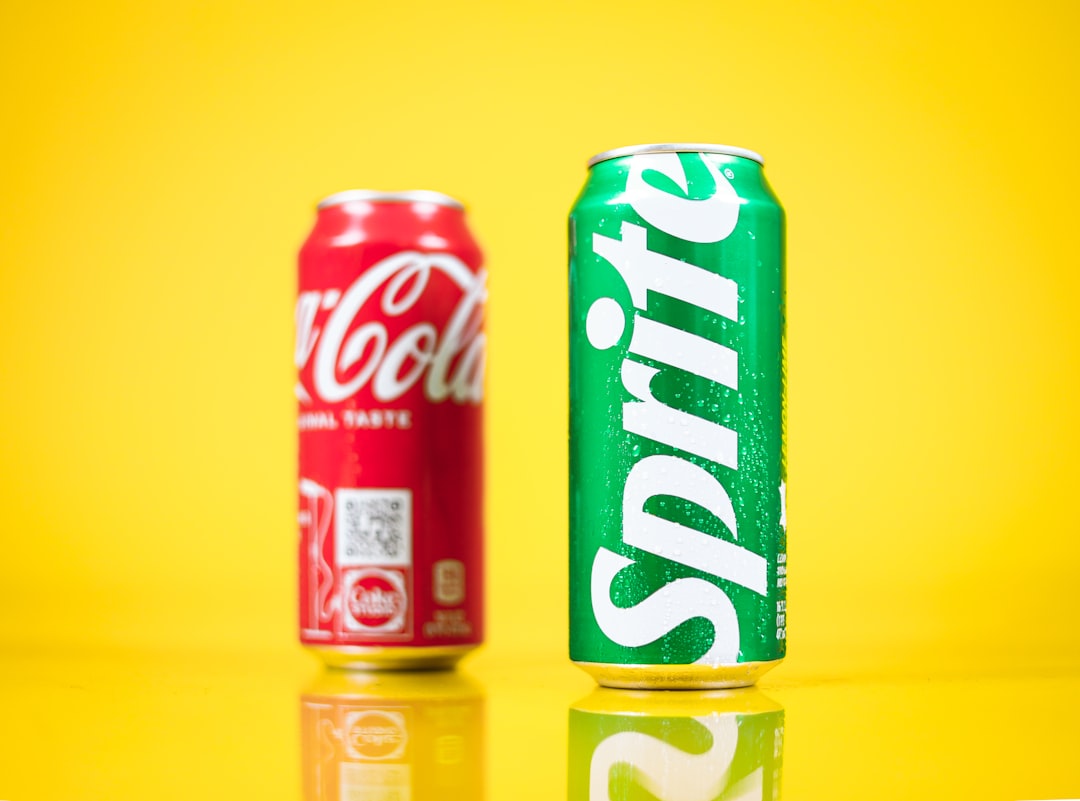
Dark colas often contain phosphates that can accelerate the depletion of calcium in the body. A lack of calcium can lead to bone loss and changes in facial bone structure over time. The massive amount of sugar in soda triggers immediate insulin spikes and glycation. Regular soda consumption is strongly linked to premature aging due to this dual threat. Switching to sparkling water eliminates both the sugar and the phosphate risks.
Canned Soup

Many canned soups are laden with sodium to preserve flavor and extend shelf life. This excessive salt causes the body to retain water and leads to facial puffiness. The BPA lining in some cans may also interfere with hormone levels and affect skin health. High sodium intake dehydrates the skin cells and emphasizes fine lines. preparing homemade soup allows for control over salt levels and ingredient quality.
Pepperoni

This spicy processed meat combines high sodium with saturated fats and nitrates. The nitrates trigger inflammation and can widen blood vessels which leads to redness. The high fat content contributes to systemic inflammation that manifests as skin issues. Pepperoni is also a known trigger for acne and other inflammatory skin conditions in some individuals. Reducing intake helps calm the skin and reduces overall redness.
Fruit Smoothies

Commercial fruit smoothies often act as concentrated sugar bombs without the necessary fiber to slow absorption. The blending process breaks down the cell walls of the fruit and allows sugars to hit the bloodstream rapidly. This creates the same glycation issues as eating candy or drinking soda. The lack of chewing also reduces satiety signals and can lead to overconsumption of sugar. Eating whole fruit preserves the fiber matrix and supports steady blood sugar levels.
Rice Cakes

These snacks have a surprisingly high glycemic index despite being low in calories. Eating them causes blood sugar to soar and triggers the production of enzymes that digest collagen. They offer very little nutritional value or antioxidants to counteract this effect. The rapid digestion leaves the body hungry again quickly and promotes a cycle of blood sugar instability. Pairing them with healthy fats or protein can help mitigate the glucose spike.
Spicy Foods

Spicy ingredients dilate blood vessels and can exacerbate conditions like rosacea. Chronic dilation can lead to visible spider veins and permanent redness on the face. Some spicy foods also raise body temperature and cause sweating which can mix with bacteria on the skin. This environment may lead to breakouts and irritation that stress the skin barrier. Those with sensitive skin often see improvements by moderating their spice intake.
Vegetable Oil
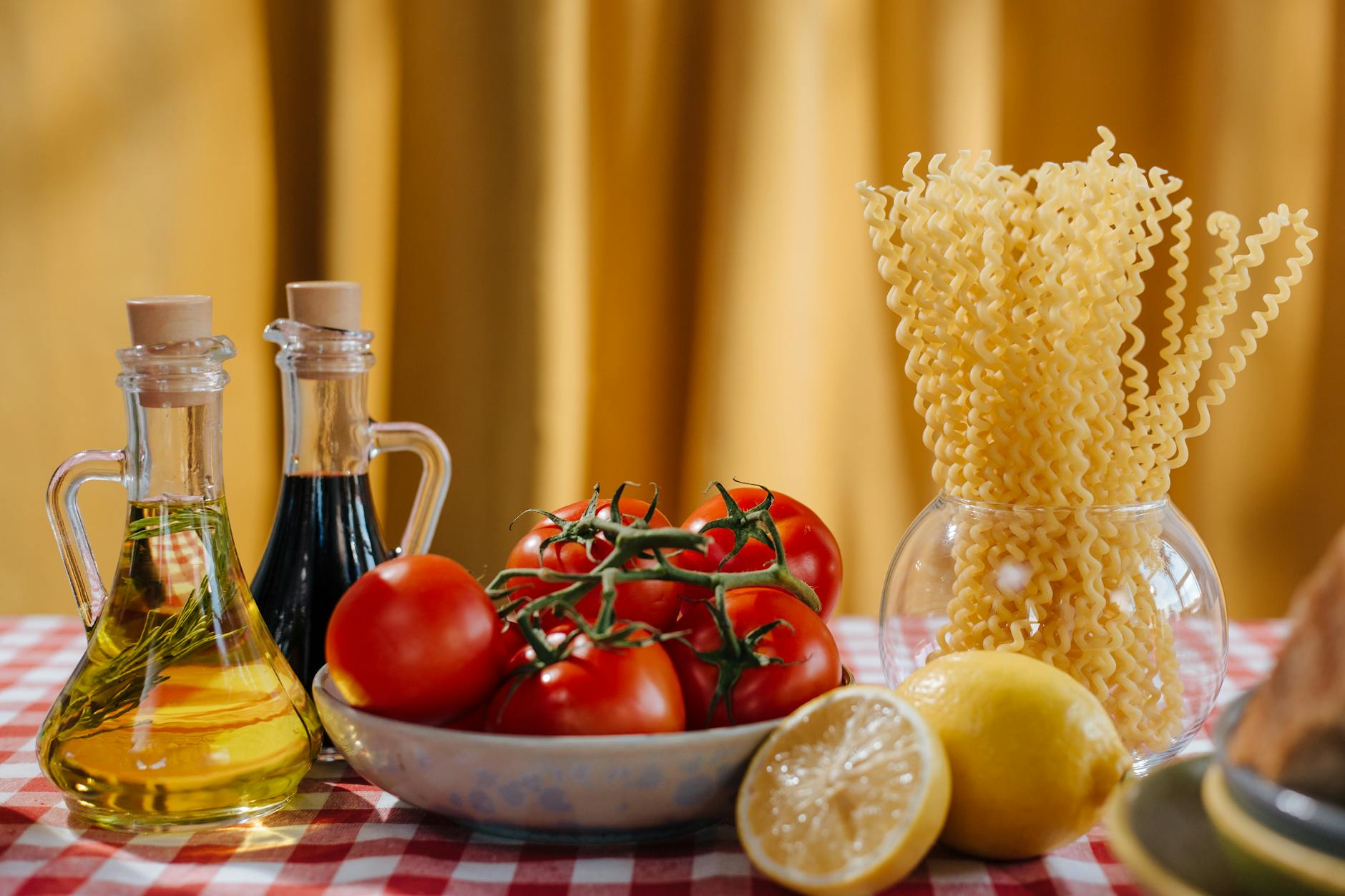
Certain vegetable oils are high in omega-6 fatty acids which can be pro-inflammatory if not balanced with omega-3s. An imbalance in these fatty acids creates a state of chronic inflammation in the body. This internal inflammation accelerates the breakdown of collagen and elastin fibers. Many processed foods use these cheap oils as a primary ingredient. switching to olive oil or avocado oil provides a healthier fatty acid profile.
Microwave Popcorn

The artificial butter flavoring in many popcorn brands creates inflammation in the body. The bag lining often contains chemicals that can disrupt the endocrine system and affect hormones. High sodium levels in these products lead to water retention and puffy eyes. The refined carbohydrates also contribute to the glycation process mentioned earlier. Air-popped corn with real butter is a much safer alternative for skin health.
White Pasta
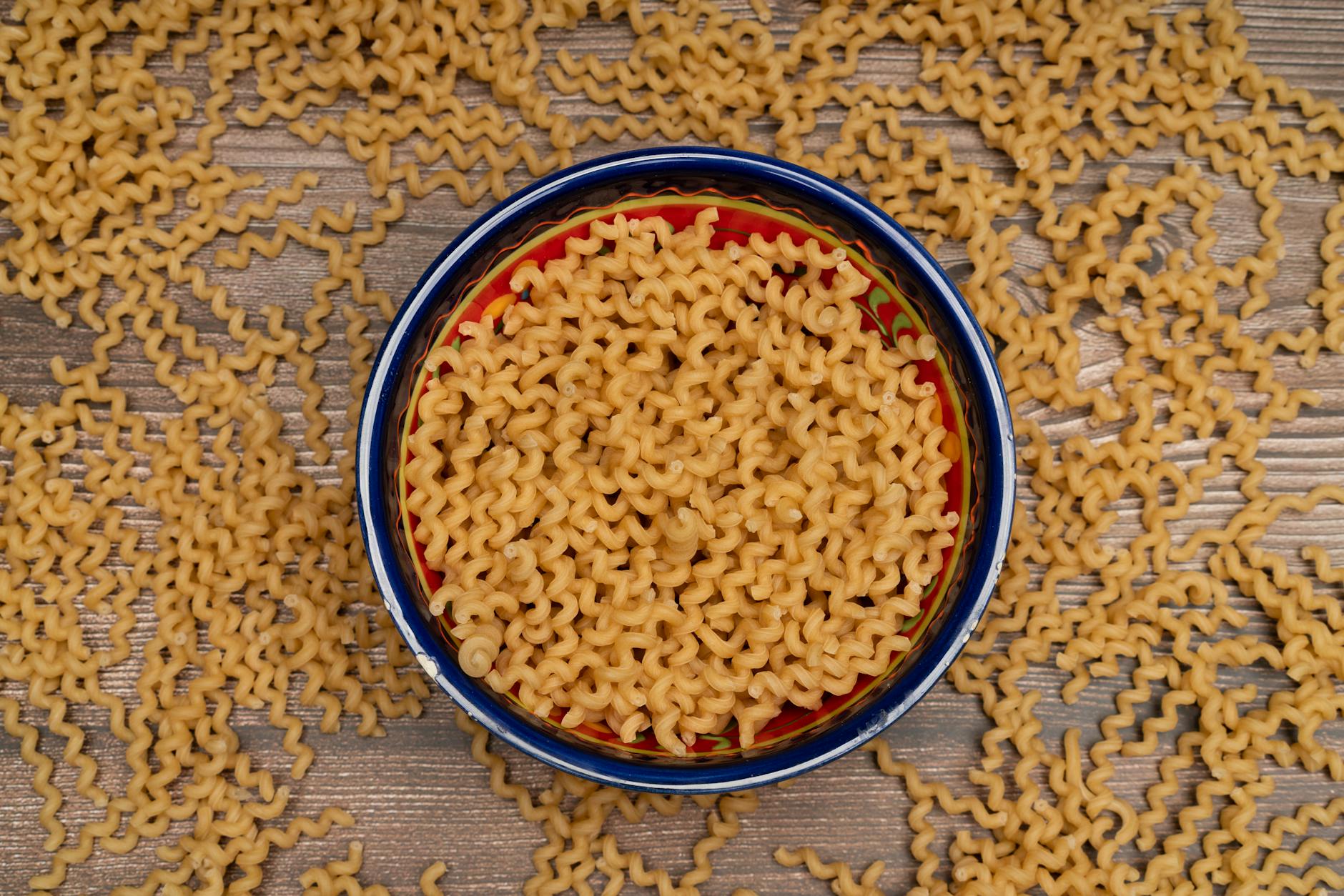
Refined pasta lacks the fiber and nutrients found in the whole grain version. The body processes it as simple sugar which leads to insulin spikes and inflammation. These spikes damage the structural proteins that keep skin looking youthful and resilient. Regular consumption of refined grains is linked to acne and premature aging signs. Whole wheat or legume-based pastas offer better nutrition and a lower glycemic impact.
Bagels
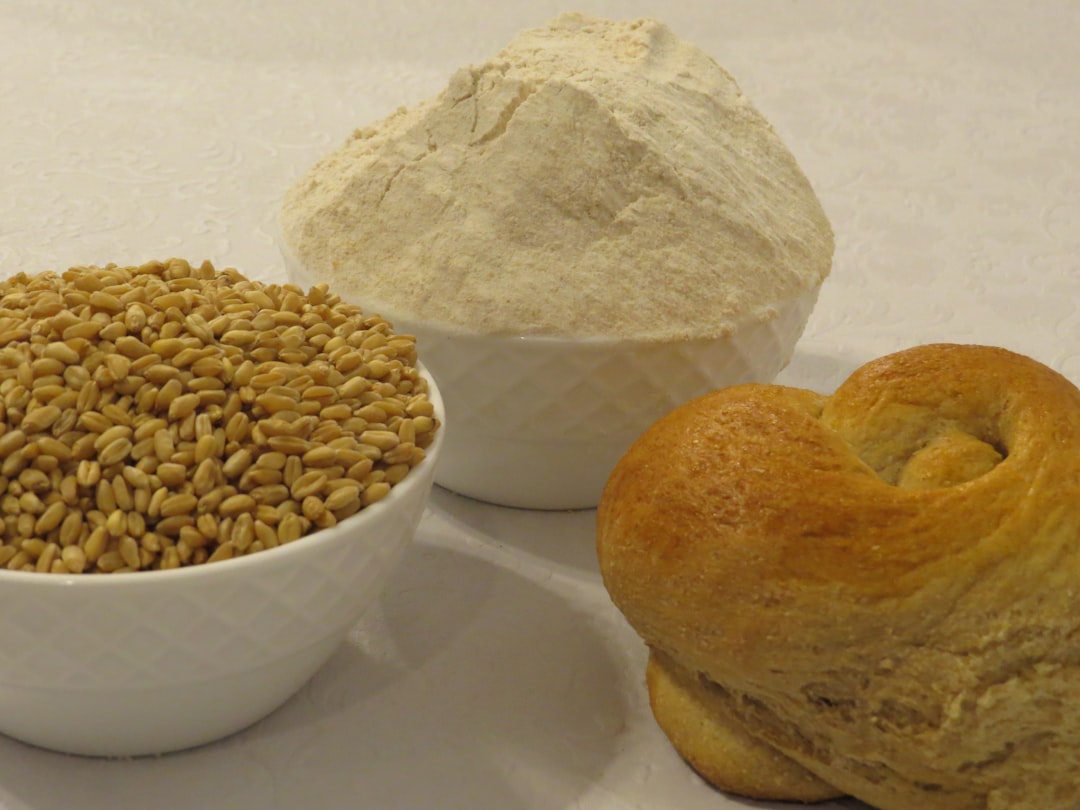
Most bagels are dense sources of refined wheat flour and contain a significant calorie load. The high glycemic index causes a rapid rise in blood sugar and insulin. This hormonal fluctuation stimulates oil production and inflammatory pathways in the skin. The lack of antioxidants in white flour means there is no protection against this damage. Moderating portion sizes or choosing whole grain options helps reduce the impact.
Frozen Pizza

This convenience food combines high sodium and processed meats with refined dough. The result is a triple threat of dehydration and inflammation and glycation. The preservatives used in the toppings often trigger oxidative stress in the skin. Nitrates in the pepperoni or sausage further degrade skin quality through inflammation. Homemade pizza with fresh ingredients offers a much friendlier profile for aging skin.
Soy Sauce
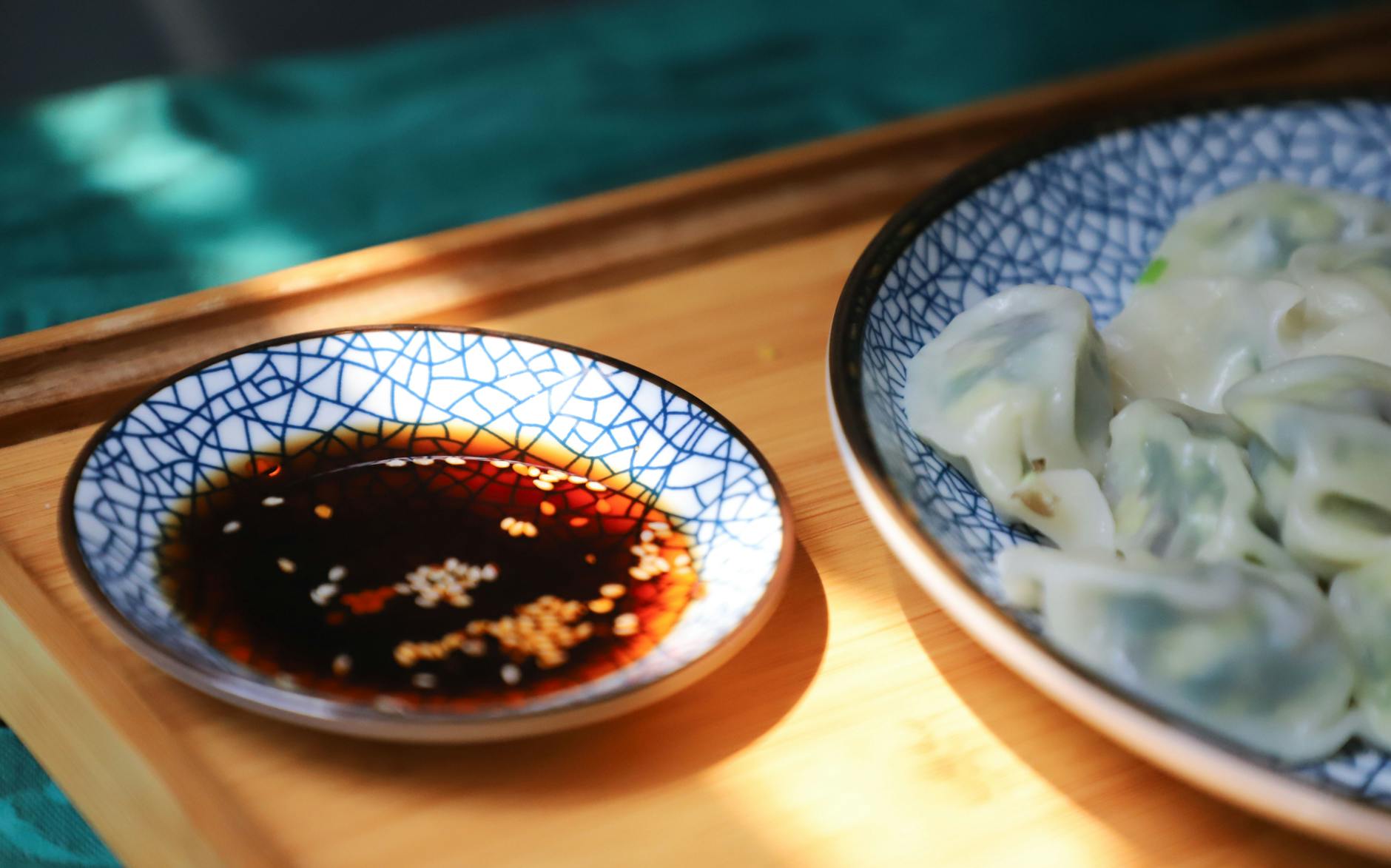
This condiment is extremely high in sodium and causes immediate dehydration. The salt content pulls water from cells and leaves the under-eye area looking hollow or puffy. Dehydrated skin highlights wrinkles and loses its natural plumpness. Many commercial brands also contain wheat and gluten which can be inflammatory for some people. Low-sodium versions or coconut aminos are better alternatives for seasoning food.
Candy Bars

Candy bars deliver a massive dose of processed sugar and unhealthy fats in a small package. The sugar binds to collagen fibers and makes them brittle and prone to breaking. This structural damage leads directly to the formation of deep wrinkles and sagging. The additives and artificial colorings can also tax the liver and reduce its ability to clear toxins. Dark chocolate with high cocoa content is a superior choice rich in antioxidants.
Sweetened Coffee Drinks

Fancy coffee beverages often contain more sugar than a standard can of soda. The combination of caffeine and sugar dehydrates the body while spiking insulin levels. Syrups and whipped cream add inflammatory fats and artificial flavors to the mix. This daily habit can lead to cumulative collagen damage and dull skin tone. Drinking black coffee or using small amounts of natural sweeteners minimizes these risks.
Pretzels

Pretzels are essentially refined flour and salt which makes them a poor choice for skin health. The simple carbohydrates convert to sugar rapidly and fuel the glycation process. The salt burden dehydrates the skin and contributes to facial puffiness. They lack the vitamins and minerals needed to support skin regeneration. Nuts or seeds provide a crunchy alternative with beneficial fats and proteins.
Commercial Baked Goods

Store-bought muffins and cookies usually contain trans fats to keep them soft on the shelf. These fats clog arteries and stiffen cell membranes throughout the body. Stiff cell membranes cannot transport nutrients effectively or remove waste products efficiently. The high sugar content further accelerates the aging of skin tissues. Baking at home allows for the use of healthier fats and less sugar.
Canned Fruit in Syrup
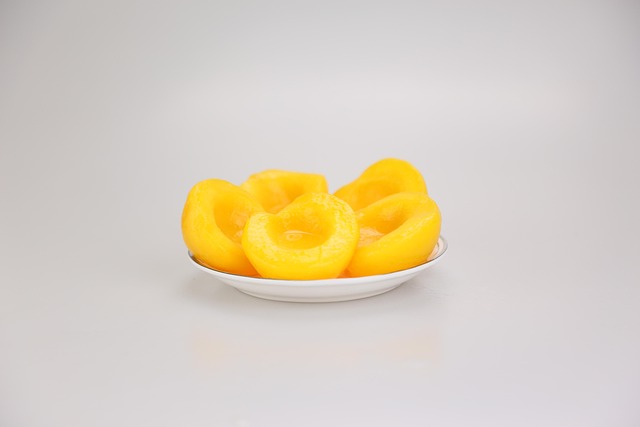
Fruit is generally healthy but canning it in heavy syrup negates many benefits. The fruit absorbs the excess sugar which drastically increases its glycemic load. This excess sugar contributes to inflammation and collagen degradation just like candy. The syrup adds empty calories without providing any nutritional value to the skin. Choosing fresh or frozen fruit without added sugar is always preferable.
Flavored Yogurt

Many yogurts marketed as healthy contain as much sugar as a dessert. This hidden sugar spikes insulin and promotes inflammation which can lead to breakouts. Dairy itself can also be an inflammatory trigger for some people and exacerbate acne. The probiotics are often outweighed by the negative impact of the sweeteners. Plain yogurt with fresh fruit added is a much safer option for the complexion.
Pickles
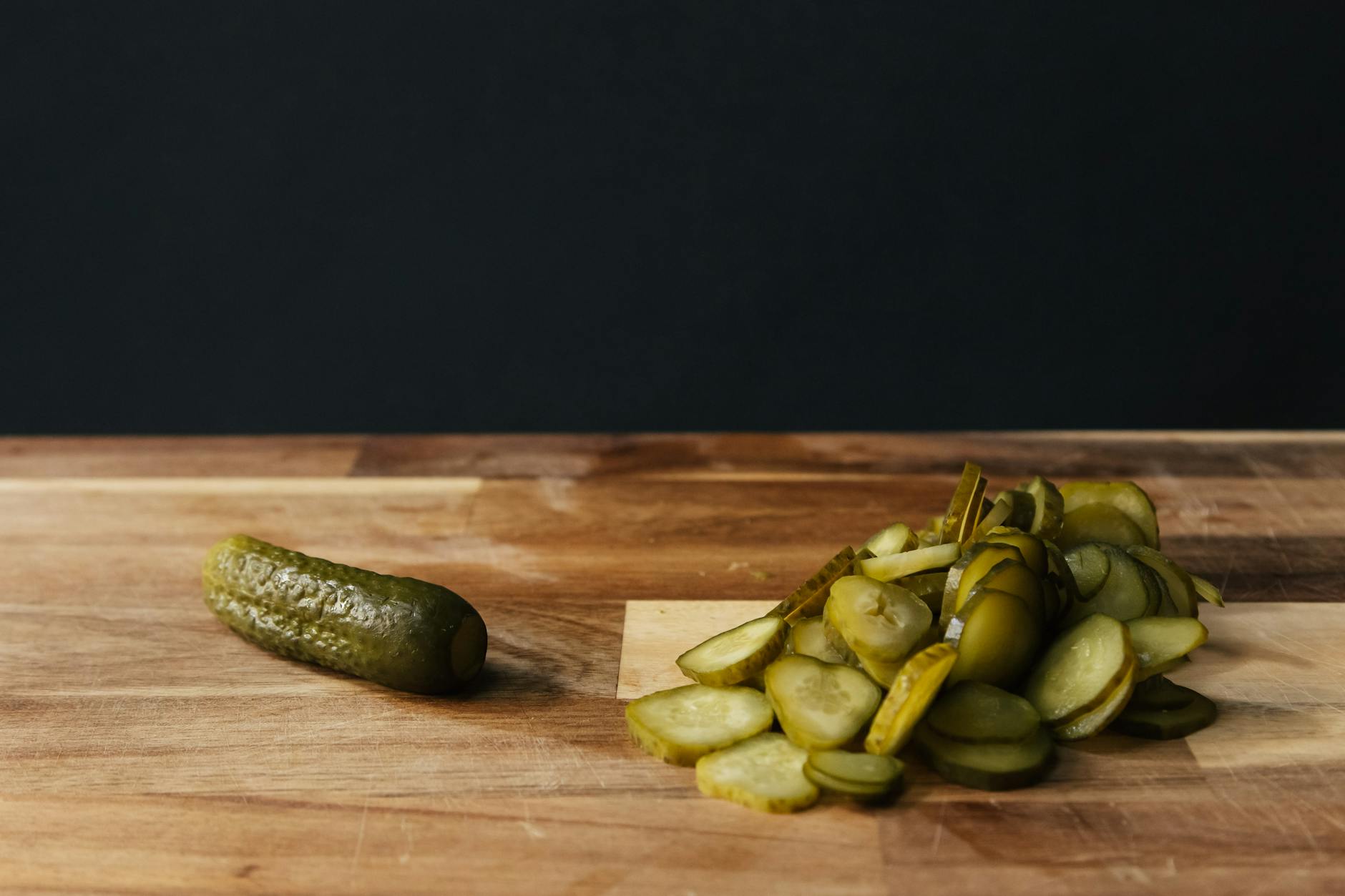
Pickles are preserved in brine that is saturated with sodium. Eating them in large quantities leads to significant water retention and bloating. The high salt intake dehydrates the skin and emphasizes fine lines and wrinkles. Vinegar can be healthy but the sodium content in pickles is the primary concern here. Fermented vegetables with less salt offer probiotic benefits without the dehydration.
Processed Cheese

Processed cheese products often contain emulsifiers and preservatives rather than real dairy. These additives can be difficult for the body to eliminate and may trigger inflammation. The high sodium content contributes to puffiness and dehydration in the face. The saturated fats present can also negatively impact circulation and heart health. Real cheese in moderation provides calcium and protein with fewer artificial ingredients.
Bacon

Bacon contains nitrates and high levels of sodium that damage skin health. The nitrates convert to nitrosamines in the body which are oxidative compounds. These compounds attack cells and accelerate the aging process significantly. The high fat content also promotes systemic inflammation that degrades collagen. Turkey bacon without nitrates can be a slightly better alternative if consumed sparingly.
Hot Dogs

These processed meats are filled with preservatives and sodium and saturated fats. The combination creates a highly inflammatory food that stresses the body’s detoxification systems. Nitrites used for color preservation are linked to cellular damage and aging. The lack of nutritional value means they displace healthy foods that could protect the skin. Lean cuts of fresh poultry or beef are far superior for maintaining health.
Fried Chicken

The batter on fried chicken acts as a sponge for unstable frying oils. These oils introduce free radicals that damage the lipid barrier of the skin. The high heat of frying also produces advanced glycation end products before the food is even eaten. This dual source of damage accelerates wrinkling and loss of elasticity. Baked or grilled chicken retains the protein benefits without the oxidative stress.
Artificial Sweeteners

Some research suggests artificial sweeteners may disrupt the gut microbiome. A healthy gut is essential for reducing inflammation and maintaining clear skin. Imbalances in gut bacteria can manifest as rosacea or eczema or acne. The brain also reacts to the sweet taste by preparing for sugar which impacts insulin sensitivity. Natural alternatives like stevia may have a lower impact on gut health.
Corn Chips
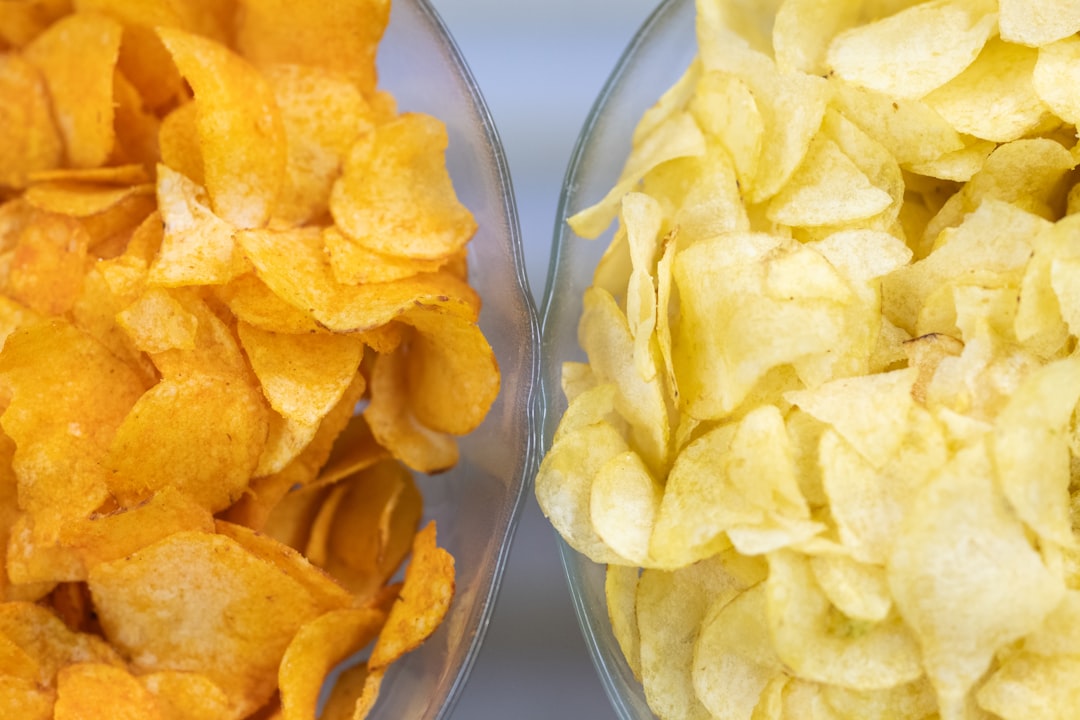
Corn chips are typically fried in refined oils and heavily salted. The corn used is often genetically modified and processed in ways that remove nutrients. The combination of inflammatory oil and high sodium dehydrates and damages skin cells. They are calorie-dense and easy to overeat which increases the inflammatory load. Baked corn tortillas are a lighter option with less oil.
Beef Jerky
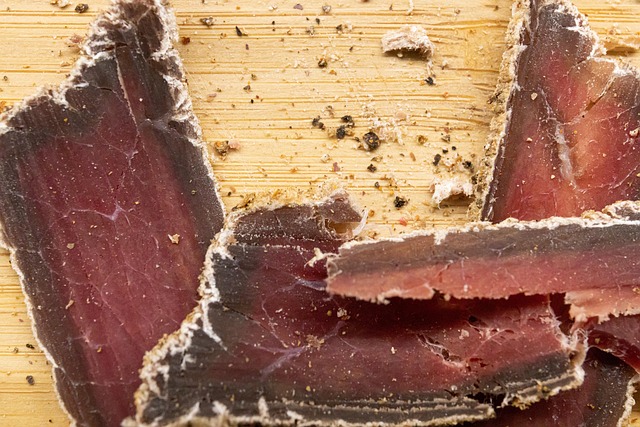
While high in protein most jerky is cured with sugar and massive amounts of salt. The preservation process often involves nitrates which are harmful to cellular health. The tough texture requires chewing but the sodium dehydrates the body rapidly. Dehydration makes the skin look tired and allows wrinkles to settle in. Reading labels to find low-sugar and nitrate-free versions is essential.
Biscuits

Biscuits made from refined flour and shortening are a source of trans fats and simple carbs. The lack of fiber causes blood sugar to spike and crash quickly. Trans fats integrate into cell membranes and make them rigid and less functional. This rigidity impairs the skin’s ability to retain moisture and stay supple. Whole grain bread is a much better source of complex carbohydrates.
Chocolate Milk
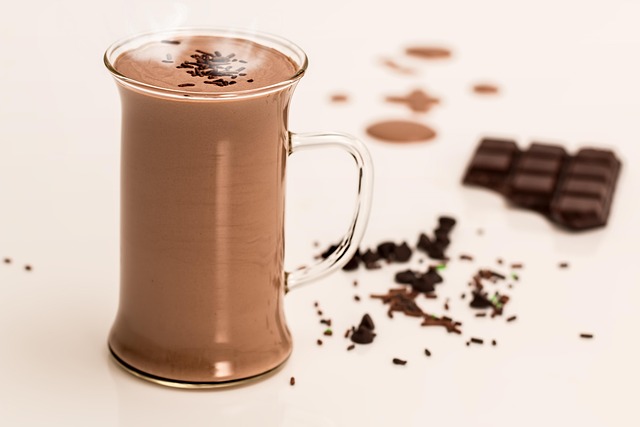
Premade chocolate milk is loaded with added sugar that outweighs the protein benefits. The lactose in milk combined with sugar creates a high insulin response. This can stimulate sebum production and lead to clogged pores and inflammation. The carrageenan often used as a thickener can also cause gut inflammation in some people. Making cocoa at home with unsweetened powder and a milk alternative is healthier.
BBQ Sauce
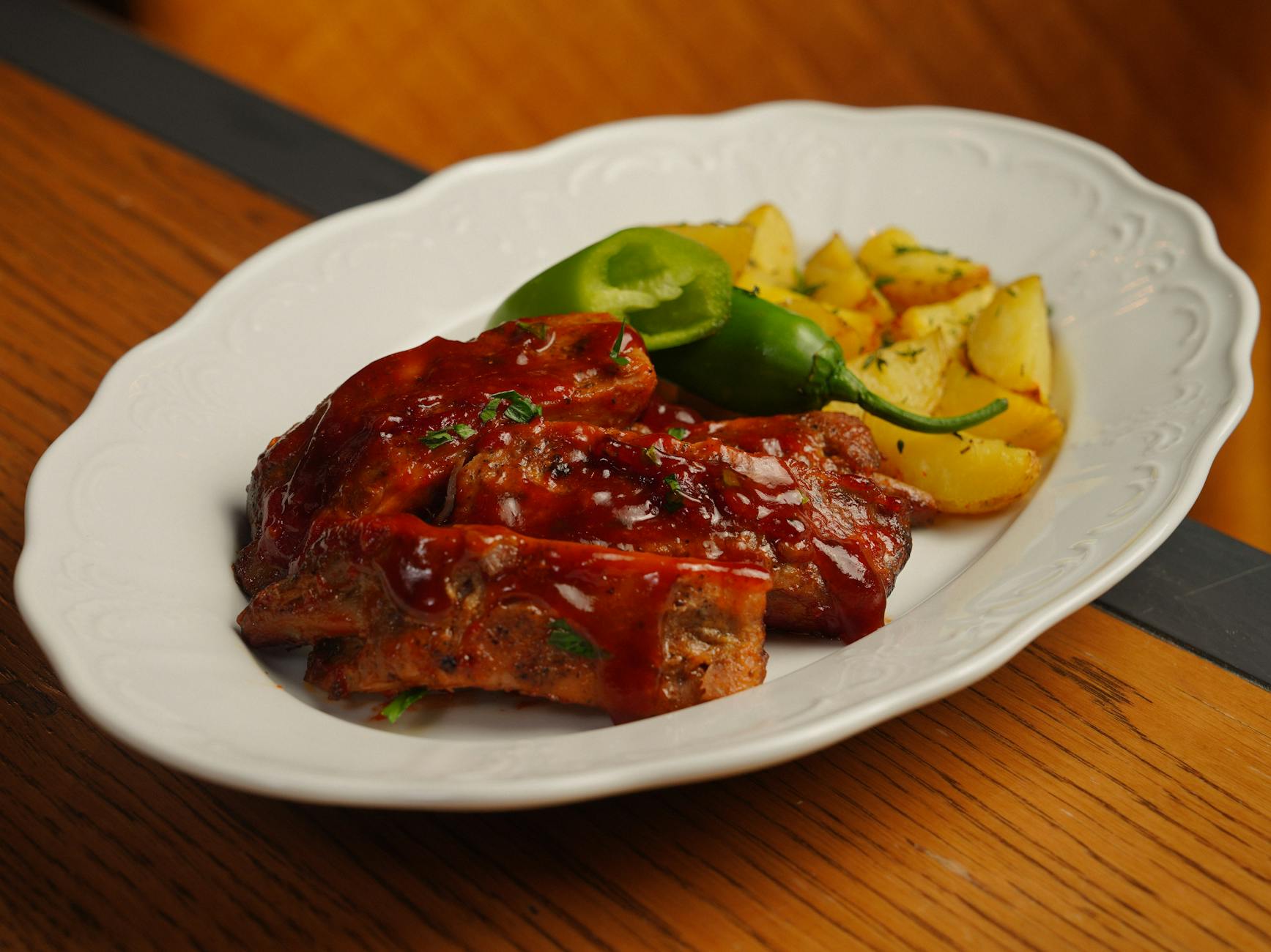
Barbecue sauce is often one of the most sugar-dense condiments available. It caramelizes on meat which creates char and adds glycation end products to the meal. The high sugar content spikes blood glucose and damages skin proteins. It often contains high fructose corn syrup as the primary ingredient. Using dry rubs or vinegar-based sauces reduces the sugar exposure significantly.
Please share your thoughts on which of these foods you find hardest to give up in the comments.