Freezing remains one of the most effective methods for preserving extra food and reducing household waste. Many common kitchen staples handle the extreme cold perfectly well and emerge ready for consumption. Other specific ingredients undergo drastic chemical and physical changes when exposed to freezing temperatures. The expansion of water molecules during the freezing process often destroys delicate textures and separates complex emulsions. Understanding which items belong in the refrigerator instead of the freezer helps maintain food quality and prevents unnecessary culinary disasters.
Fresh Lettuce
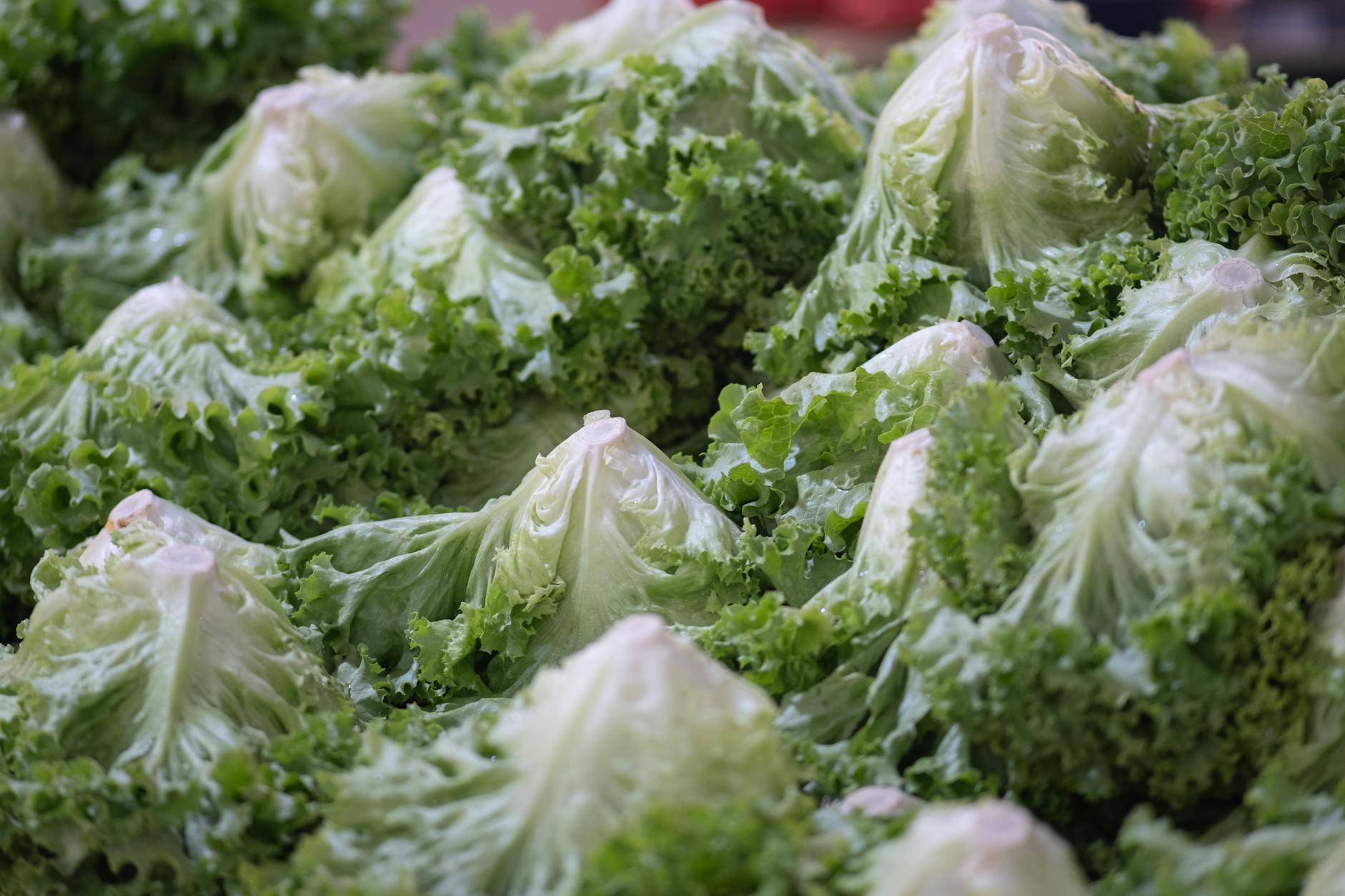
Freezing fresh lettuce destroys its delicate cellular structure completely. The high water content turns to ice and bursts the plant cell walls. This structural damage transforms the crisp leaves into a soggy mess upon thawing. The wilted result becomes completely useless for traditional salads or sandwich garnishes. Cooks can only salvage this leafy green by blending it into smoothies or pureed soups.
Whole Cucumbers
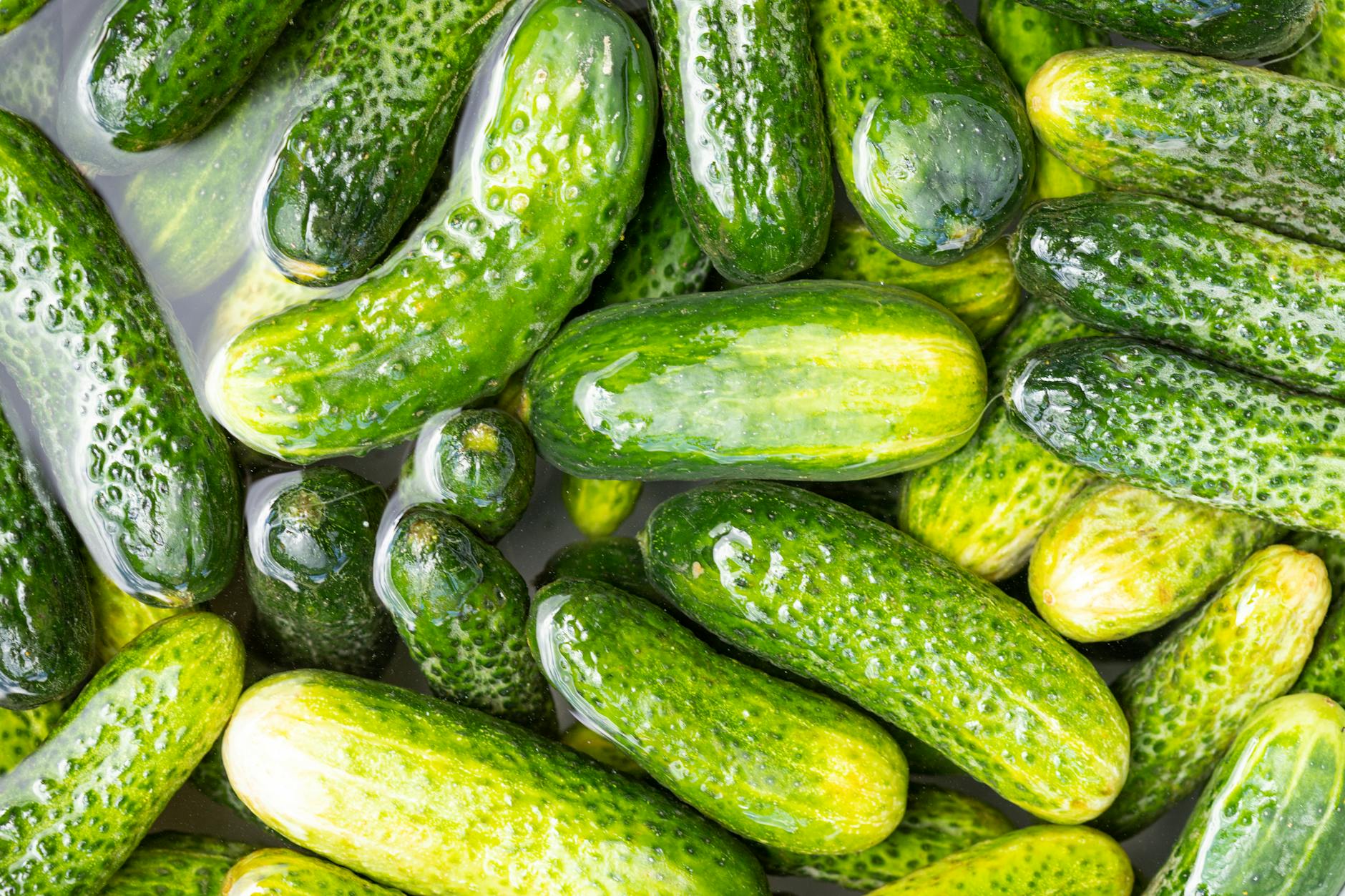
These popular vegetables contain an exceptionally high percentage of water within their flesh. Placing them in the freezer guarantees an irreversible loss of their signature crunch. The thawing process leaves behind a limp and weeping vegetable that lacks all original structural integrity. They become completely unsuitable for slicing into fresh salads or serving as raw snacks. The altered texture only works if you intend to puree them for cold summer soups.
Raw Tomatoes
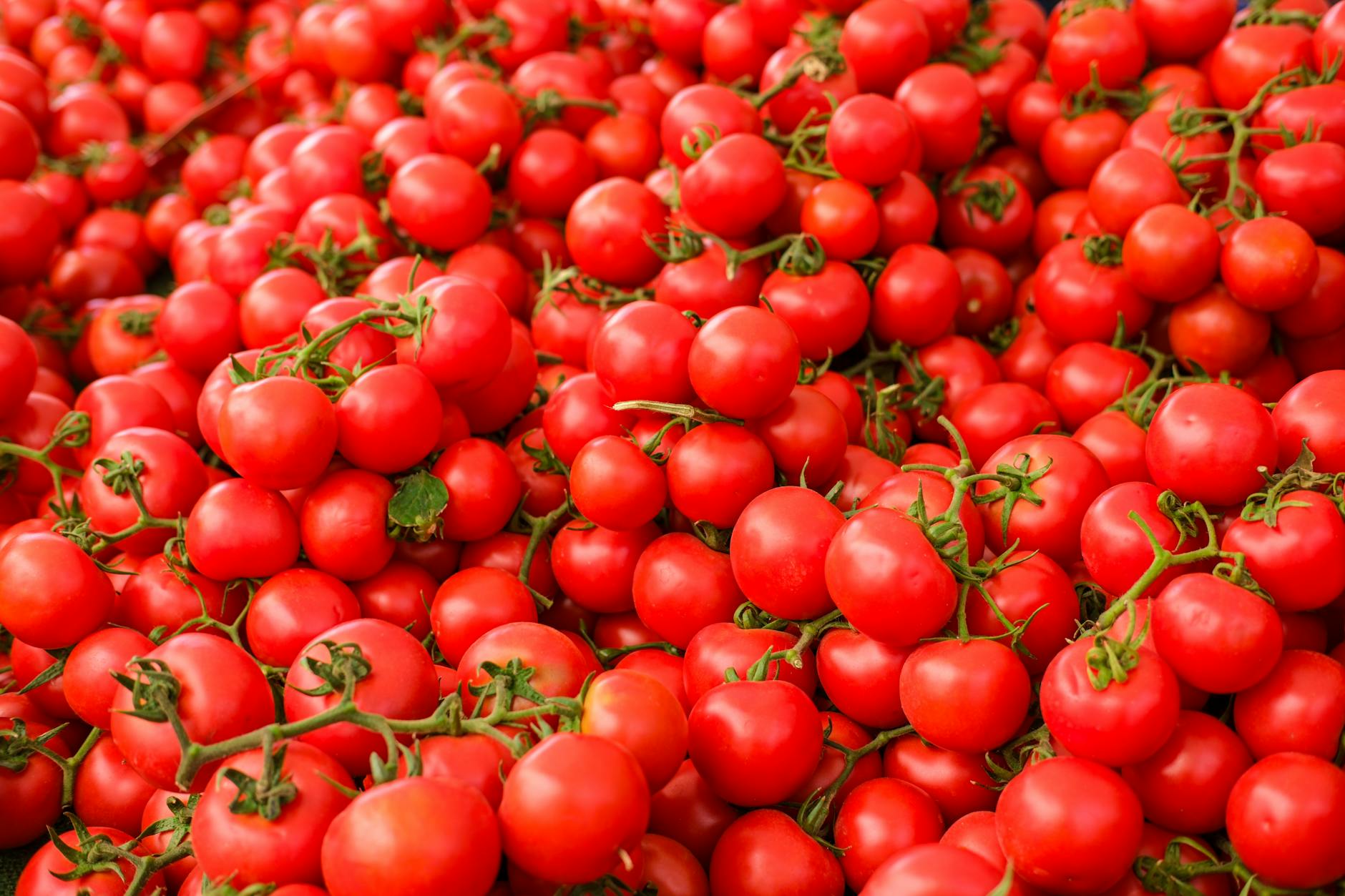
The freezer environment severely compromises the plump texture of fresh raw tomatoes. The internal moisture expands and completely ruptures the skin and delicate internal membranes. Thawing reveals a collapsed and mealy fruit sitting in a pool of its own separated juices. You will never want to slice these compromised tomatoes for a fresh sandwich or garden salad. They remain functional only for making cooked pasta sauces or heavily simmered stews.
Watermelon
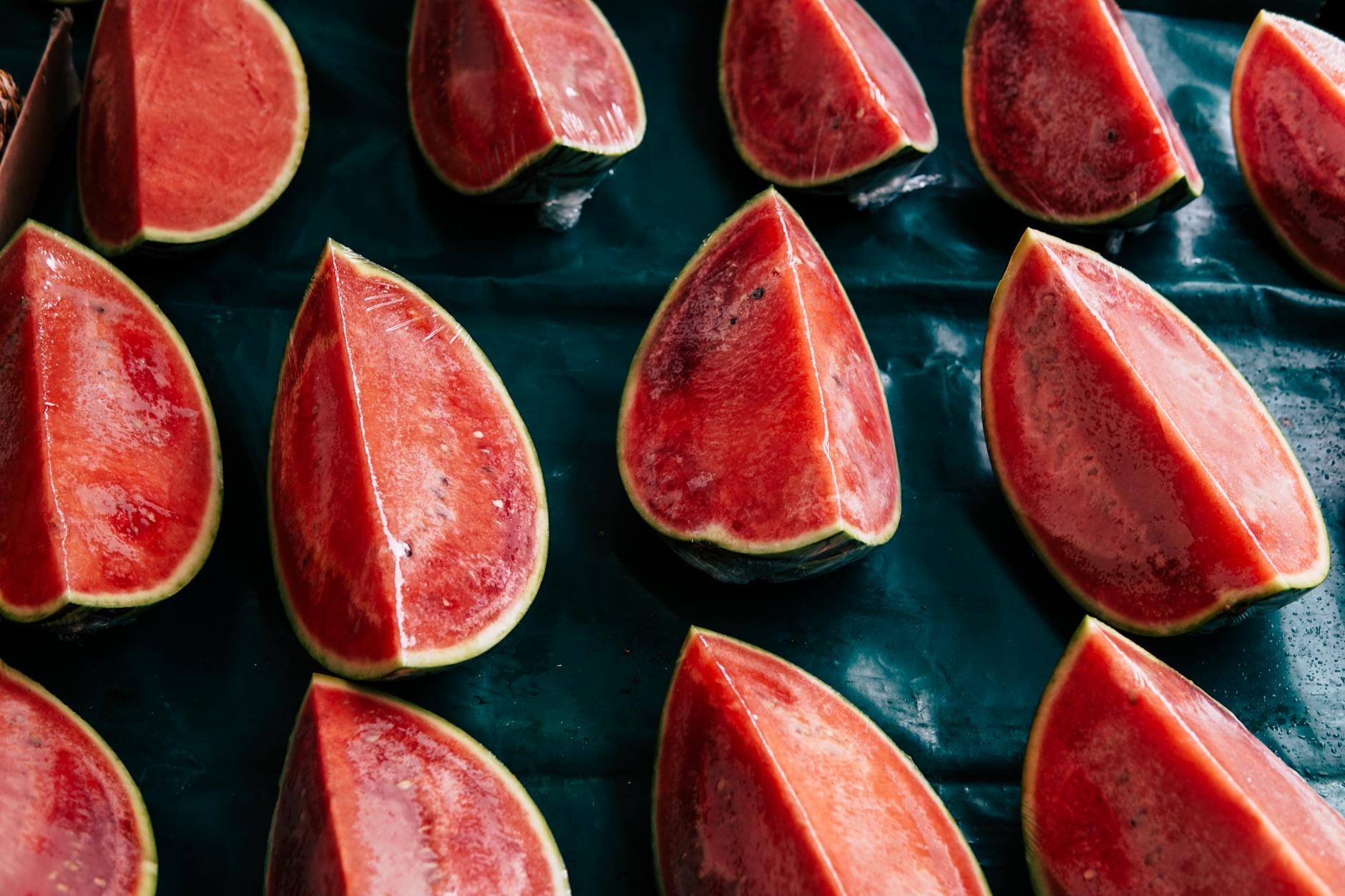
This summertime favorite relies entirely on its crisp and juicy texture for appeal. Freezing the fruit causes the abundant water cells to burst open and lose their structural hold. The defrosted fruit transforms into a gritty and mushy sponge that leaks liquid everywhere. Eating the thawed pieces raw offers a deeply unpleasant and disappointing sensory experience. The only acceptable use for frozen watermelon involves throwing it directly into a blender for chilled beverages.
Raw Potatoes
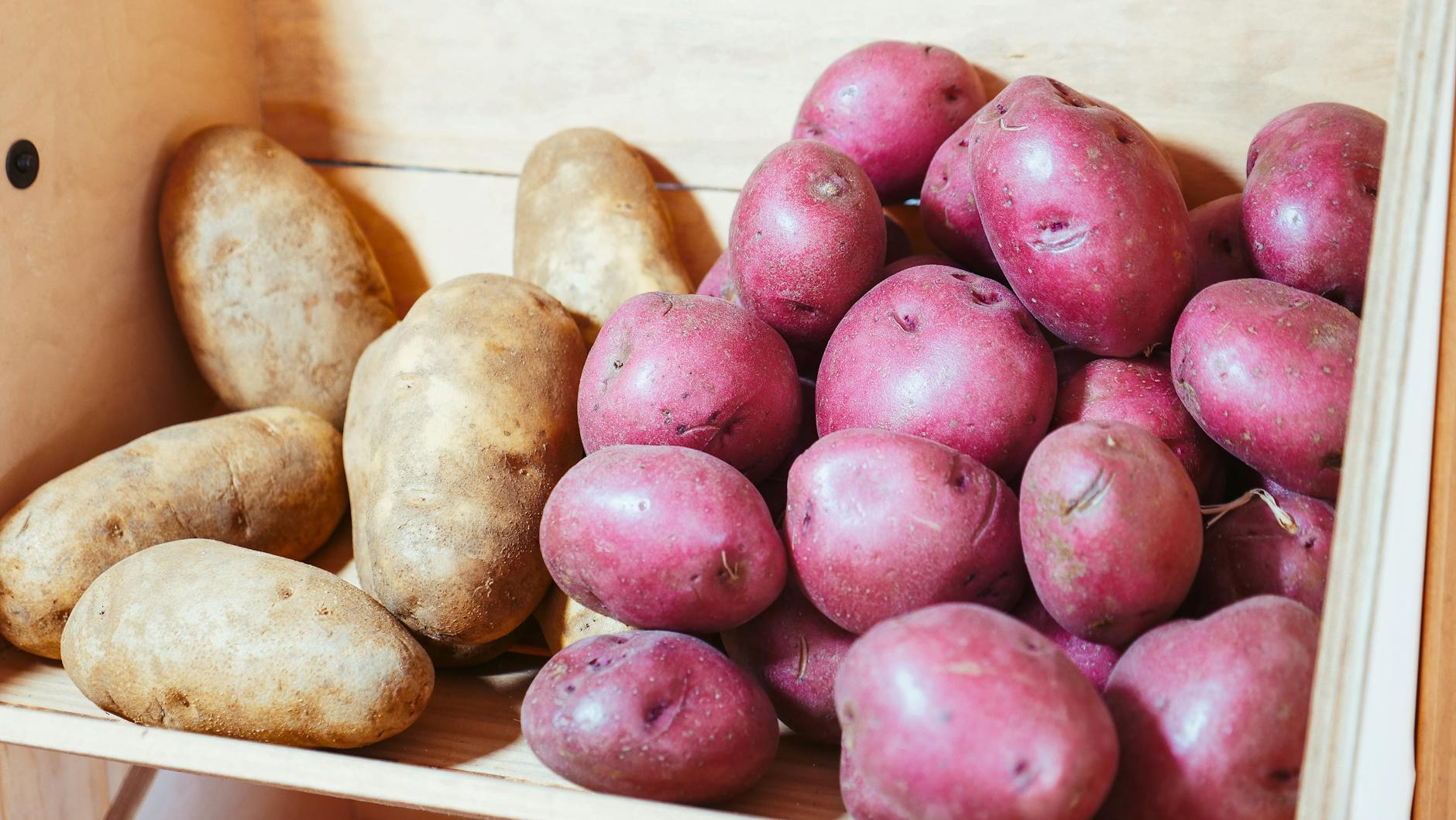
Uncooked potatoes undergo a strange chemical and physical transformation in subzero temperatures. The freezing process alters the natural starches and turns the firm flesh completely black or dark brown. Thawed raw potatoes also develop an unpleasantly sweet flavor and a gritty texture. They turn mushy and cook unevenly when you finally try to roast or boil them. You must completely cook or at least blanch potatoes before attempting to store them in the freezer.
Mayonnaise
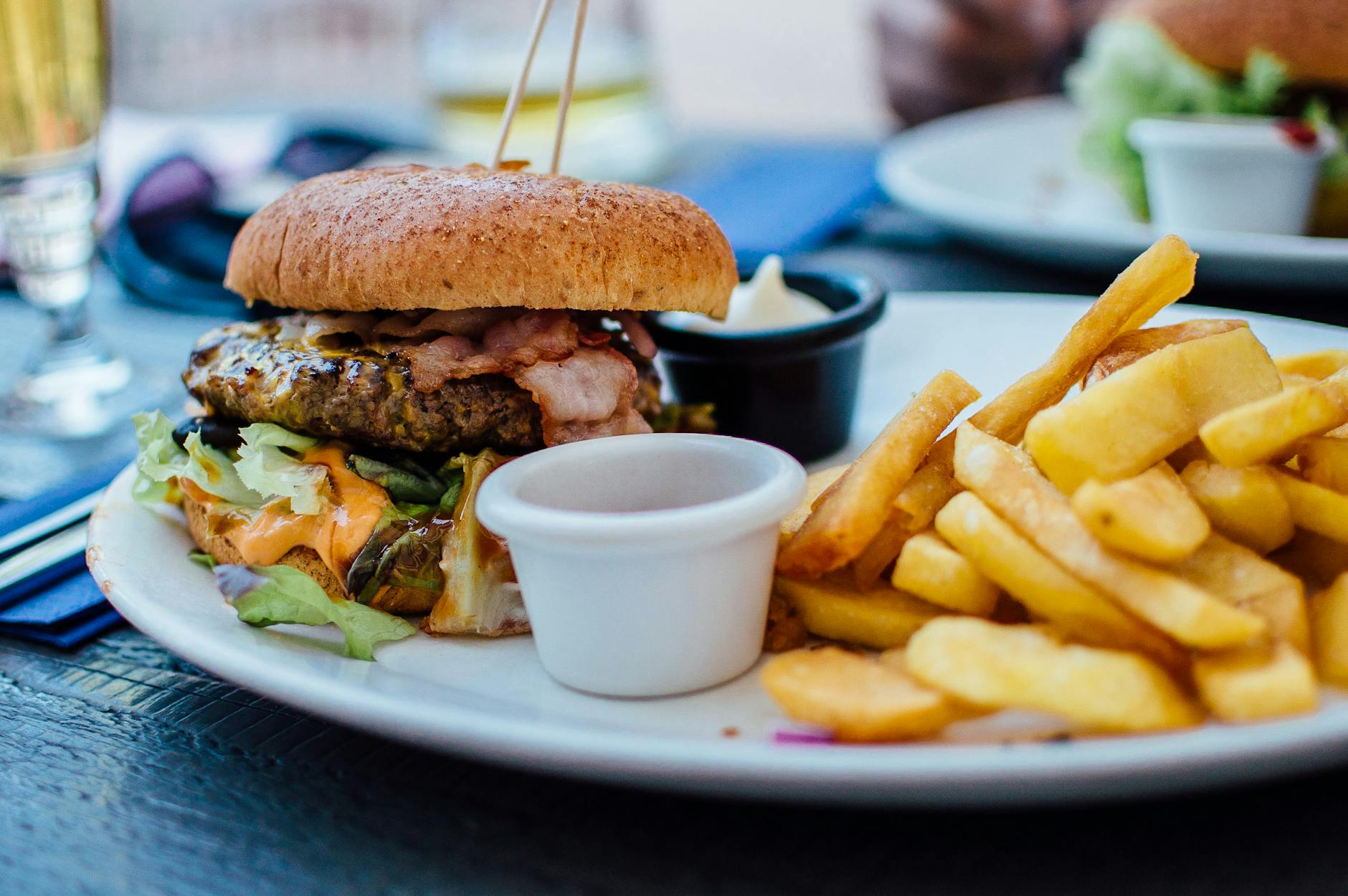
This popular condiment consists of a delicate emulsion of oil and egg yolks and vinegar. The freezing process violently breaks this fragile chemical bond and separates the ingredients. You will find a completely separated mixture of thick clumps and floating oil when the jar thaws. Stirring the mixture aggressively will never restore the original creamy and smooth consistency. The ruined condiment becomes completely unusable for spreading on sandwiches or mixing into dressings.
Sour Cream
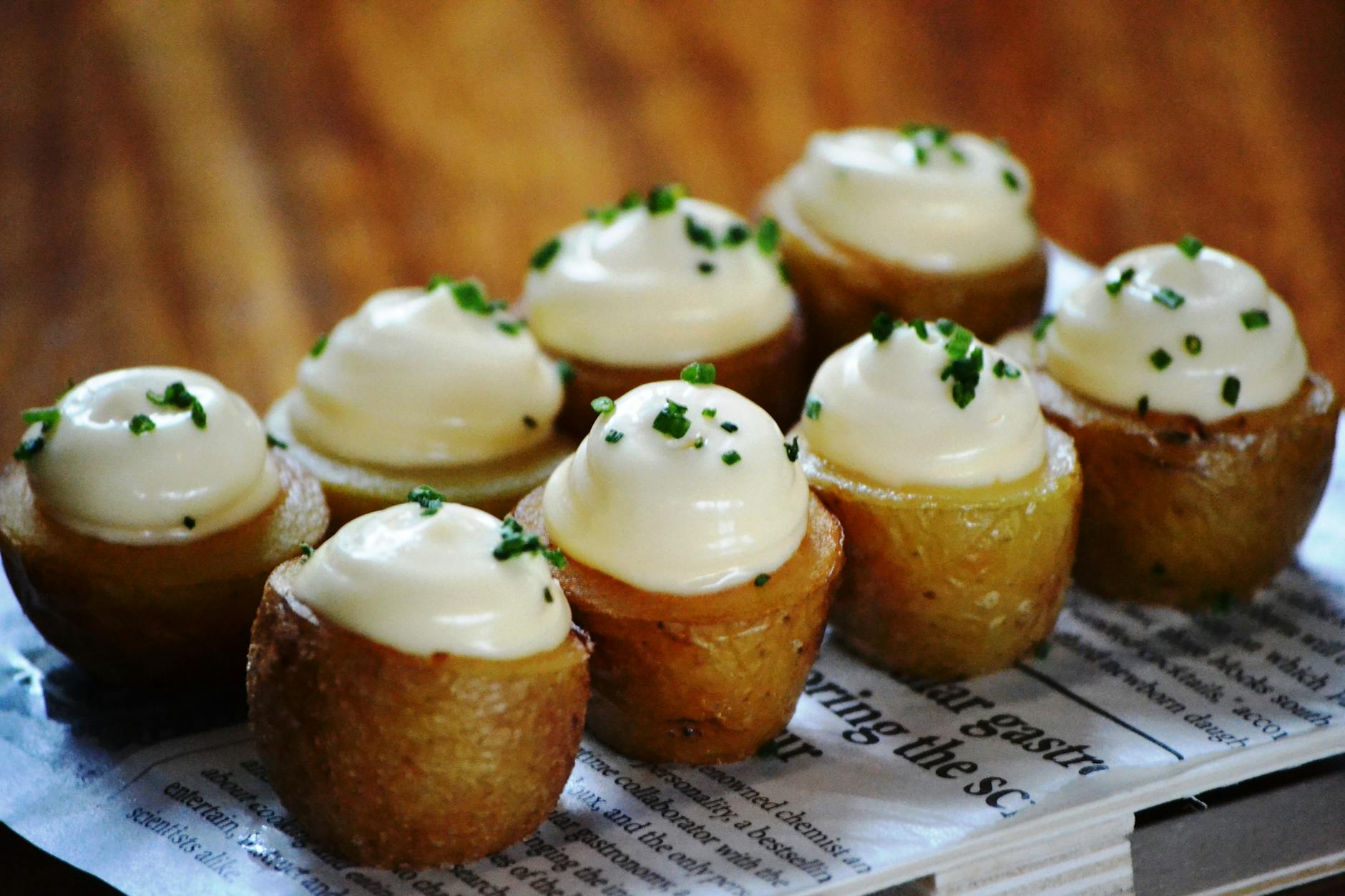
Putting a tub of sour cream into the freezer guarantees a highly disappointing outcome. The freezing action causes the dairy fats to completely separate from the liquid whey components. The thawed product takes on a highly unappetizing cottage cheese texture with watery puddles. No amount of rigorous whisking or blending can bring back the smooth and luxurious original form. You can strictly use this separated version for baking recipes where the texture goes unnoticed.
Traditional Yogurt
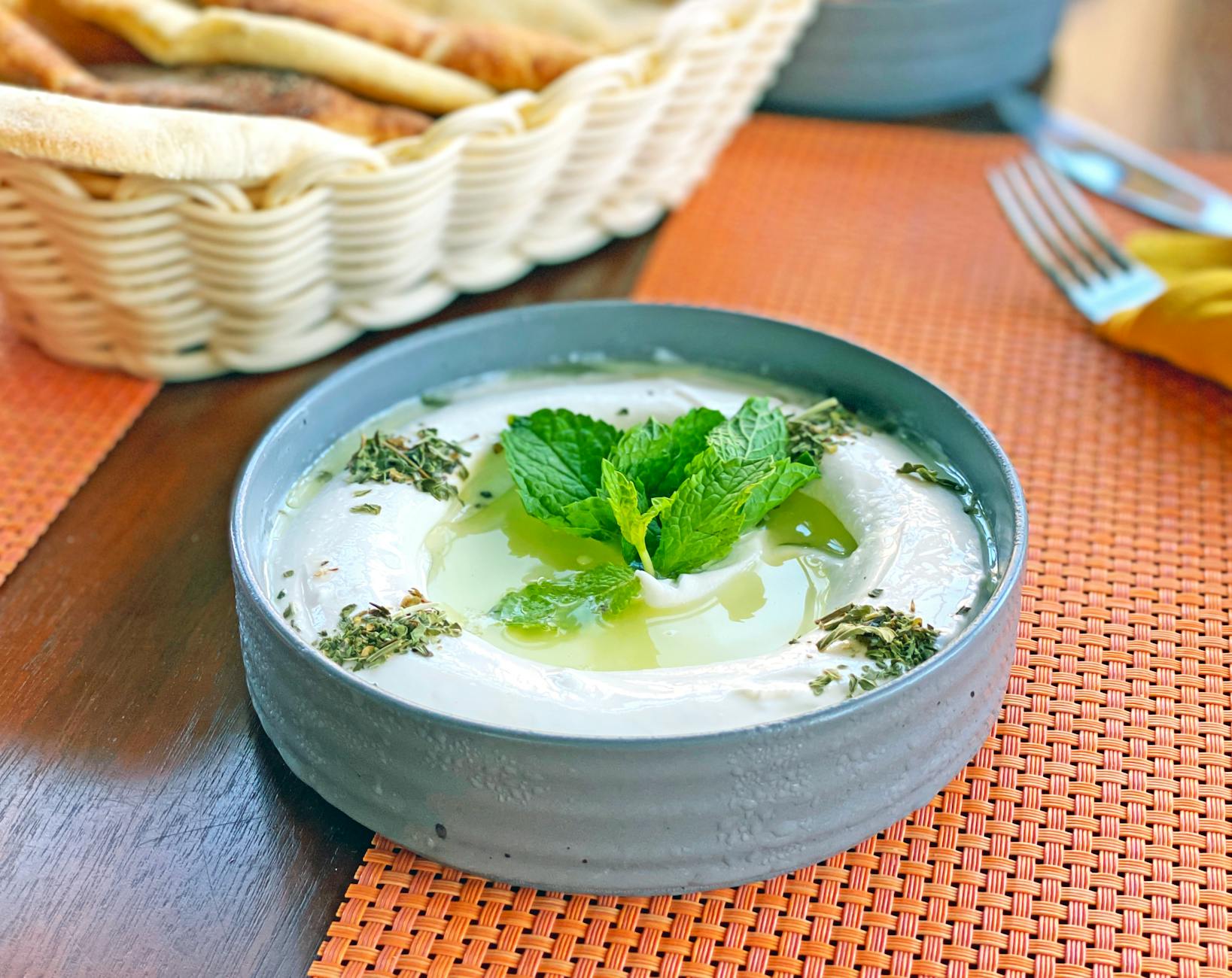
Regular yogurt suffers a similar fate to other cultured dairy products when subjected to freezing. The smooth texture breaks down as the curds separate entirely from the whey during the temperature drop. The resulting defrosted mixture looks grainy and watery in a highly unappealing way. Eating it straight from the container becomes an unpleasant experience due to the chunky consistency. It only retains usefulness as a hidden ingredient in baked goods or heavily blended fruit smoothies.
Cream Cheese
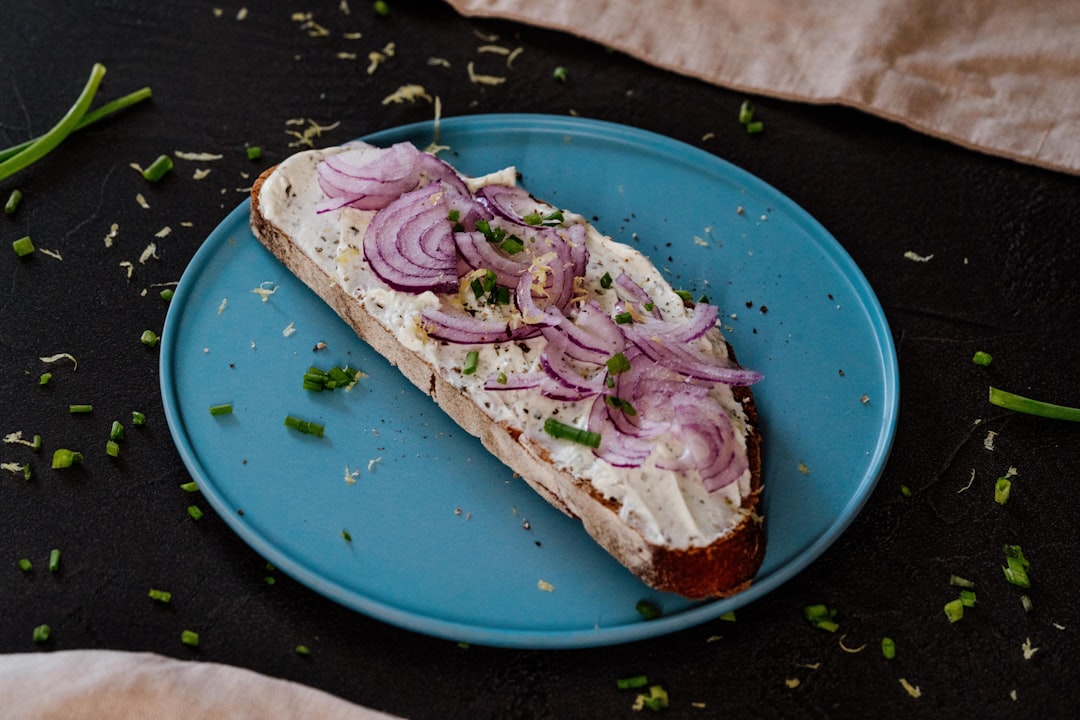
This dense dairy spread loses its signature smooth spreadability when placed in the freezer. The freezing process dramatically changes the molecular structure and causes extreme crumbly separation. Thawed cream cheese shatters into dry pieces instead of gliding smoothly over a fresh bagel. The watery liquid separates from the milk solids and leaves a chalky texture behind. You can only repurpose this altered cheese by melting it completely into hot casseroles or baked dips.
Fried Chicken
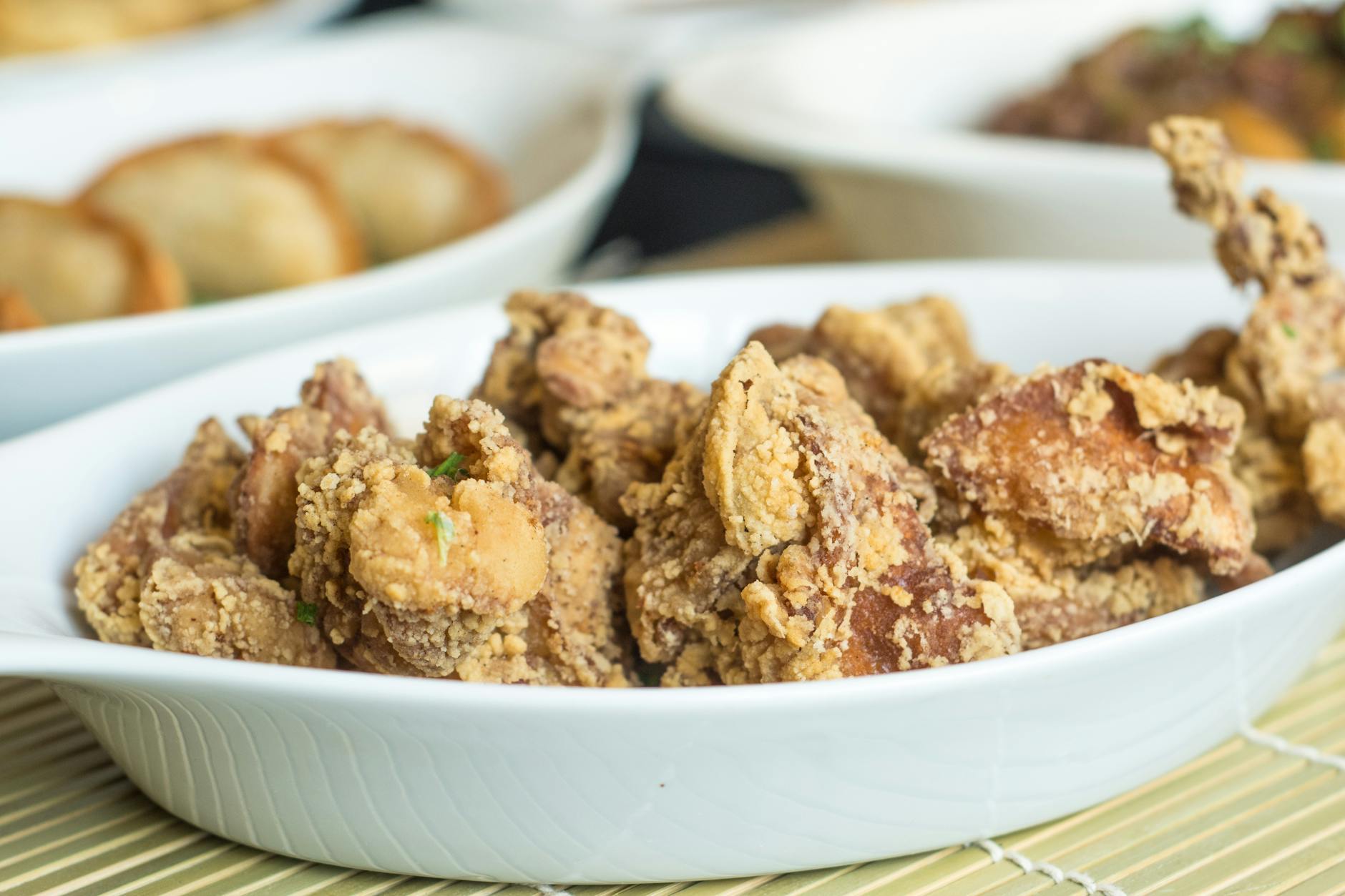
The freezer completely destroys the main appealing characteristic of perfectly cooked fried chicken. The crispy exterior absorbs moisture from the meat as the entire piece freezes and thaws. The formerly crunchy crust turns into a soggy and deeply unappetizing layer of mushy breading. Reheating the chicken often results in dry meat surrounded by a chewy and damp exterior. You lose all the textural contrast that makes this fried dish so deeply satisfying in the first place.
Cooked Pasta
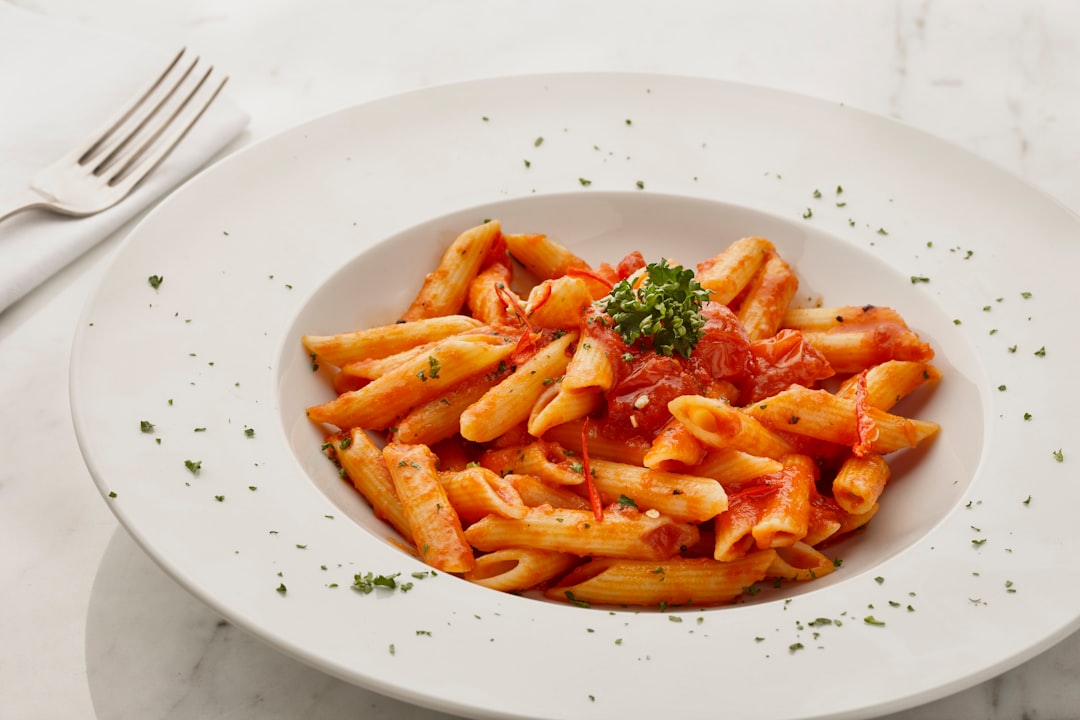
Storing fully cooked pasta in the freezer generally yields incredibly poor culinary results. The freezing process causes the starch structures to absorb excessive moisture and break down completely. The noodles turn into a mushy and shapeless mass of dough upon thawing and reheating. They lose all structural integrity and disintegrate when you try to mix them with any sauce. You should always freeze the sauce separately and boil fresh pasta when you are ready to eat.
Raw Eggs
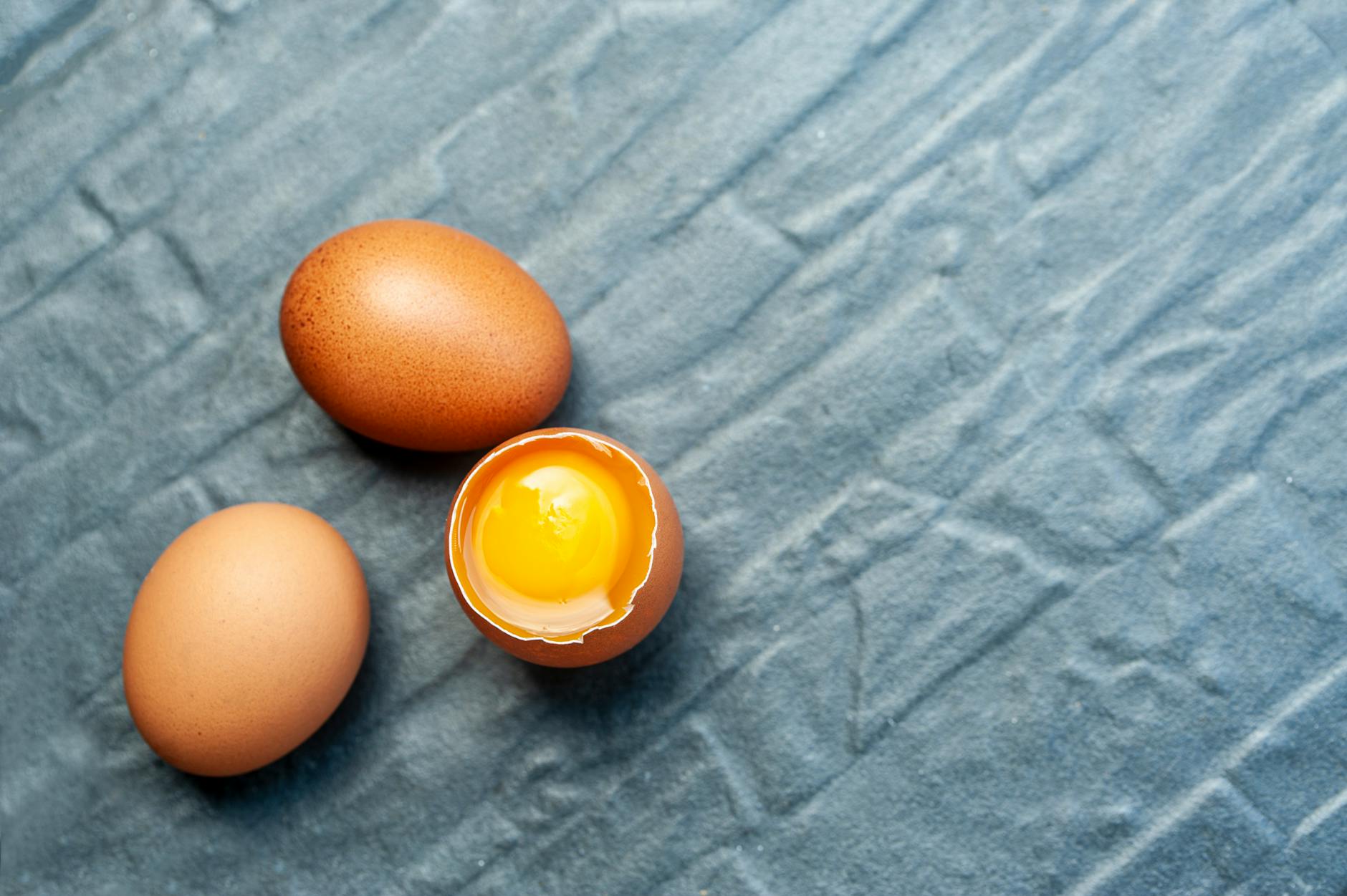
Placing whole uncracked raw eggs in the freezer creates an immediate physical disaster. The liquid inside the shell expands significantly as the temperature drops below freezing. This rapid expansion causes the outer protective shell to crack and shatter completely open. The exposed egg becomes highly susceptible to bacterial contamination and freezer burn. You must whisk the yolks and whites together in an airtight container if you truly need to freeze them.
Hard Boiled Eggs
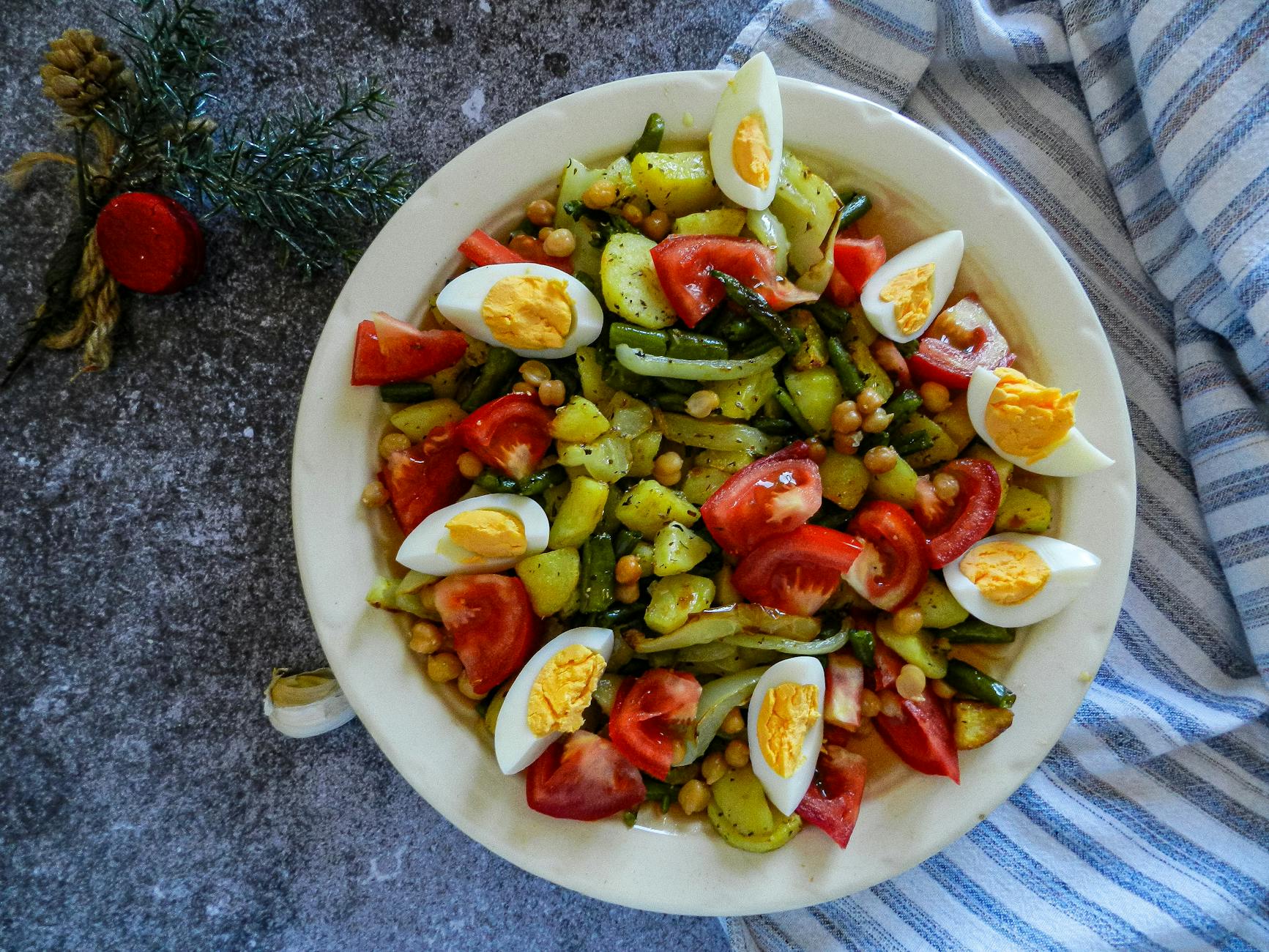
Cooked eggs react horribly to the extreme cold of a standard kitchen freezer. The egg white undergoes a drastic structural change and loses all its tender qualities. Thawing the egg reveals a rubbery and incredibly tough exterior that feels unpleasant to chew. The texture resembles tough silicone and releases excess water when you bite into it. You should always consume these cooked protein snacks fresh from the refrigerator within a few days.
Fresh Basil
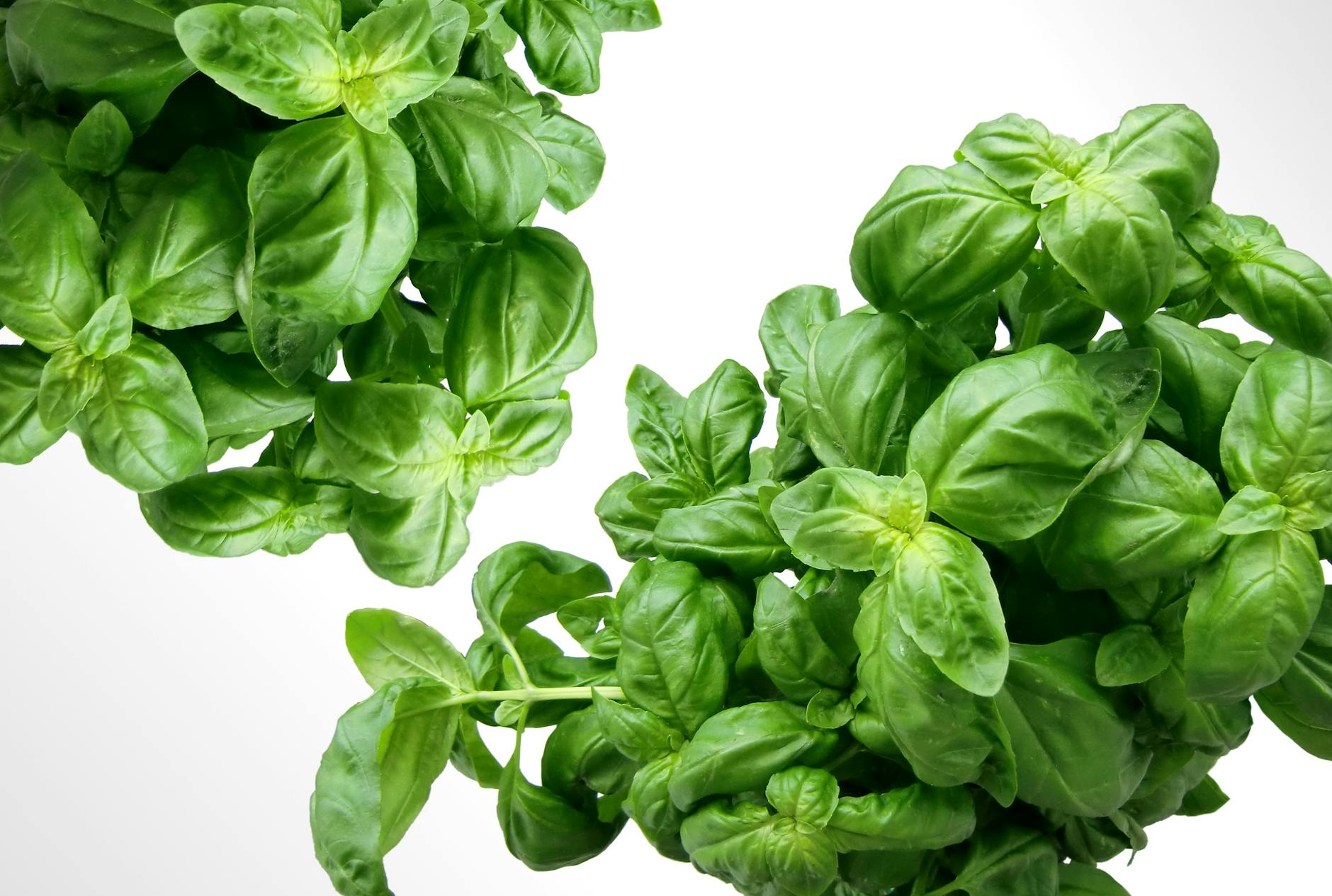
Delicate herbs require gentle handling and completely fail to survive the harsh freezer environment. The extreme cold instantly damages the fragile cell walls of the bright green leaves. The leaves turn entirely black and become slimy the moment they return to room temperature. They lose their beautiful visual appeal and their bright aromatic qualities completely dissipate. You should blend the leaves with olive oil into a paste if you want to freeze this specific herb.
Fresh Celery
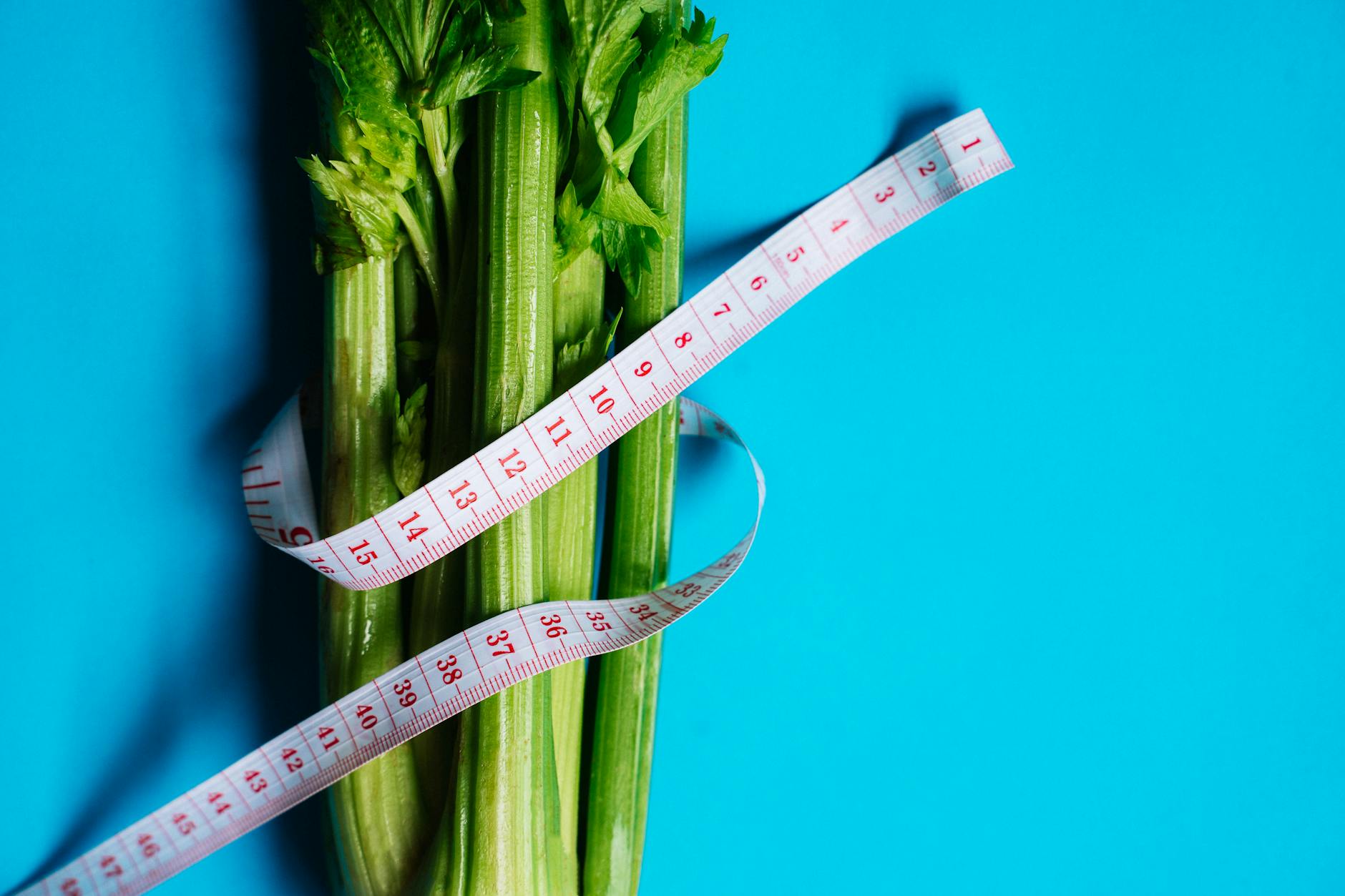
This crunchy vegetable relies on a massive water content to maintain its rigid structure. The freezing process turns that internal water into ice crystals that shred the plant fibers. The thawed vegetable emerges incredibly limp and completely hollowed out on the inside. You can no longer chop it for a crisp addition to salads or snack platters. The ruined stalks only work well when tossed directly into a simmering soup pot for basic flavoring.
Fresh Radishes
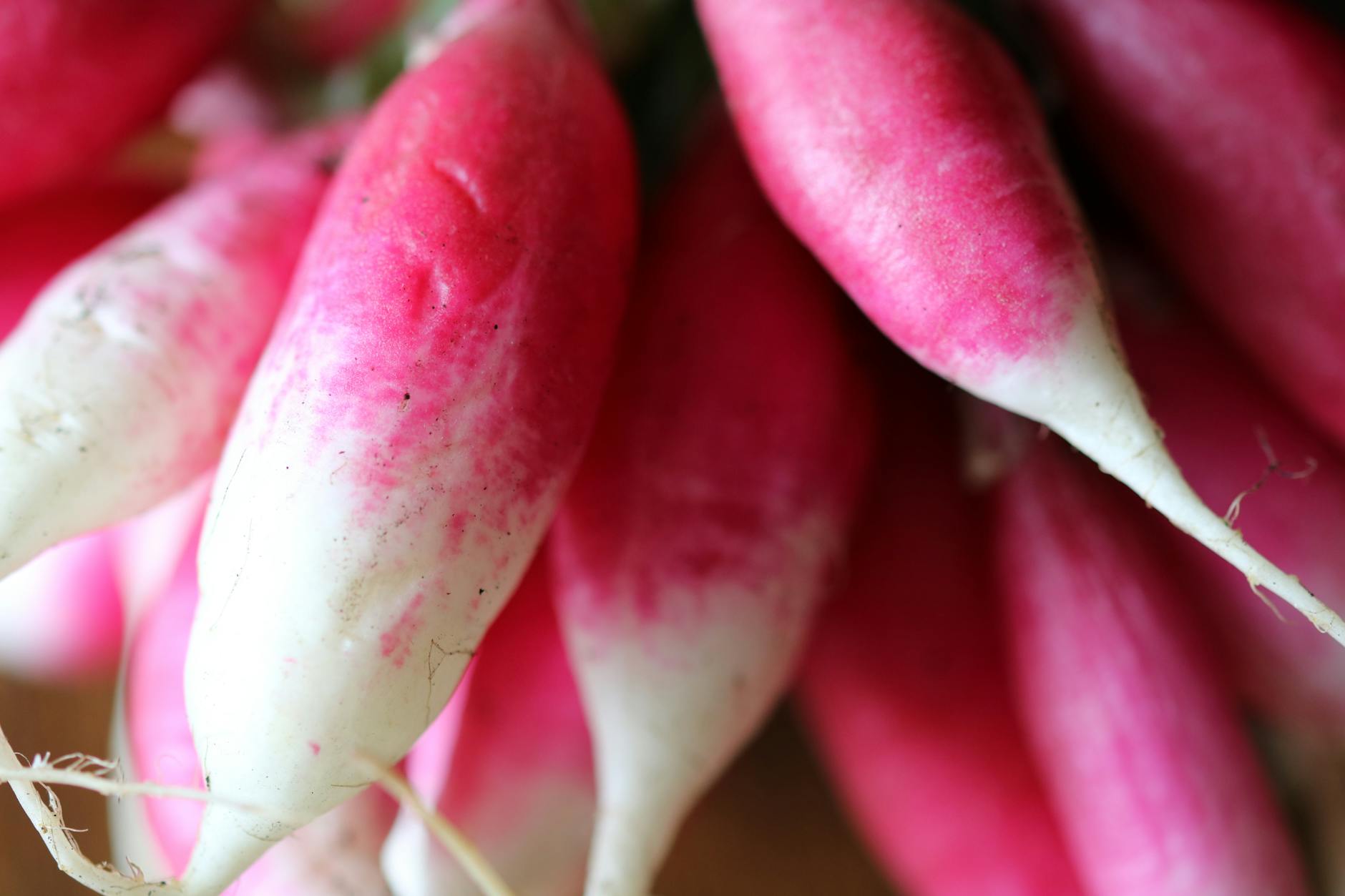
These spicy root vegetables owe their culinary appeal to a uniquely firm and snapping crunch. Freezing them guarantees the absolute destruction of this defining physical characteristic. The high moisture content expands and completely collapses the internal cellular matrix. Defrosted radishes become incredibly soft and spongy with a deeply unpleasant weeping texture. They lose their entire purpose as a fresh and vibrant garnish for tacos or garden salads.
Whole Apples
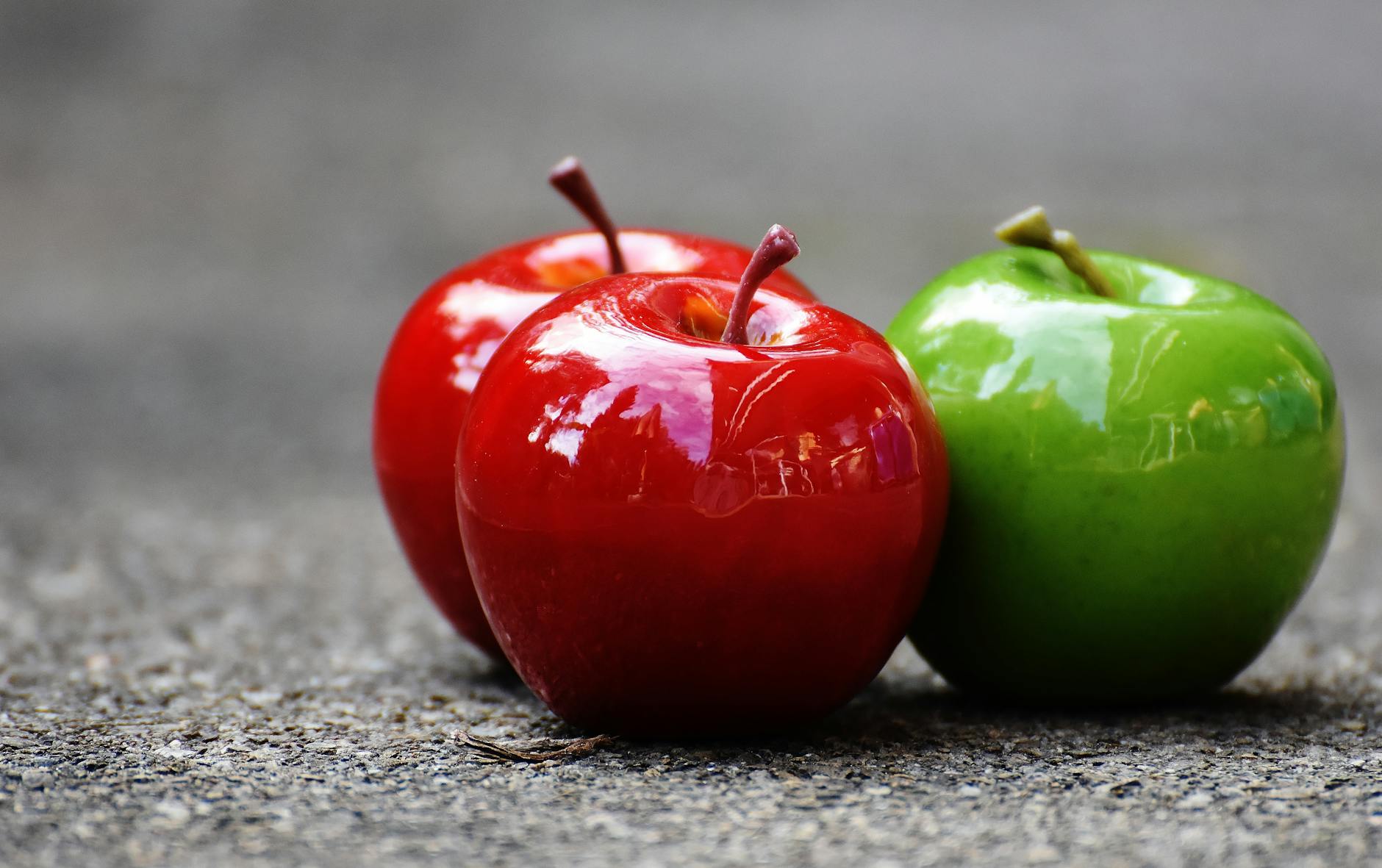
Placing whole raw apples in the freezer drastically alters their internal texture for the worse. The freezing action breaks down the crisp flesh and turns the entire fruit unpleasantly mealy. Thawing causes the apple to release its juices and collapse into a soft and wrinkly sphere. Biting into a defrosted apple provides a mushy and deeply disappointing sensory experience. You must cook and puree the fruit into sauce before attempting long term frozen storage.
Fresh Grapes
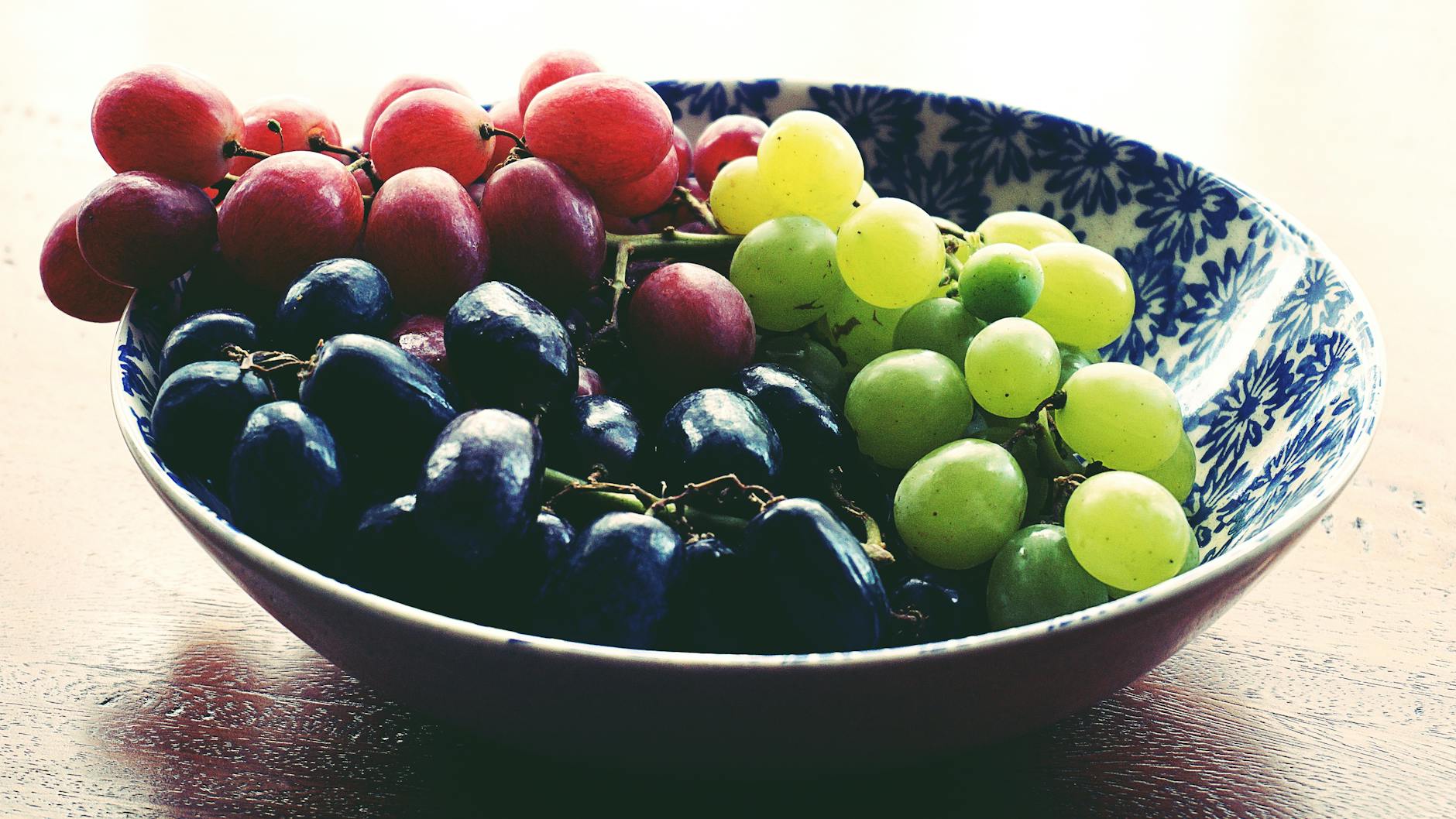
Eating frozen grapes straight from the icebox serves as a popular summer treat. You cannot let them thaw out and expect them to remain crisp or appetizing. The defrosting process completely destroys the taut skin and the firm internal flesh. They turn into soggy and leaking little spheres that look totally unappealing in a fruit bowl. You must commit to eating them frozen or using them as ice cubes in sweet chilled beverages.
Cantaloupe
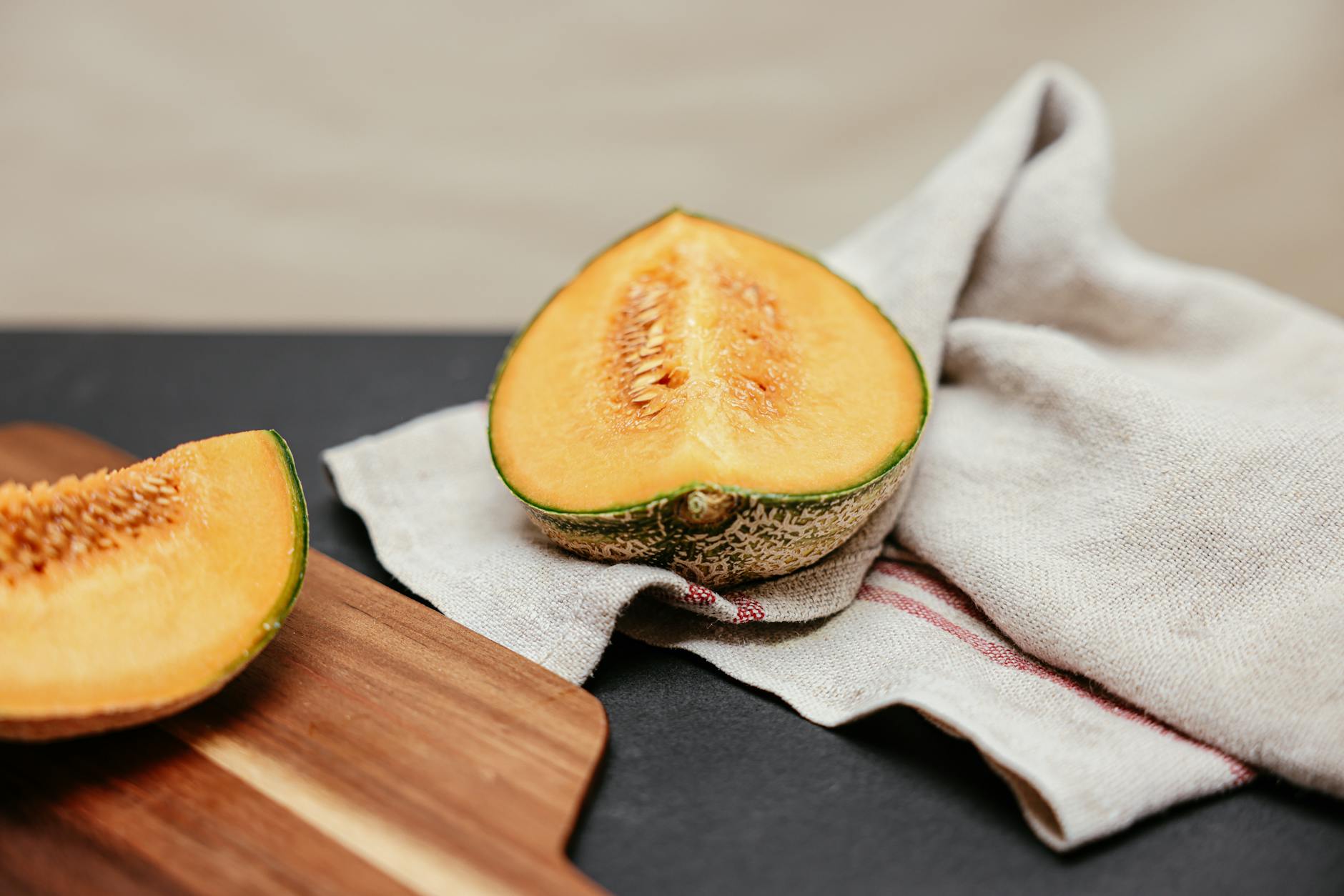
This orange melon suffers severe textural degradation when exposed to subzero storage conditions. The ice crystals slice through the delicate fruit cells and destroy the firm structural integrity. The thawed pieces become excessively mushy and release a massive puddle of sweet liquid. The fruit loses its refreshing bite and becomes entirely unsuitable for fruit salads or raw snacking. You can only salvage the ruined texture by blending the chunks into sweet fruit smoothies.
Honeydew Melon
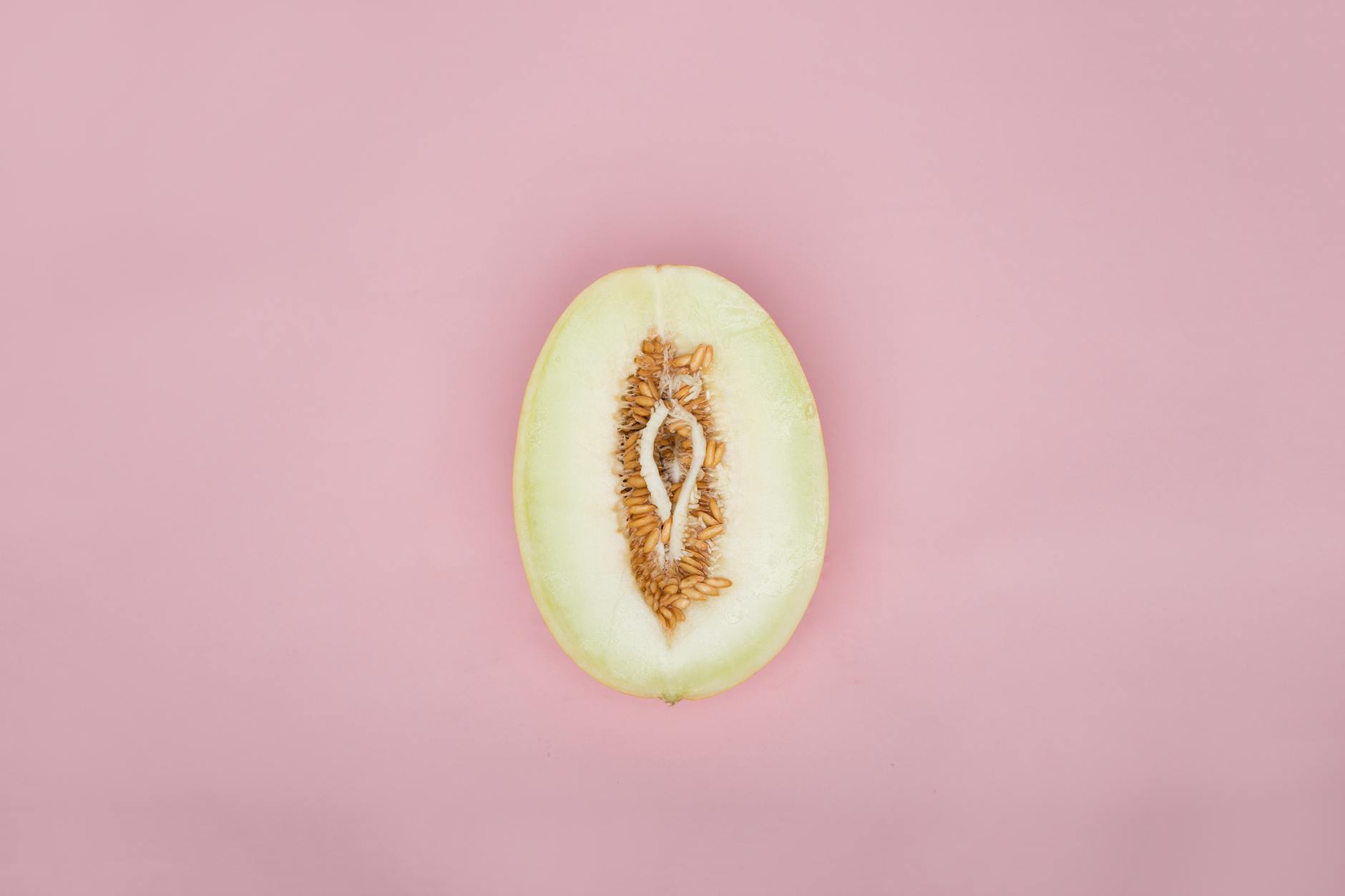
Similar to its orange cousin this green melon totally fails to survive the freezing process intact. The abundant internal moisture expands and completely wrecks the cellular structure of the fruit. Defrosting leaves behind a slimy and collapsing mess that bears no resemblance to the fresh version. The pieces become unpleasantly soft and lose their subtle and refreshing flavor profile. Cooks should completely avoid freezing this melon unless they plan to drink it in a blended beverage.
Whole Milk
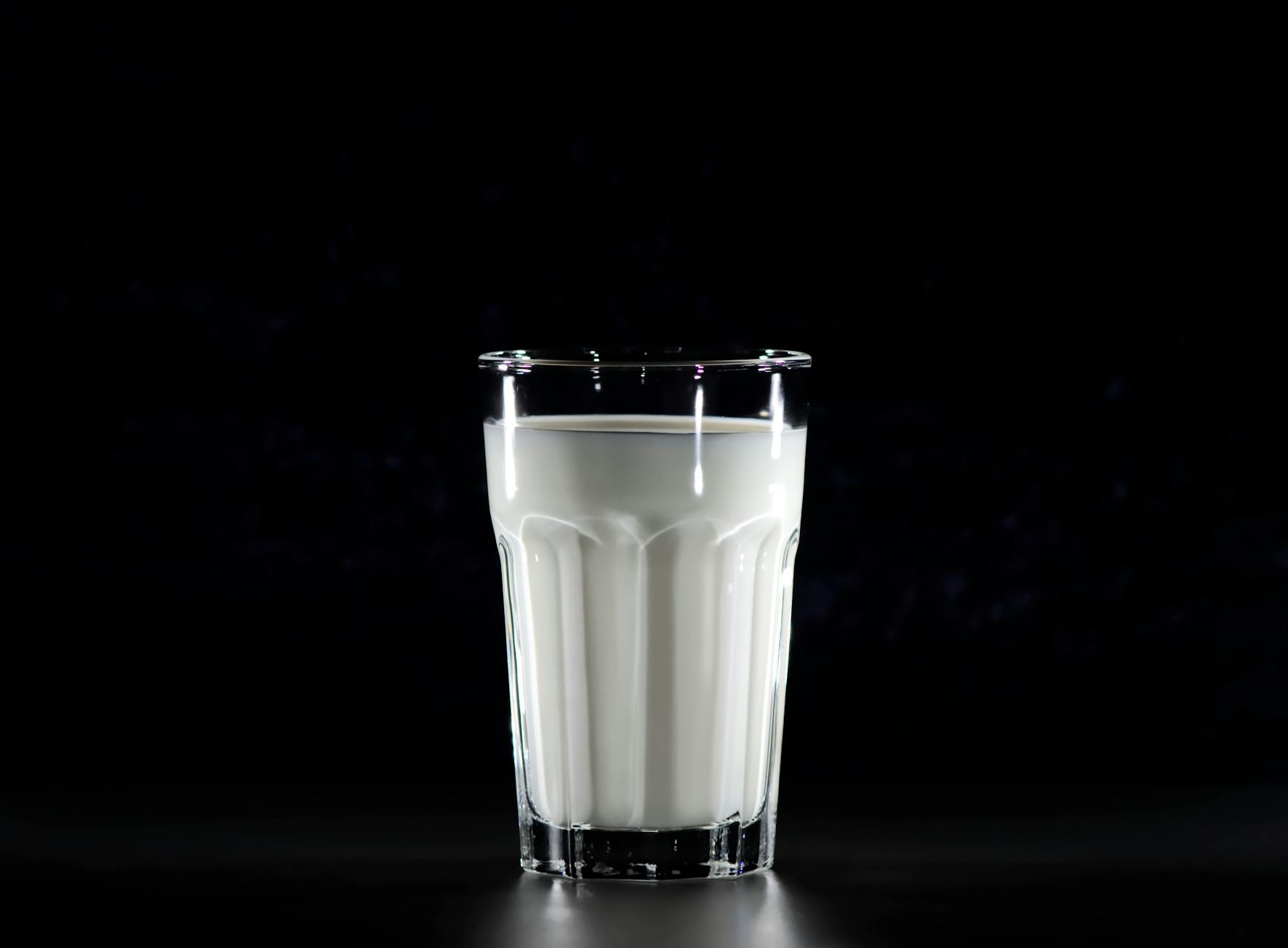
Freezing dairy milk causes a physical separation that ruins its smooth and drinkable consistency. The fat content separates entirely from the water content during the extreme temperature drop. The thawed liquid appears dangerously chunky and grainy even after aggressive shaking. Drinking a glass of this defrosted beverage offers an unappealing and gritty mouthfeel. You should strictly reserve this separated dairy for baking or cooking where the texture goes unnoticed.
Cottage Cheese
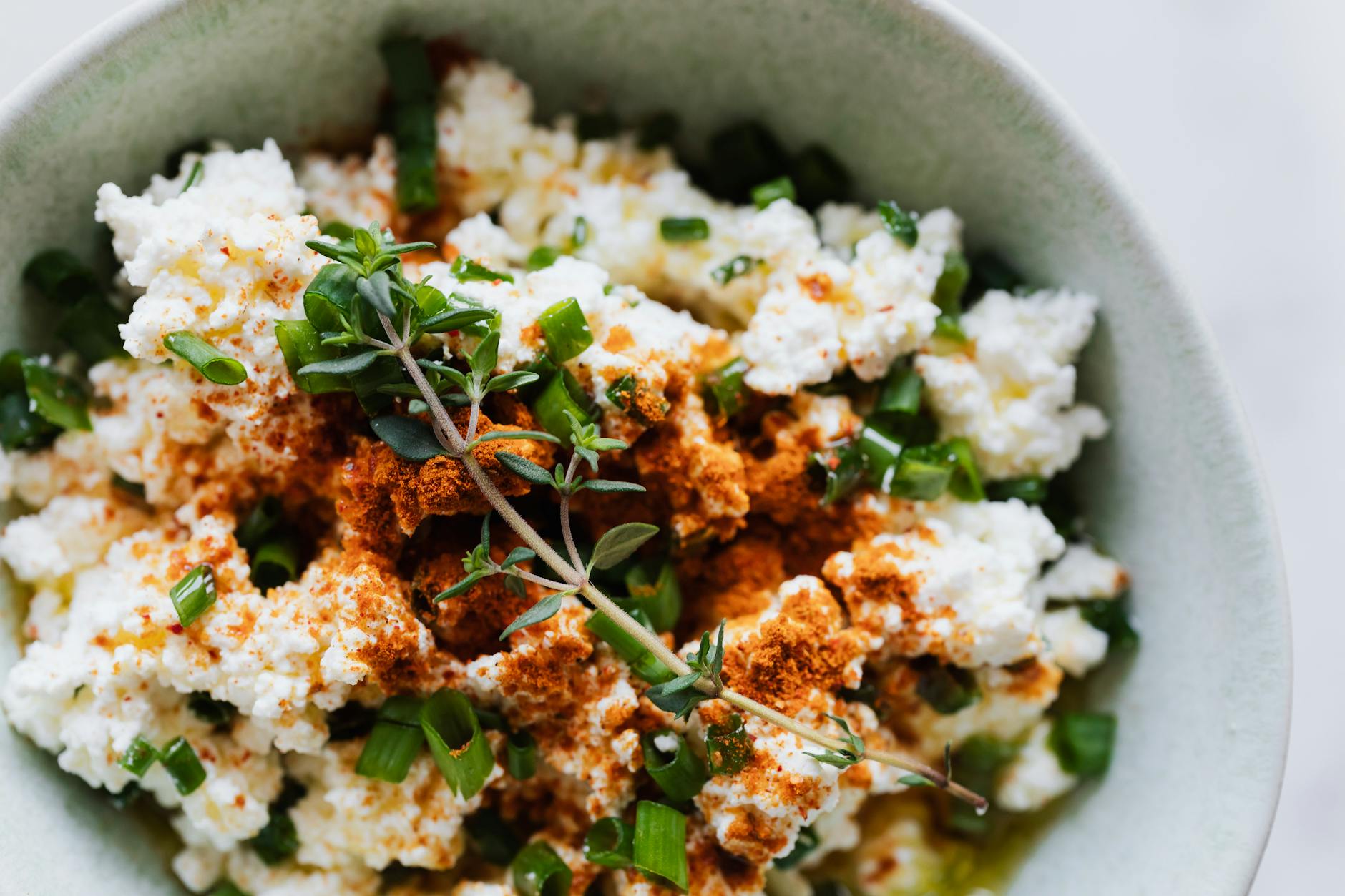
This chunky dairy product responds extremely poorly to the harsh environment of a freezer. The freezing action pulls the moisture out of the curds and alters their basic structure. The resulting defrosted mixture becomes incredibly watery and unpleasantly grainy. The curds turn hard and chalky while sitting in a pool of separated milky liquid. You cannot enjoy this ruined product fresh and must hide it in cooked dishes like baked lasagna.
Ricotta Cheese
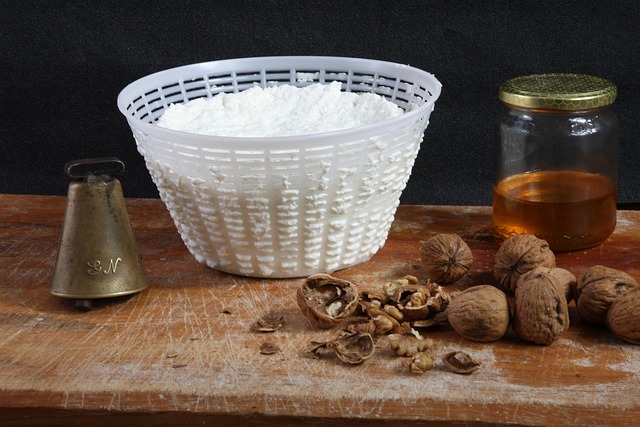
Italian cooking relies heavily on the smooth and creamy texture of fresh ricotta cheese. Storing it in the freezer completely destroys this delicate and luxurious consistency. The moisture separates from the dairy fats and leaves behind a crumbly and weeping mess. The cheese becomes chalky and loses its ability to blend smoothly into sweet or savory fillings. You can only use the thawed version in heavily baked casseroles where other ingredients mask the textural flaws.
Brie Cheese
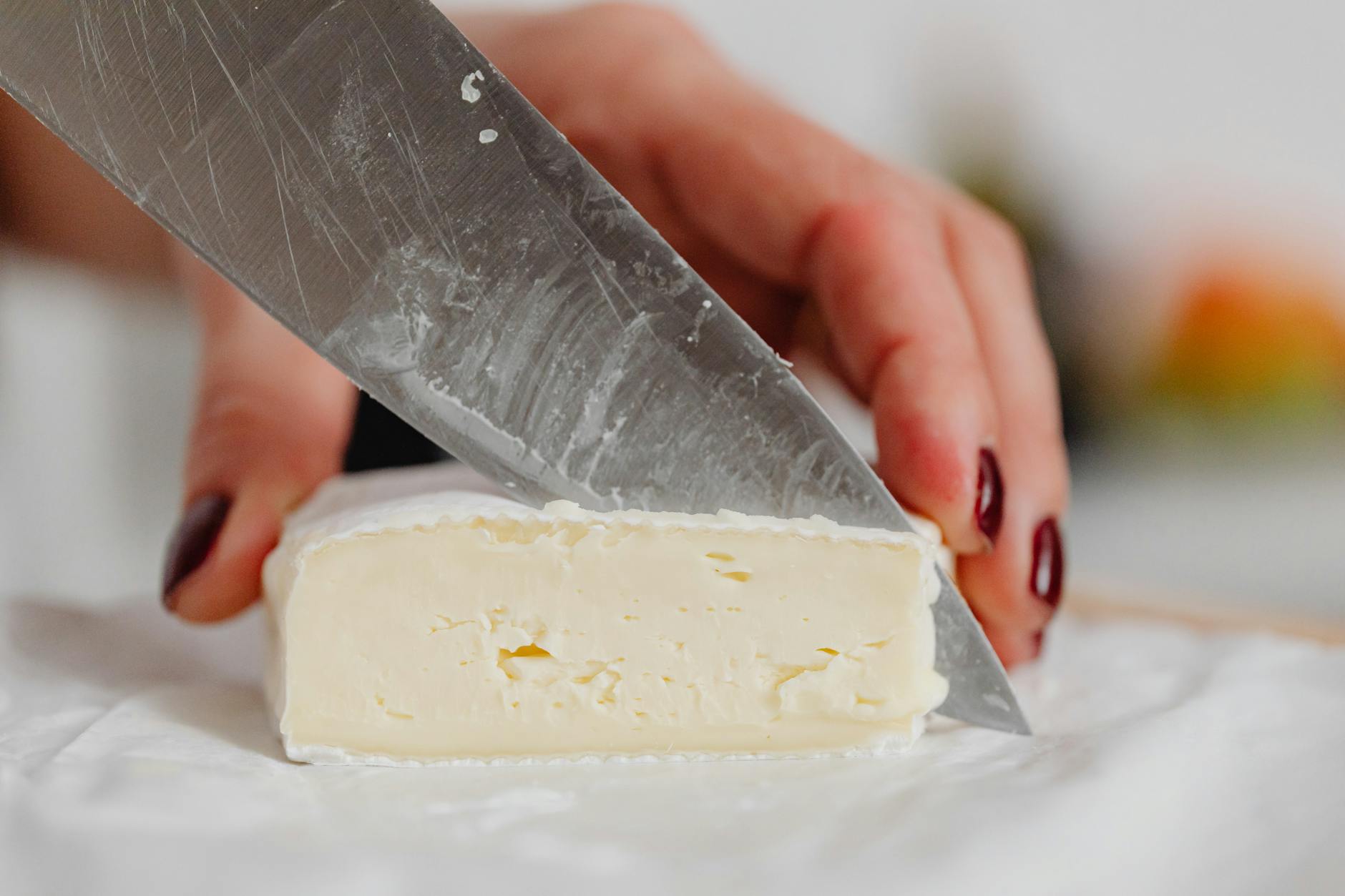
Soft and luxurious artisan cheeses require proper temperature control to maintain their creamy elegance. The extreme cold of a freezer entirely ruins the delicate structure of a fine wheel of brie. The freezing process causes the butterfat to separate and ruins the smooth melting qualities. The thawed cheese becomes dry and crumbly instead of rich and beautifully spreadable. You waste the artisan quality of the cheese by exposing it to such harsh freezing conditions.
Camembert Cheese
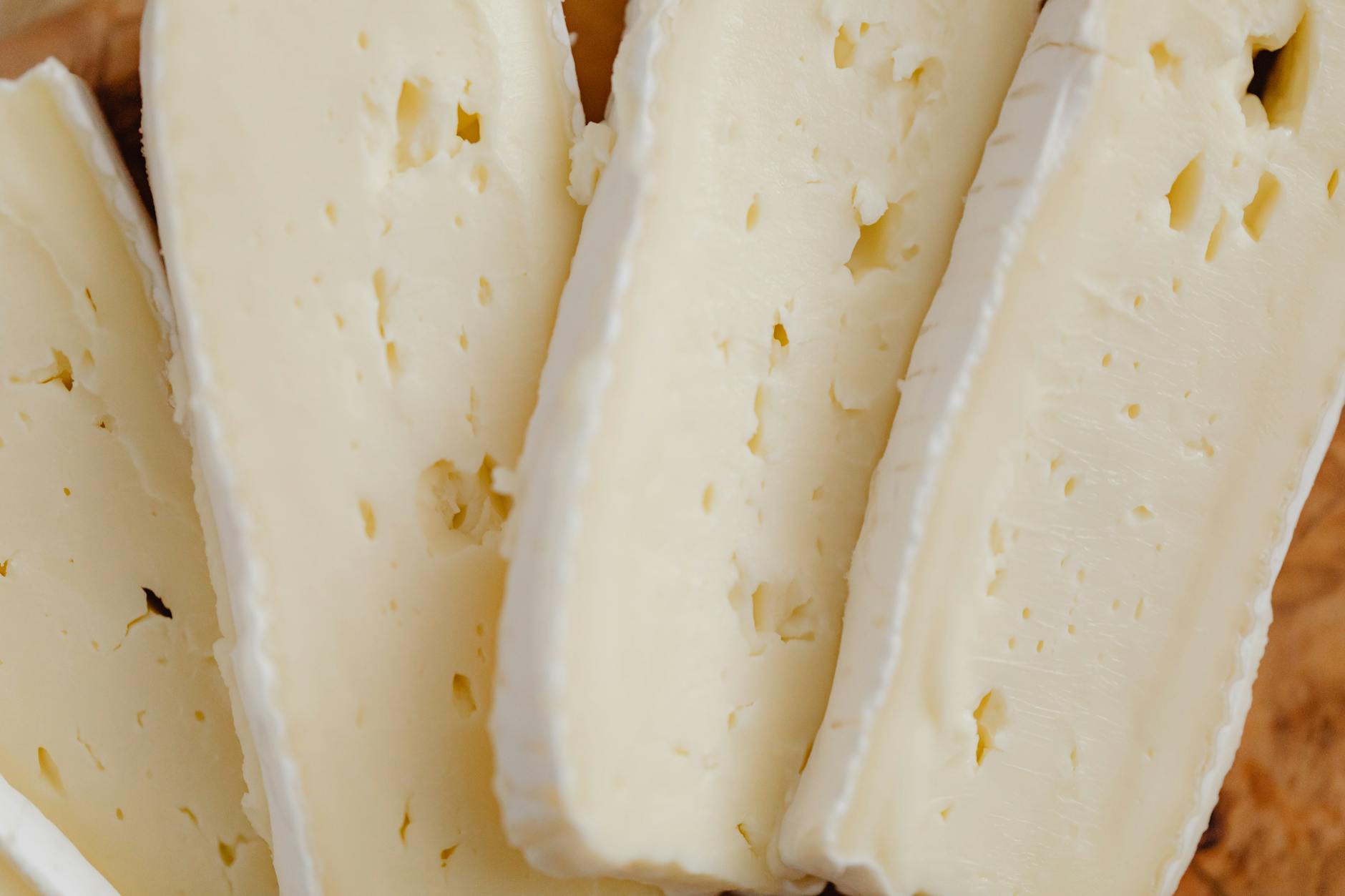
This famously soft French cheese suffers the exact same terrible fate as its close relatives. The freezer brutally breaks the emulsion of fats and moisture within the delicate creamy paste. Defrosting yields a chalky and fractured wheel that leaks watery whey onto the serving platter. The rich and gooey texture that makes the cheese famous disappears completely forever. Connoisseurs strictly recommend keeping these artisan wheels in the warmest part of the refrigerator.
Egg Custard
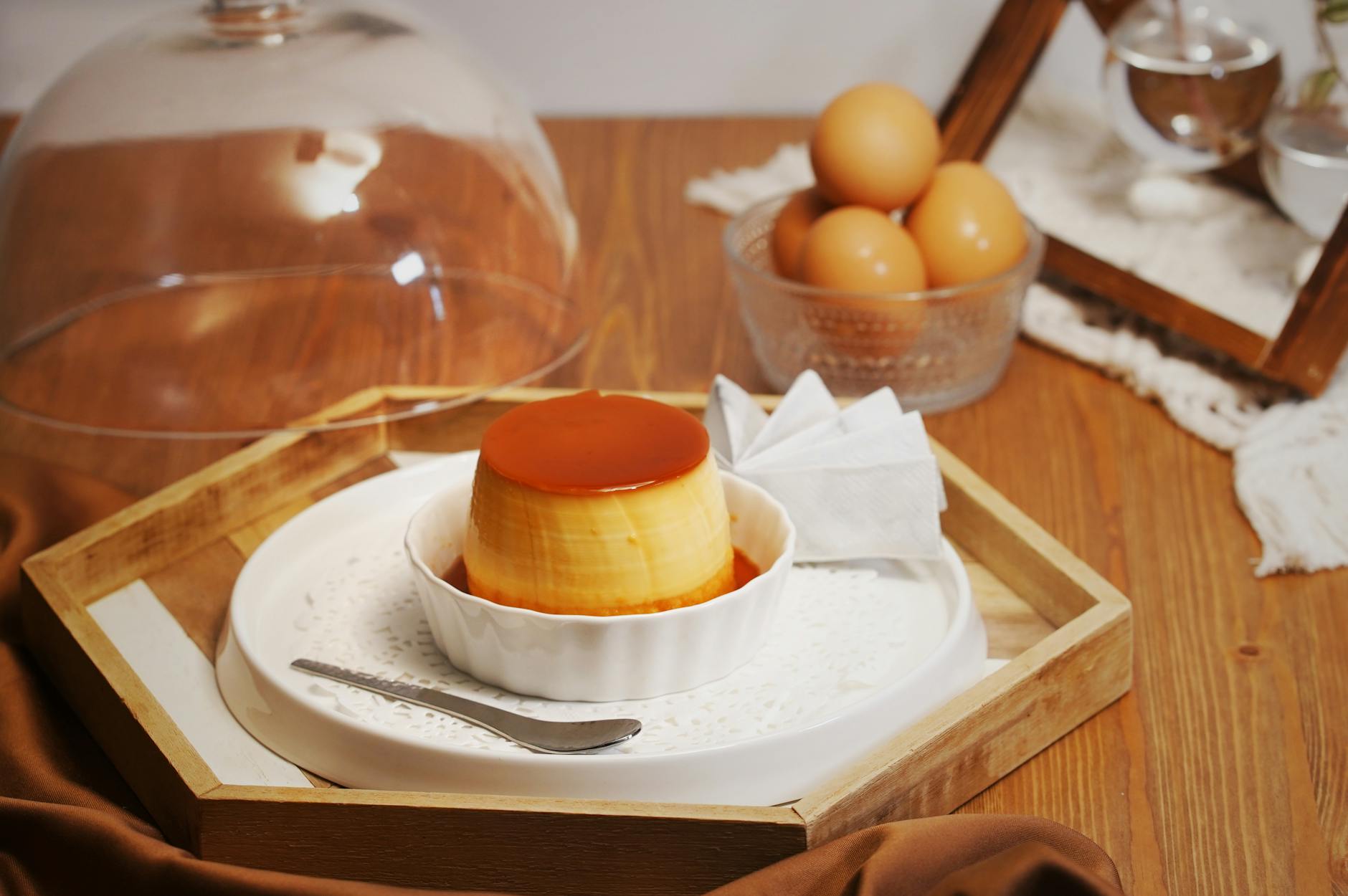
Delicate baked custards rely entirely on a very specific and smooth protein structure. The freezing environment completely breaks this delicate chemical bond without any hope of reversal. The thawed dessert separates violently into rubbery chunks floating in watery liquid. The luxurious and silky mouthfeel completely vanishes and leaves behind a thoroughly disgusting texture. You can never restore the original consistency and must throw the ruined dessert into the garbage.
Dairy Pudding
Homemade or commercial dairy puddings cannot handle the extreme cold of long term frozen storage. The freezing action causes the starch thickeners to fail and release trapped moisture. The defrosted treat takes on a severely lumpy and weeping appearance that looks spoiled. Stirring the mixture vigorously only highlights the unappealing and deeply gritty texture. You should always consume these creamy desserts fresh from the standard refrigerator compartment.
Gelatin Desserts
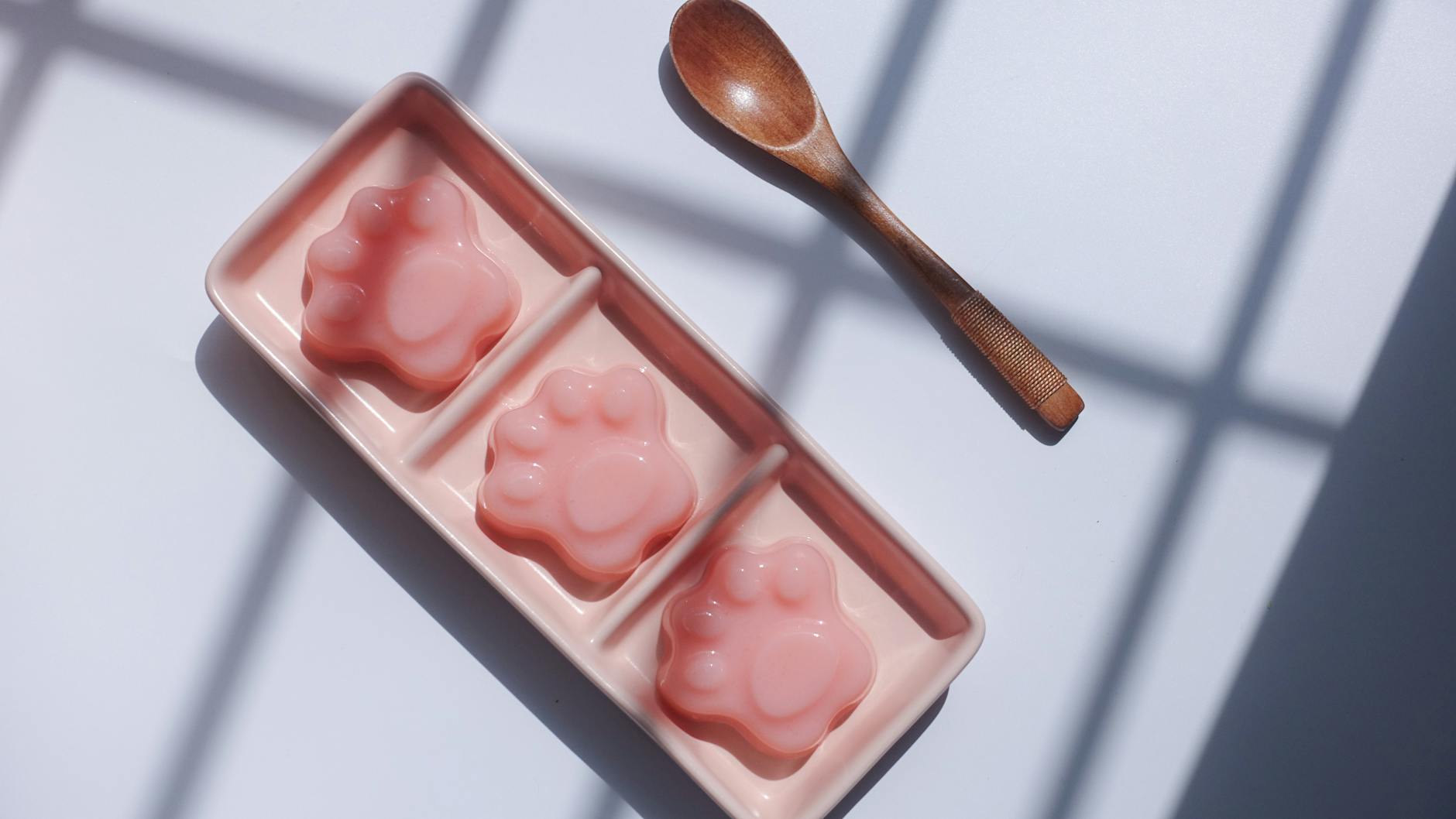
Wobbly and sweet gelatin desserts lose their unique structural magic when put into the freezer. The extreme cold permanently damages the protein bonds that hold the liquid in a solid state. The thawing process destroys the bouncy texture and causes the dessert to melt into a sticky puddle. The firm and playful consistency disappears and leaves behind a ruined sugary syrup. You must keep these specific treats chilling gently in the refrigerator to maintain their proper form.
Baked Meringue
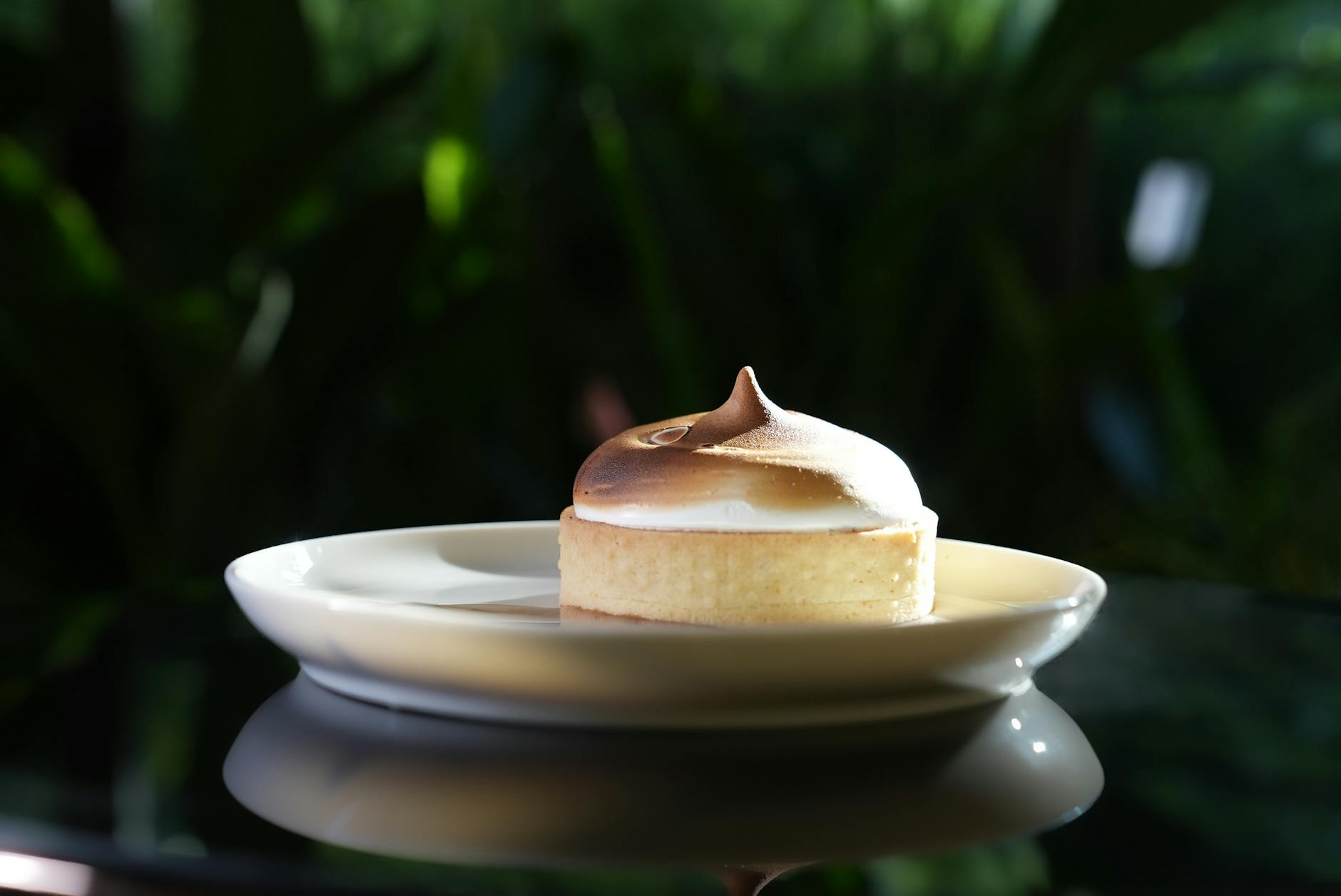
These airy and crisp egg white creations require a completely dry environment to maintain their texture. The freezer introduces excessive moisture and entirely ruins their delicate and crunchy structure. The thawing process turns the beautiful stiff peaks into a weeping and sticky mess. The crisp exterior turns incredibly chewy and totally collapses under its own weight. You should store these fragile baked goods in an airtight container at standard room temperature.
Breaded Shrimp
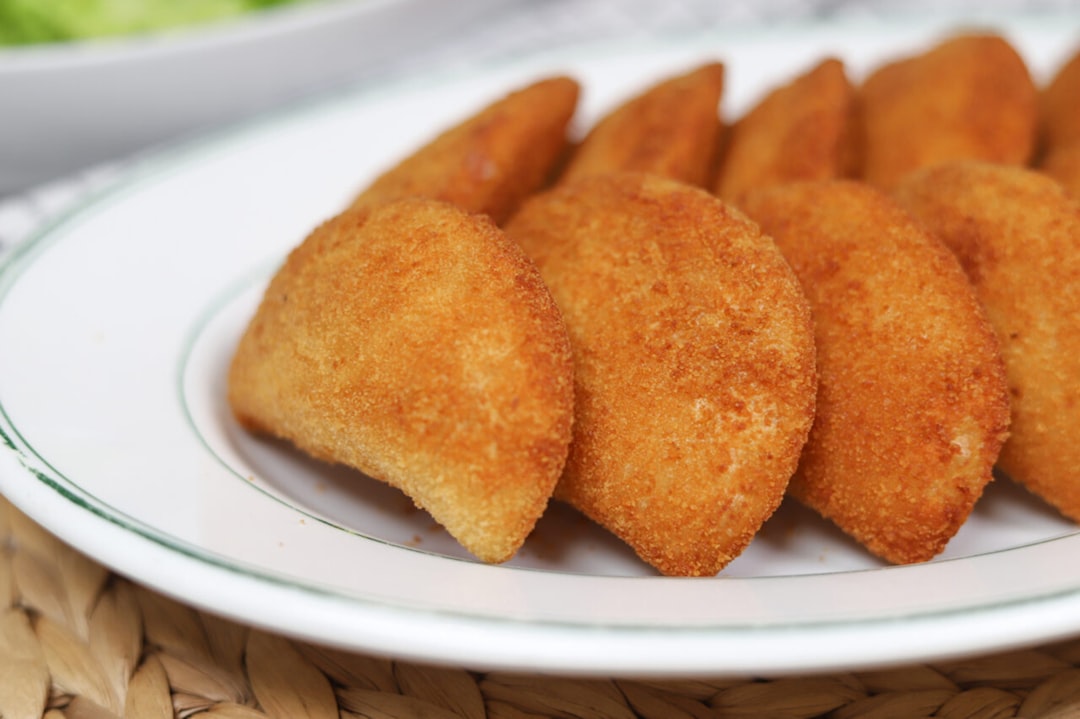
Cooked and breaded seafood completely loses its appealing crunch in the freezing environment. The crispy exterior coating absorbs the internal moisture of the seafood as temperatures fluctuate. The breading turns incredibly soggy and often falls right off the meat during reheating. The delicate shrimp inside becomes unpleasantly rubbery and tough from the extreme cold exposure. You completely destroy the primary appeal of this fried delicacy by attempting to freeze it.
Potato Salad
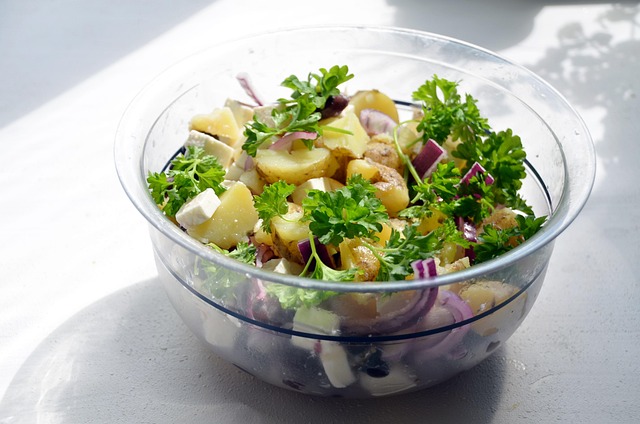
Mayonnaise based picnic salads react horribly to the extreme conditions of a kitchen freezer. The freezing process violently separates the mayonnaise dressing into pools of oil and vinegar. The cooked potatoes also suffer by turning black and developing a spongy and gritty texture. The entire dish thaws into a watery and completely unappetizing separated mess. You should always make these side dishes fresh and discard any leftovers after a few days.
Macaroni Salad
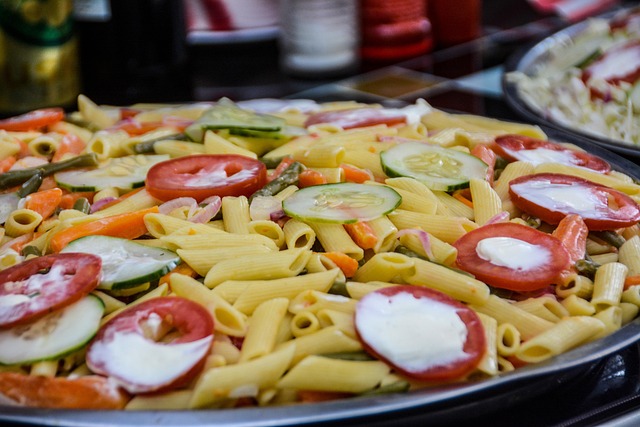
This popular side dish combines two ingredients that both inherently hate the freezing process. The cooked pasta noodles turn incredibly mushy and entirely lose their structural integrity. The creamy dressing breaks down simultaneously and creates a pool of unappealing liquid. The defrosted result looks completely ruined and offers a terrible and mushy mouthfeel. You can never salvage this dish once the freezer destroys the delicate emulsion and pasta starch.
Tuna Salad
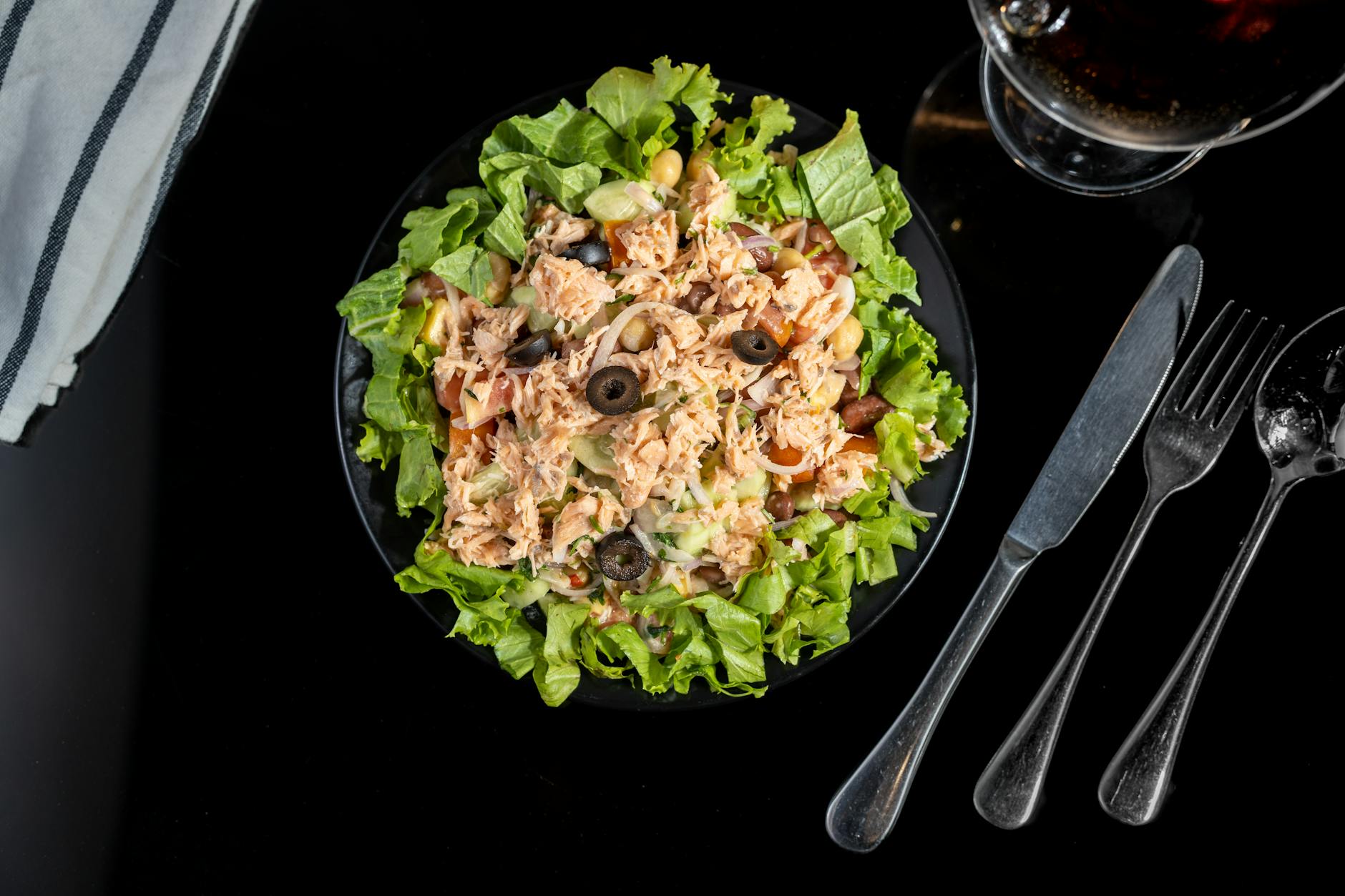
Mixing canned fish with mayonnaise creates a spread that belongs strictly in the refrigerator. The freezer completely destroys the creamy dressing and separates the oil from the egg yolks. The delicate fish absorbs the separated liquids and turns into a soggy and deeply unpleasant paste. The crunchy additions like celery also turn limp and watery during the harsh thawing process. You ruin both the flavor and the texture by attempting to freeze this simple sandwich filling.
Chicken Salad
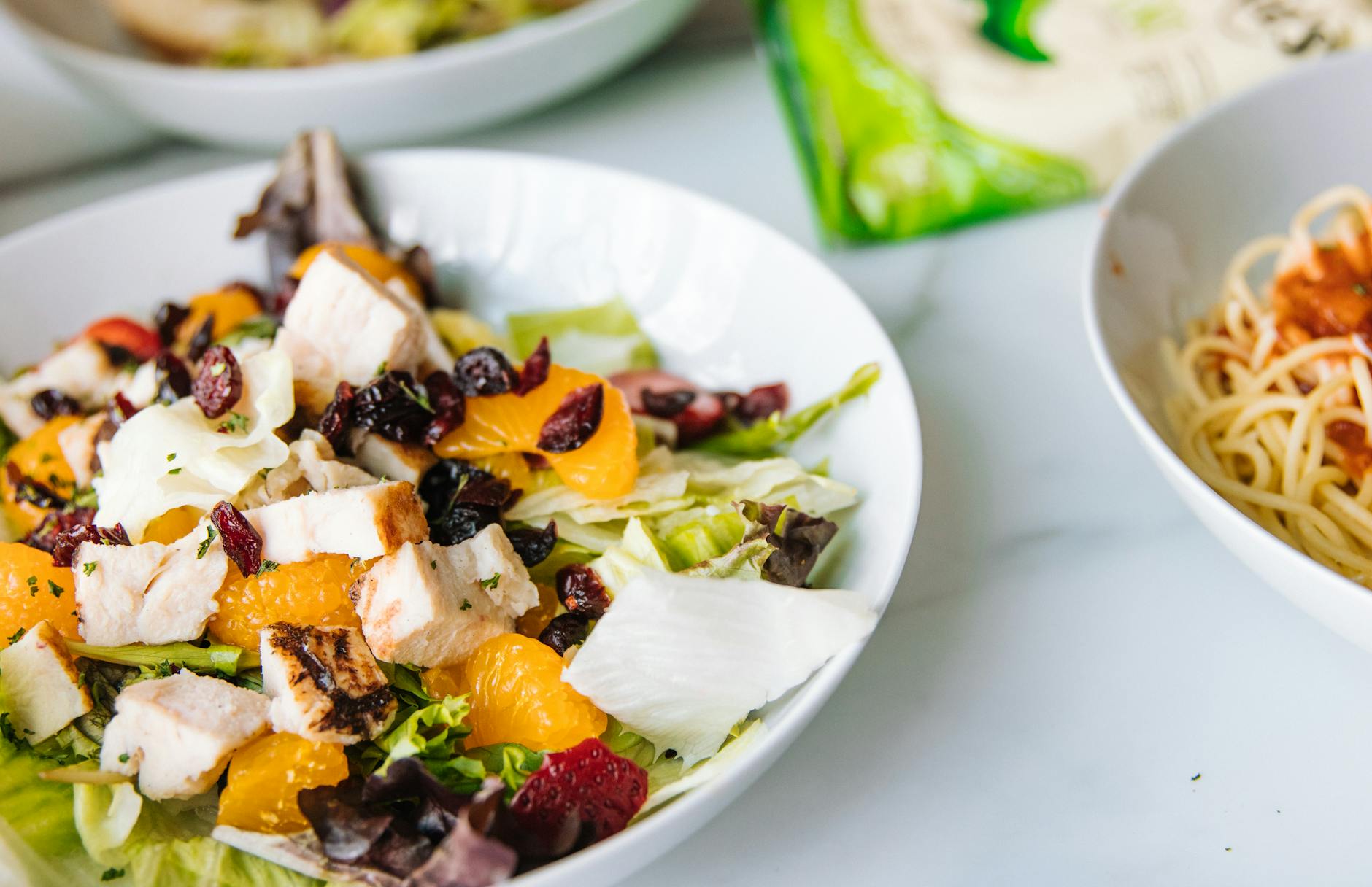
This savory poultry mixture suffers identical structural failures when subjected to subzero temperatures. The creamy dressing completely breaks apart and leaves the chopped meat sitting in an oily puddle. The chicken pieces act like sponges and absorb the separated liquids to become totally waterlogged. The crisp vegetables mixed into the dish turn completely limp and add terrible weeping moisture. The ruined texture makes the thawed mixture completely useless for elegant sandwiches or crackers.
Egg Salad
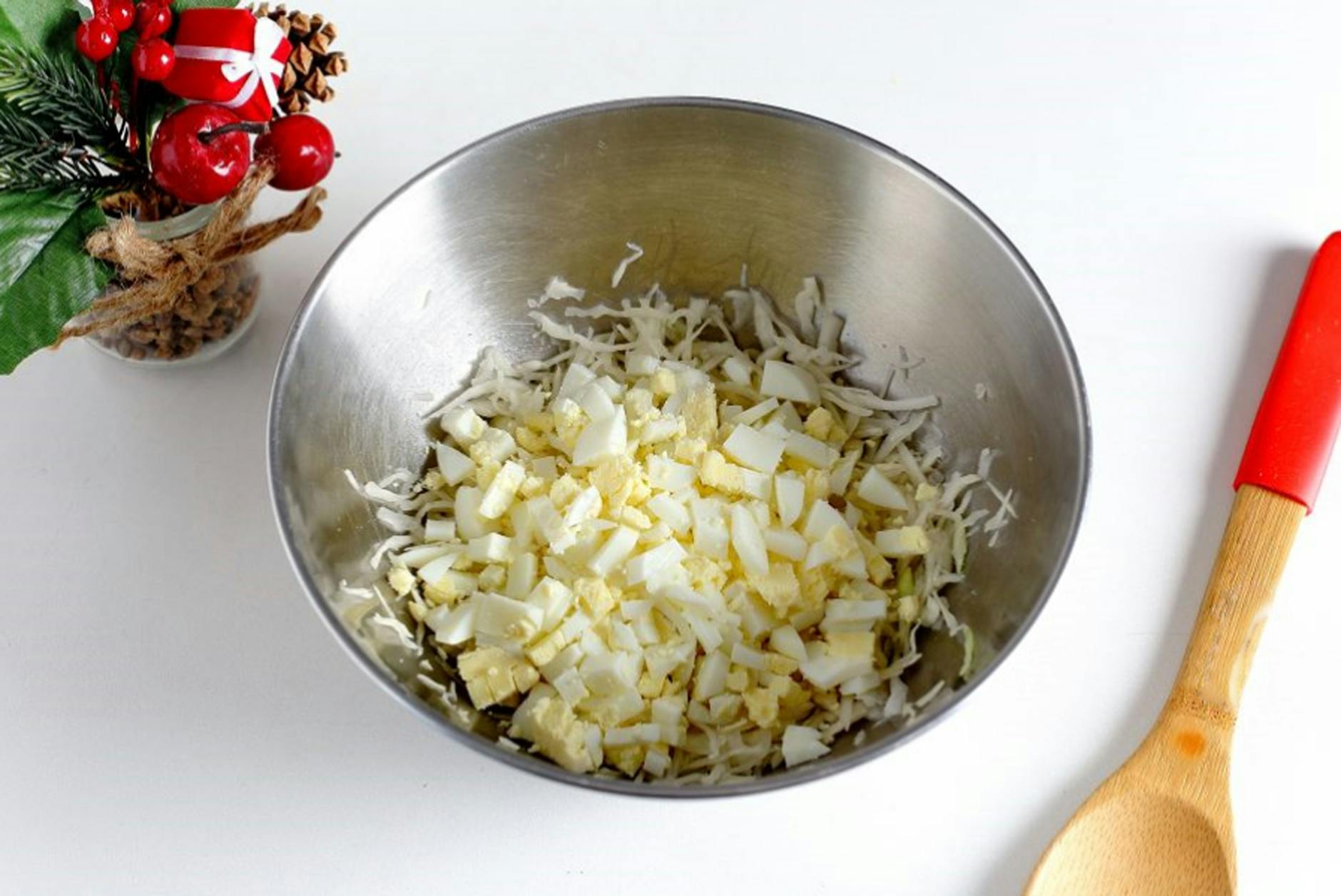
Combining cooked eggs with creamy dressings creates the ultimate freezer disaster scenario. The cooked egg whites become tough and rubbery while leaking excess internal moisture. The mayonnaise dressing simultaneously breaks down into a thoroughly disgusting oily separation. The entire mixture thaws into a weeping and spongy mess that looks completely unedible. You must always prepare this specific sandwich filling fresh and eat it within a very short timeframe.
Cooked Rice
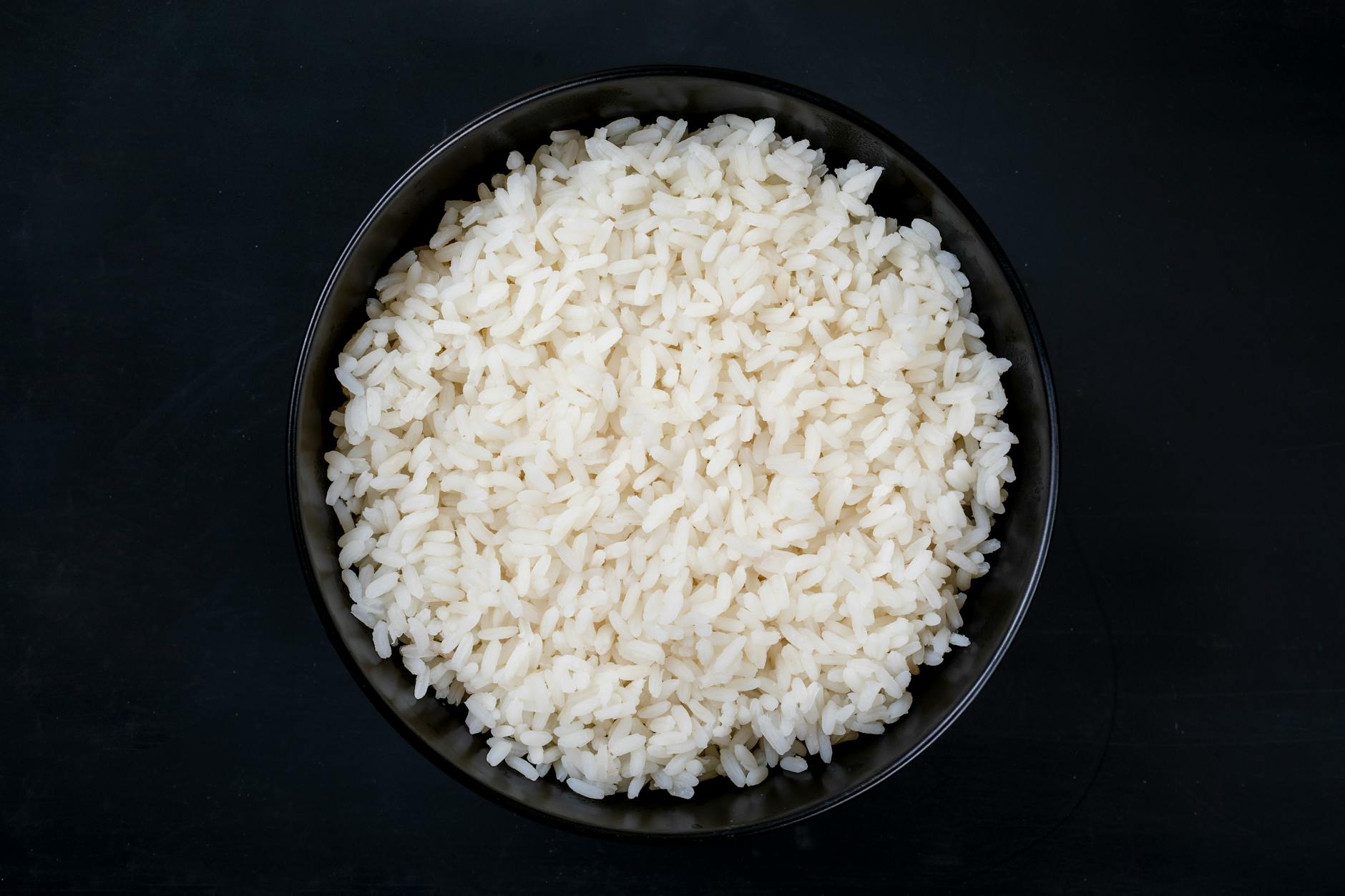
Storing cooked rice in the freezer often results in severe textural degradation. The individual grains lose their fluffy nature and turn incredibly hard and brittle. The thawing and reheating process usually creates a dry and deeply gritty eating experience. The internal starch structures permanently change and completely refuse to soften properly again. You should avoid freezing delicate rice varieties entirely to preserve their intended culinary purpose.
Cream Gravy
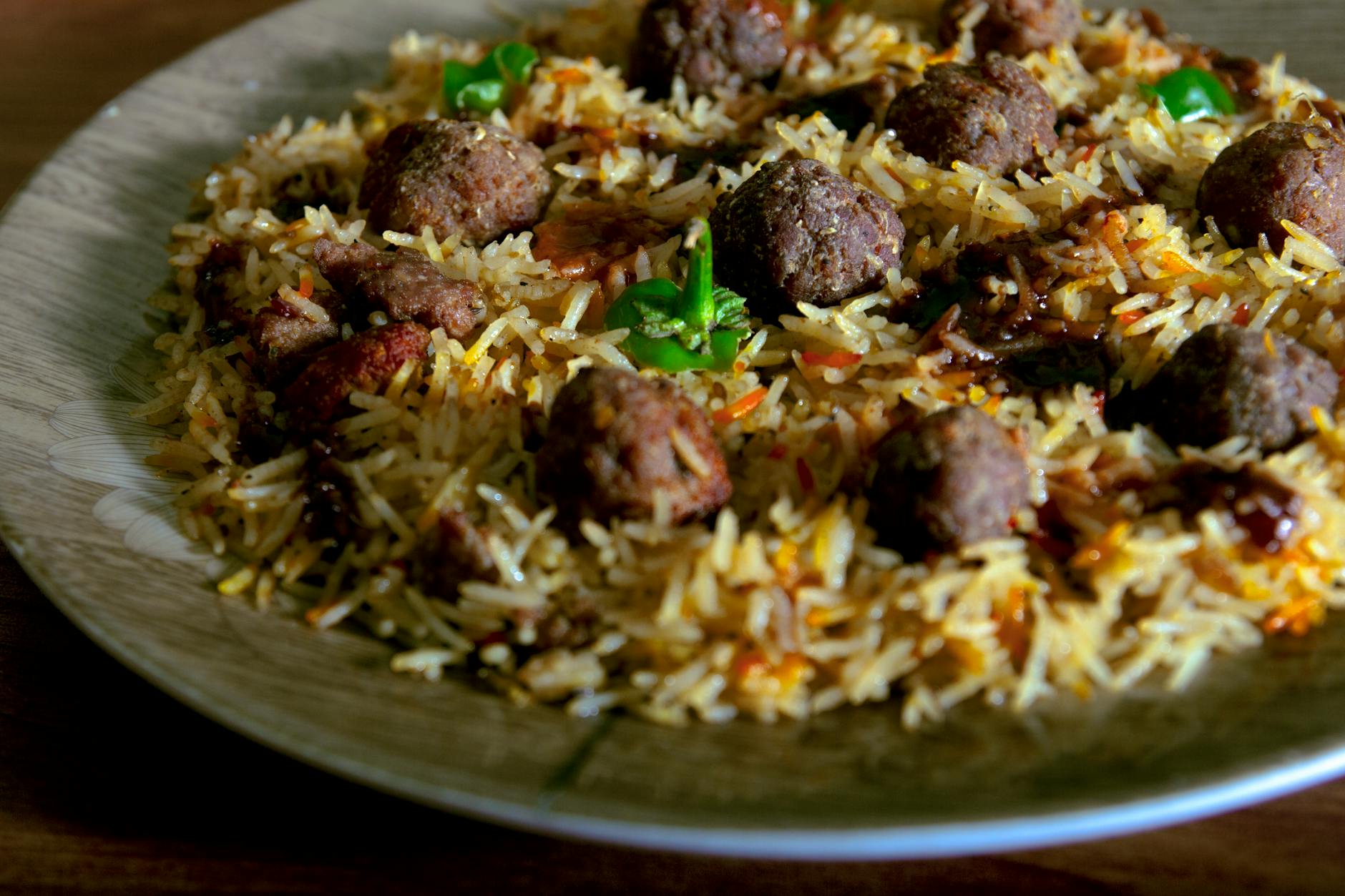
Rich sauces thickened with flour and dairy fail miserably in subzero storage conditions. The extreme cold causes the fat and liquid components to completely separate from each other. The smooth and luxurious sauce thaws into a broken mixture of oily liquid and hard floury clumps. No amount of aggressive whisking on the stove will completely restore the original silky consistency. You completely ruin the velvety mouthfeel that makes these savory toppings so highly desirable.
Bottled Ketchup
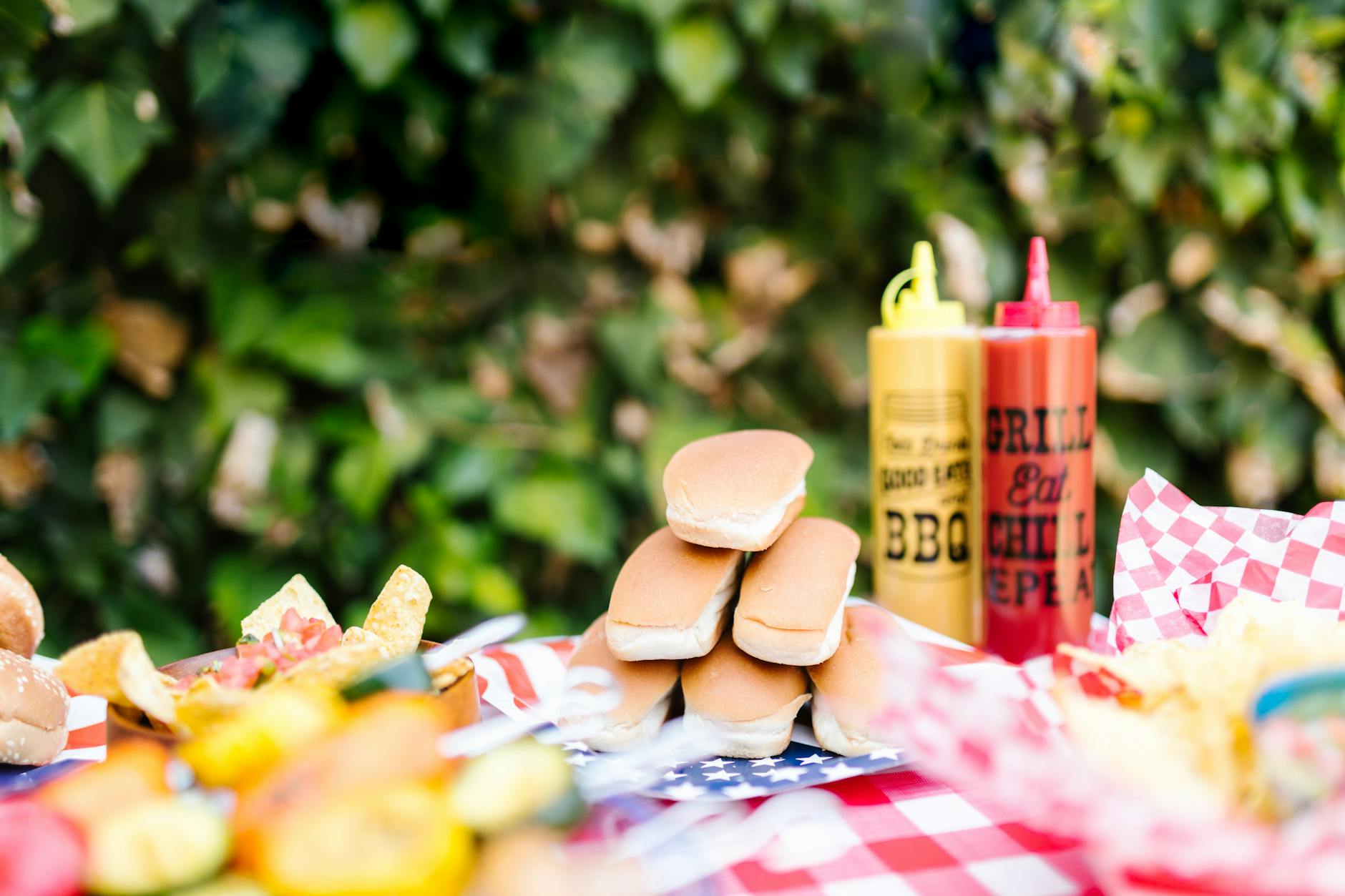
This popular tomato condiment rarely needs freezing but doing so ruins its smooth consistency. The freezing action separates the thick tomato paste from the vinegar and water components. The defrosted sauce pours out as a completely disgusting mixture of watery liquid and chunky red paste. Shaking the bottle vigorously will never properly reincorporate the separated ingredients back together. You should simply keep the bottle in the refrigerator where it lasts for many months safely.
Prepared Mustard
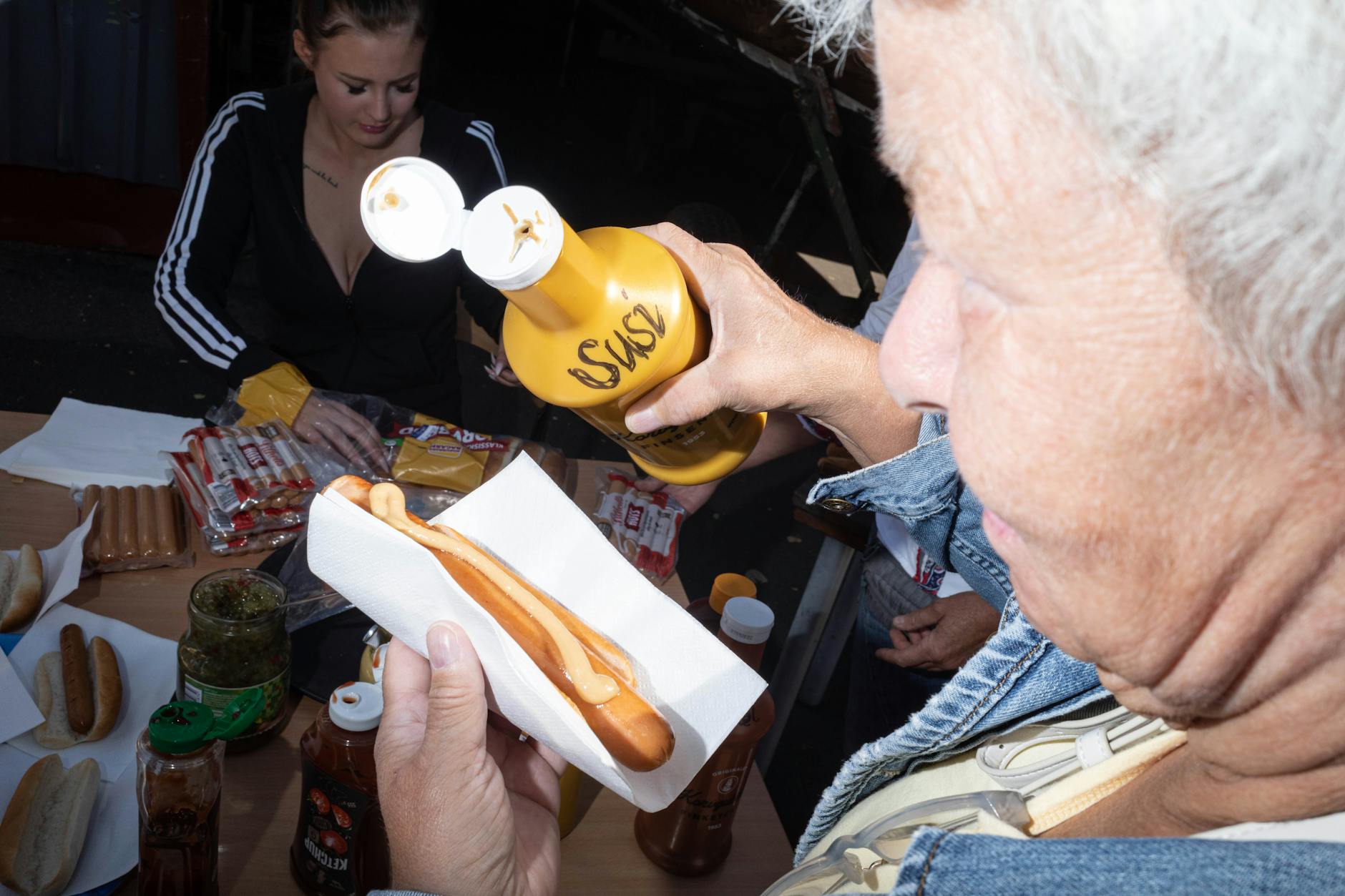
Yellow or Dijon mustard reacts extremely poorly to the freezing environment of a modern appliance. The sharp and creamy condiment completely breaks down as the liquids separate from the mustard seeds. The thawed mixture looks broken and watery and entirely unappetizing on a hot dog or burger. The extreme cold also dulls the vibrant and punchy flavor profile of the spices. You permanently destroy both the texture and the taste by freezing this stable condiment.
Fresh Garlic
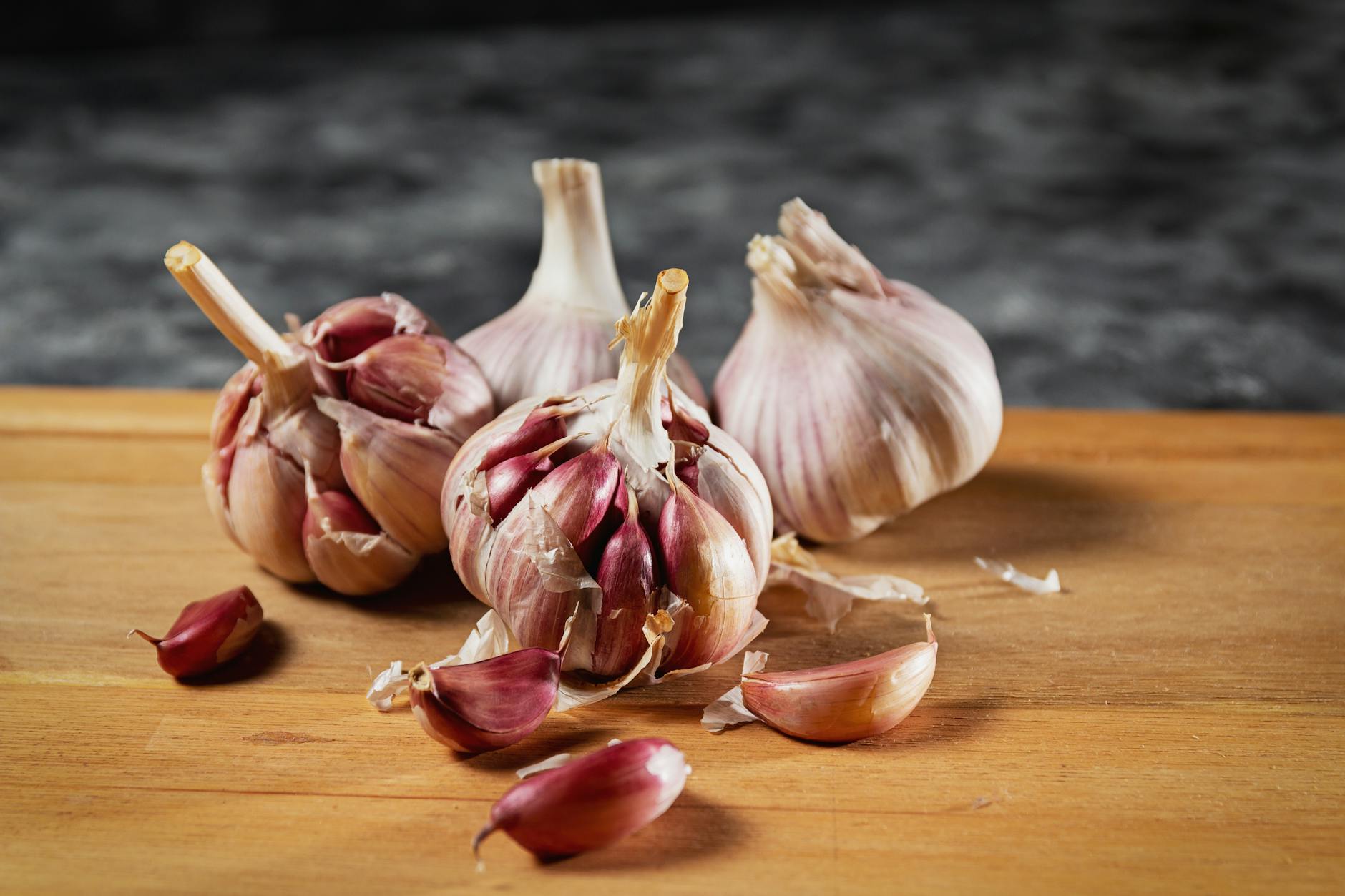
Whole bulbs or individual cloves of garlic lose their firm texture in the freezer. The freezing process turns the crisp cloves incredibly soft and completely spongy upon thawing. The extreme cold also severely alters the potent and sharp flavor profile of the allium. Defrosted garlic tastes noticeably bitter and lacks the bright aromatic qualities of the fresh version. You should always store these pungent bulbs in a cool and dry pantry to maintain optimal quality.
Please share your own disastrous freezer mistakes and ultimate food storage triumphs with our community in the comments.