Not every design choice that feels exciting in the moment holds its value when it comes time to list your home. Some trends that dominate social media and showrooms can quietly drain your property’s appeal and resale potential. Buyers often struggle to see past bold or highly personalized choices, and that hesitation can cost sellers both time and money. Understanding which trends real estate professionals consistently flag as problematic can help homeowners make smarter decisions before committing to a renovation.
All-Gray Everything
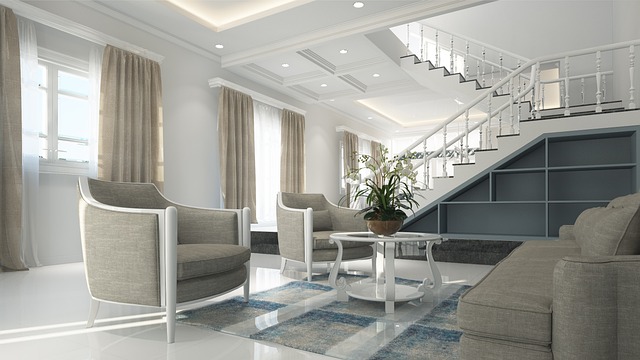
The all-gray interior had a long run as the dominant neutral palette across countless homes throughout the previous decade. Buyers today increasingly find gray schemes cold and unwelcoming compared to warmer toned alternatives now trending in the market. When every surface from the walls to the floors to the cabinetry reads the same flat tone it creates a visual monotony that is difficult to style around. Real estate agents frequently note that gray-saturated homes sit longer on the market in many regions. The trend has aged quickly enough that it now signals a home in need of cosmetic updating rather than one that feels move-in ready.
Open Shelving in Kitchens
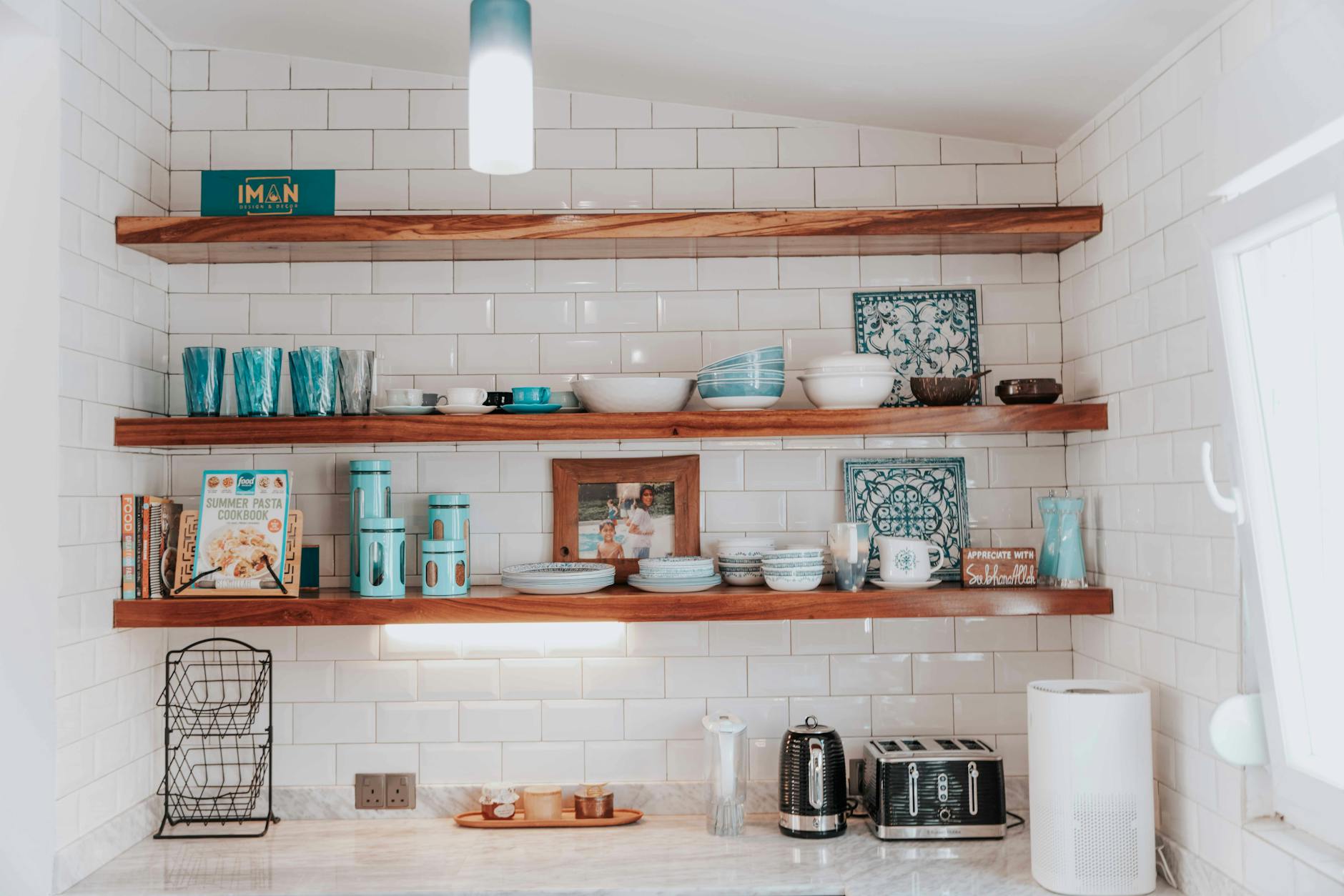
Open shelving replaced upper cabinetry in thousands of kitchens inspired by magazine-perfect styling and minimalist aesthetics. In practice most buyers immediately calculate the storage they are losing and the daily effort required to keep the shelves looking presentable. Dust grease and visual clutter accumulate quickly on open displays making the kitchen feel harder to maintain than a traditional layout. Families with children or busy lifestyles find the concept particularly impractical compared to the functionality of closed cabinetry. What photographs beautifully in a staged home often becomes a daily frustration for real occupants.
Barn Doors
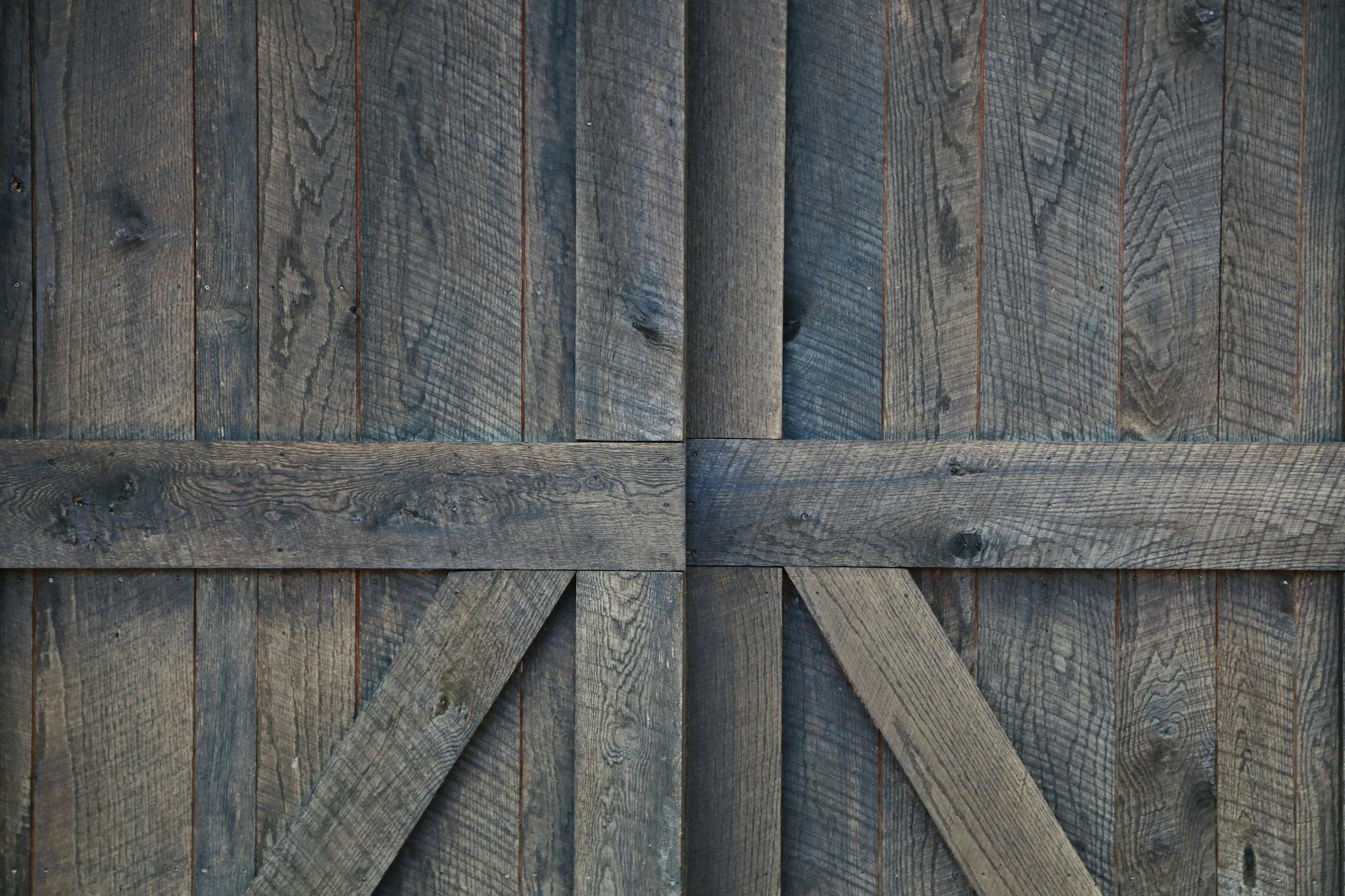
The sliding barn door became a fixture of farmhouse-inspired interiors and spread far beyond that aesthetic into homes of every architectural style. One persistent functional drawback is that barn doors do not seal a room the way a traditional hinged door does creating privacy and sound issues. They also require a clear wall span to slide open which limits furniture placement and room flexibility in meaningful ways. Buyers who do not share the aesthetic preference immediately see a costly removal project rather than a charming feature. The trend has become so overused that it now reads as dated rather than characterful in many markets.
Shiplap Walls
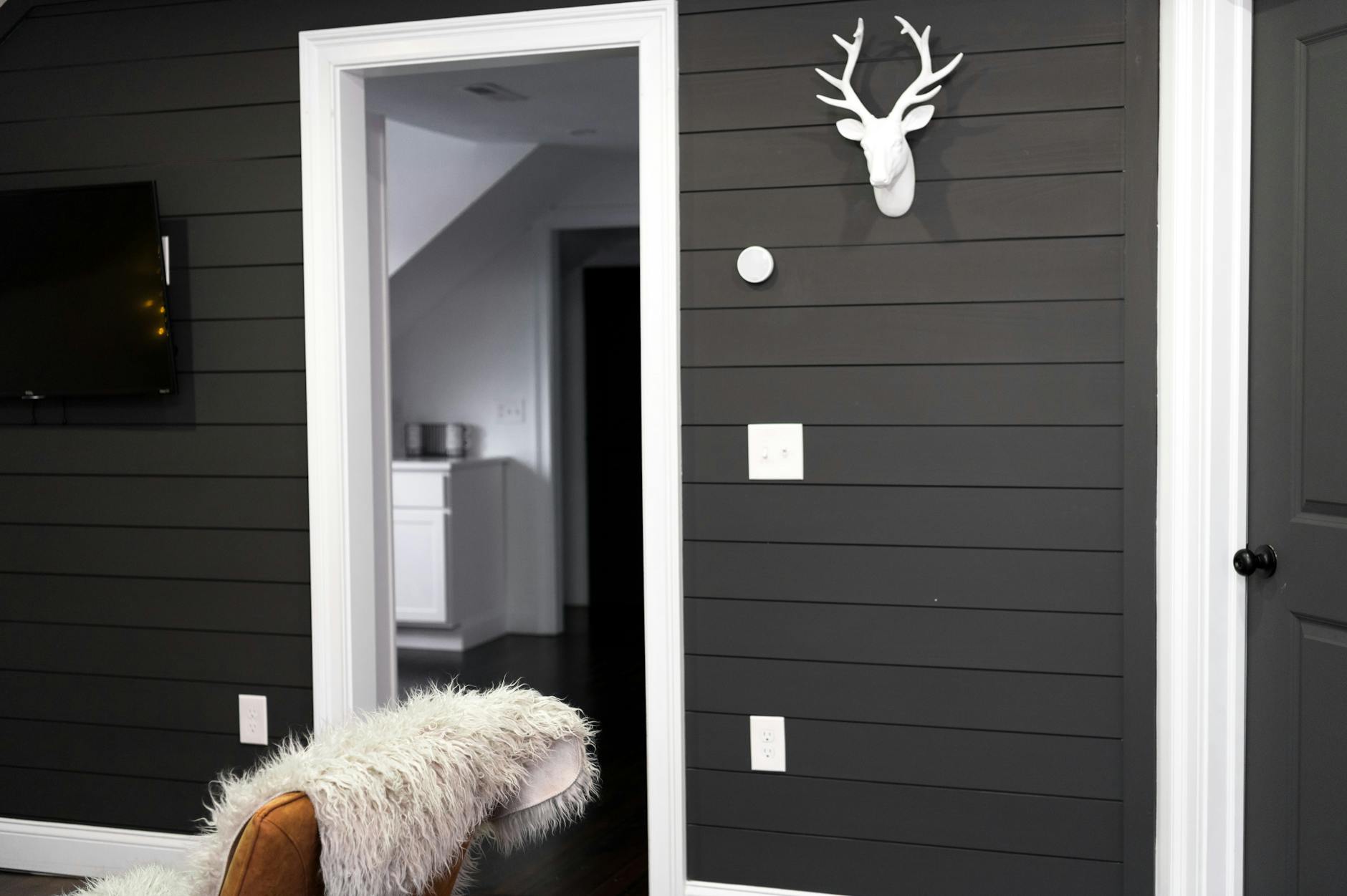
Shiplap surfaced in virtually every renovation program on television and quickly became one of the most replicated interior finishes in residential design. Applied across full accent walls or entire rooms it delivers a highly specific rustic or coastal look that limits a buyer’s decorating flexibility. Homes located in urban settings or built in contemporary architectural styles often feel visually mismatched when shiplap is introduced into the interior. Removing or covering the paneling is an additional expense that buyers factor into their offer price. The saturation of the trend in the market means it no longer reads as distinctive or special.
Overly Themed Rooms
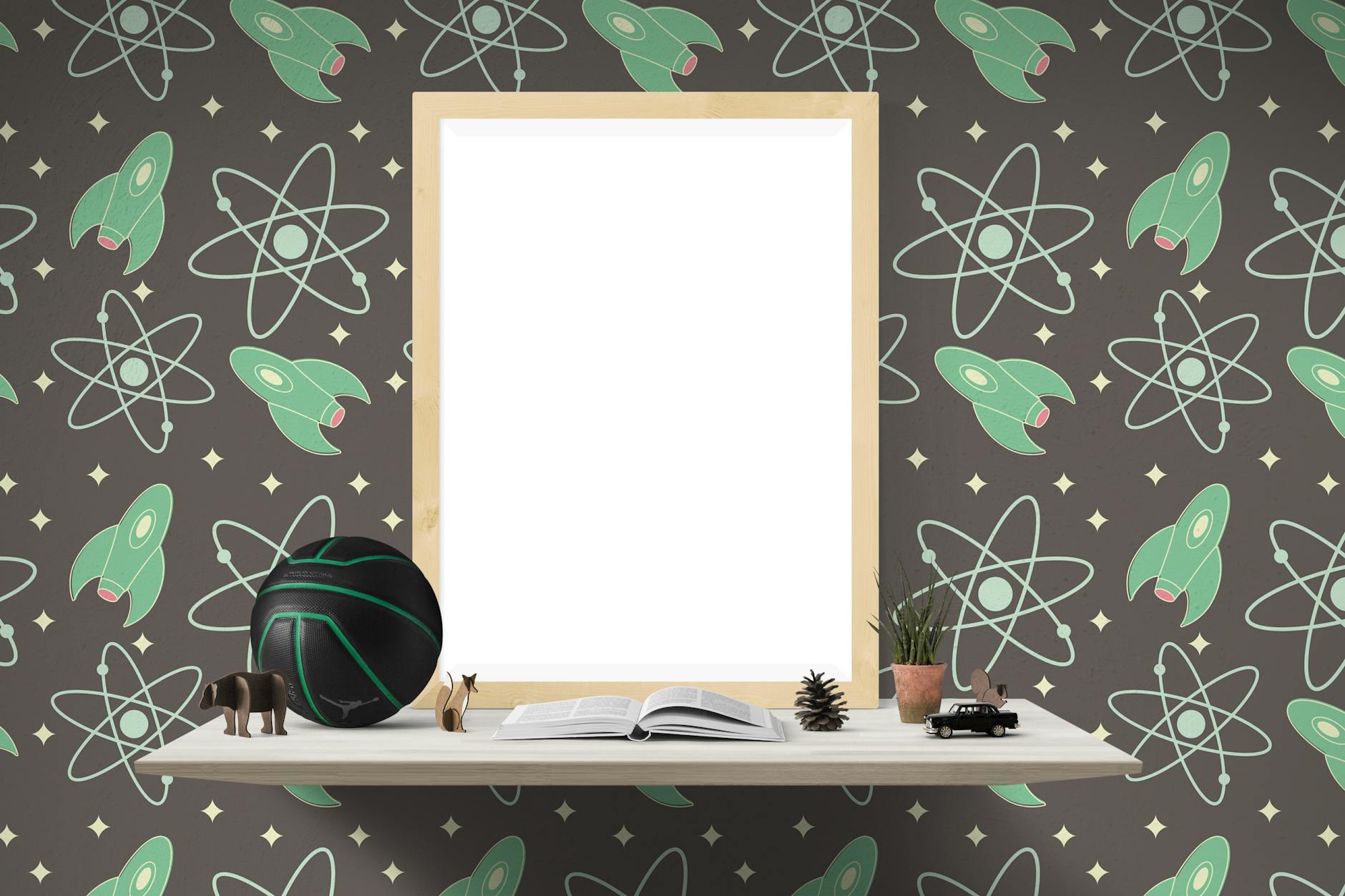
A single room designed around a hyper-specific theme whether nautical safari vintage Hollywood or sports-related appeals to an extremely narrow pool of buyers. The more completely a theme is executed the more expensive and labor-intensive the reversal becomes for a new owner. Children’s themed rooms are a particularly common example where elaborate murals custom built-ins and specialty fixtures cannot easily transfer to a different use. Buyers trying to imagine their own lives in the space struggle when every surface reinforces someone else’s very personal vision. Neutral adaptable rooms consistently attract broader interest and stronger offers.
Popcorn Ceilings

Popcorn ceilings are one of the most consistently cited cosmetic deterrents in residential real estate across all price points. The textured finish was widely applied through several decades primarily for its acoustic properties and low application cost. Buyers today associate the surface with aging homes and the additional concern around asbestos in older applications raises inspection flags. The removal process is messy time-consuming and often requires professional labor which buyers typically deduct from their offer. A smooth ceiling finish is now considered a baseline expectation rather than an upgrade in most markets.
Carpet in Bathrooms
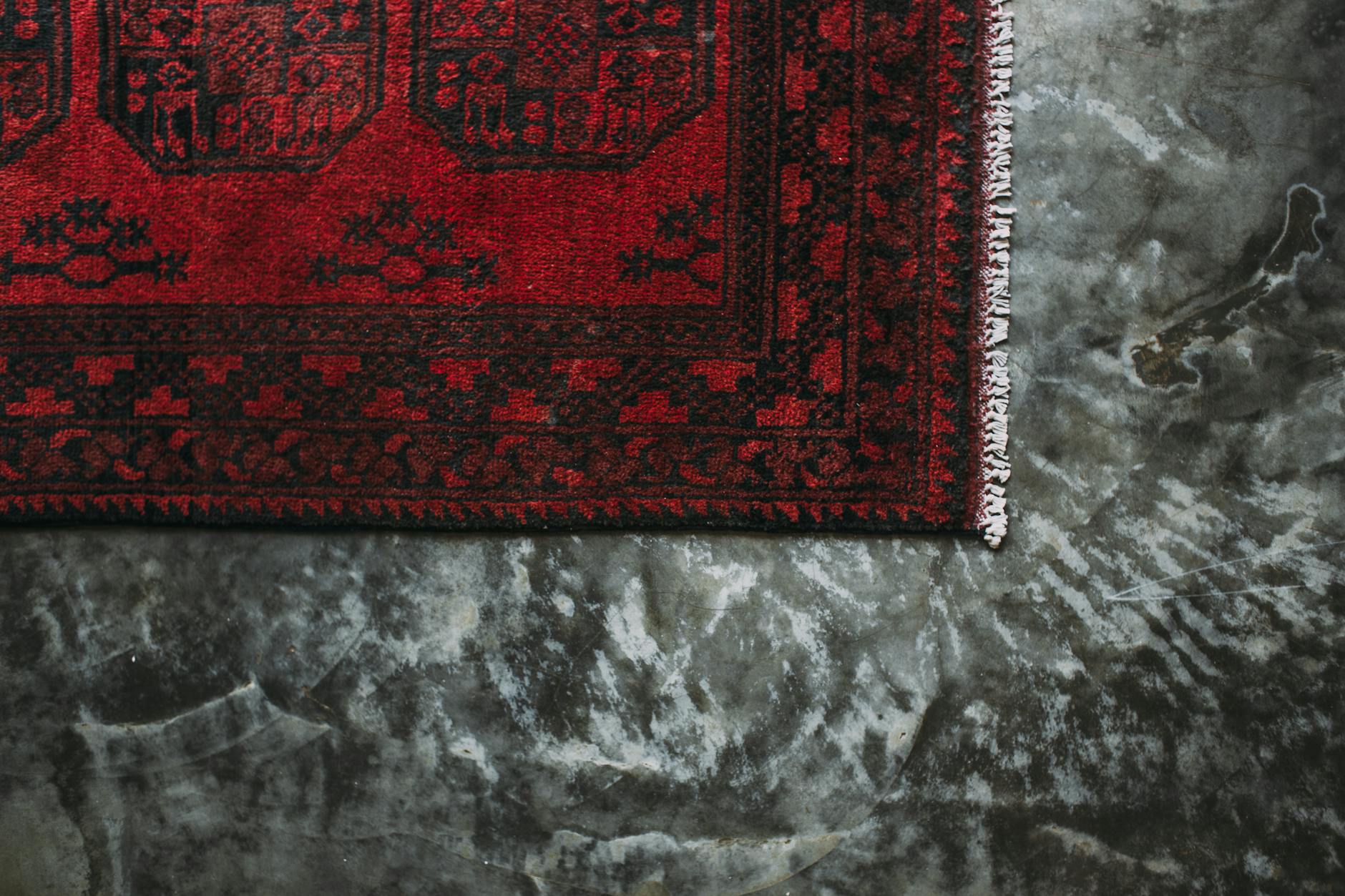
Carpet in bathrooms was a design staple in certain decades and still exists in many homes that have not undergone recent renovation. Moisture humidity and the unavoidable hygiene concerns associated with bathroom carpet make it one of the first things buyers mentally flag for replacement. The material traps odors bacteria and mold in ways that hard surface flooring does not creating both aesthetic and practical concerns. Even freshly cleaned bathroom carpet tends to photograph poorly and contribute to an overall impression of a home that needs work. Hard tile stone or luxury vinyl are universally preferred by buyers in contemporary markets.
Wallpaper Murals

Large-scale wallpaper murals featuring botanical prints landscapes or abstract artwork became a major trend driven by social media interior accounts. A full mural is an intensely personal statement that aligns with a specific taste profile unlikely to match the next buyer’s vision. Removal is notoriously difficult particularly with traditional wallpaper adhesives which can damage the underlying drywall. Peel-and-stick versions are easier to remove but still leave buyers uncertain about wall condition beneath the surface. The investment in application rarely translates to added perceived value during a property showing.
Ultraviolet and Jewel-Toned Accent Walls

Deep jewel-toned accent walls in colors like ultraviolet emerald or cobalt blue were heavily promoted as a way to add drama and personality to a space. Bold color choices that feel thrilling to the homeowner often read as a repainting project to a buyer calculating move-in costs. A single dramatically colored wall can shift the perceived scale and mood of an entire room making it feel smaller or more enclosed than it is. Buyers with neutral or transitional taste preferences frequently discount homes that require significant cosmetic repainting. The strength of the color trend fades quickly compared to timeless neutral palettes.
Vessel Sinks
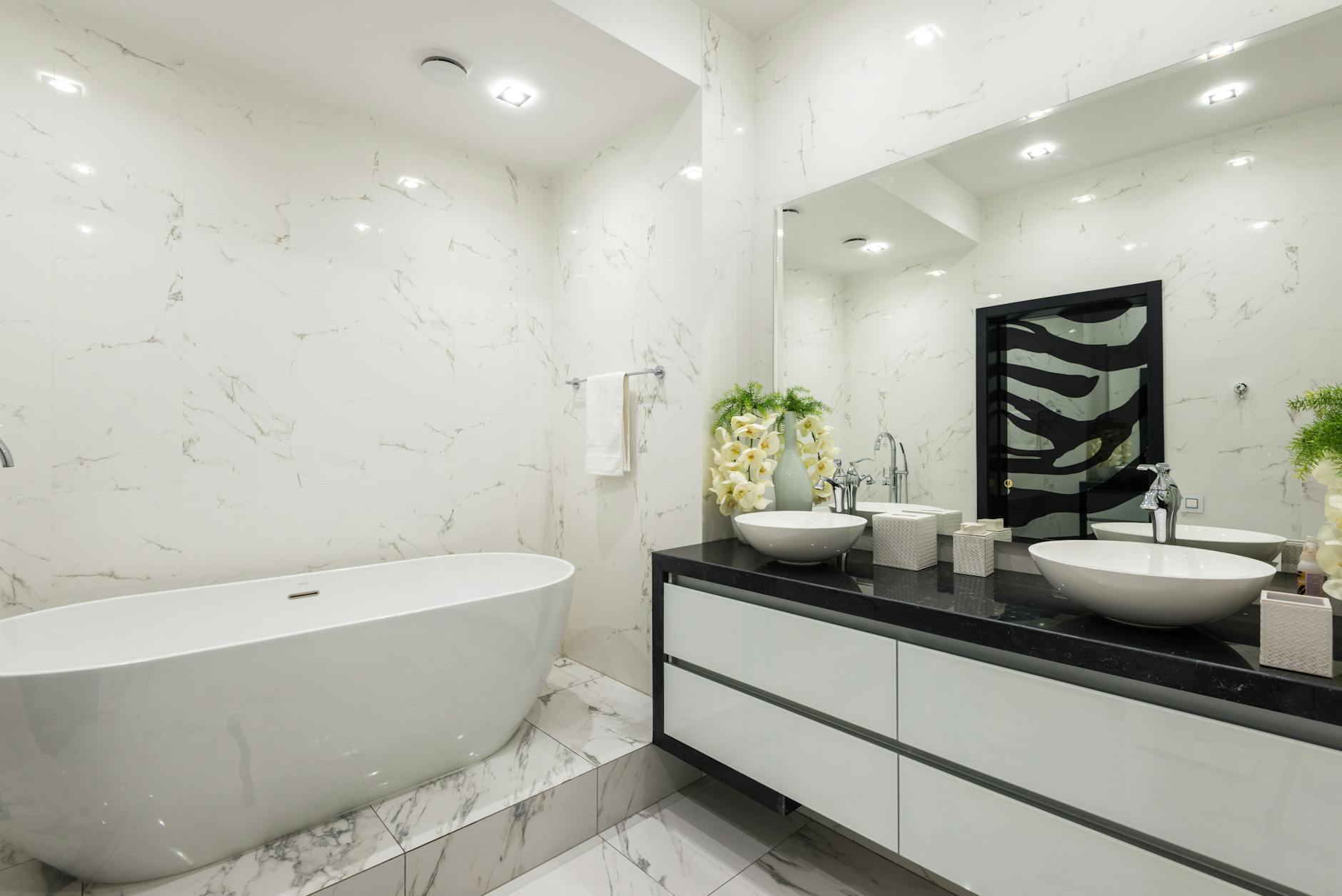
Vessel sinks sitting atop bathroom vanities were embraced as an elegant spa-inspired design choice during a prolonged period of popularity. The style presents practical challenges including splash zones around the basin awkward height for shorter users and difficulty cleaning around the base of the vessel. Many buyers perceive vessel sinks as high-maintenance fixtures compared to undermount or integrated options that sit flush with the counter surface. Stylistically they also anchor the bathroom to a particular design moment that now feels more transitional than timeless. Standard undermount sinks consistently poll better among buyers evaluating bathroom finishes.
Tuscan Kitchen Style
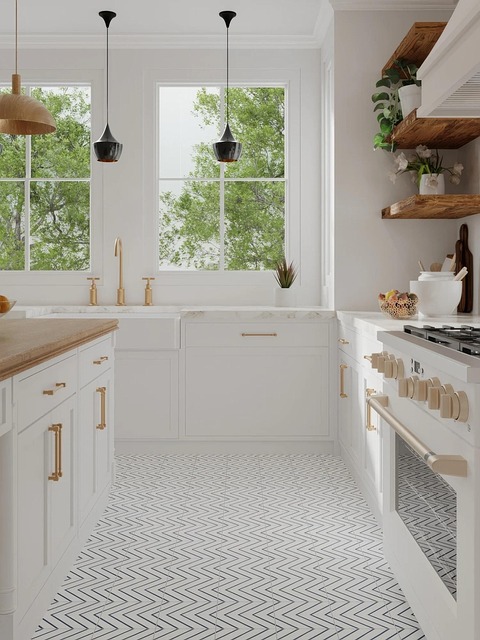
The Tuscan kitchen aesthetic with its warm ochre walls decorative tile backsplashes ornate iron hardware and faux-finished cabinetry was a dominant style across upper-middle real estate for well over a decade. The look is highly specific in its cultural reference and color palette making it difficult to update incrementally without a complete overhaul. Buyers seeking contemporary clean or transitional kitchens see Tuscan styling as a costly full renovation rather than a cosmetic refresh. The ornate detailing that defines the style runs counter to the streamlined silhouettes that dominate current kitchen design preferences. Homes carrying a complete Tuscan kitchen often price this as a known negotiation point before listing.
Laminate Countertops
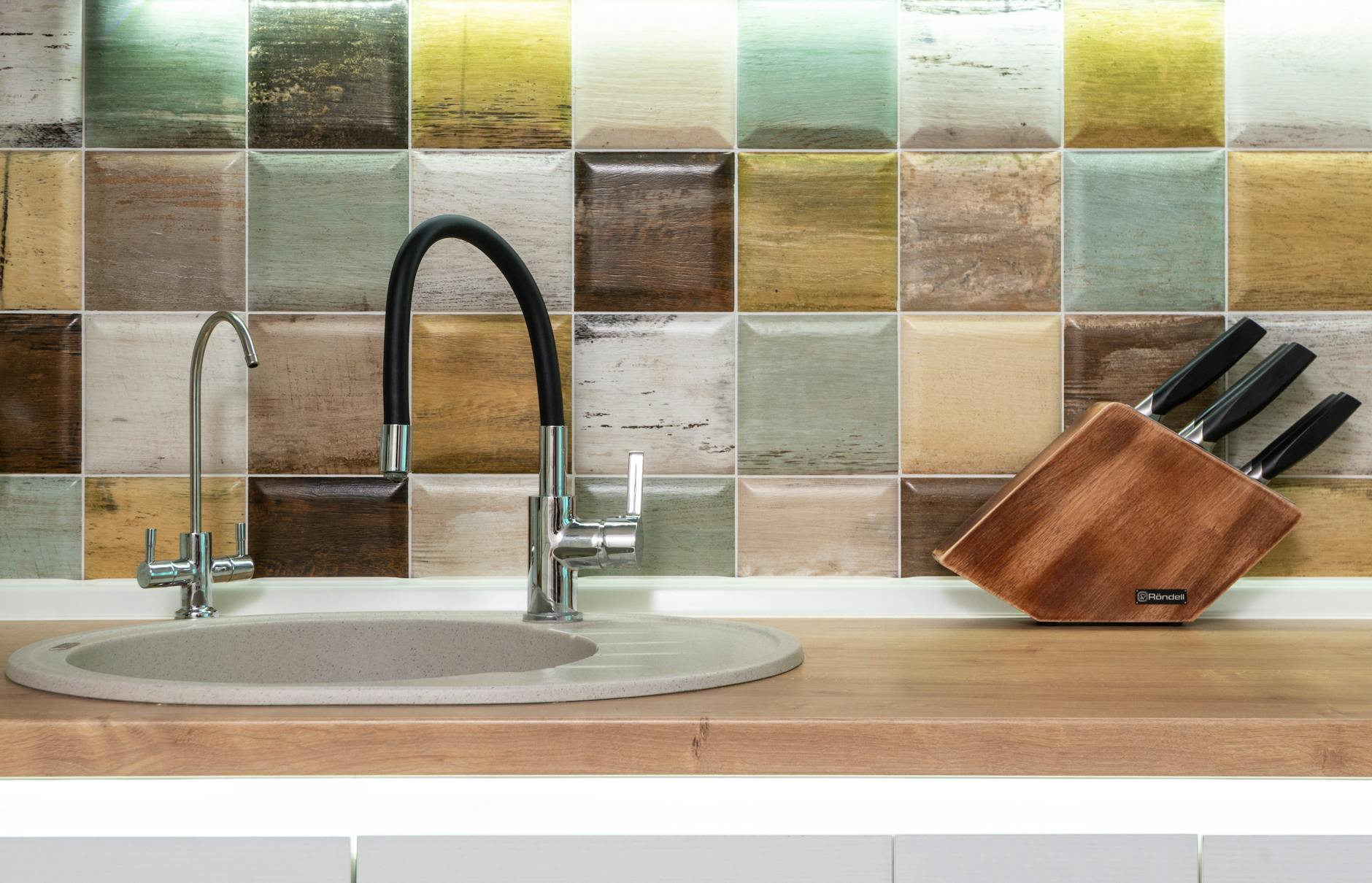
Laminate countertops signal a kitchen in need of updating to the majority of buyers currently active in the residential market. While manufacturers have significantly improved the quality and appearance of modern laminate the material still carries associations with entry-level finishes. In a market where quartz granite and butcher block have become broadly accessible even at modest price points laminate reads as a deferred investment. Buyers frequently use visible laminate surfaces as leverage in negotiations or as justification for a lower initial offer. Upgrading countertops before listing is one of the more reliably recommended pre-sale improvements by real estate professionals.
Sunken Living Rooms
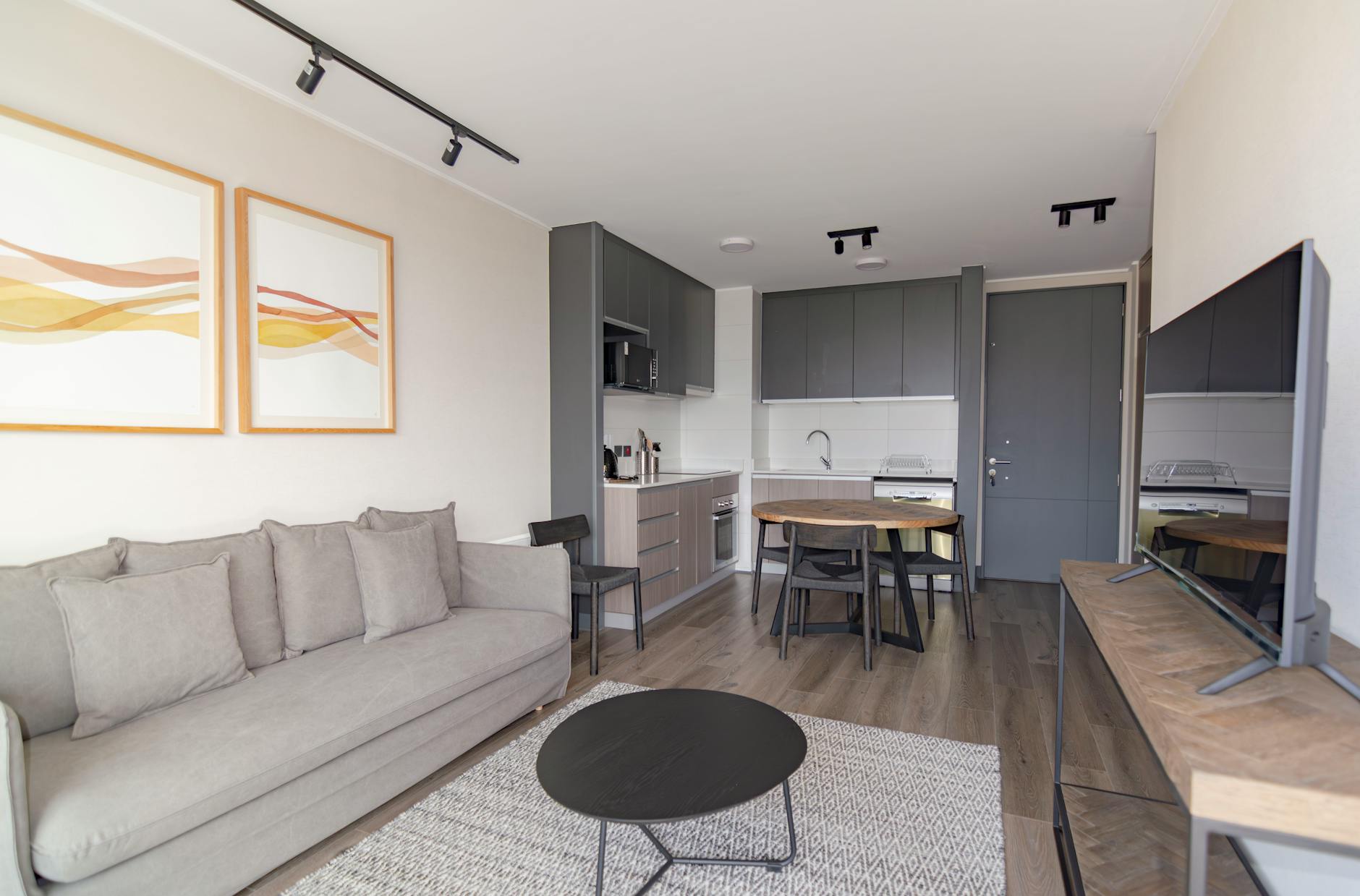
Sunken living rooms or conversation pits were an architectural statement of mid-century and post-war residential design that created intimate recessed seating areas. Building codes and accessibility standards have evolved considerably since their peak making sunken areas a liability flag for some buyers. The step-down transition creates a tripping hazard that is difficult to eliminate without substantial structural renovation. Families with young children elderly members or mobility considerations immediately identify the feature as a safety concern. Real estate professionals note that buyers outside of architecture enthusiast circles rarely view sunken rooms as a selling point.
Mirrored Furniture

Mirrored furniture including console tables dressers nightstands and accent cabinets brought a maximalist glamour aesthetic into residential interiors. The finish shows fingerprints smudges and dust with extreme visibility requiring constant maintenance to look presentable. When staged into a home for sale mirrored pieces can create visual confusion by reflecting clutter and making spaces harder to photograph cleanly. Buyers imagining daily life in the home calculate the upkeep of high-gloss reflective surfaces against more practical alternatives. The look is also strongly tied to a specific maximalist style movement that has limited crossover appeal with contemporary or transitional buyers.
Word Art and Quote Decals

Vinyl wall decals and wooden word art spelling out phrases like “gather” “family” or motivational quotes became ubiquitous across a broad section of the residential market. While inexpensive to apply removal often leaves adhesive residue or faint impressions on painted walls that require repainting. Buyers find highly personal or sentiment-driven text on walls difficult to depersonalize mentally during a showing. The prevalence of the trend has made it strongly associated with a particular design era that now feels dated rather than warm. Neutral walls free of text-based decoration allow buyers to project their own vision more freely onto the space.
Industrial Pipe Shelving

Exposed black iron pipe shelving units brought an urban loft aesthetic into suburban and residential spaces where the architectural context does not naturally support the look. The style works cohesively in authentic industrial spaces but often appears forced or out of place in conventional home construction. Buyers with contemporary transitional or traditional design preferences see the hardware as something requiring replacement rather than a feature. The open shelf format carries the same practical objections around dust maintenance and display effort noted across all open storage trends. Purpose-built cabinetry consistently polls as more desirable across the broadest range of buyer profiles.
Overly Ornate Crown Molding
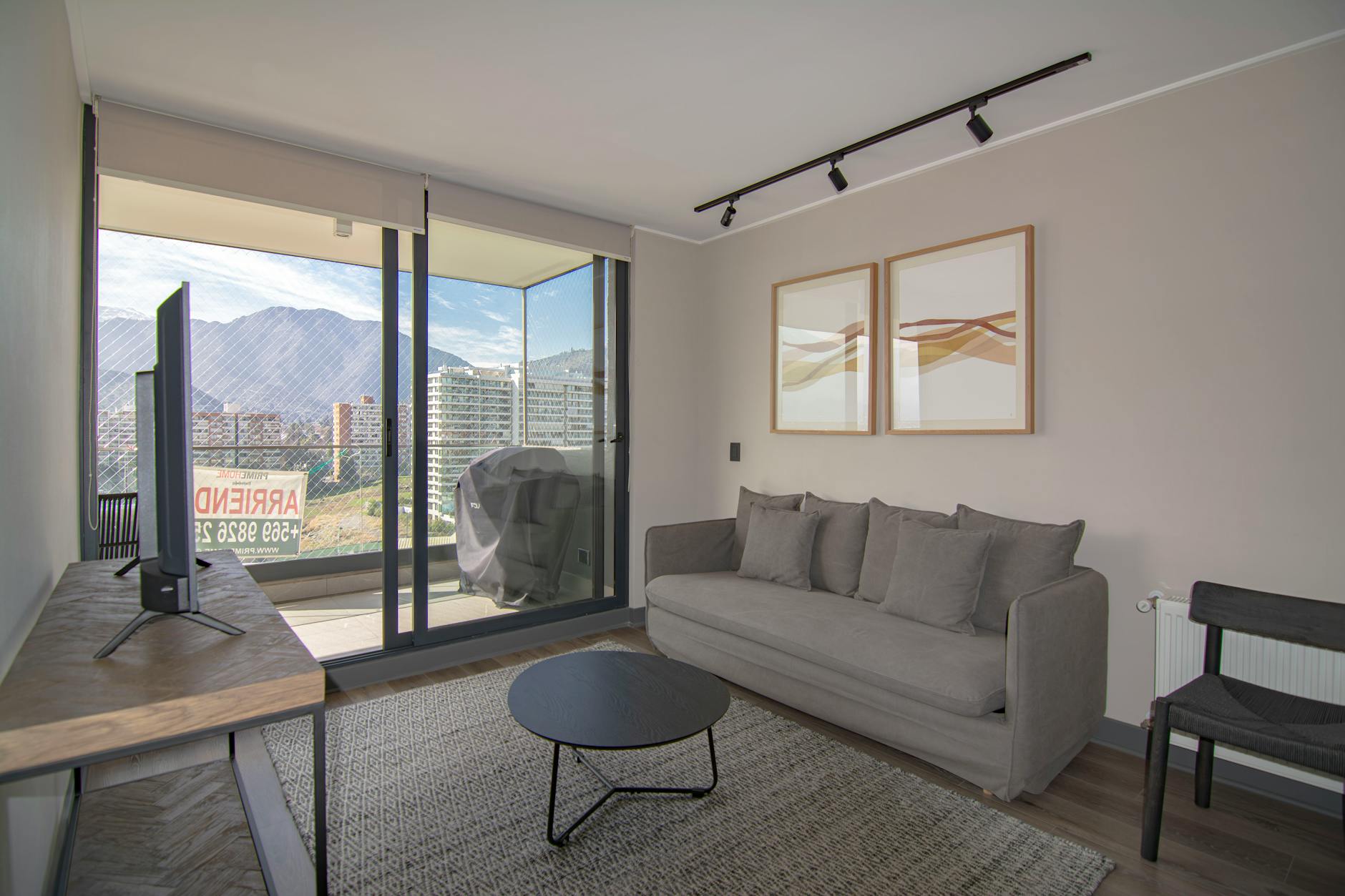
Elaborate multi-tiered crown molding with heavy decorative profiles and medallions speaks to a formal traditional aesthetic that has narrowed considerably in buyer appeal. In rooms with low or standard ceiling heights aggressive molding profiles can make the space feel compressed and overly busy. The installation cost is significant and buyers who prefer clean contemporary lines see the molding as a removal expense rather than an inherited luxury. Highly formal detailing also clashes with open-plan contemporary furniture arrangements that now dominate buyer expectations. Simpler clean-lined trim profiles have broader appeal across a wider demographic range.
Colored Kitchen Appliances
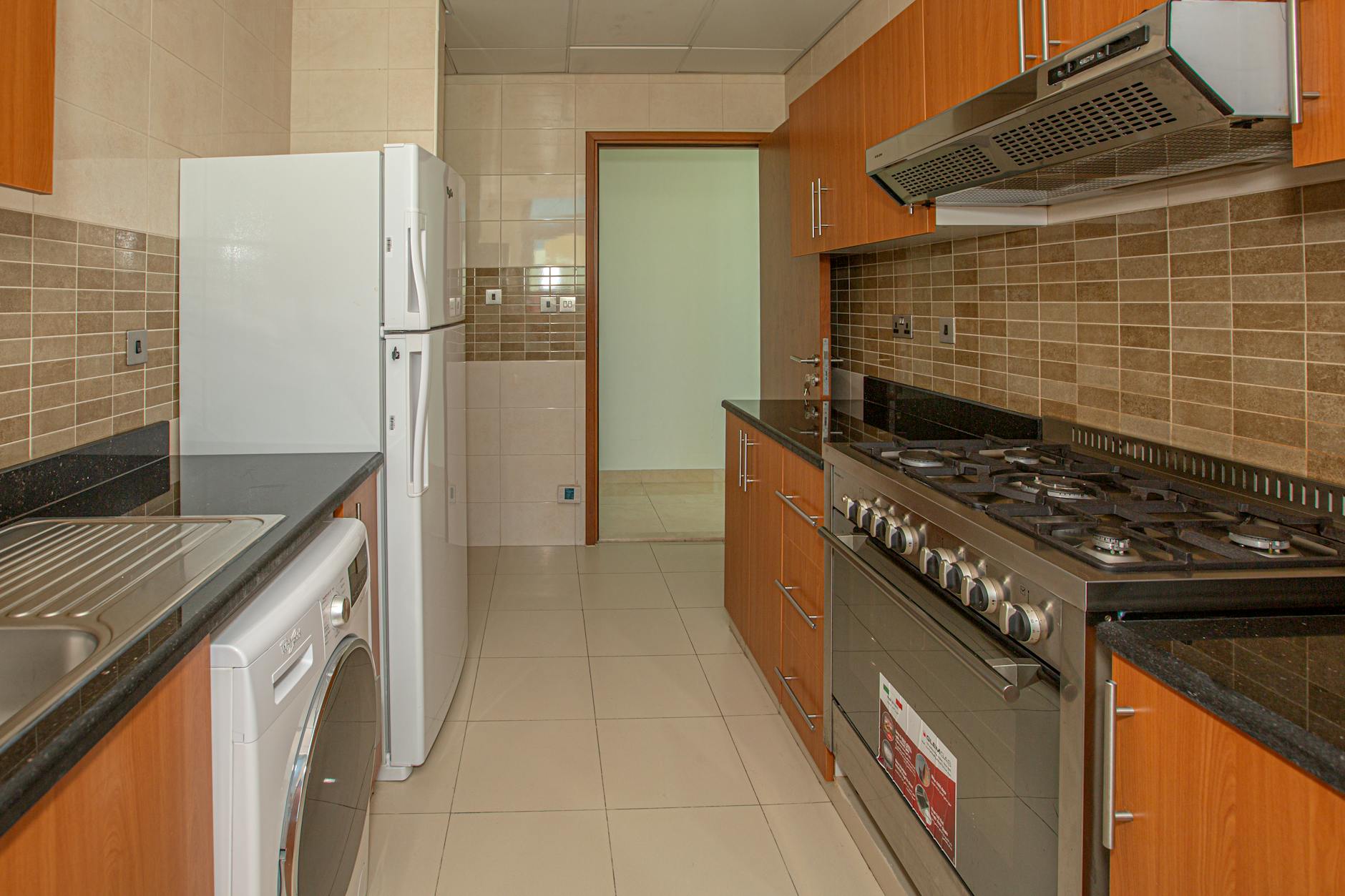
Colored kitchen appliances in shades like slate matte black red or custom panels were marketed as a way to inject personality into the kitchen. Unlike stainless steel which has maintained consistent buyer preference across decades specific appliance colors anchor a kitchen to a trend window. A buyer who prefers stainless or integrated appliance panels sees colored units as a replacement line item factored against the asking price. Color trends in appliances move faster than the typical lifespan of the machines making early obsolescence a practical concern. Stainless steel and panel-ready appliances remain the most broadly neutral choice for resale purposes.
Extremely High-Gloss Floors
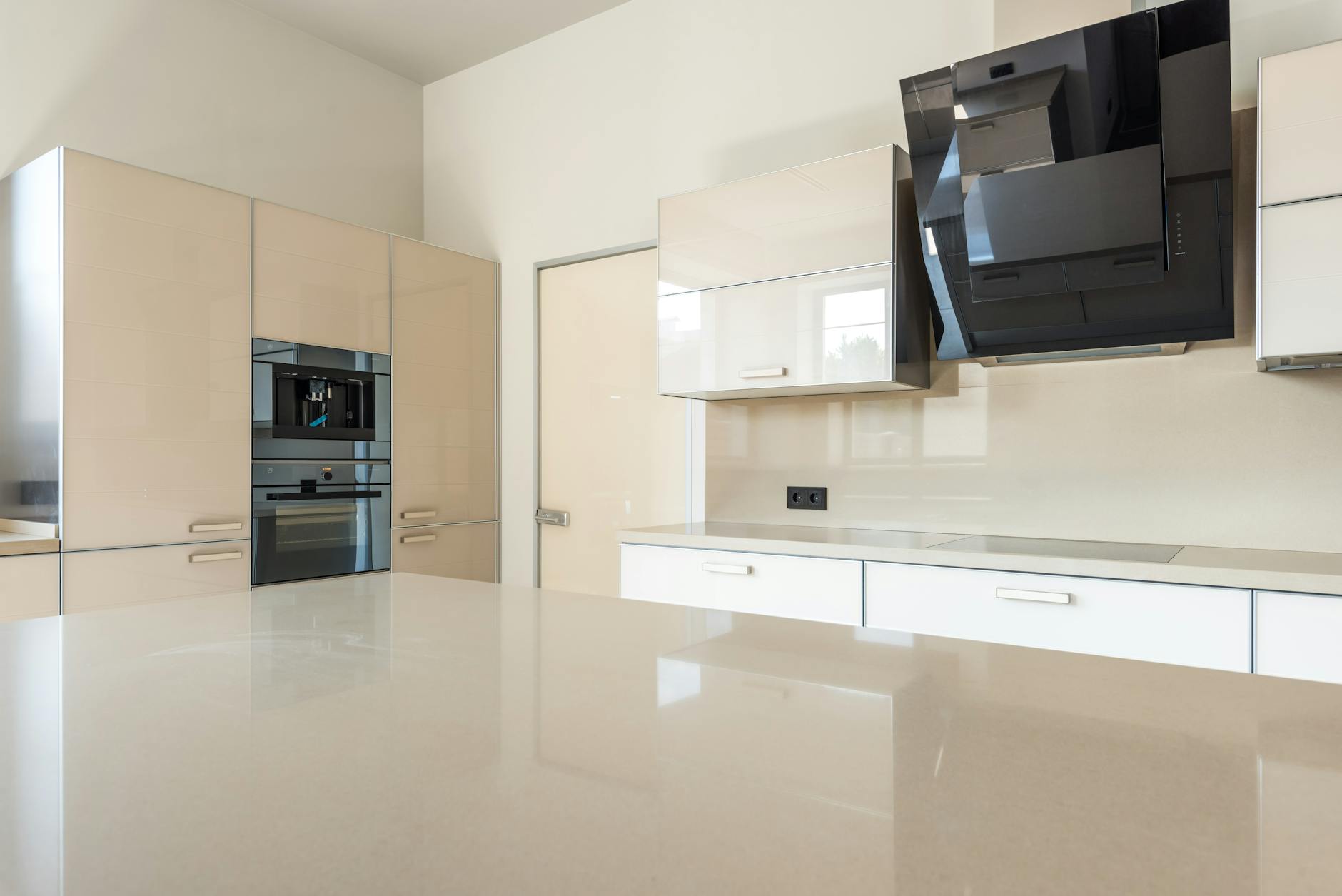
High-gloss lacquered or heavily polyurethaned flooring finishes deliver a reflective polished look that photographs dramatically in design media. In daily use the surfaces show every footprint pet track and dust particle with unforgiving clarity. Buyers with pets children or simply practical housekeeping expectations calculate the maintenance intensity of high-gloss floors against lower-sheen alternatives. Refinishing the floors to a matte or satin finish is a moderately costly process that some buyers will request as a condition of purchase. Satin and matte floor finishes have displaced high-gloss options as the preferred choice in most contemporary new construction.
Overly Customized Closets
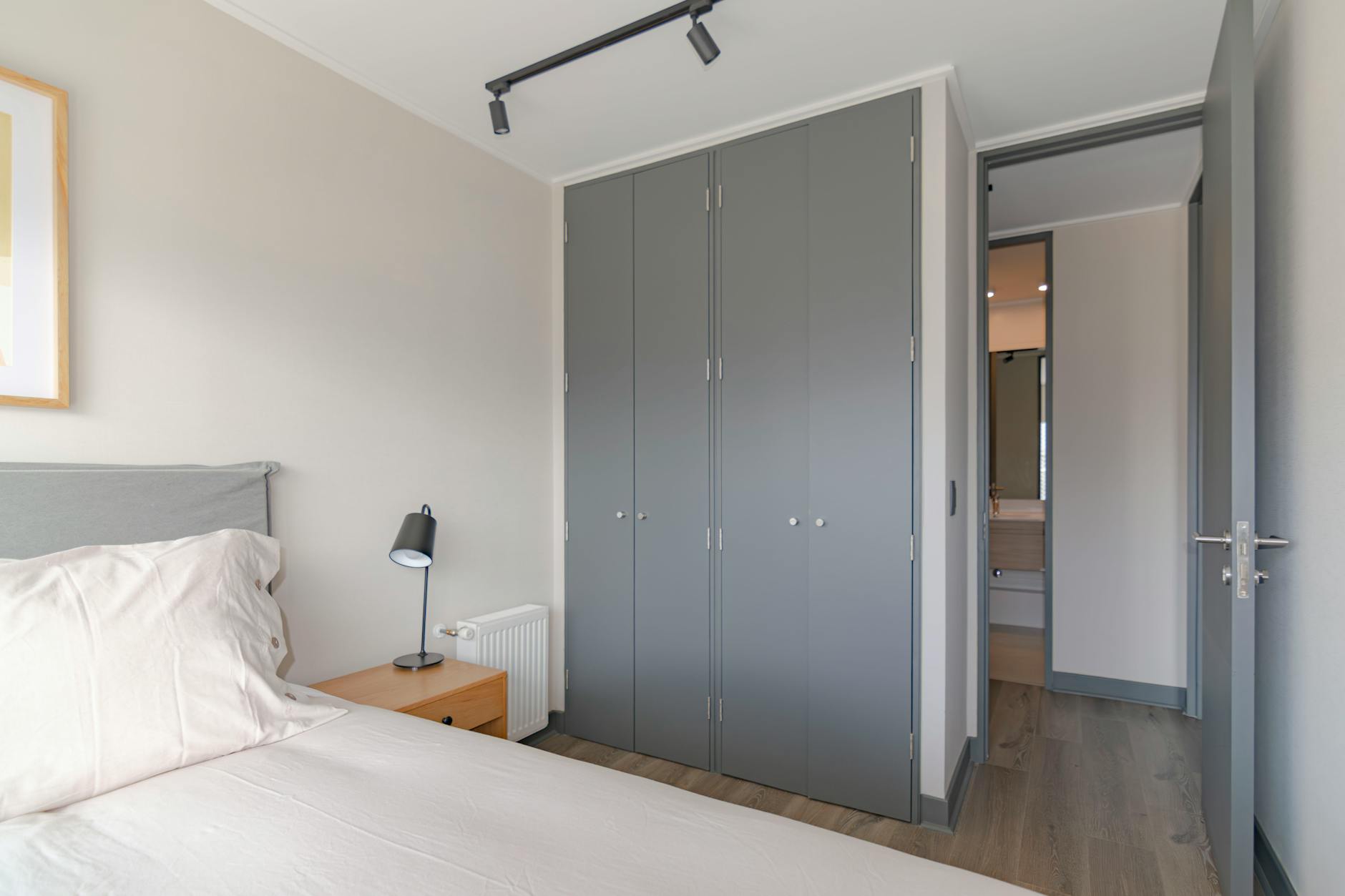
Highly customized closet systems built to a specific owner’s wardrobe and lifestyle dimensions frequently fail to serve the next buyer’s needs. A system optimized for an extensive shoe collection or a wardrobe of formal attire may be completely misaligned with how a new occupant organizes clothing and accessories. The built-in nature of custom systems means removal or reconfiguration is an additional cost that buyers weigh against a standard closet with flexible shelving. Extremely high-end closet buildouts rarely recover their installation cost in appraised value. Standard adaptable closet systems with adjustable components tend to satisfy a broader range of buyers without penalizing the seller.
Spa Bathroom Overkill
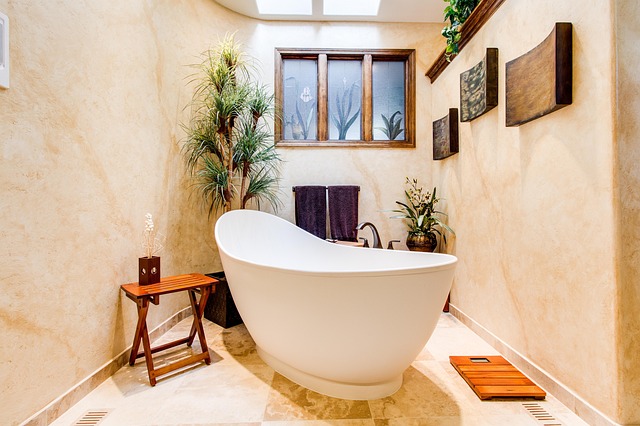
Bathrooms converted into elaborate multi-feature spa environments with steam showers chromotherapy lighting heated floors aromatherapy systems and soaking tubs occupy square footage that buyers with different priorities may prefer configured differently. The systems require specialized maintenance and eventual replacement of components that standard bathroom fixtures do not demand. Buyers who rarely use deep soaking tubs or steam features see the footprint as wasted space compared to a larger shower or additional storage. Highly mechanized spa features also raise concerns during home inspection about plumbing electrical and waterproofing maintenance. Functional well-finished bathrooms with quality standard fixtures consistently appeal to the broadest range of buyers.
Faux Brick or Stone Veneer

Faux brick and stone veneer panels applied to interior or exterior walls were widely marketed as an affordable way to add rustic texture and material interest. The manufactured appearance is increasingly identifiable to buyers who compare it unfavorably to genuine masonry or the clean finished walls preferred in contemporary interiors. On exterior applications veneer panels have raised concerns about moisture infiltration and long-term adhesion particularly in climates with significant freeze-thaw cycles. Buyers who notice veneer rather than genuine material often factor a remediation or re-cladding expense into their valuation. Authentic materials or cleanly finished surfaces hold broader resale appeal than simulated alternatives.
Overly Themed Outdoor Spaces
Outdoor spaces built around a single hyper-specific theme such as a tiki bar luau lounge or elaborate pirate-themed children’s area present the same resale challenges as themed interior rooms. The more completely the theme is executed in permanent structures lighting and custom hardscaping the more expensive the reversal becomes for a new owner. Buyers evaluating outdoor living areas prefer flexible clean spaces where they can project their own entertaining and lifestyle preferences. Permanent thematic structures that cannot easily be repurposed or removed are frequently cited in buyer feedback as detractors during showings. Neutral outdoor kitchens fire features and simple pergolas attract the widest pool of interested buyers.
Neon Signs

Decorative neon or LED neon signs became a popular interior accent item driven heavily by social media aesthetics and home bar and entertainment space trends. As permanent or semi-permanent installations they create a specific atmosphere that buyers outside that design sensibility immediately register as something to remove. The electrical requirements for neon installations occasionally flag during inspection or add buyer questions about modifications to existing wiring. Bars game rooms and entertainment spaces styled around neon signage appeal to a narrower demographic than flexible multipurpose rooms. Clean well-lit rooms with versatile lighting systems serve a broader range of buyer preferences and lifestyle needs.
Carpet in Home Offices
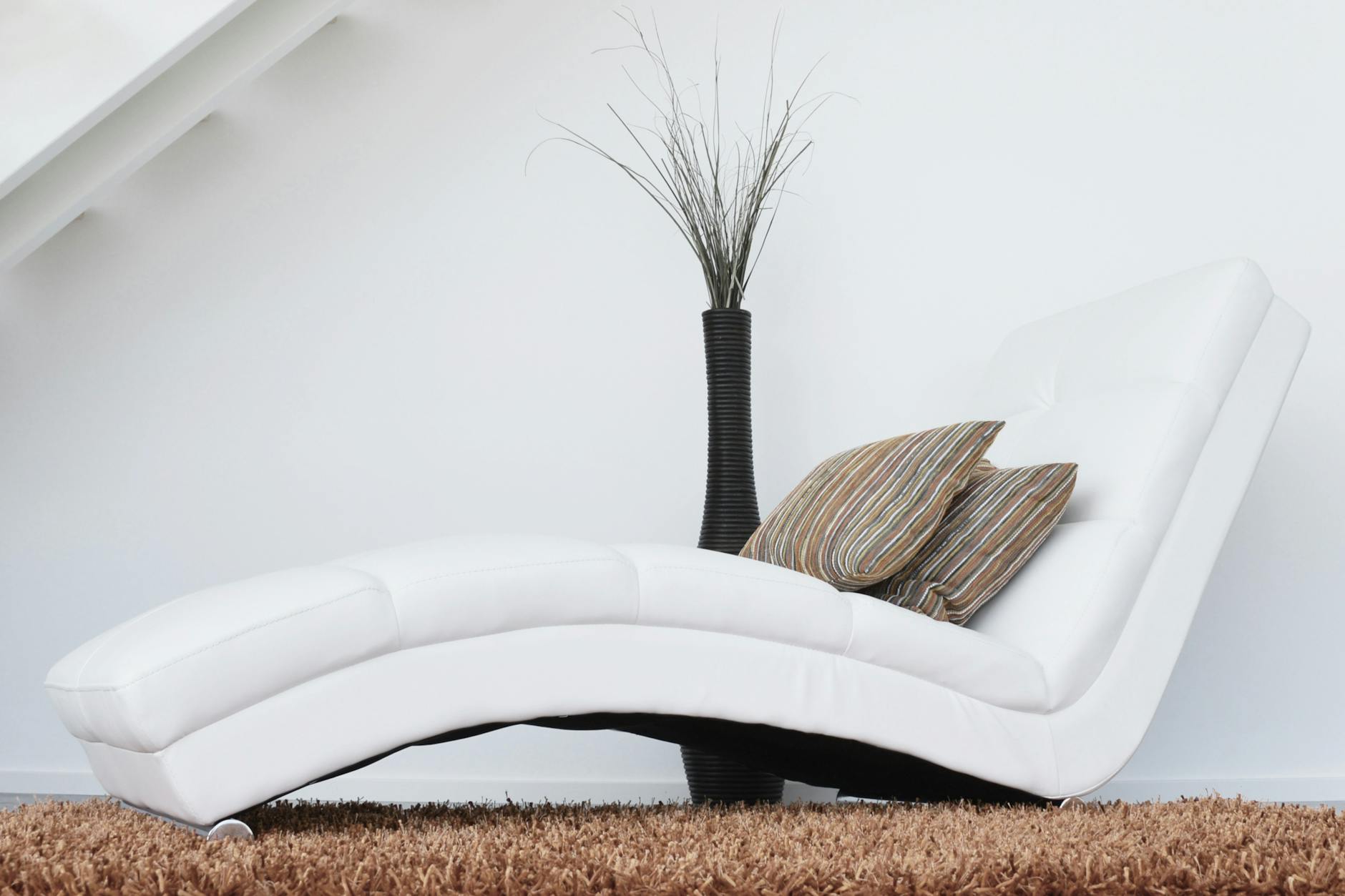
Wall-to-wall carpet in dedicated home offices was an accepted finish in prior decades when the spaces functioned as formal studies or occasional use rooms. The widespread shift to daily remote work has elevated expectations for home office functionality including easy-to-clean hard surface flooring under desk chairs and rolling equipment. Carpet under office chairs creates resistance friction and accelerated wear patterns that are quickly visible and difficult to reverse without full replacement. Buyers evaluating home offices now apply workplace-adjacent standards to the space making hard flooring a practical expectation. The additional allergen and air quality considerations associated with carpet in frequently occupied rooms reinforce the preference for hard surface alternatives.
Matching Bedroom Furniture Sets
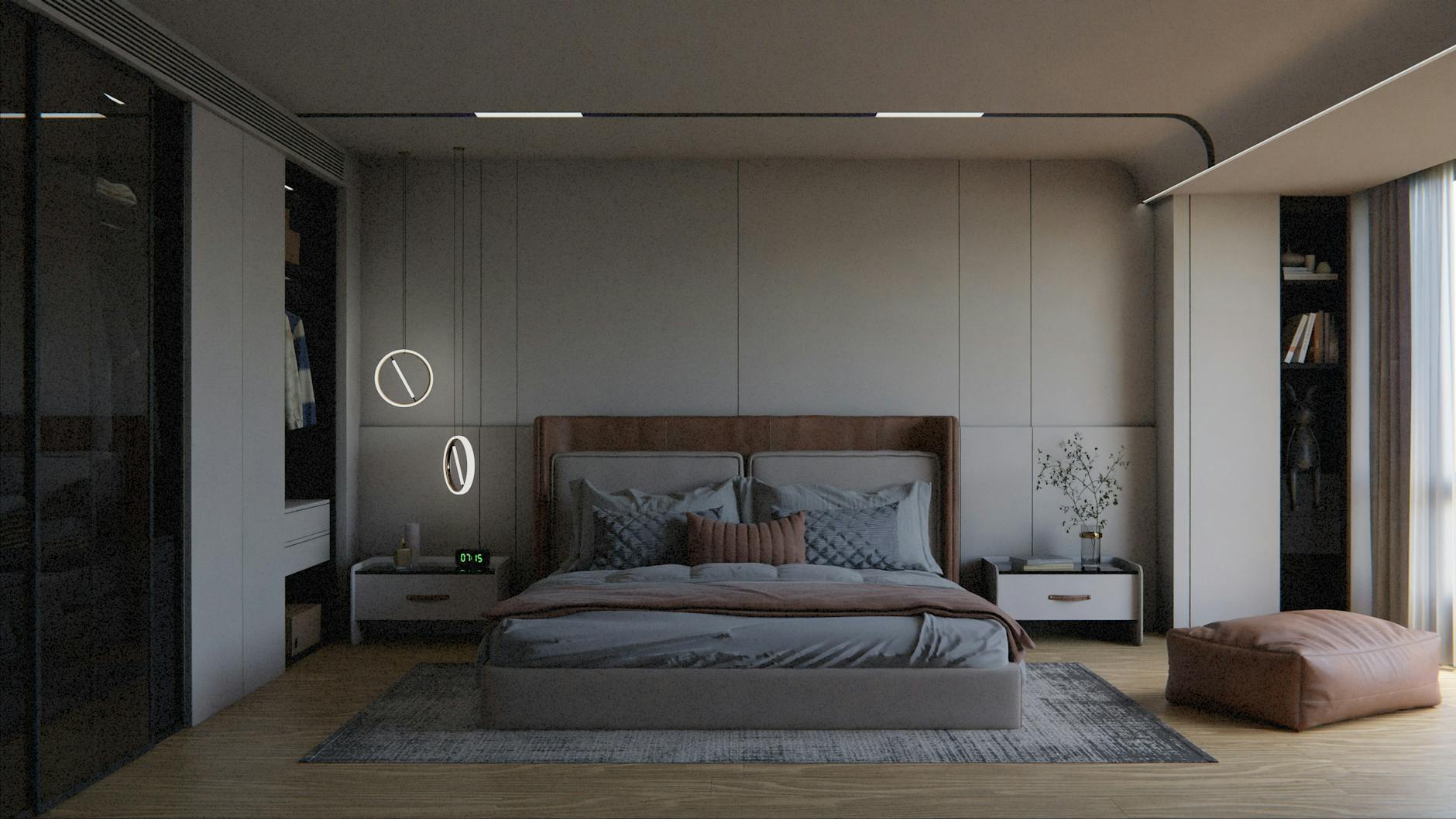
Complete matching bedroom furniture sets where every piece shares identical finish profile and hardware were a standard aspirational purchase for several decades of homebuying. Contemporary design preferences favor layered curated interiors where pieces of different origins complement each other rather than match precisely. When a home is staged or shown with heavy matching sets the rooms can feel static and dated compared to more thoughtfully assembled interiors. The perception of value associated with matching sets has also declined as buyers gravitate toward individual quality pieces rather than volume. Homes that present bedroom spaces with more flexible and varied furnishing arrangements tend to photograph and show with greater visual interest.
Overly Formal Dining Rooms
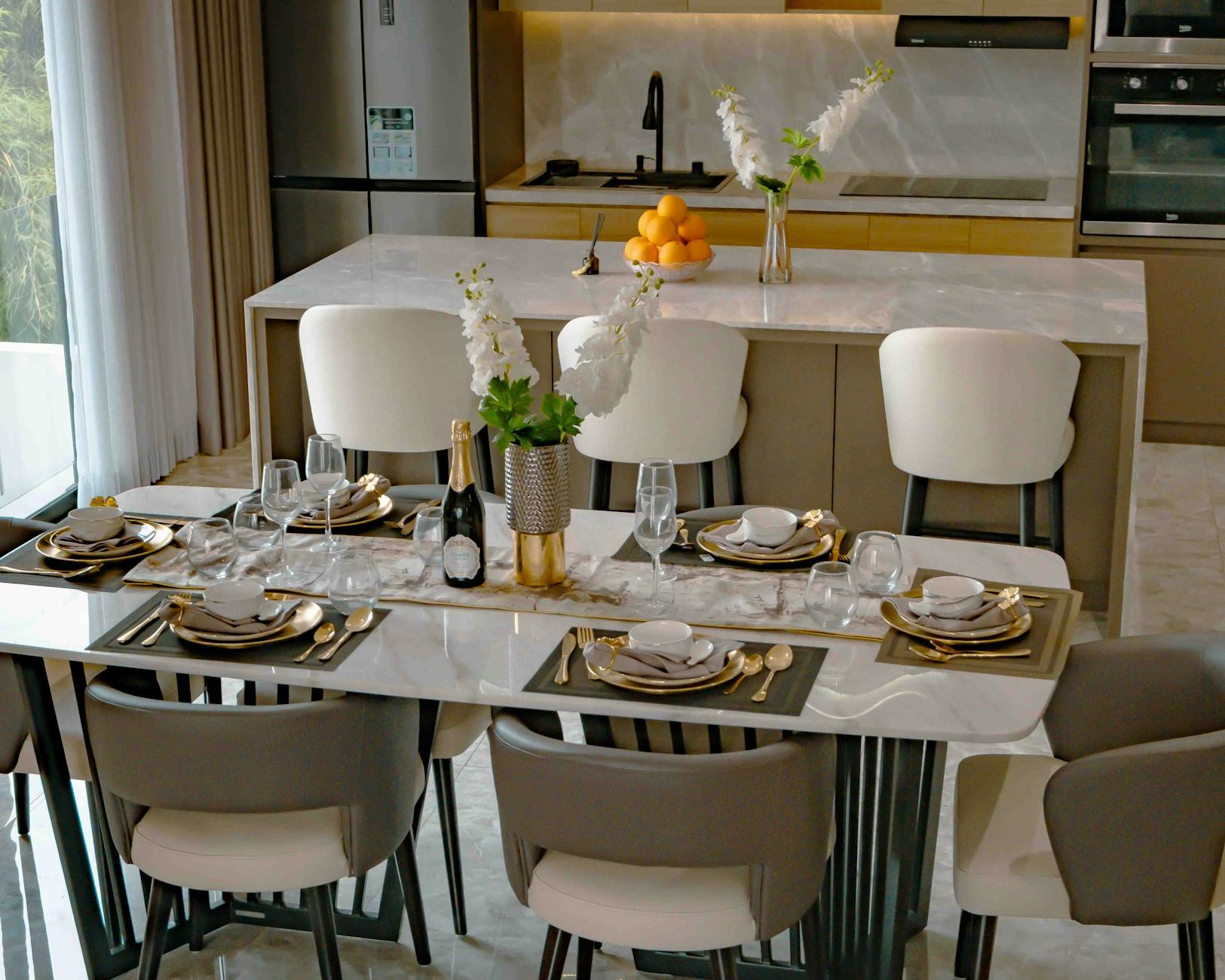
Dedicated formal dining rooms furnished with full suites of matching furniture and oriented exclusively around seated multi-course entertaining have declined significantly in buyer priority lists. Changing lifestyle patterns around casual dining open-plan living and flexible home use have repositioned the formal dining room as underutilized square footage in many buyers’ thinking. Rooms that cannot easily convert to a home office playroom or flexible living space feel inefficient to buyers who value adaptability. Heavy formal furniture that fills the room completely reinforces the single-use perception and limits a buyer’s ability to imagine alternative arrangements. Flexible dining areas that open visually or functionally to adjacent living spaces consistently poll higher in buyer appeal surveys.
Overly Specific Media Rooms
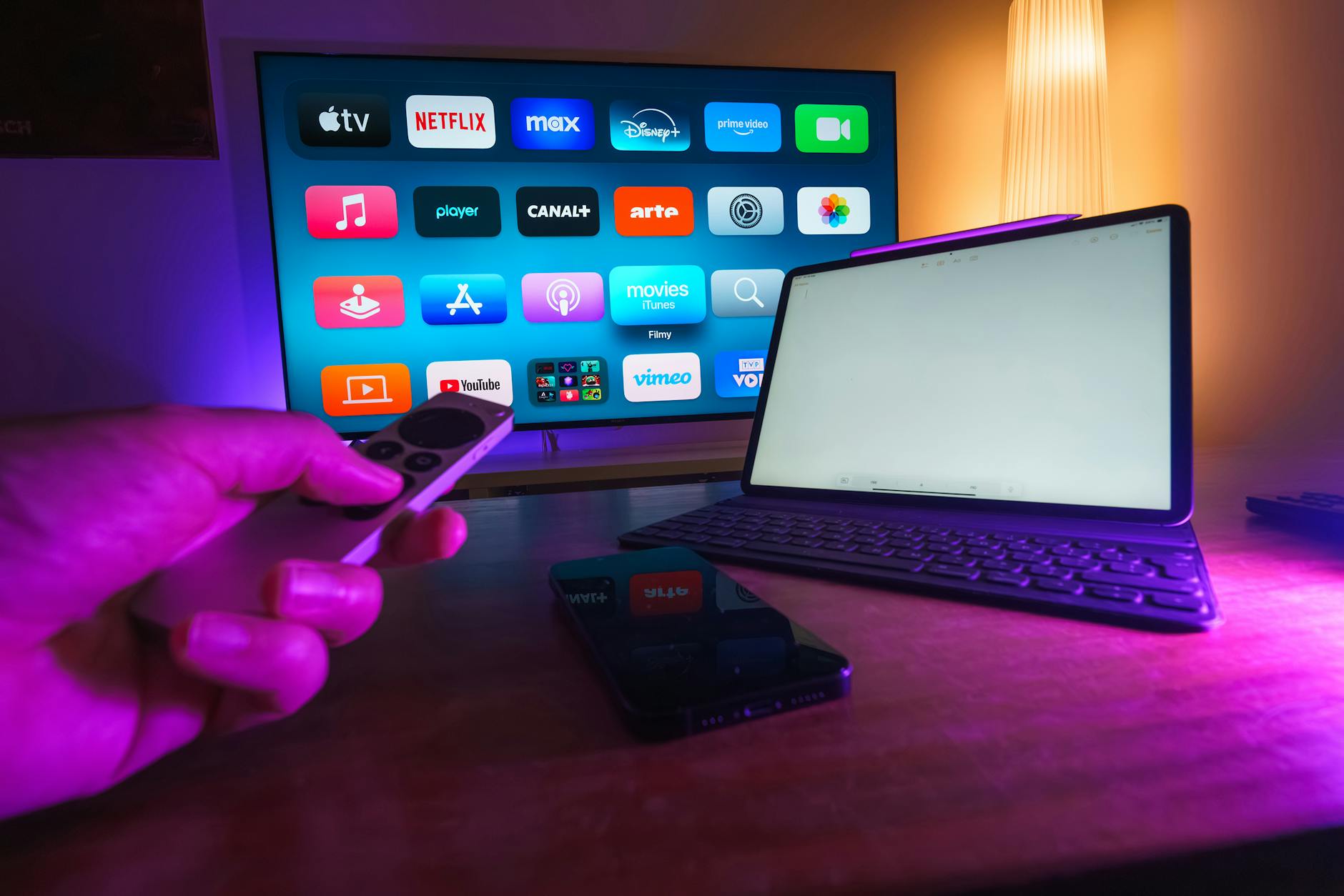
Dedicated media rooms built and finished specifically around a fixed seating configuration projection system and acoustic treatment present limitations similar to other highly customized single-use spaces. The technology components of a media room depreciate quickly and buyers often inherit outdated equipment that requires replacement to function as intended. Acoustic treatment panels and blackout systems optimized for one specific configuration are difficult to repurpose if a buyer prefers a different room arrangement. Families without strong home theater priorities see the square footage as more valuable in an alternative configuration. Flexible living rooms with quality speaker infrastructure and lighting control serve a wider range of buyers than fully committed theater buildouts.
Pocket Doors with Poor Execution
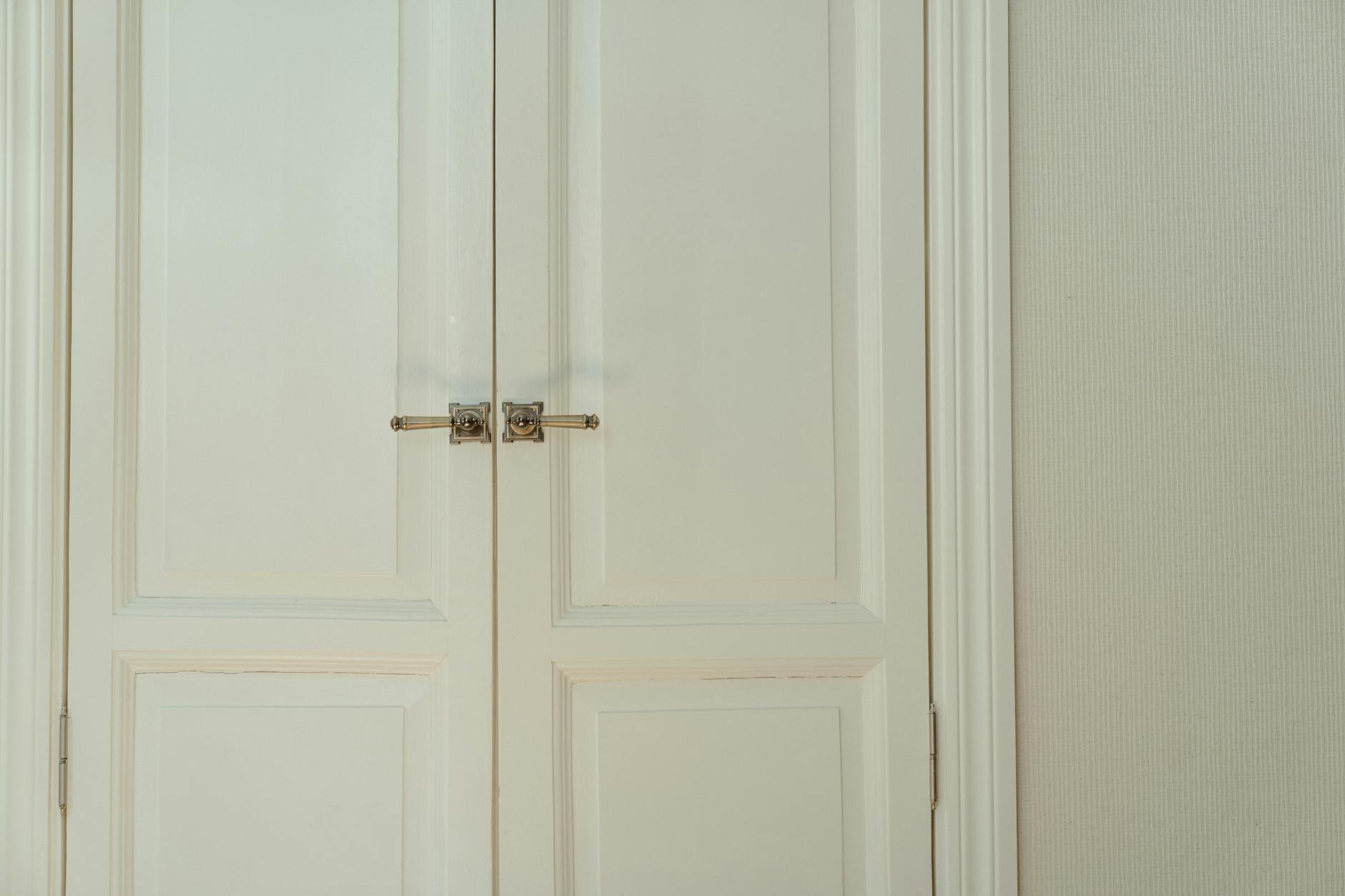
Pocket doors are a functional space-saving solution that appeals to buyers in principle but frequently presents operational problems when installed without adequate structural support or quality hardware. Doors that stick jump their tracks or cannot be easily opened and closed from both sides create daily frustration disproportionate to the space-saving benefit they provide. Poorly executed pocket doors also present challenges around soundproofing privacy and structural repair when components fail within the wall cavity. Buyers who encounter a malfunctioning pocket door during a showing register it as deferred maintenance alongside other systems concerns. Properly installed high-quality pocket doors remain a genuine asset but the failure rate of budget installations makes buyers cautious.
Dated Light Fixtures
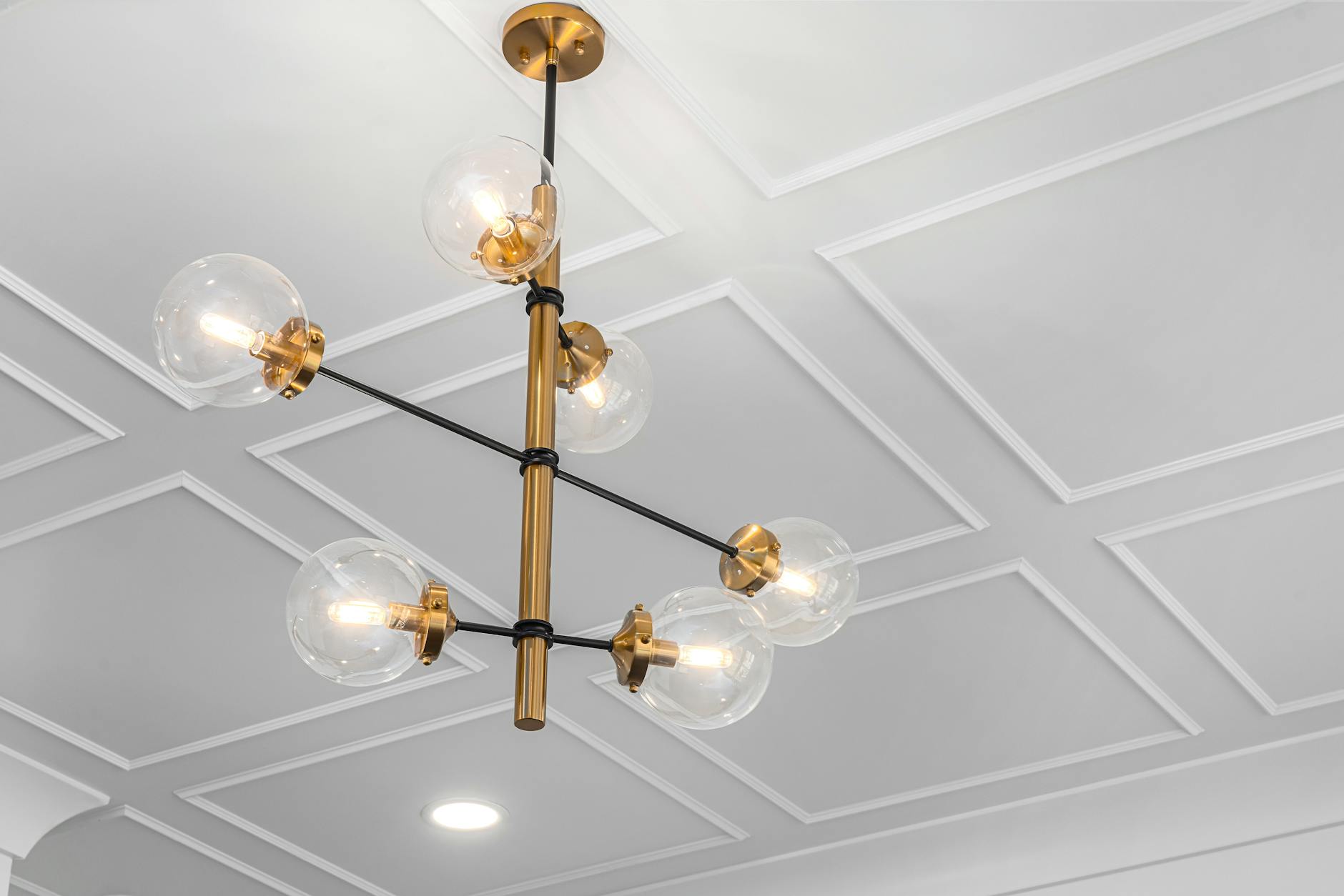
Builder-grade or trend-specific light fixtures including ornate chandeliers with candle sleeves boob light ceiling fixtures and heavy wrought iron pendants are among the first items buyers mentally flag for replacement during a showing. Lighting fixtures are highly visible design statements that signal the overall age and update level of a home’s interior finishes. Unlike paint or flooring which represent significant labor costs fixture replacement is a relatively accessible update that buyers notice when sellers have not addressed it. Homes where every fixture reads as original builder installation or mid-tier trend give a cumulative impression of a property requiring cosmetic investment. Updated lighting is consistently ranked by real estate professionals as a high-return pre-sale improvement.
Laminate Wood Flooring with Obvious Repetition
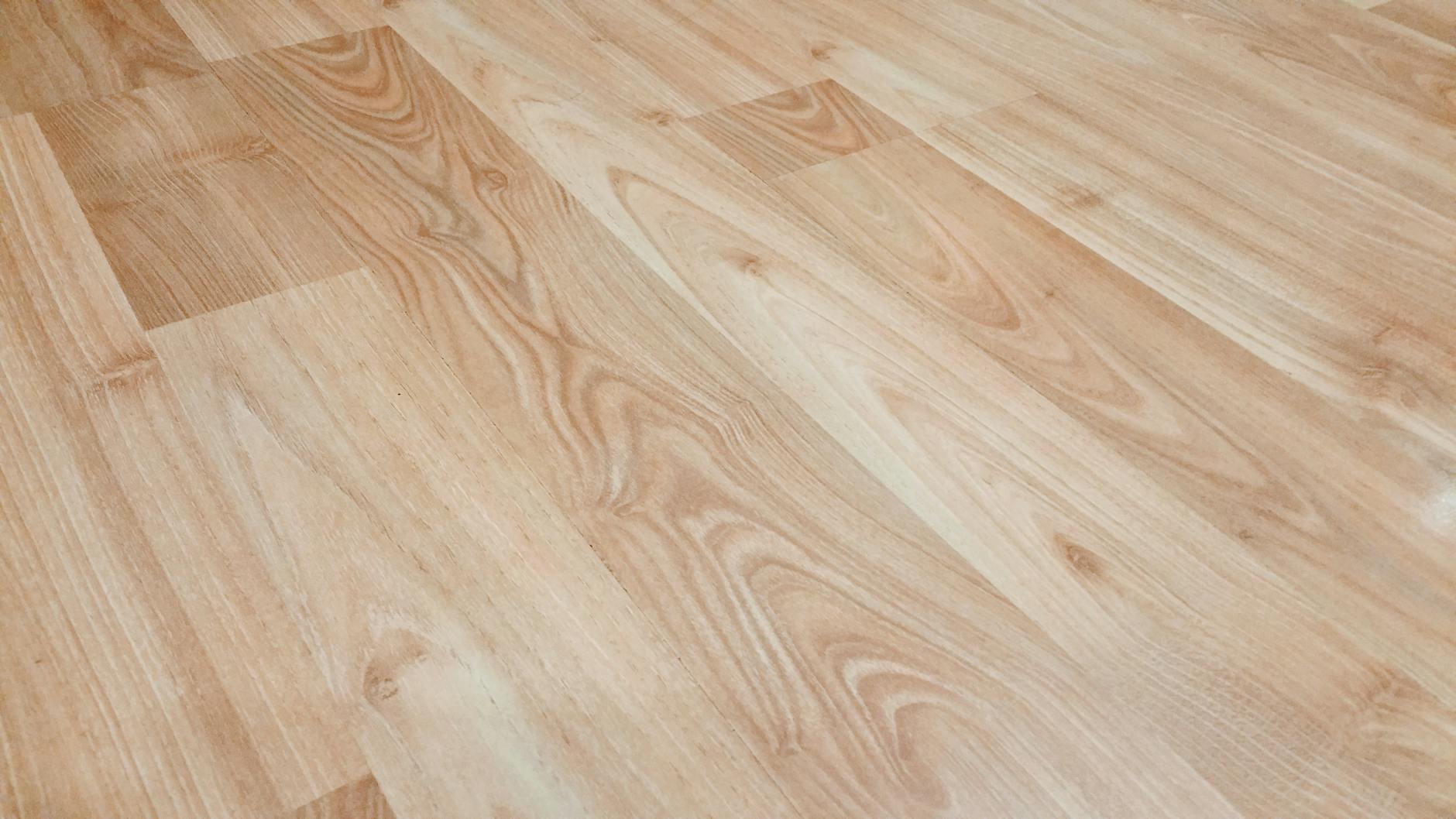
Early and mid-tier laminate flooring products are characterized by a visible repeat pattern in the wood grain simulation that becomes apparent across a full room installation. Buyers who notice the repeated plank pattern immediately identify the flooring as laminate rather than engineered or solid wood and adjust their value assessment accordingly. High-repeat patterns also age the flooring more quickly in terms of perceived design currency regardless of the physical condition of the material. The sound and feel of lower-density laminate underfoot is another tactile signal buyers use to evaluate flooring quality during a showing. High-quality engineered hardwood or luxury vinyl plank with varied pattern profiles holds significantly better perceived value in the current market.
Overly Personalized Tile Work
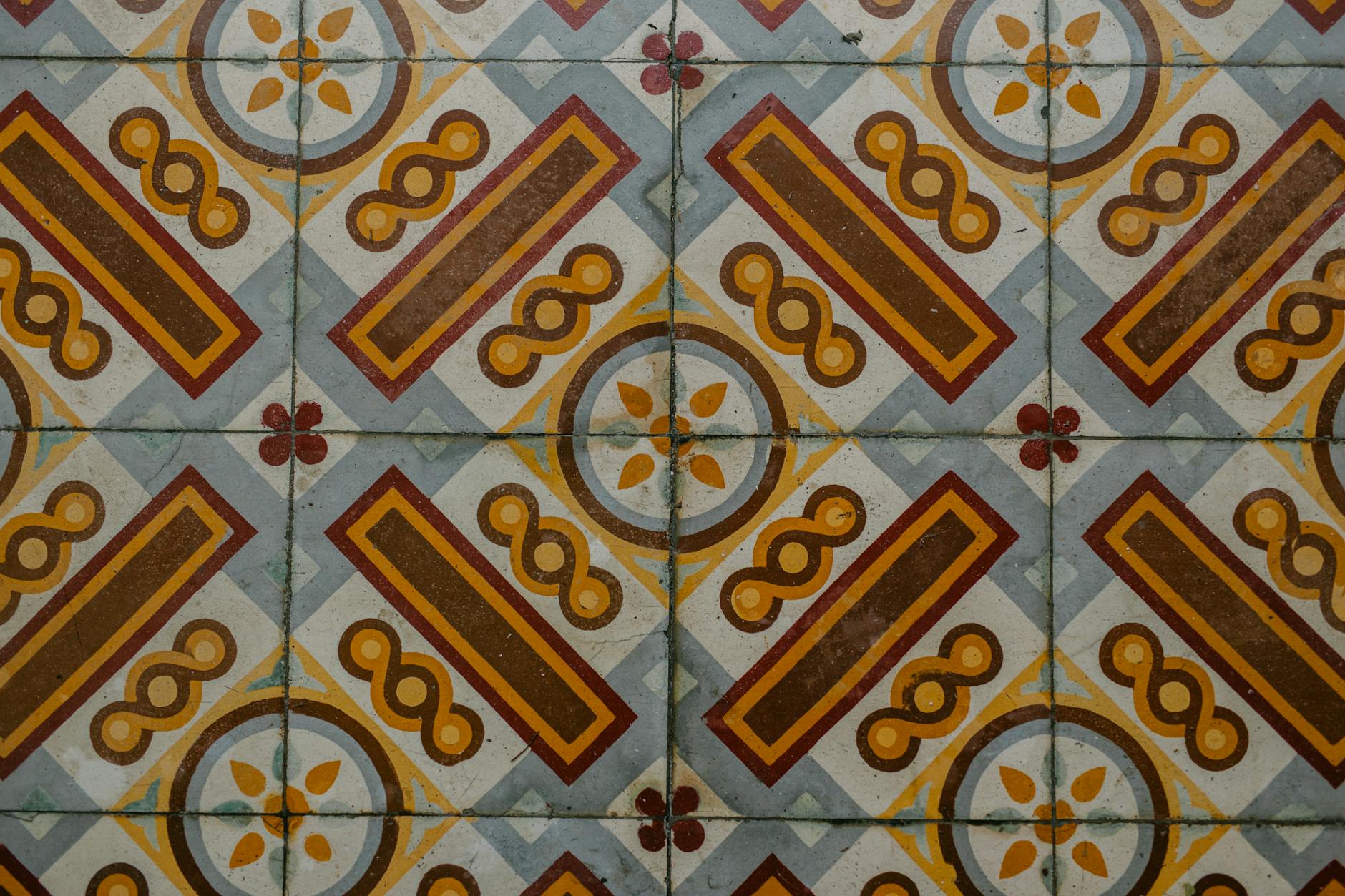
Custom tile installations featuring family initials monograms or highly specific illustrated scenes are among the most difficult interior finishes to neutralize before a sale. The permanence of grout and adhesive makes meaningful alteration extremely costly compared to surface-level cosmetic changes. Buyers who encounter personalized tile in kitchens bathrooms or entryways immediately calculate the demolition and replacement expense against the asking price. Even technically skilled and visually attractive custom tile work loses value when it is so personal it cannot serve a new owner’s identity or aesthetic. Timeless tile choices in neutral formats and standard dimensions consistently hold the broadest resale appeal.
Overly Small Bathroom Tiles
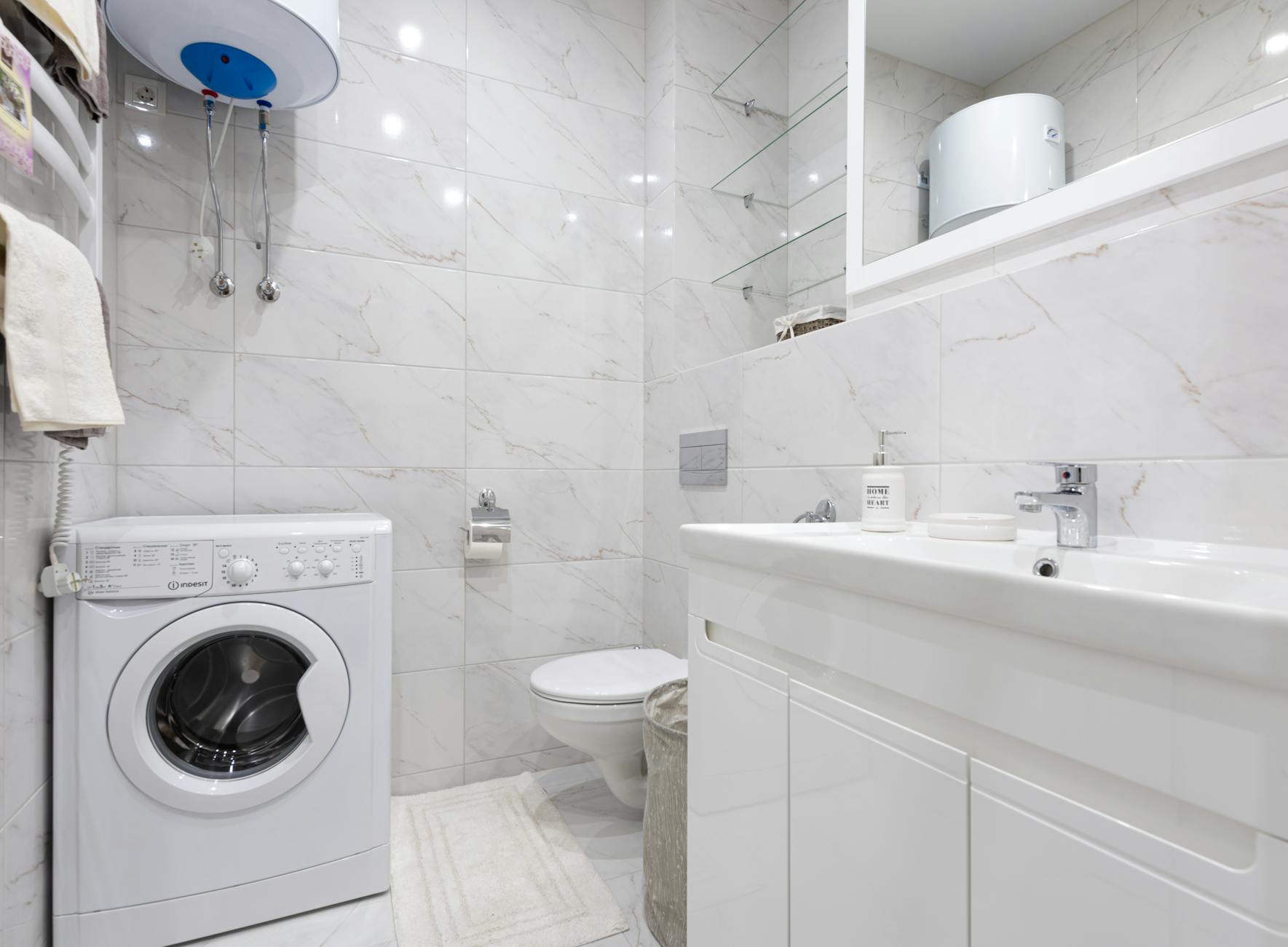
Mosaic and very small-format tiles in bathrooms create an extensive grout network that is notoriously difficult to maintain in a clean and visually fresh condition over time. Grout lines in high-moisture environments are prone to discoloration staining and mold growth that even rigorous cleaning cannot fully reverse in older installations. Buyers assess bathroom tile grout condition as a proxy for the overall maintenance and cleanliness standard of a home. Re-grouting a heavily mosaiced bathroom is a labor-intensive process that professionals estimate can approach the cost of a partial tile replacement. Larger format tiles with fewer grout lines have become the preferred standard for both practical and aesthetic reasons in contemporary bathrooms.
Glass Block Windows
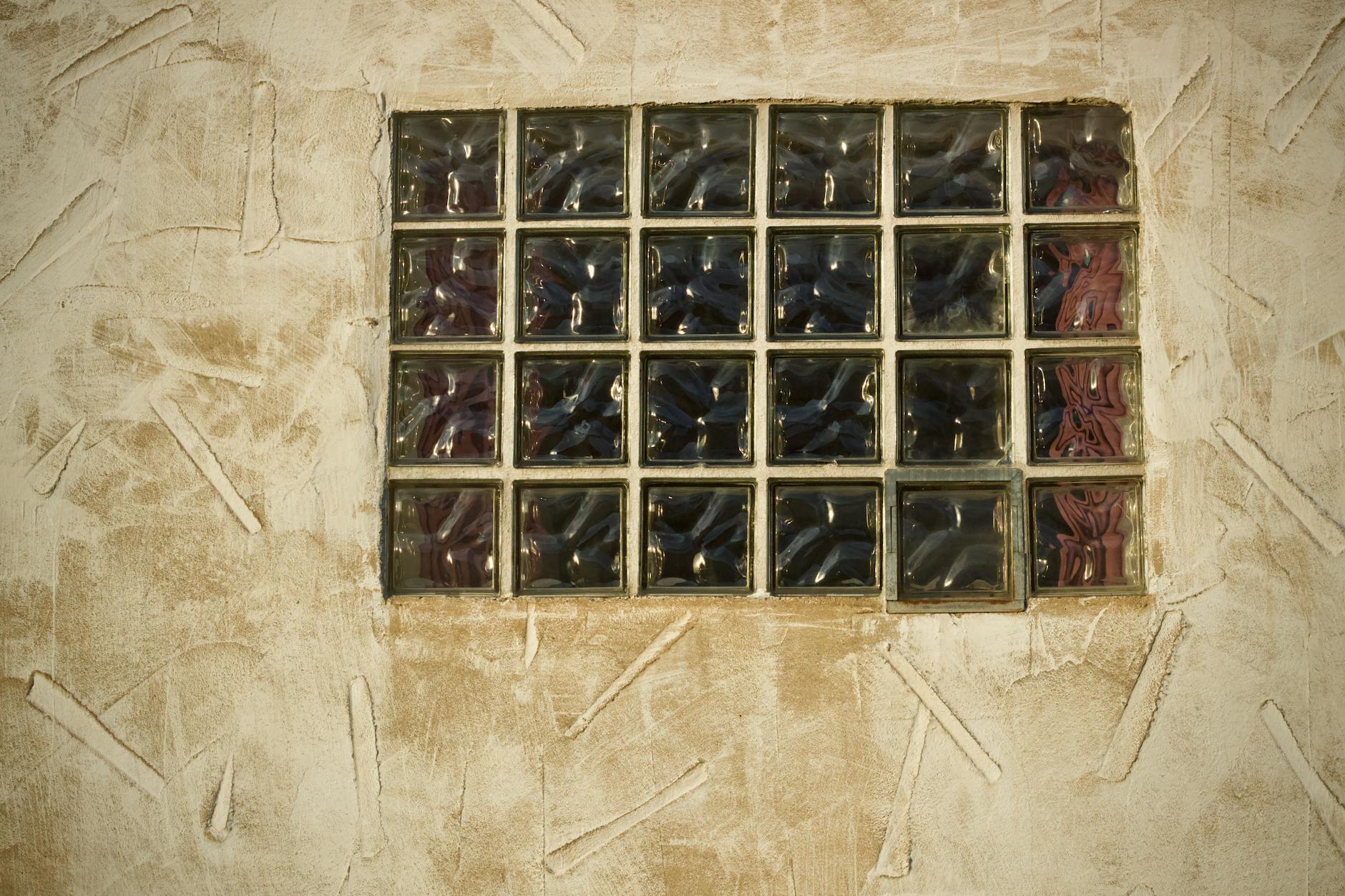
Glass block windows were a practical privacy solution that carried a distinct aesthetic popular primarily from the 1980s through the early 2000s. The fixed nature of glass block installations eliminates the ventilation option that a traditional operable window provides which buyers in bathrooms and basements flag as a functional limitation. Visually the material is strongly associated with a specific architectural period making it one of the more recognizable signals of an unupdated home. Replacement with contemporary frosted or textured glass window options restores both functionality and a more current visual profile. Buyers consistently prefer updated window installations over preserved glass block regardless of the physical condition of the original material.
Overly Aggressive Landscaping
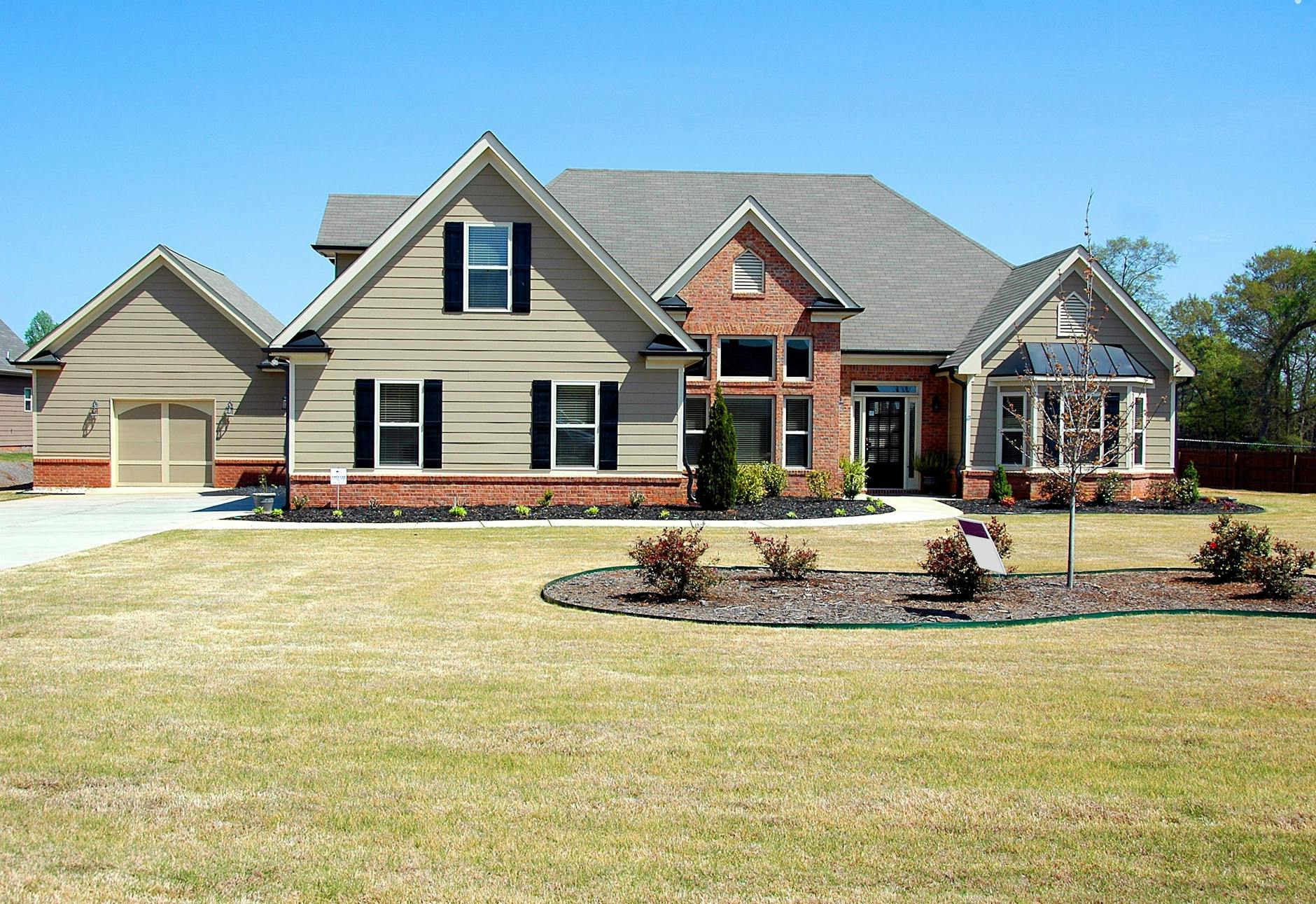
Landscaping designs featuring extremely high-maintenance topiary formal geometric hedging or rare specimen plantings that require specialized care present a management burden buyers weigh carefully. The beauty of a meticulously maintained formal garden is fully contingent on the ongoing investment of professional attention and knowledge. Buyers who cannot or do not wish to maintain the landscape at the required standard face the cost of either hiring ongoing professional management or accepting visual decline. Native low-maintenance planting schemes drought-tolerant ground covers and clean simple hardscaping have substantially grown in buyer preference across most regional markets. Curb appeal generated by overly complex or demanding plantings can paradoxically reduce buyer enthusiasm rather than increase it.
Sunroom Conversions with Poor Insulation
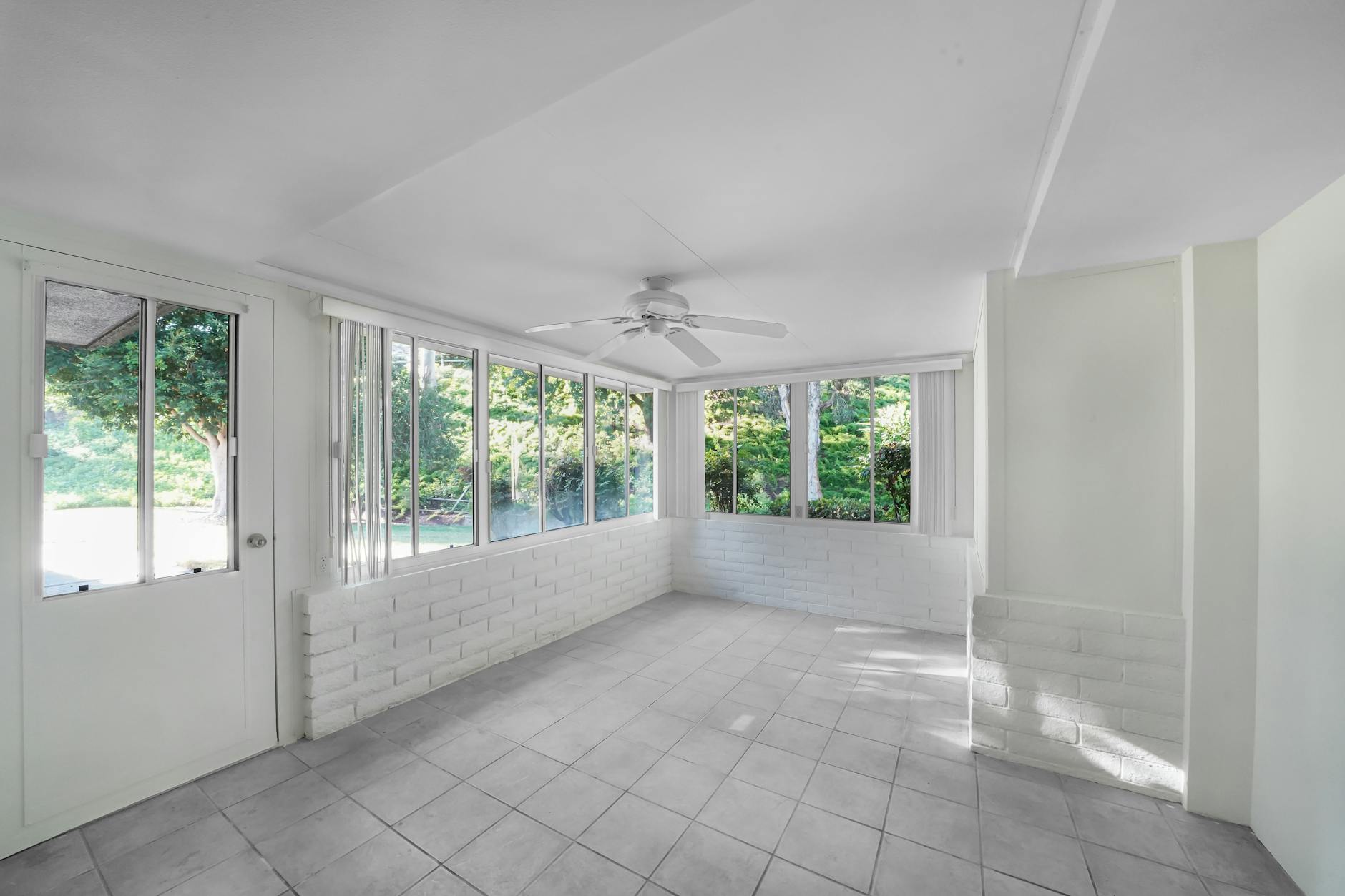
Enclosed sunrooms and patio conversions that lack proper insulation HVAC connection and weatherproofing create a room that is uncomfortable for a significant portion of the year in most climates. Buyers evaluate the usable square footage of a home against the permitted and properly finished space and often discount sunroom additions that do not meet that standard. Heating and cooling an inadequately insulated glass-heavy room at an acceptable comfort level is an ongoing energy cost buyers factor into their monthly budget projections. Permits and structural inspections associated with sunroom additions are frequently incomplete in DIY or budget contractor conversions raising additional buyer concerns. A well-finished properly conditioned sunroom addition adds genuine value while a poorly executed one reduces buyer confidence in the broader property.
DIY Epoxy Garage Floors

Garage floor epoxy coatings became a popular DIY improvement project and while professionally applied systems can add genuine value amateur applications frequently peel chip and discolor within a few years. The peeling and bubbling associated with surface preparation failures are immediately visible during a showing and signal deferred maintenance in a space buyers often use to evaluate general property upkeep. Buyers who use the garage as a primary entry and functional workspace assess its finish quality as part of their overall impression of how the home has been maintained. A failing epoxy floor also raises questions about moisture issues in the slab that may have contributed to the adhesion failure. Professional-grade coatings properly applied to a well-prepared surface are a different category from the average DIY outcome.
Bold Pattern Carpeting

Bold patterned carpet in geometric floral or abstract designs was a feature of formal traditional interiors and is now encountered primarily in older homes that have not been updated. Buyers stepping onto pattern carpet in a living room dining room or bedroom immediately calculate the replacement cost particularly given the labor intensity of carpet removal with furniture in place. Even in excellent physical condition bold patterned carpet reads as a cosmetic renovation item that buyers subtract from their offer. Neutral low-pile or textured carpet in beige cream or light gray holds significantly broader buyer appeal when hard surface flooring is not feasible. The association of pattern carpet with dated interiors is now strong enough that it rarely photographs well in listing media regardless of its actual condition.
Overly Customized Smart Home Systems

Deeply integrated proprietary smart home systems that control lighting security HVAC and entertainment through a single platform create a dependency on that specific technology ecosystem. When the manufacturer discontinues support changes subscription models or the system requires specialist programming to modify buyers inherit both the technology and its limitations. General buyers without a strong technology orientation find deeply customized systems intimidating rather than appealing during a showing. The replacement or simplification of a tightly integrated system is a potentially significant expense that buyers use as a negotiation point. Platform-agnostic and widely supported smart home components integrate more cleanly with buyer expectations and future technology evolution.
Share your thoughts on the design choices in your own home or any trends you have personally encountered in the comments.