Keeping a home spotless often involves scrubbing floors and wiping countertops. Many everyday objects harbor hidden germs despite our best cleaning efforts. These frequently touched surfaces quietly accumulate bacteria over time. Understanding which hidden items need attention can significantly improve household hygiene.
Coffee Maker Reservoir
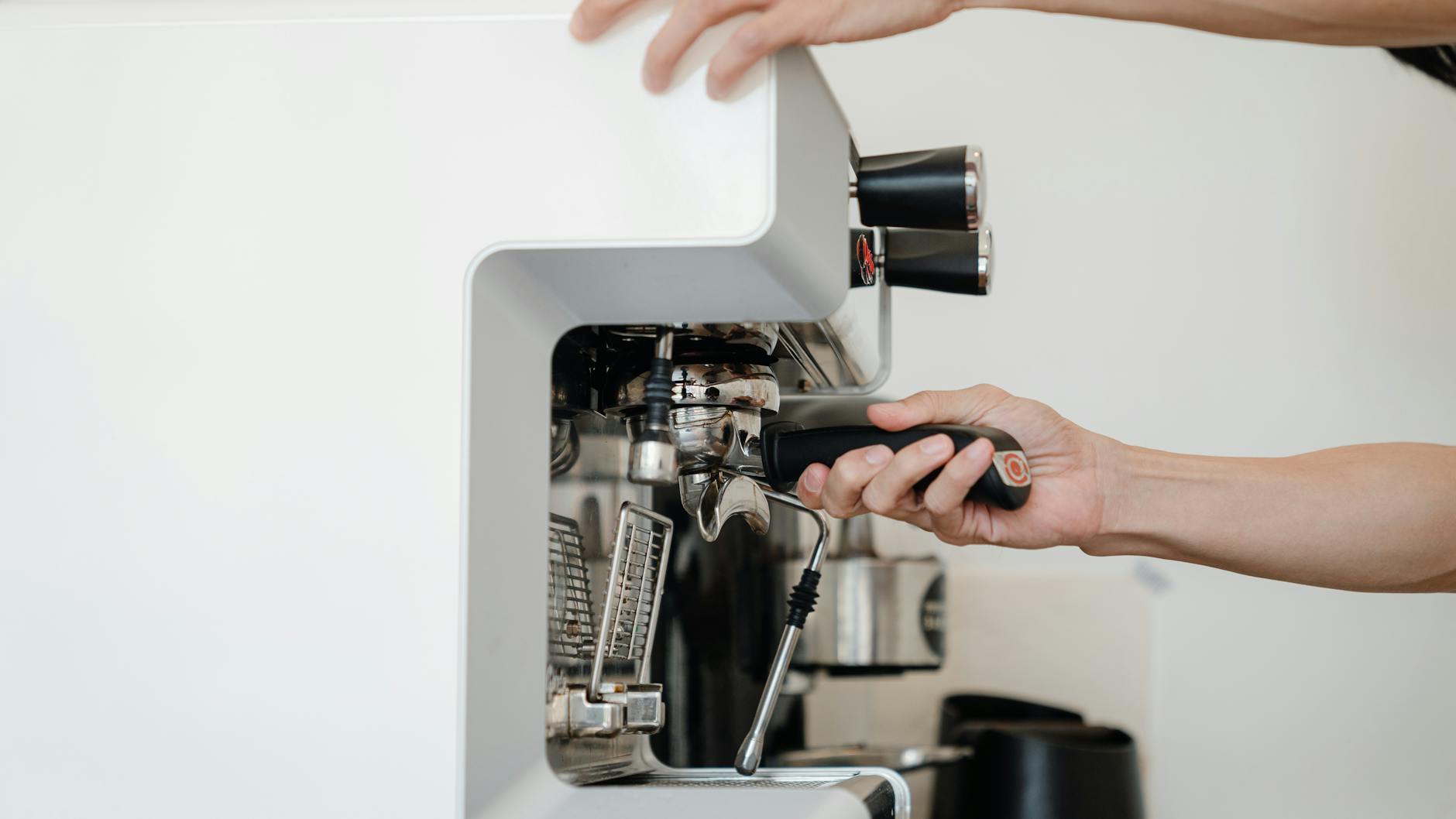
The dark and damp environment inside a coffee machine provides perfect conditions for mold and yeast to thrive. Hot water running through the system does not sufficiently sanitize the internal water tank. Hard water mineral buildup creates additional surface area for bacteria to attach and multiply. Regular descaling and thorough washing with warm soapy water help maintain a hygienic morning brew.
Refrigerator Door Handles
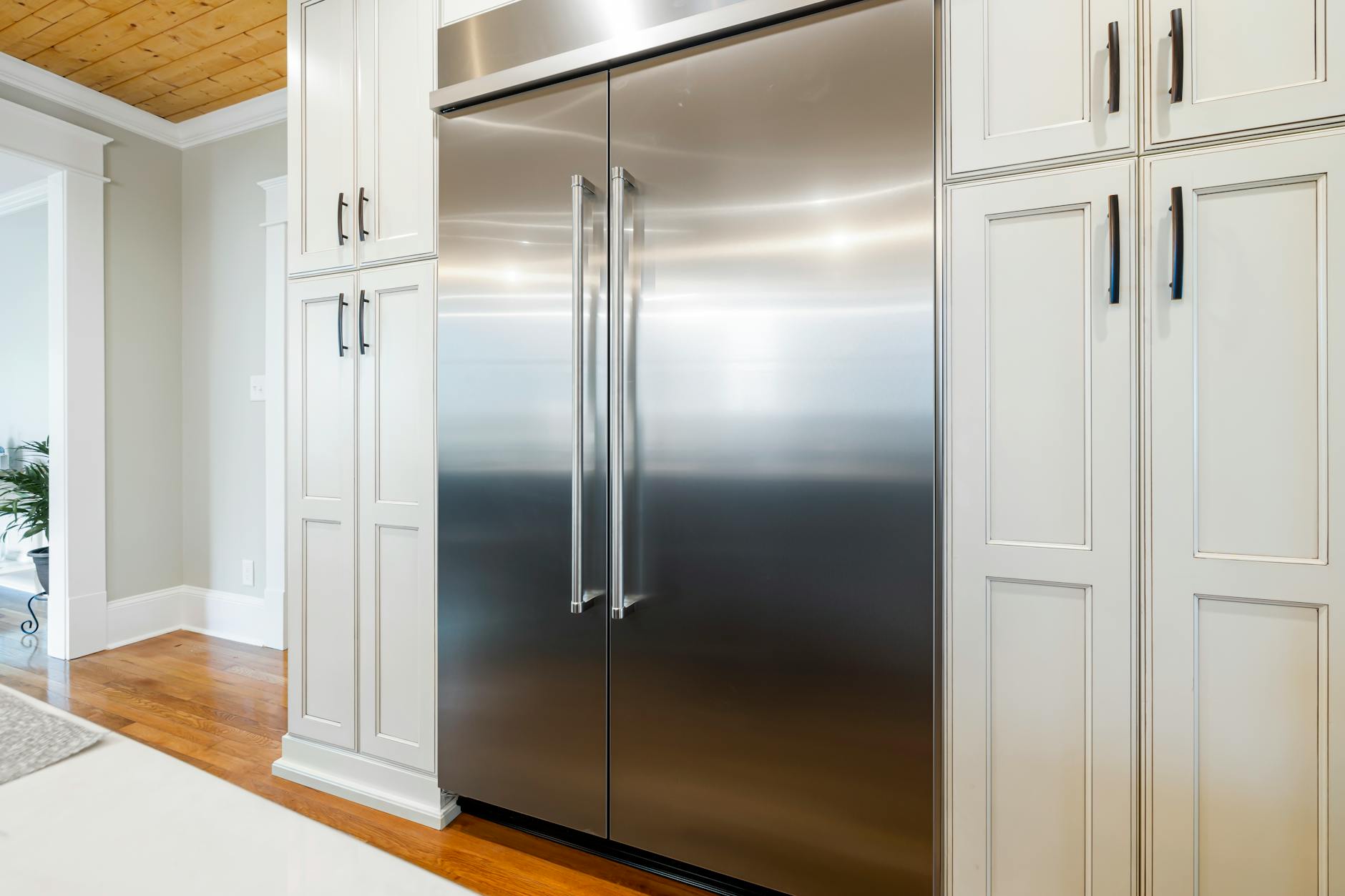
Multiple hands touch the refrigerator door numerous times throughout the day while cooking and snacking. Raw meat juices and unwashed hands easily transfer invisible pathogens to this high traffic surface. Wiping the handle daily with an antibacterial cleaner prevents cross contamination in the kitchen. Consistent attention to this small area significantly reduces the spread of foodborne illness.
Toothbrush Holders
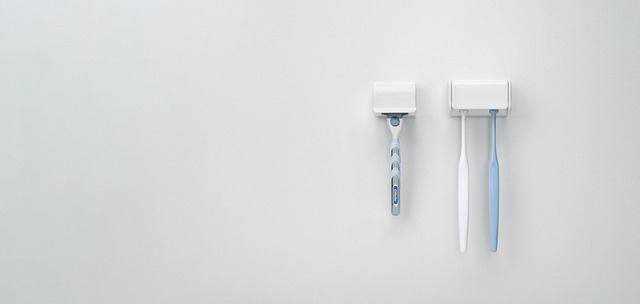
Water dripping down wet toothbrushes collects at the bottom of the storage cup after every brushing session. This stagnant pool of moisture rapidly breeds harmful bacteria and unsightly mildew. The proximity to the toilet also exposes the holder to airborne particles from flushing. Running the holder through a dishwasher cycle weekly eliminates this hidden health hazard.
Remote Controls

Family members pass television remotes around constantly while eating and relaxing on the couch. The small crevices between the buttons trap dead skin cells and food crumbs over time. Viruses and bacteria survive on these plastic surfaces for several days without proper intervention. Wiping the remote with an alcohol swab sanitizes the device without damaging the sensitive electronics.
Light Switches
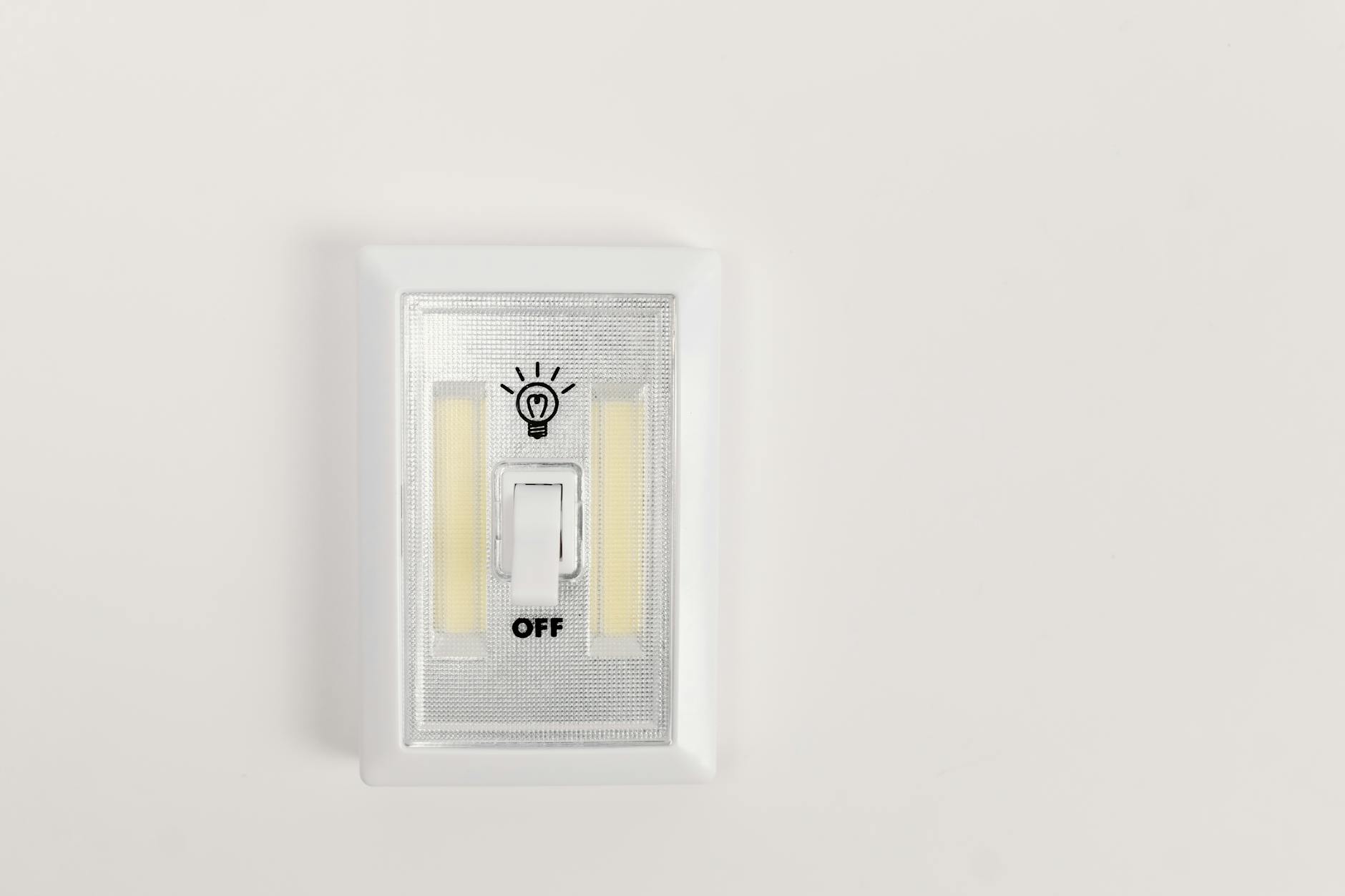
People flip switches upon entering rooms before having a chance to wash their hands. The constant contact makes switch plates prime real estate for the accumulation of household germs. Bathrooms and kitchens feature the highest concentration of bacteria on these electrical fixtures. A quick wipe with a disinfecting cloth easily removes dirt and dangerous microbes.
Kitchen Sponges
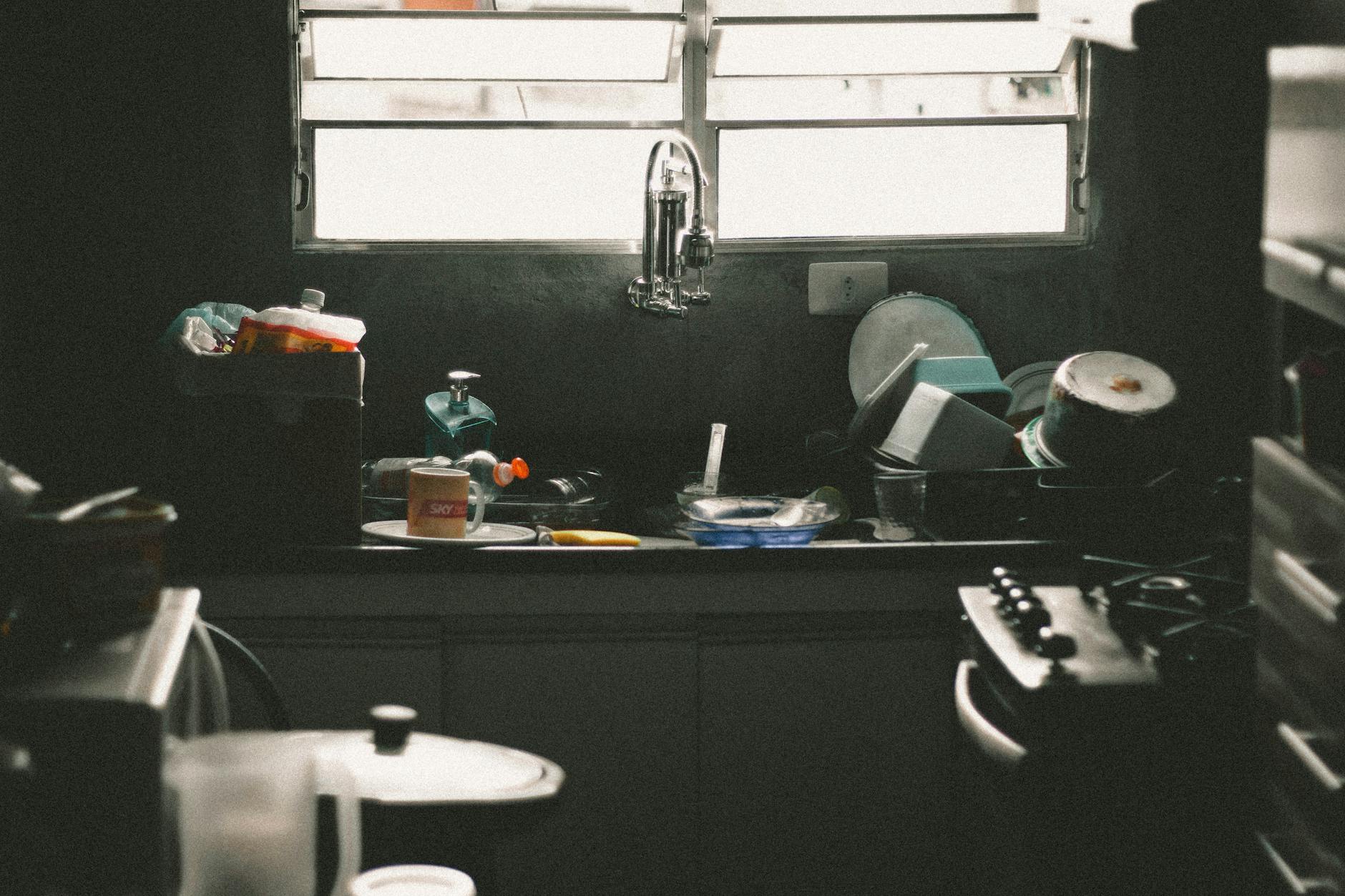
The very tool used for cleaning often harbors more bacteria than a toilet seat. Porous materials hold onto food particles and moisture to create an ideal breeding ground for pathogens. Rinsing a sponge with hot water fails to kill the deep seated bacterial colonies inside. Replacing sponges frequently ensures dishes actually get clean instead of spreading germs around.
Reusable Water Bottles

Taking a water bottle everywhere means exposing it to diverse environments and numerous germs. The warm moisture inside the bottle encourages rapid bacterial growth between washings. Narrow necks and complicated straw mechanisms make thorough manual cleaning particularly difficult. Scrubbing all components daily with a specialized bottle brush prevents funky odors and mold.
Reusable Grocery Bags
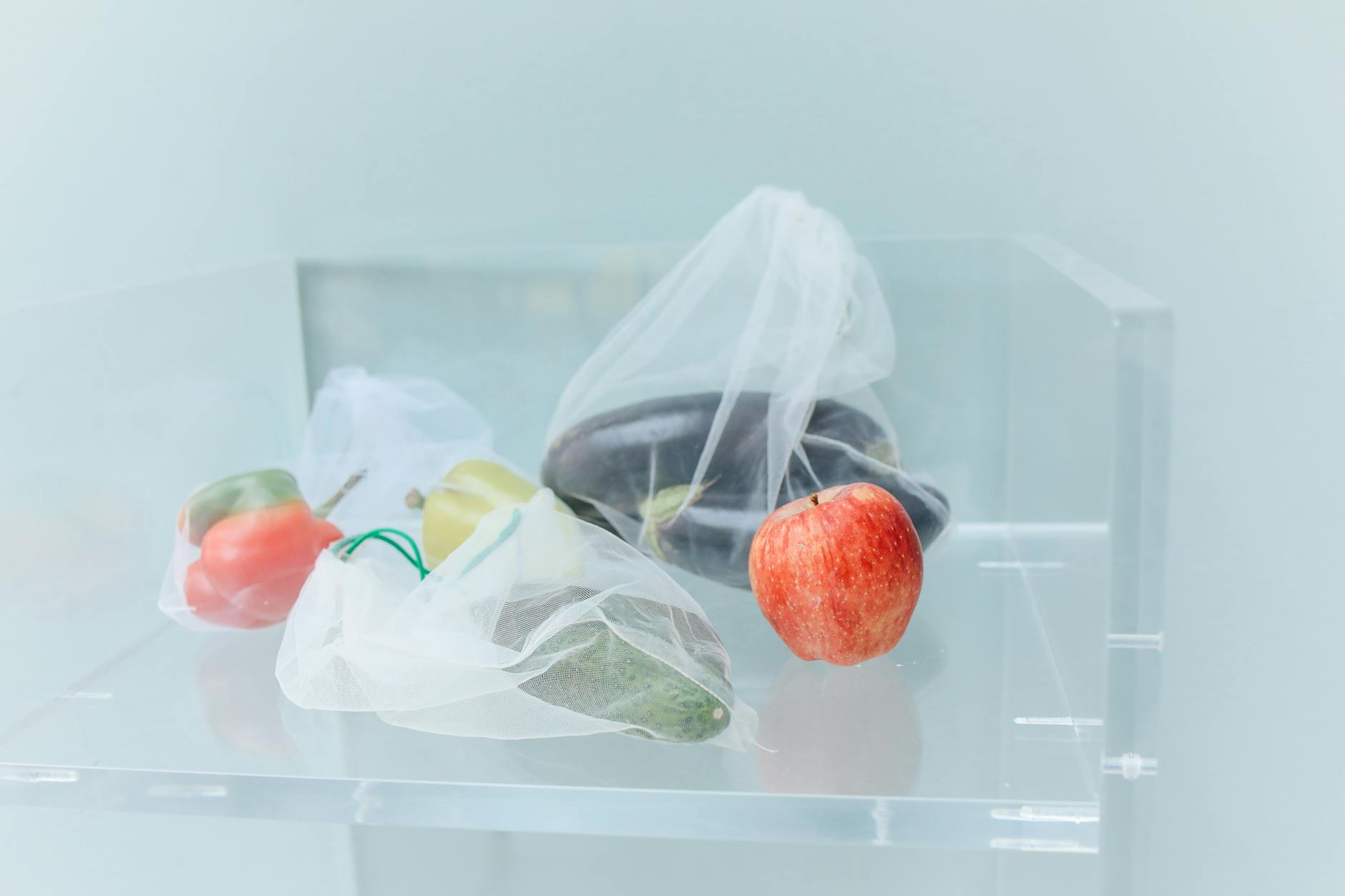
Carrying raw meat and unwashed produce leaves behind invisible bacteria on the fabric of reusable bags. Placing these bags on grocery store floors and car trunks adds more dirt to the mix. Warm car trunks provide an incubation chamber for germs trapped in the fabric fibers. Tossing cloth bags into the washing machine after shopping trips eliminates these hidden contaminants.
Pet Toys

Dogs and cats carry their toys around in their mouths while dragging them across dirty floors. Saliva mixed with household dust creates a potent bacterial coating on rubber and plush surfaces. Bacteria from pet toys easily transfer to human hands during playtime. Washing hard toys in the sink and soft toys in the laundry protects both pets and owners.
Computer Keyboards
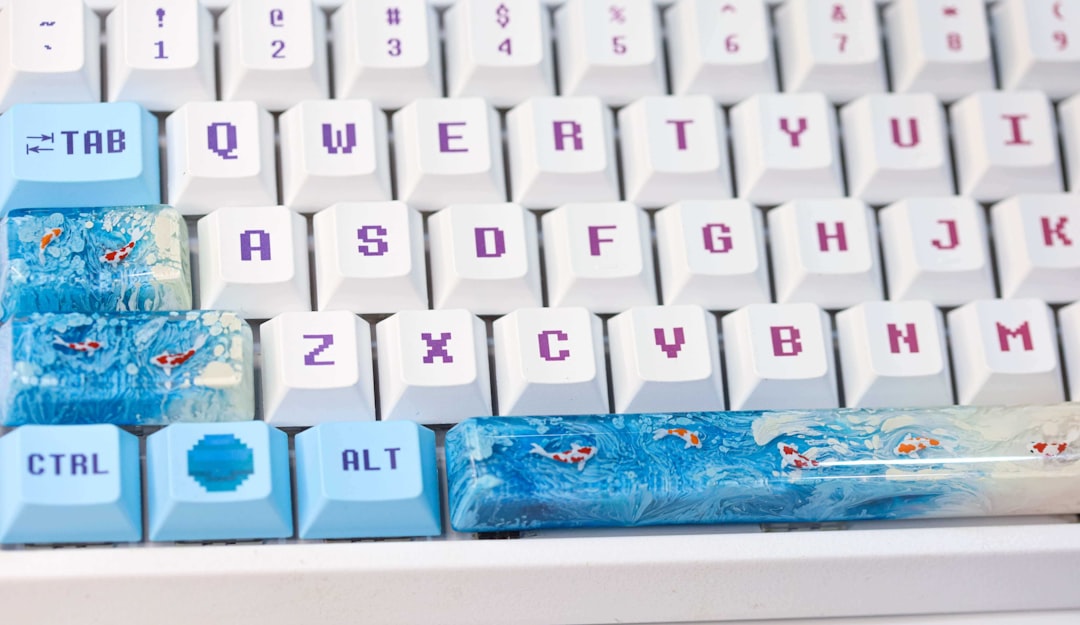
Eating over the computer drops tiny food fragments directly into the spaces between keys. Fingers transfer oils and bacteria to the keys during hours of typing and gaming. The warmth generated by the computer hardware encourages microbial growth in the trapped debris. Using compressed air and sanitizing wipes restores the keyboard to a hygienic state.
Makeup Brushes
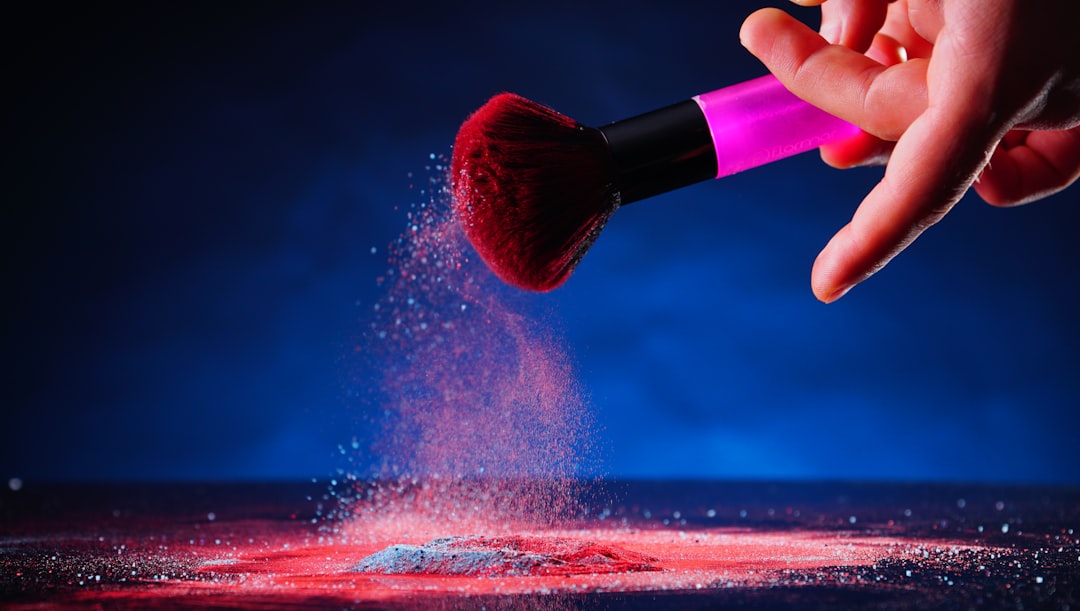
Cosmetic tools collect dead skin cells and facial oils during every single makeup application. Leaving dirty brushes out in the open bathroom exposes them to airborne bathroom bacteria. Using contaminated brushes can lead to severe skin breakouts and eye infections. Washing bristles weekly with a gentle cleanser protects delicate facial skin from harmful microbes.
Salt and Pepper Shakers
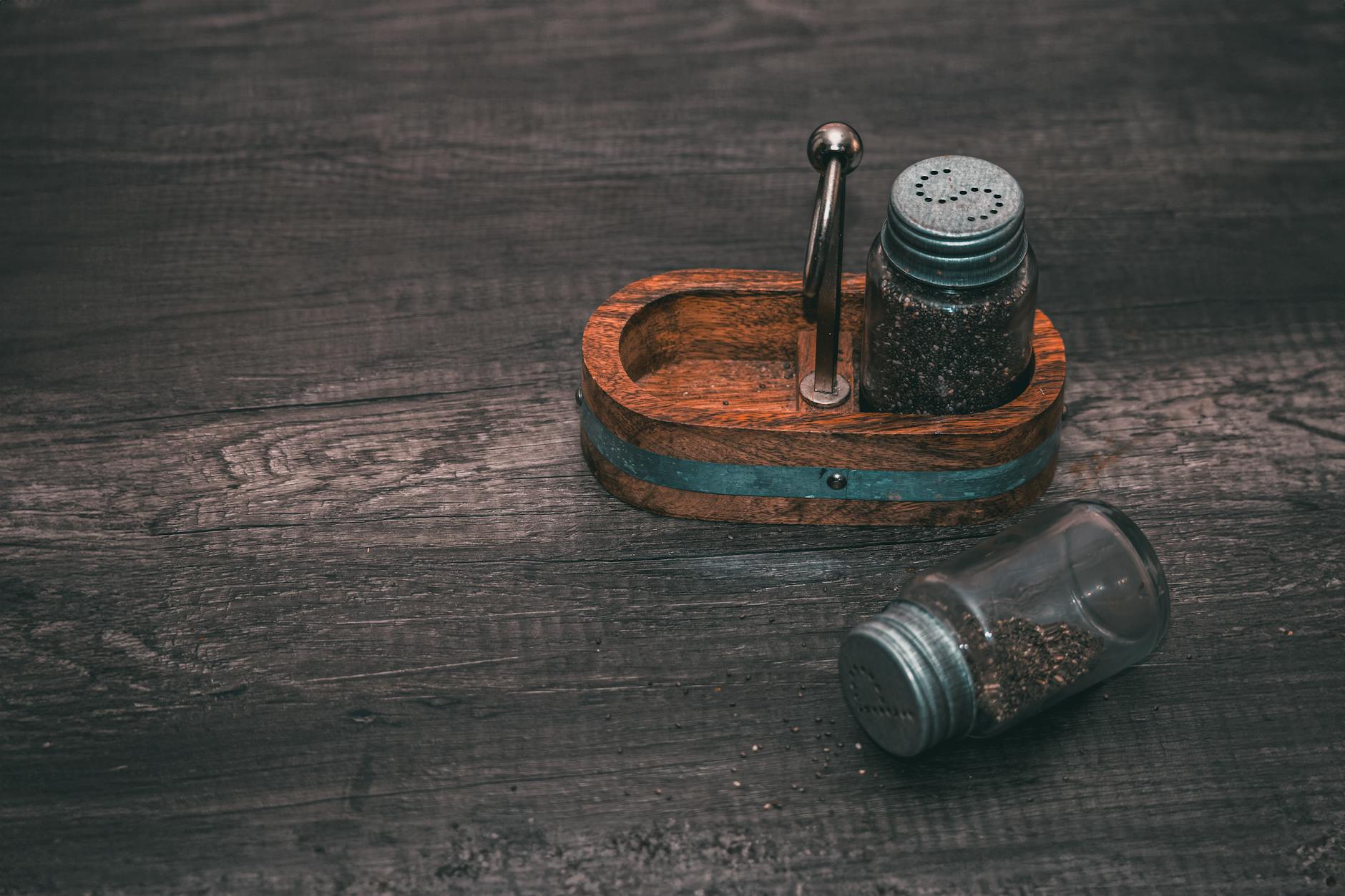
Diners frequently grab seasoning shakers during meals before washing their hands. Cooking splatters and airborne grease adhere to the exterior surfaces of these tabletop items. The textured surfaces of many grinders trap dirt and bacteria securely over time. Wiping shakers down during regular kitchen cleaning routines stops them from becoming germ vectors.
Shower Curtains
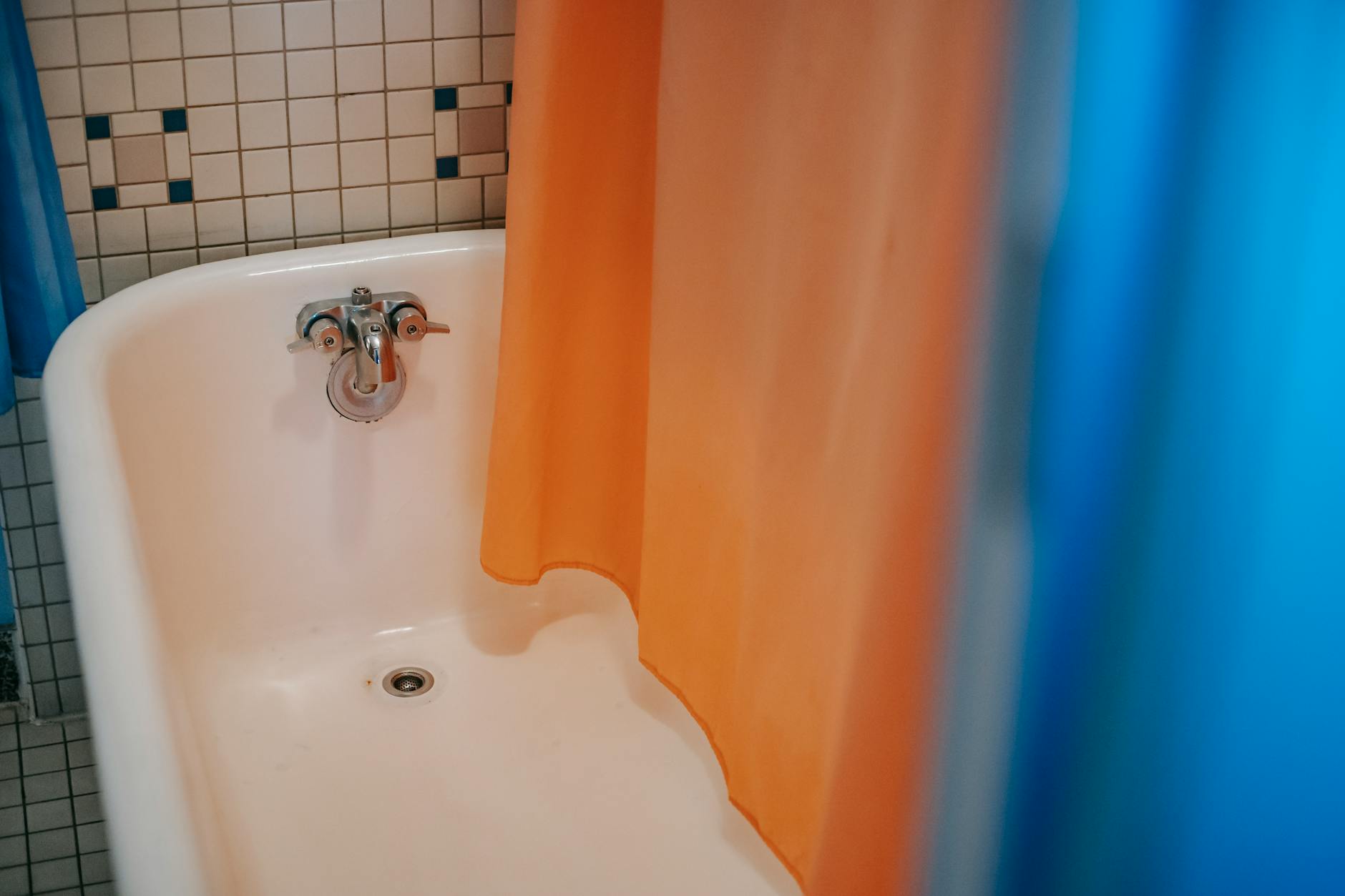
The bottom edge of a shower liner constantly sits in a warm and wet environment. Soap scum provides a steady food source for pink bacteria and black mold to flourish. These microbes release spores into the air that can trigger respiratory issues and allergies. Washing the liner with bleach or replacing it regularly maintains a pristine bathing space.
Bath Mats
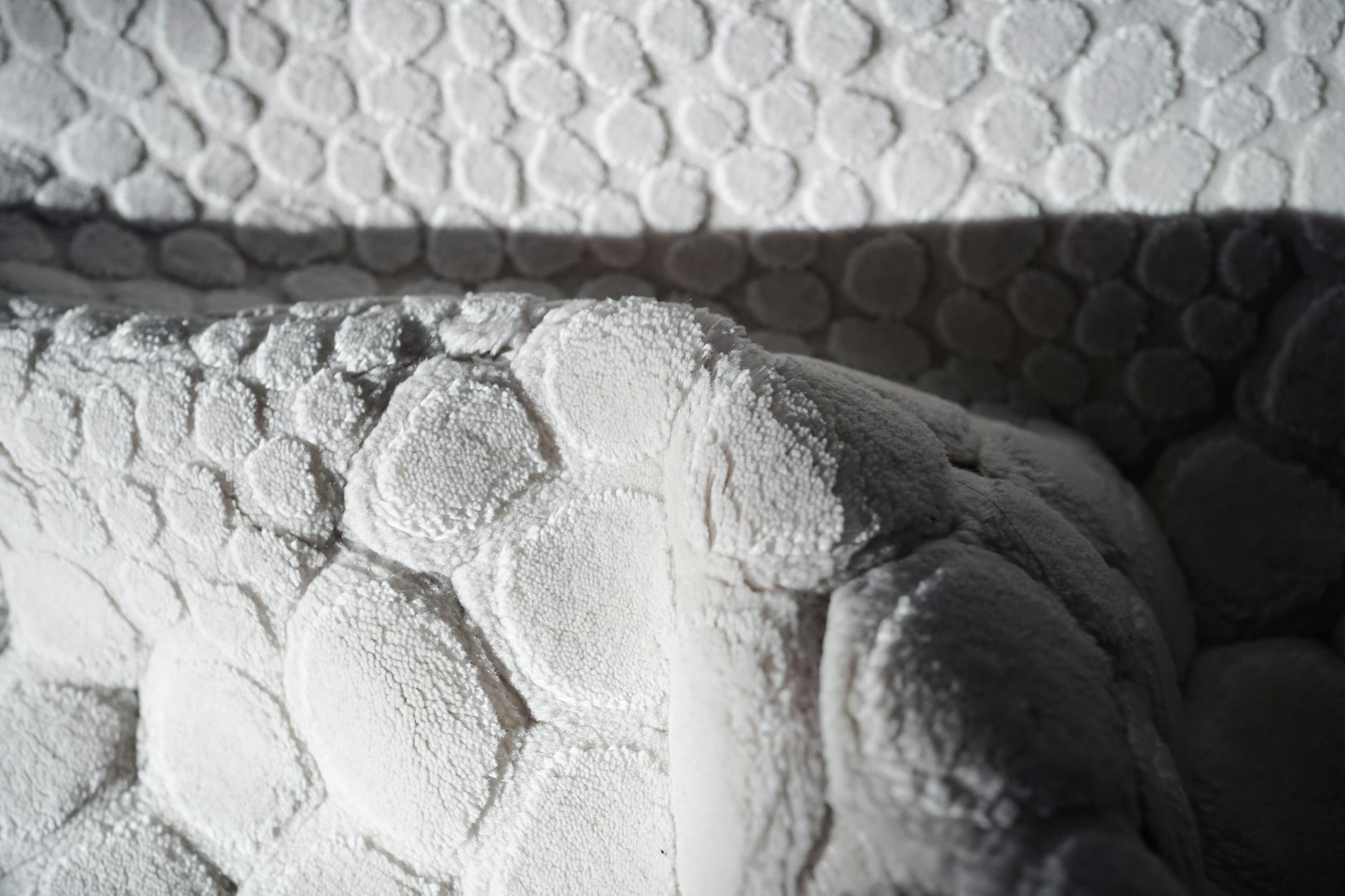
Stepping out of the shower transfers fresh moisture into the thick fibers of bathroom rugs. The lack of proper ventilation in many bathrooms prevents the mat from drying completely between uses. Skin cells and dirt from feet create a thriving ecosystem for fungi and bacteria. Laundering bath mats weekly on a hot wash cycle neutralizes these unseen bathroom threats.
Trash Can Interiors
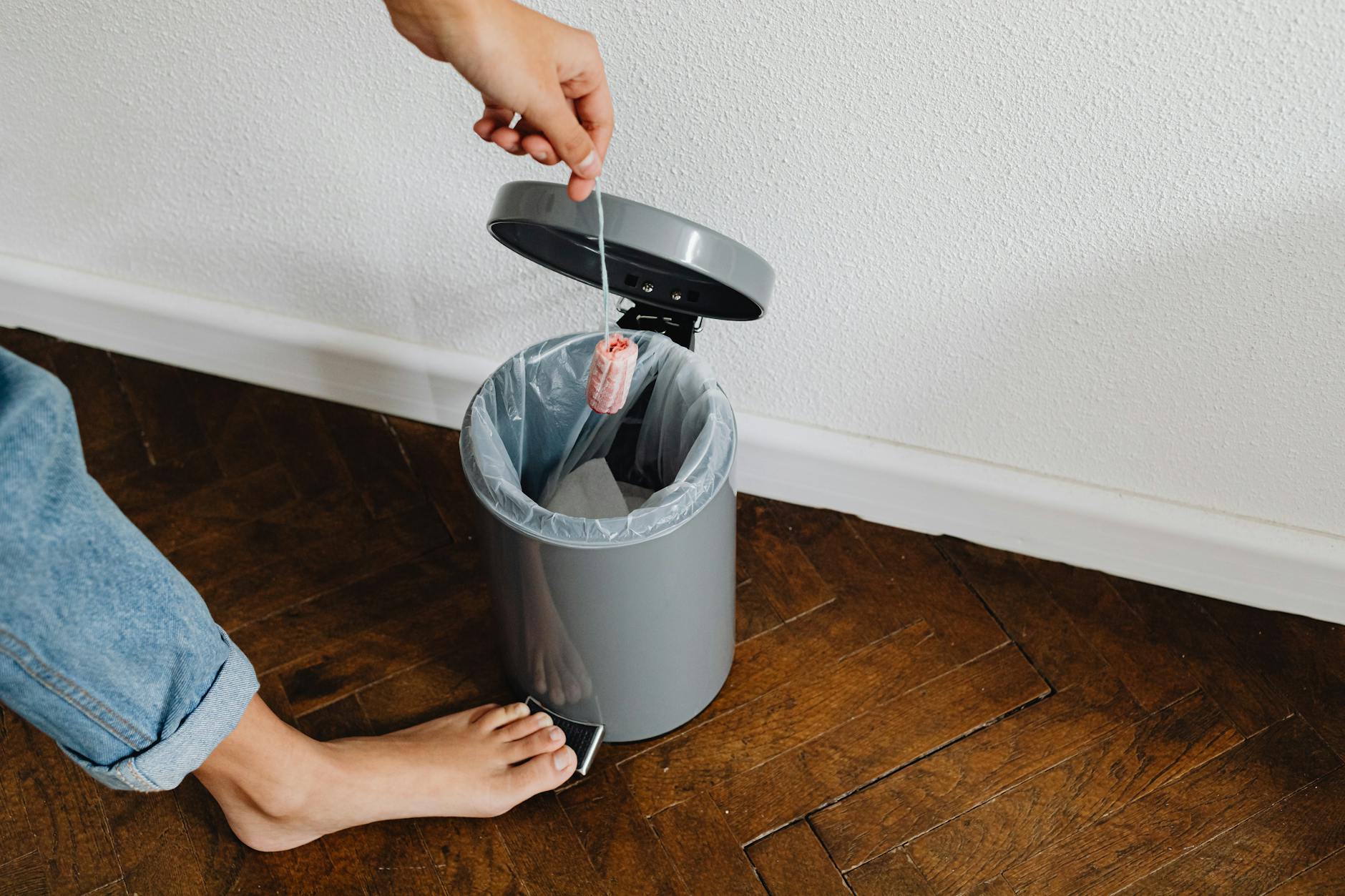
Garbage bags occasionally leak fluids that pool at the very bottom of the receptacle. Removing the bag reveals stuck food remnants and sticky residues that emit foul odors. These spills breed bacteria that multiply rapidly in the enclosed dark space. Scrubbing the inside of the bin with bleach eliminates lingering smells and destroys microbial colonies.
Kitchen Sink Drains
Food scraps and dirty water constantly wash down the drain during meal preparation and dishwashing. A slimy biofilm develops inside the pipes and garbage disposal blades over time. This invisible layer traps bacteria that can eventually spread back up into the basin. Flushing the drain with baking soda and vinegar removes the biofilm and freshens the kitchen.
Washing Machine Gaskets
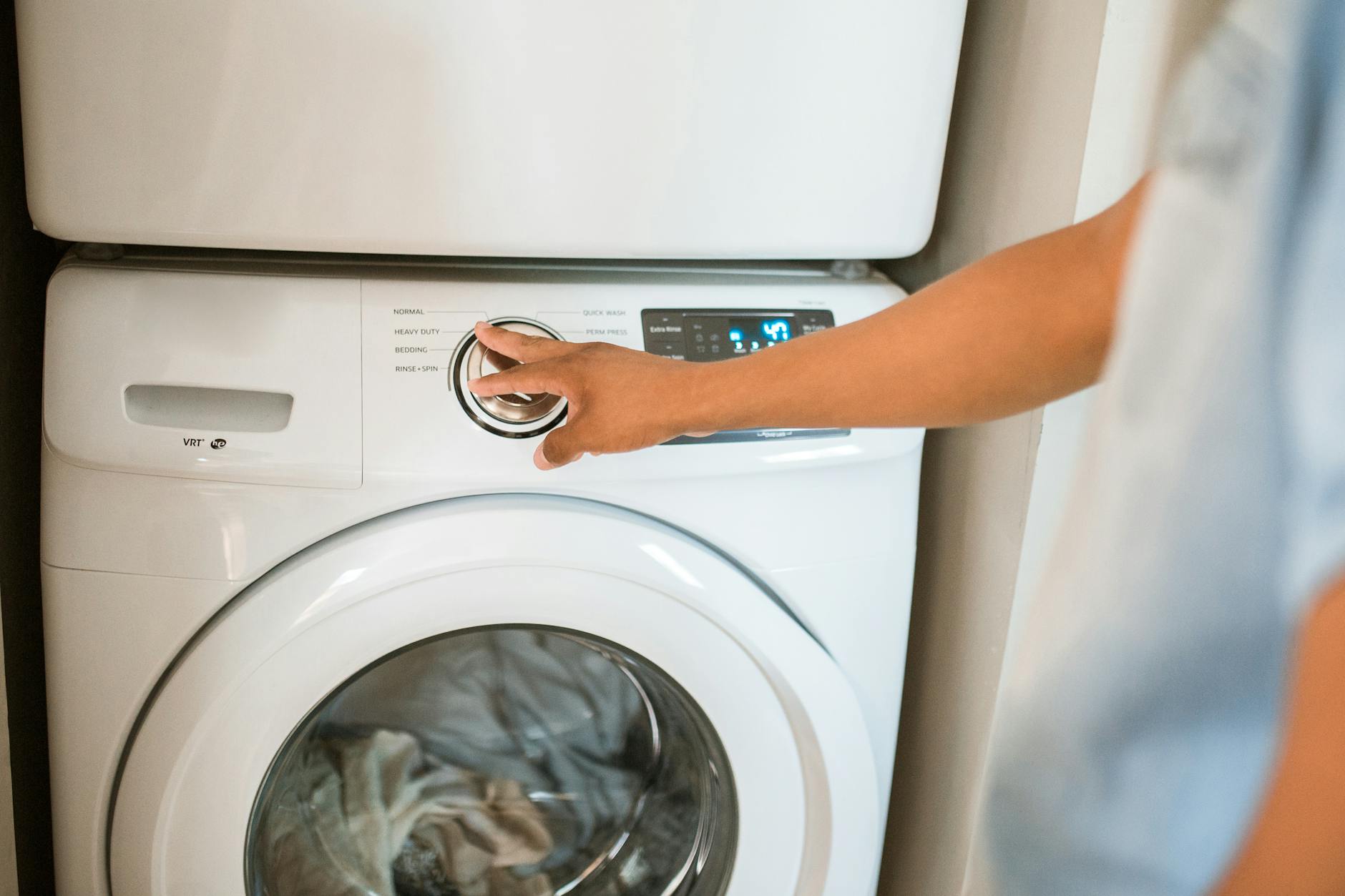
High efficiency front loading washers feature thick rubber seals that trap moisture after every cycle. Lint and detergent residue accumulate in the folds of the gasket to feed mold spores. A mildew smell on supposedly clean clothes often originates from this hidden bacterial growth. Wiping the seal dry after laundry day prevents the washer from smelling sour.
Stove Knobs
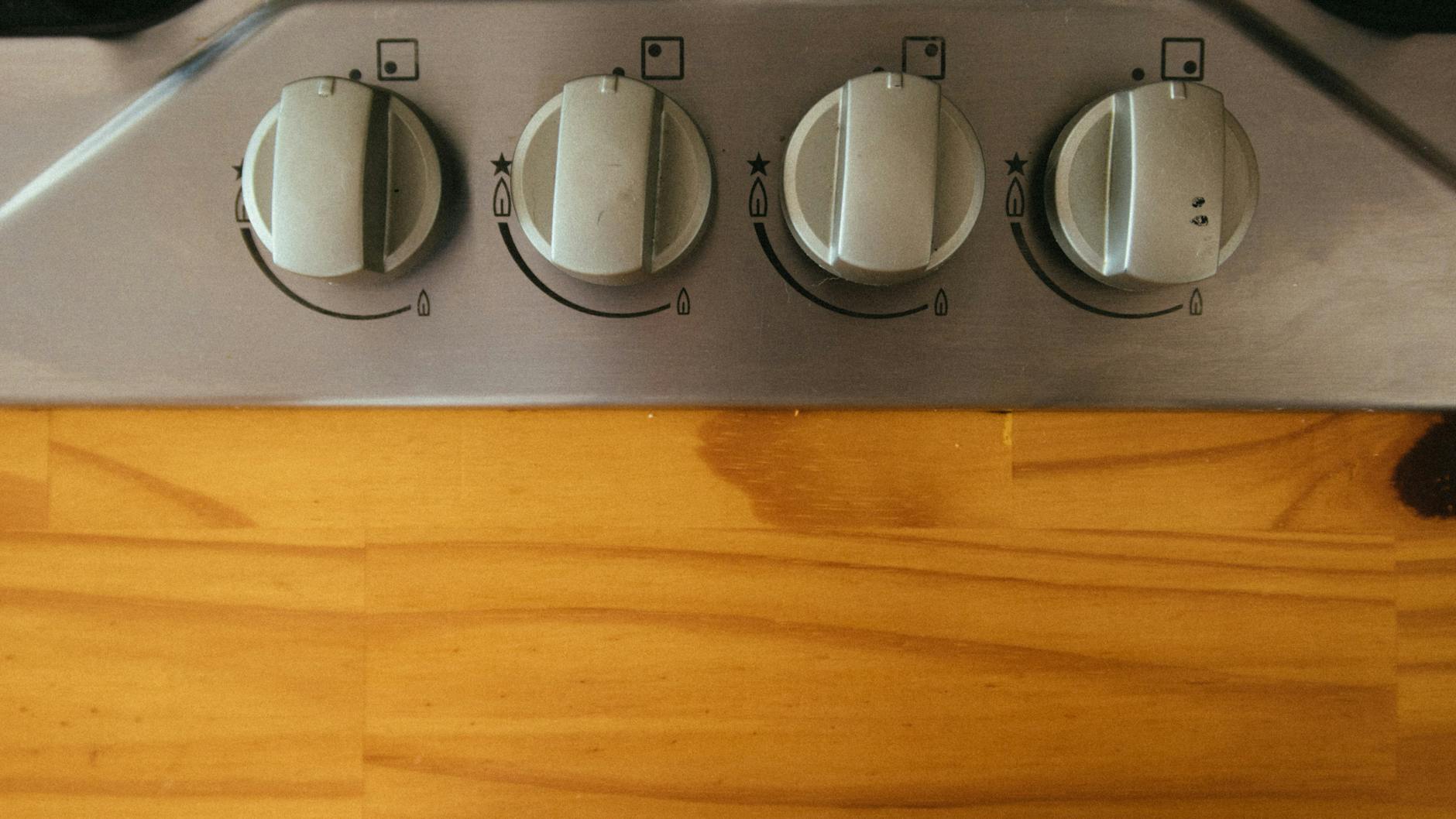
Cooks frequently adjust burner temperatures with hands covered in raw food residue. The awkward shape of the knobs makes them difficult to clean thoroughly with a quick swipe. Grease splatters from frying pans settle onto the dials and attract airborne dust particles. Removing the knobs entirely allows for a deep soak in soapy water to dissolve the grime.
Microwave Ceilings

Uncovered food splatters sauce and grease onto the top interior surface of the appliance. Many people only wipe the rotating glass plate and ignore the ceiling above it. The baked on food bits become a breeding ground for bacteria with every subsequent heating cycle. Boiling a bowl of water with lemon softens the dried debris for effortless wiping.
Earbuds
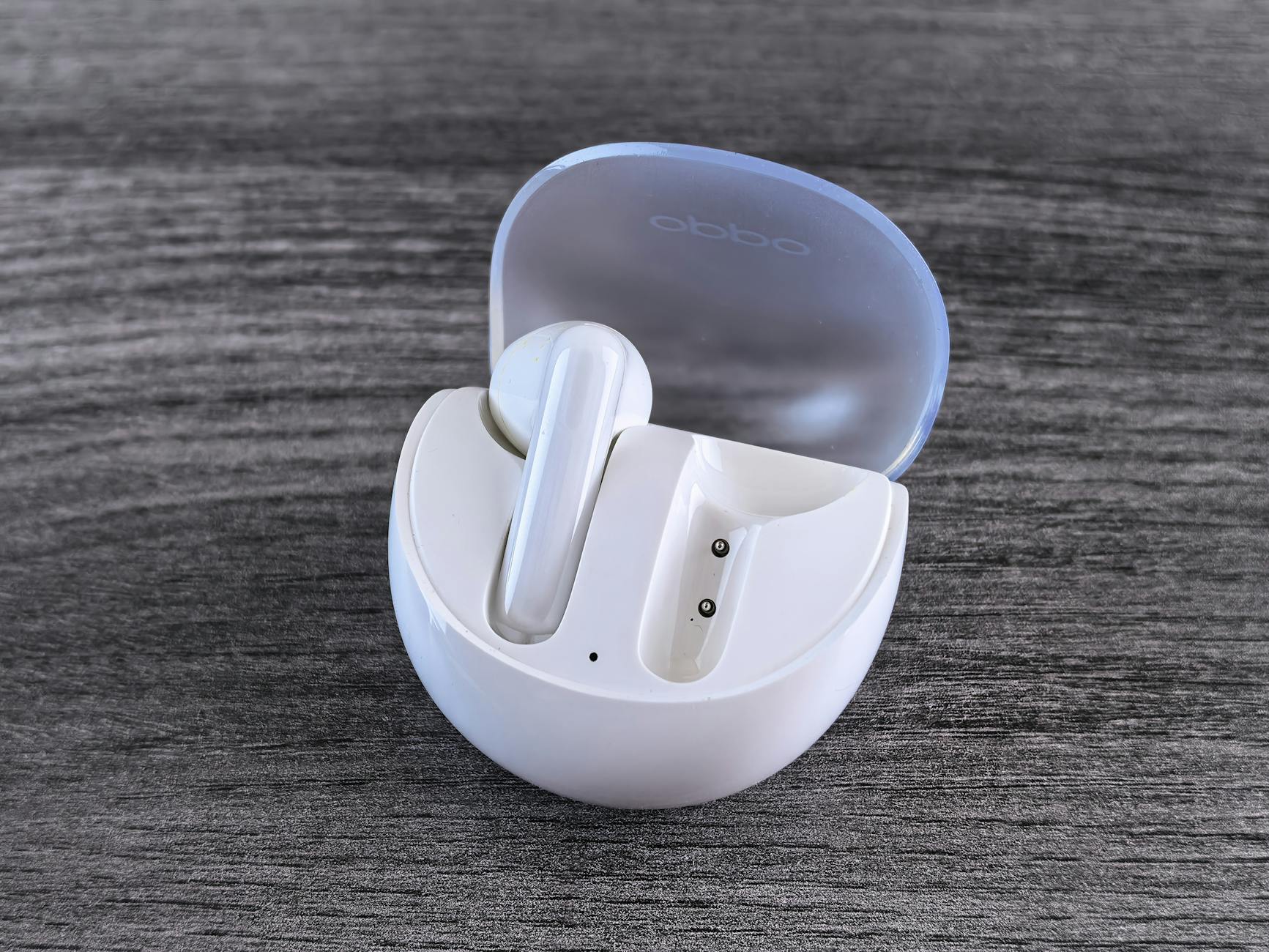
Small headphones spend hours wedged inside ear canals where they collect sticky wax and sweat. Placing them loosely in pockets or bags exposes them to lint and environmental dirt. The accumulated grime harbors bacteria that can cause painful outer ear infections. Gently brushing the speaker mesh and wiping the plastic casing keeps audio gear sanitary.
Cell Phones
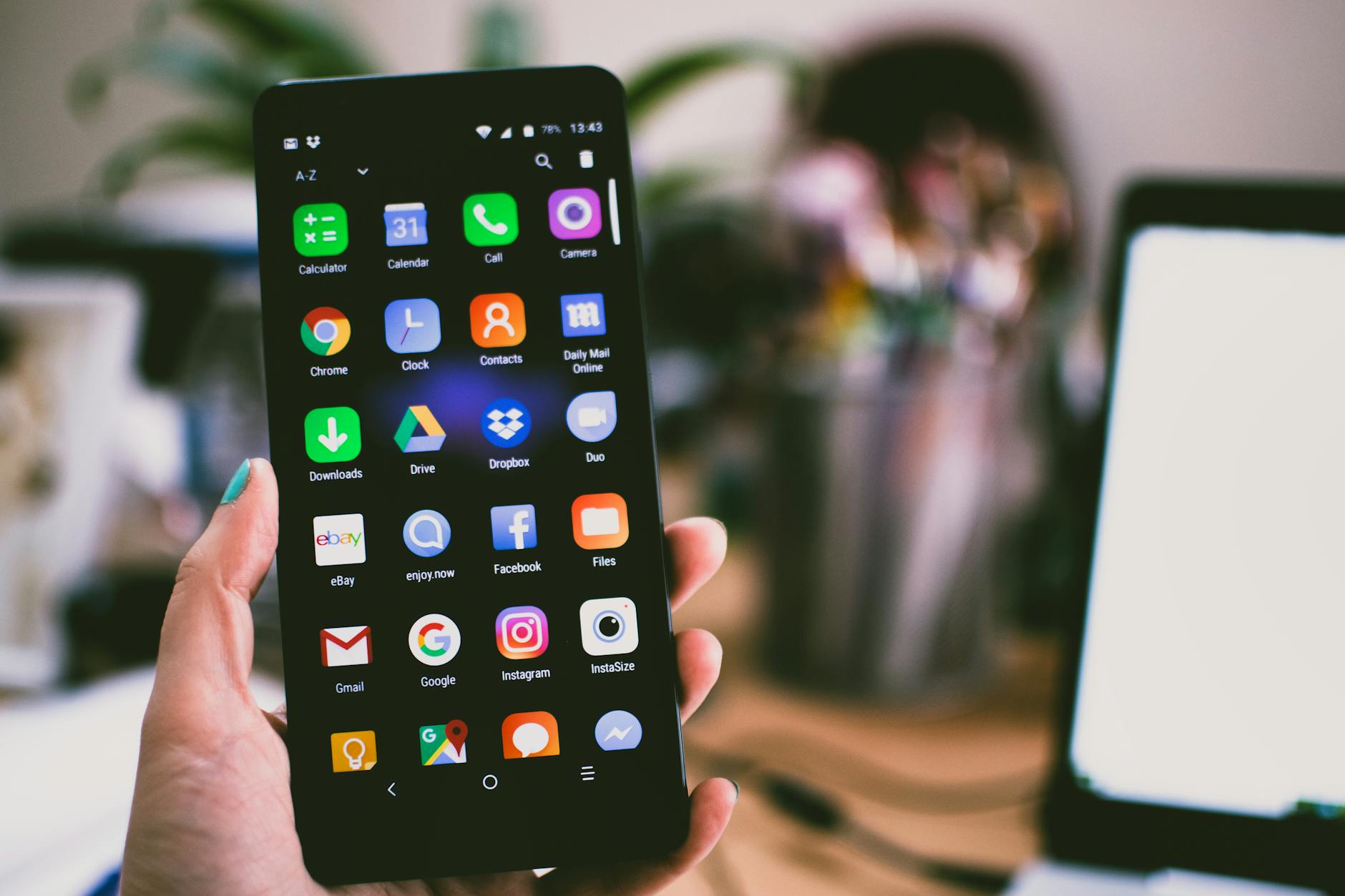
People carry smartphones into public restrooms and set them down on dirty restaurant tables. The warm screen provides a hospitable environment for pathogens transferred from unwashed hands. Studies consistently show that mobile devices host more bacteria than the average public toilet. Wiping the phone daily with an electronic safe sanitizing wipe prevents unnecessary illness.
Keys
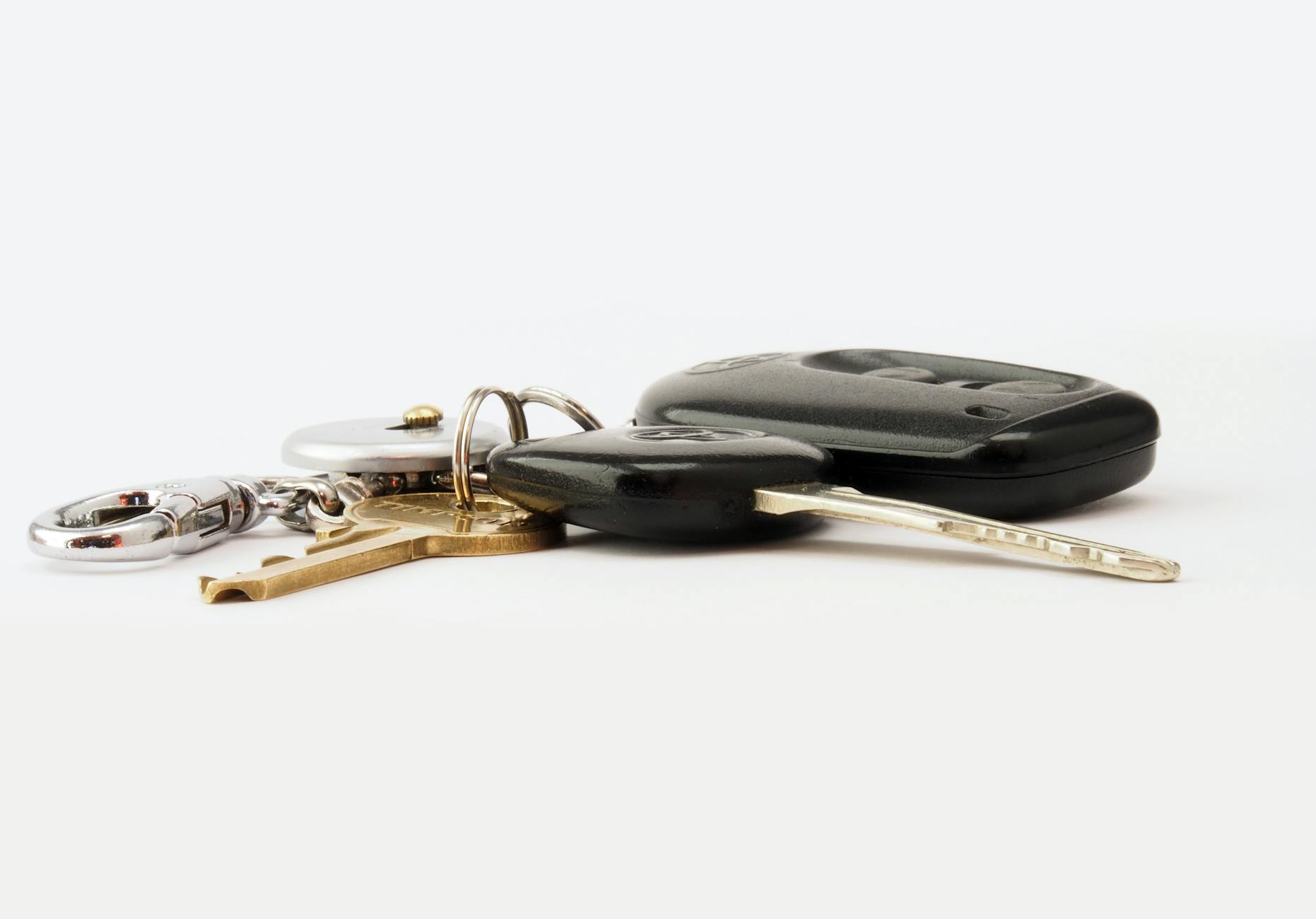
House and car keys drop onto parking lot pavements and sit at the bottom of dirty purses. The intricate grooves of a metal key easily trap grime and bacterial matter over the years. We touch these metal objects multiple times a day without ever thinking to wash them. Soaking keys in a simple solution of dish soap and warm water removes decades of dirt.
Steering Wheels
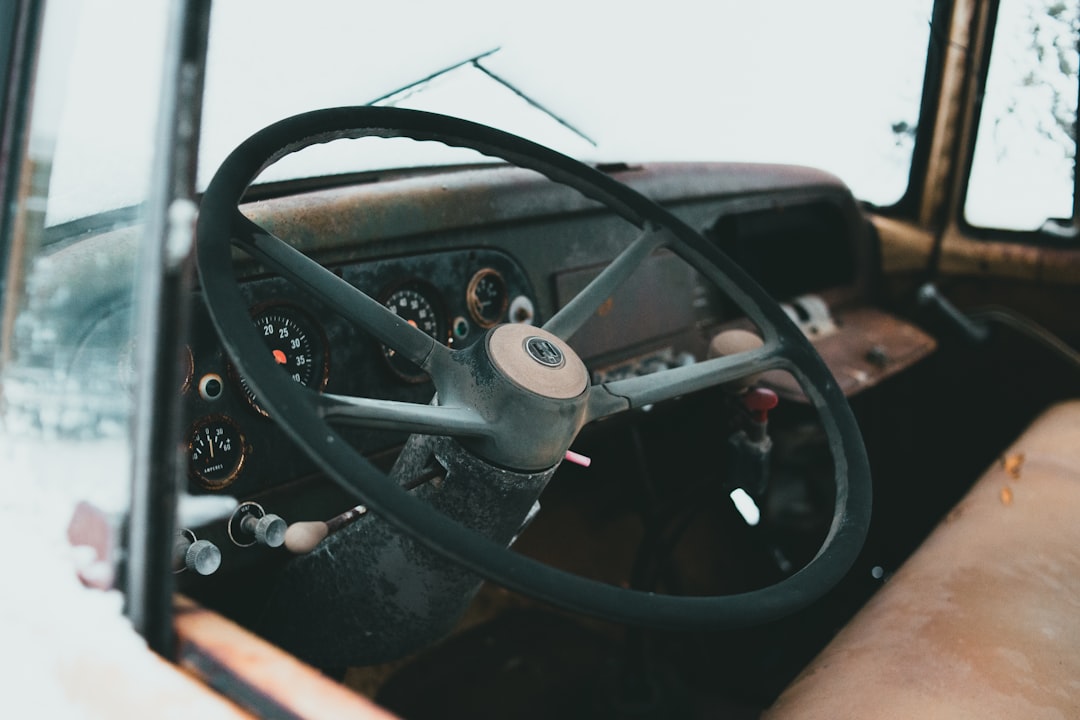
Drivers grip the steering wheel firmly after pumping gas or handling cash at a drive through window. The textured surface of the wheel absorbs sweat and natural oils from bare hands. Sunlight warms the car interior to turn the dashboard area into an incubator for germs. Disinfecting the steering wheel regularly protects drivers from illnesses picked up during daily errands.
Yoga Mats
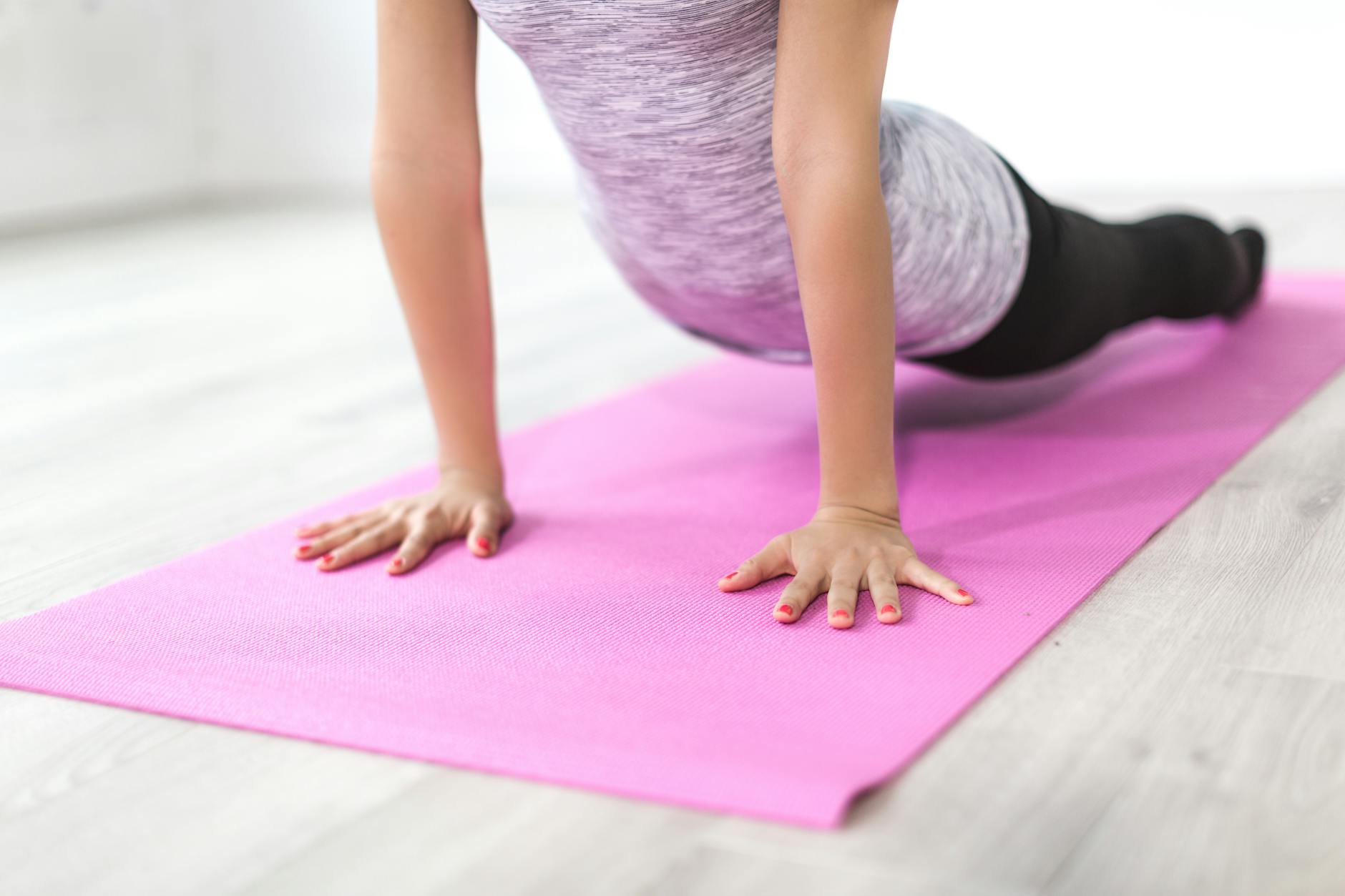
Sweating through an intense workout pushes moisture directly into the porous foam of an exercise mat. Rolling the mat up immediately afterward traps the sweat and creates a dark breeding ground for bacteria. Skin infections and fungal issues frequently spread through improperly sanitized fitness equipment. Spraying the mat with a specialized cleaner and letting it air dry ensures a healthy practice.
Throw Pillows
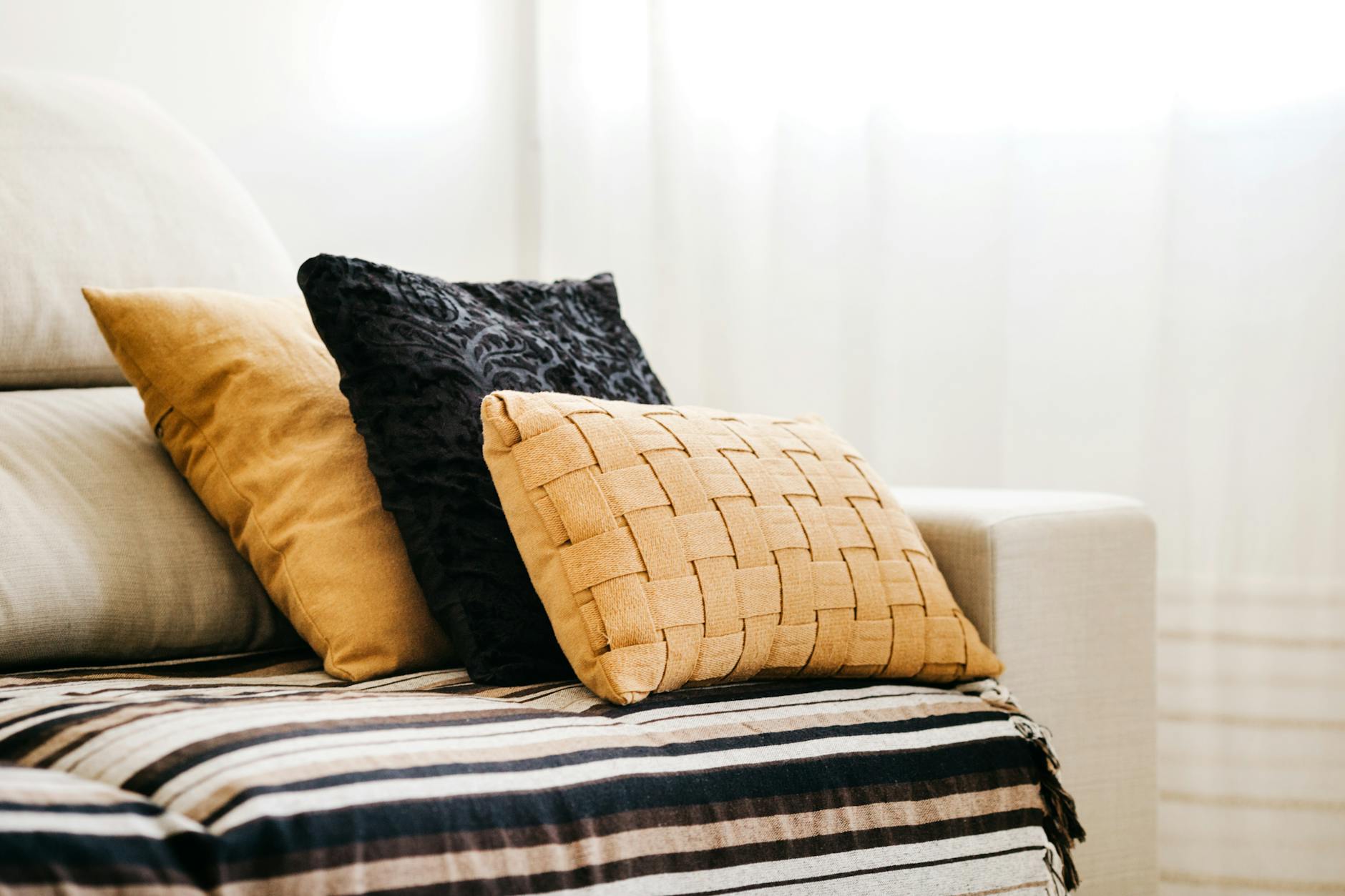
Decorative pillows on couches absorb drool and sweat during afternoon naps. Pet dander and dead skin cells settle deep into the fabric fibers over months of use. Most homeowners wash their bed pillows but completely neglect the cushions in the living room. Removing the covers for a hot wash revitalizes the fabric and removes lingering allergens.
Can Openers
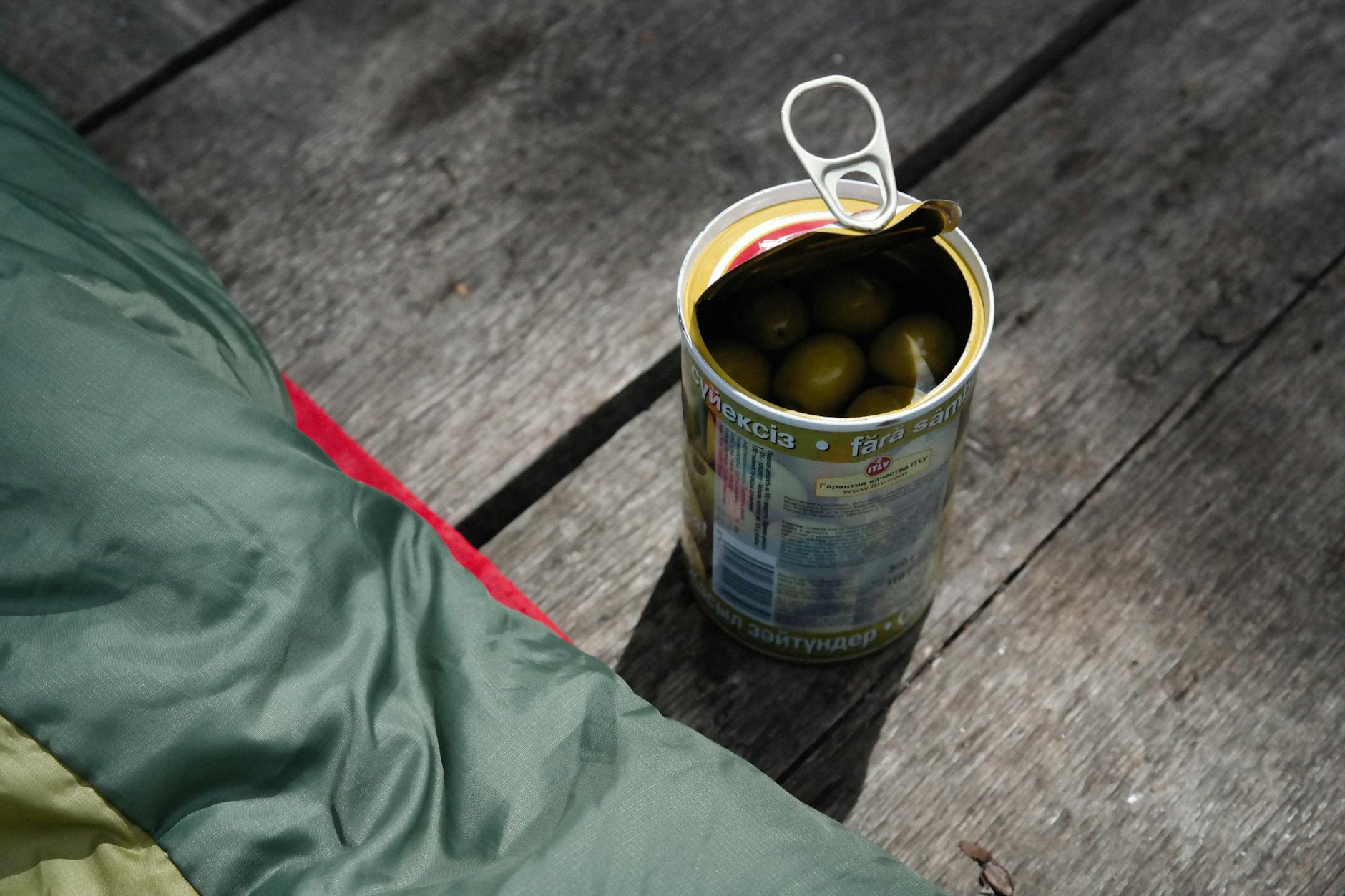
The cutting wheel of a can opener pierces through metal and touches the food inside the tin. Food residue dries on the gears and blades if the tool goes straight back into the drawer. This leftover food feeds bacteria that can easily contaminate the next can you open. Washing the device thoroughly with hot soapy water after every use prevents cross contamination.
Refrigerator Water Dispensers
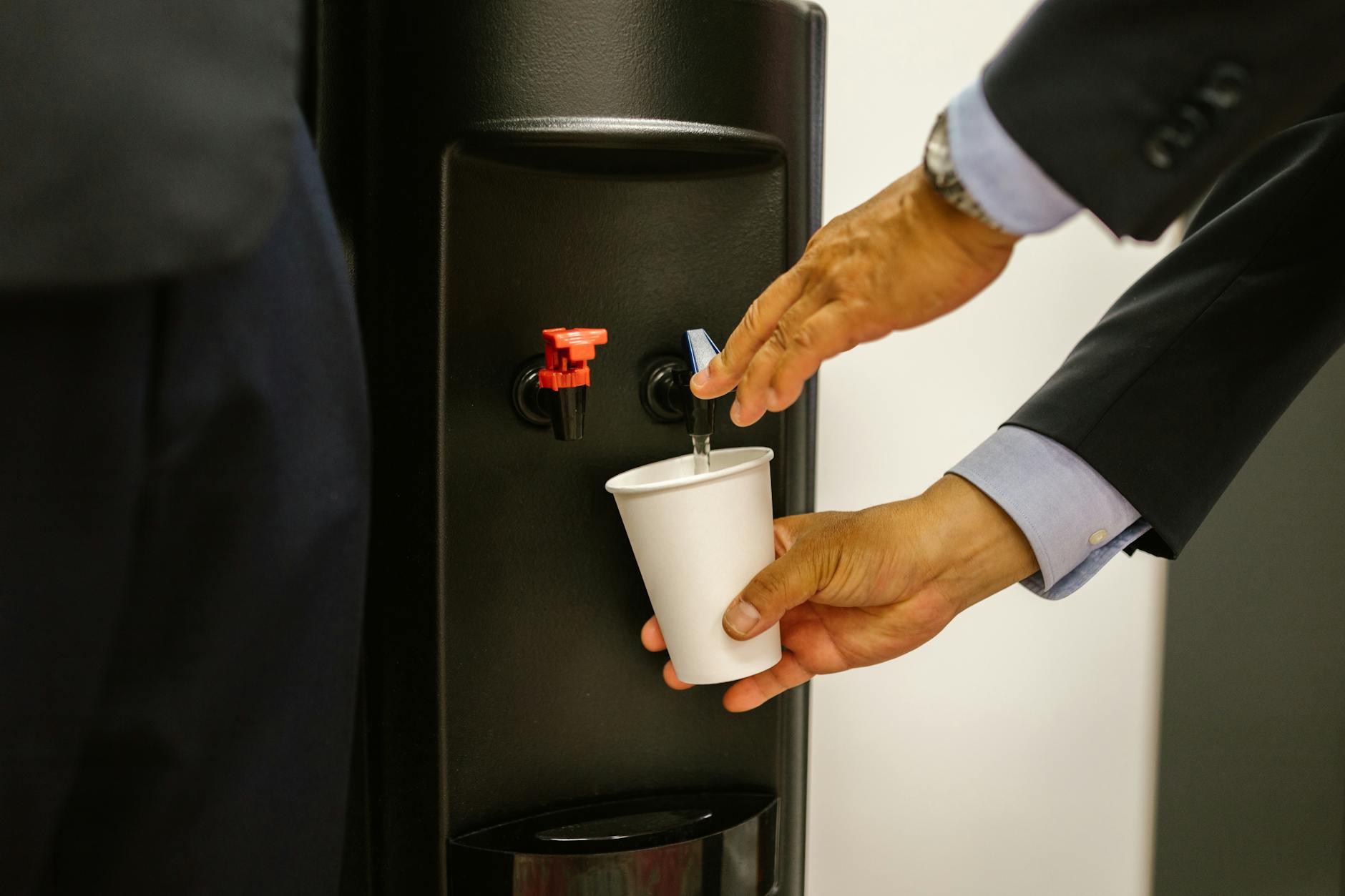
The nozzle of a water dispenser sits in a prime location for hard water buildup and yeast growth. Splatters from sugary beverages can reach the dispenser area and attract unwanted bacteria. The internal tubing requires periodic flushing to prevent mold from developing in the water lines. Following the manufacturer instructions for sanitizing the system ensures clean and fresh tasting water.
Dishwasher Filters
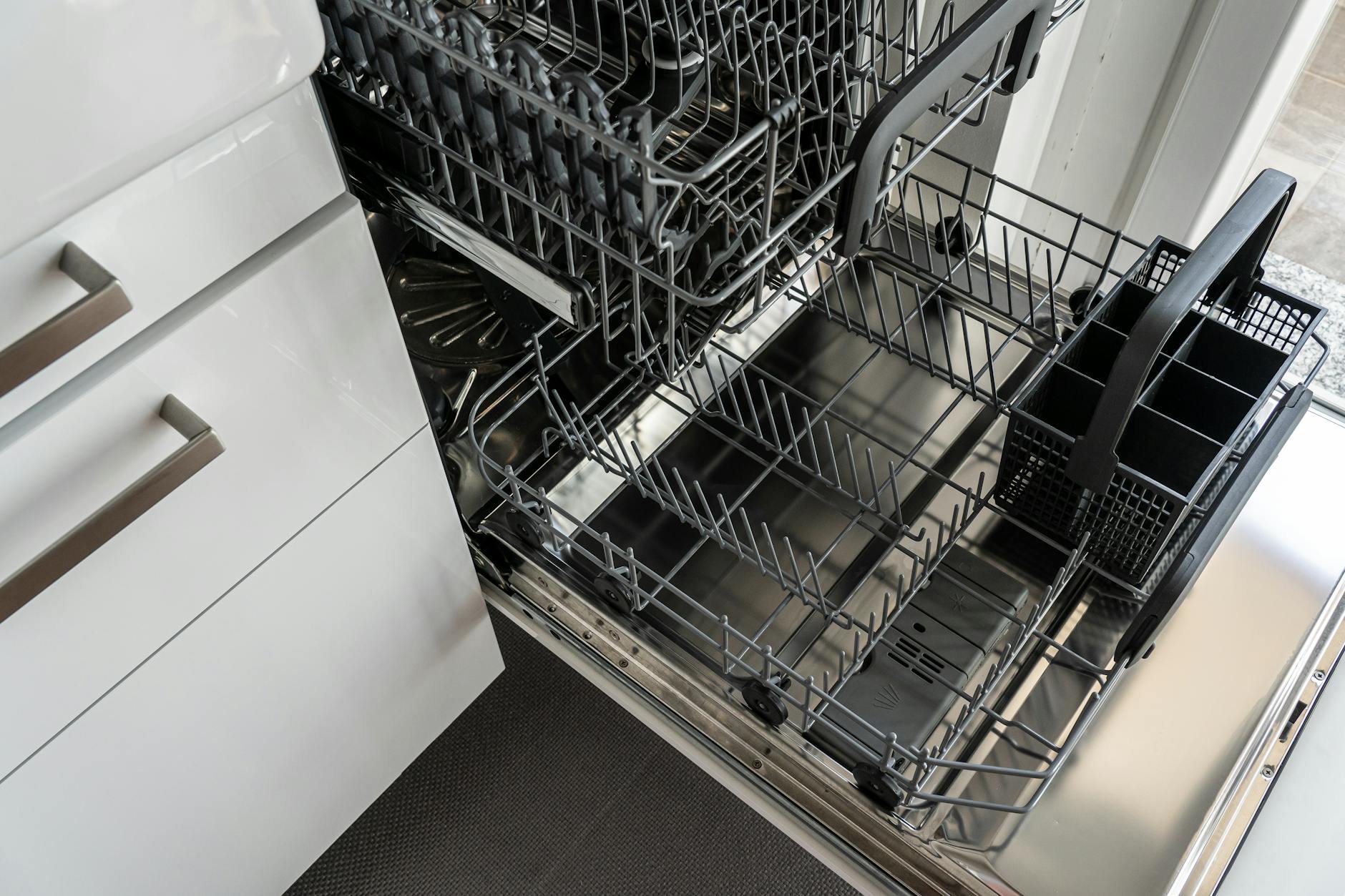
Modern dishwashers feature manual filters that catch large food chunks before they reach the pump. Ignoring this trap leads to rotting food particles sitting at the bottom of the washing appliance. The resulting bacterial soup gets sprayed all over supposedly clean plates during the wash cycle. Emptying and scrubbing the filter monthly guarantees dishes emerge properly sanitized and spotless.
Knapsacks
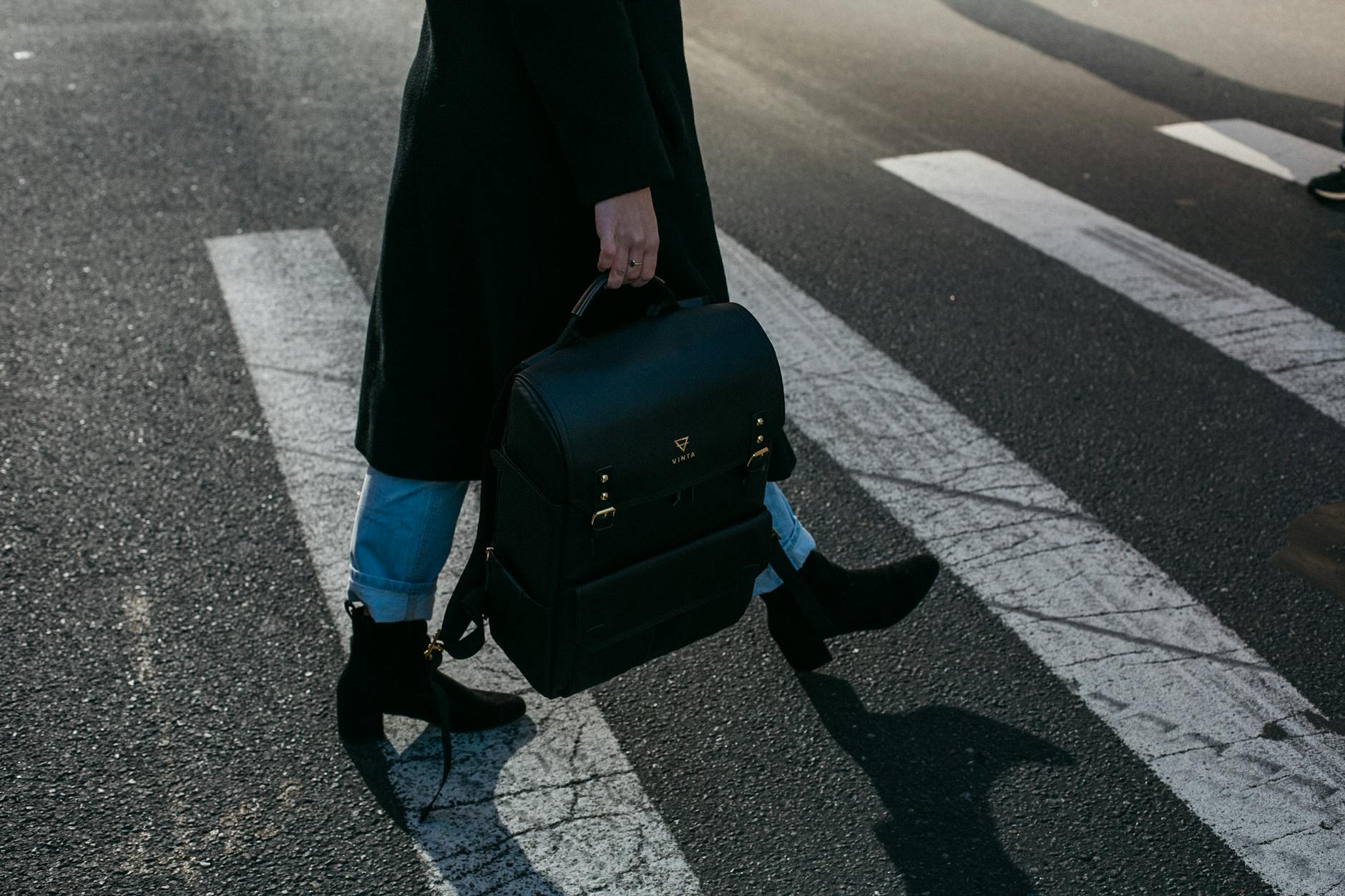
Backpacks sit on subway floors and public restroom tiles before being placed onto kitchen counters. The tough canvas material absorbs spills and traps crumbs at the bottom of the main compartments. Perspiration from the wearer transfers into the back panel and shoulder straps during hot commutes. Emptying the bag and running it through a gentle wash cycle refreshes the material.
Coffee Tables
People rest their bare feet on coffee tables while snacking and watching television. Dust settles on the flat surface and mixes with sticky drink rings left behind by guests. The proximity to the couch makes it a prime location for airborne germs from coughing and sneezing. Wiping the surface with a suitable wood cleaner removes the hidden grime safely.
Hairbrushes
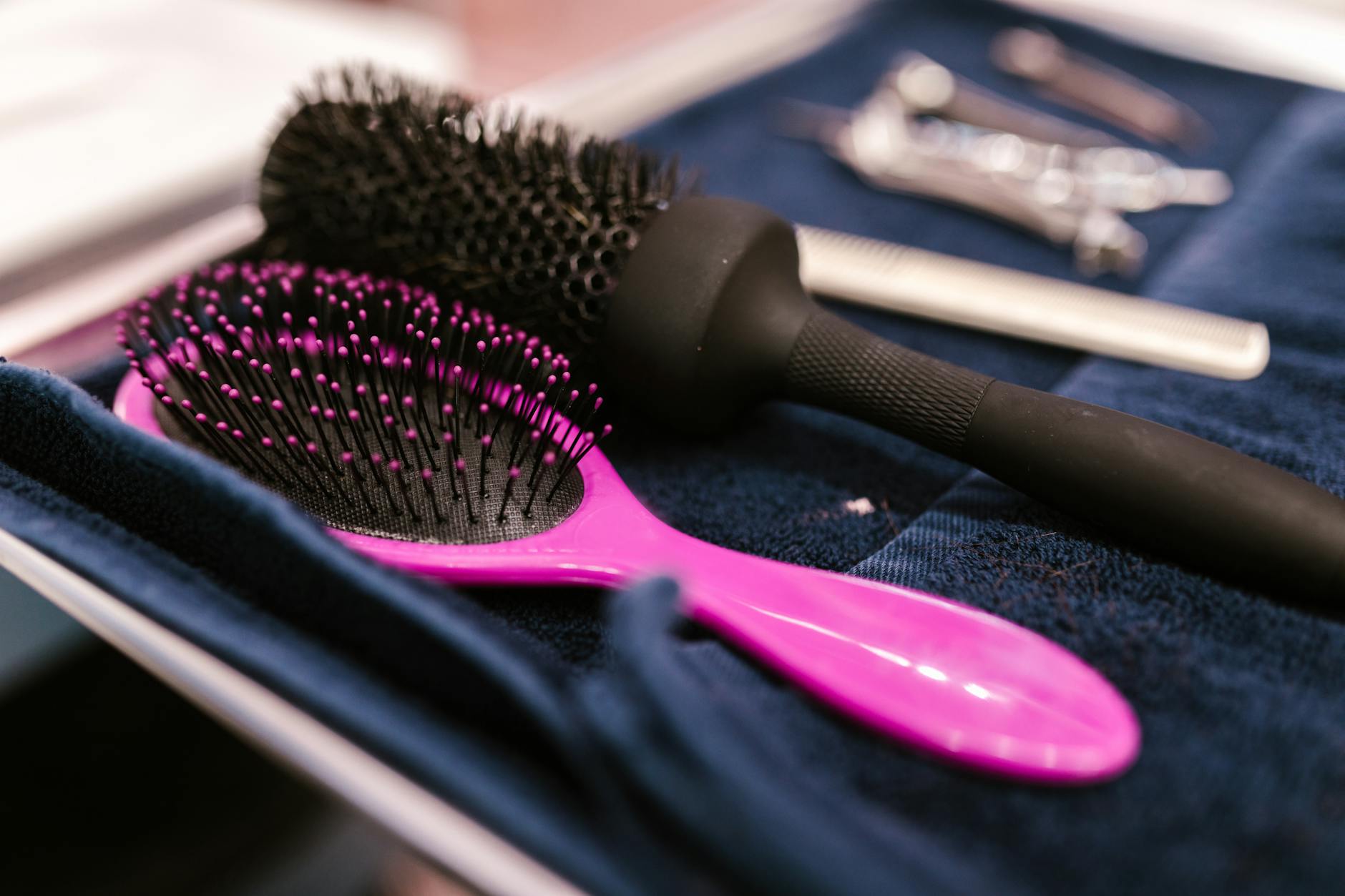
Bristles accumulate shed hair along with scalp oils and sticky styling product residue. Dust mites and bacteria thrive in this tangled mess of organic matter at the base of the brush. Brushing clean hair with a dirty tool simply deposits the stale oils right back onto the scalp. Soaking the brush in warm water with clarifying shampoo breaks down the persistent buildup.
Handbags
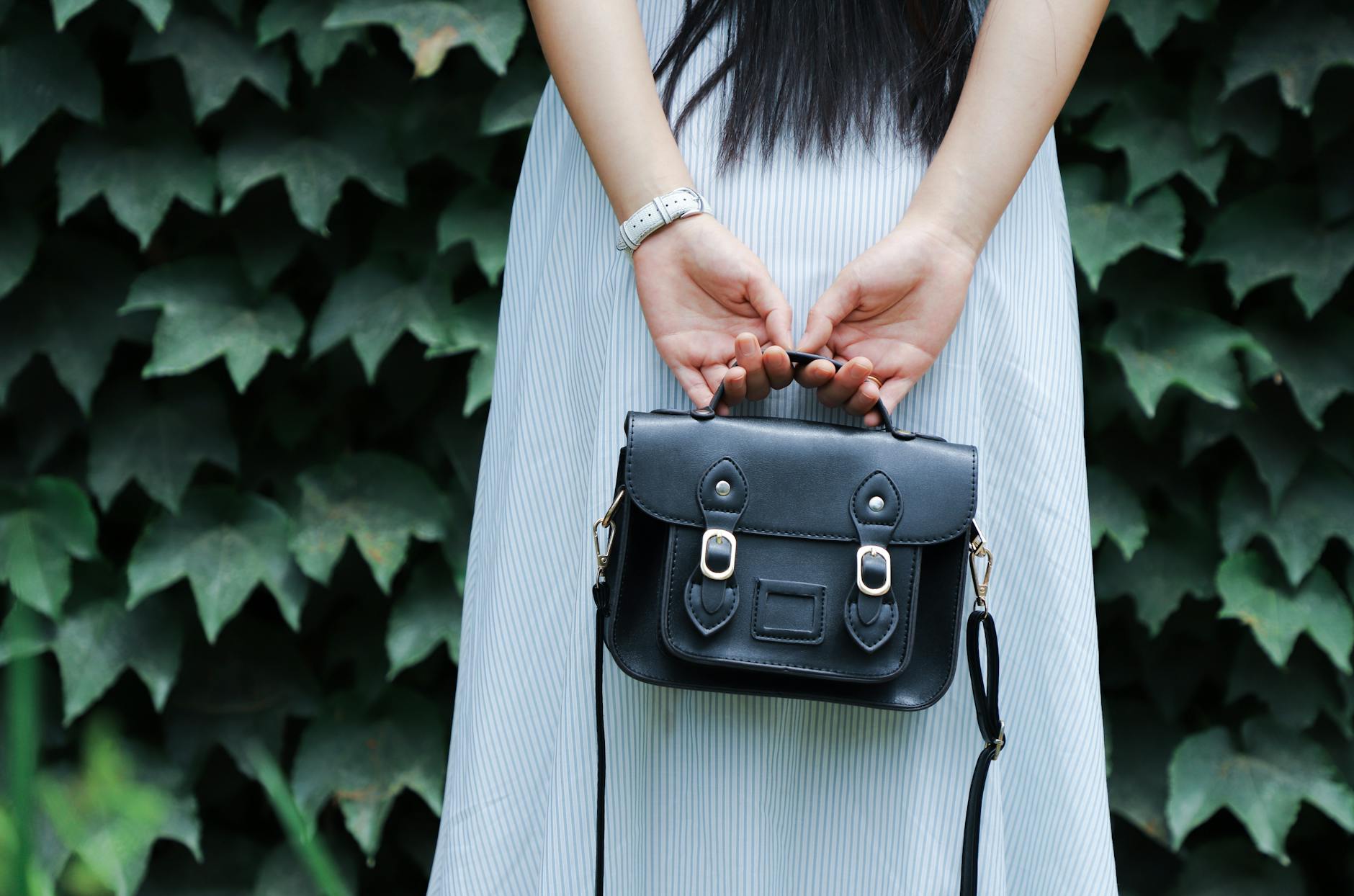
Purses accompany their owners everywhere and frequently end up resting on dirty public floors. The handles absorb natural skin oils and collect bacteria from continuous daily handling. The dark interior traps loose change and unwrapped mints that attract extra dirt. Wiping down the exterior material and vacuuming the inside keeps the accessory fresh.
Doorknobs
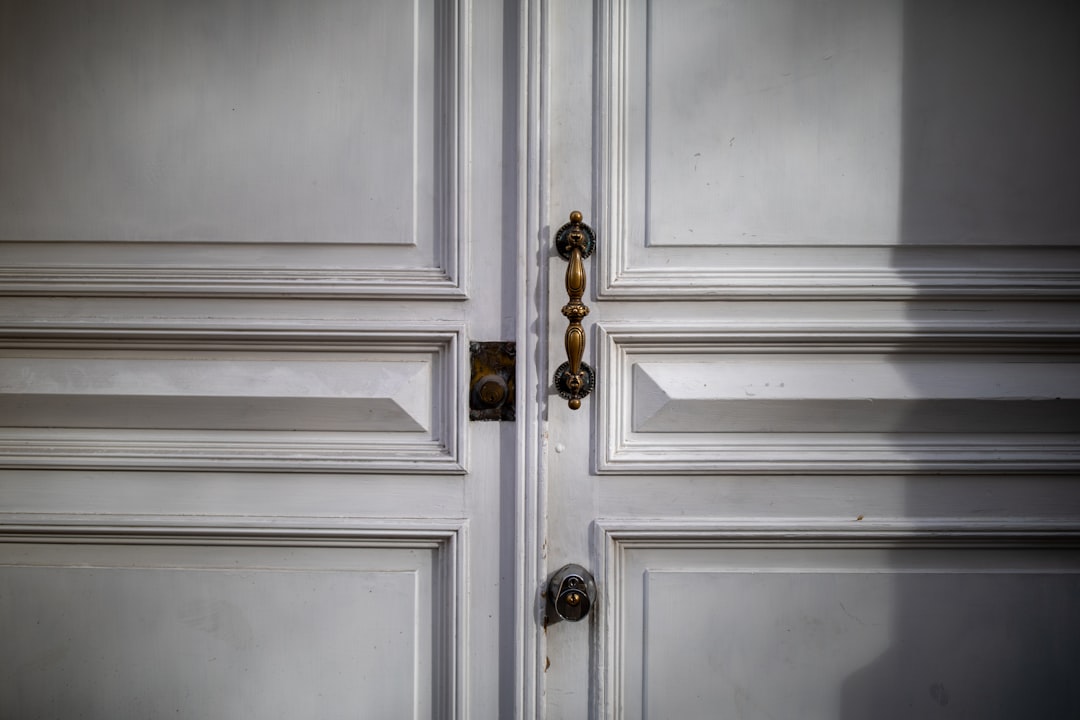
Exterior door handles welcome visitors and their accompanying germs into the household. Interior knobs see constant action from unwashed hands moving between bathrooms and kitchens. The metallic surface retains active viruses and bacteria for hours after the initial contact. Disinfecting all doorknobs during the weekly cleaning routine actively breaks the chain of infection.
Baseboards
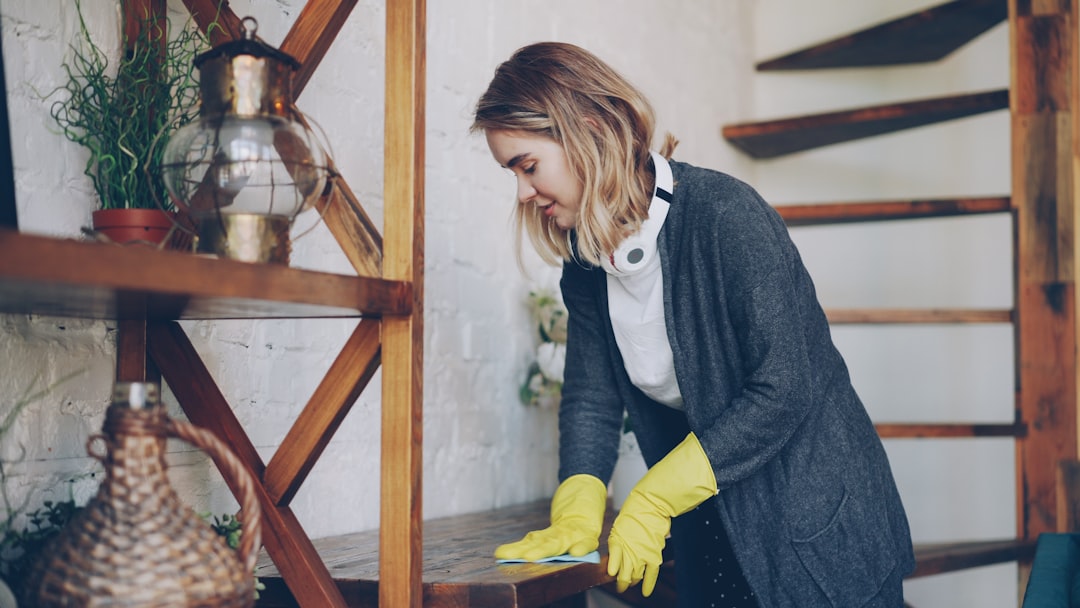
The trim along the floor acts as a tiny shelf for pet hair and household dust to gather. Mopping the floor pushes dirty water up against the baseboards where it dries and leaves a residue. Bugs and spiders frequently navigate the home by following these dusty perimeter highways. Wiping baseboards with a damp cloth instantly brightens the entire room and removes allergens.
Reusable Straws
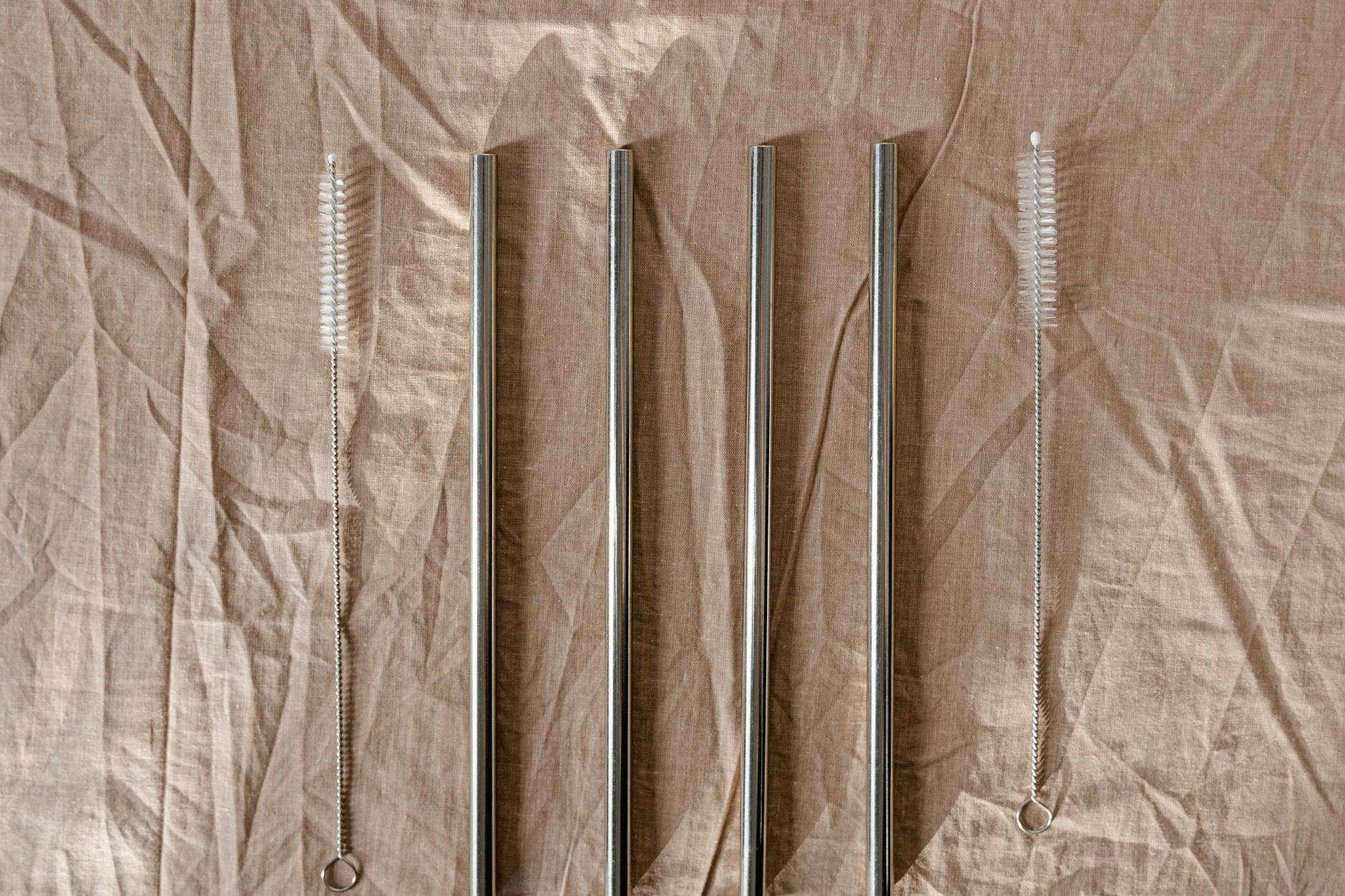
Metal and silicone straws perfectly replace single use plastics but require careful maintenance. Smoothies and milky coffees leave behind a stubborn film inside the narrow tube. Merely rinsing the straw fails to dislodge the bacteria clinging to the inner walls. Pushing a specialized pipe cleaner through the straw with dish soap removes all hidden debris.
Vacuum Cleaners
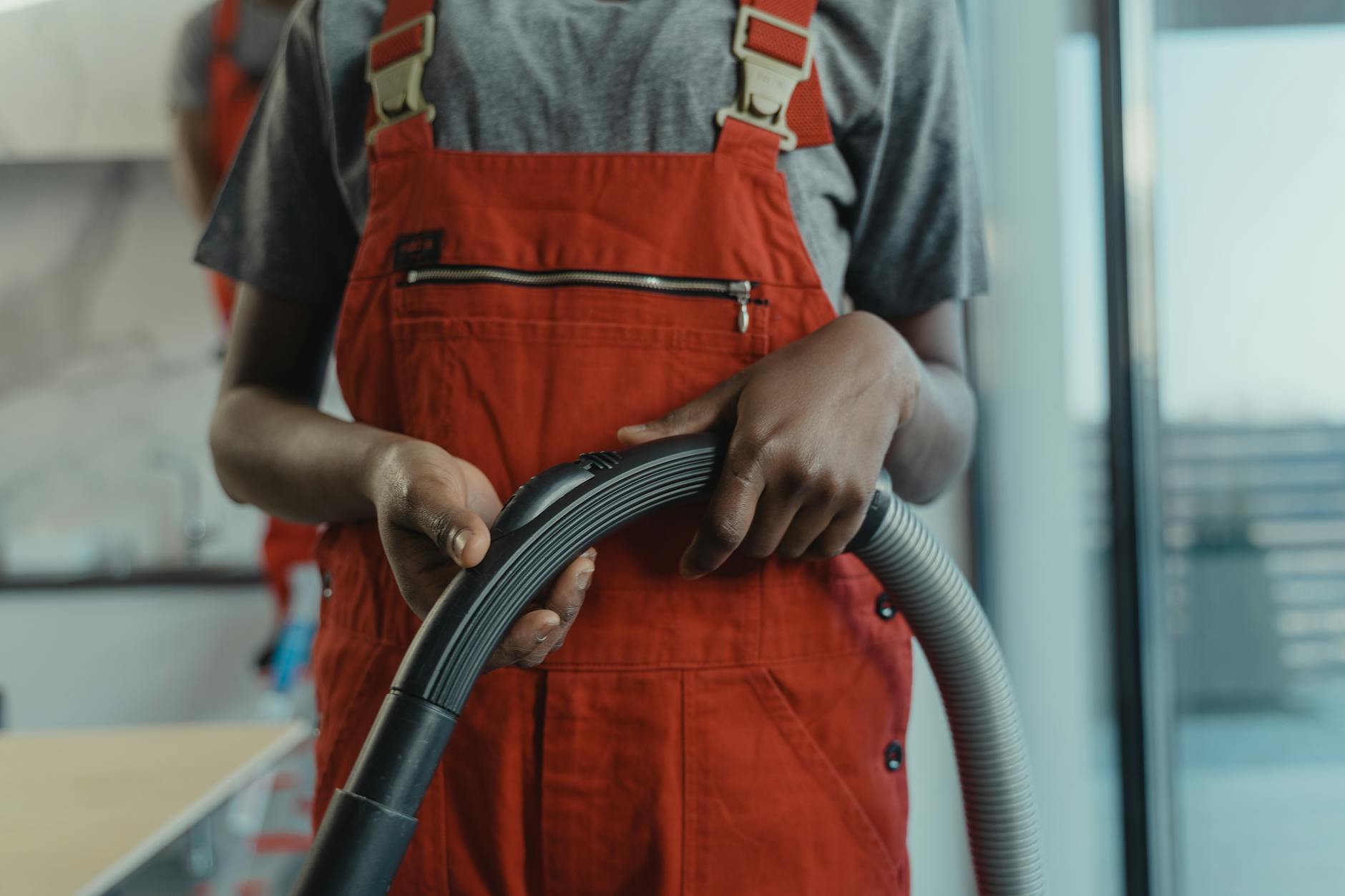
The machine designed to clean the house often becomes incredibly dirty itself over time. Beater brushes entangle string and hair while the dust bin harbors millions of dust mites. A neglected vacuum loses suction power and exhausts a musty odor back into the room. Washing the filters and cutting away tangled hair keeps the appliance operating efficiently.
Ice Makers

The freezing temperatures inside an ice bin do not kill all types of bacteria and mold. Infrequent use allows the ice to absorb stale food odors from the refrigerator compartment. Hard water scale builds up in the internal mechanisms to create rough surfaces where germs hide. Emptying the bin and sanitizing the plastic parts guarantees crystal clear and safe ice cubes.
Knife Blocks
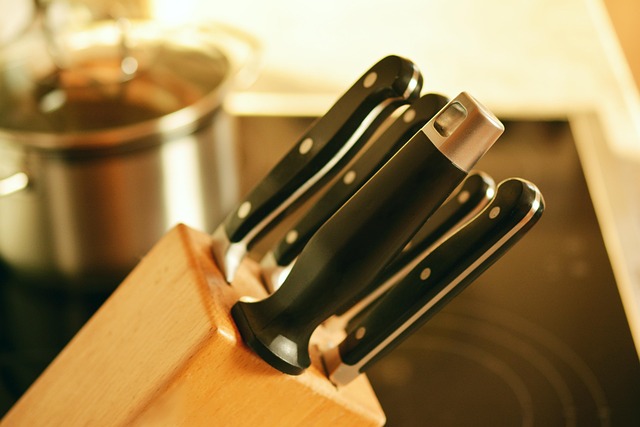
Inserting slightly damp knives into deep wooden slots introduces moisture into a dark environment. Dust and airborne cooking grease settle into the empty spaces at the top of the block. Mold easily develops deep inside the wood where it goes completely unnoticed for years. Cleaning the slots with a pipe cleaner and compressed air keeps kitchen tools hygienic.
Showerheads
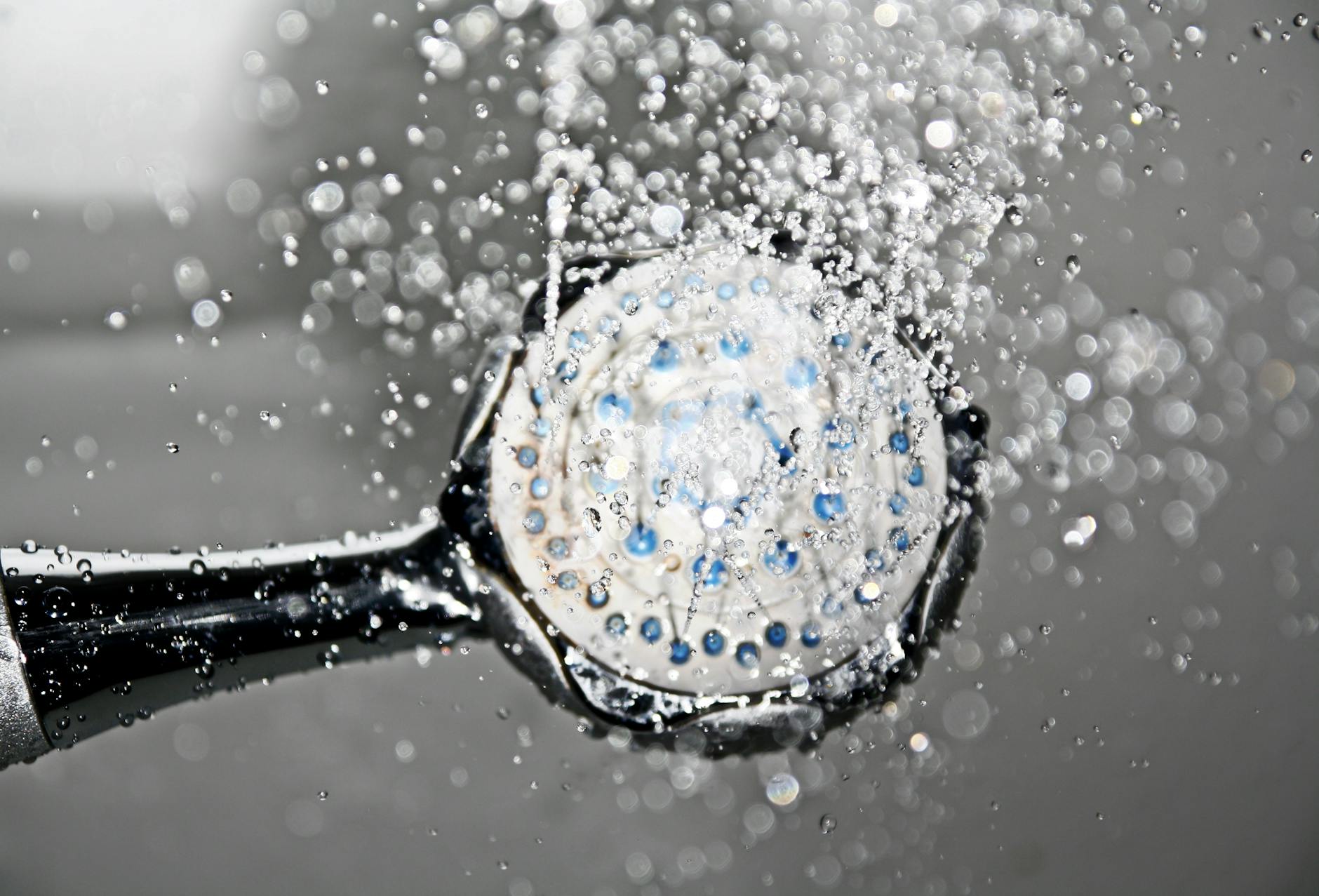
Mineral deposits from hard water crust over the tiny nozzles of a showerhead. This scale provides a safe harbor for specialized bacteria that thrive in warm water environments. Turning on the shower blasts these microbes directly into the air and onto the bather. Soaking the fixture in a plastic bag filled with white vinegar dissolves the dangerous buildup.
Game Controllers

Intense gaming sessions result in sweaty palms gripping the plastic handles for hours. Cheetos dust and grease from snacks easily migrate into the seams and joystick crevices. The intricate buttons make controllers much harder to clean than a flat smartphone screen. A toothpick and an alcohol wipe work perfectly to extract the grime from tight spaces.
Please share which of these hidden household items surprised you the most by leaving your thoughts in the comments.