Parenting styles have evolved significantly over the decades as psychologists uncover more about child development and emotional health. Many rules that were once considered standard discipline are now understood to have detrimental effects on a child’s long-term well-being. Rigid enforcement of outdated mandates can erode trust and hinder the development of critical thinking skills. Understanding which common practices may cause harm is the first step toward fostering a more supportive and nurturing environment. The following list explores forty common parenting rules that experts suggest may do more harm than good.
Children Must Always Finish Their Dinner
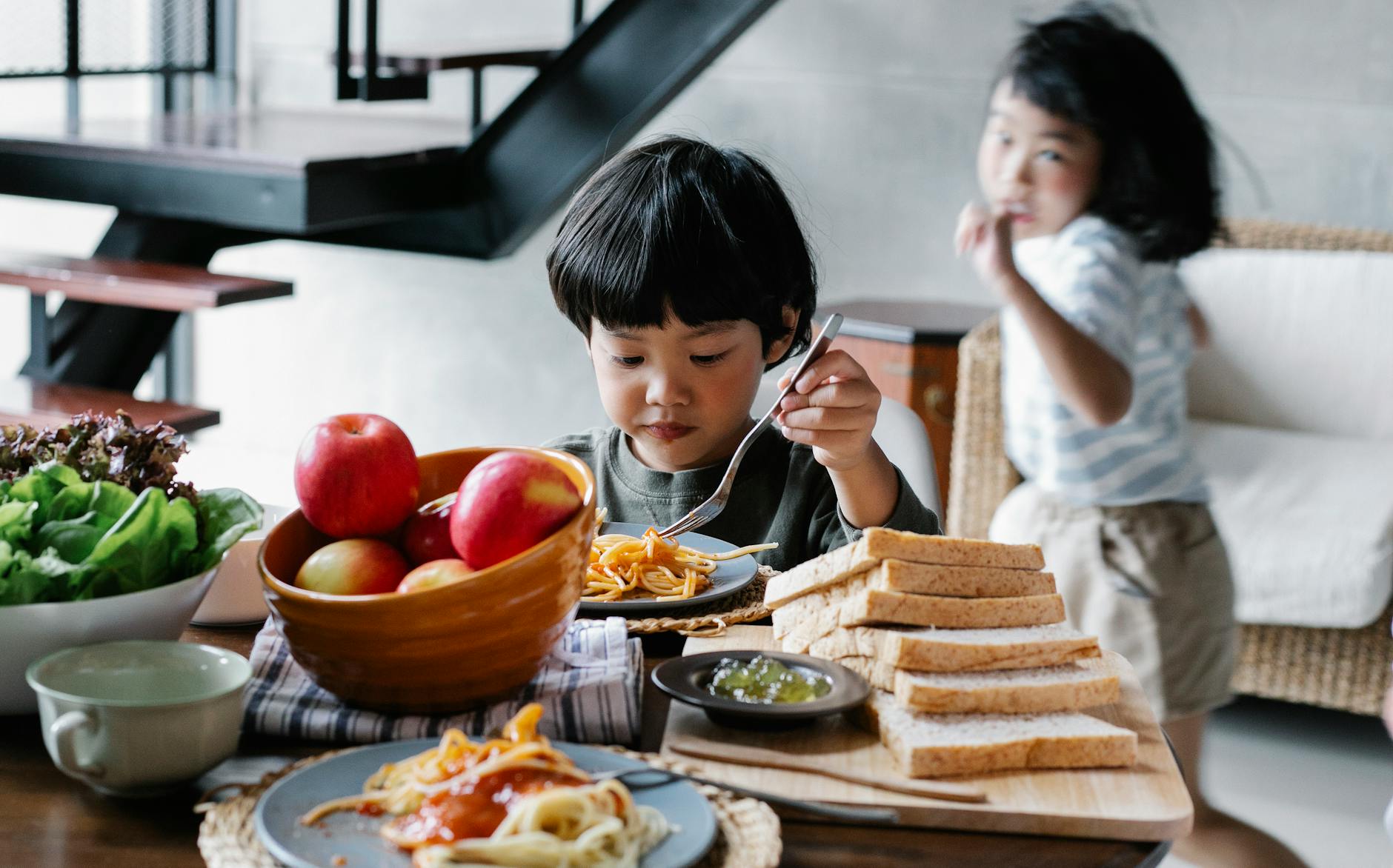
Forcing a child to clear their plate disrupts their natural ability to self-regulate hunger cues. This practice often leads to a lifelong struggle with overeating or a distorted relationship with food. Children naturally stop eating when they are full and overriding this instinct teaches them to ignore their body signals. Mealtime battles over finishing food can create anxiety and negative associations with eating. Nutritionists advocate for offering healthy options and trusting the child to decide how much they need.
Boys Don’t Cry

Telling young boys to suppress their tears enforces toxic masculinity and emotional repression. This rule teaches children that vulnerability is a weakness rather than a normal human experience. Suppressing emotions often results in anger issues or an inability to process grief and sadness later in life. Emotional intelligence requires the ability to recognize and express feelings openly without shame. Boys need the same emotional support and validation as girls to develop into healthy and empathetic adults.
Hug Grandma or Grandpa Even If You Don’t Want To

Forcing physical affection teaches children that they do not have autonomy over their own bodies. This rule prioritizes the feelings of an adult over the comfort and boundaries of the child. It undermines the essential concept of consent that is crucial for their safety and understanding of personal space. Children should be allowed to choose how they greet relatives whether with a high five or a wave. Respecting a refusal to hug empowers a child to establish and maintain healthy physical boundaries.
Children Should Be Seen and Not Heard

Silencing children prevents them from developing necessary communication skills and assertiveness. This outdated belief suggests that a child’s thoughts and opinions hold no value within the family unit. Children who are constantly hushed often grow up feeling insignificant or afraid to speak up for themselves. Active participation in family conversations fosters confidence and helps children learn to articulate their ideas. A home should be a safe space where a child feels free to express themselves without fear of reprisal.
Never Question Adults

Demanding blind obedience discourages critical thinking and leaves children vulnerable to manipulation. Children need to understand that respect does not mean accepting every instruction without understanding the reason. Teaching a child to ask questions respectfully helps them distinguish between safety rules and arbitrary demands. Blind compliance can be dangerous if a child encounters an authority figure with bad intentions. Encouraging respectful dialogue helps children develop a strong moral compass and good judgment.
Grades Are Everything

Placing academic performance above all else creates immense pressure and anxiety for young students. This focus suggests that a child’s worth is tied solely to their output and external achievements. Children who fear failure may cheat or burn out rather than develop a genuine love for learning. Education involves social and emotional growth that is just as important as a report card. celebrating effort and curiosity nurtures a more resilient and well-rounded individual.
Keep Your Emotions To Yourself
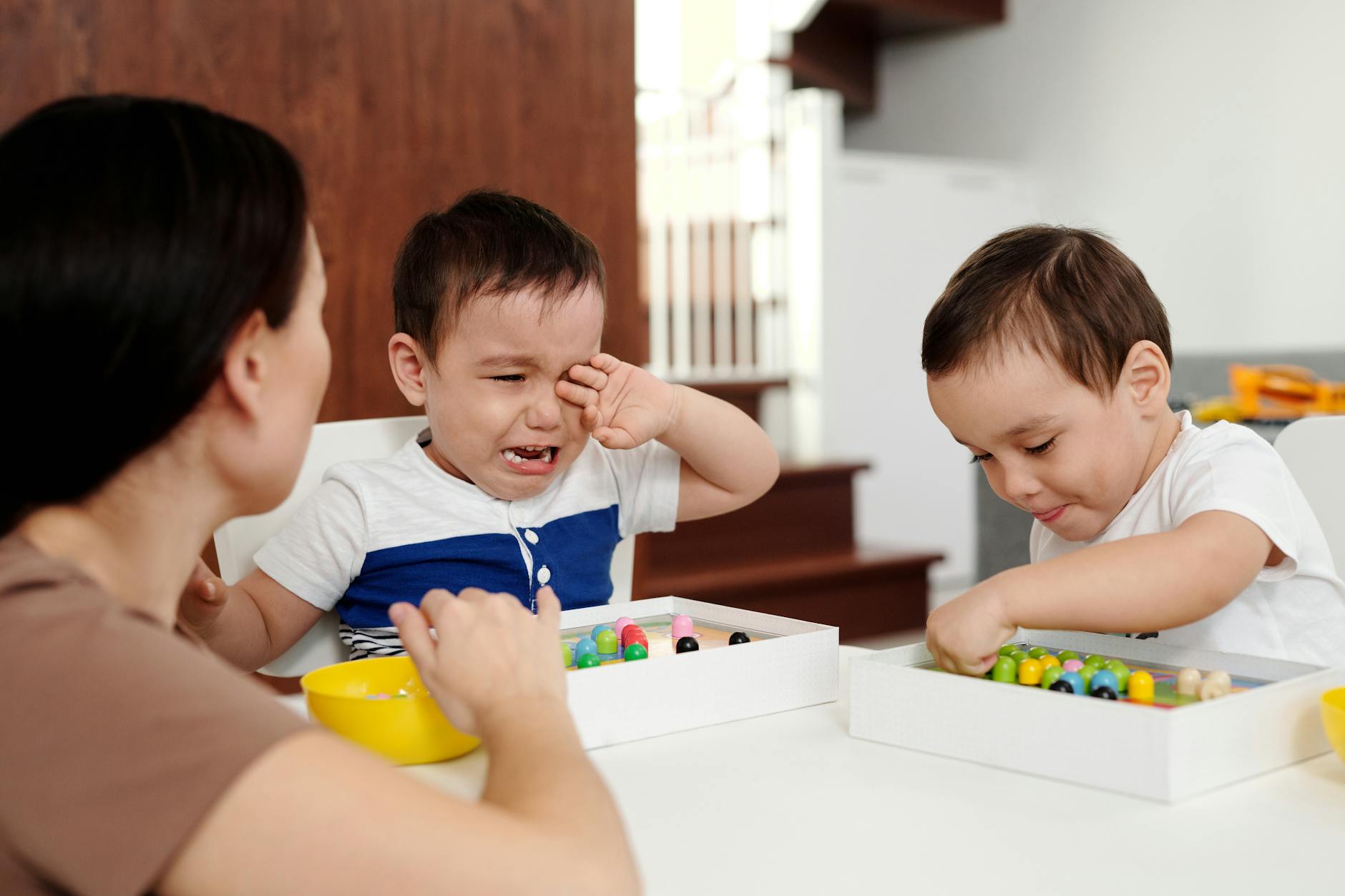
Discouraging emotional expression teaches children that their feelings are a burden to others. This leads to emotional withdrawal and difficulty forming deep connections with peers and partners. Children need guidance on how to manage their emotions rather than instructions to hide them. Bottling up feelings can result in explosive outbursts or internalized depression. A supportive parent acts as an emotional container who helps the child process complex feelings.
Always Share Your Toys
Forcing immediate sharing can foster resentment rather than genuine generosity. Children need to feel a sense of ownership and security with their possessions before they can willingly share. Compelled sharing often teaches children that their own needs are secondary to the demands of others. True generosity develops when a child feels secure enough to give freely without coercion. It is more effective to model sharing and praise voluntary acts of kindness.
Stop Crying or I Will Give You Something to Cry About
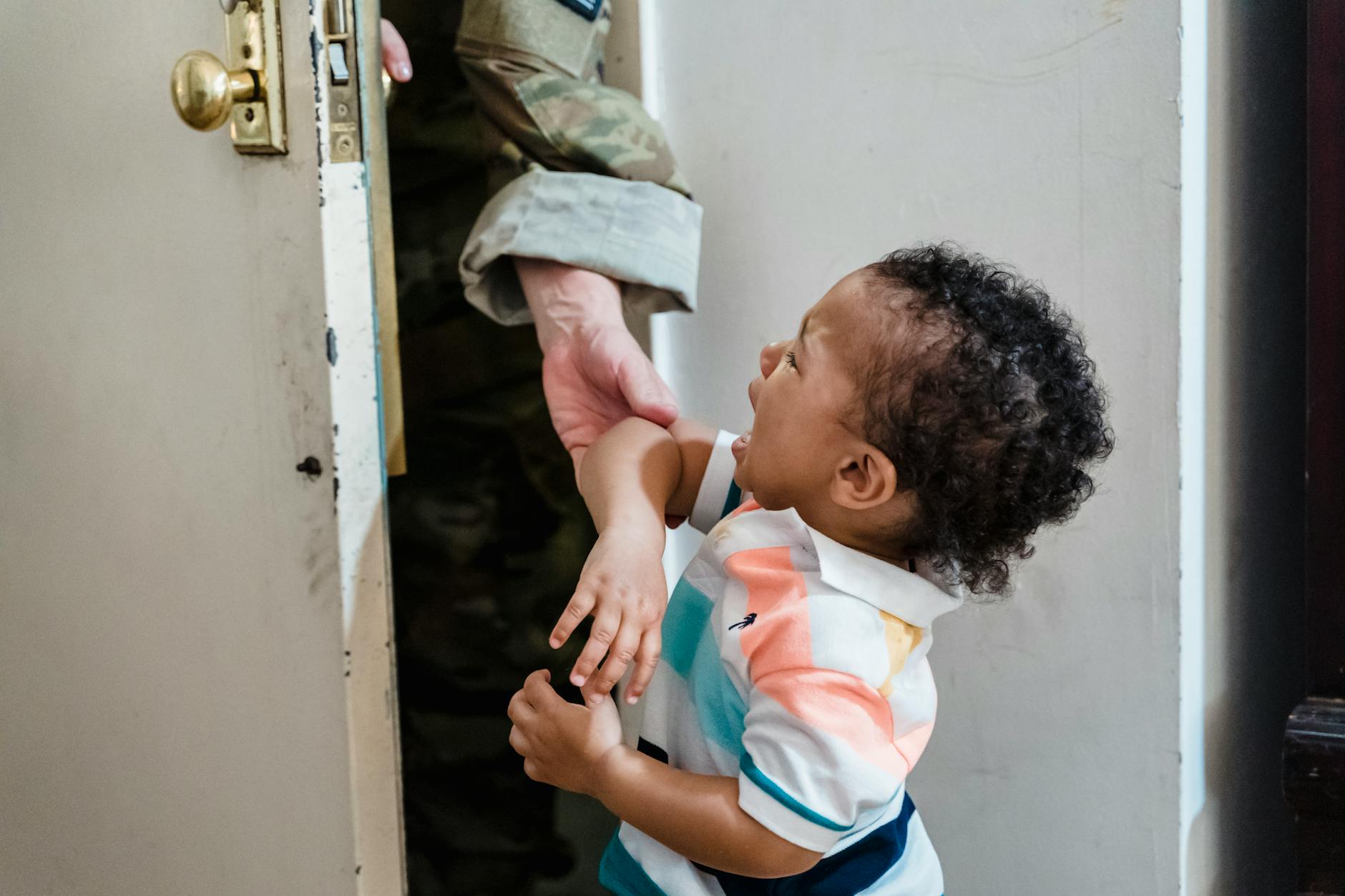
Threatening a distressed child creates fear and destroys the parent-child bond. This response invalidates the child’s feelings and teaches them that their pain causes anger in others. Children cry to communicate needs or release stress and threats only escalate their dysregulation. Using fear to stop tears prevents the child from learning how to self-soothe effectively. Compassion and patience are required to help a child navigate their distress.
Do It Because I Said So

Relying on authority without explanation misses a valuable teaching opportunity. Children are more likely to cooperate when they understand the reasoning behind a rule or request. This phrase shuts down communication and demands submission rather than understanding. Explaining the “why” helps children internalize values and logic they can apply elsewhere. A reasoning approach respects the child’s developing intellect and fosters mutual respect.
You Are Too Old For That

Shaming a child for their interests or behaviors forces them to grow up too fast. Development is not linear and children often revisit younger behaviors for comfort. mocking a child for playing with certain toys or needing reassurance damages their self-esteem. Safety and comfort should be prioritized over arbitrary age expectations. allowing children to mature at their own pace builds confidence and security.
Only Speak When Spoken To

This rule isolates children and prevents them from initiating meaningful interactions. It frames communication as a privilege granted by adults rather than a basic right. Children who follow this rule may struggle with social initiation and networking in the future. Spontaneous conversation allows parents to gain insight into their child’s inner world. A healthy family dynamic encourages open dialogue initiated by any family member.
Privacy Is For Adults Only

Denying a child privacy erodes trust and signals a lack of respect for their individuality. As children grow they need personal space and time to develop their own identity. Reading diaries or constantly hovering prevents the development of independence. Trust is a two-way street that requires parents to respect reasonable boundaries. Granting age-appropriate privacy shows that the parent trusts the child’s judgment.
Ignore the Bully and They Will Go Away

Telling a child to ignore harassment leaves them feeling unsupported and helpless. Bullies often escalate their behavior when they meet no resistance or intervention. This advice places the burden of solving the problem on the victim rather than the perpetrator. Children need active strategies and adult support to navigate social aggression. Empowering a child involves teaching them to seek help and assert their boundaries.
Always Put Family First

Blind loyalty to family can trap children in toxic or abusive dynamics. This rule can pressure children to tolerate mistreatment or sacrifice their own well-being for the sake of appearances. Healthy relationships are built on mutual respect and safety rather than genetic obligation. Children should learn that it is acceptable to set boundaries even with relatives. prioritizing mental health over family expectations is a crucial life skill.
Money Is Not Your Concern

Keeping children entirely in the dark about finances leaves them ill-equipped for adulthood. While children should not carry the burden of financial stress they need to understand value and budgeting. Shielding them completely prevents them from learning how to save and spend responsibly. Age-appropriate discussions about money foster financial literacy and realistic expectations. Openness about family resources helps children understand the choices parents make.
Don’t Be a Tattletale

Discouraging reporting can prevent children from seeking help in dangerous situations. Children often cannot distinguish between minor annoyances and serious safety breaches without guidance. A blanket ban on “telling” creates a code of silence that protects rule-breakers. Parents should teach the difference between trying to get someone in trouble and trying to keep someone safe. knowing they can report serious issues makes children feel more secure.
You Must Always Win

Pushing a child to win at all costs creates a fear of failure and unhealthy competitiveness. This mindset values the outcome over the effort and the enjoyment of the activity. Children who are obsessed with winning may struggle to cope with inevitable setbacks in life. Learning to lose with grace is a social skill that serves them well in adulthood. emphasizing improvement and fun fosters a healthier relationship with competition.
Apologize Immediately

Forcing an insincere apology teaches children to lie rather than to feel remorse. True empathy takes time to process and cannot be commanded on the spot. A forced “sorry” becomes a get-out-of-jail-free card that avoids addressing the behavior. It is better to discuss how the action affected others and brainstorm ways to make amends. Meaningful restitution teaches responsibility and genuine care for others.
Nice Girls Don’t Get Angry

Conditioning girls to suppress anger makes them vulnerable to mistreatment. Anger is a protective emotion that signals when a boundary has been violated. Teaching girls to always be polite and accommodating suppresses their ability to defend themselves. Women who cannot express anger often struggle with assertiveness and self-advocacy. All children should be taught how to express anger constructively and safely.
Hard Work Always Pays Off
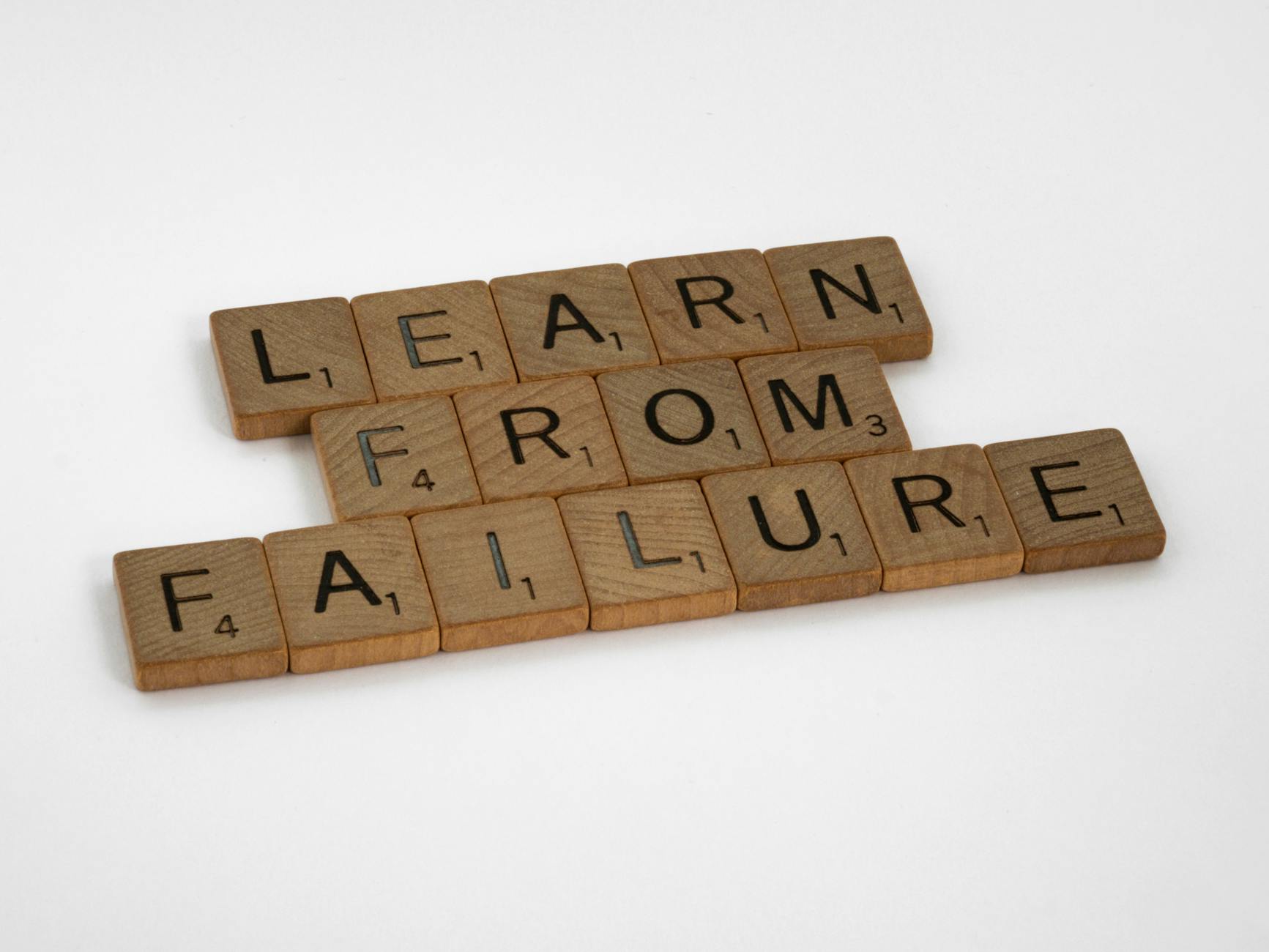
Teaching this as an absolute truth sets children up for disappointment and cynicism. Hard work is important but external factors often influence outcomes. When a child works hard and fails they may internalize the failure as a personal defect. It is more realistic to teach that hard work improves odds but does not guarantee success. resilience involves handling failure even when the effort was sufficient.
Don’t Talk to Strangers

This blanket rule can be dangerous if a child is lost and needs help. A child who is terrified of all strangers may hide from police officers or store employees. It is more effective to teach children to identify “tricky people” or specific unsafe behaviors. knowing who to ask for help is just as important as knowing who to avoid. nuanced safety education empowers children rather than terrifying them.
Your Room Must Be Spotless

Demanding perfection in a private space creates unnecessary conflict and stress. A child’s room is their sanctuary and strict control over it invades their personal domain. While hygiene is important extreme tidiness standards can feel oppressive. allowing some creative chaos gives the child a sense of ownership. collaborative cleaning is more effective than authoritarian demands.
You Can Be Anything You Want

While well-intentioned this phrase can create unrealistic expectations and pressure. It ignores the reality of aptitude and resources and economic factors. When children encounter limitations they may feel they have failed their potential. It is healthier to encourage them to explore their strengths and pursue attainable goals. meaningful support involves helping them navigate the practical steps toward a career.
Sit Still
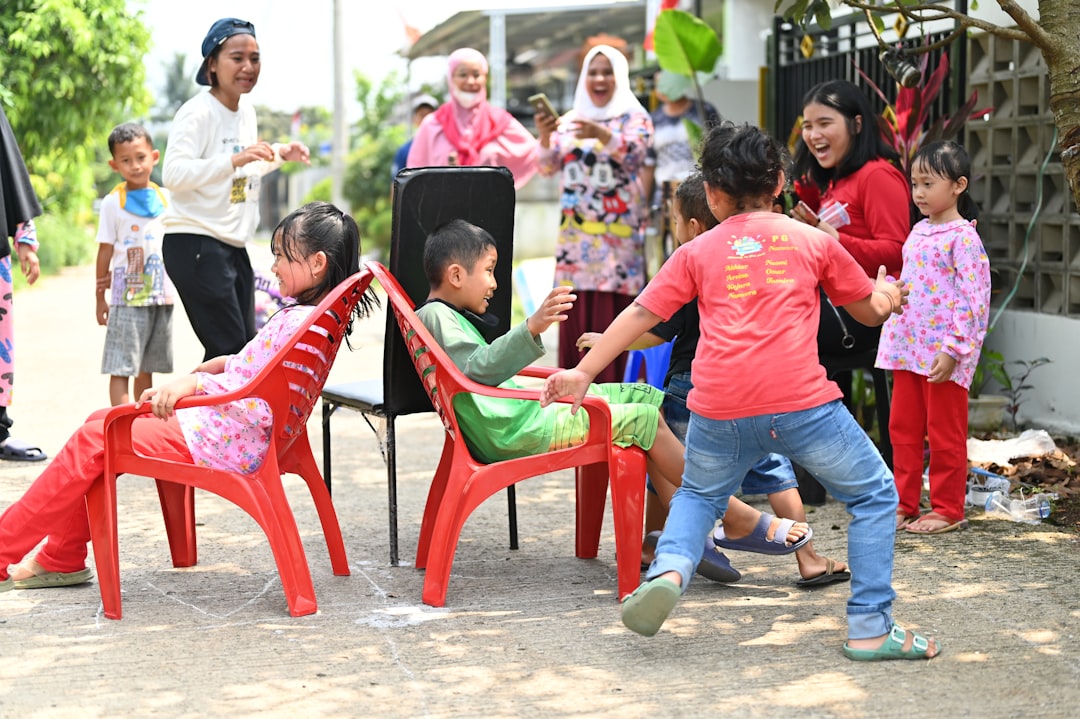
Expecting young children to sit still for long periods ignores their developmental needs. Movement is essential for a child’s physical and cognitive growth. forcing a child to suppress their energy causes stress and reduces their ability to focus. frequent breaks for movement actually improve behavior and attention span. expecting adult-like stillness sets the child up for failure.
Don’t Waste Time
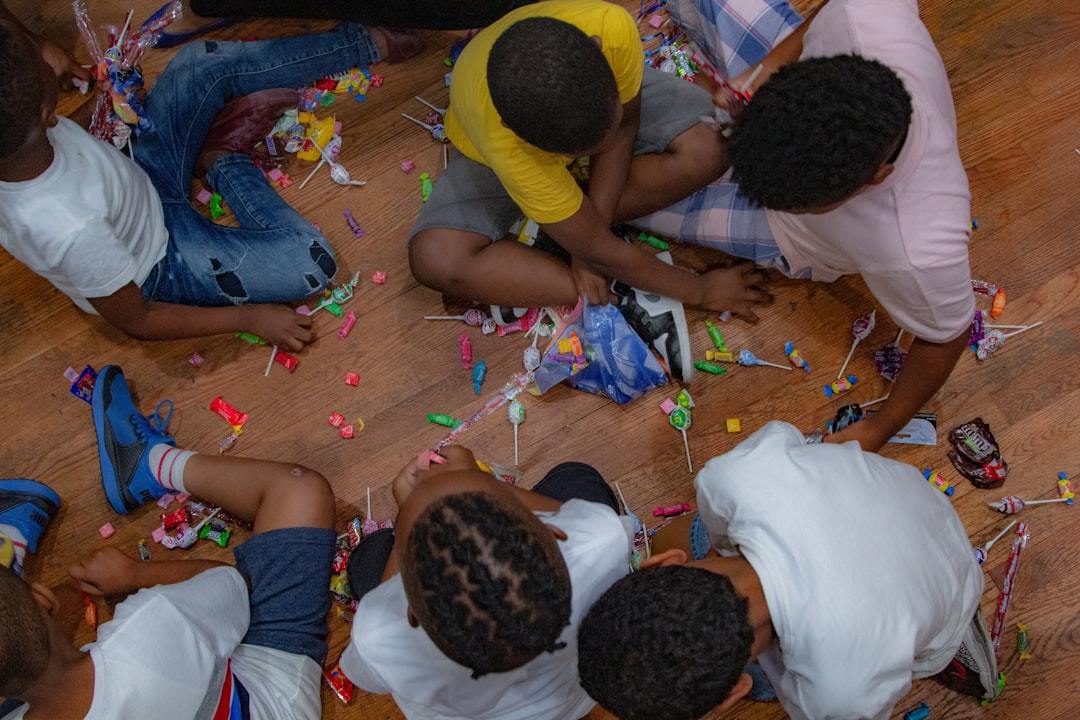
Overscheduling children deprives them of essential unstructured play time. Boredom is a catalyst for creativity and self-discovery. constantly pushing productivity teaches children that their value lies in doing rather than being. downtime allows the brain to rest and process information. a balanced childhood includes ample time for daydreaming and aimless play.
Be The Best

Expecting a child to be the best creates a competitive mindset that isolates them from peers. It places the focus on comparison rather than personal growth. Children under this pressure often suffer from perfectionism and fear of making mistakes. celebrating personal bests is far healthier than demanding superiority over others. collaboration is often a more valuable skill than domination.
Don’t Ask Why

Dismissing a child’s curiosity stifles their desire to learn and understand the world. questions are the primary way children gather information and build cognitive connections. shutting down inquiries creates a passive learner who accepts information without engagement. answering questions patience encourages critical thinking and intellectual growth. parents should view questions as a sign of intelligence rather than annoyance.
Act Like A Lady Or Gentleman

imposing rigid gender roles limits a child’s expression and potential. these stereotypes dictate behavior based on biology rather than personality. boys may feel they cannot be gentle and girls may feel they cannot be assertive. allowing children to explore a full range of human behaviors creates balanced individuals. character should be defined by kindness and integrity rather than gender expectations.
Eat Everything On Your Plate

Forcing a child to eat foods they dislike creates negative associations with mealtime. Taste buds change over time and pressure often increases resistance to new foods. This rule can lead to power struggles that ruin the family dining experience. repeated exposure without pressure is the best way to expand a palate. respecting food preferences shows respect for the child’s bodily autonomy.
You Are Too Young To Understand

Dismissing a child’s ability to comprehend complex topics fosters distrust. Children are often more perceptive than adults realize and can handle age-appropriate explanations. keeping them in the dark creates fear and confusion about the world around them. simplifying the truth is better than avoiding the conversation entirely. honesty builds a foundation of trust and reliability.
Don’t Get Dirty

Constantly worrying about cleanliness prevents children from engaging in sensory play. Getting messy is often a byproduct of exploration and creativity. fear of dirt can make a child anxious and hesitant to participate in activities. clothes can be washed but the developmental benefits of play are irreplaceable. parents should dress children in play clothes and let them explore freely.
Wait Until Your Father Gets Home

Deferring discipline creates anxiety and damages the relationship with the other parent. It casts the absent parent in the role of the punisher rather than a nurturer. the delay disconnects the consequence from the behavior making it less effective. immediate and mild correction is better for learning and behavior modification. both parents should be viewed as sources of guidance and comfort.
Big Kids Don’t Get Scared

Invalidating fear teaches children to hide their vulnerabilities. Fear is a natural survival instinct that needs to be managed rather than suppressed. shaming a child for being afraid damages their confidence and emotional safety. acknowledging the fear helps the child learn courage and coping mechanisms. parents should provide reassurance rather than ridicule.
Do As I Say Not As I Do

Hypocrisy undermines parental authority and confuses children about values. Children learn primarily through observation and modeling rather than verbal instruction. seeing a parent break their own rules signals that integrity is optional. consistent behavior from parents reinforces the lessons they wish to teach. living by the same standards creates a culture of fairness and respect.
Stop Acting Like a Baby

Shaming regression ignores the child’s need for comfort during stress. Children often regress when they are tired or sick or overwhelmed. mocking this behavior increases the child’s insecurity and prolongs the phase. offering extra cuddles and support helps them return to their baseline confidence. patience is the antidote to developmental bumps in the road.
Don’t Interrupt

While polite conversation is a goal rigid enforcement ignores a child’s excitement or urgent needs. young children lack impulse control and often forget what they want to say if made to wait. teaching turn-taking is a process that requires gentle reminders rather than harsh rules. sometimes a child’s interruption is a bid for connection that should be acknowledged. flexible manners allow for natural and enthusiastic communication.
Everything Must Be Fair

Trying to make everything equal sets unrealistic expectations for life outside the home. Fairness means everyone gets what they need not that everyone gets the exact same thing. obsession with equality can lead to scorekeeping and sibling rivalry. teaching children to celebrate others’ success is healthier than focusing on their own portion. equity is a more valuable concept than strict equality.
Keep Your Clothes Clean

Expecting children to prioritize their appearance over play inhibits their freedom. clothes are tools for living and not museum pieces to be preserved. constant nagging about stains makes a child self-conscious and restricted. prioritizing experiences over appearance leads to a happier childhood. laundry is a small price to pay for a day of active discovery.
Whatever You Start You Must Finish

Forcing a child to continue an activity they hate can kill their enthusiasm for trying new things. While commitment is important it is also valuable to know when to pivot. forcing a child to persist in a miserable situation teaches them to ignore their own misery. allowing them to quit at a natural breaking point respects their autonomy. childhood is a time for sampling different interests to find true passions.
Please share your own experiences with these parenting rules in the comments to help start a conversation.