Debit cards offer direct access to your checking account funds but often lack the robust fraud protection found with credit cards. Thieves can drain your bank balance instantly if they gain access to your card information through skimming devices or data breaches. Recovering these stolen funds often requires a lengthy investigation process while your account remains empty. Financial experts consistently recommend using cash or credit cards in high-risk locations to safeguard your primary assets. This guide outlines the specific environments where using a debit card exposes you to significant financial risk.
Gas Station Pumps
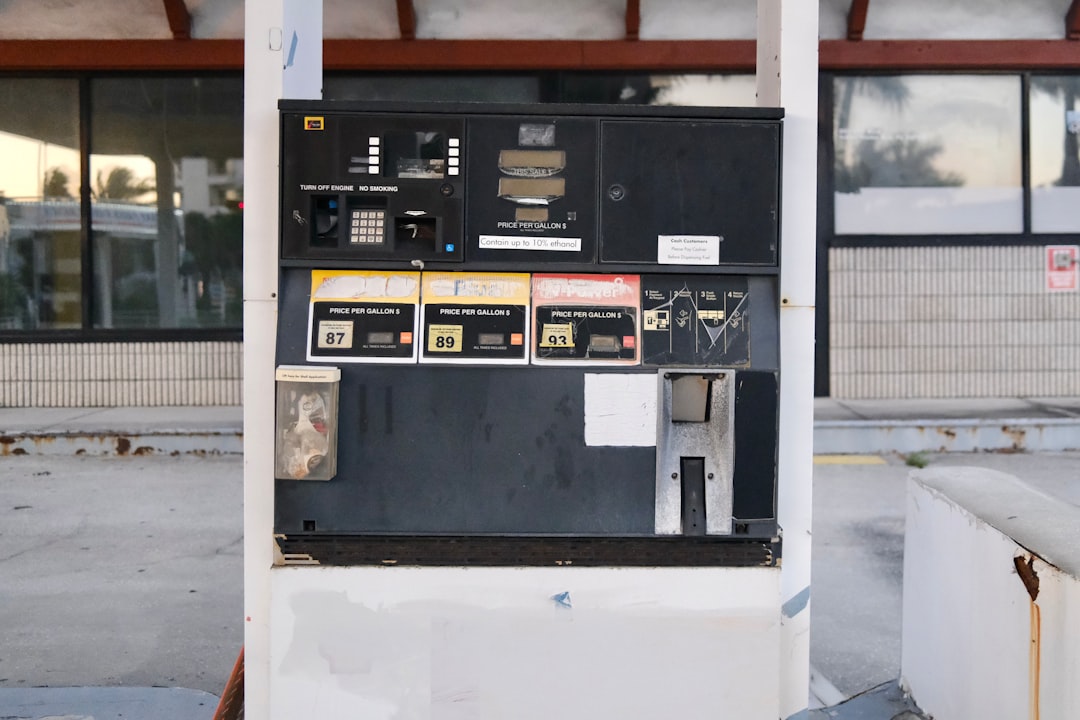
Criminals frequently target gas pumps because they are unattended for long periods of time. Skimming devices placed over the card reader can steal your information without you ever noticing anything suspicious. These machines are often located far from the store clerk’s view which makes them easy targets for tampering. Using a credit card here offers better protection since the money is not deducted immediately from your bank account.
Outdoor ATMs
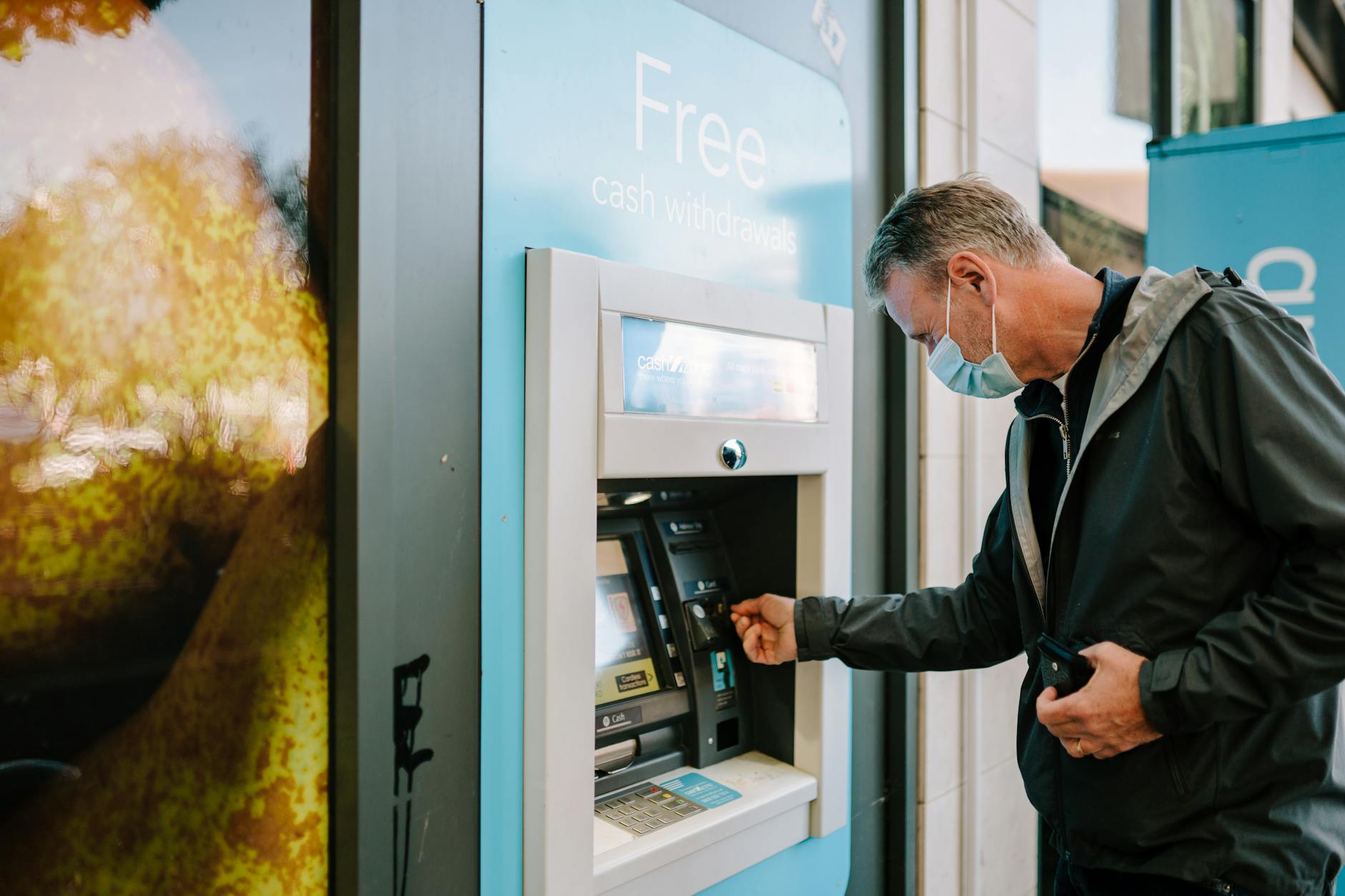
Automated teller machines located on sidewalks or outside bank lobbies are prime targets for skimmers. Thieves can easily install hidden cameras or card readers on these machines under the cover of darkness. The lack of constant surveillance allows criminals to return later to retrieve the stolen data. It is much safer to use ATMs located inside a secure building or bank vestibule during business hours.
Non-Bank ATMs
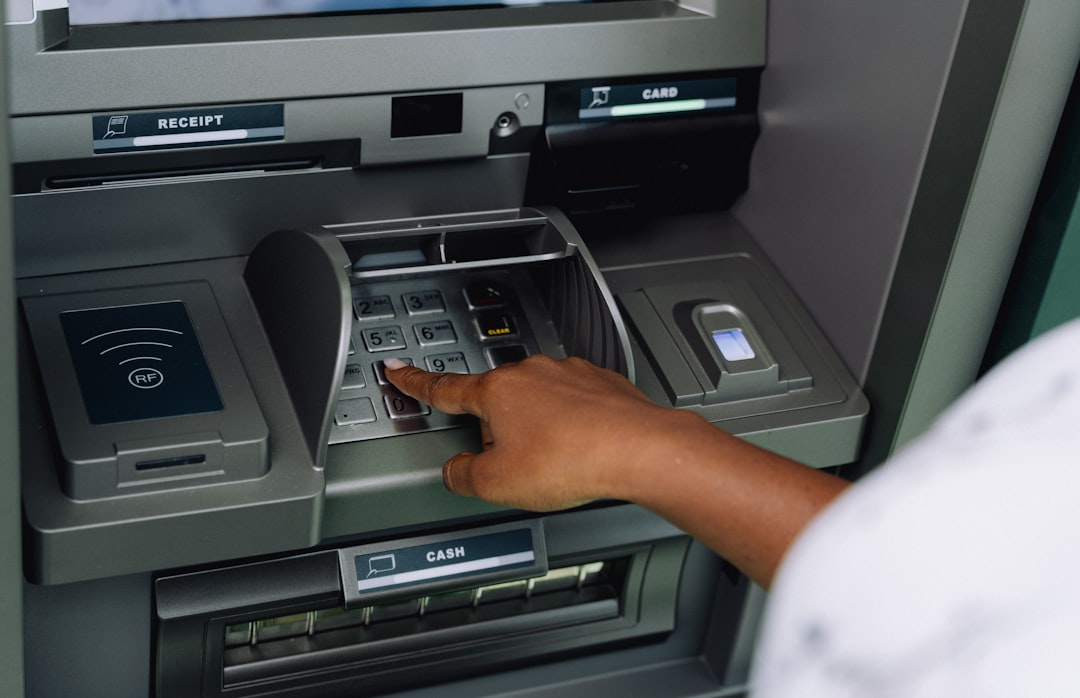
Generic cash machines found in convenience stores or bars often have lower security standards than bank-affiliated ones. These standalone units are less likely to be inspected regularly for tampering devices. High transaction fees are another downside to using these convenient but risky machines. Using them exposes your main bank account to potential fraud in locations with minimal oversight.
Online Retailers Without HTTPS
Websites that do not have a lock icon or https in the address bar lack essential encryption protocols. Entering your debit card information on these sites sends your data in plain text that hackers can intercept easily. Legitimate businesses always invest in secure sockets layer technology to protect customer transactions. You should always verify the security certificate of a website before entering any payment details.
Restaurants

Handing your debit card to a server involves the card leaving your sight for several minutes. A dishonest employee could easily snap a photo of the card or swipe it through a personal skimming device. You have no way of knowing who handles your card or where it goes once it leaves the table. Using cash or a credit card eliminates the risk of someone accessing your entire checking account balance during dinner.
Bars and Nightclubs

Opening a tab with a debit card authorizes the bartender to hold your card for an extended period. This practice increases the risk of the card being lost or accessed by unauthorized individuals in a chaotic environment. Bartenders may also mistakenly overcharge you or mix up cards when closing out multiple tabs at the end of the night. Paying with cash as you order drinks is a much safer strategy in these busy social settings.
Hotels

Hotels often place a hold on your card for the room rate plus incidentals which can tie up your actual funds for days. This hold reduces your available checking account balance and can lead to overdraft fees if other automated payments try to clear. The blocked funds are not released immediately upon checkout and can take up to a week to return to your account. Credit cards are better suited for these holds since they only reduce your available credit limit rather than your actual cash.
Car Rental Agencies
Rental companies require a significant security deposit that freezes a large portion of your checking account funds. This hold remains in place until you return the vehicle and the company verifies there is no damage. Using a debit card for this purpose can leave you without access to your own money during your trip. Many rental agencies also perform a hard credit check when you use a debit card which can lower your credit score.
Vacation Rentals

Booking a private home or apartment often requires a security deposit to cover potential damages. Using a debit card ties up your cash until the host inspects the property after your departure. Disputes over damage claims can result in money being deducted directly from your checking account without your immediate consent. A credit card provides a buffer that allows you to dispute charges before paying the bill.
Independent Sellers Online
Marketplaces that connect individual buyers and sellers often lack the security infrastructure of major retailers. Scammers can set up fake profiles to collect payment information without ever intending to ship a product. Recovering money sent via debit card to a fraudulent seller is often difficult and time-consuming. Third-party payment services or credit cards offer dispute resolution mechanisms that debit cards simply do not provide.
Recurring Subscriptions

Signing up for a monthly service with a debit card gives a company perpetual access to your checking account. Canceling these subscriptions can be difficult if the company ignores your requests or makes the process complex. Even after cancellation some companies may continue to charge your account due to system errors. Using a credit card allows you to dispute these unauthorized recurring charges more effectively.
Gym Memberships
Fitness centers are notorious for making it difficult to cancel contracts and stop monthly billing cycles. Providing your debit card number allows them to withdraw fees even after you have attempted to terminate the agreement. Disputes over contract terms can result in your bank account being drained while you fight for a refund. A prepaid card or credit card offers a layer of separation between the gym and your daily funds.
Free Trials
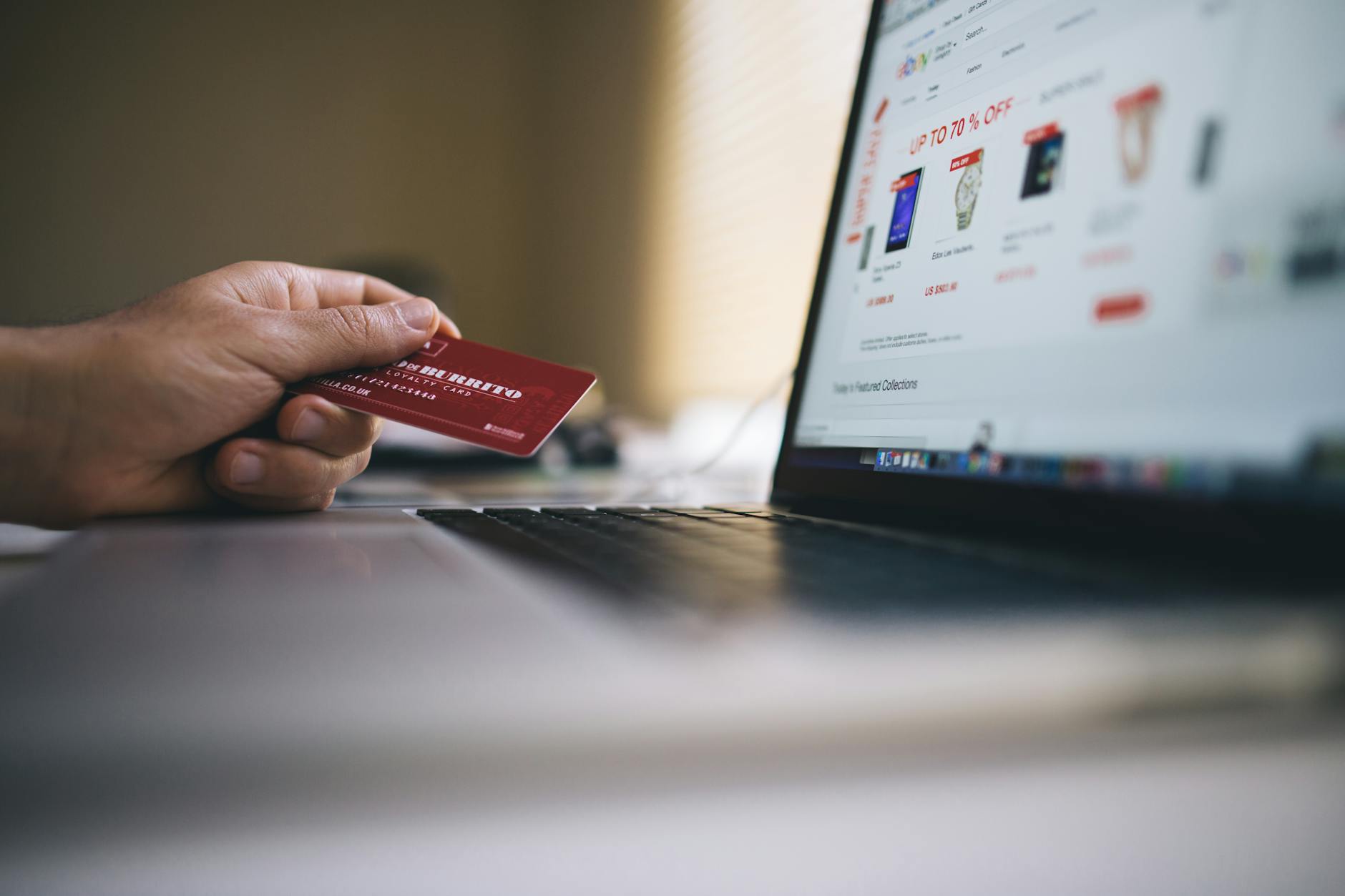
Companies often require payment information to start a free trial and automatically charge you when the period ends. Forgetting to cancel on time results in an immediate deduction from your checking account that is rarely refundable. Some shady businesses make the cancellation process intentionally obscure to ensure they get at least one payment. Using a virtual credit card number or a prepaid card prevents these unwanted charges from hitting your bank balance.
Self-Checkout Kiosks
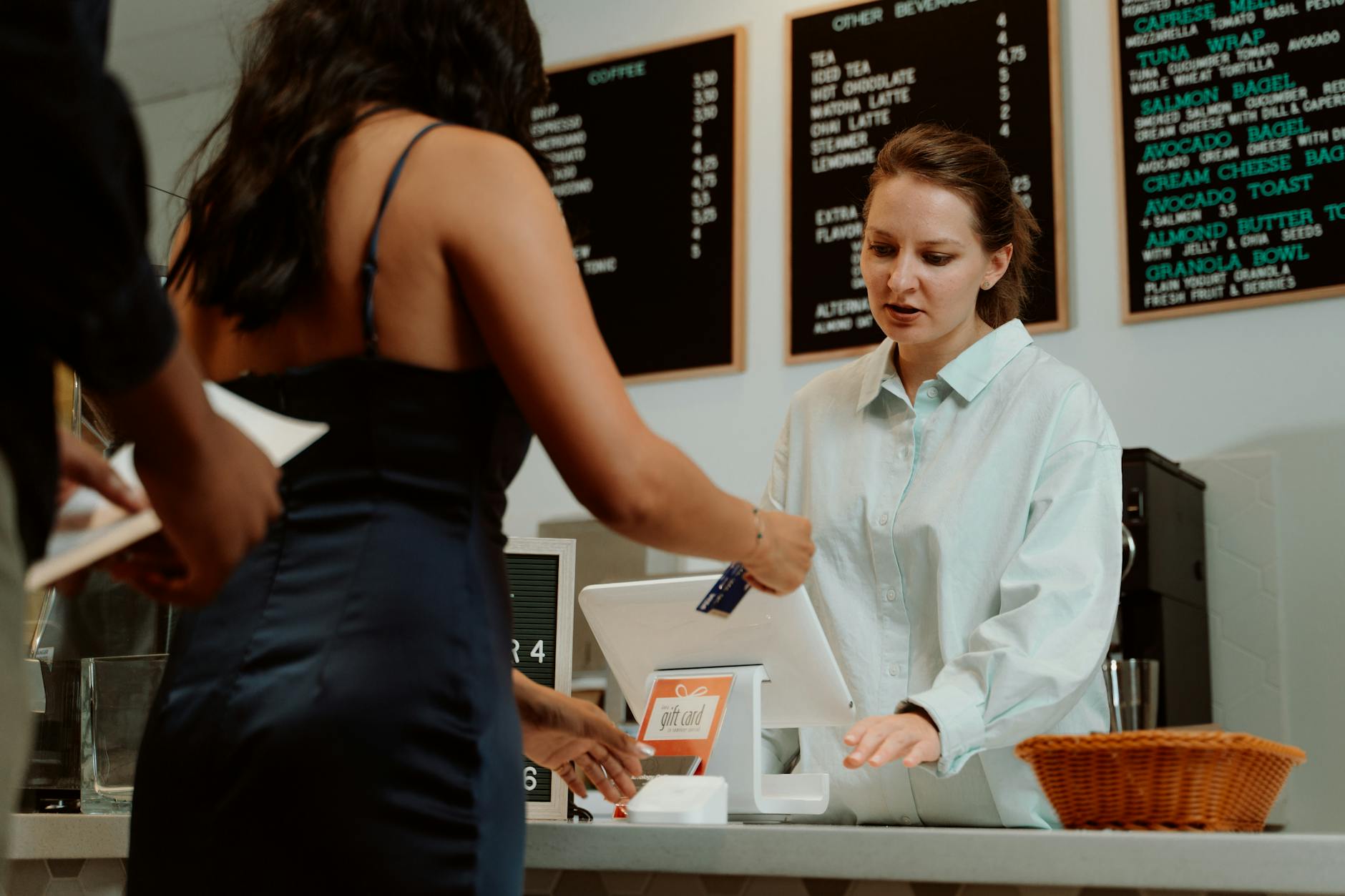
These automated registers in grocery stores and retail chains are becoming common targets for skimming devices. The high volume of traffic and minimal supervision make it easy for criminals to install overlays on the card terminals. Shoppers are focused on scanning items and often fail to inspect the card reader for tampering. Mobile payment options like Apple Pay or Google Pay are safer alternatives at these machines.
Parking Meters
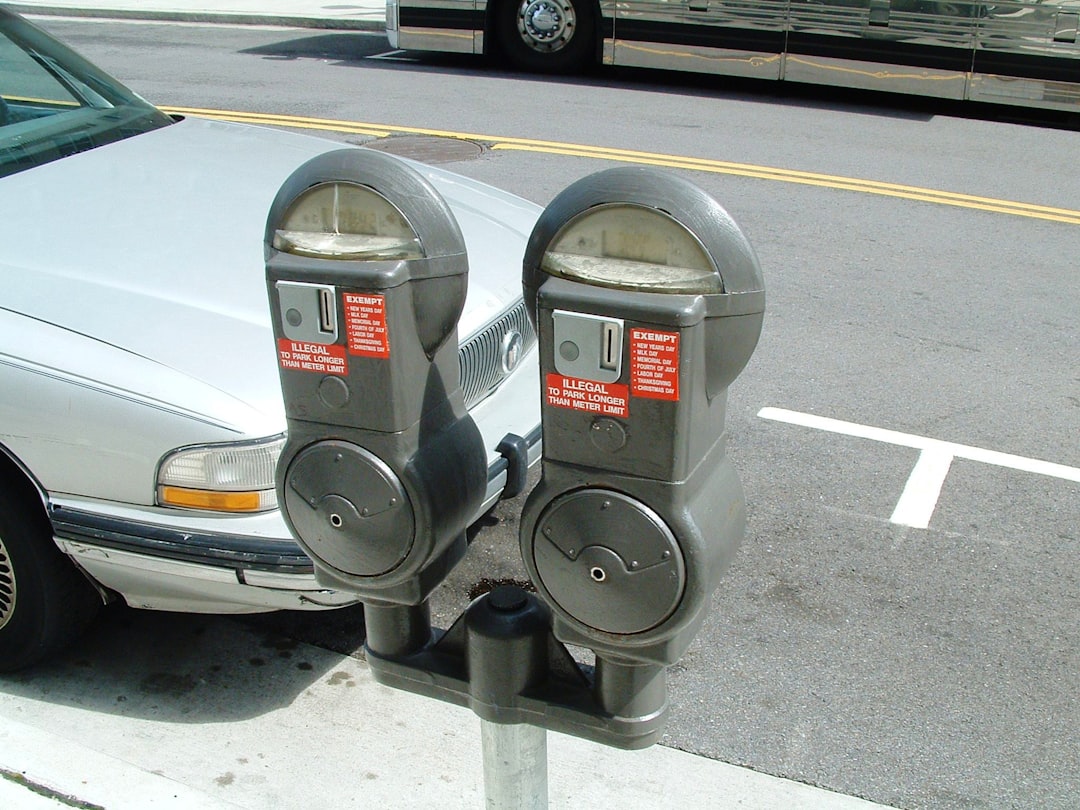
Street parking meters are exposed to the elements and are rarely inspected by security personnel. Criminals can easily attach skimming devices to the card slot without attracting attention from passersby. Information stolen from these machines is often used quickly before the victim notices unauthorized transactions. Carrying coins or using an official parking app is a safer way to pay for street parking.
Public Wi-Fi Networks
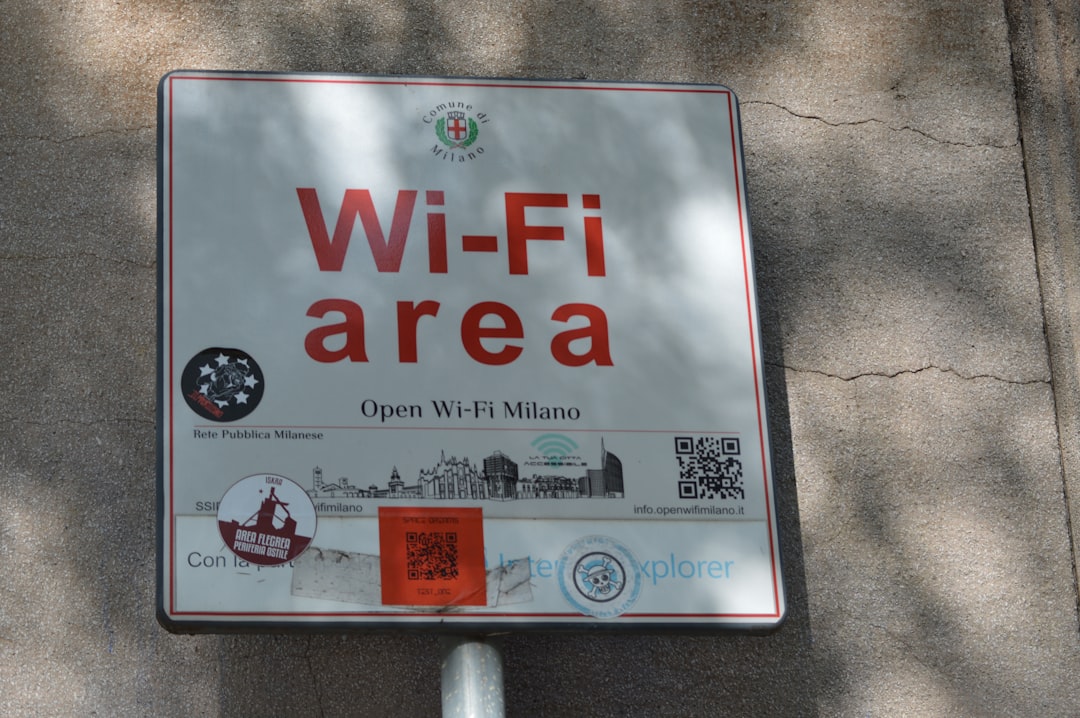
conducting financial transactions over an unsecured public network allows hackers to intercept your data. Information sent over open Wi-Fi at coffee shops or airports is visible to anyone with the right software. Entering your debit card details on these networks puts your bank account at immediate risk of compromise. You should only check bank balances or make payments when using a secure and private cellular connection.
Phone Orders
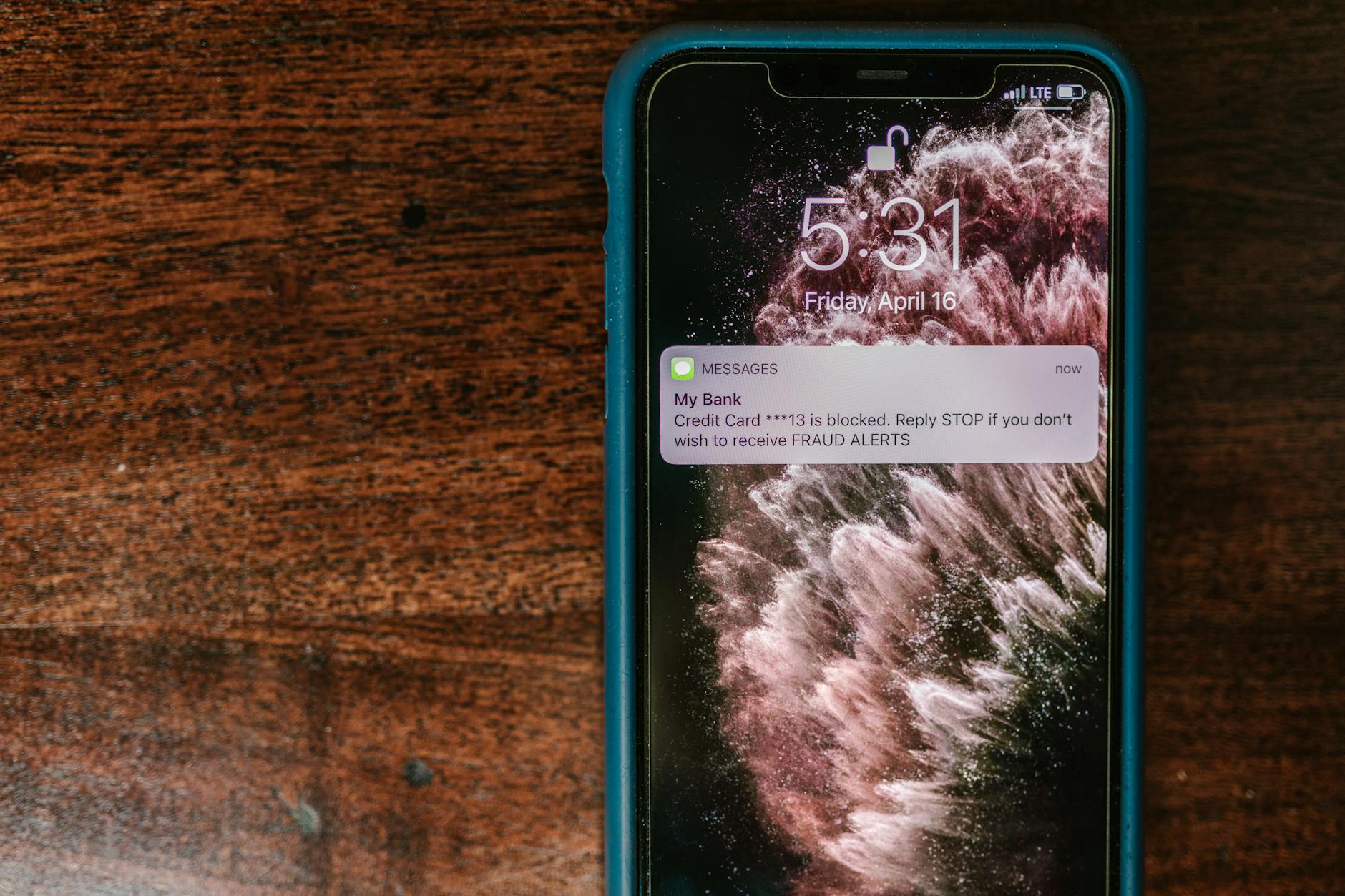
Reading your debit card number aloud over the phone exposes your information to anyone listening nearby. You also have no way of verifying how the person on the other end is storing or writing down your data. Customer service representatives in unsecured environments may write down numbers for later fraudulent use. A credit card offers better fraud protection if the transaction data is compromised after the call.
Airport Kiosks
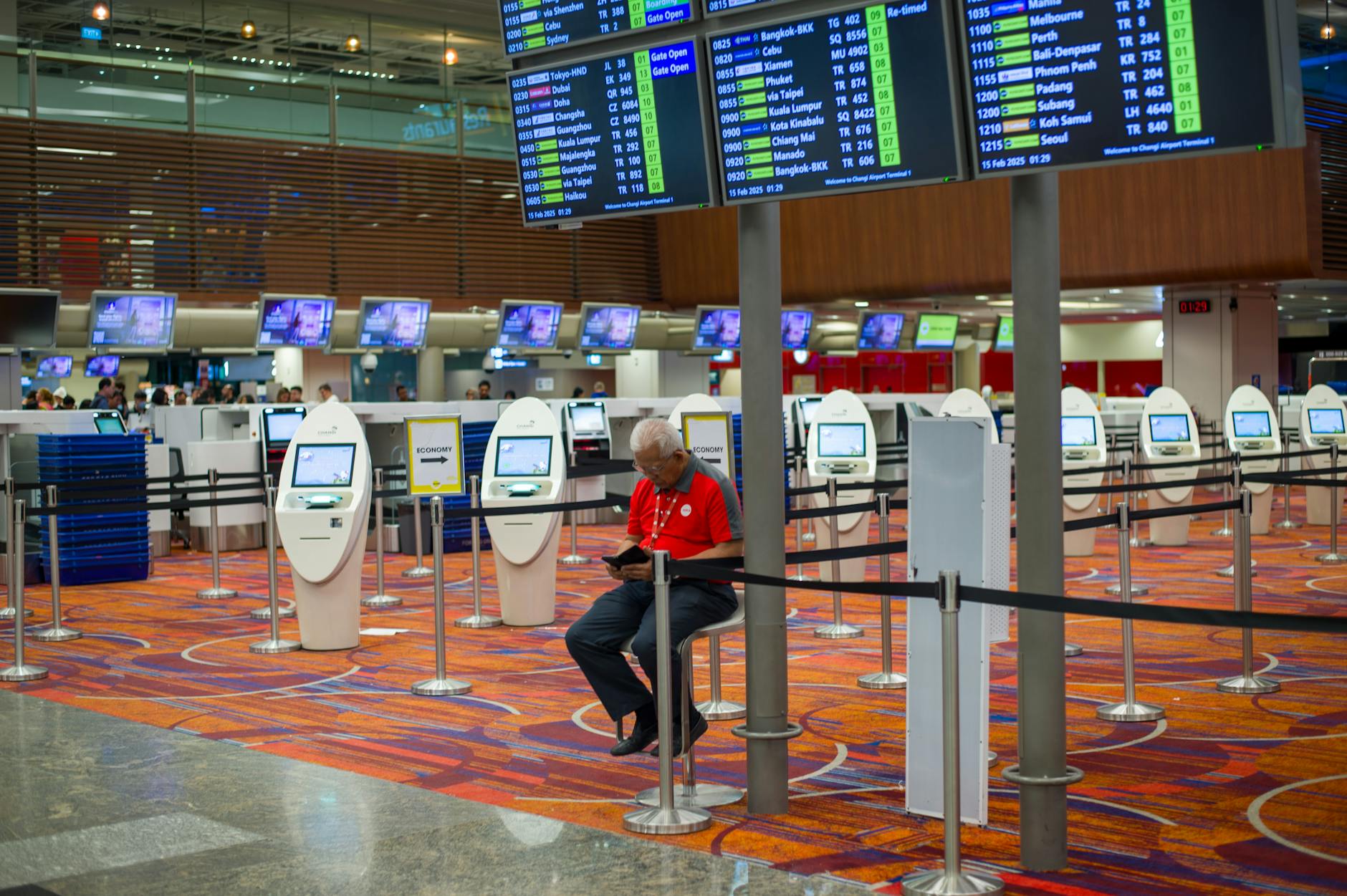
High traffic areas like airports are prime locations for criminals to install skimmers on self-service machines. Travelers rushing to print boarding passes or buy train tickets often overlook subtle signs of tampering. The transient nature of airport crowds makes it difficult for authorities to catch the perpetrators. Using contactless payment methods helps you avoid inserting your card into potentially compromised slots.
Train Stations

Ticket vending machines at train stations are often located in areas with limited surveillance coverage. Commuters in a hurry are unlikely to inspect the card reader before making a quick purchase. These machines are frequent targets for skimmers because they process a high volume of transactions daily. Buying tickets through an official mobile app removes the risk of physical card skimming entirely.
Tourist Attractions

Pop-up vendors and ticket booths at popular tourist sites may not use secure payment processing systems. The high turnover of customers and chaotic atmosphere create opportunities for card theft or double charging. Scammers know that tourists are less likely to notice fraudulent charges until they return home. Cash is the most reliable and secure payment method when visiting busy tourist destinations.
Street Fairs and Festivals

Vendors at temporary events often rely on wireless card readers that may rely on insecure connections. The chaotic environment makes it difficult to ensure your transaction is being processed securely and privately. You have no way of knowing if the vendor is storing your card data for future use. Cash is always the safest option when purchasing goods at temporary stalls or outdoor markets.
Concert Merchandise Tables

The frantic environment of a concert venue makes it easy for distractions to lead to financial errors or fraud. Staff members are often temporary hires who may not have undergone rigorous background checks. Handing over your card in a dark and crowded room increases the risk of it being swapped or skimmed. Using cash or a mobile wallet ensures your main bank funds remain secure during the event.
Food Trucks
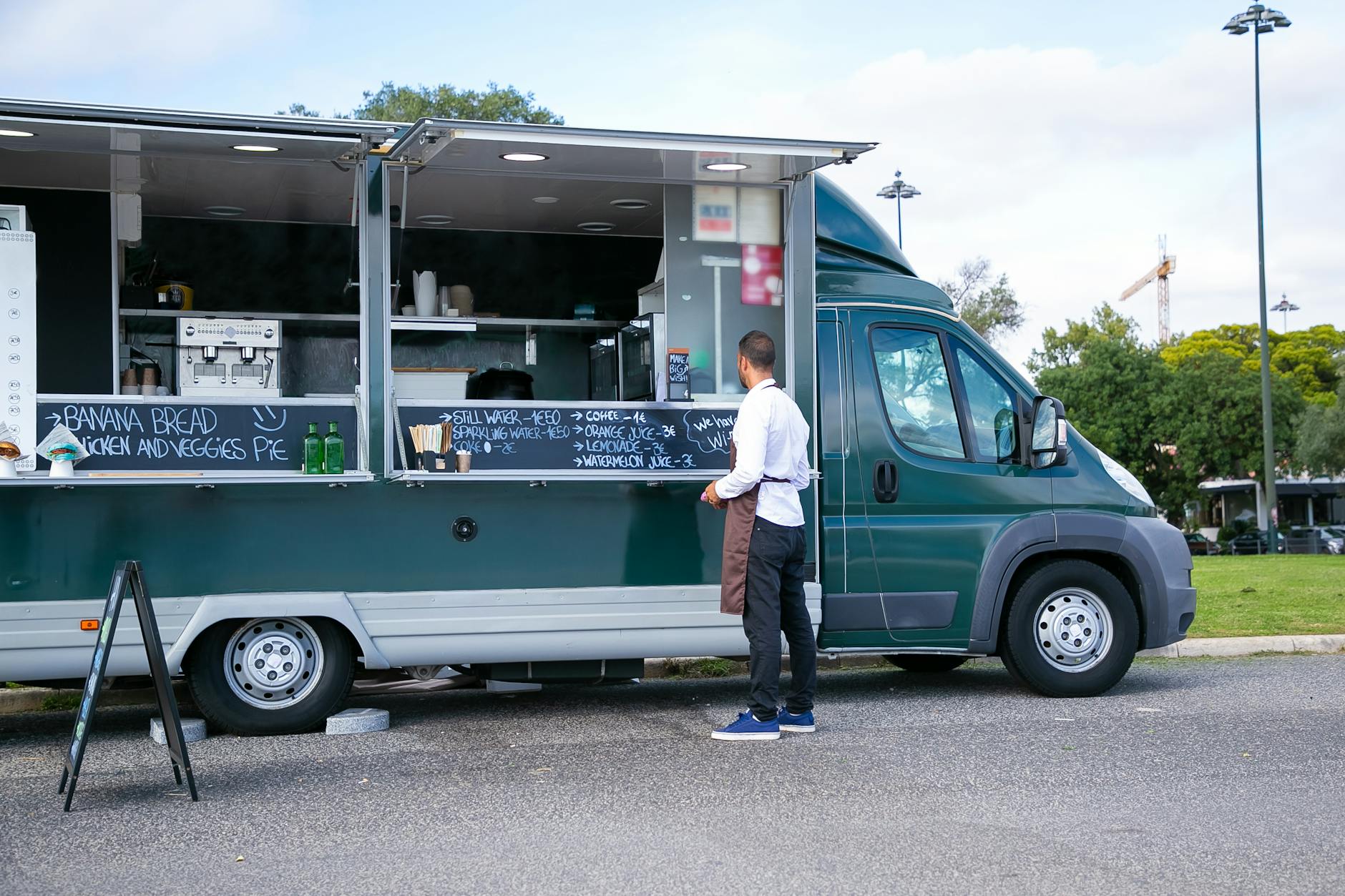
Mobile food vendors use wireless point of sale systems that can be vulnerable to hacking or signal interception. The small size of the operation means they may not have invested in robust cybersecurity measures. Handing your card to someone inside the truck removes it from your view for the duration of the transaction. Paying with cash prevents any digital record of the transaction and protects your account data.
Convenience Stores
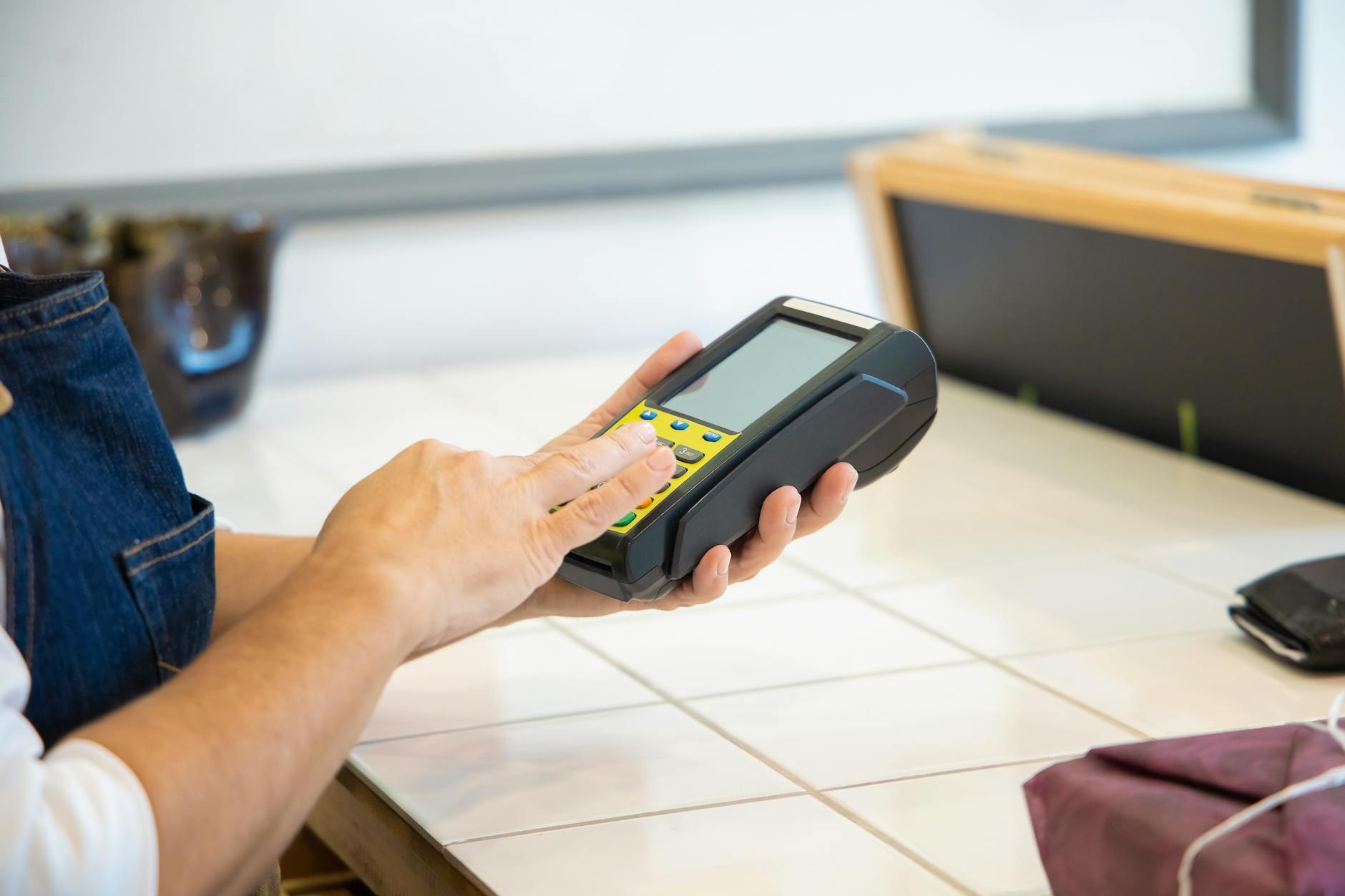
Corner stores often have older point of sale terminals that are less secure than those at major retailers. The high volume of customers and lack of updated security software make these locations attractive to data thieves. Skimmers can be attached to the counter terminal while the clerk is distracted or complicit. Using cash for small purchases at these locations is a simple habit that enhances your financial security.
Vending Machines
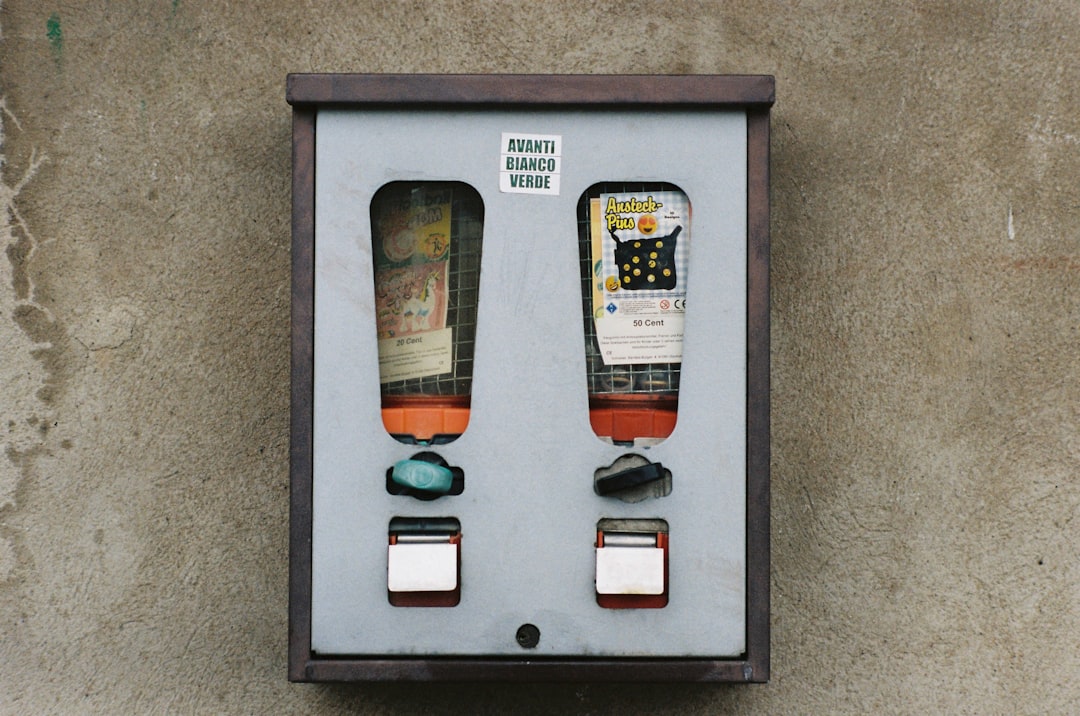
Modern vending machines that accept cards are often located in secluded hallways or break rooms. These unattended machines are easy targets for criminals to install skimming devices without being seen. The card readers are often bulky which makes it difficult to distinguish a skimmer from the original equipment. Using cash or mobile pay options prevents your card data from being stolen at the snack machine.
App Stores
Linking a debit card to your mobile app store account can lead to accidental or unauthorized purchases. Children playing games on your device may inadvertently buy in-game currency or expensive subscriptions. A compromised account allows hackers to make unlimited purchases that drain your checking account instantly. Using gift cards to fund your account balance limits the potential loss to a fixed amount.
Crowdfunding Sites
Backing a project on a crowdfunding platform does not guarantee that you will receive the promised product. If the project fails or is revealed to be a scam getting a refund to a debit card is difficult. Your money is essentially gone once the transaction clears if the platform does not offer buyer protection. Credit cards often provide purchase protection that can help you recover funds from failed ventures.
Foreign Countries
Using a debit card abroad exposes you to high foreign transaction fees and potential currency conversion markups. If your card is compromised while traveling you may lose access to all your travel funds. Banks may also freeze your account for suspicious activity leaving you stranded without money. A credit card offers better fraud protection and emergency replacement services for international travelers.
Electronics Stores

High-ticket items like computers and televisions are major targets for warranty disputes and return issues. Purchasing these expensive goods with a debit card ties up your cash if you need to return a defective item. Refunds to debit cards can take several days to process leaving you without the item or the money. Many credit cards offer extended warranty protection and purchase security that debit cards lack.
Furniture Stores
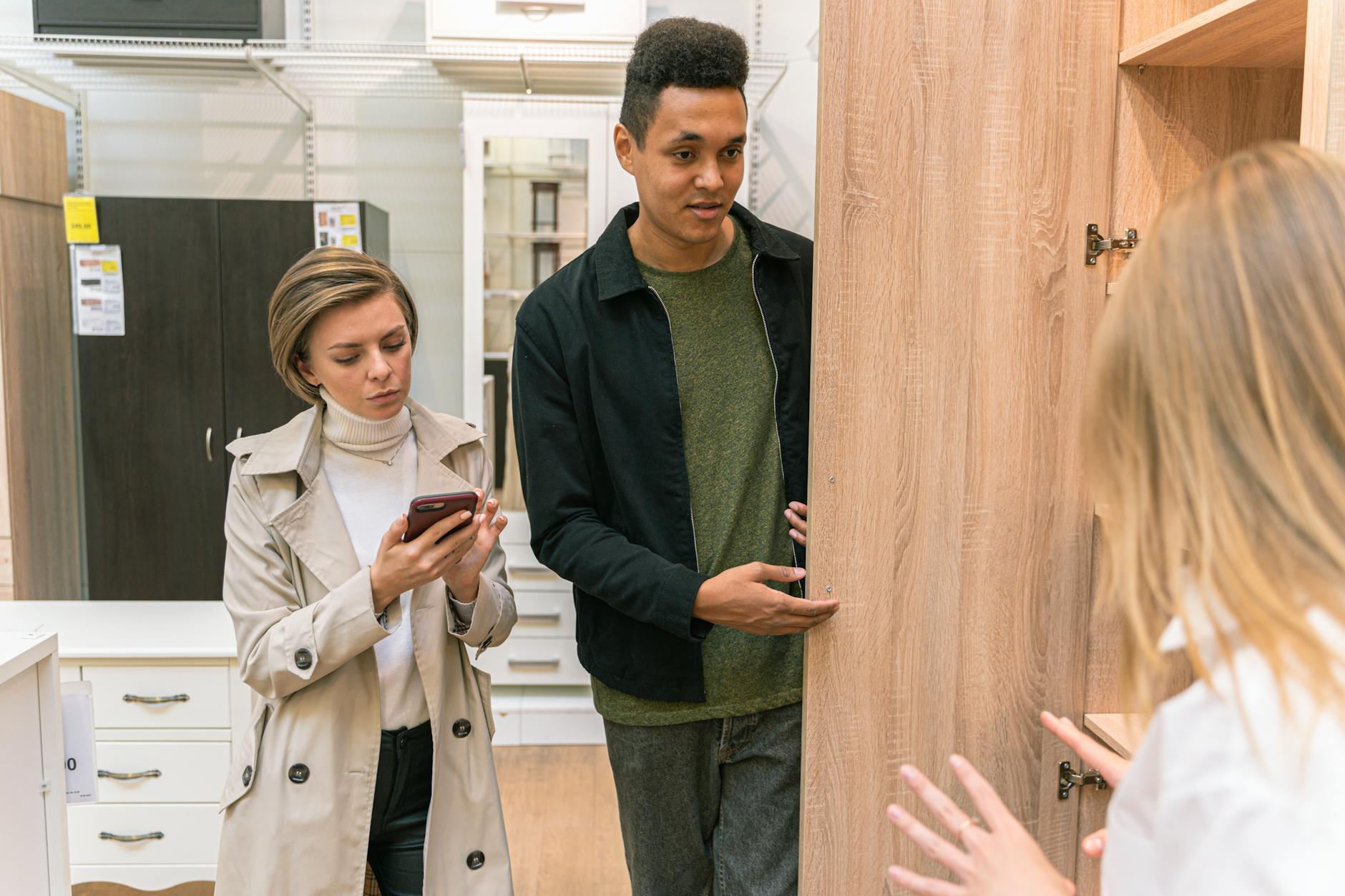
Furniture orders often involve large deposits and long delivery lead times that can span several months. If the company goes out of business before delivery you risk losing your deposit entirely. Recovering these funds from a bankrupt company is nearly impossible for debit card holders. Credit card issuers allow you to dispute the charge if the goods are never delivered.
Buying Cryptocurrencies
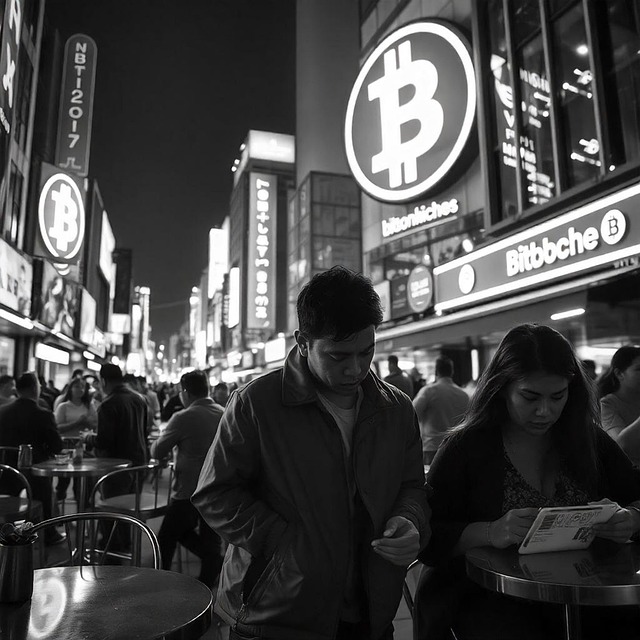
The volatile and often unregulated nature of cryptocurrency exchanges makes them high-risk environments for banking data. Many banks will block transactions to crypto platforms to protect customers from potential fraud. If an exchange is hacked or turns out to be fraudulent your invested funds are likely gone forever. Using a separate account or wire transfer limits the exposure of your primary checking funds.
Online Gaming Sites
Gambling and gaming websites are frequent targets for hackers looking to steal financial information. A data breach at one of these sites can expose your debit card details to the dark web. It can be difficult to distinguish legitimate gaming sites from fraudulent ones designed to steal data. Using a prepaid card ensures that your main bank account remains isolated from these high-risk platforms.
Door-to-Door Sales
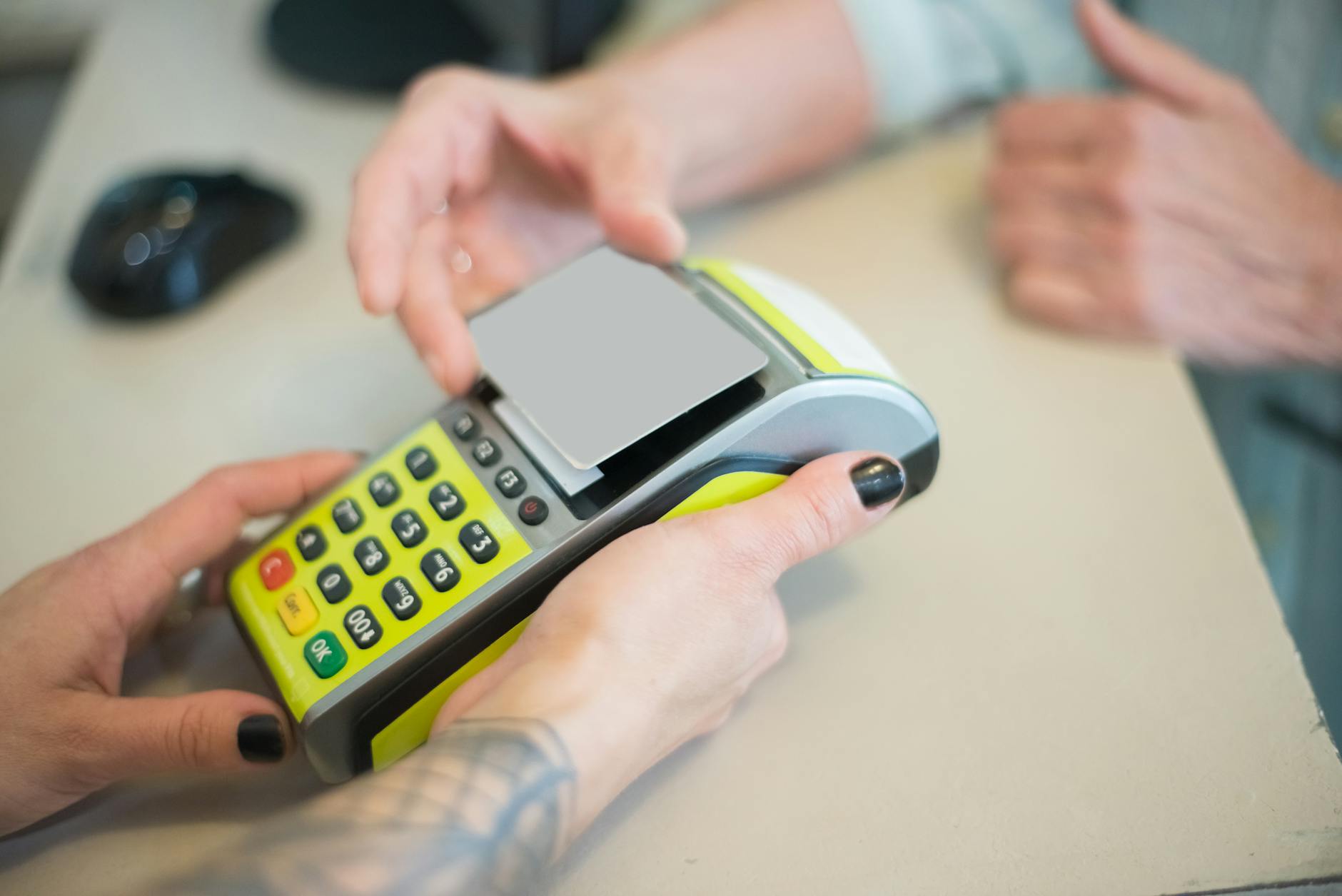
Salespeople who come to your home often use handheld card readers or write down card numbers on paper forms. You have no way to verify the legitimacy of the company or the security of their payment processing. High-pressure sales tactics may lead you to make a purchase you later regret and cannot easily cancel. Writing a check or using a credit card provides a paper trail and better dispute options.
Charity Solicitations
Scammers frequently set up fake charities to exploit the goodwill of donors during times of crisis. Giving your debit card number to an unverified organization allows them to withdraw funds immediately. Legitimate charities will always offer multiple secure ways to donate and will not pressure you for immediate payment. Researching the organization and using a credit card ensures your donation goes to the right place.
Delivery Apps
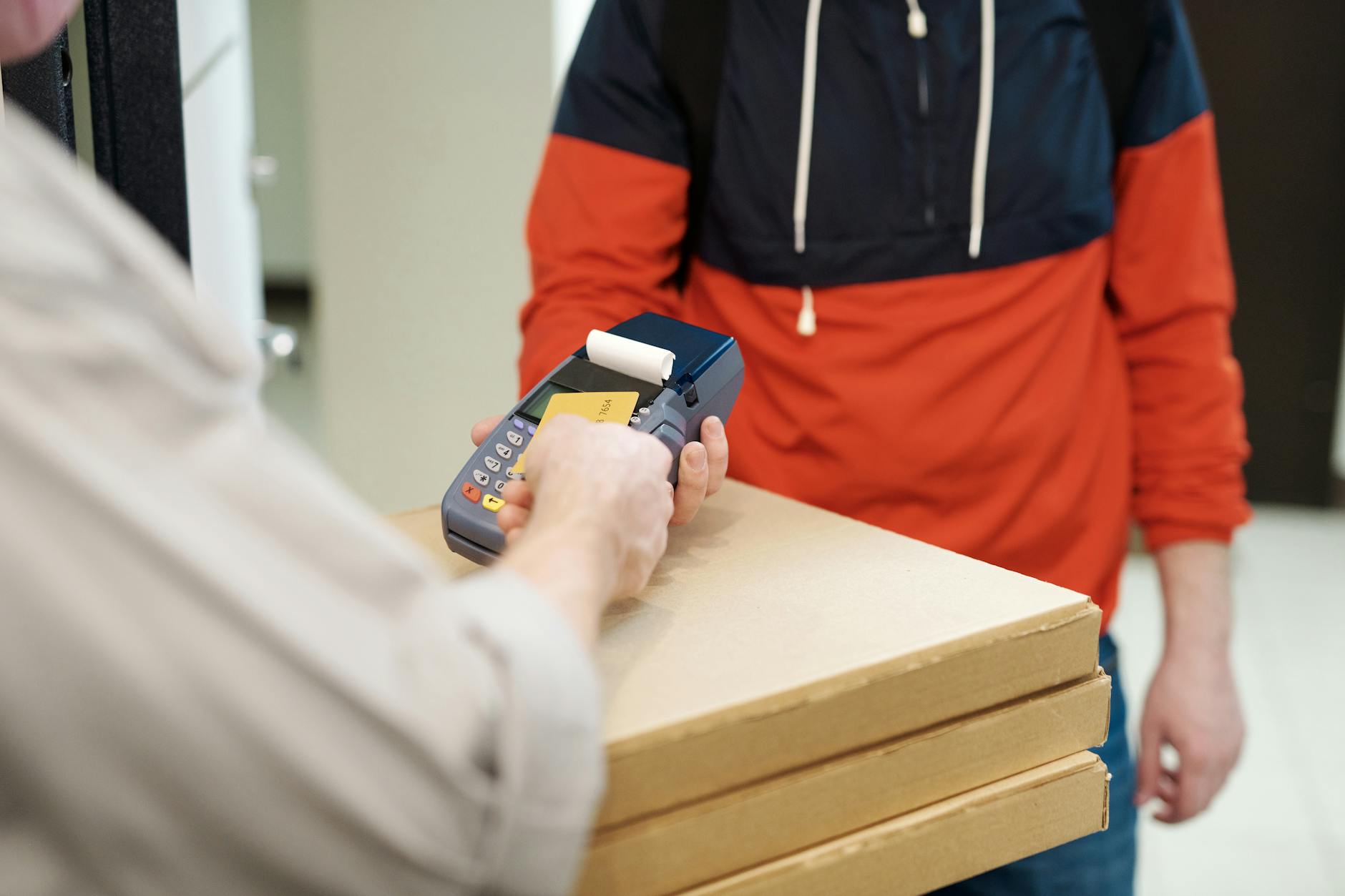
Storing your debit card information in food delivery apps creates a permanent link to your bank account. If your account on the app is hacked criminals can order food or goods at your expense. Frequent data breaches in the tech sector make storing payment details risky. Using a digital wallet like PayPal or Apple Pay adds a layer of security between the app and your bank.
Peer-to-Peer Payment Apps
Linking your debit card directly to apps like Venmo or Cash App allows for instant transfers but carries risks. If you accidentally send money to the wrong person it is often impossible to reverse the transaction. Scammers use these platforms because the transfers are treated like cash and are final. Linking a credit card creates a buffer and may offer some recourse in the event of fraud.
Unknown Websites from Social Media Ads
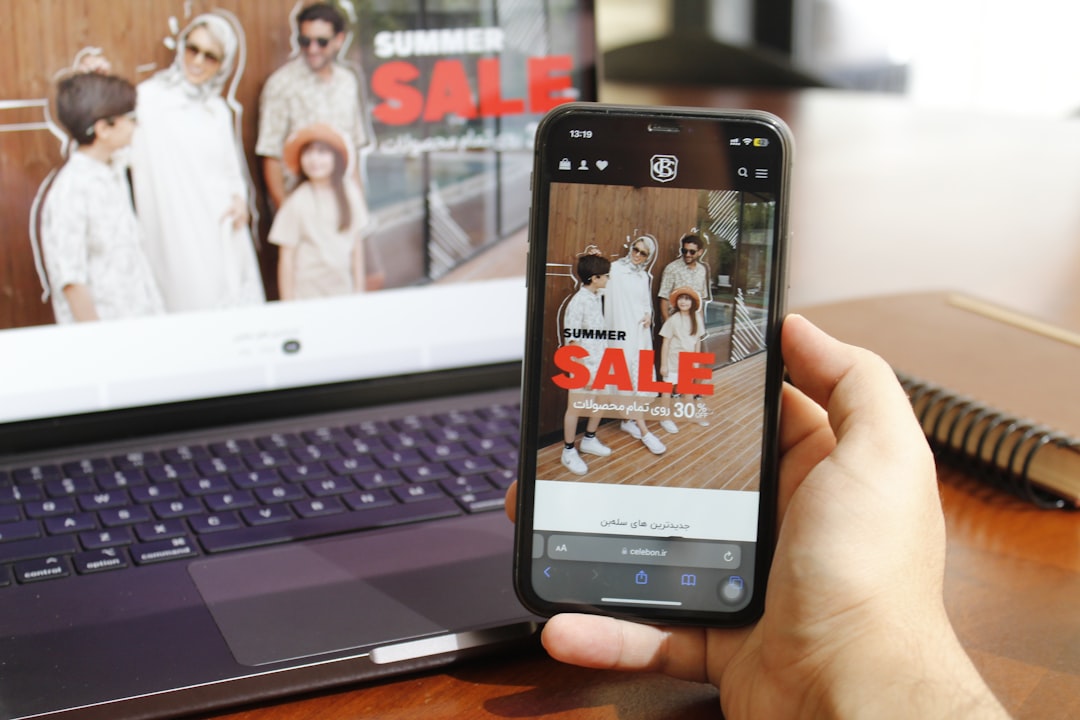
Ads on social media often lead to drop-shipping sites selling low-quality goods or outright scams. These temporary websites collect payment information and then disappear without fulfilling orders. Entering your debit card details gives these unknown entities direct access to your checking account. Stick to well-known retailers or use a payment service like PayPal for added protection.
Nail Salons
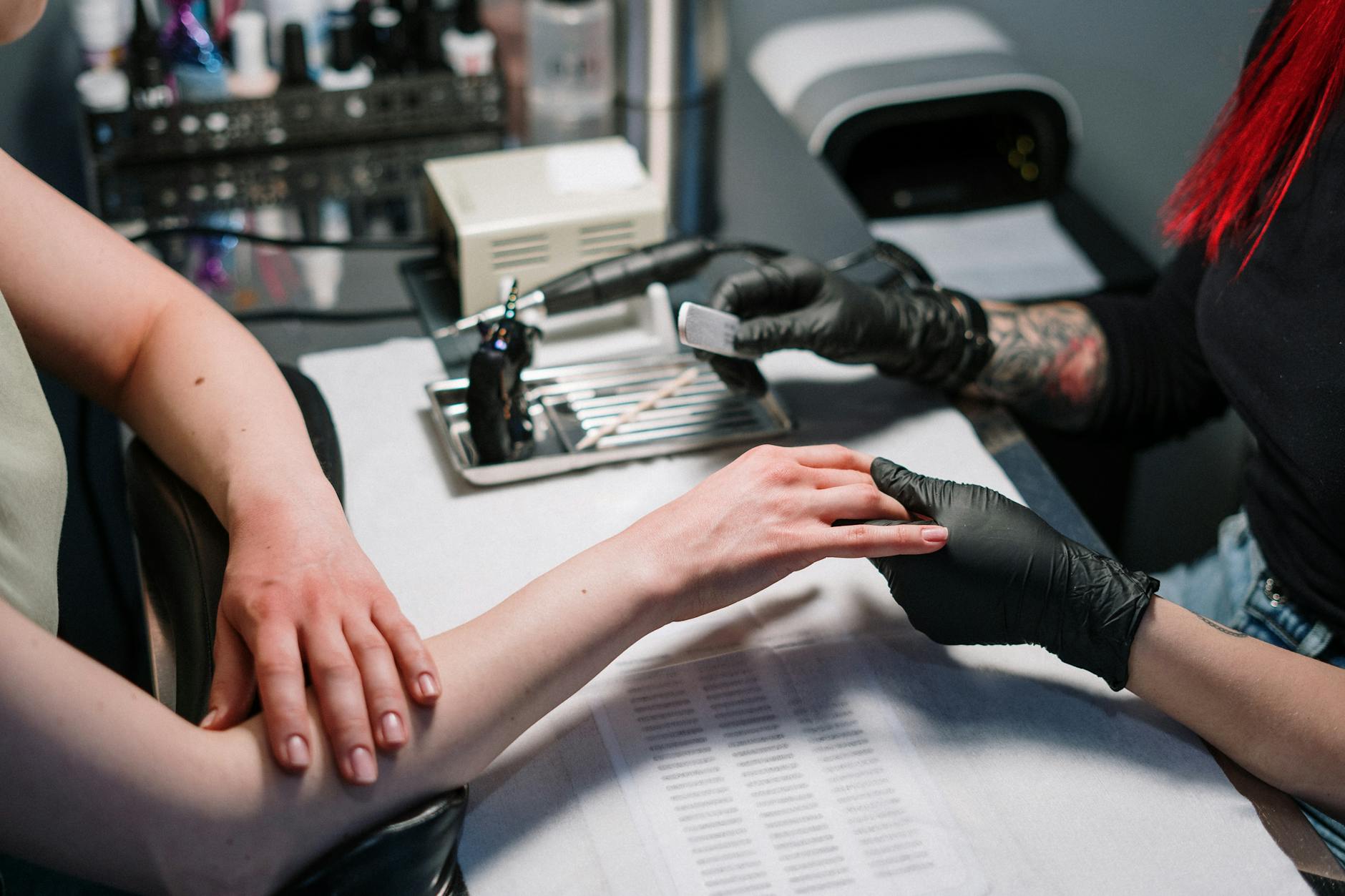
Many smaller beauty salons use older card terminals or prefer cash payments to avoid transaction fees. The lack of updated security technology in some establishments increases the risk of data theft. Handing your card over for payment often means it leaves your sight while you wait for your receipt. Cash is the preferred payment method in these establishments and guarantees your data stays safe.
Taxis
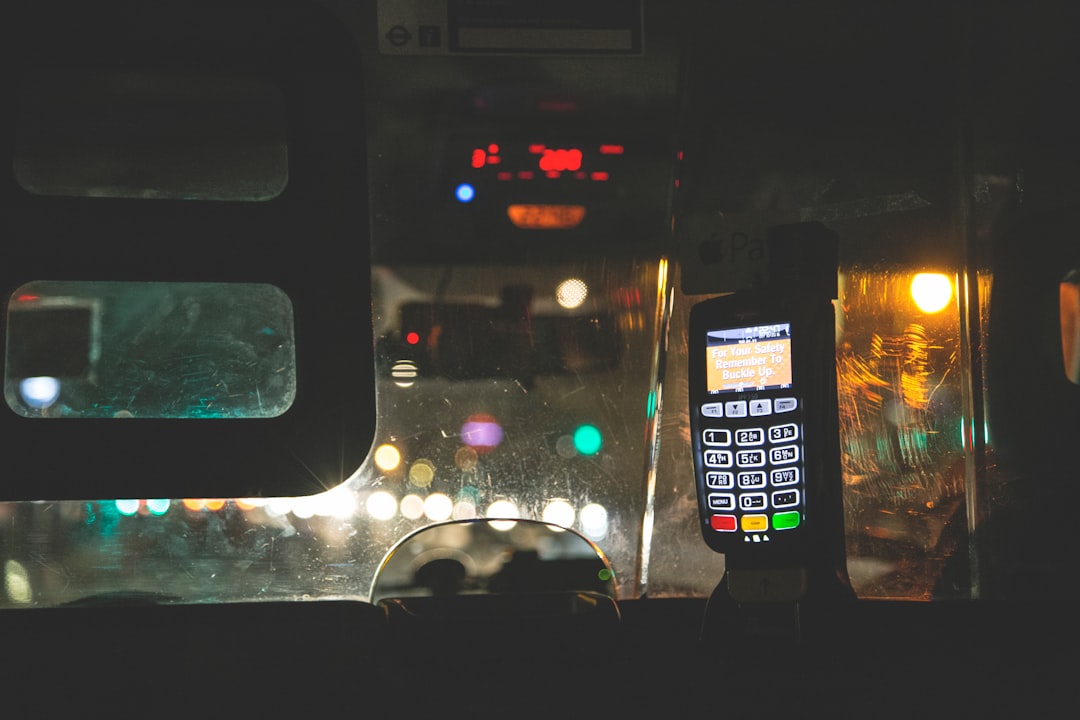
Cab drivers often use older wireless card terminals that may not be compliant with current security standards. Handing your card to the driver in the backseat makes it difficult to see what is happening with it. Skimming devices can easily be hidden in the partition or handled by a dishonest driver. Paying with cash or using a ride-share app with stored payment info is a safer alternative.
Any Store Asking for ID
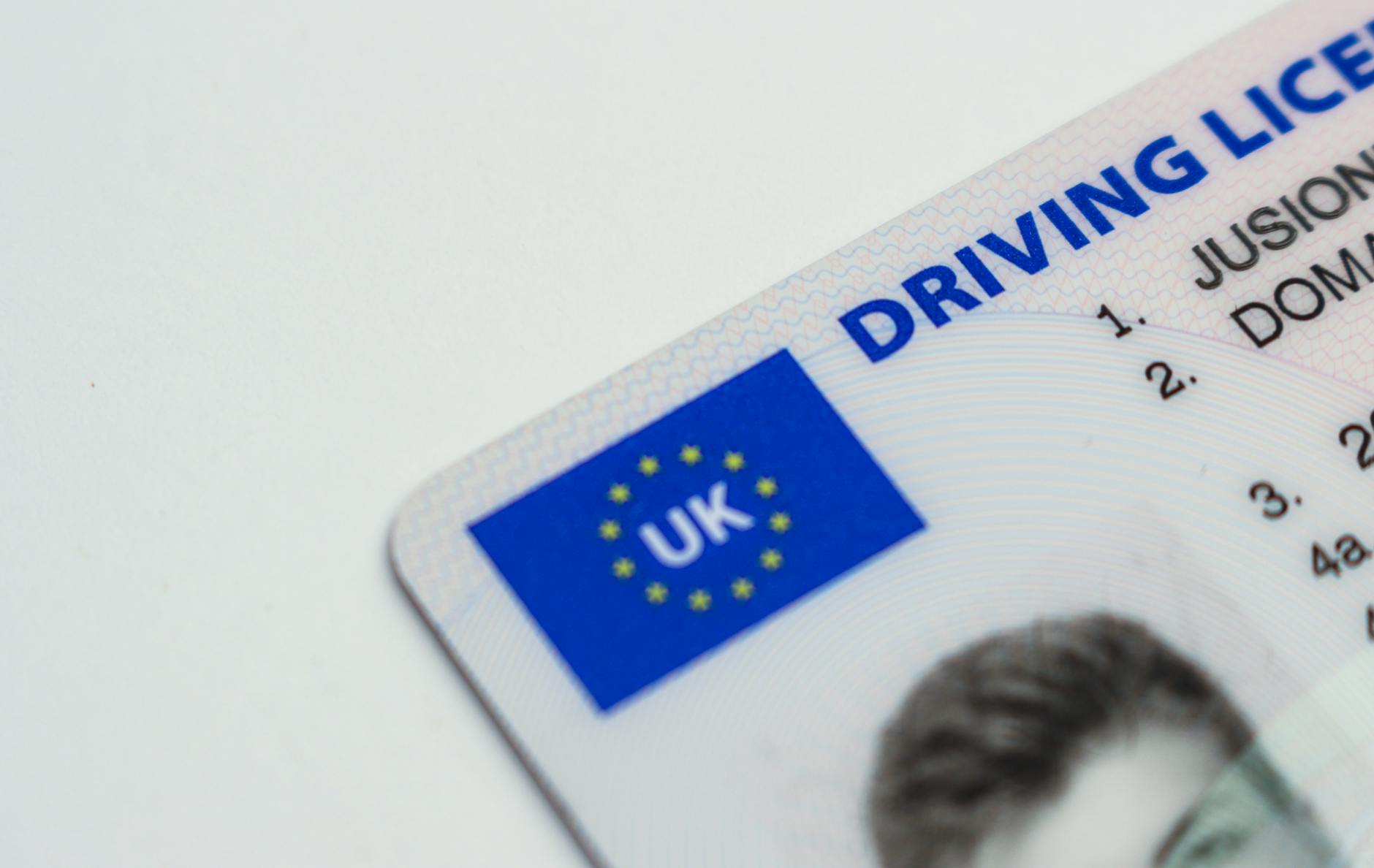
Merchants who require you to show ID when using a debit card are often recording your personal information. Writing down your address or driver’s license number on the receipt exposes you to identity theft. This practice is actually a violation of the merchant agreements for major card networks like Visa and Mastercard. You should politely decline to provide extra personal information or use a different payment method.
Would you like me to research safer payment alternatives like digital wallets or prepaid cards for your next article?